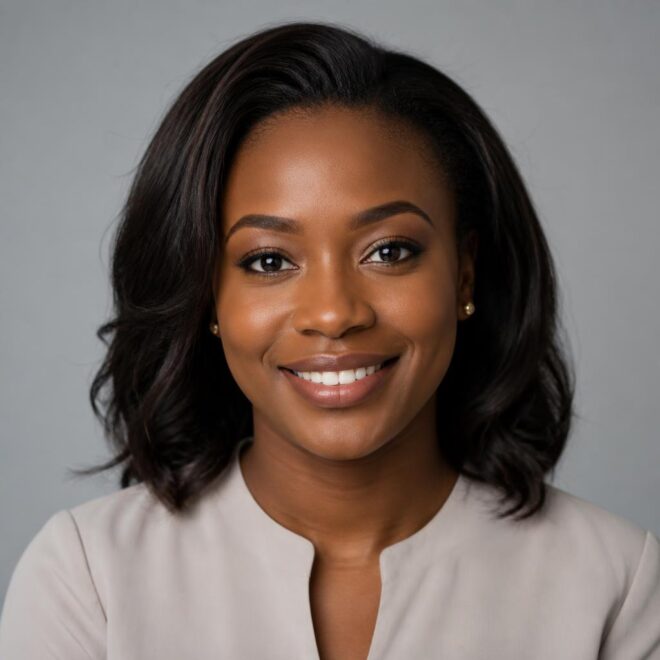


Fine hair often feels like a curse when you’re staring at a mirror, trying to coax volume out of limp strands that seem determined to lie flat against your scalp. If you have spent your mornings wrestling with round brushes and volumizing mousses only to have your hair collapse by lunch, you are not alone. The secret isn’t a stronger hairspray; it is the cut. A soft bob paired with curtain bangs is quite possibly the most forgiving, flattering, and manageable style for someone dealing with a finer hair texture. It provides the illusion of thickness by removing the dead weight that drags long, fine hair down, while the curtain bangs frame your face in a way that softens features and adds a deliberate, styled look without requiring professional styling skills every single day.
1. The Classic Chin-Length Blunt Bob
When you want to maximize the appearance of density, a blunt edge is your best friend. By cutting the ends straight across at the chin, you eliminate the wispy, see-through appearance that often plagues fine hair at the ends. This creates a crisp, clean line that makes the bottom of your hair look instantly thicker.
Why This Works for Fine Hair
The weight distribution is the key here. When hair is left long, the strands at the crown are weighed down by the length below, pulling everything toward the scalp. A chin-length cut redistributes that volume, allowing the hair to lift more naturally. Pair this with soft, face-framing curtain bangs, and you have a look that balances structure with movement.
Styling for Maximum Impact
- Use a lightweight volumizing mousse on damp hair.
- Blow-dry using a small round brush to tuck the ends inward slightly.
- Finish with a texturizing spray, not a heavy wax, to keep the ends looking airy rather than clumped.
- Avoid silicones or heavy oils that can make fine hair look greasy or flat.
Pro tip: Ask your stylist to keep the ends blunt rather than razor-cut; thinning shears are the enemy of fine hair.
2. The Textured Layered Bob
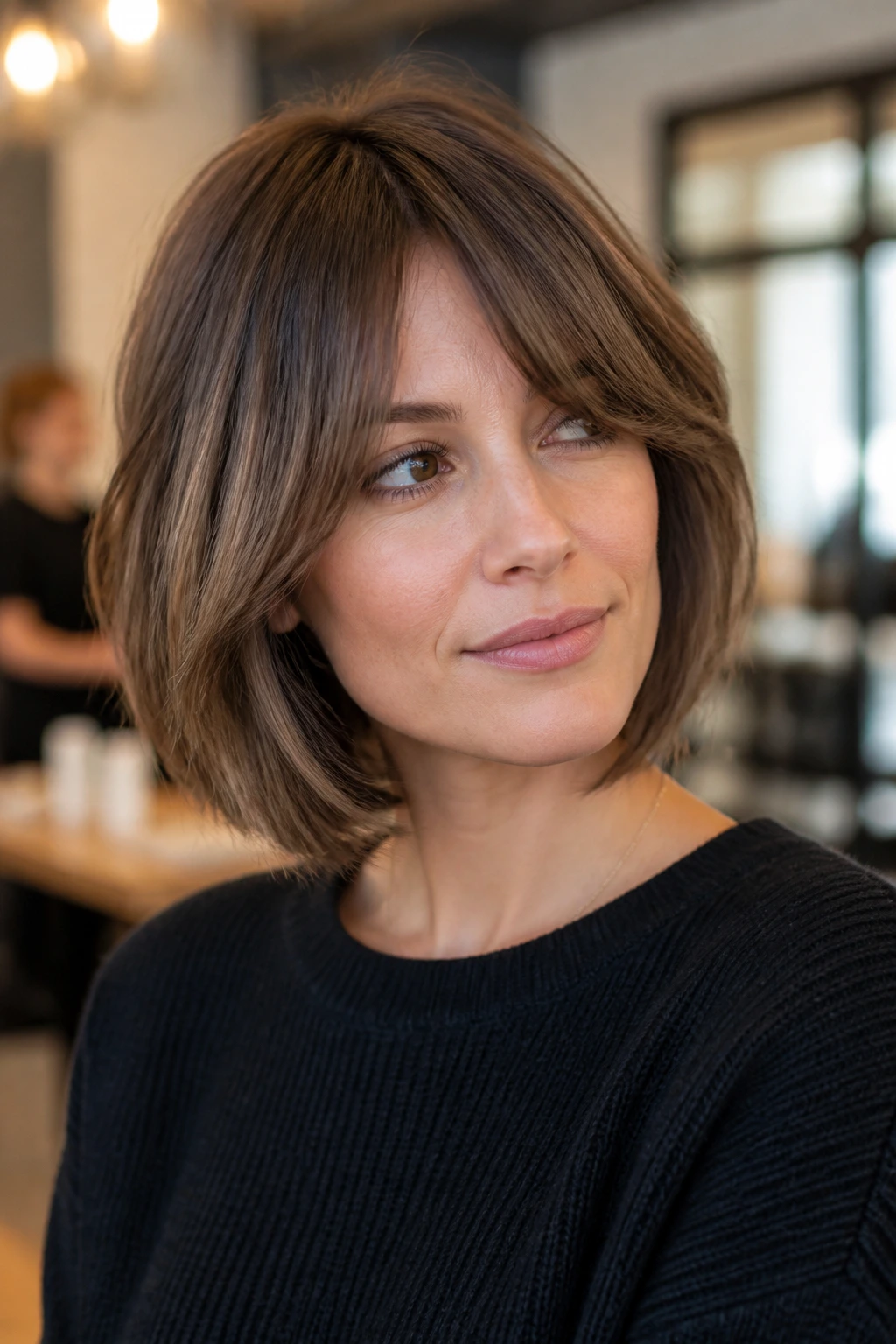
If a blunt cut feels too severe, a layered bob offers a softer alternative. The trick is to keep the layers long and internal, meaning they don’t compromise the thickness of the bottom line but do provide enough lift to prevent the dreaded “triangle” shape that can happen with shorter cuts.
The Science of Movement
Layers create space between the strands, which naturally builds air and volume. For fine hair, we aren’t talking about choppy, aggressive layers. Instead, we want “hidden” layers that blend seamlessly into the length. These allow the hair to bend and move, which makes it appear more abundant than it actually is.
Who Should Choose This
This is the ideal choice if you find your hair feels flat on top but you want to keep some length around your jawline. The curtain bangs act as the transition piece, connecting the shorter layers near your cheeks to the length of the bob. It creates a cohesive, flowing shape that feels modern and effortless.
3. The Textured Shaggy Bob
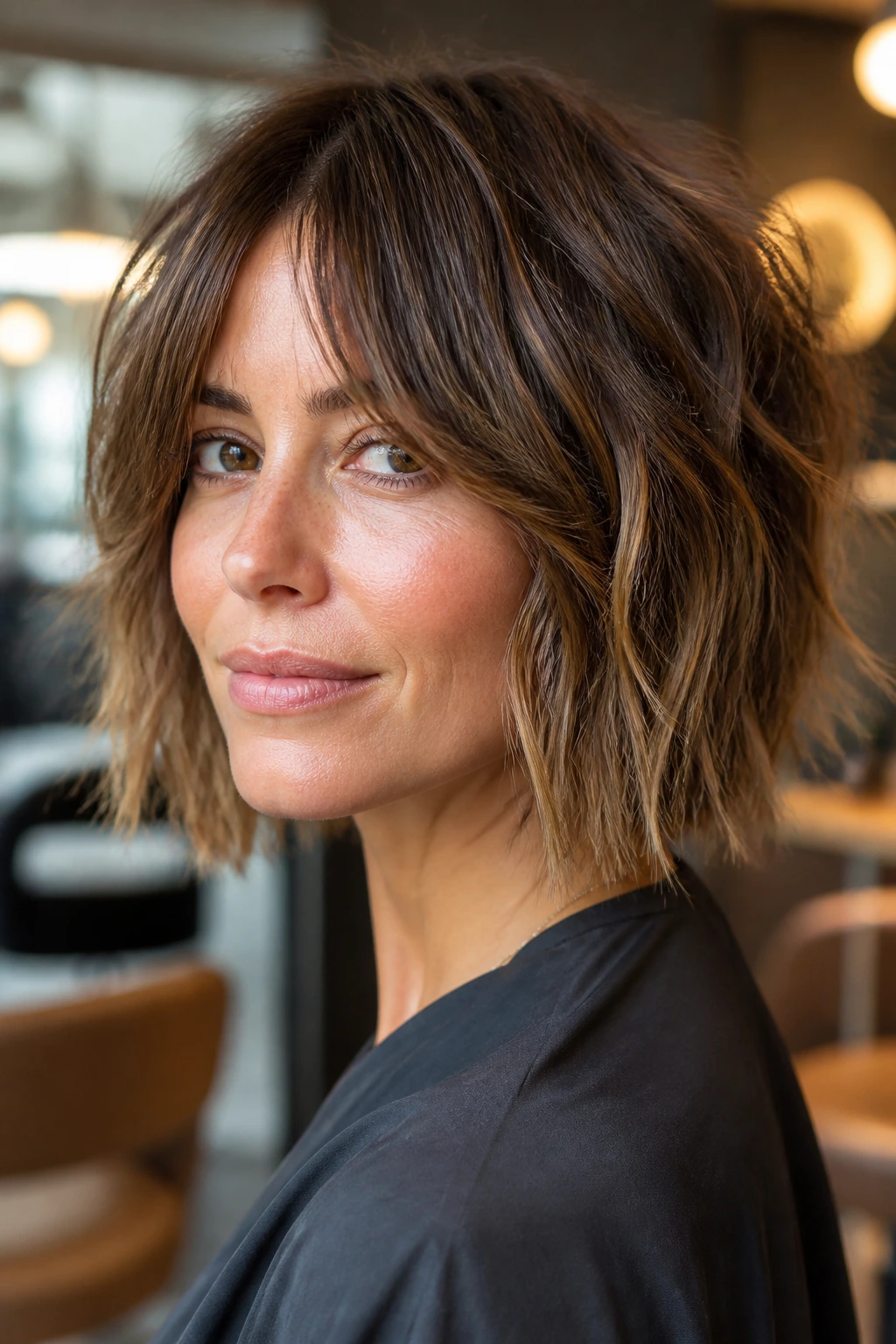
The shag has moved well beyond its rocker roots to become a refined, soft style that does wonders for fine hair. By adding soft, shattered texture throughout, you’re creating a permanent state of “undone” chic. It’s perfect for those who want a low-maintenance look that embraces a bit of natural bend.
Embracing the Messy Look
Fine hair often looks best when it isn’t forced to be perfectly smooth. The shaggy bob leans into that. With a razor-cut or heavily point-cut edge, the hair looks textured and light. When you add curtain bangs, they can be styled a bit more piecey to match the overall vibe, creating a frame that is both trendy and incredibly practical for busy mornings.
Achieving the Style
- Apply a sea salt spray to damp hair and air dry.
- Once dry, use a 1-inch curling wand to put a single bend in a few random sections.
- Keep the ends straight for a modern feel.
- If your hair is very limp, a light dusting of root powder is more effective than dry shampoo, which can sometimes be too heavy.
4. The Soft A-Line Bob
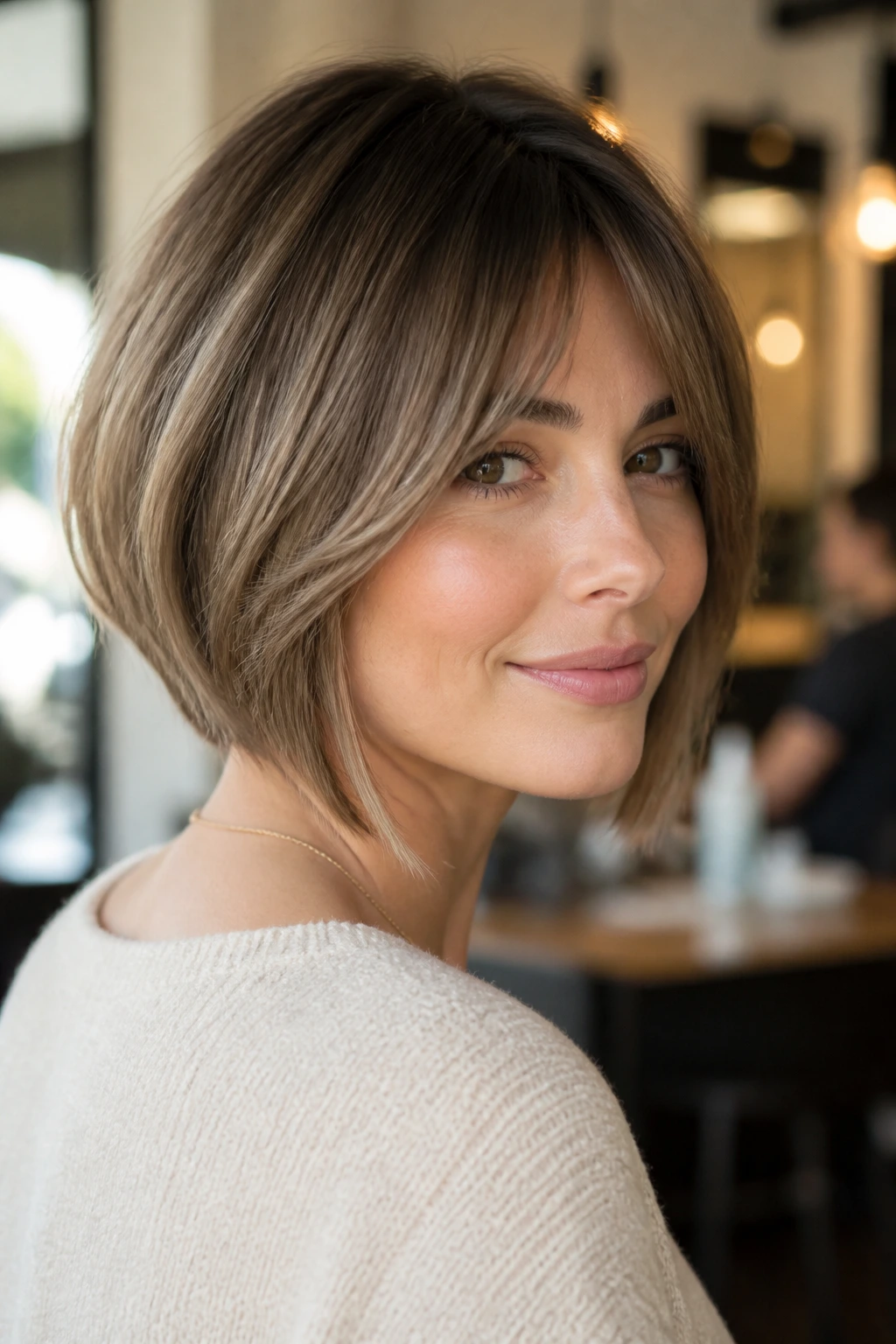
An A-line bob, which is slightly shorter in the back and longer in the front, is a classic for a reason. For those with fine hair, it creates an instant visual trick. Your eyes are drawn to the longer pieces near the face, while the shorter back provides the necessary lift to keep the style from looking dragging or sad.
Why the Angle Matters
The diagonal line draws the eye downward and inward, framing the face beautifully. When you add curtain bangs to an A-line, you’re essentially creating a curtain that draws attention to your eyes and cheekbones. It’s a very intentional shape that suggests “haircut” rather than “just letting it grow out.”
Maintaining the Shape
- This style requires a trim every six to eight weeks to maintain that precise angle.
- Use a lightweight shine spray to make sure the hair looks healthy.
- Ensure your stylist does not over-thin the back, or you will lose the support structure that keeps the A-line shape defined.
5. The Messy Beach-Wave Bob
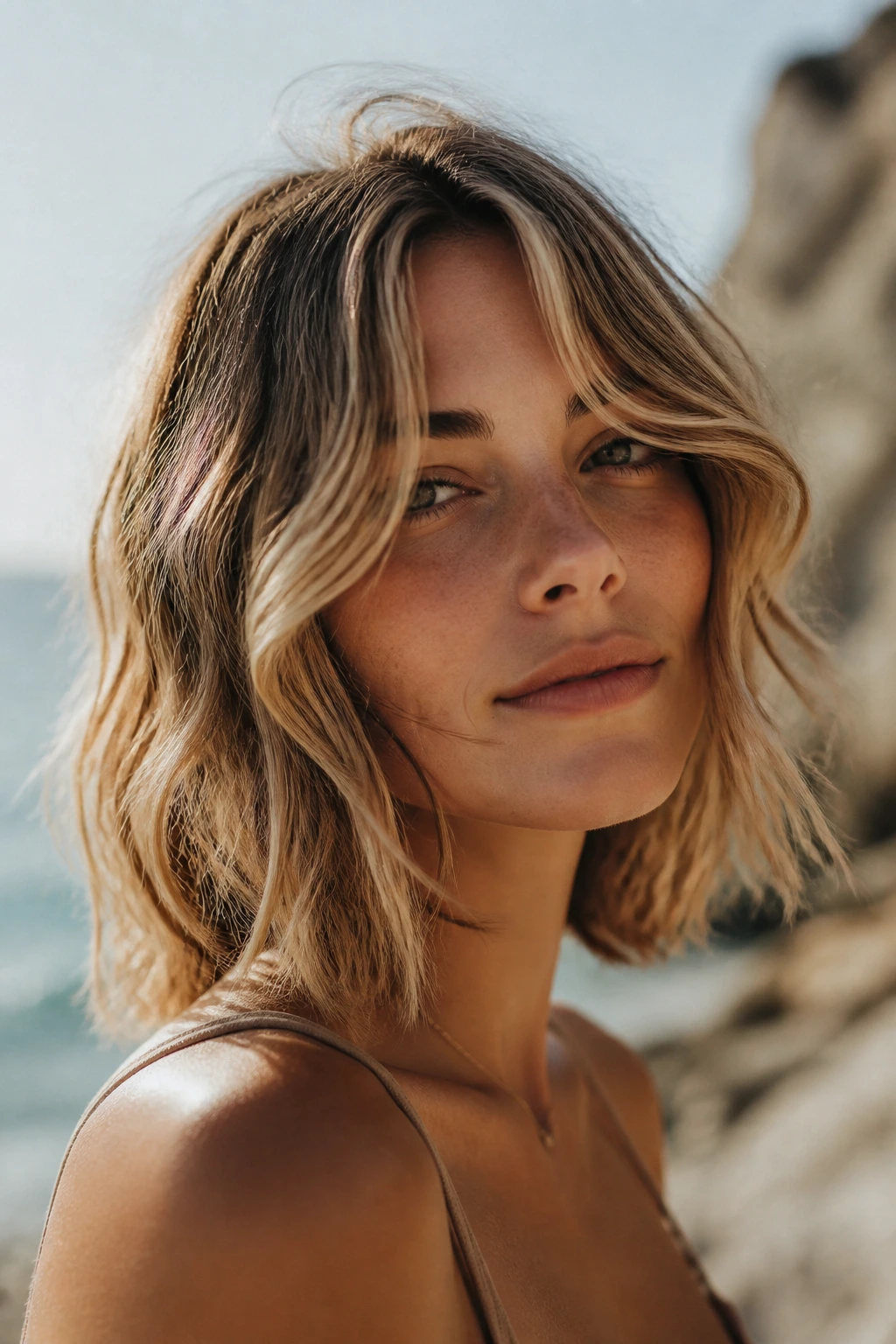
If you have a slight natural wave, don’t fight it. A bob that sits just above the shoulders allows that texture to come alive. Fine hair actually holds a wave much better than thick, heavy hair because it isn’t weighed down by gravity.
Texture Over Length
The beach-wave bob is all about volume through texture. By curling your hair away from your face and leaving the ends out, you create an open, airy style. The curtain bangs here should be blow-dried with a round brush to give them that signature “swoop” that blends perfectly into the rest of the waves.
Tools of the Trade
- A wide-barrel curling iron or a flat iron works best for these loose waves.
- Do not use a finishing spray that is too sticky; you want the hair to move.
- If your hair is poker-straight, try a volumizing foam before you blow-dry to give the strands a bit of “grip” so the waves last throughout the day.
6. The Minimalist Blunt Bob with Long Bangs
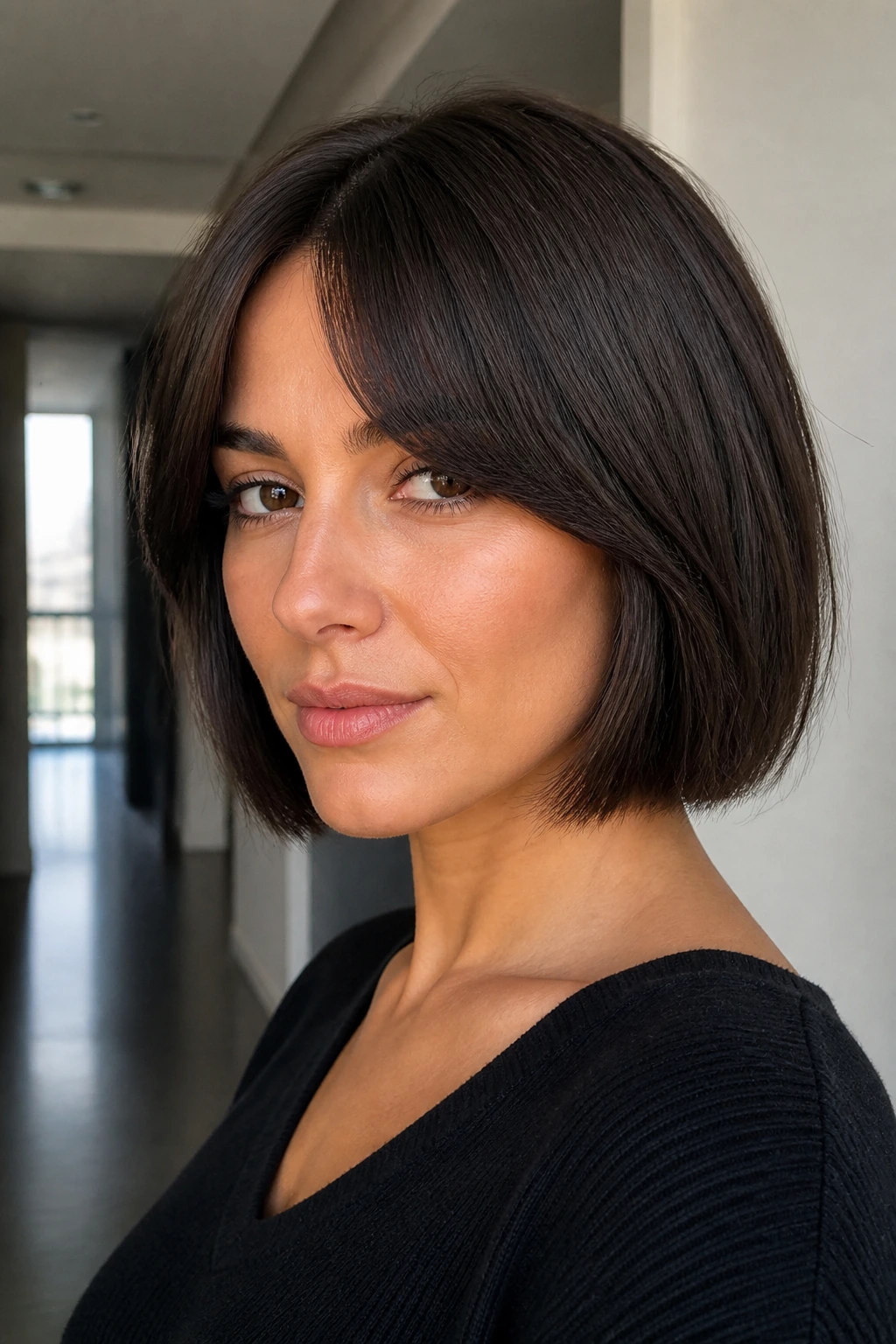
Sometimes less is more. A perfectly straight, jaw-grazing bob is the epitome of sophisticated style. By keeping the length uniform and pairing it with longer, sweeping curtain bangs, you create a look that is polished and professional.
Why Precision Wins
With fine hair, frizz can be a major challenge. A blunt bob keeps the hair sealed and looking thick. The long curtain bangs provide a face-framing element that isn’t as high-maintenance as shorter, blunt-cut fringe. You can tuck them behind your ears when you need to get to work or let them flow over your eyes for a softer, more mysterious feel.
Styling for Polish
- Use a paddle brush while blow-drying to keep the hair smooth.
- Apply a tiny amount of smoothing serum—just a drop—to the ends to keep them from looking dry.
- A flat iron can be used on the lowest heat setting to smooth out any cowlicks, but be careful not to create a stiff, helmet-like effect.
7. The Flipped-Out Bob
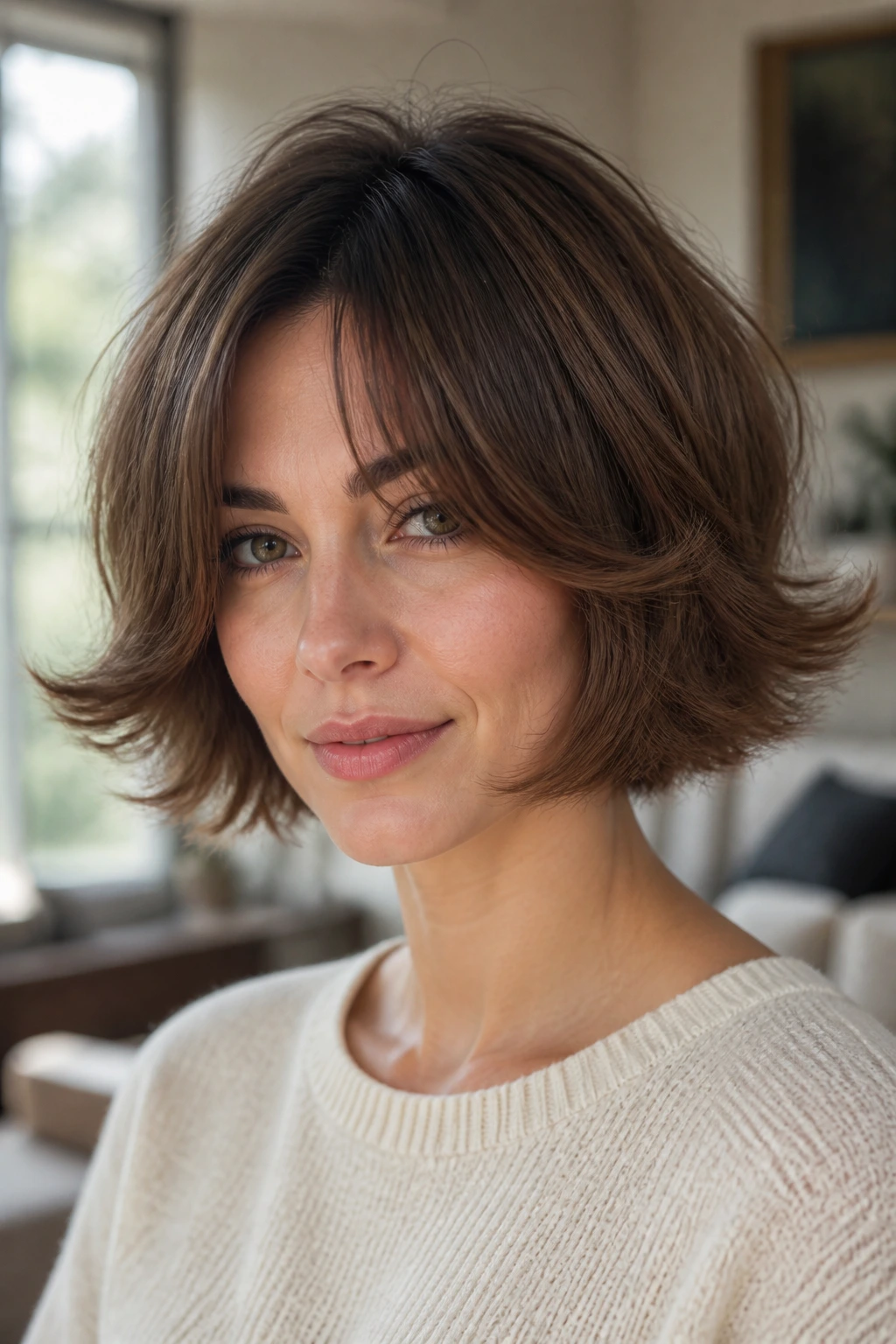
The 90s are back in full force, and the flipped-out bob is perhaps the most fun trend to come out of the nostalgia cycle. For fine hair, the flipped ends create a sense of width, which makes the hair look substantially fuller at the bottom.
Why This Adds Volume
When you flip the ends out, you are creating a horizontal line of interest. The eye stops at the flip, which interrupts the vertical flow of fine hair. It’s a playful look that works perfectly with curtain bangs, which can be styled with a similar outward flip to create a cohesive, retro-inspired aesthetic.
How to Achieve the Flip
- Use a round brush while blow-drying, starting about two inches from the ends.
- Curl the brush outward and hit it with a blast of cool air to set the shape.
- A light-hold hairspray is necessary to keep that flip in place for more than an hour.
8. The Ear-Tuck Bob
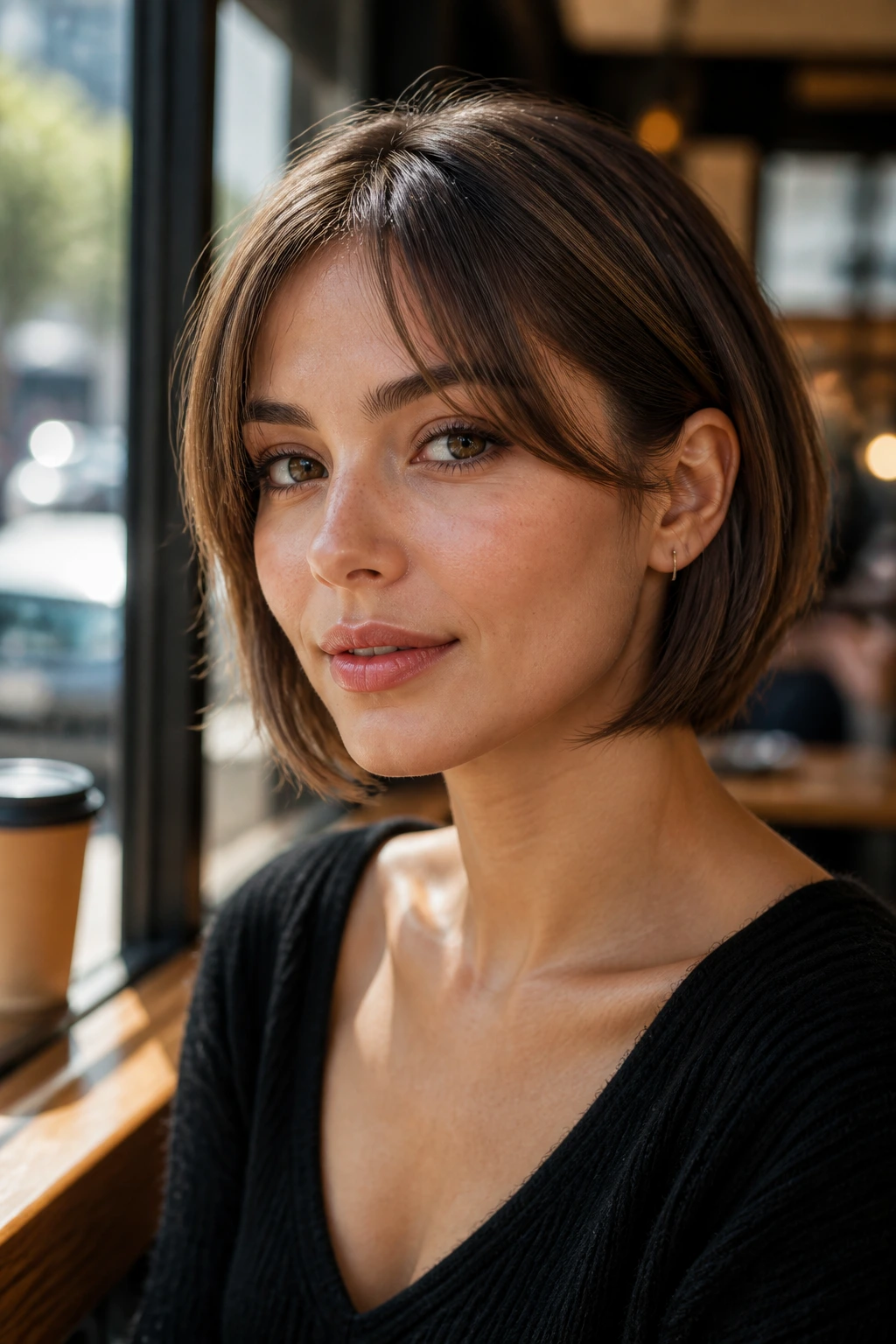
This isn’t so much a cut as it is a styling approach that works exceptionally well for short bobs. If your fine hair is cut into a soft bob, tucking one or both sides behind your ears can actually highlight your facial features while making your hair look intentionally styled.
The Psychology of the Tuck
Tucking your hair behind your ears breaks up the silhouette. It creates a sleek look on the sides and leaves the volume in the back and at the crown. It’s a great way to handle curtain bangs, too—you can let the bangs frame your eyes while the rest of the hair is neatly tucked back.
Who Benefits Most
- People with oval or heart-shaped faces look stunning with this style.
- It’s the ultimate “I woke up like this” look that still feels put together.
- Use a small amount of pomade or styling cream on the tips of your fingers to smooth down any flyaways near the ear.
9. The Rounded “Mushroom” Bob
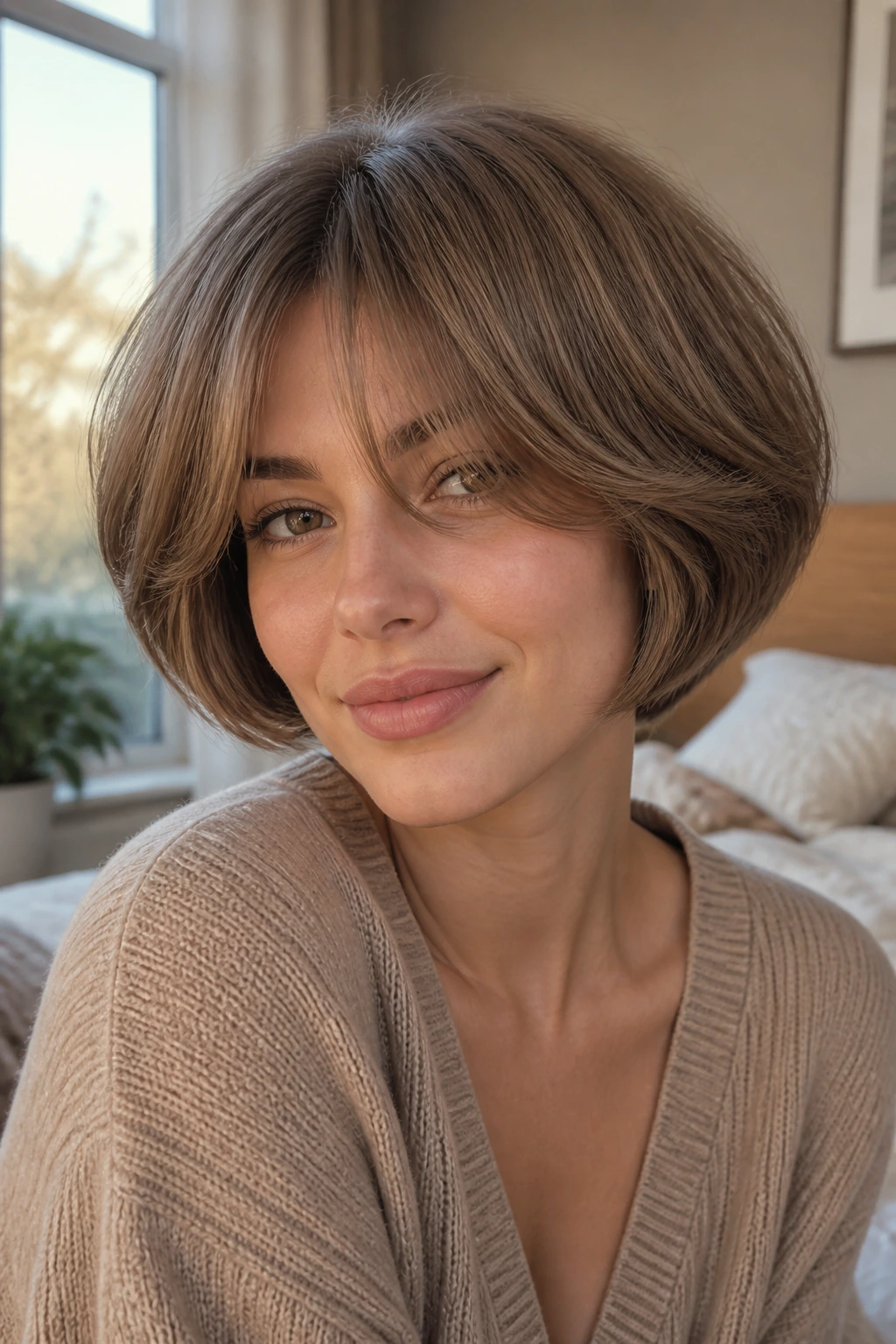
Before you dismiss the name, consider the shape. A rounded, soft bob is designed to cup the head and create a halo of hair. For fine hair, this is the ultimate volume-builder. By cutting the hair to follow the contour of the head, you eliminate the flat spots that usually happen around the crown.
Creating the Halo Effect
This cut is all about the back and sides flowing into one another. The curtain bangs serve as the front part of this rounded shape, softening the transition from the forehead to the cheeks. It’s a very soft, feminine look that requires very little effort if your hair has even a hint of natural body.
Maintenance Tips
- This cut is highly dependent on a good blow-dry.
- Use a volumizing root spray before you dry your hair upside down for the first minute.
- Finish with a round brush to tuck the sides under.
10. The Side-Parted Bob
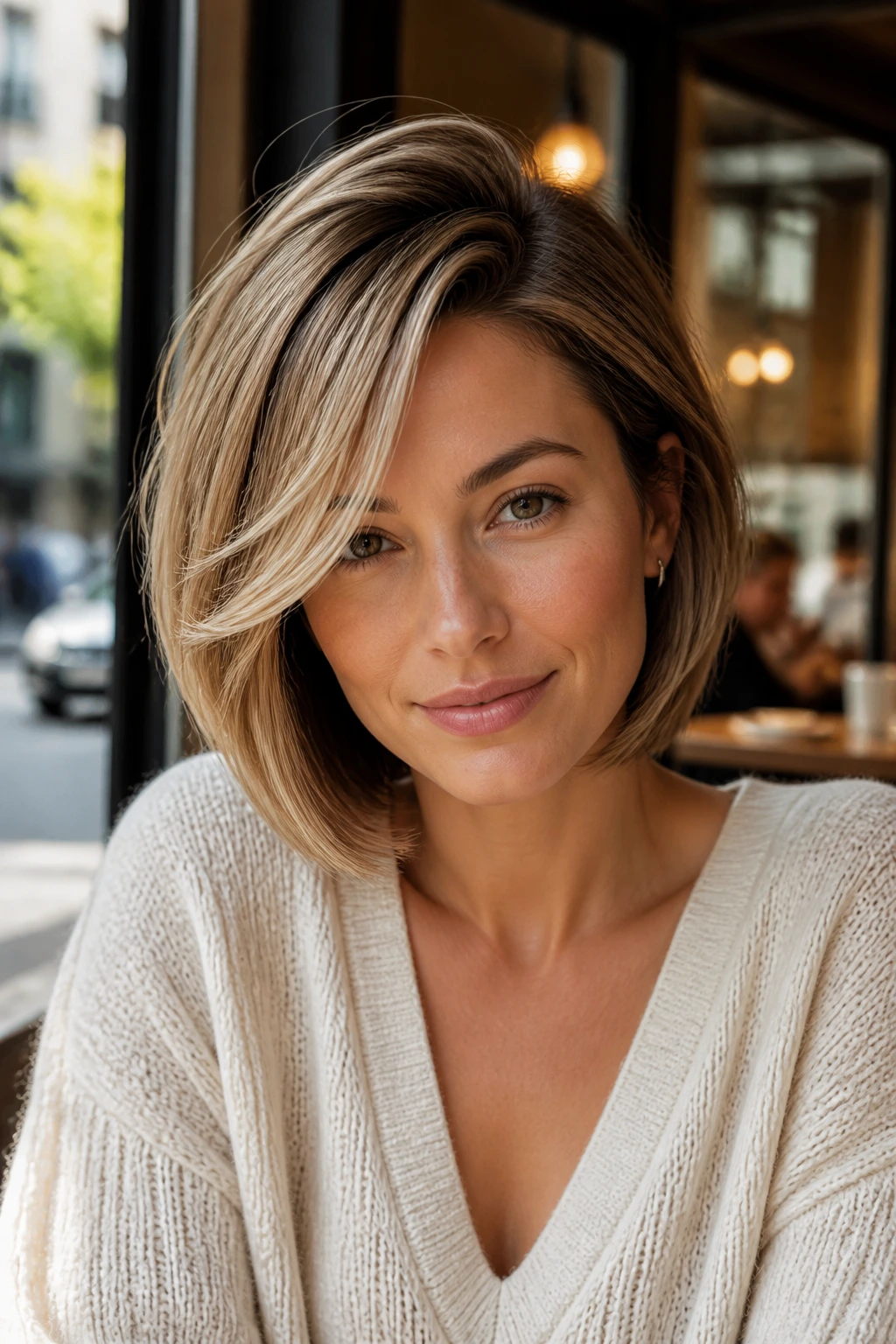
Moving your part from the center to a deep side part is the oldest trick in the book for instant volume. When you sweep a large section of hair over, you are effectively doubling the density on that side of your head.
The Power of the Shift
For someone with fine hair, a center part can emphasize thinning. A side part, paired with curtain bangs that can be adjusted to follow that sweep, creates a dramatic, voluminous look. It’s an easy shift that doesn’t require a trip to the salon, though you can ask your stylist to cut the curtain bangs so they blend into that side sweep.
Styling the Side Part
- Flip your hair to the opposite side while it is still damp to encourage a lift at the root.
- Use a light powder at the root to maintain that extra height throughout the day.
- Keep the bangs slightly longer so they don’t look awkward when you sweep them across your forehead.
11. The Layered Lob
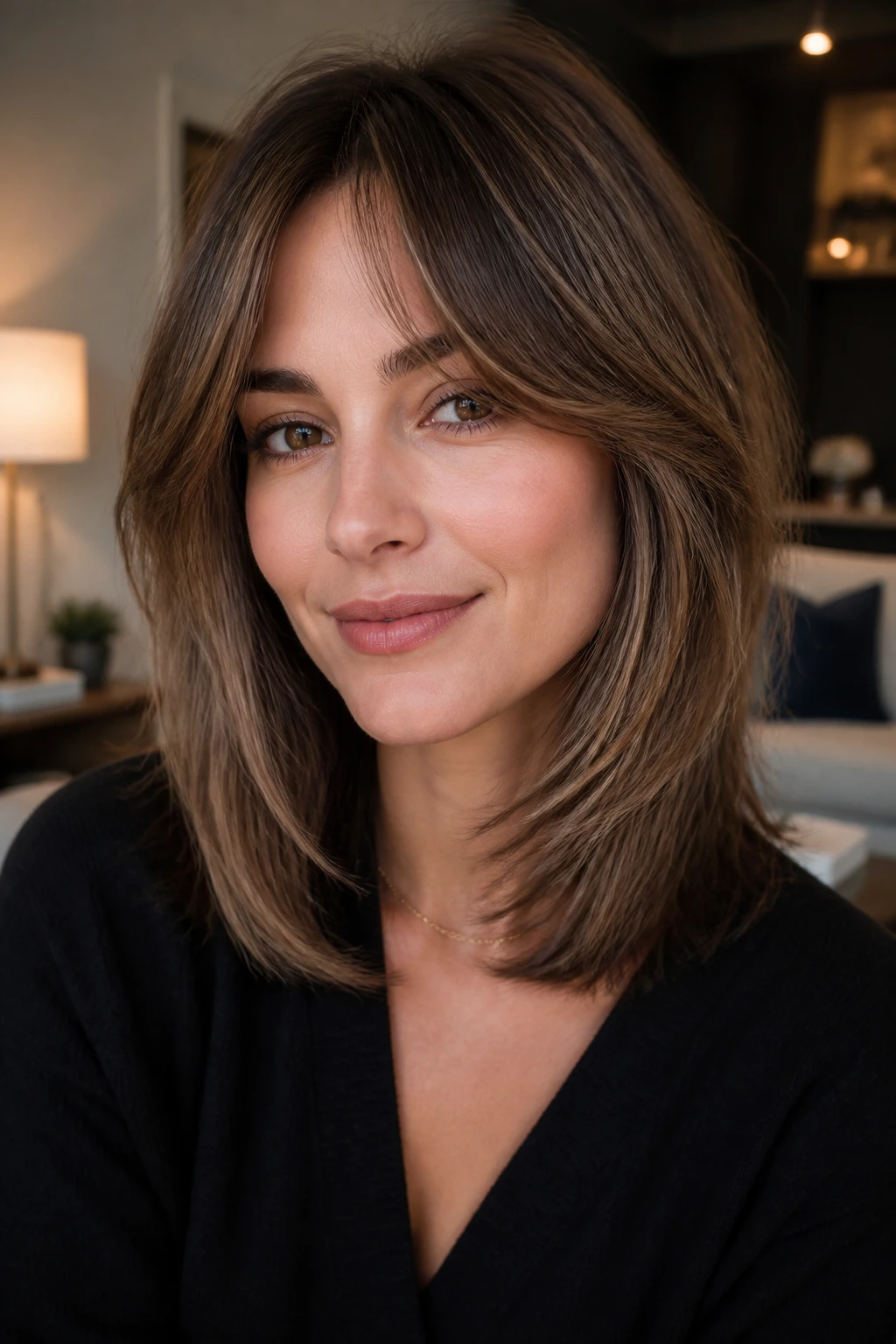
If you aren’t ready to go full-bob, the lob (long bob) is a fantastic middle ground. It gives you enough length to pull your hair back into a small pony, but it’s short enough to keep the ends healthy and thick-looking.
Why “Lob” Works
The longer length means you have more weight to play with, but because it’s not shoulder-length, you avoid the stringy look. The layers in a lob should be soft and connected. Curtain bangs are essential here because they pull the hair away from the face, making the overall style look lighter and more intentional.
Versatility in Styling
- You can wear it straight for a sleek, modern vibe.
- You can wave it for a beachy, casual look.
- Because it is longer, it is very easy to air dry if you’re in a rush.
12. The Wispy-End Bob
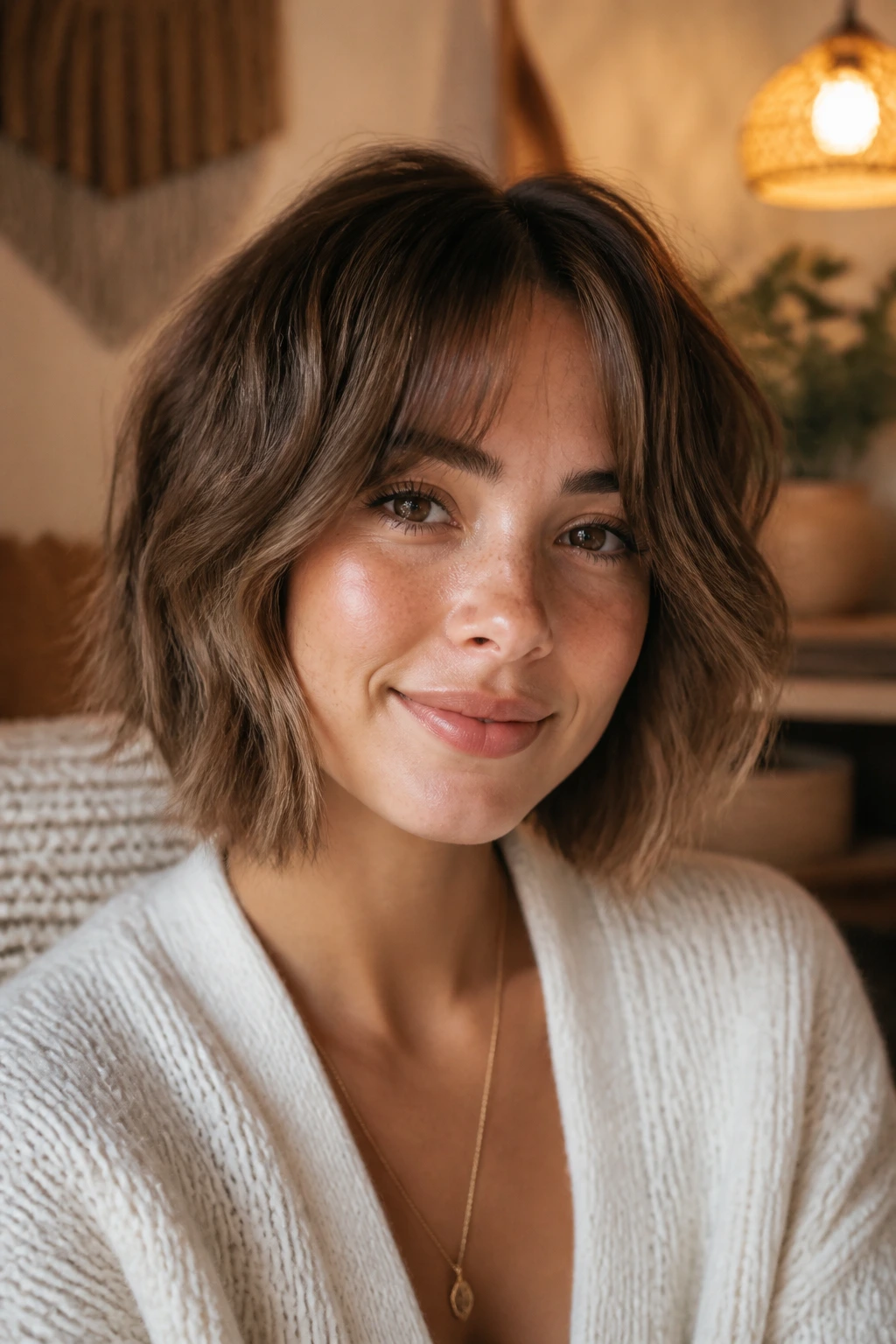
Not all fine hair needs to be blunt. Sometimes, a wispy-end bob looks more intentional and modern. By using point-cutting techniques, your stylist can create ends that look soft and airy.
Why Wispy Can Be Good
When the ends aren’t perfectly blunt, they can blend into one another, creating a soft, ethereal appearance. This is great for a boho-chic aesthetic. Pair this with curtain bangs that are also cut with a bit of texture, and you have a very soft, romantic look that feels very current.
The Danger of Thinning
- Caution is required here: do not let a stylist use thinning shears.
- Ensure they use their scissors to point-cut the ends, which gives texture without removing density.
- This style looks great with a bit of messy styling cream applied to the ends for definition.
13. The One-Length Cut with Face-Framing
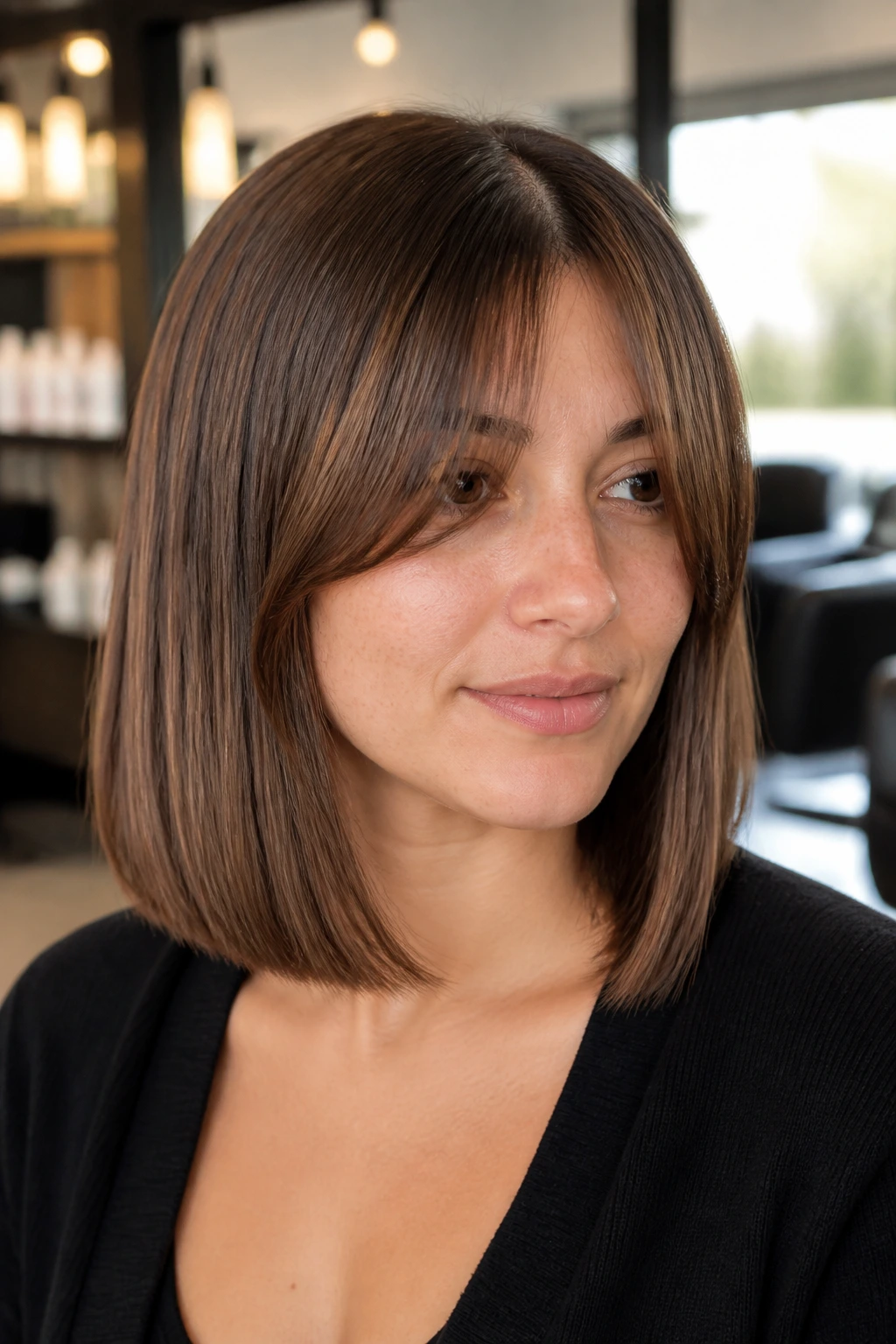
If you have very, very fine hair, keeping the cut one length is often the safest bet. It provides the maximum amount of weight at the bottom, which is the only place you can really build the appearance of density.
The Role of Curtain Bangs
In a one-length cut, the curtain bangs become the star of the show. They are the only way to add movement and frame your face without losing the thickness of the rest of the hair. Keep them long enough to tuck behind your ears if you want to change up the look.
Keeping it Fresh
- Since the hair is one length, you must keep the ends trimmed to avoid splitting.
- Use a gloss treatment once a month to keep the hair looking shiny and healthy, as shine makes fine hair look thicker and more robust.
14. The Undercut Bob
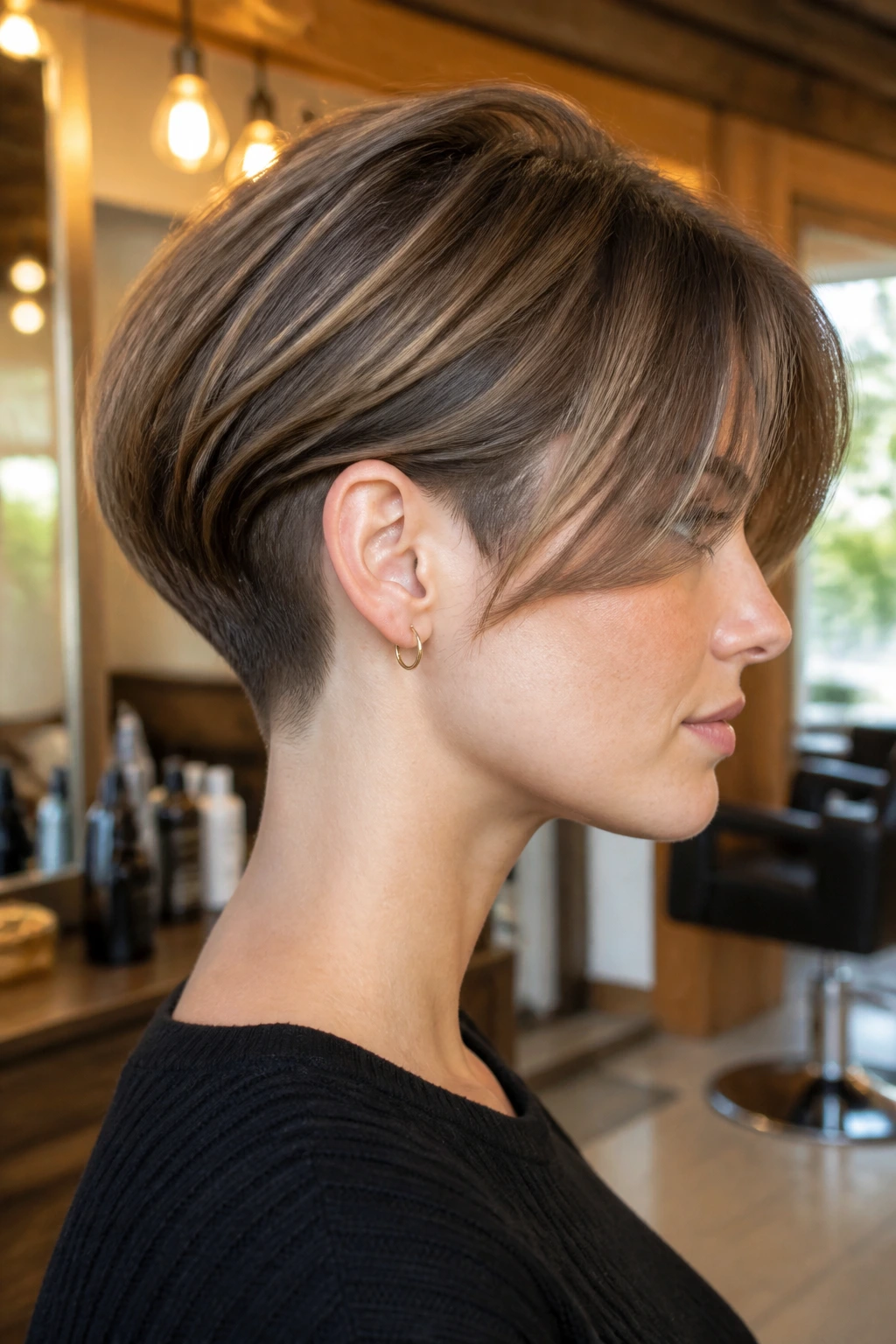
This is for the brave. An undercut bob involves shaving or clipping the hair very short at the nape of the neck while leaving the top layer longer. This removes a massive amount of weight, which allows the top layer to fluff up and look much fuller than it normally would.
The Illusion of Volume
By removing the hair at the bottom that usually creates a “dragging” effect, the hair above it has space to breathe. The curtain bangs provide the soft, feminine balance to the slightly edgy, hidden undercut. It’s a great way to manage hair that is thick at the root but sparse at the ends.
Growing it Out
- Be aware that once you undercut, growing it out requires a transition period.
- However, for those who love the look of a short, punchy bob, it is a game-changer.
- You can keep the undercut as subtle or as dramatic as you like.
15. The Deep-Tapered Bob
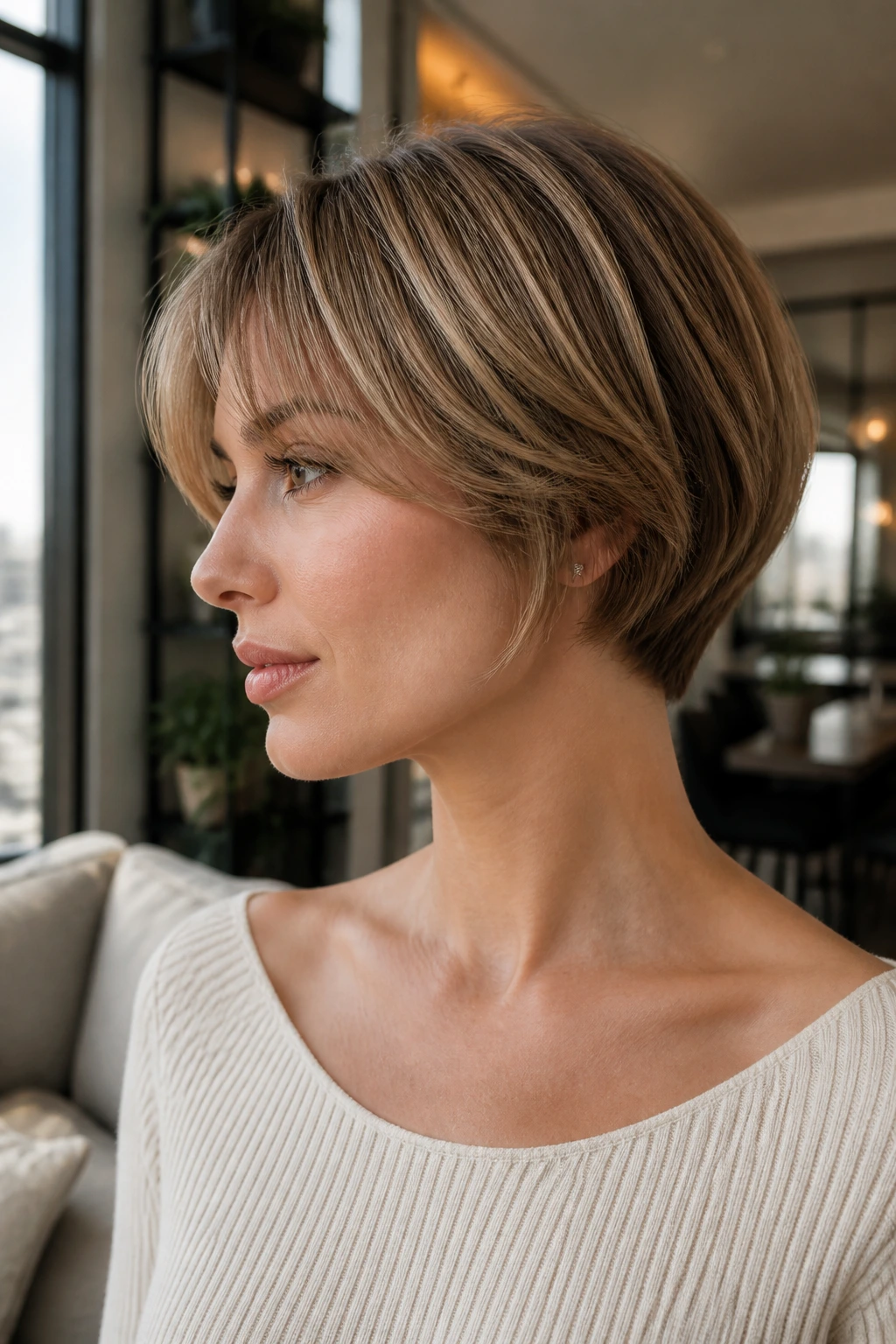
A tapered bob creates a beautiful, rounded silhouette. The hair at the nape is cut close and clean, then gets progressively longer toward the jawline. This provides an instant “lift” to the shape of the head.
Defining the Shape
This cut mimics the natural curvature of the skull, which is why it looks so flattering. It provides a clean, professional aesthetic that is perfect for those with fine hair who want to look polished. Curtain bangs here should be cut relatively short to ensure they blend into the taper without overwhelming the face.
Styling for the Taper
- You might need to use a bit of molding cream to keep the short hair at the nape laying flat.
- The rest of the hair should be blow-dried under for that signature rounded, soft look.
16. The Curly-Hair-Friendly Bob
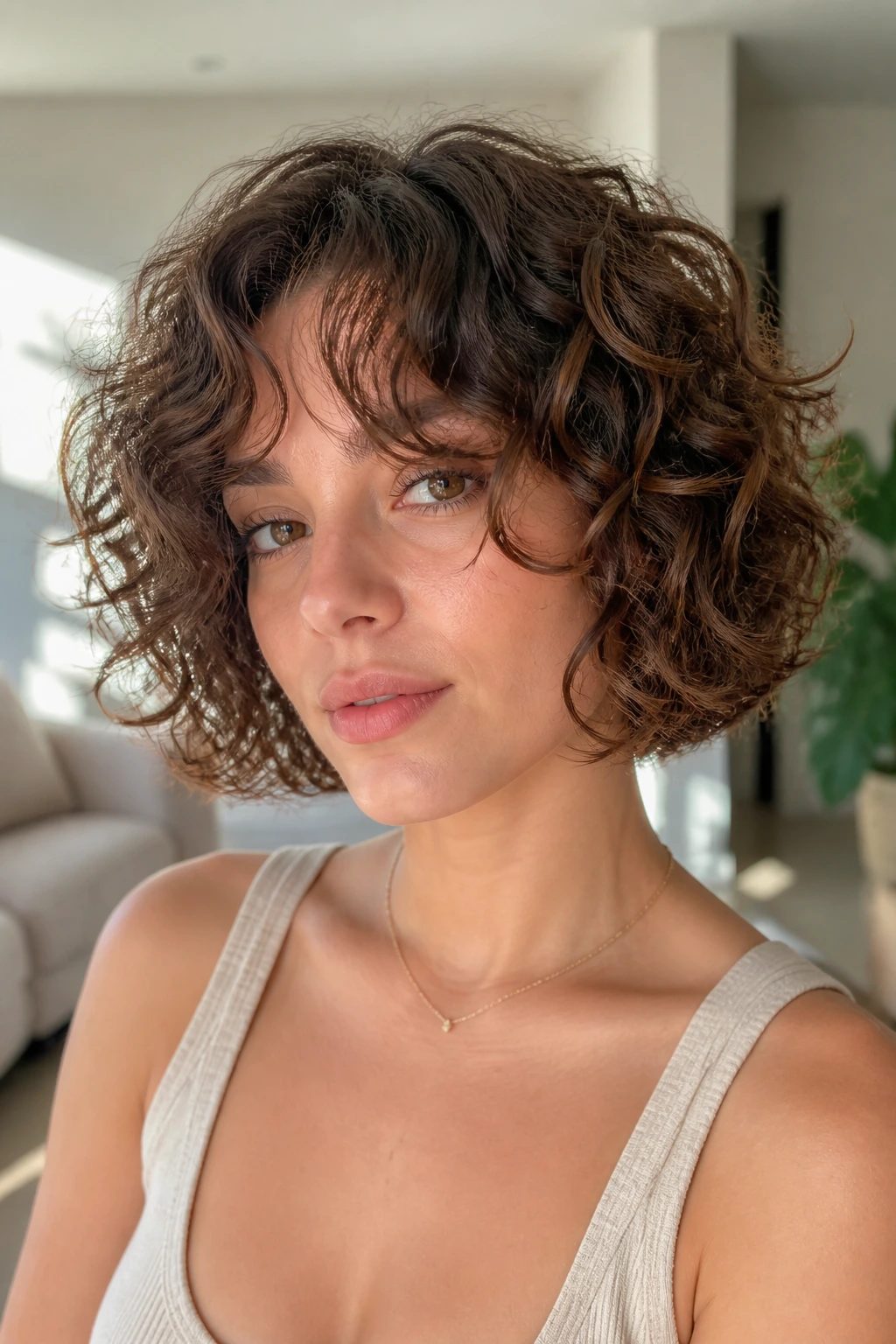
If you have fine, curly hair, you already have volume. The challenge is shape. A bob is the best way to control curly, fine hair because it keeps it from becoming a giant, unmanageable puff.
Managing the Volume
A bob for curly hair should be cut dry so the stylist can see exactly where the curls spring up. The curtain bangs are beautiful on curly hair, framing the face with soft, spiraling ringlets. Avoid heavy products that will drag the curls down.
Curly Care
- Use a leave-in conditioner that is lightweight.
- Diffuse the hair for maximum volume.
- Use a wide-tooth comb to detangle, but keep your fingers out of it once it’s dry to prevent frizz.
17. The Asymmetrical Bob
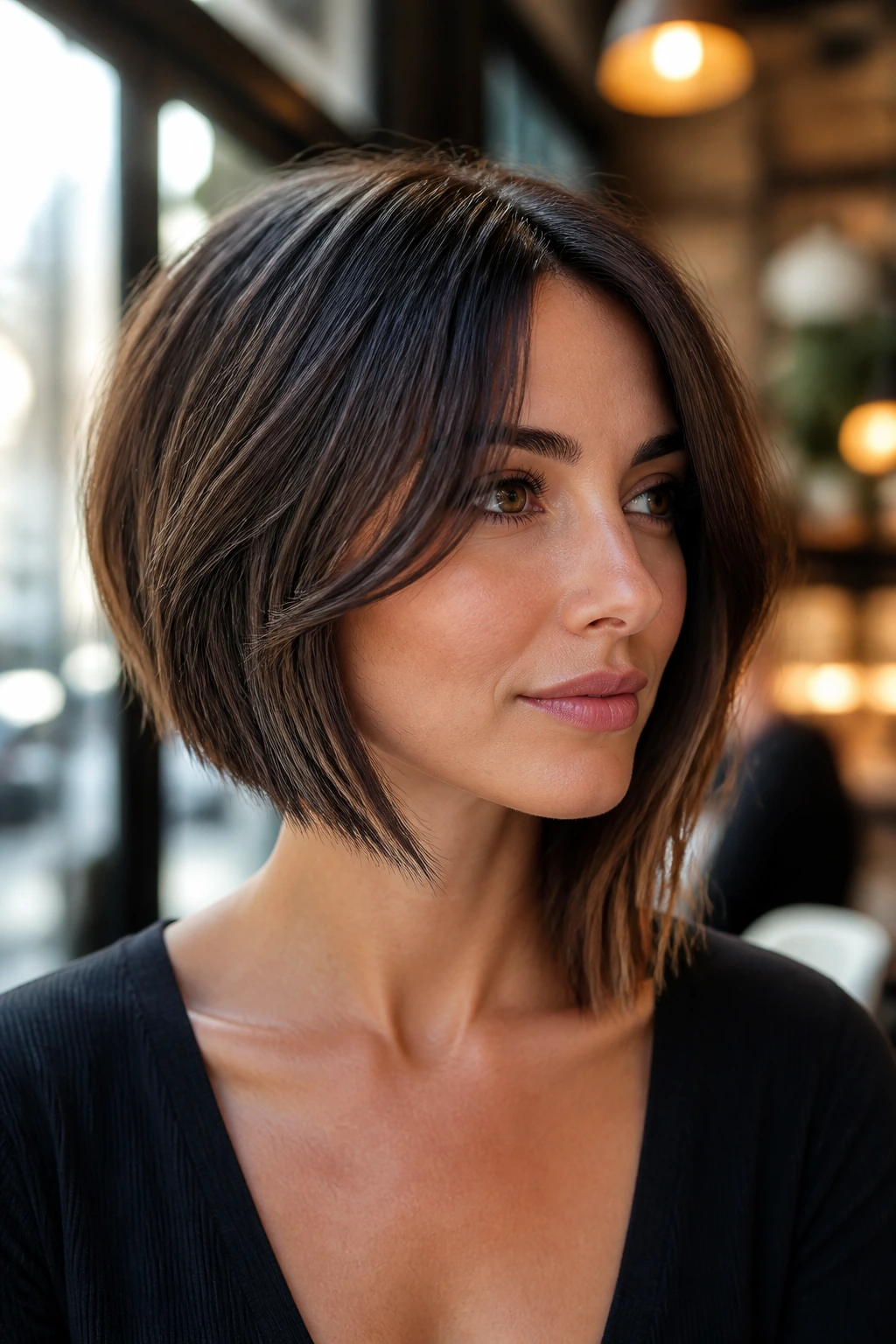
If you want something a bit different, an asymmetrical bob is a great choice. Cutting one side slightly shorter than the other draws the eye to your jawline and makes the hair appear thicker by creating a sense of movement.
Why it Works for Fine Hair
Asymmetry is a distraction. By having two different lengths, you prevent the hair from looking like a flat block. The curtain bangs act as the center point, drawing focus to your face and away from the ends of the hair. It’s a sophisticated look that feels very high-fashion.
Maintenance and Styling
- This cut is bold, so make sure you are ready for a shorter side.
- It is actually very easy to style; a simple blow-dry with a bit of volumizing spray is usually all you need.
- Keep the edges clean with regular trims to maintain the sharp angle.
Final Thoughts
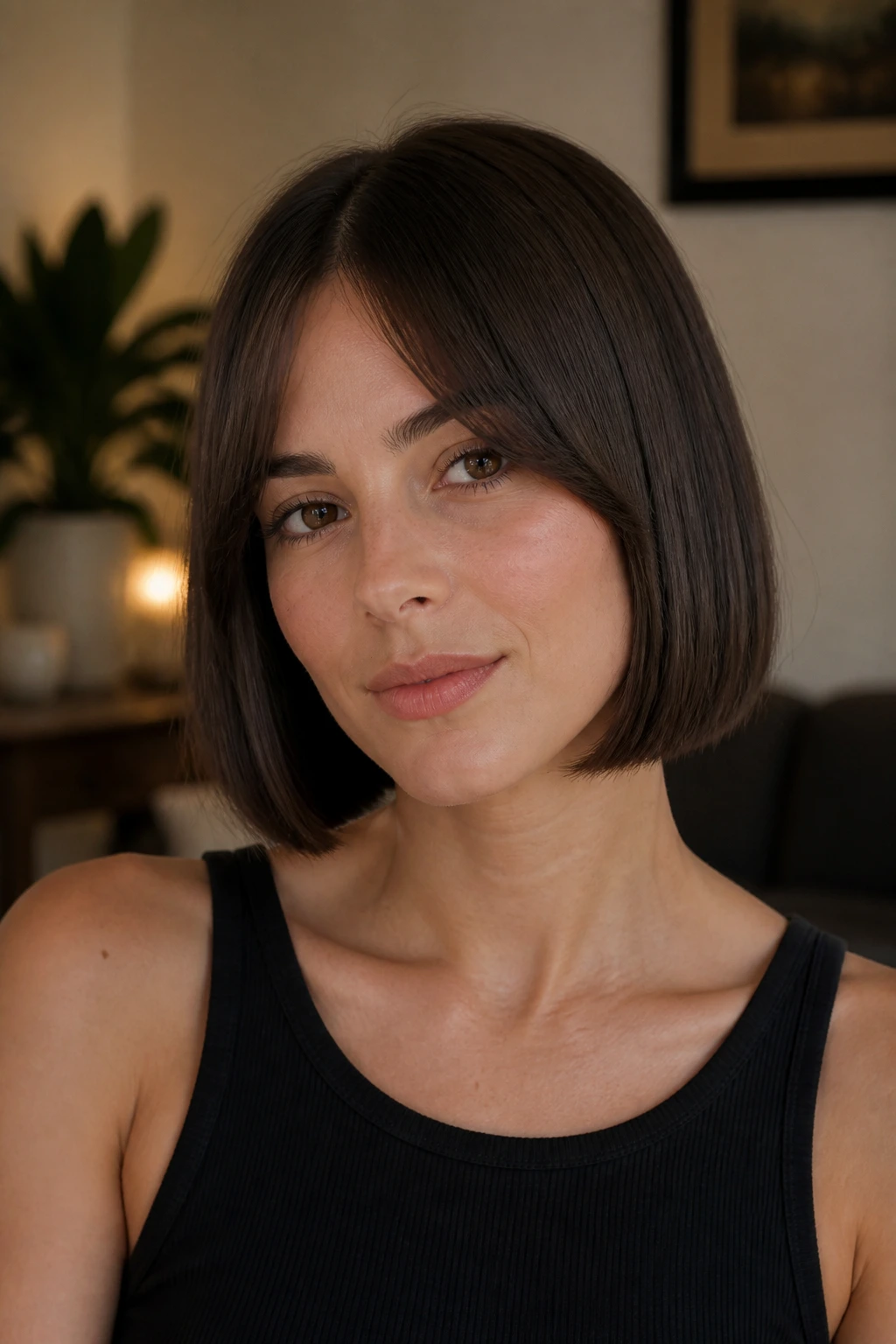
Finding the perfect balance for fine hair is often about choosing a shape that works with your texture rather than against it. Whether you go for a blunt, chin-length style or a softer, shaggier cut, the goal is always to keep the ends healthy and the crown light. Curtain bangs are the perfect accessory for any of these bobs because they add a layer of styling that feels deliberate and soft, framing your face without requiring the commitment of a heavy fringe.
Ultimately, the best haircut is the one that makes you feel confident the moment you walk out of the salon. Do not be afraid to bring these suggestions to your stylist and discuss what might work best with your specific face shape and hair density. A good cut is not just about the hair on your head; it’s about how it makes you feel when you face the day. Try one of these soft styles, and you might find that fine hair is not a limitation at all, but an opportunity for a chic, manageable, and incredibly stylish look.