


The traditional bob has long been a sanctuary for those seeking a clean, manageable shift from longer lengths, but the modern iteration has evolved into something far more jagged and intentional. When we talk about razored bobs for those transitioning from longer hair, we aren’t just talking about a simple chop. We are talking about using a feather-razor to strip away weight, create shattered textures, and force hair to sit in a way that feels organic and lived-in. It is the antithesis of the stiff, blunt, “triangle-shaped” bob that many people fear when they visit the salon.
Transitioning from long hair to a shorter, razored silhouette requires a shift in mindset. You are moving away from the safety of ponytail-length hair and into a territory where shape is everything. A razor cut relies on the blade sliding through the hair to create soft, tapered ends rather than the sharp, shelf-like finish produced by scissors. For anyone currently sporting waist-length locks and feeling the weight of the world on their scalp, this approach offers a lightness that is physically refreshing. It is a technical dance between removing bulk and maintaining just enough density to keep the style from looking thin.
The following collection of styles explores the versatility of the razored bob. Whether you have dense, wavy hair that needs internal de-bulking or fine, straight hair that requires a bit of shattered movement to appear thicker, there is a configuration here that works. Think of these twenty-two styles not as a rigid rulebook, but as a roadmap for how a stylist can manipulate a razor to craft a look that feels uniquely yours.
1. The Shattered Jawline Bob
The shattered jawline bob is the gold standard for those who want to commit to a serious chop without losing their edge. It uses the razor to carve out a very specific, jagged line that sits right at the corner of the jawbone. This length is incredibly intentional because it draws a straight line from the earlobes to the chin, effectively highlighting the structure of the face.
Why It Works for Long-Hair Converts
When you cut hair that has been long for years, it often has a tendency to behave like a curtain. By shattering the ends with a razor, you break that curtain effect. You are essentially teaching the hair to cluster into small, textured groups rather than laying flat. It creates a sense of purposeful messiness that feels high-fashion rather than accidental.
The Technical Edge
- The razor is held at a 45-degree angle to the hair shaft.
- Each section is pulled away from the face to create a slight graduation.
- The weight is removed from the interior, preventing the “puffy” look common with thick hair. Pro Tip: If your hair is naturally wavy, let it air dry with a sea salt spray to encourage the shattered ends to twist and separate on their own.
2. The Textured Lob-to-Bob Conversion
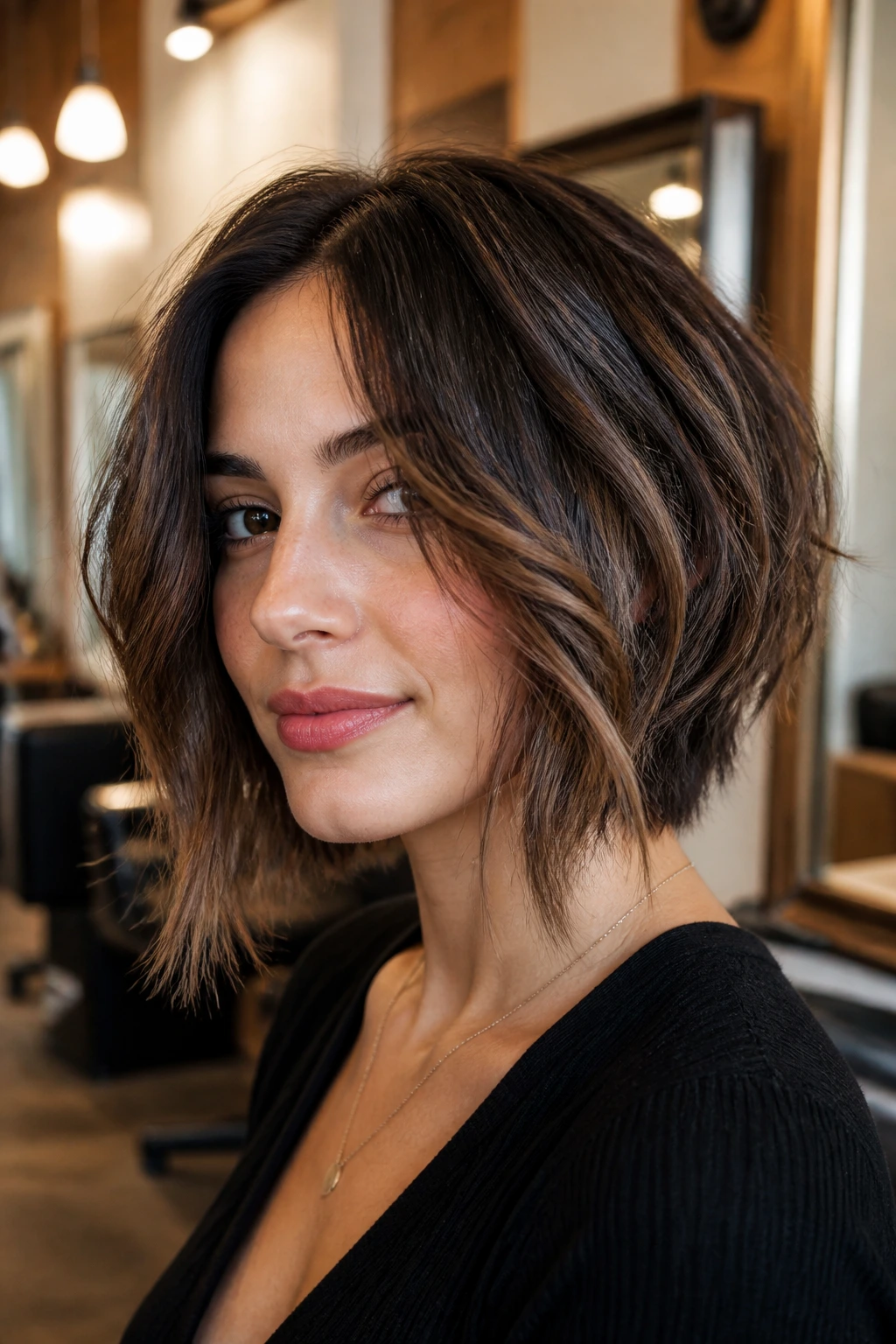
Many people find the jump to a chin-length bob too jarring, which is where the textured long bob comes in. This is essentially a “starter” bob that keeps some length around the collarbone while the back is heavily razored to create a lifted, rounded shape. It allows you to maintain the comfort of being able to tuck hair behind your ears while experiencing the lightness of a shorter cut.
Managing the Transition
Transitioning in stages can be the difference between loving your hair and mourning your length. The textured lob-to-bob uses the razor to thin out the ends progressively, so as the hair grows, it does not turn into a blunt, boxy shape. It stays soft and shaggy, allowing you to gradually inch up to a shorter length over time.
Key Features of This Cut
- A longer front face-framing effect that mimics a fringe.
- A heavily thinned-out nape to reduce friction against collars.
- Graduated layers that blend from the crown down to the ends.
3. The Parisian Shag-Bob

Imagine the classic French bob, but give it a rock-and-roll attitude. The Parisian shag-bob is defined by its reliance on a razor to create “flick” ends that naturally curve inward or outward depending on the texture of your hair. It is a very romantic, slightly disheveled look that looks better the second day after washing.
Why Texture Matters
The razor is the only tool that can achieve this specific brand of “flick.” Scissors create a flat, blunt surface that hangs vertically. A razor, however, mimics the way hair naturally tapers at the end, which allows it to catch the air and flip. It is the ultimate low-maintenance style for those who want to look put-together without ever picking up a round brush.
Essential Maintenance
- Use a dry texturizing spray to give the roots enough grip.
- Avoid heavy silicones that weigh down the razored tips.
- Schedule trims every six to eight weeks to keep the shattered texture from growing out into a soft, unshaped mess.
4. The Razored Inverted Bob
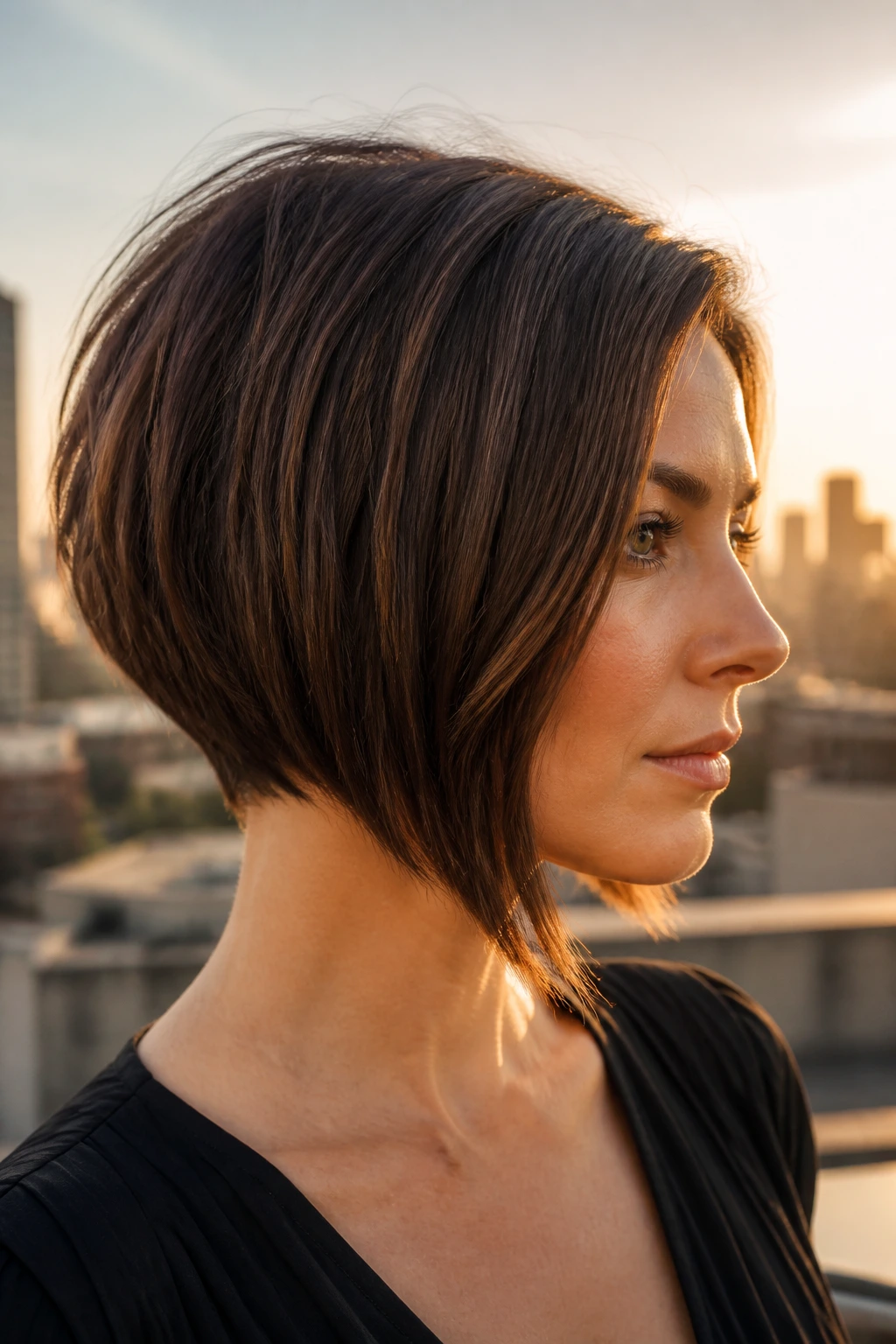
The inverted bob—where the hair is shorter at the nape and gradually gets longer toward the face—is often done with scissors, but when you add a razor, you transform it. The harsh, geometric line of a traditional inverted bob disappears, replaced by a soft, flowing graduation that looks much more modern. It removes the “soccer mom” aesthetic and leans into something much more architectural and sharp.
The Science of the Angle
When you use a razor on an inverted cut, you are slicing into the hair to change its trajectory. Instead of hair sitting in one solid plane, the razored sections stack on top of each other, creating a natural, rounded volume at the back of the head. This is a game-changer for those with fine or thinning hair who want the illusion of density.
Why It Excels for Fine Hair
- The tapering effect adds “teeth” to the ends, making them look thicker.
- The stacked back creates an automatic lift that defies gravity.
- It requires almost no styling time — a quick blow-dry with your fingers is usually enough.
5. The Messy Mid-Length Razored Bob
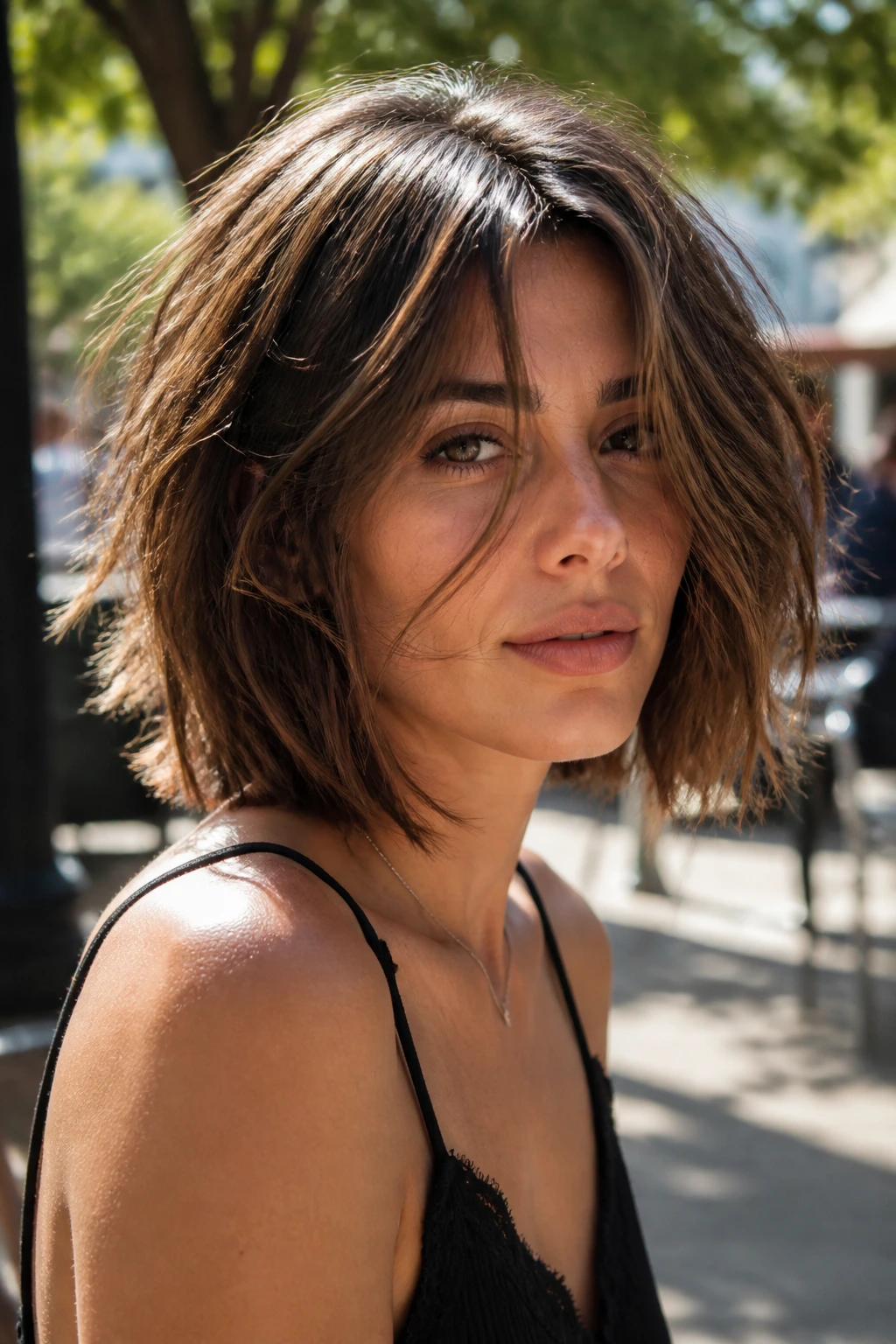
If you are coming from long hair, the mid-length bob is your best friend. It typically hits somewhere between the chin and the shoulders. By using a razor to add texture throughout the mid-lengths, you create a look that feels full of movement. This cut is perfect for people who like to tie their hair up occasionally, as there is just enough length to gather into a small knot or low clip.
Building Movement
Think of the razor as a sculpting tool. You aren’t just cutting length; you are removing the internal weight that makes long hair heavy. This allows the hair to bounce. When you move your head, the hair moves with you, rather than hanging like a weighted curtain.
Styling the Mid-Length
- Apply a light mousse to damp hair.
- Scrunch the hair with your hands while drying.
- Use a small amount of pomade to define specific, individual strands. Important: Do not overwork the ends. The “messy” factor is what gives this look its charm.
6. The Choppy Pixie-Bob Hybrid
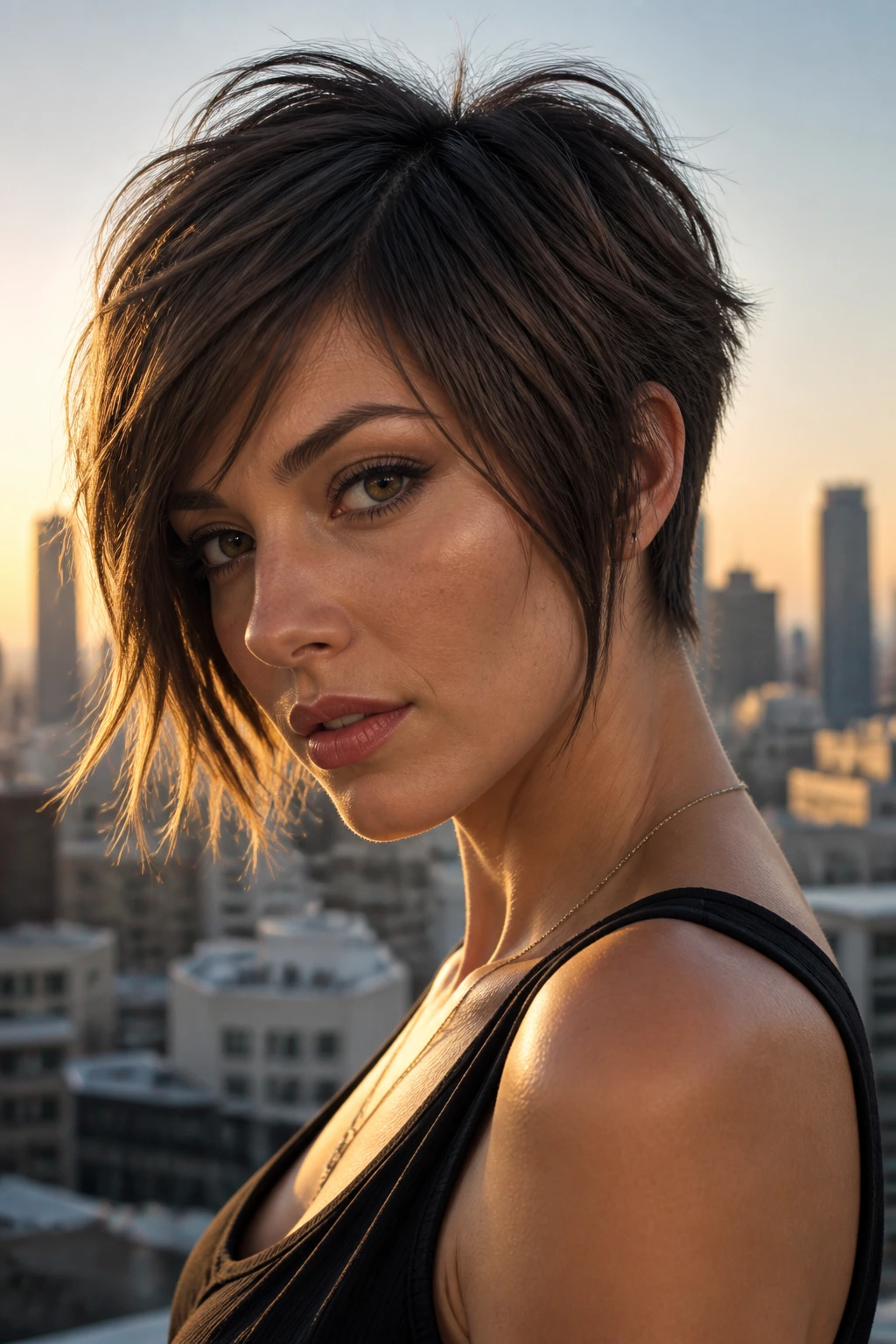
This is for the brave souls who want to shed a significant amount of weight. The pixie-bob is a short, cropped style that keeps just enough length around the temples to frame the face while the back is razored into a tapered, boyish finish. It is surprisingly feminine because the front sections can be left slightly longer and softer, providing a contrast to the tight, clean back.
The Power of Contrast
The beauty of this style lies in the difference between the front and back. The back is tight, clean, and ultra-short, while the front has “gamine” energy. It works exceptionally well on heart-shaped or oval faces, drawing attention to the cheekbones and the jawline rather than the length of the hair.
Preparing for the Chop
- Be prepared for more frequent salon visits; this style grows out of shape within four weeks.
- Invest in a high-quality styling paste, not a gel, to keep the ends textured but soft.
- Consider your neck shape; this cut puts your neckline and shoulders on full display.
7. The Blunt-Edge Razored Bob
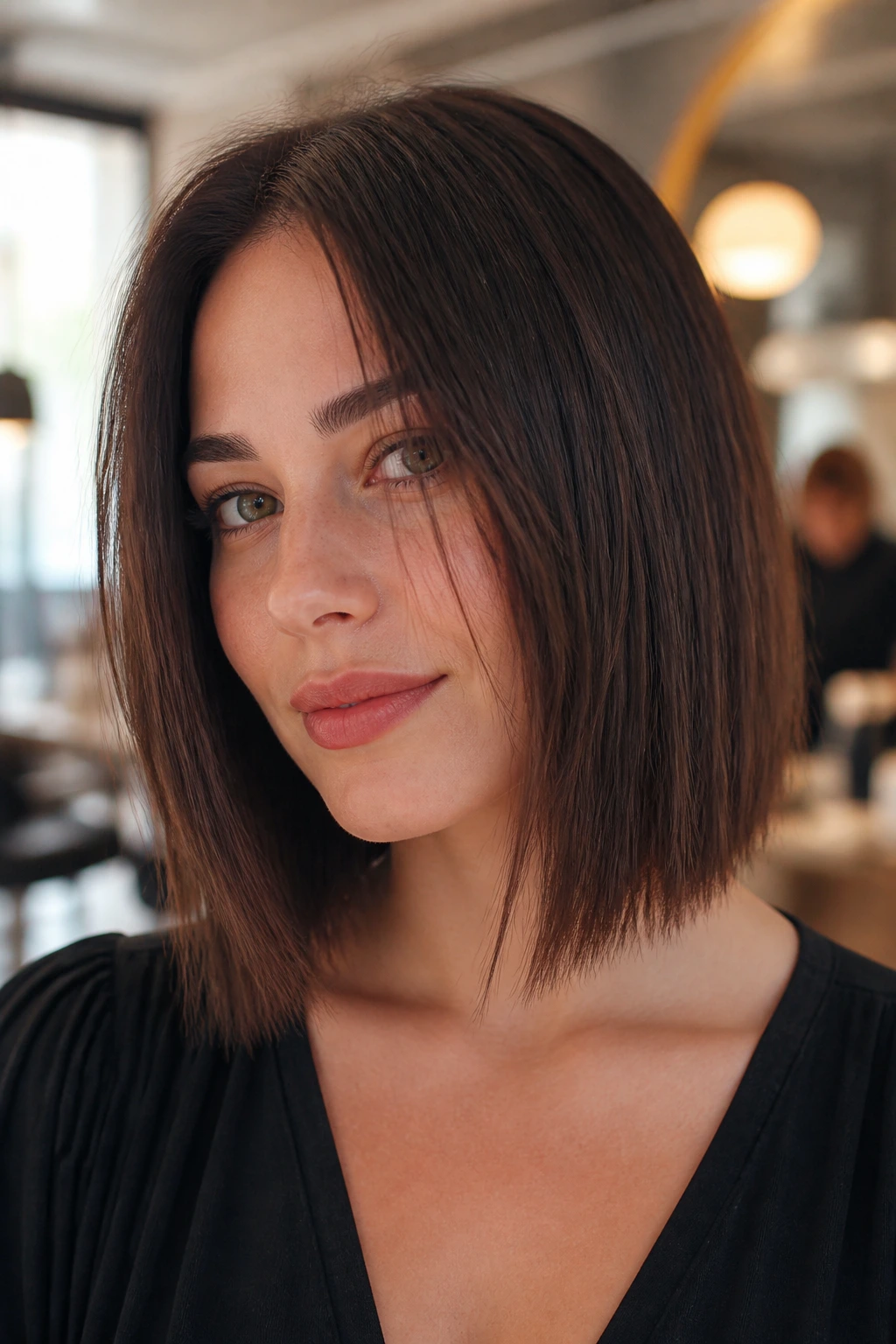
This might sound like an oxymoron, but it is a distinct technique. You achieve a straight, heavy-looking line, but the individual hairs at that line are tapered and soft. It gives you the appearance of a very thick, blunt cut without the “heavy” feeling that usually accompanies it. It is the perfect choice for those who love the look of a solid, clean bob but struggle with hair that feels too bulky or hot.
Why People Choose This
It’s the best of both worlds. You get the visual satisfaction of a sharp, horizontal line, but the razored tips prevent it from becoming a boxy, static shape. It feels lighter to the touch, and it doesn’t look like a solid helmet of hair.
The Technique
- The stylist uses a sharp razor to cut the length, but they keep the blade vertical to the ends to soften the line.
- The density is reduced from the inside of the hair, not the bottom edge.
- The result is a movement-friendly edge that still looks uniform from a distance.
8. The Soft-Layered Razored Bob
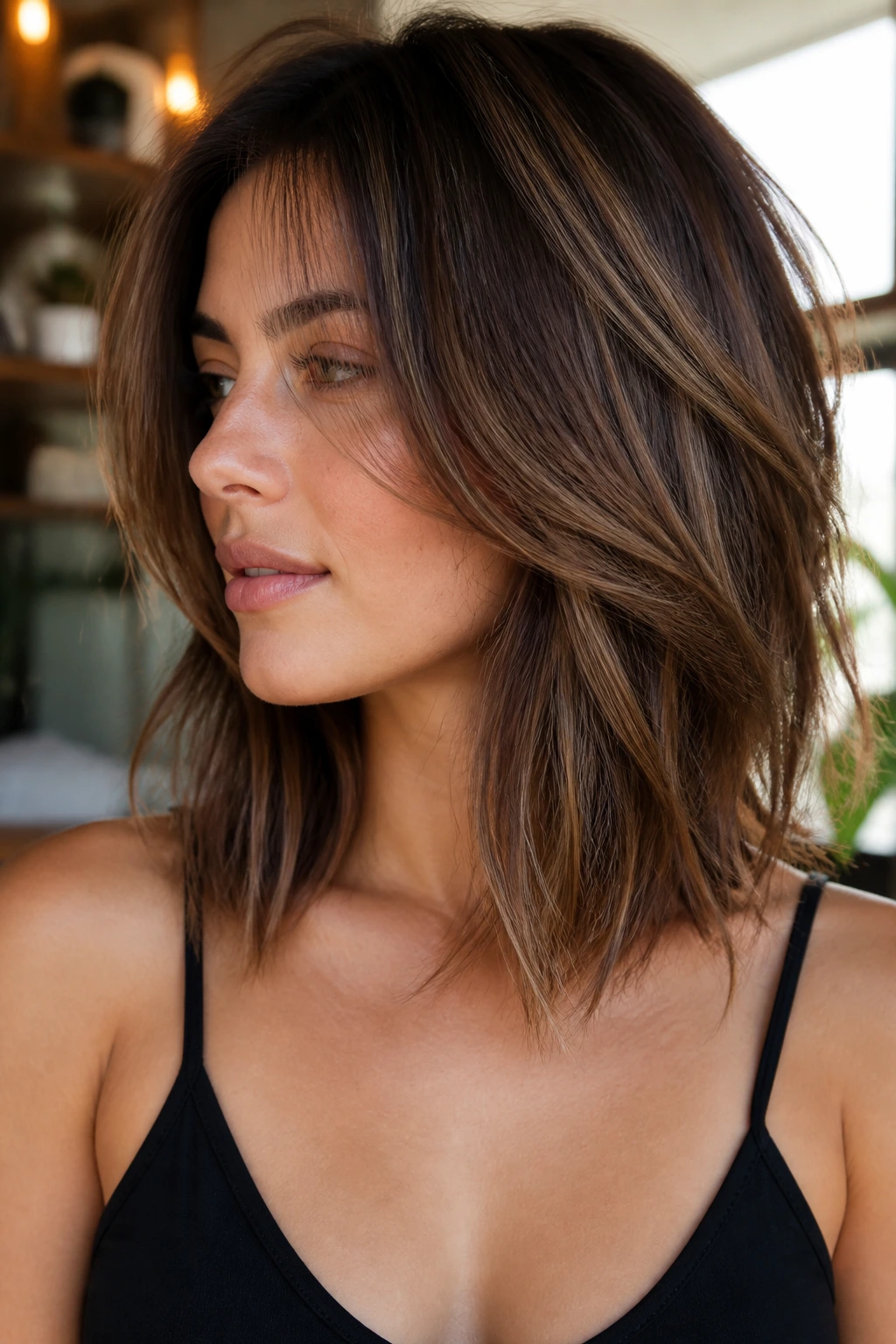
If you are coming from long, layered hair, you might worry that a bob will feel too one-dimensional. The soft-layered bob addresses this by integrating long, sweeping layers throughout the haircut. The razor is used to blend these layers seamlessly, preventing any “step” patterns that can sometimes occur when using scissors on shorter hair.
Managing Layers
Layers are essential if you have hair that tends to expand. By razoring the layers, you are effectively thinning out the weight of each individual layer so that they stack nicely. This prevents the dreaded “pyramid” look where the bottom of the hair is significantly wider than the top.
Choosing Your Layer Style
- Long layers: Best for maintaining the illusion of length and fluidity.
- Face-framing layers: Excellent for softening the jawline and highlighting the cheekbones.
- Crown layers: Useful for adding height and preventing flat hair.
9. The Undercut Razored Bob
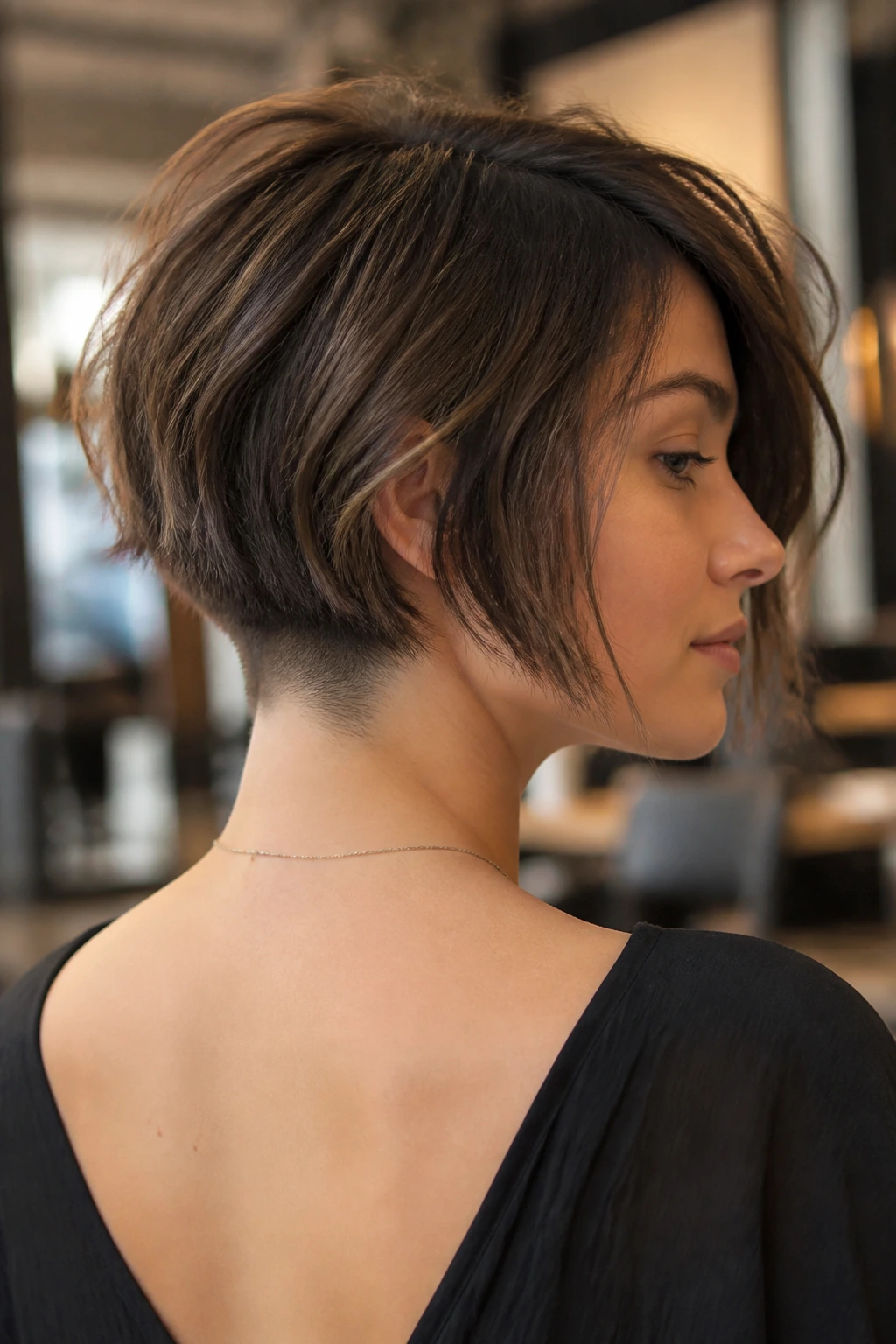
For a more modern, daring approach, the undercut razored bob involves taking the hair at the very nape of the neck significantly shorter—or even clipping it—while the rest of the hair is razored into a bob shape. It is the ultimate cooling system for those who live in warmer environments or who are frustrated by the thickness of their hair at the base of the skull.
The Secretive Edge
When the top layers fall over the nape, no one even knows you have an undercut. It’s a secret hack that makes your hair feel incredibly thin and light without sacrificing the length or the overall look of a bob. It is particularly effective for those with very coarse, dense hair that feels heavy at the back.
When to Try It
- If you find yourself constantly tying your hair up to escape the heat.
- If you want a bob but are worried about it feeling too “puffy.”
- If you have an athletic lifestyle and need hair that stays out of your neck during movement.
10. The Deep-Parted Razored Bob
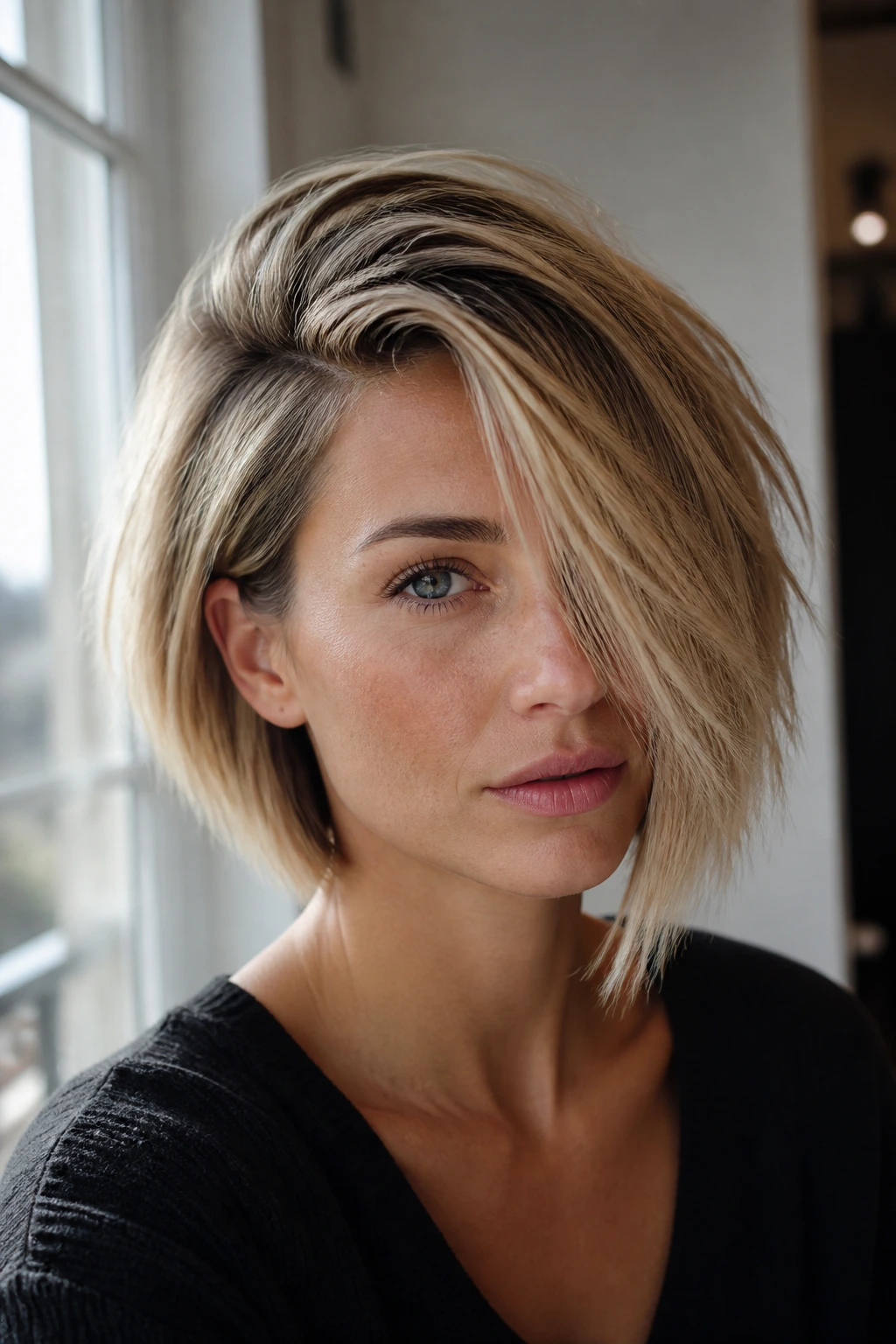
Sometimes the secret to a great bob isn’t just the cut, but the styling. A deep-parted razored bob takes advantage of the weight distribution created by a razor to create a dramatic, side-swept look. By moving the weight of the hair to one side, you create a natural volume and an asymmetrical silhouette that feels very high-end and sophisticated.
How the Razor Helps
Because the razor has thinned out the hair, it will lay much flatter on the side with the deeper part, while providing incredible lift on the side where the hair flips over. It creates a natural swooping effect that is hard to achieve with a heavy, blunt-cut bob.
Styling for Drama
- Part the hair while it is soaking wet.
- Use a bit of root-lift spray on the “flip” side.
- Let it dry or blow-dry it toward the direction of the part to “set” the volume.
11. The Soft-Wave Razored Bob
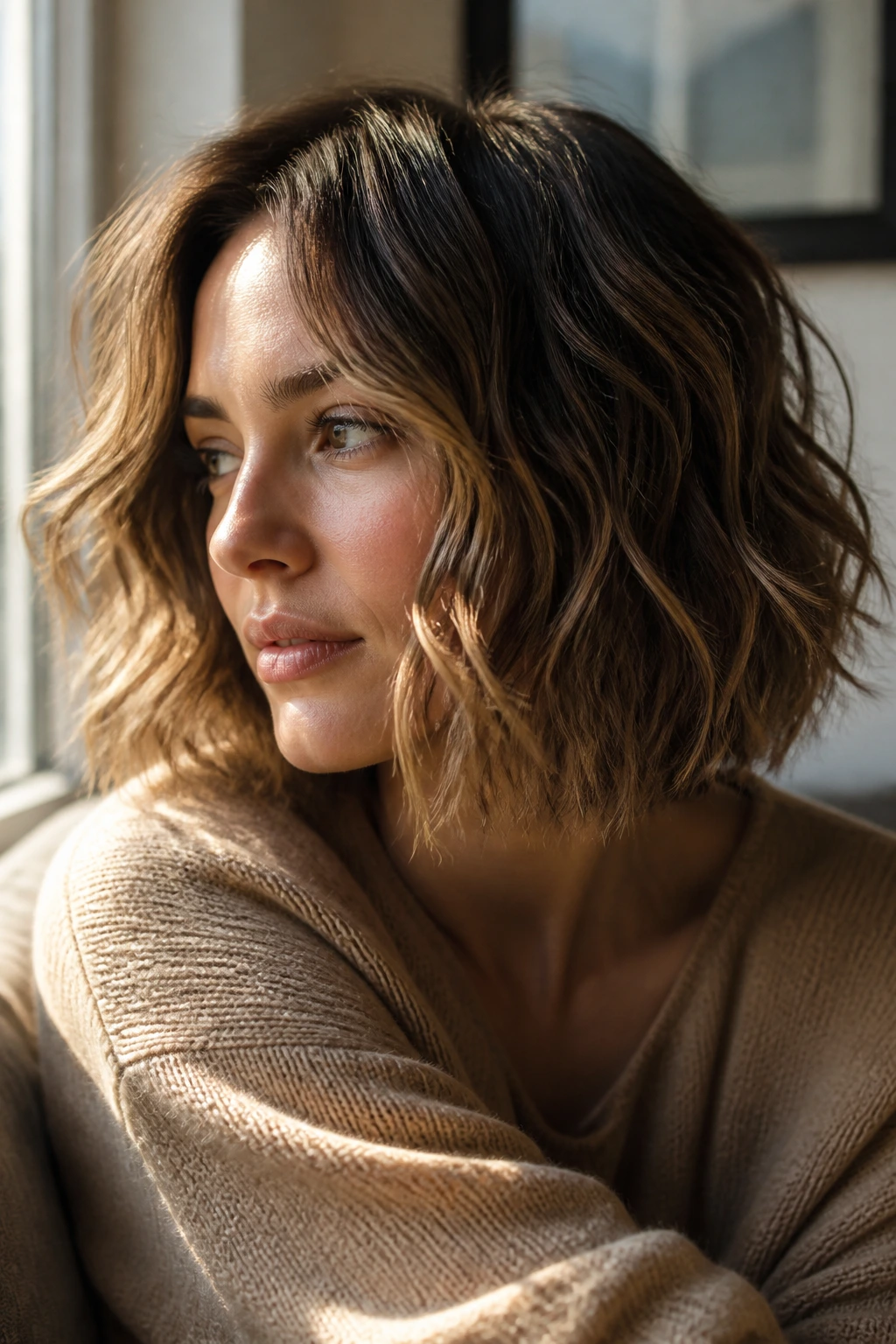
If you have naturally wavy hair, you know the struggle of keeping a bob from turning into a frizzy mess. The soft-wave razored bob is designed specifically to work with your natural texture. By razoring the hair, you are essentially “breaking” the curl pattern just enough to loosen it, creating a more relaxed, beachy vibe that doesn’t require constant heat styling.
Embracing the Texture
The razor allows the waves to nestle into each other rather than fighting for space. When you have blunt-cut ends, wavy hair often pushes against itself, creating bulk. With razored ends, the hair has space to move, which keeps the waves soft and defined rather than clustered and frizzy.
Essential Care for Wavy Bobs
- A leave-in conditioner is non-negotiable.
- Avoid brushes; use your fingers to detangle in the shower while the conditioner is in.
- Sleep on a silk pillowcase to prevent morning-after frizz.
12. The Wispy-End Razored Bob
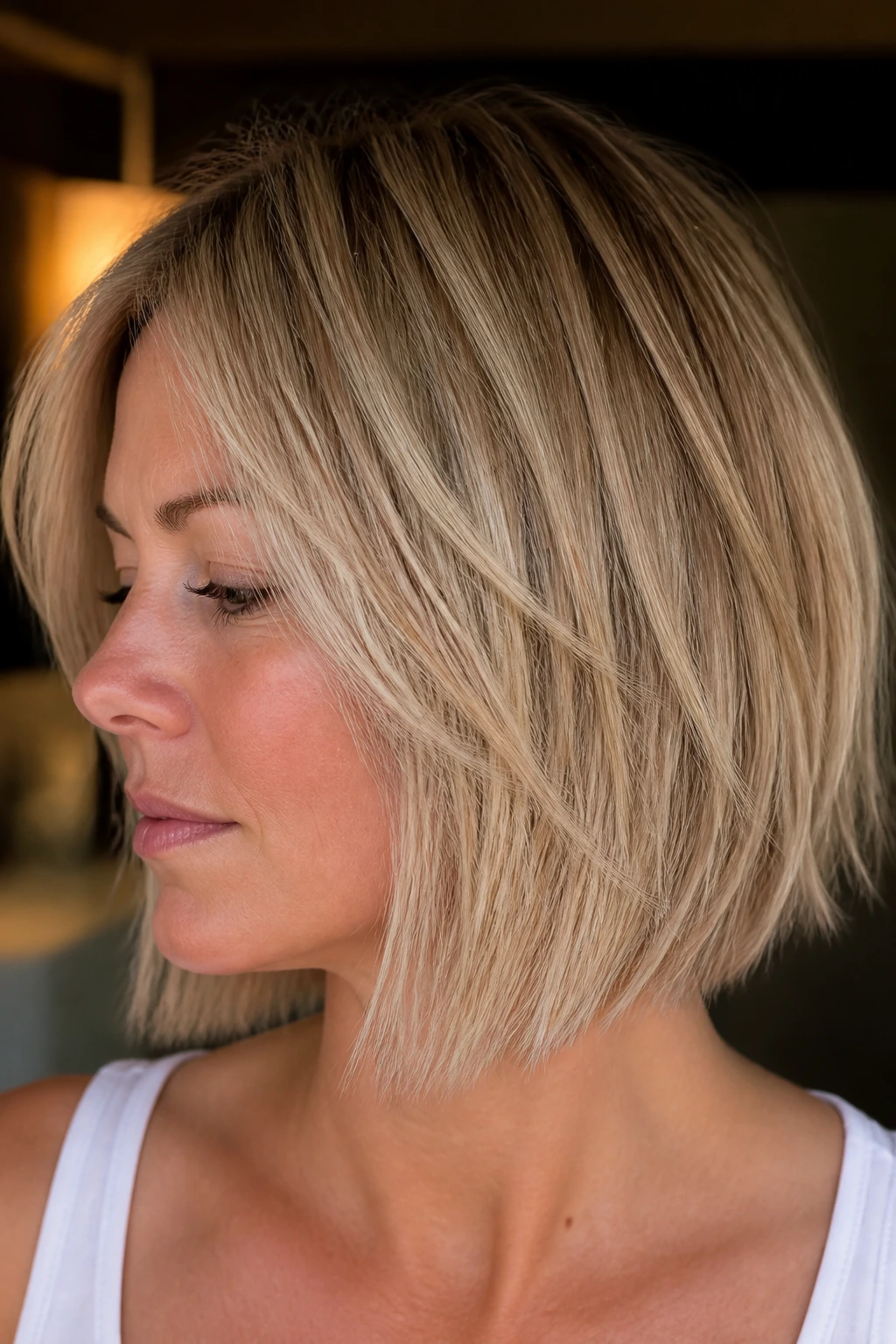
This is the ethereal cousin of the shattered bob. The wispy-end razored bob focuses heavily on the bottom two inches of the hair, using a razor to make the ends look delicate and almost “tapered away.” It is a beautiful way to handle fine hair that wants to look lighter and more feminine.
Creating the Wisp
This style requires a very steady hand. The stylist uses the razor to slide through the hair, removing mass until the ends are nearly translucent. This is a very intentional style choice—it makes the hair look like it has grown naturally into a light, airy shape rather than being forced into a bob.
Who Should Avoid This
- People with very damaged, brittle hair (the razor can exacerbate split ends).
- People who want a “solid” or “heavy” feeling to their hair.
13. The Minimalist Razored Bob
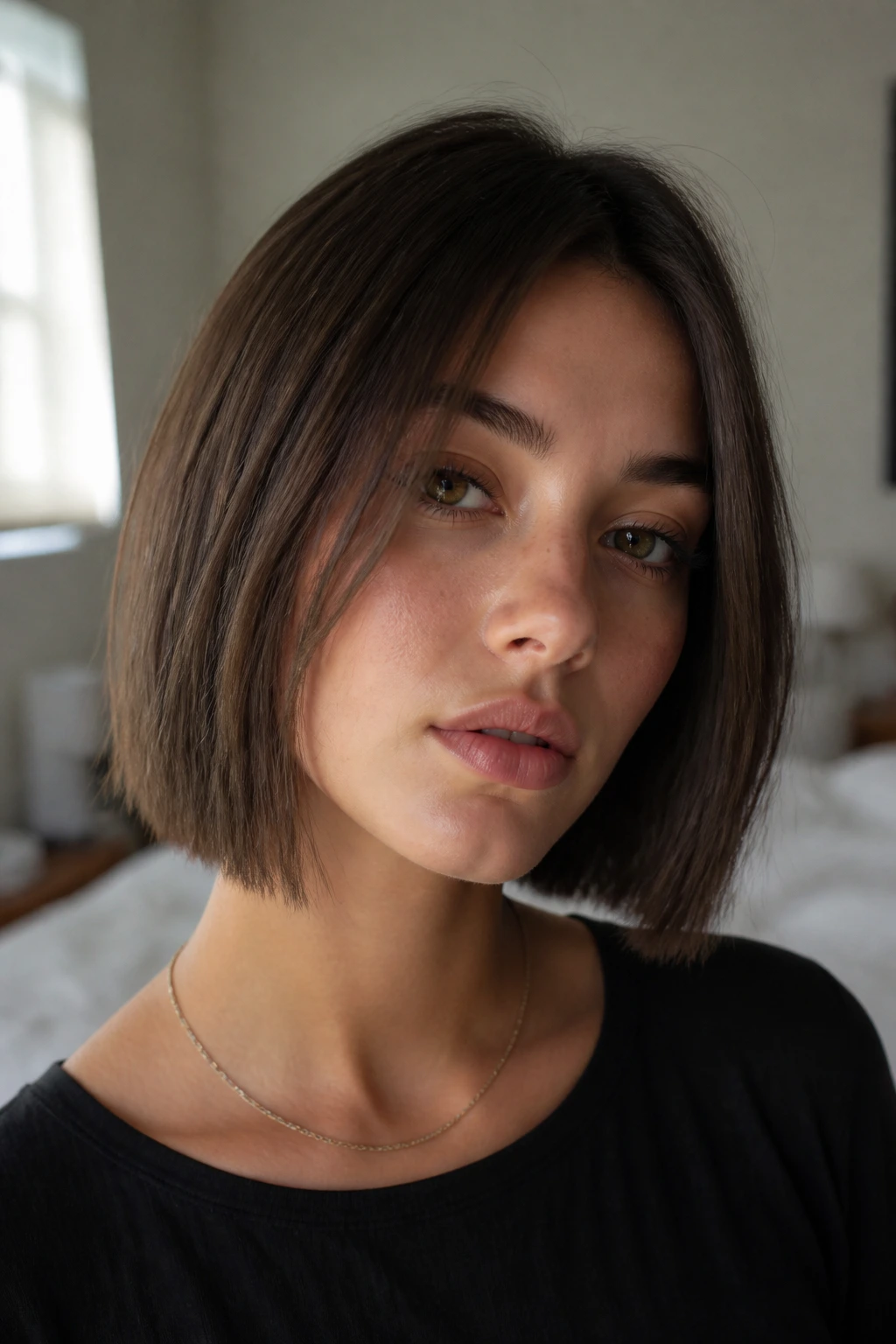
Often, the best style is the one that looks like you woke up with perfect hair. The minimalist razored bob is a chin-length cut with almost no layers, just a slight razoring at the ends to ensure it does not flip out awkwardly. It is the epitome of “cool girl” hair—effortless, clean, and perfectly suited for any outfit.
Less Is More
The beauty here is in the simplicity. You are not fighting with layers or bangs or complex parts. You are simply letting the hair fall where it wants to fall, with just enough texture work to ensure that it doesn’t get “stuck” on your shoulders.
Styling Routine
- Wash with a volumizing shampoo.
- Use a tiny amount of lightweight oil on the ends.
- Air dry for the most natural, minimalist result.
14. The Face-Framing Razored Bob
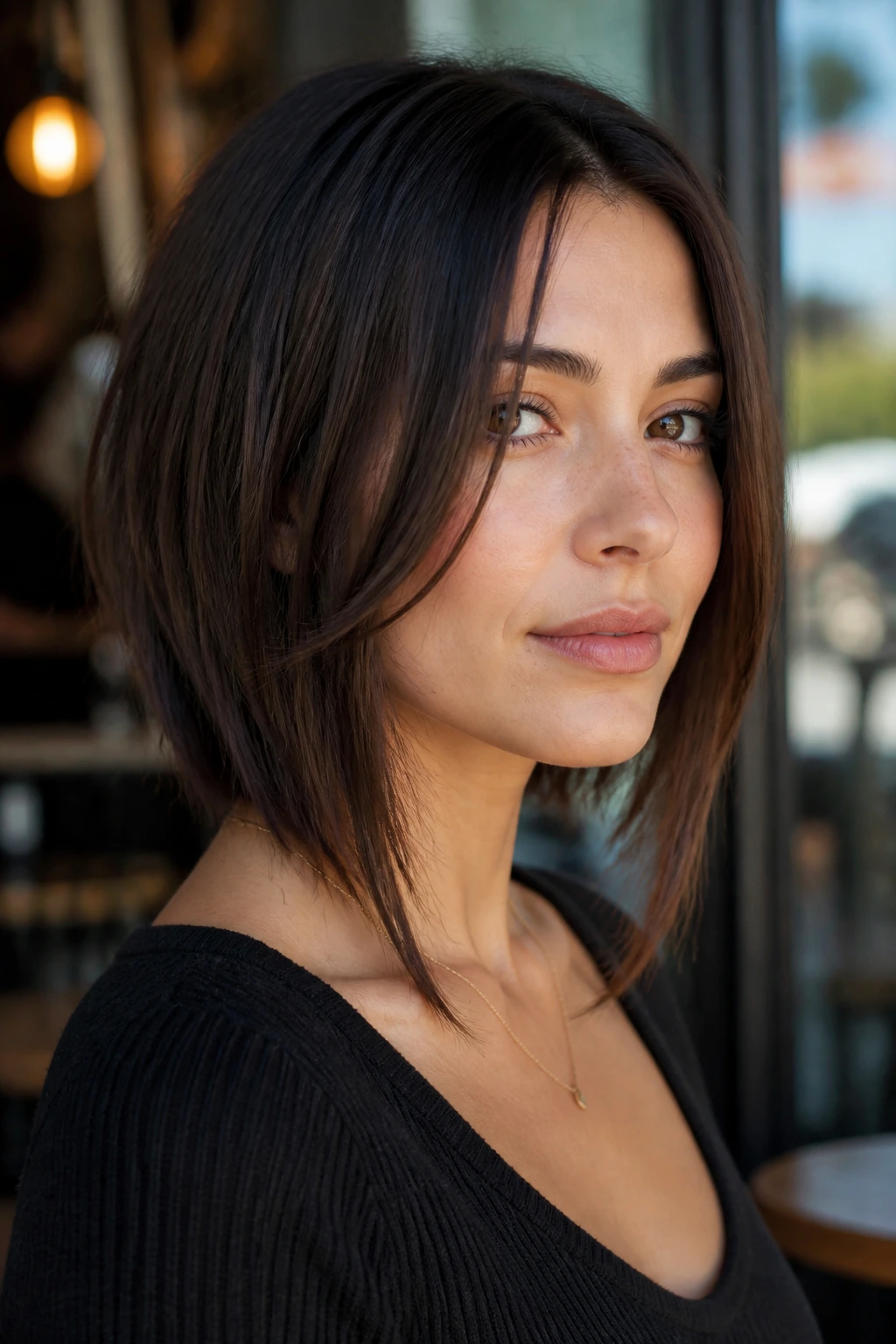
If your favorite part of your long hair was the way it framed your face, this bob is for you. It features long, razored tendrils around the front that are kept significantly longer than the back. This provides all the benefits of a bob’s lightness while maintaining the flattering, face-shaping qualities of longer hair.
Balancing the Face
This is arguably the most flattering bob for round or square face shapes. The length around the chin elongates the appearance of the face, while the shorter, razored back keeps the style looking modern and chic. It is the “gateway” bob—the one that makes you feel confident enough to go shorter later.
Customizing the Framing
- Ask for “invisible layers” around the cheekbones if you want to soften your features.
- Keep the front pieces slightly longer than the chin for a more classic look.
- Keep them shorter than the chin for a sharper, more dramatic contrast.
15. The Curled-Under Razored Bob
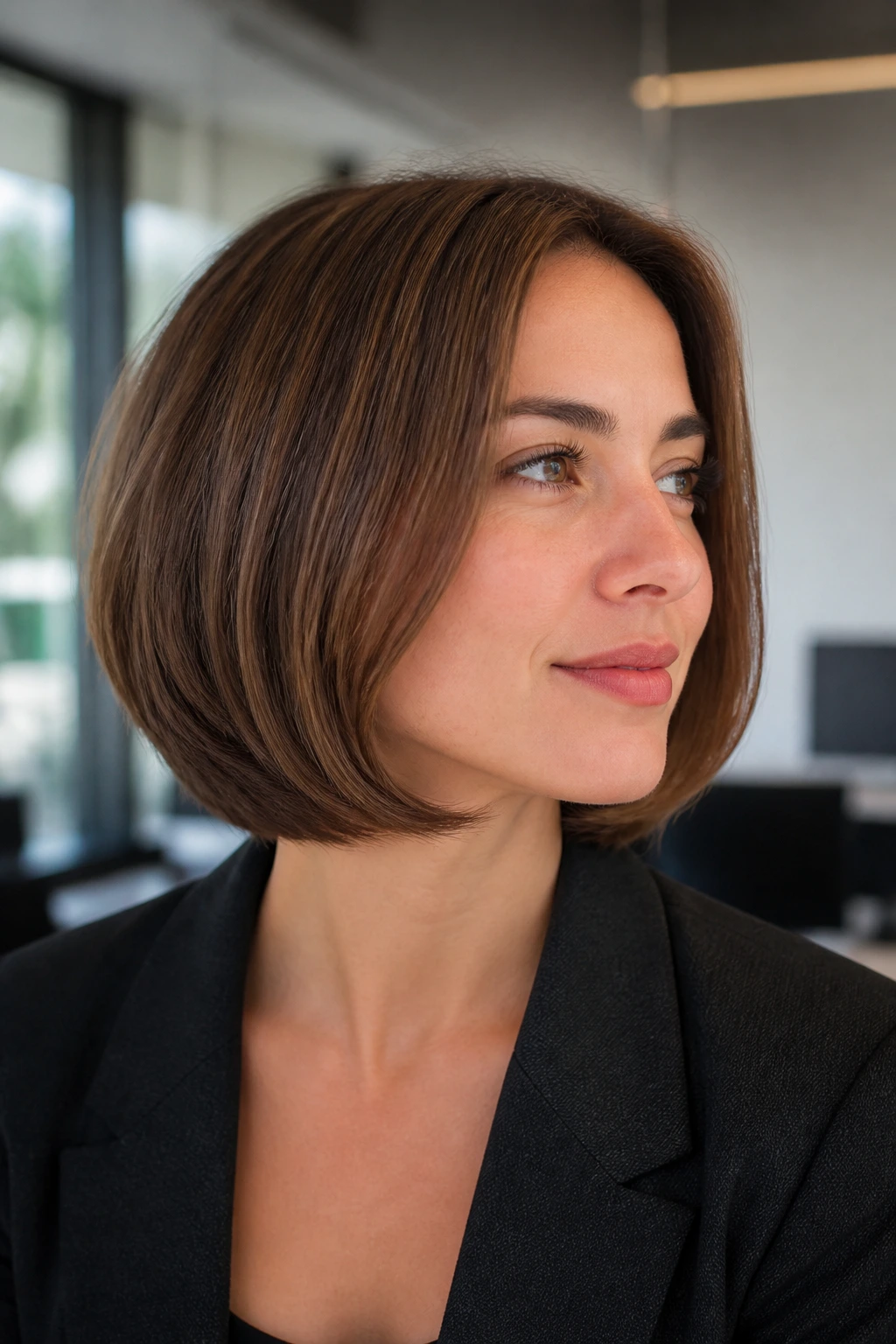
This style is a throwback to the classic 90s bob, but with a modern, razored twist. Because the ends are razored, they naturally want to tuck under toward the neck. This creates a very polished, rounded silhouette that feels very refined and elegant. It is excellent for professional settings where a “neat” appearance is desired.
Achieving the Tuck
A razored edge acts like a spring. When you blow-dry the hair under with a round brush, the tapered ends lock into that curved position more easily than a blunt edge would. It is a very low-effort way to get a high-effort look.
Tools You Need
- A medium-sized round brush.
- A light-hold setting spray.
- Patience to let the hair cool in the brush for a few seconds.
16. The Edgy Asymmetrical Bob
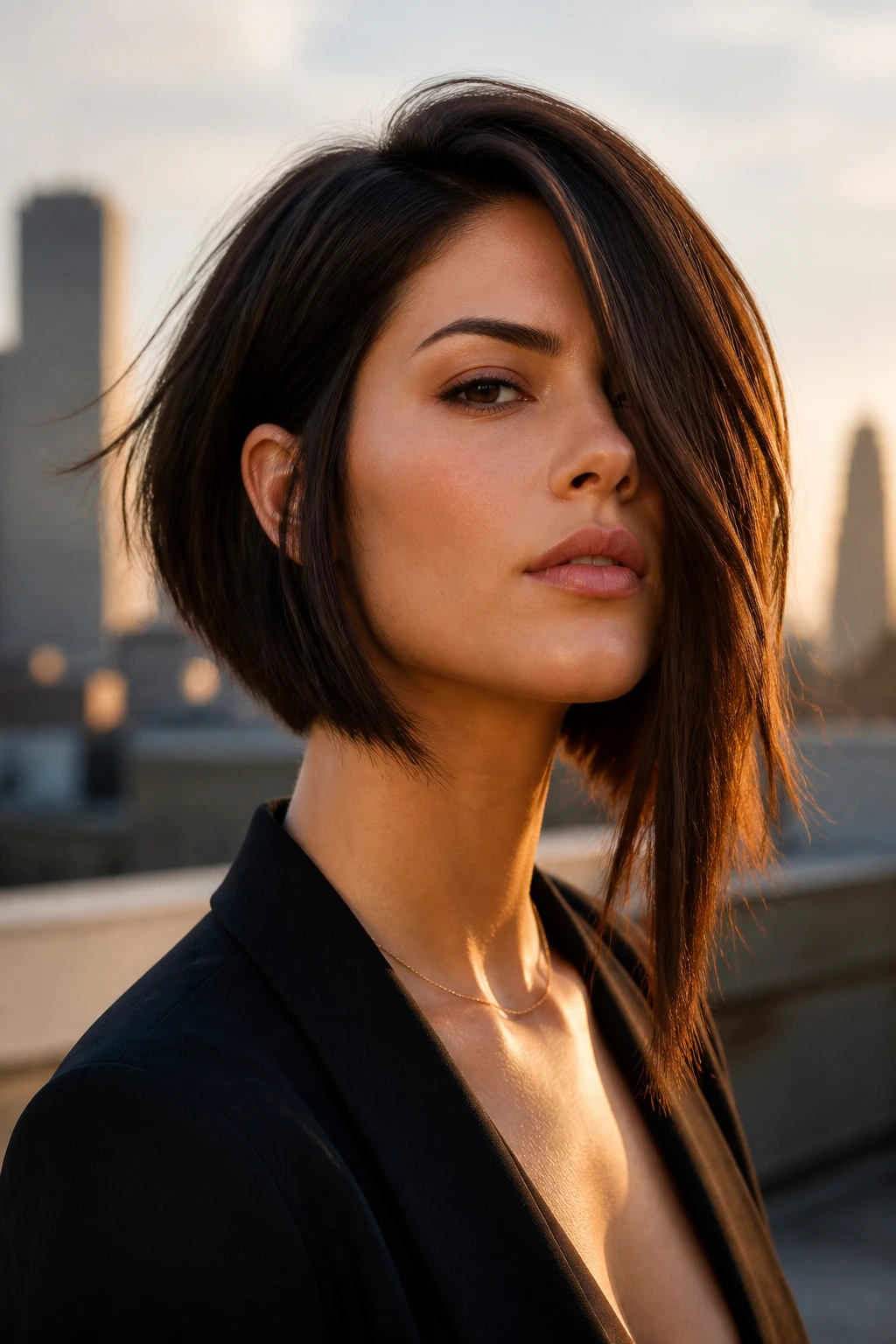
If you want to signal that you are not afraid of a little drama, the asymmetrical razored bob is the way to go. One side is noticeably longer than the other, and the razor is used to create a sharp, diagonal transition between the two sides. It is a conversation starter and incredibly stylish.
The Power of Asymmetry
Asymmetry naturally draws the eye, which is why this style feels so dynamic. It is also highly effective at hiding uneven features or distracting from a jawline you might be self-conscious about. Because it is razored, the transition from short to long is fluid, not harsh.
Managing the Growth
- Asymmetry can become lopsided if it grows out for too long.
- It is the most high-maintenance of all the bobs on this list.
- Keep a great relationship with your stylist; you will see them more often.
17. The Shag-Bob with Bangs
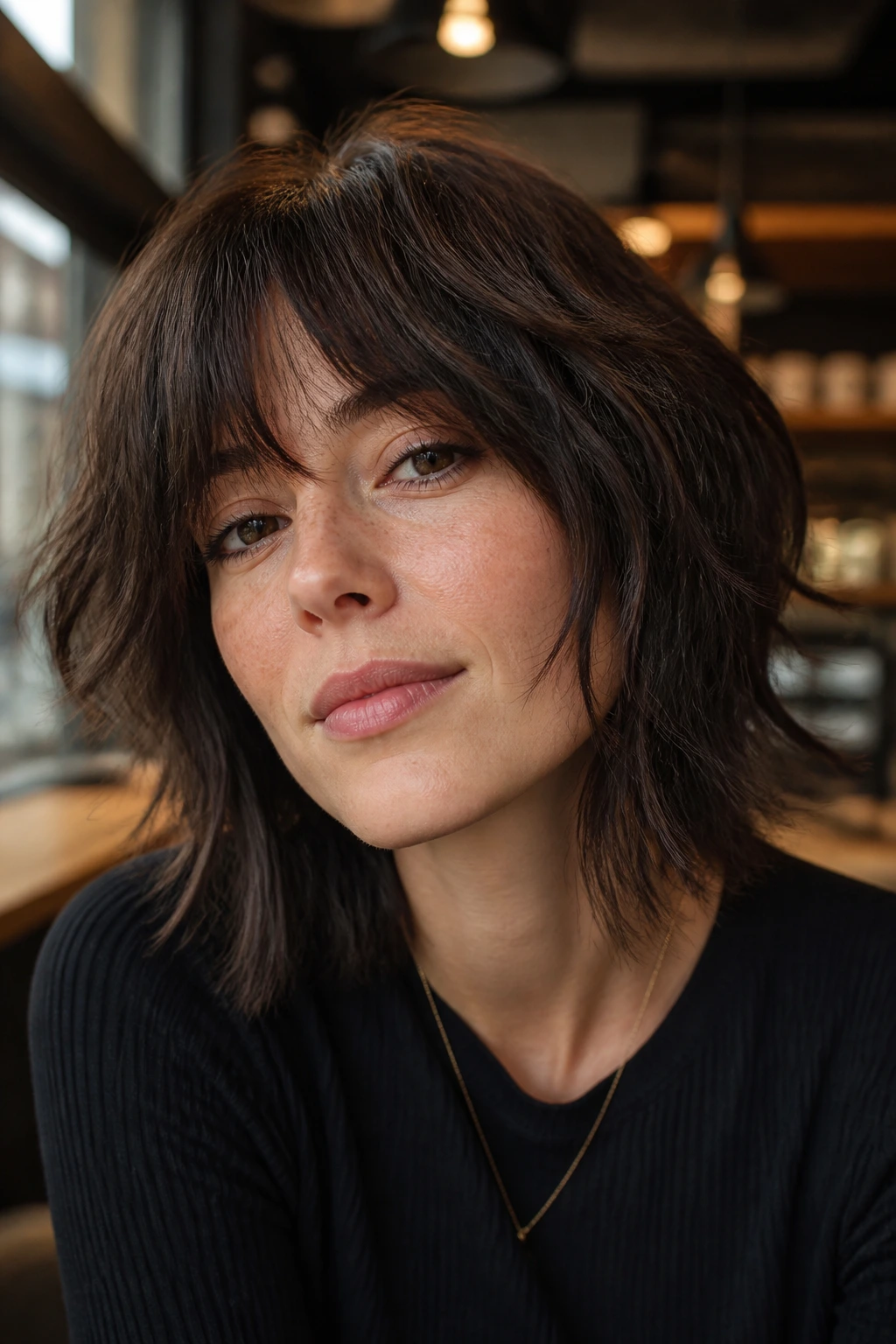
Bangs (or fringe) and a razored bob are a match made in heaven. A heavy, razored bob combined with piece-y, see-through bangs creates a look that is very youthful and fresh. The bangs break up the solidity of the bob, while the razored texture throughout the rest of the hair keeps it from feeling too heavy or “costumey.”
Selecting the Right Bangs
- Curtain bangs: The safest and most versatile option.
- Micro-bangs: For the bold who want to emphasize their eyes and brows.
- Side-swept bangs: Perfect for blending the bangs into the rest of the bob seamlessly.
18. The Graduated Stacked Bob
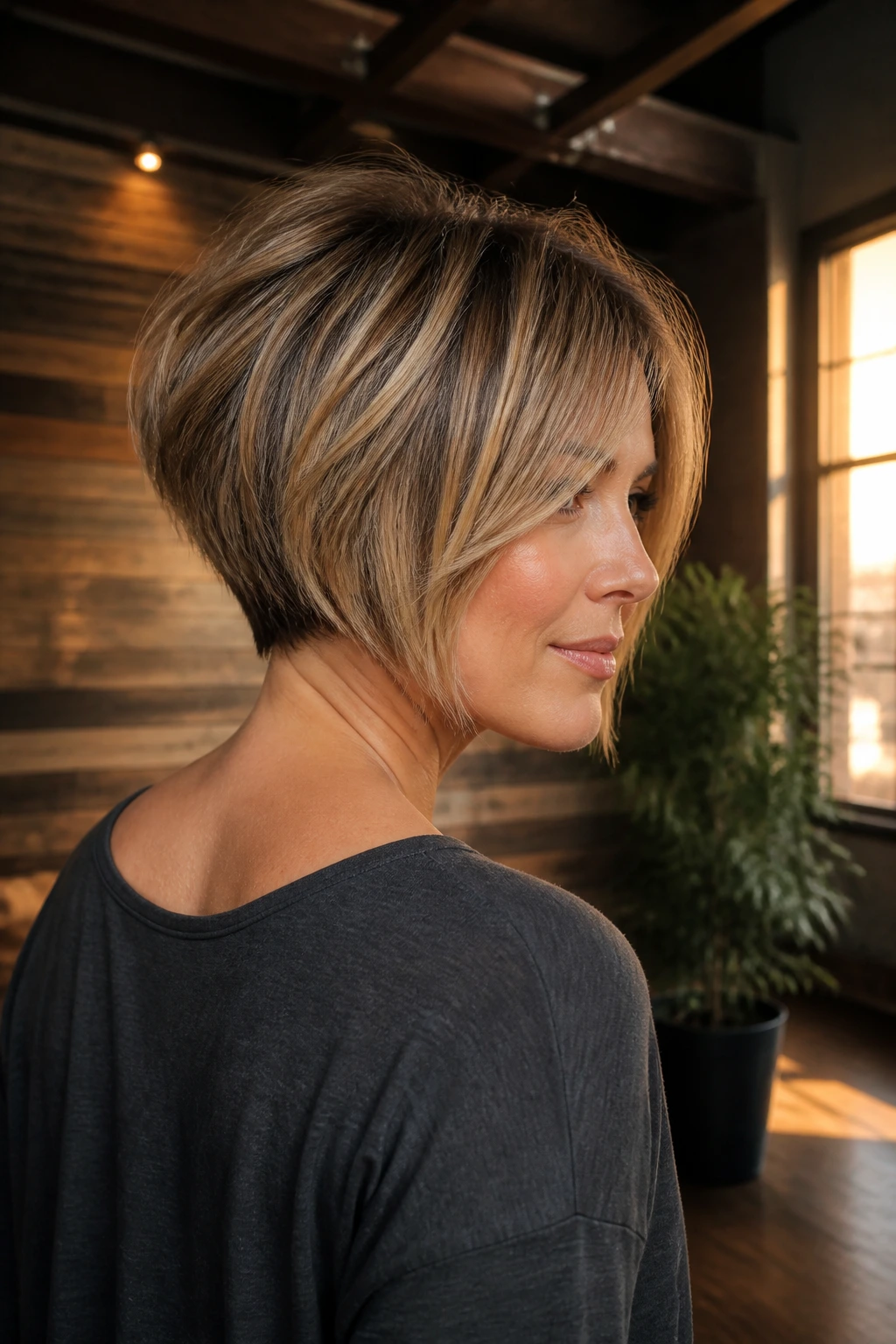
This is the ultimate volume builder. The back is cut at an extreme angle, and the razor is used to create fine, stacked layers that push the hair upward. If you have “flat” hair that refuses to hold volume, this is the configuration you need to ask for.
Engineering Volume
The razor is key here. By tapering the ends of the stacked layers, you prevent the weight from dragging the hair down. Instead, the layers act like shingles on a roof, building height and movement that lasts all day long.
Who It Suits Best
- Anyone with fine hair.
- Anyone who wants to minimize the appearance of a flat or receding crown.
- Anyone who loves a high-maintenance, polished appearance.
19. The Wet-Look Razored Bob
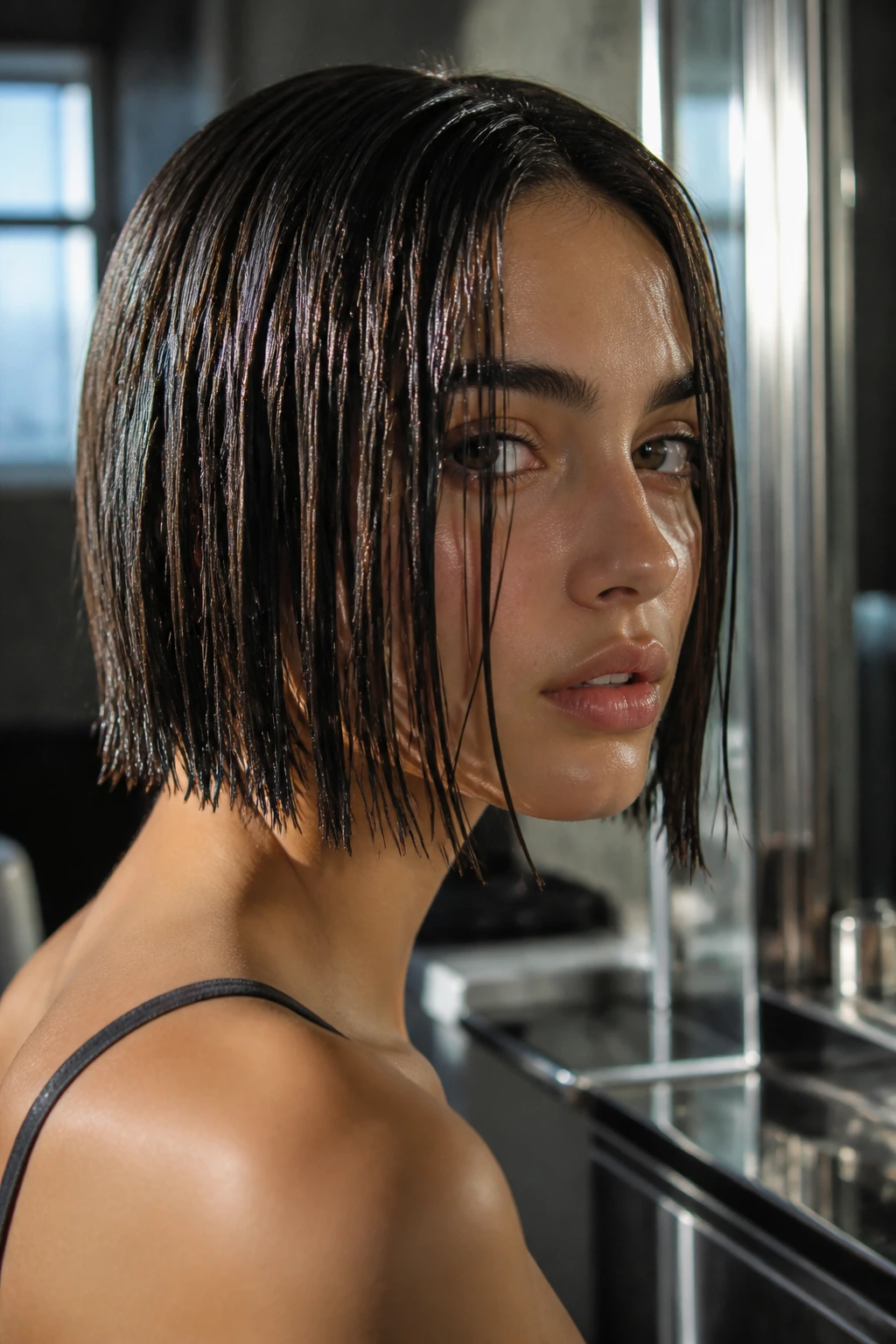
The wet-look is having a massive moment, and it looks best on a bob with razored ends. Because the ends are tapered and thin, they don’t look “clumpy” when you apply a high-shine gel or styling cream. They look sleek, sharp, and very fashion-forward.
Achieving the Look
- Start with damp hair.
- Work a dollop of firm-hold styling cream from roots to ends.
- Use a wide-tooth comb to distribute the product evenly and define the layers.
- Avoid touching the hair until it is fully dry to prevent frizz.
20. The Bohemian Razored Bob
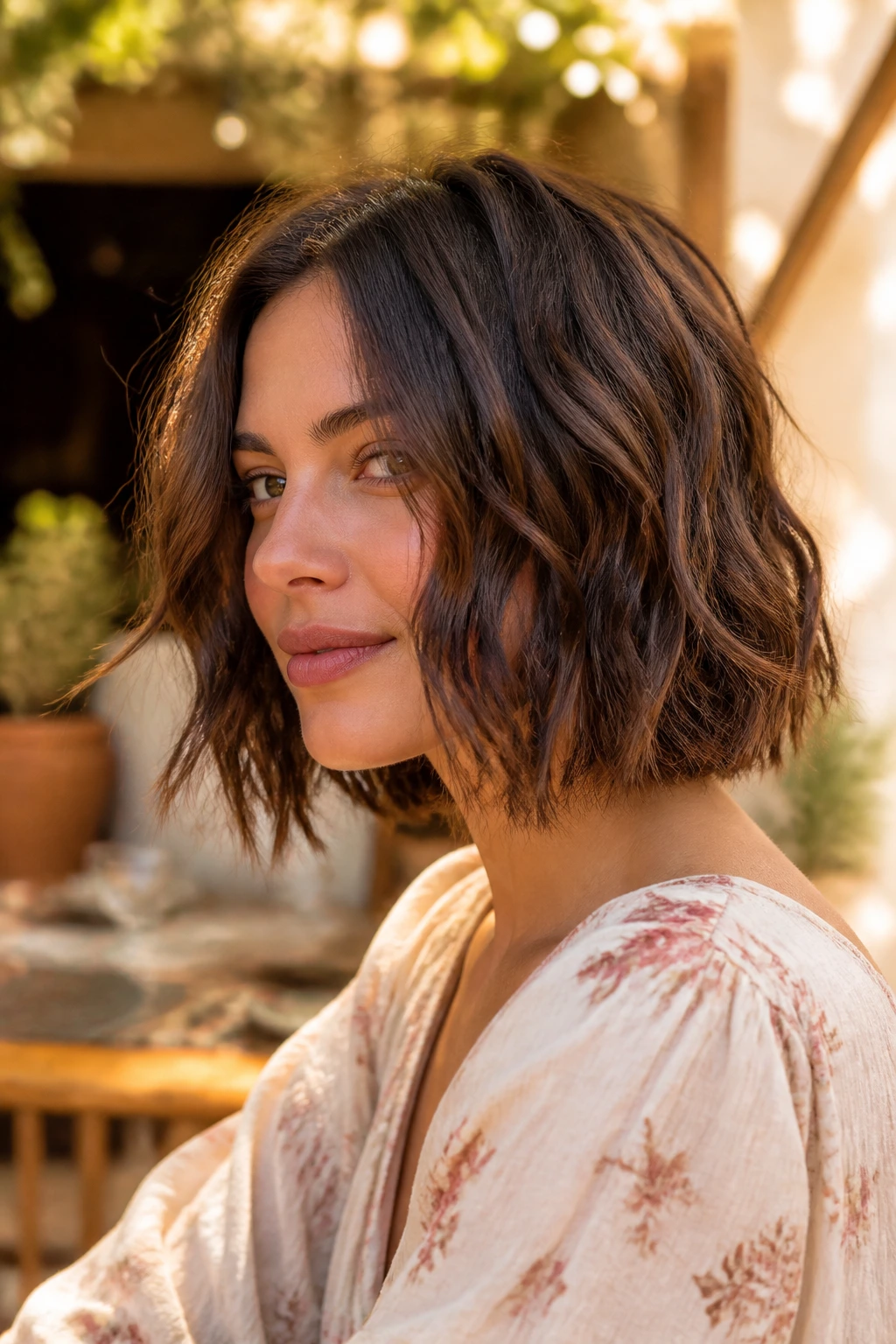
This is the longest, softest version of a razored bob. It hits at the shoulders and relies on a razor to create a very subtle, soft texture that allows for braids, hair accessories, or headbands. It is the most “long-hair friendly” bob, perfect for those who are still technically in the transition phase.
Styling Freedom
The Bohemian bob is all about accessorizing. Because it’s long enough to play with, you can add small braids, tie it back with a silk scarf, or tuck in decorative pins. The razor work keeps it from looking like a plain, boring shoulder-length cut.
Tips for Styling
- Use a small curling wand to add loose, “undone” waves.
- Don’t worry about perfect sections; the more haphazard, the better.
- Let the razored ends poke out for that deliberate, lived-in feel.
21. The Textured Nape Bob
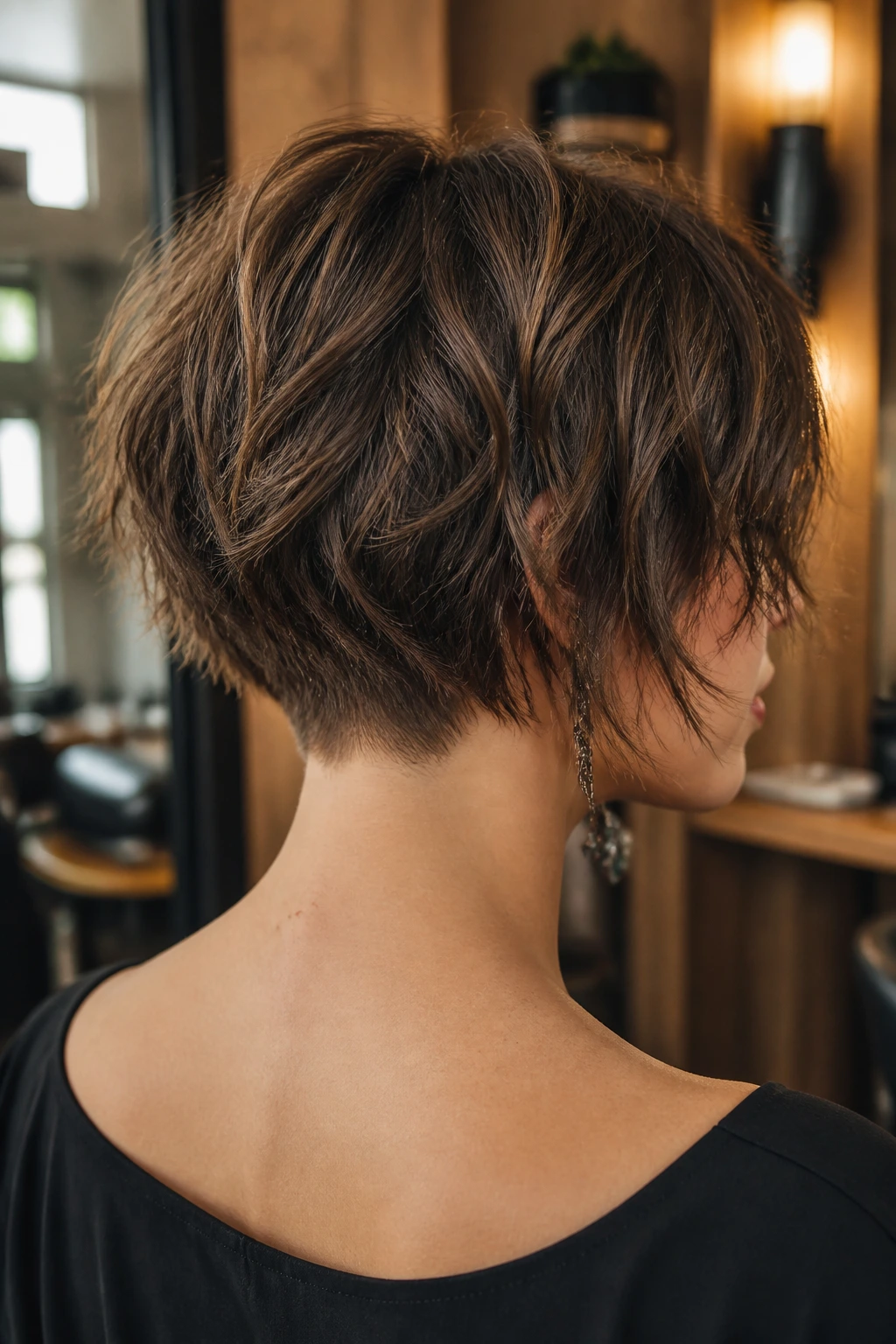
Many people forget about the nape of their neck, but it is the most important part of a short haircut. The textured nape bob focuses on shaving or heavily razoring the hair at the back to create a very clean, tapered line that hugs the neck. It is incredibly clean and professional while allowing the front of the hair to remain shaggy and long.
The Appeal of a Clean Nape
It provides a sharp contrast that makes the whole haircut look intentional. Even if the front of your hair is a bit wild or messy, a clean, tapered nape suggests that you know exactly what you are doing with your style.
When to Go for It
- If you have an elegant neck you want to show off.
- If you have hair that grows in weird directions at the back.
- If you want a cut that looks good from the back, not just the front.
22. The “Bedhead” Razored Bob
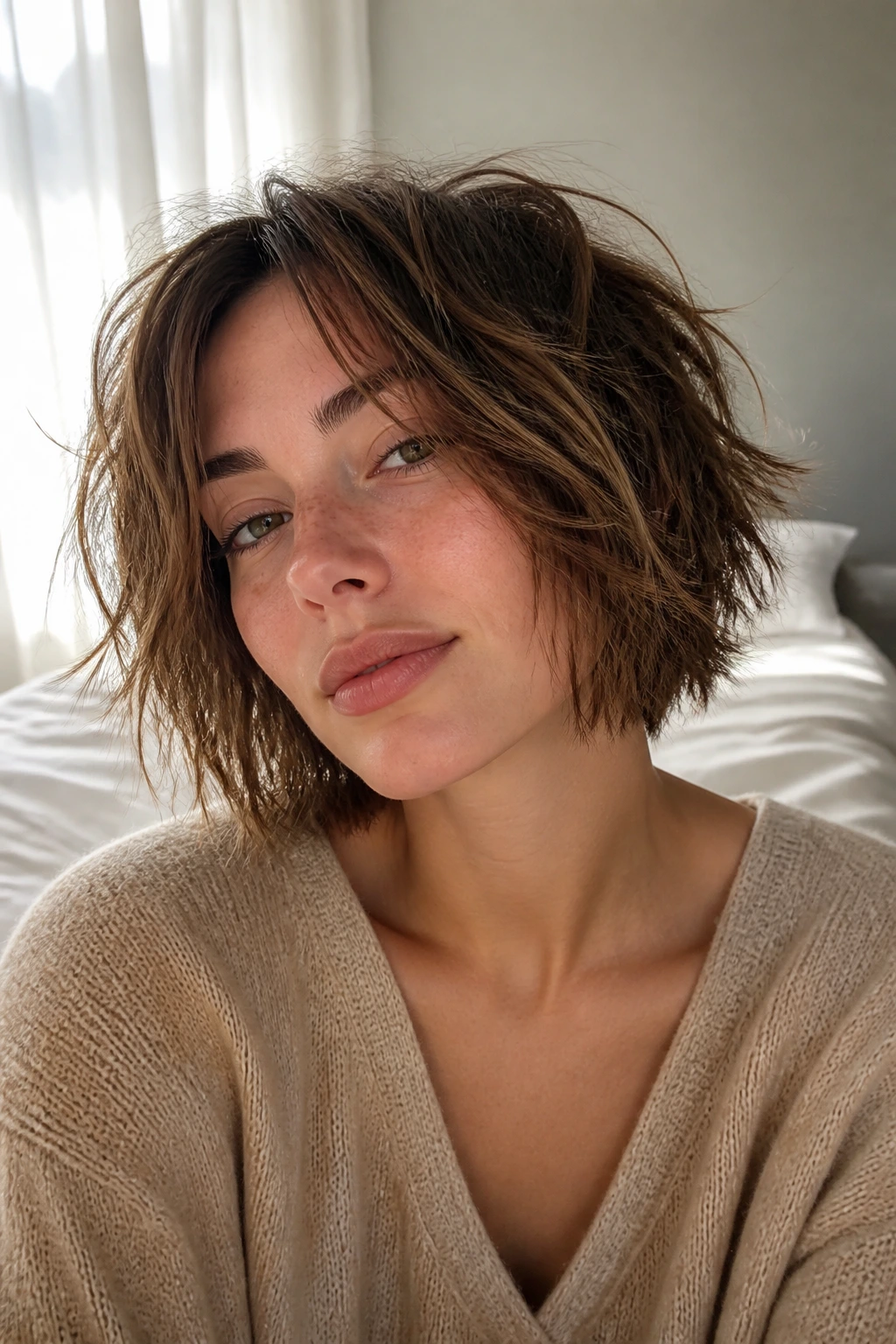
Finally, we arrive at the ultimate low-maintenance style. The bedhead bob is cut with a razor specifically to create “kinks” and “flicks” that mimic hair that has been slept on. It is the antithesis of the blow-dried, round-brushed bob. It is messy, it is textured, and it is entirely effortless.
Embracing the Mess
You aren’t trying to fix your hair; you are trying to lean into the chaos. The razor is used to create uneven lengths throughout the cut, ensuring that no two pieces of hair lie exactly the same way. It is a bold, modern look that screams confidence and comfort.
Final Styling Note
- Wake up.
- Shake your head.
- Go.
Final Thoughts
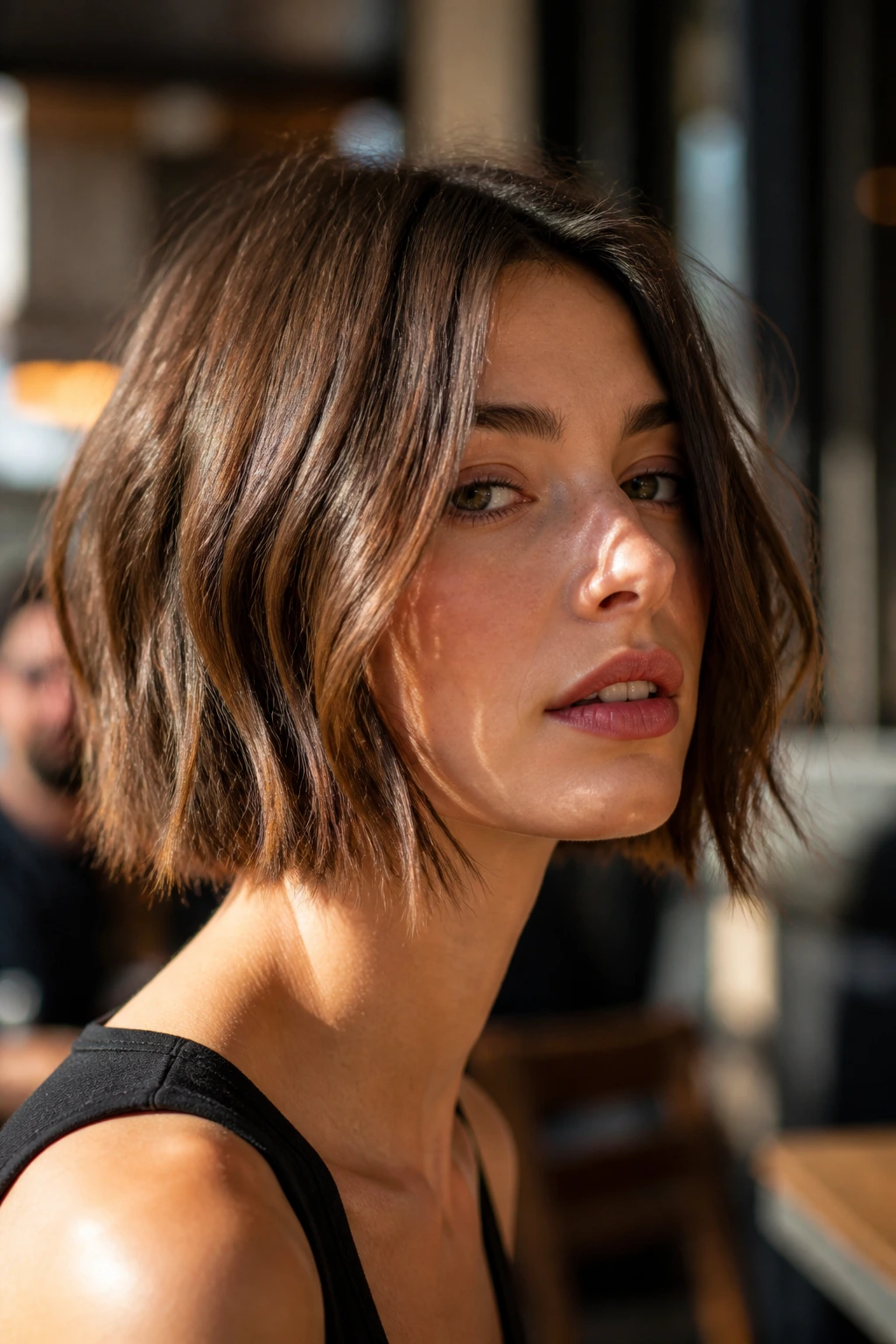
Making the jump from long hair to a razored bob is a transformative process that touches on both your aesthetic and your daily routine. The razor serves as your greatest ally in this journey, providing the movement and lightness that scissors simply cannot replicate in a shorter style. It is important to remember that while the initial cut creates the shape, the way you care for those shattered, tapered ends will define how the look grows out.
Invest in the right styling products—lighter, texturizing formulations are almost always better than heavy creams—and be prepared for the maintenance required to keep the geometry of the cut fresh. As you get comfortable with the freedom of a shorter, razored silhouette, you might find that you never look back at your long hair with anything other than fond memories. The key is to find the style that resonates with your daily life and your personal sense of self. Whether you choose the sharp, inverted finish or the soft, wispy-ended bohemian look, you are walking away from the weight of the past and into something altogether lighter, sharper, and more refined.