


The color wheel does not lie, and when it comes to sophisticated, head-turning hair colors, deep burgundy and wine tones occupy a space that feels both timeless and rebellious. We are not talking about neon, synthetic-looking bright reds that scream for attention in a loud, neon-sign way. Wine hair, in all its nuanced glory, is about depth—think merlot, black cherry, and dark mahogany. It is a color that shifts beautifully under office lighting and turns heads with a rich, glossy complexity in the sun. If you have been hesitant about diving into the world of creative color, this is the safest, most elegant entry point that exists.
Most people assume that “fashion colors” are reserved for professional stylists or people with endless time for touch-ups. While it is true that red-based pigments are notoriously prone to fading, the secret to making wine hair work for an everyday lifestyle is all about the execution of the base and the commitment to specific, low-maintenance care. Whether you are aiming for a subtle glaze of blackberry or a full-throttle deep plum, the richness of these tones complements a wide array of skin undertones, from the cool, porcelain complexions to the deep, warm coffee-hued tones that truly glow when framed by dark red strands.
1. Choosing Your Perfect Wine Shade
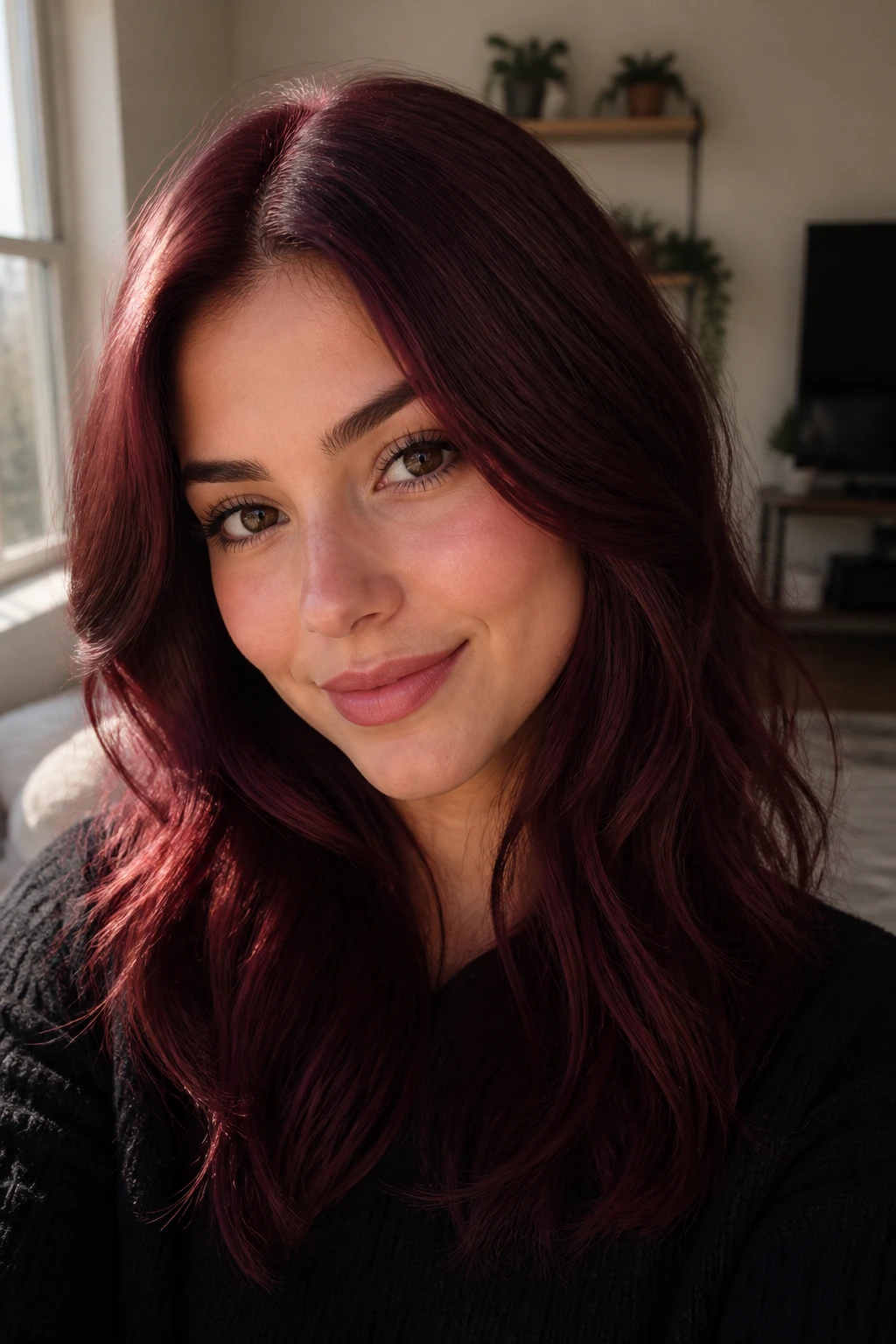
The spectrum of wine hair is surprisingly vast, ranging from cool-toned, blueberry-infused purples to warm, spicy copper-merlots. If you have pale, pink-tinted skin, lean into the cooler berry tones—think deep raspberry or blackberry—as these will neutralize any redness in your complexion. Conversely, if your skin has golden or olive undertones, warmer wine shades like spiced mahogany or a deep brick red will make your eyes pop and your skin look vibrant. Avoid picking a shade strictly because you saw it on a celebrity; consider the natural levels of your existing hair, as going from dark brown to a vivid plum requires a significantly different process than enhancing a natural light brown base.
2. The Balayage Approach for Low Maintenance
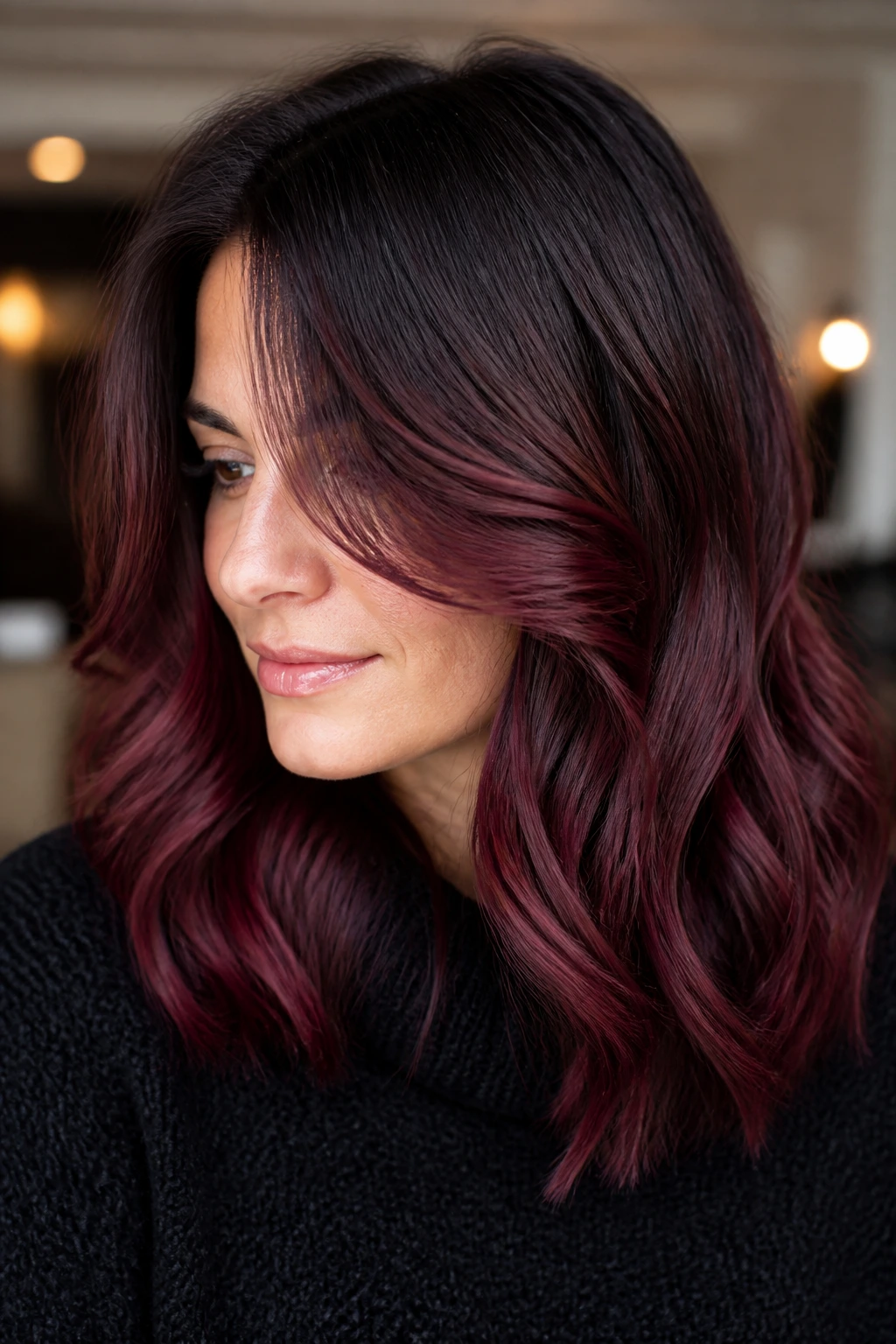
If you are worried about the dreaded “root line” that happens when your natural hair grows out, skip the solid block color and opt for a wine-toned balayage. By keeping your natural root color and having your colorist paint the wine hues through the mid-lengths and ends, you gain a massive amount of freedom. This technique allows for a softer grow-out period, meaning you can comfortably wait three or four months between salon appointments instead of being chained to a six-week cycle. The dimension created by the hand-painted highlights adds a natural, lived-in feel that looks expensive and intentional rather than manufactured.
3. Preparing Your Hair Before the Dye
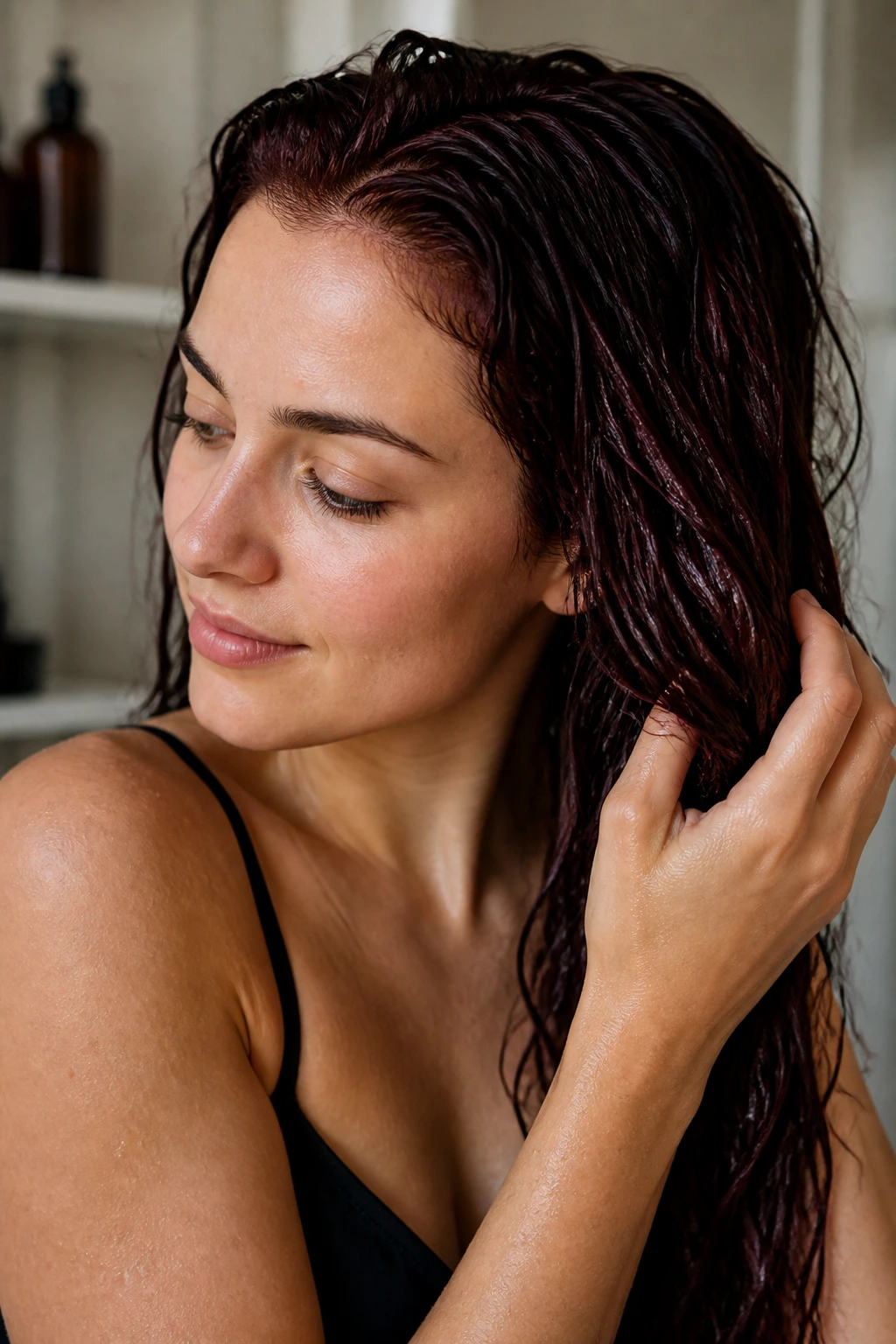
Red pigments are notoriously small molecules compared to other hair colors, which explains why they slip out of the hair shaft more easily. To combat this, you need to start with a healthy, porous-balanced canvas. Focus on deep-conditioning treatments for at least two weeks before your appointment to ensure your hair can hold onto that color. If your hair is currently dry or damaged, it will grab the dye unevenly, leading to a splotchy finish. I always recommend doing a clarifying wash a day before the color session to strip away any mineral buildup or product residue, which gives your stylist the best possible surface to work with.
4. Why Gloss Treatments Are Your Best Friend
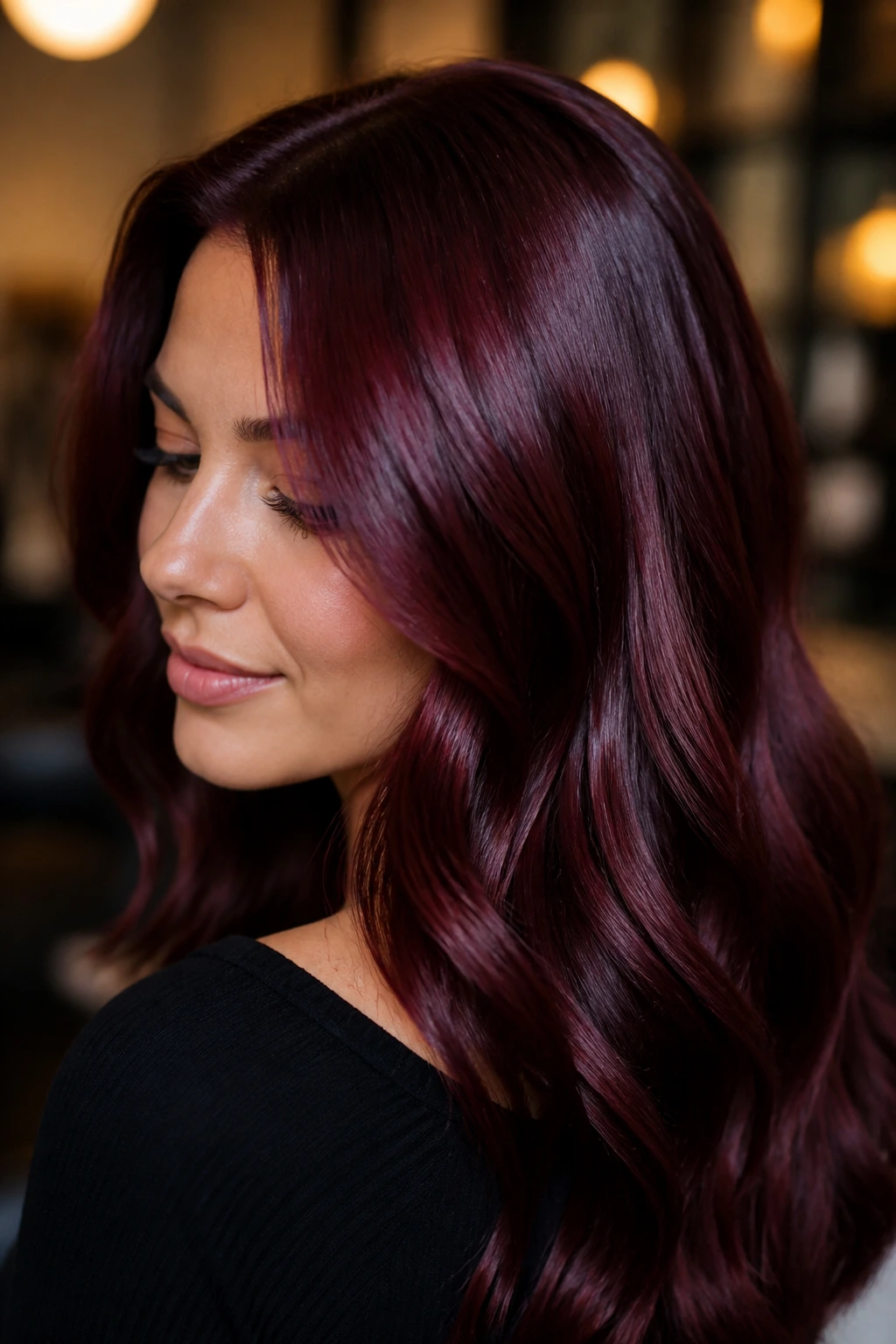
Once you have achieved that perfect deep merlot shade, you will find that the color begins to lose its initial “wow” factor after a few washes. This is where a clear or tinted color gloss comes into play. You do not need to subject your hair to a full-strength chemical dye every time the shine fades. Instead, pop into the salon for a demi-permanent gloss every six weeks. These treatments sit on the outer layer of the hair cuticle, smoothing it down to reflect light and depositing just enough pigment to keep the wine tones looking fresh, vibrant, and incredibly glossy without the harsh chemical trade-off.
5. The Cold Water Washing Rule
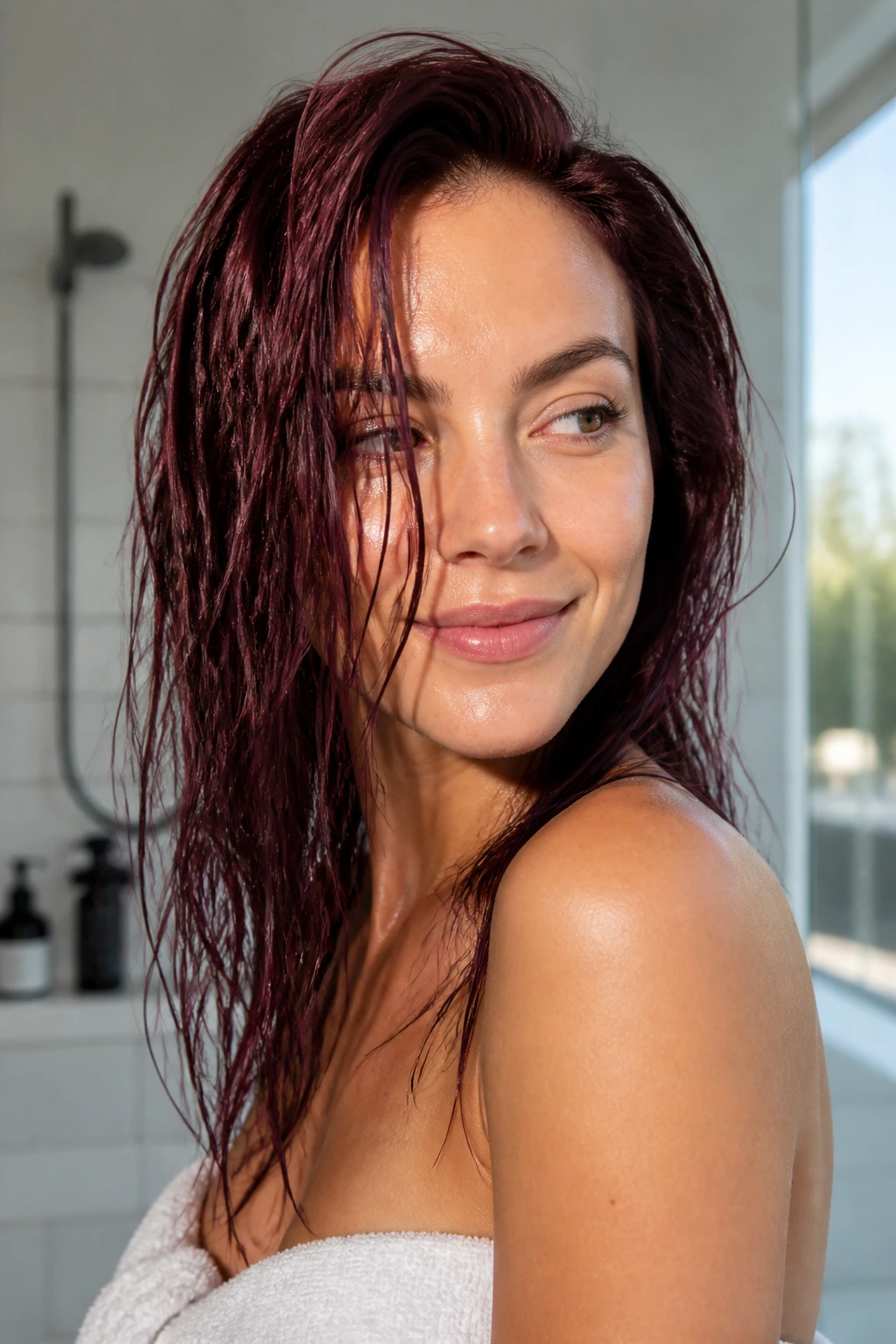
It sounds like a cliché, but it is the absolute truth: hot water is the enemy of wine-toned hair. Heat opens the hair cuticle, allowing all that gorgeous pigment to wash right down the drain. You do not need to take freezing showers, but lowering the temperature to lukewarm or cool when you wash your hair is the single most effective way to extend the lifespan of your color. When the water is cool, the cuticle stays flat and sealed, locking the dye molecules inside. Pair this with a high-quality, sulfate-free shampoo to ensure you are not stripping away the richness of the shade while you clean your scalp.
6. Managing the Grow-Out Gracefully
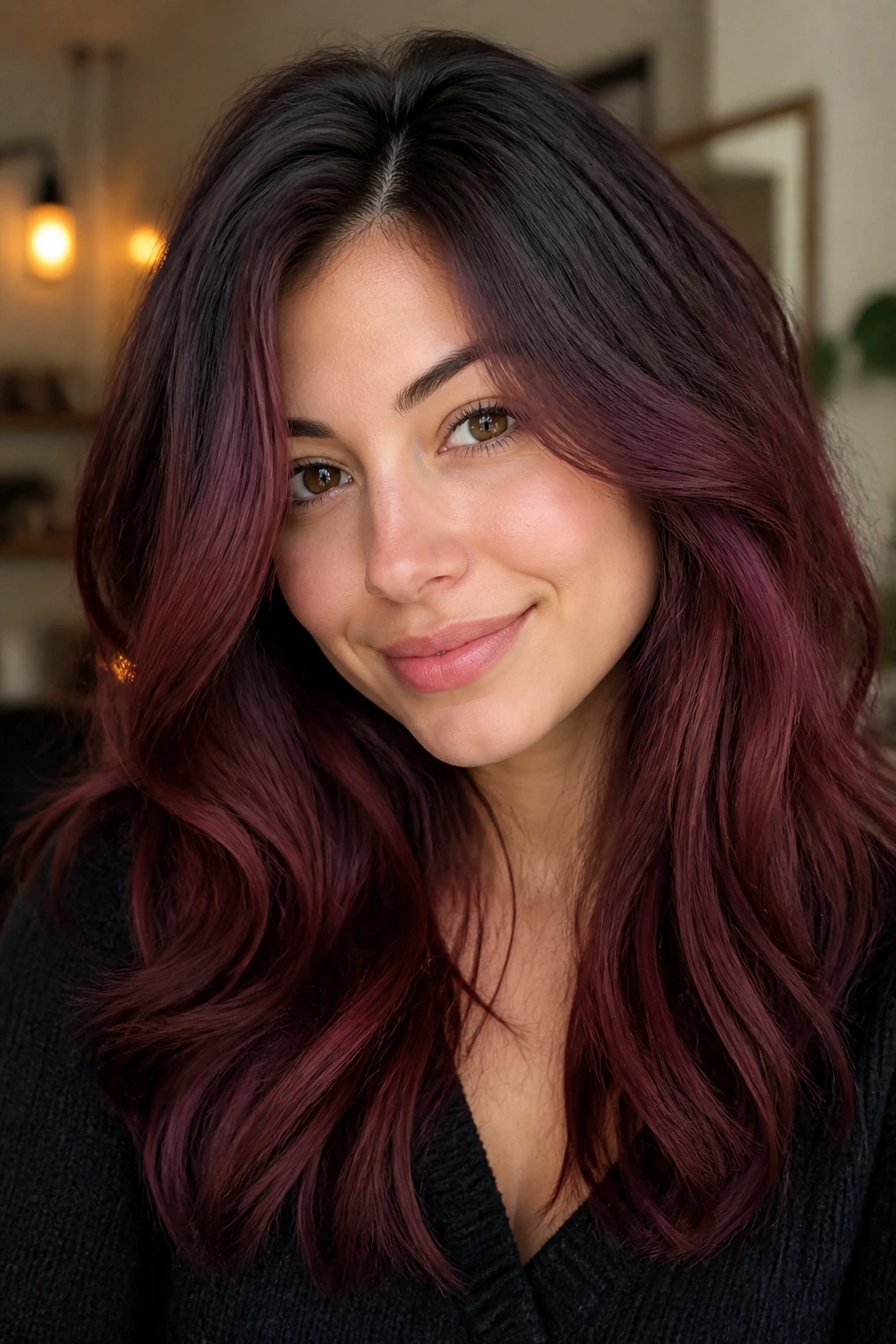
If you commit to a deep, dark wine color, the contrast against your roots might feel sharp as it grows out. To soften this, keep a tinted root spray or a temporary root touch-up powder in your bathroom cabinet. These tools are lifesavers when you have a big meeting or a dinner event and your roots are showing a bit more than you’d like. By dusting a bit of pigment onto the part line, you can buy yourself an extra week or two of confidence. The goal is to make the transition look like an intentional ombré effect rather than an ignored maintenance issue.
7. The Importance of Sulfate-Free Products
Standard supermarket shampoos are packed with sulfates, which are essentially detergents designed to strip away grease—but they are far too aggressive for dyed hair. Sulfates act like a magnet for red and purple tones, pulling them out of the hair shaft at an accelerated rate. Switching to a gentle, sulfate-free formula is non-negotiable for maintaining the integrity of wine hair. Look for labels that explicitly state “color-safe” or “for chemically treated hair,” as these contain milder surfactants that cleanse the scalp while leaving the protective, pigment-locking cuticle layers intact.
8. Styling to Enhance Dimensional Tones
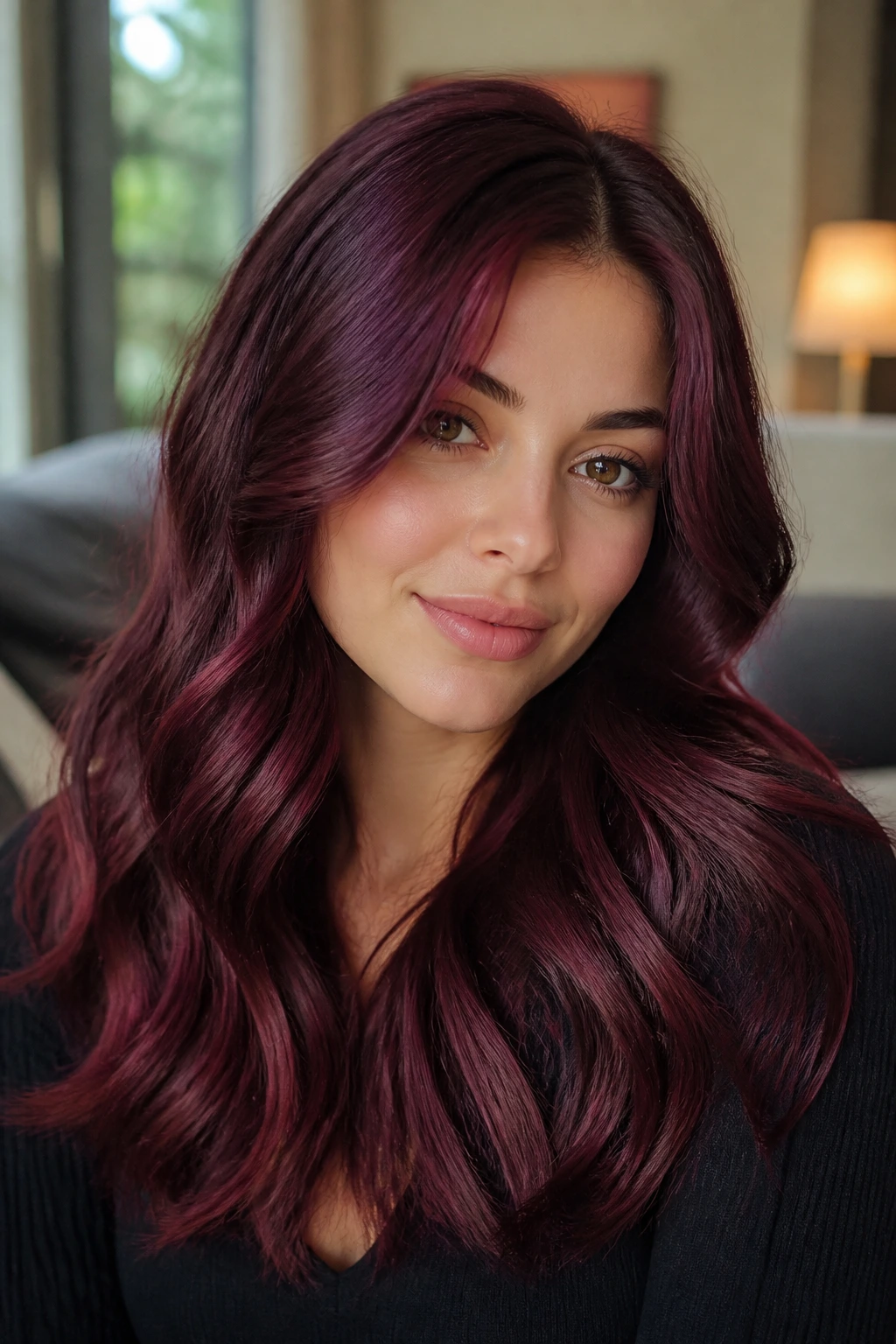
Wine hair is a multi-dimensional color, and the right styling can really bring those hidden purples and reds to the surface. Soft, loose waves are the best way to showcase the color; they break up the light and allow the different tones of the merlot or burgundy to catch the eye. Straight hair can sometimes look a bit flat, which hides the depth of the color. If you are curling your hair, use a heat protectant spray that contains a UV filter. Sunlight is another major culprit for fading, and if you are going to be outdoors, that protective layer acts like a shield, preventing the sun from bleaching your wine tones into a dull, brassy orange.
9. Dealing with Color Bleed on Pillowcases
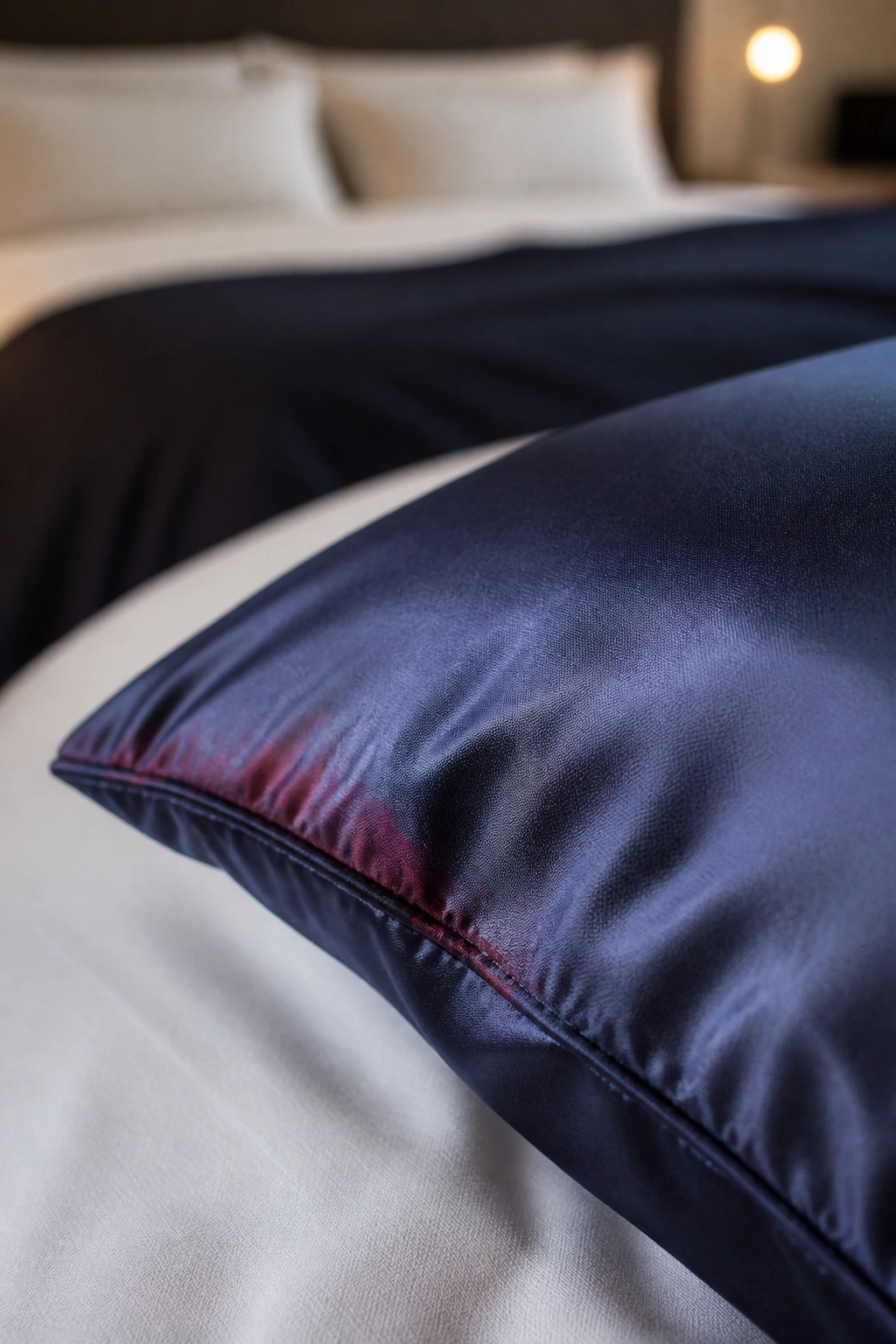
Yes, it happens. Deep wine colors can be notorious for “bleeding” onto your towels and pillowcases for the first few washes. Do not panic—this is normal. Use a dark-colored pillowcase, such as silk or satin in navy or black, for the first week after your service. Beyond the stain prevention, silk is significantly better for your hair health than cotton, as it reduces friction. Less friction means less breakage, and since your hair is already undergoing a chemical process, you want to do everything you can to avoid mechanical damage that could make the color appear duller over time.
10. When to Avoid Wine Hair
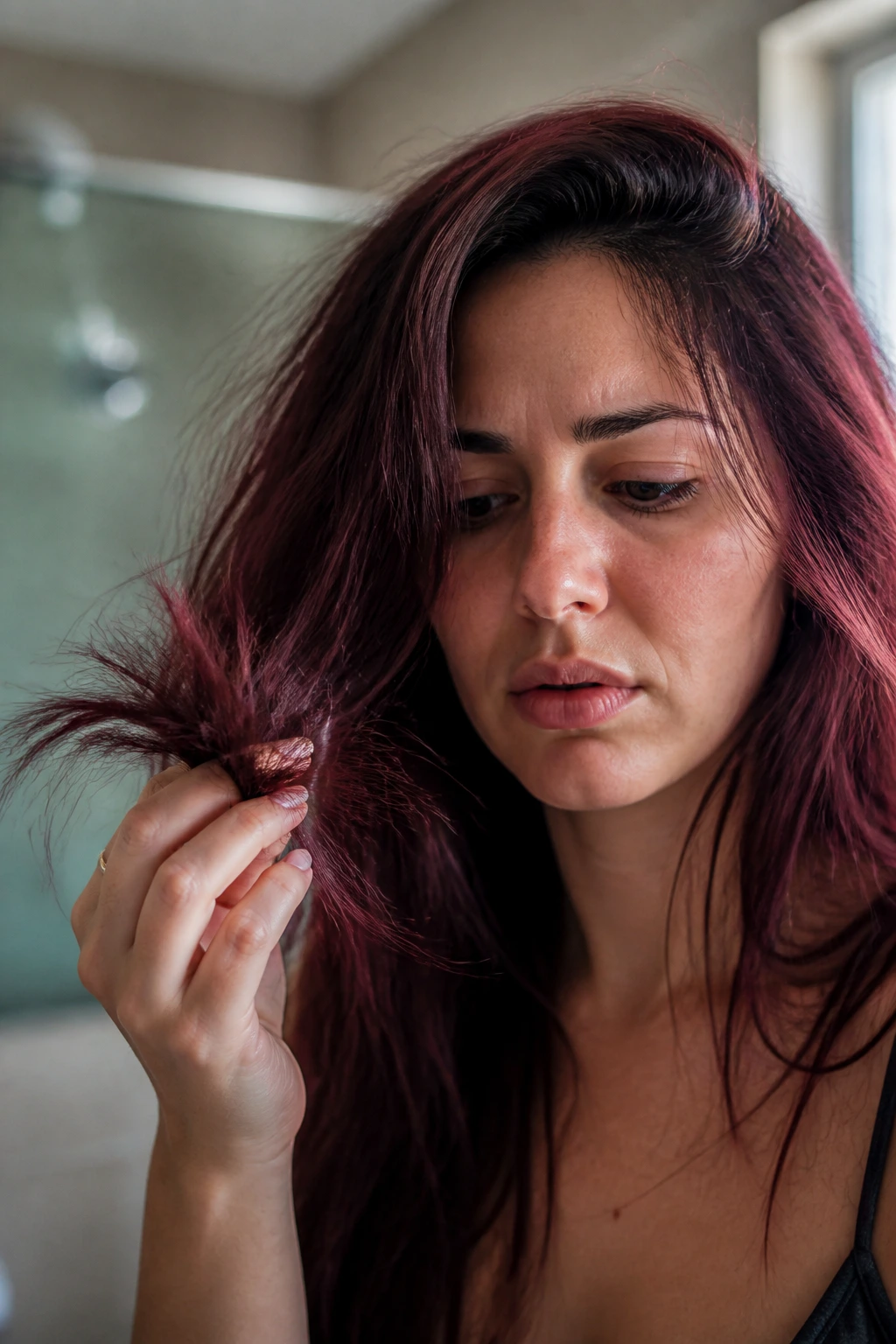
As much as I love this color, I have to be honest: if you have extremely damaged, over-bleached, or brittle hair, jumping into a deep, intense shade like wine might be a mistake. The pigment will grab onto the most damaged parts of your hair first, leading to a dark, nearly black appearance on the ends while the roots look bright and unnatural. If your hair is currently crying for help, focus on professional bonding treatments and restorative care for a few months before even considering a major color change. Your hair health is the foundation of any good style; if the foundation is weak, the color will never look the way you want it to.
11. Coordinating Your Makeup with Your New Hue
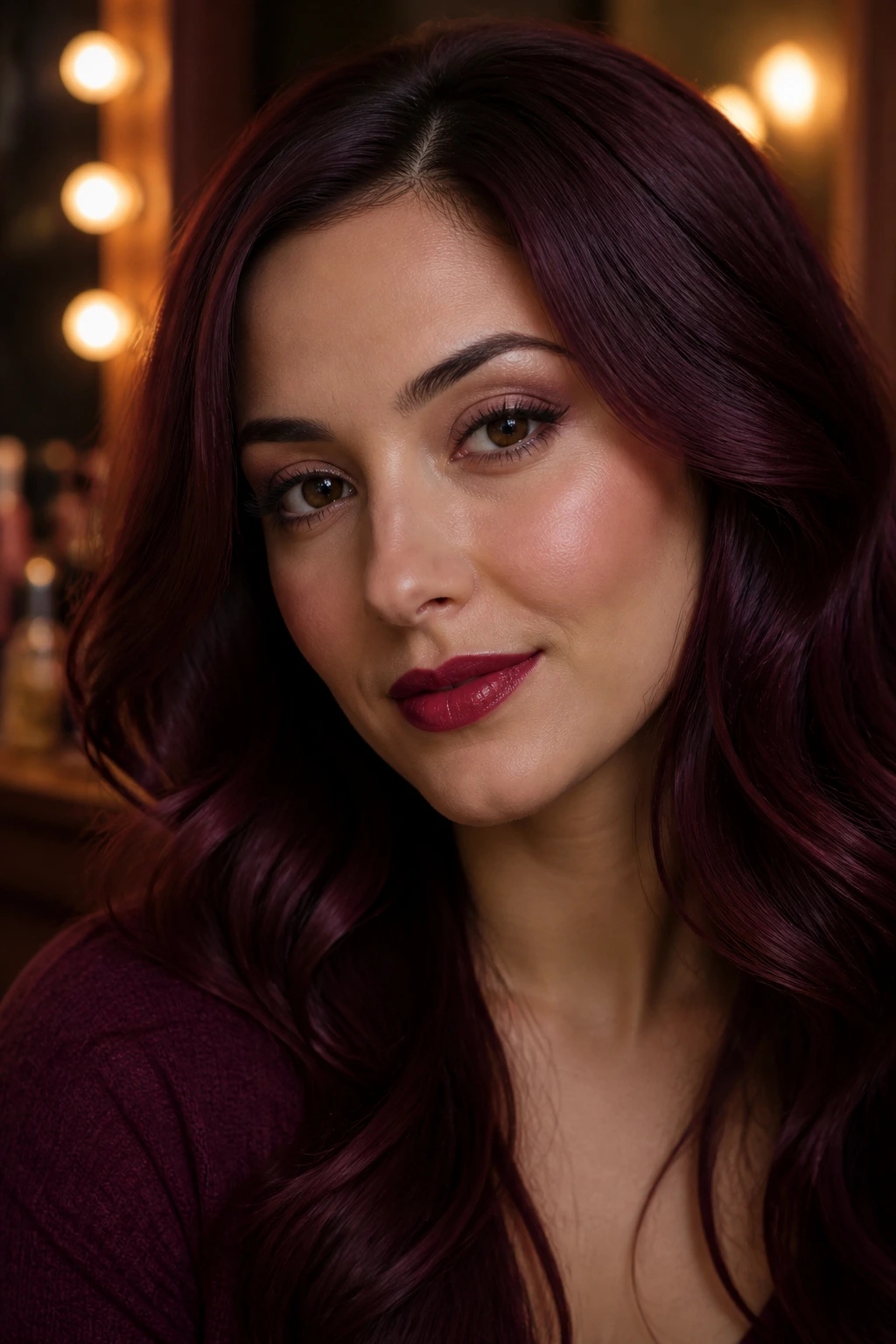
When you switch to a deep wine hair color, your usual makeup palette might suddenly feel off. The warmth or coolness of your new hair will interact with your skin’s undertones differently. Many people find that they need to shift their blush and lipstick choices to harmonize with the deeper, richer hair color. A berry-toned lipstick or a subtle mauve blush often looks incredibly cohesive with wine hair, creating a monochromatic, sophisticated vibe. Play around with your existing products in the mirror—you will likely find that shades you previously ignored now look like they were made for you.
12. The Power of Weekly Deep Conditioning
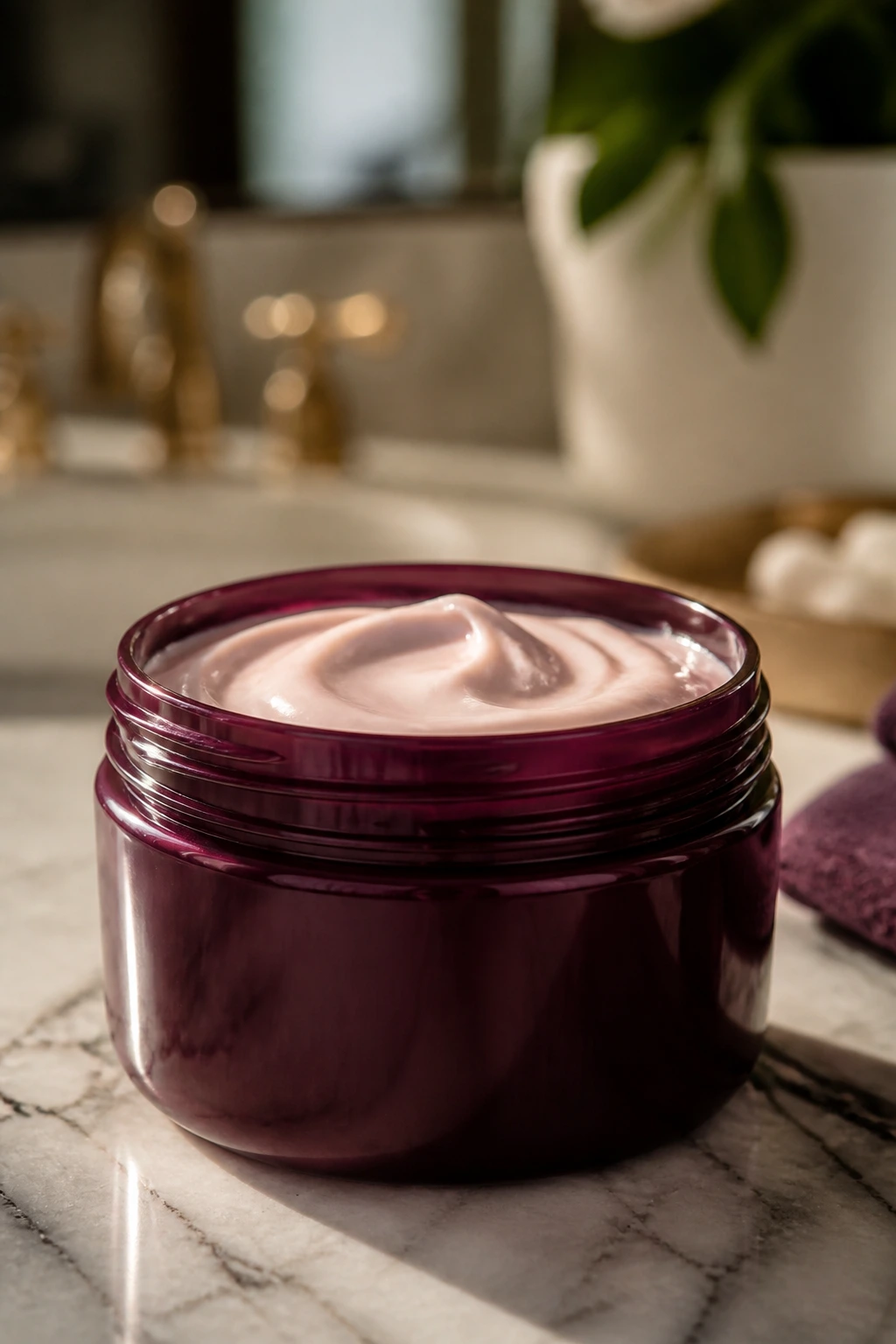
Because the process to achieve deep red or purple tones often involves lifting the hair’s natural color to some degree, your hair will crave moisture more than it did before. A weekly deep conditioning mask is not just a luxury; it is a necessity for keeping the hair feeling soft and looking shiny. Look for masks that contain proteins to rebuild structure, but ensure they are also balanced with humectants to keep the strands flexible. A well-moisturized hair shaft is a shiny one, and shine is what makes wine-toned hair look like a luxury salon job rather than a DIY box-dye disaster.
13. Understanding the “Brassiness” Factor
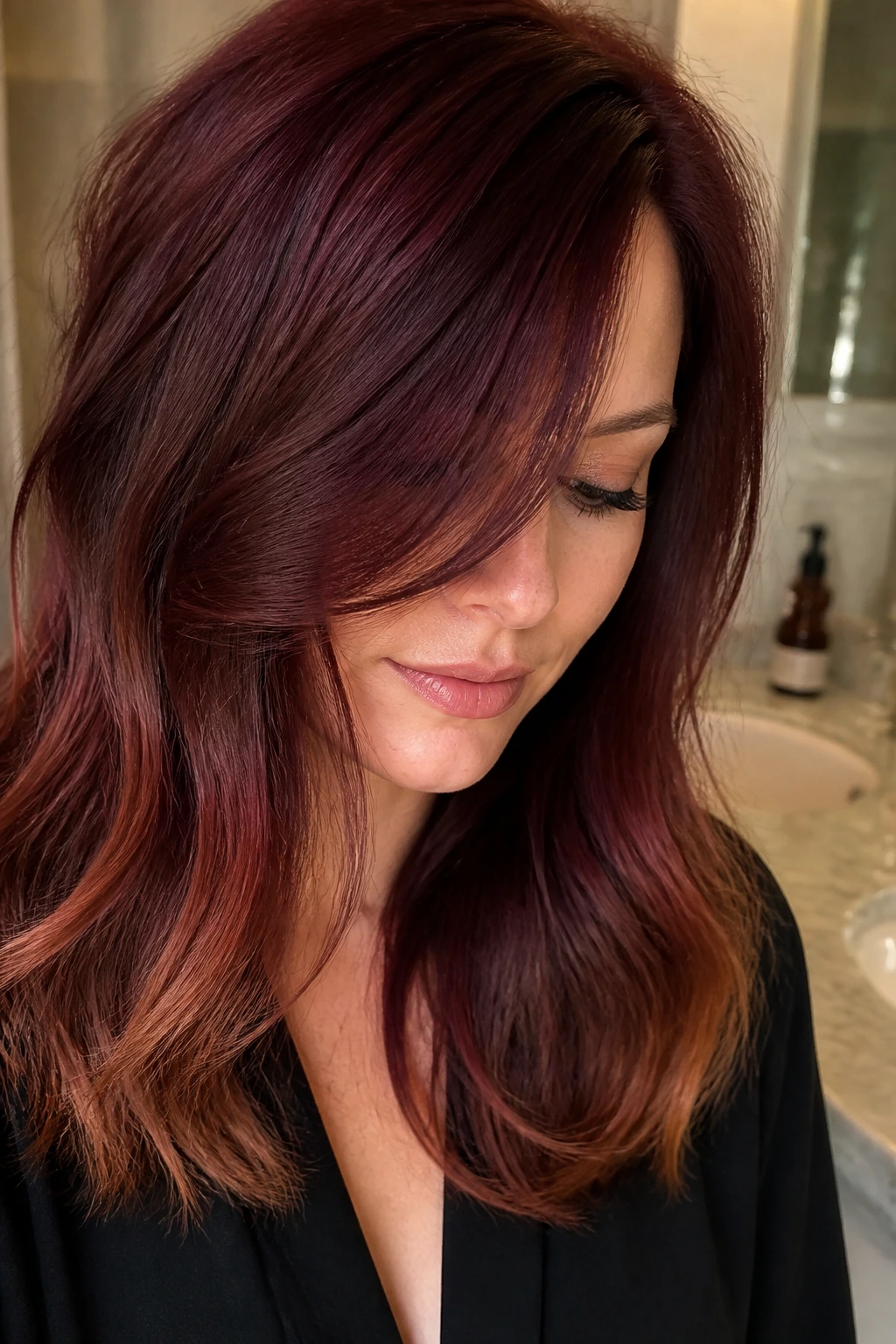
Red and wine tones are prone to turning “brassy”—that orange-leaning, faded look that happens as the color molecules leave the hair. You can counteract this by using a color-depositing conditioner once a week. These products are essentially liquid color in a conditioner base. They refresh the tones in your hair every time you shower, keeping the red and purple vibrant. It is the closest thing to having a colorist living in your bathroom, and it takes about three minutes of extra time during your Sunday morning self-care ritual.
14. Professional vs. At-Home Color
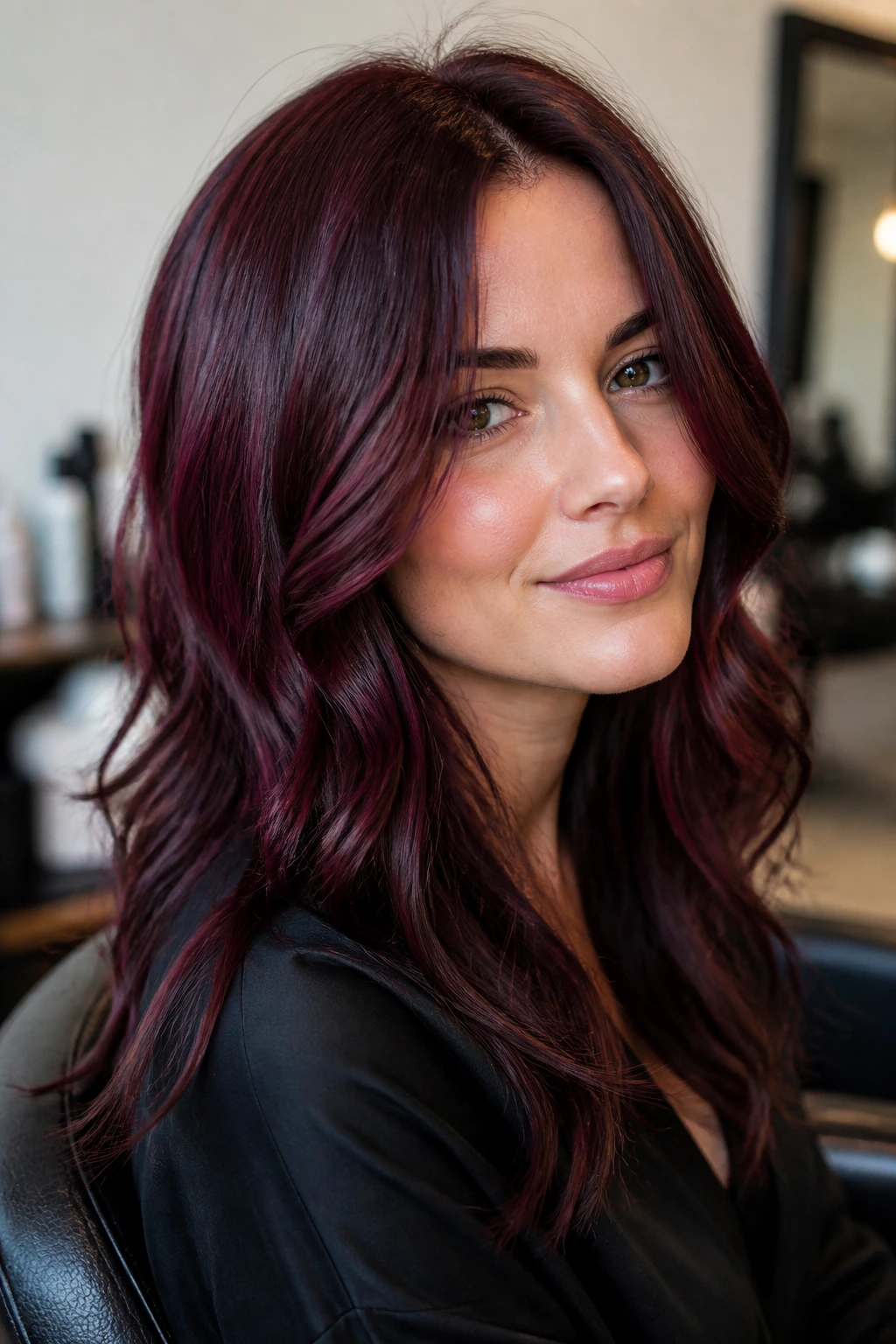
Can you get wine hair from a box at the pharmacy? Maybe. Should you? Probably not. The problem with box dye is that it is formulated as a “one size fits all” solution, which simply does not work for the complex undertones of your hair. A professional colorist will blend multiple pigments to create a custom wine shade that accounts for your natural color, your skin tone, and your hair’s current porosity. The result is a color that looks natural and multifaceted, whereas box dye tends to turn the hair into a single, flat, artificial-looking sheet of color. Invest in the professional service at least for the first application; you can always opt for cheaper maintenance methods later.
15. The Role of Light Exposure
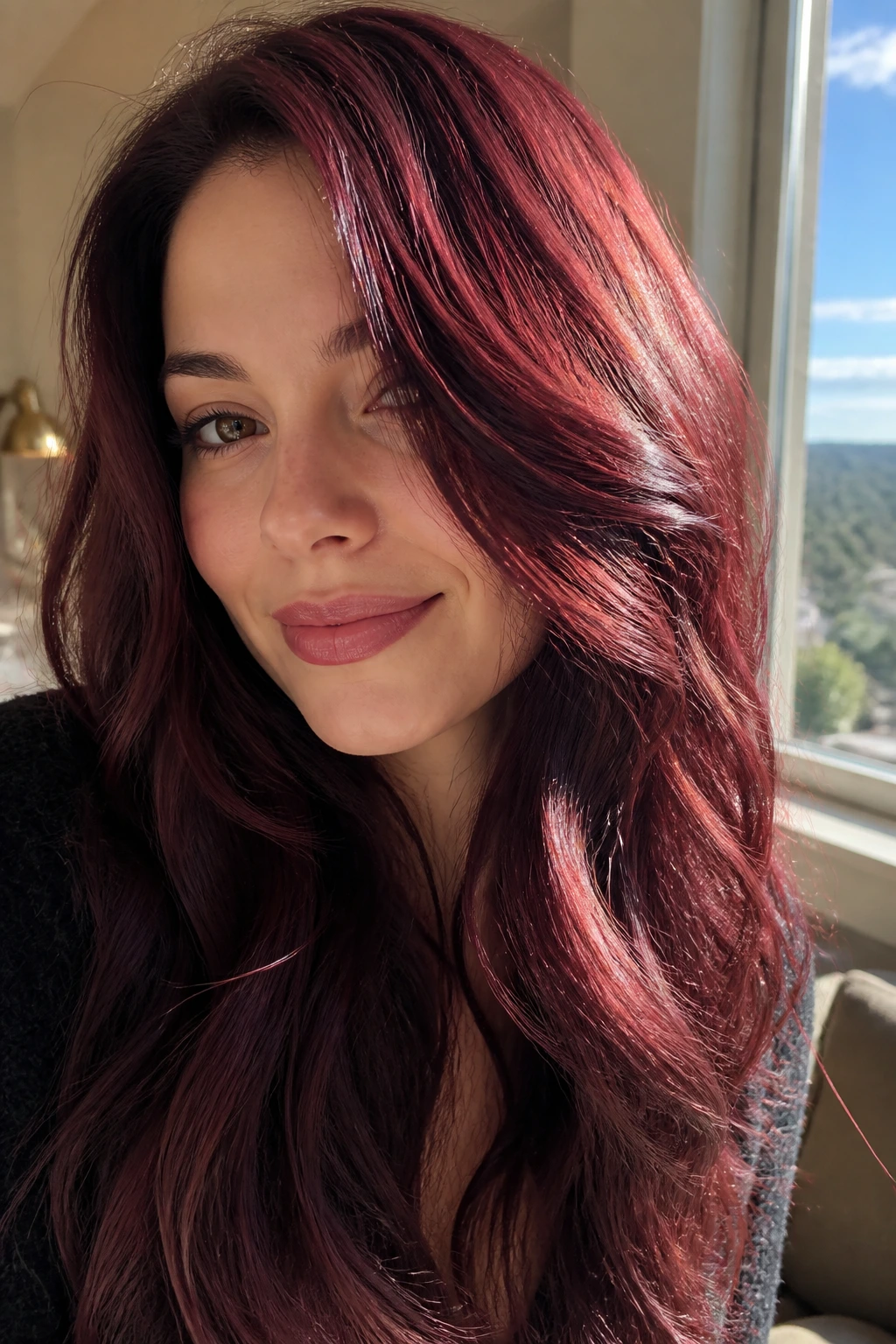
You might notice your wine hair looks completely different in the morning sunlight than it does under the yellow-toned lights of your office. This is the hallmark of a great color. Wine hair is designed to be “chameleon-like.” If you want to see the most color payoff, stand in natural daylight. If you find your color is looking a bit too dark or muddy, consider adding some fine, lighter-toned “baby lights” in a slightly brighter berry shade. This creates depth and ensures that even in low-light environments, the red pigments are still catching the light and shining through.
16. Seasonal Adjustments for Wine Hair
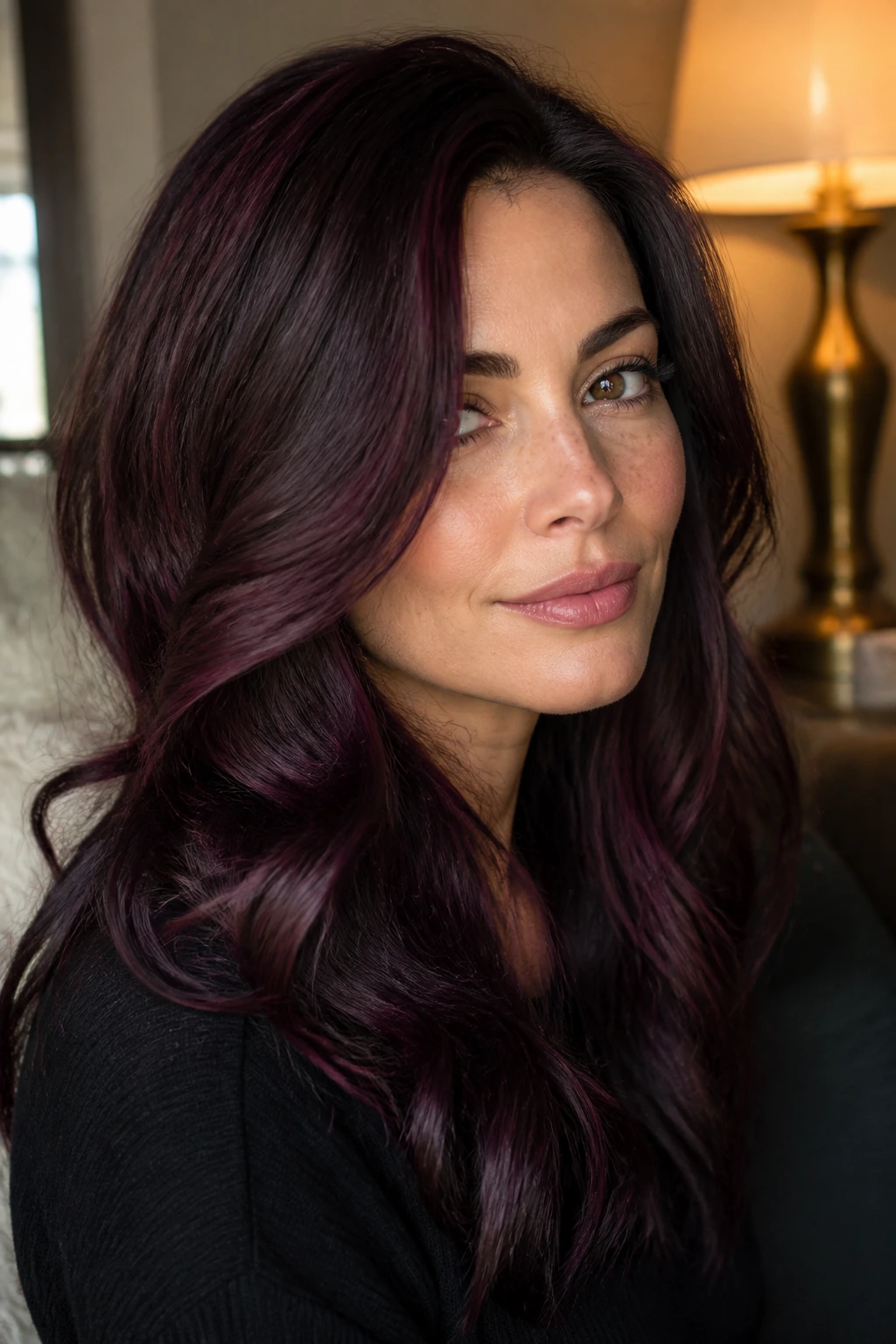
While wine hair is a classic year-round look, you might want to tweak the shade as the seasons change. During the colder months, a deeper, darker, almost-black cherry shade feels cozy and chic. As we move into warmer weather, you might want to brighten the ends or add more violet tones to give it a fresh, spring-like energy. You do not need to do a full overhaul, but talking to your colorist about “adjusting the temperature” of your wine shade can keep your look feeling current and exciting without requiring a complete color correction.
17. How to Talk to Your Stylist
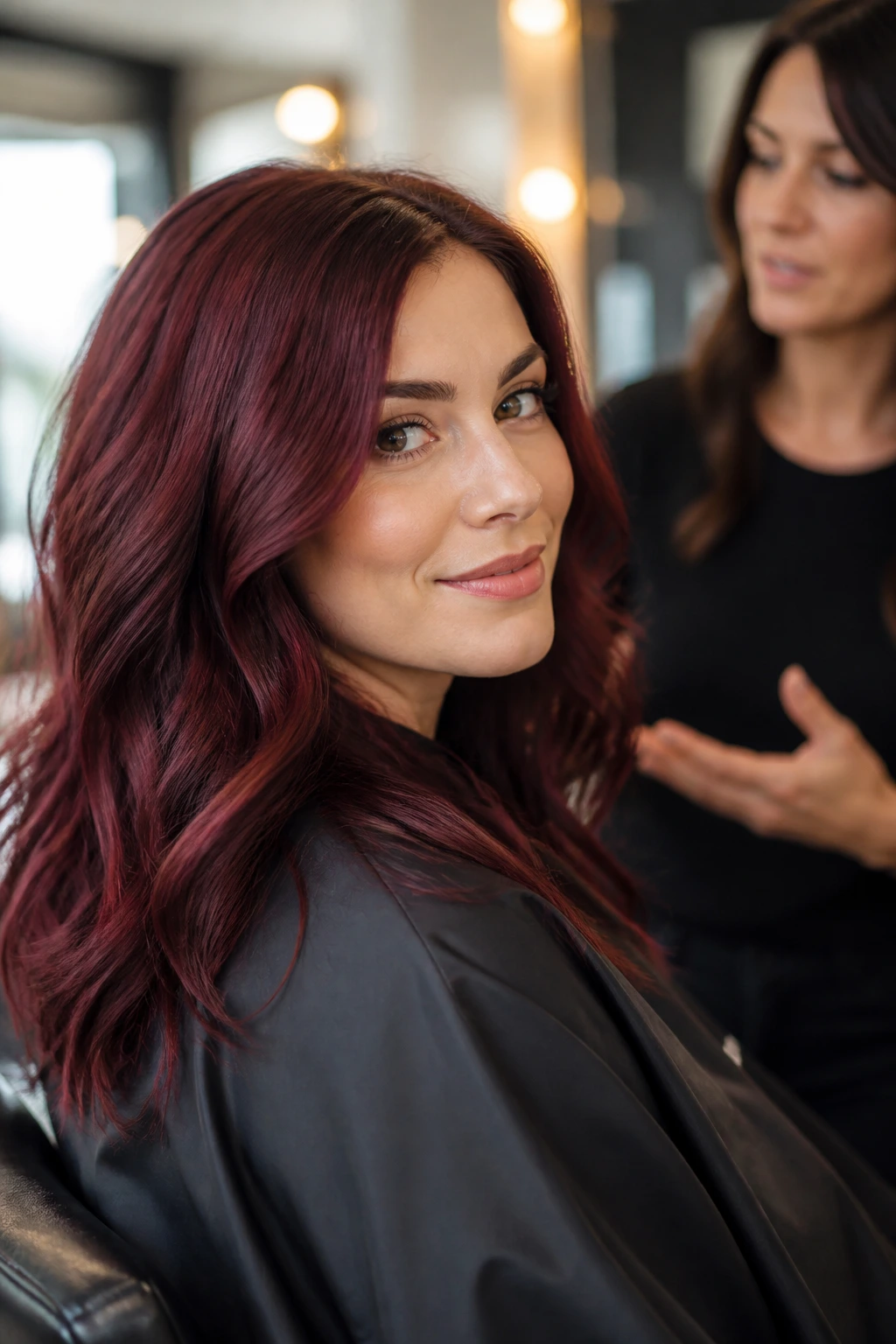
Do not just say “I want wine hair.” Take photos with you, but pay attention to the lighting in those photos. If you show a picture of someone in direct, bright sunlight, that color will look vastly different in your everyday life. Bring photos of the color in indoor lighting, too. Be specific about the undertones you like—do you want it to lean purple, or does that scare you? Do you want a subtle tint or a bold, dramatic change? The more visual references you provide, the better your stylist can calibrate their mix to match your vision.
18. The “Two-Week Check-In”
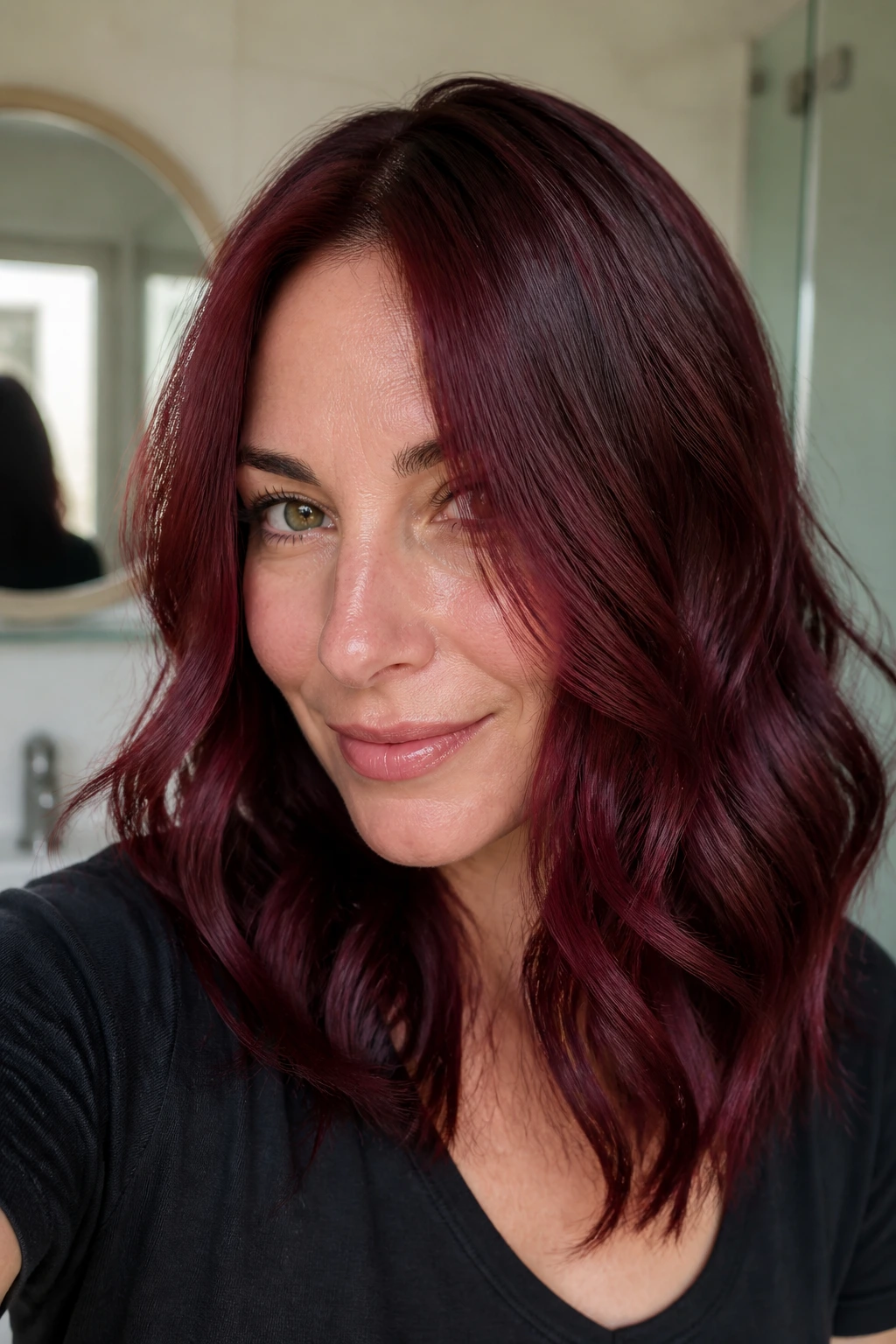
After you get your hair colored, keep a close eye on how it behaves for the first fourteen days. If it starts fading drastically after just three washes, call your stylist. There might be a ph-balance issue or a need for a different sealing treatment. Often, if a color is applied too quickly to hair that was not properly prepped, it can “slip.” A professional stylist wants your color to last as much as you do, and they can often provide quick, easy fixes during the first couple of weeks that prevent total fading down the line.
19. Building a Hair Wardrobe
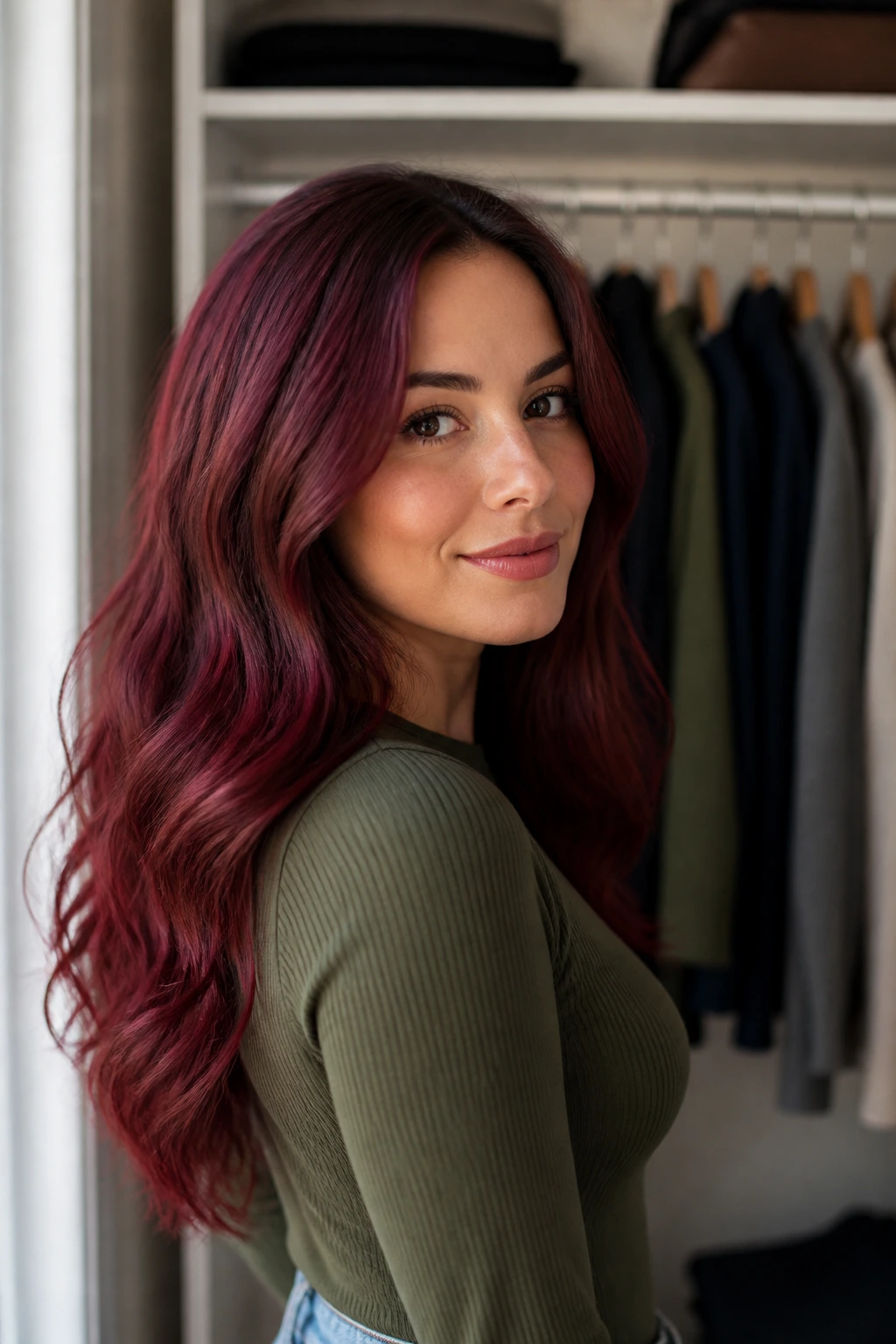
Because wine hair is such a strong color, you might find that it changes how you look in certain colors of clothing. Some people find that their wardrobe “clashes” with their new hair, while others find that their hair makes every neutral outfit look like a deliberate fashion statement. Do not feel like you need to change your entire closet. Instead, try pairing your hair with different colors you already own. You will likely find that olive green, charcoal grey, and navy blue are your new best friends, as they act as a neutral backdrop that lets the wine tones take center stage.
20. Why Texture Matters for Color Depth
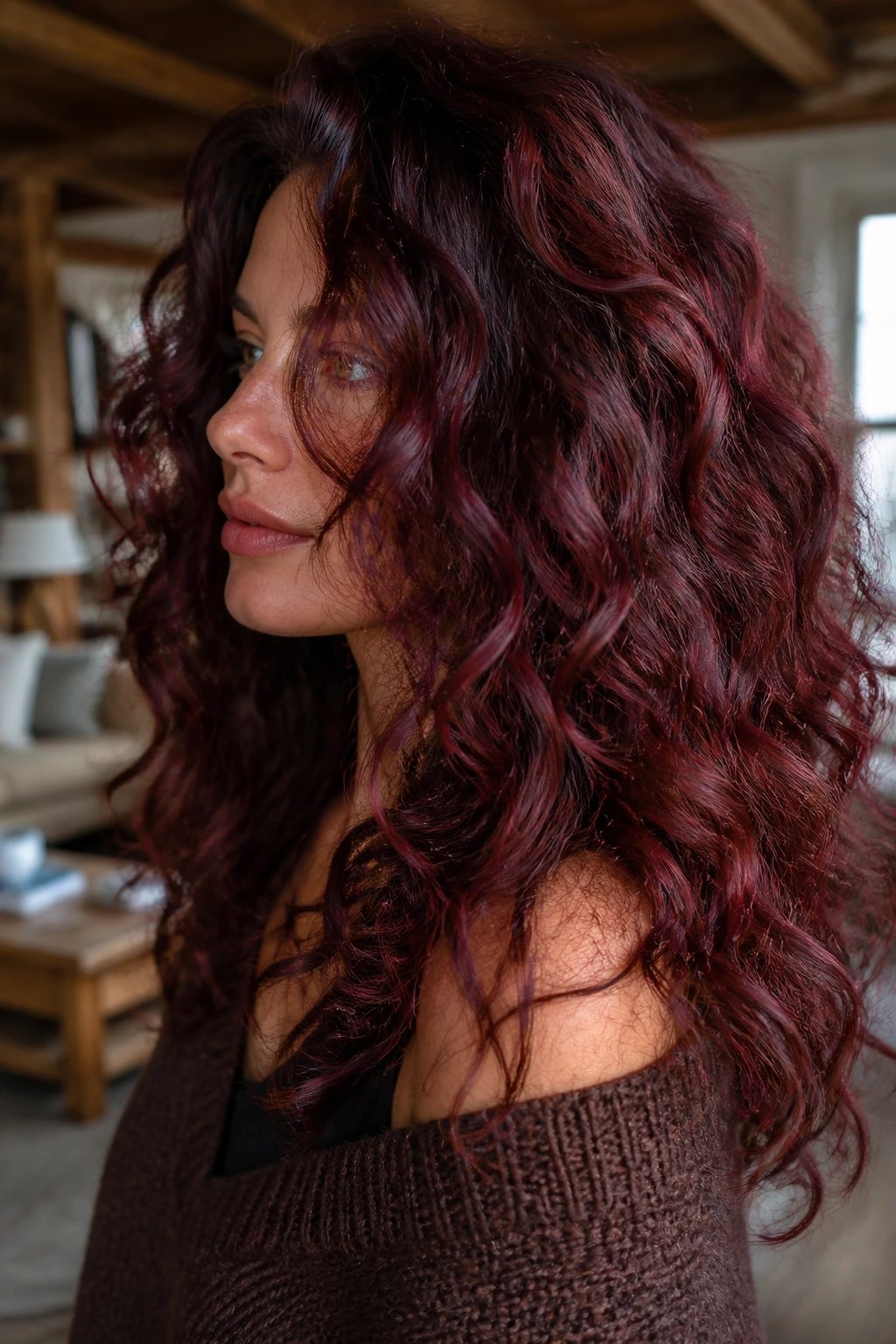
If you have naturally curly or wavy hair, you are at an advantage with wine-toned colors. The curls naturally reflect light from different angles, which makes the different pigments in the wine blend look incredibly complex and expensive. If your hair is poker-straight, you might need to use a texturizing spray to get a similar effect. Flat, straight hair can sometimes make wine hair look like a solid helmet of color, which loses the sophisticated appeal of the look. Embrace your natural texture, and if your hair is straight, a quick pass with a curling wand can be the difference between “okay” and “stunning.”
21. Keeping Your Scalp Healthy
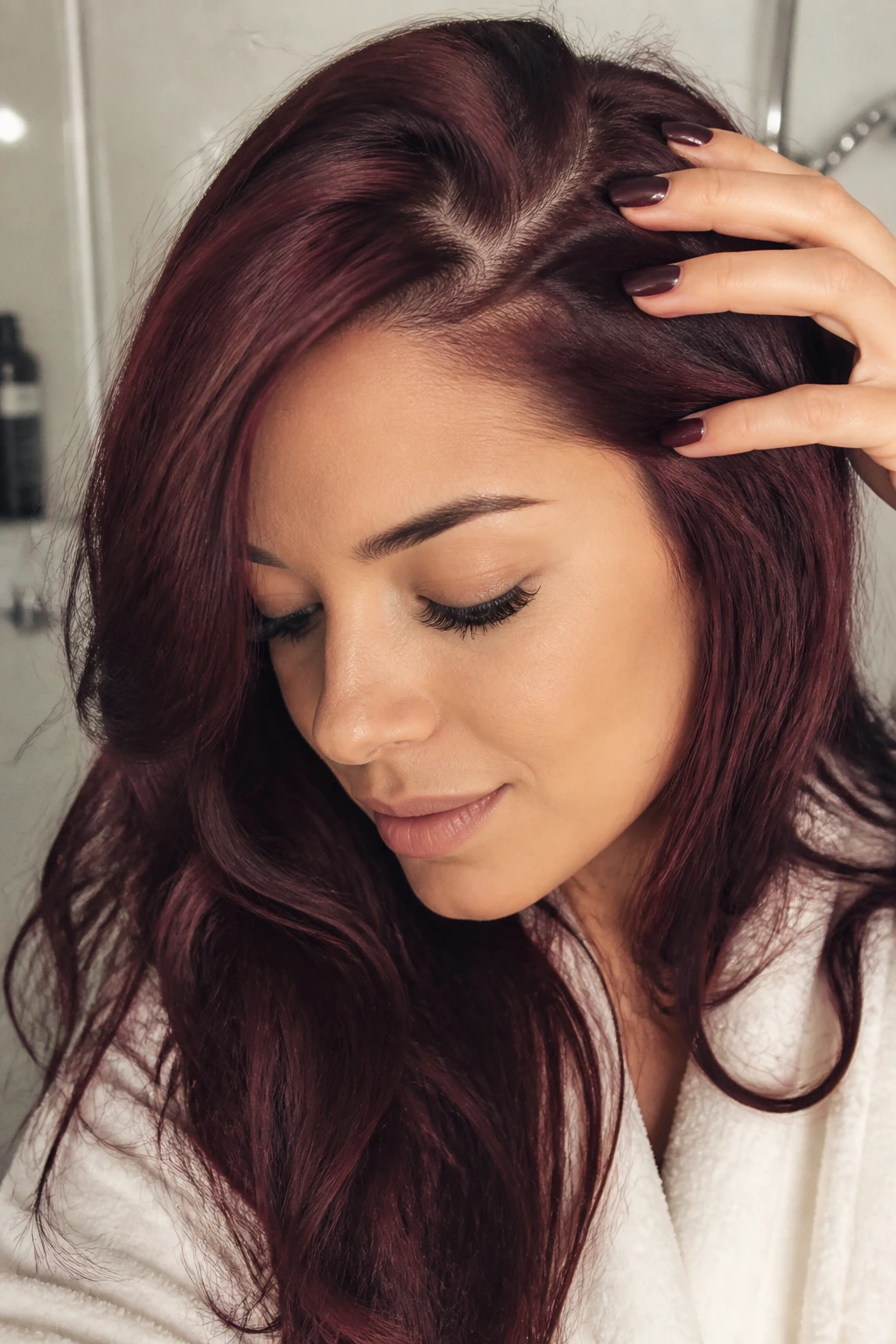
We often focus so much on the ends of the hair that we ignore the skin that actually grows the hair. Red and purple dyes can be quite drying to the scalp. If you find your scalp feeling tight or itchy after a coloring session, switch to a soothing, cooling scalp serum. Ingredients like aloe vera or tea tree oil can help calm the skin and keep the hair follicles healthy. A healthy scalp environment is the first step toward shiny, strong hair, and it will prevent any flakiness that could distract from your beautiful new deep-red hue.
22. Embracing the Commitment
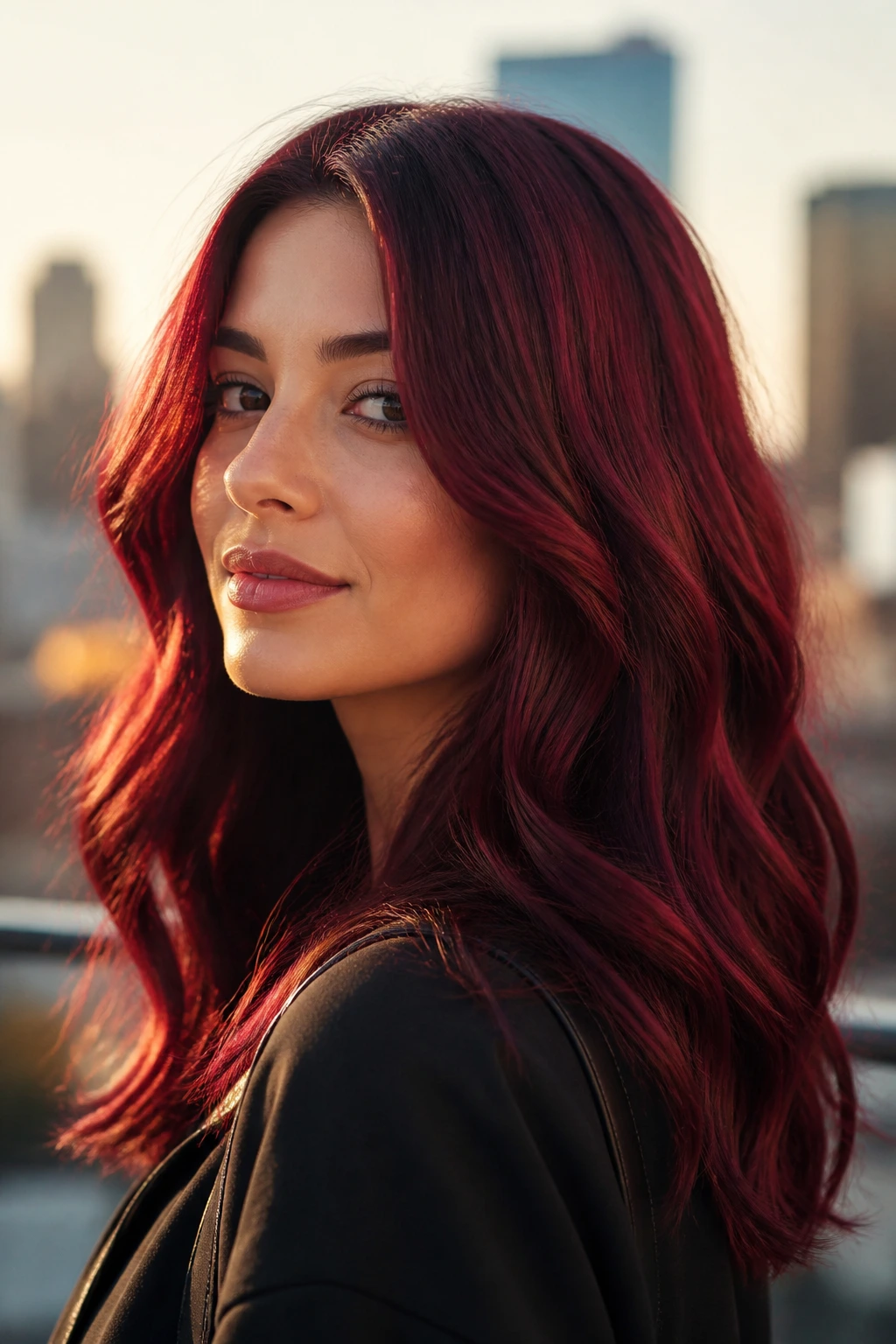
At the end of the day, wine hair is a look that rewards commitment. It is not the kind of color you can get and then ignore for six months. It requires a bit of maintenance, a slight change in your washing habits, and a willingness to use the right products. But for the payoff—a color that looks like a high-end, sophisticated fashion statement every single day—it is entirely worth it. It is a bold, beautiful way to express your style, and it carries an air of mystery and confidence that is hard to replicate with standard blonde or brunette tones.
Final Thoughts
Wine hair is truly the “little black dress” of the hair color world—it is classic, it is sophisticated, and it looks good on almost everyone if you find the right shade. The journey to the perfect merlot or blackberry hue is a collaborative process between you and your stylist, followed by a steady commitment to quality products and cool water. Remember that color is an evolving process, not a destination. If your first attempt isn’t perfect, there is always room to adjust, tone, and refine until you reach that deep, rich, wine-inspired shade that makes you feel exactly like who you want to be. Start small with a balayage or a gloss, be patient with your hair’s needs, and enjoy the way the light catches those gorgeous, deep tones throughout the day.