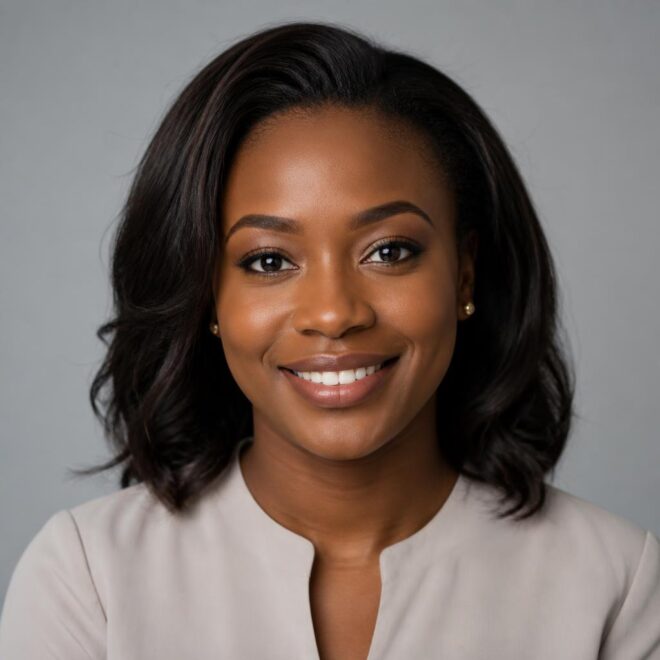


Cutting curly hair is an act of defiance against the gravity-bound expectations of traditional barbering. Most stylists, if they are not specifically trained in the geometry of spirals, approach a head of curls with a pair of thinning shears and a prayer, often leaving the client with a frizzy, uneven mess that refuses to behave. To pull off a truly extreme look when your hair naturally wants to expand into a cloud, you have to lean into the structure rather than fighting it. You need someone who understands that when you cut a curl, you aren’t just shortening a strand; you are altering the way a coil springs back. When you go for a dramatic, extreme style, the margin for error shrinks to almost nothing. You need to account for shrinkage, density, and the specific pattern of your coils, or the shape will collapse the moment it dries.
1. The Asymmetrical Razor-Cut Bob
The classic bob is usually a play-it-safe choice, but once you introduce a deep, razor-cut angle, it enters a different category entirely. This look relies on the contrast between the shorter side—often cropped tight near the jawline—and the elongated, cascading coils on the opposite side. Using a razor instead of scissors is essential here because it adds a feathered, tapered texture that prevents the weight of the hair from looking like a blocky, dated triangle.
Why the Razor Matters
- Scissors create blunt lines, which can make curly hair look heavy or mushroom-like if you are aiming for an edgy silhouette.
- A razor thins the ends as it cuts, allowing individual curls to nestle into one another rather than stacking awkwardly.
- This style works best on hair with a medium to tight curl pattern; if your curls are looser, the asymmetry can look messy rather than intentional. Pro tip: Use a lightweight styling mousse while the hair is soaking wet to define the razored ends, as these shorter pieces are the most prone to frizzing up if they dry out prematurely.
2. The Micro-Fringe Shag

Bringing bangs to curly hair is historically viewed as a gamble, but a micro-fringe, cut well above the eyebrows, is the ultimate statement of confidence. This style works because it embraces the wildness of the shag cut—lots of layers, plenty of volume, and a lived-in feel—while grounding the face with a precise, cropped forehead detail. It creates an almost Victorian-goth aesthetic that is both timeless and strikingly modern.
Styling the Micro-Fringe
- You must cut these bangs while the hair is completely dry, or you will almost certainly end up with a fringe that sits an inch too short.
- The rest of the hair should be layered heavily to pull weight away from the roots, allowing the curls to float upward.
- This cut looks best with a matte finish, so trade your heavy gels for a texture spray or a dry salt mist that gives the hair a bit of grit and volume.
3. The Precision-Carved Undercut
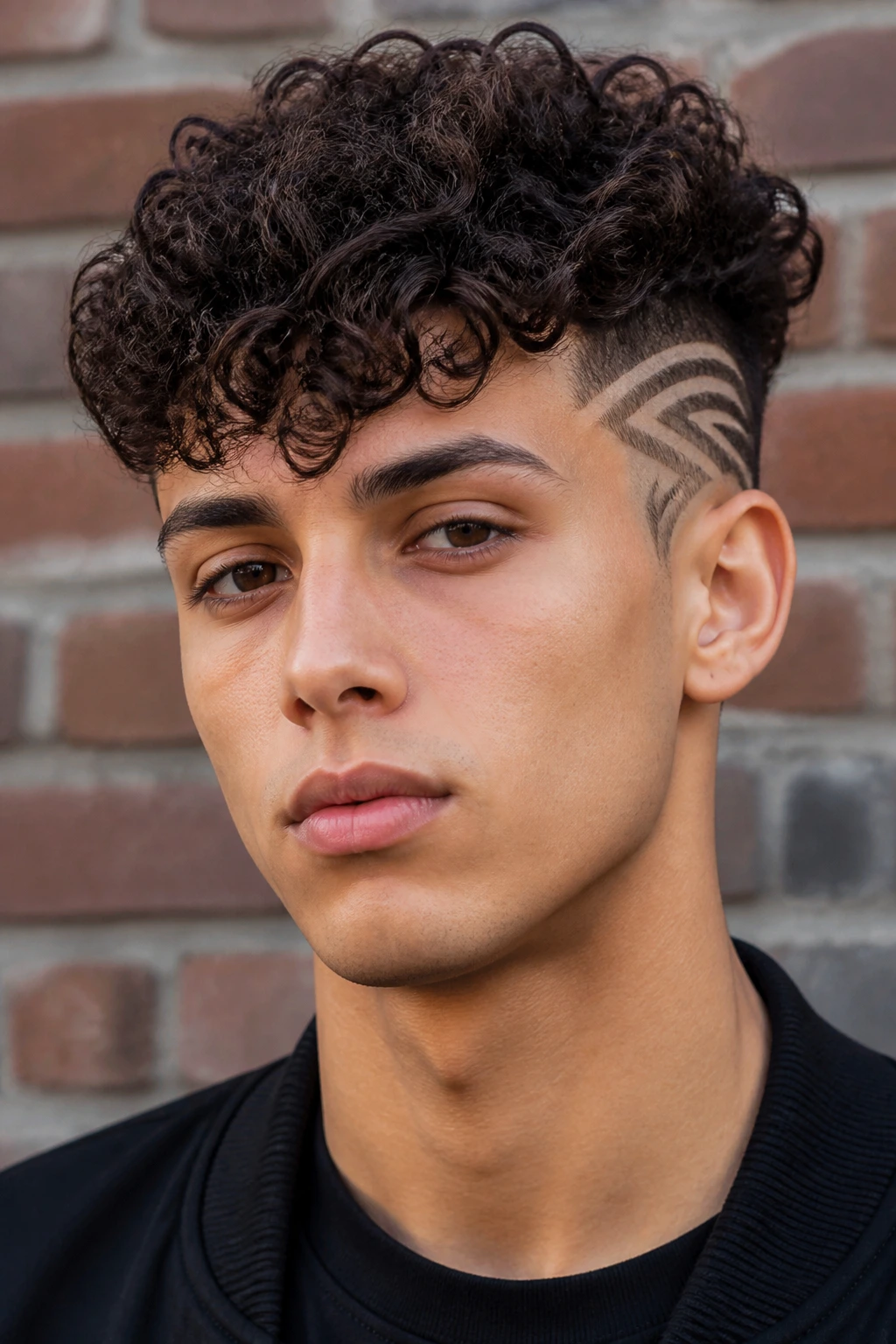
If you want to remove bulk while making a massive visual impact, carving a design into a faded undercut is the way to go. You can keep the top long, voluminous, and curly, while the nape of the neck or the sides are buzzed down to a near-zero length with geometric patterns shaved into the scalp. It is a high-maintenance look, requiring a trim every two to three weeks to keep the lines sharp, but it offers unparalleled relief during warmer months.
Choosing Your Design
- Stick to angular, geometric shapes like chevrons or parallel lines; they grow out much more gracefully than complex, curved designs.
- Ensure your barber uses a high-quality trimmer with a narrow blade for the fine detailing; generic clippers will look blurry and lack the needed precision.
- Use a firm-hold styling cream on the top section to ensure that the curls remain structured and don’t flop over into the buzzed areas unexpectedly.
4. The Sky-High Mohawk
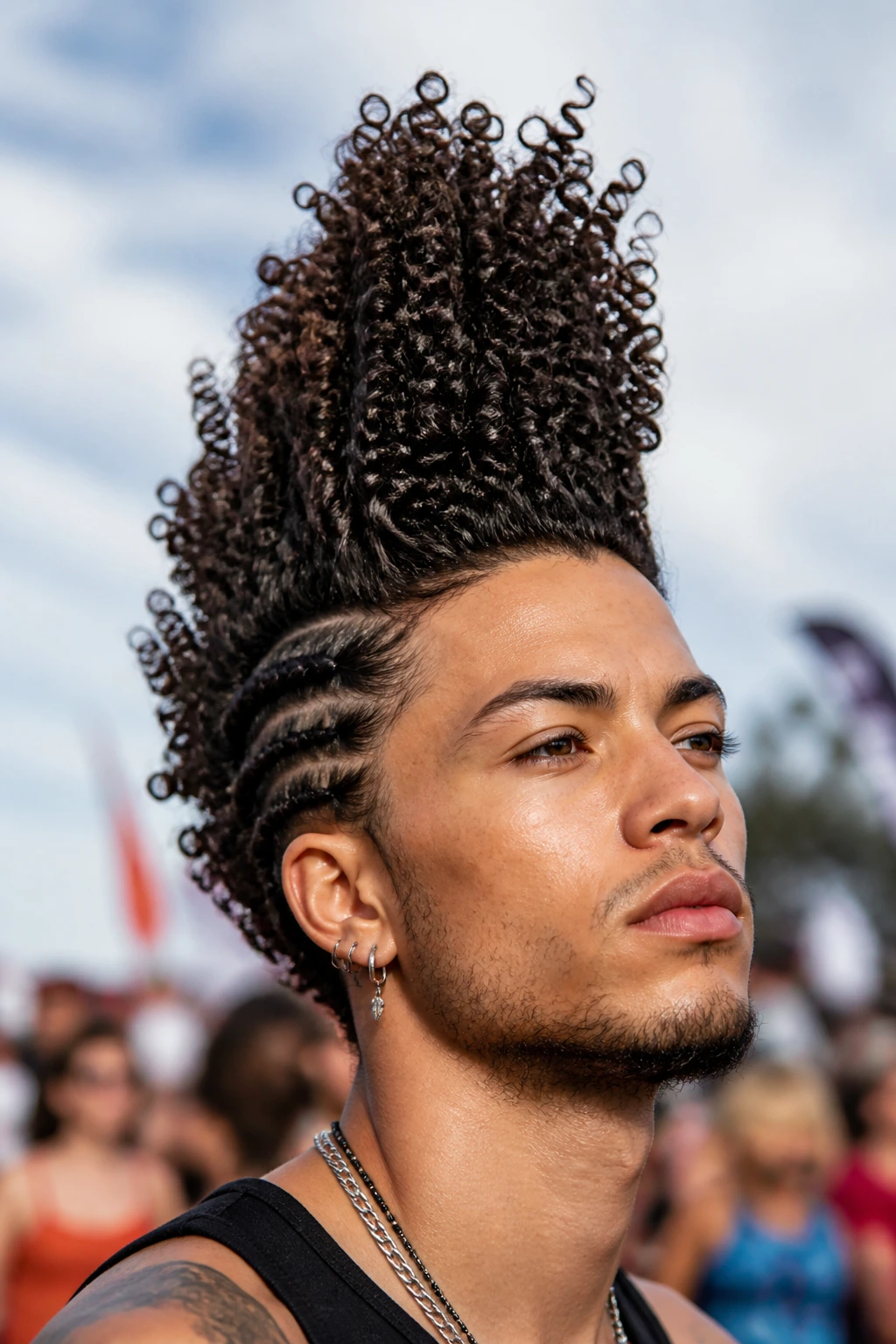
A curly mohawk is not about a narrow strip of hair; it is about channeling your natural volume to create a vertical pillar of spirals. You don’t necessarily need to shave the sides, but you do need to use a strong-hold product to slick them back or twist them away from the center ridge. The key is in the layering; if you cut the center strip too long, the curls will simply bend over under their own weight.
Building the Structure
- Use a combination of a leave-in conditioner at the roots and a hard-setting gel for the sides to create a seamless transition.
- The center hair should be cut into a graduated shape, getting slightly shorter toward the back to keep the profile looking sharp and intentional.
- This is one of the few styles where a hair dryer with a diffuser is non-negotiable; you need to force the roots to stand upright while they set.
5. The Curly Pixie with Disconnected Sides
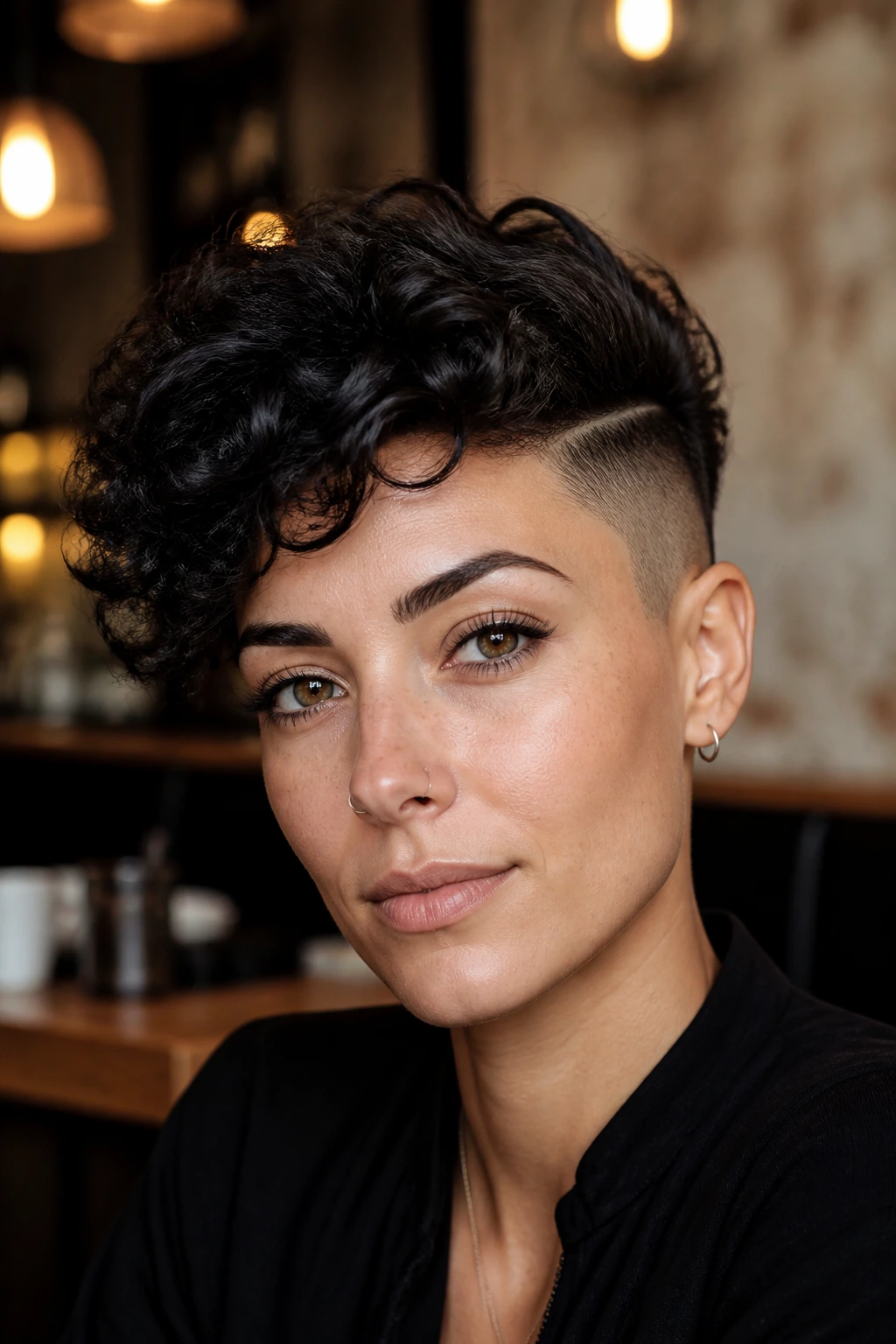
Taking a pixie cut to the next level requires disconnecting the top layers from the sides. By leaving the top curls long and springy while keeping the sides shaved or buzzed close, you create an architectural silhouette that looks fantastic regardless of your hair density. The contrast keeps the look from feeling like a standard short cut and pushes it into high-fashion territory.
Maintaining the Balance
- You need to be diligent about the “disconnect” — ensure the transition between the long top and short sides is crisp rather than blended.
- Use a small amount of pomade to tame the flyaways at the transition line, which helps the shape pop against the skin.
- If you have a round face, ask your stylist to keep a bit more length at the very crown to create height, which will elongate your features.
6. The Mullet-Shag Hybrid
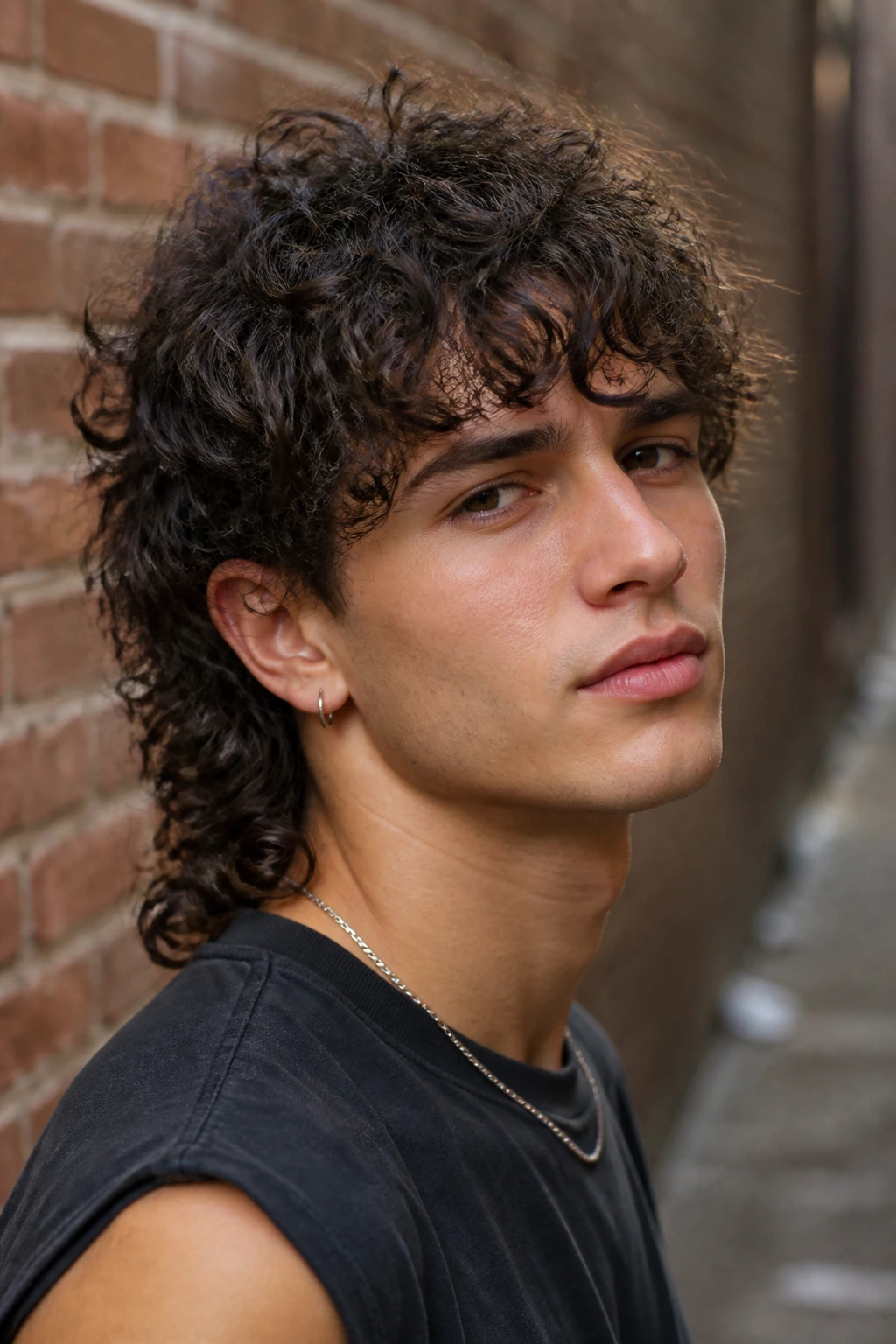
The mullet has shed its ironic status and become a legitimate staple for those who want an aggressive, forward-thinking haircut. For curly hair, the mullet takes the form of a heavily layered shag in the front and top, with the back left significantly longer and thinner. It frames the face brilliantly while providing a sense of motion that long, one-length curls simply cannot achieve.
Why It Works for Curls
- The weight distribution is perfectly managed; you get the volume you want on top without the hair pulling flat at the roots.
- It’s surprisingly versatile; you can pull the front into clips or let the curls fall over your eyes for a more mysterious vibe.
- Don’t be afraid to go aggressive with the layers in the back; wispy, tapering ends are exactly what make this style feel intentional rather than like you simply forgot to go to the salon.
7. The Deconstructed Afro
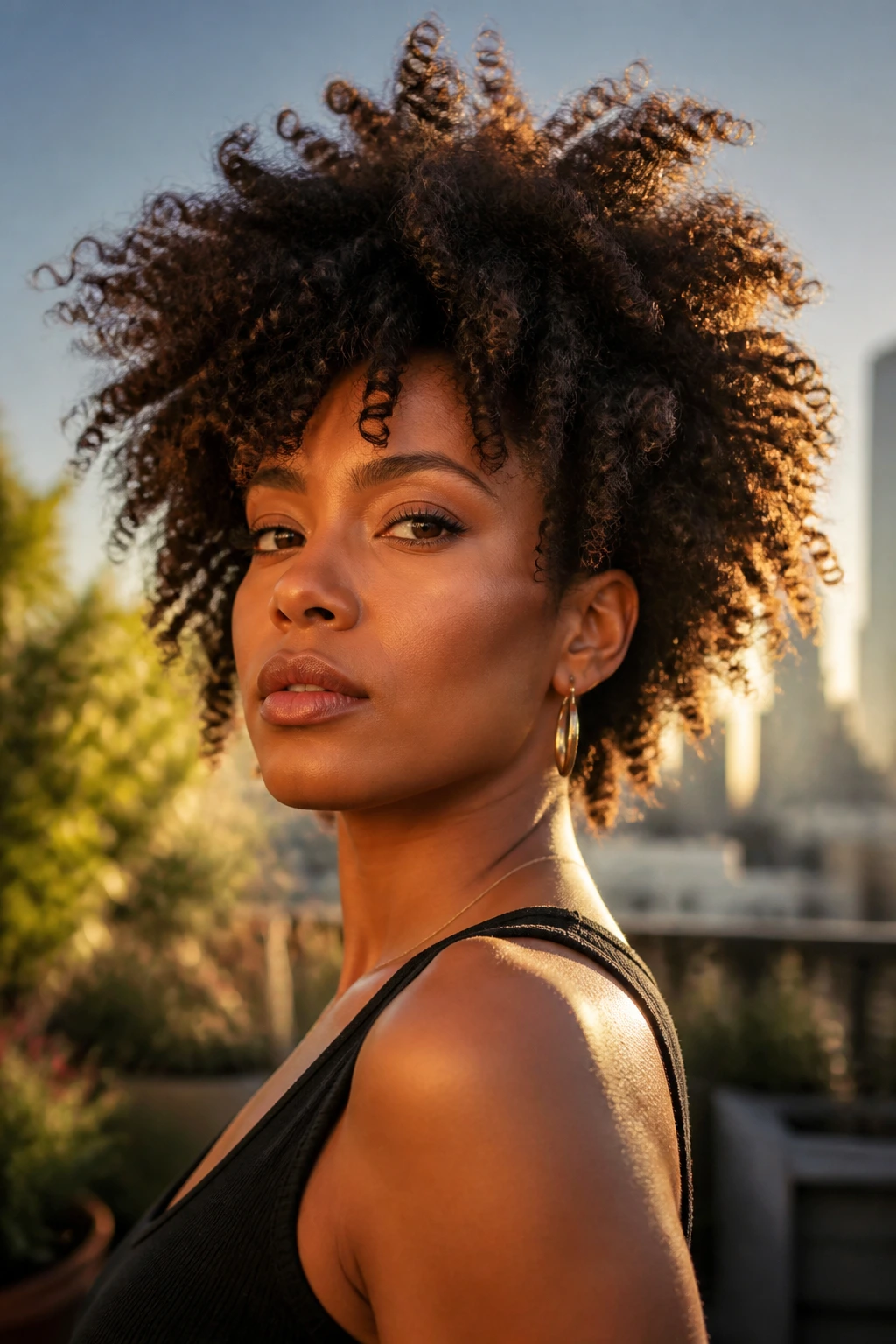
Instead of a rounded, symmetrical afro, the deconstructed version uses uneven, tiered layers to create a jagged, artistic shape. It’s an exercise in controlled chaos. By cutting the curls to different lengths throughout the head, you allow some sections to spring up tighter while others hang loose, creating a multi-dimensional look that changes every time you shake your head.
Achieving the Shape
- This requires a master of dry-cutting; you need to see exactly where each curl naturally lands before you make a move.
- Avoid using heavy products that clump the curls together; you want individual, airy spirals that fill out the jagged edges.
- This style is best for people who enjoy a bit of unpredictability; if you like a perfectly static shape, this is not the look for you.
8. The Side-Swept Mohawk Fade
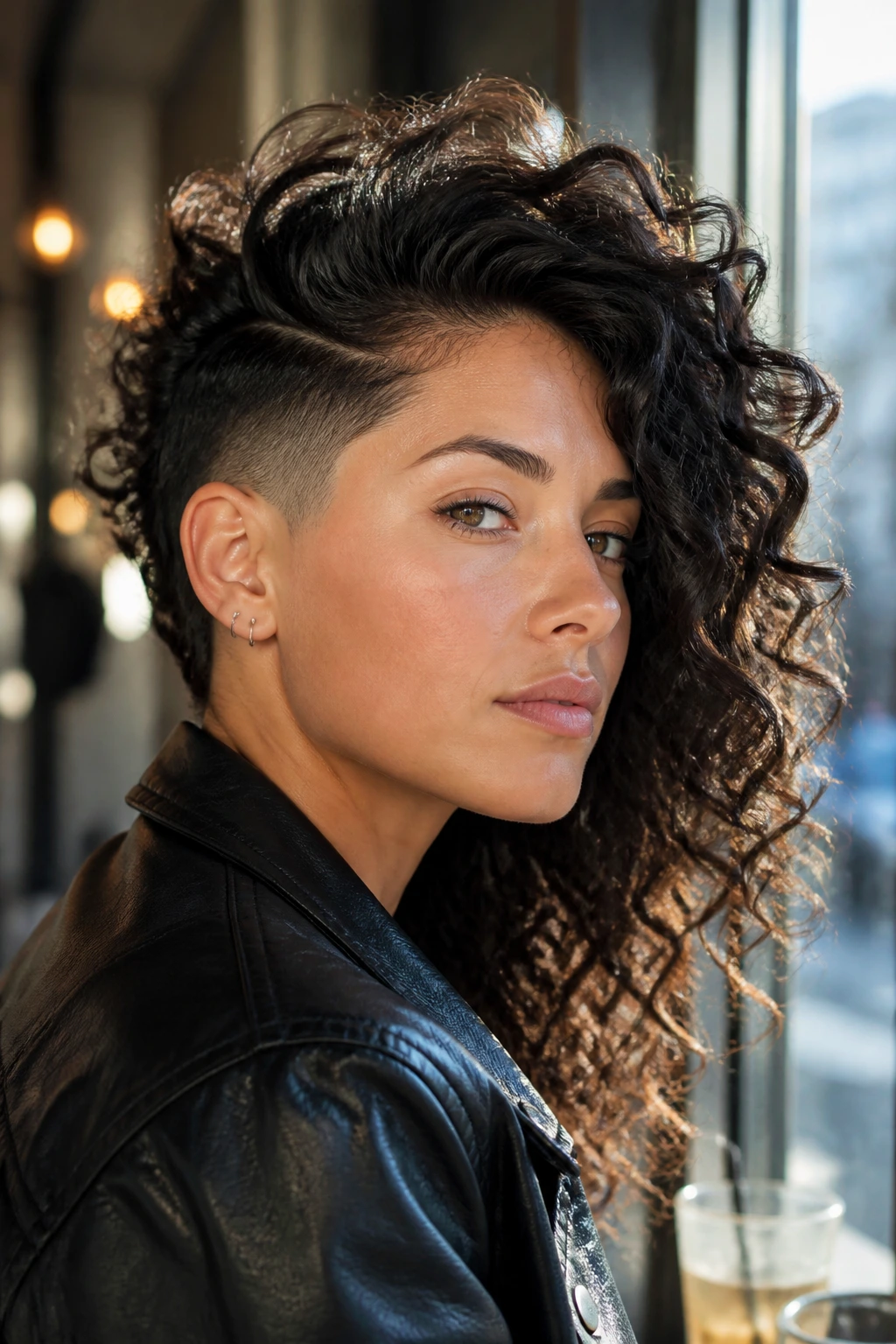
Imagine a fade that starts very low at the temples and sweeps upward, culminating in a dense pile of curls swept entirely to one side of the head. It’s an edgy, punk-inspired look that feels a little more accessible than a full-blown mohawk. It gives you the drama of an undercut without requiring you to maintain an entire runway of hair down the center of your scalp.
Practical Styling Tips
- The side that isn’t faded should be cut in a long, layered gradient to allow for that dramatic sweep.
- Use a light-hold styling spray to keep the curls from falling back toward the center; you want them to cascade toward your shoulder.
- Invest in a quality scalp oil; because your scalp is more exposed with the fade, you’ll want to keep the skin hydrated and free of irritation.
9. The Long-Layered V-Cut
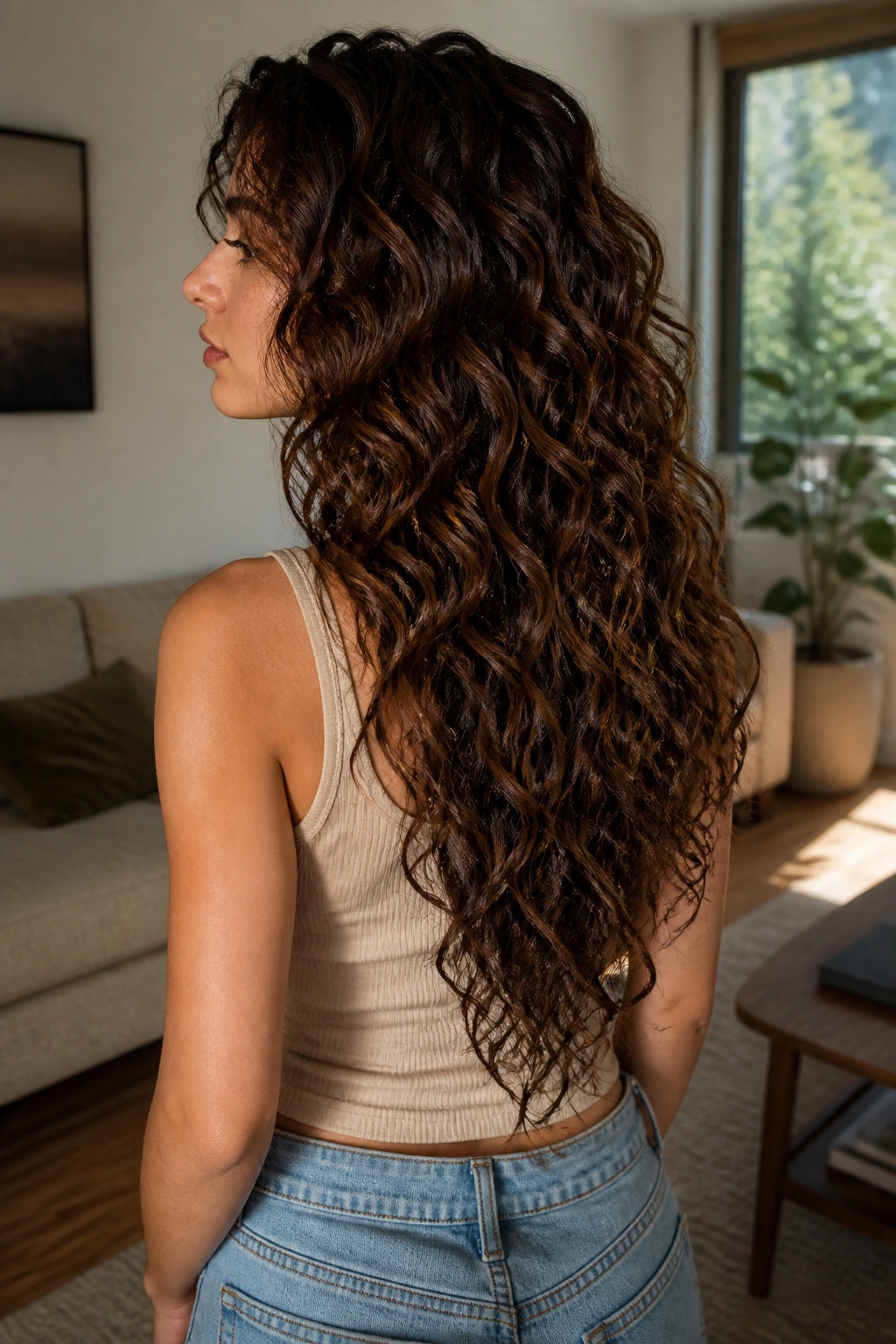
If you are unwilling to sacrifice your length, you can still achieve an extreme look by adopting a dramatic V-shaped perimeter. Most people cut their hair in a straight line or a U-shape, which can lead to a heavy, suffocating feeling at the ends. A sharp V-cut concentrates the volume at the top and tapers aggressively toward the back, giving you a sleek, almost gothic silhouette that flows beautifully with movement.
Managing the Weight
- Deep, internal layering is vital; you need to remove bulk from the middle sections so the hair doesn’t look stringy at the ends.
- The V-shape needs to be cut while the hair is pulled taut, but it must be adjusted visually while the hair is in its natural state to ensure the points don’t look uneven.
- This style pairs perfectly with a deep middle part or dramatic side-swept bangs to accentuate the angularity of the cut.
10. The Geometric Bowl Cut
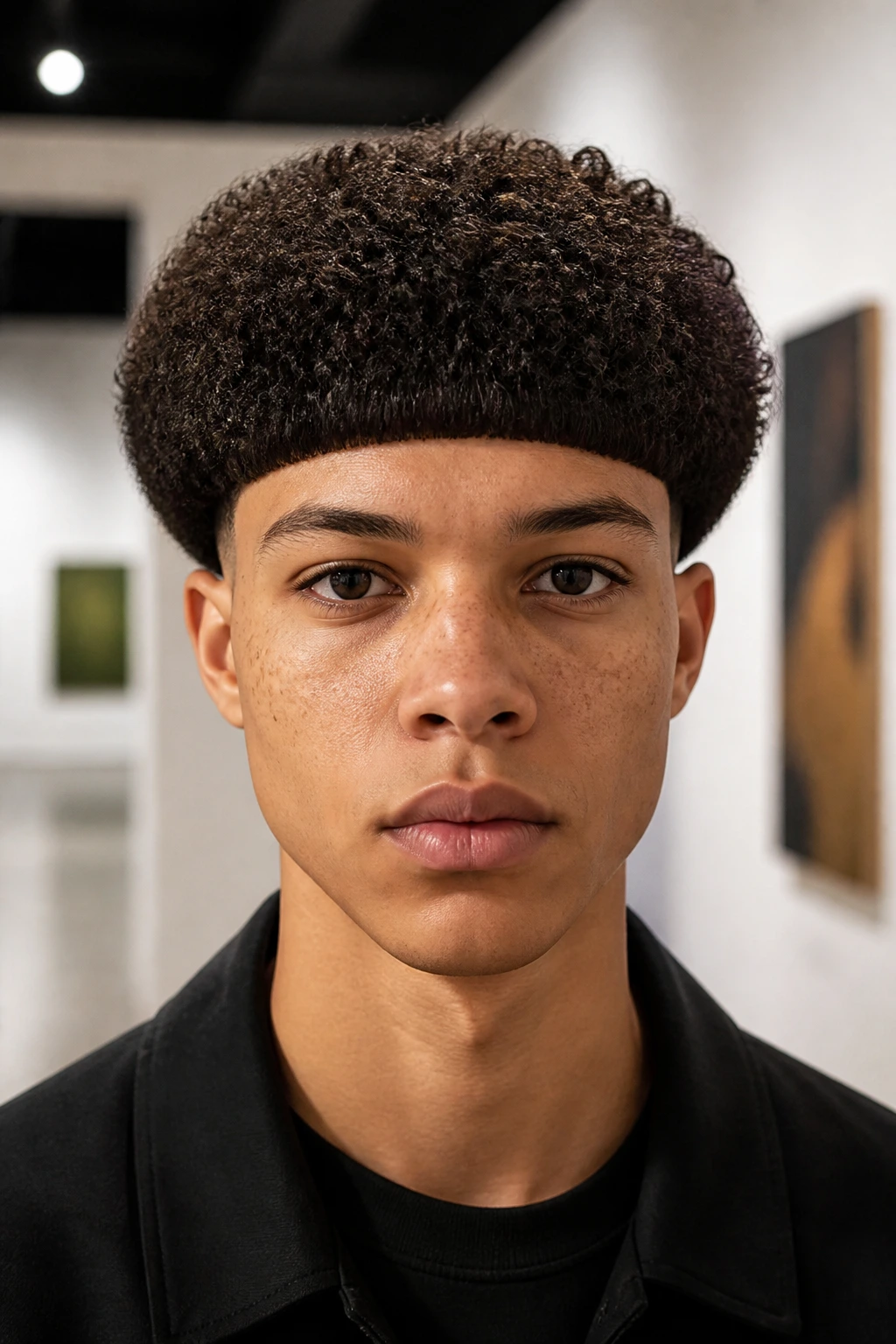
Before you recoil at the thought of a bowl cut, imagine it with tight, coiled texture. When done with precision, a rounded, slightly elevated bowl cut on curly hair looks like a high-fashion architectural sculpture. It removes all the dead weight from the bottom, creating a clean line around the head that accentuates your jaw and neck.
The Modern Adaptation
- The edges must be blunt and razor-sharp; any soft or feathered edges will make it look like a regular haircut rather than a style choice.
- Keep the length just above the ears for a bold, vintage-meets-future aesthetic.
- Use a styling cream that offers shine; a matte look can sometimes make a bowl cut look a bit too “DIY,” whereas a little gloss brings out the depth of the coils.
11. The Rattail shag
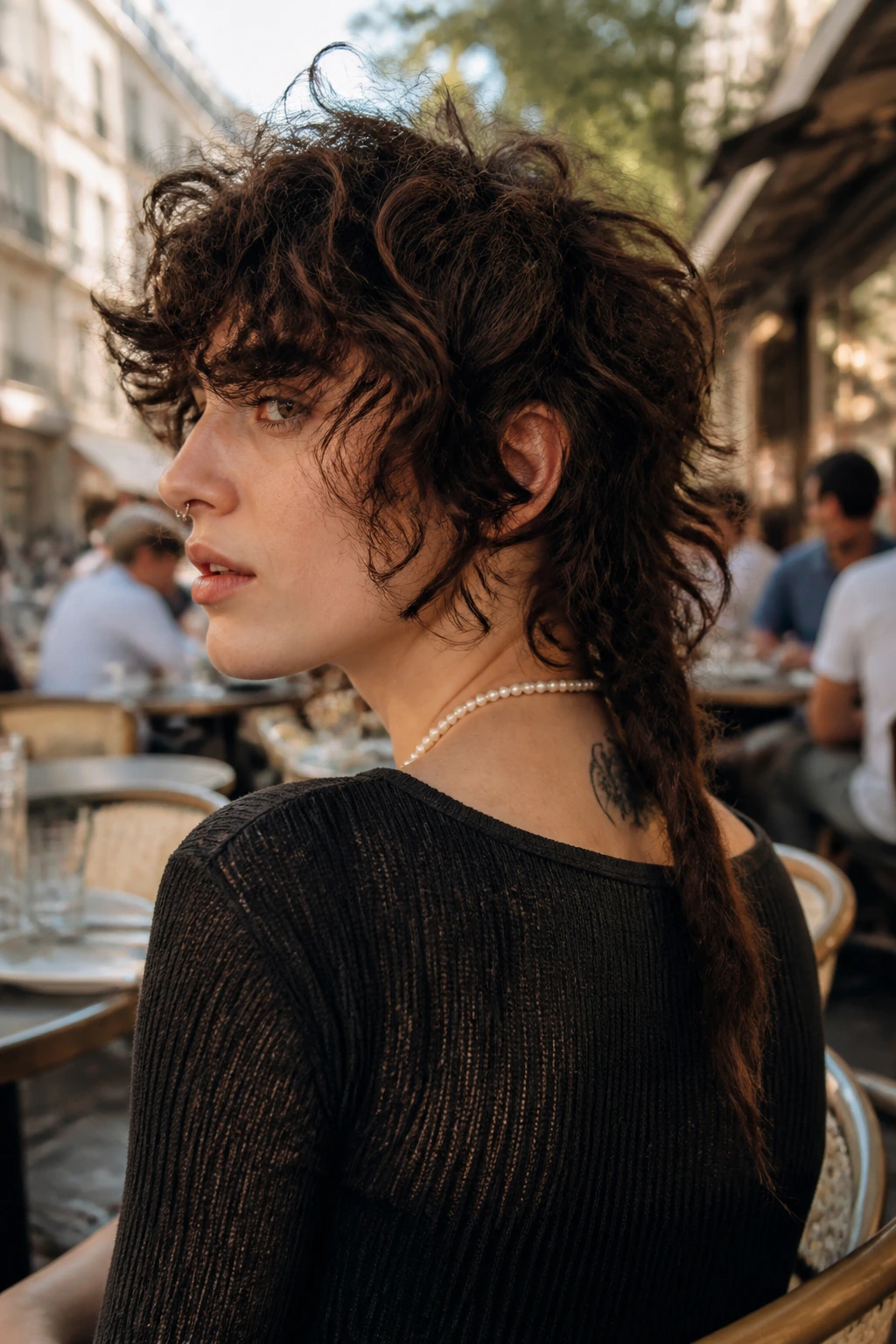
Yes, the rattail is back, but it is being integrated into modern shags with a surprising amount of elegance. The front is cut into a messy, face-framing shag, while a single, deliberate strand of length is left at the very nape of the neck. It is a bold, divisive look that screams artistic integrity. If you want a haircut that people will immediately stop and ask about, this is it.
Keeping It Intentional
- The “tail” should be thick enough to be visible, but not so thick that it looks like you just missed a spot while buzzing your head.
- Ensure the rest of the hair is aggressively layered to keep the tail from looking like an afterthought.
- This style thrives on contrast; if your curls are tight, the tail should be allowed to stay as a tight spring rather than being straightened.
12. The Asymmetrical Pixie with Shaved Temples
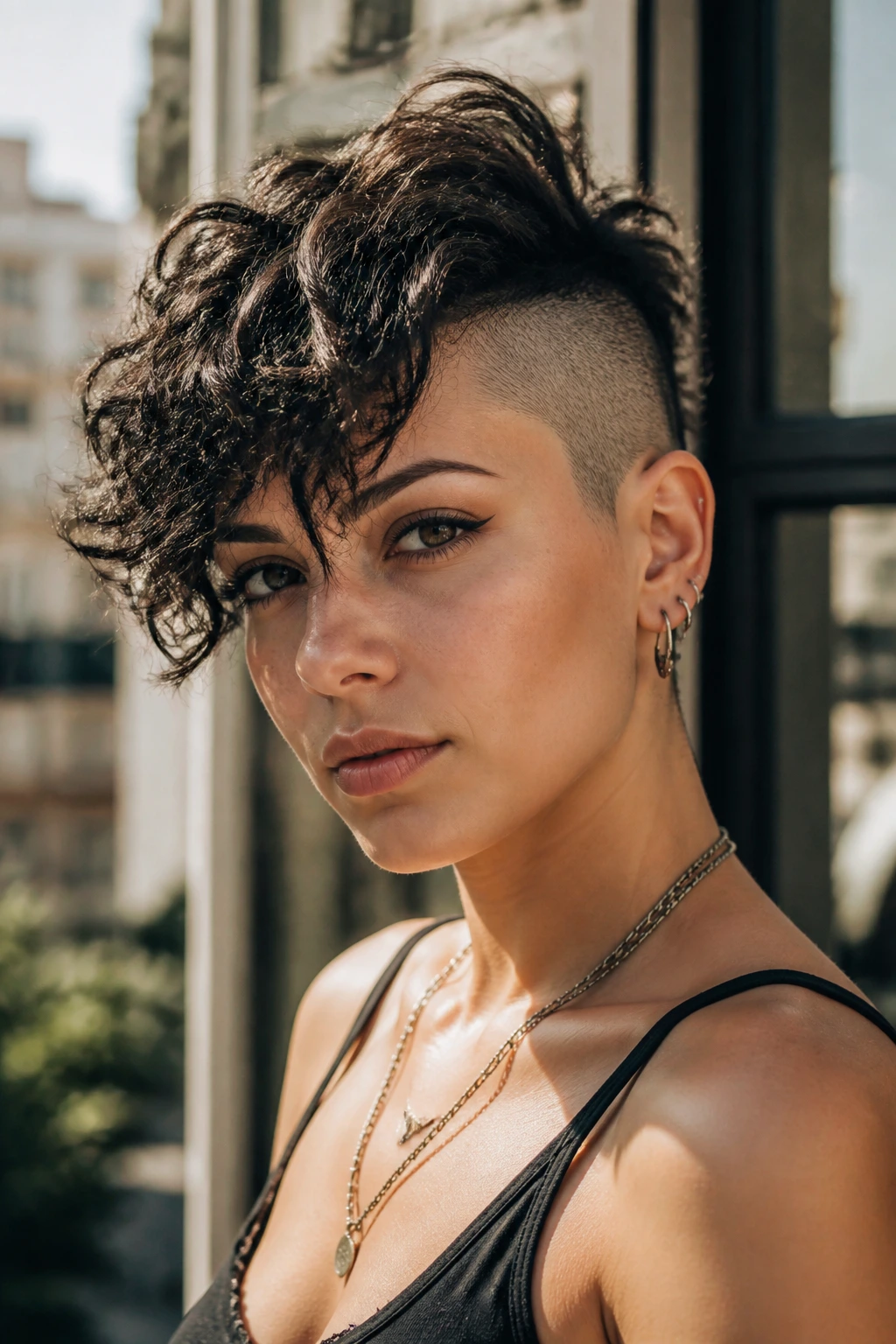
This cut takes the standard pixie and goes extreme by shaving both temples completely bald, leaving only the crown and the very front of the head with length. It creates a stark, tribal feel that draws all attention to the eyes and cheekbones. It is quite literally the ultimate “wash and wear” style, as there is almost no hair left to style.
The Styling Philosophy
- You don’t need much product here, just a tiny bit of defining cream to keep the remaining curls from getting fuzzy.
- If you have an oblong face, keep the top curls slightly longer to add volume where you need it most.
- Because there is so little hair, the health of your curls matters more than ever; focus on deep conditioning treatments to ensure the small amount of hair you have looks vibrant and healthy.
13. The Graduated Curly Bob
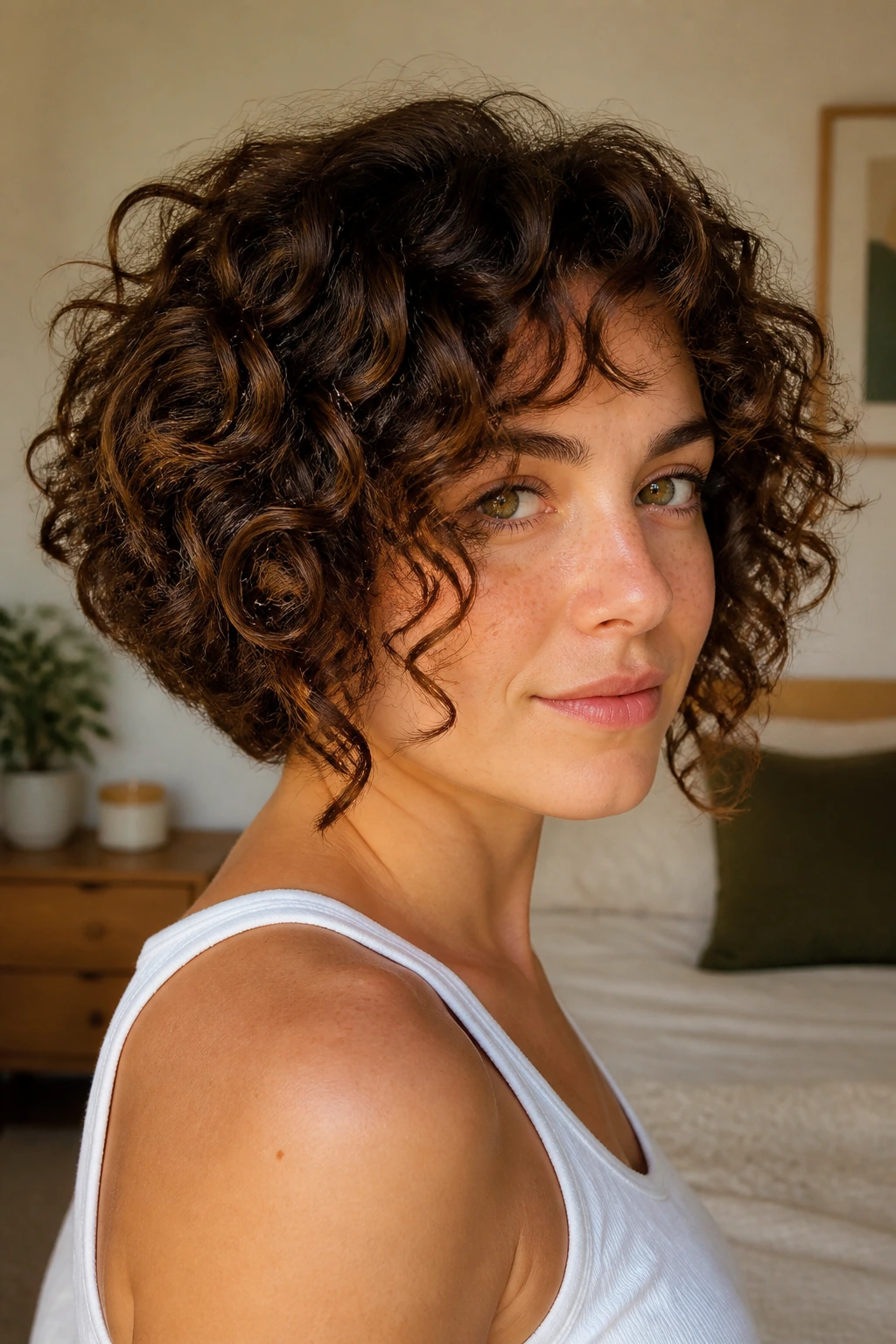
While a standard bob is a flat line, a graduated bob is cut shorter at the back and longer toward the face. On curly hair, this creates a beautiful, rounded shape that seems to defy physics. By cutting the back very short—almost like a stacked pixie—and leaving the front layers long and heavy, you create a profile that looks sharp from every angle.
Why It Works for Thick Curls
- It forces the hair to grow outward rather than downward, which prevents that dreaded “triangle head” shape.
- The graduation should be subtle, not a harsh staircase; the transition should be smooth and deliberate.
- If you have tight ringlets, ask your stylist to keep the ends slightly tapered; a blunt cut at the ends of a graduated bob can look surprisingly heavy on curly textures.
14. The “Crown” Cut
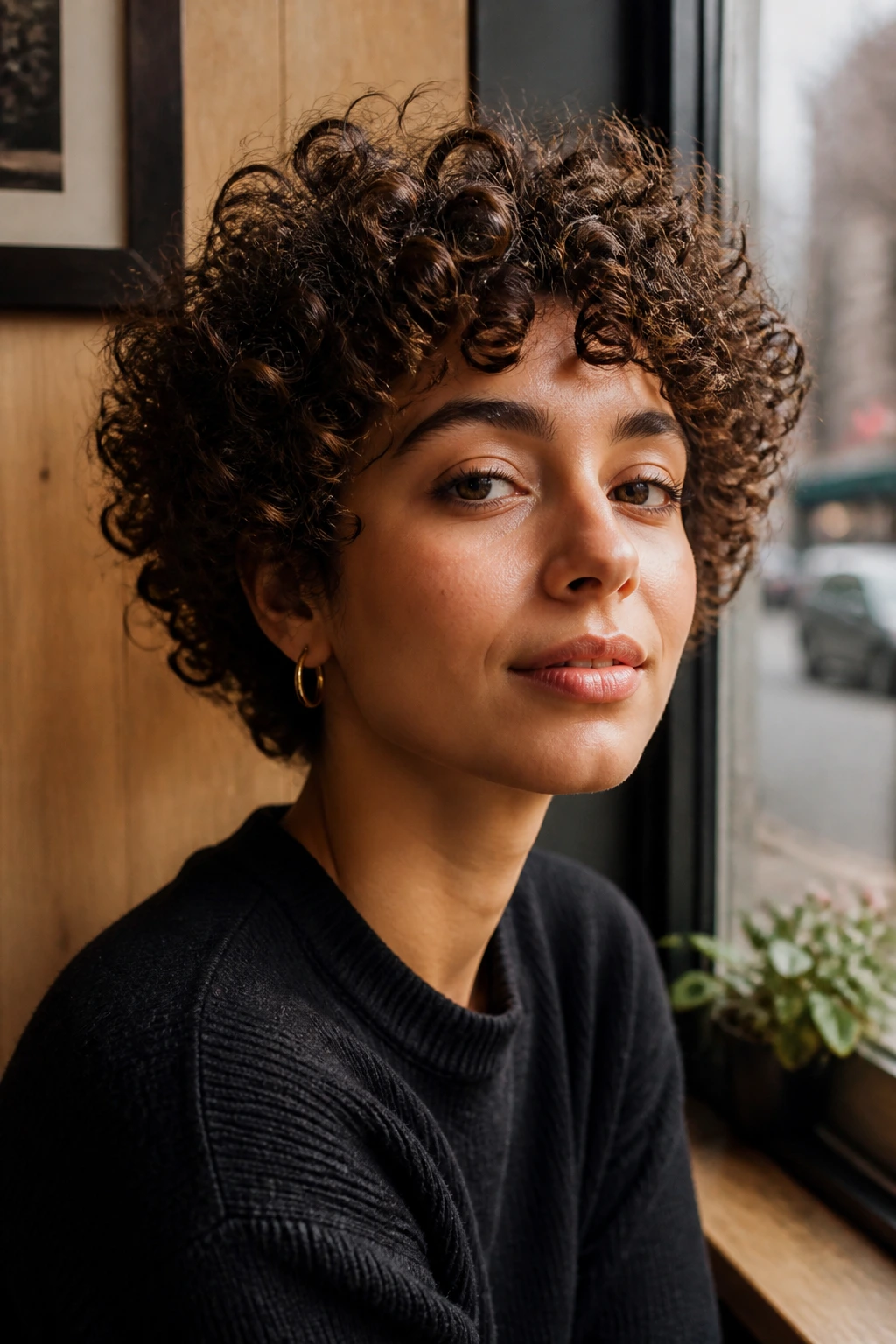
The Crown Cut keeps the hair at an even, short-to-medium length all around the head, essentially creating a circular halo of curls that frames the face perfectly. It’s an extreme version of a buzz cut that actually leaves texture. It’s incredibly flattering on people with sharp facial features because it removes all distractions, highlighting the symmetry of the face.
Essential Maintenance
- This style requires frequent trims, likely every three weeks, to maintain the perfect circular silhouette.
- Use a light defining mousse, as heavy products will cause the hair to clump and look uneven, ruining the “halo” effect.
- If your hair is prone to frizz, finish with a light-hold hairspray to ensure every curl stays perfectly in its place within the circular shape.
15. The Layered Wolf Cut
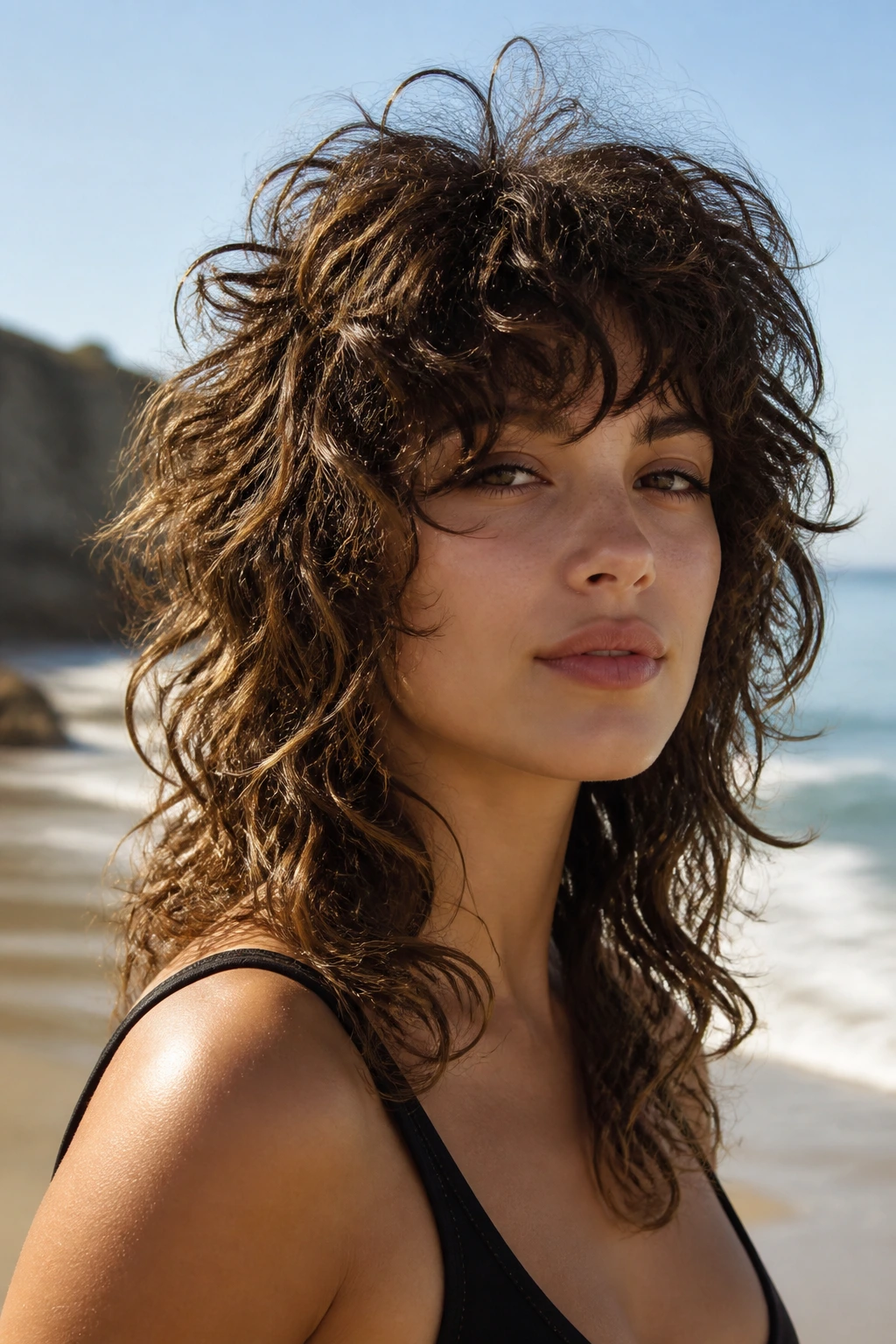
The wolf cut combines the volume of a shag with the layered intensity of a mullet, and on curly hair, it is nothing short of spectacular. It creates a wild, untamed silhouette that feels like you’ve been living on a beach for weeks. It’s designed to look best when it’s a little messy, making it one of the most low-maintenance extreme haircuts for curly hair.
The Texture Strategy
- Use a sea salt spray on damp hair and scrunch it in to enhance the natural wave and curl pattern.
- Avoid the temptation to smooth out the layers; the more volume you have, the better this cut looks.
- The shorter layers on top should be cut to about mid-ear length to provide maximum lift, while the longer layers in the back should reach toward your shoulders.
16. The Faux-Hawk with Braided Sides
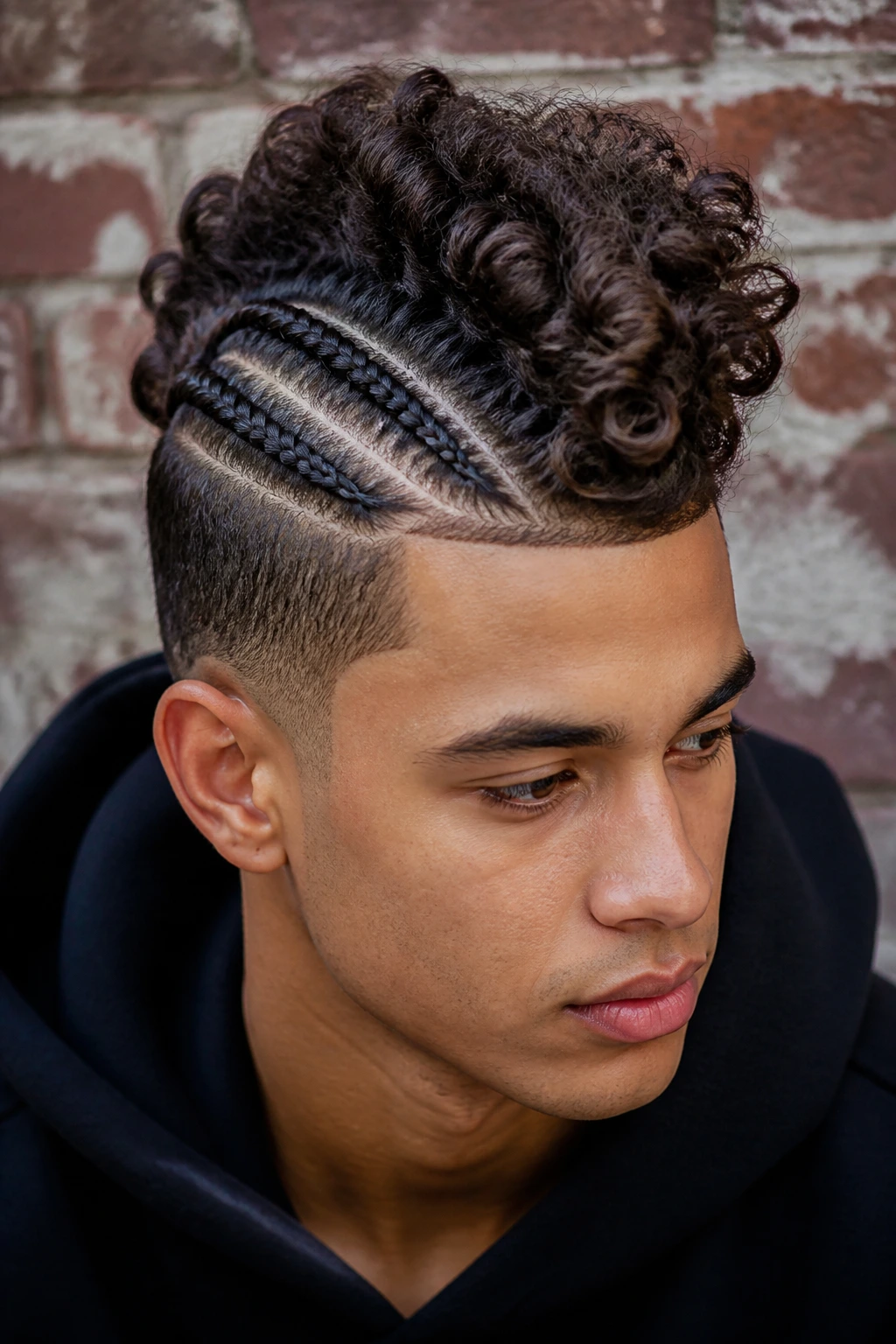
Sometimes you want the look of an extreme, shaved-side mohawk without actually picking up the clippers. By tightly braiding the hair on both sides of the head—Dutch braids are perfect for this—you create a “faux” fade that allows you to keep all your length. You can then style the center into a dramatic pile of curls. It’s a reversible extreme look.
Achieving the Look
- You need a good mirror and a fair amount of patience to get the braids tight enough to mimic a buzz cut.
- Use a clear elastic to secure the braids at the nape of the neck, and then pin the ends under the main body of the hair so they are invisible.
- This is a fantastic option if you want to experiment with extreme shapes before committing to a permanent haircut.
17. The Blunt-Cut Shag
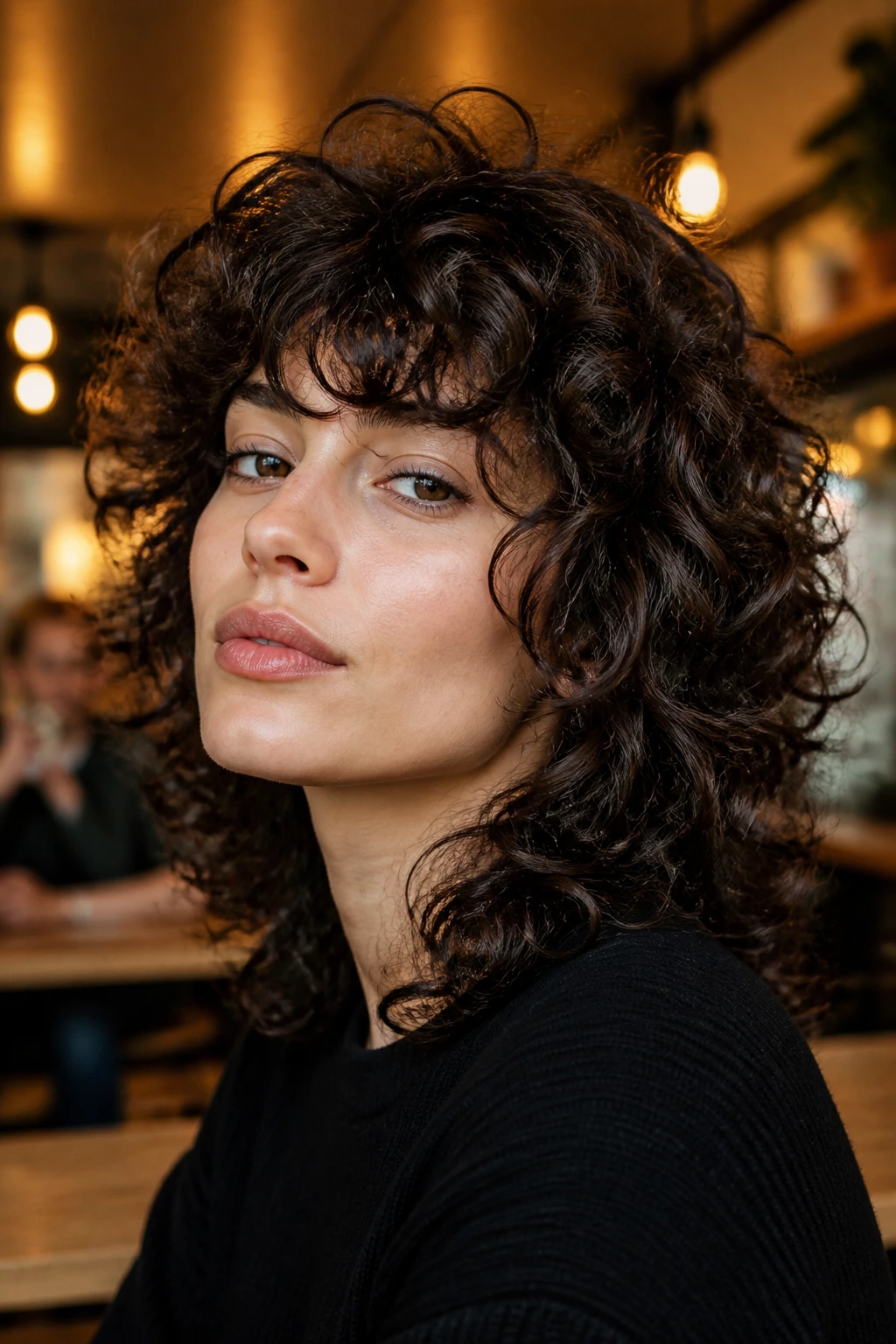
Unlike the feathered, razored shag, the blunt-cut version uses scissors to create sharp, heavy layers. It is an extreme, structural take on the 1970s classic. The ends are not thinned out, which means the curls stack up on each other, creating a dense, voluminous silhouette that feels very high-fashion and intentional.
Styling for Density
- This cut is heavy, so use a root-lifting spray to ensure your hair doesn’t sit flat against your scalp.
- It’s best suited for hair that is medium-to-thick, as fine hair might struggle to hold the weight of these blunt layers without looking limp.
- Because the ends are blunt, you will see your curl pattern more clearly; ensure your ends are healthy, as the blunt cut won’t hide any dryness.
18. The Sculpted Afro-Mohawk
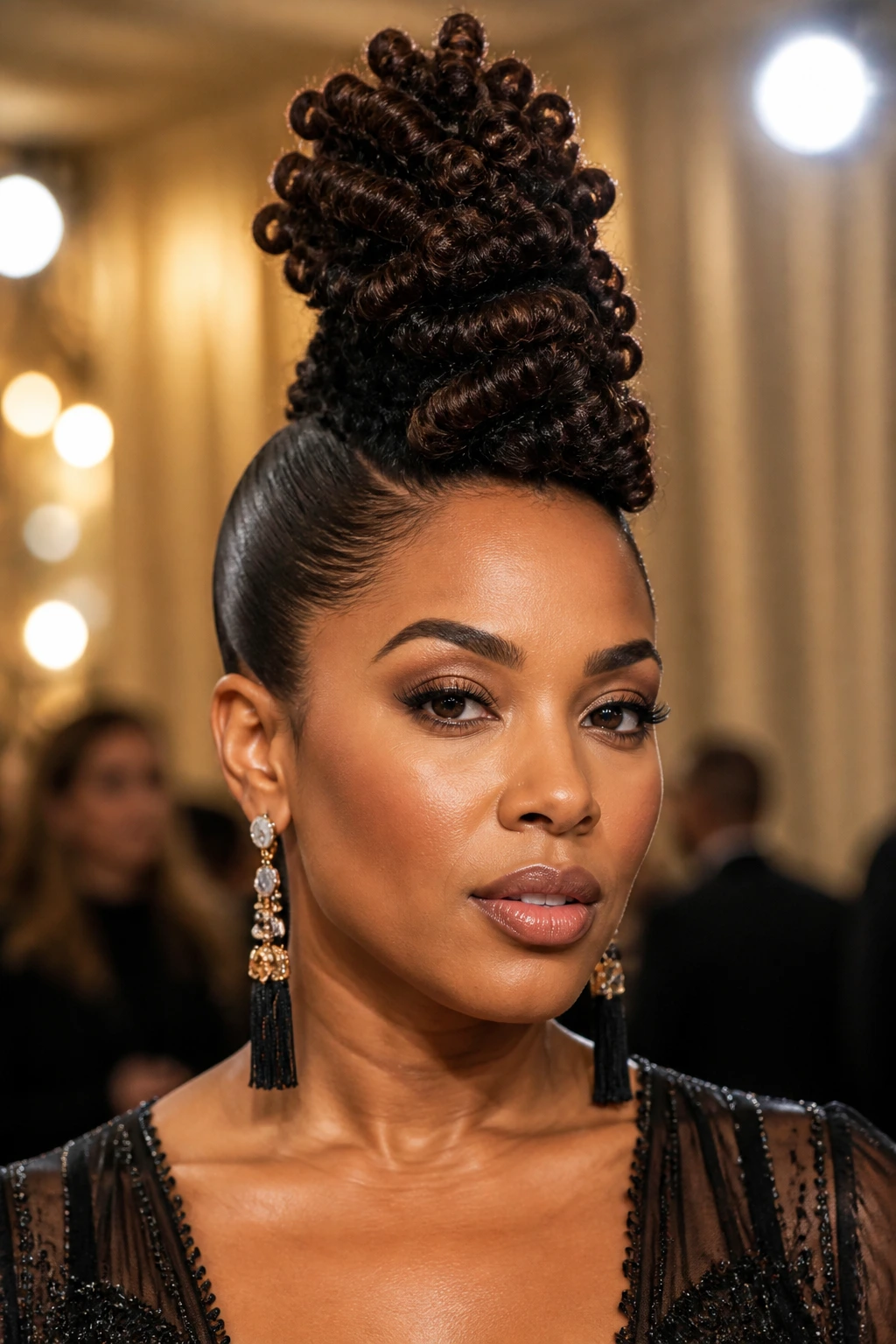
This version of the mohawk uses a combination of twisting and pinning to create a sculptural piece on top of the head. It’s extreme in its height and the degree of structure required. By twisting small sections of hair and pinning them into place, you can create a tower of curls that remains upright all day.
Structure and Longevity
- Use a thick edge-control gel to keep the sides slicked back; it needs to be strong enough to withstand humidity.
- Don’t pull the twists too tight; you want them to look airy and voluminous, not flat against the scalp.
- This is a great look for formal events or nights out where you want your hair to serve as the main focus of your ensemble.
19. The “Shaved and Braided” Combo
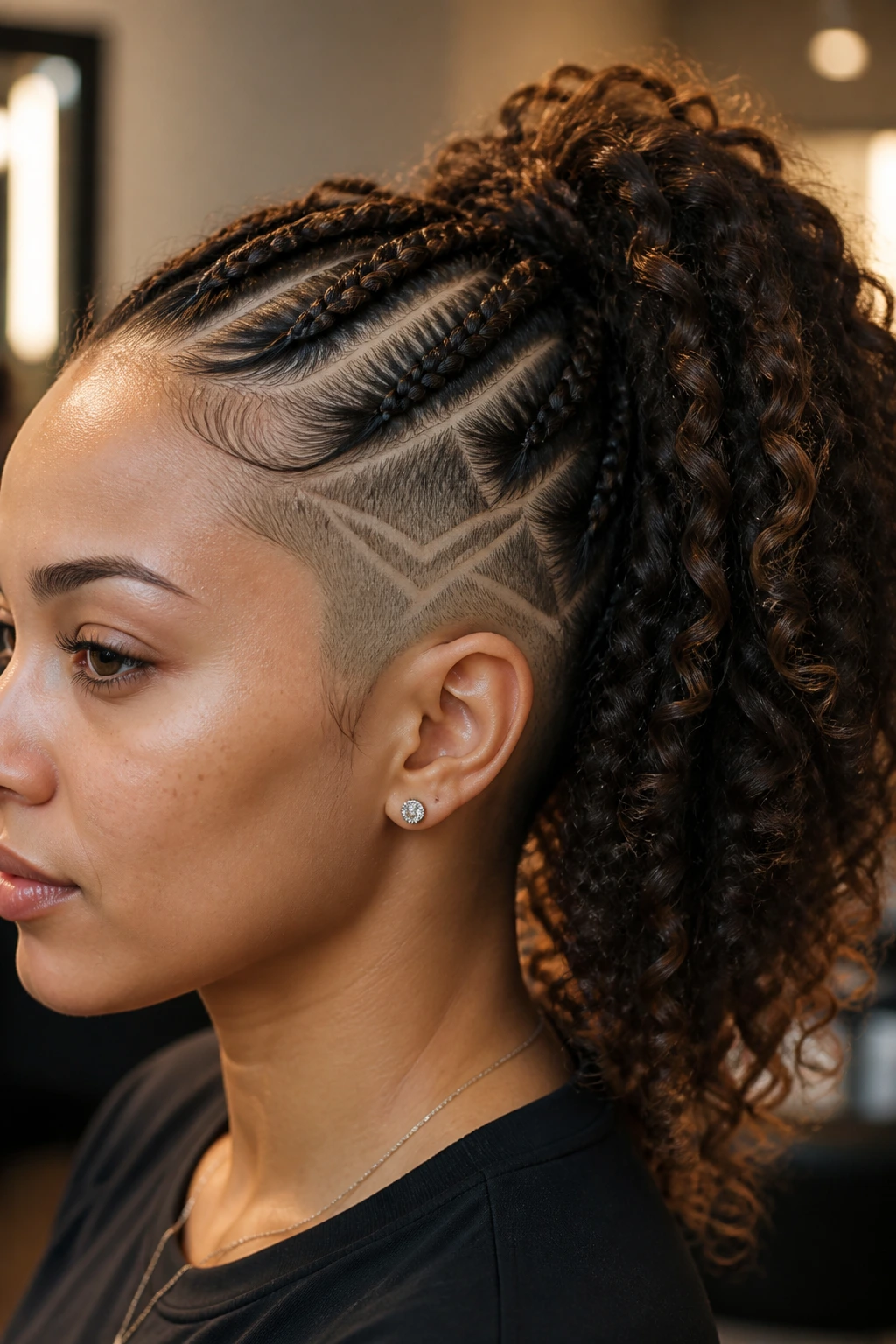
This style involves shaving a geometric section on one side of the head and then incorporating the remaining hair into intricate, tiny braids that flow into a loose, curly ponytail. It’s the ultimate contrast of textures: the smooth, bare skin of the shave, the tight, structured lines of the braids, and the soft, uncontrolled flow of the curls.
Why It’s Unique
- It’s visually stimulating because it forces the eye to scan three different textures at once.
- The maintenance is high—you’ll need to redo the braids every few days—but the payoff is a look that is entirely yours.
- Use a small amount of oil on the scalp where the hair is shaved to keep it looking shiny and healthy, preventing it from appearing dull against the braids.
20. The High-Volume Round Cut
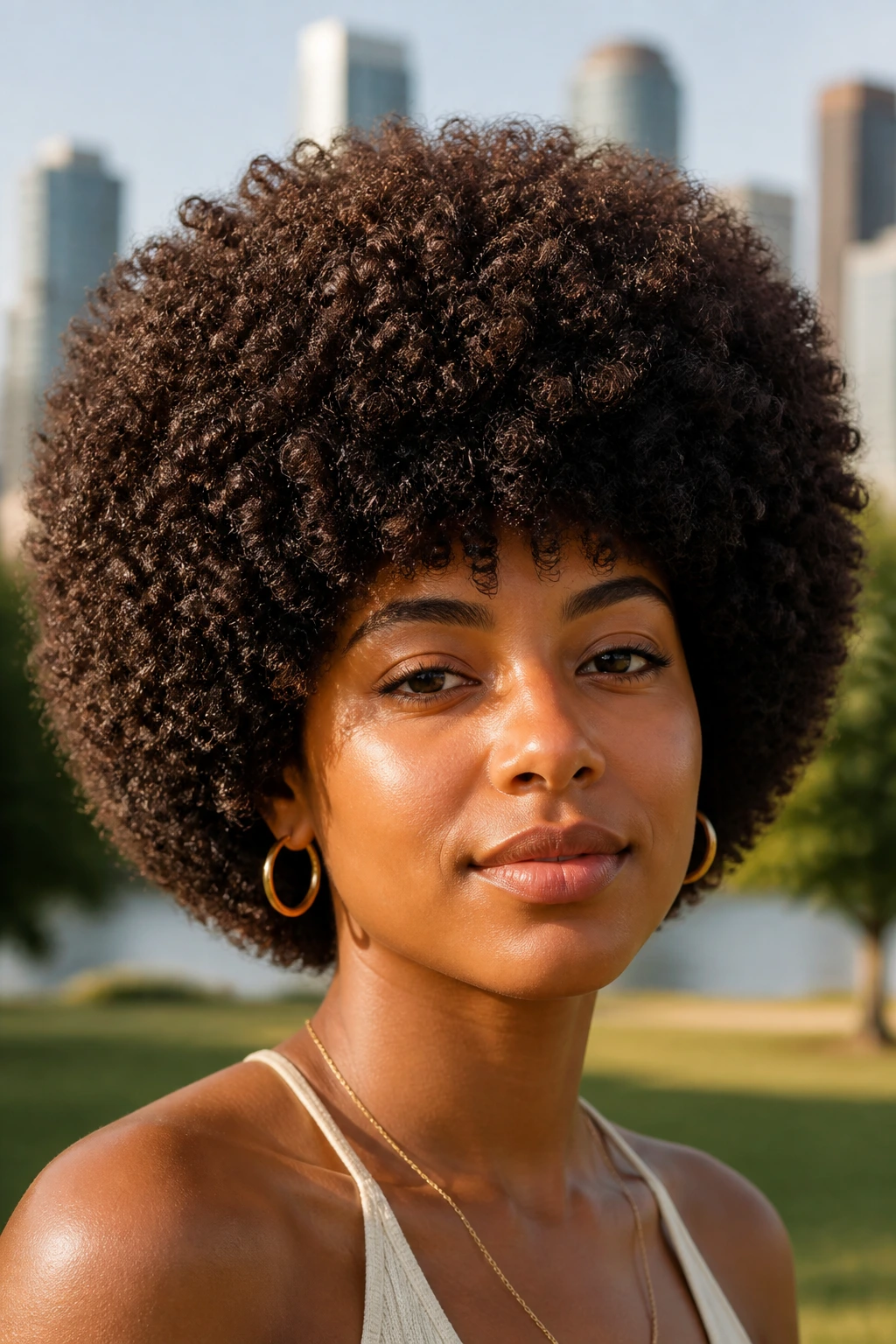
Imagine a classic rounded afro, but cut with modern, precision-based layers to make it perfectly spherical. It requires an extreme level of skill from your stylist to ensure the shape is uniform from every angle. It’s an exercise in geometry; one wrong snip, and the sphere becomes an oval.
Creating the Perfect Sphere
- This style relies entirely on the internal layering; you need to build the hair up from the bottom so it can support its own weight in a round shape.
- Avoid any products that weigh the hair down; you want your curls to be as light and airy as possible to maintain that “floating” look.
- When you sleep, use a silk bonnet; if you squash the shape, it can take a fair amount of effort to “re-fluff” it into a perfect circle again.
21. The Asymmetrical Pixie-Mullet
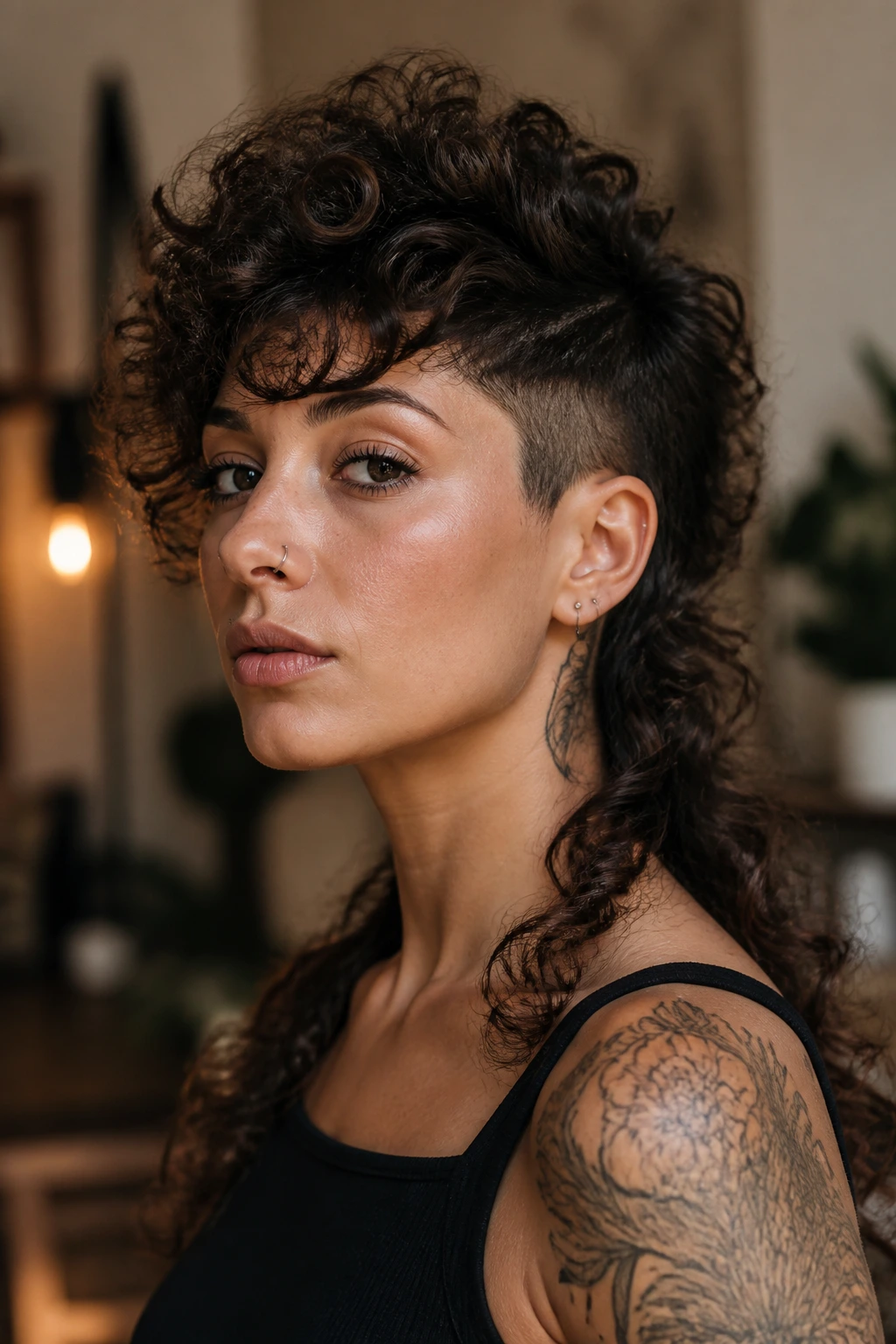
If you thought the mullet was extreme, combining it with an asymmetrical pixie creates a silhouette that is truly singular. You get the short, buzzed aesthetic on one side, a dramatic, sweeping fringe on the other, and a long, curly tail at the back. It’s the haircut equivalent of a mood board, but somehow, it works.
Why It’s Iconic
- It challenges all the conventional rules of hair symmetry.
- It’s remarkably easy to style once you find the rhythm; a little bit of texturizing cream is all it takes to make the disparate elements work together.
- This cut looks best when you embrace the slightly “unhinged” nature of it—don’t try to make it look too polished or perfect.
22. The Choppy, Uneven Lob
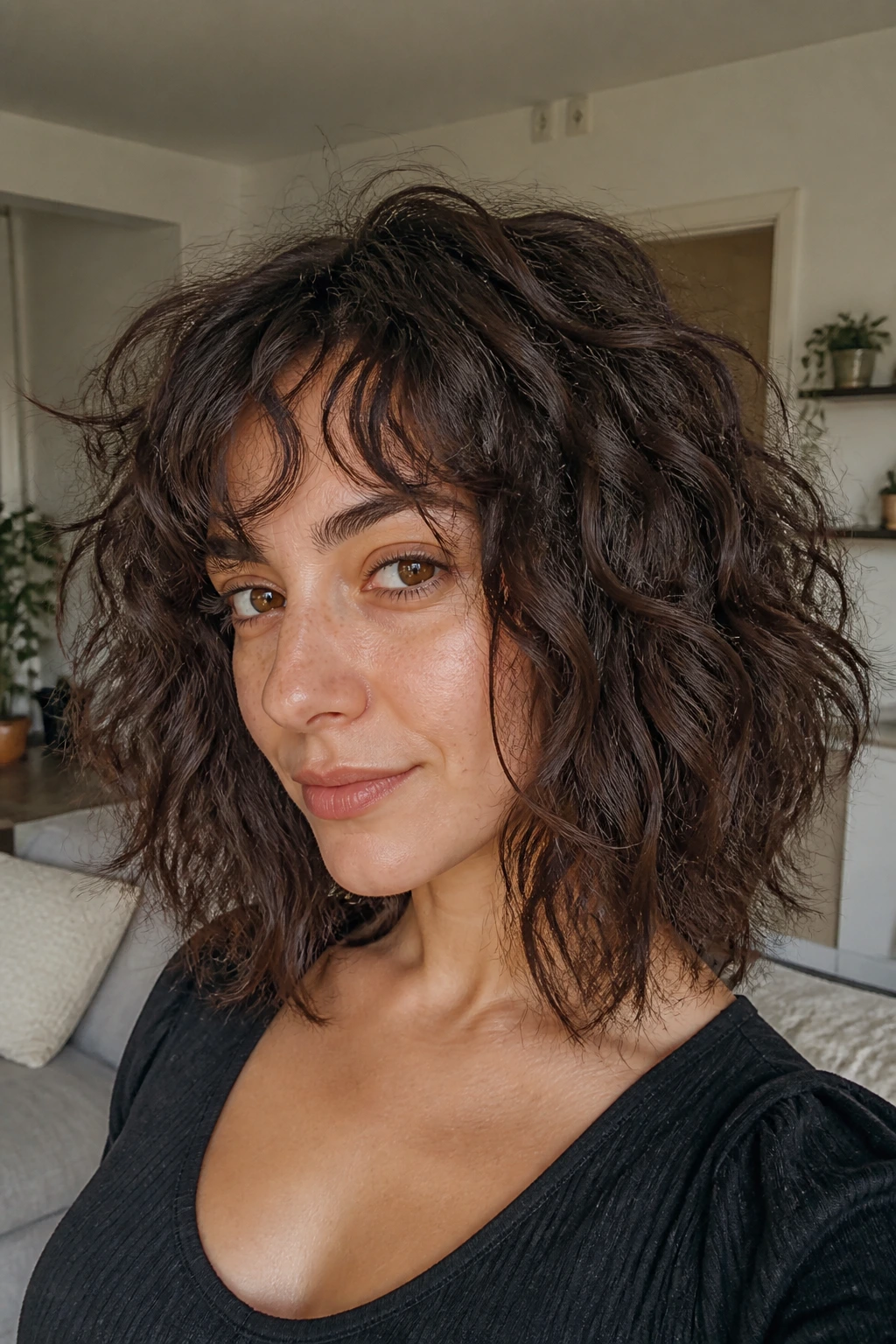
A long bob that features extreme, uneven layers throughout is a fantastic way to give curly hair a sense of movement. By cutting some sections to jaw-length and others to shoulder-length, you create a jagged, distressed look that feels effortlessly cool. It’s the “I woke up like this” look, elevated by the fact that the cut itself is so intentional.
Enhancing the Texture
- Use a dry texturizing spray to emphasize the choppiness of the layers; you want the ends to look like they’ve been bitten into.
- This style works best with a messy, non-structured part; let the hair fall where it naturally wants to go.
- If you want to make it even more extreme, consider adding “peek-a-boo” color in a contrasting shade to emphasize the different lengths of the layers.
23. The Tapered Fro-Hawk
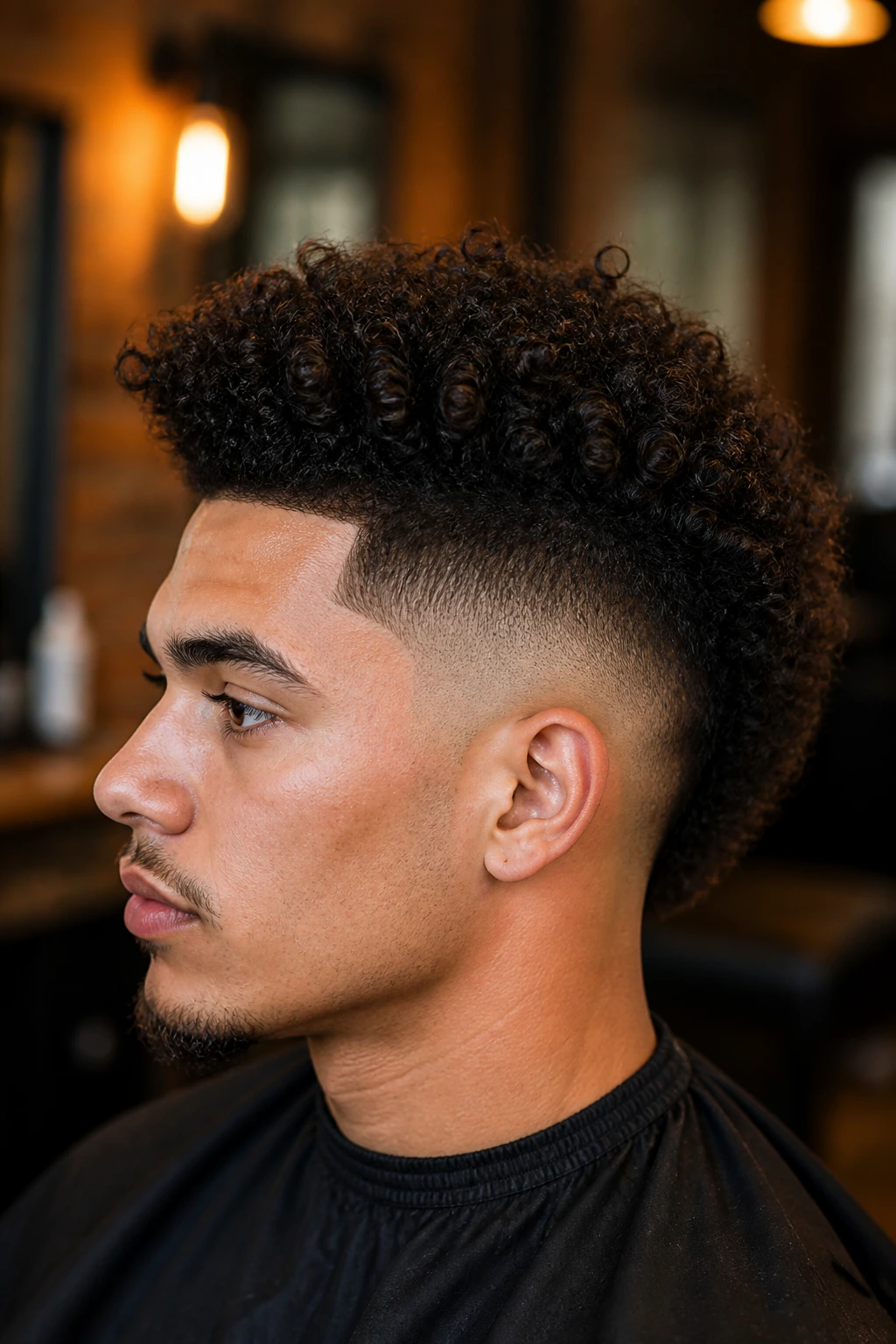
This look uses a gradual fade at the sides to lead the eye toward a high, dense ridge of curls down the center. Unlike the mohawk, which is often disconnected, this fade is a seamless gradient, making it look much softer and more polished. It is a perfect way to ease into an extreme look if you are nervous about doing something too drastic.
The Gradient Advantage
- Ask your barber to start with a low guard at the nape and work up to a longer guard at the sides to create a soft, pleasing transition.
- You can leave the hair on the top as long as you like; the longer it is, the more dramatic the contrast will be against the fade.
- Because the sides are faded, you won’t have to deal with the annoying frizz that happens when shorter side-hair gets damp or humid.
24. The Curly “Peek-a-Boo” Cut
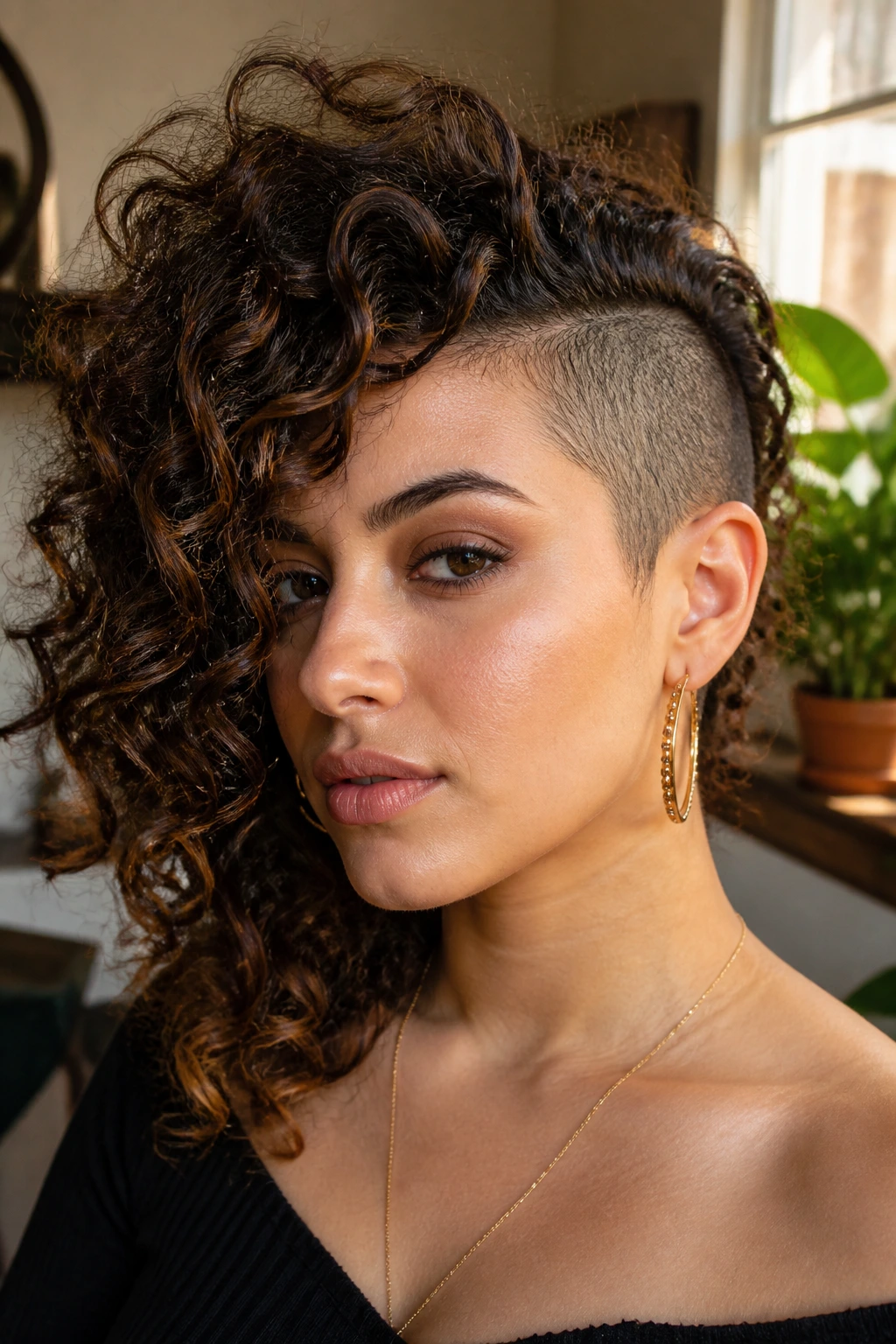
This involves leaving one side of the head long and heavily layered, while the other side is buzzed short to the scalp. It creates a striking silhouette that frames the face on one side and opens it up on the other. It is an extreme look for people who like to play with facial framing and want to keep some length for versatility.
Styling for Versatility
- You can wear your hair parted to the side to showcase the dramatic difference in length, or pull it all back into a ponytail to highlight the shaved side.
- Use a strong-hold gel on the shaved side to keep any stray hairs from growing into the fade too quickly.
- This style pairs beautifully with bold, dangling earrings; since one ear is completely exposed, you have the perfect stage to show off your jewelry.
25. The Spiked-Up Shag
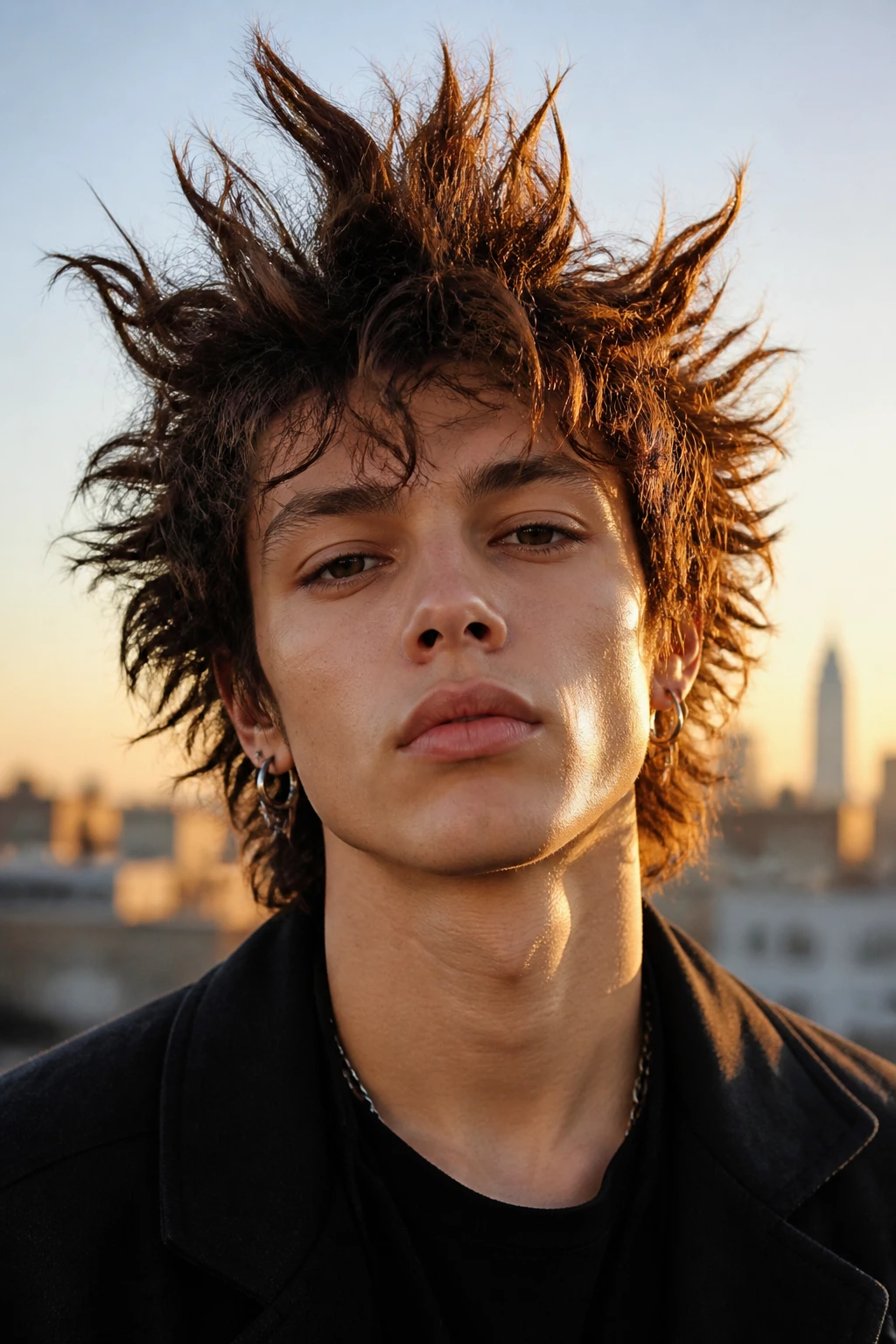
By using a combination of heavy texturizing and a strong-hold product, you can turn a standard curly shag into a spiky, punk-inspired masterpiece. It focuses all the energy at the crown, allowing the hair to stand up in jagged, irregular spikes that look like they’ve been frozen in time. It is high-energy, high-impact, and incredibly fun to wear.
The Punk Aesthetic
- You’ll need a product that sets hard—look for a sculpting clay or a high-tack pomade.
- Work the product in while the hair is damp to ensure that the spikes don’t flop over once the product dries.
- To keep the look extreme, don’t be afraid to pull some of the spikes into slightly different directions; the more jagged the silhouette, the more successful the look will be.
Final Thoughts
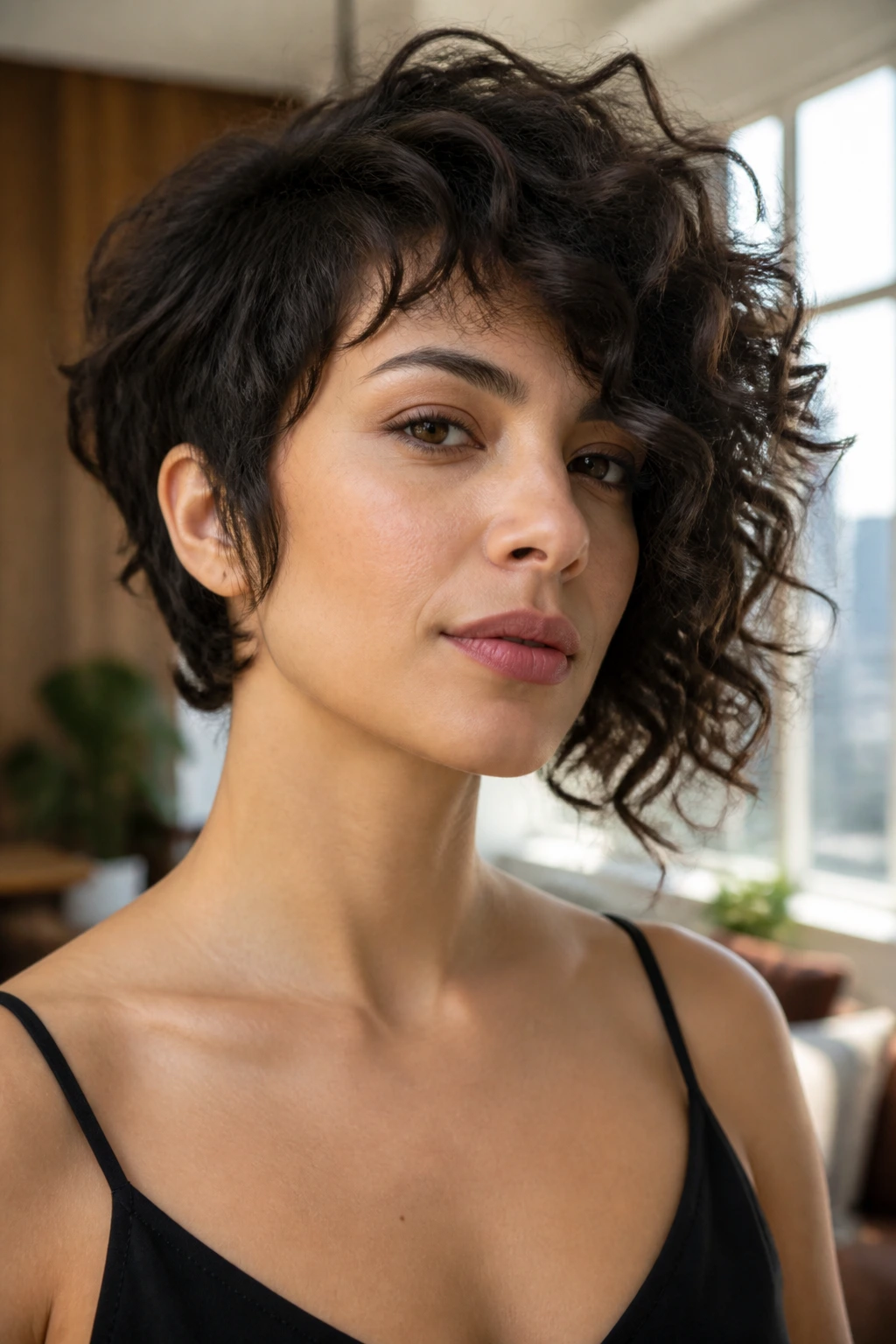
Extreme haircuts for curly hair are fundamentally about moving past the fear of frizz and leaning into the architectural potential of your own natural texture. The common thread among all these styles—whether it is a tapered mohawk or a deconstructed afro—is that they prioritize shape and silhouette over the “taming” of your coils. You are not trying to hide your curls; you are using them as building blocks to create something bold, intentional, and entirely unique.
When choosing your next extreme cut, consider your tolerance for maintenance above all else. A shaved fade is high-impact but requires bi-weekly salon visits, whereas a shaggy, layered cut can grow out gracefully for months. Find a stylist who is comfortable with a razor and, more importantly, one who is willing to cut your hair dry. If they insist on soaking your hair first, look for someone else—the way your curls spring up once they are off the chair is the most critical piece of the puzzle. At the end of the day, hair is just a temporary canvas, so prioritize the look that makes you feel the most like yourself.