

Thick hair is a blessing and a curse. You have the volume that many people pay high-end salon prices to achieve through extensions or texturizing sprays, but you also have to deal with the inevitable bulk that makes finding the right cut a daily struggle. A “hip” aesthetic often requires a specific balance of structure and disheveled intentionality. If you have a mane that refuses to lay flat, you are in the perfect position to pull off the kind of cuts that dominate the current style landscape—the ones that use your hair’s natural density to create sharp angles and rugged silhouettes.
You don’t need to fight your hair to find a look that feels right. The trick isn’t just about thinning it out, as many stylists suggest, but about choosing a shape that turns that weight into a stylistic asset. Whether you prefer the clean lines of a classic barber-style fade or the unkempt, rebellious spirit of longer layers, your hair type is actually the ideal canvas for these styles. Let’s look at the best cuts for thick-haired guys who want a look that feels authentic, lived-in, and sharp.
1. The Textured Crop with a Tapered Fade
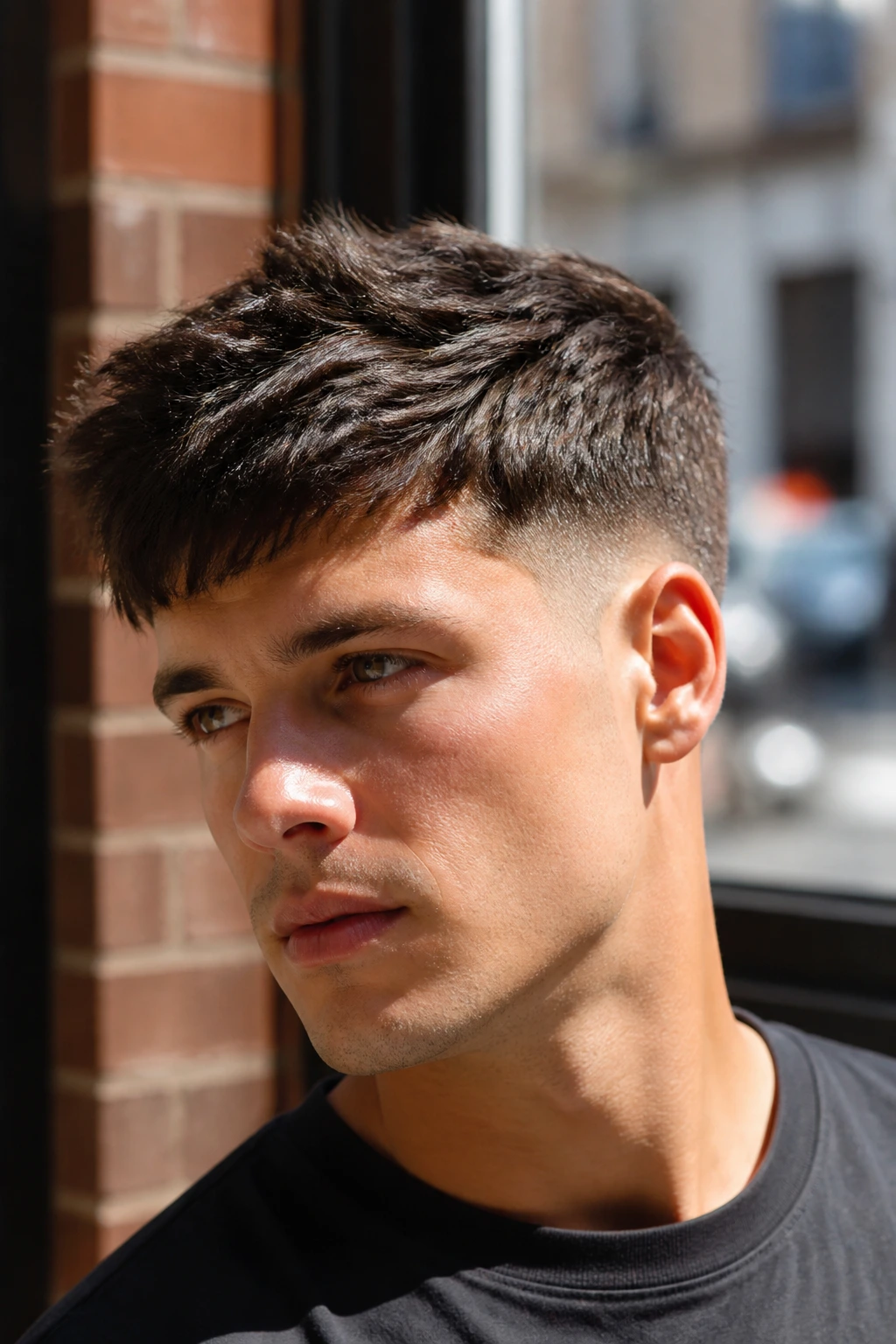
The textured crop is perhaps the king of low-maintenance grooming for thick hair. By keeping the length short on the sides and leaving the top slightly longer and choppy, you remove the “puffy” weight that thick hair tends to develop as it grows out. The fade on the sides keeps everything neat, while the texture on top gives you the freedom to run some matte clay through it and walk out the door without looking like you’re trying too hard.
Why This Works for Density
Because your hair has natural volume, a crop cut doesn’t look flat or limp. You get a thick, full appearance on top that holds its shape throughout the day. It is a structured style that feels completely casual.
How to Style It
- Use a pea-sized amount of matte paste or texturizing powder.
- Rub it between your palms until it warms up and disappears.
- Work it into the top sections in an upward, messy motion.
- Focus on creating separation in the hair rather than smoothing it down.
2. The Modern Pompadour with Disconnected Sides
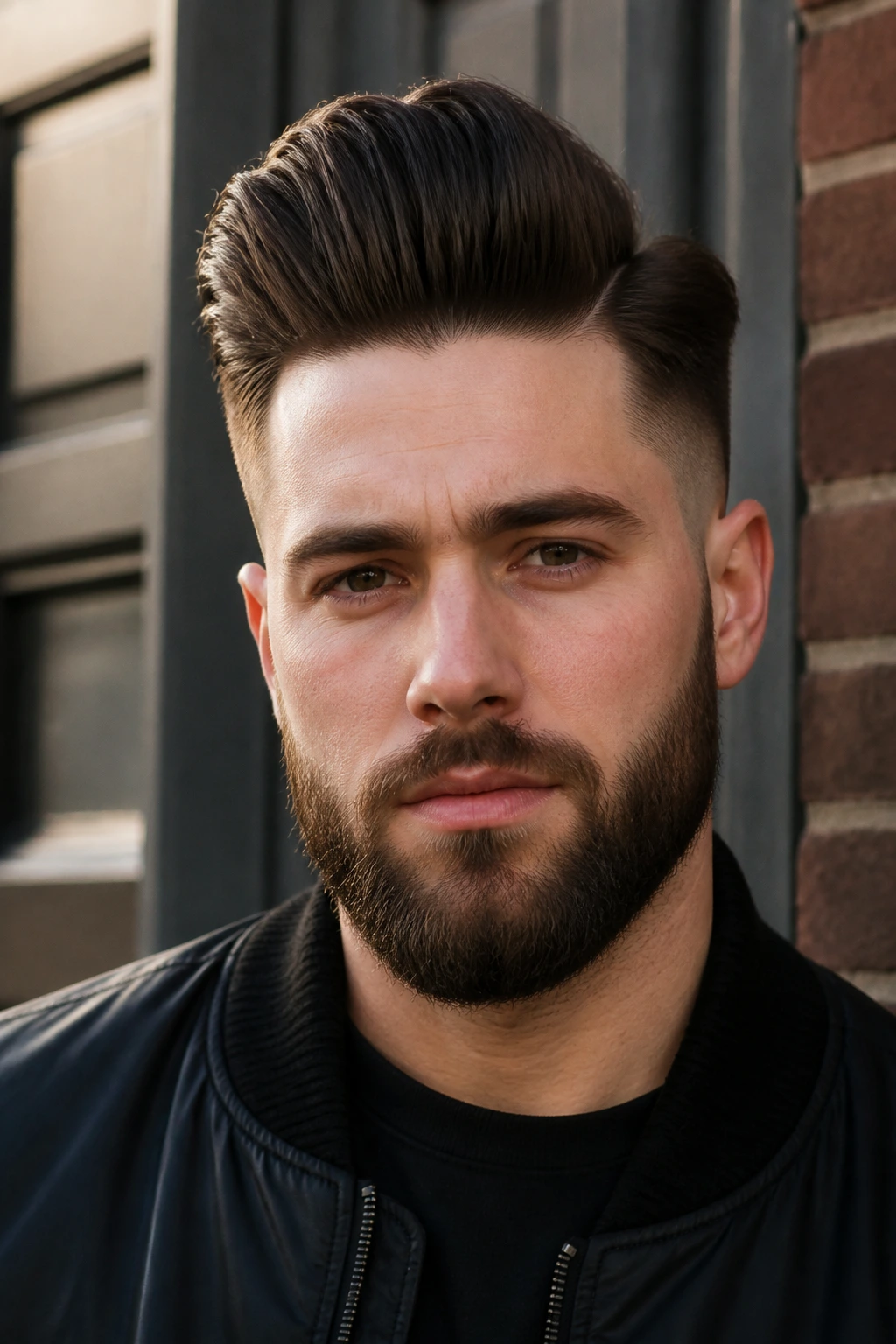
If you want something that commands a bit more attention, the modern pompadour is the answer. Historically, this cut required a heavy amount of product and a lot of patience, but today’s version is much more relaxed. The “disconnected” part means there is a stark line between the long hair on top and the faded sides, creating a sharp contrast that looks particularly strong on guys with very thick, coarse hair.
The Contrast Factor
The weight of your hair is your secret weapon here. A pompadour needs a sturdy base to stand up, and thick hair provides that resistance naturally. You won’t need to drown your hair in hairspray to get that signature lift.
Avoiding the “Greaser” Look
Many men avoid the pompadour because they fear looking like a caricature from a 1950s film. The key to keeping it contemporary is the finish. Use a matte pomade or a light-hold cream rather than a high-shine gel. You want the style to look firm, not wet or crunchy.
3. The Classic Hard-Part Side Swept
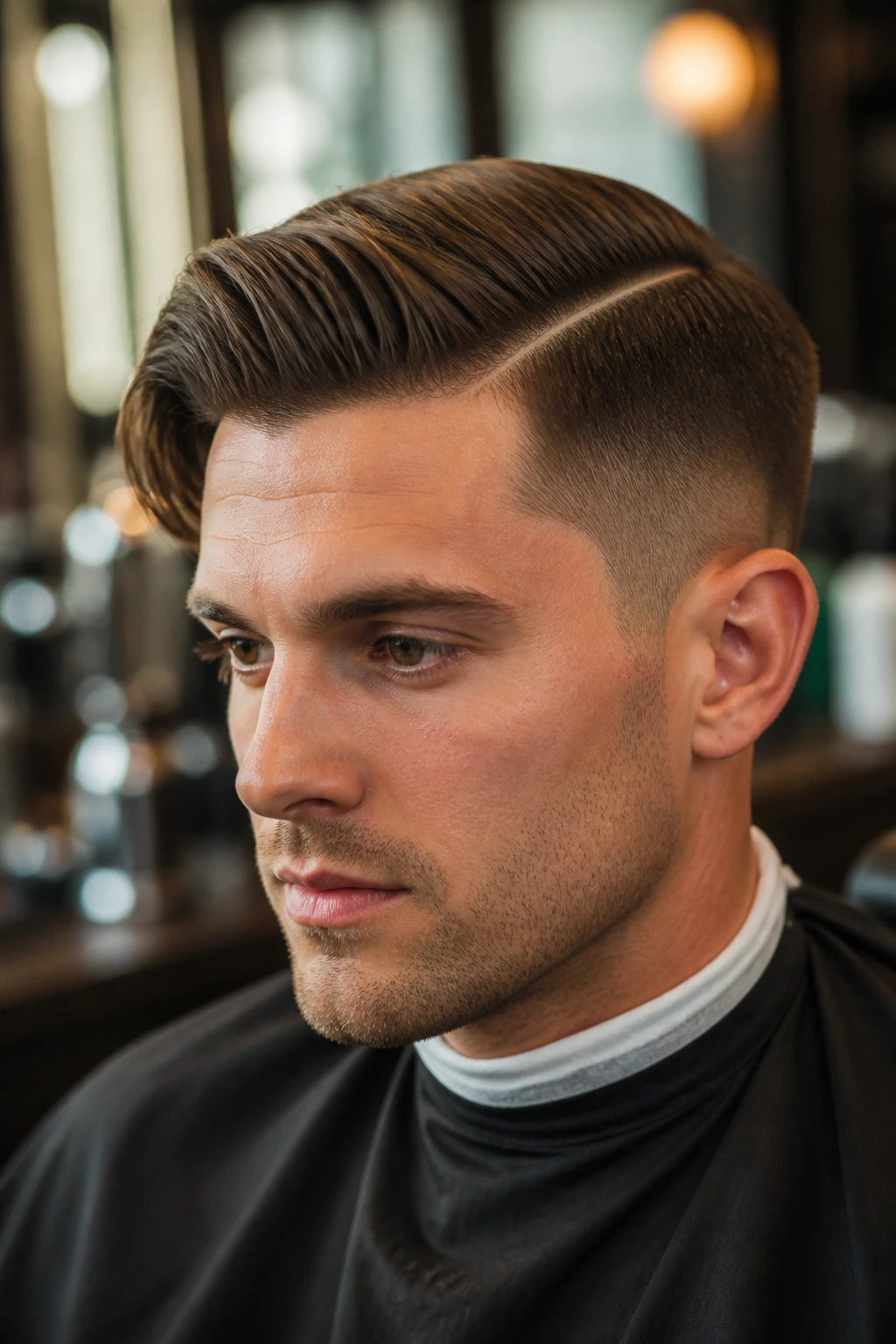
There is something inherently timeless about a deep side part. When you have thick hair, this look becomes architectural. The weight of the hair ensures that the sweep stays in place once you’ve trained it, avoiding the dreaded “flop” that guys with fine hair often experience. It feels sophisticated but maintains an edge, especially if you pair it with a skin-fade underneath.
Creating the Line
Ask your barber for a “hard part.” They will use a straight razor to shave a thin line directly into the scalp where your natural part sits. It isn’t just for style—it makes your morning routine much faster because the part is already marked out for you.
Maintenance Note
Because thick hair grows quickly, this cut can look messy after only two weeks. If you choose this look, be prepared for regular touch-ups at the barber to keep that razor line crisp and clean.
4. The Messy Medium-Length Quiff
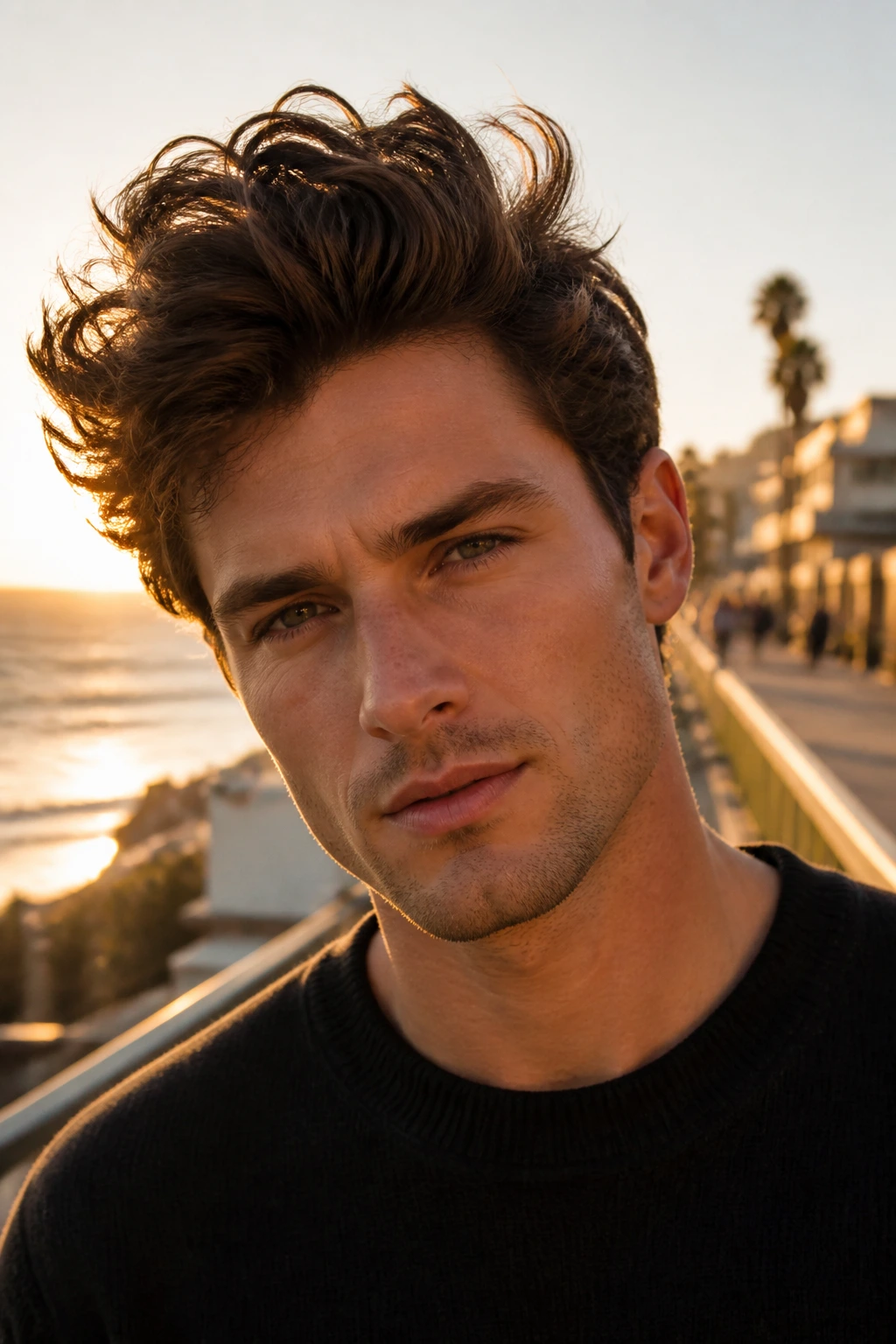
The quiff is the ultimate “I woke up like this” hairstyle, even if it actually takes a minute or two to style. By keeping the hair at a medium length, you allow your natural wave to show through, which adds character. This cut is perfect if your thick hair also has a bit of a curl or wave to it, as the length allows that texture to breathe.
Why Texture Is Everything
For this cut, smoothness is the enemy. You want the ends to be jagged and the volume to be slightly chaotic. If your hair is too uniform, it will look like a helmet. A good stylist will use thinning shears or a razor to break up the weight at the ends, which is crucial for that windswept, effortless look.
The Right Product
Look for a sea salt spray. It provides just enough grit to give your thick hair a lightweight feel, making the quiff look airy rather than weighed down by heavy waxes.
5. The Tapered Faux Hawk
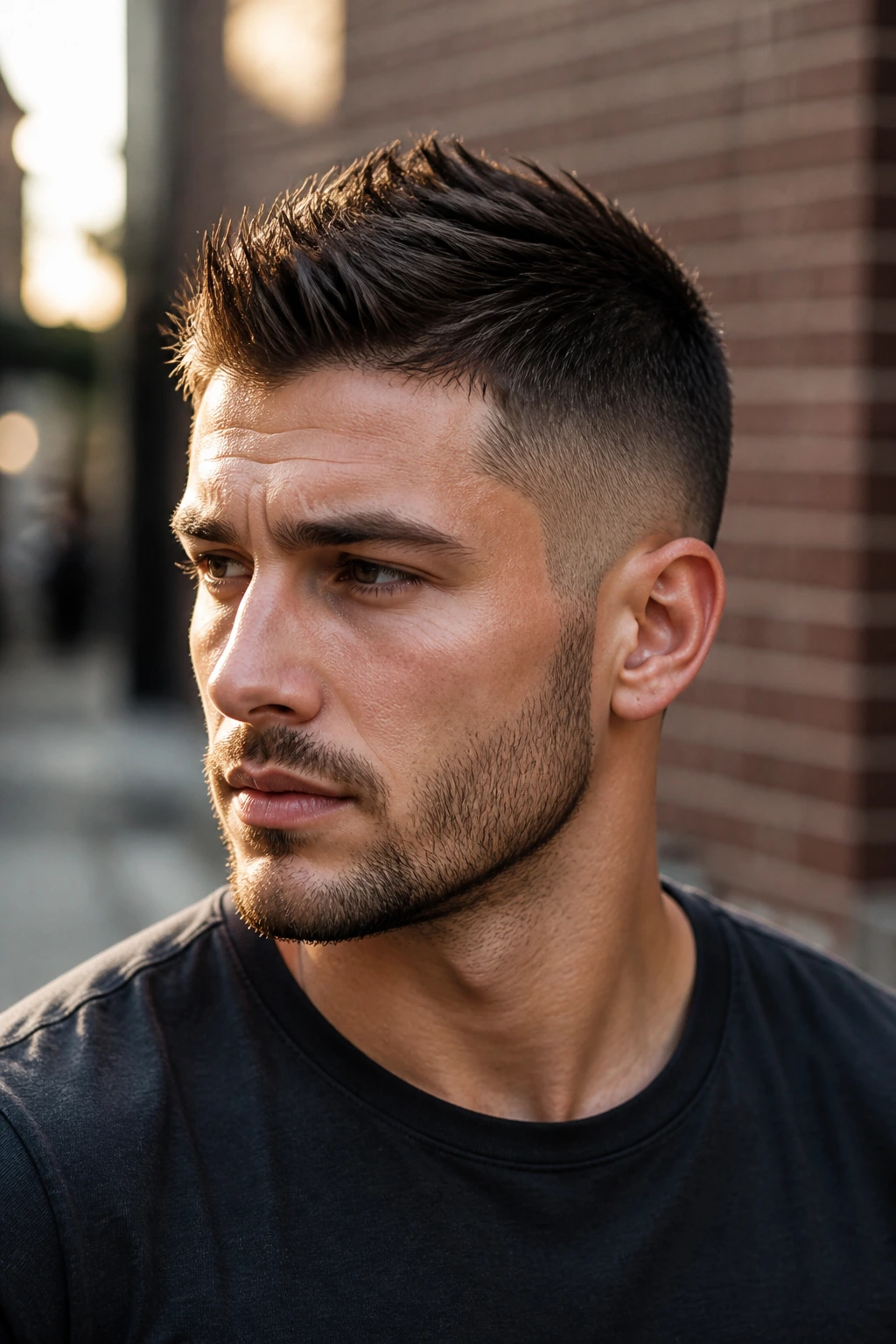
Don’t confuse this with the extreme, spiked-up versions seen in the early 2000s. The modern faux hawk for thick-haired men is much more subtle. It involves keeping the hair slightly shorter on the sides but blending it upward, creating a ridge of length that runs down the center of the head. It is a fantastic way to utilize the natural volume of your hair without going overboard.
Balancing the Silhouette
The reason this works so well for thick hair is that you have enough density to make the ridge look substantial. People with thinner hair often find that their faux hawk looks sparse or patchy, but with thick hair, you get a clean, solid, and deliberate shape.
Styling for Daily Wear
You don’t need a hairdryer for this. Simply take a bit of grooming cream, run your fingers through your hair while pulling the center section upward, and you’re done. It’s an aggressive cut that manages to feel laid-back.
6. The Textured Fringe
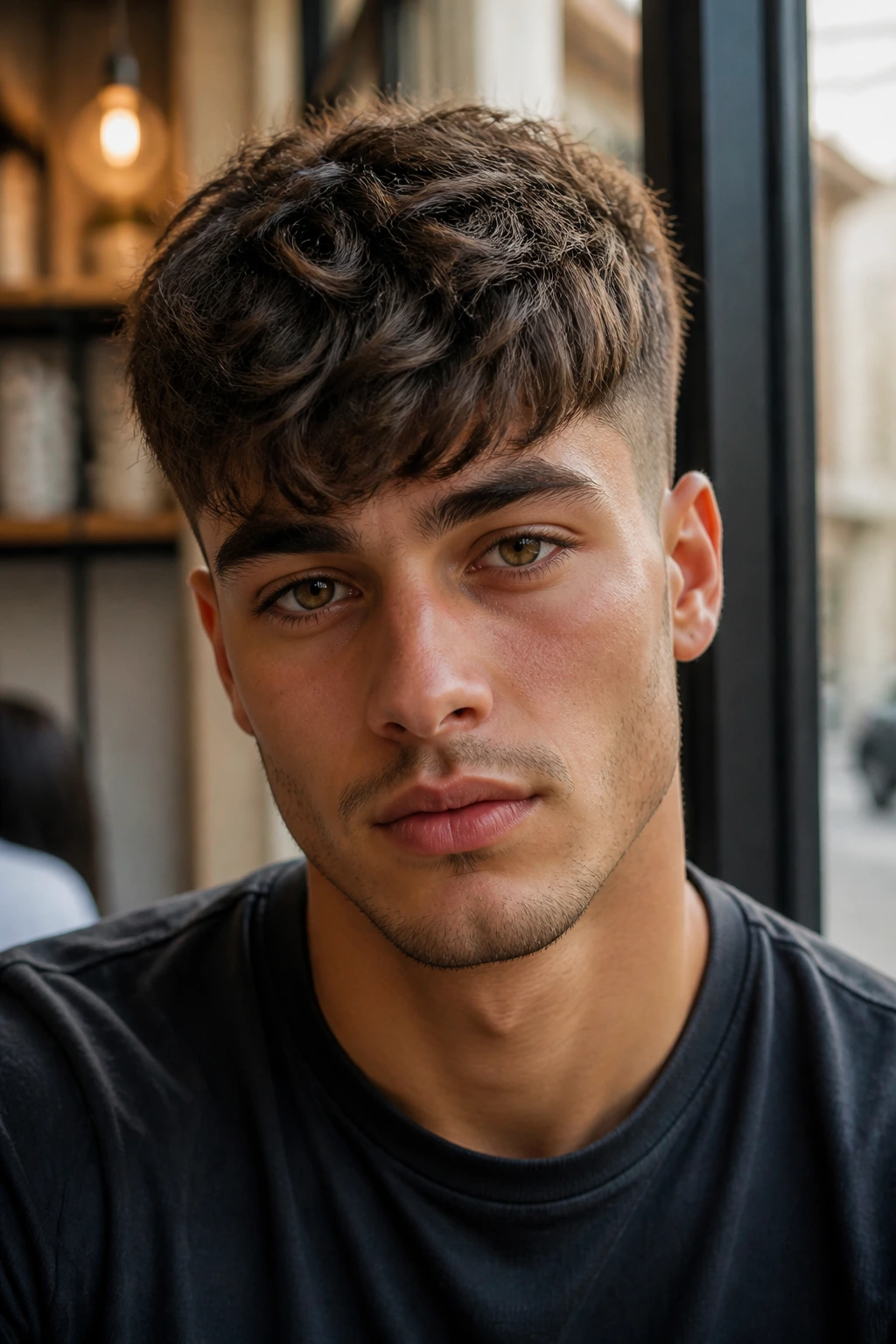
The fringe is having a massive moment, and it is arguably one of the most practical cuts for guys who don’t want to spend time grooming. It covers the forehead, which helps balance out face shapes with larger features. With thick hair, a fringe can easily become “heavy” or blocky, so the secret is to ask for lots of internal texture.
Preventing the “Bowl” Effect
To avoid looking like a schoolboy, the sides must be tight. A high-skin fade or an undercut works best to remove the bulk from the sides of your head. This ensures that the fringe feels like a deliberate style choice rather than just hair that has grown out too long.
Styling Advice
- Blow-dry your fringe forward rather than backward.
- Use a small amount of clay to define the ends.
- If it starts to look too heavy by the end of the day, a quick splash of dry shampoo can refresh the volume instantly.
7. The Slicked-Back Undercut
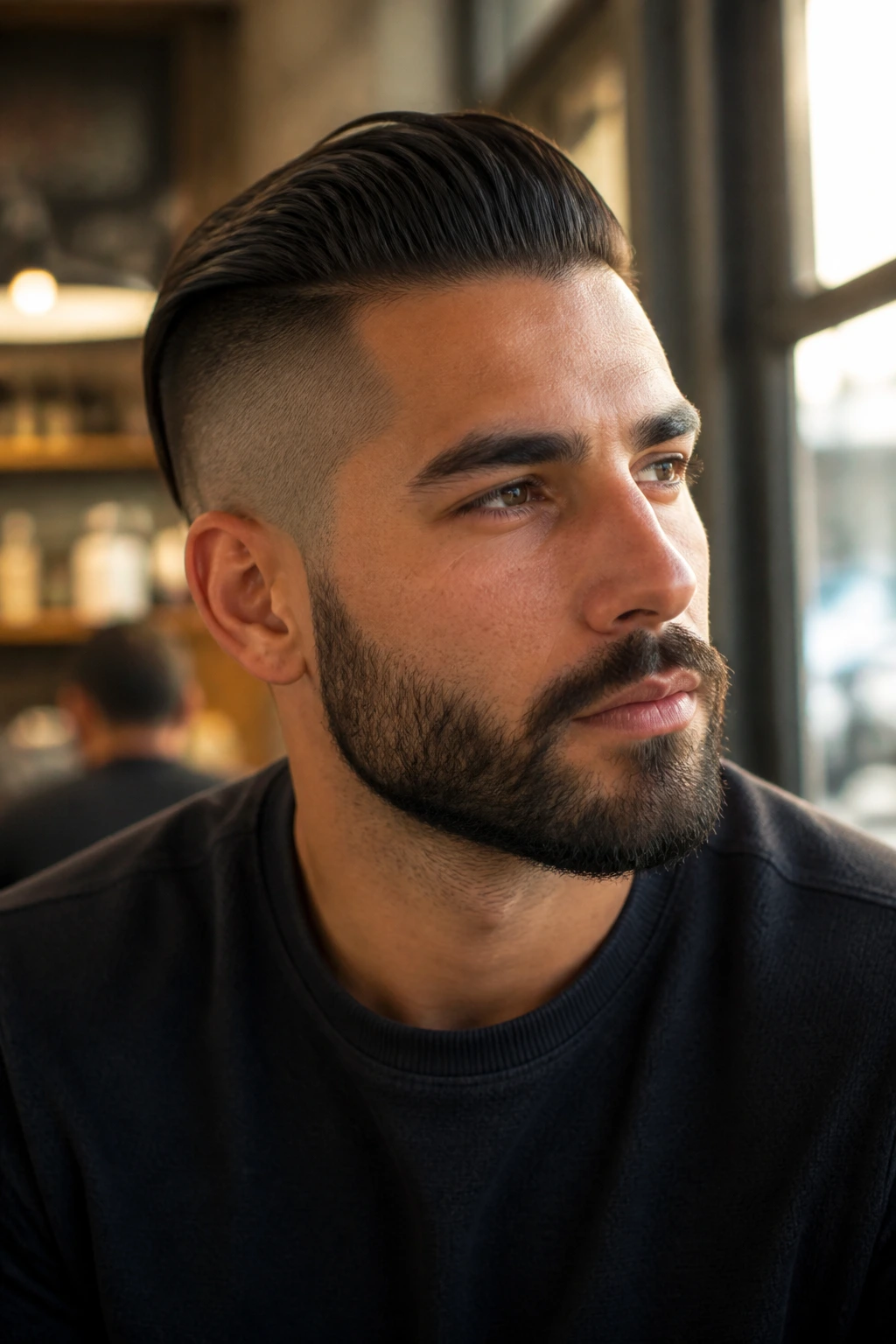
If you have thick, straight hair, the slicked-back undercut is a high-impact choice. It pulls all that dense weight away from your face and pushes it toward the back of your head. The juxtaposition of the shaved sides and the long, controlled top creates a sharp, masculine profile that works for both professional settings and weekend nights out.
Managing the Weight
The biggest challenge with this style is the “push-back” factor. Thick hair can be stubborn and want to fall forward onto your forehead. You need a product with high hold, like a heavy-duty fiber or a strong-hold pomade, to ensure the hair stays locked in the rear position.
The “Slicked” Misconception
Many guys think this style needs to look greasy. It doesn’t. A matte-finish wax will give you the control you need to keep the hair back without giving it that wet, slick-to-the-skull shine that can look dated.
8. The Caesar Cut with a Modern Twist
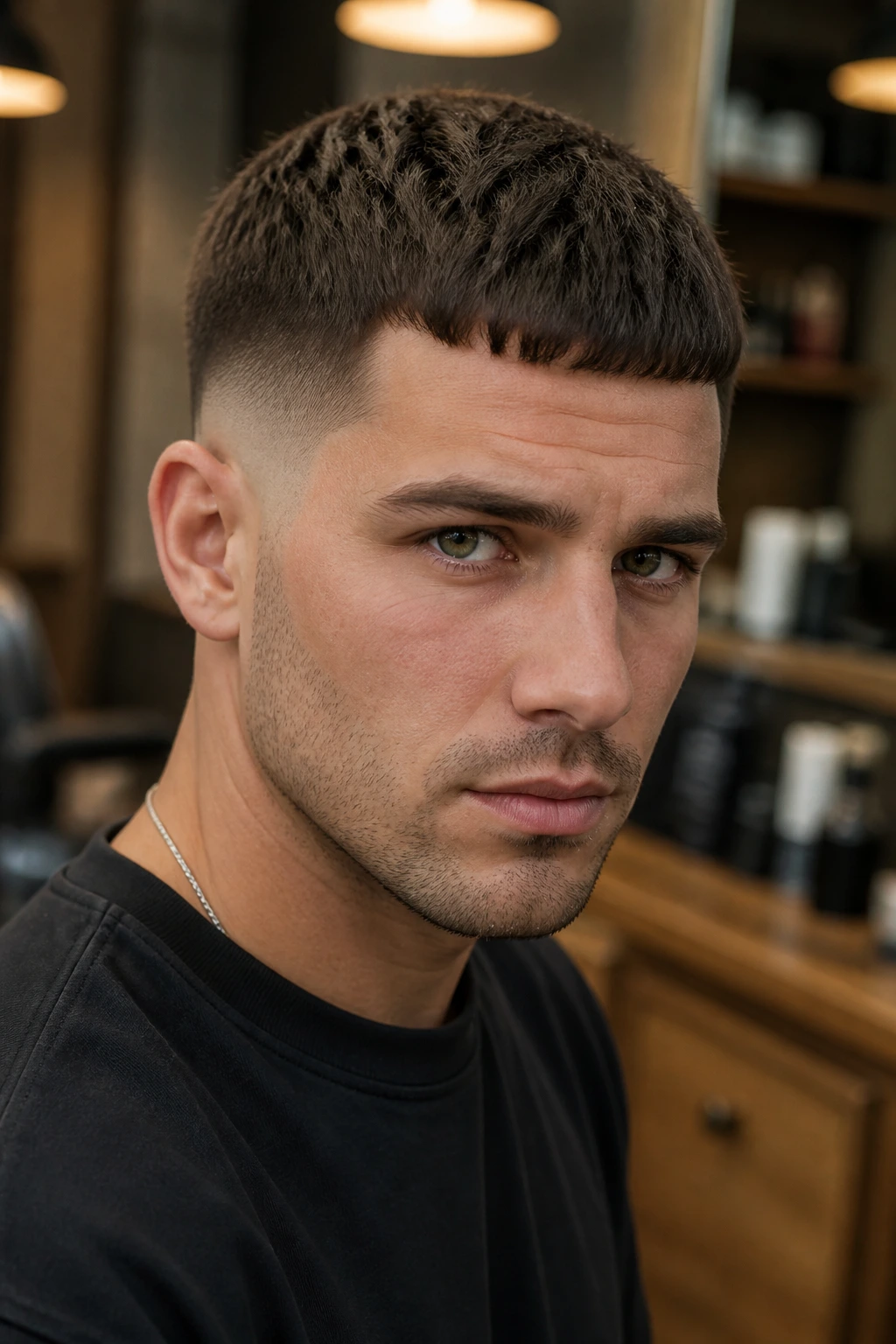
The Caesar cut is one of the most reliable styles for thick-haired men because it essentially forces the hair to cooperate. By cutting it short and brushing it forward into a small, horizontal fringe, you eliminate the possibility of any wild cowlicks or unmanageable waves. The “modern twist” is adding a taper fade on the sides to move it away from the retro look and into something sharper.
Why This is Ideal for Thick Hair
It is the ultimate “set it and forget it” haircut. You literally do not need to style it if you don’t want to. A quick comb-through while it’s wet is all that’s required. It works exceptionally well if you have a square or oval face shape.
A Note on Maintenance
Because the fringe is so short and precise, this style requires the most frequent barber visits of any on this list. If your hair grows even a quarter-inch, the precision of the line at the forehead will start to lose its impact.
9. The Long and Layered Shag
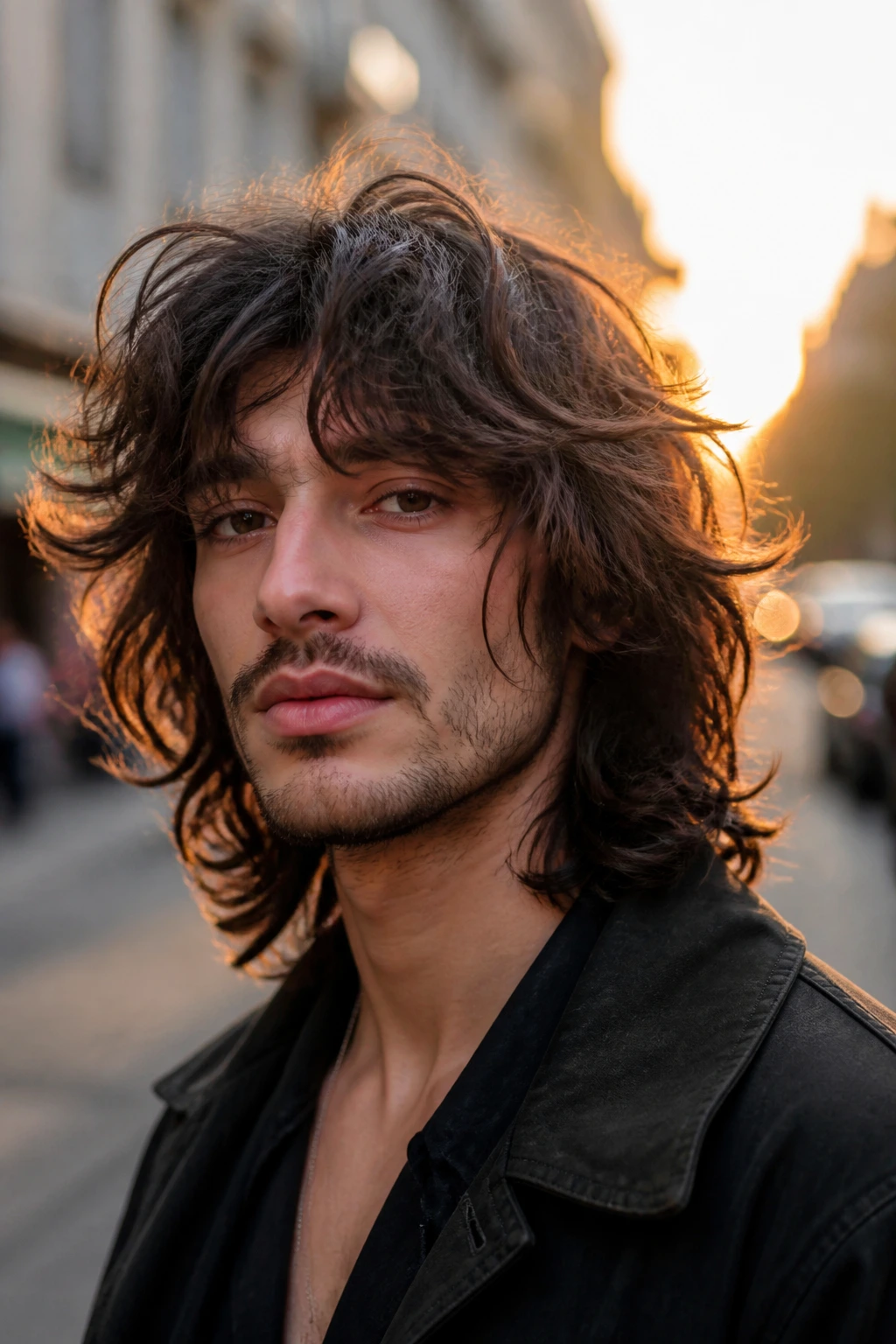
If you aren’t interested in fades or short sides, the shag is your best bet. It is all about embracing the length and the volume. By adding layers throughout, you can break up the density of your hair, preventing that “triangular” look that thick hair often takes on as it grows out long.
Working with Your Natural Texture
The shag thrives on being slightly messy. If your hair has a natural bend to it, this cut will celebrate that. It is the quintessential “cool guy” look—rebellious, relaxed, and very low maintenance.
Handling the Bulk
Ask your stylist to use a thinning blade or point-cutting technique to remove weight from the interior of the hair. This will allow the ends to lie flatter and move more naturally, rather than sticking out like a shelf.
10. The Ivy League Taper
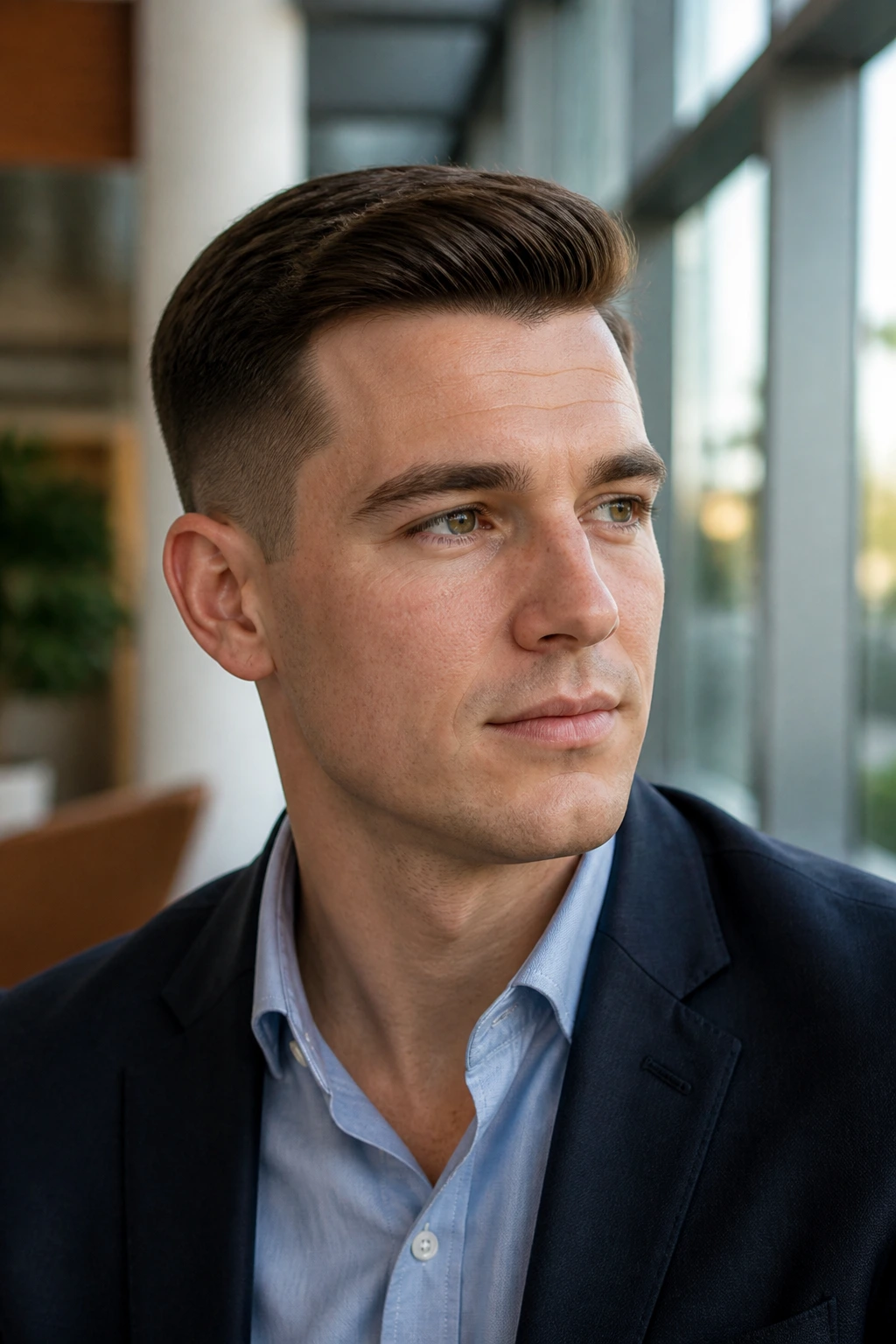
This is the quintessential clean-cut style. It is essentially a shorter, tighter version of the side-swept look. It’s perfect for thick hair because the hair is kept short enough that it doesn’t have the room to get puffy or unmanageable, but long enough on top to keep it looking soft and approachable.
Why it Works
Thick hair holds the shape of an Ivy League taper perfectly. It stays looking groomed and professional from the moment you wake up until the end of the day.
Styling
Use a tiny bit of lightweight grooming cream. You don’t want the hair to look stiff; you want it to look natural and healthy. It is a cut that works with every face shape and is virtually impossible to get wrong.
11. The Surfer-Inspired Flow

For guys who want to keep their hair thick and flowing, the surfer look is all about maintaining length but controlling the shape. This is best achieved by leaving the hair at about chin or shoulder length and adding long, internal layers. This allows the hair to fall around the face rather than ballooning out.
The Role of Salt Water
This look relies on a bit of natural texture. If you aren’t actually surfing, use a sea salt spray to mimic the effect. It gives your thick hair that gritty, “lived-in” quality that makes the look authentic.
Keeping it Healthy
Long, thick hair can get dry quickly. Investing in a quality, sulfate-free conditioner is a necessity here. You want your hair to look like it has “flow” and movement, not like it’s dry and brittle.
12. The Brushed-Back Volume Wave
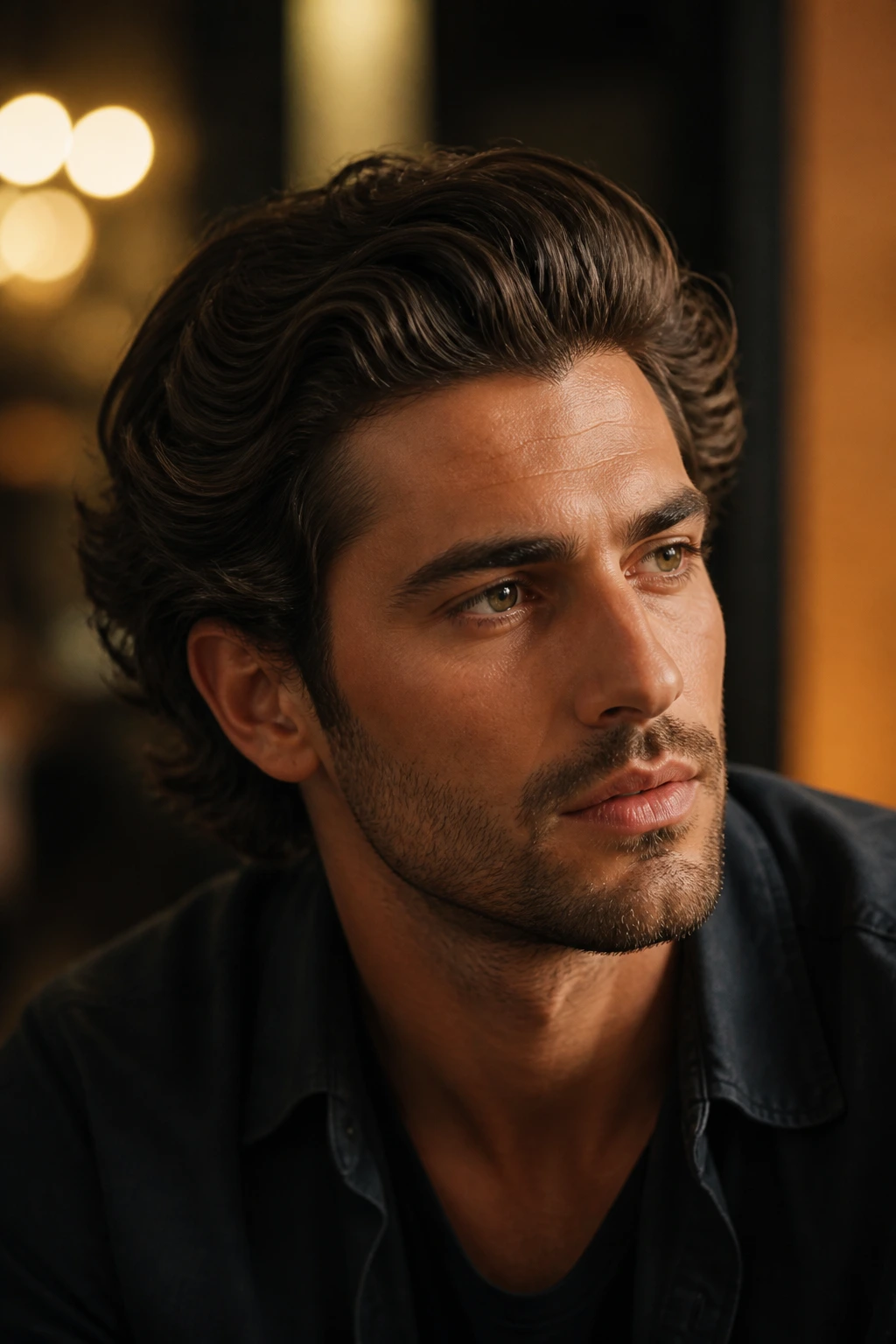
If you have thick hair with a natural, heavy wave, this style is your best friend. Instead of cutting it short to control it, you keep it medium-length and style it by brushing it back with a bit of volume cream. The weight of your hair will naturally create a deep, luxurious wave that looks high-end.
Defining the Shape
You want to keep the sides somewhat tight—a low taper fade is perfect—to ensure the volume is contained on top. This prevents the overall silhouette from looking too wide.
Pro Technique
Use a round brush when blow-drying. It will help you guide the hair back and upward, creating that polished, “movie star” volume that is usually very difficult to achieve with thinner hair types.
13. The Textured Top Knot
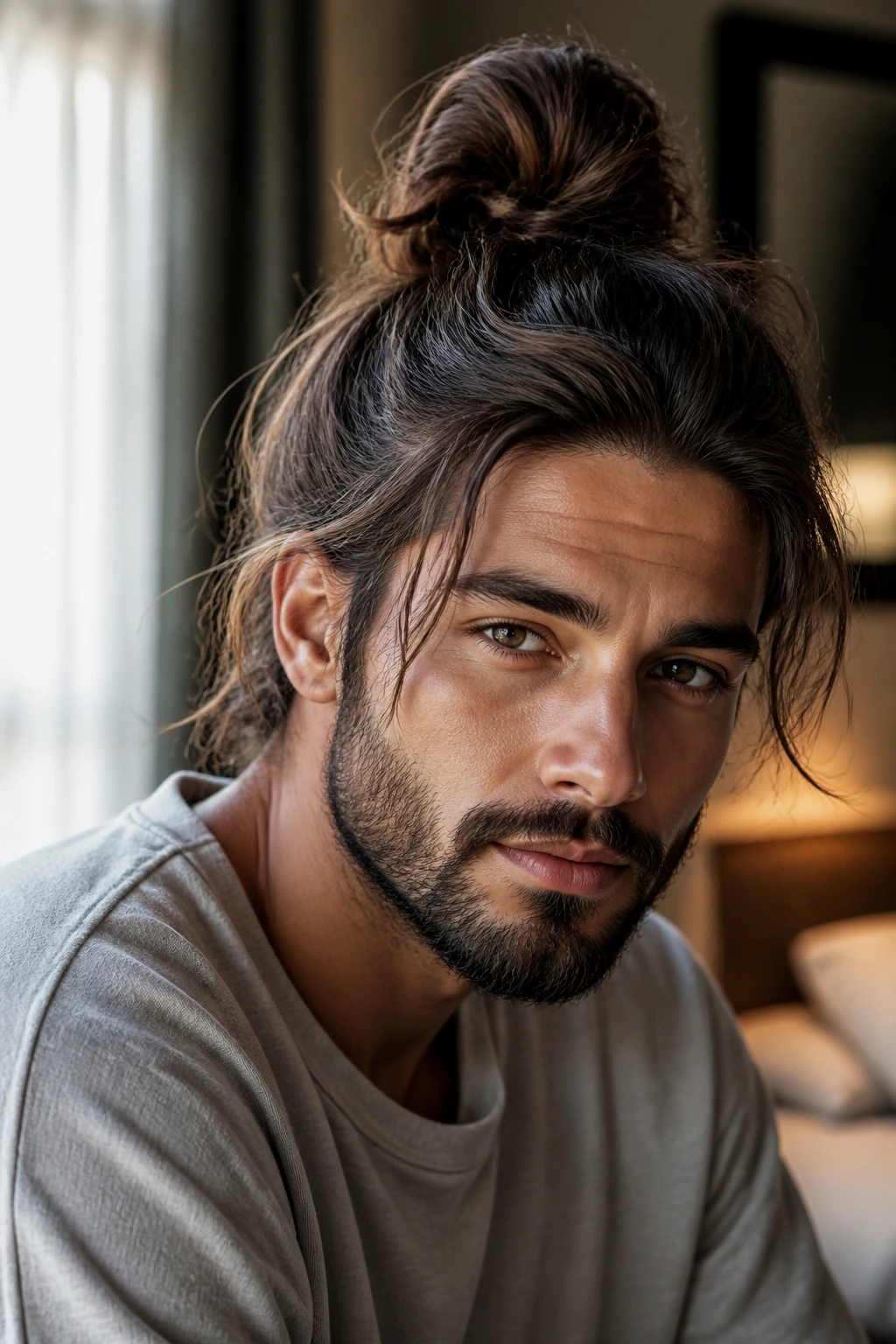
The top knot gets a bad reputation, but it’s actually a very practical solution for thick-haired men who are growing their hair out. The key is in the transition from the sides to the top. If you have thick hair, a top knot can look messy and uneven if the hair isn’t secured properly.
Getting the Look Right
Don’t pull it back too tight. You want a bit of looseness around the face to soften the look. The “textured” aspect comes from allowing some pieces to fall out naturally, rather than securing every single strand into a tight ball.
What to Avoid
Do not pull your hair back when it is soaking wet. This creates too much tension on your roots and can lead to thinning or breakage over time. Let it air-dry to 80% before you put it into the knot.
14. The Spiky Bedhead
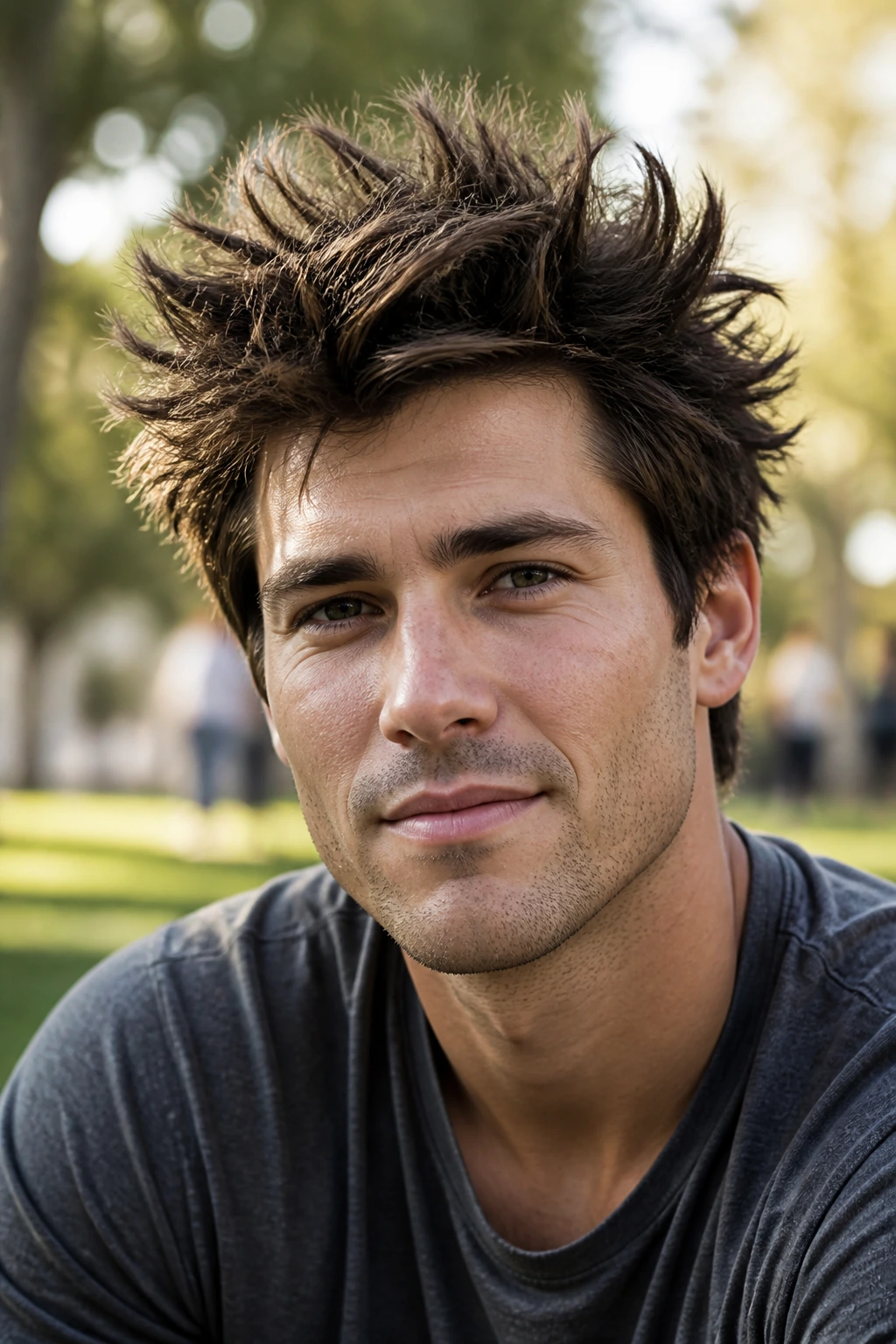
This style is a nod to a more playful aesthetic. It uses the density of your hair to create height and separation. The secret here isn’t a hard gel, but rather a texturizing clay. You want the spikes to be soft and irregular, not sharp and uniform.
The Secret to Spikes
The biggest mistake guys with thick hair make is using too much product, which causes the spikes to clump together and look like giant, greasy horns. Less is more. Focus on the tips of the hair to define the texture.
Why It’s Unique
This is a high-energy look. It’s perfect if you have an active lifestyle and want a cut that can survive a bit of movement. Even if your hair gets windswept, the messiness is built into the style itself.
15. The Mid-Length Center Part

The center part is a bold, confident choice that has made a major comeback. For thick-haired men, it provides a very balanced look. When the hair is thick, a center part falls naturally and stays in place without needing a massive amount of product.
Balancing the Face
This cut frames the face in a way that very few others do. It emphasizes the jawline and cheekbones. If you have a rounder face, keep the hair a bit longer; if you have a sharper face, you can keep the length closer to the chin.
Dealing with Cowlicks
Many men avoid the center part because they are worried about their hairline. If you have a strong cowlick, use a little bit of grooming tonic while the hair is damp. It will help “reset” the hair’s natural direction and make it easier to part down the middle.
16. The Disconnected Pompadour Fade
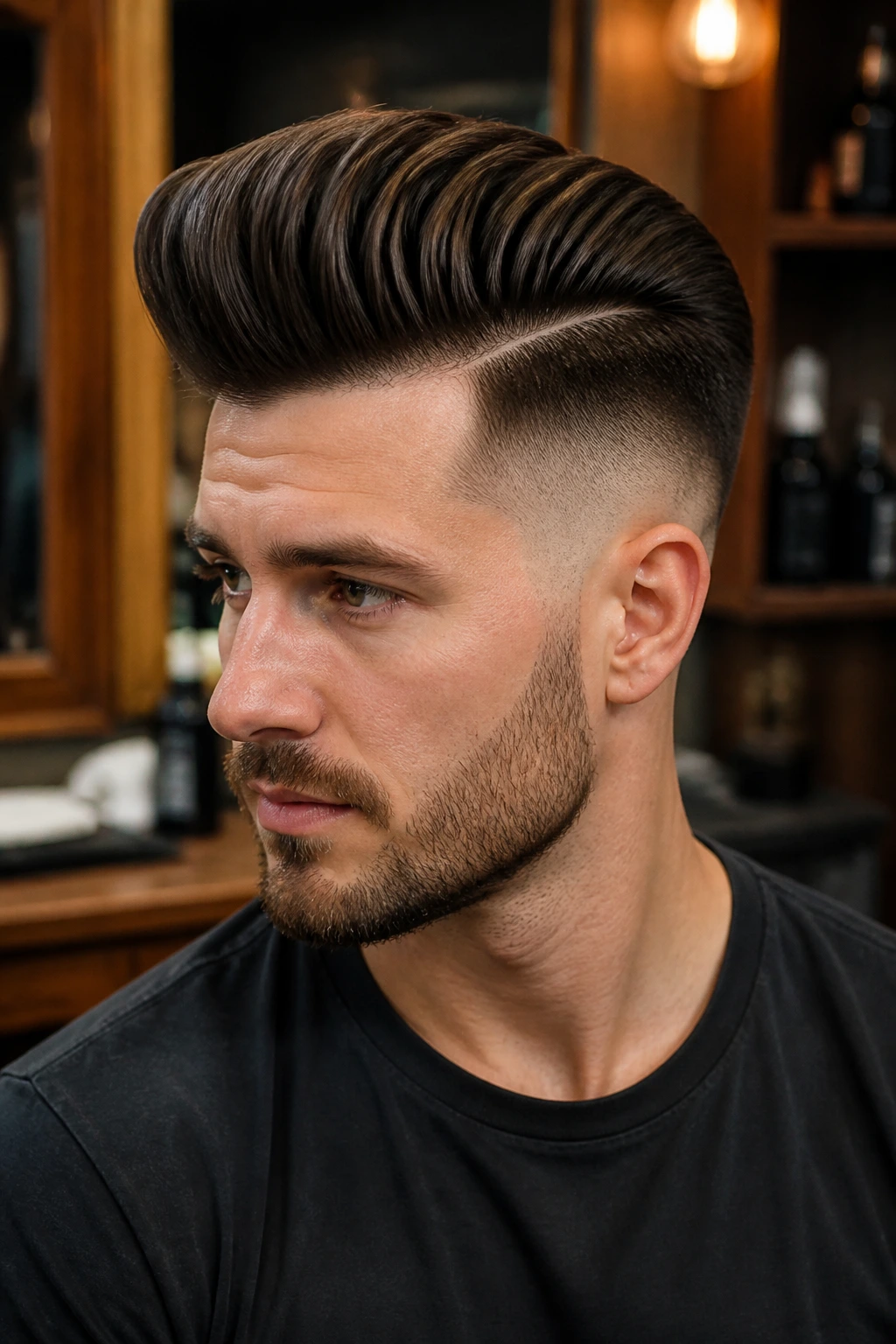
This is the bolder brother of the standard pompadour. The disconnection creates a sharp, architectural edge between the long top and the skin-fade sides. It is a very deliberate style that requires a skilled barber to execute correctly, but the result is a high-fashion look that is extremely popular in the creative industries.
The Importance of the Fade
Because the top is so long and dense, you need a high-contrast fade to keep the overall look balanced. A skin-fade or a zero-guard fade is the standard here. It prevents the hair from looking like it’s just a giant blob on top of your head.
Daily Maintenance
You will need to get the sides touched up every ten days. This is a high-maintenance cut, but for the right person, the look is worth the time commitment.
17. The Textured Crop with Fringe
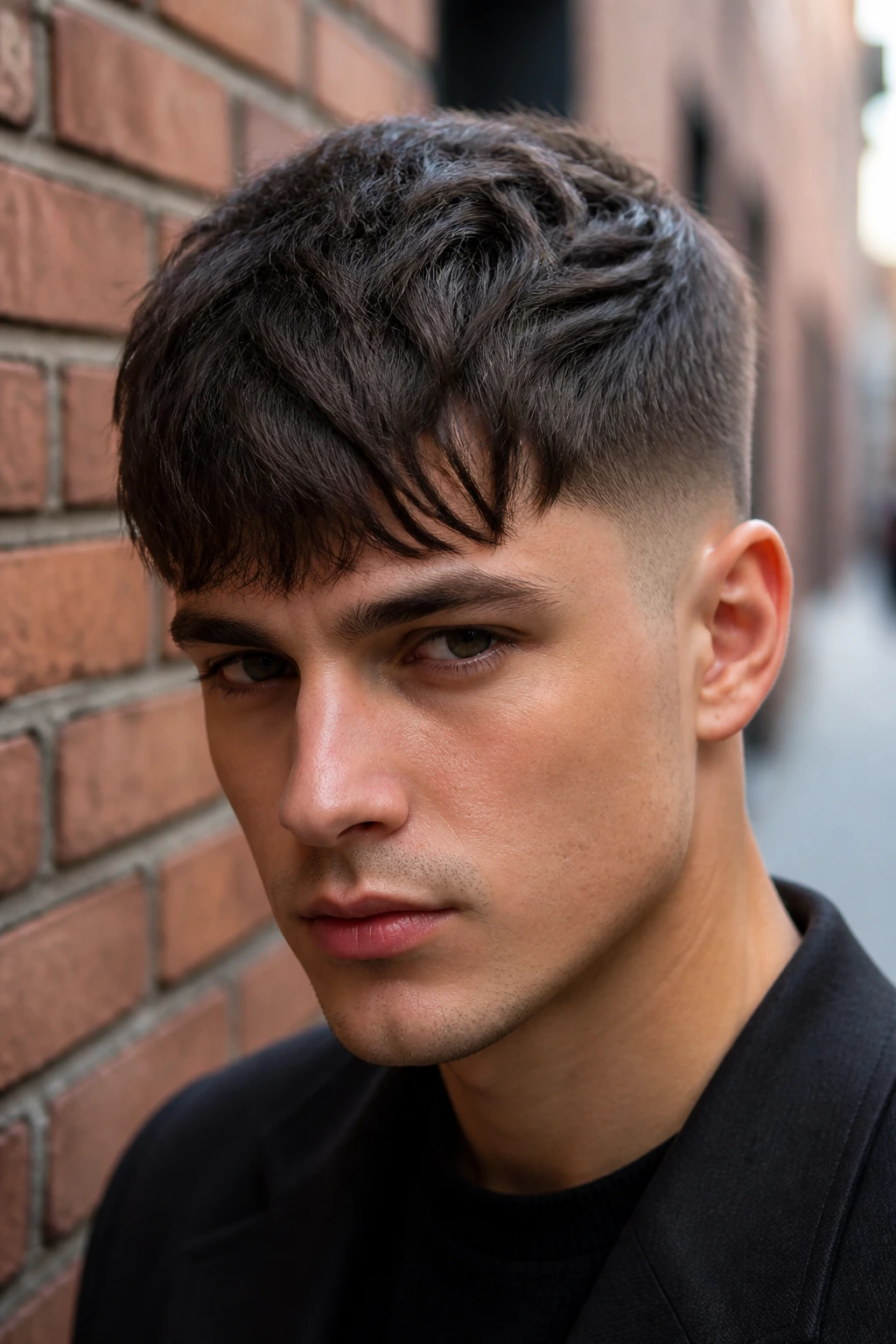
This cut combines the benefits of the short, textured crop with the face-framing appeal of a fringe. It’s a great option if you want to mask a high forehead while keeping the sides and back extremely clean. The texture on the top of the head is the key—it prevents the fringe from looking like a flat block.
Versatility
This style can be worn messy with matte clay for the day, or slicked down with a bit of cream for a more formal event. It is one of the most versatile options on the list.
Why It Suits Thick Hair
Your hair density is what gives this look its “weight.” On someone with thin hair, this cut would look wispy. On someone with thick hair, it looks substantial and intentional.
18. The Rugged Undercut
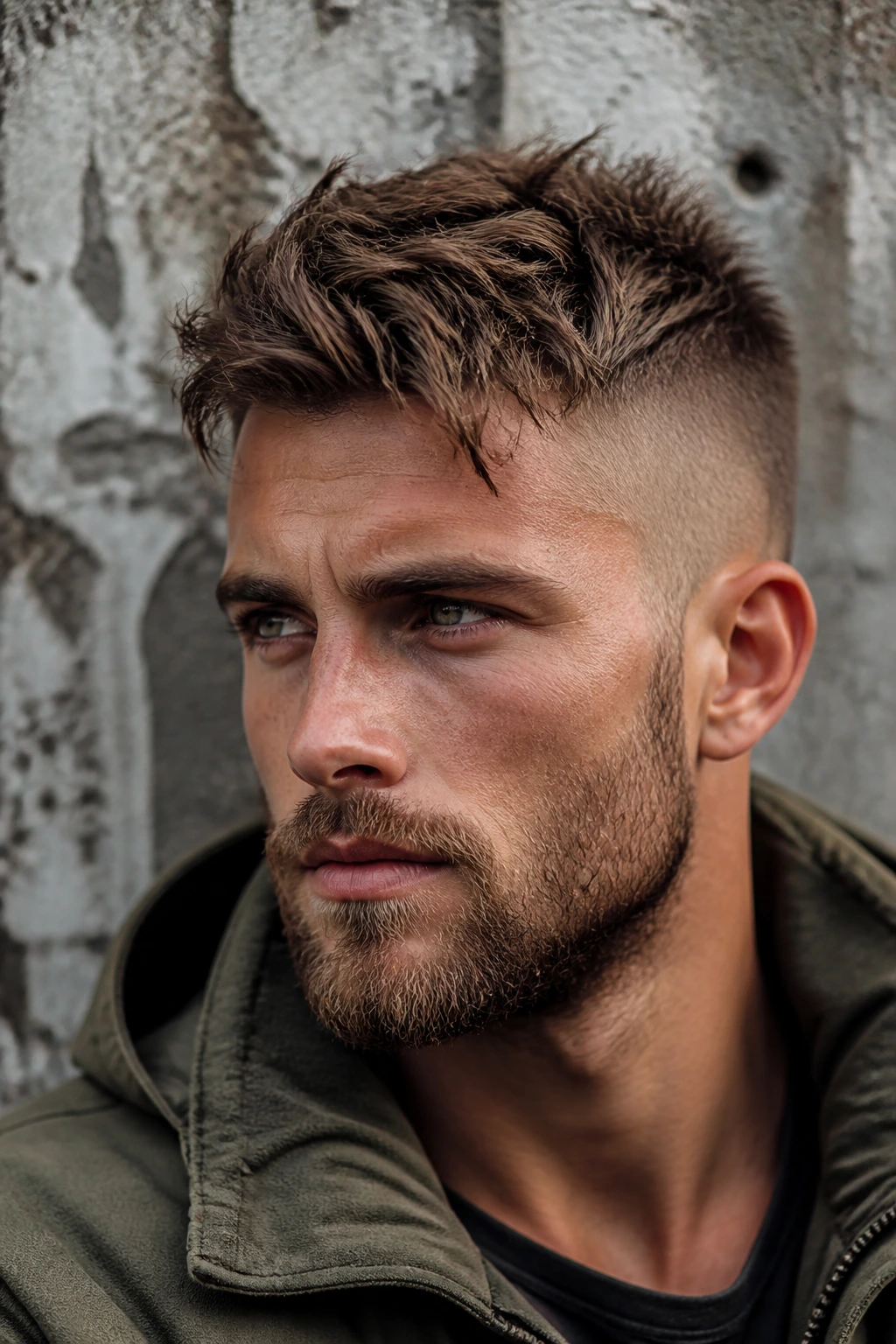
If you want a look that feels tough and outdoorsy, the rugged undercut is the way to go. It keeps the hair at a moderate length on top—about three or four inches—and is paired with shorter, uniform sides. It isn’t a fade, but rather a tapered cut that leaves enough length on the sides to look masculine and strong.
The “Rugged” Finish
You aren’t going for a polished look here. You want the top to have some movement and the sides to look like they’ve been buzzed down for functionality. A dry-finish texturizing spray is the only product you’ll need.
Who Should Choose This
If you live in a climate where you are always on the go, or if you simply prefer a style that doesn’t need to be checked in a mirror every hour, this is the one. It looks better the more lived-in it gets.
Final Thoughts
Your thick hair isn’t a problem to be solved; it’s a stylistic resource that most people would kill for. The key to mastering these looks is communication with your barber. Always bring photos, but more importantly, talk about the texture of your hair. Tell them exactly how much time you are willing to spend styling in the morning. If you hate hair dryers, say that. If you are fine with using a few different products, say that, too.
The most successful haircuts are the ones that align with your lifestyle. A sharp fade might look great, but if you aren’t going to visit the barber every two weeks to maintain it, you’ll end up hating the look. Be realistic about your routine. Stick to cuts that enhance your natural growth patterns rather than fighting against them. At the end of the day, the best hairstyle is the one that makes you feel confident enough to walk into a room and not worry about your hair at all.