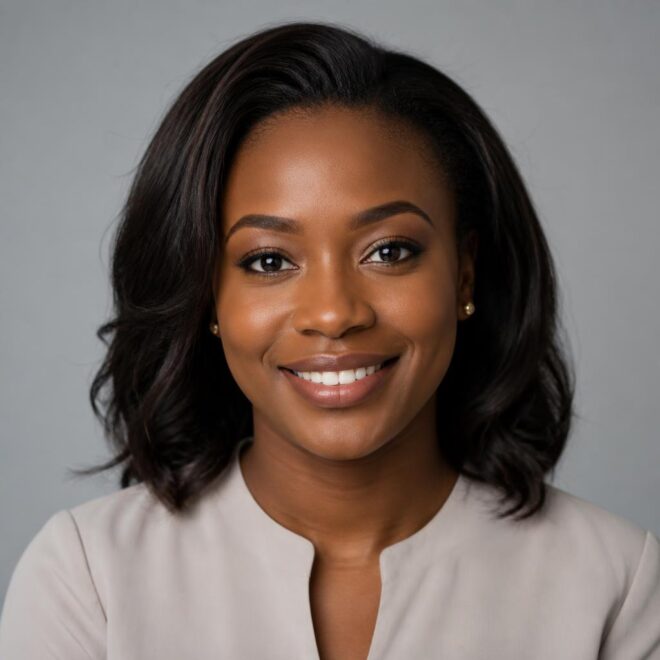


The inverted bob is a masterclass in geometry. When you combine that sharp, angled silhouette with the natural texture of curly or coiled hair, you get something that feels less like a salon visit and more like architecture. It is not just about lopping off length; it is about respecting the spring-back factor, the density of your curls, and the way your hair wants to live when it is left to its own devices. Moving into a stacked, inverted bob requires a stylist who understands that your hair does not behave like straight strands.
If you have spent years fighting your natural texture, this might be the style that finally makes you stop. The back view—the “stacked” portion—is where the magic happens. By creating shorter layers at the nape, you build an automatic, permanent volume that stays lifted without a single pump of mousse. This shape thrives on weight distribution. It keeps the hair off your neck during those sticky, humid afternoons while allowing the curls around your face to frame your features with whatever level of drama you prefer.
1. The Classic Tight Stack with Tapered Nape
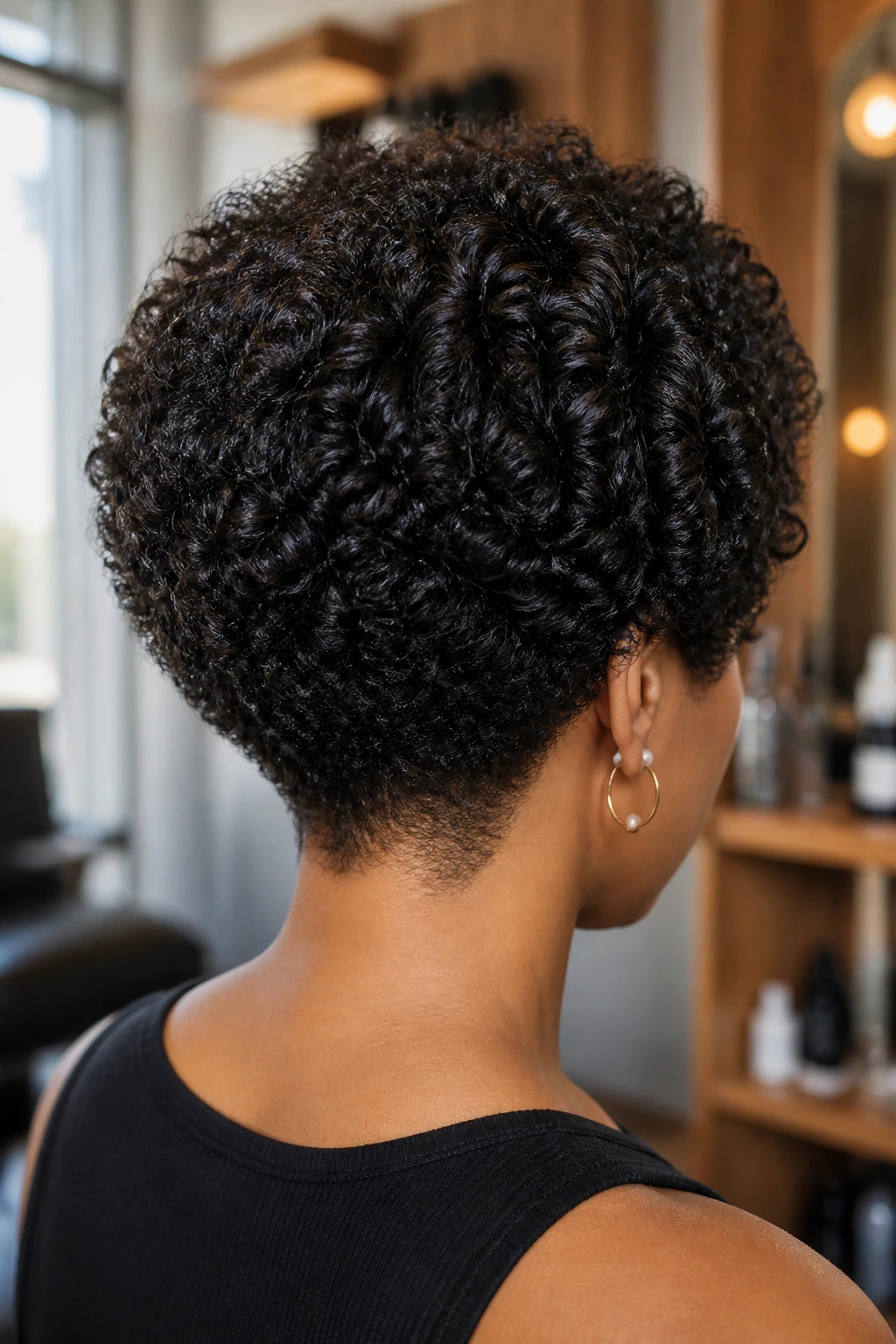
This look is all about precision. The nape is cut incredibly close to the hairline, almost echoing the aesthetic of a pixie cut, before it rapidly builds into those signature stacked layers. For natural hair, this creates a clean, architectural line that makes the back of your head look perfectly rounded.
How it Benefits Natural Texture
Because the hair at the nape is so short, you eliminate the friction that often leads to matting or tangling against high collars. It lets the hair in the middle of your head—the thickest part—provide the “stack” or internal weight that pushes the style outward.
- Maintenance: You will need a clean-up on the nape every six weeks to keep that sharp, tapered edge.
- Styling Tip: Apply a lightweight curl cream to the mid-lengths while the hair is damp to encourage definition without dragging down the volume.
- Ideal For: Those with dense, tightly coiled hair who want a low-maintenance back profile.
2. The Soft-Layered Inverted Bob
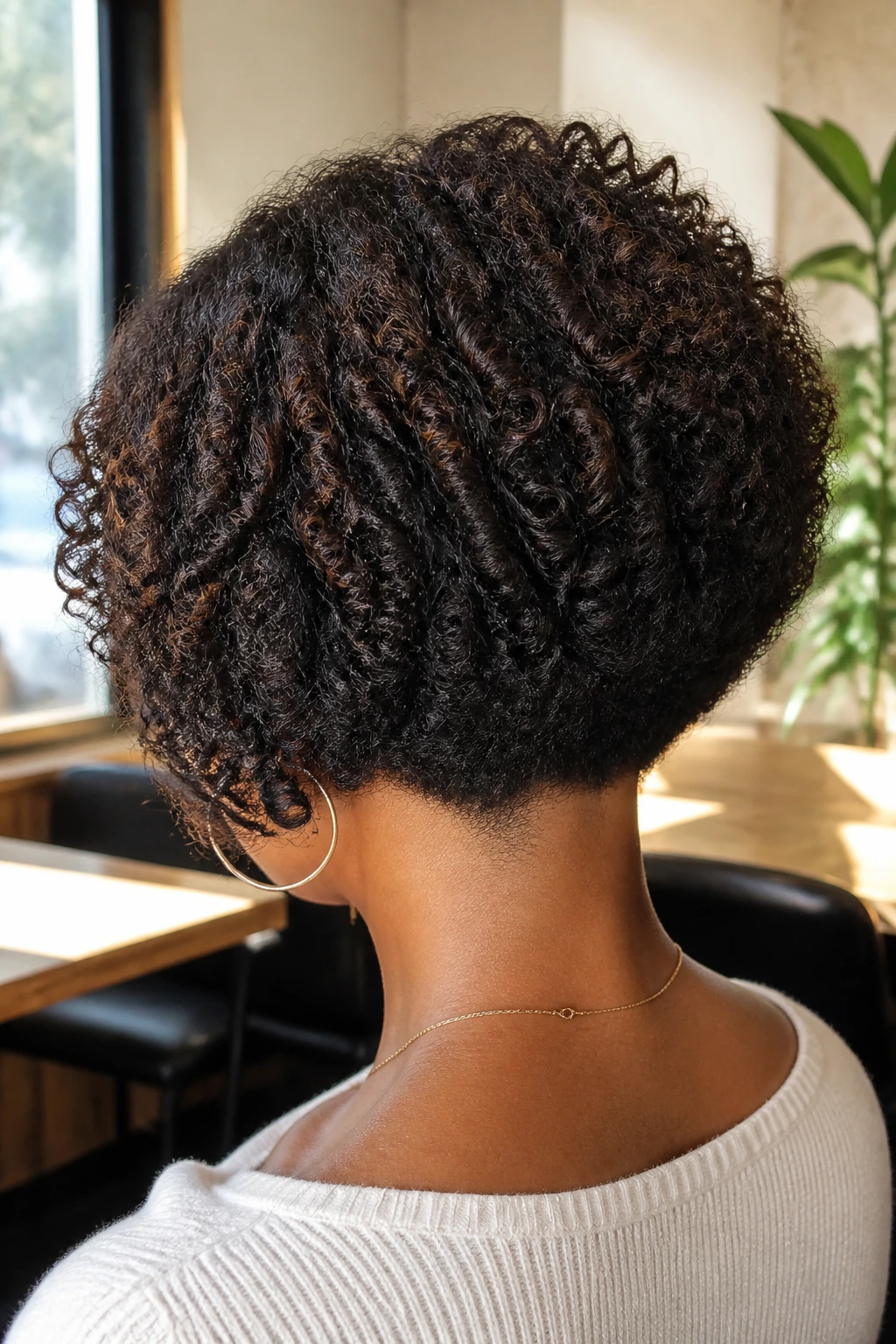
Not everyone wants a sharp, geometric edge. If you prefer a more blended look, the soft-layered inverted bob uses point-cutting rather than blunt snips. The back view shows a gradual incline, with the layers stacked just enough to offer lift without feeling aggressive or overly stylized.
Why This Style Feels Approachable
This version works particularly well if you are transitioning or if you have a mix of curl patterns. Because the layers are cut with a softer hand, they blend into one another more naturally. It avoids the dreaded “shelf” effect that can happen with poorly executed stacked cuts.
- The Look: Think rounded, airy, and bouncy.
- Best For: Individuals with finer natural hair who need help creating the appearance of thickness.
3. The Dramatic Angled Bob for Coils
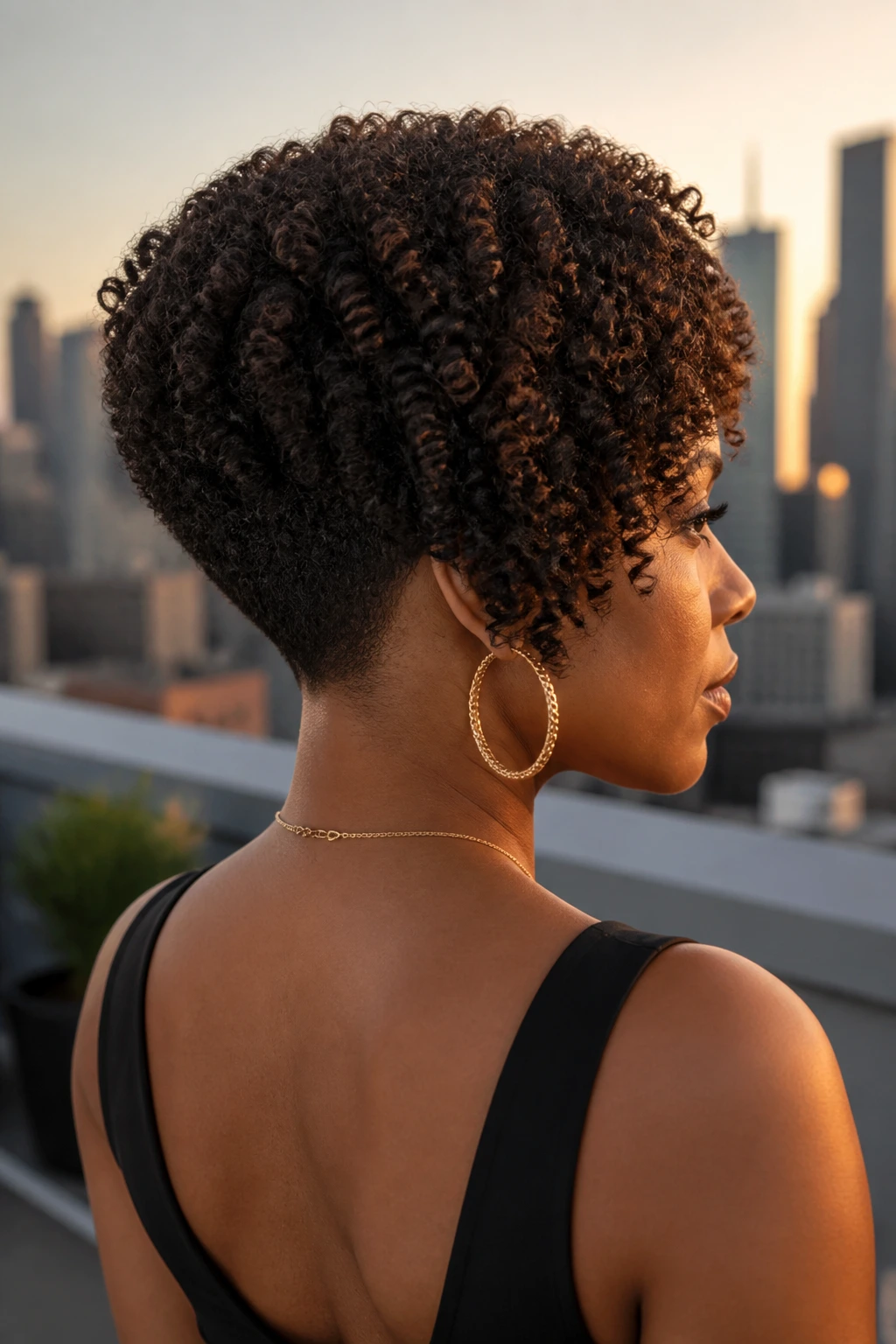
When you want the world to know you mean business, you go for the dramatic angle. This cut starts at a very short length at the nape and sweeps down aggressively toward the jawline. The stack in the back is pronounced, creating a bold, V-shaped profile that looks striking from the side and the rear.
Mastering the Angle
The success of this cut depends entirely on the graduation of the layers. The goal is to ensure the transition from the nape to the crown is seamless. If the layers are too sparse, the stack looks thin. If they are too heavy, you lose the shape.
- Pro Tip: Ask your stylist to use a razor or thinning shears on the very tips of your curls to keep them from looking blunt and boxy.
- Visual Impact: This style is essentially an oval frame for your face, emphasizing your cheekbones and jaw.
4. The Curly Stacked Bob with Undercut
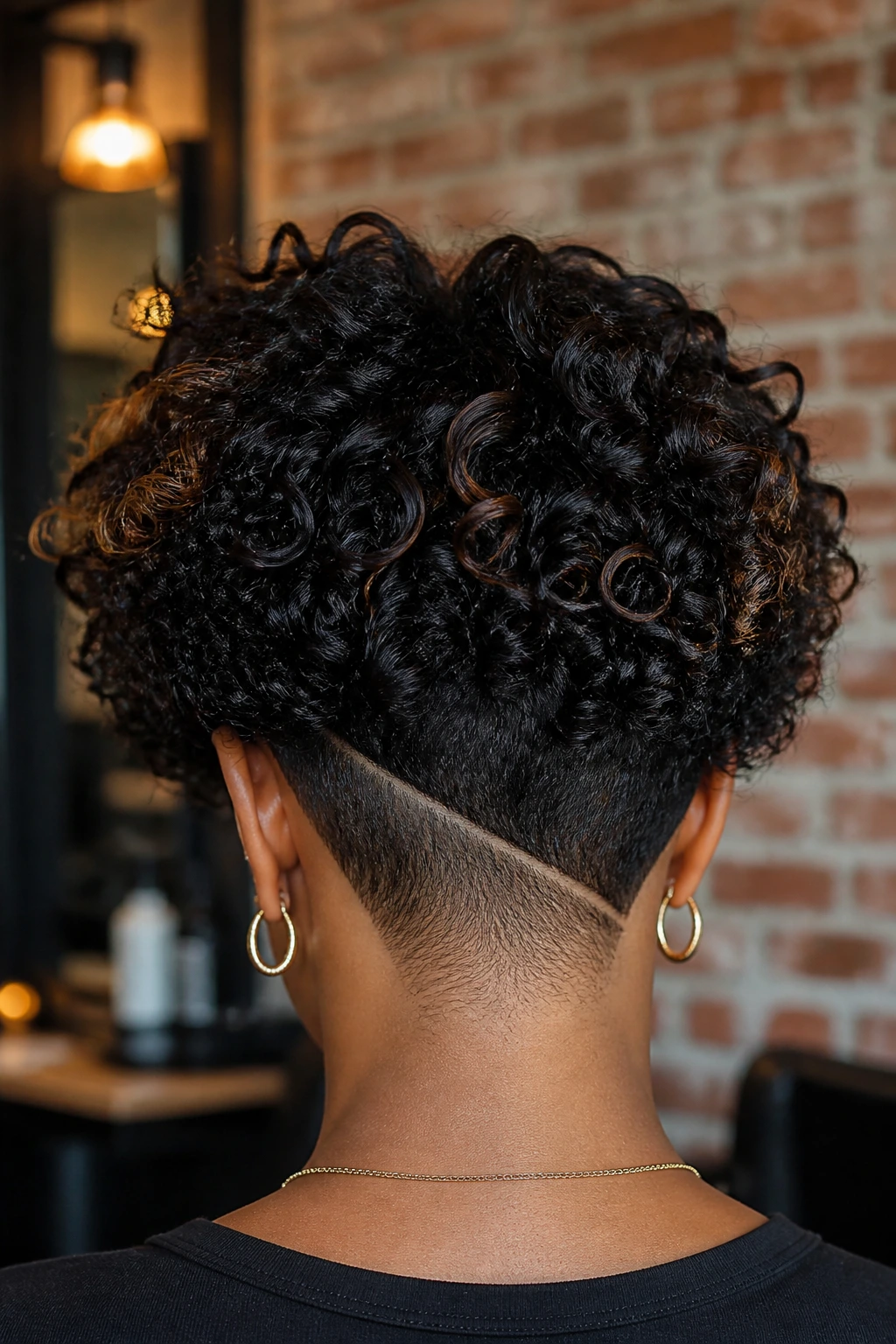
Adding an undercut to the nape of a stacked bob is a bold, modern move that solves the problem of “bulk” for those with high-density hair. By buzzing the very bottom inch of hair, you provide a clean, flat foundation that makes the stacked layers above it pop even more.
Why It Works for High-Density Hair
If your hair tends to grow “out” rather than “down,” the undercut is your best friend. It removes the extra weight right at the neck, allowing the rest of the curls to sit flatter against the head while maintaining that iconic stacked height at the crown.
- The Edge: You can even experiment with designs in the undercut—a simple line or a subtle pattern adds an extra layer of personality.
- Maintenance: The undercut grows out quickly, so expect to visit the barber or salon every four weeks for maintenance.
5. The Rounded “Mushroom” Stack
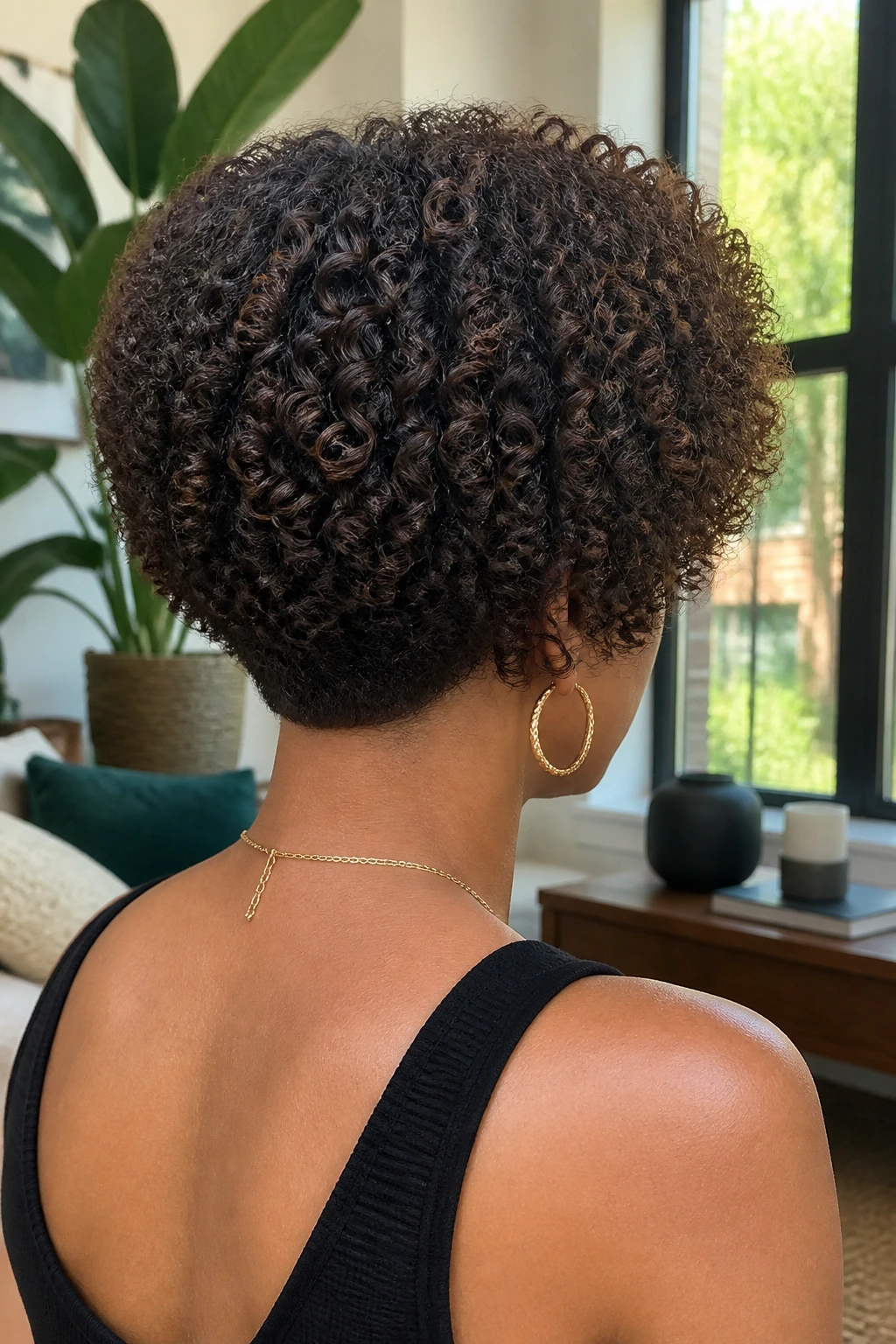
The rounded stack is a nod to vintage silhouettes, but with a modern, textured twist. Instead of the sharp, diagonal line of an inverted bob, this version focuses on creating a spherical shape in the back. It is soft, voluminous, and incredibly chic.
Achieving the Perfect Shape
This style relies on internal layering to create a dome-like effect. It is perfect for those who want a style that looks great without having to fight with their hair every morning. A little bit of oil, a quick shake, and you are ready to go.
- Hair Type Recommendation: Works best for 3B to 4A curls where the hair has enough natural bounce to hold the rounded shape.
- Volume Check: If the back feels flat, ask for more “texturizing” layers at the crown to add internal support.
6. The Long-Inverted Stacked Bob
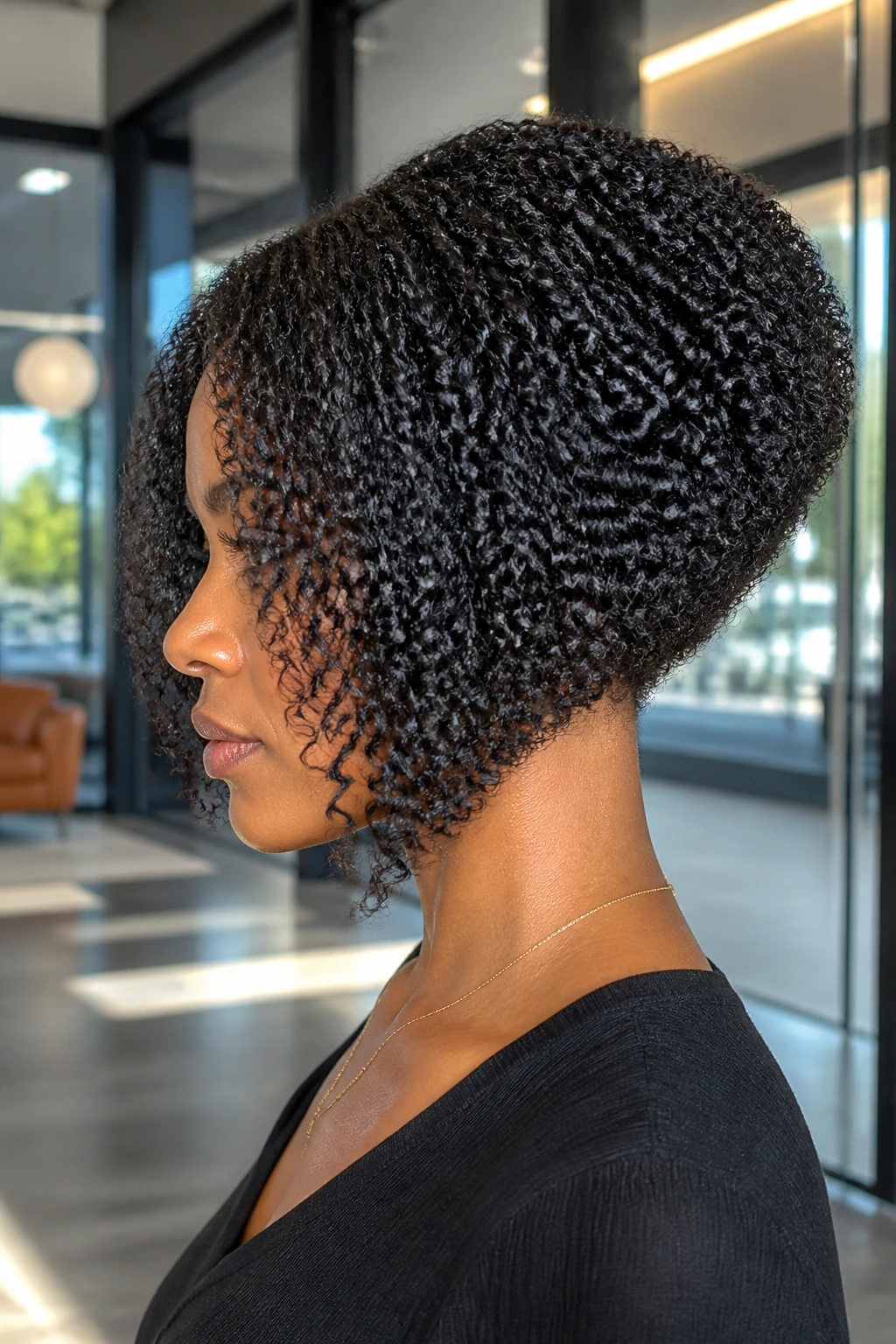
If you are hesitant to go too short, the long-inverted bob—often hitting just above the collarbone—is the perfect compromise. The back is still stacked and angled upward, but the front pieces provide enough length to tie back if necessary.
Balancing Length and Lift
The beauty of the long version is that it retains the weight of your hair, which can help elongate your natural curls. It is a more forgiving style for those new to short hair.
- Styling Versatility: Because you have more length in the front, you can play with different parts, accessories, or even a deep side bang.
- Final Result: A sophisticated, grown-up look that feels polished enough for the office but wild enough for the weekend.
7. The Asymmetrical Stacked Inverted Bob
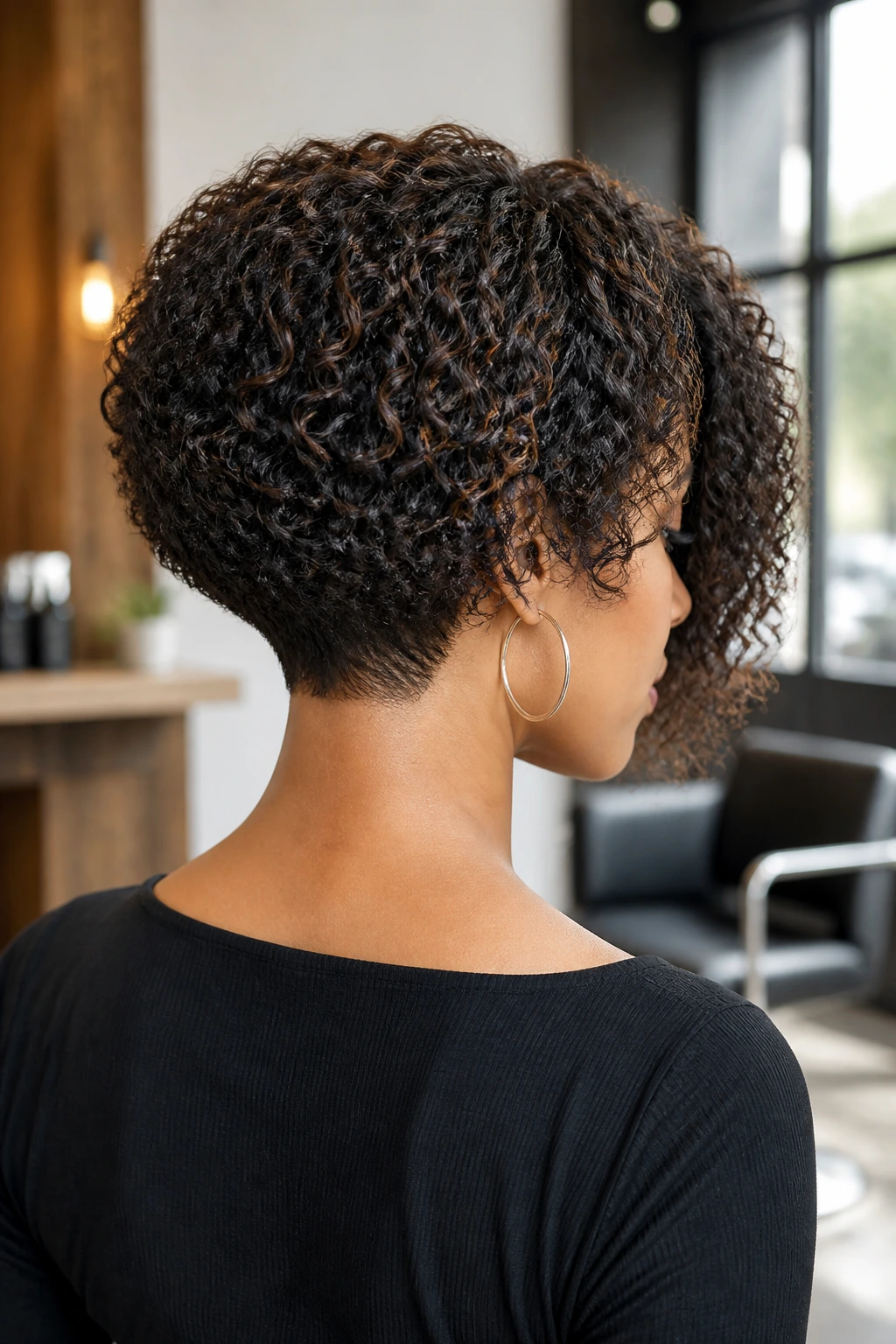
Why keep things even? An asymmetrical stack shifts the angle, making one side slightly longer than the other. When viewed from the back, this creates a dynamic, off-center line that feels edgy and bespoke.
The Power of Asymmetry
This cut is all about drawing the eye. It breaks up the uniformity of a standard bob, which can be particularly flattering if you have strong features. It feels less “pre-planned” and more like an extension of your own natural movement.
- Technique: Your stylist will focus on “mirroring” the length to ensure that while it is asymmetrical, the stacked nape remains consistent.
- Personalization: You can opt for a subtle difference or a stark, dramatic length contrast.
8. The Tight Coil Stack with Side-Swept Volume
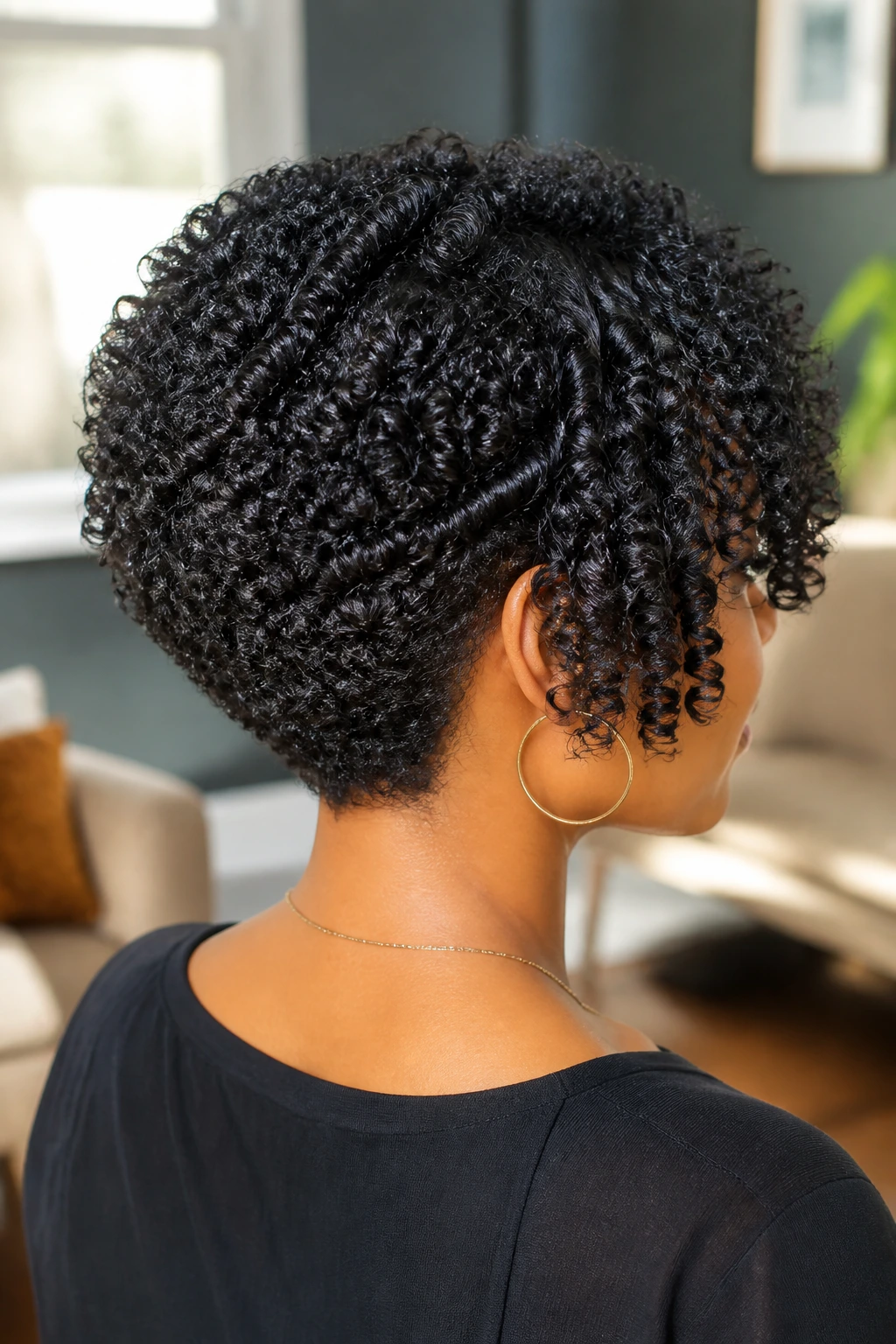
For those with 4C hair, a stacked bob is an incredible way to showcase the strength of your coils. This look features a short, tight stack in the back that flows into fuller, elongated curls toward the front. It is a celebration of texture.
Why Texture Matters
The key here is hydration. Because the stack is built on shorter, tighter coils, they need to be well-moisturized to stay defined. When they are dry, the stack can look frizzy rather than sculptural. Use a rich shea or mango butter-based styler to ensure the back view looks sleek and healthy.
- The Finish: Keep the front curls slightly more hydrated and stretched to ensure they frame your face beautifully.
9. The Minimalist Stacked Bob
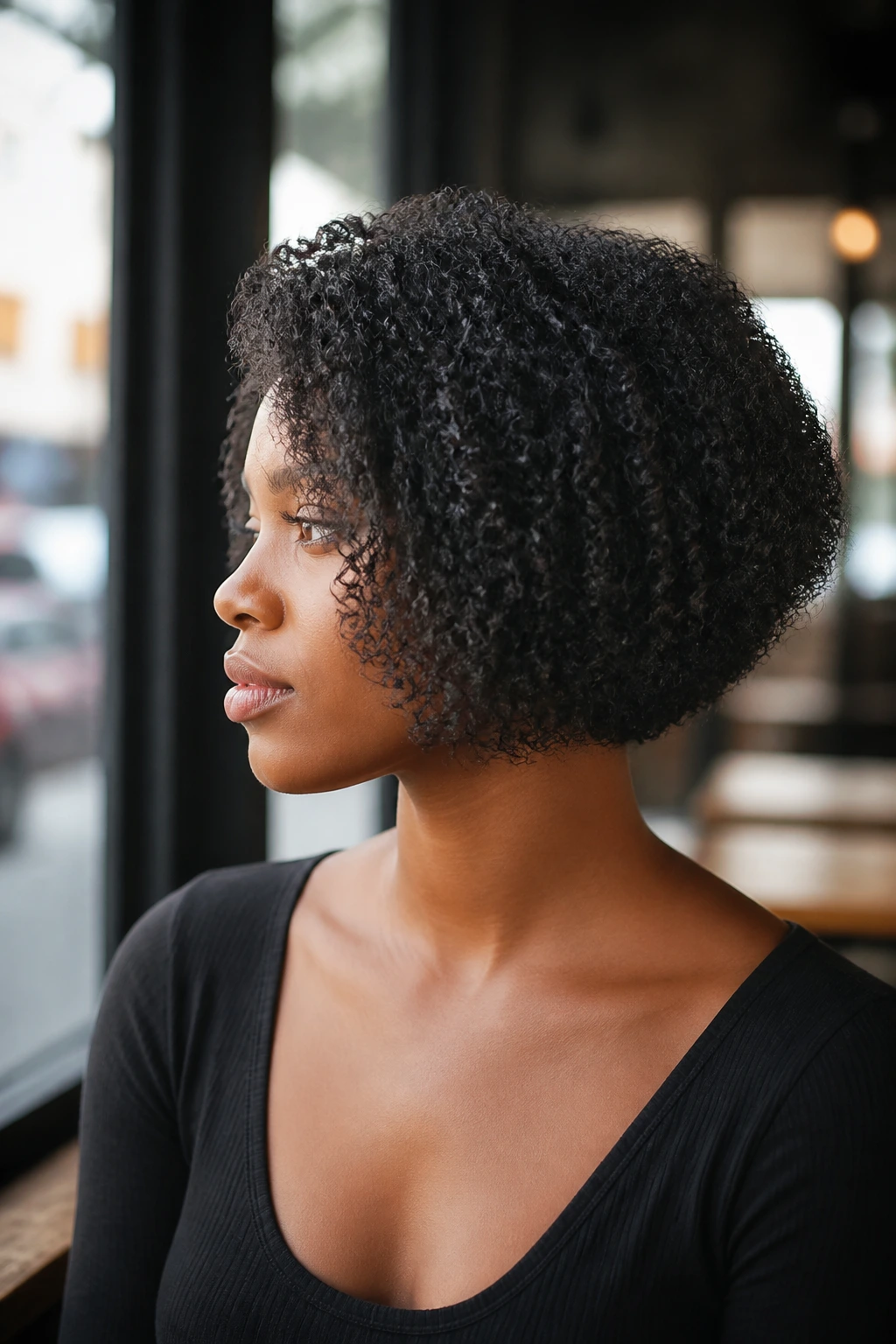
Sometimes, the best hair is the kind that feels barely touched. A minimalist stacked bob is cut in a way that respects the growth pattern of your hair completely. It is not overly layered or thinned out; it is simply a blunt, angled cut with just enough stack to avoid a flat head.
The “Clean” Aesthetic
This is the ultimate low-maintenance style. It does not require special products to create lift because the shape is built into the cut itself. It is for the person who wakes up, shakes their hair, and walks out the door.
- Maintenance: Requires a trim every 8 to 10 weeks, as the growth pattern will be less noticeable as it gets longer.
- Verdict: Unpretentious, cool, and effortless.
10. The Stacked Bob with Defined Taper
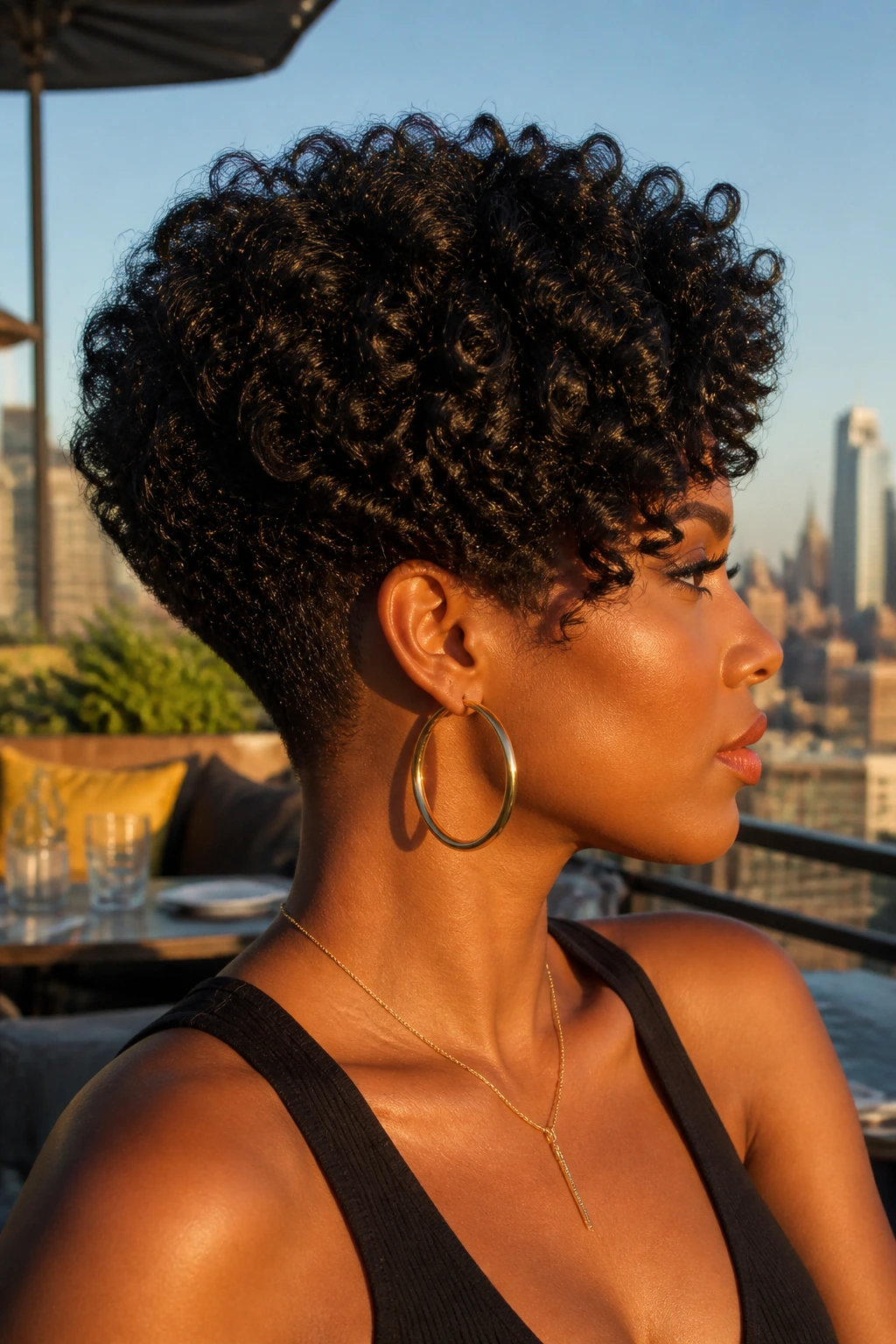
If you want the benefits of a pixie cut but the aesthetic of a bob, the tapered stack is the answer. This cut features a very sharp transition from a short, faded nape to a full, rounded bob. The stack is incredibly high and dense, providing a lot of “oomph” at the crown of the head.
How to Style the Crown
With this much volume at the top, you want to ensure your curls don’t turn into a triangle. Use a diffuser on a cool setting to dry the hair at the roots; this forces the curls to stand up rather than settle down.
- Why It Works: It is a high-fashion look that commands attention. It highlights the neck and shoulders, making it a great choice for wearing statement jewelry.
11. The Softly Graduated “Lob” Stack
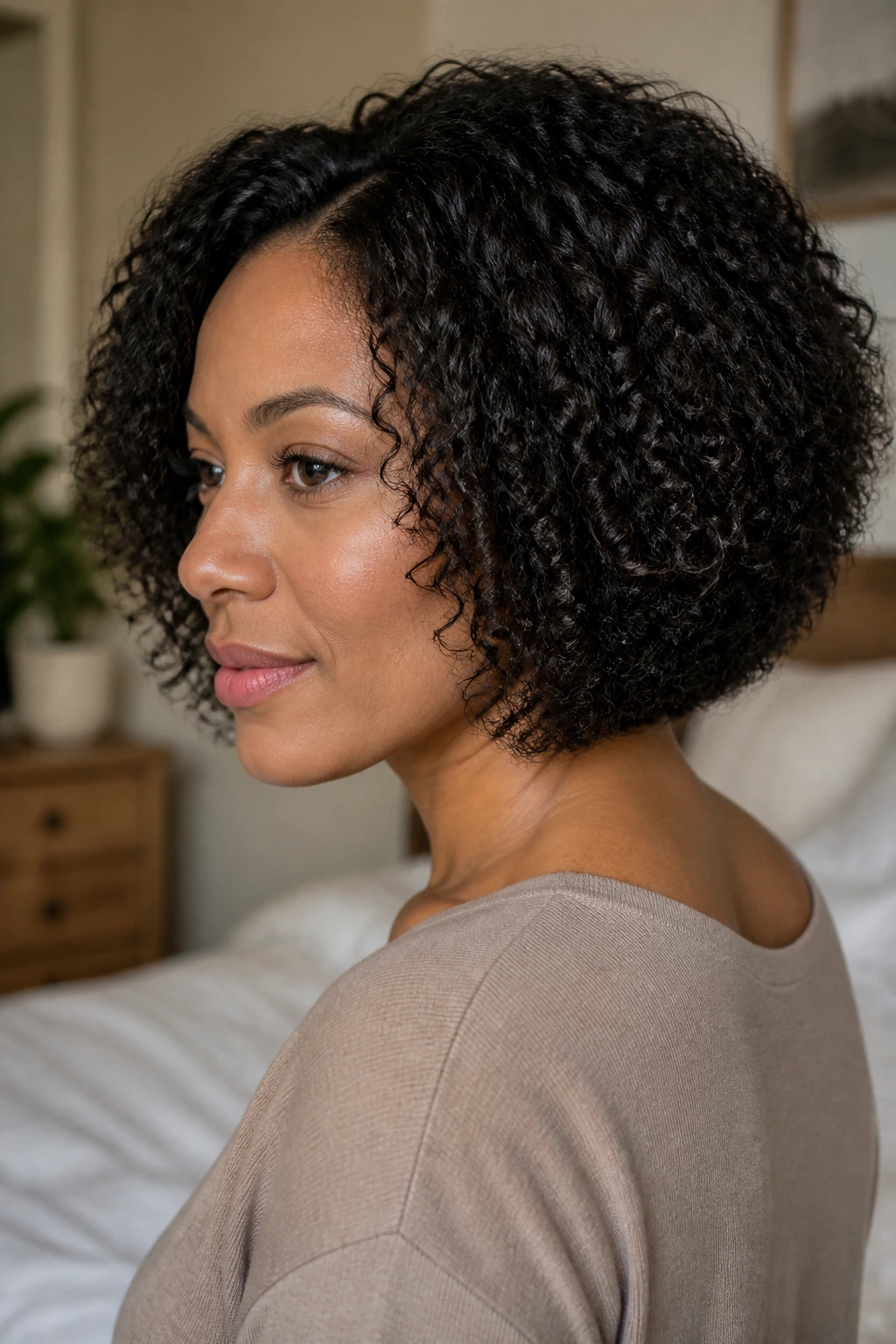
The “lob” version of a stacked bob sits right at the base of the neck. It is a fantastic option if you like to have enough hair to tuck behind your ears. The back view features a much shallower incline, making it less intense than the classic inverted bob.
Is This the Right Length for You?
If you have a round face shape, this length is often the most flattering. The extra length helps elongate the silhouette, balancing the roundness of your features.
- Variation: Ask for “invisible” internal layers to keep the weight from sitting too heavily on your shoulders.
- Practicality: Easy to manage, easy to wash, and always looks put-together.
12. The Pixie-Bob Hybrid Stack
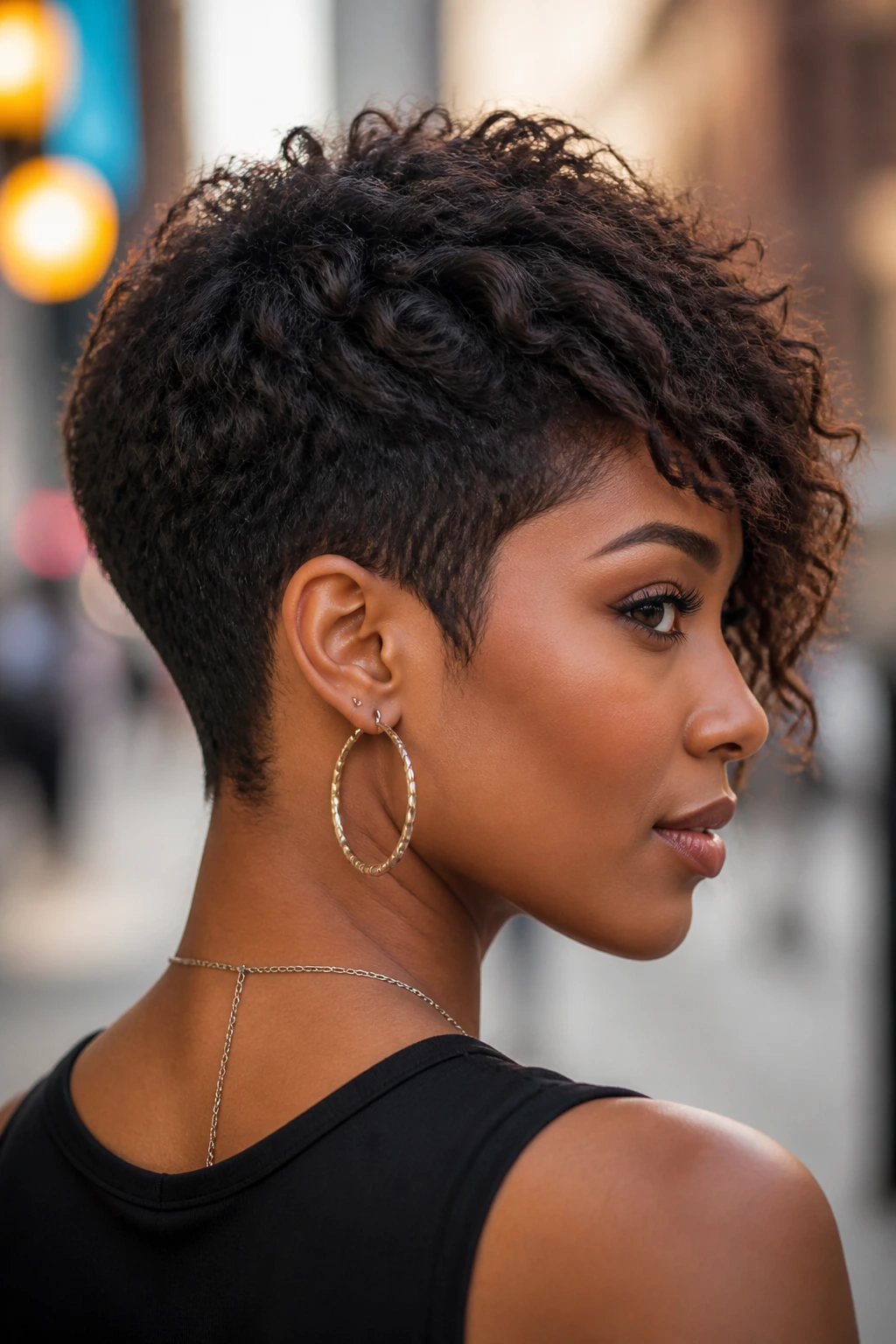
This is for the brave. It is effectively a short, stacked bob that leans heavily into pixie territory. The back is incredibly short, almost like a fade, while the front keeps a bit of length to give you some styling options.
The Hybrid Advantage
You get the best of both worlds: the ease of short hair and the feminine framing of a bob. It is a style that requires confidence, but it pays off in sheer ease of living.
- The Vibe: Sharp, clean, and modern.
- Top Tip: Because the nape is so short, your hairline will be on full display—ensure it is lined up correctly.
13. The Curly Stack with Feathered Layers
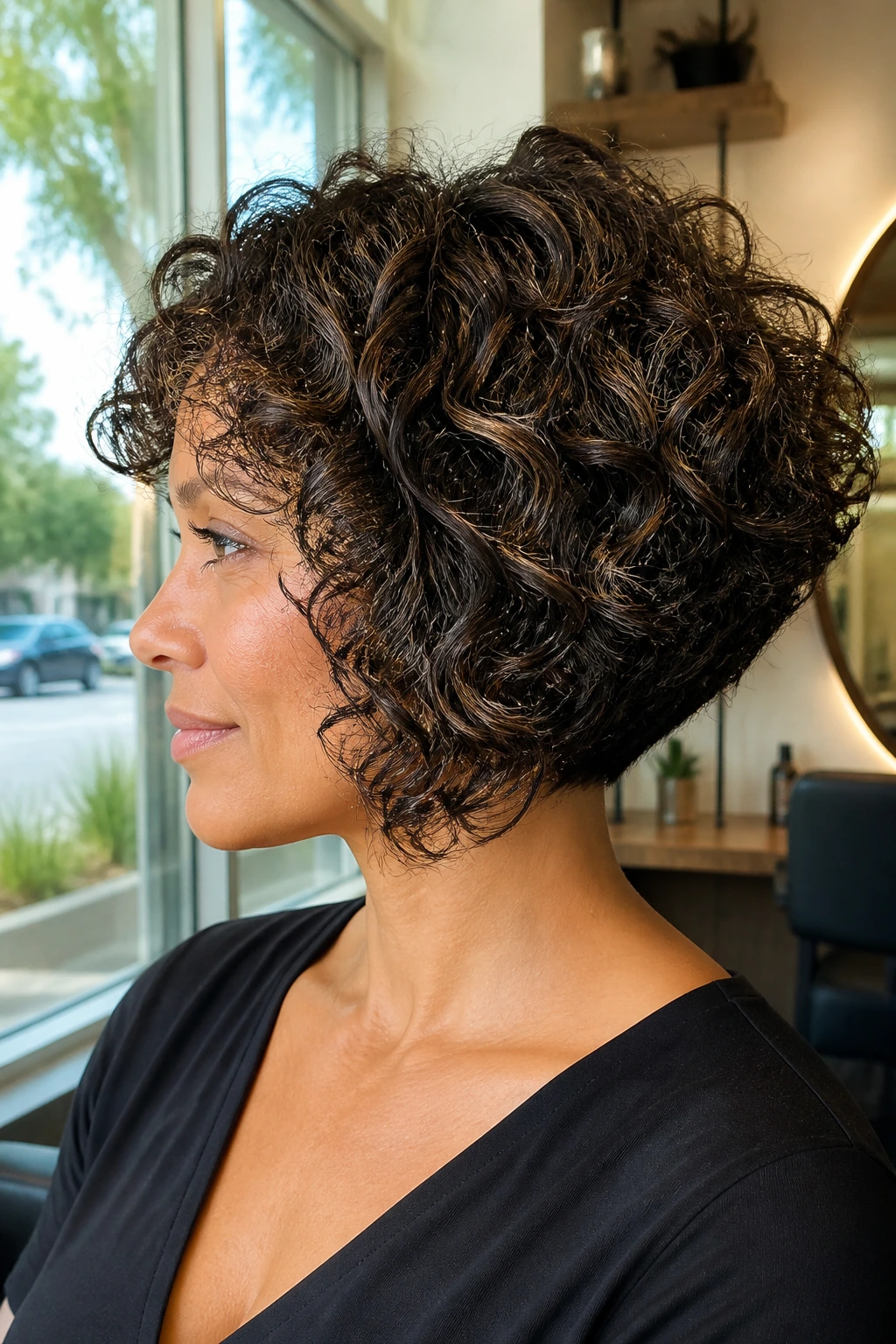
Feathering is a technique where the stylist cuts into the ends of the curls at an angle to make them move more freely. When applied to a stacked bob, it prevents the hair from clumping together too much, giving the back of your head a soft, cloud-like appearance.
The Benefit of Movement
Natural hair can sometimes feel static. Feathering adds a sense of “breeze” to the cut. Even when you aren’t moving, the hair looks like it has a life of its own. It is a great way to soften a very severe, angular cut.
- Why Choose This: If you have thick, heavy curls that tend to look “blocked,” this will break them up.
14. The Stacked Bob with “Hidden” Volume
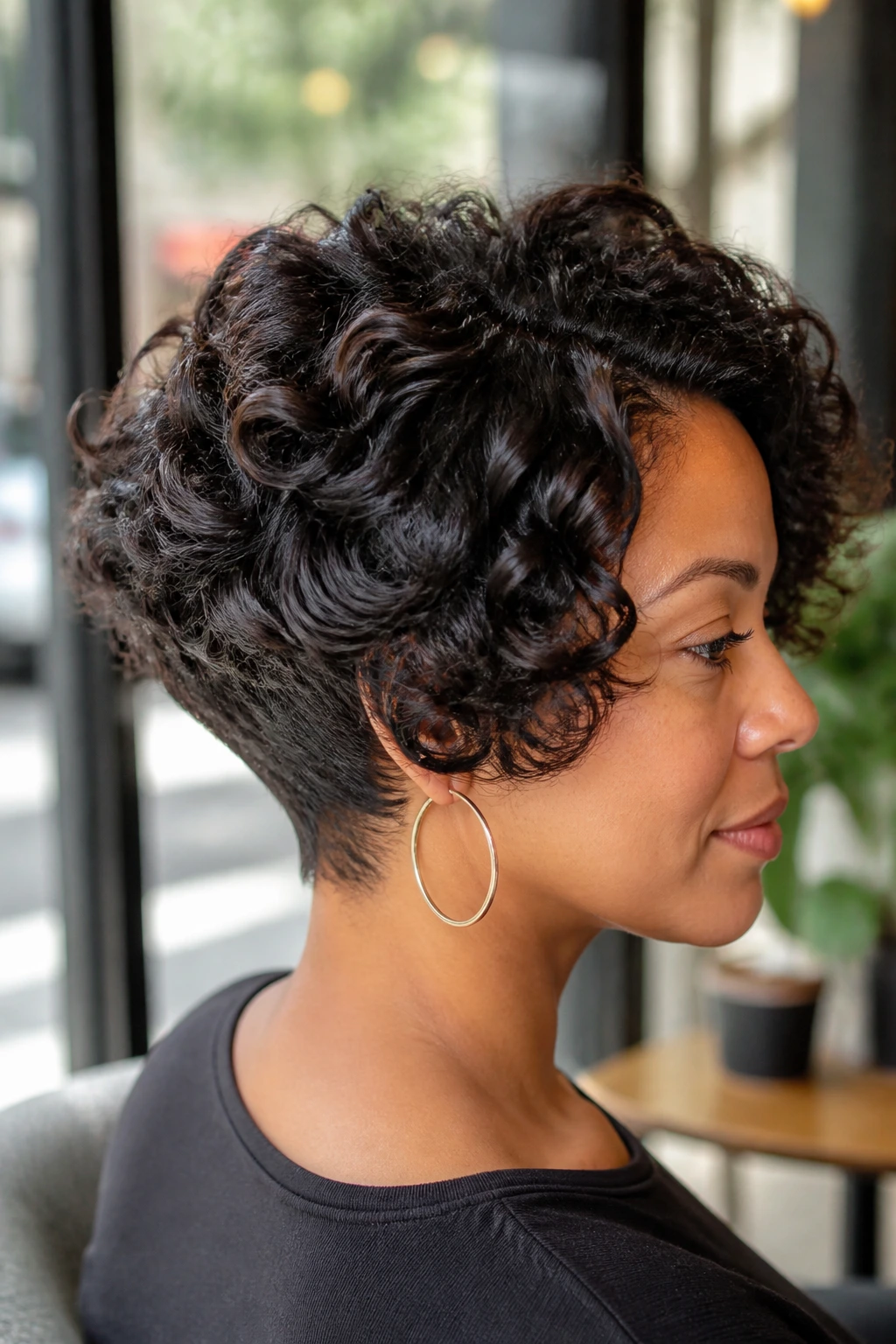
For those who want volume without the appearance of a big, stacked pyramid, internal layering is the answer. The stylist cuts the bottom of the hair to follow your head shape, but cuts hidden layers underneath the crown to push the curls up.
Mastering Internal Weight
It is the difference between a haircut that looks good in the salon and one that looks good three weeks later. By building support underneath the top layer, the hair maintains its shape without needing a mountain of product.
- Result: A natural, healthy-looking silhouette that feels weightless.
15. The Deep-Part Inverted Stack
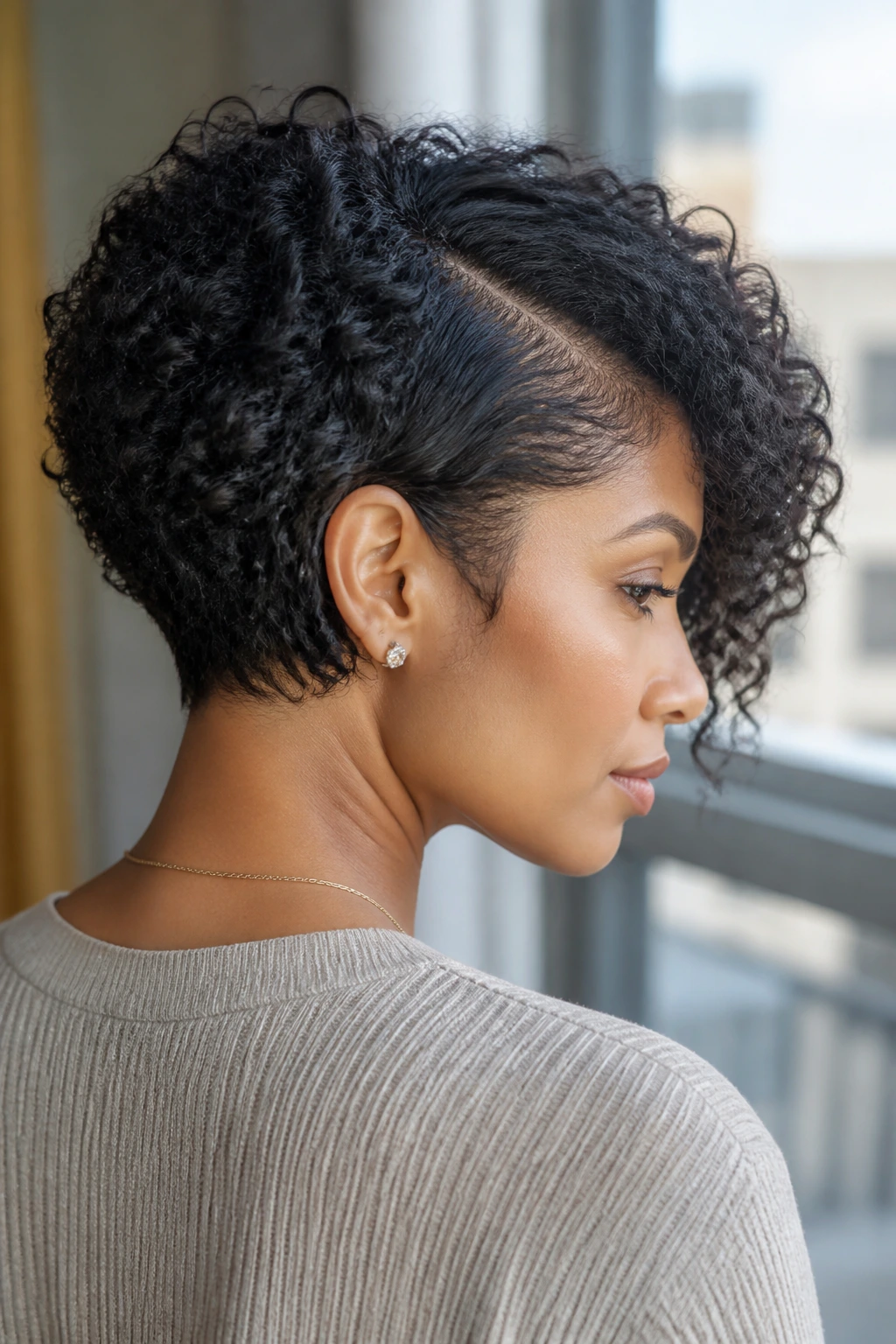
Sometimes the cut isn’t just about the back—it’s about how the hair falls. A deep side part added to an inverted bob changes the way the stack is viewed from the rear. It pulls hair across the head, which can create a more balanced look if one side of your hair is thicker than the other.
Styling for Balance
Use a comb to create a sharp part while the hair is soaking wet. This ensures that as the hair dries, the curls set into that position. It prevents the hair from wandering throughout the day.
- Added Detail: The deep part naturally adds height to the crown, which complements the stacked back perfectly.
16. The Rounded Nape Stack with Full Front
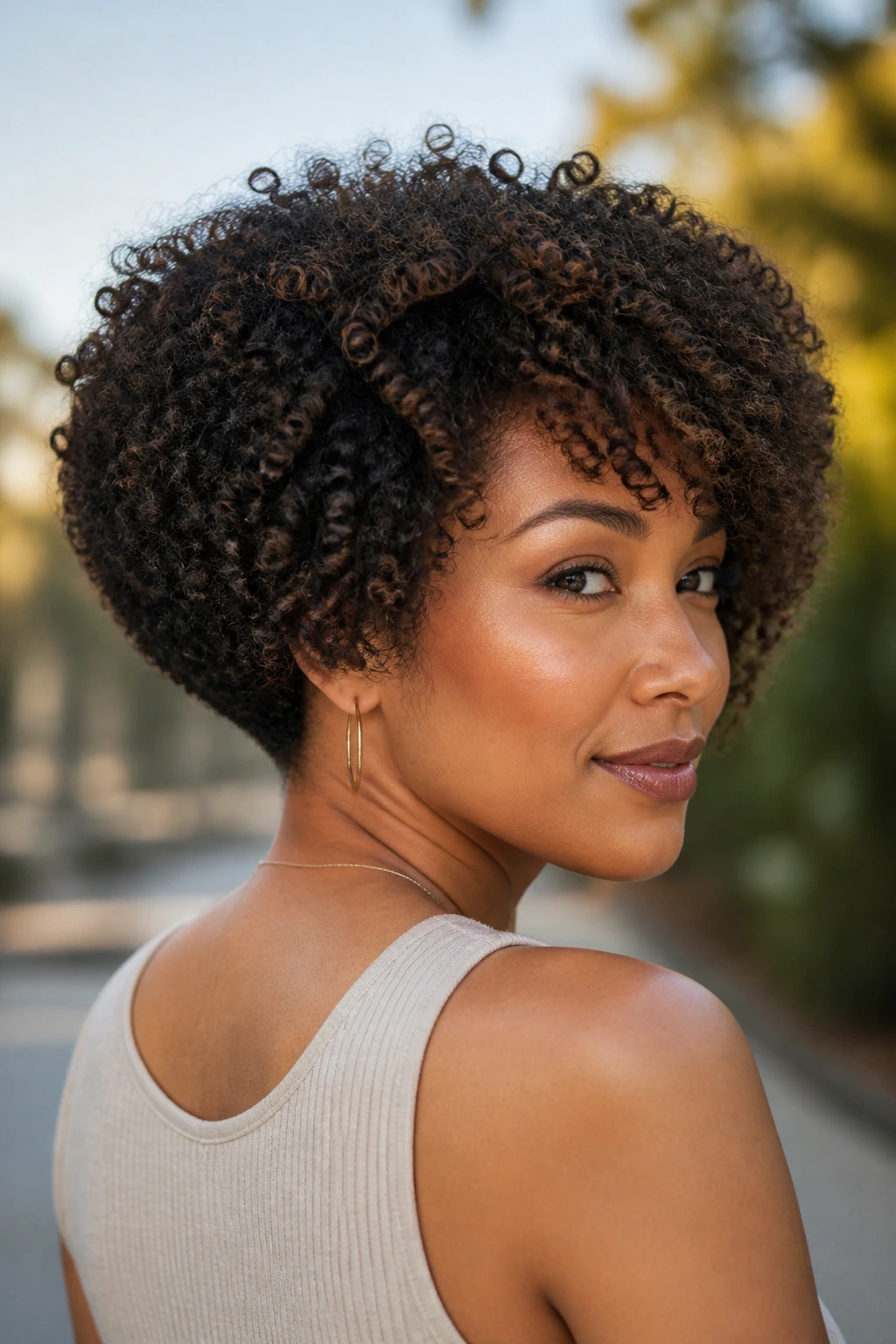
This is a more classic approach. The nape is rounded (rather than angled and sharp) and the stack is subtle, moving into a fuller, more substantial front. It is very feminine and works well with all hair textures, especially 3C and 4A.
The Appeal of the Rounded Nape
A rounded nape is inherently softer. If you feel like an inverted bob can sometimes look too “corporate,” this style is the antidote. It feels approachable and warm.
- Styling Focus: Use a wide-tooth comb to gently fluff the roots at the back to enhance the rounded stack.
17. The Textured Shag-Bob Stack
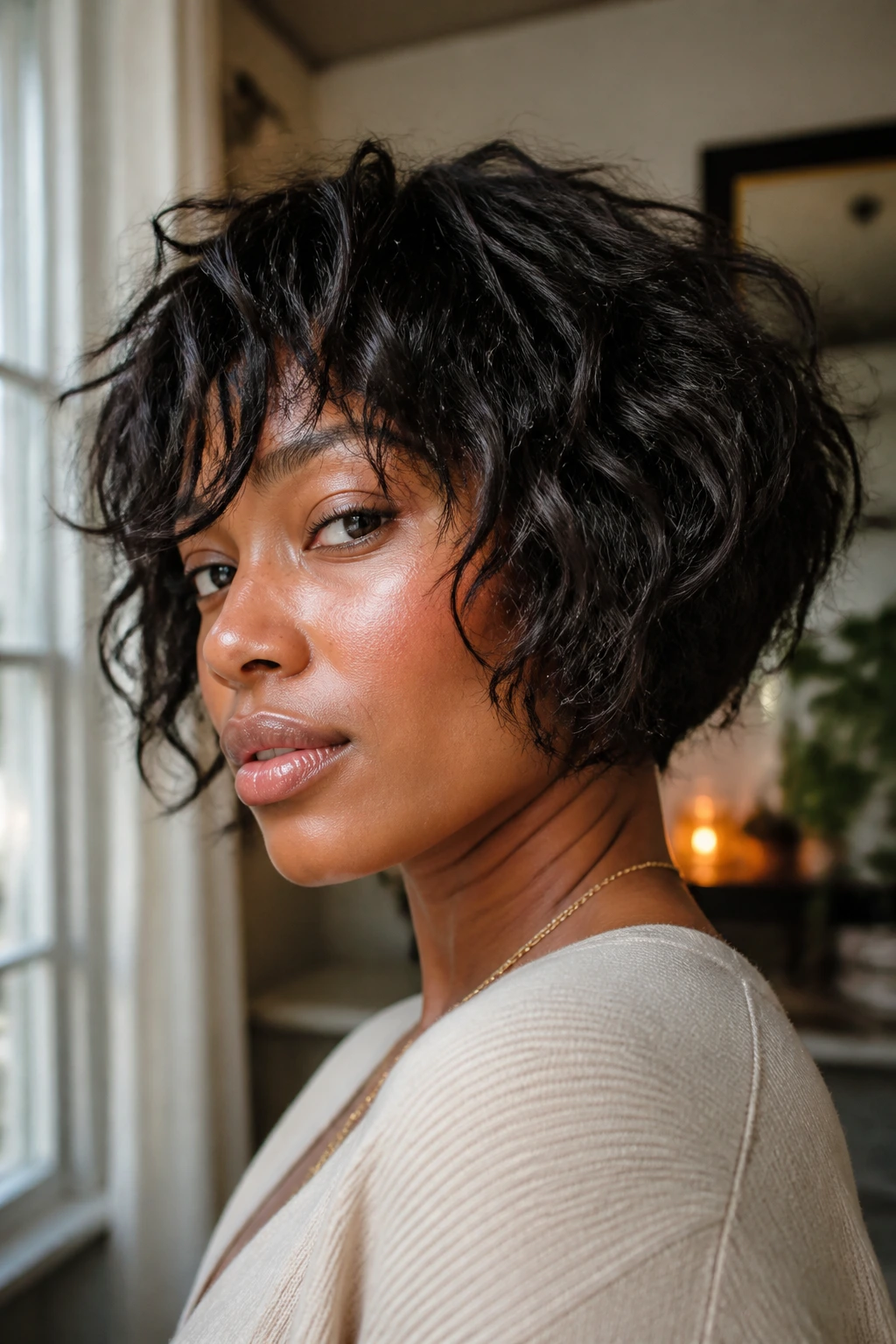
Take the best parts of a shag cut—the messy, piecey layers—and apply them to a stacked bob. The back is short and stacked, but the layers throughout are uneven and playful. It is a “lived-in” look that thrives on bedhead appeal.
Why Lived-In Looks Last
You don’t have to worry about every curl being perfectly aligned. The messiness is the point. If a curl goes in the wrong direction, it just adds to the aesthetic.
- Best Product: A sea salt spray or a light texturizing foam.
- Final Vibe: Cool, bohemian, and entirely your own.
18. The Graduated Stack with Flipped Ends
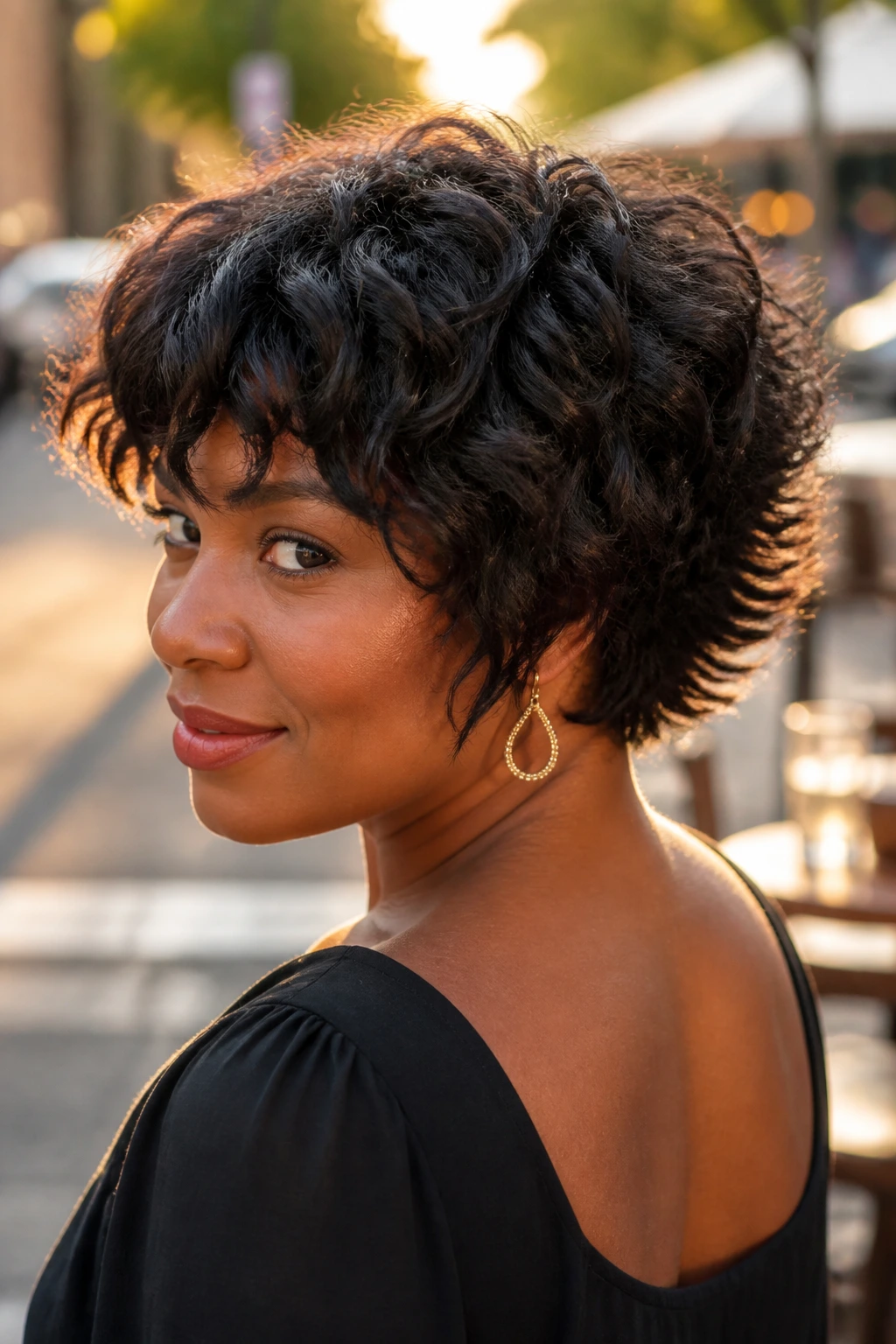
If you have naturally looser curls, you can play with the ends of your inverted bob. Ask your stylist for a cut that encourages the ends to flip slightly outward as they grow out. It creates a playful, retro energy in the back.
Encouraging the Flip
A small amount of lightweight gel applied to the very ends while they are still wet can help “set” them into that flipped position. It is a subtle detail that makes the whole cut look more intentional.
- Pro Tip: This works best when the hair is layered in a way that doesn’t weigh the ends down too heavily.
19. The Tight-Ringlet Stacked Bob
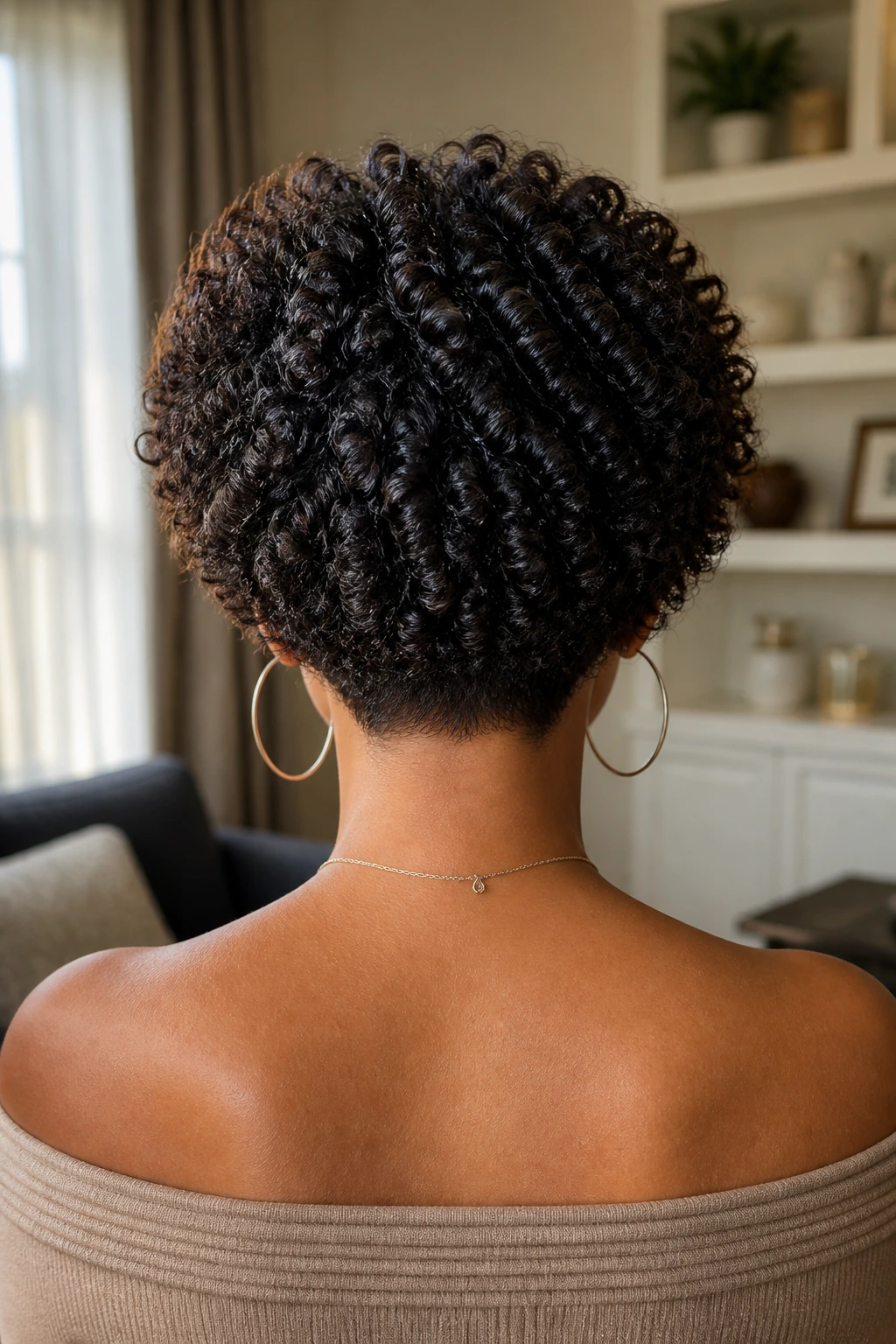
If you have tight, bouncy ringlets, don’t try to stretch them out—embrace them. This cut is all about letting the rings be rings. The stack is kept very tight to the head, and the curls are allowed to cascade over the top.
Maintaining the Definition
Hydration is non-negotiable. Use a leave-in conditioner that is heavy enough to clump your ringlets together but light enough that they don’t feel greasy.
- The Look: It’s almost like a halo of curls, with the back view providing a neat, structural anchor.
20. The “Chop” Stack for Transitioning Hair
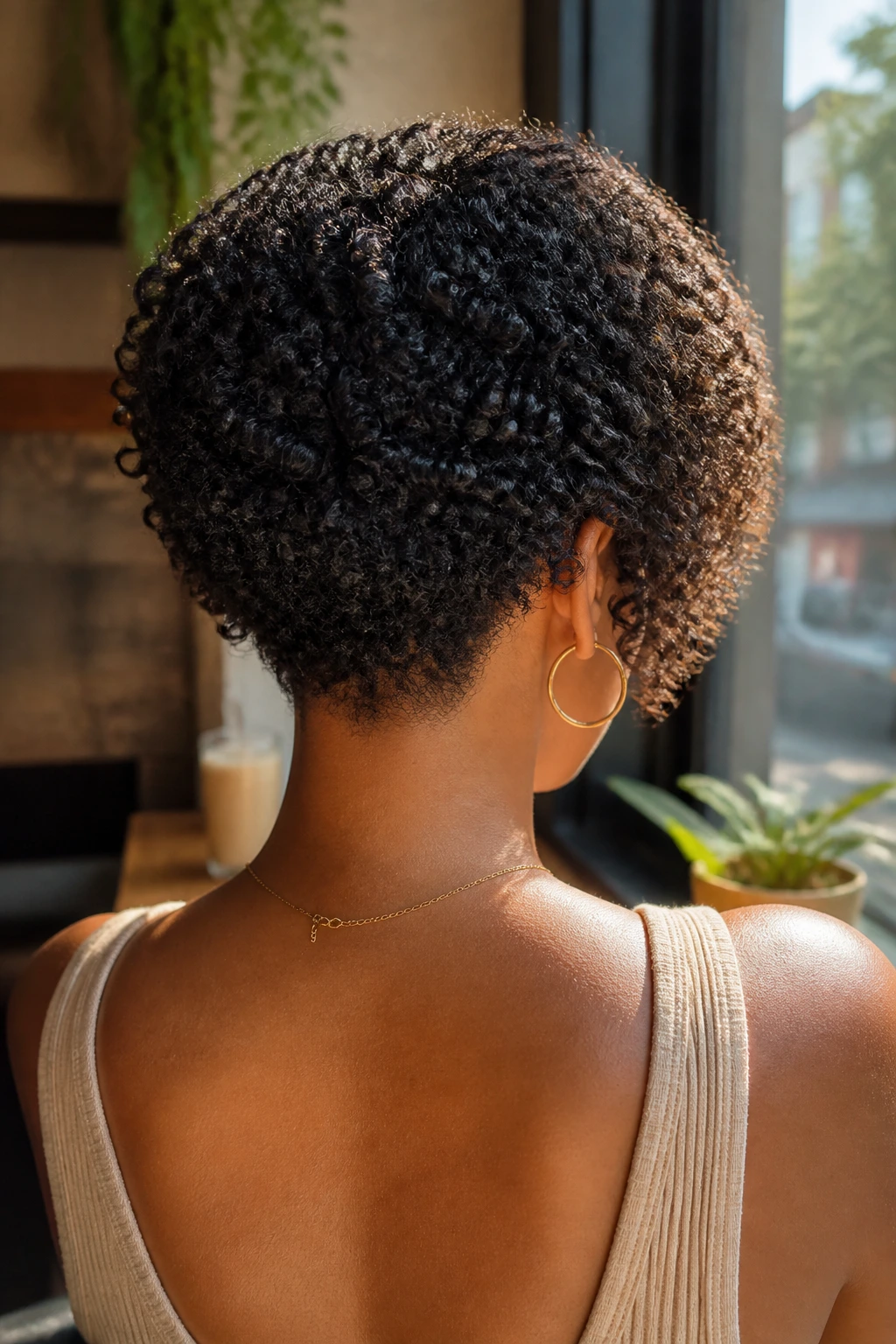
If you are currently transitioning from chemically treated hair to natural hair, this is the cut for you. It removes the dead, stringy ends while leaving enough length to enjoy your natural texture. The stacked back helps you remove the majority of the old, damaged hair quickly.
Why It’s the Ultimate Transition Style
You get to see your natural curl pattern emerge in a controlled environment. The stacked back allows you to keep the process of “chopping” gradual but effective.
- Motivation: It is a physical representation of your journey toward natural hair. You aren’t just cutting hair; you’re shedding the past.
Final Thoughts
The beauty of the inverted stacked bob on natural hair is that it defies the “one size fits all” mentality of traditional styling. You are working with your hair’s unique geometry—its density, its curl pattern, and its natural tendency to shrink or stretch. When you find a stylist who understands that a stack isn’t just a pile of hair, but a structural support system, you stop fighting your texture and start working with it.
The back view of your hair should be just as intentional as the front. By embracing the stack, you give your hair a permanent, stylish lift that holds up through humidity, sleep, and wind. Choose a silhouette that makes you feel like the best version of yourself, whether that means a razor-sharp fade at the nape or a soft, rounded dome. At the end of the day, your hair is your best accessory—give it the shape it deserves.