

When you have fine hair, the standard advice to “add layers” or “go for a blunt cut” can often feel like a trap. Too many layers leave your hair looking stringy, while a blunt cut might just highlight the lack of density. This is where the undercut enters the conversation. It is a bold, transformative choice that feels almost counterintuitive at first—why would you remove hair when you are trying to make it look fuller? The secret lies in the contrast. By removing weight from the back or sides, you create a visual illusion of volume at the crown, allowing the hair that remains to sit with more lift, texture, and personality.
Fine hair is often silky and prone to falling flat against the scalp, but it is also incredibly responsive to styling products. An undercut removes the bulk that drags your hair down, turning a limp mane into a sharp, architectural statement. Whether you are aiming for something subtle that hides beneath your length or a dramatic, buzzed design that shows off your scalp, there is an iteration of this style that works for your specific texture. We are going to break down how to approach these styles, what to ask for in the chair, and how to maintain that sharp, clean look without losing your mind in the process.
1. The Nape Undercut with Textured Pixie
A nape undercut—where the hair at the very base of your skull is shaved or closely cropped—is the perfect entry point for someone wary of committing to a massive chop. When paired with a soft, piecey pixie cut on top, it creates an instant visual anchor. The weight you remove from the nape prevents the hair from bunching up against your collar, which is a common issue that makes fine hair look messy by the end of the day.
How to Style for Maximum Volume
Use a texturizing powder at the crown to give the remaining hair that “lived-in” grit. Because fine hair lacks the individual strand thickness of coarse hair, it needs a product that builds a scaffold for each strand. Sprinkle a small amount of powder directly onto the roots, then use your fingers to rake the hair upward. This creates a messy, voluminous silhouette that draws all the attention to the top of your head, keeping the focus away from the areas where density might be lower.
2. Asymmetrical Bob with a Hidden Side Undercut
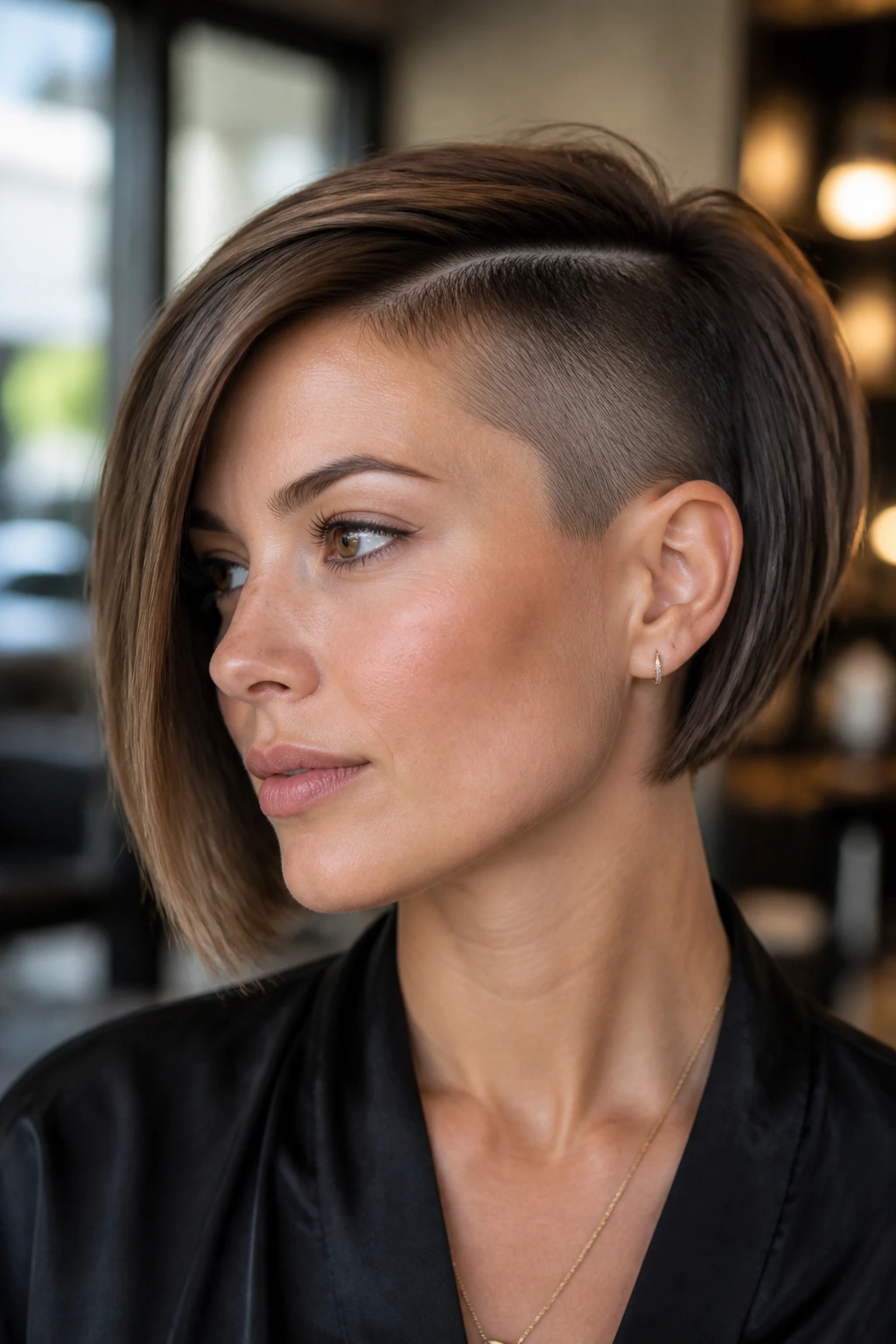
If you love the polish of a classic bob but find it lacks the edge you crave, an asymmetrical undercut is your best friend. Keep one side long and grazing the jawline, while the other side is tucked tight against a shaved patch above the ear. This creates a striking sense of imbalance that looks deliberate and cool, rather than thinning or sparse.
Why This Works for Fine Texture
Fine hair actually looks more intentional in asymmetrical cuts because it doesn’t fight the gravity of the longer side as much as thick hair would. You get all the sharp lines of a precision bob with the modern, rebellious touch of a buzz cut. When your hair is fine, the shaved area acts as a frame, making the hair on the opposite side appear thicker by comparison through sheer contrast.
3. The Graduated Wedge with Shaved Details
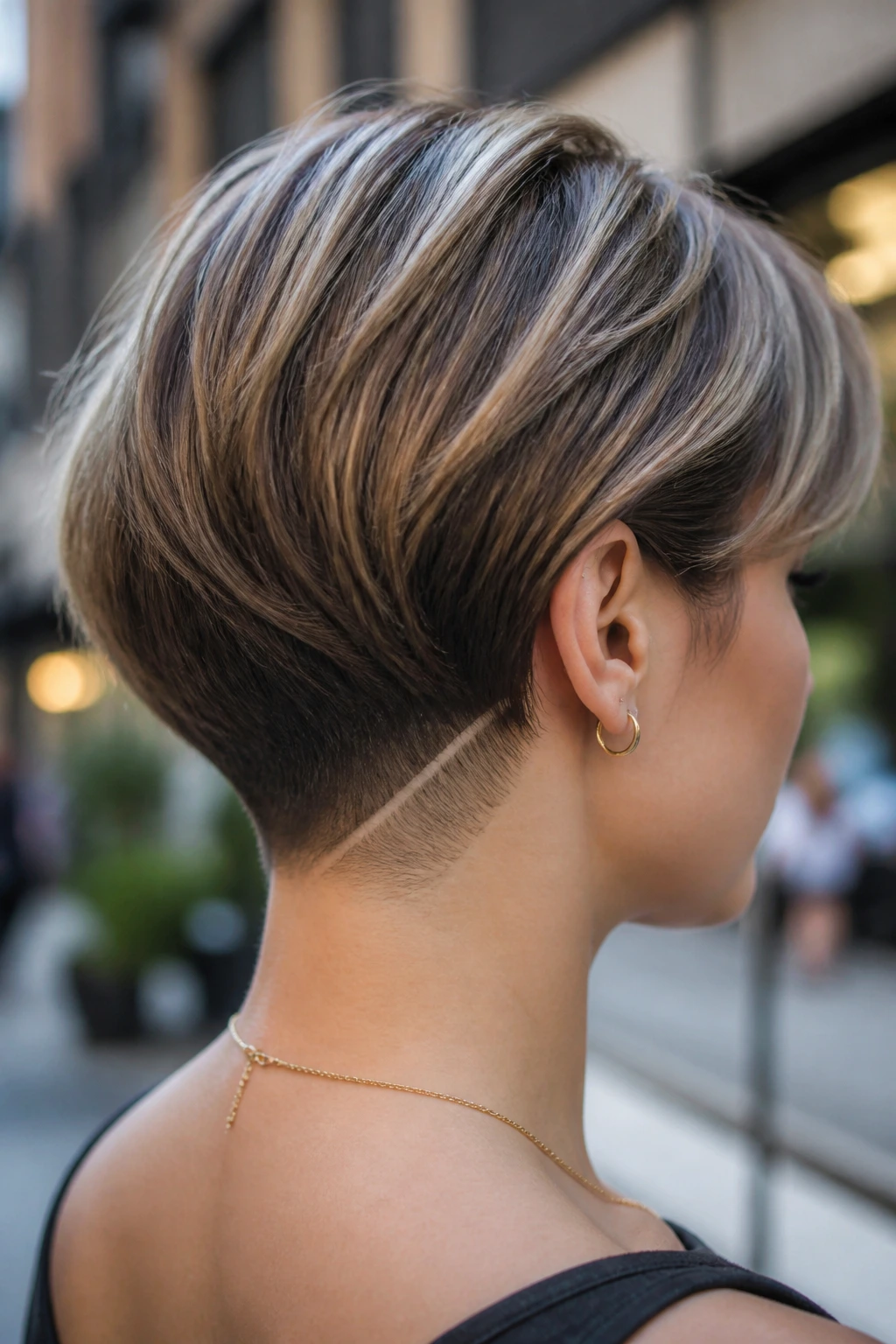
A wedge cut is a retro-inspired classic that relies on stacked layers at the back to create a rounded, voluminous shape. By incorporating an undercut into the bottom-most layers, you eliminate the “tail” that often plagues fine hair as it grows out. The result is a crisp, clean line that looks like it was sculpted by a professional artist, even if you are just heading to the grocery store.
Incorporating Geometric Patterns
You can take this style further by adding small, clean-lined patterns into the shaved section. A single, crisp horizontal or diagonal line carved into the undercut adds a layer of sophistication. Keep the edges sharp with regular maintenance—this is a style that demands a quick trim every three to four weeks to stay looking intentional rather than overgrown.
4. The Soft Undercut Lob
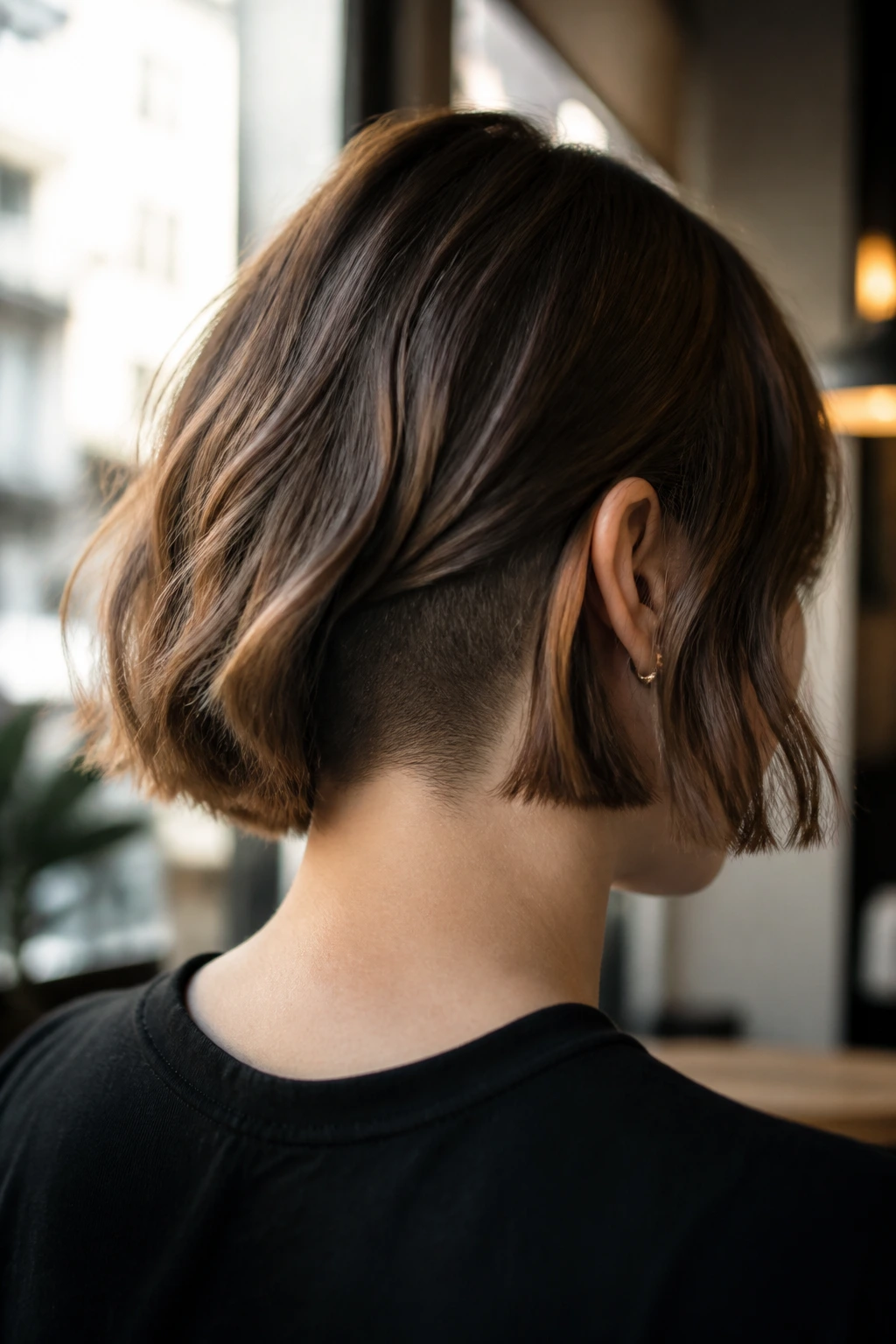
The “long bob” or “lob” is often criticized for being boring, but an undercut changes the game entirely. By shaving a small, discrete patch near the nape, you create a cooling effect during warmer months and a unique styling opportunity. When your hair is worn down, the undercut is completely invisible. When you pull your hair up into a high, messy bun or a sleek ponytail, the shaved section is revealed, offering a surprise element that looks polished and sharp.
Product Recommendations
For this look, focus on a lightweight volumizing mousse applied to damp hair. Avoid heavy oils or waxes that will make your fine hair clump together and reveal the scalp. A salt spray is also a great addition, as it mimics the natural grit of a day at the beach, helping your hair hold its shape without feeling sticky or weighed down.
5. Mohawk-Inspired Faux Hawk
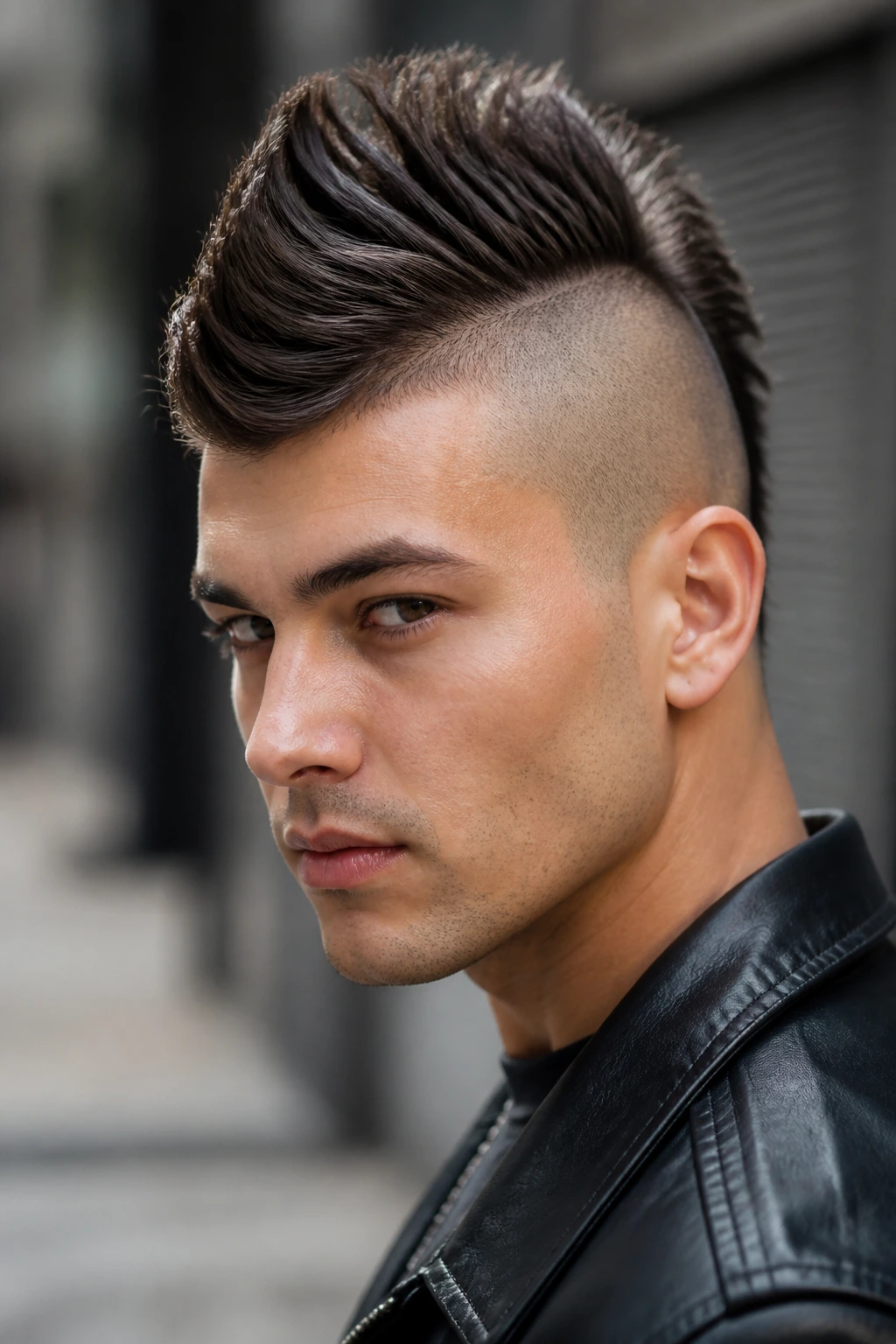
A faux hawk is essentially an undercut that emphasizes the center of the head. By shaving or tapering the sides very close to the scalp, you force all the remaining hair to exist in a narrow, vertical strip. For fine hair, this is a miracle worker. It concentrates your hair into one dense-looking area, making it look much thicker than it would if it were distributed across the entire width of your skull.
The Power of Styling Gel
You will need a firm-hold styling gel to make this work. Apply it while the hair is slightly damp, then use a vent brush to direct the hair upward and toward the center. As it dries, it will lock into place. The key is to keep the hair in the center section slightly longer than the sides, creating a gradient that leads the eye toward the center peak.
6. The Undercut Bowl Cut
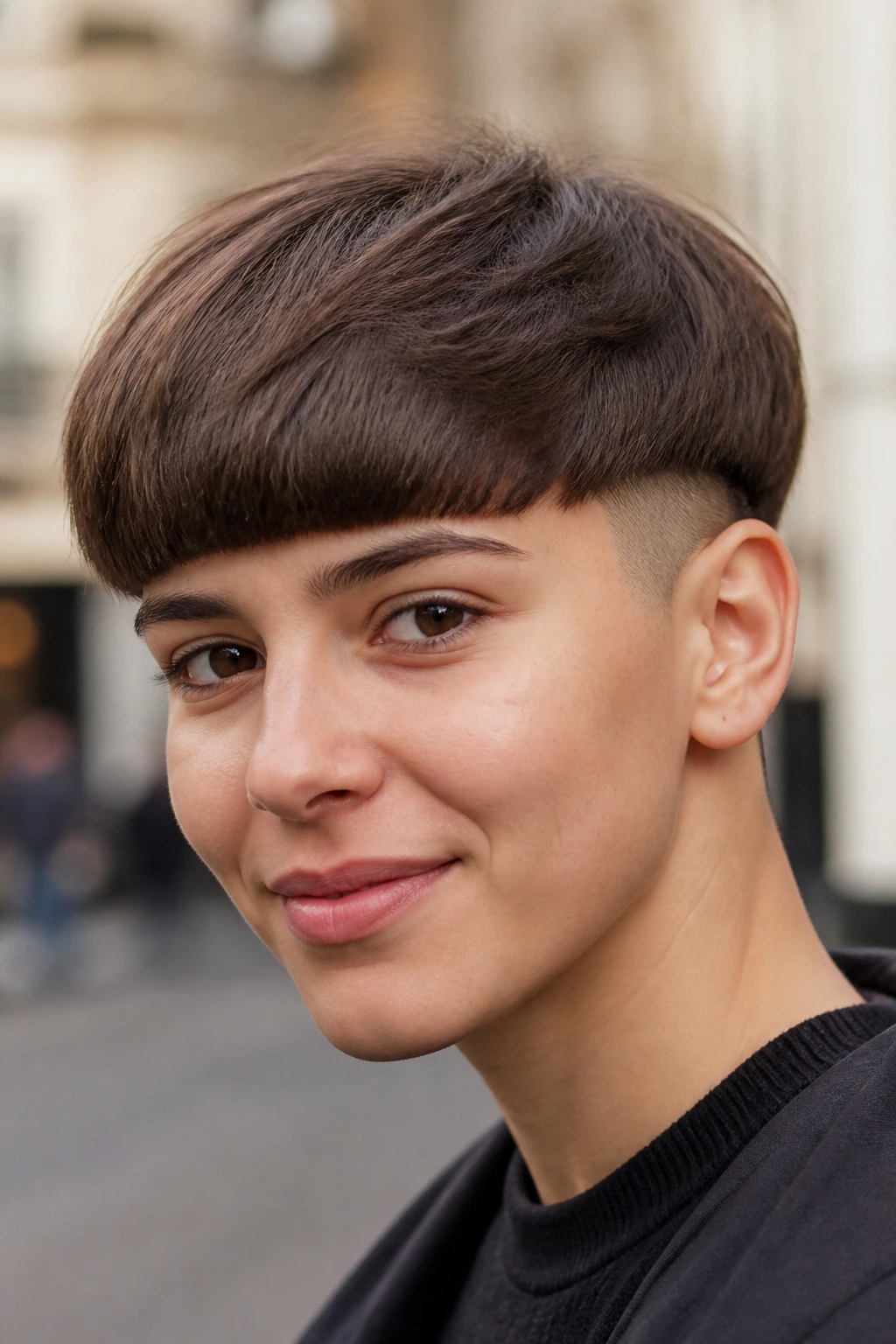
The modern bowl cut is significantly softer and more textured than the version you might remember from childhood. It features a rounded fringe that transitions into a close-cropped undercut at the temples and back. Because fine hair has a natural tendency to drape, it works beautifully with the soft, rounded lines of this style.
Why It Suits Fine Hair
Fine hair doesn’t have the “poof” factor of thick hair, which actually prevents this style from looking like a mushroom. Instead, it lies flat and sleek, creating a sharp, editorial appearance. Use a smoothing serum sparingly to keep the surface shiny and the edges looking precise. This is a high-fashion look that requires a bit of confidence but rewards the wearer with a low-maintenance morning routine.
7. Shaved Sides with a Textured Top-Knot
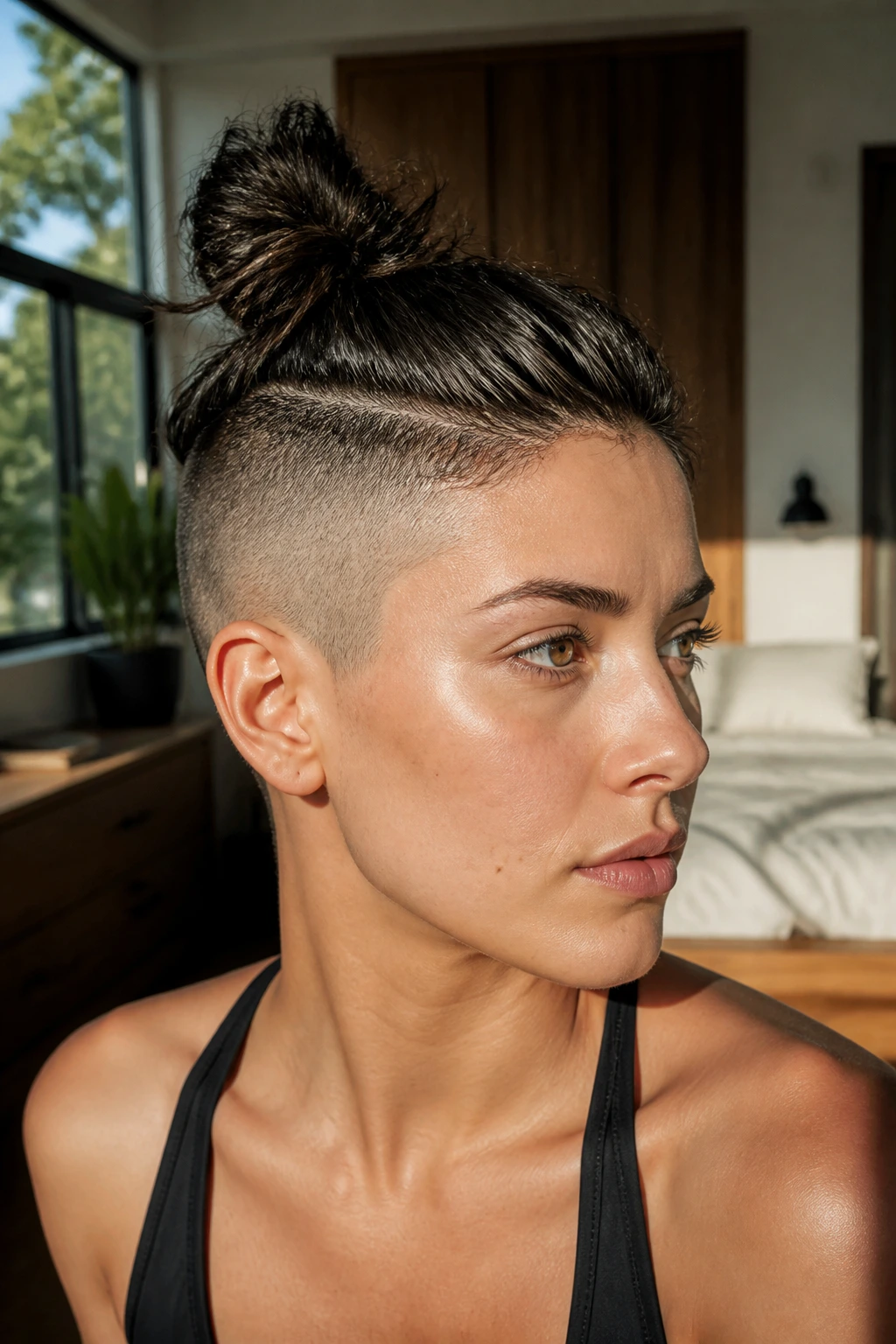
This look is all about high-contrast drama. The sides are buzzed close, while the top is left long enough to gather into a high, tight bun. Because you have fine hair, your bun will likely be smaller than those you see on social media, but that is fine. The contrast between the sheer scalp on the sides and the compact bun on top creates a clean, minimalist aesthetic that looks intentional.
Maintenance Tips
To keep this looking sharp, you must address the hair growth quickly. Fine hair often looks messier when the buzzed areas start to grow out because the fine hairs are more prone to flyaways. A quick touch-up with a set of clippers at home, or a visit to the barber, will keep the lines crisp. Use a clear brow gel to smooth down any stubborn baby hairs along the hairline for a polished finish.
8. Undercut with Peek-a-Boo Layers
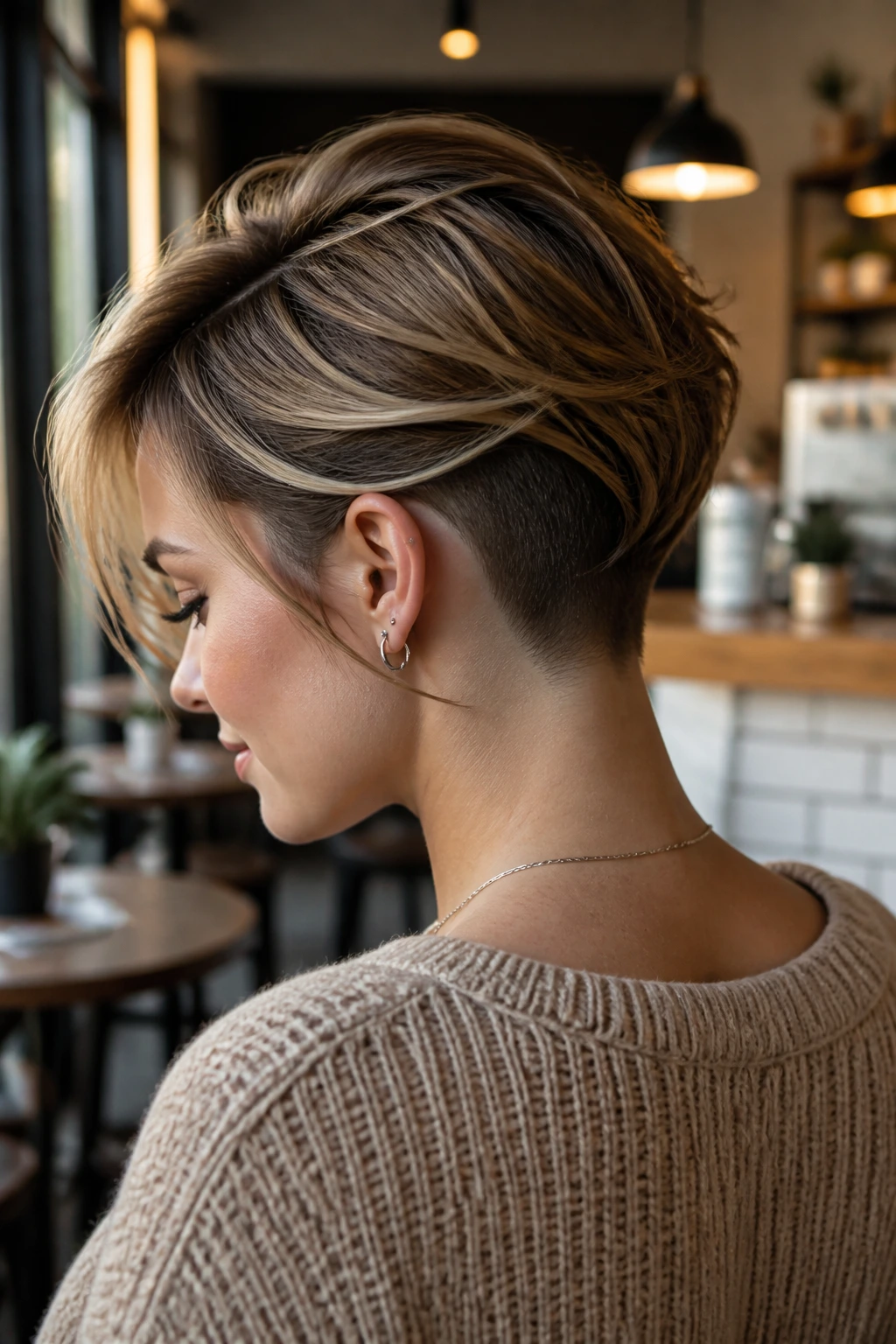
If you want the benefits of an undercut but prefer a more traditional look, consider a hidden nape undercut that is integrated into a layered haircut. The top layers cover the undercut, so you only see it when you move your hair or tie it up. This is a subtle way to manage hair density and prevent tangling at the neck without altering your overall silhouette.
Managing Transitions
The biggest challenge here is the regrowth phase. As the shaved hair begins to grow, it can feel itchy or look slightly bulky under your longer layers. The trick is to keep the undercut short enough that it doesn’t get awkward. A #1 or #2 guard on your clippers is generally the “sweet spot” for fine hair—long enough to have some texture, but short enough to avoid the dreaded “velvet” phase of regrowth.
9. The Disconnected Pixie Undercut
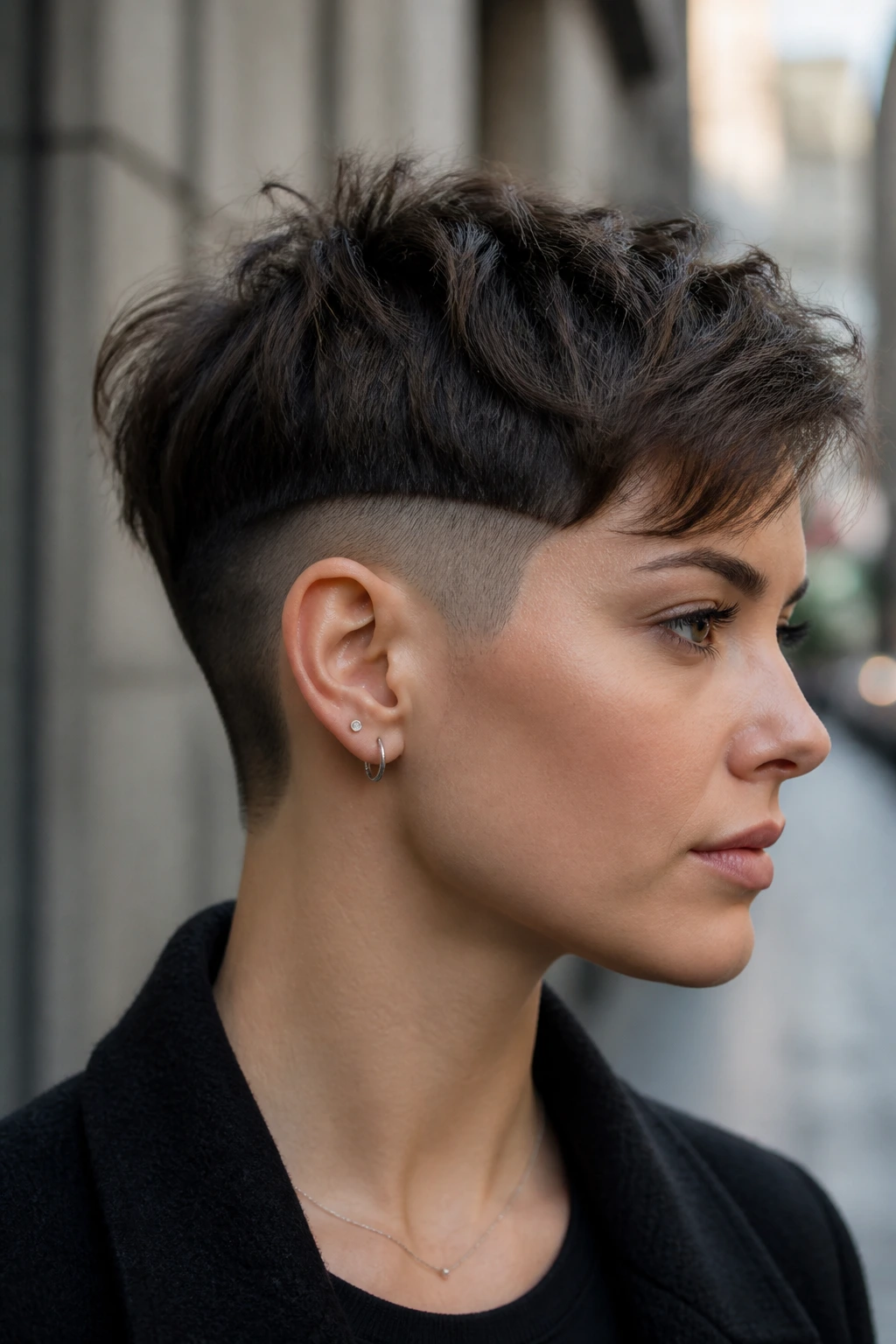
A disconnected cut means there is a clear, visible line between the shaved side and the longer hair on top. There is no fade or transition; it is an abrupt stop. For fine hair, this is fantastic because it highlights the structure of the cut rather than the thickness of the hair strands themselves.
Styling the Disconnect
Use a pomade with a matte finish. Shiny products can sometimes make fine hair look oily, which ruins the dramatic, sharp impact of a disconnect. Rub a pea-sized amount between your palms until it is completely melted, then rake it through the long section, pushing it to one side. The contrast between the matte finish on top and the skin-fade on the sides is undeniably chic.
10. The Side-Swept Undercut
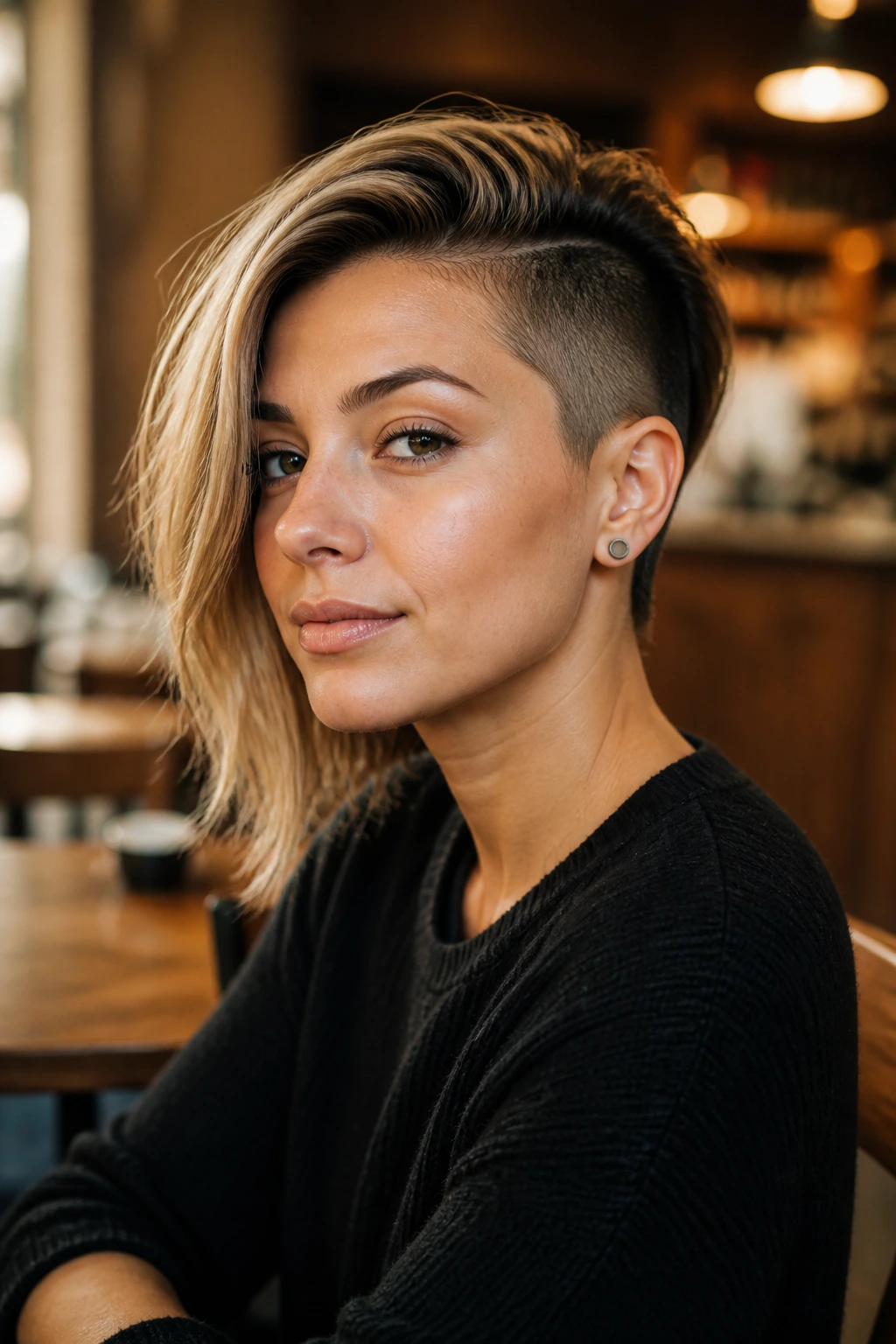
This style features a single, prominent undercut on one side, while the rest of the hair is swept over to the other. It is a very romantic, versatile look that can be styled sleek or wavy. The undercut removes weight from one side of the head, which helps the other side hold a deep side part more effectively—a common struggle for fine-haired individuals who deal with hair that wants to sit flat.
Creating Volume at the Root
When you part your hair on the side opposite the undercut, use a round brush and a blow dryer to lift the roots immediately after washing. Since you have removed the weight from one side, the roots on the other side will have much more “play” and will be easier to coax into a high, voluminous arch. This prevents the “flat-on-one-side” look that often happens with standard side parts.
11. The Punk-Rock Textured Crop
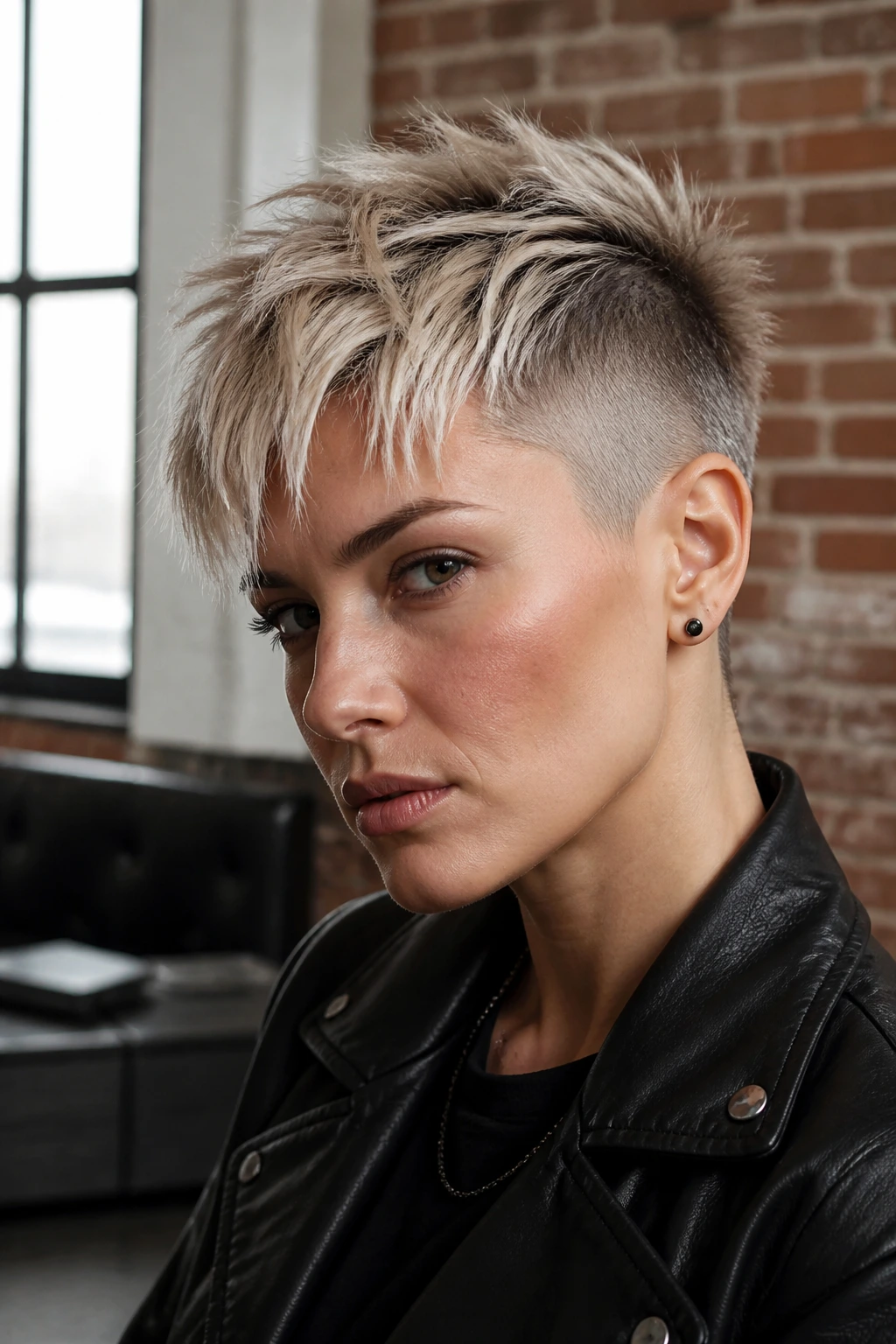
Short, choppy, and aggressive—the textured crop is all about the mess. By combining a buzz cut on the sides and back with a shaggy, uneven top, you embrace the fine texture of your hair rather than fighting it. Fine hair is naturally soft, which gives this look a more modern, delicate edge compared to the heavy, thick-haired versions that look like a helmet.
Adding Color Contrast
Because the base of this cut is so simple and minimal, it is an excellent canvas for color. A platinum blonde or a vibrant, temporary color spray on the longest sections can add the illusion of depth. When you have fine hair, using two slightly different shades of blonde can trick the eye into seeing more volume and texture where there is only one length of hair.
12. The Minimalist Taper
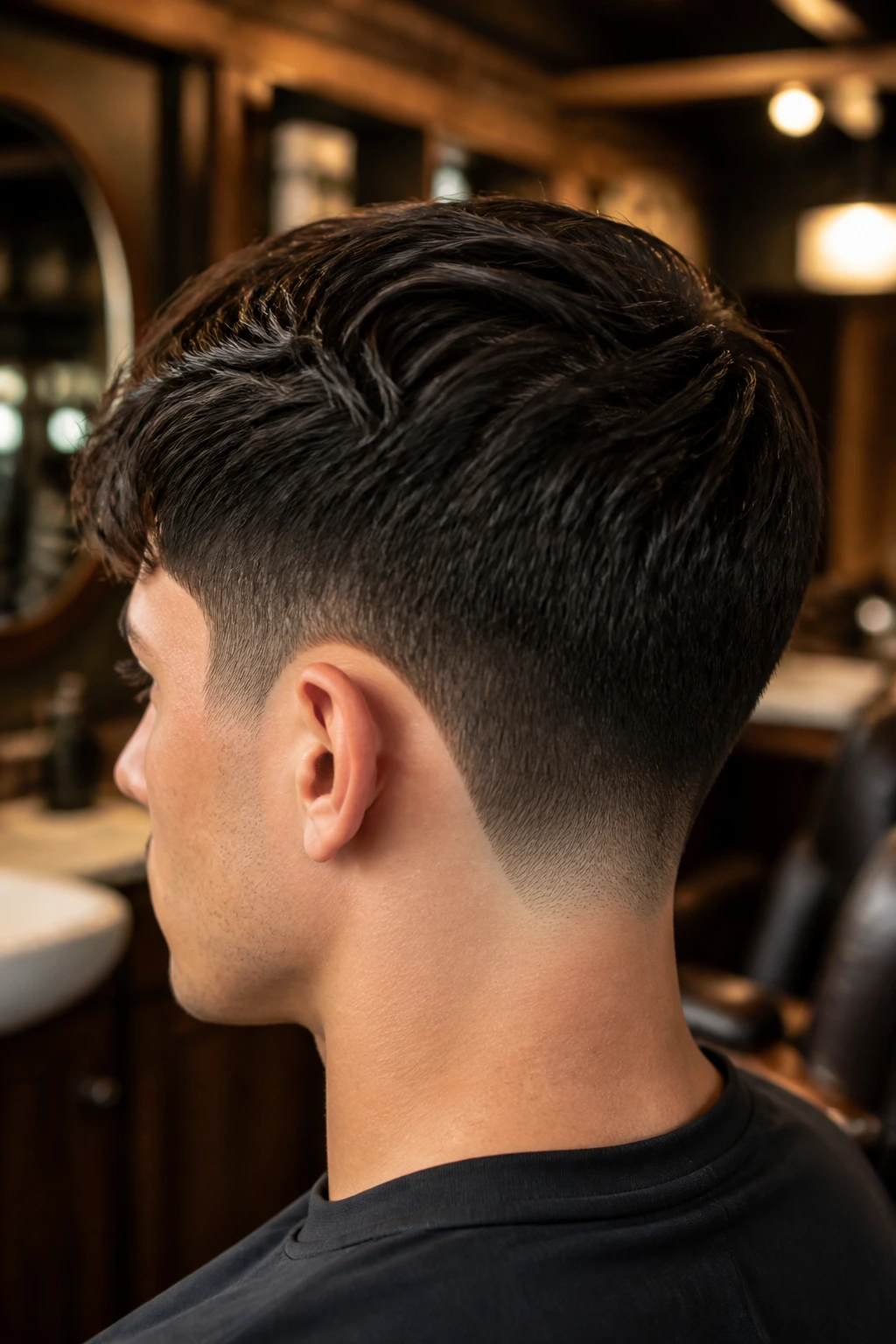
Sometimes, a full-on shaved head is too much, but you still need to get rid of the fuzz. A taper, where the hair gradually shortens toward the neck but does not necessarily go down to the skin, is a great alternative. It keeps the nape looking clean and professional while maintaining a bit of softness.
The Benefits of Tapering
Fine hair tends to thin out at the ends, often looking wispy at the nape. By tapering the hair shorter, you remove those thin, straggly bits, making the overall haircut look thicker and healthier. This is a low-stakes way to try the undercut aesthetic without the high-contrast drama of a skin-fade.
13. Braided Undercut Faux-Hawk
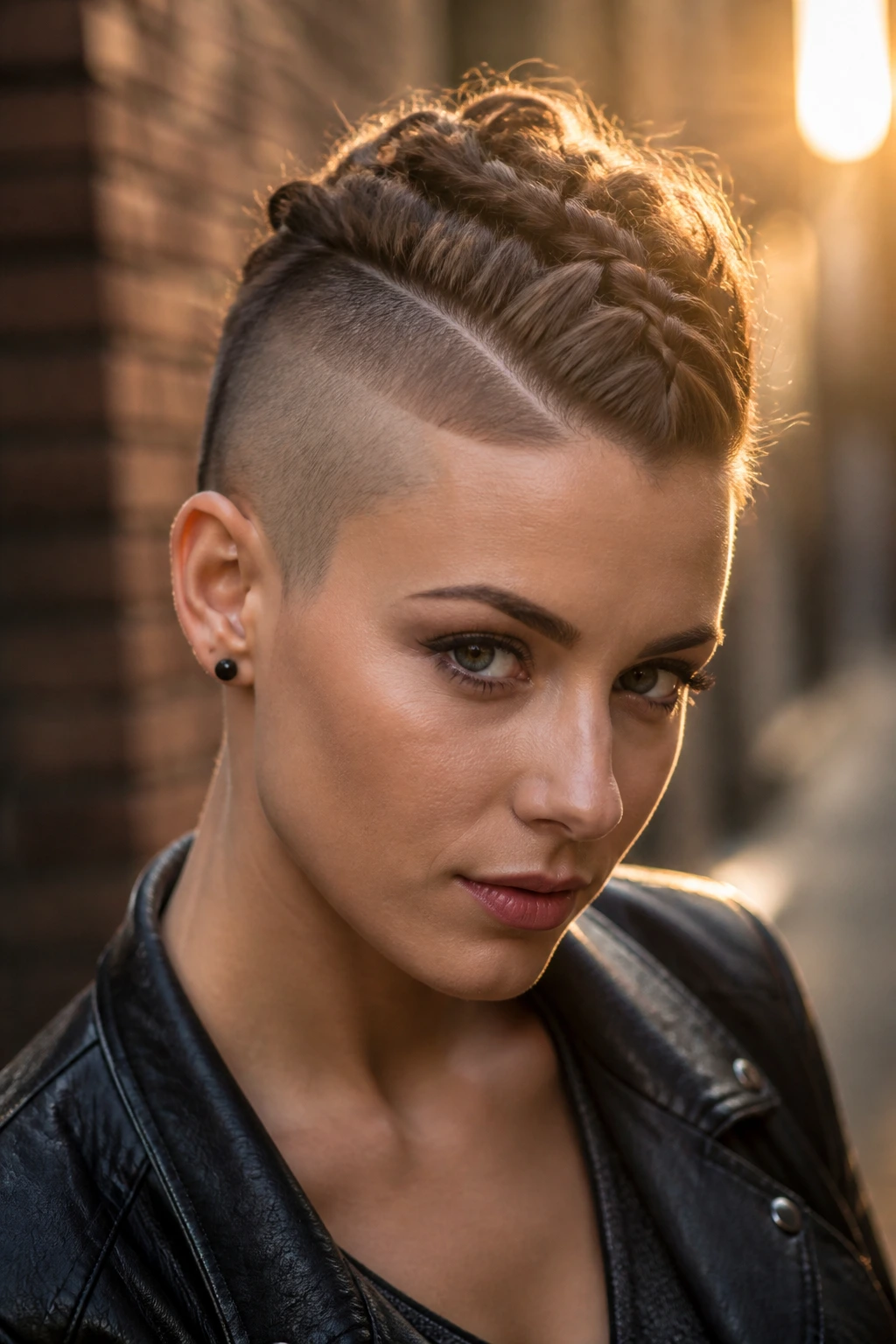
If you have enough length on top, you can incorporate a small Dutch braid down the center of your head to accentuate the undercut. The braid adds a structural element that helps your fine hair stay in place all day. It is an intricate, beautiful look that works incredibly well for special occasions or just a high-energy day when you need your hair off your face.
Securing the Style
Fine hair is slippery. To keep your braid from sliding out, use a texturizing spray on your hair before you begin braiding. This gives your hair the “grip” it needs to hold a tight plait. If you struggle with the braid, you can simply pull your hair into a series of small, tight knots down the center, securing each one with a clear elastic for a similar, architectural effect.
14. The Undercut with Long, Wispy Bangs
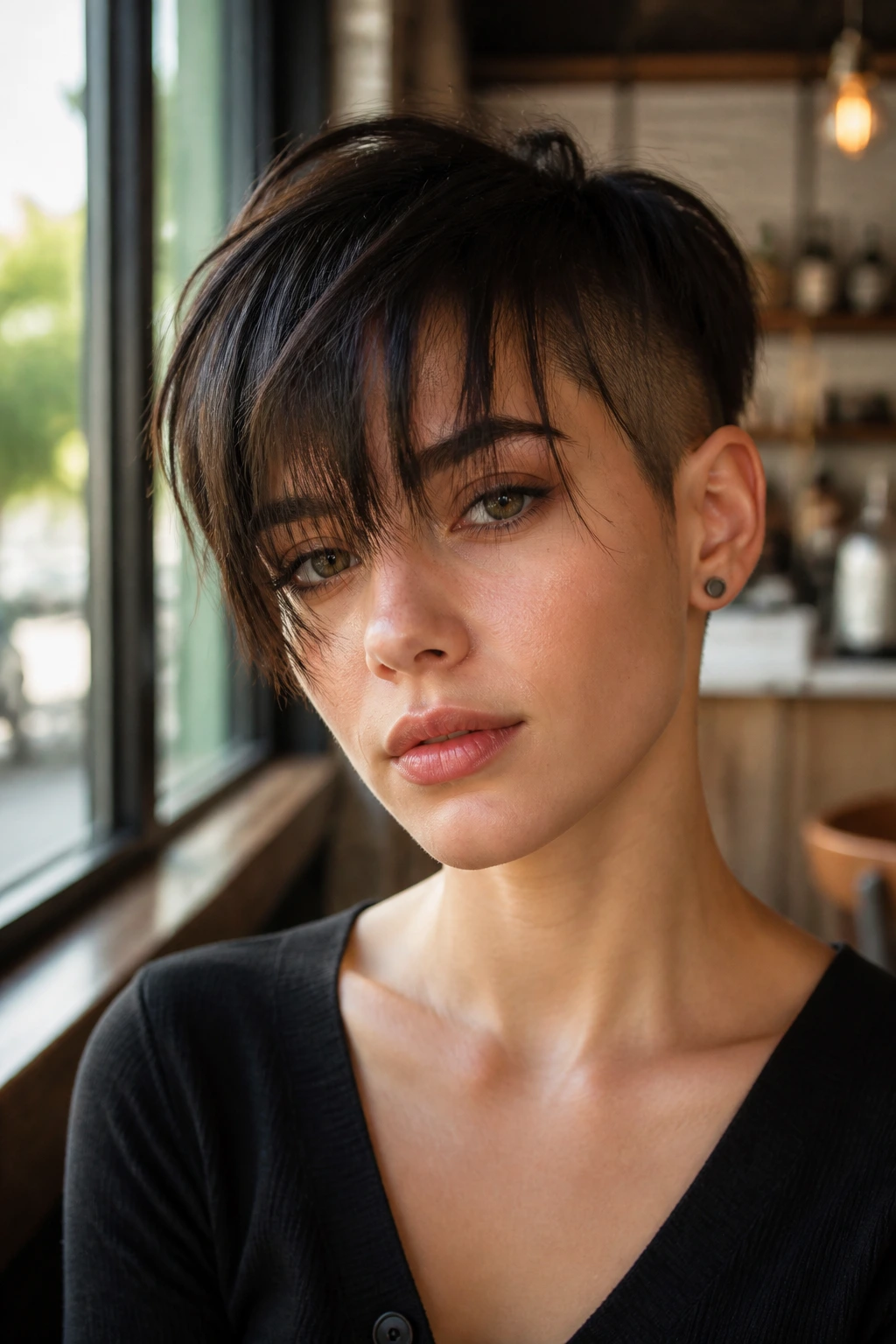
Pairing a bold, shaved undercut with soft, long bangs creates a beautiful contradiction. The undercut says “bold and modern,” while the wispy bangs keep the face soft and feminine. Fine hair is perfect for this style because it is naturally “wispy.” You don’t have to fight to thin out your bangs—they will naturally drape in that light, airy way that designers love.
Styling the Bangs
Use a flat iron to give your bangs a very slight bend, just enough to keep them from sticking to your forehead. The movement will attract light, making your hair look healthy and shiny. When the light hits those fine strands, they will appear more numerous than they actually are, creating a fuller overall frame for your face.
15. The Geometric Back Undercut
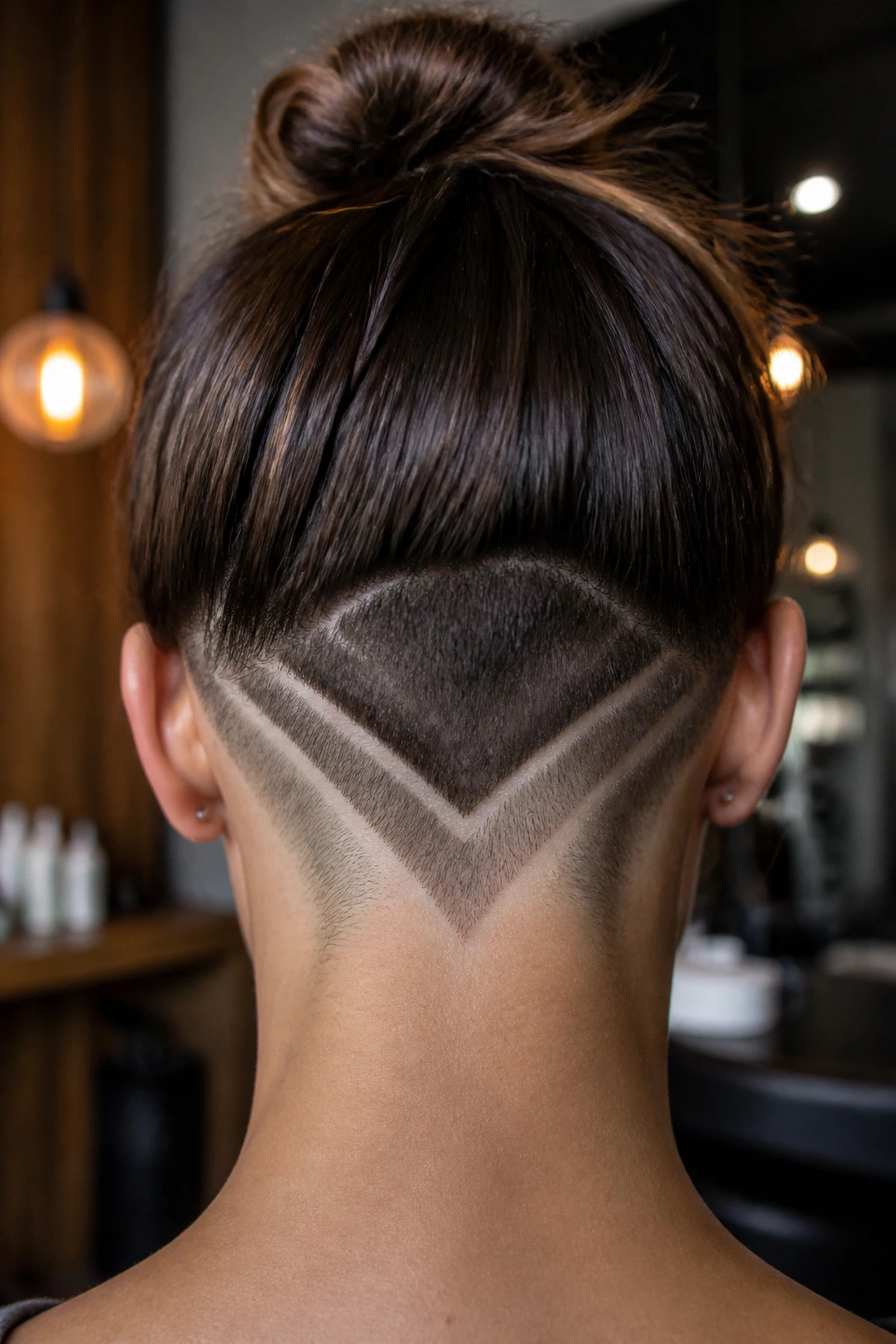
Instead of just shaving the nape, consider shaving a larger, geometric shape that extends upward toward the crown. A triangle or a sharp diamond pattern can be hidden under a bob or lob, appearing only when you style your hair in an updo. This is a personal, artistic detail that feels like a hidden tattoo, giving you a sense of style that is entirely your own.
Precision is Key
This style requires the most maintenance of the group. Because the shapes are geometric, any hair growth will blur the lines and ruin the effect. You will need to check your back-of-head symmetry regularly—use two mirrors or have a friend help—to keep the lines clean. When you get it right, it is one of the most sophisticated ways to manage fine hair while staying on the cutting edge of hair design.
16. The Pixie with Long Sideburns
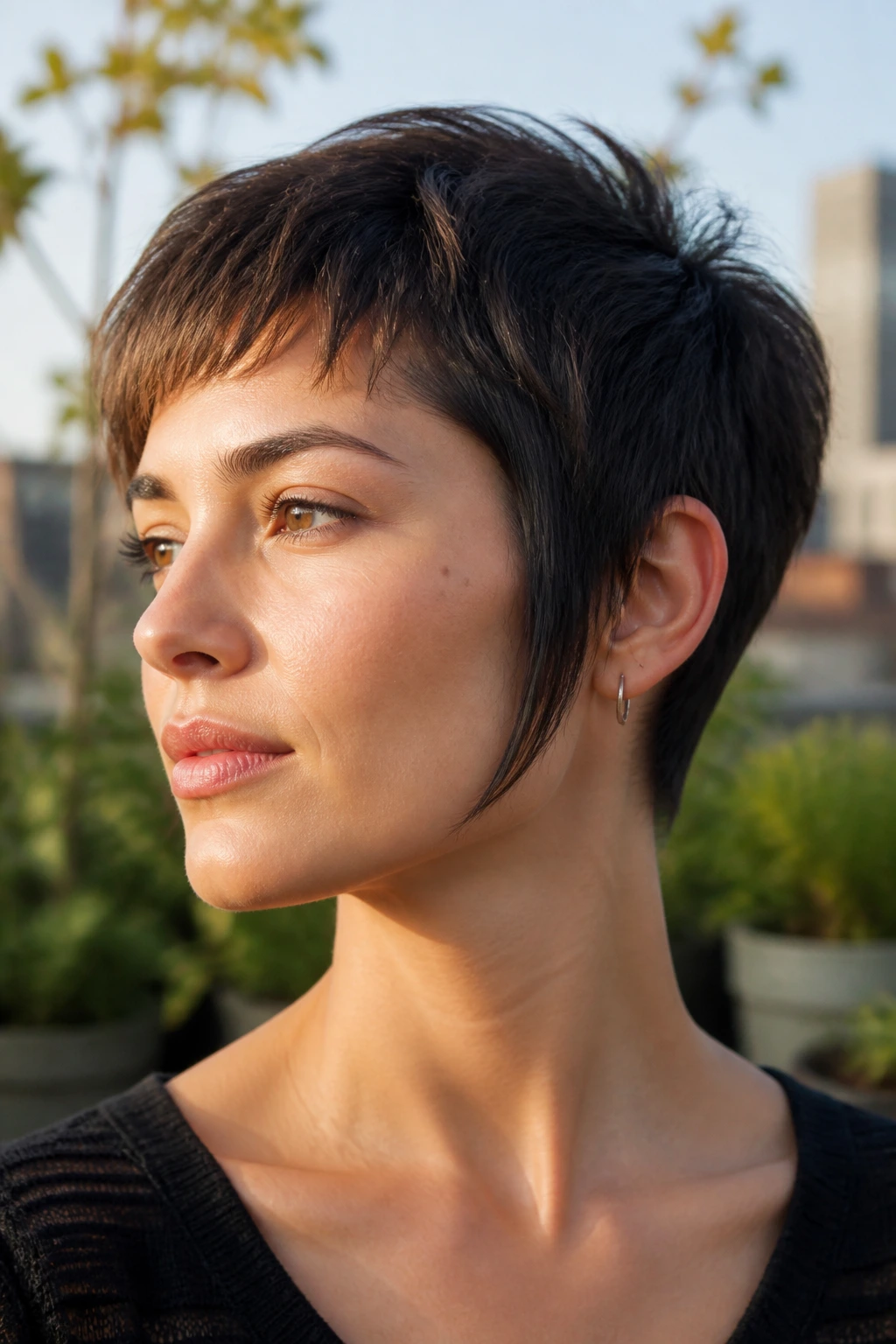
A lot of people forget about sideburns when they talk about undercuts, but they are a massive part of the silhouette. Leaving long, pointed sideburns while shaving the hair around the ear and nape creates a very sharp, feminine look. For fine hair, keeping those sideburns a bit longer helps to ground the style and prevents the face from looking too exposed.
Facial Framing
Think of your sideburns as the frame for your cheeks. When you have fine hair, the tendency is to want to hide your face behind your hair. By embracing the undercut and leaving these intentional sideburns, you show off your features. This shifts the focus from “how much hair do I have?” to “how intentional is my style?”—a powerful mental shift for anyone concerned about hair density.
17. The Wet-Look Undercut
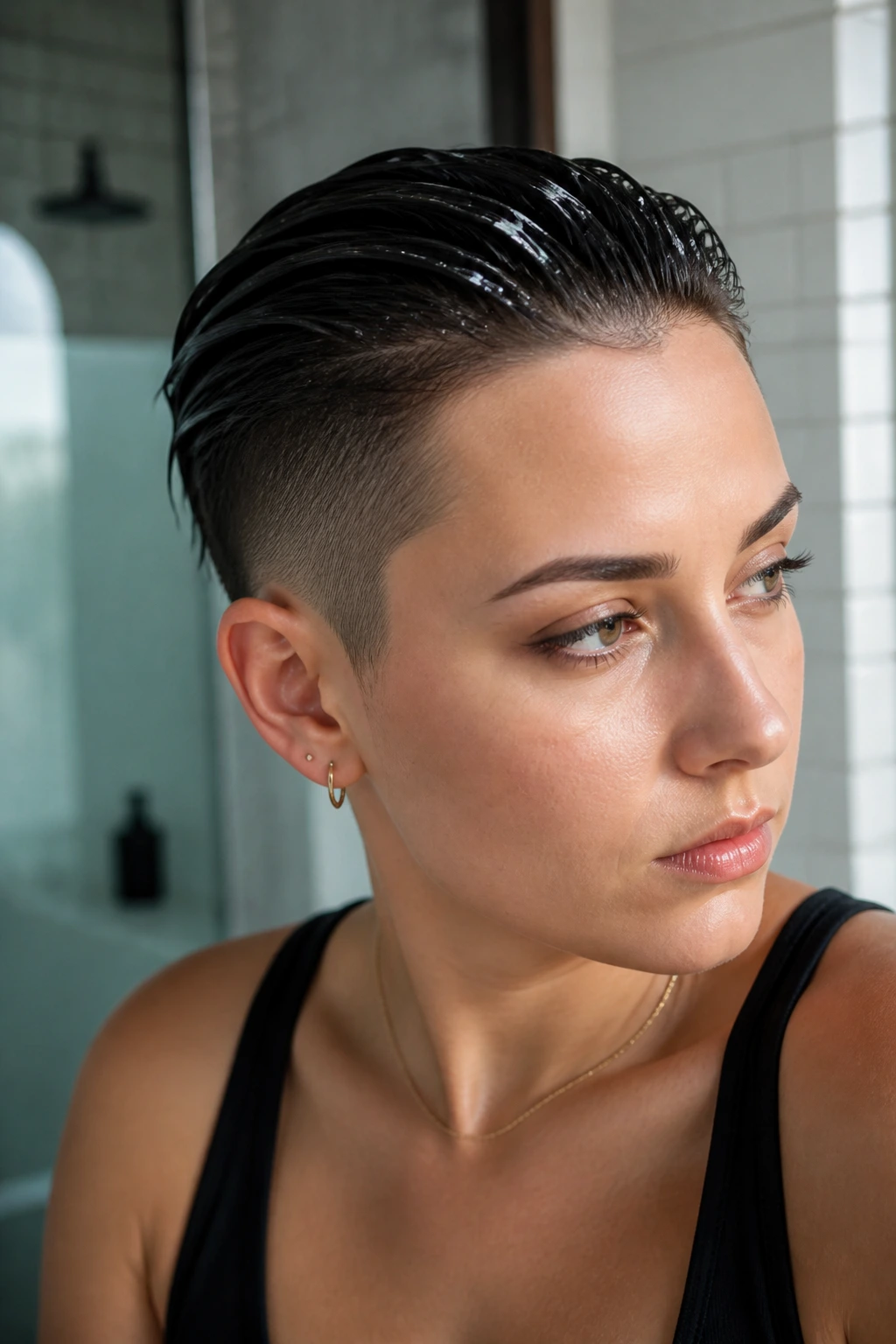
The “wet look” is a popular trend that works exceptionally well on short, undercut styles. Using a high-shine pomade or gel, you can slick your hair back from the forehead, emphasizing the contrast with the shaved sides. Since fine hair doesn’t have the bulk to resist being slicked back, you can achieve this look with very little effort.
Achieving the Shine
Use a water-based pomade rather than an oil-based one. You want the hold, but you don’t want the greasiness that comes from heavier oils. Apply the product to damp hair and use a fine-toothed comb to distribute it evenly from root to tip. The result is a high-fashion, polished look that stays put, regardless of your activity level throughout the day.
18. The “Undercut Lite” (The Tapered Bob)
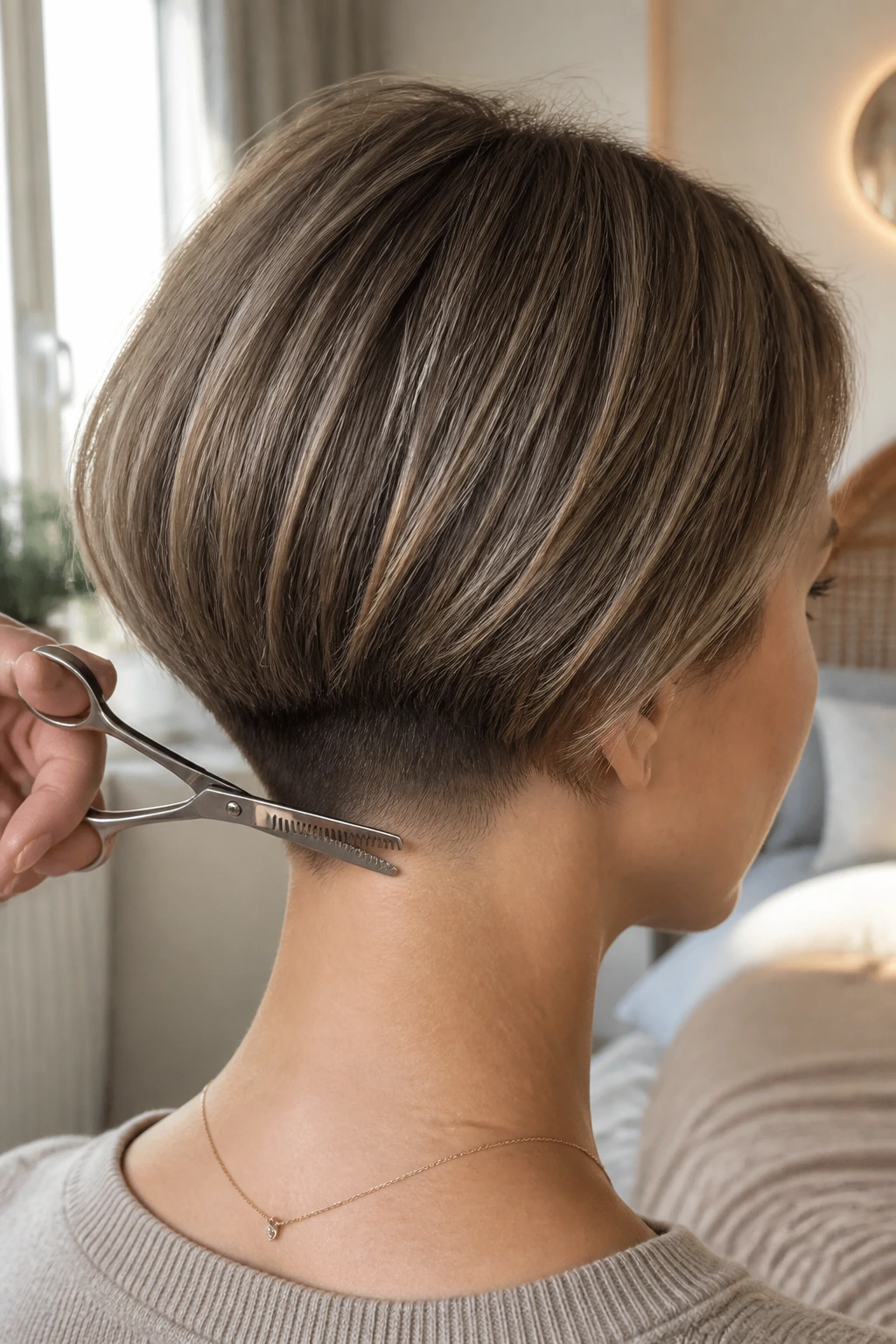
If you aren’t ready to show skin, the “undercut lite” involves simply using thinning shears and a clipper guard to create an extreme taper at the nape. It provides the same weight-reduction benefits without the visual evidence of a buzz cut. It’s the ultimate “stealth” undercut for those who want the hair-thickening effects without the visible change.
Why This is a Game Changer
Thinning out the nape removes the tendency for fine hair to “nest” or tangle at the neckline. Most fine hair owners know the frustration of finding a knot at the base of their neck by 2:00 PM. By keeping this area tapered and short, you remove the tangle-prone hair entirely, allowing the rest of your hair to flow freely without the friction of the fine, delicate hairs at the nape.
19. The Undercut with Shaved Arch
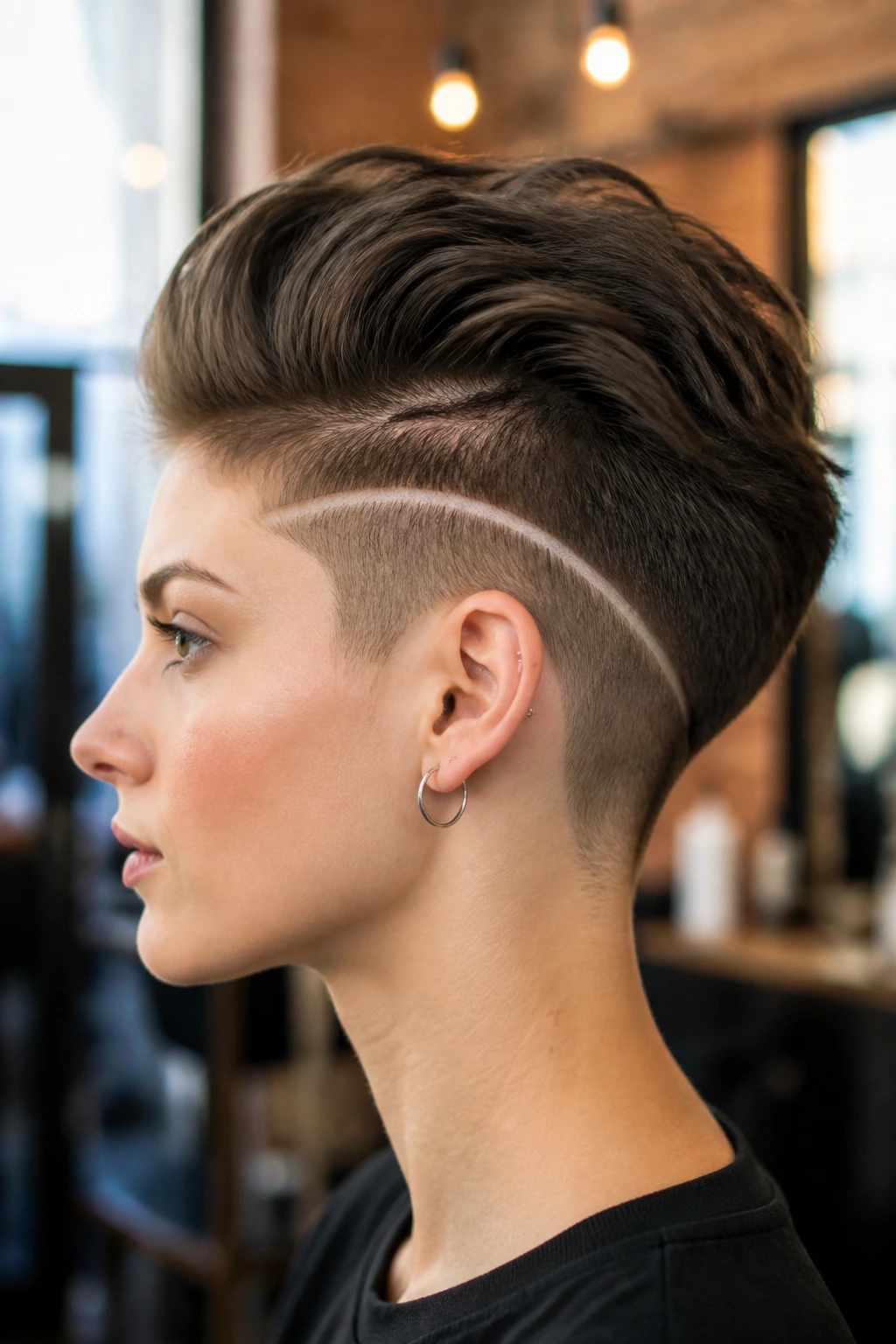
Instead of a straight line, consider having your stylist shave an arch that follows the natural curve of your skull. This looks much softer and more integrated than a harsh, square-edged undercut. It blends better with your natural hair growth patterns, making the grow-out phase much less noticeable and more graceful.
Why Curves Matter
Curves create a more natural silhouette. When you have fine hair, straight lines can sometimes look too severe, creating a “frame” that highlights the scalp. A curved line mimics the way hair actually grows, which feels more organic and less like an artificial division of your hair density.
20. The High-Contrast Tapered Pixie
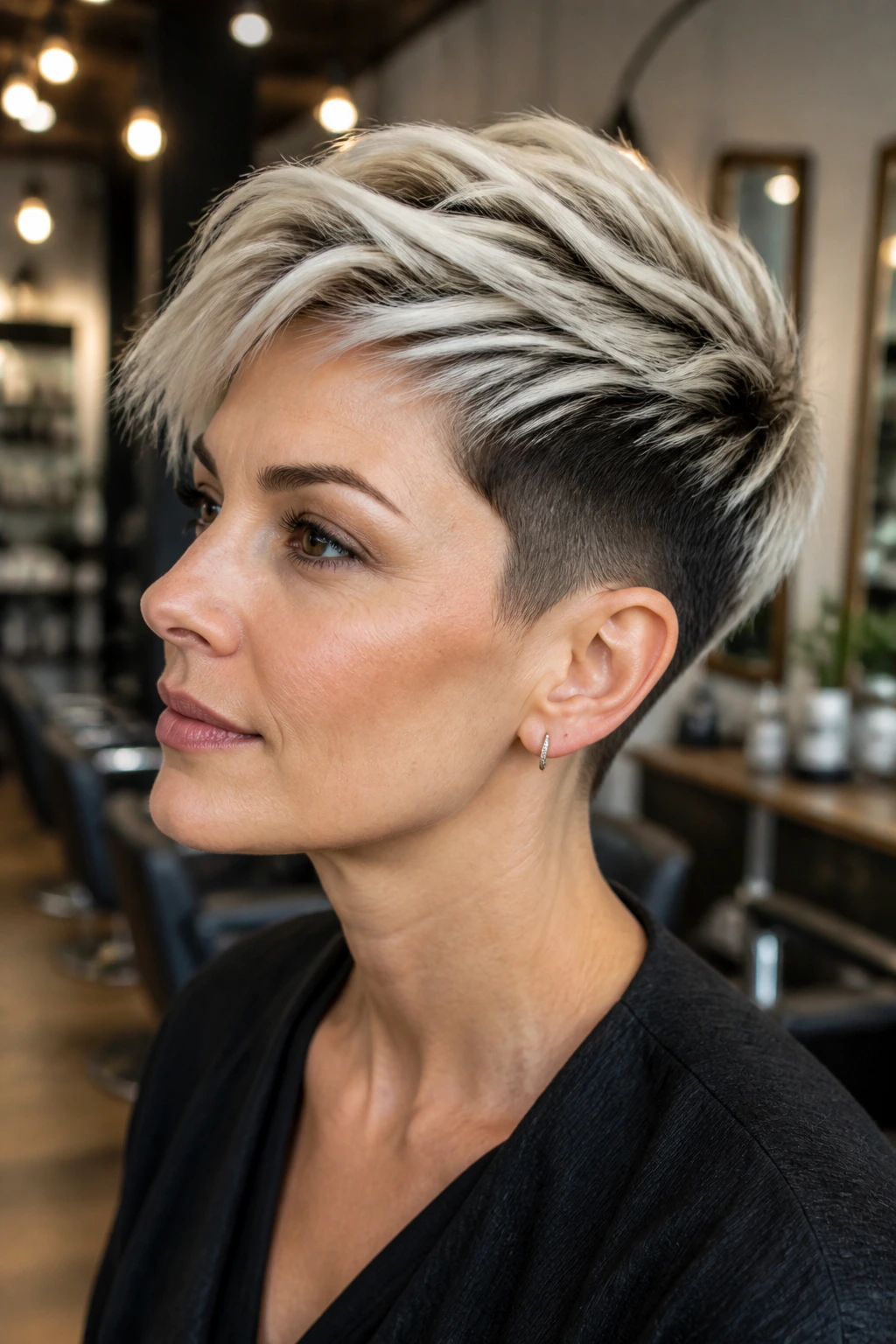
This style features a very short, bleached top paired with a dark, natural-toned undercut. The color contrast alone will make your hair look thicker. When you have fine hair, bleaching the top section can slightly swell the cuticle, giving the strands a bit more “girth” and making them appear slightly denser.
Toning for Depth
If you go the bleached route, make sure to use a toner to keep the color looking rich. A pale, washed-out yellow will just emphasize the fine texture, but a deep, creamy platinum or a multi-tonal ash blonde will give your hair a sense of weight and substance. It is a visual trick that professional colorists use to make thinning hair look like a full, intentional style.
21. The Crown Undercut
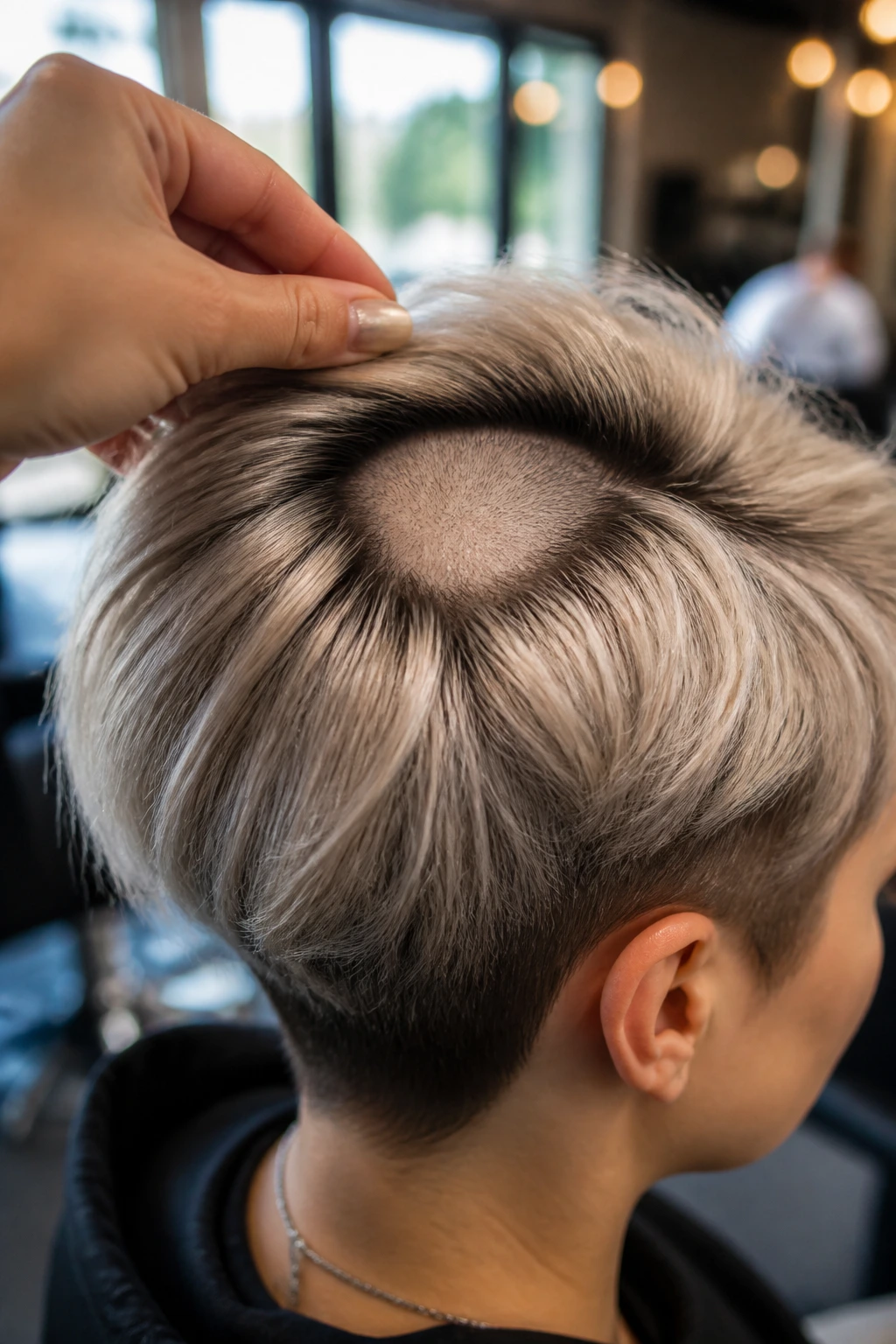
This is for the truly brave—a small, circular section shaved at the very top of your crown, hidden by the surrounding hair. Why would you do this? Because it removes the weight that usually forces the hair at the crown to lie flat. By clearing this small “landing pad,” you allow the surrounding hair to stand up and out, giving you a massive boost in volume.
How to Style the Cover-Up
You will need to learn how to part your hair slightly differently to keep the circle covered. A quick spritz of root-lifting spray applied directly to the surrounding area will ensure that the hair stays fluffed up over the shaved spot. It is a secret, structural volume-builder that no one will ever know is there, but you will feel the difference in the lift of your style every single day.
Final Thoughts
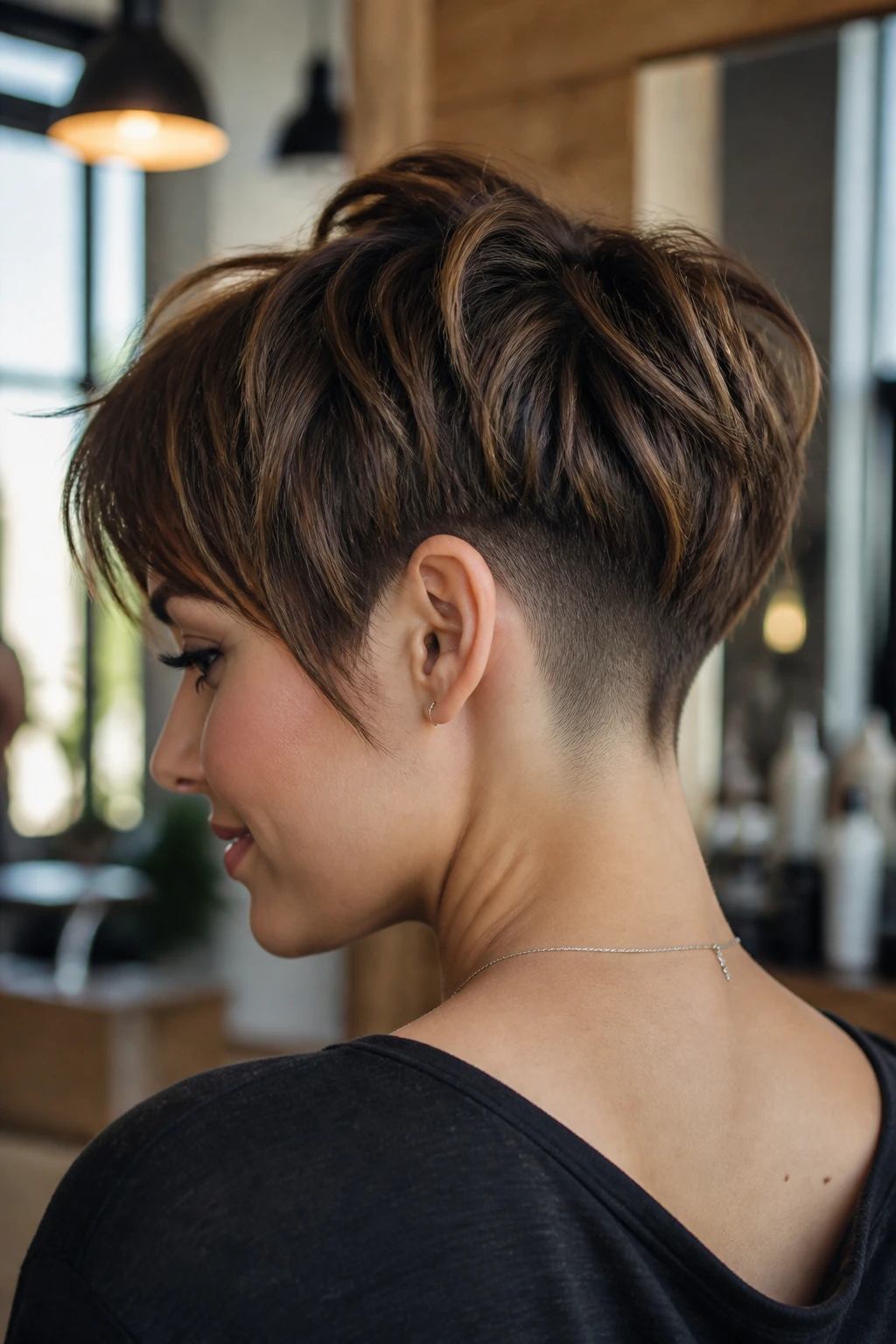
Fine hair is not a disadvantage; it is simply a different canvas that requires a different set of rules. The undercut is one of the most effective tools in a stylist’s kit for managing hair that lacks density or lift. By intentionally removing weight, you stop fighting against gravity and start using it to your advantage. The contrast that an undercut provides is the ultimate “cheat code” for fine hair, making it look fuller, sharper, and significantly more intentional.
Don’t be afraid to experiment. Because hair grows back, the biggest risk you take is having to deal with a few weeks of an awkward grow-out phase, which can be managed with a bit of styling product and a hat. Start small—try a nape taper or a hidden undercut before jumping into a full-blown side-shave. Once you experience the lightness and the boost in natural volume, you might find that you never want to go back to the standard “one-length” cut again. Focus on the contrast, embrace the texture, and keep your edges sharp.