


Standing in front of the bathroom mirror with a round brush in one hand and a blow dryer in the other while coffee goes cold on the kitchen counter is a daily ritual for many. It is a frustrating dance. Most mornings do not allow forty-five minutes of styling, partition-by-partition sectioning, and heavy product application. The search for a haircut that looks styled with minimal effort is not about laziness; it is about reclaiming time.
A great everyday haircut works with the natural physics of your hair rather than fighting against them. When a cut is tailored to your hair’s density, wave pattern, and natural fall, the hair behaves. It settles into place after a quick air-dry or a basic five-minute rough dry. The right shape can make fine hair look dense, bulky hair feel light, and natural texture look intentional instead of chaotic.
Choosing a style that works for your daily routine requires looking honestly at your natural hair texture and your commitment to maintenance. Some shapes require a trim every six weeks to retain their clean lines, while others grow out beautifully over six months. The goal is to find a cut that looks as good on a Tuesday morning grocery run as it does after a salon blowout.
Finding that balance is easier when you understand how different cutting techniques affect the way your hair behaves at home. Stylists use specific methods—like point cutting to remove bulk or blunt lines to create weight—to build structure into your hair. Here is an exploration of twenty-two practical, stylish haircuts designed to make daily wear simple and beautiful.
1. The Textured Shoulder-Length Lob
The shoulder-length lob remains a favorite for good reason. By hovering right around the collarbone, this cut provides the illusion of length while retaining the bounce and volume of a shorter style. It avoids the awkward flipping phase that occurs when hair rests directly on the shoulders because the textured ends are cut to sit softly rather than flat.
Why the Textured Lob Works for Daily Wear
This cut distributes weight evenly across the head, preventing the flat-on-top look that plagues longer, heavy hair. Stylists create this shape by cutting the perimeter blunt and then using slide-cutting techniques on the dry hair to create soft, internal channels. These channels allow the hair to move, giving waves a place to nestle and straight hair a bit of natural bend.
Lob Fast Facts
- Ideal Hair Type: Fine to medium density with a slight wave or straight texture.
- Maintenance Level: Low. A trim every ten to twelve weeks keeps it looking fresh.
- Styling Time: Under five minutes. A splash of sea salt spray or texturizing mist is all it takes.
- Growth Pattern: Grows out gracefully into a standard medium-length cut without awkward phases.
Pro tip: Ask your stylist for long, slide-cut internal layers rather than traditional short layers on top to avoid a choppy, dated look.
2. The Tapered Classic Pixie
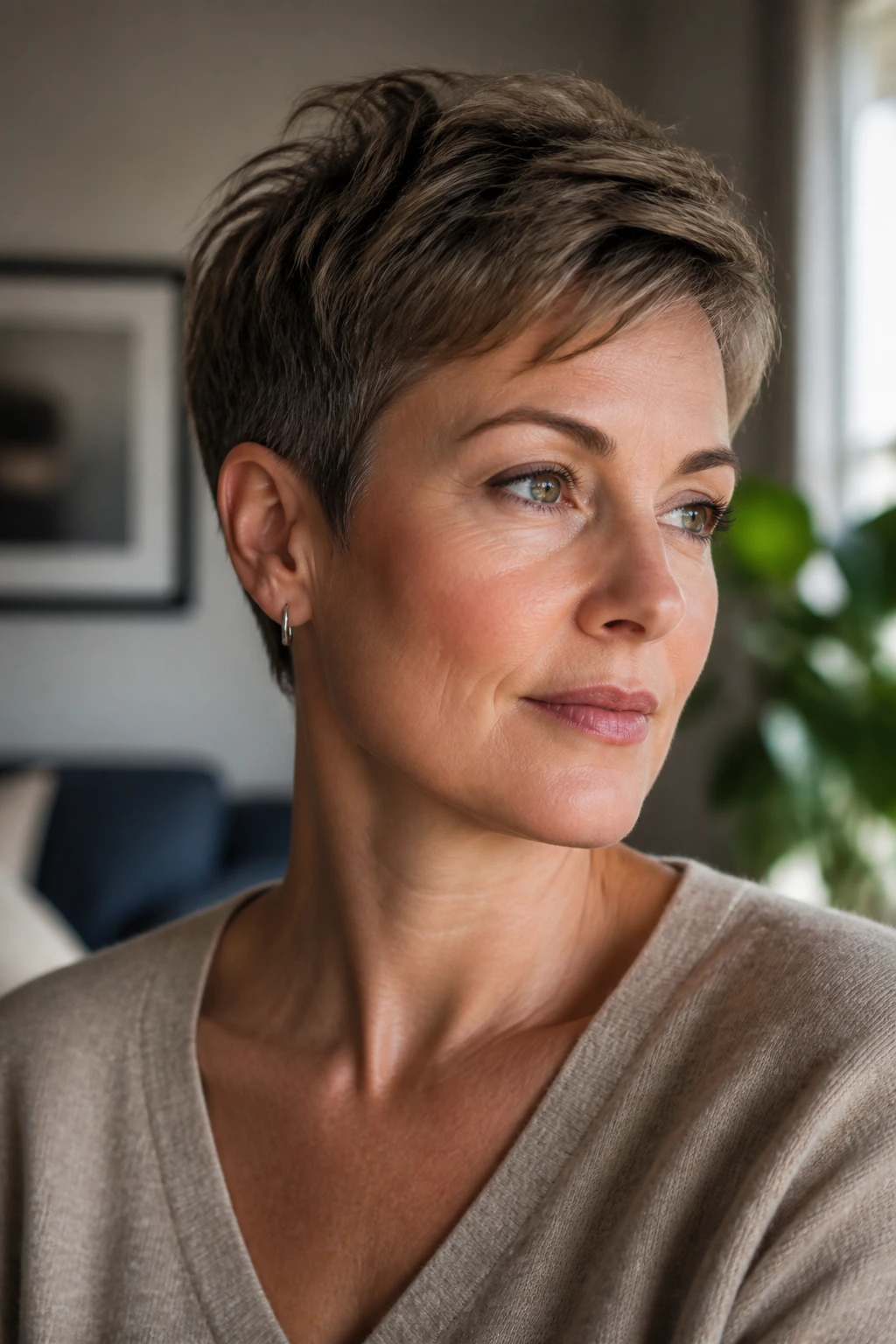
Choosing a short haircut does not mean committing to hours of styling. The tapered classic pixie relies on tight, clean scissor-over-comb work around the nape of the neck and ears, paired with longer, piecey layers through the crown. This structure keeps the perimeter neat while allowing the top portion to retain natural movement and volume.
The beauty of this cut lies in its simplicity. When the sides and back are kept short and clean, the shape remains recognizable even on mornings when you do not style it. The hair dries in minutes, and because there is no weight pulling the roots down, natural volume is built directly into the haircut.
For daily wear, this style offers unmatched speed. You can roll out of bed, rub a dime-sized amount of light-hold matte paste between your palms, and run your hands through your hair to define the layers. It is an ideal option for anyone looking to step away from heat styling entirely.
3. The Classic Blunt Chin-Length Bob

Are you tired of layers that flip out in different directions every time you sleep on them? The classic blunt chin-length bob is a masterclass in clean lines and structural simplicity. By cutting the hair to a single, solid length right at the jawline, the weight of the perimeter pulls the hair downward, keeping it sleek and uniform without styling.
How to Wear This Cut Comfortably
- Keep it tucked: Tucking one side behind your ear instantly breaks up the solid line and creates a casual, lived-in feel.
- Embrace your parting: A deep side part adds height and drama, while a center part keeps the look symmetrical and modern.
- Let it air-dry: If your hair has a natural wave, letting this cut air-dry creates a beautiful, casual texture that contrasts nicely with the blunt perimeter.
Styling the Blunt Bob
This cut works exceptionally well for straight, fine hair because the solid weight line makes the ends look incredibly thick. If your hair is dense, your stylist can remove weight from the interior of the back section using thinning shears, leaving the exterior line completely solid. This technique prevents the cut from taking on an unwanted triangular shape.
4. Long Layers with Feathery Curtain Bangs
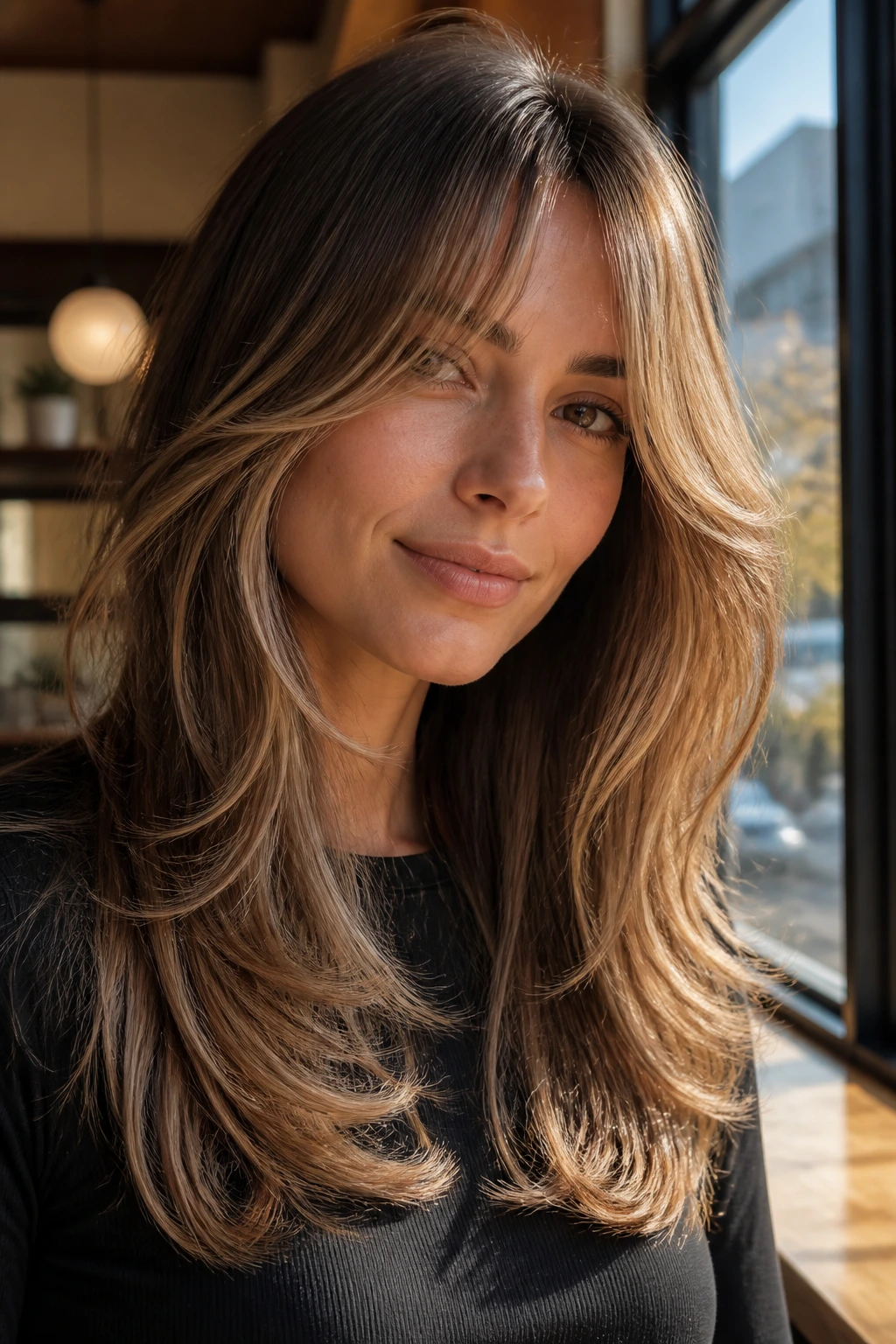
We have all been there: wanting a change but refusing to sacrifice length. This cut offers the perfect solution by combining long, weight-reducing layers throughout the main length with soft, parting-optional curtain bangs that frame the eyes. The long layers prevent the bottom of the hair from looking sparse, while the bangs add instant style to a basic ponytail.
The Dynamics of Feathery Curtain Bangs
- The Sweep: The bangs are cut using a slide technique, starting short in the center and curving down to the cheekbones.
- The Parting: They split naturally down the middle, opening up the face without the high maintenance of full, straight-across bangs.
- The Practicality: They are long enough to be pinned back with a bobby pin or tucked behind your ears when you need your hair out of your face.
This cut is incredibly forgiving. If you do not have time to style the entire length of your hair, you can spend two minutes blow-drying just the curtain bangs with a small round brush. The rest of your hair can be left to air-dry, tied into a messy bun, or braided, and you will still look put together.
5. The Wispy Multi-Layered Shag
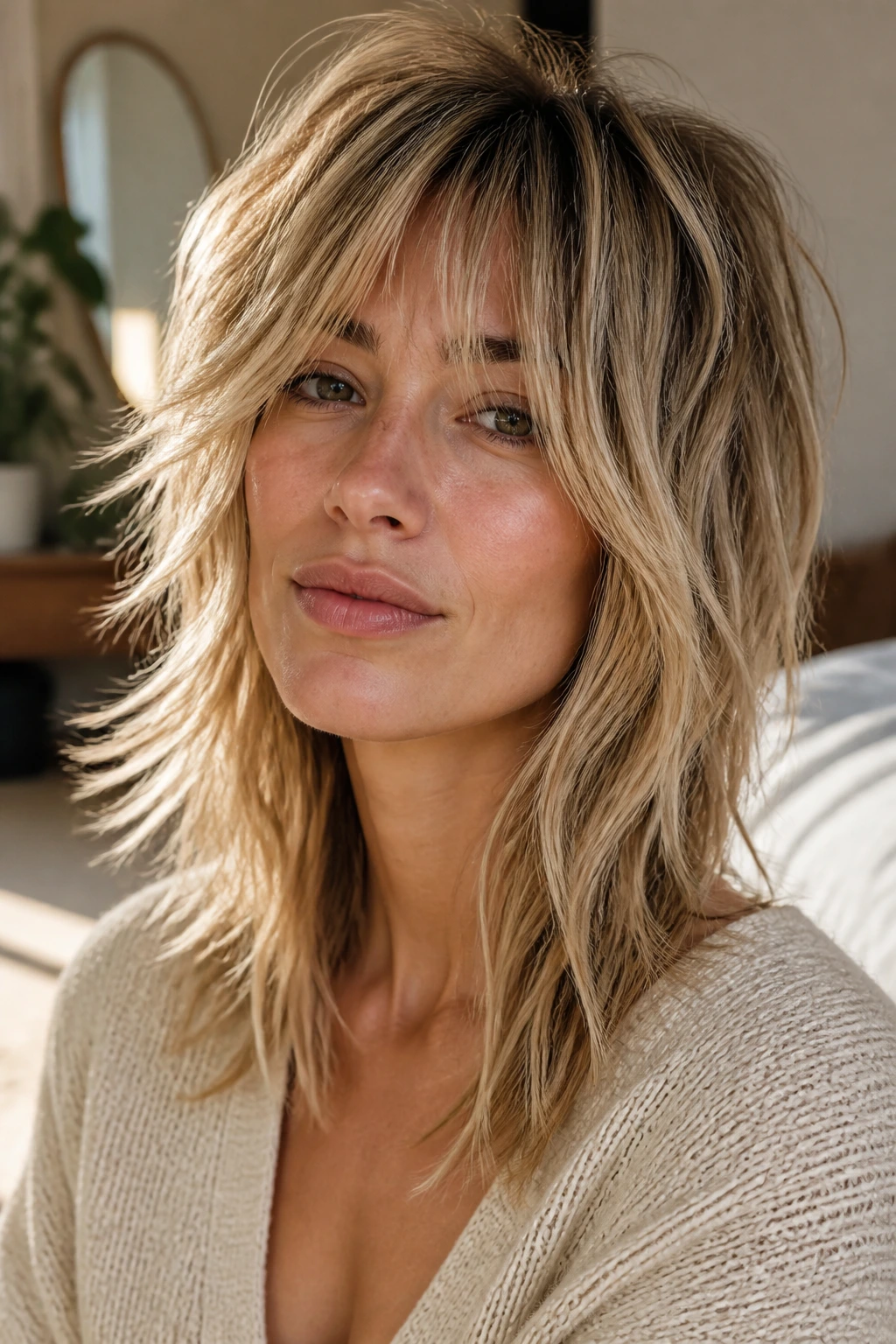
The shag has transitioned from a specific retro trend into a staple for anyone with natural texture. This cut relies on heavy, shorter layers throughout the crown and mid-lengths, combined with wispy, point-cut ends that fall past the shoulders. It is a cut designed to look messy, making it highly practical for busy daily schedules.
Because the shape is inherently textured, imperfections are part of the style. Bedhead actually improves the look of a shag, as the piecey layers benefit from a bit of lived-in rumpling. If your hair has a natural wave or curl, this cut coaxes those patterns out by removing the heavy length that usually flattens them.
To maintain this style, you only need to wash your hair, apply a leave-in conditioner or curl cream, and let it air-dry. The layers do the heavy lifting, creating height at the crown and texture along the sides. It is a fantastic option for thick-haired individuals who want to feel lighter.
6. The French Bob with Eyebrow-Grazing Bangs

Unlike a standard bob that rests at the chin, the French bob is cut slightly shorter, usually grazing the mouth or the jawbone, and is paired with light, eyebrow-skimming bangs. This cut carries a distinct sense of style that requires almost zero daily effort because the structure of the cut does all the visual work for you.
What makes this cut different is the way the ends are finished. Instead of a perfectly flat line, the ends are lightly chipped into with scissors to create a soft, slightly lived-in texture. This prevents the hair from looking too stiff or helmet-like as it moves throughout the day.
This style is best for individuals who love a retro aesthetic but do not want to spend time using styling tools. It looks best when it is air-dried and allowed to take on its natural, slightly imperfect wave. A quick tousle with your fingers in the morning is often the only styling required.
7. The Collarbone-Grazing Blunt Midi Cut
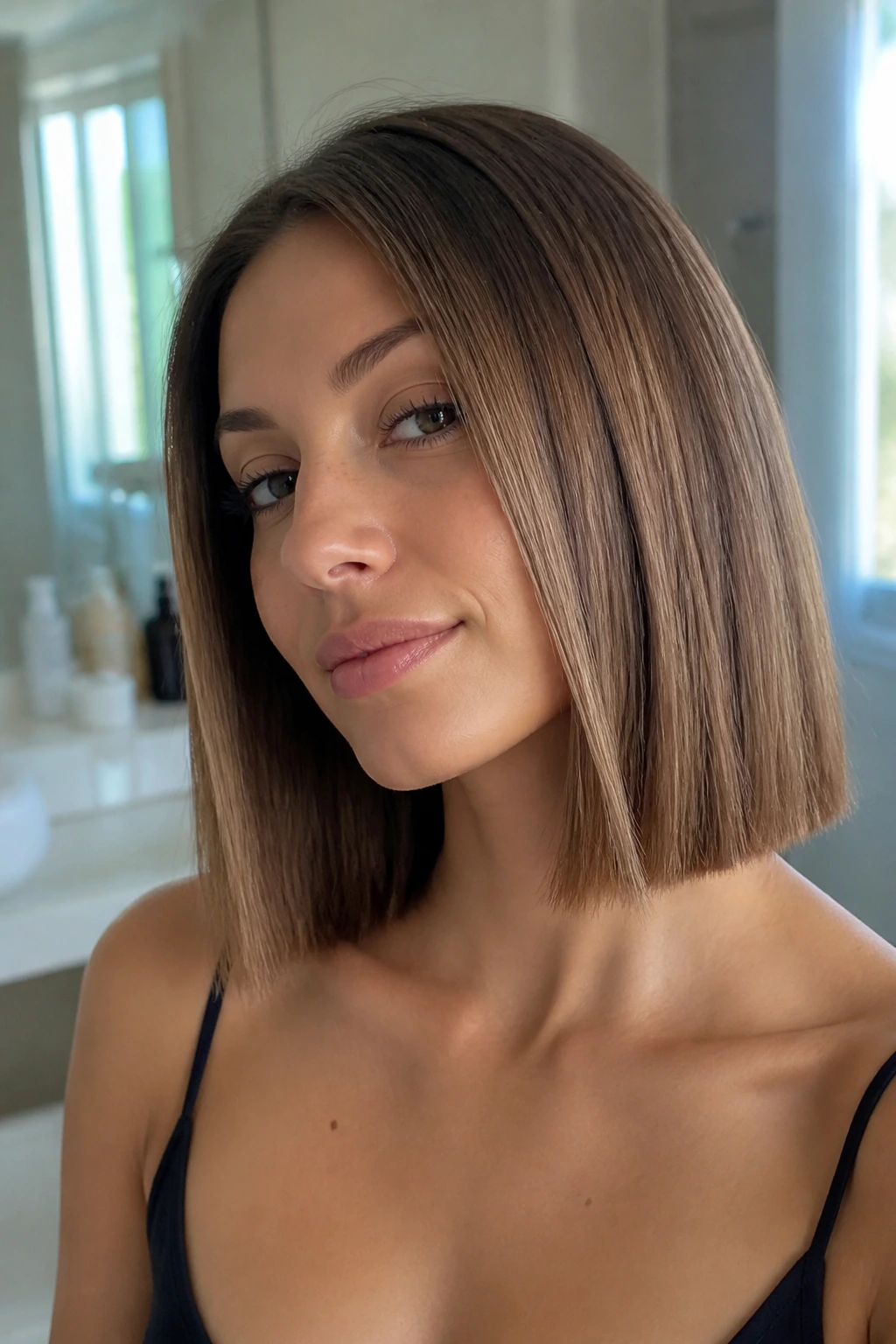
The collarbone-grazing blunt midi cut is a practical option for those who find bobs too short and long hair too tedious. It sits exactly where the neck meets the torso, creating a clean, horizontal line across the collarbone. It is a clean, sharp look that maintains its shape beautifully between salon appointments.
Why This Midi Cut is Highly Adaptable
This length is long enough to pull into a secure, comfortable ponytail or claw clip without pins, yet short enough to wash and dry quickly. By keeping the ends blunt, the hair retains its density, which is helpful for those with fine or thinning hair. The absence of heavy layering means you do not have to worry about shorter pieces falling out of updos.
Fast Facts for the Blunt Midi
- Ideal Hair Type: Straight to wavy hair of all densities.
- Maintenance Level: Extremely low. Can easily go four to five months between trims.
- Styling Time: Zero to ten minutes, depending on whether you rough-dry or air-dry.
- Key Feature: Highly polished look even when left unstyled.
Pro tip: When washing, apply lightweight oil to the damp ends to keep the blunt line looking sharp and clean as it dries.
8. The Side-Swept Asymmetrical Pixie
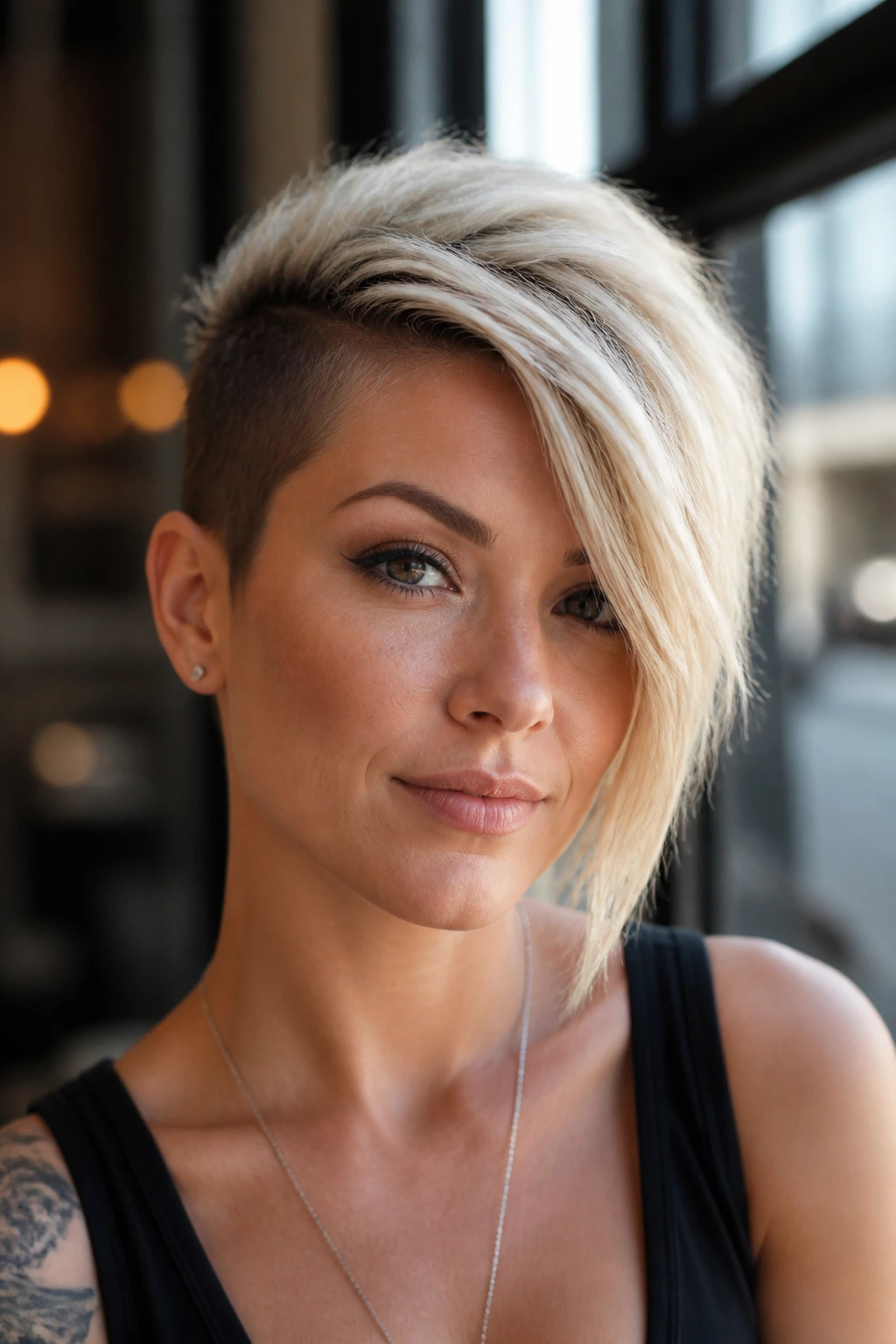
A bold cut can still be highly practical for daily wear. The side-swept asymmetrical pixie features one side cut close to the scalp, while the other side is left longer, draping softly across the forehead. This contrast creates a dynamic shape that naturally draws attention to the eyes and cheekbones.
The longer side of the cut provides styling variety that standard pixies lack. You can tuck the long side behind your ear for a sleek, clean profile, or let it fall forward to showcase the natural drape. Because the back and one side are kept very short, styling is fast, requiring work on only a small section of the hair.
For daily maintenance, a lightweight styling cream or pomade is your best friend. Applying a small amount to damp hair helps guide the longer pieces across the forehead while keeping the shorter side neat. It is a stylish option that grows out into a beautiful short bob over time.
9. The Hybrid Pixie-Bob Bixie Cut
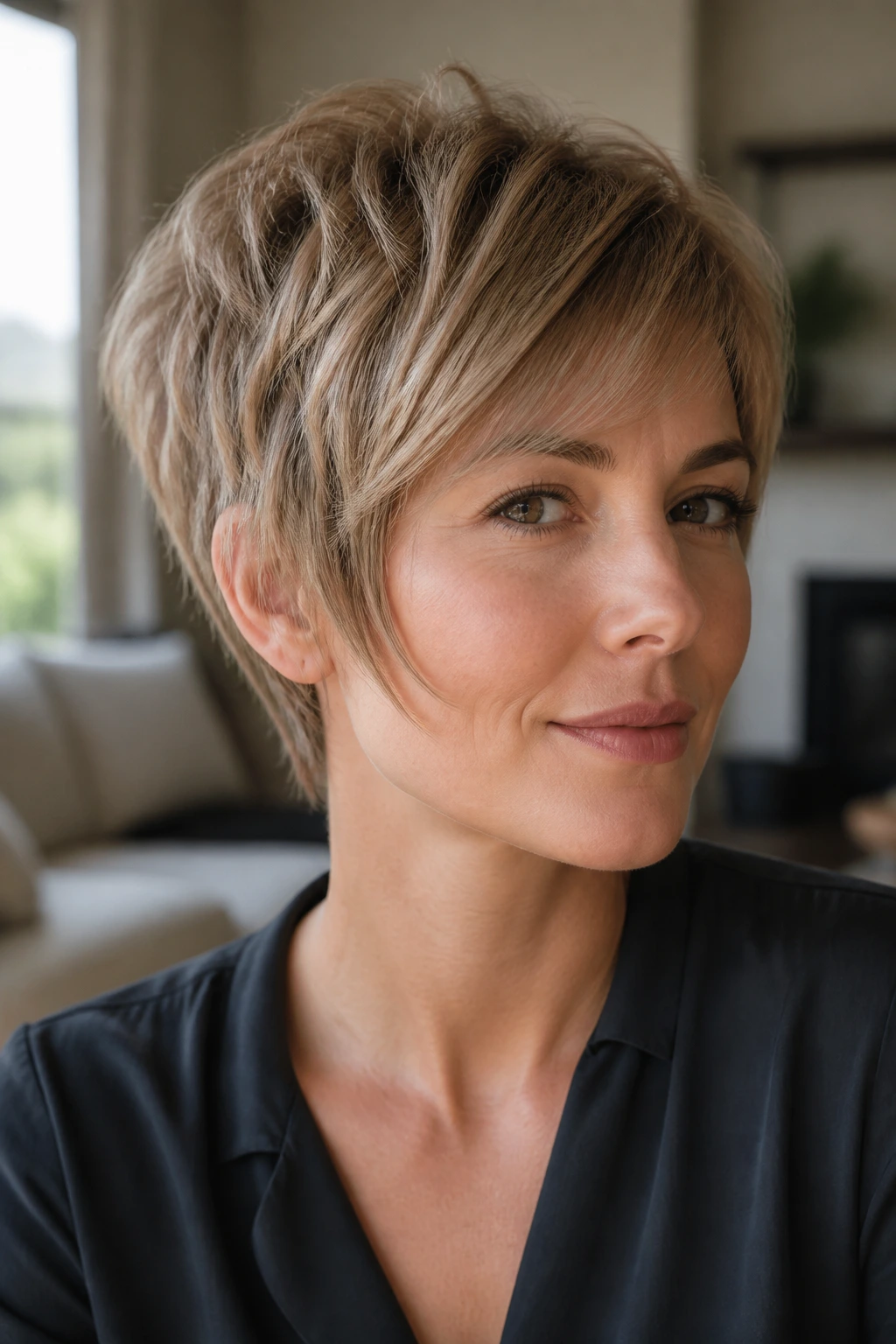
What happens when you cannot decide between a pixie and a bob? You get the bixie. This hybrid cut blends the short, crop-like layers of a pixie with the perimeter length of a classic chin bob, resulting in a soft, shaggy style that frames the face without feeling heavy.
The Physics of the Bixie Cut
- The Crown: Shorter, textured layers build volume at the top of the head, preventing the flat look of a traditional bob.
- The Nape: The hair is kept longer and wispy, soft against the neck rather than shaved close.
- The Sides: Pieces fall around the ears, offering the styling options of a short bob.
This cut is particularly helpful for individuals transitioning from a short pixie back to longer hair, as it turns the awkward mid-growth phase into an intentional style. It air-dries into a casual, textured shape and looks excellent when paired with a simple headband or hair clips for daily variety.
10. Long Internal Layers for Dense Hair
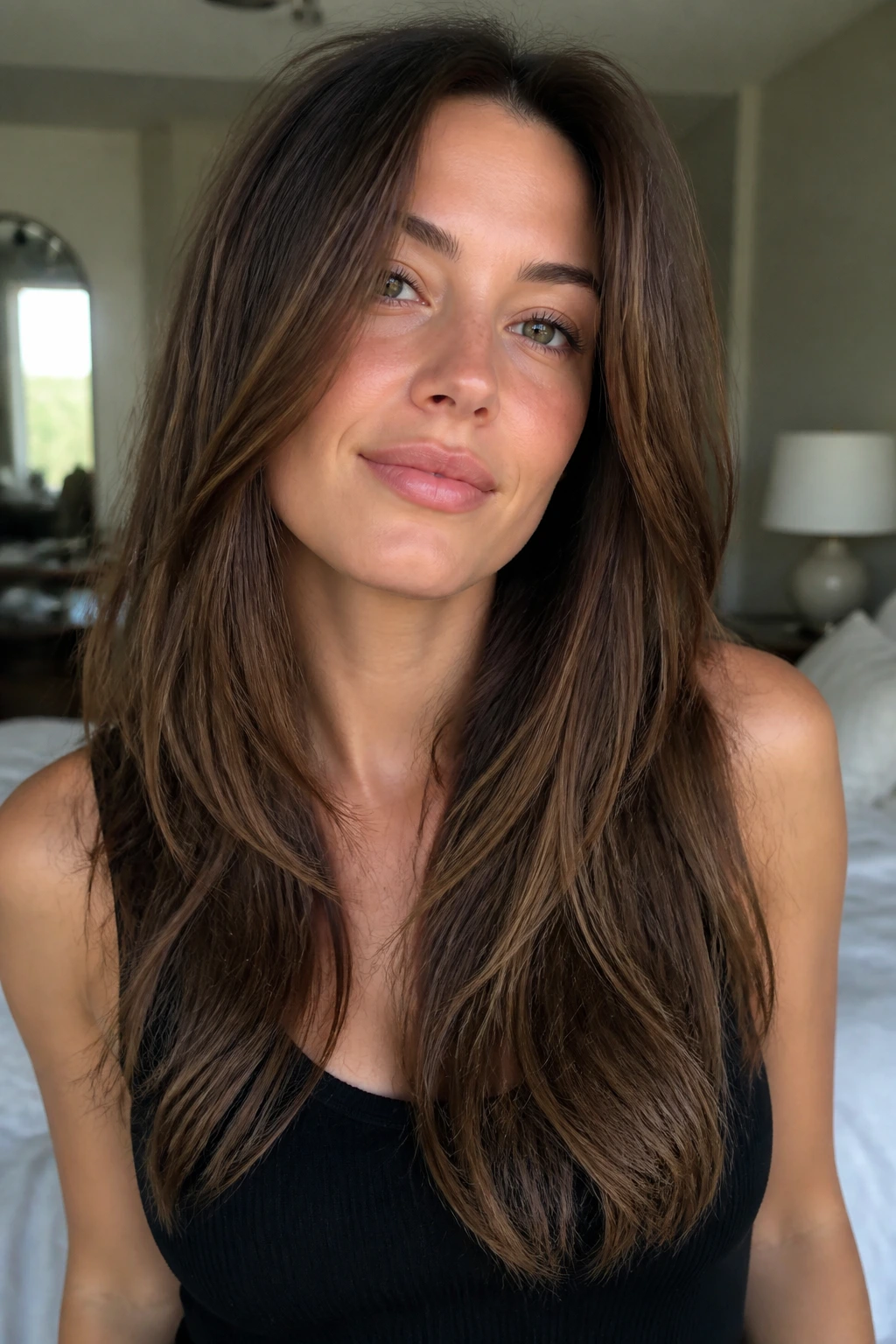
If you have thick, dense hair, you know the struggle of the “heavy triangle” shape. Traditional layers can sometimes look choppy and obvious on dense hair. Long internal layers are cut inside the bulk of the hair rather than on the top surface, removing weight from the interior while leaving the exterior smooth.
Understanding Internal Layering
- The Technique: The stylist lifts sections of hair and slide-cuts the middle sections, creating shorter pockets of hair underneath.
- The Benefit: This removes bulk from the interior, allowing the hair to lay flatter and swing more naturally.
- The Result: Your hair feels half as heavy, dries in half the time, and retains its smooth, long appearance.
This technique is a lifesaver for daily wear because it dramatically cuts down on blow-drying time. Because the internal bulk is gone, the hair does not hold onto moisture as long, making your morning wash-and-go routine much faster. The style retains its shape even as it grows several inches.
11. The Angled Bob with a Tapered Back
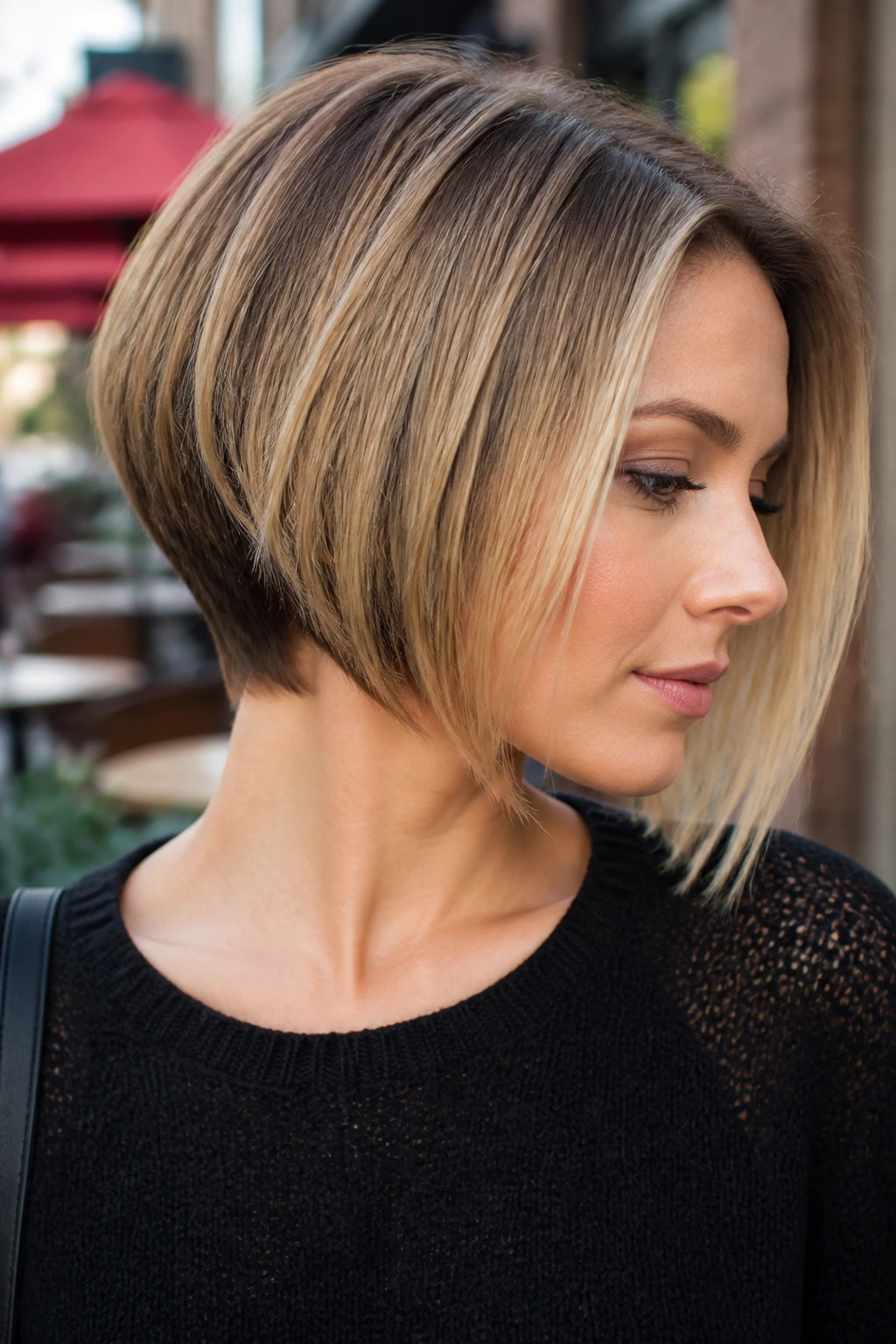
The angled bob features a back section that is slightly shorter than the front, creating a subtle slope that follows the jawline. By tapering the back, the hair is lifted off the neck, keeping you cool and preventing the collar of your coat or sweater from pushing your hair forward into an awkward shape.
This cut works with the natural growth direction of your hair. The stacked or tapered back creates a wedge of weight that pushes the longer front pieces forward, framing the face. It is a highly structured cut that looks incredibly polished with nothing more than a quick brush-through in the morning.
For busy days, this style keeps the hair out of your face while maintaining a sleek look. It is an excellent choice for straight hair, but it also works beautifully on wavy textures, where the angle creates a playful, asymmetrical bounce.
12. The Rounded Layered Curly Cut
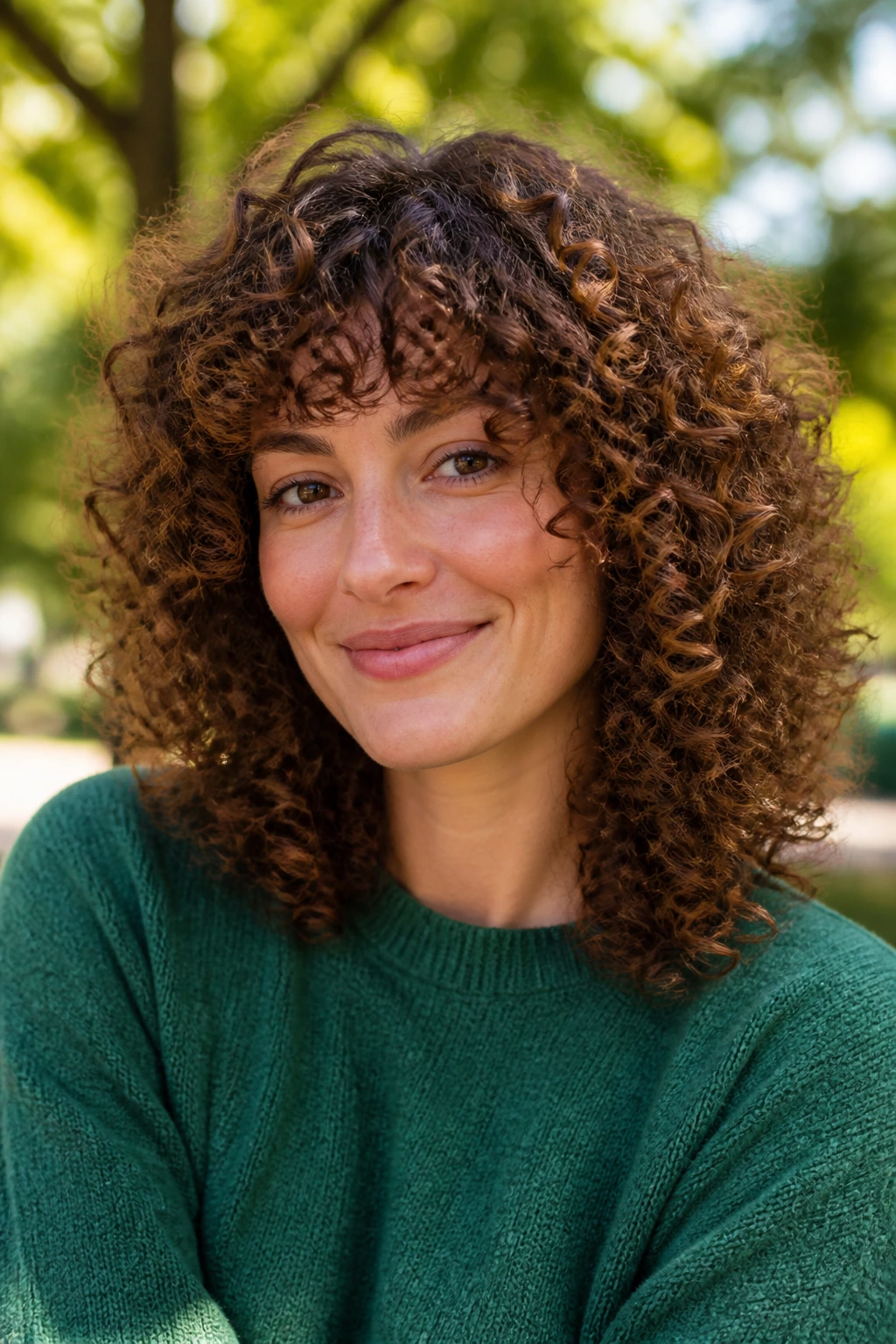
Curly hair requires a different approach to layering than straight hair. Traditional straight cuts can leave curly hair looking flat on top and wide at the bottom. The rounded layered curly cut is cut dry, curl by curl, to create a soft, spherical shape that distributes volume evenly around the head.
Unlike wet-cutting methods, dry cutting allows the stylist to see how each curl naturally bounces and shrinks. By creating rounded layers, the weight of the hair is lifted, allowing the curls to spring up and form defined coils. This structure prevents the curls from weighing each other down.
Curly Care and Style
- The Routine: Wash, apply a generous amount of leave-in conditioner and curl gel to soaking wet hair, scrunch, and let air-dry.
- The Sleep Routine: Protect the shape at night by gathering the hair into a loose scrunchie at the top of the head (the pineapple method).
- The Morning Refresh: Spritz with water mixed with a little conditioner to reactivate the curls.
This cut makes daily styling simple because it works with your hair’s natural pattern rather than trying to tame it. The rounded silhouette remains consistent, allowing you to embrace your natural texture with confidence.
13. The Long V-Shaped Layered Cut
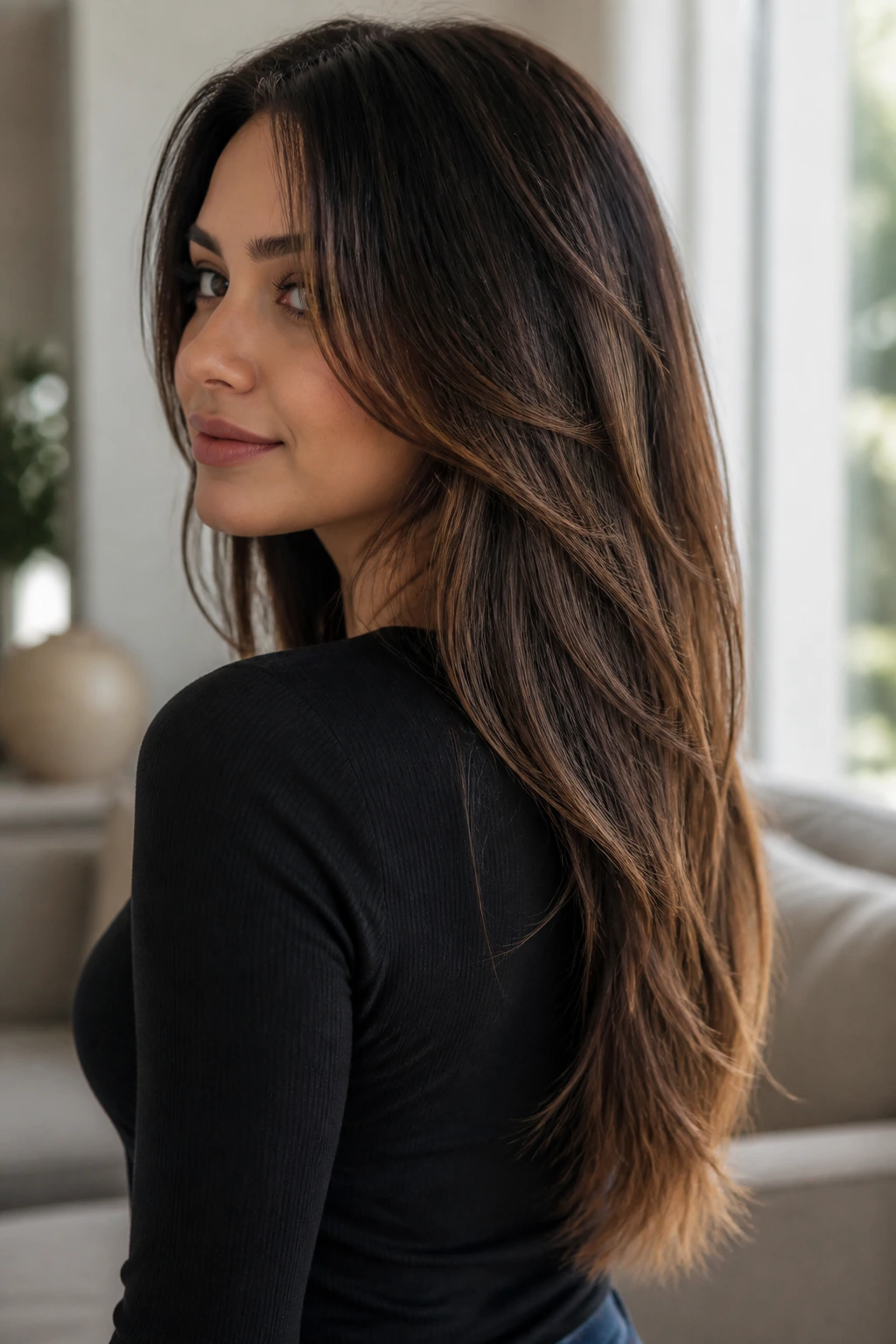
For those who love long hair but find straight-across cuts heavy and dragging, the V-shaped cut offers relief. The hair is cut so that the length forms a “V” in the back, with the shortest layers framing the face and the longest pieces resting in the center of the back.
The Mechanics of the V-Cut
The steep angle of the perimeter removes a significant amount of weight from the sides of the hair. This weight reduction allows the front sections to bounce up and frame the collarbone, while the back retains the long length you love. When you bring your hair forward over your shoulders, it cascades in soft, graduated steps.
V-Cut Fast Facts
- Ideal Hair Type: Medium to thick hair with natural wave or straight texture.
- Maintenance Level: Medium. Needs a trim every twelve weeks to keep the V shape distinct.
- Styling Time: Five to ten minutes.
- Updo Options: Creates a beautiful, textured ponytail with varied lengths.
Pro tip: This cut is highly beneficial if you love wearing braided styles, as the graduated lengths create natural texture throughout the braid.
14. The Hidden Undercut Bob
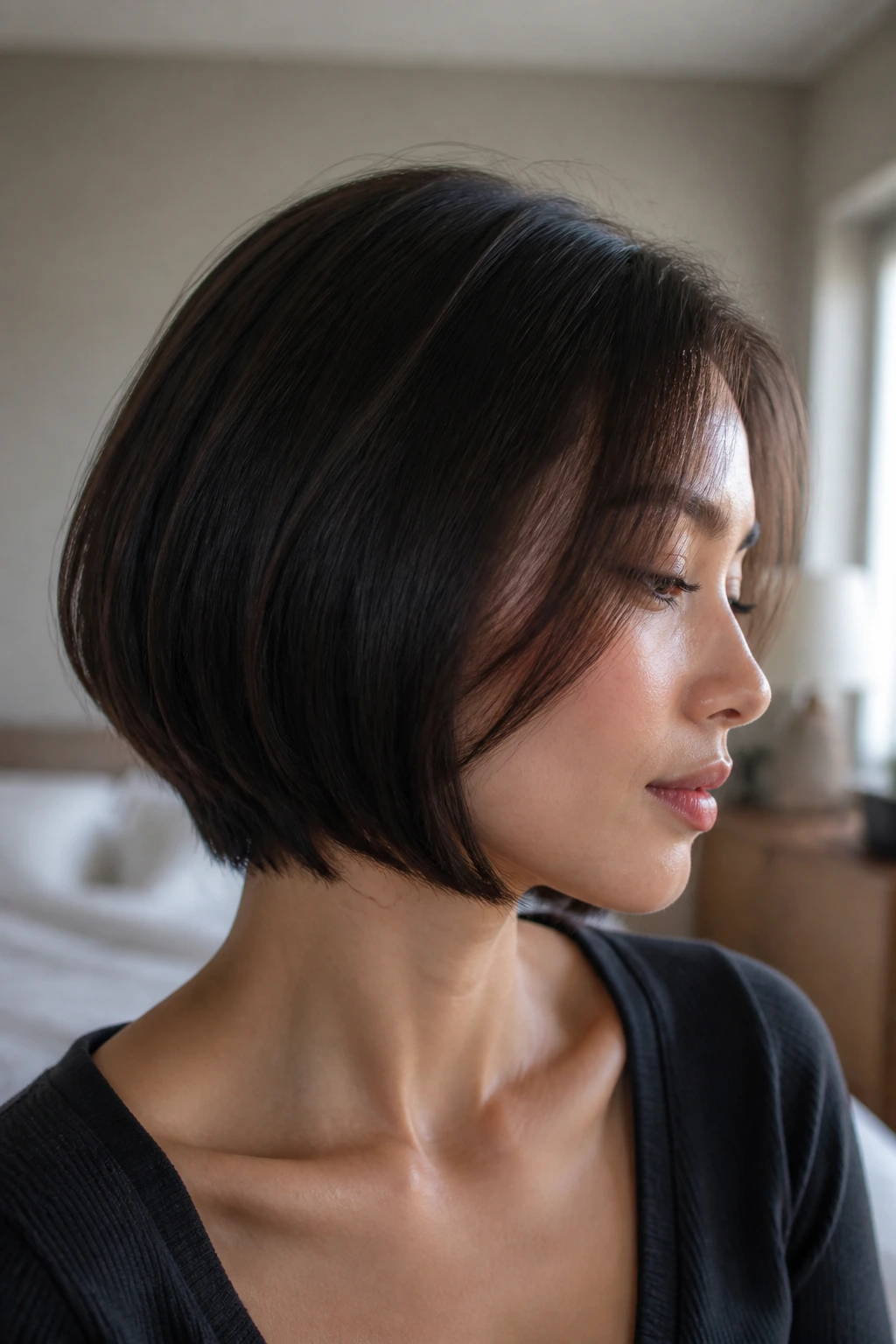
The hidden undercut bob is a practical solution for thick-haired individuals who want a clean, chin-length style without the bulk. The stylist shaves or cuts the bottom inch of hair at the nape of the neck very short, allowing the longer bob layers to fall smoothly over the top.
This hidden section removes the bulkiest part of the hair, preventing the bob from puffing out at the base of the skull. It also makes drying the back of your head incredibly fast. When your hair is down, the undercut is completely invisible, presenting a classic, sleek bob.
When you want to keep cool, pulling the top sections into a half-up knot reveals the clean undercut underneath. It is a playful yet practical style that makes managing thick hair on a daily basis much easier.
15. The Choppy Pixie with Piecey Texture
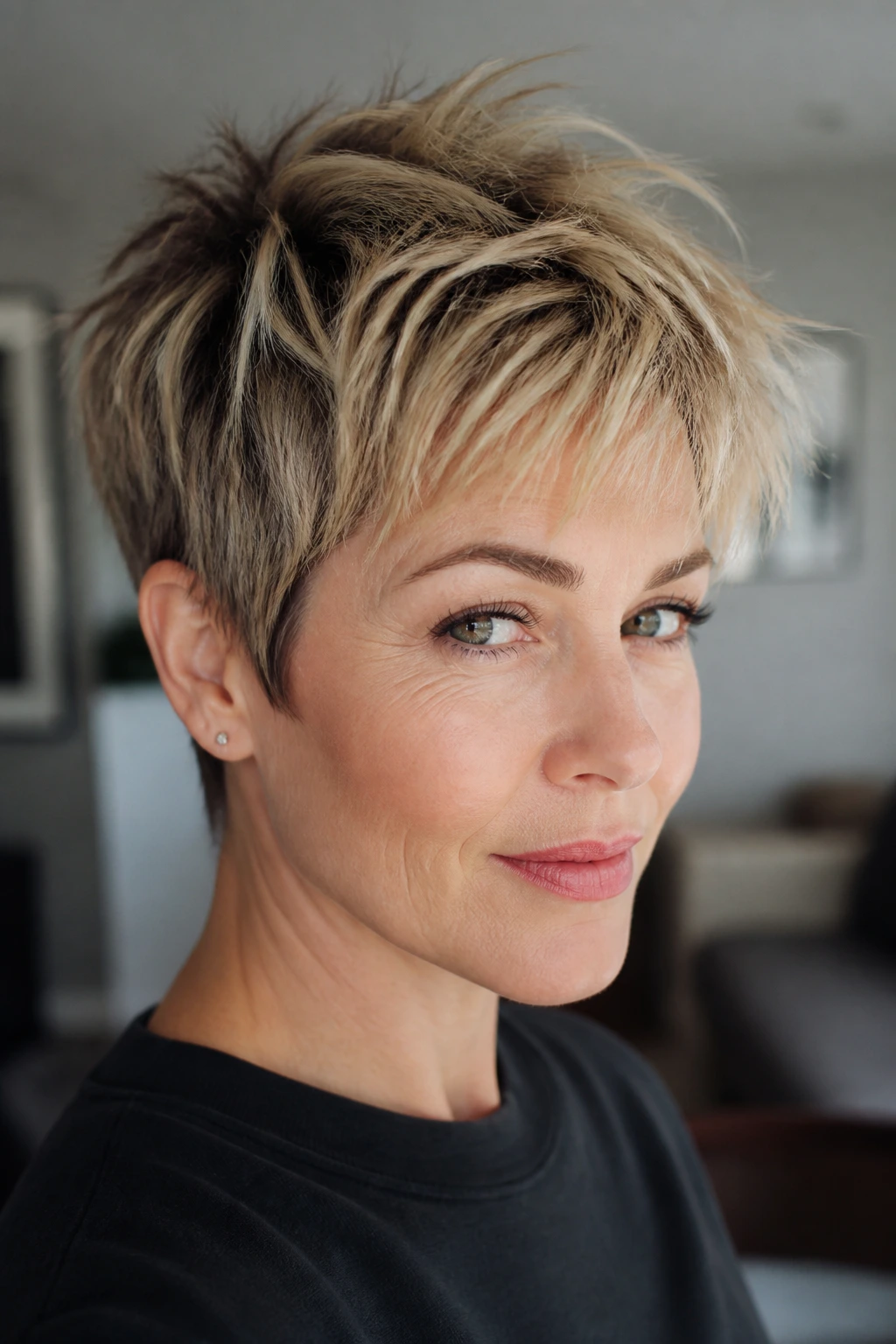
If you prefer a short look with a bit of edge, the choppy pixie is a reliable choice. This cut relies on irregular, point-cut layers throughout the entire head, creating a textured, piecey look that does not require precise styling to look good.
The beauty of this style is that it actually looks better when it is a little messy. It does not suffer from wind or weather; if your hair gets blown around, a quick pass with your fingers puts it right back into place. It is a highly practical cut for active lifestyles.
To style, apply a small, pea-sized amount of texturizing wax or clay to dry hair. Focus on pinching the ends of the layers to define the piecey texture. The cut does the rest of the work, providing shape and volume that lasts all day.
16. The Shoulder-Length Wolf Cut
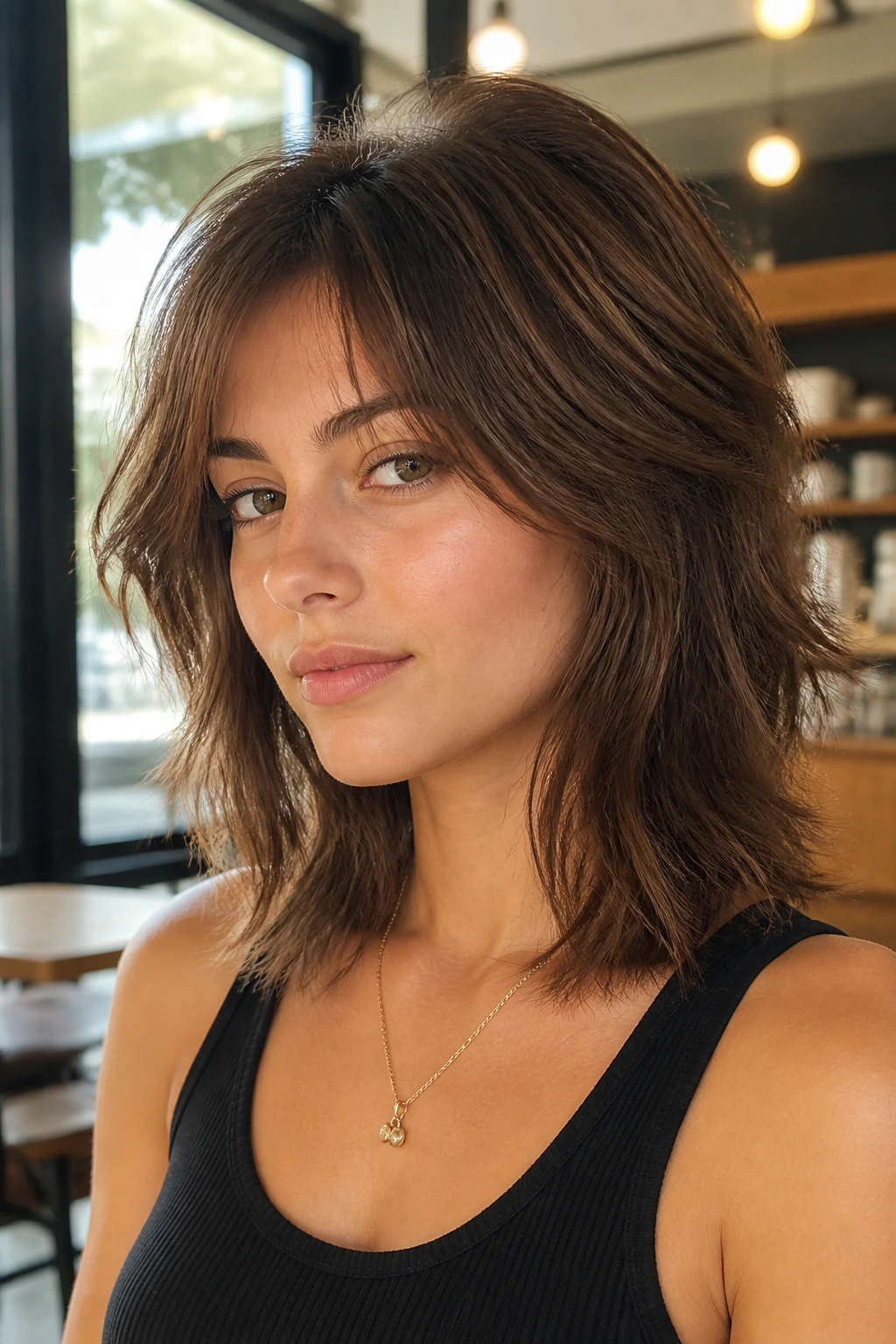
The wolf cut is a modern blend of the shag and the mullet, featuring short, voluminous layers around the crown and longer, wispy layers throughout the bottom. It is a cut that embraces movement and texture, making it highly practical for daily wear.
By focusing the volume at the top of the head, this cut flatters almost all face shapes. The wispy ends graze the shoulders, creating a soft, feathered frame. It is a highly responsive cut that moves naturally as you walk, giving your hair a lively, healthy appearance.
For daily maintenance, this style requires minimal effort. If your hair has a wave, applying a bit of air-dry cream and scrunching the layers is all it takes. The shorter layers on top keep their volume throughout the day without collapsing.
17. The Center-Parted Soft A-Line Cut
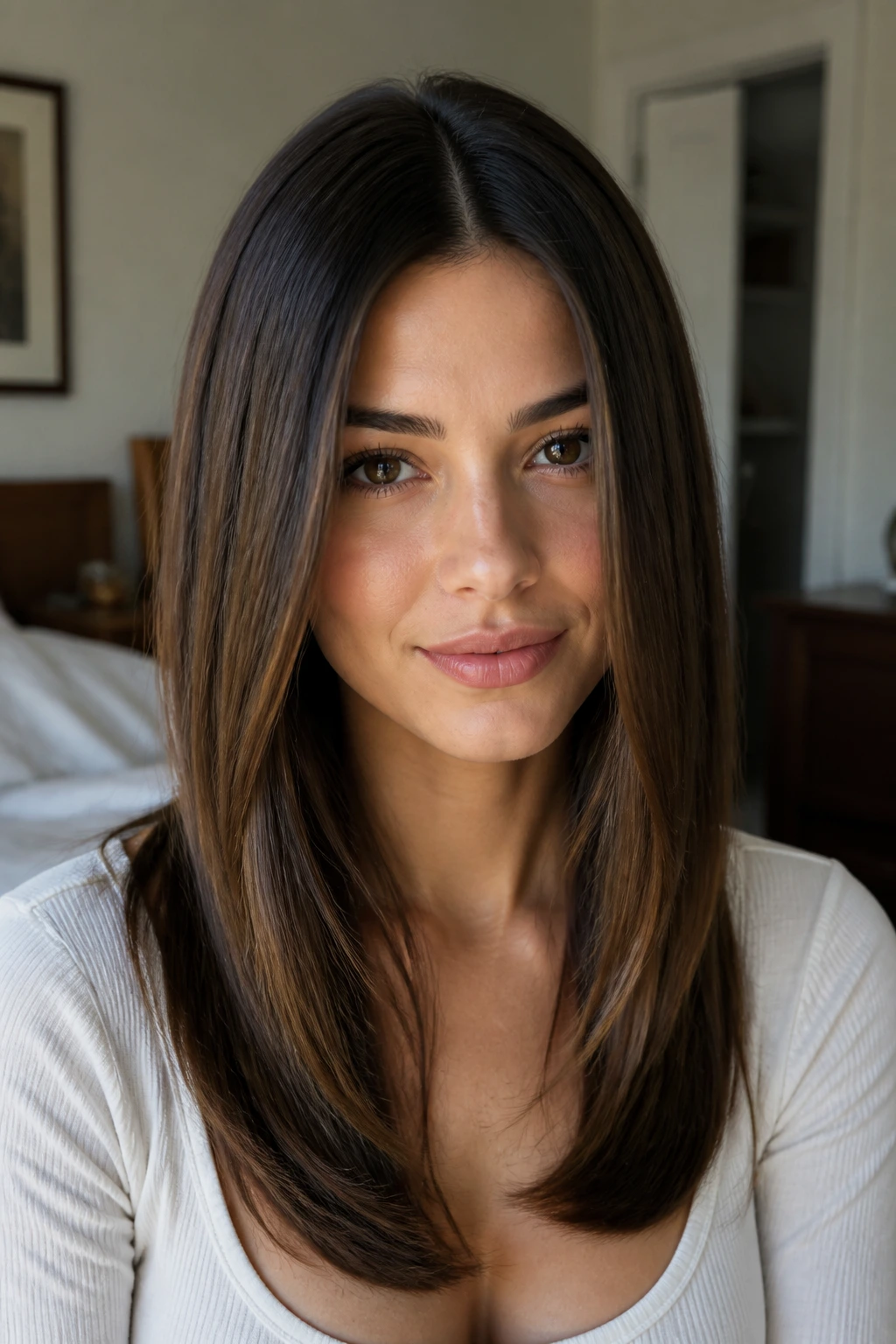
The center-parted soft A-line cut features front pieces that are slightly longer than the back, but with a softer transition than a classic angled bob. The layers are kept long and blended, allowing the hair to drape naturally around the face.
This cut is particularly helpful for those who prefer to wear their hair down every day. The slight forward angle keeps the hair falling toward the collarbone, framing the face without the need for constant adjustment. The center part keeps the look symmetrical and balanced.
Because the layering is subtle, this cut is very easy to grow out. It transitions into a medium-length cut without any awkward stages, making it a great option for anyone who wants to minimize their salon visits.
18. The Modern Razor-Cut Shag
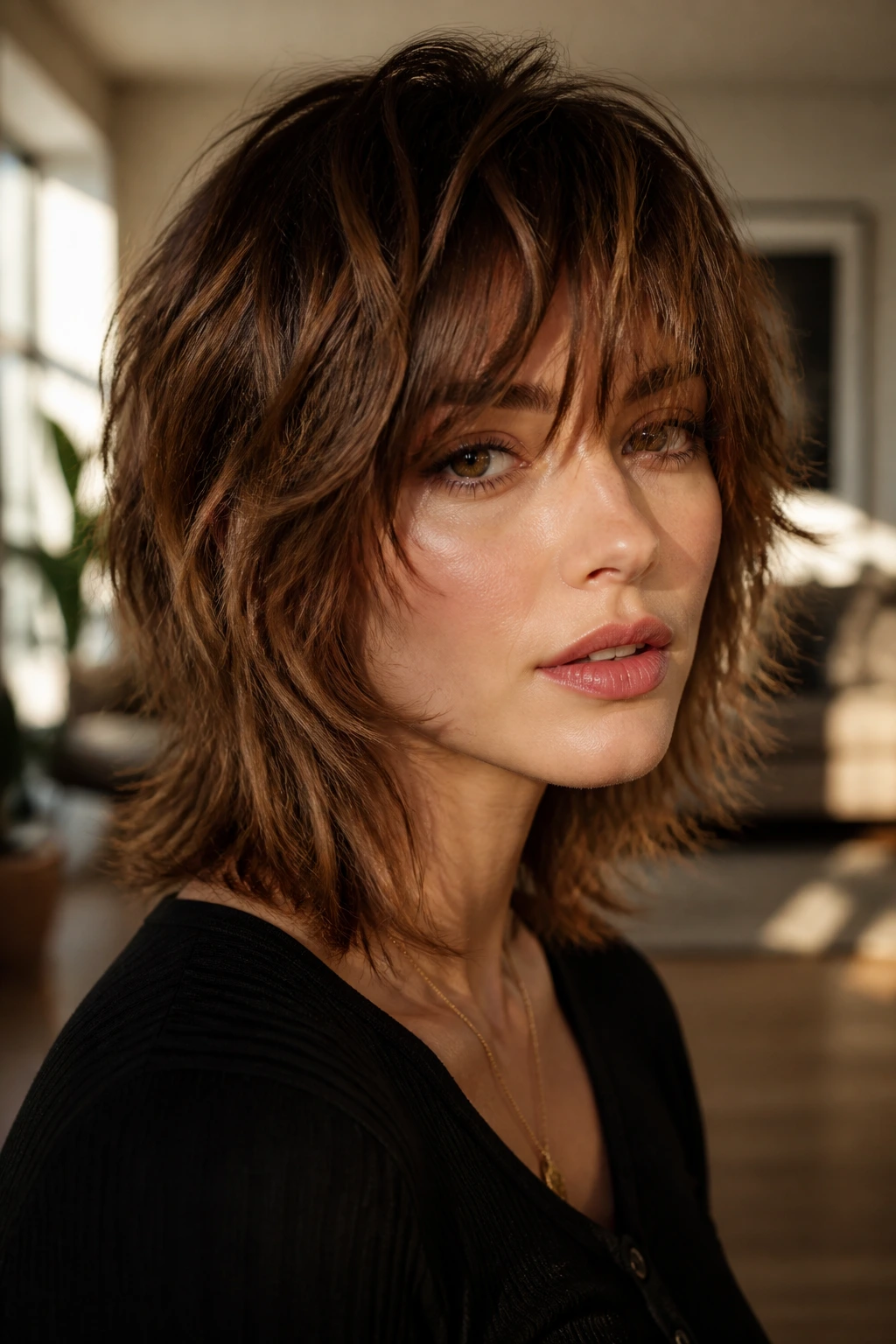
Unlike scissor cuts that create blunt ends, a razor-cut shag uses a straight razor to slice the ends of the hair at an angle. This technique creates incredibly soft, tapered ends that blend together, resulting in a lightweight, airy texture.
Why the Razor Cut Differs
The razor removes weight from the ends of each layer, allowing the hair to feather naturally. This makes the cut highly responsive to natural movement and prevents any hard lines from forming as the hair grows. It is an excellent option for softening thick, coarse hair textures.
Best Everyday Practices for the Razor Shag
- Dampen and go: A quick mist of leave-in conditioner helps define the tapered ends.
- Avoid heavy styling products: Heavy waxes or gels can weigh down the light ends; opt for lightweight sprays instead.
- Air-drying is best: Letting this cut dry naturally showcases the feathered texture to its best advantage.
This cut is designed to look lived-in and relaxed. It is a great choice for those who want a haircut that looks styled and intentional without the need for heat tools.
19. The One-Length Midi with Blunt Ends
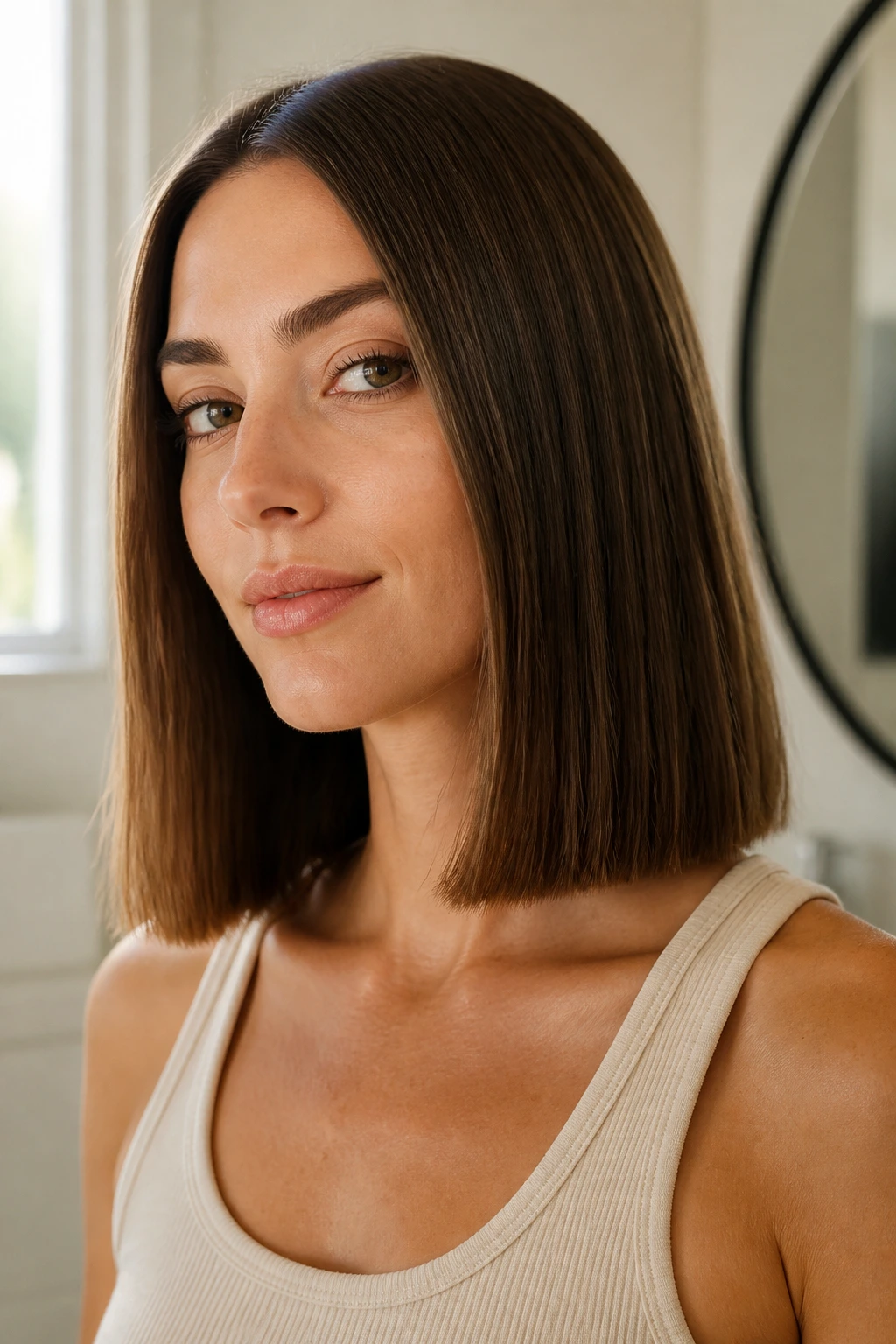
Sometimes, the most practical choice is the simplest one. The one-length midi cut features no layers at all, with all the hair cut to a single, solid length just below the shoulders. This simplicity makes it one of the easiest cuts to maintain.
Without layers to style or shape, your daily routine becomes incredibly straightforward. The weight of the uniform length keeps the hair flat and smooth, reducing frizz and preventing flyaways. It is a classic look that works well for both casual and formal settings.
This cut is also highly versatile for updos. Because all the hair is the same length, pulling it into a bun, ponytail, or braid is clean and secure, with no shorter layers slipping out. It is a reliable option for those who like to switch between wearing their hair up and down.
20. The Face-Framing Feathered Cut
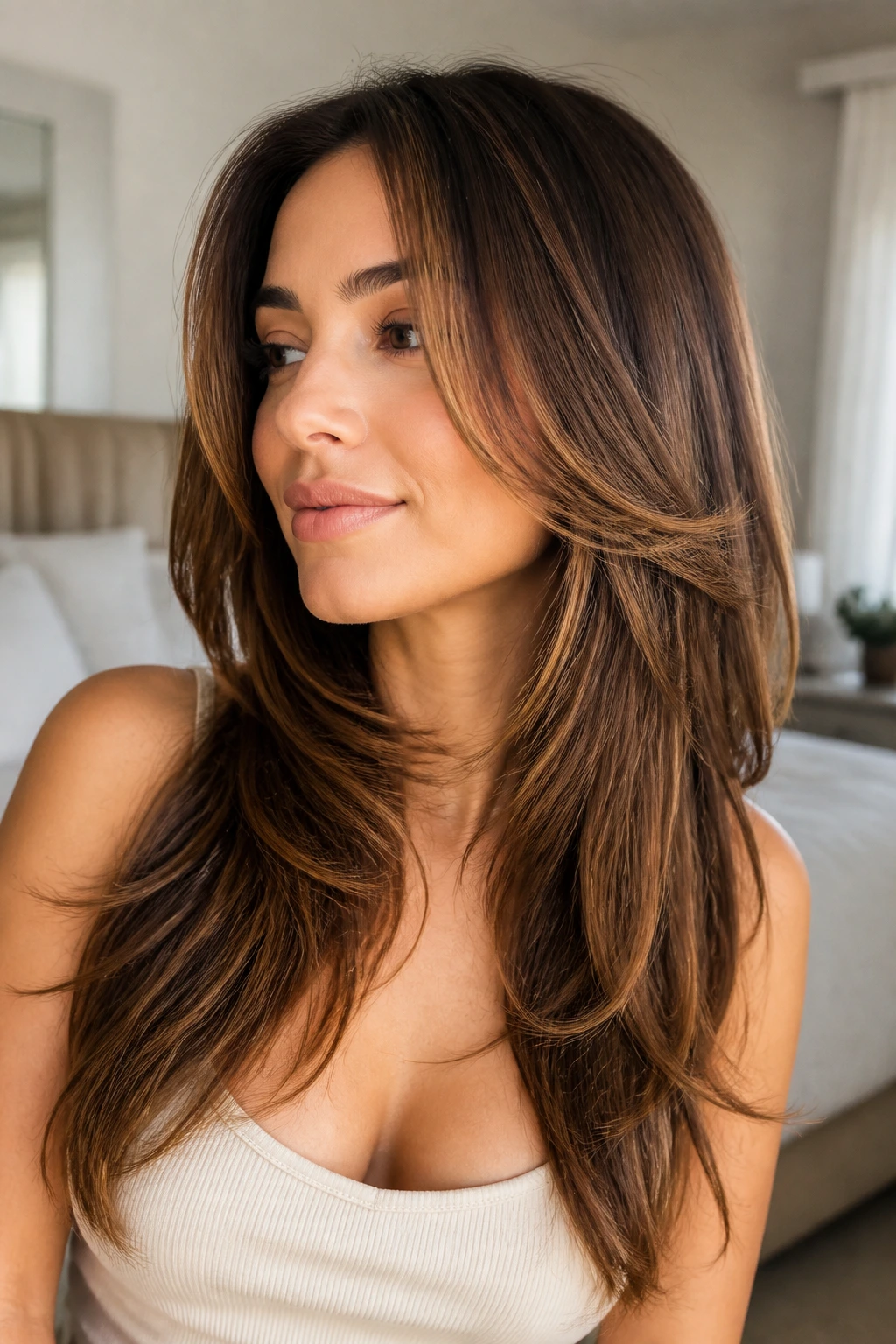
The face-framing feathered cut features long, soft layers that start around the chin and slide-cut downward to the ends. This technique creates a gentle curve that hugs the jawline and neck, softening your profile.
These front-focused layers add visual interest to your hair even when the back is left simple. If you do not have time to style your entire head, blow-drying just the face-framing pieces with a round brush creates a polished look in minutes. The rest of the hair can be left to dry naturally.
This style is highly flattering and easy to wear. It provides the movement and framing of shorter styles while allowing you to keep your length in the back, offering a comfortable compromise.
21. The Tapered Crop for Coily Texture
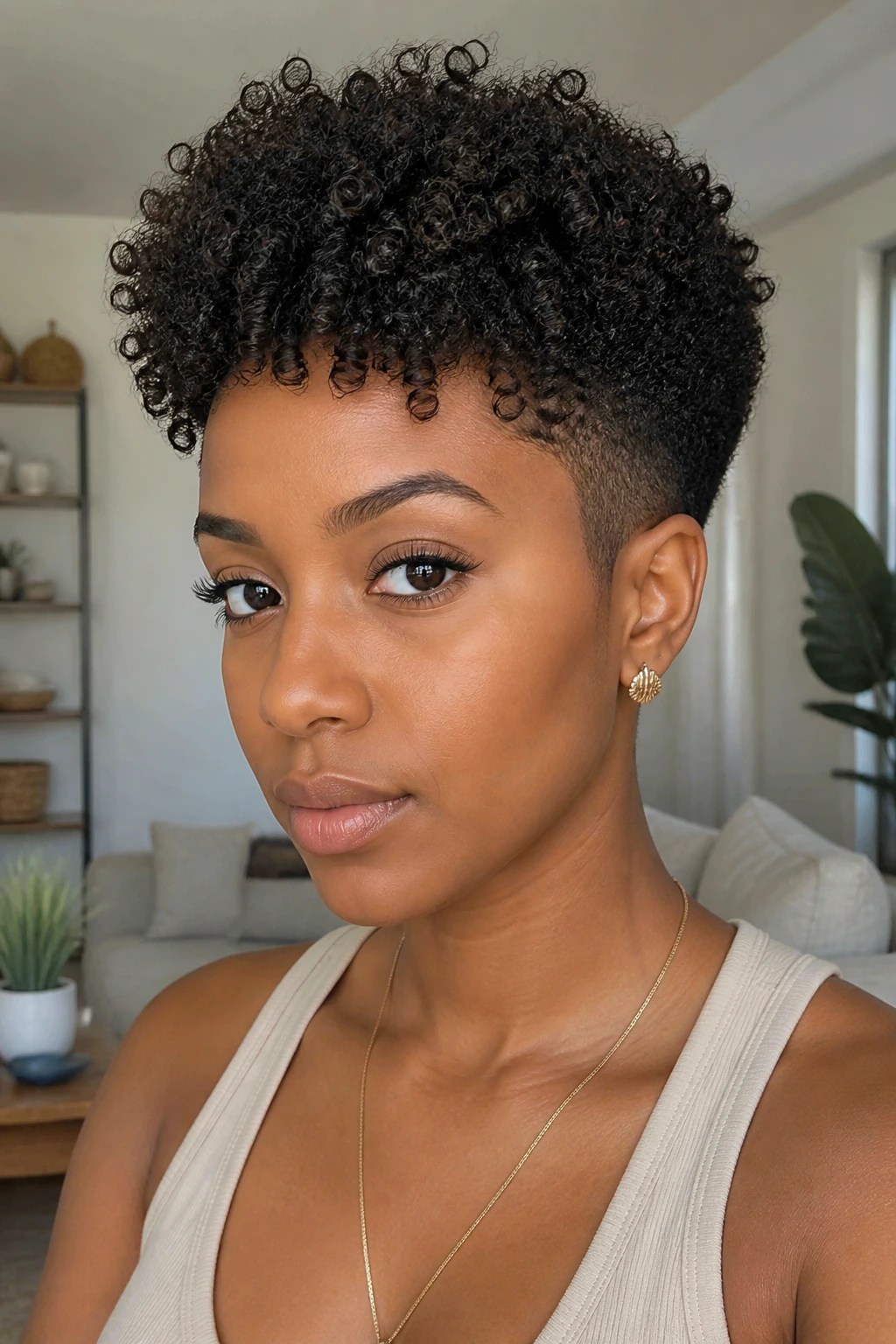
For tight curls and coily textures, the tapered crop keeps the sides and back short while leaving more length on top. This shape accentuates the natural volume of coily hair, framing the face and highlighting the cheekbones.
By keeping the hair short around the neck and ears, this cut remains neat and low-maintenance throughout the week. The longer top section allows you to showcase your natural coil pattern and volume, creating a balanced silhouette.
Daily styling is quick: a simple spray of water or a moisturizing mist, followed by a light oil or butter to seal in moisture, keeps the coils looking hydrated and defined. It is a practical, beautiful way to wear natural coily hair every day.
22. The Soft-Edged Lob with Wispy Ends

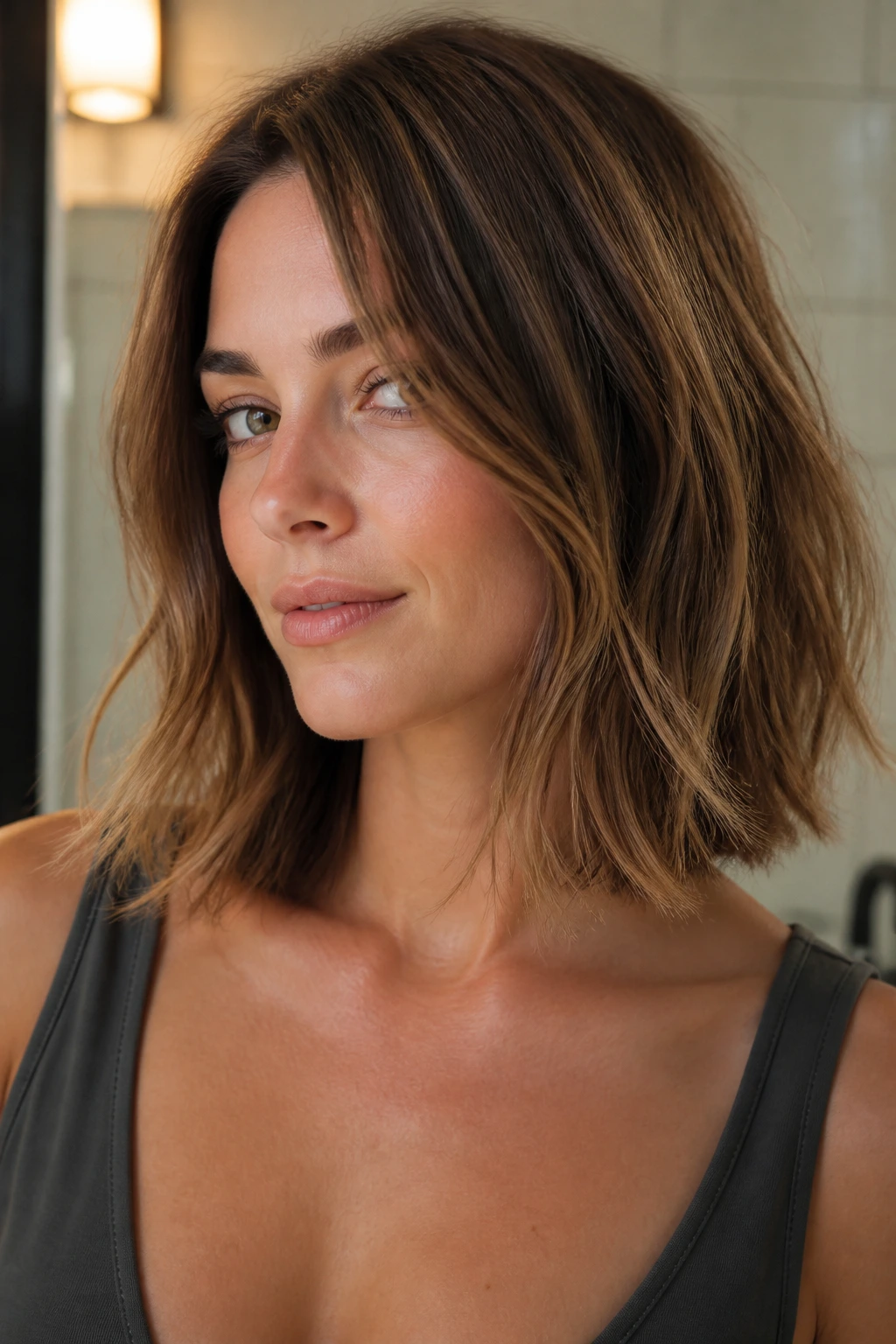
For those who love the shape of a lob but find blunt ends too harsh, the soft-edged lob offers a gentler alternative. The perimeter is point-cut with scissors to create a wispy, textured edge that sits softly against the collarbone.
This soft finish prevents the hair from flipping out when it touches your shoulders, as the wispy ends blend with the natural movement of your neck. It is a highly forgiving cut that looks great even when you are past due for a trim.
For daily wear, this cut requires very little styling. It air-dries into a soft, casual shape that looks effortless and approachable. A small amount of lightweight oil on the ends keeps the texture looking soft and healthy.
The Bottom Line
A great everyday haircut is one that makes you feel comfortable and confident without requiring you to change your morning routine. The key to success is being honest with your stylist about how much time you actually want to spend on your hair.
If you prefer to roll out of bed and walk out the door, a cut that works with your natural texture—like a textured lob, a shag, or a tapered pixie—is your best choice. If you do not mind spending five minutes with a blow dryer, a blunt bob or a face-framing cut can provide a sleek, polished look with minimal effort.
Remember that the best haircut is the one that works for your lifestyle. When your hair behaves naturally, you can spend less time fighting it in front of the mirror and more time focusing on your day. Find the shape that fits your routine, and let the haircut do the work for you.