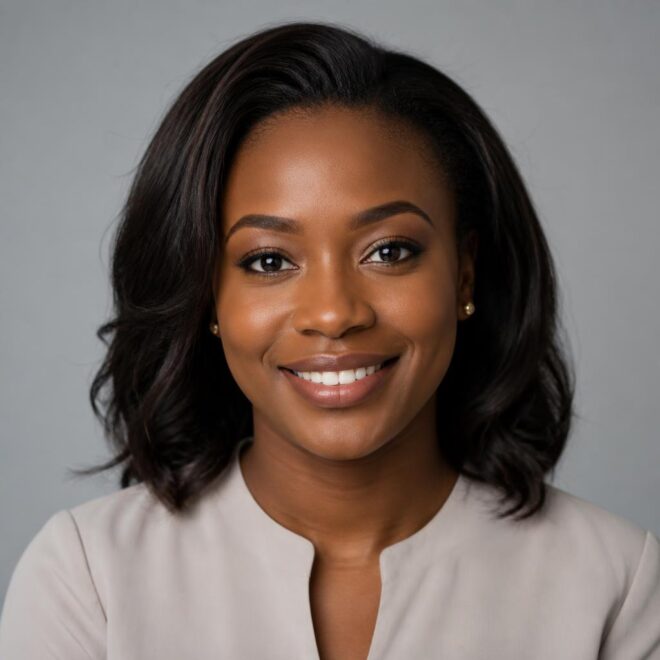


Straight hair falls with a specific kind of gravity. It lies flat, reflects light in long, unbroken sheets, and shows off the exact shape of a haircut like a laser beam. When a cut is uneven, even by a millimeter, the mistake stands out immediately. This clean-slate nature is both a massive advantage and a daily challenge for anyone looking to style a young girl’s straight locks.
While curls and waves can hide a slightly crooked line or a rushed trim, straight strands demand clean geometry. When you find the right shape, however, straight hair shines with a natural gloss, resists the stubborn tangling that plagues other textures, and swings with an organic motion that looks tidy with minimal effort. The key is working with gravity rather than fighting it.
Finding a style that matches a girl’s routine while keeping daily styling to a minimum is the real goal. Some girls want the movement of light layers, while others need a simple cut they can tie back into a secure ponytail before running out to the school bus. The ideal haircut should fit her lifestyle, her hair thickness, and her willingness to brush it every morning.
By looking at how different shapes, weights, and texturing techniques alter the way straight hair behaves, we can find the perfect cut. Whether her hair is fine and wispy or thick and heavy, the right scissor work can make all the difference. Let us look at the best cuts that make the most of this sleek hair texture.
Why Straight Hair Demands Precise Cutting Angles
Straight hair fibers lie parallel to one another. There is no natural curl pattern to scatter the light or break up the outer silhouette of the style. Because of this, the angle at which the shears meet the hair determines everything about how the style will sit after it dries.
A blunt cut across the bottom works wonders for fine, straight hair because it gathers all the hair ends into one thick, solid line, creating the appearance of density. For girls with very thick or coarse straight hair, however, that same blunt cut can result in a rigid, helmet-like shape. In those cases, the stylist must employ specific techniques to remove weight without creating visible, choppy steps.
Gravity is the main force acting on straight hair. Long, heavy strands pull downward, which can leave the hair flat against the scalp. To combat this, stylists use light, invisible layers, face-framing angles, or interior texturizing to give the hair lift and bounce. Understanding these mechanics helps you choose a style that looks great when she walks out of the salon and stays looking great as it grows.
1. The Classic Blunt Bob
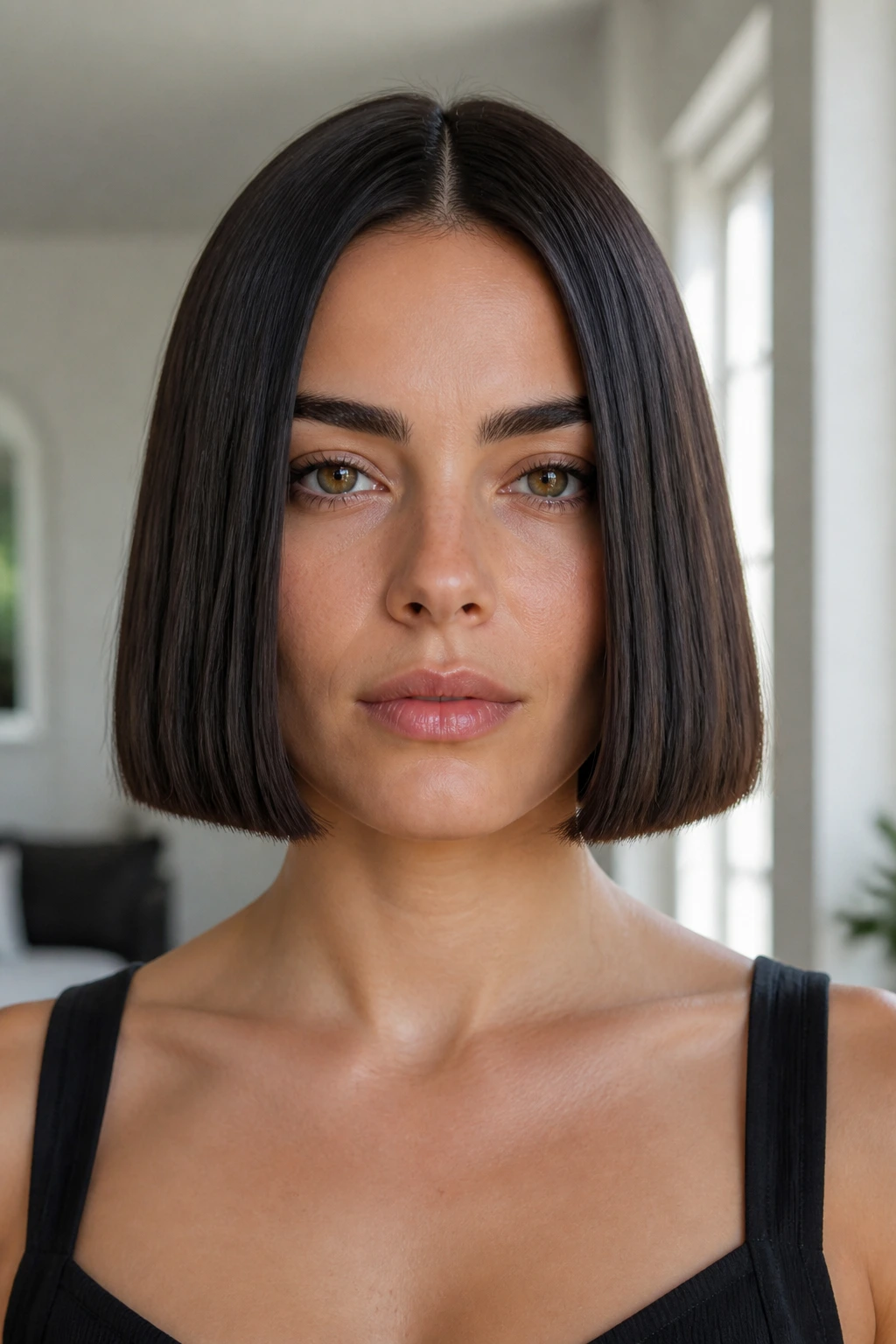
The classic blunt bob cut straight across the jawline is a strong choice for straight hair. It creates a solid, heavy edge that swings cleanly when she moves her head. By keeping all the hair at exactly the same length, the weight is concentrated at the bottom, which prevents the flyaways common in fine hair.
Why This Cut Creates the Illusion of Thickness
When straight hair is fine, layered cuts can make the ends look thin and see-through. A blunt perimeter forces every single strand to end at the same horizontal line, making the hair look twice as thick as it is. It is a clean, classic look that works well for toddlers and teenagers alike.
Quick Facts
- Best for: Fine to medium hair density
- Maintenance level: High (needs trims every six weeks to keep the line sharp)
- Styling time: Under five minutes of quick brushing
- Recommended length: Right at the jawline or slightly below the chin
Ask the stylist to cut this with a slight undercut at the nape of the neck so the outer layer naturally rolls inward on its own.
2. The Sharp A-Line Lob
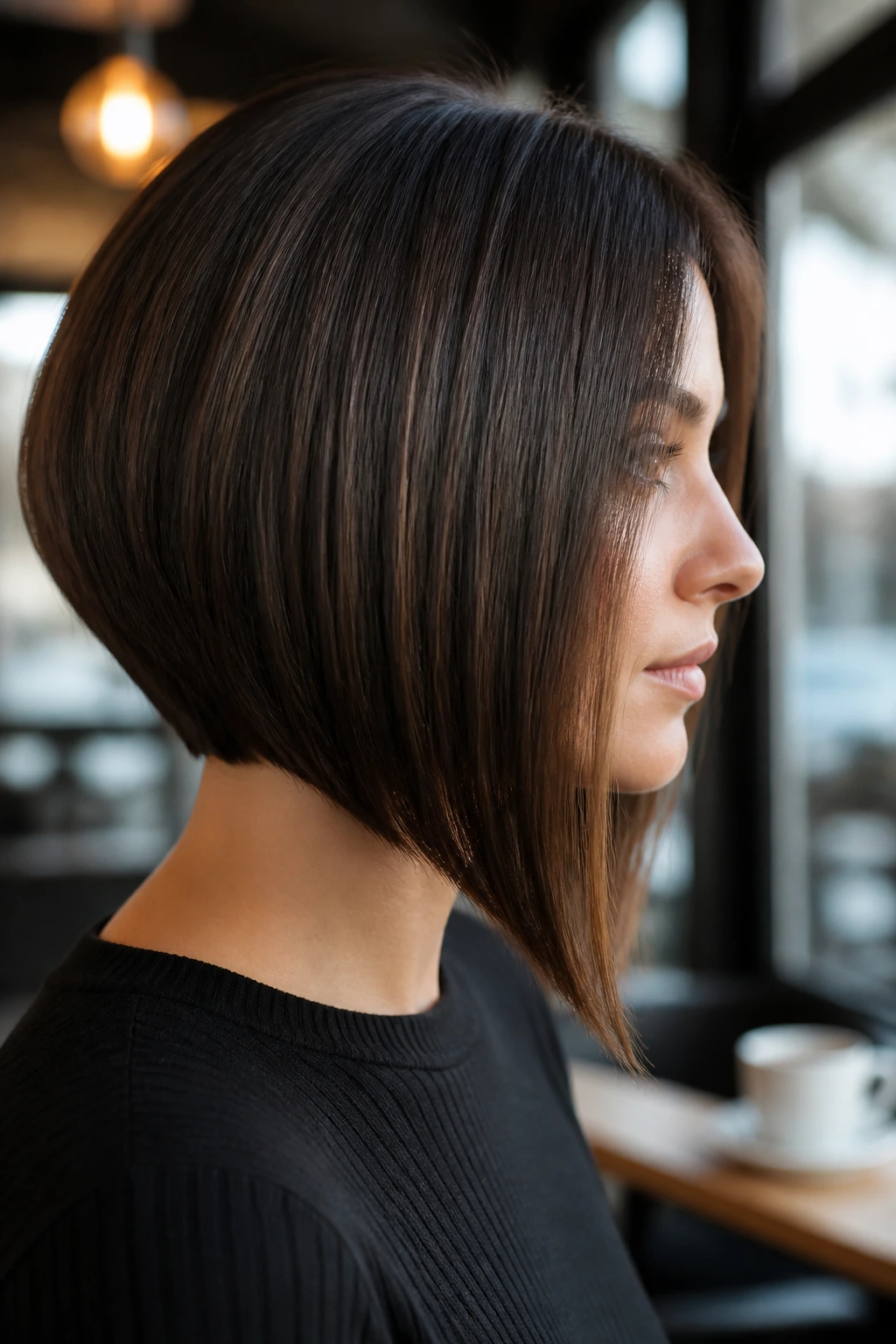
A sharp angle can make even the softest hair look instantly structured. The A-line lob is shorter in the back and gradually slopes down to a longer length in the front. This forward tilt works with the natural fall of straight hair, pulling the weight forward and framing her face.
The beauty of this cut lies in its practicality for active girls. It keeps the hair off the back of her neck—perfect for hot summer months or school sports—while still giving her the feel and look of longer hair around her face. It is long enough to tuck behind her ears when she is studying or drawing.
As this style grows out, the angle softens naturally. It transitionally becomes a standard long bob, meaning you can easily stretch the time between salon visits to ten or twelve weeks. It is a highly forgiving cut for busy families.
3. Long Layers with Face-Framing Curvature
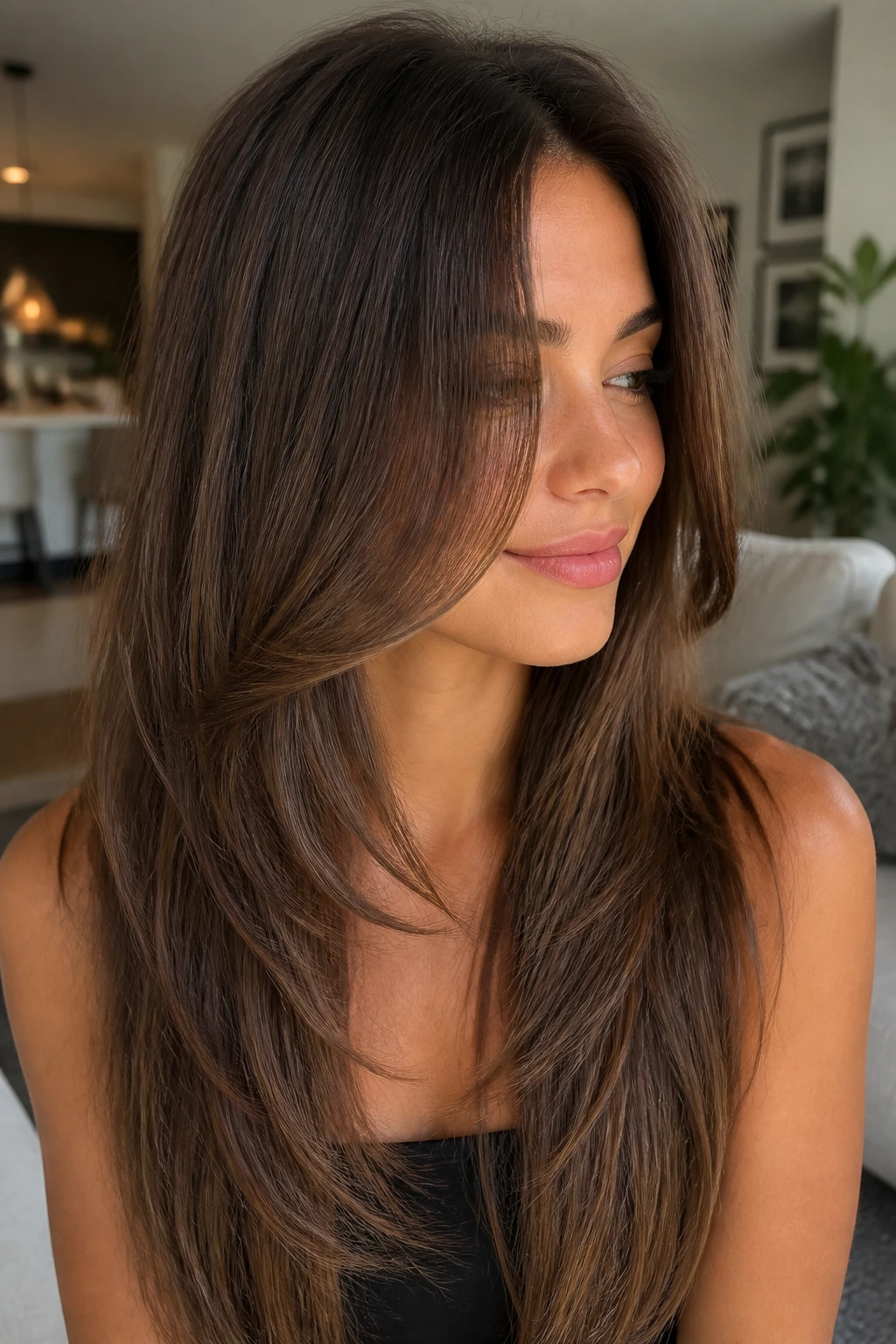
How do you give straight hair movement without losing its length? The answer lies in long, blended layers that start below the chin and slide down to the longest points. Unlike wavy hair, where layers bounce up individually, straight layers rest on top of each other to create a soft, cascading effect.
If these layers are cut too short, they can look like disconnected steps in the hair. The key is to slide the shears down the front edges, creating a continuous slope of hair that gently curves around her face. This breaks up the flat vertical lines of long straight hair without making it look thin.
Getting the Blend Right for Daily Wear
To keep these layers looking their best, the stylist should blend them using slide-cutting on dry hair. This allows them to see exactly how her straight hair falls naturally around her ears and shoulders. It prevents any heavy blocks of hair from disrupting the flow.
Maintenance Tips
- Trim frequency: Every ten to twelve weeks
- Styling tip: Brush forward with a paddle brush to encourage the face-framing pieces to curve inward
- Braid compatibility: High, though some short pieces may slip out of high ponytails
4. The Choppy Pixie Cut
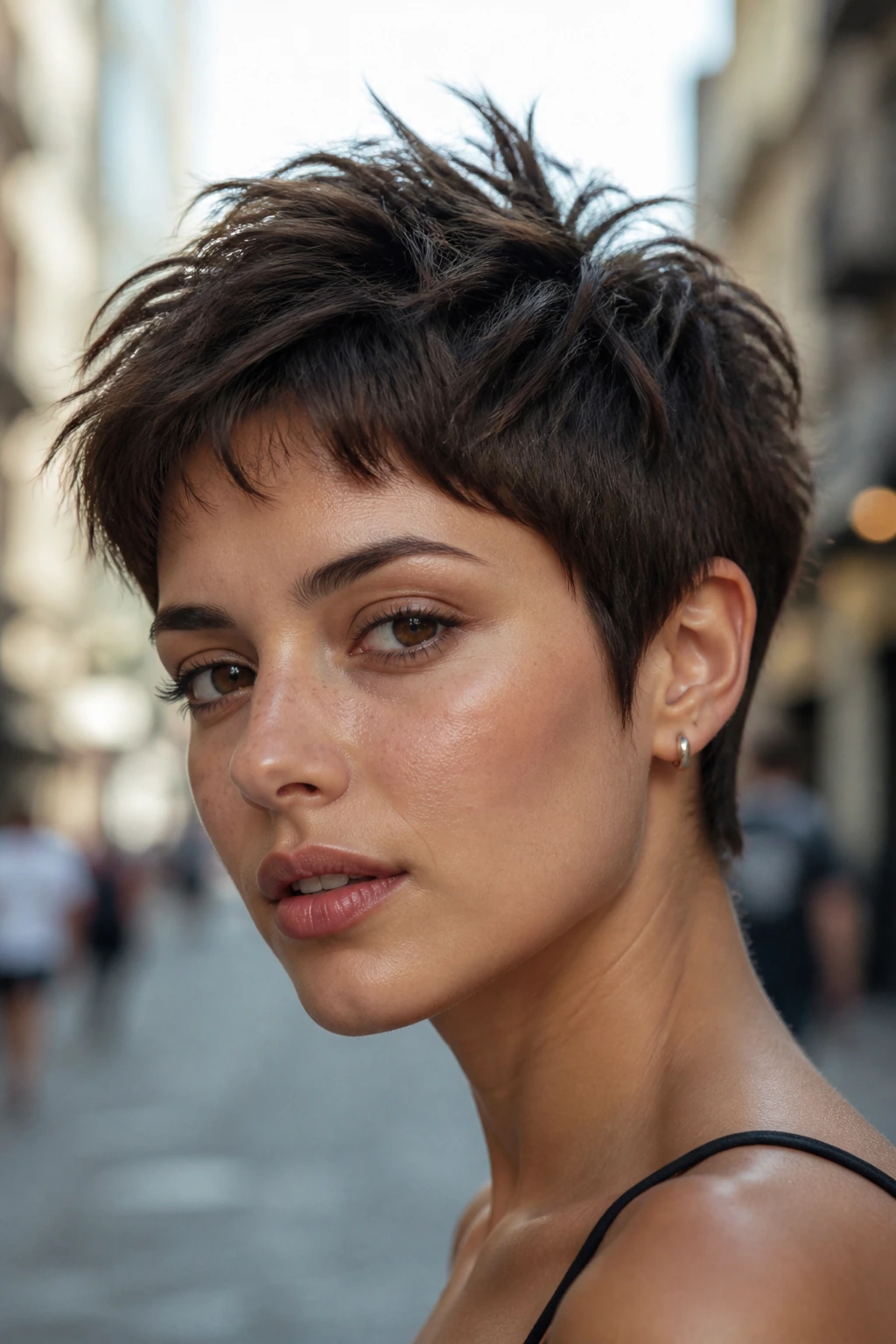
This cut is for the girl who wants a bold look with zero morning effort. The choppy pixie relies on texture rather than length to create interest. The stylist cuts the hair short around the back and sides while leaving the top slightly longer and highly textured.
Instead of cutting straight across, the stylist points the shears vertically into the ends. This point-cutting technique creates a shattered, piecey edge that resists lying flat against the head, giving her hair natural height and volume.
- Styling requirement: A dime-sized dab of lightweight styling paste rubbed between fingers and worked through the top
- Face shape match: Heart, oval, and round face shapes
- Growth pattern: Transitions into a short shag over several months without looking awkward
This short style shifts the focus entirely to her eyes and face, giving her a bright, active look that takes ten seconds to style after she wakes up.
5. Sleek U-Cut Long Hair
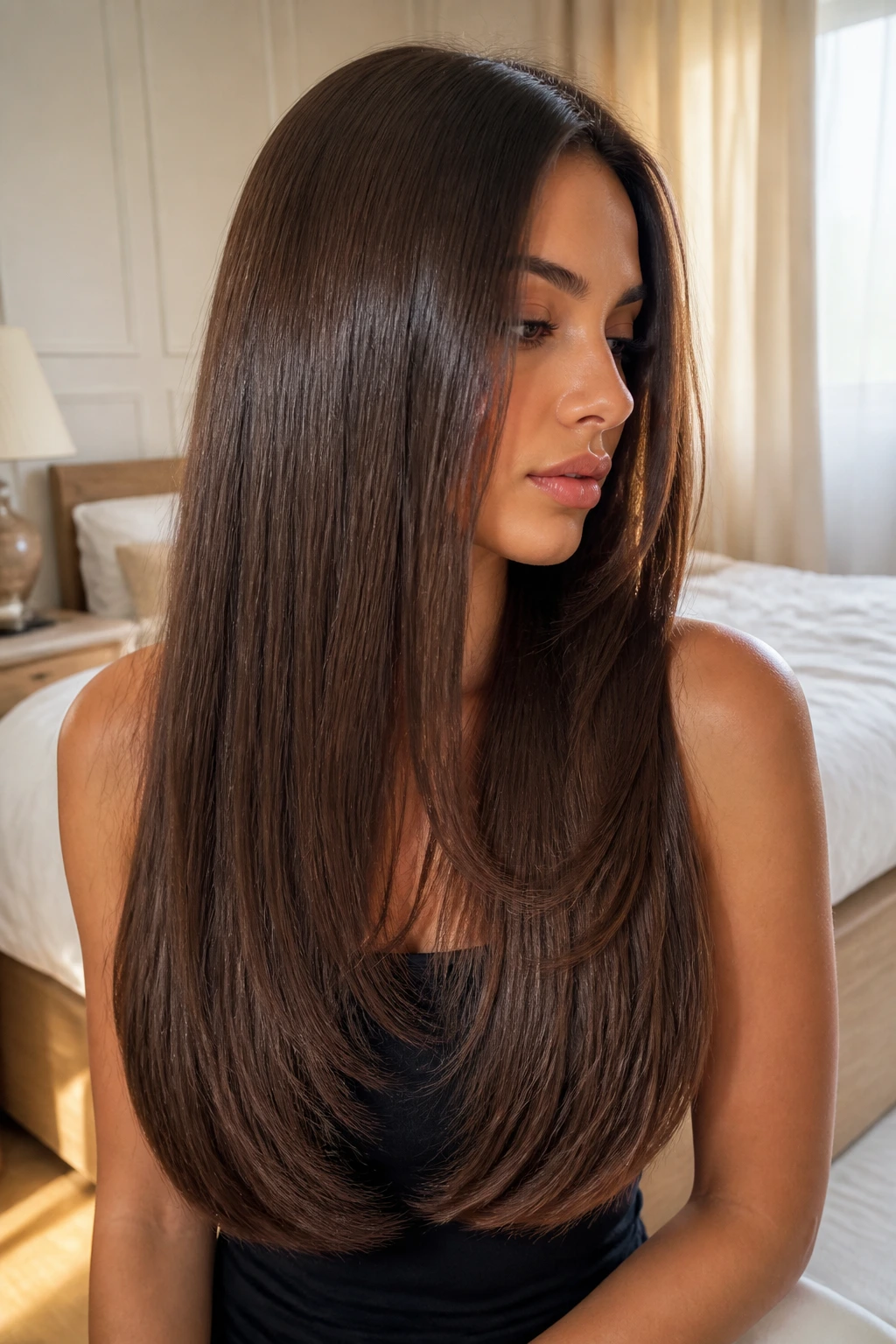
When long, straight hair is cut straight across the bottom, it can look blocky and heavy. When she pulls her hair forward over her shoulders, the back corners can look awkward and square. A U-cut solves this by rounding the bottom perimeter into a soft, crescent shape.
The center back remains the longest point of her hair, while the sides curve gently upward as they approach her shoulders. This shape gives the hair a soft, flowing movement when she walks. It softens the entire look of long hair while preserving almost all of her length.
This is an excellent option for girls with thick, heavy straight hair. By rounding off the corners, you remove the bulky weight that often makes long hair feel hot and unmanageable. It lightens the load on her scalp.
From a practical standpoint, the U-cut is incredibly easy to manage. It can be braided, styled into a neat ponytail, or gathered into a bun without shorter corner pieces poking out of her hair tie. It is a timeless, low-maintenance choice for school-aged girls.
6. The Wispy French Bob
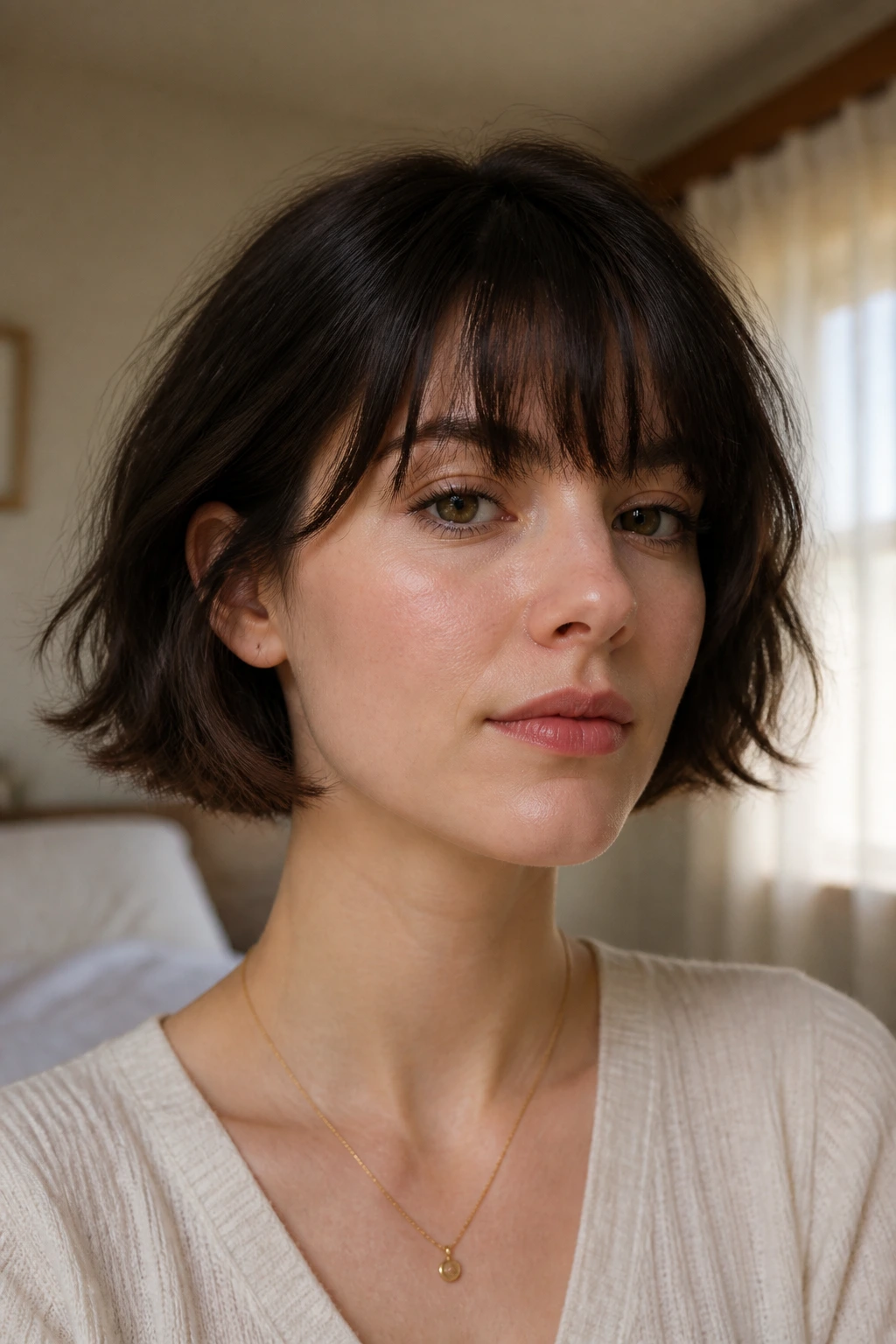
Unlike the rigid, geometric lines of the classic blunt bob, the French bob brings a softer, lived-in feel to straight hair. It sits slightly shorter than a traditional bob, usually grazing the mouth line or the upper chin. The ends are texturized with shears or a razor to keep them light and airy.
This cut is almost always paired with soft, brow-grazing bangs. Because straight hair falls flat, these bangs naturally lay smooth against her forehead without requiring any heat styling or round-brushing. The wispy edges keep the style looking youthful and playful.
For girls with straight hair that has a small amount of natural body, this cut is a dream. It moves easily, bounces when she runs, and looks adorable even when it is slightly messy from playing outside. It has a classic look that never goes out of style.
7. Razor-Cut Shag with Curtain Bangs
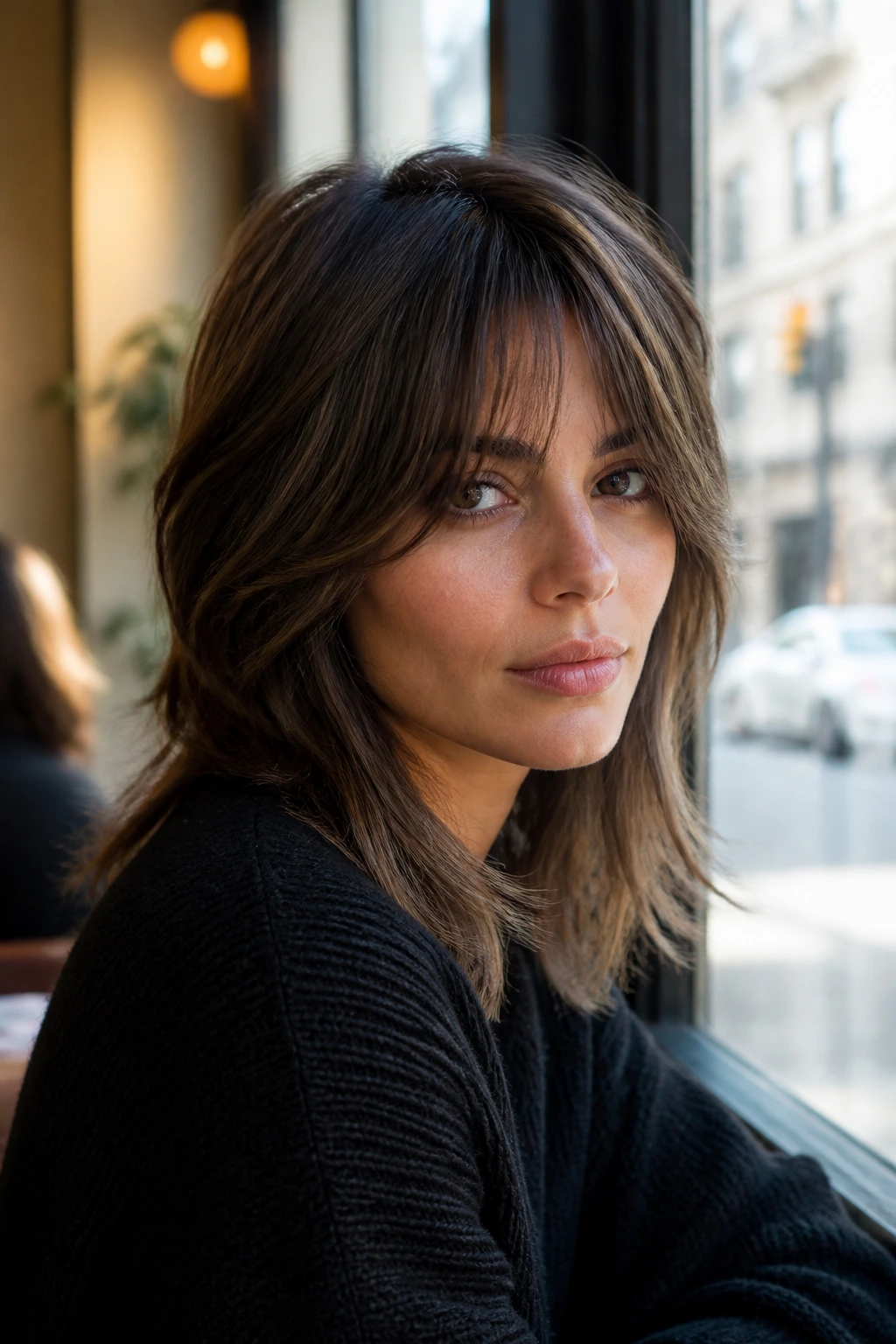
The modern shag is a fantastic way to bring texture and volume to straight hair that otherwise sits flat. By using a straight-edge razor, the stylist can slice soft, sliding layers throughout the hair, creating a highly textured, lived-in shape.
Why the Razor Works Differently
A razor slides along the hair shaft, tapering the ends of the hair rather than cutting them bluntly. This creates a highly feathered edge that catches onto neighboring strands, allowing them to lift and support each other. It creates natural volume at the crown of her head.
Quick Facts
- Best for: Medium to thick hair densities
- Key feature: Soft curtain bangs that frame the eyes and sweep to the sides
- Maintenance level: Medium (the bangs may need quick trims every four weeks)
- Styling: Best air-dried with a light texture spray
Avoid this razor cut if her hair is very fine or prone to split ends, as the razor can make thin ends look sparse.
8. The Collarbone Collar Cut
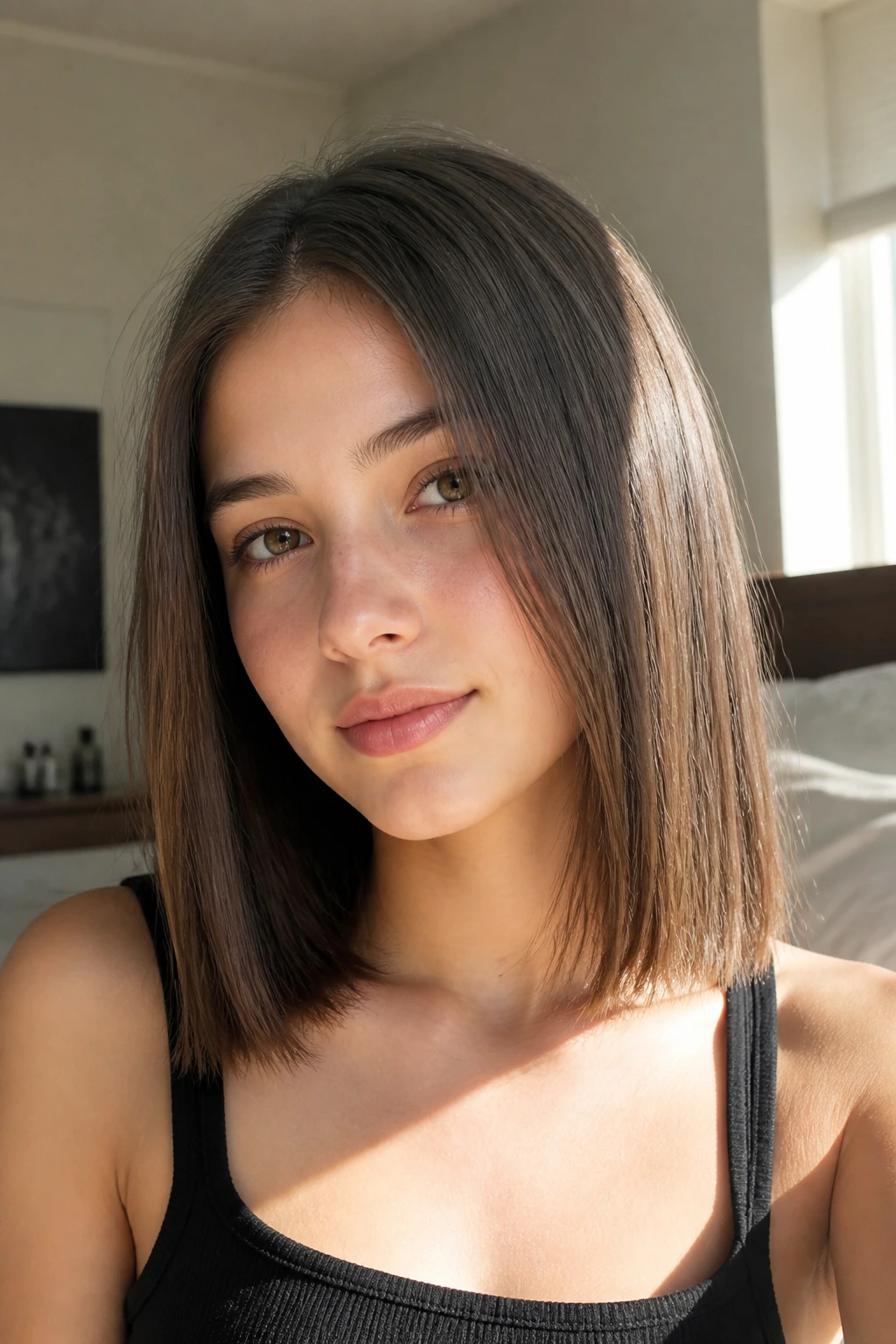
The most versatile hair length is the one that grazes the collarbone. This length is the perfect middle ground: it is long enough to pull back into a high ponytail, yet short enough to have the bounce and health of a fresh cut. It lies flat against the collarbone, creating a clean frame for her shoulders.
For school-aged girls, this cut is highly practical. It is short enough that it doesn’t get caught in backpack straps, coat zippers, or car seat harnesses, yet long enough that she can still play with braids and half-up styles. It also dries in a fraction of the time that long hair requires.
The perimeter of this cut is usually kept blunt, with just a touch of texturizing in the bottom inch. This keeps the line looking thick and healthy while preventing the ends from flipping outward when they touch her shoulders.
9. Asymmetrical Lob
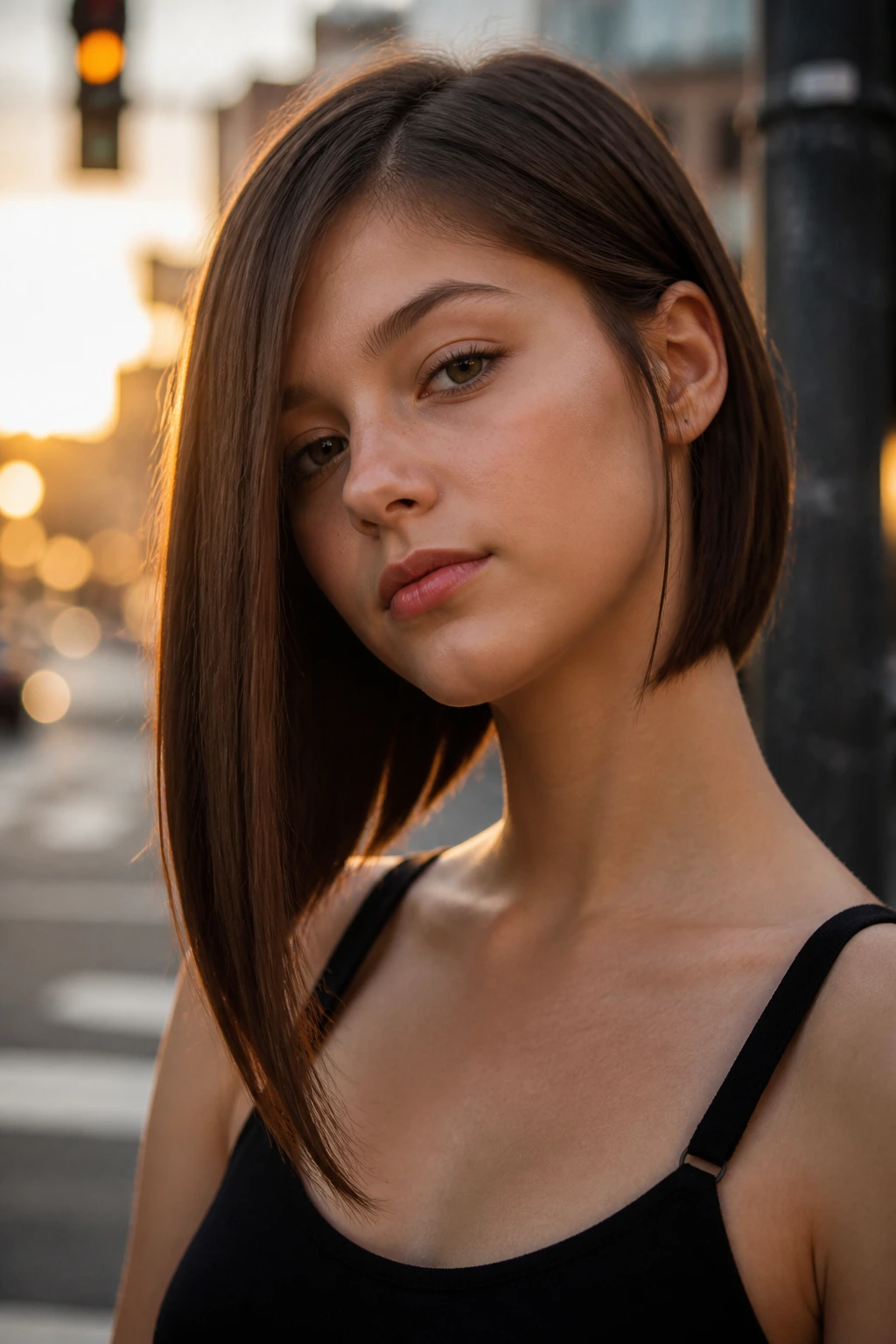
Why stick to perfect symmetry when one side can tell a different story? The asymmetrical lob features one side that is cut longer than the other, creating a cool diagonal line across her front. The straight nature of her hair makes this crisp angle stand out beautifully.
This is a fun, modern option for older girls and teens who want a distinct look without resorting to bright colors or high-maintenance styles. The stylist determines the longer side based on her natural part, ensuring the sweep of hair falls cleanly over her cheek.
Keeping the Angle Sharp and Balanced
The transition across the back of the neck must be smooth. The stylist will cut a gradual slope from the shorter side to the longer side, ensuring there are no sudden jumps in length. It is a highly skilled cut that looks incredibly polished when done correctly.
Styling and Care
- Best part: A deep side part to emphasize the length difference
- Trimming schedule: Every six to eight weeks to keep the asymmetry sharp
- Styling method: Blow-dry with a paddle brush to keep the diagonal line completely flat and smooth
10. The Soft Wolf Cut
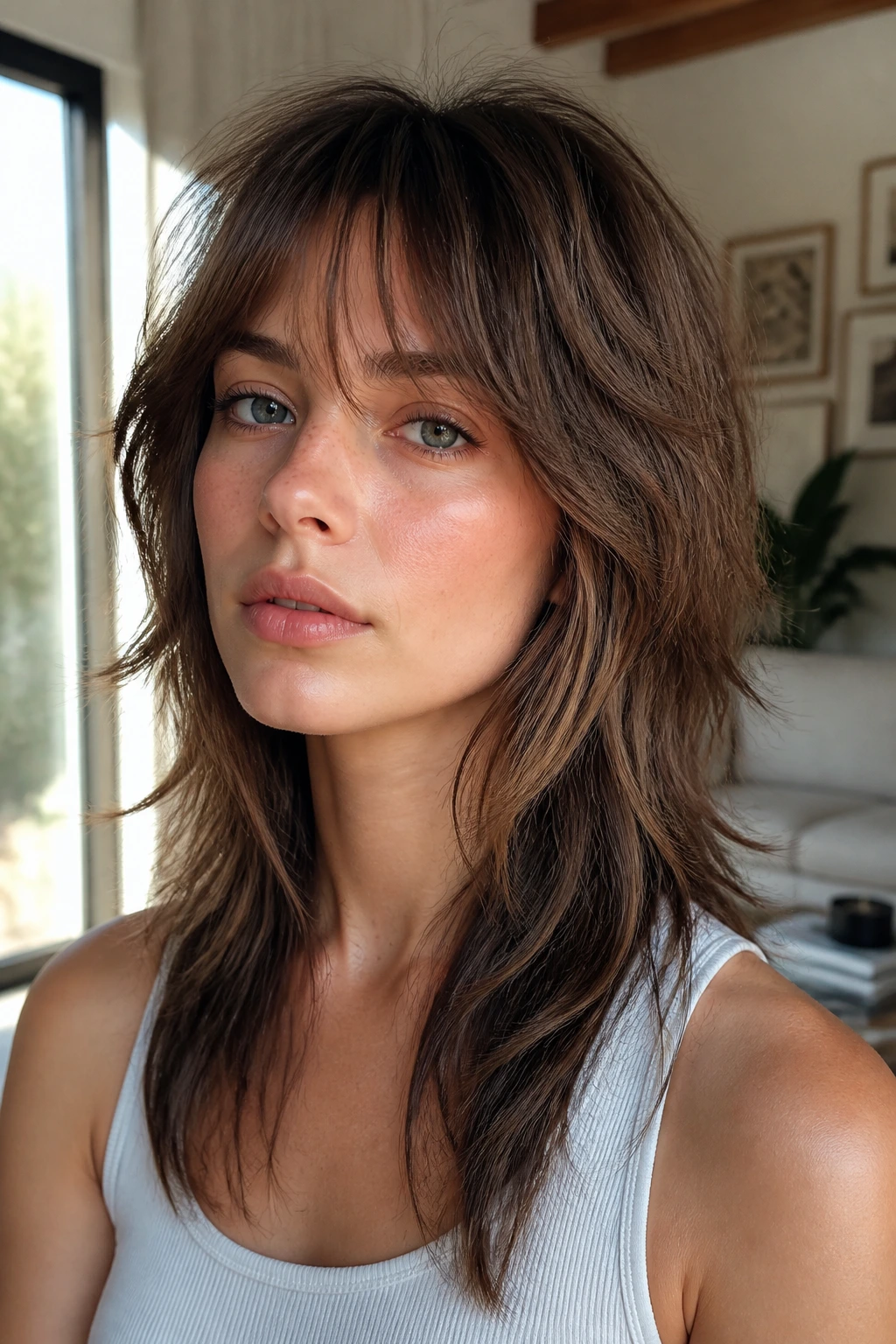
Imagine wanting the volume of a shag but the length of a long cut. The soft wolf cut is a modern hybrid that combines heavy, choppy layers around the crown with thinner, longer lengths at the bottom. It is a playful, textured look that has become incredibly popular.
The short layers on top create a natural canopy that sits light on the head, preventing her straight hair from looking weighed down. The longer pieces at the bottom cascade down her shoulders, keeping her length intact.
- Layering pattern: Choppy crown layers blending down to wispy ends
- Best for: Girls with dense, thick straight hair
- Vibe: Artistic, active, and effortless
This cut offers a fun alternative to traditional layers, giving straight hair an organic texture that doesn’t rely on hot styling tools to look great.
11. Curved V-Cut Ends
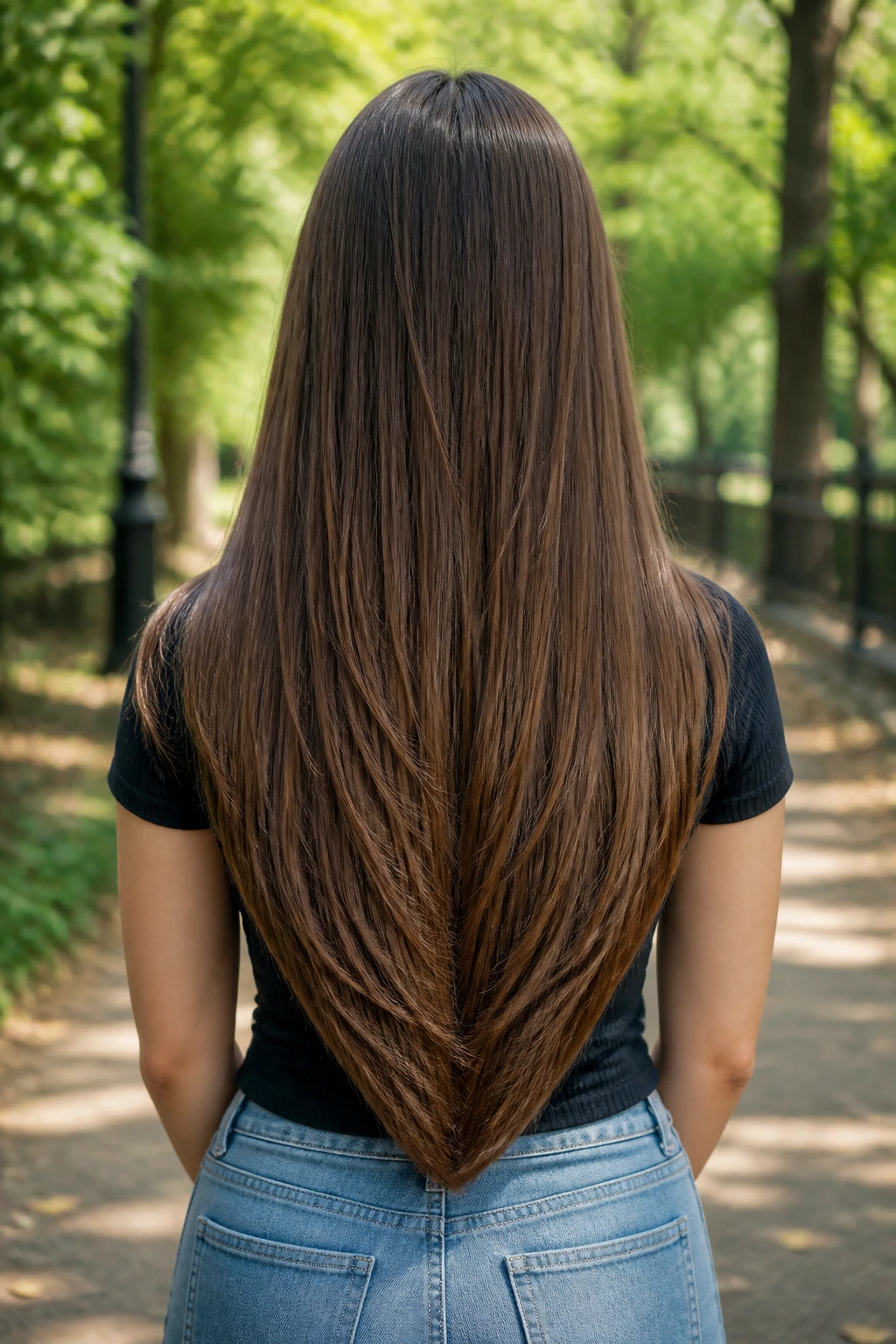
Unlike the gentle sweep of a U-cut, the V-cut comes to a sharp, distinct point in the center of the back. The sides are cut much shorter, angling steeply downward toward the spine. This is a dramatic look that is highly visible from behind.
This cut is an excellent choice for girls with very long, straight hair who want to show off their length while removing a massive amount of weight from the sides. The steep angle keeps the hair looking light and airy, preventing it from looking like a heavy blanket over her shoulders.
When she walks, the V-cut creates a beautiful cascading effect. Because the sides are shorter, they move freely around her face, while the long center section stays anchored in the back.
However, it is worth noting that a V-cut makes braiding more challenging. Because the hair tapers off quickly toward the point, the tail of her braid will become very thin, and shorter side pieces may slip out of the braid early. It is best for girls who prefer to wear their hair down or in simple ponytails.
12. The Micro-Bob with Baby Bangs
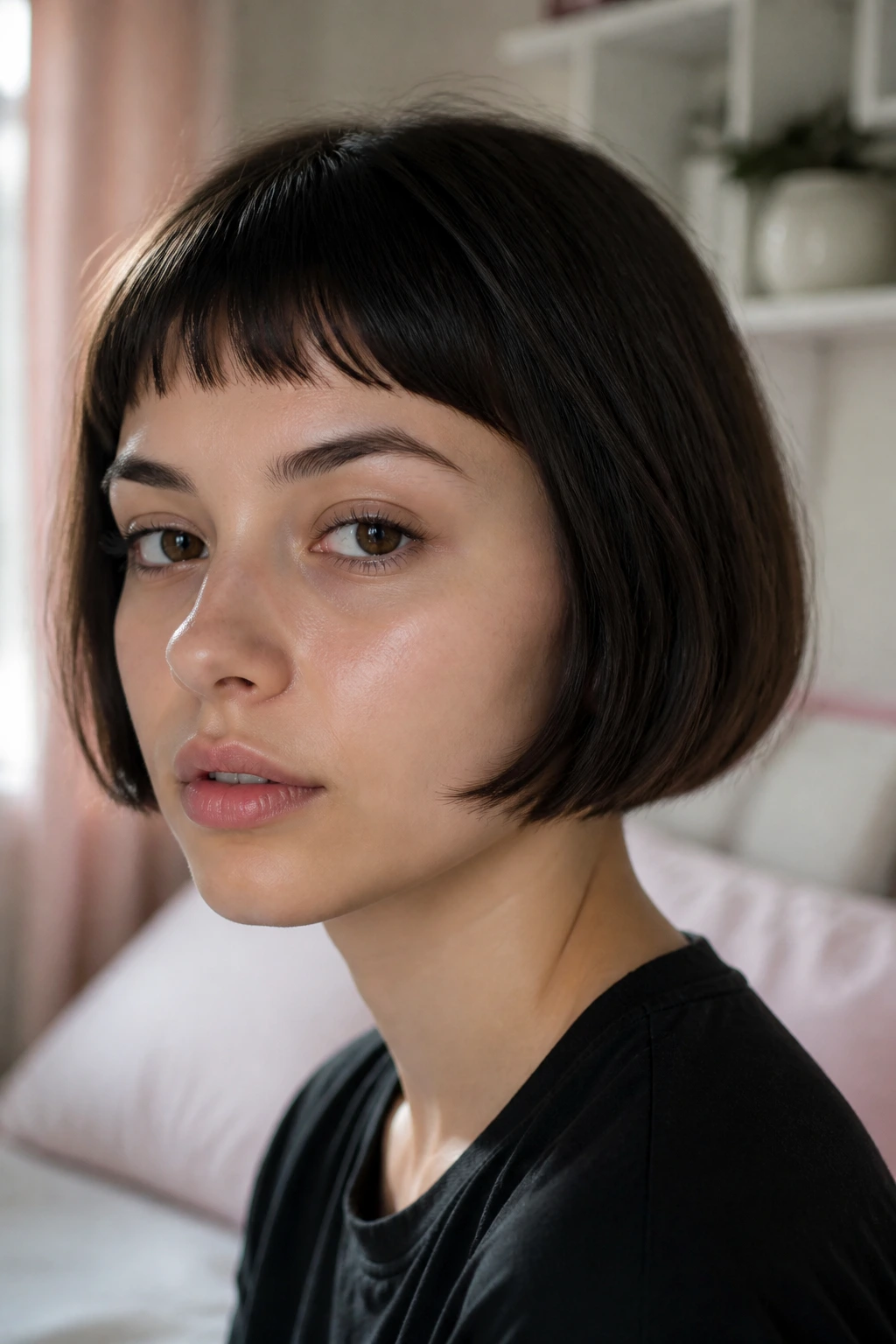
While standard bobs aim for a soft frame around the jaw, the micro-bob with baby bangs goes short and bold. The bob ends right below the ears, and the bangs are cut about an inch above her eyebrows. It is a sweet, retro look that is full of character.
This cut is exceptionally good for toddlers and young girls with fine, straight hair. It keeps the hair completely out of their face, mouth, and eyes while they play, run, and paint. There are no long pieces to get caught in food or toys.
To make this cut work, the bangs should be cut with a slight curve that follows the natural arch of her brow. This softens her face and prevents the cut from looking too harsh or boxy. It is a high-energy style that is incredibly easy to wash and dry.
13. Texturized Shoulder-Length Layers
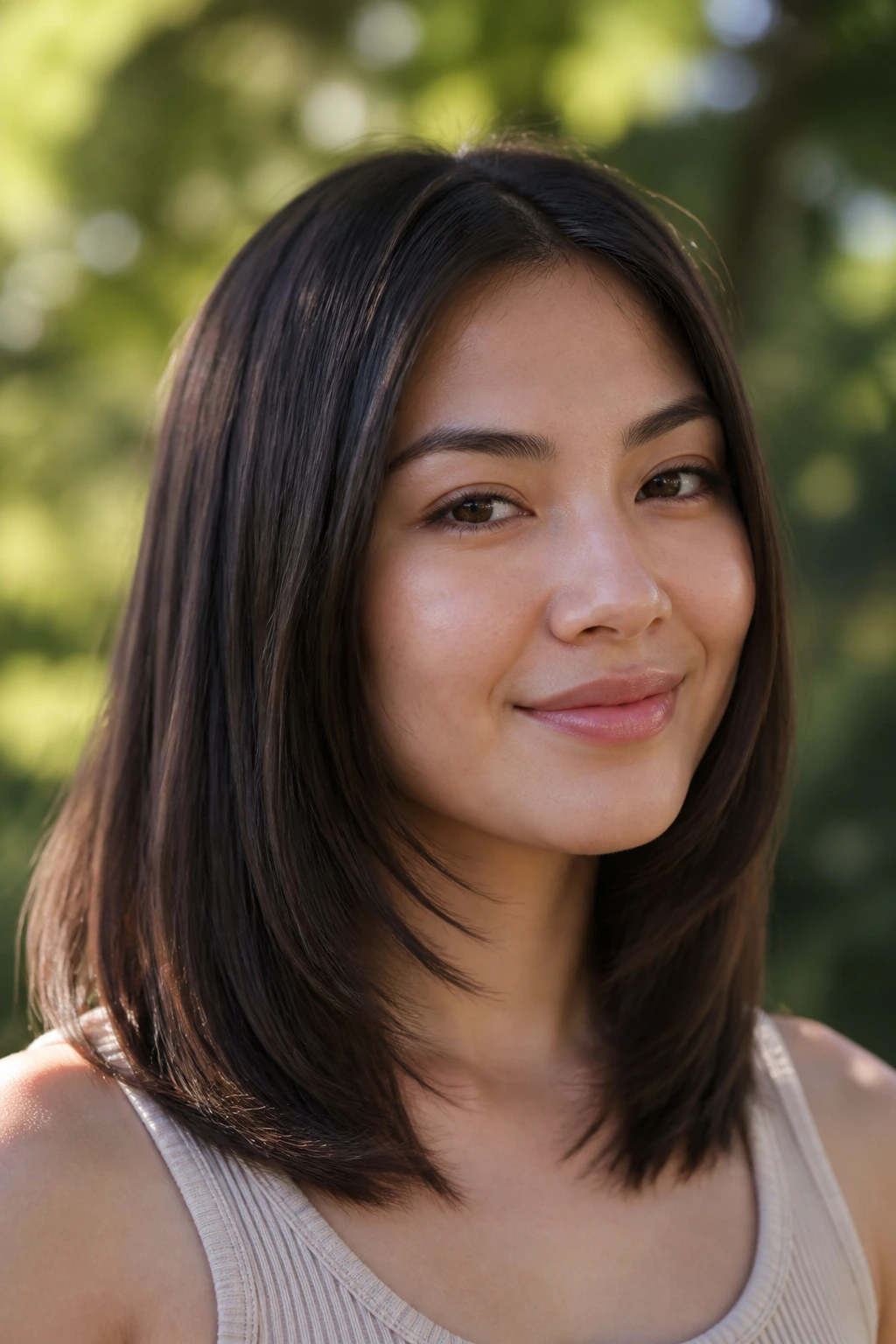
When straight hair reaches the shoulders, it often hits a awkward stage. As the ends touch her collarbone and shoulders, they tend to flip outward or inward in a messy, unpredictable pattern. Texturized shoulder-length layers are designed to solve this exact problem.
Taming the Shoulder Flip
By point-cutting the bottom two inches of her hair, the stylist removes the bluntness that causes the hair to buckle and flip when it hits her shoulders. Instead, the hair ends blend together, allowing them to slide smoothly over her shoulders and lie flat.
Quick Facts
- Best for: Coarse, thick, or stubborn straight hair
- Technique: Slide-cutting on the bottom layers to blend the ends
- Versatility: Can be worn down, half-up, or fully tied back
- Trim frequency: Every eight weeks
Ask the stylist to perform the texturizing while her hair is dry so they can see exactly how the hair reacts to her shoulders.
14. The Blunt Clavicle Cut
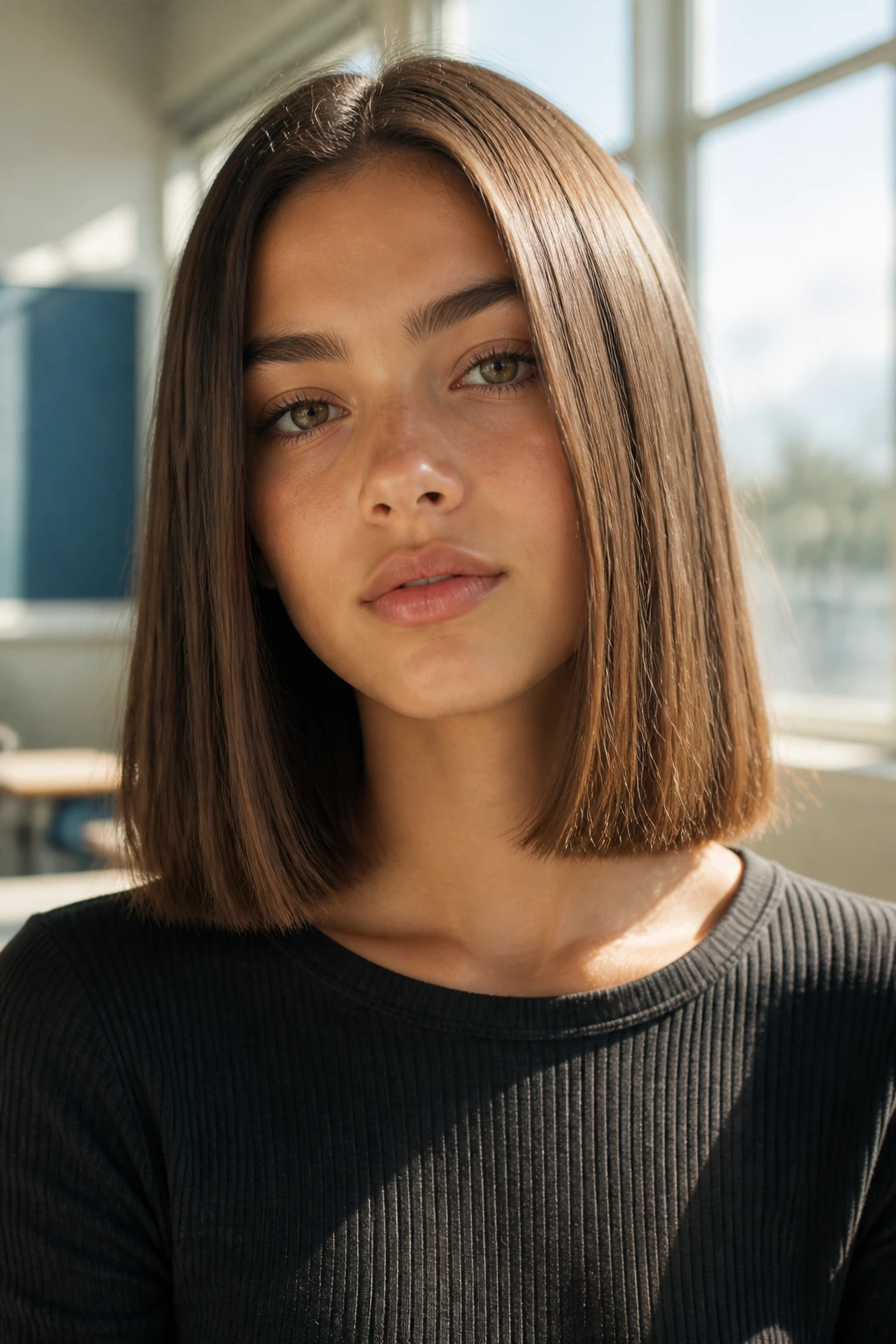
A solid, heavy baseline at the clavicle is a reliable solution for fine, limp hair. By cutting her straight hair to the clavicle with zero layering, you create a heavy, dense block of hair that moves as one solid unit. This weight keeps the hair flat and smooth, resisting wind and movement.
This cut is incredibly clean and healthy because it removes all dry or split ends, leaving her hair looking thick from root to tip. It is a simple, classic style that looks neat with a quick morning brush.
For girls who do not like the look of bangs but still want some structure, this cut is ideal. The front pieces are long enough to tuck behind her ears, keeping her face clear during school activities. It is a timeless style that looks tidy in class photos.
15. Feathered Mid-Length Cut
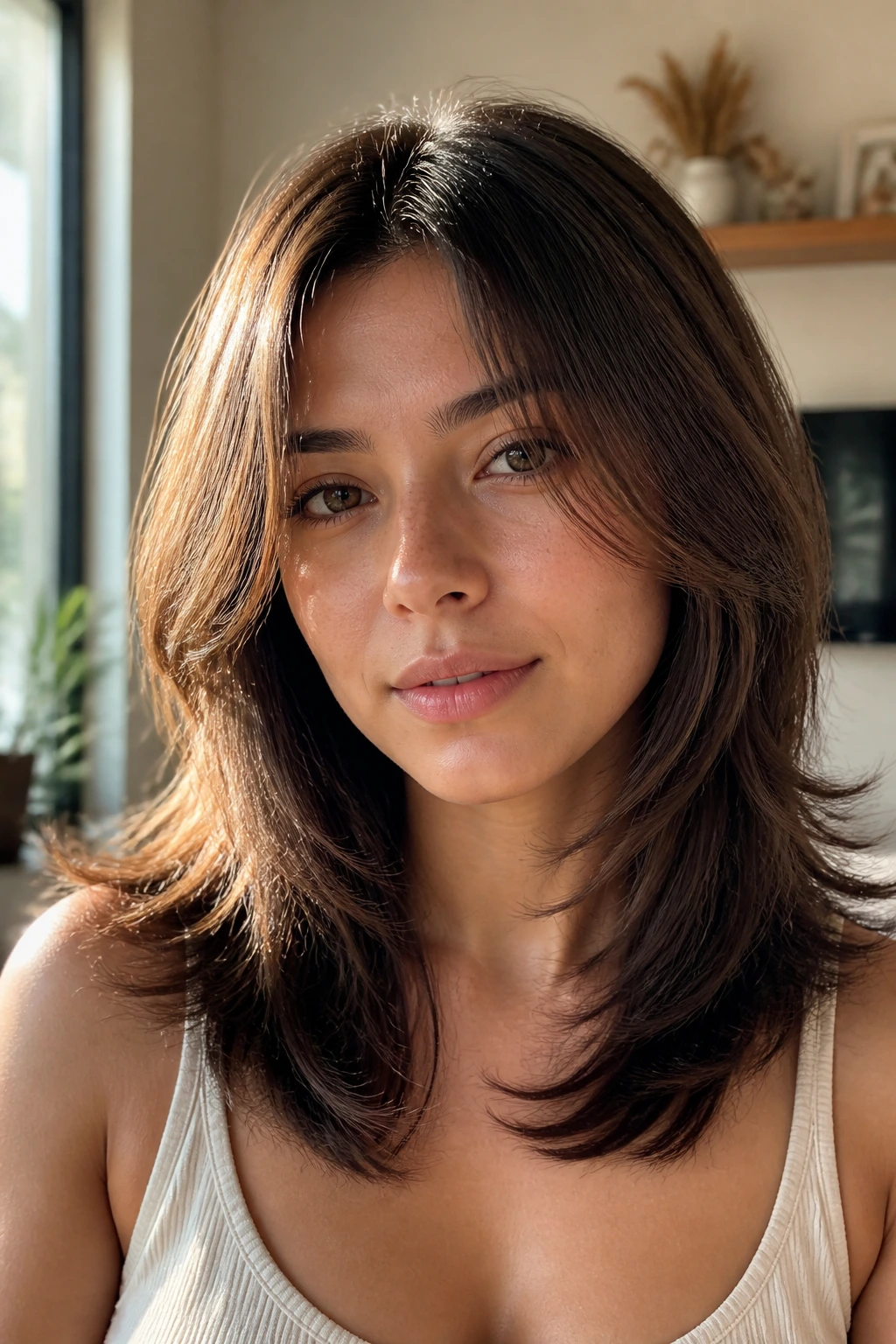
How do you achieve the light, breezy feel of classic styles on modern straight hair? The feathered mid-length cut uses horizontal texturizing and soft, outward-facing layers to create a light silhouette. The ends of her hair are softened so they flick outward slightly rather than falling in a rigid line.
The layers are concentrated on the outer canopy of her hair and around her face. The stylist brushes the hair forward and cuts at an angle, creating soft feathers that sweep back when brushed. It is a beautiful option for girls with medium-thickness hair.
Styling the Feathered Edges
To encourage the feathered look, you can use a round brush when blow-drying her hair, sweeping the brush upward and outward away from her face. This gives the hair a soft, winged shape that looks airy and full of life.
Maintenance and Care
- Best hair type: Medium thickness straight hair
- Styling level: Medium (needs a quick brush to set the feathers)
- Trim schedule: Every eight to ten weeks to keep the layers light
16. The Rounded Pageboy Cut
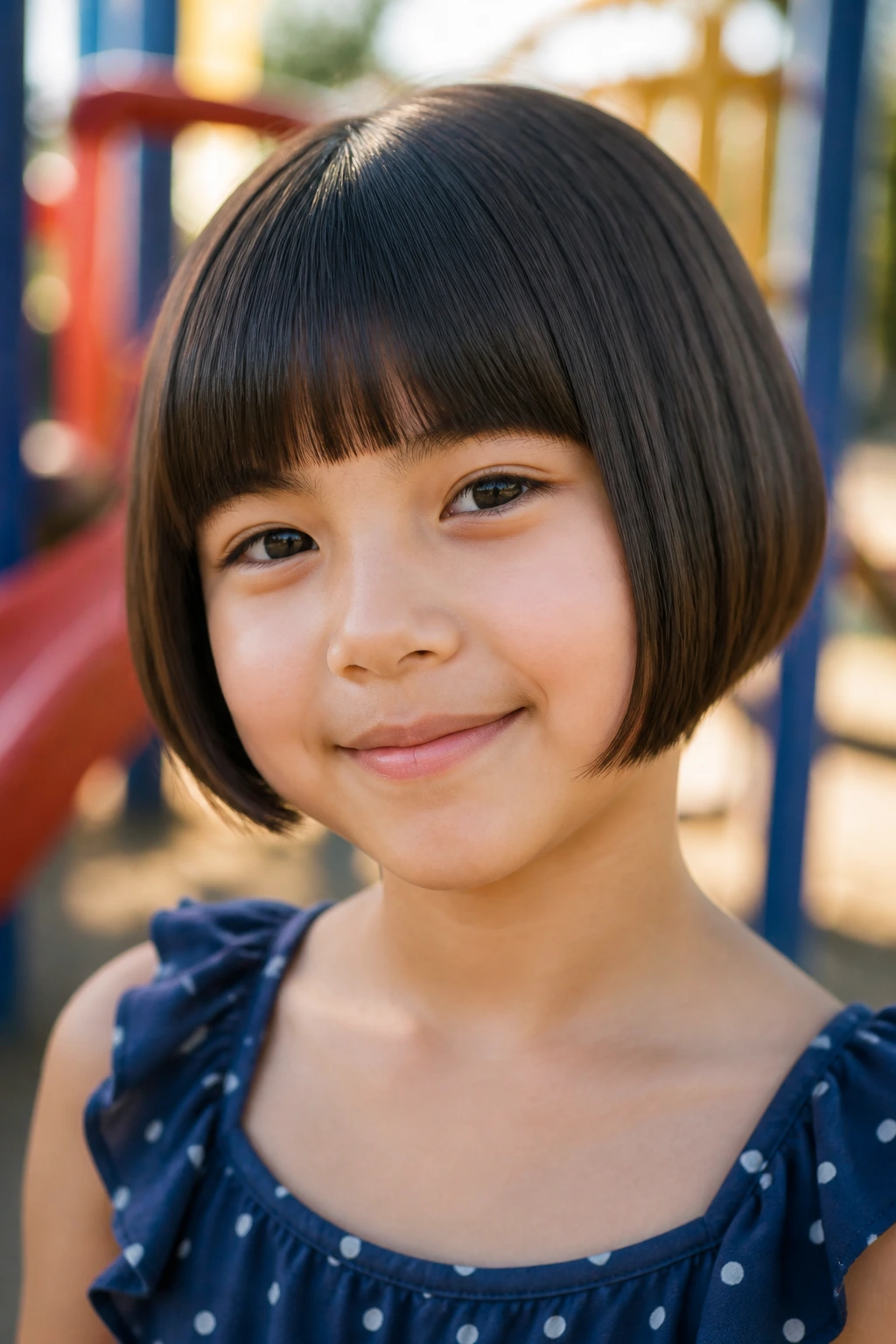
The rounded pageboy is a sweet, vintage style that hugs her cheeks and frames her eyes beautifully. It is cut with a curved perimeter that slopes from a thick fringe down to the back of her neck. The ends are cut with an undercut so they naturally curve inward.
This cut is exceptionally cute on younger children and toddlers. It keeps their hair looking styled and tidy even after a long afternoon on the playground. Because the perimeter is curved, there are no long corners to tangle or get messy.
- Face frame: Soft, continuous curve from bangs to the back of the neck
- Best for: Toddlers and young school-aged girls
- Playability: Excellent, keeps hair completely out of her eyes
This classic cut has a charming, timeless feel that looks incredibly neat and requires almost zero daily styling beyond a quick brush.
17. Long Hair with Straight-Across Blunt Bangs
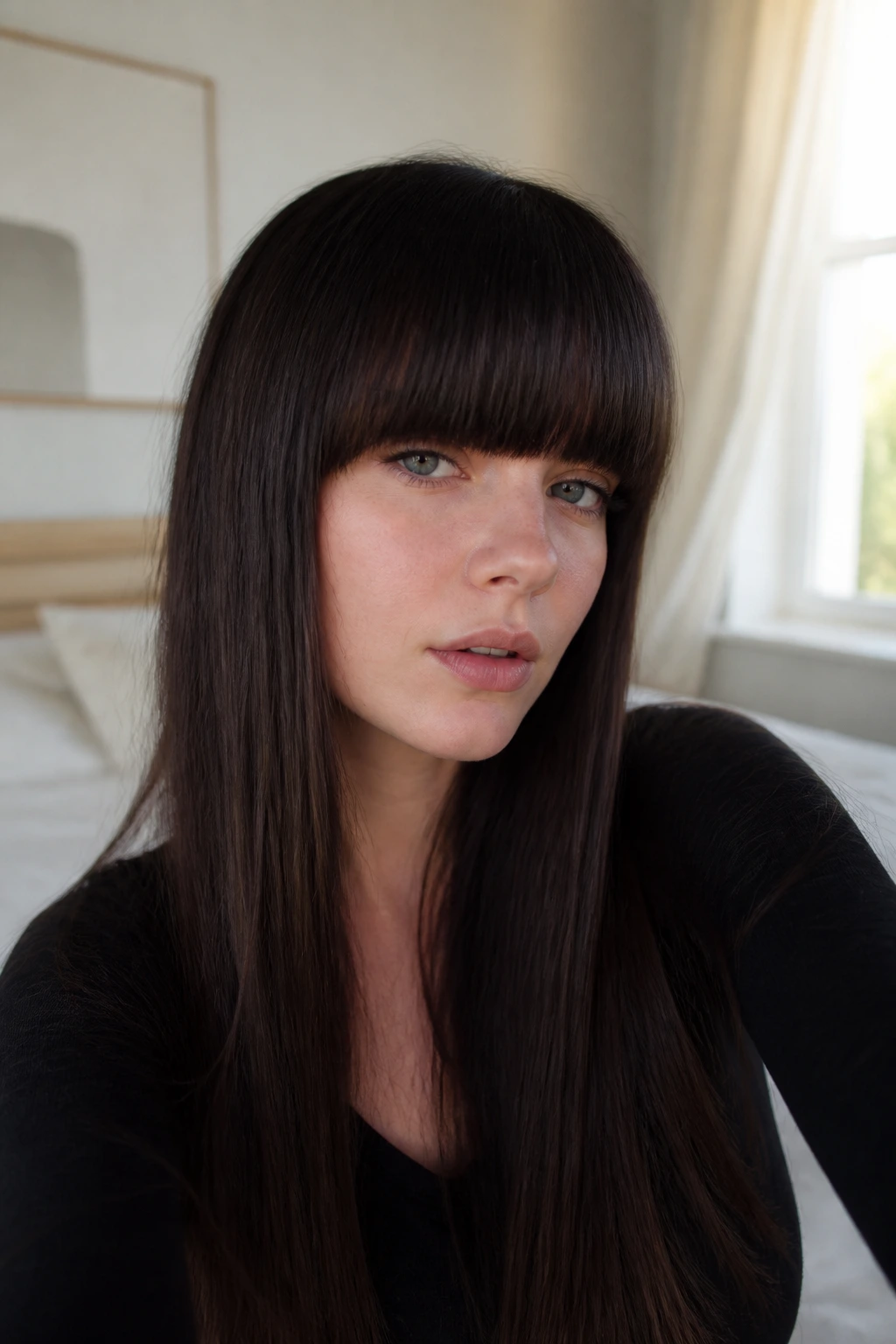
This high-contrast style pairs very long, straight hair with a thick, heavy fringe cut straight across her eyebrows. The contrast between the sharp horizontal line of her bangs and the long vertical lines of her hair is striking.
This is a beautiful option for girls with naturally thick, straight hair. The natural weight of her hair helps keep the bangs lying flat and in place without needing hairspray or styling tools. It is a fun way to add personality to long hair.
Daily maintenance for this cut is focused entirely on her bangs. Because they sit right above her eyes, they will need a trim every three to four weeks to keep them at a comfortable length. The rest of her hair can grow as long as she likes.
To keep the bangs looking clean, you can quickly wash just her fringe in the sink on mornings when she doesn’t need a full bath. A quick blow-dry with a flat brush will have her looking fresh and ready for school in minutes.
18. Hidden Undercut Bob
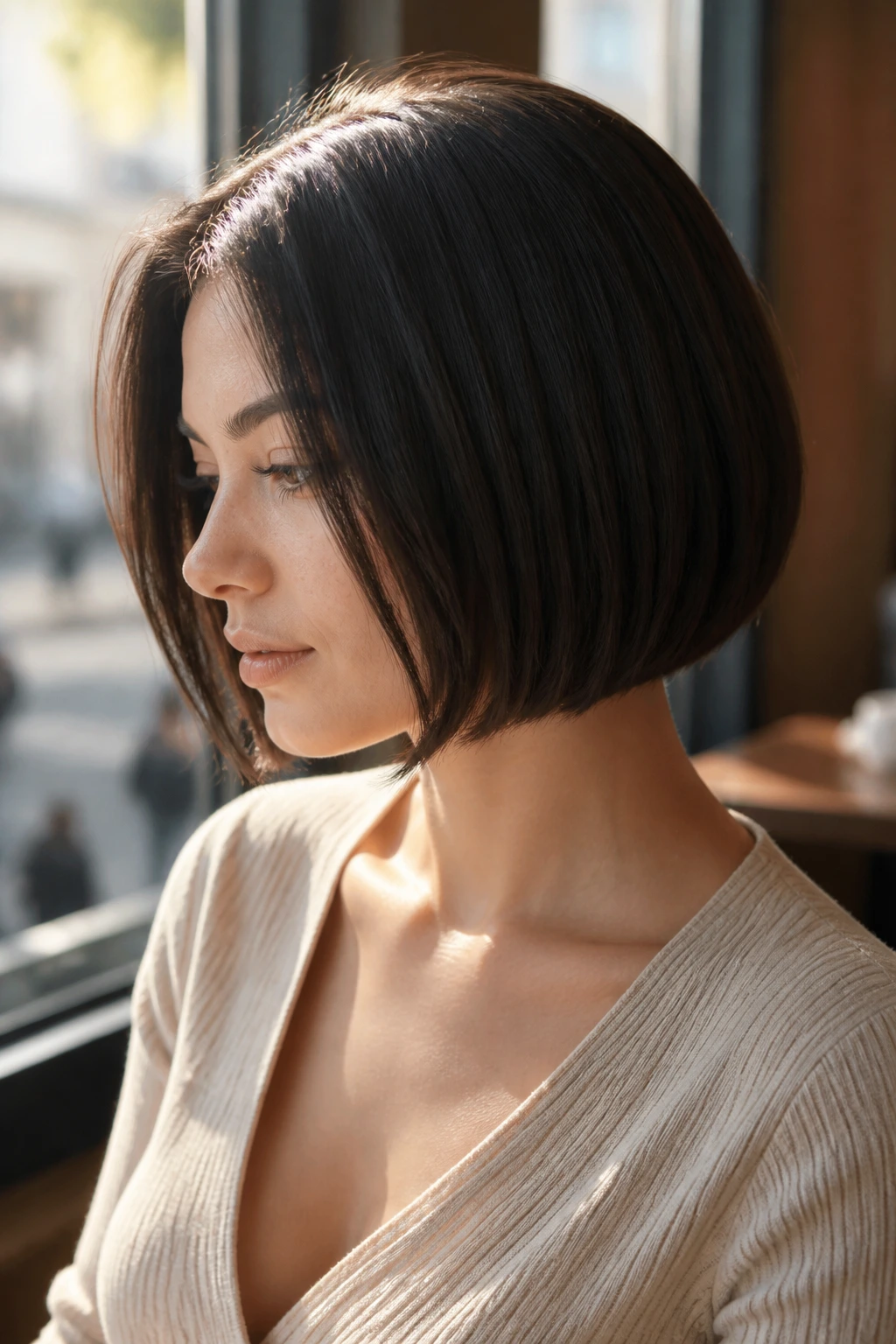
For girls with incredibly thick, dense straight hair, a standard bob can sometimes puff out at the sides, creating an awkward triangle shape. The hidden undercut bob is a clever solution that keeps her hair looking slim, sleek, and manageable.
The stylist shaves or buzzes a small section of hair at the very nape of her neck, usually about an inch high. The rest of her hair is then cut into a bob that falls over the shaved area. The undercut is completely hidden when her hair is down.
This cut removes a massive amount of bulk from the densest part of her scalp. It prevents her bob from puffing out and helps it fall straight down against her neck. It also keeps her cool during hot weather by allowing air to reach her neck.
When she pulls her hair up into a half-up style, the undercut is revealed, which can be a fun, sporty look that she loves. It is a highly practical cut for active girls with very thick hair.
19. Shaggy Lob (The Slob)
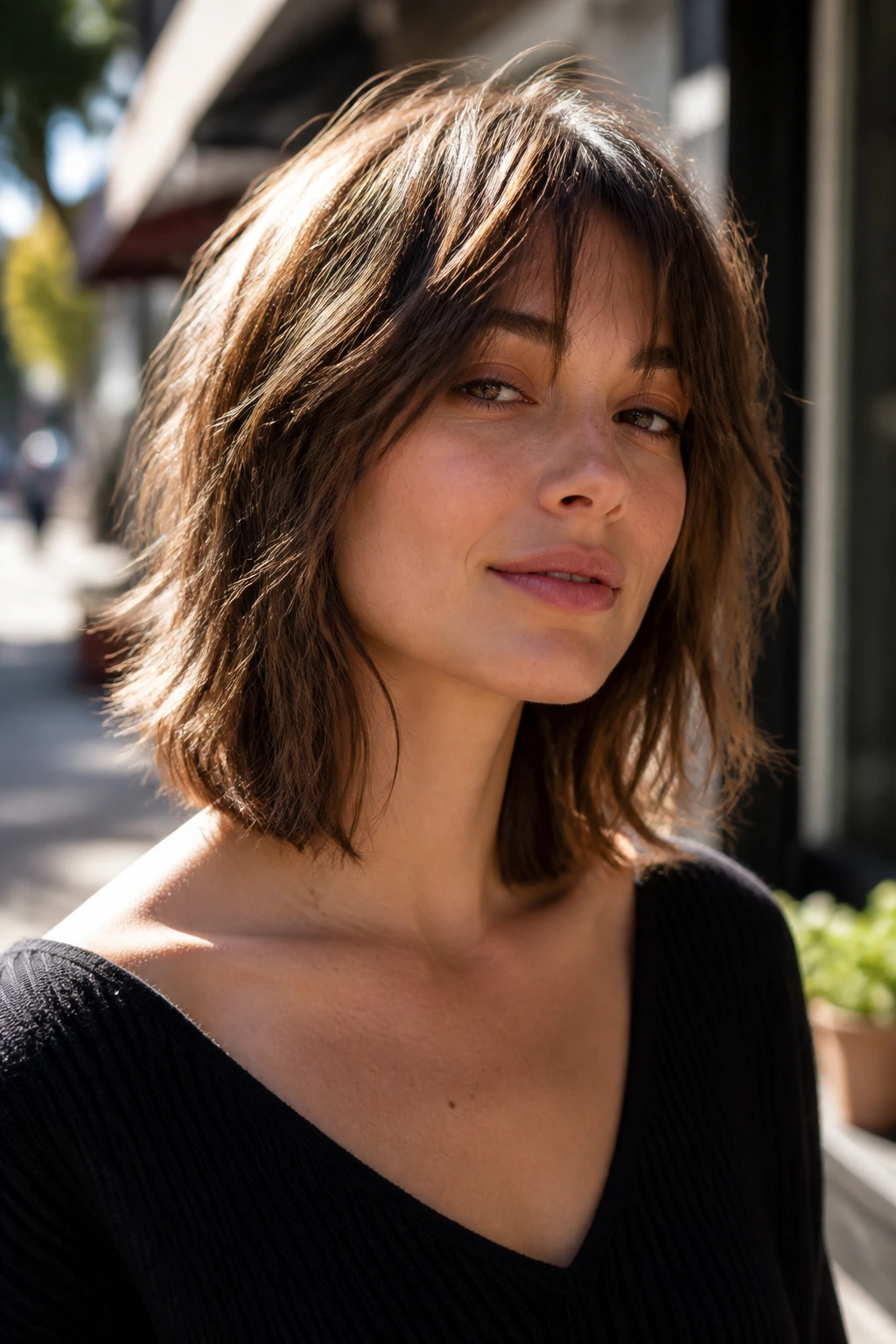
The shaggy lob, often called the “slob,” combines a slightly messy, lived-in texture with a long bob length. It is a casual, effortless look that works beautifully on medium-thickness straight hair.
How to Build Internal Texture
Instead of cutting visible layers on the surface of her hair, the stylist cuts tiny, hidden layers inside her hair. This removes weight from the middle of the hair shaft, allowing the outer layers to bounce and move rather than lying flat.
Quick Facts
- Vibe: Casual, cool, and low-maintenance
- Best for: Medium-density straight hair
- Styling time: One minute (spray and go)
- Parting options: Can be worn with a middle part or flipped to one side
Use a light texturizing spray or sea salt mist on damp hair to bring out this cut’s messy, lived-in charm.
20. The Italian Bob
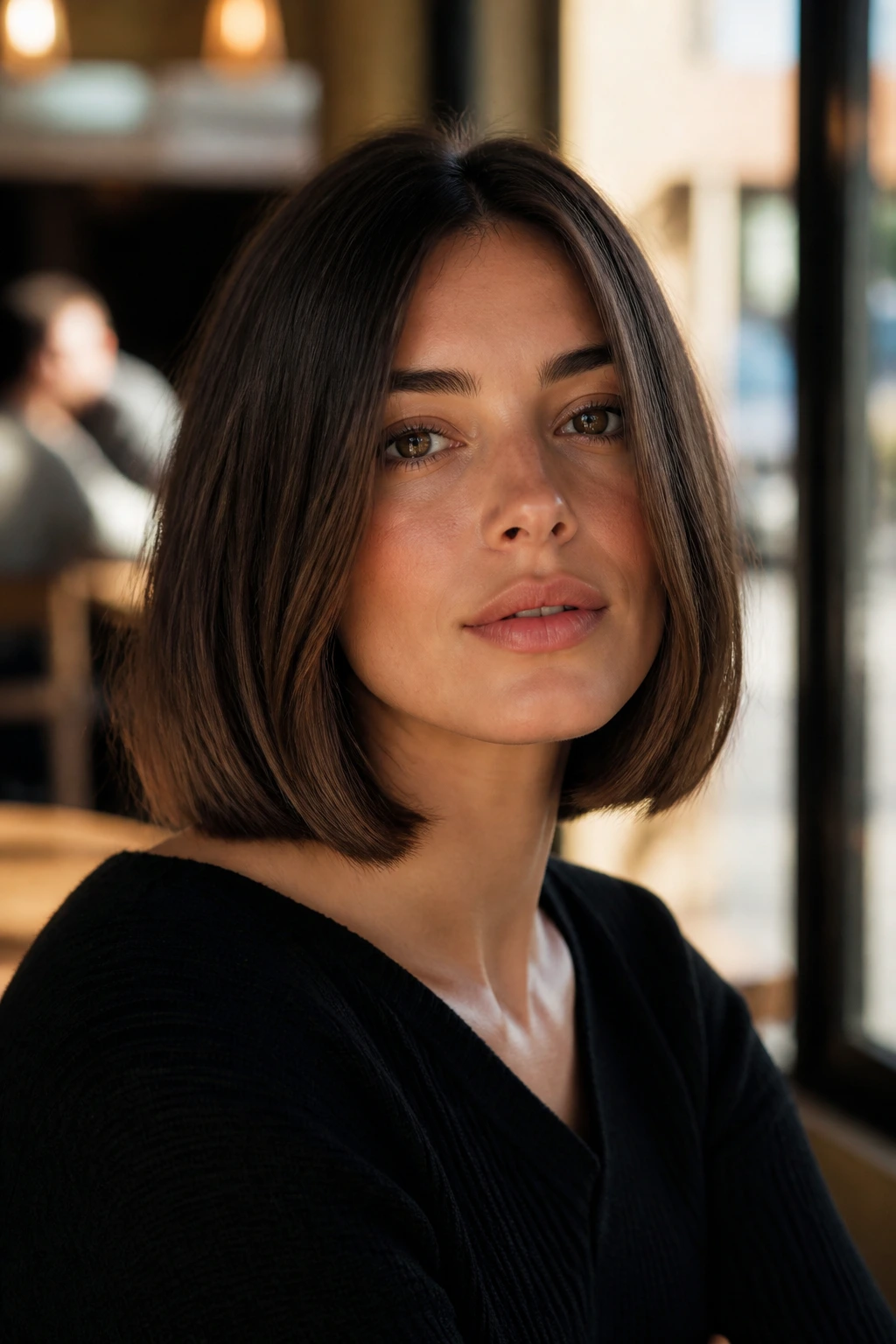
The Italian bob is cut slightly longer and chunkier than a classic French bob. It skims the neck with heavy, blunt ends, but features subtle interior layers that add volume and lift at her roots. It has a playful, bouncy quality when she walks or runs.
This cut is highly versatile. It can be brushed smooth for a neat, classic look, or left to air-dry into its natural, textured shape. It looks incredibly chic when tucked behind both of her ears, framing her face beautifully.
For girls who are transitioning from long hair to a shorter style, the Italian bob is a great first step. It feels substantial and stylish without being too short, and it is easy to tie back into a small ponytail when she needs her hair out of her face.
21. Wispy Layered Pixie
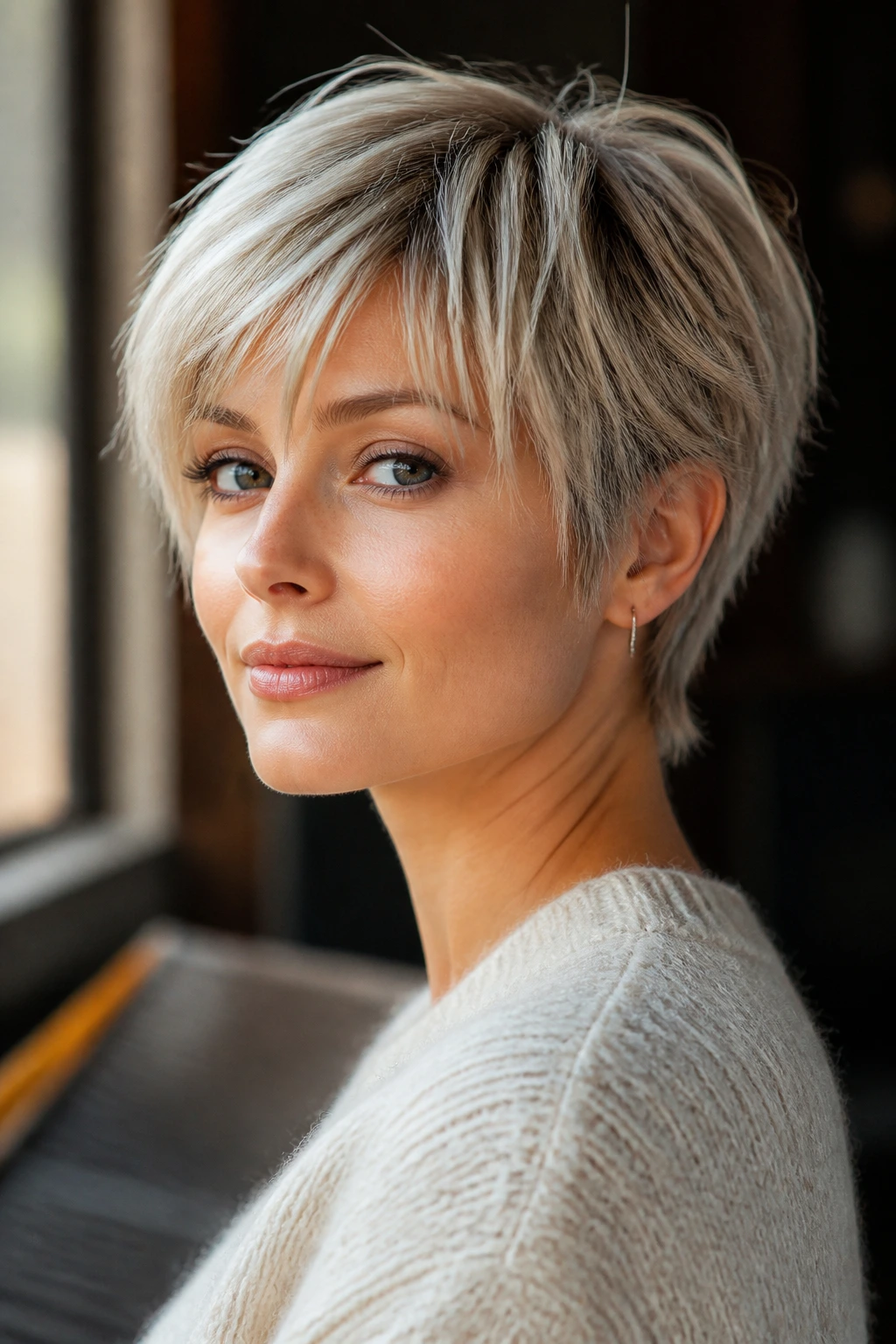
Can a pixie cut look soft and feminine on straight hair? A wispy layered pixie proves that it can. By using soft, feathered layers around her ears and neck, the stylist avoids the harsh lines of a traditional short cut.
The stylist uses point-cutting to create light, wispy edges that frame her forehead and cheeks. This prevents her straight hair from looking stiff or spiked, keeping the style looking soft, gentle, and youthful.
Softening a Short Cut
The key to this look is leaving the sideburns and the nape of her neck slightly longer and feathered, rather than shaving them clean. This soft frame around her ears and neck makes the cut look natural and easygoing.
Maintenance Tips
- Trim frequency: Every six weeks to keep the shape neat
- Styling requirement: A simple brush through after washing
- Best for: Active girls who want a short, stylish cut with zero fuss
22. The Sleek Glass Hair Cut
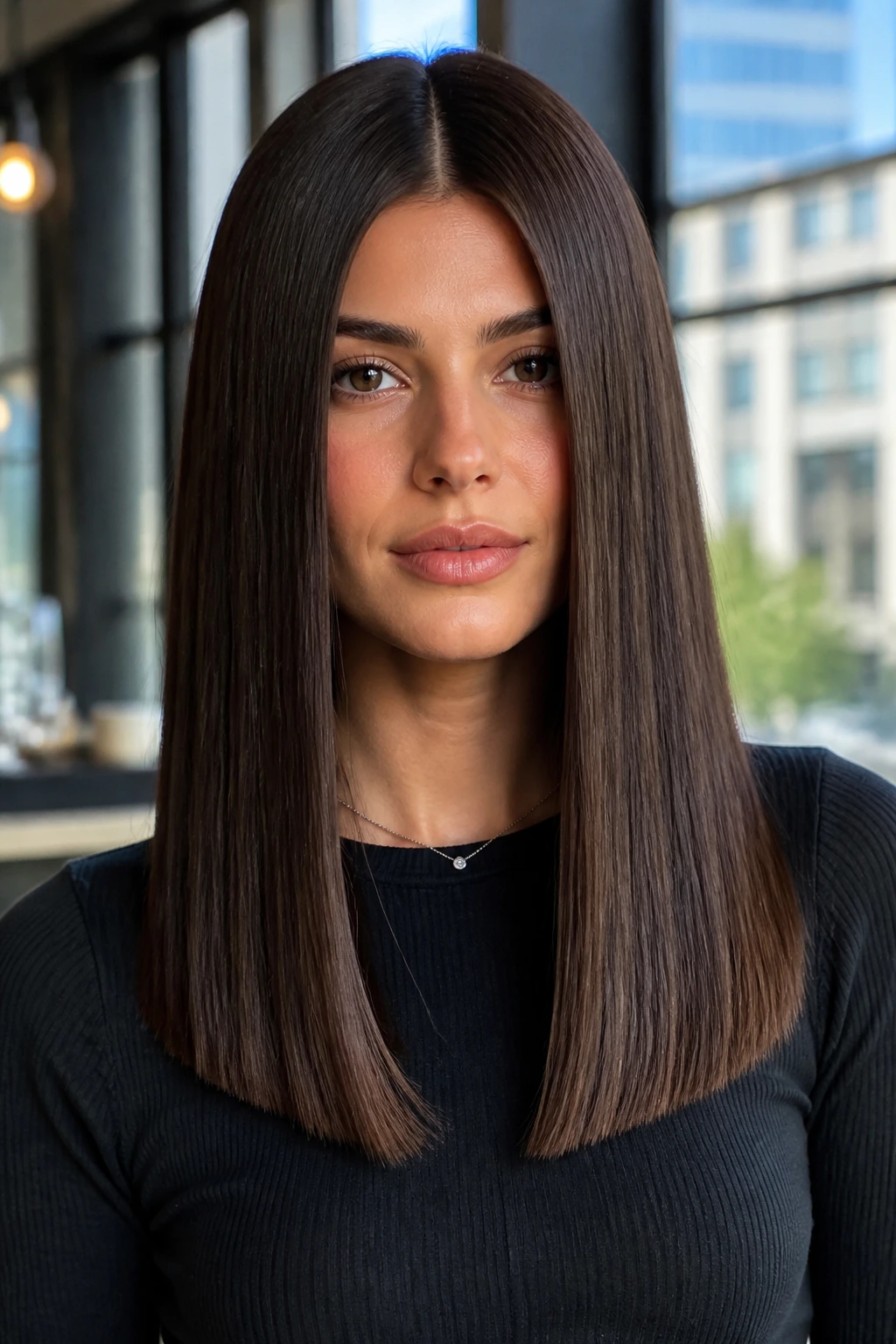
Imagine hair so smooth and straight that it reflects light like a sheet of polished glass. This cut is a symmetrical mid-length or long cut with perfectly blunt edges, achieved through high-precision tension cutting.
The stylist pulls her hair tight and cuts it in fine, horizontal sections. This ensures that every single strand is cut to the exact same length, creating a flawless, razor-sharp edge across her back and shoulders.
- Finish: Sharp, high-shine horizontal baseline
- Hair type: Naturally pin-straight hair
- Care requirement: Regular deep conditioning to prevent split ends
This cut highlights the natural beauty of straight hair, turning its simplicity into a bold, clean statement that looks incredibly polished.
How to Manage Straight Hair Behavior and Cowlicks
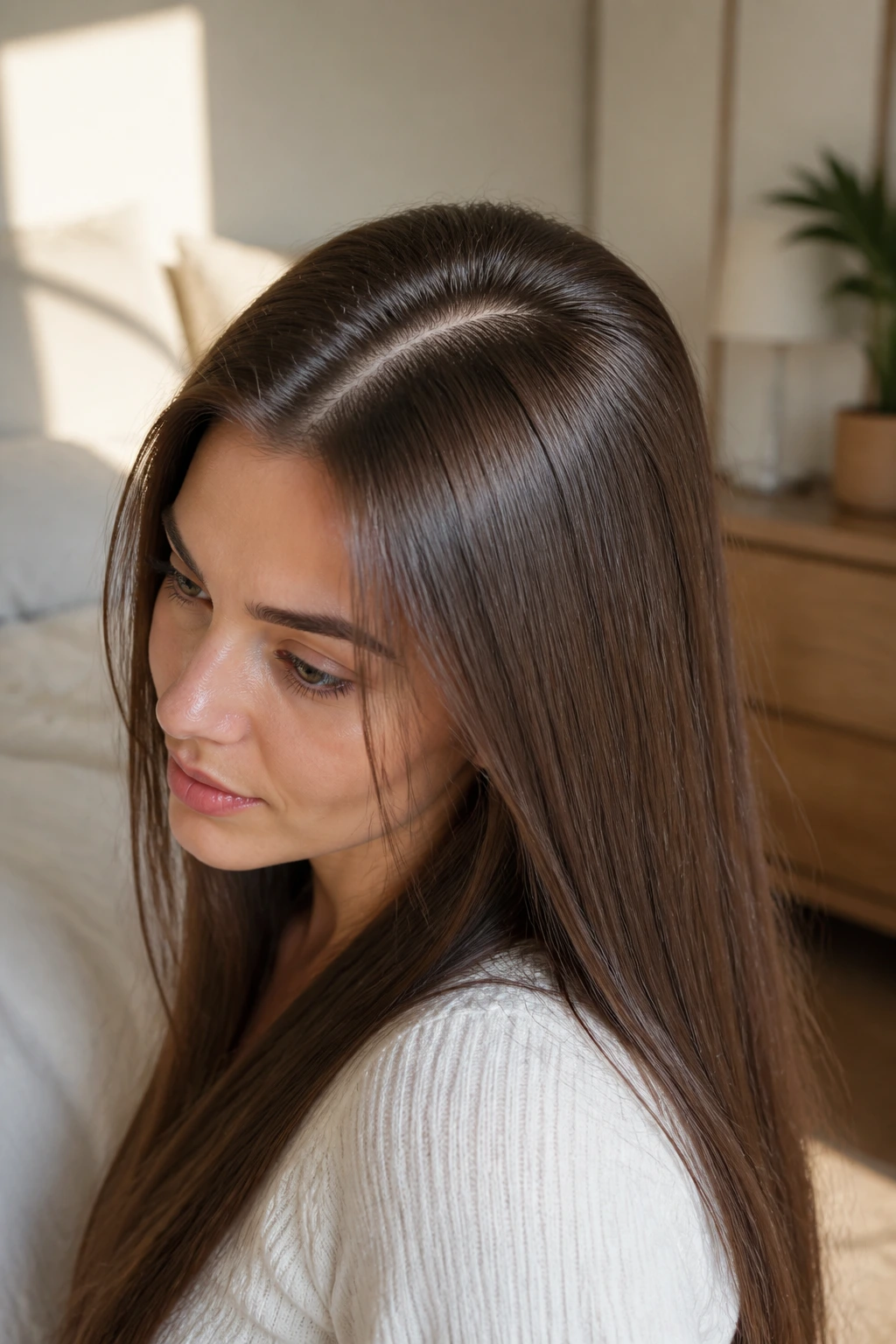
Straight hair is not always as simple to manage as it looks. One of the most common challenges is dealing with cowlicks, which are sections of hair that grow in a different direction than the rest. These are most common at the crown of the head or right along the front hairline.
When cutting straight hair with a cowlick, the stylist must leave enough length in that section so the natural weight of her hair pulls the cowlick down. If cut too short, the hair will lose its weight and stick straight up, which can be frustrating to style every morning.
The thickness of her hair also plays a massive role in how it behaves. Fine, straight hair can be prone to static and flyaways. To combat this, stick to blunt cuts that build weight and density at the ends. Avoid heavy layering, which can make fine hair look thin and wispy.
Thick, straight hair, on the other hand, can feel heavy and hot. It needs texturizing techniques like point-cutting, slide-cutting, or channel cutting to remove weight from the interior of her hair. This allows her hair to move freely and bounce, rather than lying flat against her head like a heavy block.
Simple Tips for Styling and Protecting Girls’ Straight Hair
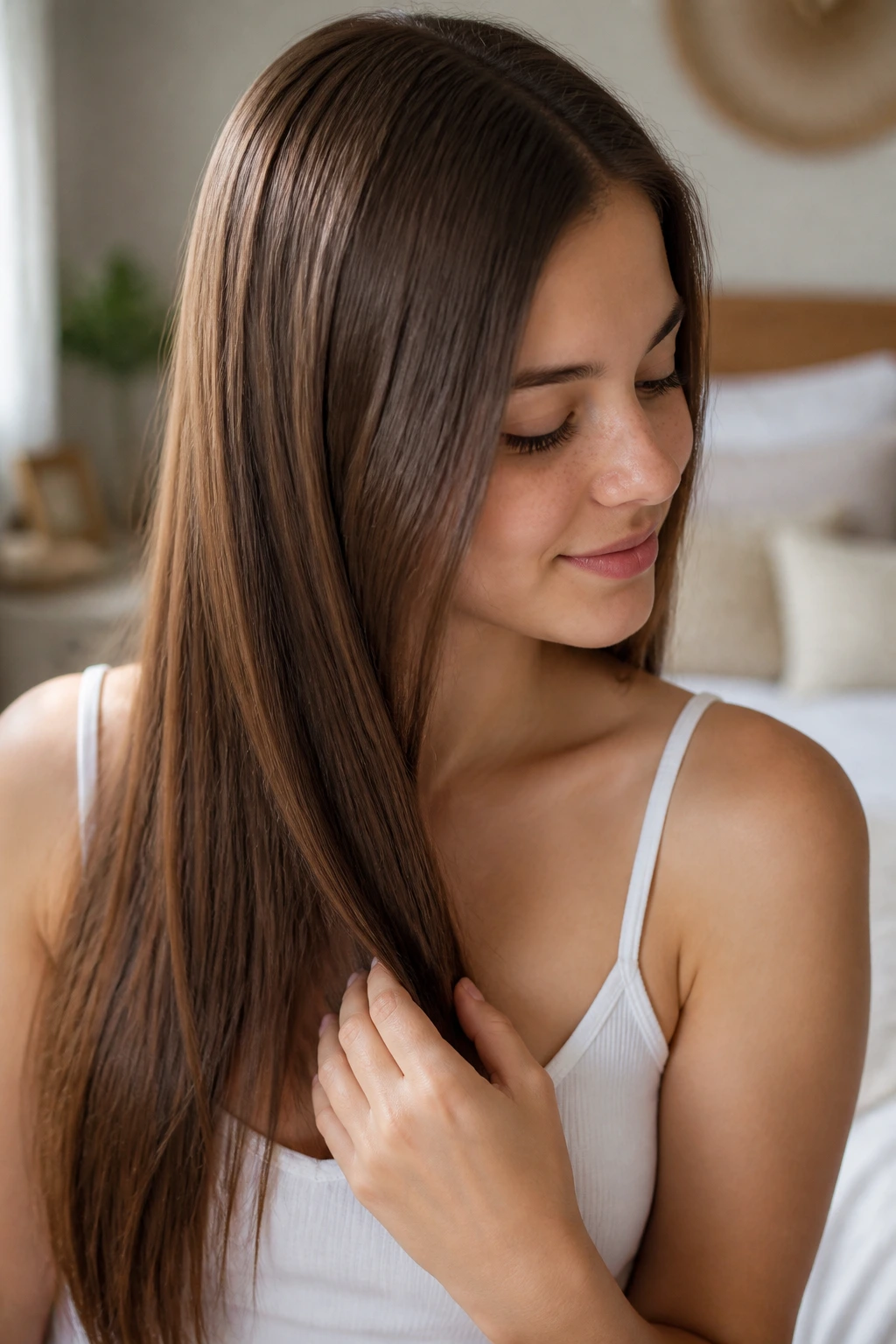
To keep her straight haircut looking its best, a healthy hair routine is essential. Because straight hair lies flat against the scalp, it can collect natural oils more quickly than curly hair, which can make it look greasy or weighed down at the roots.
Wash her hair with a lightweight, clarifying shampoo that cleanses without leaving heavy residues. Focus the shampoo on her scalp where the oils collect, and apply conditioner only to the bottom half of her hair to keep her roots light and voluminous.
Brushing and Detangling
- Brush style: Use a wet brush or a wide-tooth comb
- Direction: Start brushing at the ends of her hair and work your way up to her roots to prevent breakage
- Wet hair care: Never brush wet hair with a standard bristle brush, as wet straight hair is highly elastic and prone to snapping
When tying her hair back for school or sports, avoid tight elastic bands, which can leave a permanent crease in straight hair or cause breakage along the ponytail line. Instead, use soft fabric scrunchies, silk ties, or spiral telephone-wire hair ties that distribute the pressure evenly.
If you use a blow dryer on her hair, always apply a light heat protectant spray first. Use the blow dryer on a medium or cool setting, and brush the hair downward with a paddle brush to keep her cuticle flat and shiny. This simple routine will keep her straight hair looking healthy, glossed, and beautiful every day.
The Bottom Line
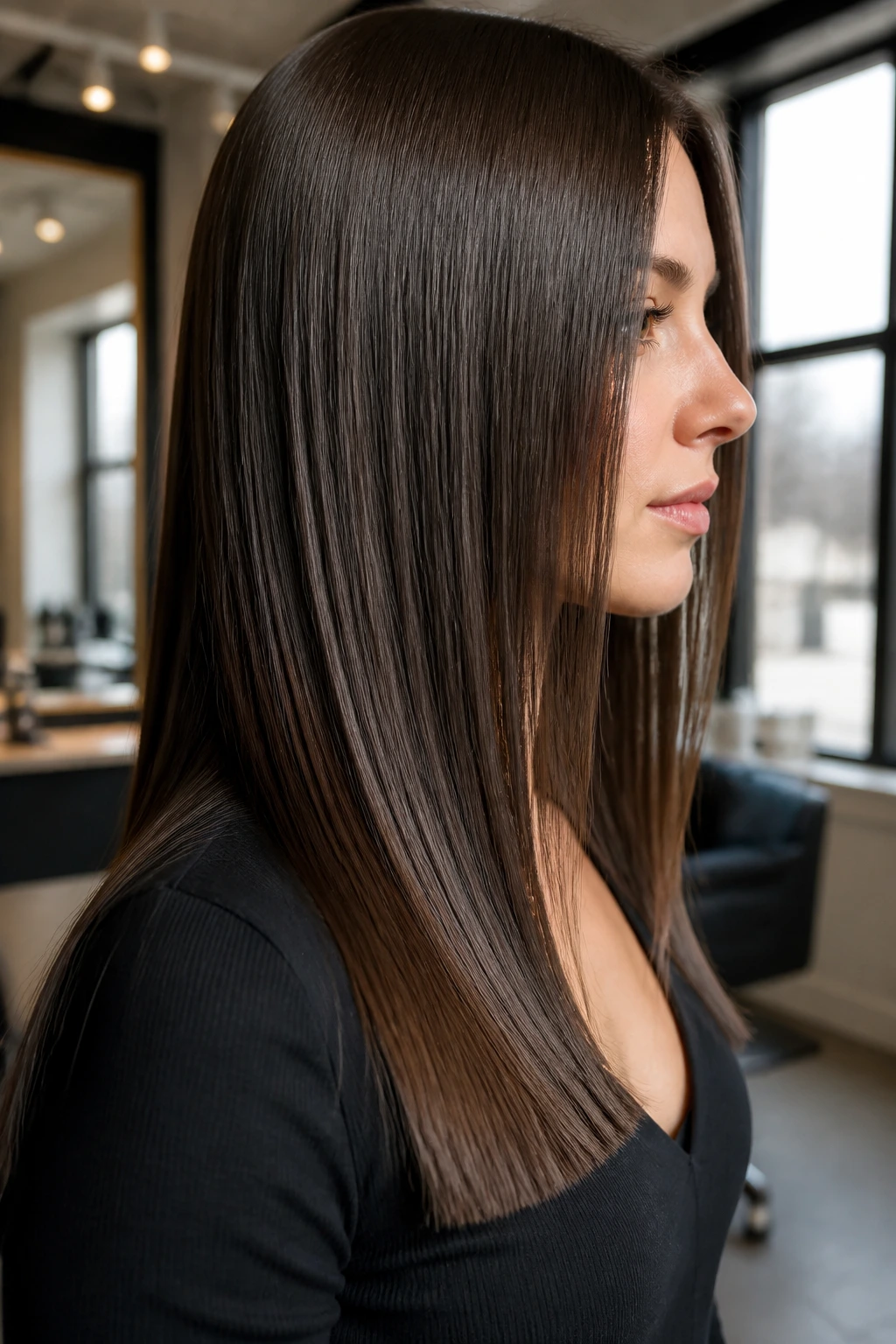
Straight hair offers a clean canvas that showcases precision, shape, and shine like no other texture. Whether she wants a short, energetic pixie, a classic blunt bob, or long, flowing layers, the right cut can work with gravity to make her hair look thick, healthy, and full of life.
The best haircut is one that fits her personality and your daily routine. By matching the shape of the cut to her hair thickness and her lifestyle, you can find a beautiful, low-maintenance style that she loves to wear every single day.