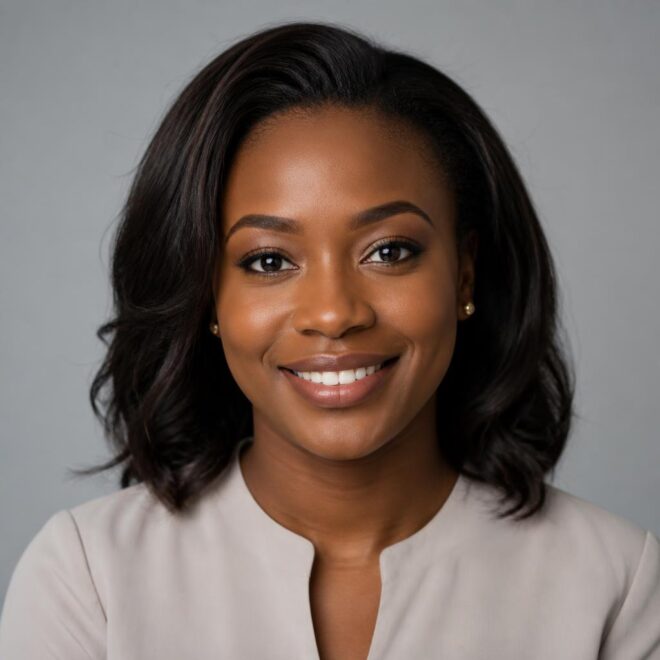


Frizz. If you have it, you know it is not just a texture; it is a full-time negotiation. It thrives in humidity, spikes at the first hint of dryness, and often seems to have a personality entirely independent of your own. Many of us have spent countless mornings arm-wrestling our hair into submission with heavy oils and tight elastic bands, only to watch it poof up the moment we step outside. The secret, however, is not to fight the natural tendency of your hair to expand, but to embrace styles that work with that volume instead of against it.
When hair is textured or prone to frizz, the cuticle is typically raised, looking for moisture in the air. This causes strands to splay out, creating that halo of fuzz. The most effective way to manage this is by choosing cuts and styles that utilize the hair’s natural tendency to hold shape rather than trying to force it into a pin-straight, sleek aesthetic that it simply does not want to maintain. Let’s look at 22 styles that actually thrive on texture.
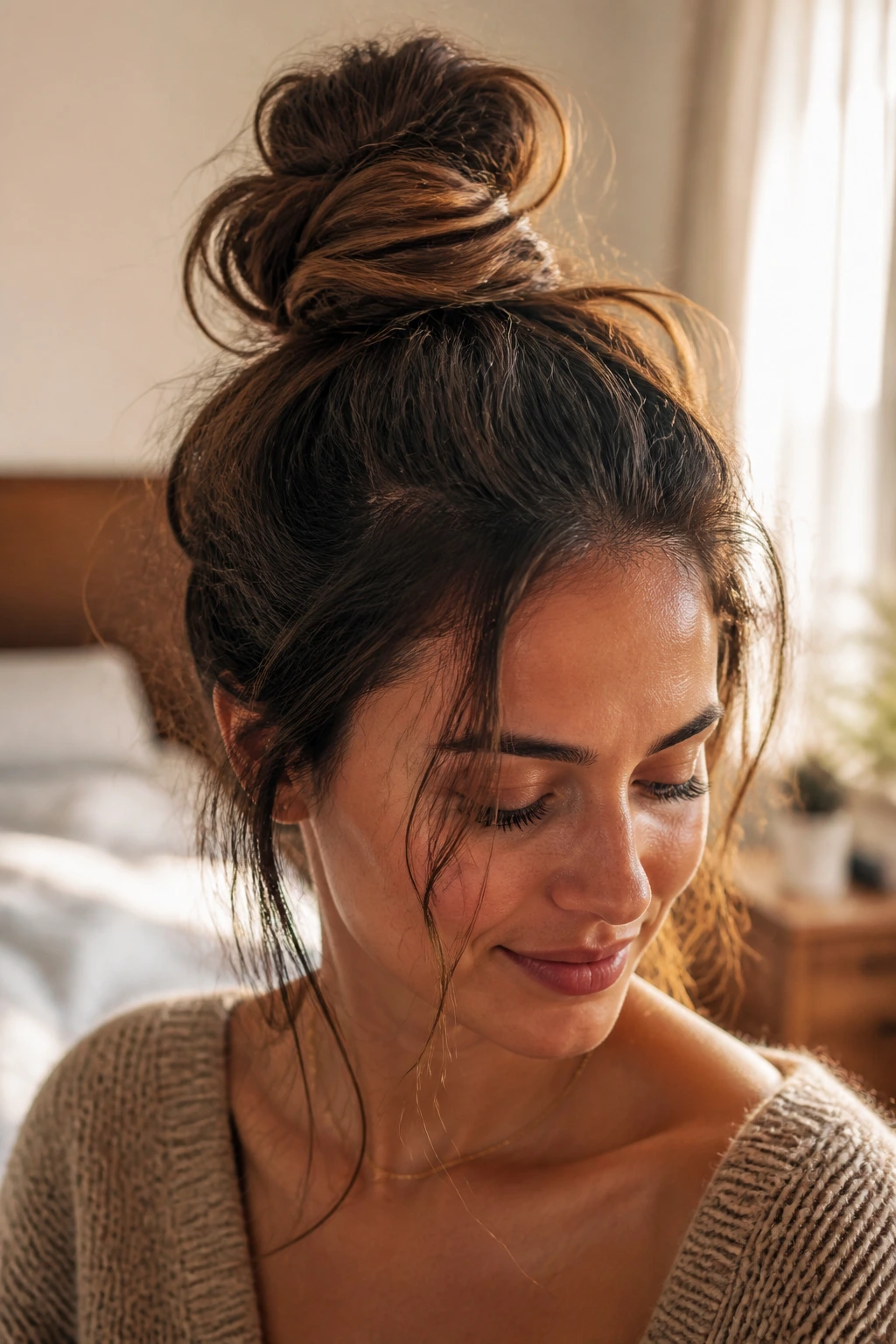
1. The Undone Textured Top Knot
The top knot is the classic savior for frizz, but the “perfect” slicked-back version often looks messy by noon. Instead, lean into the mess. Start by flipping your hair over and gathering it at the crown without using a brush. Brush strokes are often the enemy of frizz because they create tension that encourages flyaways to stand up.
Why It Works for Frizz
By gathering the hair with your fingers, you preserve the natural wave pattern. This prevents the hair from being pulled taut against the scalp, which is where frizz usually looks the most chaotic. If the hair is slightly loose, the frizz blends into the overall aesthetic.
How to Style It
- Gather your hair into a high ponytail but do not pull it all the way through the final loop of your hair tie.
- Gently tug at the bun to loosen it and pull out a few face-framing pieces.
- Use a texturizing spray rather than a hairspray to give the stray ends some grit and hold without the crunchy residue that makes frizz look obvious.
2. High-Volume Braided Crown
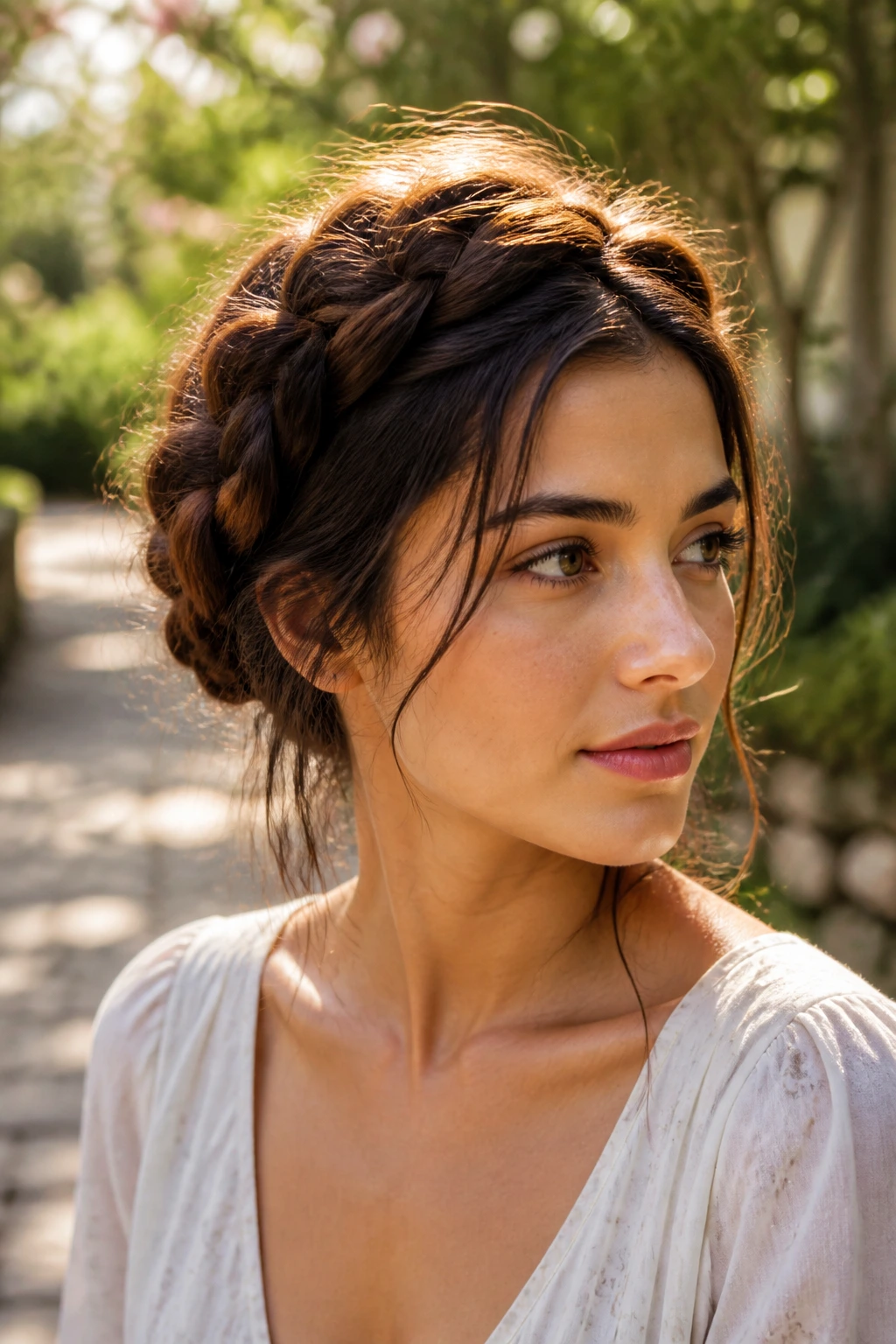
Braids are incredible because they effectively “lock” the hair in place, preventing the environmental factors that cause frizz from penetrating the individual strands. A halo or crown braid is particularly effective because it pulls the hair away from your neck, where sweat and moisture often trigger the dreaded frizz-spike.
Key Details for Success
Focus on creating a loose, “lived-in” look. If you try to braid too tightly, the frizz will inevitably pull free and create a fuzzy outline around the braid. By pulling the loops of the braid apart once you have secured the ends, you create a soft, romantic volume that disguises any texture irregularities.
3. The Low Messy Chignon
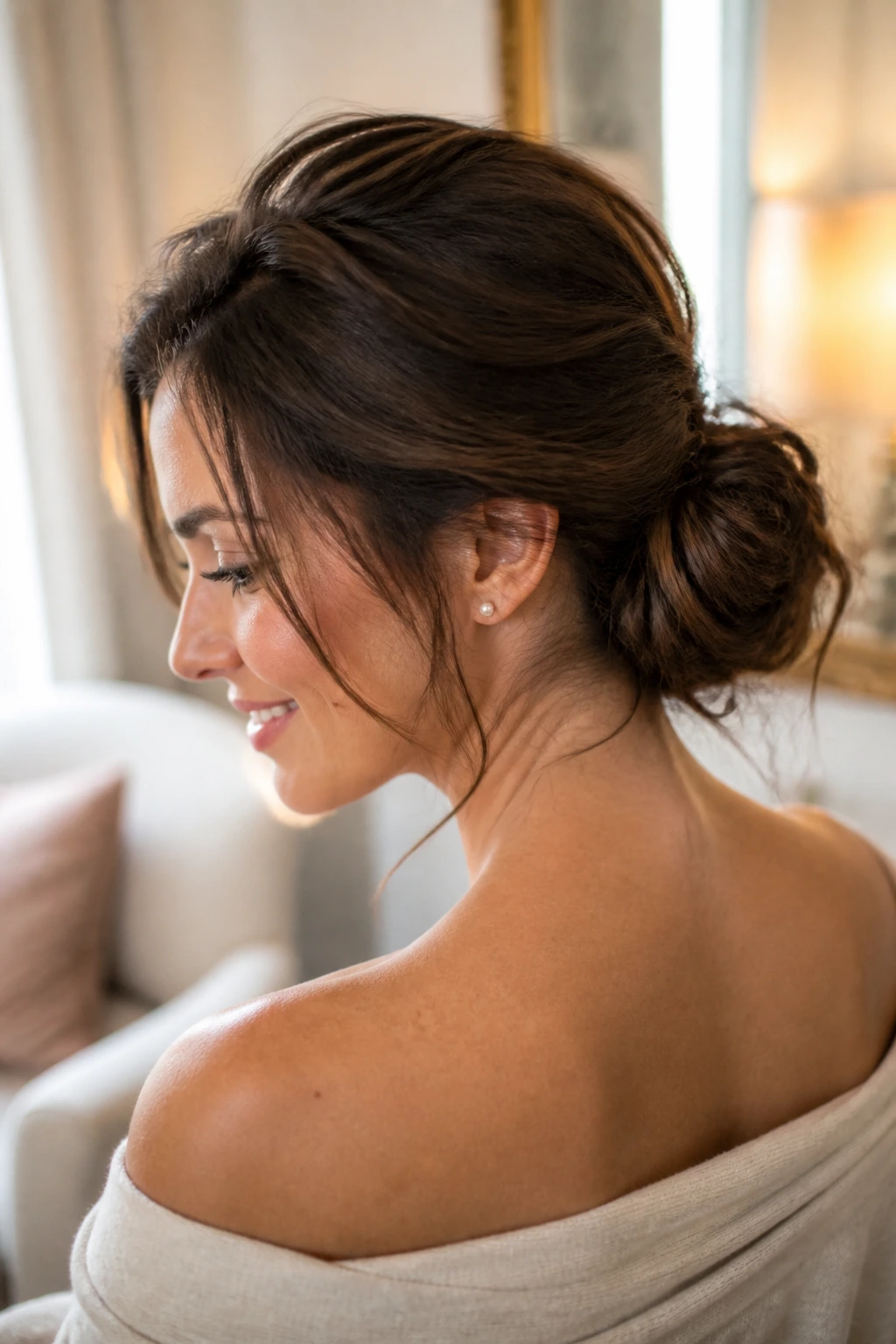
A low bun at the nape of the neck is the ultimate sophisticated solution for those days when your hair is simply uncontrollable. By keeping the hair low, you avoid the frizz that naturally develops at the hairline when hair is pulled too high or tight.
Making It Look Intentional
The secret here is volume at the crown. Before pulling your hair back, use a dry shampoo or a volumizing powder on the roots to create lift. This makes the sleekness of the neck area feel balanced and intentional, rather than like you are just trying to hide a bad hair day.
4. The Half-Up Claw Clip Style
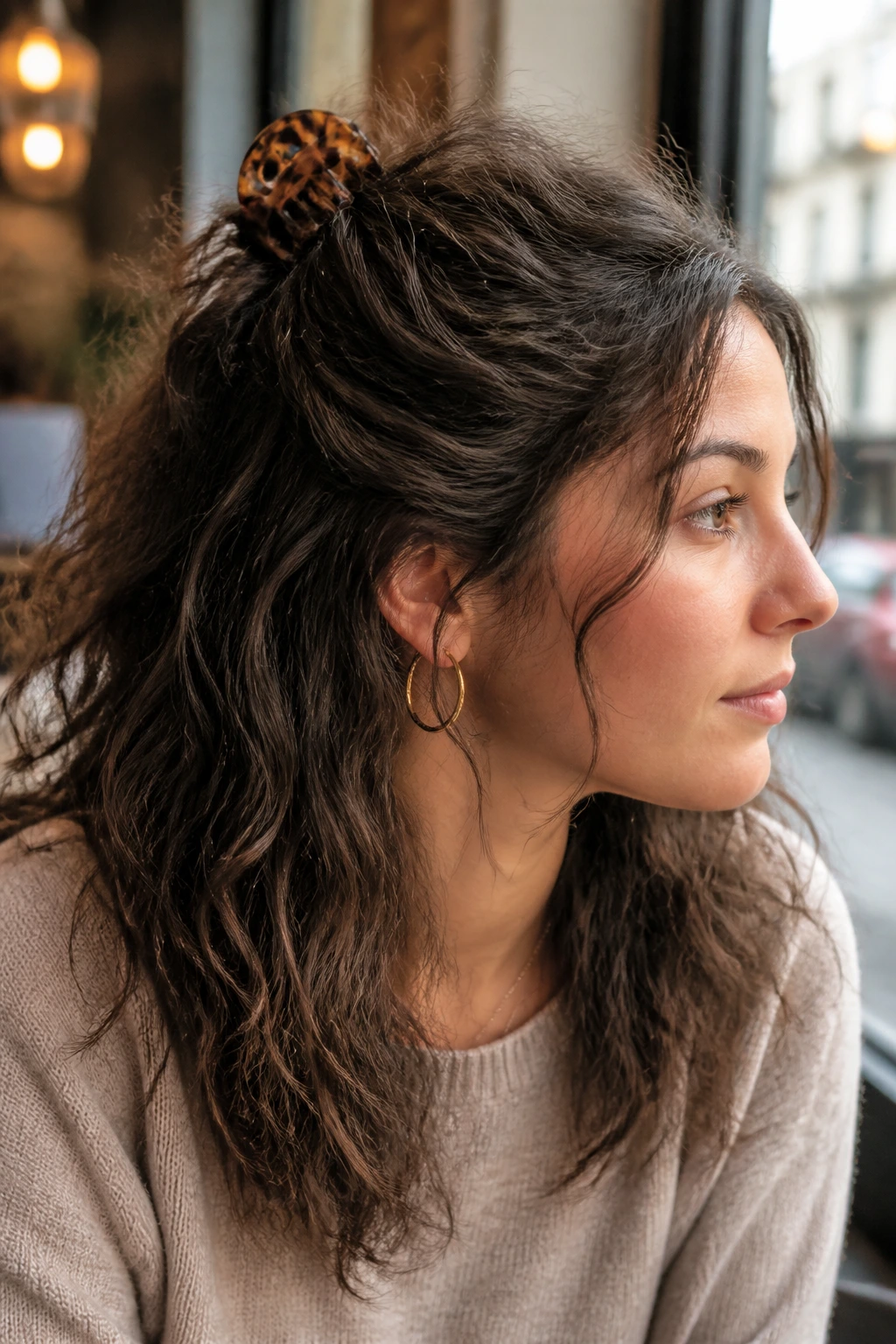
The claw clip has returned to the spotlight for good reason: it does not create the harsh creases that traditional elastic bands do. Creases are the breeding ground for frizz because they break the hair shaft and create uneven tension.
Why This Protects Your Strands
Because the clip holds the hair loosely, the strands maintain their natural pattern. This is much kinder to hair that is prone to expanding. Simply gather the top third of your hair, twist it once, and secure it. If a few strands pop out, let them fall—it adds to the casual, effortless vibe.
5. The Sleek-to-Curly Contrast Ponytail
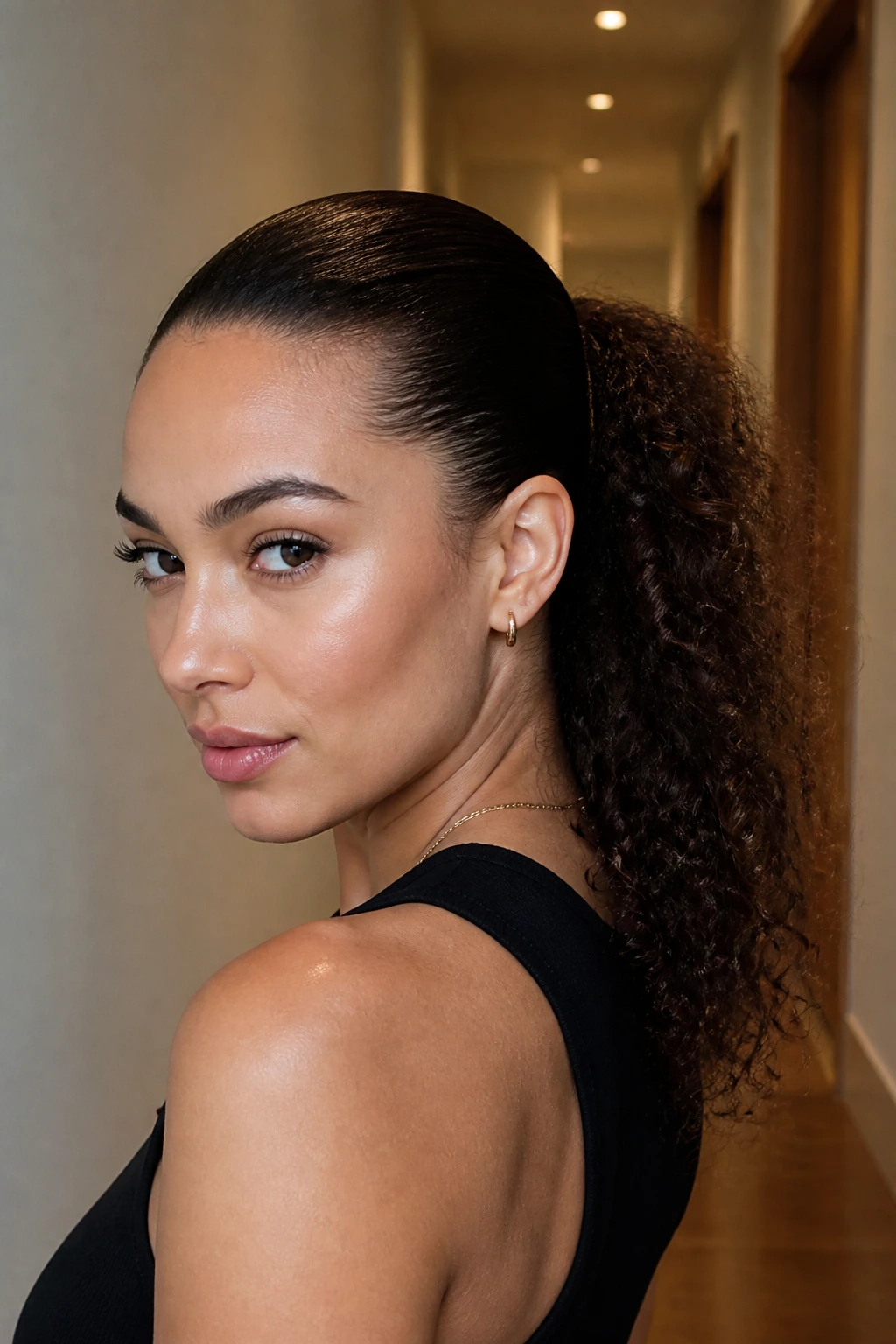
Contrasts are visually arresting. If your hair is frizzy, trying to get the whole thing under control is a chore. Instead, focus on the top section. Use a small amount of pomade to smooth down the hair from your hairline to the crown, and secure it into a ponytail.
Managing the Length
Let the length of the ponytail remain in its natural, frizzy state. The sharp contrast between the smooth, controlled roots and the wild, textured length looks like a high-fashion editorial choice. It stops being “frizzy hair” and starts being “textural interest.”
6. The Low Braided Ponytail
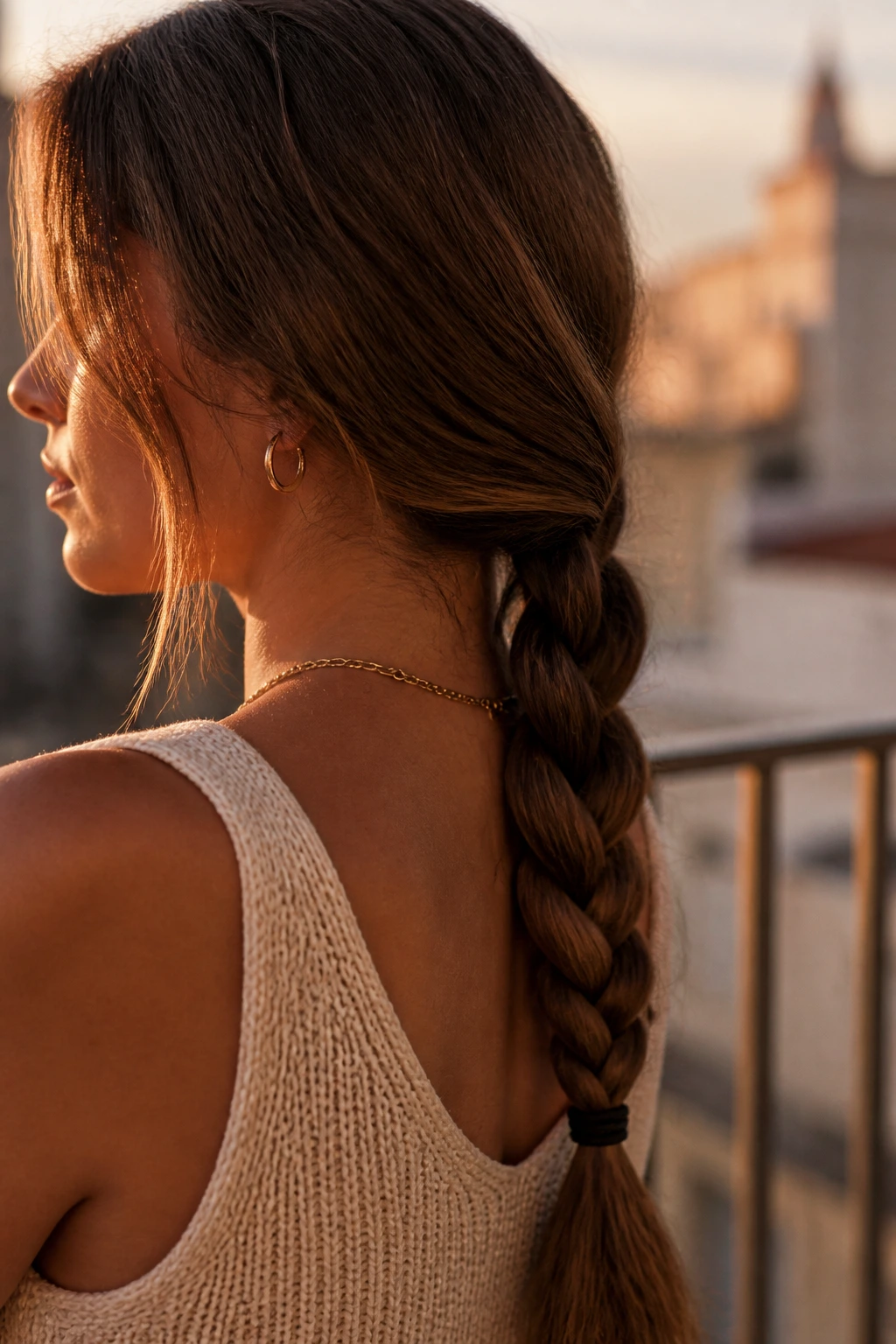
Take your standard ponytail and introduce a three-strand braid through the length of it. This style is excellent because the braid physically holds the hair together, preventing individual strands from migrating outward into a frizzy cloud.
Why It Lasts All Day
As the day progresses and the humidity hits, the braid will actually look better. It will loosen and expand, creating a soft, boho aesthetic. This is one of the few hairstyles that genuinely improves as the texture increases, making it a perfect long-day choice.
7. The Deep Side-Part Lob
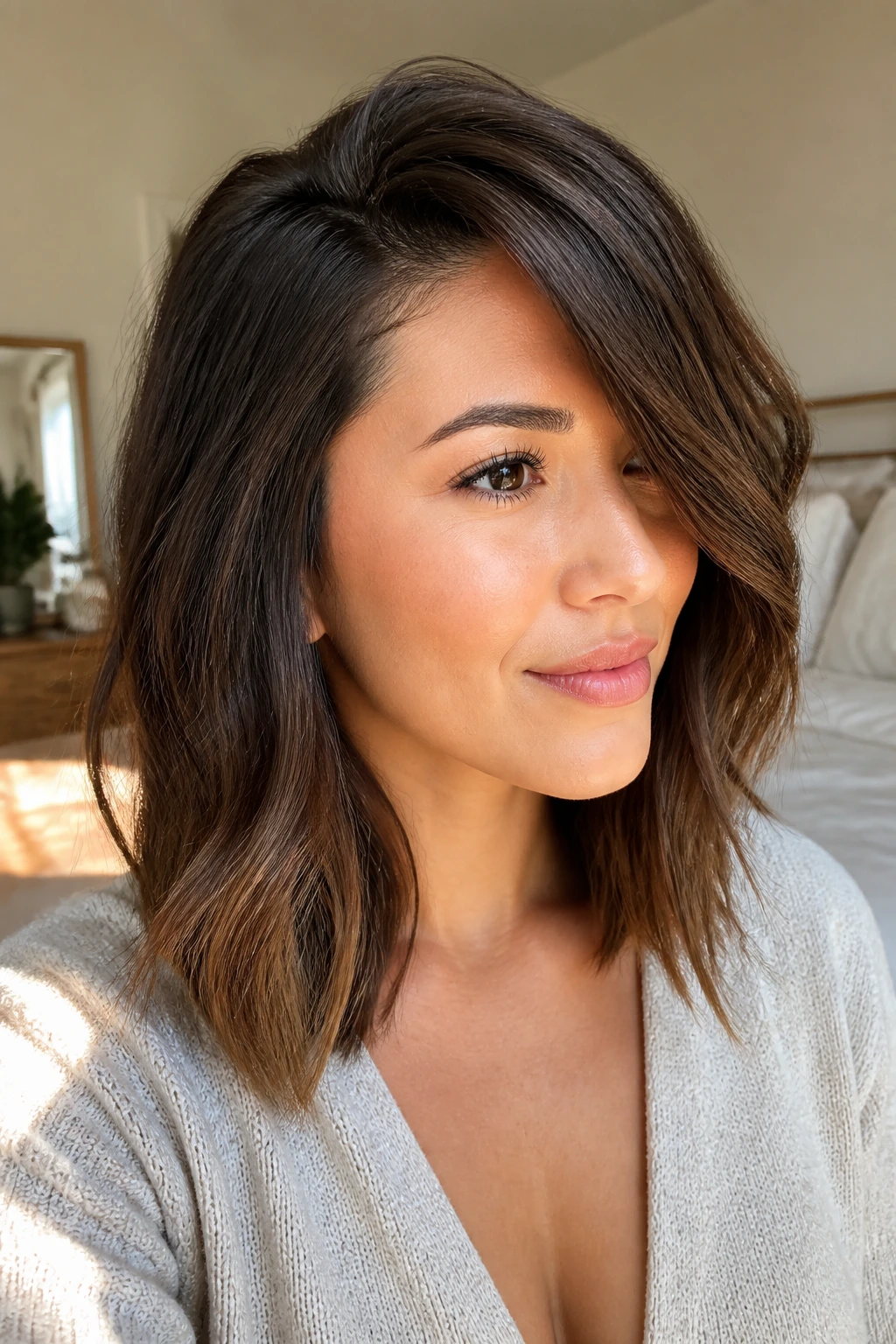
Sometimes, the frizz is concentrated at the crown because the hair is weighed down and lacks volume. A deep side part forces the hair to sweep across the forehead, which creates a natural, heavy curtain that covers any flyaways at the roots.
The Cut Matters
If you pair this side part with a lob—a long bob—you take advantage of the weight of the hair. Weight is your best friend when fighting frizz. The extra length pulls the hair down, keeping the ends from springing up into a frizz-tangle.
8. The Scarf-Wrapped Updo
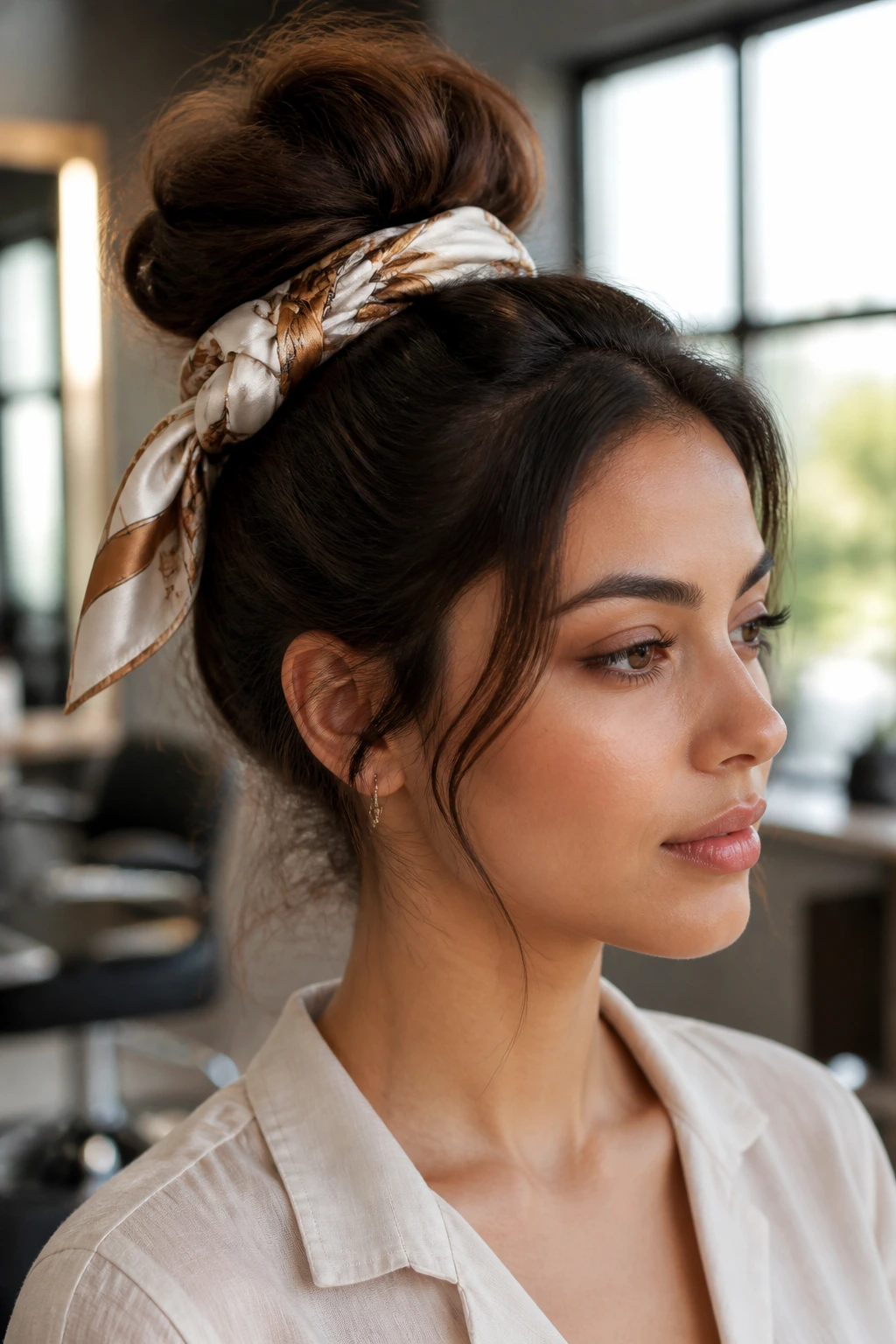
When you have a particularly stubborn frizz day, the best strategy is to accessorize. A silk or satin scarf is a miracle worker for frizzy hair. It serves two purposes: it covers the parts of your hair that are most prone to frizz, and it adds a layer of protection against the elements.
How to Style It
- Gather your hair into a loose bun.
- Wrap the scarf around the base of the bun and tie it into a knot or a bow.
- Ensure the fabric is smooth and covers the hairline or the crown if those are your primary frizz zones.
9. The Bubble Ponytail
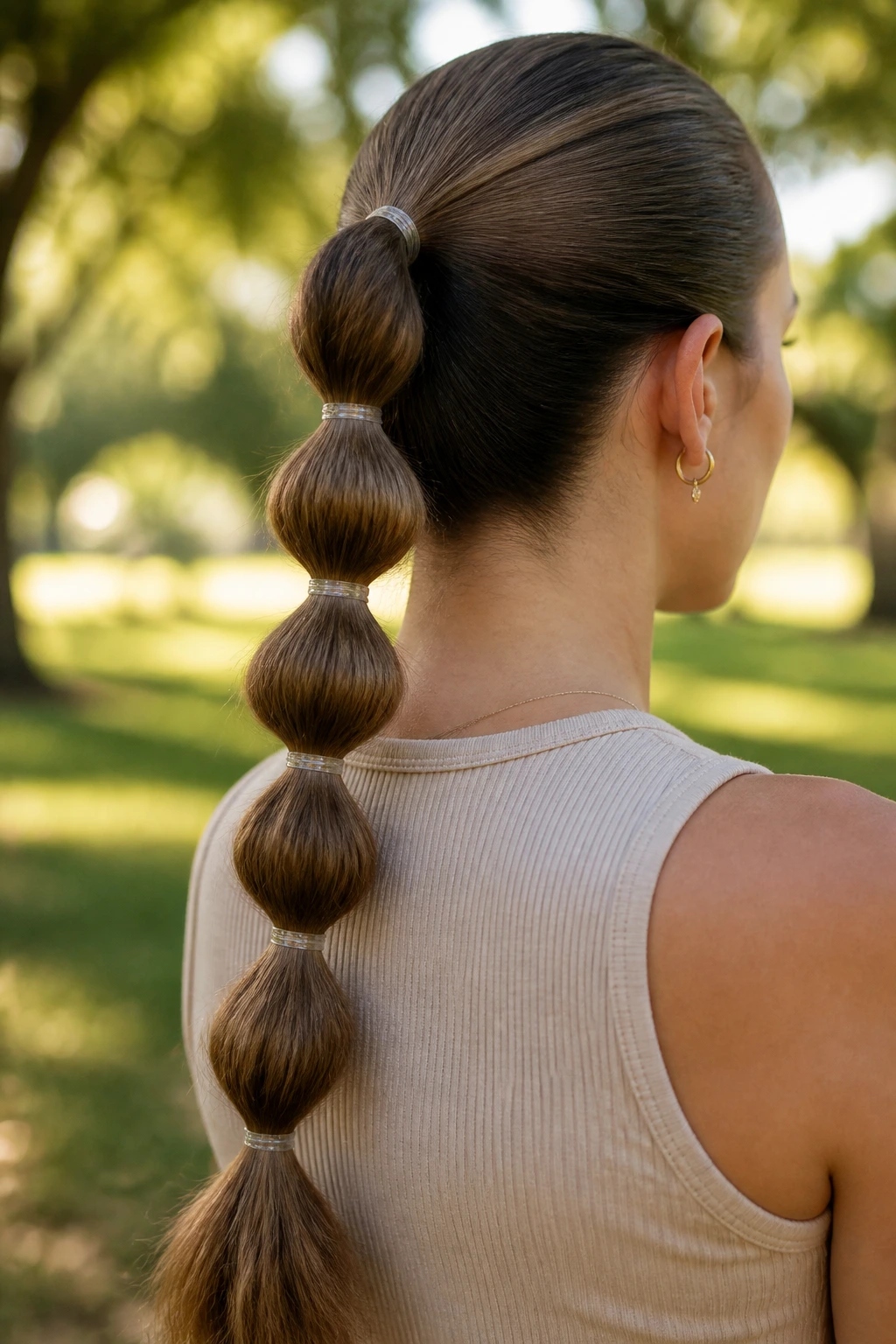
The bubble ponytail is a fantastic way to control long, frizzy hair without having to braid it. By placing multiple hair ties down the length of your ponytail and “puffing” out the hair between them, you create a series of sections that trap the frizz within the bubble.
Why It’s a Great Technical Choice
Because you are sectioning the hair, you eliminate the single long ponytail length that usually frizzes out into a broom-like texture. Use clear elastic bands to keep the focus on the hair texture rather than the hardware.
10. The Space Buns
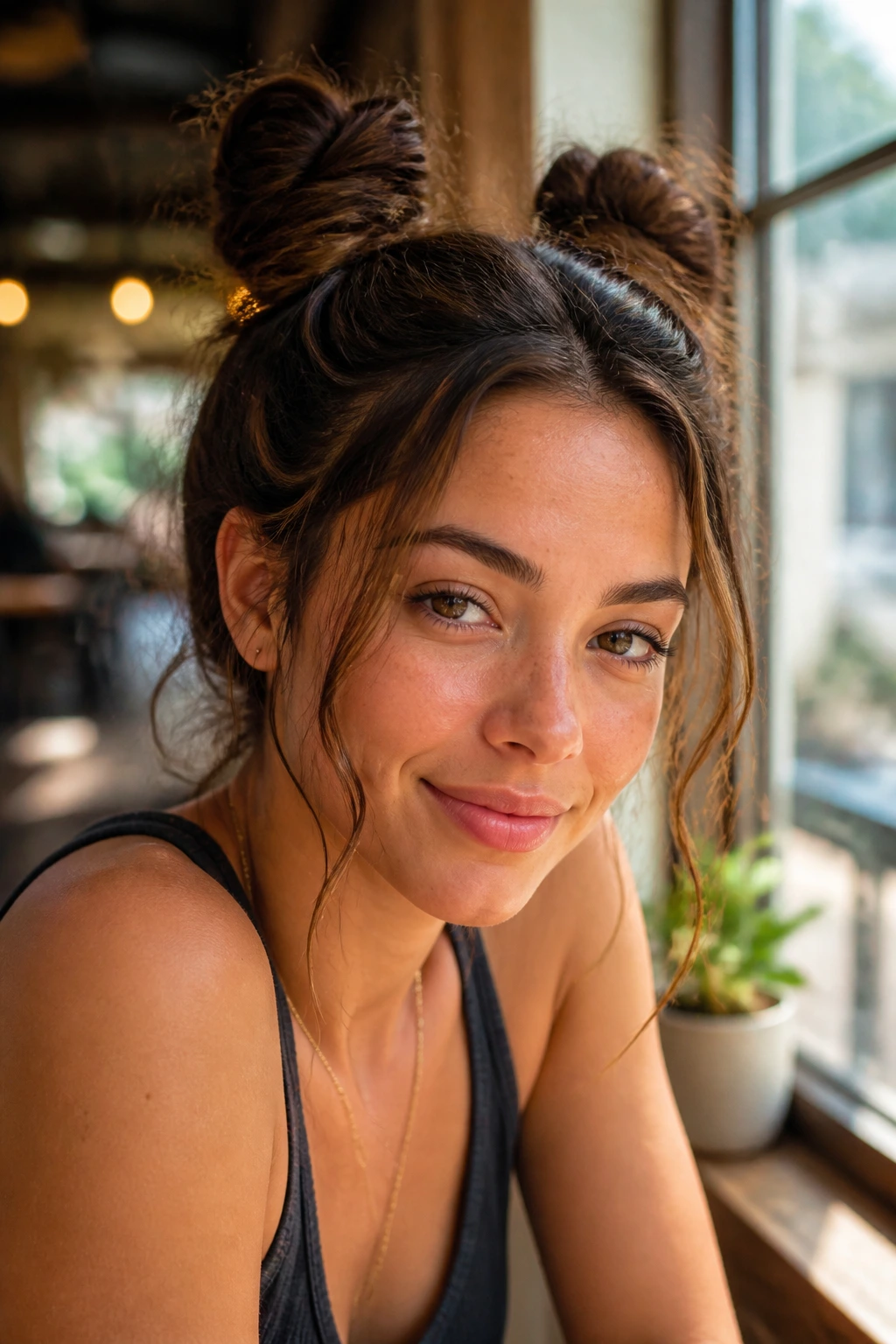
Double buns are not just for festivals; they are highly practical for managing unruly hair. By splitting the hair into two, you essentially halve the amount of frizz you have to deal with in any single section.
Maintaining the Shape
If you find your space buns look too “perfect” and therefore show more frizz, pull a few strands out at the temples. This frames the face and softens the look, ensuring that any frizz that escapes the buns just looks like intentional wisps.
11. The French Twist with Wisps
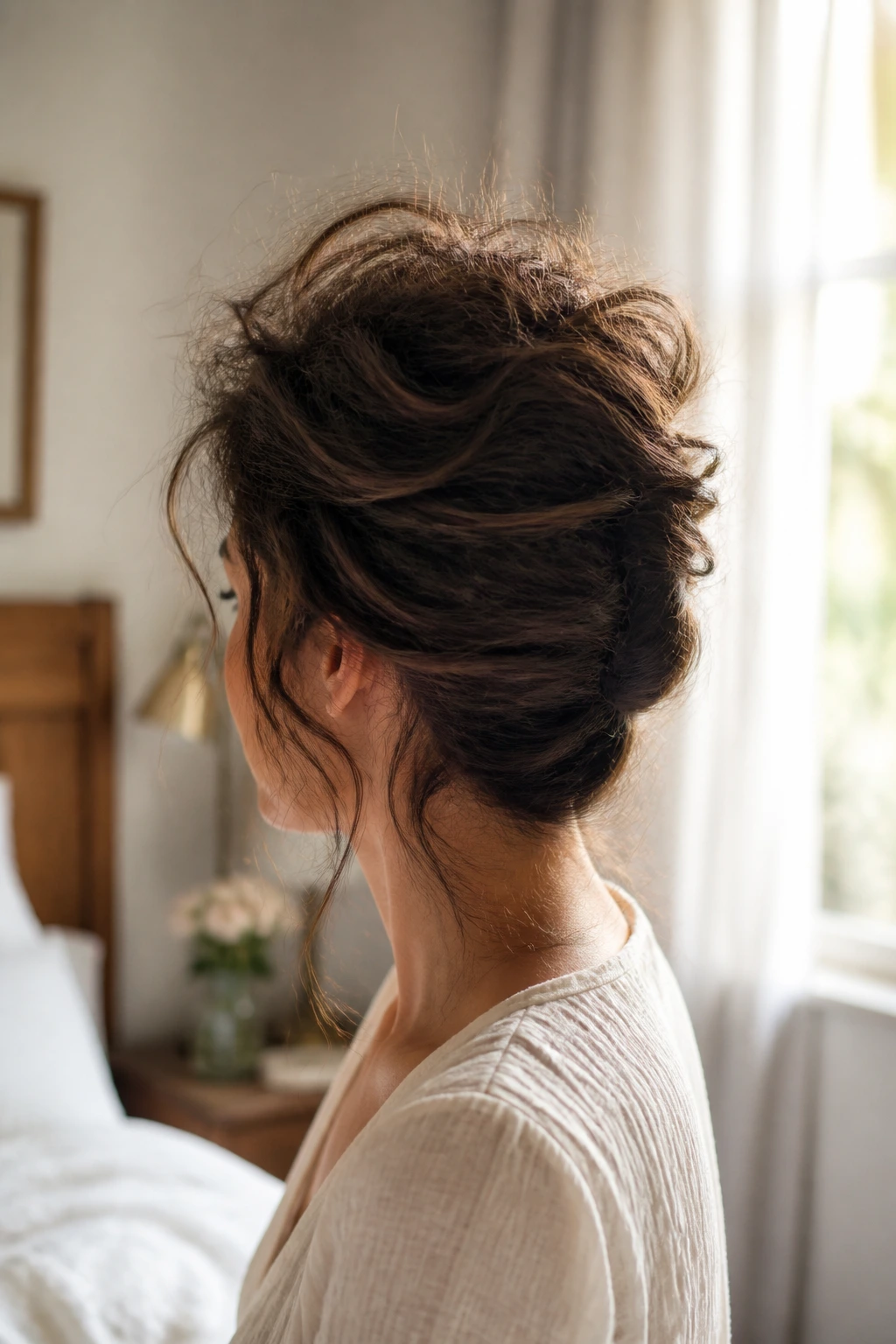
The French twist is the epitome of elegance, but it is often perceived as needing to be perfectly smooth. That is a myth. A loose, slightly textured French twist is much more modern and far easier to achieve when you have frizzy hair.
The Secret to the Look
Do not use a boar-bristle brush. Use your fingers to sweep the hair back and pin it. Allow the natural volume and flyaways to create a soft, halo-like effect around the twist. It looks romantic and soft, not rigid and dated.
12. The Pinned-Back Waterfall
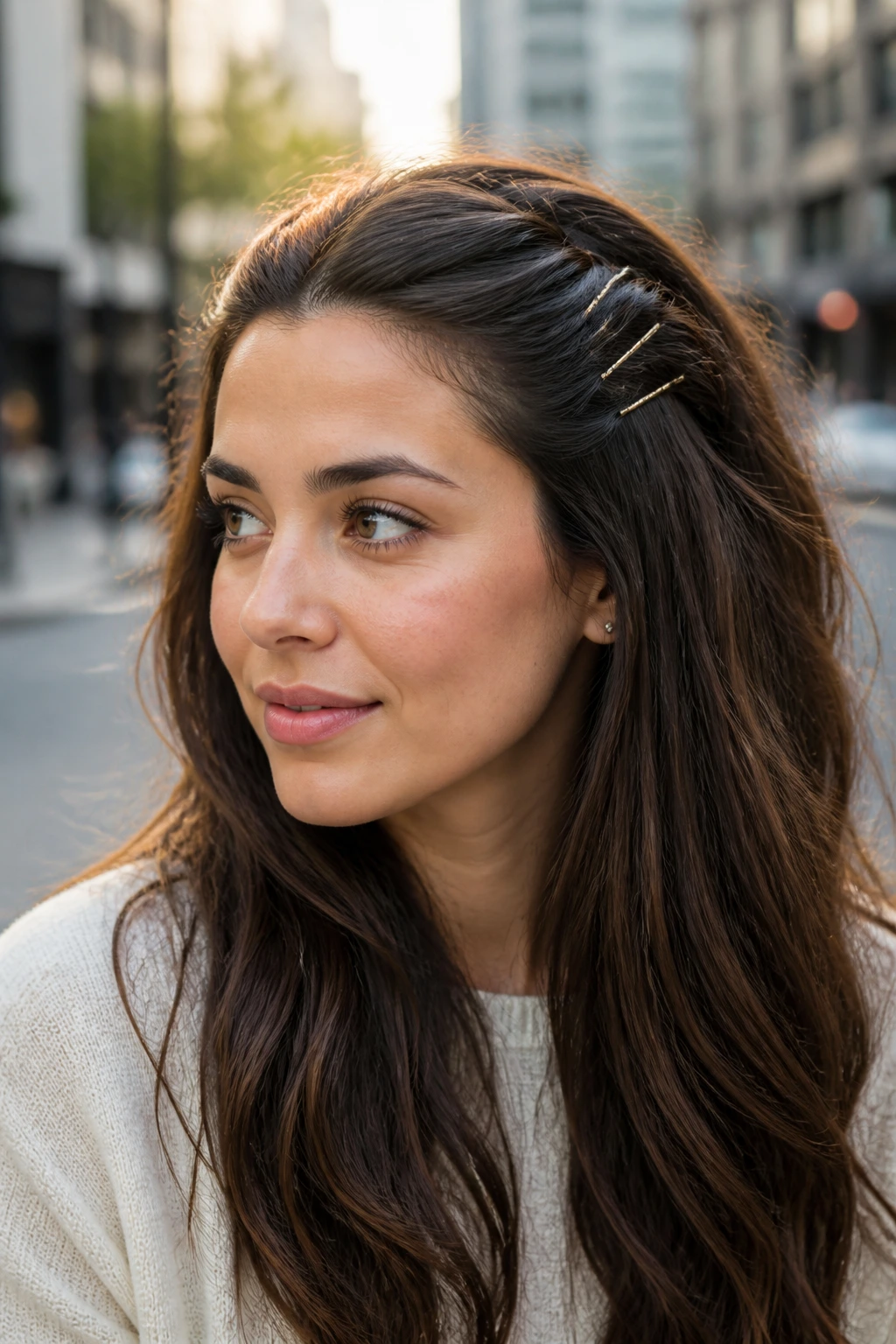
If you want to keep your hair down but need to manage the frizz at your hairline, pinning it back is the way to go. Use decorative bobby pins or small clips to pull back the front sections in a diagonal line.
Preventing Frizz at the Roots
By pinning the hair back, you remove the section that is most likely to frizz in the breeze. This creates a clean look around your face while leaving the volume of your hair loose and free to do its thing in the back.
13. The Headband Tuck
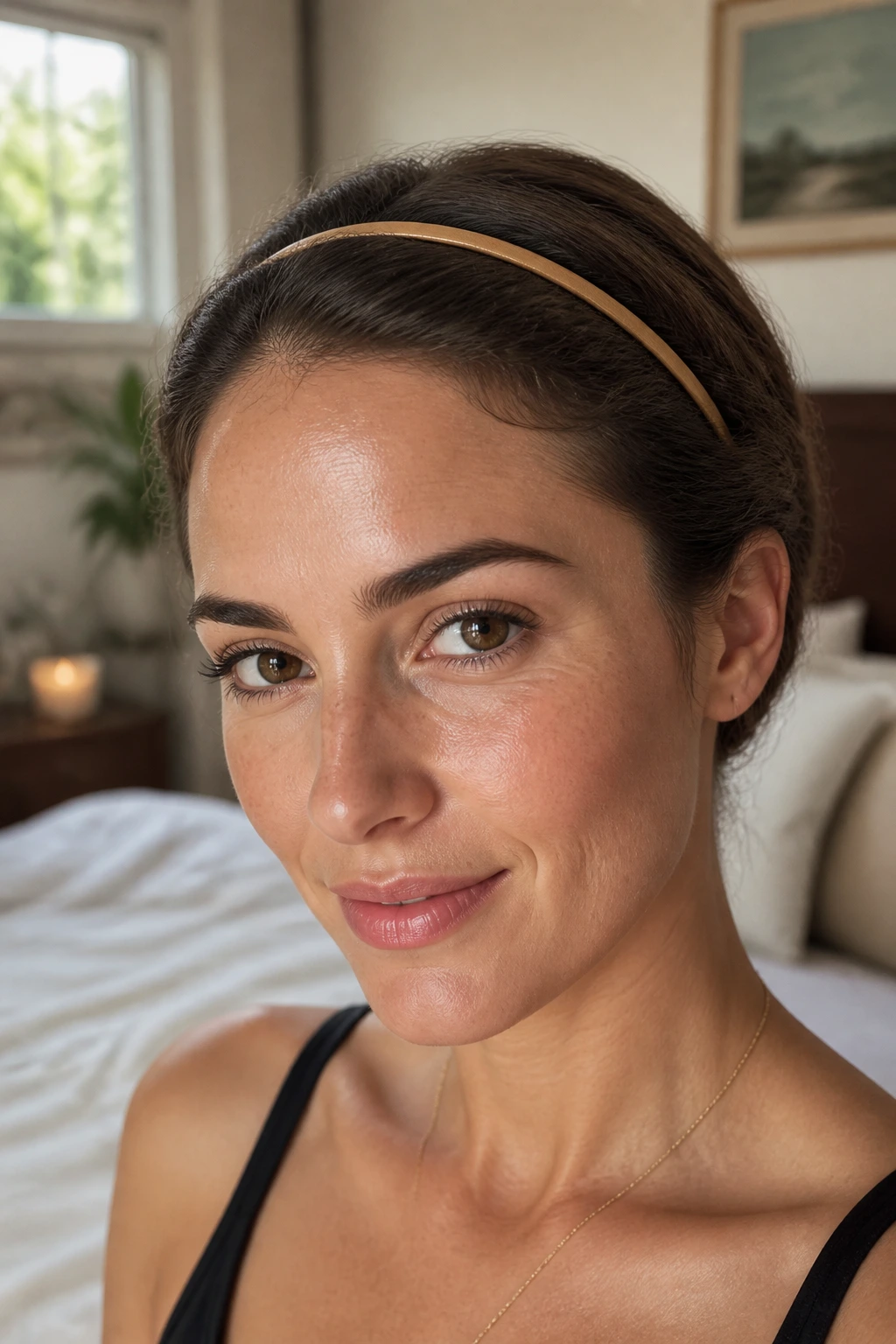
The headband tuck is a classic style that is practically bulletproof against frizz. You take a headband and wrap your hair around it, tucking the ends into the band as you go.
Why It Works for Texture
Because the hair is essentially “locked” into the headband, there is nowhere for it to go, regardless of how frizzy it gets. This style effectively hides the ends of your hair, which are typically the driest and therefore the most frizzy part of your head.
14. The Low Side Braid
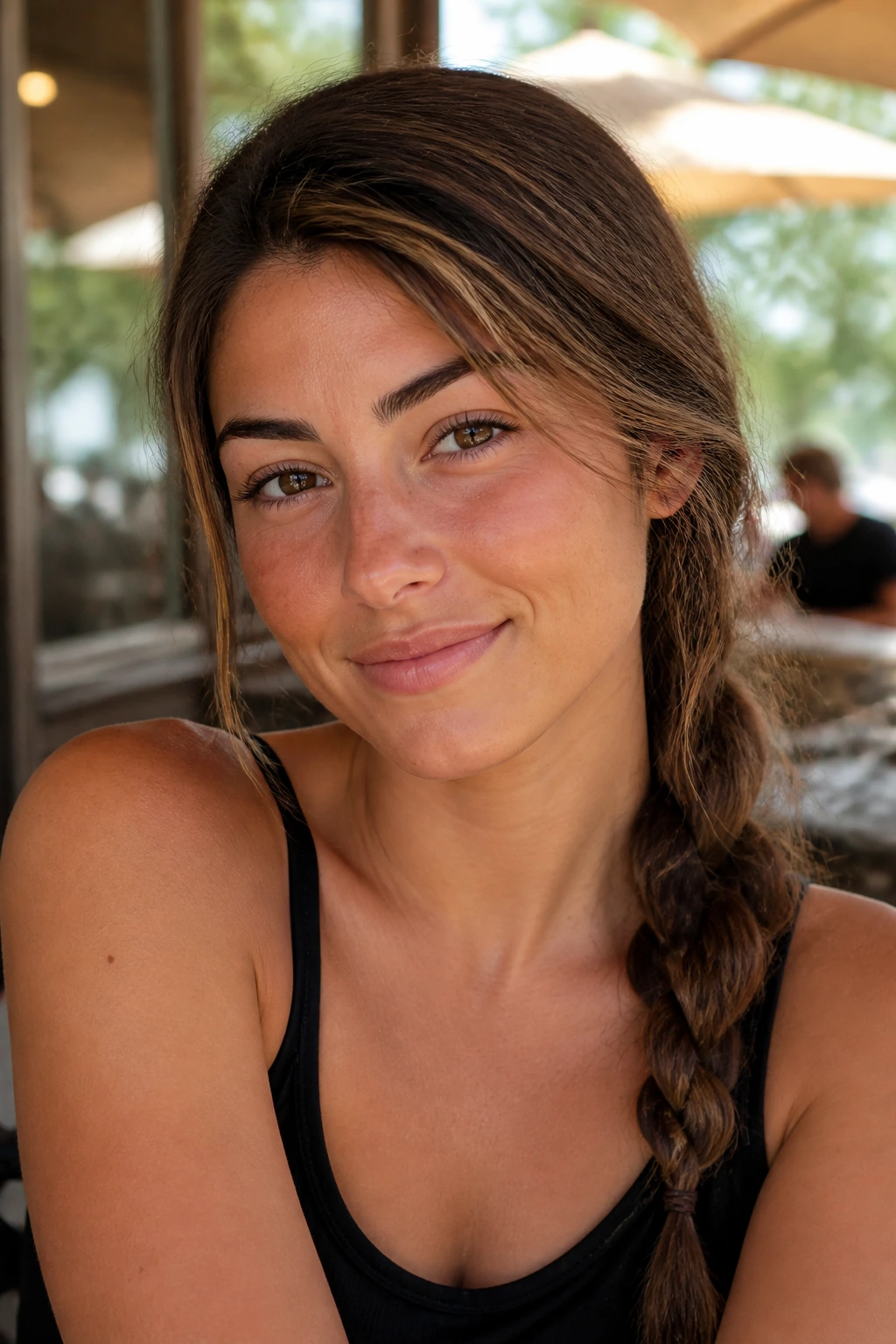
Similar to the regular braid, the side braid allows you to control the hair while keeping the length of the style visible. By bringing it over one shoulder, you can easily monitor the braid and tuck in any stray pieces that pop out during the day.
Getting the “Lived-In” Feel
Use a salt spray on your hair before braiding. This gives the hair enough grip so that it doesn’t just slide out of the braid, and it adds a nice matte texture that hides the sheen of frizz.
15. The Faux-Hawk Updo
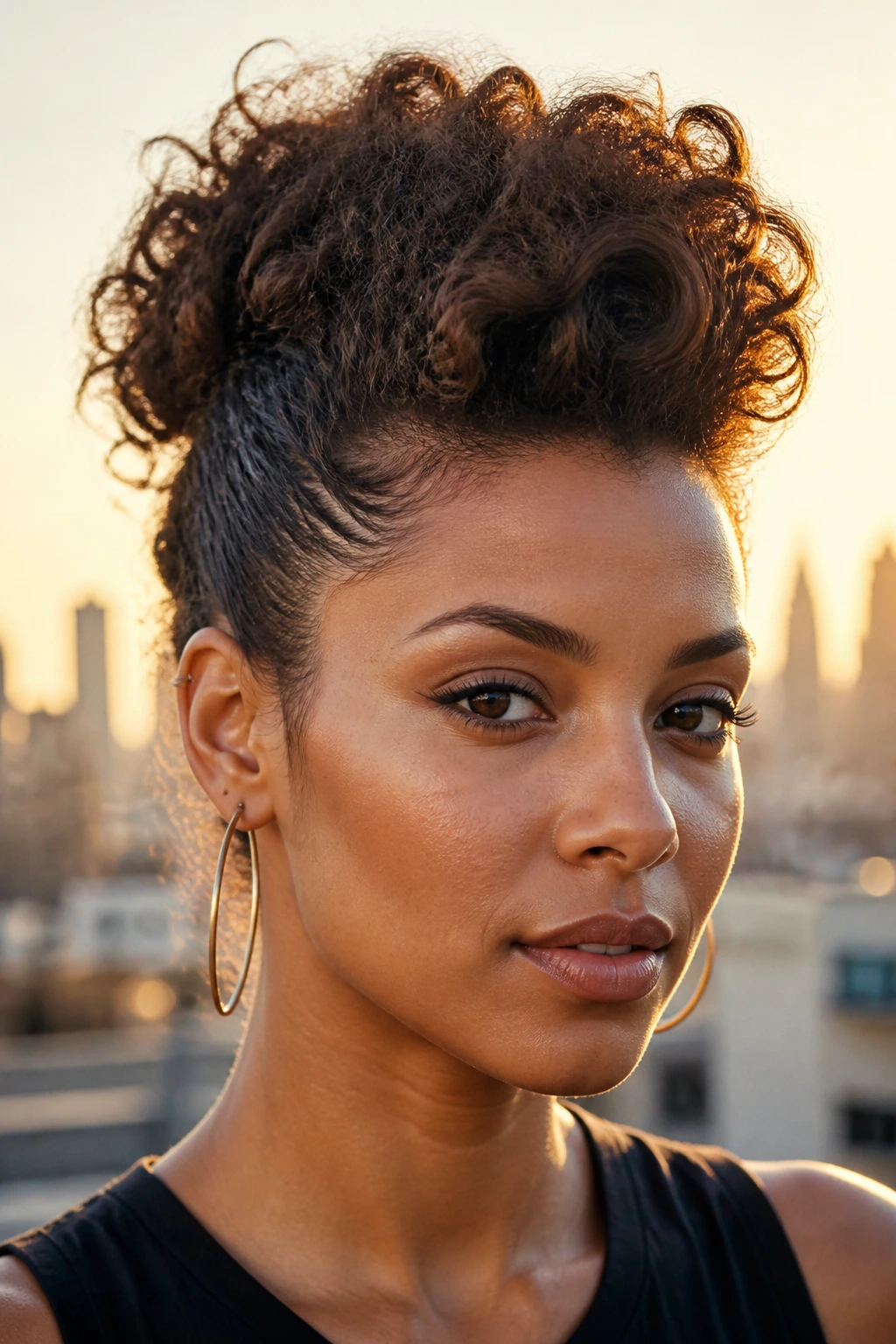
If you want an edgy look that completely ignores the issue of frizz, the faux-hawk is your answer. By pinning the sides of your hair up toward the center of your head, you create a line of volume that celebrates texture.
Why It Celebrates Frizz
The whole point of a faux-hawk is the volume and the mess. If your hair is frizzy, it only adds to the “hawk” aesthetic. You are not trying to be smooth; you are trying to be bold.
16. The Half-Down Top Knot
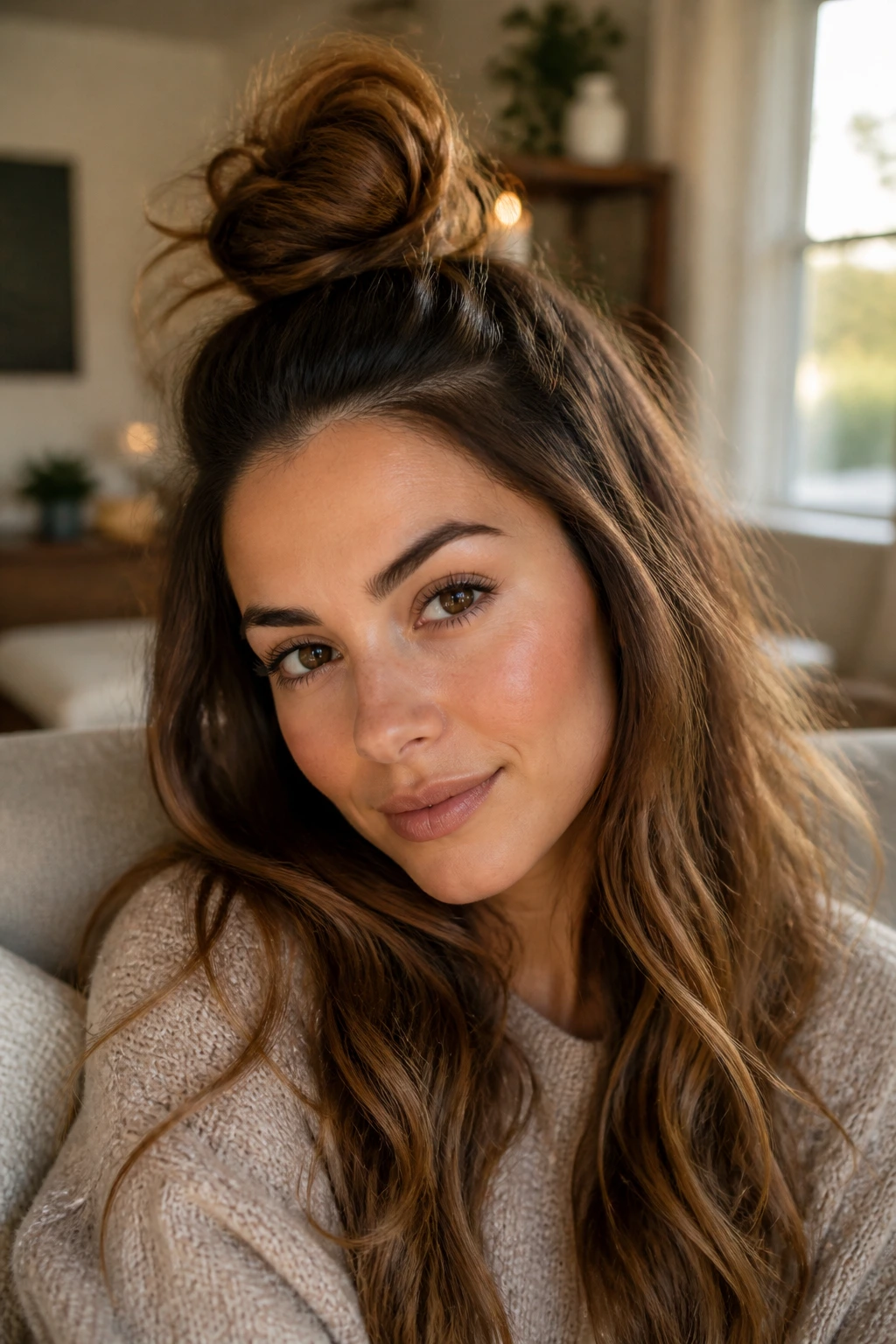
This is the best of both worlds. You get the volume of a top knot to pull hair away from your face, but you leave the majority of your hair down to show off its length and natural pattern.
Avoiding the Frizz-Zone
Since you only knot the top section, you can use a bit of oil or leave-in cream on the loose length while leaving the knot section relatively untouched. This keeps the hair healthy and hydrated without having to apply heavy product to your entire head.
17. The Twisted Crown
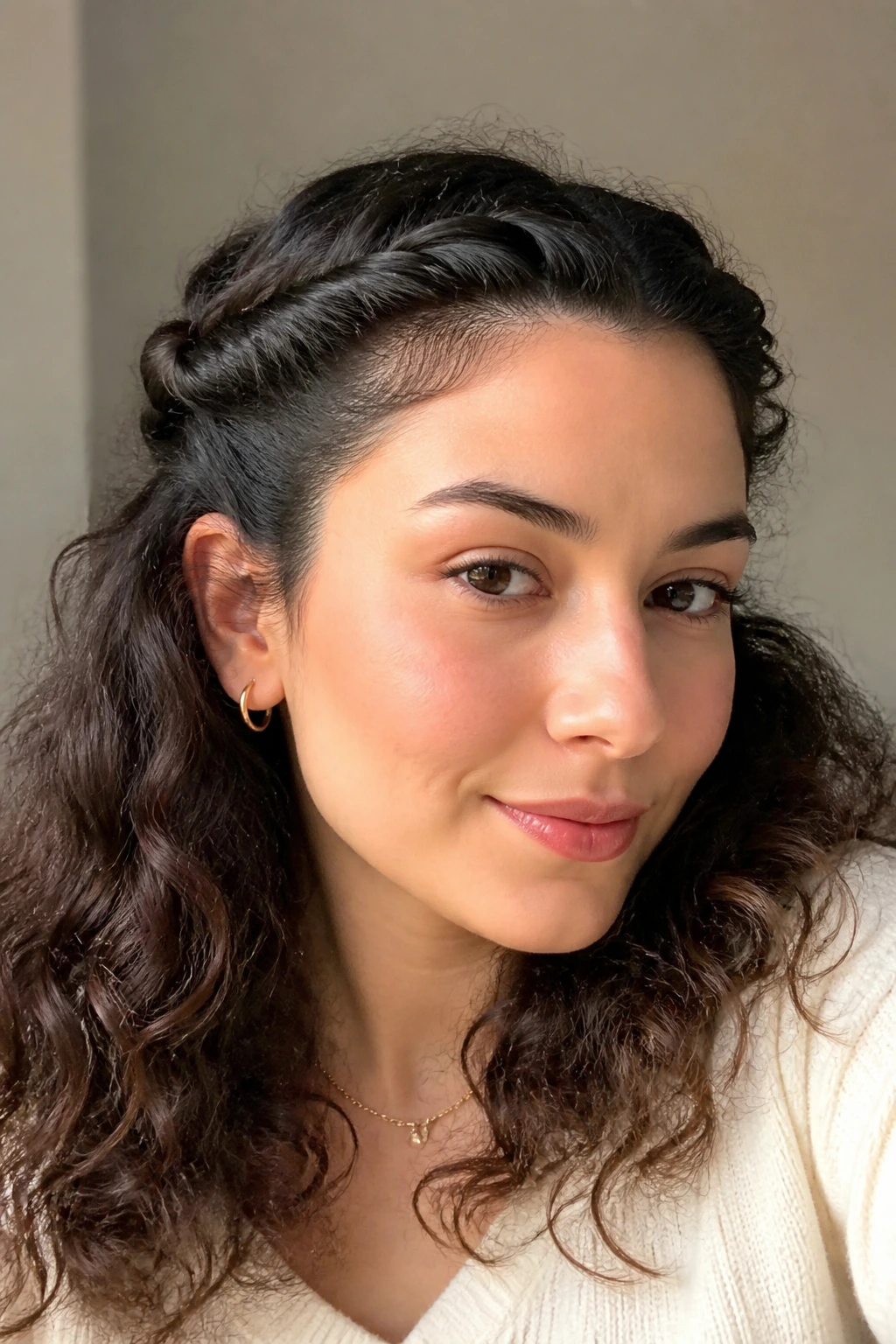
If braids feel too complicated, twists are a great alternative. By taking two sections at the front and twisting them backward, you can secure them at the back of your head.
The Benefit of Twists
Twists are much more forgiving than braids when it comes to frizz. If a piece of hair pops out of a twist, it just looks like a stray curl. If a piece pops out of a braid, it can look like you need to redo the whole style.
18. The Low-Slung Ponytail with a Ribbon
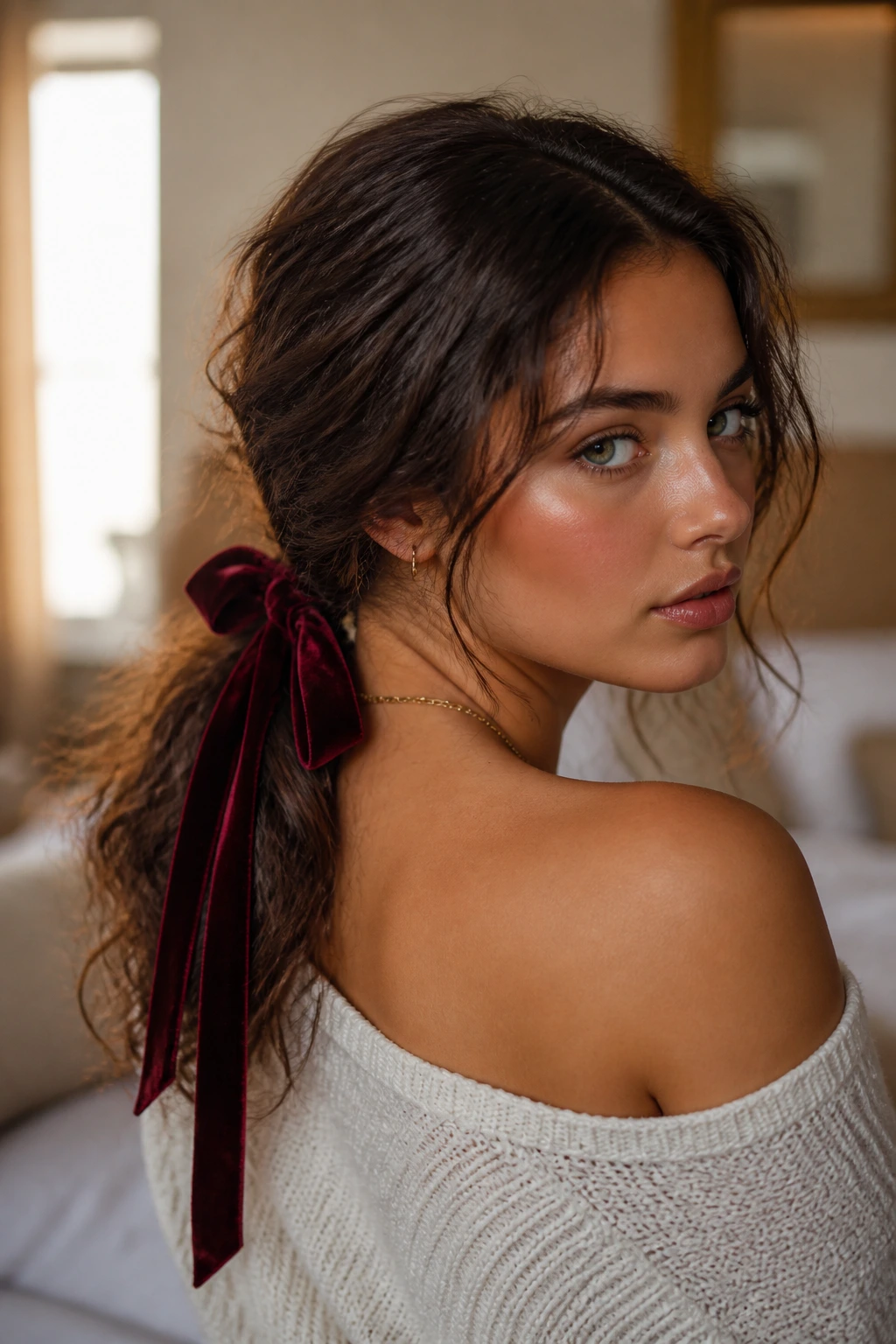
A ribbon is a fantastic distraction. By tying a long, velvet or silk ribbon around your low ponytail, you draw the eye to the accessory rather than the texture of the hair.
How to Style It
- Gather hair into a low ponytail.
- Tie the ribbon in a knot, leaving the ends long.
- If your ponytail looks frizzy, let it be. The juxtaposition of the structured, high-end ribbon with the wild, natural hair is a very intentional aesthetic choice.
19. The Space Bun Half-Up
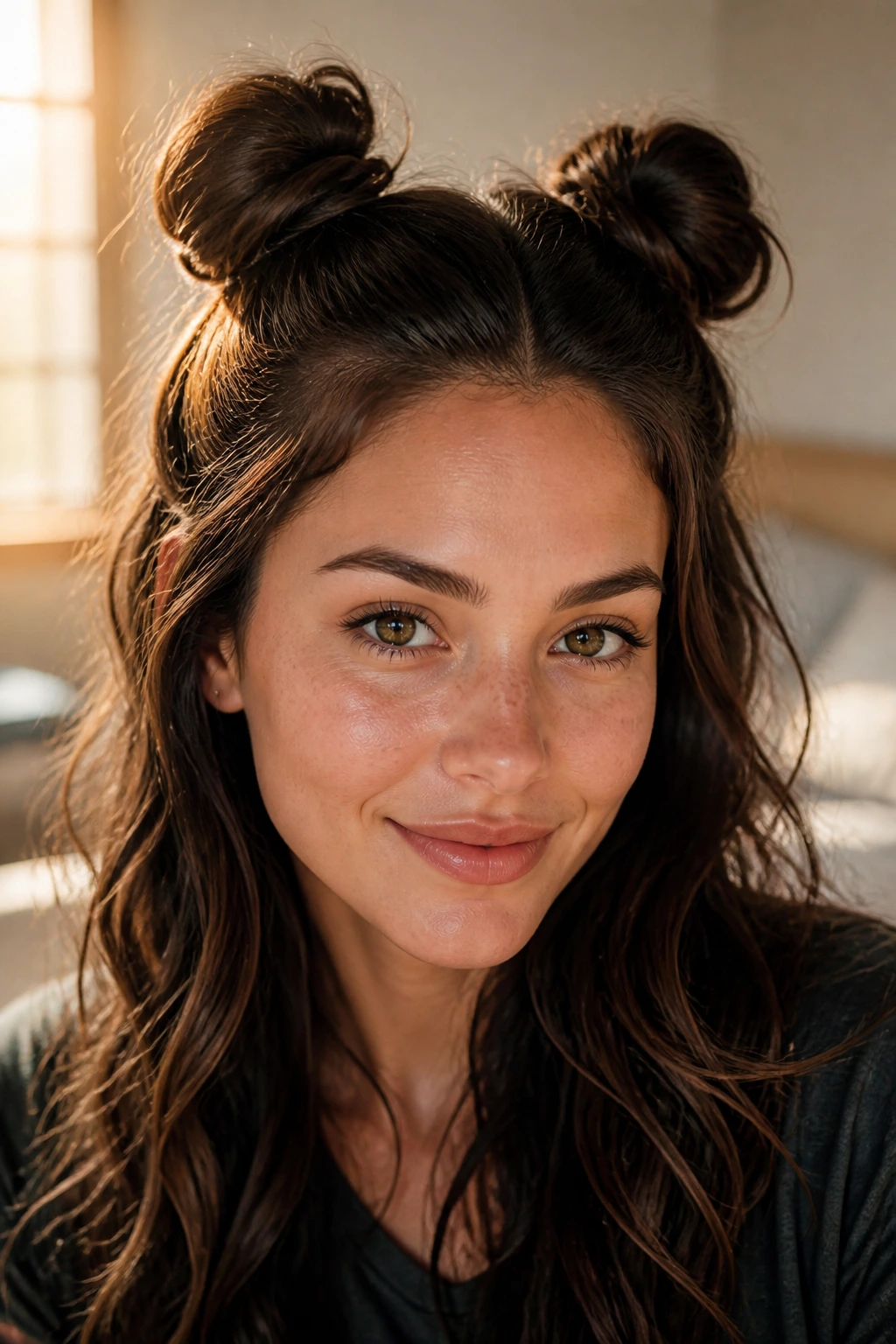
Just like regular space buns, the half-up version splits the frizz-prone hair at the crown into two sections. By pinning these into small buns, you keep the hair out of your eyes and minimize the “halo” effect that frizz often creates.
Why It Works
It is playful and youthful. When you are rocking a style that is inherently fun, you don’t worry about being perfectly smooth. It’s a great style for active days when you don’t want hair touching your face.
20. The High-Volume Ponytail
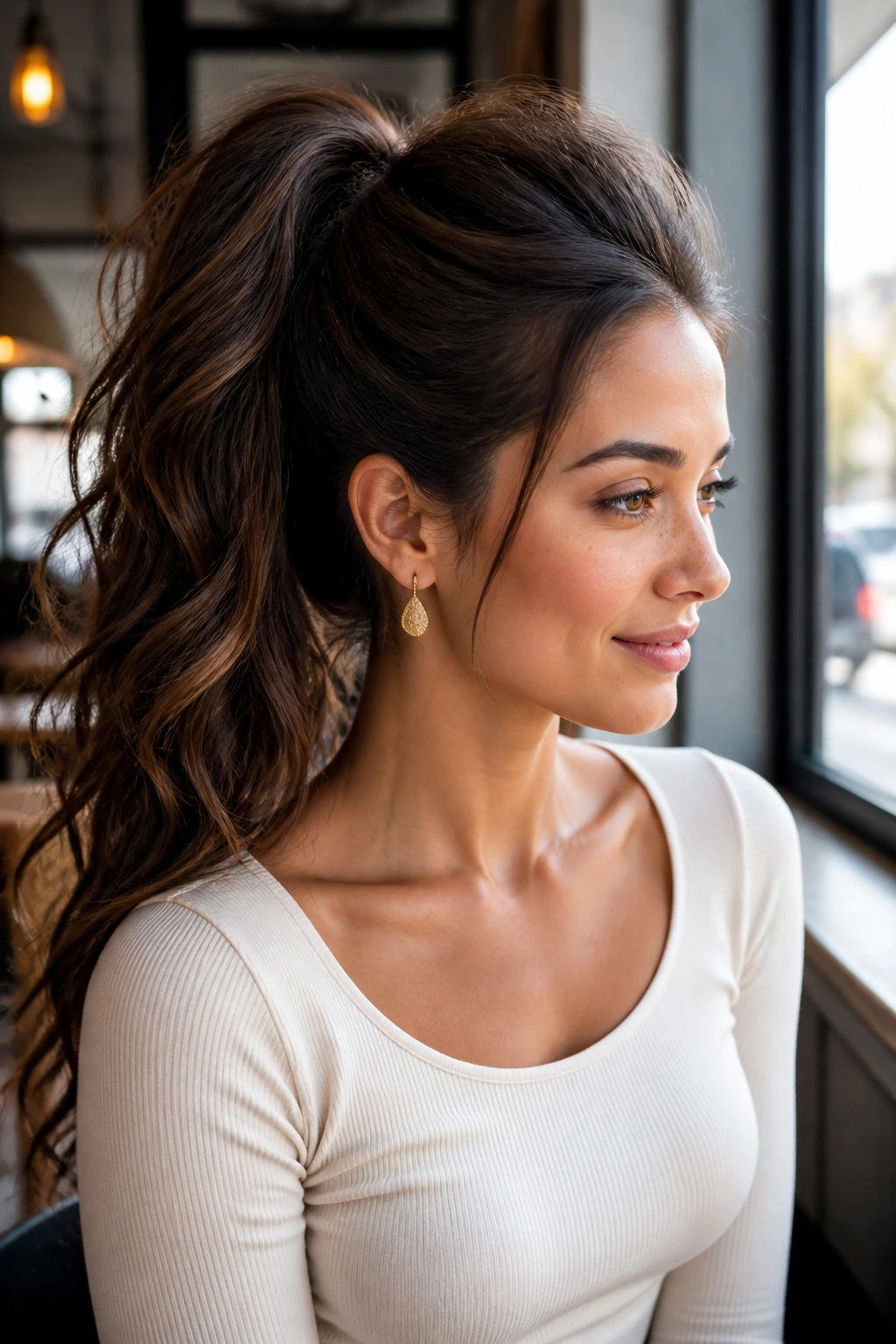
The higher the ponytail, the more the hair is pulled at a consistent angle, which helps reduce the “fuzz” that comes from hair being pushed in multiple directions at once.
Creating the Illusion of Volume
If your hair is thin and frizzy, it can look stringy. By teasing the ponytail itself—yes, literally brushing it backward to create volume—you turn that frizz into mass. It makes the ponytail look twice as thick as it actually is.
21. The Braided Headband
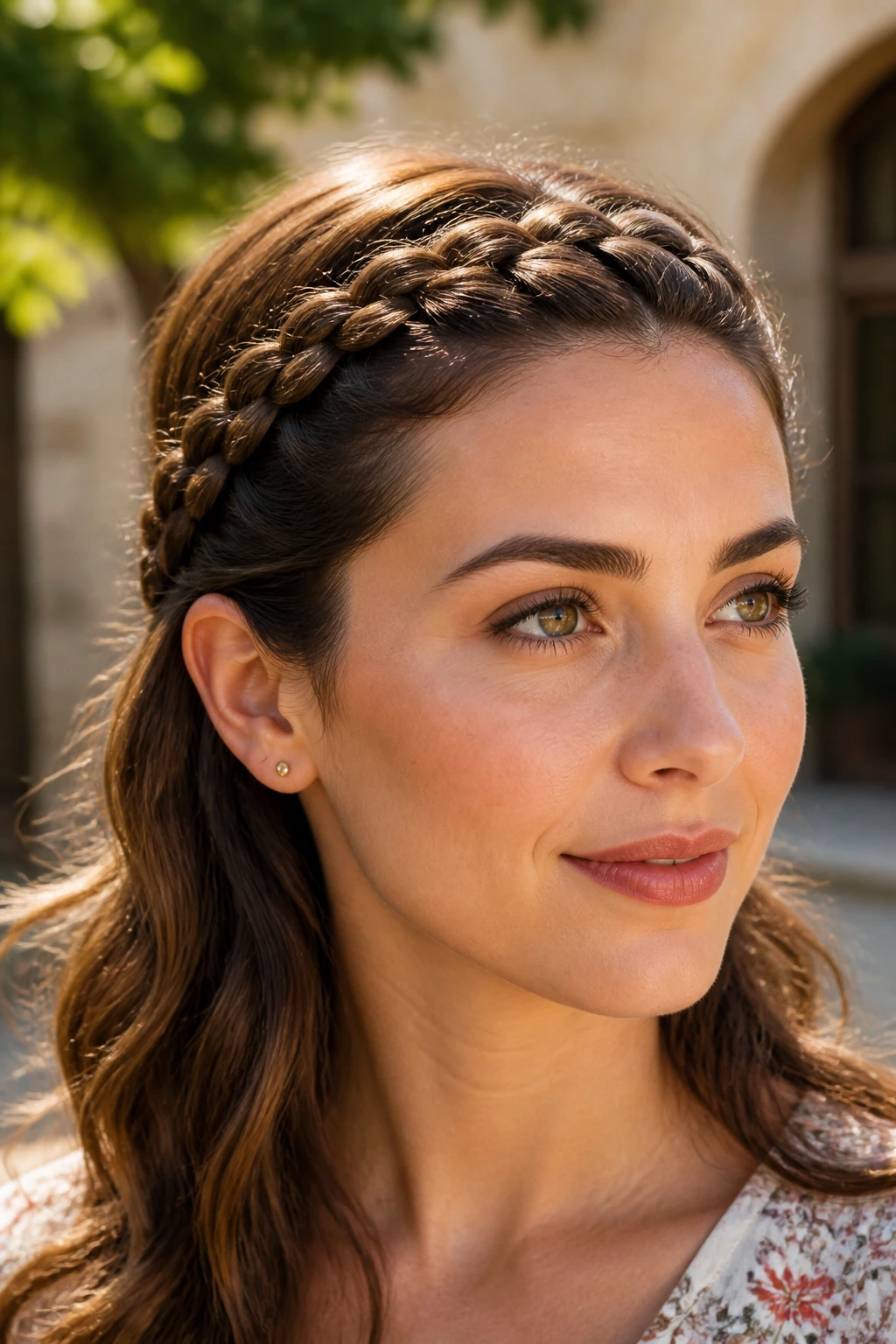
If you are good with your hands, a Dutch or French braid starting behind one ear and going to the other creates a natural headband. This is a permanent solution to hair that won’t stay out of your face.
The Benefit
It is secure. Once that braid is in place, it isn’t going anywhere. Even if you walk through heavy humidity, your hair is essentially glued to your scalp in the front, meaning you won’t have to deal with the constant struggle of pulling hair away from your temples.
22. The “Bedhead” Shag
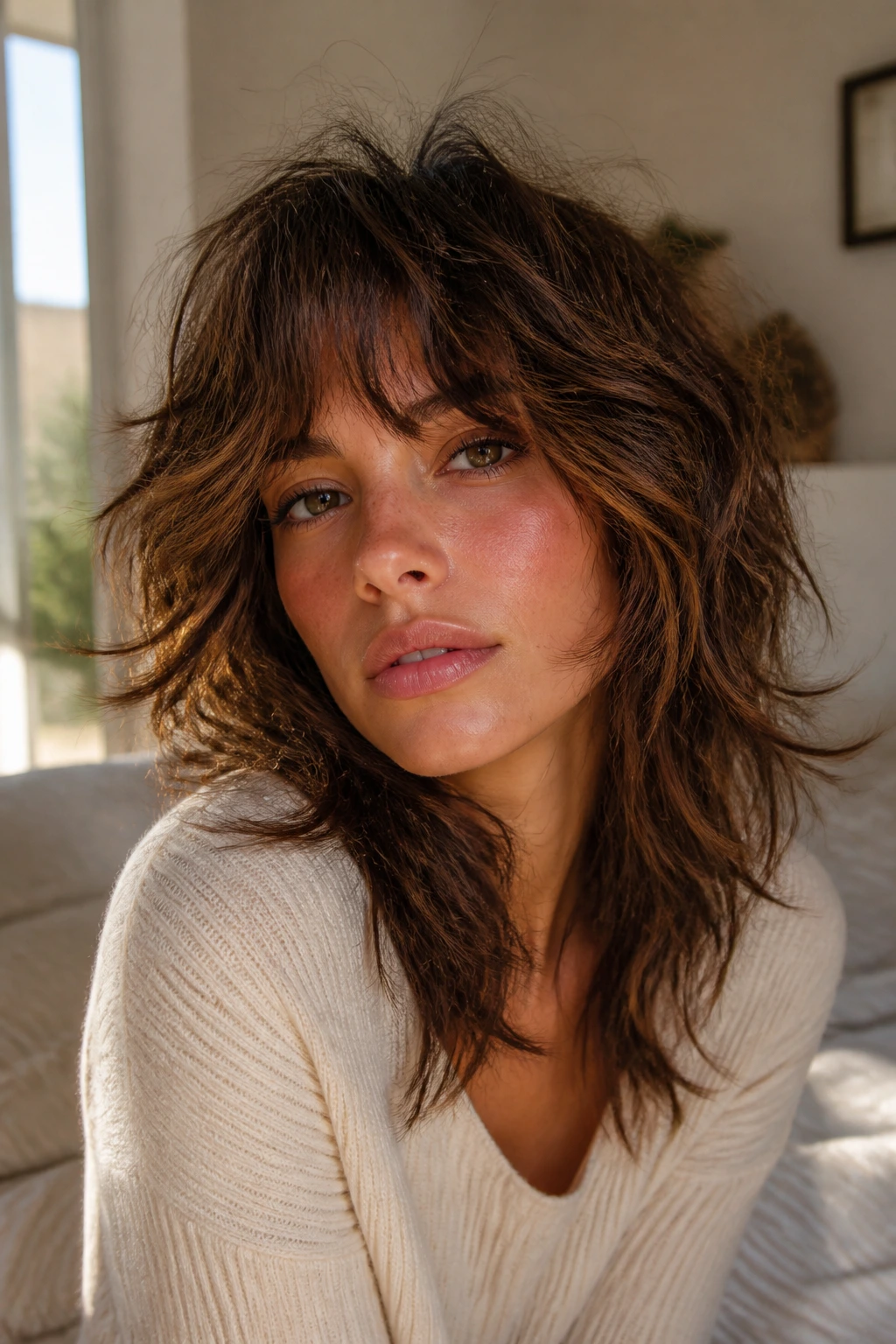
Finally, the best way to handle frizz is to stop looking for a “style” altogether. A shag cut—heavily layered and textured—is the ultimate frizz-friendly haircut.
Why It’s the Best Choice
The layers take the weight out of the hair, which helps curls or waves spring up naturally. When hair is layered this heavily, frizz just looks like part of the texture. You are essentially paying for a style that is meant to look slightly unkempt.
Final Thoughts
The key to living with frizzy hair is changing your definition of a “good” hair day. If you are aiming for a glass-like finish, you will always be frustrated. But if you begin to see your frizz as a source of volume, texture, and character, your options open up.
Embrace the accessories, lean into the messy updos, and prioritize cuts that remove weight. Your hair is doing what it is naturally designed to do—it’s just looking for a bit of structure to hold onto. Once you provide that, you might find that you actually like the wild, untamed aesthetic you have been trying to hide all this time.