


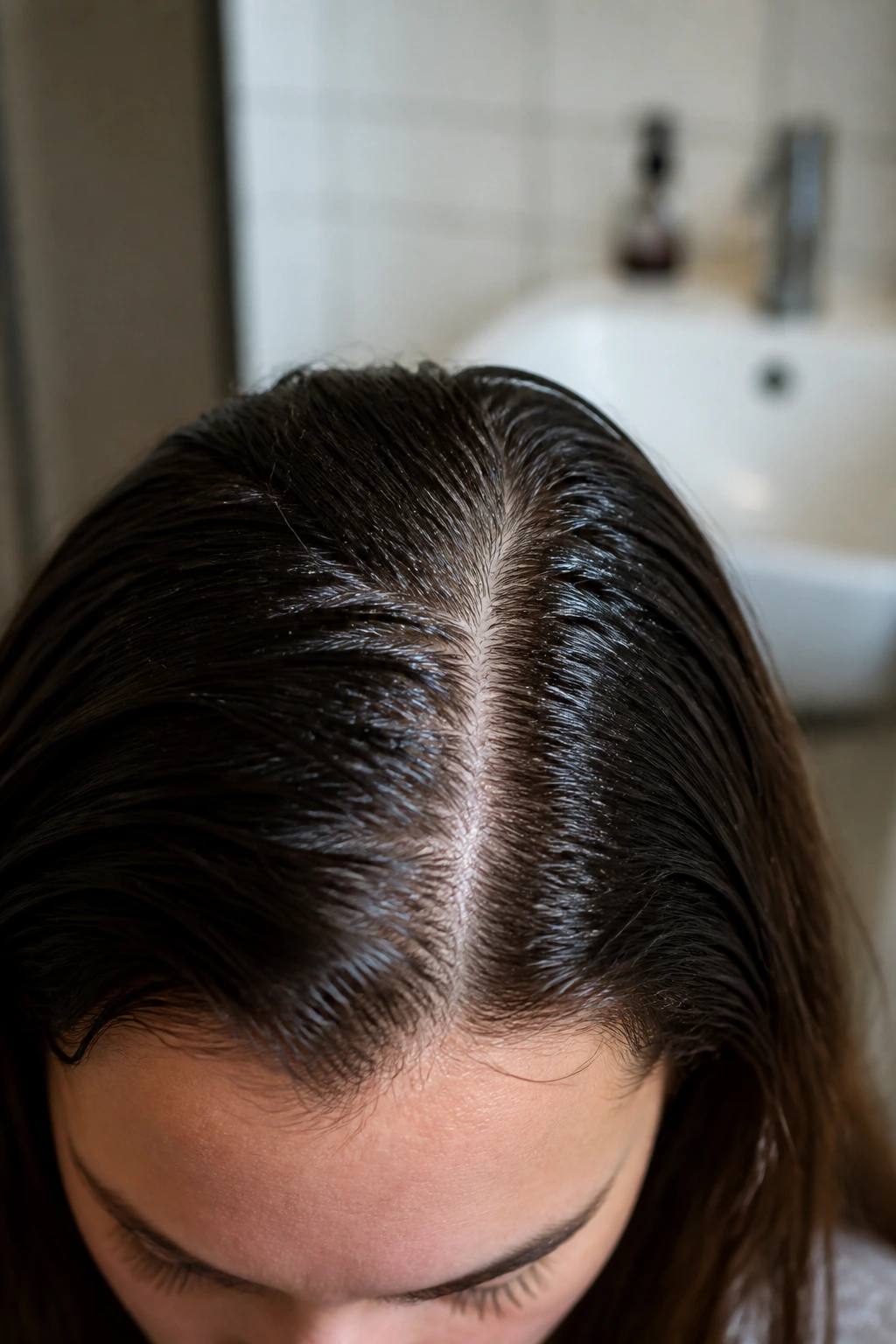
Oily hair is not a failure of character, nor is it a personal hygiene shortcoming. If you wake up with roots that look like they could fry an egg while your ends remain bone-dry and brittle, you are dealing with a biological reality: your scalp’s sebaceous glands are simply overachieving. Millions of people struggle with this exact paradox, and yet, the advice floating around—wash your hair twice a day, use harsh detergents, avoid all oils—often does more damage than good. When you aggressively strip your scalp, you trigger a rebound effect, forcing those glands to produce even more sebum to compensate for the sudden dryness.
Managing greasy roots requires a shift from a “destroy the oil” mindset to a “manage the ecosystem” philosophy. You are aiming for balance, not total eradication. The goal for your everyday style is to protect your hair’s length while keeping your scalp feeling refreshed and looking presentable. It involves a mix of strategic washing, ingredient selection, and styling techniques that hide the shine until you are ready for your next wash.
The following approach focuses on practical, real-world solutions that work with your scalp’s natural biology. From the way you lather to the way you finish your style, every step contributes to keeping that heavy, flat look at bay. It is possible to have clean-looking hair on day three without sacrificing the health of your scalp or the integrity of your ends. Let’s look at how to master your routine.
The Science of Sebum and Scalp Health
Your scalp is skin, and like the skin on your face, it has a microbiome that needs to be respected. Sebaceous glands secrete sebum, a mixture of lipids designed to waterproof and protect your hair shaft. When these glands become hyperactive—due to hormones, stress, or even diet—the oil travels down the hair fiber, coating it in a heavy, light-absorbing layer that makes it appear limp and dark.
Why Your Scalp Overproduces Oil
Sebum production is highly individual. While we cannot change our genetics, we can influence how the scalp behaves. Over-washing is a common culprit; when you use high-sulfate shampoos daily, you strip the protective mantle of the scalp. The brain registers this as an emergency, signaling the glands to “refill the tank” immediately. This creates a cycle where you feel oily within hours of showering.
Recognizing the Difference Between Oil and Product Buildup
Sometimes, the issue isn’t your natural oil at all. It is the accumulation of silicones, styling creams, and waxes that have migrated to the scalp. If your hair feels waxy rather than just slick, you likely have buildup. A clarifying shampoo is necessary here, but it should only be used once or twice a month, not as a daily driver. Using a heavy product on a greasy scalp is like pouring oil on a fire; it only makes the situation harder to manage.
Choosing the Right Shampoo for Greasy Roots
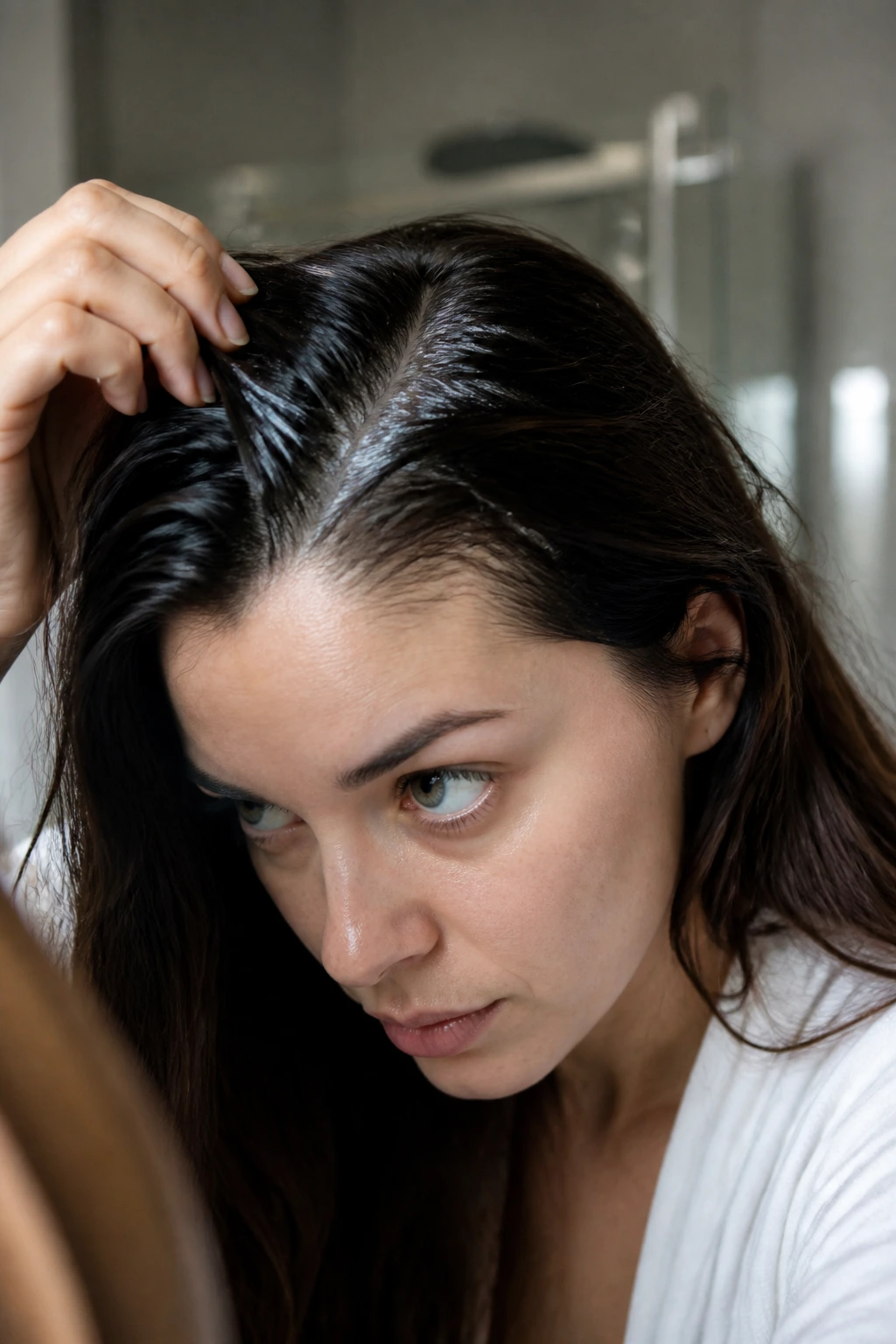
The bottle you choose determines the baseline for your week. You want a shampoo that cleanses thoroughly without being so abrasive that it irritates the follicles. Look for labels that mention “volumizing,” “balancing,” or “clarifying for daily use.” Avoid anything labeled “smoothing,” “moisturizing,” or “intense hydration”—these contain high concentrations of oils and silicones that will weigh down your roots instantly.
Why Sulfates Are Not Always the Enemy
There is a massive movement toward sulfate-free products, but for someone with very oily hair, a mild sulfate (like sodium laureth sulfate) can actually be beneficial. It helps break down the heavy oils that cause your hair to clump together. If your hair is truly oily, avoid the ultra-gentle, oil-infused “no-poo” options; they often fail to remove the sebum, leaving you with a dirty scalp immediately after drying.
The Double-Cleanse Method
This is the most important technique in your arsenal. The first wash breaks down the surface-level oil and environmental dirt. The second wash actually cleanses the scalp. By the time you reach the second lather, you should notice a thicker, more luxurious foam—this indicates that the oil has been successfully emulsified and rinsed away. Always spend at least sixty seconds massaging the scalp with your fingertips during the second round to ensure every inch is reached.
Conditioning Only Where Necessary
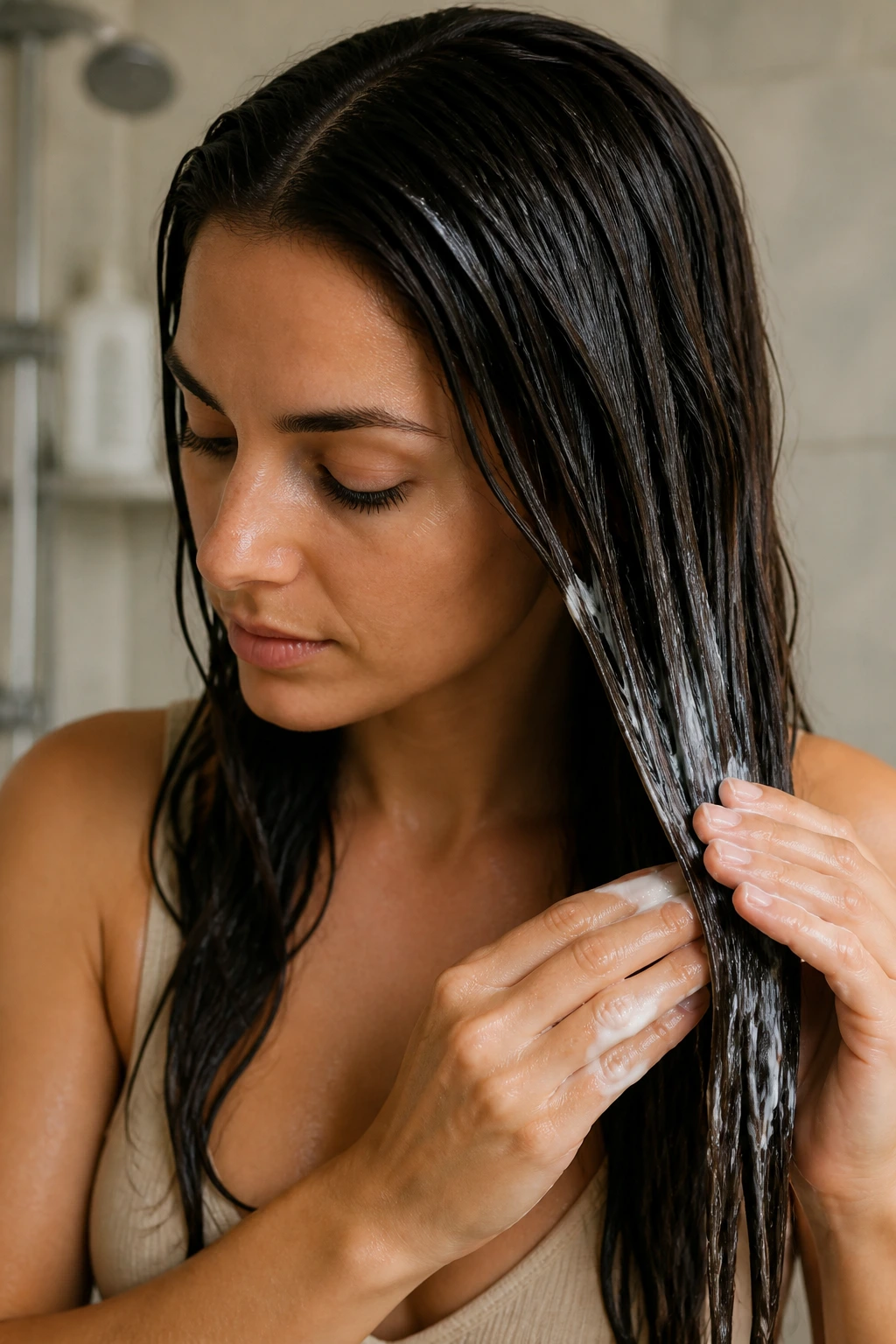
Conditioner is for the ends of your hair, not the roots. When you have oily hair, applying conditioner anywhere above the ears is a recipe for a flat, greasy look by noon. The hair at your roots is the youngest, healthiest part of your hair—it does not need extra moisture. It has direct access to the natural sebum your scalp produces.
The Art of Strategic Application
Start by applying your conditioner or hair mask exclusively to the bottom two-thirds of your hair. Use a wide-tooth comb to distribute it evenly while you are in the shower, but keep it strictly away from the scalp area. If you find your hair still feels heavy, try a lightweight leave-in conditioner instead of a rinse-out mask. You want something that provides slip and detangling power without the heavy weight of butter-based formulas.
Drying Techniques That Add Volume
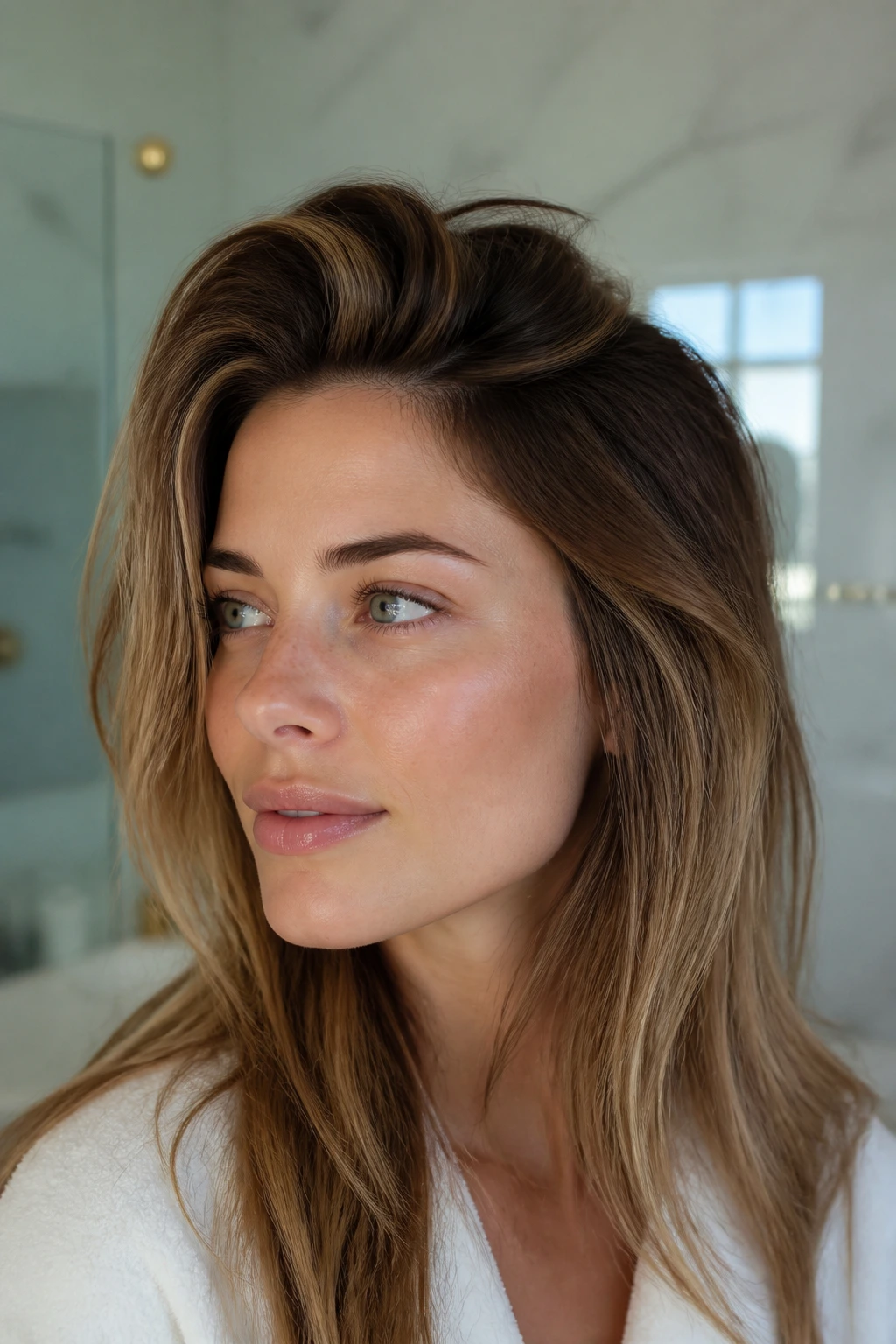
How you dry your hair can mean the difference between a sleek, clean look and a flat, oily one. When your hair is damp, it is vulnerable; the longer it sits in a clump, the more the oil from your roots will travel down the hair shaft. You want to get your roots dry as quickly as possible to lock in volume and lift the hair away from the scalp.
Using a Blow Dryer for Lift
Flip your head upside down and aim the airflow directly at the roots. Using a round brush to pull the hair up and away from the scalp while you dry it adds structural support that prevents the hair from lying flat against the skin. If you are prone to oiliness, avoid air-drying entirely. Air-drying keeps the hair clumped together and allows sebum to migrate downward much faster than if you lift it away with a dryer.
Cool Air Finishing
After your hair is dry, give your scalp a quick blast of cool air. Heat stimulates sebaceous glands, so finishing with a cool shot helps calm the scalp down after the mechanical stress of blow-drying. This simple step can prevent the immediate “post-shower oil slick” that happens when you step out into a humid room with a hot, sweaty scalp.
Dry Shampoo as a Strategic Tool
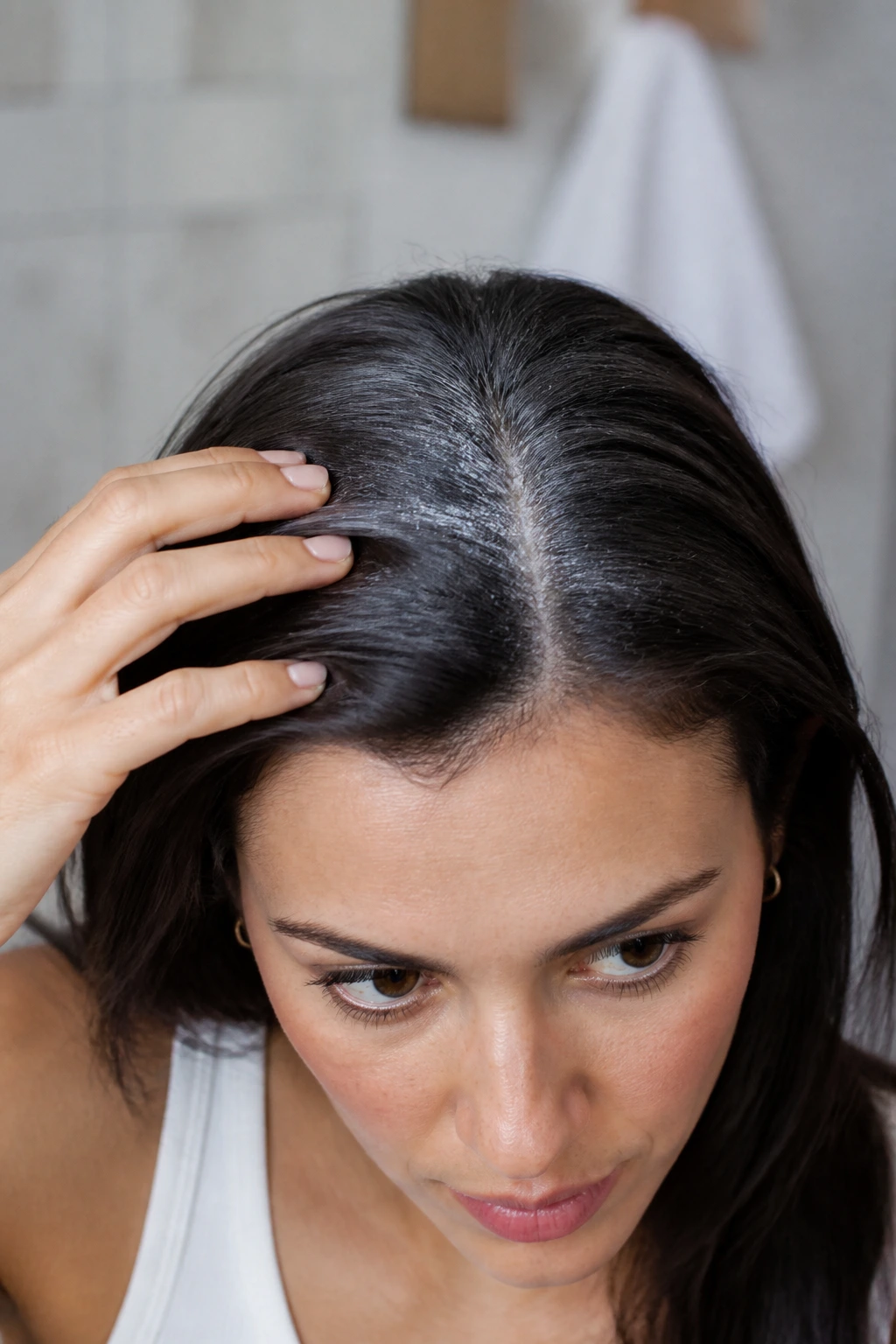
Dry shampoo is not a substitute for washing, but it is an essential tool for everyday wear. The secret is not to use it when your hair is already a grease-filled mess, but to use it preventatively. If you know your hair tends to get oily on day two, apply a small amount of dry shampoo to your roots before you go to bed on day one.
Proper Application Technique
Do not just spray the surface of your hair. Lift sections of your hair and spray directly onto the roots. Let the powder sit for at least two to three minutes—this is the most common mistake people make. The product needs time to absorb the sebum before you brush it out. If you brush or rub it in immediately, you are just moving the oil around rather than absorbing it.
Avoiding White Residue
If you have dark hair, look for tinted dry shampoos or formulas that use translucent starches rather than heavy talc. Talc-based products are excellent for absorption but can leave a chalky, gray cast that makes dark hair look dusty. If you do get white residue, use a clean makeup brush to buff it into your scalp until it disappears.
The Role of Water Temperature
Hot water is a stimulant. It feels great, but it triggers your scalp to produce more oil. When you wash your hair, turn the temperature down to lukewarm. It feels less luxurious, but it prevents the scalp from reacting to heat by increasing sebum production. This is a small, subtle change that pays off significantly over several weeks of consistent practice.
Rinsing Thoroughly
Most people do not rinse their hair long enough. You should be rinsing for at least two minutes, ensuring that every trace of shampoo and conditioner is gone. If you leave even a tiny film of product behind, it will attract dust and pollution from the air, creating a sticky layer on your scalp that looks oily much faster. If your hair doesn’t “squeak” slightly when you run your fingers through it after rinsing, you haven’t rinsed enough.
Managing Your Hair Throughout the Day

The way you touch your hair matters. Your hands carry oils from your skin, and constant fiddling with your hair—twirling it, brushing it away from your face—transfers those oils directly to your strands. If you find yourself touching your hair constantly, try a style that keeps it off your face, like a braid or a structured clip.
Brushing Habits
Clean your hairbrush regularly. A brush full of old hair, dust, and product residue is a magnet for new oil. Wash your brushes with a little bit of shampoo once a week. Also, avoid over-brushing. While brushing helps distribute oils, if you have very oily hair, you might be helping the oil travel down the shaft faster than it would naturally. Brush to detangle, then stop.
Hairstyles That Camouflage Oiliness

Not every day is a “wash day,” and that is perfectly okay. When your roots are looking heavy, choose styles that provide texture. Texture breaks up the light and hides the flat, slick appearance of oily hair. Messy buns, top knots, and braided crowns are your best friends on day three or four of your hair cycle.
The High Bun Trick
A high, loose bun keeps your hair away from your neck and keeps the oily roots exposed to air rather than resting against your face. Use a texturizing spray on your roots before pulling them up. This gives the hair “grip” and prevents it from sliding around, which makes it look significantly cleaner than a sleek, tight ponytail would.
Headbands and Accessories
A well-placed silk headband or a decorative scarf can hide the hairline entirely, which is where oiliness is usually most visible. This is a practical, fashionable way to extend your wash cycle. Because these accessories lift the hair slightly at the roots, they create a natural volume that masks the lack of freshness.
Diet, Stress, and Internal Factors

While we like to focus on external fixes, hair oiliness is often an internal reflection. High-sugar diets and processed foods can increase systemic inflammation, which sometimes manifests as scalp issues. While you should not obsess over your plate, ensuring you are hydrated and getting enough B-vitamins can make a difference in how your skin, including your scalp, functions.
The Stress Connection
Stress triggers the release of cortisol, which is a known stimulant for sebaceous glands. If you notice your hair getting significantly oilier during periods of work pressure or personal turmoil, it is a very real physiological response. During these times, give yourself a little extra grace. Use the dry shampoo, lean into the messy bun, and don’t worry about maintaining a “perfect” blow-out.
How to Handle Sweaty Workouts

Exercise is essential for health, but it is the enemy of a fresh scalp. Sweat is a mixture of water and salts, and it effectively carries sebum down the hair shaft faster than almost anything else. If you are going to the gym, wear a sweat-wicking headband. This catches the moisture before it reaches your roots.
The Quick Refresh After a Workout
If you don’t have time to wash your hair after a session, focus on drying the sweat immediately. Use a blow dryer on a cool setting to remove the moisture from your scalp. Once the moisture is gone, apply a light touch of dry shampoo to absorb the residual oils and sweat. If you leave the sweat to dry naturally, it will leave a salt-crust on your scalp that is nearly impossible to refresh without a full wash.
Seasonal Shifts and Humidity

Humidity changes how oil sits on your hair. During warmer, more humid months, the moisture in the air prevents oil from evaporating and can make your hair feel heavier. Conversely, in the winter, the indoor heating can dry out the scalp, triggering that rebound oil production we talked about earlier.
Adjusting Your Routine for Climate
Be prepared to swap your products based on the environment. In the summer, you might need a stronger clarifying shampoo once a week. In the winter, you might need to stick to a slightly more hydrating shampoo to prevent the scalp from going into overdrive due to dry air. Paying attention to your hair’s response to the weather is the mark of someone who truly knows their hair.
When to Consult a Professional

If your scalp is constantly itchy, red, or flaking, you might be dealing with something more than just excess oil—like seborrheic dermatitis. This is a common, manageable condition, but it requires medicated shampoos rather than cosmetic ones. If you have tried changing your routine, cleaning your tools, and adjusting your washing frequency, and you still feel “off,” it is time to see a dermatologist.
Distinguishing Oil from Other Conditions
Oiliness is a smooth, slick feeling. Dermatitis often comes with flaking, inflammation, or an odor that regular shampoo doesn’t touch. Do not try to solve these issues with more product. A professional can quickly identify if your scalp needs a specific pH-balanced treatment that you won’t find in the regular aisle of the grocery store.
Final Thoughts
Ultimately, the goal of managing oily hair is to reach a place of confidence where you are not constantly checking your reflection. Your hair is an expression of your health and your personality, not a project that requires perfection every single day. By understanding the small levers you can pull—the temperature of the water, the placement of the conditioner, the timing of the dry shampoo—you regain control over your morning routine.
Find the balance that feels right for your life. If that means washing your hair every other day, that is fine. If it means finding a style that carries you to day four, that is also a victory. The most important thing is to stop fighting against your scalp’s natural tendencies and start working with them. Your hair will be healthier for it, and your mornings will be significantly calmer.