

Choosing the right hair color for thin hair is not just about aesthetics; it is an exercise in optical illusion. When your strands lack density, the wrong shade can highlight your scalp or make the hair appear limp and lifeless. Conversely, the right color creates the visual perception of depth, volume, and movement, making your mane appear significantly fuller than it actually is. Over the years, I have seen far too many people settle for a flat, one-dimensional color that does them no favors. If you are working with finer textures, you want to focus on light-reflecting tones and strategic placement rather than solid, uniform blocks of color.
The goal is to move away from the high-contrast drama that can make thin hair look sparse and move toward techniques like soft balayage, subtle babylights, and multi-dimensional bronde tones. By varying the light and dark shades across your head, you trick the eye into seeing shadows and highlights, which naturally adds the illusion of thickness. Whether you prefer cool ash tones or rich, warm caramels, the secret is in the layering. Let’s walk through the shades that actually work to build body and visual weight for your hair.
1. Honey Blonde
Honey blonde is the gold standard for thin hair because it sits right in that sweet spot between light and dark, offering a warmth that makes hair look thicker and healthier. Unlike icy platinum, which can sometimes appear thin or brittle if not perfectly maintained, honey blonde has a golden base that adds a soft, reflective quality. This color catches the light, giving your hair an instant, natural-looking glow.
Why It Creates Volume
The warmth in honey blonde helps the hair strand appear slightly larger by reflecting light rather than absorbing it. When you combine this with a few darker lowlights, you create a dimensional effect that prevents your hair from looking like a flat, single-tone curtain. It is the perfect choice for someone who wants to lighten up without compromising the integrity or perceived density of their hair.
How to Style for Maximum Impact
- Use a lightweight volumizing mousse before blow-drying to accentuate the highlights.
- Consider a layered cut to let the honey tones catch the light from different angles.
- Avoid heavy silicones that can weigh the hair down and flatten the color’s vibrancy.
2. Buttercream Blonde
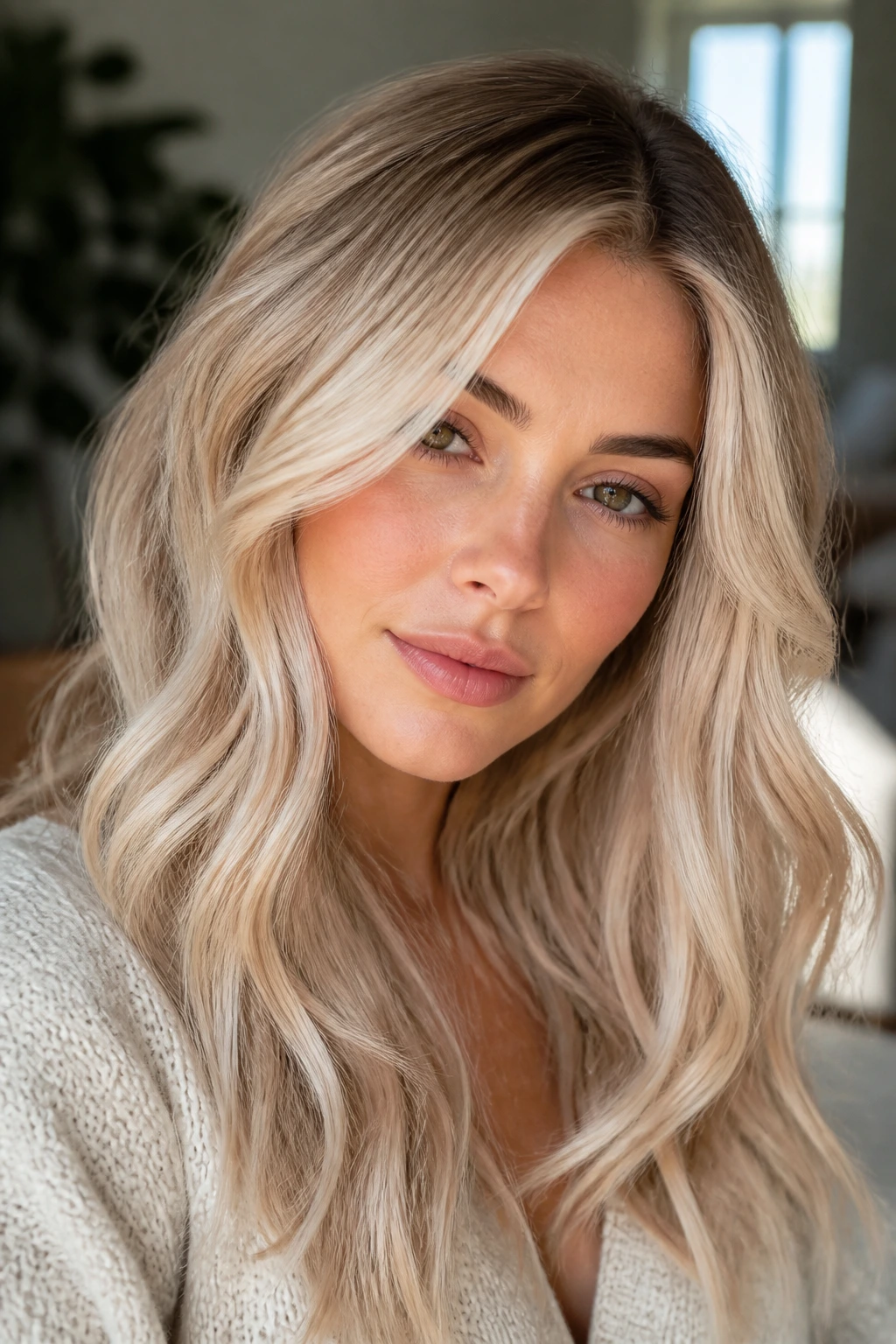
This shade is soft, creamy, and incredibly flattering for those with fair skin tones. Buttercream blonde utilizes a pale, buttery base that feels luxurious and light. Because it is a lighter color, it does an excellent job of blurring the line between your hair and your scalp, which is essential if you struggle with visible thinning at the part or the crown.
Achieving the Look
You want to ask your stylist for a soft root smudge to ensure the transition is seamless. A harsh root line can create a stark contrast, which only emphasizes the lack of hair density. By keeping the roots slightly deeper and blending into that creamy buttercream length, you create a gentle transition that looks natural and full.
Maintaining the Brightness
- Use a purple shampoo once every two weeks to prevent brassiness without stripping the hair of its essential oils.
- Invest in a high-quality leave-in conditioner to keep the ends plump and hydrated, as lighter colors can sometimes appear dry.
3. Warm Caramel
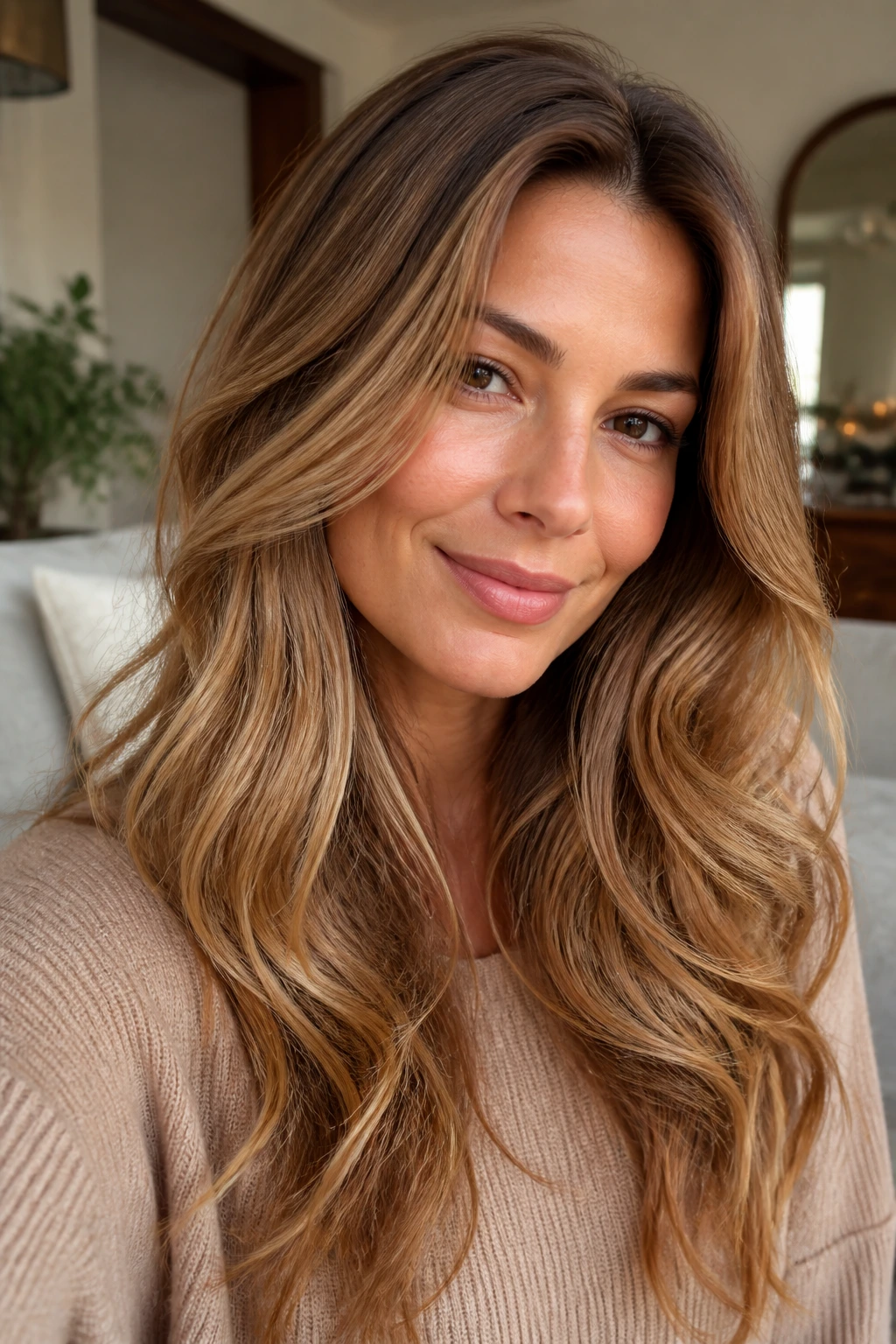
Caramel is a classic for a reason—it is the quintessential “thicken-up” color for brunettes. If you are naturally dark-haired and trying to hide thinning, going jet-black is often a mistake because it shows the scalp too clearly. Caramel highlights threaded through a warm brown base create a sophisticated look that feels rich and substantial.
The Science of Depth
Caramel adds “weight” to the hair through contrast. By layering these warm, toasted tones over a deeper brown, you create shadows that mimic the appearance of a fuller, denser head of hair. It is a very forgiving color that grows out beautifully, meaning you do not have to spend every month in the salon chair—a win for both your hair health and your schedule.
Styling Tip
Soft, loose waves are the best way to showcase caramel highlights. The curves of the waves naturally showcase the different tones, creating a sense of movement that straight, dark hair often misses.
4. Soft Ash Brown
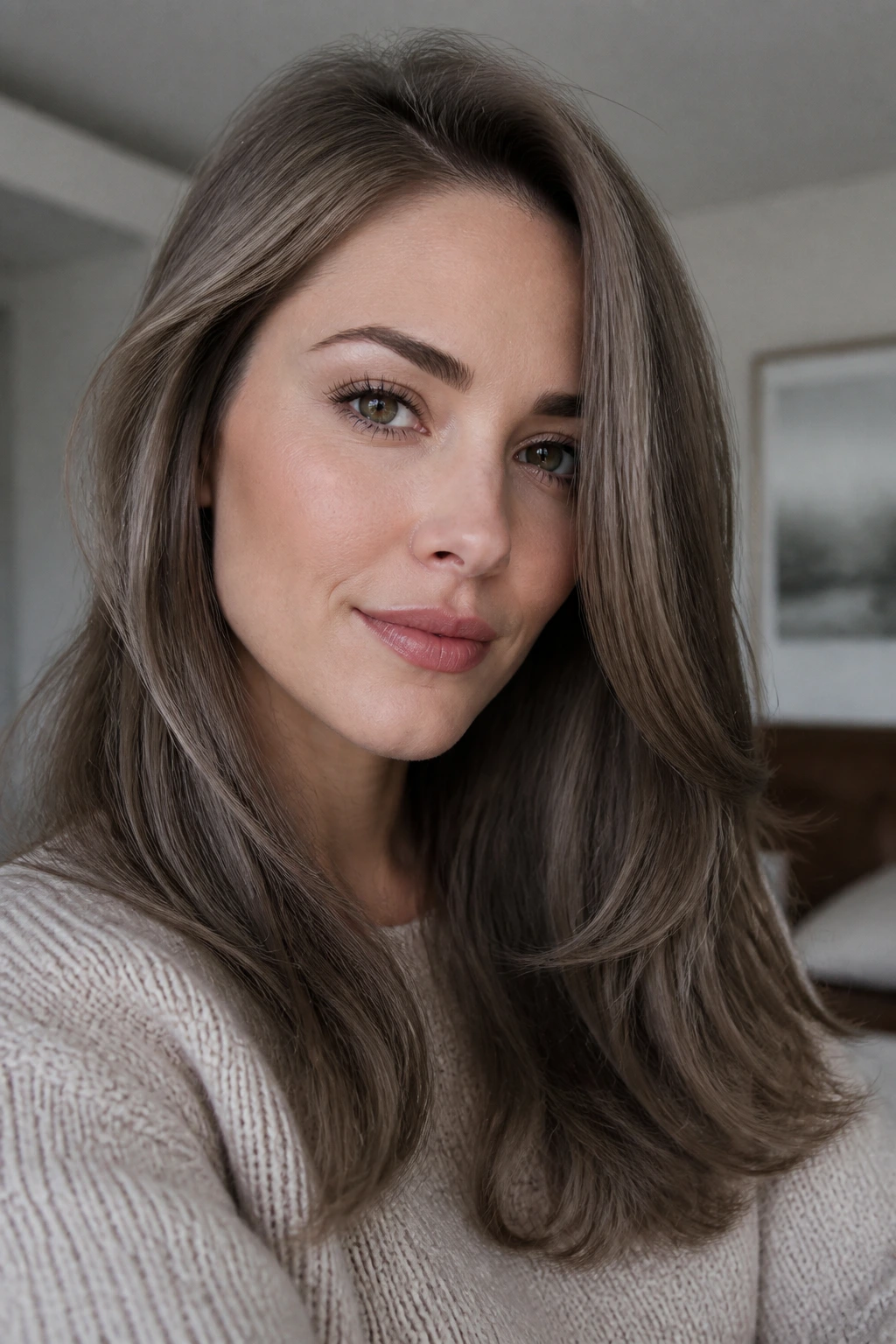
Ash tones are often misunderstood, but they are incredibly useful for thinning hair when applied correctly. Soft ash brown provides a cool, sophisticated base that lacks the heavy, opaque quality of dark brown or black. It is muted and elegant, making it a great choice for those who want a natural, understated look.
Why It Works for Texture
Ash brown is particularly effective because it doesn’t fight against your natural skin undertones. It creates a seamless look that prevents the hair from appearing “pasted” onto the scalp. Because it is a cooler shade, it offers a matte finish that can help hair look slightly coarser and thicker to the touch.
Avoiding the “Mousy” Look
- Incorporate subtle highlights a shade or two lighter to ensure the color has life.
- Always use a color-protecting shampoo to prevent the ash tones from washing out or turning muddy over time.
5. Copper Penny
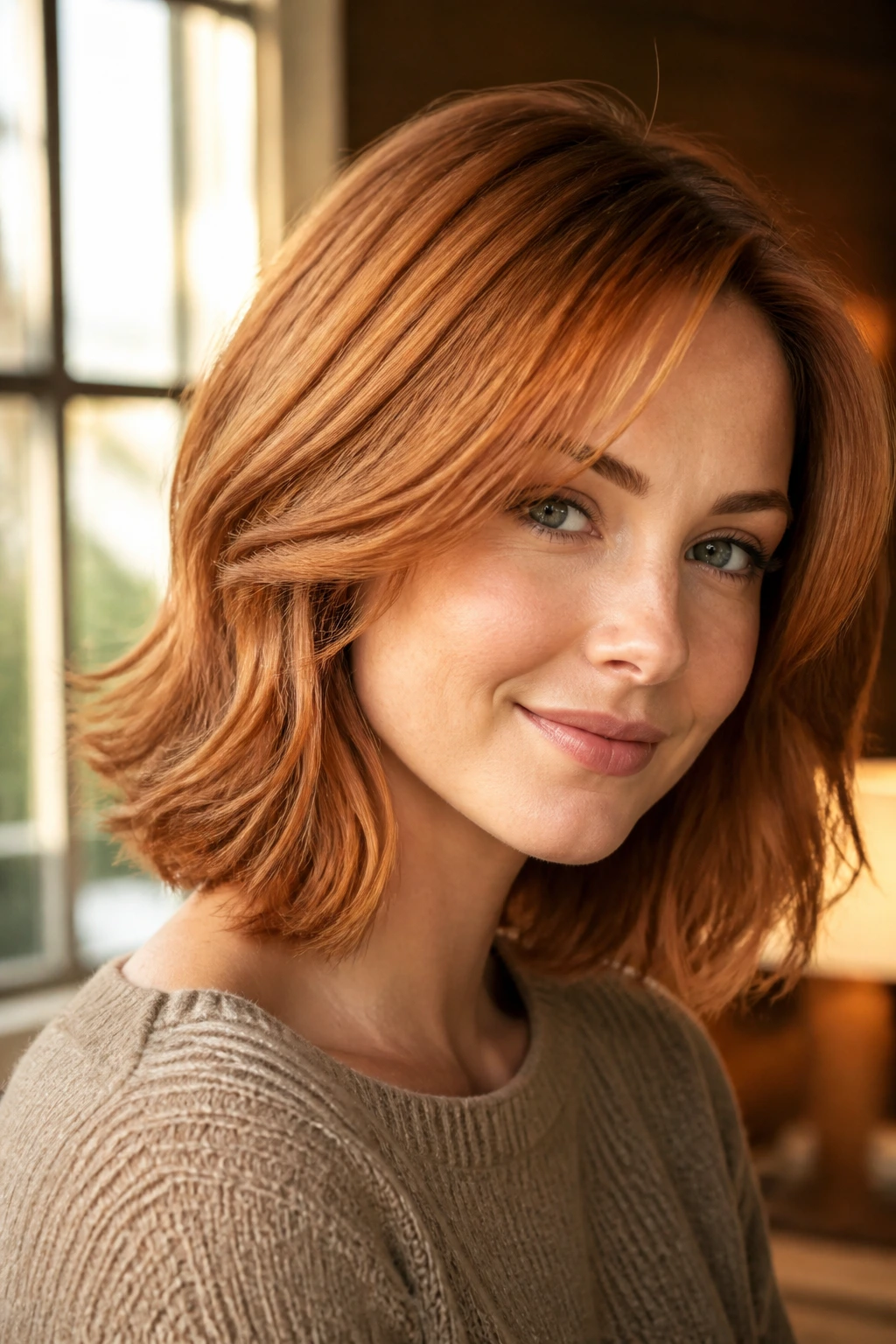
Red tones are notorious for fading quickly, but they offer unparalleled warmth and vibrancy that can make hair look incredibly dense. Copper penny is a bright, fiery shade that brings life to fine hair. It is one of those colors that commands attention and makes the hair strands appear to have more “substance” due to the intense pigment deposit.
The Volume Factor
Because red pigment molecules are larger than other color pigments, they can actually make the hair feel slightly more coated and sturdy. If you go for a bright copper, you are essentially adding a layer of rich color that reflects light beautifully. It is a bold choice, but for someone with thin hair, it can be a transformative experience.
Maintenance Considerations
- Red requires a sulfate-free shampoo to prevent the color from washing down the drain.
- Expect to go back to the salon more often, as red fades faster than blonde or brown.
6. Champagne Blonde
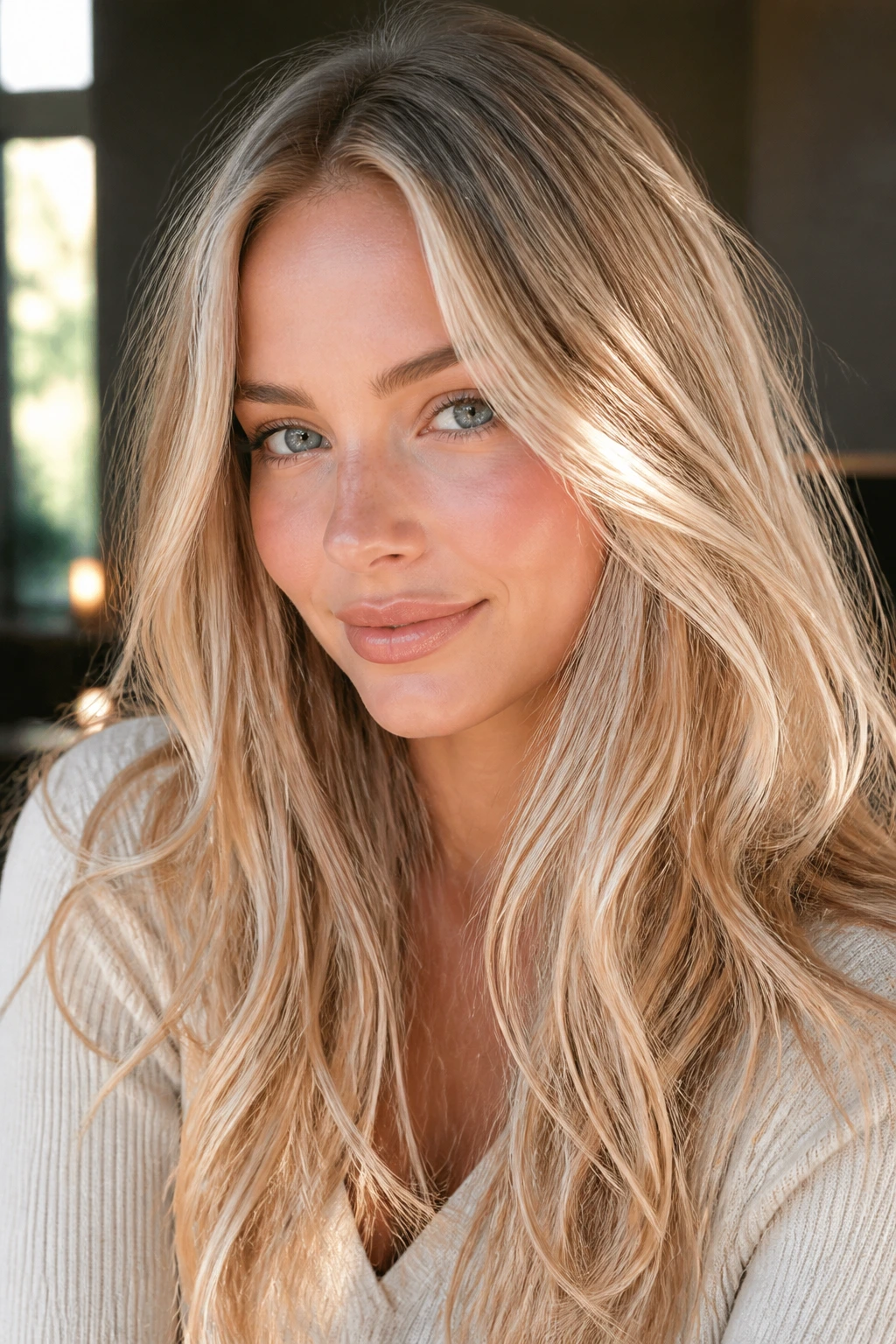
Champagne blonde is an elevated version of platinum. It is sophisticated, light, and perfectly suited for fine hair that needs a boost. Unlike a flat bleach job, champagne blonde includes tiny hints of gold and peach, which provide the hair with a multi-dimensional look.
Achieving Dimension
Ask for a “babylights” technique where the stylist weaves tiny, delicate strands of color throughout your hair. This creates a soft, diffused look that makes it very hard to tell where one hair ends and another begins, which is a major advantage for someone with thinning hair. The more light-reflecting strands you have, the fuller your hair will appear to the eye.
Styling Advice
- Use a volumizing root lift spray to give the hair at the scalp a bit of height.
- A champagne blonde shade looks especially good with a textured bob cut, which maximizes the appearance of thickness.
7. Toffee Highlights
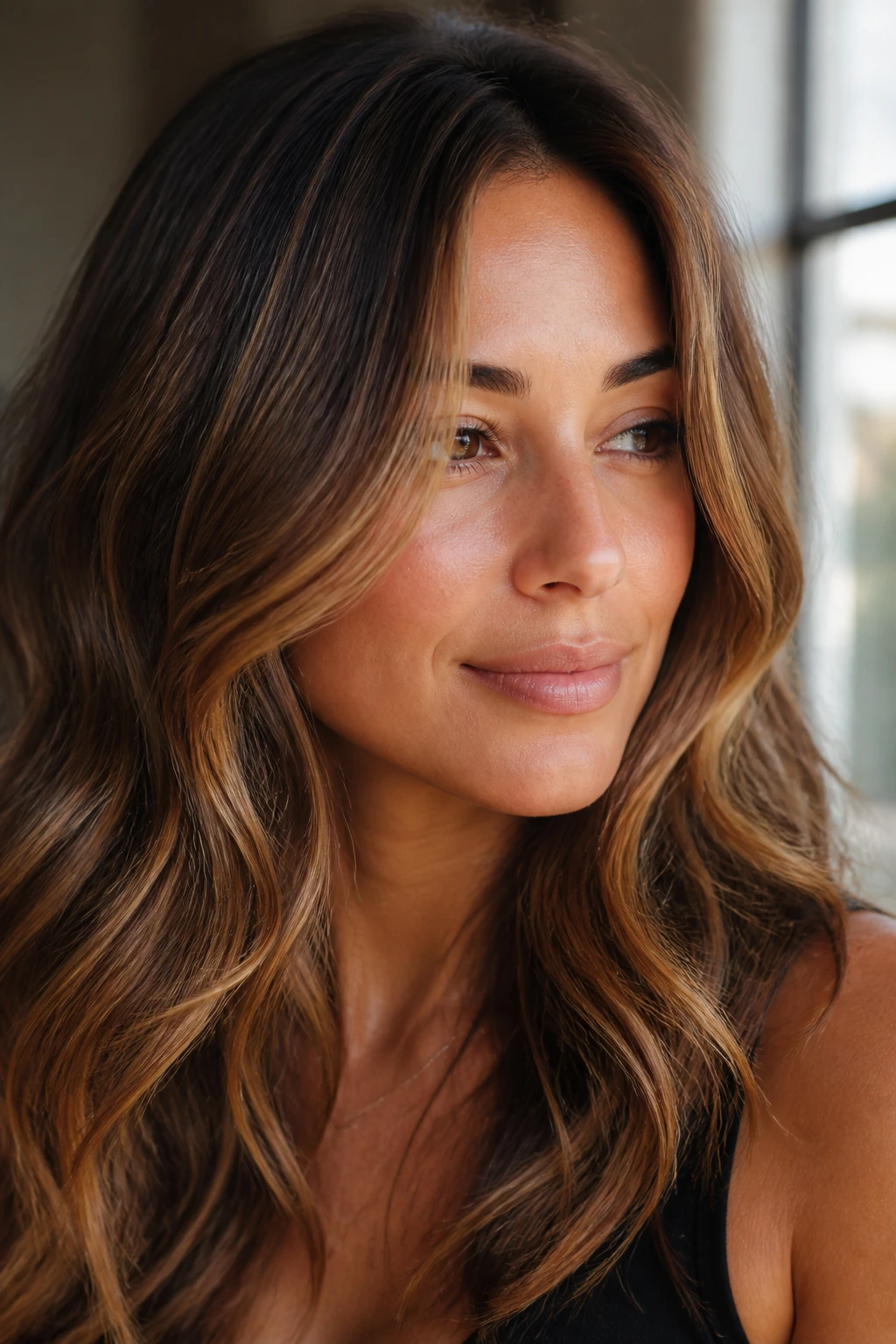
Toffee is a rich, warm brown that isn’t quite as dark as chocolate but deeper than caramel. When used as a highlight against a medium-brown base, toffee creates a “sun-kissed” effect that looks like you spent the summer on the beach. It is a very natural-looking color that doesn’t scream “dyed.”
Why It’s Effective
Toffee highlights blend seamlessly into light-to-medium brown hair. By adding these lighter strands, you break up the monotony of a single-tone base. This break in color is key to making your hair look like it has more texture and volume.
How to Request This
Ask your colorist for “teasylights” on the ends. This technique focuses the brightness toward the bottom of the hair, which helps draw the eye downward and makes the hair appear longer and thicker.
8. Chocolate Truffle
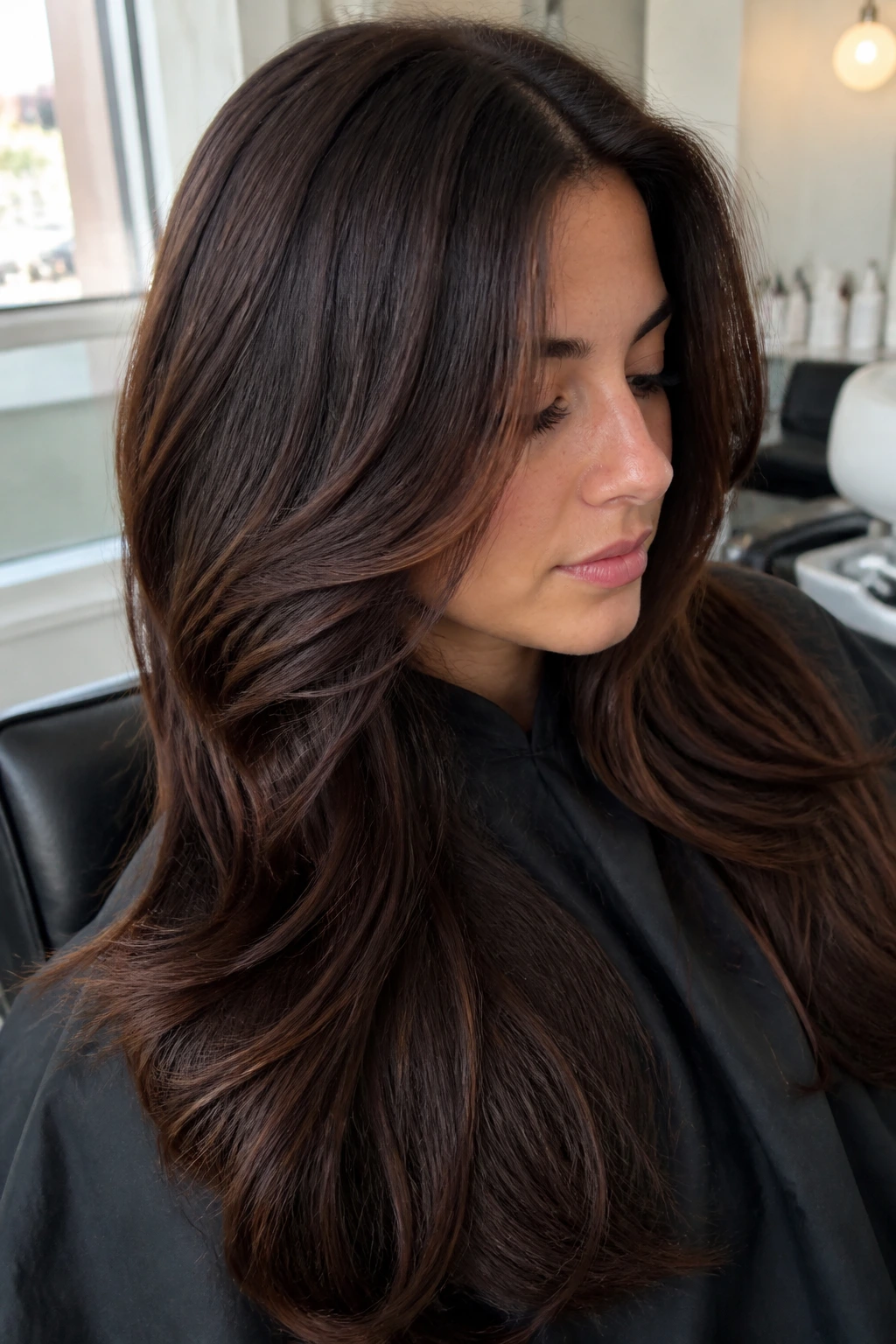
If you are determined to stay dark, do not reach for the box of midnight black. Instead, go for a chocolate truffle shade. This is a multidimensional dark brown that has tiny flickers of mahogany or coffee hidden within it.
The Importance of Tones
A dark color like chocolate truffle needs variation. If it is too flat, it highlights the scalp. If you have subtle, barely-there lowlights, you create a depth that makes the hair look like it has layers of shade, implying more density. It is an excellent choice for a professional yet polished aesthetic.
Pro Tip for Dark Hair
- Consider a gloss treatment every 6 weeks. A healthy, shiny head of hair will always look thicker than a dull, dry one.
9. Strawberry Blonde
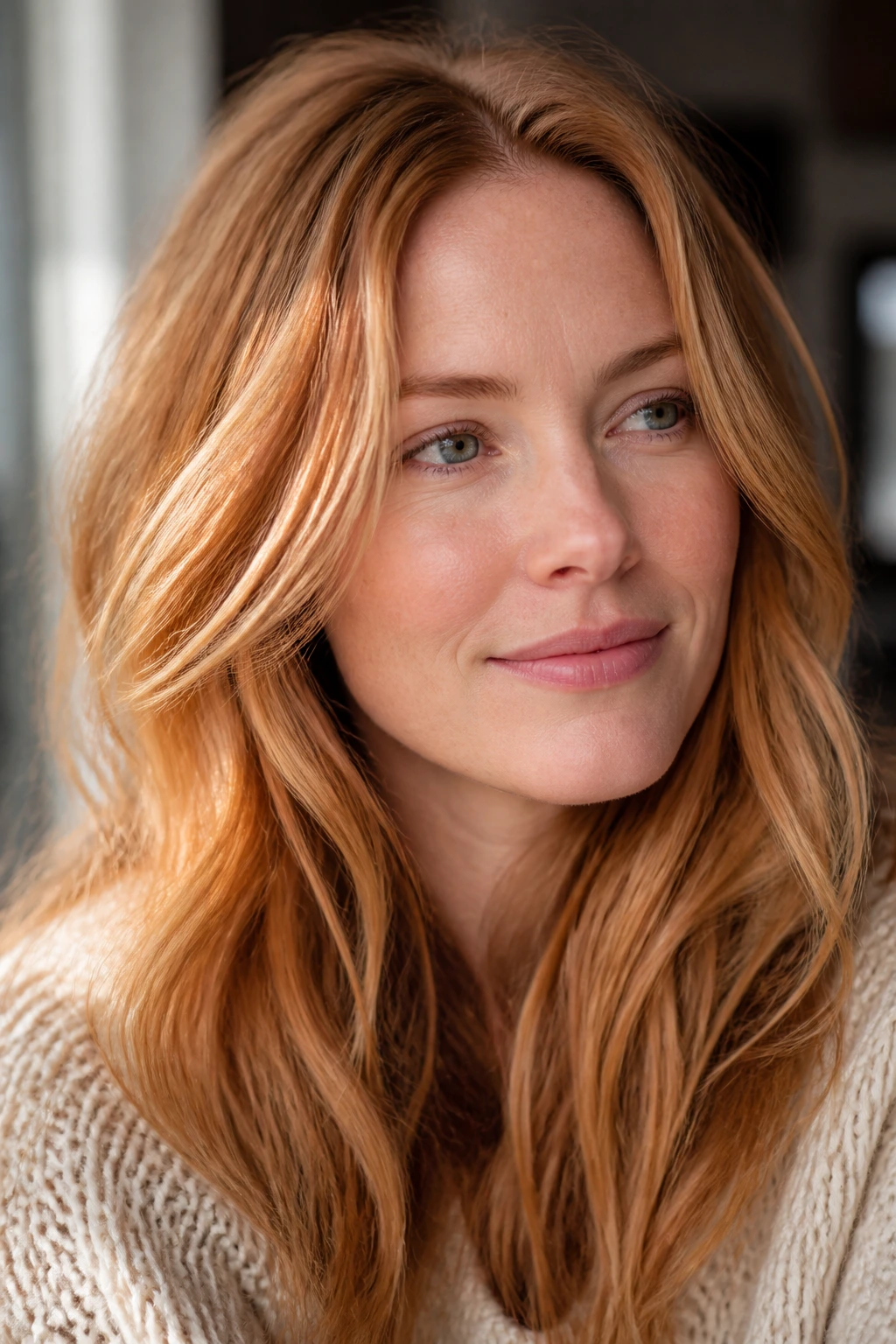
Strawberry blonde is a delicate mix of blonde and red that provides a warm, flattering glow. It is particularly effective for thin hair because it sits on the lighter end of the spectrum, which is naturally easier to make look full and airy.
The Optical Effect
Because this color is neither fully blonde nor fully red, it creates a unique light-reflecting quality. It is a very “soft” color, meaning it doesn’t create harsh lines or contrast against the skin. This softness helps to minimize the look of thinning areas, as the color itself is quite diffused.
Seasonal Transitions
Strawberry blonde is a versatile shade. In the winter months, you can lean slightly more toward the gold side, and during warmer weather, you can add more copper to brighten it up.
10. Mocha Brown
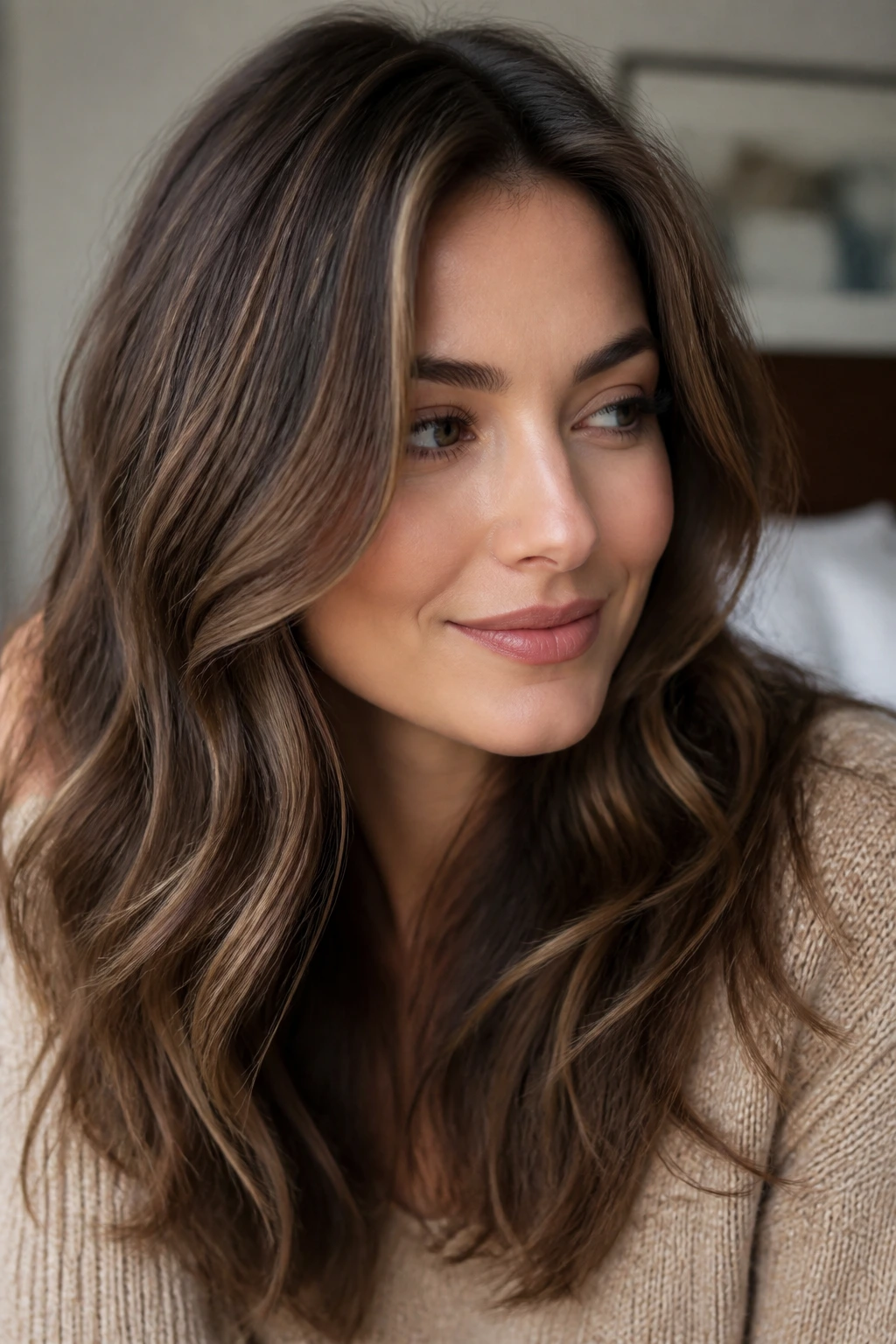
Mocha is a cool, deep brown that is less intense than black but offers more depth than a light ash brown. It is a fantastic choice if you want to look serious and put-together. For thin hair, mocha works best when paired with very subtle, slightly lighter brown highlights.
Building Body with Color
The cool tones of mocha help to make the hair look a bit more “solid.” While warm colors reflect light, cool colors like mocha absorb it slightly differently, which can make fine strands appear to have more weight. It is a great compromise for those who want dark hair but aren’t ready for the severity of black.
Maintenance Check
- Avoid excessive heat styling, as dark hair can lose its luster quickly if the cuticle becomes damaged.
11. Sand Blonde
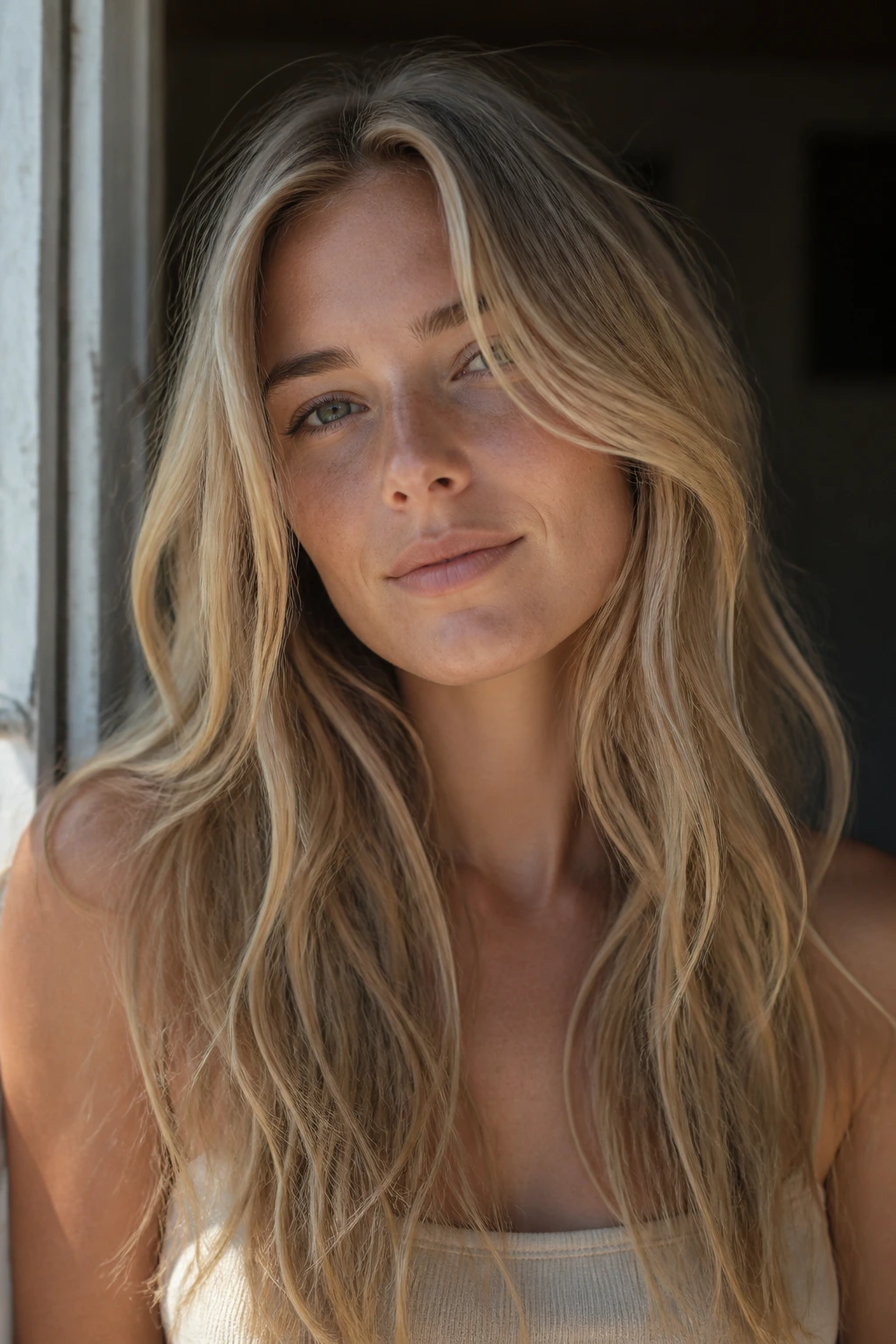
Sand blonde is a neutral, sandy shade that mimics natural, un-dyed blonde hair. It is incredibly popular because it looks so effortless. For someone with fine hair, it is the perfect “lived-in” color.
Why It’s Great
Sand blonde is low-maintenance and doesn’t require a lot of bleach, which is crucial for thin hair that is prone to breakage. Since you don’t have to process the hair as aggressively, the strands remain stronger and thicker, preventing the “frizz” that can often make thin hair look sparse.
How to Style
- A beachy, textured style works best with sand blonde. Let it air dry with a sea salt spray to enhance the natural color dimension.
12. Cinnamon Spice
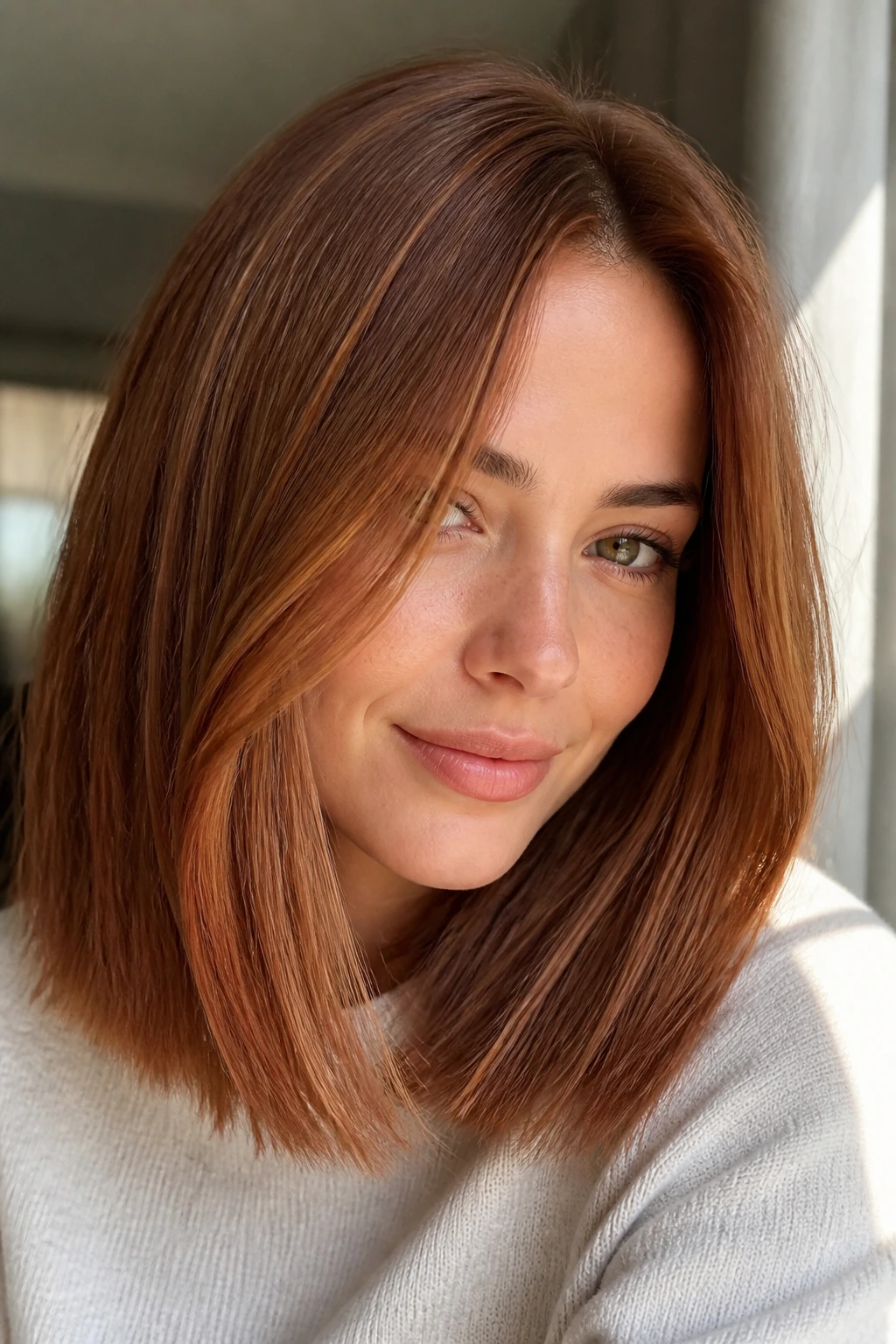
This is a warmer, more vibrant take on light brown. Cinnamon spice brings a touch of red-gold to the mix. The warmth of the color creates an instant visual effect of fullness, as the tones are bright and reflective.
The Volume Benefit
Cinnamon spice is particularly good for those who have naturally light brown or dark blonde hair. By adding these warm tones, you aren’t just changing the color; you’re changing the way light interacts with your hair. It makes the hair look like it has “body” rather than being flat.
Choosing the Right Cut
Pair this color with a blunt-cut end to maximize the appearance of thickness. A blunt cut makes the ends look solid and healthy, which is a major confidence booster when dealing with thin hair.
13. Bronde (Brown + Blonde)
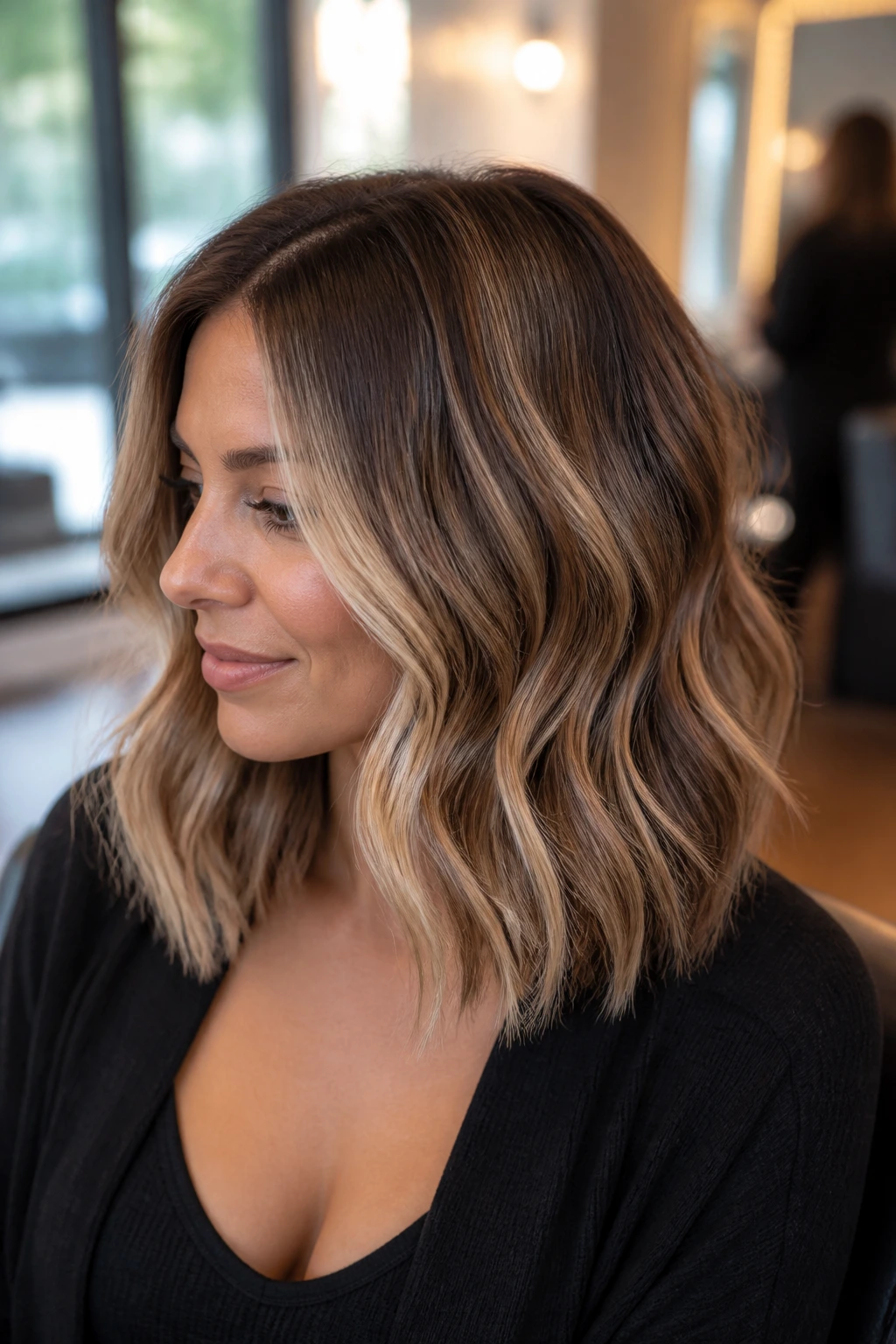
Bronde is the ultimate compromise and, arguably, the best color technique for thin hair. It involves blending brown and blonde so thoroughly that you can’t tell where one starts and the other ends. This creates a multi-dimensional look that is almost guaranteed to make hair look fuller.
Why It Works
The sheer amount of variety in a good bronde job means your hair is essentially a canvas of different shades. This visual complexity masks thinning areas and makes the hair appear voluminous. It is the color of choice for those who want maximum volume without going too light or too dark.
Long-Term Strategy
Bronde is very easy to grow out, which means less time in the chair and more time letting your hair recover from chemical processing.
14. Pale Gold
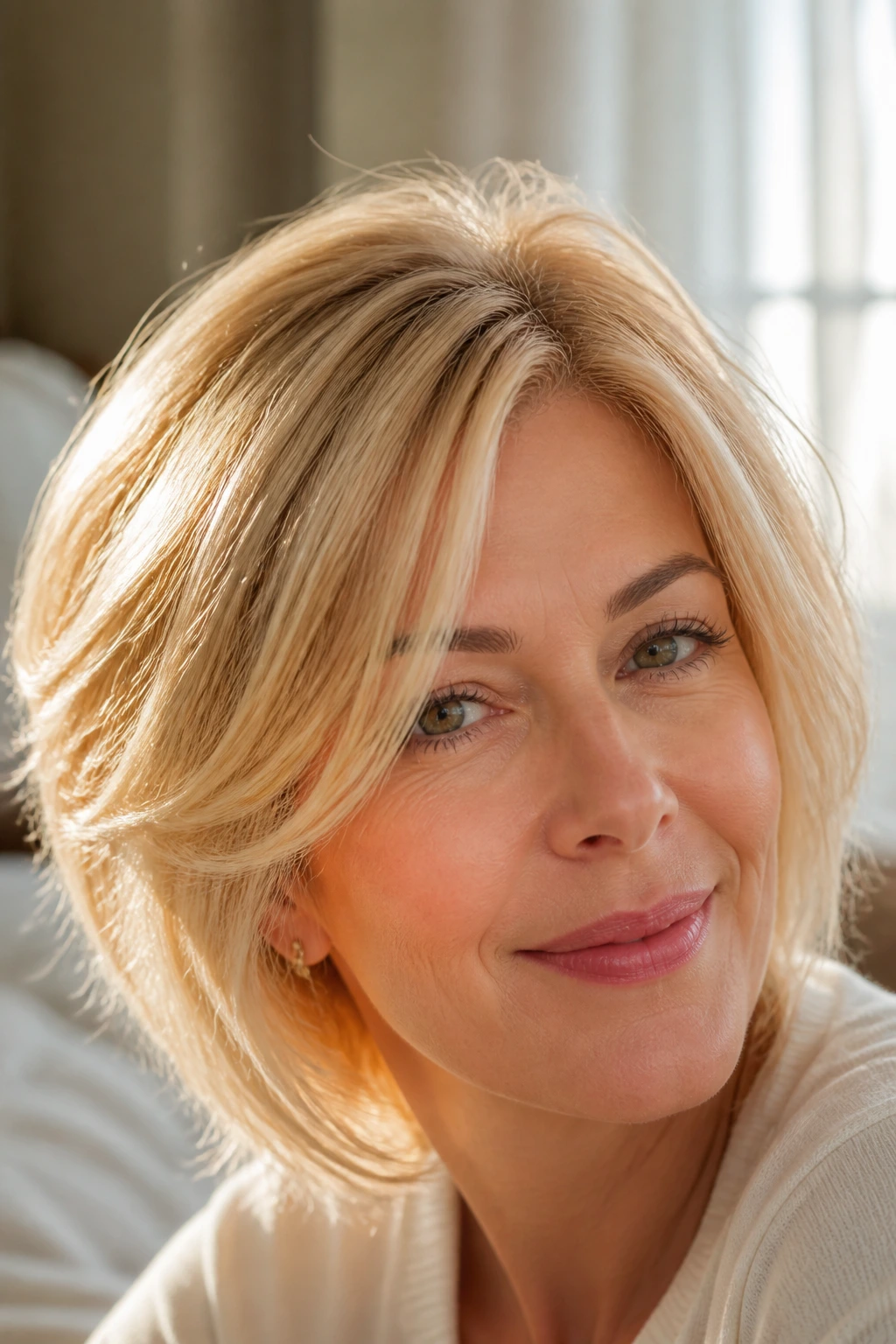
Pale gold is a light, sunny shade that is perfect for those who want to embrace their inner blonde. It is warmer than platinum but brighter than honey. This color is excellent for fine hair because it reflects a high amount of light, which helps to hide the scalp.
The Reflective Advantage
Think of pale gold like a mirror; it bounces light off every strand. When your hair is full of light, it becomes much harder for others to see the spaces between the strands. This is the most effective way to manage thinning at the crown.
Care for Gold Tones
- Keep your hair hydrated with weekly deep conditioning treatments to ensure the shine stays high.
15. Espresso
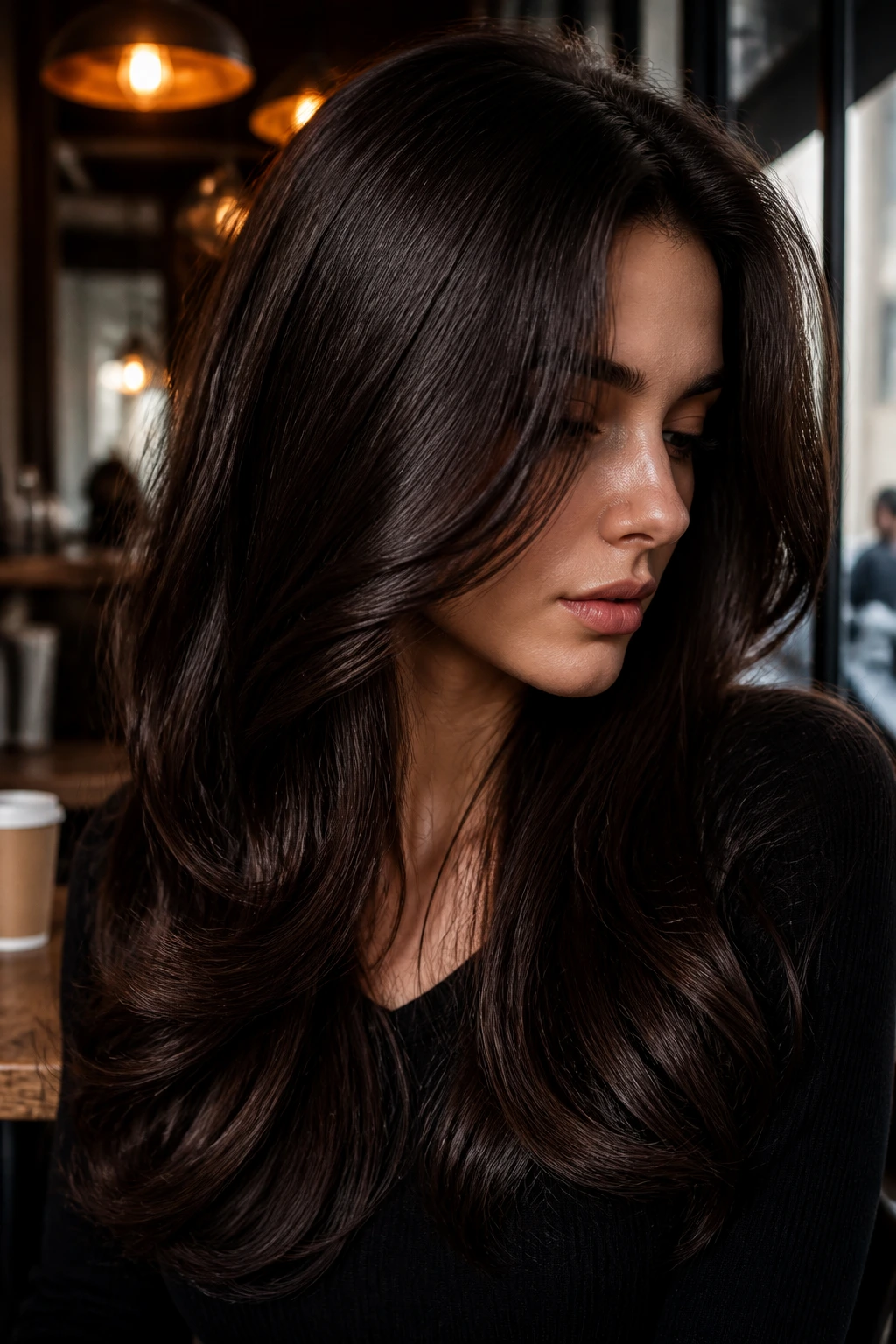
Espresso is a very deep brown that has a slight sheen. It is a bold, sophisticated choice. If you have a dark complexion or very deep eyes, espresso can provide a dramatic frame that makes your hair look intentional and thick.
Managing the Dark Base
If you go this dark, you must ensure your hair is very shiny. A matte espresso color can look flat, while a glossy espresso looks lush and full. Consider a clear gloss service every few months to keep the hair reflecting light effectively.
Styling Tip
Add some volume at the roots using a dry shampoo, even on clean hair, to prevent the espresso from laying too flat against the skull.
16. Rose Gold
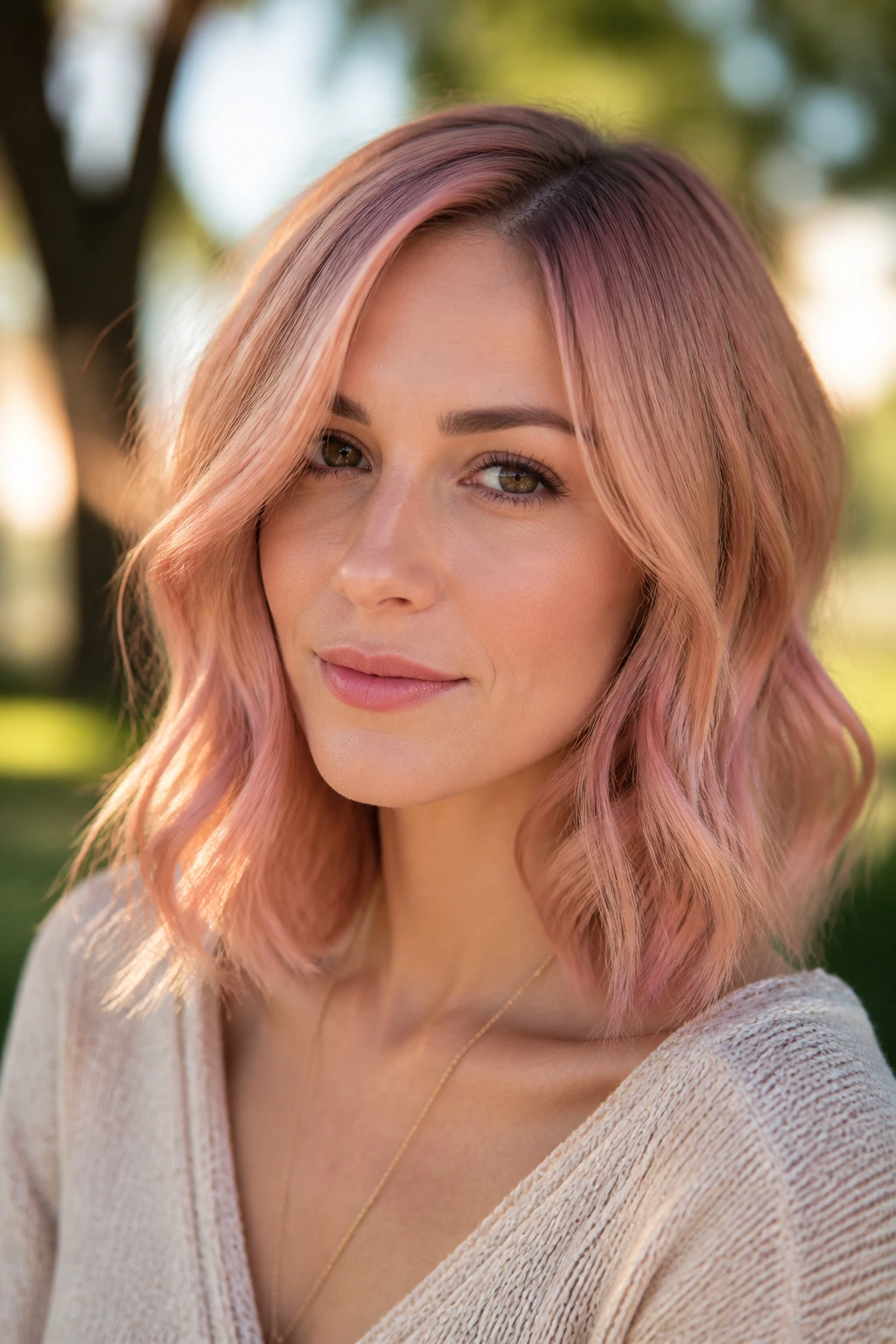
Rose gold is a trendy but surprisingly effective color for thin hair. The pinkish, golden hues are light and airy, which helps to create the illusion of more volume. Because it is a “fashion” color, it stands out, which naturally draws attention to the style rather than the hair density.
Why It Works
The mixture of warm red and light gold is inherently multi-dimensional. It is hard to find a solid-looking rose gold, meaning it naturally has high-low tones throughout. This inherent dimension is a gift for fine hair.
Commitment Level
- This color fades quite quickly, so it is best for those who enjoy changing their look or are willing to use color-depositing conditioners at home.
17. Auburn
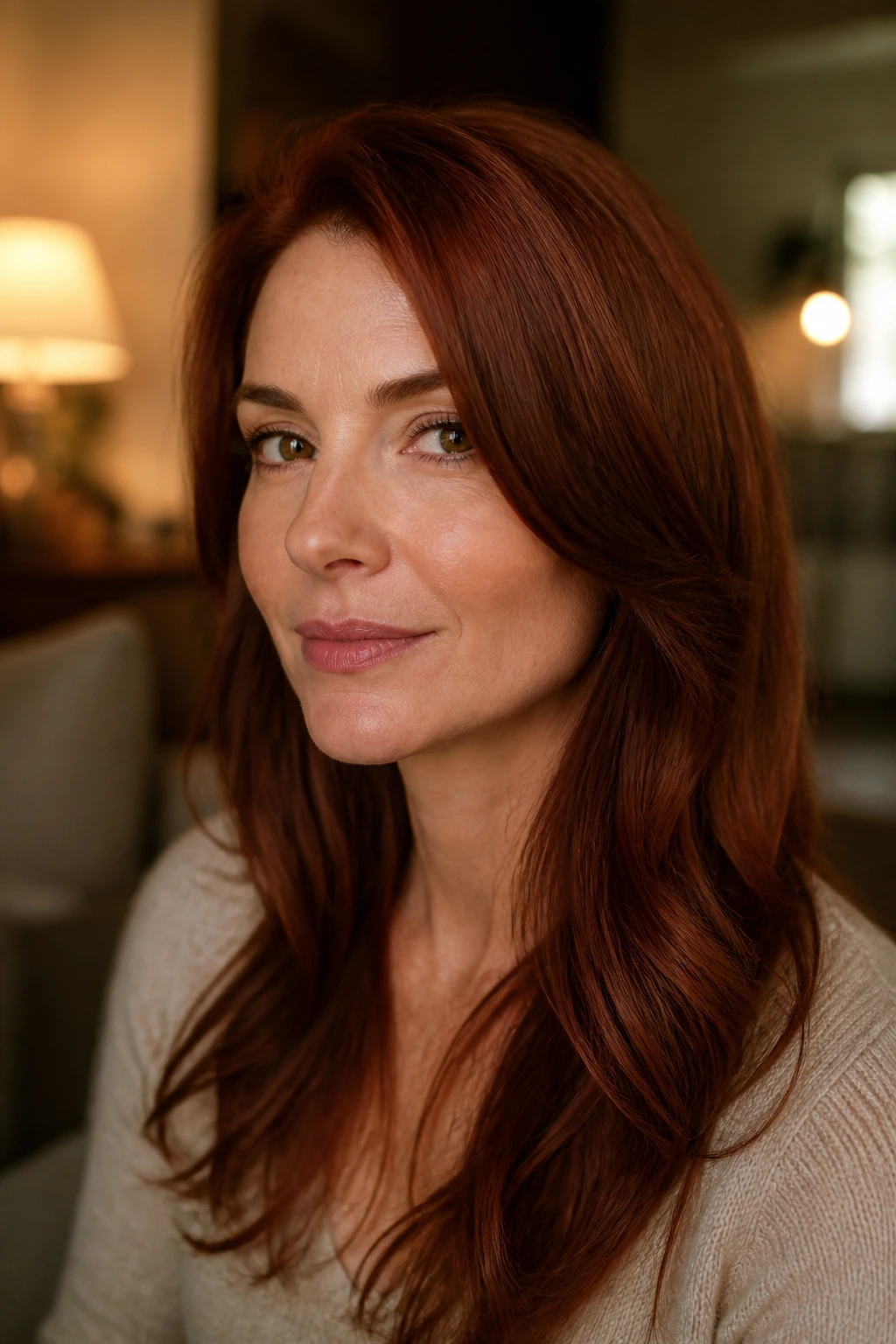
Auburn is a deep, rich red-brown that is incredibly flattering for most skin tones. It has a density to it that makes hair look like it has more physical mass. It is a classic for a reason—it’s rich, warm, and very forgiving.
The Volume Effect
Auburn’s pigment richness makes the hair strands look darker and more substantial. If you are struggling with light-colored, thin hair that feels “wispy,” shifting toward an auburn shade can give you an instant sense of weight and fullness.
Seasonal Versatility
Auburn looks great year-round, appearing deeper and more luxurious in the colder months and brighter and more energetic in the summer.
18. Platinum
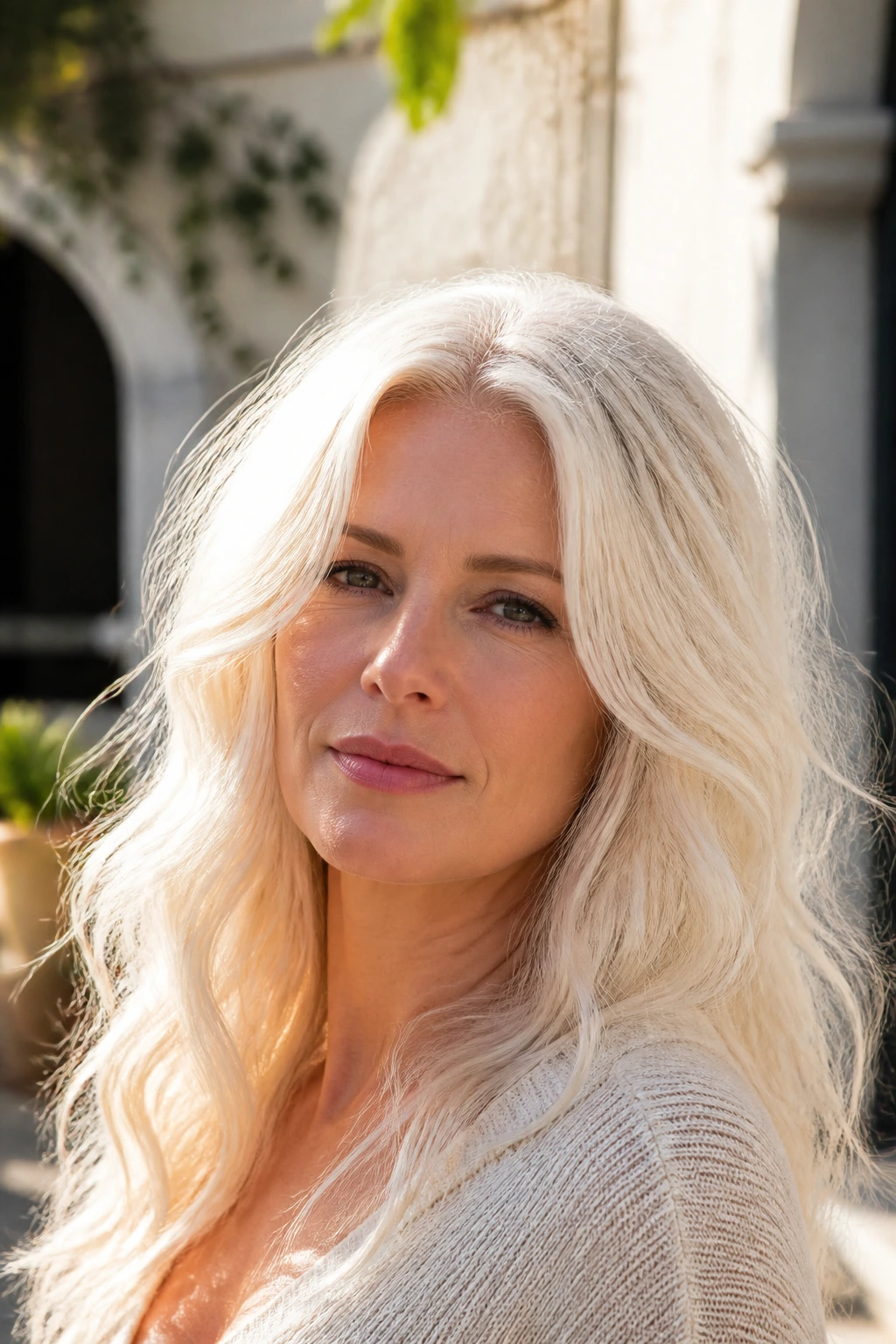
Platinum is a high-risk, high-reward color. While it can cause damage to fine hair if done incorrectly, when kept healthy, it creates a “halo” effect that can mask thinning areas. The sheer brightness of the color can make hair look more voluminous by essentially “brightening” the entire head.
The Risks to Consider
- You must ensure your stylist uses a bond-builder to protect your hair during the lightening process.
- Constant maintenance is required to keep the roots from looking like a thinning strip.
Final Look
If you have the time and the budget, a well-maintained, healthy platinum blonde can make fine hair look surprisingly thick.
19. Mushroom Brown
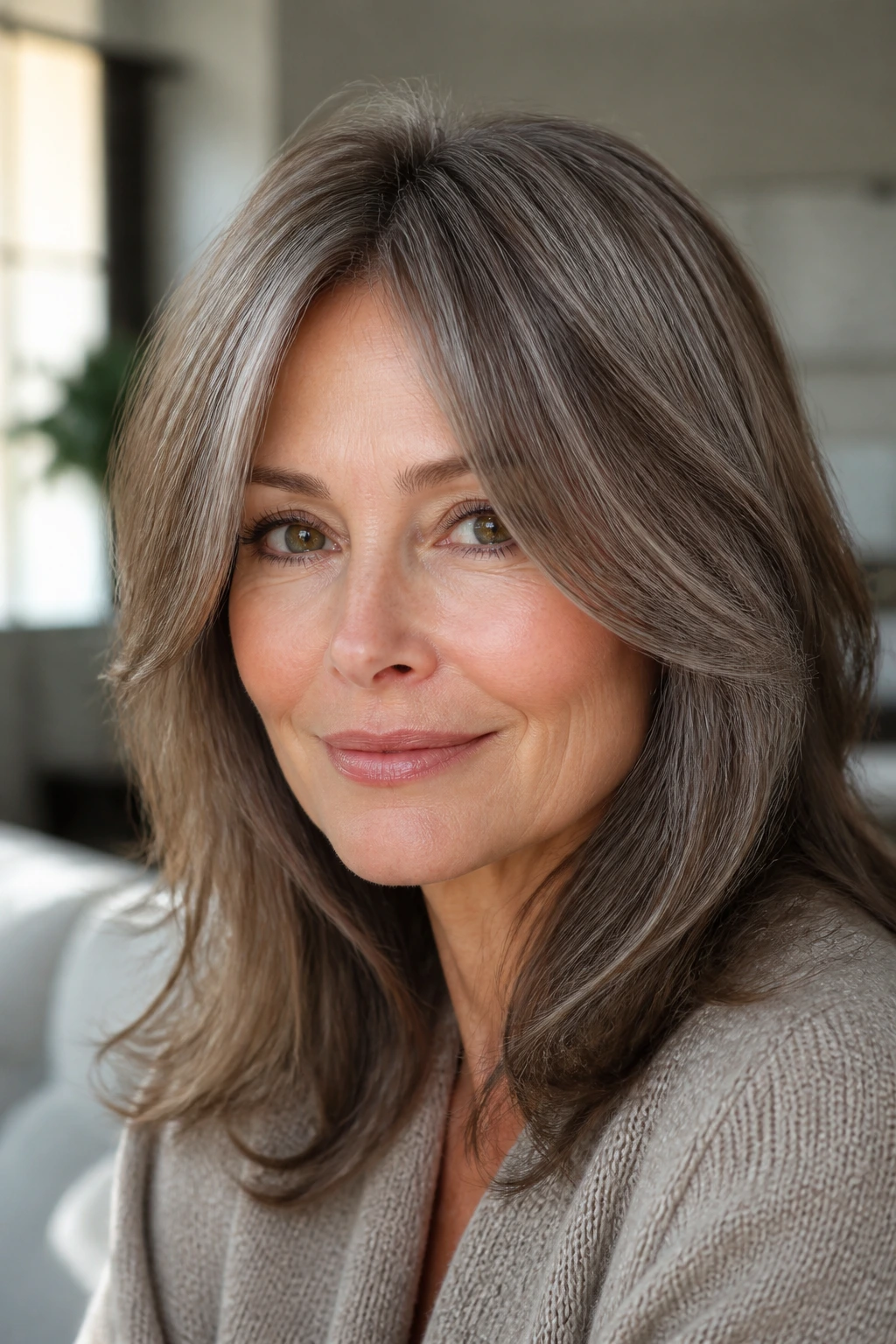
Mushroom brown is a cool, earthy shade that has taken the hair world by storm. It’s essentially a mix of light brown and gray-taupe. For someone with thinning hair, it’s a great way to incorporate ash tones without going fully gray.
Why It’s Trendy
It provides a matte, sophisticated finish that feels natural. By using a cool, multi-tonal brown, you create a soft texture that doesn’t look overly styled. It mimics the natural highlights and lowlights of healthy hair, which makes the hair appear thicker.
Color Pairing
Pair mushroom brown with a soft, layered haircut to maximize the natural movement of the hair.
20. Golden Beige
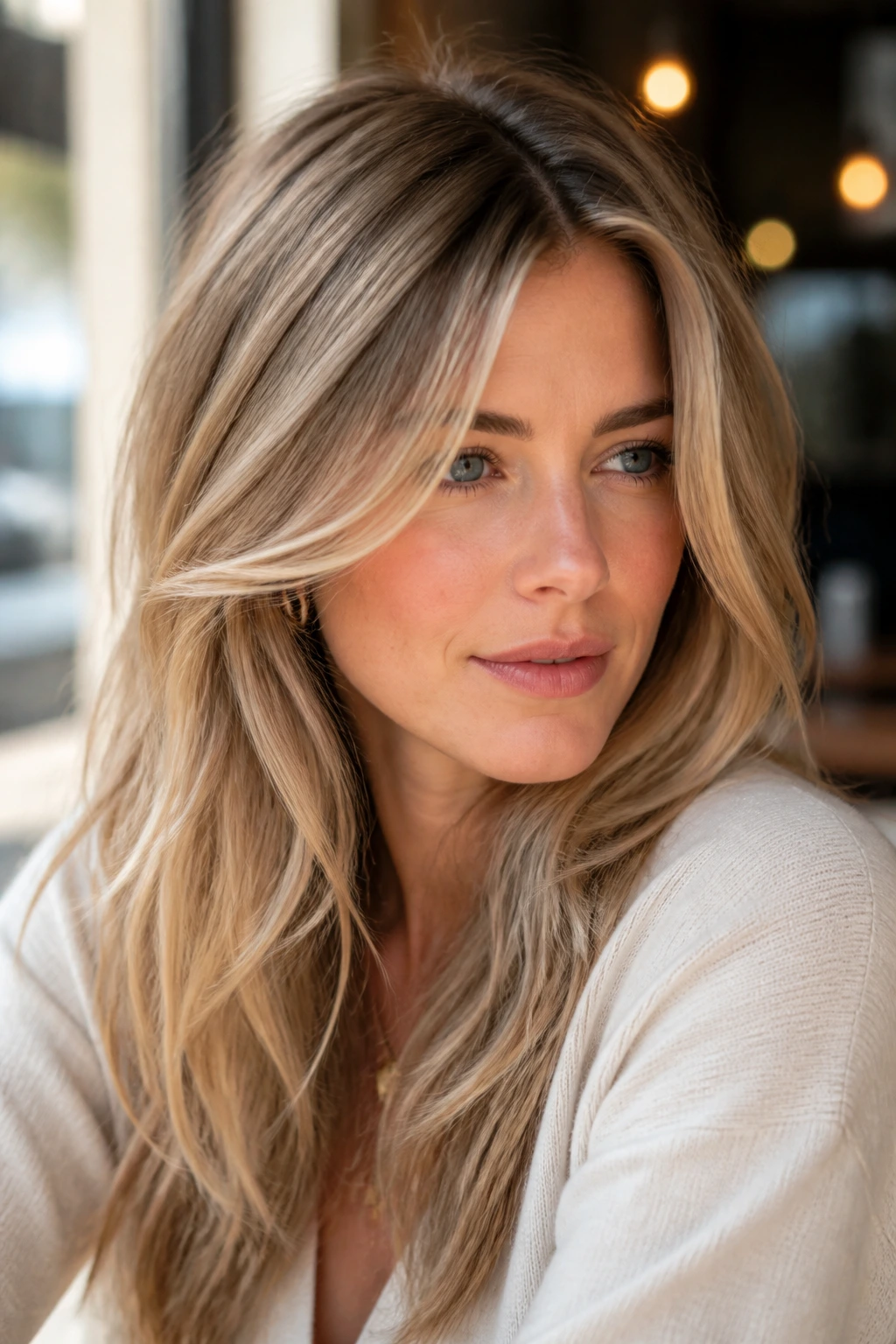
Golden beige is a sophisticated, warm-toned blonde. It is less yellow than honey and more neutral than champagne. It is the perfect color for someone who wants to look like a “natural” blonde.
Achieving Depth
The key to golden beige is to ask for a “root shadow.” By leaving your natural base a bit darker at the roots and blending it into the golden beige lengths, you create an illusion of depth that is essential for making fine hair appear denser.
Styling for Volume
- Use a round brush while blow-drying to create lift at the roots.
21. Chestnut Brown
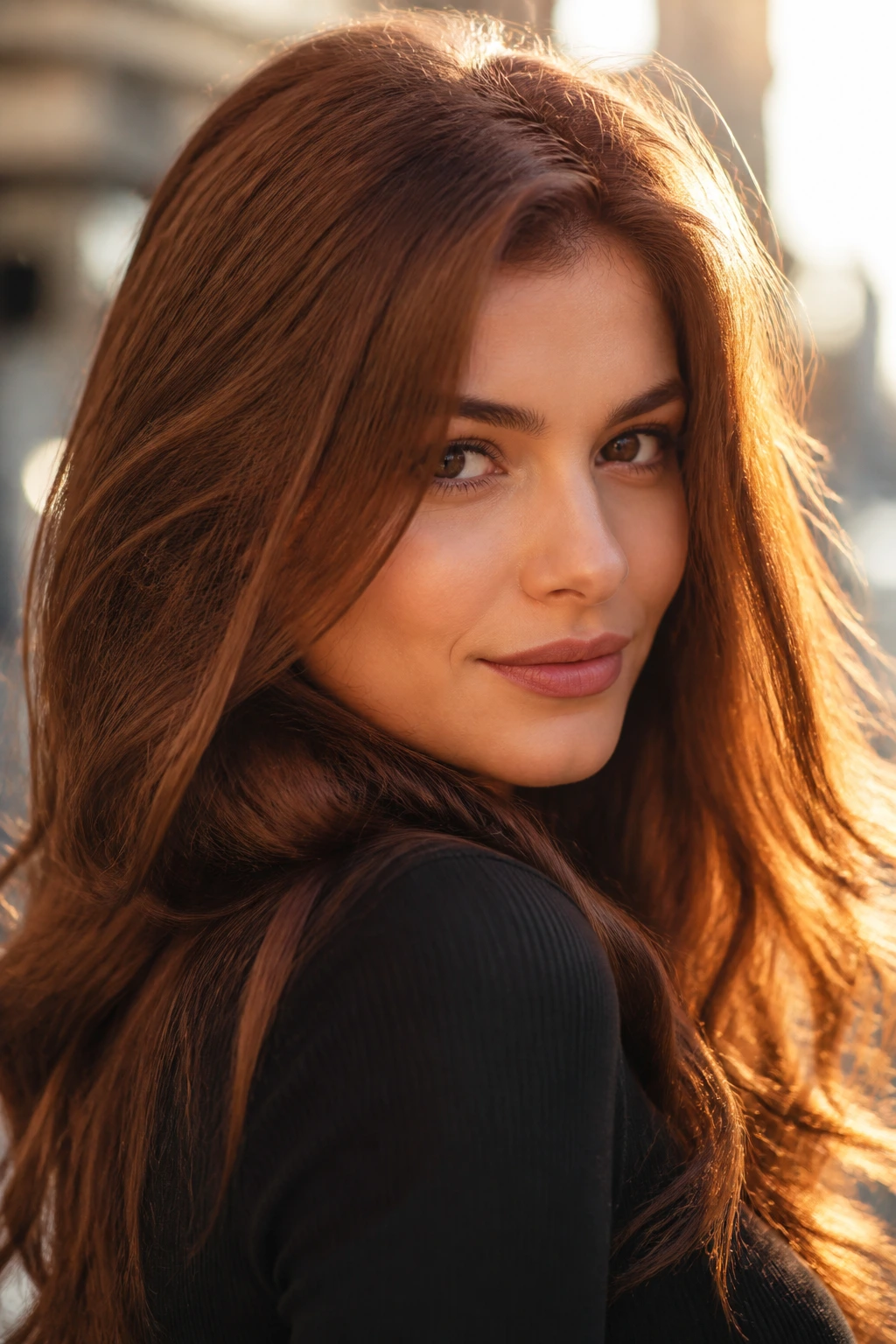
Chestnut is a medium-brown shade with strong red-gold undertones. It’s warm, inviting, and very healthy-looking. Like other warm browns, it makes the hair look glossy and thick.
The Warmth Factor
The red-gold undertones in chestnut reflect light beautifully. When your hair reflects light, it looks healthier and denser. Chestnut is an excellent choice for those who are transitioning away from lighter colors and want to move toward something darker but still vibrant.
Care
- Chestnut brown holds shine very well, making it a lower-maintenance option for those who want a glossy look without daily effort.
22. Sandy Brown
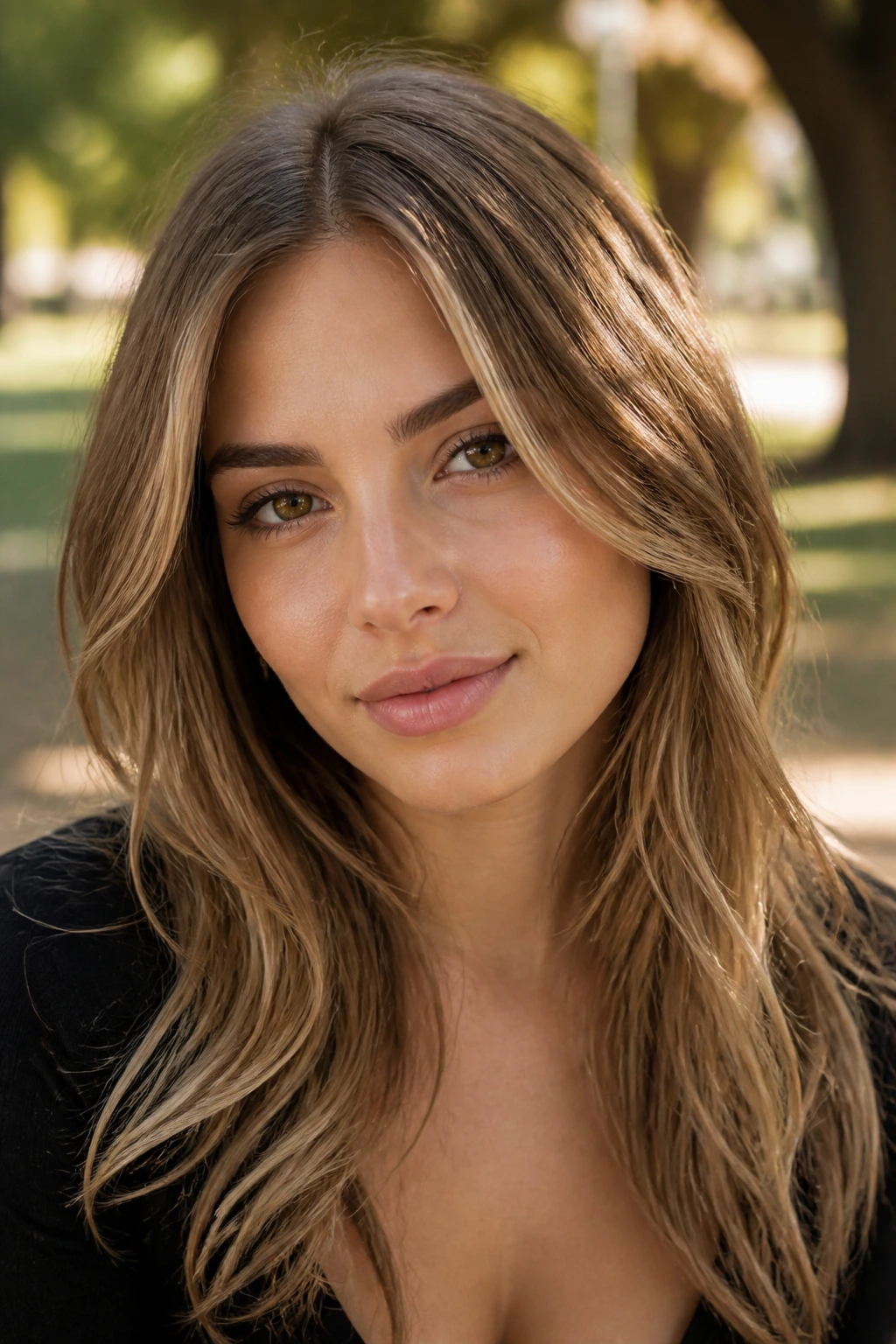
Sandy brown is the brunette counterpart to sand blonde. It is a very neutral, natural-looking shade that lacks the heavy, opaque quality of darker browns. It’s a great, easy-to-wear color that grows out without creating a harsh root line.
Why It Works for Thin Hair
Because it is neutral and light-reflective, it doesn’t create the stark contrast that makes scalp thinning more visible. It is a great option for someone who wants to keep their natural-looking hair color but needs a slight boost in dimension.
Enhancing Texture
- Add a few light-brown balayage pieces to the front to frame the face and draw the eye away from the crown.
23. Dark Chocolate
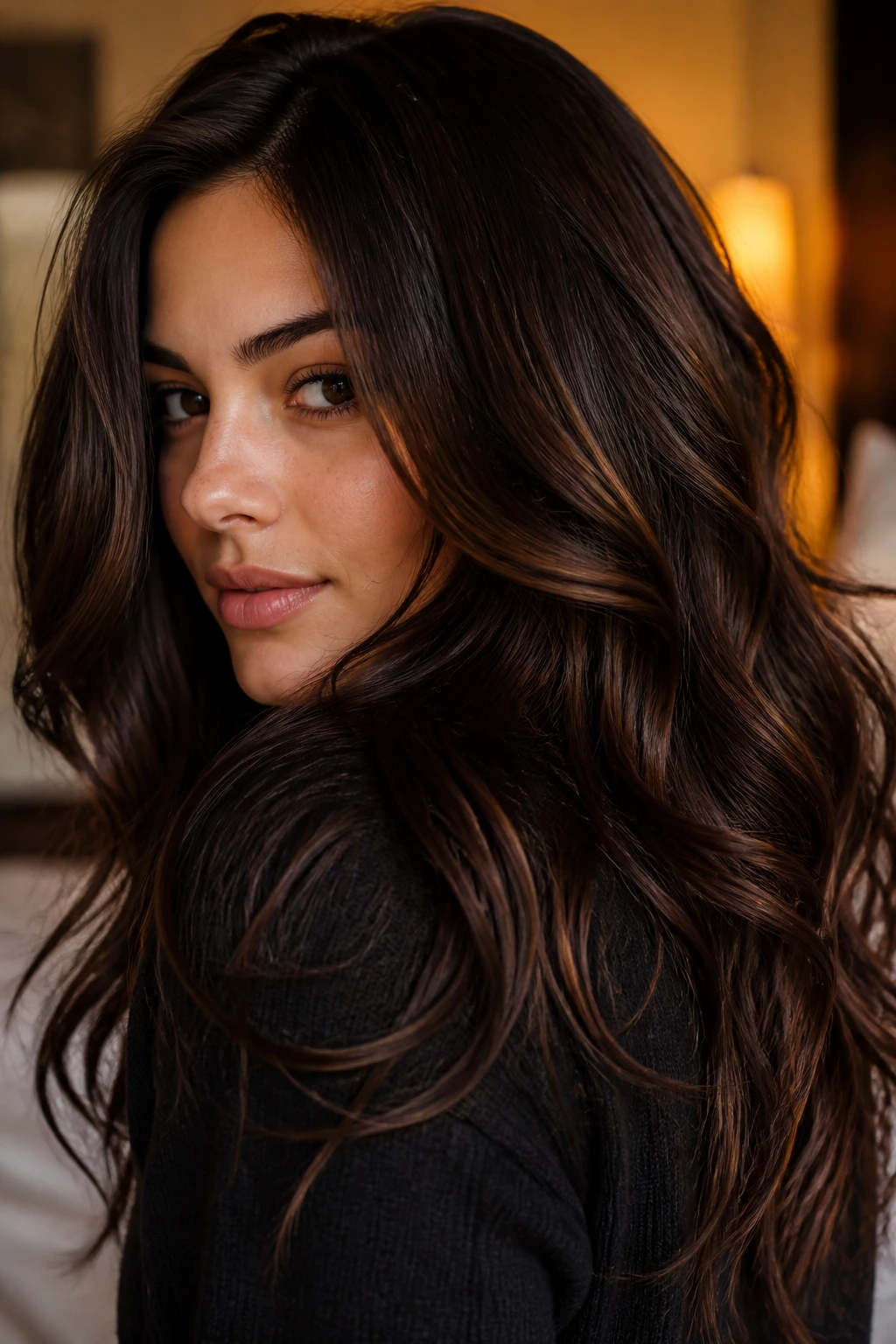
Dark chocolate is a rich, warm brown that is not quite as dark as espresso. It has a beautiful depth that can make fine hair look very healthy and substantial.
Using Contrast
The trick with dark chocolate is to add very subtle, warm-brown highlights. These highlights shouldn’t be bright; they should be just a shade or two lighter than the base. This provides just enough dimension to break up the color without making the hair look thin or patchy.
Shine is Everything
- Use a high-quality shine serum to finish your style, as dark chocolate looks best when it is reflecting light.
24. Butter Blonde
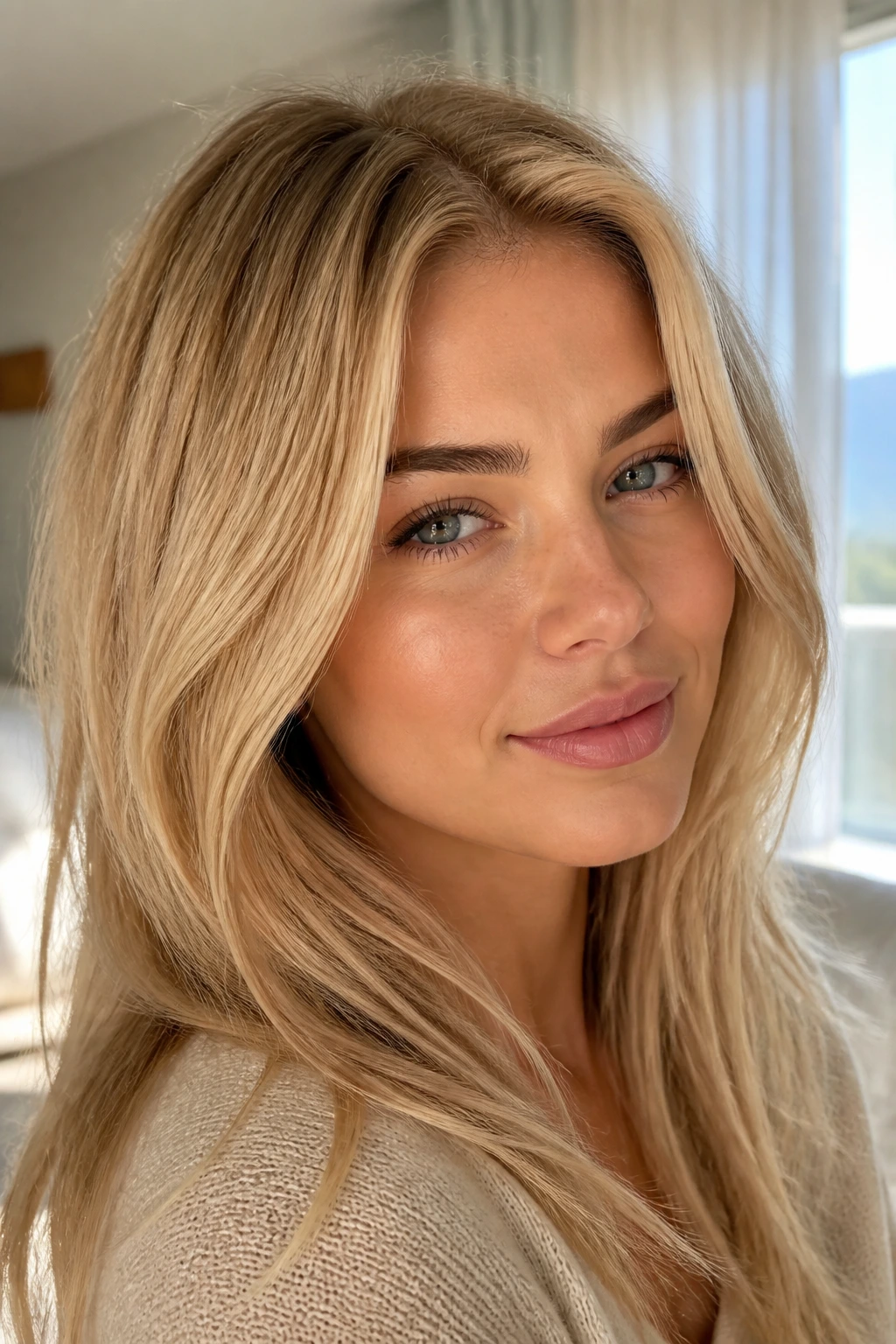
Butter blonde is a warm, creamy shade that is brighter than honey. It is perfect for those who want a high-impact blonde but are worried about the damage that can come with platinum.
The Volume Benefit
The warmth of butter blonde helps to make the hair feel “fuller” because the pigment is rich and the light reflection is high. It is a very flattering color that makes the hair look like it has more texture than it actually does.
Stylist Request
- Ask for “teasylights” to keep the roots soft and natural, which helps maintain the appearance of hair density at the crown.
25. Warm Mahogany
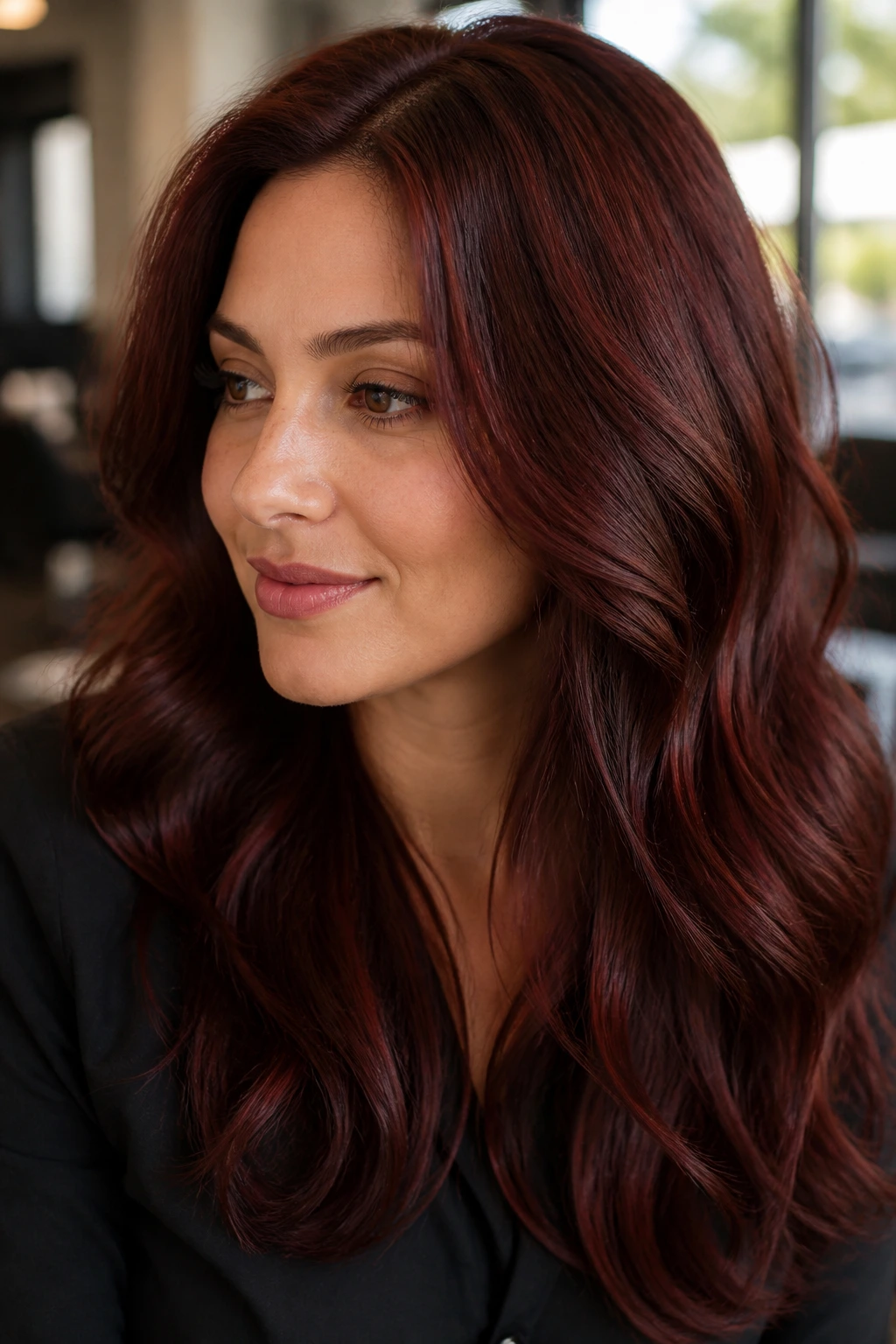
Warm mahogany is a deep brown with a prominent reddish tint. It is a stunning color that brings a lot of life to the hair. For thin hair, the reddish tones are key—they reflect light and add a sense of thickness that cooler browns might miss.
Why It’s Unique
Mahogany is a bold, beautiful choice that makes the hair look incredibly healthy. Because it is a rich color, it fills out the visual space of the head, making the hair look thicker and more voluminous than it is.
Maintenance
- Red-toned colors like mahogany benefit from a color-depositing conditioner to keep the vibrancy high between salon visits.
Final Thoughts
Ultimately, the best color for your thin hair is the one that allows you to feel confident and vibrant. There is no single “right” answer, but there are definitely strategies that work better than others. By focusing on multi-dimensional tones, keeping your hair healthy and shiny, and avoiding overly harsh contrasts, you can drastically change the way your hair appears. Remember, the goal isn’t just to cover up, but to enhance what you have. Spend time with your stylist to find a shade that complements your skin tone and consider a technique that incorporates highlights or lowlights. A little bit of color science can go a long way in helping your hair look exactly the way you want it to.