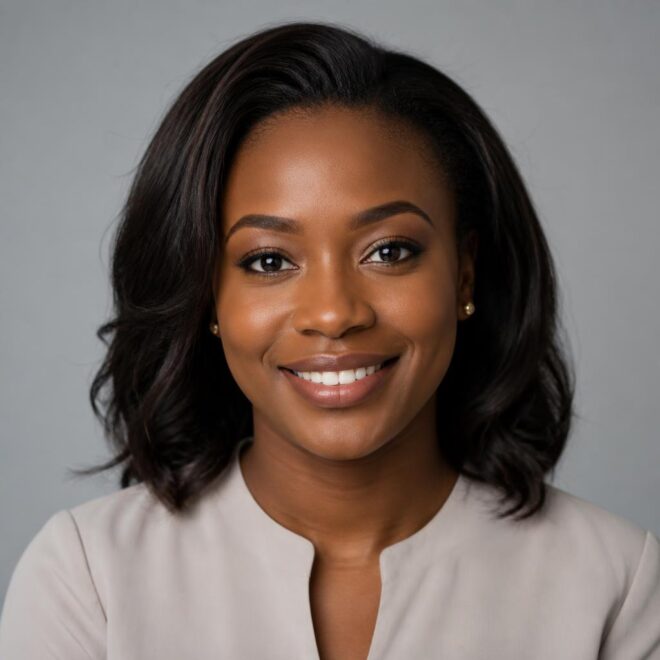


Thin hair presents a unique set of challenges, particularly when you want a style that feels intentional rather than just a result of a lack of density. Many people assume that thin hair means you must keep it short to avoid looking limp, but the secret lies in the cut itself—specifically, cuts that sit right around the ear line, offering structure, movement, and the illusion of fullness. When the hair falls consistently at or just past the ear, it frames the face and prevents the weight of longer strands from pulling everything flat against the scalp.
Achieving volume with fine, sparse strands is less about the products you pile on and more about the geometry of the haircut. Precision is your best friend here. By removing dead weight and focusing on layers that hit at the cheekbone or jawline, you create a shape that holds its own throughout the day. Whether you are aiming for a classic look or something slightly edgy, the over-the-ear style category offers a surprising amount of range.
1. The Classic Feathered Pixie
The feathered pixie remains the gold standard for those who struggle with limp hair. By using a razor or point-cutting technique, a stylist can create soft, wispy edges that overlap one another, tricking the eye into seeing more hair than is actually present.
Why This Works for Thin Hair
The primary goal with this cut is to eliminate the blunt lines that make thinness obvious. When the ends are feathered, the light reflects off the individual strands differently, softening the silhouette and making the hair appear airy.
How to Style It
- Apply a lightweight volumizing mousse to damp hair before blow-drying.
- Use a round brush to lift the roots, moving the air in the direction you want the hair to fall.
- Finish with a matte texture paste to define the tips without weighing them down with heavy oils or silicones.
Pro tip: Focus the texturizing product only on the ends; putting it at the roots will often cause fine hair to clump and look thinner.
2. The Textured Bowl Cut
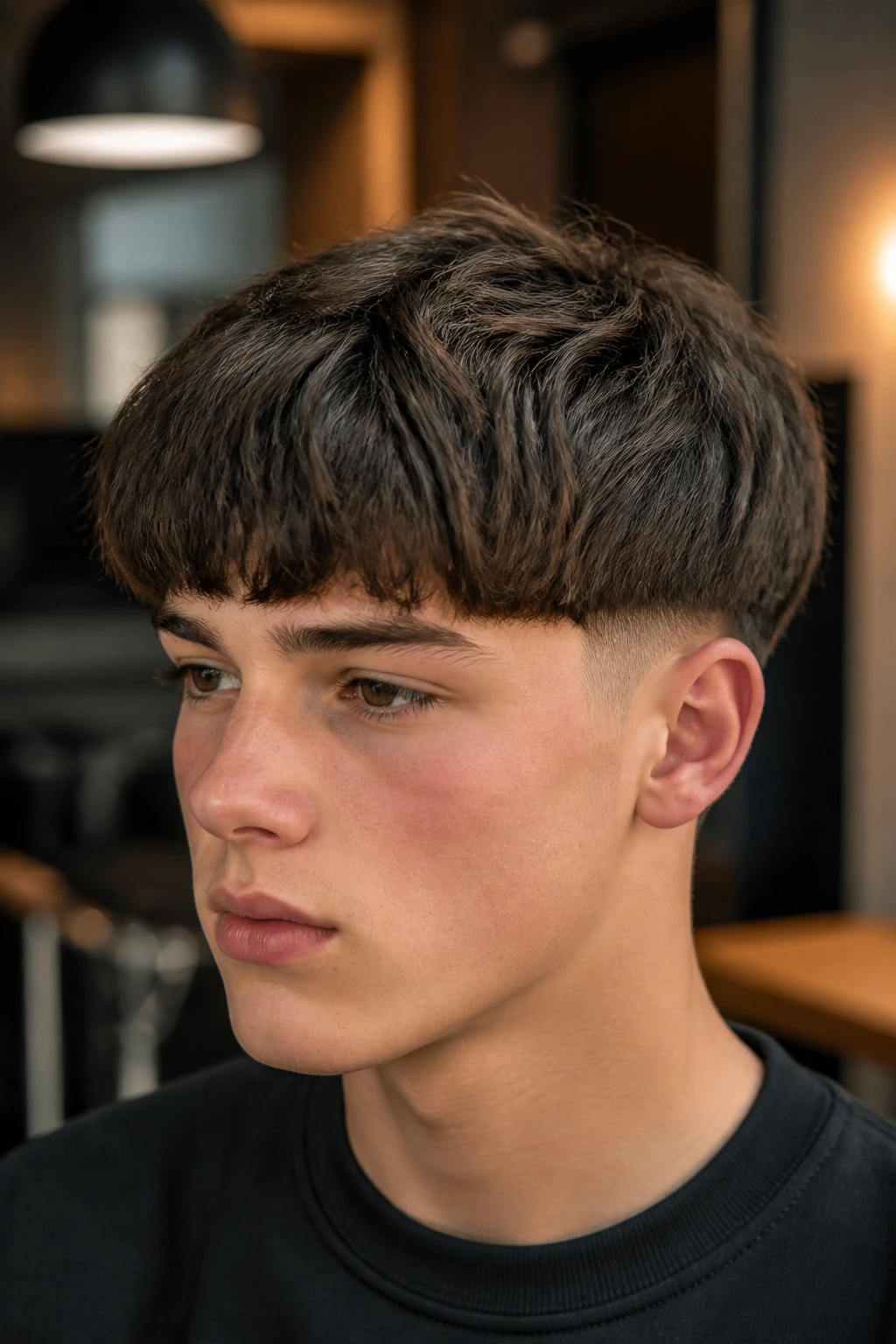
Do not let the name deter you; the modern bowl cut has shed its childhood reputation. It is now a high-fashion, chic option that builds significant volume on the sides, which is exactly where most thin-haired individuals need it most.
Mastering the Shape
The trick to this look is the undercut or the internal layering. By keeping the hair slightly shorter underneath, the top layer gains a natural “shelf” that prevents the hair from falling flat. It is a bold, architectural choice that screams confidence.
Who Should Try It
If you have a heart-shaped or oval face, this style draws attention to your eyes and cheekbones. It is also remarkably low-maintenance, as the shape is built into the cut itself rather than relying on intensive daily styling.
3. The Asymmetrical Crop
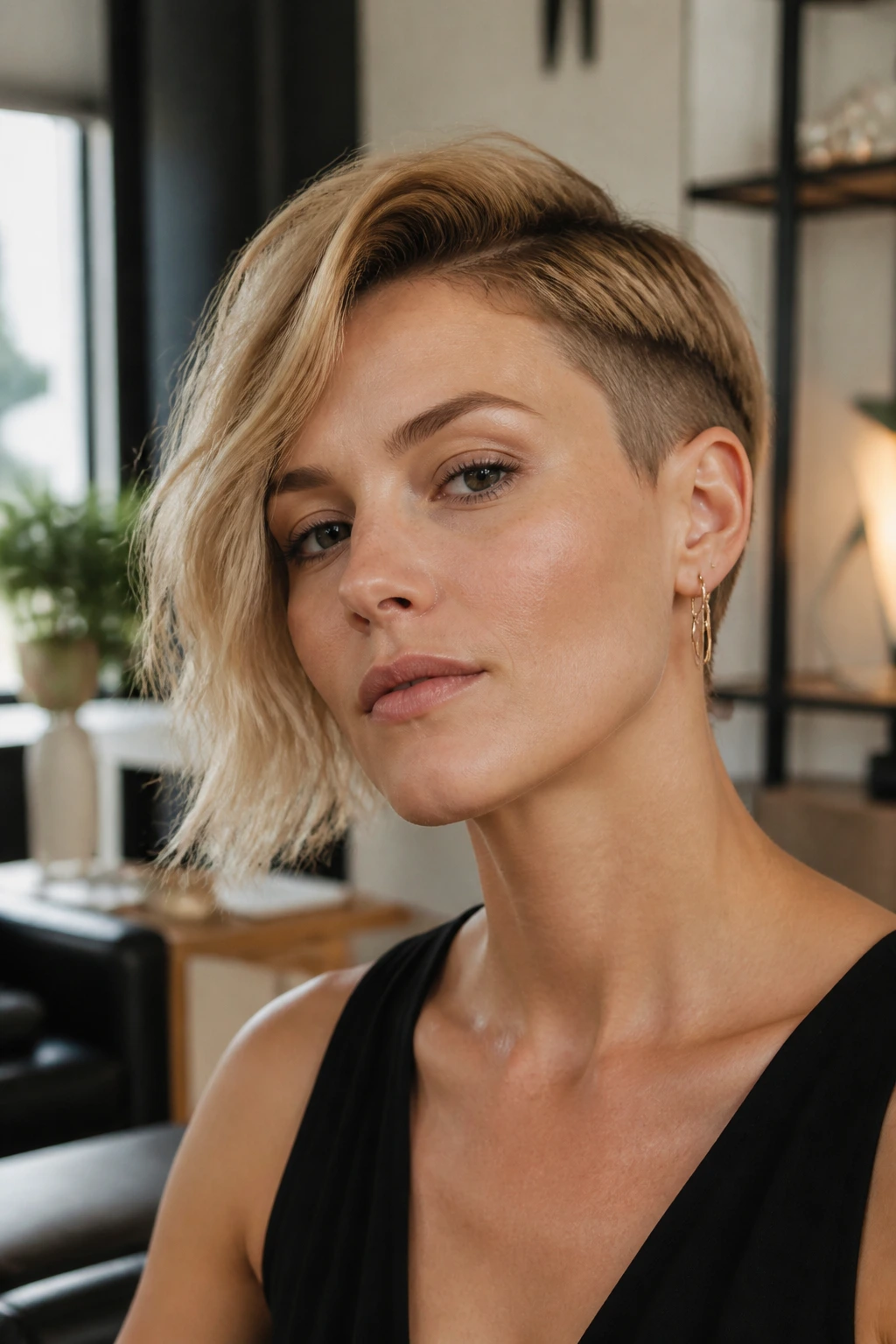
Asymmetry is an incredibly effective tool for redirection. By keeping one side significantly shorter—sometimes even a soft fade—and allowing the other side to sweep over the ear, you create a heavy, dense look on the longer side that masks sparser areas.
Balancing the Length
The weight is concentrated where you want it. Because the eye is drawn to the dramatic length difference, it rarely registers that the hair density is low. This is a classic “smoke and mirrors” technique used by stylists to give the impression of a thick, luscious mane.
4. The Blunt Micro-Bob
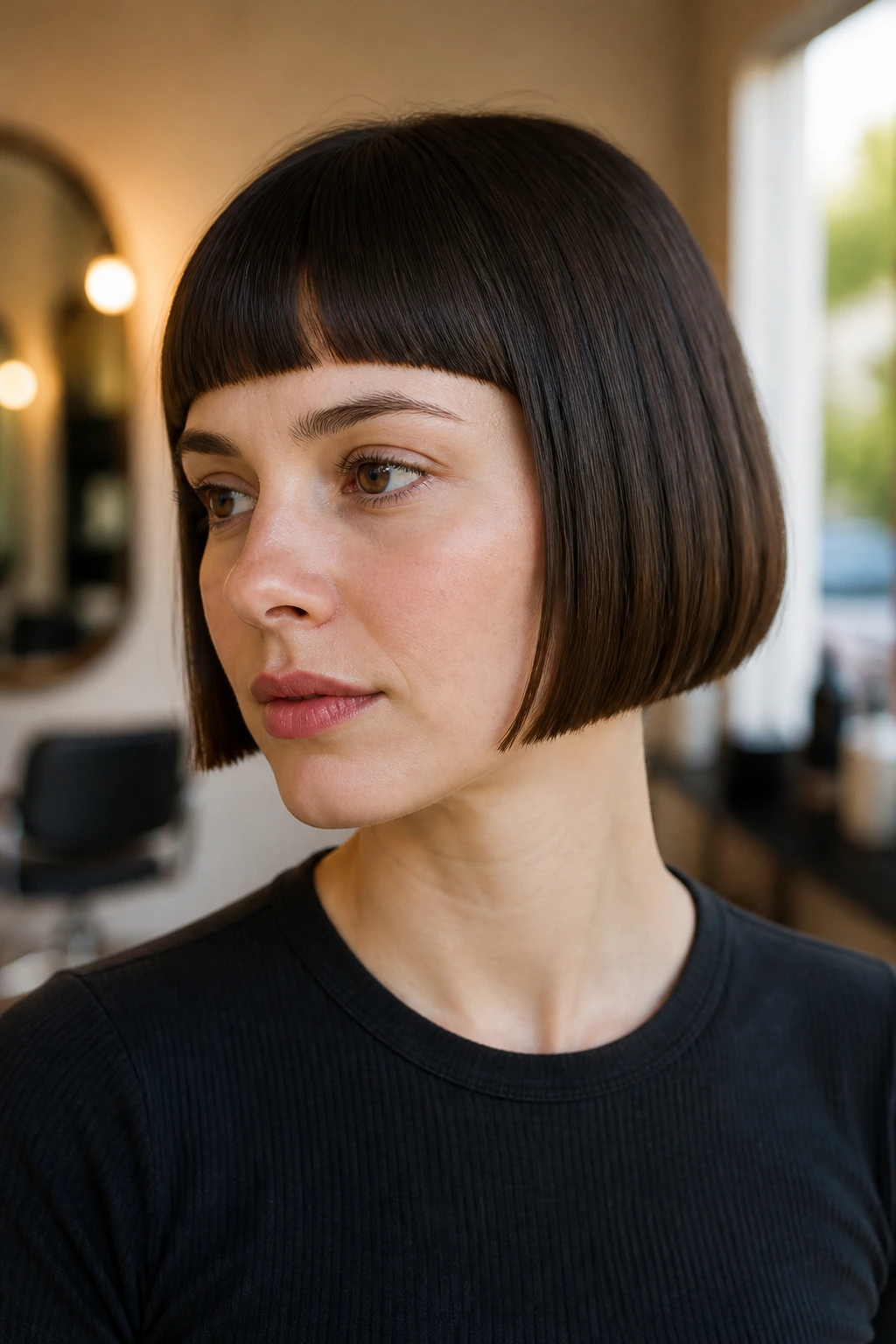
When your hair is thin, sometimes the most honest approach is to go blunt. A sharp, horizontal line just above the ear creates the appearance of density at the ends. It essentially tricks the observer into thinking the hair is thick all the way through because there is no thinning at the bottom.
Maintenance Considerations
Because the blunt line is the entire point, you will need to trim it more frequently than layered styles. Expect a trip to the salon every six weeks to keep that crisp, heavy-looking edge that defines the style.
5. The Curly Shag Pixie
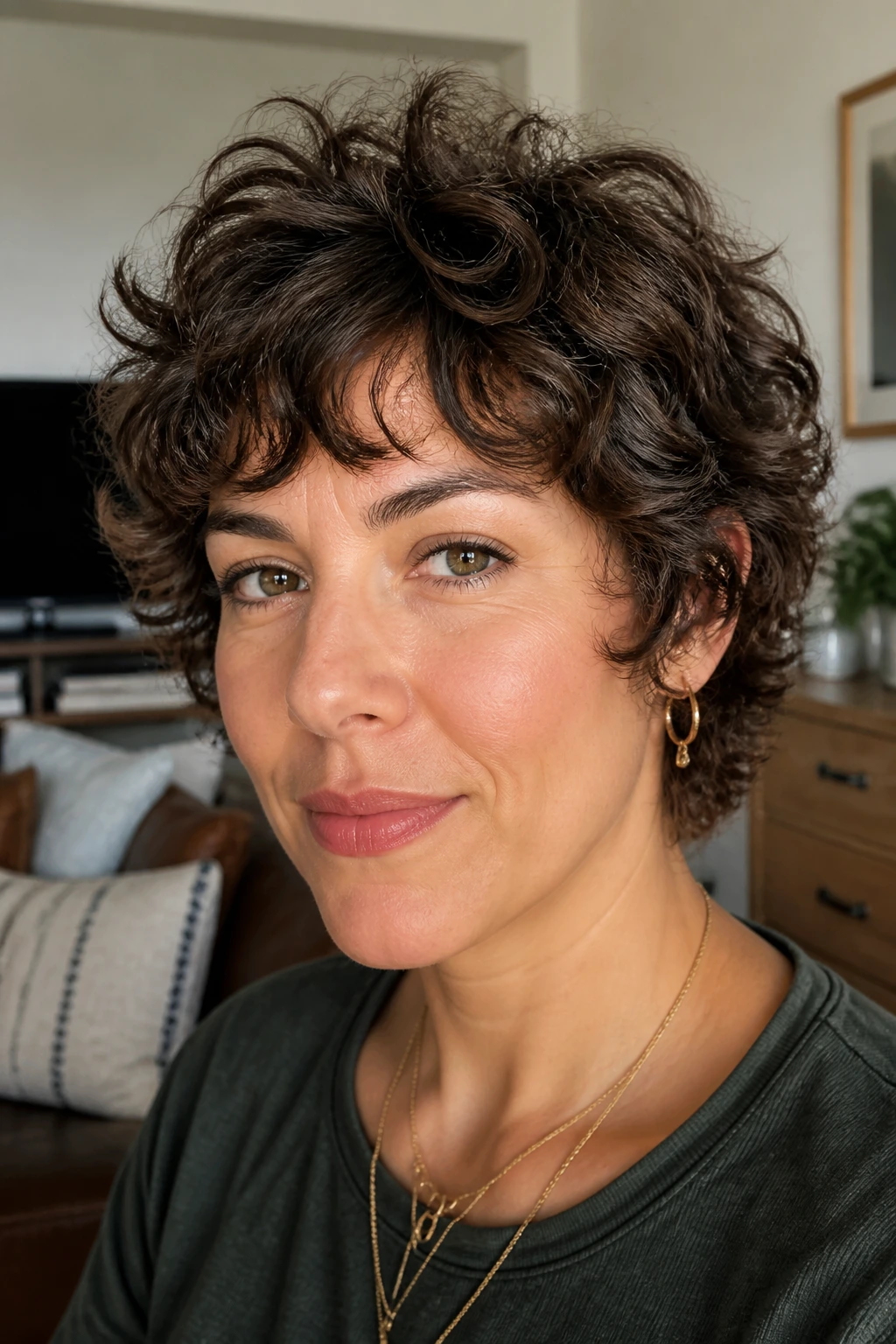
If your hair has even a slight natural wave, do not fight it. A short, shaggy cut that hits just over the ears allows your natural texture to create volume. The curls or waves essentially act as internal scaffolding for the style.
The Role of Texture
Texture equals volume. When you have thin hair, a straight cut can highlight the scalp, but a wavy, shaggy cut breaks up the surface area. This creates a messy, lived-in aesthetic that is widely popular and surprisingly easy to manage.
6. The Tapered Nape Pixie
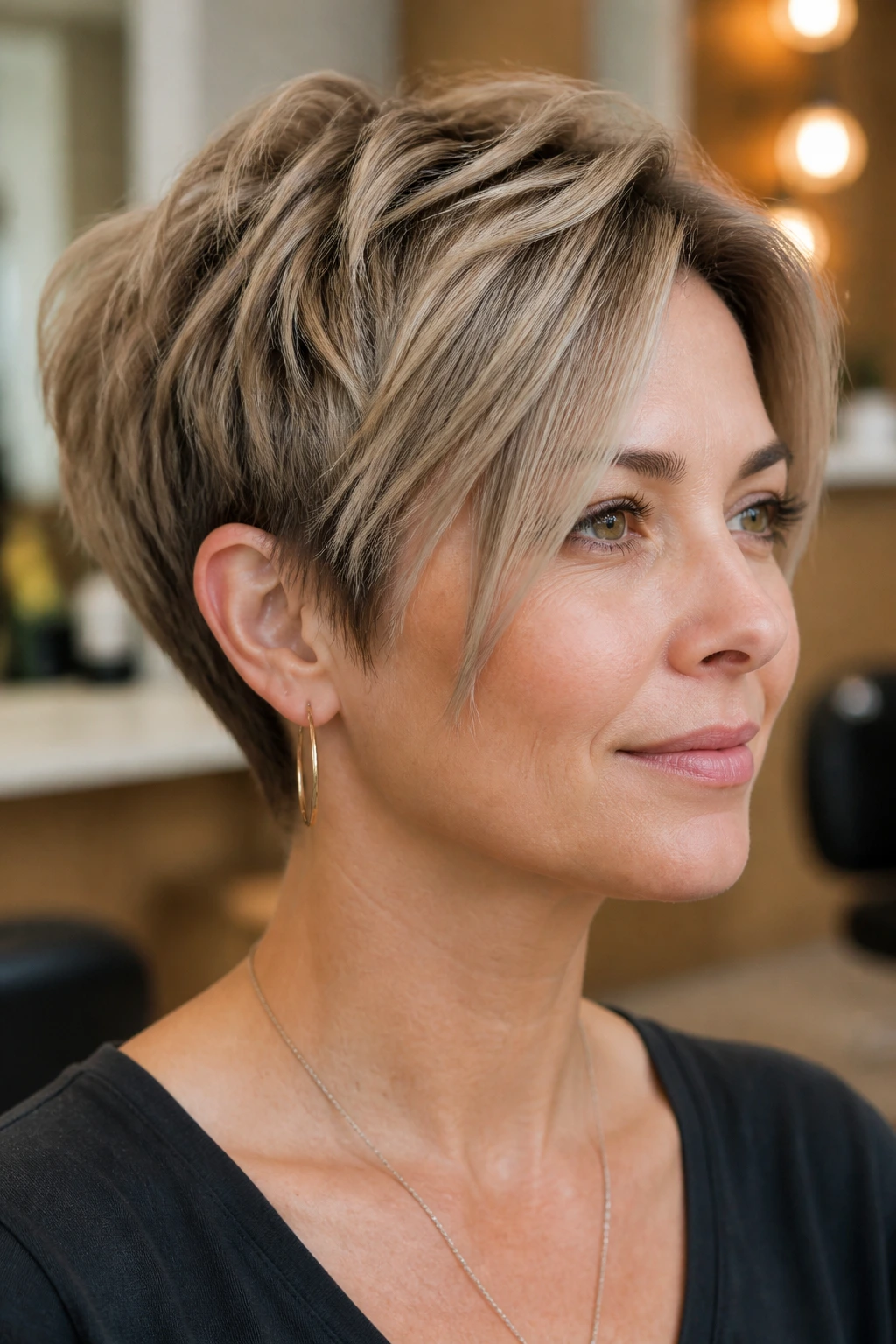
This style combines a short, clean nape with longer, over-the-ear layers. The contrast between the short back and the longer, soft side pieces draws the attention forward. It is a very flattering cut for those who want to keep some length around their face while keeping the back manageable.
Why It Builds Fullness
By removing bulk from the neck, you make the hair on top seem much fuller by comparison. It creates a gradient of density that works wonders for fine hair textures.
7. The Side-Swept Long Pixie
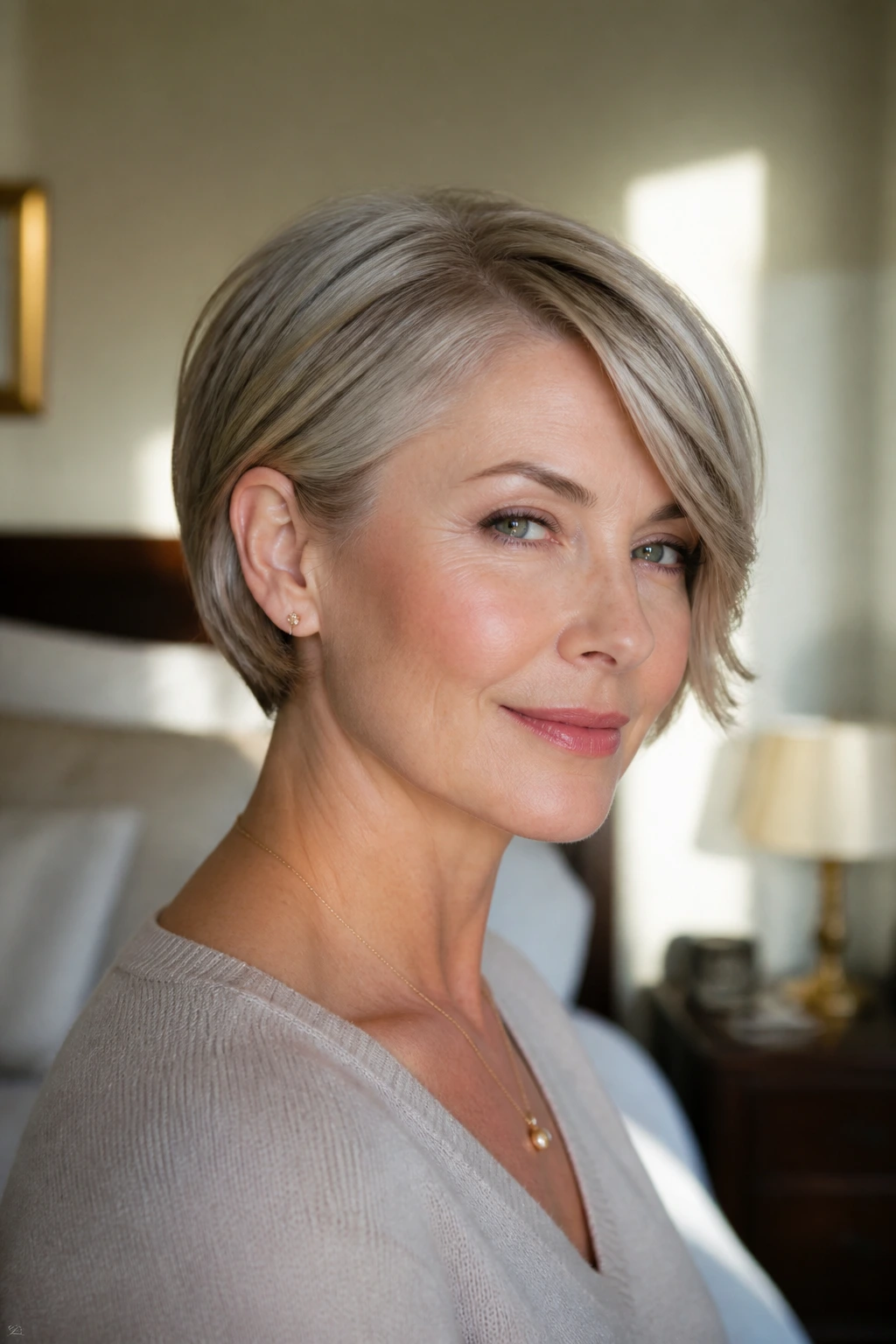
A long pixie that reaches the earlobe provides enough length to tuck behind your ear if you choose, which is a great way to change up the look. The long, side-swept fringe provides vertical interest, making the hair look elongated and intentional.
Styling for Maximum Impact
- Use a side part to shift the volume to one side.
- Use a small flat iron to slightly bend the ends for a modern look.
- A light dusting of dry shampoo at the roots provides the grit necessary for the style to hold its shape.
8. The Soft Layered Crop
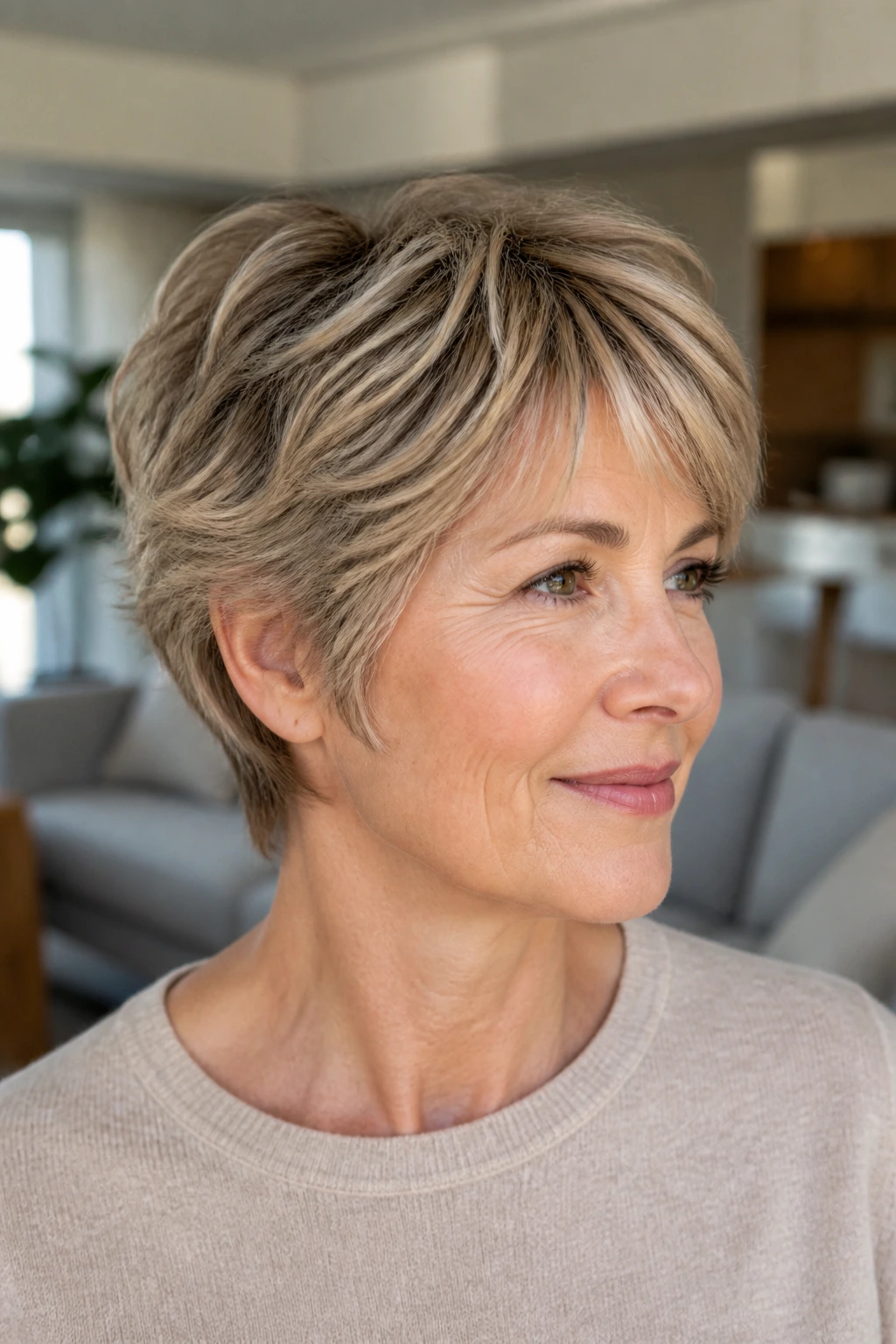
Soft layers are distinct from heavy, choopy layers. In this style, the stylist uses a slide-cutting technique to remove weight throughout the strands. This allows the hair to bend and fold in a way that suggests softness and movement rather than thinness.
The Science of Layering
Thin hair loves layers, provided they are not too short. When you cut layers that sit just over the ear, you prevent the hair from having enough weight to lay flat. The layers lift each other up, creating a cushion of volume.
9. The Undercut Pixie with Length
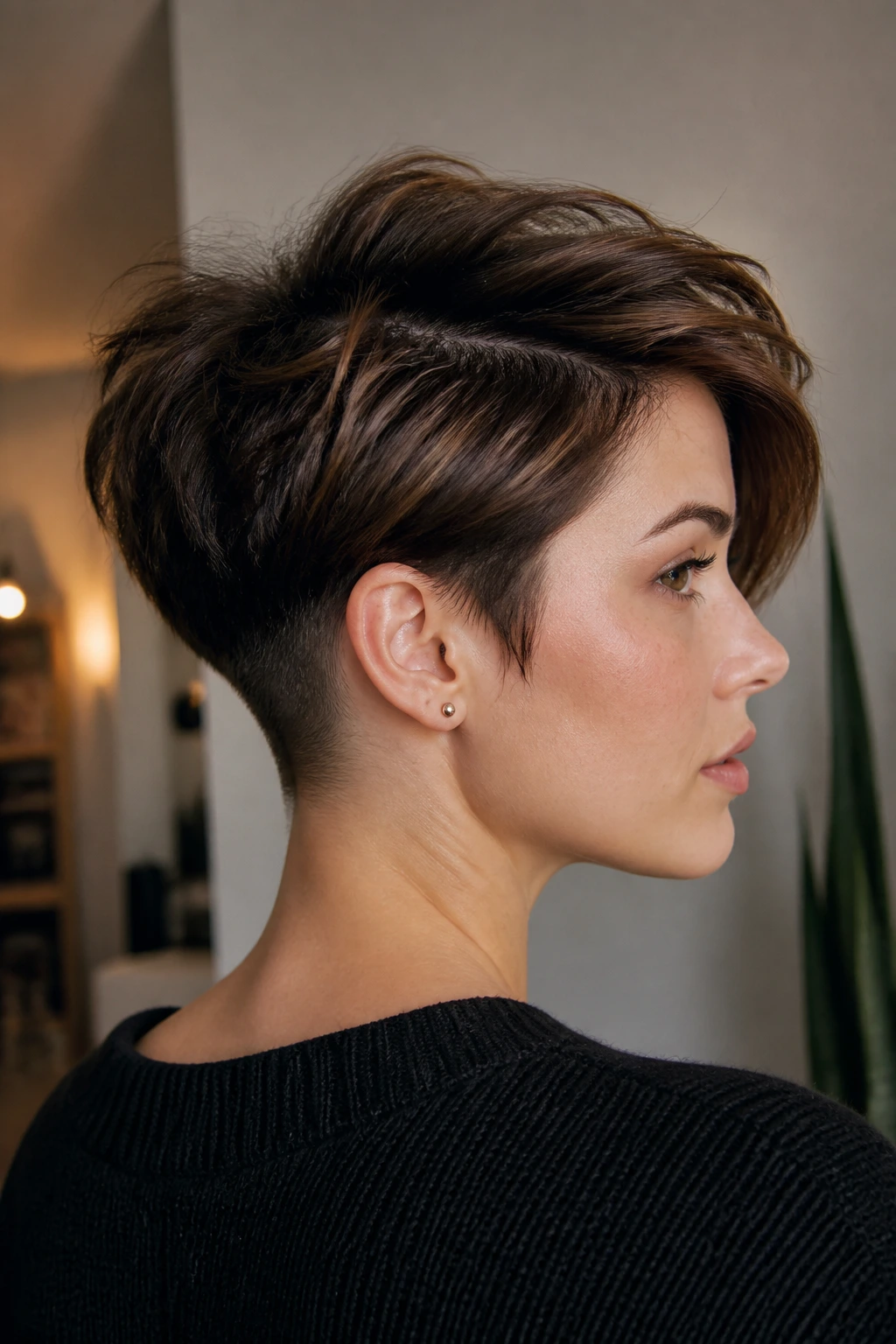
You might be hesitant about an undercut, but it is a game-changer for thin hair. By shaving the hair at the very bottom of the hairline, you leave all your remaining hair to sit on top, creating a dramatic, thick-looking mass of hair in the remaining area.
When to Choose This
This is ideal if you have thinning near the neck or the sides. It completely removes the “weak” hair and forces the focus onto the denser hair at the crown. It is edgy, modern, and very practical.
10. The Wispy Fringed Bob

If you prefer your hair to have a bit of a bohemian vibe, a bob with wispy bangs that hit just above the ear can be very flattering. The bangs create a focal point, while the length around the ears keeps the overall appearance soft and romantic.
Choosing the Right Bangs
Avoid heavy, blunt bangs, as they can sometimes look thin or separated. Opt for “curtain” or “piecey” bangs that can be pushed to the side, allowing you to control how much forehead is visible.
11. The Choppy Mohawk-Inspired Pixie
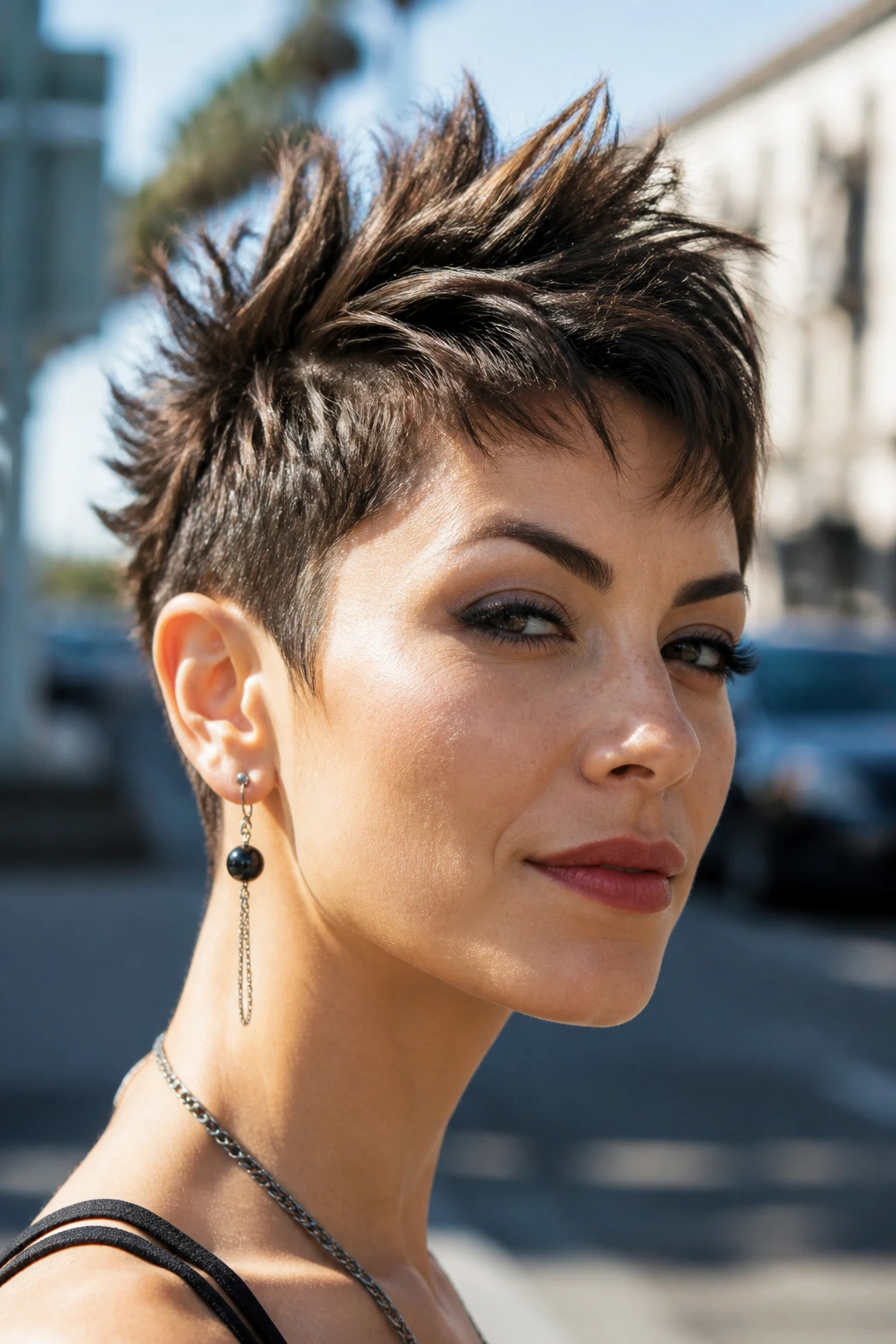
For those who want something a bit more daring, a choppy, spiked-up style is perfect. Because the hair is forced to stand up, you aren’t fighting gravity. You are using a product to defy it, which is the easiest way to make thin hair look voluminous.
Necessary Tools
You will need a high-quality molding clay or wax. These products are designed to hold hair in place without leaving it greasy or limp, which is the kiss of death for fine-haired individuals.
12. The Ear-Grazing Wavy Bob
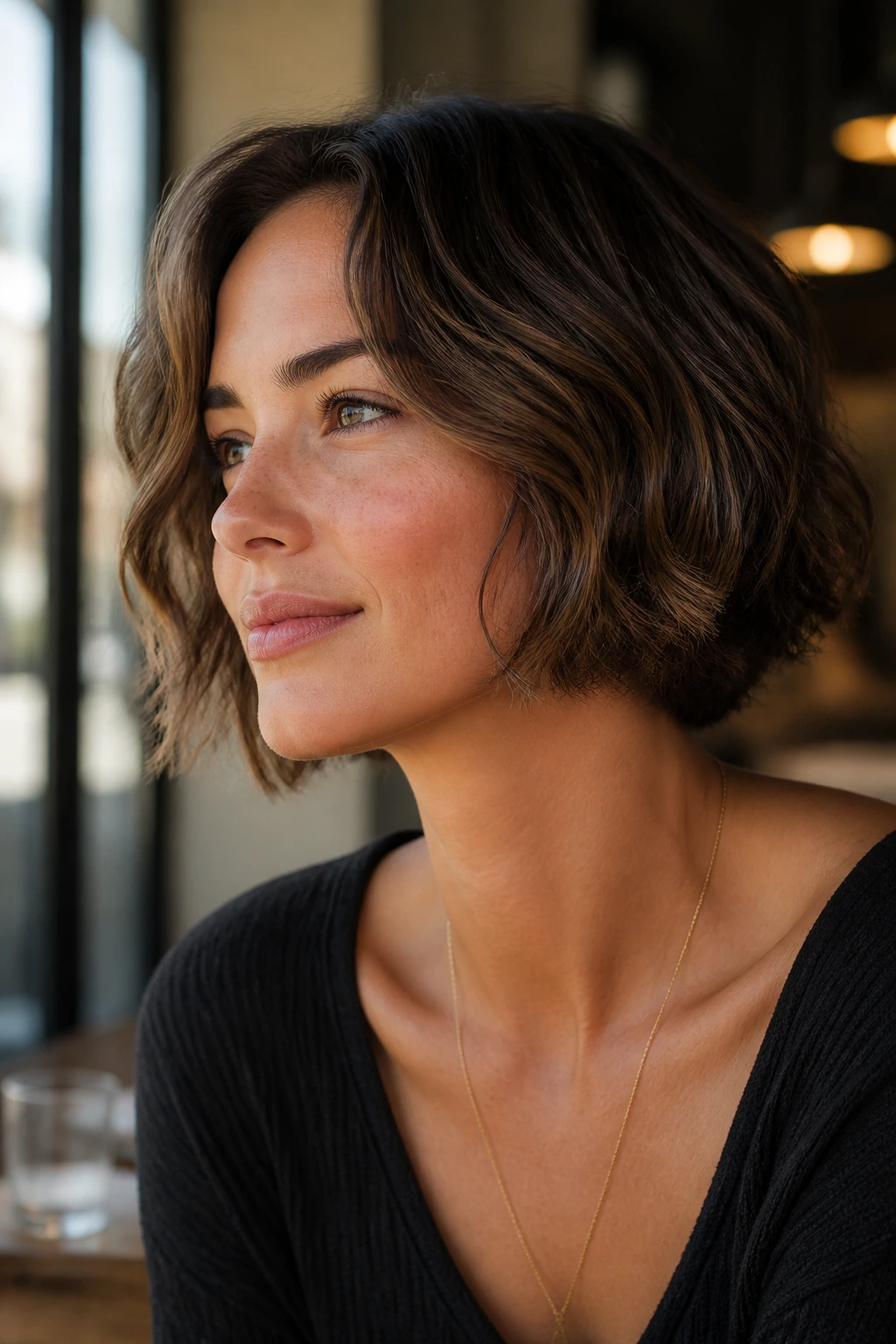
If you are not ready for a pixie, a bob that grazes the ear is a great middle ground. It is short enough to avoid the weight of a shoulder-length cut but long enough to feel like a traditional haircut.
The Power of Waves
If your hair is naturally straight, use a curling wand to add a slight “S” bend to your hair. This creates horizontal volume that makes the hair look twice as thick. Don’t worry about perfect curls; the messier the better for this look.
13. The Two-Tone Pixie
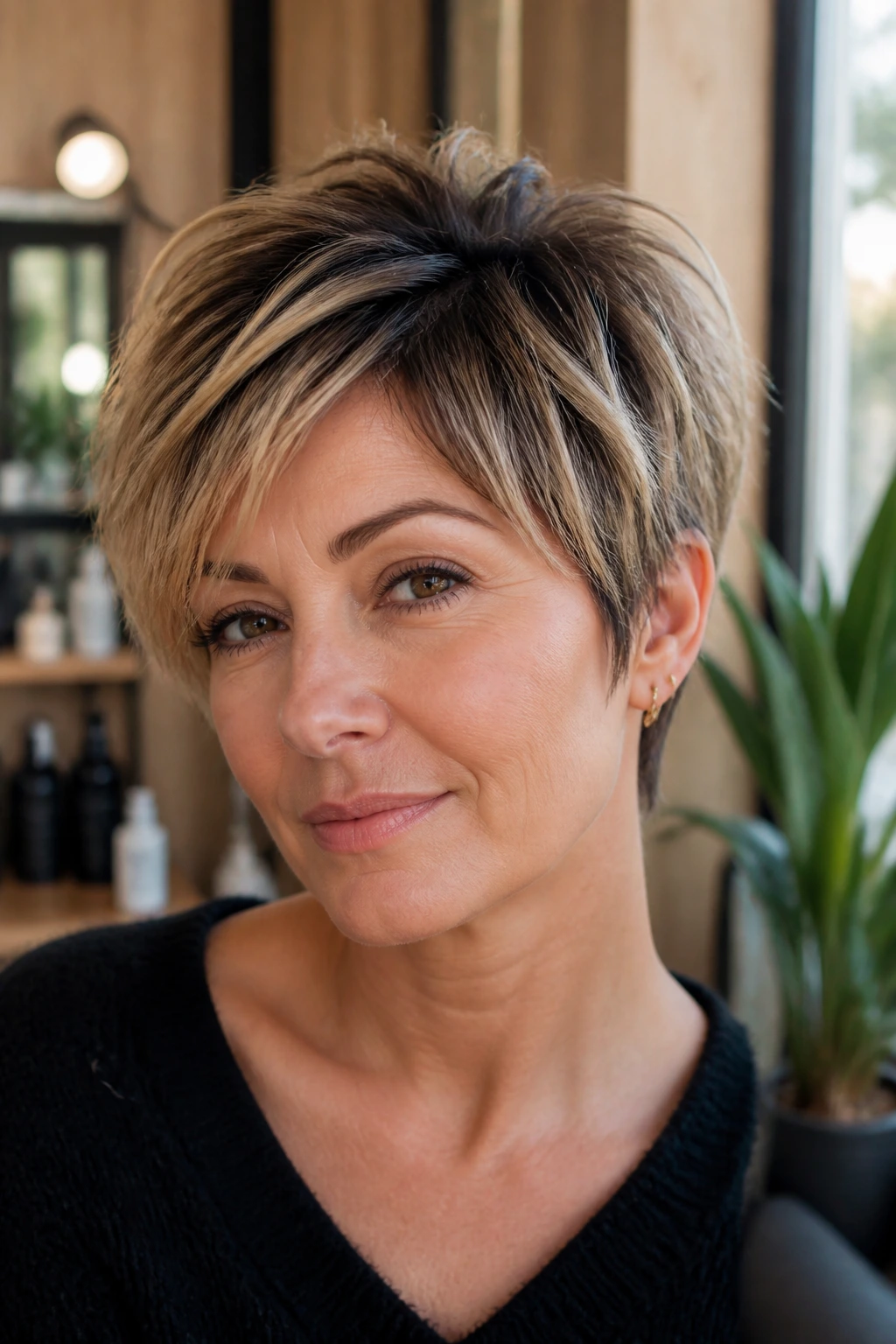
Sometimes, the way to make thin hair look fuller is to manipulate the color. By keeping the roots slightly darker and using lighter tones on the ends of your over-the-ear layers, you create depth. It is a visual trick that adds dimension to otherwise flat strands.
Color Placement
Ask your stylist for a balayage or root smudge. This technique ensures that the hair doesn’t look like a solid block of color, which can often emphasize thinness.
14. The Slicked-Back Wet Look
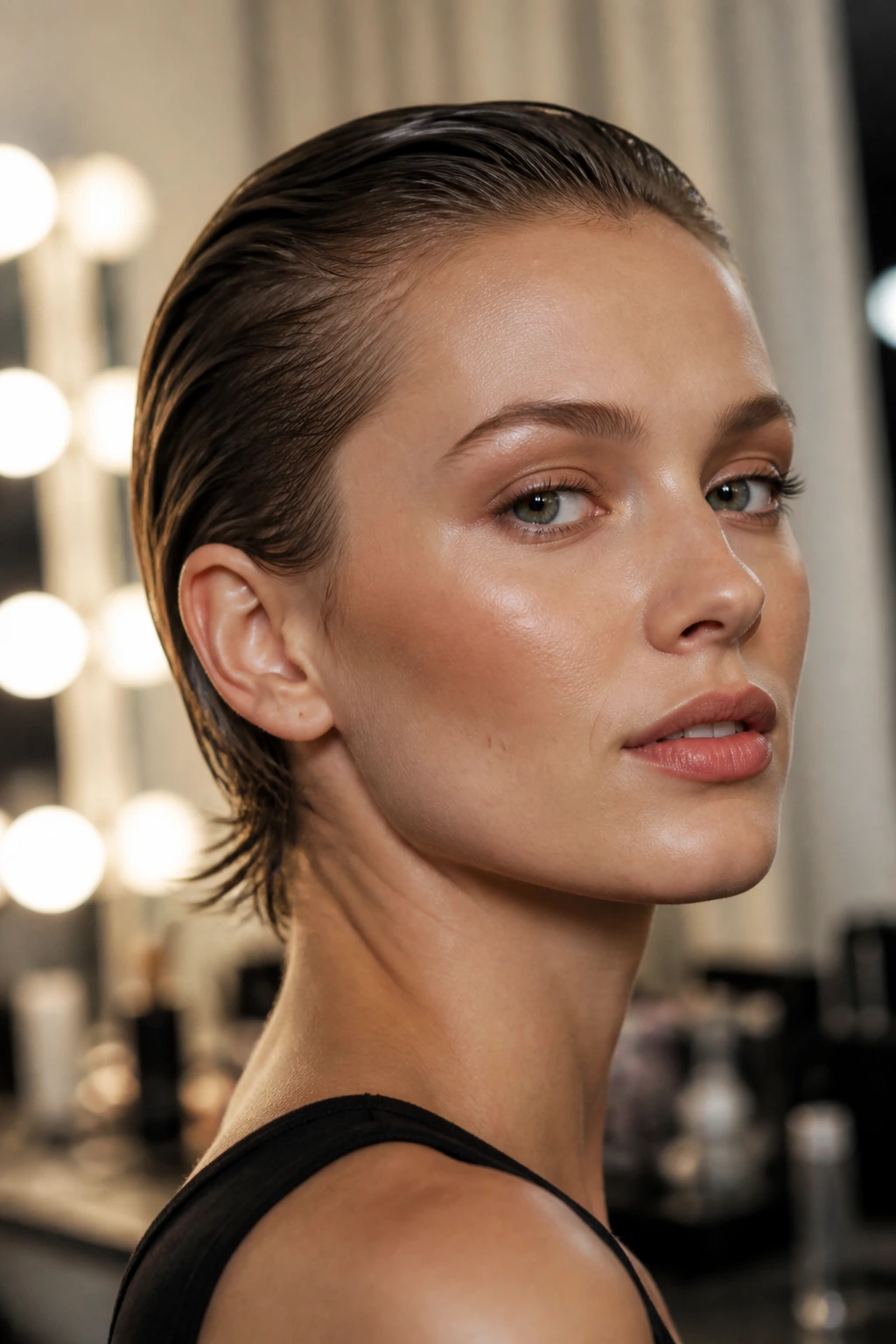
For evening events or professional settings, a slicked-back style can look incredibly sophisticated. Because thin hair often lays flat anyway, leaning into a “wet look” with a styling gel turns a potential frustration into a style choice.
Achieving the Finish
- Work a generous amount of styling gel through damp hair.
- Use a fine-toothed comb to pull the hair back away from the face.
- This style works best on cuts that are uniform in length around the ears.
15. The Curly Ear-Length Shag

A shag cut is characterized by a lot of layers, especially around the crown. This adds significant volume to the top of the head, which is usually the most visible area for thin hair. Letting it fall over the ears creates a soft, feminine look.
Why It Stays Fresh
The shag is meant to look a bit wild. If you wake up with messy hair, you’ve basically already styled it. Use a sea salt spray to enhance the natural texture and keep the volume high.
16. The Sleek French Bob

The French bob is iconic for a reason. It is usually cut right around the cheekbone or ear level, and it pairs perfectly with a natural texture. It is a timeless style that emphasizes the neck and jawline, making it incredibly elegant.
Tailoring to Thin Hair
To keep the French bob from looking too flat, ask your stylist to “shatter” the ends. This removes the harsh, straight line that might otherwise show off the lack of hair density, replacing it with a soft, feathery finish.
17. The Textured Crop with Long Bangs
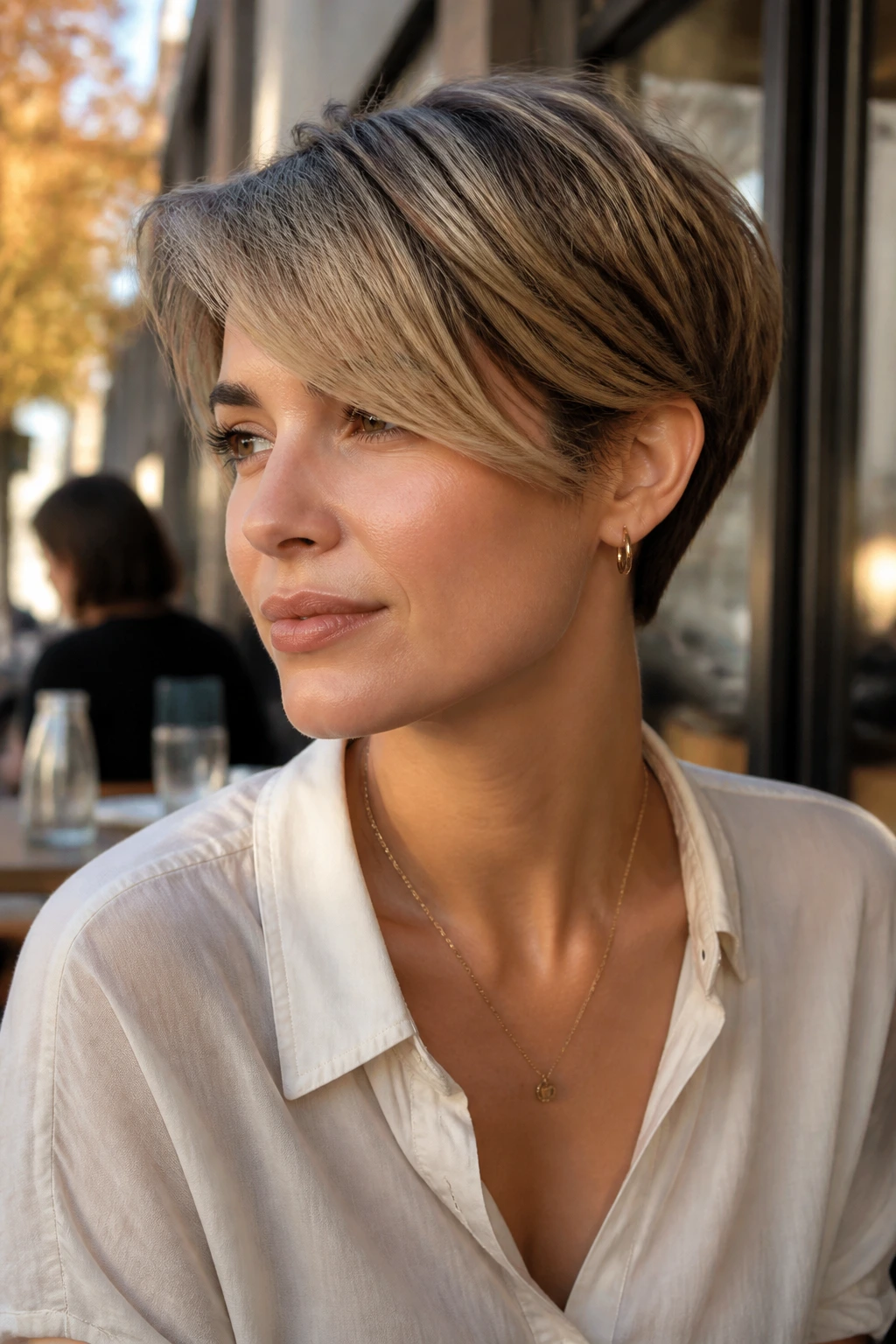
This is a versatile style that features a very short back and sides with long, sweeping bangs that tuck behind or fall over the ears. It is essentially two haircuts in one—the short, manageable back and the playful, longer front.
Making It Your Own
The best thing about this look is that you can change the parting whenever you like. Shifting your part from center to deep side can instantly change the shape of your face and how the volume is distributed, providing plenty of variety for your daily routine.
The Importance of Product Selection

When managing thin hair, the products you avoid are just as important as the ones you choose. Heavy pomades, thick creams, and oil-based serums will almost always collapse a well-cut style. These products sit on top of the cuticle, adding weight that thin strands simply cannot support. Instead, look for “volumizing” or “texturizing” on the label. Mousse, dry shampoo, and texture sprays are the holy trinity for fine hair.
Always look for products that offer a light hold. If the label says “strong hold” or “firm hold,” you are likely looking at a product that will cause your hair to stick together, creating gaps that reveal your scalp. A light-hold spray allows the hair to move, which keeps the style looking full and dynamic.
Understanding Your Scalp Health
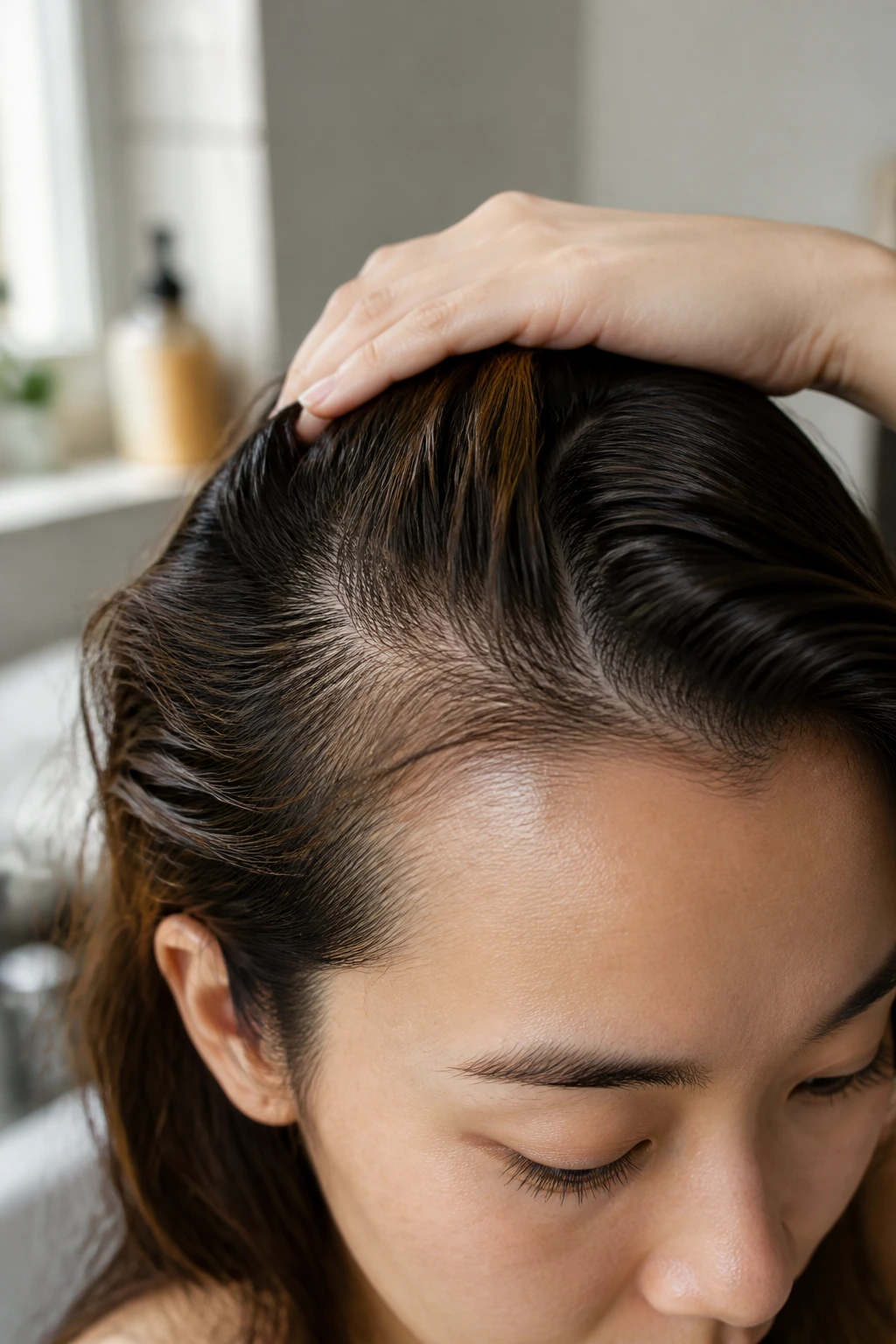
While a haircut can hide thinness, you should also consider the health of your scalp. Thinning often occurs when the scalp is congested with product buildup or excess sebum. Using a clarifying shampoo once a week can remove this weight, allowing your hair to lift naturally from the root. A clean scalp is the foundation of volume.
Be careful not to over-wash, though. If you have thin hair, you might be tempted to wash it every day to prevent oil from flattening it. However, washing too often can strip the hair of its natural protective oils, causing the ends to become brittle and prone to breakage. This breakage only makes your hair look thinner over time. Find a balance—every other day is usually the sweet spot for fine hair types.
Final Thoughts
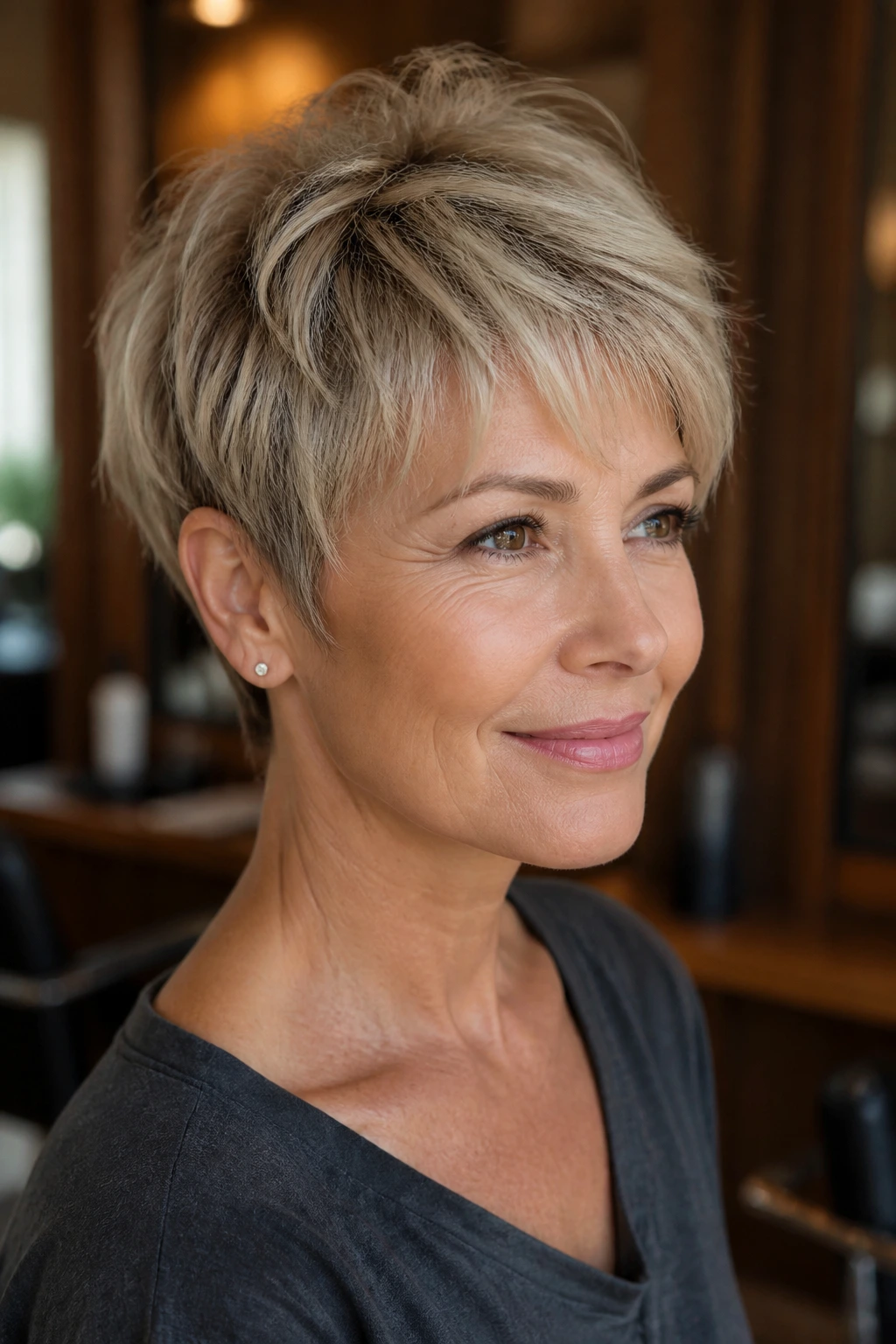
The goal of choosing an over-the-ear haircut is to work with your hair’s natural behavior rather than trying to force it to be something it isn’t. Thin hair has its own advantages; it often dries faster, requires less styling product, and has a silky, manageable texture that thicker hair lacks. By embracing cuts that hit at the ear, you can lean into those qualities while building the structure needed to create a sense of fullness.
Talk to your stylist about your specific hair density and face shape. A skilled professional will know exactly how to tailor these styles—whether it is adding a few extra internal layers or adjusting the angle of a bob—to ensure the final look is uniquely yours. Confidence in your cut is the final ingredient, as the best style is always the one that makes you feel most like yourself.