


Your bathroom vanity might be crowded with bottles, jars, and sprays, but the secret to great hair isn’t having more products; it is about having the right ones that work in tandem to support your daily style. Many people fall into the trap of buying whatever is heavily marketed without considering their unique hair texture, porosity, or the actual humidity levels they face on a Tuesday morning. When you understand how specific formulas interact with your strands, you stop fighting your hair and start working with its natural tendencies.
Building an everyday routine is about reliability. You want products that perform consistently, whether you are rushing to a meeting or heading out for a weekend errand. The following items represent the building blocks of a versatile, high-functioning hair kit that keeps your style looking fresh from sunrise to sunset.
1. Lightweight Cleansing Shampoo
Not all shampoos are created equal, and if you are prone to buildup, a heavy, moisturizing formula will only leave your hair feeling flat and greasy by midday. You need a cleanser that effectively lifts away oil, environmental pollutants, and remnants of yesterday’s styling products without stripping the essential moisture that keeps your hair resilient. Look for formulas containing tea tree oil or mild citrus extracts, as these ingredients provide a deep clean that invigorates the scalp.
Why It Matters for Daily Styles
When your roots are free of residue, your hair gains natural volume at the base, which is the foundation for almost every good hairstyle. Heavy buildup weighs down the cuticle, making it impossible for waves to hold or for sleek styles to look polished. Use a quarter-sized amount, focusing primarily on the scalp, and let the suds run through the ends during the rinse. This approach keeps your hair manageable, bouncy, and ready for whatever product you decide to use next.
2. Deeply Hydrating Weekly Mask
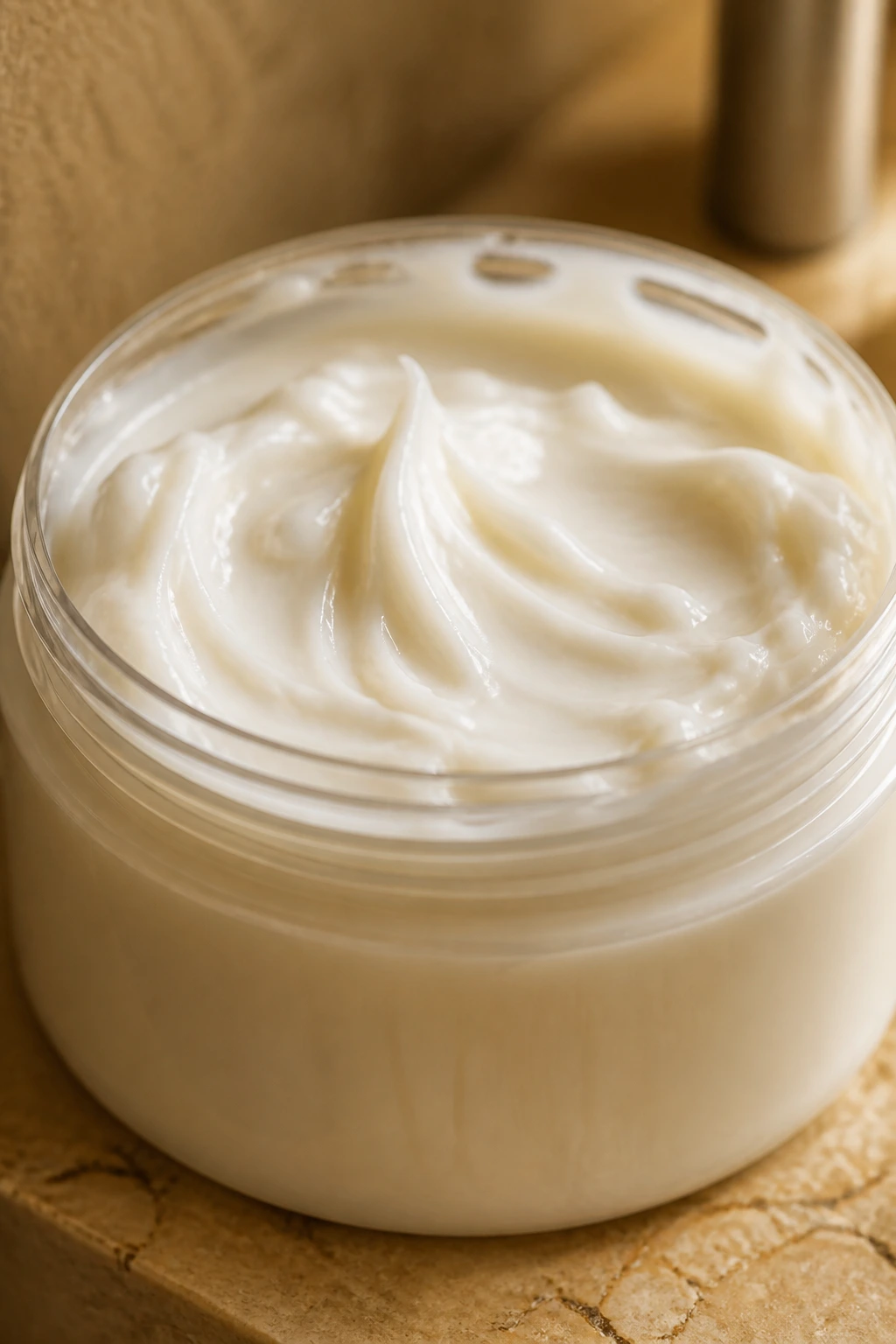
Everyday styling—from blow-drying to simple brushing—takes a toll on the integrity of your hair strands. A weekly mask is your insurance policy against split ends and dullness, acting as a concentrated dose of proteins and oils that penetrate the cortex. If your hair is fine, focus the application from the mid-lengths to the tips to avoid making your roots oily. For those with thick, coarse hair, feel free to apply it more liberally, ensuring every section gets saturated.
The Science of Moisture Retention
Healthy hair should feel supple and elastic, not straw-like or brittle. By using a mask with ingredients like shea butter or hydrolyzed keratin, you are essentially patching the microscopic gaps in your hair shaft. This makes your hair smoother, which means it will catch the light better and tangle significantly less throughout the day. Consistency is the key here; even just ten minutes of saturation once a week can change the entire personality of your hair.
3. Alcohol-Free Leave-in Conditioner
Many people skip this step, thinking it is only for those with dry or damaged hair, but a quality leave-in conditioner is a game-changer for detangling and protection. It acts as a shield against the heat of styling tools and the drying effects of the air. Choose an alcohol-free mist or cream to ensure it does not dehydrate your strands over time. You want something that feels almost weightless, like a refreshing drink for your hair that seals the cuticle after you step out of the shower.
How to Apply for Even Coverage
Do not just spray it on the surface; divide your hair into four sections and work the product in with your fingers or a wide-tooth comb. This ensures the conditioner hits the hair underneath, which is often where the most tangles occur. When you distribute it evenly, you prevent the “patchy” texture that can happen when one area has product and another is left dry. It serves as the perfect base layer for any other styling cream you might apply later.
4. Heat Protectant Spray
If you touch your hair with a blow dryer, straightener, or curling iron, you are non-negotiable on this one. Heat protectants work by creating a thermal barrier on the surface of the hair, slowing down heat transfer to prevent the proteins inside your hair from denaturing. This is the difference between hair that looks like silk and hair that looks like burnt broom bristles after three months of regular styling. Never skip this before picking up a hot tool.
Choosing the Right Texture
There are sprays, creams, and oils that offer heat protection, and the right one depends on your hair type. If you have thin, easily weighed-down hair, look for a lightweight aerosol mist that won’t leave a film. If you have thick, porous, or curly hair, a cream-based protectant often works better because it adds moisture while defending against heat. Always let the product dry for a minute before you apply the iron—if you hear a sizzle, you are damaging your hair.
5. Volumizing Mousse
Mousse has evolved significantly since the sticky, crunchy days of the past, and a modern formula can be the secret to gravity-defying styles. It adds structure and grip, making it easier to manipulate your hair into braids, buns, or bouncy waves. Because it is essentially whipped air, it adds volume without adding significant weight, making it the top choice for everyday styles that need to hold their shape until dinner.
Tips for Maximum Lift
Apply a golf-ball-sized amount to your roots while the hair is still damp, then use your fingers to massage it in. When you blow-dry, use a round brush to pull the hair upward and away from the scalp, locking in that lift. If you just let it air dry with mousse, you will get a bit of texture and hold, but you will miss out on the incredible volume that only heat-styling can activate.
6. Texturizing Dry Shampoo
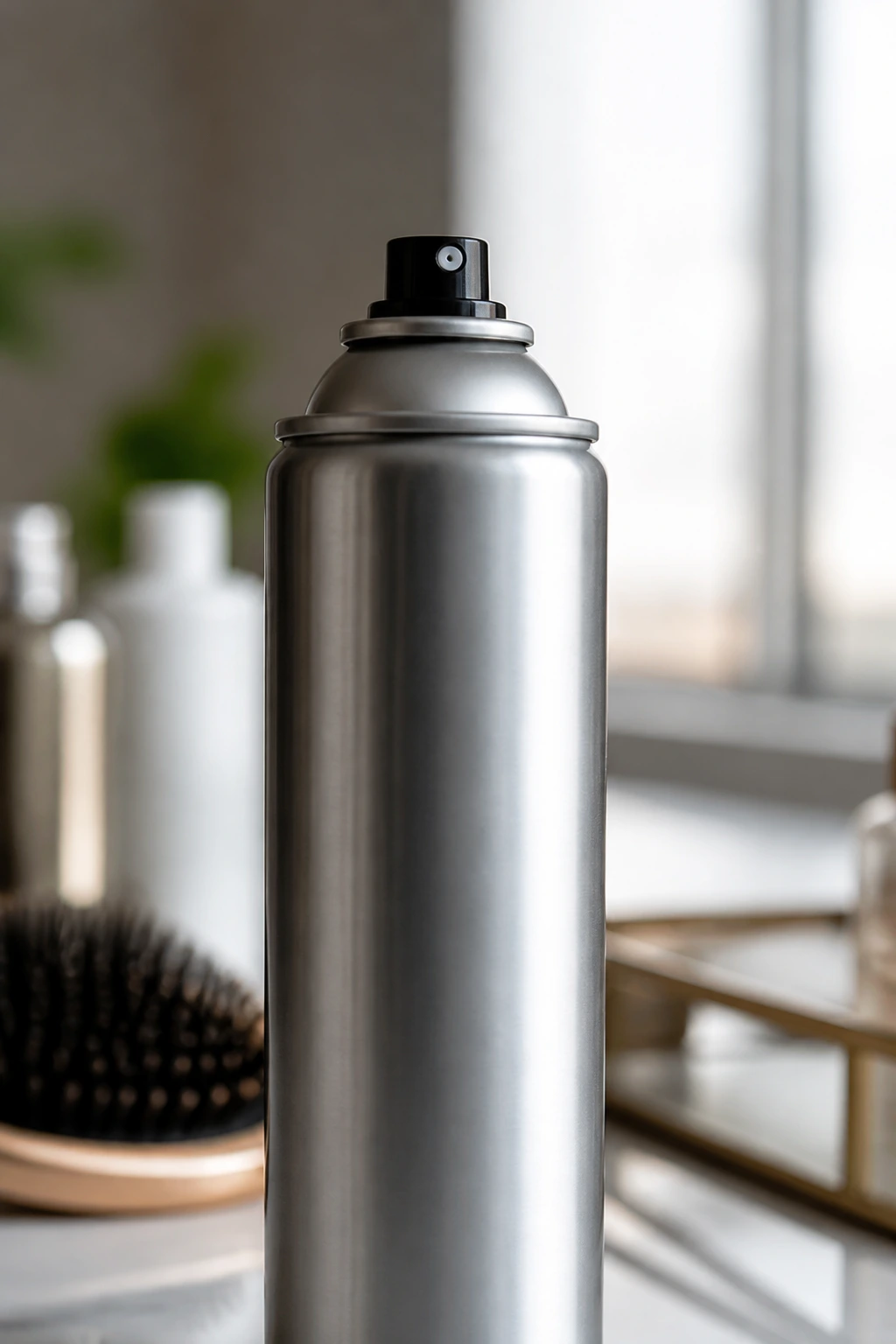
This is the ultimate multitasker for those mornings when you simply do not have the time to wash and dry your hair. Dry shampoo does more than just absorb excess oil at the roots; it provides a grit and texture that makes hair easier to pin up or style. It adds a lived-in, cool-girl vibe to clean hair that might otherwise be too slippery to stay in a ponytail or a messy bun.
The Proper Application Technique
Many people spray it too close to the roots, which leads to that dreaded white cast that looks like baby powder. Hold the can at least six inches away from your head and spray in short, controlled bursts. Then, walk away for two minutes. This gives the starch time to soak up the oils. Afterward, use your fingertips to massage the product into your scalp, then brush through with a boar bristle brush to distribute it evenly and add a boost of volume.
7. Smoothing Anti-Frizz Serum
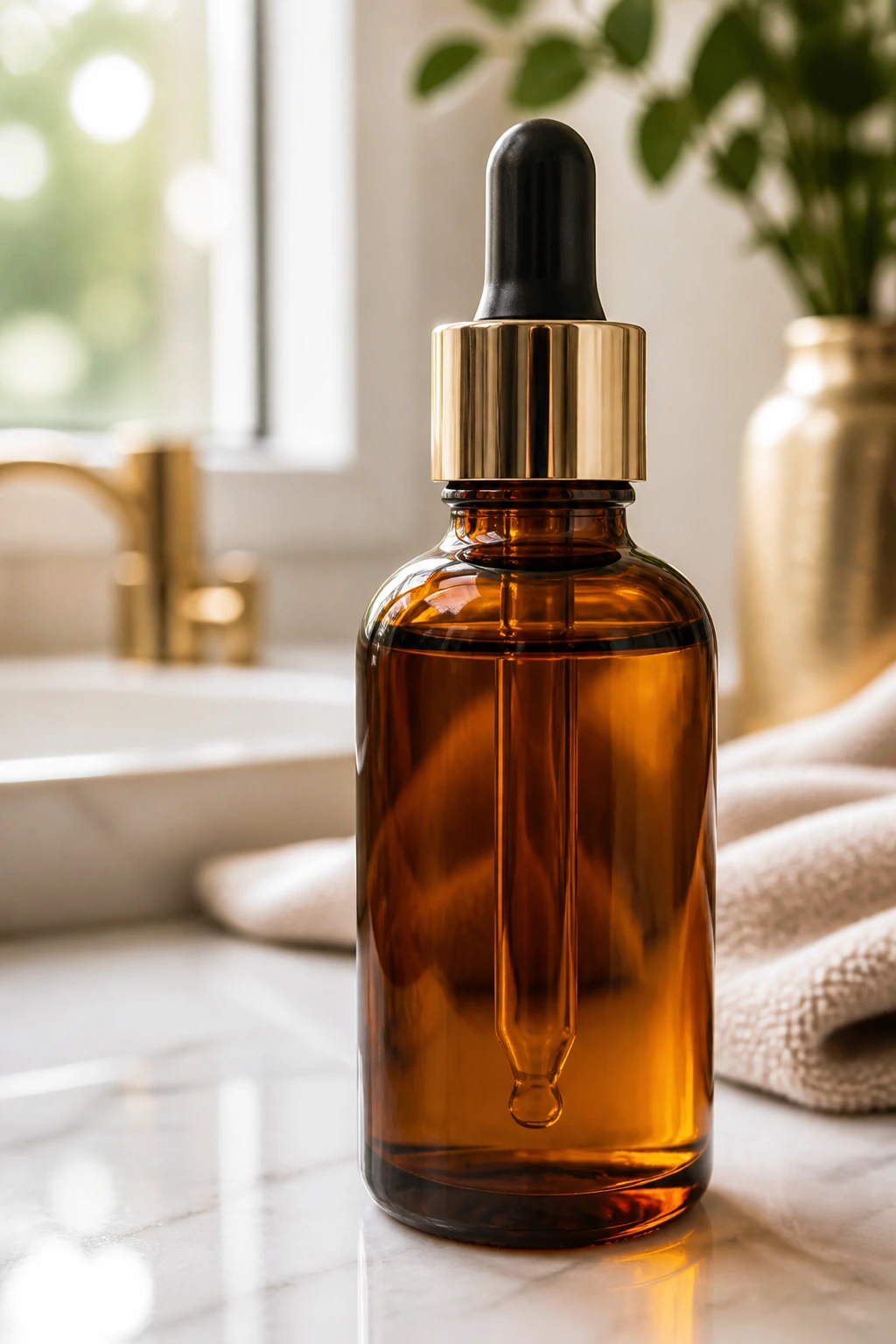
Humidity is the enemy of a sleek hairstyle, and even if you live in a dry climate, static can be just as frustrating. A tiny drop of silicone-based or oil-based smoothing serum can instantly tame flyaways and make your hair look expensive. The trick is to use as little as possible—the size of a pea is usually enough for mid-back length hair. Start at the very ends and work your way up, leaving the roots for last so you do not accidentally make them look greasy.
Why Less Is Often More
Serum is designed to coat the cuticle and fill in gaps, not to replace your conditioner. If you use too much, it will attract dust and dirt, making your hair look duller rather than shinier. Focus on the areas where you notice the most frizz, which is typically around the face and the ends. When used correctly, it acts as a sealant that locks in moisture and keeps your style looking polished, regardless of what the weather is doing outside.
8. Flexible Hold Hairspray
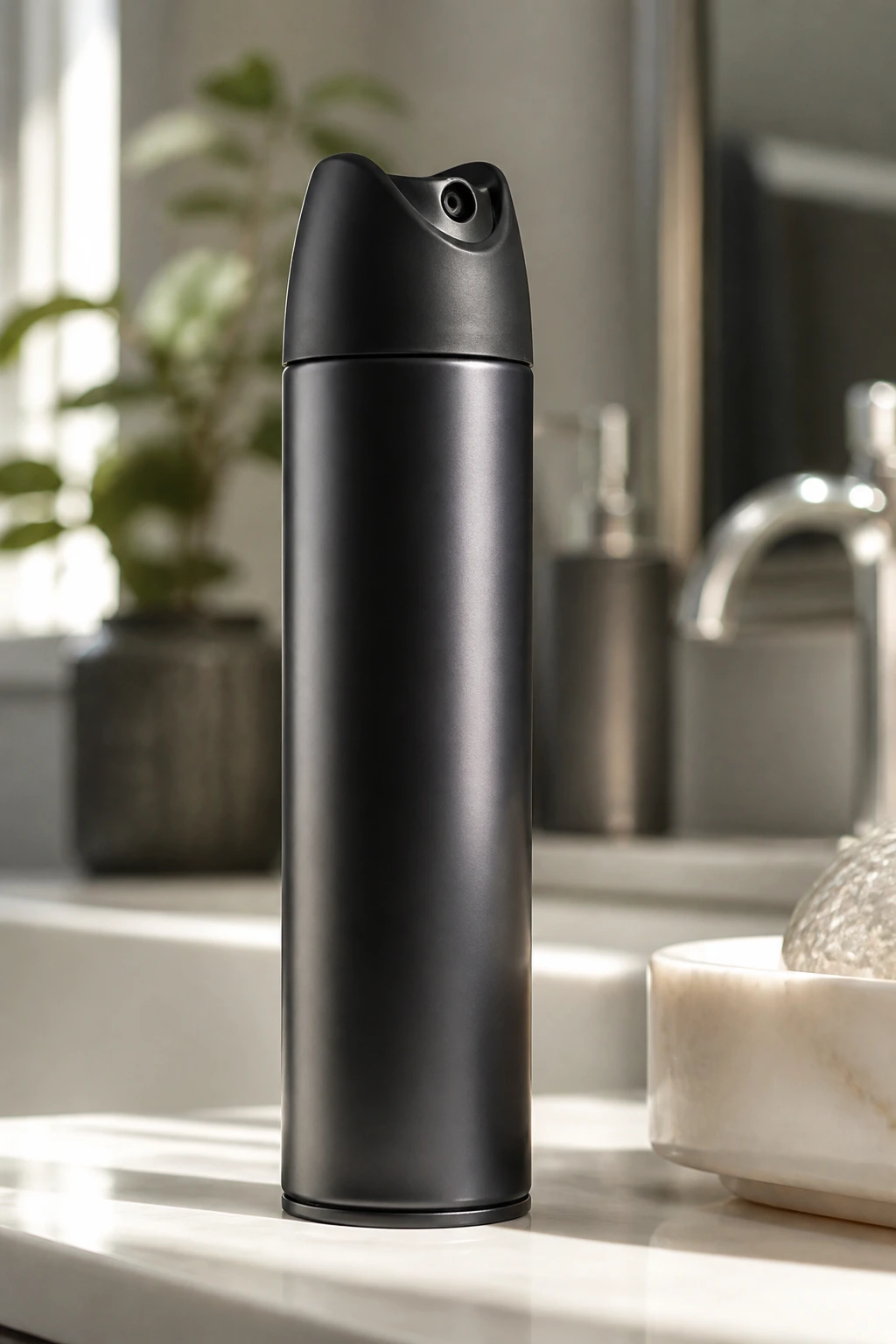
The goal of a daily hairspray should be to hold the style in place while still allowing the hair to move naturally. A heavy-duty, cement-like spray is usually overkill for a standard workday. Look for “workable” or “flexible” hold on the label, which means you can brush through your hair at the end of the day without feeling like you are snapping strands. It keeps your curls from falling and your layers from flying into your face while you walk.
How to Build Hold
Do not spray it directly onto the hair from two inches away; mist it over your head from a distance of about ten inches. This allows the product to settle as a fine, even veil rather than concentrating in one spot and creating a sticky clump. If you need a bit more hold in a specific area, like a braid or a structured bun, spray the brush first and then smooth the hair with it. It’s a pro move that gives you control without the crispy, unnatural texture.
9. Natural Bristle Brush
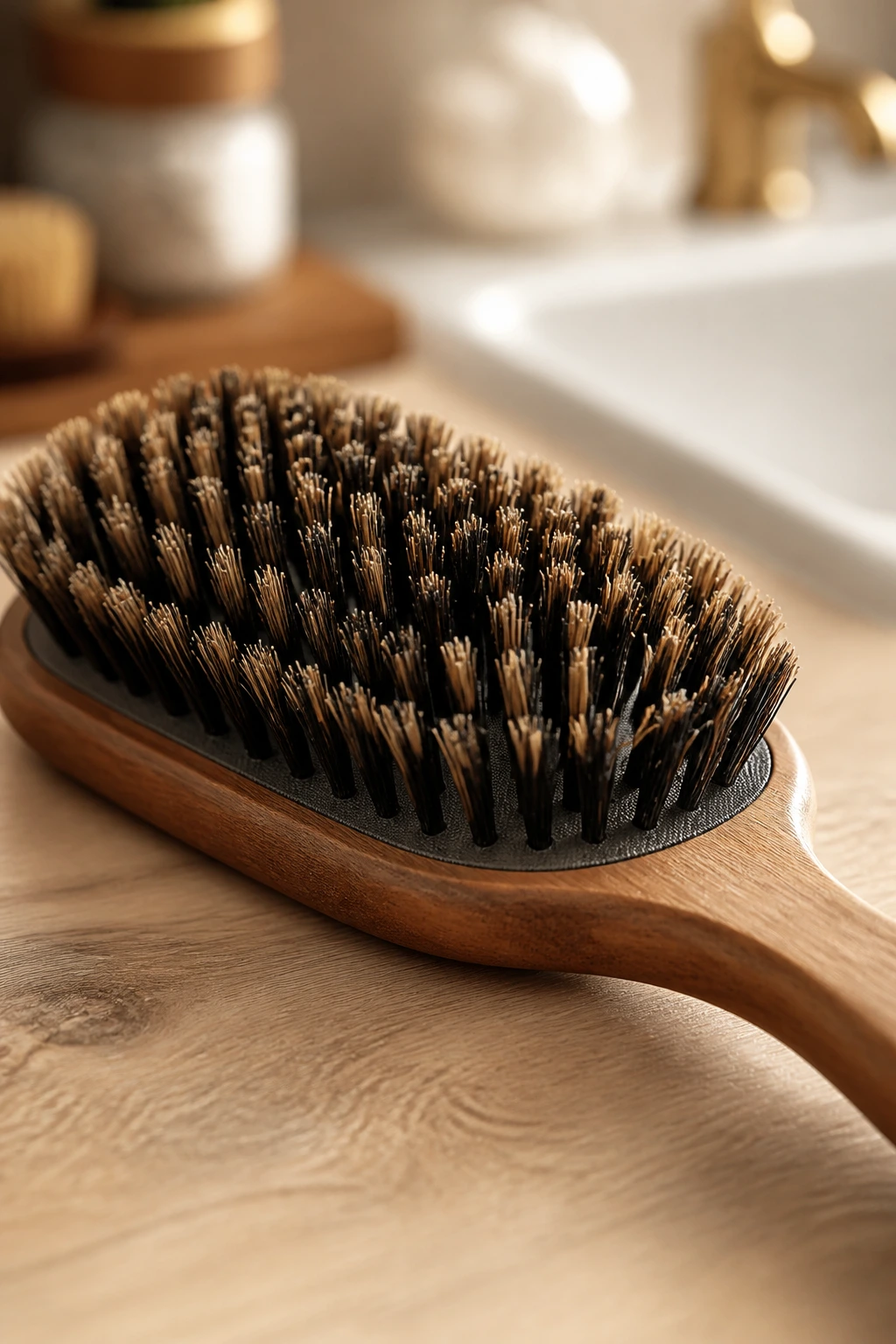
The tools you use are just as important as the formulas you buy. A high-quality brush with natural boar bristles does something a plastic one cannot: it redistributes the natural oils from your scalp down to the ends of your hair. This is the cheapest, most effective way to keep your hair shiny and conditioned between washes. It also gently stimulates the scalp, which can promote better circulation to the follicles.
Maintaining Your Brush
A brush is only as good as its cleanliness. If you have hair trapped in the bristles or a thick layer of dust and product buildup, you are just depositing dirt back onto your freshly washed hair. Once a week, clear the hair out with a comb or your fingers, then wash the bristles with a mild shampoo and warm water. Let it dry with the bristles facing down so the moisture doesn’t seep into the wood or cushioned handle.
10. Microfiber Hair Towel
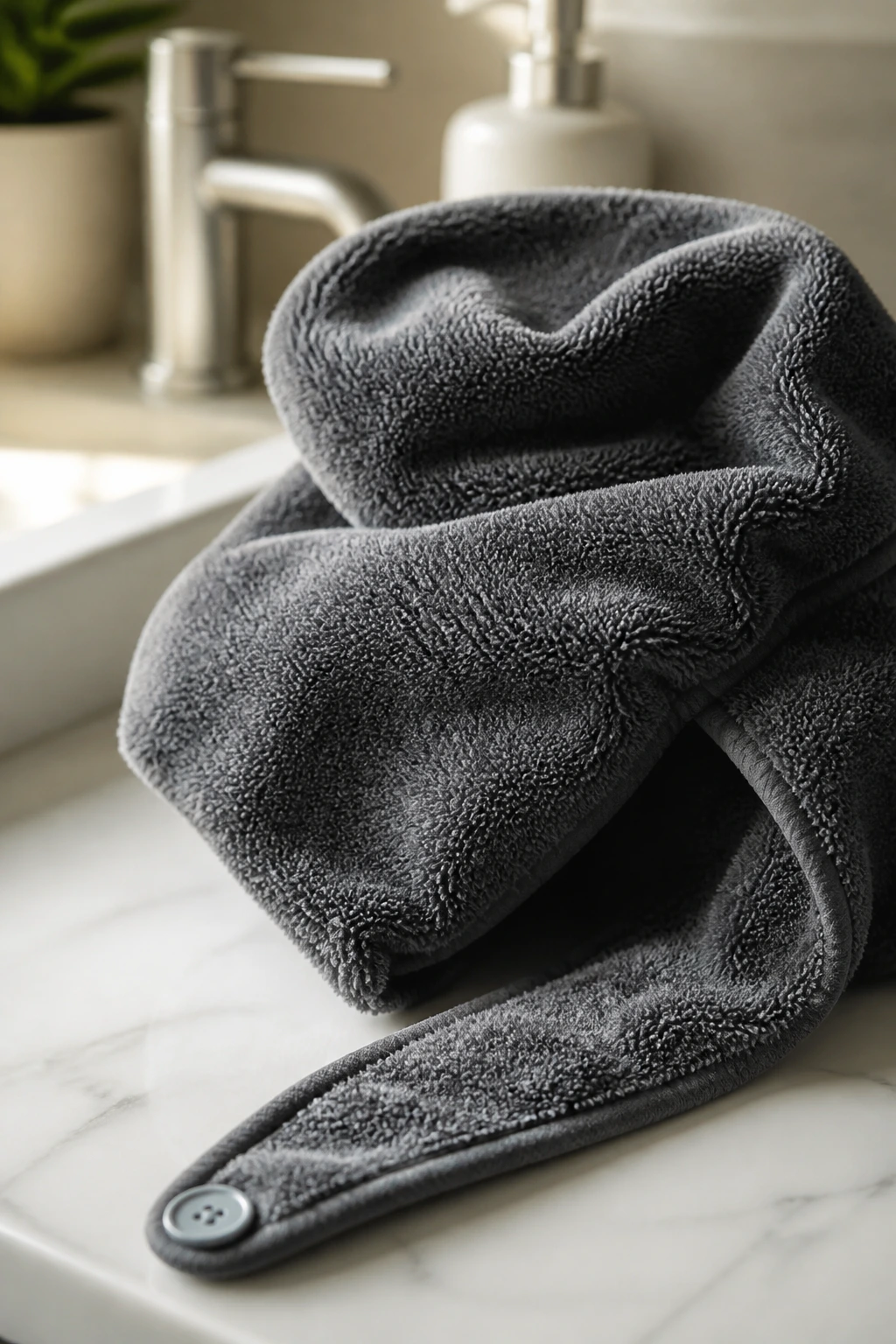
Most of us are guilty of rubbing our hair aggressively with a standard cotton bath towel, which is a recipe for frizz and breakage. The loops in traditional towels are rough on the hair cuticle, especially when it is in its most fragile, wet state. A microfiber towel is much smoother and more absorbent, allowing you to remove excess water quickly by gently squeezing or “plopping” your hair.
The Benefits of Gentle Drying
By reducing the mechanical stress on your hair during the drying process, you significantly cut down on the amount of frizz that appears once the hair is dry. Microfiber also absorbs moisture much faster than cotton, meaning your hair spends less time damp. If you have curly or wavy hair, this is a non-negotiable upgrade, as it helps define your natural texture instead of disrupting the pattern into a chaotic mess.
11. Clarifying Scalp Treatment
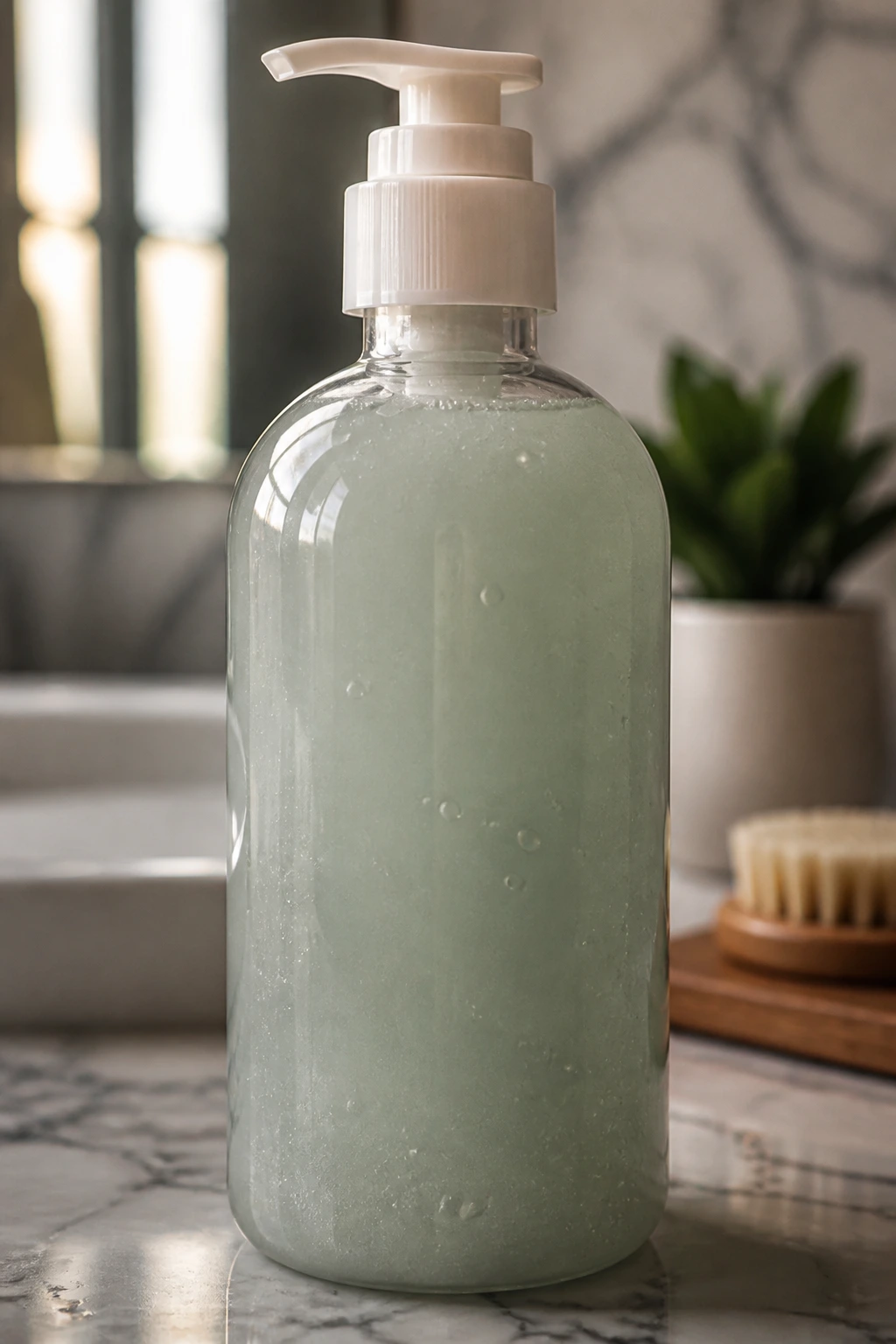
If you use dry shampoo, hairspray, and serums regularly, your scalp likely needs a deep reset once or twice a month. A clarifying treatment is an exfoliating scrub or an acidic rinse that removes mineral buildup from hard water and product residue that standard shampoo misses. It feels refreshing, like a deep clean for your skin, and it helps unclog the hair follicles for better growth.
Signs You Need a Reset
If your hair feels heavy, looks limp, or doesn’t seem to respond to your usual styling products, you likely have buildup. You might also notice your scalp feeling itchy or sensitive. A good clarifying treatment doesn’t need to be fancy; look for ingredients like apple cider vinegar or salicylic acid. After using it, your hair will feel incredibly lightweight and ready to absorb the benefits of your regular moisturizing conditioner.
12. Nourishing Argan Oil
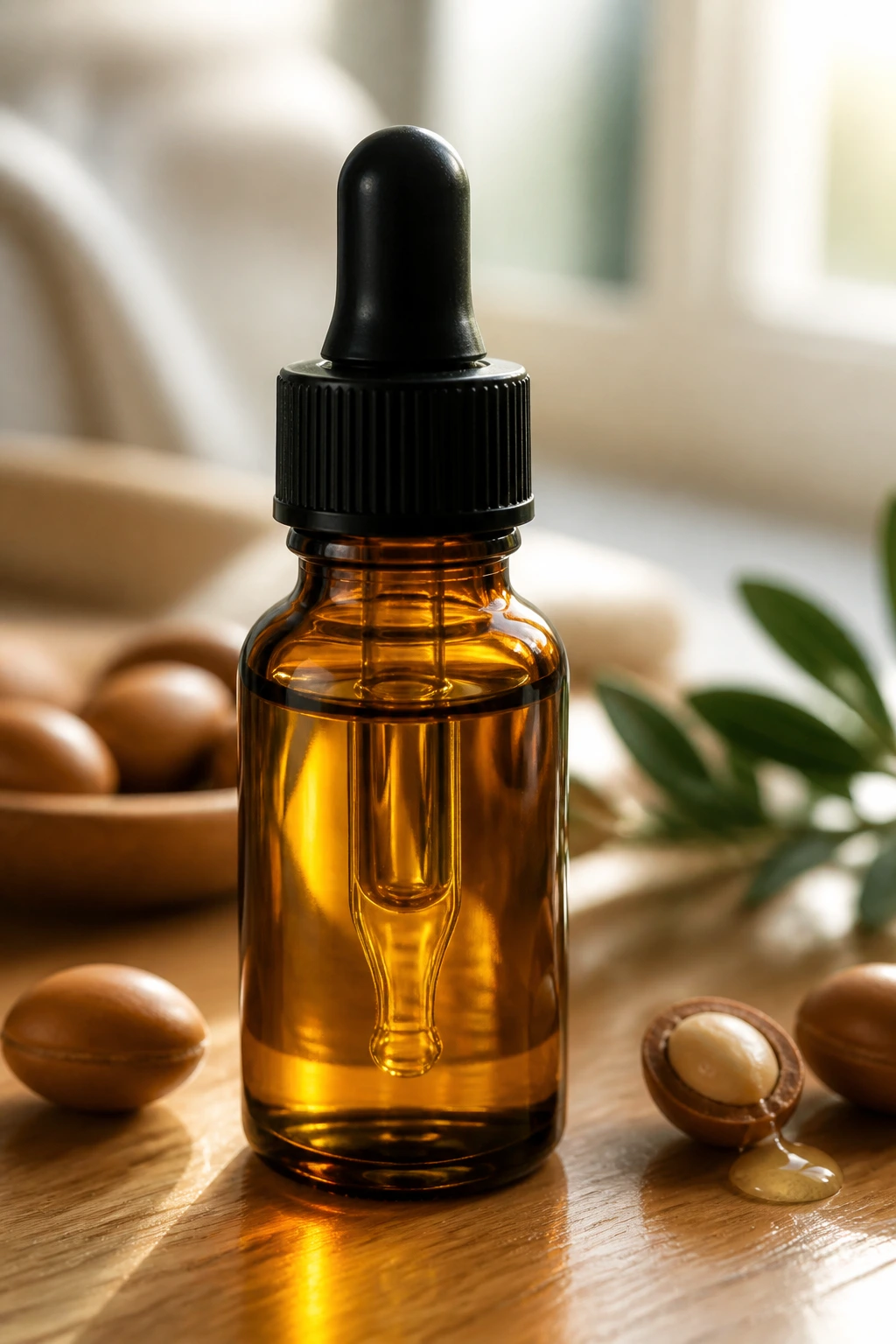
Argan oil is a staple for a reason—it’s packed with antioxidants and essential fatty acids that add instant shine and manageability. Unlike some heavier oils, argan oil is relatively light, making it a great finisher for nearly every hair type. It is the perfect tool for when you’ve finished styling but notice a few stray flyaways or a lack of luster at the ends of your hair.
Integrating Oil into Your Routine
Take two or three drops in the palm of your hand, rub them together to warm the oil, and then gently rake your fingers through your hair, starting at the ends. Never apply oil to the roots, as it will look greasy almost instantly. If you have fine hair, look for a “dry oil” formula that is specifically designed to absorb quickly. It’s the ultimate way to make your hair look salon-finished without any extra heat or effort.
13. Wide-Tooth Detangling Comb
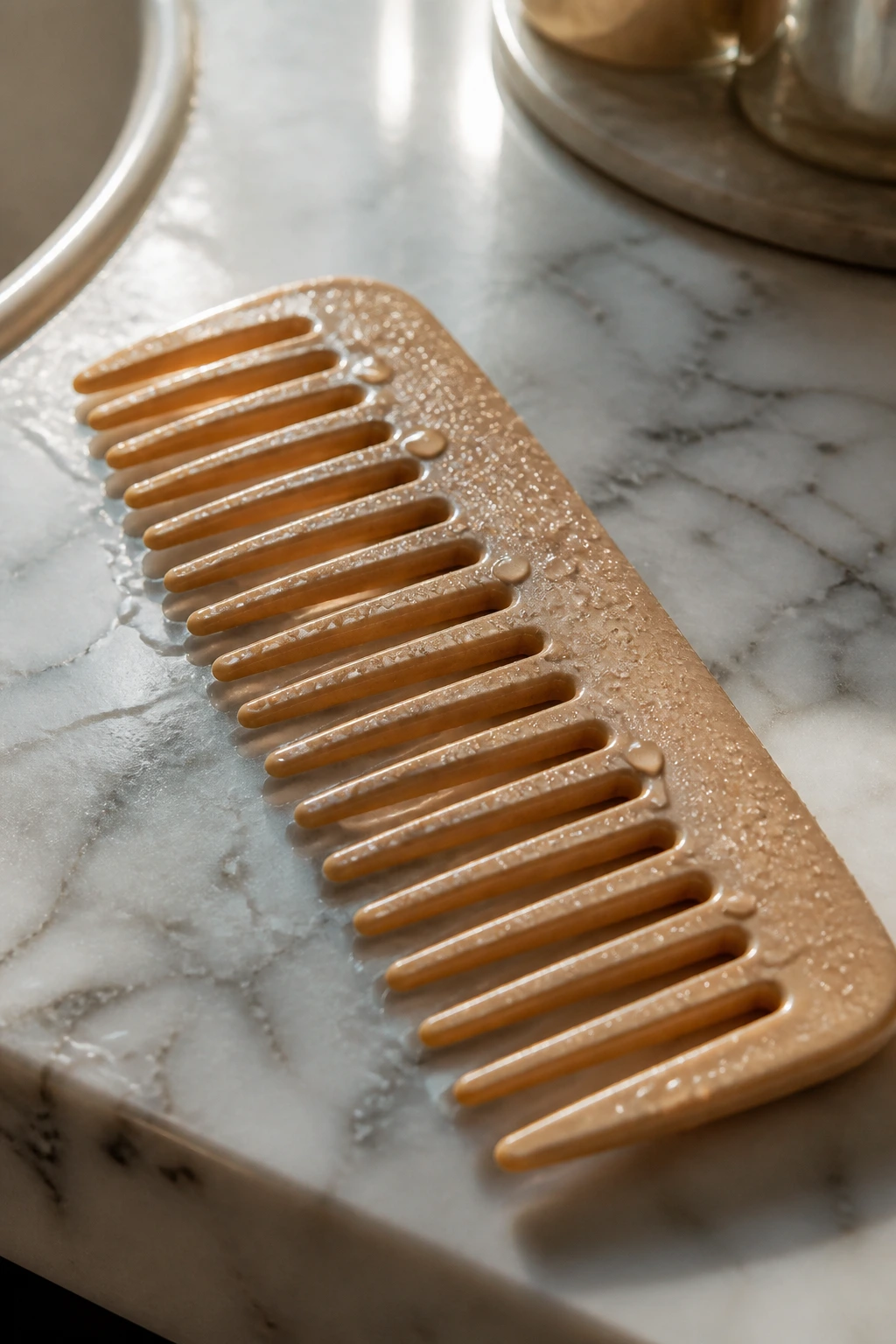
When your hair is wet, it is at its weakest point. A fine-toothed brush or a standard comb can snap your hair as you try to work through knots. A wide-tooth comb allows you to gently move through the tangles without causing unnecessary damage or tearing. It is the only tool you should be using in the shower after you apply your conditioner.
The Right Way to Detangle
Start at the very tips of your hair, working out the smallest knots first. Once the ends are smooth, move up a few inches, and continue until you can pull the comb from your roots to your ends without any resistance. If you start at the top, you are just pushing all the small tangles together into one big, impossible knot at the bottom. This slow, methodical approach is the best way to prevent long-term breakage.
14. Satin or Silk Pillowcase
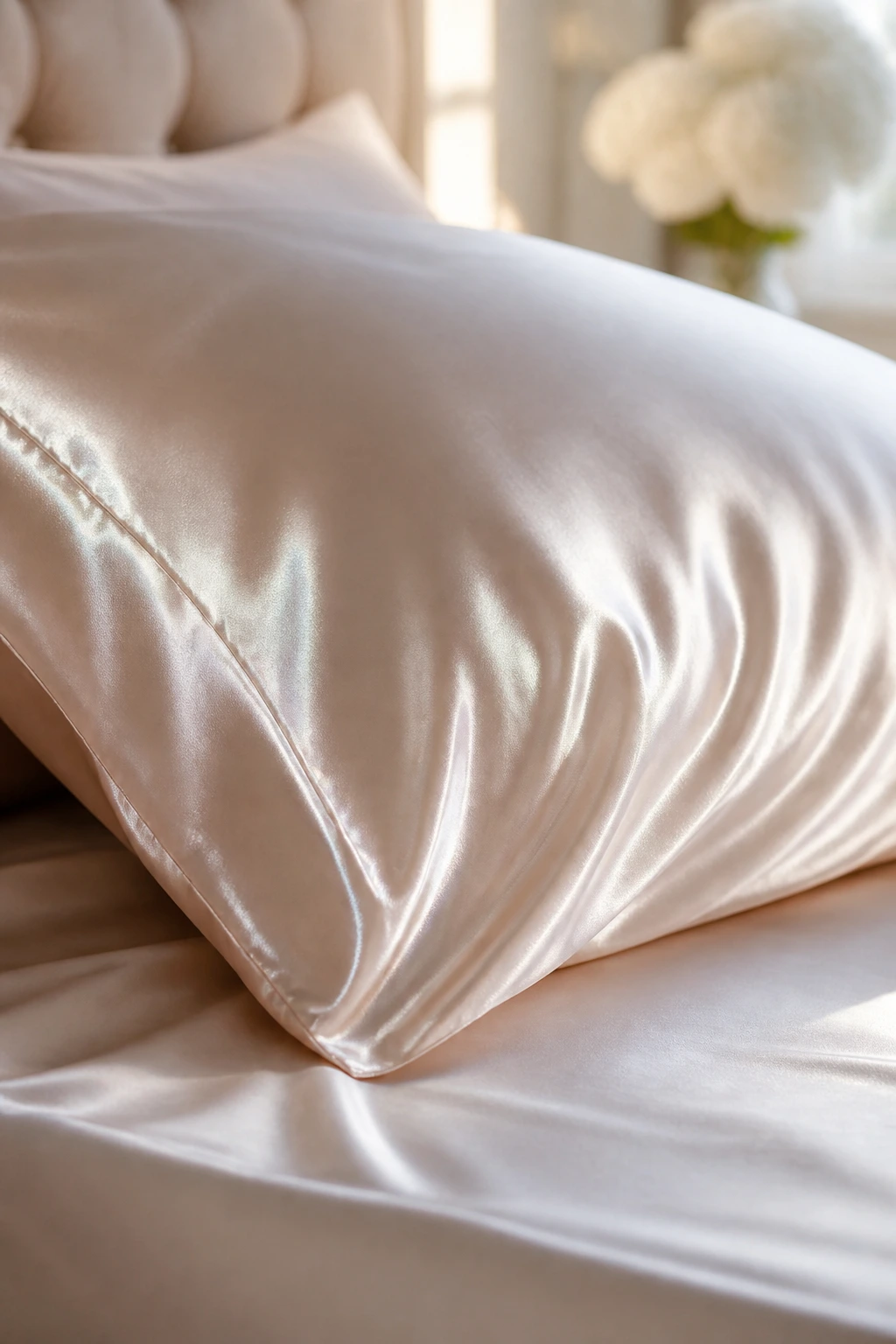
You spend eight hours a night with your hair rubbing against a pillowcase, and if it’s cotton, you are dealing with friction that leads to frizz and breakage by morning. Satin or silk is smooth, allowing your hair to slide against the fabric without getting caught or snagged. It helps maintain your hairstyle for an extra day and significantly reduces the amount of “bed head” you have to fight when you wake up.
Why This Is a Long-Term Investment
Beyond just saving your hair, these materials are gentler on your skin as well. While it might seem like a luxury, it is a one-time purchase that pays off every single day of the year. You will find that your hair is much smoother in the mornings, meaning you have to use fewer styling products and less heat to get it looking presentable. It is the ultimate “set it and forget it” hair hack.
15. Velvet or Silk Scrunchies
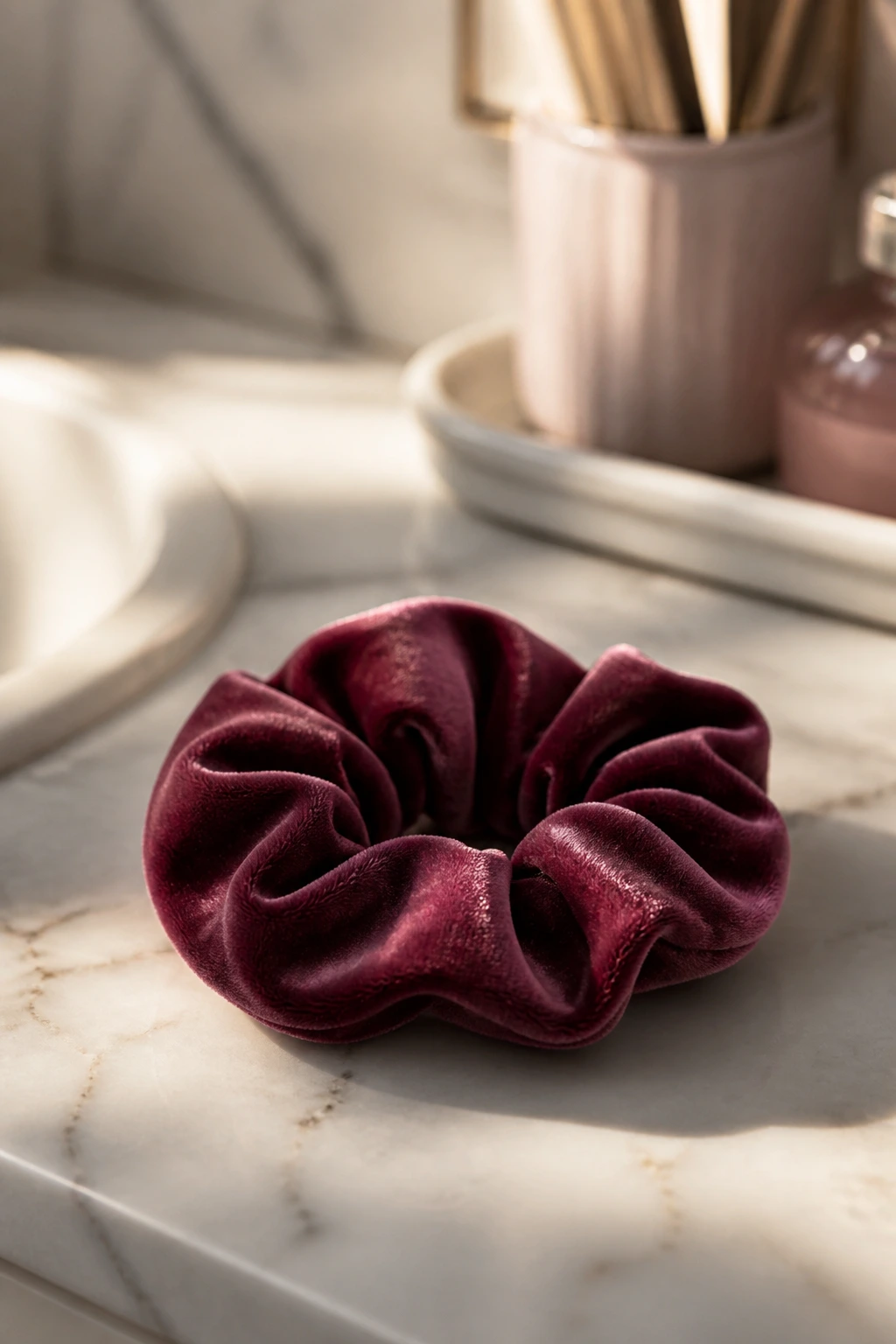
If you tie your hair back, the hair tie matters more than you think. Standard elastic bands with metal connectors are notorious for snagging hair and causing breakage exactly where the tie sits. Velvet or silk-covered scrunchies provide a cushioned barrier that holds the hair securely without putting too much tension on the strands. They are gentle enough to leave in while you sleep or work.
Avoiding the Ponytail Crease
We have all dealt with that unsightly dent in our hair after wearing it in a ponytail all day. While a scrunchie won’t entirely prevent a crease if you pull it very tight, the softer material makes the mark significantly less pronounced. If you are prone to headaches from hair ties, these are also a great solution because they distribute the weight of the hair more evenly rather than clamping down on one single point.
16. Texturizing Paste
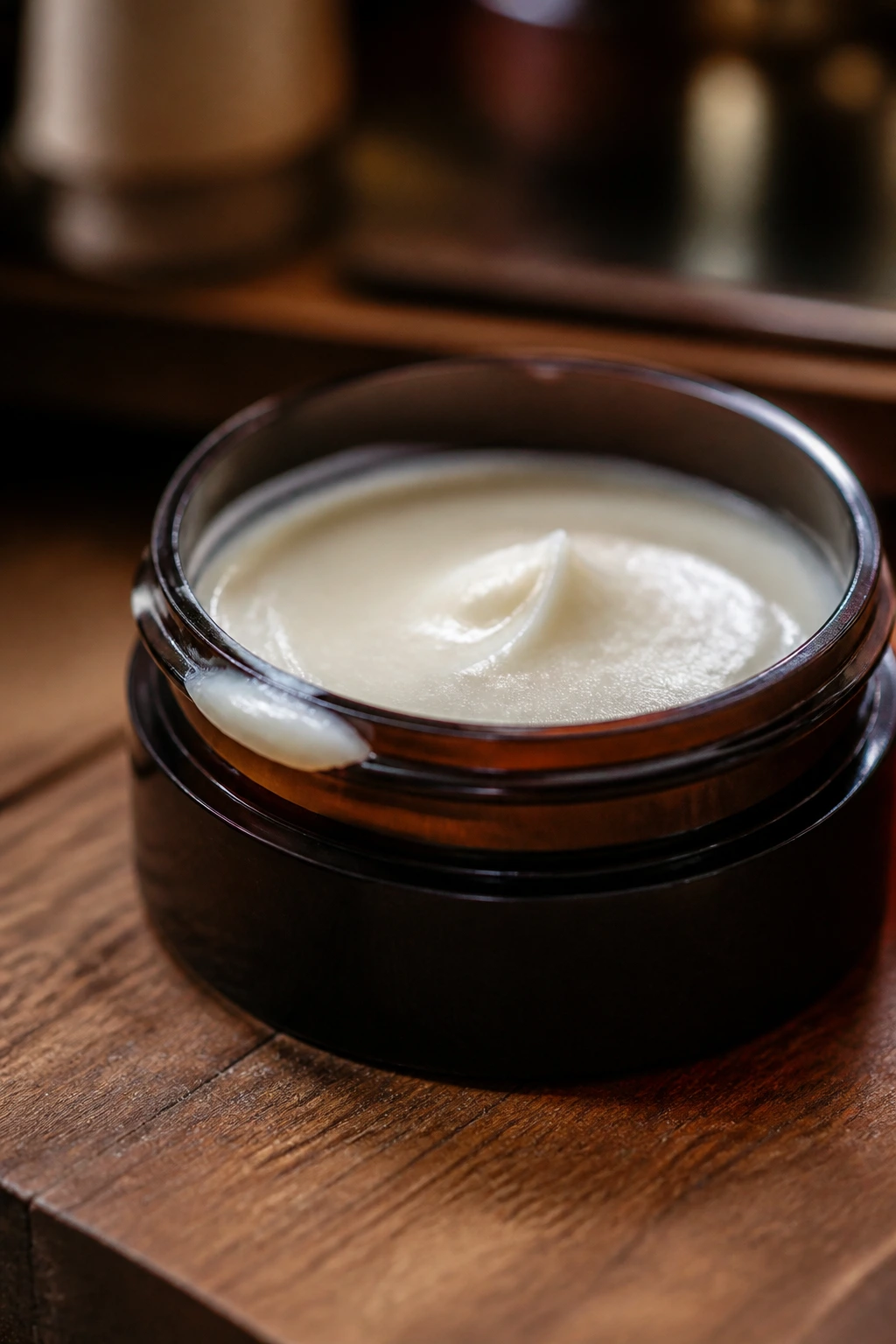
If you have short hair, layers, or just want that messy, effortless look for your waves, a texturizing paste is your best friend. It provides hold and separation, allowing you to manipulate your hair into specific shapes. Unlike gel, which can look wet and shiny, a good paste usually has a matte or natural finish, giving you control without making it obvious that you have product in your hair.
The “Less Is More” Strategy
Texturizing pastes are highly concentrated. Start with a tiny amount—think the size of a lentil—on your fingertips and rub them together to melt the product. Then, run your hands through your hair, focusing on the ends and the sections where you want to add definition. You can always add more, but taking product out is nearly impossible without rewashing. It’s the perfect way to add a bit of edge to an otherwise basic style.
17. UV Protection Spray
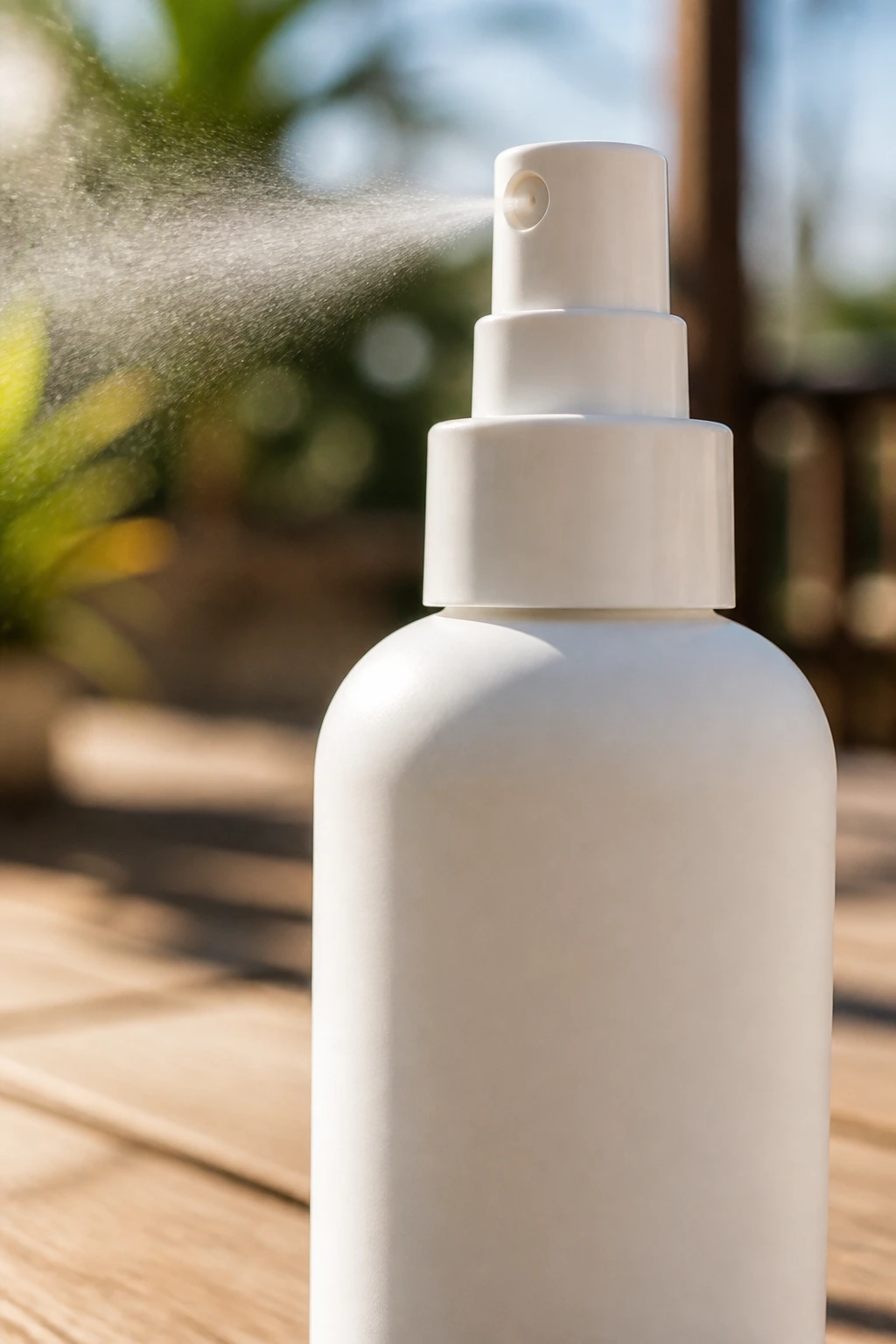
Most of us remember to put sunscreen on our skin, but we forget that UV rays damage our hair just as much. Sunlight causes the cuticle to lift, leads to color fading, and makes hair feel dry and brittle. If you spend significant time outdoors, a UV protection spray acts as a sunscreen for your hair, keeping your color vibrant and your texture intact.
Recognizing the Damage
Sun-damaged hair often has a reddish or yellow tint, feels rough to the touch, and loses its natural elasticity. Using a UV spray is especially important if you have color-treated hair, which is even more susceptible to fading from sunlight. You can find these as standalone sprays or as a benefit built into many leave-in conditioners. A simple spritz before heading out the door keeps your style looking fresh and healthy.
18. Root Touch-Up Powder
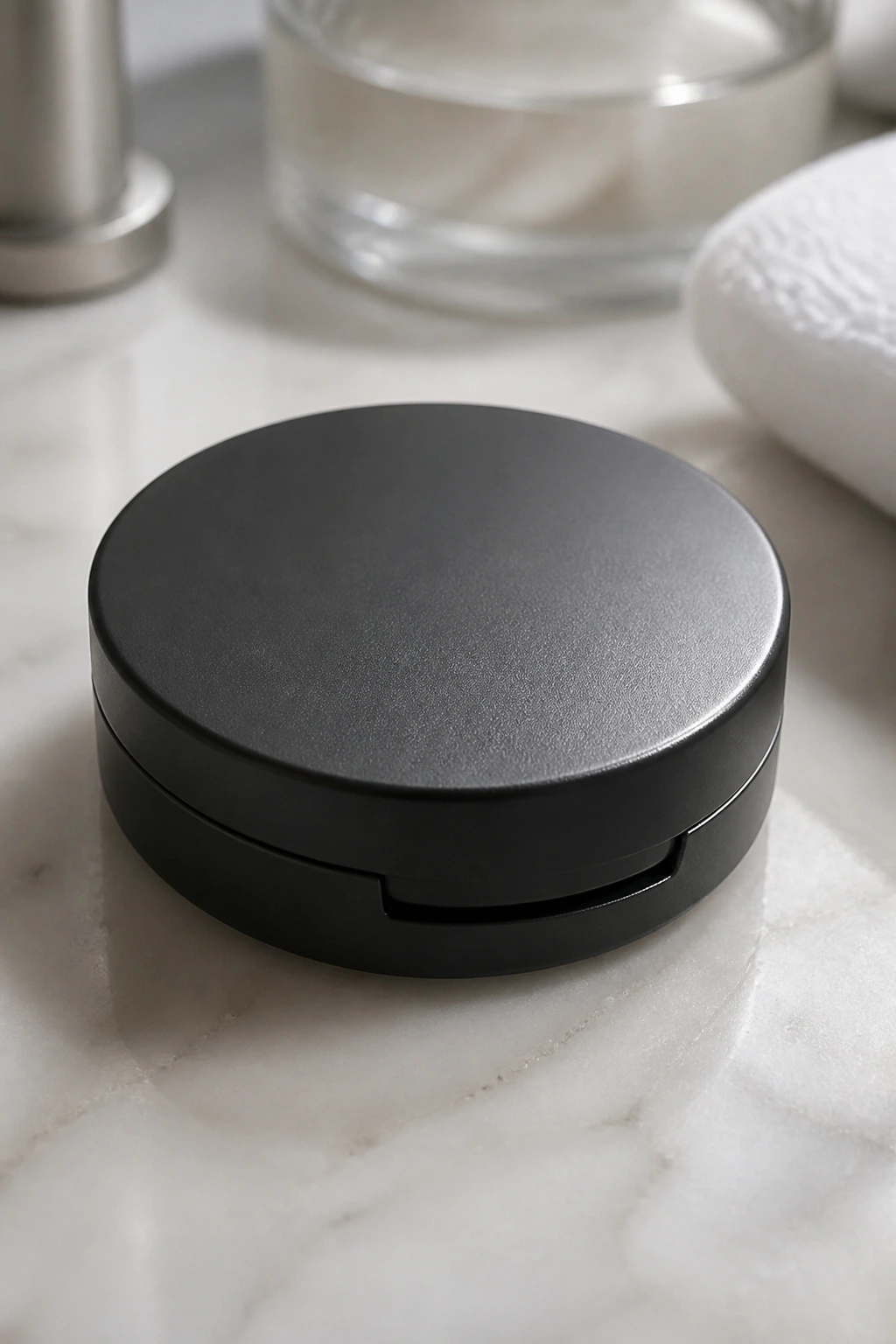
For those days between salon visits when your grays or natural roots start showing, a touch-up powder is a lifesaver. It is essentially makeup for your hair, allowing you to cover up regrowth in seconds. It washes out with your next shampoo, and unlike permanent box dyes, it won’t damage your hair or lead to harsh lines of demarcation when it starts to fade.
Getting the Application Right
Use a small brush to dab the powder directly onto the roots. Start at the part and work your way outward, pressing the powder into the scalp and the hair. Don’t worry about getting it perfect—it’s meant to look natural and diffused. If you have a dark root color, make sure to pick a powder that is a shade lighter than your roots to keep it looking soft rather than painted on. It buys you valuable time before your next color appointment.
19. Ceramic Round Brush
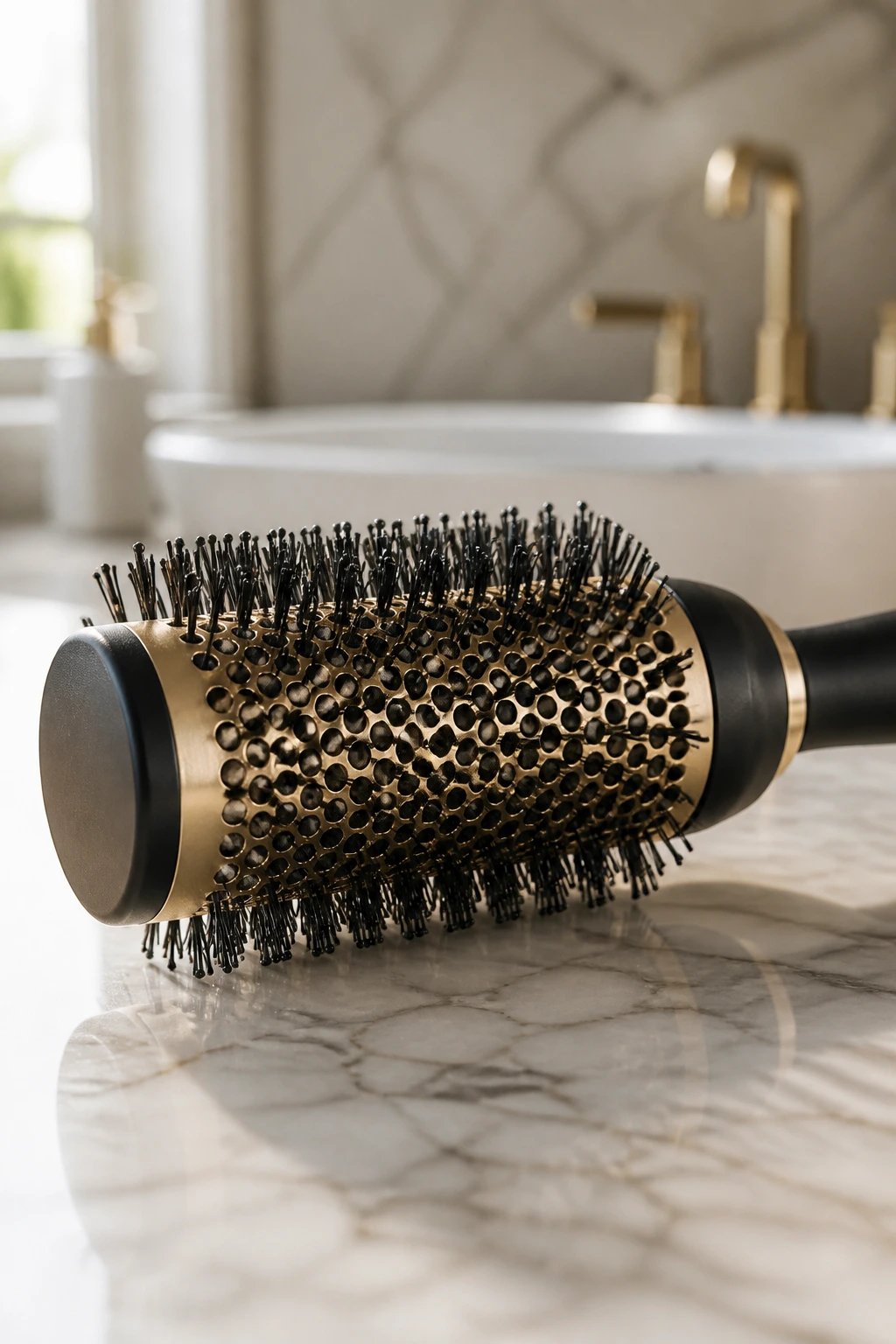
If you blow-dry your hair, the brush you use determines the volume and smoothness of your final result. A ceramic-coated barrel heats up along with your hair dryer, which helps distribute the heat more evenly and allows the hair to shape and set more quickly. This means you spend less time using the dryer, which in turn saves your hair from unnecessary heat exposure.
Choosing the Right Barrel Size
The size of your brush barrel determines the type of wave you get. A large barrel (two inches or more) is perfect for creating big, voluminous, soft waves. A smaller barrel is ideal for tighter curls or for getting closer to the roots to create lift in shorter hair. If you have a lot of hair, a brush with a vented barrel is also a great choice, as it allows more airflow, drastically cutting down your drying time.
20. Finishing Cream
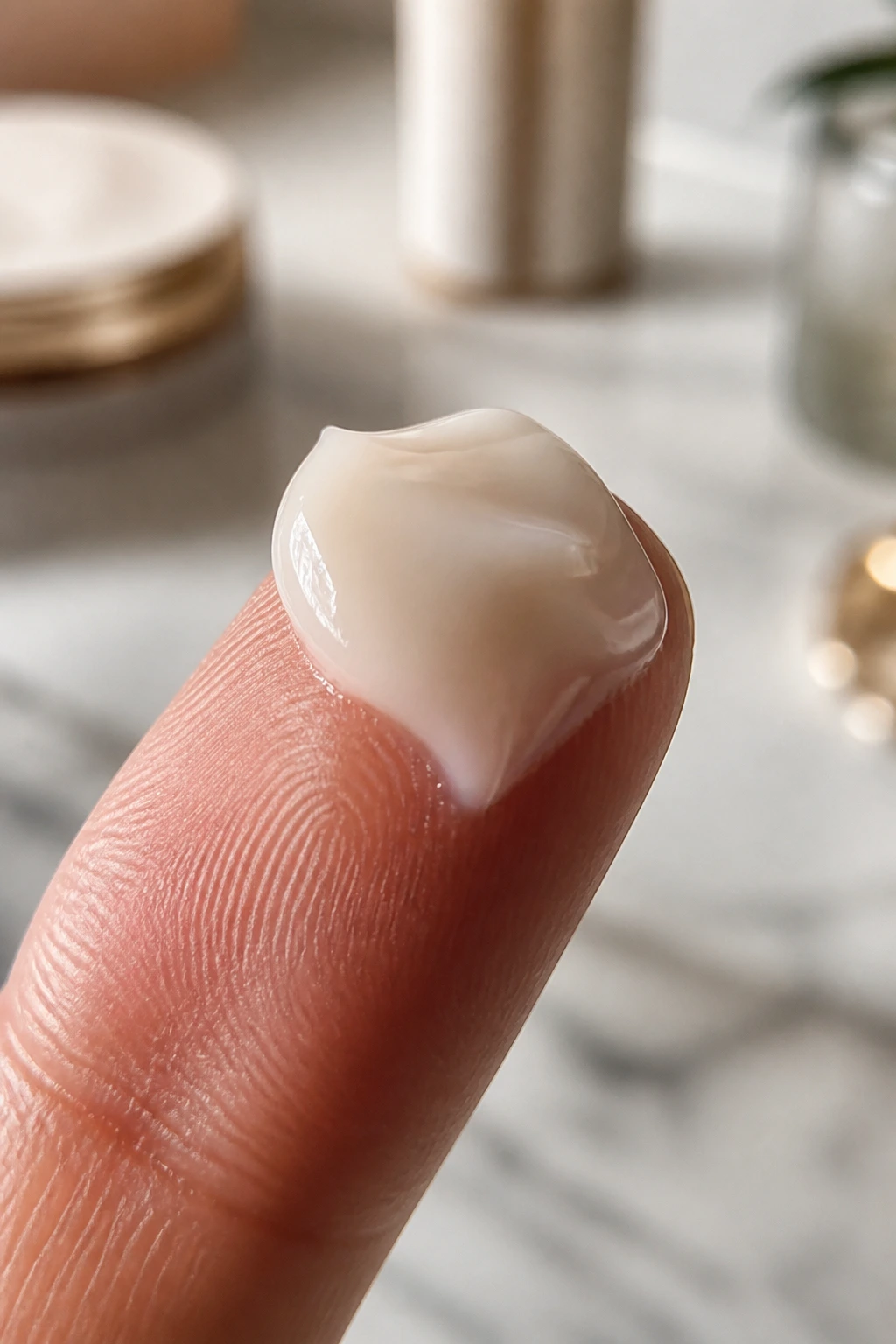
Sometimes your hair is dry but doesn’t need the weight of a heavy oil. A finishing cream is lighter and often provides a bit of hold along with moisture. It is the perfect final step for a blowout or an air-dried style, smoothing down any remaining frizz and giving the hair a healthy, soft appearance. It bridge the gap between a styling product and a treatment.
Applying to Dry Hair
Unlike serums or oils, finishing creams can often be used on dry hair to add structure and eliminate frizz. Take a small amount, warm it between your palms, and smooth it over the surface of your hair with your hands. Don’t rake through; just glide over the top to tame those flyaways. It gives your hair a “finished” look that feels touchable and natural, rather than stiff or coated.
21. Boar Bristle Round Brush
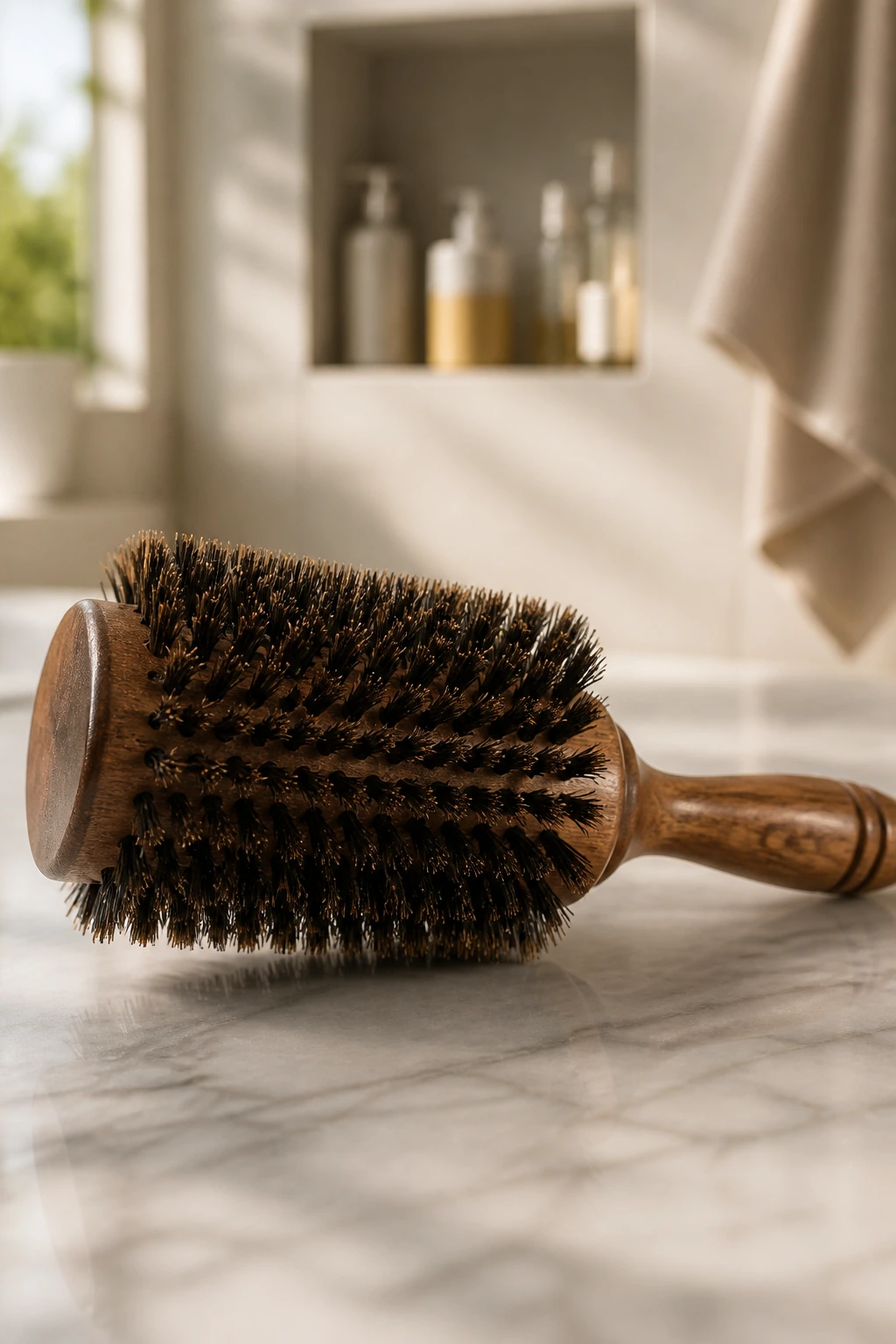
For those who prefer a more gentle approach to blow-drying, a round brush with boar bristles is unmatched for adding shine. Because the bristles are natural, they grab the hair securely without snagging, and they are excellent at smoothing the cuticle while you dry. While it doesn’t heat up like a ceramic brush, it creates a much softer, more polished finish that lasts all day.
The Polished Finish
If you find that your hair tends to look a bit fuzzy or dull after you blow it out, switching to a natural bristle brush can make a world of difference. It creates a smooth, glossy surface by pulling the hair taut against the dryer. It takes a little more practice to get the hang of using natural bristles versus synthetic, but once you master the technique, you will notice a significant improvement in the health and glossiness of your daily style.
22. Scalp Massager
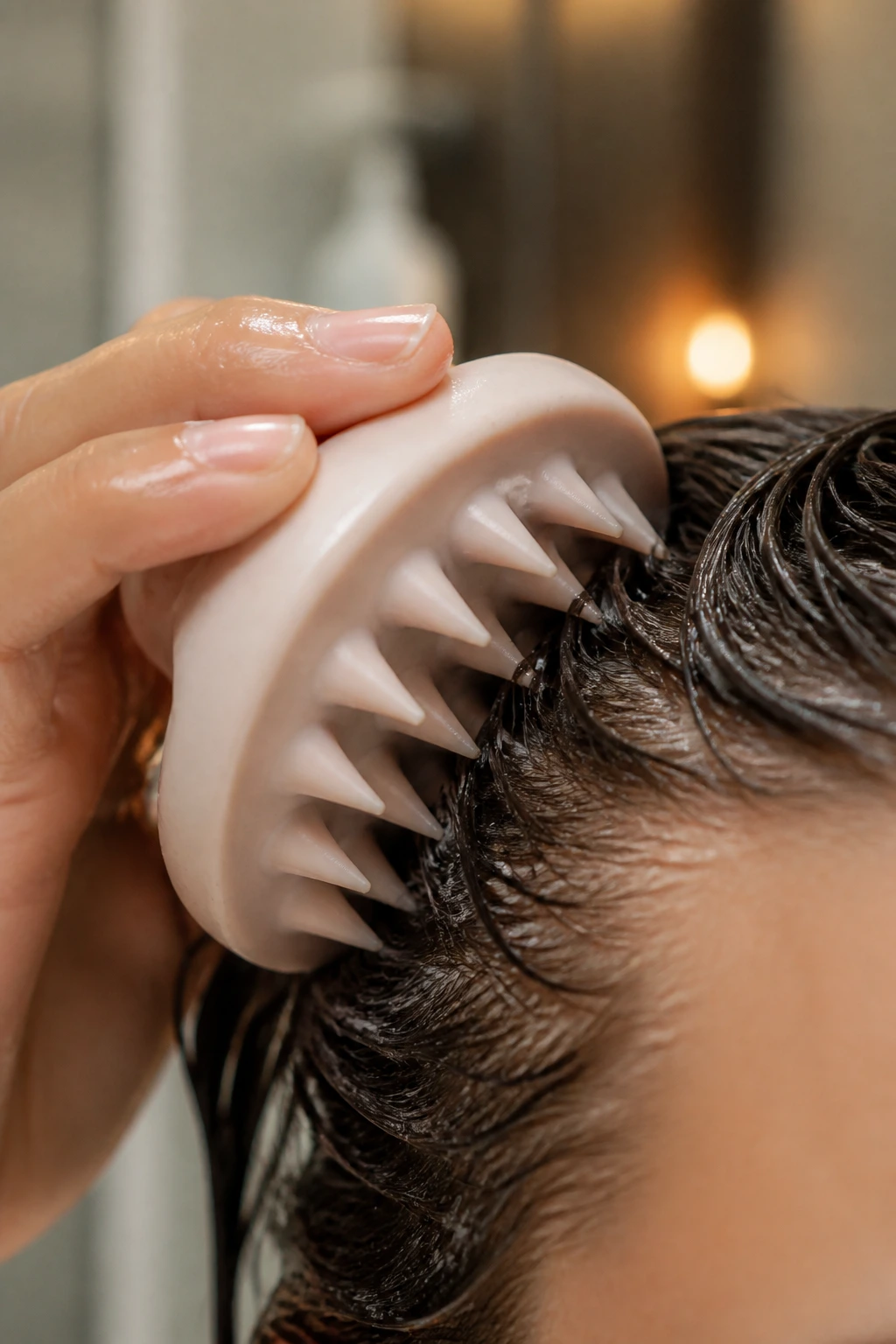
A small, handheld silicone scalp massager is one of the most underrated tools in a haircare kit. It helps work your shampoo into the scalp more effectively, provides a gentle exfoliation, and increases blood flow to the follicles. It feels like a spa treatment every time you wash your hair, and it makes the entire experience of hair maintenance much more enjoyable and productive.
Why It Enhances Hair Health
Scalp health is directly linked to hair strength and shine. By using the massager in circular motions, you are removing dead skin cells and preventing buildup that can inhibit healthy hair growth. Don’t press too hard—the goal is to move the scalp, not to scrape it. Used in combination with a good shampoo, it ensures that your roots are perfectly clean and ready to provide a solid base for your everyday hairstyle.
Final Thoughts
Mastering your daily hair routine is less about the number of products you own and more about how you combine them to meet your specific needs. Start by focusing on the health of your scalp and the hydration of your ends, as those two areas determine how your hair behaves throughout the day. Once you have those basics covered, experiment with the textures and holds that work best for your lifestyle.
Remember that patience is just as important as the product you choose. Give your hair time to adjust when you switch up your routine, and don’t be afraid to skip products if you find your hair feeling heavy or flat. The goal is to feel comfortable and confident in your style, and with the right tools in your cabinet, you can achieve that look with ease every single morning.