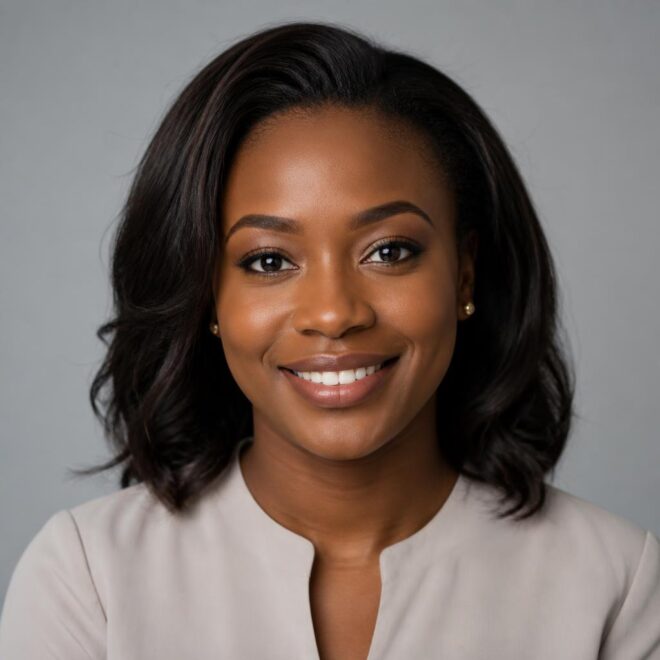


The deep, rich hues of a double espresso—dark, glossy, and multifaceted—have become the gold standard for anyone seeking a sophisticated upgrade to straight hair. Unlike flat black dye, this color profile mimics the complexity of a perfectly pulled shot: deep chocolate undertones, hints of roasted mahogany, and that unmistakable, mirror-like sheen that catches the light whenever you move. If you have straight hair, you already have the perfect canvas. The lack of texture means your hair behaves like a polished pane of glass, allowing light to reflect evenly across every strand. This hair color choice is not just about going darker; it is about embracing a rich, intentional aesthetic that exudes confidence without needing a complicated styling routine.
Choosing a hair color that sits this close to black requires an eye for nuance. You are not looking for a uniform, matte finish—that can look heavy and drain the life out of your complexion. Instead, you want depth. Think of the way light plays through a coffee crema; there is warmth, there is shadow, and there is a subtle transition between the two. When executed correctly, a double espresso shade makes fine, straight hair look significantly thicker and healthier. It creates the illusion of density and vitality, which is often the biggest struggle for those with naturally straight, sleek strands.
1. The Glossy Midnight Blunt Bob
There is something undeniably powerful about a sharp, blunt bob paired with a rich espresso shade. This cut relies on precision—the ends must be cut at a dead-straight line, grazing just above the collarbone. Because your hair is straight, this style will naturally hold its shape throughout the day, requiring minimal product to keep it looking intentional. The darkness of the espresso color emphasizes the geometry of the cut, making the edges look even sharper than they would in a lighter shade.
Why This Style Works for Straight Hair
- The weight of the blunt ends gives the illusion of fullness to thinner hair types.
- The dark color reflects light intensely, emphasizing the sleekness of the cut.
- It requires very little styling beyond a quick pass with a flat iron.
- The lack of layers prevents the hair from looking wispy, keeping the focus on the solid, dark color.
Pro tip: Use a lightweight polishing serum on the ends to ensure that “glass hair” effect remains intact all day.
2. Espresso Balayage With Cool-Tone Ribbons
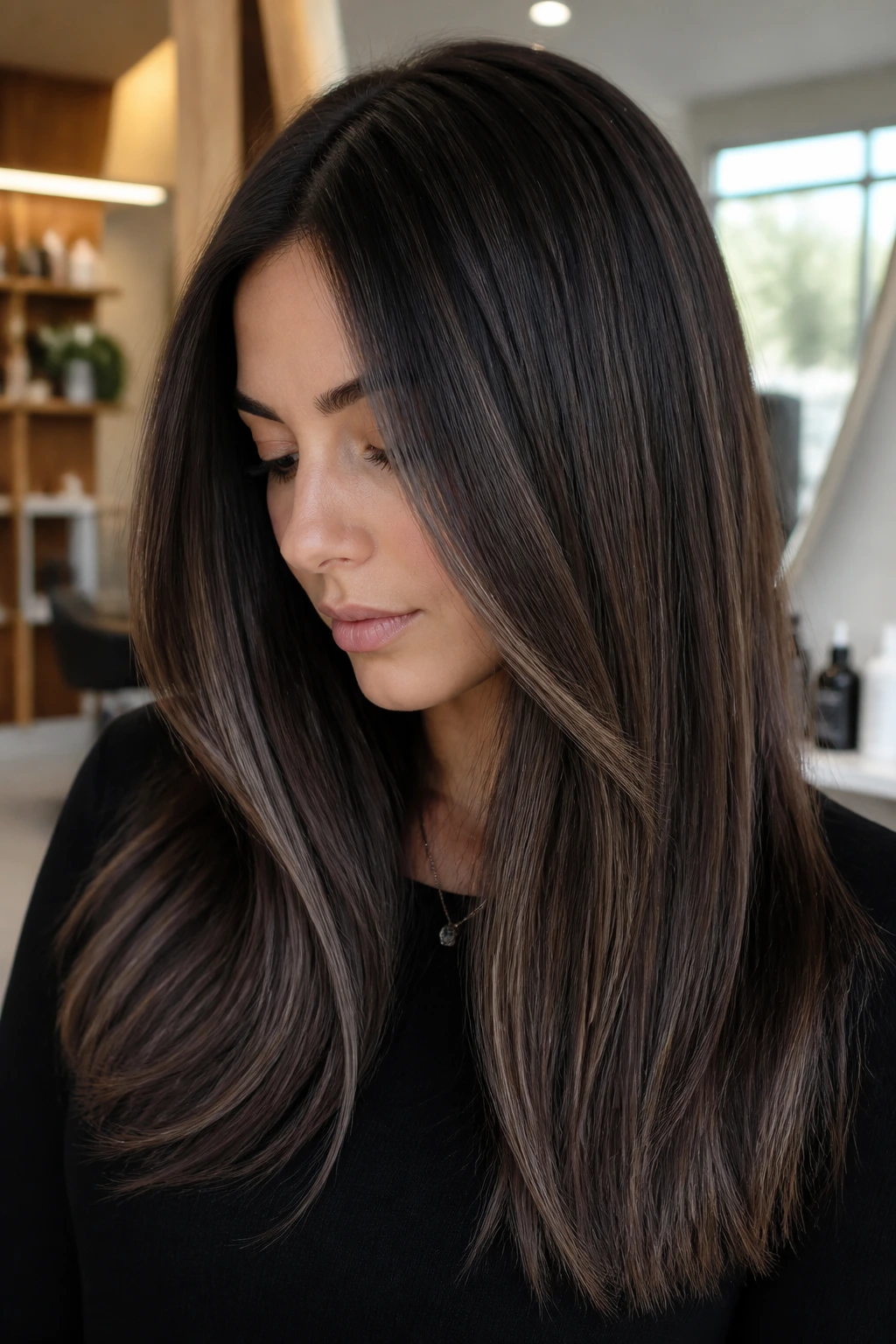
If you are hesitant to commit to a solid dark shade, incorporating cooler, coffee-toned ribbons of color can add incredible depth. This technique involves painting subtle, espresso-dark highlights through your hair, focusing on the mid-lengths and ends. By keeping the roots at your natural, darker base, you ensure the transition is seamless and low-maintenance. The key here is the “cool” aspect—you want an ash-leaning espresso rather than a warm, brassy chocolate.
Achieving the Perfect Contrast
- The colorist should use a shade only two levels lighter than your base to maintain the dark, rich vibe.
- Ask for “face-framing” pieces that are just slightly lighter than the rest to brighten your complexion.
- Ensure the placement is scattered, mimicking the natural way the sun would hit your hair during the cooler months.
3. The Long, Sleek Center-Part
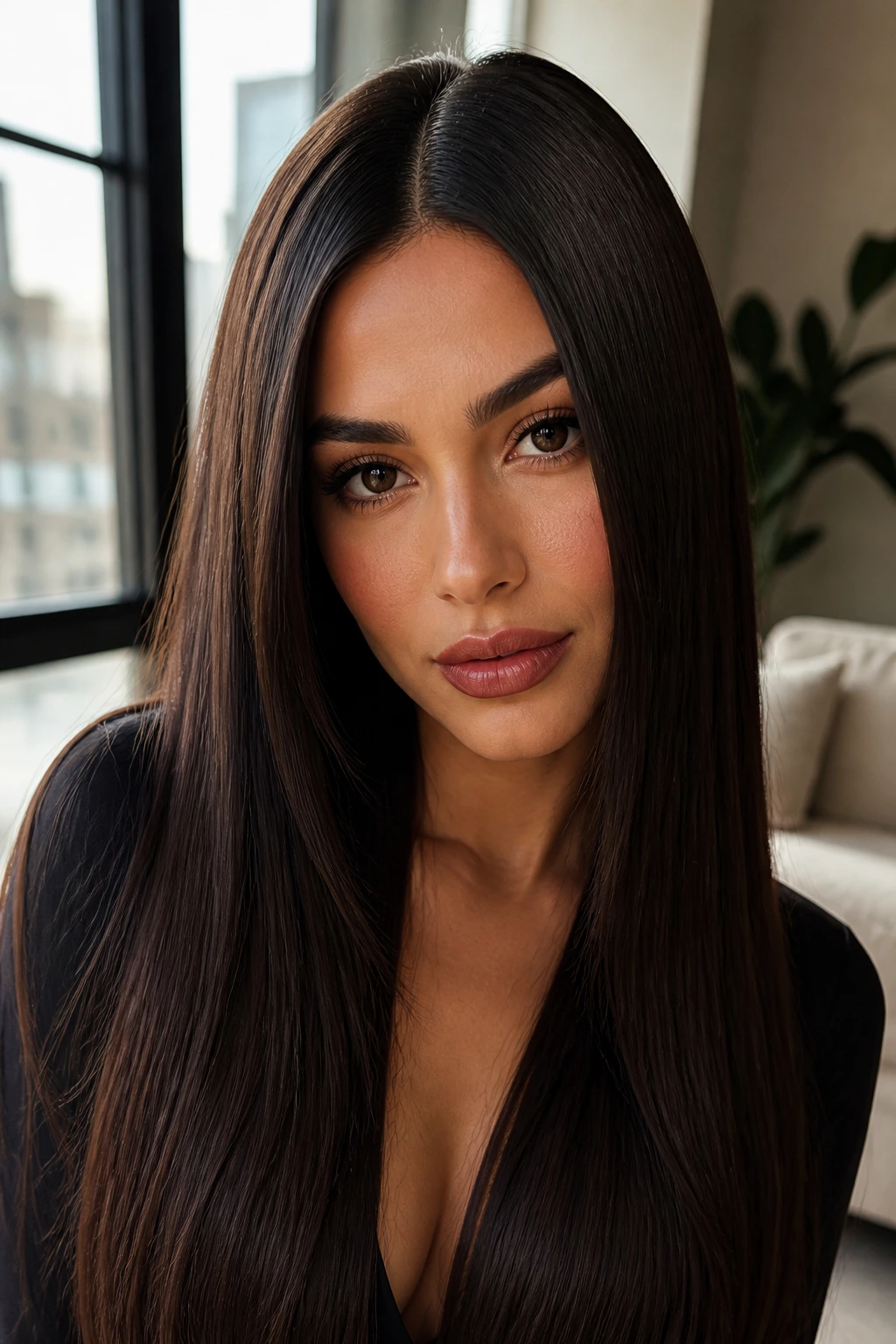
A deep espresso tone looks exceptionally modern when styled with a sharp, uncompromising center part. This style is minimalist in its purest form. It draws the eye directly to the face and highlights the health of your hair. Because the hair is one length—or has very long, internal layers—the espresso color appears to flow like liquid silk. It is a look that screams elegance and works just as well in a corporate setting as it does at a weekend dinner.
Styling for Maximum Impact
- A high-quality boar bristle brush is essential here to distribute your natural oils from scalp to tip.
- Apply a heat-protectant spray before ironing to ensure that your hair maintains its natural sheen without burning.
- Tuck one side behind your ear to break up the symmetry and add a touch of personality to an otherwise structured look.
4. Espresso-Tinted Curtain Bangs
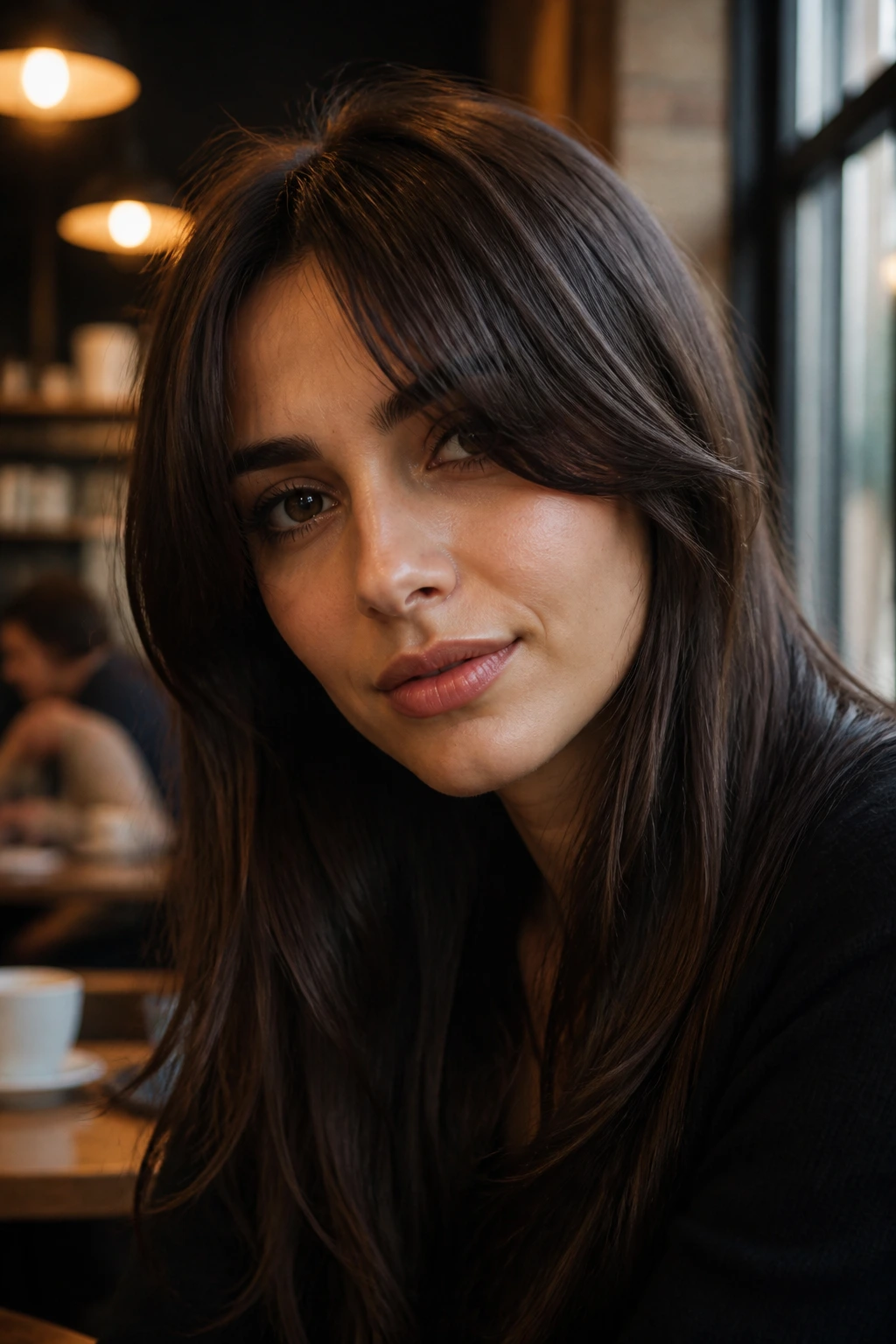
Curtain bangs have cemented their place in beauty history, but they look particularly striking when rendered in a dark, espresso hue. Because straight hair tends to fall flat, these bangs provide the necessary frame to break up the length and add movement around the face. The darkness of the espresso makes the bangs look intentional and “finished,” rather than like an afterthought. You want the bangs to be cut long enough to sweep toward your cheekbones, blending seamlessly into the rest of your hair.
How to Maintain the Shape
- Blow-dry the bangs with a round brush while the hair is damp to encourage that iconic flick.
- If you have an oily scalp, use a small amount of dry shampoo on the bangs specifically to keep them from looking clumped together.
- Trim these every four to six weeks to keep the length right at the brow or cheekbone level, depending on your preference.
5. The Hidden Espresso Undercut
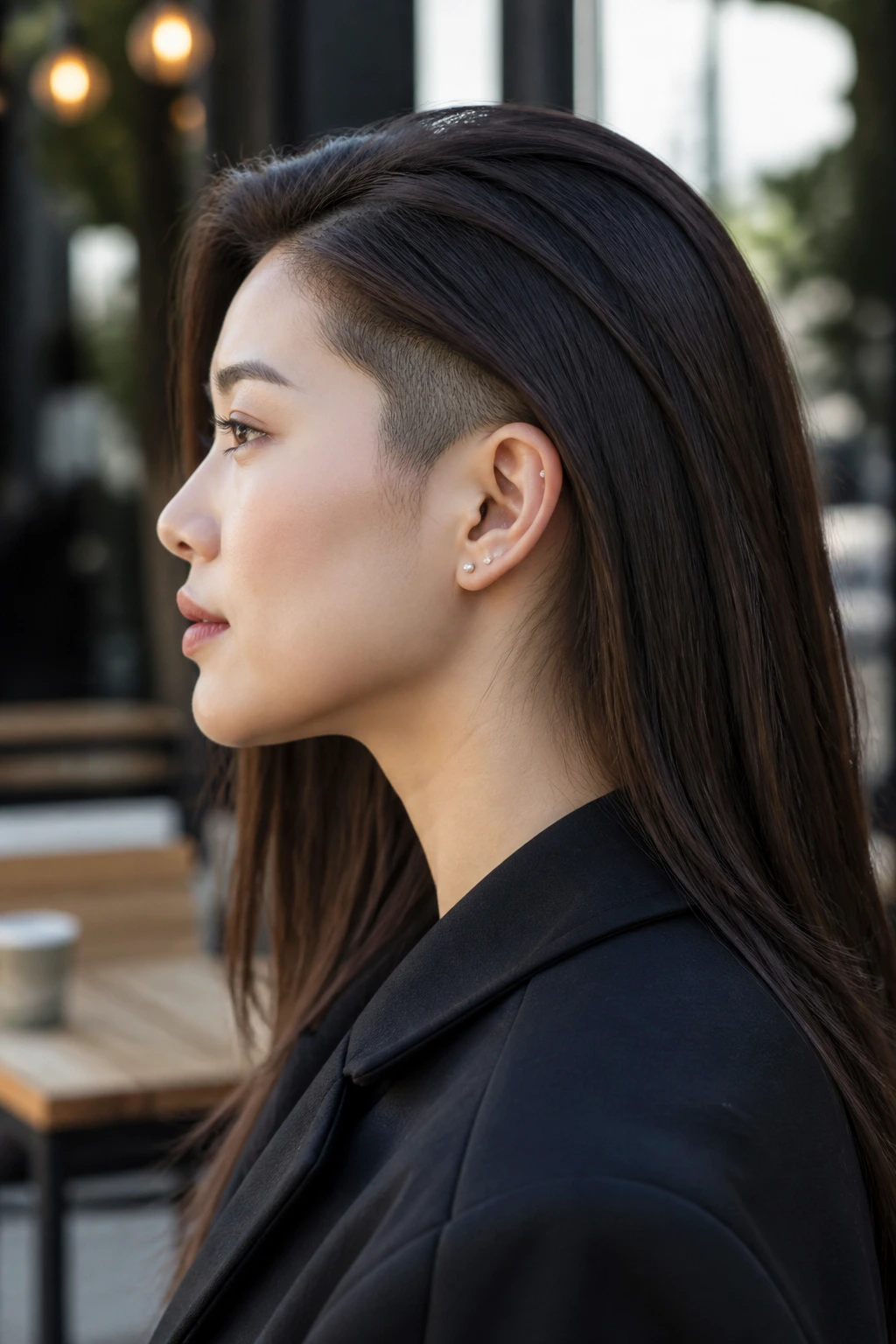
For those who want the drama of a dark espresso color but enjoy a touch of rebellion, a hidden undercut is a fantastic option. You keep your top layers long and sleek, colored in that deep, moody coffee tone, but shave or buzz the nape of the neck. When you wear your hair down, it looks like a classic, sophisticated style. But the moment you pull your hair into a high ponytail, that hidden texture is revealed. It is a brilliant way to manage thick, straight hair while keeping the primary look professional.
6. Micro-Fine Espresso Highlights
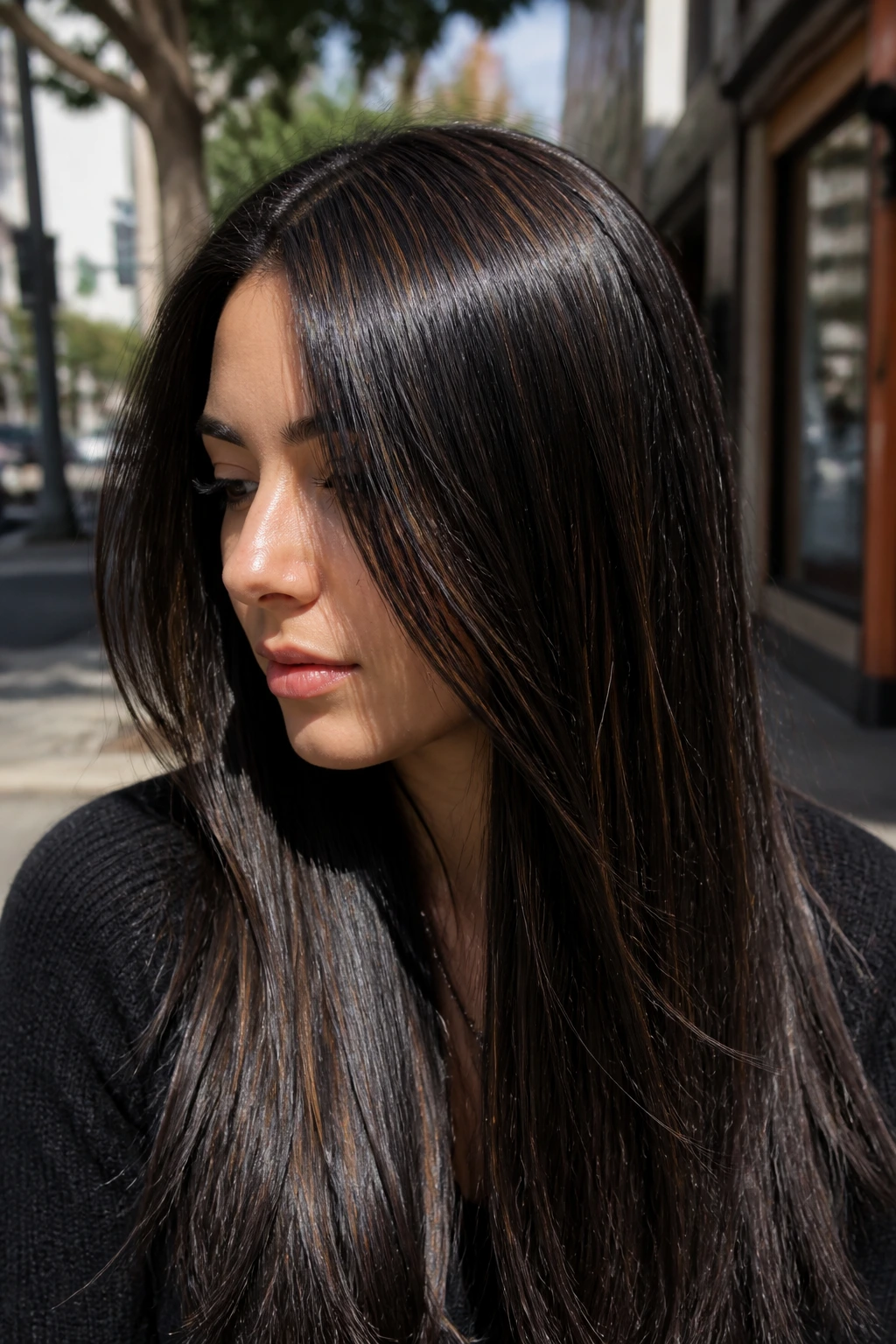
This is the “expensive” version of highlights. Instead of chunky streaks, ask for micro-fine, almost invisible highlights in a slightly warmer, roasted-coffee shade. They are barely discernible, but when you step into the sun, your hair will shimmer with a multi-tonal, espresso-inspired glow. It is the perfect entry point if you are worried about the dark color looking “flat” or “wig-like.”
7. Espresso Shag With Straight-Cut Ends
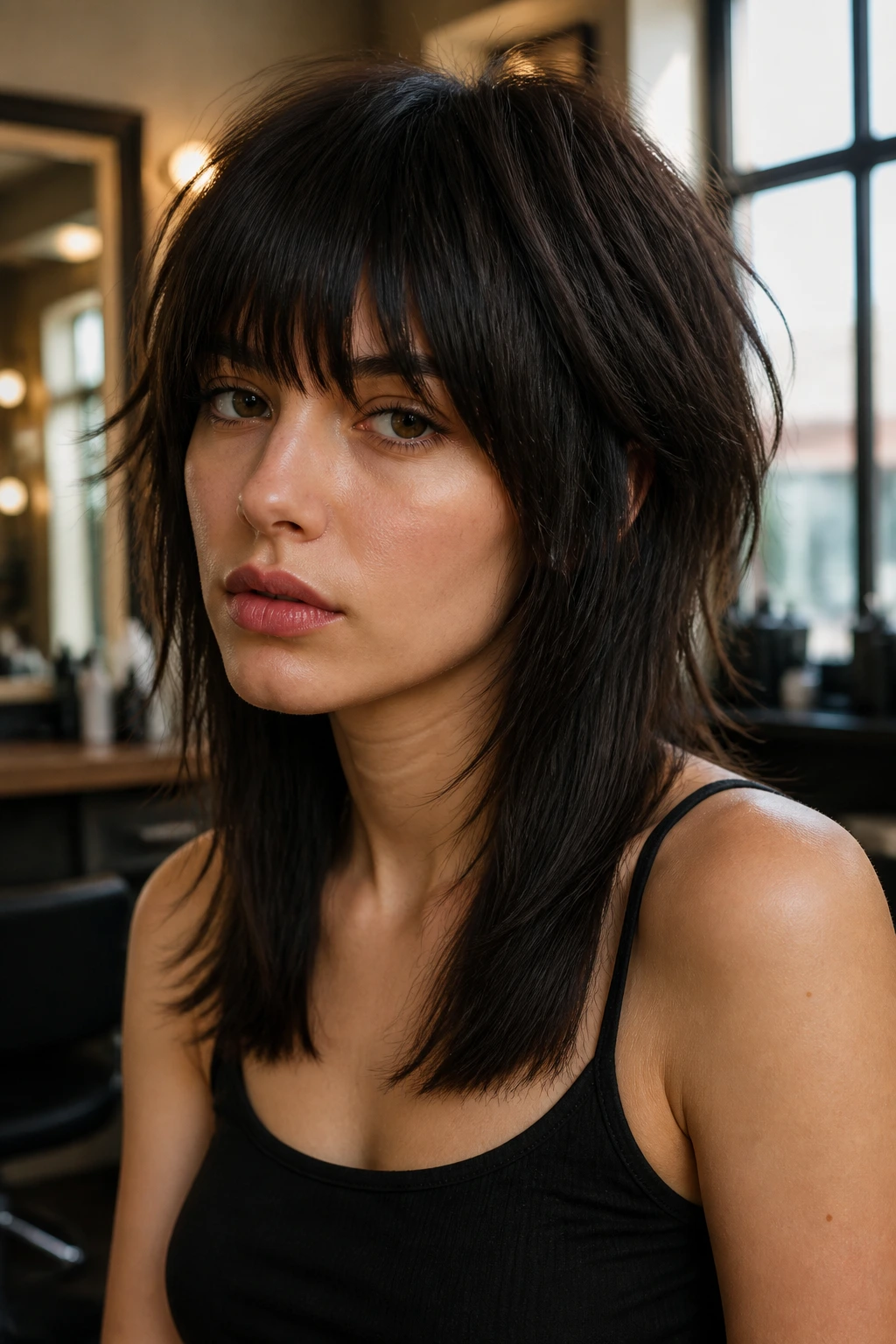
The modern shag is usually associated with waves, but on straight hair, it is a masterclass in texture. By keeping the bangs and layers sharp and distinct, the espresso color takes on a moody, “cool-girl” vibe. The contrast between the short, choppy layers at the crown and the long, sleek pieces in the back is elevated by the uniform, dark shade. This style is meant to look slightly undone, so do not over-style it.
8. The Glass-Finish Deep Side Part
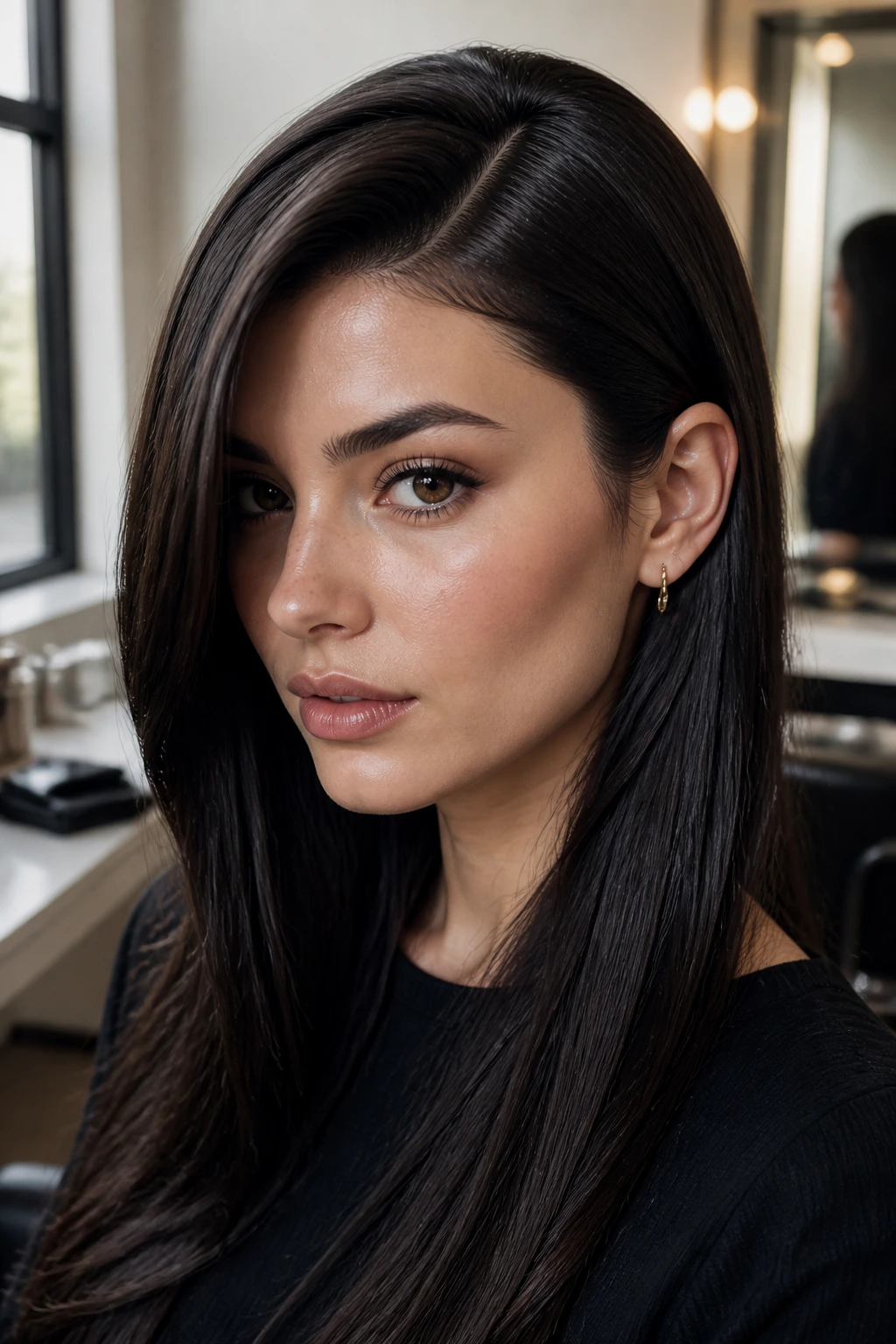
If you want to shift your look without a permanent change, try a dramatic side part on your espresso hair. A deep side part instantly creates volume at the root, which can be difficult to achieve with straight hair. Use a fine-tooth comb to ensure the part is perfectly straight, then smooth down the flyaways with a light pomade. The result is a high-glamour look that feels very red-carpet, especially when the hair is as dark as a fresh shot of espresso.
9. Espresso Root Melt to Espresso-Brown Ends
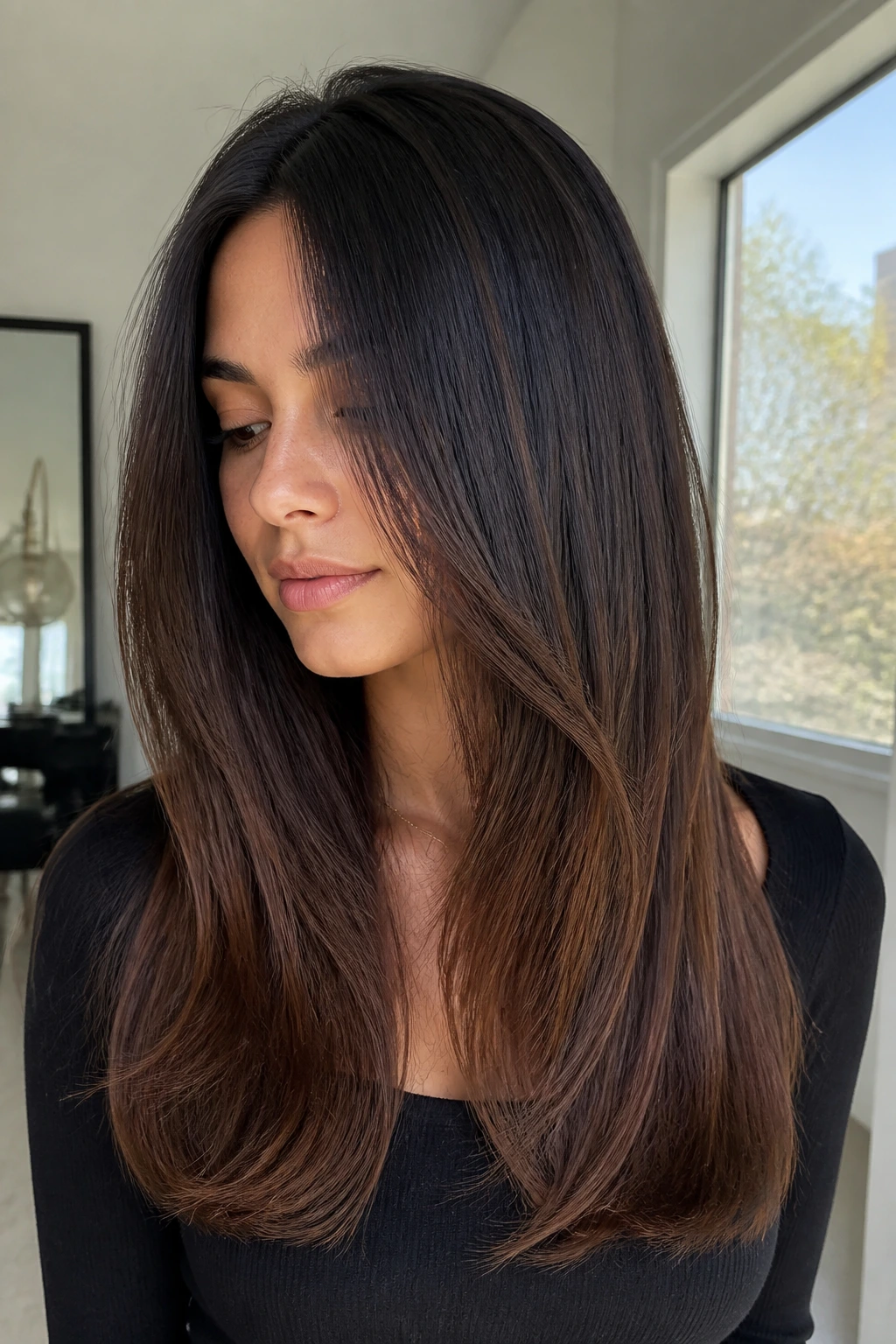
Sometimes, a total blackout from root to tip can be intimidating. A root melt allows you to have a darker, shadow-root espresso that gradually blends into a slightly lighter, warmer espresso-brown at the ends. It looks completely natural, as if your hair has been kissed by the sun over several months. It also makes for a very soft grow-out phase, so you aren’t tied to the salon chair every four weeks.
10. The 90s-Inspired Espresso High Ponytail
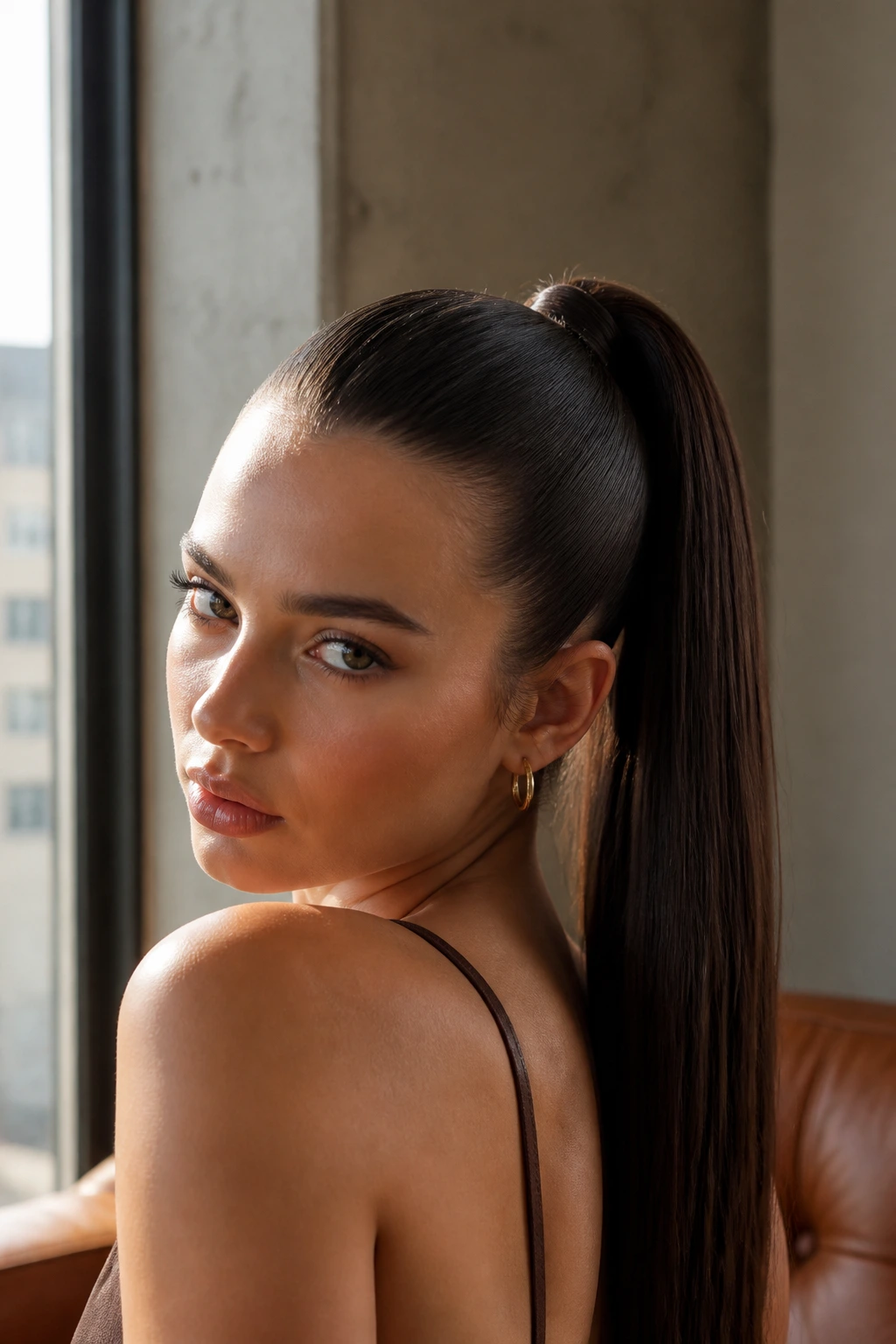
High, sleek, and sharp. The 90s are back in full force, and nothing says “sleek” like an espresso-toned ponytail. The key here is the tension—you want the hair pulled back tightly, with zero bumps, and secured at the crown of your head. Wrap a small strand of hair around the elastic to hide it for a seamless finish. This style works best on second-day hair, where the natural oils provide that extra bit of grit and hold.
11. Face-Framing Espresso Pieces (The “Money Piece”)
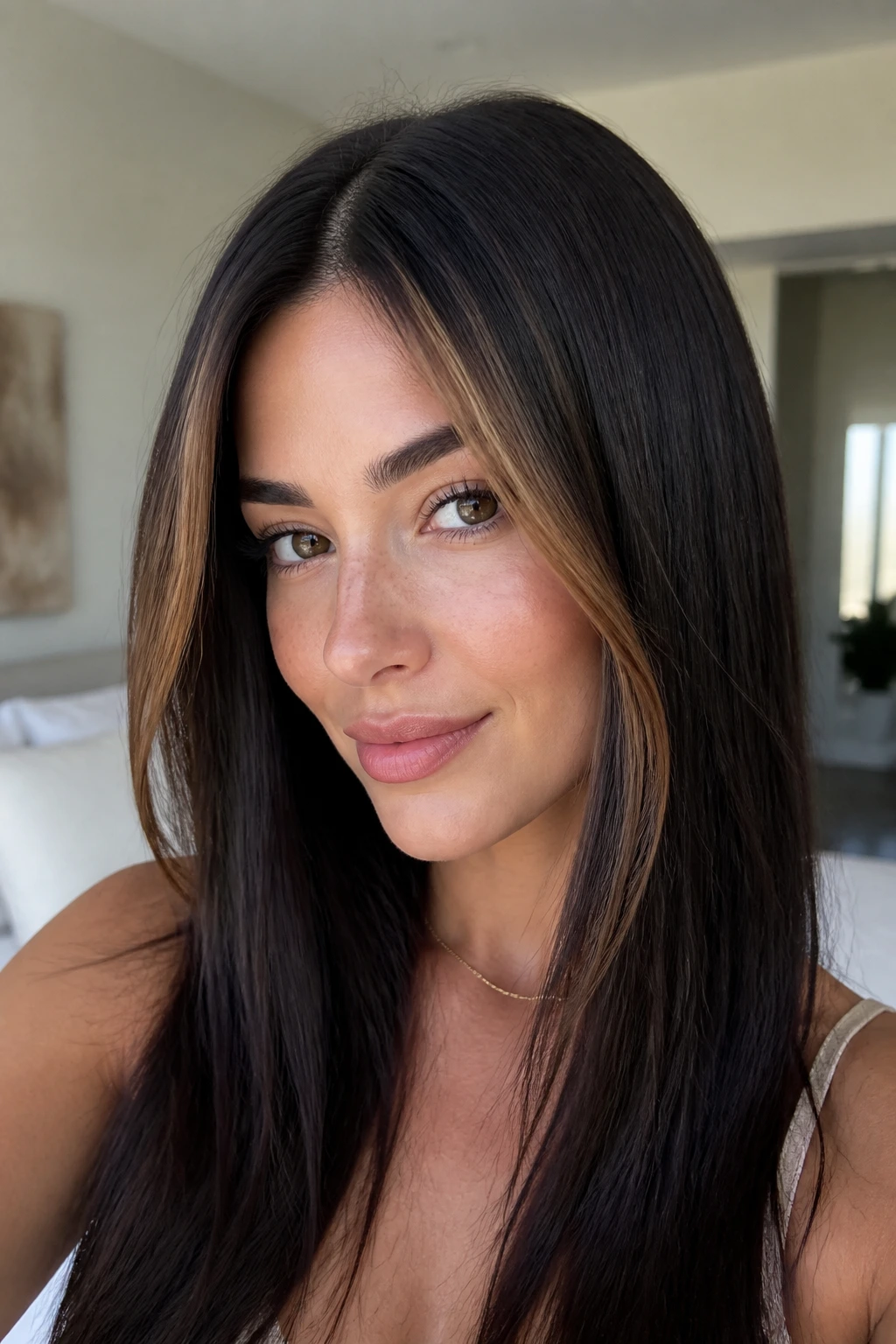
This is a trend that isn’t going anywhere. By bleaching two small strands at the front of your face and toning them to a softer, warmer espresso-brown, you create an instant halo effect. It lightens your entire face and creates a beautiful contrast against the rest of your deep, dark hair. It is a relatively low-commitment way to play with contrast without dyeing your entire head.
12. The Espresso Blunt Cut with Internal Layers
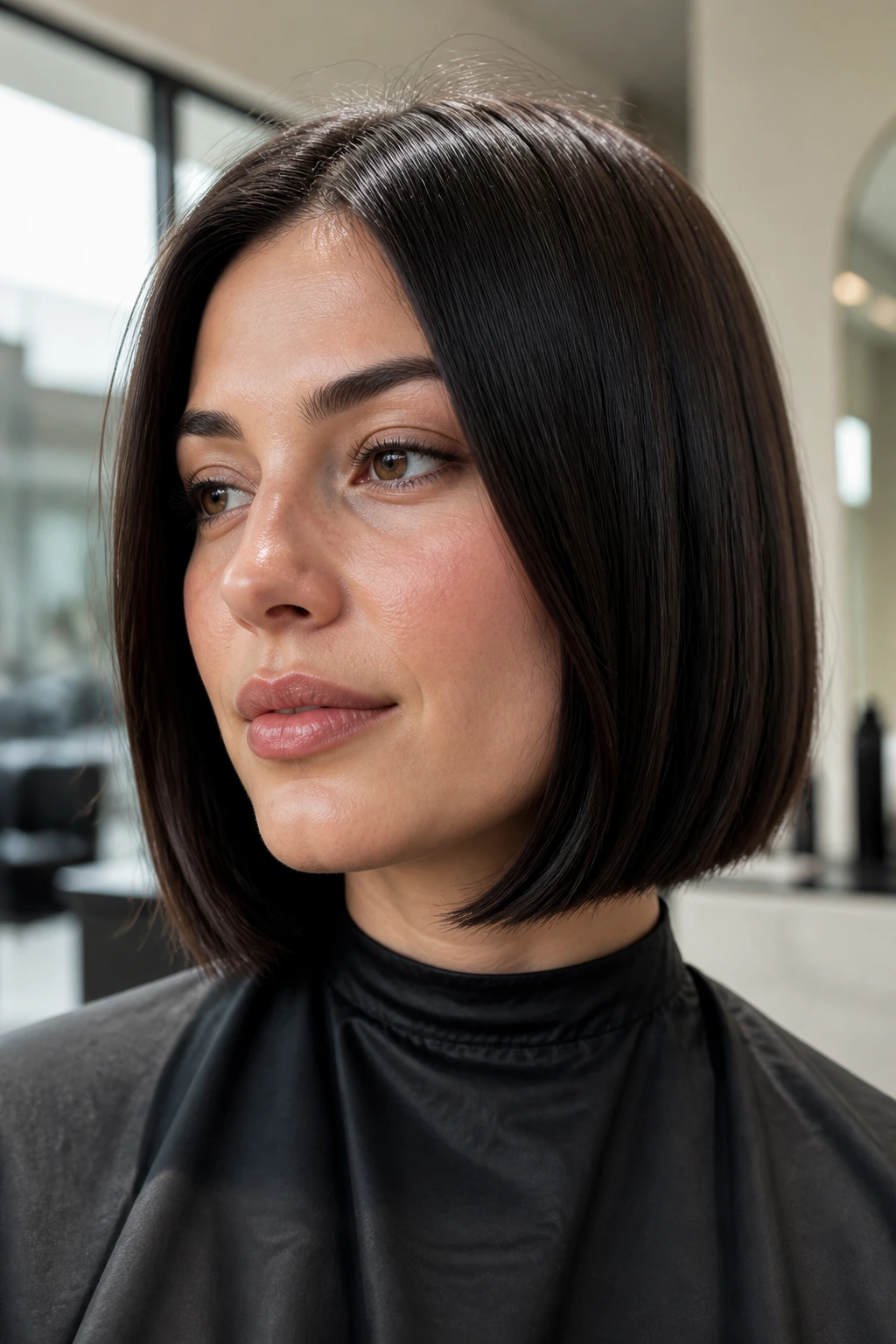
If you have extremely thick, straight hair, the blunt cut can sometimes feel too heavy. Ask your stylist for “internal layers”—invisible, thinning layers cut into the underside of the hair. This reduces weight and allows the hair to lie flatter and smoother, which is essential for that polished espresso look. It doesn’t change the silhouette, but it drastically improves how the hair moves and sits.
13. The Textured Espresso Pixie
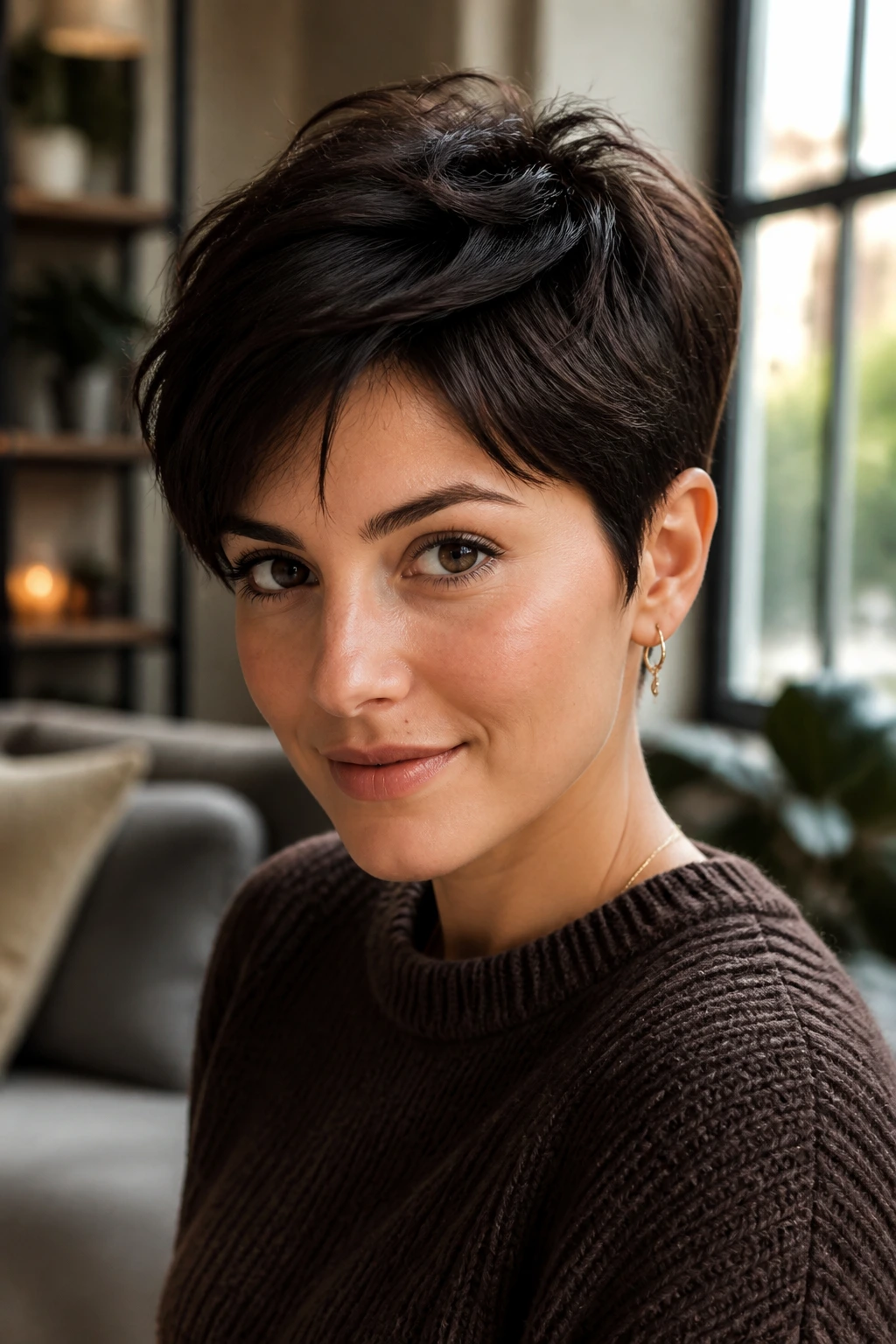
Yes, espresso works beautifully on short hair too. A pixie cut with slightly longer, tousled pieces on top looks incredibly chic in a deep coffee shade. Because the hair is short, the espresso color makes it look dense and healthy. You can use a bit of texturizing paste to give the top pieces a messy, “bedhead” look that contrasts with the sleek, polished color.
14. Espresso Tones with a Copper Under-Layer
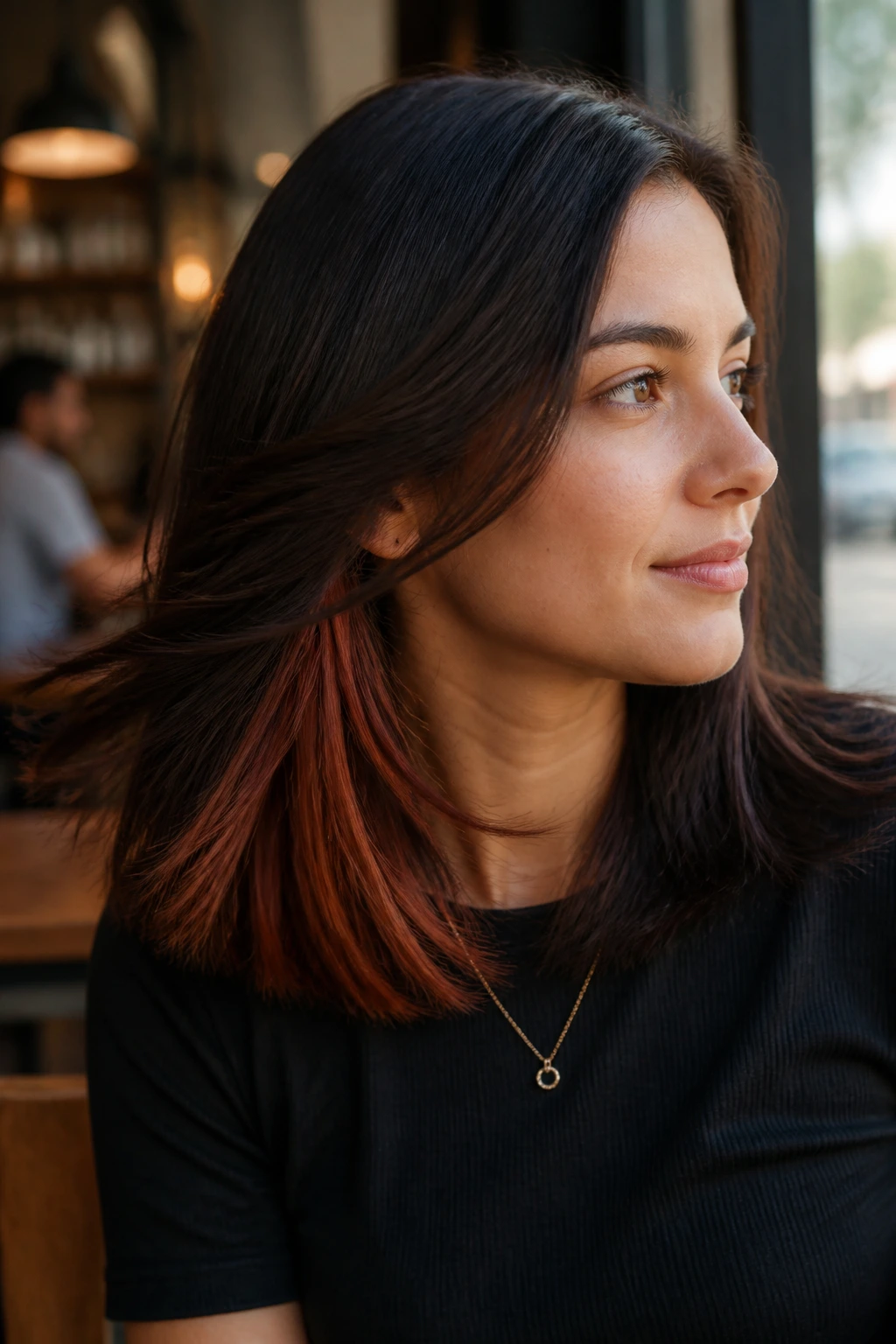
Think of this as the “coffee and cream” effect. Dye your outer layer a deep, rich espresso, but keep the nape area a vibrant, burnt copper. When the hair is still, the espresso is all you see. When the wind blows or you move your head, flashes of copper peek through. It is a sophisticated, artistic way to add color without overwhelming your natural straight-hair silhouette.
15. The “Wet Look” Espresso Slick-Back
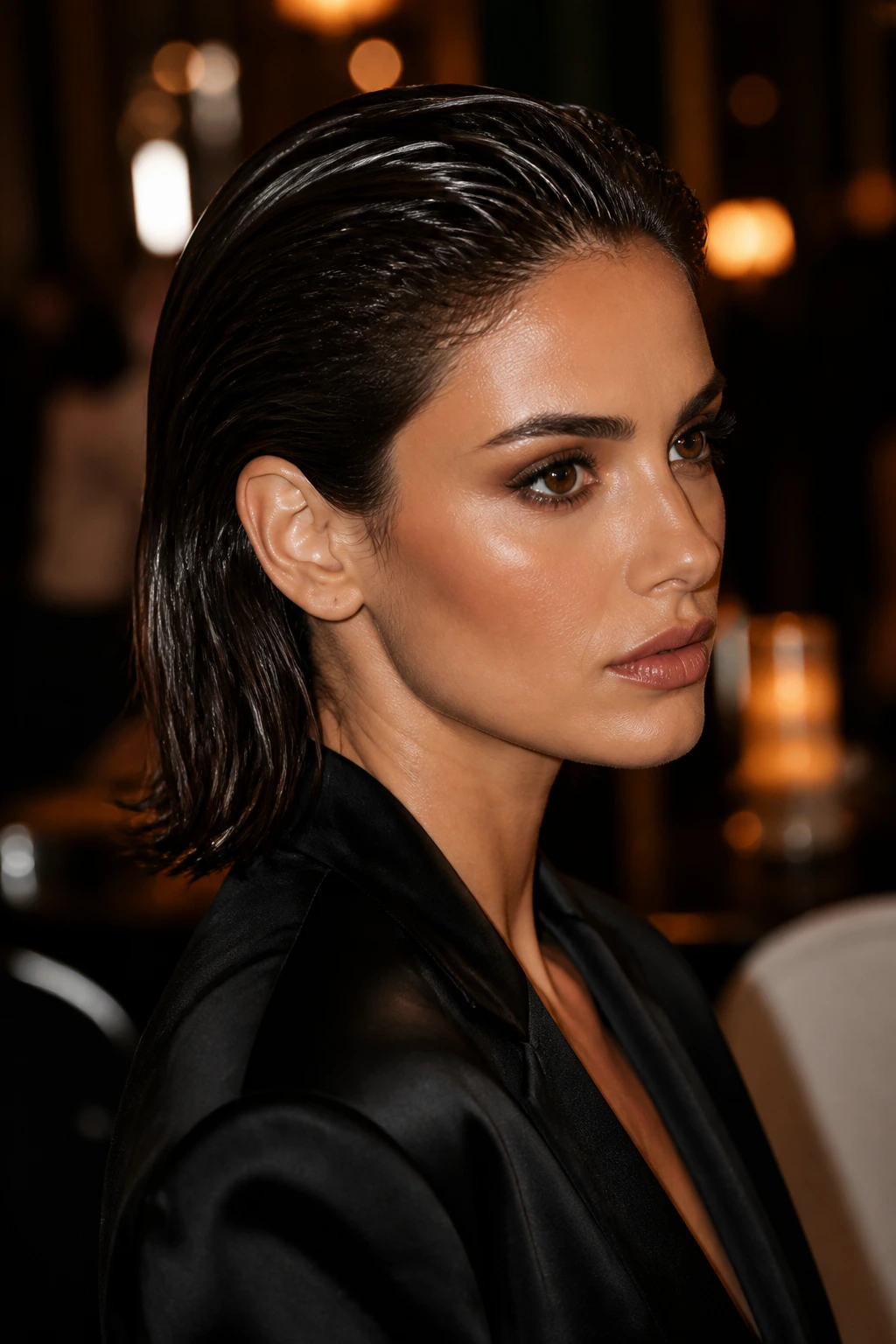
The wet look is perfect for evening events. It relies on a high-shine gel or oil applied to damp hair, pulled back firmly away from the face. On espresso hair, this style looks particularly luxurious. It highlights the depth of the dark pigment and gives off an air of modern, high-fashion mystery.
16. Espresso Color with Soft, Feathery Layers
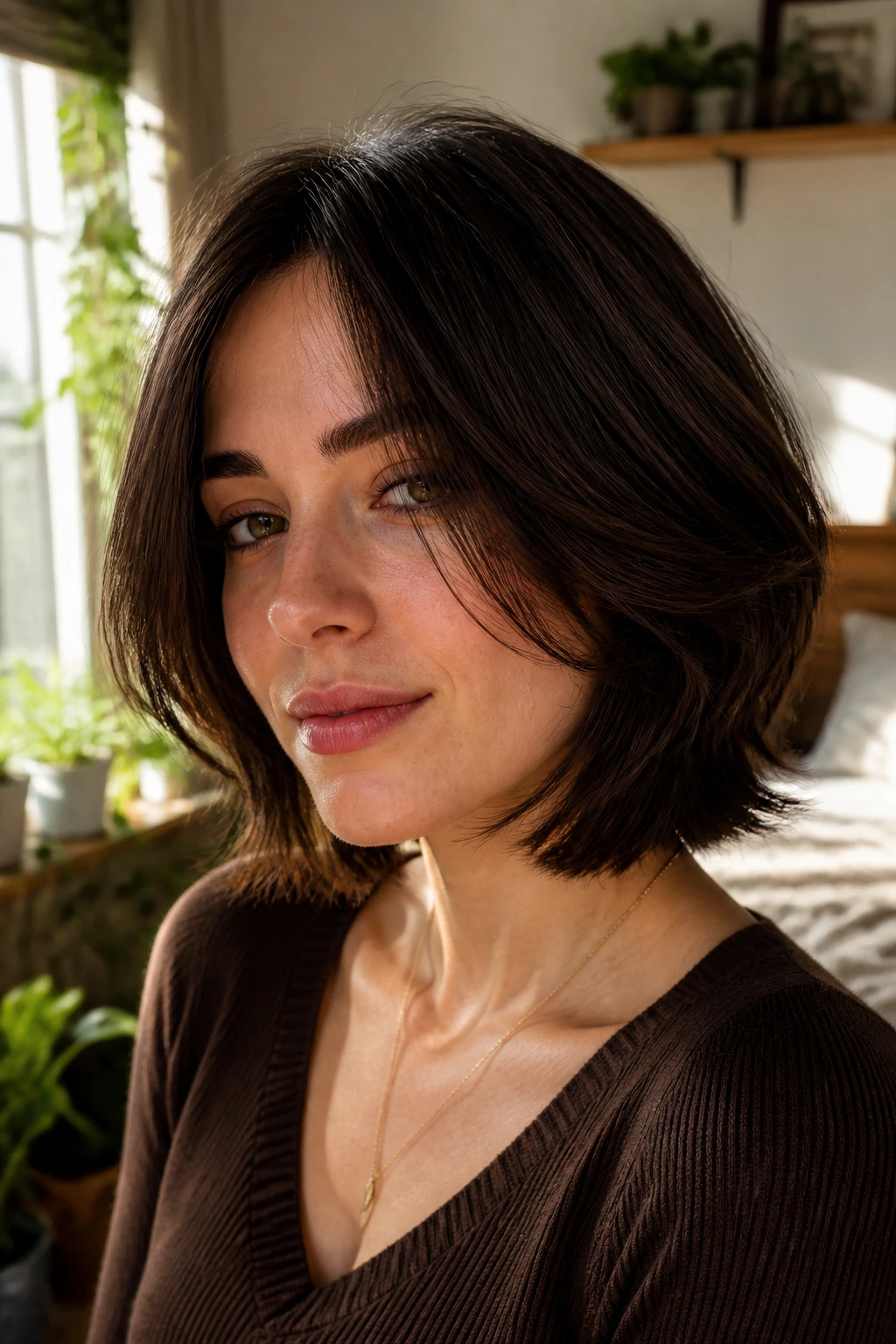
If you miss movement, ask for soft, feathery layers that start around the chin. These shouldn’t be chunky or obvious. Instead, they should feel light and airy, allowing the espresso color to catch the light from different angles. It prevents the hair from looking like a single, blocky mass and adds a feminine, classic touch to the style.
17. The Espresso Lob (Long Bob) with Blunt Fringe
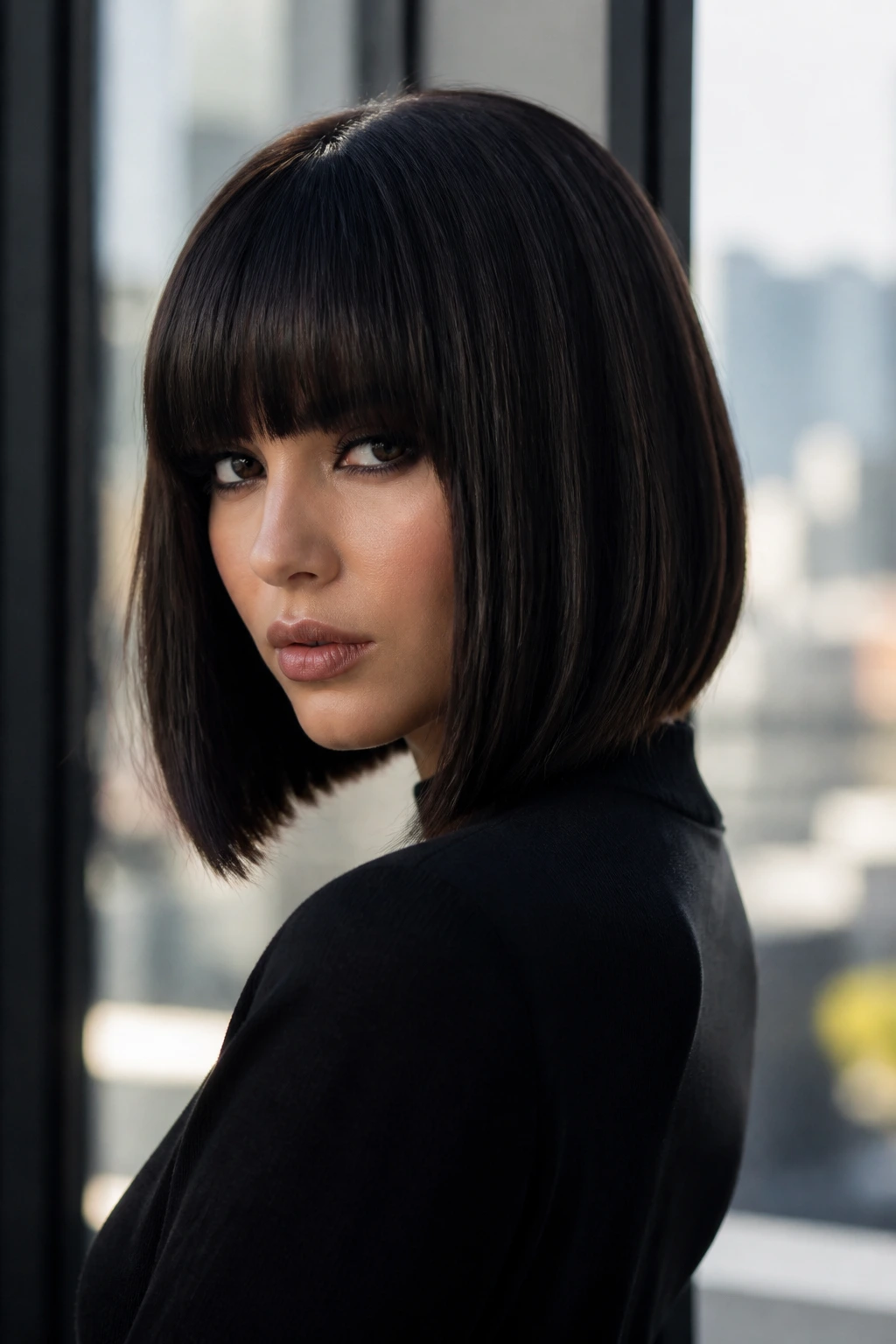
A lob is the most versatile cut in the book. Pairing it with a heavy, blunt fringe in a dark espresso shade creates a dramatic, somewhat gothic look that is incredibly stylish. The heavy fringe emphasizes your eyes, while the dark color gives your hair a sense of purpose and strength. This is a bold choice, but it is one that pays off with effortless style.
18. Espresso Ends with a Natural Base
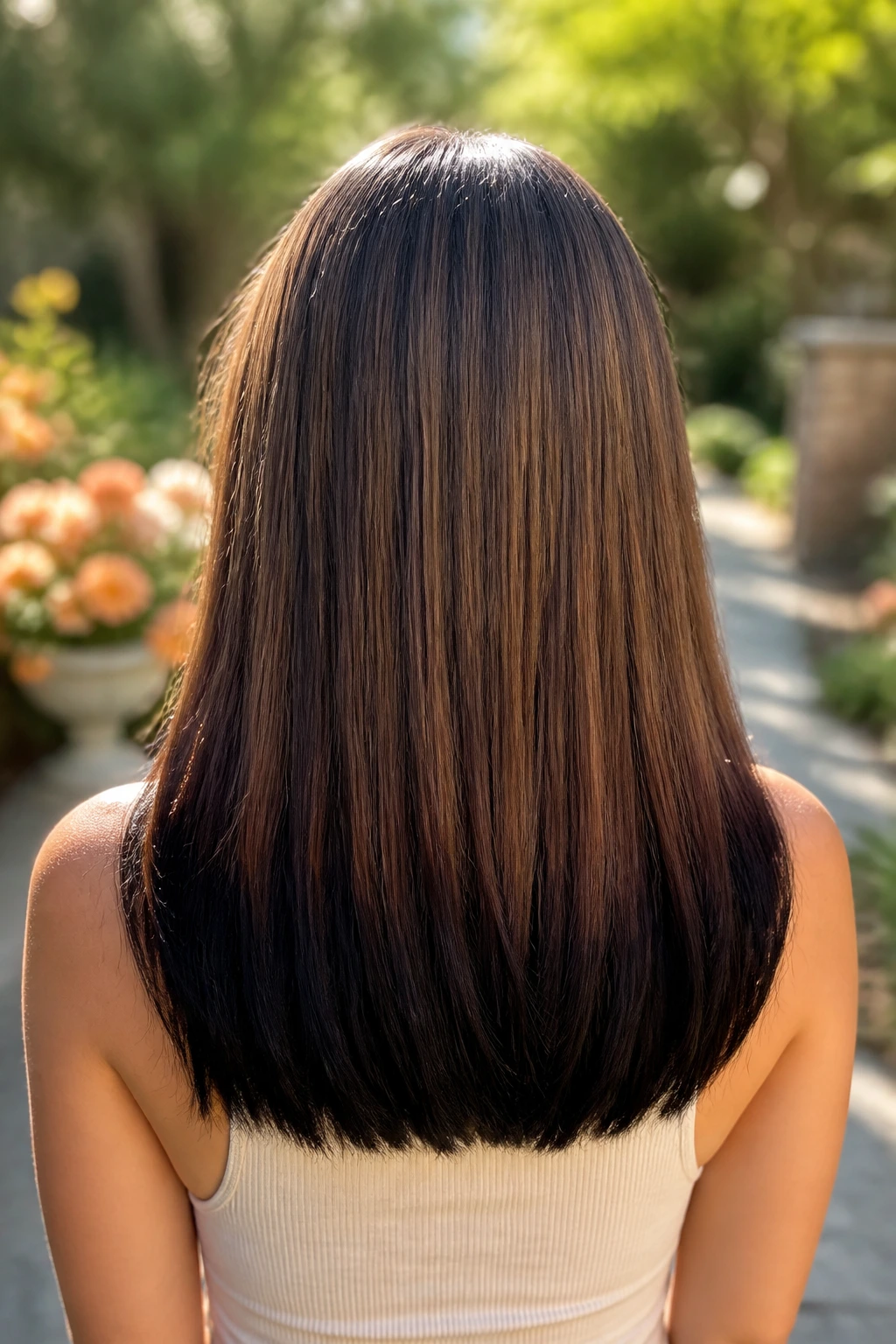
For those who prefer a “barely there” color change, consider a subtle dip-dye or ombré. Keep your natural hair color at the roots and mid-lengths, and only color the bottom four inches in a rich, dark espresso. It is a fantastic way to add dimension to the tips of your hair, especially if you have a habit of getting dry ends, as the dark color can often make them look thicker and healthier.
19. Espresso Hair with Subtle Caramel Lowlights
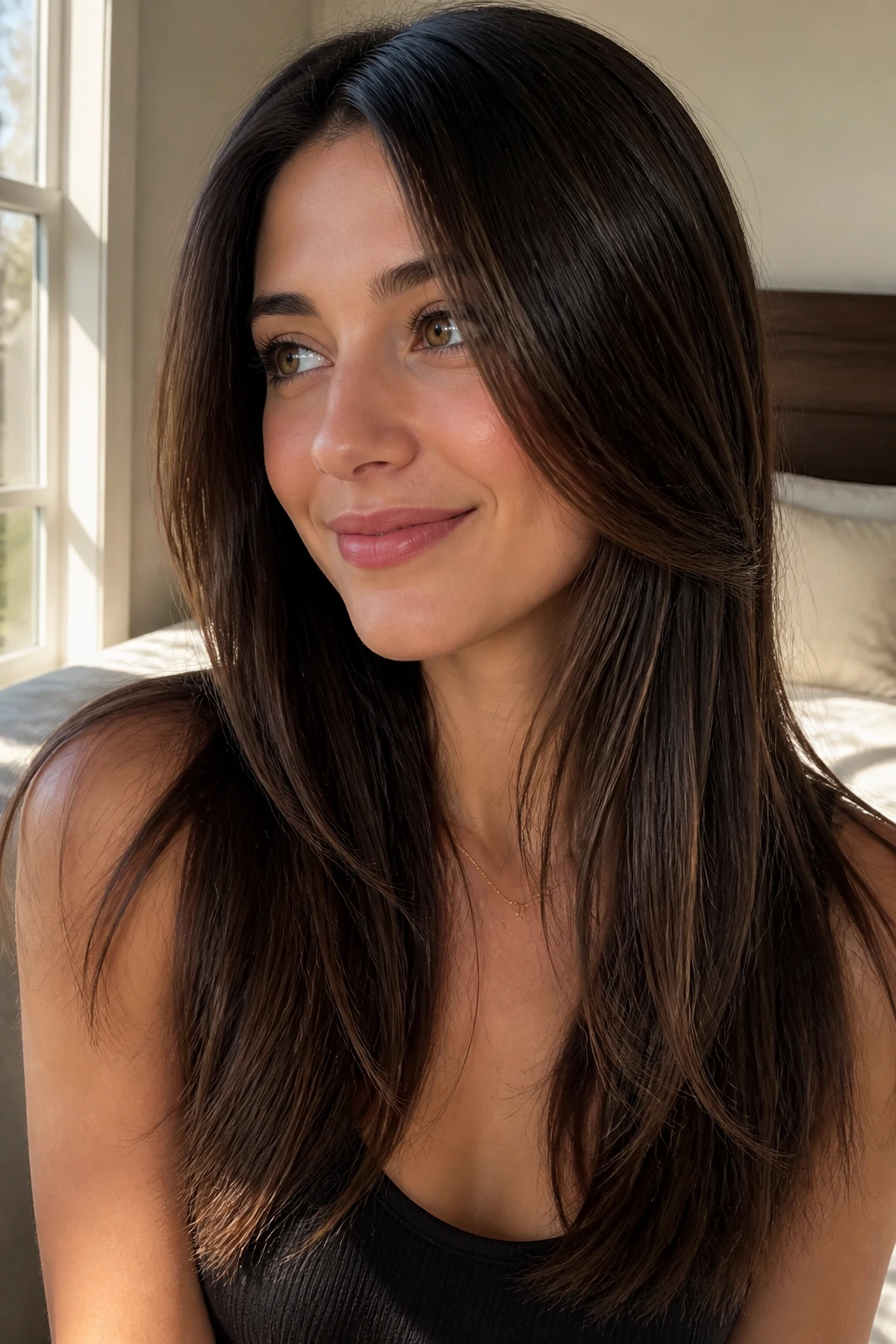
If you are worried that an all-over espresso will look too “flat,” ask for subtle, thin lowlights in a caramel shade. These are not highlights; they are intended to sit slightly darker or equally dark as your base to create shadow. It makes the hair look like it has a natural, expensive variation in tone, preventing the uniform “dye job” look.
20. The Sleek Espresso Bun
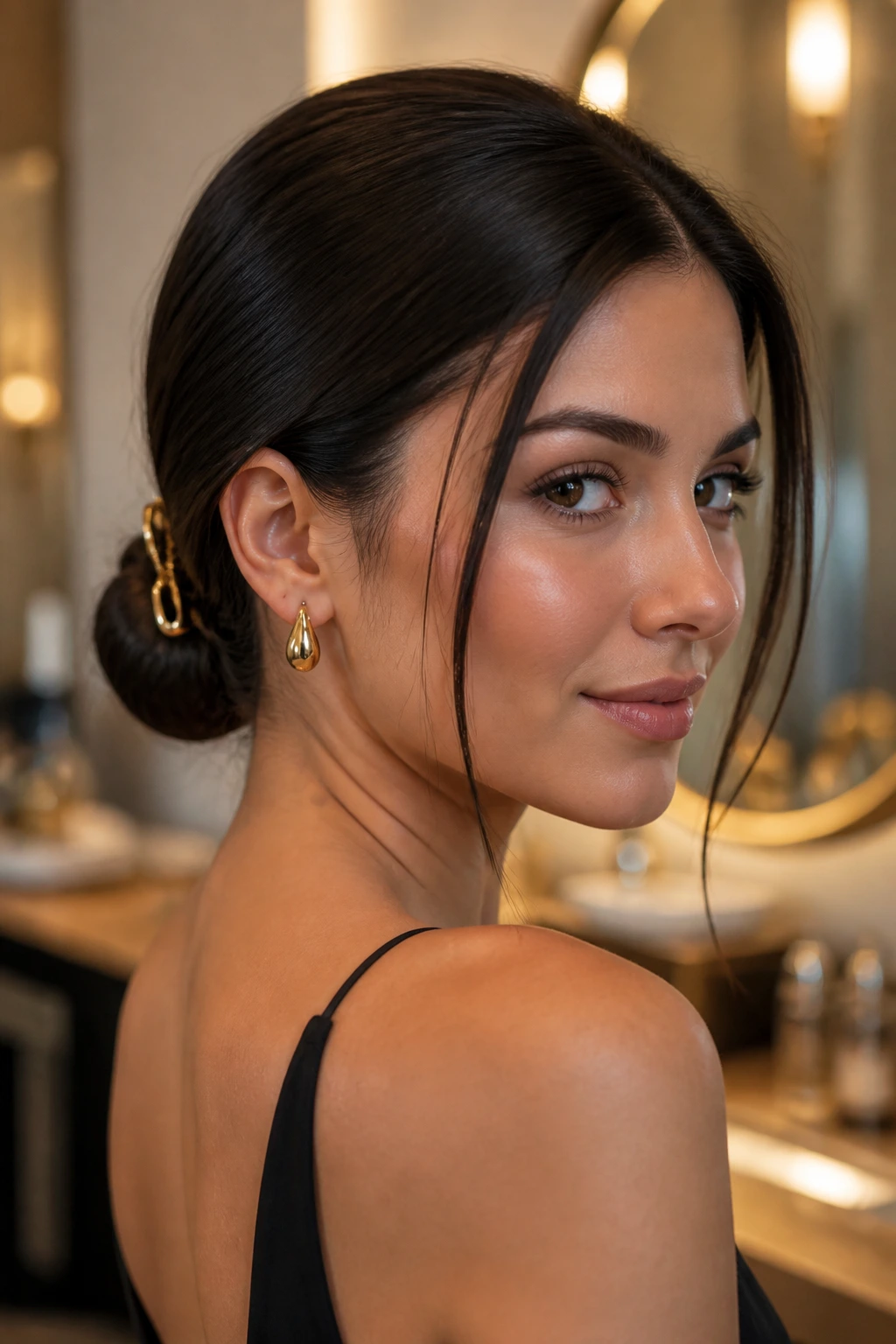
Sometimes the best way to wear a dark color is to get it out of your face entirely. A low, sleek bun—secured with a simple gold barrette—looks refined and incredibly elegant in a deep espresso shade. It is the ultimate “clean girl” aesthetic. It emphasizes the structure of your face and lets the rich color of your hair act as the primary accessory.
21. Espresso Tones with “Invisible” Layers
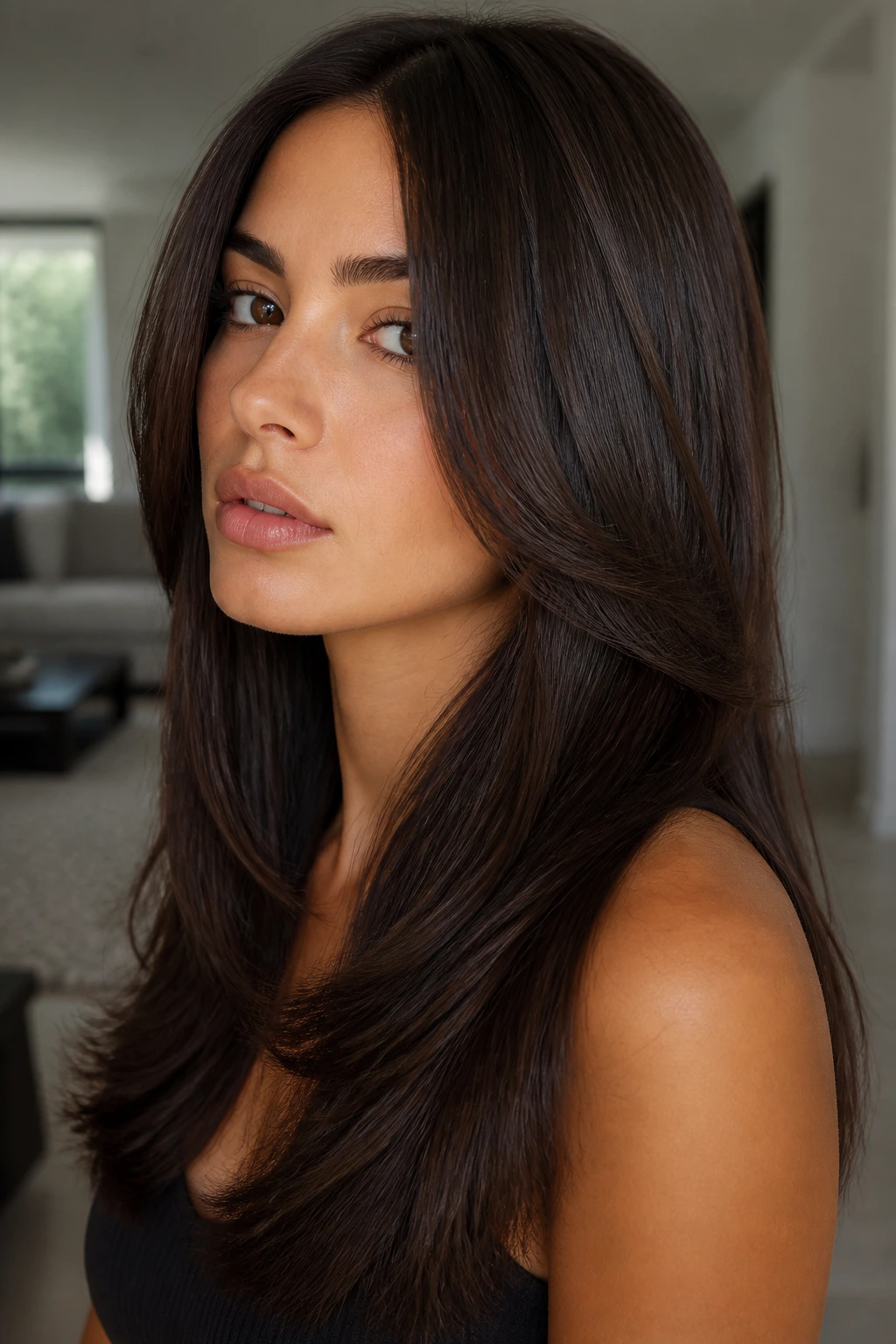
This style is for the purist. Keep the length consistent, but have the stylist cut in “invisible” layers that follow the curve of your face. This creates a soft, rounded shape that moves gracefully. In a deep espresso tone, this style looks very natural and healthy, as if you were born with that color and thickness. It is low-maintenance, polished, and timeless.
22. The Espresso A-Line Bob
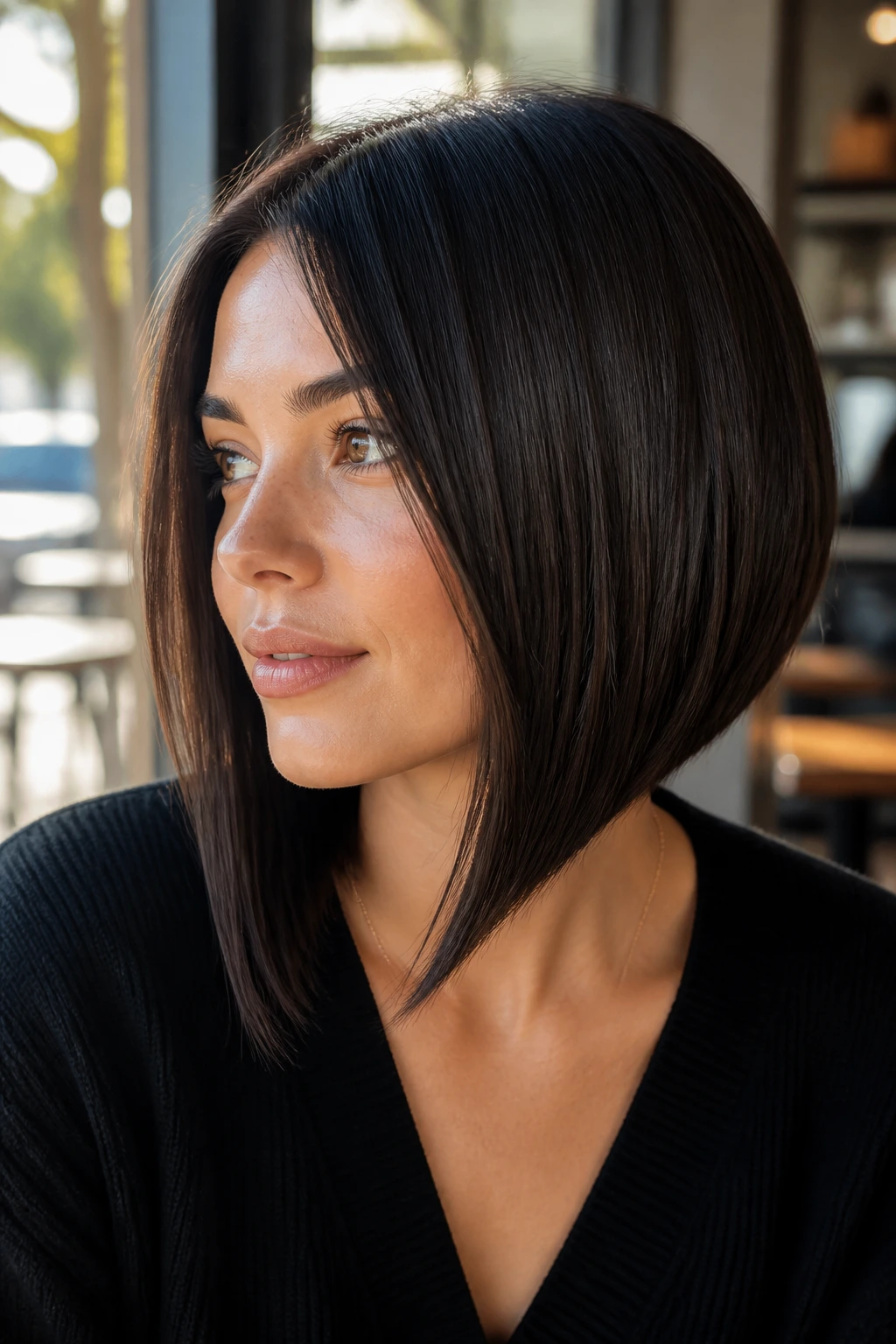
The A-line bob, where the front pieces are longer than the back, is a classic. When rendered in espresso, it becomes a structural statement. The angle of the cut draws the eye down, lengthening the neck, while the dark, rich color provides a grounding element. This style is perfect for those who want a dramatic change without needing to spend hours on styling in the morning.
Maintaining Your Espresso Shade
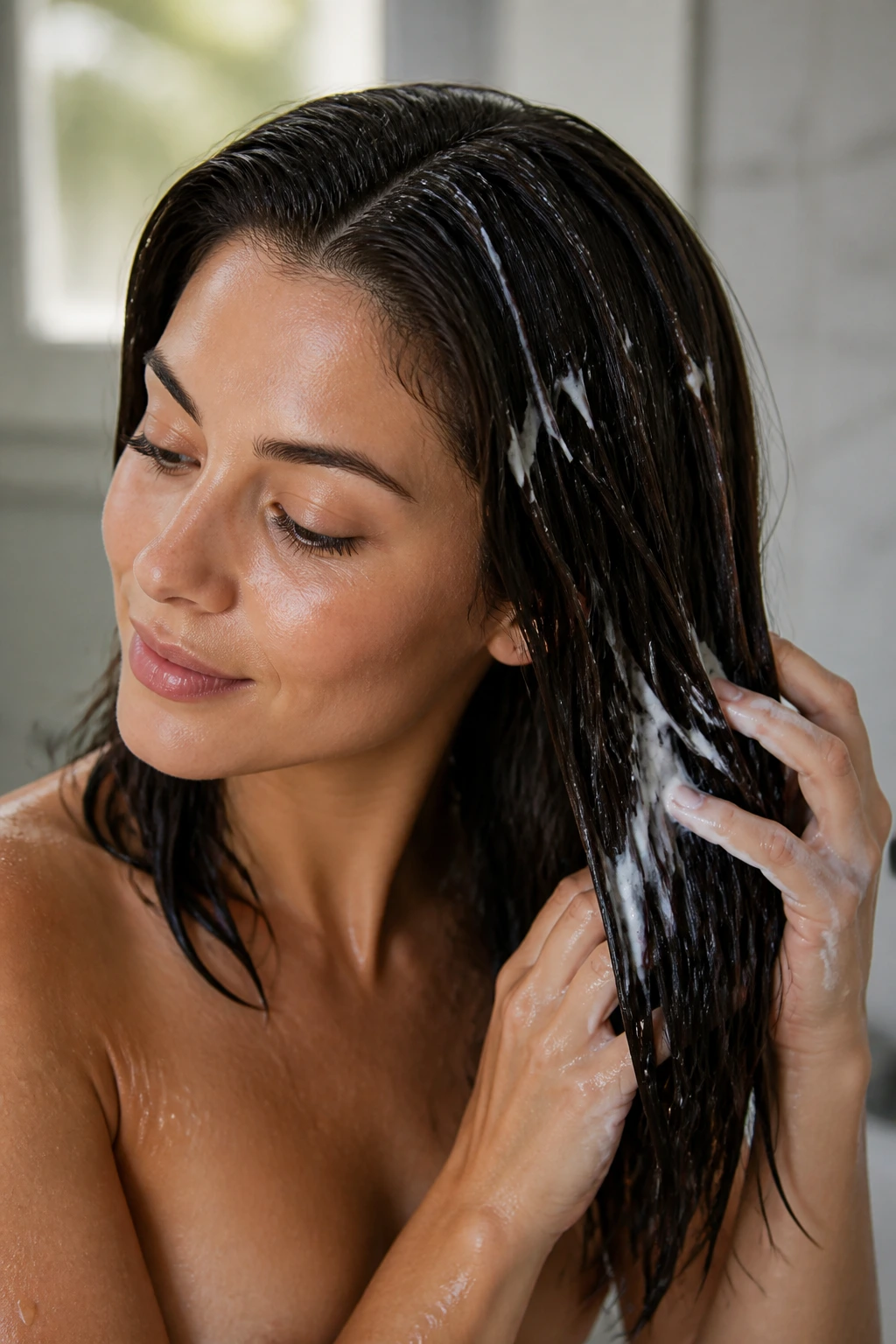
The biggest challenge with dark espresso hair is not the initial coloring, but the long-term maintenance of the shine. Straight hair is notorious for showing every imperfection, and a dull, faded espresso shade will lose that “expensive” look quickly. You need a dedicated routine that focuses on moisture and color preservation.
Essential Care Tips
- Always wash with cool water to keep the hair cuticle lying flat; heat opens the cuticle and lets color bleed out.
- Use a sulfate-free shampoo specifically designed for color-treated, dark hair to prevent the espresso pigment from turning brassy or muddy.
- Incorporate a weekly deep-conditioning mask. Because you are using dark, heavy pigment, your hair needs extra nourishment to keep it from feeling stiff or coarse.
- Avoid excessive heat styling. If you must use a flat iron for that glass-like finish, keep the temperature below 350°F (175°C) to protect your color.
The Bottom Line
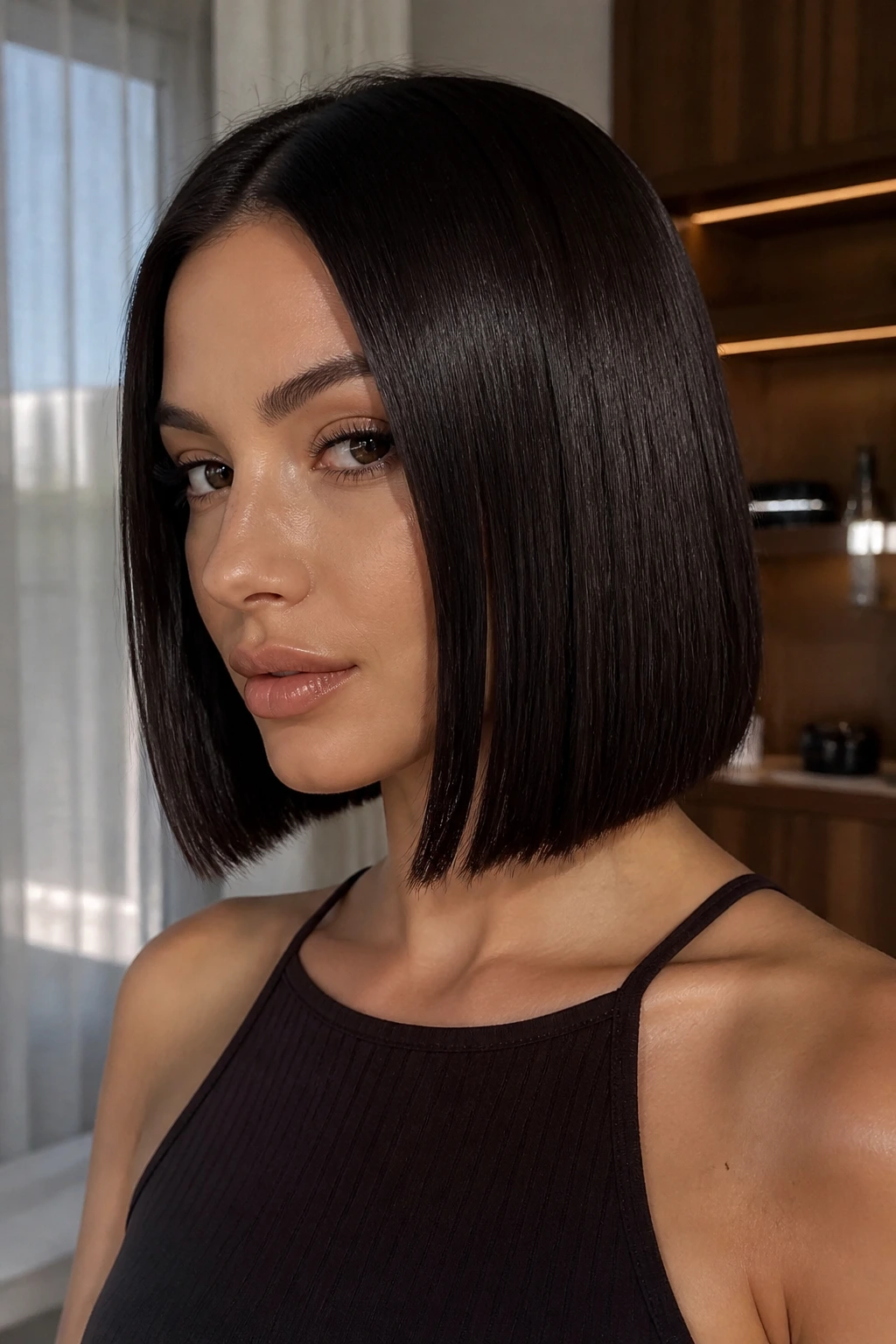
Choosing an espresso-inspired shade for straight hair is a commitment to precision and shine. You are not just choosing a color; you are choosing a look that requires you to lean into the sleek, polished nature of your hair. Whether you opt for a sharp, blunt bob or a long, flowing style with subtle ribbons of color, the result should always feel rich, multidimensional, and full of life. Remember, the beauty of the espresso aesthetic is the depth—always prioritize healthy, hydrated hair to ensure that your color captures the light exactly how you intended. When your hair is hydrated, the espresso tone won’t just look dark; it will look like a deep, bottomless well of color that draws the eye in.