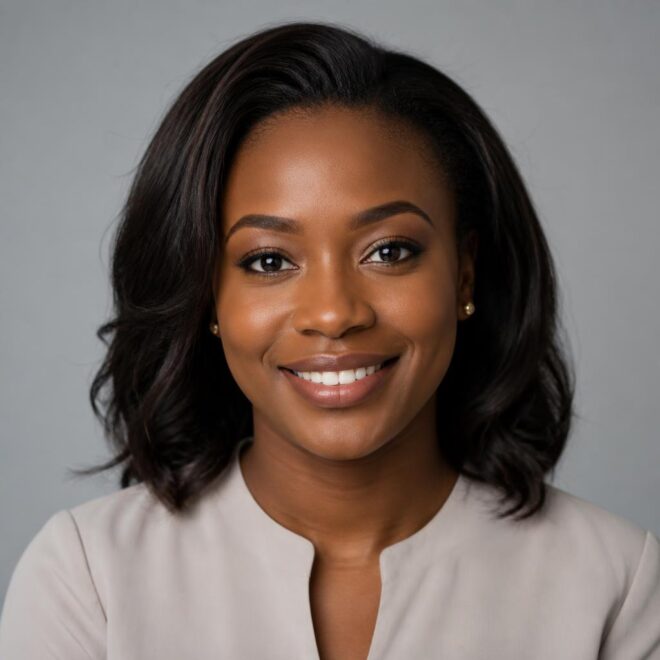


There is a quiet, transformative power in the act of cutting your hair shorter. It is not just about the length; it is about the shape, the movement, and the immediate shift in how you carry yourself. A bob, particularly one hovering somewhere between the chin and the collarbone, acts as a permanent frame for the face. It demands a level of attention that long, unstyled hair rarely requires, yet it offers a freedom from the constant weight and maintenance that often comes with growing locks past the shoulders. Whether your hair is thick, fine, wavy, or poker-straight, the medium-length bob serves as a stylistic middle ground that bridges the gap between sophisticated and effortless.
Finding the right cut starts with understanding the geometry of your own face and the natural texture of your strands. Many women fear the bob because they believe it limits their styling options, but in practice, it is often the opposite. A well-executed cut eliminates the dead weight, breathes life back into flat roots, and allows you to play with texture in ways that are simply impossible when you are working with excess length. If you are looking for a change that feels intentional, polished, and distinctly modern, a bob is the gold standard of editorial-grade hair design.
1. The Blunt Jawline Bob
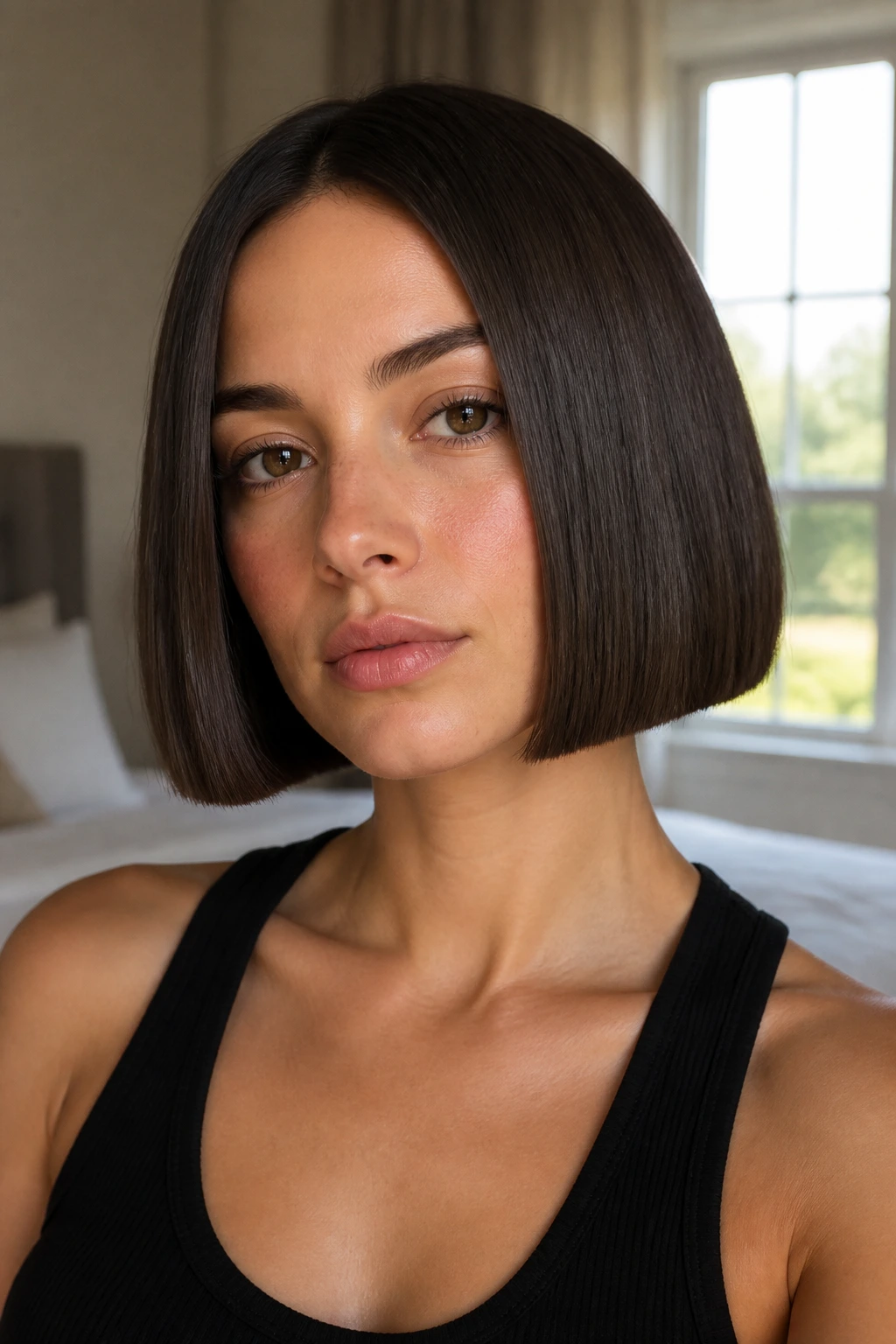
The blunt bob is the architectural anchor of the short hair world. It relies entirely on a clean, horizontal line that hits exactly at the corner of the jaw, creating a sharp boundary that draws the eye upward to the cheekbones. This cut works wonders for fine hair because the weightless, uniform edge prevents the dreaded thinness that can happen at the ends of longer hair. Because there are no internal layers to soften the line, the hair appears significantly denser than it actually is.
Styling the Blunt Edge
The goal here is precision. You will need a high-quality flat iron to achieve that signature “glass hair” finish, but be careful with the heat settings. Keeping your iron at 325°F is usually enough for most hair types to achieve smoothness without compromising the integrity of the cuticle. Use a small amount of heat protectant serum, but skip the heavy oils, as they will break that sharp, singular line you have worked so hard to achieve.
Who Should Choose This Cut
- People with naturally straight hair who want a low-maintenance, high-impact look.
- Those with fine hair that needs the illusion of extra thickness.
- Anyone comfortable with a trim every six to eight weeks to keep the line razor-sharp.
2. The Textured Wavy Lob
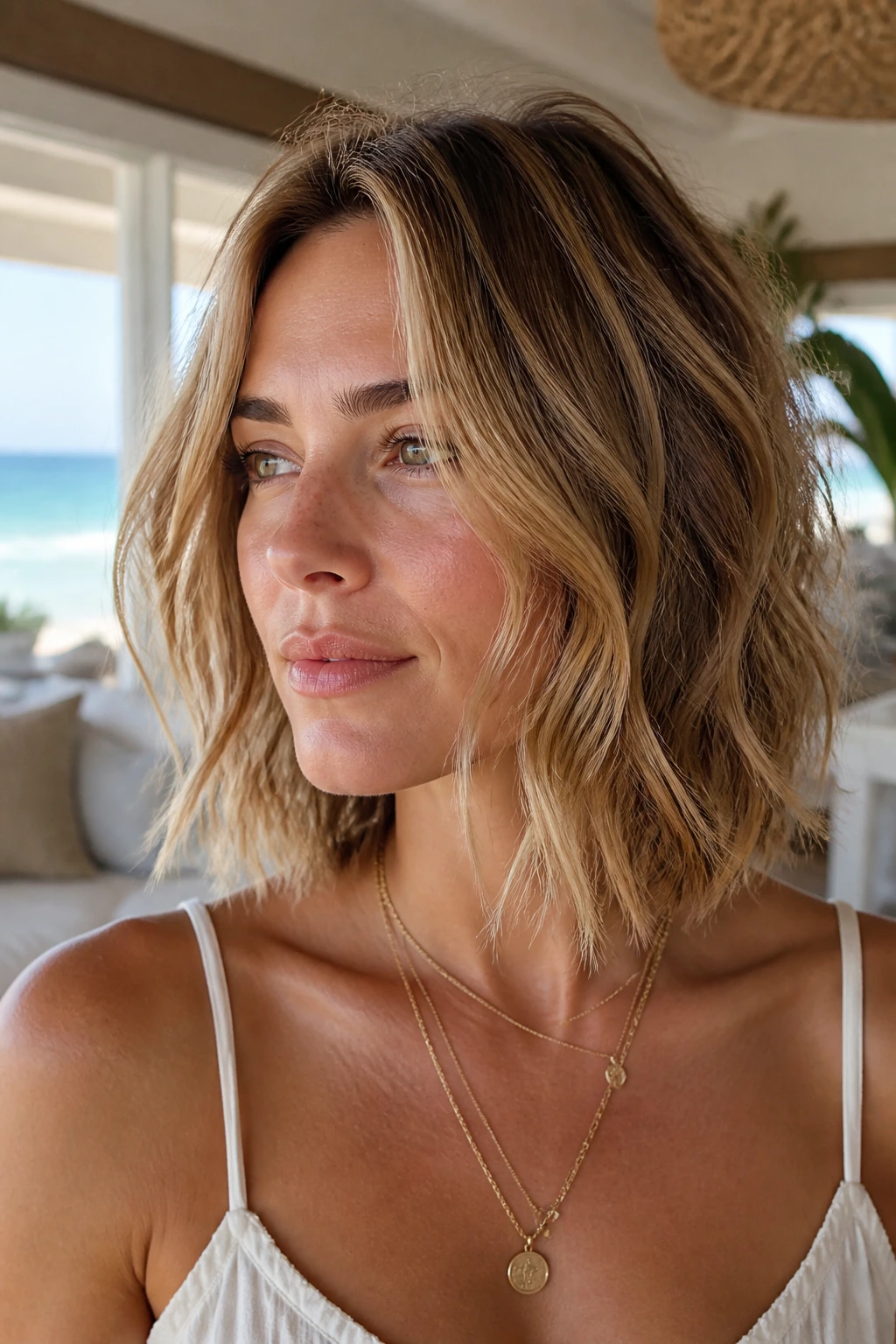
Moving slightly longer, the textured long bob, or “lob,” hits just above the collarbone. This is the ultimate “I woke up like this” hairstyle. Unlike the blunt bob, this look thrives on lived-in movement. We use point-cutting techniques here—snipping into the ends vertically—to remove bulk and create soft, invisible layers that allow the hair to bend and fold naturally. It is less about a perfect line and more about how the hair occupies space around the head.
Achieving the Lived-In Texture
You are looking for a messy, beachy feel that does not look like a pageant queen’s curls. A sea salt spray or a dry texturizing spray is your best friend here. Apply it to damp hair, twist small sections, and let them air dry. Once completely dry, shake the roots with your fingers to break up the clumps. The key is to keep the ends straight while adding a gentle bend to the mid-lengths.
3. The Classic French Bob with Micro-Fringe
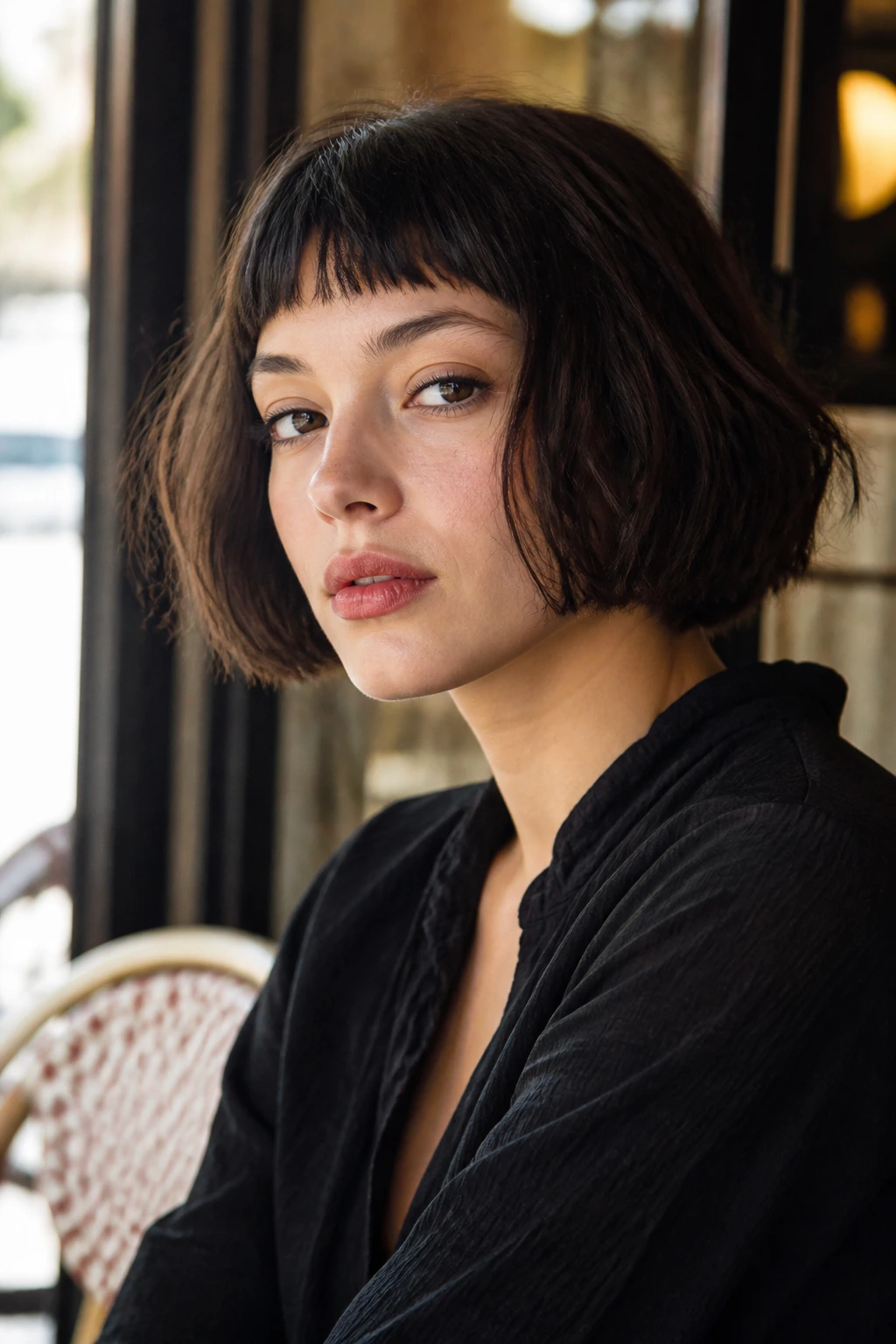
If you want to lean into a more artistic, editorial aesthetic, the French bob is unparalleled. It usually sits right at the mouth line and is paired with a shorter-than-usual bang that rests mid-forehead. It is bold, it is unapologetic, and it frames the eyes beautifully. This cut relies on soft layering that hugs the contour of the head, preventing the hair from pushing out into a mushroom shape.
Managing the Micro-Bang
Bangs are a commitment, but the micro-fringe is a structural choice. You must be prepared to trim these every three weeks, as they grow out into your eyes very quickly. Use a small round brush when blow-drying to ensure they have a subtle, soft curl inward. If they feel too stiff, a tiny dab of matte pomade will give them that piecey, natural look that feels very Parisian and distinctly unstyled.
4. The Angled Stacked Bob
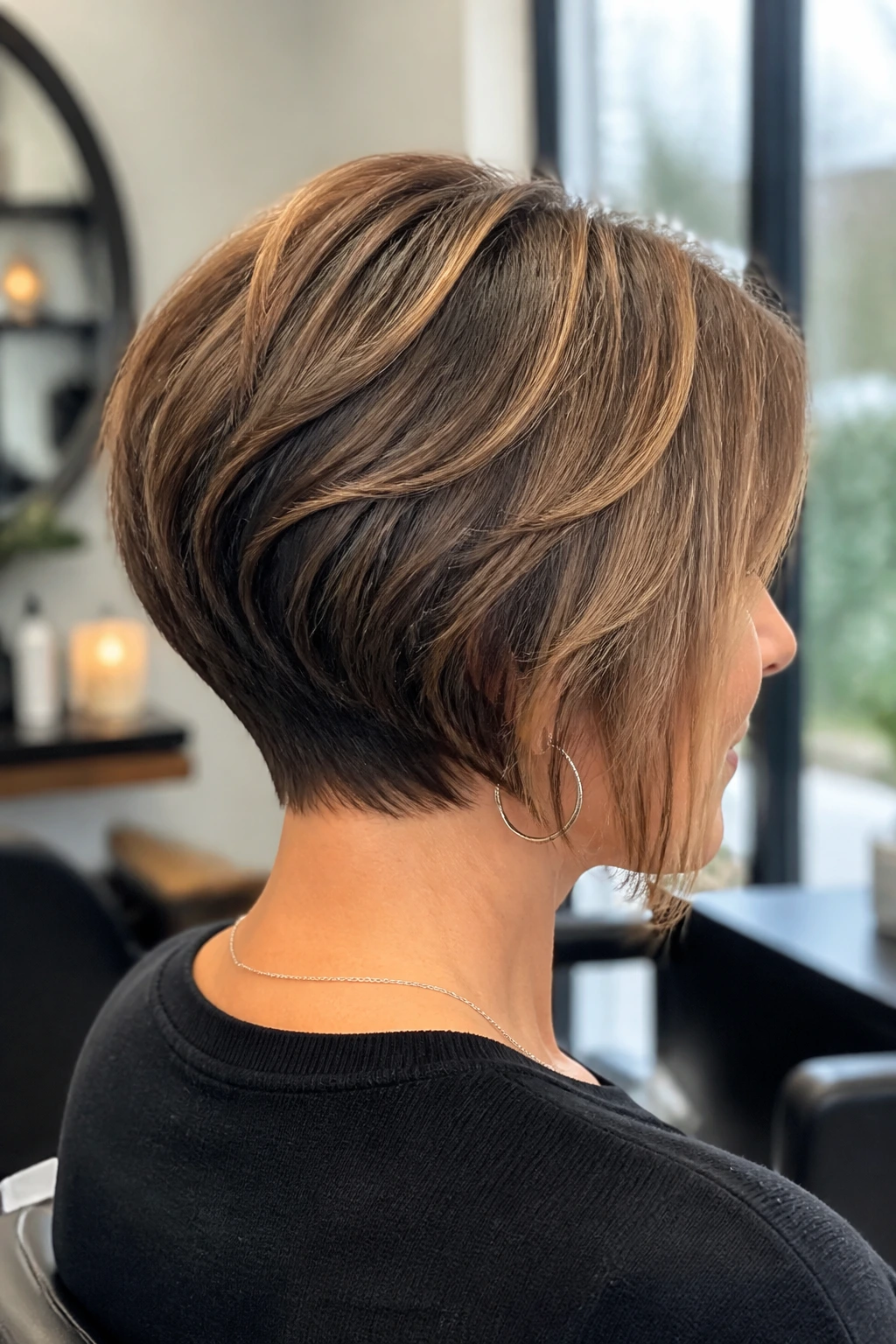
For those who want to add volume to the back of the head, the stacked bob is a technical marvel. The back is cut with short, graduated layers that “stack” on top of each other, creating a rounded, voluminous shape, while the front remains longer, framing the face. It is a fantastic option for someone whose hair tends to lay flat against the skull, as the graduation provides a permanent lift that does not need a can of hairspray to stay upright.
The Maintenance Factor
This cut requires a skilled stylist. You are looking for a seamless transition from the short nape to the longer sides. If the graduation is too abrupt, you get a shelf; if it is too gradual, you lose the volume. Once it is cut correctly, the style practically holds itself, making it a dream for those who want to spend less than ten minutes getting ready in the morning.
5. The Curly Shag Bob
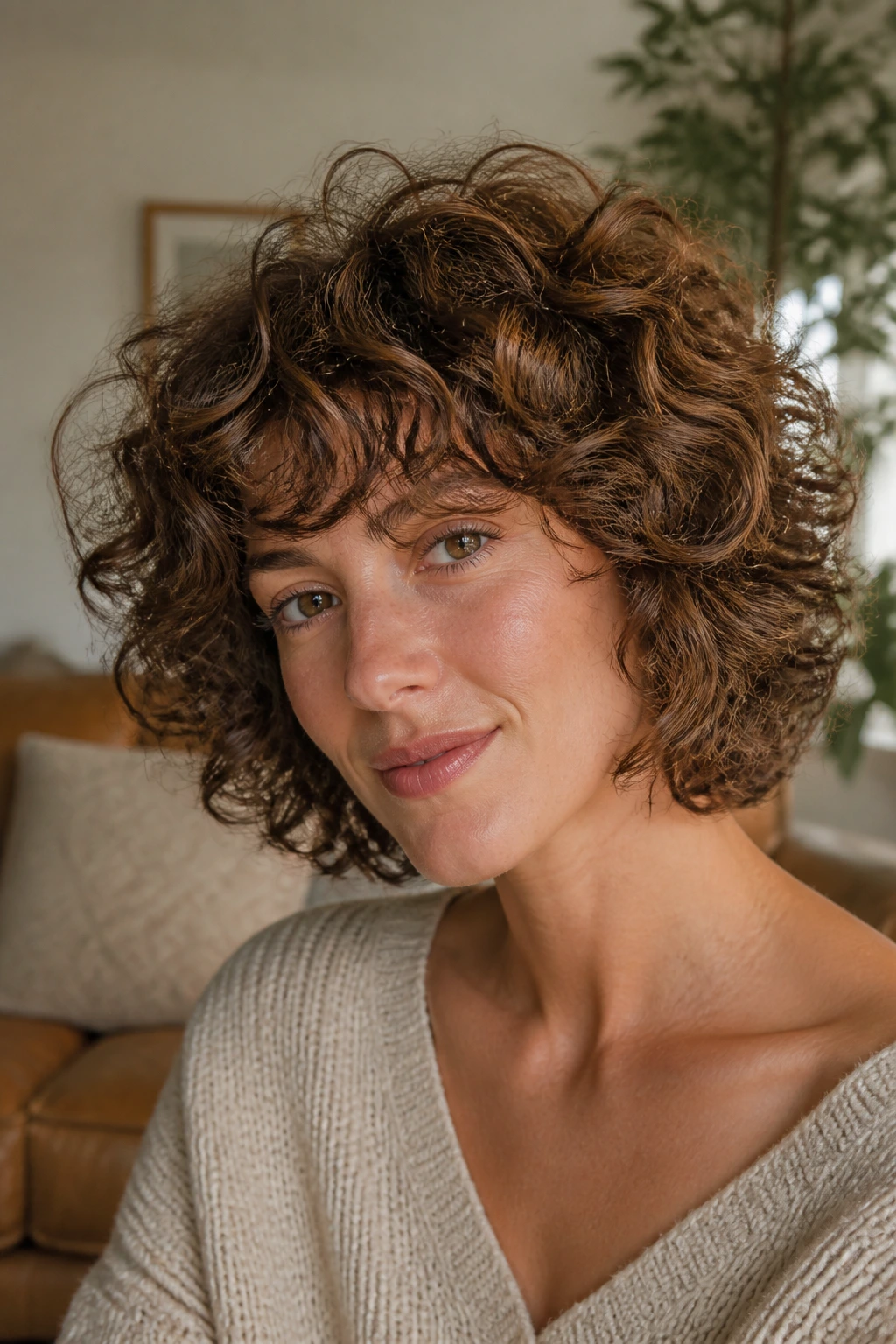
Curly hair often suffers under the weight of traditional bob cuts, but the curly shag changes the game. We are talking about lots of internal layering, tailored to the specific pattern of your curls, combined with a slightly longer, rounded silhouette. The shag focuses on creating volume throughout, rather than just at the ends, which stops the hair from looking like a pyramid.
Handling Moisture and Definition
Curly hair needs hydration to look intentional. After washing, apply a leave-in conditioner to soaking wet hair, then use a diffuser on a low-heat setting to encourage the curl pattern. Avoid brushing your hair when it is dry, as this will destroy the shape of the cut and create frizz. Instead, use your fingers to reshape any curls that seem to be falling flat, and let the layers do the heavy lifting.
6. The Deep Side-Parted Bob
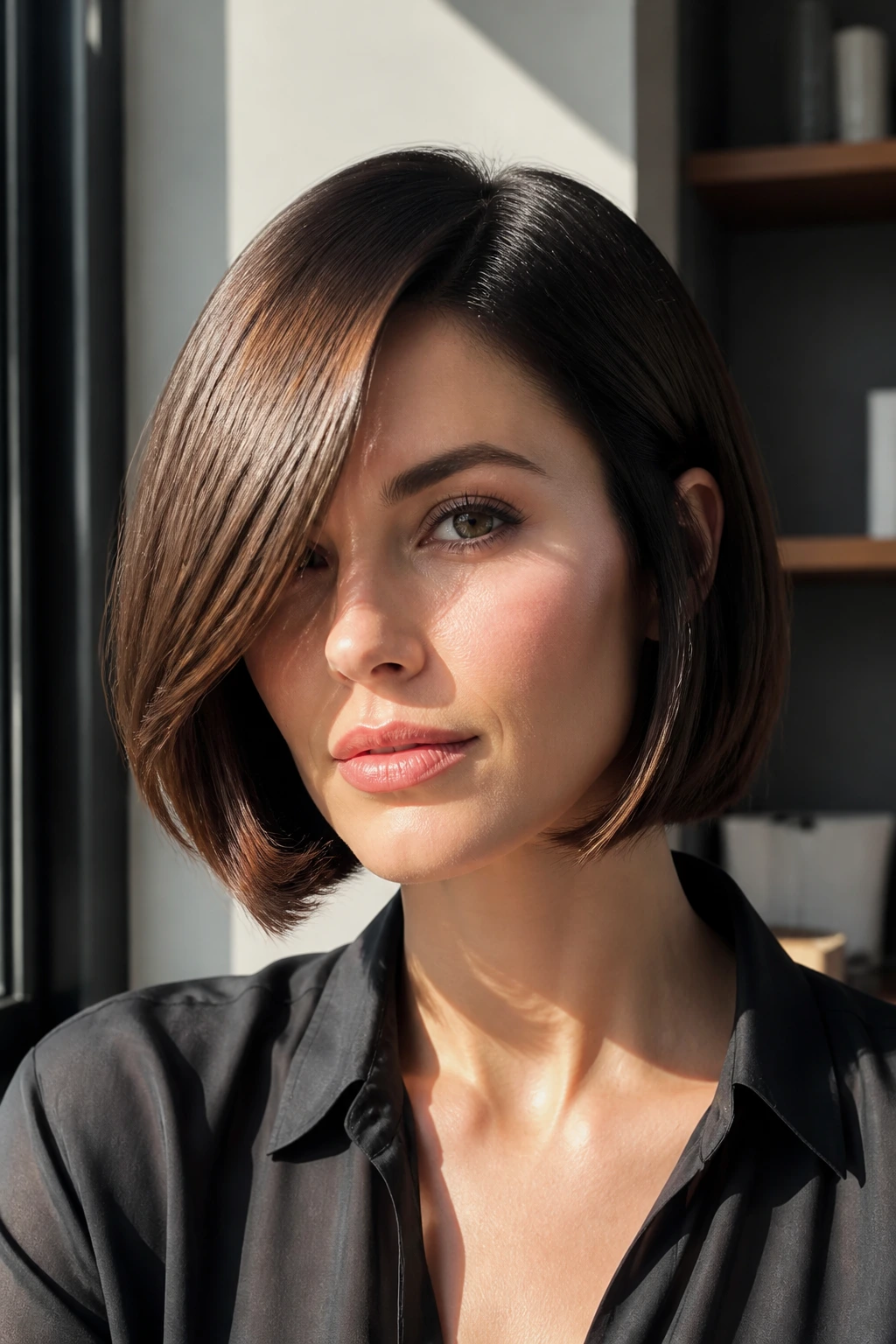
Sometimes, the most significant change you can make to your look has nothing to do with scissors and everything to do with geometry. A deep side part on a chin-length bob can completely alter the face-framing effect. By pushing the majority of your hair to one side, you create a dramatic sweep across the forehead, which is incredibly flattering for round or square face shapes.
Styling for Symmetry
To get that dramatic swoop, blow-dry your hair while using a round brush to pull the hair toward the side you want it to fall. This creates a bit of root lift on the heavy side. If your hair is stubborn, a light-hold volumizing mousse applied to damp roots will help lock the part in place throughout the day. It is a simple, sophisticated look that transitions seamlessly from the office to an evening out.
7. The Sleek Center-Part Bob
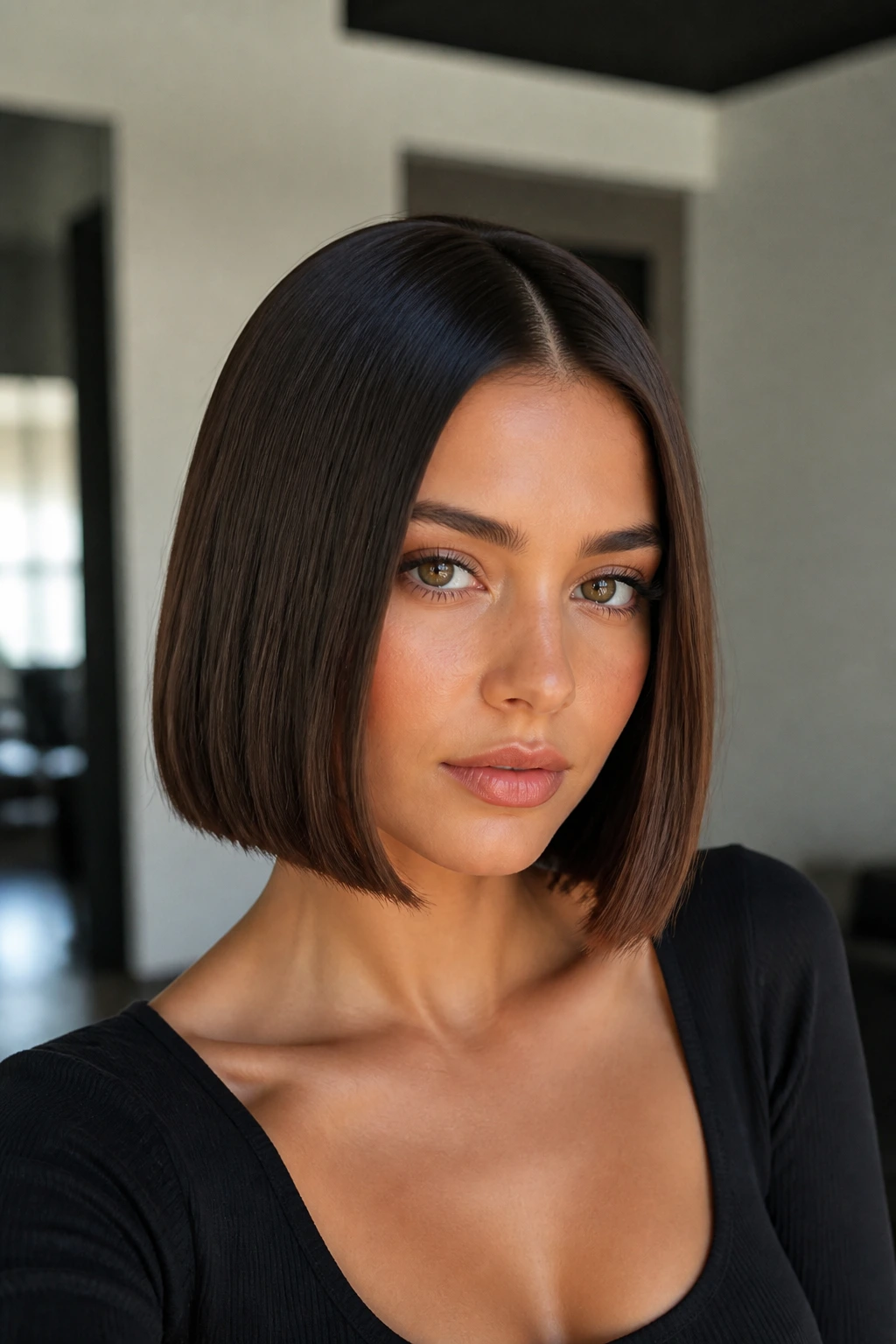
In stark contrast to the side part, the center-part bob is symmetrical and intense. This cut is all about balance. It draws a line down the middle of the face, making it a very clean, modern choice. It pairs perfectly with ear-tucking, which lets you show off your features while still maintaining the structure of the cut.
Achieving the Sleekness
This look demands shine. Because you are pulling the hair flat against your head, any dullness will be obvious. Use a smoothing cream on damp hair before blow-drying to control flyaways. Once dry, run a flat iron through the hair, and finish with a single pump of shine spray. Do not overdo the product; you want your hair to look healthy, not greasy.
8. The Ear-Tuck Textured Bob
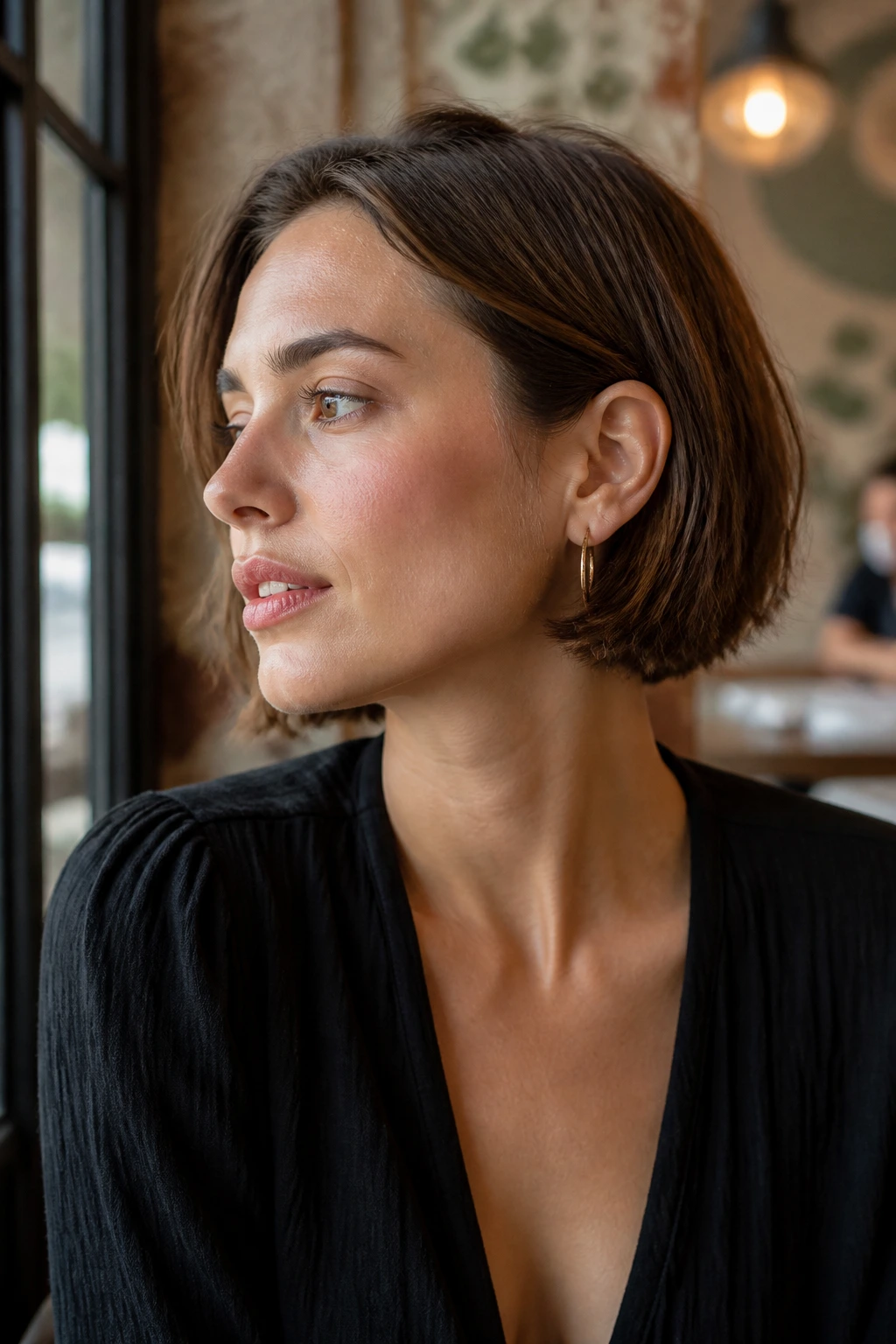
If you love the idea of short hair but aren’t ready to lose the ability to tuck it behind your ears, this is your silhouette. The cut is slightly longer, usually reaching the jawline, but the ends are soft and face-framing. It is designed to be worn behind the ears, which keeps the hair out of your face while highlighting your jawline.
Why This Style Works
It is functional. Life happens—you are drinking coffee, you are typing, you are commuting—and having hair that stays tucked behind your ears without falling forward is a major quality-of-life upgrade. To style this, use a bit of light texturizing paste on the ends after it dries, which will help the hair “grip” behind the ears and stay put all day.
9. The Modern “Mom” Bob with Invisible Layers
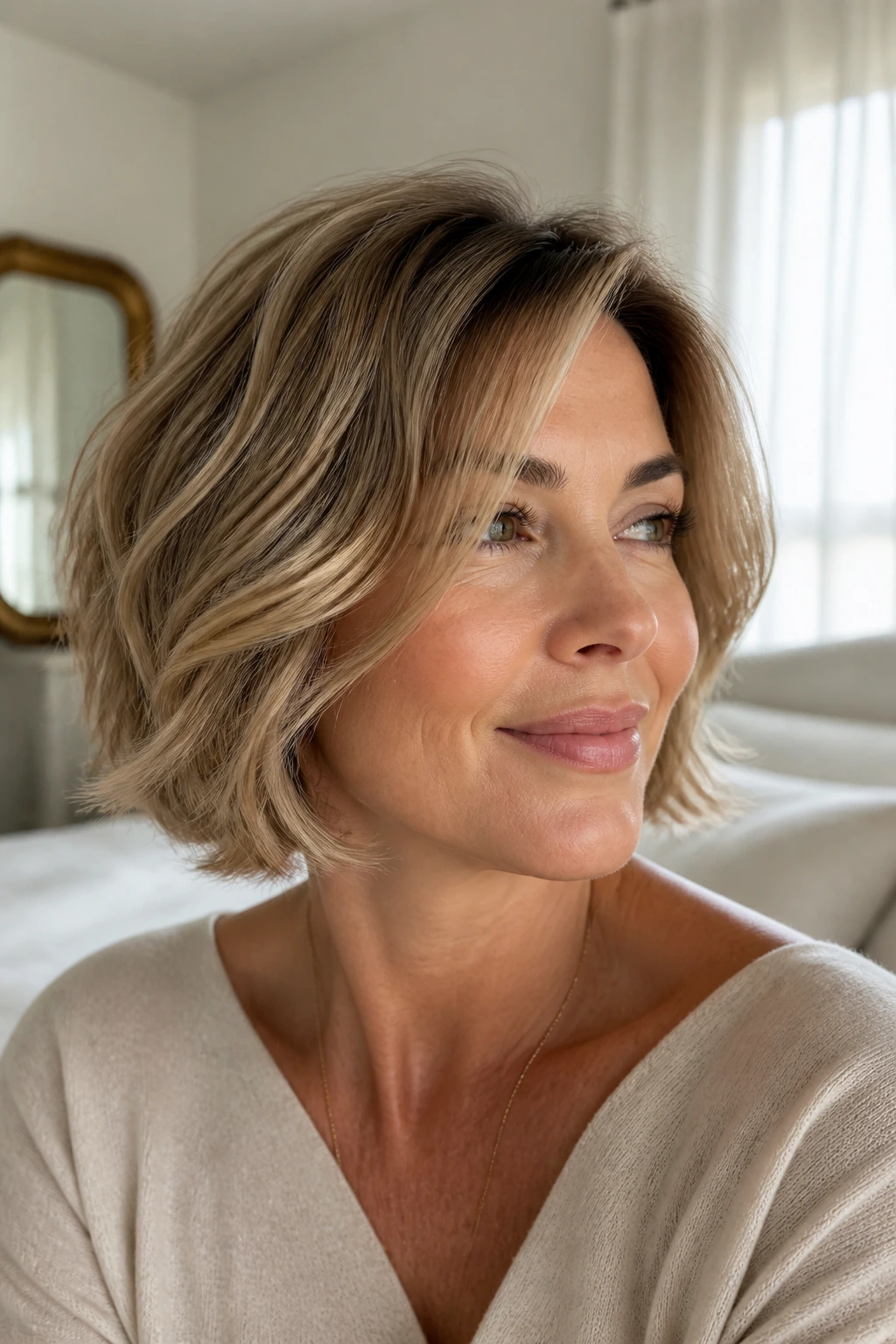
The “Mom” bob has evolved from its dated reputation into something quite chic. It is defined by its ease of wear and its soft, feminine shape. The secret here is invisible layers—layers cut on the inside of the hair to create movement and prevent the hair from becoming a solid block. It is a very forgiving, low-maintenance cut that looks great even when it is slightly unwashed.
Keeping It Fresh
The key to this bob is that it doesn’t look like it was styled. You can let it air dry, and it will still have a natural wave and bounce. A bit of dry shampoo at the roots on the second day will add just enough grit to give the hair a little extra life, making it a perfect choice for those with busy schedules who don’t want to spend time with a curling iron.
10. The A-Line Bob
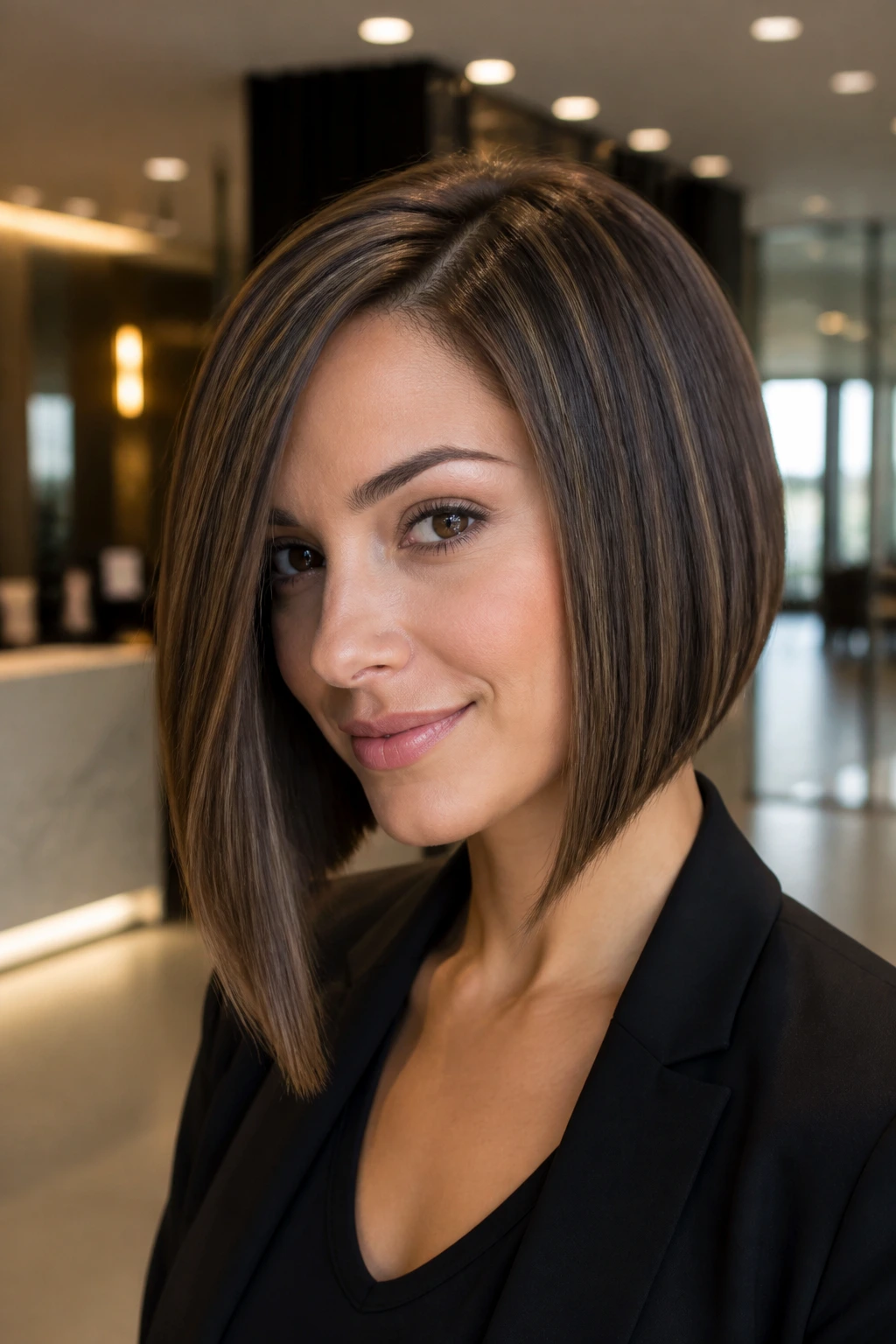
The A-line is the classic angled bob where the back is shorter than the front. However, when done right, it shouldn’t look like a drastic, fashion-victim style from years past. It should be a subtle, elegant slant. The longer pieces in the front can reach toward the clavicle, while the back stays close to the neck. It is incredibly lengthening for the neck and provides a sophisticated, professional vibe.
Styling the Angle
Focus on the front pieces. Use a flat iron to pull them straight, or use a large-barrel curling iron to add just one wave in the middle. This creates a bit of softness around the face. The back should be kept relatively sleek to ensure the angle remains the focal point of the cut. It is a style that commands respect and looks impeccable with high-neck clothing.
11. The Shaggy Lob with Curtain Bangs
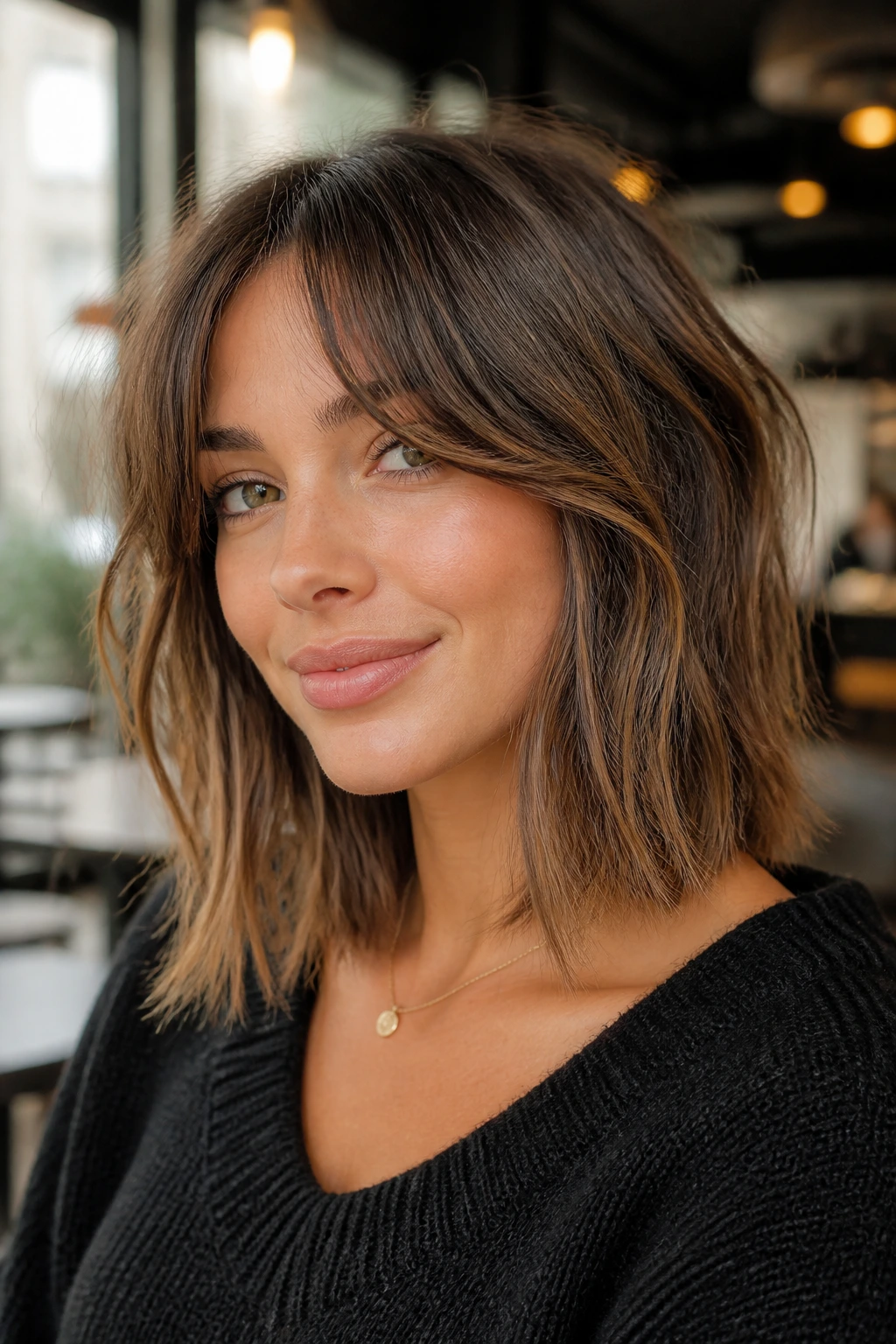
If you are worried about commitment, the long bob (lob) with curtain bangs is the safest entry point into short hair. It hits at the collarbone, and the bangs are long enough to be tucked behind your ears if you get tired of them. Curtain bangs are universally flattering because they open up the center of the face while softening the edges.
The Bang Maintenance
Curtain bangs are great because they don’t require the same level of micro-trimming as straight-across bangs. You can let them grow out to cheekbone length, and they still look intentional. Use a round brush to blow-dry them away from your face for that classic, retro-inspired flick that blends seamlessly into the rest of your hair.
12. The Wispy-End Bob
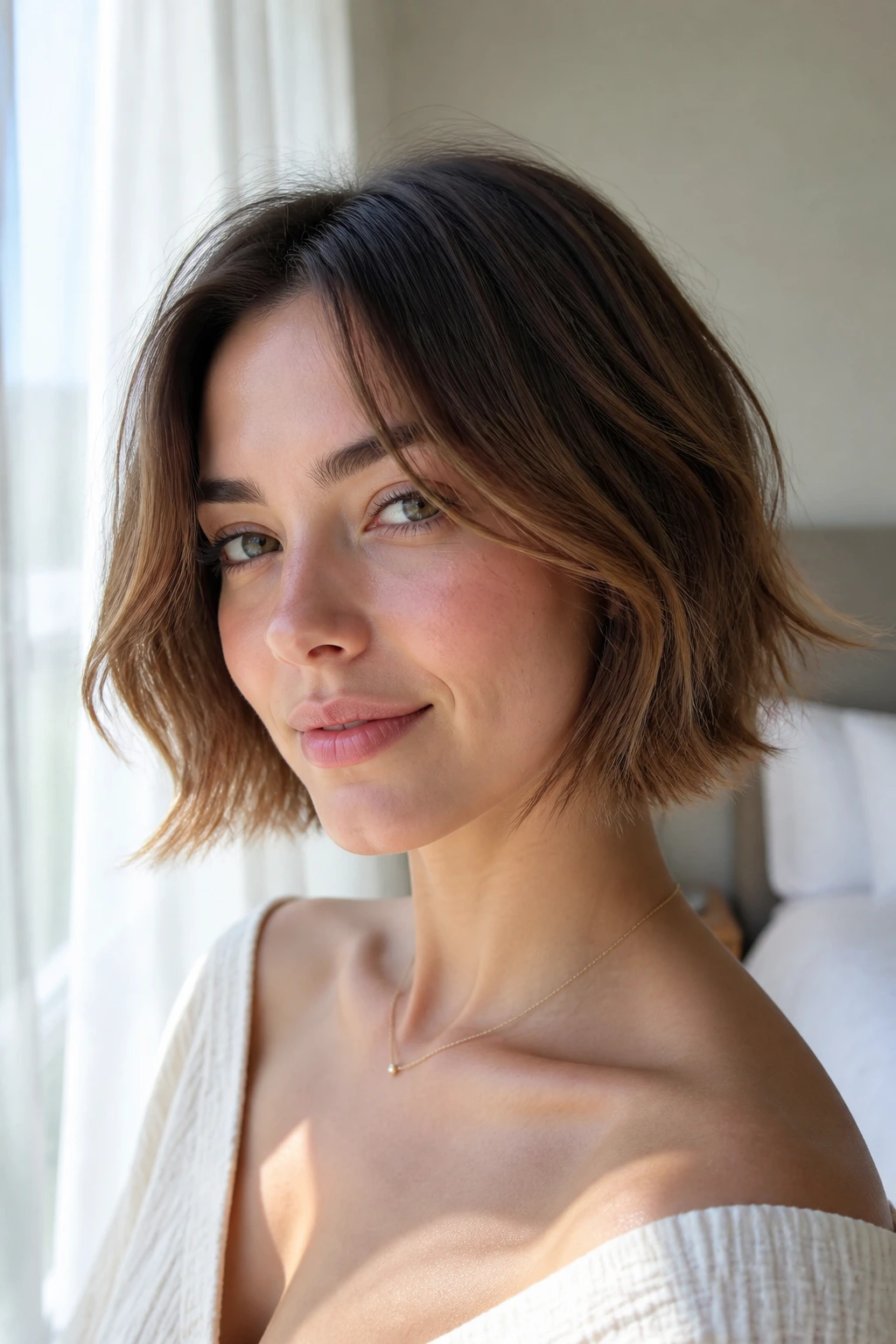
A wispy-end bob is a softer take on the blunt bob. Instead of a razor-sharp, heavy line, the ends are thinned out so they have a bit of feathery movement. It is perfect for people who find that their hair looks too “heavy” or “bottom-heavy” when it is cut straight across. It adds a bit of playfulness and keeps the hair from looking too severe.
Creating the Wisp
This is achieved primarily through the cutting technique. Your stylist should use thinning shears or a razor on the final two inches of your hair. When styling, don’t use heavy products that will stick the ends together. A light mousse or a sea salt spray is ideal, as it encourages those wispy ends to move and catch the light, rather than sitting in a heavy, solid line.
13. The One-Length Collarbone Bob
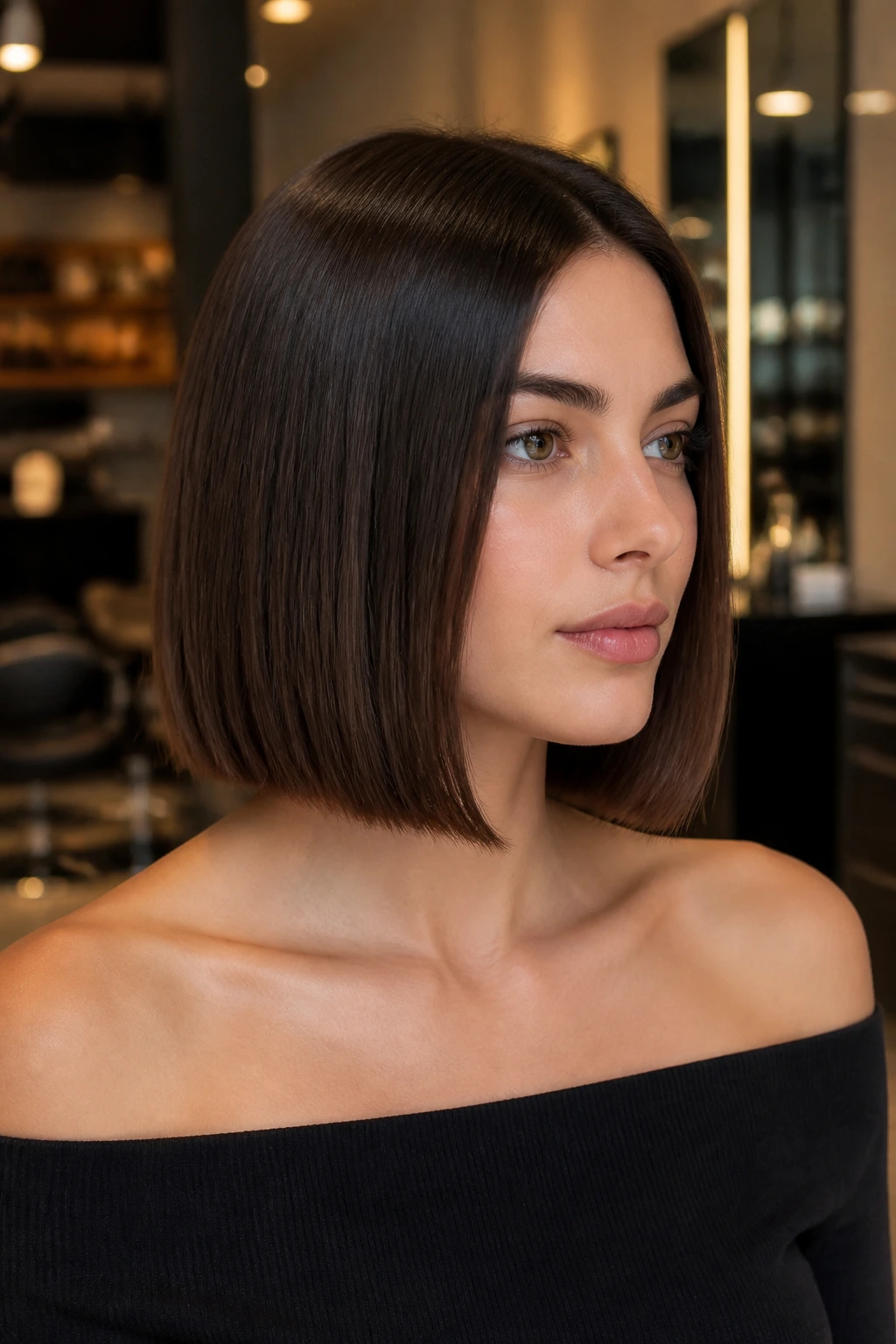
This is the “I’m not doing much, but it looks expensive” cut. It sits exactly at the collarbone, is cut with zero layers, and is completely uniform. It is incredibly versatile because it is still long enough to put into a small ponytail, but short enough to feel like a significant change. It looks best when it is perfectly smoothed and shiny.
The Power of the Collarbone
There is something about this specific length that is inherently stylish. It hits the most delicate part of the neck and draws the eye down, which can be very lengthening. Because it is one length, it is also the easiest cut to maintain. If you miss a trim, it just grows into a longer, still-healthy style rather than an awkward, uneven layer-outgrowth.
14. The Undercut Bob for Thick Hair
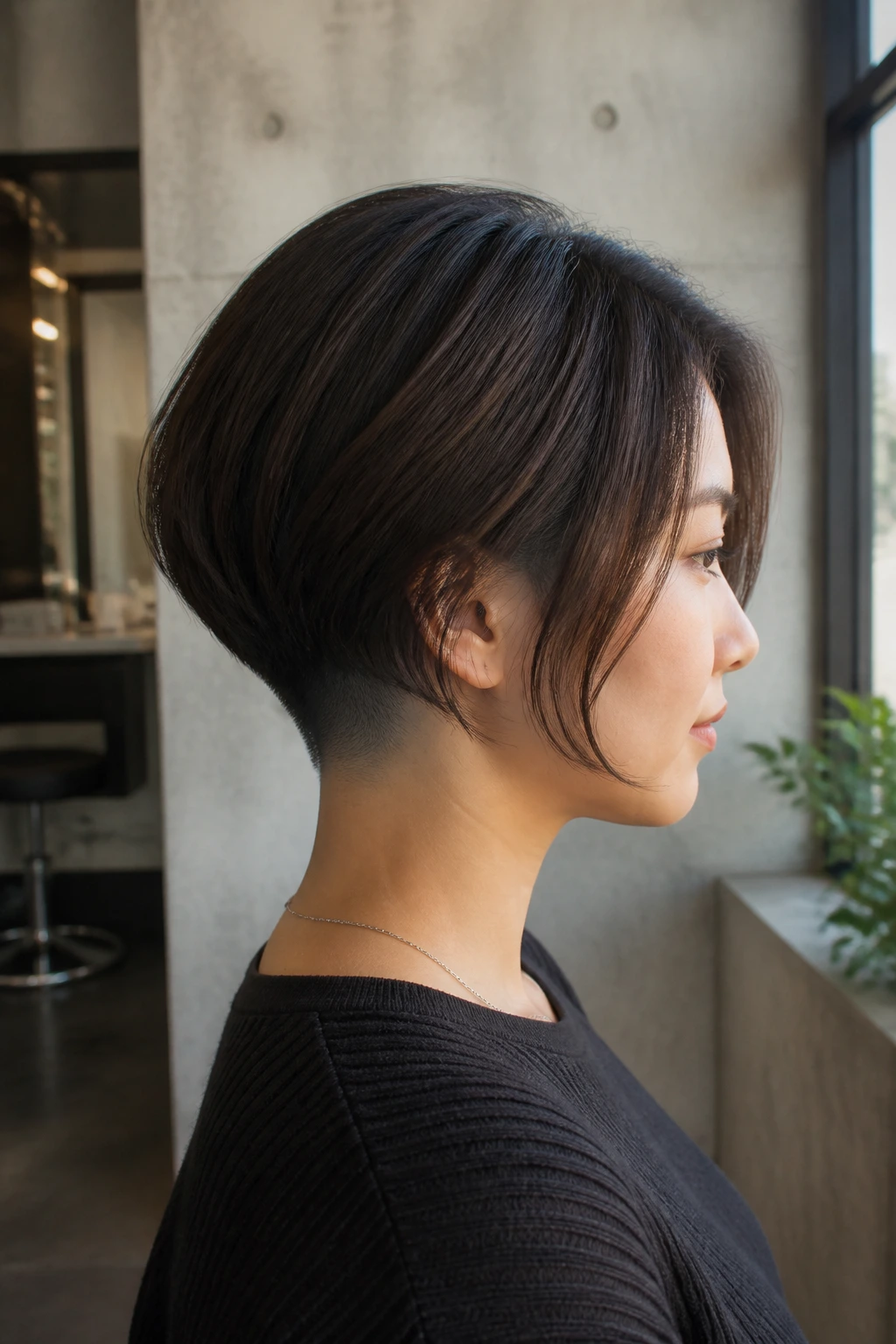
If you have incredibly thick, coarse hair, a standard bob can feel like you are wearing a helmet. An undercut bob—where the nape of the neck is shaved or cut very, very short—is the solution. It removes a massive amount of weight from the back of the head, allowing the hair above it to lay flatter and more naturally.
Dealing with the Nape
This is a more aggressive choice, but it is life-changing for thick-haired individuals. You will need to maintain the undercut more often than the rest of the cut to keep it looking tidy. However, the trade-off is a bob that actually swings and moves instead of staying rigid. It is a hidden detail that makes the overall silhouette look much more manageable and refined.
15. The Rounded Pixie-Bob Hybrid
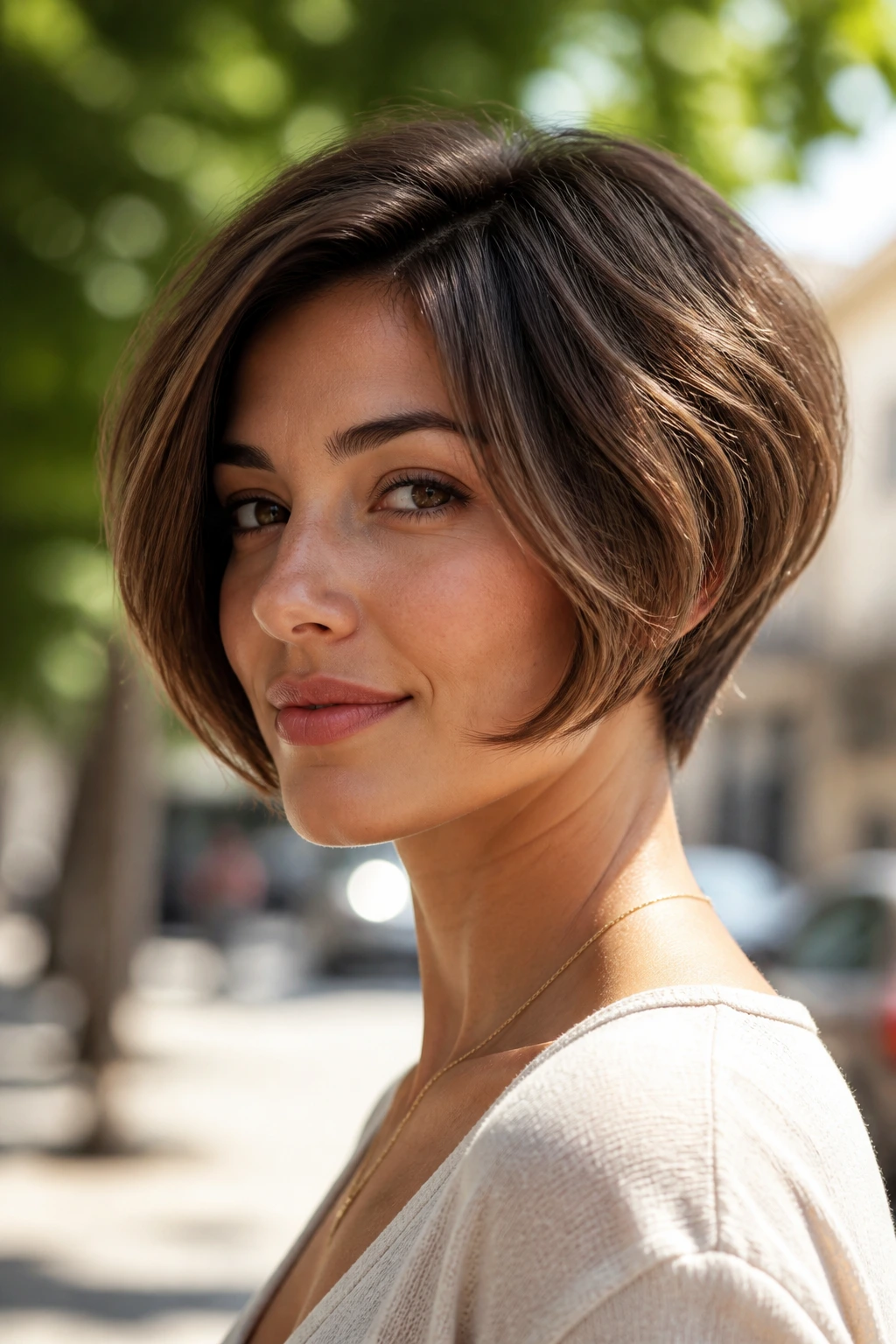
This is the cut for when you can’t decide between a pixie and a bob. It features the length of a bob in the front, but the back is tapered much closer to the head. It is a rounded, voluminous shape that requires almost no styling effort. It is chic, it is sporty, and it highlights your neck and jawline with extreme precision.
Styling for Volume
Because this cut is inherently short, it is prone to getting flat. Use a volumizing root spray right out of the shower and blow-dry your hair upside down for the first two minutes. This ensures you get that lift at the roots. Once dry, a tiny bit of pomade on the ends will help you piece out the texture and keep the shape rounded and tight to the head.
16. The Blunt-Cut Bob with Side-Swept Bangs

Side-swept bangs are the ultimate corrector for a harsh, blunt bob. They break up the severity of the line and create an asymmetric, flattering flow across the forehead. This is a classic, timeless look that works on almost every face shape and hair texture, provided the bangs are cut to blend into the length of the bob rather than stopping abruptly.
Achieving the Flow
The secret is the blending. Your stylist should cut the bangs at an angle so they transition smoothly into the side length. When styling, don’t try to curl them into a tight loop. Instead, use a flat brush to sweep them across the forehead while blow-drying, which keeps them looking soft and natural rather than stiff and dated.
17. The Textured Crop with Choppy Layers
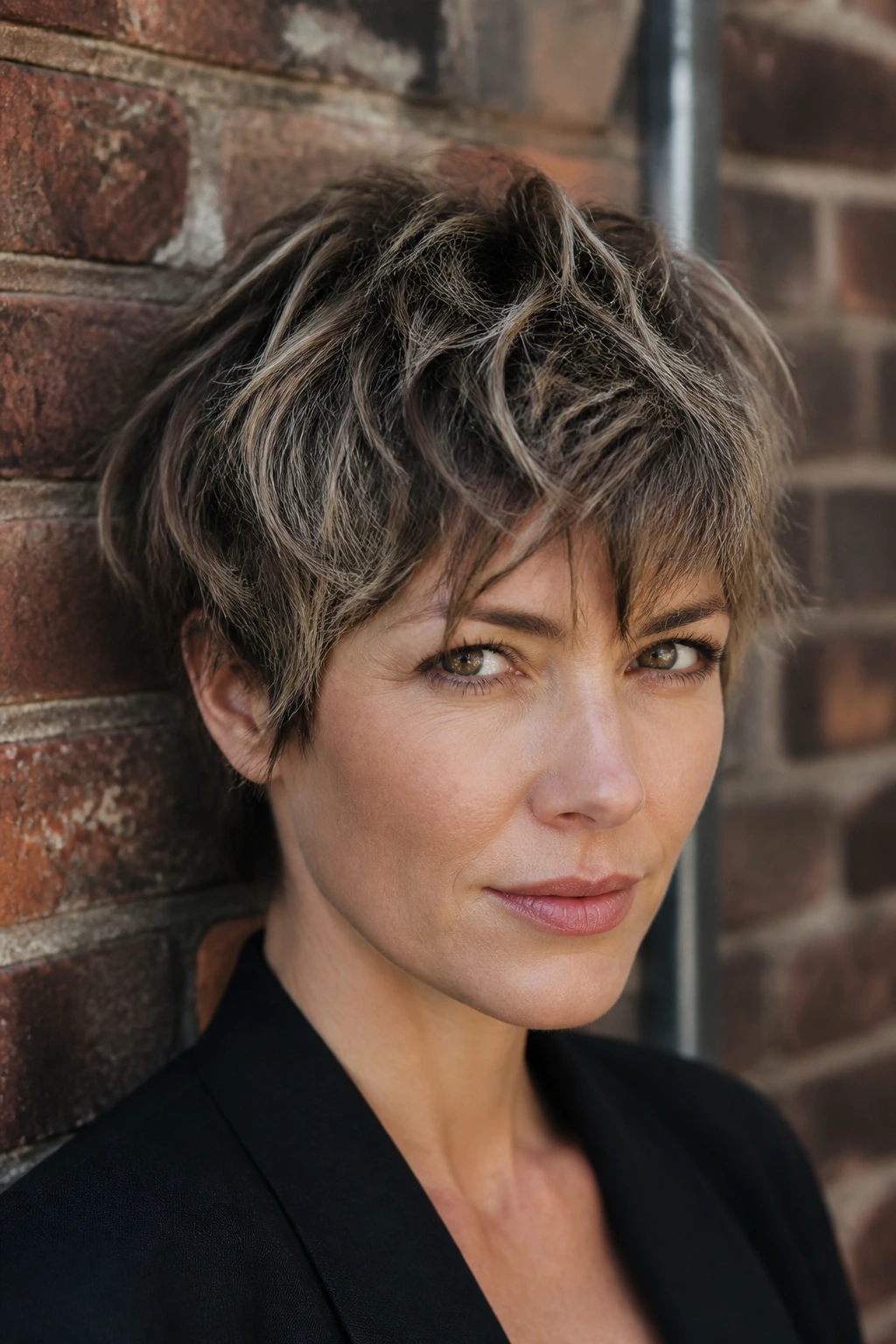
If you are into the “cool girl” aesthetic, this is the cut. It is short, heavily layered, and intentionally choppy. It is designed to be messy. The layers aren’t just for movement—they are for volume and attitude. This cut looks best when it has a bit of grit to it, so don’t be afraid to go two or three days between washes.
Embracing the Grit
Product is essential here. You want a matte texture paste—not a cream, not a gel—to separate the layers and give the hair some hold. Take a pea-sized amount, rub it between your palms until it’s warm, and run it through your hair, focusing on the ends and the pieces around your face. It should look lived-in and slightly undone, like you just finished a long day of doing exactly what you wanted.
18. The Graduated Lob
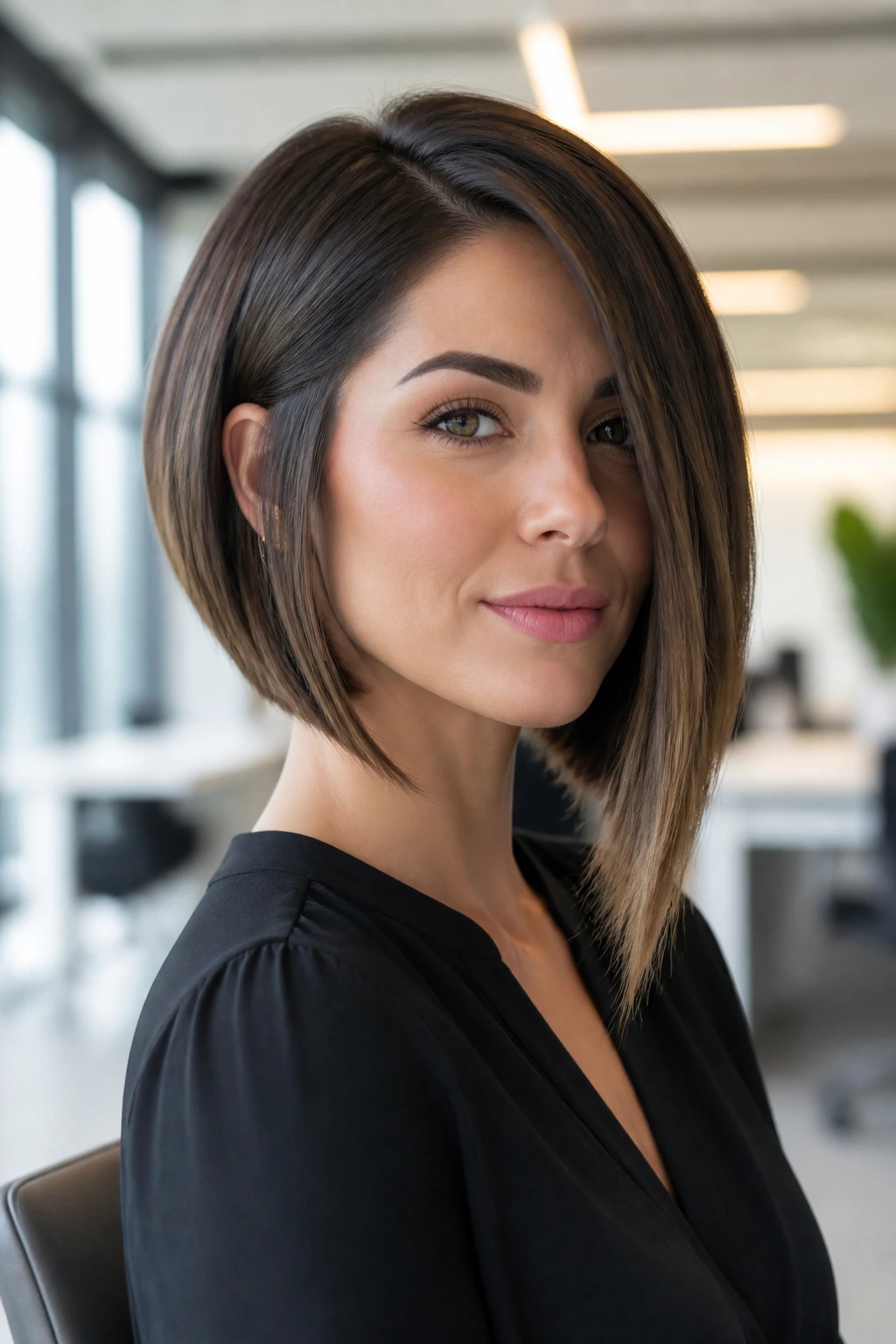
We finish with the graduated lob, which is a longer version of the stacked bob. It hits around the collarbone, but it is cut with a distinct slope—short in the back, long in the front. It is a fantastic choice for those who are afraid of going “too short.” It gives you the drama of a bob with the comfort of length.
The Finishing Polish
Because this cut has a strong angle, the “finishing” step is important. Use a flat iron to emphasize the angle, ensuring the front pieces are smooth and straight. If you have any waves, embrace them by using a light-hold cream, but keep the ends of the front pieces pointed and clean. It’s an easy way to look polished for a professional environment without having to go through a complex styling routine every morning.
Final Thoughts

The beauty of the medium-length bob is that it is never just one thing. It is a platform for your personality, a way to reclaim your time, and a classic silhouette that has survived every shift in fashion for a reason. Whether you opt for a razor-sharp blunt cut that demands attention or a soft, layered shag that invites a bit of chaos, the transition to shorter hair is almost always an upgrade in confidence. You aren’t just losing hair; you are finding a new, more refined way to frame your best features. Just be honest with your stylist about your maintenance habits—a low-maintenance, blunt cut is vastly different from a high-maintenance, layered shag—and you will find that the perfect bob is the most practical accessory you can ever own.