

Finding the right haircut when your hair lacks density can feel like a high-stakes game of trial and error. You want volume, you want movement, and above all, you want to avoid that limp, stringy look that often accompanies fine strands. The lob, or long bob, is arguably the most forgiving length in the professional stylist’s toolkit. When you inject a bit of “shag” into that classic silhouette, you get a combination that creates the illusion of fullness where there wasn’t any before. Shaggy lobs rely on strategic layering and interior weight removal to give fine hair a much-needed lift, turning a flat canvas into something textured and deliberate.
If you have spent years pulling your hair into tight, slicked-back buns just to avoid dealing with the lack of body, it is time to reconsider the power of a well-executed chop. The following collection of twenty-eight styles is designed to show you that “thin” is simply a texture to be worked with, not a problem to be solved with heavy-handed products.
1. The Bottleneck Bangs Lob
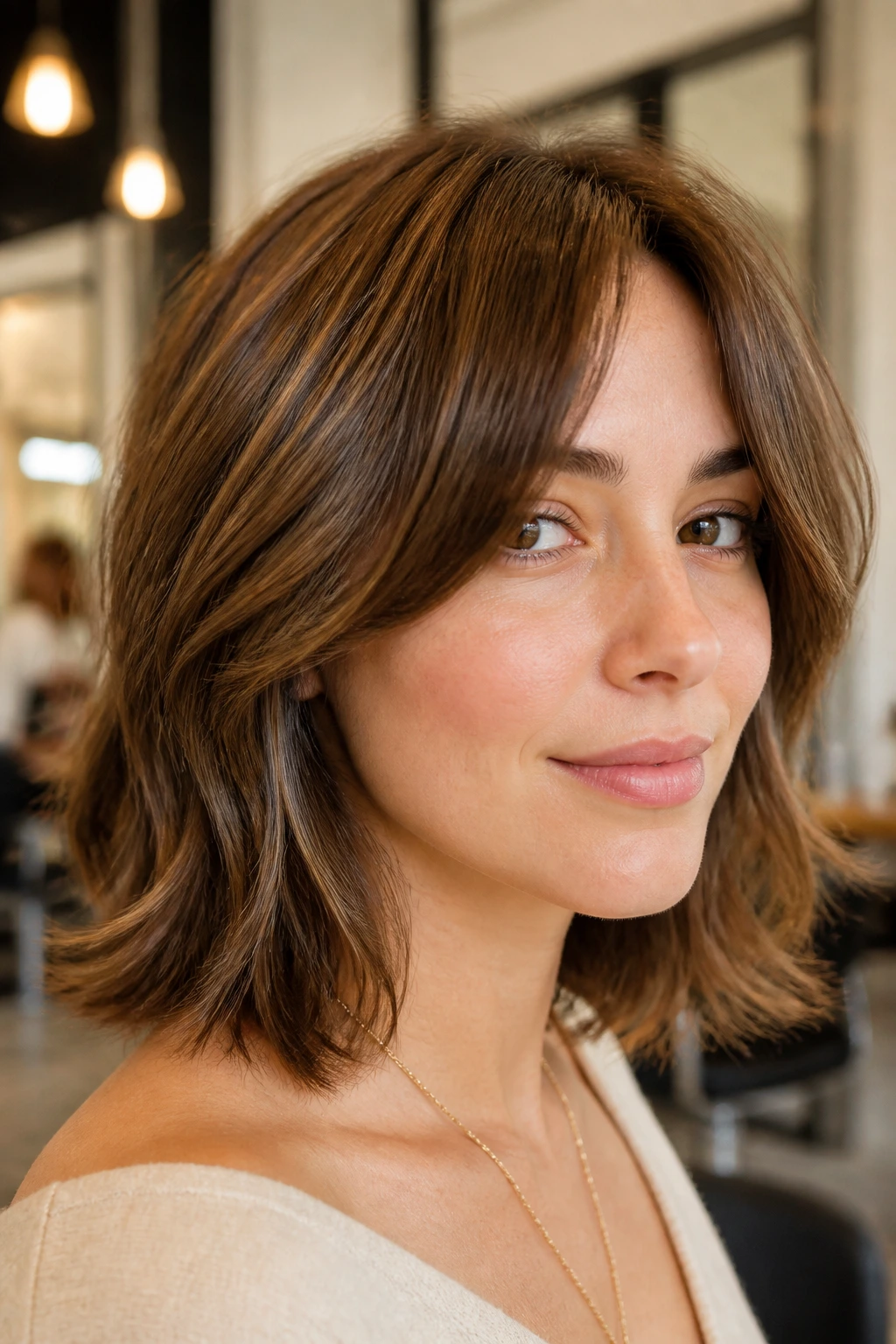
This style focuses on a shorter, center-parted bang that curves around the eyes before tapering off, essentially framing the face and drawing attention away from the ends. For thin hair, the trick is to keep the bangs slightly piecey rather than heavy, which would only make the rest of your hair look sparse by comparison.
Why This Style Adds Weight
- Visual trickery: By creating a dense frame around your face, the hair appears thicker at the crown.
- Layering: The layers start just below the jawline to build bounce.
- The finish: Use a light texturizing spray on damp hair to encourage the natural wave pattern, preventing the ends from looking too blunt or severe.
2. The Wispy Face-Framing Shag
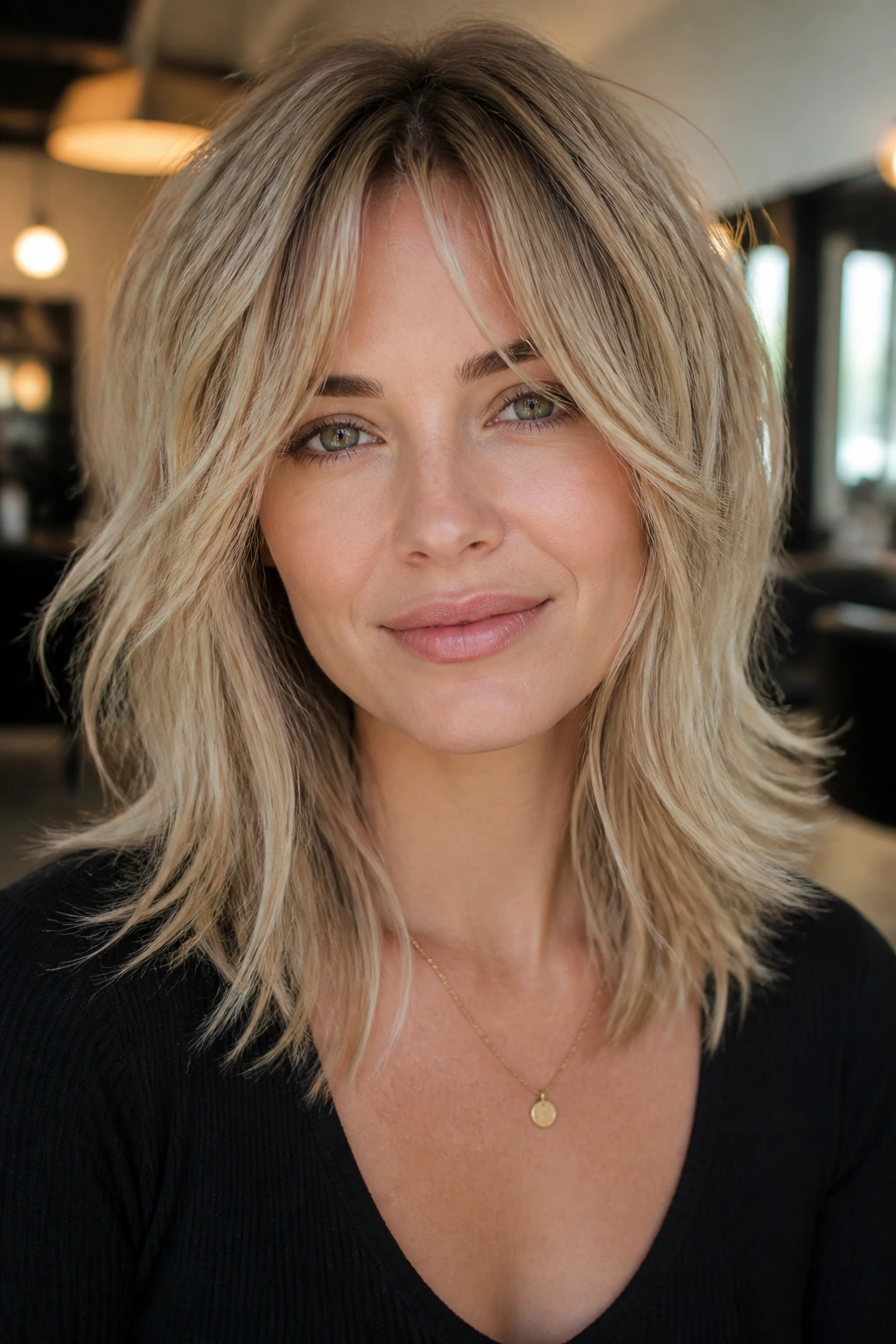
Sometimes, a blunt cut just emphasizes the lack of density at the perimeter. A wispy shag uses a razor to feather the ends, creating a soft, lived-in look that hides fine edges while maintaining an airy, effortless vibe.
Styling for Maximum Volume
- Avoid heavy creams that weigh down fine strands.
- Focus on a sea salt spray or a dry texturizer applied to the mid-lengths.
- Use a round brush only at the roots for lift, leaving the ends to air dry for that authentic, undone finish.
3. The Copper-Tone Razored Bob
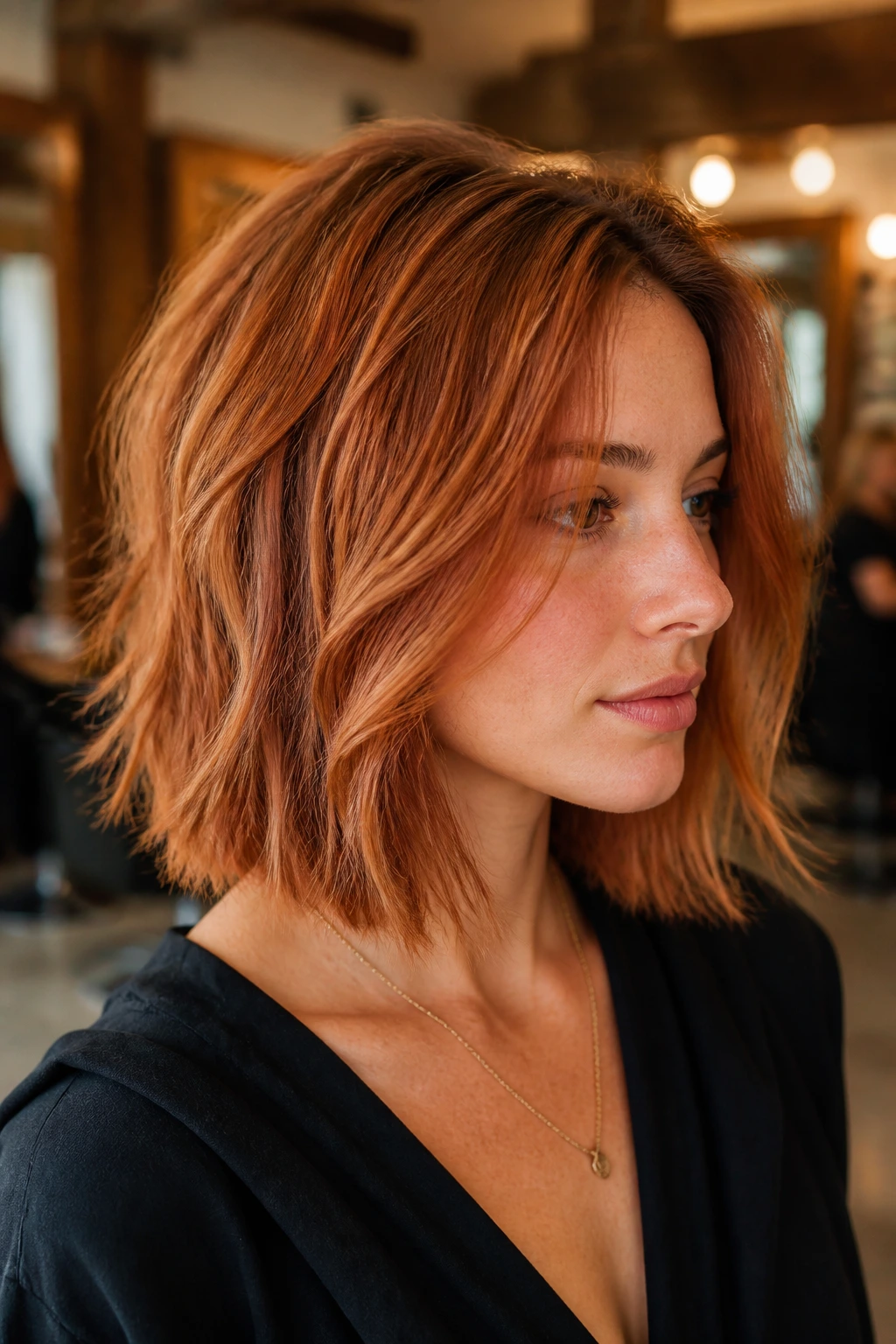
Color plays a massive role in how thick your hair looks. Warm, multidimensional tones like copper or auburn reflect light differently than flat dark shades, and when combined with a razor-cut, choppy texture, the hair looks twice as thick.
How to Maintain the Texture
- Razoring creates a “tapered” effect at the ends, which stops the hair from looking like a single, thin curtain.
- Ensure your stylist uses a fresh blade to prevent frayed or split ends.
- Keep the length just skimming the collarbone to maintain that perfect “lob” status.
4. The Soft Curtain Bang Lob
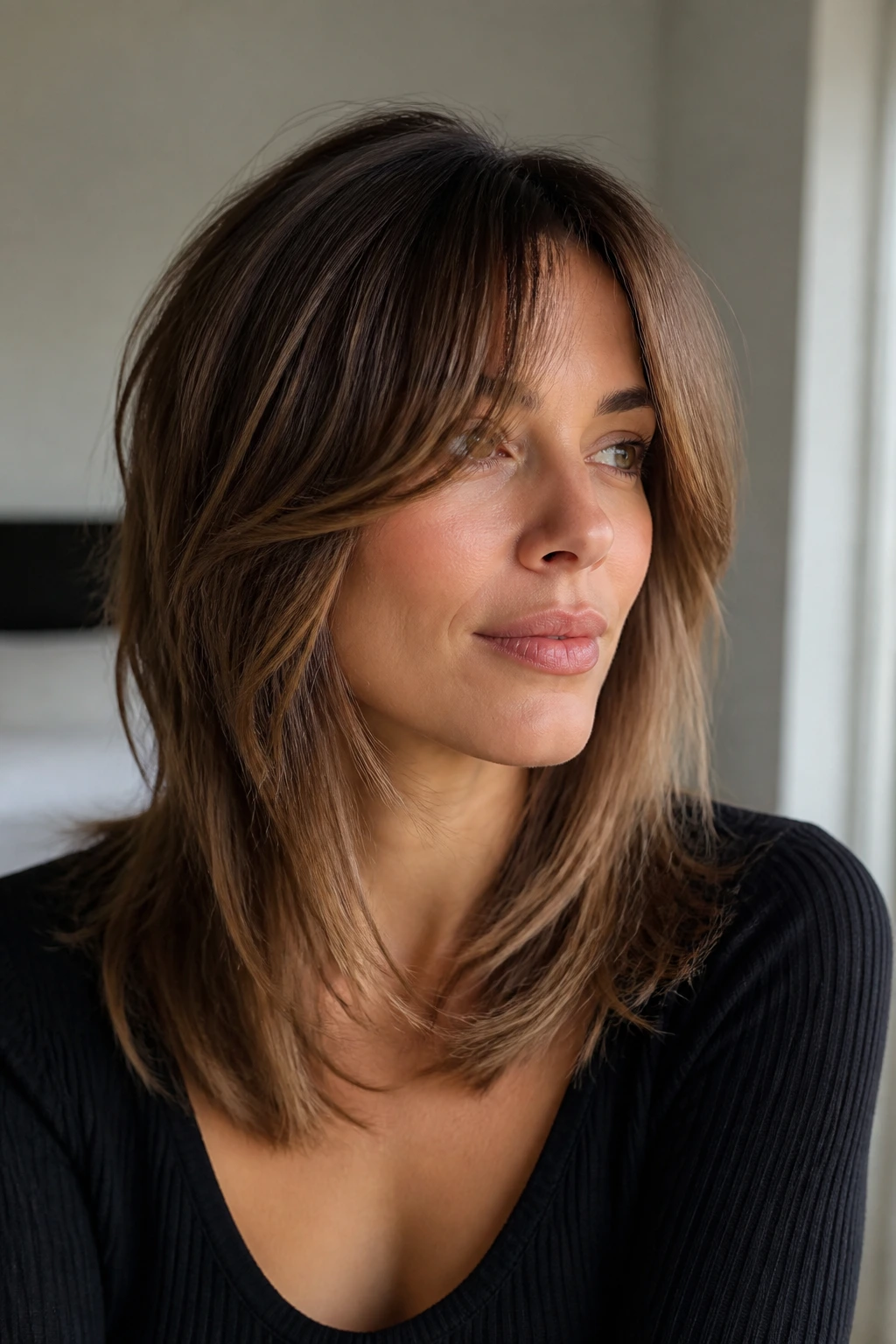
If you are hesitant to go full shag, a soft, long curtain bang is your bridge. It provides the necessary volume at the front of your head while the rest of the hair is kept in long, slightly shaggy layers to encourage movement.
The Secret to the Lift
- Use a Velcro roller on the top section while the hair is still warm from the blow-dryer.
- Let it sit until fully cool to set the volume at the roots.
- This creates a soft, sweeping motion that looks voluminous without needing a dozen different styling products.
5. The Messy Beach-Wave Lob
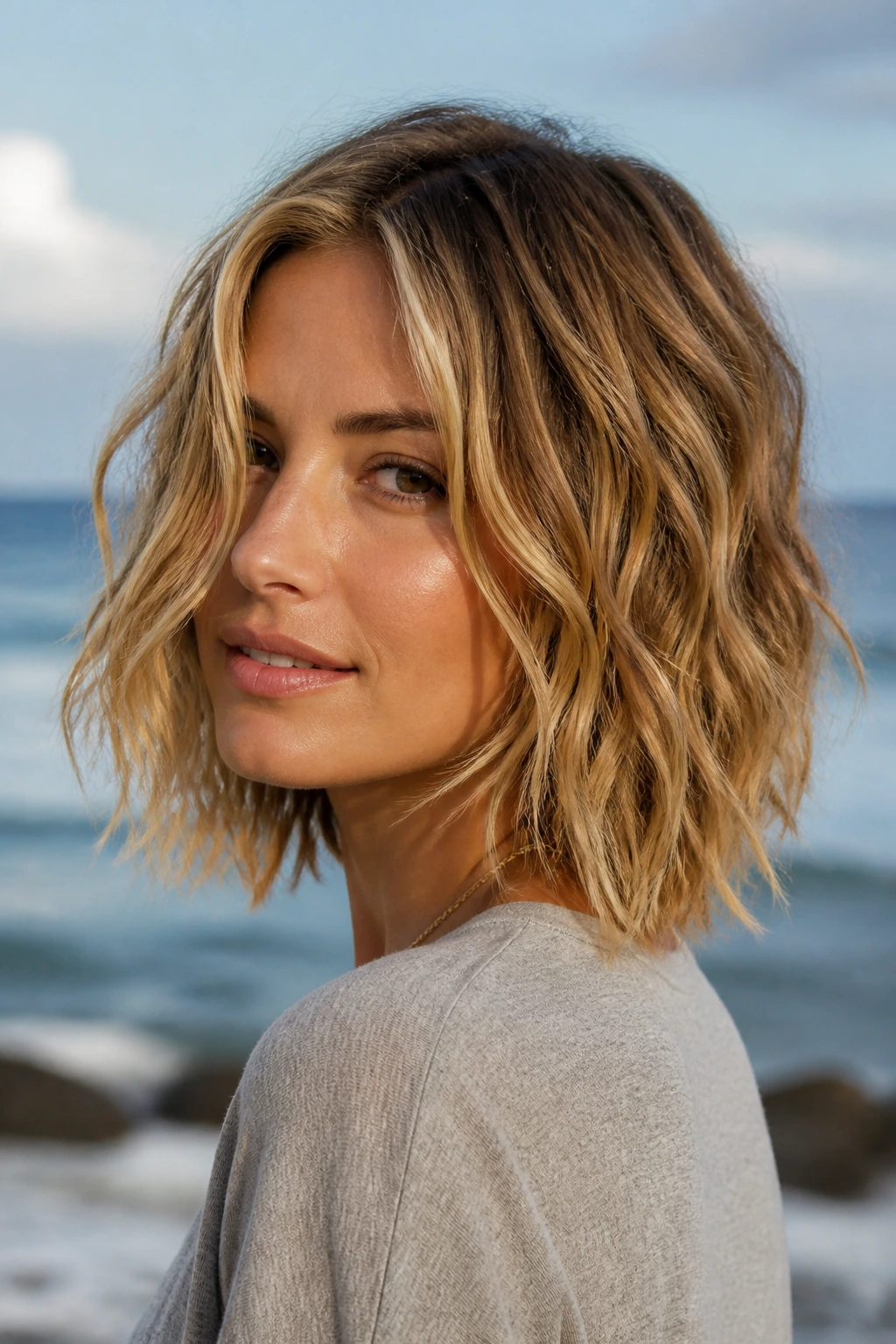
Texture is the sworn enemy of fine, thin hair—in the best way possible. By adding waves, you change the physical structure of the hair strands, creating pockets of air that make the overall head of hair look larger and more voluminous.
Why Waves Work for You
- Waves disrupt the “stringy” tendency of thin hair.
- They hide where the hair might be less dense near the ends.
- A consistent wave pattern across the head ensures that no single area looks thinner than the rest.
6. The Textured A-Line Shag
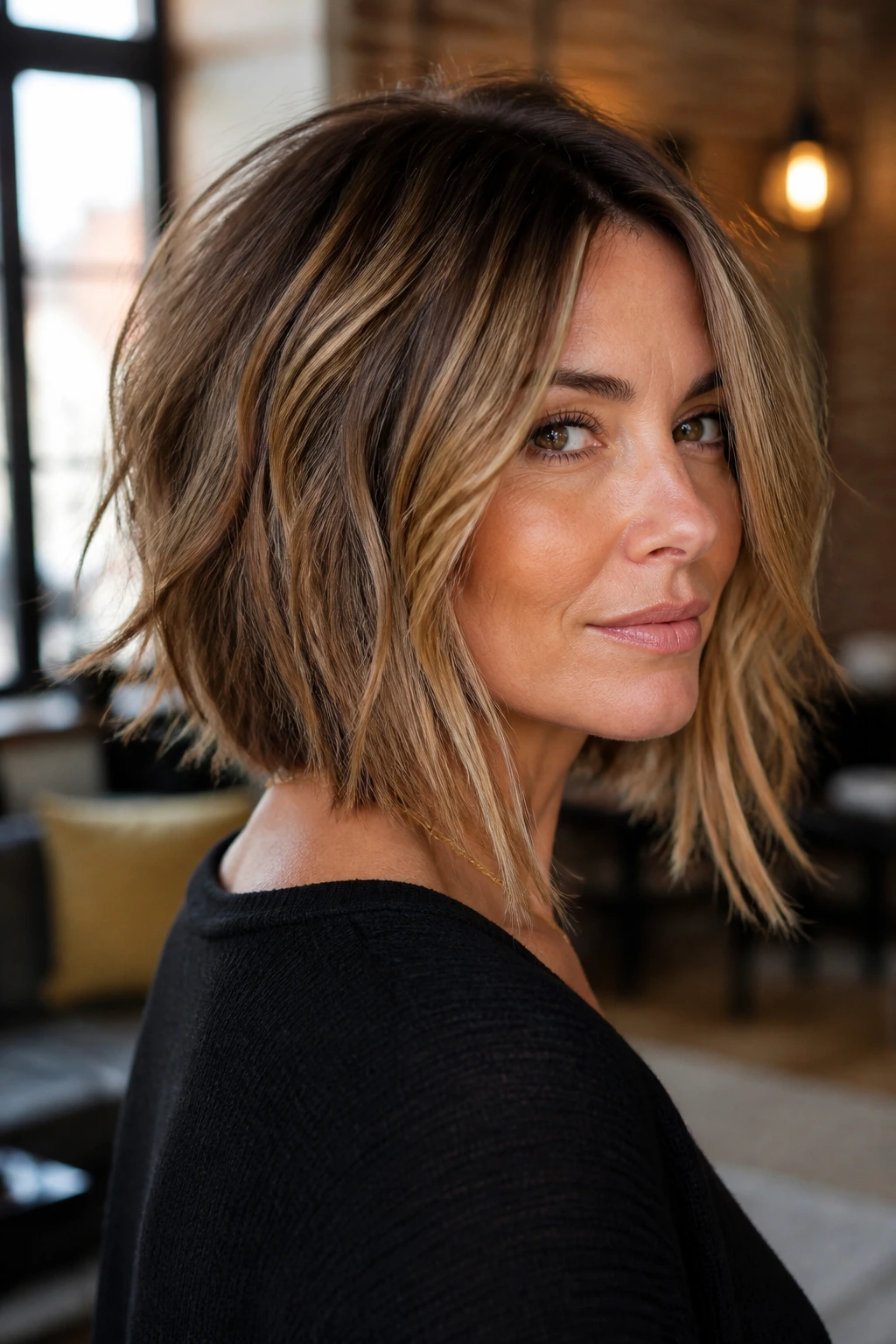
An A-line cut is inherently structured, which adds a sense of purpose to your hair. By making the back shorter than the front, you naturally build up density at the nape of the neck, which is often the place where thin hair looks the most transparent.
Managing the Transition
- Keep the angle subtle rather than severe.
- Ask your stylist for “invisible layers” through the back to build height without taking away from the length you have worked so hard to grow.
- This shape is particularly good if you are dealing with a cowlick at the crown.
7. The Platinum Shaggy Lob
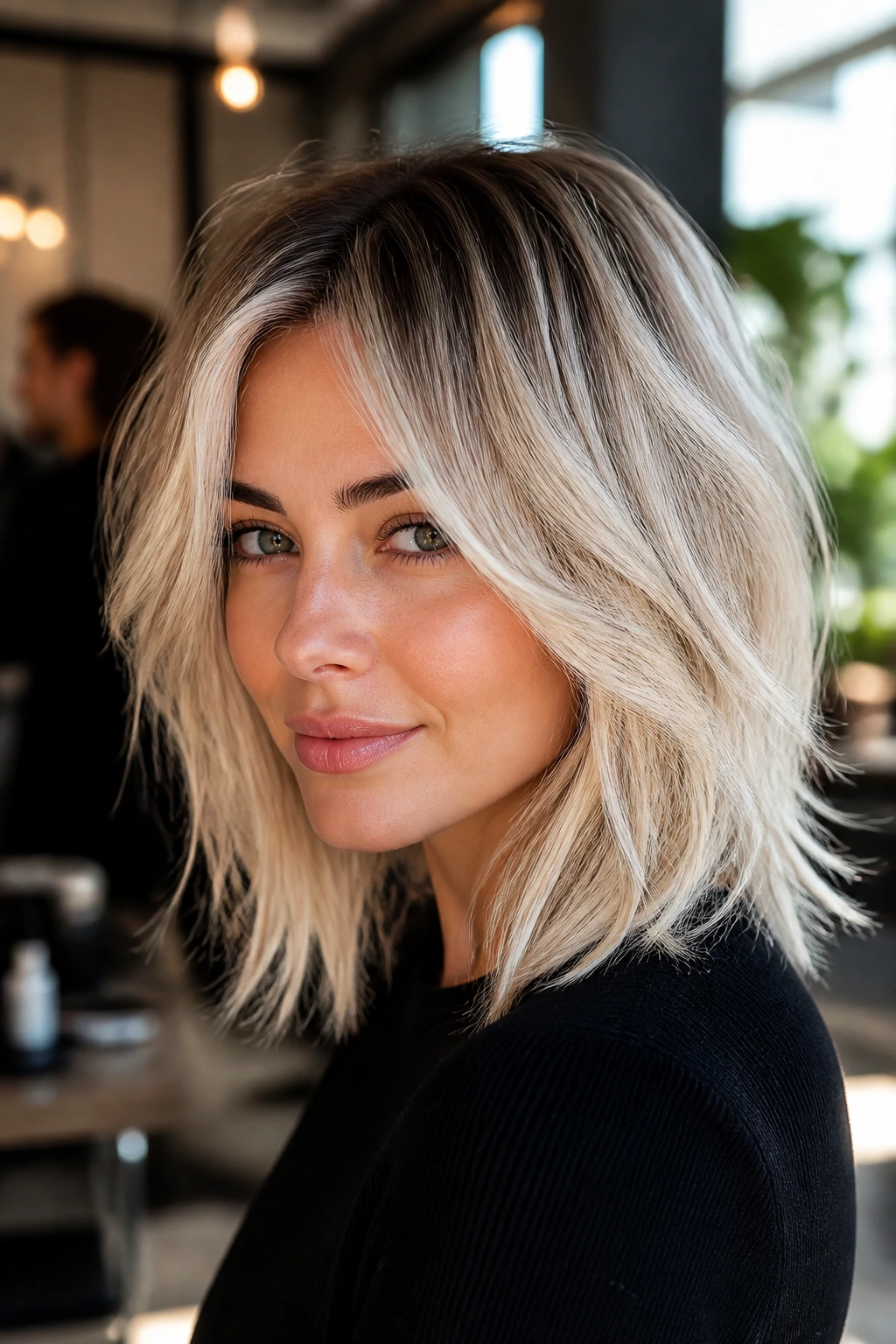
Light colors often make hair look finer, but a platinum blonde with a shadow root is the exception. The dark root adds depth, while the brightened ends create a high-contrast look that makes the hair seem more substantial and healthy.
Crucial Care Tips
- Bleach can be harsh on already fine hair.
- Always use a protein-bonding treatment once a week to maintain the structural integrity of the cuticle.
- A purple shampoo once every two weeks will keep the brassiness at bay, which can sometimes make hair look dull and flat.
8. The Piecey Ends Lob
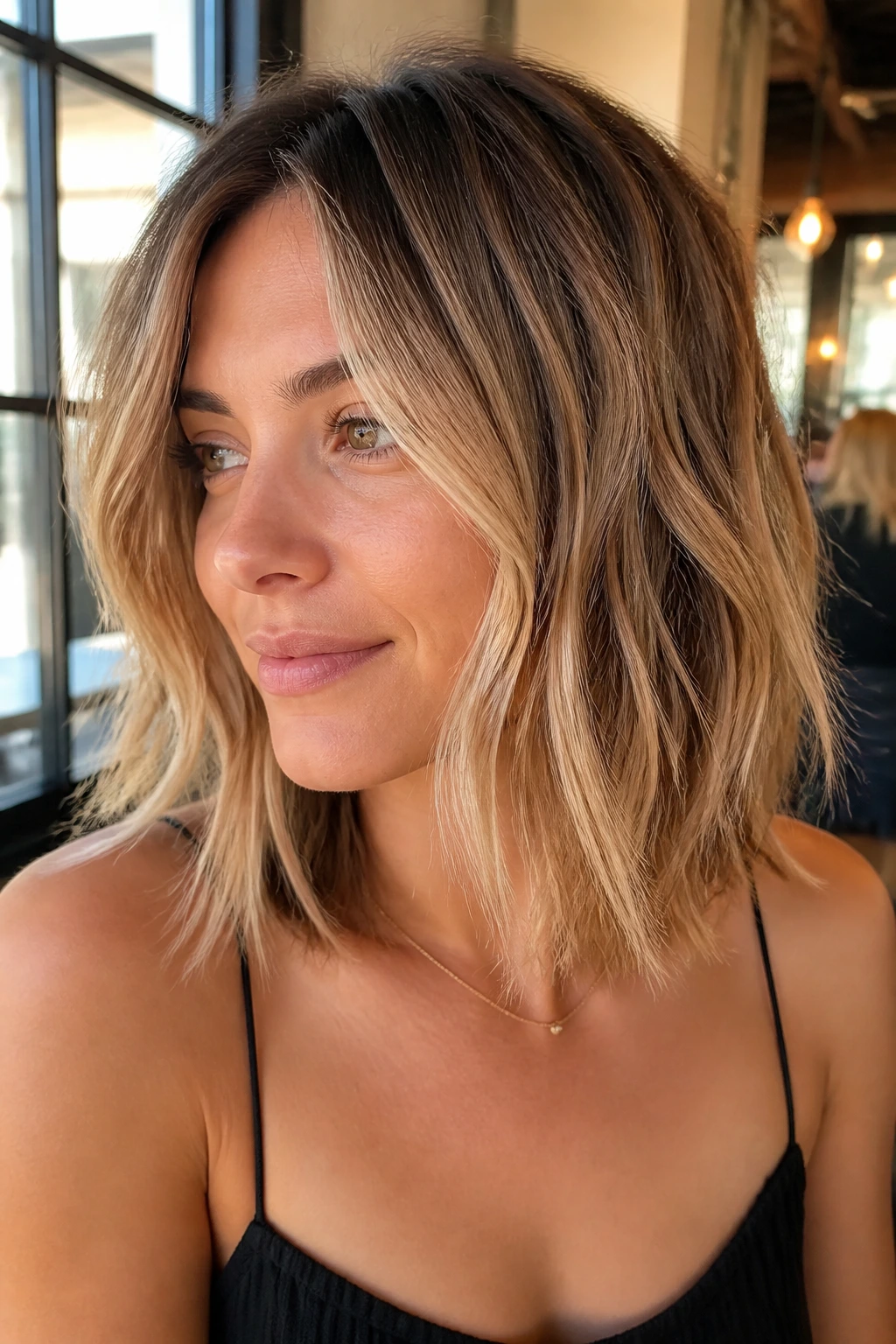
There is a specific technique where the stylist uses thinning shears—when used correctly—to create “staircase” layers. This removes weight from the interior, allowing the top layers to sit higher and create more volume throughout the day.
The Technique in Action
- It is all about internal layers.
- You don’t want to take away the length, just the heaviness that pulls the roots down.
- This creates a “bouncy” effect that moves as you walk, rather than staying static.
9. The Natural Curl Shag

If your thin hair has a natural curl, do not straighten it to make it look longer. Lean into the curl. A shaggy bob with internal layering allows your natural texture to expand and occupy more space, effectively “thickening” your hair by volume rather than strand count.
Curl Maintenance
- Use a diffuser attachment on your hairdryer to lift the roots.
- Flip your head upside down during the drying process to maximize that gravity-defying volume.
- Use a curl cream that is labeled “lightweight” to avoid the dreaded greasy, weighed-down look.
10. The Deep Side Part Lob
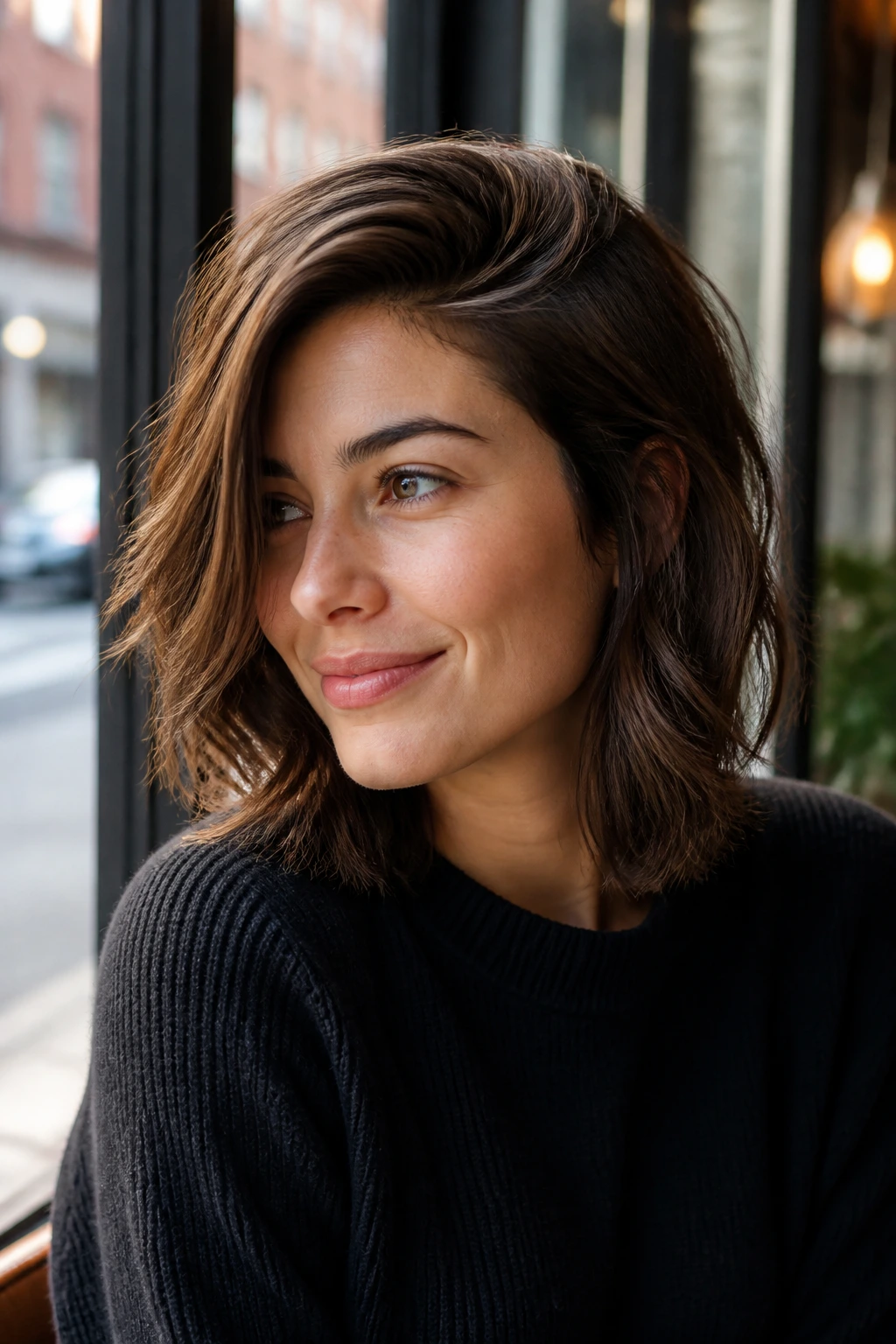
A deep side part is the oldest trick in the book for instant volume. By shifting the bulk of your hair to one side, you create a “bump” of height at the crown that immediately draws the eye upward, making the hair look denser.
How to Get the Best Results
- Switch your part when your hair is still wet to allow it to dry in that position.
- If it doesn’t want to stay, a tiny bit of lightweight root-lift mousse applied to the roots before drying will keep it in place.
- This look works best with a slightly tousled, shaggy texture to hide the scalp transition.
11. The Blunt-Cut Shaggy Hybrid
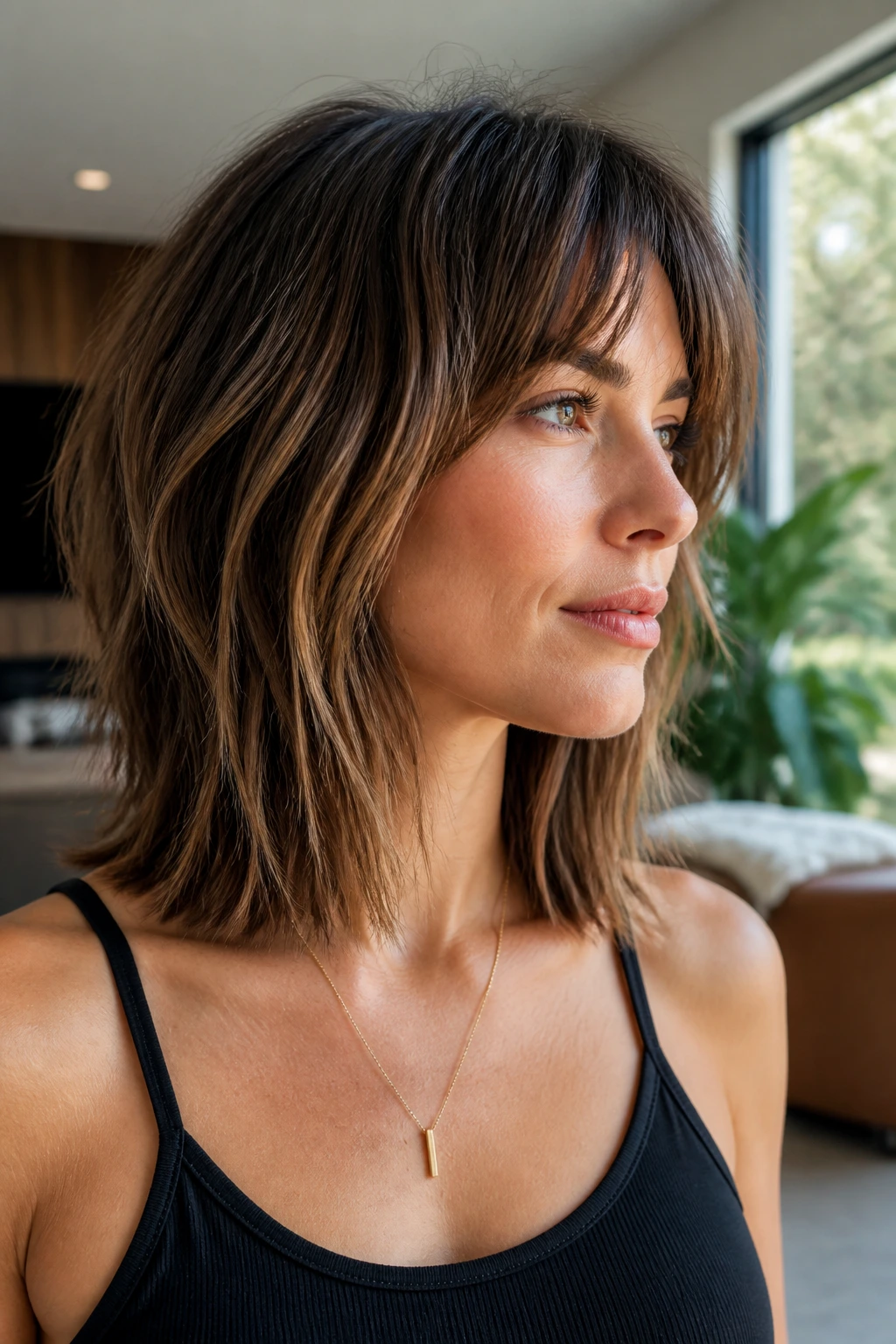
Wait, isn’t blunt bad for thin hair? Usually, yes—but if you combine a blunt perimeter with internal shaggy layers, you get the illusion of density at the bottom while having the movement you need up top. It is the best of both worlds.
Achieving the Balance
- Keep the blunt line precise.
- Add “invisible” layers inside the hair.
- This prevents the “triangle” shape that thin hair can sometimes take on when it grows out.
12. The Sun-Kissed Balayage Lob
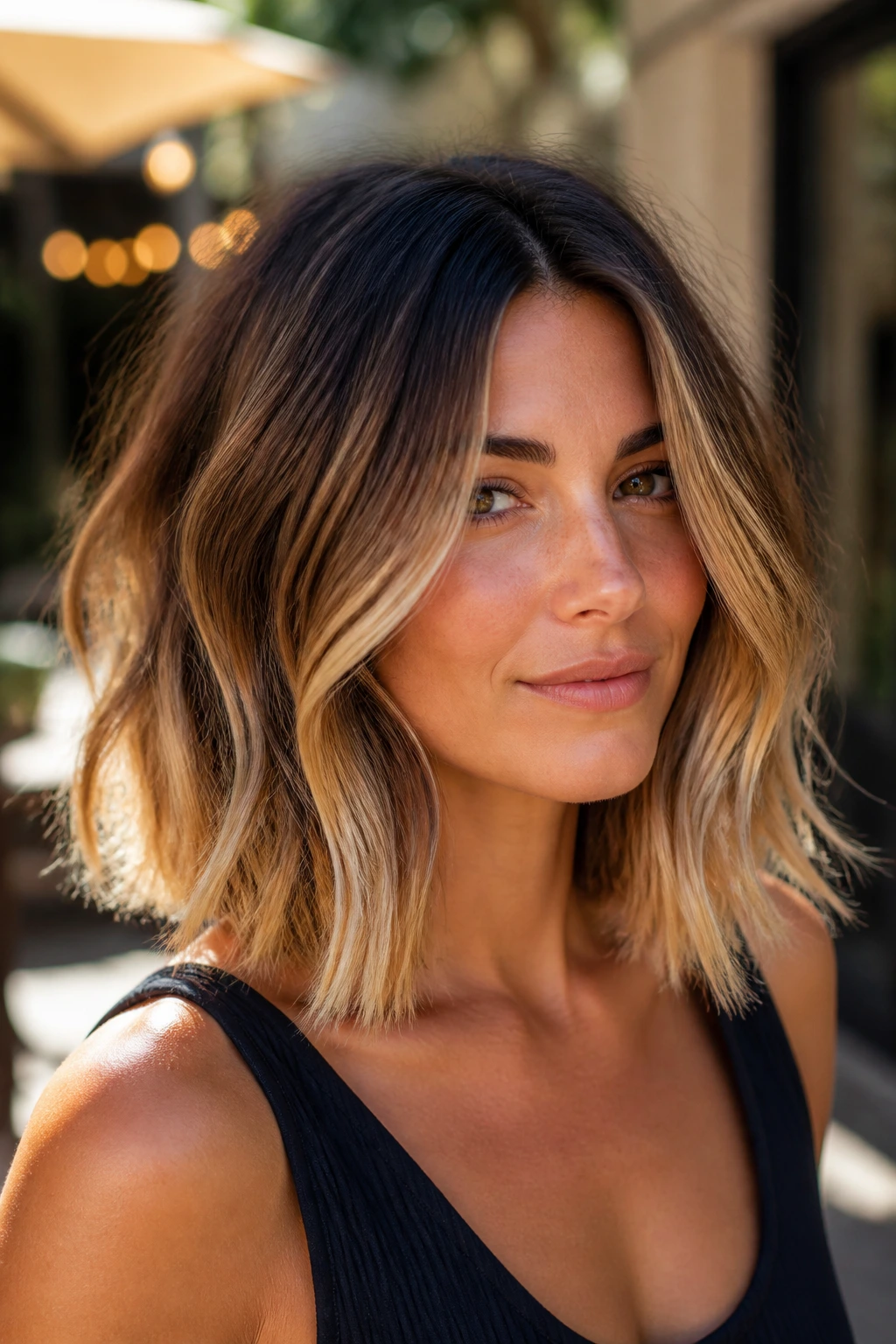
Color placement is just as important as the haircut itself. By adding lighter pieces around the face and on the tips, you create a sense of depth and dimension. This makes the hair look like it has “shadows” and “highlights,” which tricks the eye into seeing more volume.
Strategic Color
- Ask for “babylights” instead of thick chunks of color.
- Keep the roots a shade or two darker than your natural color to add depth.
- The more variation in color, the thicker the hair appears to be.
13. The 70s-Inspired Shaggy Lob
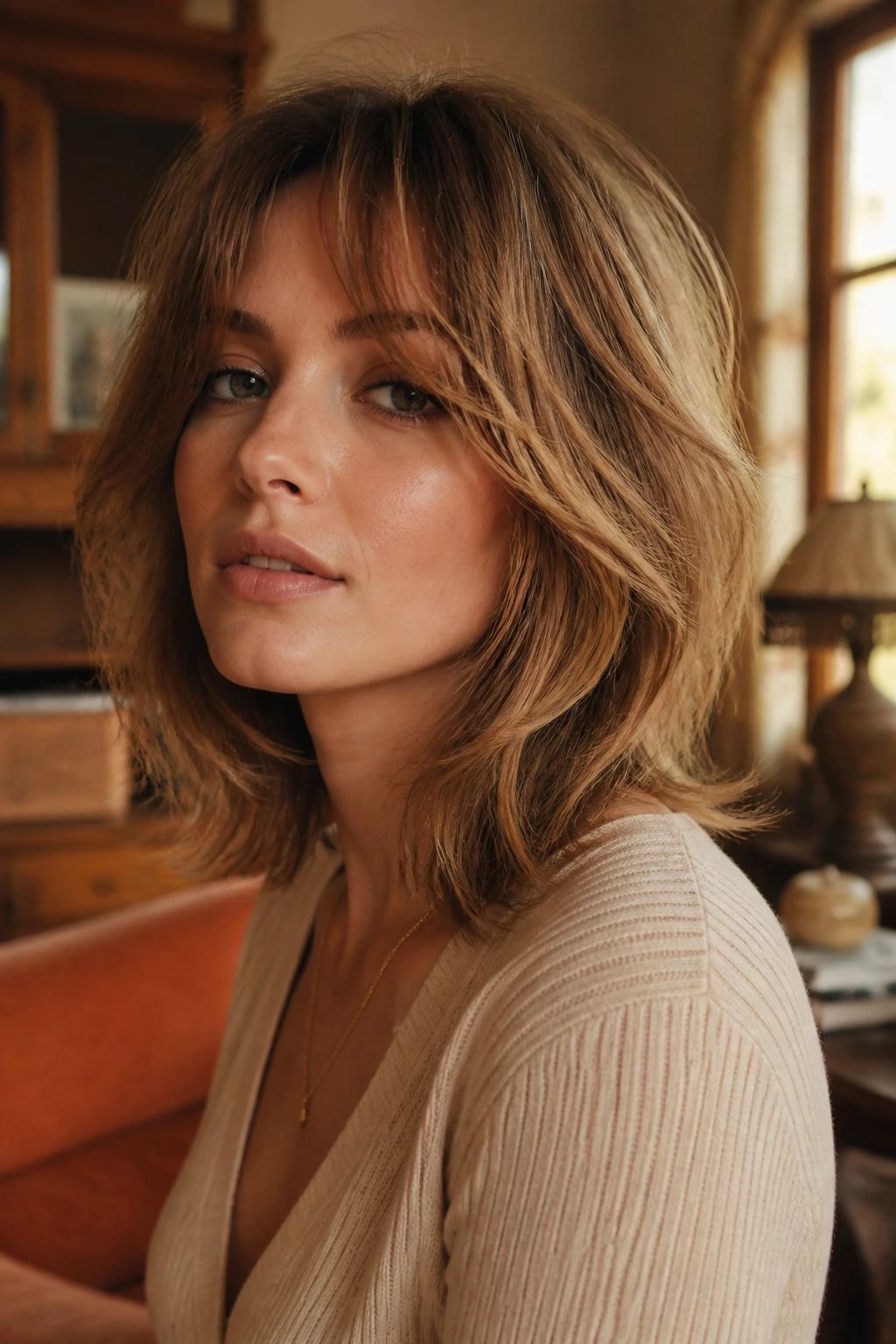
Think feathered layers, longer bangs, and lots of volume. The 70s shag is essentially built for people who want their hair to look bigger. It focuses on face-framing layers that curve outward, creating a rounded shape that adds width to your face and volume to your head.
Styling the Retro Look
- You will need a round brush and a bit of patience.
- Dry the hair away from the face to create that iconic “flip.”
- Finish with a medium-hold hairspray to ensure the layers don’t fall flat by lunchtime.
14. The Undercut Shaggy Lob
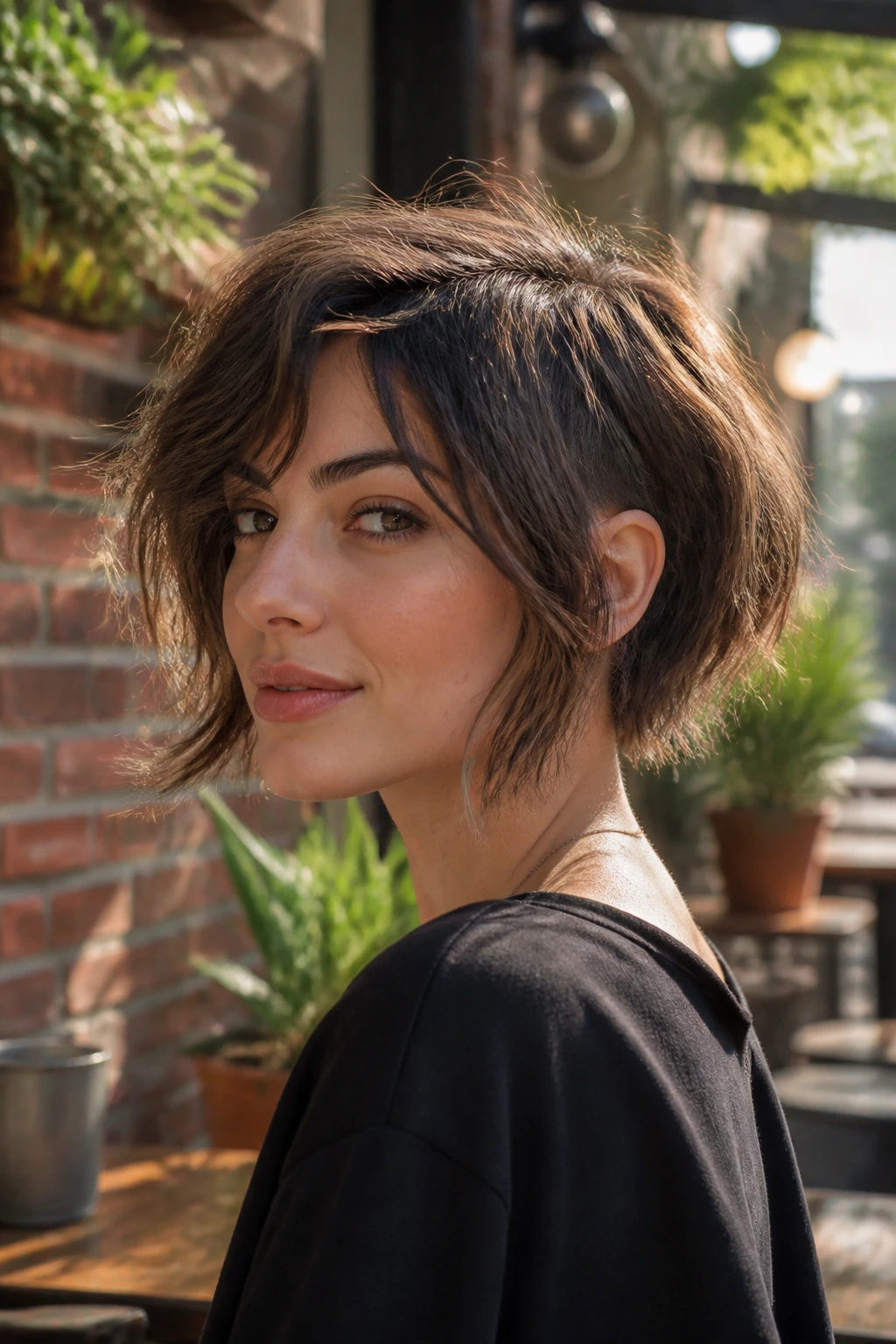
If your hair is very fine and feels thin at the bottom, an undercut at the nape of the neck can actually make the remaining hair look thicker. By removing the weakest, wispiest hairs at the very base, you create a cleaner, more deliberate line that makes the rest of the hair pop.
Is This For You?
- Only if you are comfortable with shorter hair at the nape.
- It is a fantastic option for those who live in warm climates.
- It also helps to eliminate that “rat-tail” look that often happens when fine hair grows out.
15. The Choppy Bob with Long Layers
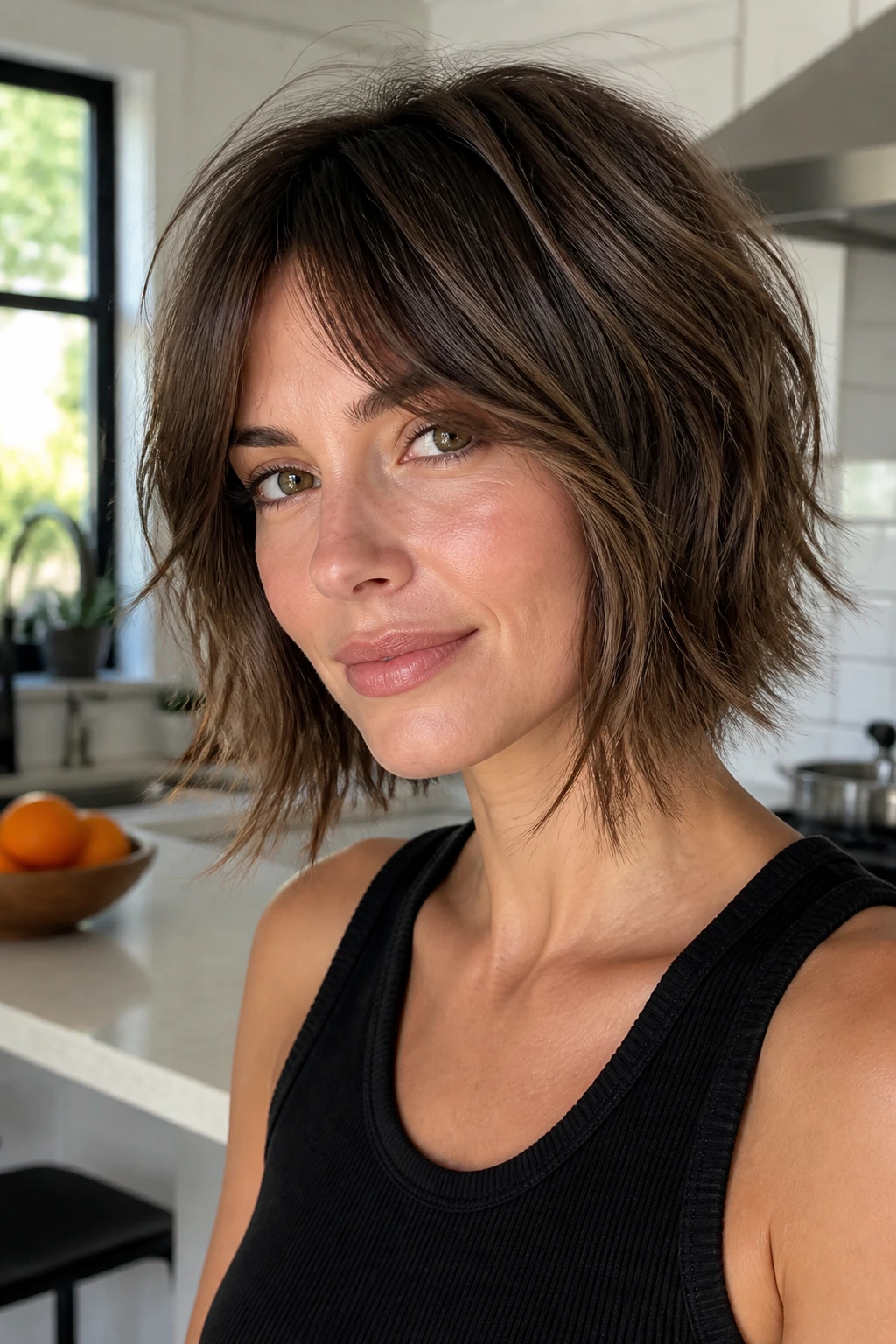
Long layers are great, but in thin hair, they can sometimes make the ends look even thinner. The solution? A choppy bob base with long layers on top. This keeps the weight where you want it while giving you the length you desire.
Why This Works
- It provides a solid foundation at the ends.
- The layers create the movement and bounce.
- It is incredibly low-maintenance, requiring only a quick rough-dry in the morning.
16. The Sleek-Yet-Shaggy Lob
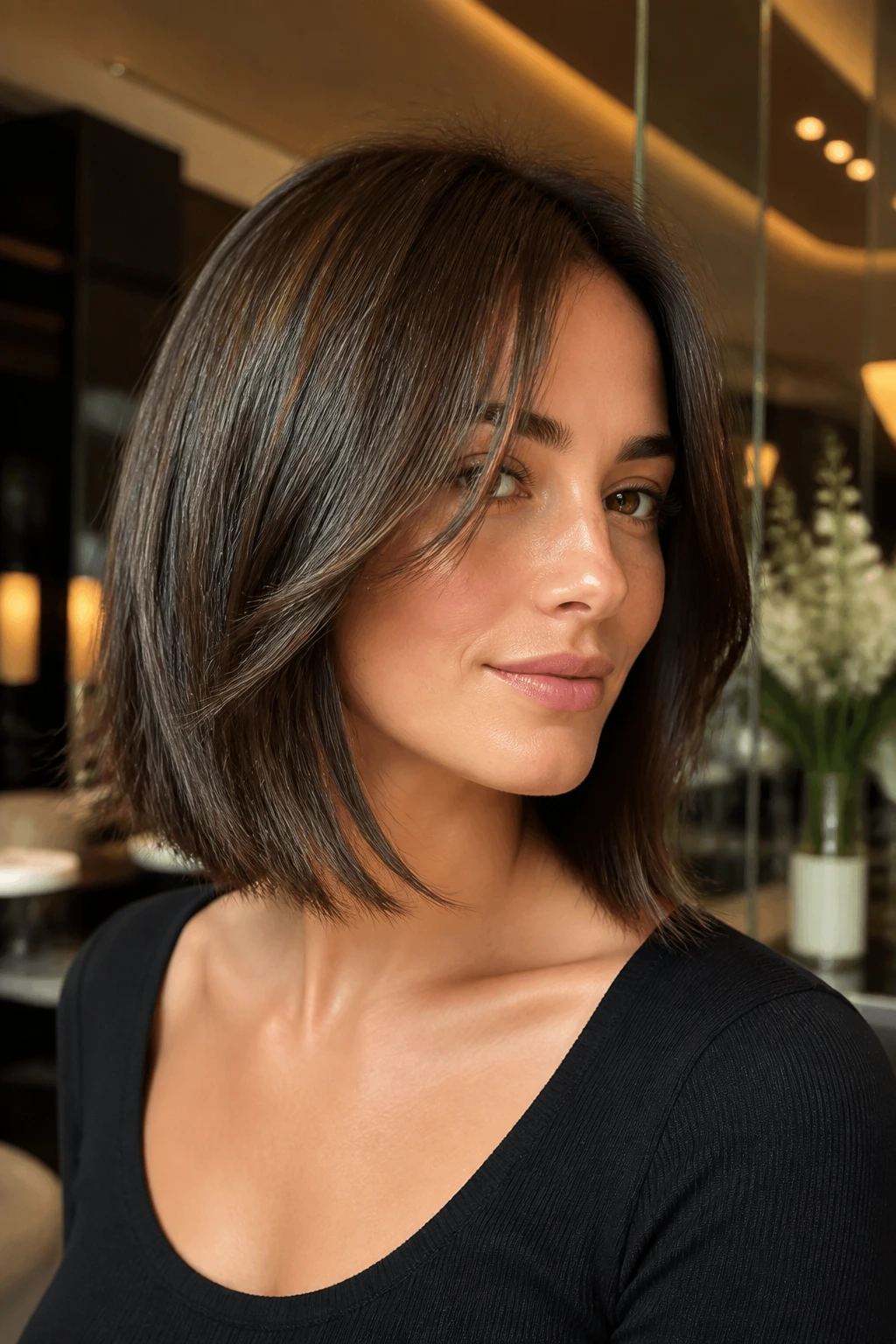
Who says thin hair has to be messy? A sleek lob with just a few shaggy layers around the front can look incredibly sophisticated. This is about polish, using a flat iron to give a subtle bend to the hair rather than a full curl.
The Polished Look
- Use a heat protectant serum—always.
- Run the flat iron quickly through the ends; don’t clamp down too hard.
- Finish with a high-shine spray to catch the light, which makes hair look healthier and more abundant.
17. The Pastel-Tinted Shag
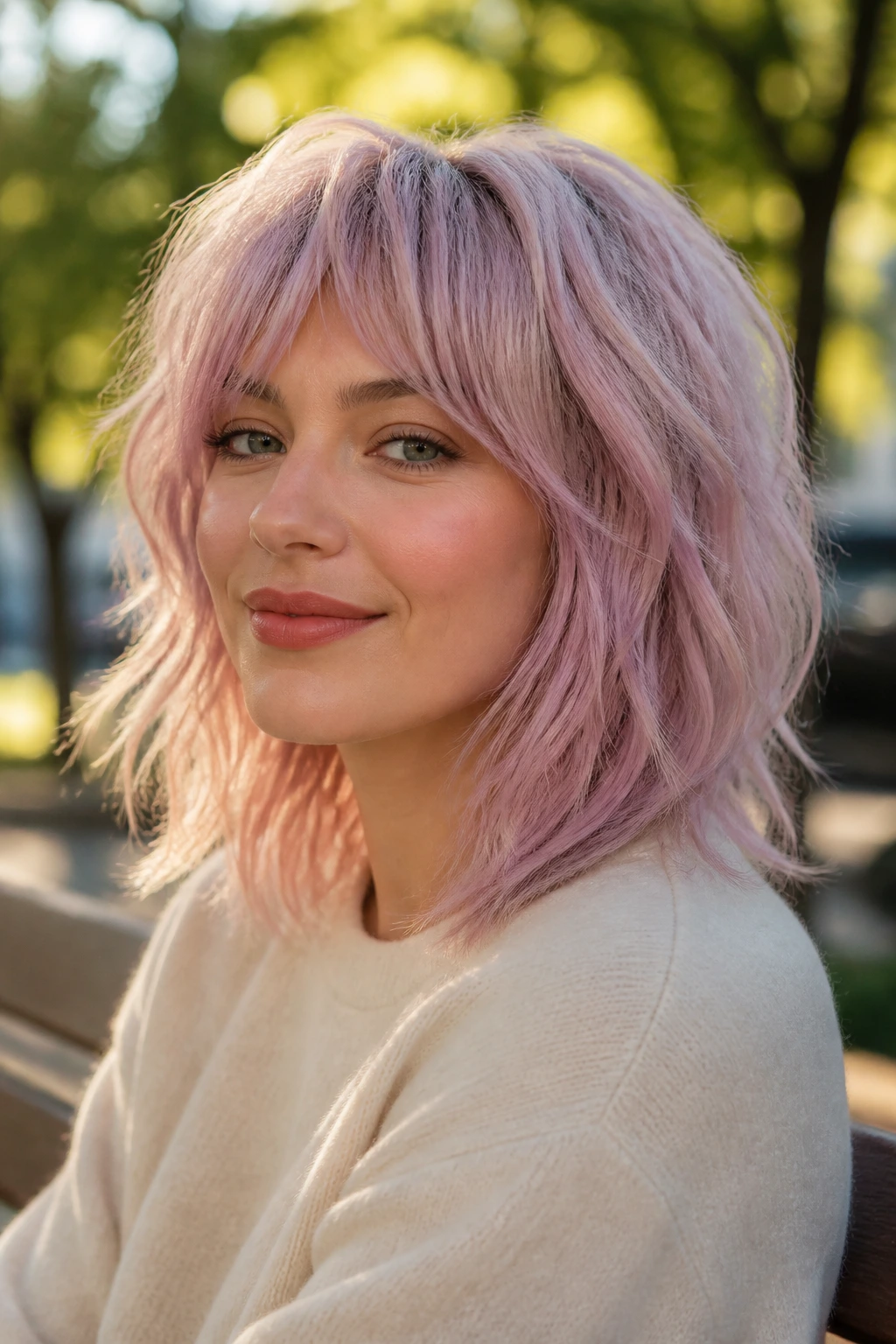
Sometimes, you just want to have fun. Pastel colors like soft pink or lavender require lightening the hair, which actually swells the hair shaft slightly. This can make thin hair feel thicker and more manageable after the initial process.
Pastel Maintenance
- Pastel colors fade very quickly.
- Use a color-depositing conditioner to keep the hue fresh.
- Avoid washing your hair more than twice a week to keep the structural volume intact.
18. The Inverted Shaggy Lob
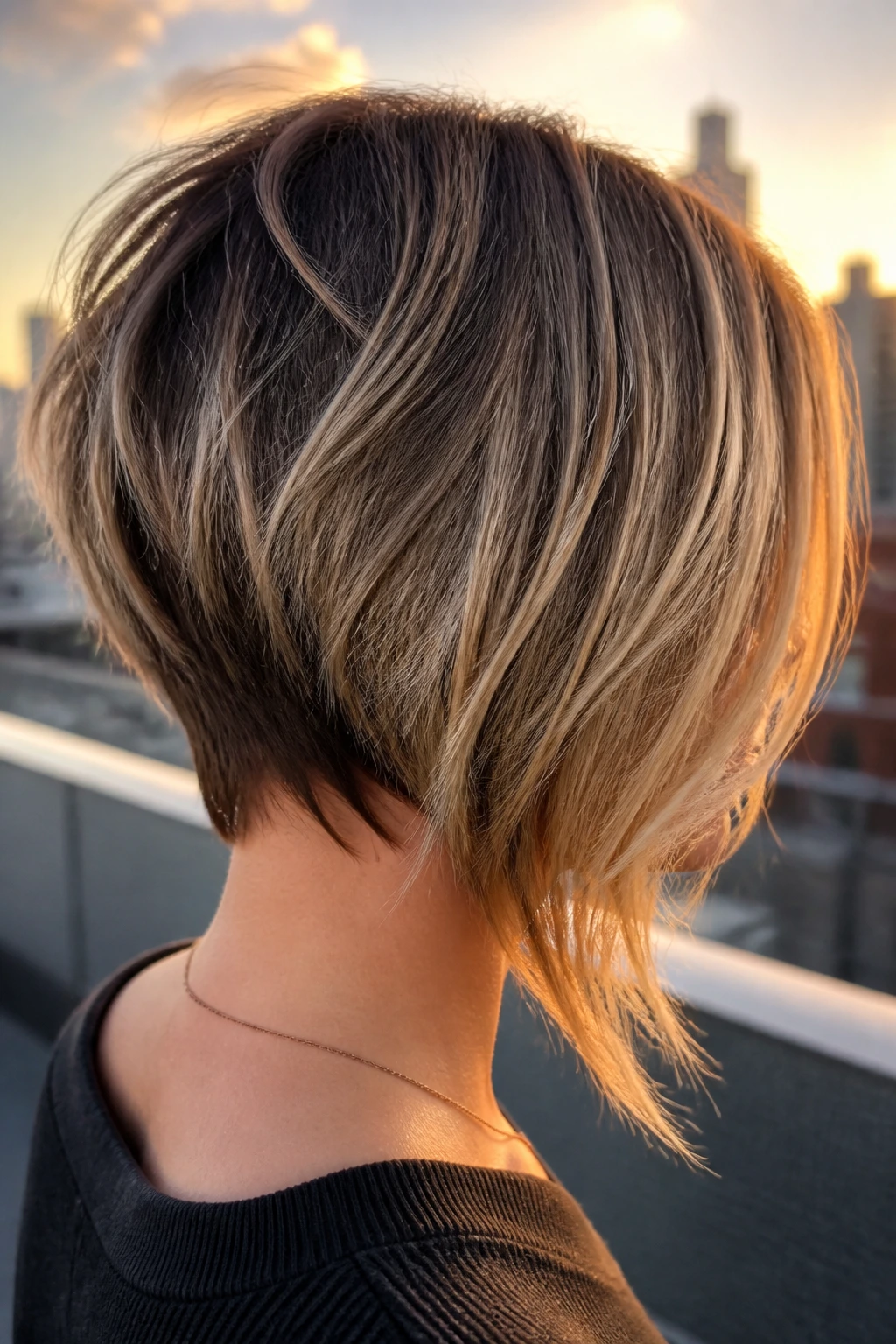
The inverted cut—shorter in the back, longer in the front—is a classic. By adding shaggy layers to this shape, you get an edgy, modern look that doesn’t feel dated. The shorter back provides the volume, while the longer front keeps the length.
Why It’s Timeless
- It is universally flattering on most face shapes.
- The volume is built-in due to the stacking in the back.
- You can style it with a slight wave or keep it straight and piecey.
19. The “Expensive” Blonde Lob
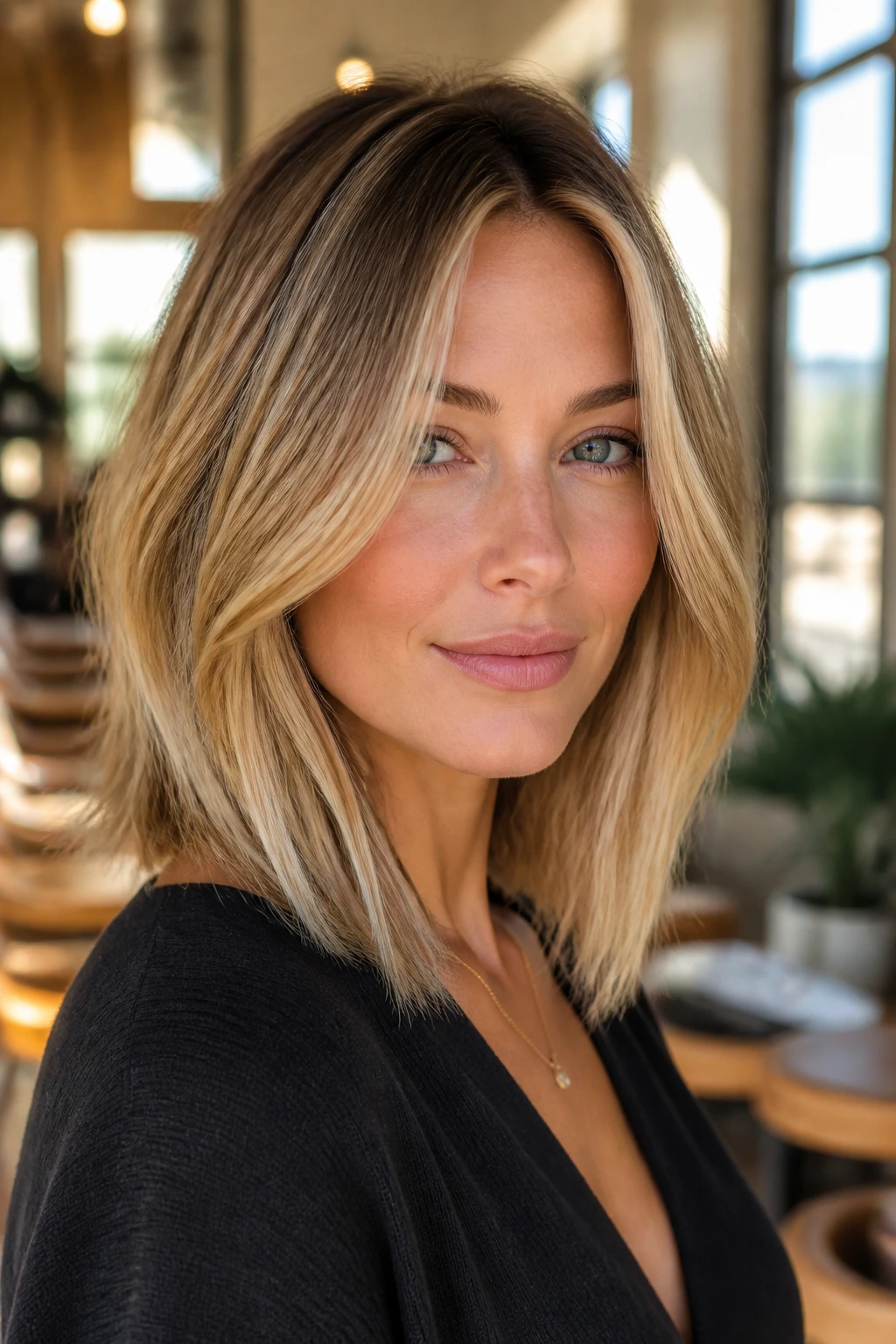
Expensive blonde is all about low-contrast highlights. For thin hair, this is a lifesaver because it avoids the harsh lines of traditional foils. The soft blending keeps the hair looking seamless and full rather than partitioned.
The Color Goal
- Go for a mix of ash and golden tones.
- Avoid gray-based colors, which can make fine hair look washed out.
- Keep the roots slightly deeper for that necessary shadow.
20. The Short-Layered Shag
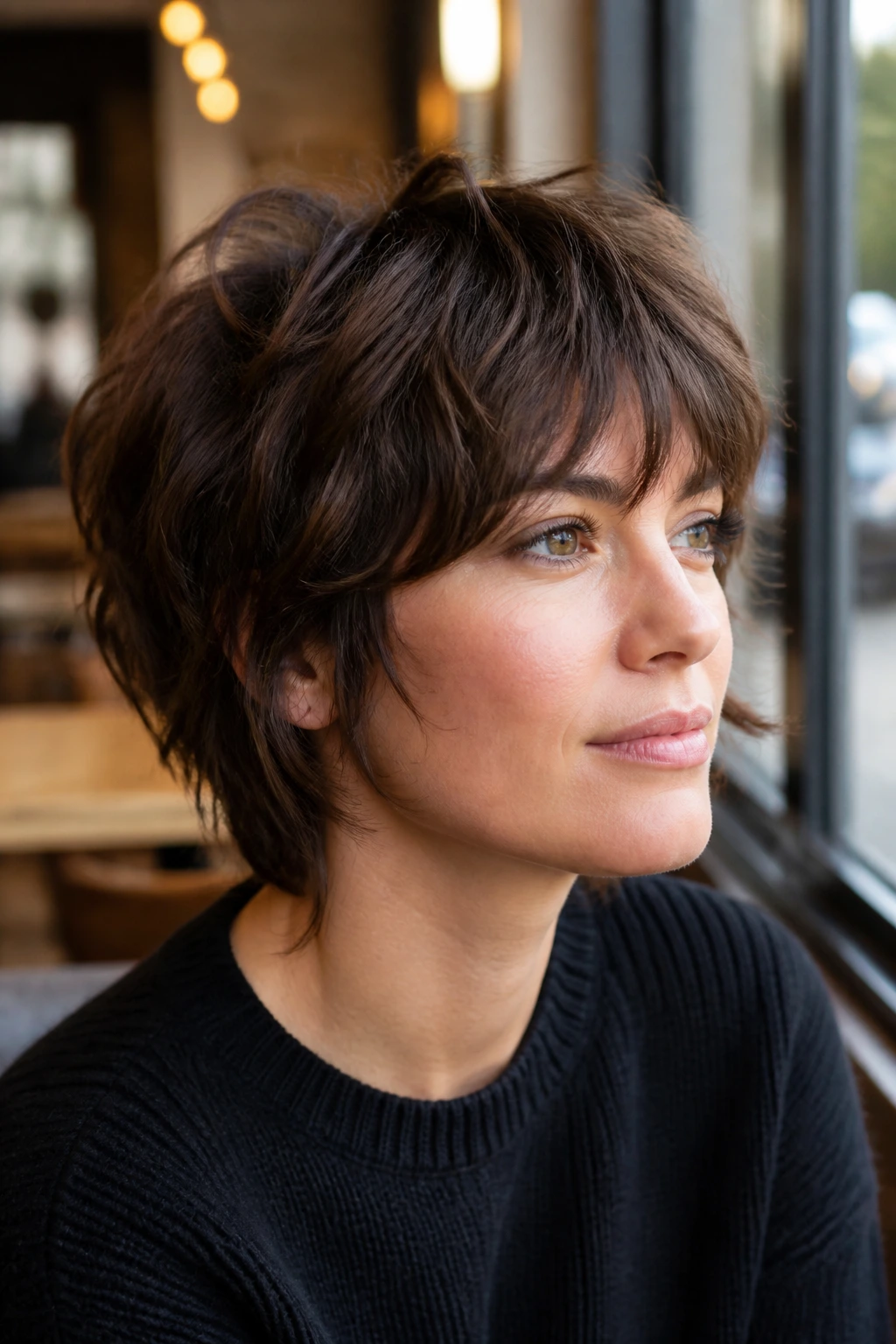
If you have very fine hair, you might be scared of layers. Don’t be. The key is to keep the layers shorter and more frequent. This creates a “cushion” of hair that holds its shape much better than longer, thinner layers.
Managing Frequent Layers
- You will need more frequent trims to keep the layers from growing out and losing their shape.
- Aim for a trim every 6 to 8 weeks.
- This keeps the “shaggy” effect intentional rather than accidental.
21. The Salt-and-Pepper Shag
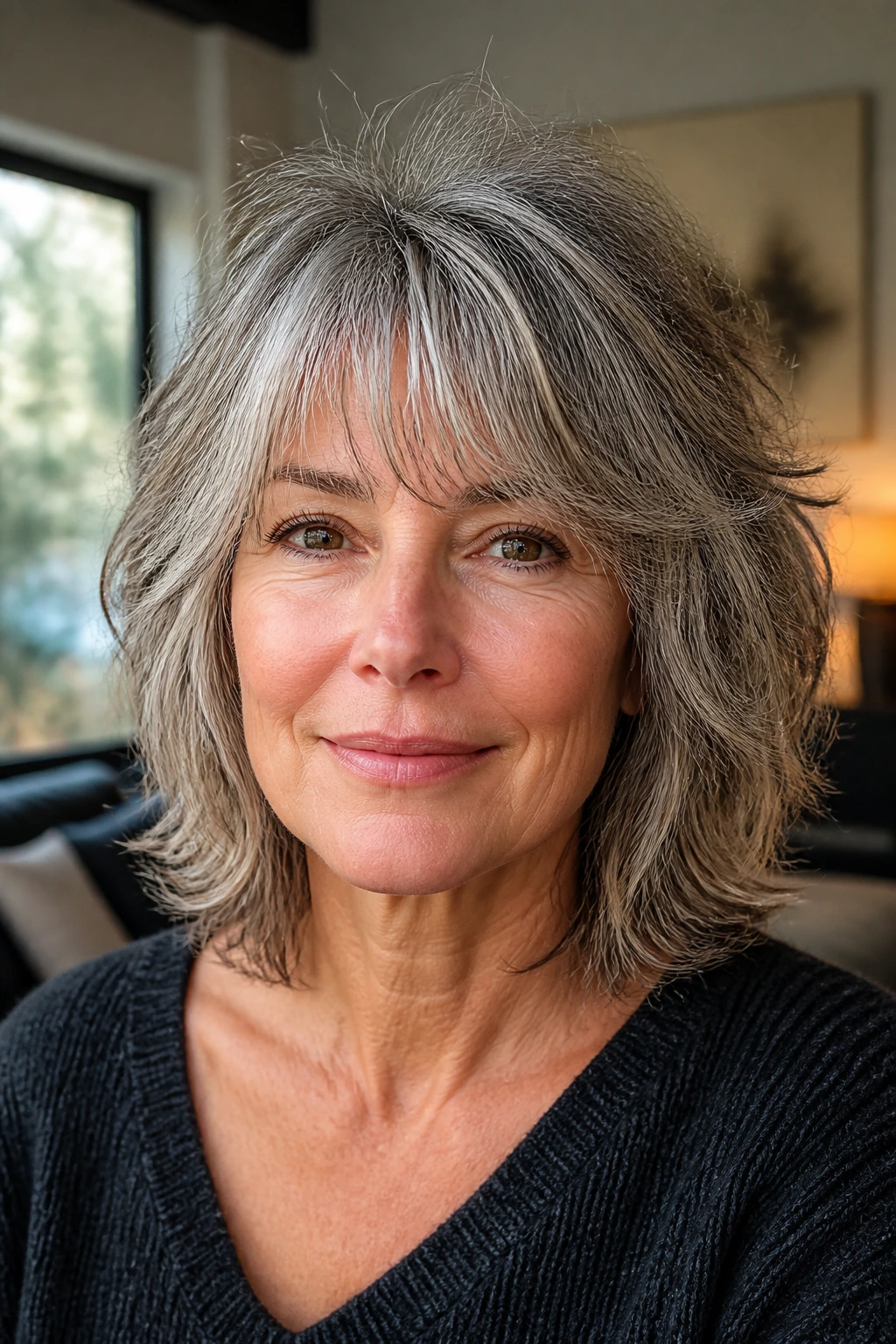
Gray hair has a different texture—often wirey and coarse. If you are embracing your natural grays, a shag is the perfect way to manage that texture. It allows the natural volume of gray hair to shine without the weight of long, limp strands.
Celebrating the Texture
- Gray hair can be prone to dryness.
- Use a moisturizing mask to keep the strands soft and bouncy.
- The shag cut prevents the “triangle” effect that coarser hair can sometimes fall into.
22. The Flipped-Out Ends Lob

This is a playful, 60s-inspired take on the lob. By using a flat iron or round brush to flip the ends outward, you create a “wings” effect that adds visual width to the bottom of the style, balancing out a narrower jawline.
How to Style
- Focus the flip on the very last two inches of the hair.
- Don’t flip the entire length, or it will look too “stiff.”
- A little bit of texture spray keeps it looking modern rather than costume-like.
23. The Micro-Bang Shag
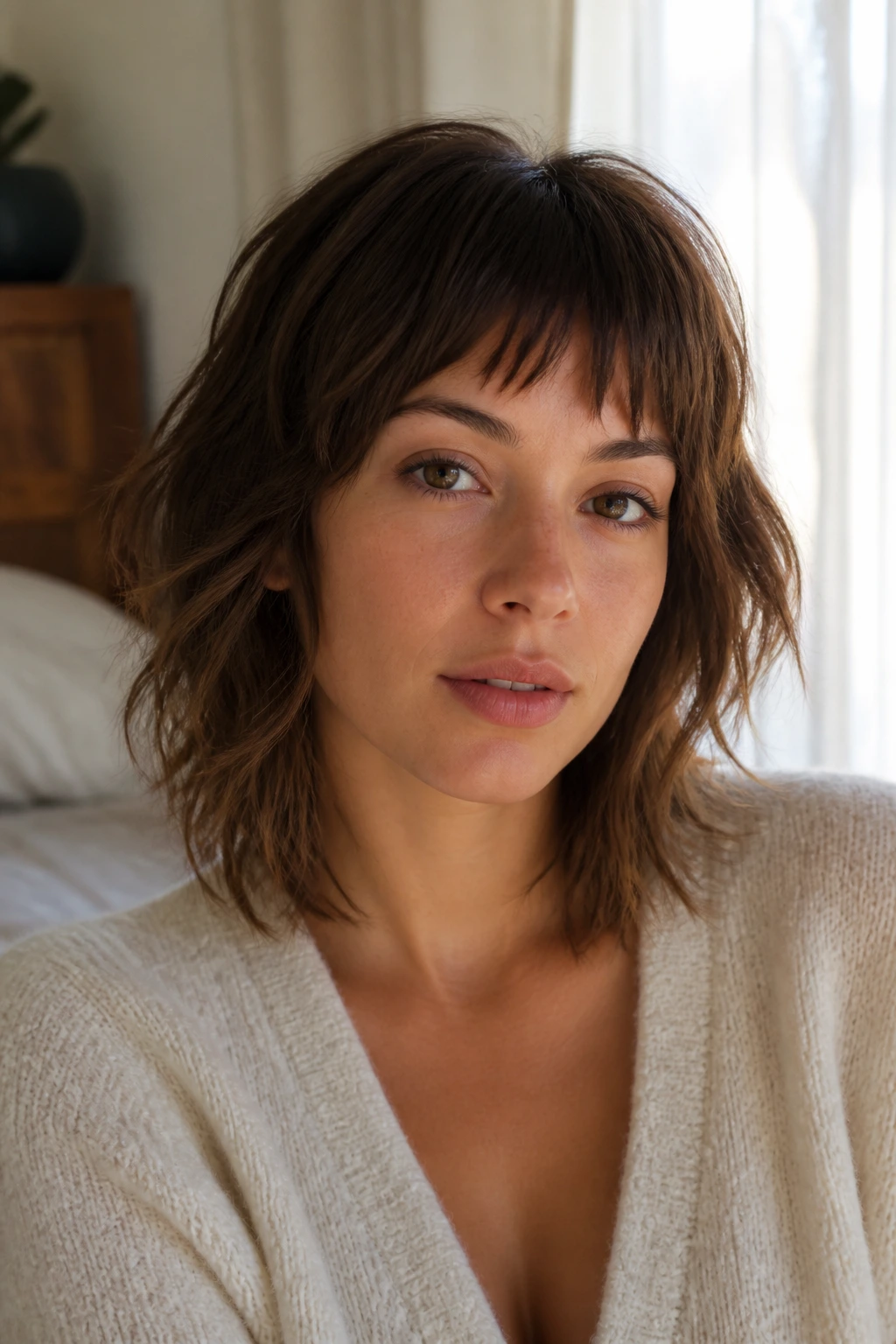
If you have a high forehead, a micro-bang (a very short fringe) can actually work wonders for your overall hair volume. It takes a small amount of hair from the top and makes it look very deliberate, while the rest of the hair is left in a shaggy, textured lob.
Why It Works
- It rebalances your face proportions.
- It highlights the eyes and cheekbones.
- It gives the rest of your hair a “base” to grow from, which can make it feel more voluminous.
24. The Bronde-Ombré Shag
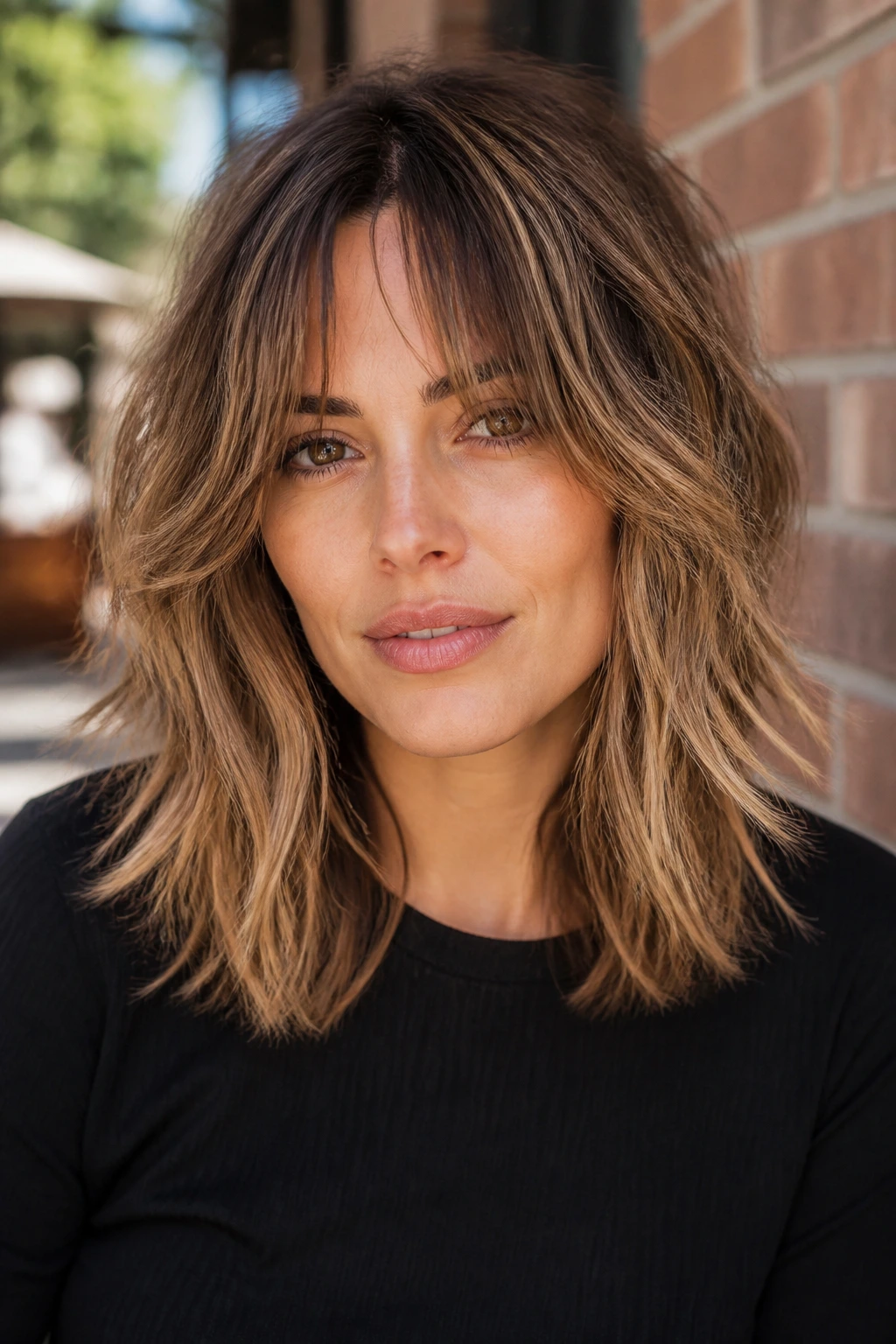
“Bronde”—that perfect middle ground between brown and blonde—is great for fine hair because it avoids the starkness of a full blonde or the flatness of a single-process dark color. The ombré technique, where the color transitions from dark to light, creates the illusion of movement even when the hair is perfectly still.
Color Depth
- The roots provide the weight.
- The lighter ends provide the texture.
- This color transition is a visual distraction that hides thin spots.
25. The Wet-Look Shaggy Lob

For a night out or an edgy event, the “wet” look can be incredibly chic on a shaggy lob. Use a high-quality styling gel—not a glue-like one—to create separated, piecey sections that look like you just stepped off a beach.
The Wet Look Routine
- Apply the product to damp hair.
- Use a wide-tooth comb to distribute it evenly.
- Scrunch the hair with your hands and let it set.
- It’s high-impact and looks much denser than dry hair.
26. The Soft-Layered Wavy Lob
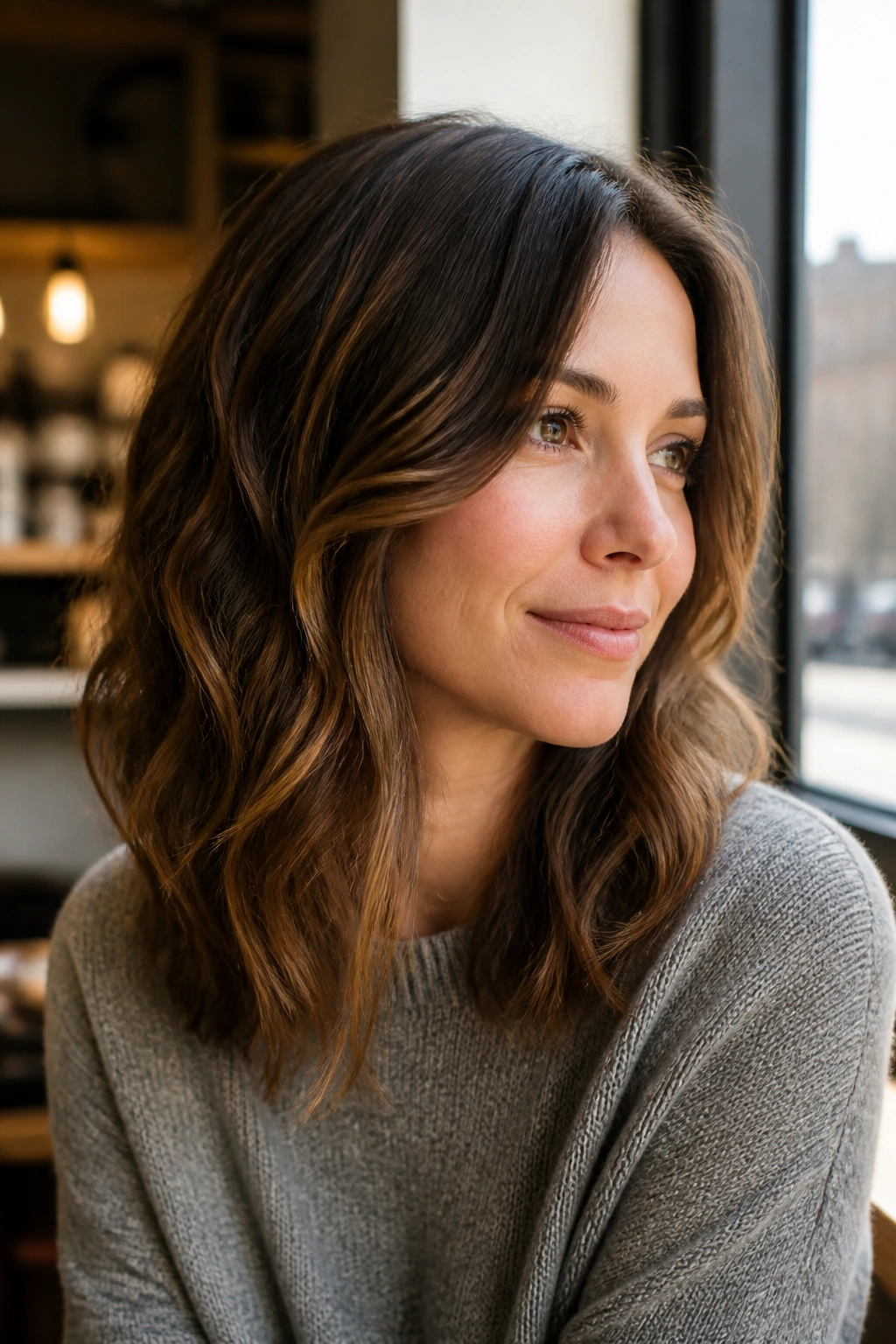
Sometimes you don’t need a crazy shag; you just need soft, internal layers. This style is for the person who wants a “no-cut” look. It is subtle, natural, and adds just enough volume to keep the hair from feeling heavy.
When to Choose This
- If you have an important work environment where crazy layers might be frowned upon.
- If your hair is fine but you have a high density of strands (lots of individual hairs).
- It is the ultimate “professional” shag.
27. The Side-Swept Bang Lob
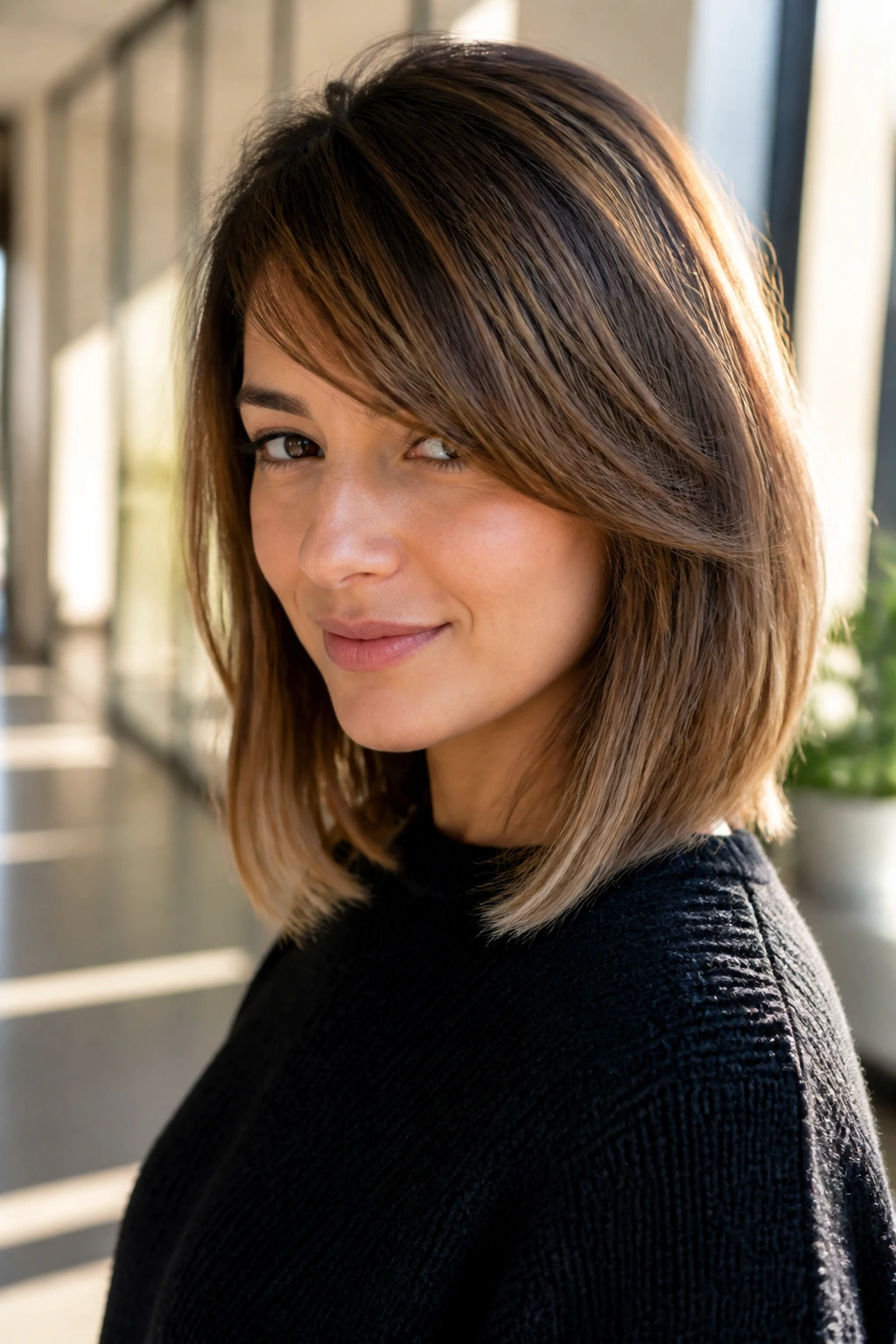
If a center part feels too severe, a long, side-swept bang is the perfect alternative. It creates a diagonal line across the face, which breaks up the symmetry and adds height at the temple, effectively making the hair look bigger.
The Sweep
- Sweep the bangs toward your stronger side.
- This helps to hide any thinness at the hairline.
- It creates a soft, feminine silhouette that is very easy to manage.
28. The Natural Texture Shag
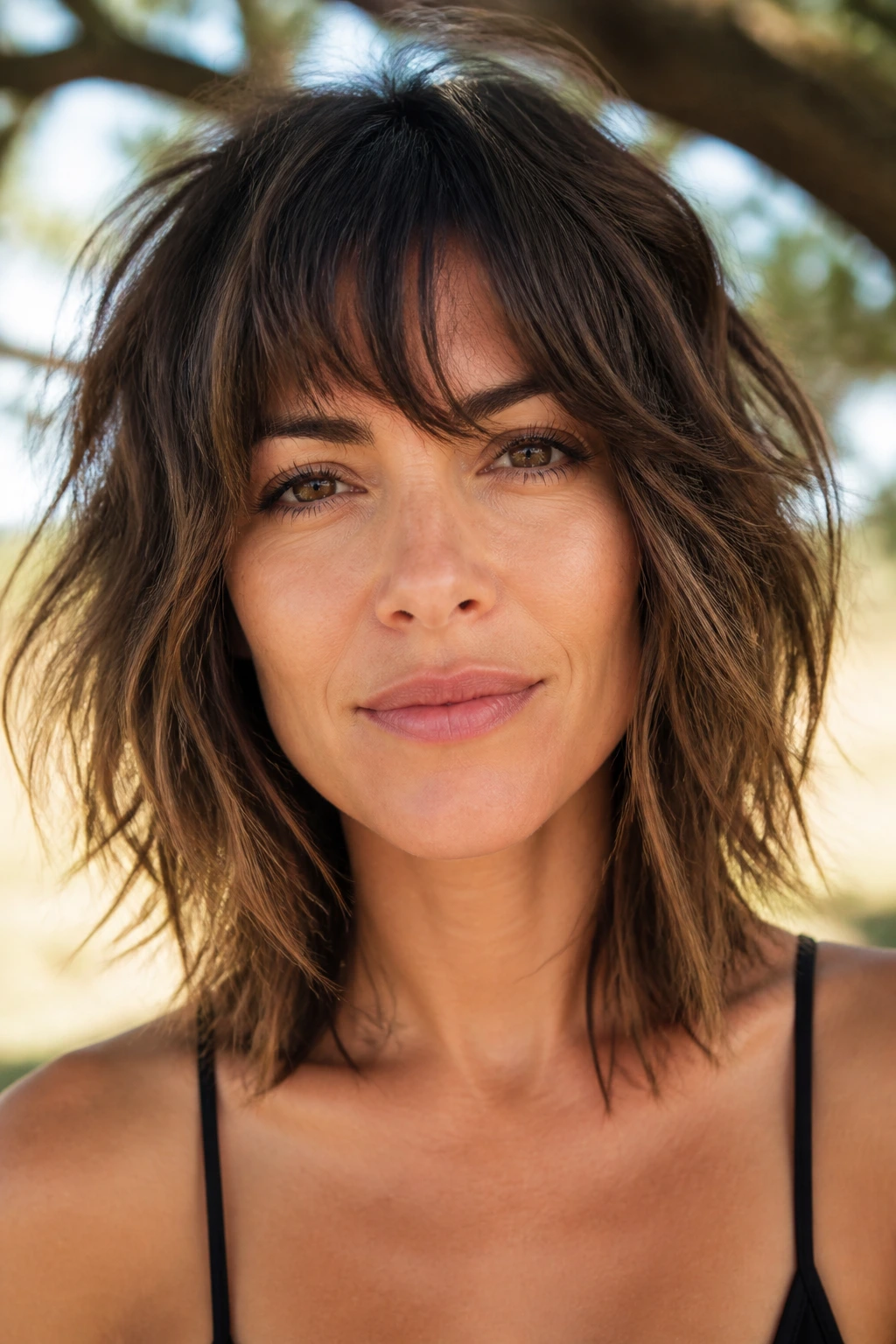
Finally, the most important thing you can do for your hair is to stop fighting what it naturally wants to do. If it’s wavy, keep it wavy. If it’s straight, make it piecey. A shag cut is built to follow your natural texture, and once you start working with it, the “thinness” disappears.
Final Advice
- Your hair is an asset.
- Even if it is thin, it has a personality.
- The best haircut is the one that makes you feel confident the moment you walk out of the salon.
Final Thoughts
Choosing a style from this list is about more than just picking a photo; it is about understanding how your hair behaves on a daily basis. The shag is a versatile, forgiving, and transformative cut that shifts the focus from the quantity of your hair to the quality of its movement. When you choose a style that works with your texture rather than against it, you stop worrying about how “thin” your hair looks and start focusing on how much character it actually has.
Remember, the products you use at home are the final piece of the puzzle. Fine hair requires a light touch, meaning you should almost always opt for sprays, mousses, and light gels rather than heavy creams or oils. Keep your trims consistent, your layers intentional, and your outlook on your hair texture positive. Whether you go for the retro 70s look or a modern, sleek version of the shag, the goal is always the same: a haircut that brings out the best version of your natural hair.