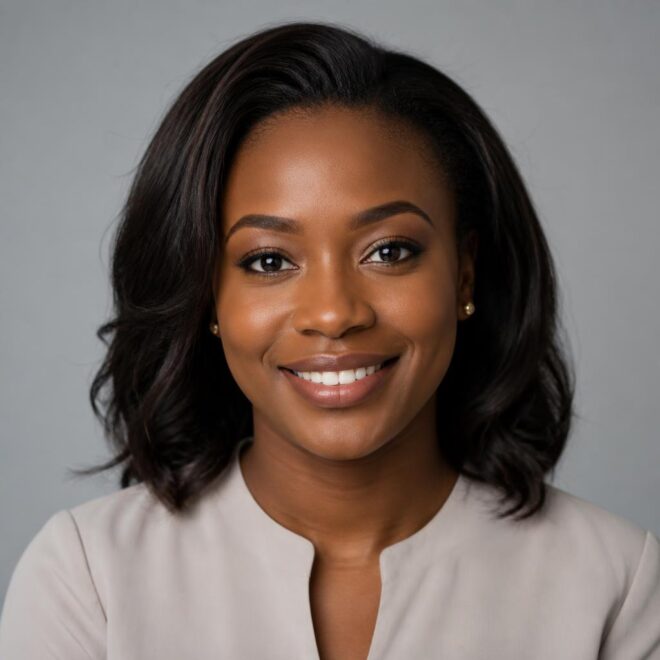


Thick hair is a structural powerhouse. It has weight, volume, and an inherent personality that many other hair types simply cannot replicate. However, when that volume becomes unmanageable, the sheer density can feel like a heavy blanket resting on your shoulders. The solution isn’t fighting your natural texture with thinning shears or endless heat styling; the answer is finding the right geometry. A precisely cut bob is the ultimate architecture for thick, coarse, or abundant strands. It turns that unruly volume into a deliberate, polished shape that celebrates your hair’s natural strength rather than trying to suppress it.
Many people with dense hair shy away from shorter lengths, fearing the dreaded “triangle effect” where the hair flares out at the ends, leaving you looking like a 1980s mushroom. That fear is valid, but it stems from improper cutting techniques, not from the length itself. When you pair a bob with the right texturizing methods—internal graduation, hidden layering, or soft perimeter tapering—you get a silhouette that stays sleek and contained. Whether you want a sharp, face-framing look or a piecey, modern mess, the bob is the most forgiving yet transformative style for thick hair.
Finding the right iteration requires looking at your hair’s natural wave pattern and your desired maintenance level. You aren’t just looking for a haircut; you are looking for a weight-management system. Let’s look at twenty-five specific ways to sculpt that density into a style that feels intentional, light, and perfectly suited to your features.
1. The Blunt Jaw-Length Bob
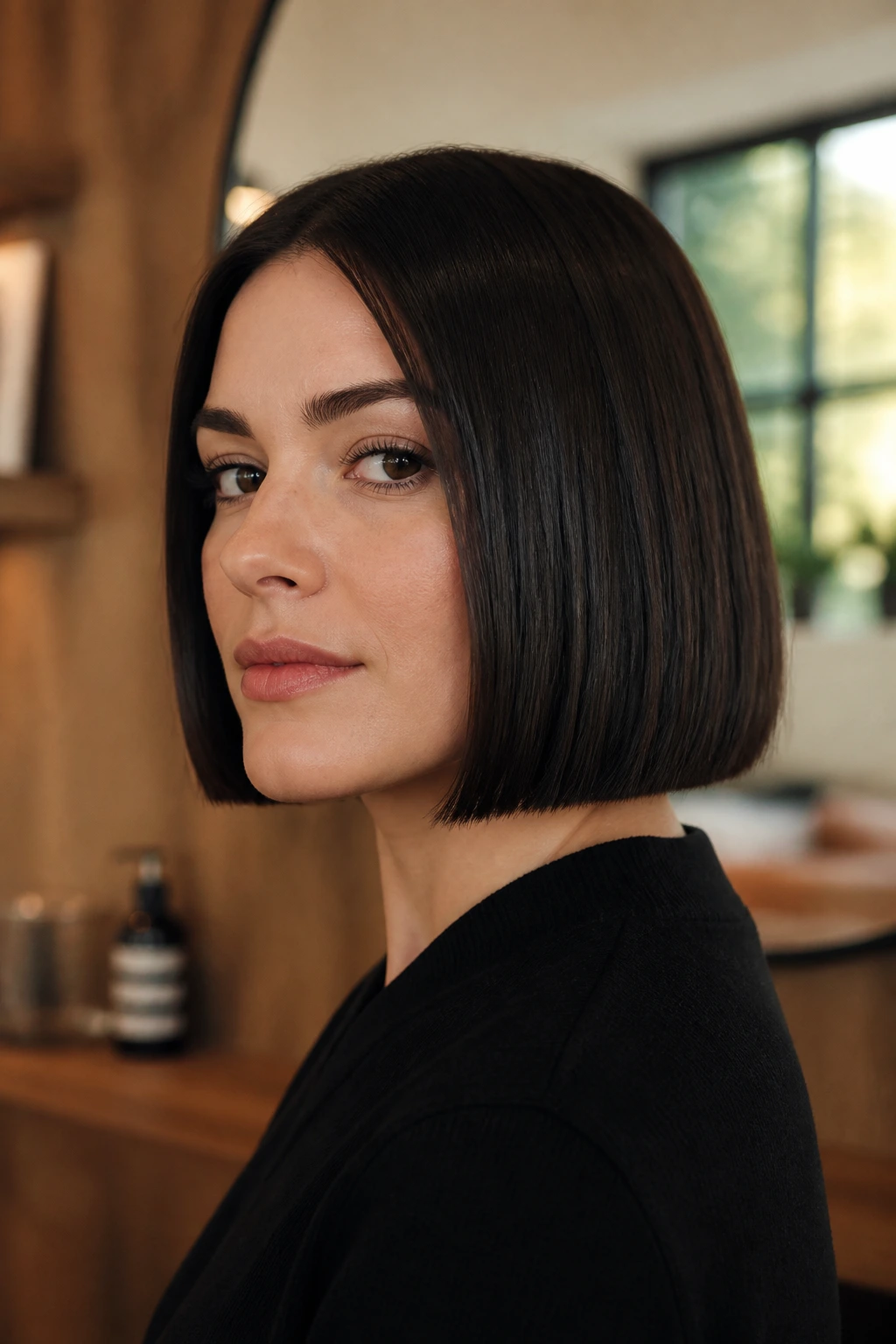
This is the purist’s approach to thick hair. By cutting the ends at a perfectly straight, horizontal line right at the jaw, you force the weight of the hair to sit in one place, which actually keeps it from turning into a frizzy cloud. The blunt edge provides a sense of control, turning thick, unruly ends into a clean, graphic statement.
Why It Works for Density
The lack of layers means there is no “stacking” effect that pushes the hair out. It relies on the hair’s own weight to keep it falling straight down. It is inherently low-maintenance because it doesn’t require styling to look “finished.”
Maintenance Routine
- Use a high-quality smoothing cream on damp hair.
- Air-dry until 90% dry, then do a quick pass with a round brush to tuck the ends under.
- Keep the ends trimmed every six to eight weeks to maintain that razor-sharp line.
2. The Textured A-Line Bob
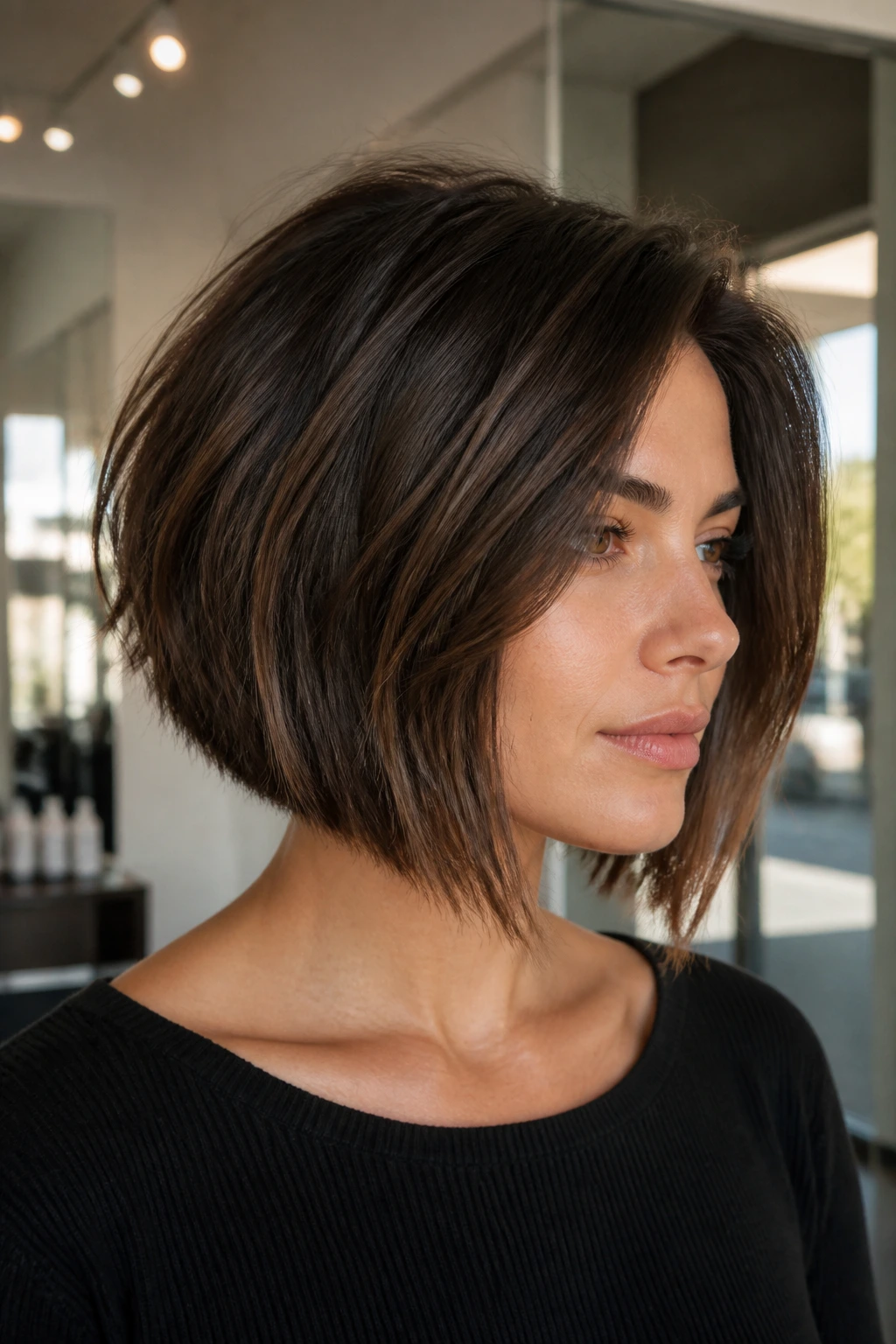
If you want something that feels dynamic, the A-line—where the back is slightly shorter than the front—is a fantastic way to distribute weight. By keeping the back shorter, you remove the bulk that usually collects at the nape of the neck, while the longer front pieces provide the framing that makes a bob look intentional.
Getting the Balance Right
The key is to avoid a radical slope. A subtle, gradual increase in length toward the chin is much more modern than a dramatic, sharp angle. You want the hair to flow, not look like it was cut with a ruler and a protractor.
3. The Soft-Layered Shaggy Bob
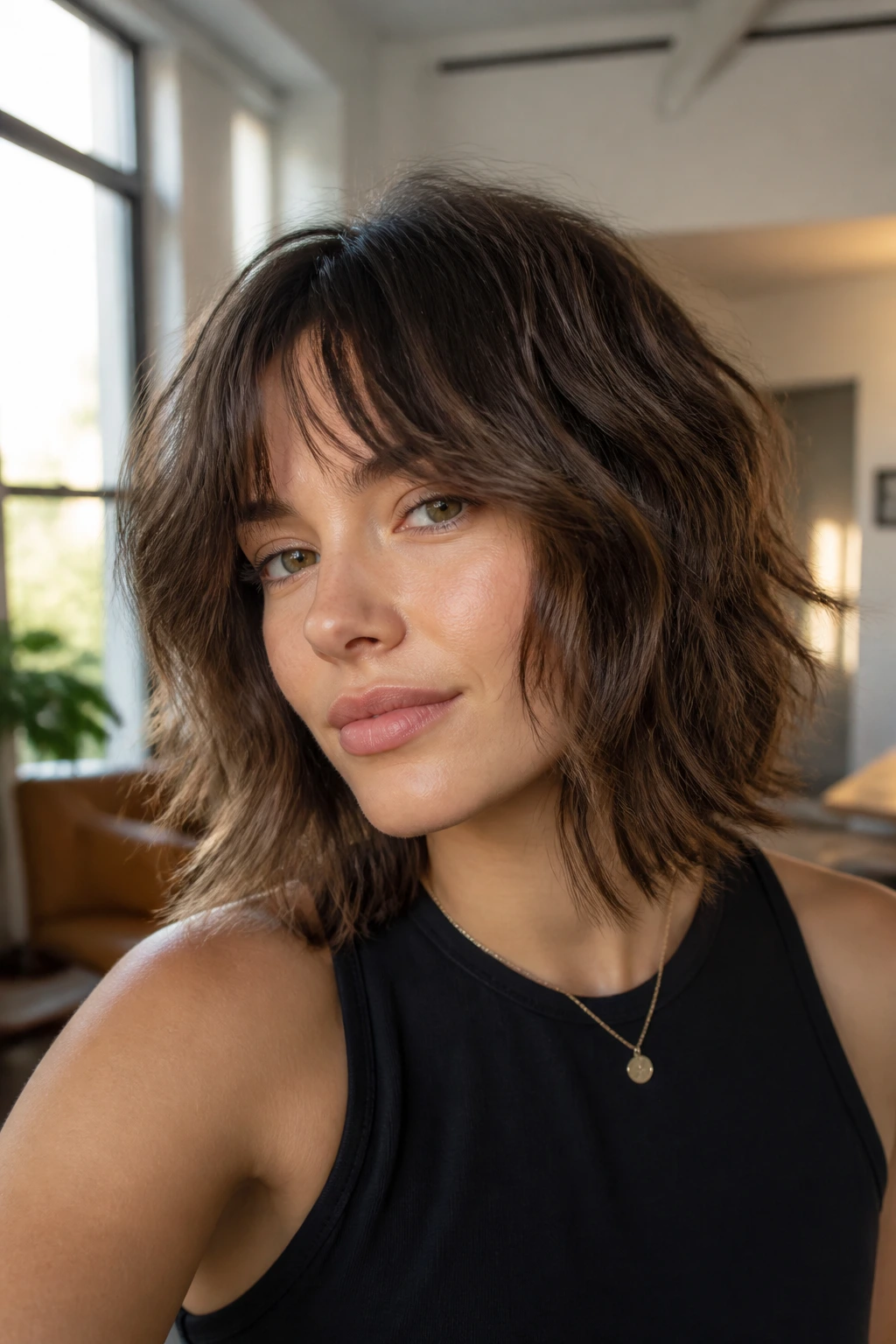
This cut is the antithesis of the blunt bob. It utilizes weight-removing layers throughout the mid-lengths to break up the density. This is ideal if your thick hair has a slight wave, as it encourages the hair to bend and flow rather than sit in one solid block.
Styling for Movement
- Apply a sea salt spray or a light texturizing mousse while the hair is damp.
- Scrunch the hair with your hands while it dries to emphasize the natural texture.
- Avoid using a heavy wax, which will only weigh the layers down and make them look greasy.
4. The French-Girl Bob

Characterized by a slightly shorter length, often grazing the cheekbones or the chin, this style is charmingly undone. It uses internal thinning techniques to make the hair move like a piece of silk rather than a wool carpet. It usually features a soft, piecey fringe that breaks up the thickness around the forehead.
The Secret to the Look
It’s all about the “lived-in” feel. You don’t want a perfect blow-dry here. The goal is to look like you woke up with perfectly tousled hair, even if you spent five minutes manipulating it with a bit of dry texture spray.
5. The Inverted Stacked Bob
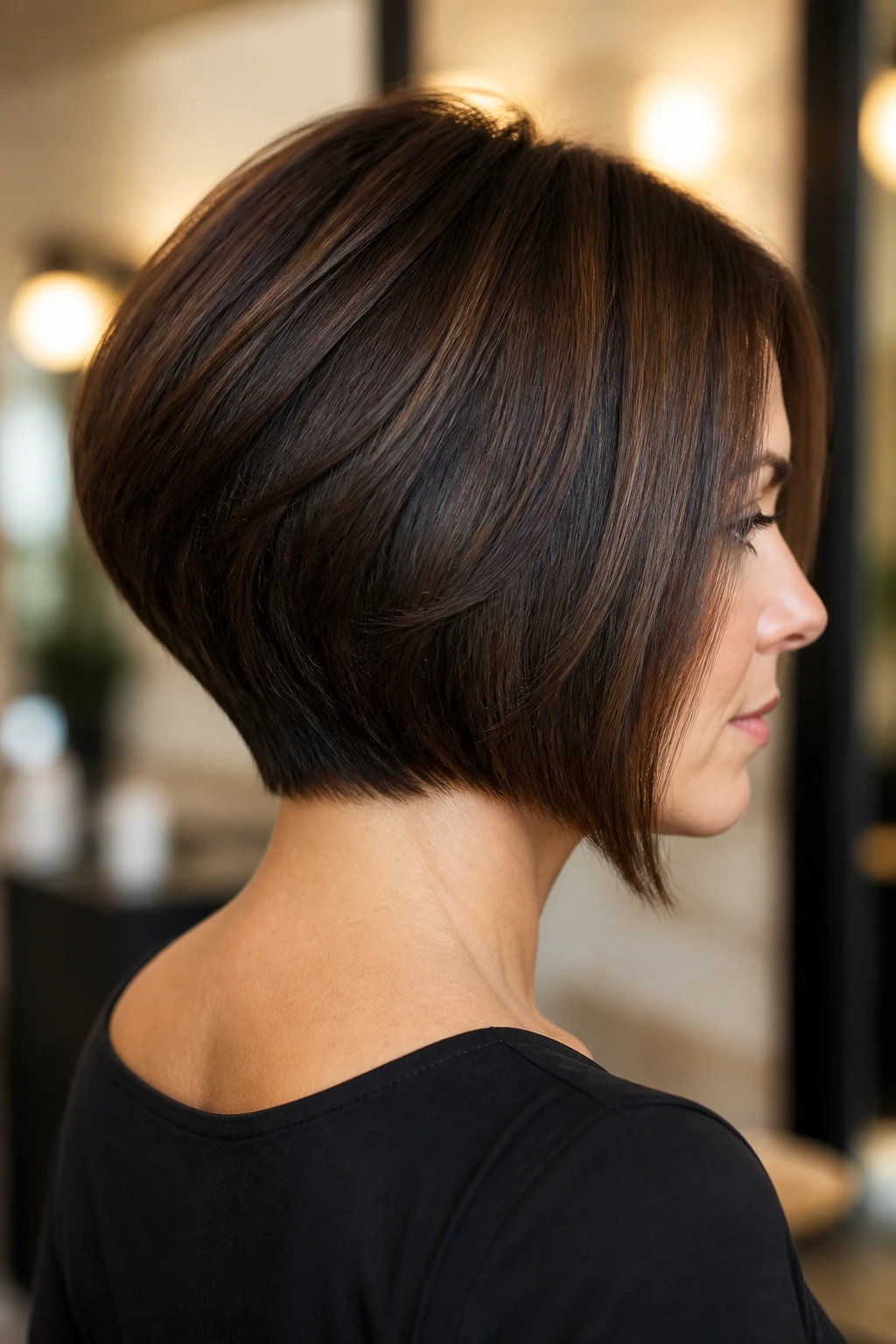
For those who want volume at the back, the inverted stack uses short, graduation layers in the nape to create a rounded shape. It is a bold, high-contrast look that effectively removes the bulk of thick hair at the back of the head while leaving enough length at the front to frame the face.
Important Considerations
- This style requires a bit more frequent maintenance, as the short layers in the back will grow out and lose their “stack” quickly.
- It is best for those who don’t mind a bit of daily styling, as you’ll need to smooth the back to keep the shape defined.
6. The Long Bob (Lob) with Face-Framing
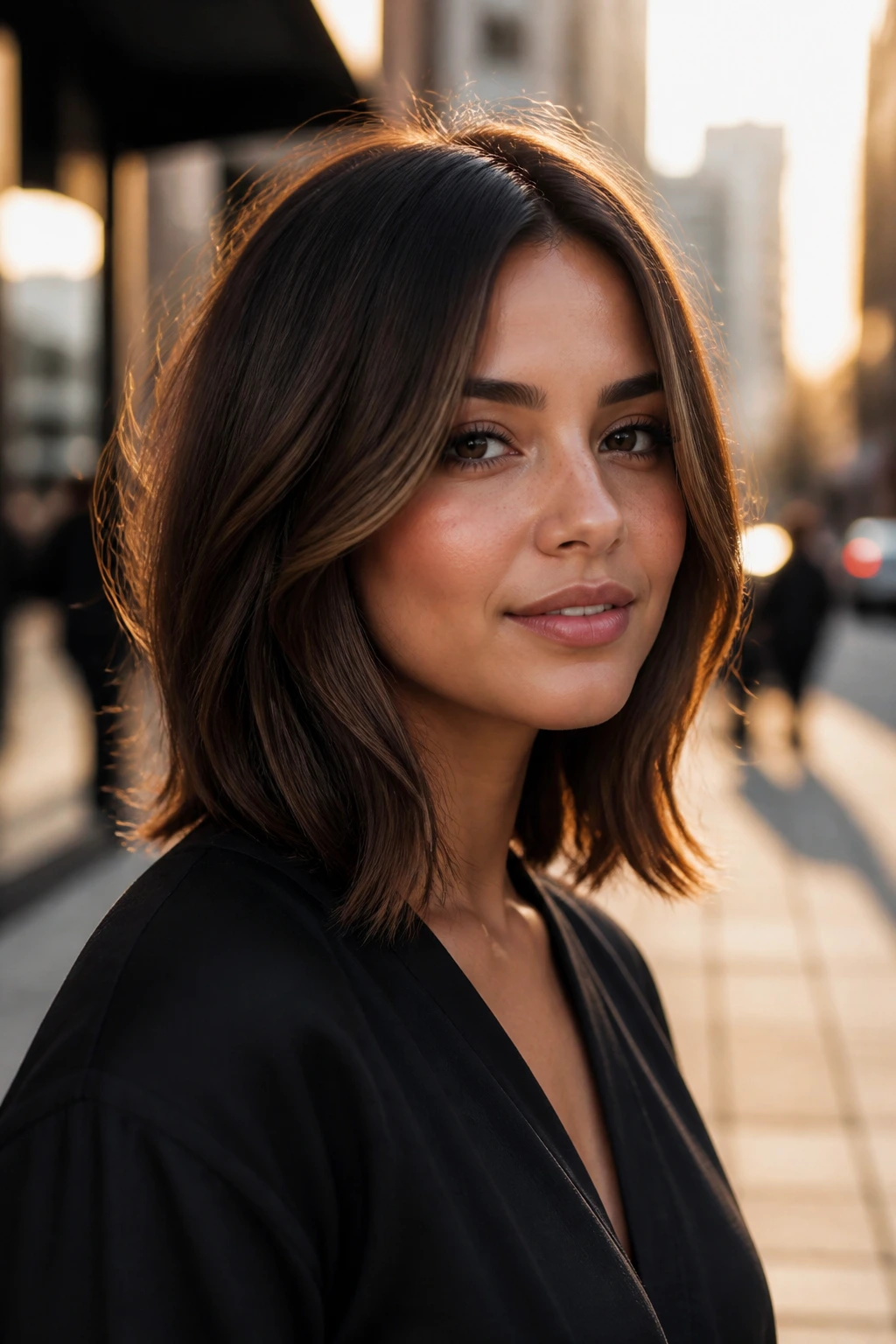
If you are nervous about going too short, the “lob” is your safe harbor. It offers the manageability of a shorter style while retaining enough length to pull into a ponytail or a messy bun. Adding soft, face-framing layers helps to peel away the bulk around your eyes and cheekbones.
How to Prevent the “Triangle”
Ensure your stylist uses “point cutting” rather than cutting straight across. Point cutting removes weight from the interior of the hair, allowing the ends to fall softly rather than flare out.
7. The Sleek Center-Parted Bob
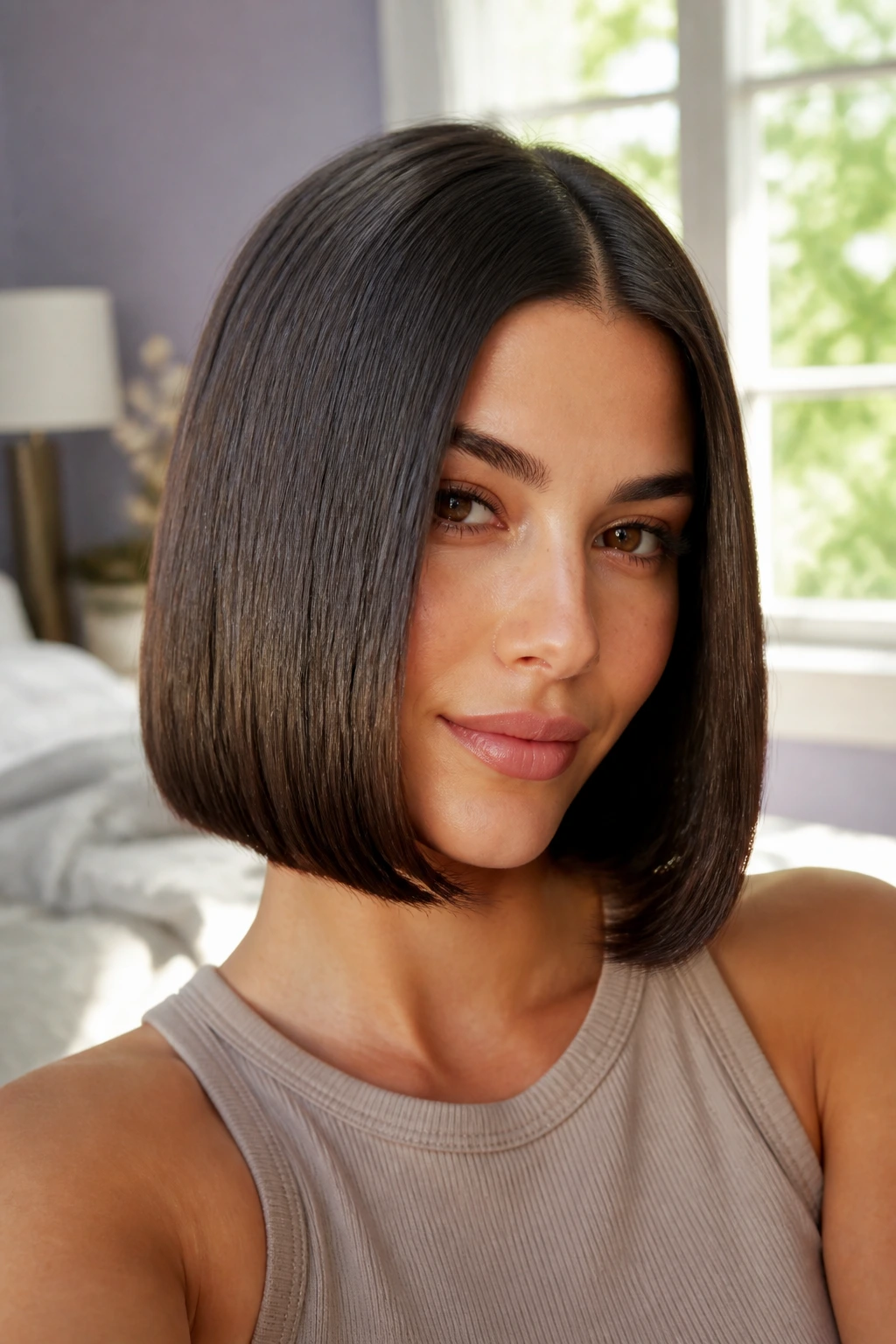
There is something incredibly sophisticated about a perfectly straight, center-parted bob. On thick hair, this look provides a high-fashion, minimalist aesthetic. It demands that your hair be healthy and hydrated, as there are no layers to hide split ends or dry patches.
Daily Maintenance Tip
Invest in a good flat iron, but prioritize heat protectant. Since this style requires heat styling for that glass-like finish, you need to protect your hair’s cuticle from becoming brittle over time.
8. The Curly Bob with Hidden Layers
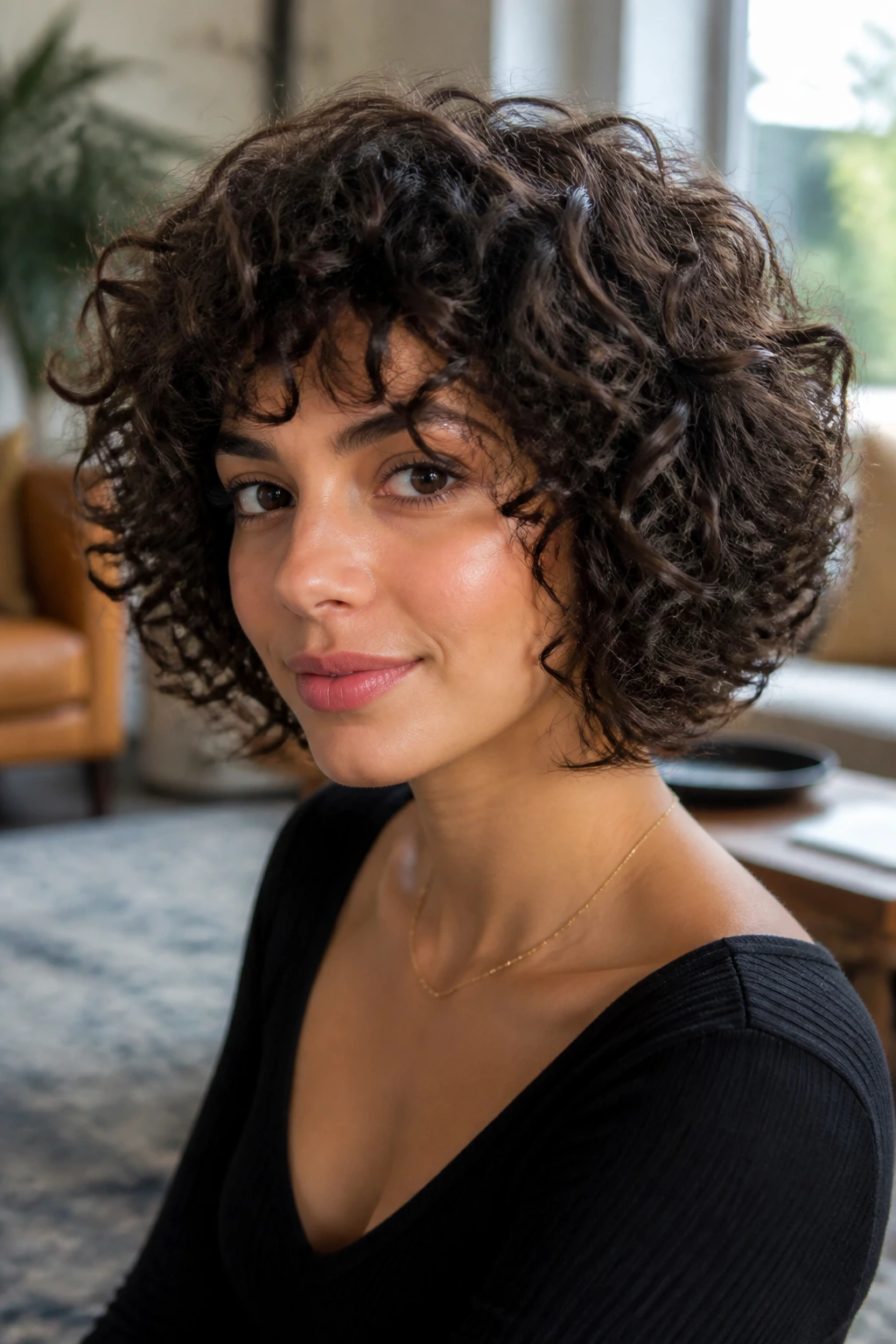
Having thick, curly hair is a challenge that often leads to the “pyramid” shape. The solution is internal, hidden layers that reduce the width of the hair without making it look thin on the surface. These layers are cut underneath the top canopy, supporting the shape from the inside out.
Managing the Volume
- Use a curl-defining cream while the hair is soaking wet.
- Diffuse the hair at a low speed to keep the curls intact.
- Keep the top layer slightly longer to weigh down the curls and prevent frizz.
9. The Rounded Bob with Side-Swept Bangs
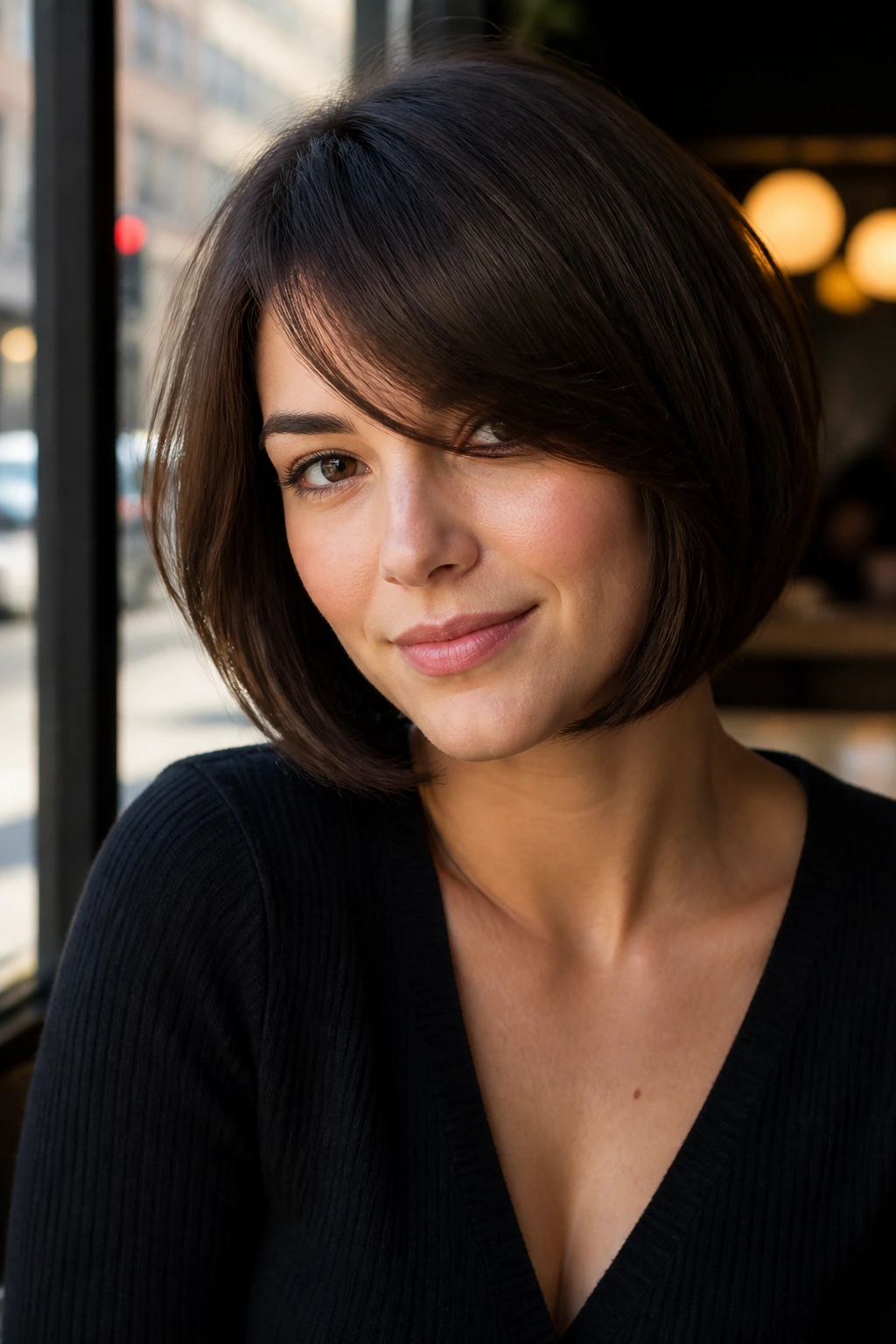
If you have a round face shape, this is a winning combination. The side-swept bangs draw the eye diagonally across the face, breaking up the width, while the rounded shape of the bob mimics the jawline, creating a harmonious and polished appearance.
Why Side Bangs Work
They are much easier to manage on thick hair than straight-across fringe. They don’t require the same level of precision and are easier to tuck behind the ears on humid days.
10. The Deeply Textured Choppy Bob
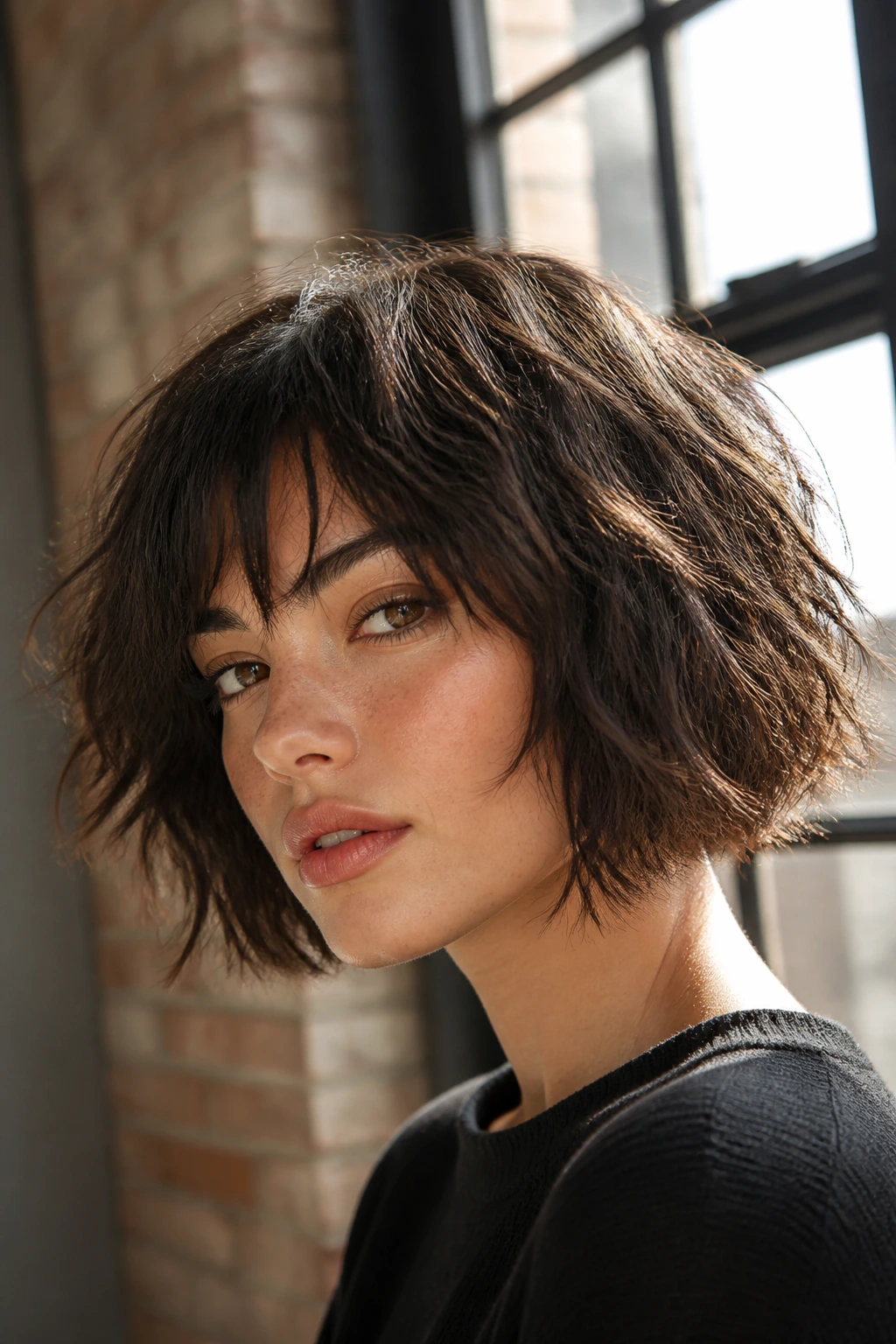
This style is for the adventurous. It uses a razor to cut into the ends, creating a feathered, piecey look that is incredibly light. It removes a significant amount of weight, making it feel almost weightless, even if you have a massive amount of hair.
The Trade-Off
- Because the ends are razor-cut and thinned out, they can be more prone to split ends.
- Be diligent with deep conditioning treatments to keep the ends looking healthy rather than frayed.
11. The Blunt Bob with Hidden Undercut
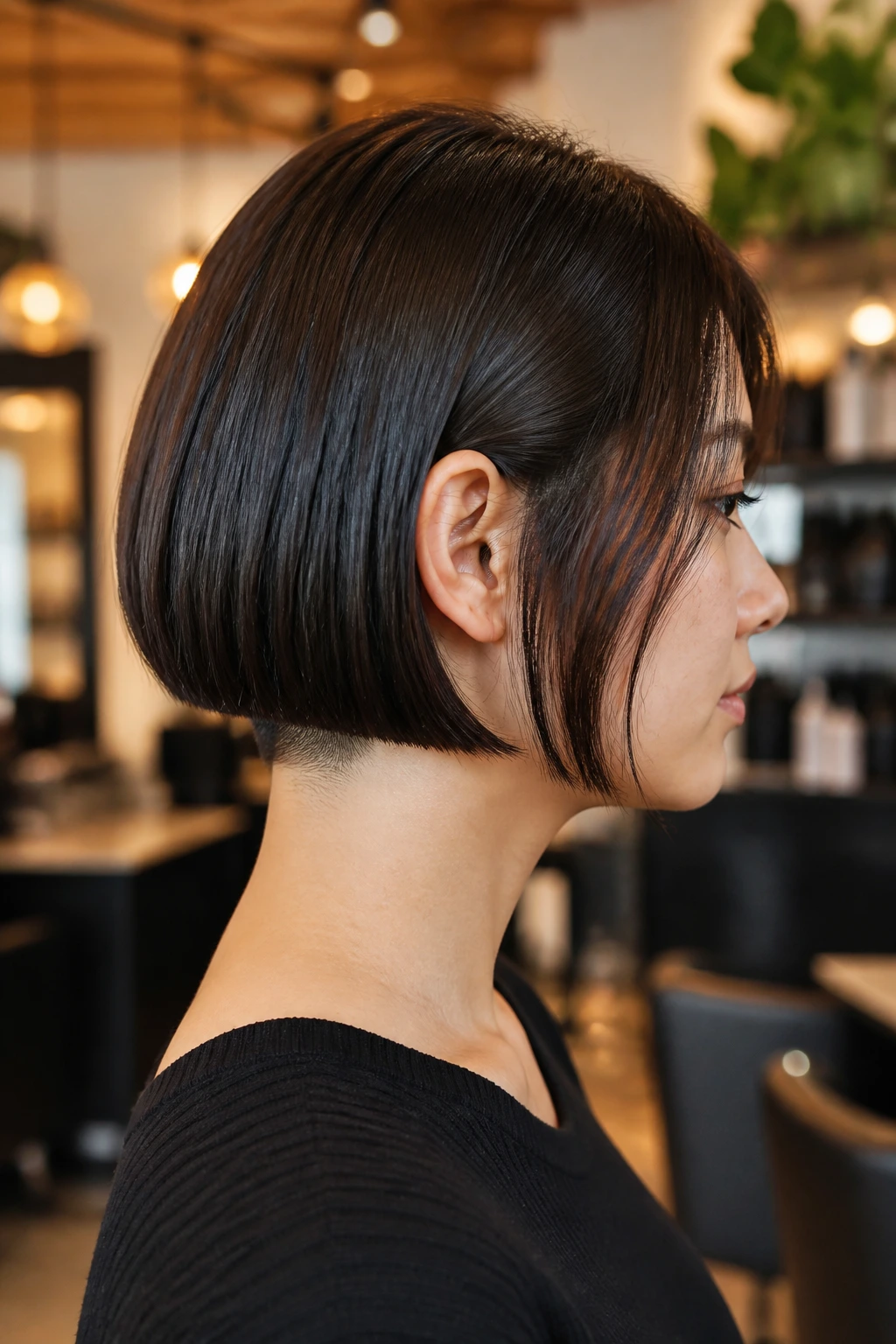
For those with extremely high density, the hidden undercut at the nape is a game-changer. By shaving or cropping the hair at the very base of the skull, you instantly remove a huge percentage of the weight while keeping the top layers long enough to cover the work.
When to Choose This
- If you find that the back of your hair becomes matted or overly warm.
- If you want a sleek, slim silhouette that feels significantly lighter on your neck.
12. The Asymmetrical Bob
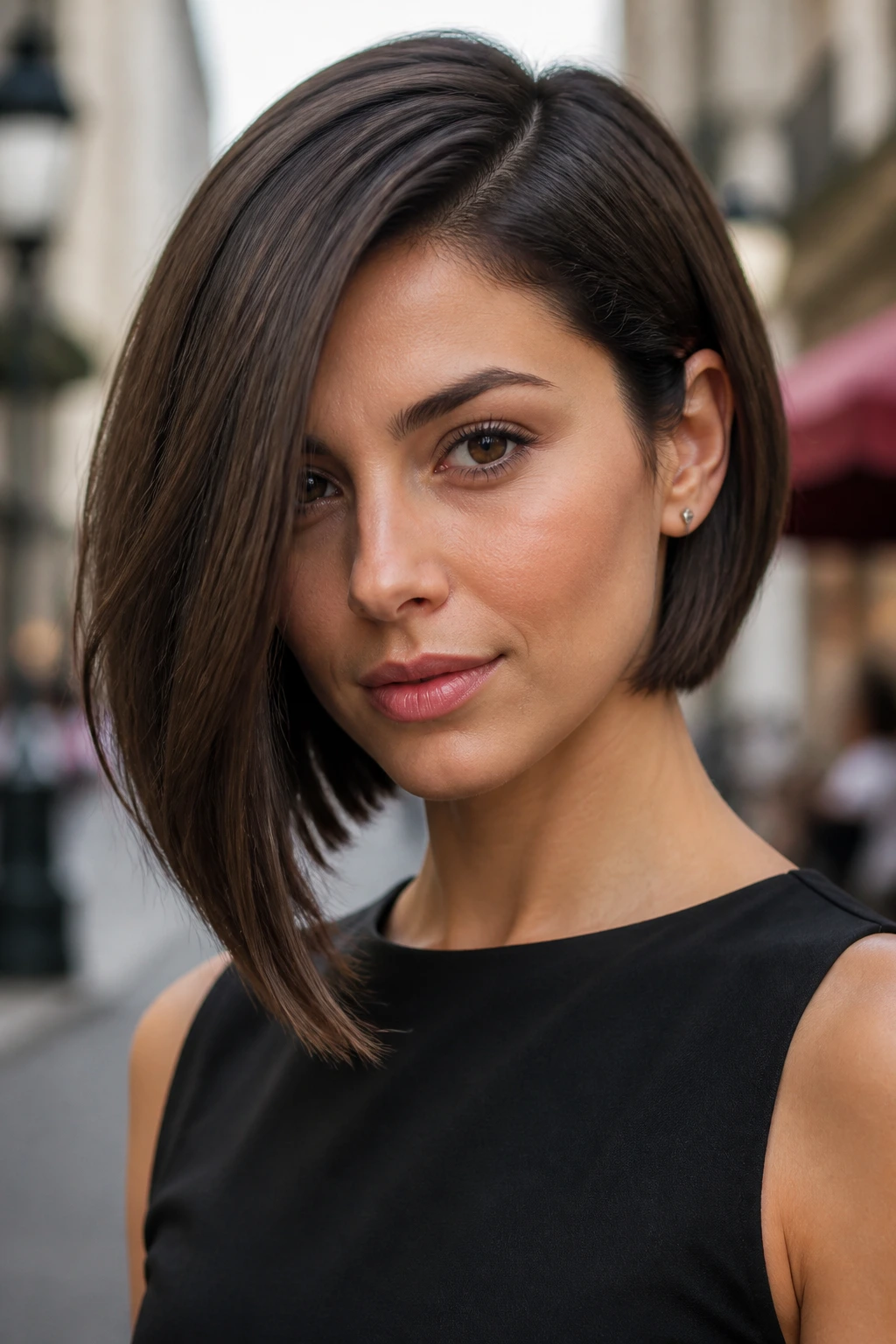
This cut involves one side being longer than the other, which is an excellent way to direct the eye away from the sheer volume of thick hair. It creates an edgy, modern profile that feels much lighter than a symmetrical cut.
Choosing Your Direction
- A more dramatic length difference creates an edgier look.
- A subtle difference (just an inch or two) is more understated and professional.
13. The Wispy-End Bob
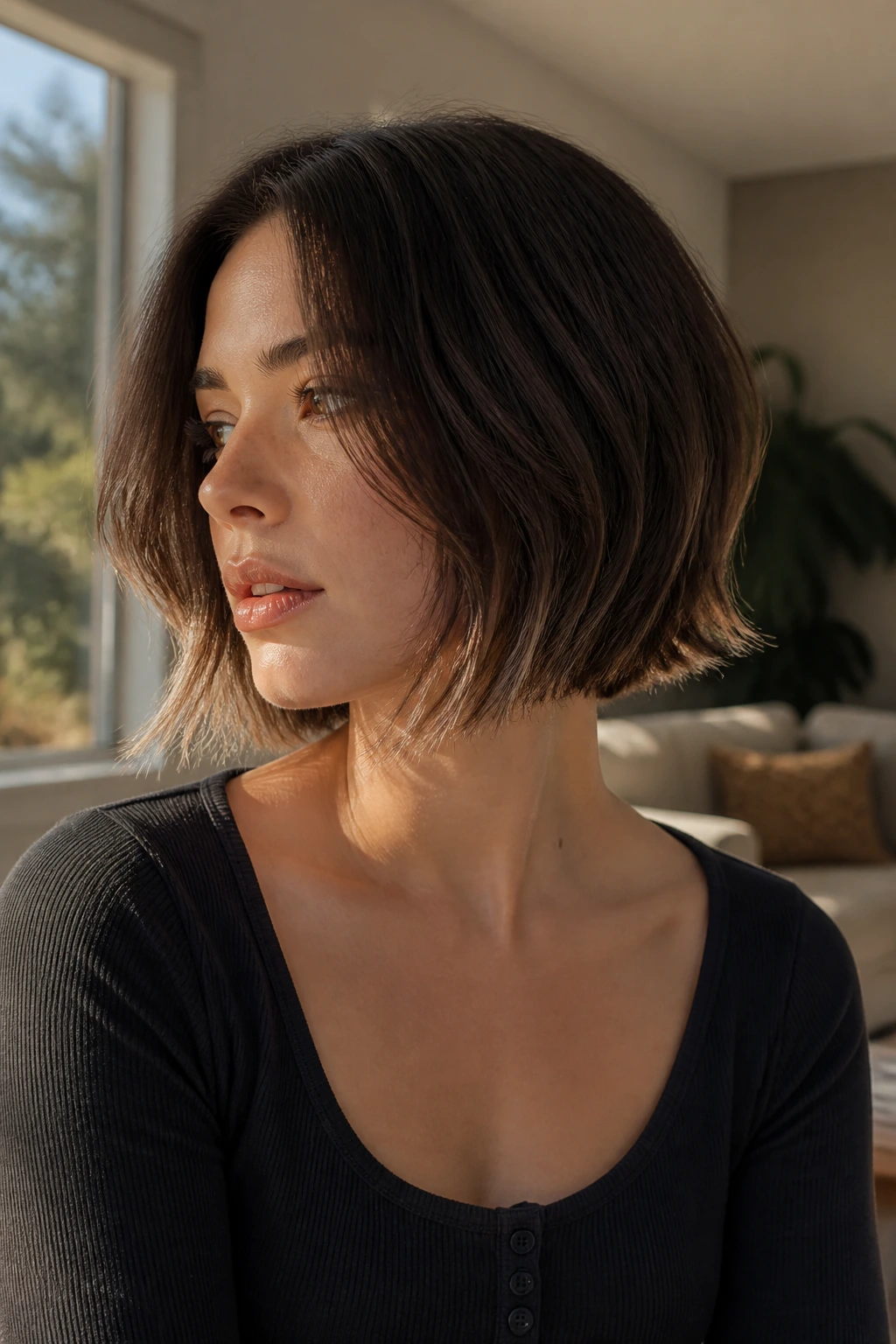
This is achieved by thinning the ends significantly, making them appear airy and light. It’s a great way to soften the appearance of a blunt bob if you feel that the blunt line is too severe for your features.
Technique Note
Ask your stylist for “texturizing” on the ends. They should use thinning shears or a razor to create that tapered, soft finish.
14. The Permed Bob
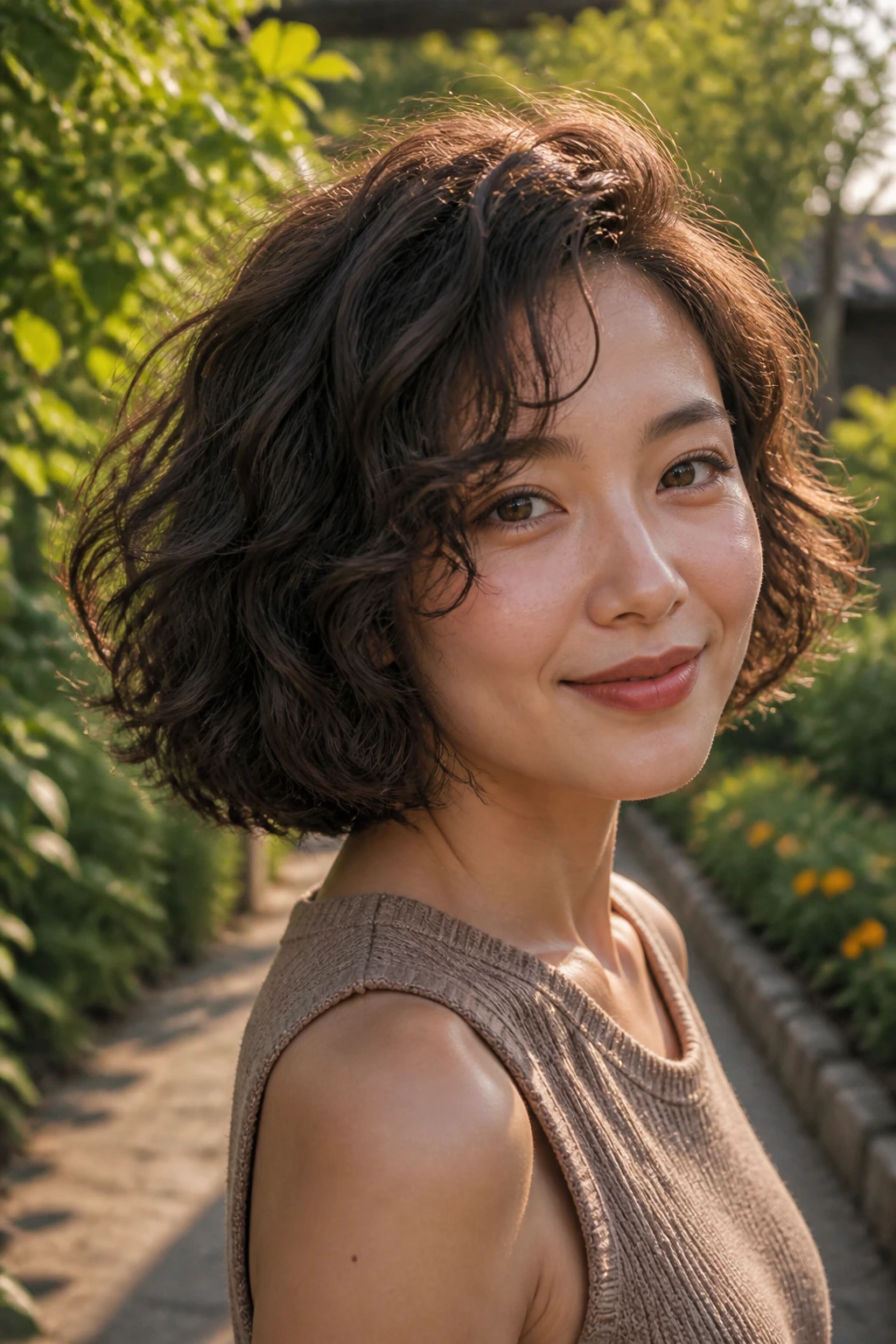
If your thick hair is stick-straight and you feel bored with the lack of movement, a modern, loose perm can add the waves you crave. On a bob, these waves create a soft, bouncy look that manages the density of your hair by spreading it out horizontally rather than piling it up.
Long-Term Care
Ensure you are using shampoo formulated for chemically treated hair. A perm can dry out the ends, so extra moisture is non-negotiable.
15. The Mid-Neck Length Bob
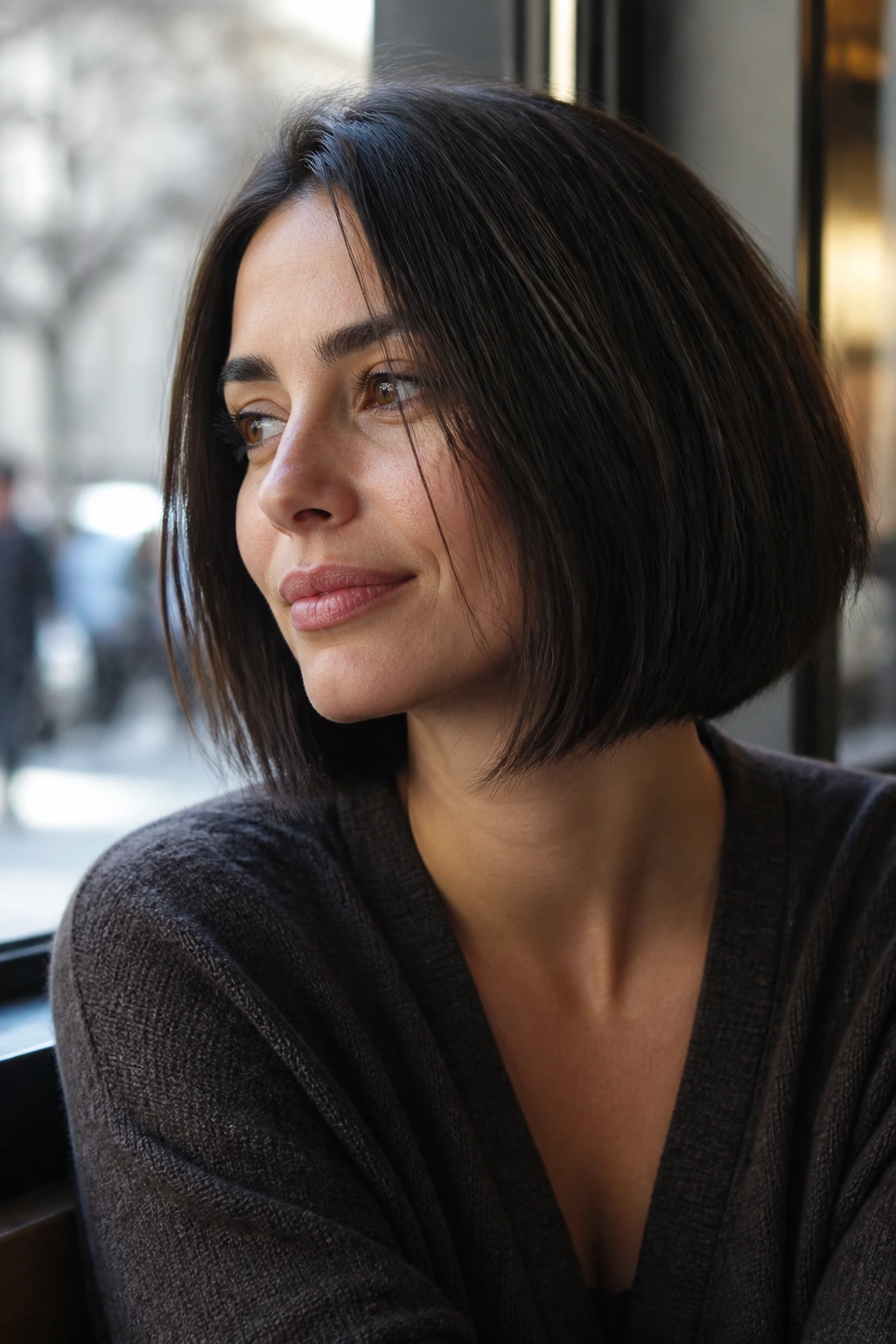
This is the “sweet spot” length. It’s long enough to feel feminine and short enough to be truly manageable. Cutting it right at the middle of the neck allows for a clean, effortless drape.
Versatility Check
This length is often the most versatile for thick hair. It’s short enough to look good air-dried, but long enough that you can use a curling wand to add waves when you want to change up the look.
16. The Bob with Curtain Bangs
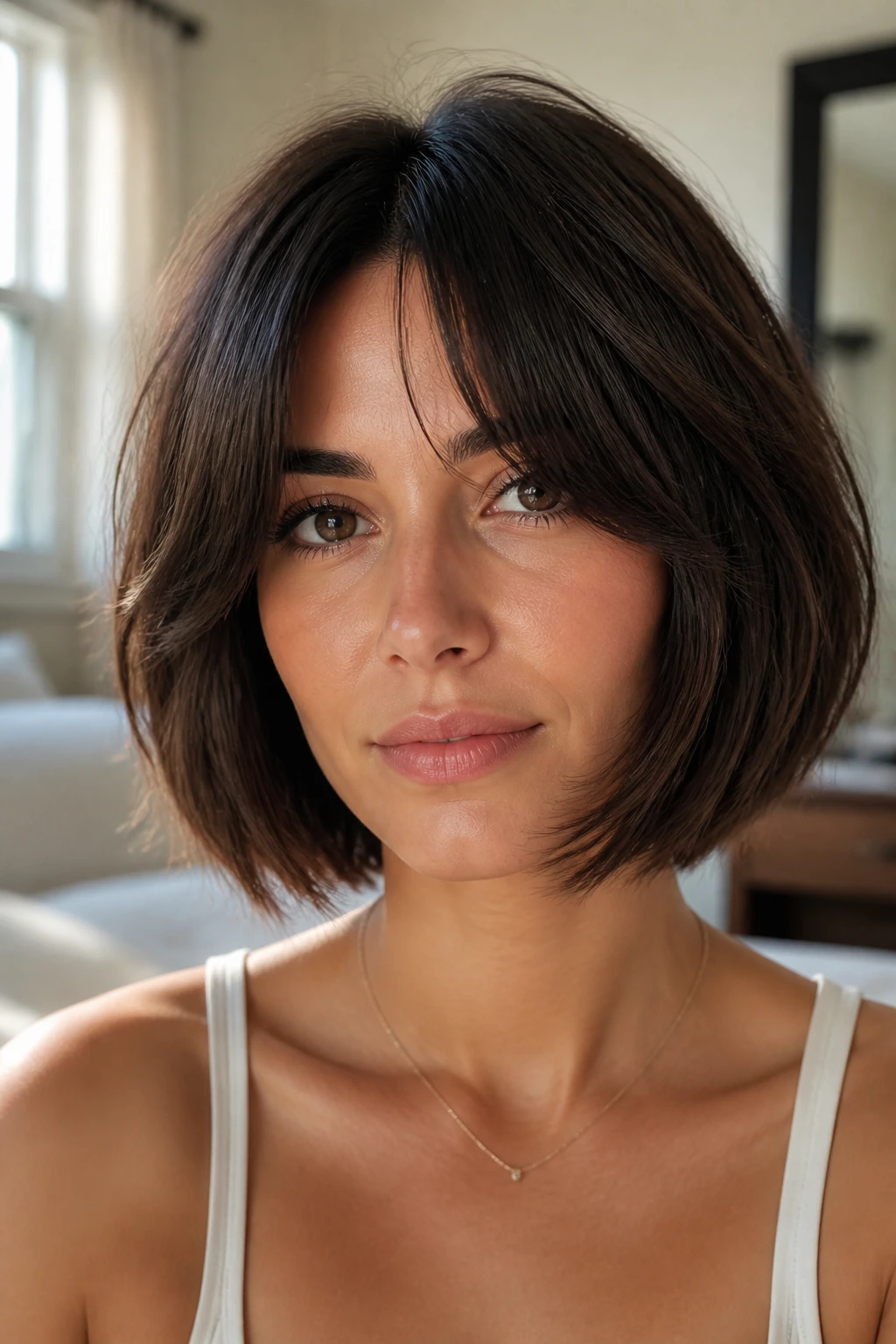
Curtain bangs are the perfect way to break up the density around the face. They provide a soft, retro feel and help to slim the face, which is helpful if your thick hair tends to make your face look larger than it is.
Styling for Bangs
- Use a round brush while blow-drying the bangs to give them that classic “flick” away from the face.
- Don’t over-wash; using a little dry shampoo can keep your curtain bangs from getting oily and limp.
17. The “Lob” with Internal Thinning
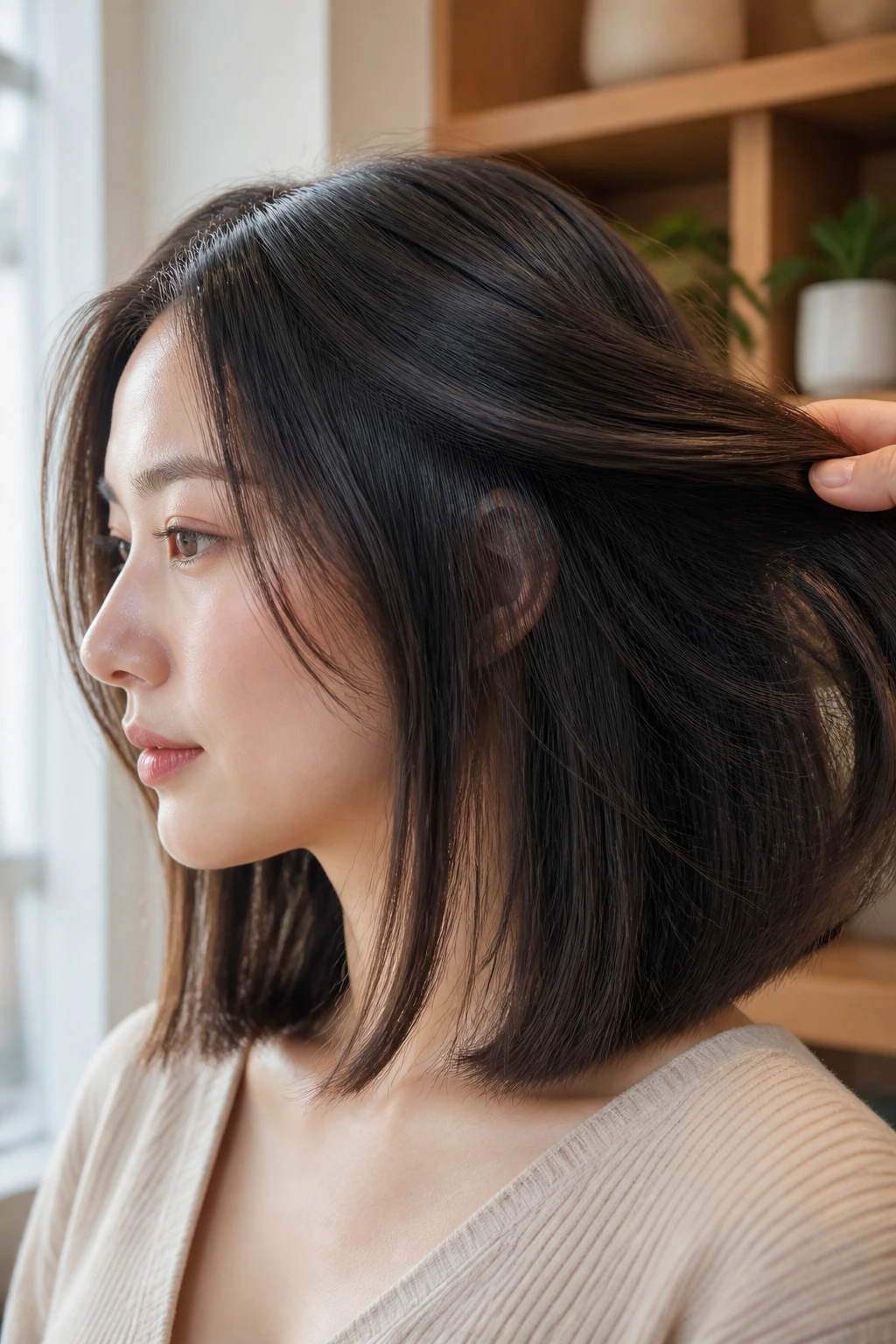
If you want to keep as much length as possible, the lob with heavy internal thinning is the way to go. This doesn’t involve cutting layers that you can see, but rather removing bulk from the interior of the hair shafts so it feels lighter and more flexible.
Why It’s Effective
It maintains the look of a solid, single-length cut while removing the physical weight that makes thick hair feel like a burden.
18. The Shaggy Graduated Bob
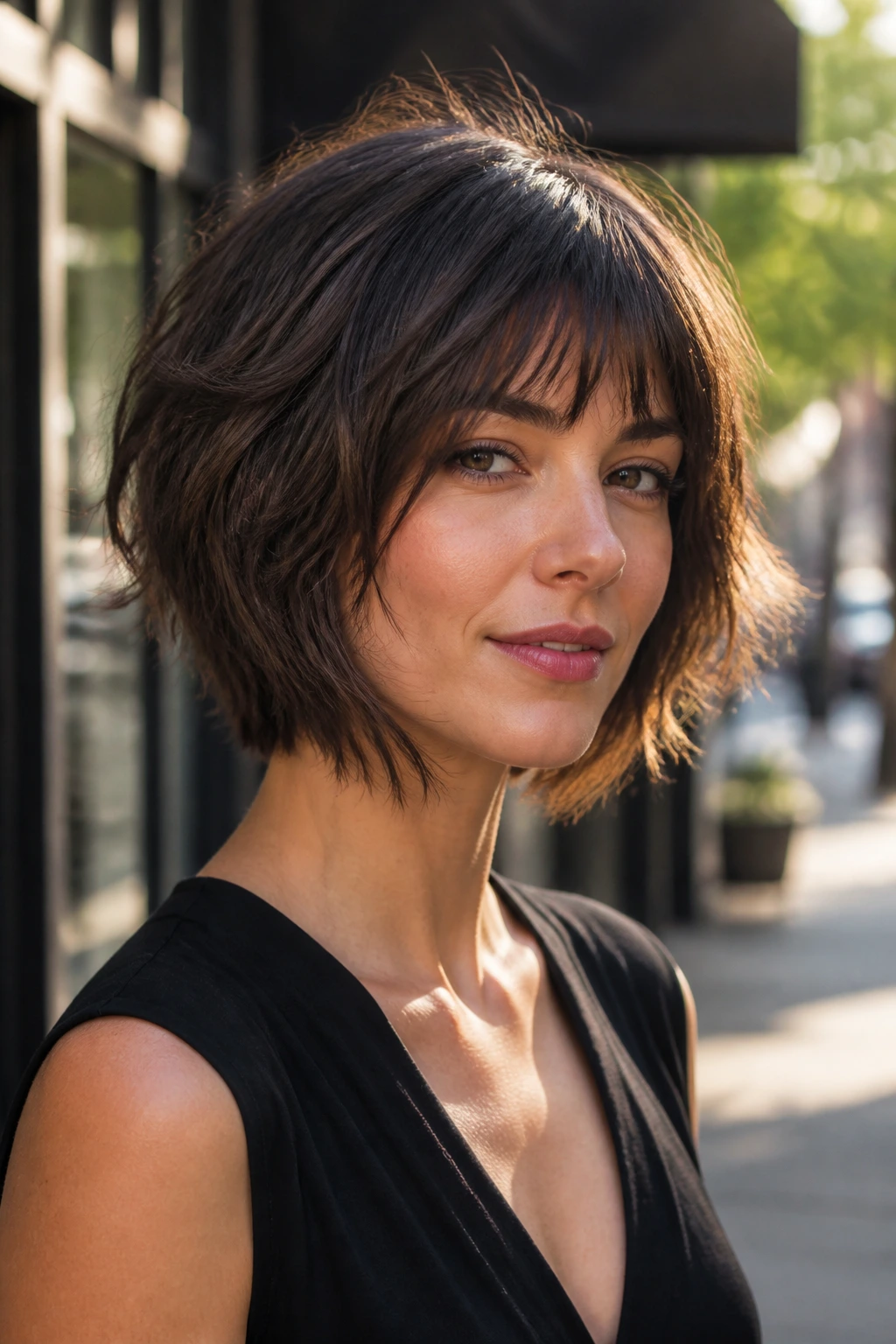
Think of this as a cross between a shag and a stack. It has the volume and layers of a shag, but the silhouette of a graduated bob. It’s a very playful, youthful style that thrives on the density of thick hair.
The Best Hair Texture for This
This style works wonders for thick hair that has a natural wave. The waves provide the necessary volume to support the choppy layers, creating a look that is effortlessly cool.
19. The Wet-Look Bob
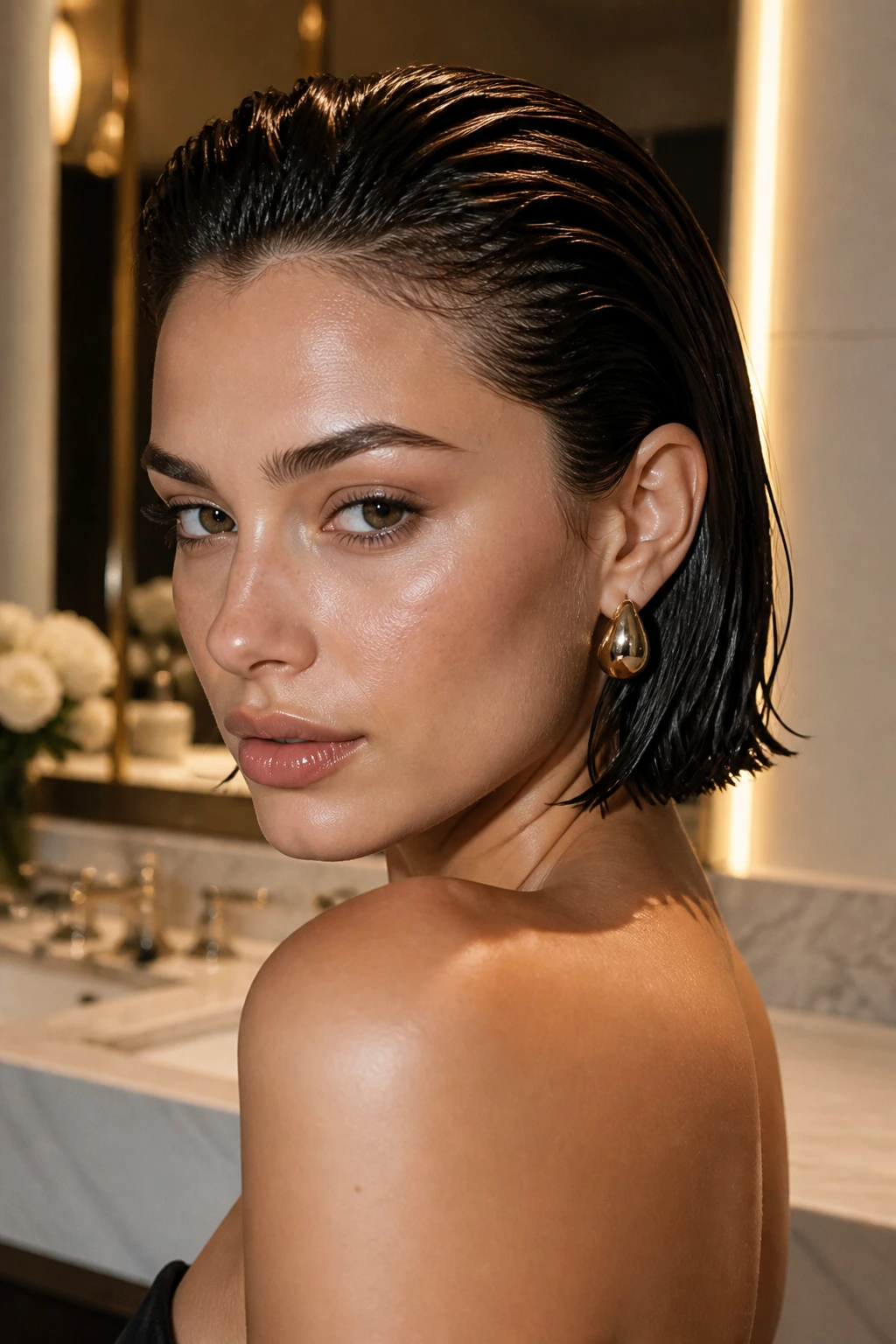
The “wet look” is not just for runways. By using a strong-hold pomade or gel, you can slick back the sides and crown, which compresses thick hair into a sleek, controlled shape. It is a fantastic option for a formal evening out.
Application Tips
- Apply the product to damp hair and use a comb to distribute it evenly.
- Don’t use too much product, or it will look greasy. Start small; you can always add more.
20. The Bob with Micro-Fringe
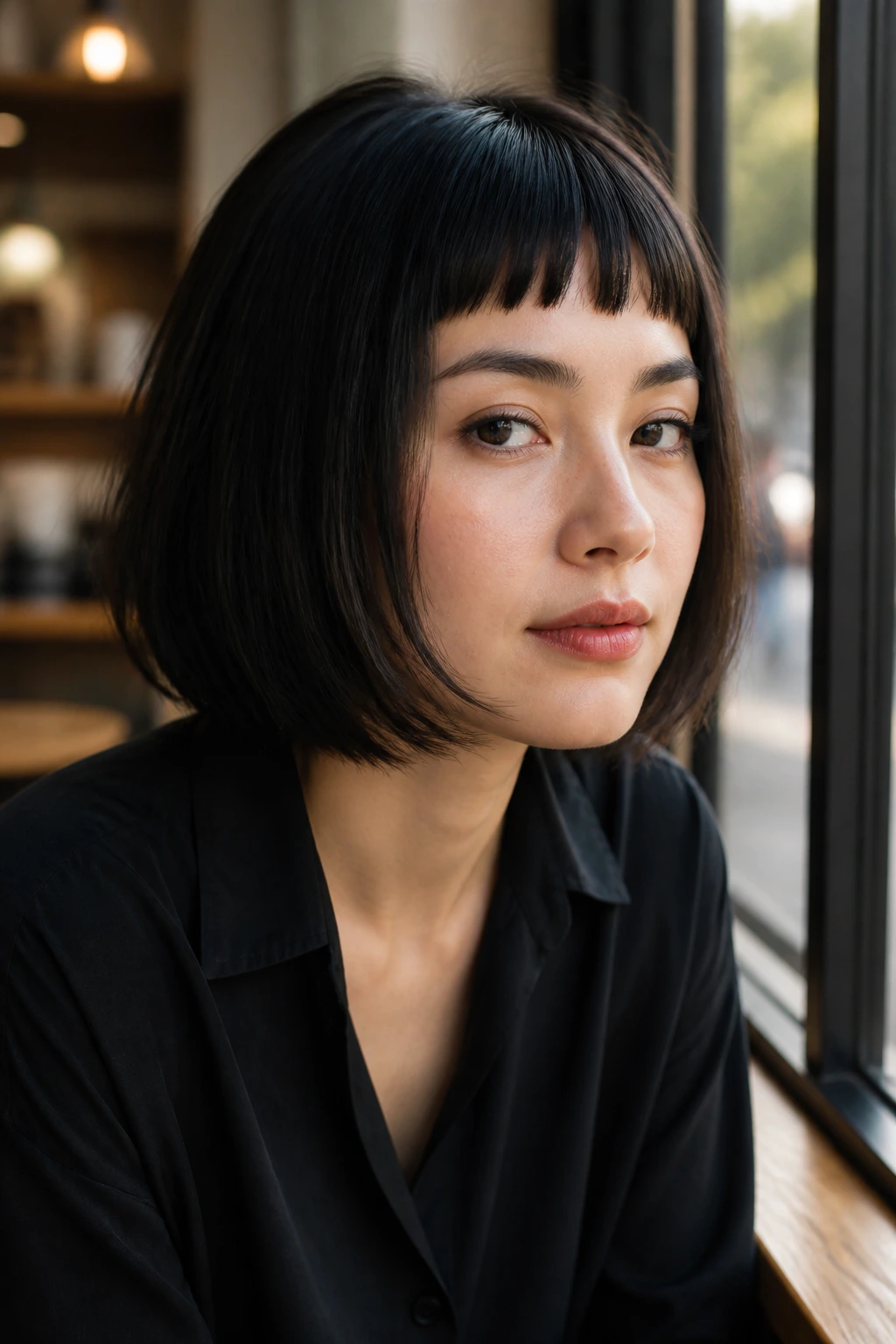
If you really want to make a statement, a micro-fringe (bangs cut well above the eyebrows) is a bold choice. By removing the hair from the forehead, you shift the focus to your eyes and eyebrows, creating a high-fashion, polished look.
Face Shape Compatibility
This works best on oval or heart-shaped faces. If you have a very square or round face, proceed with caution, as it can highlight those features.
21. The Layered Bob with Tapered Nape
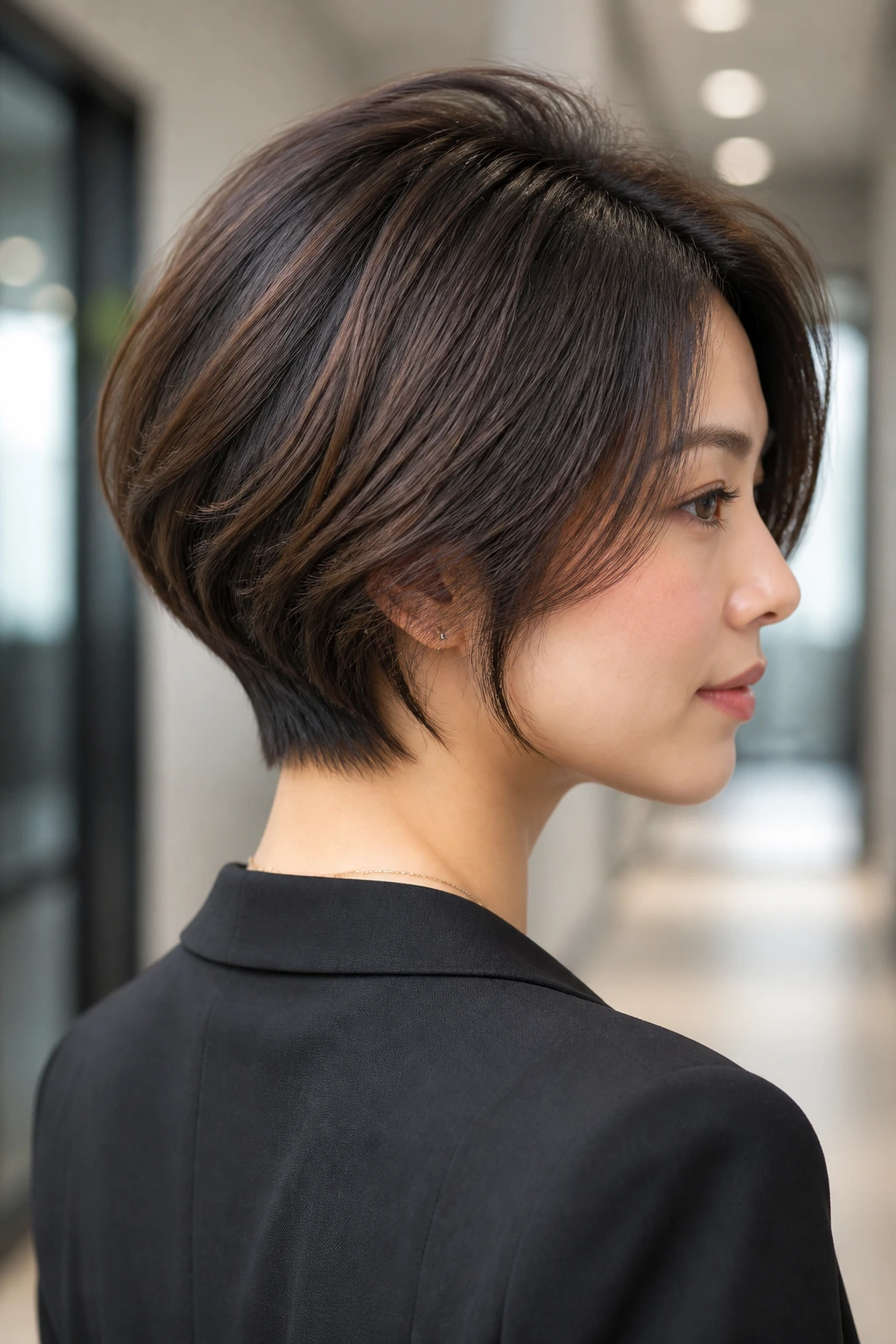
By tapering the hair at the nape of the neck while keeping the top layers longer, you eliminate the bulk at the back and create a very streamlined silhouette. This is a classic “business-chic” look that stays tidy all day.
Why It Stays Tidy
The shorter hair at the nape prevents the hair from rubbing against collars or scarves, which is a major contributor to tangles and frizz for those with thick hair.
22. The 90s-Inspired Blowout Bob
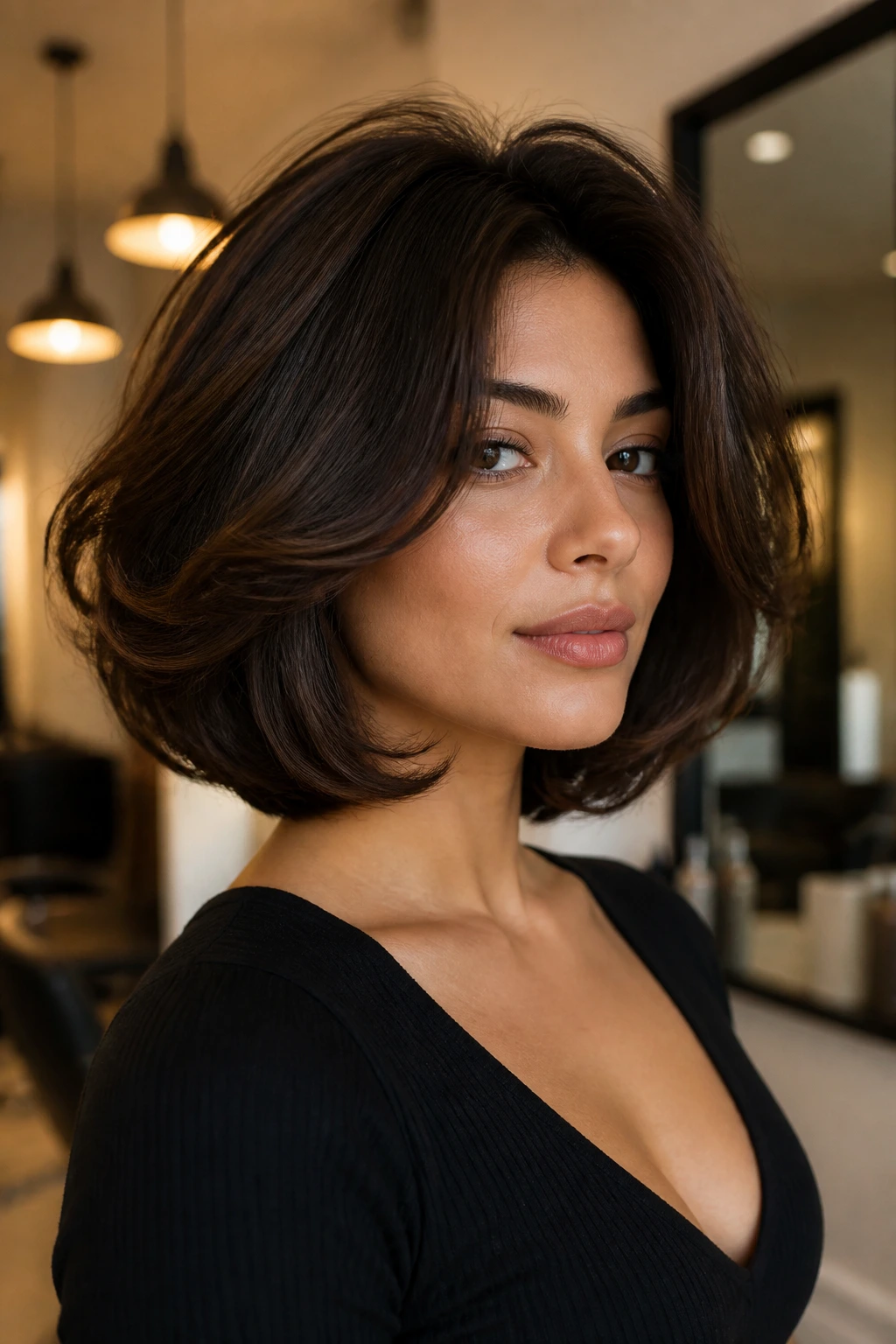
Think of those bouncy, voluminous bobs from the nineties. To get this on thick hair, you need a round brush and a high-quality volumizing mousse. The secret is to blow-dry the hair upward at the roots.
The Process
- Use a large round brush to lift the roots.
- Focus the heat at the base of the hair while pulling the brush up and out.
- The weight of your thick hair will actually help the volume last longer than it would on fine hair.
23. The Piecey Balayage Bob
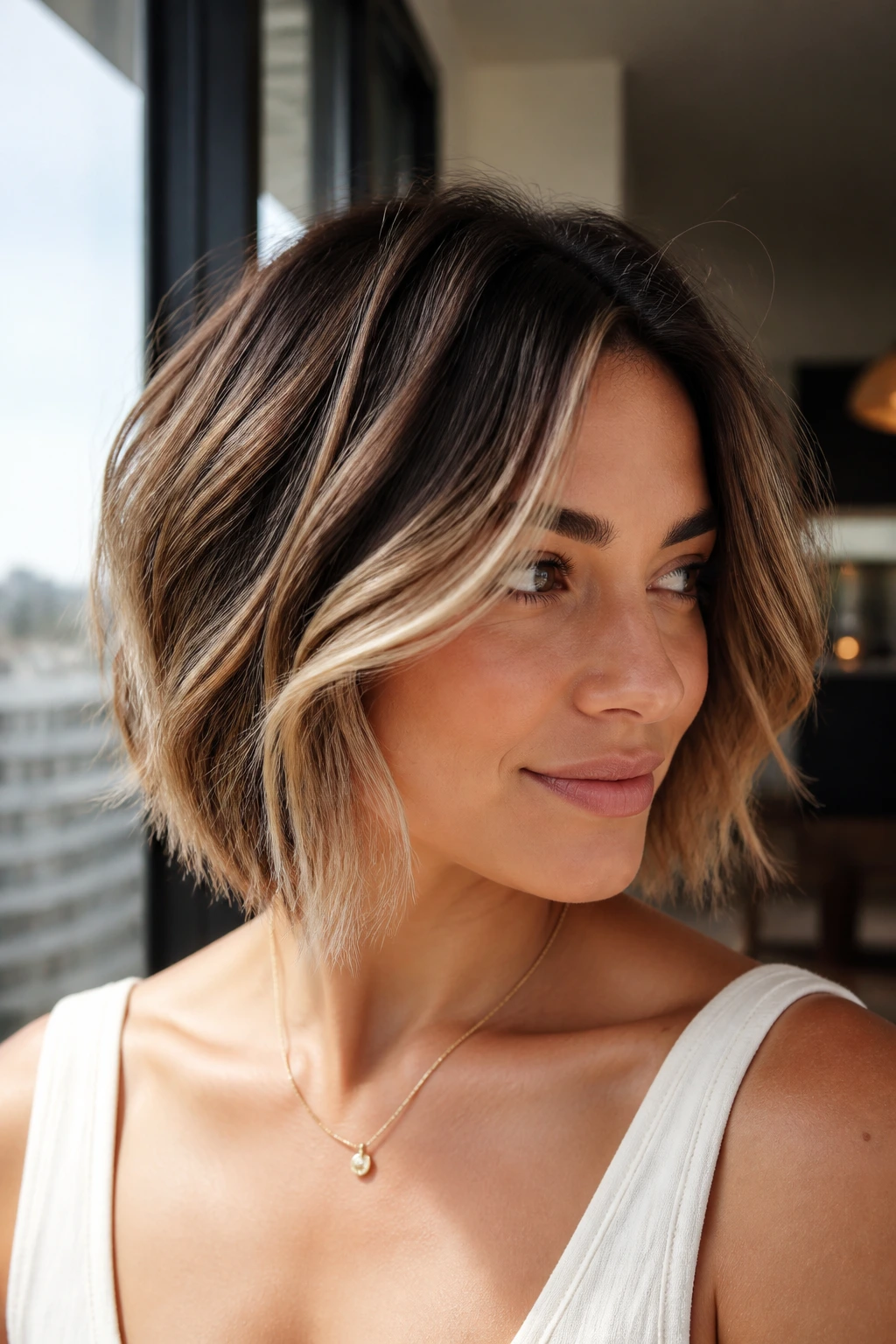
Sometimes, the issue isn’t the cut, but the color. A balayage treatment—where highlights are painted on in a way that looks sun-kissed—can create the illusion of movement and depth. By lightening the tips and framing the face, you break up the “solid” look of thick hair, making it look lighter and more dimensional.
Visual Illusion
Lighter colors catch the light differently, which makes the hair appear less dense and more textured.
24. The Blunt Bob with Highlights
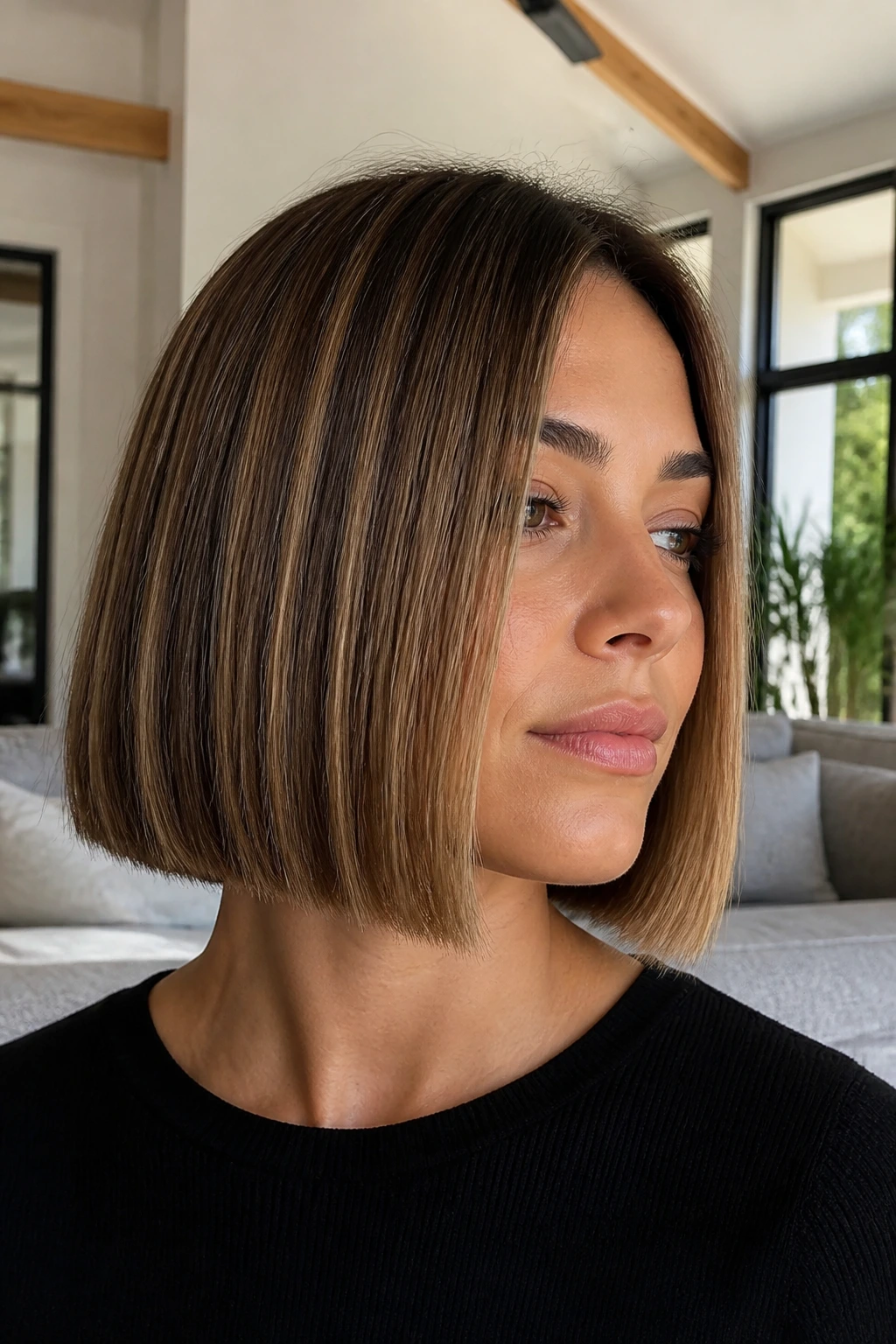
If you love a blunt bob but want to minimize the severity, adding subtle, fine highlights throughout can help. It breaks up the blocky color, making your hair look more like a collection of individual strands rather than a single mass of dark hair.
Choosing the Right Tone
Stick to tones that are within two shades of your natural color for the most sophisticated, low-maintenance look.
25. The Undercut Bob with Art
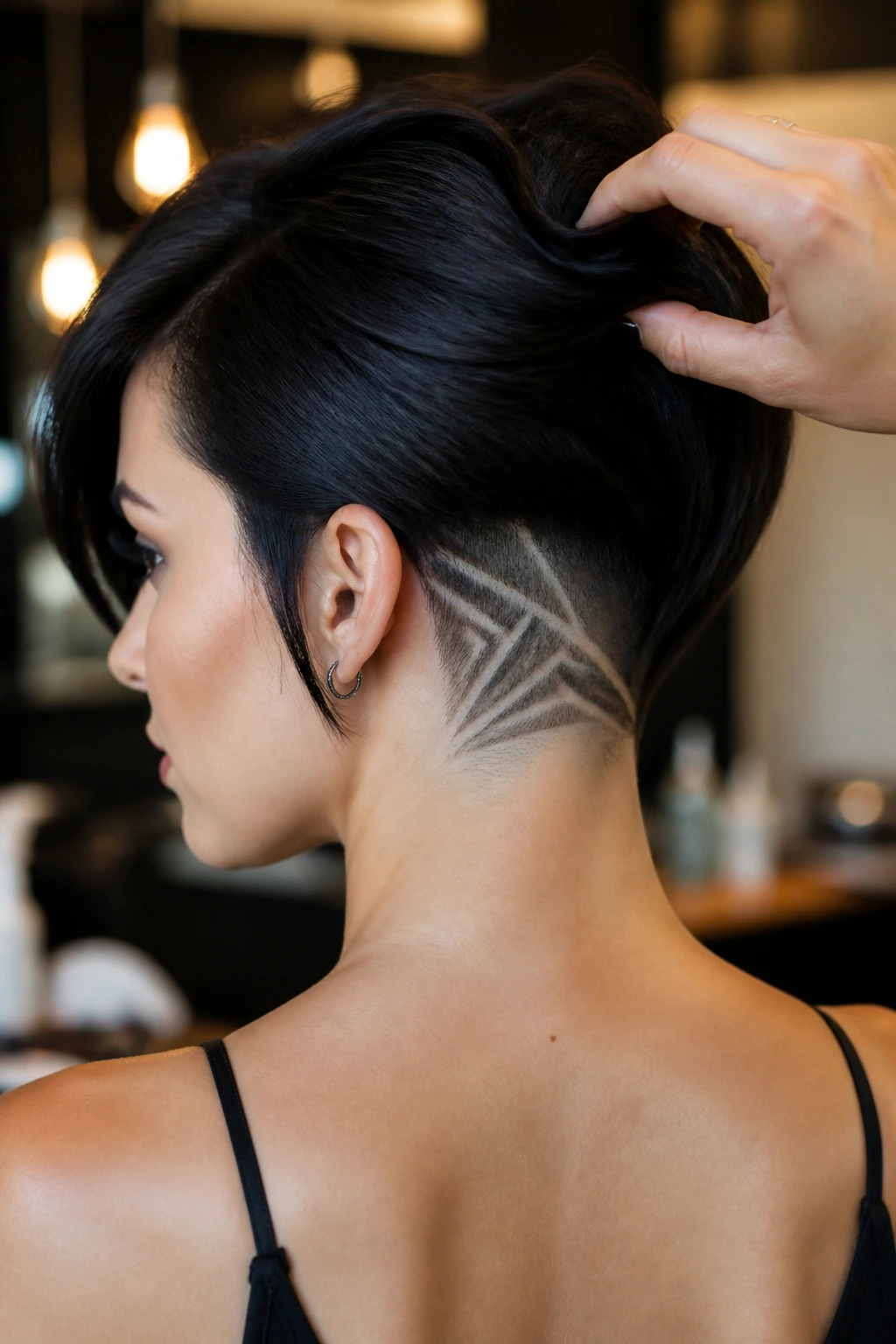
For the truly daring, incorporate a shaved design into your undercut at the nape. It’s a secret, edgy detail that keeps your hair feeling lightweight while adding a bit of personal flair that no one sees unless you pull your hair up.
Managing the Design
- This will require visiting your stylist every few weeks to keep the lines sharp.
- It’s the ultimate way to embrace your thick hair by turning it into a canvas.
Final Thoughts

The right bob doesn’t just manage your hair; it changes how you feel about it. Thick hair is a gift, even if it feels like a chore on a humid morning. By selecting a silhouette that respects the weight and density of your strands—whether that’s through internal layering, a strategically shaved nape, or a classic blunt cut—you can transform your hair from a source of frustration into your favorite accessory.
Don’t be afraid to experiment with length. If you have been hiding under a long, heavy mane, moving to a chin-length bob can feel like a genuine liberation. Talk to your stylist about the “weight” of your hair rather than just the “length.” When they understand that your goal is manageability and shape, they will reach for the shears with a plan that makes your density look like an intentional, beautiful choice. Embrace the weight, control the shape, and let your hair finally work for you.