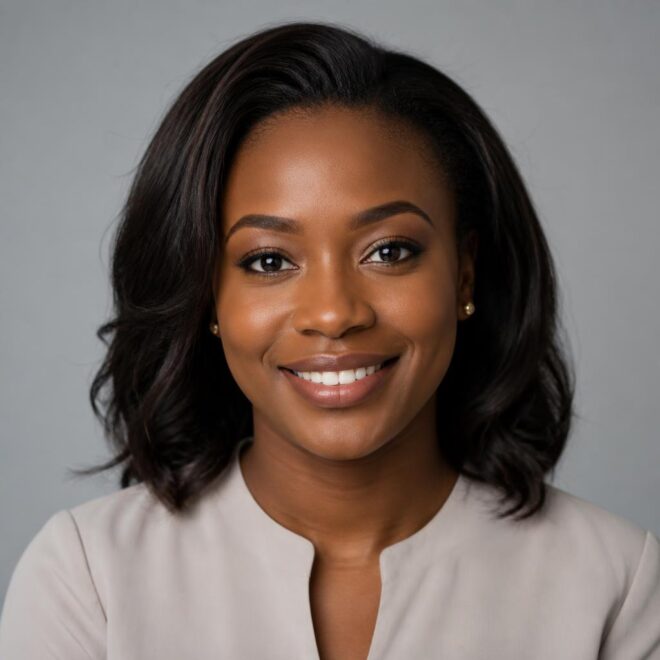


Achieving the perfect, lived-in look with natural hair often feels like a balancing act between structure and volume. We have all spent hours manipulating coils and curls, only to watch them expand in humidity or flatten under the weight of heavy products. The textured bob—specifically for those with natural, highly-textured hair—is a masterclass in controlled chaos. It removes the excess length that pulls down your curl pattern, allowing each coil to spring back into its intended shape. When cut with intentional layering and internal thinning techniques, a bob transforms from a simple haircut into a low-maintenance, high-impact silhouette that celebrates your natural texture rather than fighting it.
Whether you are transitioning from a longer style or finally ready to chop off heat-damaged ends, the journey to a great bob starts with understanding your specific curl density and strand porosity. A blunt cut on fine, low-density hair will create a very different shape than a layered cut on thick, high-density hair. The following list showcases the versatility of this cut, proving that a shorter length is not a limitation, but an invitation to play with movement, framing, and shape.
1. The Rounded Volume Bob
This classic silhouette relies on a precision-cut perimeter that curves inward, perfectly framing the jawline. It is ideal for those with dense 4C coils who want a rounded, mushroom-like shape that maintains its structure throughout the day. The secret here is consistent moisture; without it, the volume can easily veer into unruly territory.
Styling for Maximum Roundness
To keep that signature curve, you need a leave-in conditioner that provides slip without adding too much weight. Apply your product in sections, raking it through from root to tip, and then use a diffuser on a low-heat, high-airflow setting. By tilting your head while drying, you encourage the roots to lift, which is the foundation of that rounded, full-bodied look.
Pro tip: Once dry, use a wide-tooth pick to gently tease the roots at the crown. This adds lift exactly where the hair tends to settle and flatten.
2. The Asymmetrical Angled Bob
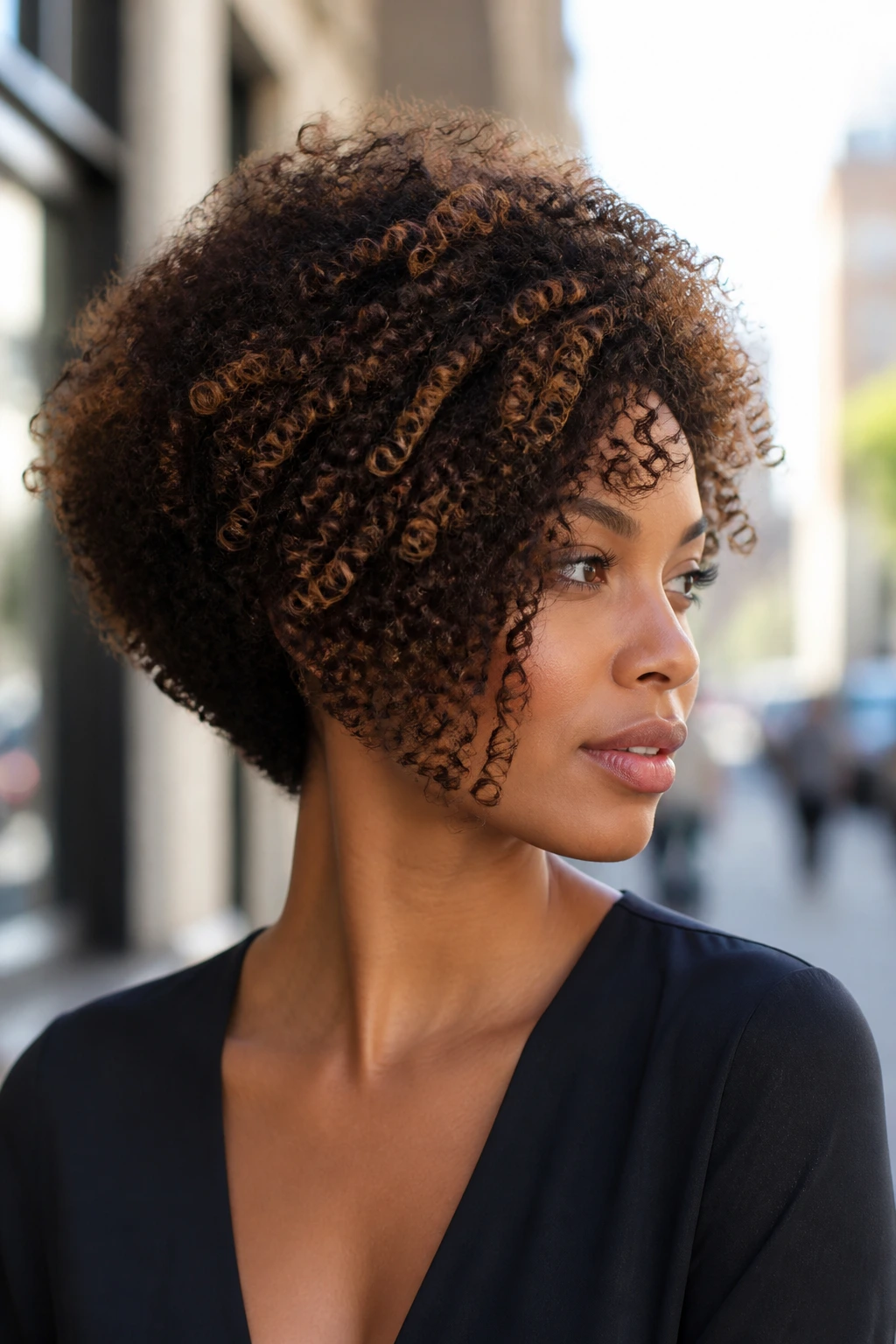
If you want to add a bit of an edge to your look, a sharp angle—shorter in the back and grazing the collarbone in the front—is the way to go. This style creates a dramatic profile that elongates the neck. It works exceptionally well for those who have a mix of wave patterns, as the length variation manages the different shrinkage levels across the head.
The Science of Shrinkage
When your stylist cuts your hair, it must be done on dry, stretched hair. If they cut it wet, the resulting length will jump up significantly once it dries, potentially leaving you with a shape that is far shorter than you intended. An angled bob relies on those long front pieces to balance out the shorter nape; keeping the cut precise is vital for the visual payoff.
3. The Layered Tapered Bob
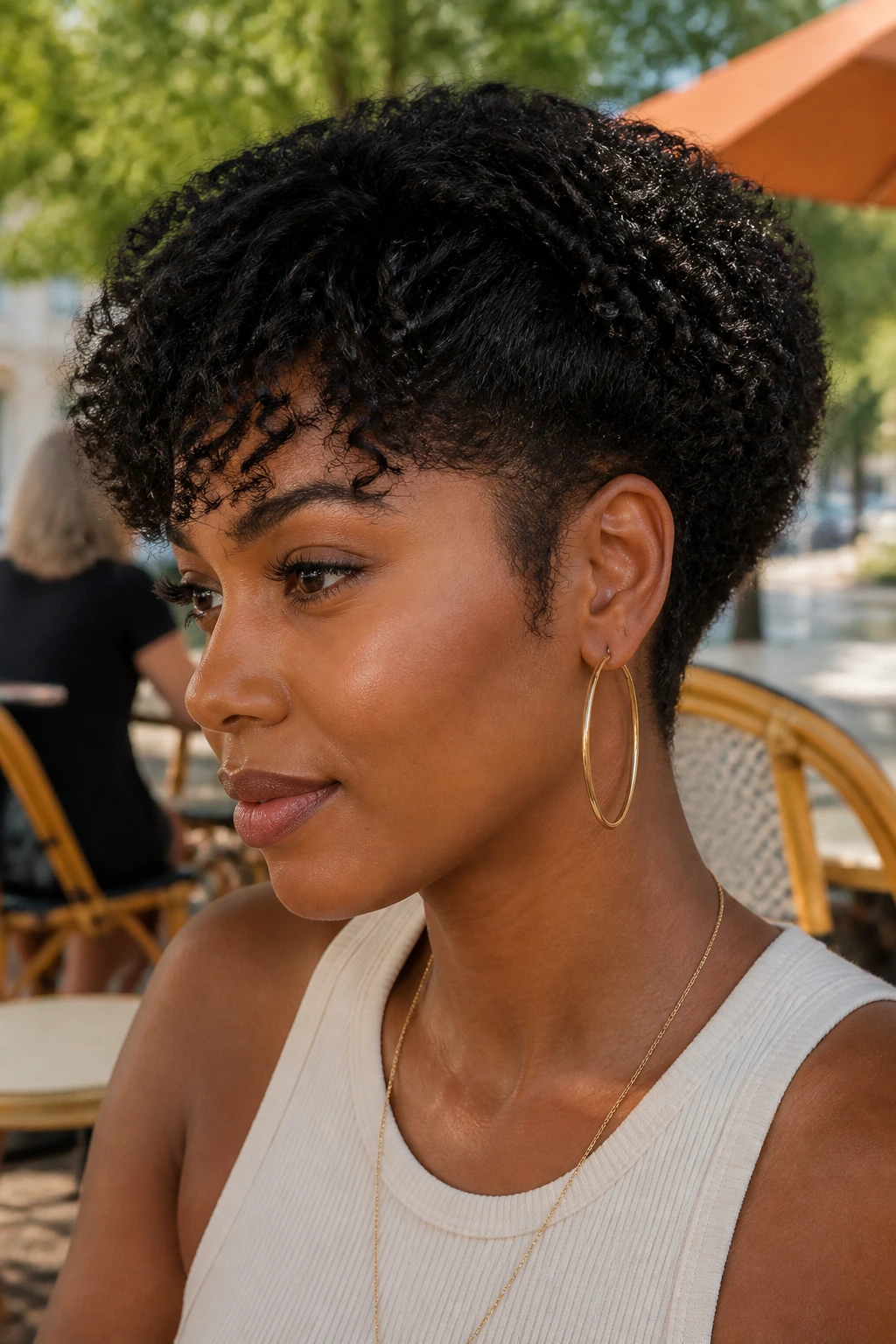
Think of this as the bridge between a pixie cut and a standard bob. The nape is cut close, almost fading into the skin, while the top and front are left with more length and significant layering. This style is exceptionally functional for warmer weather, keeping your neck cool while providing plenty of room to style your curls at the top.
Why Layers Are Essential
Without layers, a natural hair bob will often form a triangle shape. Layers break up the weight, allowing curls to stack on top of one another rather than sitting in a heavy, solid block. When talking to your stylist, ask for “invisible layers” or “de-bulking” to ensure your hair doesn’t puff out horizontally in the middle.
4. The Blunt Cut Bob with Bangs
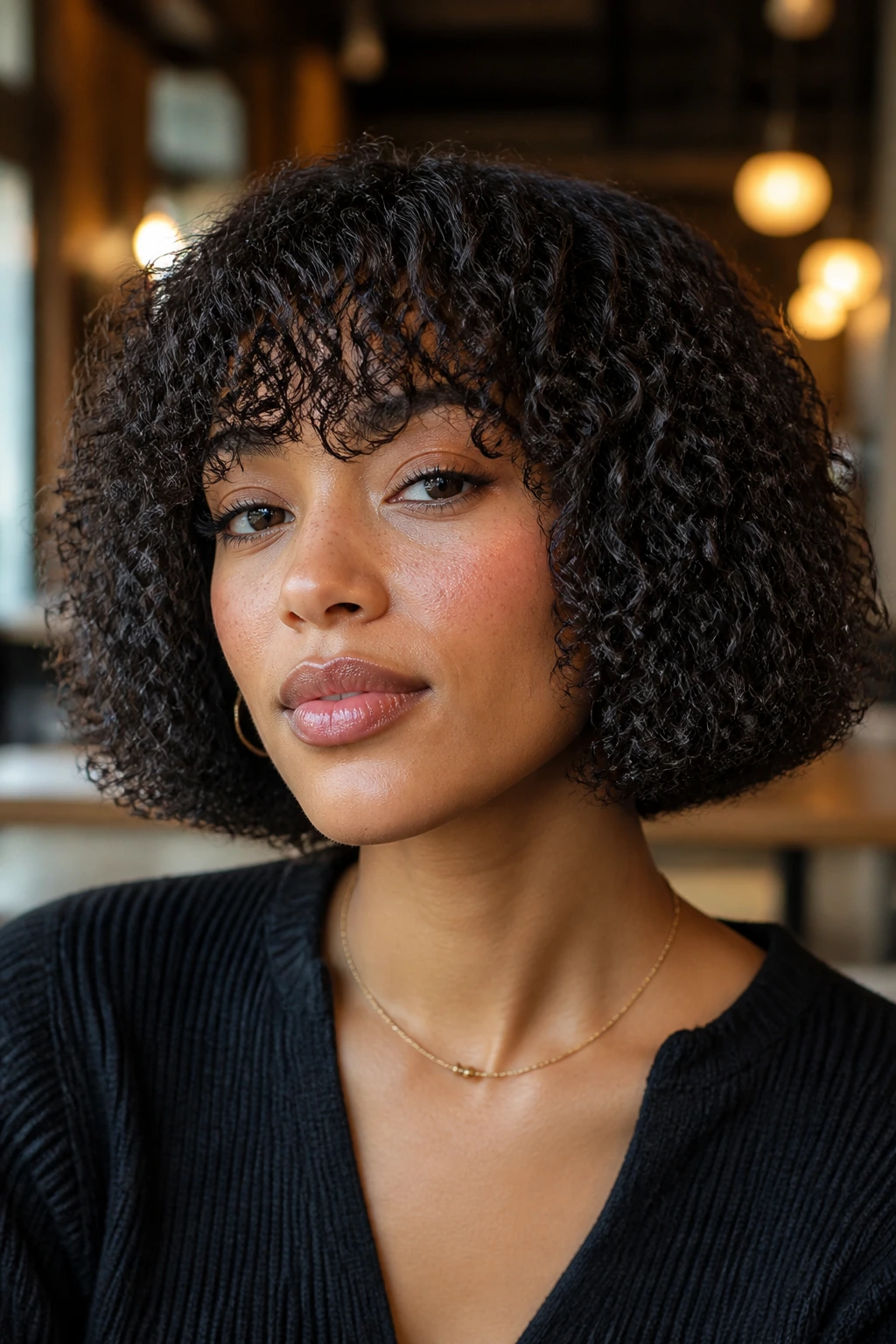
A heavy, blunt line across the bottom, paired with a full set of curly bangs, is a bold statement. This style is particularly stunning on those with deep, defined ringlets. The contrast between the sharp line at the jaw and the soft, rounded bangs creates a sophisticated, editorial look that commands attention.
Bang Maintenance
Curly bangs require more frequent trimming than the rest of your hair. You should expect to visit the salon every four to six weeks to keep them from creeping into your eyes. If you choose this look, make sure you have a lightweight edge control or a simple silk scarf on hand to keep the hairline smooth and clean, as any flyaways will break the blunt line of the bangs.
5. The Shag-Inspired Textured Bob
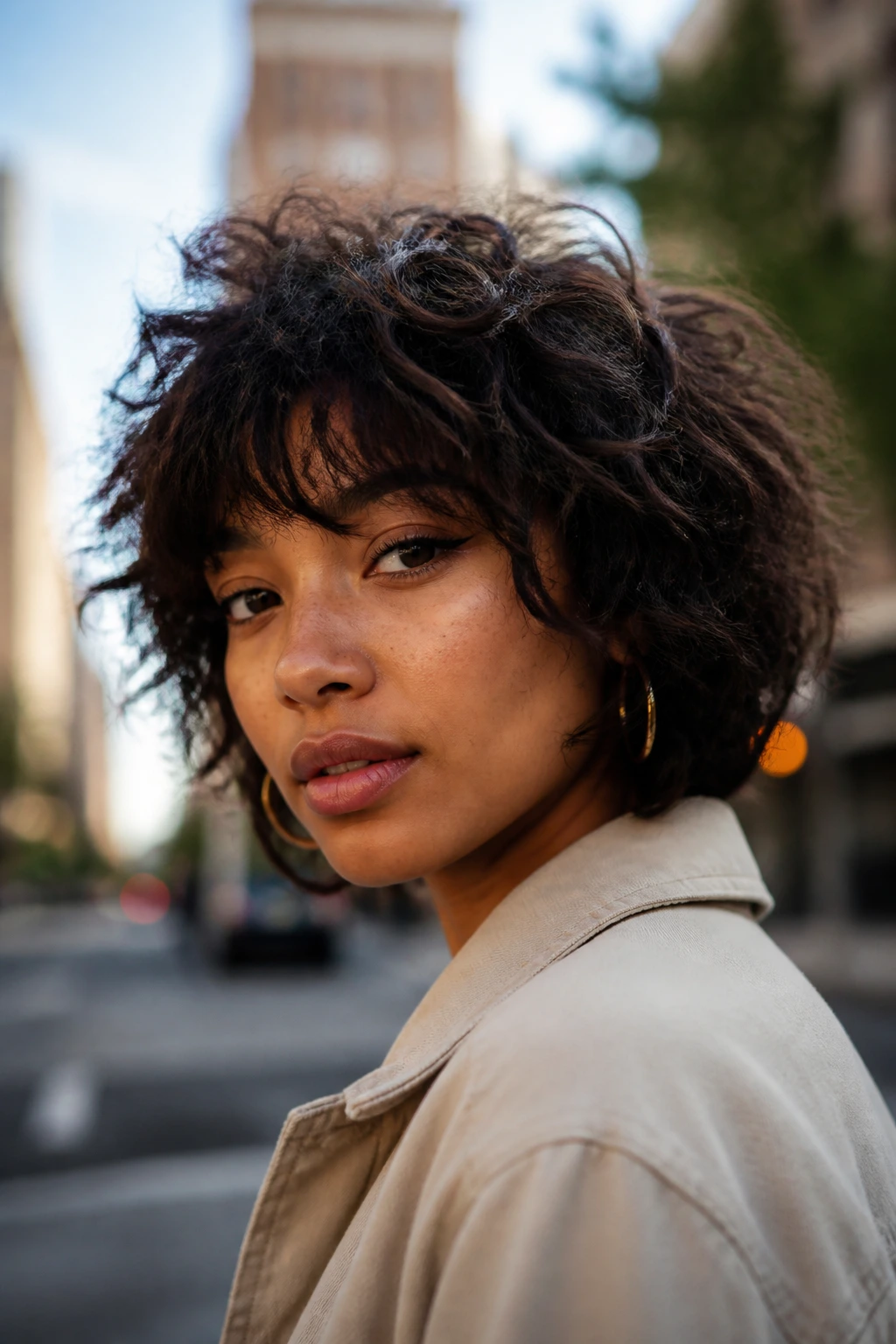
The shag has made a massive comeback, and for good reason—it’s designed to be messy. This bob is all about choppy layers and a lighter, feathered finish at the ends. It is the perfect choice for someone who loves a “bedhead” aesthetic that looks like it took hours to achieve, even if you did nothing more than shake it out with your fingers in the morning.
The Role of Texture Sprays
Because this cut is meant to look lived-in, you might find that traditional heavy creams are too much. Instead, reach for a sea salt spray or a light texturizing foam. These products provide the grit needed to make the layers pop and help define the ends, giving you that piecey, rock-and-roll vibe that defines the modern shag.
6. The Side-Parted Deep Sweep
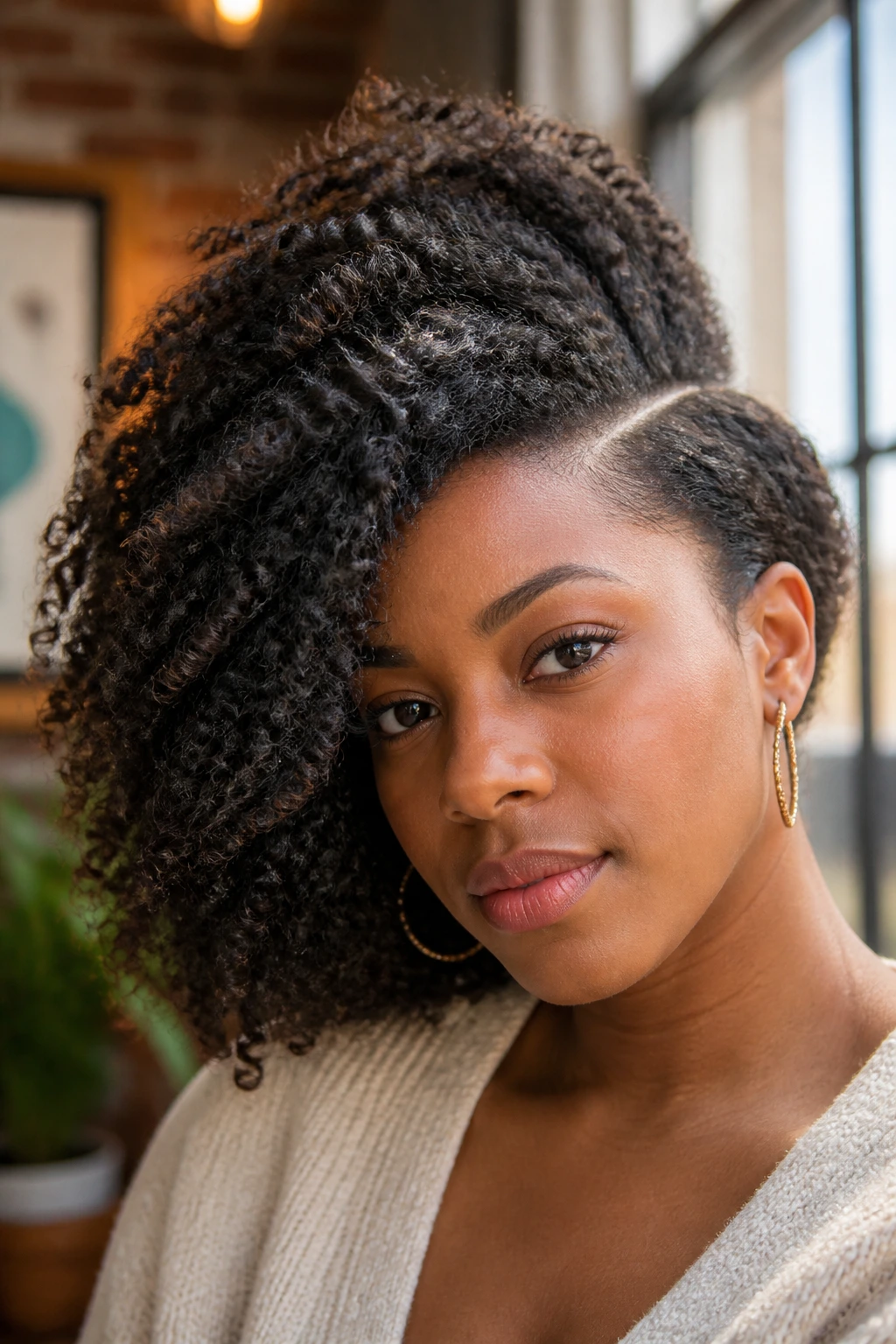
A deep side part instantly adds glamour and volume to any bob. By flipping the majority of your hair to one side, you create an exaggerated frame for your face. This is a great way to handle natural hair that is slightly lopsided in density; the heavy side absorbs the extra volume, while the tucked side keeps the overall look manageable.
How to Style the Sweep
To achieve the perfect flip, set your part while the hair is soaking wet. Use a styling cream to define the coils on the heavier side, then use a bobby pin tucked behind the ear on the thinner side to maintain the structure. If you find the hair keeps falling back to the center, use a small amount of clear styling gel at the roots for a few minutes while the hair dries.
7. The Natural Afro-Bob
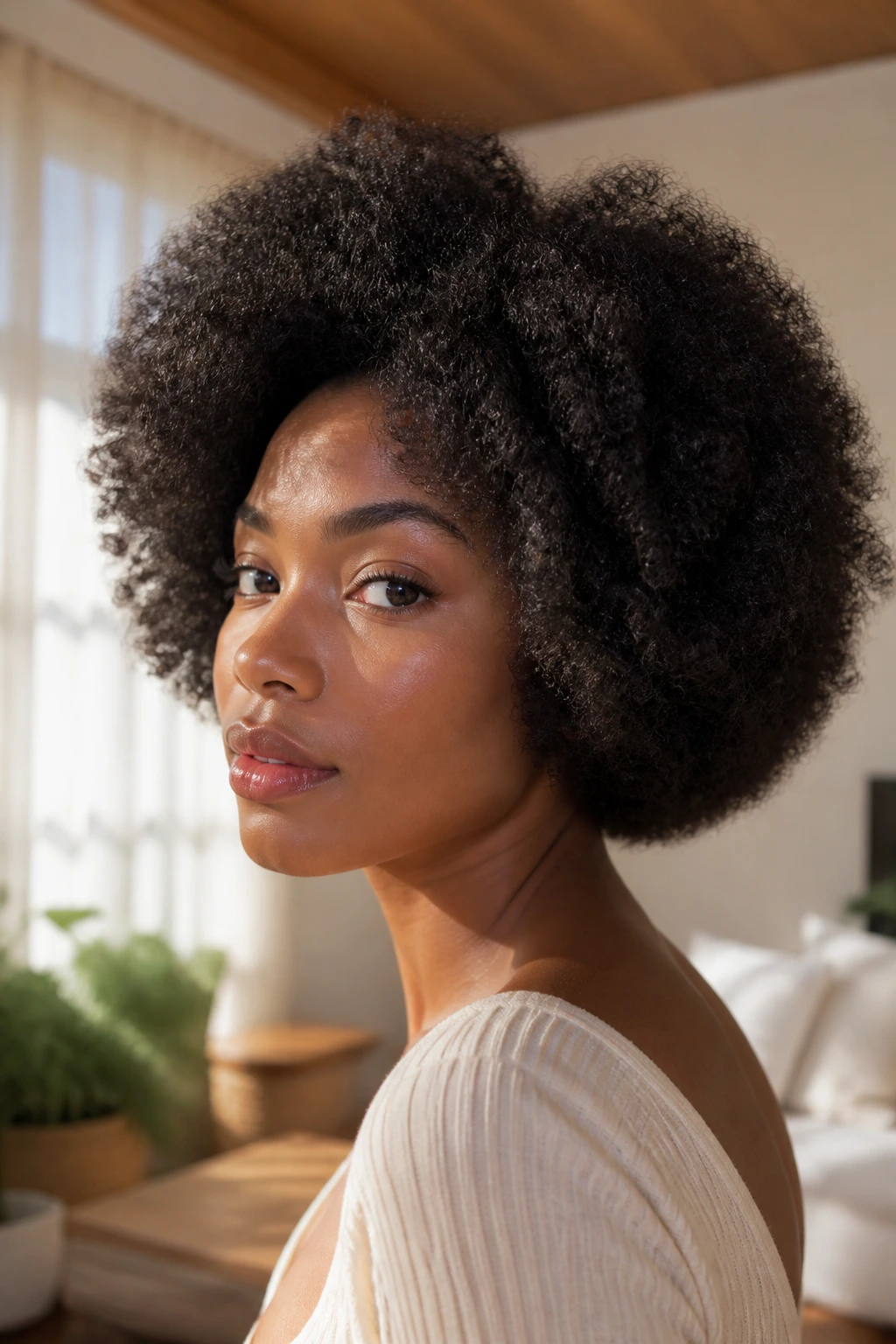
This is the quintessential “natural” look, celebrating the full volume of your afro while maintaining a distinct, chin-length shape. It is not about perfect ringlet definition here; it is about the shape of the halo. This style thrives on pick-teased roots and a soft, fuzzy texture that creates a beautiful, soft frame for your features.
Maintenance of the Halo
The afro-bob is susceptible to breakage if the ends become dry. Because this cut exposes the ends of your hair to the elements more than a long style, you need to be religious about sealing them. Apply a light oil or shea-based butter to the very tips of your coils every morning to prevent splitting and keep that halo looking vibrant rather than frayed.
8. The Piecey Lob (Long Bob)
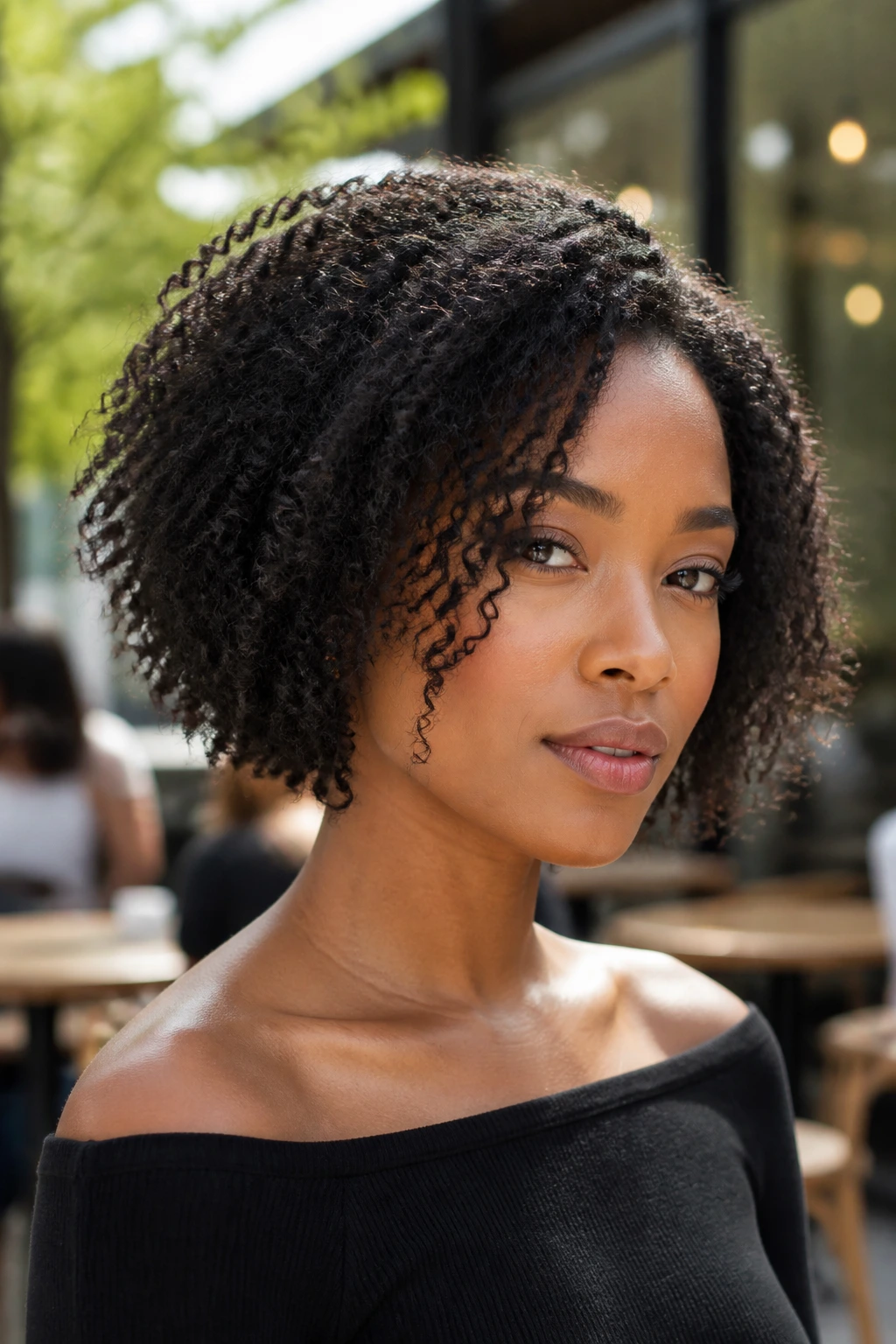
Not quite ready for a jaw-length crop? The lob is a safe and stylish transition. It sits right at the base of the neck, giving you enough length to pull into a tiny puff or a half-up style while still offering the benefits of a bob—namely, the removal of dead, damaged ends that prevent growth.
Versatility in Styling
A lob gives you the best of both worlds. You can diffuse it for high volume or let it air-dry for a more elongated, stretched look. If you are worried about the “triangle effect,” keep the top layers slightly shorter than the bottom ones to ensure the shape stays rounded and intentional rather than bottom-heavy.
9. The Undercut Bob
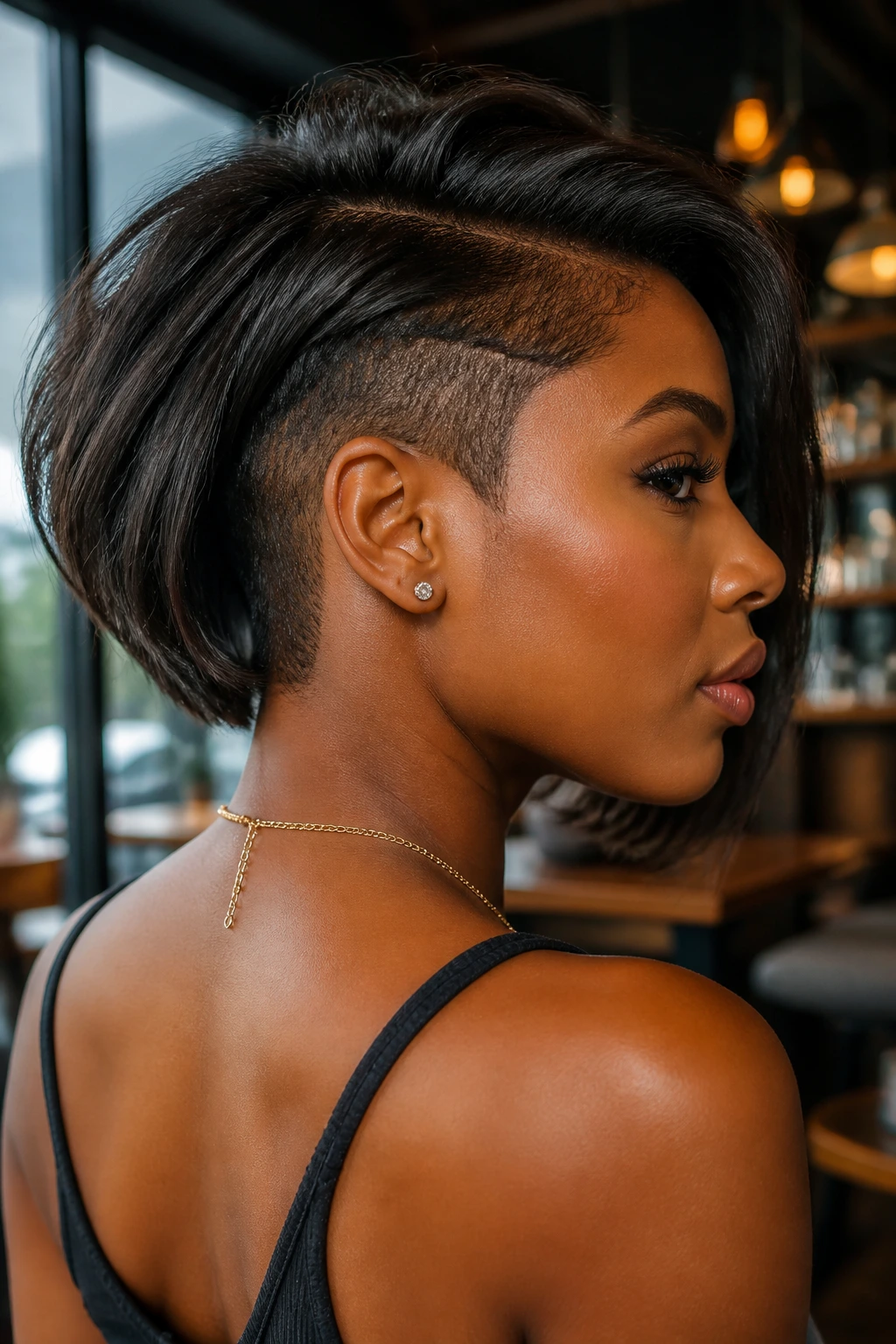
For those who want to shed maximum weight and keep the nape clean, the undercut is a game-changer. By shaving or tapering the very bottom of the hairline, you eliminate the friction that causes tangling at the neck. The longer hair on top then drapes over the undercut, creating a sleek bob from the front and a surprise detail from the back.
The Practicality Factor
This is arguably the easiest bob to manage during the summer months. It significantly reduces the time you spend detangling and styling, as you are essentially working with 30% less hair volume. The key is finding a stylist who is confident with clippers, as a bad undercut can grow out in a way that creates a strange shelf where the long hair meets the short.
10. The Soft-Curls Pixie-Bob
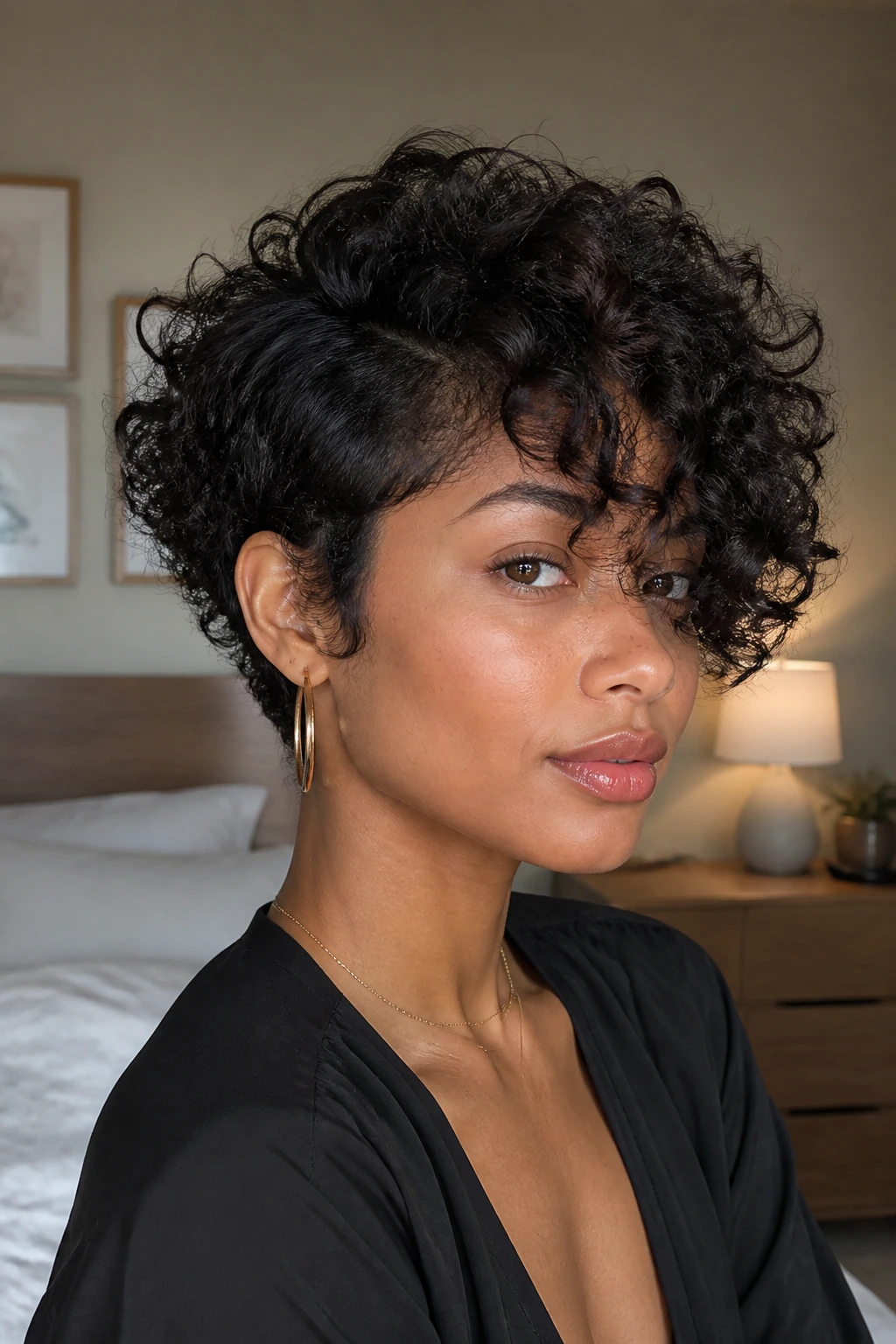
This style is for the brave. It’s shorter than a standard bob but features long, face-framing curls that provide a soft, feminine aesthetic. The back is tightly cropped, and the front has just enough length to create a sweeping effect across the forehead. It’s light, airy, and incredibly chic.
Choosing Your Product
For this look, you want definition without crunch. Look for “curl milks” or “soft-hold custards.” You want your hair to move when you walk, not stay frozen in place. Apply the product when your hair is damp, and use a small circular motion with your finger to wind the front curls around your digit—this “finger coiling” technique will give you that polished, refined finish on the longer sections.
11. The Bleached-Ends Textured Bob
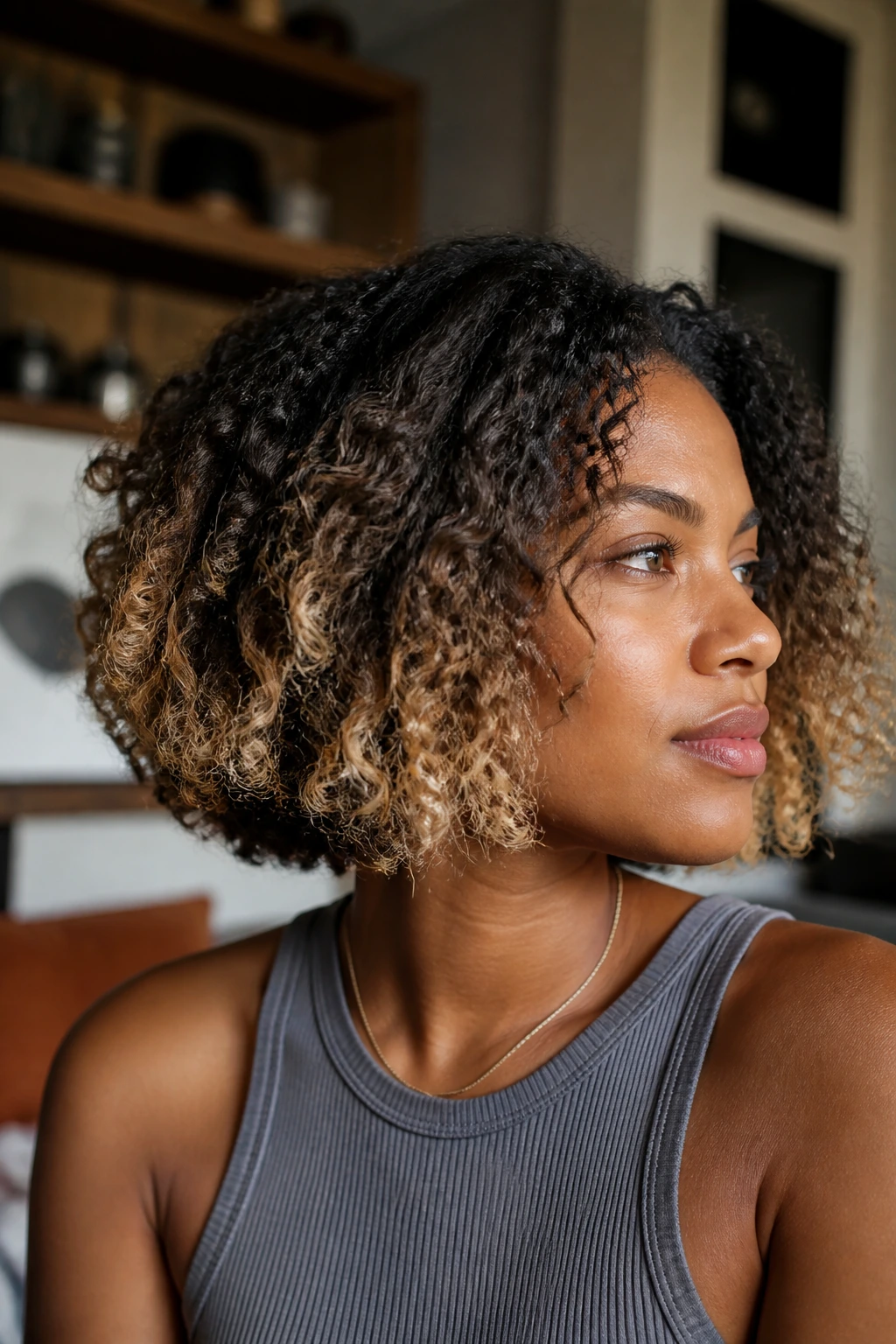
If your natural hair is healthy and you want to experiment, adding a pop of color to the tips can emphasize the texture of your bob. The visual contrast of a lighter color on the ends makes the curl pattern appear more defined. Whether you go for a honey blonde or a vibrant fashion color, the technique highlights the “piecey” nature of a well-cut bob.
Protecting Your Curls Post-Color
Bleach is notorious for loosening curl patterns. If you decide to color your tips, increase the frequency of your deep conditioning treatments. Incorporate a protein-rich hair mask once a week to ensure your hair remains strong and elastic. A textured bob with healthy, vibrant ends will always look better than a dry, damaged one, regardless of the cut.
12. The Tapered Nape with Crown Volume
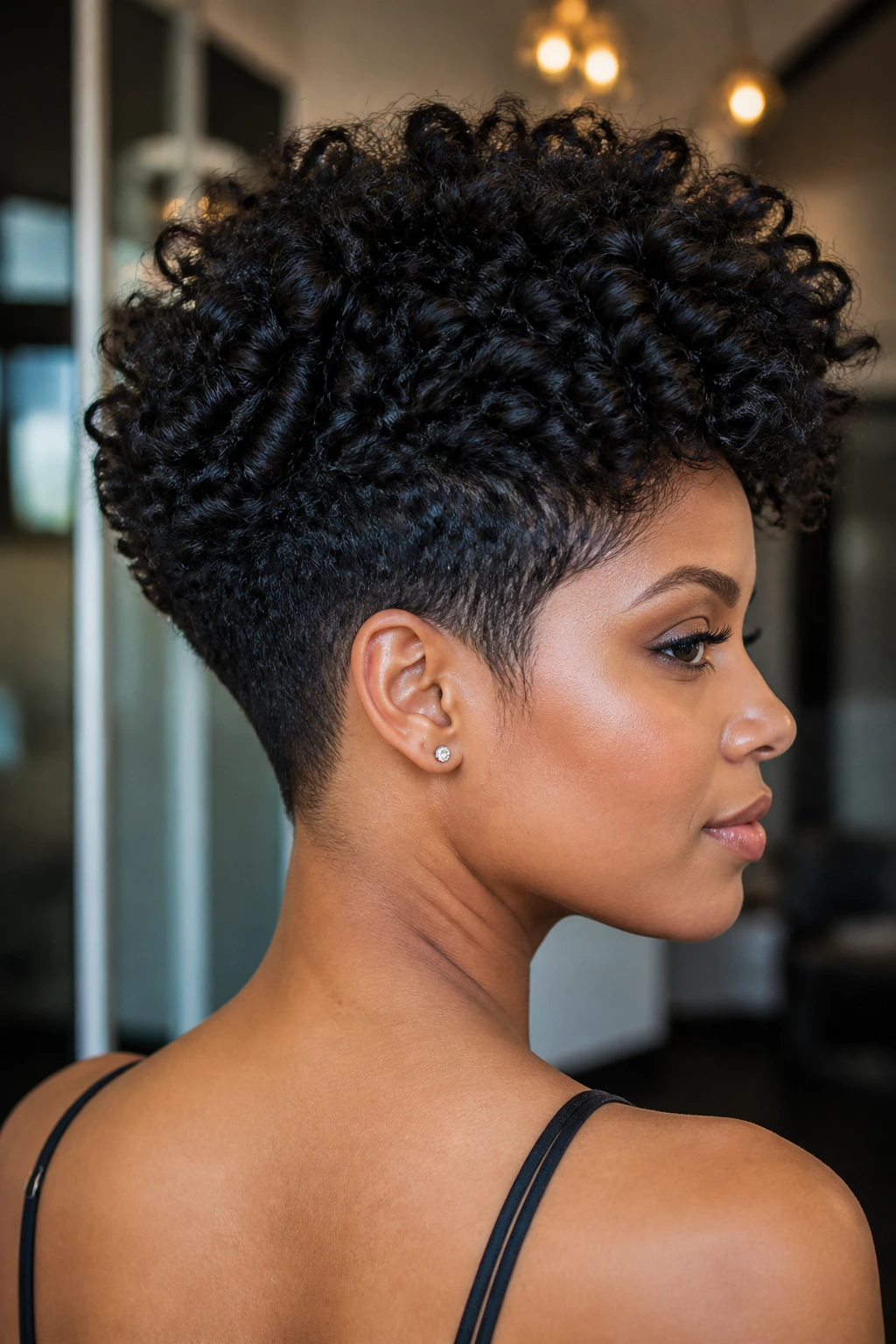
This look features a very short nape that graduates into thick, voluminous curls at the crown of the head. It’s a sophisticated cut that feels very “professional” yet undeniably stylish. The height at the crown helps to balance round face shapes, while the tapered nape prevents the hair from looking bulky.
Managing Volume at the Crown
To get the height you want, focus your styling products on the ends of your hair, keeping the roots relatively product-free. If your hair is prone to falling flat, try using a root-lifting spray. The combination of product on the mid-lengths and a lightweight root lifter will give you that gravity-defying shape that makes this cut look so intentional.
13. The Two-Tone Curly Bob
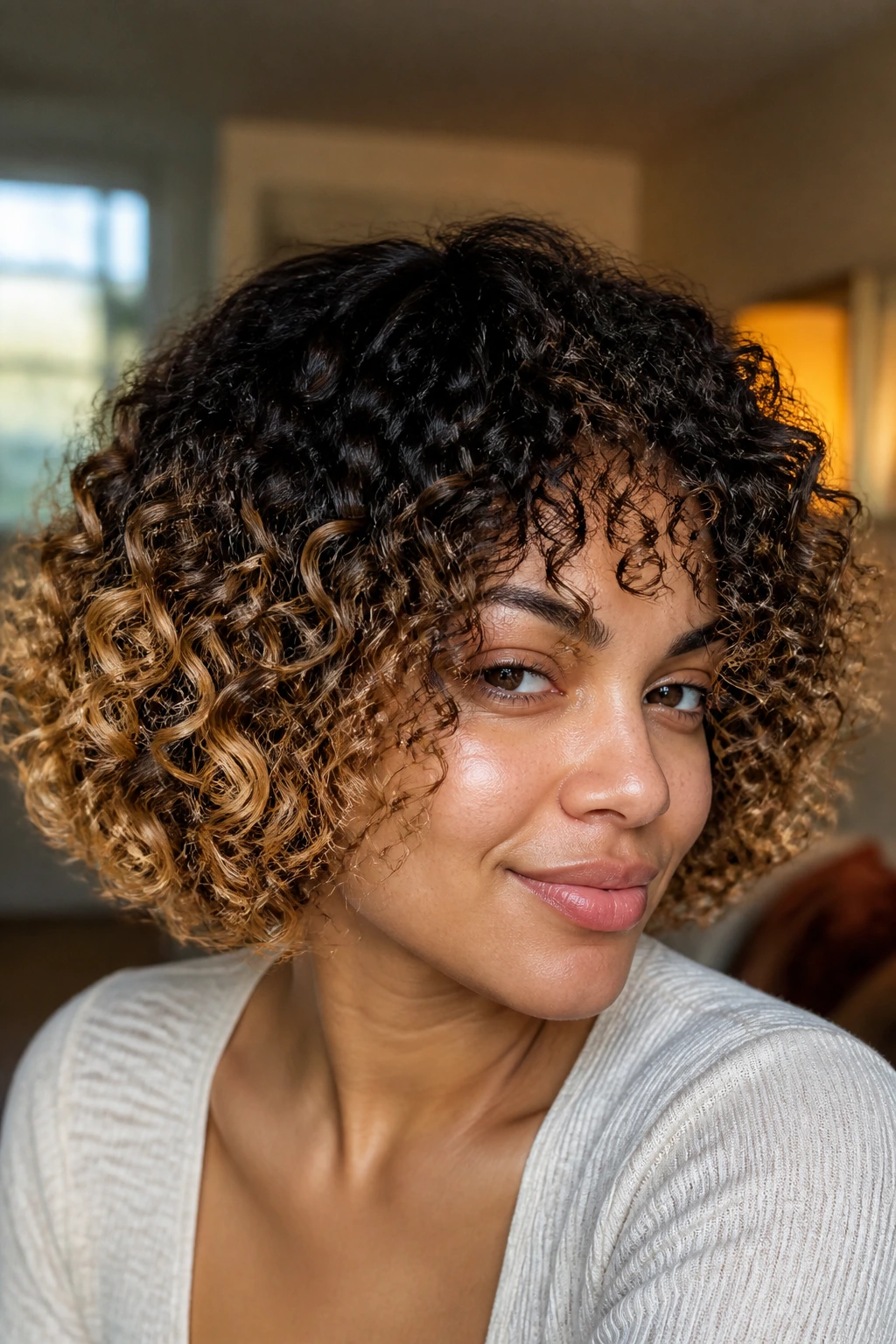
Combining two different shades, perhaps a darker root with lighter ends, adds immense dimension to short, textured hair. This is particularly effective for those with 3C or 4A textures, where the color helps the eye trace the path of the curls. It makes a simple bob look much more complex and expertly crafted.
Choosing Color Placement
Don’t feel like you need an all-over dye job. A subtle balayage that starts halfway down the hair shaft is enough to create interest without compromising the health of your roots. When your hair is cut into a bob, the color density is higher, which means you get a more impactful result with less chemical exposure than someone with waist-length hair.
14. The Blunt Cut with Middle Part
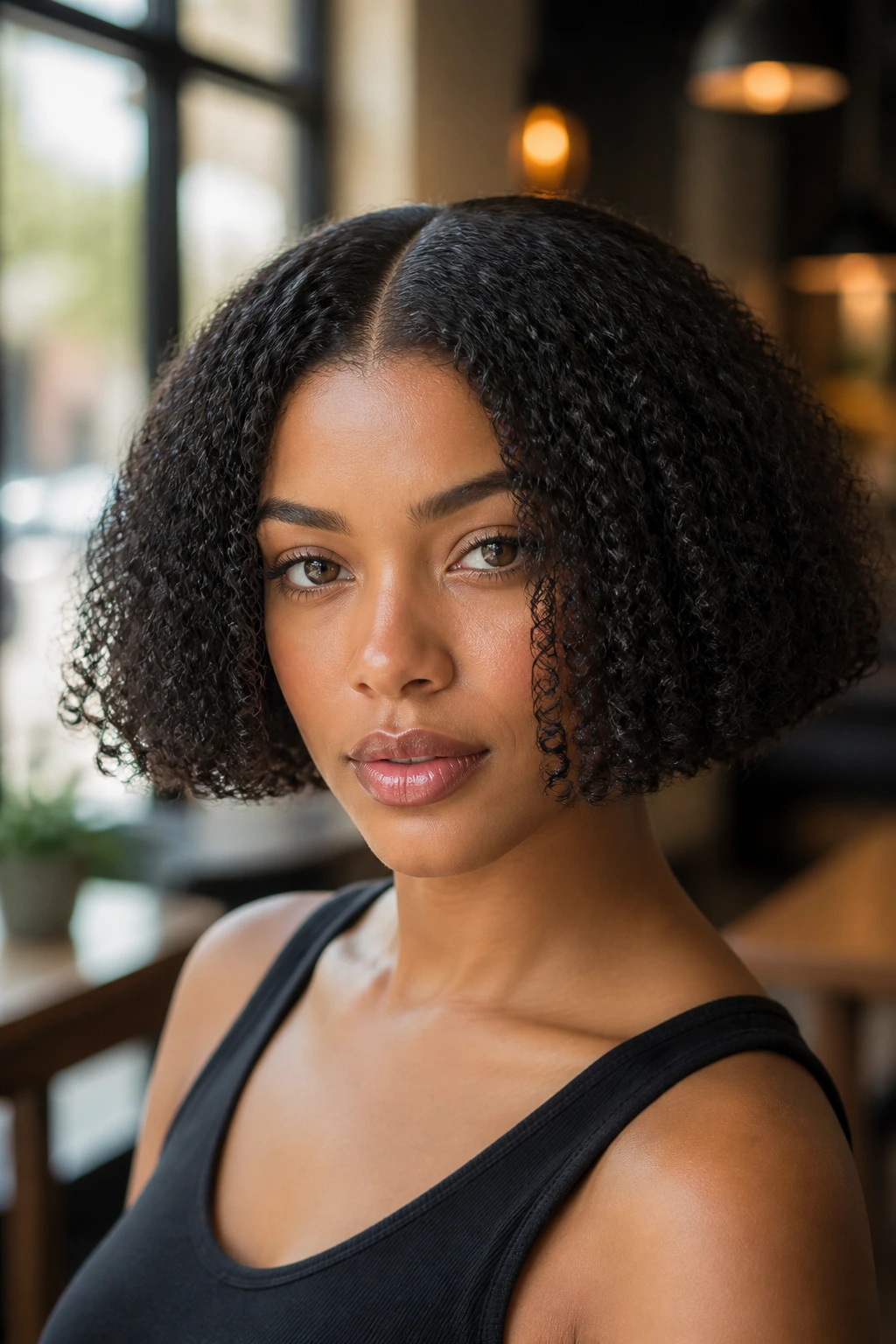
The middle part is a power move. It is symmetrical, clean, and highlights your facial features—specifically the nose and lips. When paired with a blunt cut, it creates a very modern, minimalist aesthetic. This style is best for those with uniform curl patterns, as any inconsistency in the curl might make the blunt line appear jagged.
Finding Your Perfect Part
Not everyone’s face is perfectly symmetrical, so a dead-center part can sometimes emphasize that. If a middle part feels too harsh, shift it just a quarter-inch to the left or right. That slight adjustment can make the difference between a style that feels like it’s wearing you and a style that you are wearing with complete confidence.
15. The Finger-Coiled Bob
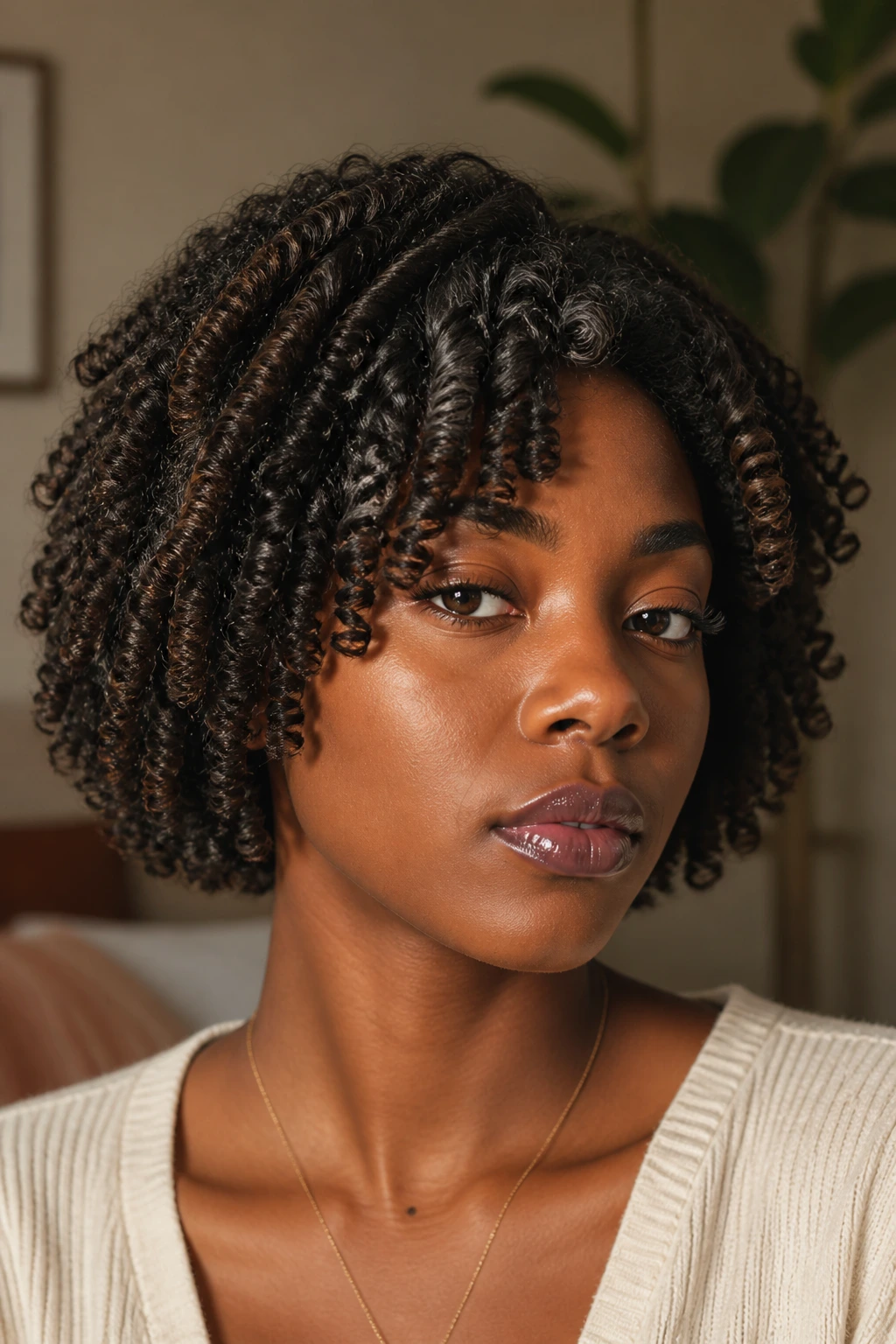
This is a styling technique as much as it is a cut. Once the bob is shaped, you define each coil individually using a styling custard. This creates a very structured, polished, and high-definition look. It takes time, but for events or professional settings, it is the pinnacle of the “neat” natural bob.
The Durability of Coils
Finger coils can last for several days if you protect them at night. Use a silk or satin bonnet and try to sleep in a position that won’t crush the curls. If you find they start to frizz after a couple of days, lightly mist them with water and a tiny bit of leave-in conditioner to reactivate the product that is already in your hair.
16. The Disconnected Crop
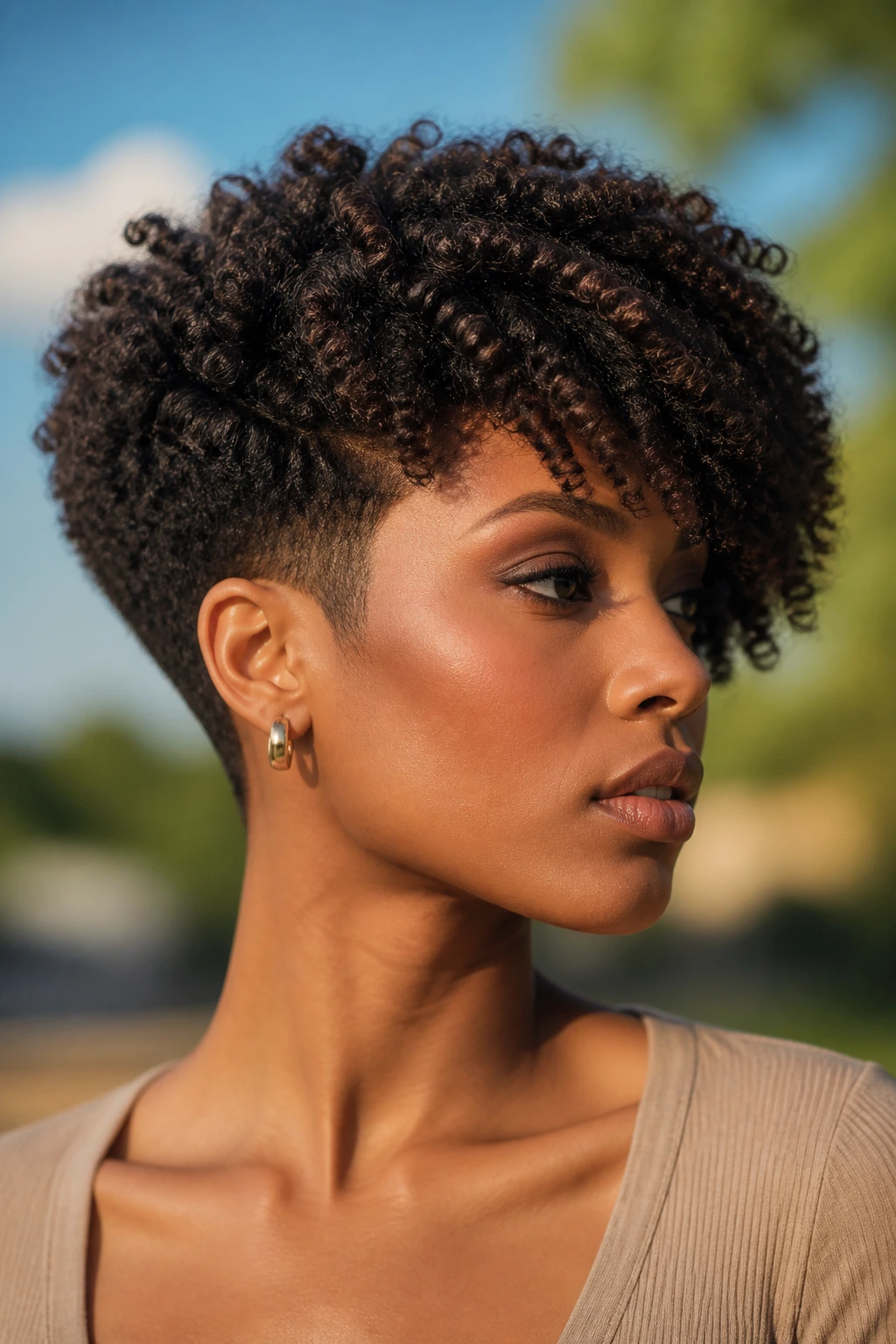
A disconnected bob is one where the back is cut significantly shorter than the front, with a clear line of separation between the two. It’s a high-fashion, architectural style that requires a very skilled hand. It looks incredible on people who have strong, defined jawlines, as the sharp angle of the cut mimics the structure of the face.
Communication With Your Stylist
Because this cut is so distinct, bring multiple photos to your consultation. Point out what you like about the “disconnect”—is it the steepness of the angle or the shortness of the back? The more you can articulate your preferences, the better your stylist can tailor the cut to your specific head shape and curl pattern.
17. The Flat-Twisted Front Bob
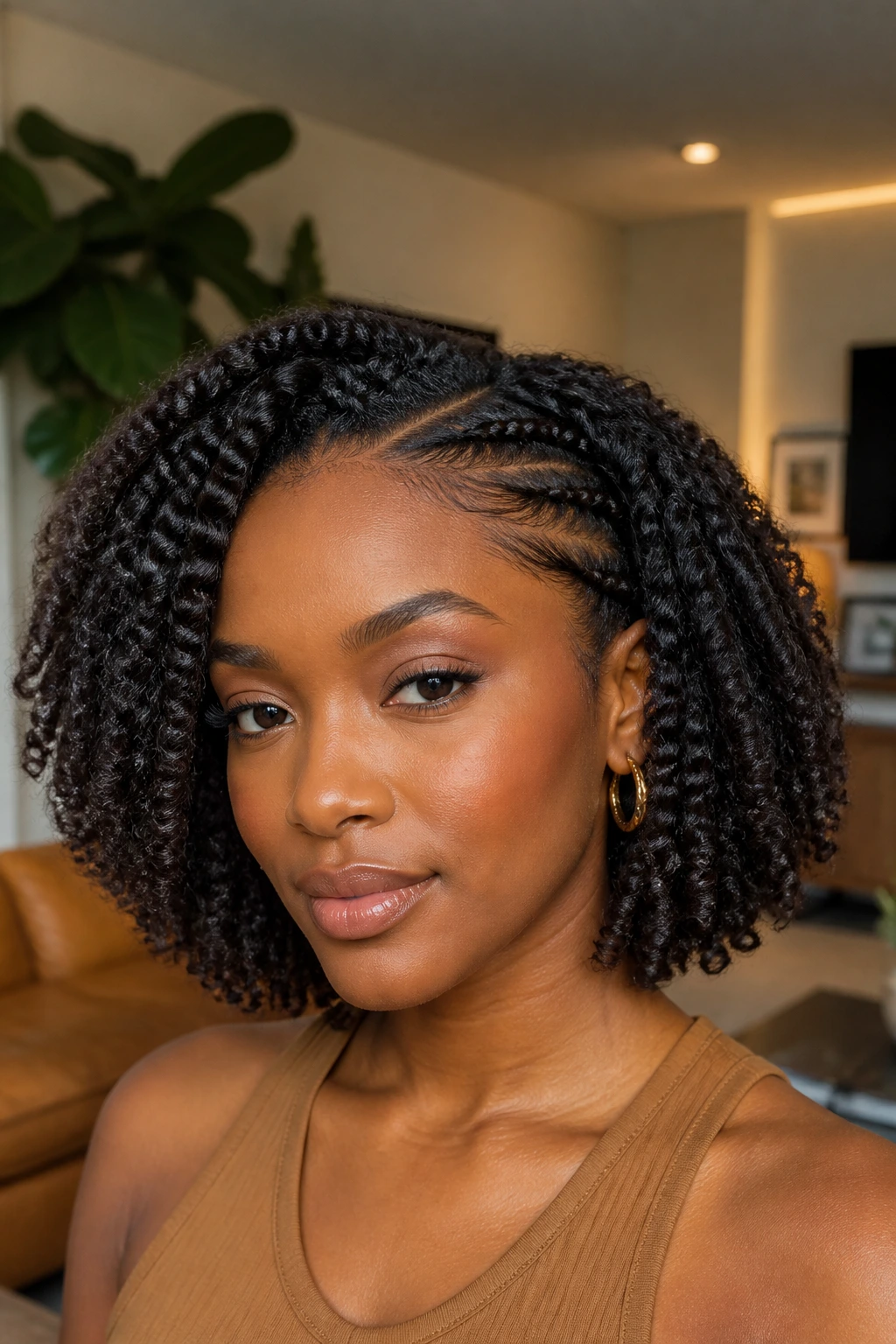
Sometimes you want the shape of a bob without the daily hassle of styling every individual coil. By flat-twisting the front sections of your hair and letting the back remain in its natural, loose state, you create a beautiful “up-style” bob that is both protective and stylish.
The Longevity Benefit
This style can easily last a full week. It protects your ends from breakage and keeps your hair out of your face, all while maintaining the silhouette of a chic, chin-length bob. When you are ready to take it down, you’ll be left with a beautiful, heat-free crimp pattern that adds even more texture to your next look.
18. The Graduated Curly Bob
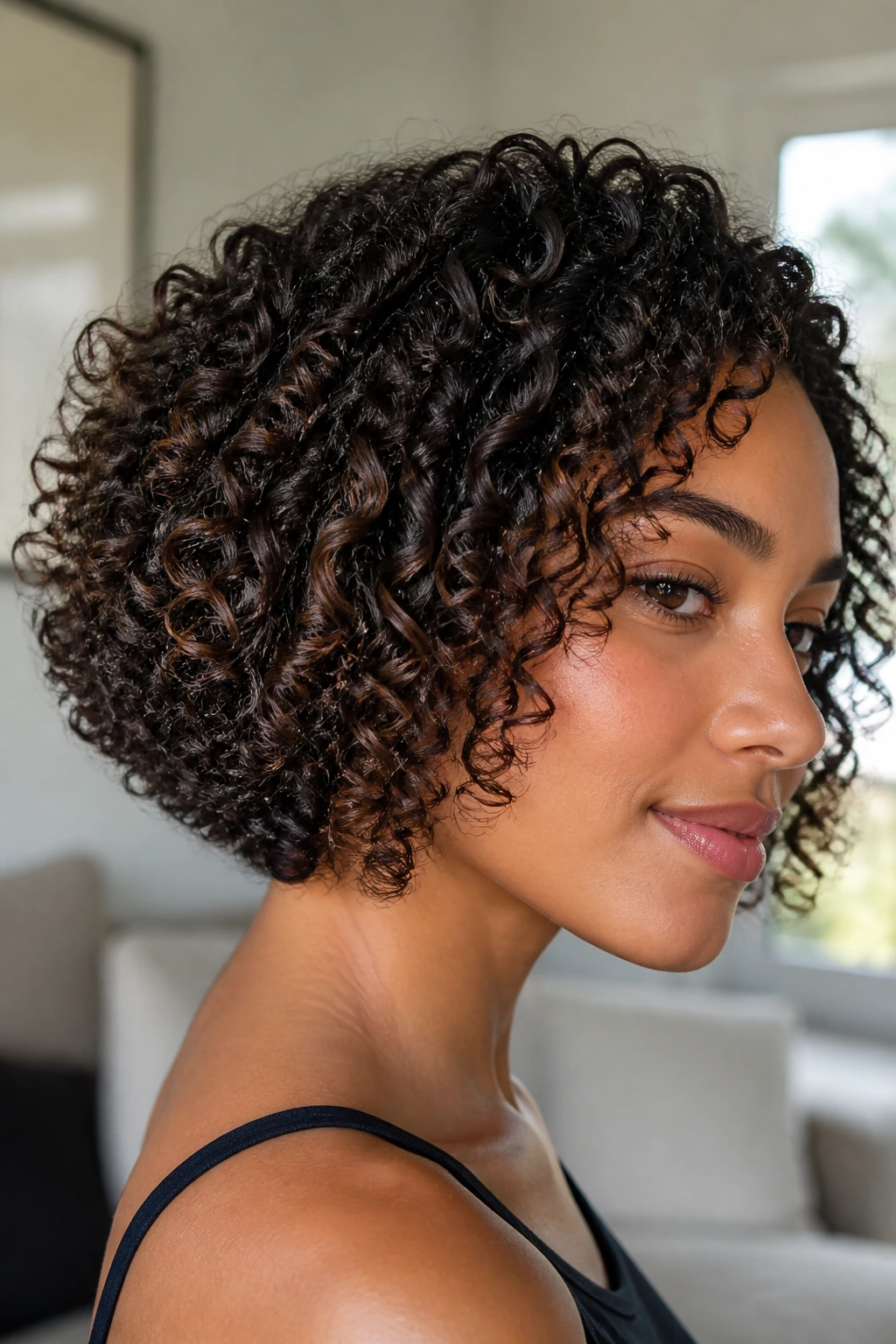
A graduated bob means that the hair is cut in a way that creates a smooth slope from back to front. Unlike the angled bob, which can feel quite sharp, the graduated bob is soft and rounded. It’s a very flattering cut for almost any face shape and works perfectly with the natural spring of textured hair.
The Importance of Tapering
The success of this cut lies in the tapering at the neck. The hair should get progressively longer as you move toward the face, but the transition must be gradual. If there is a sudden jump in length, the bob will lose its flow. Ensure your stylist uses thinning shears or point-cutting techniques to soften the lines.
19. The “Fro-hawk” Bob
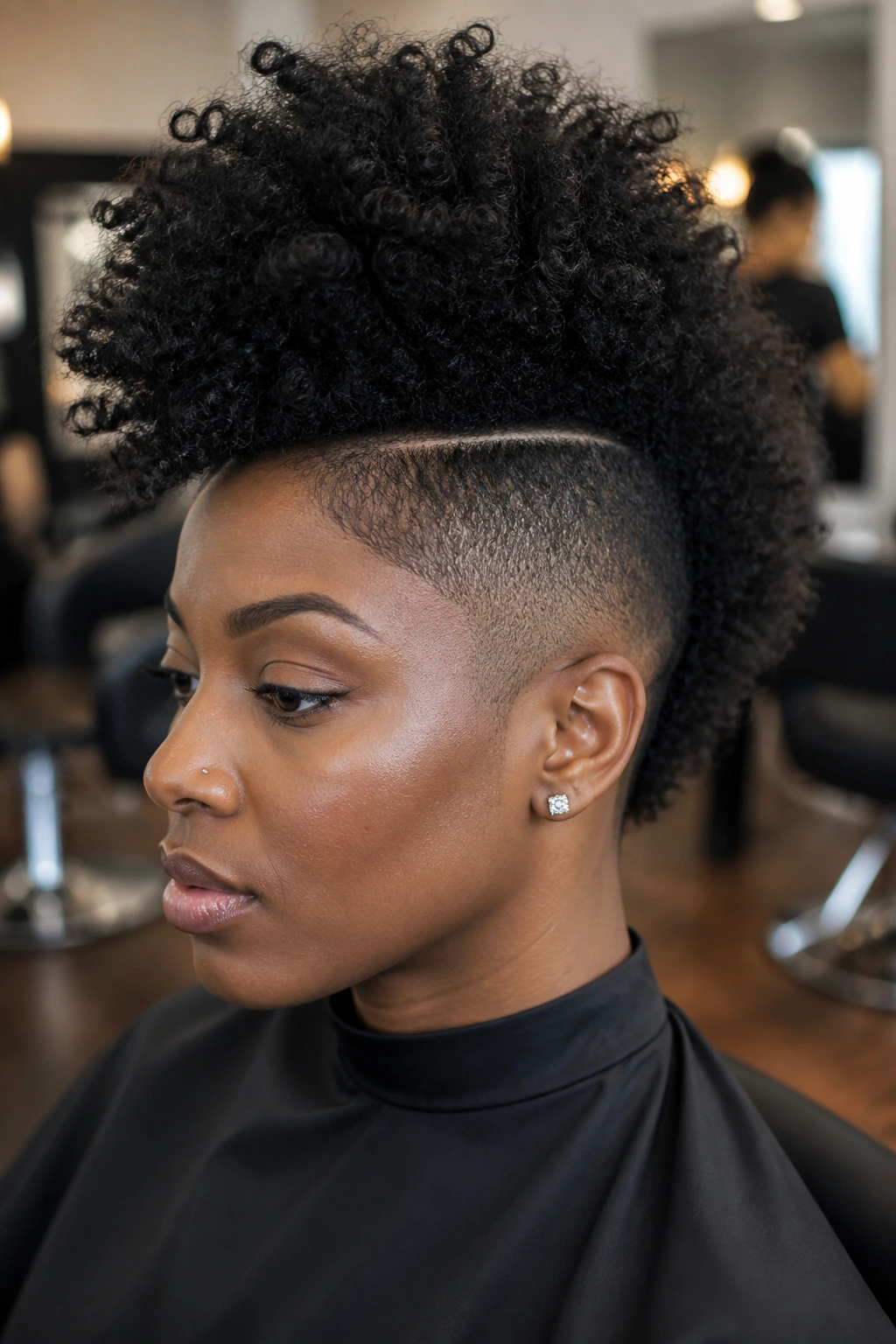
If you want to push the boundaries of a traditional bob, the fro-hawk variation is a fantastic option. The sides are cut very short, while the hair from the forehead to the nape is left with significant length, creating a bob-like mohawk effect. It’s a bold, artistic choice that feels very current and expressive.
Maintaining the Sides
The “wow” factor of this cut depends on the sides being kept short. Depending on how fast your hair grows, you may need a shape-up every two to three weeks. This is a higher-maintenance bob, but for many, the freedom of having the sides cleared away is worth the extra time in the salon chair.
20. The Softened Edges Bob
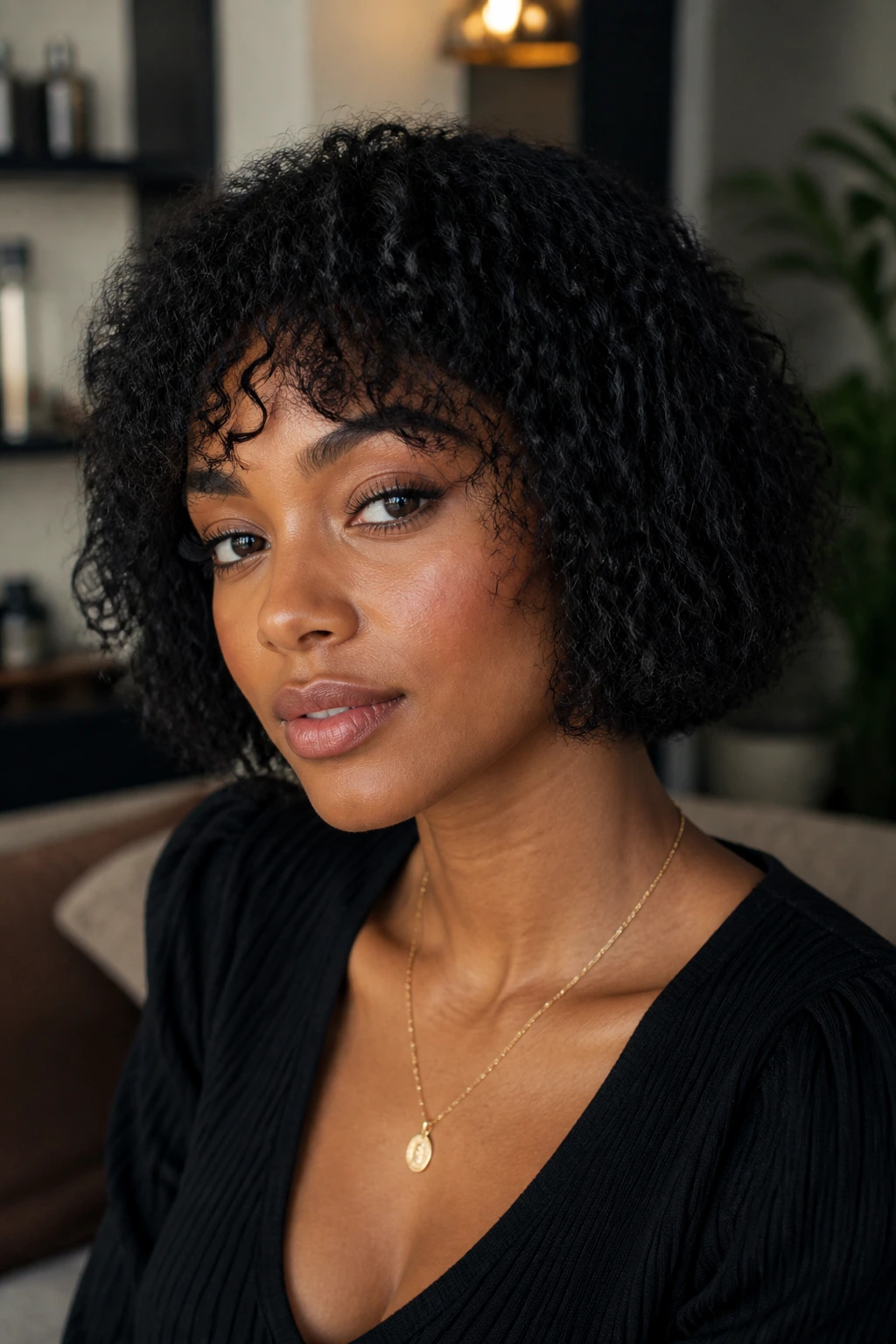
If you find that sharp lines look too severe on you, ask your stylist to “soften the perimeter.” This means they will use a razor or specialized shears to create a jagged, feathery edge rather than a blunt line. It makes the bob look more relaxed and natural, fitting perfectly with the movement of your curls.
Razor vs. Shears
Razors are excellent for texture, but they can be damaging if used incorrectly on curly hair. If your hair is prone to split ends, insist on point-cutting with shears. Point-cutting achieves a similar “soft” look by cutting vertically into the ends of the hair, removing weight and creating texture without the potential for fraying that a razor can cause.
21. The Teased-Crown Statement Bob
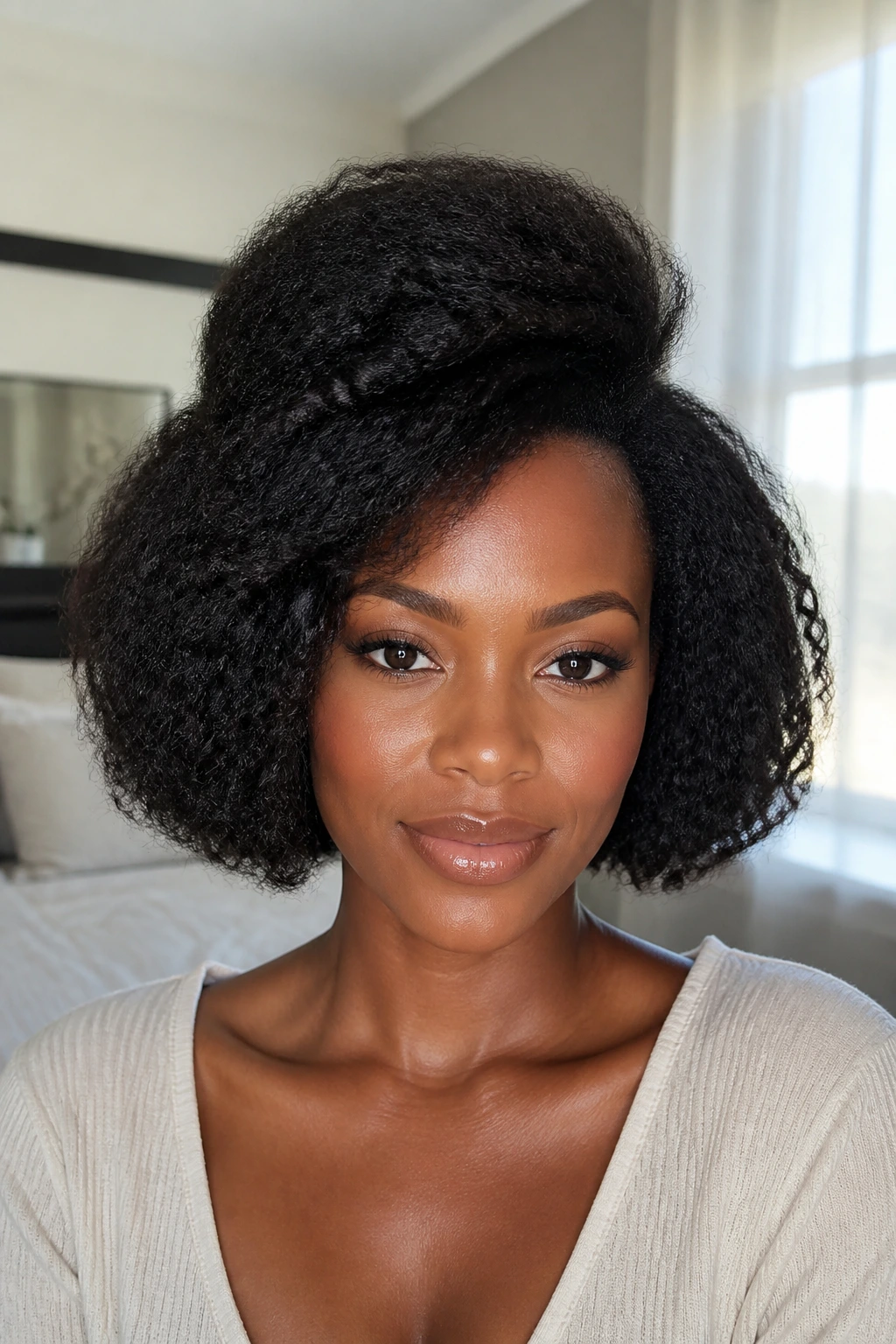
This style is all about height. By using a fine-tooth comb to tease the roots at the top of your head, you create a bouffant-inspired shape that sits atop a sleek, chin-length bob. It’s a vintage-inspired look that feels fresh when styled with natural texture.
Teasing Safely
Teasing can be hard on the hair, so do it gently and sparingly. Focus your teasing on the underside of the hair at the crown so the “rat’s nest” is hidden by the top layer of smooth curls. When it’s time to wash, use a generous amount of conditioner and work through the knots with your fingers before using a brush.
22. The Pixie-Bob with Side-Swept Bangs
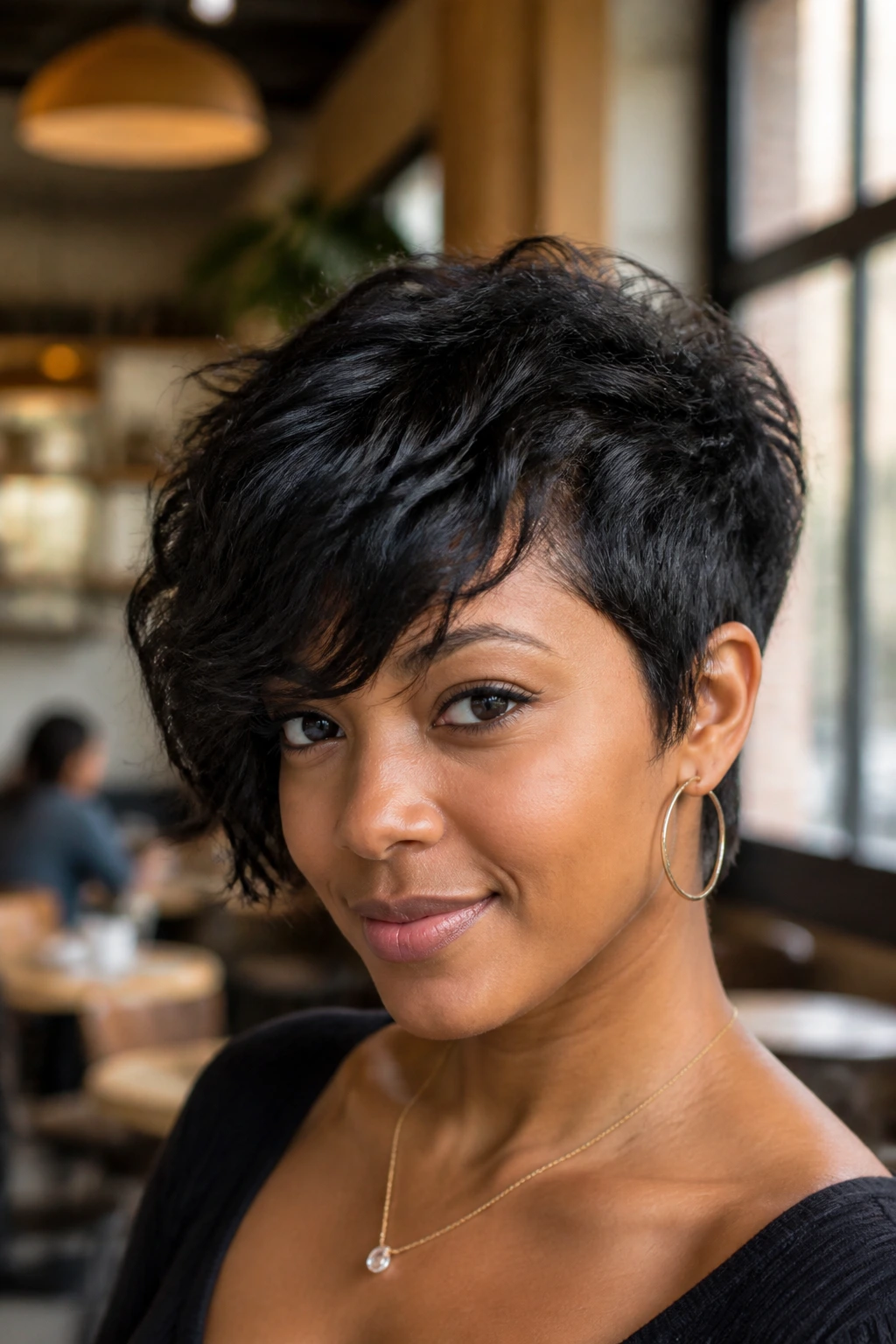
This cut is incredibly flattering for those with oval or heart-shaped faces. The side-swept bangs draw attention to the eyes, while the bob length keeps the overall look grounded and classic. It’s a versatile style that you can dress up or down with just a change of earrings or a bit of makeup.
Bangs and Humidity
Side-swept bangs are the first part of your hair to react to humidity. Keep a travel-sized serum in your bag to smooth down any flyaways throughout the day. A tiny drop of lightweight oil on your fingertips, smoothed over the bangs, will keep them looking polished even in the most challenging weather.
23. The Micro-Bob with Bangs
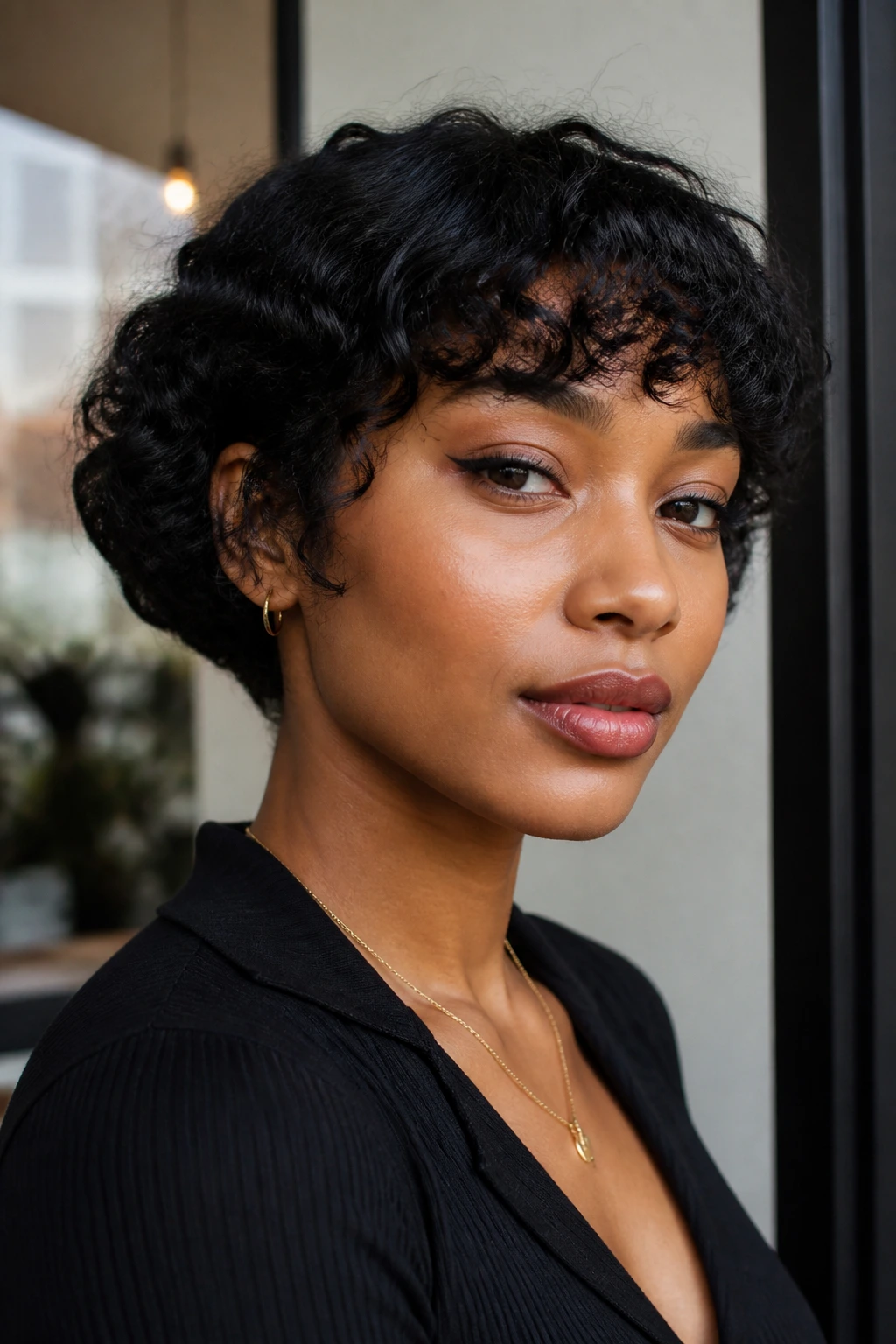
A micro-bob sits right at the earlobe. It is a very short, very bold cut that looks incredible on those who aren’t afraid of showing off their neck and jawline. Paired with micro-bangs, this is high fashion in its purest form.
Daily Upkeep
Because this style is so short, it requires almost daily attention to keep it looking fresh. A simple refresh with a water mist and a dab of gel is usually enough to bring it back to life. If you have the confidence to pull off a micro-bob, you likely already know that the payoff—in terms of style and convenience—is substantial.
24. The Layered Lob with Shaggy Ends
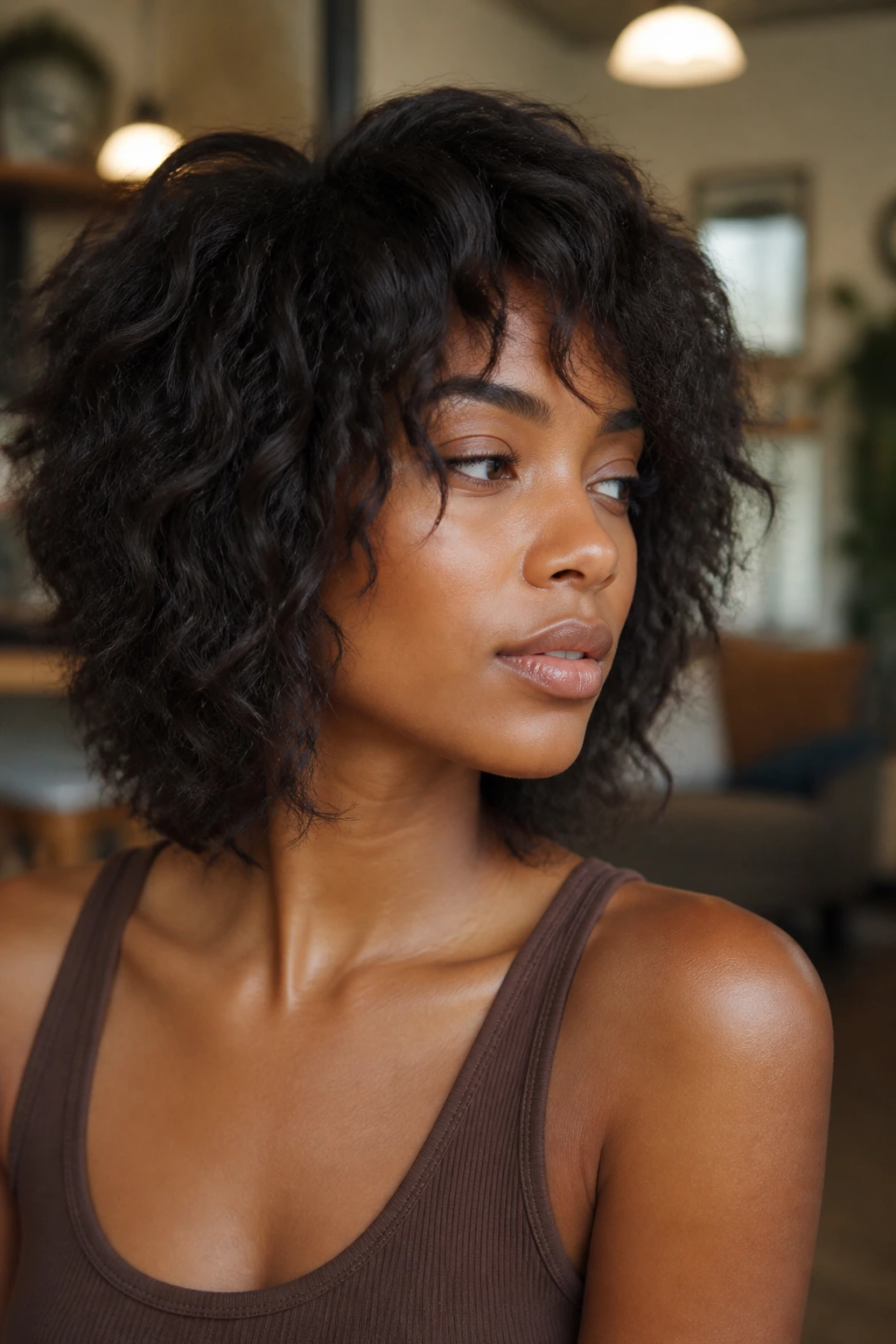
The layered lob is all about movement. The shaggy ends provide a modern, effortless touch that keeps the length from feeling too heavy or “stiff.” This is the best style for someone who wants the elegance of a long cut but the ease of a short one.
Layering for Growth
If you plan on letting your hair grow out eventually, this is the best style to have. As the layers grow, they will maintain their shape, meaning you can go longer between trims without the hair looking messy. It’s a transition-friendly style that always looks intentional.
25. The Curly Bob with Tapered Fade
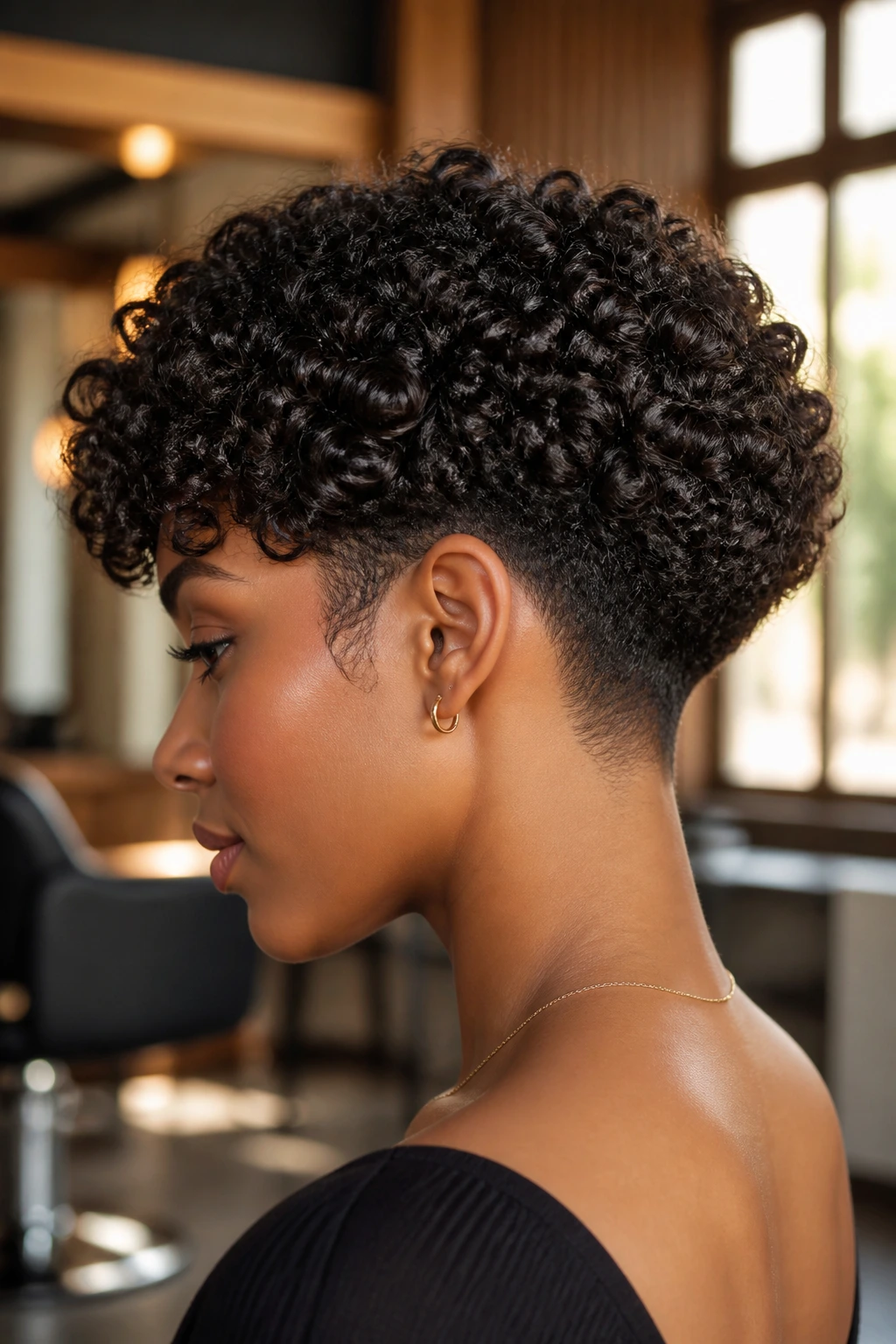
A tapered fade at the nape that flows into a full, rounded bob is the definition of modern natural style. It gives you the best of a clean-cut look and the versatility of a full, textured mane on top.
Finding a Skilled Barber/Stylist
This is not a cut to entrust to a novice. You need someone who is comfortable with both intricate clipper work and curly hair cutting techniques. If you find someone who understands the balance of a fade, stick with them. This cut is all about the quality of the fade line.
26. The Voluminous “Triangle” Bob
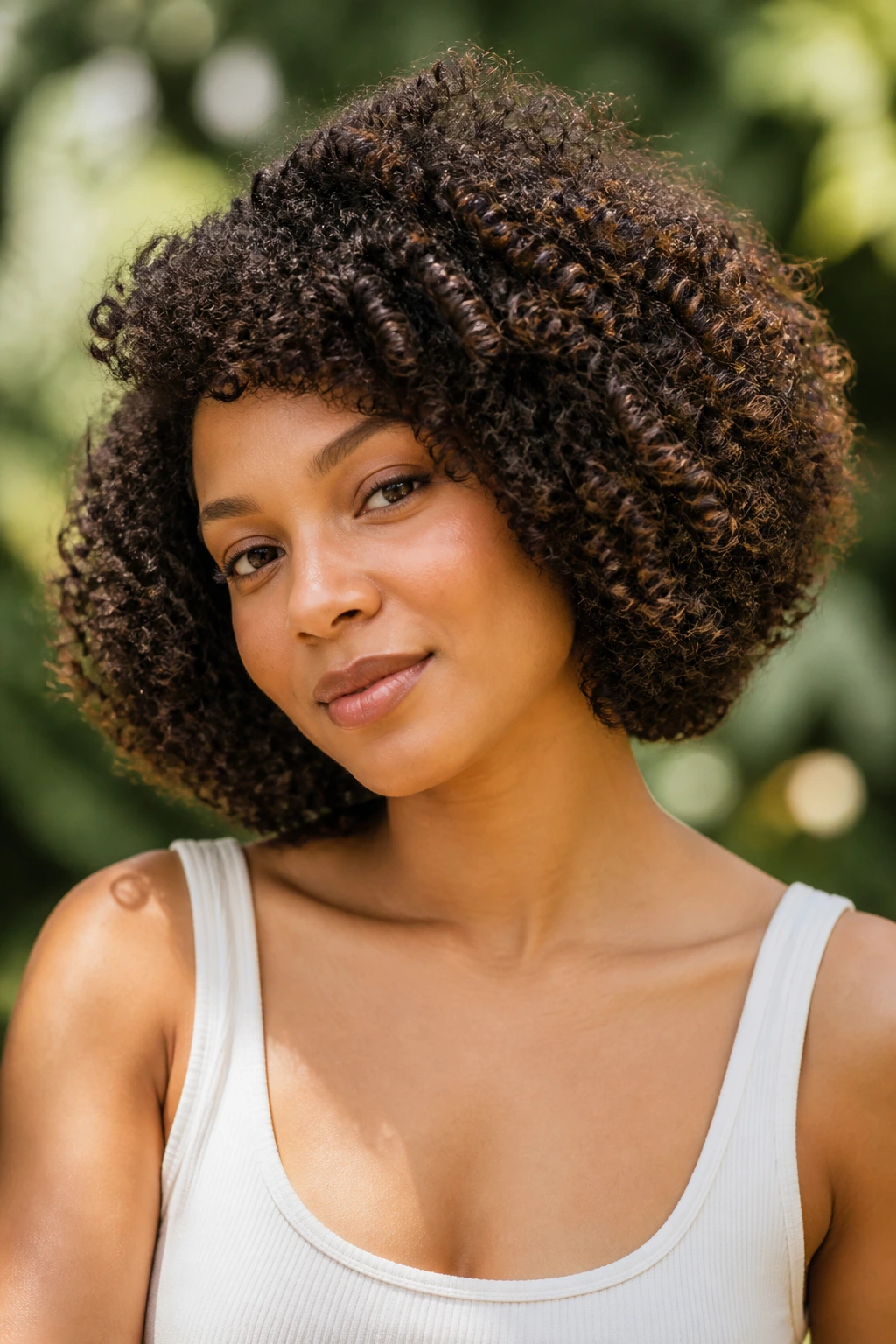
Don’t fear the triangle! When styled with intentional volume, the triangular shape of a curly bob can be a classic, 70s-inspired look. The key is ensuring that the volume starts high and flows smoothly down, rather than the hair just puffing out at the chin.
Embracing the Shape
If you have natural hair, your hair wants to be big. Instead of fighting it, lean into the volume. Use products that enhance the coil definition so that the “triangle” is made of beautiful, distinct ringlets rather than a solid block of frizz. Big, beautiful hair is its own accessory.
27. The Blunt Bob with Braided Accents
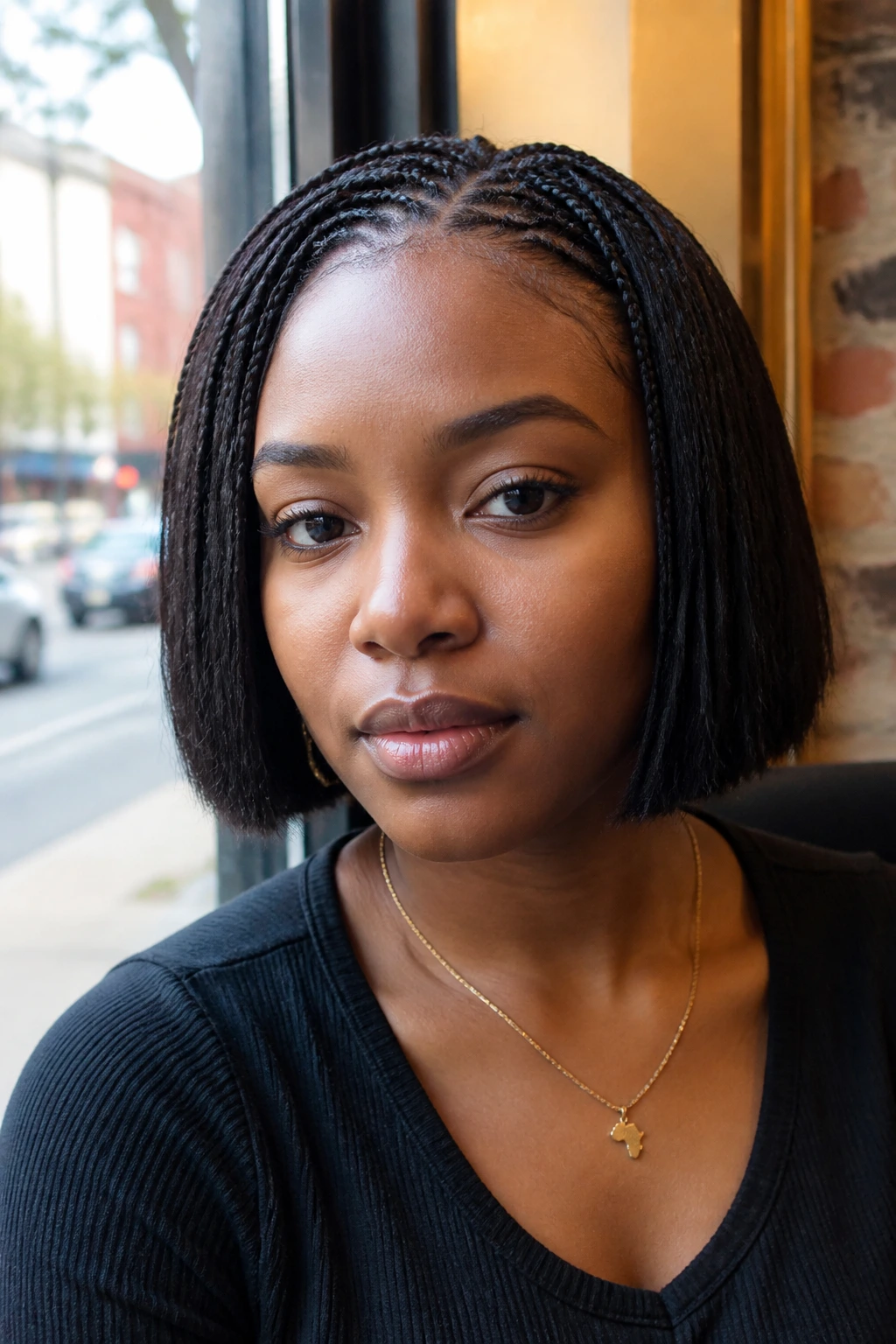
Sometimes, you want to change the shape without cutting it. By adding a few small braids near the hairline or in the crown, you can pull the hair back to create the illusion of a shorter, bobbed style. It’s a great, commitment-free way to test whether a bob would suit your face.
The Transition
If you love the look, that’s your sign to see a stylist. Braids are a fantastic way to experiment with your profile. If you find yourself constantly styling your hair in a way that mimics a bob, you’ll likely find that a real haircut is a much easier and faster way to achieve that look every single morning.
28. The Rounded Nape-Length Bob
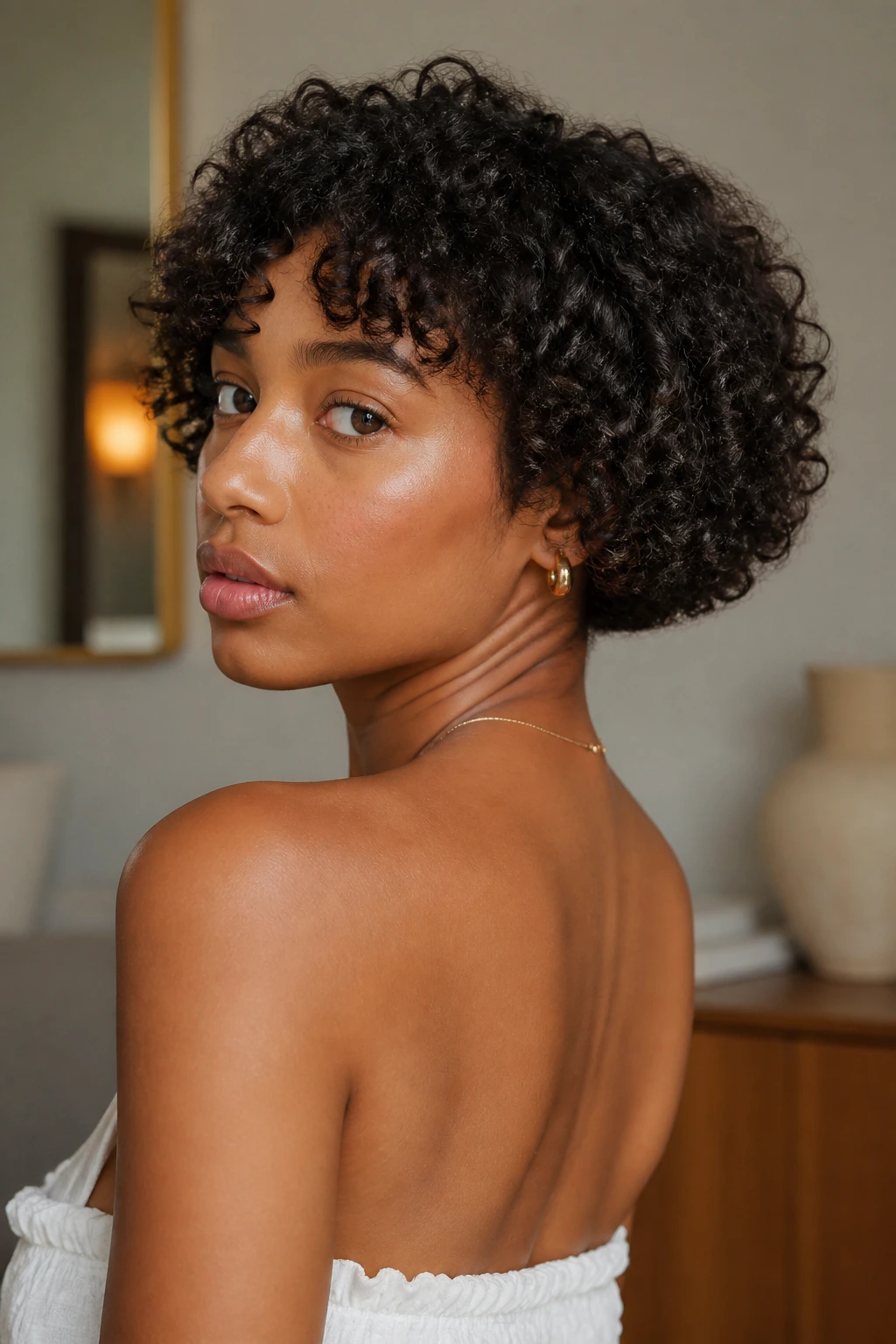
This is the shortest you can go while still technically having a “bob.” It grazes the nape of the neck and features a soft, rounded shape that hugs the back of your head. It’s a clean, minimalist style that is perfect for those who want to minimize their morning routine to the absolute bare minimum.
The Minimalist Mindset
This style thrives on being fuss-free. Use a moisturizing cream, let it air-dry, and keep your hands out of it. The beauty of this bob is its simplicity. It’s not about perfection; it’s about having a clean, well-shaped frame that lets your natural texture shine with zero effort.
Final Thoughts
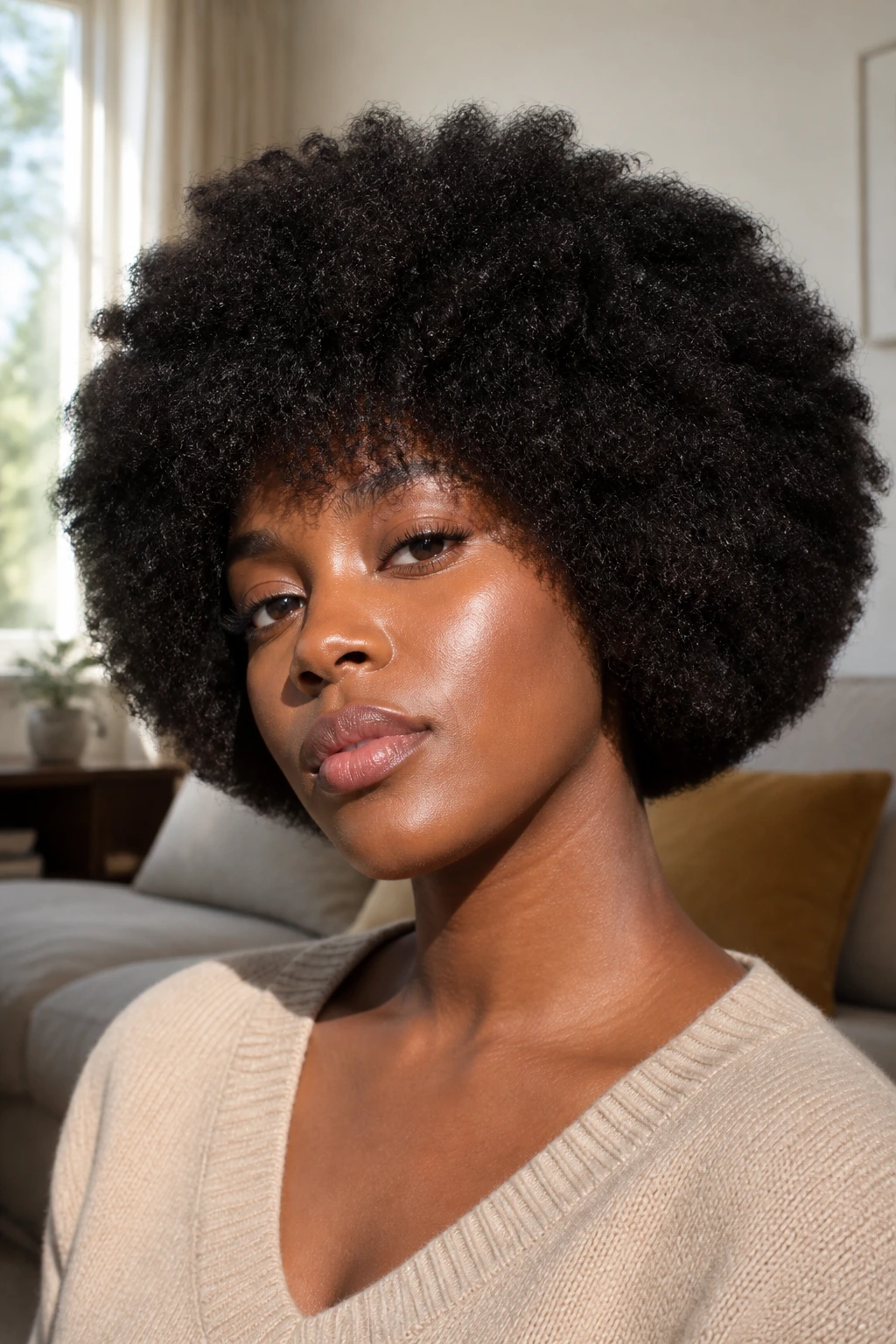
The decision to cut your natural hair into a bob is often seen as a big step, but it is frequently the most liberating move you can make. By removing the weight of older ends, you allow your natural curl pattern to breathe, spring, and define itself. Whether you opt for a sleek, blunt-cut look or a shaggy, layered shag, the key is always maintenance: keep your ends hydrated, protect your hair while you sleep, and find a stylist who understands the specific geometry of curly hair. When you align the cut with your natural texture, the result is a style that feels like an extension of your personality—effortless, confident, and uniquely yours.