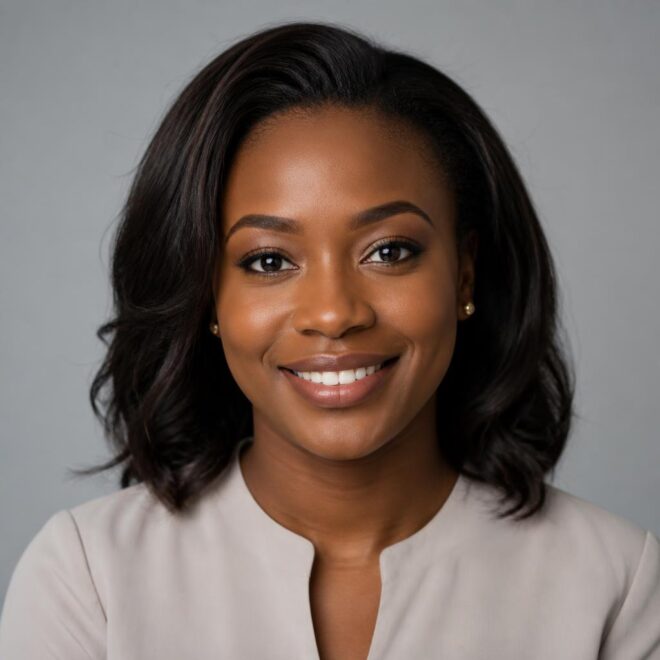


Fine hair is often a misunderstood texture. Many people assume it lacks potential, yet the right cut can transform limp, weightless strands into a style that feels thick, bouncy, and intentional. The textured long bob—or “lob”—is arguably the most versatile solution for this hair type. It sits gracefully between the shoulders and the collarbone, providing just enough length to pull back into a clip while maintaining the structure required to keep fine hair from looking stringy. By introducing intentional texture, you prevent the weight of the hair from pulling your style down, allowing for a fuller appearance that lasts from morning to night.
When you have fine hair, the biggest enemy is blunt, heavy ends. They highlight the lack of density at the tips and make the overall cut feel lopsided. A lob with subtle, choppy layers or a soft, razor-cut edge changes the visual weight completely. You want the ends to look “lived-in” rather than freshly chopped with a razor-sharp edge. This style thrives on movement, whether that comes from a slight wave, a messy air-dry, or a strategic application of texturizing spray. Let’s break down the best ways to wear this look.
1. The Undone Beach-Wave Lob
This look relies on the concept of “organized mess.” You start with a base cut that hits right at the collarbone, ensuring there is a minimal amount of internal layering to avoid taking away too much bulk. The magic here happens during styling. You use a large-barrel curling iron to create loose, irregular waves—alternating the direction of each section to keep it from looking like a uniform pageant style.
Why It Works for Fine Hair
Fine hair tends to hold a curl well, but it often looks too rigid if the curl is too tight. By keeping the waves loose and brushing them out immediately after they cool, you create the illusion of width. The extra volume at the mid-lengths draws the eye away from the ends, making the hair look significantly thicker than it actually is.
Styling Tips for Texture
- Apply a light-hold sea salt spray to damp hair before rough-drying.
- Focus on scrunching the hair with your hands while drying to encourage natural movement.
- Finish with a dry texturizing powder at the roots to give the style a bit of grit and lift.
2. The Wispy Face-Framing Lob
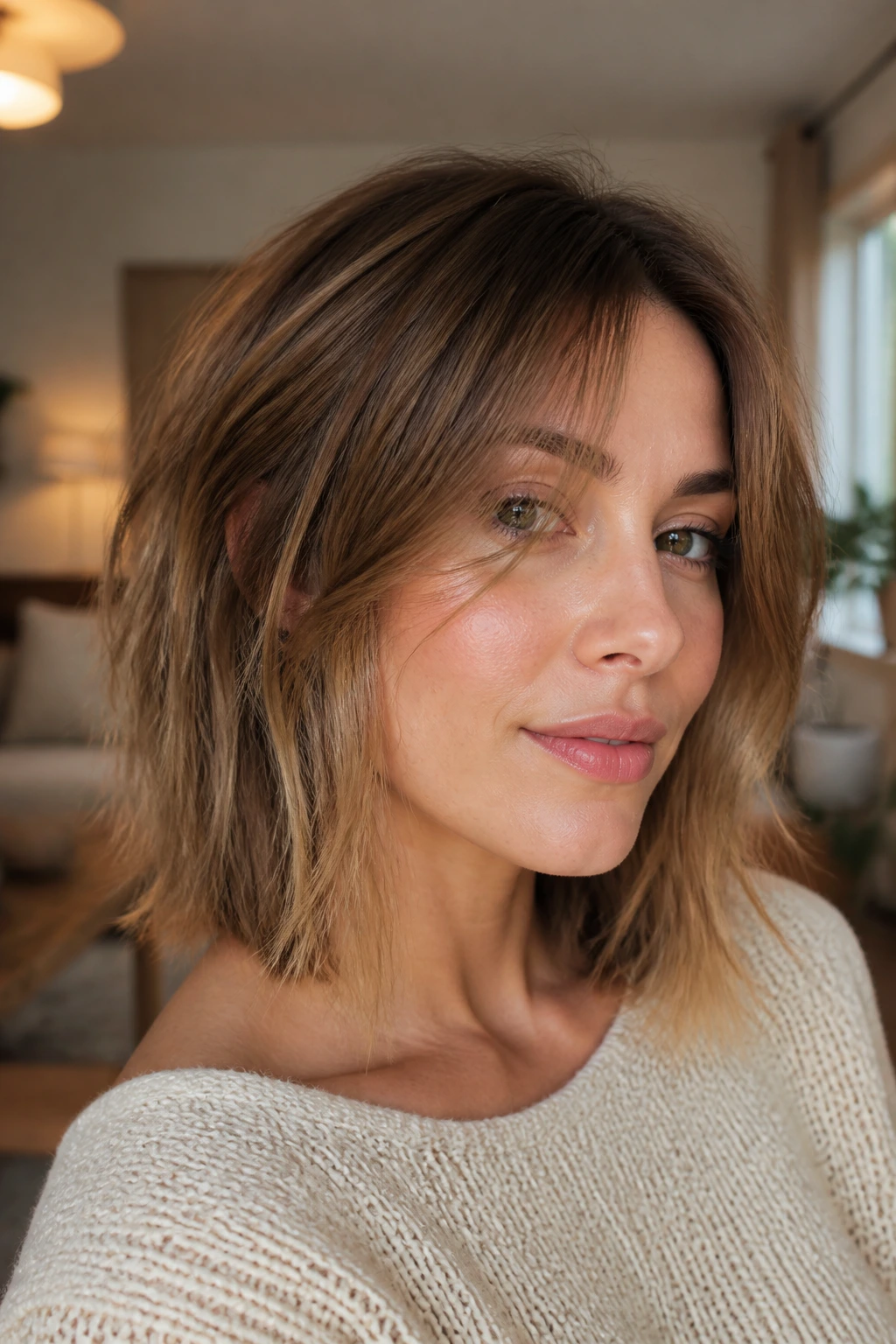
When you keep the back of the lob at a uniform length but add delicate, wispy pieces around the face, you soften the entire aesthetic. This is perfect for those who want a low-maintenance style that still feels styled even on days when they are in a rush. The face-framing layers should be long enough to tuck behind your ears but short enough to break up the harsh line of a one-length cut.
The Power of Soft Angles
Soft angles act as a distraction. By letting light, airy pieces graze your cheekbones, you draw attention to your features rather than the hair density itself. This technique adds a bit of “life” to the front of the style, which is often where fine hair appears thinnest.
Maintenance Notes
- Schedule a trim every ten to twelve weeks to keep the face-framing pieces from growing out too long.
- Use a round brush when blow-drying the front sections to create a soft, inward curve that adds polish.
3. The Blunt-Cut Lob with Invisible Layers
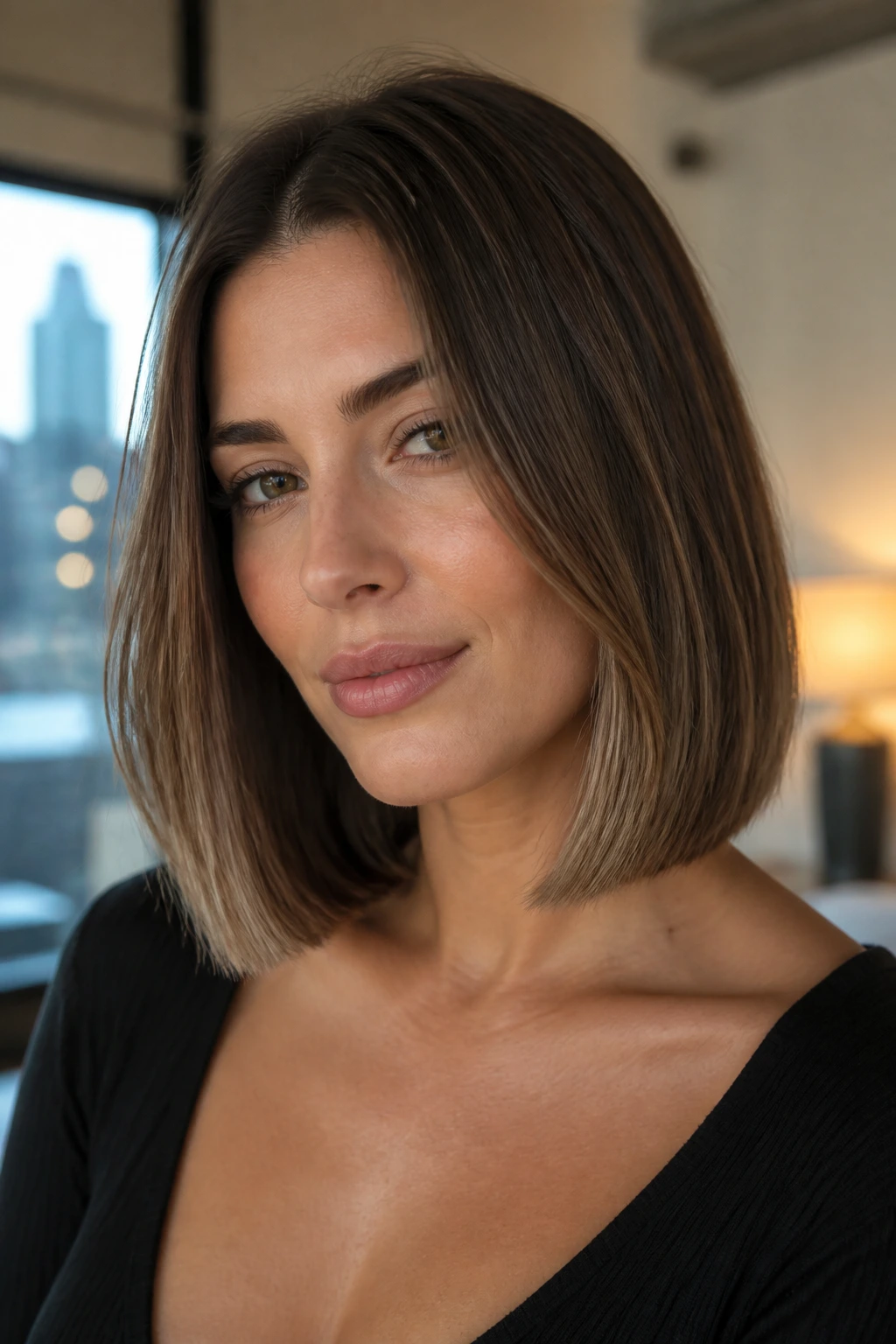
If you are hesitant to cut off your length, a blunt-cut lob is a fantastic middle ground. The key for fine hair is keeping the perimeter razor-sharp but incorporating what stylists call “invisible layers.” These are hidden sections cut into the interior of the hair that provide lift without showing visible steps or choppy ends.
Keeping the Bulk
The reason people with fine hair often fear layers is the risk of looking “shaggy” or thin at the bottom. By keeping the outer layer blunt and clean, you retain the visual weight of a healthy, thick hemline while the hidden layers do the heavy lifting underneath. It is the ultimate “best of both worlds” scenario.
How to Style
- A flat iron is your best tool here to accentuate the sleekness of the blunt ends.
- Use a shine-enhancing serum on the ends only, as fine hair can be easily weighed down by heavy oils.
4. The Deep Side-Part Lob
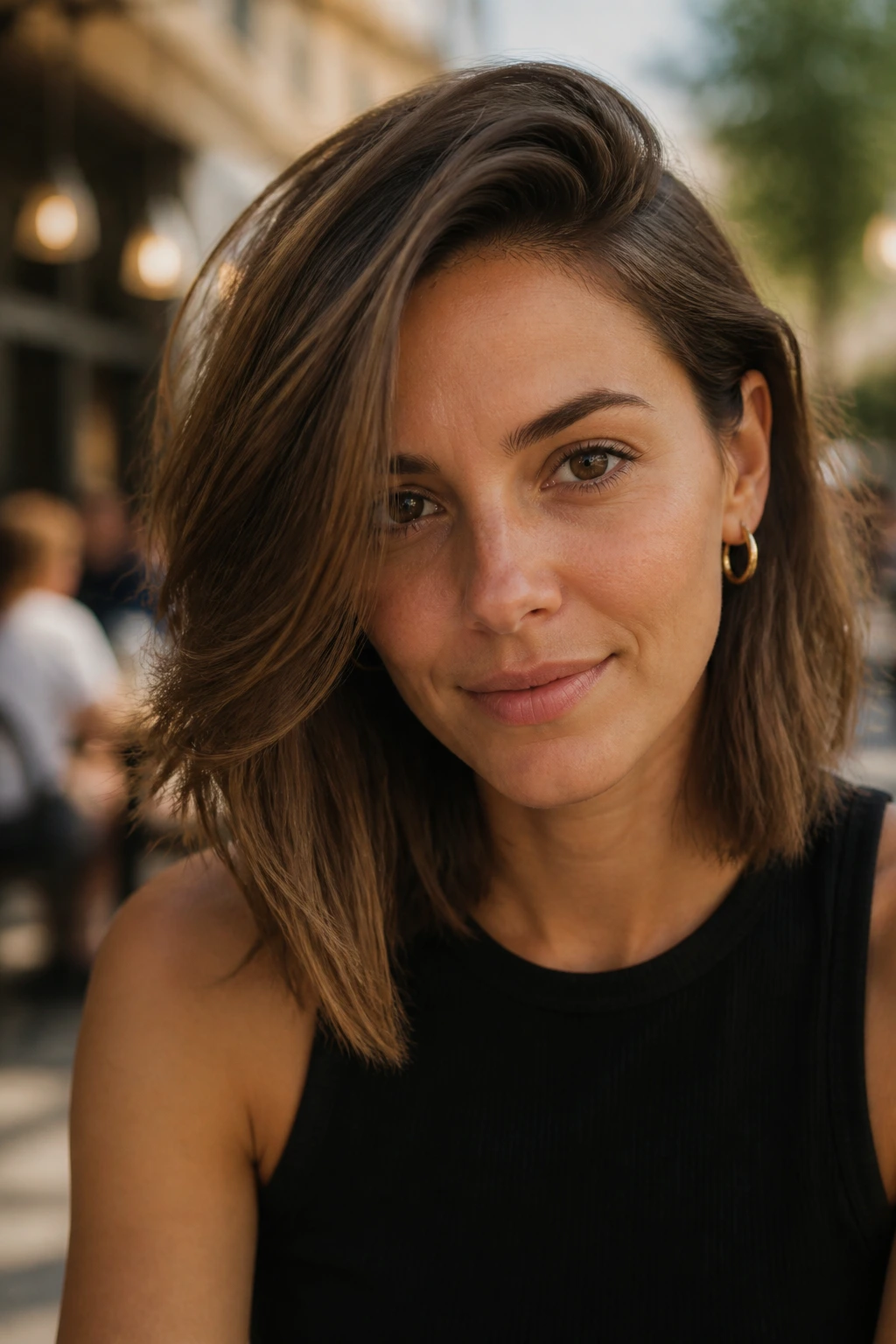
Sometimes, the cut isn’t the only thing that creates texture; the way you part your hair matters just as much. A deep side part creates a massive sweep of hair across the crown, instantly doubling the visible volume at the top of the head. When paired with a long, textured bob, this part creates an asymmetrical look that feels incredibly chic and intentional.
Creating Height at the Root
Fine hair often goes flat because it falls too close to the scalp. A deep side part forces the hair to stand up slightly at the root, providing a natural cushion that holds throughout the day. It is a simple, no-cost way to make any bob look instantly more voluminous.
Pro Technique
- When your hair is damp, use a fine-tooth comb to draw a precise line starting from the arch of your eyebrow.
- Blow-dry the hair in the opposite direction of where you want the part to sit to encourage extra lift at the root.
5. The Messy Choppy-End Lob
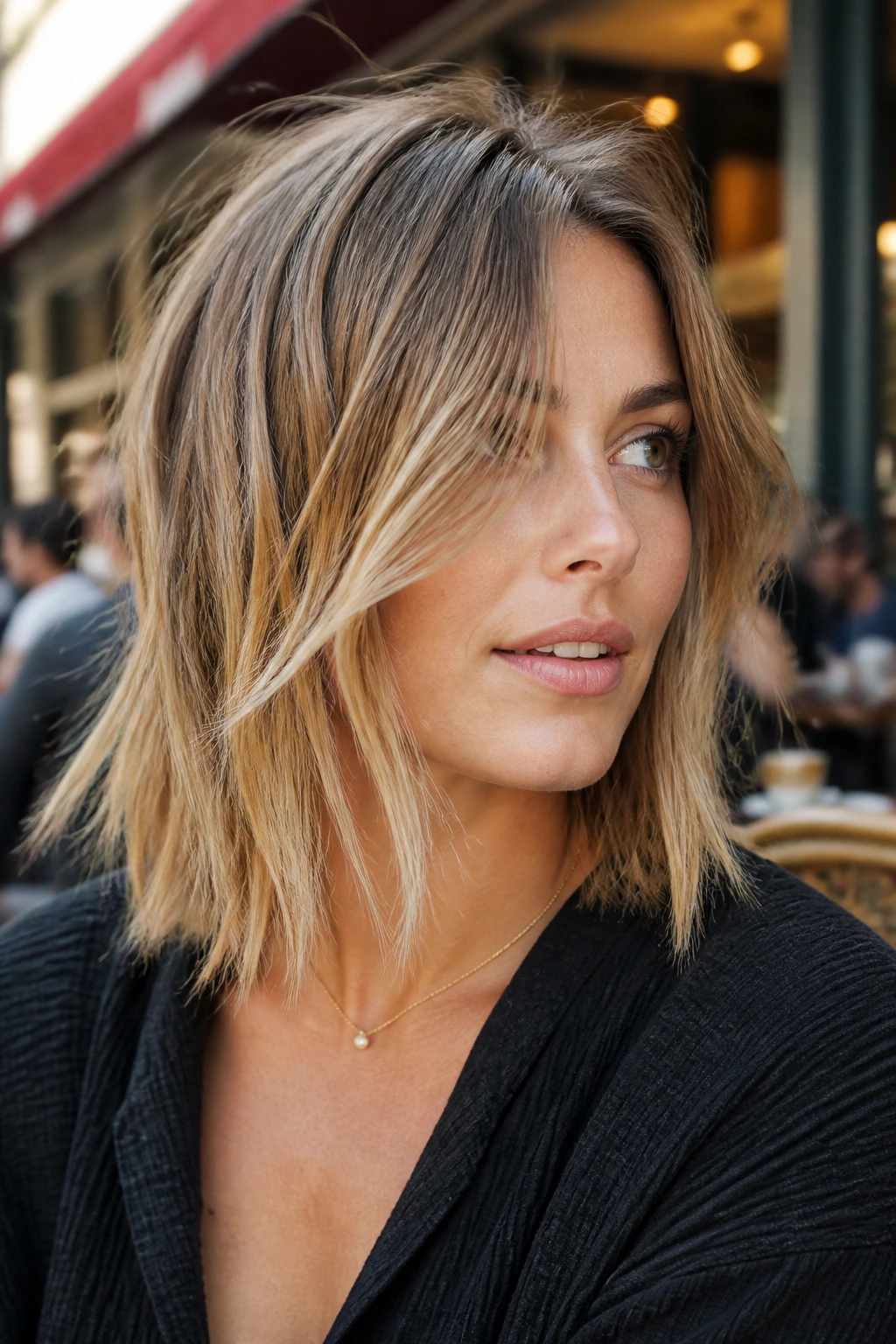
If you prefer an edgy, modern look, the choppy-end lob is a go-to. Instead of trying to smooth your hair out, this style embraces the natural imperfections of fine texture. The ends are texturized with a razor, which creates a feathery, shattered look rather than a solid block of hair.
The Benefits of Razor Cutting
Razor cutting is a divisive technique, but when done on fine hair, it is a game-changer. It removes just enough weight from the ends to allow them to flip and move independently. Instead of your hair hanging like a curtain, it acts like a collection of individual strands that dance around your face.
Who Should Try It
- This style is ideal for those who naturally have a slight wave or those who enjoy using a straightener to create “s-waves.”
- It works particularly well for oval or square face shapes, as the shattered ends help to soften the jawline.
6. The A-Line Lob
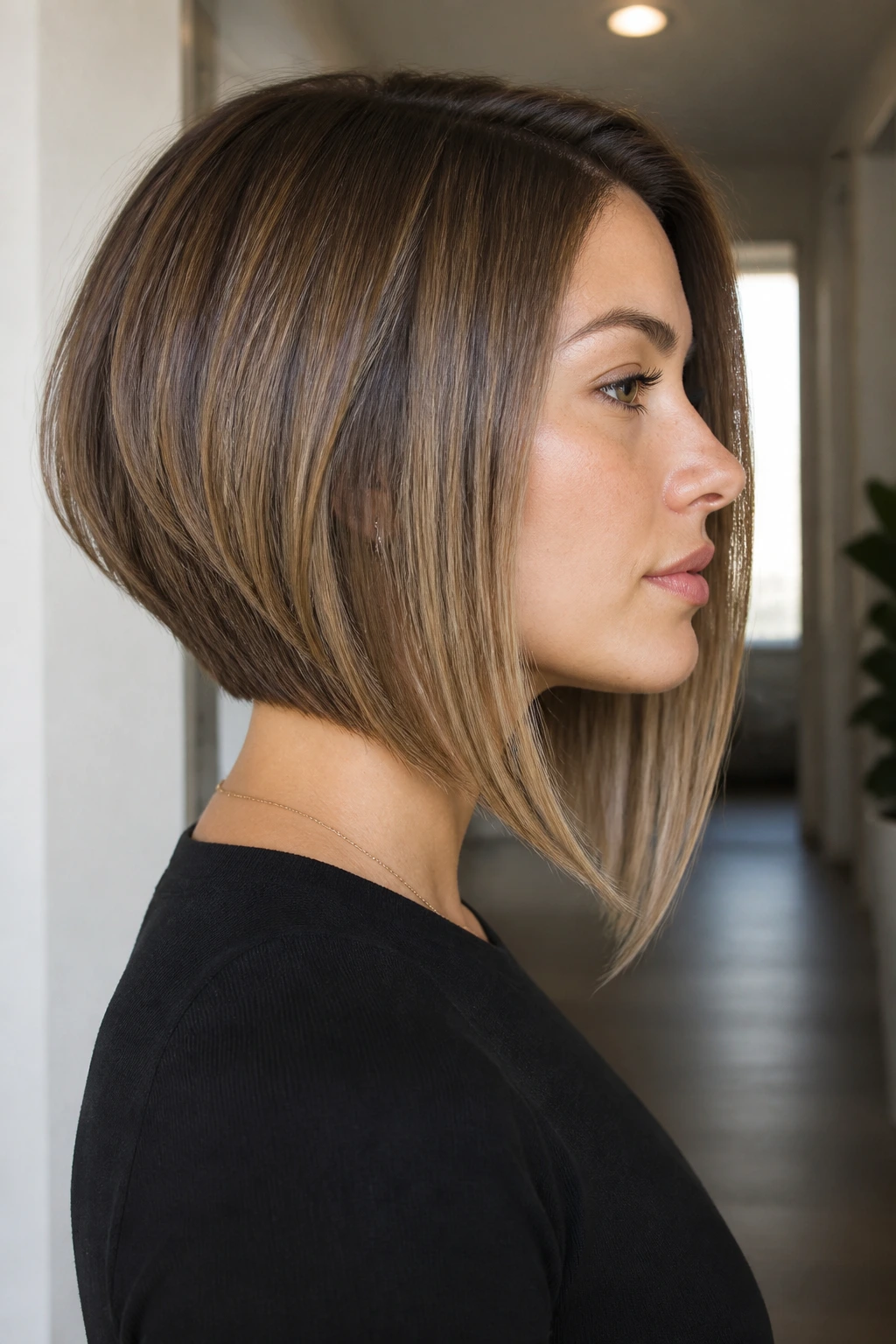
An A-line cut features hair that is slightly longer in the front and tapers up toward the nape of the neck in the back. For someone with fine hair, this is a brilliant architectural trick. The shorter back section stays lifted and full, while the longer front pieces provide the length people usually crave.
Why Geometry Matters
Fine hair often suffers from “limpness” in the back, where the hair rubs against collars and shirts. By shortening the back slightly, you reduce that friction and keep the hair from getting tangled and flat. The contrast between the back and the front also adds a sophisticated element to your profile.
Styling Considerations
- Use a volumizing mousse on the roots while the hair is soaking wet.
- Focus on drying the back sections first to ensure they have maximum lift before moving to the front.
7. The Soft Shaggy Lob
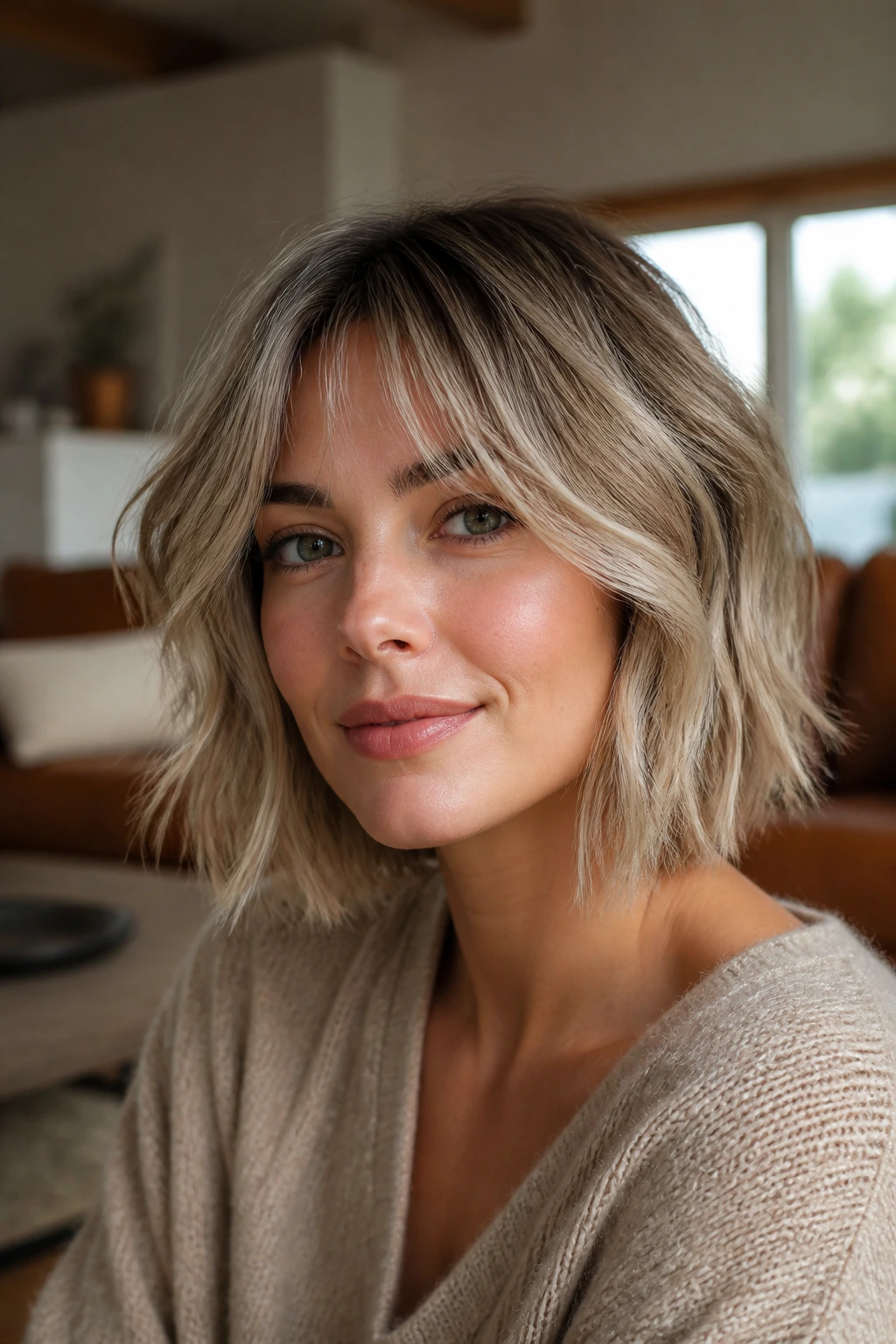
The shag is having a moment, and it’s not just for people with thick, voluminous manes. A “soft” version of the shag—which uses lighter, more blended layers—is perfect for fine hair. It involves adding subtle layers throughout the lengths to create a “stepped” appearance that mimics density.
The Modern Shag
Forget the intense, rock-and-roll shags of the seventies. The modern iteration is much more polished. It focuses on face-framing bangs and soft, wispy layers that start around the chin. This creates a rounded shape that looks like you have double the amount of hair you actually do.
Texture Tips
- Use a sea salt paste instead of a spray to get more definition without the stickiness.
- Work a small amount through your palms and twist sections of the hair around your fingers to create those signature “shaggy” spikes.
8. The Textured Lob with Curtain Bangs
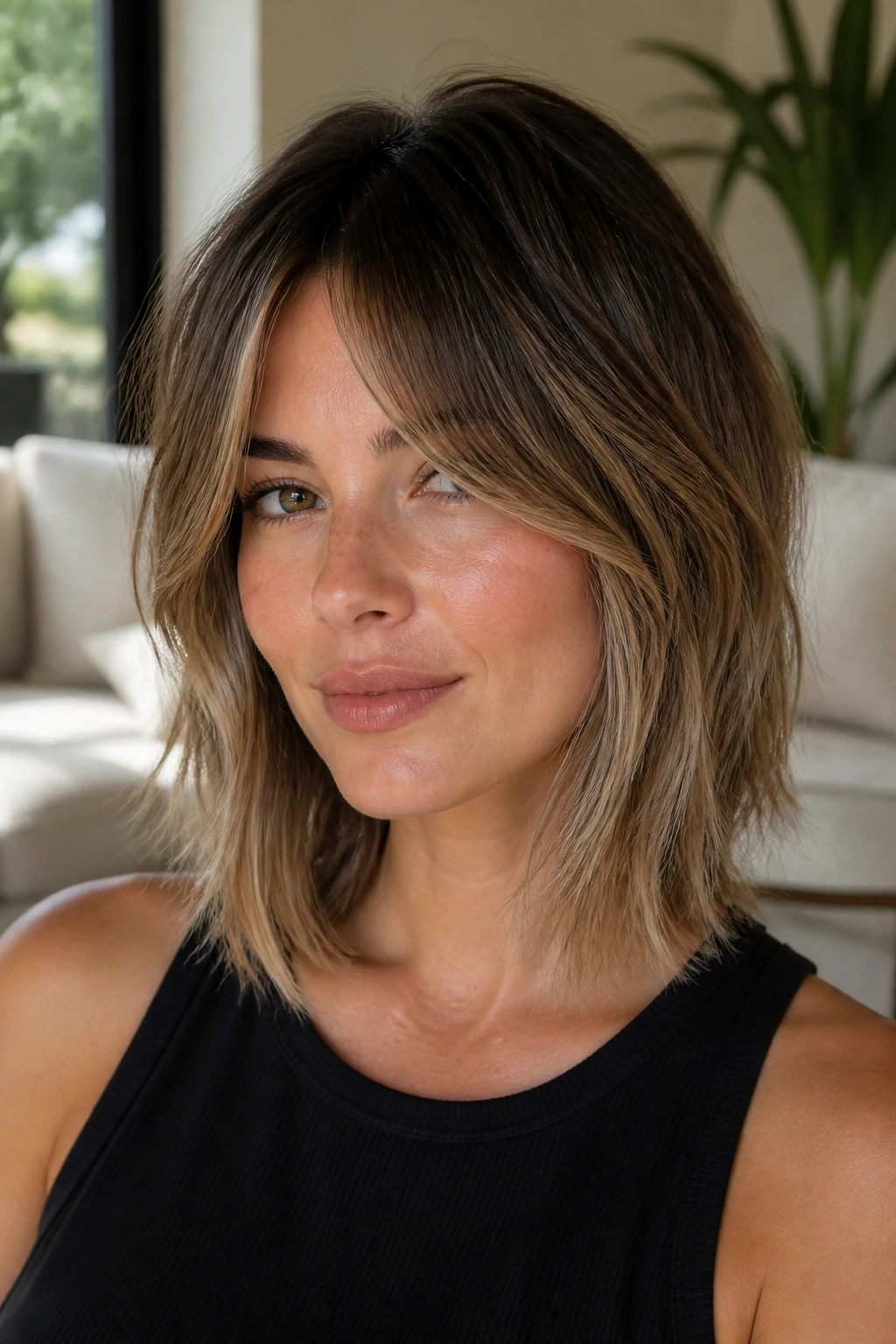
Curtain bangs are universally flattering, but they are particularly effective for fine hair because they utilize the hair from the front hairline to create a fuller frame. When you combine these bangs with a long bob, you create a cohesive style that feels balanced and well-proportioned.
Framing the Face
The key is to cut the curtain bangs so they blend into the rest of the lob. You do not want a hard line where the bangs end and the bob begins. By having the stylist feather the ends of the bangs, you ensure a seamless transition that adds volume right around the eyes and temples.
Bang Maintenance
- Curtain bangs need to be trained. Use a round brush to blow-dry them away from your face while they are still warm to keep them from falling flat.
- If your hair is prone to oil, a quick swipe of dry shampoo on the bangs in the afternoon keeps them looking fresh and fluffy.
9. The Tousled Layered Lob
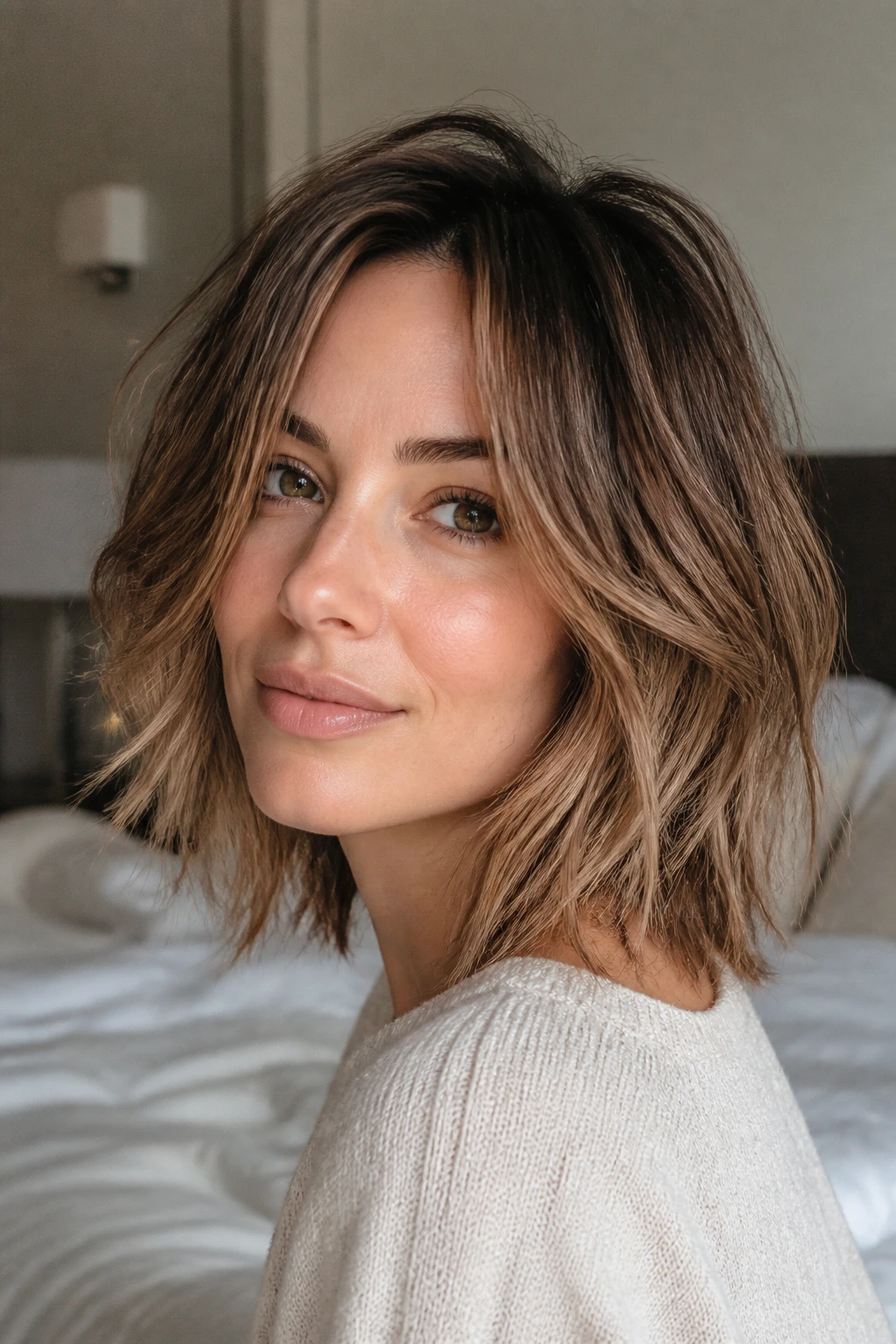
If you find that your hair tends to clump together, a layered lob is your best friend. Layers break up the uniformity of the hair, preventing the strands from sticking to each other. This creates a cloud-like effect where the hair looks soft, light, and airy.
The “Cloud” Effect
When layers are cut specifically to create airiness, your hair gains a sense of buoyancy. The goal here is to keep the layers long enough that you can still pull the hair back, but short enough to create a distinct separation between the layers. This separation is what creates the “tousled” look.
Recommended Styling
- Sleep in a loose braid to encourage natural, messy texture for the morning.
- Use a light-hold hairspray rather than a heavy one to keep the layers moving freely throughout the day.
10. The Slicked-Back “Wet-Look” Lob
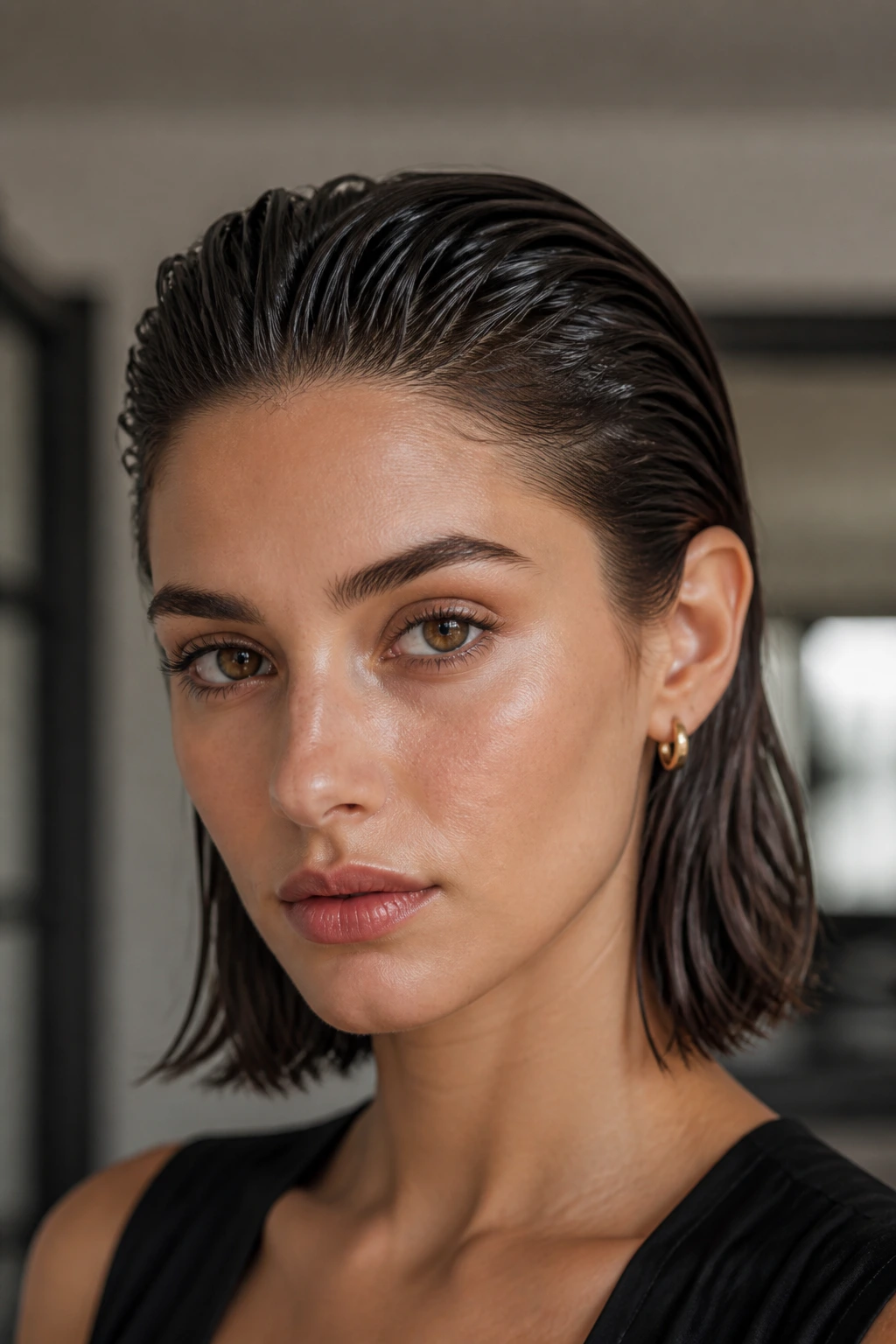
Sometimes, the best way to handle fine hair is to lean into its texture. The wet-look lob is a polished, high-fashion style that uses product to create a sleek, structured appearance. It is an excellent choice for events or formal occasions where you want to look put-together without the risk of frizz.
Product Selection is Key
You need a styling gel or pomade that isn’t too heavy. If you use something designed for thick, coarse hair, your fine hair will end up looking greasy rather than “wet.” Look for lightweight, water-based gels that offer a high-shine finish.
How to Execute
- Apply a generous amount of gel to damp hair, focusing on the roots and mid-lengths.
- Use a wide-tooth comb to pull the hair back and behind the ears, then let it dry naturally for that cool, runway-ready look.
11. The Shattered-Edge Lob
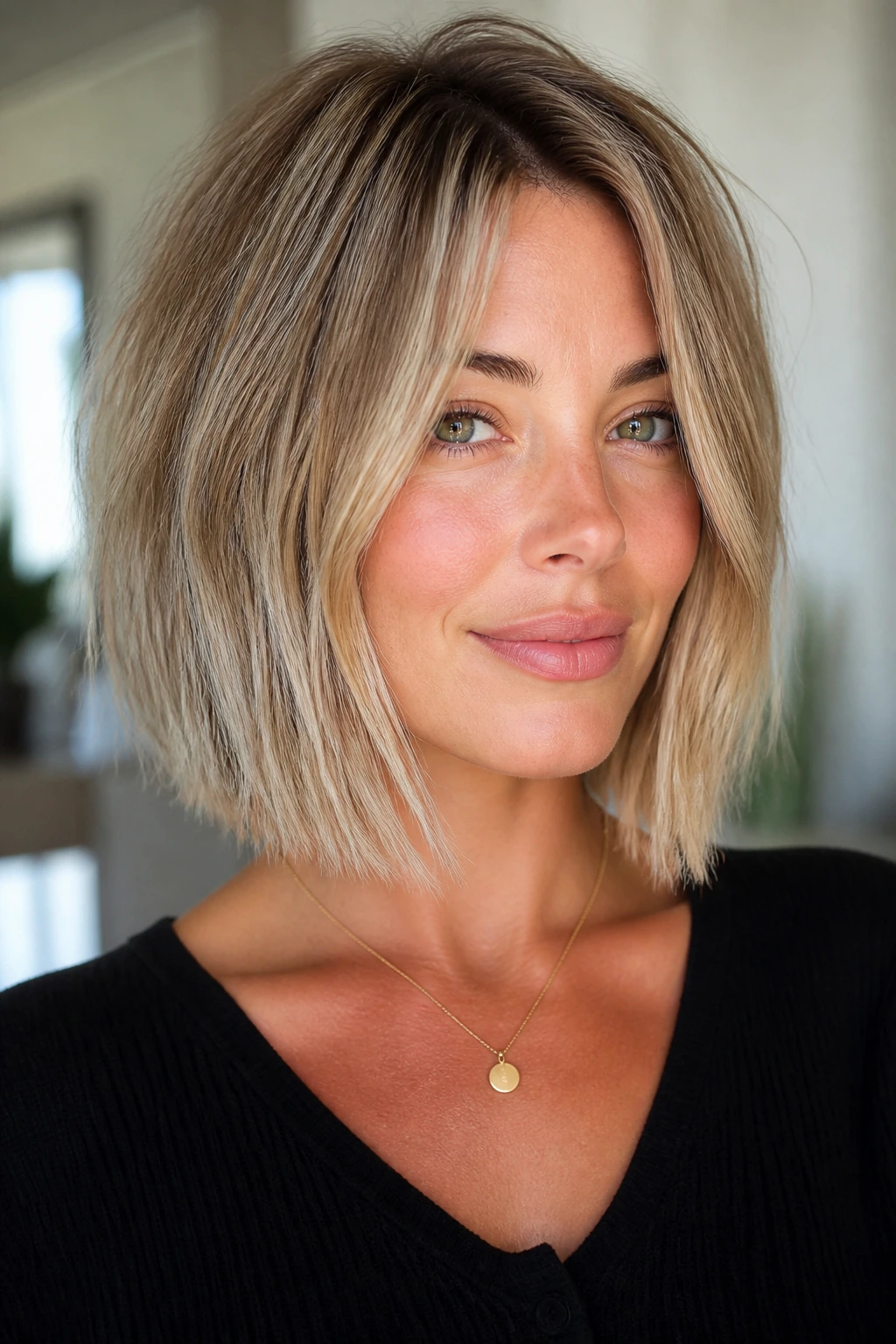
A shattered edge is achieved by point-cutting the very ends of the hair. Unlike a blunt cut, which creates a straight, solid line, point cutting creates tiny, uneven gaps. This makes the ends look softer and more natural, which is a fantastic way to disguise the thinness often found at the bottom of fine hair.
The Illusion of Density
By breaking up the line, you stop the eye from focusing on the end of the hair. Instead, the focus becomes the overall shape. This is particularly useful if your hair has been damaged from heat or chemical processing, as it removes the wispiest, most fragile pieces while maintaining your overall length.
Best Styling Practice
- Blow-dry using a paddle brush to keep the hair smooth but not perfectly straight.
- If you notice any flyaways, a drop of lightweight oil on your fingertips can help smooth them down without making the hair look oily.
12. The Wavy Lob with Dark Roots
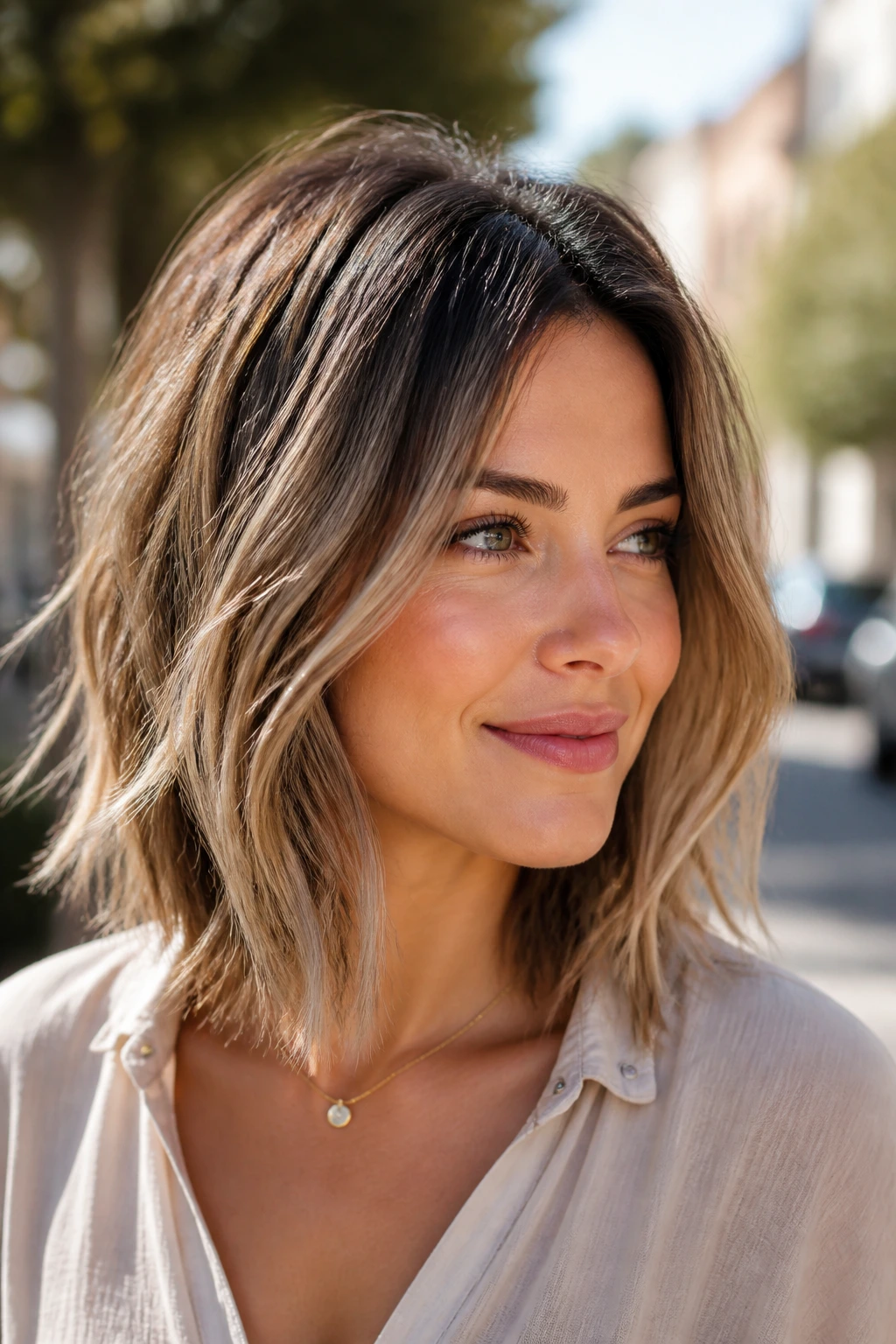
If you enjoy highlights or balayage, keeping your roots darker is a clever way to add depth to fine hair. A dark root creates a visual shadow at the scalp, which makes the hair appear thicker and more grounded. When you pair this with a textured long bob, the dimension in the color helps the waves pop.
Color as a Tool
Color is an underrated styling tool. By placing lighter pieces (highlights) around the face and keeping the base color deeper, you create a contrast that adds life to flat hair. The textured cut then allows those colors to blend and move, highlighting the different tones in your hair.
Care for Color-Treated Hair
- Use a color-depositing conditioner once a week to keep the tones rich.
- Avoid washing your hair in overly hot water, which can strip away the depth and make fine hair look dull.
13. The Textured Bob with Minimal Layers
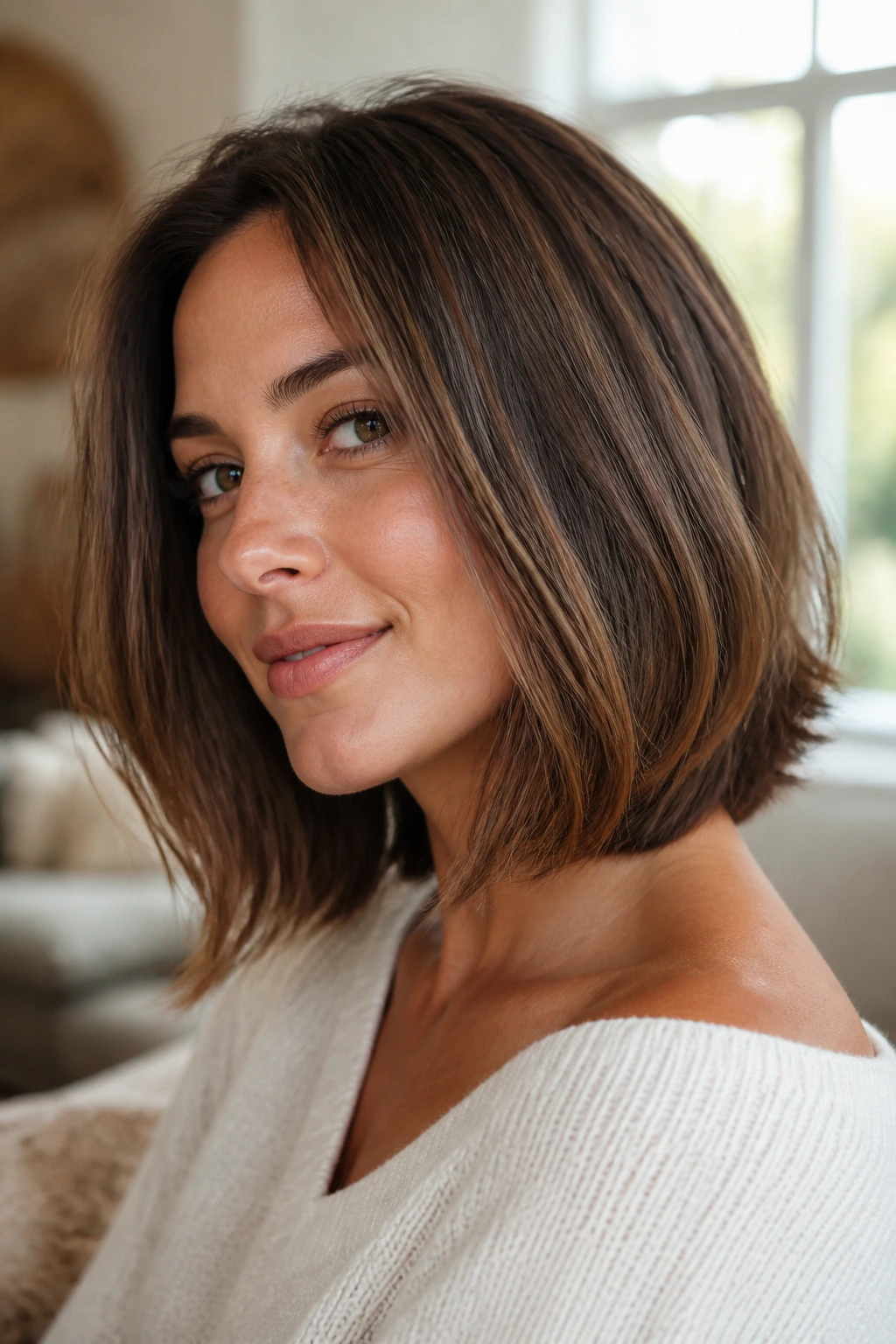
Sometimes, the best solution is the simplest one. A long bob with almost no layers—just a slight beveling at the ends—provides the structure that fine hair desperately needs. By avoiding heavy layering, you keep the bulk of the hair at the bottom, which creates a healthy, thick hemline.
The Beveling Technique
Beveling involves cutting the hair at a slight angle on the inside of the ends. It encourages the hair to curve inward toward the neck rather than flicking out. This simple adjustment makes your hair look like it has a natural bounce and polish without needing a ton of heat styling.
Daily Routine
- A quick pass with a round brush during your morning blowout is all you need to activate the bevel.
- Focus on getting the roots completely dry; if the roots are damp, the style will lose its shape by lunchtime.
14. The Permed or “Perma-Wave” Lob
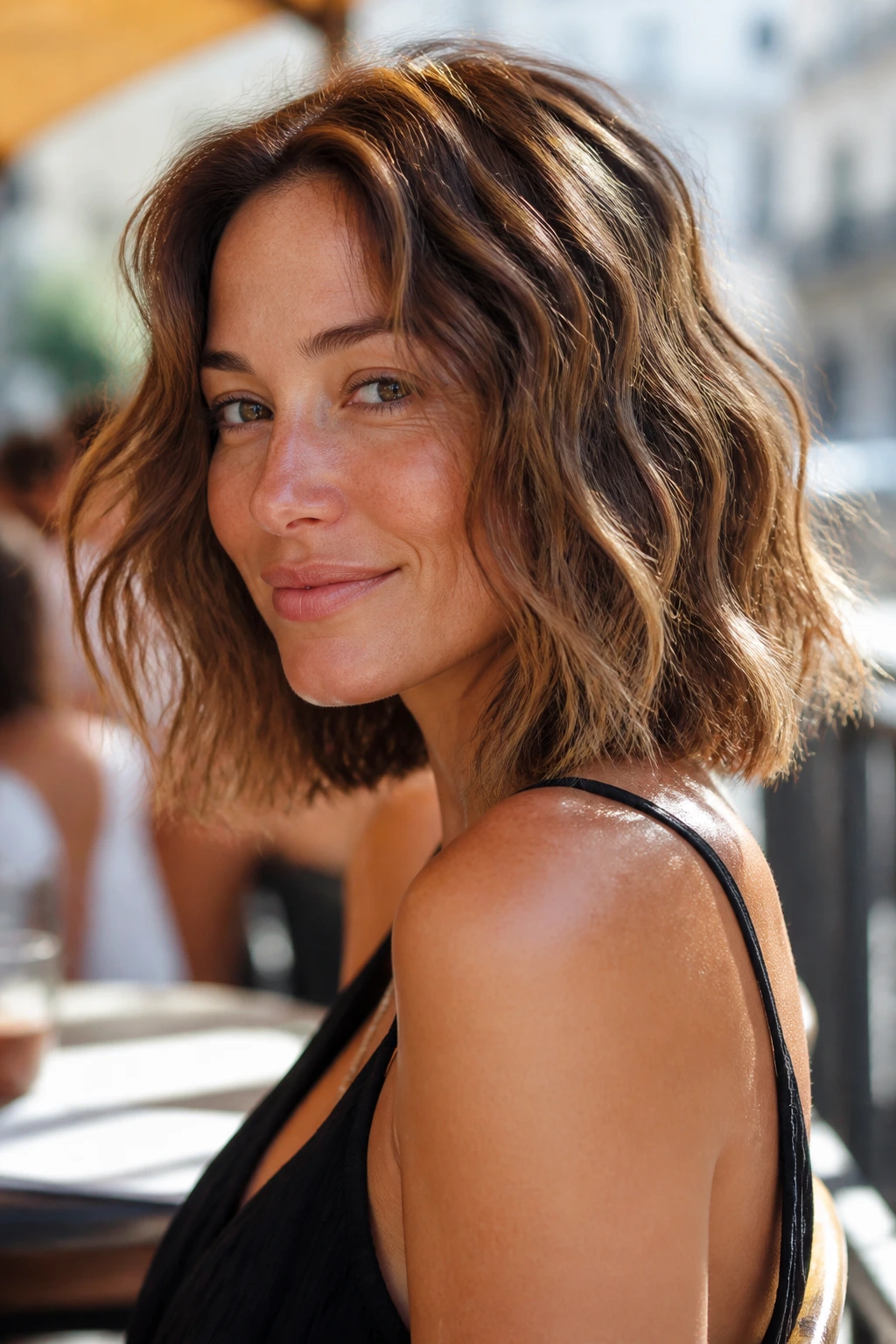
Perms have evolved significantly. The modern “body wave” is a loose, soft texture that lasts for months. If you are tired of spending twenty minutes with a curling iron every morning, a professional body wave can give you that permanent beachy texture that makes fine hair look twice as thick.
Is it Right for You?
Before committing, check the health of your hair. If it is already heavily bleached or compromised, a chemical wave might be too much. However, on healthy fine hair, a loose body wave provides exactly the kind of texture that prevents the “stringy” look.
Aftercare
- You must use sulfate-free shampoos to maintain the integrity of the wave.
- Invest in a high-quality leave-in conditioner to keep the hair hydrated, as chemical waves can sometimes leave fine hair feeling a bit dry.
15. Handling the “In-Between” Growth Phase
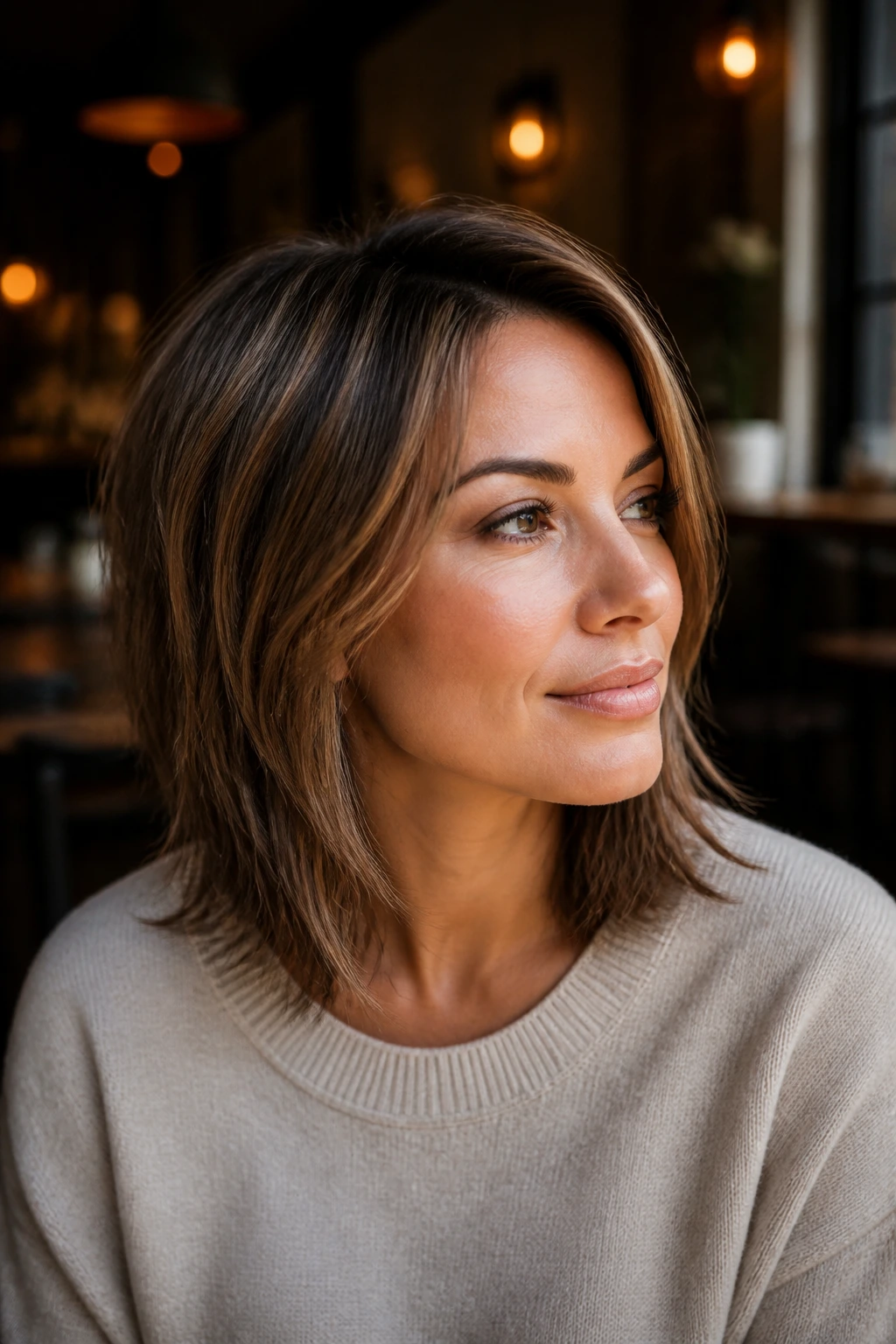
Let’s be honest: growing out a bob is not always easy. Fine hair, in particular, seems to hit an awkward stage where it is too long to be a bob but too short to be a long style. The key to surviving this is “texture management.” When you are in that middle ground, keep your layers updated and focus on using product to create volume.
Strategic Trimming
- Don’t skip your trims just because you want length. A dusting of the ends—taking off just a quarter-inch—keeps the hair looking thick and healthy while you grow it out.
- Ask your stylist to “texturize” the ends during your visits. This thins out the bulk just enough so the hair doesn’t feel heavy or blocky.
Accessories for the Transition
- Use decorative hair pins or clips to pull back the front pieces. This adds a bit of volume at the crown and keeps the hair out of your face, making the transition look like a style choice rather than an accident.
16. The Importance of Hair Health
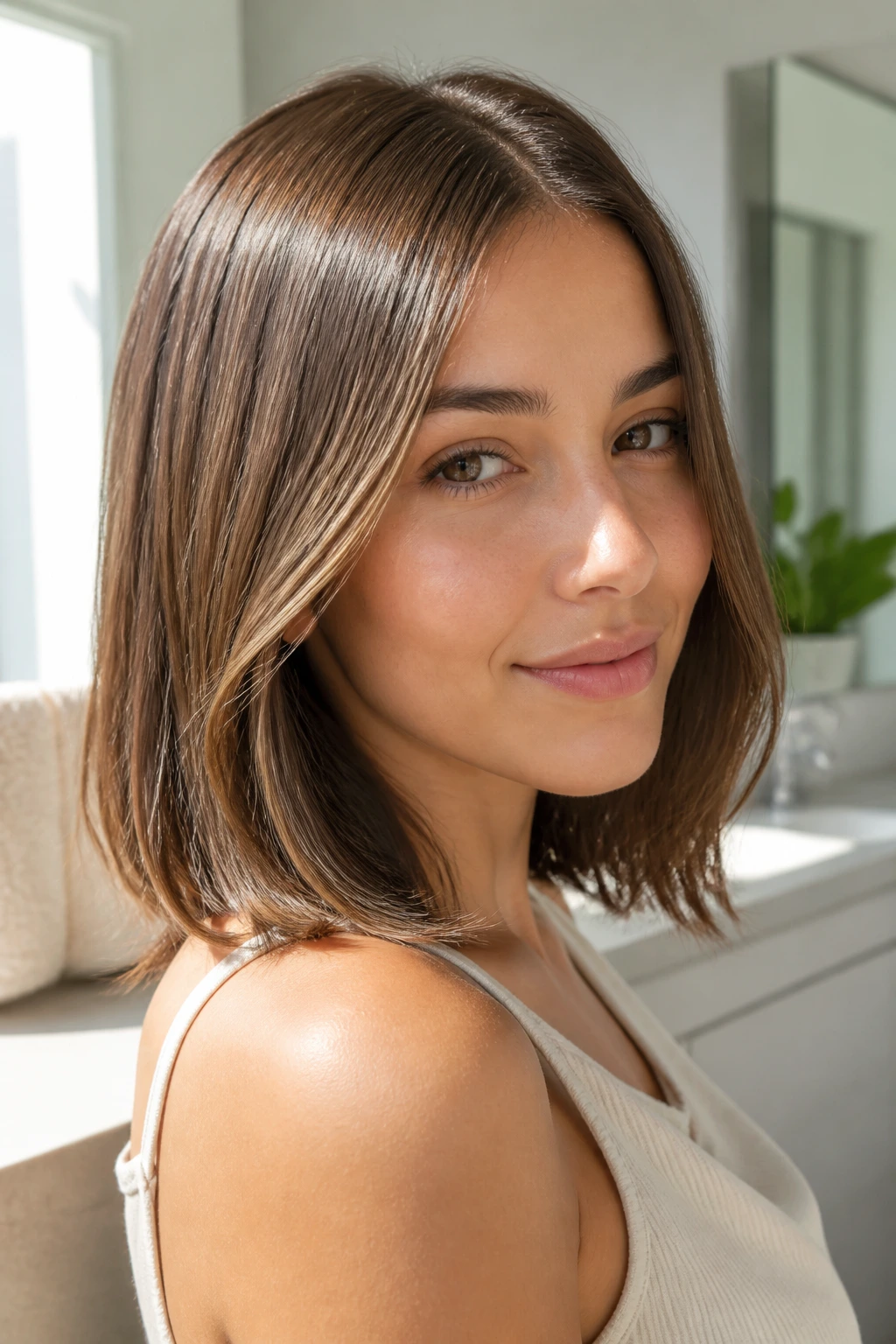
You cannot have a great-looking textured lob if your hair is brittle or damaged. Fine hair is highly susceptible to breakage from heat styling, tight hair ties, and environmental stressors. The foundation of any of these 28 styles is actually the health of your scalp and your strands.
Building Resilience
- Always use a heat protectant spray—no exceptions. Fine hair burns at lower temperatures than thick hair, so keeping your tool settings around 300°F (150°C) is plenty.
- Incorporate a protein treatment once or twice a month to reinforce the hair shaft. Protein helps fill in the gaps in the cuticle, making each strand feel slightly thicker and more robust.
Scalp Care
- A healthy scalp leads to healthy hair growth. If your scalp is clogged with product buildup, your hair will grow in thinner and weaker. Consider a clarifying shampoo once a week to reset your roots.
17. The Role of Professional Tools
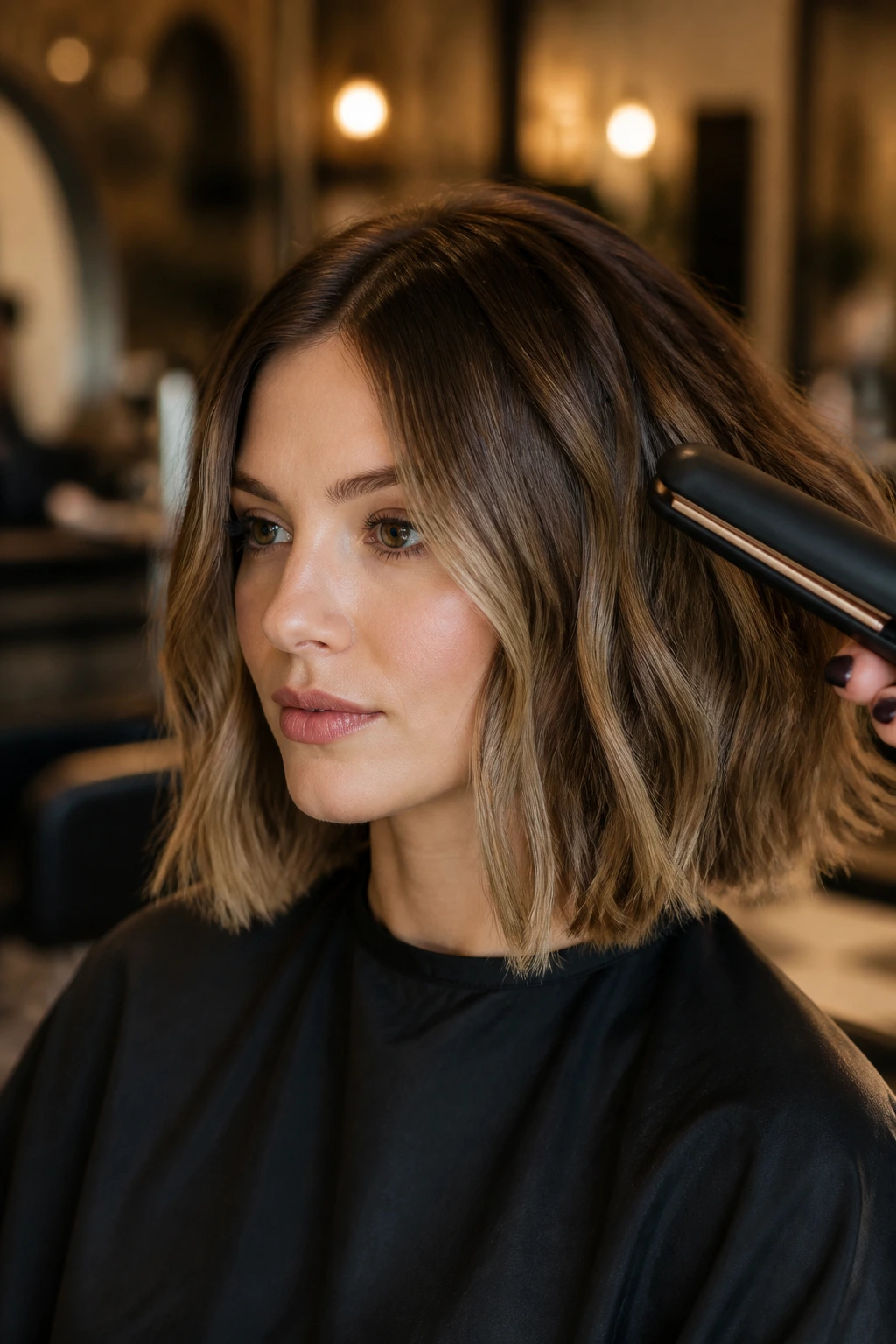
Having the right tools at home is what makes the difference between “I just woke up” and “I look like I just left the salon.” For fine hair, high-quality ceramic or tourmaline irons are essential. They heat evenly, which allows you to style your hair faster and with less heat exposure.
Must-Have Equipment
- Ceramic round brush: This helps create volume at the root while you blow-dry.
- Lightweight dry texturizing spray: Unlike hairspray, which can be stiff, this product adds a “gummy” grit to the hair that allows it to stay held in a voluminous shape without feeling crunchy.
- Tension-based clips: Use these to section your hair while styling. Working in small, manageable sections ensures that the entire head of hair gets the same amount of attention, preventing flat patches.
Final Thoughts
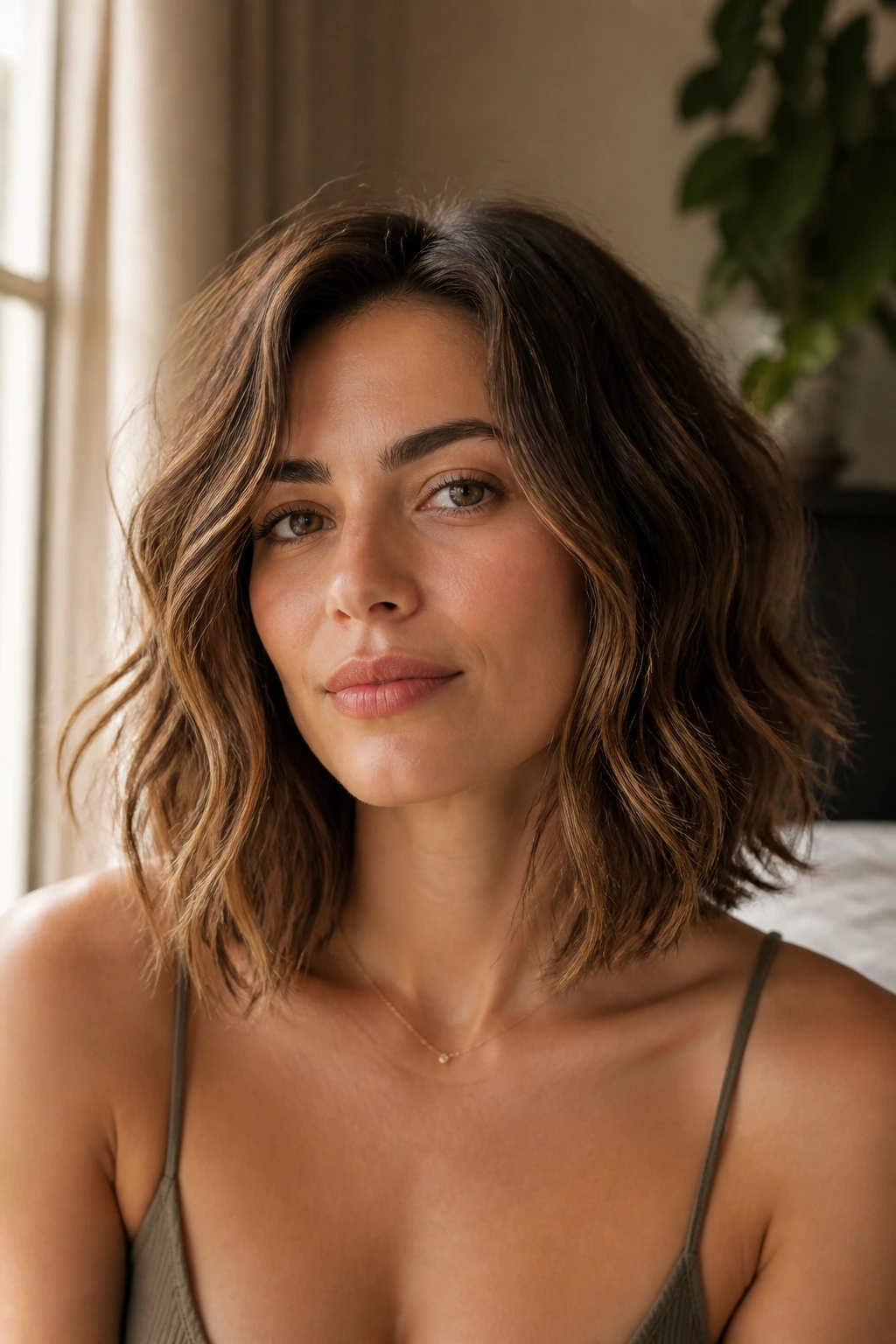
Finding the perfect textured long bob for fine hair is not just about the cut; it is about how you choose to live with that cut every single day. The best style is one that works with your hair’s natural tendencies rather than fighting against them. Whether you gravitate toward the soft, wispy look of a curtain-bang lob or the modern, edgy appeal of a shattered-end finish, the goal is always to create a sense of movement and volume.
Do not be afraid to experiment with your part, your color, and your styling products. Fine hair is incredibly responsive—sometimes a single change, like switching to a volumizing powder or trying a different way of drying your bangs, can completely transform how your hair looks in the mirror. Focus on the texture, keep the ends fresh, and embrace the versatility of a style that is designed to be lived in, touched, and enjoyed. When your hair feels light, full, and textured, you’ll find that the “fine hair” label matters much less than the confidence the right cut provides.