

Fine hair is a peculiar beast. It possesses a silky, ethereal quality that can look incredibly polished, yet it often lacks the structural integrity to hold a style throughout the day. When you deal with strands that are inherently thin or sparse, the weight of long hair can act like an anchor, dragging everything down into a lifeless, stringy mess against your scalp. This is exactly where the chin-grazing, jaw-defining power of a well-executed bob comes into play. By removing the dead weight of length, you instantly gift your hair the illusion of density and a bounce that feels fundamentally impossible with longer styles.
The secret to a great bob for fine hair isn’t just about the length; it’s about the geometry of the cut itself. You are looking for shapes that build volume, create movement, and leverage the natural texture of your hair rather than fighting against it. Whether you are aiming for a razor-sharp, blunt edge that makes every single strand count, or a soft, shattered layer approach that mimics the appearance of a thicker mane, the bob is the ultimate corrective tool for thinness. It forces the hair to sit away from the head, providing that coveted lift without requiring a mountain of styling product.
If you have spent years feeling like your hair has no personality, this transition to a shorter silhouette will feel transformative. It is not just about chopping inches off; it is about reclaiming the health and vitality of your hair by focusing on the perimeter and the internal structure. Let us walk through the possibilities, from the sleekest blunt cuts to the most textured, playful variations, so you can find the specific geometry that works with your face shape and your daily styling habits.
1. The Blunt Jaw-Length Bob
This is the gold standard for anyone struggling with sparse ends. When you cut your hair in a perfectly straight, horizontal line at the jaw, you remove the tapered, see-through ends that often plague fine hair. The blunt edge creates a “weight line” that sits at the bottom of the cut, which visually tricks the eye into seeing a thicker, denser baseline. It is a no-nonsense style that commands attention. Because there are no layers to break up the shape, all the weight is concentrated at the perimeter, providing a solid foundation that looks healthy even when your hair is fine.
Why This Style Adds Instant Density
When you have fine hair, the biggest enemy is a tapered tip. By cutting the hair blunt, you are essentially doubling the thickness of the bottom inch of your cut. The lack of layering also keeps the hair from looking “wispy” as it grows out, meaning you can go a bit longer between salon visits if you maintain that crisp, clean line.
How to Style for Maximum Impact
- Use a volumizing mousse on damp hair before blow-drying to provide a bit of grip.
- Employ a flat iron to give the ends a very slight, inward curve, which adds depth to the overall shape.
- Finish with a lightweight shine spray rather than an oil, as oil can make thin hair look greasy and flat very quickly.
Pro tip: If you find the blunt look a bit too severe, ask your stylist to “point cut” the very tips of the perimeter, which adds a tiny bit of softness without sacrificing the illusion of thickness.
2. The Textured A-Line Bob
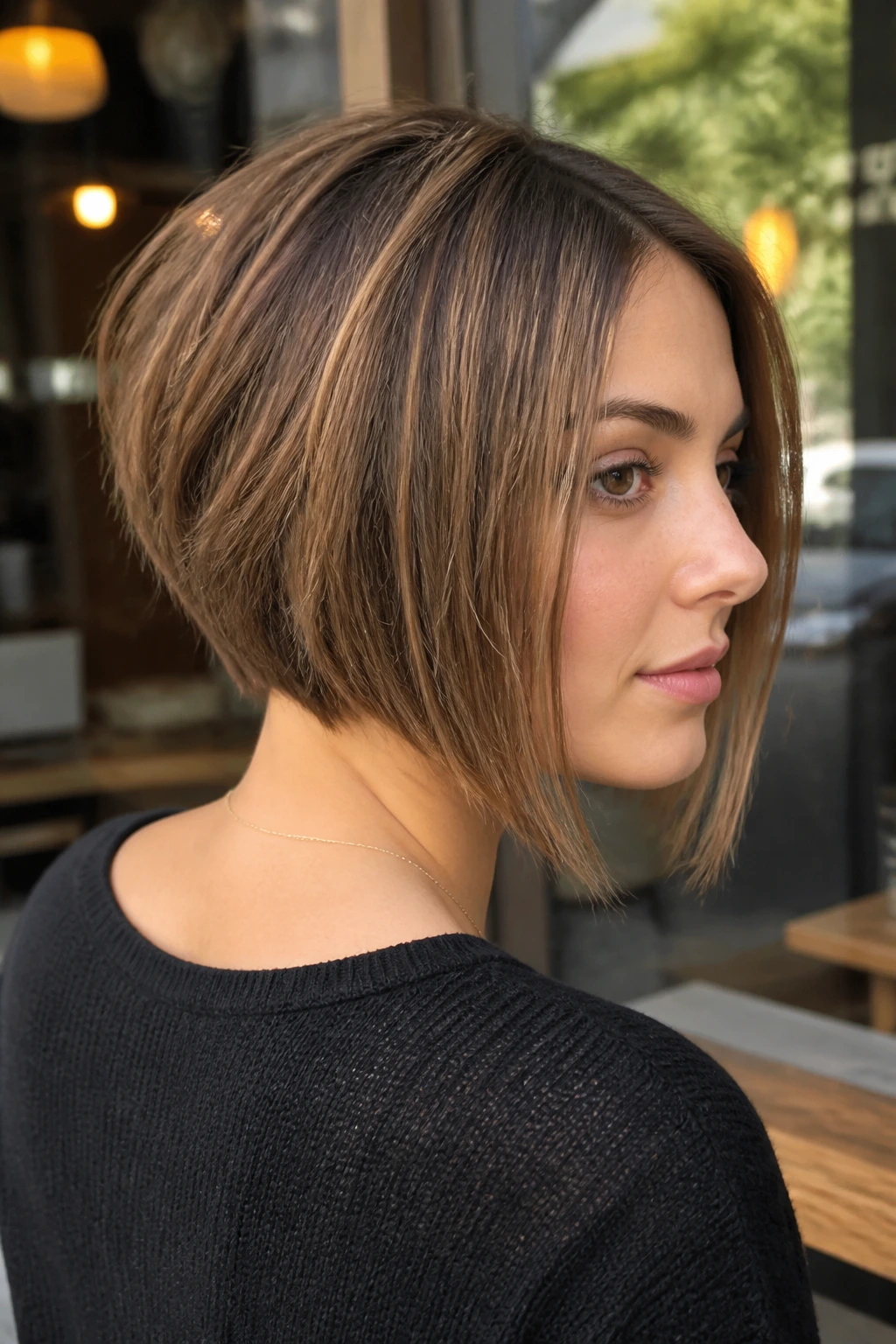
The A-line is a masterclass in visual deception. By cutting the back slightly shorter than the front, you create a graduation of length that forces the hair to stack upon itself, naturally building volume at the nape of the neck. For fine hair, this is a strategic move. The shorter back prevents the “flat spot” that often develops at the crown, while the longer front pieces frame the face, maintaining a sense of length and elegance. It creates a dynamic shape that looks intentional and chic from every angle.
The Mechanics of the Graduated Cut
The beauty of the A-line lies in the “stacking” of the hair. As the hair gets shorter toward the neck, the strands support one another, creating a natural hump of volume that doesn’t rely on backcombing or heavy product. It is a structural solution to the problem of hair that likes to lie flat.
Styling the A-Line
- Apply a texturizing spray to the roots while the hair is damp.
- Use a round brush to pull the hair at the nape upward, away from the neck, to maximize the stacking effect.
- Keep the front sections relatively straight to emphasize the dramatic angle of the cut.
Why this works: The contrast in length keeps the cut from feeling “dull,” adding a touch of edginess that makes the hair appear more vibrant.
3. The Soft Choppy Bob
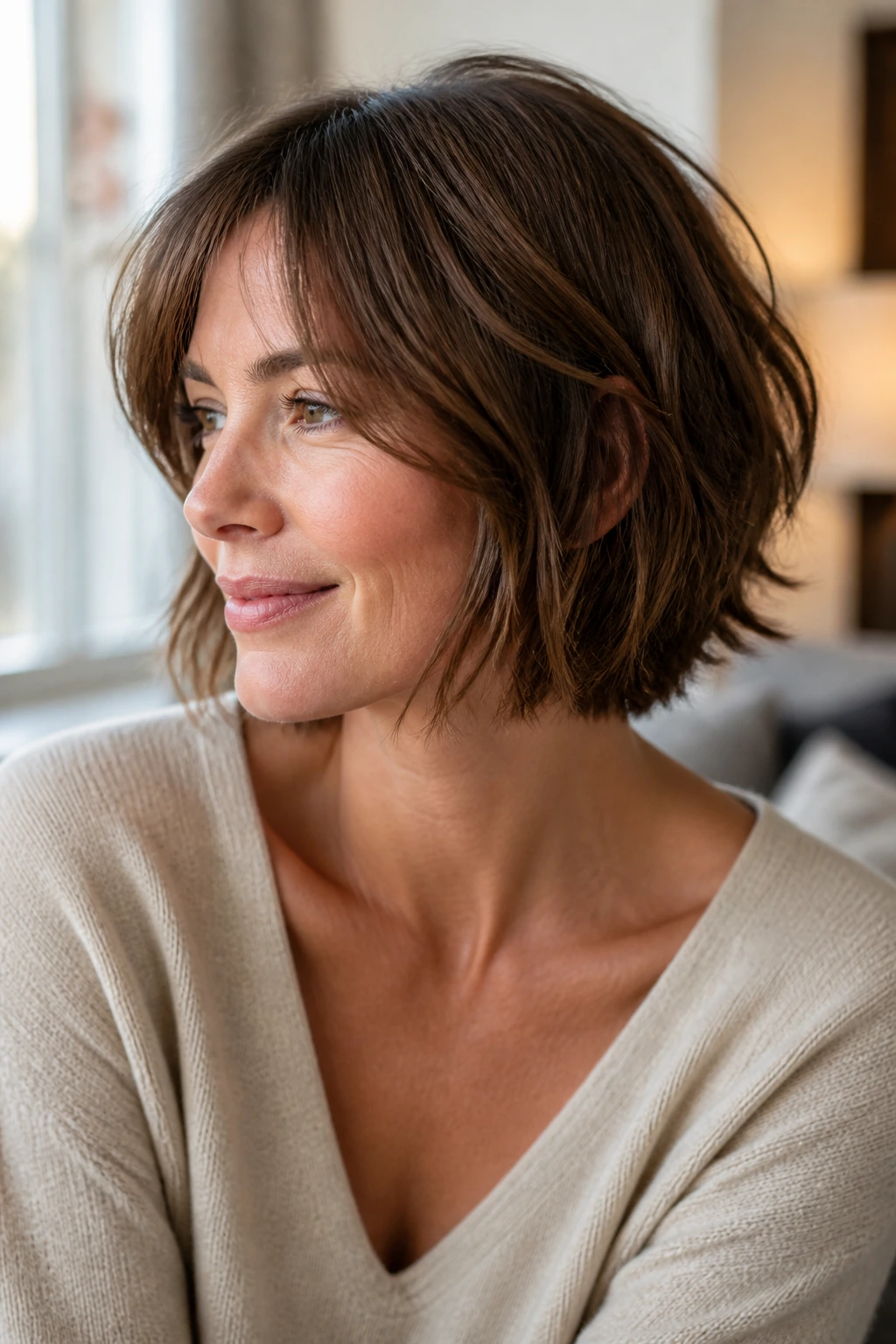
If you are tired of the perfectionism required by a blunt bob, the soft, choppy version is your best alternative. This style incorporates subtle, internal layers that are cut at different lengths to create “shattered” edges. It is particularly effective for fine hair because it breaks up the surface, allowing individual strands to move independently rather than clumping together into flat, thin sheets. The choppiness adds a casual, effortless texture that suggests you have more hair than you actually do.
Texture vs. Weight
The goal here is to remove just enough bulk to allow for movement without making the hair look thin. Think of it as a strategic thinning that actually adds volume. By removing the weight from the ends, the hair gains a “springy” quality that makes it easier to style with a bit of wave or messiness.
Creating the “I Woke Up Like This” Look
- Work a light sea salt spray or texturizing paste through the mid-lengths.
- Scrunch the hair with your hands while it dries naturally, or use a diffuser for added lift.
- Avoid using a round brush, as you want to maintain the irregular, organic pattern of the hair.
Styling note: This look is perfect for those who want to spend five minutes or less in front of the mirror. It is meant to be a bit undone, which is the ultimate cover for fine texture.
4. The French Girl Bob
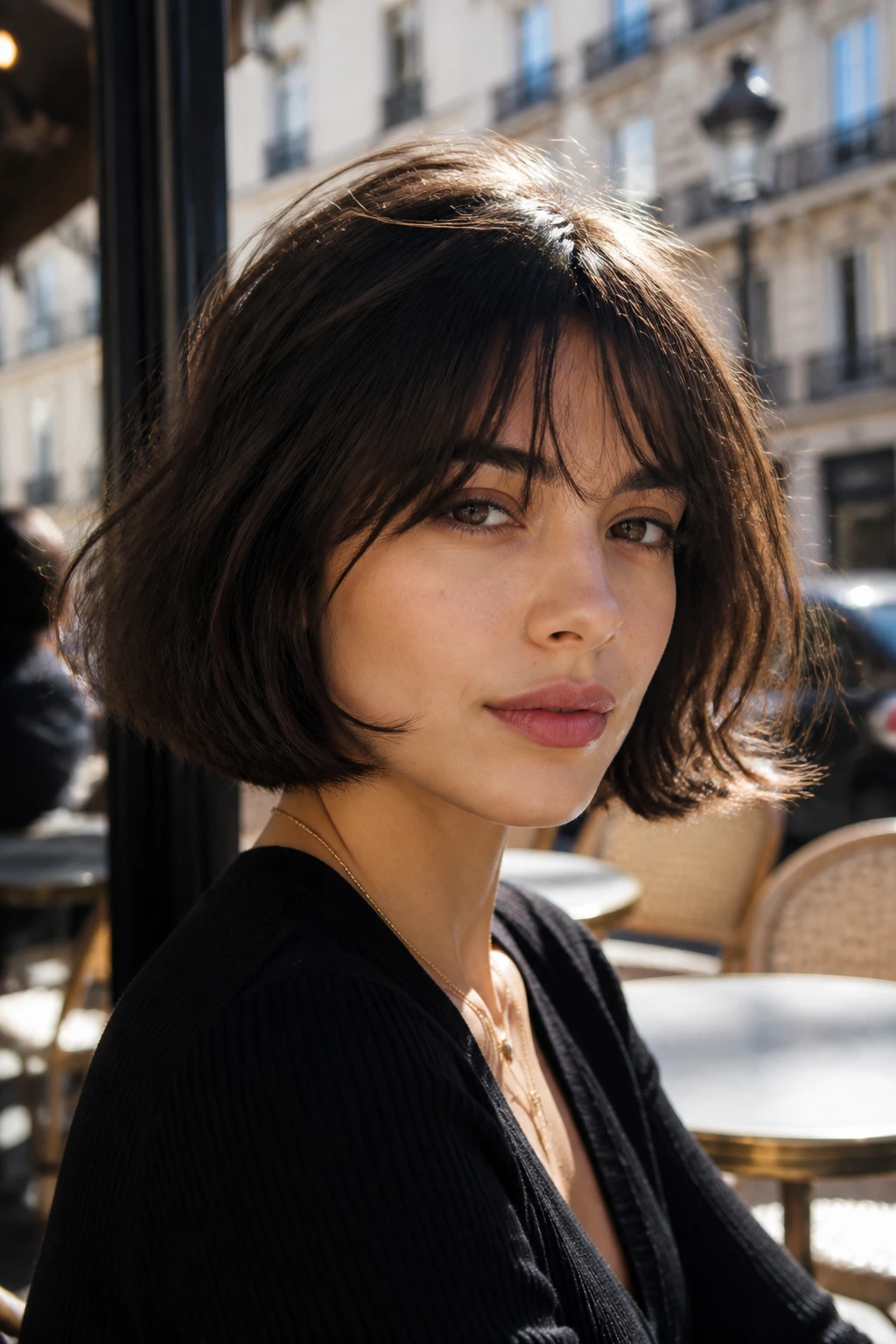
Iconic and inherently cool, the French bob usually sits right at the lip or chin level, often paired with a soft fringe. The length is shorter than a traditional bob, which is a massive win for fine hair because shorter hair is lighter and therefore holds more volume. The fringe (or “bangs”) also steals some volume from the rest of the head, making the density appear better distributed. It is a romantic, feminine cut that doesn’t need to be perfect to look sophisticated.
Why Shorter Is Often Better
Fine hair loses its battle against gravity quickly. By pulling the length up to the chin, you reduce the surface area, meaning there is less hair for gravity to pull downward. The result is a naturally buoyant, airy shape that requires minimal styling to look polished.
The Essential French Elements
- Keep the bangs soft and piecey rather than heavy and blunt.
- Let the texture be slightly wavy or natural, avoiding the “over-styled” look.
- Embrace the slightly messy, air-dried vibe that characterizes this French aesthetic.
Maintenance factor: This cut requires a bit more frequent trimming, as the short length is unforgiving when it grows past the cheekbones. However, the trade-off is a style that looks intentionally fashion-forward.
5. The Layered Shag Bob
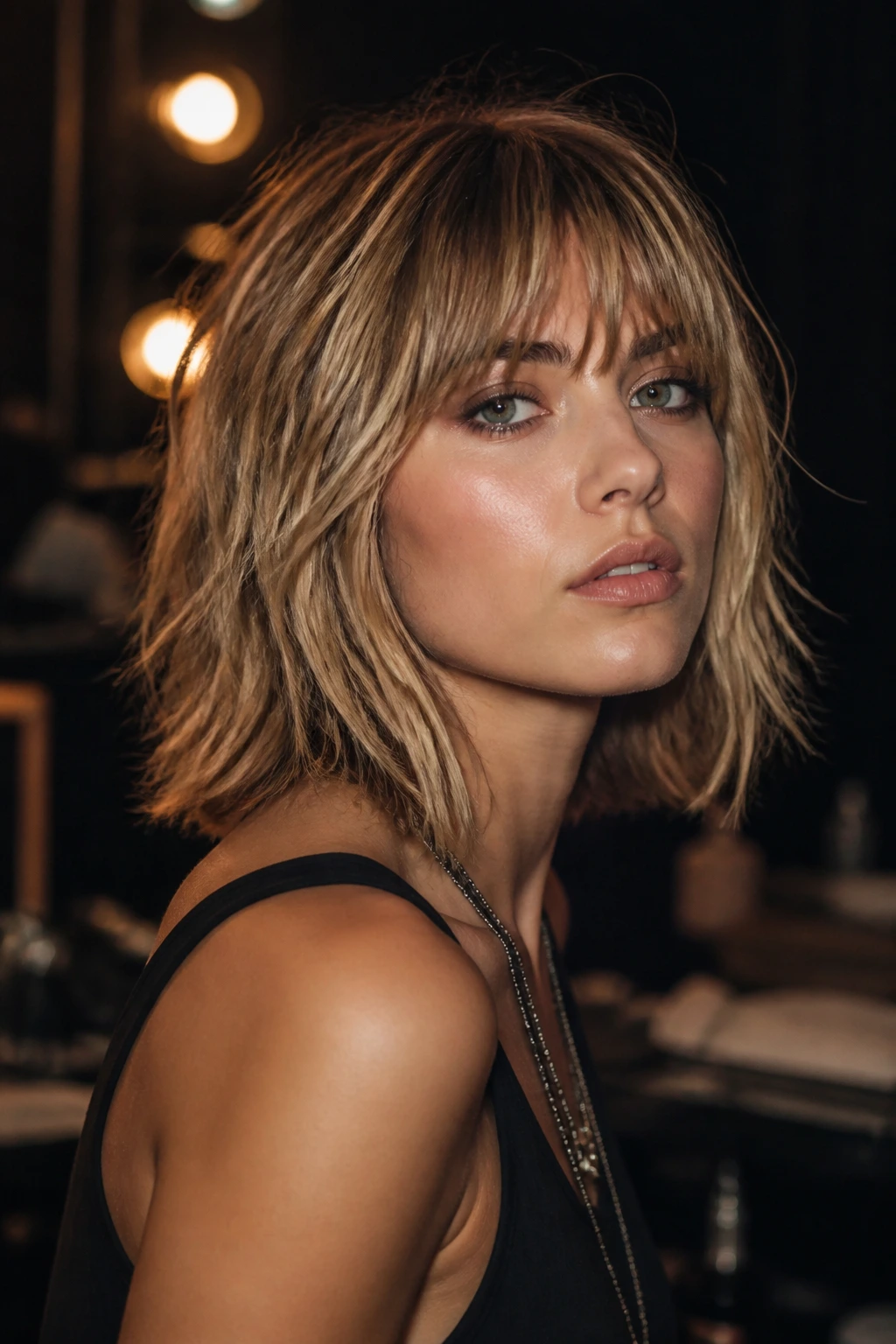
The shag has made a massive comeback, and for those with fine hair, it is a lifesaver. This style relies on layers—lots of them—cut throughout the crown and the lengths. For fine hair, the key is to ensure these layers are soft and blended so they don’t look like steps. The layering creates a tiered effect that makes the hair look thick, layered, and voluminous, mimicking the appearance of a much fuller head of hair. It is the ultimate choice for someone who wants movement and rock-and-roll flair.
Why Shag Layers Are Different
Most layering techniques are designed to remove bulk. The shag, however, is designed to create the appearance of bulk by creating “lifts” at different points along the head. It is a clever, artistic way to handle hair that would otherwise be limp.
How to Style the Modern Shag
- Use a curling wand to add random, inconsistent waves throughout the layers.
- Apply a volume-boosting powder directly to the roots to help the layers stand up.
- Use your fingers to separate the pieces and create a messy, lived-in texture.
The downside: You will need to be diligent about styling. If left unstyled, a shag can look a bit “flat and stringy,” so it does require a bit of morning maintenance.
6. The Sleek Side-Parted Bob
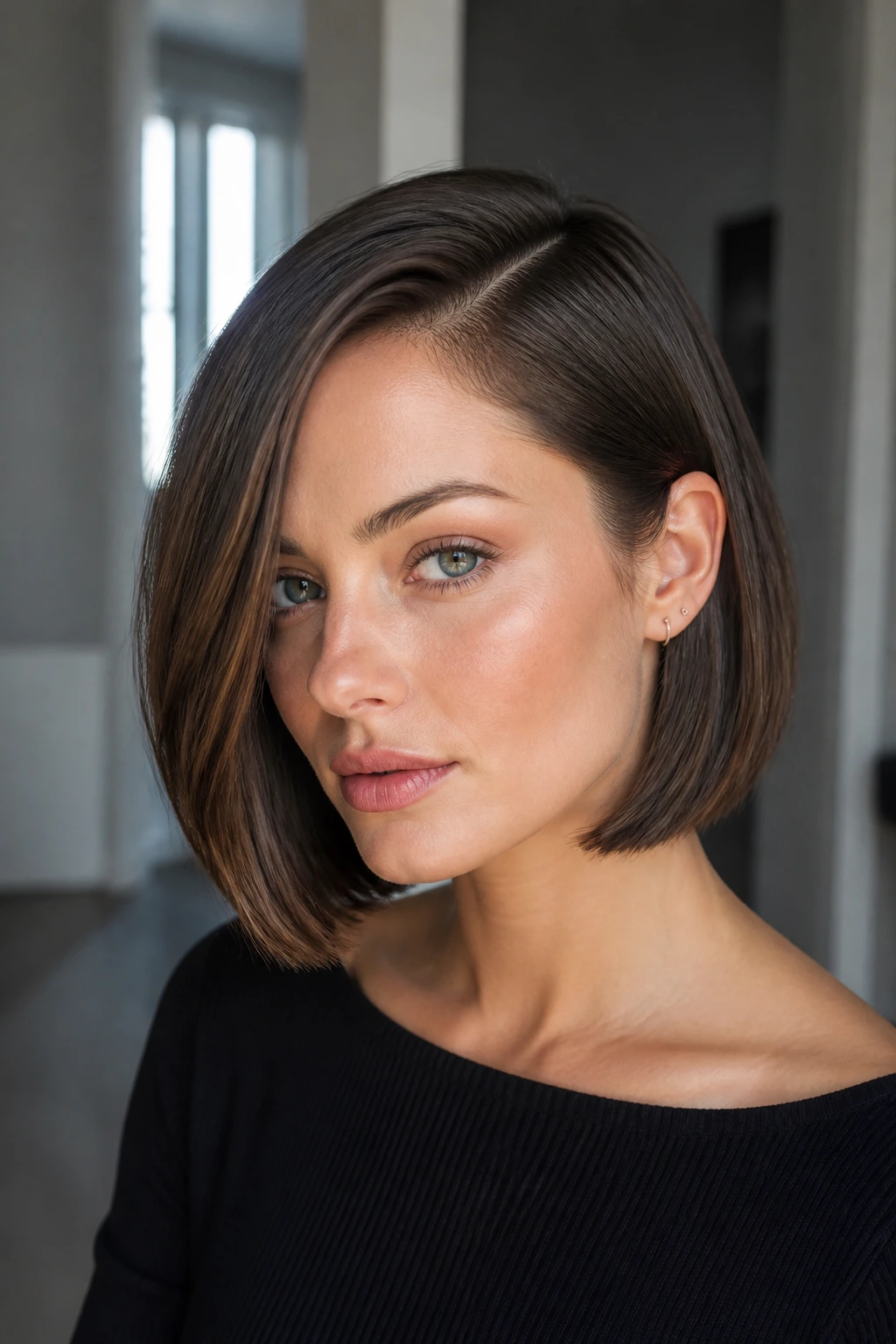
Sometimes, the way you part your hair can change the entire game. A deep side part is an instant volume booster. By flipping a large portion of your hair from one side to the other, you create a “bump” at the root that instantly makes your hair appear thicker. When paired with a sleek, chin-length bob, this creates a sophisticated, red-carpet-ready look that highlights the cheekbones. It is simple, elegant, and relies entirely on geometry rather than layers.
The Physics of the Flip
A side part creates an artificial crown of height. Since fine hair often has a hard time holding volume at the root, simply repositioning your hair can create that lift for you. Over time, you might even find your hair develops a “memory” for the new part, adding permanent volume at the base.
Achieving the Sleek Look
- Use a rat-tail comb to create a precise, clean part while the hair is damp.
- Blow-dry the hair in the direction you want it to fall, using a flat brush to pull it taut for smoothness.
- Apply a tiny drop of lightweight serum to the ends to ensure they look healthy and polished.
Why this works: It draws the eye to your face rather than your hair’s density, making it a fantastic choice for professional settings.
7. The Inverted Bob
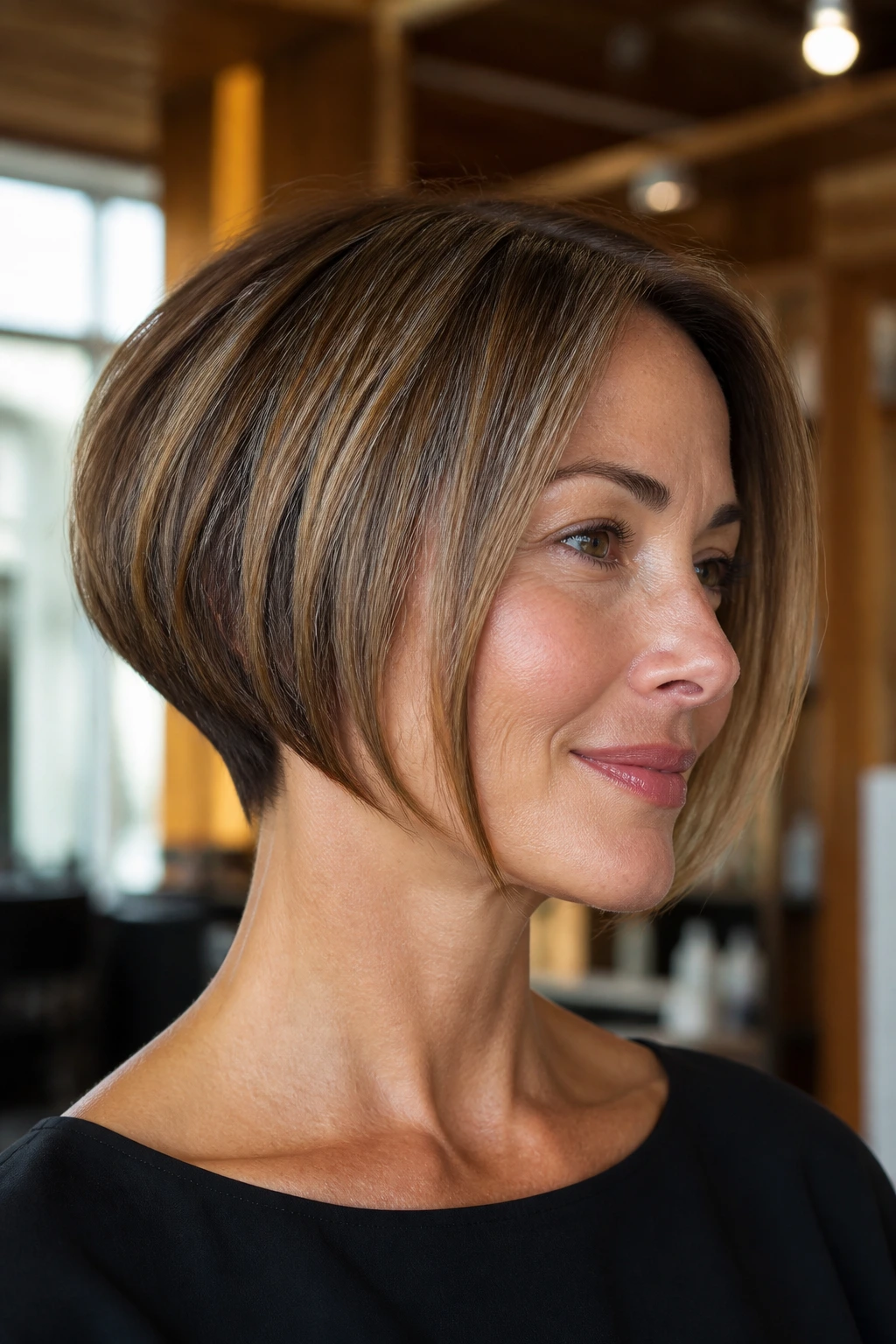
Similar to the A-line, the inverted bob is all about the stacking technique at the back, but the angle is usually more severe. You get a very short, almost cropped nape, which transitions into longer pieces that frame the face. For fine hair, this is highly effective because it removes the hair from the back of the neck—where it often goes limp—and moves that weight toward the front. It is a bold, high-contrast look that provides a lot of “oomph” to the back of the head.
The Dramatic Angle
The severity of the inversion is up to you, but for fine hair, a moderate inversion often looks best. Too steep, and the front pieces can look thin and dragged down by their own length. Keeping the front pieces chin-length or slightly longer preserves the integrity of the look.
Styling Tips for the Inverted Cut
- Focus on the back: Since this is where the volume lives, use a round brush to lift the hair at the crown.
- Smooth the front: The contrast between the volume in the back and the sleekness in the front is what makes this cut pop.
- Avoid over-layering the front, as this can make those long pieces look wispy.
Verdict: If you want a style that feels like it’s doing the heavy lifting for you, this is it. The architecture of the cut provides volume that doesn’t wash out.
8. The Wavy Lob (Long Bob)
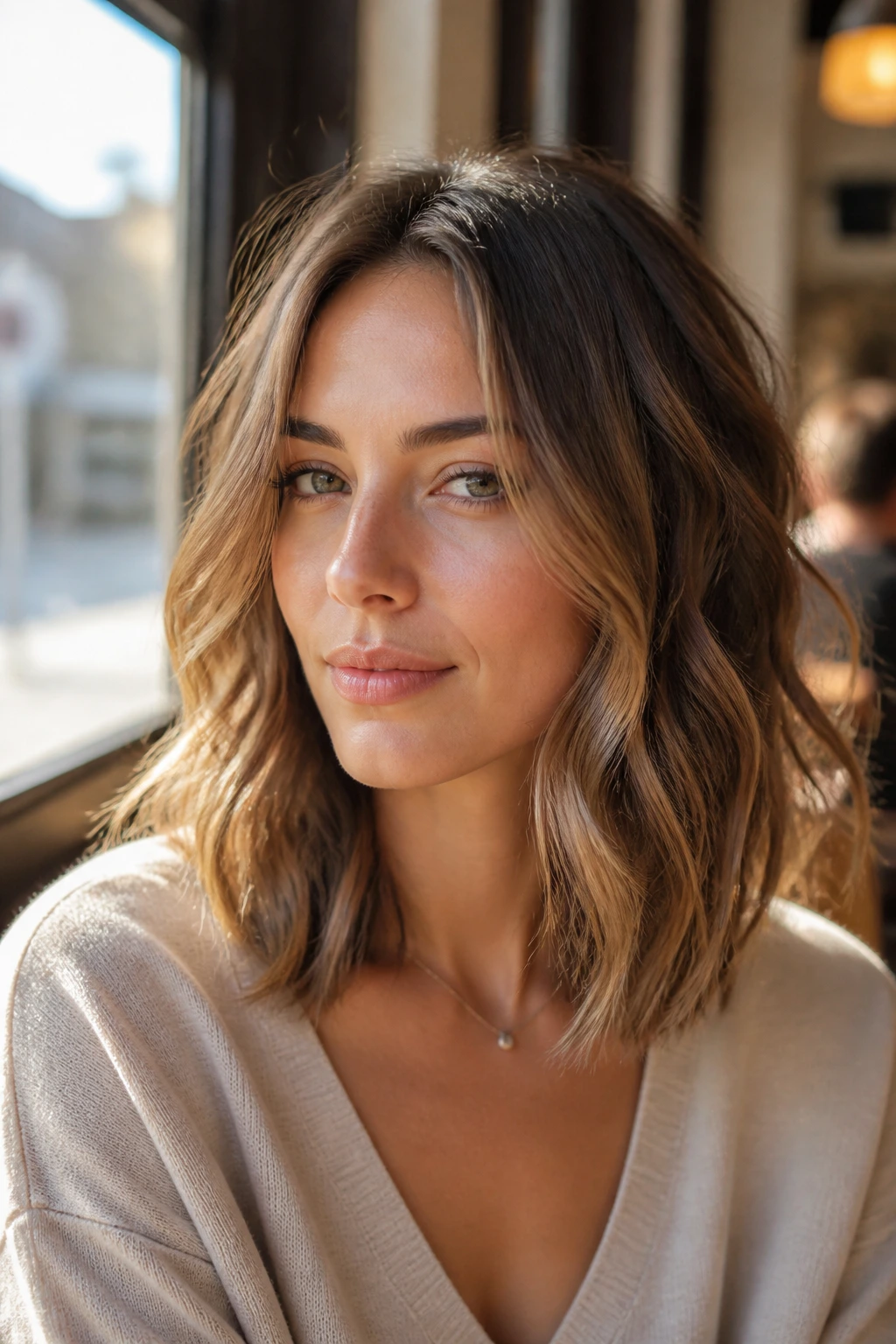
Who says you have to cut it all off? A “lob” is a longer bob, usually hitting at the collarbone. For fine hair, this is a great “safe” length. It’s short enough to keep your ends from getting scraggly, but long enough to still tie back when you’re in a rush. The key to making it work for fine hair is adding a soft, beachy wave. Waves break up the straight, thin lines and create horizontal volume, which effectively makes the hair look wider and fuller.
The Importance of the Wave
Straight, fine hair at the collarbone can look like it’s hugging the neck too closely. By adding waves, you push the hair outward, away from your silhouette. This creates an airy, light-filled shape that looks much more substantial than a flat, straight cut.
Mastering the Lob Texture
- Use a large-barrel iron to create loose, irregular waves—not tight ringlets.
- Don’t curl the very ends; leave them straight for a modern, relaxed finish.
- Massage the roots with your fingers after curling to break up any stiff sections.
Strategy: A lob is the ultimate transitional cut if you aren’t quite ready to commit to a chin-length bob. It offers a lot of versatility.
9. The Rounded “Bowl” Bob
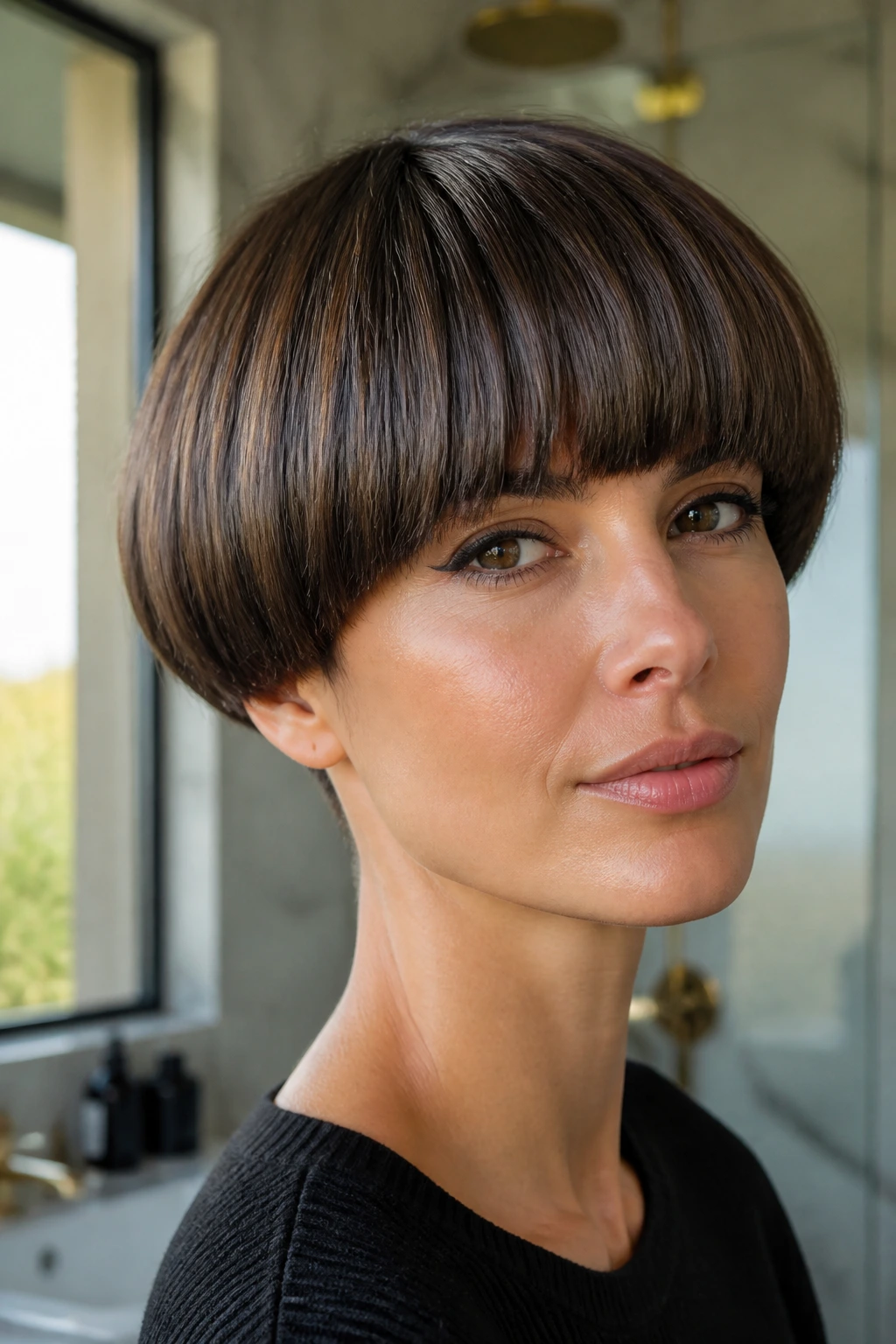
Hear me out—the modern bowl cut is actually quite stylish. When cut with soft edges rather than a hard line, it creates a perfectly rounded silhouette that mirrors the shape of the head. For fine, straight hair, this is genius because the weight of the hair naturally falls into this rounded shape. It is a very intentional, high-fashion look that emphasizes the shine and health of your hair, making it a great choice for those with stick-straight locks.
Why This Works for Fine Hair
Fine hair is often very smooth. Instead of fighting that, lean into it. A rounded bob celebrates the sleekness of your strands, turning what might be considered “limpness” into a deliberate design choice. It is minimal, clean, and incredibly low maintenance.
Key Styling Details
- This cut relies on precision. You need a stylist who understands how to layer the back to create that perfect, rounded curve.
- Use a shine-enhancing product to make the hair look like a polished helmet of perfection.
- Keep the edges soft, not jagged, to ensure the style looks modern rather than retro.
Opinion: This is a brave cut, but for the right face shape, it is breathtakingly chic. It requires very little styling beyond a quick blowout.
10. The Deep-Layered Bob with Fringe
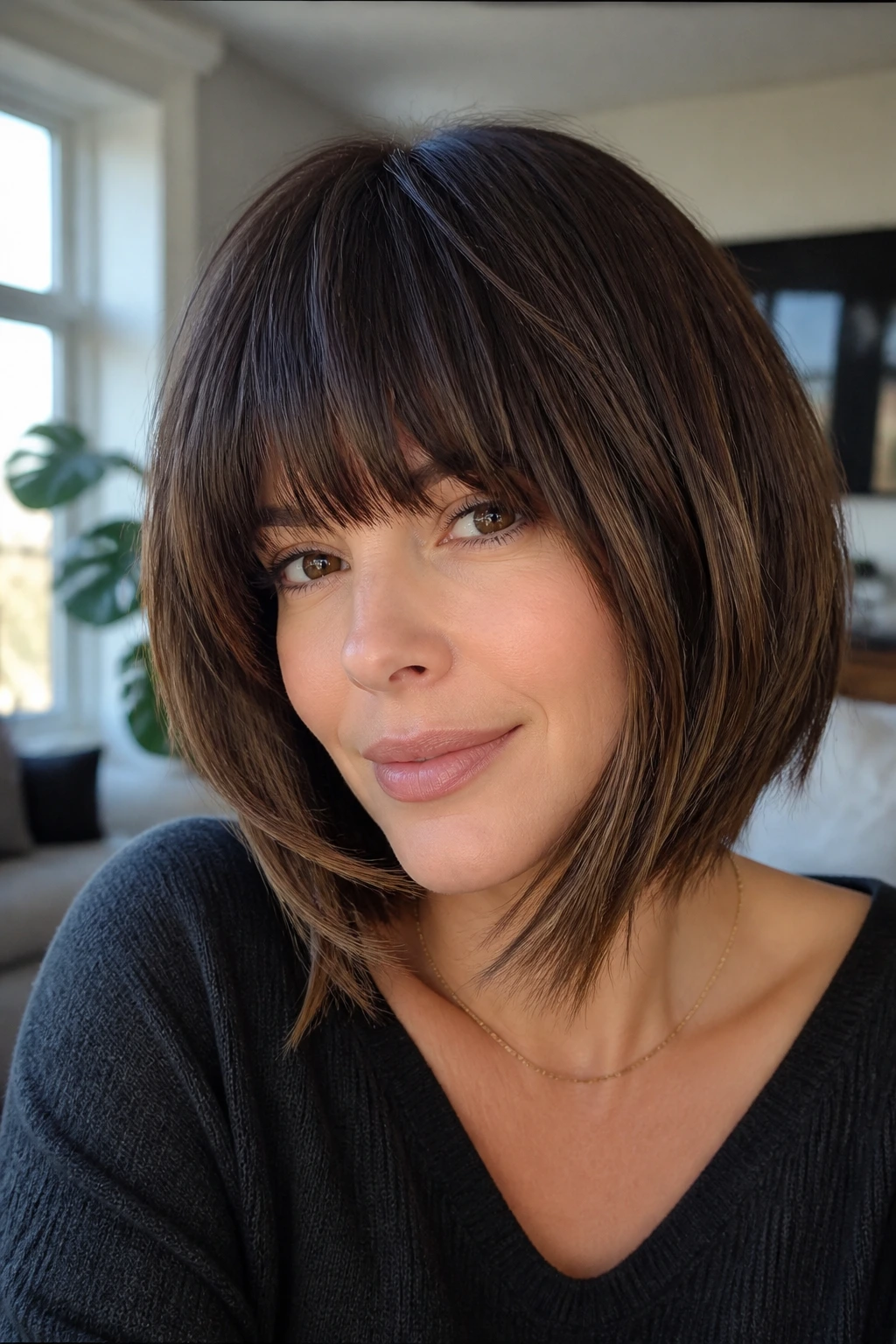
Fringes are a game changer for fine hair because they effectively “steal” volume from the back and bring it forward. When you combine a heavy, blunt fringe with deep, hidden layers, you get a cut that feels dense at the front and voluminous throughout. This is particularly good for people who have fine hair but a lot of it—the layers prevent the bulk from weighing the hair down, while the fringe draws attention to the eyes.
How to Balance the Fringe
The secret here is a fringe that starts further back on the crown, not just at the hairline. This creates more surface area for the bangs, making them look thicker. You then blend these bangs into the rest of the bob with soft, face-framing layers.
Styling the Fringe Bob
- Use a small round brush specifically for the bangs to give them a slight “C” shape.
- Blow-dry the fringe immediately after washing, before the rest of the hair, to ensure they don’t get cowlicks or weird bends.
- Use a light mist of hairspray to lock the fringe in place without making them crunchy.
Why this works: It creates a frame for your face, making the lack of hair on the sides of your head seem irrelevant.
11. The Blunt-Cut Bob with Internal Thinning
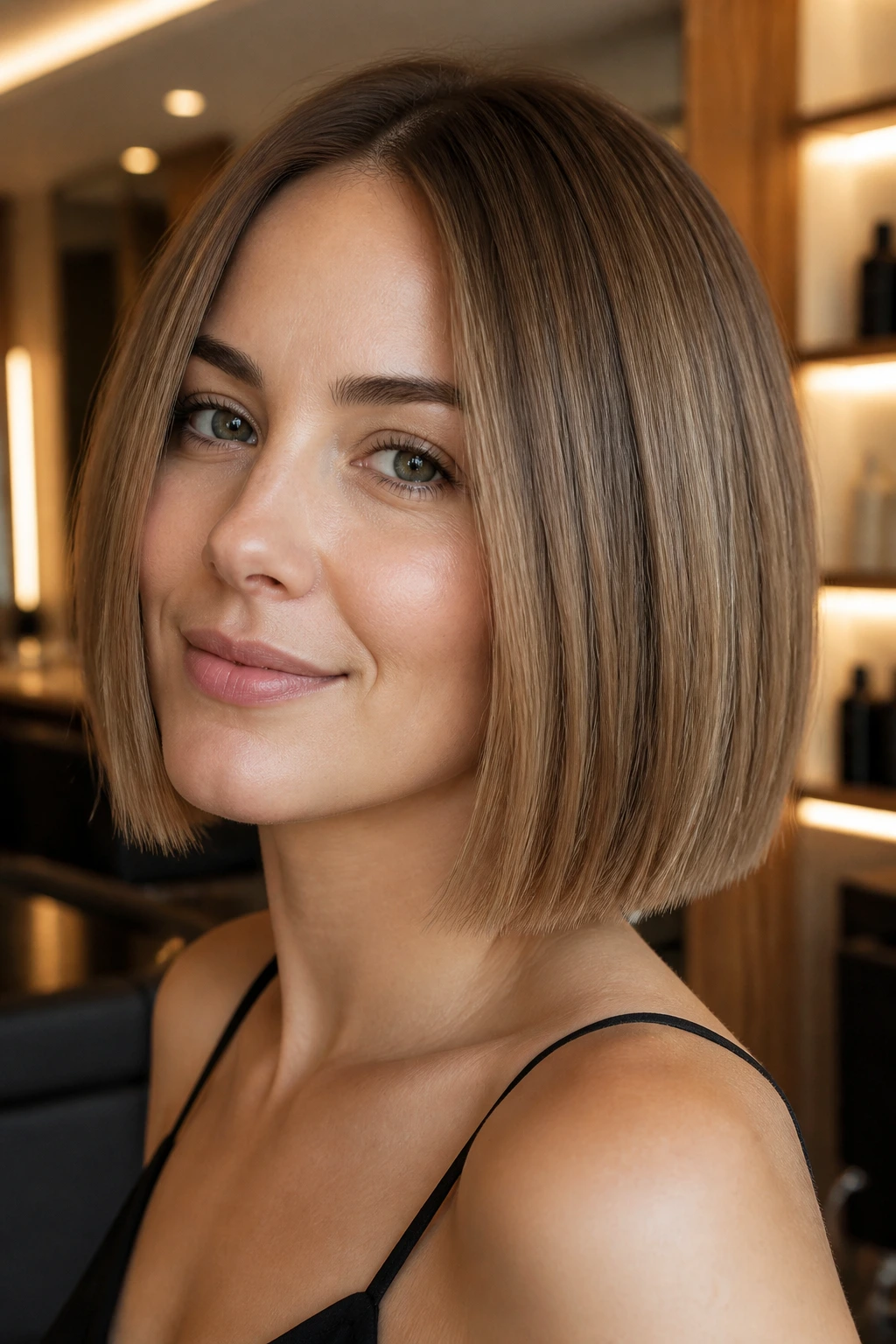
Sometimes, you want the blunt look, but your hair feels too heavy on the ends, causing it to clump together in a way that shows off your scalp. The solution is internal texturizing. Your stylist keeps the perimeter perfectly blunt, but they go inside the layers and remove weight in a very specific, strategic way. This allows the hair to sit in a more “airy” position, creating natural volume from within. It is a hidden technique that preserves the look of a solid baseline while solving the problem of flat, clumpy ends.
The Skill Level Required
This is a technique for a very experienced stylist. If done incorrectly, it can leave your hair looking frizzy or thin. You want someone who knows how to use thinning shears or a razor to create “pockets” of air inside the hair without cutting through the outer layer.
Maintaining the Shape
- Regular trims are mandatory. Once the “pockets” grow out, they lose their effect.
- Use a volumizing product that doesn’t leave a heavy residue, as you want the air to remain inside the hair.
- Avoid heavy smoothing creams that will cause your hair to stick together, negating the work the stylist did.
Insight: This is the most “custom” you can get with a bob. It is all about the internal engineering.
12. The Wispy-End Bob
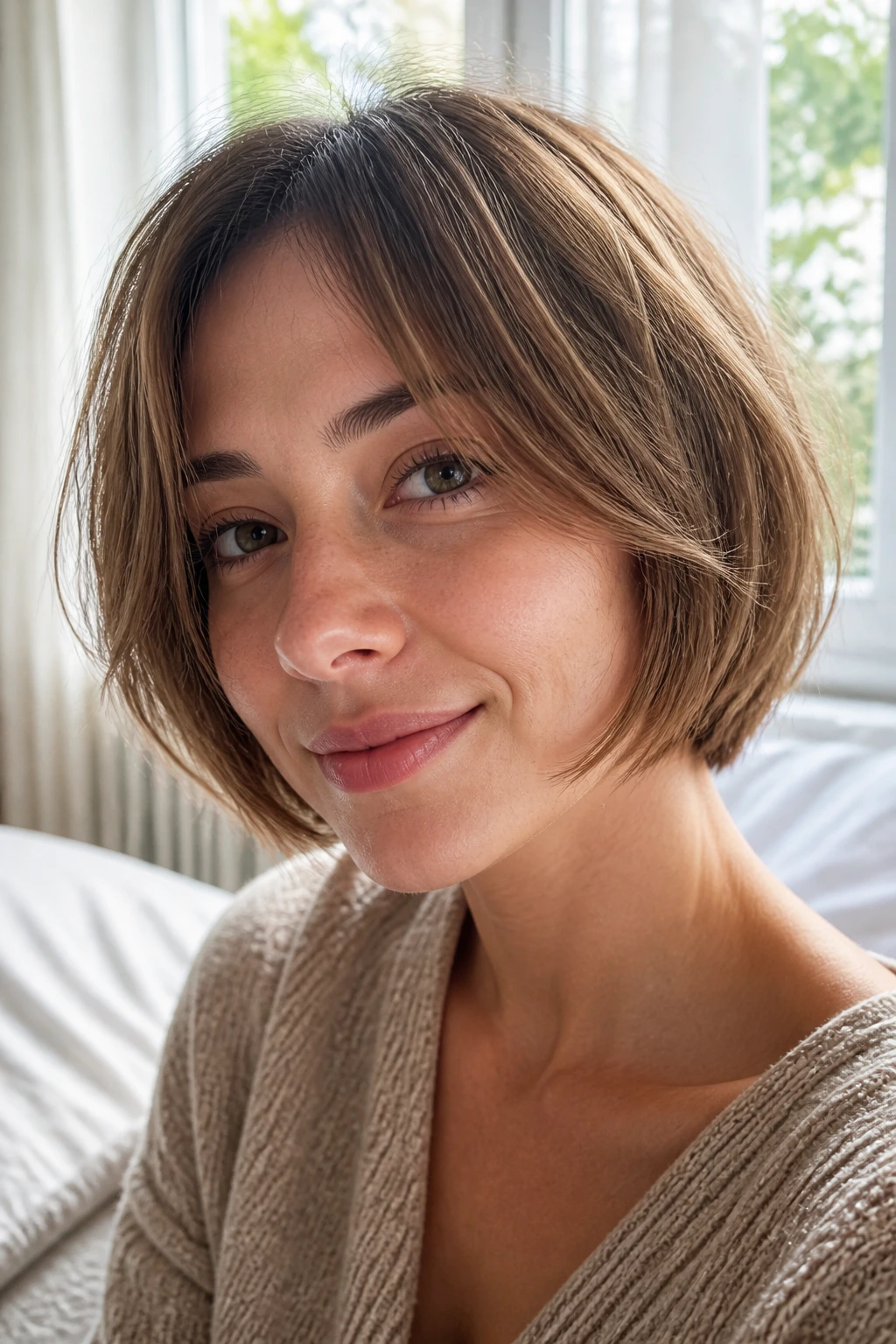
This is the antithesis of the blunt bob, but it is just as effective for different reasons. By feathering the ends of your bob, you create a soft, ethereal halo of hair. For fine hair that is naturally light and airy, this style works because it embraces the texture you have rather than forcing it into a dense shape. It looks incredibly romantic and soft, and it’s very easy to manage on a daily basis.
The “Halo” Effect
When the ends are wispy, the hair doesn’t create a single, heavy line that highlights how thin it might be. Instead, it creates a soft transition from hair to skin, which is much more forgiving. It is an excellent choice for those who are afraid of the harshness of a blunt bob.
Styling for Softness
- Let your hair air dry with a leave-in conditioner.
- Use a very small amount of styling cream to define the wispy tips.
- Avoid hot tools altogether if possible, as this style thrives on the natural, organic movement of your hair.
Final word: This style is all about embracing the delicacy of your hair. It’s elegant, understated, and timeless.
13. The Asymmetrical Bob
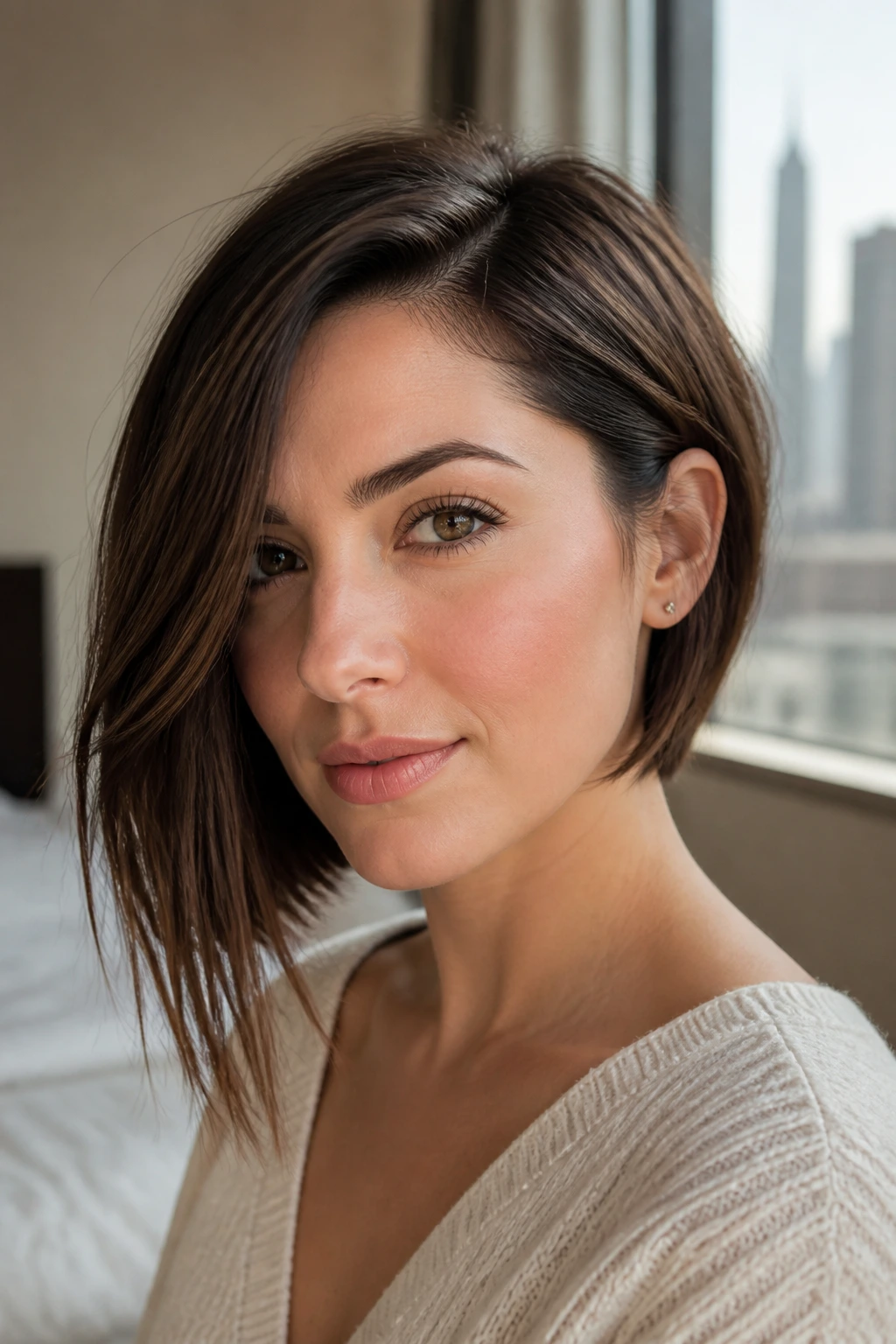
If you want to distract from the thinness of your hair, give the eye something else to look at—like a dramatic, asymmetrical line. By making one side of your bob longer than the other, you create a point of interest that draws the eye downward and around your face. It is a bold move that works well on fine hair because the lack of weight on the shorter side keeps it perky, while the longer side provides the necessary face-framing effect.
The Illusion of Movement
Asymmetry naturally feels like it’s in motion. Even when you are standing perfectly still, the different lengths create a sense of dynamic energy. For hair that often looks static and flat, this is a massive aesthetic upgrade.
How to Style Asymmetry
- Part the hair where the shorter side begins to emphasize the steepness of the angle.
- Keep the longer side slightly tucked behind the ear to create a clean, modern look.
- Use a texturizing spray to ensure the different lengths blend together seamlessly.
Pro tip: This cut looks particularly great on oval and heart-shaped faces, as it highlights the jawline in a unique way.
14. The Permed Bob
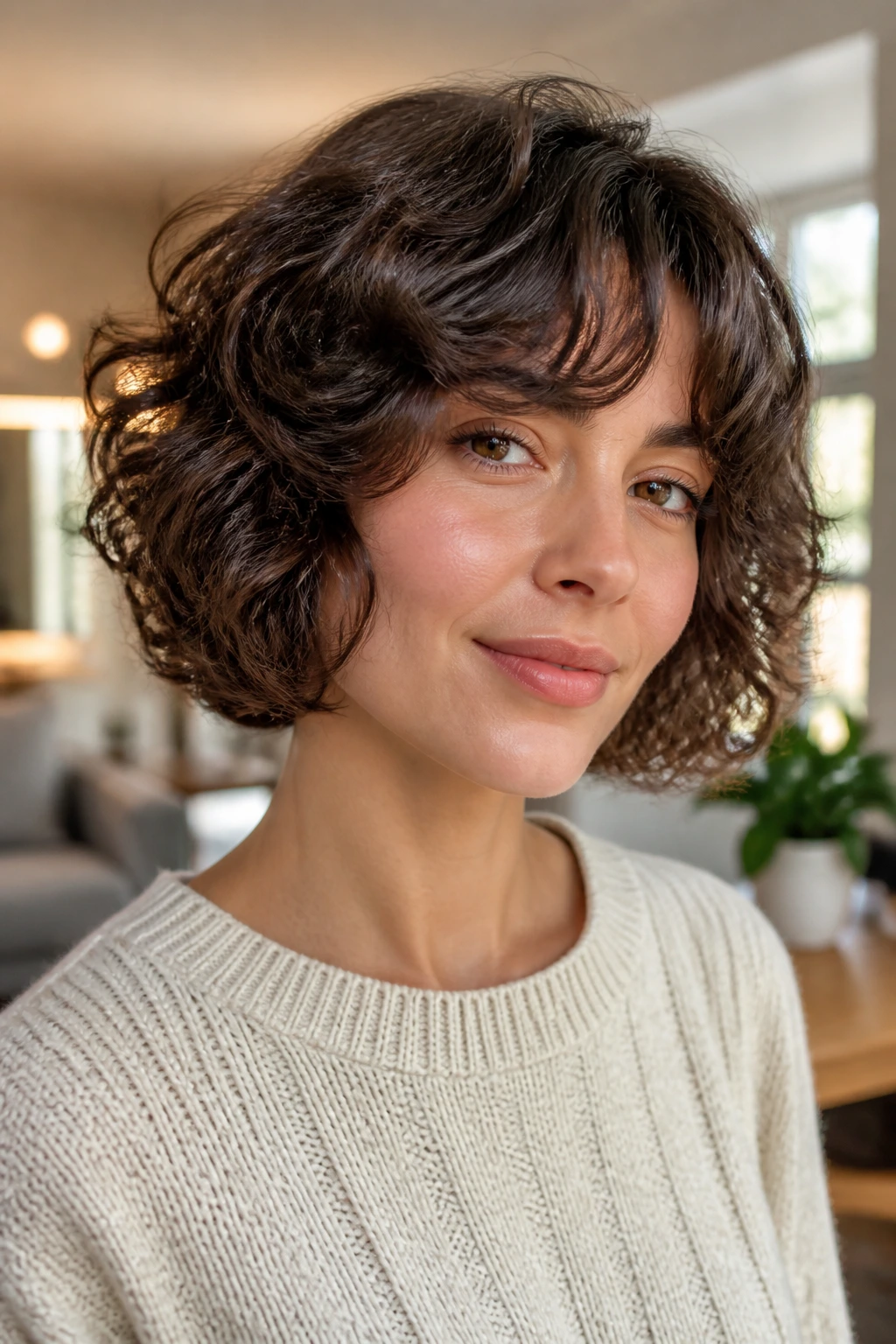
Before you recoil at the word “perm,” consider that modern perms are nothing like the frizzy nightmares of the past. A “digital perm” or a “body wave” can add genuine, long-lasting volume to fine hair. By adding a permanent wave to a bob, you are effectively increasing the diameter of your hair. The texture is baked in, meaning you don’t have to spend hours with a curling iron every morning. It is a fantastic way to permanently solve the “fine hair” struggle.
The Modern Perm Difference
Modern chemical treatments are much milder than they used to be. They can be adjusted to add just a bit of wave or a significant curl, depending on your preference. For a bob, adding just enough wave to create “bend” is often enough to create that desired density.
Caring for a Chemically Treated Bob
- Use a sulfate-free shampoo to maintain the longevity of the wave.
- Deep condition once a week, as chemical treatments can be drying.
- Embrace the slightly “undone” texture that perms provide; it’s supposed to look lived-in.
Truth: If you are tired of spending 30 minutes a day styling your hair, a soft body wave is the closest thing to a permanent fix.
15. The “Shattered” Layer Bob
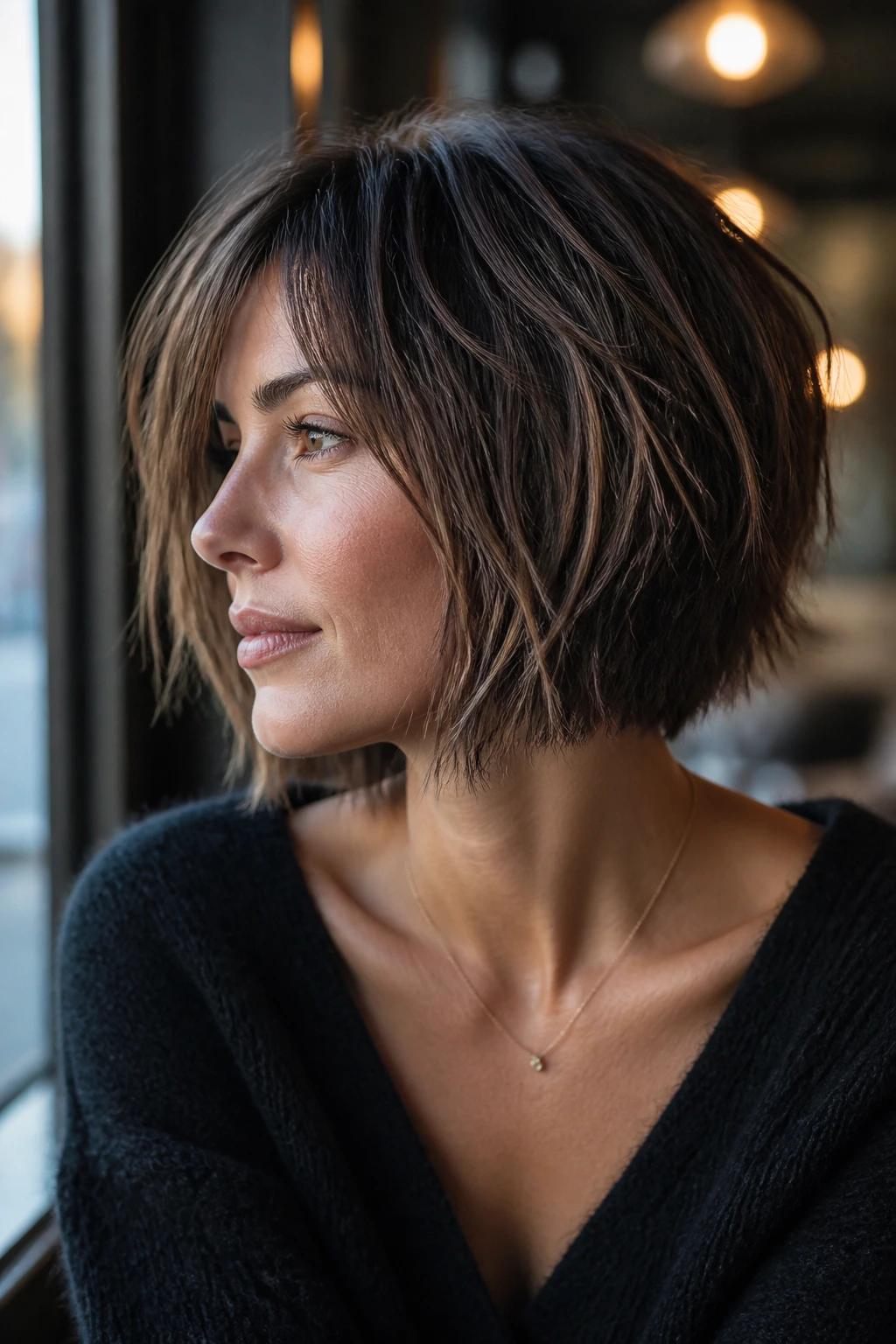
A shattered cut is one where the layers are very intentional and irregular, creating a jagged but deliberate finish. It’s not messy—it’s precise. For fine hair, the “shattering” of the ends creates a visual density at the bottom of the cut that isn’t dependent on a blunt line. It looks modern, edgy, and very high-maintenance in terms of style, but the result is a full, textured, and very “now” look.
Why This Beats Standard Layers
Standard layers can sometimes leave fine hair looking “stringy.” Shattered layers, however, are cut to ensure that the tips of the hair have a bit of weight, despite being layered. It is a more sophisticated way to handle fine strands.
The Styling Vibe
- This style requires a good texturizing pomade.
- Work the product through the ends while the hair is dry to define the “shattered” pieces.
- Don’t be afraid to pull the hair into a slightly messy state; it actually looks better that way.
Verdict: This is the style for the creative professional who wants a cut that feels personal and unique.
16. The Blunt Bob with Micro-Bangs
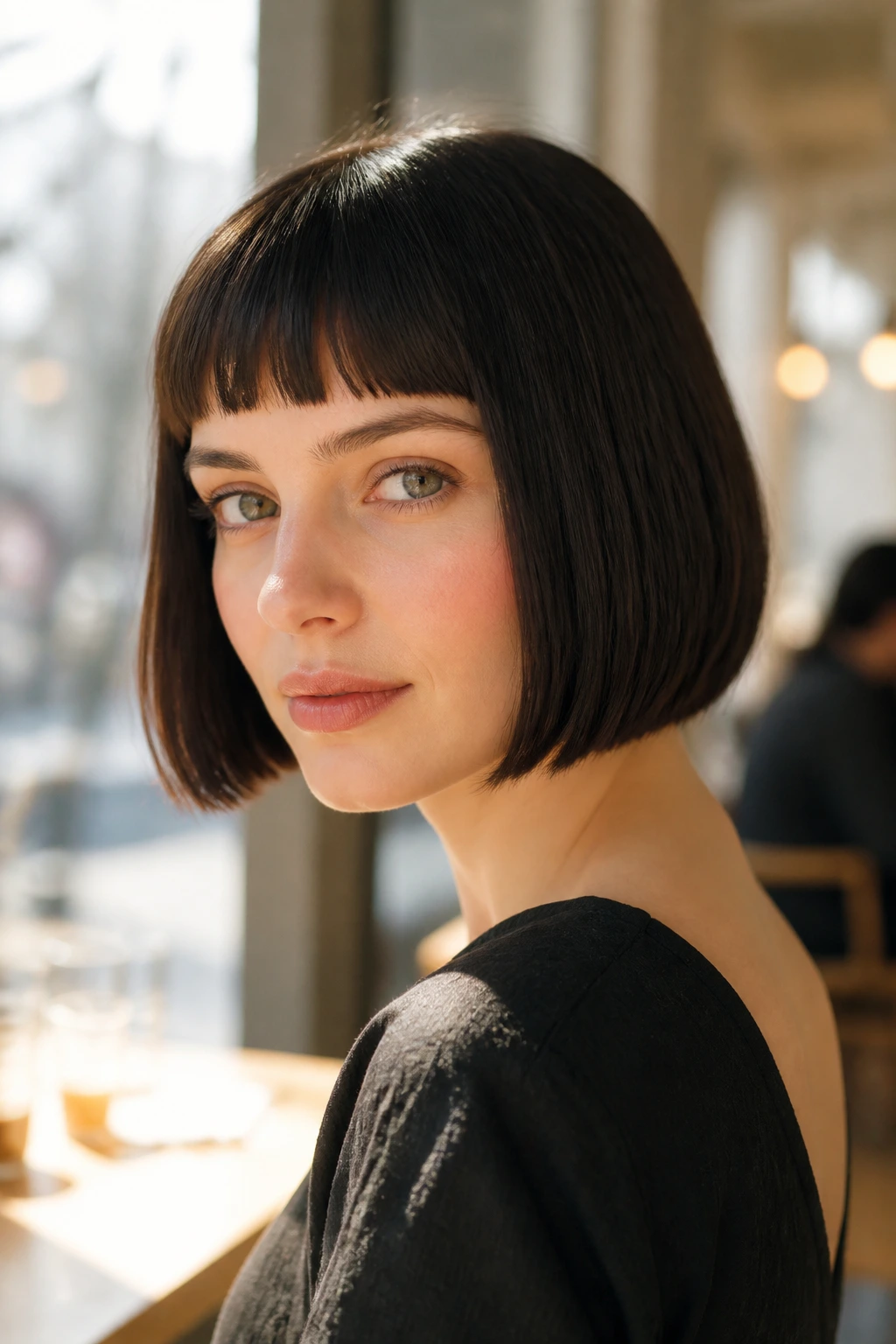
Micro-bangs are a statement, and they are incredibly flattering for those with fine hair because they utilize the hair right at the front of the hairline. By cutting a straight, blunt line across the forehead, you create a frame that makes the rest of your hair look more intentional. The contrast between the short bangs and the bob is high-fashion and very chic.
Why Micro-Bangs Help
They shift the focus upward, toward your eyes, which is a great trick if you feel your hair is too thin on the sides. They also add volume at the top of the head, creating a nice silhouette.
Style Maintenance
- You will need to trim these every two to three weeks to keep the line crisp.
- Use a flat iron to keep the bangs perfectly straight, as any bend can ruin the geometric effect.
- Ensure they aren’t too thick, or they will look like a heavy block.
Opinion: This is for the woman who isn’t afraid to stand out. It’s clean, sharp, and entirely about the line of the hair.
17. The Ear-Tucked Bob
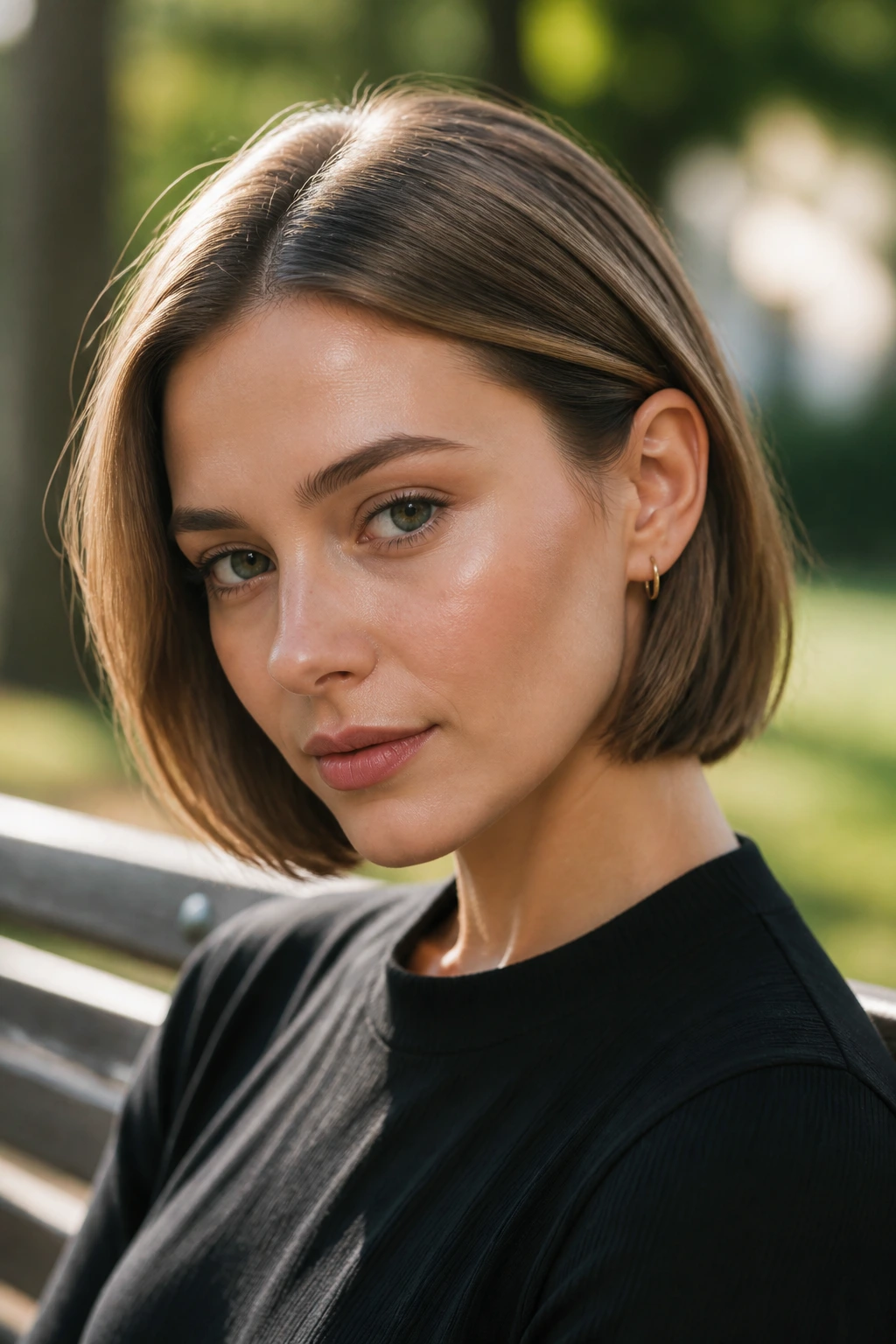
Sometimes the most effective way to style a bob is to use your ears. A slightly longer bob, tucked behind the ear, creates a beautiful, rounded shape at the back and a sleek look at the front. It is simple, effective, and works with the natural growth pattern of your hair. It’s perfect for those days when you don’t have time for a blowout but still want to look polished.
Why It Works for Fine Hair
It creates a “cradle” for your hair. The hair tucked behind the ear stays put, while the front pieces fall in a soft, natural frame. It prevents the hair from just hanging limp around your face.
The Tucking Technique
- Tuck one side or both for a different look.
- Use a bobby pin to secure the hair if it’s too silky and keeps slipping out.
- This style works best with a slight wave or even bone-straight hair.
Strategy: This is your go-to “I’m busy but I still want to look chic” style. It’s effortless and reliable.
18. The Deep-Conditioned Polished Bob
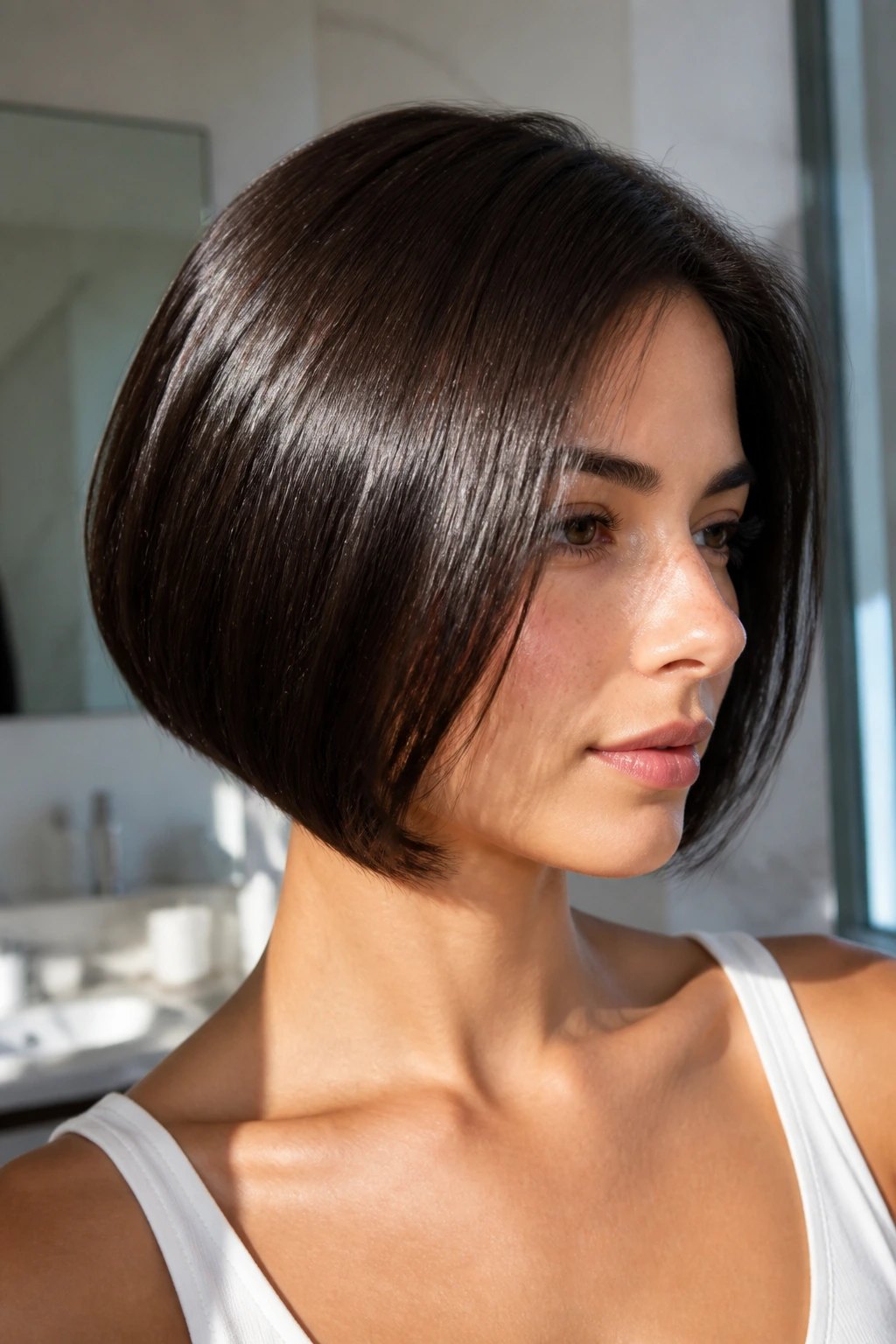
This isn’t a cut per se, but it’s a style strategy. For fine hair, shine is your best friend. A bob that is perfectly healthy, hydrated, and gleaming looks twice as thick as a bob that is dry and brittle. By focusing on the health of your hair, you are making every strand count. A polished, high-gloss bob looks expensive and intentional.
Why Shine Makes a Difference
Light reflects off shiny hair, making it look fuller and healthier. Dull, matte hair tends to look flat and thin. A great bob starts with the quality of your hair care routine.
The Gloss Routine
- Incorporate a weekly hair mask into your routine.
- Finish every wash with a cool water rinse to seal the hair cuticle.
- Use a glossing treatment once a month to boost shine.
Truth: You can have the best cut in the world, but if your hair is damaged, it won’t look great. Invest in the health of your hair.
19. The Wet-Look Bob
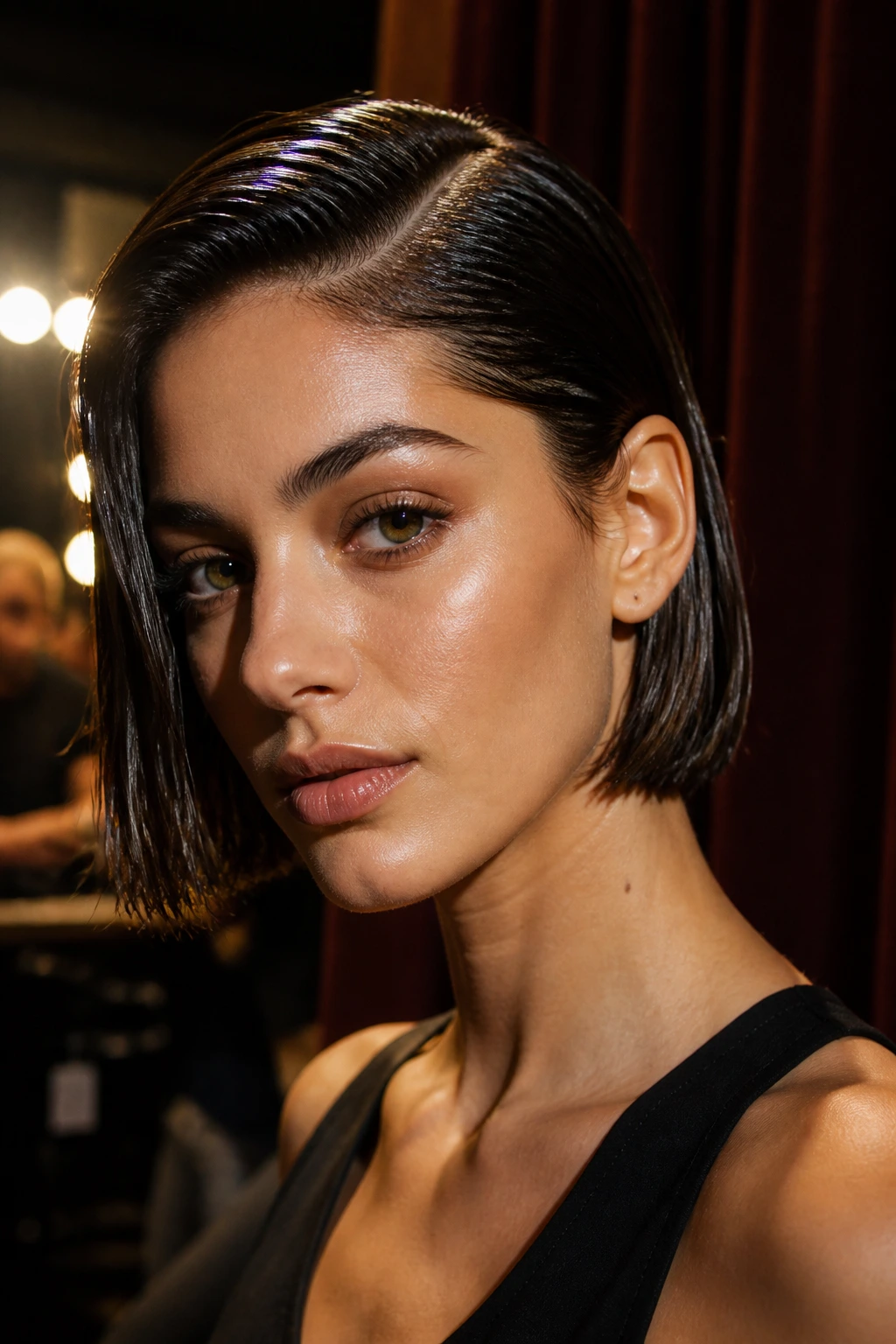
The “wet look” is a fantastic styling choice for fine hair because it mimics the density of a thicker head of hair. By using a strong-hold gel to style your bob, you create a uniform, cohesive look that stays exactly where you put it. It’s a very modern, fashion-forward look that’s perfect for evening events or when you want to make a statement.
The Physics of the Gel
Gel coats the hair, making it appear slightly thicker. It also holds the hair in a clumped, sleek shape that prevents the “see-through” problem that fine hair can have.
Styling for the Wet Look
- Apply the gel to damp hair.
- Comb it through for a sleek finish or use your fingers for a textured look.
- Don’t be afraid to go for a deep side part to add more drama.
Warning: This is a high-fashion look. It might not be for the office, but it is excellent for special occasions.
20. The Softly Layered Bob with Waves
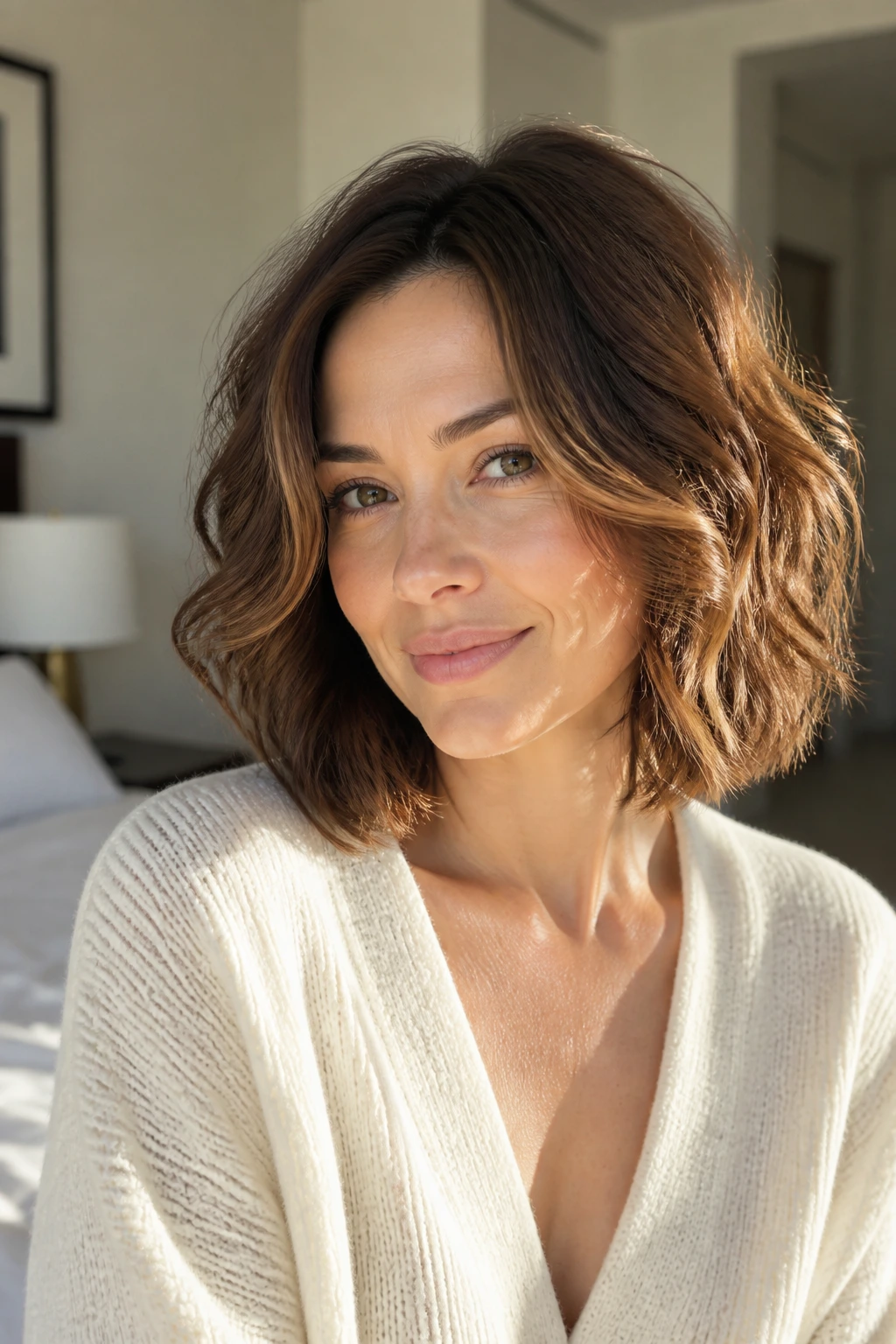
This is the classic “Victoria’s Secret” model look, adapted for shorter hair. It involves soft, long layers and big, bouncy waves. For fine hair, this works because the layers provide the structure for the waves to hold. It is the most “feminine” of all the bob styles and is incredibly flattering for most face shapes.
Why This Style Succeeds
Waves create “cushion.” When your hair is wavy, it creates space between the strands, which translates to volume. The layers ensure the weight is distributed correctly so the hair doesn’t fall flat by noon.
Styling for Bounciness
- Use a heat protectant—always.
- Curling your hair away from your face will open up your features.
- Use a light hairspray to ensure the waves hold without getting crispy.
Insight: This is the most versatile bob style. It works for weddings, brunch, and everything in between.
21. The Half-Up Bob

When your bob is just long enough, a half-up style is your best friend. By pulling the top section of your hair back into a small bun or clip, you keep your hair out of your face and create a nice “bump” of volume at the top. This is excellent for fine hair because it gives you that height at the crown that you normally struggle to achieve.
The “Volume-Hiding” Trick
The bun or clip itself adds bulk to the back of your head, which provides a lovely, voluminous silhouette. It also pulls the hair away from your face, which can make you look more alert and energized.
How to Style the Half-Up
- Use a small, stylish claw clip for a modern look.
- Leave a few front pieces out to frame your face softly.
- Tease the roots of the section you’re pulling back for extra height.
Final word: This is the ultimate “second-day” hair style. It looks better when it’s not perfectly clean.
22. The Sleek Center-Part Bob
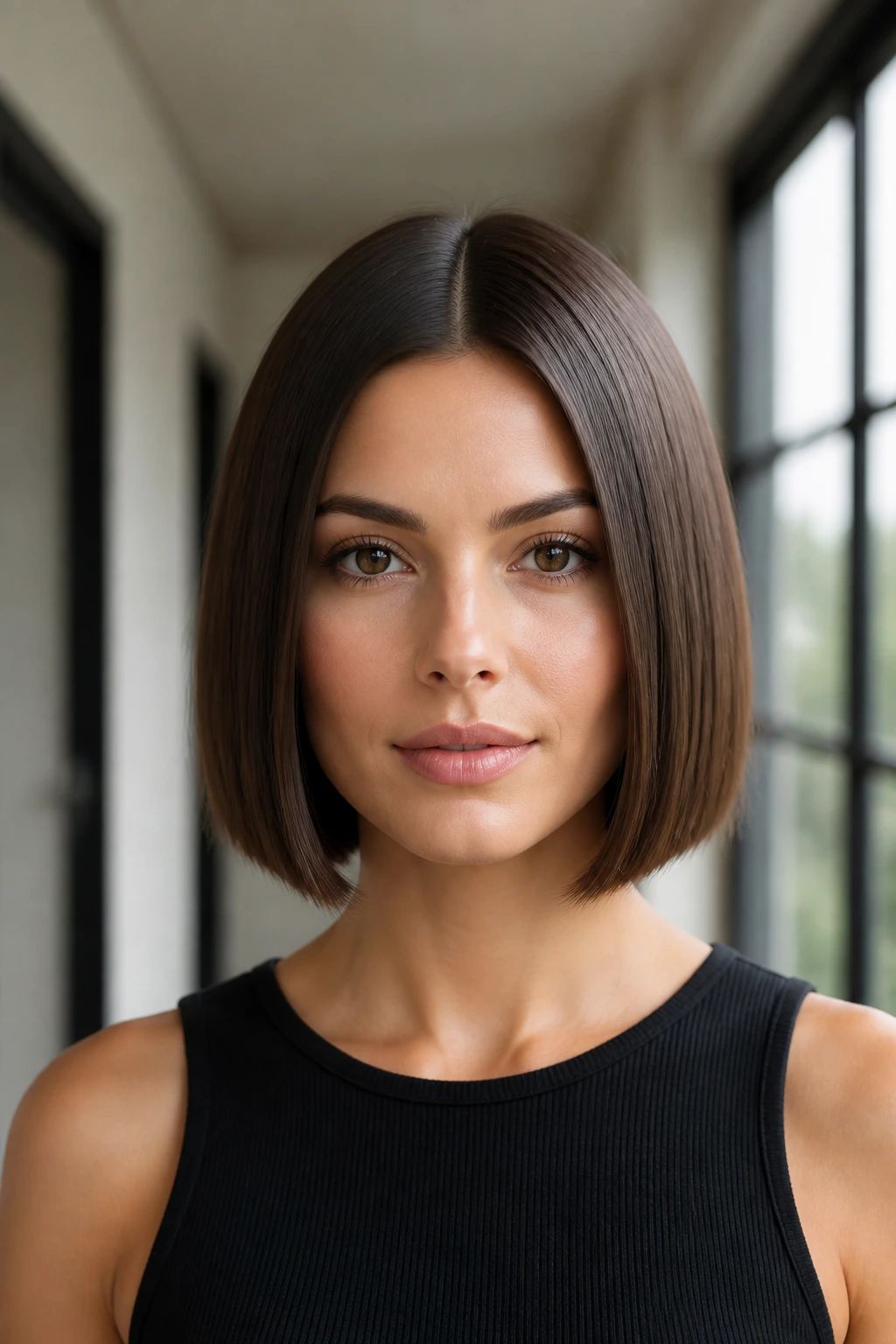
If you have a perfectly symmetrical face, a center-parted bob is the ultimate minimalist statement. It’s clean, simple, and relies entirely on the precision of the cut. For fine hair, this is great because it creates two clear, symmetrical curtains of hair that frame the face beautifully. It is an effortless look that exudes confidence.
The Importance of the Cut
With a center part, every imperfection in your haircut will show. You need a stylist who is incredibly precise with their lines. If the length is even a millimeter off on one side, it will be noticeable.
How to Style the Center Part
- Use a tail comb to get the part exactly in the middle.
- Blow-dry the hair smooth for a clean, professional finish.
- Tuck both sides behind your ears for a very clean, minimalist look.
Strategy: This is for those who love order. It’s a very calming, organized style that feels very “together.”
Final Thoughts
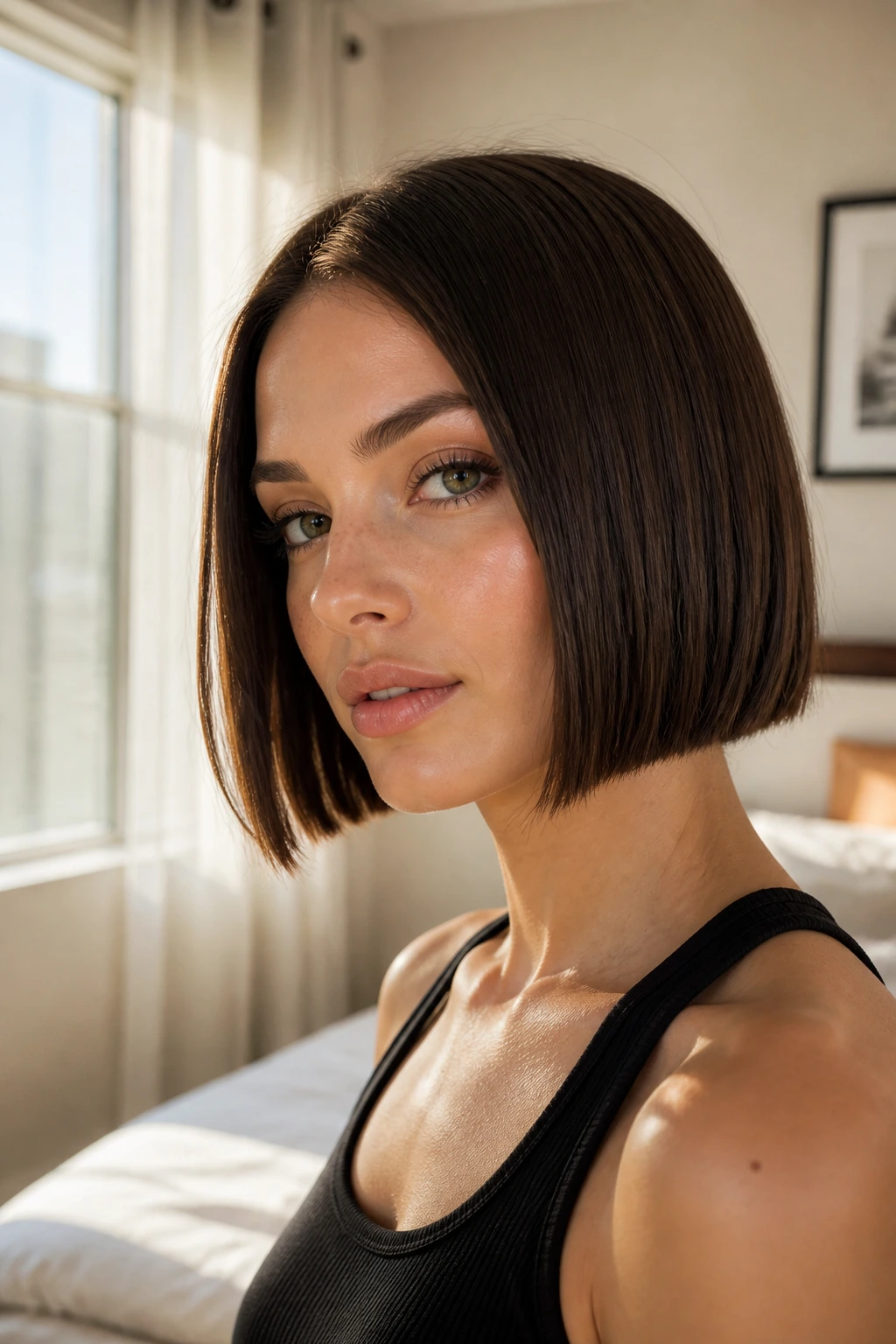
At the end of the day, your hair is just hair, but the right cut acts as a foundation for how you present yourself to the world. For those with fine strands, the goal is never to fight your natural texture; it’s to choose a silhouette that works with it. A bob isn’t just a shorter length—it’s a change in the physics of your hair. By removing the weight that pulls your hair down, you gain access to the volume and movement that your genetics—and the right pair of scissors—can provide. Do not fear the chop; embrace the geometry, find the style that makes you feel like the most polished version of yourself, and enjoy the ease that comes with a shorter, more intentional cut. Your hair will thank you, and frankly, you will wonder why you waited so long to make the change.