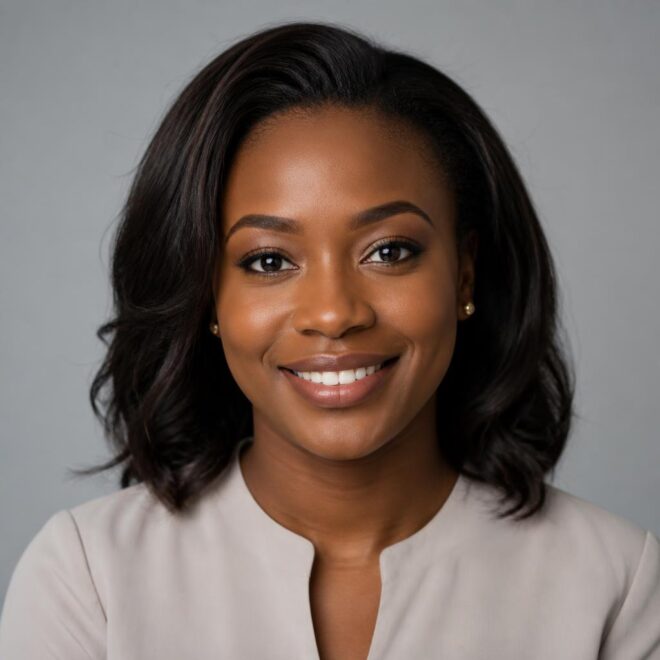


The bob is arguably the most resilient hairstyle in history. It does not demand constant styling, it frames almost any face shape, and it offers an instant sense of polish. For those with fine hair, however, the quest for the perfect bob often feels like a gamble. Too much length can lead to that dreaded “stringy” look, while a blunt cut that is too heavy might just emphasize a lack of natural volume. This is where the tapered bob becomes a secret weapon. By strategically thinning out the ends and building internal layers, a tapered cut removes the weight that drags fine hair down, allowing for a fuller, more dynamic silhouette.
Fine hair is notoriously slippery. It has a habit of laying completely flat against the scalp, making it look thinner than it actually is. Traditional bobs often lack the structural support needed to keep that “lift” throughout the day. When you introduce a taper—a graduation of length that gets progressively shorter toward the nape—you are essentially forcing the hair to stack. This creates a rounded shape that defies gravity. It is the architectural solution to a texture problem, giving you the illusion of density without requiring an arsenal of styling products.
When you start talking to a stylist about a tapered bob, you need to be specific. You are not just asking for “short hair.” You are asking for a cut that respects the limitations of fine strands while maximizing their movement. We are looking at styles that range from the classic stacked nape to modern, razor-cut textures that feel light and airy. Whether your hair is stick-straight or has a slight, unpredictable wave, there is a version of the tapered bob that will make your hair look twice as thick as it does right now.
1. The Classic Stacked A-Line Bob
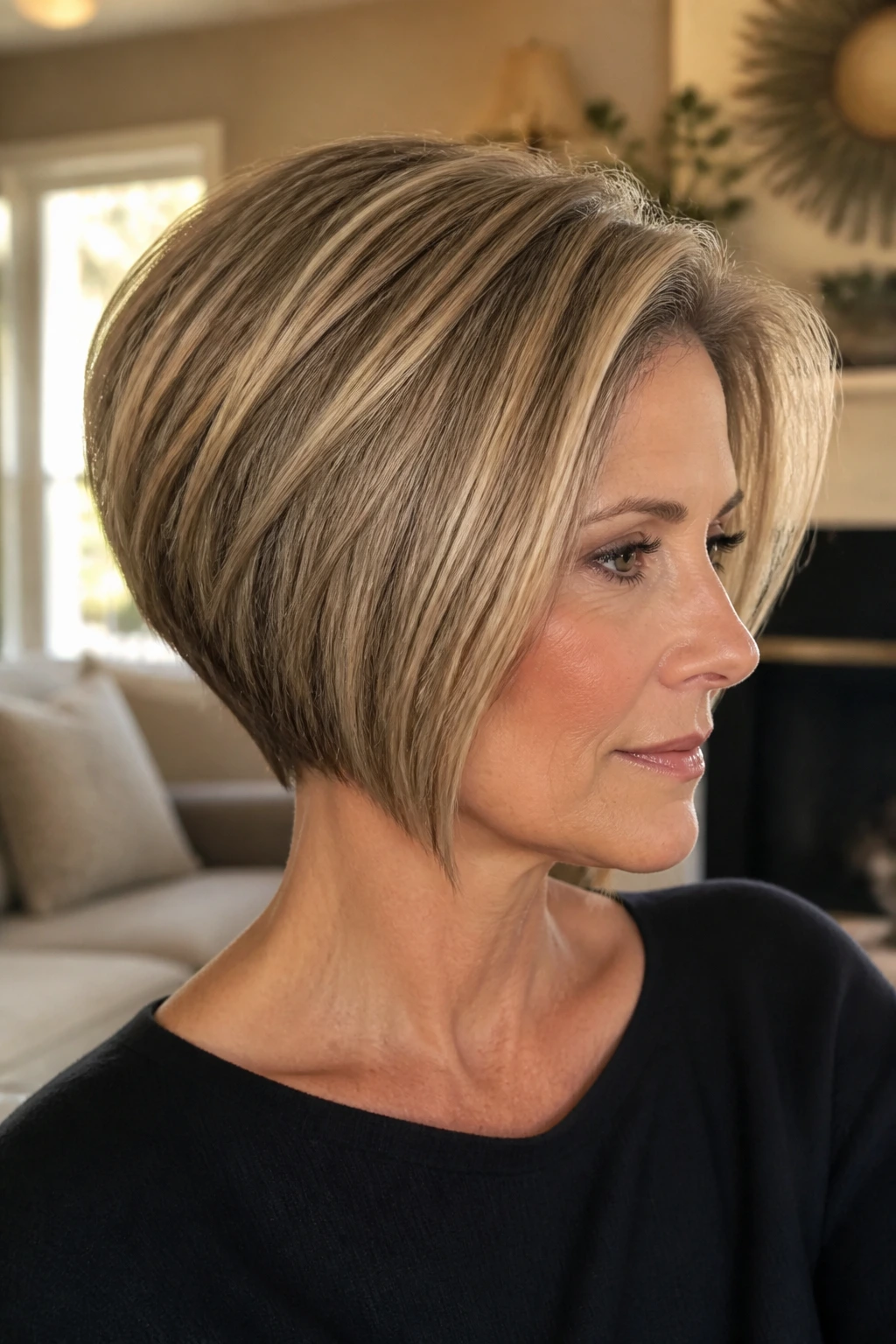
The classic stacked bob is the gold standard for adding volume to fine hair. By cutting the hair at the back of the neck into very short, graduated layers, you create a natural “shelf” that pushes the hair above it outward. This creates a rounded volume that is essentially baked into the haircut. Because the hair is shorter at the base, it resists the temptation to cling to the neck, which is a common complaint for fine-haired individuals.
Why It Works for Fine Hair
The stacking technique is purely structural. By changing the angle of the cut, you change how the hair falls. For fine hair, this is a game-changer because you are not relying on hairspray to hold the shape—the shape is created by the weight distribution of the cut itself.
How to Style for Maximum Lift
- Use a volumizing mousse on damp hair before blow-drying.
- Focus your round brush at the nape, lifting the roots upward rather than pulling them down.
- Apply a lightweight texture spray at the end to keep the layers separated and bouncy throughout the day.
2. The Textured Razor-Cut Bob

If you want something that feels a bit more modern and less “stiff,” the razor-cut bob is the answer. A stylist uses a straight razor to taper the ends of the hair, which creates a soft, feathered finish rather than a blunt, heavy edge. For fine hair, blunt edges can sometimes look sparse. Feathering the ends hides the fact that the ends are thin by making them look intentional and wispy.
The Beauty of Irregular Ends
Unlike a scissor cut that leaves a crisp line, a razor cut leaves the edges slightly uneven. This prevents the hair from looking like it has “split” or “thinned out” at the ends. It creates a soft halo effect that feels light and effortless.
Best Hair Types for This Look
This style is particularly effective for those with fine hair that has a slight natural bend. If your hair is perfectly straight, you might need a light iron curl to bring out the texture, but the razor cut will make that styling much easier to achieve.
3. The Chin-Length Graduated Bob
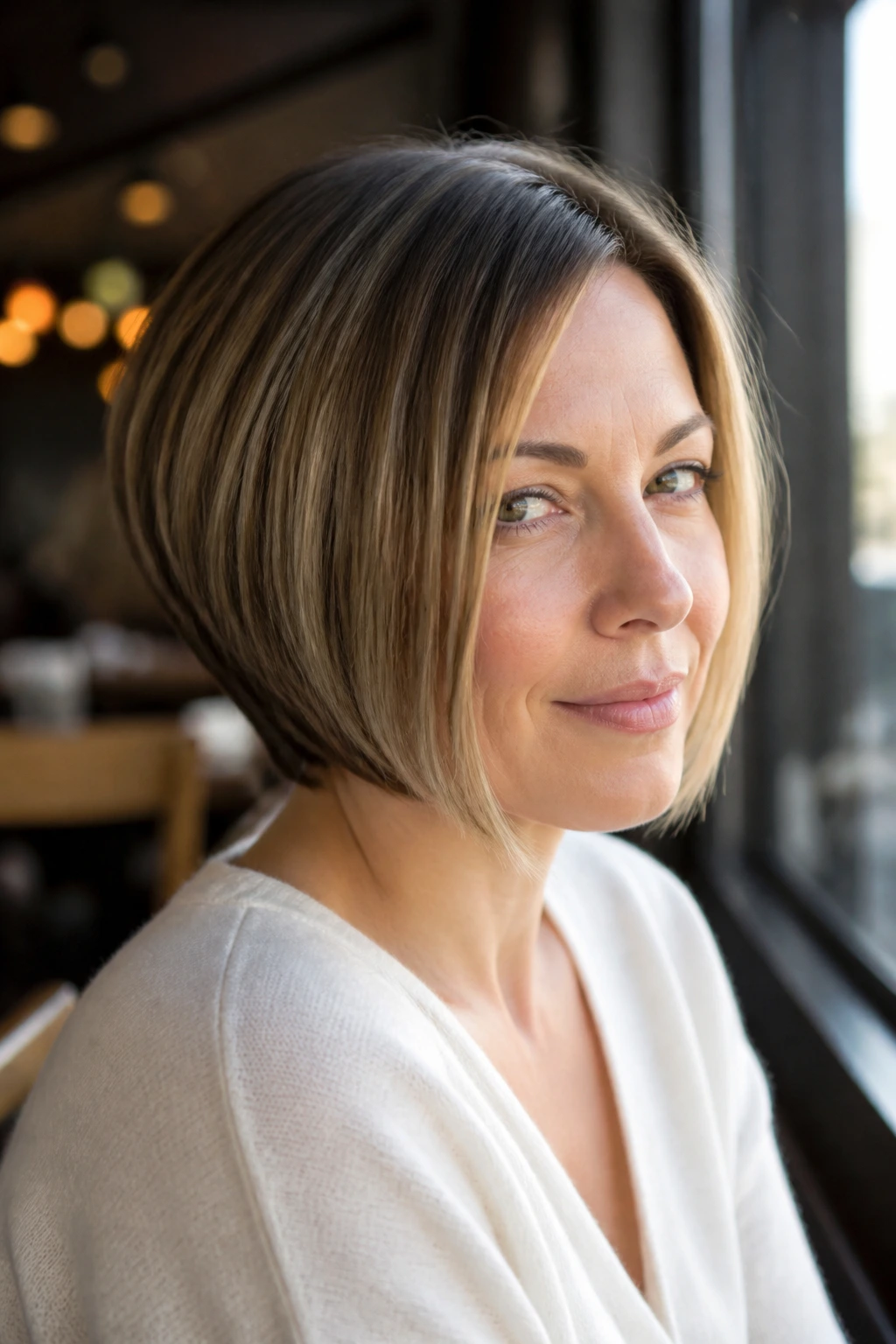
There is something inherently chic about a bob that hits exactly at the chin. This length is short enough to avoid the weight that makes fine hair look flat, but long enough to still be tied back if needed. The graduation here is subtle, starting slightly longer in the front and tapering up to a shorter, neater back.
Balancing the Face Shape
By keeping the front pieces near the chin, you frame the face beautifully. If you have a longer face, this helps break up the lines. If you have a round face, the angle of the graduation pulls the eye downward, providing a slimming, elongated effect.
Maintaining the Line
Because this cut relies on precision, you will find yourself back in the salon chair more often—usually every six to eight weeks. Keep the edges clean to ensure the “graduated” look remains sharp and intentional rather than overgrown.
4. The Feathered Nape Bob
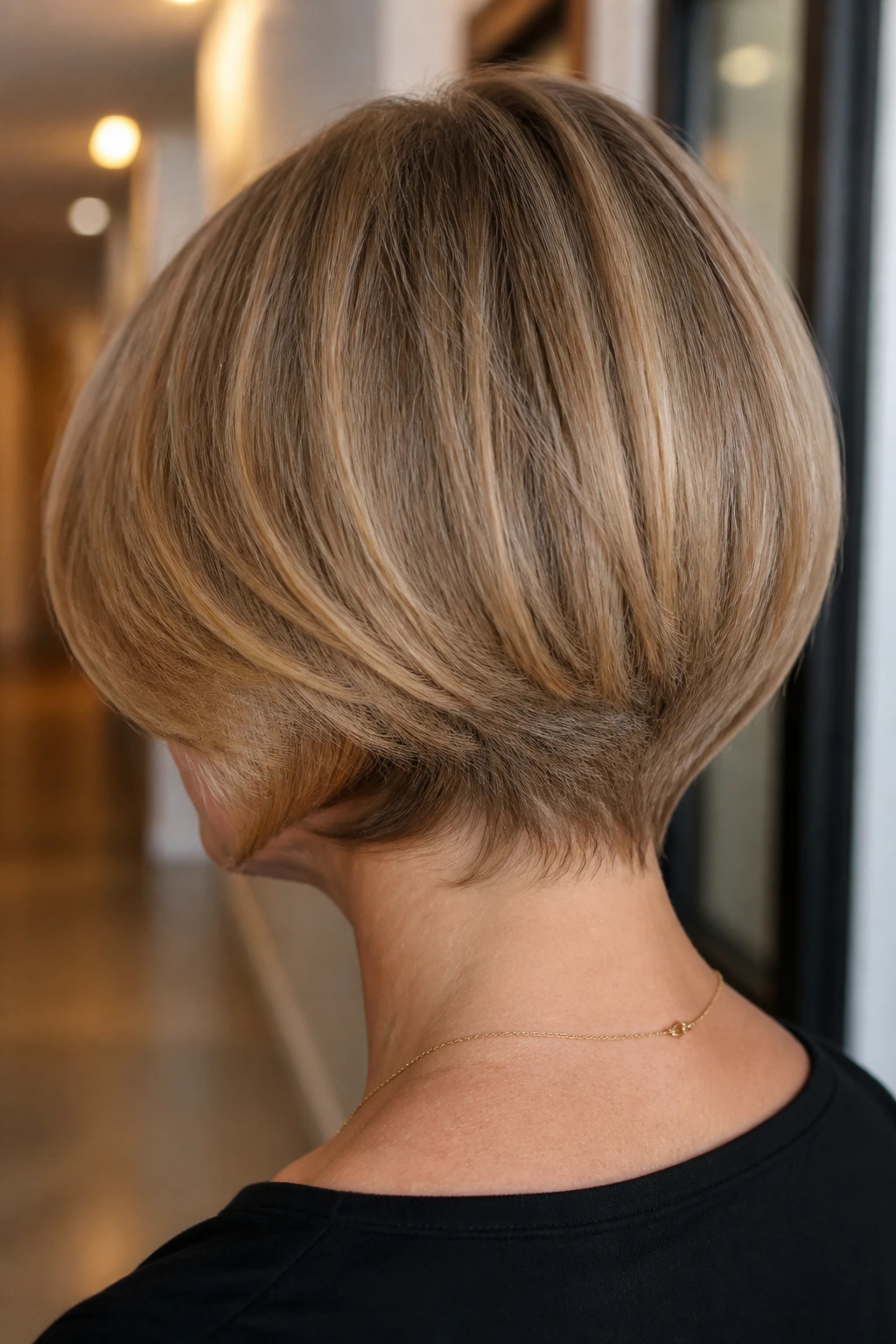
Many people forget about the nape of the neck until it is too late. A feathered nape is a fantastic way to taper the back without going for a full “stacked” look. By keeping the hair at the bottom very soft and close to the skin, you prevent the hair from bunching up.
Why Softness Matters
Hard lines in fine hair can draw attention to the lack of thickness. By feathering the bottom, you create a seamless transition from the neck to the hair. It looks more like a natural growth pattern rather than a severe, artificial haircut.
Styling Tip
Use a tiny amount of styling wax on the very bottom pieces to keep them tucked against your neck. This keeps the look sleek and emphasizes the dramatic length contrast between the front and the back.
5. The Layered Inverted Bob
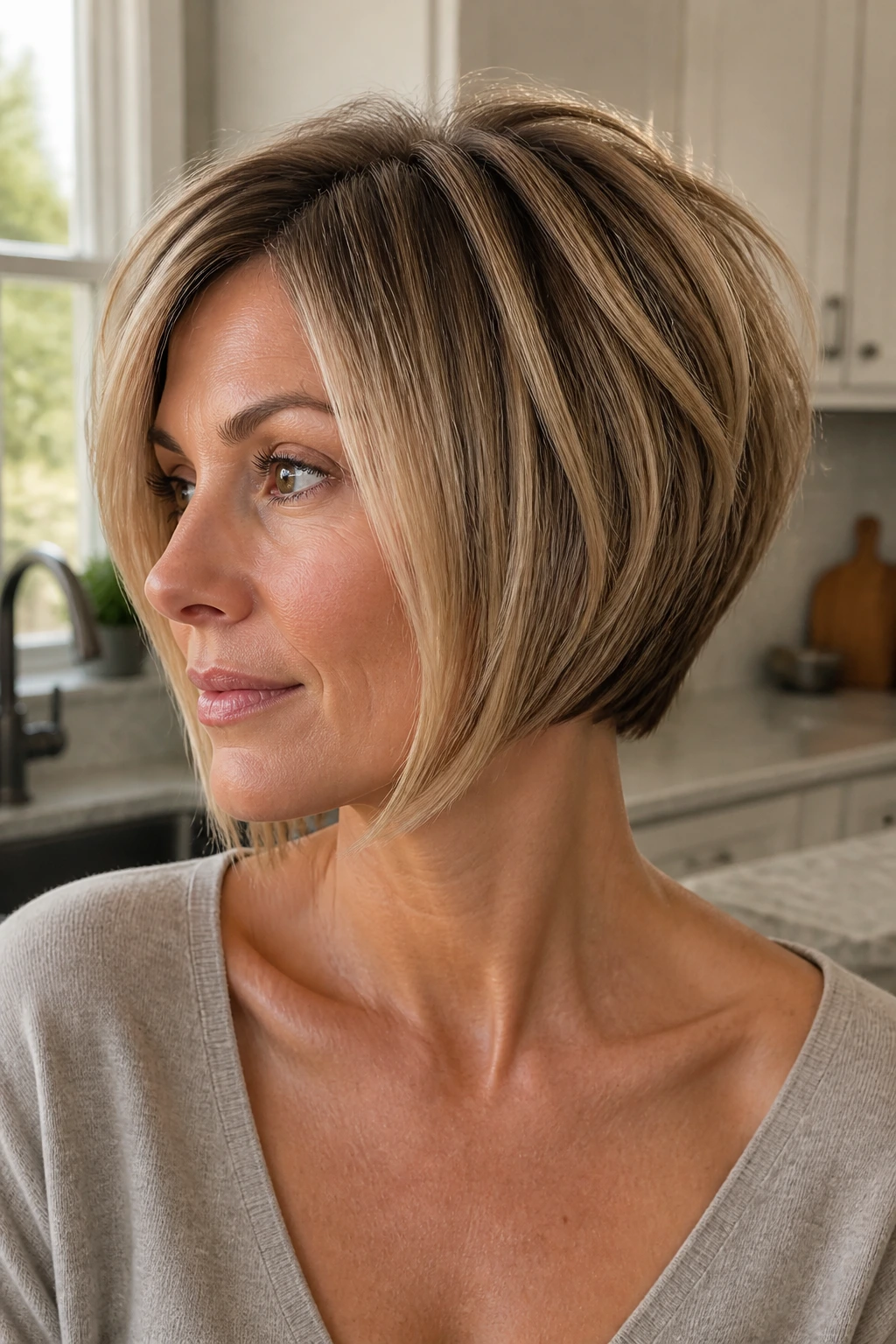
Inversion—where the back is shorter than the front—is a classic way to manage fine hair. However, adding layers takes it a step further. Internal layers act like invisible pillars, holding the top layers up and preventing the “flat-top” effect.
Building Volume Through Internal Layers
You do not need layers all over the head to see a difference. Often, just a few well-placed layers in the crown are enough to give you that much-needed height. These layers “lock” into the shorter lengths below, providing a scaffold of volume that lasts from morning to night.
What to Avoid
Do not go overboard with thinning shears. Fine hair can easily be over-thinned, which is the exact opposite of what you want. Ask your stylist to use point-cutting techniques instead to add texture without sacrificing the structural integrity of your strands.
6. The Choppy Bob with Face-Framing

Choppy cuts are built on the premise of movement. By cutting pieces at varying lengths, you create a sense of chaos—but the good kind. For fine hair, this movement makes the hair look more voluminous because the light hits the uneven lengths at different angles, creating the illusion of depth.
Adding Wispy Bangs
Pairing a choppy bob with soft, wispy bangs adds a youthful touch. Keep the bangs thin and slightly parted so they don’t look like a solid block of hair. This draws attention to the eyes and creates a balanced look that is both sophisticated and fun.
How to Achieve the “Messy” Look
- Avoid heavy gels or creams.
- Stick to lightweight sea salt sprays.
- Scrunch the hair while it air-dries for a natural, undone finish.
7. The Sleek Tapered Lob
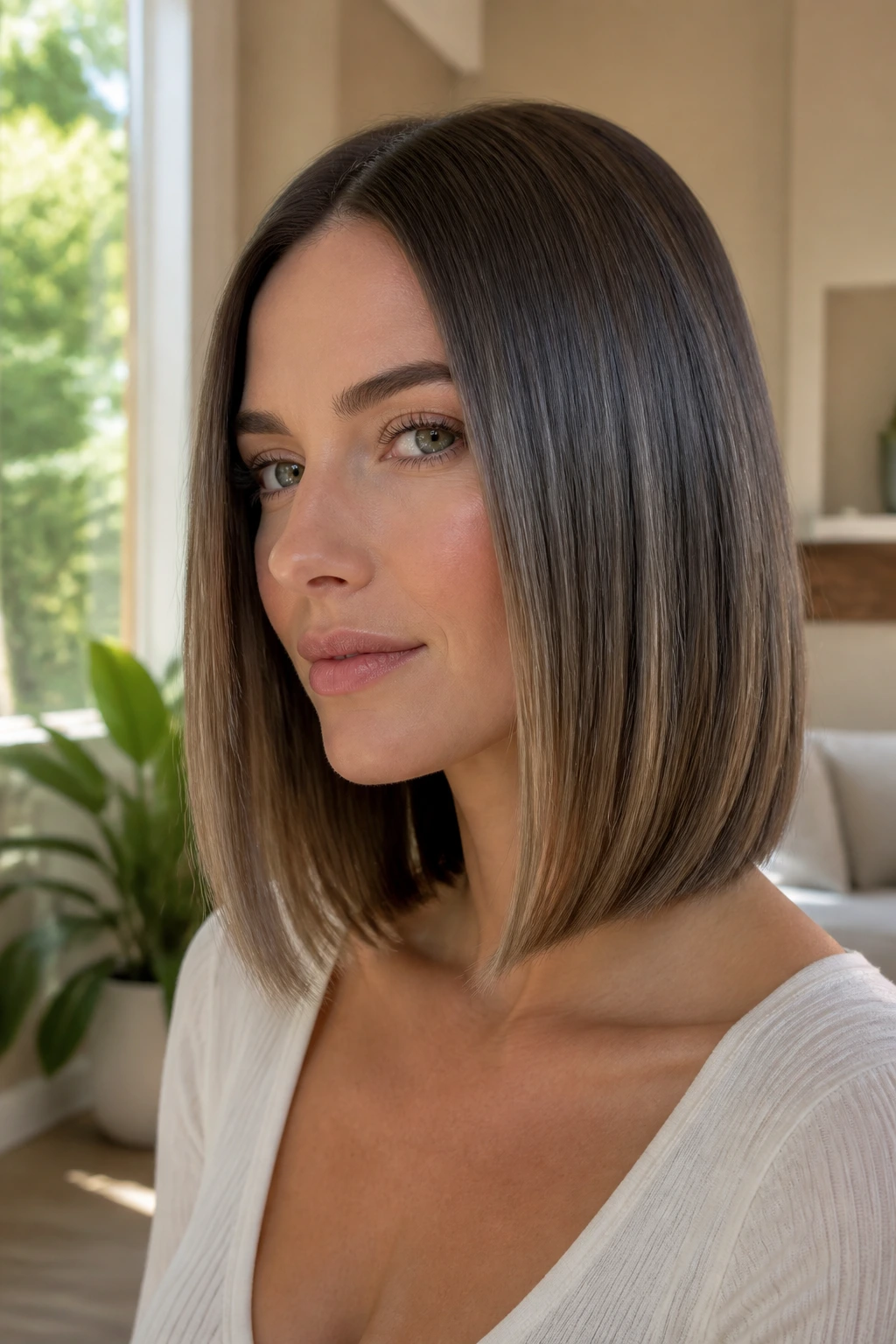
If you are nervous about going too short, the lob (long bob) is your safety net. By tapering the ends of a lob, you remove the “heavy” feeling that long, fine hair often develops. The tapered ends prevent the hair from looking like a curtain of thin strands, giving it a polished, healthy appearance.
Why Length Can Still Be Voluminous
The key is to keep the ends blunt-tapered. This means the overall shape is a clean line, but the individual hairs are thinned slightly to prevent bunching. It is a subtle difference that makes your hair look noticeably healthier and thicker.
Maintenance
This is one of the easiest cuts to maintain. You can get away with longer intervals between cuts, and it is long enough to pull into a high ponytail on days when you just don’t have the energy to style it.
8. The Side-Swept Asymmetrical Bob
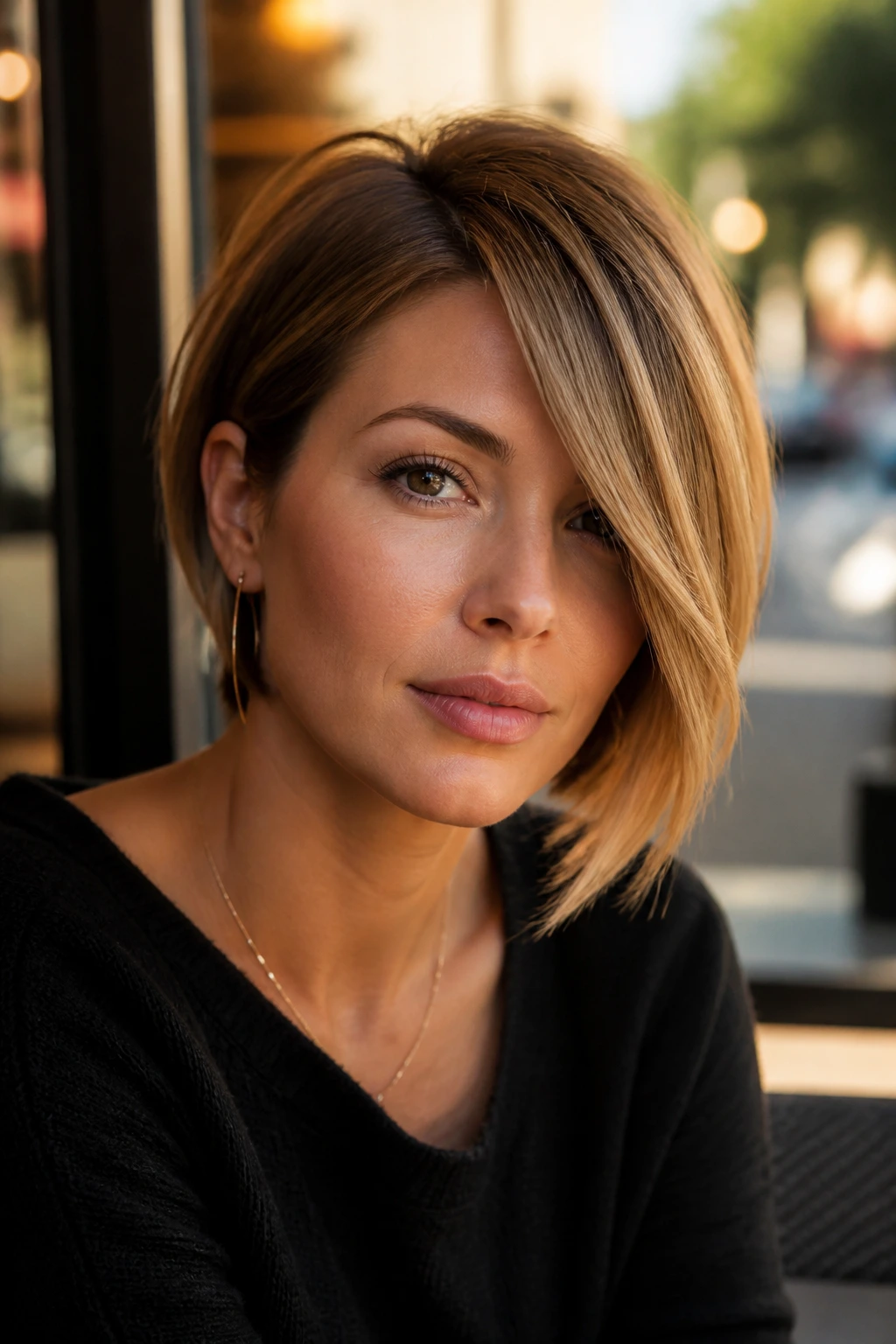
Asymmetry is a fantastic distraction. By making one side slightly longer than the other, you create an interesting focal point that draws the eye toward your features and away from the texture of the hair. The tapering on the shorter side keeps it tidy, while the longer side adds a bit of drama.
The Power of the Side Part
Fine hair loves a deep side part. It automatically creates more volume at the roots on one side. Pair this with an asymmetrical cut, and you have a style that looks intentionally voluminous and stylish.
Suitable Occasions
This style transitions perfectly from a professional office environment to a night out. It is sophisticated enough for meetings but edgy enough to stand out at a social gathering.
9. The Rounded Soft-Layered Bob
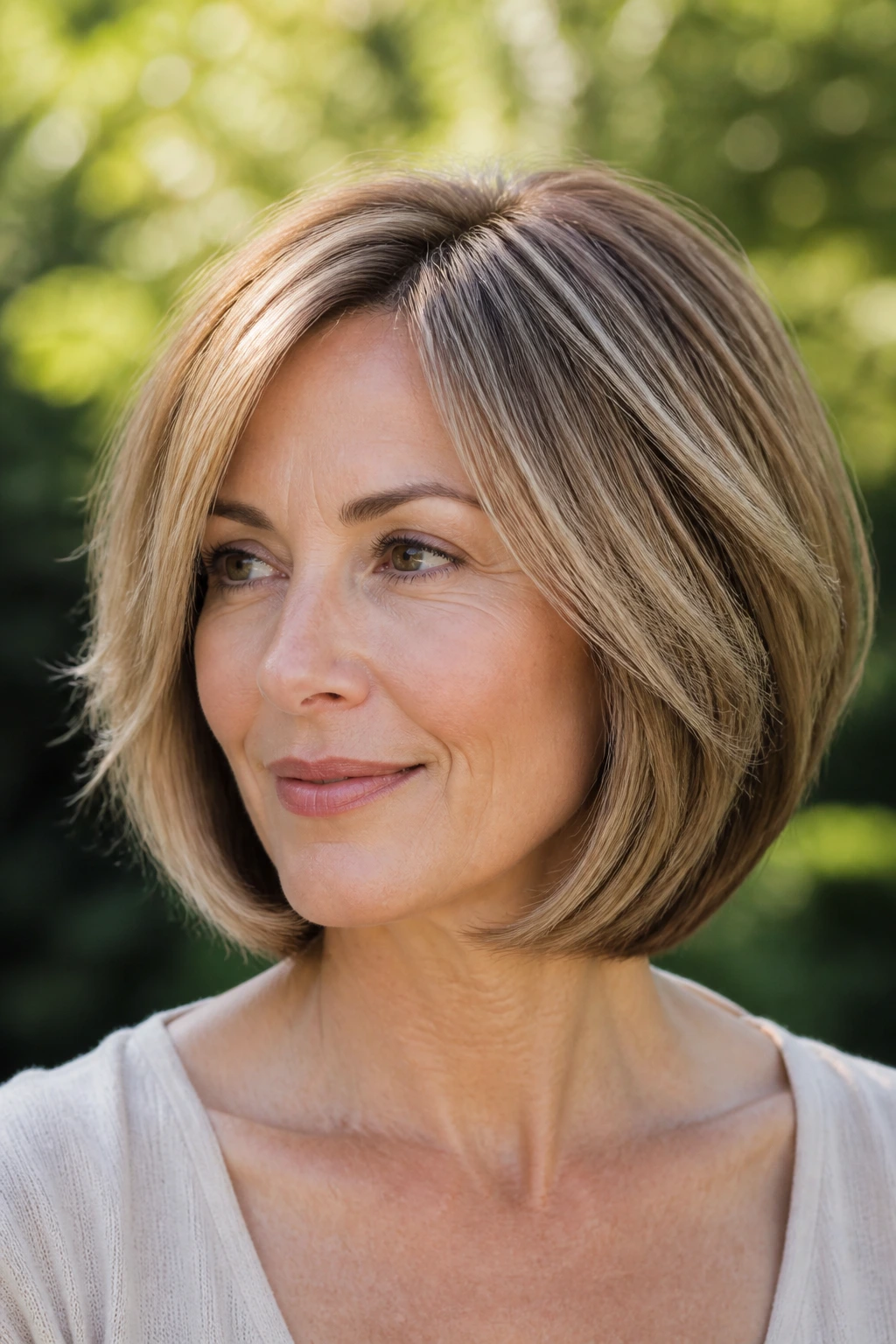
This cut is all about the “C” shape. It follows the curve of the head, tapering gently at the bottom to maintain a rounded shape. It is a very soft, feminine look that works well for people who want to avoid sharp, aggressive angles.
Who Should Choose This
If you have a heart-shaped face or very soft features, this cut will complement your look without overwhelming it. It is gentle, approachable, and very low-maintenance.
Product Recommendations
- A volumizing root lift spray is essential here.
- A light-hold flexible hairspray will keep the rounded shape without making it feel sticky or crunchy.
10. The Pixie-Bob Hybrid
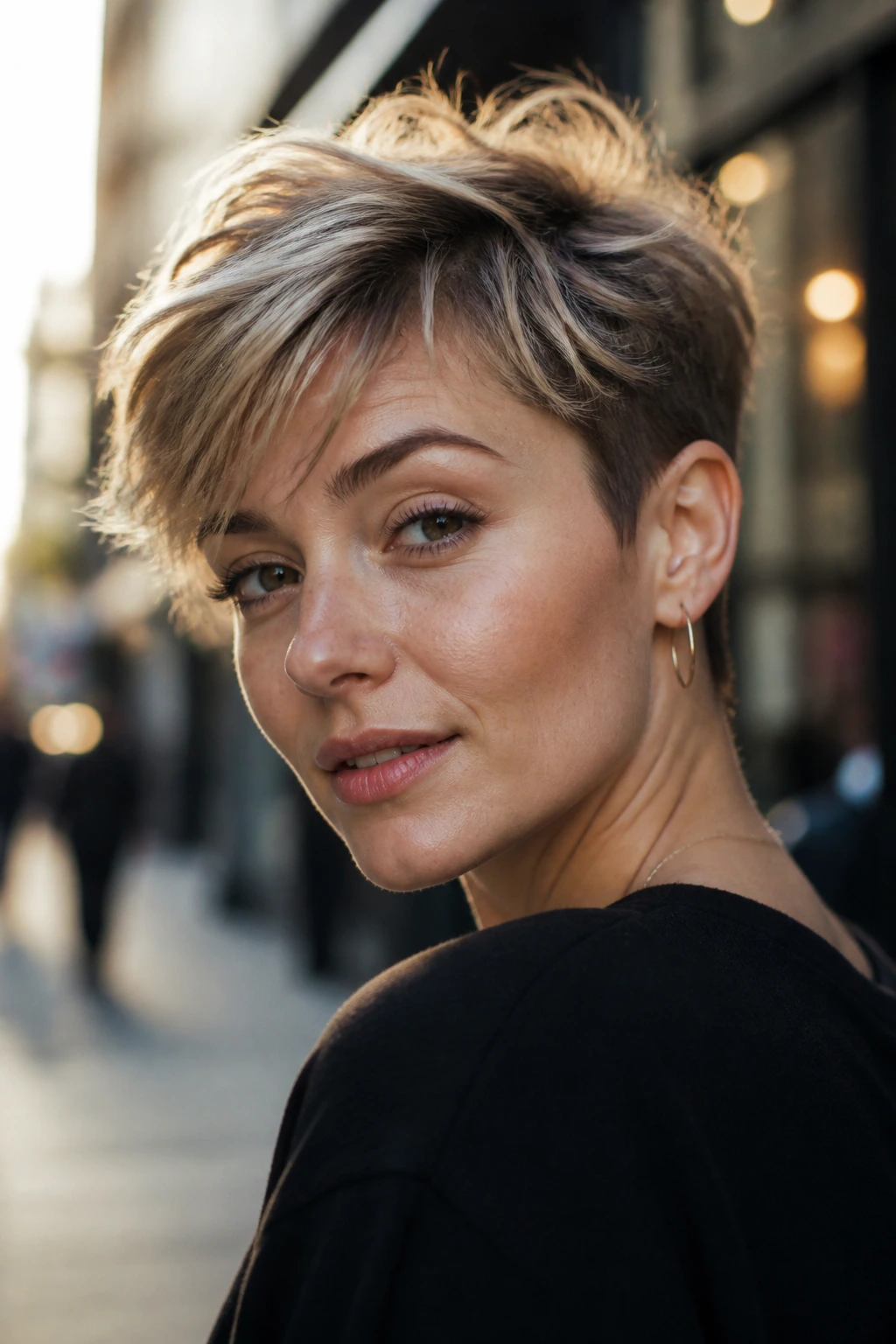
Sometimes the best bob is one that is dancing on the edge of a pixie cut. This is a shorter tapered bob that is very cropped at the back and sides but leaves just enough length on top to play with. It is essentially the “modern mom” haircut that has been given a chic, Parisian update.
Why It’s Great for Thinning Hair
When hair is very fine or thinning at the scalp, the best thing you can do is go shorter. By removing the weight of the hair, you give the scalp room to breathe, and the hair that is left looks denser because it hasn’t been stretched out by gravity.
How to Style
You can use a small amount of pomade to give it a piecey, textured look. The goal is to look like you woke up with perfectly tousled hair, even if it took you five minutes of styling to get there.
11. The Modern Shag Bob
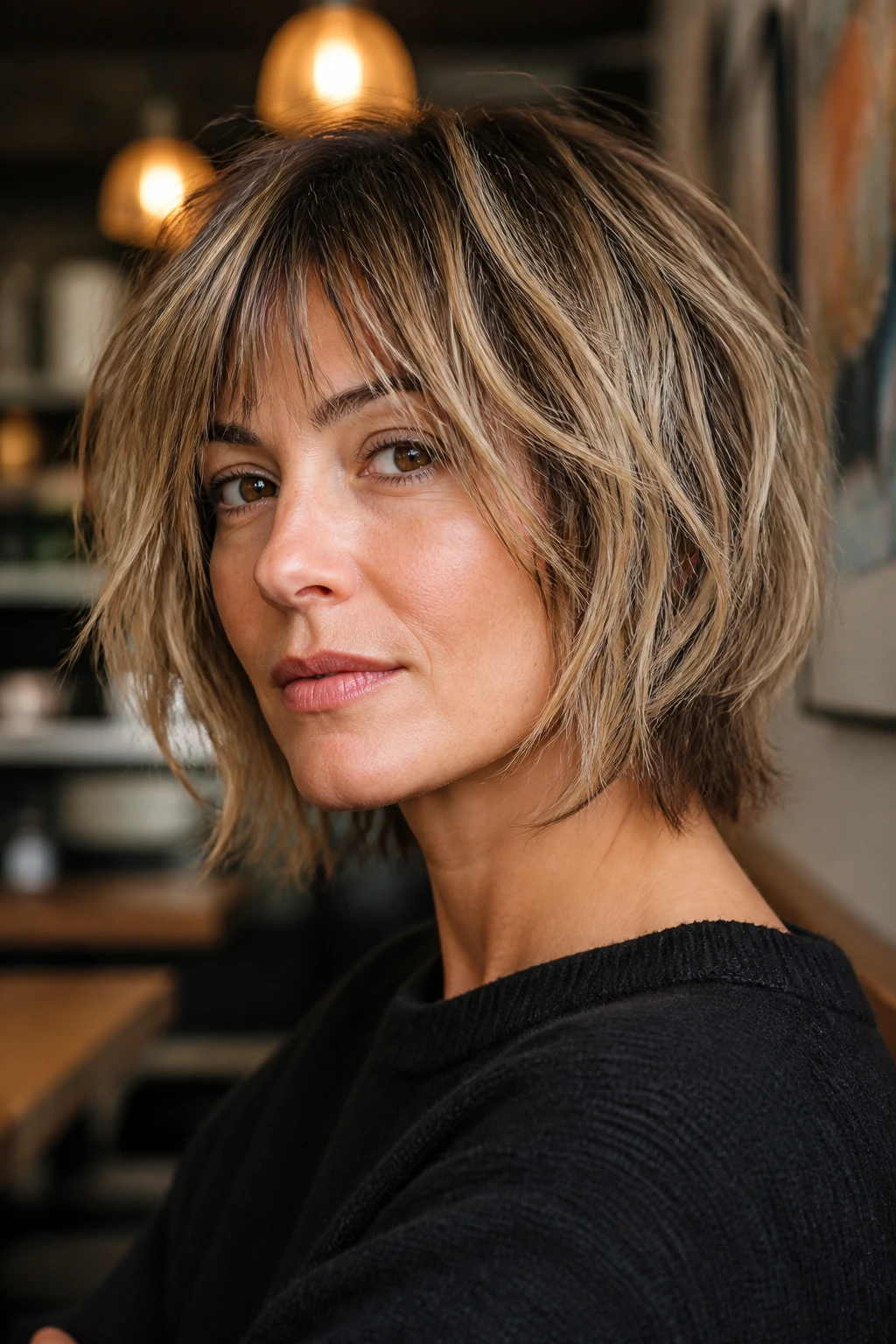
The shag is back, and it is perfect for fine hair. By adding layers throughout the entire head, you create a “bedhead” aesthetic that is supposed to look messy. For fine-haired people, this is a massive relief because you are no longer trying to achieve a sleek, flat style that just isn’t in your cards.
The Role of Layers
Layers create space between the strands. That space is filled with air and texture, making the whole head look bigger and more voluminous. The taper at the ends keeps the shag from looking too wild or unkempt at the bottom.
Complementary Color Techniques
Balayage or “babylights” look incredible with a shag bob. Adding dimension through color makes the hair look thicker, as the contrasting shades create an optical illusion of density.
12. The Tapered Blunt-End Bob
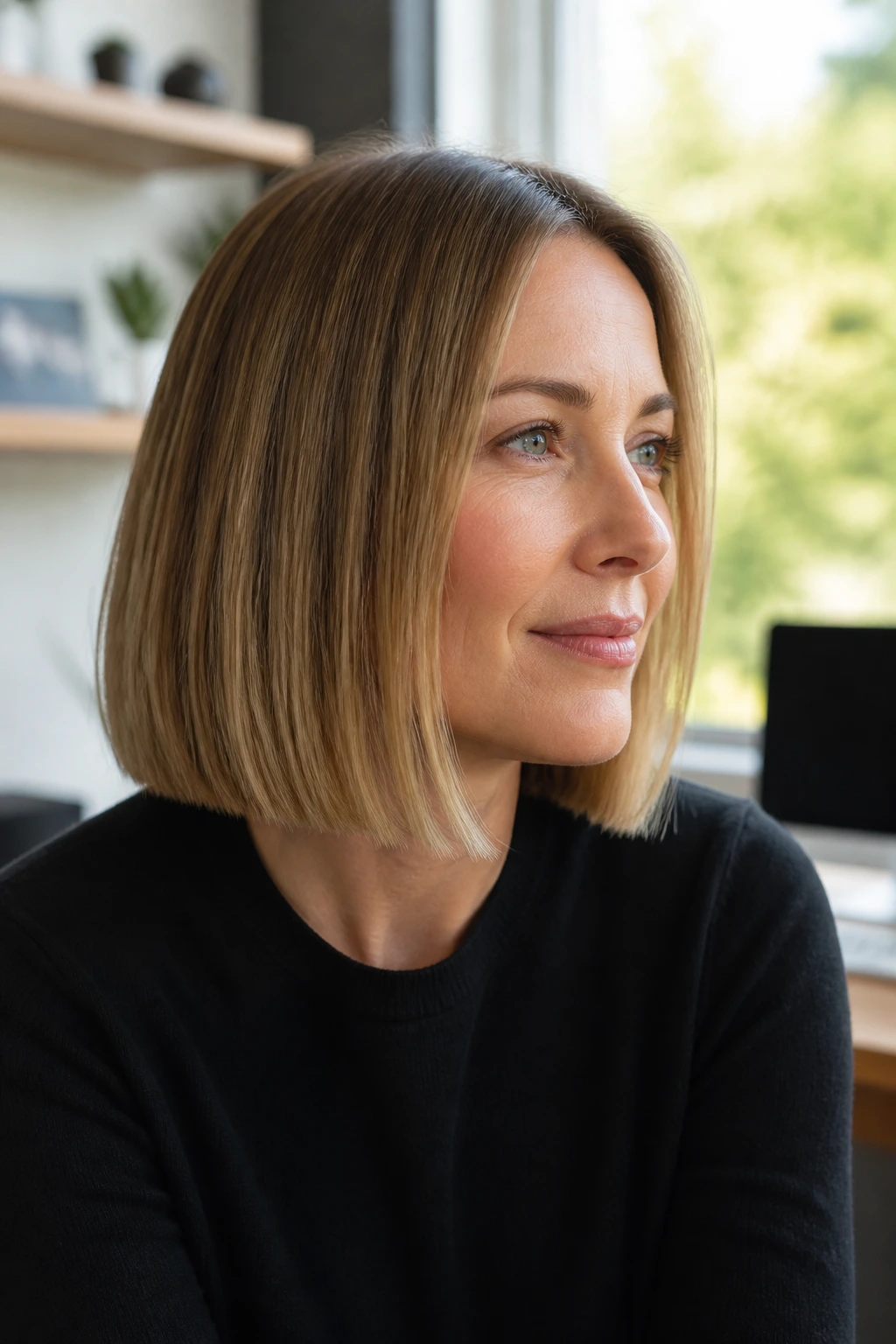
This might sound like a contradiction—how can an end be blunt and tapered at the same time? It’s all in the technique. The hair is cut into a sharp, straight line at the bottom, but the ends are then texturized slightly from the inside.
The “Thick Edge” Illusion
A blunt line at the bottom is the classic trick to make fine hair look thicker. By adding a tiny bit of internal taper, you get the visual density of a blunt cut without the “heavy” weight that can actually make fine hair look limp.
When to Use This Style
This is the ultimate professional haircut. It is precise, clean, and shows that you take pride in your appearance. It is also very easy to trim yourself if you are feeling brave, though a professional hand is always better for that internal texturizing.
13. The Undercut Tapered Bob
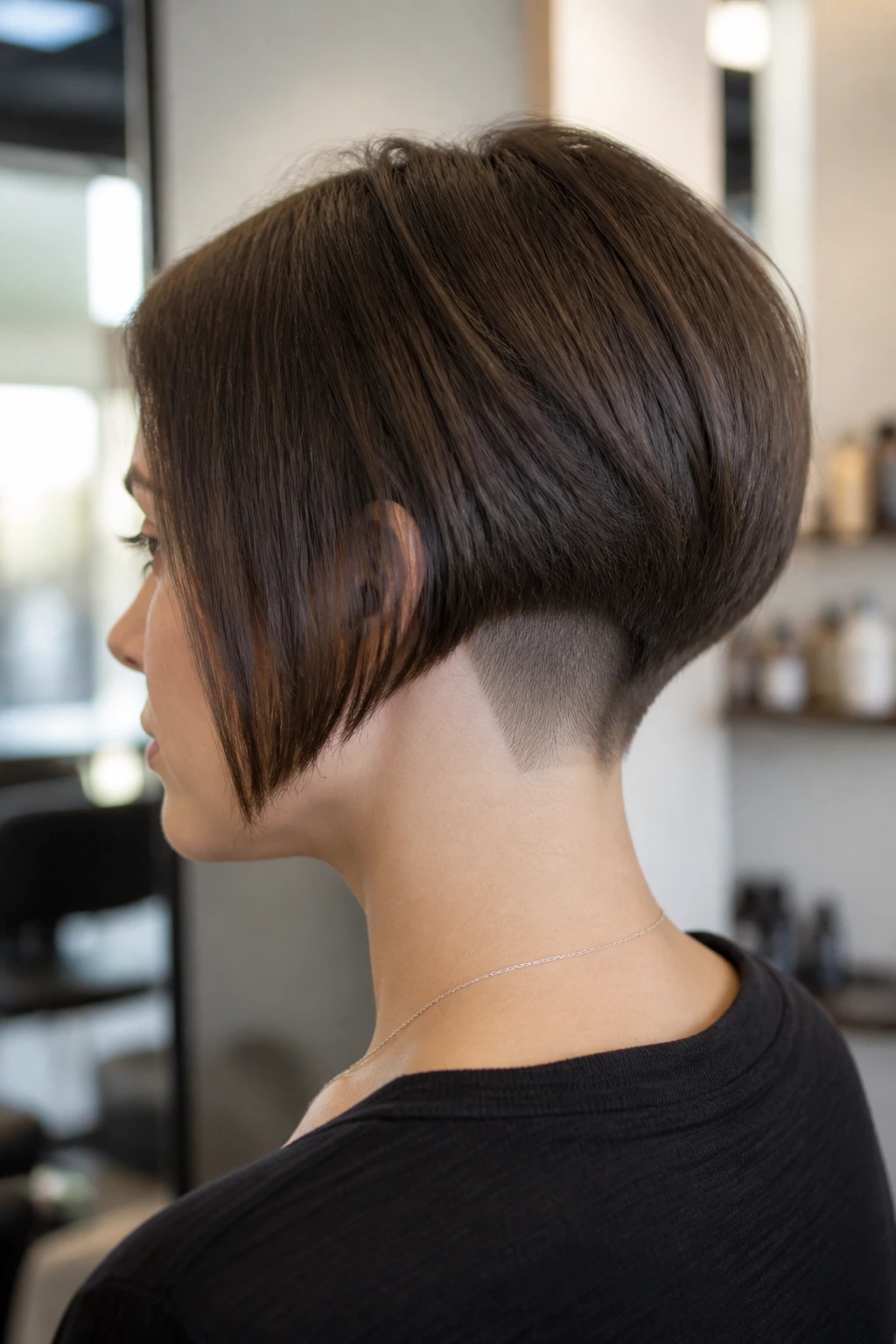
If you have truly fine hair and you’re feeling bold, an undercut at the back of the neck is a brilliant move. By shaving the hair at the very base of the skull, you remove the area where fine hair is usually the thinnest and most prone to matting.
Structural Benefits
The hair above the undercut then sits beautifully on top, creating a dramatic, clean line. It’s an edgy look that is hidden until you tie your hair up. It’s a great way to manage hair that feels like “too much” at the neck.
The Psychology of the Cut
It’s empowering to take control of your hair in such a direct way. If you’ve spent years feeling like your hair is “weak,” an undercut is the opposite of that. It’s a bold statement that prioritizes style over traditional notions of hair “thickness.”
14. The “Bottleneck” Tapered Bob
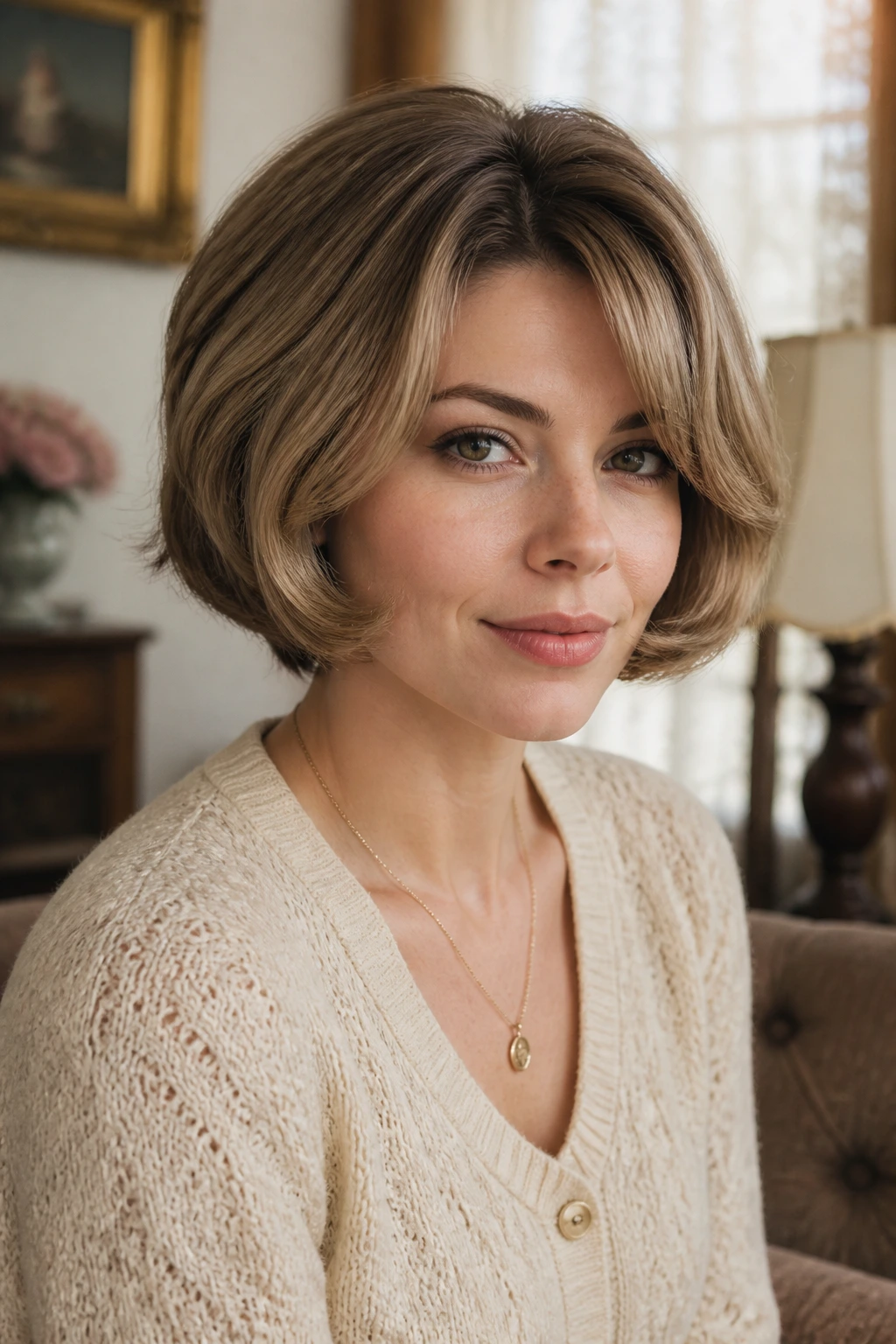
This refers to a style that is shorter and wider at the crown and then tapers down toward the nape. It’s a very vintage-inspired look that feels like it came straight out of a classic film. It’s elegant and structured, focusing volume at the top of the head.
Achieving the Vintage Vibe
Use a large-barrel curling iron to create soft, outward-facing curls at the ends. This adds volume to the width of the face, which is a great trick for those who want to add some “plumpness” to their overall aesthetic.
Final Styling Notes
Don’t brush out your curls. Let them cool completely before you run your fingers through them. This ensures the curl holds its shape throughout the day, providing that sustained volume you need.
Practical Tips for Maintaining Your Bob
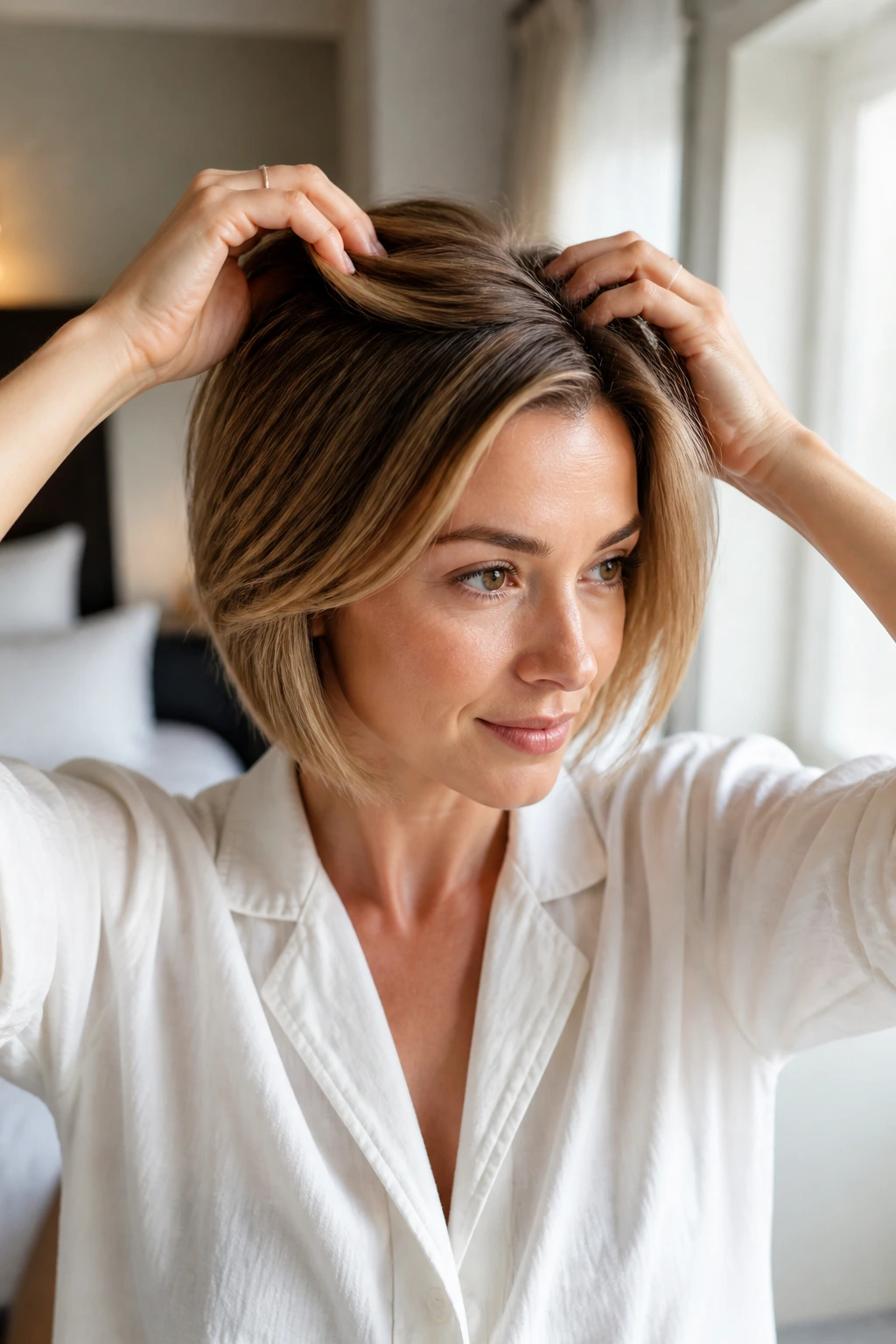
Maintaining a tapered bob when you have fine hair requires a shift in how you think about your daily routine. First and foremost, stop overloading your hair with heavy oils. While hydration is important, fine hair becomes a “flat-stick” if you apply anything thicker than a light serum. Use water-based products or foams instead of creams or pomades.
Another critical tip is the “cold air” finish. After blow-drying, use the cool shot button on your hair dryer. This seals the cuticle and helps the hair hold its shape, preventing it from drooping or losing its volume as the day progresses. It is a small step, but it makes a massive difference for the longevity of your style.
When it comes to washing, try to limit how often you wet your hair. Every time you wash, you strip away the natural friction that fine hair needs to have “grip.” If your hair feels flat on the second day, a dry shampoo applied to the roots is much better than a re-wash. Choose a dry shampoo that adds texture, not just one that absorbs oil, to get that extra lift.
Finally, invest in a silk or satin pillowcase. Fine hair is prone to breakage and static, both of which make it look thinner. A smooth pillowcase allows your hair to glide during the night, preventing the morning “frizz-and-flat” combo that often requires a total redo before you leave the house.
Variations and Adaptations

The beauty of the tapered bob is how adaptable it is. If you want to lean into your natural texture, you can ask for a “curly tapered bob,” which uses similar principles of graduation but leaves longer, looser layers on top to allow your curls to spring up. This actually works better for fine, curly hair than a blunt cut, as it prevents the “triangle” shape that curls sometimes fall into.
If you are concerned about thinning as you get older, the tapered bob is still your best friend. Many stylists recommend moving the part around the crown every few weeks to keep the roots from getting “used” to laying in one direction. You can also incorporate temporary color-depositing glosses. These add a tiny bit of thickness to each strand, making the overall head of hair look significantly fuller without any harsh chemicals.
For those who are strictly vegan or prefer natural products, avoid hair sprays with high plastic or silicone content. Instead, look for natural salts or sugar-based texturizers. These work by creating a slight “grit” on the hair, which is exactly what fine, tapered hair needs to stay in place and look voluminous.
Storage and Make-Ahead Styling
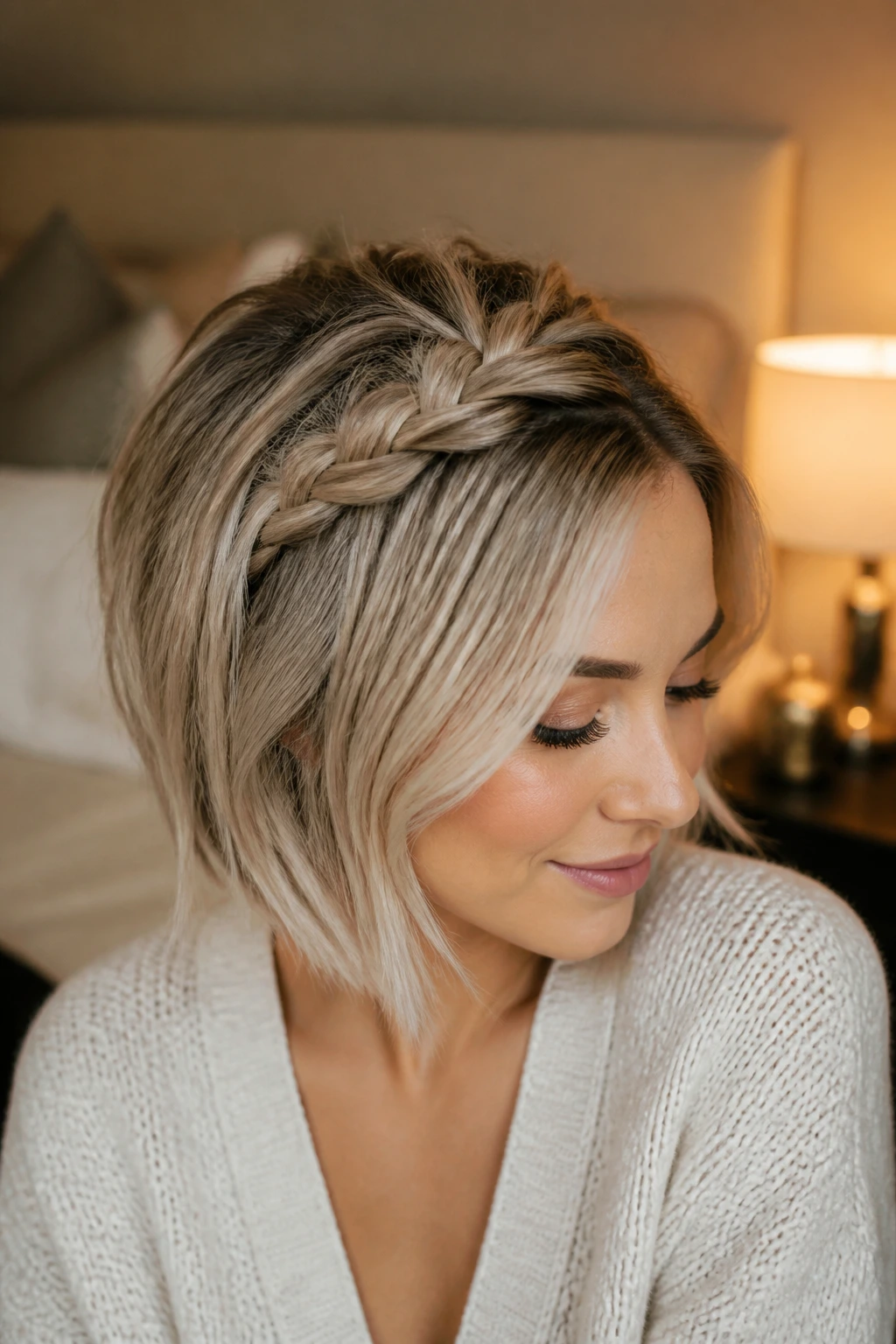
Let’s be honest: some mornings are just too busy. If you have a tapered bob, you are already ahead of the curve because your hair has a built-in shape. However, you can “prep” your hair the night before. If you sleep with a loose, high braid at the very top of your head, you can wake up, let it down, and have a natural, wavy volume that lasts all day.
If you are heading to a special event and need your hair to look its best, do not wash it the morning of. Fine hair actually holds styles better on “second-day” hair. If you need to freshen it up, use a light mist of water and a quick blow-dry to reactivate your styling products. This “refreshes” the volume without needing to start the whole process from scratch.
When traveling, bring a travel-sized root booster. Because your tapered bob depends on root lift, the humidity in new environments can be a struggle. A quick spritz of root booster before you head out the door keeps your style looking fresh, even if you are thousands of miles away from your usual routine.
Final Thoughts

The tapered bob is more than just a haircut; it is a tactical choice. By understanding how fine hair behaves—how it wants to cling, how it wants to flatten, and how it reacts to weight—you can use the taper as a tool to gain the volume you crave. It removes the excess, highlights the silhouette, and gives you a style that looks intentionally crafted rather than just “left to grow.”
Choose your style based on your lifestyle. If you want to wash-and-go, the razor-cut shag is your best bet. If you want the sharp, boardroom-ready look, the blunt-tapered A-line is the winner. Whatever you choose, remember that the goal is movement. A bob that moves is a bob that looks healthy, thick, and full of life. You have the power to define your own texture, one layer at a time.