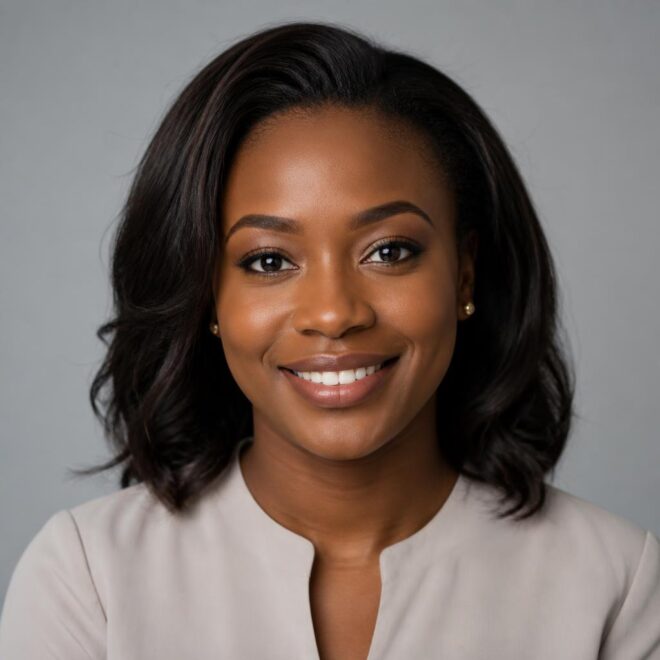


Thick hair can be both a blessing and a structural challenge. You likely know the feeling of a heavy, unruly mane that seems to have a mind of its own, often resulting in that dreaded triangle shape when cut at the wrong length. A choppy bob, however, changes the entire game. By introducing deliberate, jagged texture, you strip away the excess weight while keeping the volume that makes thick hair so enviable in the first place. When you add bangs into the mix, you create a frame for your face that feels intentional, modern, and surprisingly low-maintenance.
The secret to success here is all in the internal layering and the point-cutting technique. You need a stylist who is comfortable wielding thinning shears or a razor to remove bulk from the mid-lengths without turning the ends into wisps. Because your hair has natural density, it can handle the intense texturizing required for that “choppy” aesthetic without looking flat or over-processed. If you are ready to stop fighting your hair and start leaning into its natural volume, these styles offer a roadmap for your next salon visit.
1. The Piecey French-Girl Bob
This look is all about that “I just rolled out of bed but somehow look perfect” vibe. It features blunt, chin-length ends that have been heavily point-cut to remove weight. The bangs are long and wispy, hitting just below the eyebrows, which softens the overall geometry of the cut.
Why It Works for Thick Texture
Because your hair is naturally dense, the blunt base provides the weight needed to keep the style grounded. The choppiness comes from the texture added throughout the body, not from the perimeter itself. You get the polish of a bob with the grit of a shag.
Styling for the Piecey Look
Use a lightweight sea salt spray while your hair is damp. Scrunch the ends as you air-dry to encourage the natural bend. If your hair is too straight, a quick pass with a flat iron, bending your wrist back and forth to create irregular waves, will finish the look in minutes.
2. The Textured A-Line with Curtain Bangs
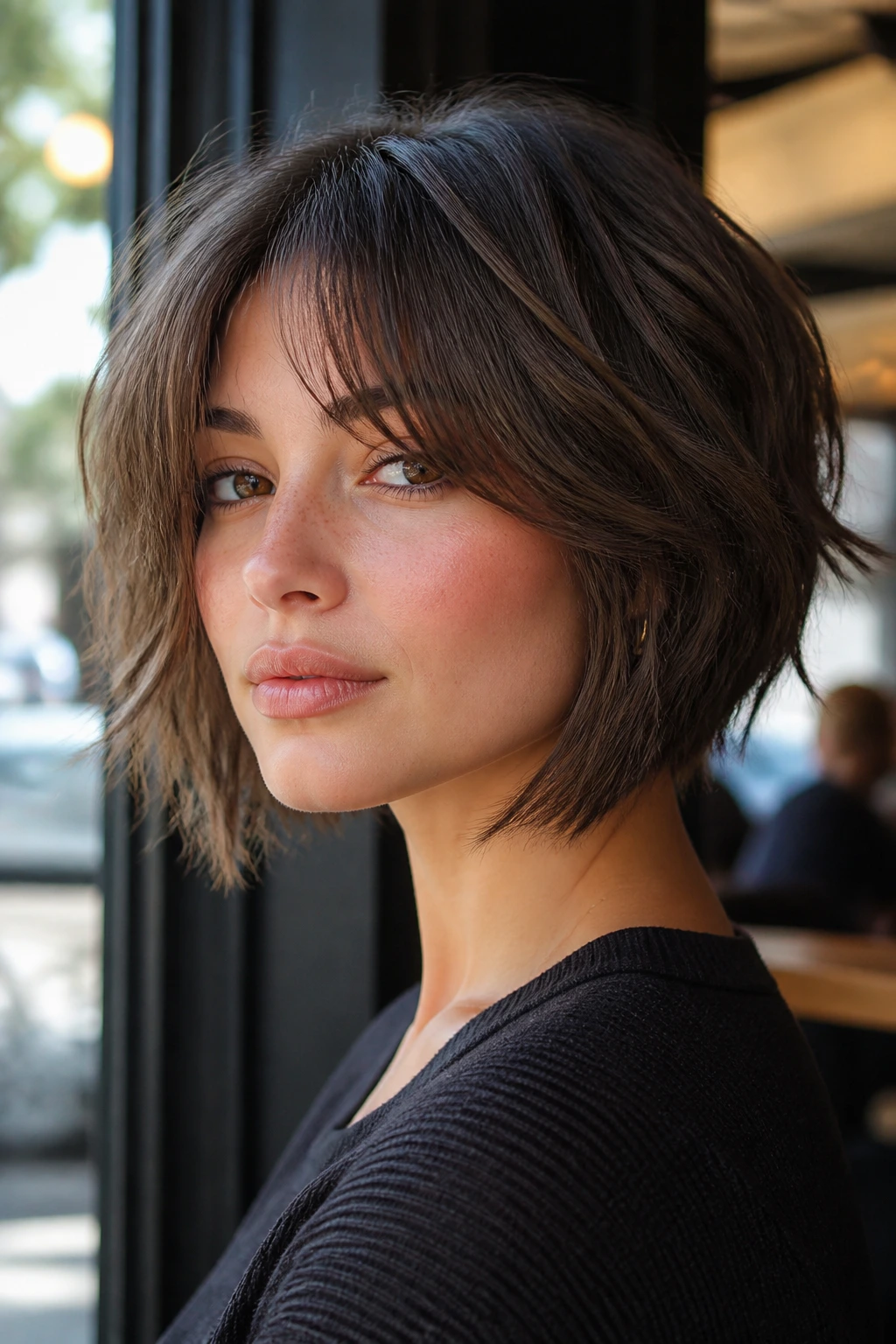
An A-line bob is a classic for a reason, but when you chop into it, it becomes infinitely cooler. The back is cut shorter, allowing the hair to stack slightly, while the front remains longer to frame the face. Adding curtain bangs bridges the gap between the face-framing pieces and the rest of the cut.
How the Weight Disappears
The “stacked” effect in the back is where you can get aggressive with thinning. Since the hair is shortest there, removing bulk prevents that puffy, rounded look that often plagues thick-haired bobs. The curtain bangs, which are thick and layered, balance out the density of the front pieces.
Pro Maintenance Tip
To keep this cut looking sharp, you need to revisit the salon for a perimeter trim every six to eight weeks. Because of the aggressive angle, even a small amount of growth can throw off the balance of the silhouette.
3. The Shattered Jaw-Line Bob
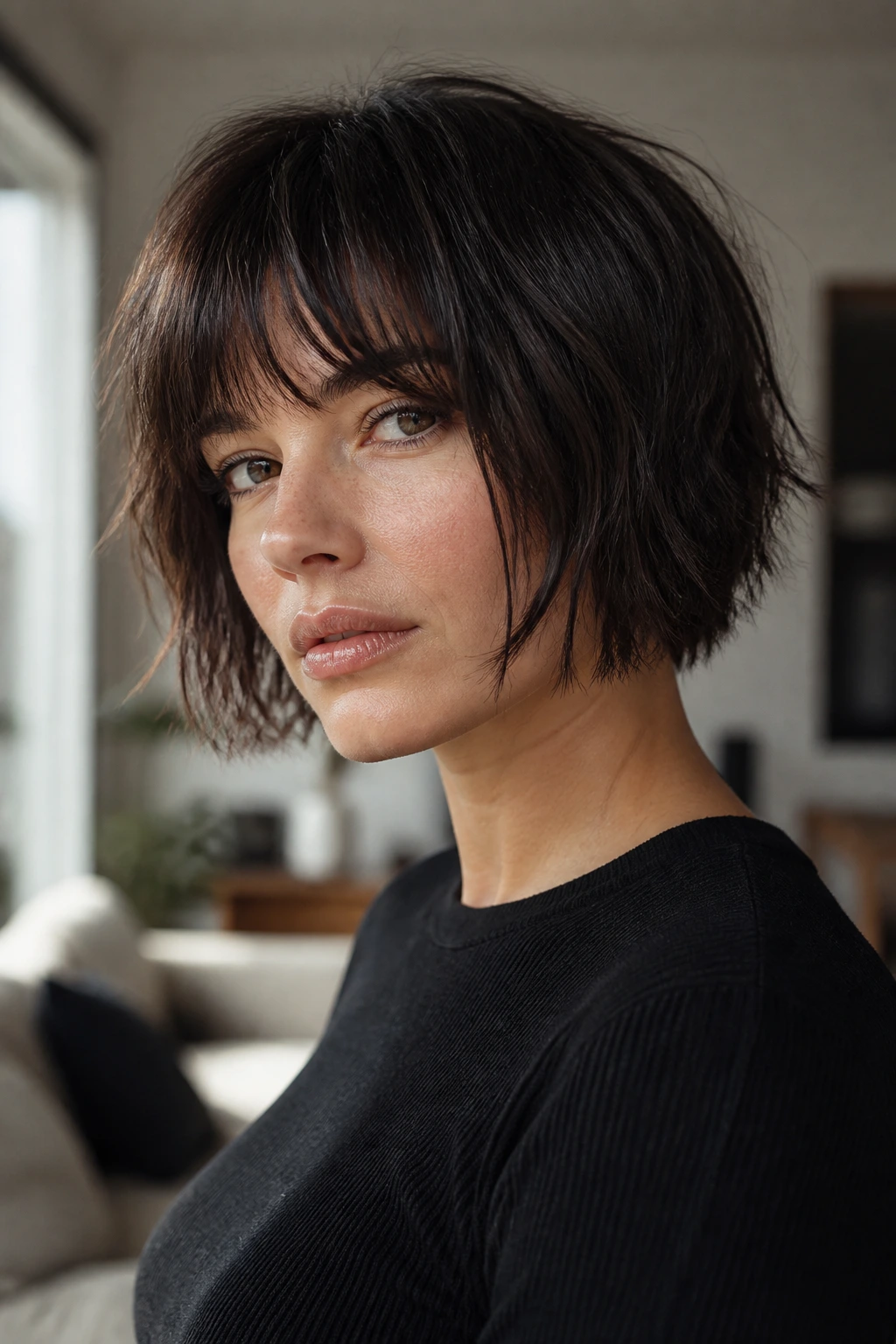
If you want to highlight your bone structure, this is the cut for you. It sits right at the jawline, creating a horizontal line that draws the eye upward. The “shattered” effect is achieved by deep point-cutting the ends, giving them a jagged, uneven appearance that looks intentionally distressed.
Adding Movement to Density
Thick hair often sits like a helmet if it’s too uniform. By shattering the ends, you introduce different lengths within the same section. This forces the hair to fall in a more natural, fragmented way rather than clumping together into a single, heavy line.
Who Should Choose This
This cut is ideal if you have a strong jawline you want to showcase. It is particularly effective on oval or heart-shaped faces. If your face is very round, you might find this length creates too much width, so ask your stylist to keep the front pieces slightly longer to elongate the neck.
4. The Layered Shag-Bob Hybrid
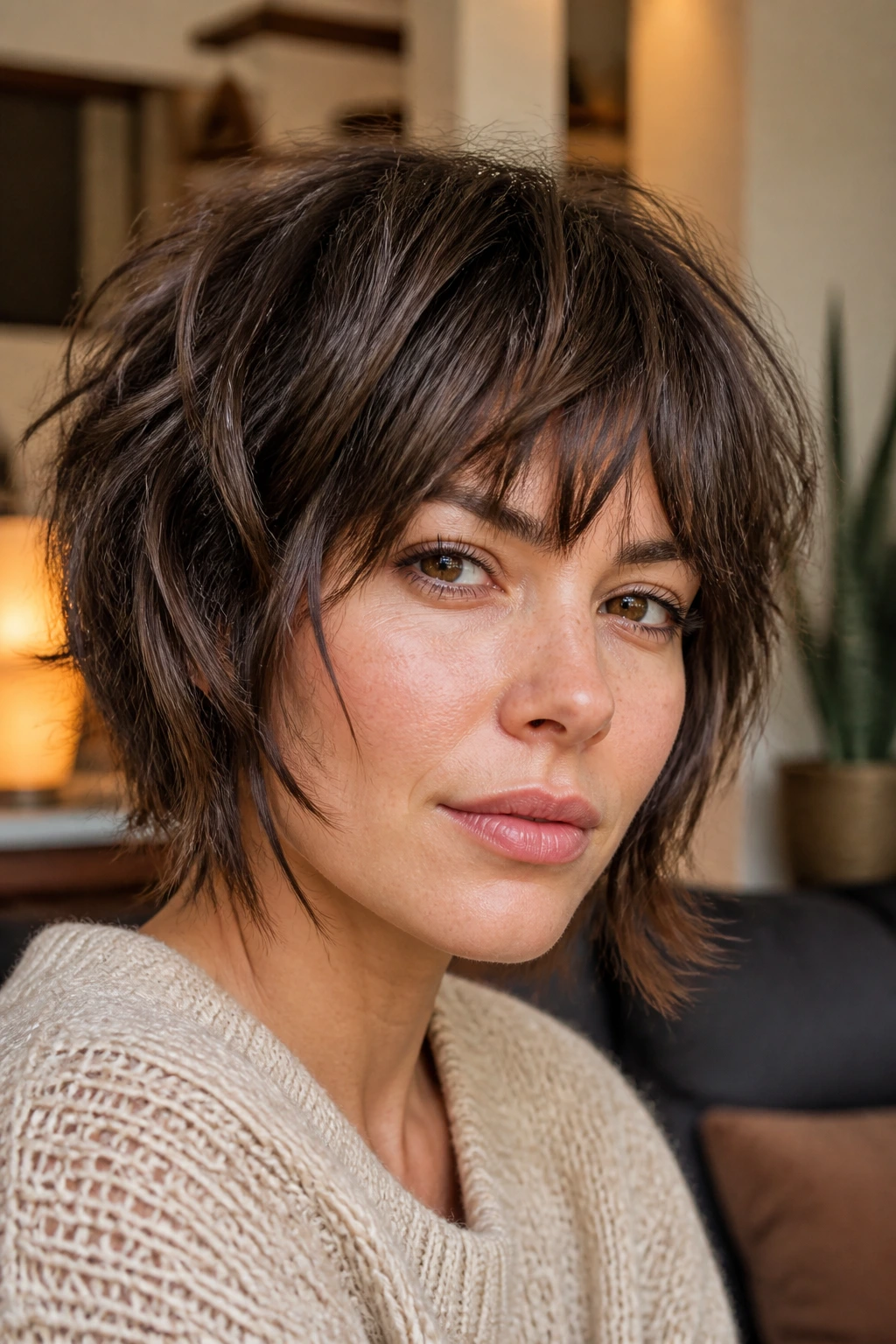
This is the ultimate low-maintenance option for thick, wavy hair. It combines the length of a bob with the high-impact layers of a 70s-style shag. The bangs here are usually shorter and more “lived-in,” meaning they aren’t perfectly trimmed across the forehead.
The Mechanism of the Cut
Layers are your best friend. By cutting shorter layers toward the crown, you reduce the overall height of the hair, making it less likely to poof out. The choppiness is built into the layers themselves, which creates a messy, textured finish that only gets better as the day goes on.
Essential Tools
Invest in a quality texturizing paste. Since this cut is supposed to look a bit wild, you want a product that adds grip without making the hair crunchy. Rub a pea-sized amount between your palms and work it into the mid-lengths, pulling your hands through the hair to define the separate layers.
5. The Blunt Bob with Micro-Bangs
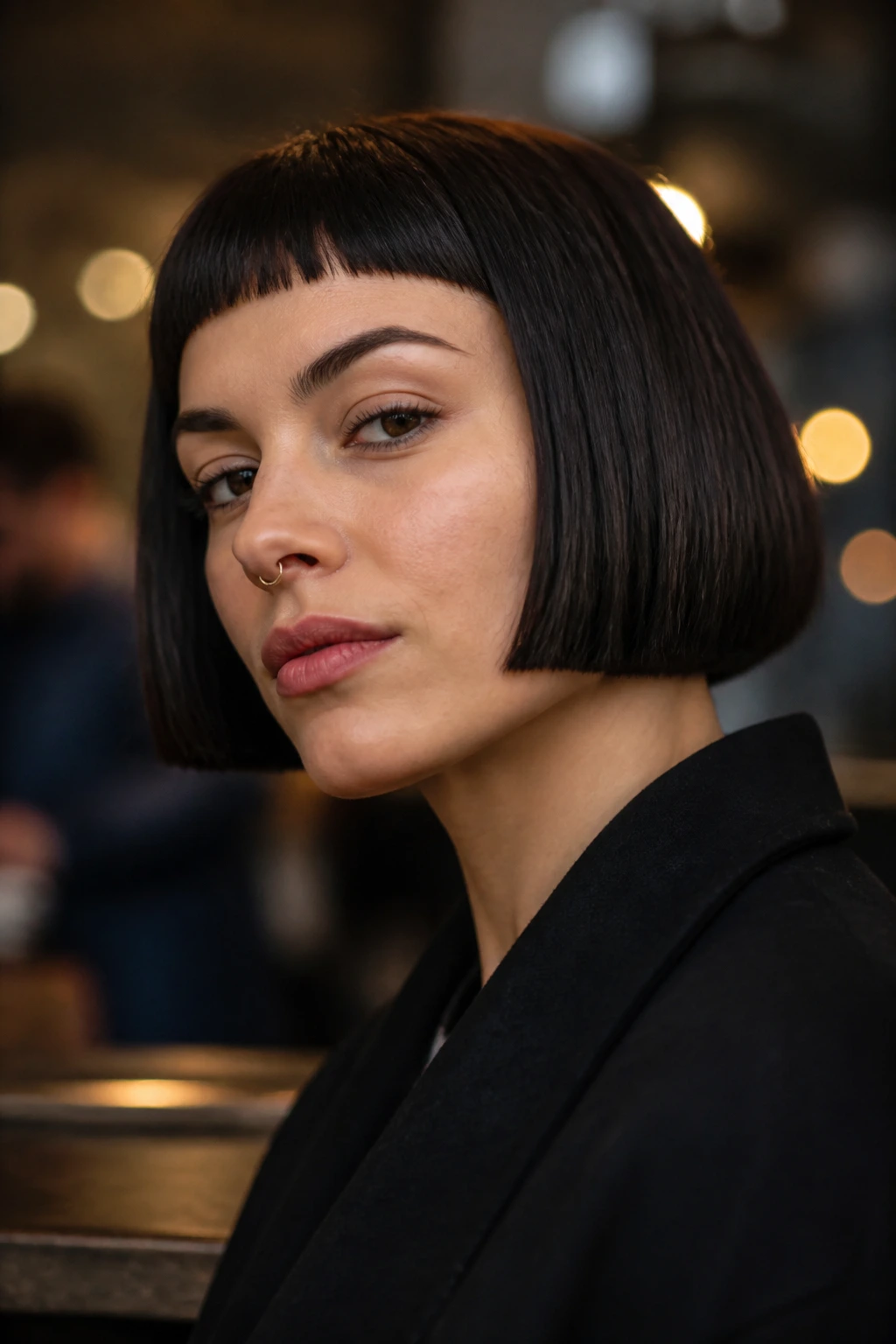
This is a bold, high-fashion choice. The bob is cut to a sharp, blunt length just above the chin, while the bangs are cut significantly shorter than the brow line. It sounds intimidating, but for thick hair, it removes a massive amount of bulk from the front.
Balancing the Density
The contrast between the sharp, heavy perimeter and the short, choppy bangs is what makes this look work. Because you are taking so much hair away at the bangs, you are actually thinning out the density of the front sections, which helps the bob sit closer to your face rather than pushing outward.
The Stylist Consultation
Be very clear with your stylist about the bang length. If they are too long, they will look like a mistake. They need to be cut with precision, usually while the hair is dry, to ensure they don’t bounce up too high once the weight is removed.
6. The Undercut Choppy Bob
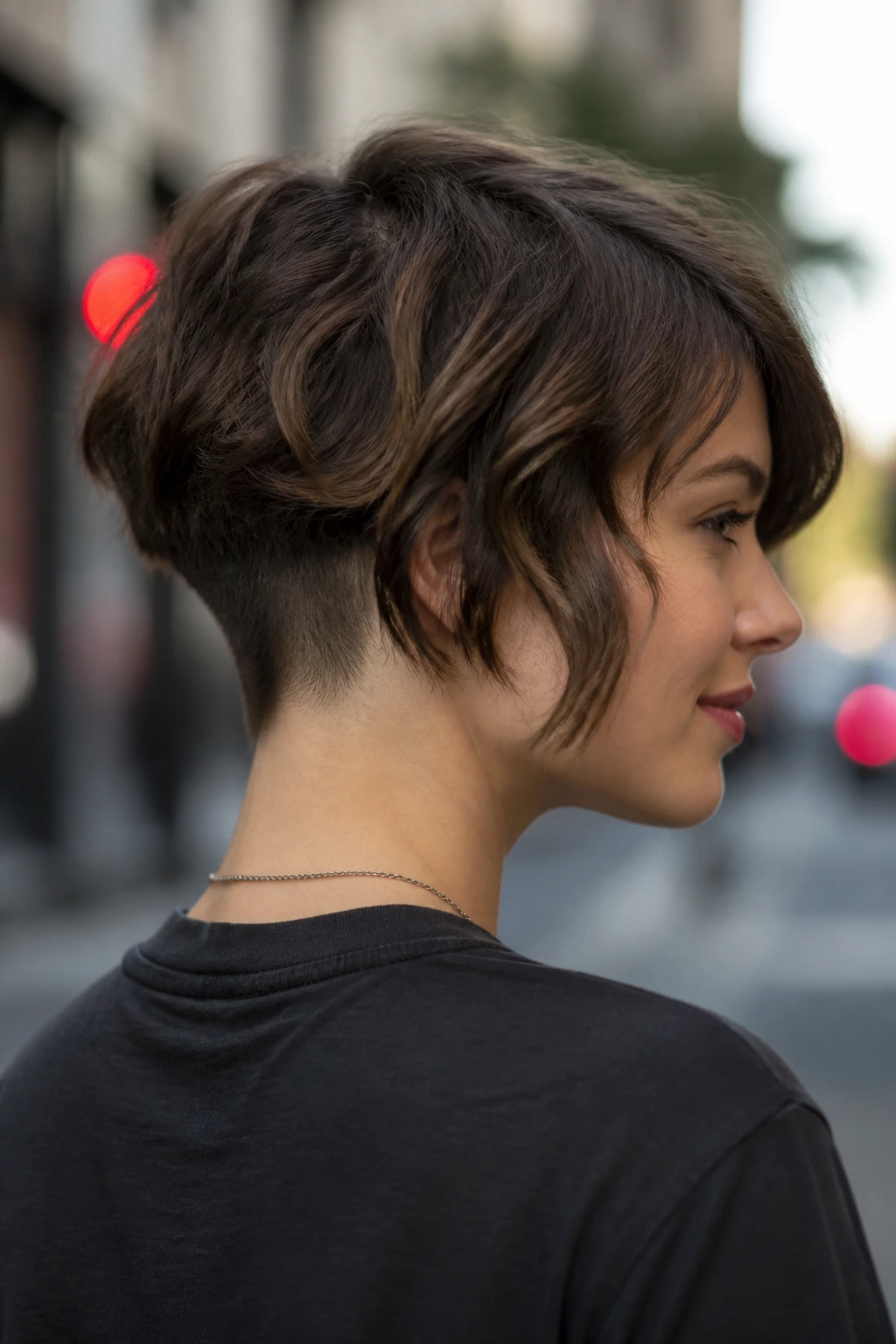
If you have truly heavy, coarse hair, sometimes you need to take drastic measures. An undercut involves shaving or trimming a section of hair at the nape of the neck. When the rest of the hair falls over it, the weight is gone, but the illusion of a full, thick bob remains.
How to Style It
You have to be confident enough to expose the undercut if the wind blows. However, the trade-off is immense: your hair will feel half as heavy, and your neck will stay cool during the hotter months. The top layers can then be cut into a messy, choppy bob without any of the bulk.
Is It For You?
Only do this if your hair is thick enough to completely hide the shaved area when down. If your hair is on the finer side of thick, the undercut might show through, which can look jarring.
7. The Deeply Layered Rounded Bob
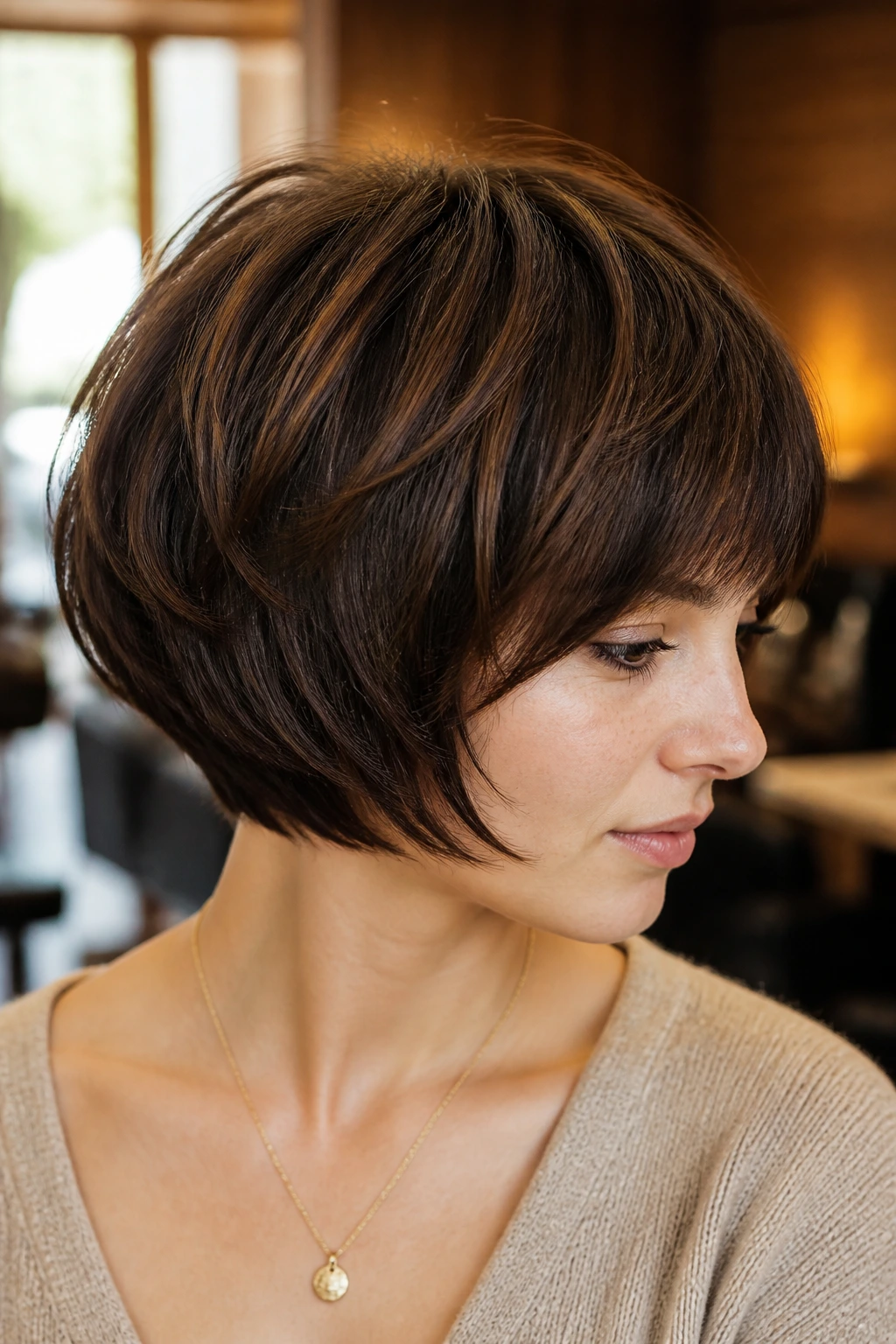
While many thick-haired bobs aim for a flat, sharp look, this one embraces the natural roundness of your hair. The layers are cut in a way that mimics a mushroom or rounded shape but are deeply textured so they don’t look dated or stiff.
Softening the Perimeter
The key to this style is avoiding a blunt line. If you leave the ends blunt, they will curl up and create that pyramid shape. Ask your stylist to “slide cut” the ends, which means moving the scissors down the hair shaft rather than cutting straight across. This creates a soft, tapered end that curls inward naturally.
Managing Frizz
Rounded cuts require a bit more styling effort. You will likely need to use a round brush and a blow dryer to guide the hair into that curved shape. Use a smoothing cream beforehand to ensure the texture stays sleek rather than frizzy.
8. The Razored Bob with Side-Swept Bangs
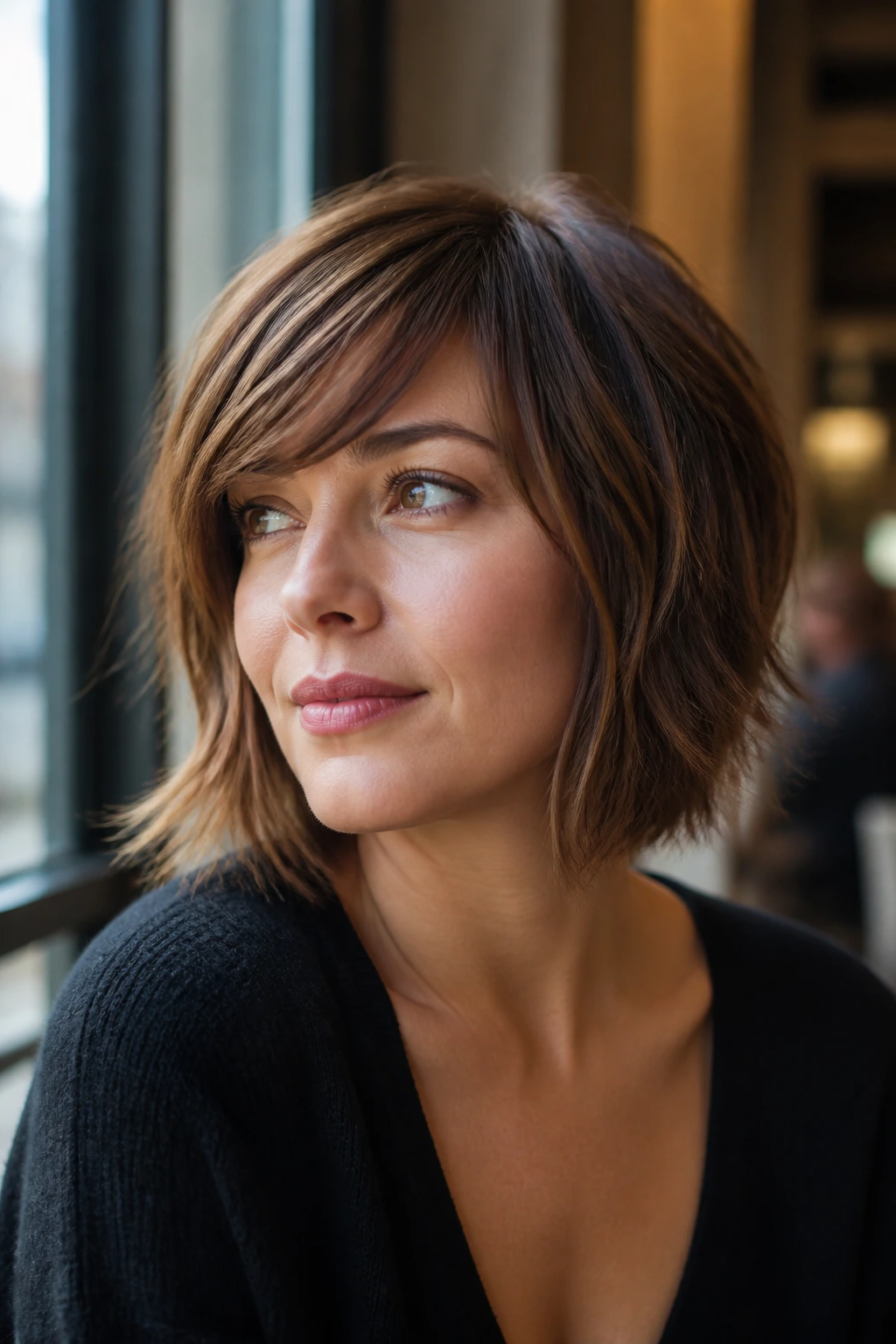
Using a razor instead of scissors is a secret weapon for thick hair. It creates a thinner, softer edge than the precise, blunt line of scissors. Pairing a razor-cut bob with side-swept bangs creates an asymmetrical, effortless look that feels very balanced.
Why the Razor Wins
Razors naturally remove more bulk than scissors. As the blade slides through the hair, it takes away the thickness in an irregular, feathered way. This makes the choppy aesthetic look much more fluid and less forced than it would with point-cutting.
A Warning for Sensitive Hair
If your hair is prone to split ends, be careful. A dull razor blade will shred the ends and cause more damage. Ensure your stylist uses a fresh, sharp blade and that they only use it on healthy hair.
9. The Long Choppy Lob with Face-Framing Bangs
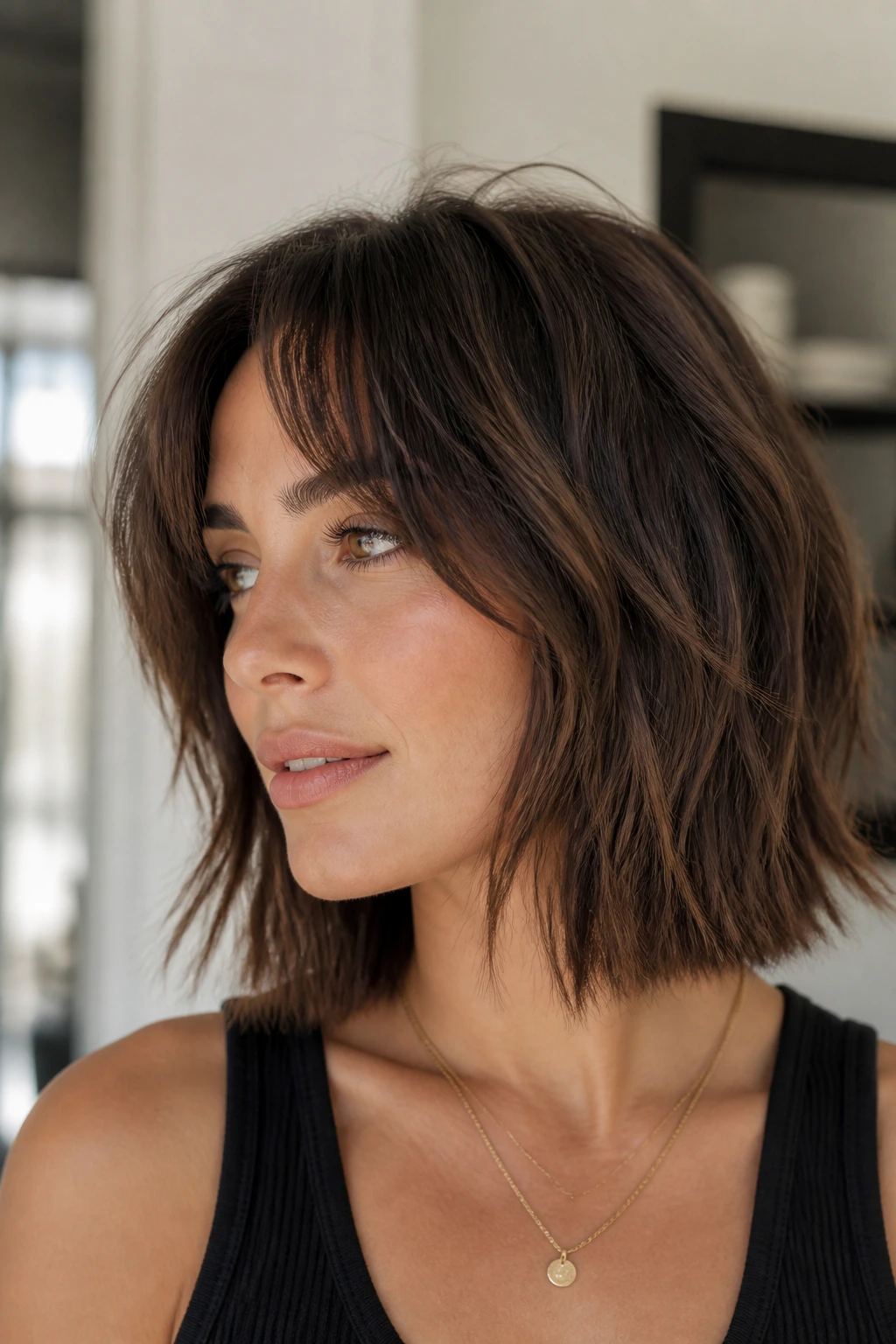
If you are hesitant to go too short, start here. A long bob (or “lob”) that hits just above the collarbone is the perfect transition length. The choppiness comes from internal texturizing that allows the hair to move freely.
Framing the Face
Face-framing bangs are essentially long, layered pieces that start at the cheekbone and blend into the length of the bob. For thick hair, these should be cut with heavy layering so they don’t look like separate strips of hair hanging next to your face.
Transitioning to Shorter
This is a great “trial” cut. If you find that you still have too much bulk even at this length, you know you are ready to go shorter. If you find it’s the perfect amount of management, you can stay at this length for as long as you like.
10. The Edgy Undone Bob
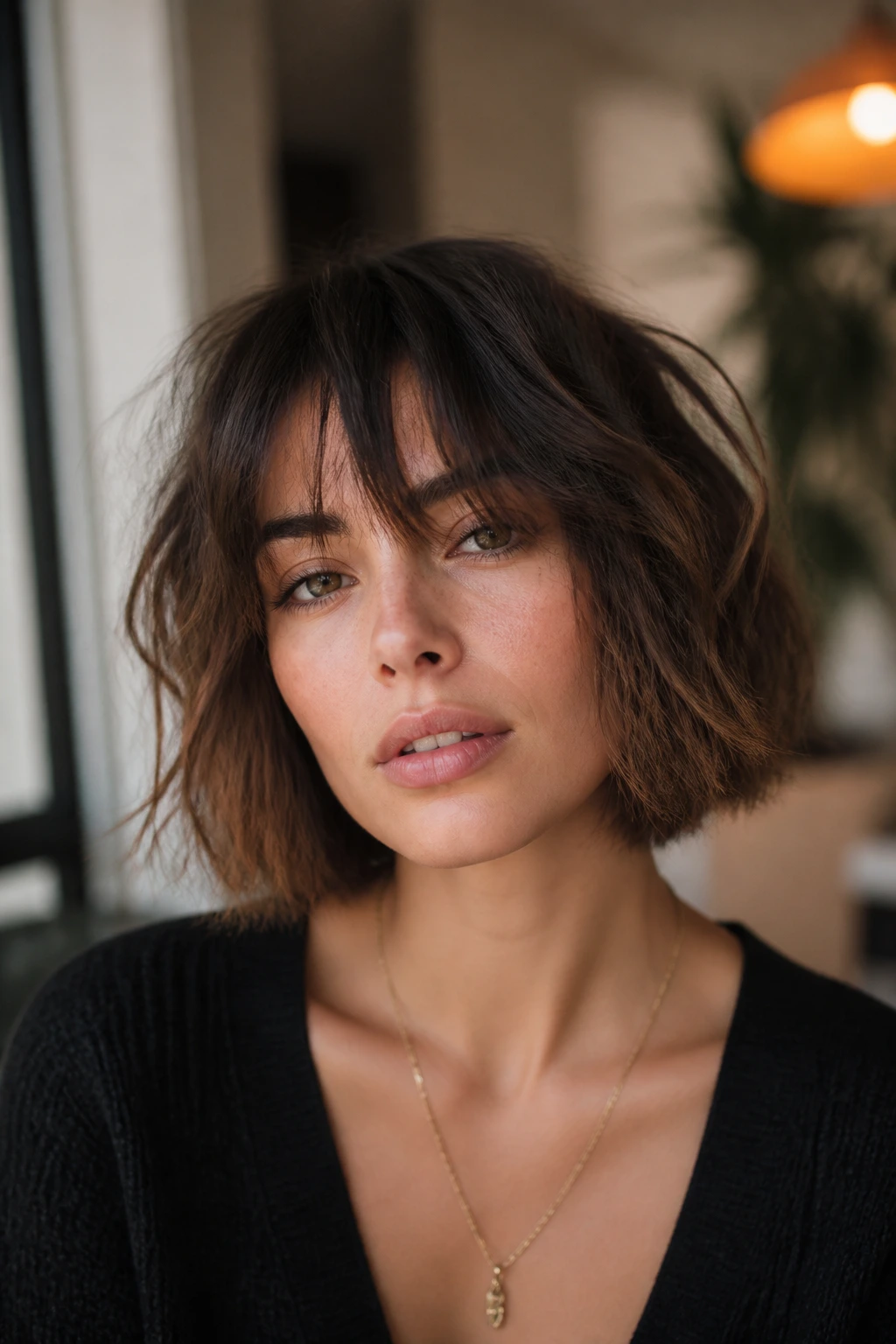
This style is for the person who hates the “done” look. It’s a messy, lived-in style that relies on irregular layering. The bangs are long, piecey, and meant to be pushed around throughout the day. It’s almost like a short, modified shag.
Managing the Chaos
The “undone” look still requires structure. You need your stylist to map out where your hair naturally falls. Once the structure is there, the choppiness just enhances what your hair is already doing.
The Best Hair Type for This
This works best on naturally wavy or straight-but-coarse hair. If your hair is poker-straight and very fine-but-dense, you might struggle to get the “undone” look to stay without a lot of styling products.
11. The Classic Bob with Heavy Fringe
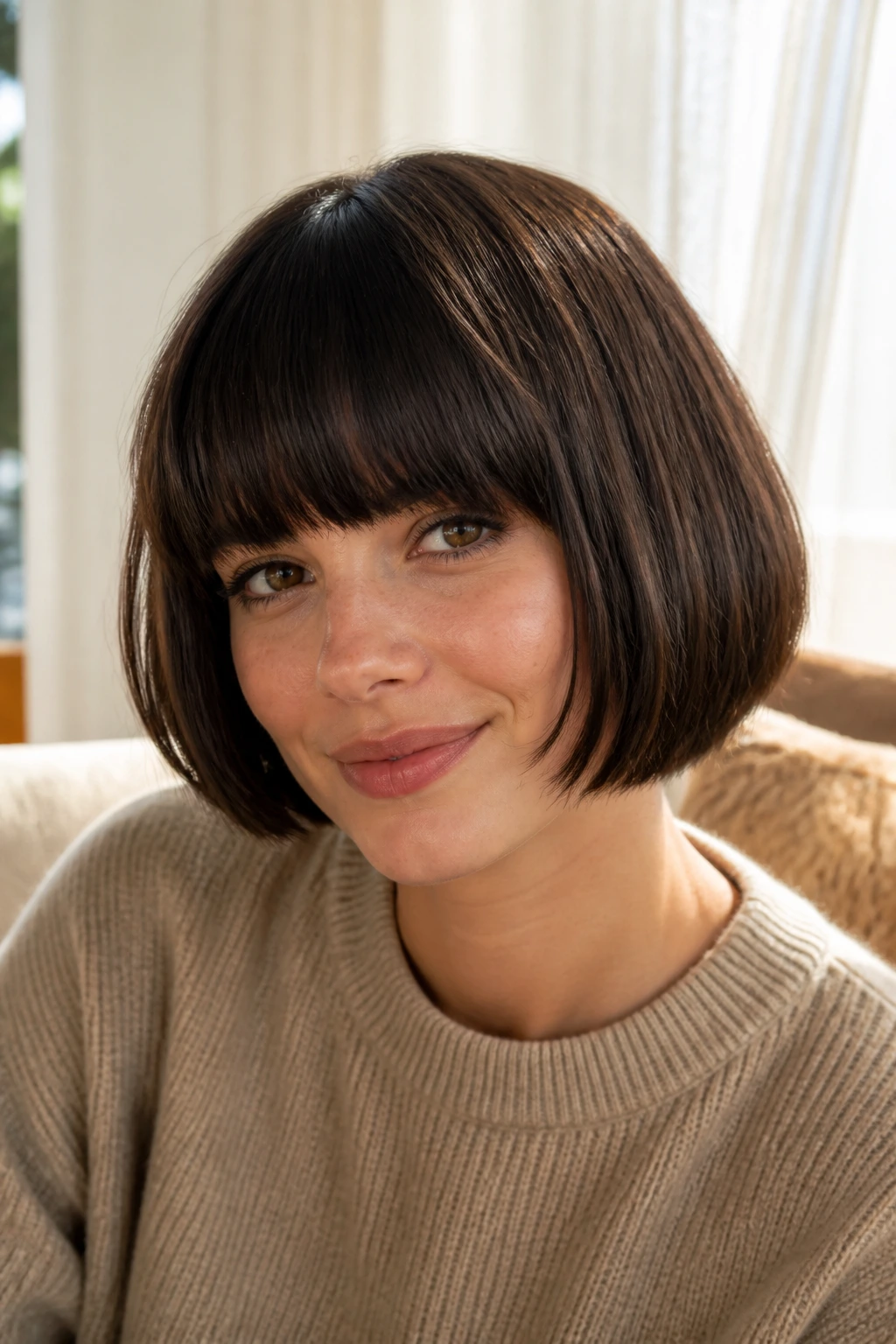
Sometimes, simplicity is the most effective approach. A classic chin-length bob paired with a heavy, thick fringe creates a strong, defined look. The choppiness is introduced by deep internal layers that break up the blocky weight.
The Heavy Fringe Advantage
For thick-haired individuals, a heavy fringe covers a lot of hair. It takes the “weight” away from the crown and allows the hair to fall more naturally. Make sure the bangs are cut wide—from arch to arch—to maximize the amount of hair removed from the front.
Maintaining the Shape
The classic bob is unforgiving when it grows out. If you choose this, you are committing to a monthly maintenance schedule. It is a high-reward cut, but it demands your time.
12. The Wavy Bob with Tapered Ends
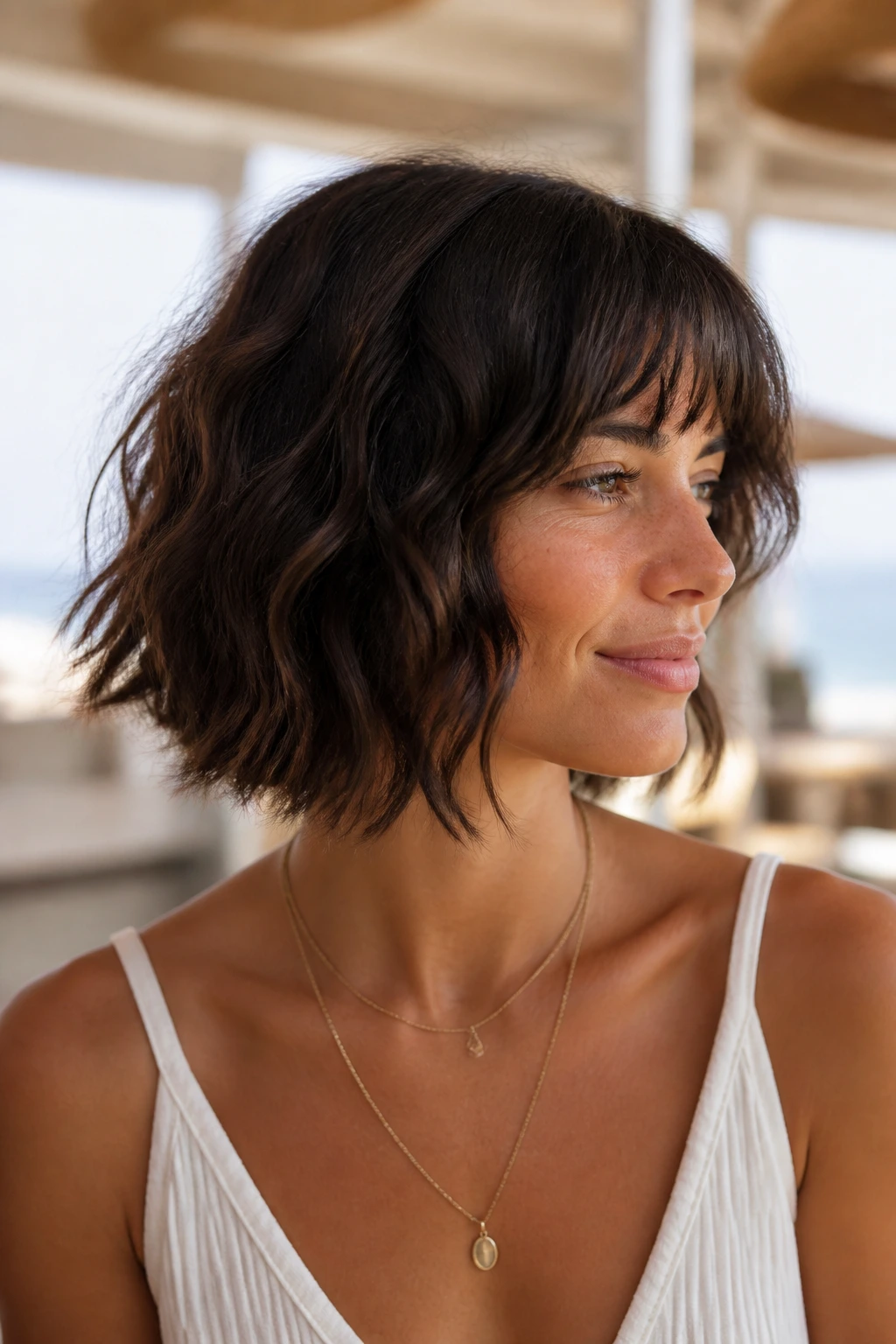
If you have natural waves, you should be embracing them. This cut focuses on removing weight from the very ends of the hair so the natural wave pattern can spring up and take shape. The bangs are cut with a bit of length so they can be styled wavy or straight.
Tapering vs. Thinning
Tapering is the art of shortening the hair gradually. By tapering the ends of your bob, you ensure the hair doesn’t puff out at the tips. This gives your thick hair a more streamlined, elegant appearance that highlights your natural texture.
Drying Tips
Avoid the hairdryer whenever possible. Let your hair dry until it is about 80% finished, then use a light diffuser to finish the ends. This will keep the waves intact without encouraging frizz.
13. The Asymmetrical Choppy Bob
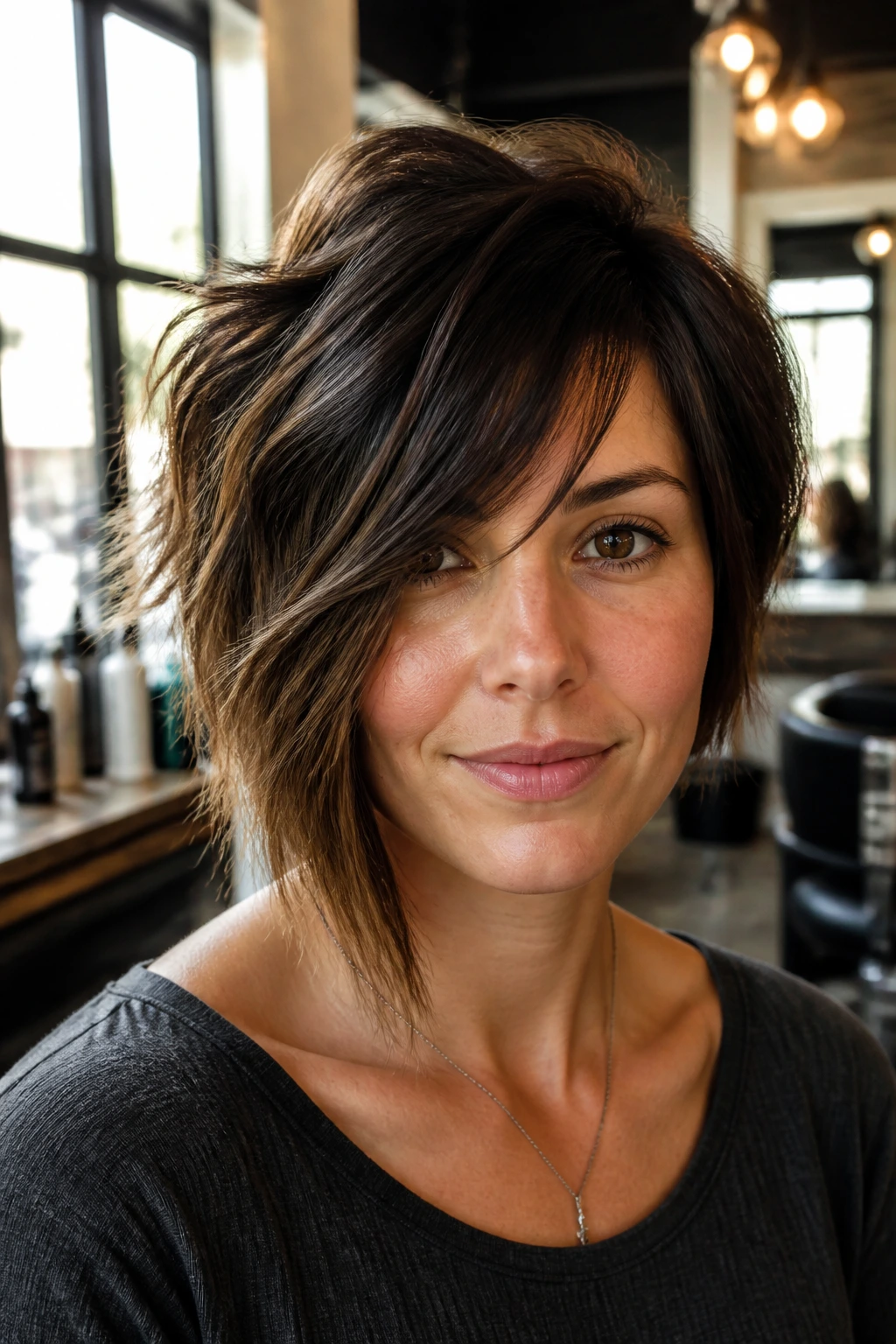
Want to make a statement? An asymmetrical bob is cut shorter on one side than the other. When you add heavy, choppy layers to this, you get a cut that looks completely different from every angle.
Why It Works for Thick Hair
The asymmetry naturally shifts the weight of your hair, preventing a bulky, symmetrical build-up. The choppy layers on the longer side allow it to sit flatter against the face, which is usually the area where thick-haired people feel the most “poof.”
Styling the Difference
You will need to learn to style both sides differently. The shorter side will likely require less work, while the longer side might need a bit of product to keep it from behaving differently than the rest of the cut.
14. The Inverted Bob with Wispy Bangs
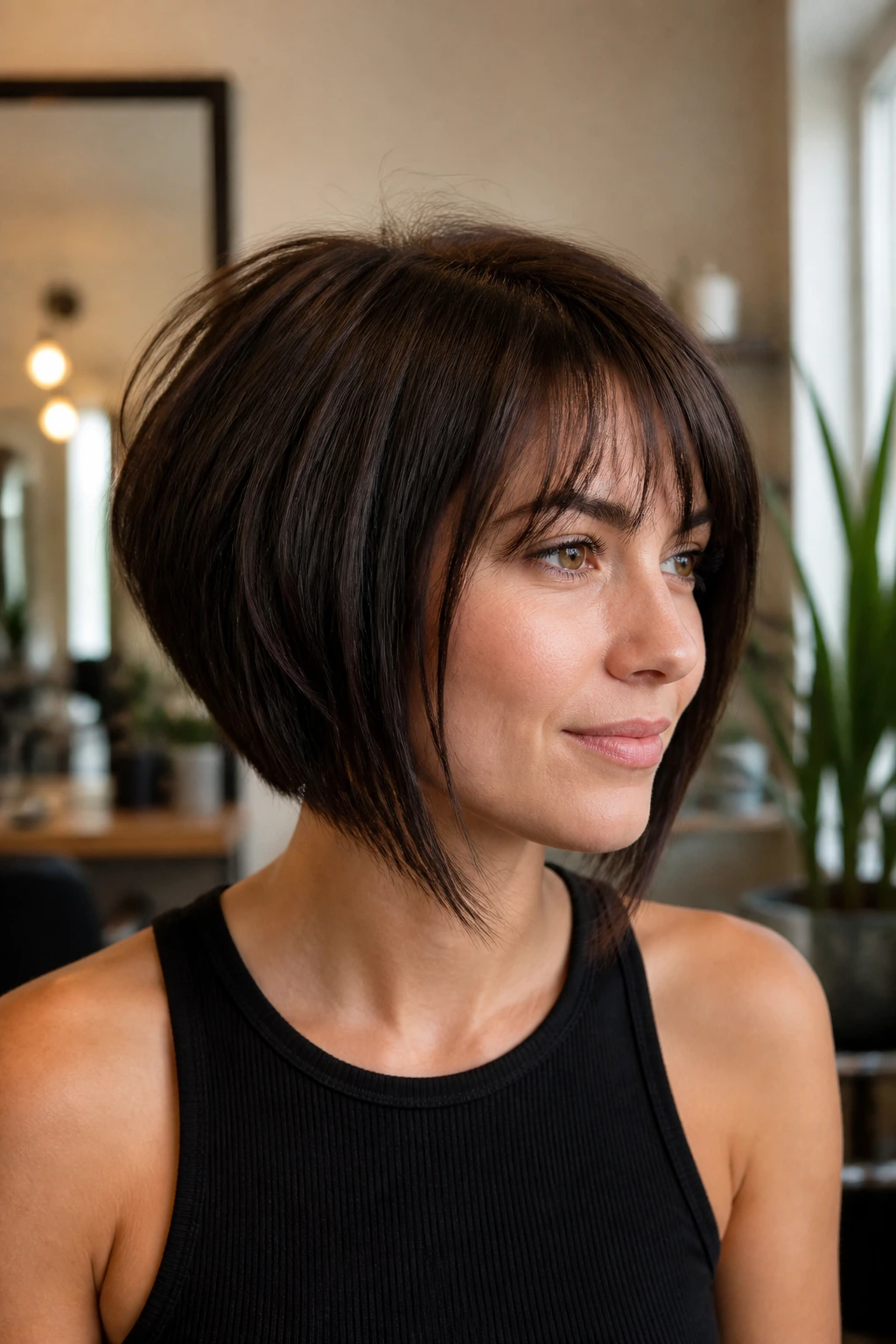
An inverted bob is the opposite of an A-line; the hair is longer in the back and shorter toward the face. When you combine this with wispy, choppy bangs, you create a look that feels very light and airy despite the hair’s actual density.
The Role of Wispy Bangs
Wispy bangs are essentially the antidote to thick, blocky hair. By taking a small section of hair at the front and thinning it out into a wispy fringe, you instantly break the visual weight of the hair, making the entire style feel less “heavy.”
Who This Best Suits
This is a great cut for someone with a smaller forehead who wants the look of bangs without the heaviness of a full, blunt-cut fringe. It provides that soft, feminine frame that makes thick hair look more delicate.
15. The Curly Textured Bob
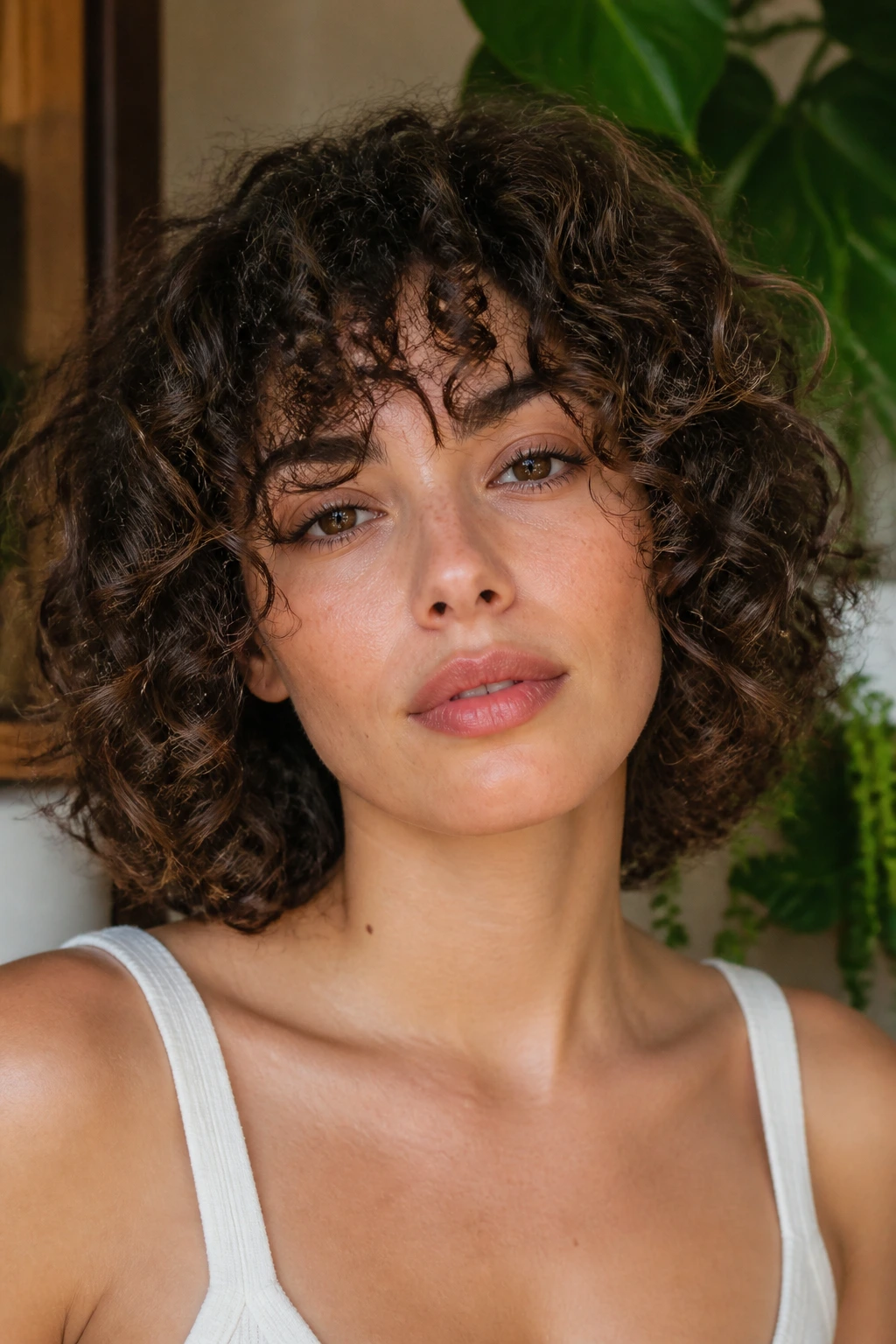
Don’t let anyone tell you that curly, thick hair can’t be a bob. The trick is cutting it while dry and using a specialized layering technique. This cut is all about celebrating your natural curl pattern while removing the bulk that makes it feel like a heavy curtain.
Dry-Cutting Technique
Never let a stylist cut your curls while wet. When hair is wet, it stretches. When it dries, it springs up. For thick curls, you need to see exactly where each layer sits in its natural state. A dry, choppy cut ensures that the length remains exactly where you want it.
Product Selection
Invest in a good leave-in conditioner and a gel that provides hold without crunch. Thick curls need moisture above all else. A choppy bob will showcase your curls, but only if they are properly hydrated and defined.
Final Thoughts
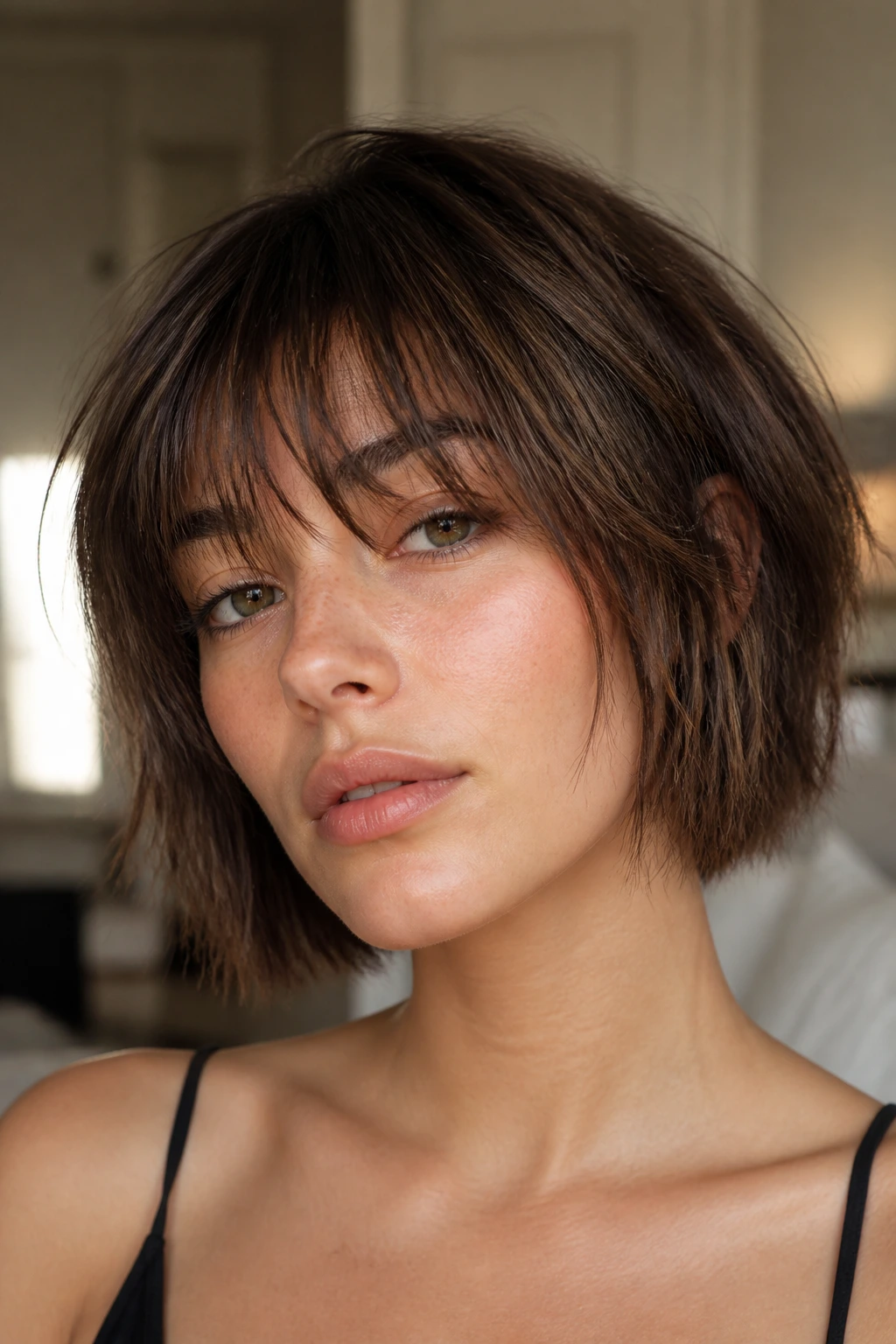
Choosing the right choppy bob comes down to understanding the relationship between your hair’s density and the way it moves. You are not just getting a haircut; you are removing a structural barrier that has been holding your hair’s natural beauty captive. Whether you go for the sharp, jaw-line-defining blunt ends or the soft, razored layers of a shaggy bob, the goal is always the same: to create a shape that works with your density rather than against it.
Remember that bangs are the ultimate tool for redistributing weight. By taking a chunk of hair from the crown and moving it to the front of your face, you immediately relieve the pressure and the “poof” often associated with thick hair. If you have been hesitant to take the plunge, start with a longer lob or a shag-inspired cut that leaves you room to grow. Once you experience the lightness and the modern, edgy finish of a choppy bob, you will likely never look back at your long, heavy hair again.