

Coloring hair is a playful, creative milestone for many families, but it requires a careful touch. Children’s hair is often finer, more delicate, and more susceptible to damage than an adult’s mane. When you decide to introduce temporary or semi-permanent color, the goal should always be maximum impact with minimal structural intervention. Harsh developers and permanent dyes are rarely necessary when you are looking for vibrant shades; instead, direct dyes and pigmented conditioners offer a pathway to self-expression that doesn’t compromise the integrity of their growing hair.
Before applying any product, perform a simple strand test on a hidden patch of hair. Even natural-leaning products can cause reactions, and you need to see how the color interacts with your child’s specific porosity. Some hair types, especially very light blonde or highly porous locks, will drink up pigment far faster than others. A twenty-minute test is the difference between a joyful, colorful afternoon and a stressed-out cleanup session.
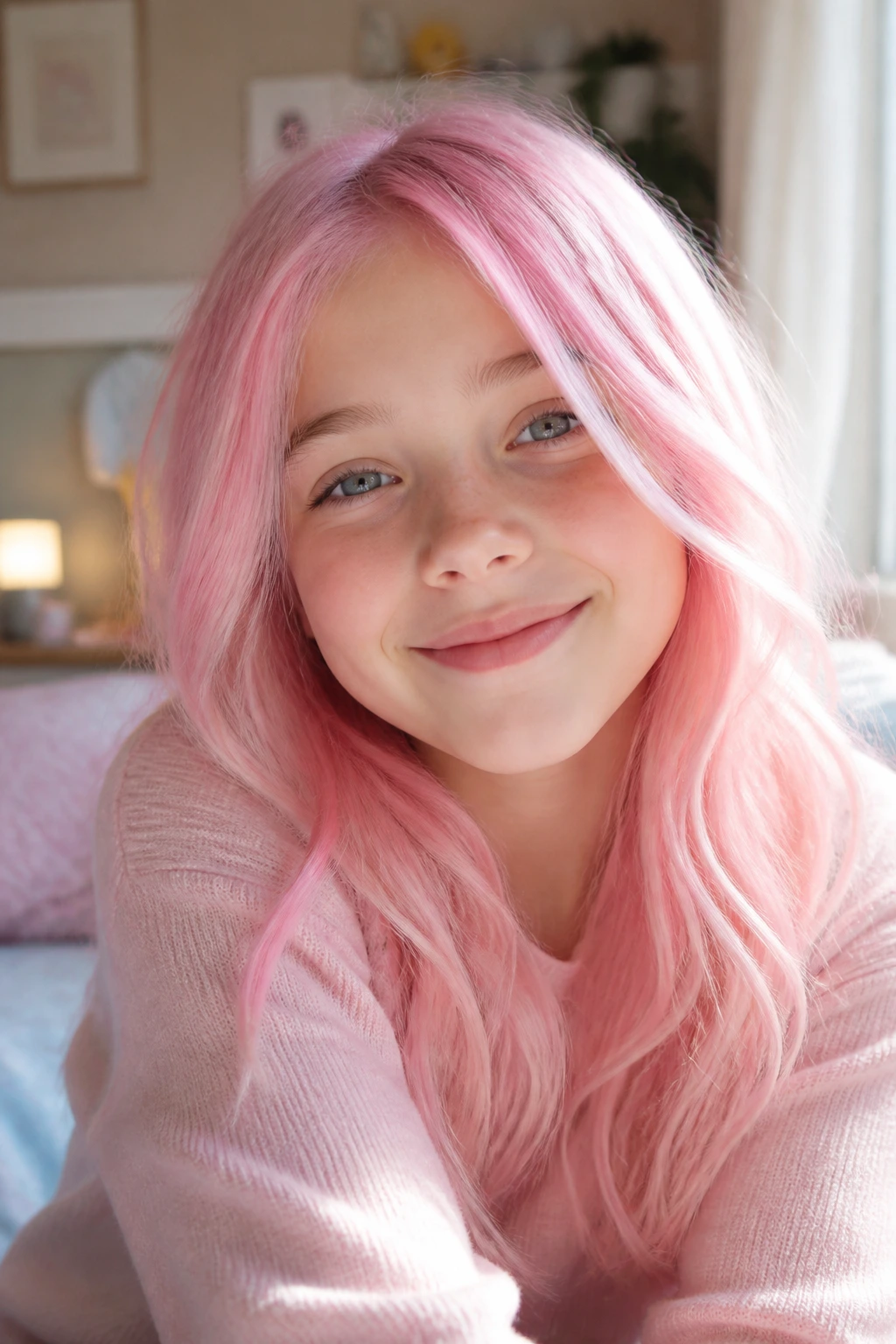
1. The Pastel Cotton Candy Pink
This look works best on light blonde or pre-lightened hair that has a clean, pale base. You want to avoid any yellow undertones, as they can turn a soft pink into a muddy, peachy mess. Mix two tablespoons of a high-quality semi-permanent pink dye with a half-cup of white deep-conditioning mask.
Why It Works for Young Hair
The conditioner acts as a buffer, diluting the pigment to a soft, sugary hue while simultaneously hydrating the hair shaft. This mixture is non-toxic and ammonia-free, making it perfectly safe for a child’s scalp and delicate strands.
The Application Routine
- Section the hair into four manageable quadrants.
- Apply the mixture starting an inch from the roots to avoid scalp staining.
- Use a wide-tooth comb to ensure every strand is coated evenly.
- Let it sit for thirty minutes before rinsing with cool, clear water.
2. Electric Cobalt Streaks
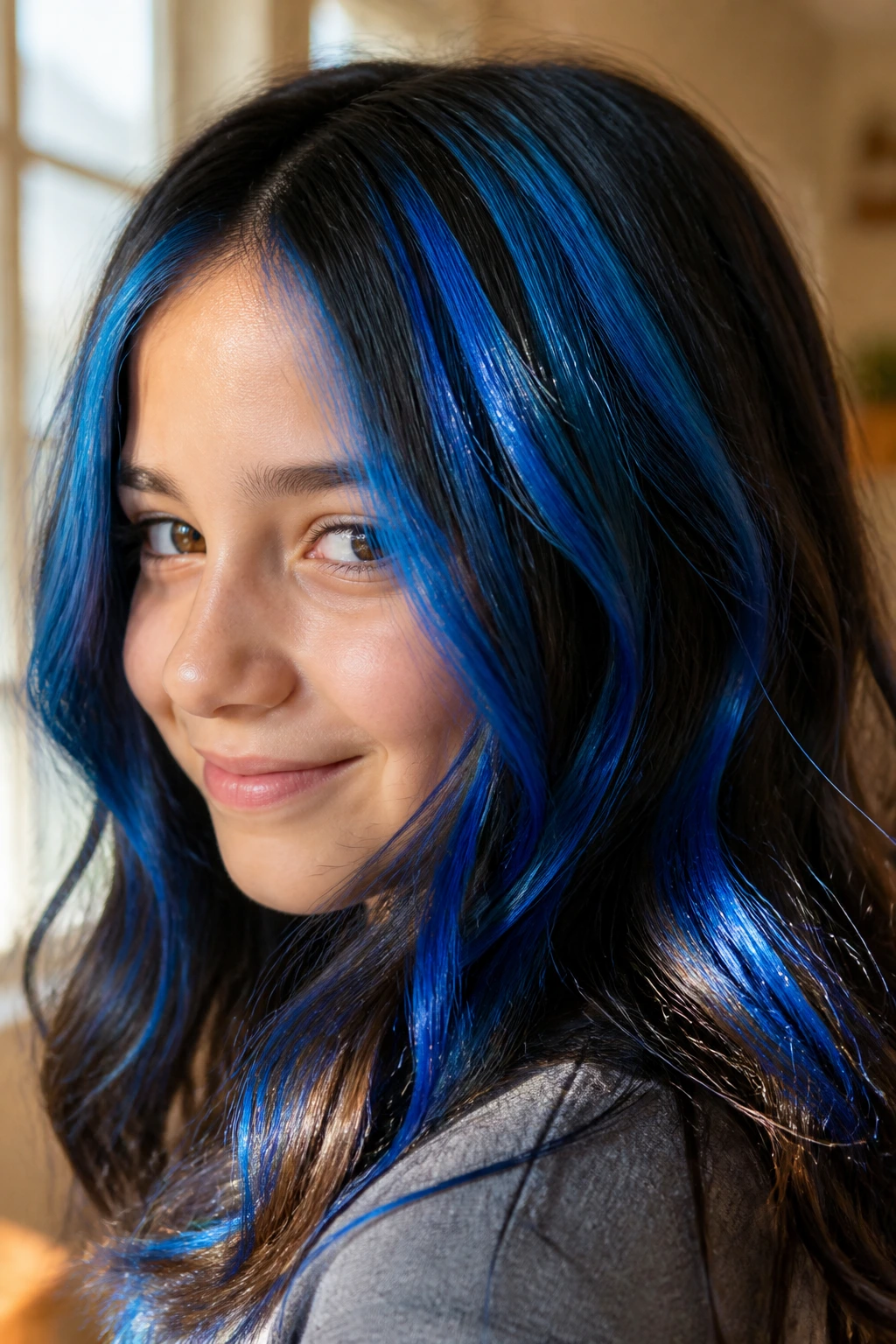
Bright blue is a daring choice that pops beautifully against dark hair, though it may look more like a dark tint rather than a neon shade on unbleached strands. Use a concentrated blue direct dye, applying it directly to dry hair for maximum saturation.
Achieving the Boldness
The secret here is to keep the hair dry during the application process. Water acts as a barrier, and if the hair is damp, the pigment won’t penetrate as deeply. You are looking for a deep, saturated look that mimics a gemstone.
Maintenance Tips
Blue dyes are notoriously stubborn and can fade into greenish hues over time. Keep the hair hydrated with a color-safe leave-in spray to keep the cuticle smooth, which helps lock the pigment in for a few extra washes.
3. Sunset Orange Highlights
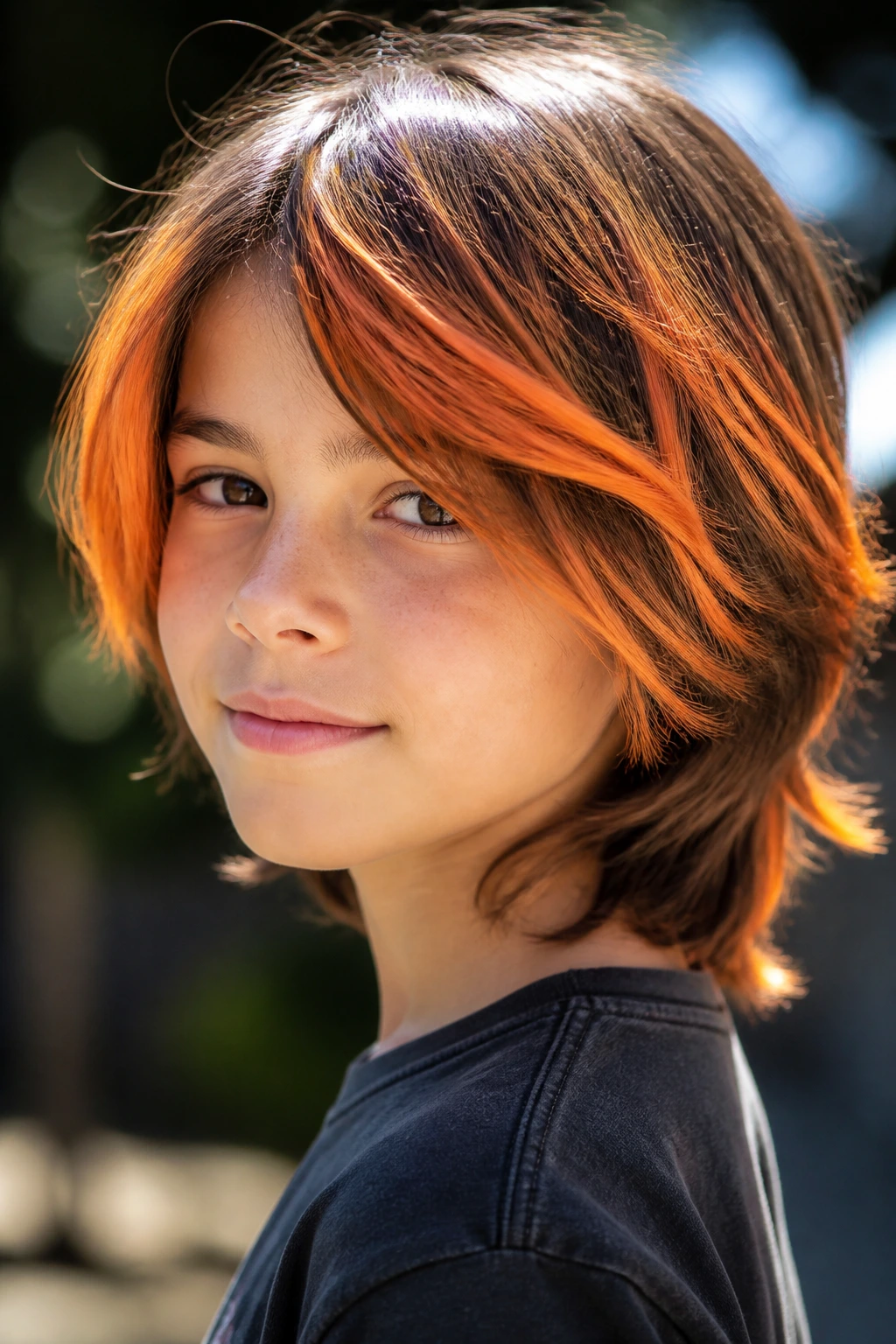
If you want to create a warm, vibrant aesthetic, orange is a fantastic choice that feels energetic and fun. Combine a bright orange semi-permanent color with a tiny drop of yellow to shift the tone toward a true sunset hue.
Sensory Cues During Processing
You will know the dye has done its job when the color looks vibrant and “juicy” on the hair. If it looks dull, it likely needs another five minutes to set. Always use a tint brush to apply these precise streaks so you don’t bleed color into the surrounding hair.
The Best Pairing
Pair these orange streaks with a simple, layered haircut. The movement of the layers allows the orange to catch the light, making the hair look as if it is glowing from within when the child moves outdoors.
4. Minty Fresh Green Tips
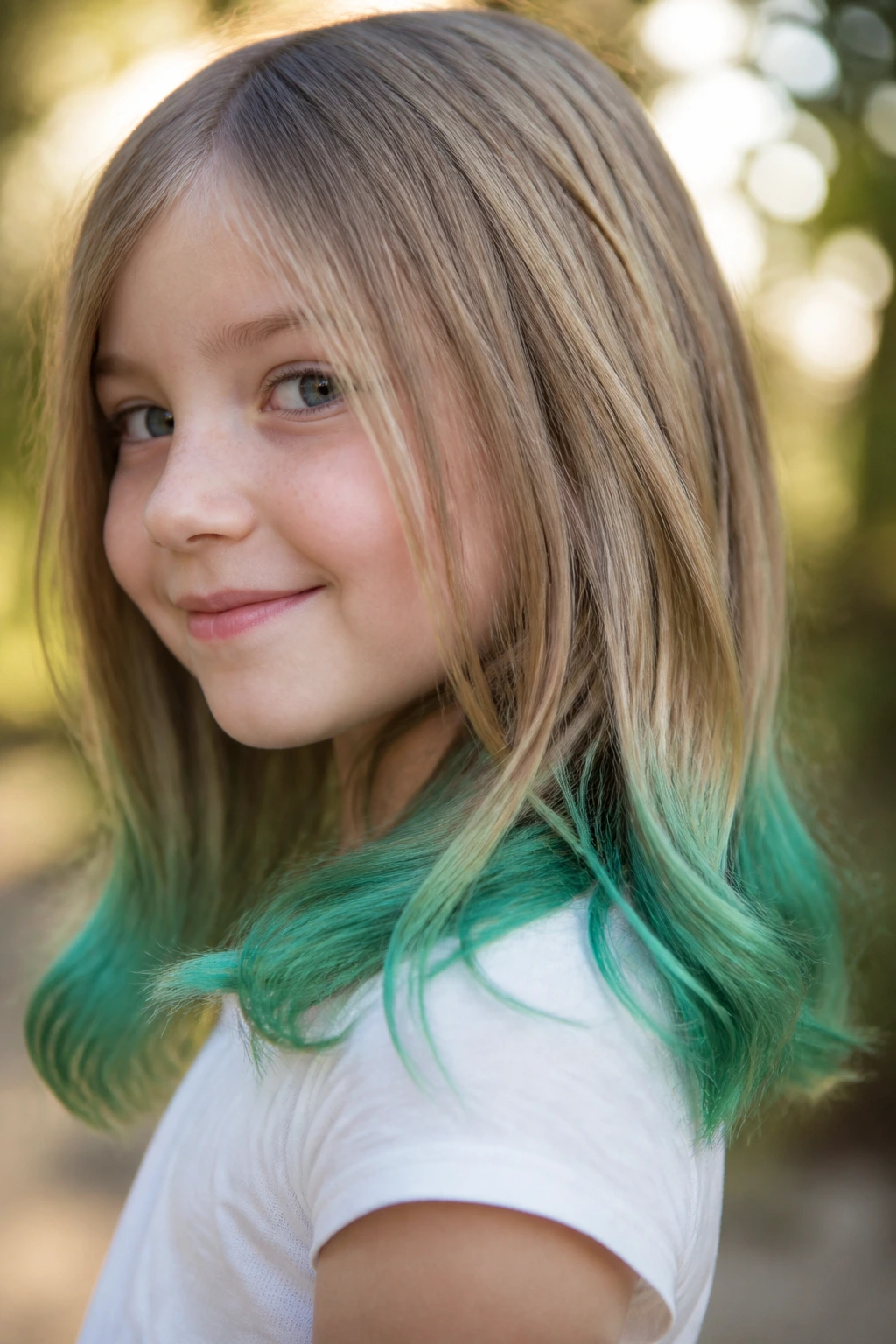
Green is a surprisingly versatile shade that looks sophisticated without being too loud. Focus the color strictly on the bottom three inches of the hair for a dip-dye effect that grows out naturally.
How to Create the Gradated Fade
- Apply the green dye to the tips.
- Use your fingers to feather the color upward, stopping abruptly to create a distinct line.
- Alternatively, use a clean brush to drag the color up higher in random sections to create a softer, more organic transition.
Handling Color Bleed
If you find the green is bleeding into the lighter hair above, try using a slightly thicker, gel-based dye. Thicker formulas stay exactly where you put them, preventing the dreaded “smudging” that often ruins a crisp dip-dye.
5. Rich Violet Ribbon Weaves
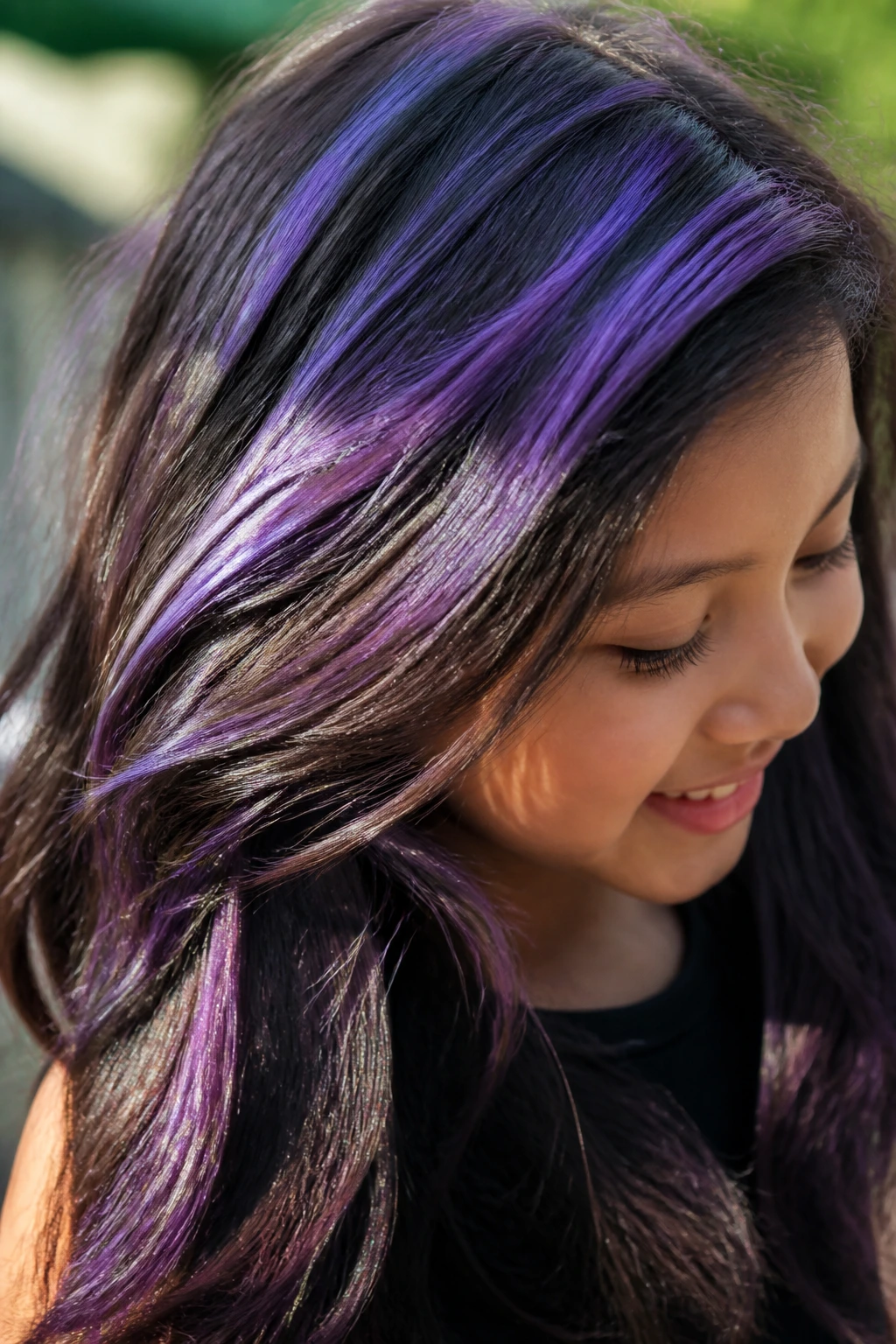
Violet is arguably the most forgiving color for all hair textures and levels. It works well on dark hair, providing a subtle, sophisticated sheen that only shows up clearly under direct sunlight.
The Technique
Use a foiling method to isolate the sections you want to turn violet. Place a thin strip of hair on a piece of parchment paper, paint the violet dye generously, and fold it up. This keeps the purple from staining the rest of the hair.
The Result
Once rinsed, the hair will have a multidimensional look. Indoors, the hair appears natural and dark; outdoors, it radiates a deep, rich plum tone that feels incredibly intentional and polished.
6. Ruby Red Gloss
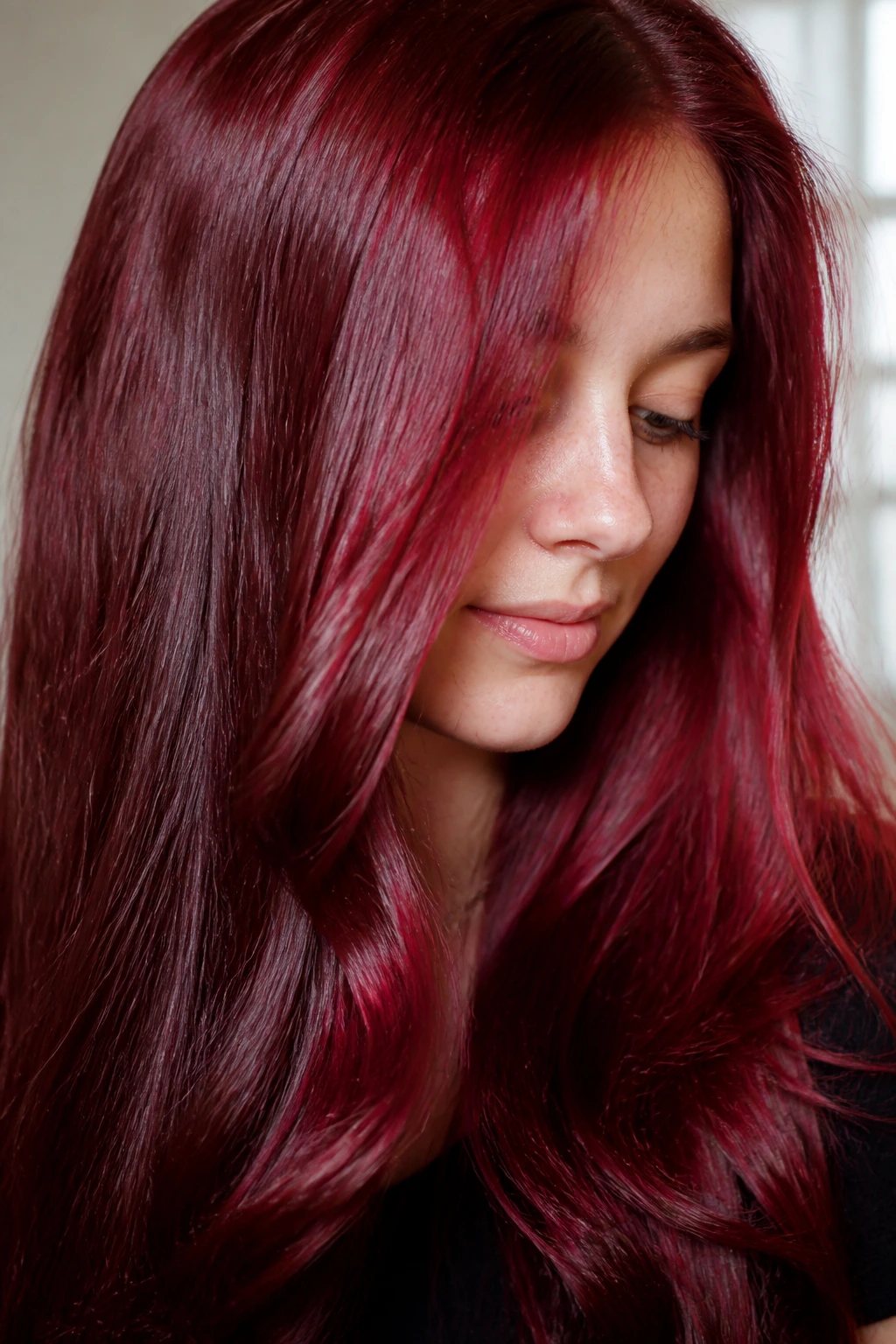
Red dye can be intimidating because of its staining power, but a diluted red gloss is perfectly manageable. Use a small amount of concentrated red pigment mixed with a clear glossing agent.
Why Gloss is Better Than Dye
Gloss adds shine, which makes the color look expensive and healthy. It also fades out much more gracefully than standard dyes, which can leave a brassy orange tint behind as they break down over the course of a month.
Important Warning
Wear gloves. Even if the product is gentle on hair, it will linger on skin and nails for days. If you happen to get red on the skin, a simple paste of baking soda and water can help lift the pigment without harsh rubbing.
7. Champagne Gold Tint
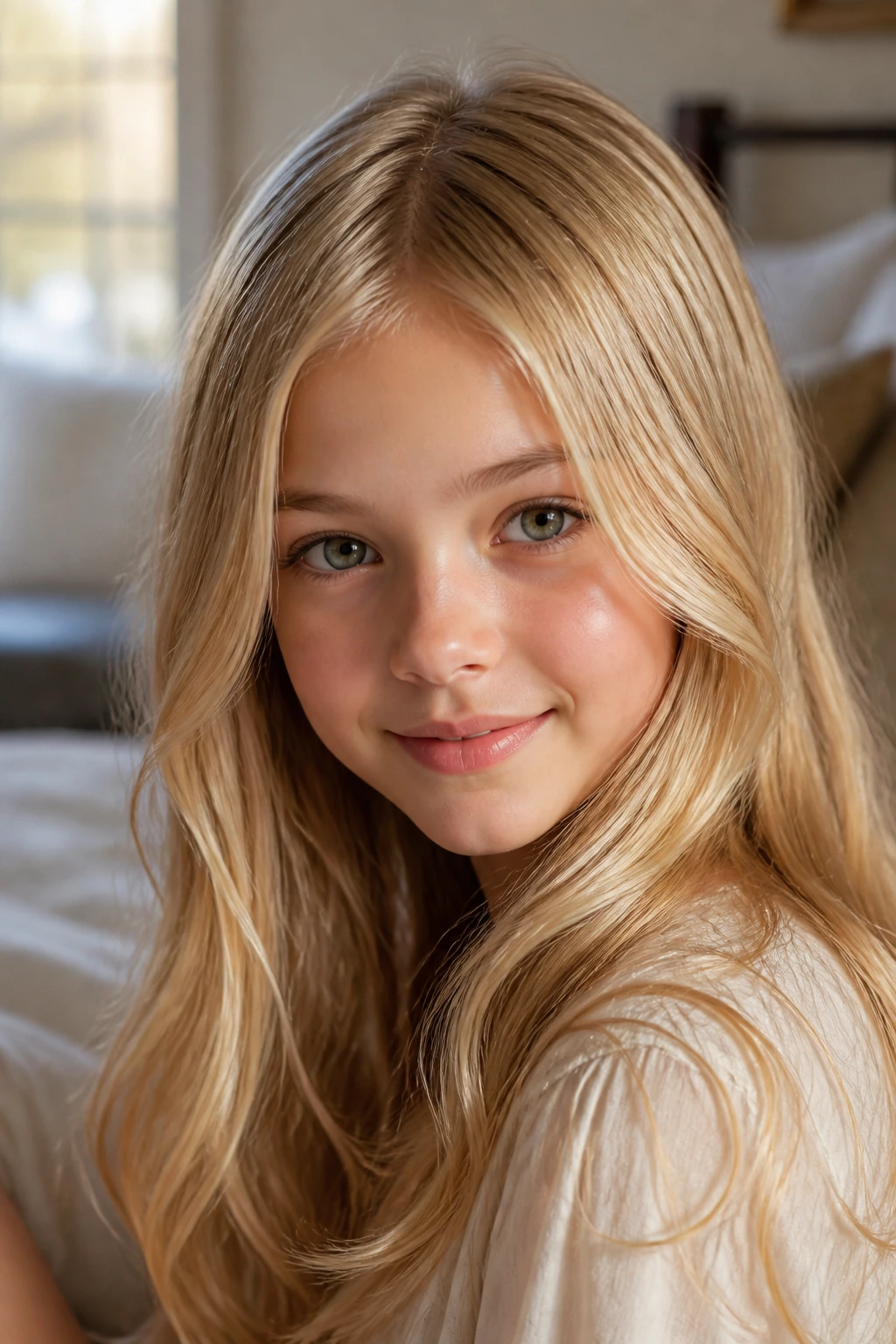
For kids with naturally light blonde hair who want to “try” a change without moving to a wild color, a golden gloss is the perfect solution. It deepens the existing blonde and adds an expensive, shimmering quality.
The Gold Formula
- Use a semi-permanent blonde toner with warm undertones.
- Mix it with a small amount of liquid conditioner to sheer it out.
- Apply it quickly and evenly — toner works fast on porous hair.
How Long to Leave It
On fine, light hair, this usually only needs about ten minutes to shift the tone. Check it frequently; you are looking for that specific “honey-sun” reflection, not a dramatic color change.
8. Neon Turquoise Peek-a-Boos
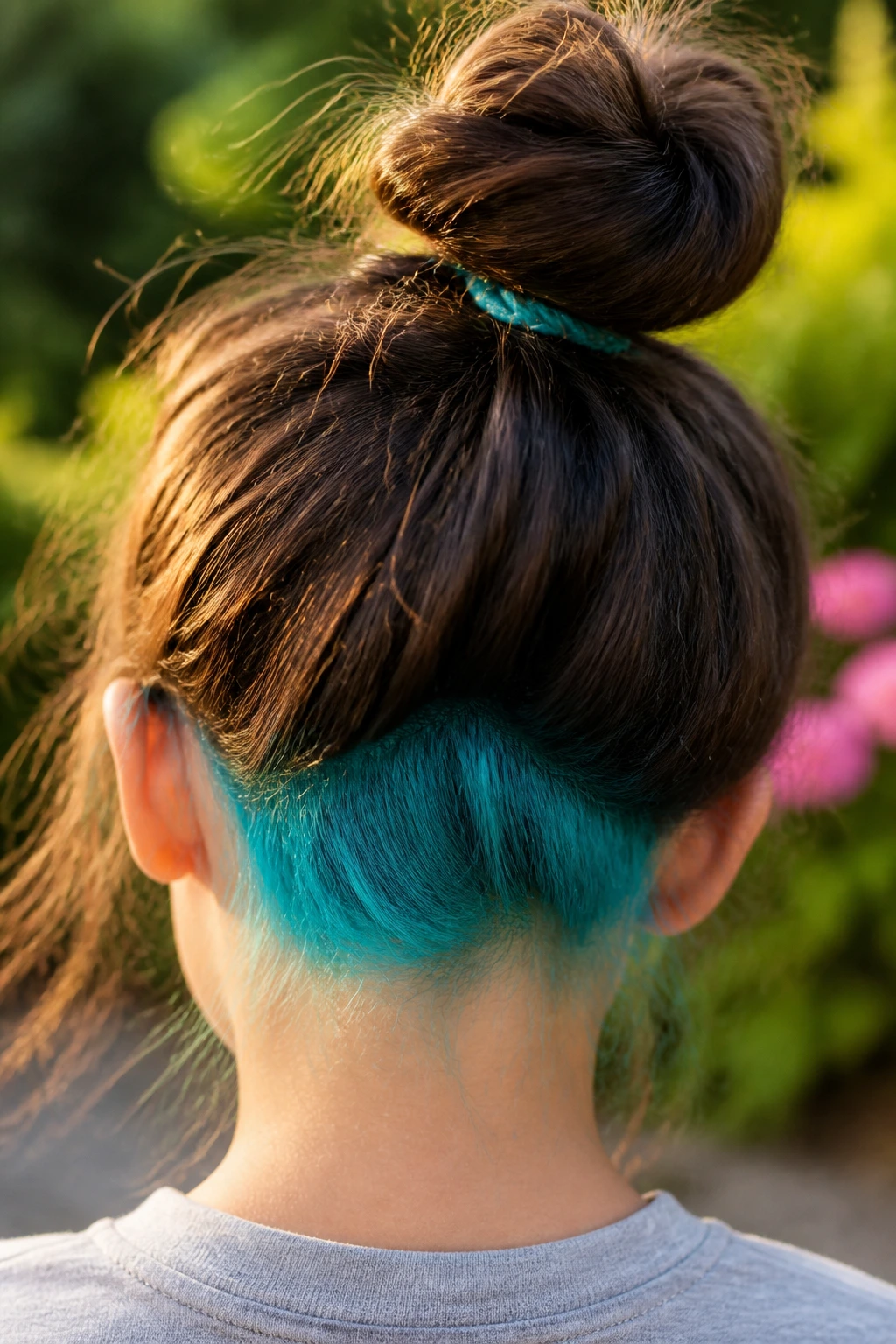
Turquoise is the ultimate summer shade. Place these peek-a-boos under the top layer of hair at the nape of the neck. It is a secret surprise that only appears when the hair is tied up in a ponytail or a braid.
Why This Style Lasts
Because these sections are tucked away, they aren’t subjected to as much friction or sun exposure. This means the vibrant turquoise hue will hold its intensity significantly longer than color applied to the top, exposed layers of the hair.
Styling for Maximum Effect
Teach your child to wear high, messy buns. This pulls the top layer of hair away from the neck, revealing the bright, colorful hidden sections in a way that feels playful and bold.
9. Soft Lavender Haze
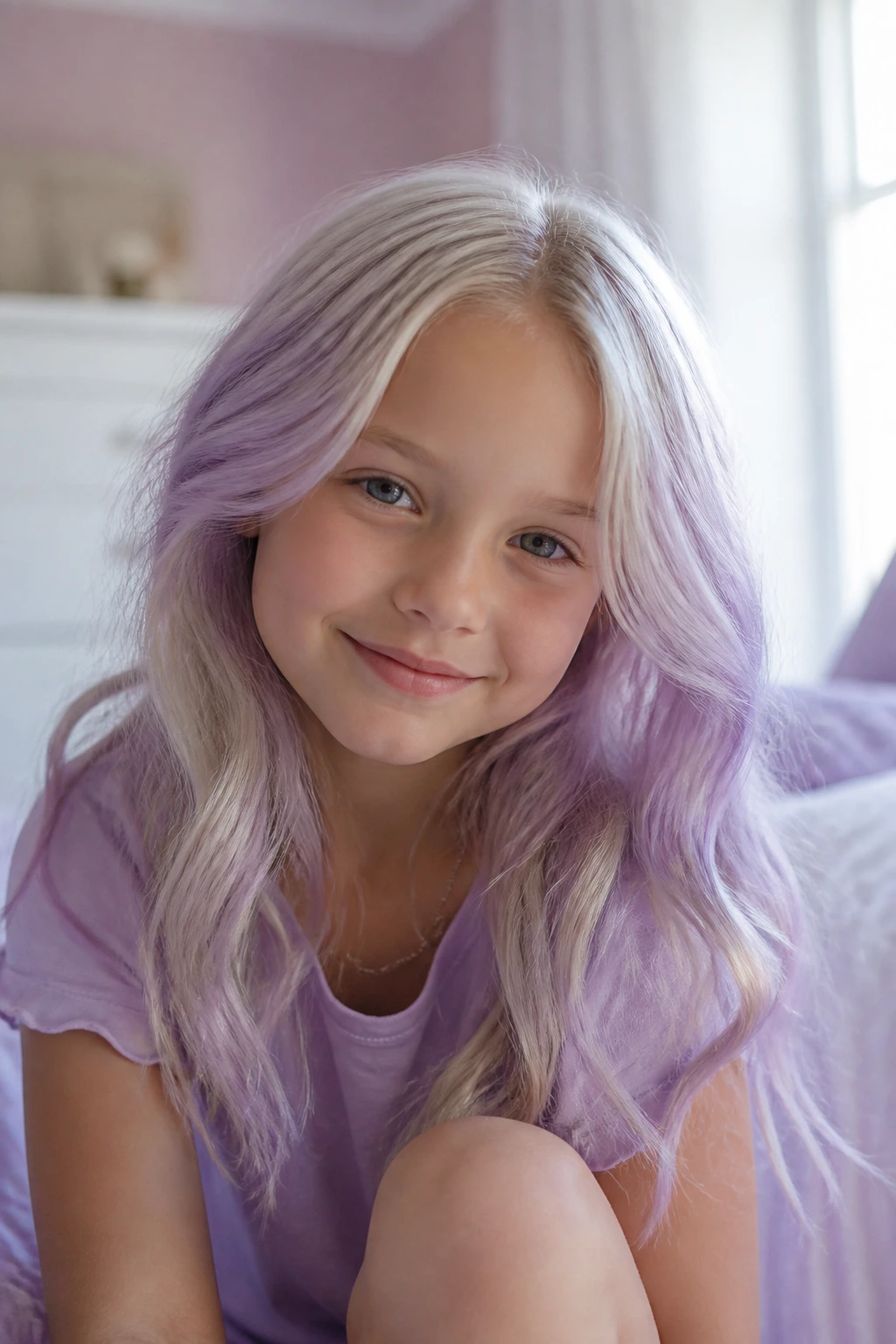
Lavender requires a near-white base to show up correctly. If the hair is even slightly yellow, the lavender will neutralize the yellow and look like a muted gray.
The Color Theory
Lavender is essentially purple plus blue. If you find your lavender is looking too “cool,” add a tiny drop of pink to warm it up. If it is looking too “dusty,” add a drop of clear gloss to increase the transparency of the color.
Dealing with Fade
Lavender is a notoriously fast-fading shade. Keep a bottle of color-depositing purple conditioner in the shower. A quick wash once a week with this product will keep the lavender looking fresh and prevent it from turning into an awkward, faded blonde.
10. Deep Charcoal Smoke
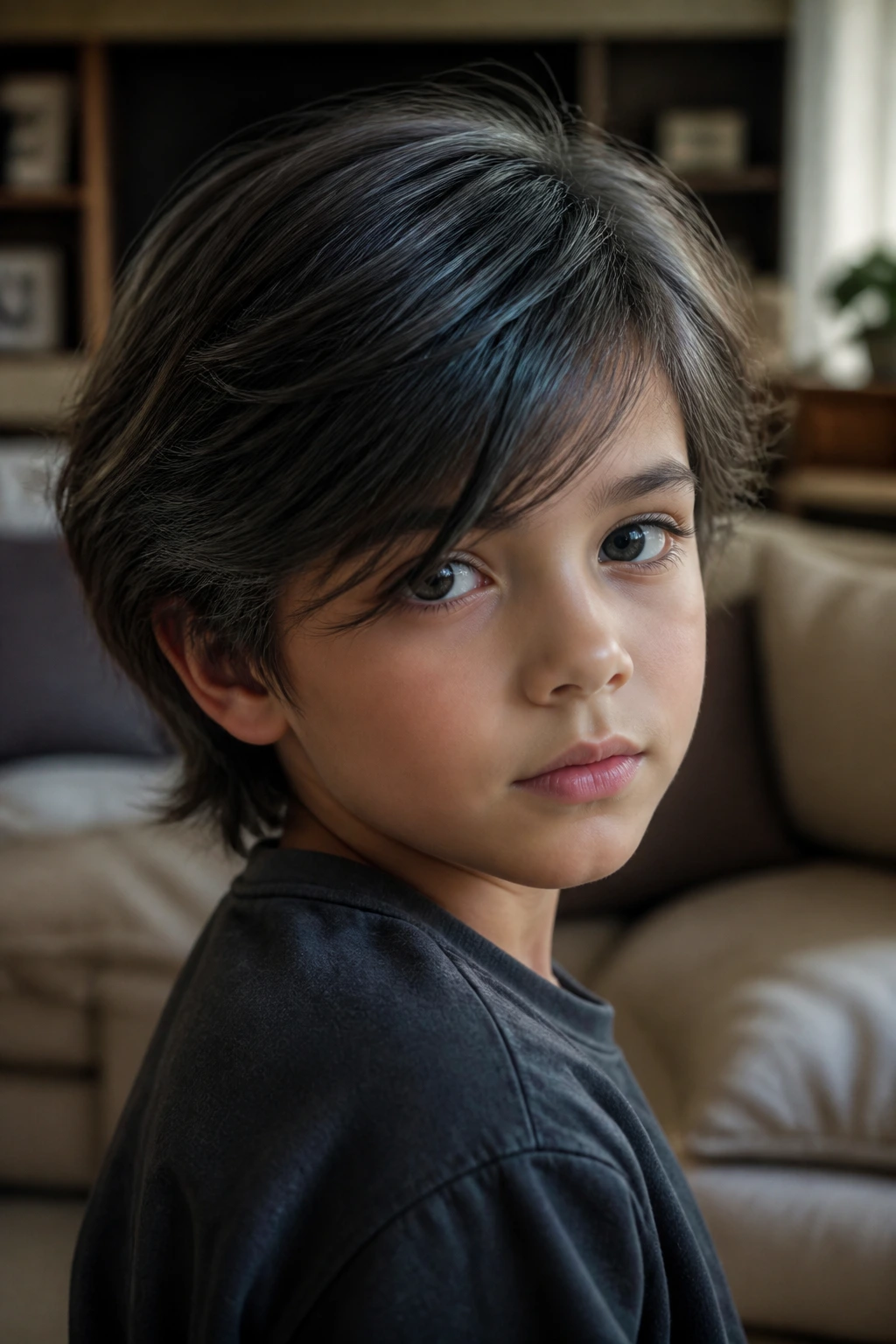
For a more modern, moody aesthetic, a charcoal gray tint is surprisingly trendy. It adds a layer of depth to medium-brown hair that feels very editorial and cool.
Creating the Mix
- Use a touch of black dye mixed with a generous amount of clear gloss.
- The goal is transparency. You are not trying to turn the hair pitch black, just adding a cool, smokey overcast.
- Test this on a small section first to ensure you are happy with the level of darkness.
Who This Suits
This color is fantastic for children who want something “grown-up” that isn’t neon or bright. It looks wonderful with darker hair tones and adds a bit of edge without the need for any bleaching whatsoever.
11. Multi-Dimensional Rainbow Braids
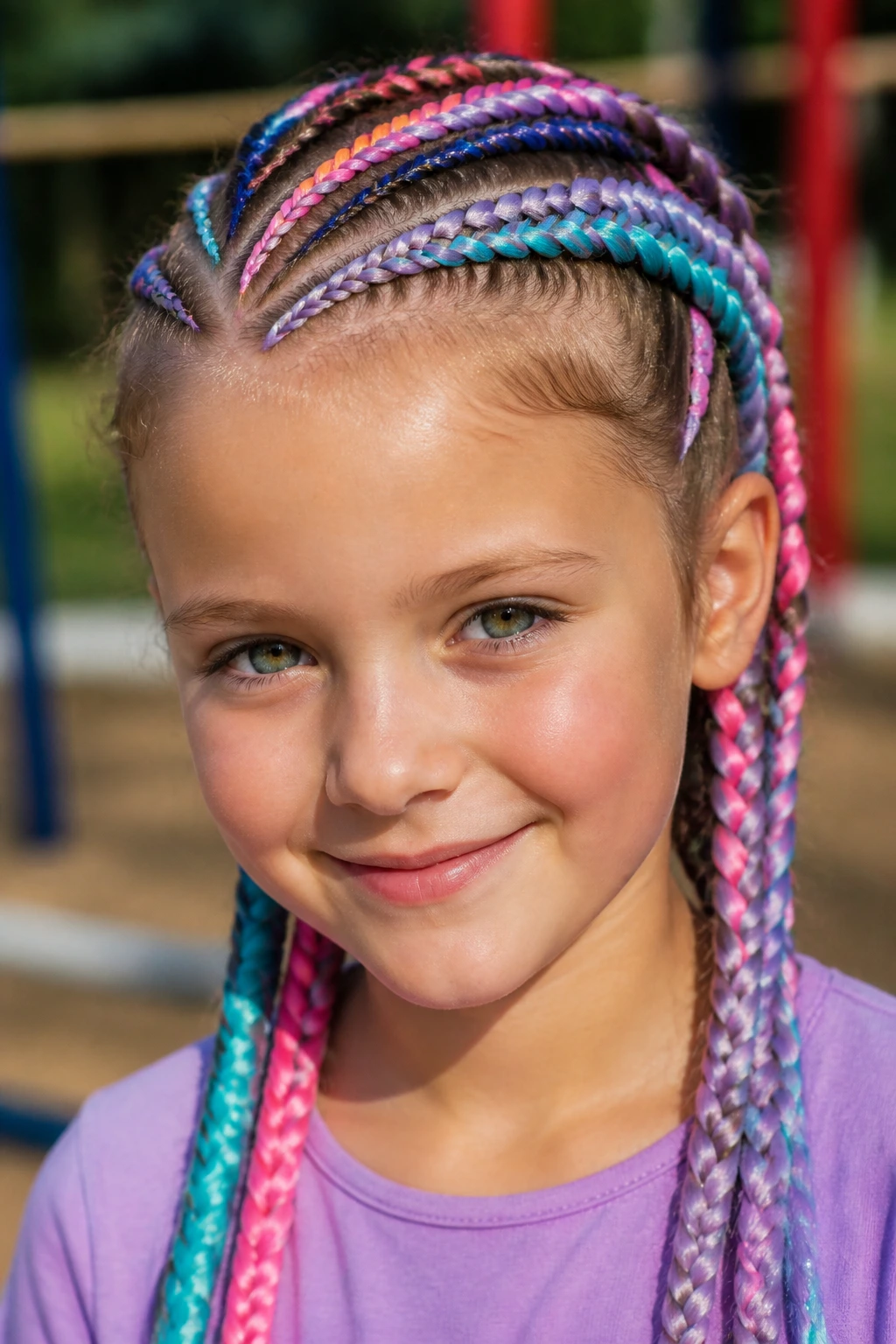
Instead of coloring the whole head, pick three shades that look beautiful together—like pink, turquoise, and lavender—and paint only the strands that will form the braid.
Step-by-Step Execution
- Isolate the strands and paint them individually with different colors.
- Let them dry completely before braiding the hair.
- As the hair is woven, the colors will spiral together, creating a look that is far more complex than simple flat color.
The Benefit
This technique limits the amount of dye used, reduces the risk of overall scalp irritation, and creates a stunning visual effect that changes depending on how the braid is styled. It’s essentially “custom coloring” on a micro-scale.
12. Berry Stained Ombré
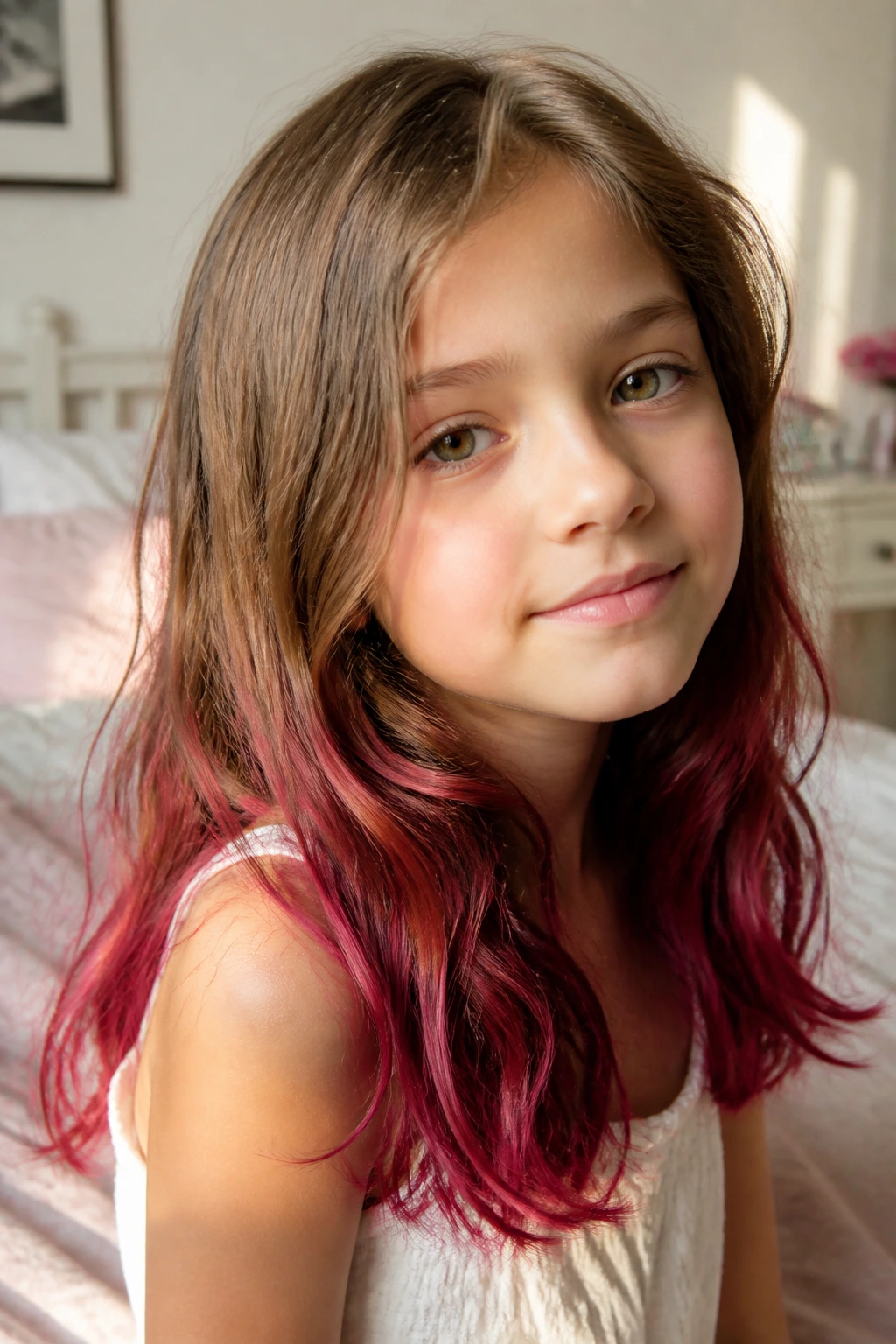
Ombré is classic for a reason. By applying a rich berry-red to the ends and fading it upwards, you avoid the need for root touch-ups as the hair grows.
Blending the Transition
The key to a good ombré is the blend. Take your brush and use a “tapping” motion at the line where the dyed hair meets the natural hair. This prevents a harsh horizontal line, which can look artificial.
The Growth Factor
As the hair grows, you can simply trim the ends if the child grows tired of the color. It is the most low-maintenance option for parents who don’t want to commit to a full-head coloring schedule.
13. Icy Silver Highlights
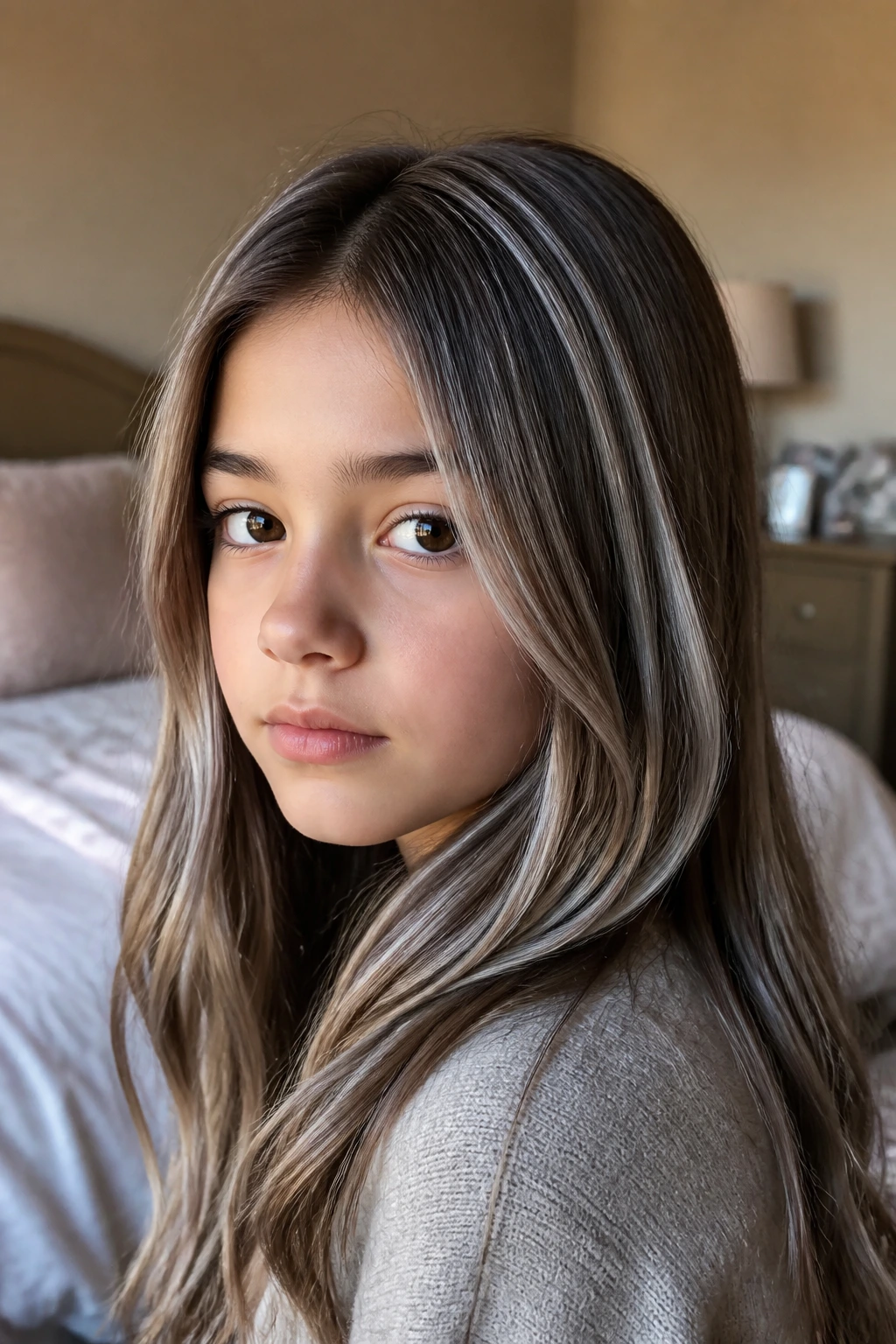
Silver highlights on brown hair can create a cool, metallic look that is very visually striking. You will need a high-quality silver toner to achieve this without moving into “yellowish-gray” territory.
Maintenance and Care
Silver is very susceptible to environmental damage. Chlorine in swimming pools is the enemy of silver, as it can turn the color greenish or brassy. If your child is a swimmer, make sure they wear a protective cap or rinse their hair thoroughly with fresh water before and after hitting the pool.
Why It’s Unique
It isn’t a “fashion color” in the neon sense, but it is certainly a statement. It catches the light in a way that makes hair look like silk, especially if it’s styled in loose, beachy waves.
14. Midnight Indigo Tint
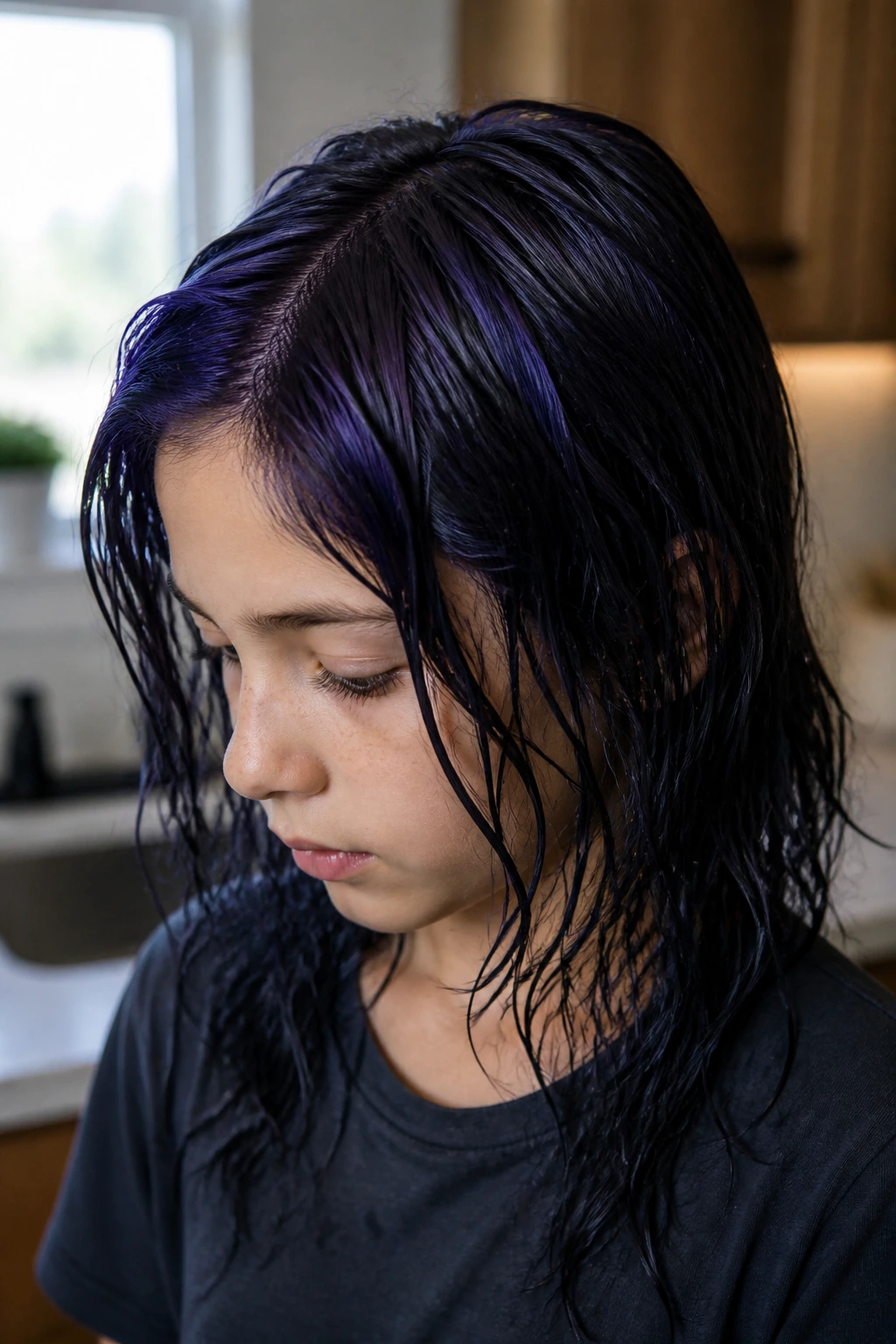
Indigo is a deep, moody blue-purple that feels very high-fashion. It is another great choice for darker-haired kids who don’t want to deal with the damage of pre-lightening.
The Application Method
Paint this on damp hair. The moisture helps the deep pigment spread more evenly, preventing blotchy spots. Use a wide-tooth comb to work the product through from root to tip, ensuring you aren’t leaving any dry patches.
The Sensory Experience
Indigo dyes often smell like fresh berries or herbs, which makes the process much more pleasant than chemical-heavy salon treatments. It’s an easy weekend activity that feels special and intentional.
15. Sun-Kissed Copper Tones
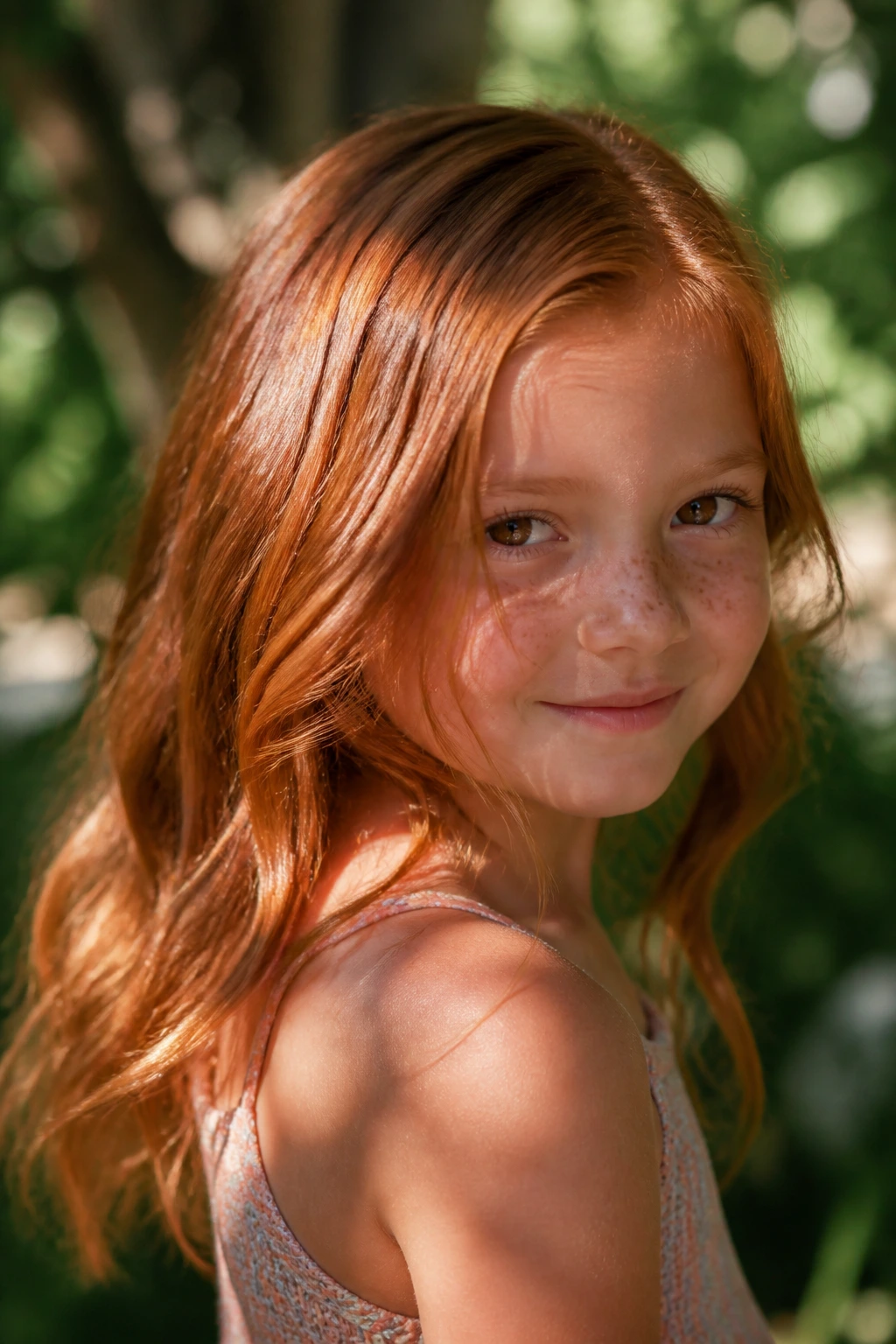
If you want a natural-looking shift, a temporary copper tint is your best friend. It mimics the look of a natural redhead, which is a classic, timeless choice for any hair texture.
Choosing the Right Level
Pick a copper that matches the existing undertones of the hair. If the hair is warm brown, go for a deep, burnt-orange copper. If the hair is cool, sandy blonde, look for a lighter, strawberry-blonde copper.
The Final Finish
Copper looks best when the hair is healthy. If the ends are split, the color will grab and look darker than the rest of the hair. A quick trim before applying the copper will ensure an even, vibrant finish.
16. Peach Sorbet Highlights
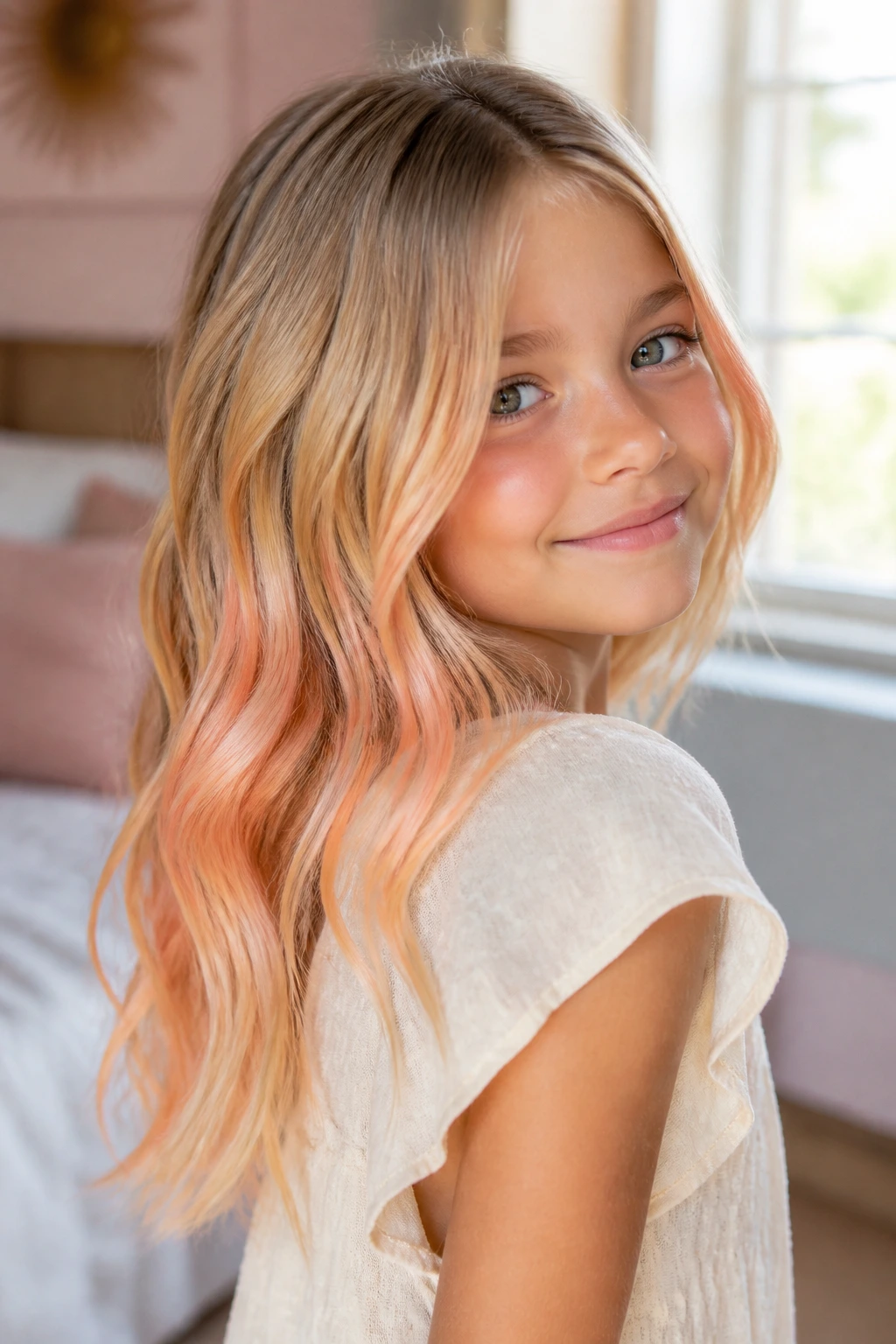
Peach is having a moment. It’s a bit warmer than pink and softer than orange, making it a dream for those who want a “boho” look. It works particularly well on blonde hair that has a little bit of warmth to it.
Why This Color is So Special
Peach is incredibly flattering on almost every skin tone. It’s a very “friendly” color that doesn’t feel aggressive. It’s perfect for summer months when everything else in life feels a bit brighter and lighter.
Application Tips
- Keep your sections thin.
- Paint from the mid-lengths down.
- Focus the most pigment at the very ends of the hair for a natural, sun-bleached look.
17. Deep Emerald Forest
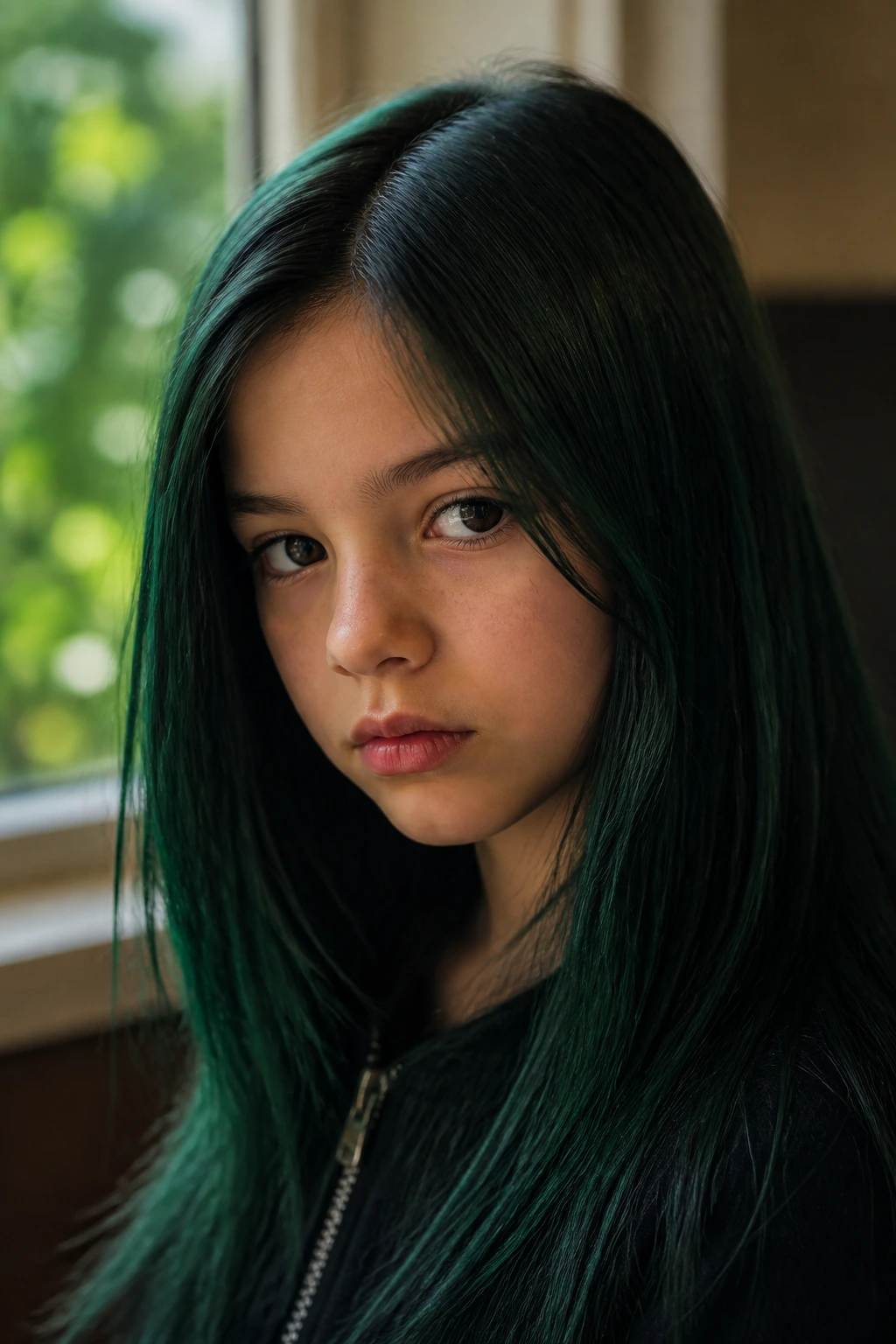
Forest green is a serious, sophisticated shade. It is a fantastic alternative to bright neon green and feels much more grounded.
Why It’s Underused
Most people gravitate toward lime or electric greens, leaving emerald as a hidden gem. It is incredibly rich and looks stunning when paired with dark clothing or winter knits.
How to Style
Wear this color down and straight to show off the depth of the pigment. Emerald green has a beautiful “glow” under artificial lighting that is quite captivating, giving the hair a sense of luxury.
18. Rosé Gold Balayage
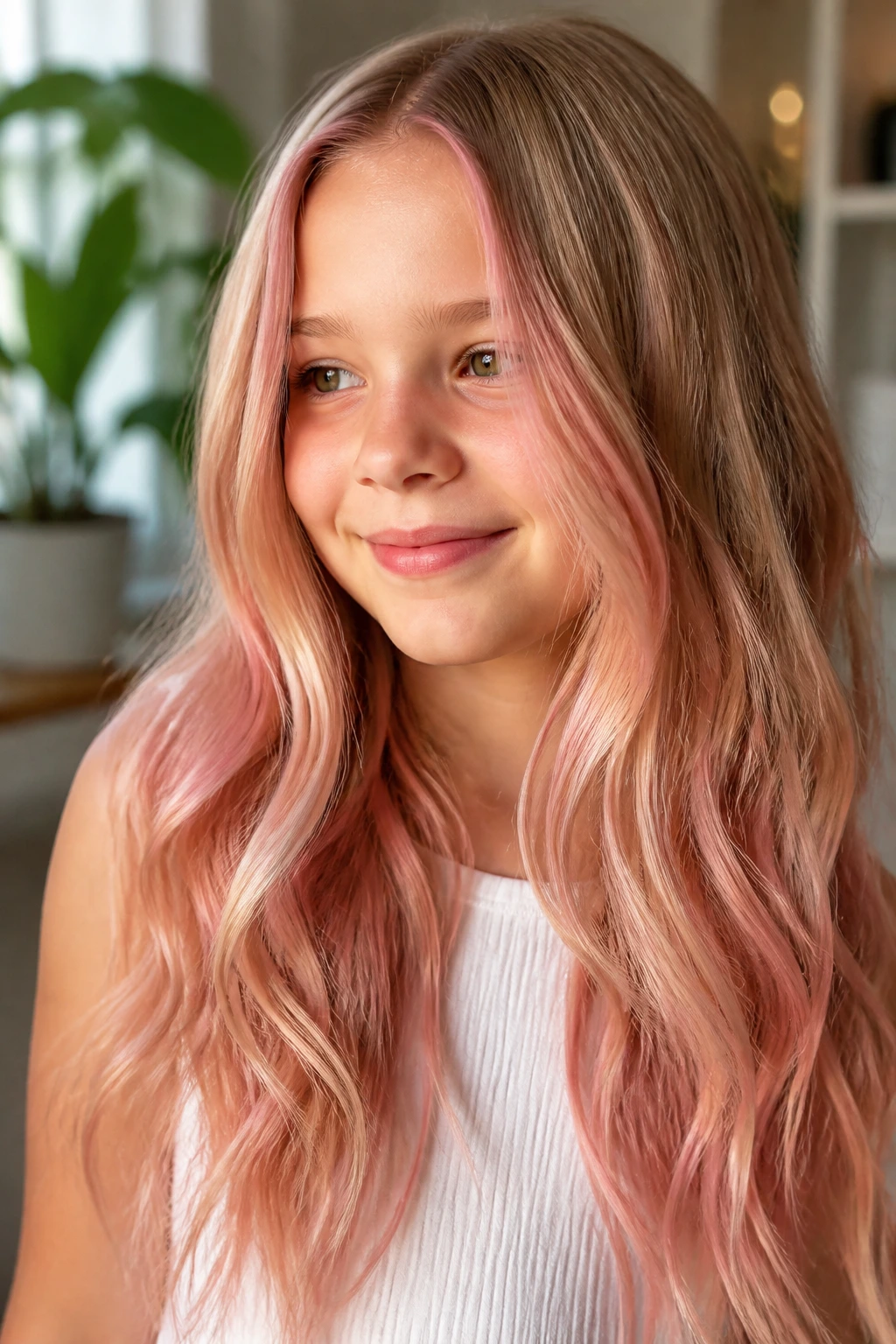
Rosé gold is the ultimate compromise between pink and blonde. It is elegant, feminine, and subtle enough that it passes in most social settings, yet vibrant enough to satisfy a desire for change.
The Formula
Mix a drop of pink dye with a larger amount of gold/blonde toner. The pink provides the “rosé,” while the gold ensures it stays grounded and flattering rather than turning into “bubblegum.”
The Technique
Use a balayage brush to paint the color in “V” shapes onto the hair. This leaves the roots natural and creates a soft, hand-painted look that is effortless to maintain as it fades.
19. Deep Burgundy Wine
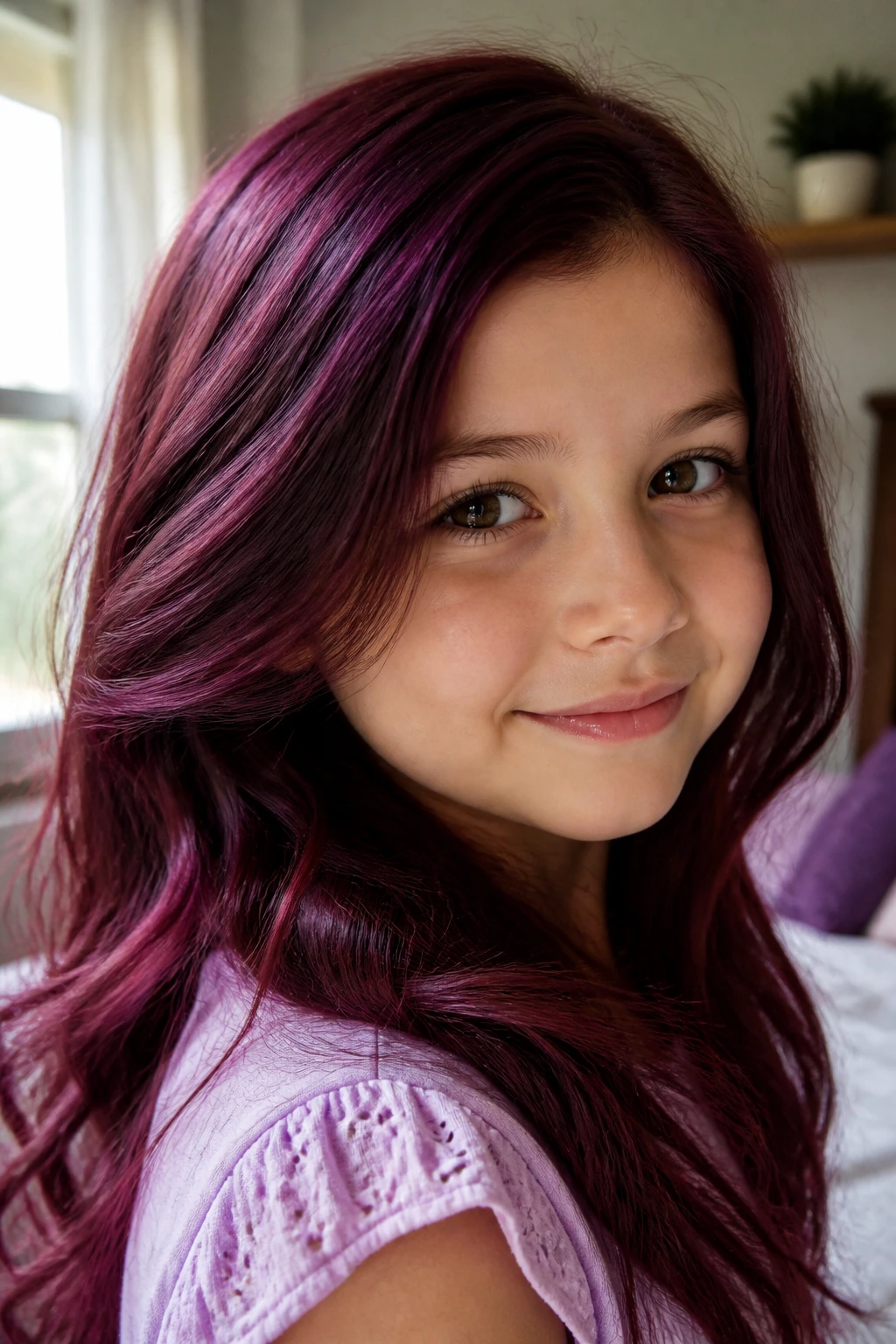
Burgundy is a classic. It’s a mix of purple and red that creates a deep, wine-colored hue. It is perfect for fall or winter, adding warmth to the overall look.
Why It’s So Reliable
Burgundy is very opaque, meaning it covers a lot of ground. It looks great on nearly everyone, and it fades into a lovely, soft plum-red that stays attractive for weeks.
Managing Stains
Because burgundy is so pigmented, it will stain your bathroom surfaces if you aren’t careful. Lay down towels and keep a wet cloth nearby to wipe up any splashes immediately—before the pigment has a chance to settle into the grout or the counter.
20. Electric Yellow Tips
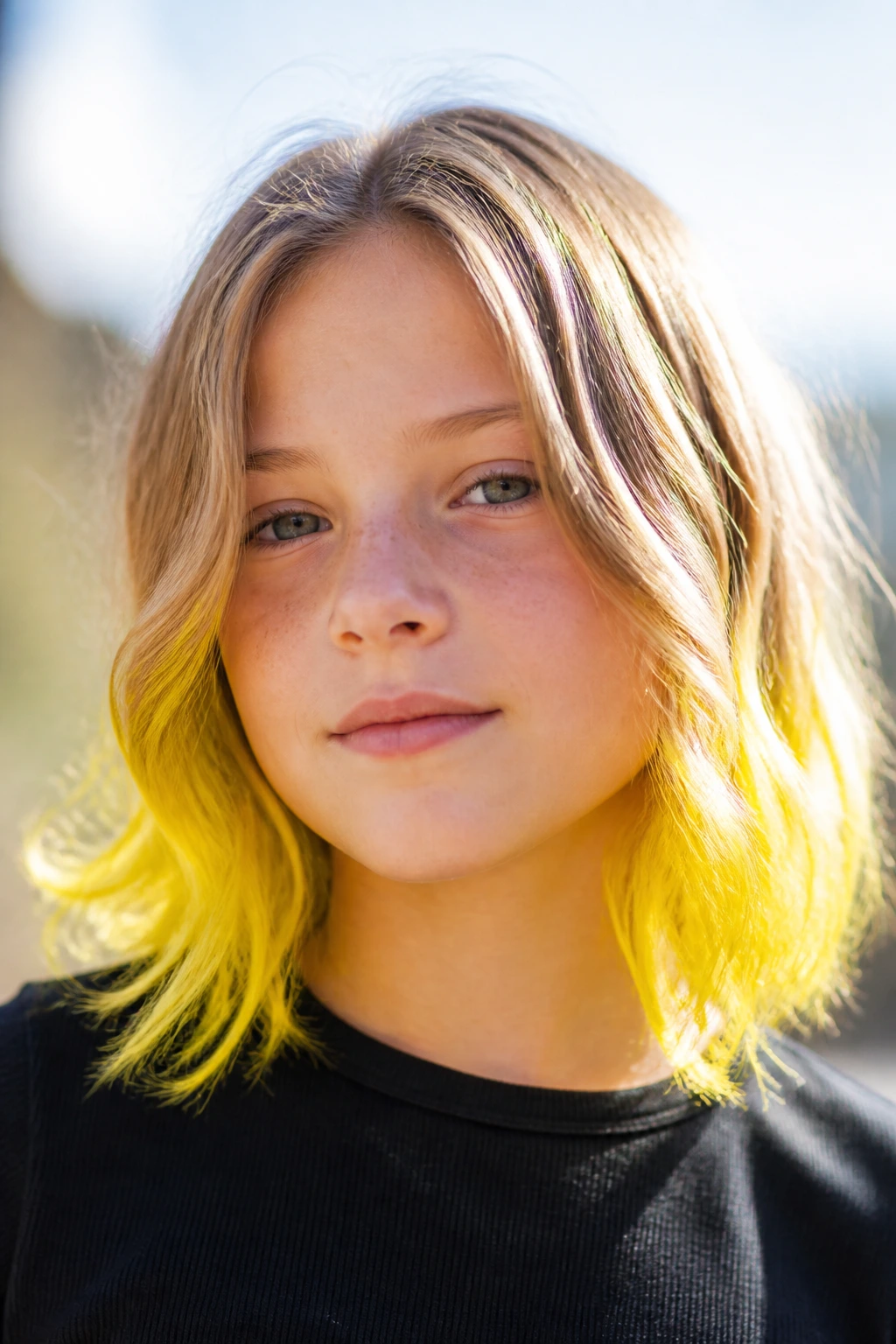
For the brave, yellow is the ultimate “look at me” color. It’s bold, bright, and impossible to ignore.
The Challenge with Yellow
Yellow is the most difficult color to apply because it requires the hair to be a perfect white-blonde base. Any yellow pigment already in the hair will simply disappear, so the base must be pristine.
Why Do It Anyway?
Because nothing else has the same energy. Yellow is sunshine in a bottle. It is the perfect choice for a special event or a summer break when you want the hair to reflect a high-octane, joyous personality.
21. Subtle Mahogany Undertones
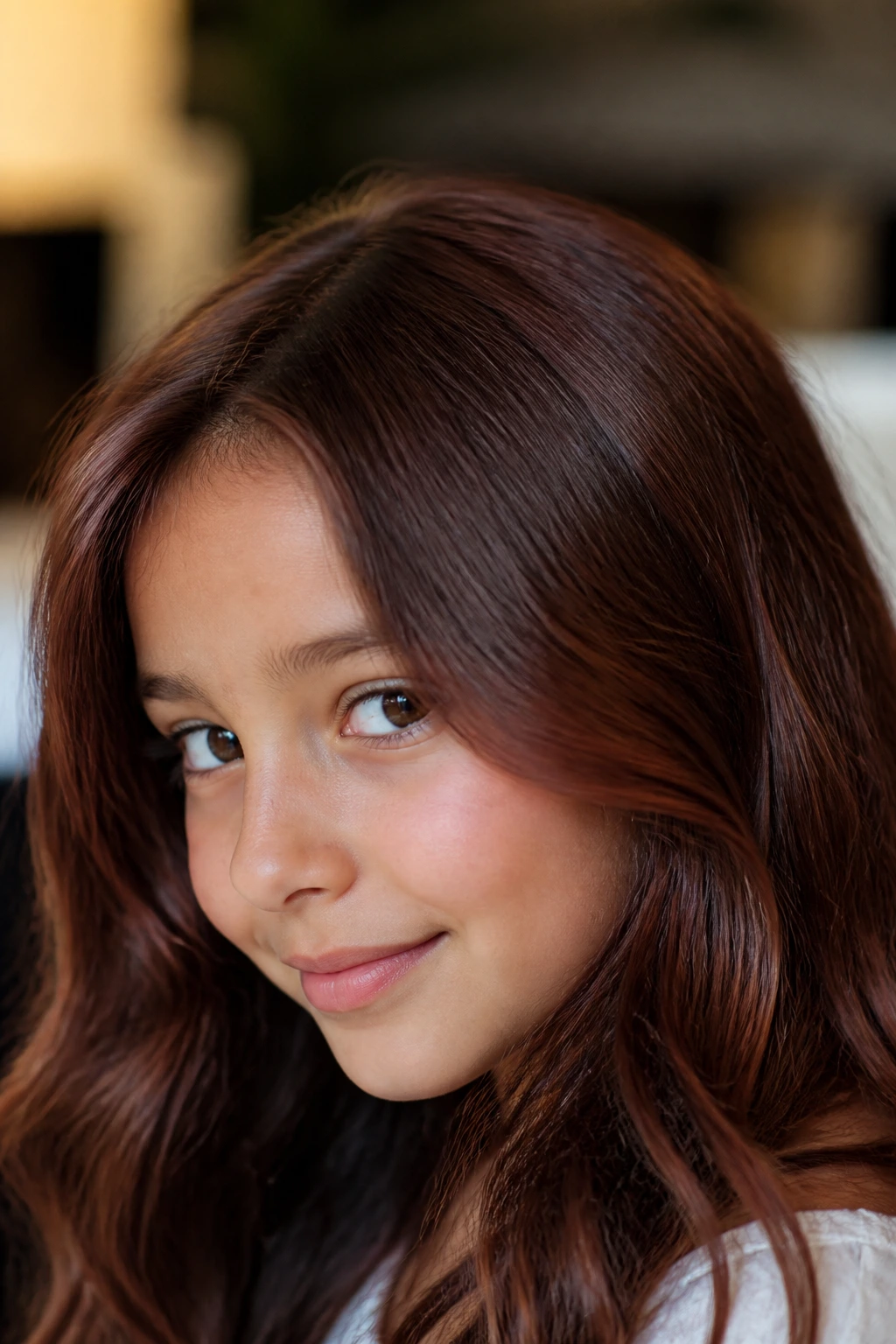
If your goal is to add life to dull-looking hair without making a massive change, mahogany is the answer. It’s a rich, reddish-brown that adds shine and depth without looking like a “dyed” color.
The Natural Look
This is practically invisible until the light hits it. It’s perfect for a child who wants to feel a bit more “grown up” without dealing with bright neon streaks that might distract from daily school routines.
How to Apply
Use a color-depositing shampoo instead of a dye. It’s much gentler and easier to use. You simply wash the hair as usual, let it sit for five minutes, and rinse. It’s the easiest, most stress-free way to dip a toe into the world of color.
Final Thoughts
When choosing a color for your child, focus on the experience as much as the outcome. The goal is to celebrate their creativity and allow them to explore their identity in a safe, non-permanent way. Always prioritize the health of the hair, stick to ammonia-free direct dyes or pigmented conditioners, and keep the processing times short.
The most important part of this entire process is that it remains a fun, bonding activity. If a color doesn’t turn out exactly as expected, don’t worry—most semi-permanent colors will fade significantly within two to three weeks. Enjoy the vibrancy while it lasts and use the opportunity to teach your child about the science of color, the importance of hair care, and the joy of self-expression. Hair is simply a canvas; keep it healthy, keep it fun, and enjoy the process of creating something new together.