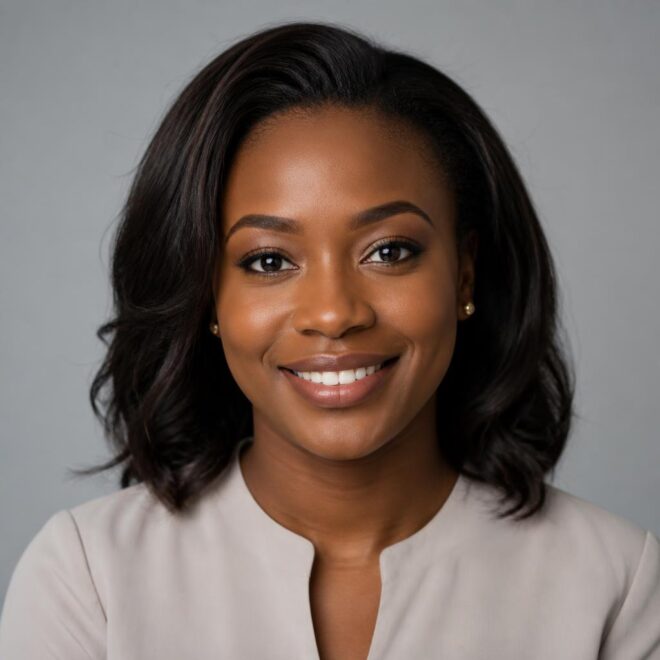


When your hair leans toward the finer side, the term “swag” takes on a specific meaning. It isn’t about forcing your hair into heavy, impossible layers that leave you looking stringy; it’s about choosing cuts that embrace movement, volume, and a bit of attitude. Many people with thin hair spend their lives fighting their natural texture, trying to glue it into submission with heavy waxes or thick gels. This is a losing game. The key is to lean into the lightness. A great cut for thin hair is one that works with gravity, not against it, using precise angles and strategic weight distribution to create the illusion of density where there isn’t actually a thick mane.
Finding the right style is less about mimicking the trends seen on high-volume hair and more about finding the architecture that supports your specific strand pattern. Whether you have pin-straight locks that go flat by noon or a gentle wave that loses its shape, the goal is “swag”—that effortless, slightly undone look that suggests you woke up with perfectly tousled hair. We are moving away from the blunt, heavy bobs that can make thin hair look thinner and toward styles that prioritize texture, layers, and intentional shape.
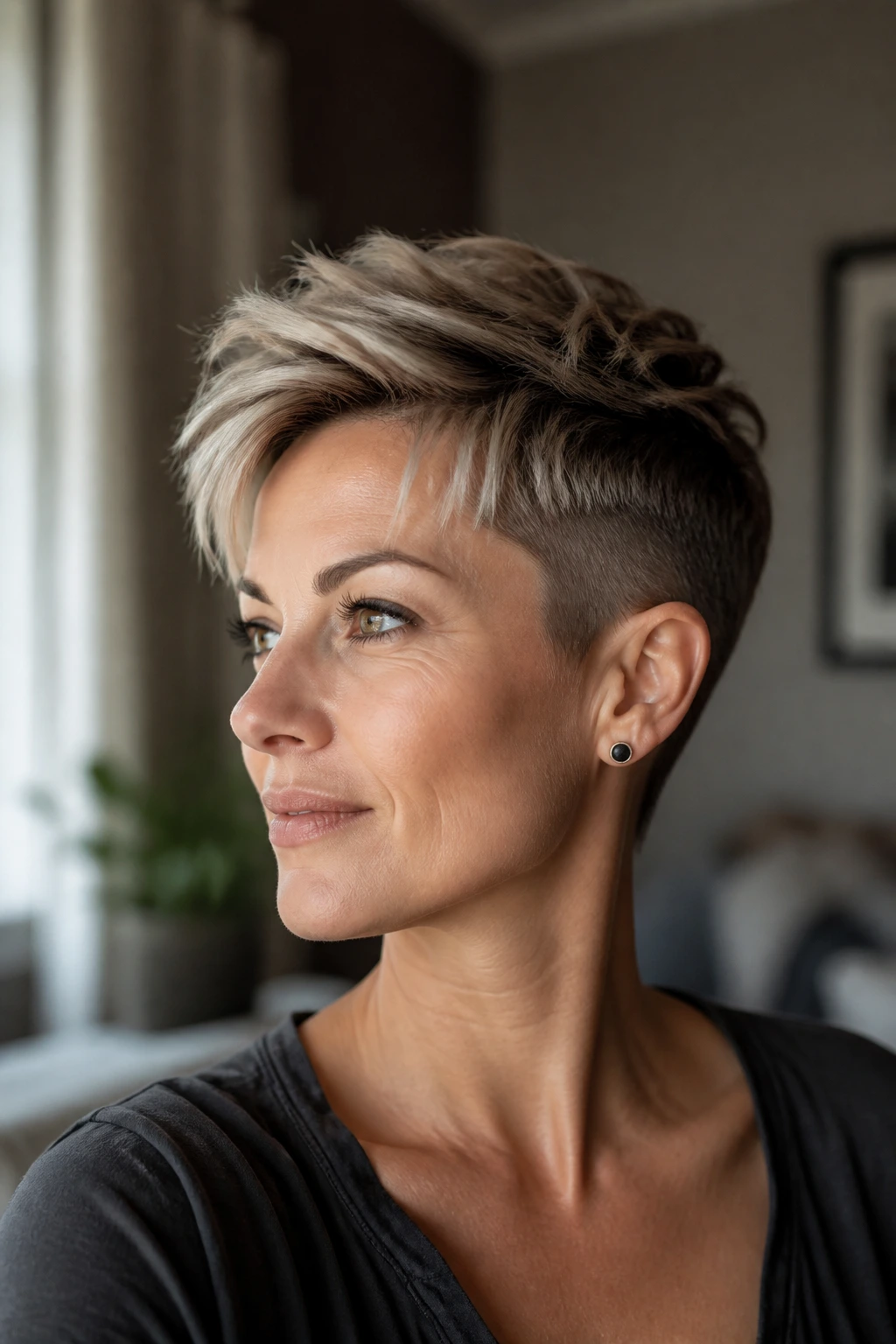
1. The Textured Pixie With Long Top Layers
This is the ultimate confidence move for anyone with fine hair. By keeping the sides relatively close and leaving the top longer, you gain massive control over the appearance of thickness. The longer pieces on top provide the visual volume, while the shorter sides keep the silhouette from feeling weighed down.
Why This Style Works
The contrast between the close-cropped sides and the longer, textured top creates a focal point that draws the eye upward. It makes the hair look intentional rather than sparse. Use a lightweight texturizing spray to give those top layers some grip so they don’t lie flat against your scalp.
Styling for Maximum Volume
- Start with a volumizing mousse on damp hair.
- Blow-dry with your fingers, pulling the hair upward at the root.
- Finish with a dab of matte pomade to define individual strands. Pro tip: Avoid heavy creams, as they will collapse your hair before you even leave the house.
2. The Blunt Collarbone Bob
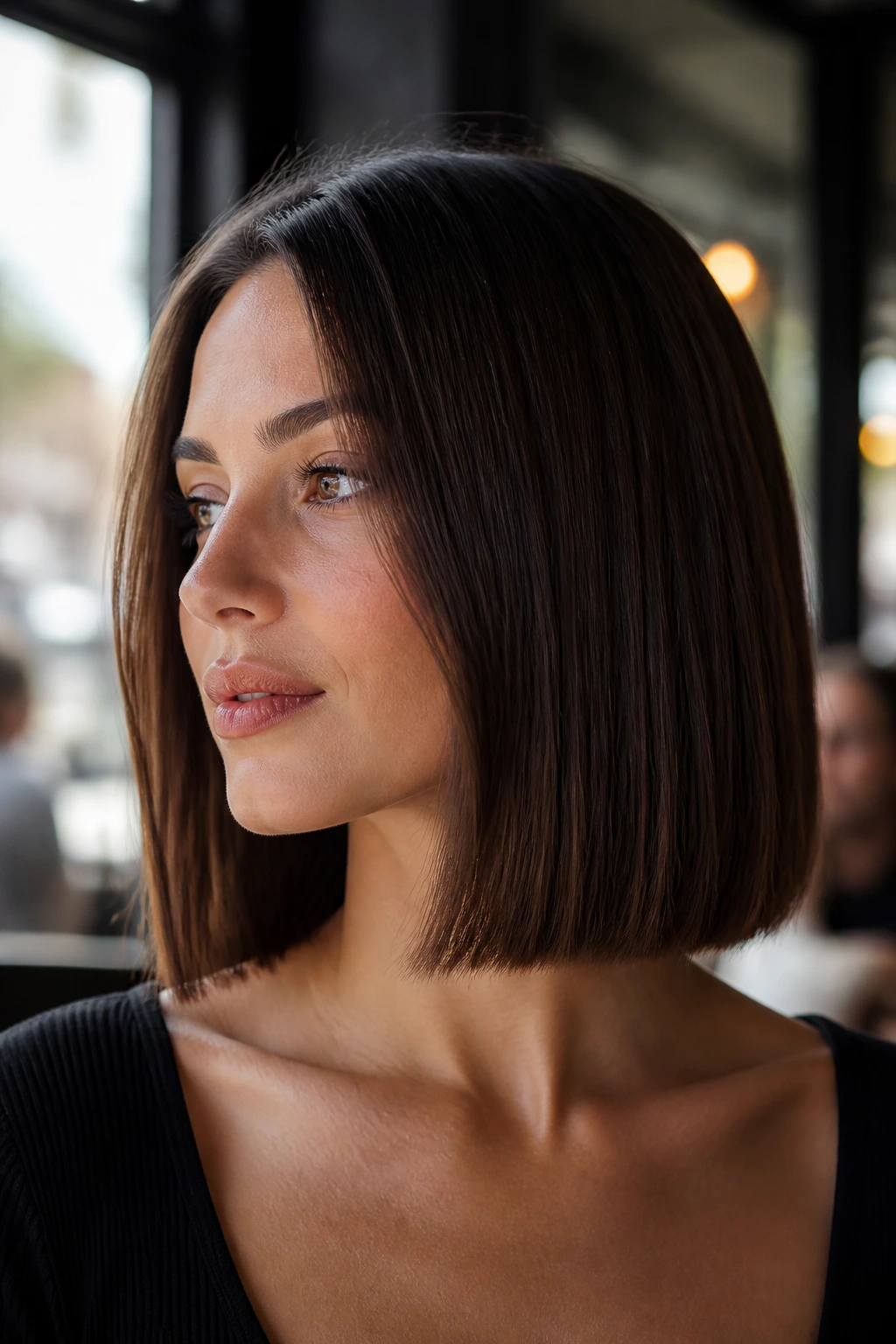
There is a common misconception that thin hair must be kept super short or very long to look decent. The truth is that a sharp, blunt bob hitting right at the collarbone is often the most sophisticated look you can achieve. By keeping the ends blunt, you create a dense weight line that makes the bottom of the hair appear thicker.
Precision is Key
The “swag” here comes from the clean line of the cut. There are no wispy, thinning ends to make the style look fragile. It feels modern, intentional, and, most importantly, very easy to style on those mornings when you are in a rush.
How to Wear It
- Use a flat iron to give the ends a slight inward bevel.
- Apply a lightweight shine spray to make the blunt edges pop.
- Keep the middle part crisp to emphasize the symmetry of the cut.
3. The Modern Shag With Wispy Bangs
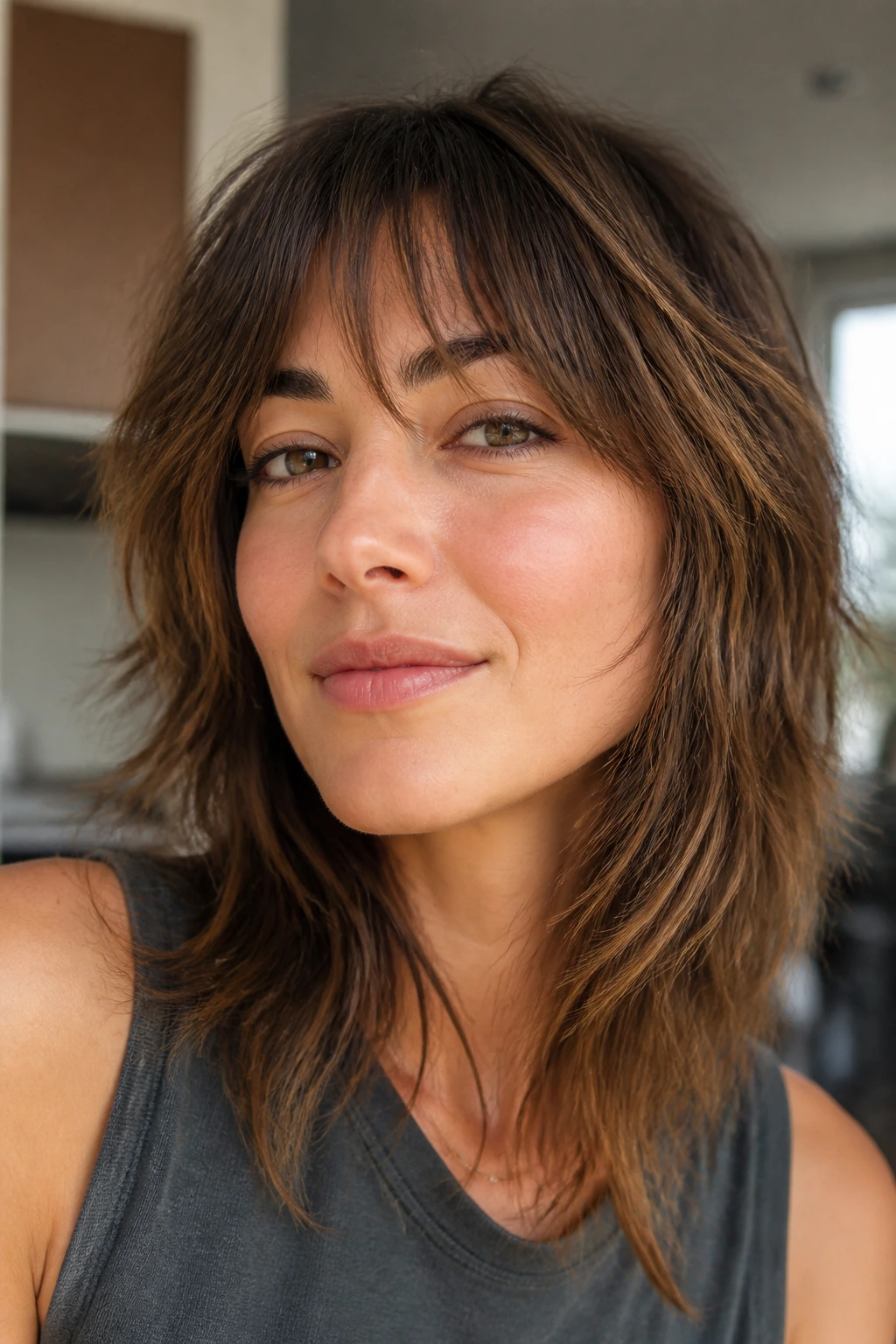
If you are craving movement, the modern shag is your best friend. Unlike the heavy, feathered shags of the past, this iteration uses soft, internal layers that prevent the hair from looking limp. The key addition is the wispy fringe, which brings density to the front of your face.
Managing the Layers
Don’t let your stylist go overboard with the razor. If the layers are too thin, they will just look like split ends. Ask for “invisible layers” that provide shape without sacrificing the bulk of your hair at the ends.
The Benefit of Wispy Bangs
- They break up the forehead and frame the eyes.
- They look intentional even if they aren’t thick.
- You can sweep them to the side for a softer look when you don’t want a full fringe.
4. The Deep Side-Parted Lob
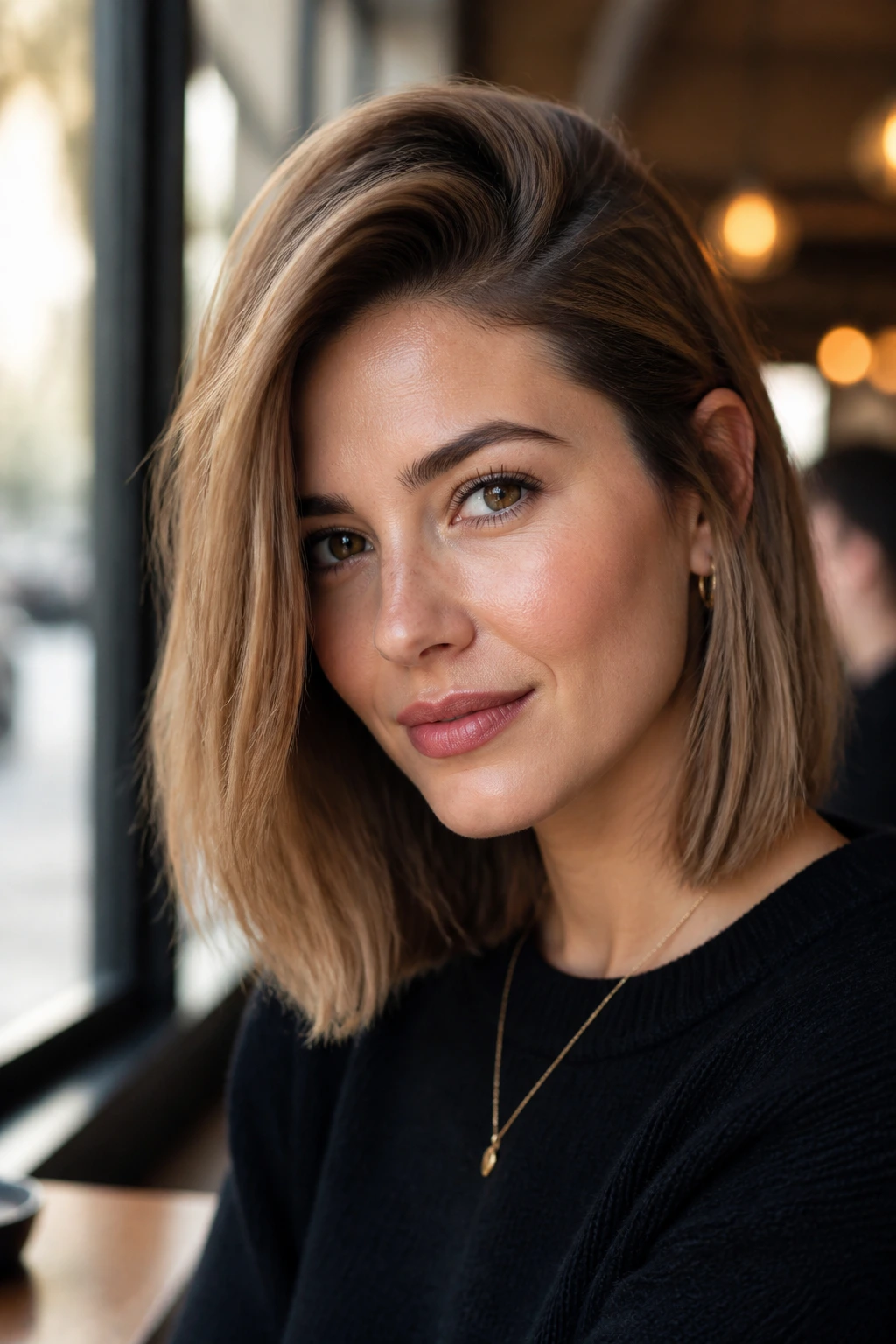
Never underestimate the power of a deep side part. It is the oldest trick in the book, but it works because it physically shifts the volume of your hair, creating a massive amount of lift at the roots on one side. This is an effortless way to create a “fuller” look without picking up a single styling tool.
Creating Height
If your hair is naturally flat, a side part acts as a natural volumizer. When you flip a large section of hair over, the roots are forced to stand up, providing an immediate boost to your profile.
Maintaining the Shape
- Use a tail comb to get a precise, sharp part.
- If the hair falls flat, hit it with a quick blast of hairspray at the root.
- Keep the ends slightly textured to prevent a severe, triangular look.
5. The Messy French Bob
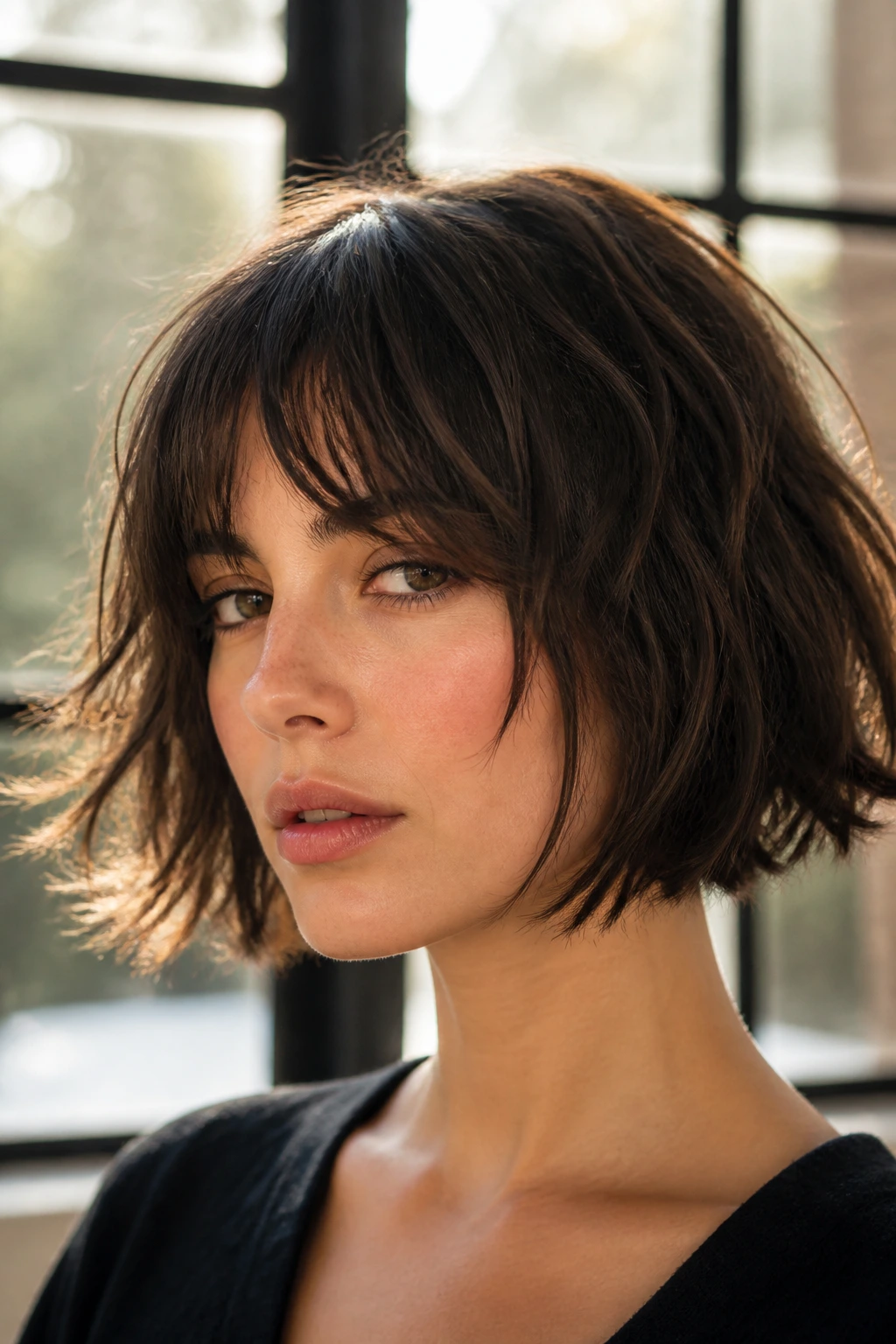
French style is all about “effortless chic,” which is exactly what thin hair needs. This cut sits just below the earlobes and features jagged, uneven edges. It’s supposed to look like you cut it yourself in a mirror with a pair of kitchen scissors, which is a big part of the appeal.
Embracing Imperfection
The messiness actually hides the fact that you might not have a lot of hair. The random length of the strands makes the texture look purposeful. This is a low-maintenance style that thrives on a little bit of natural oil and a lot of movement.
The Ideal Texture
- Salt spray is essential for that slightly crunchy, wavy French look.
- Let it air dry whenever possible to avoid heat damage.
- Mess it up with your fingers throughout the day; the more you touch it, the better it looks.
6. The Long Layered Cut with Face-Framing Pieces
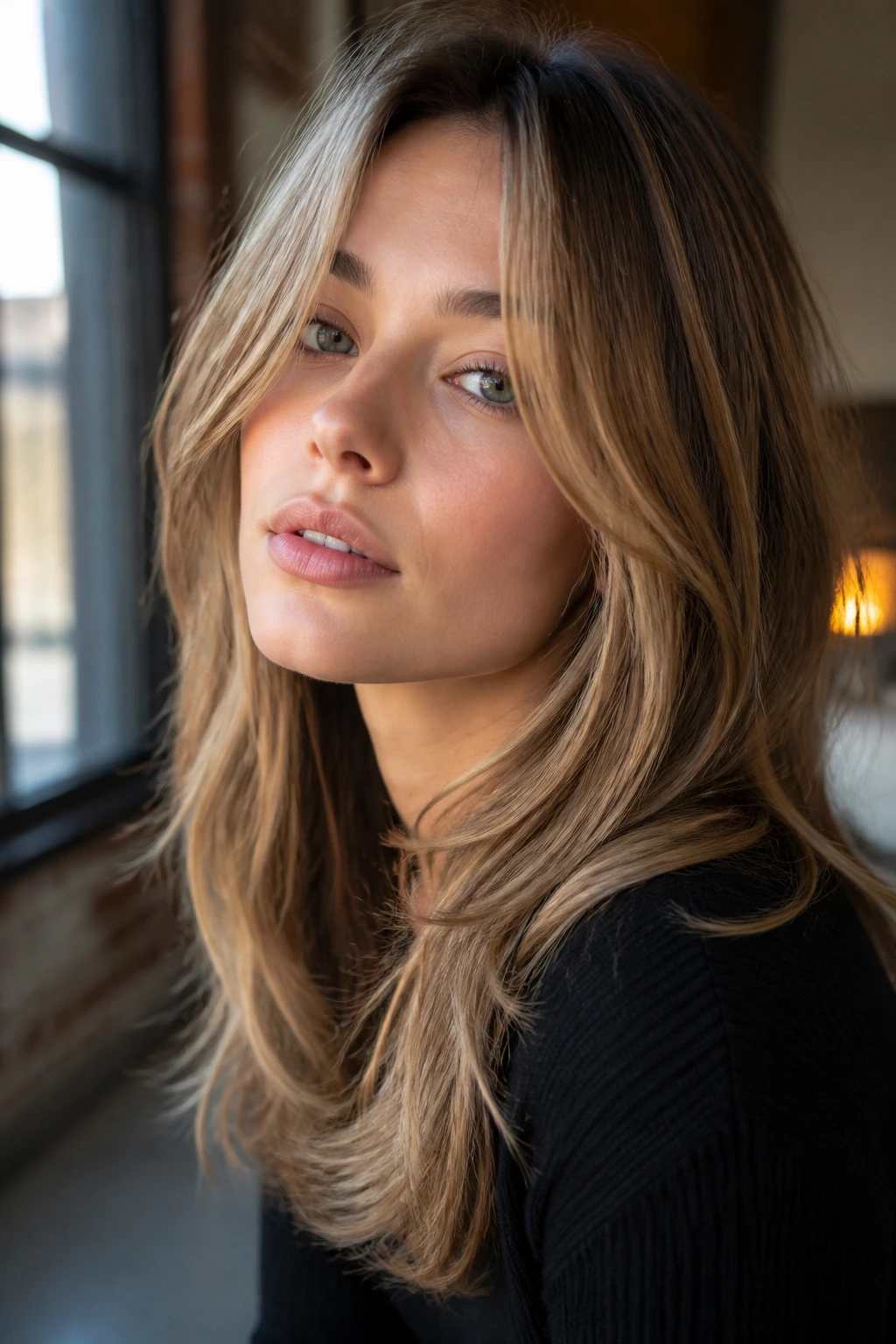
If you refuse to give up your length, you have to be strategic. A single-length cut is death to thin hair; it will look like a long, flat curtain. Instead, opt for long, sweeping layers that start around the chin and continue down to the ends.
Where to Place the Layers
- Chin level: This frames the face and creates interest.
- Collarbone: This prevents the hair from hanging like dead weight.
- Mid-back: A few soft layers here keep the length from becoming stringy.
The Secret to Length
The face-framing pieces are crucial. They distract from the thinness of the overall length by drawing the eye to your cheekbones and jawline. Keep these pieces slightly shorter than the rest of the hair to add dimension.
7. The Stacked Graduated Bob
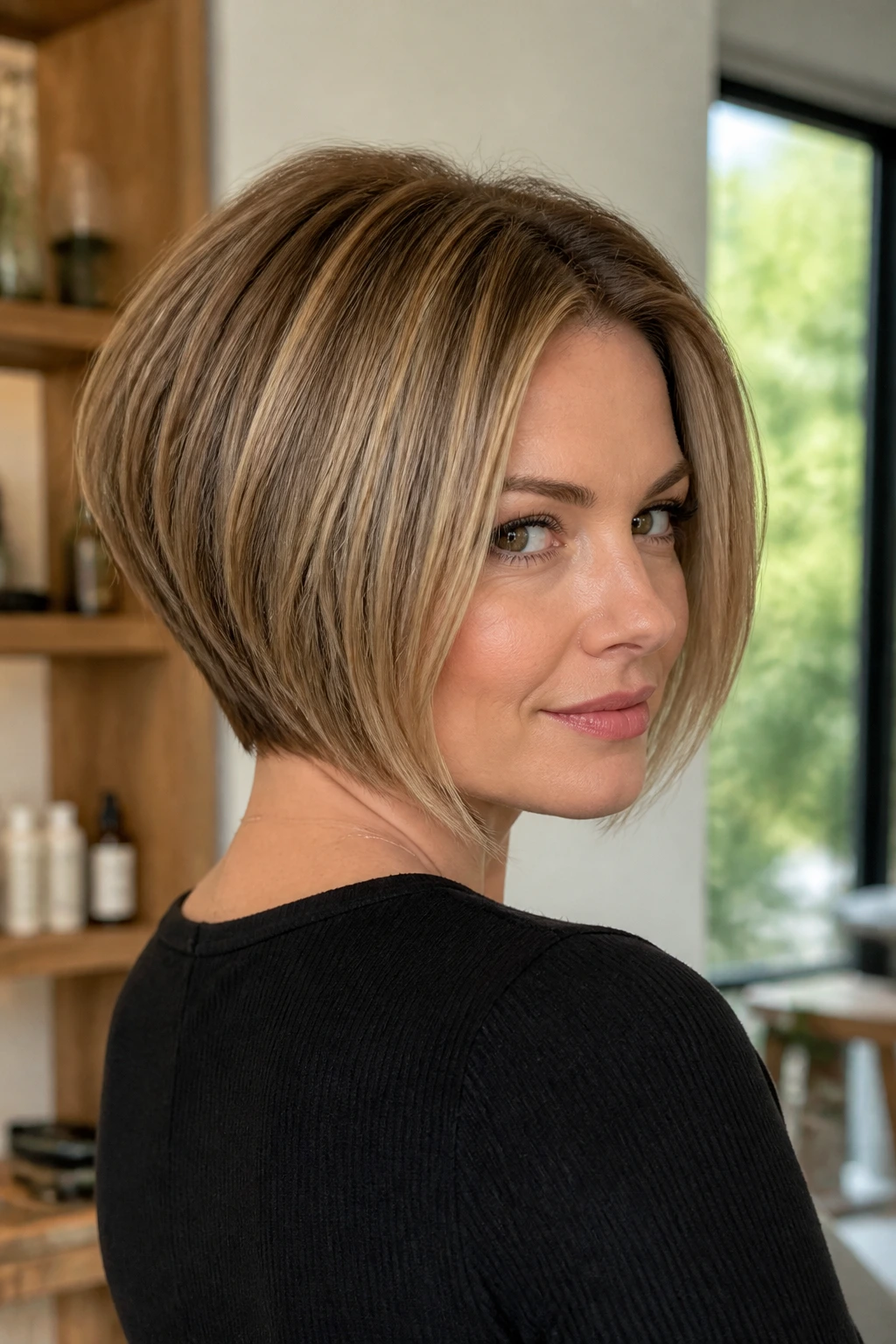
By cutting the hair shorter in the back and keeping the front longer, you build an automatic shelf of volume in the nape of the neck. This is a fantastic way to handle hair that tends to go flat and limp at the back of the head.
Why This Adds Volume
The graduation creates a natural lift that stays put. It’s an architectural solution to the problem of thinness. Even without extra products, the shape itself does the heavy lifting, providing a rounded silhouette that looks fuller than a flat, long cut.
Who Should Choose This
- People with flat or fine hair textures.
- Those who want a professional, polished look.
- Anyone tired of spending twenty minutes teasing the back of their hair.
8. The Wavy Lob With Balayage
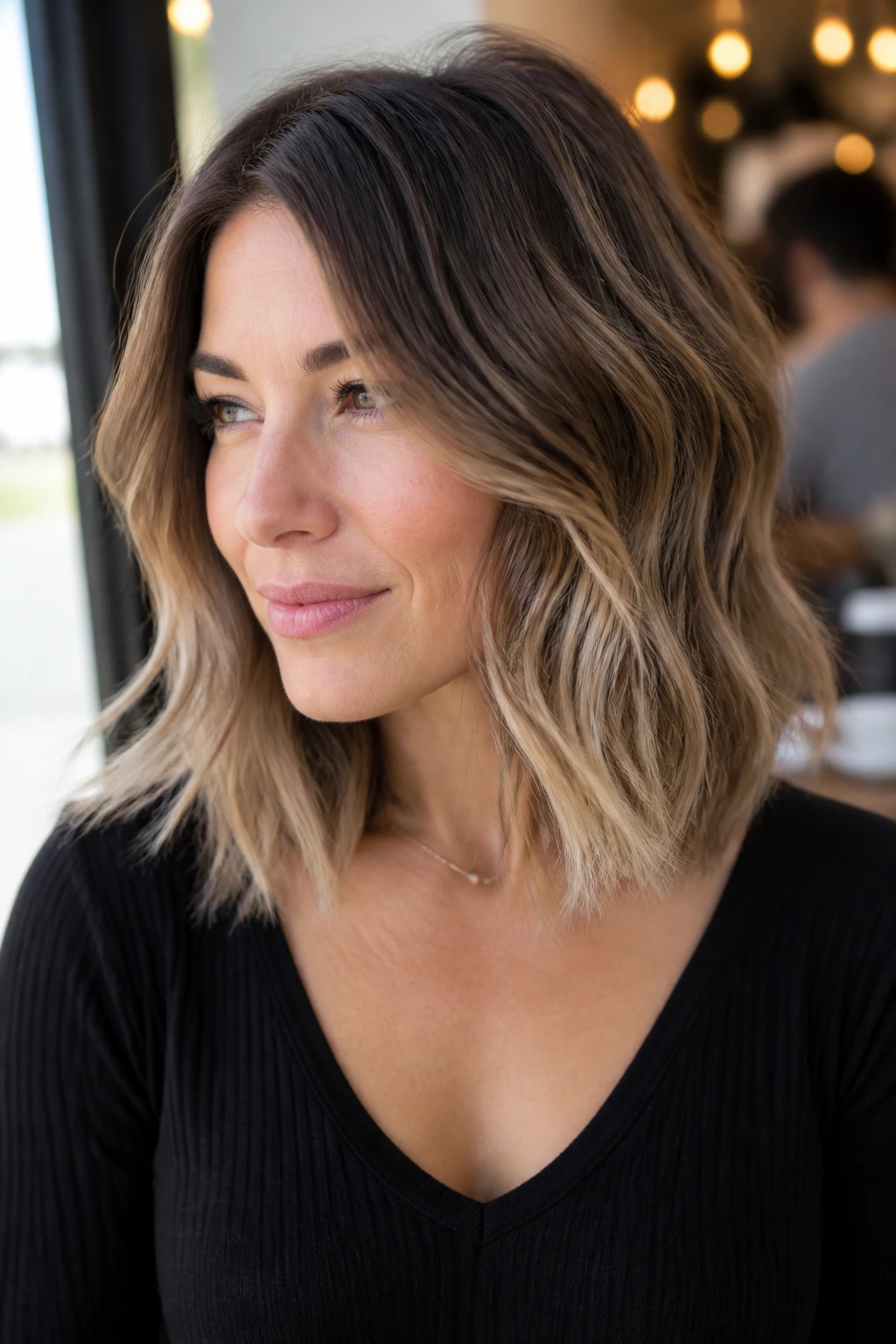
Color can be a powerful tool for visual density. A subtle balayage—where the roots are darker and the ends are lighter—adds depth and contrast that a single-process color simply cannot touch. When combined with a shoulder-length bob (lob), it creates the appearance of thicker, healthier hair.
The Role of Contrast
The darkness at the roots gives the illusion of a thicker scalp density, while the lighter ends create a sense of movement. When you add a few loose waves to this, you get a multi-dimensional look that captures light and hides the sparseness of individual strands.
Tips for Success
- Ask for a “root smudge” to keep the transitions soft.
- Focus the brightness on the pieces framing your face.
- Avoid over-bleaching, as damaged thin hair is brittle and prone to snapping.
9. The Curtain Bangs and Mid-Length Cut
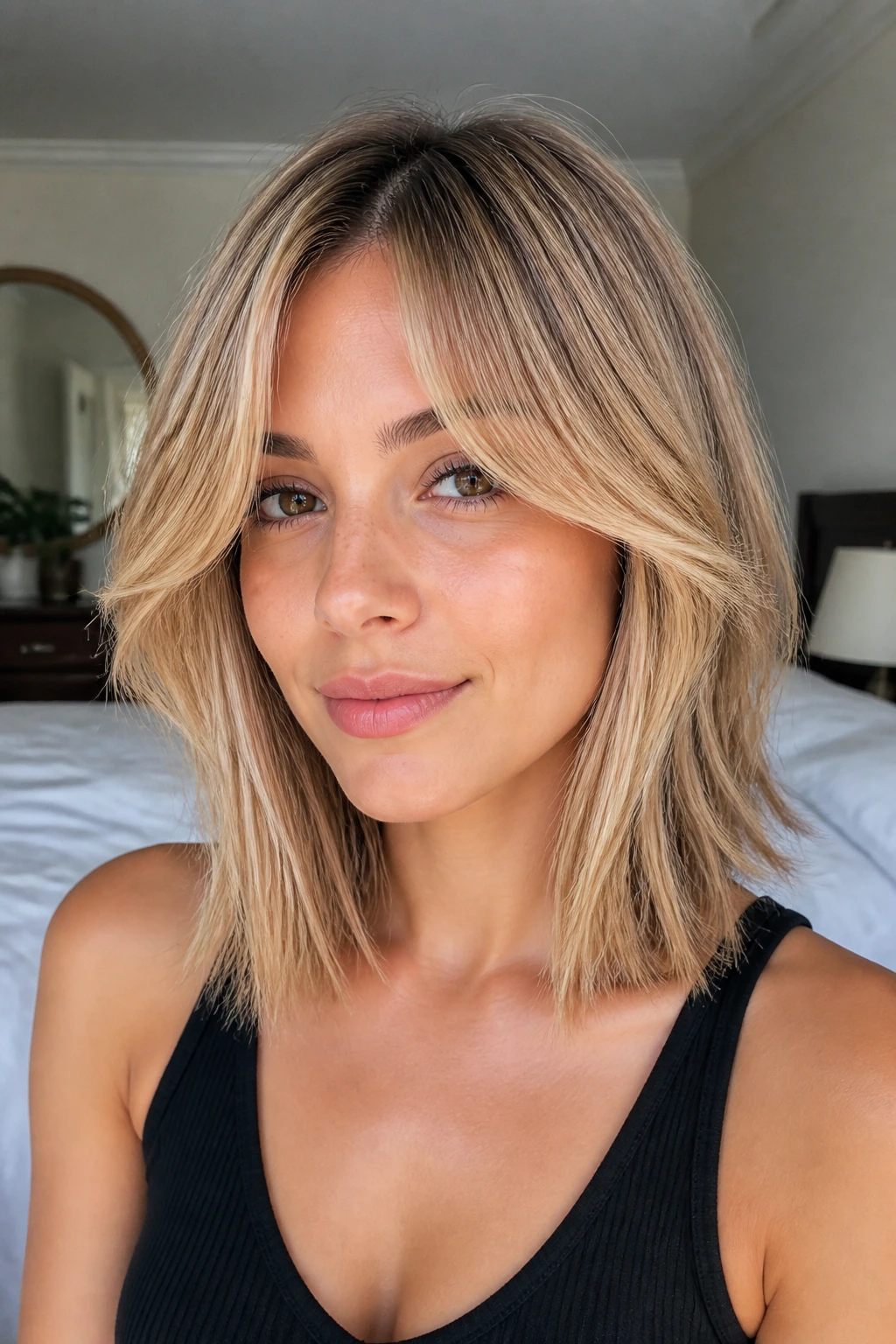
Curtain bangs are universally flattering, but they are particularly good for thin hair because they act like “curtains” that provide bulk around the face. They cover the thinning areas at the temples and add a soft, romantic vibe that looks great with a mid-length cut.
Why They Work
They draw focus away from the overall thinness of the hair and highlight your features. Because they are parted in the middle, they naturally create a bit of volume at the crown as they fall outward.
Maintenance and Styling
- Use a round brush to blow-dry the bangs away from your face.
- Keep them trimmed to your cheekbone length.
- Use a small amount of dry shampoo to keep them from getting oily—grease is the enemy of a good fringe.
10. The Slicked-Back Wet Look
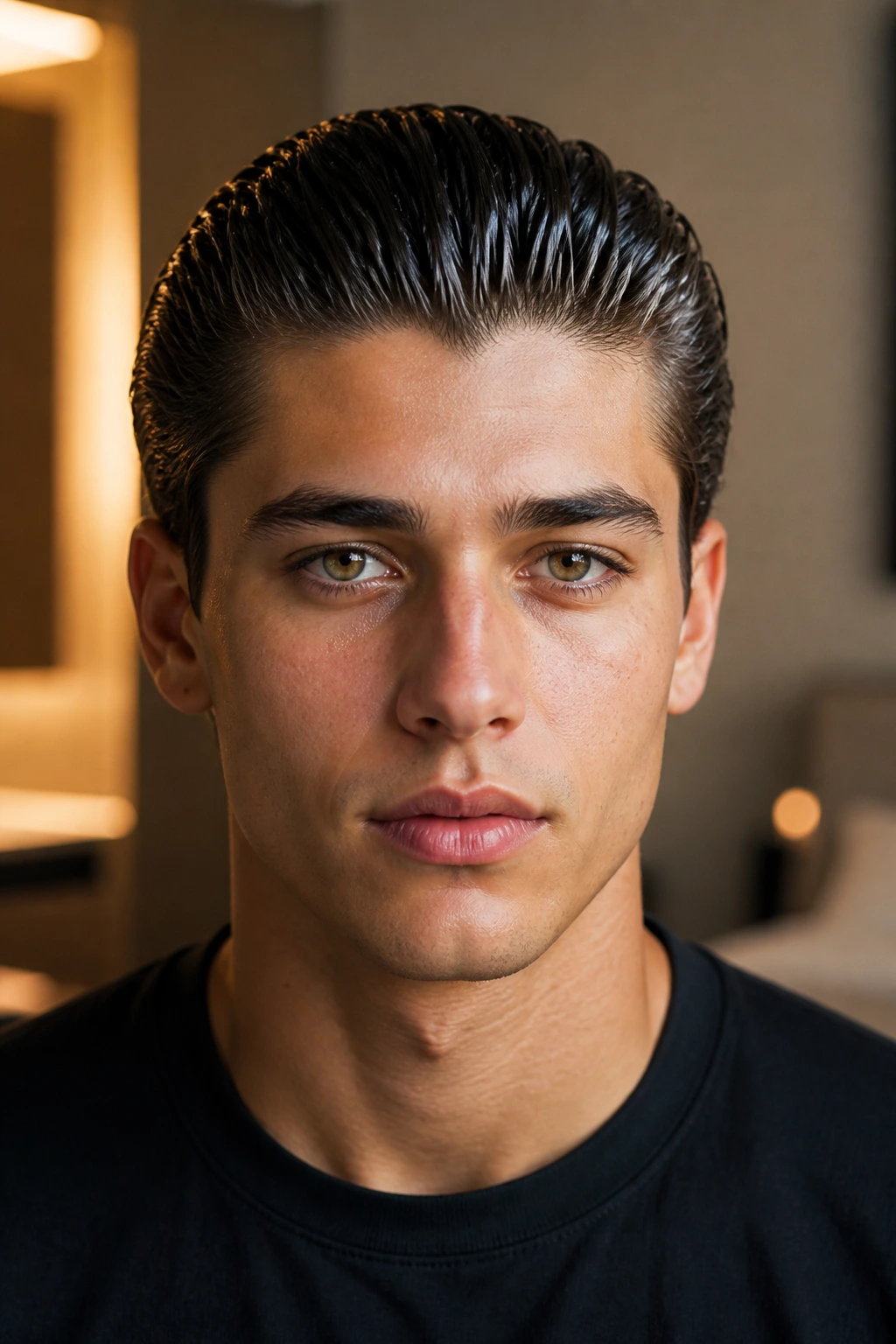
Sometimes, the best way to handle thin hair is to lean into the sleekness. Instead of trying to make it look bigger, make it look deliberate. The slicked-back look is a high-fashion, “swag” style that works wonders for thin, fine strands because it doesn’t require any volume to look impressive.
When to Try This
- Formal events or nights out.
- Days when your hair is feeling particularly uncooperative.
- When you want to highlight your bone structure.
The Method
- Apply a strong-hold gel or pomade to damp hair.
- Use a wide-tooth comb to pull the hair back tight against the scalp.
- Spray with a high-shine hairspray to keep every hair in place.
11. The Blunt Ends with Hidden Undercut
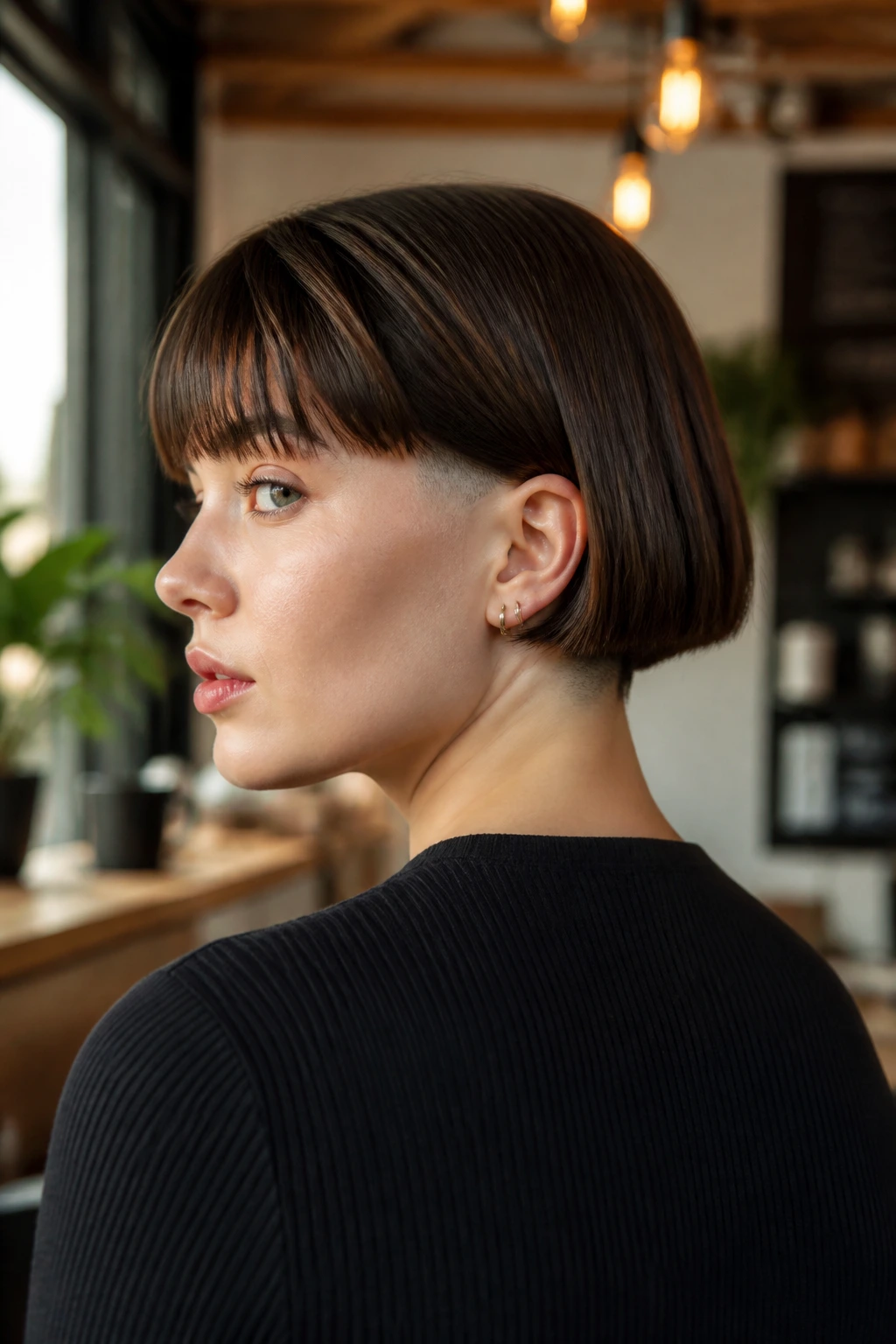
If you want to go short but still have some edge, consider a blunt cut with a discreet undercut. The undercut removes the weight from the bottom, which actually makes the remaining hair look thicker and healthier.
Understanding the Trade-off
You are sacrificing volume at the very bottom for a more manageable, crisp look. The blunt ends on the top layer provide the illusion of a full head of hair, while the undercut prevents the hair from looking frizzy or unkempt.
Styling the Top
- Keep the top layer sleek and smooth to show off the blunt edges.
- Use a texturizing powder at the roots of the top section for a boost.
- Keep the undercut short and tidy with regular trims.
12. The Asymmetrical Pixie
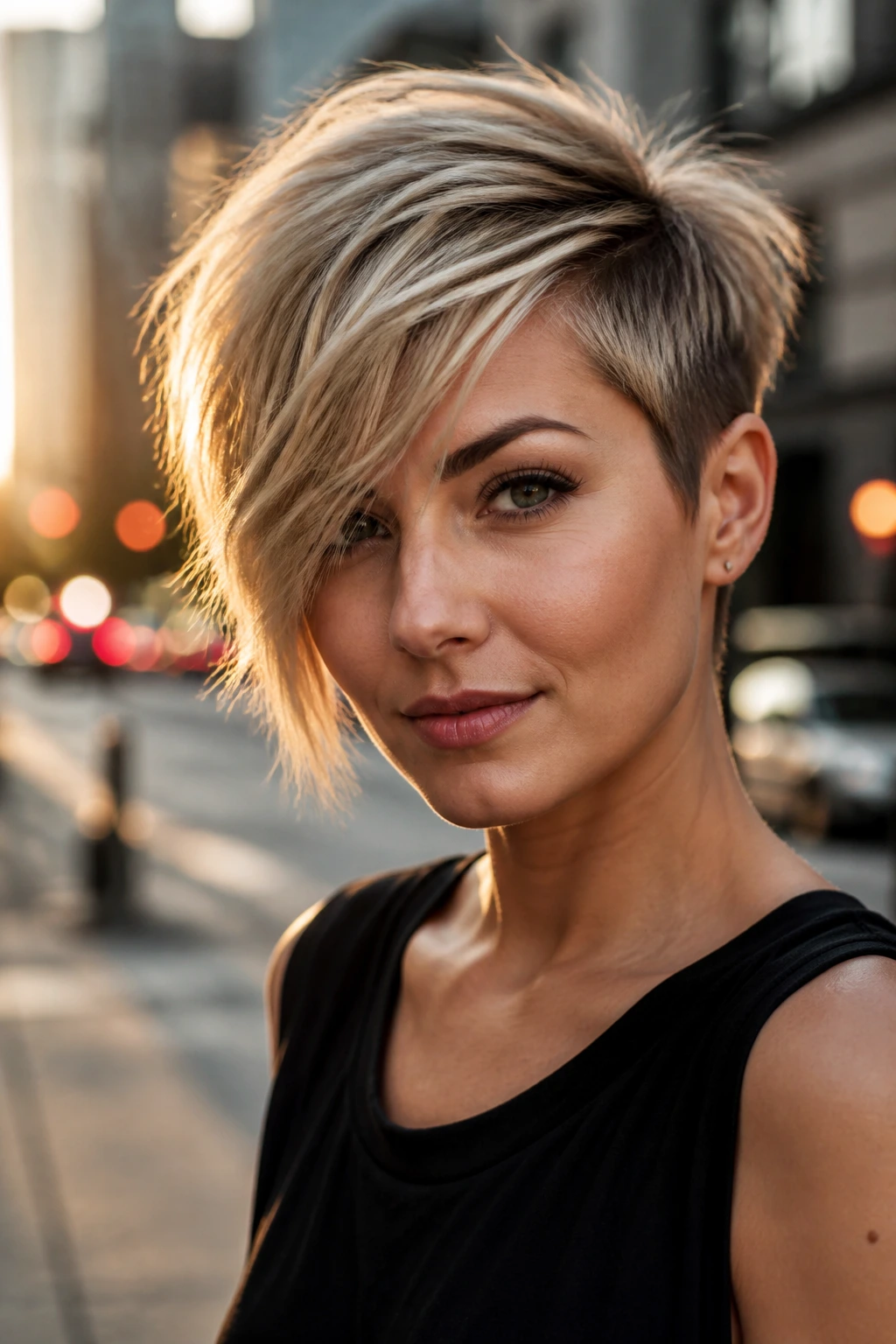
Asymmetry is a fantastic way to trick the eye. By having one side longer than the other, you create a dynamic, modern silhouette that looks incredibly intentional. The length on the longer side can be styled to create a side-swept fringe, which gives you more “hair” to work with in the front.
Visual Balance
The asymmetry provides a point of interest that prevents the style from looking too thin or uniform. It’s an edgy look that says you care about style, not just about trying to hide your hair texture.
Getting the Look Right
- Ensure the short side is faded or cropped tightly.
- Use a pomade to push the longer side across your forehead.
- Don’t be afraid to add a pop of color to the longer section.
13. The Permed “Beach” Wave Lob
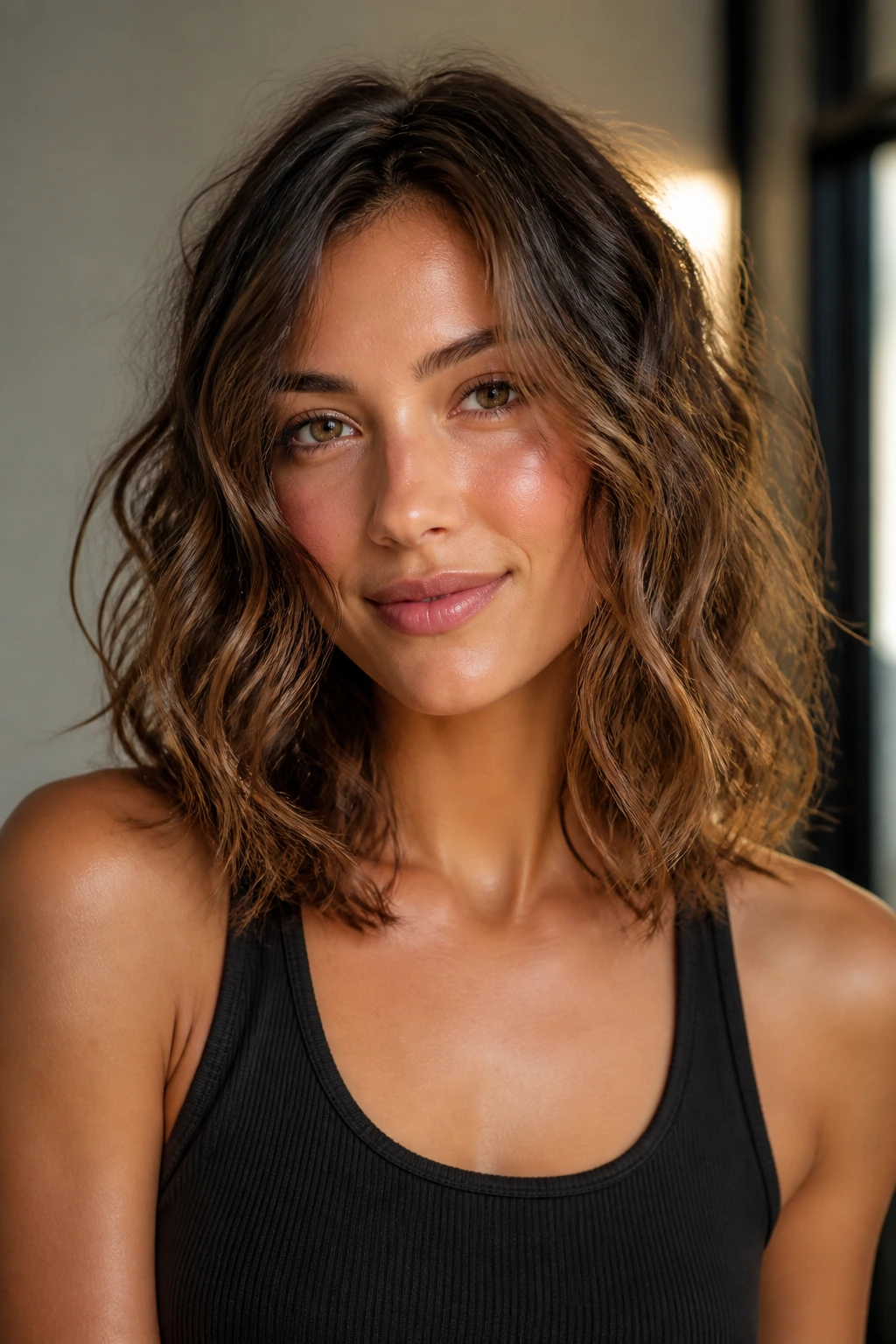
Yes, the perm is back, but it is not the tight, dry curls of the eighties. Modern digital perms offer a loose, natural-looking wave that provides the volume and texture that thin hair often lacks.
Why It Helps
A perm provides a permanent texture boost. Every time you step out of the shower, your hair already has body. This is a game-changer for people who are tired of spending every morning with a curling iron.
Considerations
- Only get this done by a professional experienced in fine hair.
- Keep it loose—you want beachy, not tight spirals.
- Deep condition weekly to keep the hair healthy after the chemical service.
14. The Sleek High Ponytail
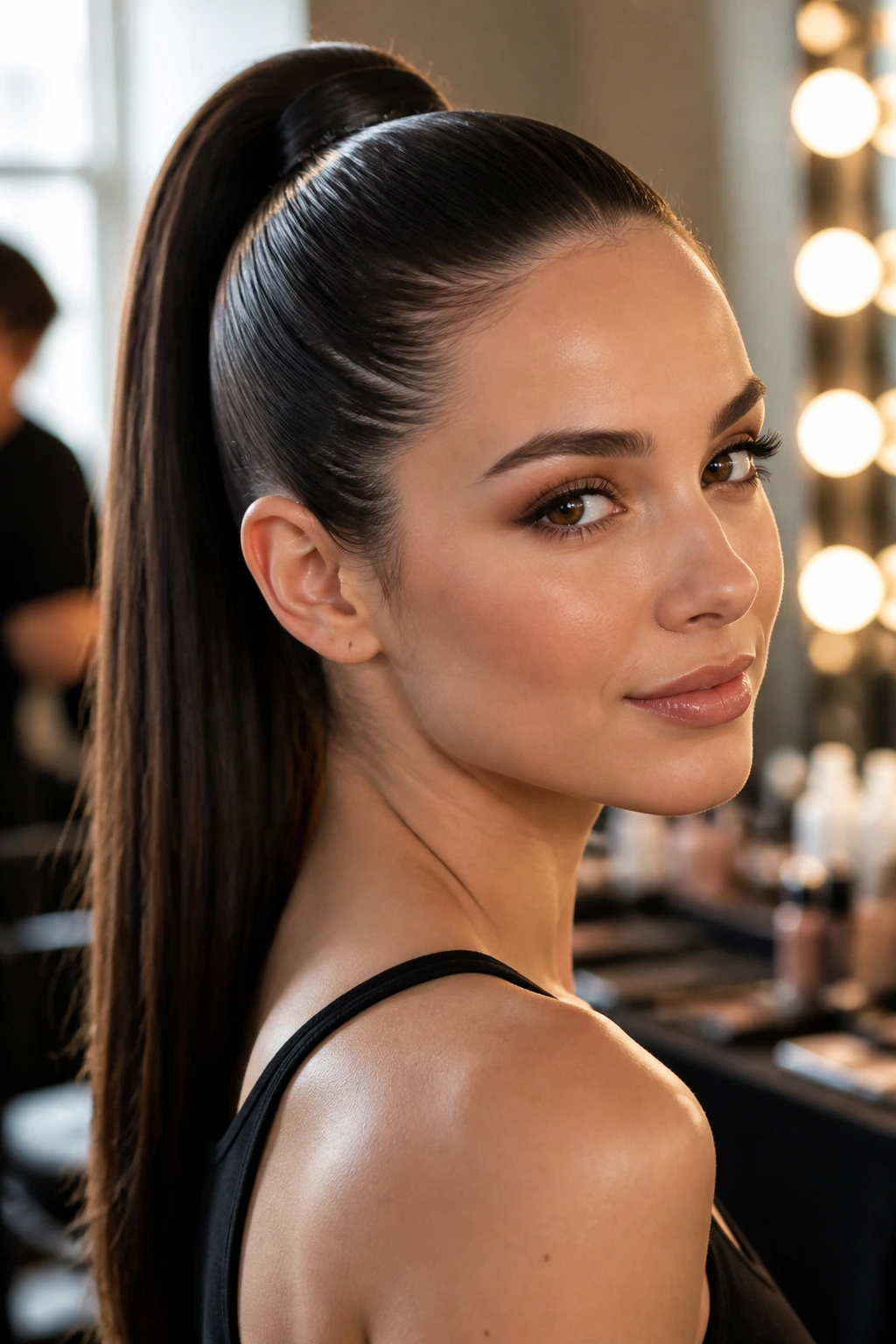
If you have thin hair, a low ponytail can look like a sad, thin wisp of hair. A high, sleek ponytail, however, mimics the look of a fuller ponytail because the hair is pulled from all sides and gathered at the crown.
Elevating the Ponytail
- Wrap a small section of hair around the elastic to hide it.
- Use a toothbrush with a little hairspray to smooth down flyaways.
- Tease the hair at the base of the ponytail slightly for a bit of extra cushion.
Why This Works
The height of the ponytail adds drama and draws the eye away from the scalp. It is a clean, classic, and undeniably “swag” look that takes less than three minutes to perfect.
15. The Choppy Layered Pixie
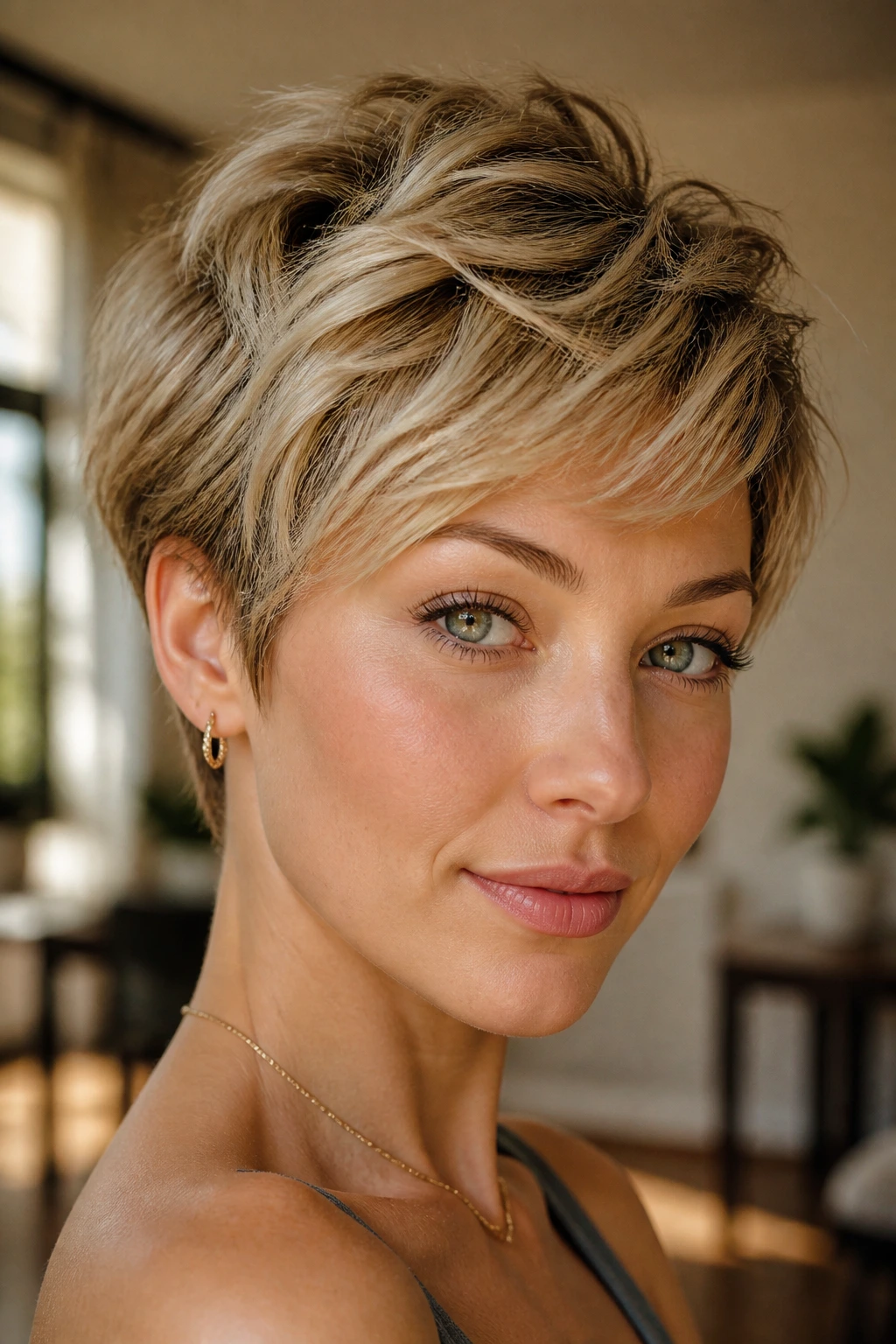
If the classic pixie feels too tame, go for a choppy, layered version. By using a razor, a stylist can create varying lengths that interlock, building a thick texture that feels substantial to the touch.
Choppy vs. Blunt
While blunt cuts are great for bobs, choppy cuts are superior for pixies. They create movement, allowing the hair to lift away from the scalp rather than sitting flat. This “shattered” effect is the secret to making thin hair appear much denser than it actually is.
Keeping it Looking Sharp
- Use a texturizing paste to separate the layers.
- Avoid oil-based products that can weigh down the delicate ends.
- Schedule trims every six weeks to maintain the integrity of the choppy layers.
16. The Sleek Low Bun with Face-Framing Tendrils
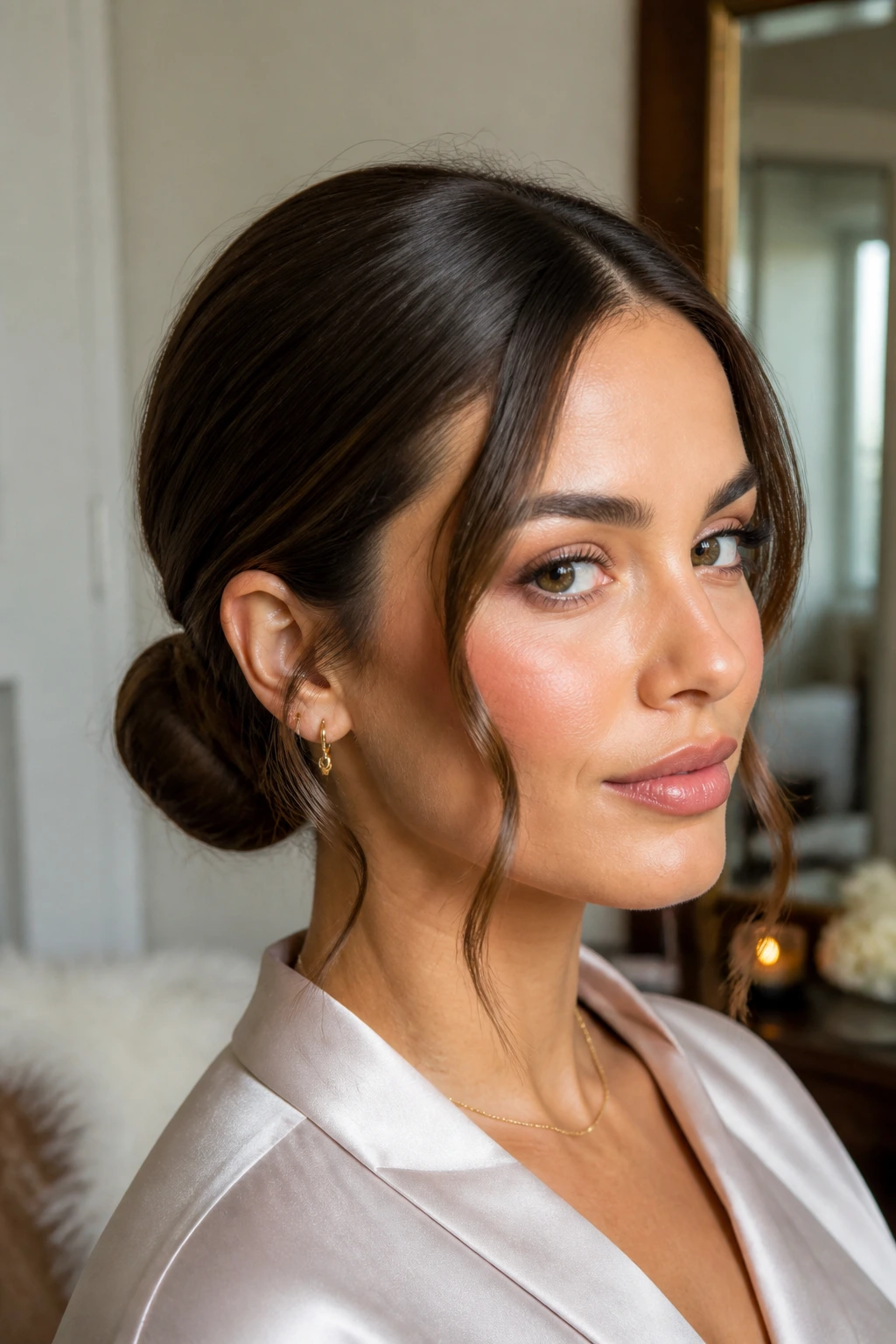
A low bun can be tricky with thin hair, but if you keep it tight and add soft tendrils around your face, it transforms into an elegant, deliberate style. The secret is to not try to make the bun too big—keep it small and tight for a clean look.
The Role of the Tendrils
These pieces soften your features and make the style look less “severe.” They also add a sense of movement to an otherwise static hairstyle. Make sure to curl these pieces slightly to add dimension.
Making it Look Polished
- Use a smoothing serum to eliminate frizz before tying it back.
- Keep the bun perfectly centered.
- Use bobby pins that match your hair color to keep everything secure.
17. The Textured Crop with Highlights
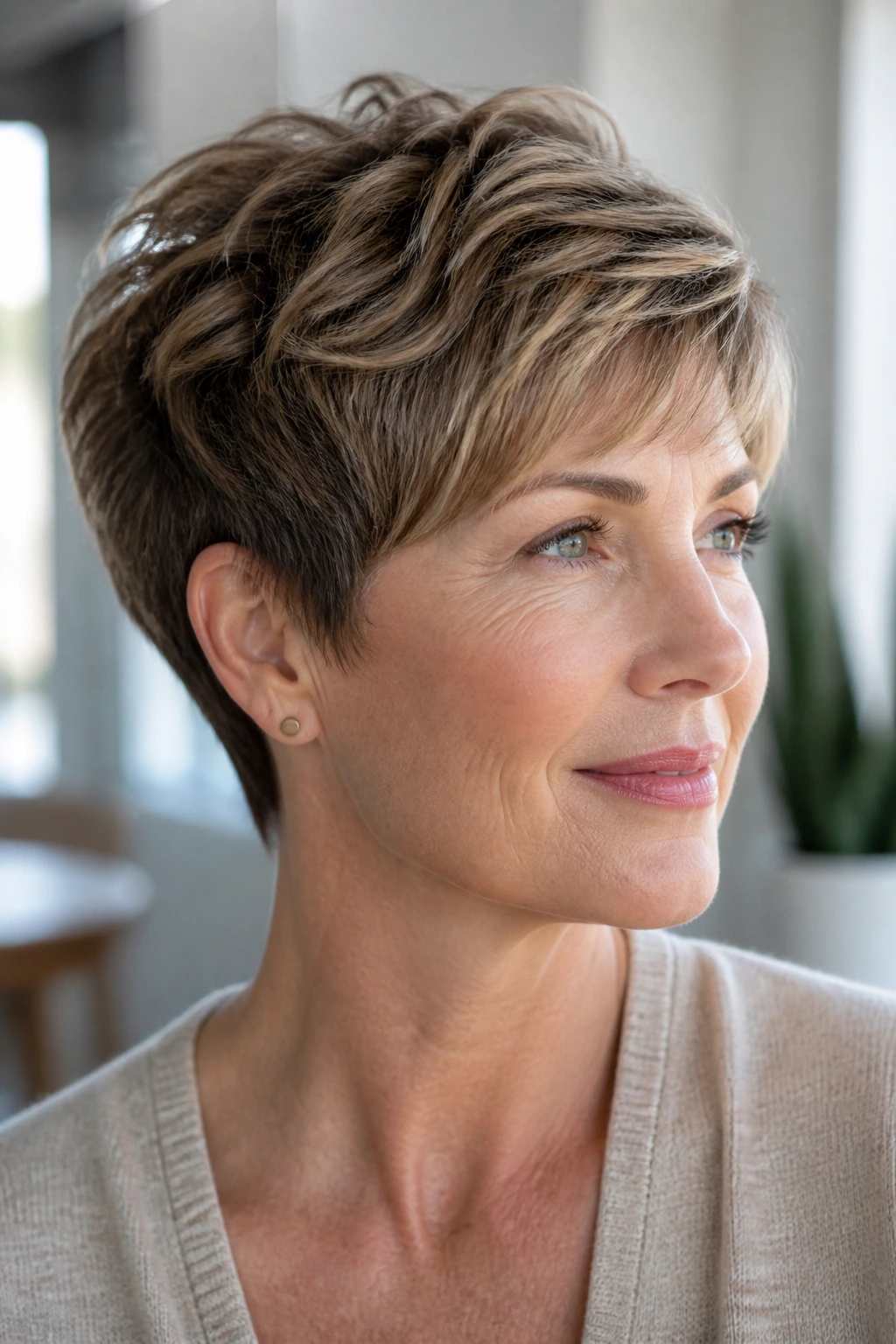
Color and cut combined can work wonders. A textured crop is already a bold choice, but when you add bright highlights or a vibrant color, you add dimension that the hair lacks on its own.
Why Texture and Color Matter
The highlights create light and shadow, which makes the hair look more complex and substantial. A textured crop with a solid, dark color can look flat, but with highlights, each layer of the crop becomes distinct, creating a visual sense of depth.
Choosing Your Highlights
- Go for babylights, which are fine, subtle highlights.
- Keep the highlights scattered so they don’t look like stripes.
- Choose shades that complement your skin tone to make the color pop.
18. The Crown Braid (Half-Up)
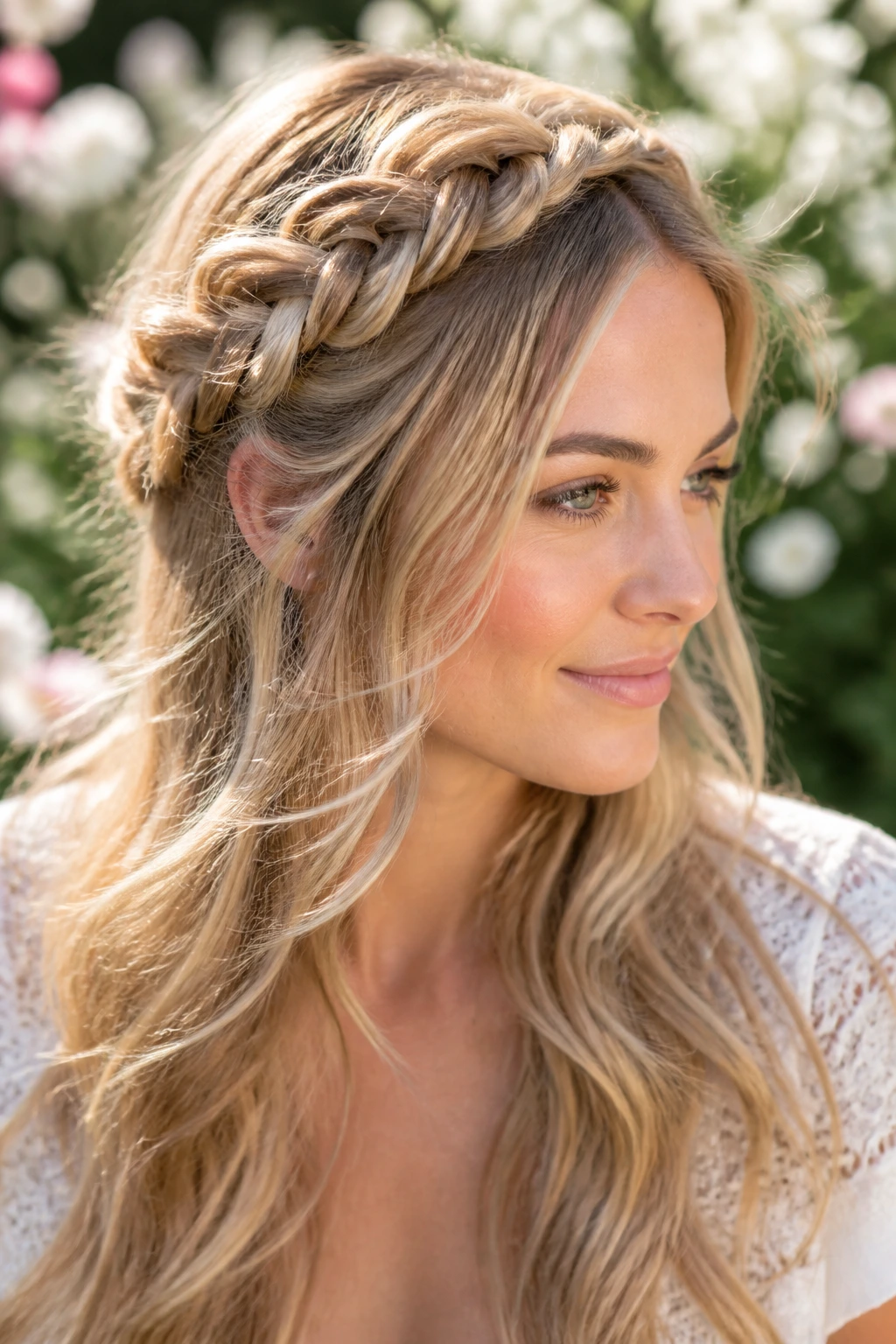
You don’t need a lot of hair for a beautiful braid. A small, messy crown braid that pulls the hair back from your temples can provide volume at the top of your head, making your hair look fuller while also keeping it away from your face.
The “Messy” Advantage
Pull on the loops of the braid once it’s tied. This “pancaking” technique makes the braid look much wider and thicker than it actually is. It is the perfect trick for people who want to add volume to thin, fine hair without using heat.
Styling the Rest
- Leave the bottom half loose and wavy.
- Don’t worry about the braid being perfect; messiness is part of the aesthetic.
- Secure with clear elastic bands for a seamless look.
19. The “Half-Up” Top Knot
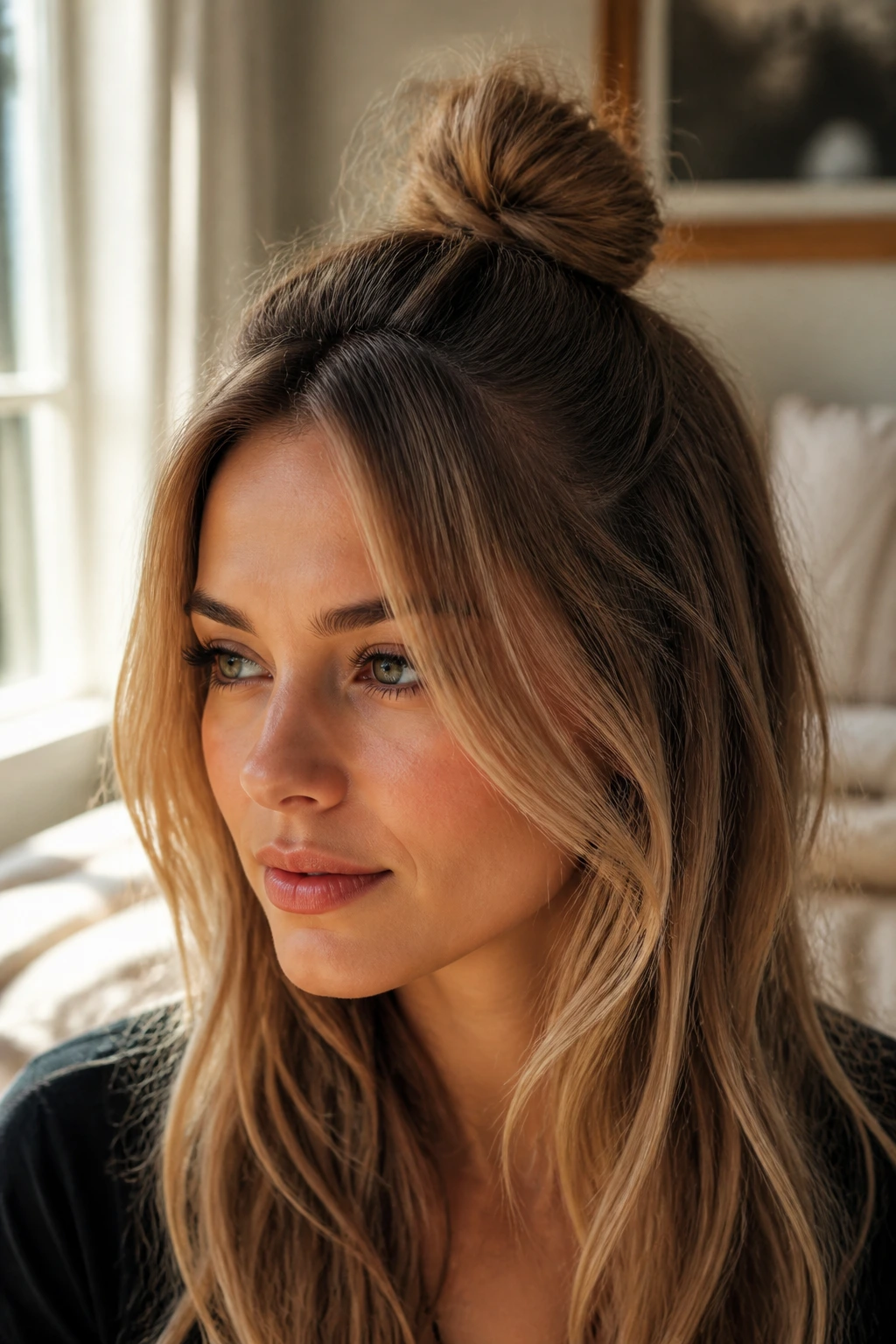
The top knot is the ultimate “I woke up like this” style. By pulling just the top section of your hair into a small bun, you create volume right where you need it most—the crown. This leaves the rest of your hair free to frame your face.
Balancing the Shape
If the bun is too big, it will look heavy on thin hair. Keep it compact. If the bun is too small, it looks like a tiny sprout. Find the middle ground by backcombing the section before twisting it into the knot.
The Look in Practice
- Use a fabric scrunchie if you want to make the bun look larger.
- Pull out a few face-framing pieces for a softer vibe.
- This is the best style for second-day hair when you need a quick fix.
20. The Tapered Nape with Long Top
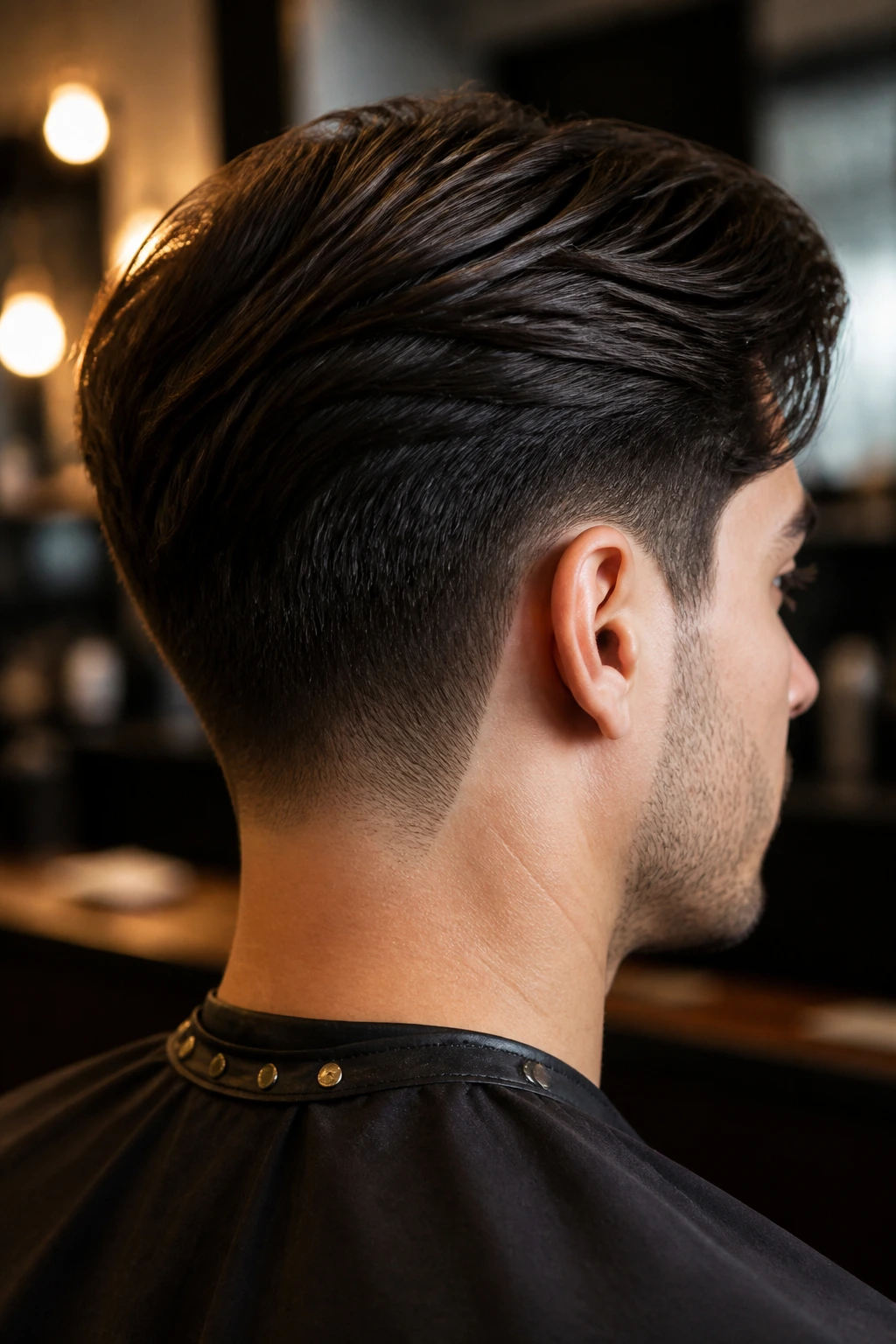
This is a sophisticated, mature way to wear short hair. The tapered nape makes the neck look elegant, while the longer top sections can be styled in multiple ways. It’s a very clean, deliberate cut that screams confidence.
Managing the Transition
The fade from the neck up to the crown must be seamless. A good barber or stylist will know how to blend the lengths so it doesn’t look like two separate haircuts. This is the hallmark of a high-quality cut that helps thin hair look well-groomed.
Ways to Style
- Slick it back with a pomade for a sleek look.
- Use a wax to create spikes for an edgy vibe.
- Sweep it to the side for a softer, more professional appearance.
21. The Soft, Blunt-Cut Bob with Waves

If you have a blunt bob, you don’t have to wear it straight. Adding soft, loose waves with a large-barrel curling iron adds volume and breaks up the “curtain” effect. The bluntness of the ends ensures the style remains substantial, while the waves provide the necessary lift.
Why This Works
The waves give the hair a rounded shape that looks like you have twice as much hair. Because the ends are blunt, the waves don’t look thin or wispy. This is a great transition style that works for both the office and a night out.
Execution
- Don’t curl the ends; leave them straight for a modern feel.
- Use a sea salt spray to keep the waves from drooping.
- Focus on curling the mid-sections of the hair.
22. The Deep-Parted Pixie with Texture
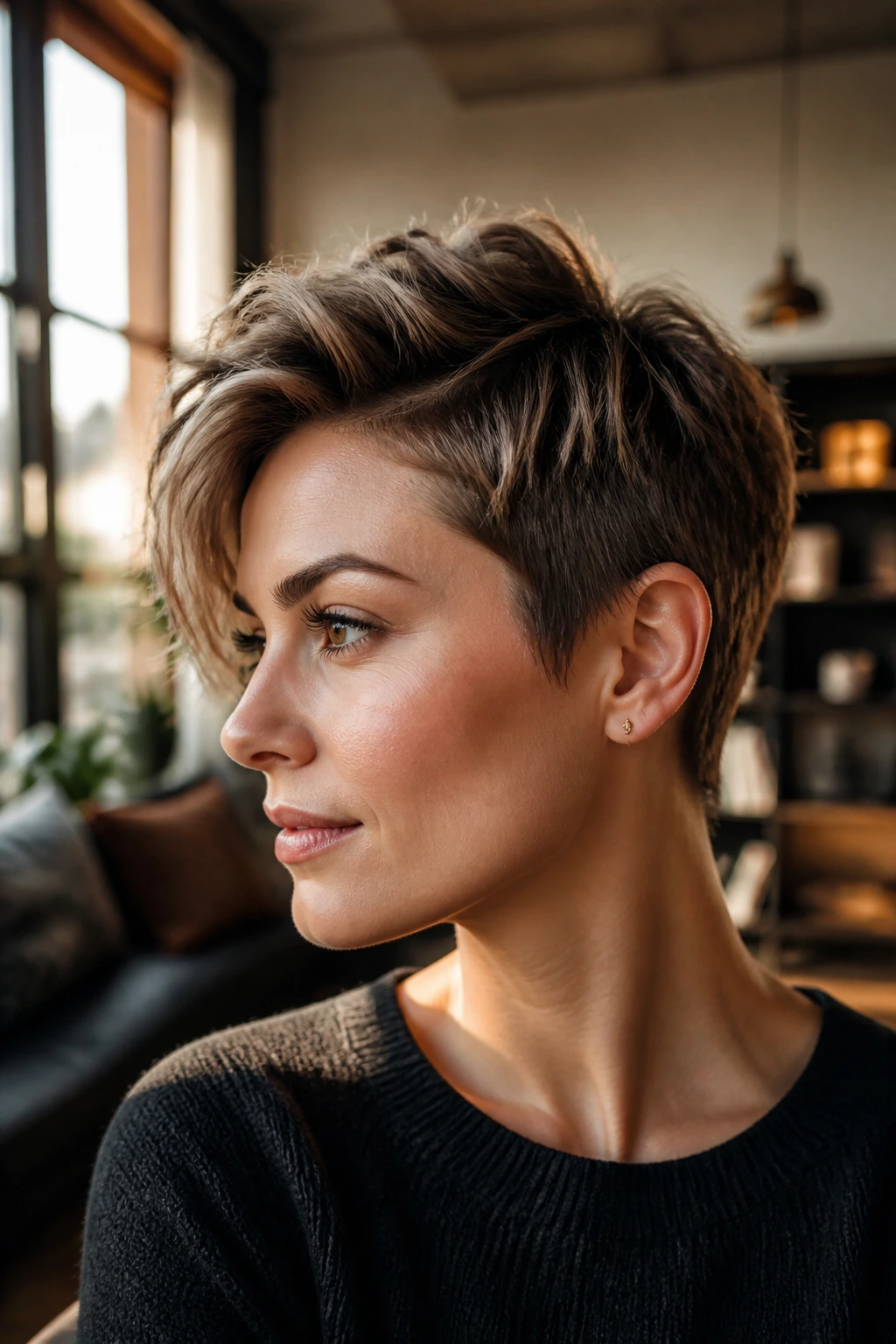
A deep side part on a pixie cut is an instant volume hack. It creates a sweep of hair across your forehead that feels substantial and chic. By adding texture with a styling paste, you ensure that the hair stays in place while looking perfectly lived-in.
Creating the Sweep
- Use a round brush to blow-dry the hair over to the side.
- Use your fingers to apply a texturizing paste from root to tip.
- Pinch individual pieces to create definition.
Why This is “Swag”
It is unapologetically stylish. It doesn’t try to hide your hair texture; instead, it uses it to create a sharp, high-fashion silhouette that stands out in a crowd.
23. The Shaggy Bob with Bangs
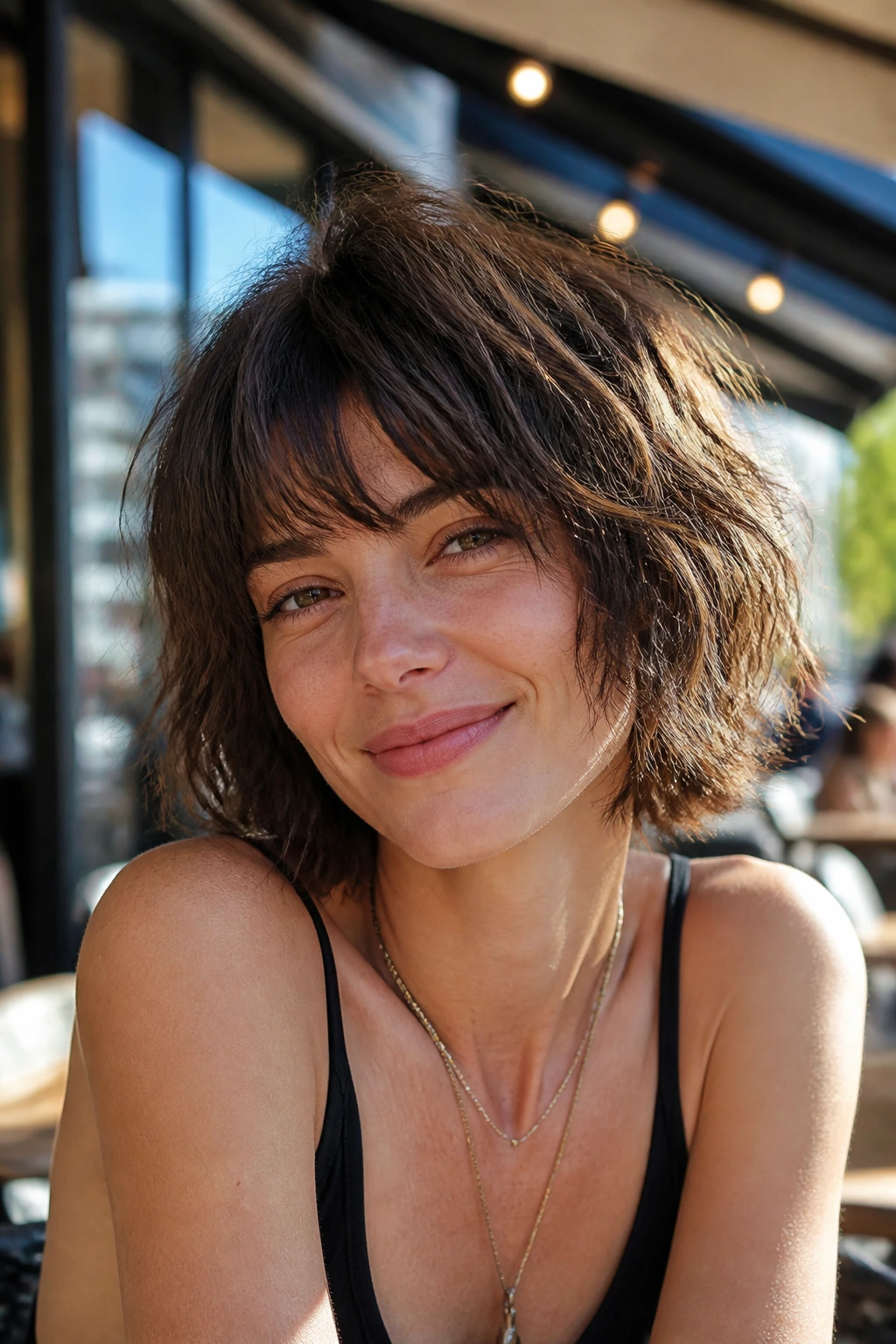
The shaggy bob is a great way to combine the best parts of a bob and a shag. It has the blunt length of a bob but the internal layers and fringe of a shag. This is arguably the most versatile haircut for thin, fine hair because it addresses volume from every angle.
The Volume Multiplier
- Bangs = volume at the front.
- Internal layers = volume at the mid-lengths.
- Blunt ends = weight and volume at the bottom.
Maintaining the Vibe
- Use a texturizing mousse on damp hair.
- Let it air dry to enhance your natural texture.
- Visit your stylist for regular dusting of the ends to keep them looking fresh.
24. The Low Chignon with a Headband
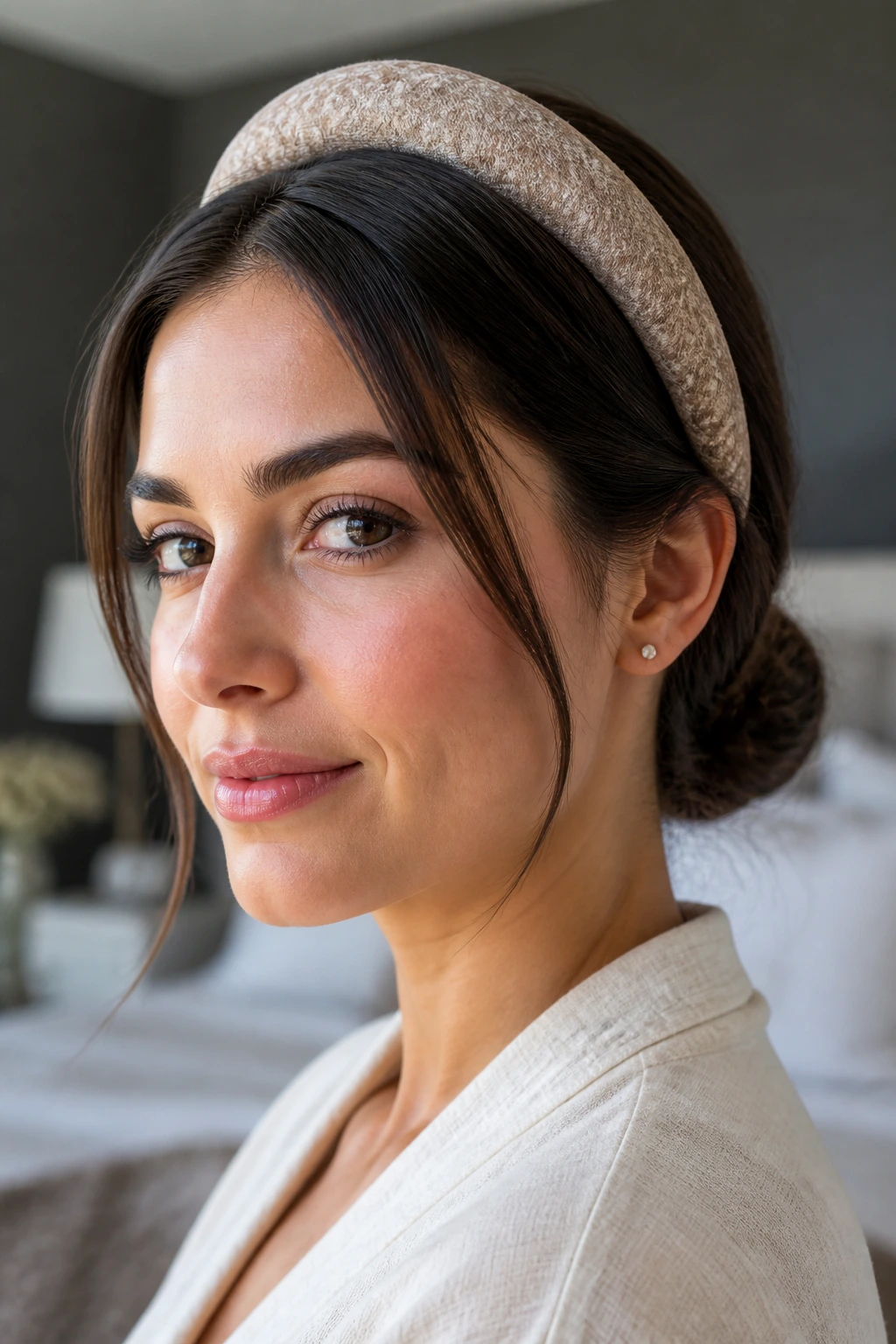
Sometimes, you just want to get your hair out of your face without making it look flat. A low chignon is elegant and simple. To add a “swag” factor, add a headband. It covers the hairline and adds a layer of depth that masks the thinning density at the front.
Picking the Right Headband
- Choose a fabric-covered headband for comfort.
- Go for colors that complement your outfit.
- Avoid overly tight bands that cause headaches or friction.
Why It Works for Thin Hair
The headband creates a visual “frame” around the face, which makes the scalp area less visible. It is an effortless accessory that makes a simple bun look like a finished, intentional hairstyle.
25. The Textured Bob with Deep-Side Sweep
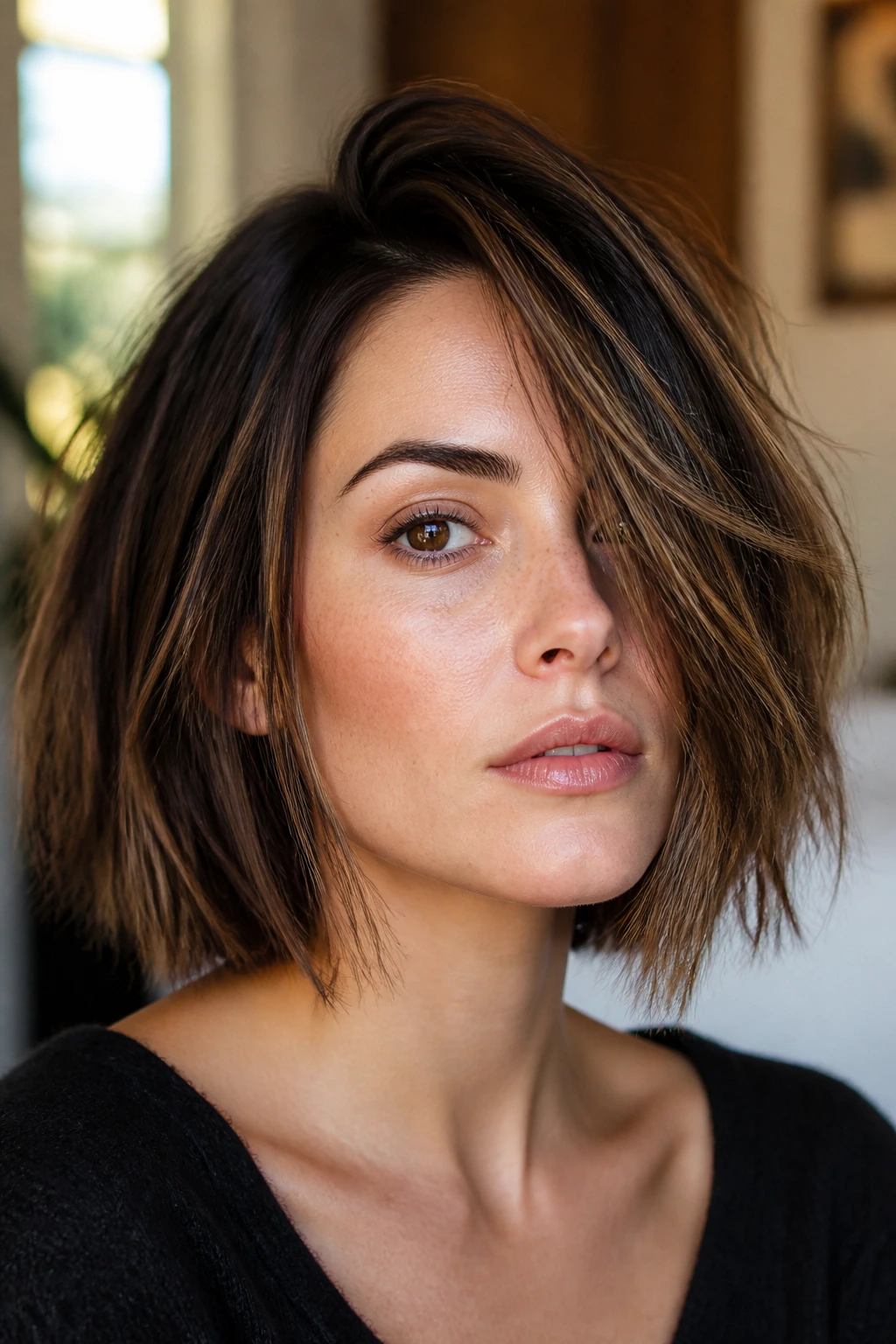
Ending with a classic, this style is about the combination of the cut and the styling. A textured bob that hits right at the jawline, paired with a deep side sweep, creates a strong, angular silhouette that looks bold and thick.
The Power of the Angle
The angle of the side sweep creates a dynamic line that guides the eye across your face. When combined with the choppy texture of the bob, it prevents the hair from looking limp, providing a sense of weight and volume that is both practical and fashionable.
Final Thoughts on Styling
- Always use a root-lifting spray while the hair is damp.
- Don’t brush your hair when it is wet; use a wide-tooth comb to avoid breakage.
- Invest in a high-quality texturizing powder; it is the single best product for fine hair that needs a boost.
Final Thoughts
When you are working with thin or fine hair, the goal shouldn’t be to fake a thickness that isn’t there; it should be to highlight the beauty of the texture you do have. Swag isn’t about the volume of your hair; it is about the confidence with which you wear your cut. Whether you opt for a blunt, sharp bob or an edgy, layered pixie, the best hairstyle is the one that makes you feel like the best version of yourself. Remember that fine hair is often much easier to manage, faster to dry, and more versatile than thick, heavy manes. Lean into that. Keep your ends trimmed, find a stylist who understands the physics of fine hair, and don’t be afraid to experiment with new shapes. At the end of the day, style is about intention, and a well-cut, well-maintained look will always turn heads—no matter how thin the strands may be.