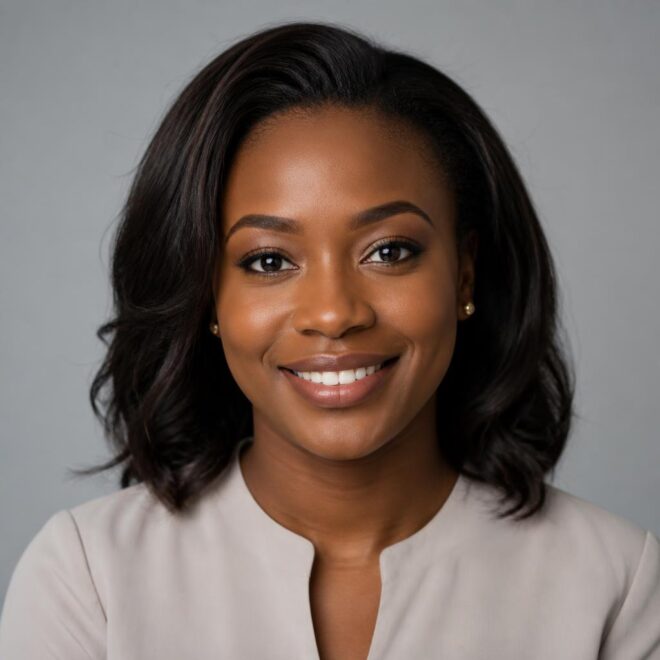


When your hair is naturally fine or thin, the prospect of cutting it short can feel like a high-stakes gamble. You worry about revealing your scalp, losing the ability to pull it back on a bad day, or ending up with a style that looks limp rather than intentional. However, a tomboy haircut isn’t just about trimming length; it is about building architecture where the hair naturally lacks density. By leaning into sharper angles, texturized crops, and deliberate weight removal, you can actually create the illusion of thickness while adopting a low-maintenance, edgy aesthetic that feels completely authentic to you.
Thin hair often clings to the scalp, which is precisely why traditional long styles can make it look even more sparse. When you go for a shorter, more androgynous cut, you remove the heavy ends that weigh your hair down. Suddenly, those strands have the freedom to lift at the root and bend where they want to. Whether you are aiming for a classic pixie, a sharp undercut, or a shaggy boyish crop, the key is understanding how your specific hair texture—straight, wavy, or somewhere in between—reacts to being set free from the length.
The following list explores a wide variety of cuts designed to bring out the best in thin hair. These aren’t just “short cuts”; they are intentional stylistic choices that use layers, taper, and bold silhouettes to turn thinness into a feature. If you have been hesitant to take the plunge because of your hair’s density, let this be the push you need to rethink what a short, confident haircut can actually achieve.
1. The Textured Pixie with Choppy Layers
A textured pixie is arguably the gold standard for thin hair. By introducing varied lengths through choppy layers, you prevent the hair from laying flat in a single, monotonous sheet. The secret here is using a point-cutting technique, where the stylist cuts into the hair rather than straight across, which softens the ends and makes the hair appear voluminous.
Why This Works for Thinness
When hair is cut with a straight razor or blunt shears, the ends remain heavy and stark. Point-cutting creates internal movement. It forces individual pieces of hair to overlap, which physically builds up the appearance of density.
How to Style It
- Apply a light-hold sea salt spray to damp hair.
- Use your fingers to tousle the hair as you blow-dry to encourage natural bend.
- Finish with a matte pomade, rubbing a tiny amount between your palms and pushing your hair forward for that effortless, lived-in look.
Pro tip: Avoid heavy oils or serums, as these will cause your thin hair to clump together and look stringy rather than piecey.
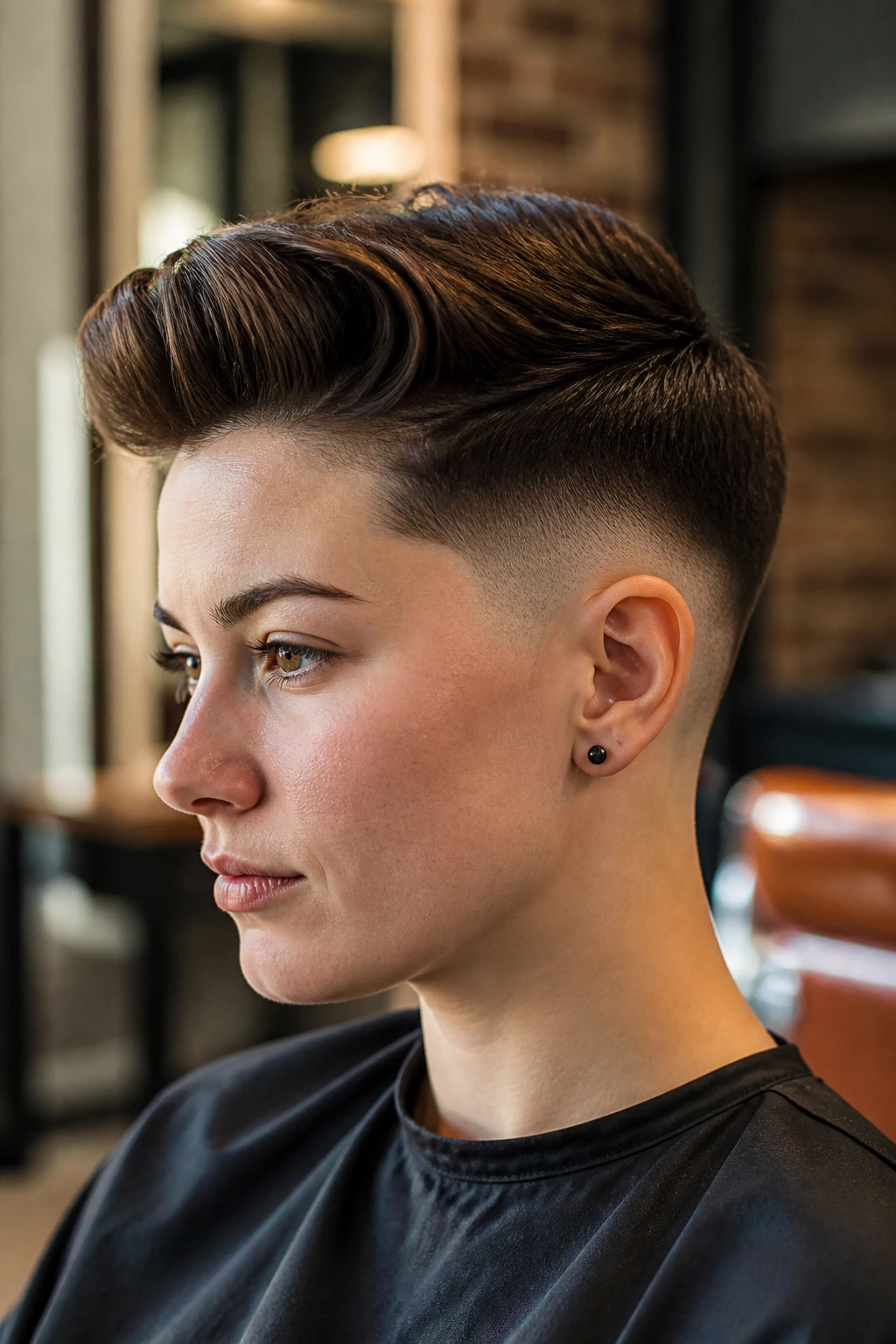
2. The Classic Tapered Fade
If you want a look that is definitively sharp and clean, the tapered fade is your best friend. This cut features very short, clipped sides—often fading from skin-level near the nape to a slightly longer length at the crown. It puts the focus squarely on the top of your head, where you can leave enough length to create a pompadour or a side-swept look.
The Mechanics of the Fade
Because the sides are so tight, the contrast makes the hair on top look significantly fuller by comparison. It is an optical illusion, but a highly effective one. The tight fade also ensures that you do not have to worry about the hair on the sides of your head appearing sparse, as it is purposefully cropped short.
Maintaining the Shape
This cut requires more frequent maintenance than a standard shag. Expect to visit your barber or stylist every three to four weeks to keep the fade lines clean. If you let it go too long, the silhouette loses that precision that makes the tomboy look so striking.
3. The Soft, Wispy Undercut
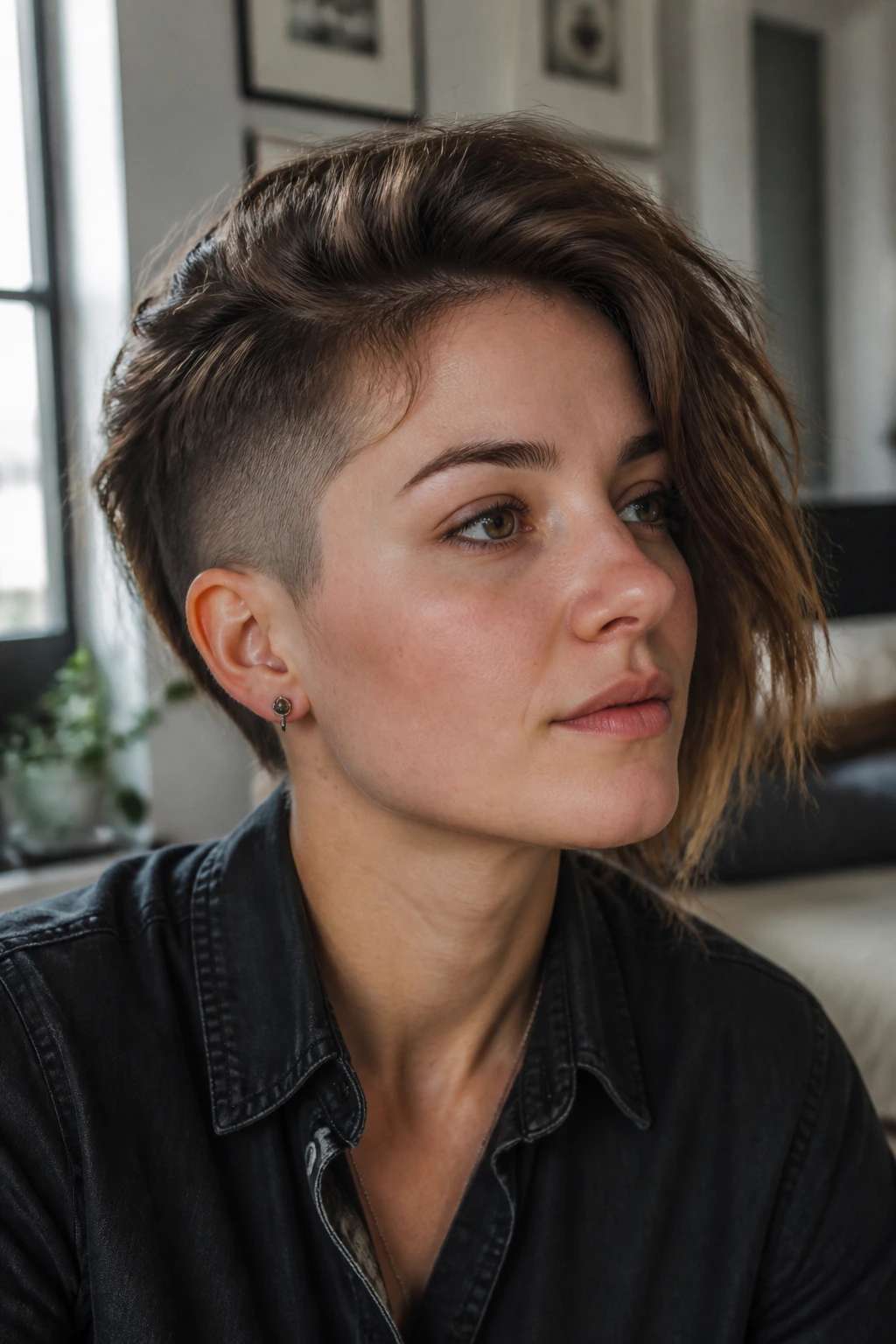
Not every tomboy cut needs to be aggressive. A soft, wispy undercut combines the edge of a shaved section with the femininity of longer, swept-over hair. You keep the hair on one side or the nape of the neck shaved or closely cropped, while the rest of the hair is left to fall softly over the shaved section.
Balancing Strength and Softness
The undercut serves as an anchor for thin hair. By removing the bulk from the under-layers, you ensure that the remaining hair has more space to move. It’s perfect for those who want a shorter look but aren’t quite ready to commit to a full buzz.
When to Choose This Cut
If you have a strong jawline or want to highlight the neckline, this cut is a perfect choice. It’s also surprisingly versatile; you can pull the top hair into a small top-knot to show off the shaved detail, or wear it down for a more subtle look.
4. The Messy Boyish Shag
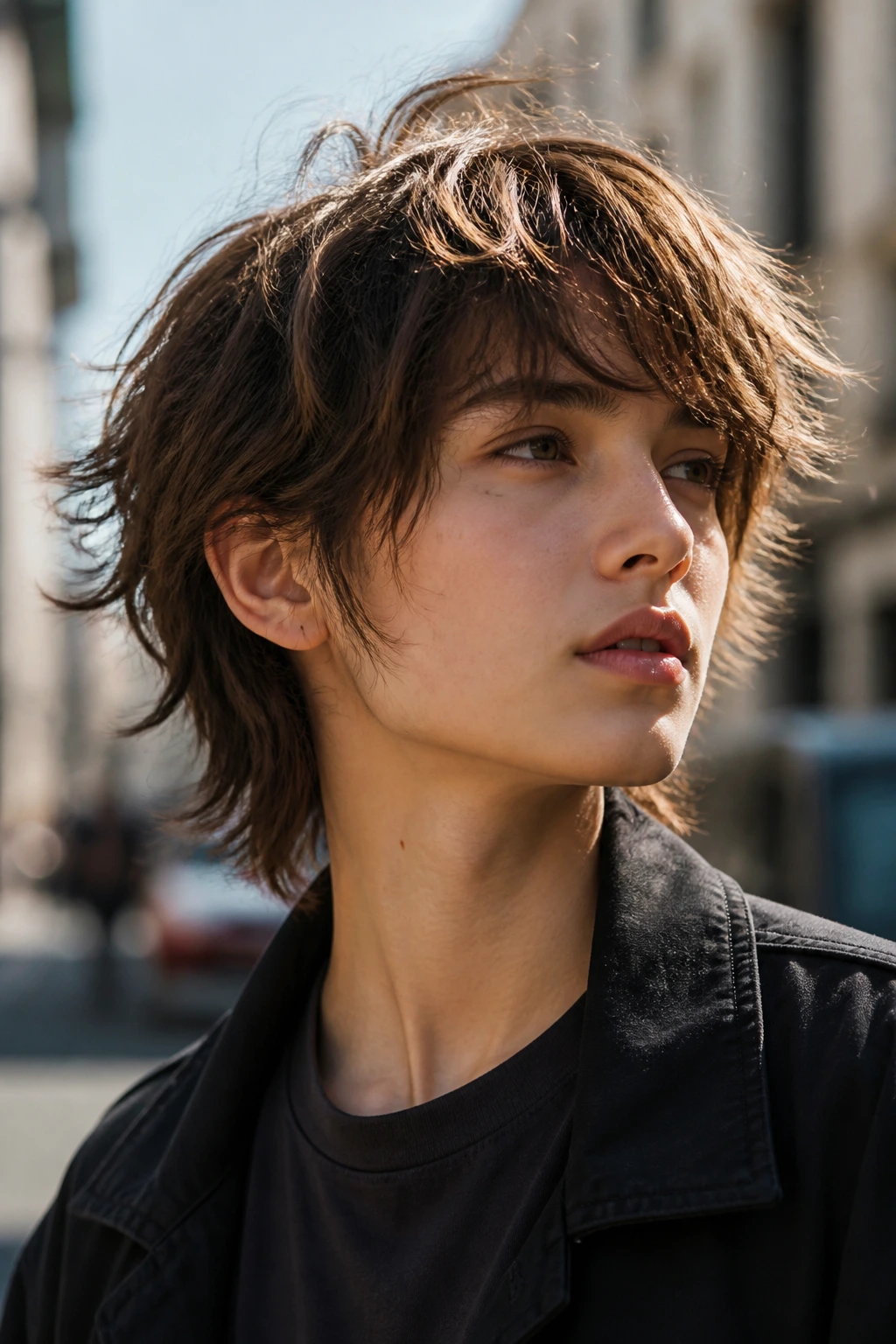
Think of the iconic 1990s heartthrob hair, but scaled down and tightened. The boyish shag is characterized by longer, shaggy layers around the crown and nape, with shorter, textured pieces framing the face. It leans into the “I just rolled out of bed” aesthetic, which is ideal if your hair has a slight natural wave.
The Importance of Volume at the Crown
For thin hair, the biggest challenge is the crown section, which tends to flatten out. This cut uses short, layered building blocks to prop up the hair from the inside. When the hair is shorter at the crown, it naturally resists gravity less, allowing for more vertical height.
Recommended Products
- Use a dry shampoo even on clean hair; it adds a gritty texture that helps the layers hold their shape.
- A volumizing powder applied directly to the roots will provide the lift this shag needs to stay bouncy throughout the day.
5. The Blunt-Cut Micro Bob
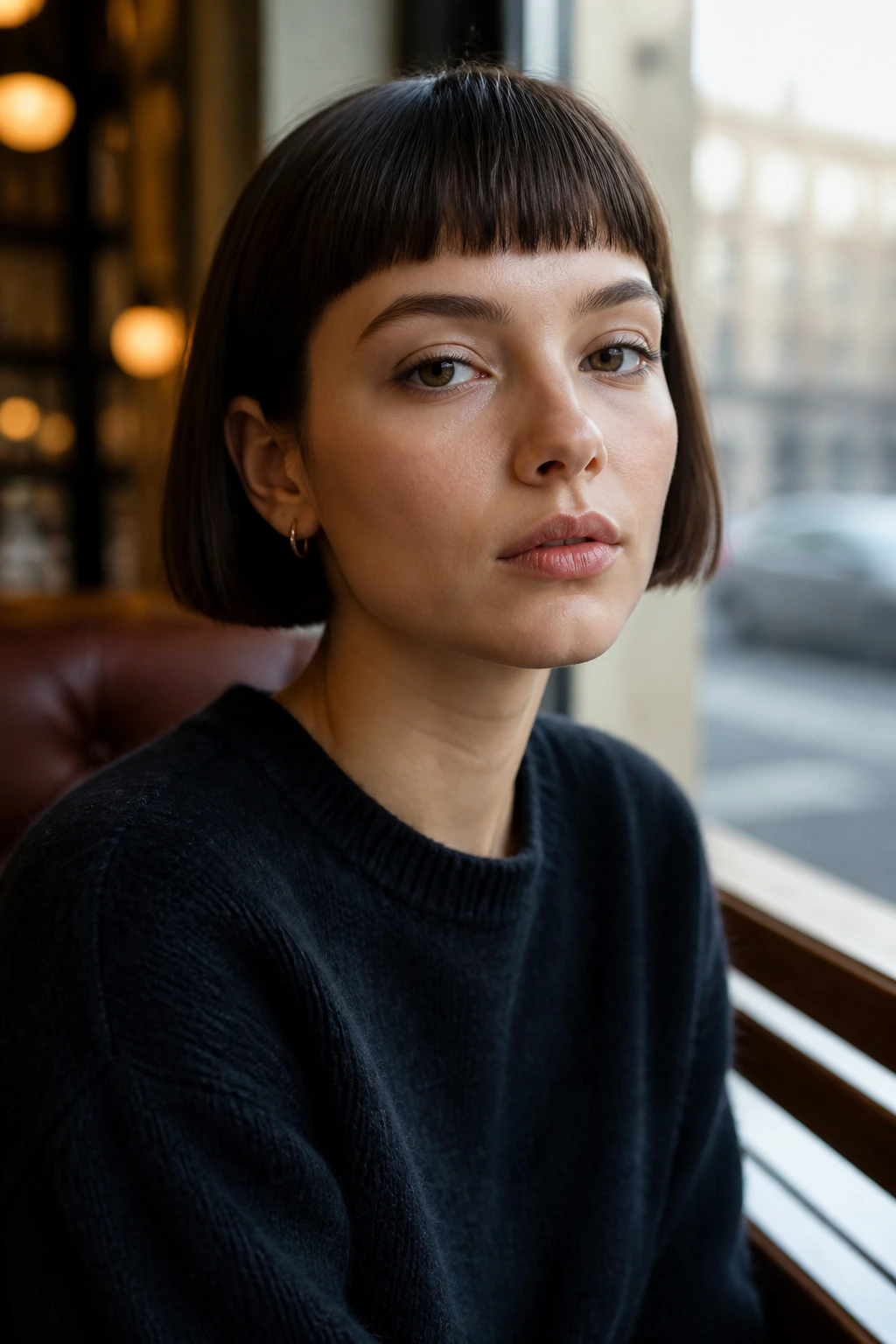
If you are a fan of a cleaner, more geometric look, the micro bob is a powerhouse for thin hair. By cutting your hair in a blunt, straight line just around the ear or jaw, you make the ends appear much thicker than they actually are. It removes all the damaged, straggly bits, which are often the culprits behind the “thin look.”
Why Bluntness Matters
Thin hair often suffers from “see-through” ends. When you cut it with a blunt finish, you consolidate all the hair into one dense edge. It looks intentional and bold rather than accidental.
Customizing the Length
- If you have an oval face, a jaw-length bob is timeless.
- For rounder faces, try cutting slightly above the jawline to create an elongating effect.
- Keep the back slightly shorter than the front to create a wedge-like shape that adds volume to the nape.
6. The Sideswept Fringe Pixie
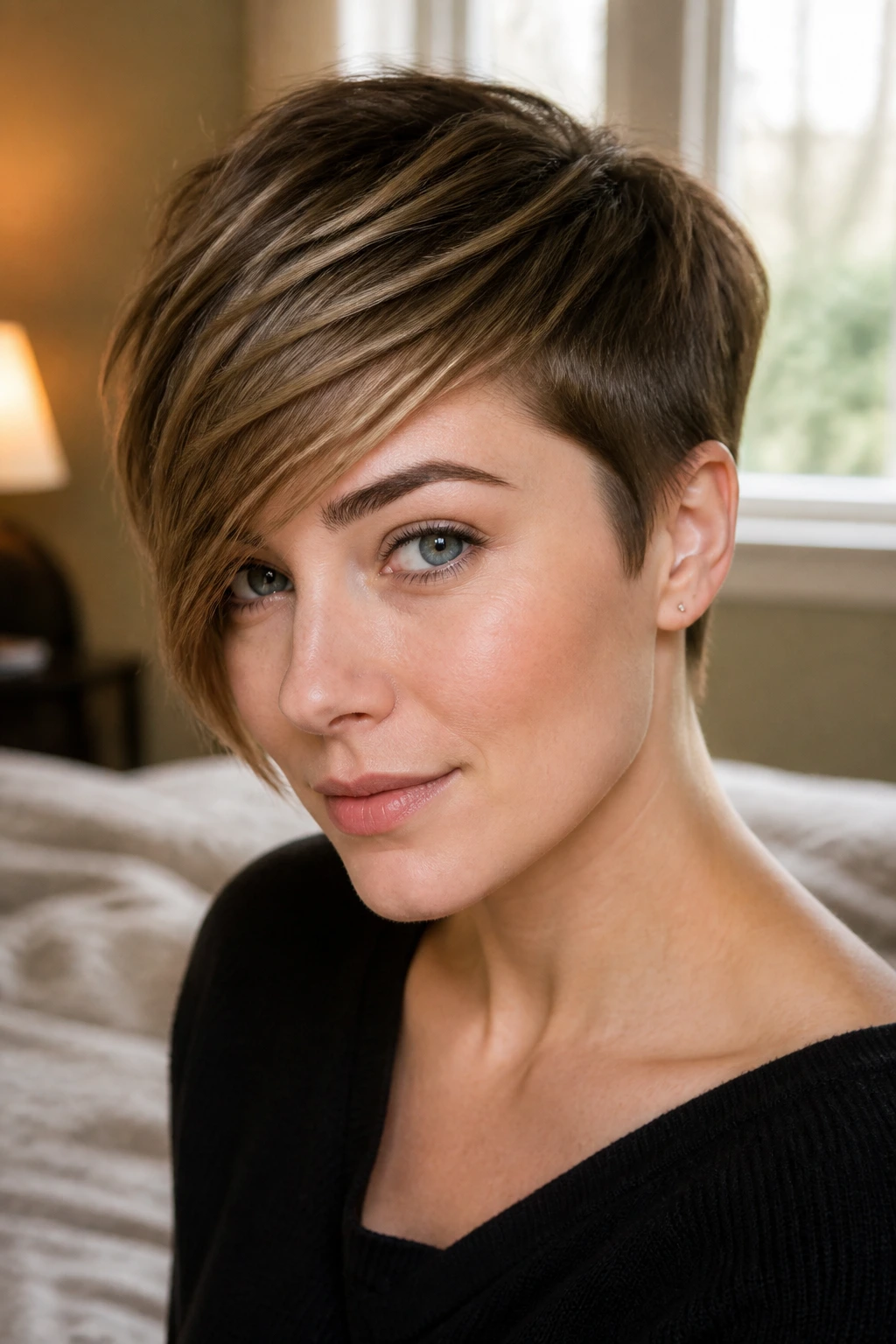
A fringe pixie is all about directing the attention to your eyes and cheekbones. By leaving a long, sweeping section of hair that falls across the forehead, you create a point of interest that draws attention away from the crown of the head. It’s a very practical style for thin hair because it uses the length of the front to fake volume.
Managing the Sweep
Use a small flat iron to slightly bend the ends of the fringe outward. This adds a little bit of flair and ensures the bangs don’t just hang flat against your face. If your hair is very fine, a bit of hairspray on the ends of the fringe will keep it from separating.
Styling for Daily Life
This is one of the most low-maintenance styles on the list. In the morning, a simple blast of air from your blow-dryer while combing the fringe to the side is usually enough. It’s a “wash and go” style that looks like you spent time on it.
7. The Slicked-Back Pompadour
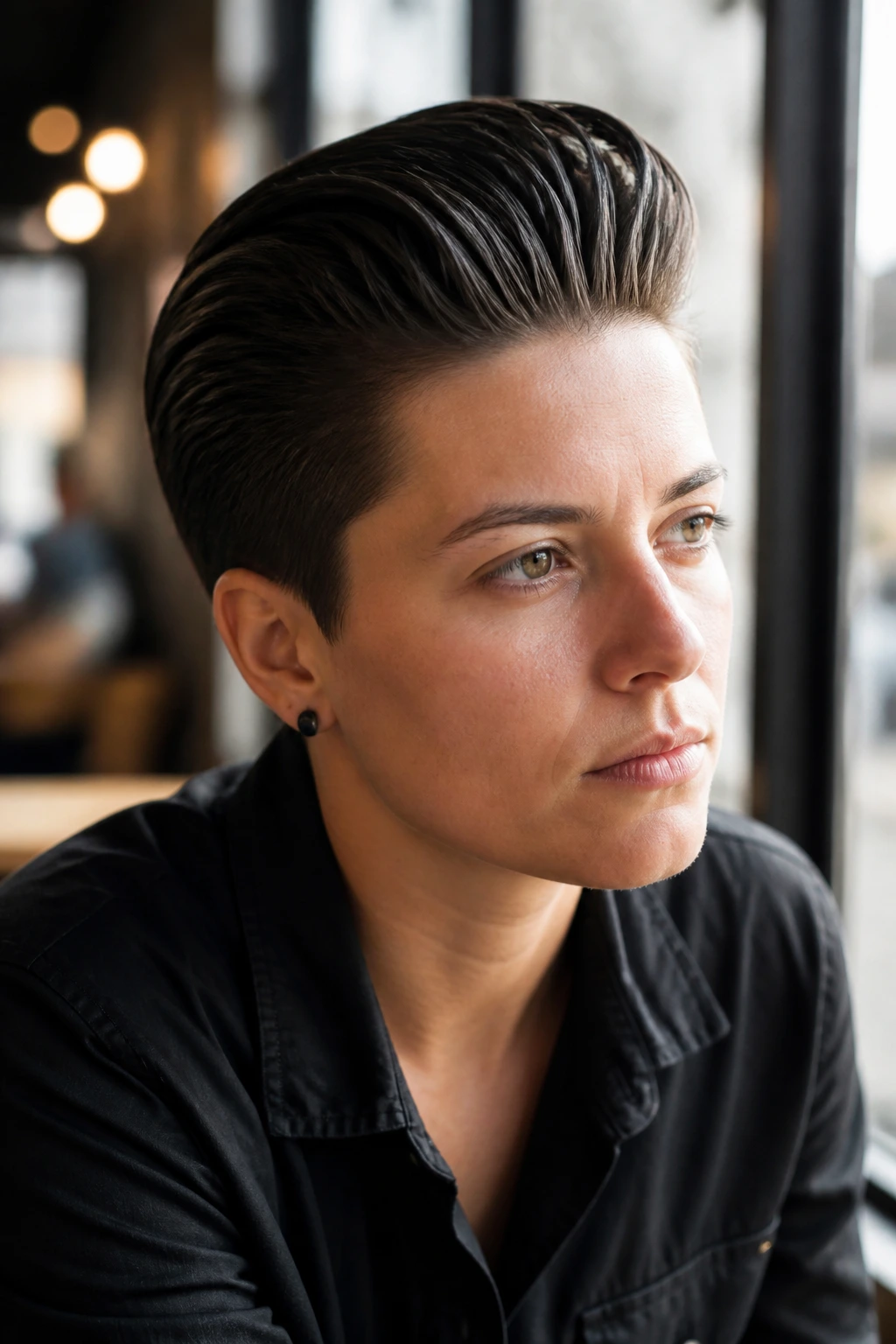
When you want to look sharp and polished, the pompadour is the answer. By using a strong-hold wax or gel, you sweep the front of your hair up and back. This style is fantastic for thin hair because it creates the illusion of a massive amount of volume by pushing everything upward.
Controlling the Flyaways
Thin hair is notorious for flyaways, but the pompadour embraces them. Use a comb to distribute your product evenly, creating neat, structured lines in your hair. It’s a sophisticated, slightly retro, and entirely tomboyish aesthetic.
Pro Technique for Fine Hair
Always apply your styling product to slightly damp hair. If your hair is bone dry, the product will sit on top of the strands and make them look greasy. Damp hair allows the product to encapsulate the hair shaft, providing structure without the weight.
8. The Textured Bowl Cut
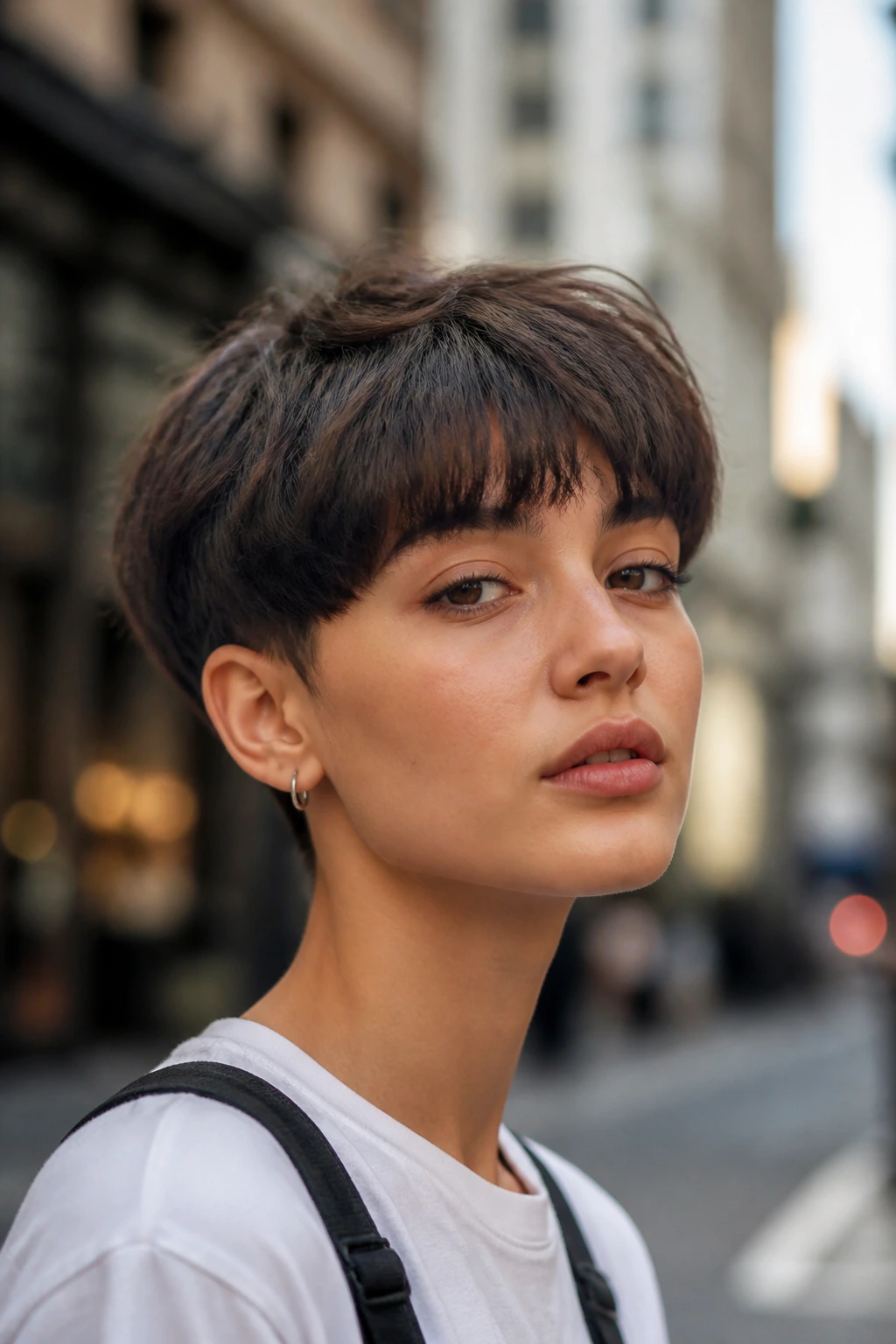
The bowl cut has shed its childhood reputation and become one of the most popular, high-fashion tomboy styles. The key to a modern bowl cut is layering; you don’t want a “solid” bowl, you want one that is shattered at the edges. By adding layers and thinning the perimeter, you create a lightweight look that hangs perfectly around the head.
Why It Suits Fine Texture
Fine hair is naturally lightweight, which means it will “float” in a bowl cut rather than sagging. This adds a layer of softness that heavy, thick hair often lacks in this style.
Tips for Success
- Ensure your stylist cuts the hair to follow your head shape rather than a straight circle.
- Avoid cutting the bangs too short; keeping them at the eyebrow line adds a modern, edgy vibe.
9. The Spiky Bedhead Crop
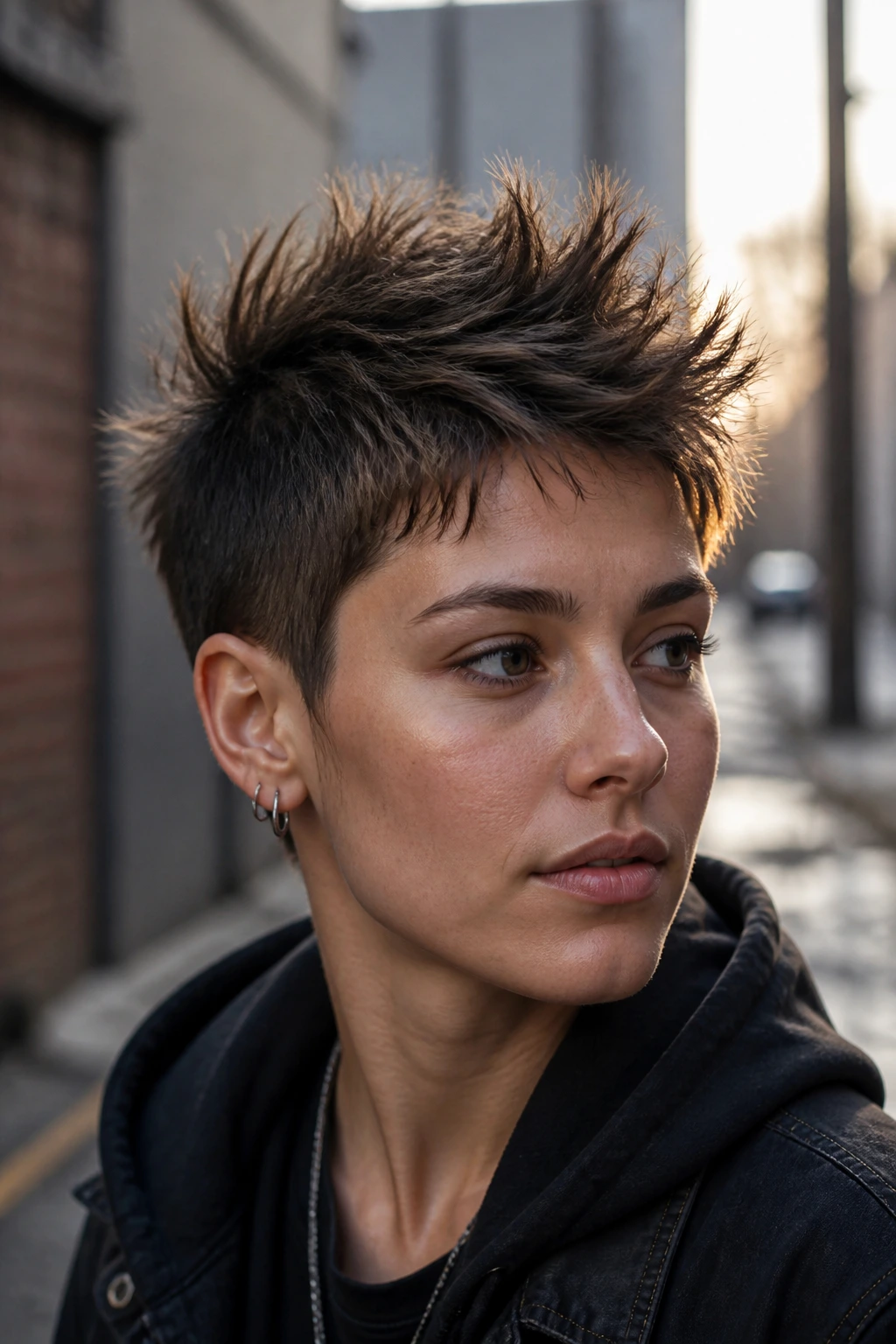
For those who want to project pure, unfiltered energy, the spiky crop is the way to go. This look involves cutting the sides short and keeping the top just long enough to stand up with the help of some styling clay. It’s a classic, rebellious look that makes thin hair look purposeful and dense.
Creating the Spikes
Use a matte styling clay—not a wax or gel. Clays contain minerals that coat the hair, making it look thicker and adding “grip.” As you spike the hair, pull the sections up and outward rather than straight up to get that messy, textured finish.
When to Wear It
This cut is perfect for those with a fast-paced lifestyle. It requires almost no upkeep during the day; if it gets messy, it just looks better.
10. The Asymmetrical Side-Part
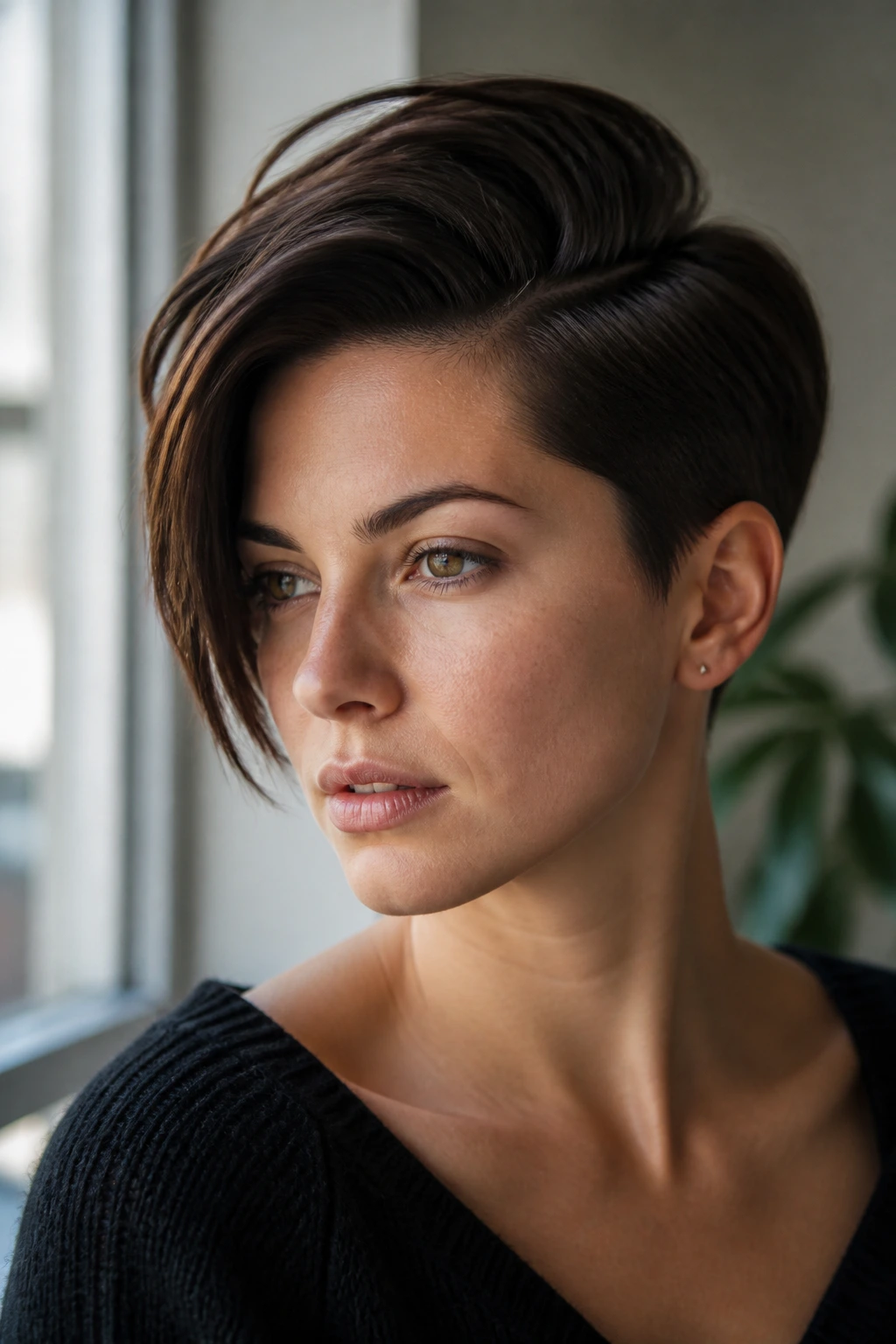
An asymmetrical side-part is a subtle way to change the geometry of your hair. By parting your hair deep on one side, you sweep a large volume of hair over, which immediately makes the top of your head appear thicker. Pair this with a tapered side for a look that is both refined and adventurous.
Visual Balance
The asymmetry breaks up the roundness of the head. If you have fine hair, having more hair on one side provides a “cushion” effect, where the hair layers over itself to build volume.
Styling Advice
Don’t be afraid to change your part periodically. Even for short cuts, switching which side your hair leans toward can give your roots a much-needed lift.
11. The Faux-Hawk with Tapered Sides
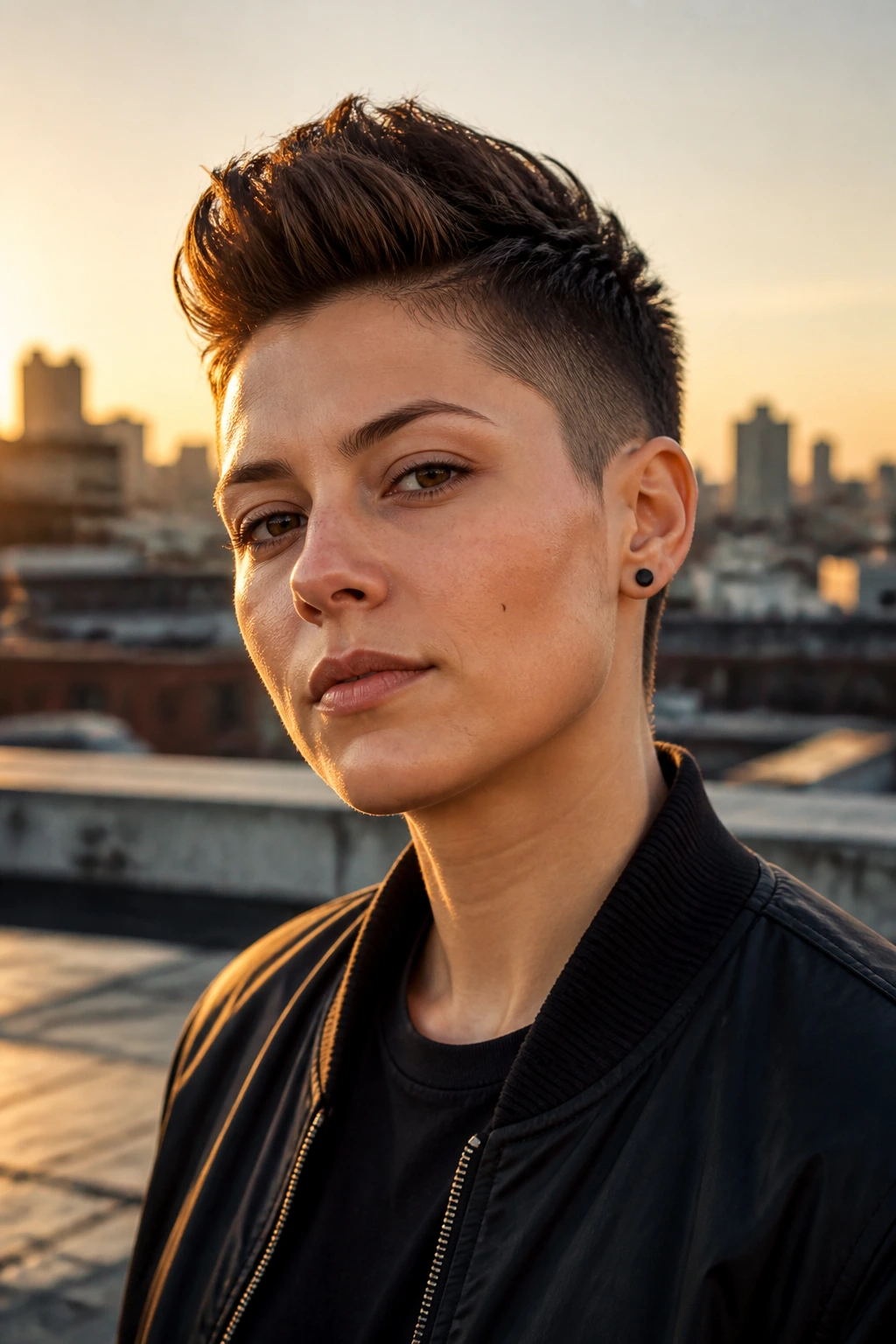
You don’t need a full-blown mohawk to get the look. A faux-hawk involves keeping the sides tight and building up the hair in the center using texturizing spray. It’s a fantastic way to utilize the length you have on top to create a striking silhouette.
The Power of Texturizing Spray
Texture is the thin-haired person’s best friend. When the hair has grit, it stands up better. Use a light, dry texturizing spray, not a heavy mousse. You want the hair to feel like it has “memory.”
Why It Works for Thin Hair
Because the center strip is the only part that needs to be “tall,” you are concentrating all your hair volume in one area. This makes the hair look much more abundant than if you tried to add volume to your entire head at once.
12. The Cropped French Crop
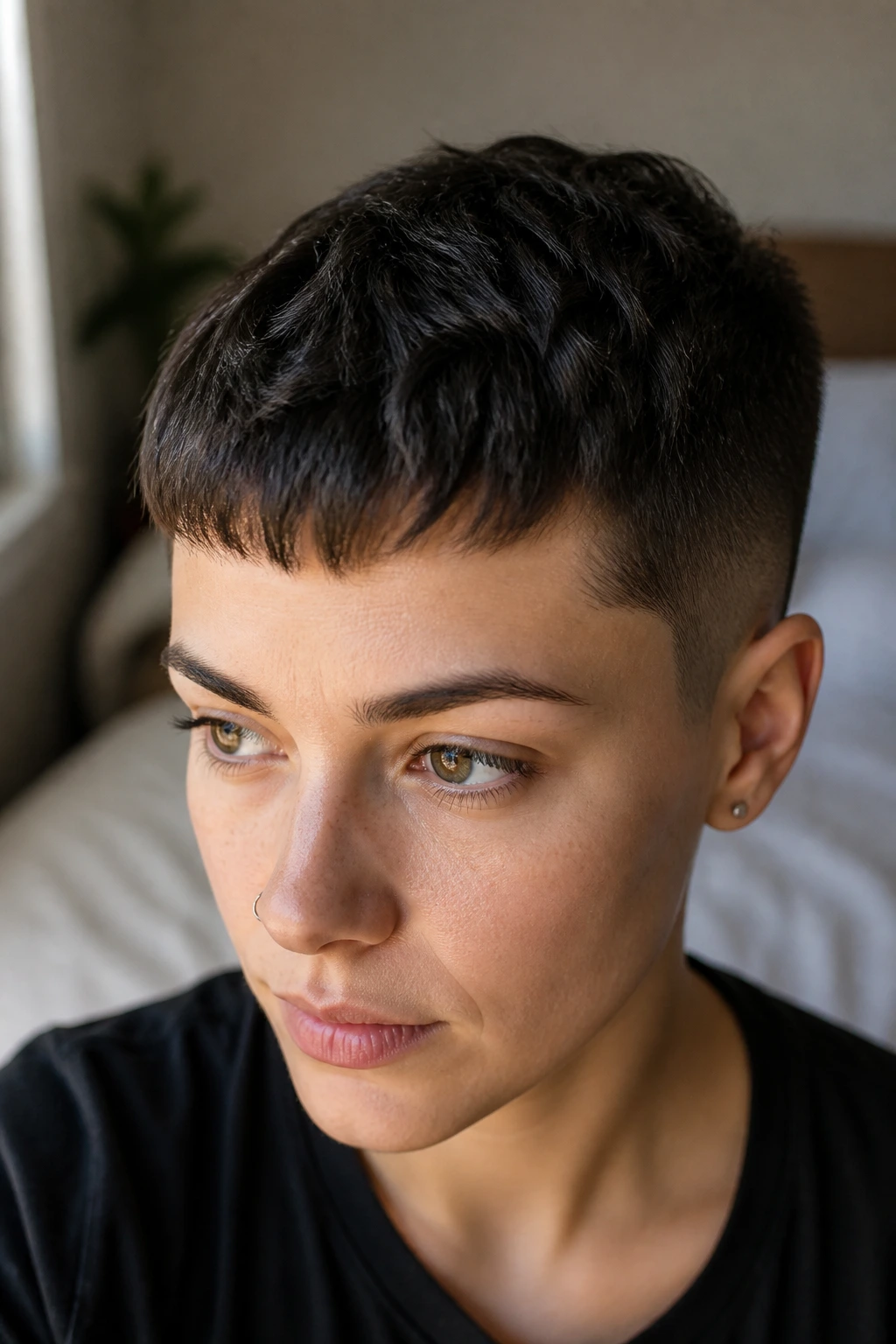
The French crop is defined by a short, textured top and an even shorter fade or undercut on the sides. It’s similar to a pixie, but with more emphasis on the fringe being cut in a straight, horizontal line. It’s very structured, making it look dense and tidy.
Managing the Fringe
For thin hair, the fringe is the most important part of this cut. If the hair is too thin, the fringe can look sparse. Ask your stylist to leave the fringe slightly longer and thicker by pulling more hair forward from the crown area.
A Look for All Face Shapes
This cut is particularly flattering for those with more angular features. It frames the forehead nicely and keeps the hair out of your eyes while maintaining a cool, masculine-leaning edge.
13. The Wavy Crop with Shaved Temple
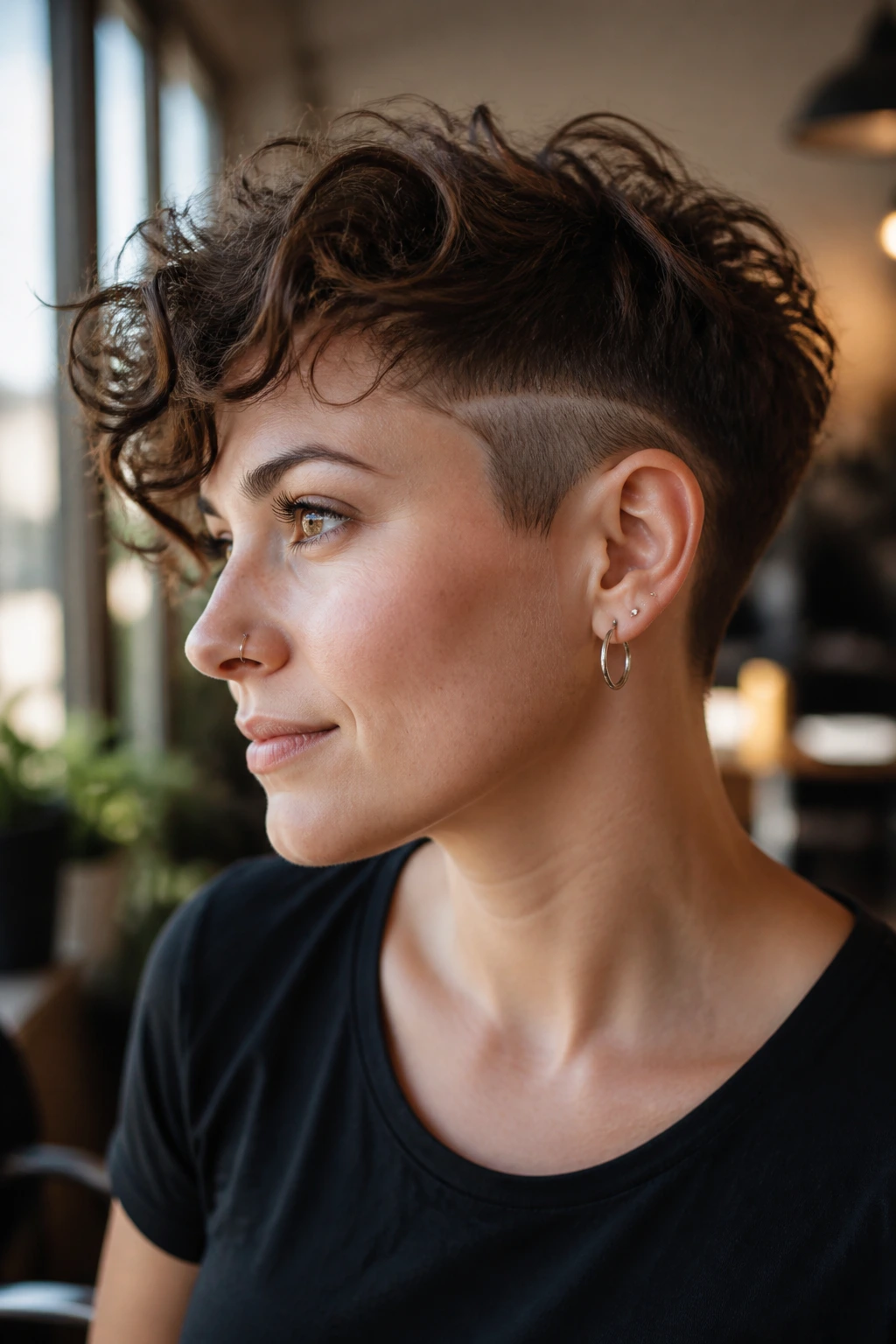
If your thin hair has a natural bend or wave, don’t try to straighten it. A wavy crop works beautifully when the hair is kept short enough that the wave doesn’t get weighed down by its own length. Adding a small, shaved detail at the temple gives the cut a modern, “undone” feel.
Why Wave Is a Benefit
Waves add their own volume. When you keep the hair short, the waves don’t have enough length to go limp, so they stay perky and full.
Grooming the Temple
The shaved temple is a detail piece. Keep it sharp with a razor or a fine-toothed clipper guard. It’s a great way to showcase a bit of your personality without needing to do a full-head buzz.
14. The Blunt-Cut Nape Wedge
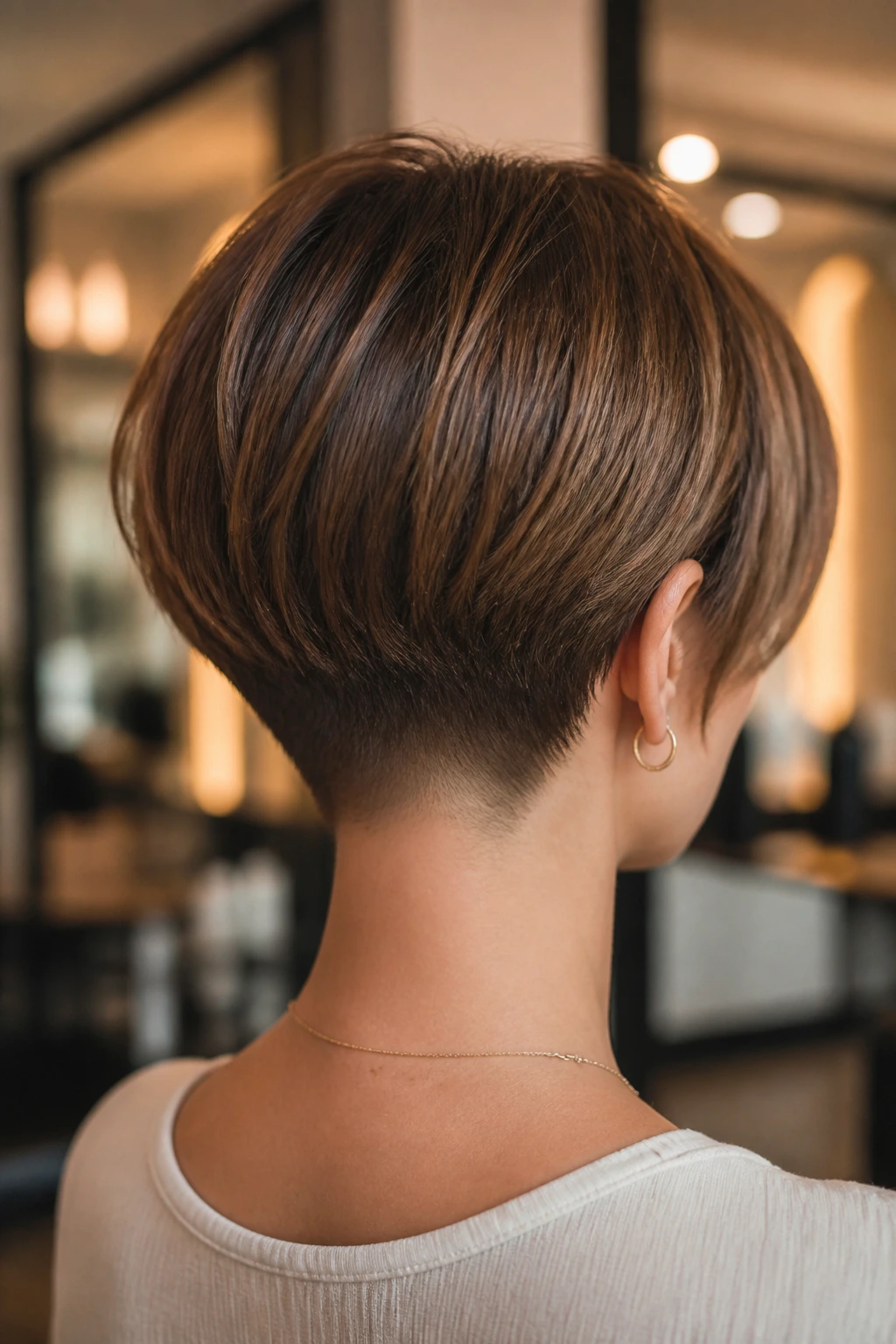
A wedge cut is shorter in the back and gets longer as it moves toward the face. By keeping the nape area very short and blunt-cut, you create a solid foundation of weight at the bottom of the cut, which makes the overall head of hair look significantly fuller.
Building Density at the Back
The back of the head is where thin hair often shows the most scalp. A blunt-cut wedge covers the nape area completely, providing a solid, dark wall of hair that looks very intentional.
The Silhouette
It’s a very flattering cut because it mimics a rounded shape, which adds softness to the overall tomboyish aesthetic. It’s a perfect transition cut if you are moving from a bob to a pixie.
15. The Choppy Mohawk Pixie
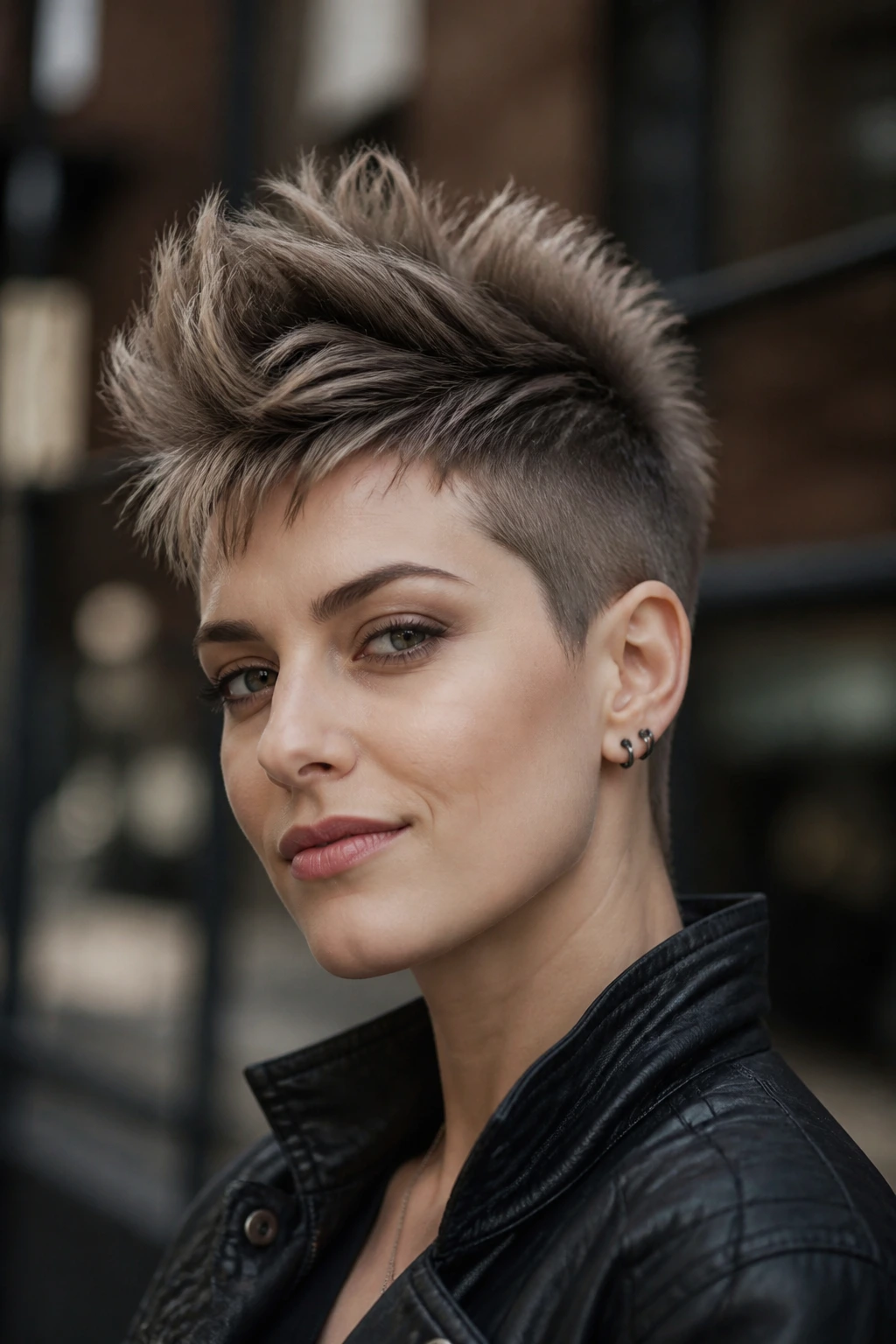
This style is for the boldest of tomboys. It combines the length of a pixie with the height of a mohawk. It is essentially a pixie cut where the middle sections are left longer and spiked upward, while the sides are very short.
Why This Style Succeeds
Thin hair is much easier to spike than thick hair. It doesn’t flop over under its own weight. This means your mohawk-pixie will hold its shape throughout the day without requiring a gallon of industrial-strength hairspray.
Styling Tip
Use a pomade with a bit of shine if you want a classic look, or a matte paste for something more modern. Apply the product by pulling the hair upward from the roots, pinching the ends to create “spikes.”
16. The Sleek Side-Part Pixie
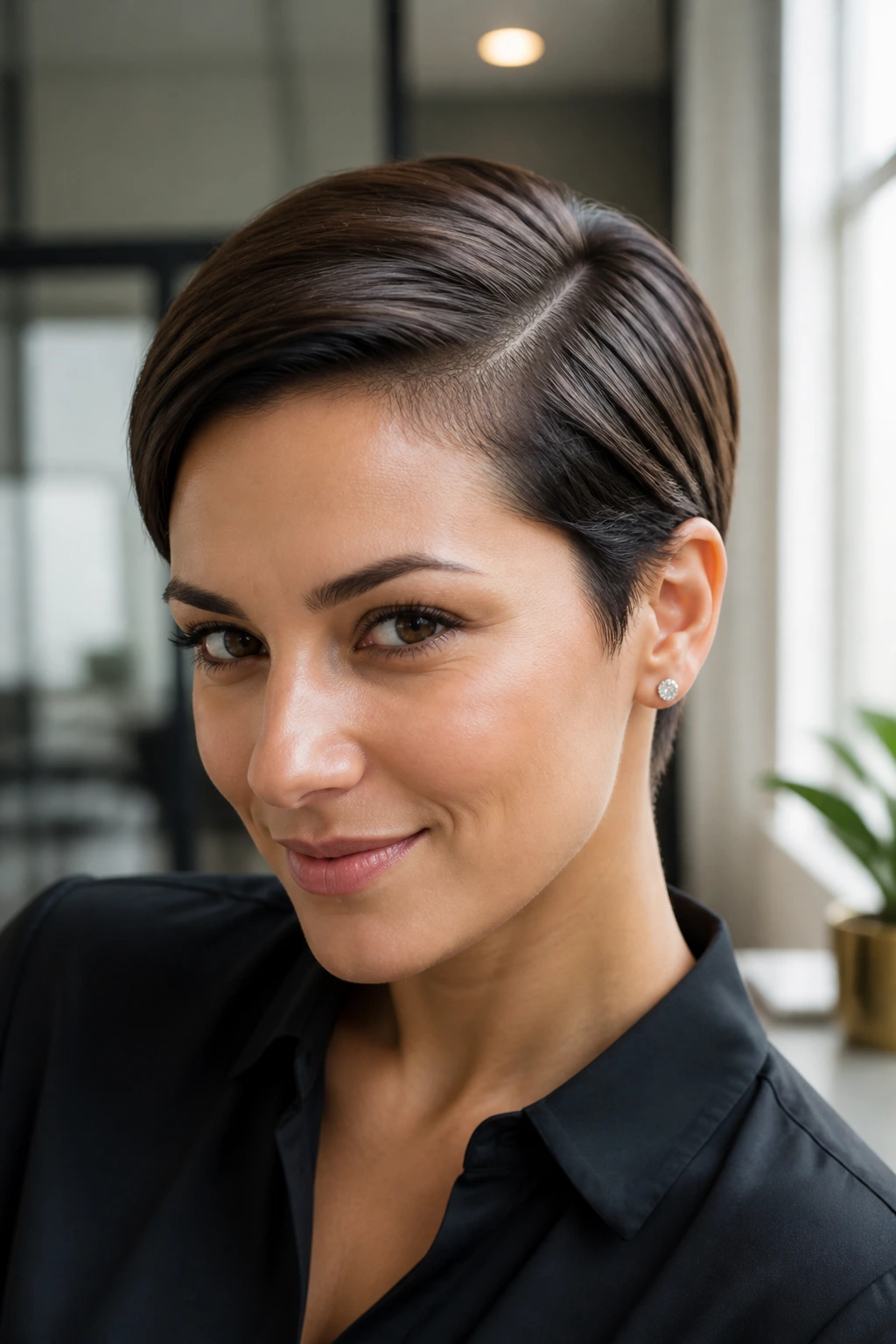
Not all tomboy looks have to be messy. A sleek, side-parted pixie can look incredibly sophisticated. By parting it to one side and keeping it close to the head with a lightweight gel, you create a look that screams confidence and precision.
The Illusion of Thickness
Sleekness can actually make thin hair look denser because it removes the “gaps” between strands. When the hair is pushed together, it looks like a solid sheet of color and texture.
Occasions for This Look
This is the perfect cut for professional settings or formal events. It’s a very clean aesthetic that emphasizes your features, specifically your eyebrows and cheekbones, without being distracting.
17. The Textured Nape Crop
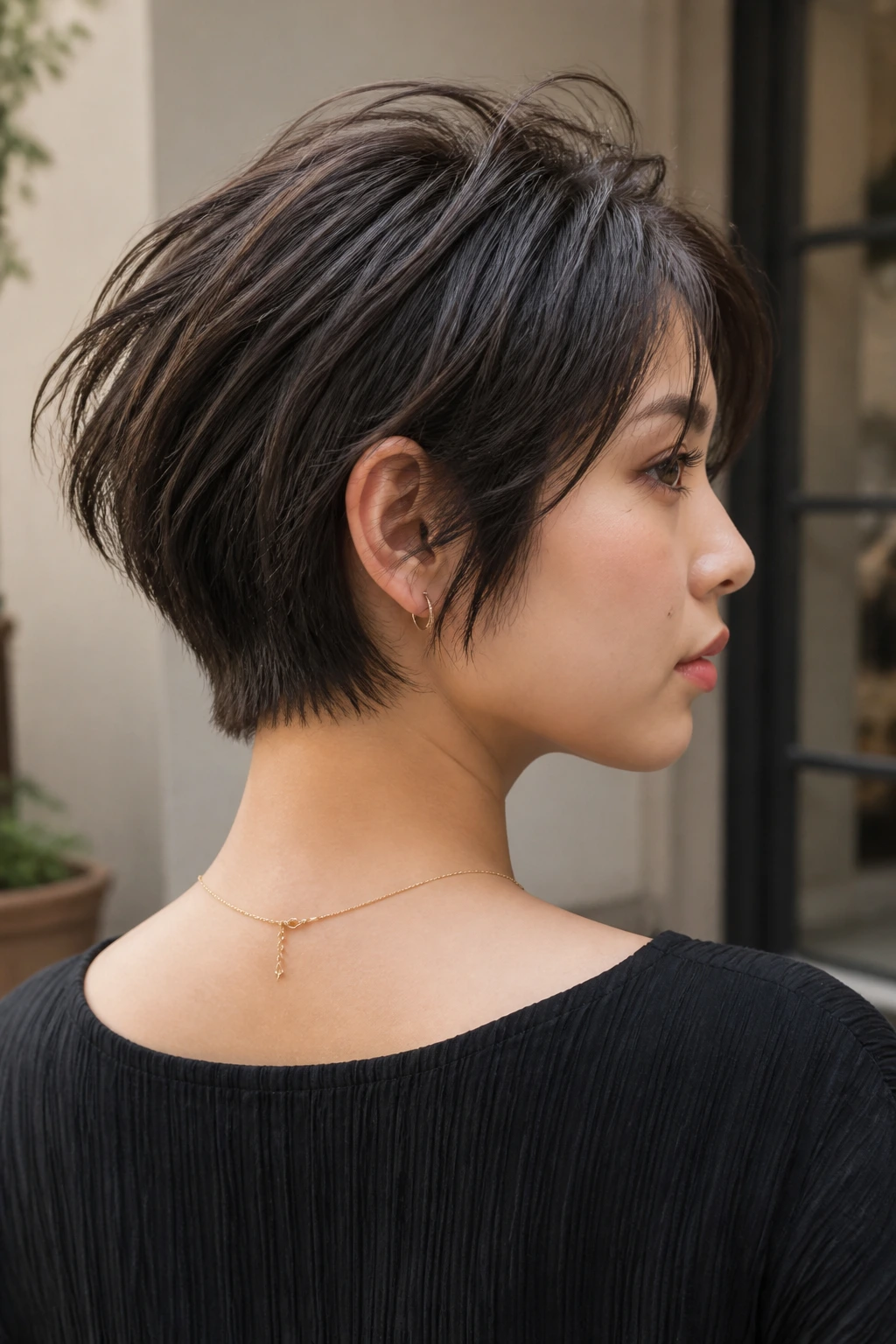
If you prefer a style that looks great from the back, this is it. It features a textured, layered nape and a longer, shaggier top. The texture in the nape prevents the hair from sticking to the neck, which can happen with thin, fine hair in humid conditions.
Handling Sweat and Humidity
Thin hair tends to get oily or sweaty in the back quickly, which makes it clump. By layering the nape, you allow for more airflow, keeping the area drier and the hair looking fluffy for longer.
Maintaining the Layers
This cut is all about the “V” shape in the back. Make sure your stylist cuts it to mimic the natural growth pattern of your hair at the base of your neck.
18. The Softly Layered Bowl
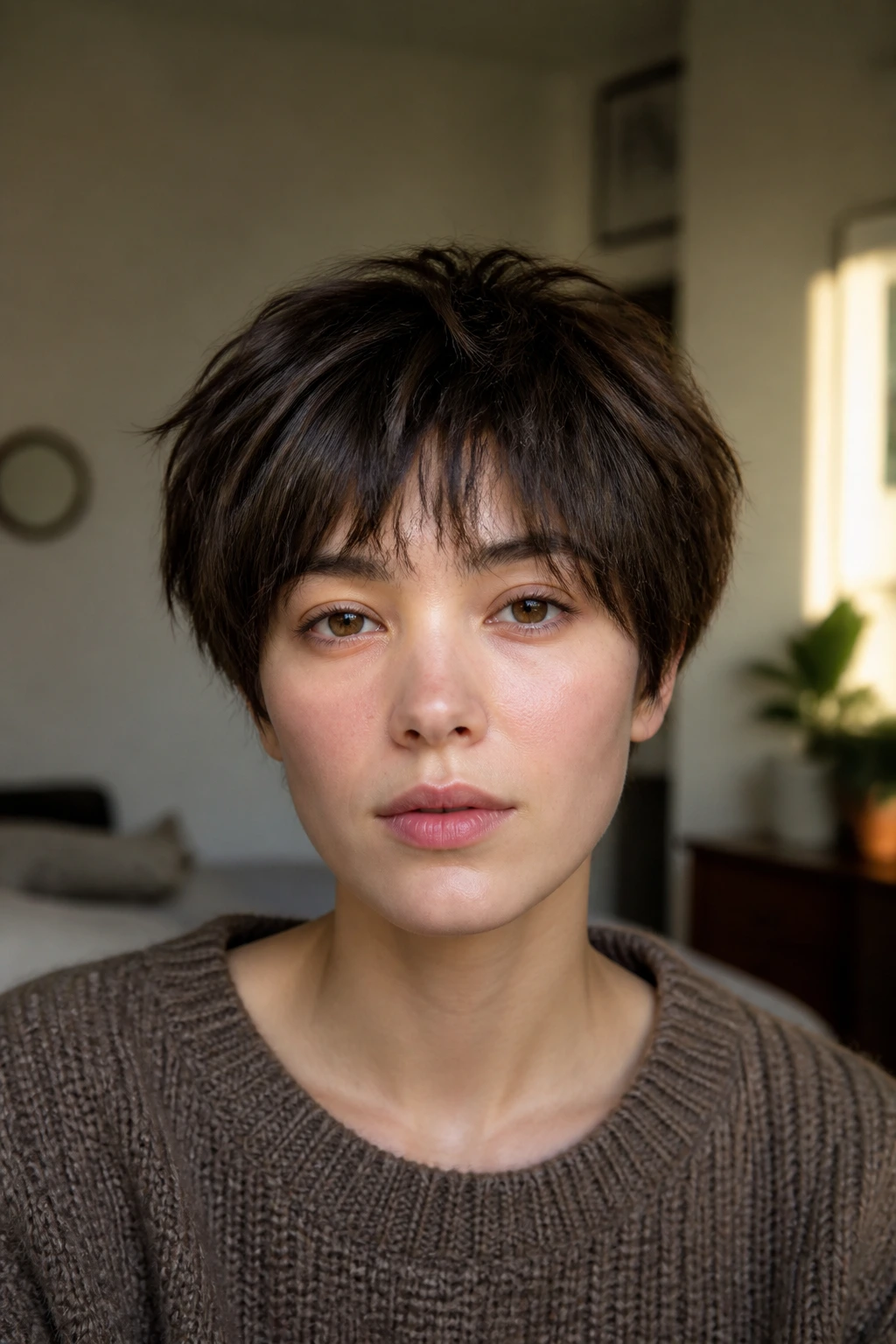
For those who want a softer approach to the bowl cut, ask for a “shattered” finish. This means the stylist uses a razor or texturizing shears to break up the blunt lines of the bowl, allowing the hair to fall in a more natural, feathered way.
Why It’s So Approachable
It feels less like a helmet and more like a soft, layered crown. It’s incredibly flattering on thin hair because it allows the strands to intermingle, creating the appearance of density.
Styling
Use a volumizing mousse on damp hair and a round brush to lightly flip the ends inward. This adds a level of polish that makes the cut look intentional and high-end.
19. The Short Shaggy Pixie
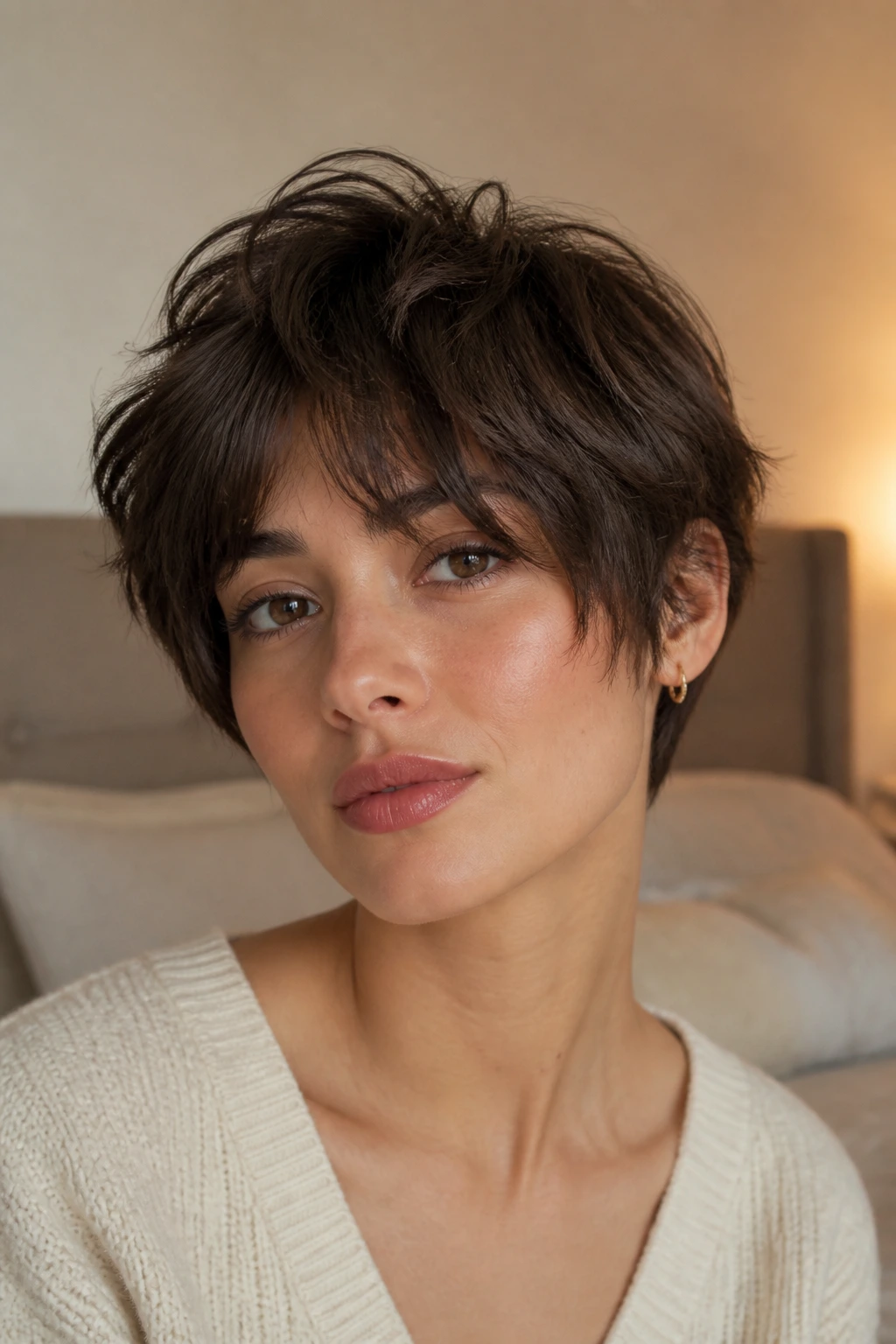
The shaggy pixie is essentially a mix of a shag and a pixie. It features face-framing pieces that are slightly longer than the back, creating a very feminine take on the tomboy aesthetic.
Why It Works for Thin Hair
The face-framing pieces create a “curtain” effect. When you have bangs or longer side-pieces, it draws the eye away from the crown, which is where thinness is usually most noticeable.
Versatility
You can tuck one side behind your ear for an asymmetrical look or wear it forward to hide your forehead. It is perhaps the most versatile cut on this list.
20. The Tightened Sides with Brushed-Forward Fringe
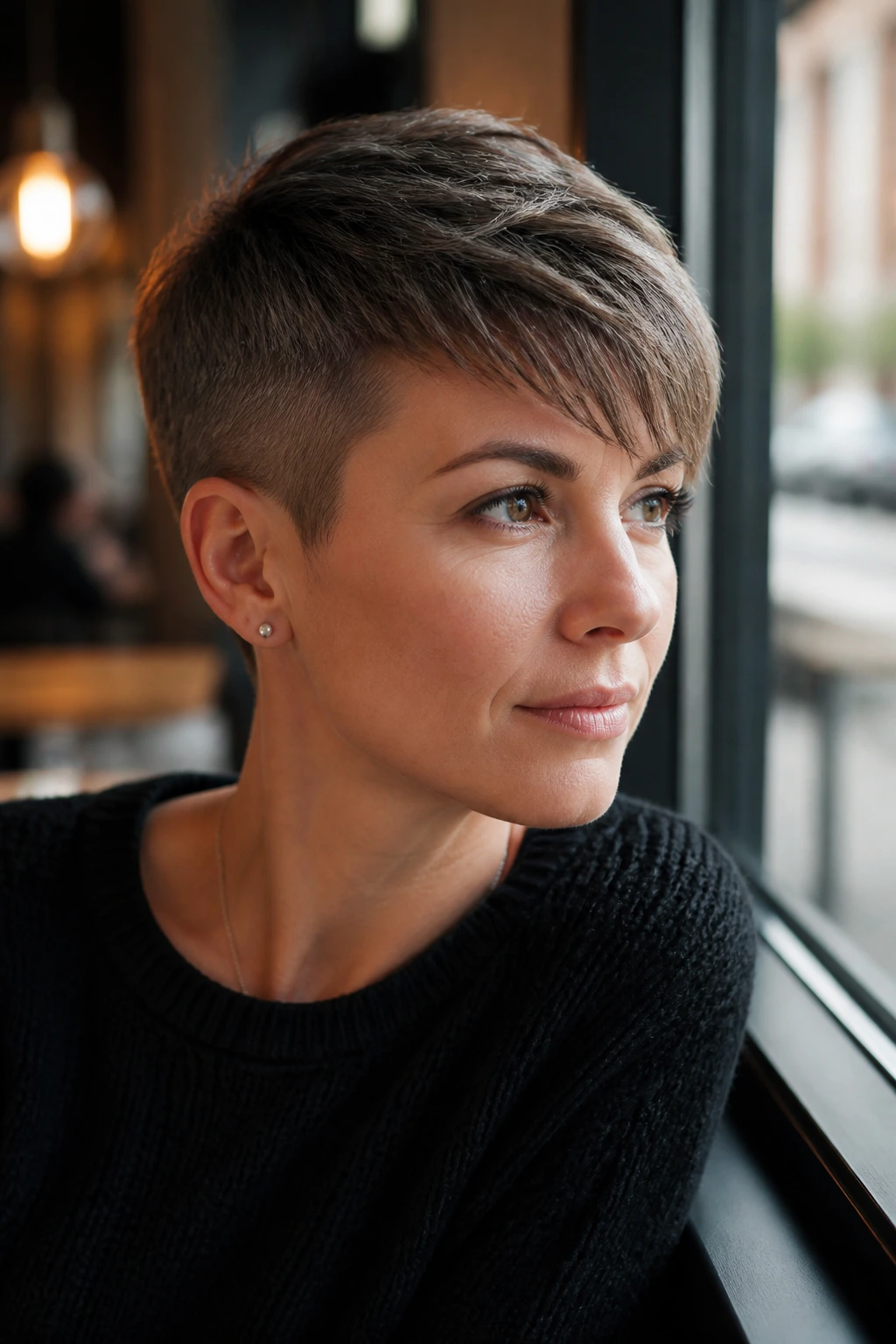
This style takes the focus completely away from the top of the head and places it on the fringe. By keeping the sides and back extremely short, you create a clean frame, while the top is kept slightly longer and brushed forward onto the forehead.
The Benefit of the Fringe
A brushed-forward fringe is the best way to hide a thinning crown or hairline. By directing all your hair volume to the front, you maximize the impact of your existing density.
Styling for Daily Use
A quick comb-through with a bit of styling paste is all that is required. It is effortless, cool, and perfectly suited for an active lifestyle.
21. The Soft Mohawk with Wavy Ends
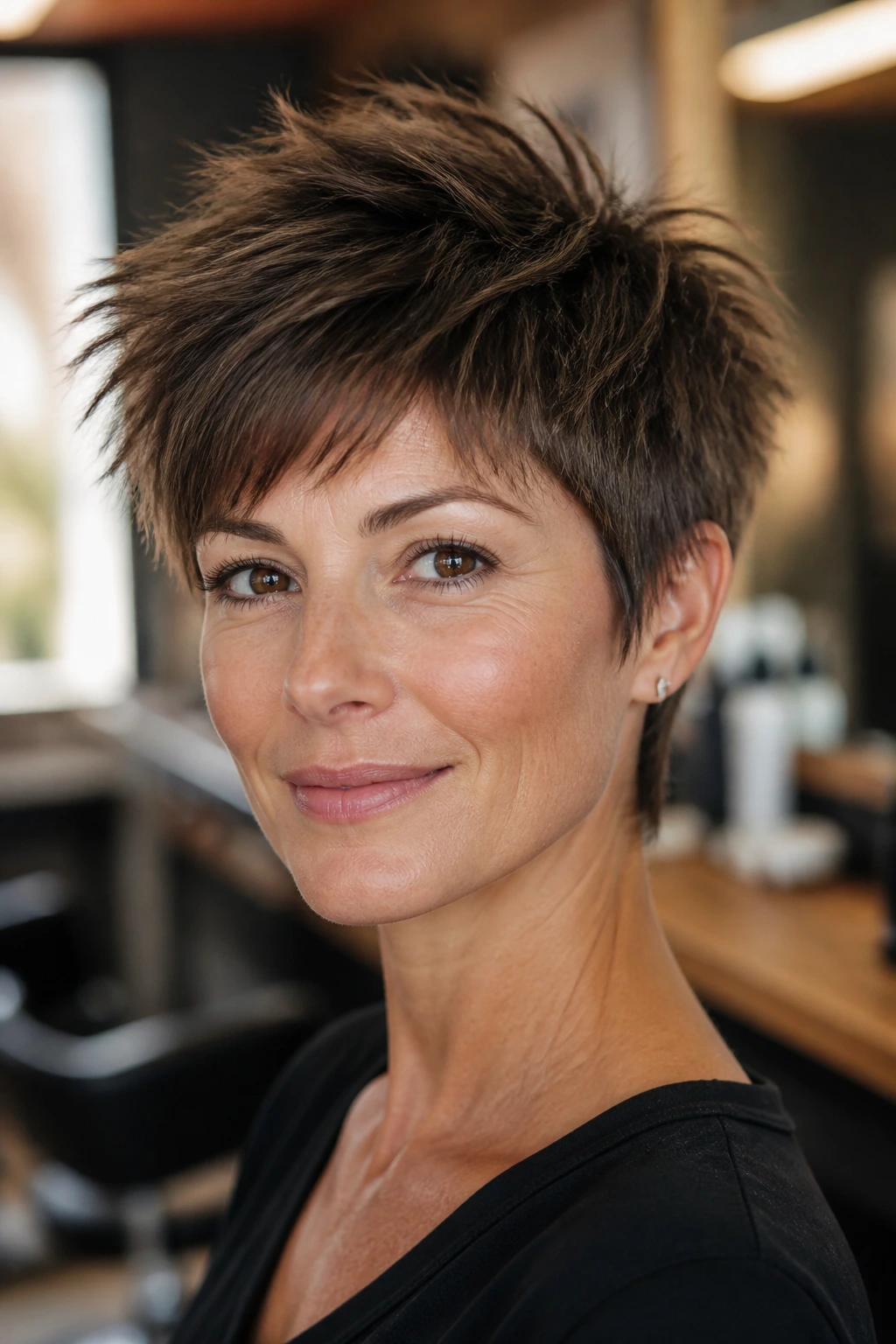
If you want the height of a mohawk but the softness of a wavy texture, this cut is a fantastic middle ground. You keep the sides short and allow the hair in the center to retain its length and wave, letting the ends fall naturally.
Embracing the Wave
Don’t fight your natural texture. If your hair wants to curl, let it. A soft mohawk looks much more “at home” on wavy hair than on stick-straight hair.
The “Volume” Secret
Wavy hair is naturally more voluminous than straight hair. By wearing it in a short, layered style, you allow those waves to stack, creating a mountain of hair that looks like a dense, healthy crop.
22. The Tapered Wedge with Wispy Bangs
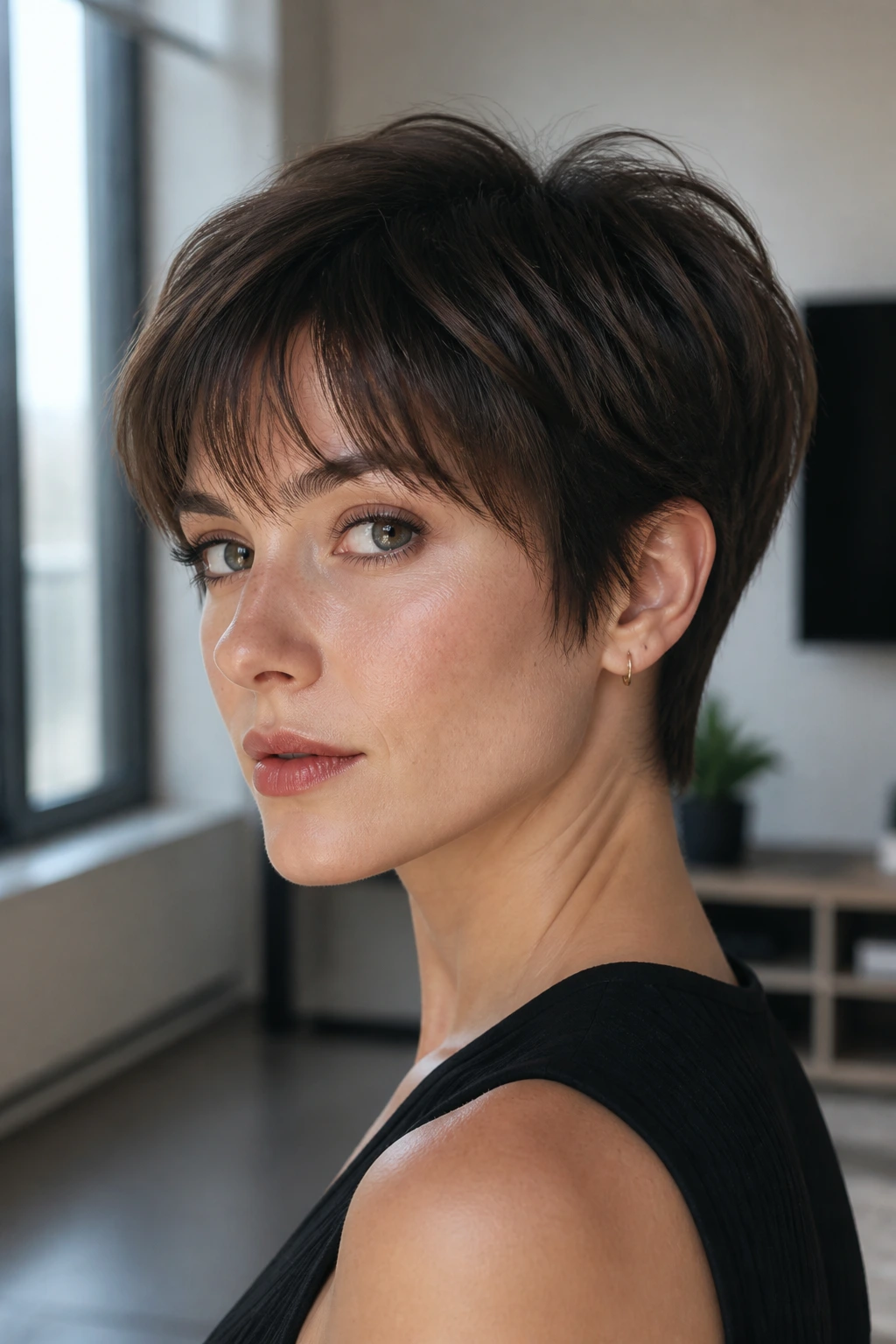
A wedge is naturally volume-enhancing because of its shape, but adding wispy bangs takes it to the next level. The bangs help to break up the face, and the taper in the back makes the nape look very clean and sharp.
Bangs and Fine Hair
The trick with bangs and thin hair is to start them further back on the head. Don’t just take the very front hairline; take a section from the middle of the crown. This gives you more hair to work with, making the bangs look thicker and more robust.
The Result
You get a classic silhouette that is both edgy and classic. It’s a very low-maintenance look that grows out nicely.
23. The Modern Spiky Crop
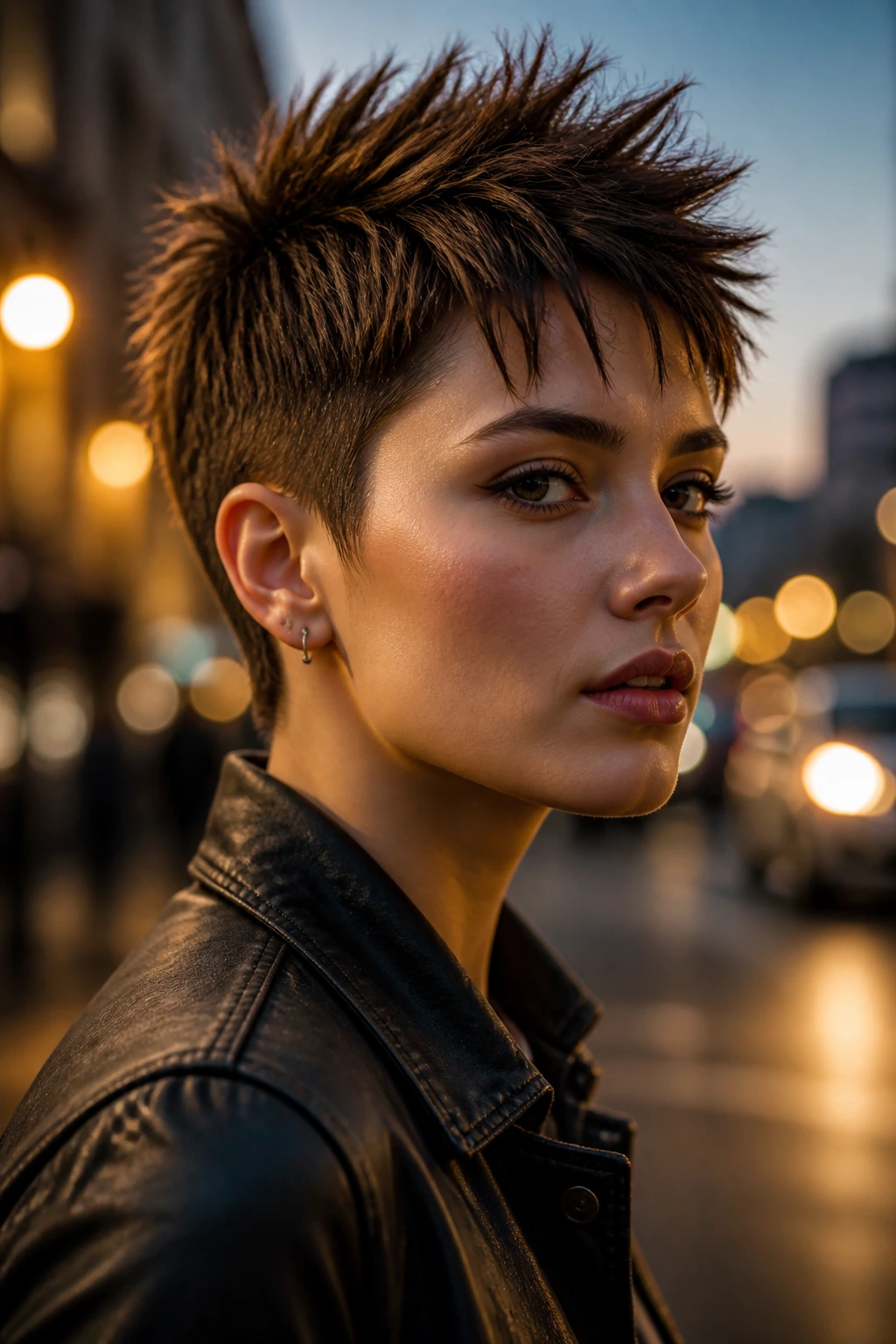
This style is about controlled chaos. The sides are tight, but the top is intentionally cut in varying lengths to allow for a multi-directional spike. It’s perfect for someone who wants to look like they haven’t tried too hard but still have a distinct, stylish appearance.
Why It Works
Varying lengths are the enemy of flatness. When you have a mix of long and short spikes, you create a complex, textured surface that is impossible to look “flat.”
Product Choice
Use a light texturizing clay. It adds the “bulk” that fine hair lacks, making each individual spike look thicker and more prominent.
24. The Undercut with Long Top Swept Back
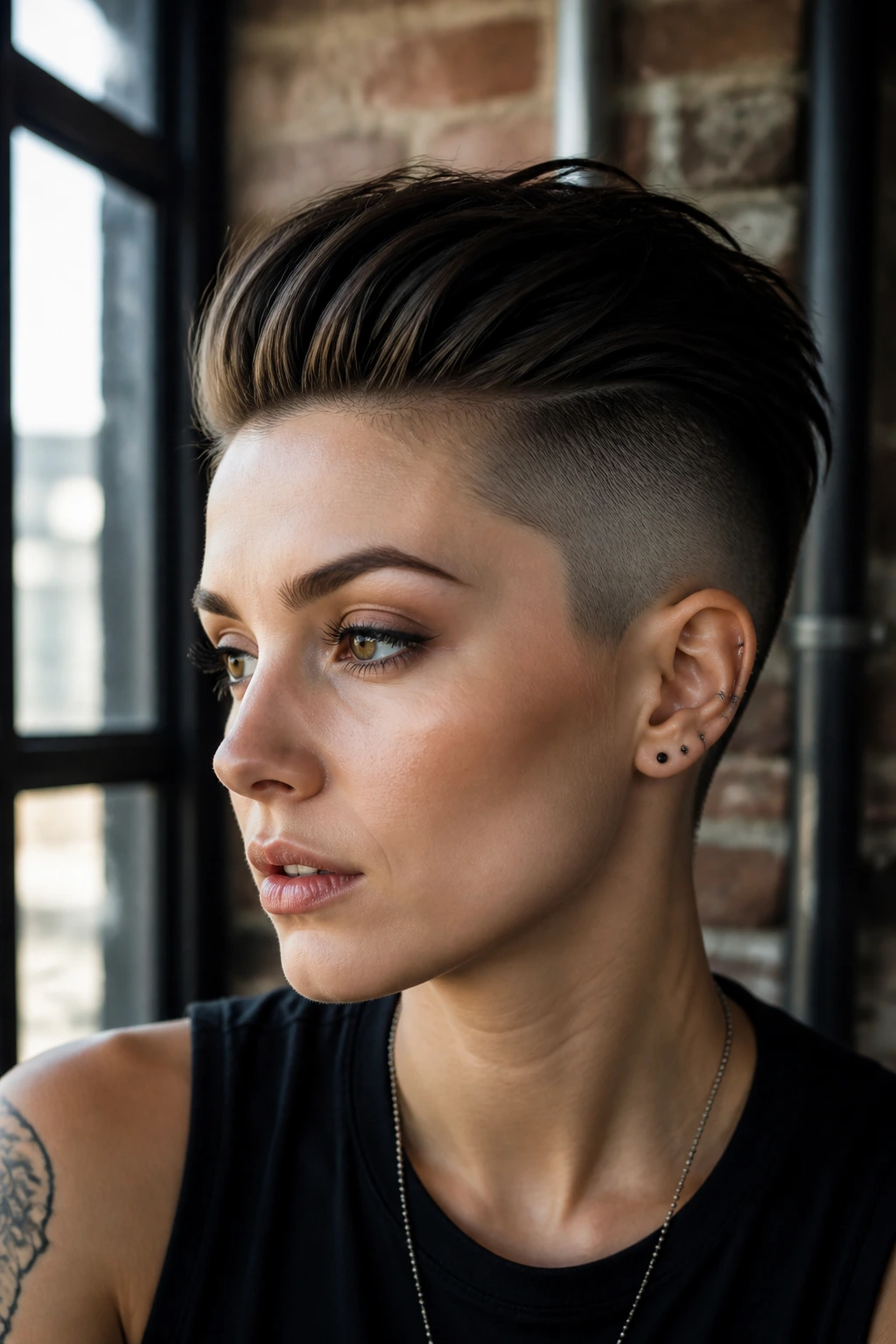
If you have a bit of length to spare, this is a great look. You keep the sides and back tightly shaved and leave the top long enough to be swept back entirely. It’s a very dramatic, high-fashion tomboy style.
The Contrast
The extreme contrast between the shaved sides and the long, swept-back top makes the hair on top look enormous. It’s the same logic as the pompadour, but taken to an extreme degree.
Styling the Top
Use a round brush to add volume while blow-drying, then set it with a medium-hold spray. This look is about height and drama.
25. The Blunt-Cut Pixie with Micro-Bangs
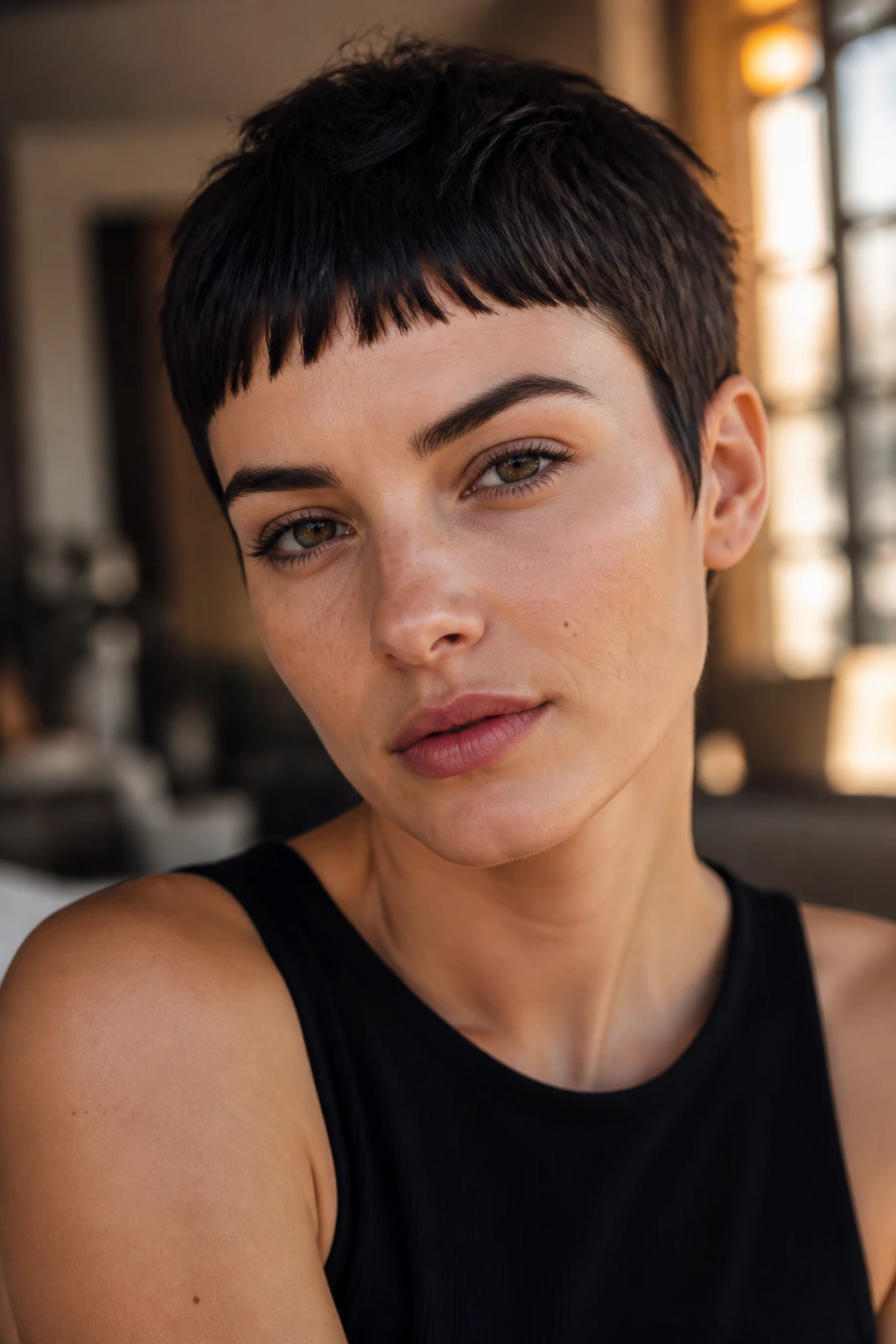
Micro-bangs are a statement. When you pair them with a blunt-cut pixie, you get a look that is very high-fashion and very intentional. The bluntness adds a weight to the hair that makes it seem more substantial.
Choosing the Right Length
Micro-bangs should be cut about an inch above the eyebrows. It’s a daring look, but it’s fantastic for thin hair because it requires cutting the hair very short, which eliminates any wispy or damaged ends.
Who This Suits
This style is incredible for those with strong facial features. It doesn’t hide your face; it highlights it.
26. The Layered Sideswept Crop
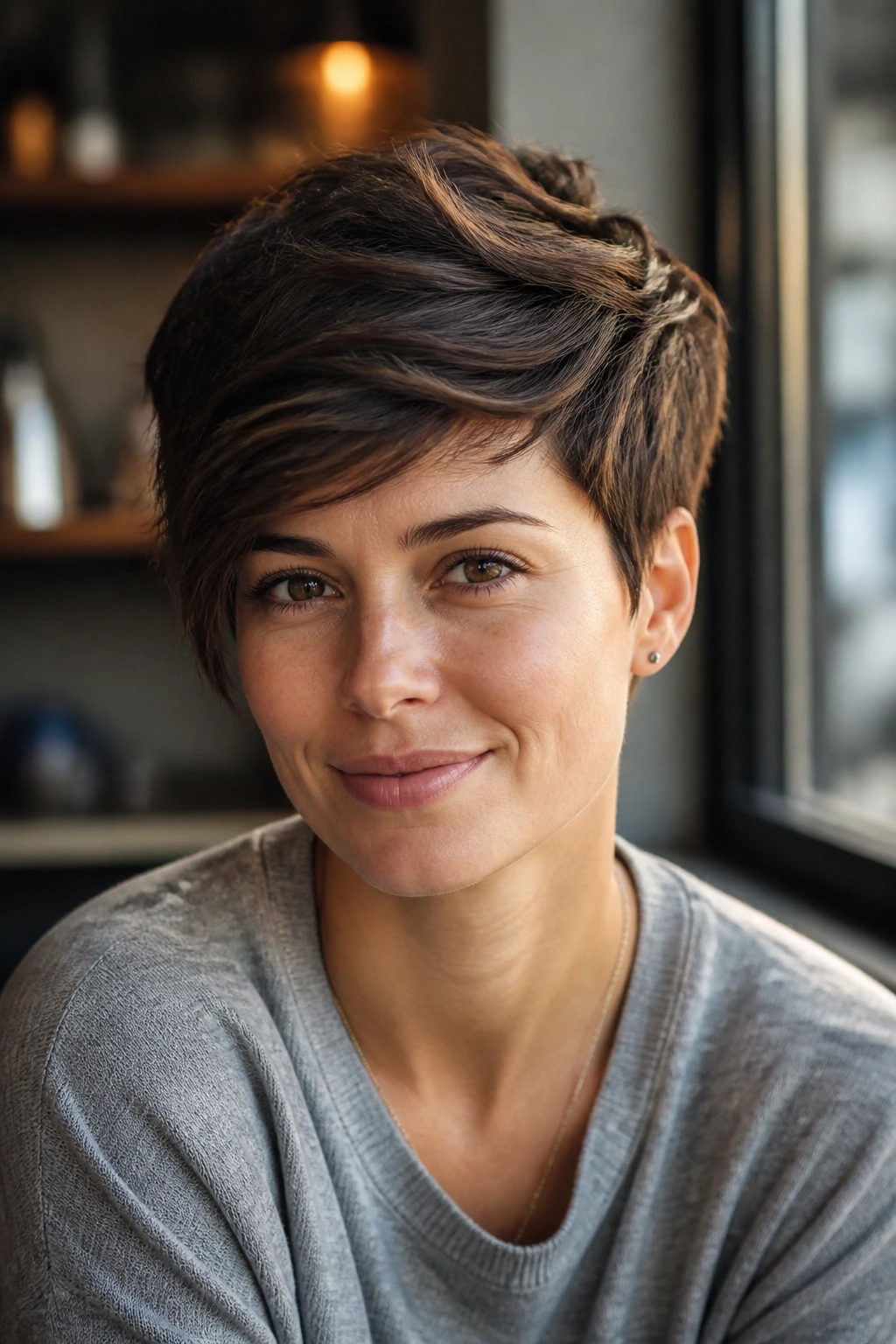
Similar to the side-swept pixie, this is a more layered version. The layers allow the hair to sit “on top” of other hair, which creates a natural, airy volume that doesn’t feel forced.
Managing the Layers
Ensure your stylist doesn’t over-thin your hair. You want layers, not “thinning shears.” Over-thinning can make fine hair look stringy, so ask for point-cutting instead.
Daily Maintenance
A quick run-through with your fingers and a bit of sea salt spray is all you need to keep this style looking fresh and full of life.
27. The Textured Nape Fade
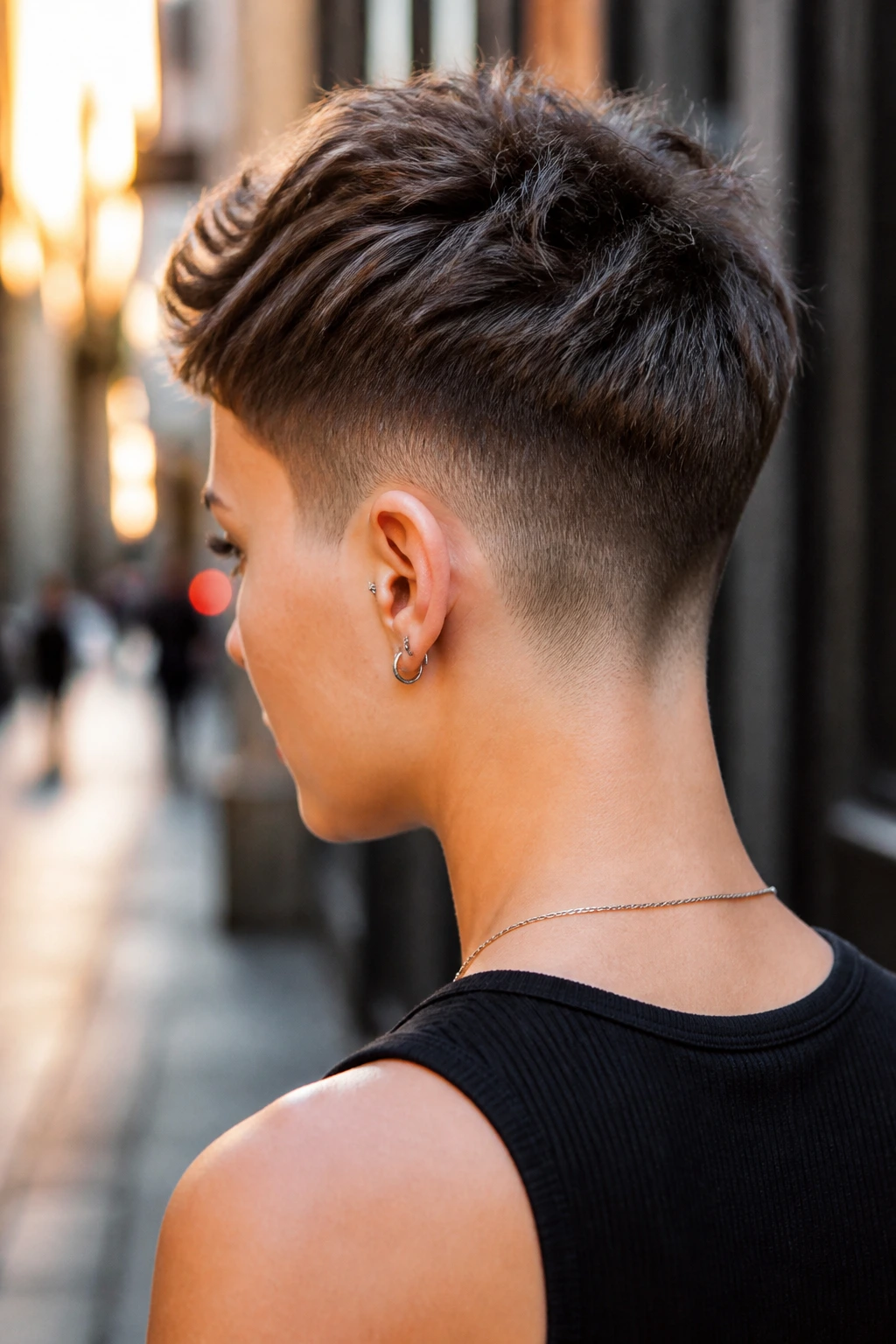
This is the ultimate low-maintenance tomboy cut. The fade in the nape and sides is tight, and the top is kept in a very short, textured, messy crop. You barely have to touch it in the morning.
Why It’s Great for Thin Hair
You are effectively removing all the “problem areas.” There is no hair at the nape to get stringy, and the top is so short that it can’t flatten out. It’s a fail-safe style.
The Look
It’s clean, masculine-leaning, and incredibly practical. It works with every face shape and is perfect for a busy, on-the-go lifestyle.
28. The Shaggy Bowl with Long Fringe
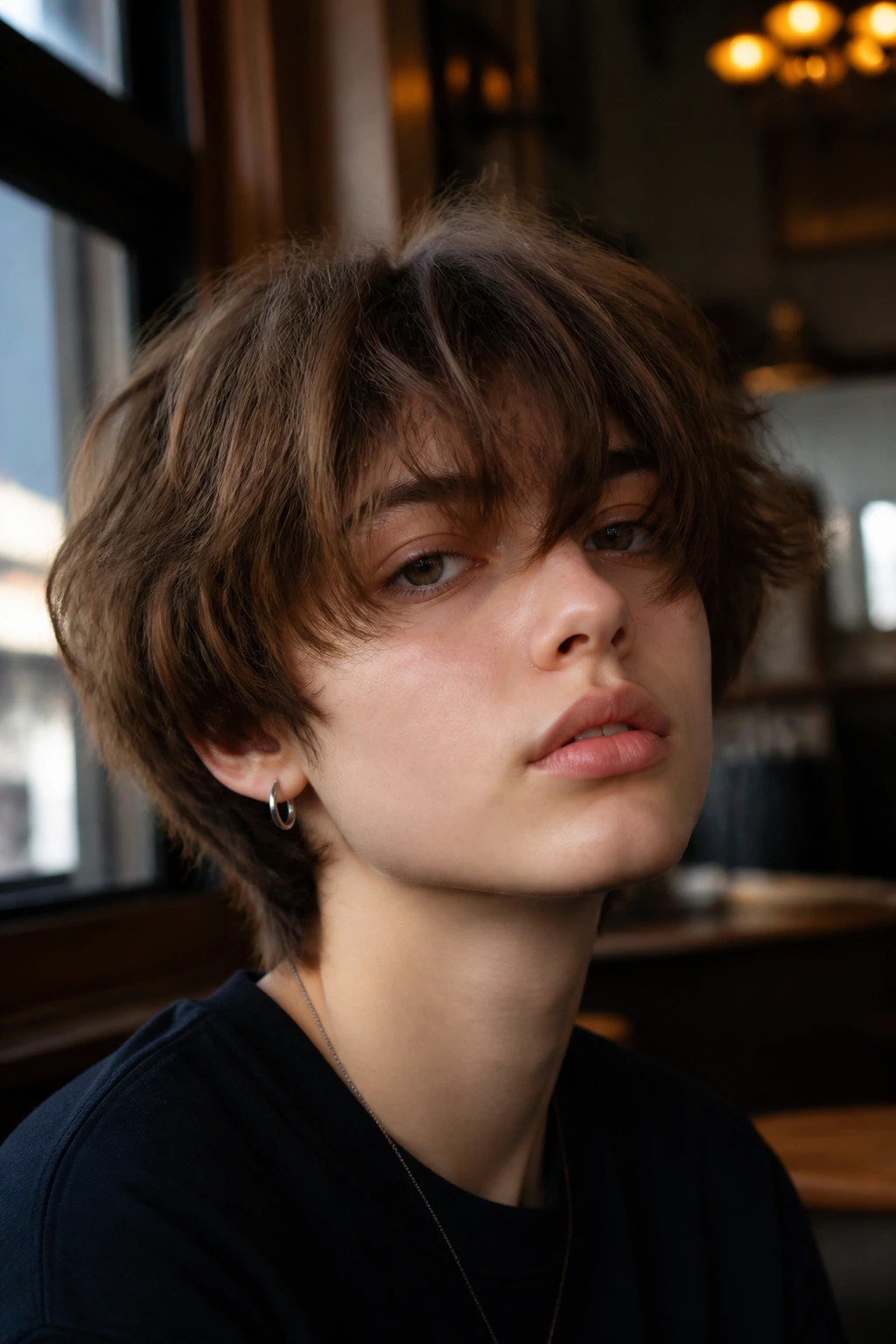
We end with a twist on the bowl cut. By keeping the fringe long and the back short and shaggy, you create a silhouette that is very “indie-cool.” The long fringe covers the forehead and provides a great point of interest, while the shaggy back keeps the look edgy and relaxed.
The “Cool” Factor
This cut is all about attitude. It’s the kind of style that looks best with a pair of vintage glasses or a structured jacket.
Styling for Volume
Use a dry texturizing spray throughout the hair to give it that “bedhead” look. The more textured it is, the better this style works.
Final Thoughts
The journey toward a shorter, tomboy-inspired haircut is one of the most freeing experiences you can have when dealing with thin hair. You stop fighting the physics of your hair and start working with them. By choosing a style that uses texture, strategic layers, and intentional silhouettes, you can create a look that feels both bold and remarkably full.
Remember that the haircut is only half the battle. Your relationship with the right styling products—clays, pomades, and texturizing sprays—is what will keep these cuts looking sharp and volumized throughout your day. Don’t be afraid to experiment with length and taper; if you start with something a bit longer, you can always go shorter, but you might find that your sweet spot is somewhere you never expected. Embrace the process, keep your appointments for trims, and enjoy the confidence that comes with a haircut that truly reflects your style.