

Thick hair is a blessing and a burden. It carries natural volume and richness that many try to replicate with styling products, yet it often resists the very tools intended to tame it. If you have a mane that leans toward the coarse, dense, or abundant side, you likely know the struggle of finding a style that feels balanced rather than heavy. You want movement without the dreaded triangular poof, and you need a cut that honors your hair’s inherent density while making your daily routine manageable.
Most standard tutorials assume a medium, fine texture, leading to frustrated mornings spent fighting your own biology. When your strands are thick, the weight becomes your primary styling variable. Too short, and the hair mushrooms; too long, and it pulls on your scalp, losing the bounce and life you crave. The following selection of styles is built specifically for hair that has a lot to give. We are talking about cuts that reduce bulk, encourage natural movement, and hold their shape long after you step out of the salon chair.
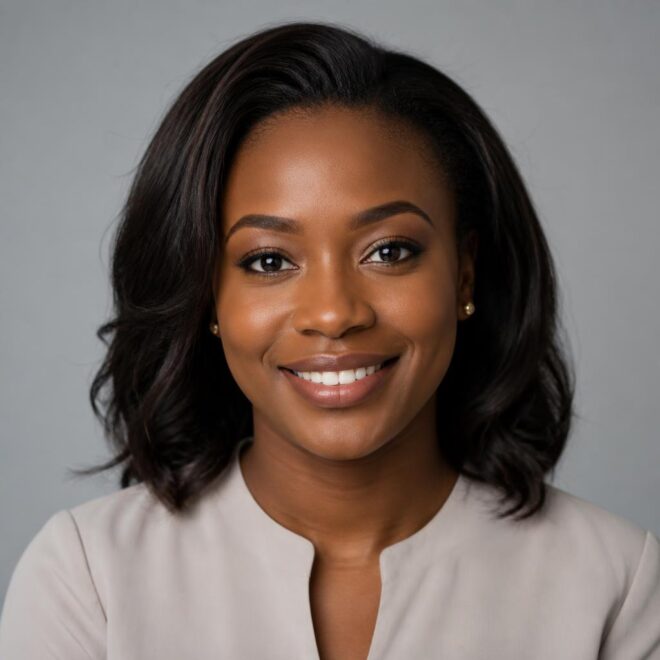
1. The Heavy-Layered Long Bob
This style is a reliable favorite because it removes weight from the mid-lengths while keeping enough length to allow the hair to lay flat. The trick here is to ask for internal texture rather than just surface layers. By “texturizing” the interior, your stylist cuts small, invisible sections that take away the bulk without making the hair look choppy or frayed.
Why This Style Succeeds
When your hair is dense, a blunt cut often creates a heavy, horizontal line that feels like a shelf. By adding heavy, weight-removing layers, you encourage the hair to curve inward toward your neck rather than pushing outward. It creates a sleek silhouette that feels light against your shoulders while retaining the health and shine of your ends.
Styling Tips for the Best Results
- Use a large, round boar-bristle brush while blow-drying to pull the hair taut from the roots.
- Apply a light-hold smoothing cream to damp hair to seal the cuticle before heat hits it.
- If you have natural wave, keep the layers longer so they do not spring up too much, which would create extra volume where you likely do not want it.
2. The Textured Mid-Length Shag
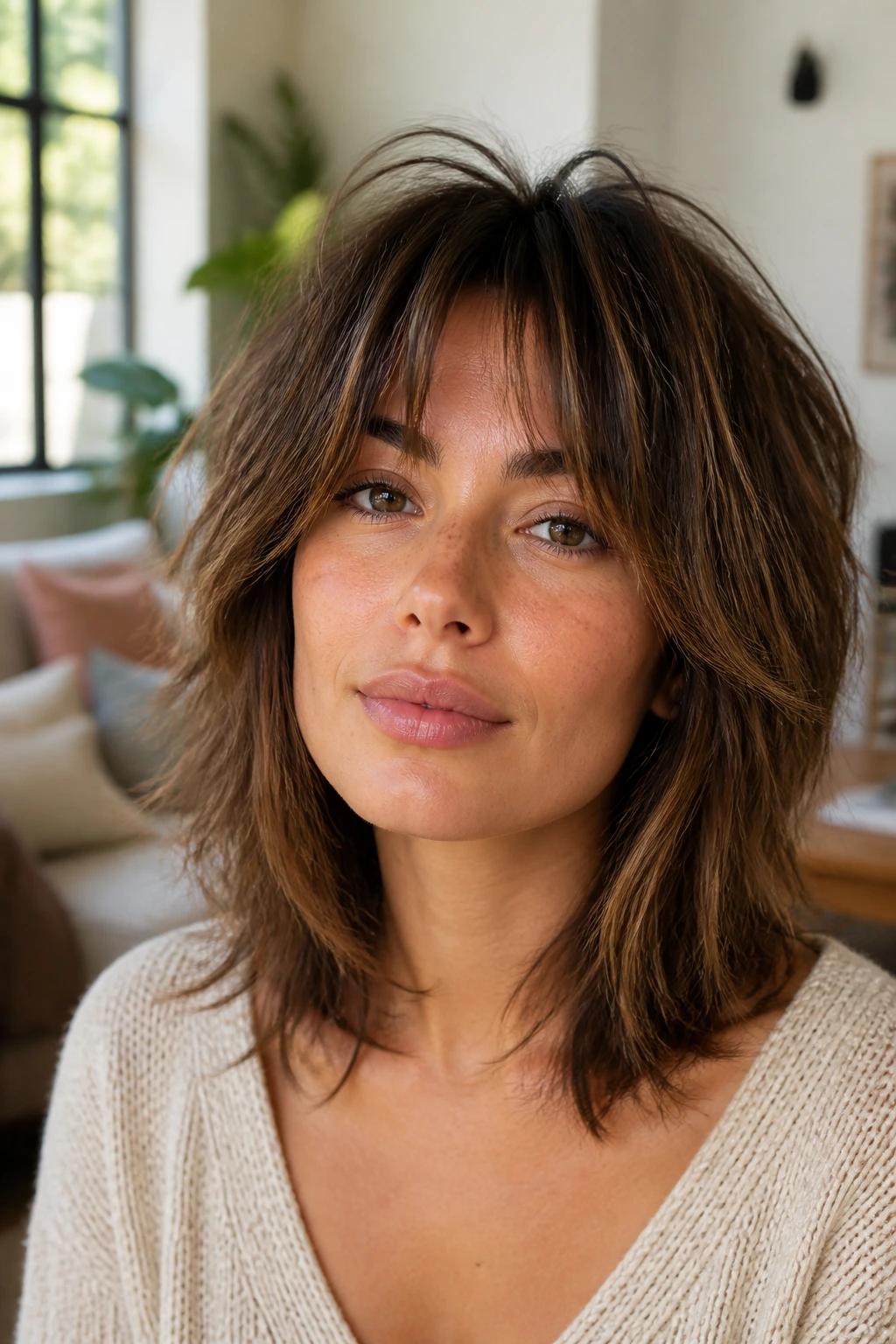
The shag has moved well beyond its rock-and-roll origins into a refined, everyday look that thrives on volume. For thick hair, the shag is a gift because it is designed to be messy. It celebrates your hair’s density rather than trying to suppress it, turning potential puffiness into intentional, lived-in style.
Mastering the Shape
The secret is in the razor-cut ends. Unlike scissor cuts, which leave a blunt edge, a razor taper thins out the bottom two inches of each section. This prevents the “bottom-heavy” look common in thick hair, allowing the layers to stack more effectively. It creates a cascade of texture that looks great whether you air-dry or use a salt spray.
Key Maintenance Notes
- Avoid heavy, oil-based products that can weigh down the layers and make them look greasy.
- Opt for texturizing powders if you need extra grip or root lift.
- This style requires professional maintenance every six to eight weeks to keep the layering from becoming too grown-out and bottom-heavy.
3. The Graduated A-Line Cut
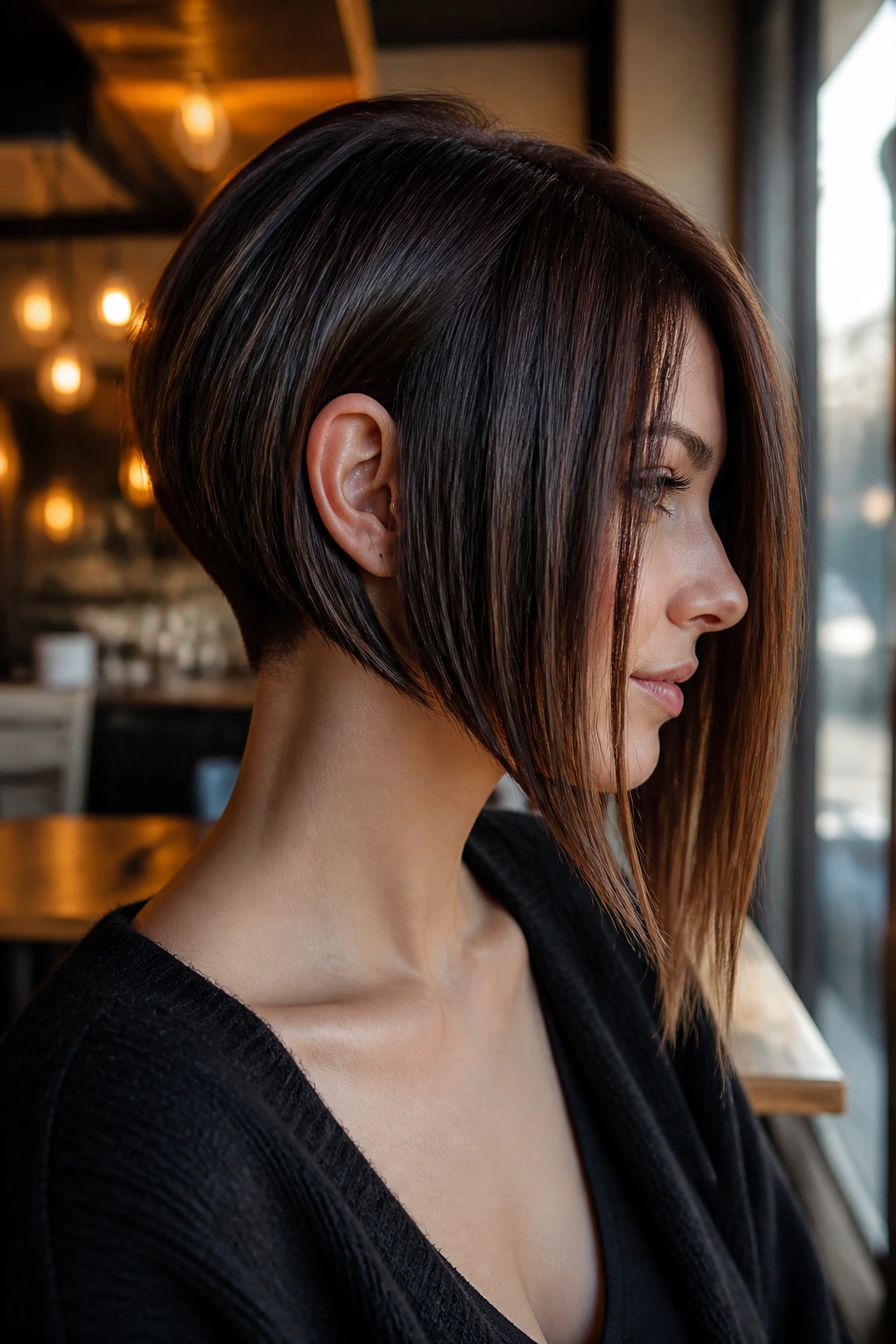
If you are tired of the weight pulling on your face, the graduated A-line provides a structural fix. It is shorter at the nape of the neck and progressively longer toward the front, which creates a sharp, architectural frame. For those with thick hair, this angle is transformative because it forces the hair to fall in a specific direction.
Creating the Right Angle
A proper A-line for thick hair must include an undercut or a soft fade at the nape. Removing those bottom-most hairs—the ones that grow toward the neck—instantly slims down the entire profile. The hair sitting on top then lays perfectly flat over the area where you have removed the bulk, giving you a smooth, professional look that requires almost zero morning effort.
Why This Style Works for Thick Hair
- The nape remains cool and comfortable during warmer months.
- The weight is redistributed to the front, which softens jawlines.
- It acts as an automatic frame for the face, minimizing the need for heavy styling or flat ironing.
4. The Blunt Cut With Invisible Layers
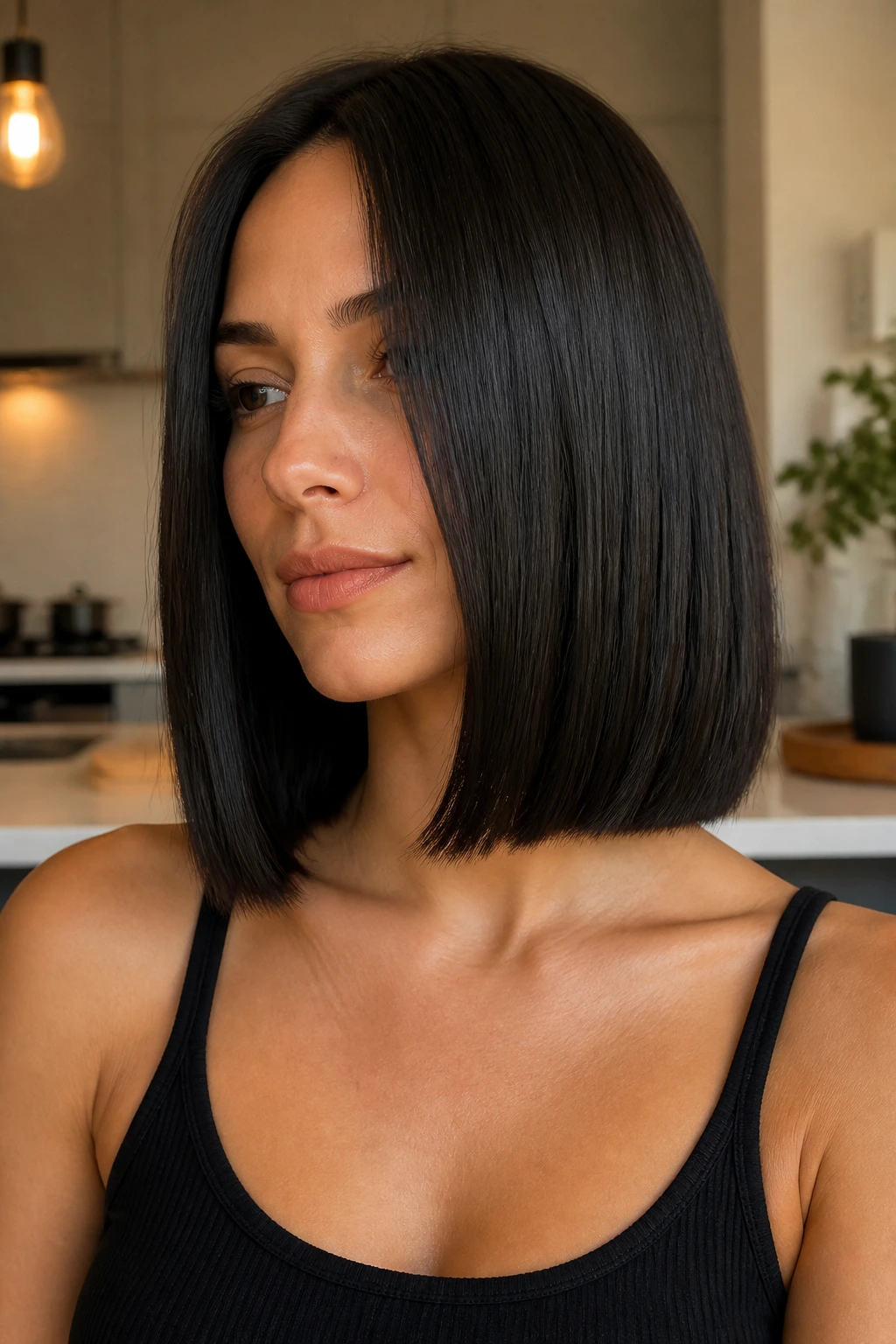
There is a misconception that thick hair cannot handle a blunt cut. This is simply not true—the key is the integration of “invisible” or “hidden” layers underneath the canopy. You keep a sharp, clean perimeter that looks rich and healthy, while the hidden layers handle the volume beneath.
How It Stacks Up
Your stylist should section the hair and use thinning shears or a razor to remove mass from the mid-section of the head. This keeps the top layer solid and sleek—which is the goal for anyone wanting a polished aesthetic—while the hidden structure allows the hair to compress.
Choosing the Right Tools
- Use a high-quality, ionic blow dryer to ensure you aren’t adding static to your dense strands.
- A wide-tooth comb is your best friend when wet, as it prevents breakage caused by pulling through thick, heavy sections of damp hair.
- Never use a brush until the hair is at least 80% dry to avoid unnecessary stretching.
5. The Curly Lob With Long Face-Framing Pieces

For those with both thick and curly hair, the “lob”—or long bob—is a masterclass in management. By leaving the length around the collarbone, you allow the weight of the hair to naturally elongate the curl pattern. This stops the hair from ballooning outward and gives you those coveted, defined ringlets instead.
Managing the Volume
You need weight to keep curls in place. If you go too short, the curls will coil tight and widen the profile. By keeping the length near the shoulders, you provide enough tension to turn a “poof” into a “drape.” Long, face-framing layers help lighten the look around the eyes so your hair doesn’t feel like a heavy curtain.
Drying Techniques
- Use a diffuser attachment on your hair dryer to gently encourage curl formation without disturbing the structure with direct air.
- Apply a leave-in cream while the hair is soaking wet to lock in moisture before the cut begins to dry.
- Avoid touching your hair once it’s set; manual manipulation is the primary cause of frizz in thick, curly textures.
6. The Classic Pixie With Tapered Sides
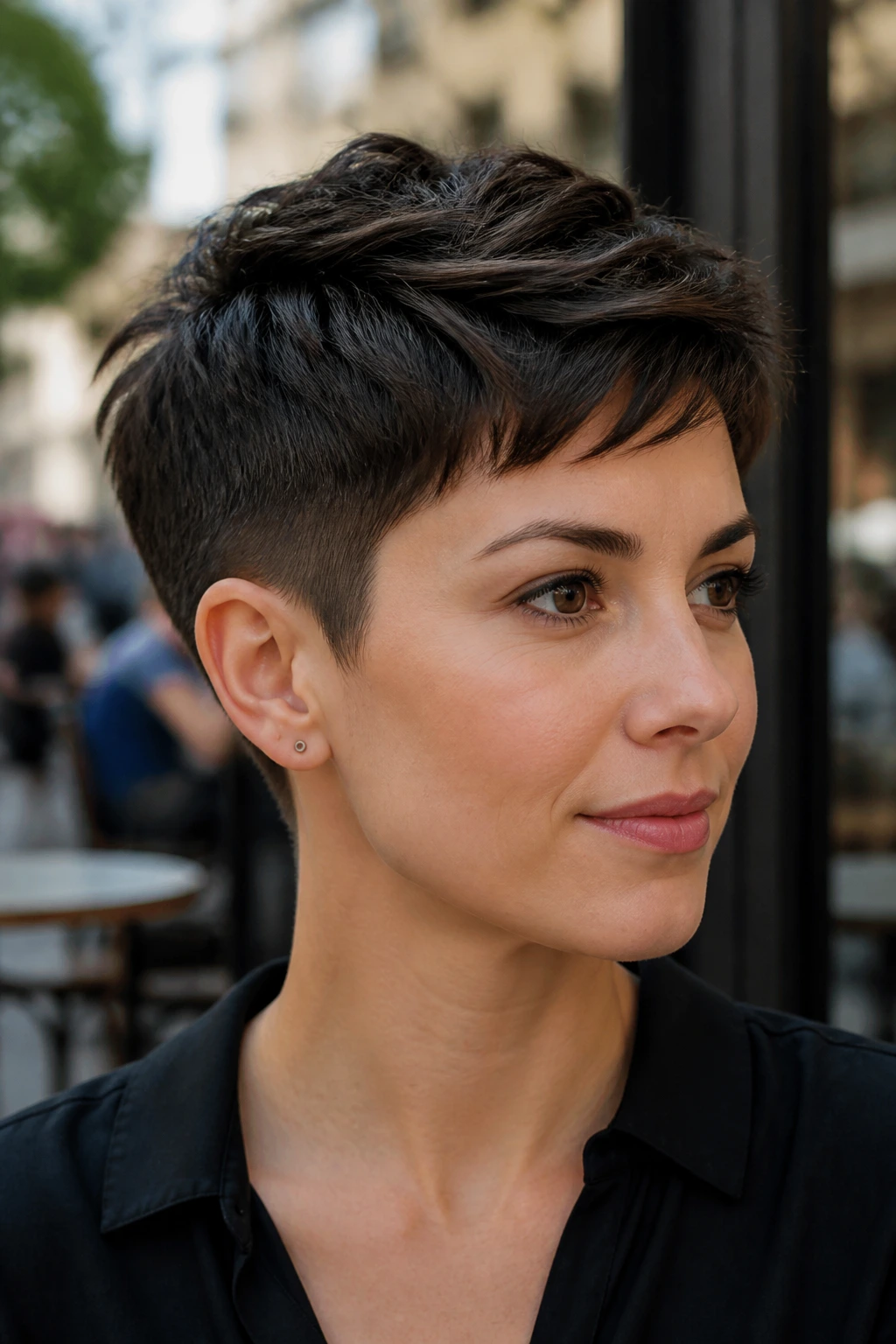
If you want to experience total freedom, the short, tapered pixie is the ultimate move for thick hair. By cutting the back and sides very short, you remove 50% of the volume in one go. The remaining top section can then be styled with a bit of pomade or wax, giving you a chic, low-maintenance look.
Why It’s Not As Scary As It Seems
Many people with thick hair avoid the pixie because they fear the “triangle” shape. The solution is simple: keep the hair on the sides tight and close to the scalp. A skilled stylist will use clippers or deep point-cutting to ensure the transition from the short sides to the longer top is seamless and not bulky.
Styling Daily
- A dime-sized amount of matte paste will hold your hair exactly where you want it.
- This style looks particularly striking if you keep your natural hair color, as the shape itself is the main event.
- It is the most economical style in terms of product use, as you only need a fraction of what you were using with long hair.
7. The Deep Side-Parted Long Layers
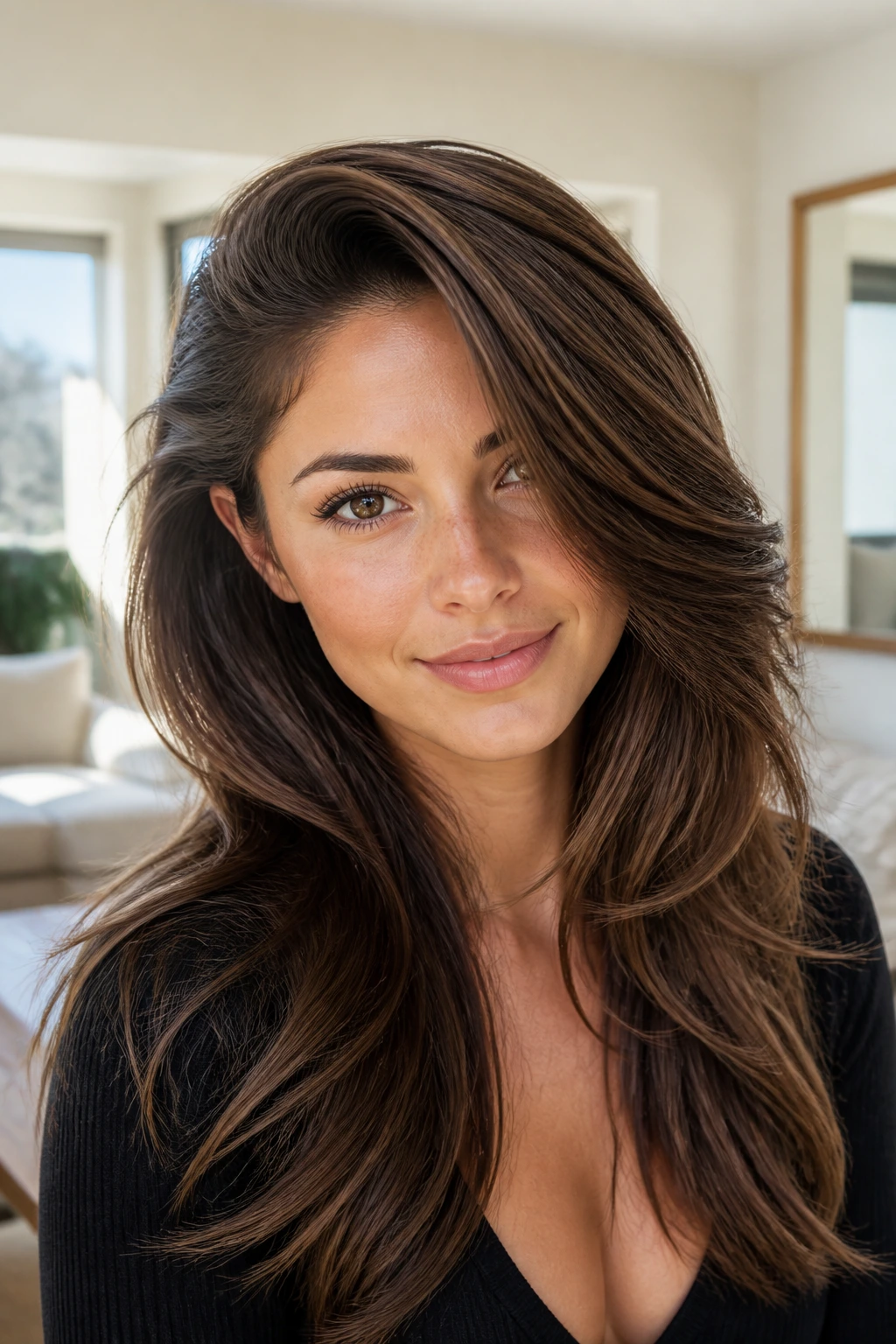
Sometimes the solution isn’t a radical cut, but a radical reorientation of how the hair sits. A deep side part creates the illusion of height and angle, which is perfect for breaking up the heaviness of a thick, uniform head of hair. Adding long, sweeping layers that start below the chin helps the hair move with your head.
Why the Deep Part Wins
When you have thick hair, a center part can emphasize the symmetrical weight of both sides, making your head look wider. A deep side part shifts the balance, lifting one side of your hair up and over, which naturally reduces the perceived volume on one side.
Enhancing the Look
- Use a dry texture spray to add “grit” to the roots, which prevents the heavy hair from falling flat against the scalp.
- If you notice your hair parting in the same place every day, use a bobby pin to secure the side part in place while your hair dries after a shower.
- This look is perfect for those who want to keep their length but feel “weighed down” by the density.
8. The Modern French Bob
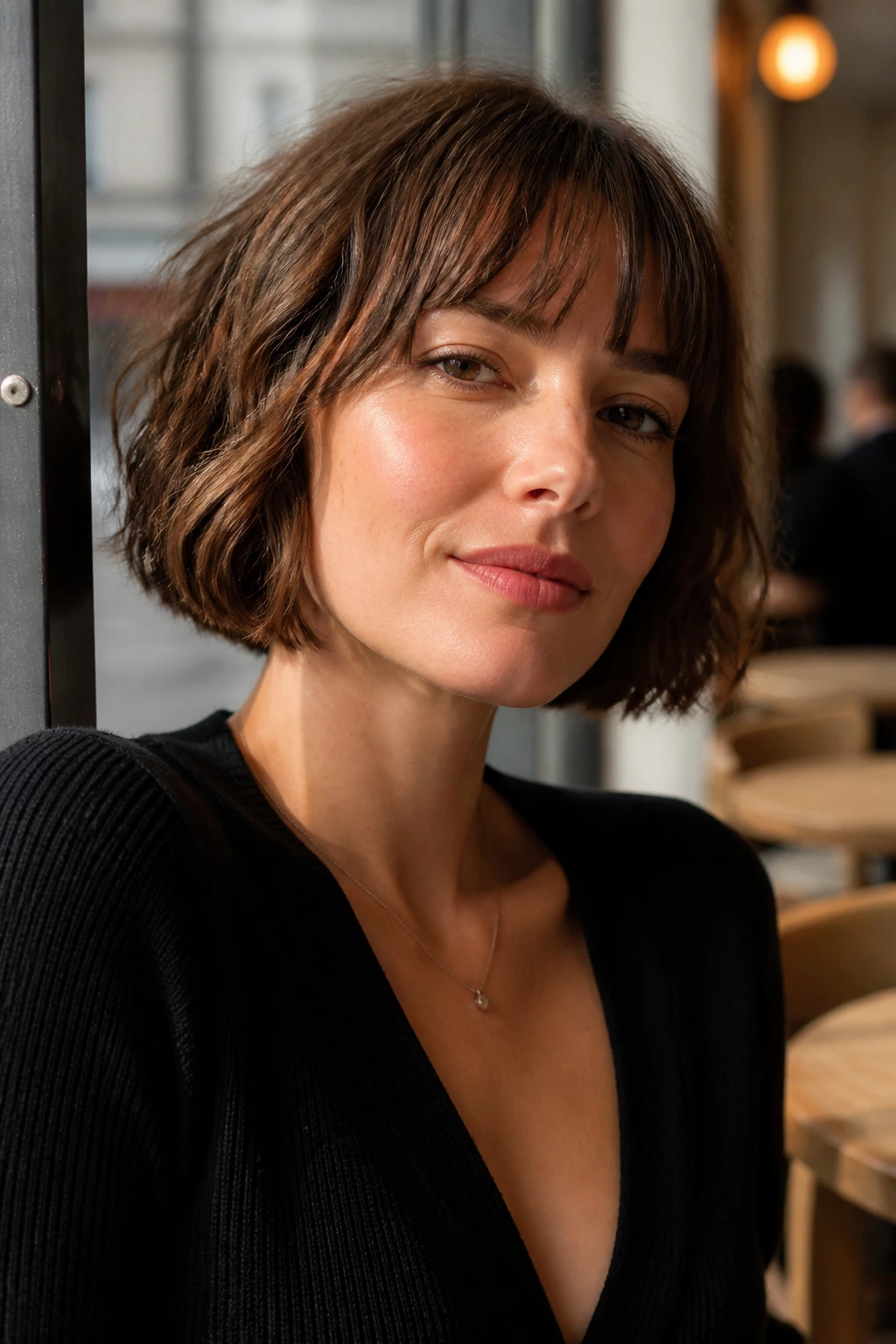
The French bob is all about chin-length elegance with just enough texture to keep it from looking stiff. For thick hair, this cut is usually styled with bangs or a soft fringe. The fringe pulls out some of the volume from the front, while the shorter length prevents the hair from becoming too heavy near your neck.
The Charm of the French Bob
It is a look that feels intentionally undone. Because thick hair has so much body, it often supports the classic “French girl” aesthetic perfectly, requiring little more than a quick tousle with your fingers. The shorter length forces the hair to sit in a more compact way, highlighting the neck and collarbone.
Essential Care Guidelines
- This style relies on the health of the ends, so use a bonding treatment once a month to prevent split ends from ruining the crisp perimeter.
- Use a light texturizing salt spray to keep the hair looking lived-in rather than “freshly salon-blown.”
- It is a bold look, but the management benefits for thick-haired individuals are unparalleled.
9. The Soft Butterfly Cut
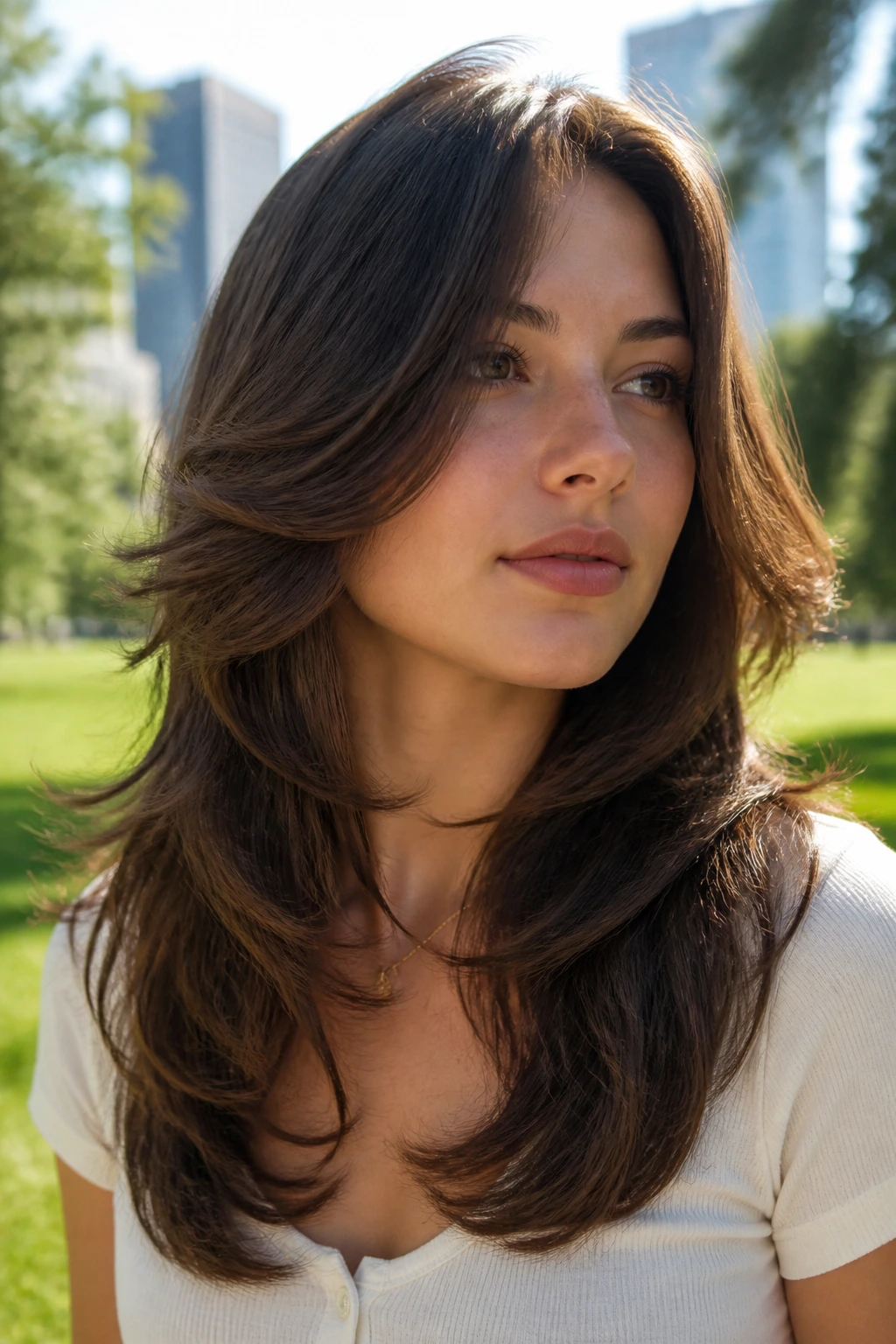
The butterfly cut has become a staple for thick-haired individuals who want length and movement. It is characterized by shorter, face-framing layers that swoop outward, mimicking wings, combined with longer, thinning layers throughout the back. It creates the illusion of a bob from the front and long hair from the back.
Balancing the Bulk
The reason this works so well for thick hair is that it removes the hair that would normally create the “heaviness” around your face. By cutting shorter, sweeping layers near the temples, you ensure that the hair falls away from your cheeks, highlighting your bone structure instead of obscuring it.
Best Styling Methods
- Blow-dry the face-framing pieces using a large, round brush angled away from your face to achieve that signature “swoop.”
- Use a lightweight mousse on damp hair for hold, rather than heavy gels.
- This style is ideal if you like to switch between wearing your hair down and tying it up, as the layers around the face still look intentional in a ponytail.
10. The Razored Lob With Micro-Fringe
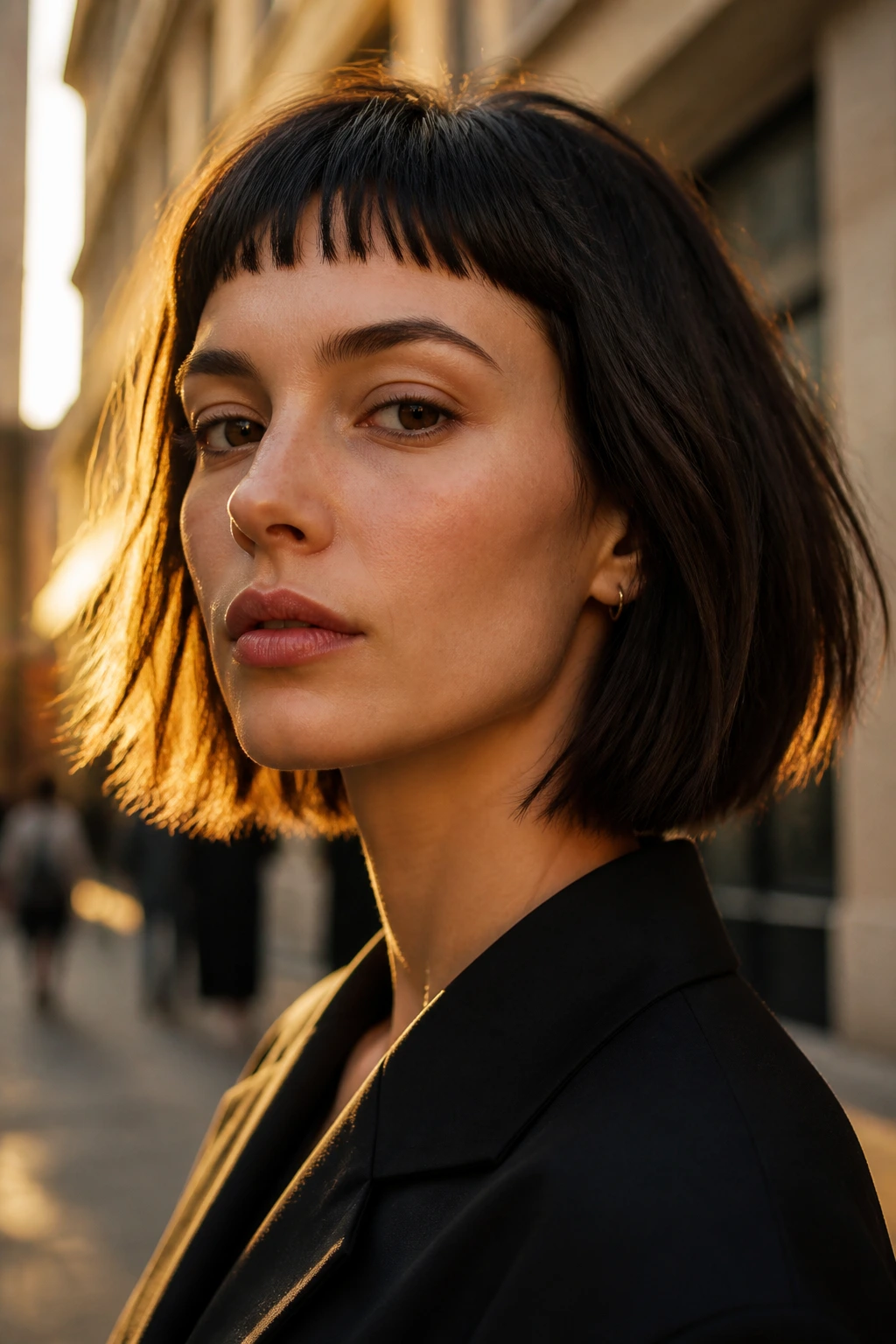
If you have a strong jawline and thick hair, a razored lob with a micro-fringe is an edgy, high-fashion choice. The micro-fringe removes the volume from your forehead, while the razored ends take away the bulk that usually plagues the bottom of the style.
Why the Razor is Key
With thick hair, scissors can often create a blunt, heavy edge that accentuates the thickness. A razor, conversely, creates a shattered, soft edge. When your hair is dense, this softness is exactly what you need to make the style look graceful rather than heavy.
Daily Maintenance
- Keep the fringe trimmed regularly; a micro-fringe loses its impact if it gets too long.
- Since this cut is very short in the front, invest in a small, 1-inch flat iron for touch-ups.
- This is a high-maintenance look that requires a commitment to your stylist’s schedule, but the payoff is a unique, tailored look that perfectly suits dense hair.
11. The Undercut Bob
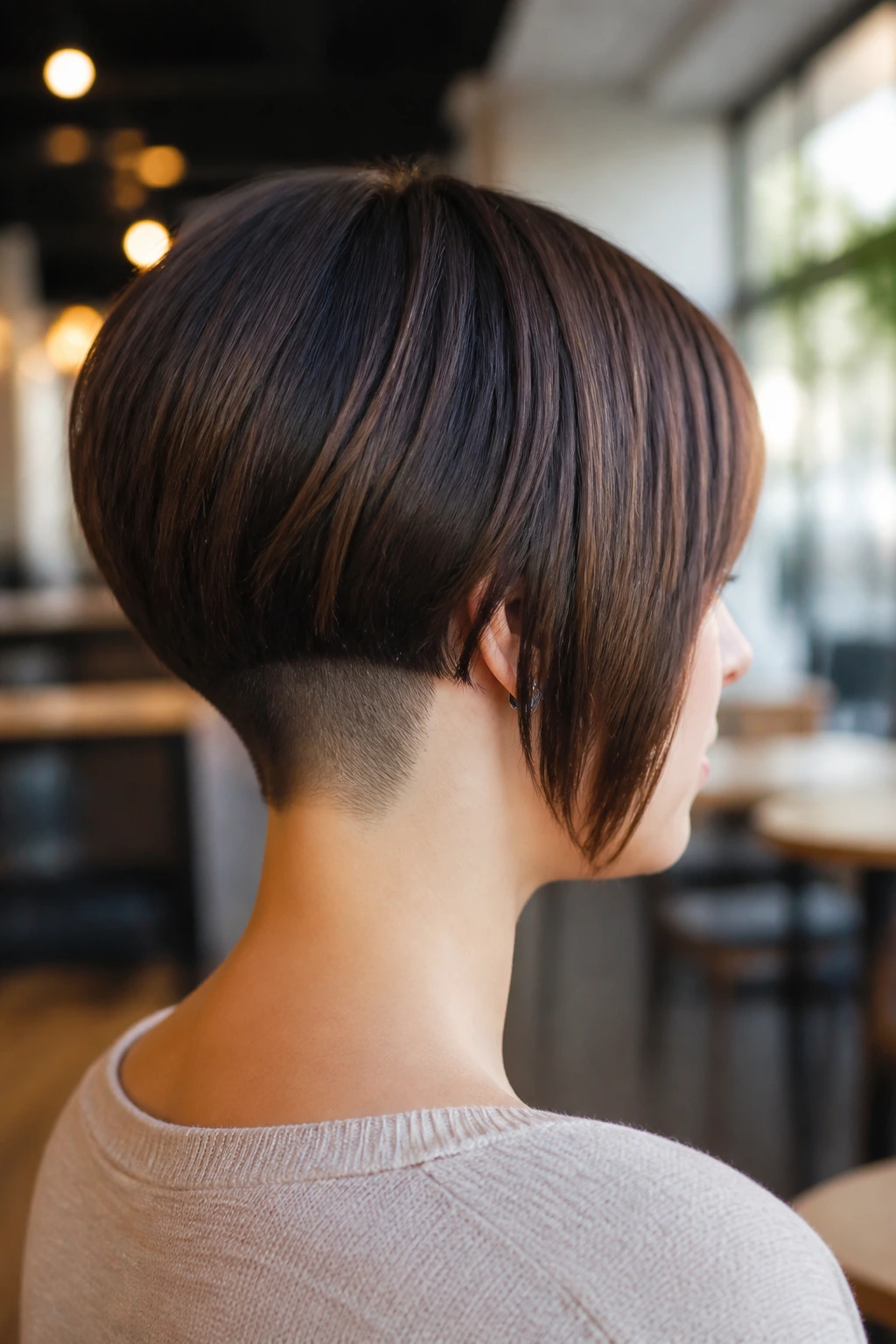
For those who truly struggle with the volume of their hair, an undercut bob is the ultimate problem-solver. It involves shaving a section of hair at the nape of the neck or on one side, which is then covered by the longer hair on top. It is the secret weapon for removing massive amounts of density while keeping the appearance of a standard bob.
The Hidden Benefit
When you have an undercut, you eliminate the “bulk” that sits right at the neckline—which is usually the cause of most thick-hair overheating. The top layer of your hair then lays completely flat, removing the rounded, puffy shape that many thick-haired individuals find frustrating.
Customizing the Look
- If you aren’t ready to shave the hair, ask your stylist to “deep point cut” the nape, which is a less aggressive way to remove weight.
- You can even get creative with the shave, adding patterns or designs if you want to make it an intentional aesthetic choice.
- This is the easiest way to make thick hair feel like thin hair without changing your overall length.
12. The Wispy-End Long Layers
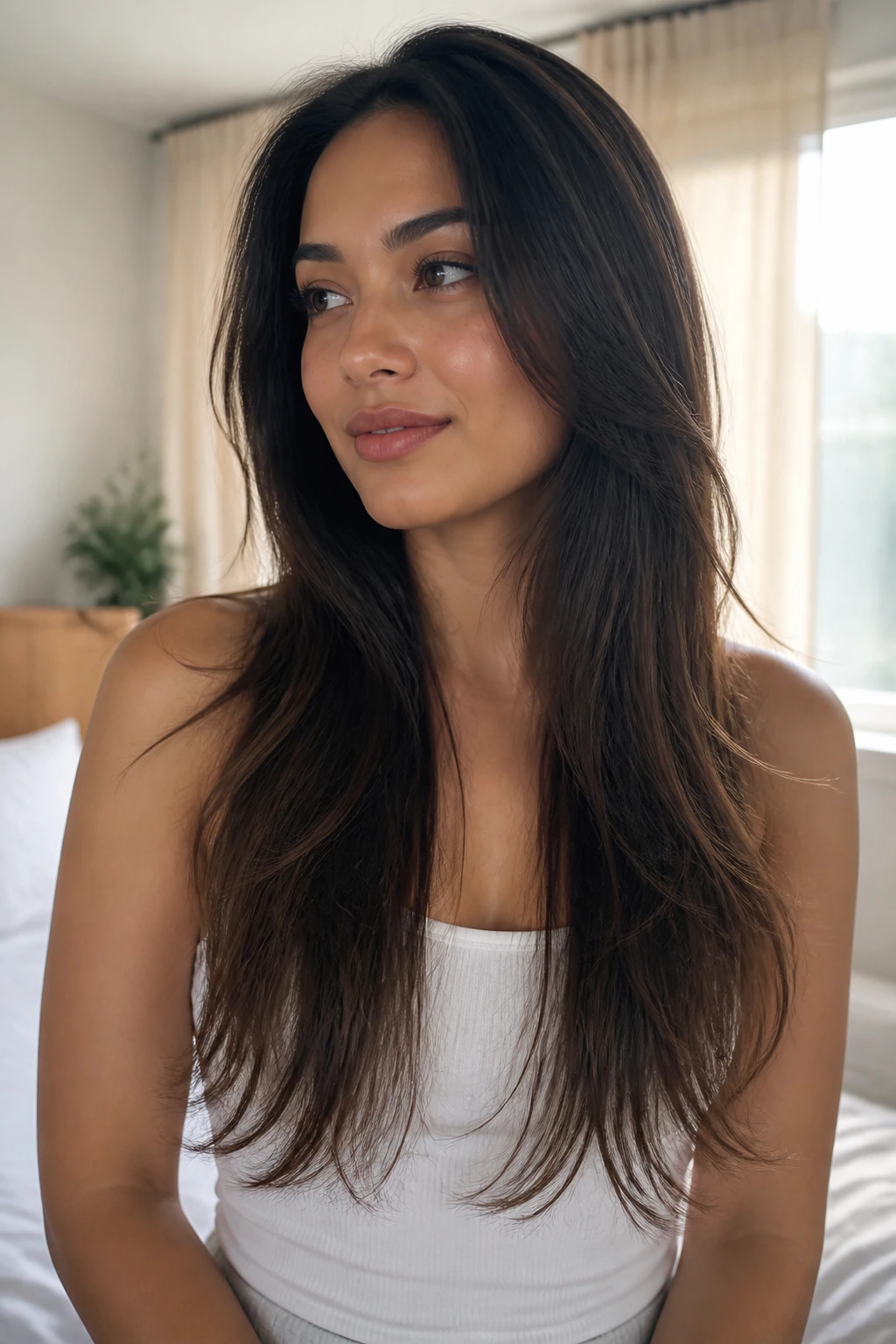
Instead of chunky, heavy layers, ask for wispy, refined layers that focus only on the bottom 3 inches of the hair. This technique is often called “dusting” or “point cutting.” It keeps the integrity of the length while preventing the hair from forming a solid, heavy triangle.
How to Request This
Be specific with your stylist. Tell them you want to keep the length but remove the “weight” at the ends. They will use vertical snips to thin out the very tips of your hair, creating a soft, ethereal appearance rather than a blocky, heavy one.
Why This Style Works
- It makes long hair much easier to style because the ends aren’t fighting for space.
- It prevents the hair from tangling as easily, since the ends are less blunt and heavy.
- You can still put your hair in a high bun without feeling like you have a heavy weight on top of your head.
13. The Retro 70s-Style Layered Cut
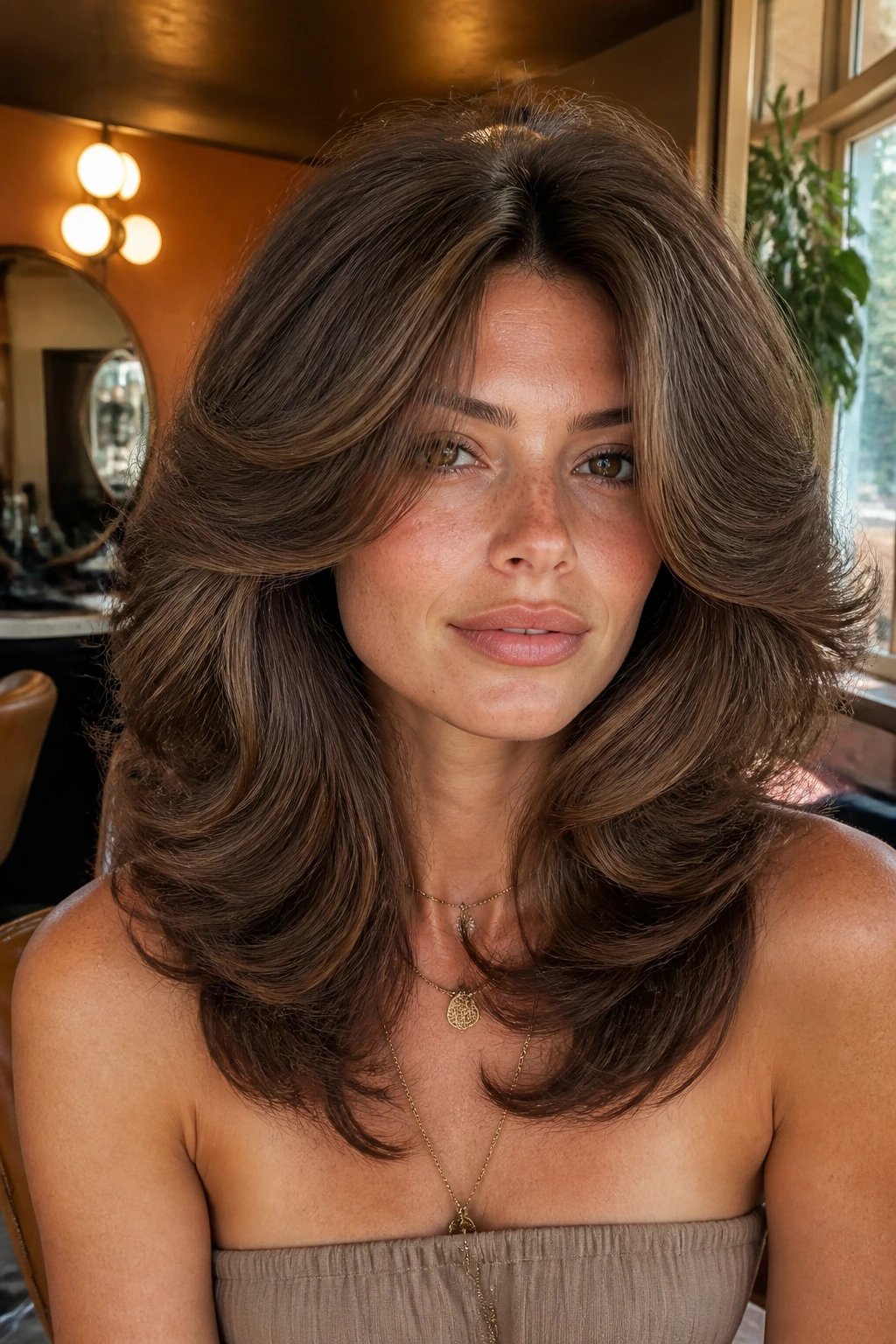
The 70s vibe is perfect for thick hair because that era celebrated big, voluminous, layered hair. By embracing the volume rather than fighting it, you turn your “thick hair problem” into your “best hair asset.” This cut relies on lots of face-framing layers and a soft, curtain-bang finish.
Embracing the Volume
Unlike modern styles that try to compress the hair, the 70s cut wants it to stand out. It creates a beautiful, circular shape that frames the face and moves elegantly. If your hair is dense, the layers will naturally stack on top of each other, creating that effortless “feathered” effect that is so iconic.
Styling for the Era
- A round brush is essential for this look.
- Focus on blowing the hair upward and outward at the roots to give it that signature lift.
- Use a finishing shine spray to keep the hair looking glossy rather than frizzy.
14. The Blunt Cut With Subtle Face-Framing
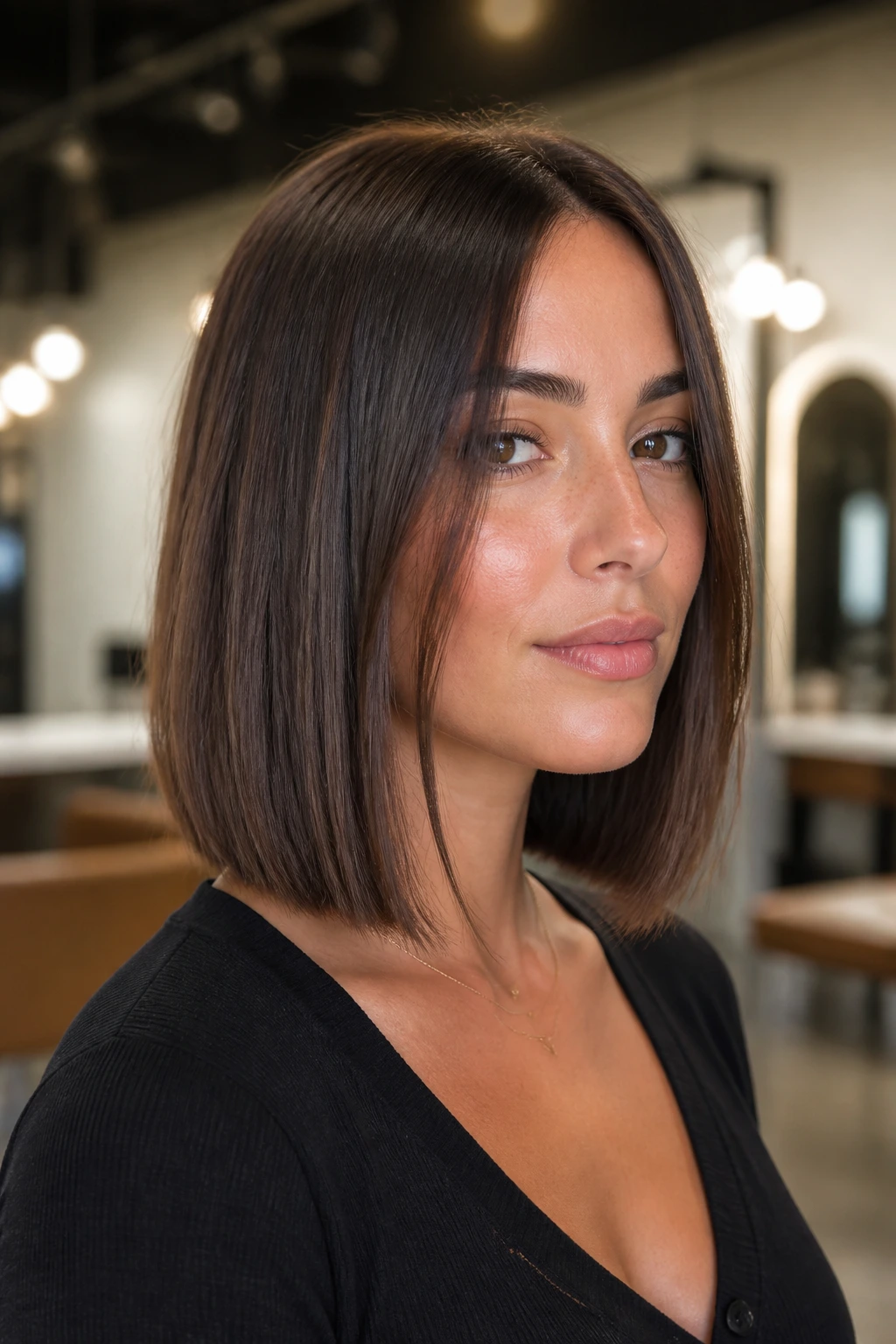
If you love the simplicity of a blunt cut but find the total weight too much, the solution is to add very subtle, long face-framing pieces. This doesn’t mean layers throughout the back; it just means slightly shorter pieces that begin around the collarbone.
Why This Balance Matters
The blunt back provides the “heavy” look that makes thick hair look luxurious and healthy. The face-framing pieces take away the weight that sits around your face, which is where you notice the thickness the most during your day-to-day life.
Maintenance Tips
- Use a light smoothing oil to keep the ends sharp and clean.
- If you find the ends getting too thick over time, ask your stylist to use a thinning tool just on the bottom perimeter.
- This style is arguably the easiest to maintain as it grows out gracefully without looking messy.
15. The Mid-Length Shag With Curtain Bangs
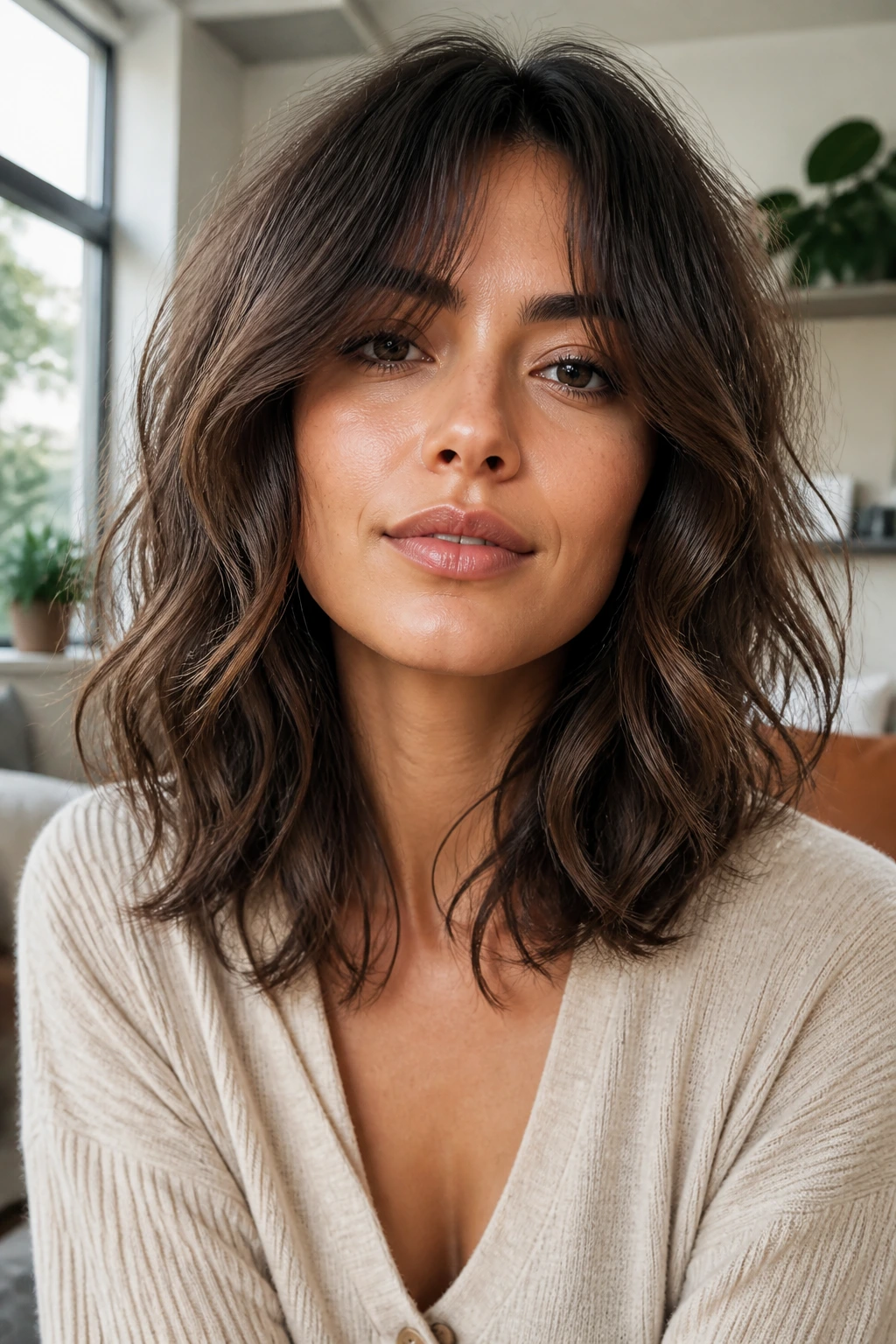
This is a softer, more approachable take on the traditional shag. By opting for curtain bangs, you get the benefit of lighter weight around the face, while the mid-length shag keeps the back manageable and full of movement. It is a harmonious balance between structure and chaos.
The Power of Curtain Bangs
Curtain bangs are perfect for thick hair because they don’t require the dense, blunt fringe that can sometimes make your face look crowded. They are soft, wispy, and blend seamlessly into the rest of your hair, providing a gentle transition from the front to the back.
Getting the Look Right
- Style the bangs with a small round brush while they are damp.
- Keep the rest of the hair textured by using a bit of pomade on the ends.
- This cut looks fantastic when you have a bit of natural wave, as the layers really pop.
16. The Textured Top-Knot Bob
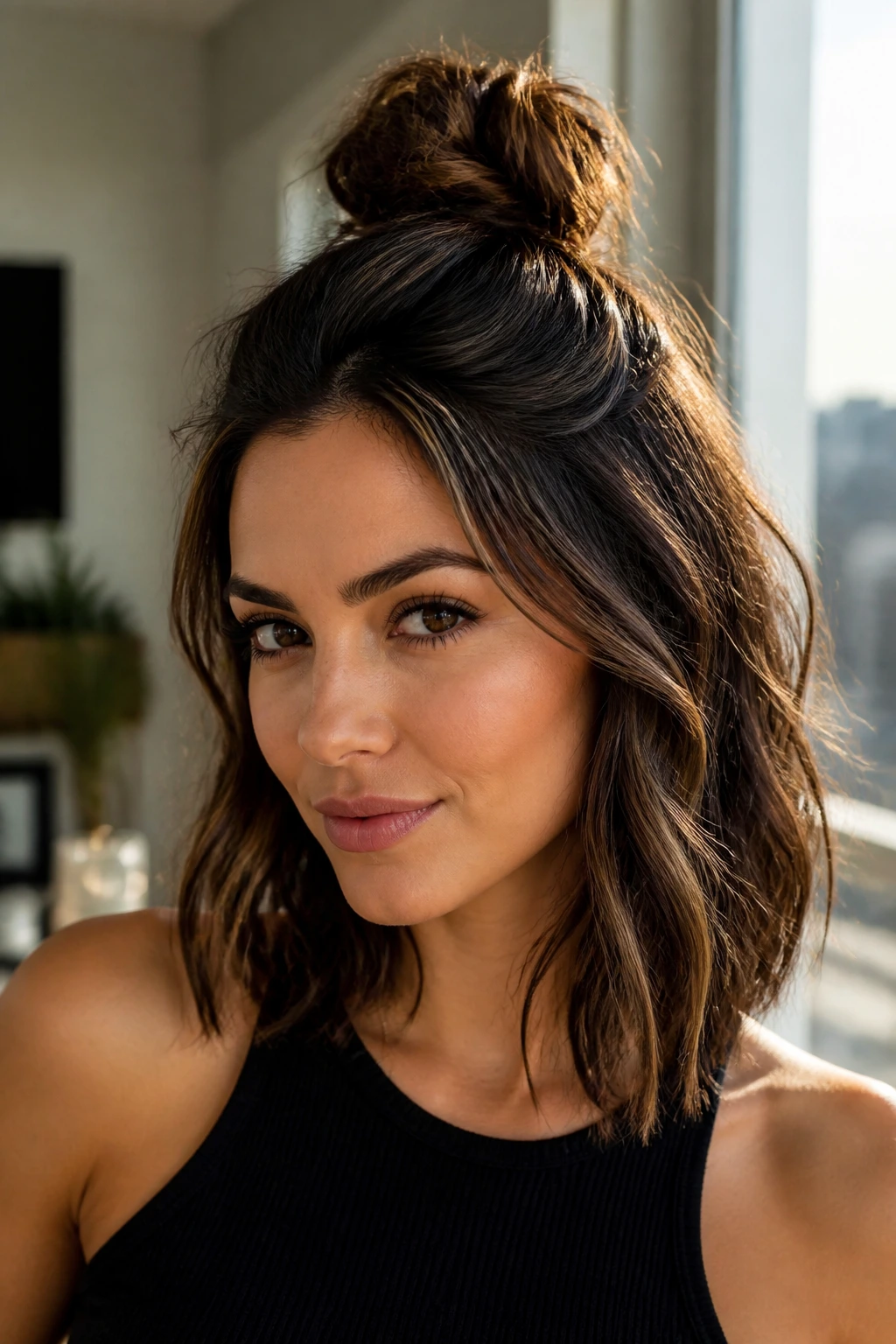
If you are a fan of putting your hair up, consider a bob that is long enough to pull into a high half-up top-knot. This style looks incredibly chic on those with thick hair because the density of the hair makes the top-knot look full and intentional, not thin or sparse.
Styling the Half-Up Look
Pull the top section of your hair up and leave the rest down. This keeps your face clear of hair, which is a major comfort benefit for those with thick manes. By leaving the bottom half down, you retain the length and the frame, but the weight of your hair is split between the knot and your shoulders.
Why It’s a Great Choice
- It is a versatile look that transitions easily from the gym to a dinner out.
- It highlights the thickness of your hair in a positive, stylish way.
- You can experiment with different hair ties or decorative clips to match your outfit.
17. The Asymmetrical Lob
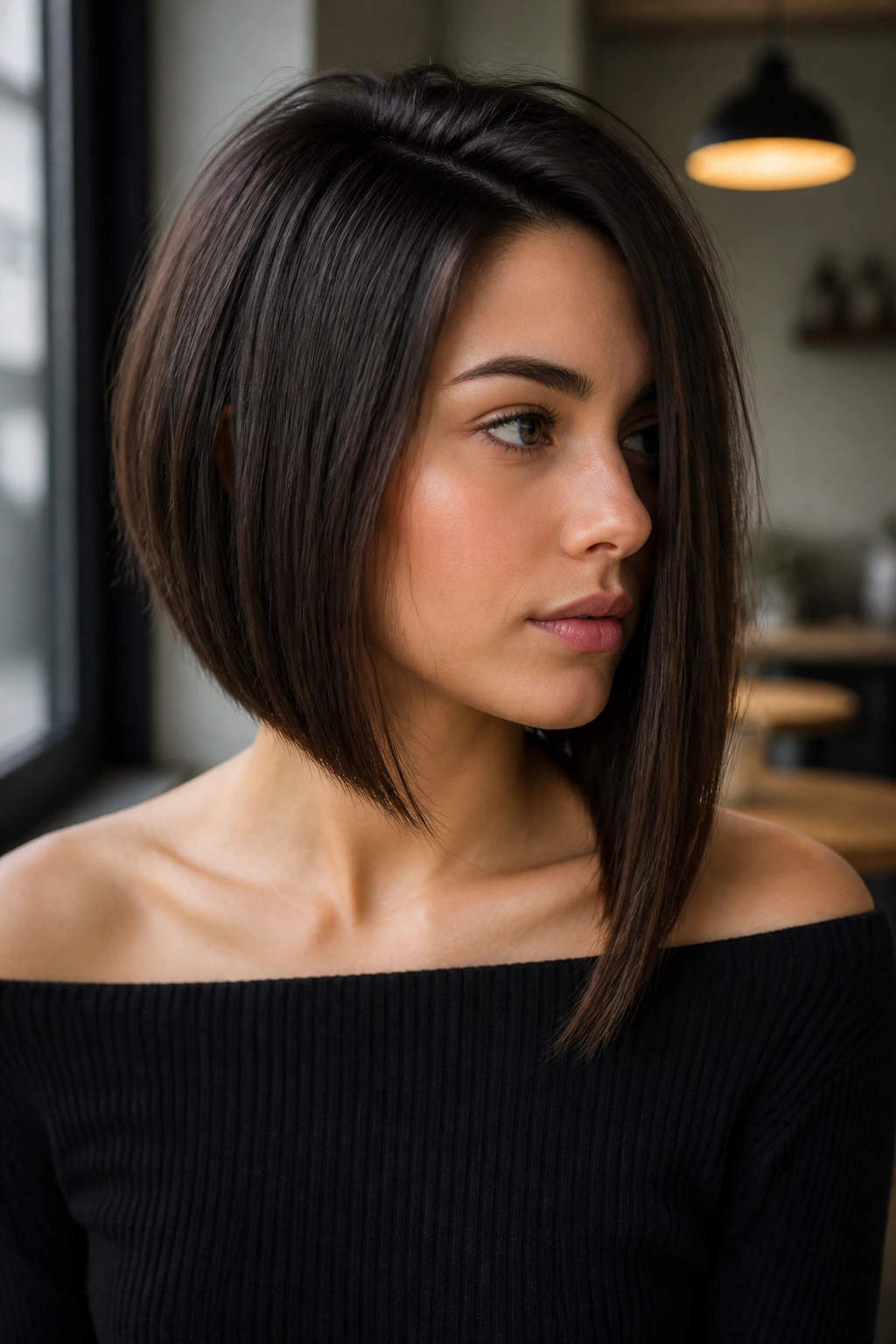
An asymmetrical bob is longer on one side than the other, which creates an interesting, dynamic look. For thick hair, the asymmetry helps disrupt the horizontal volume, as the eye is drawn to the difference in length rather than the width of the hair.
The Visual Distraction
When you have a uniform cut, the eyes notice the volume of the hair immediately. With an asymmetrical cut, the eyes focus on the angle and the contrast of the two sides. It is a subtle visual trick that makes your hair appear less “dense” and more “designed.”
Daily Styling
- You don’t need much; a quick blow-dry and a bit of shine serum are enough.
- Ensure the longer side is trimmed more often to keep the angle sharp.
- This is a fantastic option if you want to try something modern and distinct.
18. The Long-Layered Cut With Face-Framing Curtains
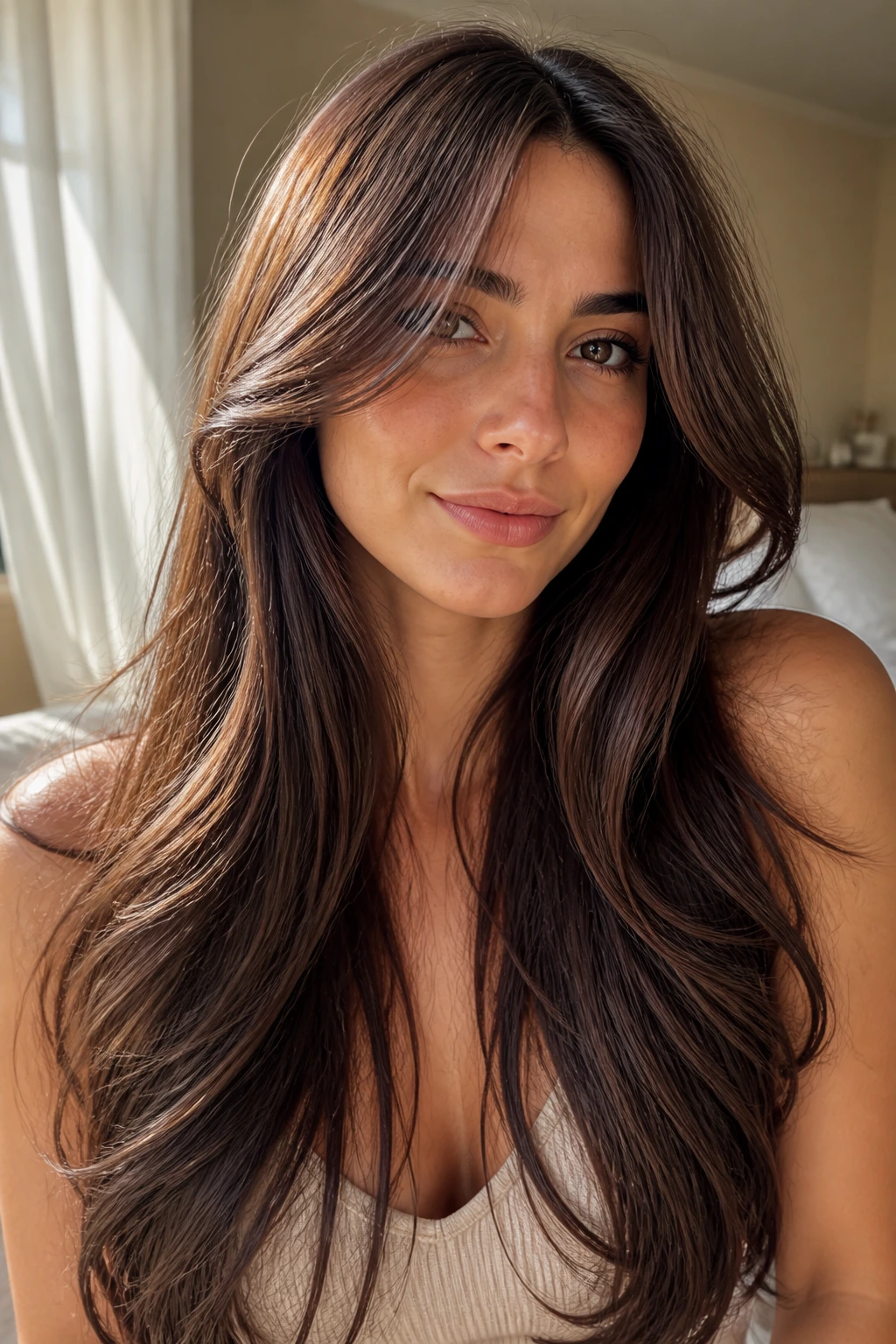
For those who are absolutely committed to long hair, the best approach is to keep the back uniform—or just very lightly layered—and focus all your weight-reduction efforts on the face-framing sections. This gives you the long, luscious mane you love while keeping your face feeling light and refreshed.
Maximizing Your Length
You can maintain your length without it feeling like a burden. By creating long curtain bangs and layers that start around the mid-chest, you remove the hair that usually gets in your mouth, your eyes, and creates the “heavy” feeling around your neck.
Keeping It Healthy
- Use a deep conditioner once a week to protect the long strands.
- Invest in a high-quality, wide-tooth comb for daily detangling.
- Remember that long, thick hair requires patience during the drying phase; use a microfiber towel to cut down on time.
Final Thoughts
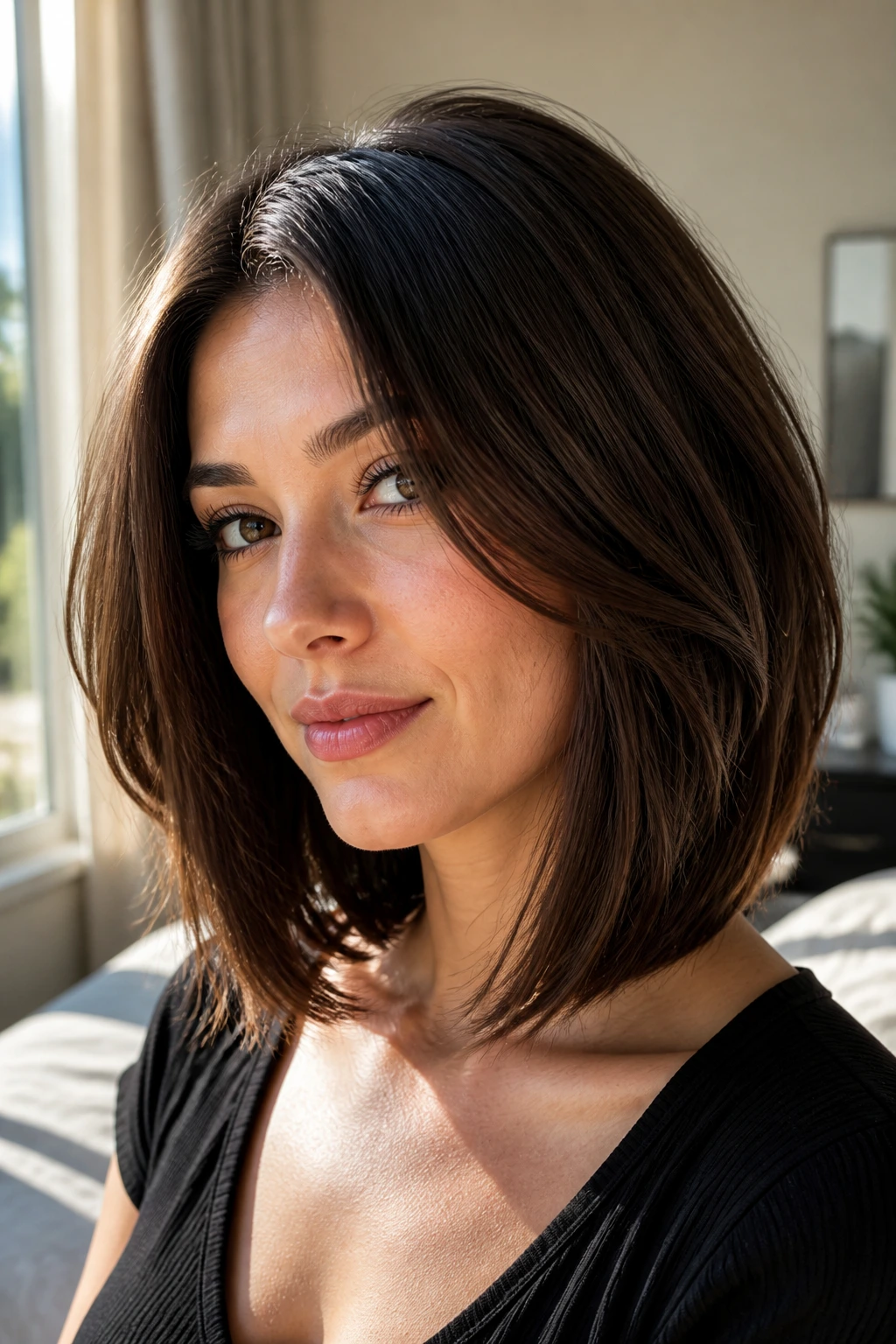
Managing thick hair comes down to choosing cuts that embrace density rather than fighting it. You want styles that distribute volume where it looks good and remove weight where it feels uncomfortable. Whether you choose the sharp precision of an A-line bob or the lived-in texture of a long shag, the goal is always to make your hair work for you.
Remember that your stylist is your greatest ally in this process. Do not be afraid to ask for specific weight-removal techniques like point cutting, razoring, or invisible layers. Bringing in a reference photo that shows the shape you want is helpful, but explaining how you want the hair to feel—lighter, flatter, more manageable—is even better.
Ultimately, the best style is the one that makes you feel confident and saves you time in the morning. Thick hair is a beautiful, abundant resource. With the right cut, you stop seeing it as something to tame and start seeing it as something to celebrate. Experiment with a few of these styles, talk to a professional who understands hair density, and find the look that lets your natural volume shine.