


The versatility of a 28-inch long curly wig is nothing short of transformative. When you want that cascading, waist-length volume without the years of patience required for natural hair growth, a high-quality unit becomes your best friend. Choosing the right piece is about more than just length; it is about finding a texture that mimics your own coil pattern—or the one you aspire to achieve—while maintaining a natural-looking density.
Investing in 28 inches of hair is a significant commitment. You are managing a substantial amount of fiber, whether it is premium human hair or advanced heat-resistant synthetic blends. This length creates a dramatic silhouette that commands attention, but it also demands a specific set of maintenance habits to keep the curls from tangling into a matted nest. From the initial detangling process to the nightly wrap, how you treat these long spirals determines whether your wig looks like a red-carpet accessory or a synthetic headache by the end of the second week.
Understanding Curl Patterns and Texture Match
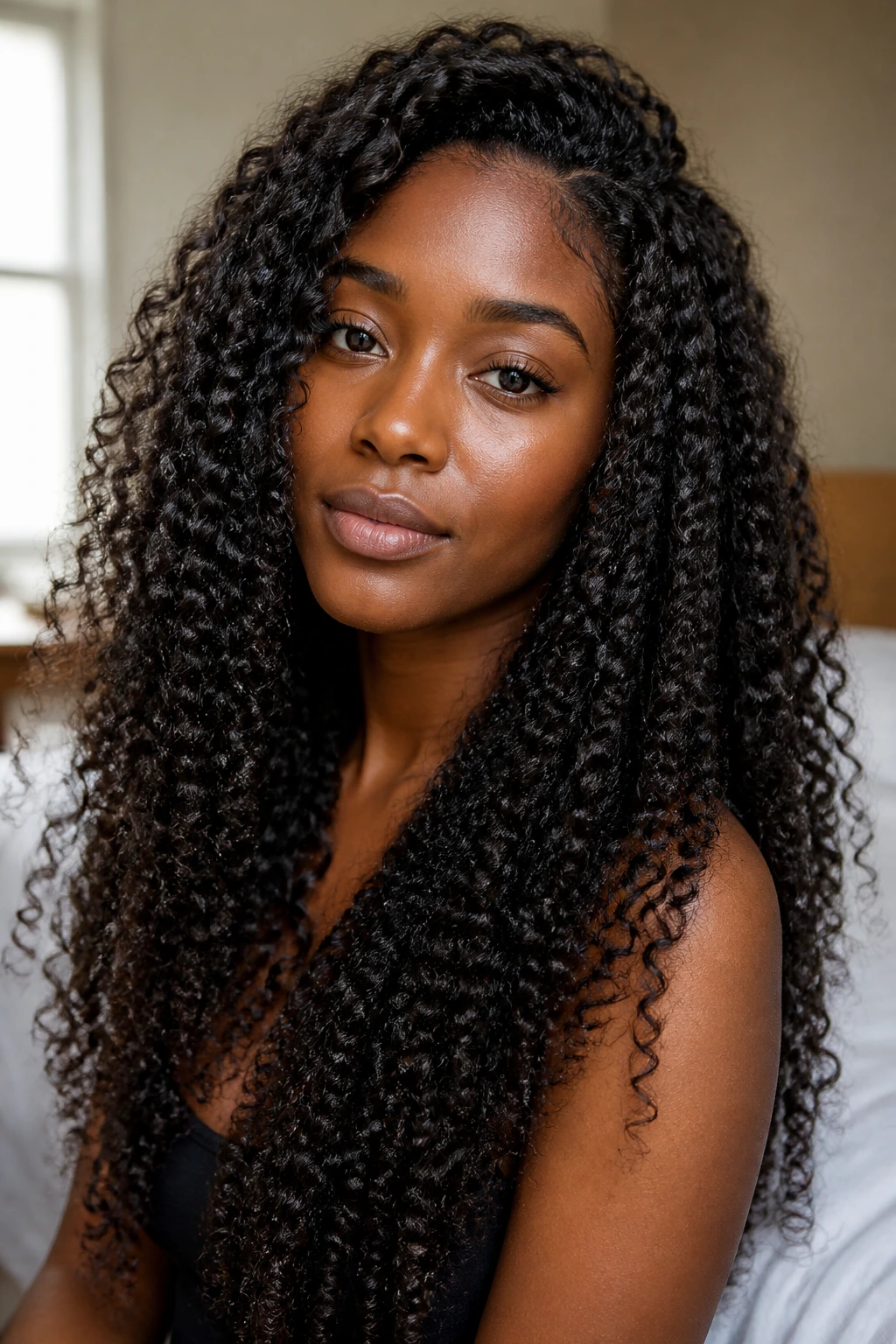
Not all curly textures are created equal, and selecting the right pattern is the primary factor in how natural your wig appears. For those with 3C, 4A, or 4C natural hair, finding a wig that mirrors your unique curl tightness is essential. A 28-inch unit with a loose, watery wave will behave very differently than a tight, springy coil.
If you are aiming for a seamless blend, look for textures described as “deep wave,” “kinky curly,” or “coily.” These patterns generally offer the volume and bounce that align well with natural hair textures. A 28-inch deep wave unit will naturally have more weight to it, which helps pull the curls down, creating a sleek, elongated look. Conversely, a tight, kinky coil texture will appear much fuller and wider, consuming more of your visual space.
Why Texture Matters for Longevity
Curls are inherently prone to friction. A tighter coil creates more surface area for strands to rub against one another, which can lead to frizz if the hair isn’t properly moisturized. When you select a 28-inch length, you are dealing with a significant amount of hair that will naturally brush against your shoulders, back, and clothing. Choosing a texture that is slightly less “tight” than your natural hair can sometimes make the 28-inch length easier to manage, as the strands slide past each other more easily.
- Deep Wave: Offers a consistent, pattern-heavy look that holds shine well.
- Kinky Curly: Mimics the high-volume look of natural 4C hair; requires more hydration.
- Water Wave: Provides a soft, romantic finish that is less prone to tangling.
The Importance of Density in Long Units
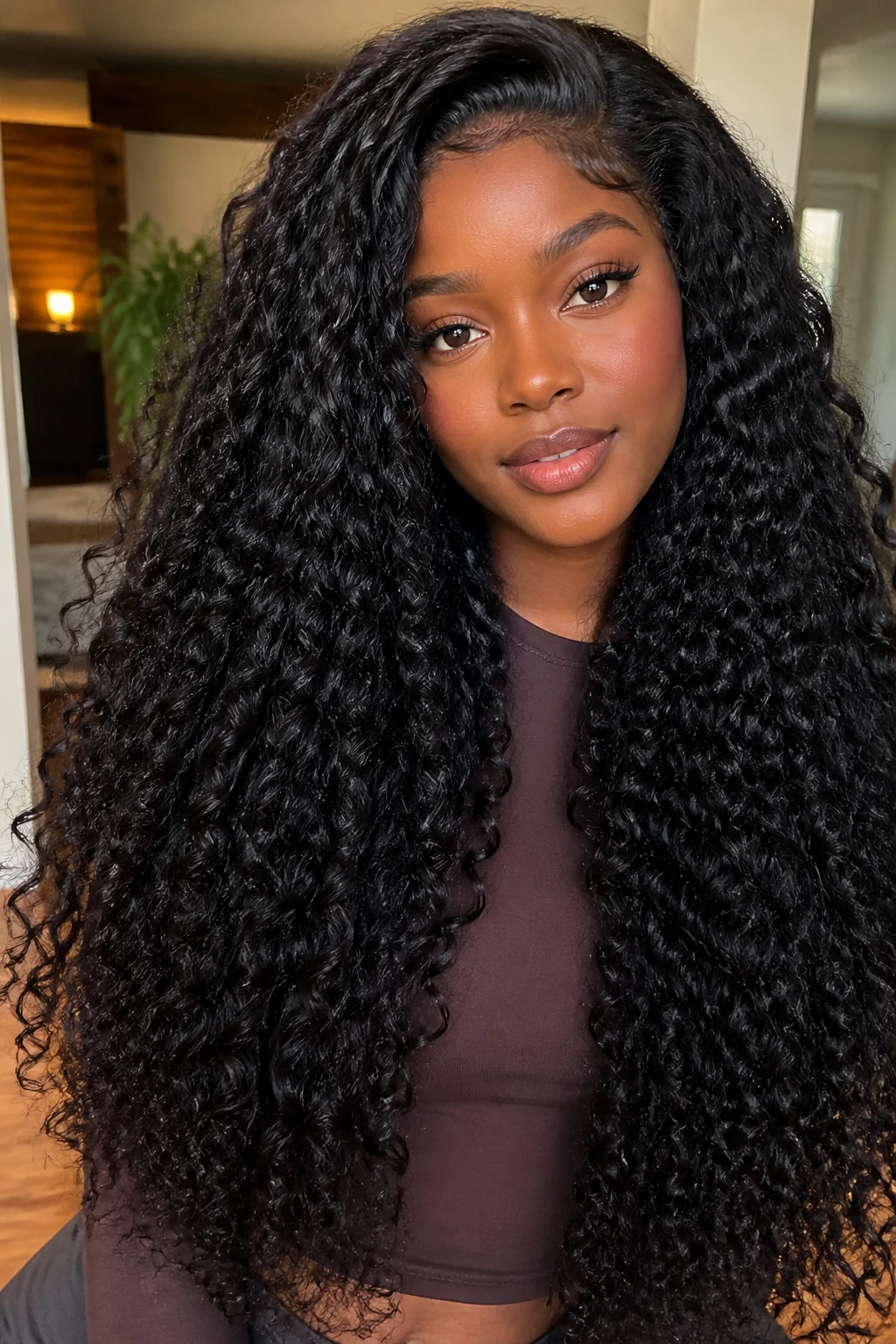
When you move to a 28-inch length, density becomes your most important variable. Density refers to how thick the hair is on the cap. A common mistake is choosing a low-density wig for a very long length. At 28 inches, a low-density unit will look thin and stringy at the ends, which is a dead giveaway that you are wearing a wig.
You want to aim for a density of at least 150% to 180% for a long curly style. This ensures that the hair looks full from the root to those long, flowing tips. If the density is too high, however, the wig can become heavy and uncomfortable to wear for long periods. Finding that middle ground—where the hair is thick enough to cover the tracks but light enough to breathe—is the key to a realistic, high-quality look.
Lace Front vs. Full Lace for 28-Inch Styles
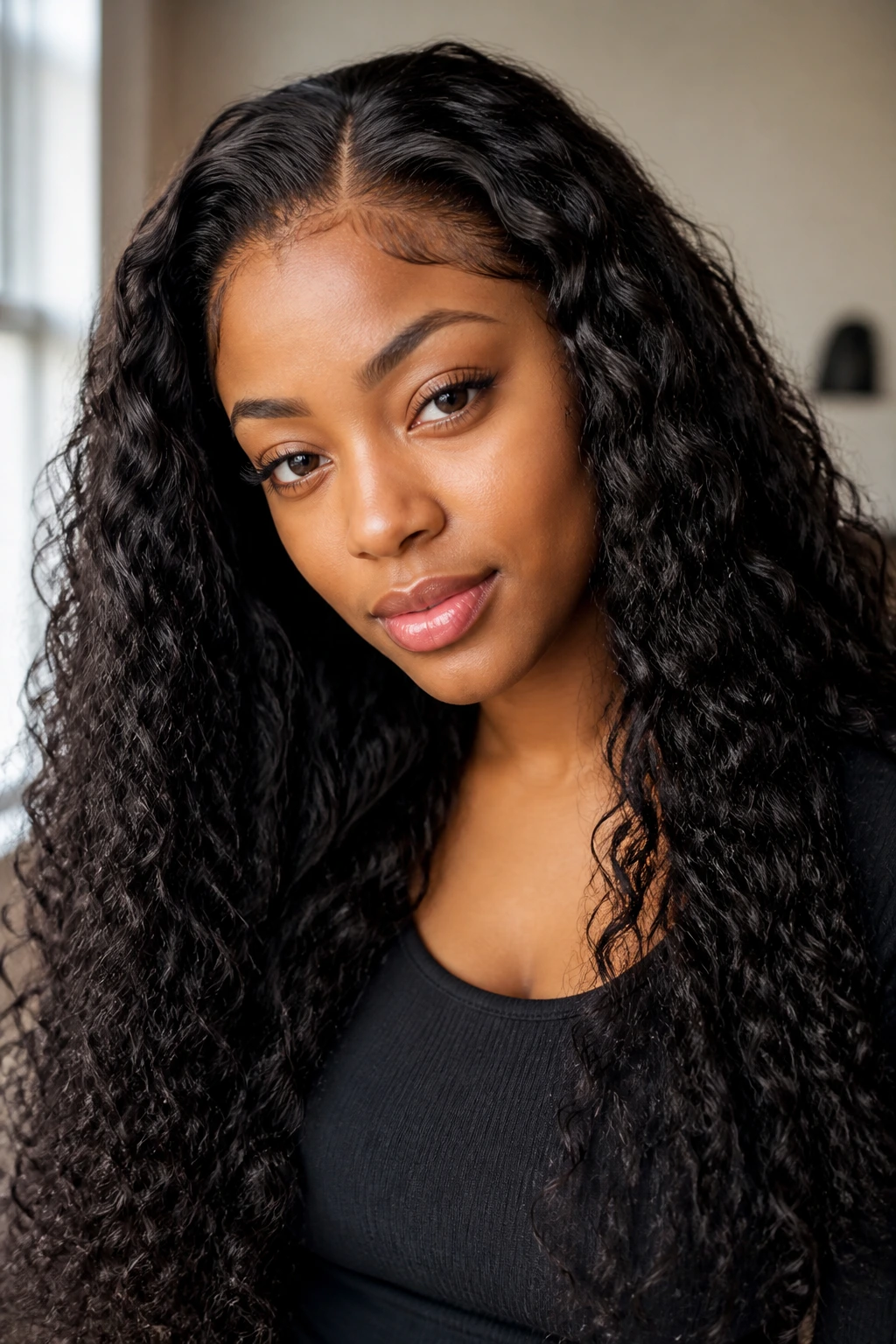
The construction of the cap defines how the hair sits on your scalp. For a style as long and dramatic as 28 inches, you have two primary options: lace front or full lace. A lace front wig gives you a natural-looking hairline, which is vital for any style where you might want to pull the hair back or have it falling across your forehead.
Full lace wigs, on the other hand, offer the ultimate freedom in parting. If you love changing your part—going from center to side to messy—full lace is the way to go. However, a 28-inch full lace wig is a significant investment. You are paying for hand-tied hair across the entire crown. If you primarily wear your hair parted in one specific spot, a 13×4 or 13×6 lace front wig provides the same look for less, with all the necessary coverage where it counts.
Preparing Your Natural Hair for a Long Unit
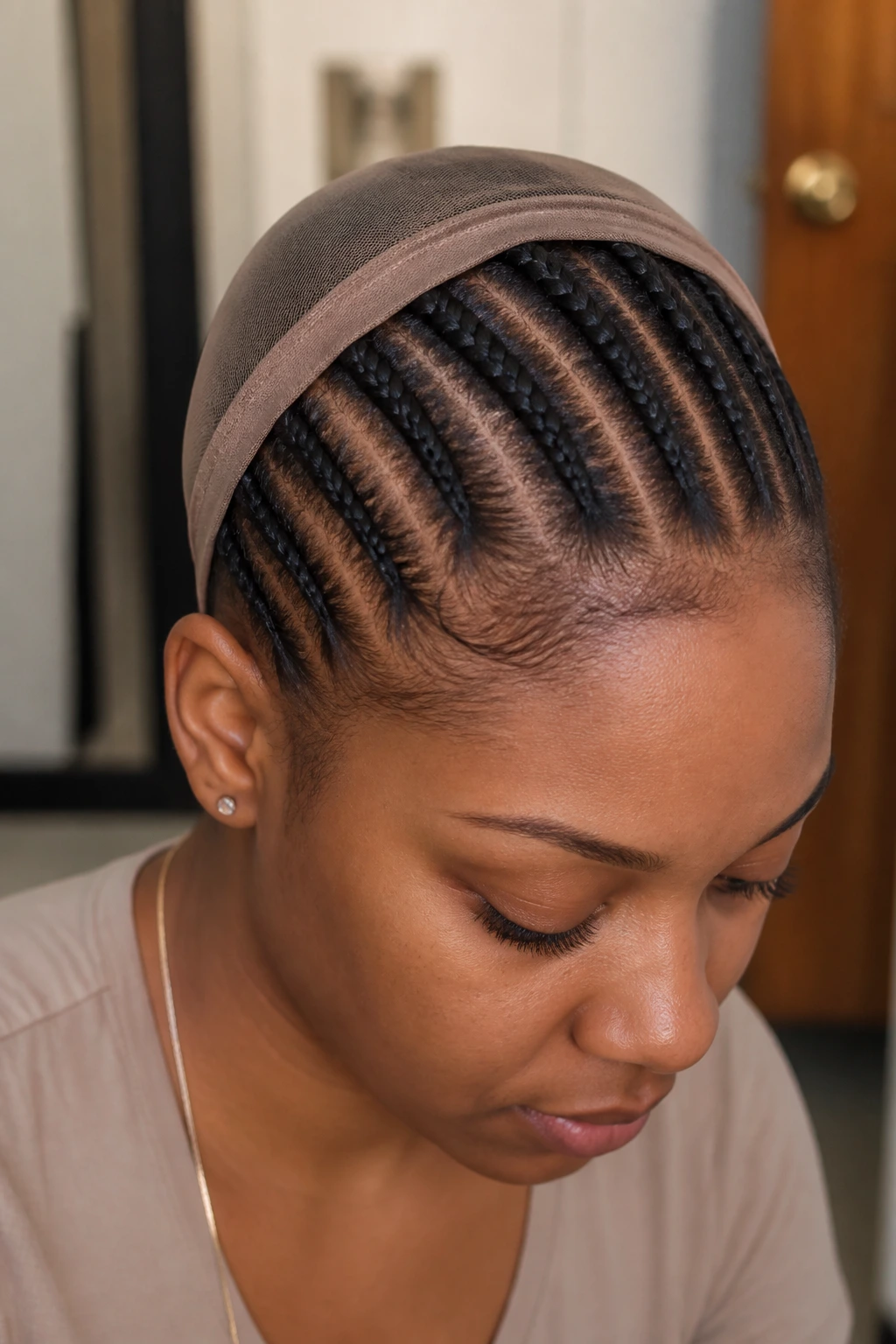
Before the wig goes on, your base must be secure. Putting a 28-inch wig over a lumpy, uneven braid pattern will result in an unnatural, bulky shape that ruins the flow of the curls. You need a flat, tight foundation. Small, neat cornrows are the standard approach. Ensure your braids are tucked away and that your edges are protected with a light serum or moisturizer before you secure the wig cap.
If you have a lot of natural hair, you might be tempted to just pull it back into a low ponytail. Do not do this. A ponytail creates a bump at the nape of your neck, which will cause your 28-inch wig to sit awkwardly and potentially slide off. Take the time to braid your hair back securely. This creates a smooth surface that allows the wig to lay flat against your head, making it look as though the hair is growing directly from your scalp.
Essential Detangling Techniques for Long Curls
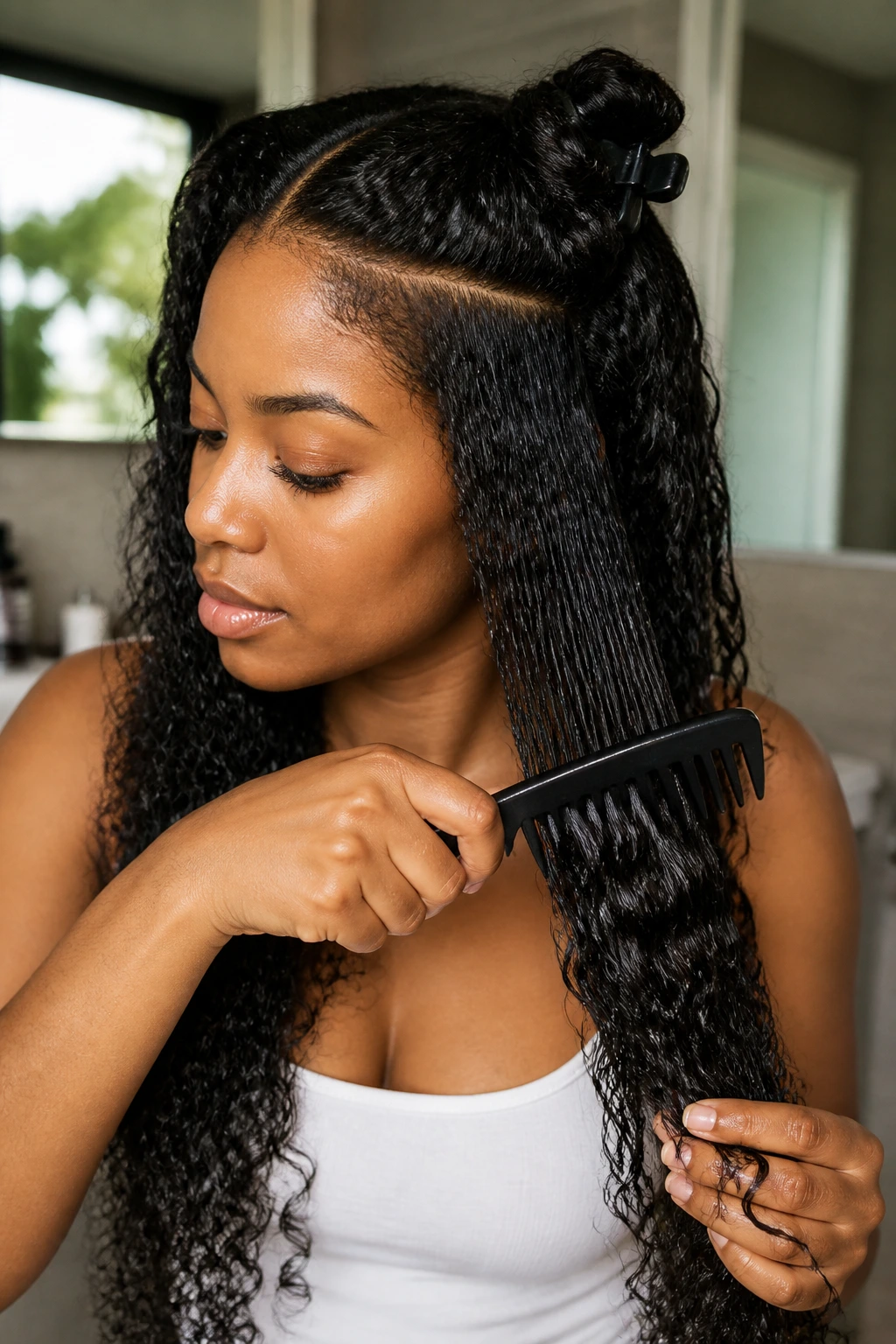
Detangling 28 inches of curly hair is an art form. You cannot use a standard brush on this length. If you try to force a brush through from the roots to the ends, you will snap the curls, create excessive shedding, and destroy the pattern. You must work in sections. Divide the hair into at least four quadrants.
Start at the very bottom of the hair. Use a wide-tooth comb or your fingers to gently work out the knots at the ends first. Only once the bottom is completely smooth do you move up to the mid-lengths. Never start at the top. When you pull a tangle downward, you are only making it tighter. Patience here is your best tool. If you feel resistance, stop, apply a little water or curl-detangling spray, and keep working slowly until the comb glides through.
The Role of Water and Product Selection

Curly wigs love moisture, but they hate heavy buildup. Because this hair does not receive the natural oils from your scalp, you have to provide that moisture yourself. However, if you use heavy, oil-based products, your 28-inch unit will become greasy, heavy, and stringy within two days. Use lightweight, water-based leave-in conditioners.
A spray bottle filled with a mix of distilled water and a tiny bit of conditioner is your go-to tool. Spritzing the hair throughout the day helps bring the curls back to life after they have been exposed to the air. Avoid products containing sulfates or heavy waxes. These ingredients will dry the hair out over time and cause the beautiful, bouncy curls to turn into a frizzy, tangled mess that no amount of combing can fix.
Managing the Nightly Routine
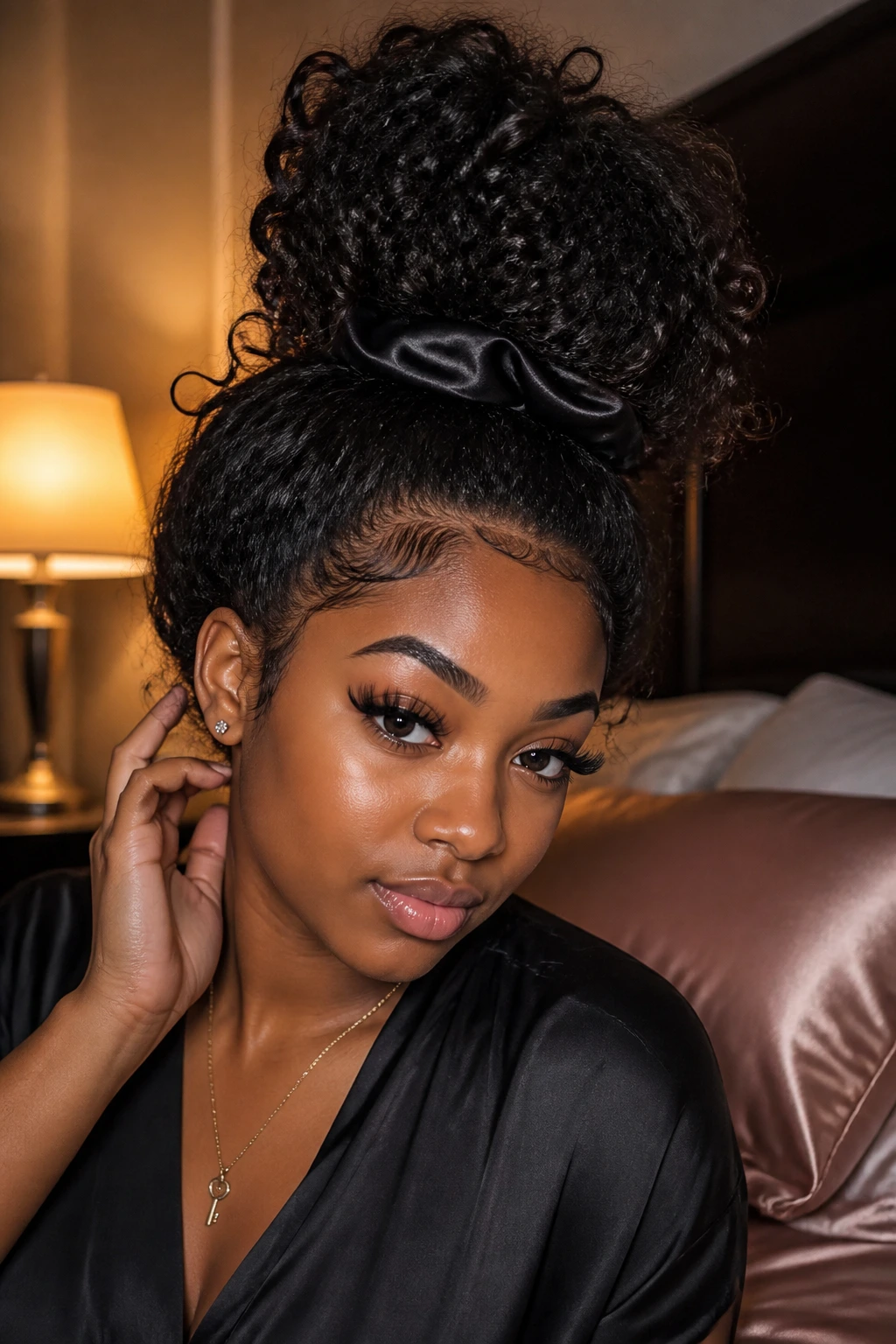
You cannot simply take off your 28-inch wig and toss it on the dresser. If you do, you will wake up to a landscape of knots that will take you an hour to undo. For long curly units, the “pineapple” method or a loose, high braid is essential. Gather the hair loosely at the top of your head and secure it with a satin scrunchie.
Do not pull it tight. You are just trying to keep the curls from being crushed while you sleep. Alternatively, if you want to keep the curls defined, you can braid the hair into two loose, low plaits before bed. Always, always wear a satin bonnet or use a satin pillowcase. Cotton pillowcases are the enemy of curly hair; they suck the moisture out of the fibers and create the friction that leads to breakage and tangling.
Drying Methods for Maximum Volume
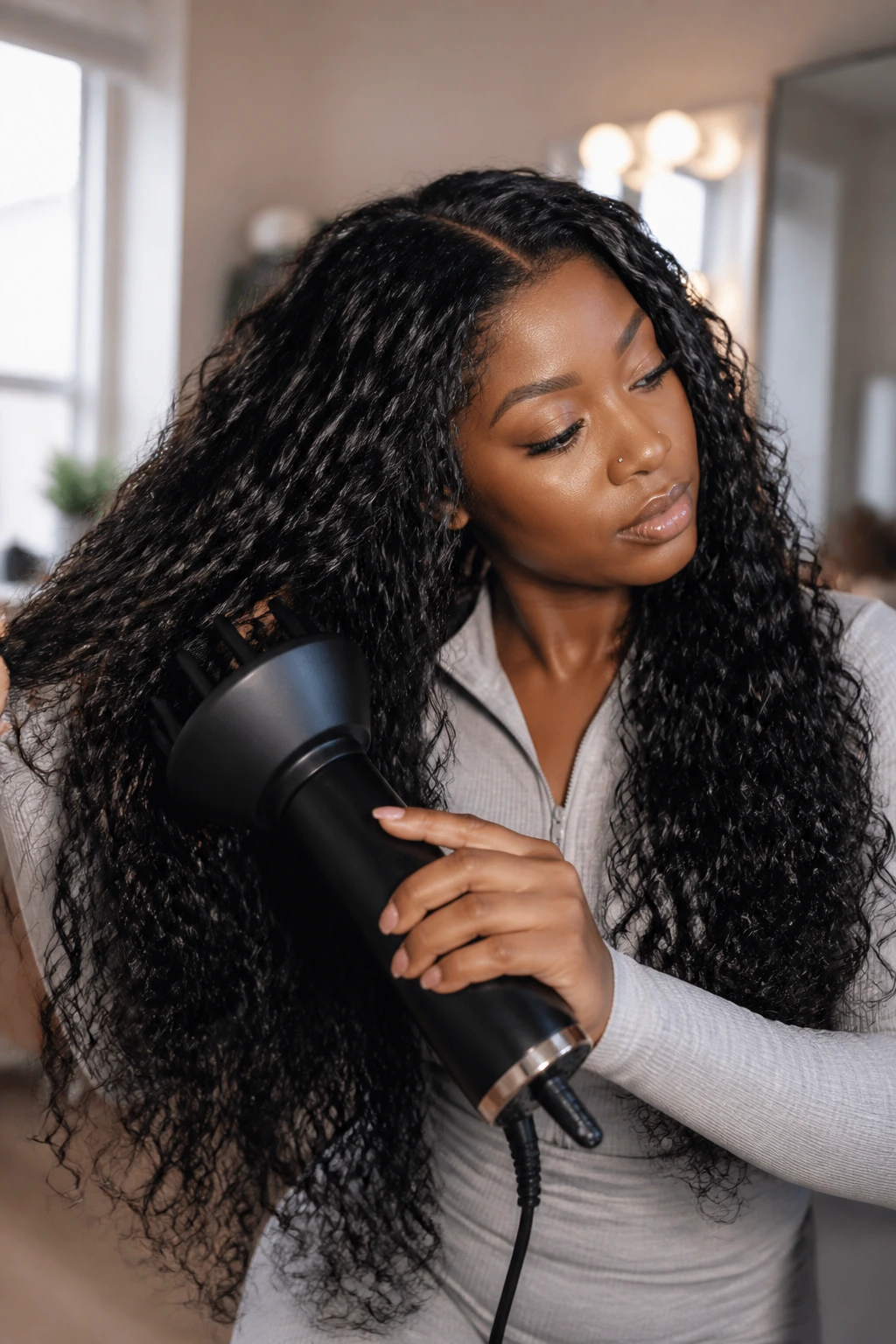
How you dry your hair dictates the final silhouette of your style. For a big, voluminous look, allow the wig to air dry on a mannequin head. Do not lay it flat on a towel. Hanging or placing it on a stand allows air to circulate around the curls, preventing them from going flat or getting moldy.
If you are in a rush and need to use a blow dryer, you must use a diffuser attachment. A regular nozzle will blast the curls straight, ruining the pattern and causing massive frizz. Keep the dryer on a cool or low-heat setting. The heat is meant to set the style, not cook the fibers. By using a diffuser, you encourage the curls to spring up and define themselves, giving you that salon-fresh bounce.
Styling Without Heat Damage
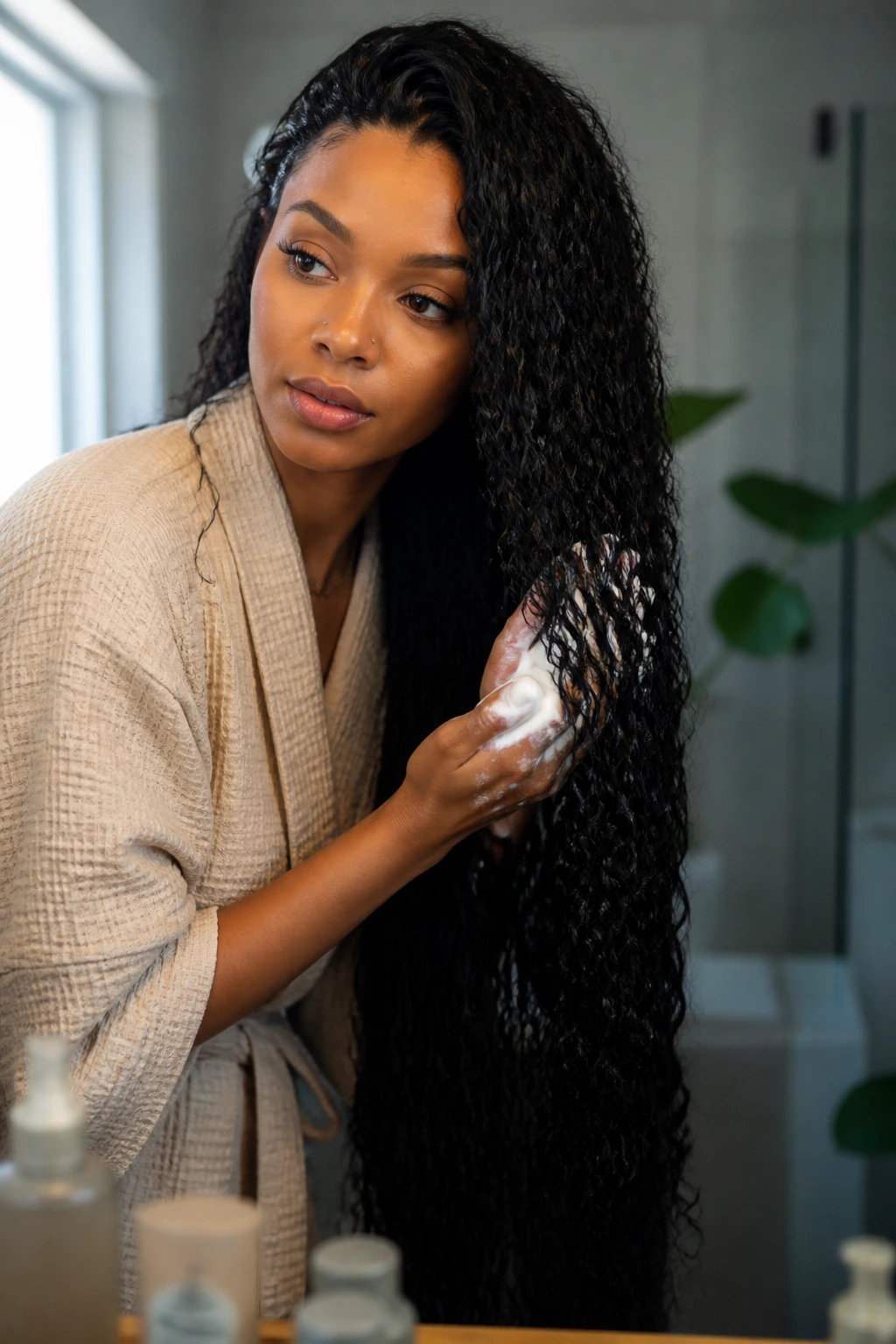
Synthetic and even human hair units can suffer from heat damage. With 28-inch lengths, it is easy to want to use a curling iron to “touch up” the ends, but resist this urge. Constant heat will cause the ends of your wig to become brittle and eventually frayed. If you notice the curls losing their shape, try a “refresh” technique instead of a heat tool.
Mix a little water and a curl-defining mousse in your palm and gently “scrunch” the product into the damp hair. This technique encourages the curls to clump back together into their original pattern without ever touching a hot iron. If you absolutely must use heat, always apply a high-quality heat protectant spray first and keep your tool at the lowest possible temperature.
Customizing the Hairline for Realism
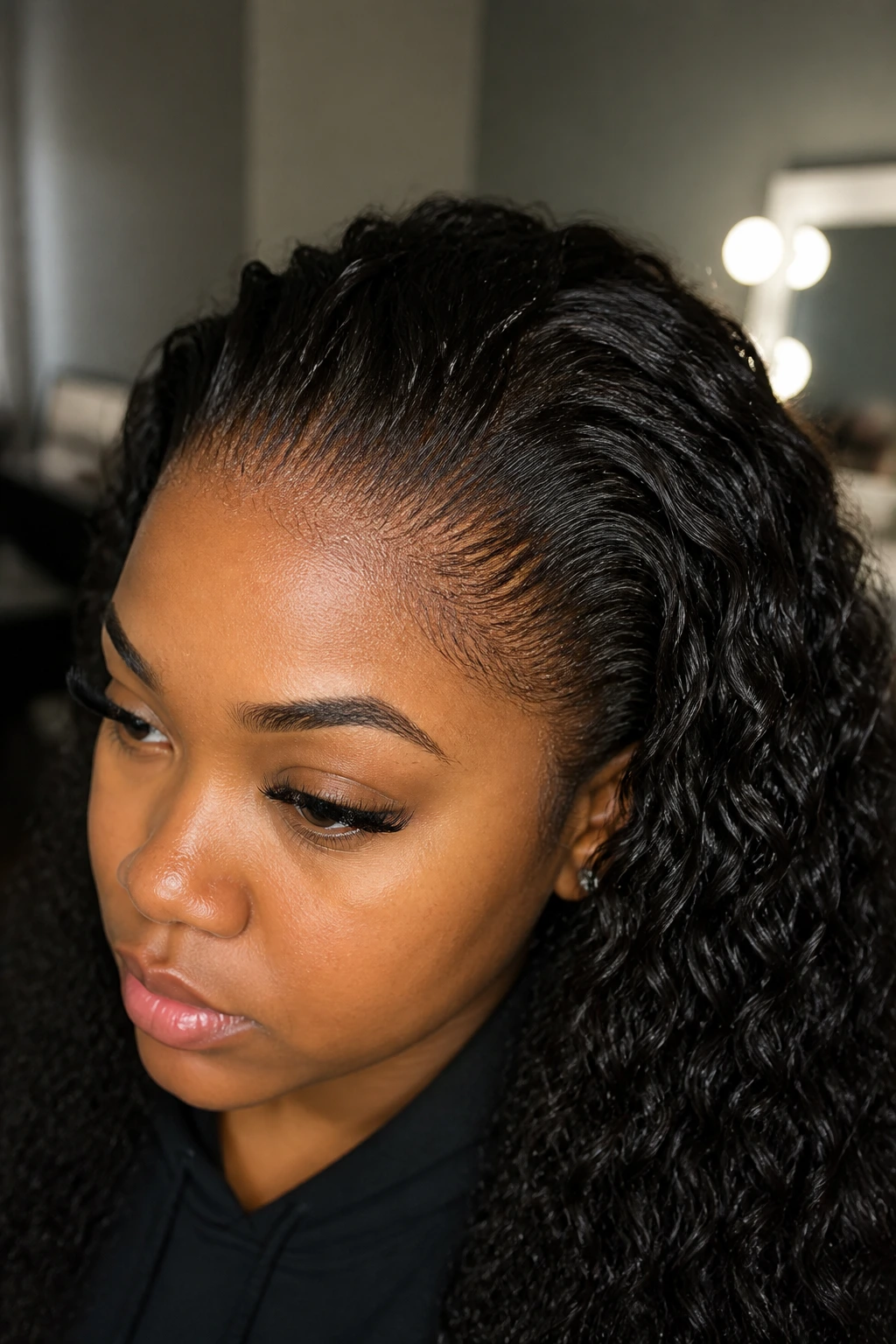
The difference between a wig that looks like a wig and a wig that looks like your hair often comes down to the hairline. Even a 28-inch masterpiece will look fake if the hairline is blunt and dense. Take a pair of tweezers and gently pluck a few hairs along the front.
You are aiming for a graduated effect—the hair should be thinner at the very front and gradually get denser as it moves back. This mimics the natural growth pattern of human hair. Be very careful. You can always pluck more later, but you cannot put the hair back once it is removed. Start with a small amount, step back, and check the look in the mirror before proceeding.
Storage Tips to Maintain the Curl Pattern
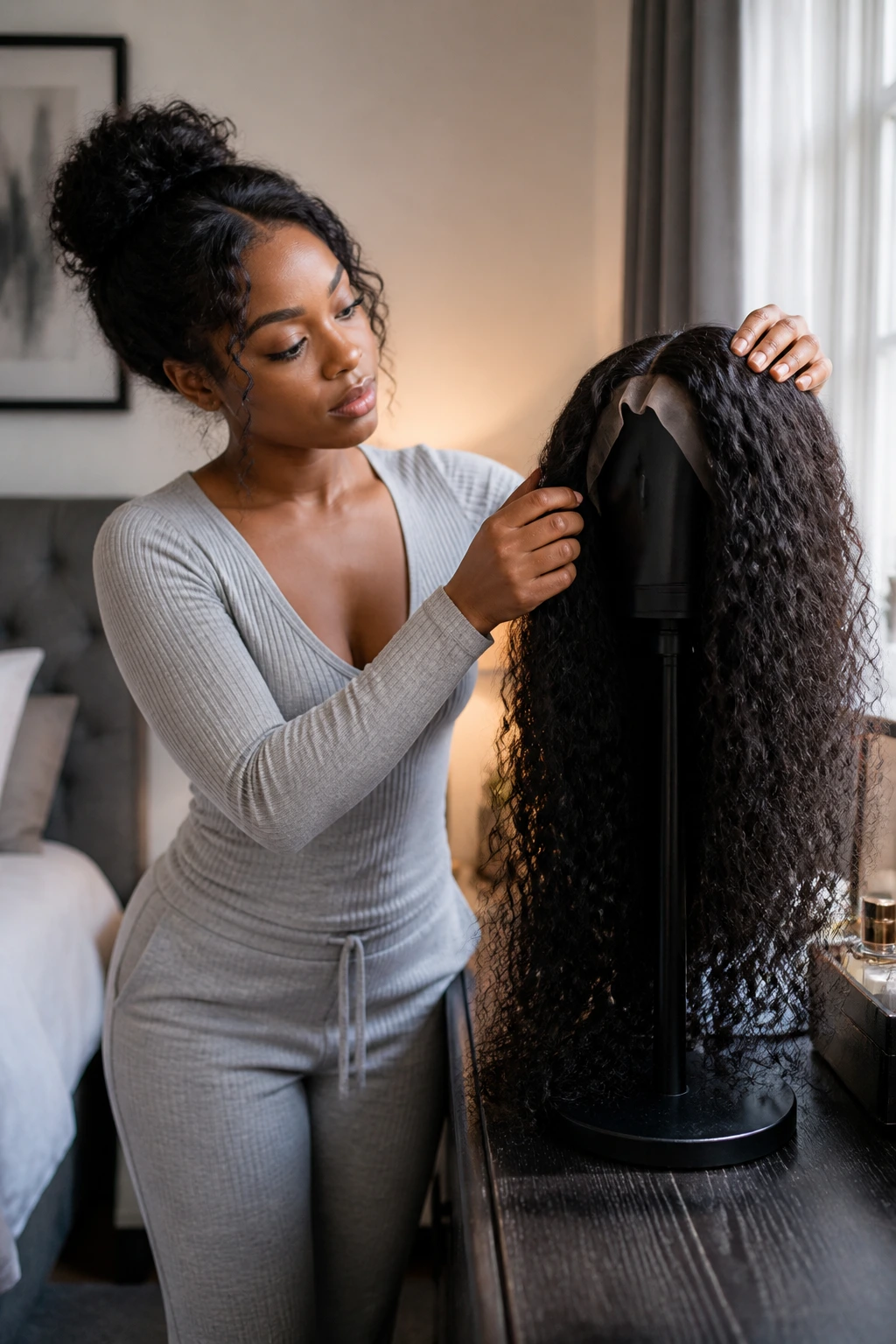
When you are not wearing your 28-inch beauty, it needs a dedicated home. Never keep it folded in a drawer. The weight of the 28-inch hair will cause it to flatten and kink if stored improperly. Invest in a sturdy wig stand or a mannequin head.
Before storing, give the hair a light misting of water and ensure it is free of tangles. Place the wig on the stand, making sure it isn’t brushing against a wall or any other furniture that could cause friction. If you are not going to wear the unit for a while, cover it with a silk or satin scarf. This keeps dust off the curls and prevents the fibers from drying out in the open air.
Dealing with Tangling and Matting at the Nape
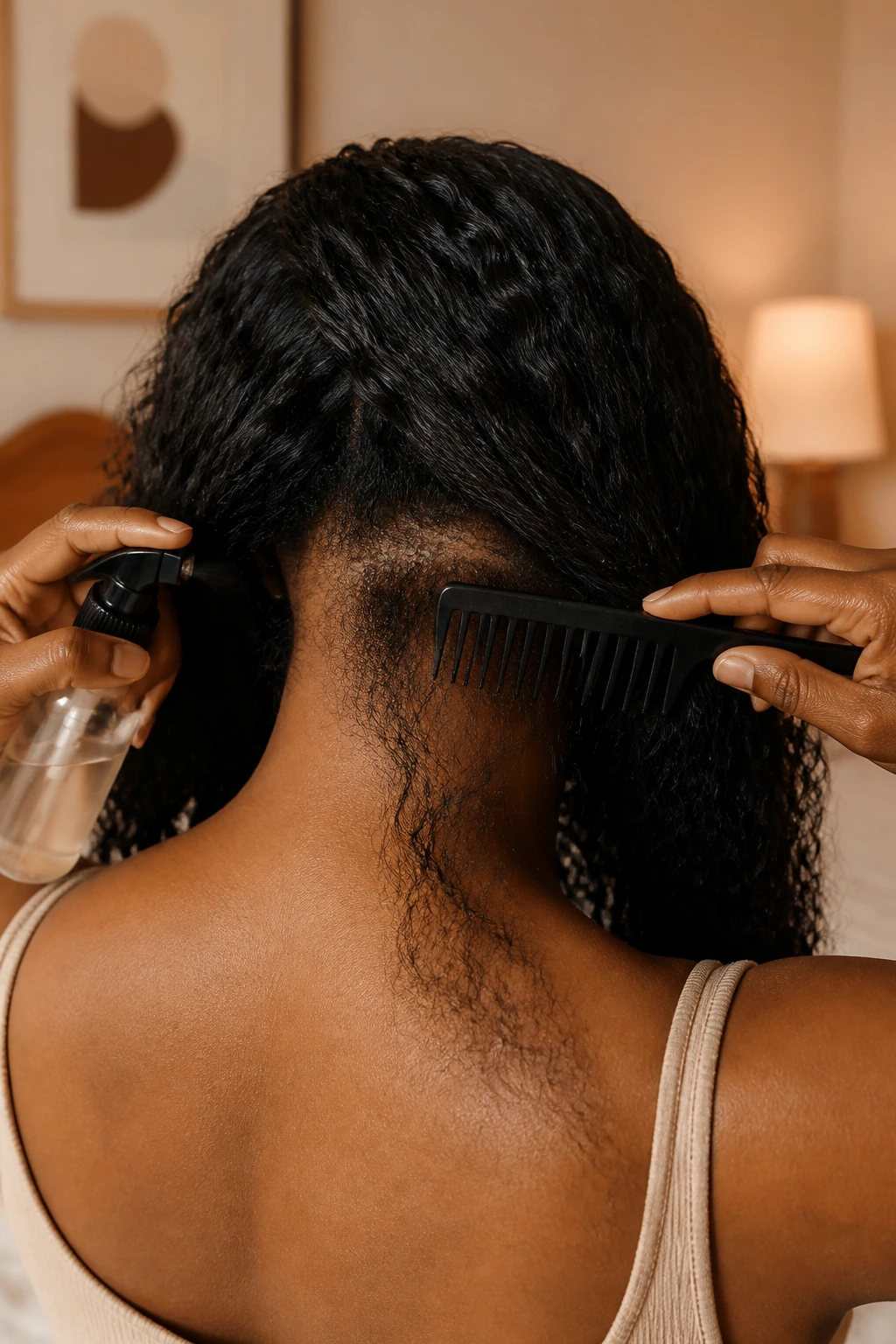
The nape of the neck is the “danger zone” for long wigs. Because your hair rubs against the back of your clothes, sweaters, and scarves, the hair at the nape of the neck is almost guaranteed to tangle faster than the rest of the unit. You need to be proactive here. Every time you take the wig off, check the nape.
If you find small knots forming, deal with them immediately. Use a detangling spray and a wide-tooth comb. If the tangling becomes severe, it may be time to trim the very ends of the nape area. A slight trim can prevent a small knot from turning into a massive mat that requires you to cut out a chunk of hair. Keeping this area tidy is the secret to making a 28-inch wig last for many months.
When to Seek Professional Maintenance
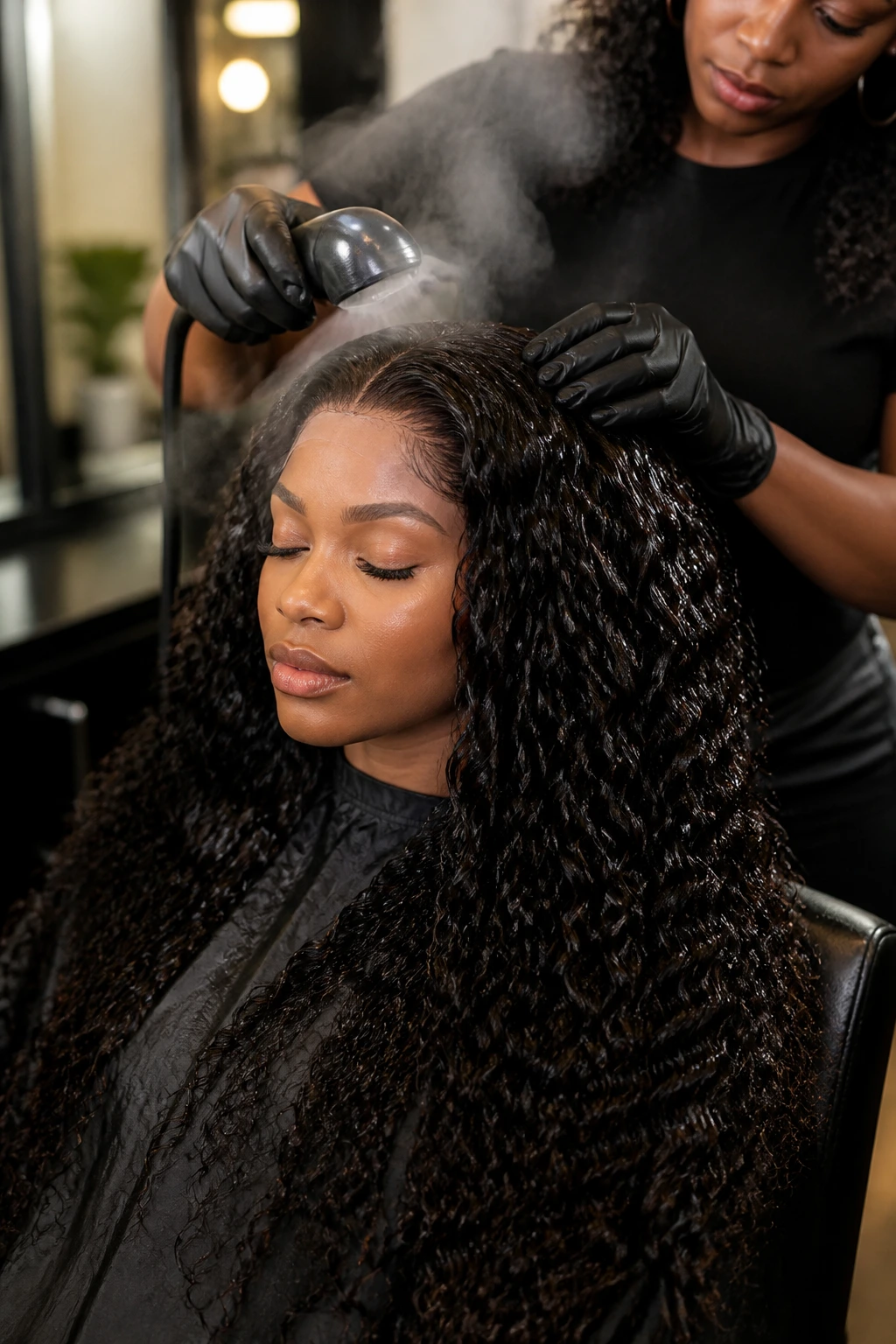
There comes a time when even the most careful owner needs a professional. If you have been wearing your 28-inch unit for several months and the curls are losing their definition despite your best efforts, consider taking it to a professional wig stylist. They have access to professional-grade steam treatments that can “re-set” the curl pattern of human hair wigs.
A professional can also deep-condition the hair, remove the buildup that you might have missed, and trim the ends to keep them looking fresh. While you can do a lot of the maintenance at home, a deep professional treatment twice a year can double the lifespan of your unit. It is an investment, but for a 28-inch style that you love, it is worth every penny to keep it looking pristine.
Final Thoughts
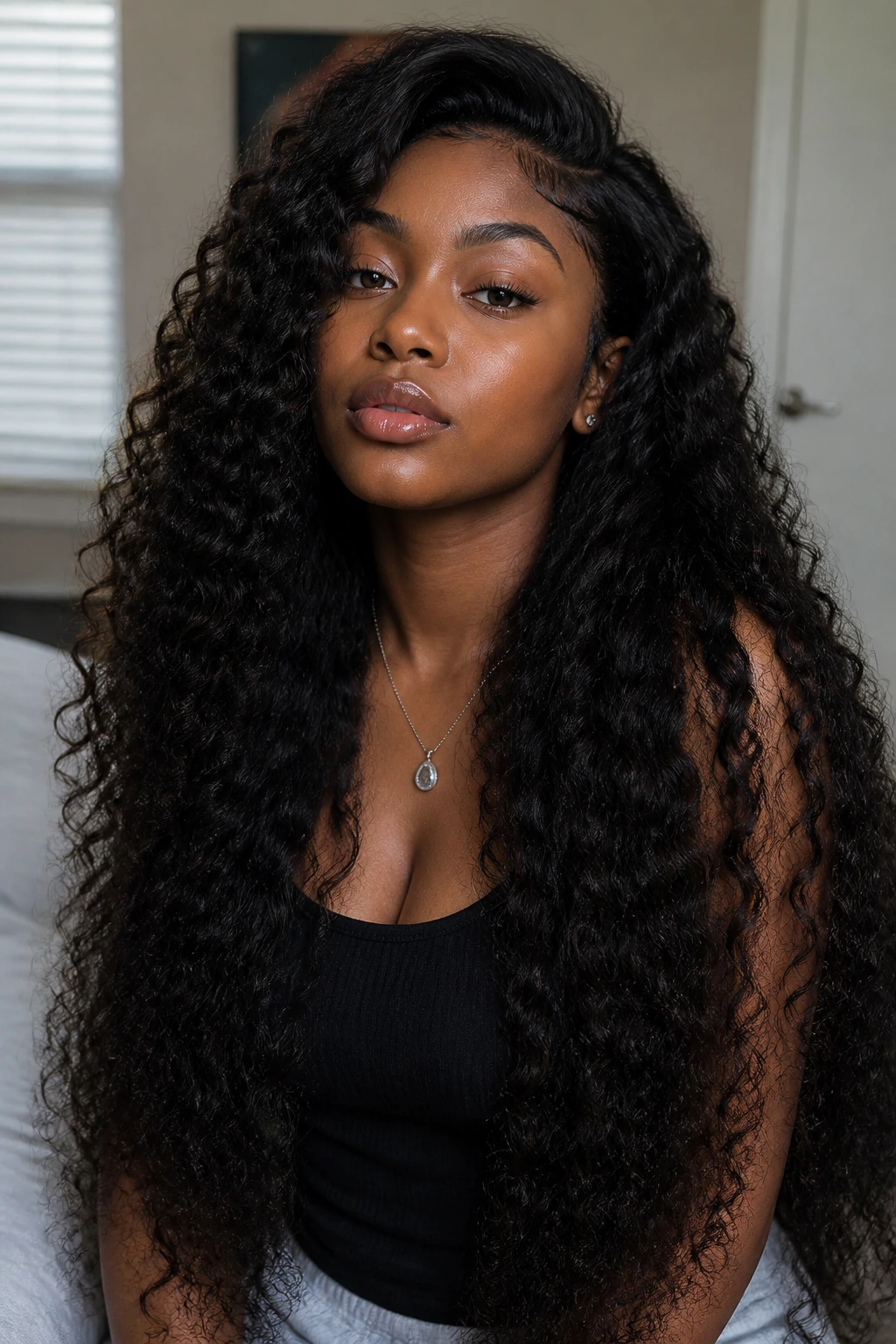
Wearing a 28-inch curly wig is about owning your space and embracing a bold, beautiful look. It requires more effort than a short bob, but the payoff—that feeling of long, healthy, bouncing curls—is unmatched. By focusing on gentle detangling, proper moisture, and careful storage, you ensure that your hair remains a versatile tool in your styling arsenal. Treat your wig with the same care you would treat your own hair, and it will continue to provide that signature look whenever you need it.