

Fine hair often gets a bad reputation in the salon world. Clients walk in carrying magazine clippings of voluminous, cascading waves, only to be told their hair simply lacks the diameter to support those styles. But the secret to transforming thin, limp locks isn’t forcing them to act like thick hair; it is embracing a cut that prioritizes texture and movement over sheer volume. The choppy bob is the undisputed champion of this aesthetic shift. By strategically removing weight and creating deliberate, jagged edges, you create the illusion of density where there wasn’t any before.
You don’t need a head full of heavy strands to make a statement. A well-executed choppy bob leverages your hair’s natural texture—even if it is pin-straight or slightly wispy—to create an edgy, intentional look. It is about working with the grain of your hair rather than fighting against it. When you cut into the ends rather than blunt-chopping them, you soften the perimeter, preventing that dreaded “triangle” shape that often plagues fine hair when it’s cut too short. The result is a style that feels lighter, looks fuller, and takes significantly less time to style in the morning.
If you are tired of your ends looking thin or your hair falling flat by midday, it is time to look at the choppy bob through a new lens. It is not just a haircut; it is a structural intervention for your style. Let’s look at fifteen specific variations of the choppy bob designed to give fine hair the lift, character, and dimension it needs to truly shine.
1. The Undone Textured Lob
The long bob, or “lob,” is the perfect gateway style if you aren’t quite ready to commit to a jaw-length crop. By keeping the length grazing your collarbone, you maintain enough weight for the hair to drape nicely while still enjoying the benefits of a choppy finish. The key here is in the interior layers, which are point-cut to break up the lines of the hair.
Why It Works for Fine Hair
Fine hair often looks best when it isn’t weighed down by excessive length. By hovering near the shoulders, this cut avoids the stringy look that occurs when fine hair grows too long. The choppy ends create a jagged, broken-in appearance that distracts from the lack of individual strand density.
Styling for Maximum Effect
- Use a texturizing sea salt spray while the hair is damp to encourage natural waves.
- Let it air dry about 80% of the way before using a wide-barrel curling iron to add just a few loose, irregular bends.
- Finish with a lightweight dry shampoo or volume powder at the roots to maintain a “lived-in” feel.
Pro tip: Focus your texturizing products only from the mid-lengths to the ends. Applying them to the roots can weigh down fine hair, counteracting the very volume you are trying to create.
2. The Razor-Cut Pixie-Bob Hybrid
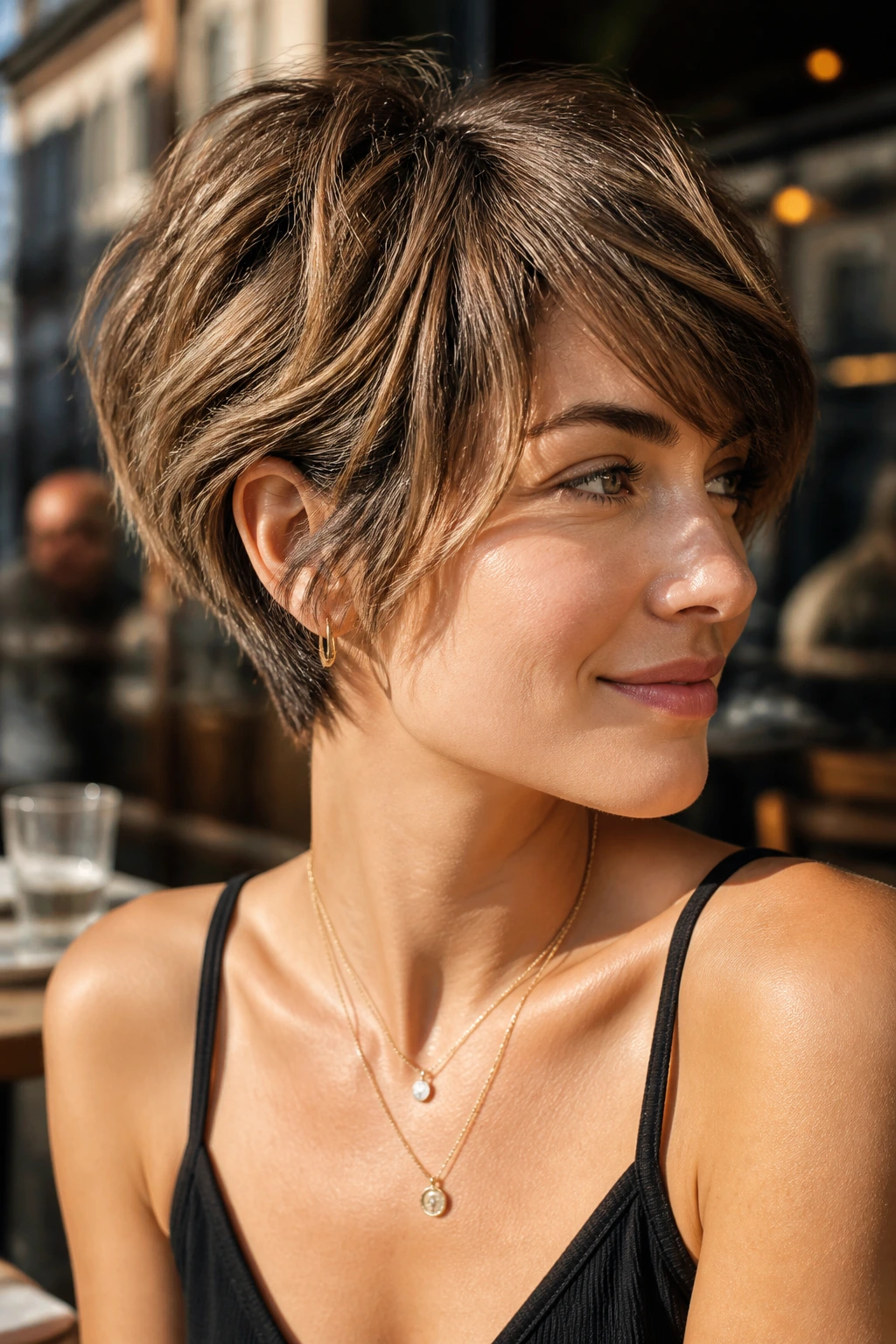
This style bridges the gap between a classic bob and a short, sassy pixie. It is intentionally messy, featuring a shorter nape and slightly longer, choppy face-framing pieces. The razor tool is essential here, as it carves out soft, feathery ends that sit softly against the skin rather than sitting bluntly against the neck.
The Mechanism of the Cut
A razor works by slicing the hair at an angle, which inherently creates a softer, more tapered end. For fine hair, this is a lifesaver because it eliminates the harsh, thin line at the perimeter of the hair. It also encourages the hair to flip and move, making it look much more active and energized.
Who Should Choose This
If you have a heart-shaped or oval face, this style is particularly flattering. It pulls focus to the cheekbones and eyes, making the lack of hair length irrelevant. It is an assertive, confident style that suggests you spend seconds, not hours, in front of the mirror.
3. The Blunt-Edge Choppy Crop
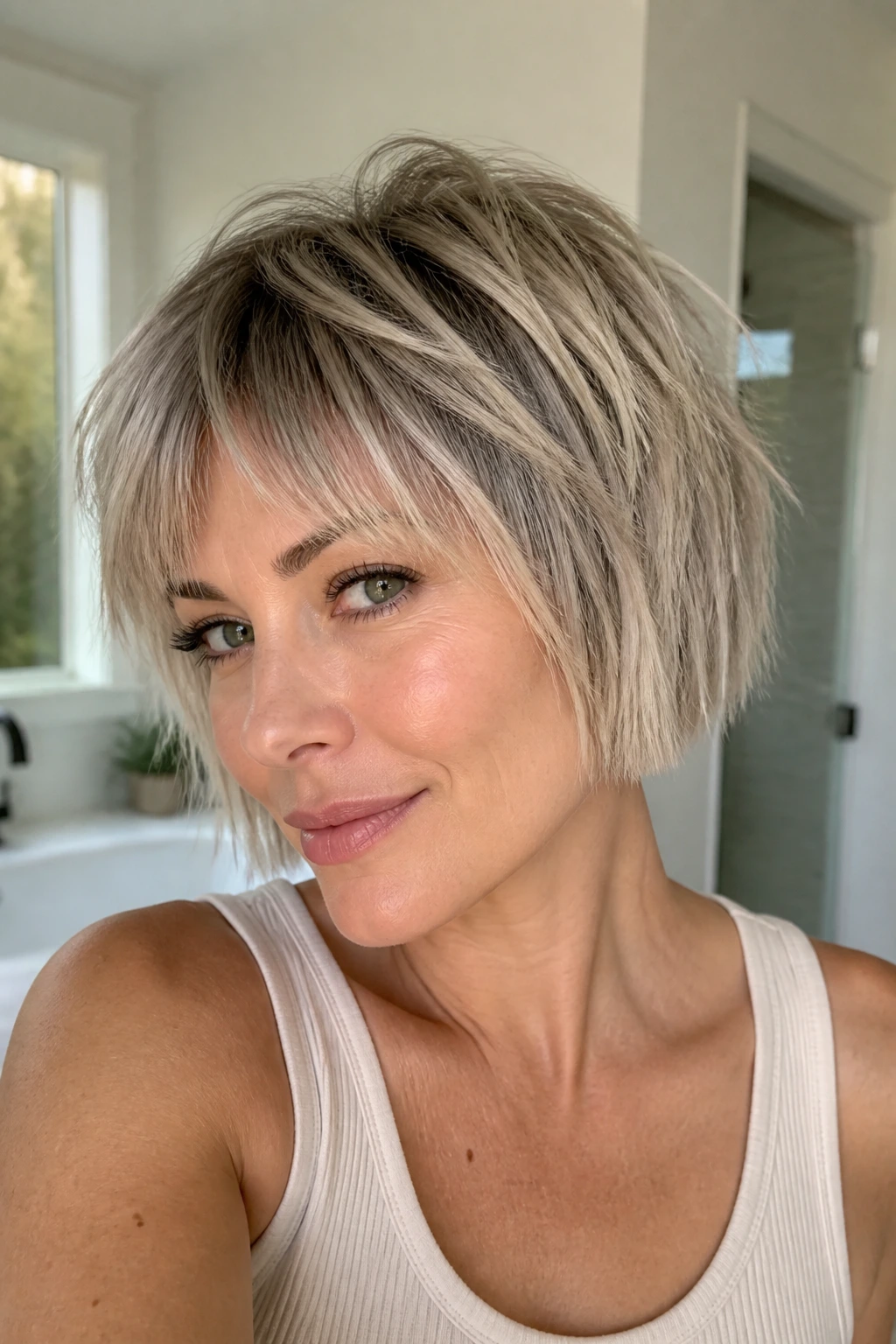
You might think that fine hair and blunt cuts are enemies, but when the blunt line is combined with heavy internal texturizing, the effect is sophisticated. The perimeter remains sharp and crisp, which gives the illusion of thicker, healthier ends. However, the top sections are layered to create a ruffled, piecey texture.
Why the Contrast Matters
The “blunt-but-choppy” approach works because the solid line provides a visual anchor. People see the crisp edge and register “healthy,” while the choppy top adds the dimension needed to avoid a helmet-like appearance. It is a calculated balance that provides both structure and softness.
Maintenance Notes
- This cut requires a trim every six to eight weeks to keep that perimeter sharp.
- Use a shine-enhancing serum on the ends to prevent split ends from ruining the crisp line.
- Avoid heavy waxes; stick to light creams that provide separation without the grease.
4. The Softly Layered Shag-Bob
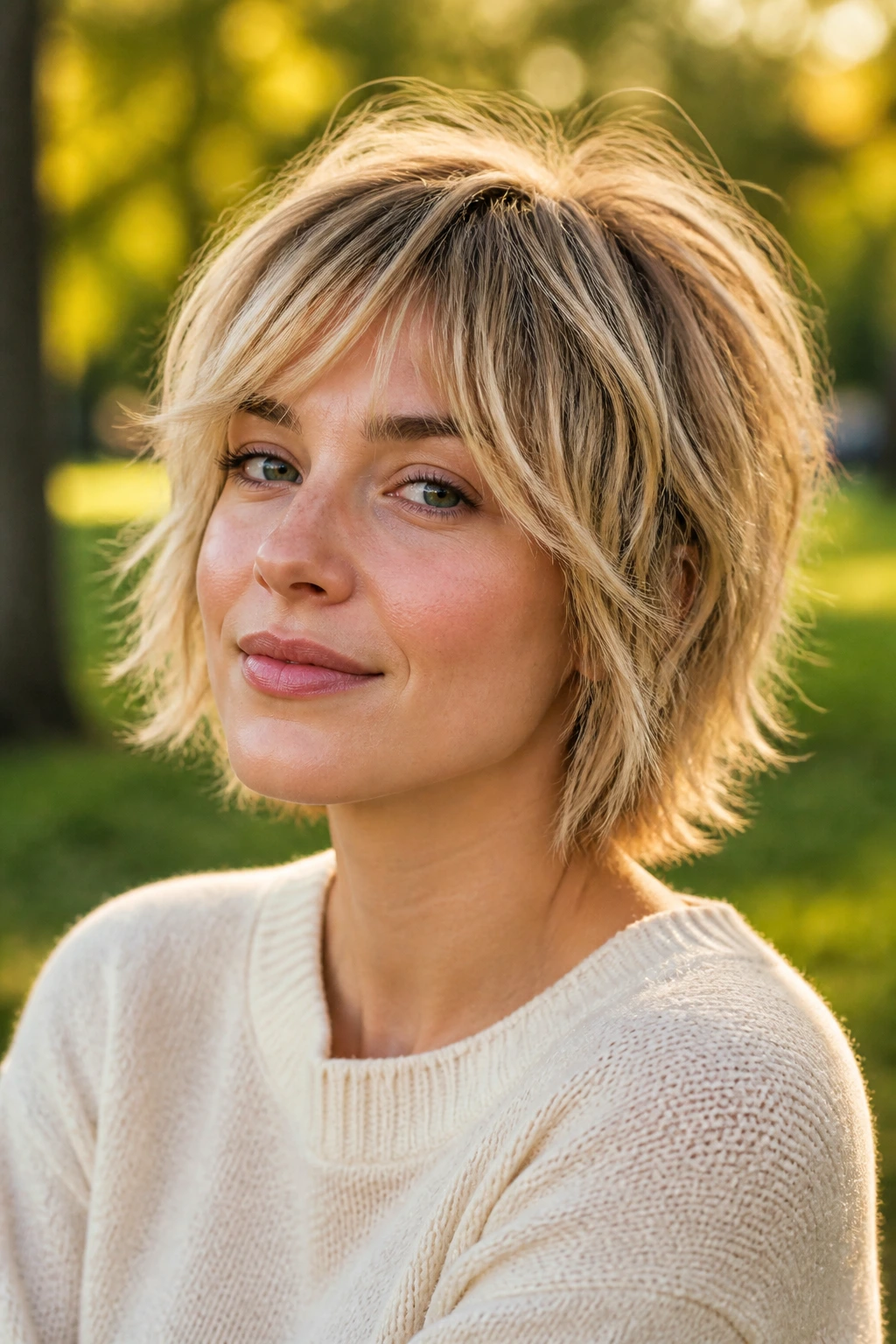
The shag has moved from a retro staple to a modern classic. When adapted into a bob-length, it becomes a masterclass in adding volume to fine hair. Think of it as a series of short, choppy layers concentrated around the crown and temples, which creates immediate vertical lift.
Building Volume Through Layers
The shorter layers on top effectively “stack” on top of each other, creating a cushion of hair. Because fine hair is light, it responds incredibly well to this kind of layering. You aren’t just cutting hair; you are creating a structural frame that stands up on its own.
How to Style the Shag-Bob
- Apply a root-lifting mousse to wet hair.
- Blow-dry using a round brush, pulling the hair upward at the crown.
- Use a flat iron to gently bend the ends of the longer layers outward, giving it that classic, flippy shag vibe.
- Rub a dime-sized amount of texture paste between your palms and “scrunch” it into the ends.
5. The A-Line Graduated Bob
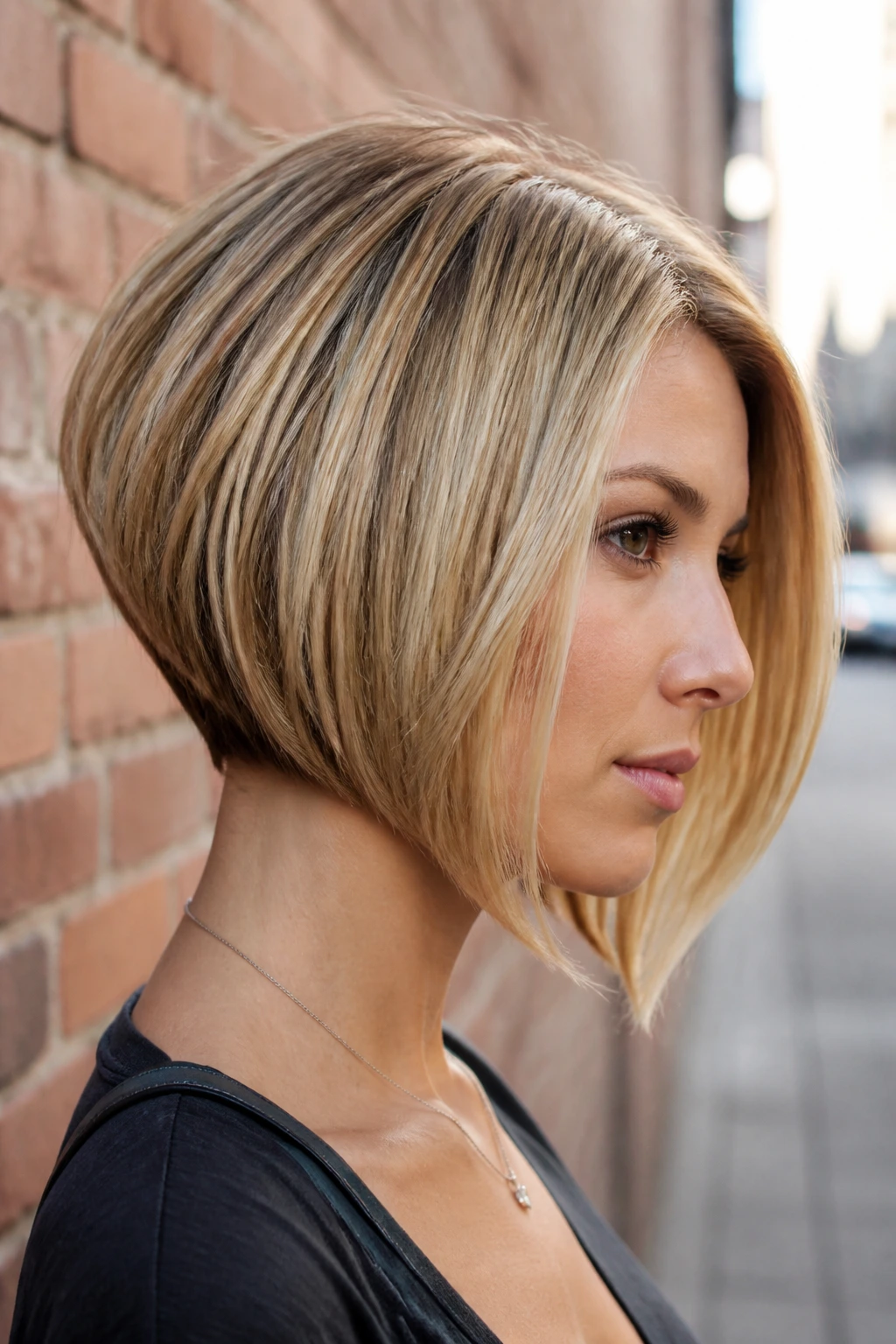
An A-line bob, where the back is shorter than the front, is a classic, but the “choppy” update involves thinning out the ends. By keeping the back stacked, you gain height. By letting the front pieces fall near the chin, you frame the face, and the choppy texture keeps it from looking too severe or dated.
The Visual Illusion
Graduated bobs create a diagonal line that draws the eye downward and inward. This is excellent for fine hair because the stacked back section removes the weight that usually causes the bottom to go flat. It forces the hair to maintain a rounded, full shape throughout the day.
Best Hair Types for This Style
This works exceptionally well for those with naturally straight, fine hair that lacks a natural wave. The structure of the cut does the work for you, meaning you don’t have to rely on hot tools to create a style that looks intentional and polished.
6. The Textured French Bob
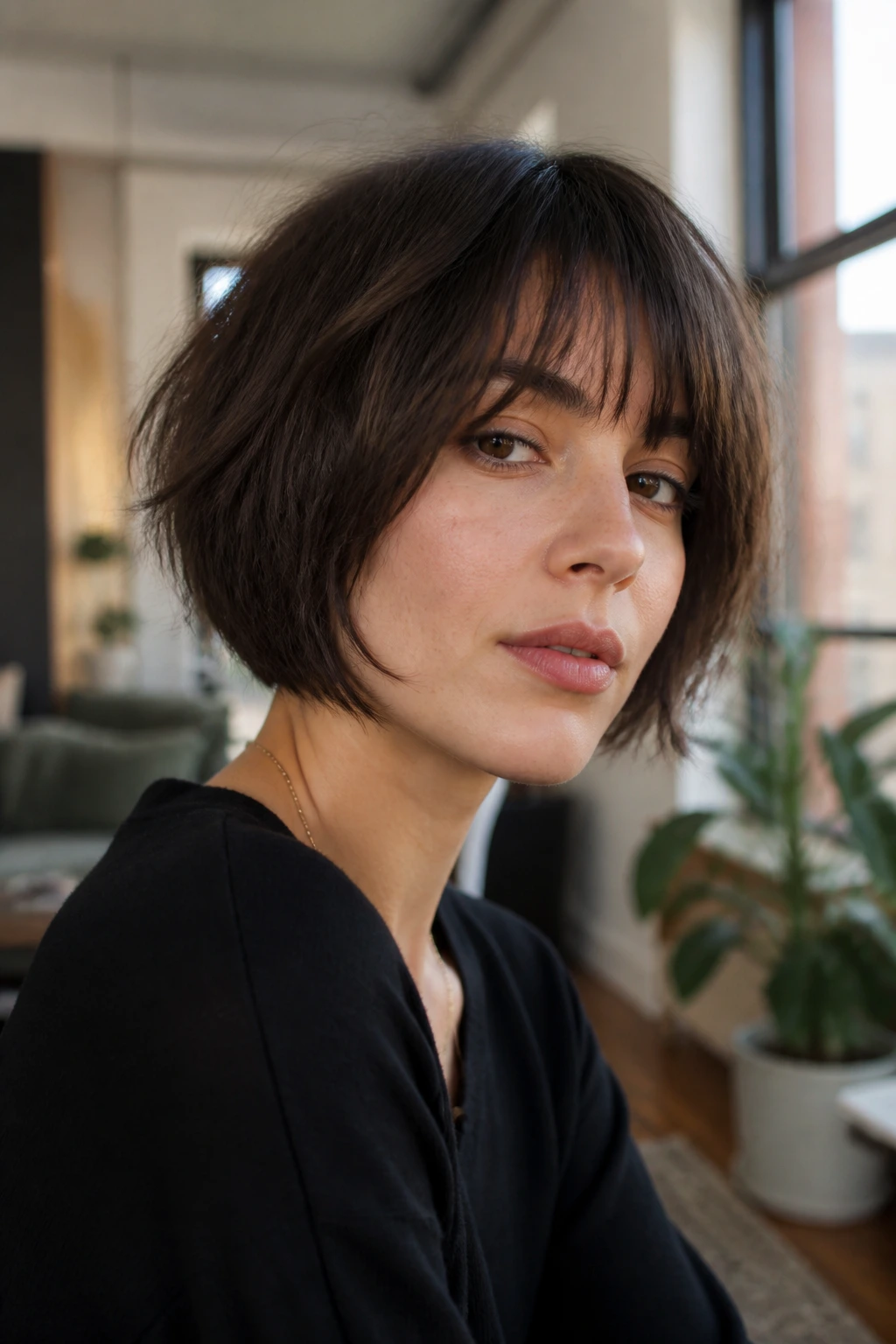
There is something undeniably chic about the short, chin-length French bob. The modern, choppy version features micro-layers that sit just above the jawline. It feels effortless and slightly rebellious, perfectly suited for those who want to reclaim their hair’s personality.
The Role of Micro-Layers
Micro-layers are short, choppy pieces integrated throughout the style. They act as “springs” that push the rest of the hair outward, creating width. Width is the missing link for many people with fine hair; we often obsess over length, but adding horizontal volume is what makes the hair look lush.
Pairing with Bangs
The French bob is rarely complete without a fringe. Opt for a piecey, “see-through” bang that reveals a bit of the forehead. This prevents the bangs from looking like a heavy curtain and keeps the whole style looking airy and light.
7. The Wavy, Tousled Ear-Length Crop
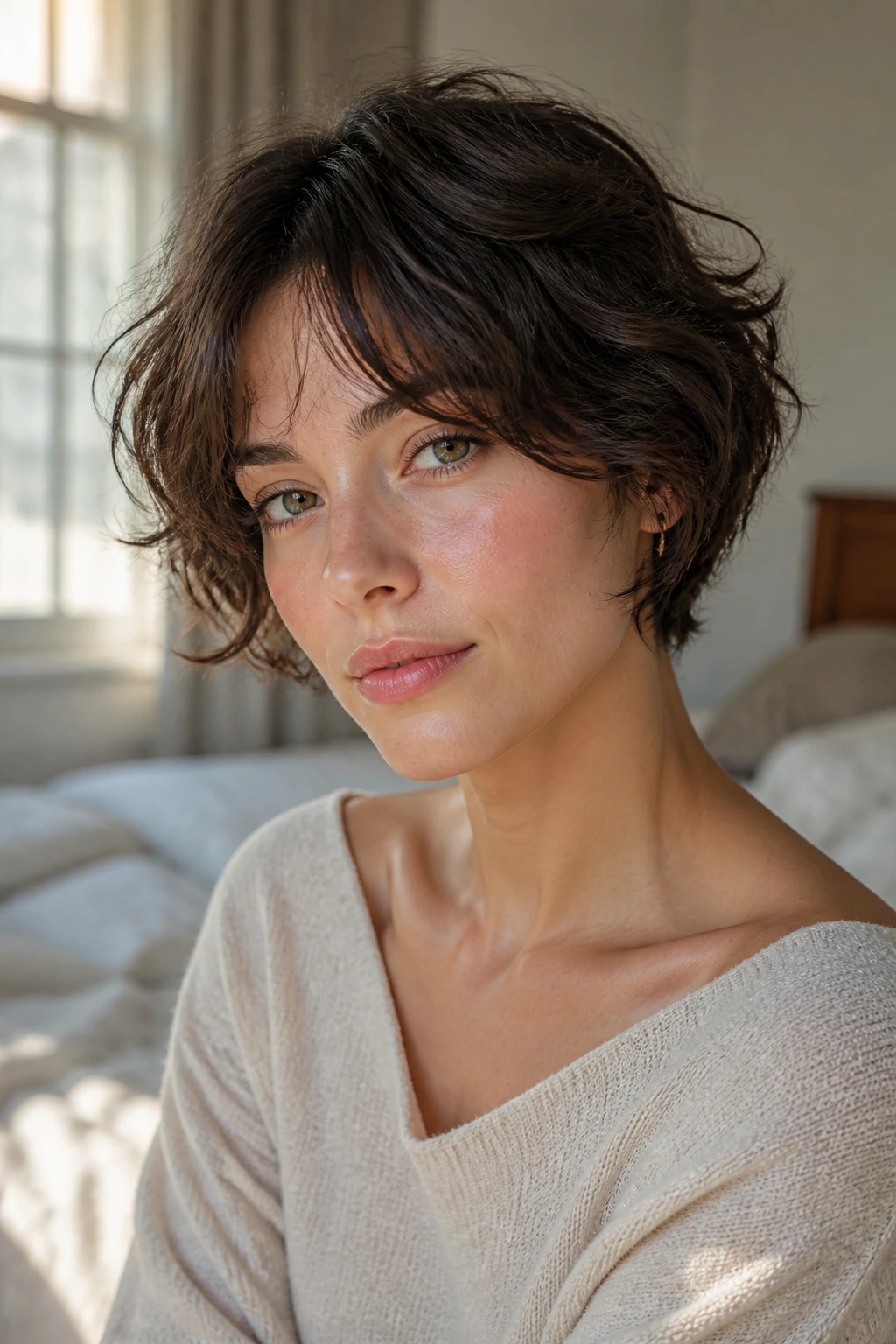
If you have even the slightest natural bend in your hair, this crop is for you. By cutting the hair short—somewhere between the earlobe and the jaw—you remove all the “dead weight” that pulls hair down. This allows whatever natural texture you have to blossom.
Working with Natural Texture
Fine hair with a wave is a hidden treasure. The shorter the cut, the more the hair can spiral and bend. When you cut it in a choppy, irregular pattern, you essentially tell the hair to do whatever it wants. It’s an embrace of the natural state, which is incredibly low maintenance.
Styling Strategy
- Wash and condition with lightweight, volumizing products.
- Spray a curl-defining foam into the hair while it is soaking wet.
- Use a diffuser attachment on your blow-dryer to gently dry the hair, keeping the air on low heat to avoid frizz.
8. The Piecey Side-Part Bob
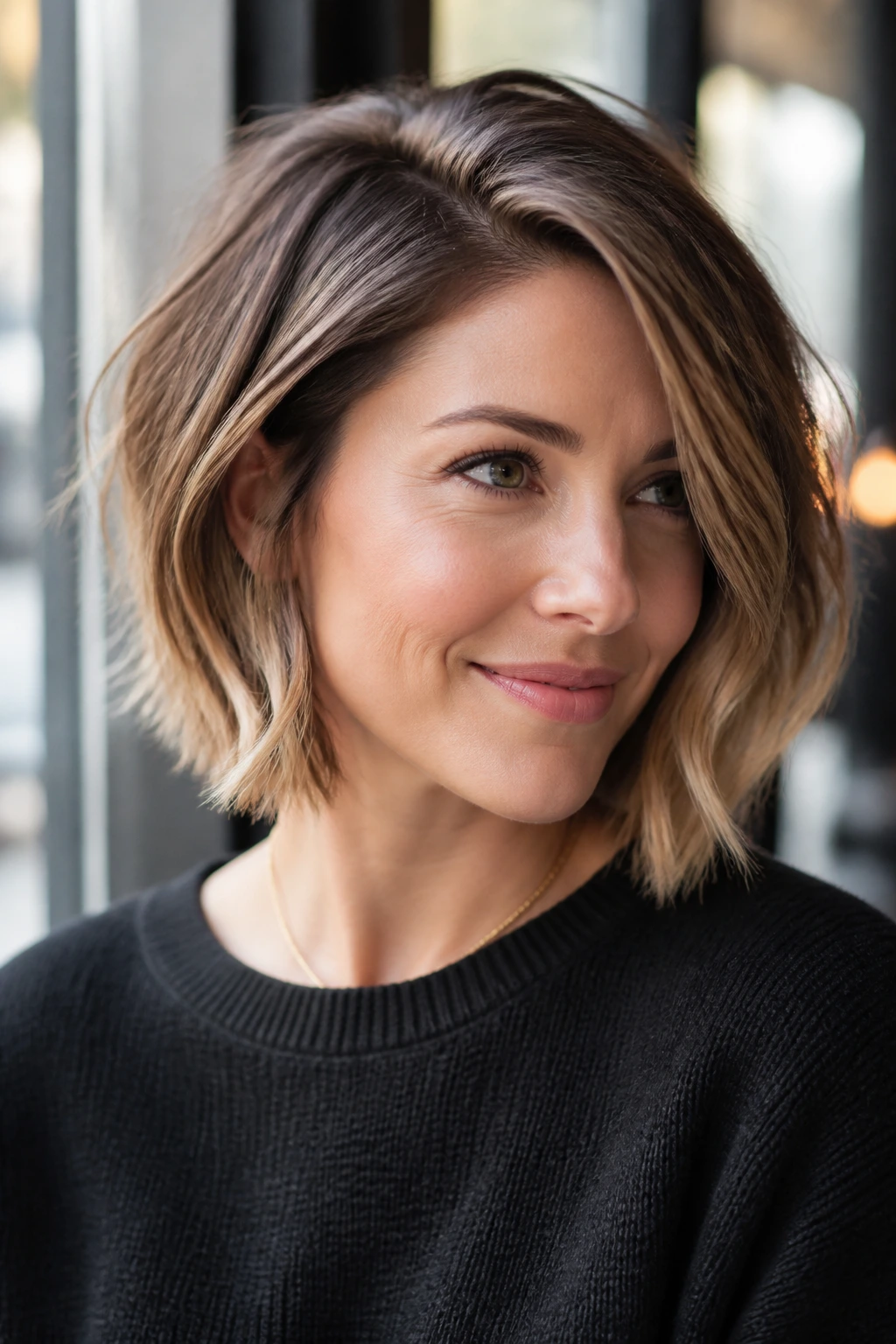
Never underestimate the power of a deep side part. When you combine a deep part with choppy, textured layers, you create an automatic sweep of hair that looks double the thickness. It creates a “mountain” of hair on one side of your head, which is visually dramatic and very flattering.
Why the Side Part Matters
A center part can sometimes emphasize how thin the hair is on either side. A side part, conversely, gathers more hair into one section. When that section is cut with choppy, varying lengths, the hair doesn’t just lay flat; it has enough body to lean over and stay there.
Tips for Longevity
- Train your hair to fall in a new side part by drying it in the opposite direction while wet.
- Use a dry texture spray to “lock” the hair in the side-swept position.
- If your hair is too slippery to hold the style, a tiny bit of lightweight pomade at the roots of the part can add the necessary grip.
9. The Modern Mullet-Bob
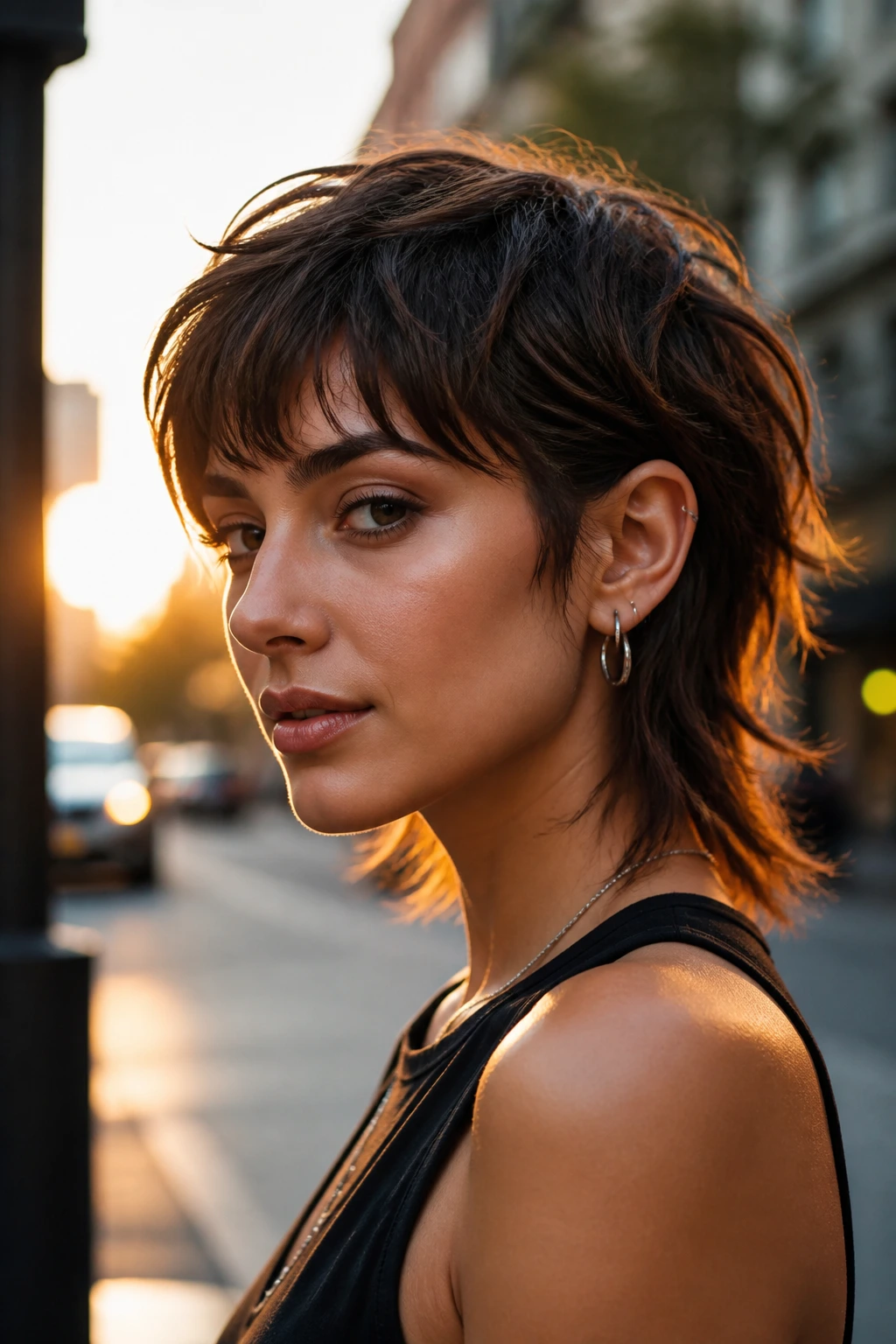
Before you shy away from the word “mullet,” look at the modern, fashion-forward version. It is essentially a bob that stays short at the sides but keeps a slightly longer, choppy, textured length at the nape of the neck. It is a high-fashion look that is becoming more and more popular for those with fine hair who want an edgy, non-traditional shape.
The Geometry of the Cut
The “mullet-bob” focuses volume at the crown, similar to the shag. Because the sides are shorter and choppier, you lose that “flat side” problem that often ruins bobs. The hair looks fuller because it is visually broken up into different levels of length.
Who Should Wear It
This is a bold choice. It is best for those with a strong sense of style who want to lean into a creative, artistic aesthetic. It looks especially striking with a bold hair color, which can add even more visual dimension to the layers.
10. The Asymmetrical Choppy Cut
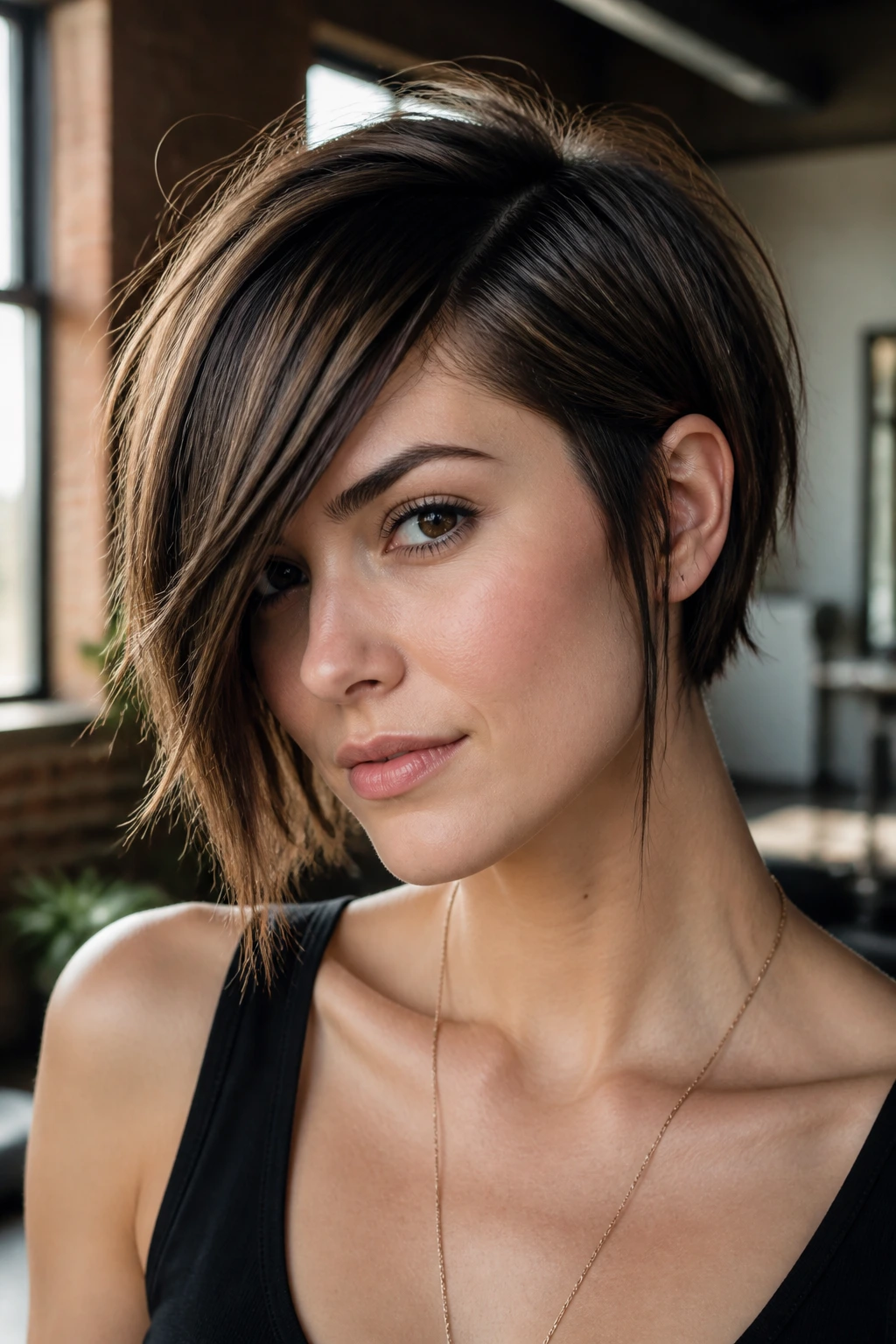
Asymmetry is a fantastic tool for fine hair. By making one side longer than the other, you create a dynamic, uneven line that forces the eye to constantly move. This movement masks the fact that there isn’t a high volume of hair in any one spot.
Creating Interest Through Asymmetry
The uneven length is inherently interesting. People don’t look at the density of the hair; they look at the shape of the cut. When you pair this with choppy, razored layers, the style feels very intentional and sharp, rather than just “lacking thickness.”
Styling Asymmetric Cuts
- Keep the longer side smooth and sleek to emphasize the length difference.
- Use a texturizing spray on the shorter side to make it feel dense and full.
- Avoid over-smoothing the shorter side, as this will make it look even thinner.
11. The Feathered, Light-Reflecting Bob
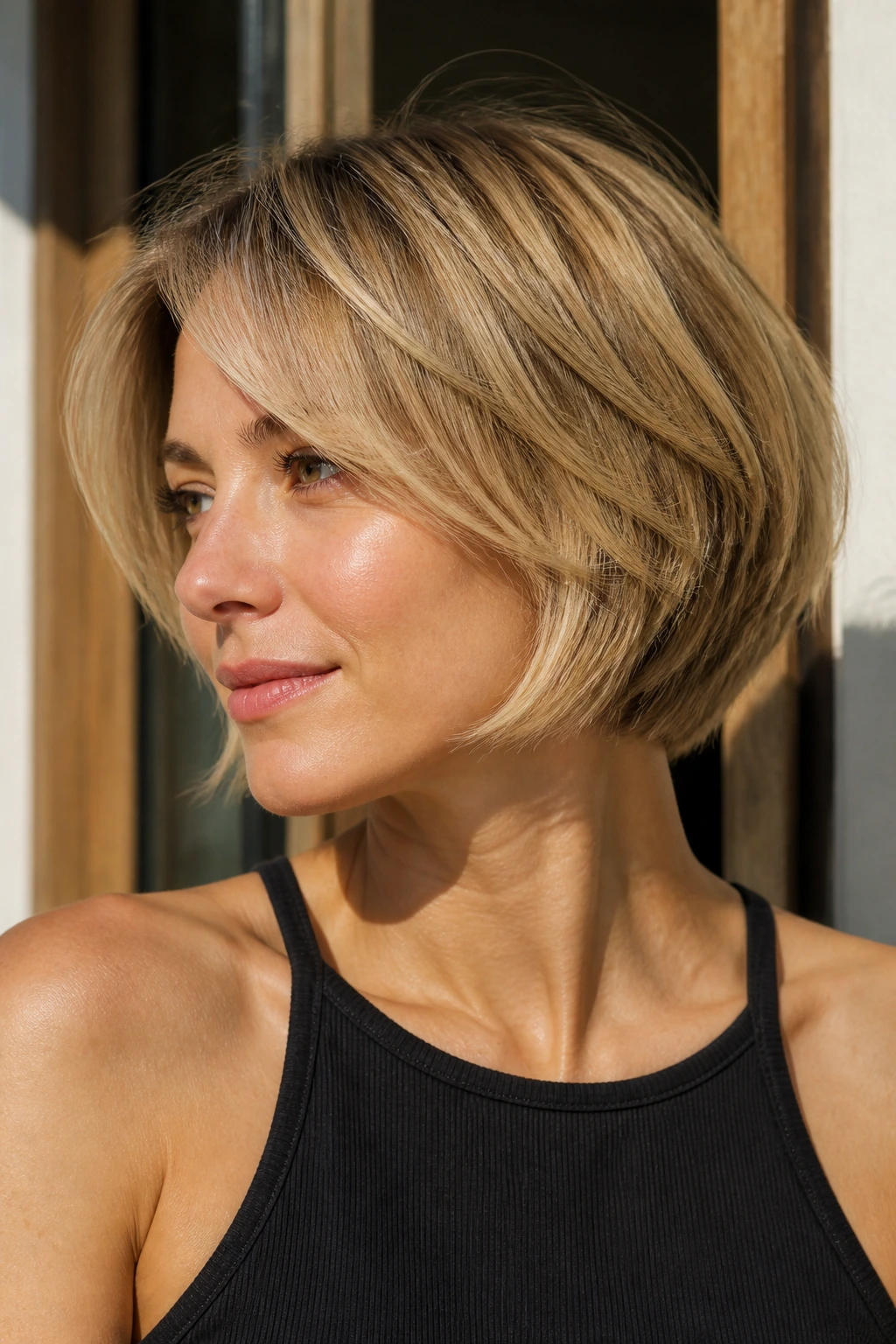
This cut is all about the finish. The hair is cut into short, soft, overlapping layers that “feather” out. When the light hits these layers, it catches on the different angles, creating a shimmering effect that makes the hair look healthier and more substantial.
The Importance of Light Reflection
When hair is all one length, it can look flat and dull. When hair is feathered and choppy, you are essentially creating facets, like a gemstone. These facets catch light differently, which creates depth and dimension. This is a subtle, almost invisible way to make your hair look thicker.
Care for Feathered Layers
- Use a gloss treatment once a month to boost the hair’s natural reflection.
- Invest in a high-quality boar bristle brush, which helps distribute natural oils to the ends, keeping them soft and feathery.
- Don’t use heavy gels, which will stick the feathers together and undo the work of the layers.
12. The Wispy, Face-Framing Lob
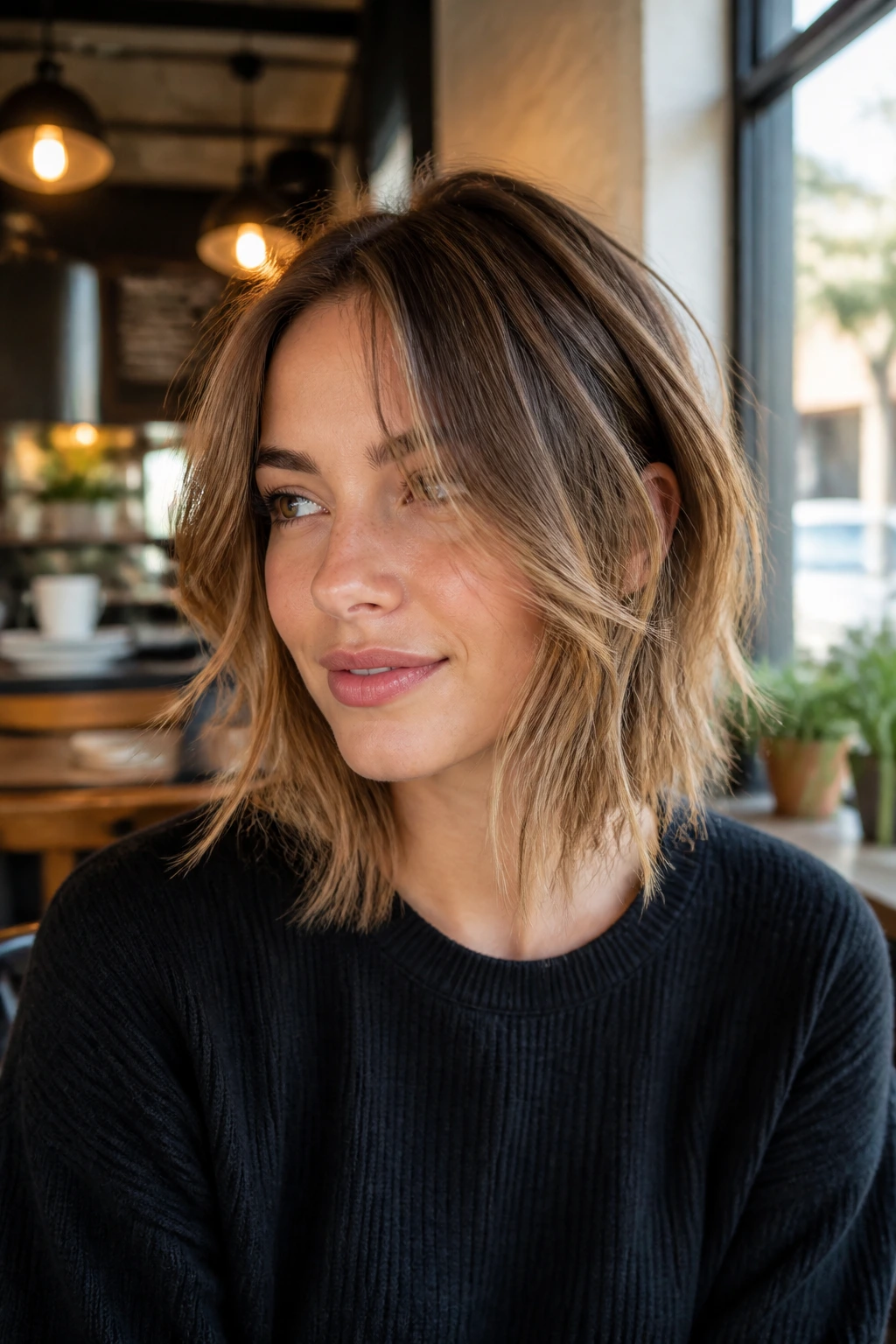
This is a softer approach to the choppy lob. Instead of heavy, jagged layers throughout, the choppiness is concentrated around the face. The hair is kept slightly longer and blunt in the back, but the front is cut with varying, wispy lengths that move and bounce when you walk.
Softening the Perimeter
For those who are intimidated by a “messy” look, this provides the benefits of texture where it matters most—around your face—while keeping a solid, polished foundation. It is an excellent choice for a professional environment that still allows for a bit of personal style.
Styling the Face-Frame
- Use a round brush to flick the front pieces outward.
- Use a small amount of styling cream to define the wispy ends.
- Keep the rest of the hair relatively simple and straight to ensure the focal point remains on your face.
13. The “Bedhead” Textured Bob

The bedhead look is the ultimate expression of the choppy bob. It is not about perfect styling; it is about controlled chaos. The layers are cut at odd angles, the length is uneven, and the finish is matte and dry.
The Beauty of Chaos
Fine hair is arguably the easiest hair type to style in this way. Because it is light, it doesn’t take much effort to keep it looking intentionally messy. You aren’t fighting to make it behave; you are giving it permission to be wild.
Essential Tools for the Look
- A matte texturizing clay: This is better than pomade, which can be too heavy and cause fine hair to stick together.
- Your fingers: Throw the brush away for this one. The best way to style this is to use your fingers to pull and tug the hair into place after a quick dry.
14. The Stacked Inverted Bob
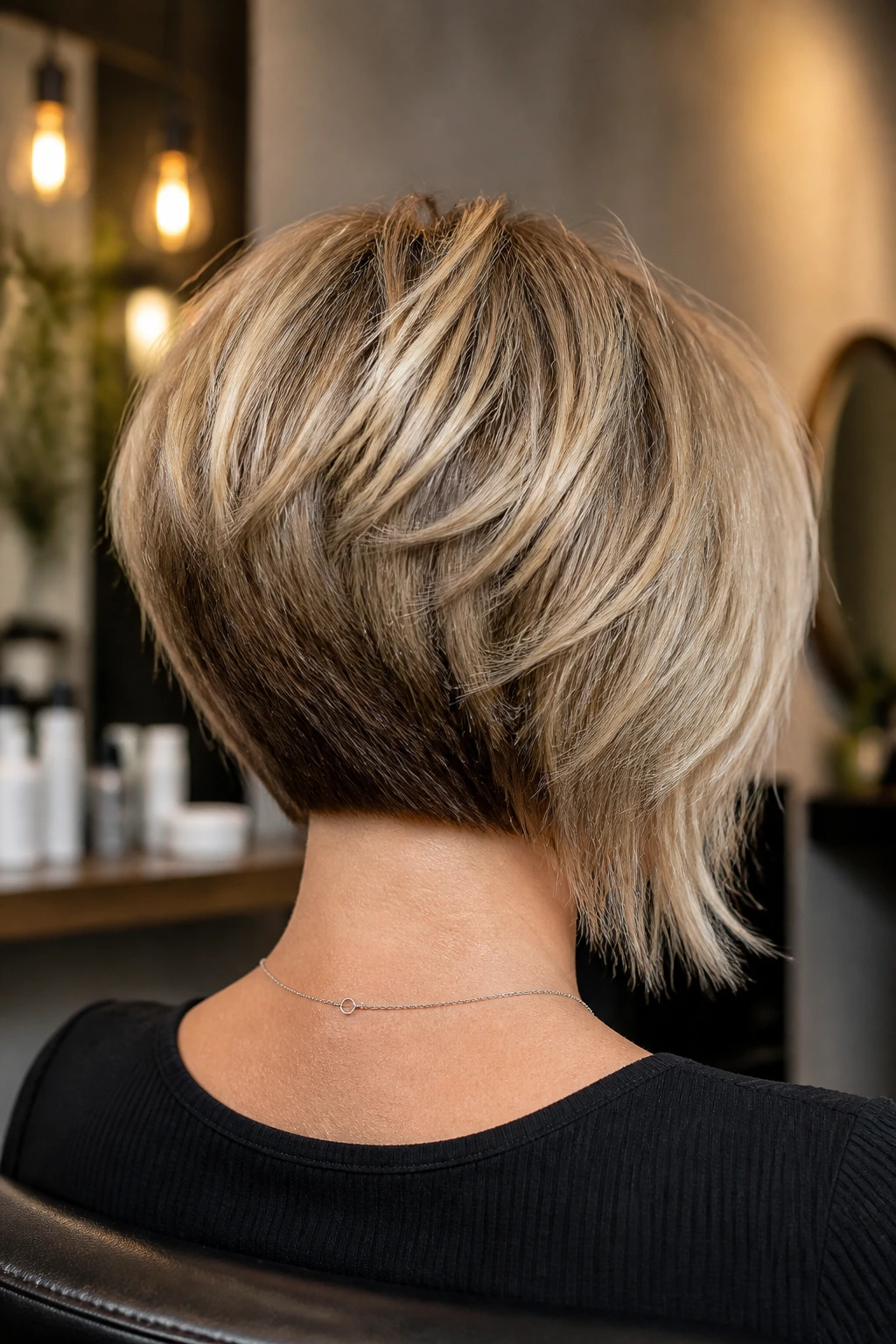
The stacked inverted bob is a high-volume winner. It features very short layers in the back, which “stack” on top of each other to create a rounded, voluminous shape. The front pieces remain long and are texturized to blend in with the stacked back.
Where Volume Is Built
The stacking happens at the occipital bone (the back of the head). This is where fine hair usually goes flat. By creating a physical stack of hair here, you build in permanent volume that survives even after you leave the house.
Maintenance Tips
- This cut needs a refresh every five weeks, as the back layers grow out quickly.
- If you notice the stack starting to drag, have your stylist thin out the ends of the stack to keep it light.
- Use a root-boosting spray specifically on the crown area during your daily routine.
15. The “Shaggy” Micro-Bob
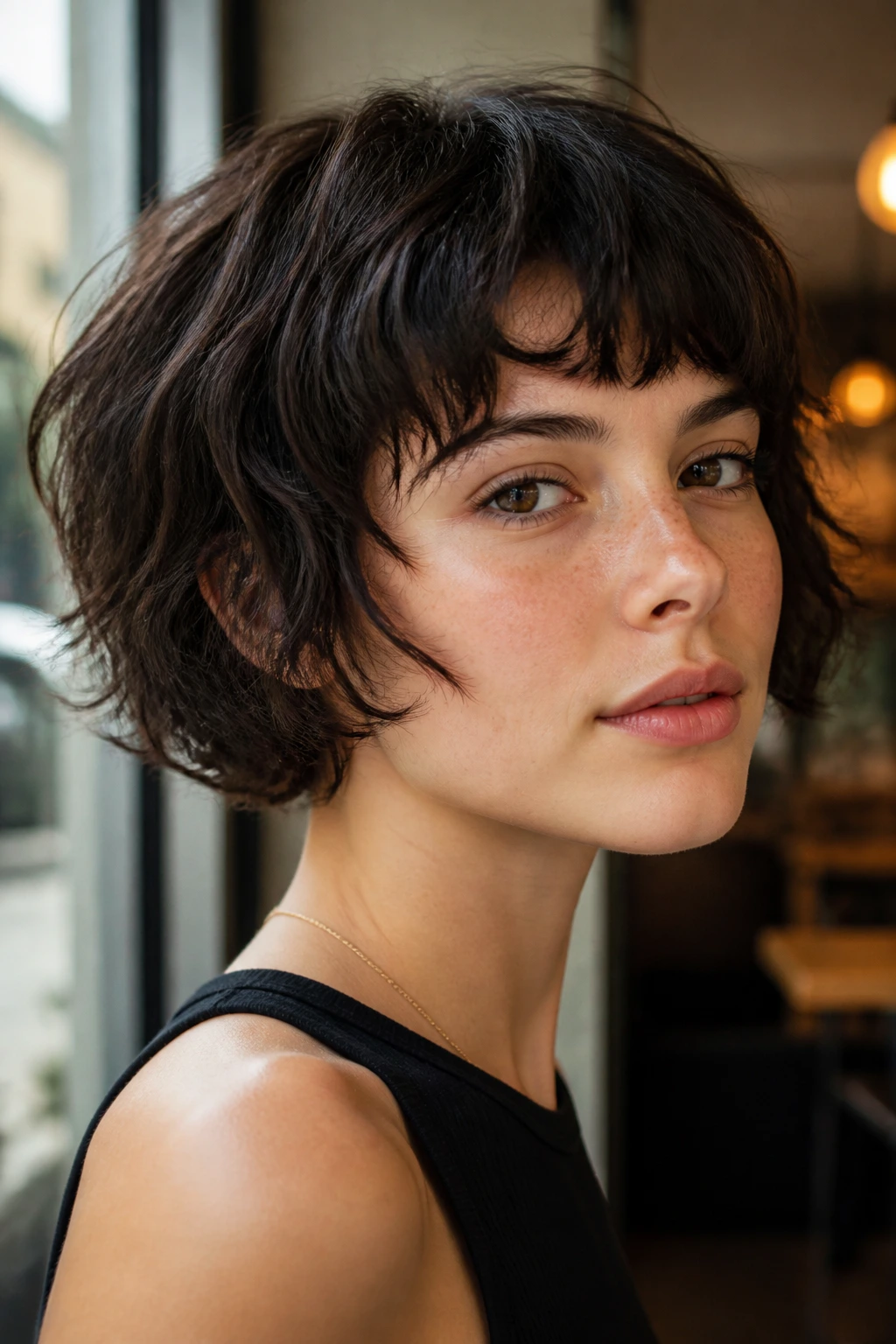
The micro-bob is a bold, short cut that sits right at the cheekbones. By adding “shaggy,” choppy layers, you make the cut feel more like a personality statement and less like a standard, severe bob. It’s a very current look that is gaining traction among those who want to be noticed.
Why it Works for Fine Hair
You are removing so much weight that the hair has no choice but to be voluminous. It’s impossible for hair this short to look “limp” because there isn’t enough length for gravity to have its way. It is the ultimate antidote to fine, flat hair.
The Confidence Factor
This style is short, sweet, and incredibly high-impact. It is perfect for those who want to look like they have a lot of hair—not because the strands are thick, but because the shape is so dynamic. It’s a bold, final step for someone who is ready to let go of the idea that “long hair equals better hair.”
How to Choose the Right Cut for Your Face Shape

Finding the right choppy bob isn’t just about your hair texture; it is about how the style interacts with your bone structure. If you have a round face, you want a style that adds height, like the stacked inverted bob or the shag-bob. These styles draw the eye upward and elongate the appearance of the face.
If you have a long or narrow face, you might want to avoid styles that are too short and high on top. Instead, opt for a lob-length choppy cut that adds width through layers near the jawline. This balances out the length of the face and provides a softer, more rounded appearance.
Don’t be afraid to bring these suggestions to your stylist and ask for a consultation. They can look at your individual cowlicks, growth patterns, and face shape to customize one of these styles. Remember, the best cut is one that makes you feel confident the moment you step out of the chair.
The Secret to Styling Fine Hair

The biggest mistake people with fine hair make is over-styling. We tend to use too much product, too much heat, and too much manipulation. Fine hair is delicate; it reacts quickly to changes in moisture and tension.
The best styling approach is to use a “less is more” philosophy. Start with a clean foundation, use a small amount of product designed specifically for fine hair, and let your hair do as much of the work as possible. Texture sprays, volumizing mousses, and matte clays are your best friends. Leave the heavy gels, thick pomades, and waxes for people with thicker, coarser hair.
Lastly, stop comparing your hair to other people’s hair. Fine hair has a beautiful, silky quality that thick, coarse hair simply doesn’t have. When you pair that silkiness with a great, choppy cut that adds movement, you have a look that is just as high-fashion and enviable as anything else.
Final Thoughts
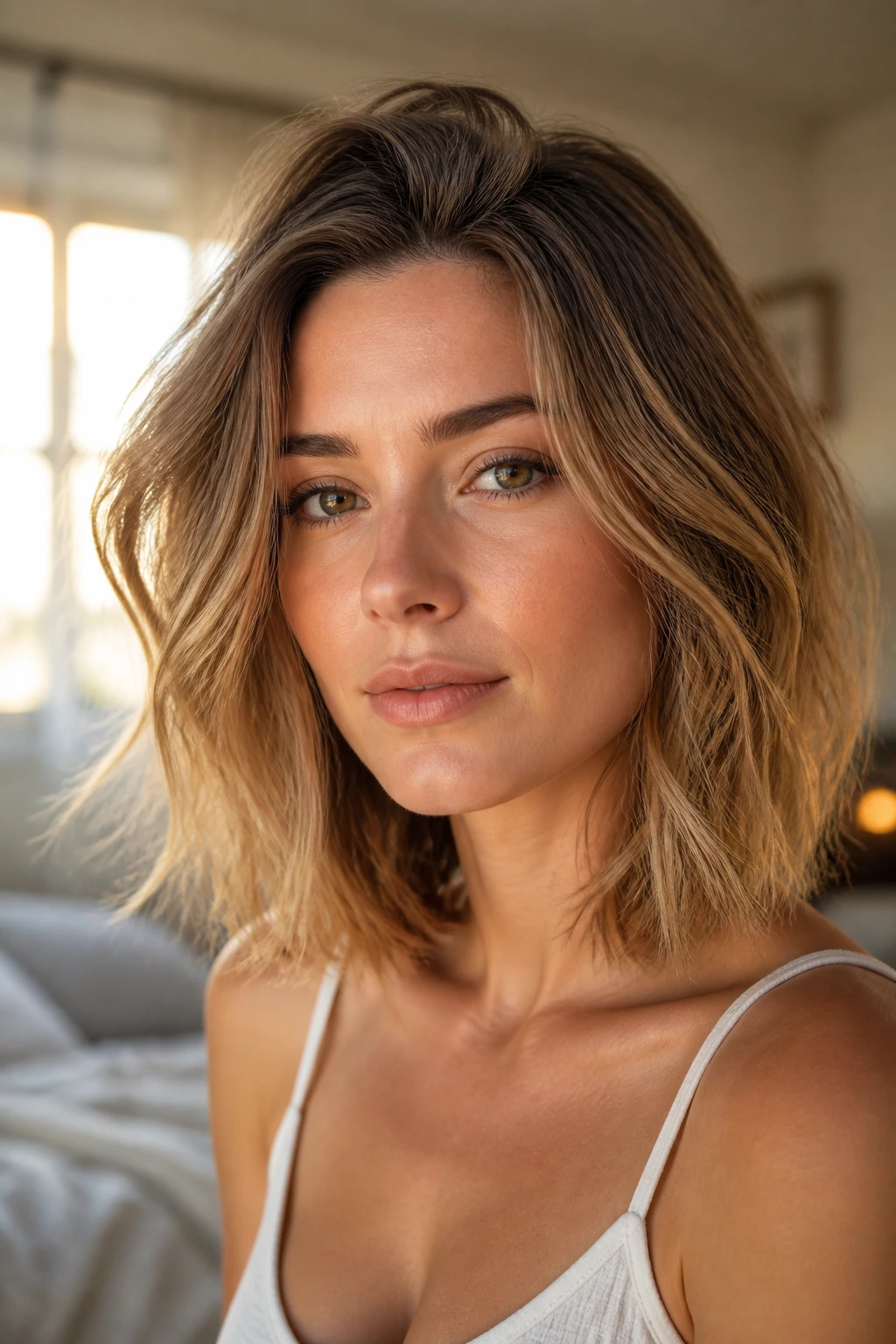
The journey to a great hairstyle with fine hair is rarely about changing your genetics. It is about understanding the architecture of your hair and choosing a cut that plays to its strengths. Choppy bobs are the ultimate tool for this because they turn the “problem” of fine hair—its lack of density—into a stylistic feature.
By choosing a style that embraces movement and texture, you liberate yourself from the cycle of trying to force volume where it doesn’t want to live. Whether you go for the subtle wisps of a face-framing lob or the bold structure of a shaggy micro-bob, remember that the goal is always to feel like yourself. Your hair is an accessory, and with the right cut, it is one that can make you feel confident, stylish, and completely at ease every single day.