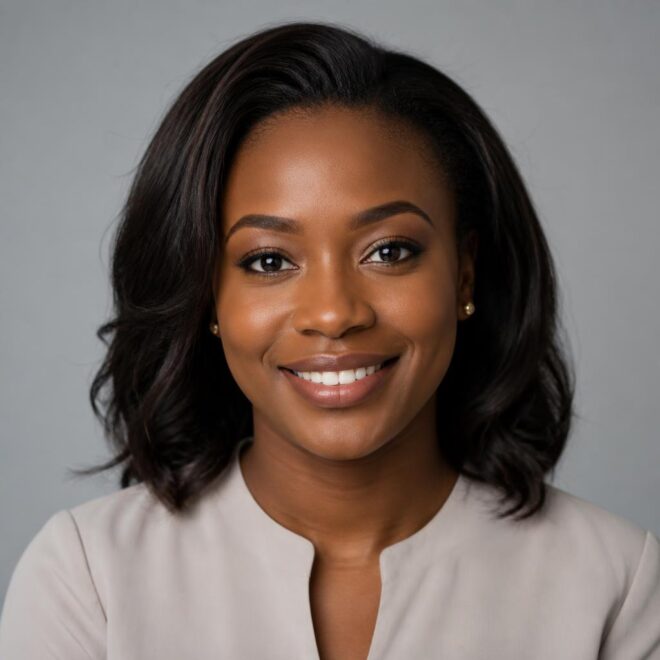


The bob is perhaps the most misunderstood cut in the history of hair. People often assume that because it is short, it is inherently easier to manage—or that it is somehow a “universal” style that works the same for everyone regardless of their hair density. But if you have spent your life battling a thick, voluminous mane that seems to have a personality of its own, you know the truth: a bad bob on thick hair is a recipe for disaster. It is the quickest way to end up with a triangular, top-heavy shape that looks less like a sleek fashion statement and more like a mushroom waiting to happen.
When hair is thick, it has an immense amount of weight and structure. Cutting it short removes the natural gravity that usually pulls that volume down, which means the hair wants to expand outward immediately. This is why the best bobs for thick hair are not about just chopping off length; they are about engineered weight removal. It is about understanding how to layer, debulk, and shape the perimeter so that your hair sits flush against your head rather than ballooning out.
Over the years, I have seen many people walk into a salon asking for a generic “bob,” only to leave frustrated because their hair didn’t behave like the picture on their phone. The secret isn’t just the cut—it’s the interior architecture. Whether you are aiming for a classic chin-length crop or something more modern and textured, the success of your style depends on how well your stylist manages that thickness. Here is an exploration of the styles that genuinely work for heavy, dense hair, and how to make them look effortless rather than unmanageable.
1. The Classic Graduated Bob
The graduated bob is the ultimate problem solver for those with thick hair. By cutting the back shorter and stacking layers, you create a natural curve that eliminates the bulk right at the nape of the neck. This prevents that dreaded “poofy” look because the shortest pieces underneath have no room to expand.
Why It Works for High Density
This cut relies on a steep angle. The graduation keeps the weight focused low, while the top layers remain longer to maintain a sleek, polished appearance. It gives you that sharp, sophisticated look without requiring a round brush and half an hour of heat styling.
Styling for Daily Wear
- Use a lightweight smoothing cream while the hair is damp to encourage alignment.
- A boar bristle brush helps distribute natural oils, which adds a healthy sheen to dense hair.
- Avoid heavy gels or waxes, as they can make thick hair look greasy and weighed down.
2. The Textured A-Line Bob
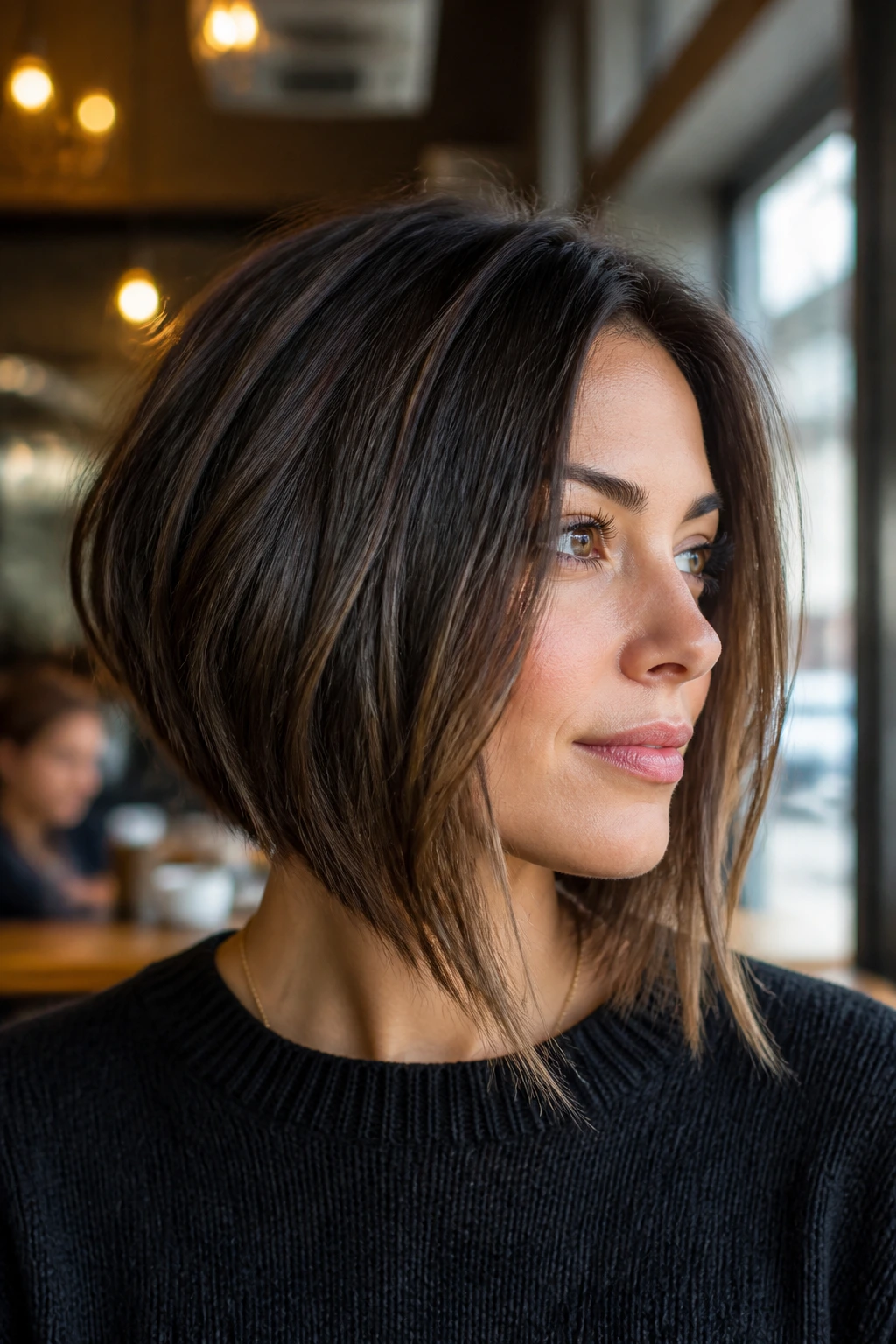
If you want something a bit edgier than a traditional cut, the textured A-line is a fantastic choice. Unlike a blunt cut, an A-line features longer pieces in the front that frame the face while the back is kept shorter. The “textured” aspect refers to the point-cutting done on the ends to remove weight and create movement.
Creating Natural Movement
Point-cutting is a technique where the stylist cuts into the ends of the hair vertically rather than straight across. For thick hair, this is essential. It thins out the heavy ends so they taper off softly rather than ending in a blunt, thick block that can look boxy.
Who Should Choose This Look
This style is ideal for people with a round or heart-shaped face. The elongated front pieces draw the eye downward, adding a slimming effect that balances out the inherent volume of thick hair. It is a very flattering, architectural choice.
3. The Long Layered Bob (Lob)

For those who are not quite ready to commit to a chin-length crop, the “lob” is the natural progression. It sits right at the collarbone or slightly above, providing enough length to tuck behind your ears. The key here is to incorporate long, invisible layers that remove bulk throughout the interior of the hair.
The Role of Invisible Layers
Invisible layers are cut into the hair in a way that they don’t appear as distinct steps. They are tucked underneath the top layer, providing hidden support. This allows the hair to maintain its length and density without becoming a heavy curtain that overwhelms your frame.
Daily Maintenance Notes
- This length is perfect for air-drying if you have a slight natural wave.
- It requires less frequent trimming than a chin-length bob since it is already close to shoulder length.
- If your hair is very thick, ask your stylist to use thinning shears specifically on the ends during every other visit to keep the weight from accumulating.
4. The Blunt Cut with Hidden Undercut
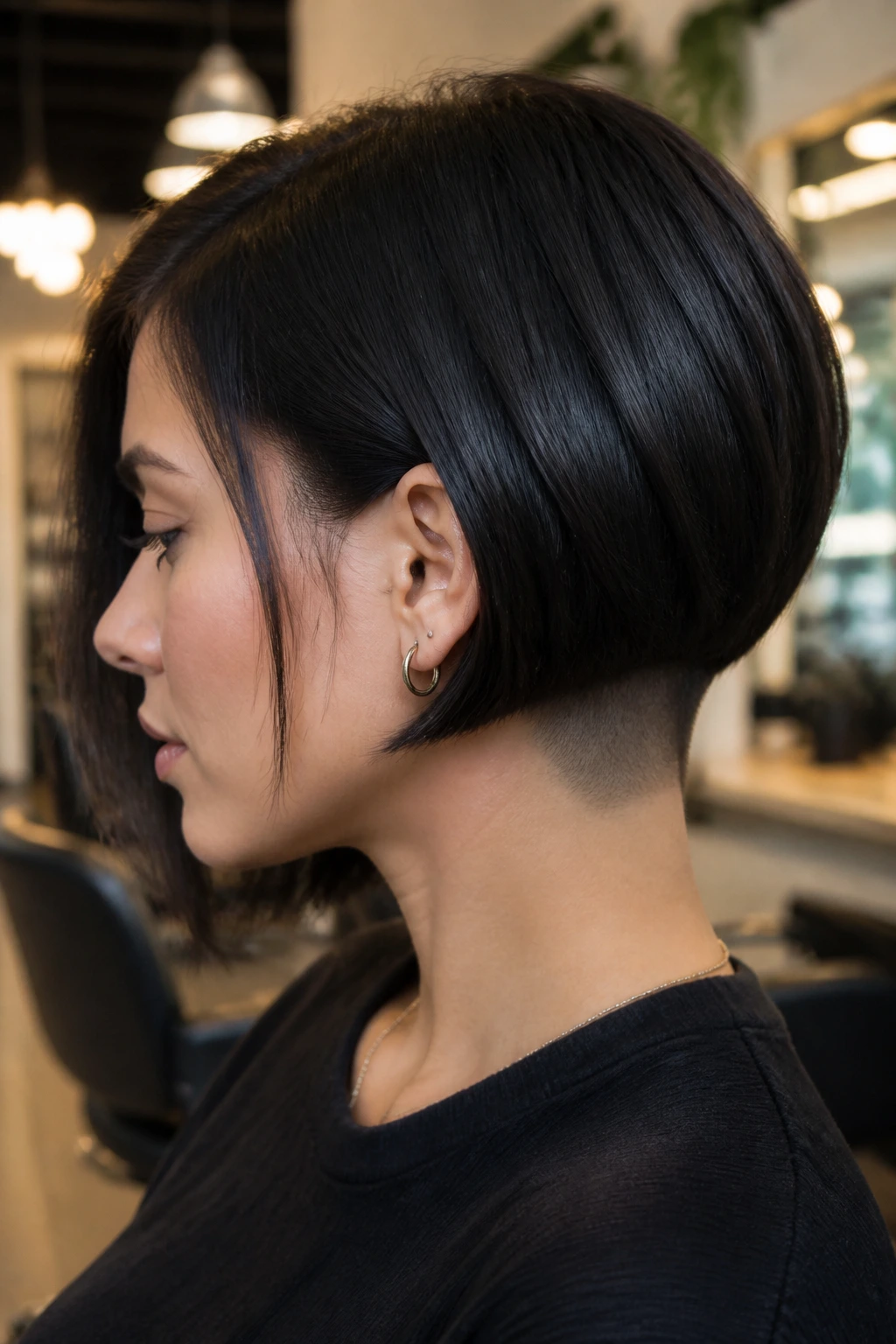
A blunt bob on thick hair is a bold move. Because there are no layers, every single strand ends at the same point, which can cause a serious volume explosion. The workaround? A hidden undercut at the nape of the neck. It is a total game-changer for those with extreme density.
How the Undercut Changes the Shape
By shaving or trimming the very bottom inch or two of hair at the nape, you remove the “foundation” that pushes the rest of your hair out. The top layers then fall smoothly over the shaved area, appearing completely solid and blunt while feeling half as heavy as they actually are.
Pros and Cons
- Pro: It reduces your drying time by at least ten minutes.
- Pro: It keeps your neck cool during summer months.
- Con: You will need to visit the salon more often to keep the undercut short and tidy.
5. The Shaggy French Bob
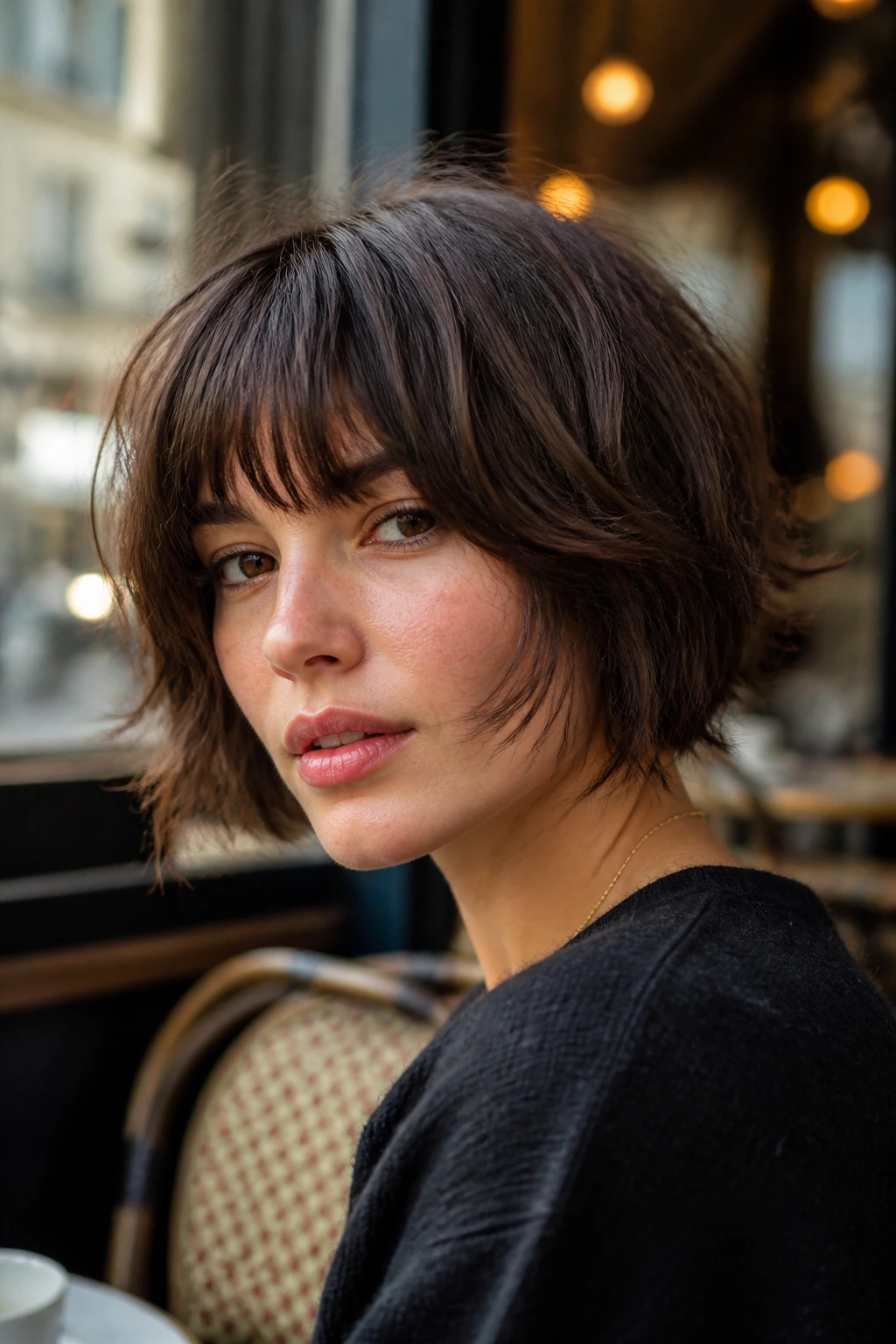
The French bob is usually characterized by its blunt, chin-skimming length and often a fringe. By adding “shaggy” or choppy layers, you turn a classic, potentially heavy style into something whimsical and low-maintenance. This is perfect for those who want a messy, lived-in aesthetic.
Why Choppy Layers Help
Thick hair often benefits from being “shattered.” By removing chunks of hair in the mid-lengths, the stylist allows the hair to interlock. This creates a more controlled volume that feels soft to the touch rather than rigid and dense.
Adding a Fringe
A soft, wispy fringe can balance the density of the rest of your hair. Ensure the bangs are cut into a slight arch to prevent them from looking like a thick, blocky wall across your forehead. A good set of bangs should look feathered, not heavy.
6. The Stacked Inverted Bob
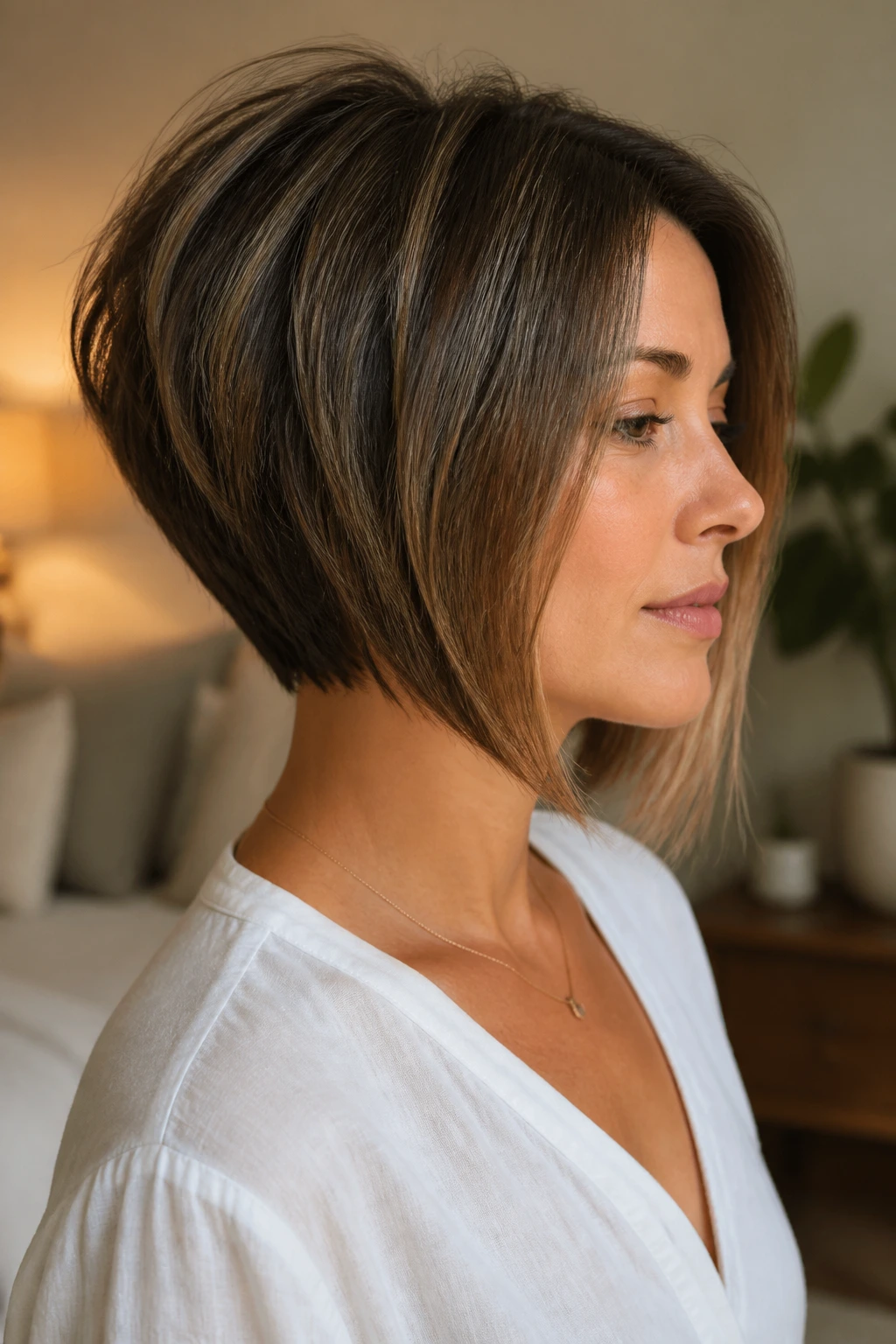
The stacked bob takes the graduation concept to the extreme. It is much shorter in the back, featuring a very high, rounded stack of layers. This creates a massive amount of volume at the crown—which is perfect if you have thick hair but feel like it looks “flat” at the top.
The Importance of the Crown
People with thick hair often struggle with the weight pulling their crown flat. By stacking the back, you are essentially building a pedestal for the rest of your hair. This gives the entire style a lifted, energetic appearance that lasts all day.
Styling Tip
When styling a stacked bob, always use a volumizing mousse on the roots while damp. Because the hair is so thick, it needs a little help holding that lifted, rounded shape against the natural gravity of its own density.
7. The Sleek Side-Part Bob
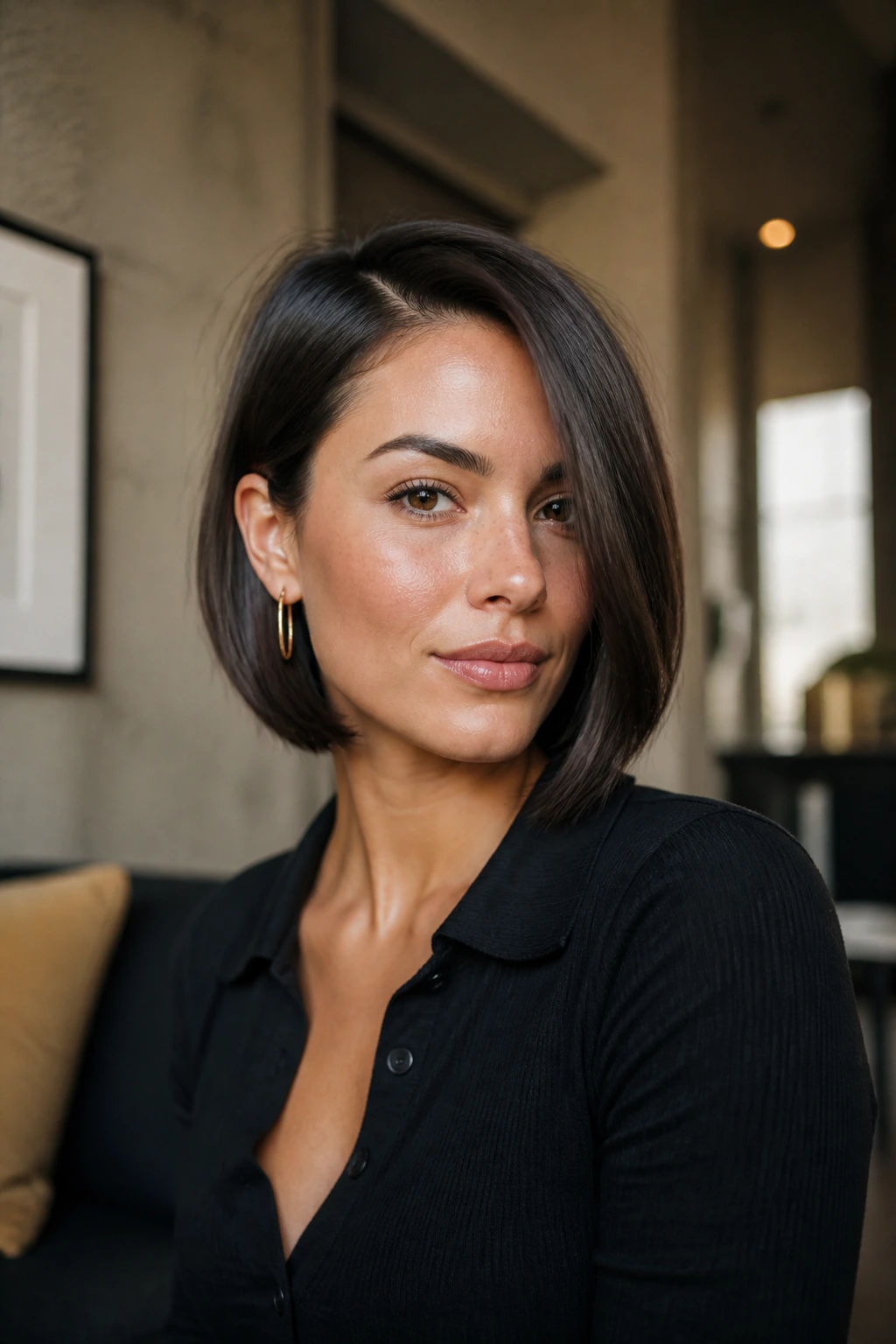
If you want to look like you just stepped off a runway, the sleek side-part bob is the gold standard. It works exceptionally well for thick hair because the side part shifts the volume to one side, which helps break up the overall mass and creates an interesting, asymmetrical profile.
Managing the Weight
With a deep side part, you naturally create a “heavy side” and a “light side.” This is a great way to manage thickness because you aren’t fighting the hair’s natural tendency to grow in all directions; you are directing it to lean in one specific way.
The Finishing Touch
- A flat iron is your best friend for this look, but always use a thermal protectant.
- Use a tiny drop of lightweight hair oil on the ends to keep them from looking dry.
- Tuck the side with less hair behind your ear to emphasize the sleekness.
8. The Curly Bob with Rounded Shape
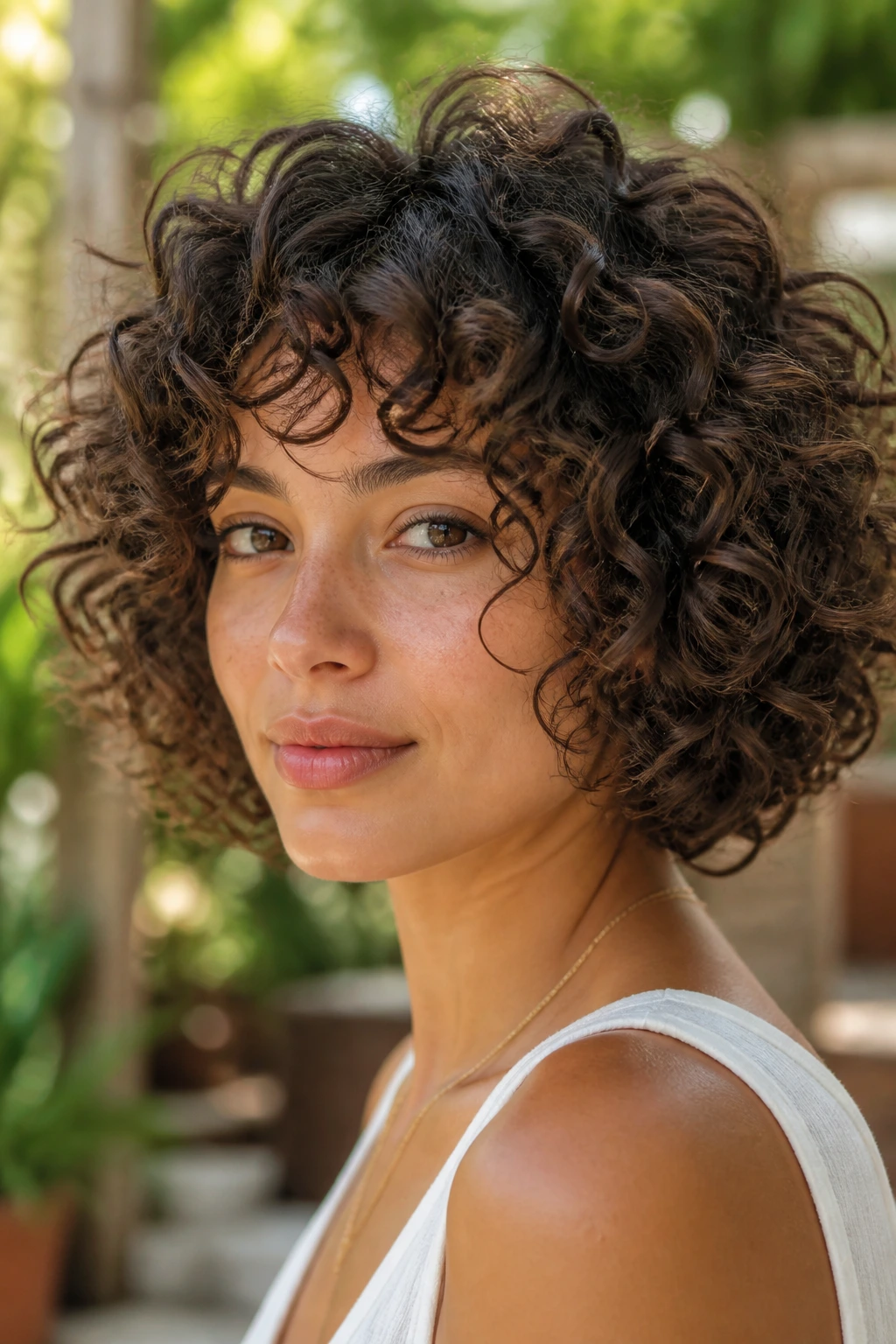
If your thick hair also has a strong curl pattern, the biggest mistake is trying to force it into a straight, blunt cut. You need a rounded, layered shape that allows the curls to stack naturally. This prevents the “pyramid” effect where the hair is flat on top and huge at the ends.
Shaping for Curls
- Ask your stylist to cut the hair while it is dry. This allows them to see exactly how each curl will bounce and coil.
- Layers are mandatory. Without layers, thick, curly hair will grow out into a wide triangle.
- Focus on cutting “internal” layers that create space between the curls, allowing them to sit closer to your head.
Essential Curl Care
- Use a diffuser attachment on your hairdryer to gently dry the hair without disturbing the curl pattern.
- Always apply a cream-based styler to soaking wet hair to lock in the definition before the hair starts to dry and expand.
9. The Modern “Bowl” Cut
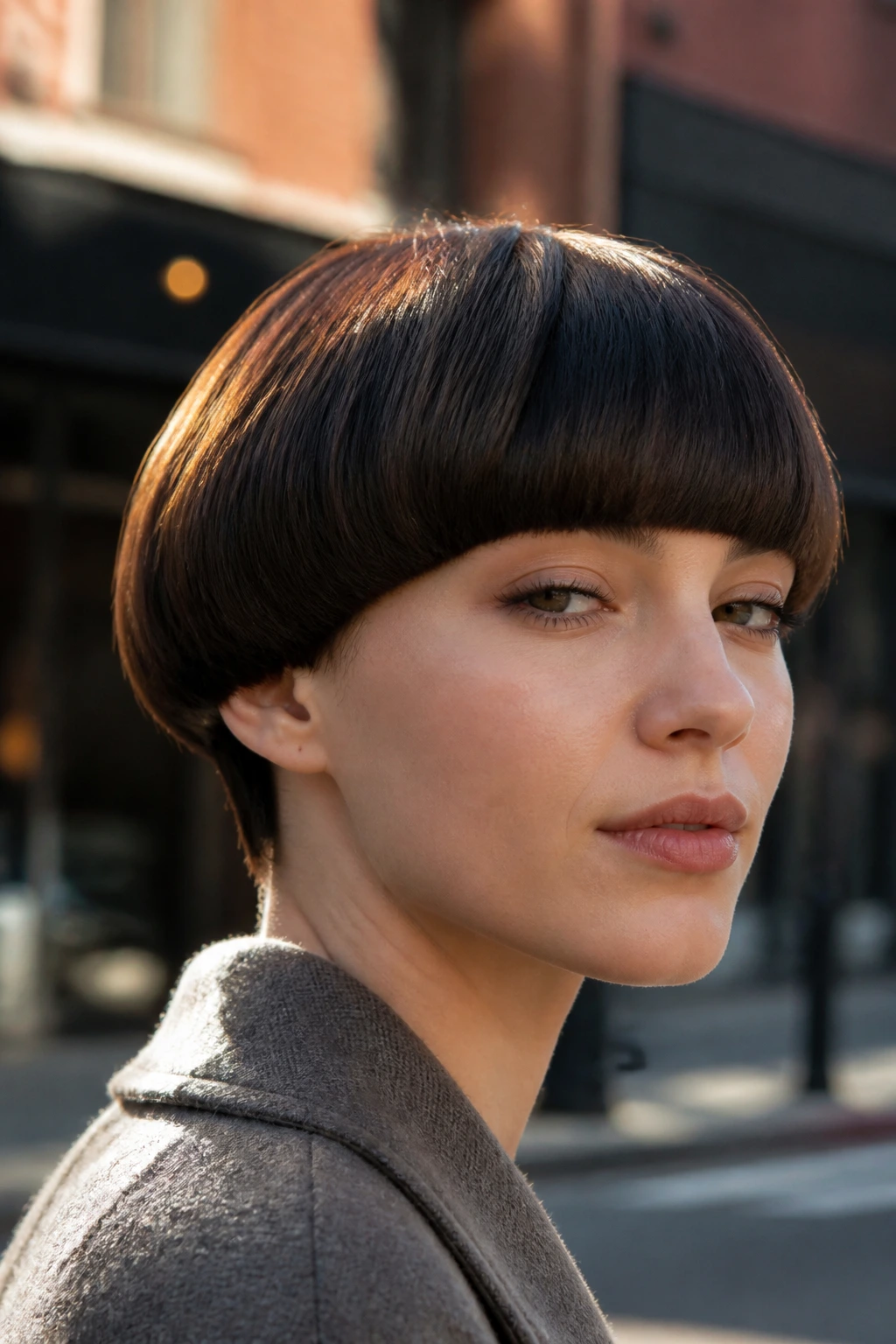
I know, the name sounds intimidating, but the modern version is nothing like the childhood nightmare you are imagining. It is a very cool, high-fashion style that works wonders for very thick, straight hair. It uses the hair’s natural density to create a beautiful, continuous shape that frames the face perfectly.
Why It Works for Thickness
This style embraces the volume rather than trying to suppress it. By keeping the length consistent around the head and combining it with a strong fringe, you create a seamless “cap” of hair that looks incredibly healthy and shiny.
The Commitment Factor
This is not a “wake up and go” cut. It needs to be styled and brushed to keep that smooth, rounded aesthetic. If you don’t have time to run a brush through your hair in the morning, this might be a style to skip.
10. The Wispy-End Bob
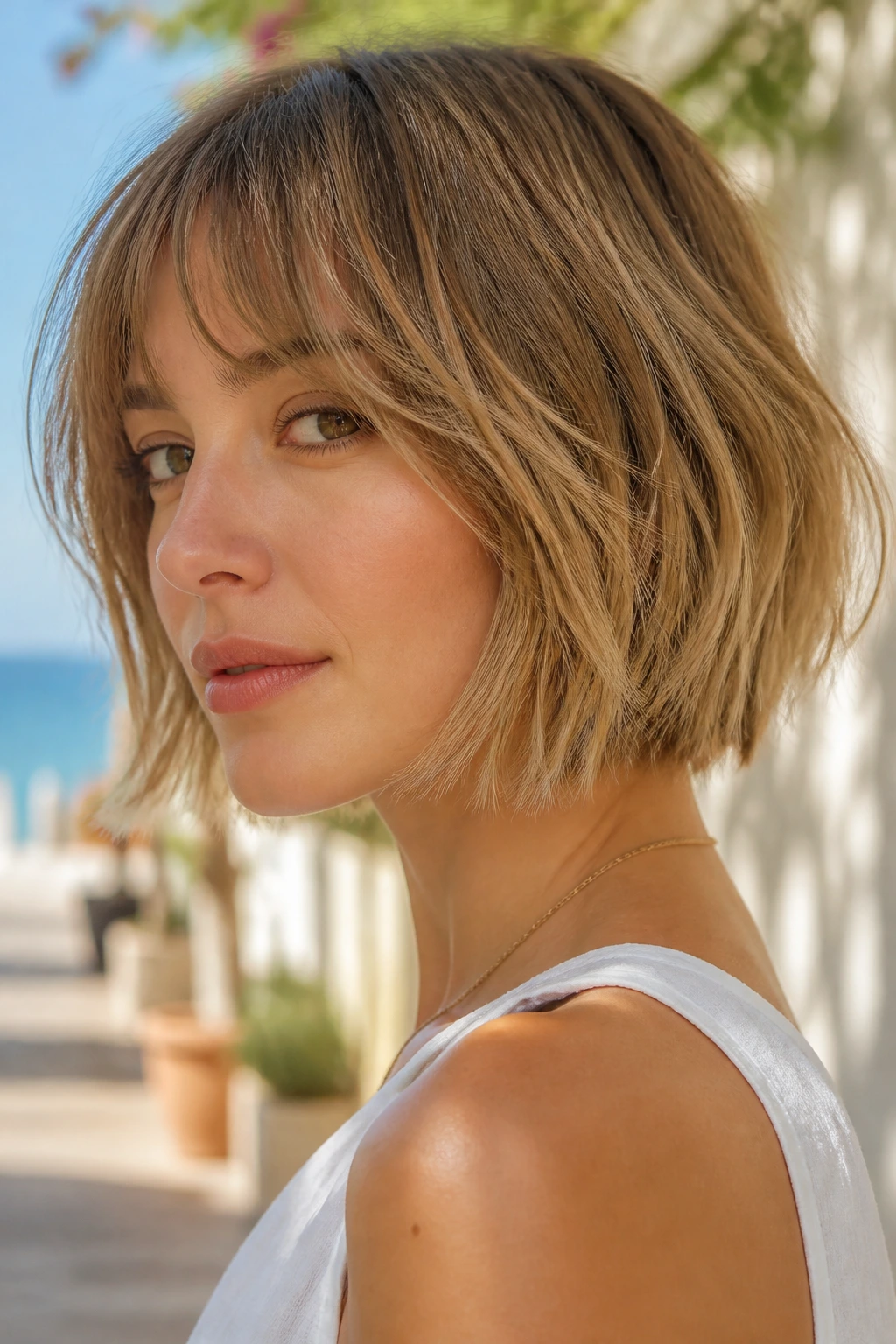
Sometimes the most effective way to manage thick hair is to make the ends look light as air. The “wispy-end” technique involves heavy thinning or deep point-cutting to create a frayed, delicate perimeter. It turns a heavy, dense bob into something that looks like silk.
How It Feels in Person
It feels much lighter than a blunt cut. You lose that “heavy curtain” sensation around your face and neck. It is particularly great for summer or for people who live in humid climates, as it prevents the hair from clumping together in a heavy, humid-induced mass.
Who Should Avoid This
If your hair is naturally very fine (even if you have a lot of it), be careful. If you over-thin the ends of fine-but-thick hair, it can end up looking stringy. Always ensure you are removing bulk from the interior rather than just hacking away at the perimeter.
11. The Asymmetrical Pixie-Bob
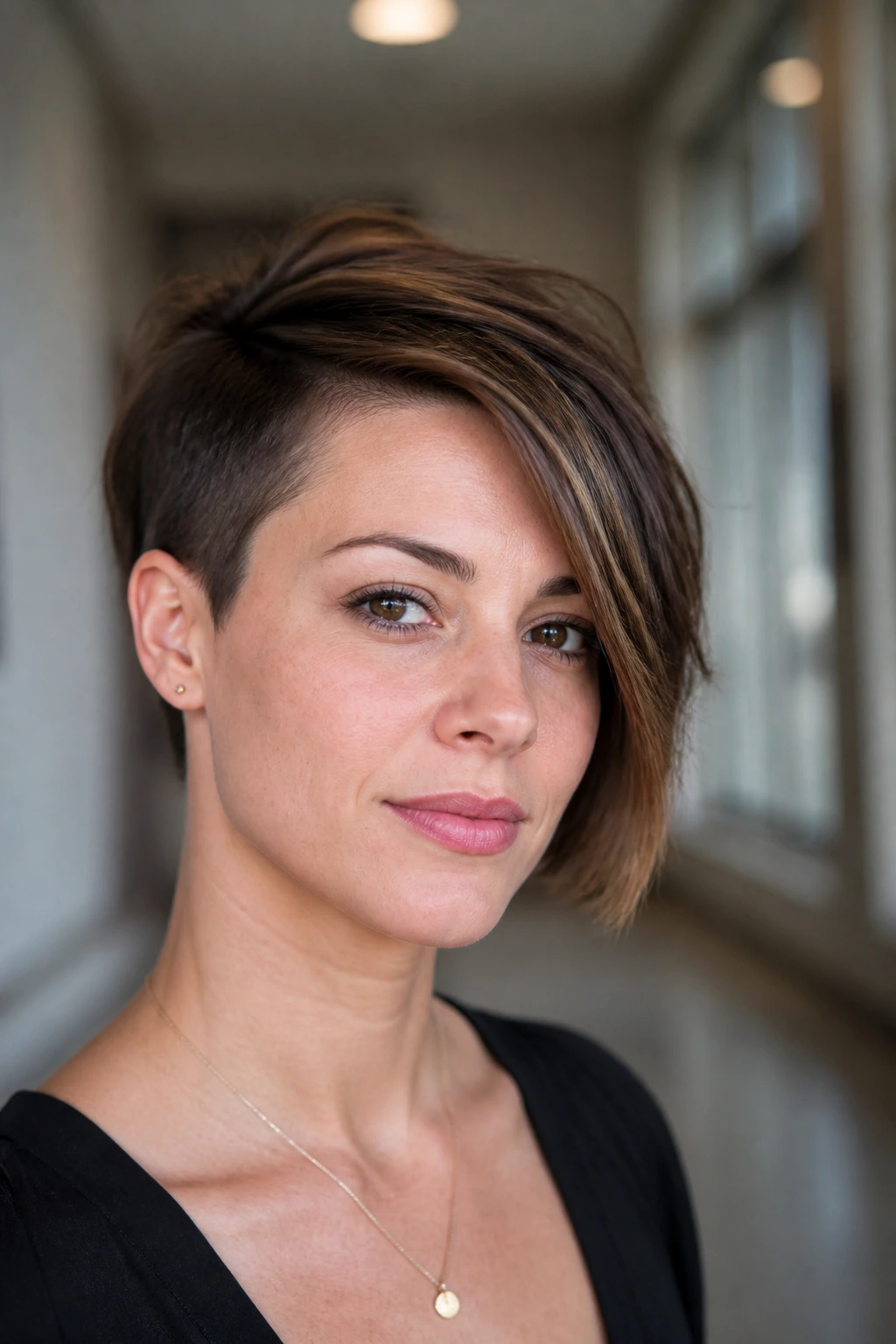
If you are hovering between a pixie cut and a bob, the asymmetrical version is the best of both worlds. One side is kept short and cropped, while the other side is left longer to create a distinct, dramatic silhouette. It is incredibly effective at removing weight because you are physically cutting away a large portion of the hair on one side.
Why This Style Is Unique
It shows that you are not afraid of change. By removing the weight from one side, you instantly make the overall hair feel much more manageable. It is also a very flattering look for those with sharp jawlines or high cheekbones, as it highlights the features rather than hiding them.
Maintenance Schedule
Because one side is significantly shorter, you will need to trim this cut every four to six weeks to keep the asymmetry sharp. If you let it grow out for too long, the shape will lose its intentionality and look like a haircut that simply grew out unevenly.
12. The Soft-Layered Chin Bob
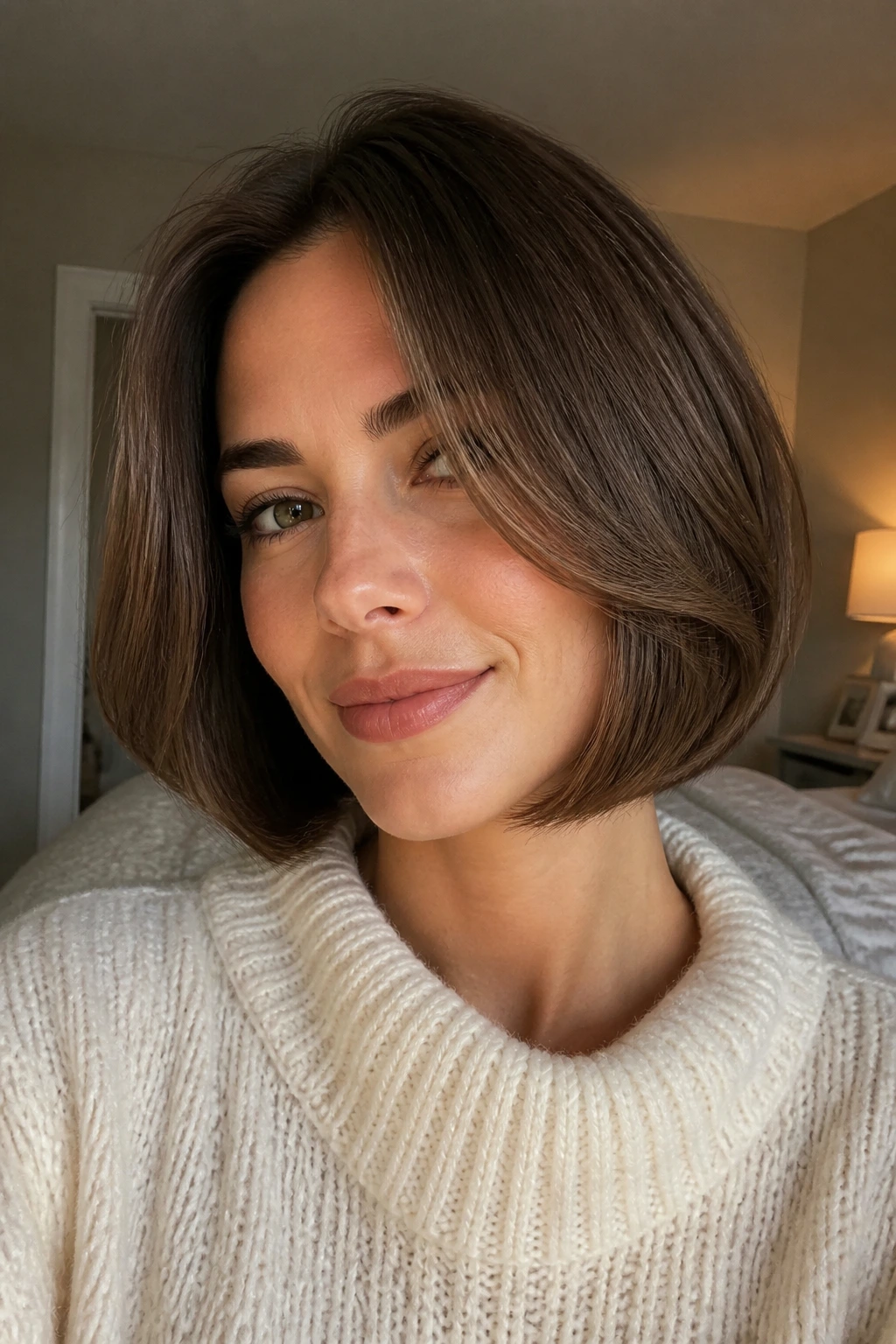
A chin-length bob can be aggressive, but adding soft, face-framing layers takes the edge off immediately. This style is about creating a rounded, pillowy look that feels romantic and soft. It is fantastic for thick hair because the layers prevent the hair from becoming a solid helmet.
Layering the Front
Focus on “tapering” the layers around your face. This prevents the hair from bunching up around your cheeks, which can make your face look wider than it is. A good stylist will start the layering around the nose or chin area to draw the eye downward.
Making It Look Professional
- Use a round brush to blow-dry the ends under. This adds to the soft, rounded aesthetic.
- A light-hold hairspray is enough to keep the layers in place without making them crunchy.
- This cut is excellent if you have a slight wave in your hair that you want to embrace.
13. The Mid-Length Shag Bob
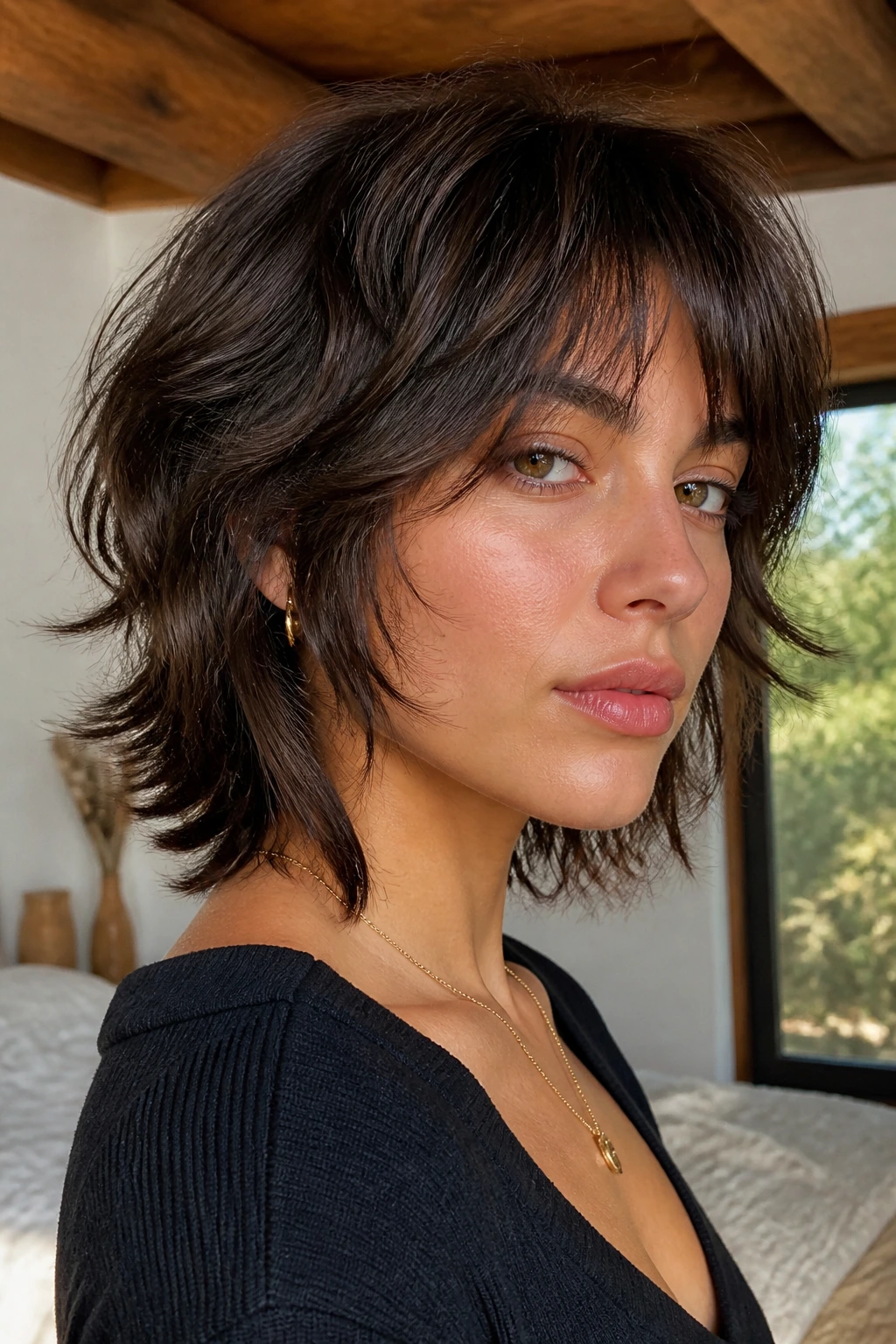
The shag has been popular for a long time, and for good reason—it’s the ultimate low-maintenance style for those who have too much hair. It relies on short layers at the crown and longer, shattered layers throughout the back. It is pure texture and movement.
Why It’s Perfect for Thick Hair
The layers are the entire point of the style. By putting a lot of layers in, you are naturally reducing the weight without having to use thinning shears that can sometimes leave hair feeling frizzy or dry. You are creating a shape that thrives on volume.
How to Style a Shag
- Skip the brushes and the flat irons. Use a sea salt spray or a texturizing paste.
- Scrunch the hair while it is damp and let it air-dry.
- The messier it gets, the better it looks.
14. The Blunt Cut with Face-Framing Curtains

If you love the look of a blunt bob but know it will be too heavy for your density, keep the back blunt and add some long “curtain” bangs or face-framing pieces. This balances the look by keeping the bulk at the back but creating some visual interest and lightness around the face.
The Balancing Act
The bluntness at the back gives the illusion of thickness and health, while the face-framing pieces ensure you don’t look like you’re wearing a heavy box on your head. It is a compromise that works surprisingly well for almost every face shape.
Versatility
You can wear this style completely straight, or you can add a few soft waves with a curling iron. The face-framing pieces are easy to style, and they grow out into nice, long layers if you decide to go back to a more uniform look.
15. The “Wet Look” Textured Bob
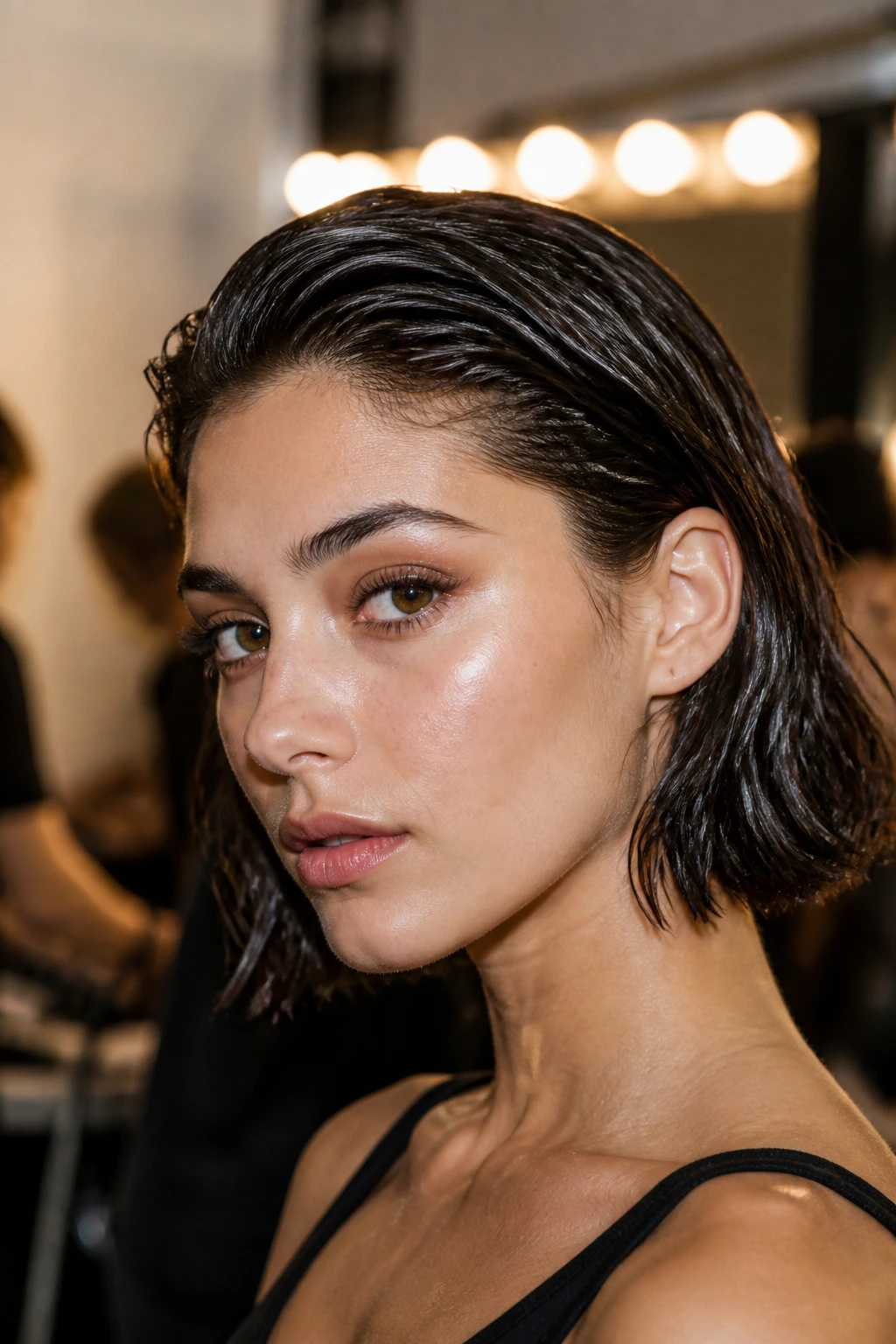
The wet look is more of a styling technique than a specific cut, but it is a lifesaver for people with thick hair. If you have had a long day and your hair is feeling puffy and unmanageable, use a generous amount of styling gel to create a sleek, structured “wet” look. It keeps the hair compressed and adds a high-fashion edge to any bob.
How to Achieve It
- Start with damp hair.
- Work a high-shine, medium-hold gel through the roots and mid-lengths.
- Use a fine-tooth comb to slick the hair back or to the side.
- Let it dry completely without touching it—once it is dry, it will lock into place and hold even the thickest, most unruly hair in a sleek shape.
Is It Daily Wear?
Probably not for the office, but it is an excellent tool for events or nights out when you need your hair to look 100% controlled. It’s a great way to handle the “bad hair day” volume that often hits thick-haired individuals by the end of the week.
16. The Rounded Nape Bob
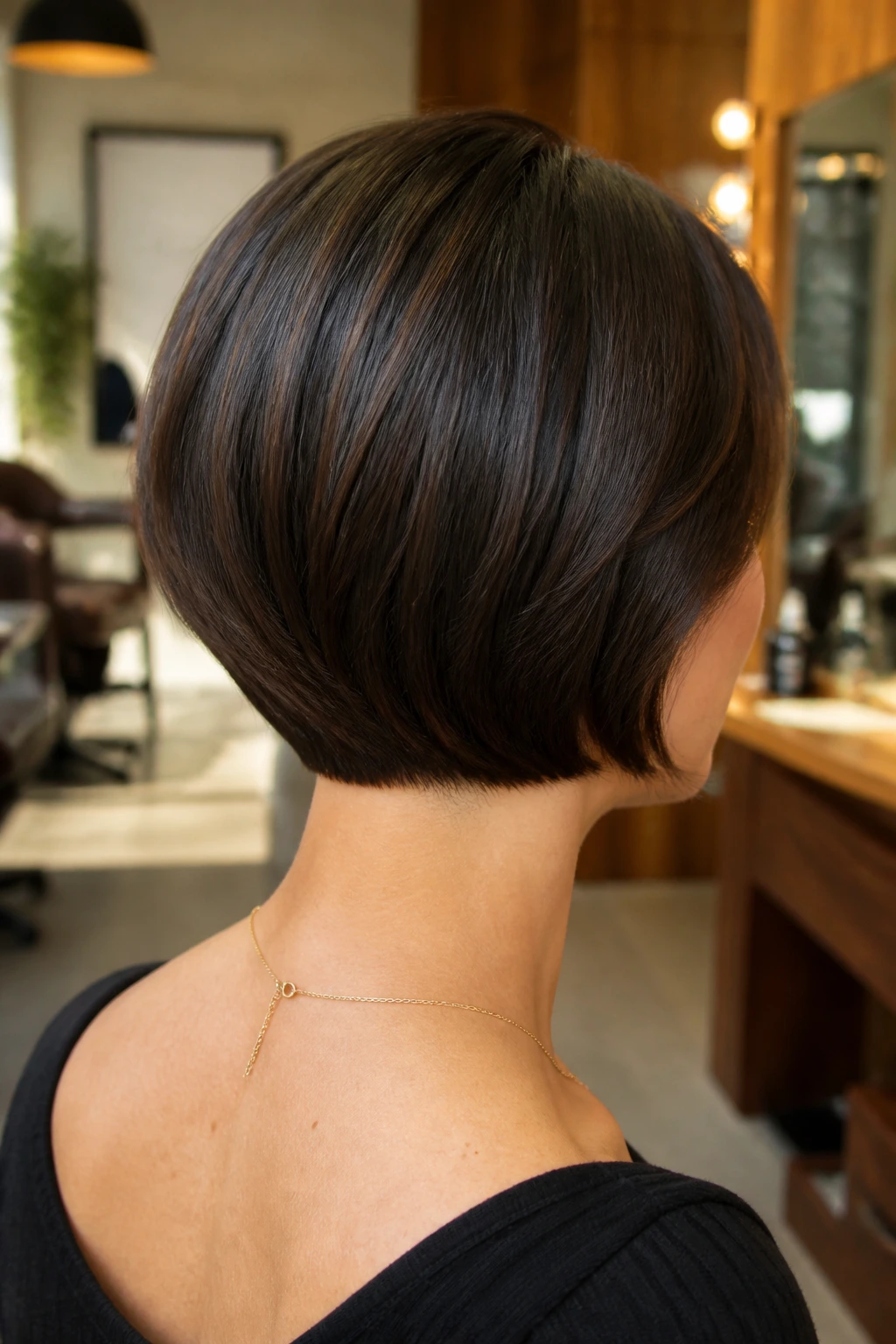
This is a specific variation of a classic bob that focuses entirely on a perfectly round nape. The hair at the back is cut in a slight “U” or “C” shape, which makes the hair cup the neck. It is very elegant, very feminine, and incredibly good at hiding the bulk of thick hair.
The Visual Effect
It makes the back of your head look perfectly rounded and polished. For those with thick, coarse hair, this cut creates a clean line that feels very high-end. It requires a precise cut from a skilled stylist—this isn’t the kind of style you want a bargain-bin haircut for.
Maintenance Tips
- Because the nape area is so precisely cut, you will notice when it starts to grow out.
- Keep the neck area clear of stray hairs for the best effect.
- Use a shine serum on the nape to highlight the precision of the cut.
17. The Deep-Layered Textured Bob
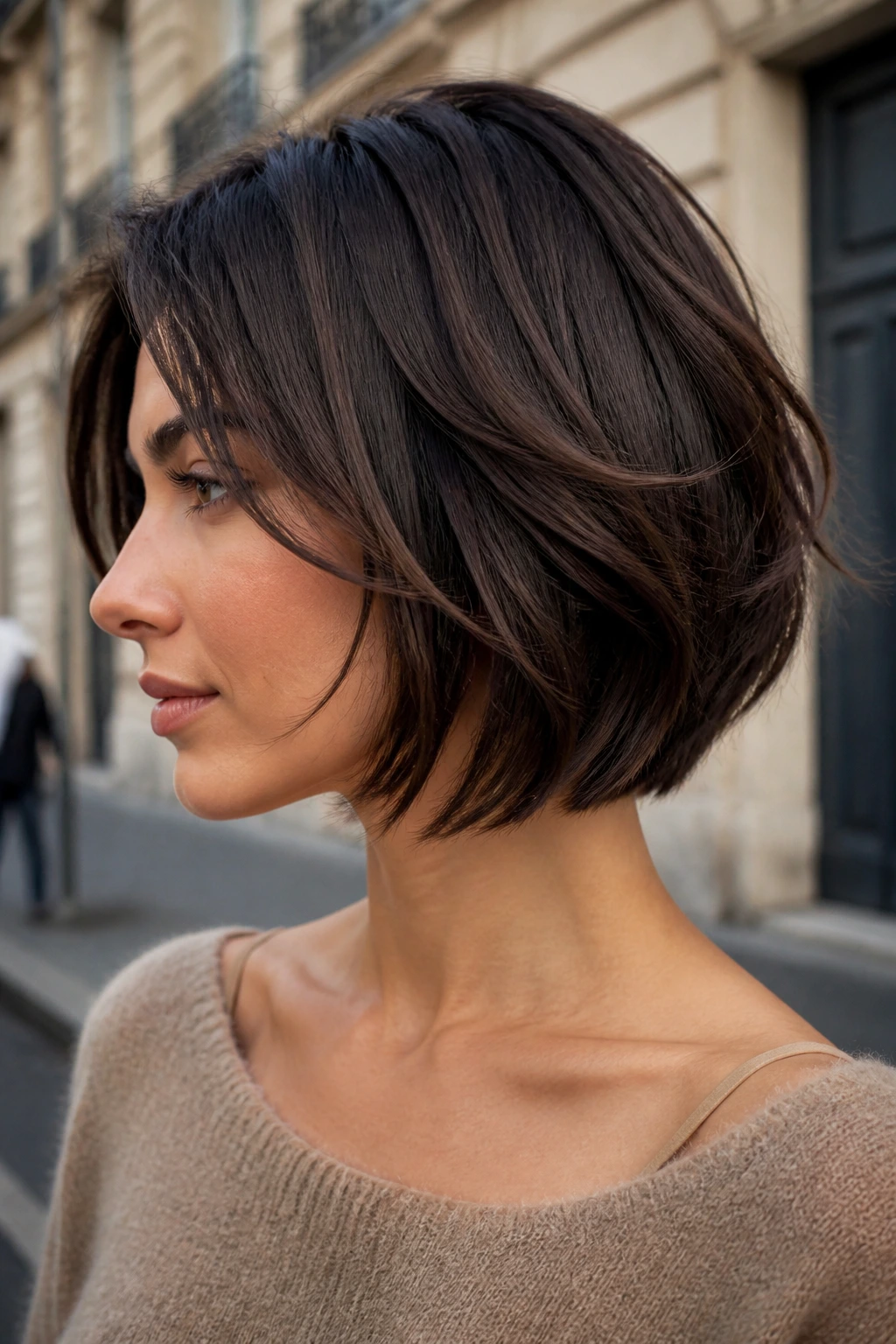
Sometimes, the best thing you can do for thick hair is to cut deep layers that essentially strip the hair of its weight. These aren’t your typical surface layers; they are cut deep into the section, which allows the hair to interlock. It feels incredibly soft and has a ton of movement.
The Science of Internal Weight Removal
When a stylist cuts deep into the hair shaft, they are creating “resting spots” for the hair strands. This means the hair isn’t just one long, heavy piece—it becomes a web of interconnected strands that support each other. This is the secret to getting a “bouncy” bob on thick hair.
The Result
Your hair will feel half as heavy, but it will look twice as thick. It is a paradox, but it works. You get the volume you want, but without the physical burden of the extra hair mass.
18. The Graduated Bob with Long Sides
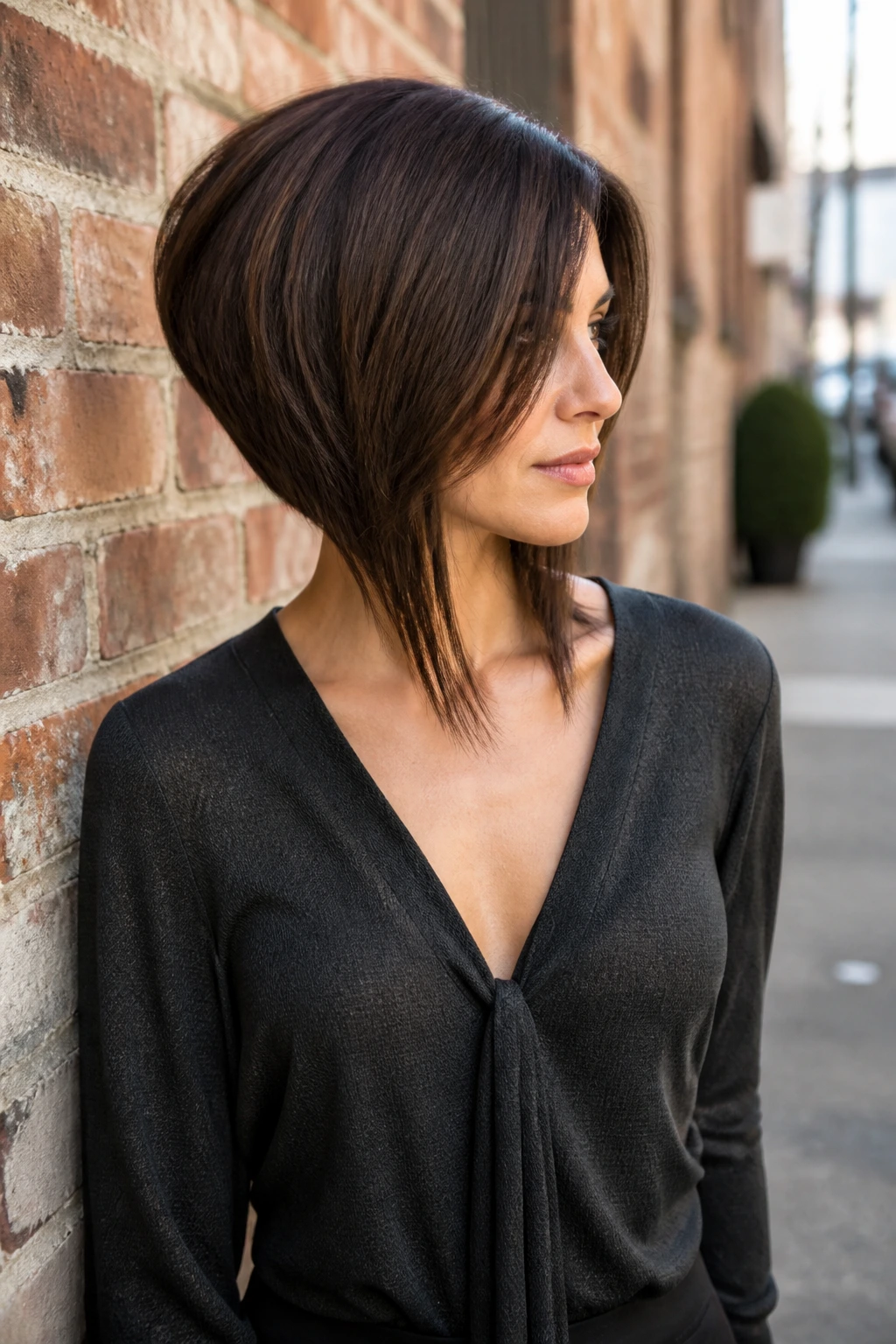
This is a sophisticated, dramatic choice. The back is short and stacked, but the front pieces are left long—often grazing the collarbone. It is a powerful style that screams confidence. The weight is entirely removed from the back, leaving you with just enough in the front to frame your face.
Why It Feels Modern
It looks intentional and artistic. It is a cut for someone who wants their hair to be a defining feature of their look. Plus, because the back is so short, you don’t have to worry about the hair catching on your collar or tangling while you sleep.
Who Should Try It
Anyone with a strong jawline or someone who wants to emphasize their neck. It is a very flattering, elongating cut that makes anyone look taller and more poised.
19. The Shattered Perimeter Bob
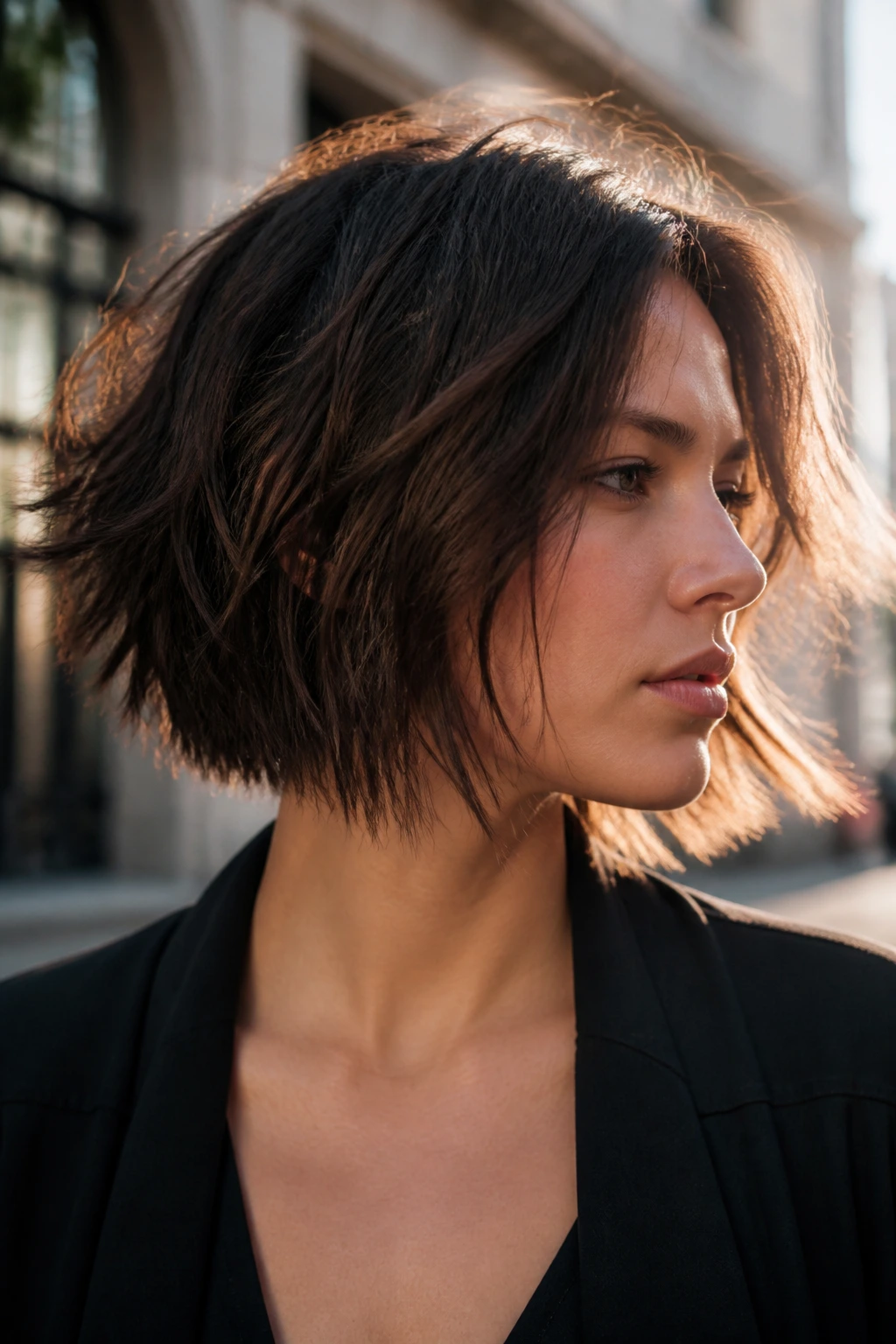
If you hate the “blunt” look, you will love the shattered perimeter. Instead of a straight line, the ends are cut into a series of jagged points. It looks unfinished in the best way possible. It is the ultimate “cool girl” bob for those who have naturally thick, messy hair.
Why It Works for Thick Hair
It removes the physical bulk at the very end of the hair. If you have ever felt like your bob looked like a lampshade, a shattered perimeter is your antidote. It breaks up the silhouette and allows the hair to move freely in the wind.
Styling Advice
- Air-dry with a bit of texture cream.
- Do not use a round brush, as you want to encourage the “shattered” look, not smooth it out into a perfect circle.
- This cut is fantastic for those who enjoy a bit of chaos in their style.
20. The Tapered Nape Inverted Bob
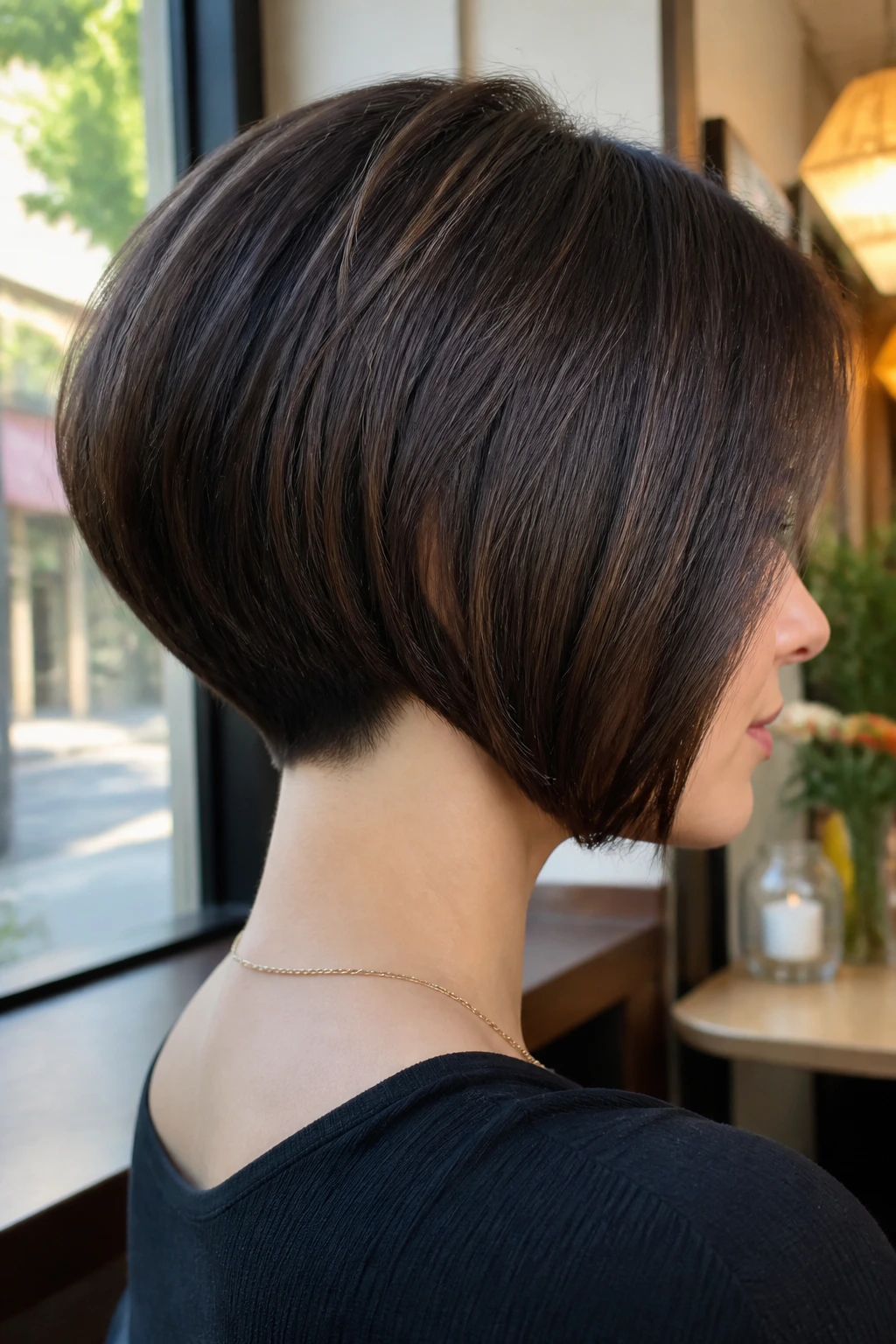
The tapered nape is a detail-oriented cut where the hair at the bottom of the neck is cut so closely it almost fades into the skin. This removes the “poof” at the base of your skull, which is the most common place for thick hair to balloon out. It creates a seamless transition from your hair to your neck.
The Benefits of a Taper
It is clean, professional, and very low-maintenance. You don’t have to worry about the hair at the back of your neck getting frizzy or sticking out. It always looks like you just left the salon.
Professional vs. Casual
This look works in any setting. It is crisp enough for a corporate environment but edgy enough for a weekend look. It is a great choice if you want a bob that looks polished at all times.
21. The Soft-Wave Textured Bob
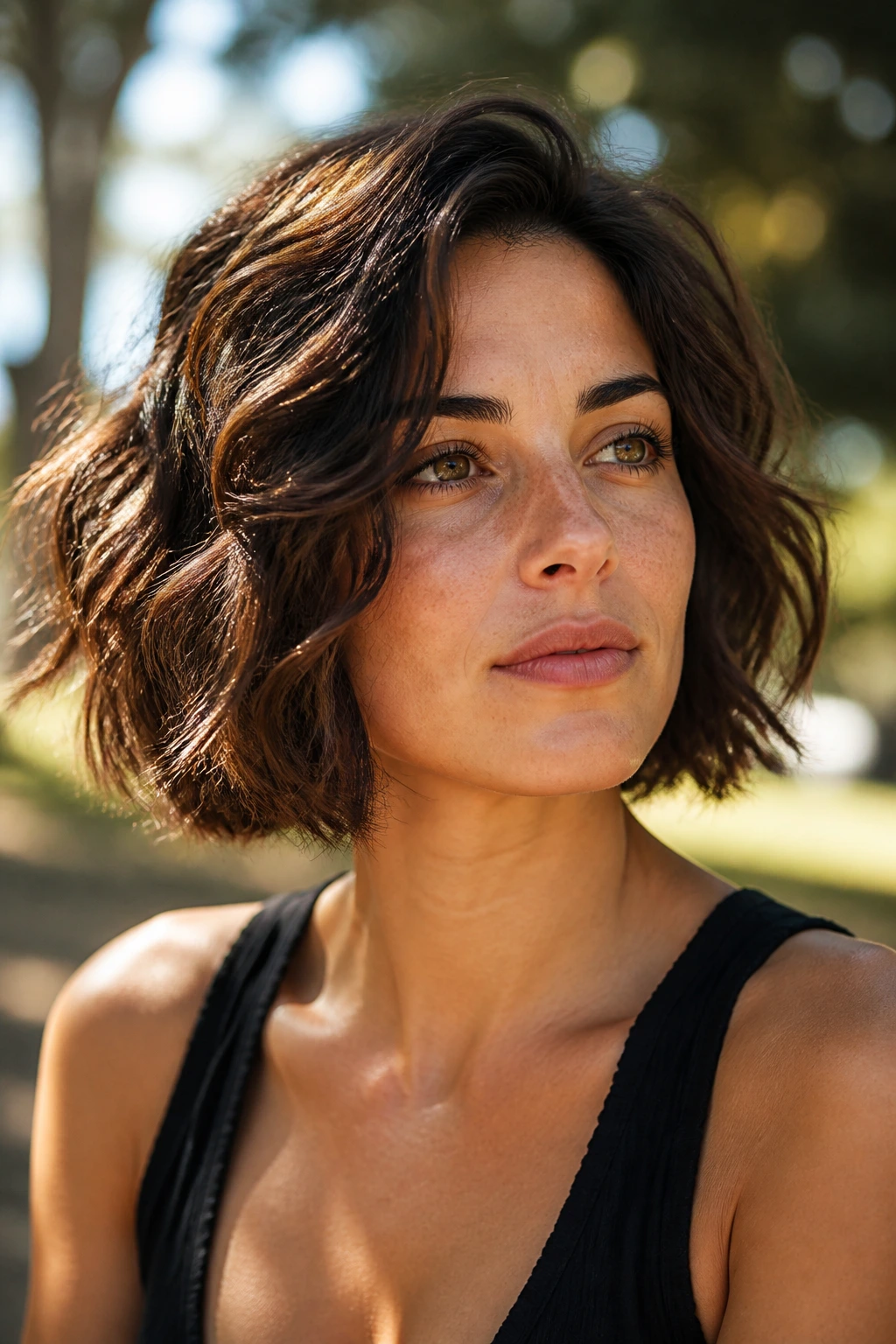
If you have thick hair and want to wear it wavy, you need a cut that accommodates the wave pattern. The soft-wave bob uses long, interior layers to ensure the hair doesn’t get wider as it goes down. It is all about maintaining the shape of the wave rather than just the length of the hair.
The Wave-Cut Strategy
- Cut the hair while it is dry so the stylist can see where the waves “clump” together.
- Keep the layers long so they don’t create extra frizz.
- Ensure the hair is long enough to support the wave—usually, a chin-length bob is the minimum for those with strong waves.
Products for Success
- A leave-in conditioner is essential to keep the hair hydrated and the waves soft.
- Use a diffuser to dry the hair to maintain the integrity of the waves.
22. The Perfectly Rounded “Classic” Bob
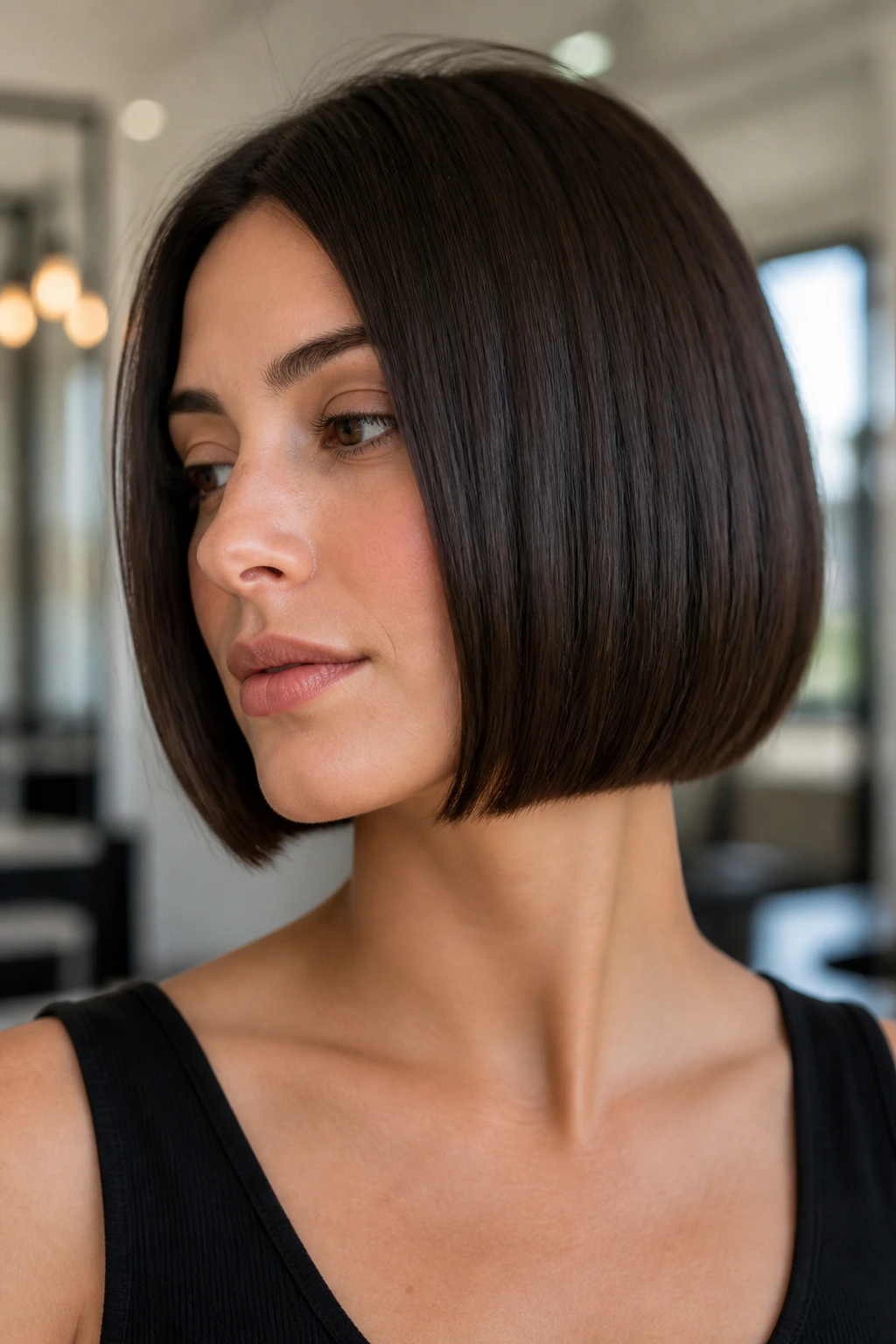
This is the hardest bob to pull off with thick hair, but it is the most rewarding. It is a perfectly blunt, perfectly rounded bob that sits just below the chin. It requires a master-level stylist to execute because it involves precise weight removal from the inside of the hair to keep it from mushrooming.
Achieving the Shape
It is all about the “internal graduation.” The stylist must cut the hair in a way that the top layer is slightly longer than the under-layer, creating a natural inward curve. It is a work of art, and when done correctly, it is the most beautiful bob a person with thick hair can ever have.
Final Takeaways for Success
- If your stylist doesn’t mention weight removal or internal layering, find a new stylist.
- Be prepared to pay for quality; this cut takes time and technical skill.
- Use high-quality smoothing products to keep the hair looking as sleek as the cut itself.
Final Thoughts
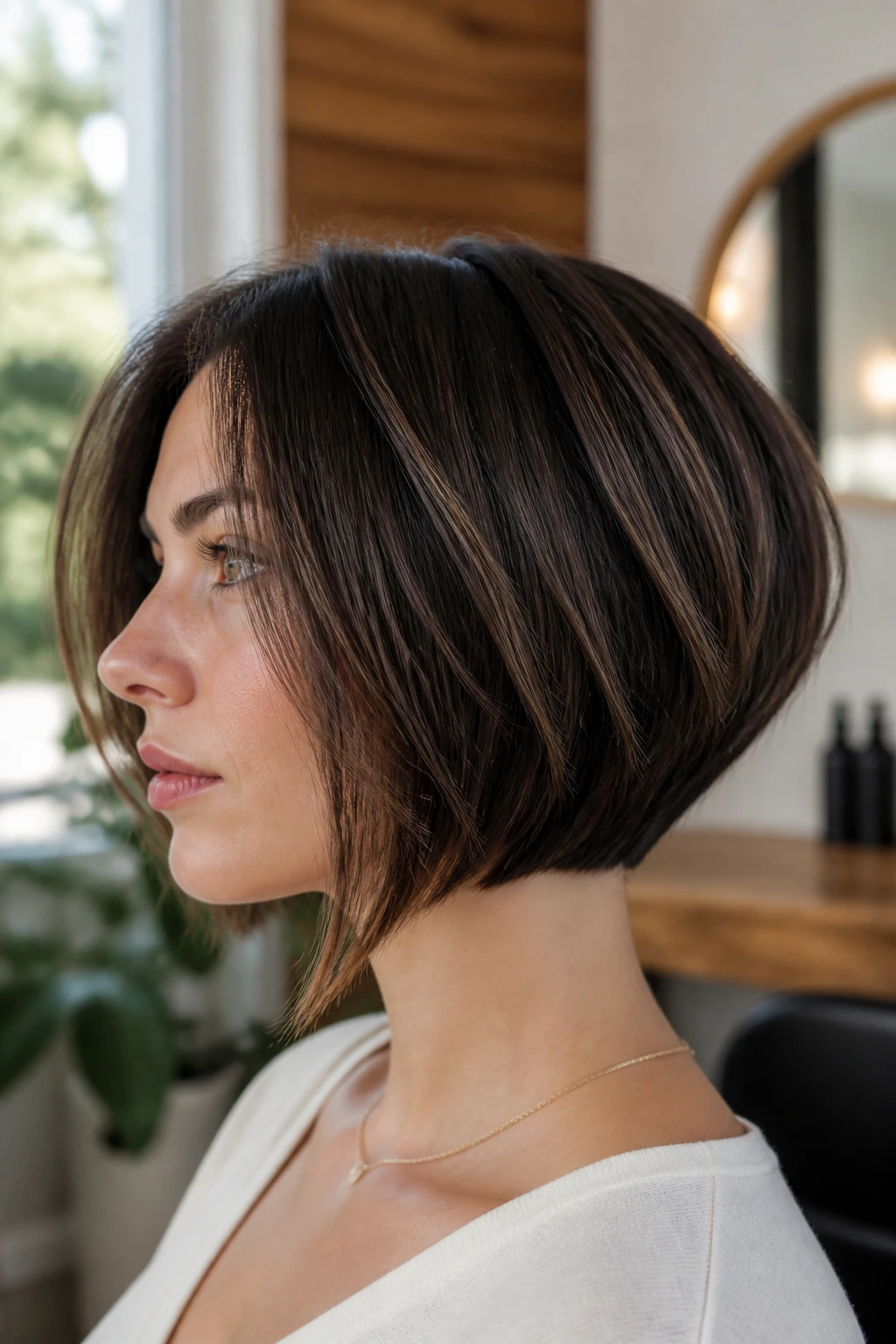
Finding the perfect bob when your hair is thick and dense is less about following a trend and more about understanding the geometry of your own head. There is no one-size-fits-all, but there is always a way to manage that volume without sacrificing your personal style. Whether you opt for an edgy undercut, a sophisticated graduated stack, or a soft, shattered perimeter, the goal remains the same: you want a haircut that feels light, moves well, and doesn’t fight you when you try to style it in the morning.
Remember that thick hair requires consistent maintenance. The better you take care of the health of your ends and the more often you keep up with your trims, the easier your style will be to manage. Don’t be afraid to ask your stylist to “debulk” the interior—it is the secret weapon for every successful bob in the history of hair. Trust your hair, understand its weight, and you will eventually find the exact silhouette that makes you feel like the best version of yourself.