


If you have fine, thin hair, you have likely spent years staring in the mirror, convinced that a bob is the one style you absolutely cannot pull off. There is a persistent myth in the world of hairstyling that thin hair requires length to look healthy or that it lacks the density to support the blunt, heavy lines of a classic bob. That couldn’t be further from the truth. In fact, when cut with intention and styled with the right texture, a bob is the single most effective way to create the illusion of density, volume, and movement.
The secret isn’t just in the haircut; it is in the wave. By introducing texture through loose, soft waves, you break up the uniform perimeter of the hair. This prevents the “pancake effect” where fine hair falls flat against the scalp, making it look sparse. Instead, you get height, bounce, and a look that feels intentionally lived-in rather than struggling to grow out. When you pair this with strategic layering or blunt ends, you aren’t just cutting your hair—you are architecting a style that maximizes every single strand you have.
Whether you are looking for a sharp, jaw-grazing cut or a softer, collarbone-skimming length, there is a version of the wavy bob that will transform your hair’s natural limpness into something vibrant and full. We aren’t talking about messy, crunchy beach waves from a decade ago; we are talking about sophisticated, air-dried texture that brings life to fine locks. Here are twenty variations of the wavy bob designed to make your hair look thicker, healthier, and better than you ever imagined.
1. The Blunt Jaw-Length Bob
The most powerful tool for thin hair is a clean, razor-sharp perimeter. By cutting the ends perfectly blunt at the jawline, you create a dense weight line that makes the hair appear instantly thicker. When you add a few loose waves, that weight line doesn’t disappear; it provides the structure that keeps the hair from looking wispy at the bottom. This style is incredibly chic and works best when the hair is kept one length all the way around.
Achieving the Look
- Ask your stylist for a blunt cut with zero layers at the ends.
- Use a large-barrel curling iron to create just two or three bends in the hair, leaving the ends straight.
- Apply a light-hold texturizing spray to keep the waves from dropping as the day goes on.
Pro tip: Avoid thinning shears or “texturizing” cuts at the ends, as these will only make your hair look thinner. You want every strand to end at the exact same point to build a sense of bulk.
2. The Textured French Bob

There is something undeniably effortless about the French bob, especially when it hits right at the cheekbone or the chin. This cut is naturally shorter and often paired with a wispy fringe. For thin hair, this is a lifesaver because the shorter length means less gravity pulling on the roots, which naturally encourages volume at the crown. The texture is usually kept messy and slightly undone, which perfectly masks the lack of hair density.
Why It Works for Fine Hair
- The shorter length reduces the weight of the hair, allowing for more natural lift at the roots.
- The layers are concentrated around the face, creating a frame that directs attention to your features rather than your hair’s volume.
- A slight wave adds width to the style, making the bob look fuller than a straight, flat version would.
3. The A-Line Lob with Internal Layers
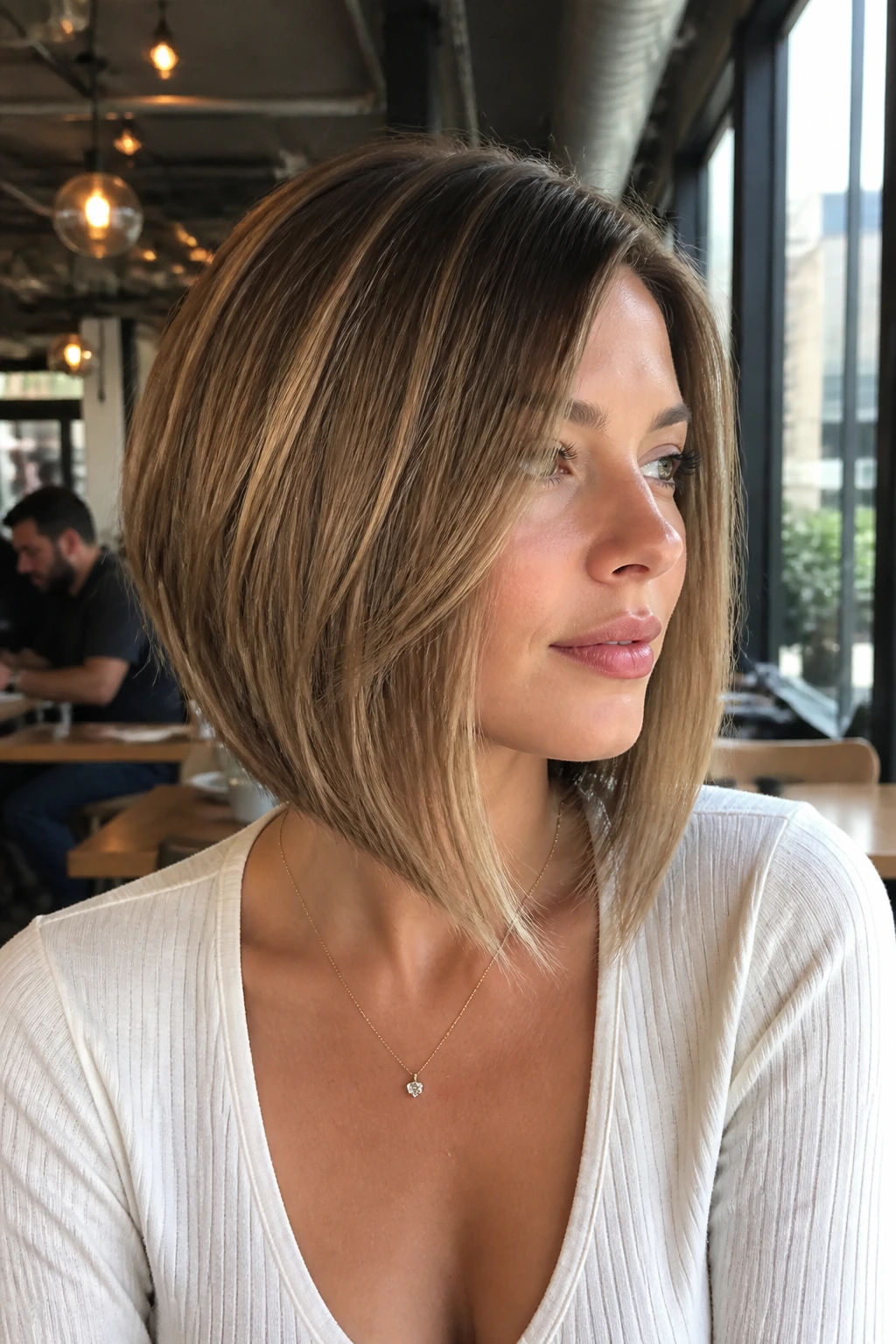
If you aren’t quite ready to commit to a chin-length chop, the A-line long bob (lob) is your best friend. By keeping the back slightly shorter and the front pieces longer, you create a sharp angle that feels modern and intentional. The key to making this work for thin hair is adding “invisible” internal layers—small, hidden snippets of hair removed from the underside of the canopy to help the outer layers sit more easily on top of one another.
4. The Softly Layered Shaggy Bob

The shag is having a massive moment, and it’s actually a brilliant solution for fine hair that lacks volume. A shaggy bob uses multiple layers of varying lengths to create height throughout the head. Because fine hair can’t support heavy, blunt ends at mid-length, layering allows you to stack texture on top of texture. The resulting silhouette is light, airy, and full of movement, which makes it very hard to tell how thin the hair actually is.
Styling for Maximum Volume
- Start with a volumizing mousse on damp hair.
- Blow-dry using a round brush to lift the hair away from the scalp at the roots.
- Use a sea salt spray once the hair is dry to encourage the waves to clump together naturally, creating a “piecey” look that mimics thicker, coarser hair.
5. The Deep Side-Parted Wavy Bob

Never underestimate the power of a deep side part. When you flip the majority of your hair to one side, you are essentially moving the “volume center” of your style. This creates an instant boost in height at the root on the heavier side. When paired with a bob length, the extra bulk on one side makes the entire head of hair look significantly denser. It’s a simple, zero-cost adjustment that changes the entire geometry of your haircut.
6. The Blunt Bob with Curtain Bangs
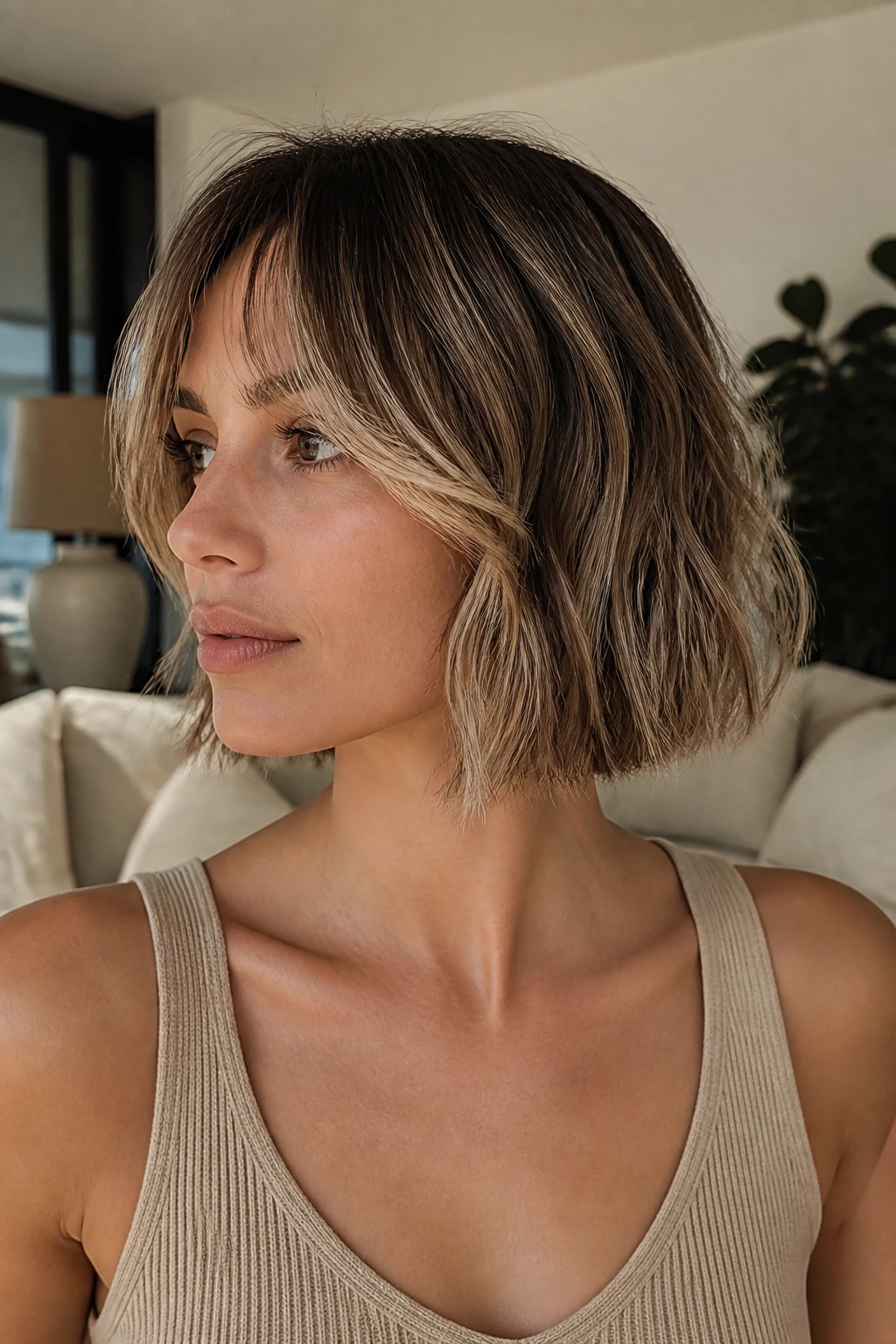
Curtain bangs are a perfect addition to a wavy bob because they integrate your front pieces into the rest of the style, breaking up the area around the face. For thin hair, bangs can sometimes look stringy if they are too heavy, so keeping them light and wispy is essential. When you wave the bob and let the bangs blend into those waves, it creates a cohesive, full-bodied look that draws the eye upward and outward.
7. The Wavy Choppy Bob with Highlights
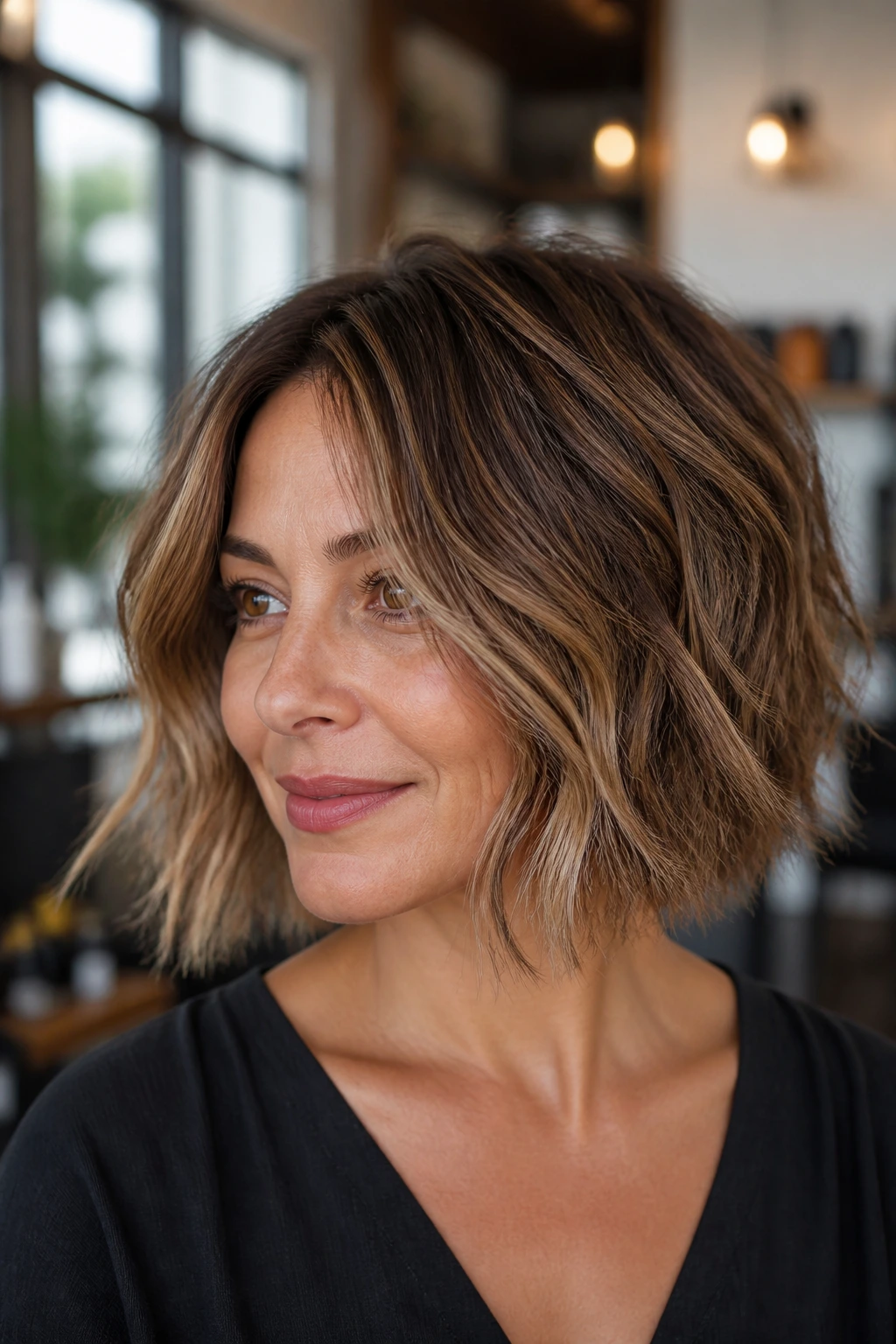
Color is just as important as the cut when you are dealing with thin hair. Choppy layers are great for movement, but you can enhance that texture with highlights or babylights. By painting lighter tones through the hair, you create visual depth. The eye perceives the light and dark variations as physical volume, making your hair look much more dimensional than it would in a single, flat shade of color.
The Best Color Techniques
- Ask for “dimensional color” rather than solid block color.
- A root smudge can help blend the hair more naturally, preventing the stark contrast that makes fine hair look sparse against the scalp.
- Focus the lightest shades toward the ends to keep the crown looking healthy and full.
8. The Ear-Tuck Wavy Bob
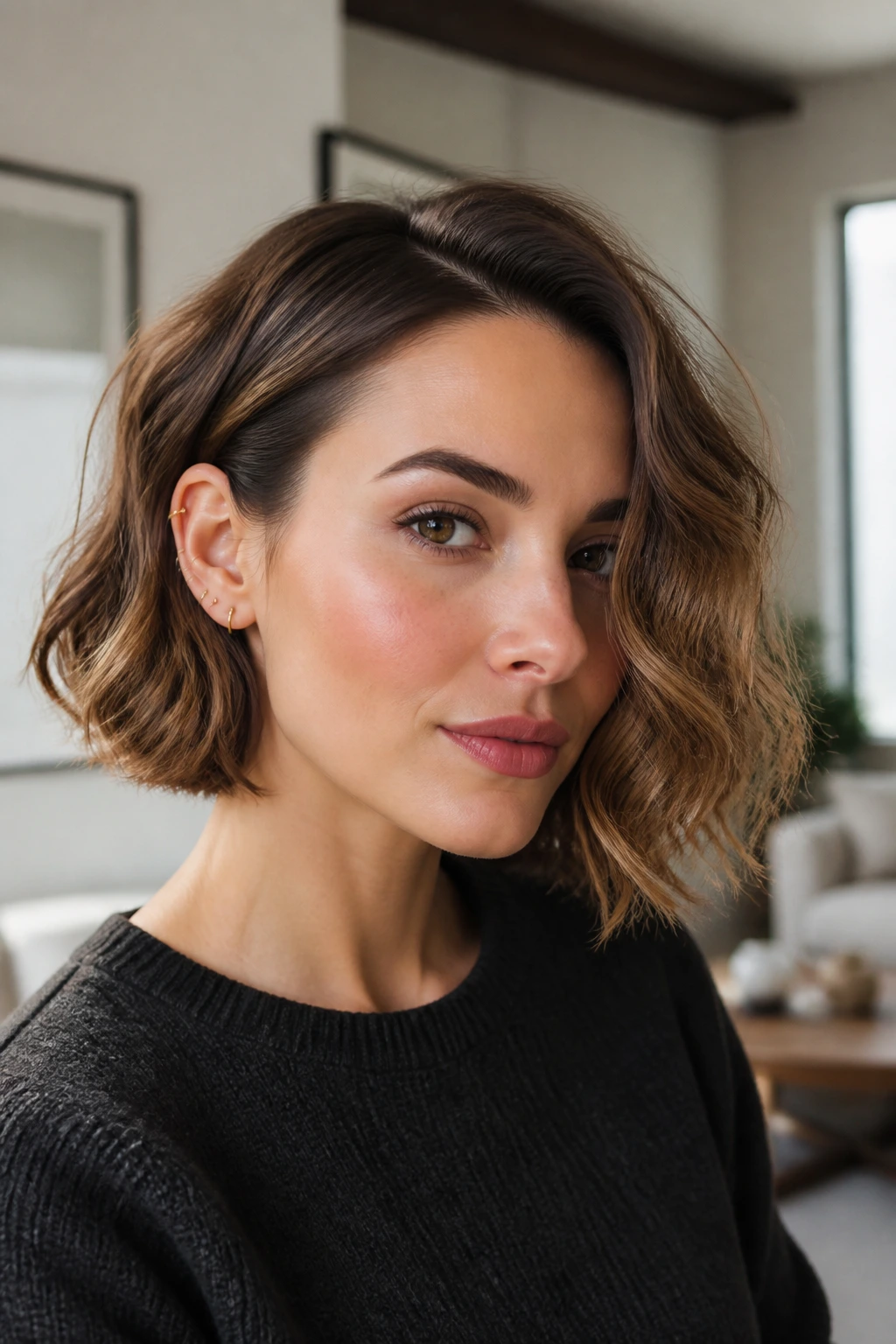
This is more of a styling technique than a cut, but it’s transformative for thin hair. If you have a bob that hits just below the chin, tucking one side behind your ear creates a clean, intentional silhouette. It reveals the jawline and neck while keeping the other side loose and wavy. The contrast between the tucked, sleek side and the voluminous, wavy side makes the wavy side look even bigger than it is.
9. The Minimalist Blunt Bob with No Layers
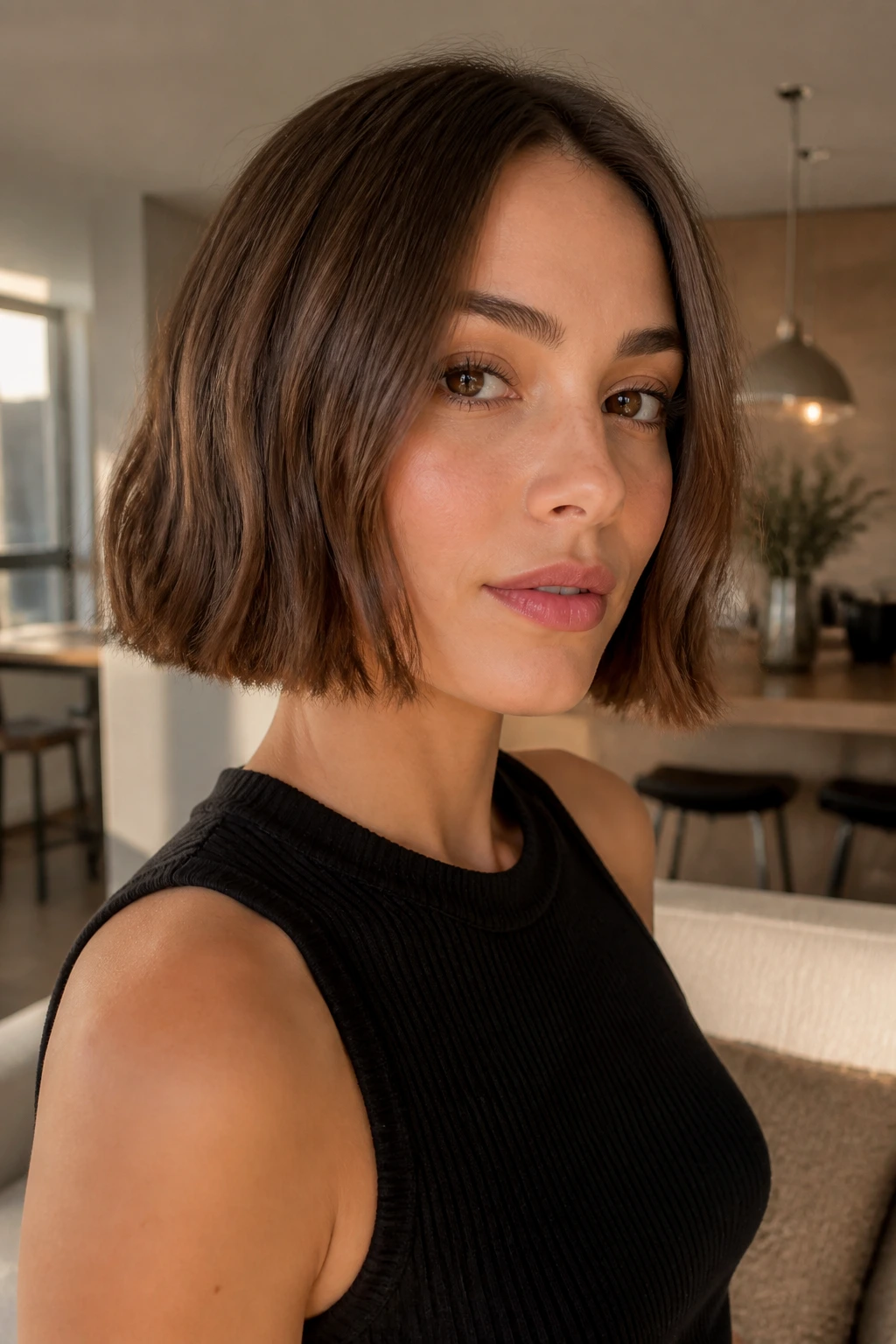
Sometimes, the best strategy for thin hair is to keep it as simple as possible. A completely one-length bob, cut with a razor to give it a soft but blunt edge, creates a solid silhouette. When you add a few waves with a flat iron—twisting the iron as you pull it through—the waves appear more structured. Because there are no layers to “thin out” the ends, the bottom of the bob retains every ounce of thickness your hair has.
10. The Collarbone-Grazing Wavy Lob

For those who fear the “short hair” commitment, the lob that hits the collarbone is the perfect middle ground. It is long enough to be pulled back into a small pony but short enough to avoid the “weighed down” look that long, thin hair often suffers from. At this length, the weight of the hair is just right; it’s not too heavy, so your waves have a chance to hold their shape for several hours without being pulled straight by gravity.
11. The Undercut Wavy Bob
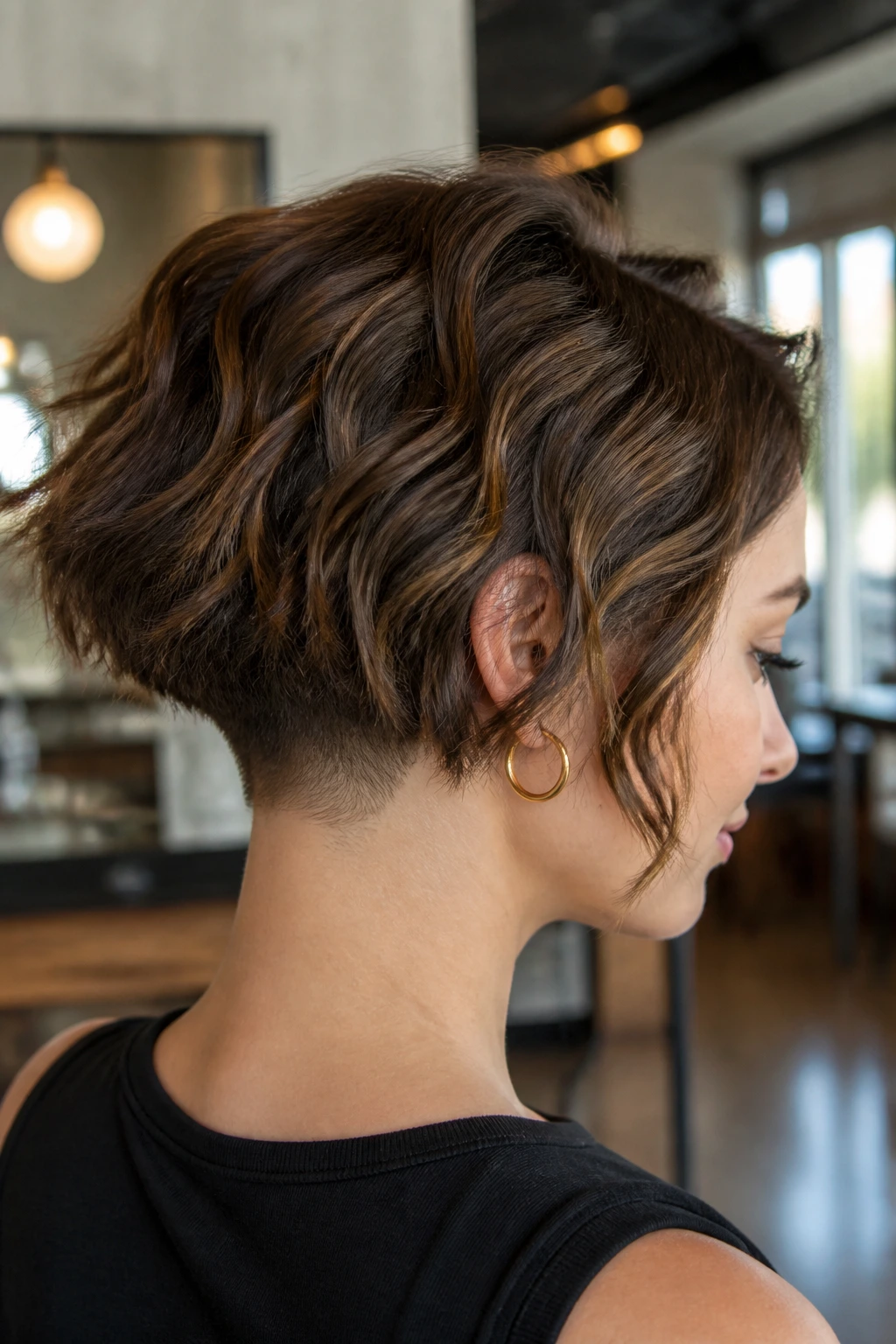
An undercut is a daring, modern way to handle thin hair. By shaving the hair at the very nape of the neck, you remove the hair that usually just sits flat or gets frizzy, which allows the hair above it to fall in a smoother, fuller way. The result is a bob that looks incredibly polished and sophisticated. It sounds counterintuitive to remove hair, but for those with fine strands, it reduces bulk where it isn’t needed and highlights the volume where it is.
12. The Wispy-End Wavy Bob

If you find that blunt ends make your hair look too stark, try a “shattered” end. This involves taking a point-cutting approach to the very bottom inch of your hair. It makes the ends look a bit more ethereal and soft, which works beautifully with a relaxed, wavy texture. It removes the blunt line but maintains enough density so the hair doesn’t look like it’s breaking or split.
Why Point Cutting Matters
- It prevents the “triangle” shape that thin, wavy hair can sometimes fall into.
- It allows the waves to interlock, creating a more natural and less “perfectly set” appearance.
- It is significantly easier to style for a casual, everyday look that doesn’t require constant maintenance.
13. The Graduated Wavy Bob
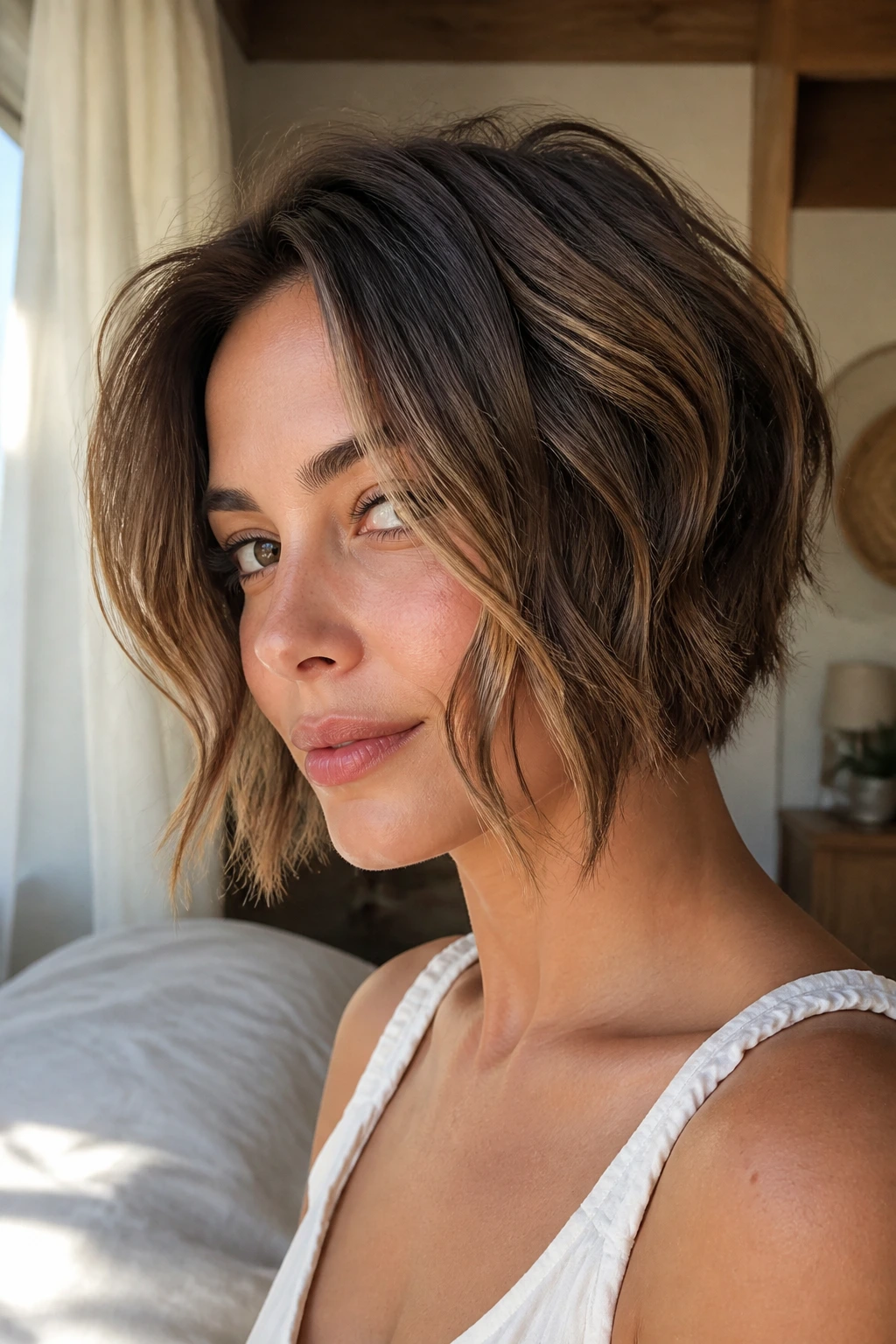
The graduated bob is stacked in the back, which is a fantastic trick for creating height at the crown. As the hair moves toward the front, it gets longer, creating a frame for your face. For thin hair, the stack in the back provides natural support for the layers above it. If you add waves to the longer front pieces, the transition from short, stacked back to long, wavy front creates an illusion of massive volume.
14. The Center-Parted Sleek-to-Wavy Bob

A center part on a bob can be very striking, but it requires some lift to avoid falling flat. The trick here is to style the top two inches of hair relatively straight, then start your waves from the cheekbone down. This keeps the hair from looking too poofy at the roots, which can sometimes overwhelm a thin face, while the waves in the bottom two-thirds provide the volume and texture that thin hair needs.
15. The “S-Wave” Bob

The “S-wave” is a specific type of styling pattern where the hair is bent into a gentle, flowing ‘S’ shape. This is much less aggressive than a tight spiral curl and is perfect for fine hair. Because the hair isn’t being stressed by a high-heat curling iron for long periods, it stays healthier and looks shinier. A soft S-wave across the length of a bob creates a beautiful, wavy finish that looks like you spent hours on it, even if it took you less than ten minutes.
16. The Blunt Bob with Micro-Bangs

Micro-bangs (or baby bangs) are a bold fashion statement, but they are also highly practical for fine hair. Because they use such a small portion of the total hair volume, you aren’t sacrificing much density from the rest of your cut. The shortness of the bangs draws the eyes upward, creating the illusion of a full, thick head of hair. Pair these with soft, messy waves in the bob, and you have a look that is equal parts edgy and voluminous.
17. The Asymmetrical Wavy Bob
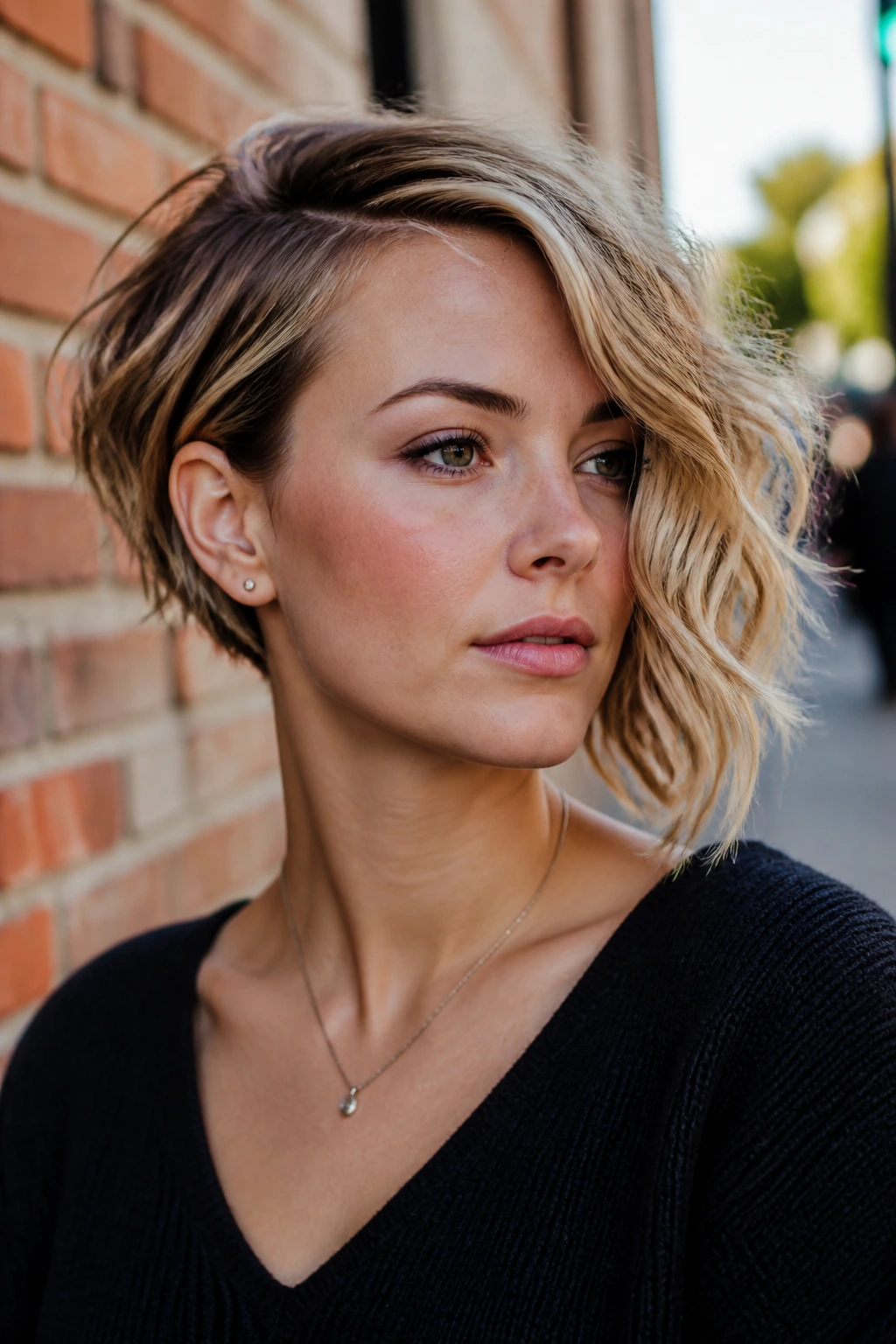
Asymmetry is a visual trick that works wonders for thin hair. By cutting one side significantly shorter than the other, you create a dynamic, interesting shape that distracts from the hair’s overall density. The eyes are drawn to the shape of the cut rather than the thickness of the individual strands. When you add waves to the longer side, the asymmetry becomes even more pronounced and artistic.
18. The “Bedhead” Wavy Bob
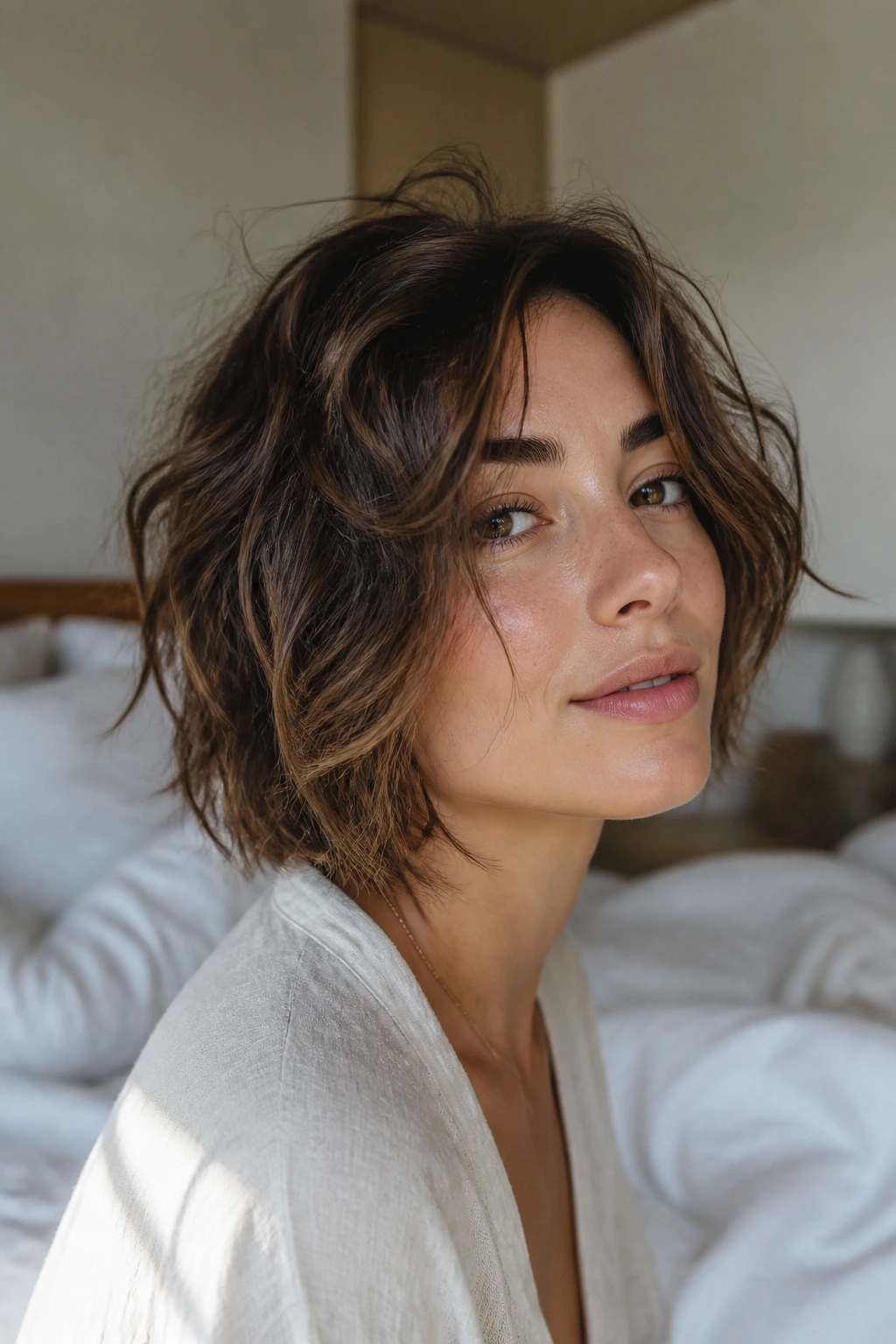
Sometimes the most intentional look is the one that looks the least done. The bedhead style relies on a “messy” product—like a dry texturizing paste or a matte pomade—worked into the ends of the bob. The goal is to create separation between the strands. For thin hair, separation is key. When your hair is all clumped together, it looks thin. When you force some space between the locks, it looks like you have twice as much hair as you actually do.
19. The Wet-Look Wavy Bob
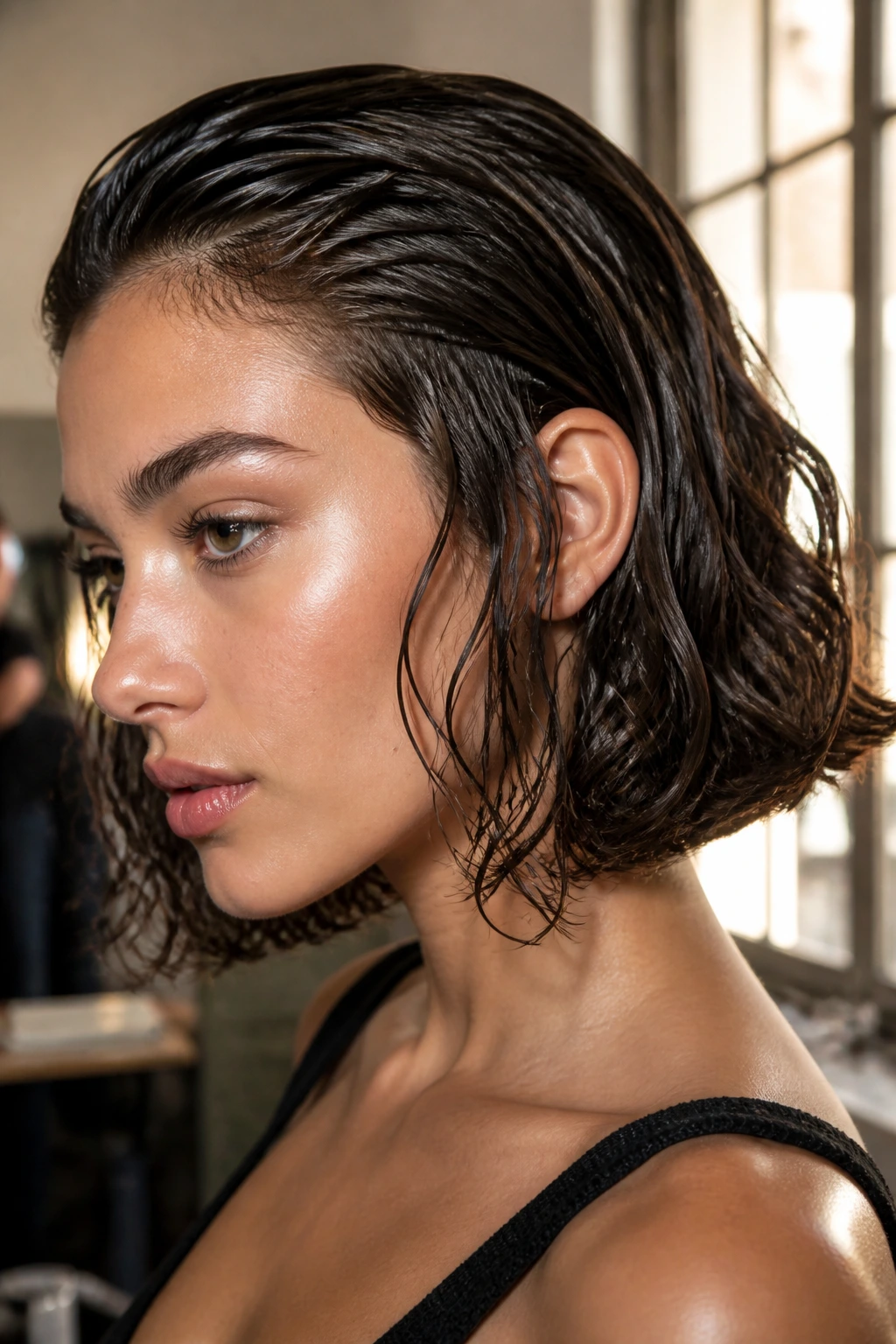
The wet-look is a high-fashion, polished way to style a bob that actually benefits thin hair. By using a light pomade or a styling gel, you can slick the hair back near the roots and leave the ends wavy and piecey. This keeps the roots under control while the texture at the ends provides the visual bulk. It’s a great style for special occasions or when you want something that looks ultra-luxurious and expensive.
How to Execute the Look
- Apply a dime-sized amount of product to damp hair, focusing on the roots.
- Comb the hair away from the face to create the “wet” effect.
- Use a diffuser to dry the ends, which will naturally encourage the waves to set without disturbing the slick roots.
20. The Collarbone-Length Bob with Face-Framing Waves
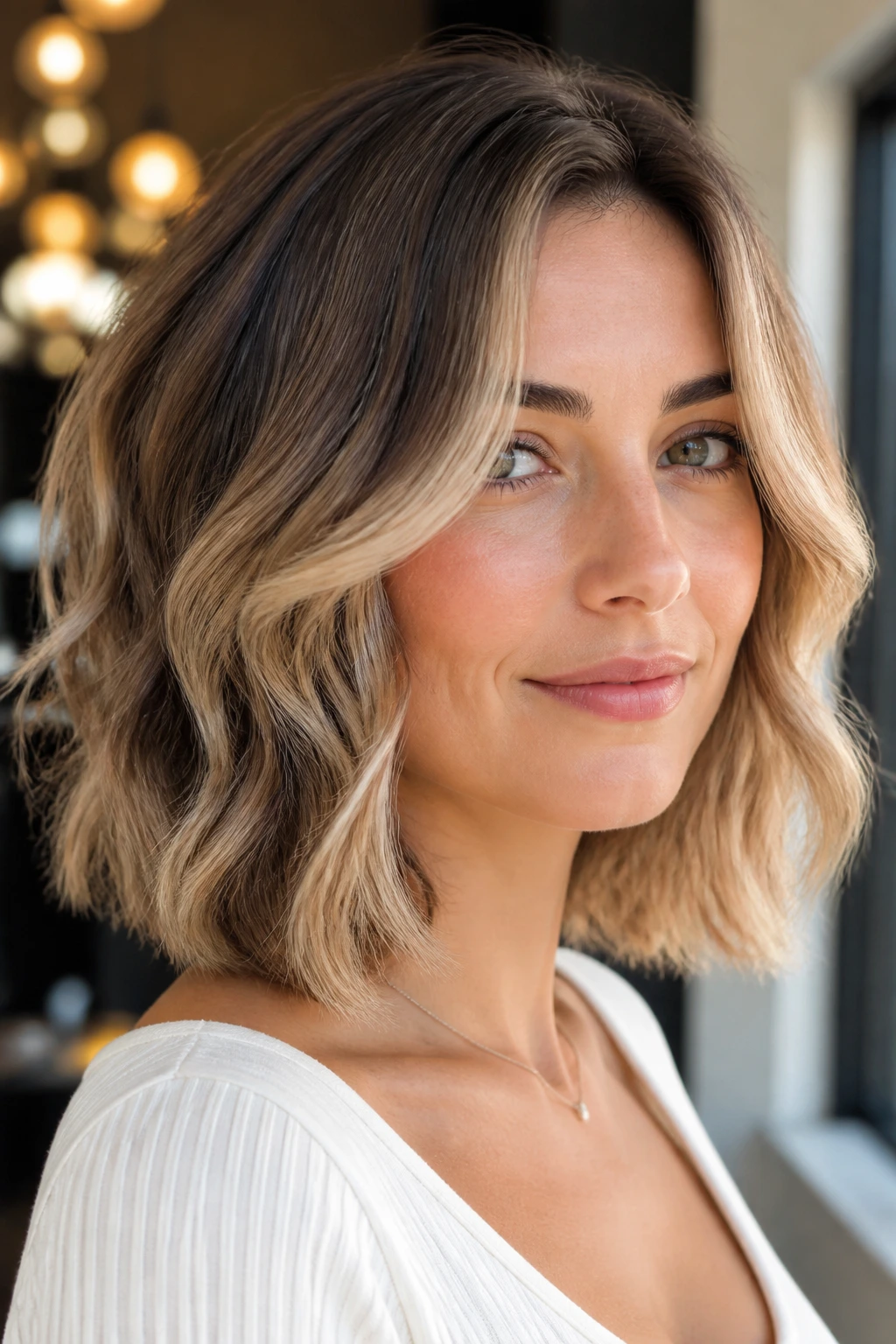
If you have thin hair, you should always treat the pieces framing your face as the most important parts of the haircut. By keeping the hair around your face slightly shorter and curled away from the face, you create an opening that makes your hair look like it has more surface area. This creates a “halo” effect of hair, which gives the impression of a much fuller, thicker mane regardless of the actual density.
The Importance of Routine Maintenance
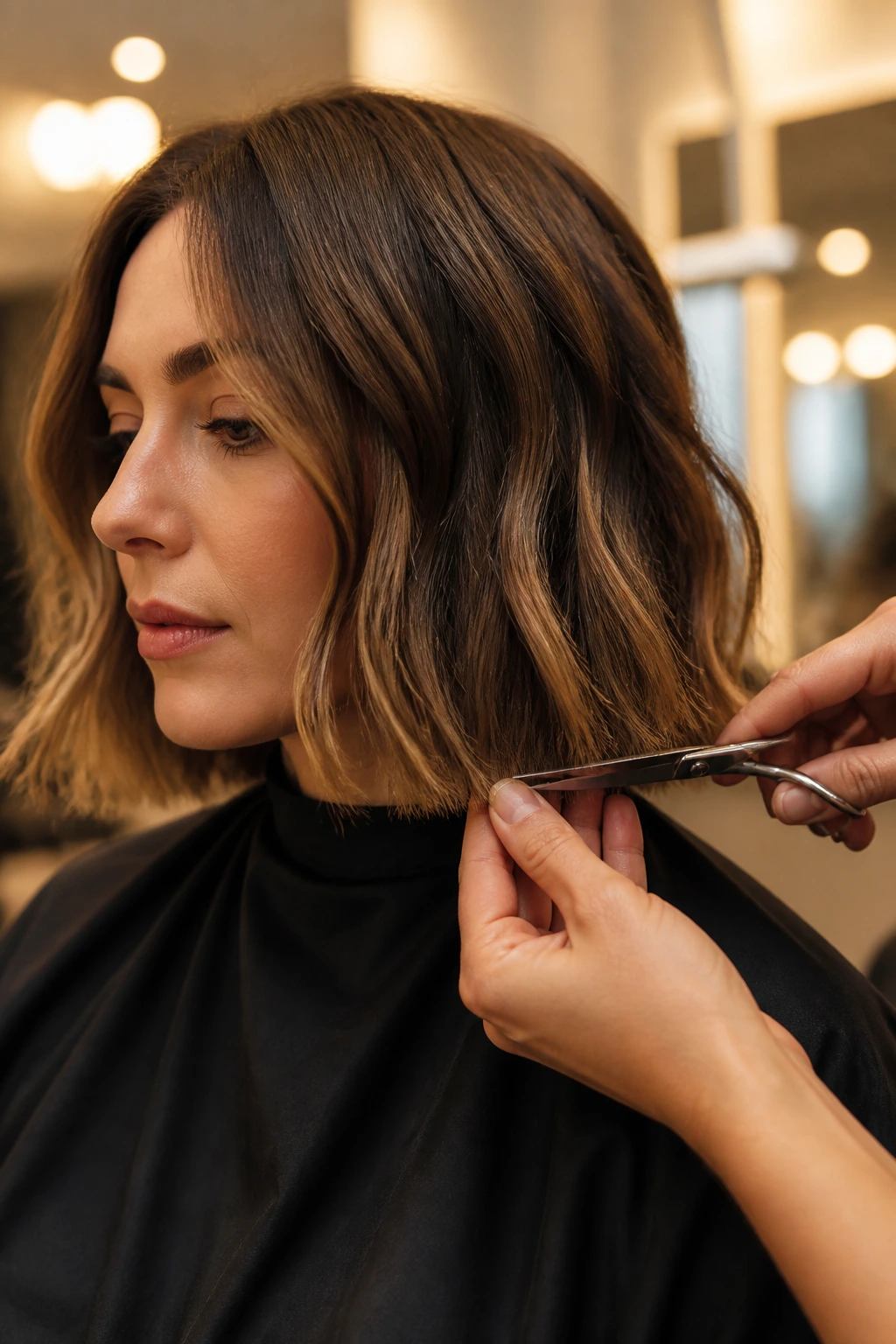
Thin hair requires a slightly different care philosophy when you have a bob. Because the ends are the “weight line” that keeps your style looking intentional, they need to be trimmed more often. Aim for a trim every six to eight weeks. If you let the ends get split and frayed, your bob will immediately lose its structure and start looking stringy, which is the exact opposite of what you want.
Choosing the Right Products
- Skip heavy, oil-based products which will cause your hair to collapse.
- Opt for lightweight mousses, dry shampoos, and texturizing sprays.
- Use a clarifying shampoo once a week to remove buildup, as product residue can weigh down fine hair significantly and make it look flatter than it actually is.
Understanding Your Hair’s Texture

Not all wavy hair is created equal. Some thin hair has a natural bend, while other types are stick-straight and need a little “encouragement” to hold a wave. If your hair is naturally limp, focus on the prep work. Using a salt spray on damp hair before you even pick up a hairdryer can give your strands a slightly “grit” texture. This grit acts as a scaffold for any waves you add later, helping them stay in place throughout the day.
Troubleshooting Your Waves
- If your waves fall out in an hour, you aren’t using enough hold or your hair is too clean. Try styling your hair on “second-day” texture, where the hair has a bit more natural oils to grip the style.
- If your bob looks like a triangle, your layers are likely too short. Grow them out until they are at least mid-length so they can blend into the weight line at the bottom.
- If you notice your roots looking flat, flip your head upside down when you blow-dry and aim the air at your roots. It’s the oldest trick in the book because it works.
Final Thoughts

The most successful bobs for thin hair are the ones that lean into the texture rather than trying to suppress it. By choosing a cut that removes unnecessary weight and styling it with waves that create visual space, you are playing to the strengths of your hair type. You don’t need a head of thick, coarse hair to have a great bob; you just need a stylist who understands the geometry of your cut and the right products to support your daily style.
Embrace the versatility of the bob. It is a style that allows you to experiment with your look without the overwhelming maintenance of long hair. Start with a conservative length and see how your hair responds to the new shape. Over time, you will find the specific length, part, and wave pattern that makes you feel the most confident. Remember that your hair is just an accessory to your style—the most important part is how you wear it.