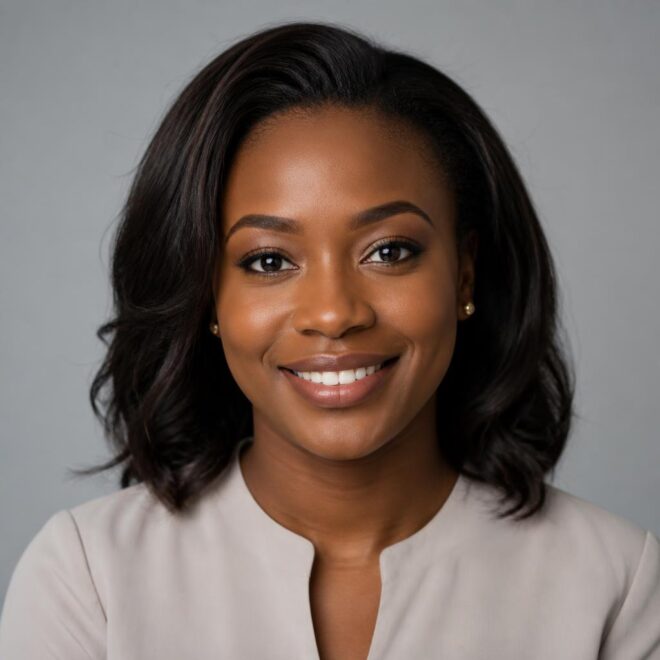


The classic bob has long been hailed as the ultimate commitment—a stark, chin-skimming boundary that separates the daring from the indecisive. For those of us who have spent years nurturing our strands down to the small of our backs, the idea of suddenly removing twelve inches can feel like a minor existential crisis. Yet, the appeal of the “long bob” or “lob” remains unmatched. It provides that crisp, intentional shape without requiring you to sacrifice the ability to pull your hair into a ponytail on a humid afternoon.
We are not talking about a basic trim here. We are looking at styles that occupy the sweet spot between a true crop and a full-length mane. These cuts offer the weightless feeling of shorter hair while retaining the versatility that long-hair loyalists demand. Whether you are looking to fix frayed ends, add body to limp texture, or simply update your silhouette without the terror of an ear-length chop, there is a version of this style waiting to be explored. Let’s look at the specific ways you can bridge that gap between length and style.
1. The Blunt Shoulder-Grazer
This is the gold standard for anyone who loves the weight of long hair but craves the precision of a bob. By cutting the ends straight across at the point where the shoulders meet the collarbone, you create a dense, healthy-looking baseline. This style relies entirely on the quality of the cut; the line must be absolute.
When you ask for this, request a “point-cut” finish if your hair is thick, which softens the ends just enough to prevent the dreaded “lampshade effect.” For those with fine hair, a completely straight, razor-sharp edge creates the illusion of significantly more density. You will find that this cut behaves best when worn sleek, but it remains long enough to tuck behind your ears or twist into a messy knot when you have an early morning meeting.
2. The Textured Collarbone Shag
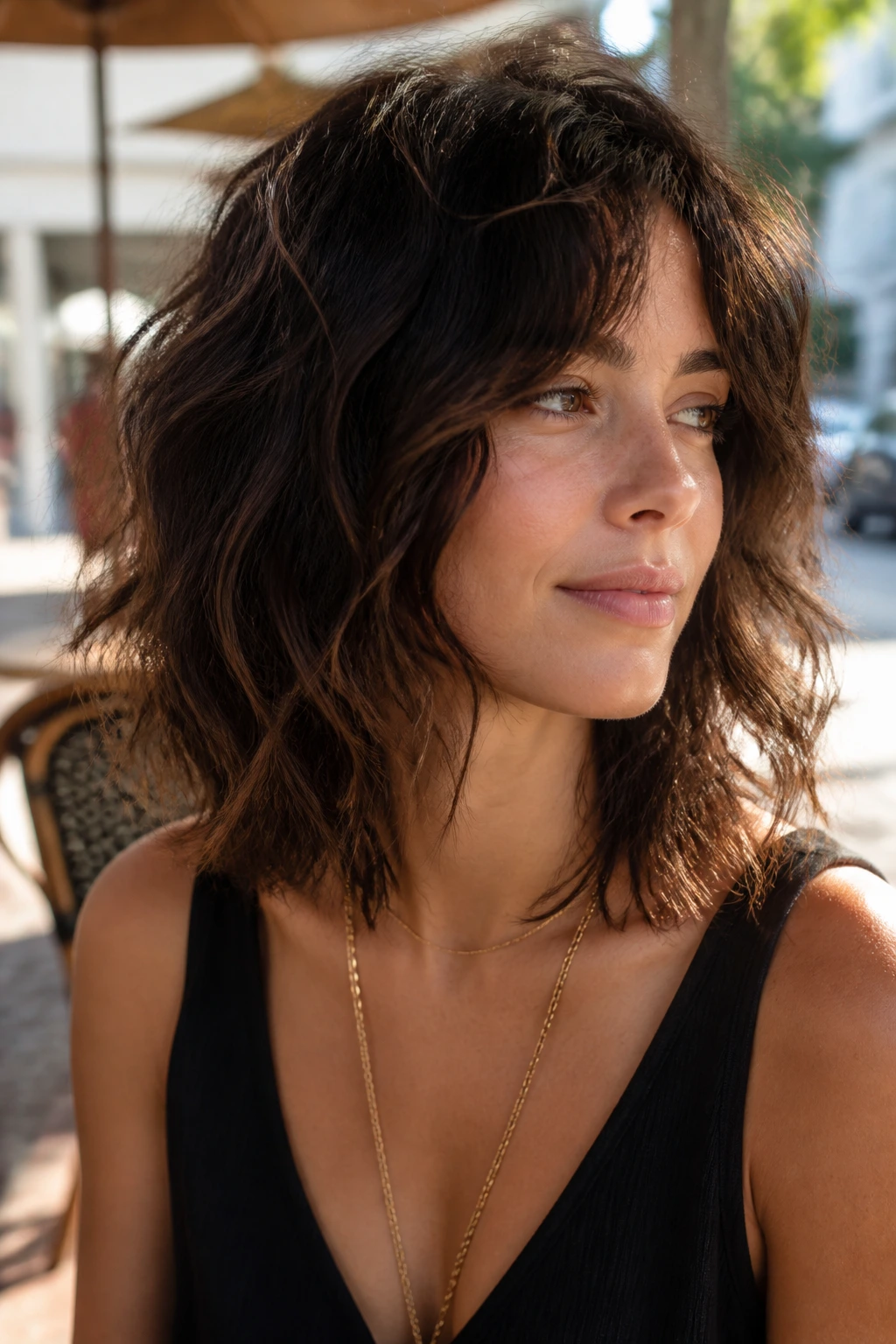
If the idea of a blunt line feels too severe for your aesthetic, the shag-inspired bob is your best friend. This cut incorporates soft, jagged layers throughout the mid-lengths, focusing on creating movement rather than a uniform shape. It thrives on natural texture—if you have a slight wave, this is the cut that finally lets you put down the flat iron.
Ask your stylist to keep the length hitting right at the collarbone. The layers should start around the chin to frame the face, gradually blending into the longer back sections. Use a texturizing salt spray on damp hair and let it air dry; the result is a lived-in, effortless look that feels like you spent hours getting ready, even if you spent zero time with a brush.
3. The Long A-Line Graduated Bob
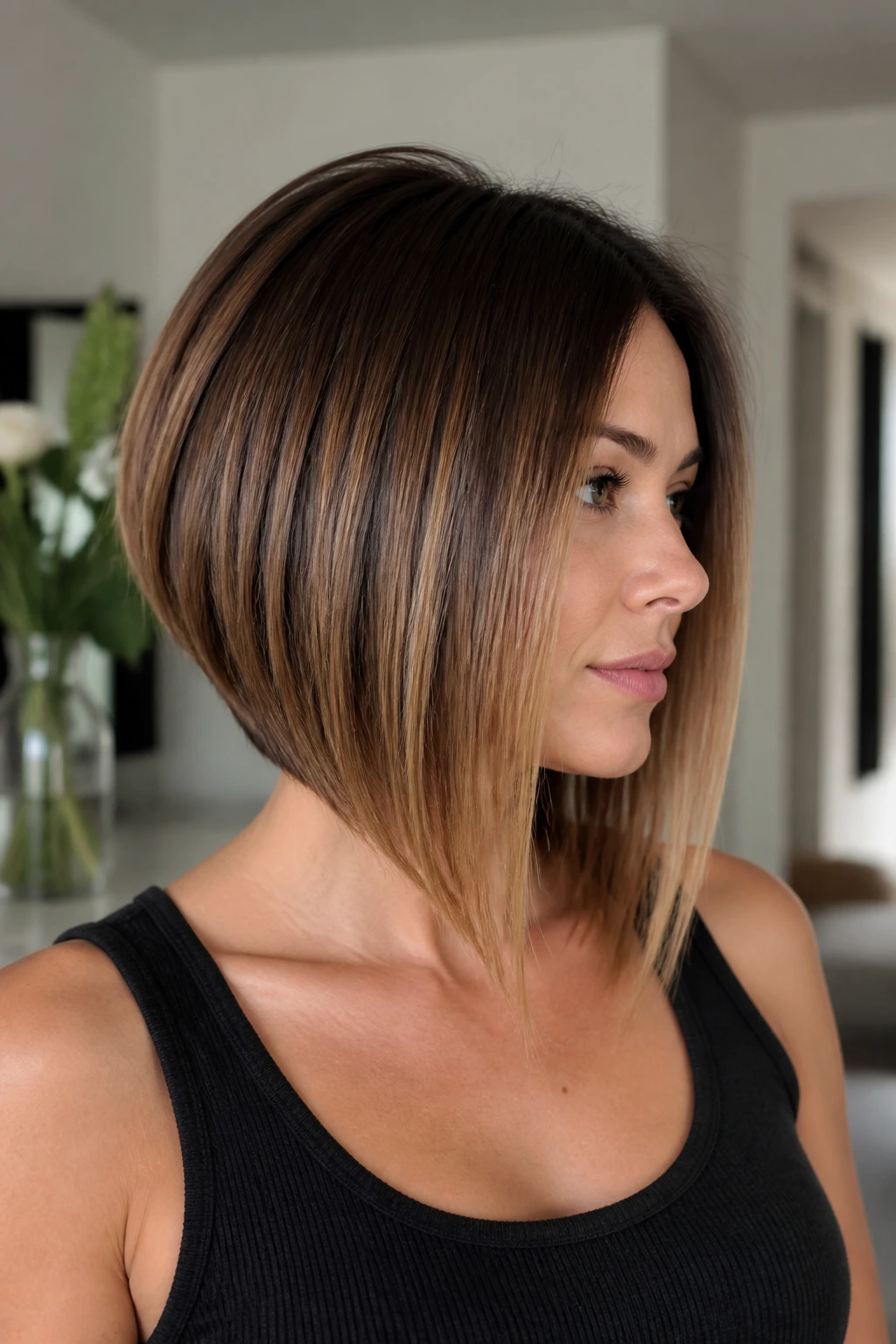
An A-line cut is the architectural choice for those who want to keep maximum length in the front while reaping the volume benefits of a shorter back. In this version, the hair is significantly longer at the jawline and tapers upward toward the nape of the neck. It is a sophisticated, polished look that elongates the neck and draws attention to the cheekbones.
The key to keeping this from looking dated is the transition. Avoid a harsh, diagonal line that looks like a steep staircase; instead, aim for a gentle, organic slope. The back should be stacked with just enough graduation to lift the hair off the neck, while the front panels should hit comfortably near the collarbone. It is a high-maintenance look that requires a trim every six to eight weeks to maintain that precise angle.
4. The Softly Layered Lob with Curtain Bangs
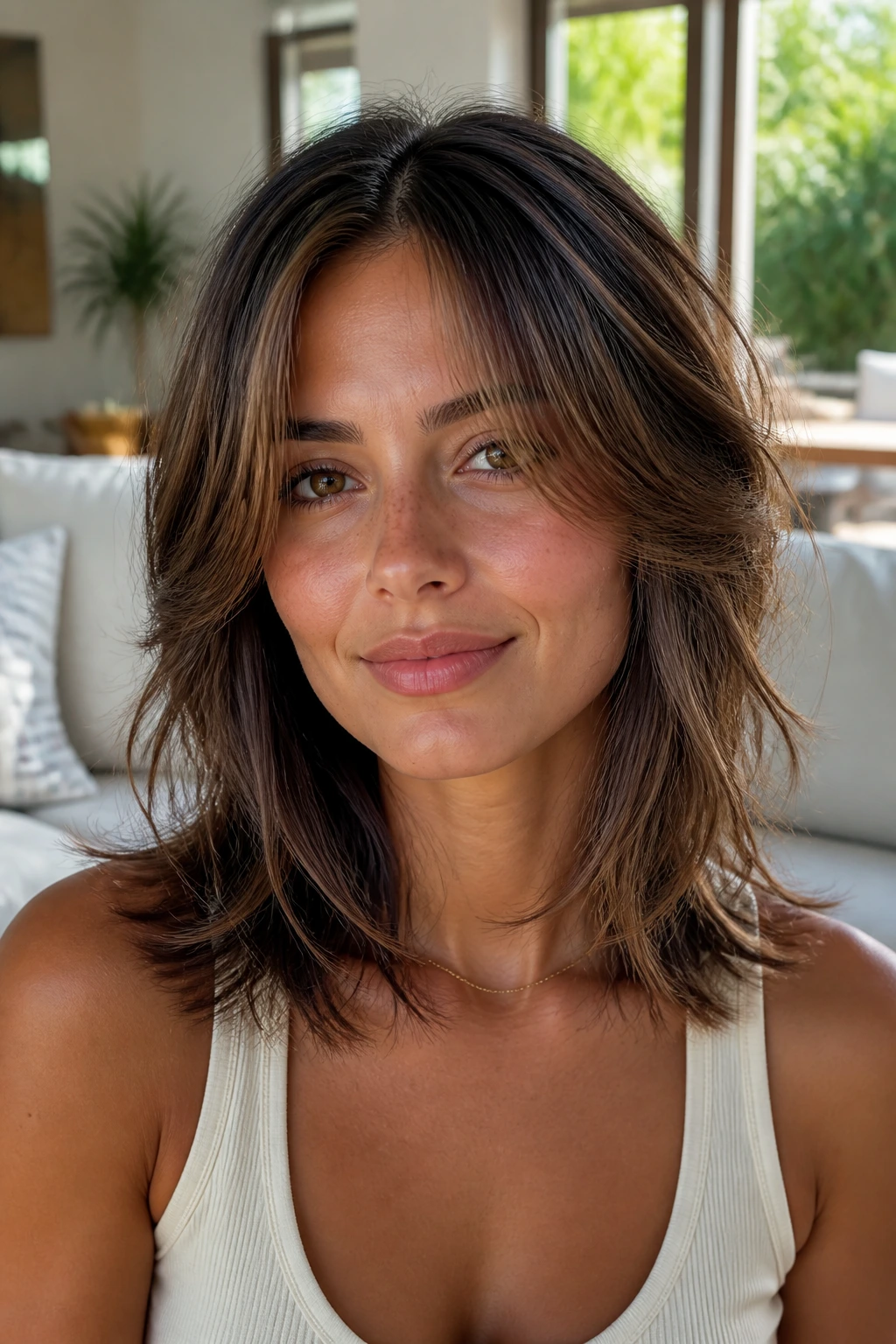
Pairing a mid-length bob with fringe is a masterclass in balance. By adding curtain bangs, you introduce a soft, face-framing element that takes the edge off the bluntness of the bob. This is a particularly effective style for those with a wider forehead or anyone looking to add a bit of romantic softness to their overall appearance.
The layers should be long and sweeping, starting below the chin to ensure they blend seamlessly into the rest of your hair. When styling, use a round brush to flick the bangs away from the face while keeping the rest of the hair relatively smooth. It creates a cohesive, vintage-inspired vibe that is undeniably chic. Pro tip: Keep the bangs just long enough that they can be pinned back when you want your face entirely clear.
5. The Deep Side-Parted Lob
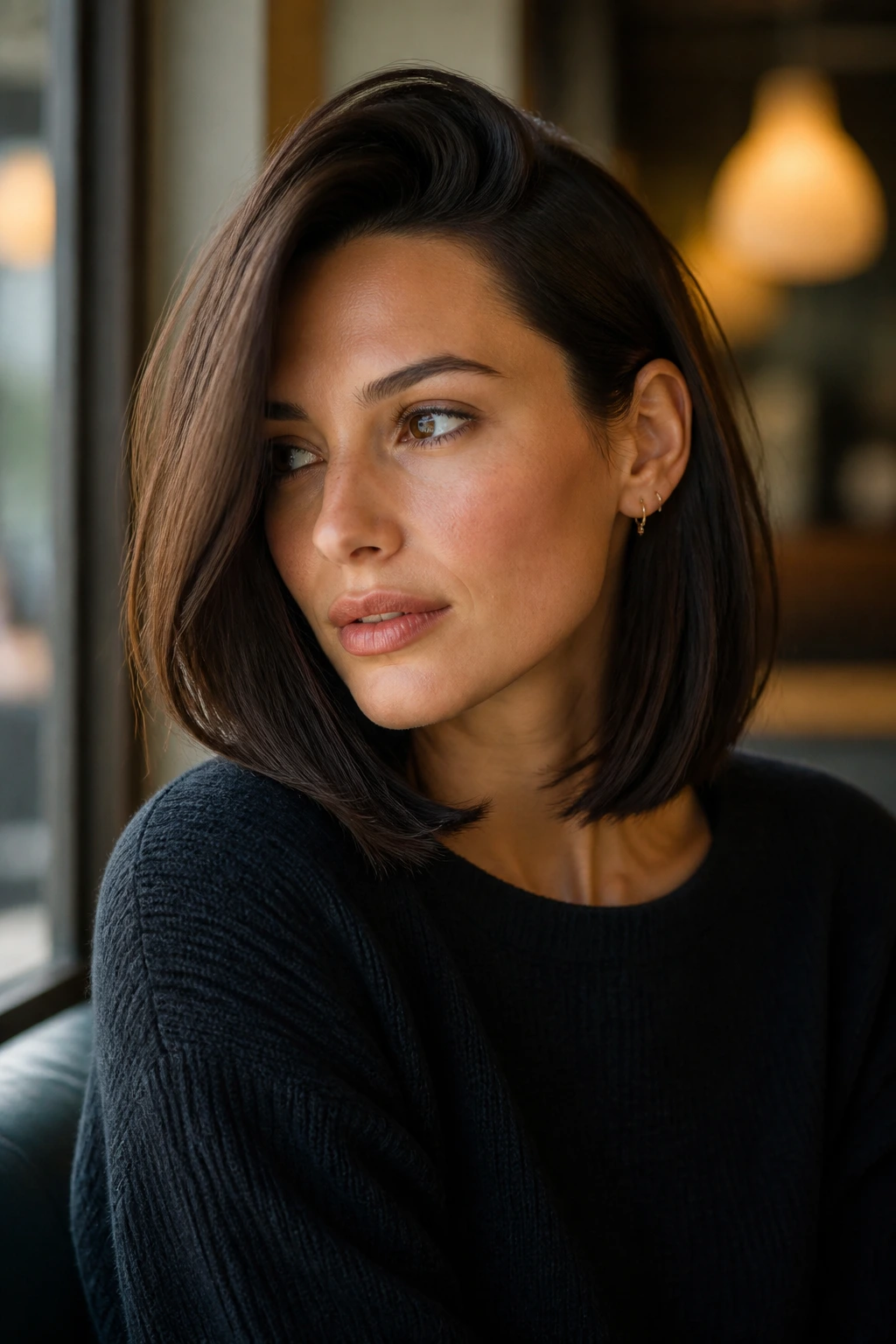
Sometimes, the change isn’t in the scissors, but in the parting. A long bob cut with a severe, deep side part creates an instant asymmetry that frames the face in a dramatic way. This style is excellent for hiding a cowlick or adding volume to one side of the head, effectively creating a “swoop” that feels glamorous and elevated.
When wearing this, focus on keeping the hair tucked behind the ear on the side with less volume. This contrast between the heavy side and the sleek, tucked side is what gives the look its character. It works exceptionally well with hair that has a bit of natural body, as the extra volume reinforces the dramatic sweep of the part.
6. The Textured Waves with Face-Framing Pieces
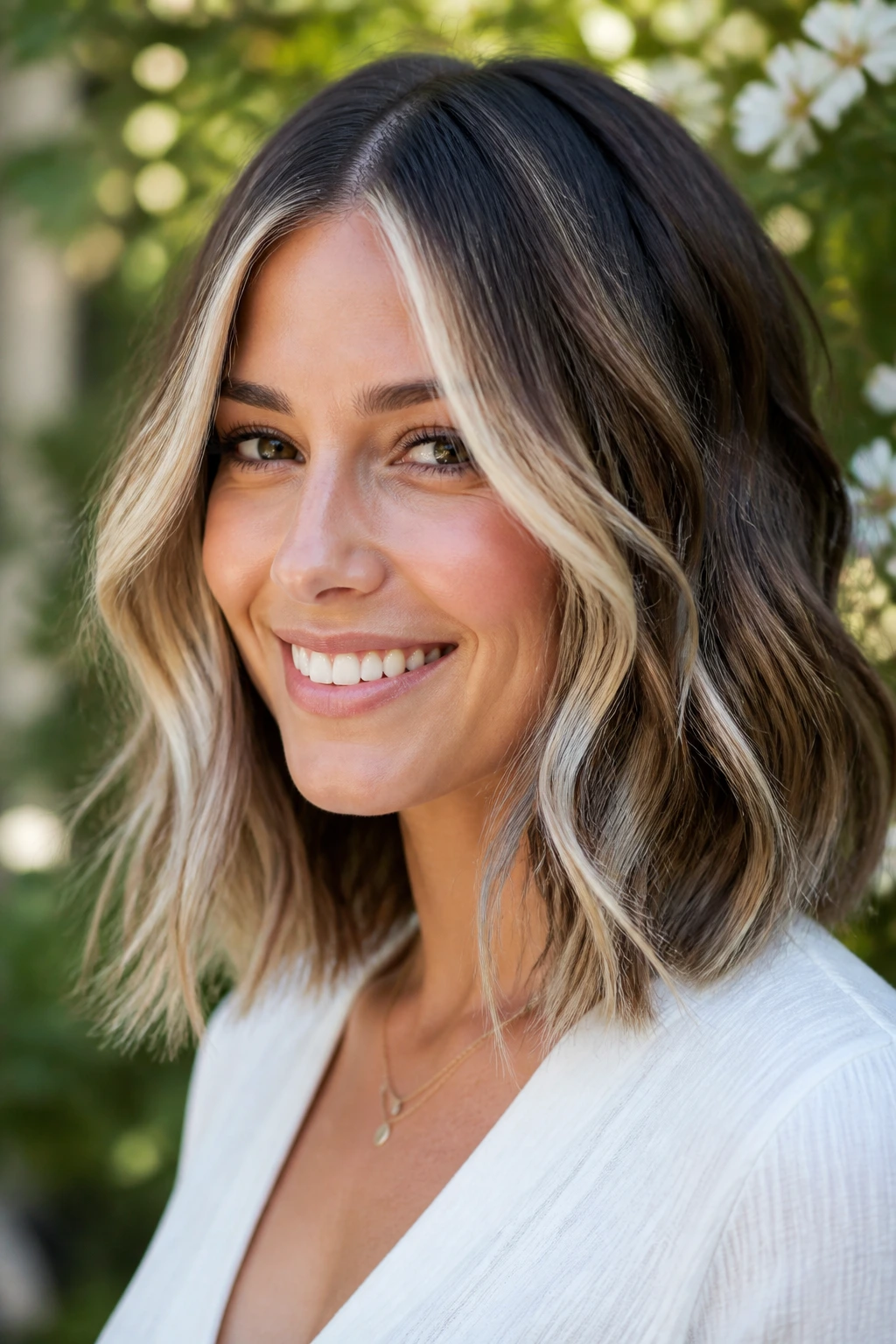
This cut is all about the “money piece”—those front sections of hair that are slightly shorter than the rest, specifically designed to catch the light and draw attention to your eyes. The back of the hair stays at a uniform shoulder length, while the front is precision-cut to curve inward toward the face.
This is a versatile choice because it works for almost every hair density. If your hair is thick, the face-framing pieces reduce the bulk around your jaw. If your hair is fine, those shorter front pieces add much-needed texture that prevents the hair from hanging like a curtain. It is a low-effort style that looks expensive with minimal styling.
7. The Shattered Ends Bob
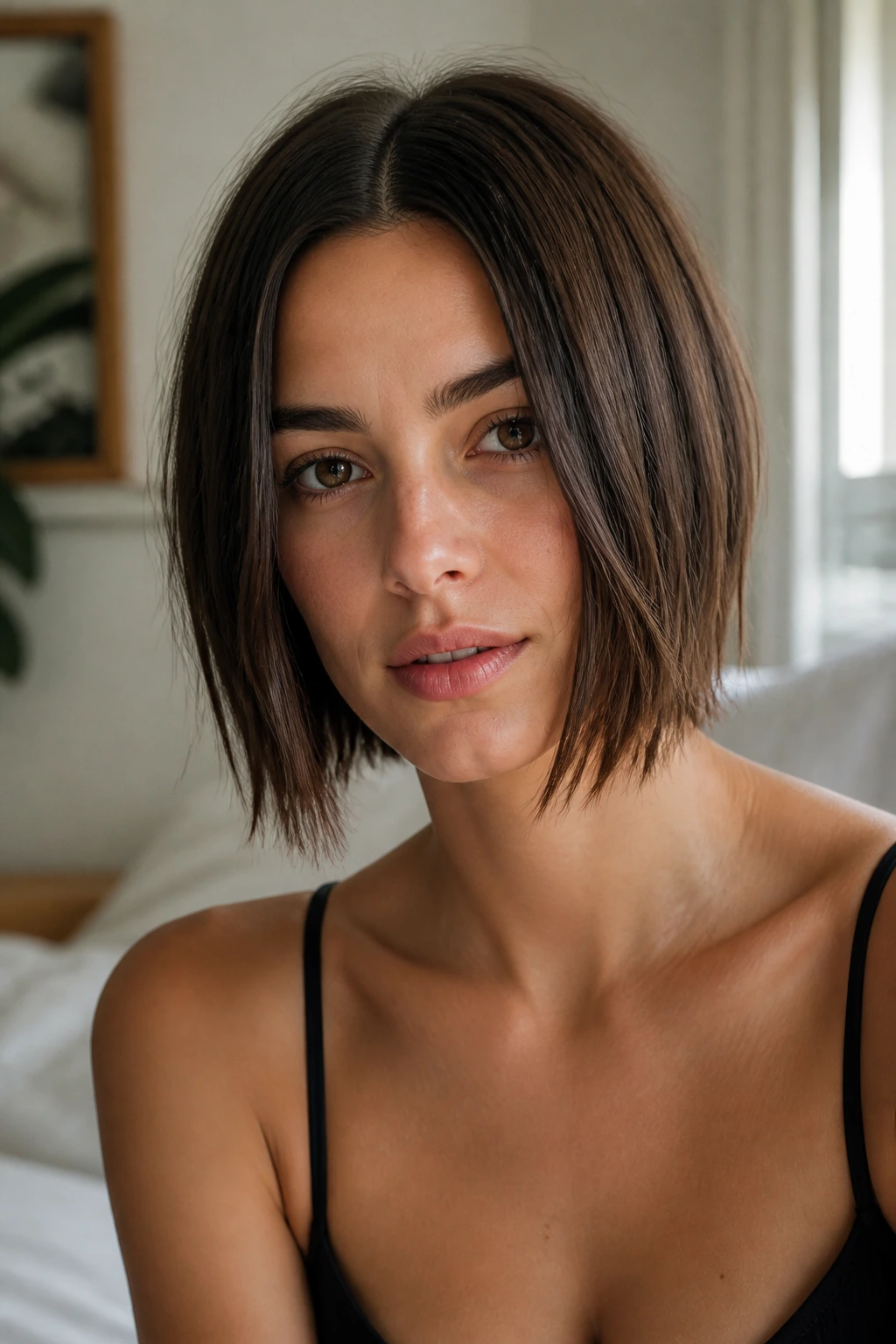
If you find that your long hair often looks stringy at the bottom, a “shattered” finish is the antidote. Your stylist uses a thinning shear or a razor to break up the weight at the very ends of the hair, creating a wispy, irregular look. It is the antithesis of the blunt cut, offering a soft, ethereal quality that feels very modern.
This style thrives when paired with a central part and straight hair. It gives off a refined, slightly edgy vibe that looks fantastic with minimalist fashion. Just be careful with this one if your hair is prone to split ends; the thinning technique can sometimes make existing damage more visible, so ensure your hair is in a healthy state before taking the plunge.
8. The Wavy French-Girl Bob
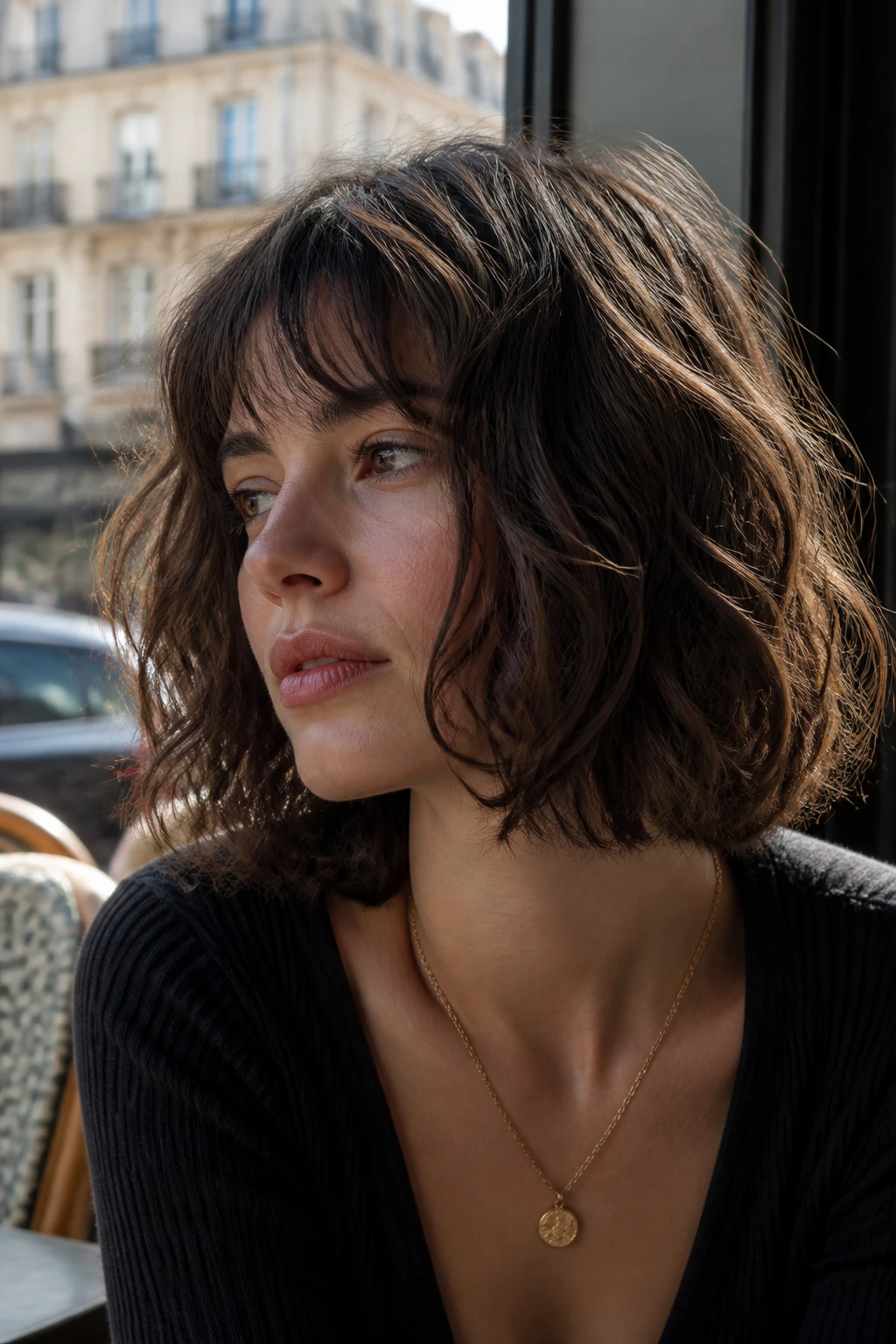
The French bob is usually quite short, but the “long” version is perhaps even more charming. It typically hits just above the shoulders and is characterized by its wild, unkempt texture and lack of defined layers. It feels quintessentially Parisian—deliberately messy and utterly confident.
To get this right, you need to lean into your natural texture. Avoid blow-drying your hair into a smooth state. Instead, apply a curl cream, twist sections of your damp hair into tight ropes, and let them dry naturally. Once dry, shake your head out. The goal is a chaotic, voluminous look that celebrates the natural shape of your hair rather than fighting against it.
9. The Sleek Center-Parted Lob
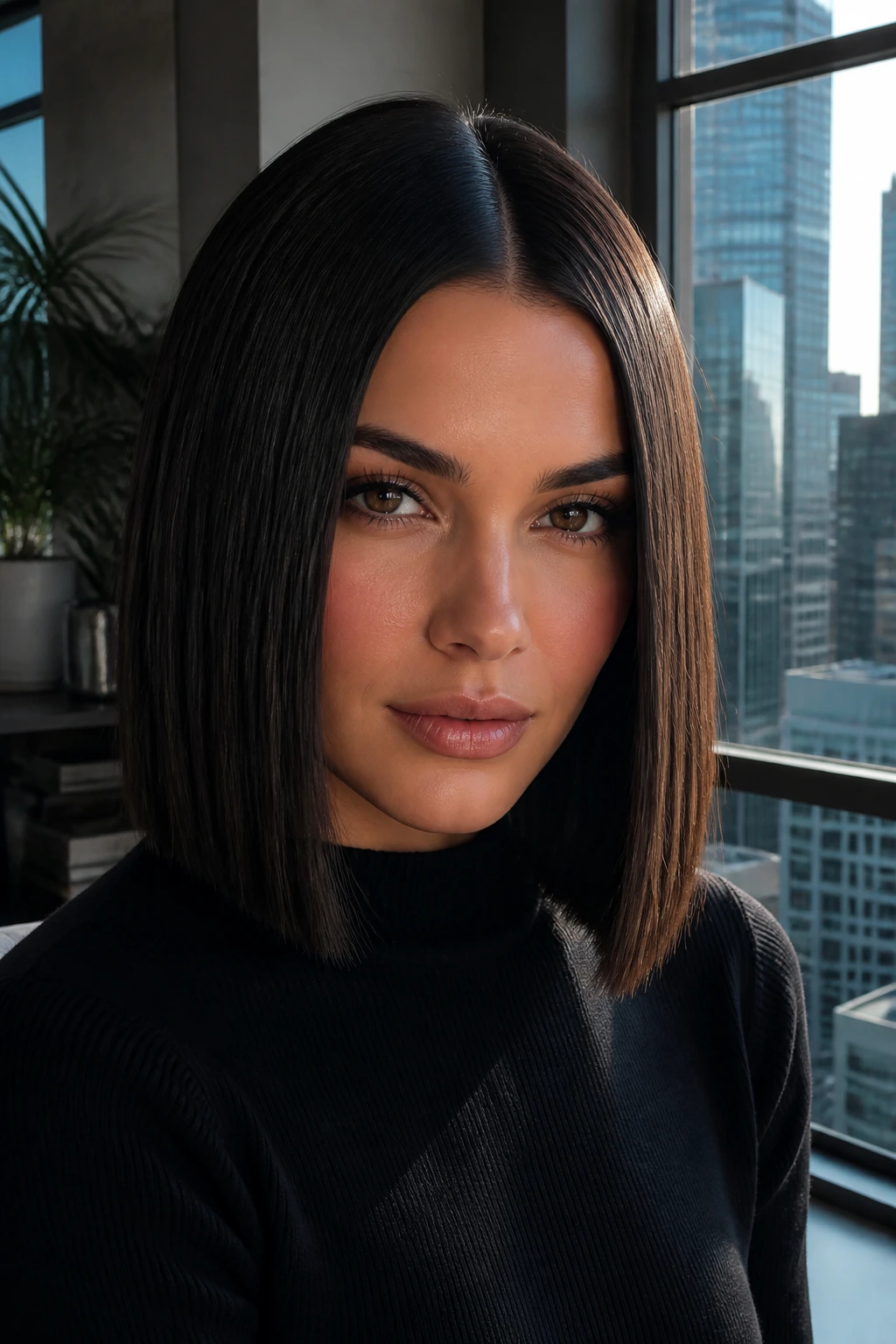
There is something undeniably powerful about a poker-straight, center-parted long bob. This style is clean, sharp, and entirely focused on shine. It requires a good flat iron, a heat-protectant spray, and a smoothing serum to ensure that not a single strand is out of place.
This is a fantastic option if you have naturally straight, thick hair. The weight of the length prevents the style from puffing up, while the center part provides a balanced, symmetrical frame. If you have an oval or heart-shaped face, this cut will highlight your features beautifully. It is arguably the most “high fashion” version of the bob family.
10. The Disconnected Undercut Lob
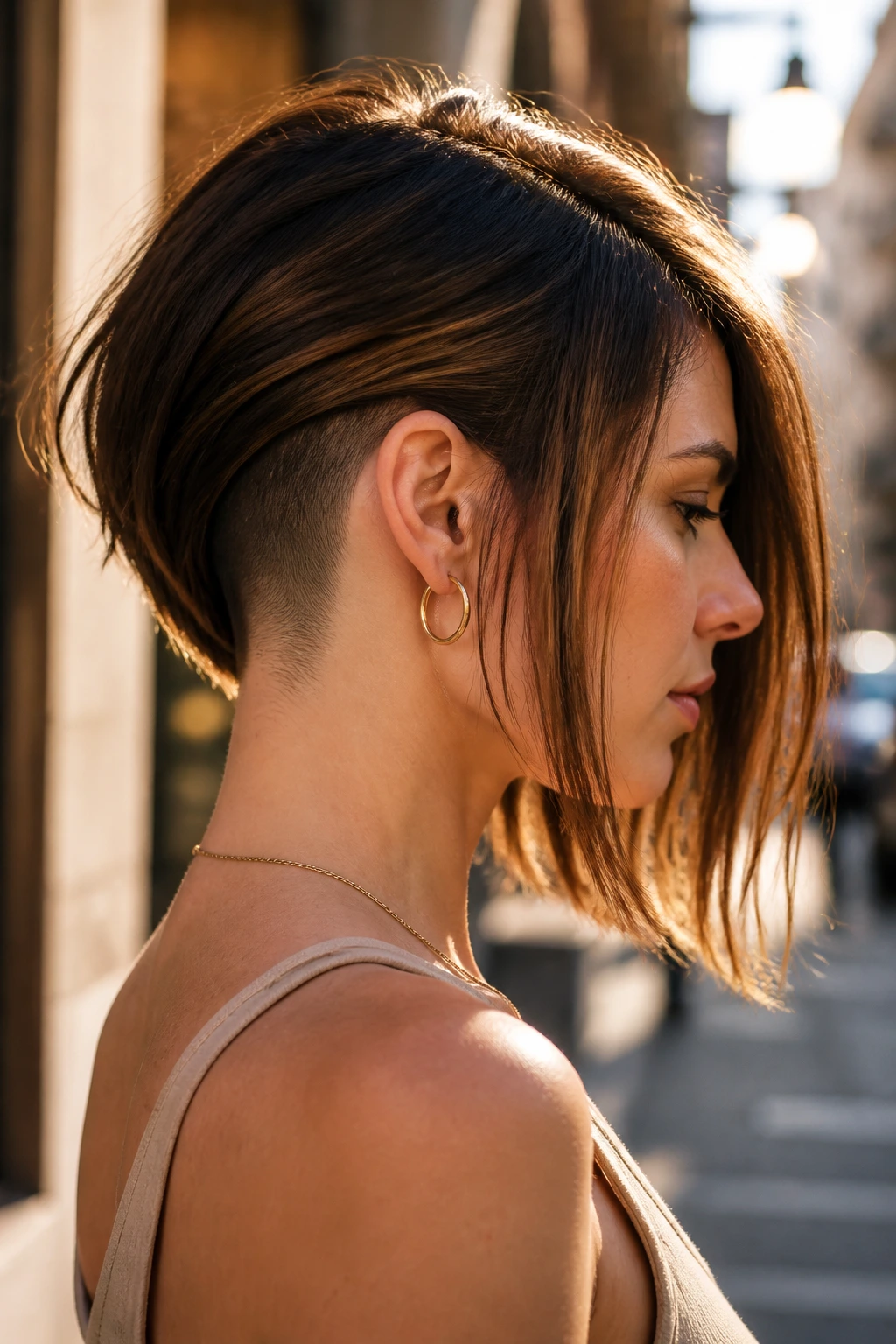
For those who want a long bob but struggle with the sheer volume of their hair, a hidden undercut is a clever solution. You keep the length of the bob around the shoulders, but your stylist shaves a small section at the nape of the neck. This removes the “bulk” that often makes long bobs look triangular.
The beauty of this is that no one will know it is there unless you wear your hair up. It makes the bob feel significantly lighter and more manageable throughout the day. If you live in a hot climate, this is practically a survival strategy. It provides all the style of a long bob with the cooling benefits of a short crop.
11. The Softly Angled Long Bob

If the A-line is too aggressive and the blunt cut is too boring, the soft-angle lob is your middle ground. It features only a slight graduation from back to front—maybe an inch or two difference—which is just enough to provide a bit of interest without creating a distinct “angle.”
This is the most “wearable” cut on this list. It grows out incredibly well, meaning you do not need to rush to the salon if you miss an appointment by a week or two. It is a professional, clean, and classic look that complements any wardrobe. If you are unsure where to start, this is the safest and most reliable entry point into the world of bobs.
12. The Retro-Flipped Lob
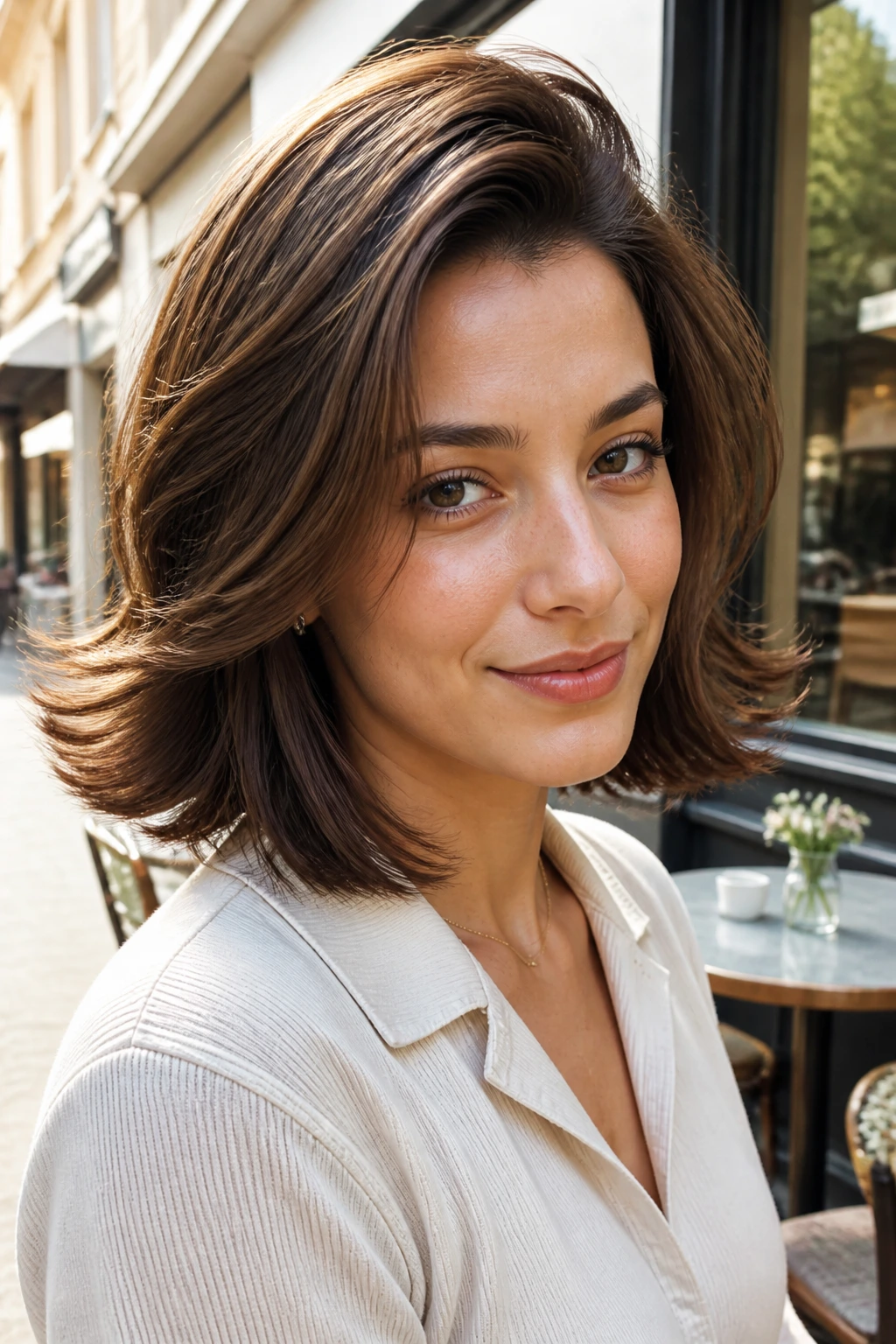
Inspired by the hair trends of the sixties, the flipped-out bob is making a major comeback. This cut is usually mid-length and features ends that are specifically styled to curl outward rather than inward. It is playful, feminine, and a fun departure from the standard “sleek” bob looks.
You can achieve this with a round brush during your blow-dry or by using a flat iron to gently curve the last two inches of hair away from your face. It works best with a bit of height at the roots, so keep a volumizing spray handy. It is a bold, deliberate style that shows you actually spend time on your hair, making it a great choice for events or a polished work appearance.
13. The One-Length Lob with Hidden Layers
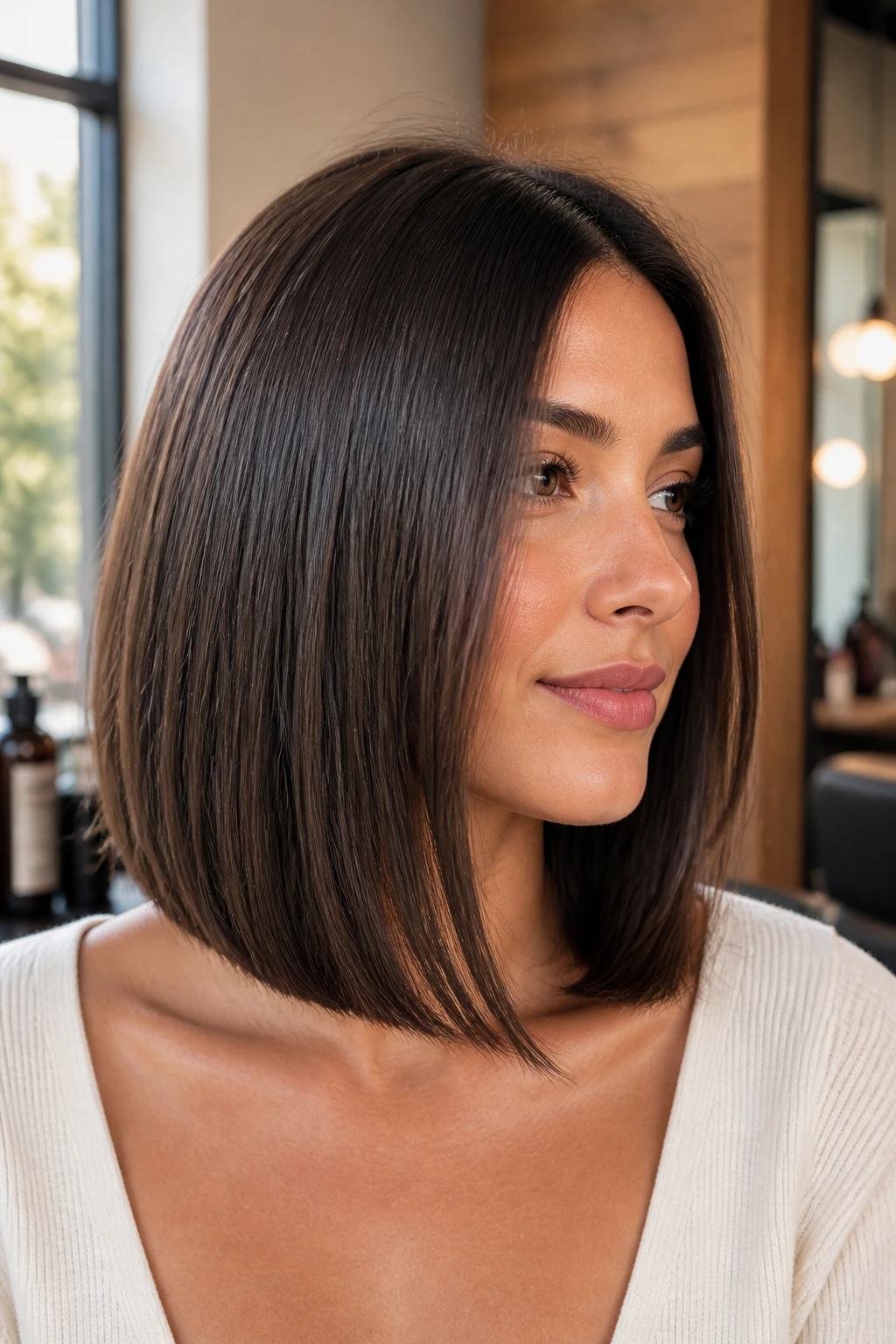
This is the “trick” cut. From the outside, it looks like a sleek, one-length long bob. However, underneath the top layer, your stylist adds “internal layers.” These are invisible to the eye but serve to reduce weight and add a bit of internal lift, which prevents the hair from looking flat or lifeless.
It is a great technique for people who want the look of a solid, heavy-ended bob but need the movement of a layered cut. It is an investment in a good stylist, as this requires precision cutting that isn’t immediately obvious. Once you have it, though, you will find that your hair style retains its shape much longer than it would with a standard haircut.
14. The Curly Long Bob

Curly hair is often weighed down by its own length, losing the definition of the ringlets. A long bob is the perfect way to revitalize your curls. By cutting the hair to the shoulders, you remove the heavy bottom layer that pulls the curl straight, allowing the hair to spring up and regain its natural bounce.
When cutting curly hair, always ensure your stylist works with your natural texture. They should cut the hair dry, as curls shrink differently than straight hair. A long bob on curly hair looks best with some round layering, which prevents the “triangle” shape and keeps the volume focused around the crown and mid-face.
15. The Deep-Layered “Lived-In” Bob
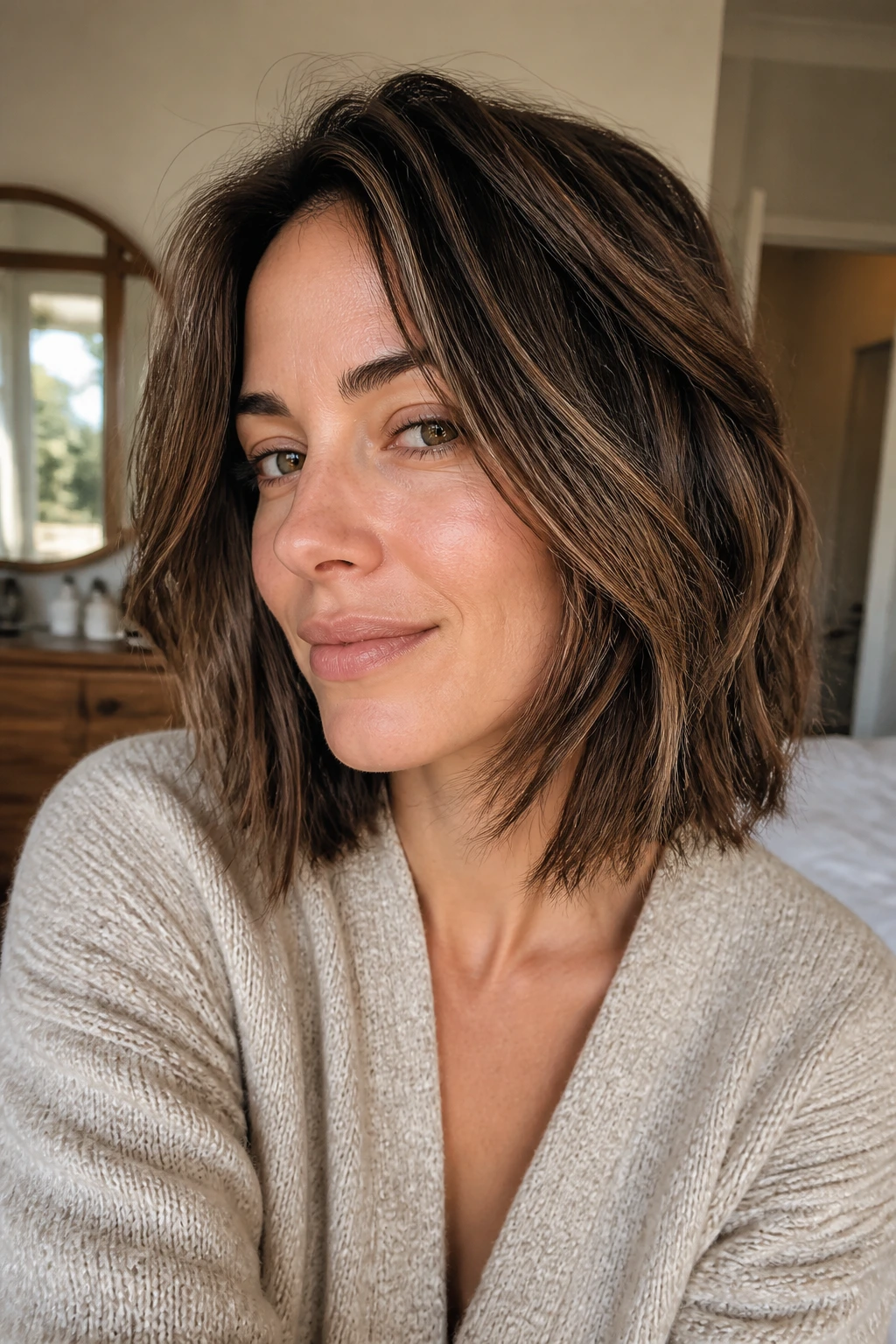
This cut is designed to look like it has been growing out for three months, in the best way possible. It features jagged, uneven layers and a relaxed finish that looks great with a baseball cap or a formal gown. It is the ultimate low-maintenance style.
To maintain this look, avoid over-styling. The “lived-in” bob thrives on a bit of bedhead. Use a matte texturizing paste to define individual pieces of hair rather than polishing the whole head. It is a fantastic choice for people who are tired of the “perfect salon blow-dry” look and want something that feels more authentic to their personality.
16. The Sleek Long Bob with Tucked Sides
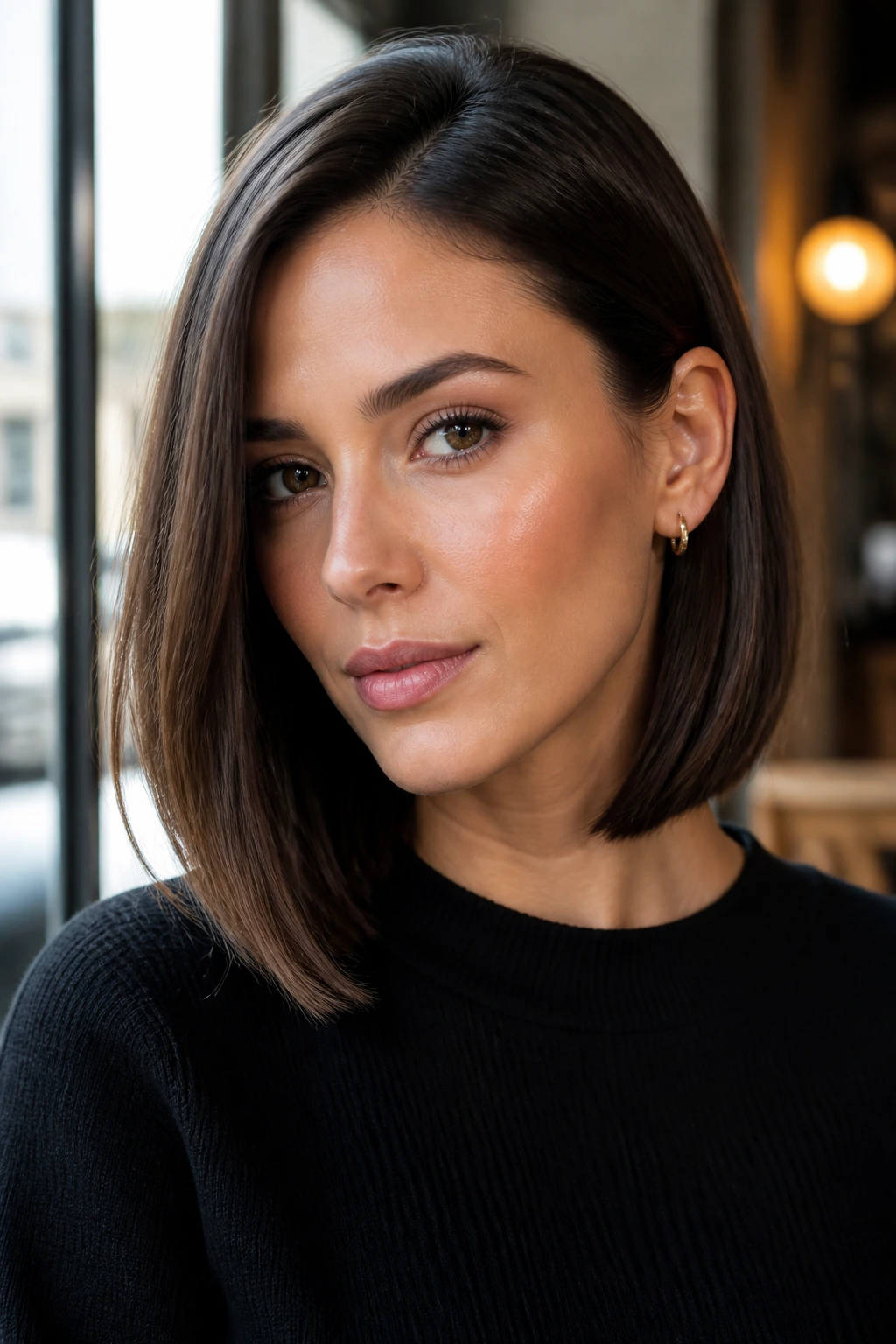
While this is technically a styling choice, it is a look that informs how you should get your hair cut. If you love the idea of the “tuck,” ask your stylist to keep the hair around your ears slightly lighter. This reduces the bulk so that when you tuck the front sections behind your ears, the hair lays flat against your neck without bulging out.
It is a small, technical detail, but it changes the functionality of the haircut entirely. This is a very “minimalist” look, and it pairs perfectly with simple jewelry—gold hoops or delicate studs—because it draws all the focus to your jawline and neck. It is the epitome of effortless chic.
17. The Asymmetrical Long Bob
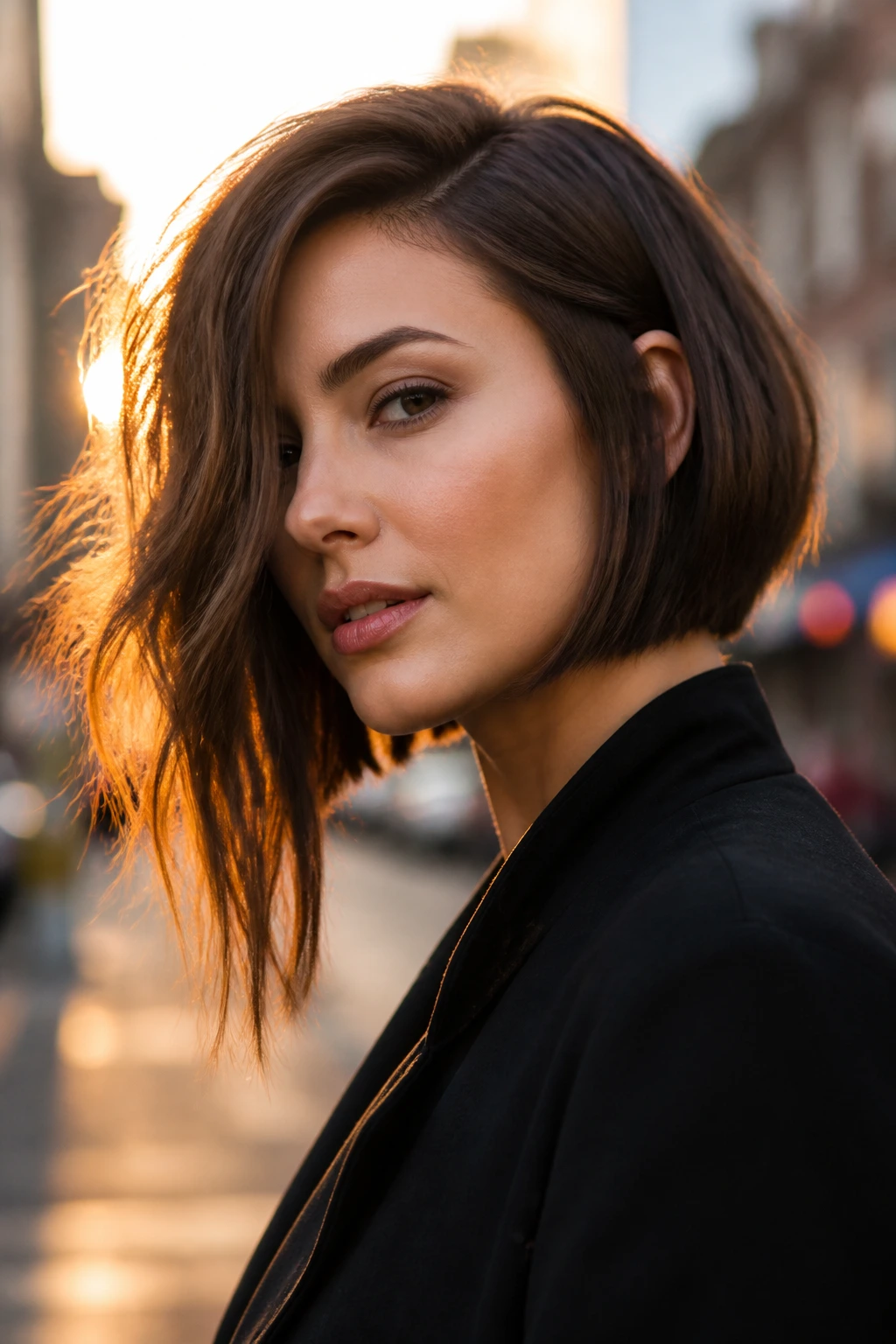
For those who want to stand out, the asymmetrical bob is a classic. One side is kept significantly longer than the other, creating a dramatic, slanted silhouette. While this was once a very edgy trend, it has settled into a sophisticated style that works well for those who have a strong sense of personal identity.
The key to keeping this modern is to avoid the “emo” look of the past. Keep the longer side soft and wavy, rather than poker-straight. The shorter side should hit right at the jaw, while the longer side should graze the collarbone. It is a bold choice, but it is incredibly rewarding for those who want to frame their face in a way that is unique and impossible to ignore.
Final Thoughts
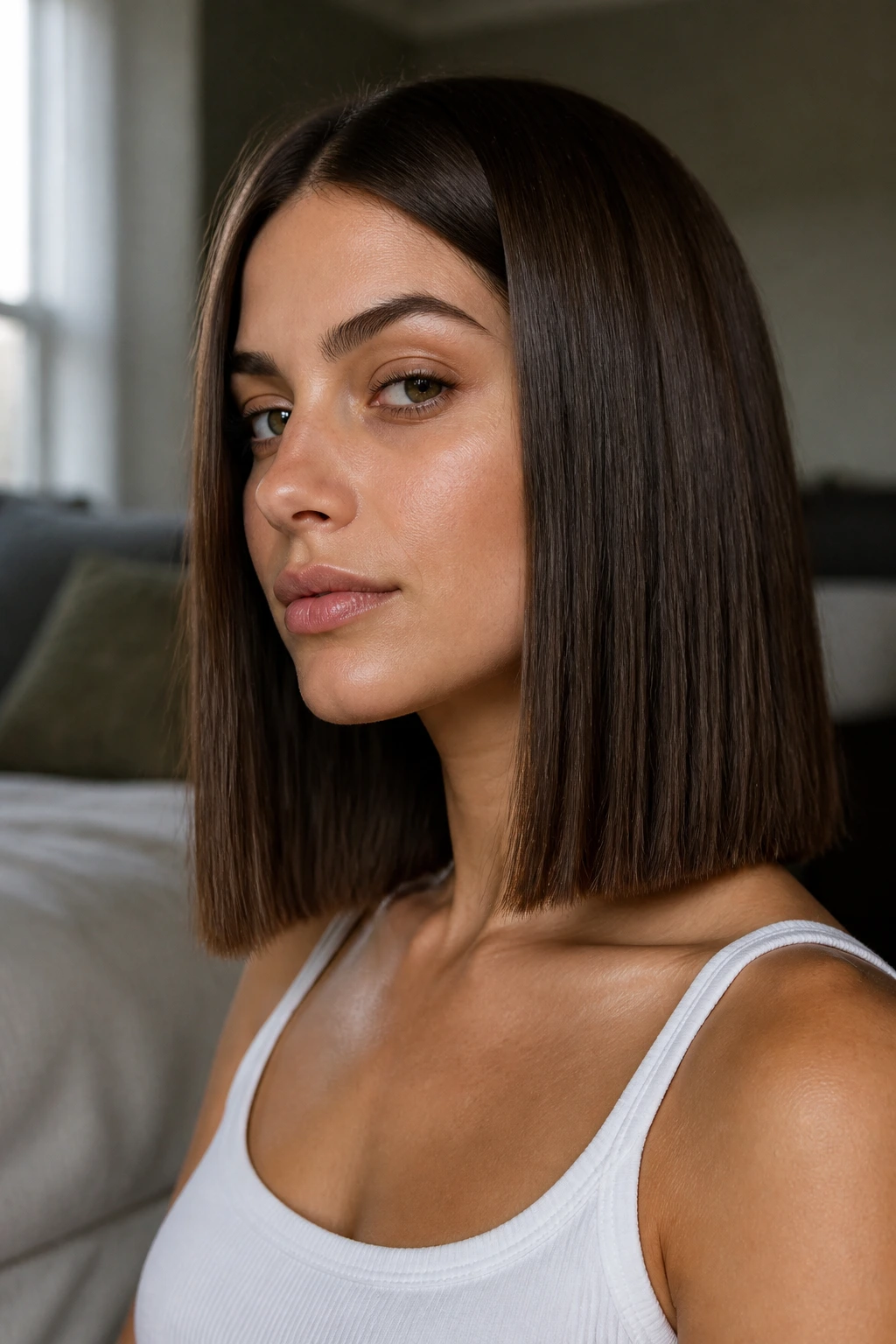
Transitioning from long hair to a long bob is less about the loss of inches and more about the gain of intention. When you choose a cut that suits your face shape and your daily routine, you stop viewing your hair as something you have to manage and start viewing it as a style that works for you.
Remember that the most important factor in any bob—whether it is an A-line, a blunt shoulder-grazer, or a textured shag—is the health of your ends. Because these cuts draw attention directly to the perimeter of your hair, you cannot hide split ends. Schedule your trims consistently, keep your ends hydrated with a high-quality oil, and do not be afraid to lean into the texture your hair naturally wants to create. Your perfect bob is out there; you just have to be willing to hold the scissors.