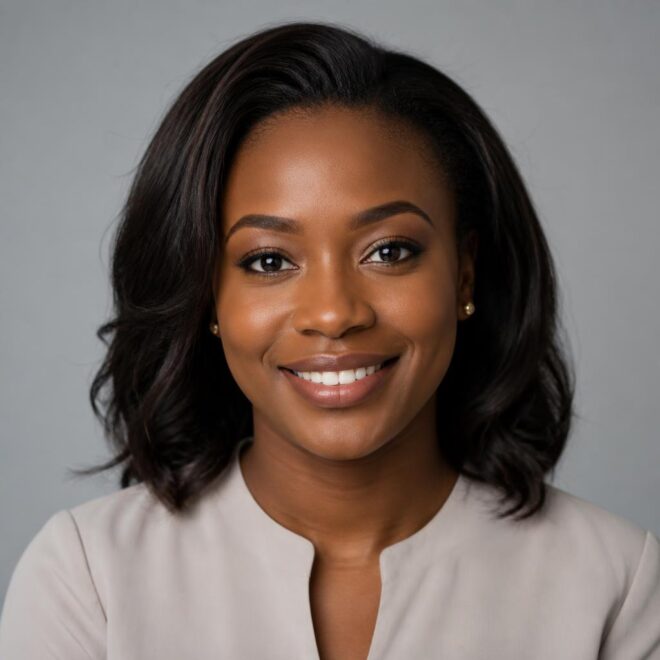


Thin hair often feels like a liability in the world of styling, but it is actually the secret weapon for a truly sharp, architectural look. When you have finer strands, you are not fighting your hair; you are working with a canvas that responds beautifully to precision cutting. The “lob”—or long bob—is arguably the most versatile shape in modern hairdressing, especially when you introduce an angled cut. It tricks the eye, creates the illusion of density, and frames the face in a way that longer, weighed-down hair never could.
If you are tired of the “stringy” look that happens when thin hair grows past your collarbone, an angled lob is the antidote. By keeping the nape shorter and the front longer, you redistribute the volume. You shift the focus from the lack of density at the ends to the sharp, intentional line of the perimeter. This is not about trying to make your hair something it isn’t; it is about leaning into the texture you have to create a polished, expensive-looking aesthetic that is surprisingly low-maintenance.
1. The Classic Blunt-Ended Angled Lob
A sharp, blunt perimeter is the most effective way to make thin hair look significantly thicker. By cutting the ends with a straight edge, you remove the wispy, see-through bits that naturally occur with fine hair, creating a solid “shelf” of hair. This style features a deep angle that starts just above the hairline at the nape and sweeps down toward the collarbone. It is a workhorse of a haircut—it looks good air-dried, ironed straight, or with a slight wave.
Why It Works for Fine Strands
The bluntness is the primary factor here. When you razor-cut or heavily texturize fine ends, they tend to look brittle or sparse within weeks. A crisp, scissor-cut edge maintains the weight of the hair at the bottom, which is exactly where fine hair loses its visual bulk.
How to Style It
- Apply a lightweight thickening mousse to damp roots.
- Blow-dry using a paddle brush to keep the tension taut.
- Use a flat iron on the ends only if you want that razor-sharp finish.
- Finish with a dry texturizing spray, not a heavy oil, to keep the ends looking full and matte rather than clumped.
2. The Textured Shattered Lob
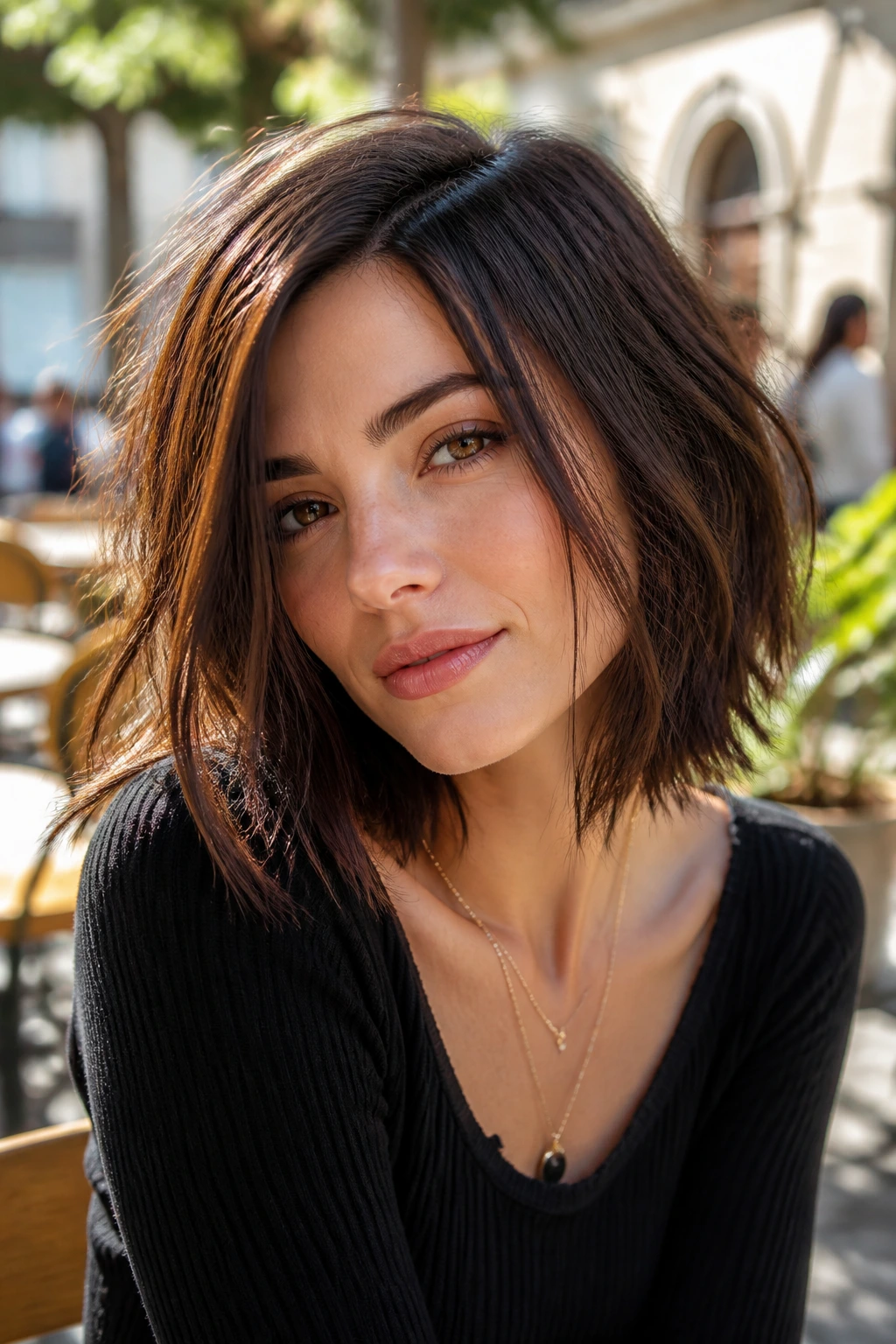
If you prefer a lived-in, effortless vibe, the shattered long angled bob is your best friend. Unlike the blunt cut, this version incorporates interior layers that are point-cut rather than sliced. These small, invisible layers create “stacks” of hair that prevent the style from laying perfectly flat against the skull.
The Mechanics of Internal Texture
The trick is to avoid thinning shears at all costs. Instead, your stylist should use the tip of their shears to make small, deliberate cuts into the interior of the hair. This leaves the perimeter strong while creating a slight, airy lift throughout the mid-lengths.
Pro Tip: Ask for a “ghost layer” technique, where the shortest layers are hidden beneath the top section to provide internal support without looking choppy.
3. The Deep Side-Parted Lob
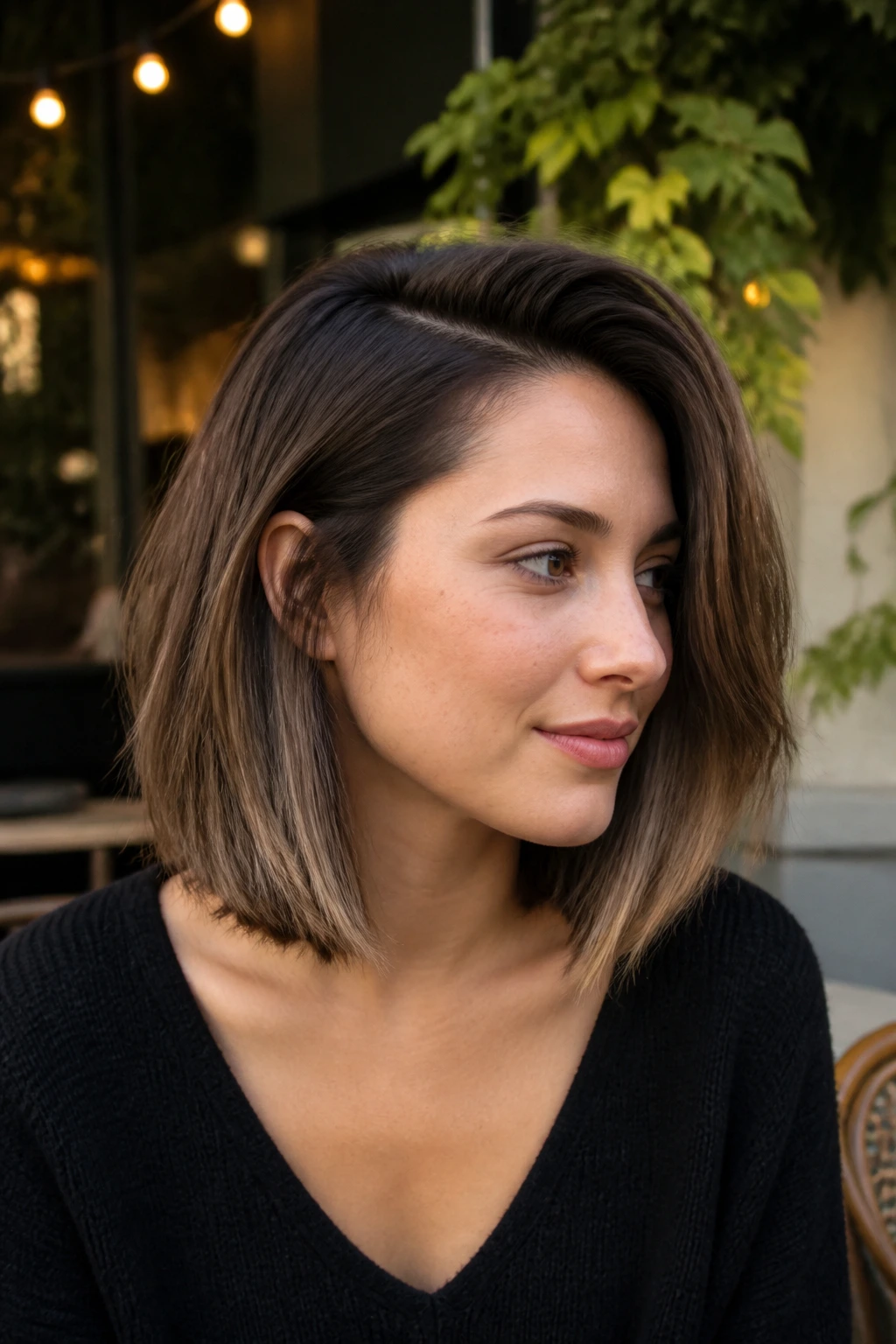
There is a visual trick involving the side part that is remarkably effective for anyone struggling with a lack of volume. By shifting your part to the far side, you instantly create a “swoop” over the crown. This forces the hair to stand up slightly at the root, which gives the impression of more hair than is actually present.
Why This Angle Matters
When paired with an angled cut, the side part creates a natural asymmetry. One side frames the face with a longer, cascading length, while the other side sits slightly higher, exposing the neck. This adds a sense of movement that distracts from the thinness of the hair.
How to Maintain the Shape
- Part your hair while it is wet.
- Use a volumizing root lifter at the crown.
- Avoid heavy silicones that cause fine hair to separate into “greasy” strands.
- If the hair starts to fall flat, a quick dry shampoo at the roots will re-activate that side-part lift.
4. The Face-Framing Graduation
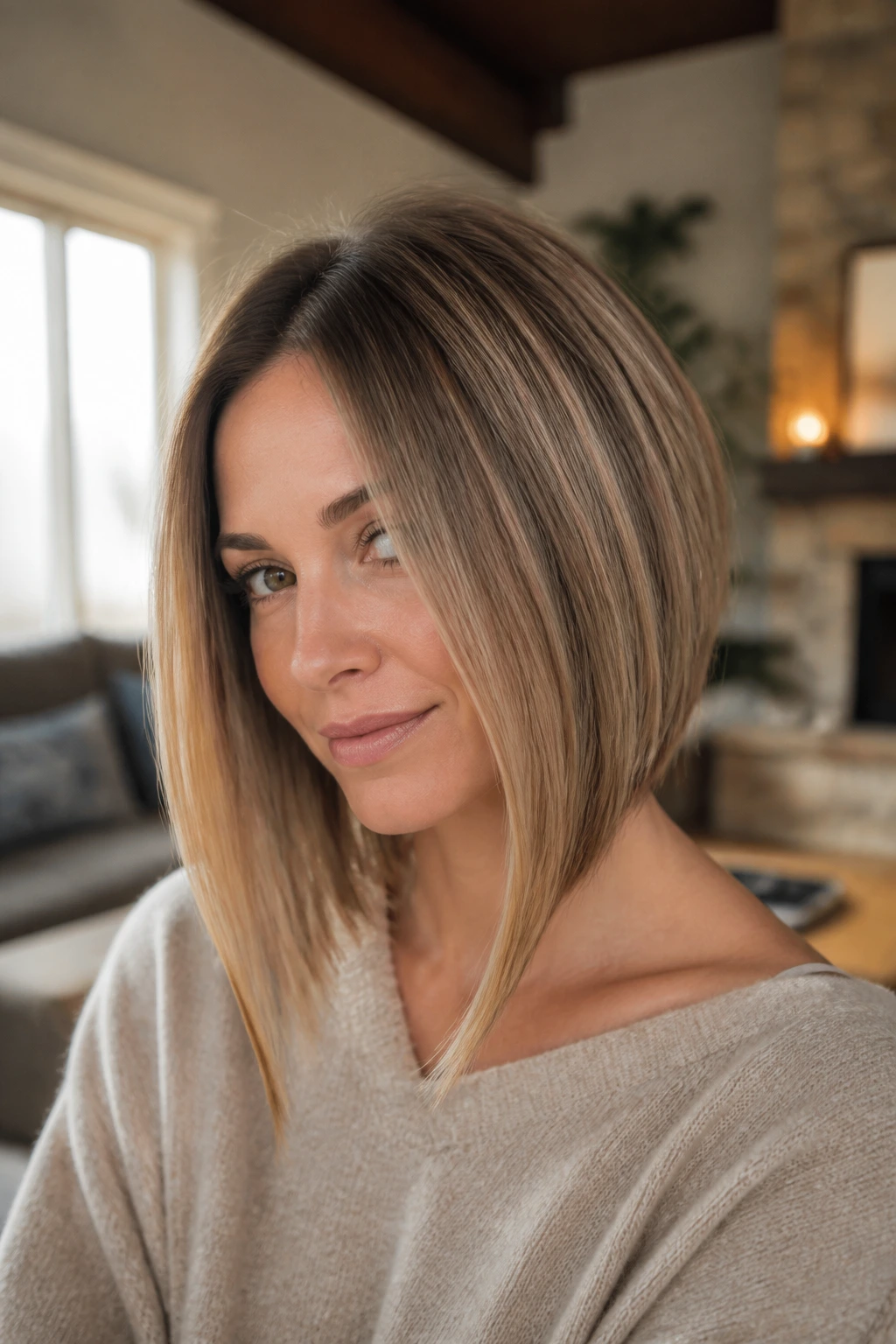
This cut is all about the transition from back to front. The graduation is more gradual than a traditional inverted bob, meaning the angle is softer. This is ideal if you have a rounder face shape, as it elongates the jawline without creating an overly severe look.
The Benefit of Longer Front Pieces
Keeping the front pieces several inches longer than the back acts like a frame for your face. It draws the eye downward, making the neck look longer and the hair appear more substantial at the front, where density is most noticeable.
Warning: Do not let the front get too long. If the front pieces extend past your chest, you lose the “lob” effect and drift back into “long hair” territory, where thinness becomes more obvious.
5. The Messy Beach-Wave Lob
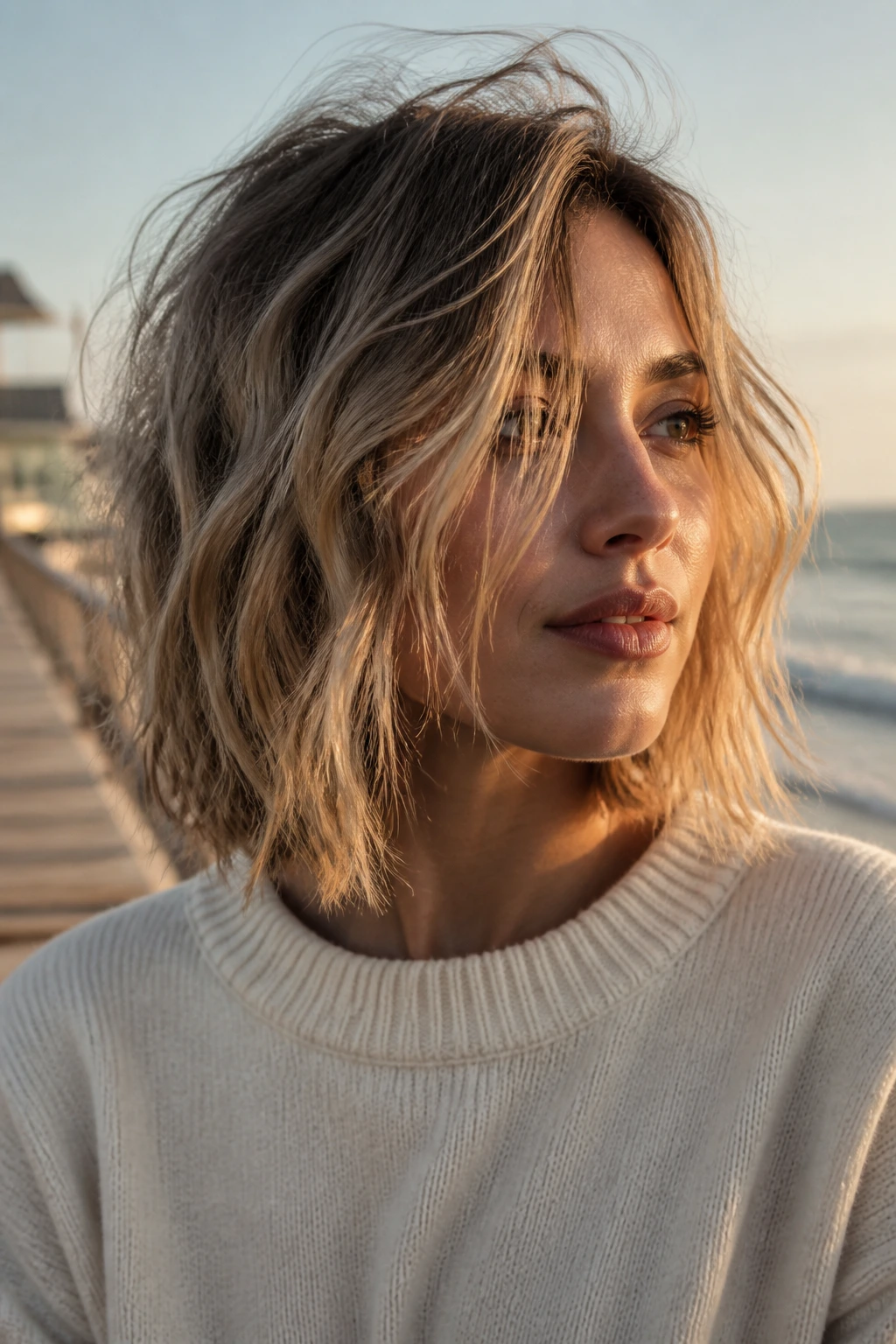
Texture is the ultimate camouflage for fine hair. When hair is straight, any gap between strands is easily visible. When you introduce a wave—specifically a loose, “S-pattern” wave—the hair strands overlap, creating a thicker, more tactile surface area.
Creating the Illusion of Volume
- Use a 1.25-inch curling iron or a flat iron.
- Wrap the hair away from the face, leaving the last inch of the ends out to maintain that modern, straight-edge look.
- Shake the curls out vigorously once they have cooled.
- Mist with a sea-salt spray to add “grit” to the hair fiber, which helps the strands stick together for a fuller look.
6. The Minimalist Nape-Undercut Lob
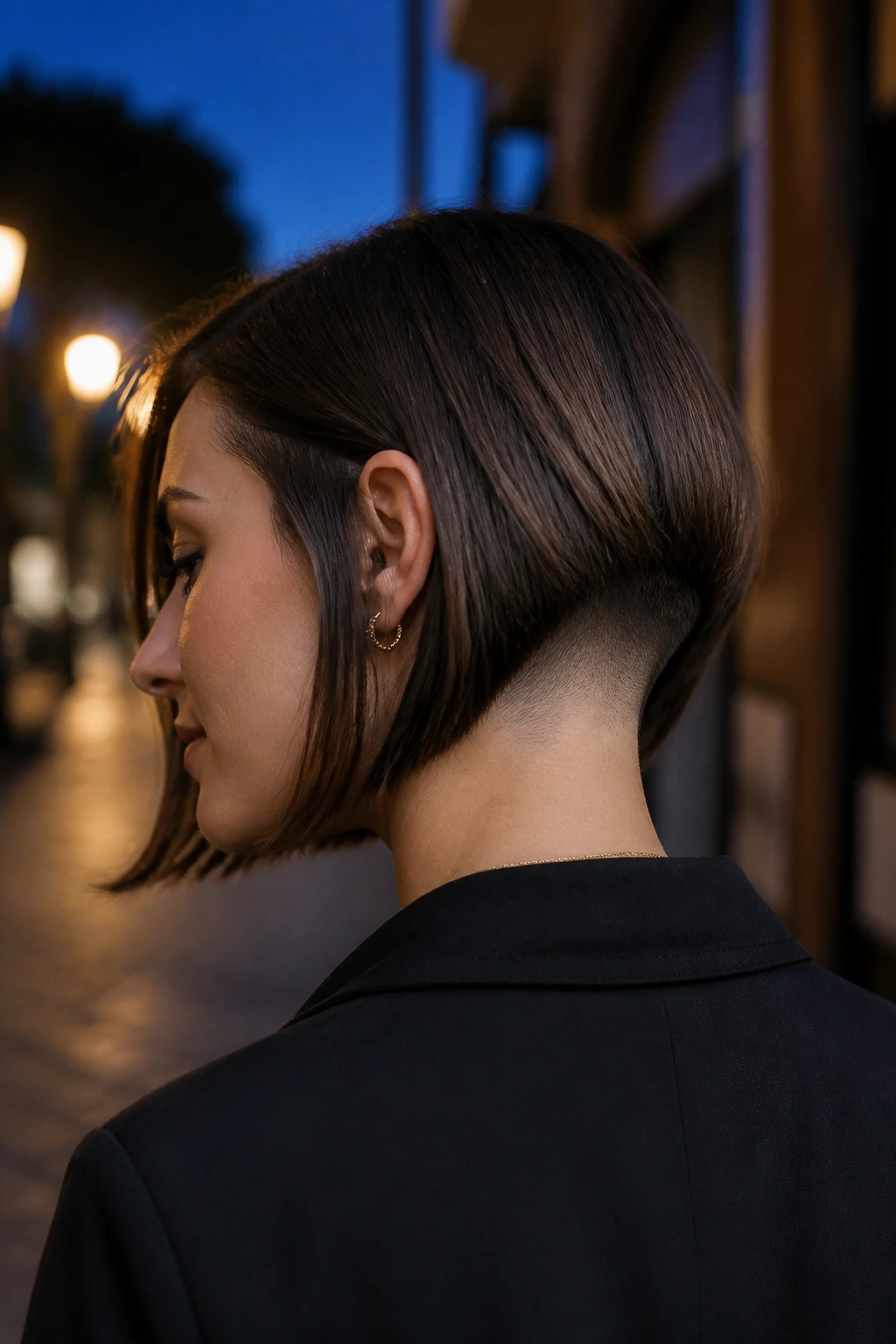
This is a daring move, but it is highly effective for those with extremely thin hair. By shaving or tapering the very lowest section of the nape, you remove the hair that usually gets trapped against the neck and looks stringy.
Is This Right for You?
If you have a cowlick at the nape, this is your solution. It removes the hair that refuses to cooperate and creates an extremely sharp, clean angle. It also makes the rest of your hair look much thicker by comparison, as there is less hair competing for visual space.
7. The Softly Layered Wob (Wavy Lob)
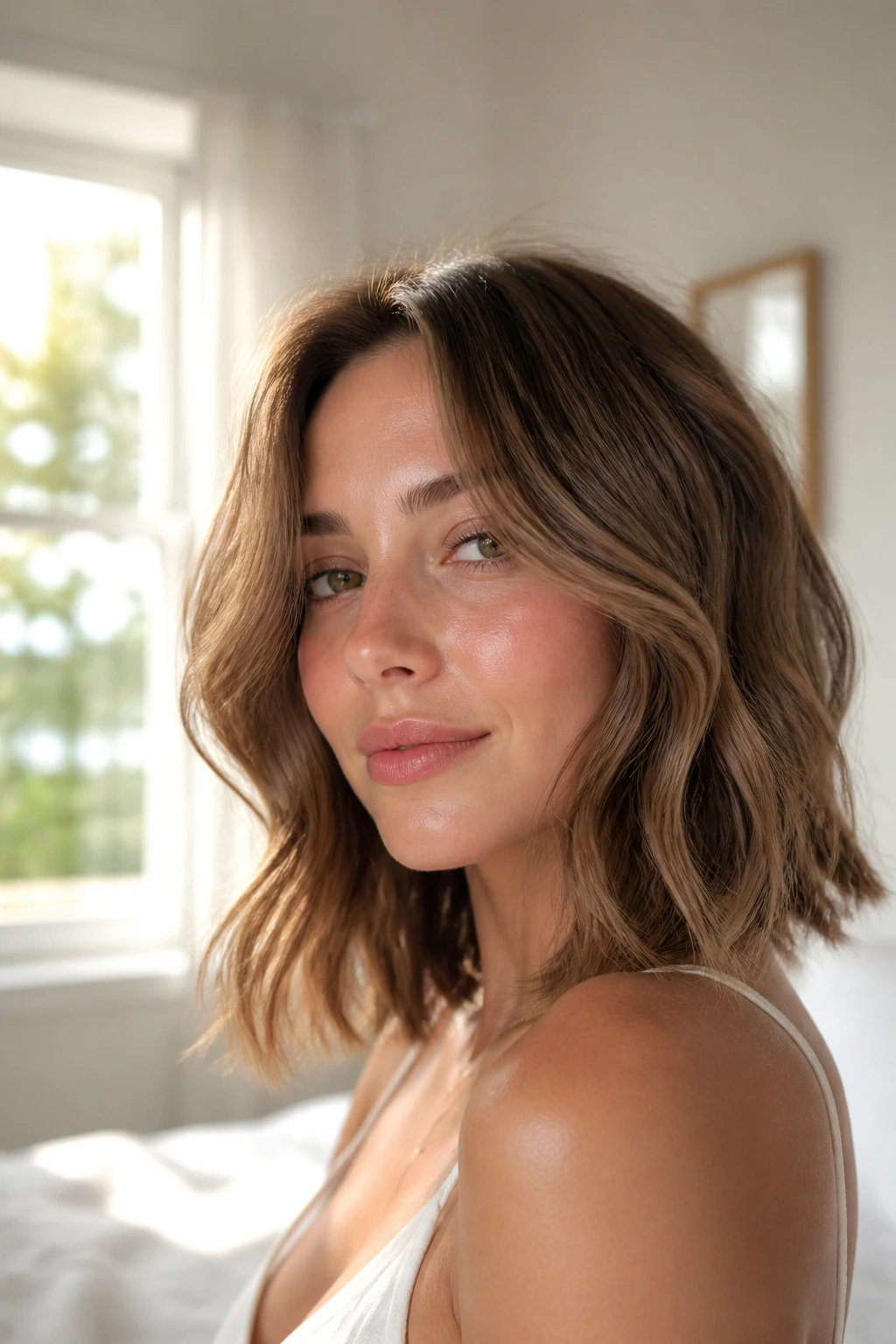
The “wob” is simply a wavy long bob, and it is arguably the most popular way to wear an angled cut today. The key is in the layering. You want long, barely-there layers that start below the chin. This prevents the hair from looking bottom-heavy while allowing the natural waves to bounce up, adding volume throughout the body of the cut.
Why It Works for Fine Hair
Fine hair often has a natural bend to it. When you cut it into a long, angled shape with minimal layers, you give that bend enough room to exist without being weighed down. It creates a soft, ethereal look that feels much thicker than it is.
8. The Sleek Center-Parted Angle
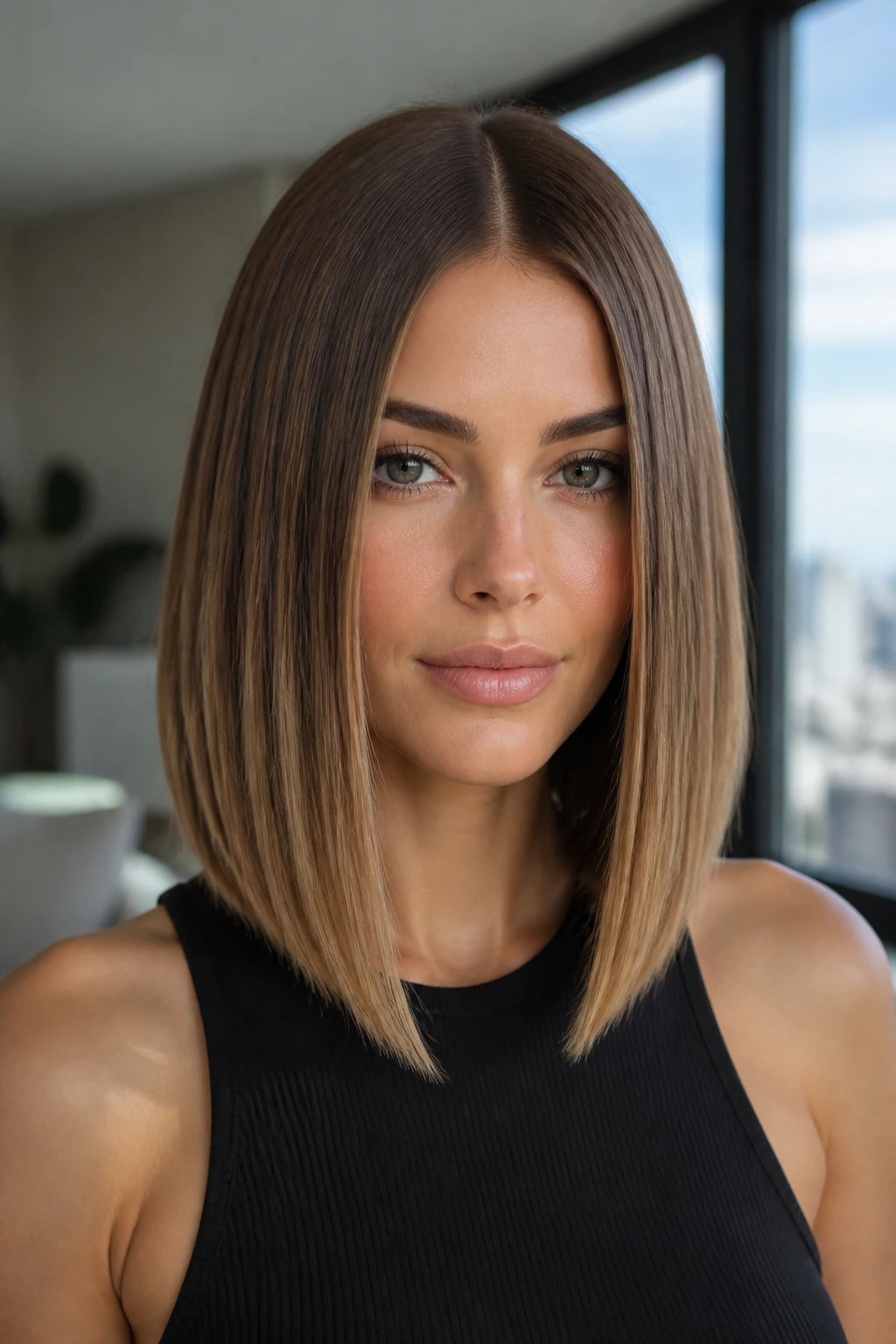
A center part with an angled lob is the epitome of “expensive” hair. It creates a symmetrical frame that looks incredibly intentional. For thin hair, this requires a bit of styling effort, as you have to ensure the hair isn’t lying limp against the scalp.
Styling for the Center Part
- Use a round brush to blow-dry the hair forward, then flip the ends back.
- This “C-curve” technique gives the hair a bit of a hug around the face.
- A light-hold pomade can be used on the tips to keep the blunt edge looking sharp and clean throughout the day.
9. The Rounded Stacked Lob
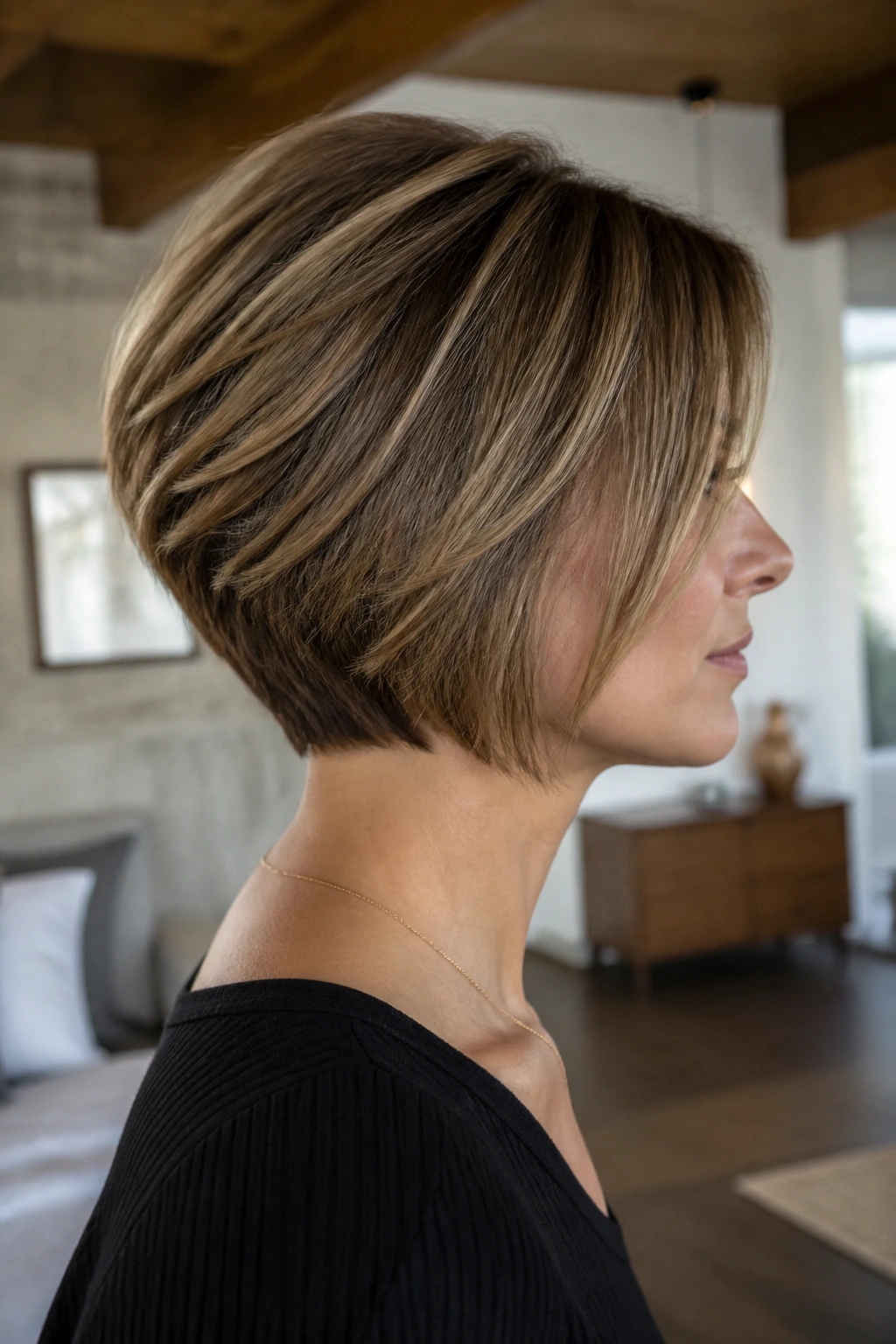
If you want to maximize volume at the back of the head, a stacked lob is the answer. By cutting the back with short, graduated layers, you build a “shelf” of hair. This naturally creates height at the crown and the occipital bone.
Who Should Choose This?
This is the best style if your hair tends to go flat against your head within minutes of styling. The structure of the cut does the work for you, maintaining a rounded shape even when you have not spent time with a round brush.
10. The Curtain-Banged Angled Lob
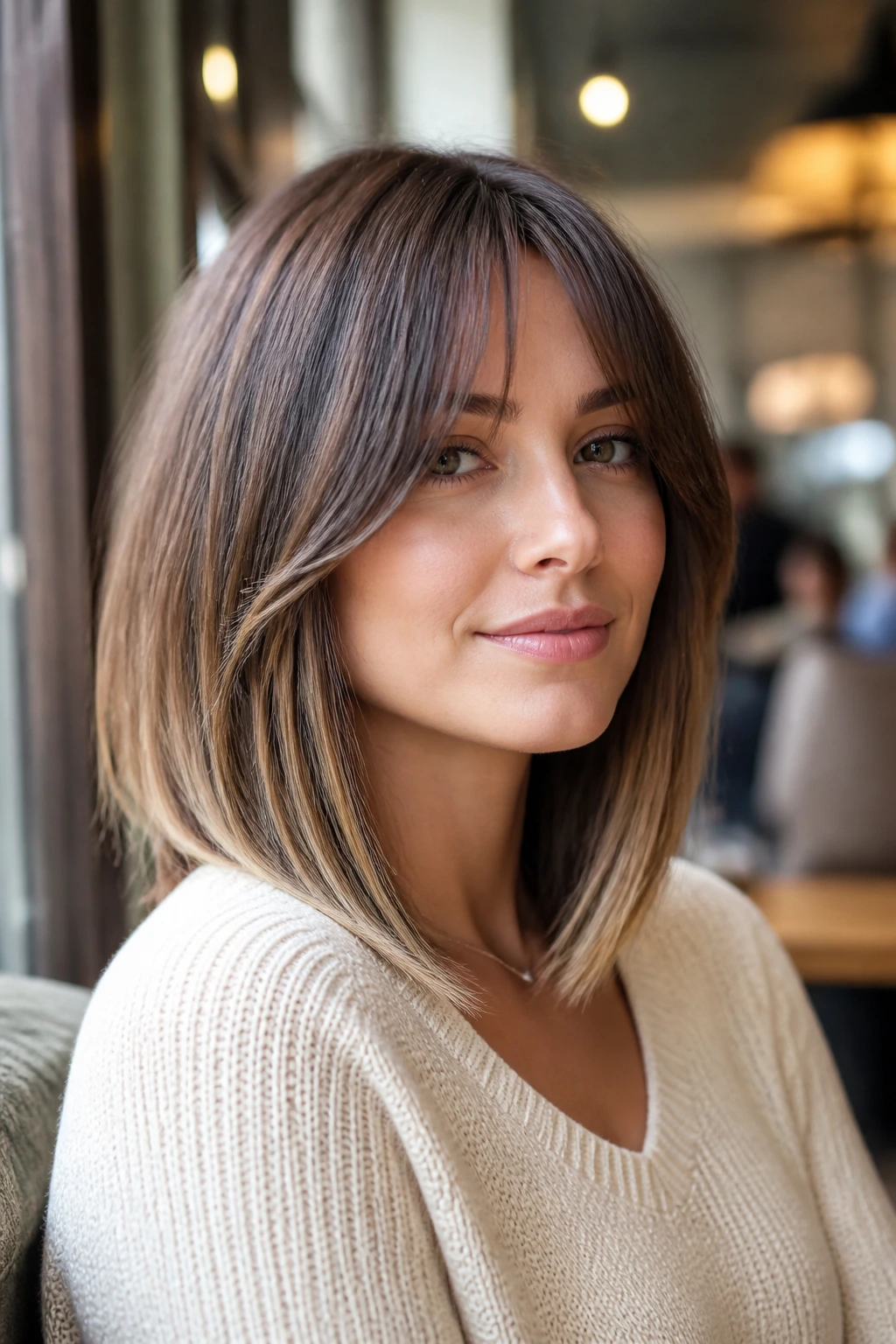
Adding curtain bangs to an angled lob is a brilliant way to bridge the gap between short and long styles. The bangs provide a sense of fullness around the temples and forehead, while the angled length maintains the sleekness of the bob.
Balancing the Face
The curtain bangs should be cut with a slight point, mirroring the angle of the main haircut. This creates a cohesive, designed look. It draws attention to the eyes and cheekbones rather than the thinness of the hair at the ends.
11. The Blunt Ends with Hidden Highlights
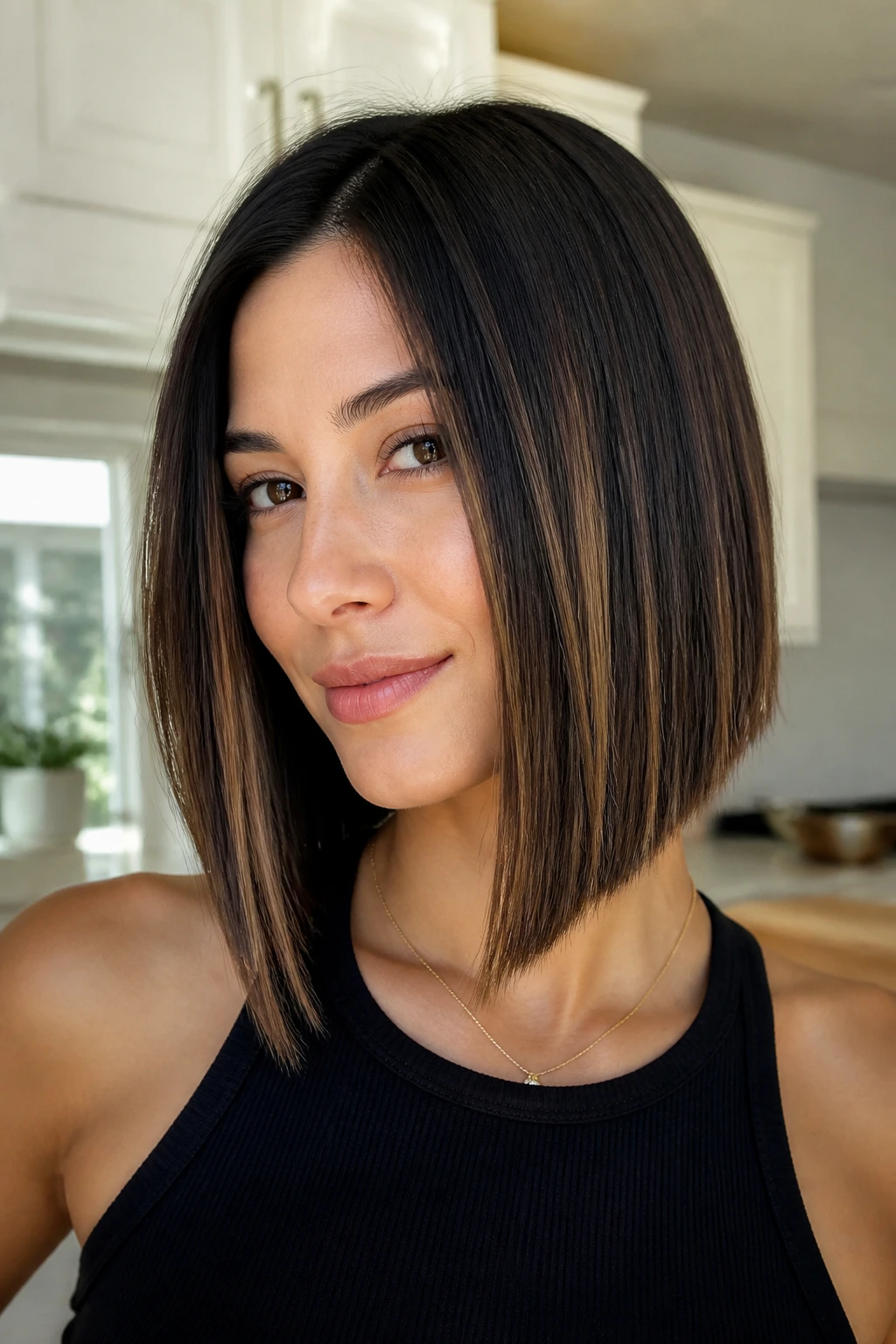
Sometimes, the way to make thin hair look thicker is through color placement. By adding “ribbon” highlights that are a shade or two lighter than your base, you create depth. Depth creates the illusion of dimension, and dimension makes the hair look like it has more physical volume.
Why Color Matters
When hair is all one color, especially if it is thin, it can look a bit like a flat sheet. Highlights act as a contour for your hair. Ask your colorist for “balayage” towards the ends of your angled lob to keep the look natural and low-maintenance.
12. The Wispy-End Graduated Lob
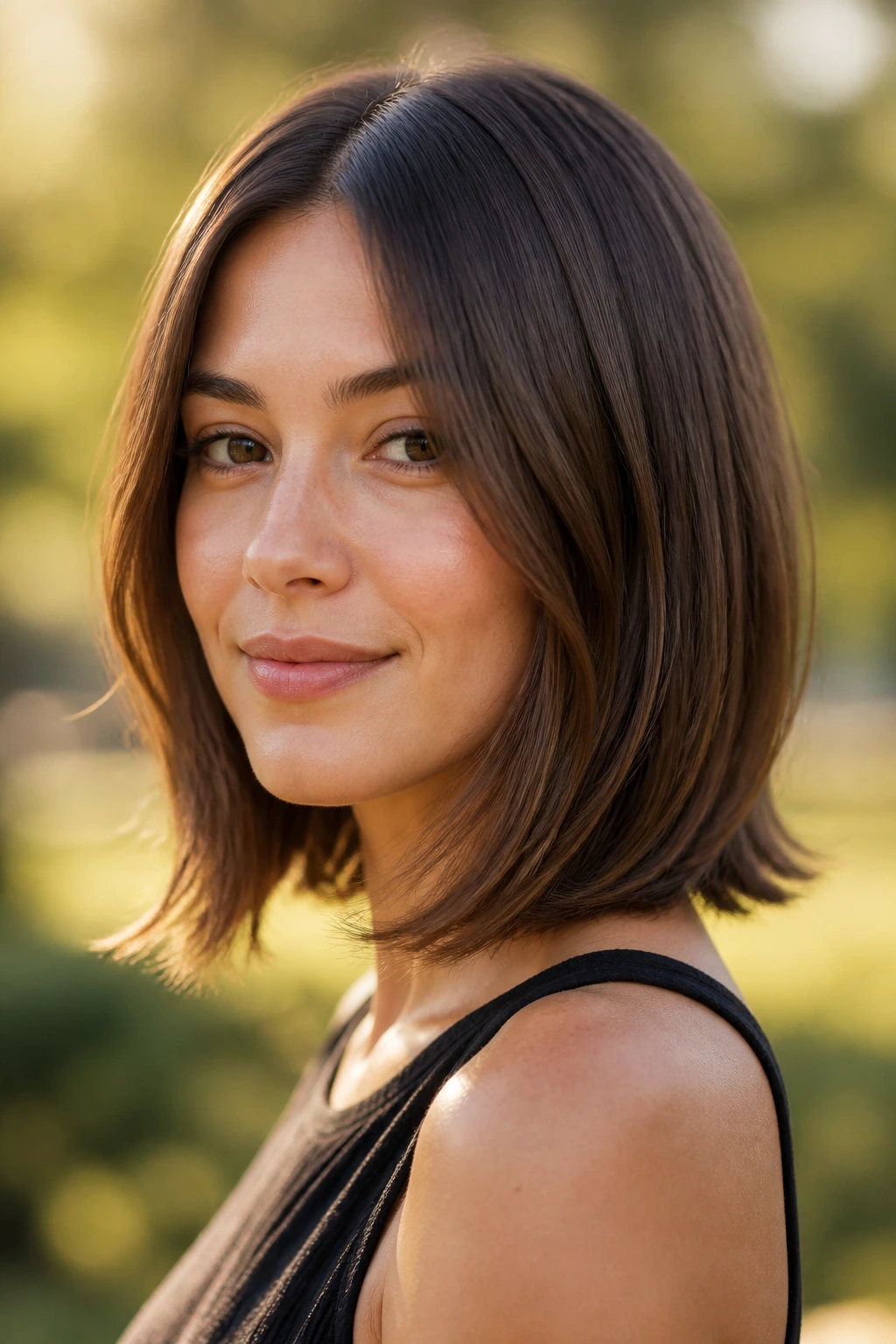
While blunt is usually best for thickness, some people prefer a softer look. A wispy-end lob uses a feather-razor technique to soften the very bottom of the hair. This is a delicate balance; you only want the last quarter-inch to be feathered.
Maintaining the Integrity of the Cut
- This style requires more frequent trims—usually every six weeks—to keep the ends from splitting.
- It pairs beautifully with a middle part and a slight outward flip at the ends.
- It is a sophisticated, “French-girl” aesthetic that relies on softness rather than sharp, geometric lines.
13. The Long-In-Front “Collarbone” Lob
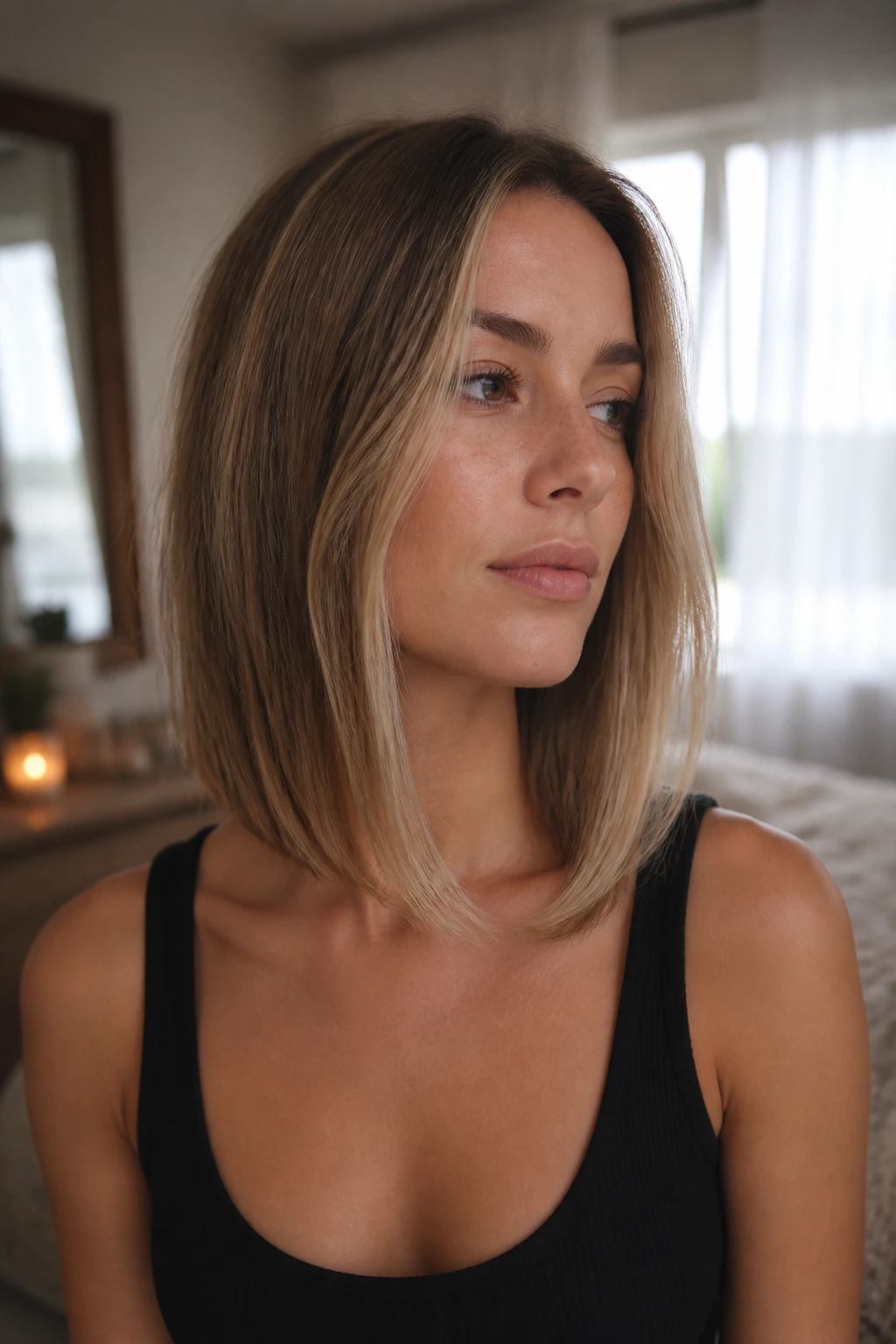
This cut is specifically designed to hit right at the collarbone. By keeping the front pieces grazing the shoulders, you create a “curtain” effect. This is the longest version of the angled lob, and it is great for those who aren’t quite ready to go “short.”
The Visual Effect
Because the front pieces are longer, they carry a bit more weight, which can help tame fine, flyaway hair. The shorter back ensures that you still get the volume-boosting benefits of a bob-length cut at the nape of the neck.
14. The Tousled Shag-Lob
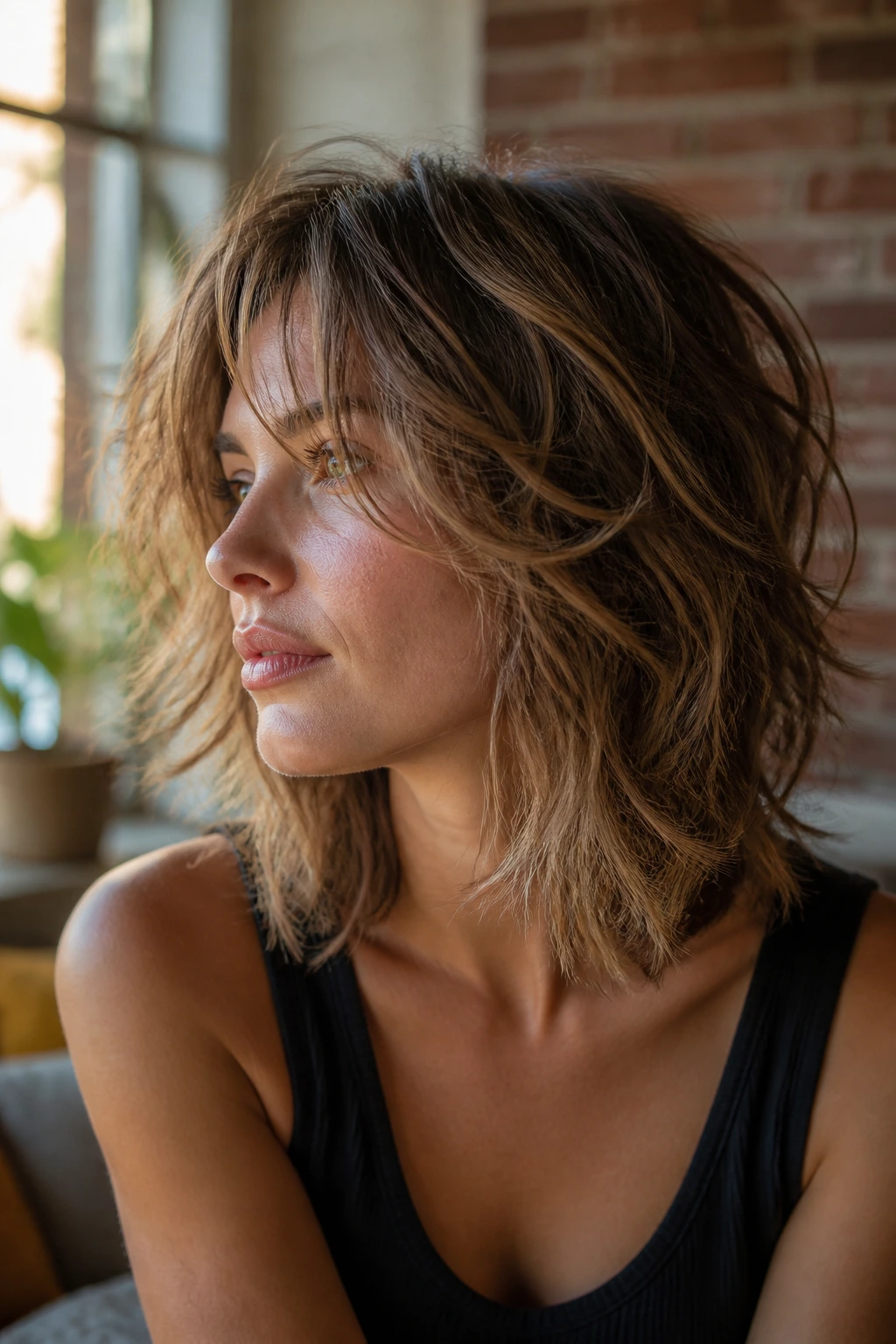
The shag is having a massive moment, and it is incredibly beneficial for thin hair. By adding more layers than a traditional lob, you create a messy, textured volume that is impossible to achieve with a single-length cut.
The “Bedhead” Aesthetic
This look is intentionally imperfect. You use a texture paste to rough up the hair and define the individual layers. It is the best way to hide the fact that you have less hair density, as the messiness is the actual point of the style.
15. The “Pushed-Back” Wet Look
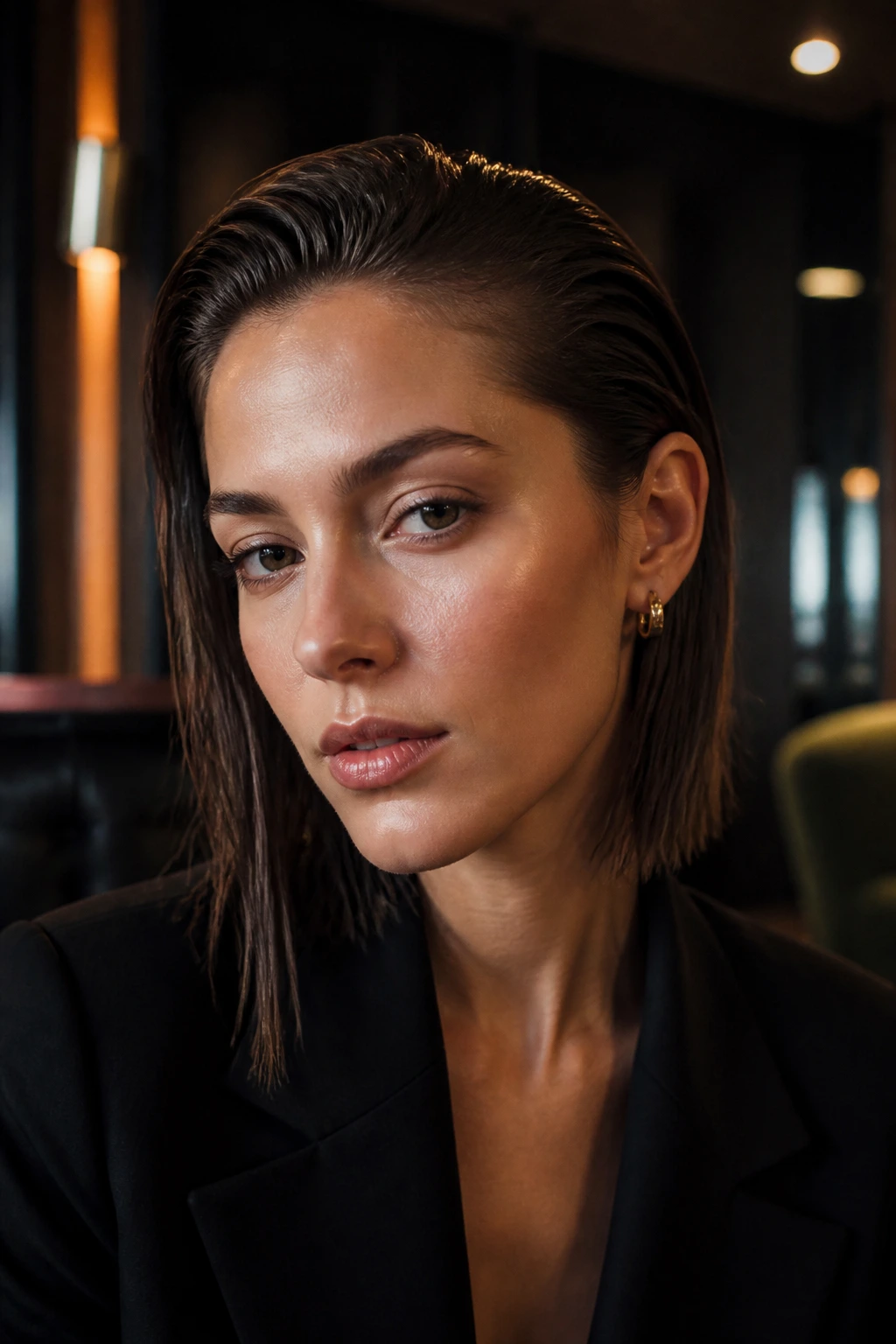
Fine hair is perfect for the “wet look” because it doesn’t have the bulk that makes this style look heavy or greasy. By using a medium-hold gel and pushing your angled lob back, you create a high-fashion, editorial style.
When to Use This Style
- Use this for an evening out or a special event.
- Apply a light-hold gel to damp hair and comb it back away from your face.
- Let it air dry naturally, or use a diffuser for a softer hold.
- It keeps the hair sleek and creates a very deliberate, styled silhouette.
16. The Polished Straight Lob
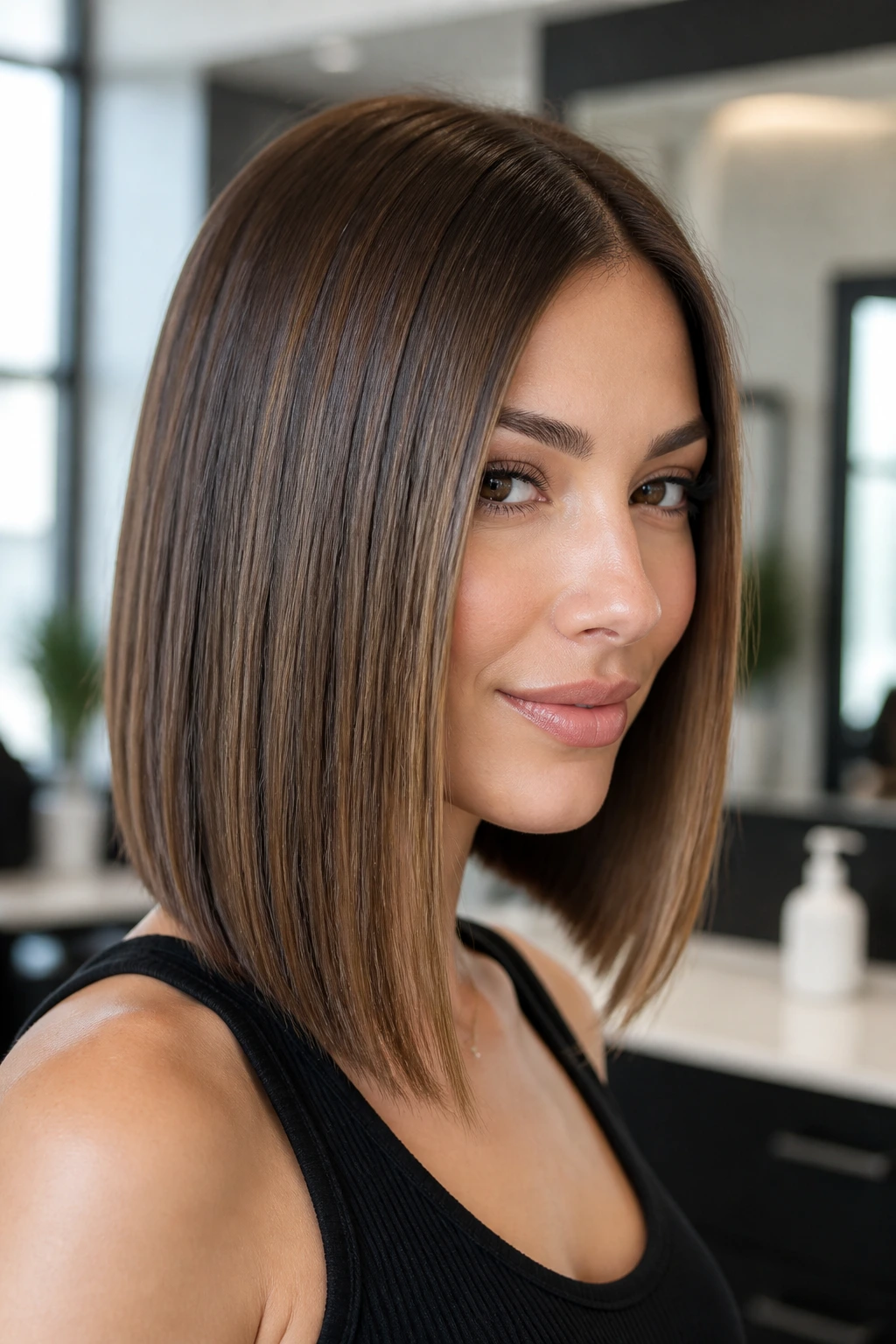
Never underestimate the power of a really good, high-shine blowout. If your hair is thin, a straight, angled lob is the most classic and professional look you can aim for. The secret is the “tension” during the blowout.
The Role of Shine
- Use a shine-boosting serum or oil, but only apply it to the ends.
- Avoid the roots at all costs.
- Use a high-quality boar-bristle brush, which helps distribute the scalp’s natural oils to the dry ends, making the hair look healthier and thicker.
17. The Asymmetrical Deep-Angled Lob
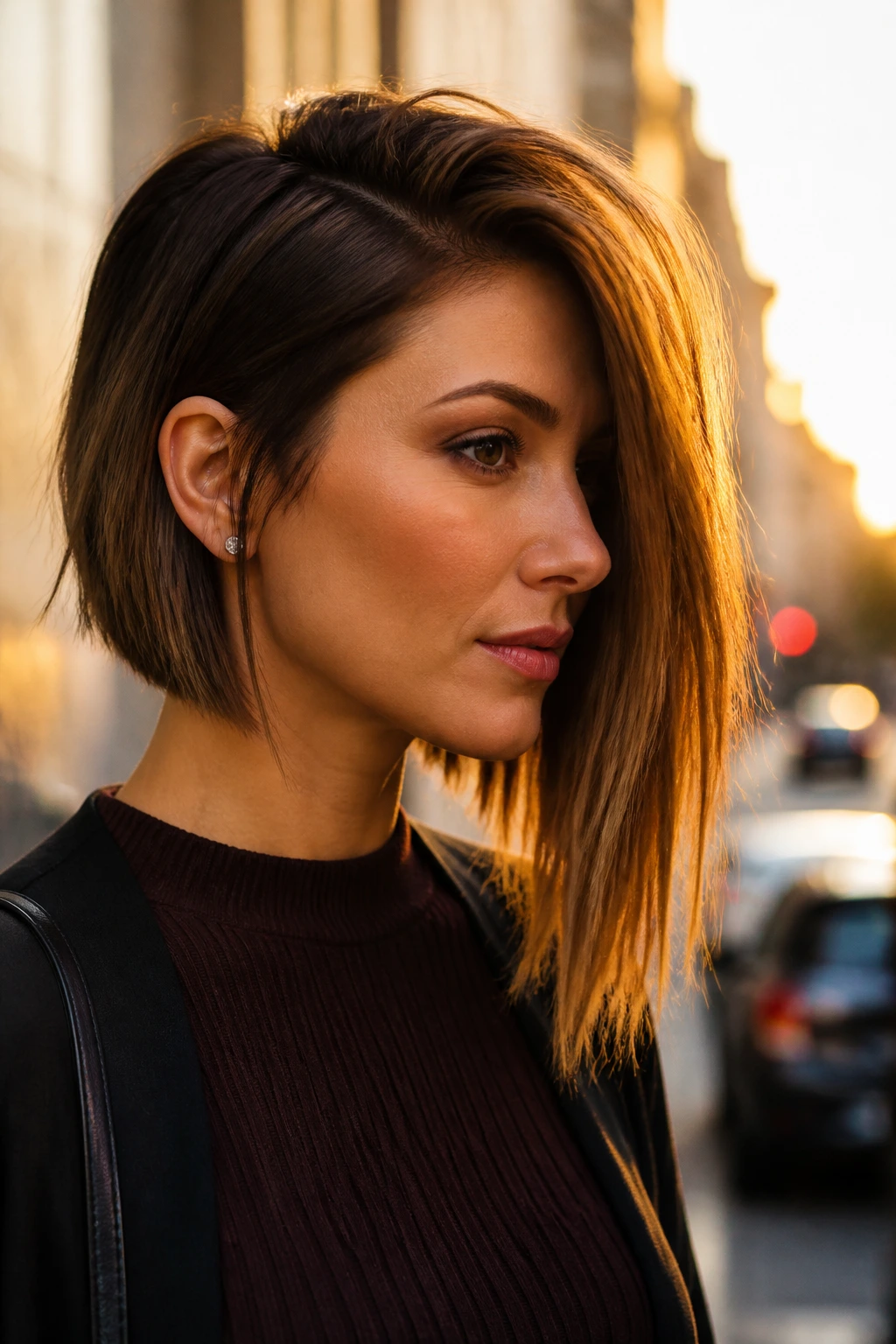
This is for the person who wants to make a statement. One side of the hair is significantly shorter, perhaps hovering just at the jawline, while the other side sweeps down toward the shoulder.
Why Asymmetry Works
Asymmetry is a fantastic distraction. By creating such a dramatic difference in length, you force the eye to follow the line of the hair rather than analyzing the density. It is an artistic, high-energy cut that feels very purposeful.
Essential Maintenance for Fine Hair
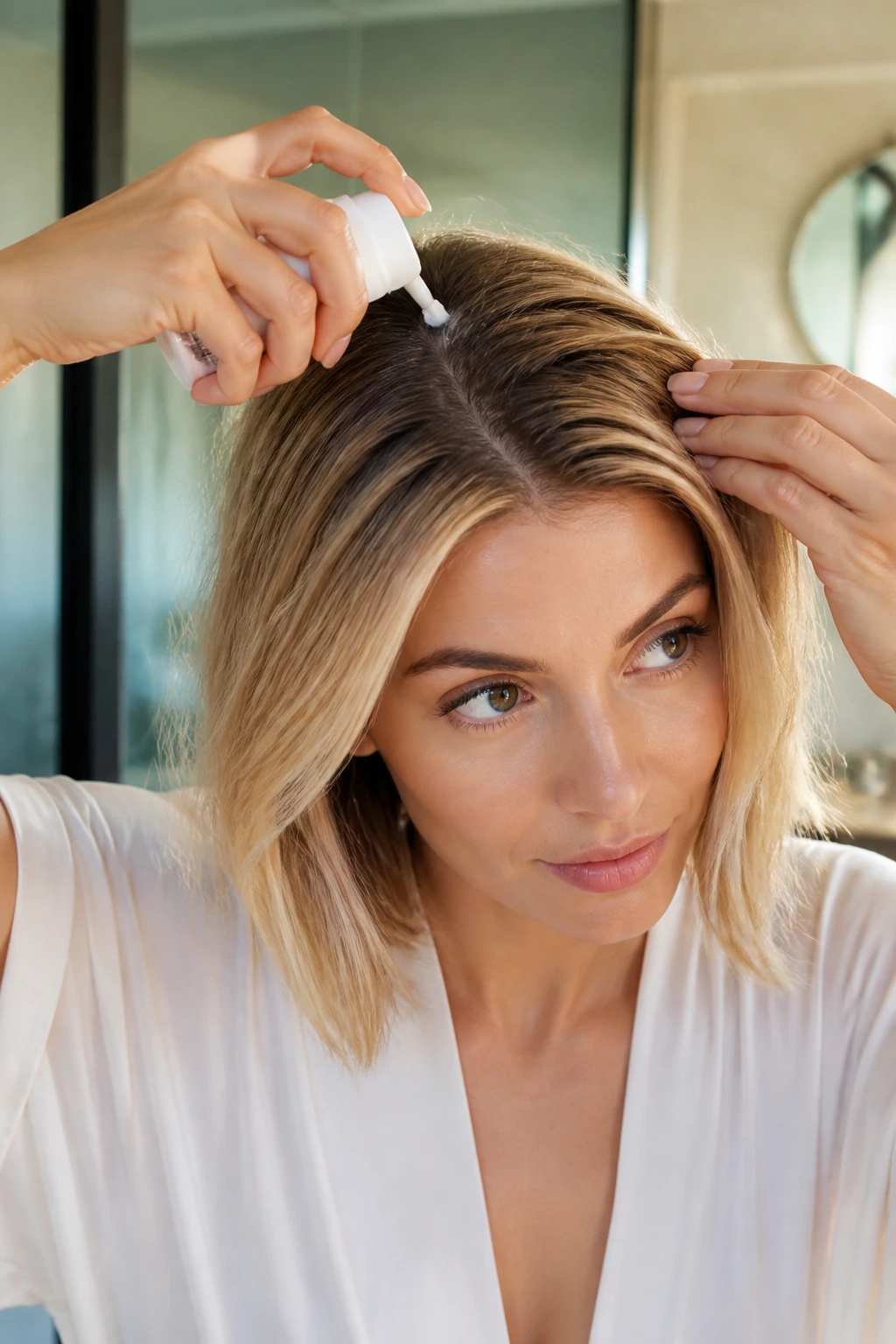
Once you have the perfect angled lob, the way you care for it will determine how well it holds its shape. Fine hair is easily overwhelmed by product, so the philosophy should always be “less is more.”
The Product Hierarchy
- Shampoo: Focus only on the scalp. Your ends do not need heavy detergent.
- Conditioner: Use a weightless detangler rather than a heavy cream mask.
- Volume: Use a root-lifting spray before you start drying.
- Finish: A dry texturizing spray is your best friend. It gives fine hair the “stickiness” it needs to hold a style.
Avoiding the “Stringy” Trap
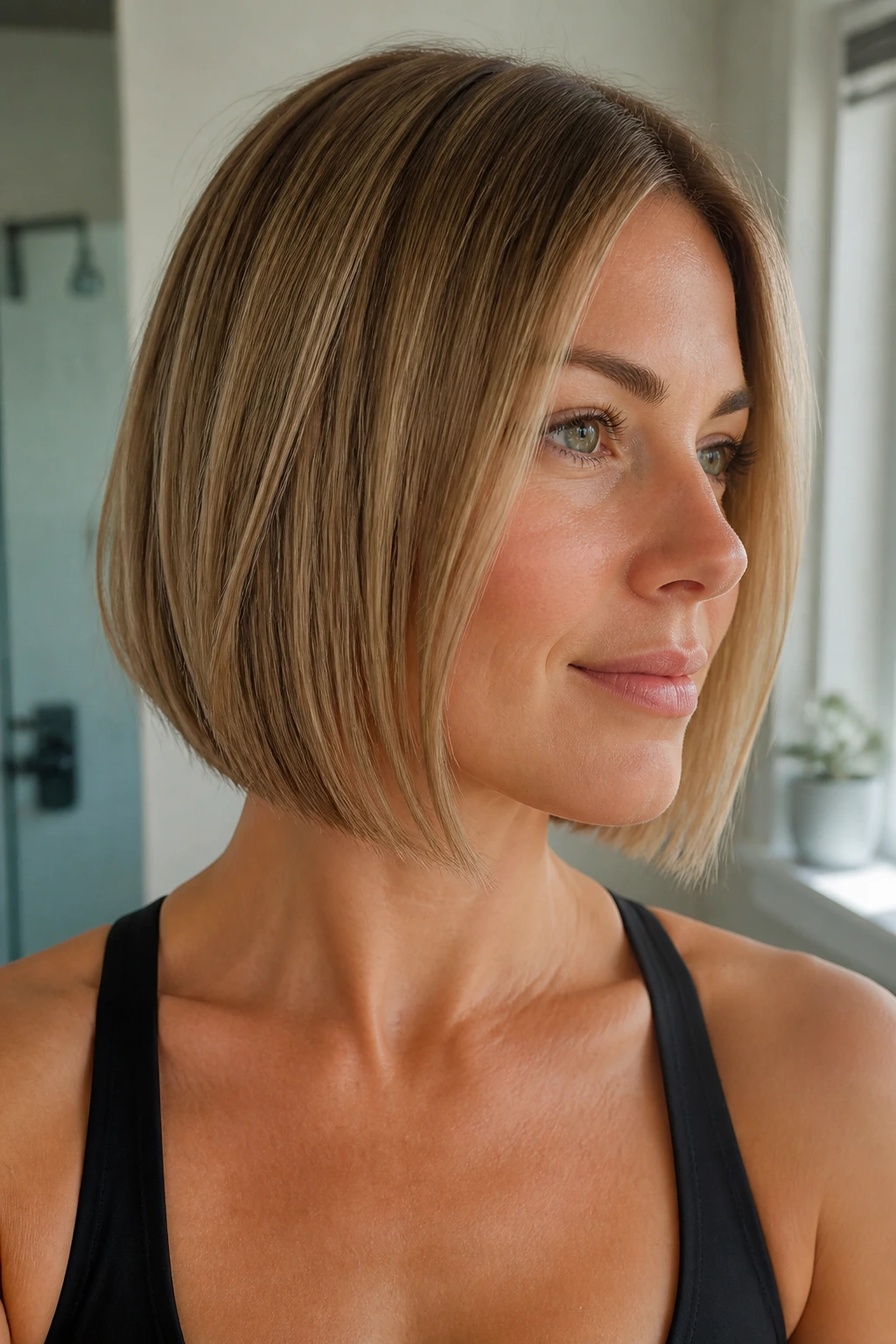
The biggest mistake people with thin hair make is trying to grow it out without regular maintenance. If your hair is thin, you should be getting a trim every eight weeks, maximum. As fine hair grows, the ends become the oldest and most fragile part of the strand. They will naturally break or split, which makes the hair look thin and ragged.
Keeping your perimeter sharp is the most important part of this entire process. If the line is crisp, the hair looks intentional. If the line is fraying, the hair looks neglected. Embrace the shorter length, enjoy the ease of styling, and let the geometry of your cut do the heavy lifting for you.
Final Thoughts
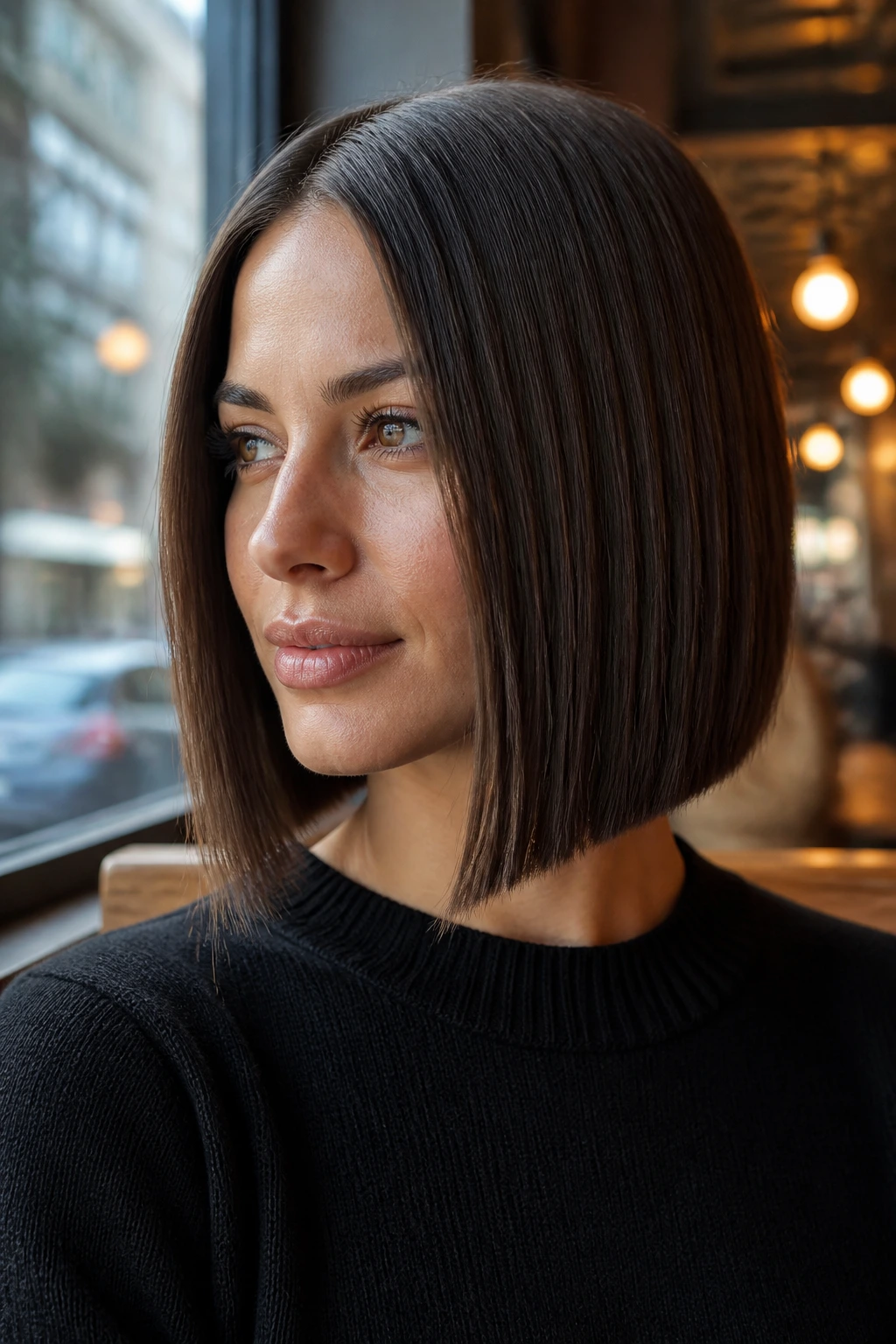
Thin hair is often unfairly maligned, but when shaped correctly, it is the most elegant hair type to wear short. An angled lob provides structure where you need it and movement where you want it. Whether you go for the razor-sharp blunt look or the soft, tousled shag, the goal remains the same: create a shape that feels deliberate.
Stop fighting your texture and start working with it. By choosing a cut that plays to your strengths—your ability to hold a sharp line and your hair’s natural lightweight quality—you can have a hairstyle that looks healthy, full, and polished every single day. The best style is the one that makes you feel confident the moment you walk out the door.