


There is a specific kind of frustration that comes with choosing a haircut that defies the laws of physics, especially when your hair leans toward the frizzy, textured, or naturally voluminous side. We have all been there—sitting in the stylist’s chair with a photo of a sleek, glass-like bob, only to walk out looking like a startled dandelion once the humidity hits. The bob is undeniably iconic, but it is not a one-size-fits-all solution for every hair type. When your hair has a mind of its own, certain cuts can exaggerate frizz, create awkward shelf-like silhouettes, or turn your daily styling routine into a battle you are destined to lose.
The problem often lies in the interaction between weight and length. Frizzy hair behaves differently; it wants to expand outward rather than sit flat against the neck. When a stylist removes too much weight from the ends or cuts a blunt line right at the point where the hair’s natural wave begins to swell, the result is rarely the polished look you envisioned. It is about understanding the tension in your strands and respecting how they want to move. Instead of forcing your hair into a shape that fights its inherent nature, it helps to identify the specific styles that tend to cause the most trouble.
If you are currently wrestling with a cut that makes your hair feel unruly, you are not alone. It is easy to blame the weather or the wrong product, but sometimes the structural foundation of the cut is the culprit. By looking closely at which styles historically fail to flatter frizzy textures, you can make much more informed decisions next time you pick up the scissors. Let us break down the styles that often miss the mark.
1. The Blunt Chin-Length Cut
This is perhaps the most notorious offender for anyone with even a hint of frizz. A classic, blunt bob that hits right at the jawline tends to form a perfect triangle, especially if your hair is thick or porous. When hair is cut at a uniform length at the chin, it loses the ability to drape downward, instead fanning out as it grows past the root.
Why It Creates a Pyramid Effect
Because the ends are blunt and heavy, they sit on top of each other, creating a shelf of volume right where you least want it—at the widest part of your face. If your hair has any tendency to frizz, this cut acts like a magnet for moisture, causing the edges to fluff up while the roots remain flat. The result is a silhouette that looks wider at the bottom than at the top, which rarely balances a face shape.
How to Mitigate the Volume
If you are already committed to this length, the best approach is to ask your stylist for “invisible layers” or interior thinning. By removing weight from the inside of the bob, you allow the outer layers to sit closer to the head. It is a subtle change, but it breaks up the blunt line just enough to prevent that dreaded triangle shape.
2. The Perfectly Horizontal Precision Bob
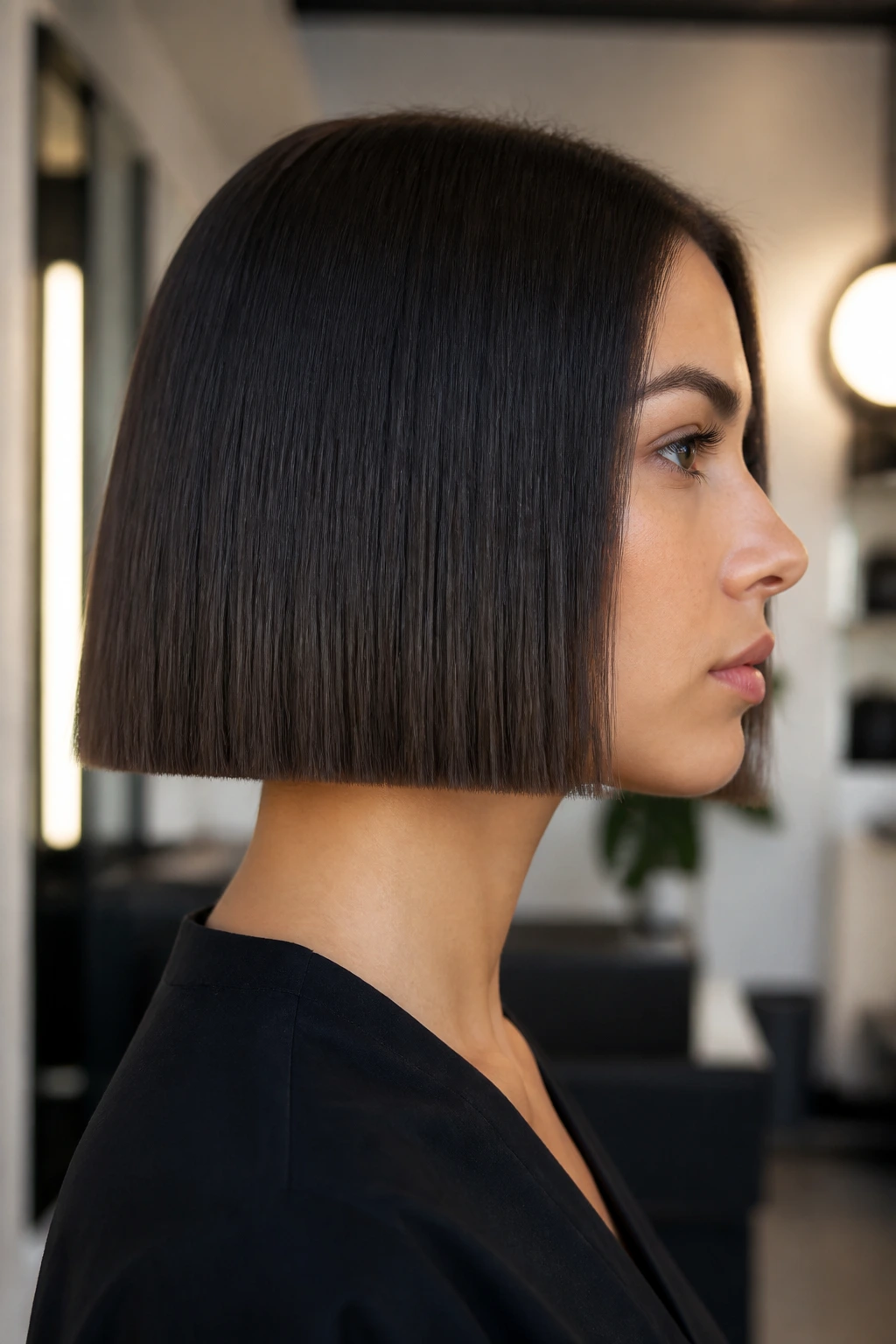
While these cuts look like pure architectural genius on social media, they are notoriously difficult to maintain for anyone who doesn’t have perfectly straight, coarse, or fine hair. A precision bob requires a crisp, razor-sharp edge that must sit perfectly still to look right. Frizzy hair, however, is dynamic—it shifts throughout the day, curls at the ends, and reacts to the slightest change in humidity.
The Conflict Between Geometry and Texture
When you cut a hair type that is prone to frizz into a perfect horizontal line, you are setting yourself up for failure. Even if it looks polished in the salon after a professional blowout, the moment you wash it at home, the hair will shrink at different rates. One side might curl up, while the other stays flat, leaving the once-perfect edge looking jagged and uneven.
Why It Fails in Real-World Conditions
Precision cuts rely on heavy weight to keep the hair down. If your hair is frizzy because it is damaged or dry, that weight isn’t enough to counteract the natural “flyaway” effect. You end up spending twice as much time flat-ironing your ends just to force the shape to hold, which ultimately leads to more heat damage and, you guessed it, more frizz.
3. The “Mushroom” Layered Bob
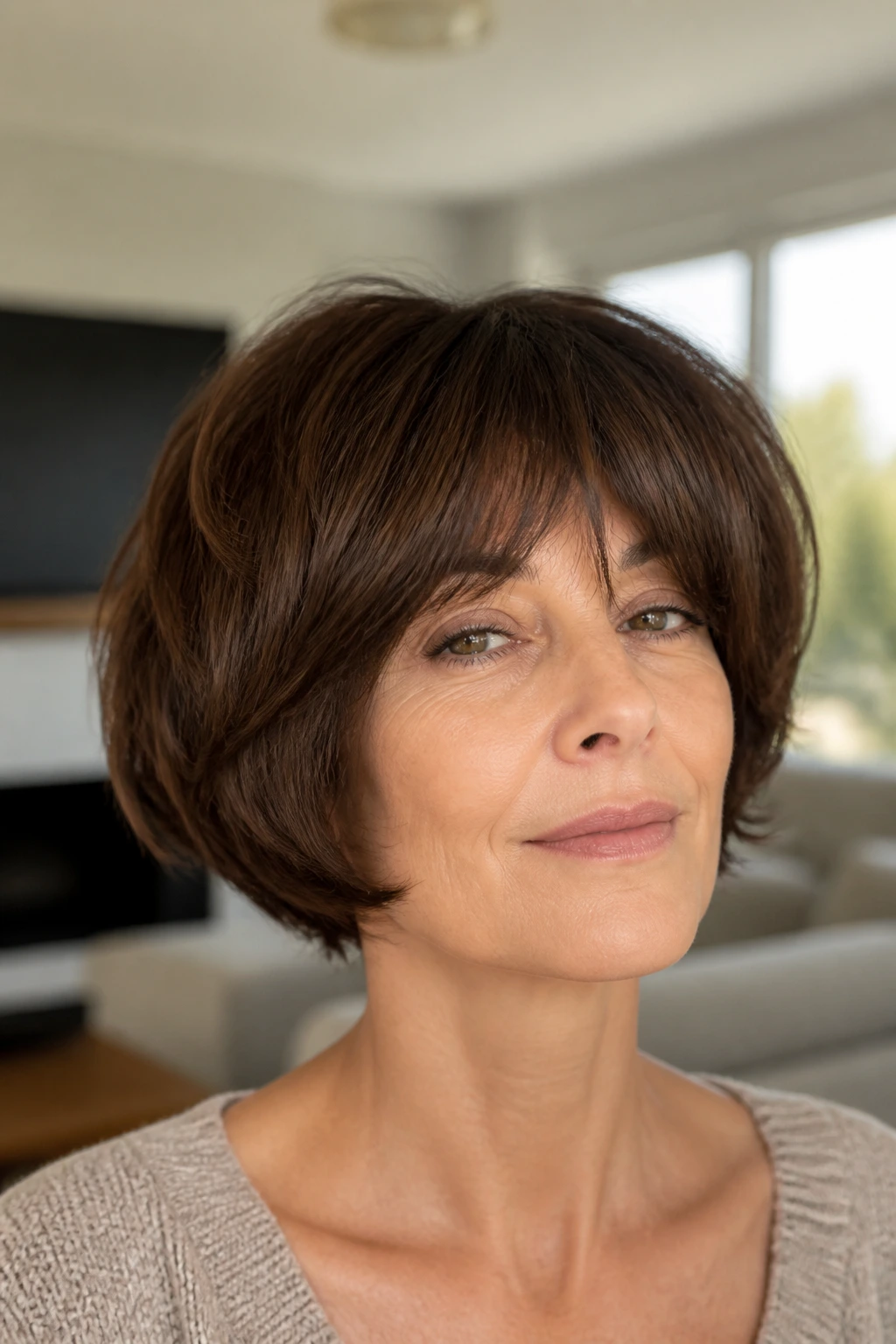
We have all seen this one, perhaps in old family photos or on someone who had a stylist who was a bit too enthusiastic with the thinning shears. The mushroom cut happens when the bottom layer is cut significantly shorter than the top layer, or when the crown is layered so heavily that the hair creates a rounded, dome-like shape around the head.
Creating the Dome Effect
Frizzy hair already tends to balloon outward, so adding short, stacked layers at the crown only encourages the hair to stand up and create a circular shape. Instead of a sleek, modern bob, you get a silhouette that mimics a toadstool. It is incredibly difficult to smooth out because the layers are too short to be weighed down by the rest of your hair.
The Problem With Over-Layering
Adding layers to a bob is a great way to reduce bulk, but there is a fine line. When layers are cut too short, they lose their connection to the base, making it look like you have two different haircuts on your head at once. For frizzy hair, you want layers that are long, blended, and integrated, not short, choppy pieces that invite more volume.
4. The Ear-Level French Bob

The French bob is undeniably chic, hitting right at the cheekbones or ears, but it is one of the most high-maintenance styles for frizzy hair. Because the hair is cut so short, there is no weight at the ends to pull the strands down. If your hair has even a slight wave or tendency to frizz, it will immediately spring up toward the root the moment it is air-dried.
Lack of Weight Means Maximum Frizz
With no length to provide tension, your hair’s natural texture takes center stage. Unless you are prepared to use a round brush and blow-dryer every single morning, this cut will likely result in a puffy, rounded mess that doesn’t resemble the classic French aesthetic at all.
Who Should Avoid This Cut
If your hair is thick and frizzy, the ear-level bob will almost always result in an extremely rounded, almost spherical look. It requires a specific hair type—usually fine to medium and relatively straight—to achieve that sleek, tucked-under appearance. For everyone else, it is a recipe for daily styling frustration.
5. The Feathered 1970s Bob
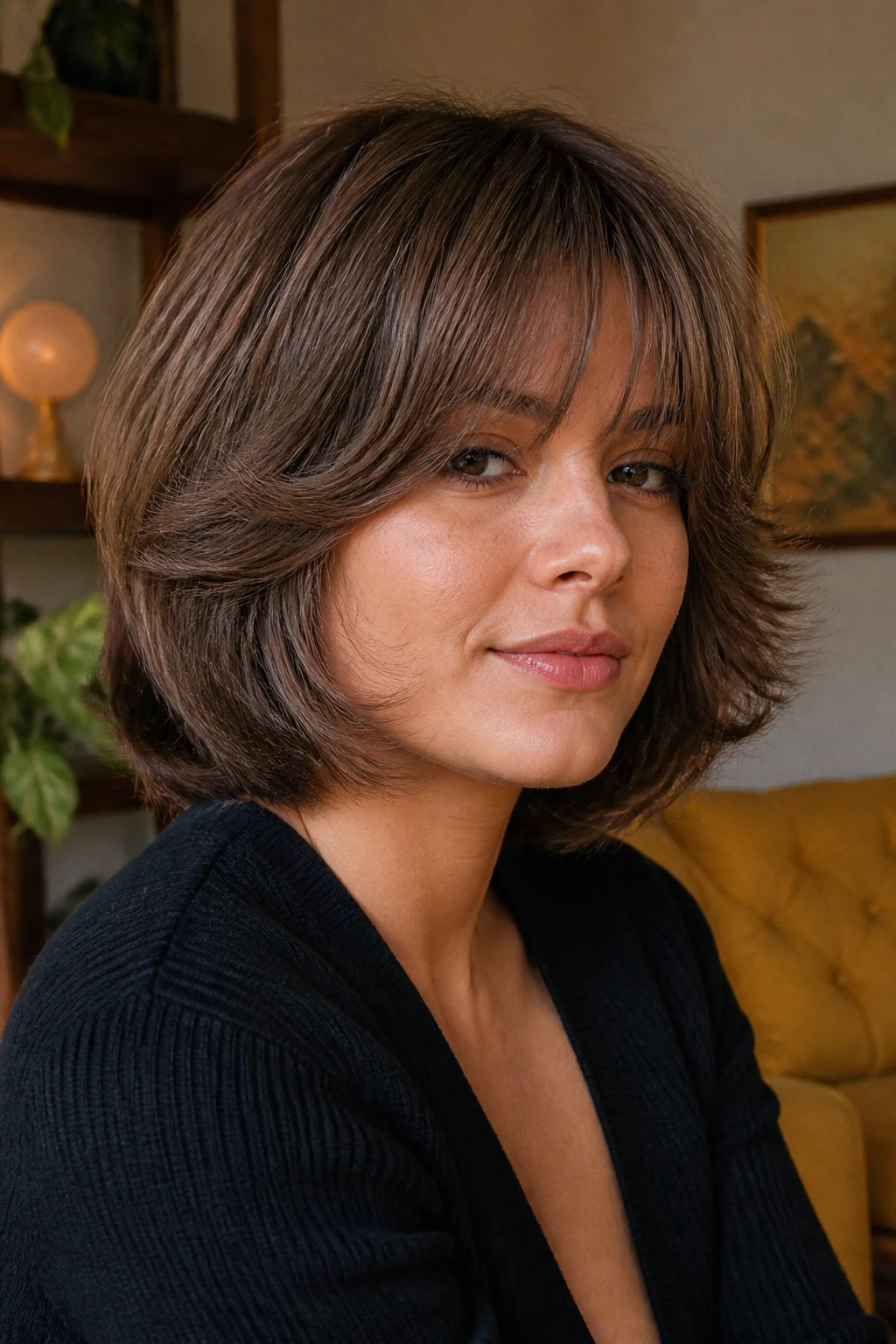
Feathering involves using a razor or thinning shears to taper the ends of the hair, creating a wispy, light effect. While this looks lovely on blowouts, it is a nightmare for frizzy hair. Feathering intentionally creates space between the strands, which is essentially inviting humidity to enter and cause the hair to frizz.
Why Thin Ends Are a Frizz Magnet
When the ends of your hair are thinned out, they become much lighter than the hair near your roots. This disparity in weight is a major contributor to frizz because the ends dry faster and become prone to static. Instead of a solid, healthy-looking line, you get ends that look frayed and dehydrated.
The Long-Term Impact on Hair Health
If you have frizzy hair, you likely deal with dryness. Feathering thins out the most fragile part of your hair—the ends—and exposes them to even more potential damage. It can make healthy hair look split and damaged, even if it has just been trimmed. A blunt or point-cut finish is almost always better for managing the appearance of frizz.
6. The Choppy Shag-Bob Hybrid

The shag bob is popular because it is supposed to be “messy” and “effortless.” However, there is a big difference between intentional messy texture and the frizz that comes from an overly layered cut. When a stylist uses too many choppy layers, they are essentially creating hundreds of individual hair ends.
Managing a Thousand Frayed Ends
Every single layer you add to a haircut is a potential frizz point. When you have a high density of short, choppy layers throughout a bob, you are multiplying your frizz by the number of layers. Without a heavy styling cream or an intense daily conditioning routine, a choppy shag will look like a dry, frizzy halo by the end of the day.
The Importance of Blending
If you love the look of a shag, ensure your stylist is using deep point-cutting techniques rather than aggressive chopping. The goal is to remove bulk without compromising the solid structure of the bob. Blending is the secret weapon for frizzy hair; it keeps the layers connected so they move as one piece rather than a thousand individual strands.
7. The Uneven Asymmetrical Bob
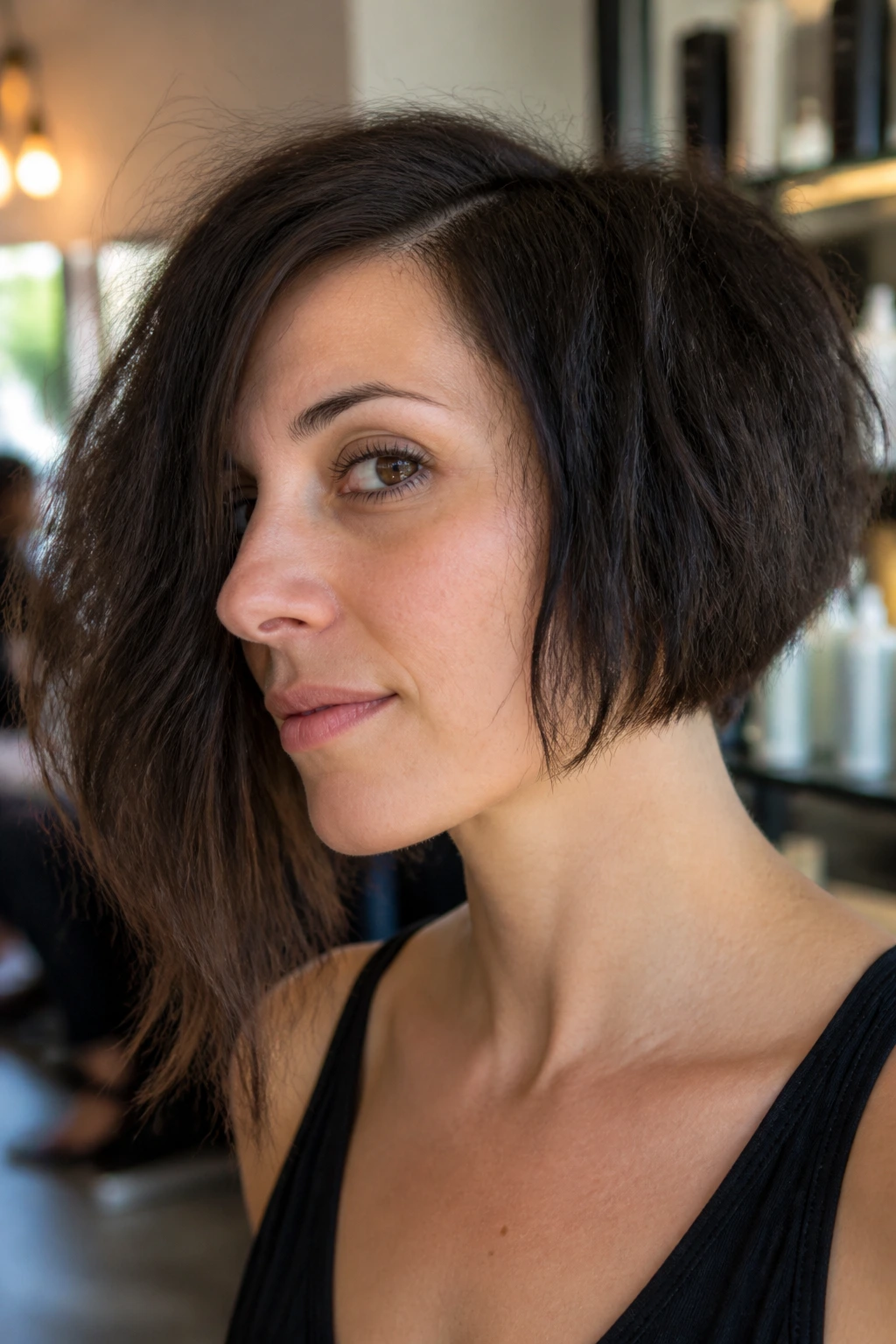
Asymmetry can be a great way to add edge to your look, but if the cut is not perfectly executed, it can make frizzy hair look even more chaotic. If one side is significantly shorter than the other, the weight distribution across your head becomes lopsided. This means one side will likely shrink more than the other as it dries.
Why Asymmetry Compounded Frizz
Because frizzy hair is unpredictable, having a cut that relies on precision lengths is a gamble. If your hair is dry and frizzy, the shorter side of your asymmetrical bob will likely sit higher and puffier than the longer side. This can make the cut look accidental rather than intentional.
Styling Challenges
You have to be very consistent with your styling products on both sides of the head to keep them looking cohesive. If you use a lightweight serum on one side and a heavier cream on the other to compensate for the weight difference, you risk creating a greasy or weighed-down finish. It is often a lot of work for a look that can be easily ruined by a humid day.
8. The Stacked Bob With Exposed Nape
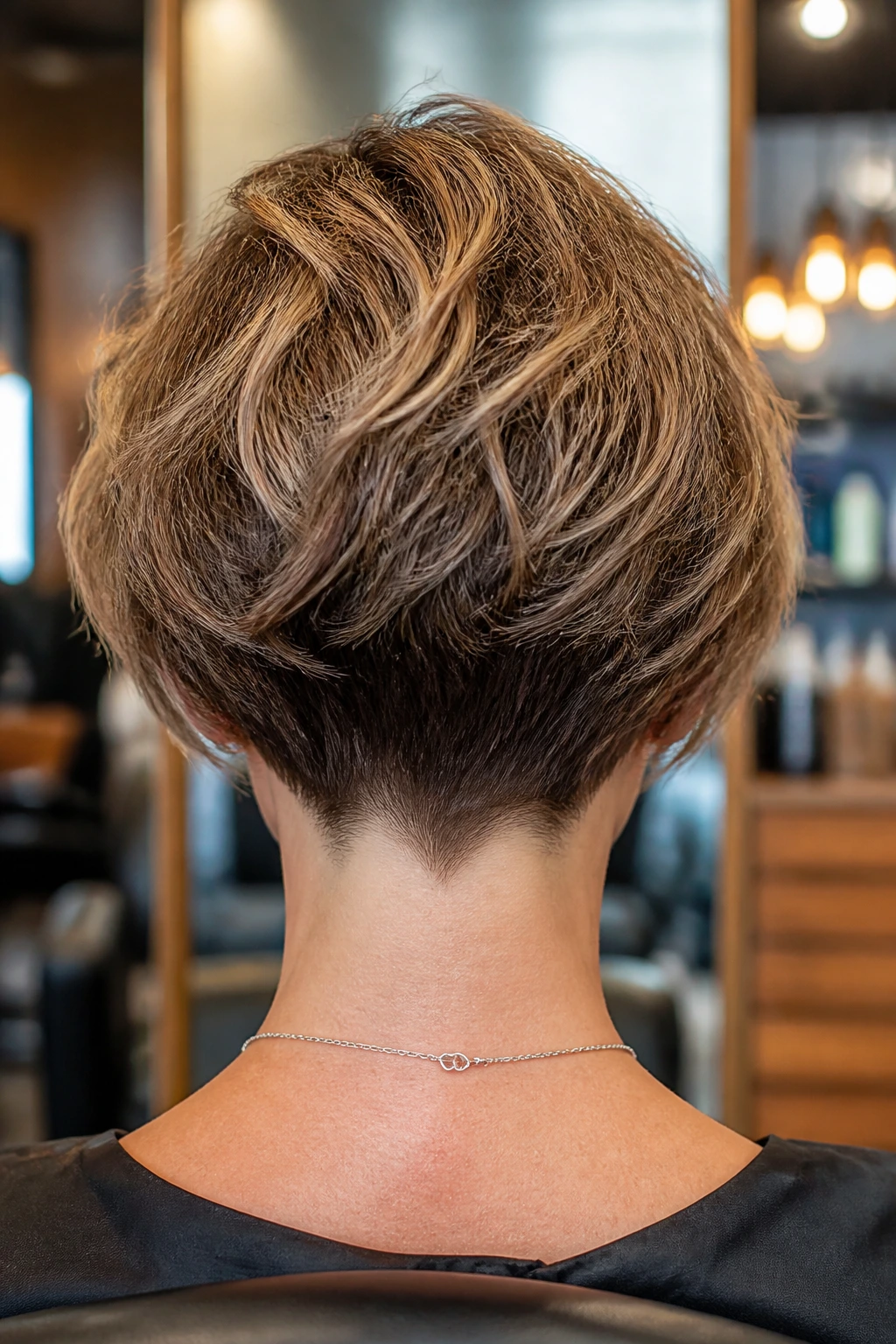
The “stacked” bob features short, heavily layered hair at the back of the neck that tapers into longer layers near the face. While it creates a dramatic shape, it is very difficult to style if you have natural texture or frizz. The short layers at the back are often so short that they stand up on their own, especially if your hair is coarse.
Why the Back Needs Weight
The nape area is often the coarsest part of our hair. If you cut it extremely short and layer it, you lose all the natural weight that would otherwise keep that hair lying flat against your neck. You are left with a back section that looks like a permanent cowlick or a patch of static.
Better Alternatives
If you like the idea of a shorter back, ask for a “graduated” bob rather than a “stacked” one. A graduated bob has a softer, more subtle transition from back to front, which keeps the hair at the nape long enough to maintain some weight. This minimizes the risk of the back section puffing out.
9. The “Mullet” Bob
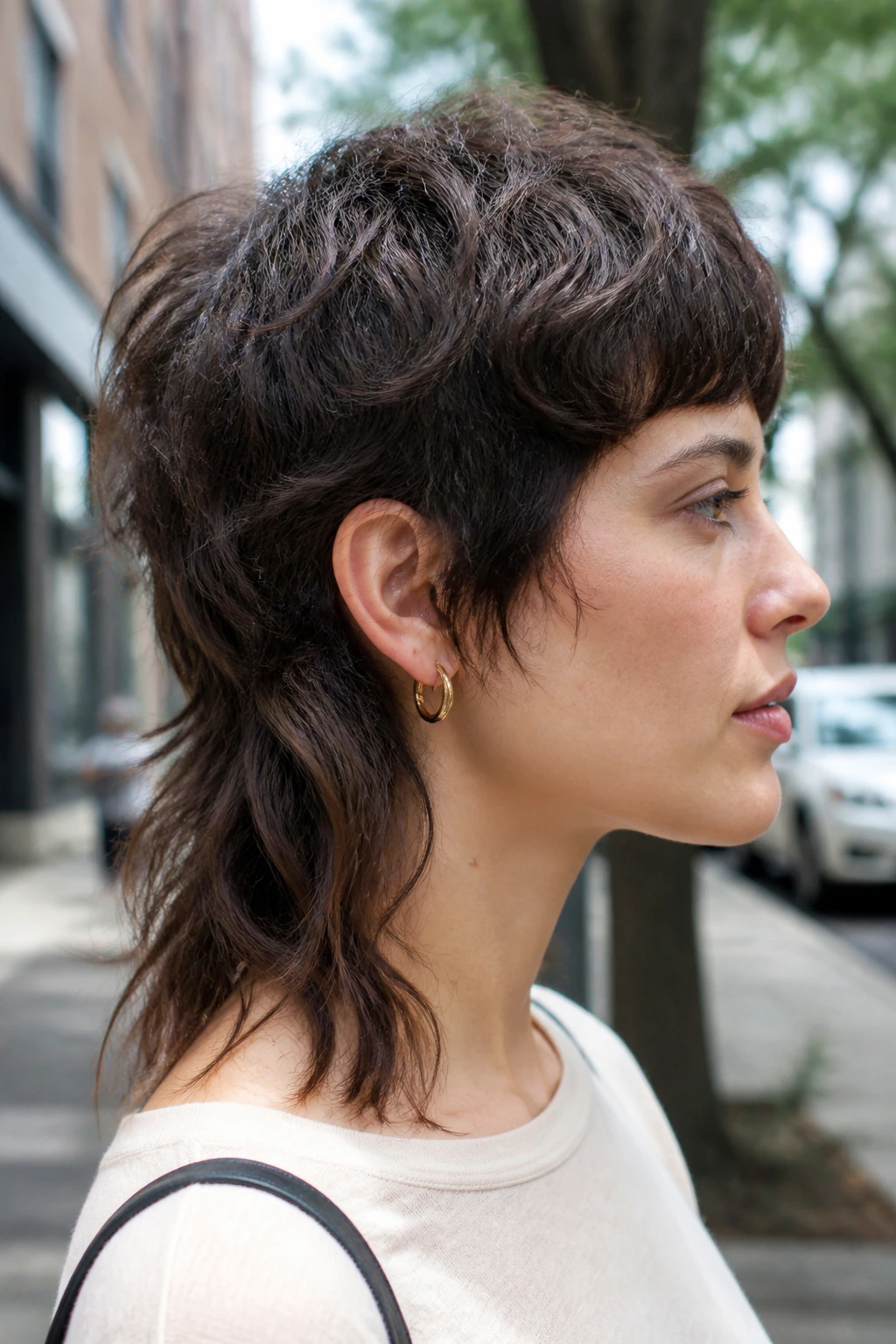
This happens when the back of the bob is kept slightly longer than the layers through the middle, creating a weird, rounded shape that doesn’t quite know what it wants to be. It often occurs when a bob grows out and isn’t trimmed properly, but some people ask for this intentionally. For frizzy hair, this is a major “no.”
The Unintended Shape
If you have frizzy hair, you want your hair to look intentional. A bob that is longer in the back than the sides can look like a dated mullet if it isn’t blended with high-level technical skill. It draws the eye to the back of the head, which is exactly where most frizz tends to accumulate during the day.
How to Fix the Shape
If you notice your bob developing a “tail” in the back, it is time for a trim. Keep the perimeter of your bob consistent throughout, or even slightly shorter in the back, to ensure that the weight of the hair is evenly distributed. This keeps the silhouette clean and helps prevent the hair from becoming unruly.
10. The Super-Short Pixie-Bob
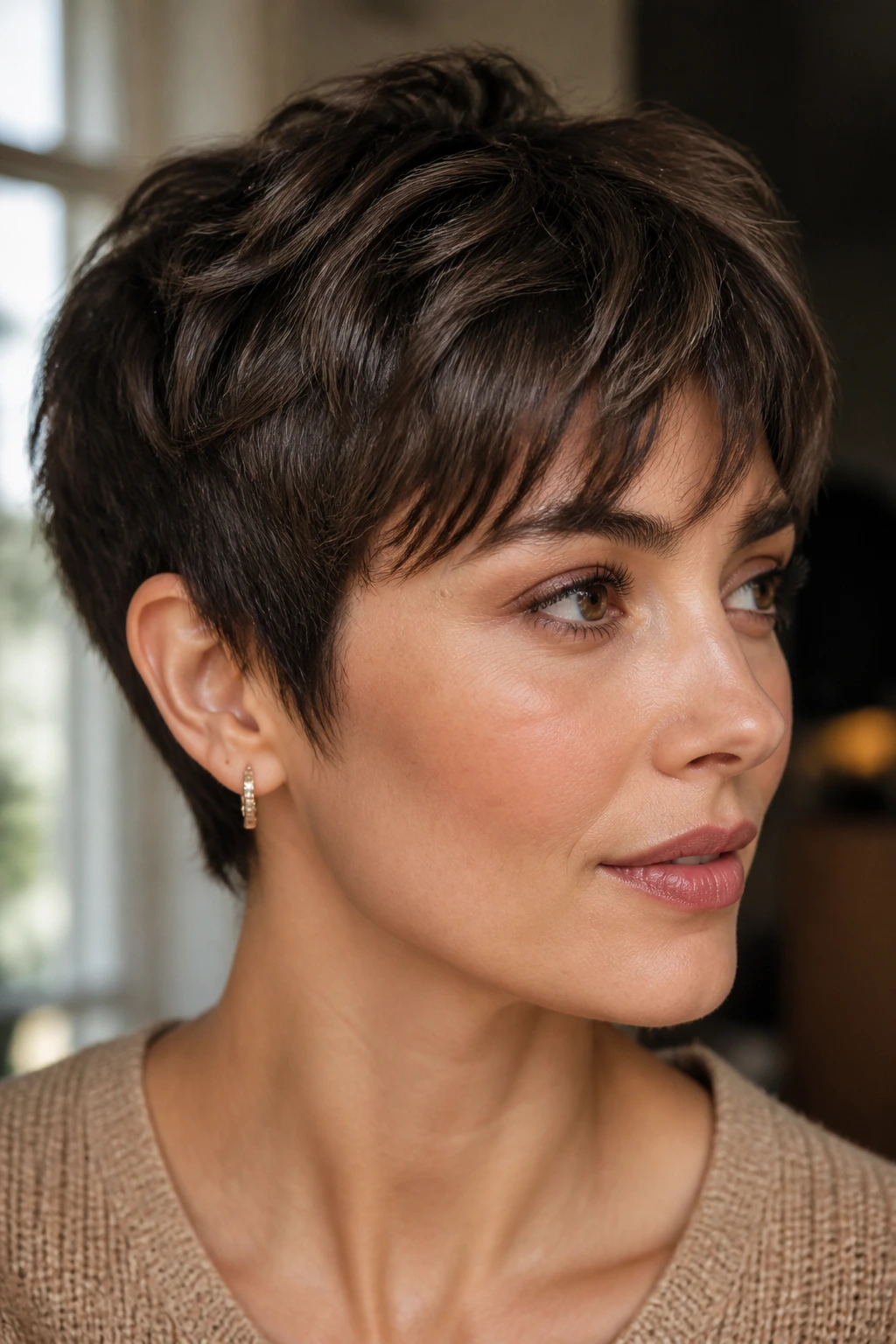
The line between a long pixie and a short bob is thin. If you cut your hair into a bob that hits above the ears, you are entering pixie territory. This length is incredibly difficult to manage if you have frizz because there is no weight at all to control the hair.
The Difficulty of Control
With a pixie-bob, you are relying almost entirely on styling products to keep the hair in place. If you are a “wash and go” person, this cut will likely result in a halo of frizz that is impossible to control without heat tools. It requires daily washing, blow-drying, and styling to look “done.”
Is It Worth the Effort
Most people who choose this length find that they have to visit the salon every 4-6 weeks to keep the shape from growing into an awkward, puffy middle ground. If you are not prepared for that level of commitment, skip the super-short length and opt for a chin-grazing bob instead.
11. The Heavy Bangs-and-Bob Combination
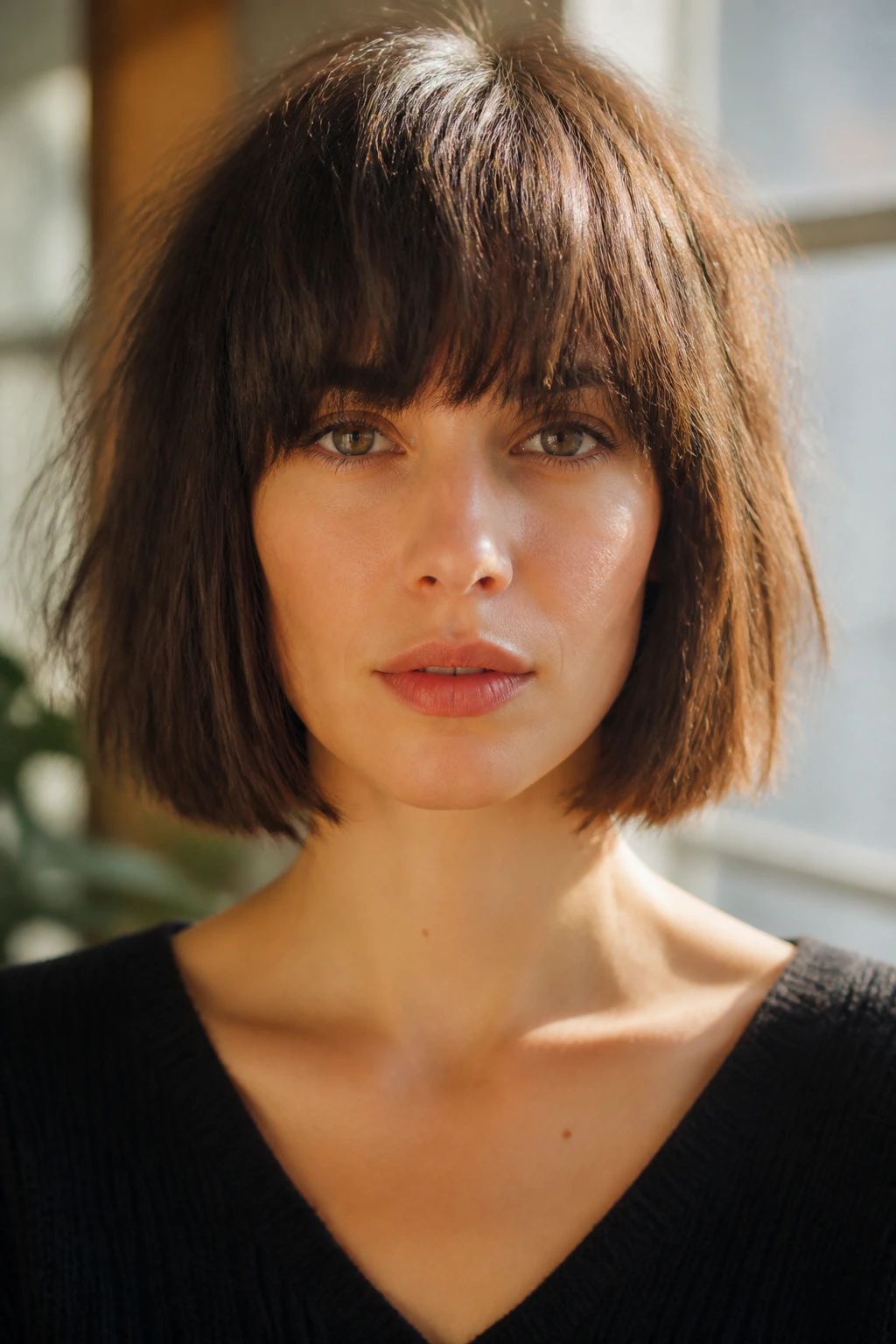
Bangs can be a great way to add personality to a bob, but they are notorious for frizz. If you have a frizzy hair type, your bangs will likely be the first thing to react to moisture, turning into a fuzzy curtain that obscures your forehead. When you pair heavy bangs with a blunt bob, you are creating a lot of potential for volume at the front of your face.
The Frizz-Prone Forehead
The skin on our forehead is naturally oily, but it also traps heat. If your hair is prone to frizz, your bangs will absorb that heat and moisture, causing them to expand. Unless you are meticulous about blow-drying your bangs straight every morning, they will quickly lose their shape.
Tips for Managing Bangs
If you are dead-set on having bangs with your bob, go for “curtain” bangs rather than straight-across heavy bangs. Curtain bangs are longer and less dense, which means they are less likely to puff up and can be easily tucked behind your ears if they start to frizz. They offer the style without the high-maintenance volume of blunt bangs.
12. The Over-Textured Wavy Bob

Some stylists love to use thinning shears on wavy, frizzy hair to “debulk” the shape. However, thinning shears actually work by cutting the hair at varying lengths throughout the strand, which creates hundreds of tiny, broken ends. In frizzy hair, these broken ends simply stand up, making the overall look even fuzzier.
Why Thinning Shears Are the Enemy
Think of thinning shears as “frizz-making machines.” They remove weight, yes, but they sacrifice the smoothness of the hair to do it. When you have a wavy or frizzy texture, you need weight to keep the hair smooth. Removing that weight is exactly what leads to the “poof.”
Demand Precision Cutting
Instead of letting your stylist go at your hair with thinning shears, ask them to use “point cutting” or “slide cutting” with regular professional scissors. These techniques remove weight in a much more controlled way, allowing the hair to stay smooth and cohesive without creating a cloud of static.
13. The “A-Line” With Too Much Angle
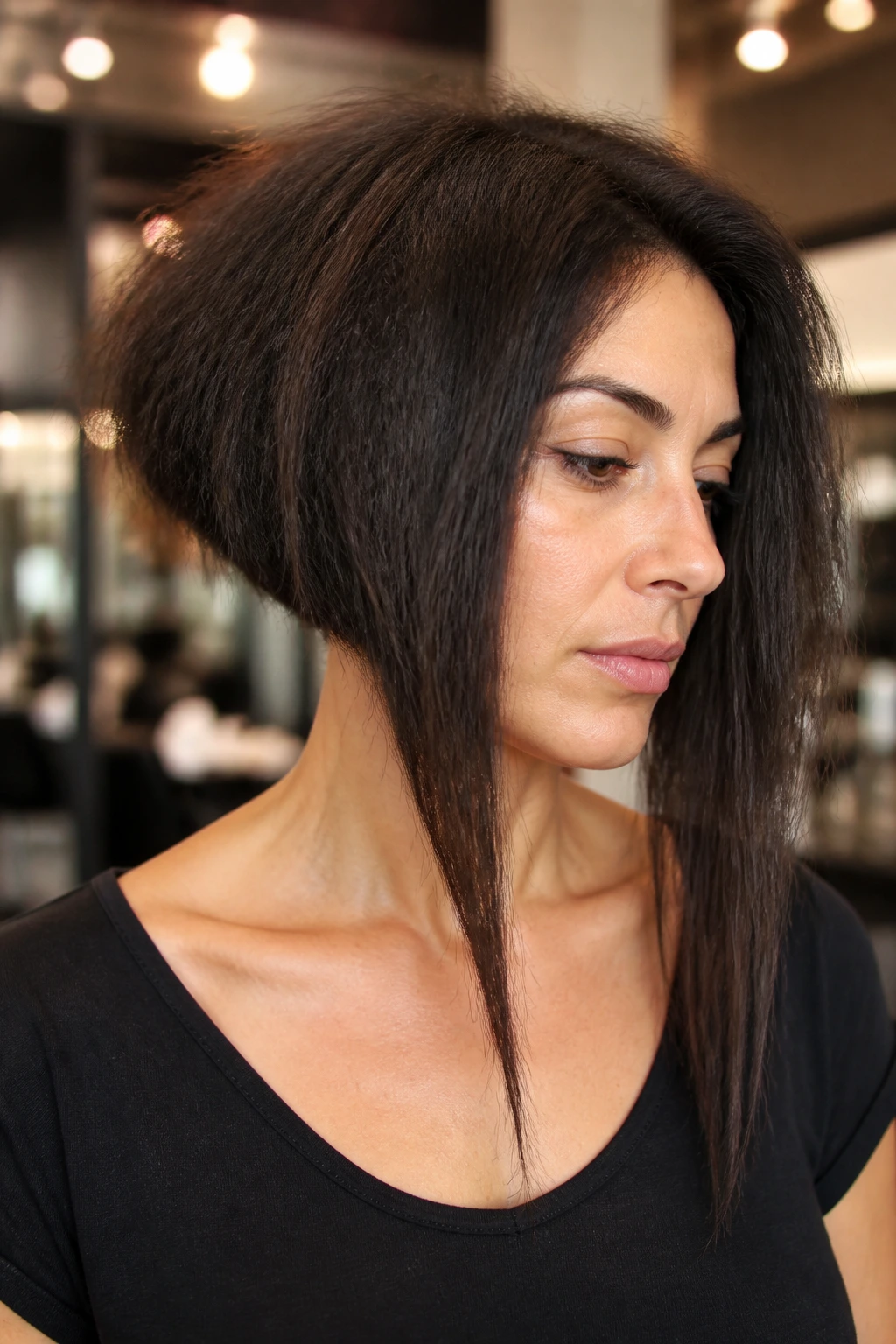
An A-line bob is longer in the front and shorter in the back. While it is a classic look, an extreme angle can be very difficult for frizzy hair. Because the front pieces are so long compared to the back, they require a lot of tension to keep them from curling or frizzing up.
When the Angle Works Against You
If you have a very dramatic A-line, the front sections act like a frame. If that frame is frizzy, it draws immediate attention to it. Plus, the difference in length between the back and front can create a weird, disconnected look if your hair isn’t perfectly sleek.
Finding Balance
If you love the A-line shape, ask for a subtle angle. A very slight, soft slope from back to front is much easier to manage than a sharp, diagonal line. It still gives you that modern bob look, but it is much more forgiving if your hair has a little bit of natural movement or frizz during the day.
14. The Blunt Cut on Damaged Ends
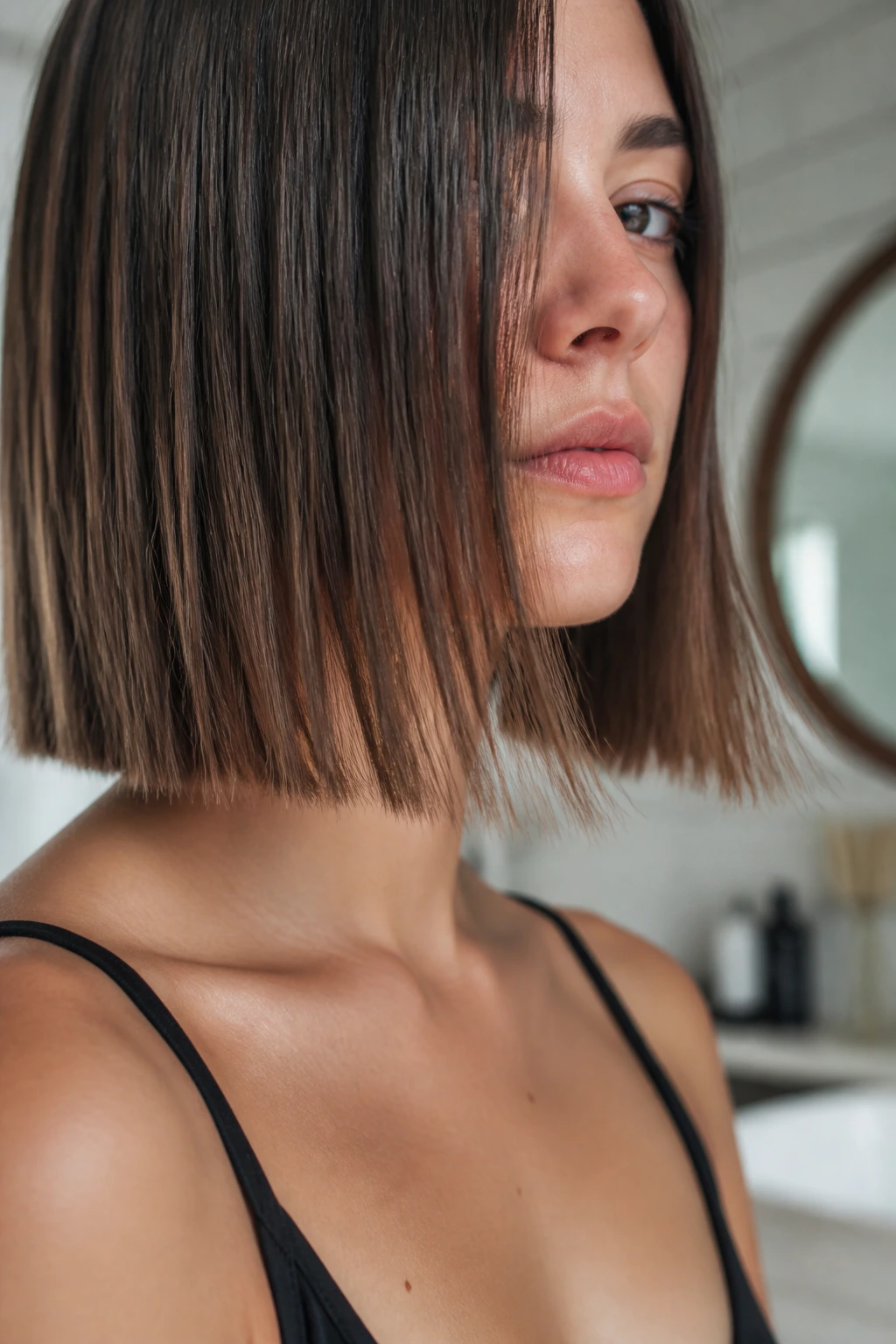
If your hair is already damaged from coloring or heat styling, it is likely already frizzy. Cutting it into a blunt bob can actually make the damage more visible. When all the ends are in a single, perfectly aligned line, it’s very easy to see every single split end and broken strand.
Highlighting the Damage
A blunt bob creates a “reference line.” If your ends are frayed and dry, that line will look uneven and unhealthy. A softer, more texturized cut can actually hide damage better than a blunt one, because the broken ends aren’t all concentrated in one place.
The Focus on Hair Health
Before you go for a major chop, focus on getting your hair as healthy as possible. Deep conditioning treatments, minimizing heat, and getting regular micro-trims can go a long way. Once your hair feels stronger and smoother, then a blunt bob will look much more polished and intentional.
15. The “Triangle” Bob That Lacks Layers
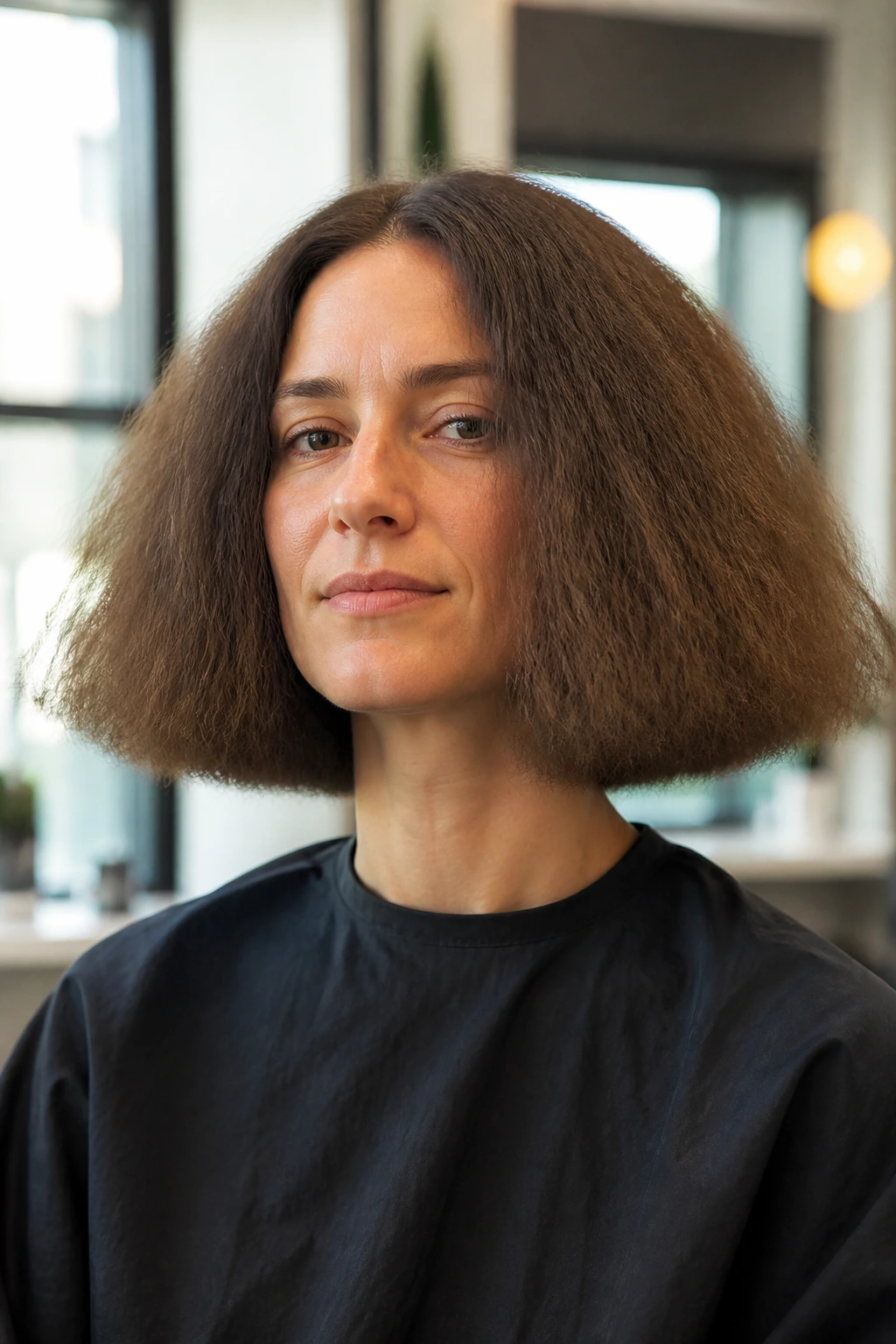
We mentioned the triangle effect earlier, but it’s worth repeating: if you have frizzy hair, a bob with absolutely no layers will almost always grow out into a triangle. The weight of the hair builds up at the bottom because there is nothing to break up the surface area.
Why Surface Layers Matter
Surface layers are layers cut into the top portion of the hair, not the bottom. They are essential for a frizzy bob because they break up the density of the hair at the top, preventing it from growing outward. Without these layers, you’re essentially forcing your hair into a boxy shape.
Ask for Long, Hidden Layers
If you have a bob that is currently forming a triangle, ask your stylist to add long, blended layers that start below the chin. These won’t change the overall silhouette of the bob, but they will remove enough weight to keep the hair sitting closer to your head.
16. The Over-Processed “Chemical” Bob
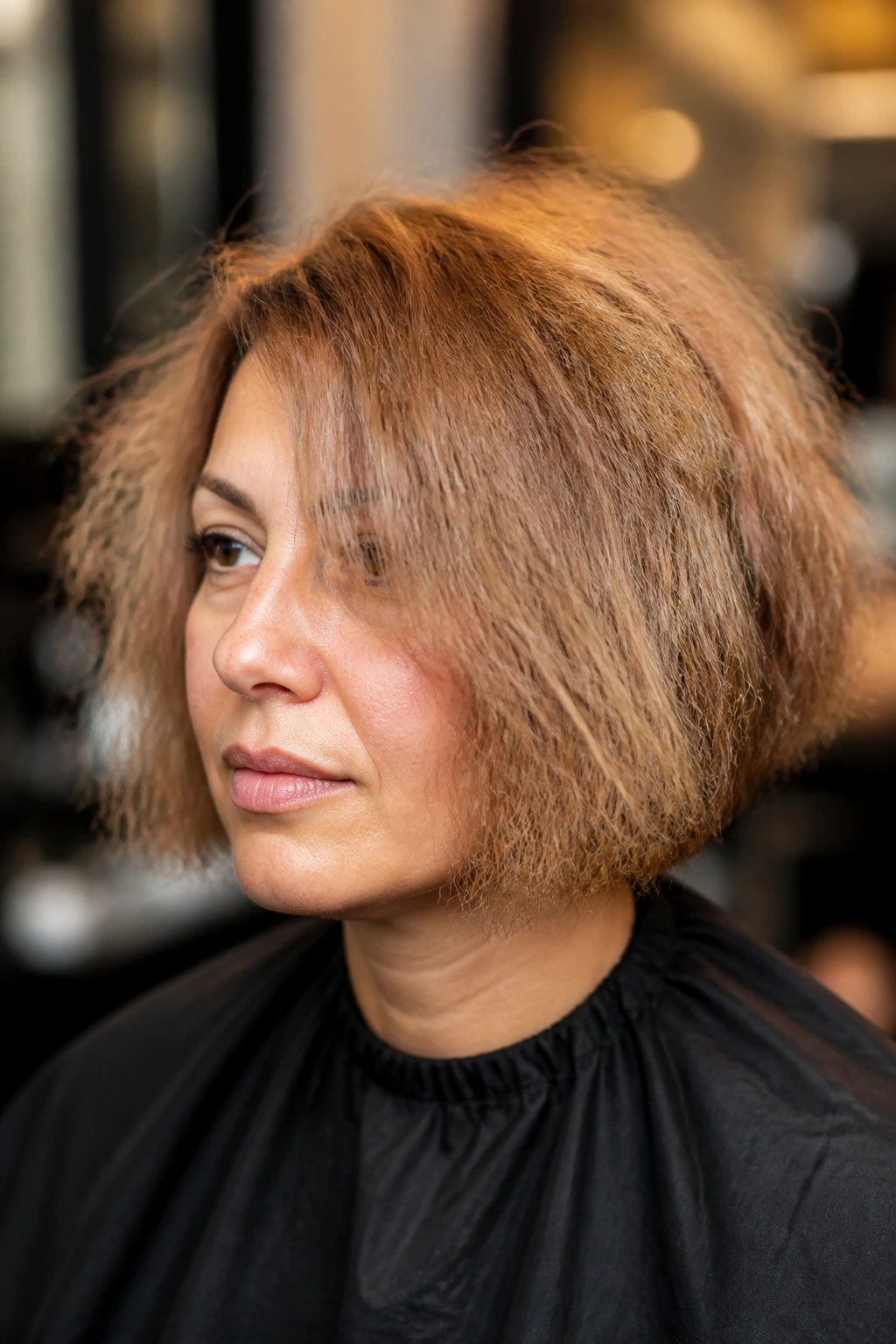
Sometimes, a bob is the result of a chemical service like a perm or an relaxer that didn’t go quite as planned. If you have chemically treated hair, your hair’s cuticle is likely compromised, which makes it inherently frizzy. Cutting this type of hair into a bob can be very challenging.
The Challenge of Compromised Hair
Chemically treated hair doesn’t behave like natural hair. It has a different elasticity and moisture profile. If you cut it into a style that requires a lot of blow-drying (like a bob), you are putting even more stress on hair that is already fragile.
Focus on Moisture
If you have a bob and your hair is chemically damaged, your priority shouldn’t be the cut; it should be the health of the hair. Use high-quality, sulfate-free shampoos and bond-building treatments to keep the hair as smooth as possible. Sometimes, the best “cut” is simply letting your hair grow out until the damaged parts can be trimmed away.
17. The “Wet Look” Bob That Goes Dry
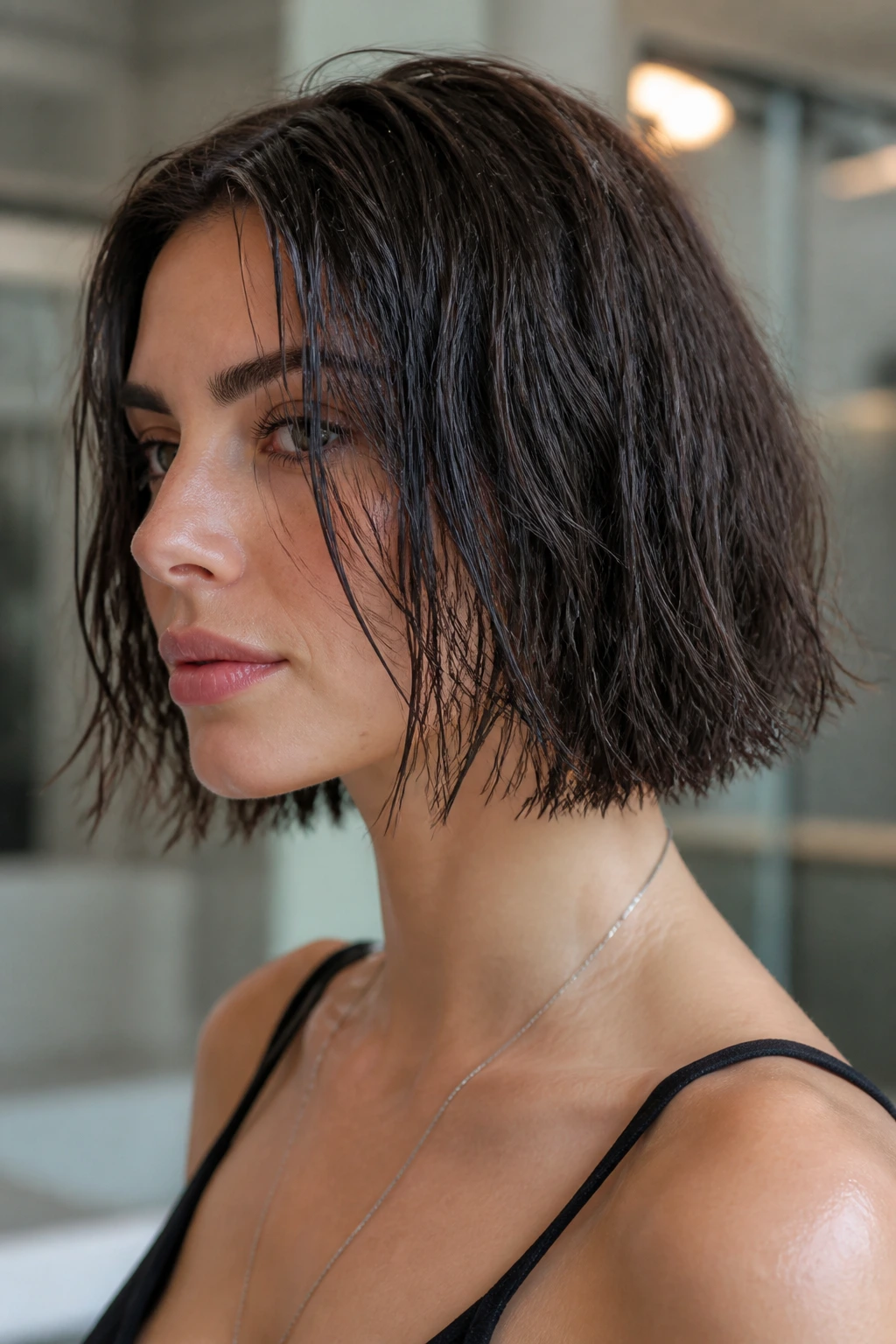
There is a popular styling trend where bobs are styled to look “wet” or slicked back using gels and pomades. While this looks fantastic in photoshoots, it is extremely difficult to maintain in real life for someone with frizzy hair.
The Problem With Product Buildup
To achieve that wet, slick look, you need a high concentration of product. As the day goes on and your hair starts to dry or the product absorbs, your hair can become tacky, crunchy, or even more frizzy than when you started. It’s a very high-maintenance style that doesn’t age well over the course of a day.
Keep It Simple
Instead of going for a “wet” look, focus on a product that provides moisture and hold without the stickiness. A lightweight smoothing cream or a light oil can provide enough control to keep the frizz at bay without making your hair feel like it’s covered in gel.
18. The Bob Without a Tapered Nape
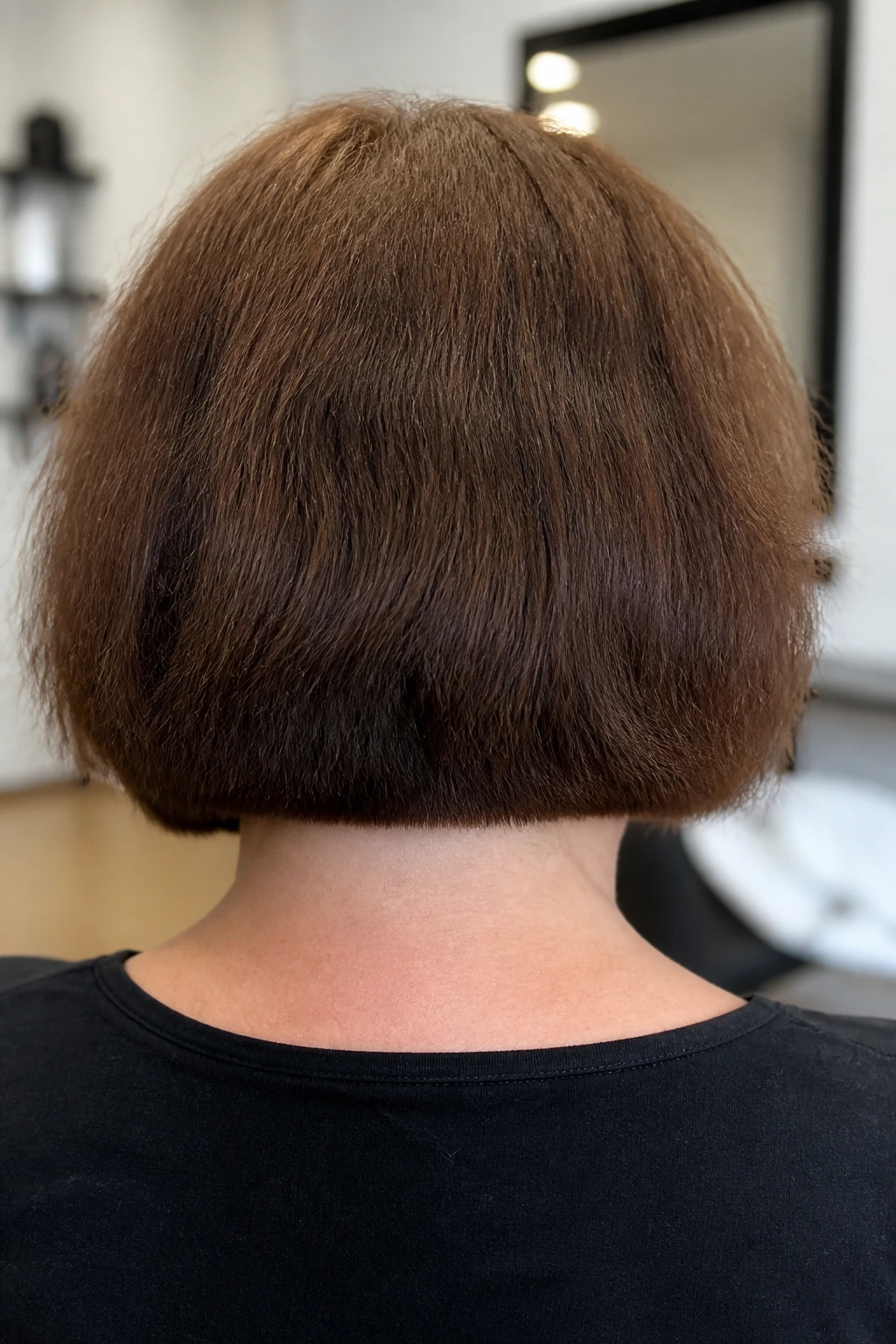
A bob that has a blunt, thick edge at the nape of the neck can be incredibly uncomfortable, especially in warmer weather. If your hair is coarse and frizzy, that thick edge will sit against your neck and puff out. It creates a bulky, unrefined shape at the back of the head.
The Tapering Advantage
Tapering the nape means the hair gets progressively shorter and thinner toward the hairline. It creates a seamless transition that looks much more professional and keeps the hair from “bunching up” at the neck. It is a detail that separates a good haircut from a great one.
A Professional Touch
If you notice your bob feeling “heavy” in the back, ask your stylist to taper the nape. It doesn’t mean you have to go for an undercut or a pixie style; it just means thinning the perimeter of the hairline so the hair sits flat against your neck.
19. The “Shaggy” Bob With Too Much Length
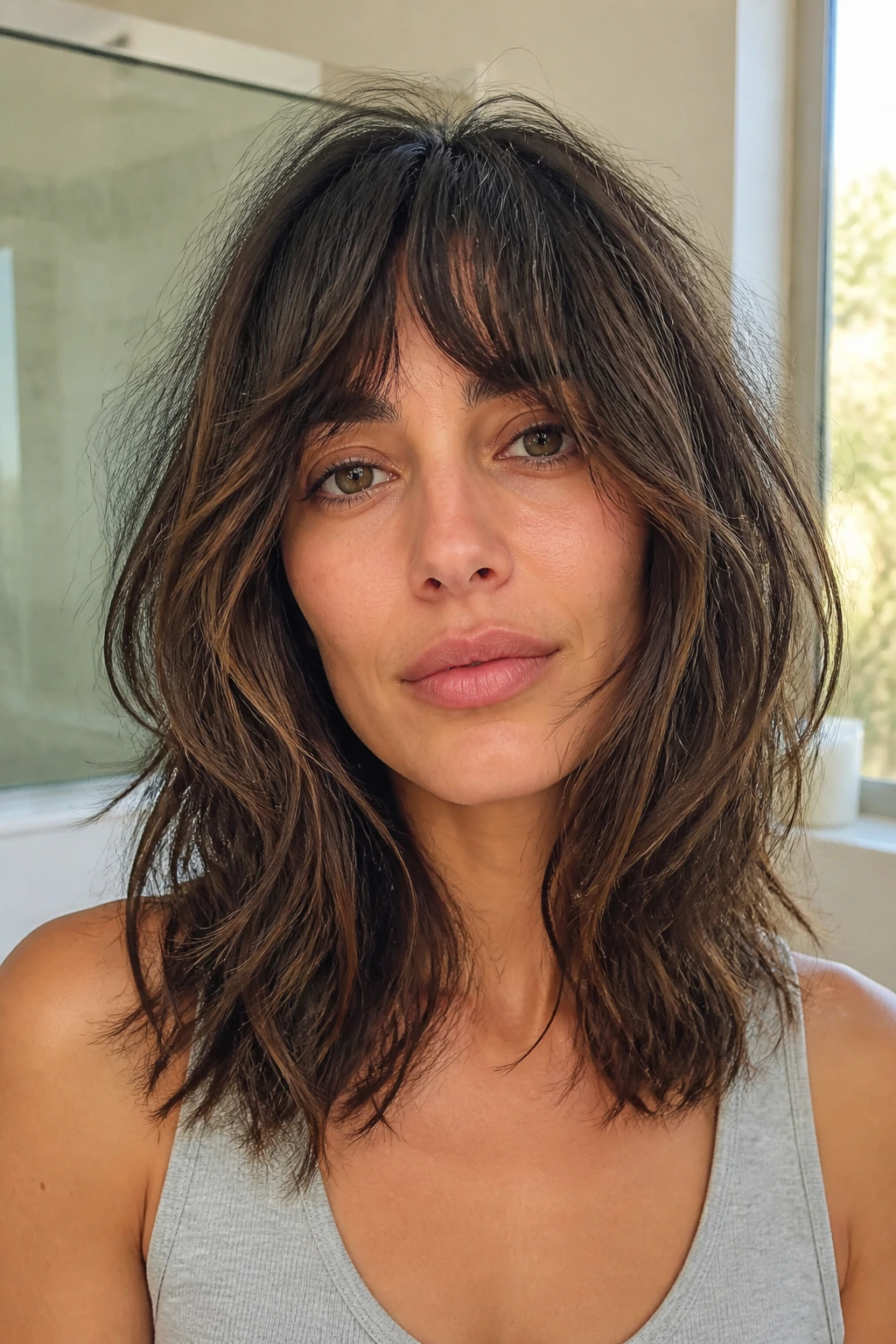
Sometimes people ask for a bob but aren’t quite ready to lose all their length, so they end up with a “long bob” (or lob) that is cut with shag-like layers. If you have frizzy hair, this is a dangerous combination. The longer the hair is, the more weight it has, which is good for smoothing—but the layers introduce the same frizz issues we discussed earlier.
The Danger of Long Layers
If the layers are too long and too numerous, they will frizz up throughout the day, leaving you with a mane that looks more like a lion’s than a sleek lob. You need long, structural layers, not “shaggy” layers that are meant to add volume.
Stick to One-Length or Soft Layers
If you want a lob, keep it mostly one-length. If you need layers for movement, keep them to just a few long, face-framing pieces. This maintains the weight you need to keep your hair smooth while still giving you the versatility you want.
20. The Bob Cut on Air-Dried Texture

Many stylists are now trained in “dry cutting,” which is great for seeing how the hair naturally falls. However, if your hair is naturally frizzy and you always get it cut while it’s in its “frizzy” state, you might end up with a cut that is uneven when you finally do blow-dry it straight.
The Importance of the Consultation
Before any cut, you should have a thorough consultation with your stylist about how you intend to wear your hair. If you plan on wearing it straight 90% of the time, the cut should be performed on blown-out hair so the precision is there. If you plan on wearing it natural, then a dry cut might be perfect. Don’t let your stylist guess.
Be Consistent
The key to a good bob is consistency. If you change your styling habits between salon visits, your bob will look different every time. Decide how you want to wear it and make sure your stylist is cutting your hair with that specific look in mind.
21. The “Cheap” Bob
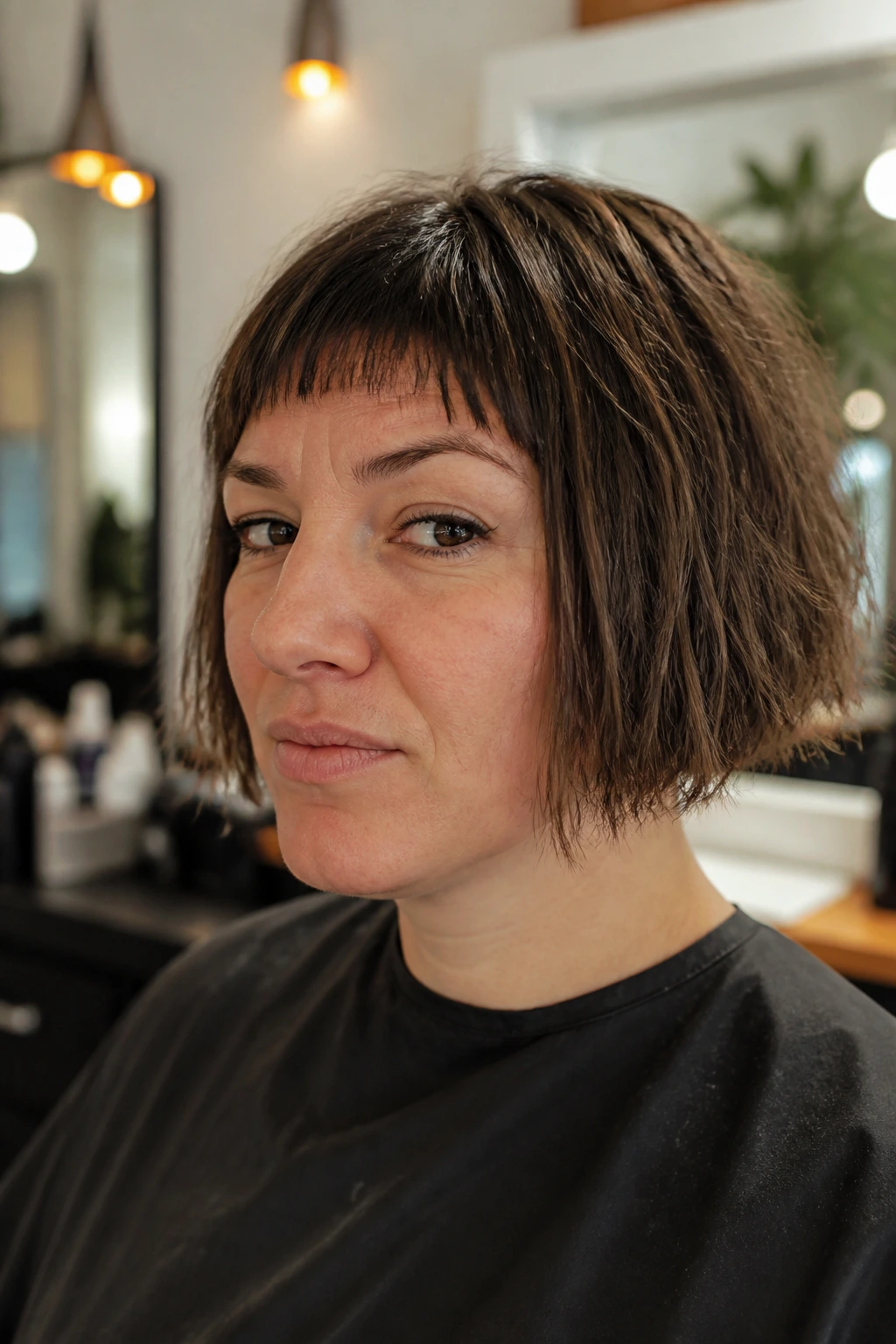
This isn’t really a style, but it is a “haircut” mistake that happens all too often. Going to a stylist who isn’t experienced with textured or frizzy hair just to save a few dollars is a recipe for a bad bob. A bob requires precision, technique, and an understanding of hair weight.
The Value of an Experienced Stylist
Stylists who specialize in textured or thick hair understand the physics of the bob better than anyone. They know exactly where to take weight out, how to cut the nape to keep it flat, and how to blend layers so they don’t look choppy. That expertise is worth the extra investment.
Do Your Research
Before you book your appointment, look at your potential stylist’s portfolio. Do you see other bobs? Do you see hair that looks similar to yours? If their social media is full of fine, straight hair, they might not be the best choice for your frizzy, thick texture.
Final Thoughts

The secret to a great bob when you have frizzy hair is not about finding the “perfect” style; it is about finding the right balance of weight, length, and layers. Frizzy hair is beautiful, but it requires a different structural approach than hair that is naturally sleek or fine. Never feel like you have to force your hair into a boxy, blunt, or choppy shape just because it’s “in style.”
Instead, work with your stylist to find a version of the bob that respects your hair’s natural tendency to expand. Whether that means keeping your layers longer, avoiding the thinning shears entirely, or simply opting for a slightly longer cut that uses your hair’s weight to its advantage, there is a bob out there that will work for you. The best haircut is the one that makes you feel confident and requires the least amount of daily struggle. Take your time, communicate your concerns clearly, and don’t be afraid to ask for a “softer” or “more blended” look—your hair will thank you for it.