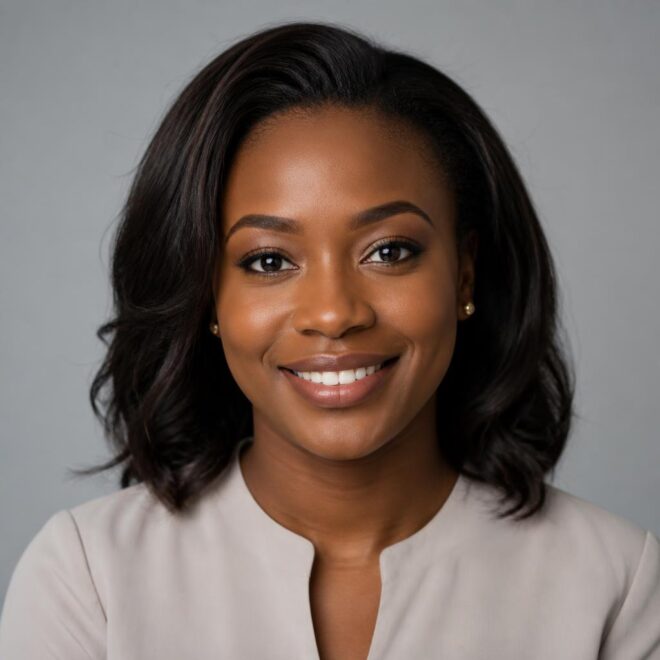


The bob has long been the gold standard of effortless, intentional style. When you move past the traditional, perfectly blunt cut and opt for a long, choppy version, you enter a realm of texture and movement that feels far more personal. A long bob—or “lob,” if you prefer the shorthand—that hits somewhere between the collarbone and the shoulder provides the perfect playground for layers. These aren’t the soft, wispy layers of a delicate shag; these are deliberate, texturized cuts designed to break up the weight of the hair and give it a lived-in, slightly rebellious edge.
Why do these cuts work so well for medium hair? It comes down to versatility. If your hair is on the finer side, the choppy ends create an illusion of density. If your hair is thick, those same techniques remove the dreaded “triangle” shape that often plagues blunt bobs, allowing the hair to sit flatter and move with your body rather than clinging to your jawline. You do not need a salon blowout to make these cuts look sharp; in fact, they usually look better after a day or two of natural wear and a quick hit of texture spray.
Choosing the right variation depends less on following a trend and more on understanding your natural wave pattern and how much time you are willing to spend with a flat iron or a round brush. Some of these styles thrive on air-drying, while others demand a specific styling product to achieve that piecey, fragmented look. The following collection explores twenty-five ways to wear this silhouette, keeping in mind that the best haircut is the one that fits your life as much as it frames your face.
1. The Undone Shoulder-Length Shag
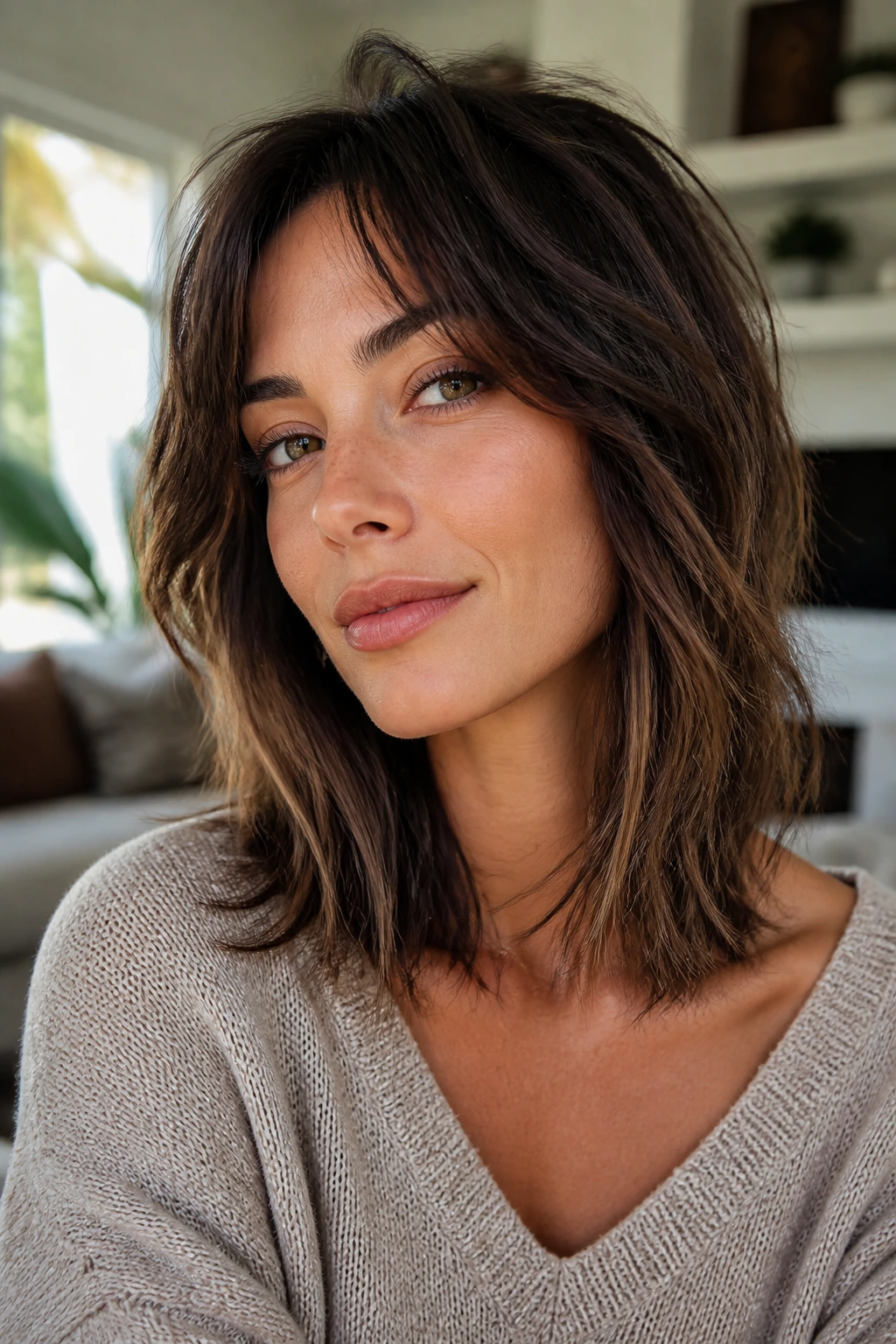
This cut is all about the disconnect between the layers. The shortest pieces hit around the chin, while the length grazes the collarbone, creating a jagged, uneven perimeter. It’s a favorite for people with naturally wavy hair because the texture is built into the cut itself.
The Mechanics of the Cut
To achieve this, the stylist should use a razor rather than scissors on the ends. A razor thins out the tips significantly, which prevents the hair from looking blunt or heavy. The layers are concentrated around the crown to boost volume, effectively “stacking” the hair to give it more height.
Styling for the Best Effect
- Use a salt spray while the hair is damp.
- Scrunch the ends with your hands, then let it air dry completely.
- Avoid combing through the hair once dry, as this will destroy the separation.
Pro tip: If you find the ends look too frizzy, work a tiny drop of lightweight hair oil through just the bottom two inches to define the separation.
2. Choppy Lob with Face-Framing Curtain Bangs
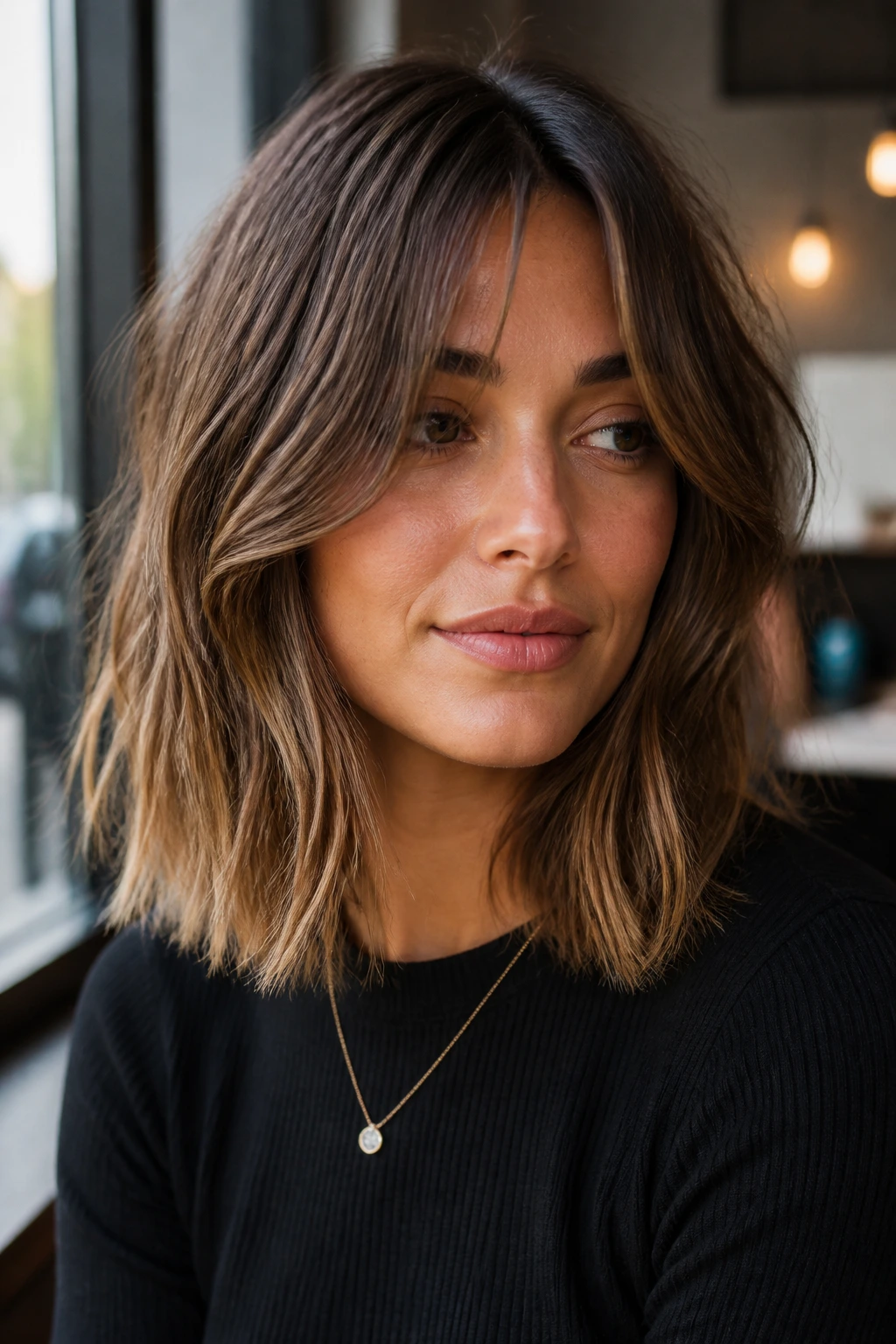
Curtain bangs are the ultimate transition piece for a long bob. By keeping the bangs long enough to tuck behind the ears, you maintain the “long” feel of the bob while getting that face-framing softness that makes the style feel finished even in a ponytail.
Building the Shape
The bob itself remains fairly uniform in length, but the choppy aspect is added through internal texturizing. This means the hair looks blunt when flat, but shows off fragmented layers when moved. The bangs should be cut starting from the cheekbones and tapering down to blend into the length.
Why It Works for Medium Hair
This cut balances the face perfectly. The bangs draw attention to the eyes and cheekbones, while the heavy, choppy texture at the bottom grounds the look. It’s an ideal choice for someone who wants to keep length but needs more shape around the face.
3. Textured A-Line with Shattered Ends
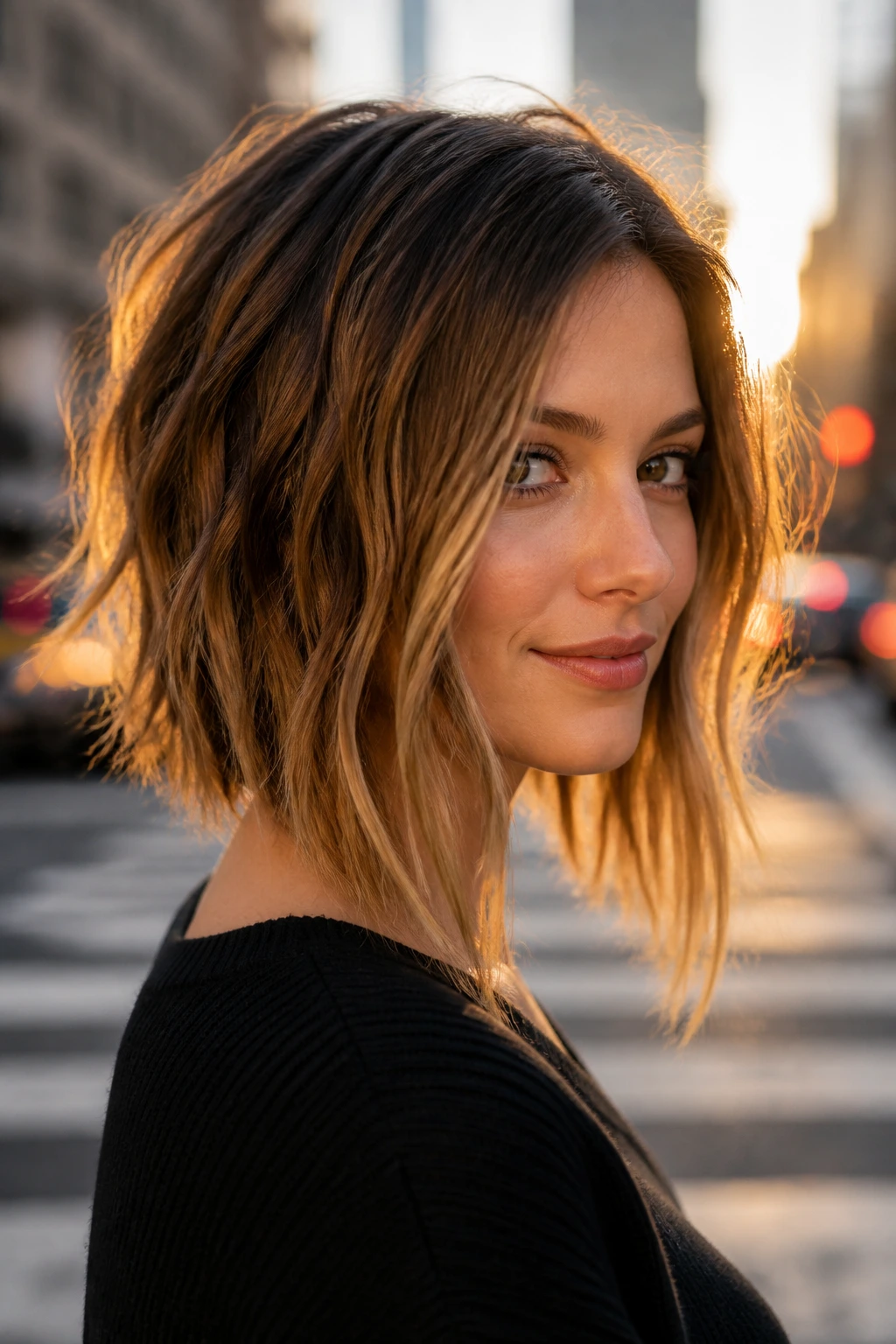
An A-line cut is shorter in the back and longer in the front. By “shattering” the ends, you take the geometric rigidity out of the A-line, making it feel less like a formal bob and more like a casual, modern style that can take a beating from the wind and still look good.
The A-Line Difference
The angle here is subtle. If it’s too severe, it looks dated. Keep the difference between the back and the front to about an inch or two. This provides enough of a directional flow to be noticeable without feeling like a costume.
Maintaining the Texture
This look relies on product. A dry texturizing spray is your best friend here. It adds a “grit” to the hair that allows the jagged ends to stay separated and visible throughout the day. Without it, the hair tends to clump together into a smooth sheet, which isn’t the point of a choppy cut.
4. The Beach-Wave Lob with Heavy Internal Layers
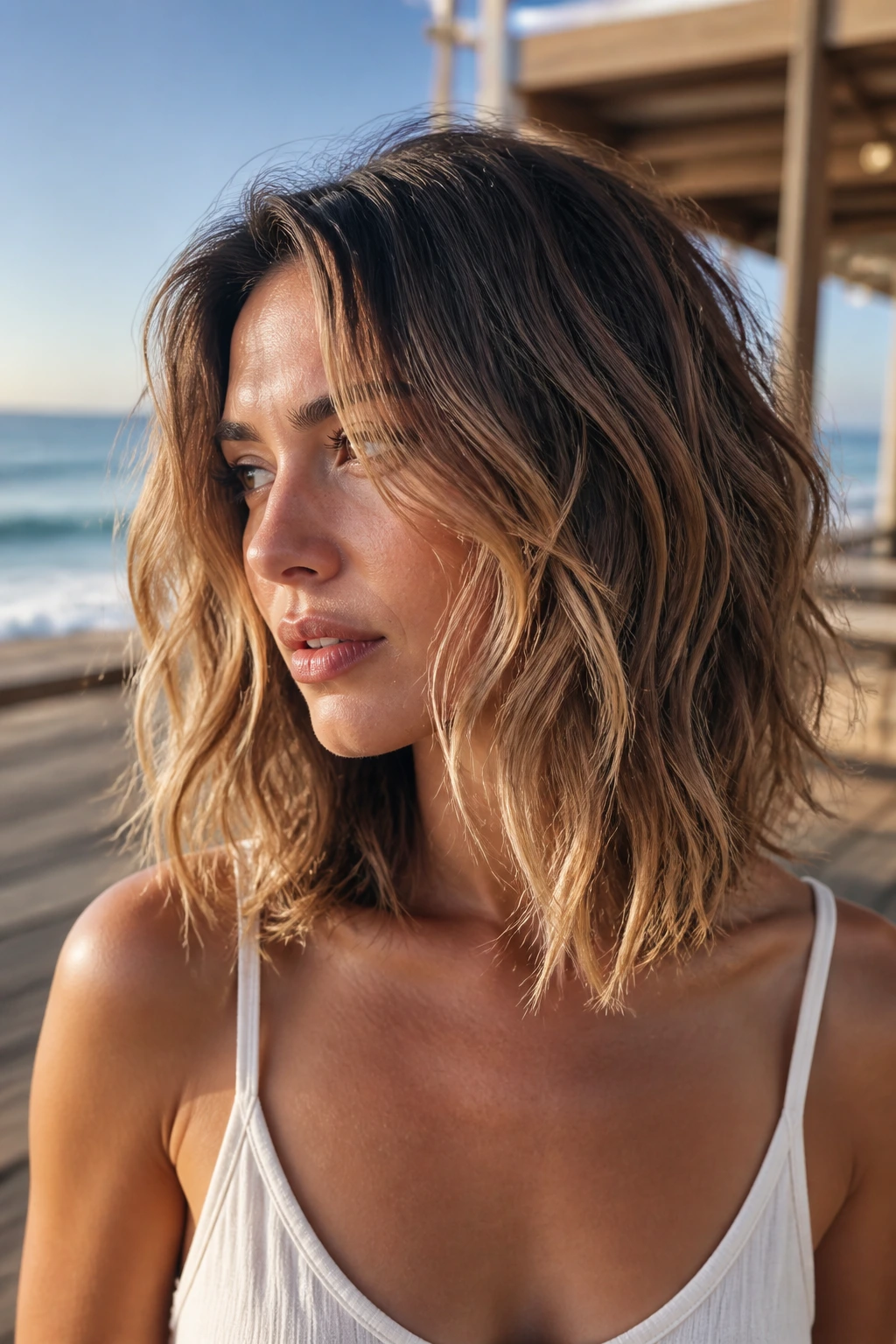
This is the “I just left the beach” look, but captured in a professional, cut-and-dried package. It’s achieved by cutting heavy layers throughout the interior of the hair, which lightens the weight while leaving the exterior length mostly intact.
Internal Layering Explained
Think of internal layers as “hidden” layers. They don’t show up on the surface as distinct steps, but they change the way the hair collapses. It prevents the hair from being a uniform, heavy curtain. When you lift a section of hair, you should see short, choppy pieces underneath.
Styling and Maintenance
- Blow-dry using a diffuser to encourage natural texture.
- Use a matte pomade to mess up the roots.
- This cut is incredibly forgiving, so you can go eight to ten weeks between trims.
5. Piecey Lob with Blunt-Cut Fringe
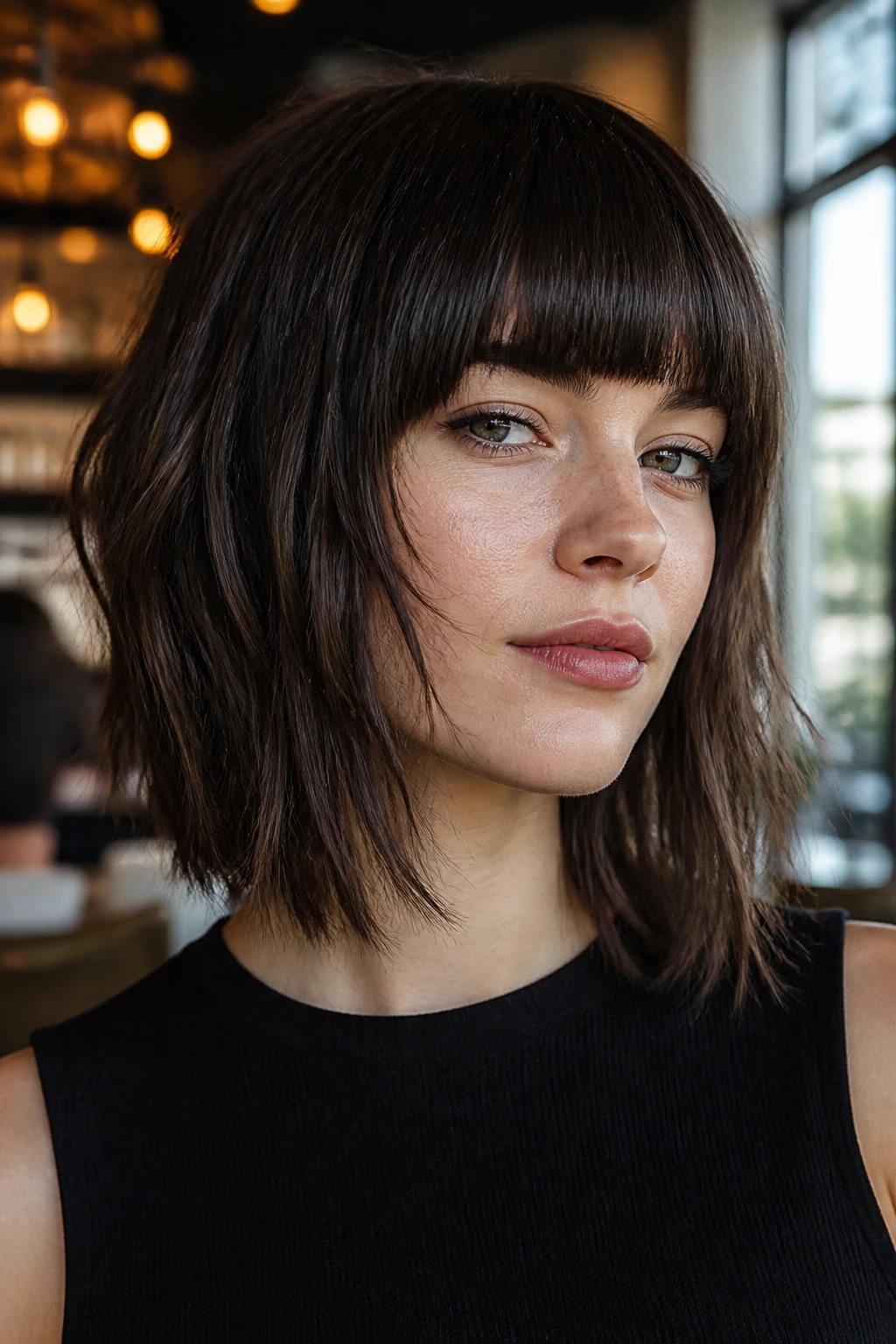
If you prefer a more defined, editorial look, a piecey lob paired with a heavy, blunt fringe creates a striking contrast. The fringe is straight and thick, while the rest of the bob is texturized and “shattered” at the tips.
The Contrast Factor
The key here is the separation. The bangs provide a sharp line at the top, which makes the messy, choppy ends at the bottom look like a deliberate stylistic choice rather than a lack of care. If both the bangs and the ends were messy, the look might read as unkempt; the blunt fringe gives you permission to be messy everywhere else.
Who Should Choose This
This works best for those with straight or slightly wavy hair. If your hair is very curly, the maintenance on the bangs will be significant, as you’ll need to straighten them daily to maintain the contrast.
6. The Long, Razored “Clavicle” Bob
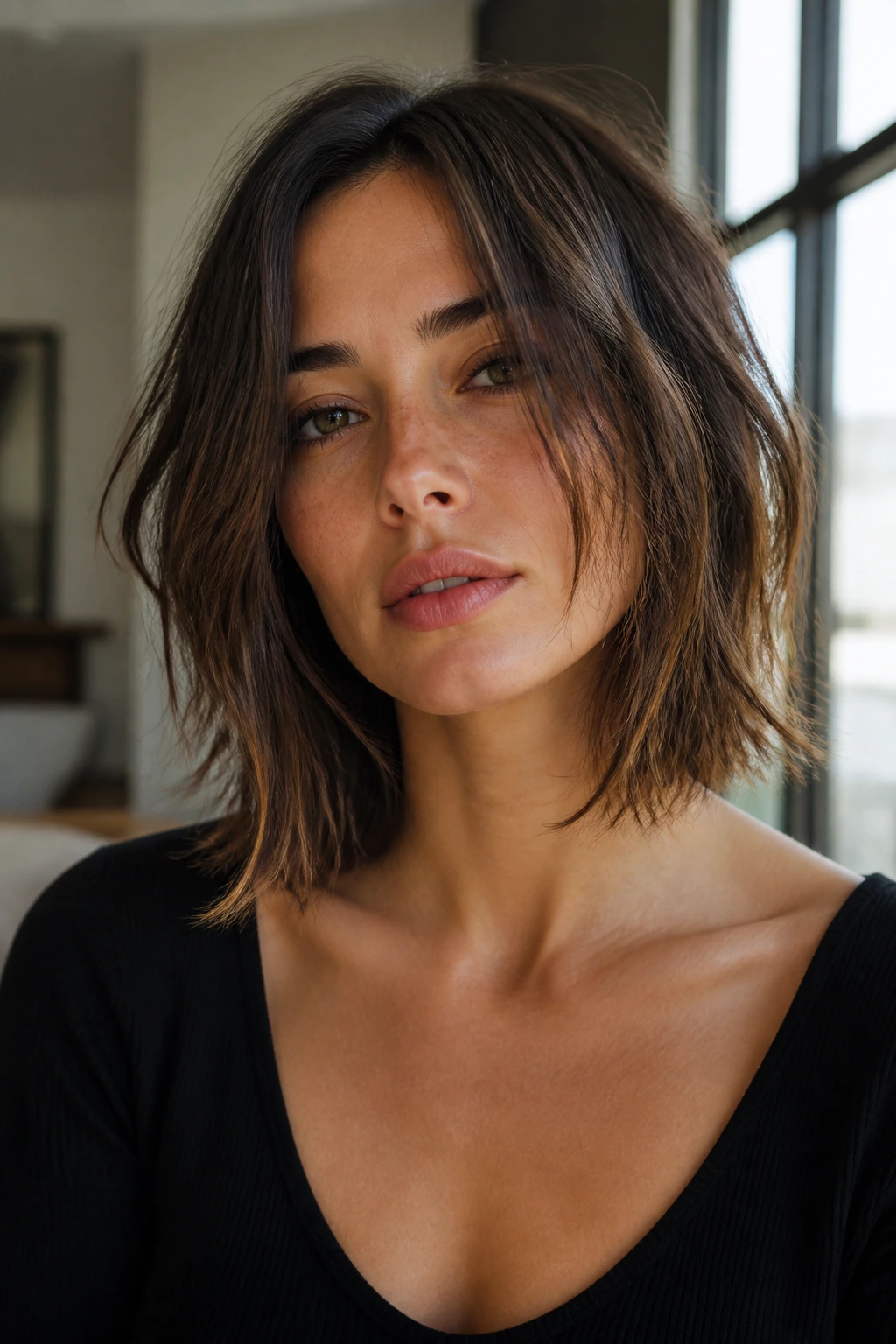
Hitting right at the clavicle, this length is flattering on almost every face shape. The razored ends create a wispy effect that makes the hair look like it has been “worn in” for months, which is exactly the aesthetic many people seek when they move away from a sharp, salon-fresh cut.
The Anatomy of the Cut
The stylist should focus on removing bulk from the very bottom edge. By cutting at an angle with a razor, you create a “fringe” of hair at the bottom that is light and airy. This is the opposite of a blunt, heavy edge that pulls the face down.
Styling Tip
Because the ends are so light, they can easily get damaged. Always use a heat protectant spray before using a wand or straightener to add those final waves. The ends are the most fragile part of a razored bob.
7. Wavy Lob with Side-Swept Layers
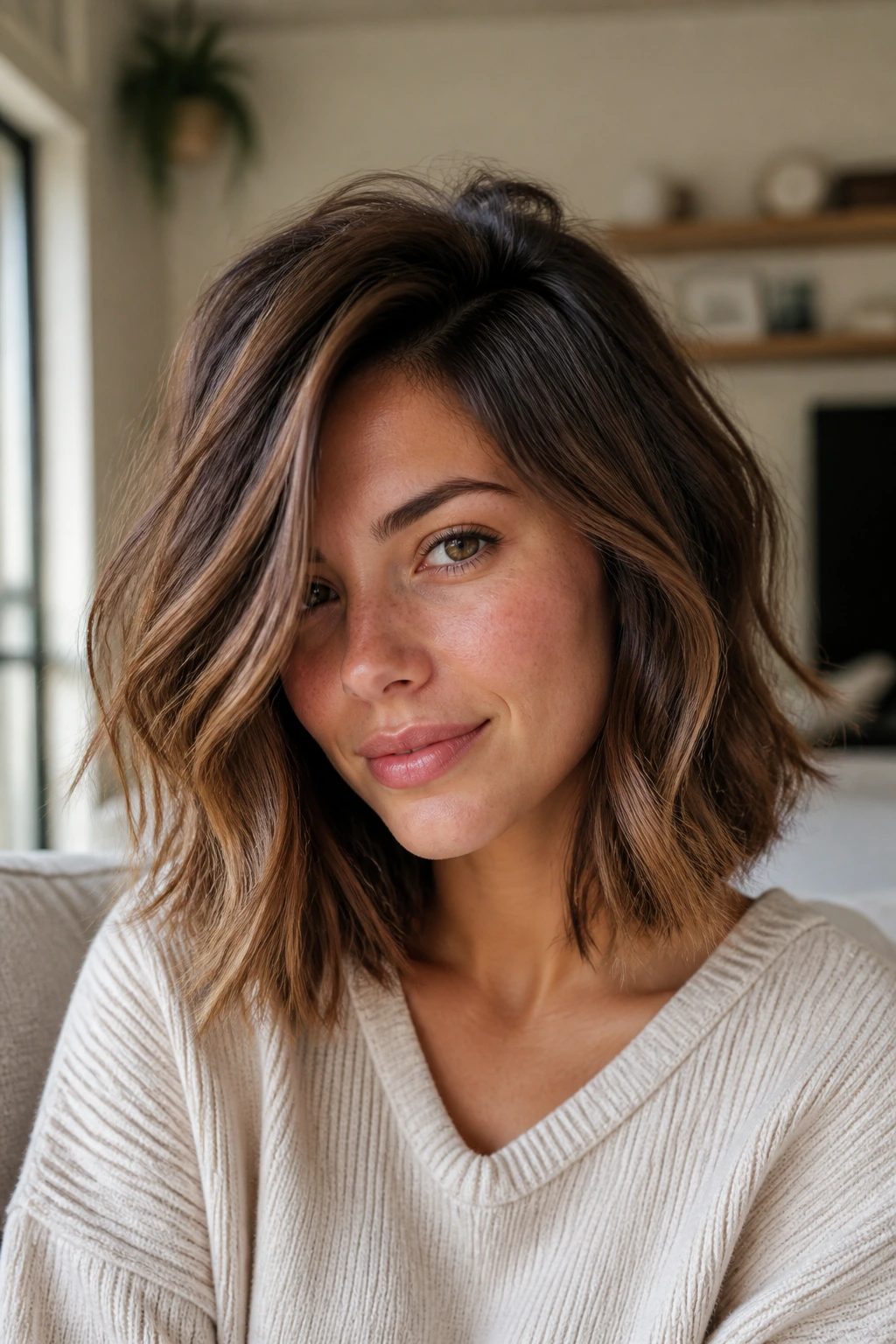
This look relies on a deep side part. The layers are cut to follow the swoop of the side part, cascading down toward the shoulders. It’s a very feminine, classic style that feels slightly updated due to the choppy texture.
Why the Deep Part Matters
A deep side part automatically adds volume to the roots on the heavy side. When combined with choppy layers, this volume feels natural and bouncy rather than stiff and hairsprayed. It is a great way to hide a thinning crown or to simply give your hair a more dramatic appearance.
Daily Upkeep
You need a good volumizing mousse for this style. Apply it to damp roots, then lift the hair away from the scalp as you dry it. The side-swept look requires a bit of direction, so using a round brush while drying is worth the extra few minutes.
8. The “Messy” Bedhead Lob
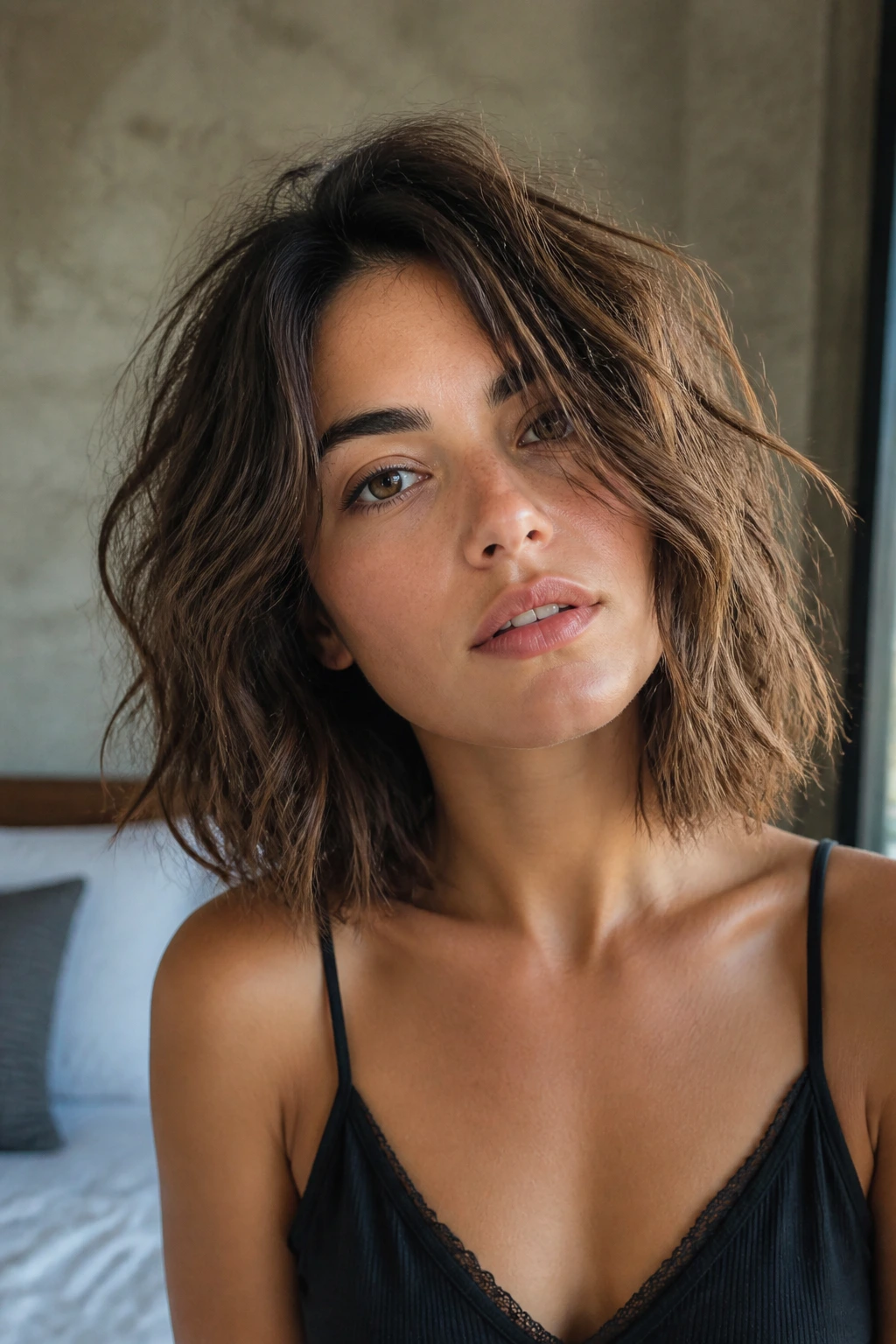
This style is purposefully imperfect. It features layers that are cut at different heights and a texture that is intentionally frizzy and loose. It is the definition of low-maintenance, provided your hair has a little bit of natural wave.
Embracing the Frizz
Most haircuts aim to kill frizz; this one uses it. By utilizing a texturizing paste, you can pull sections of hair out to add width. The goal is to look like you just climbed out of bed, but with the intentional structure of a deliberate haircut.
Styling
- Avoid silicone-based serums that make hair too slick.
- Look for “salt-in-oil” sprays which provide both hydration and texture.
- Finger-comb the hair rather than using a brush to keep the strands separated.
9. Long Bob with Shattered Crown Layers
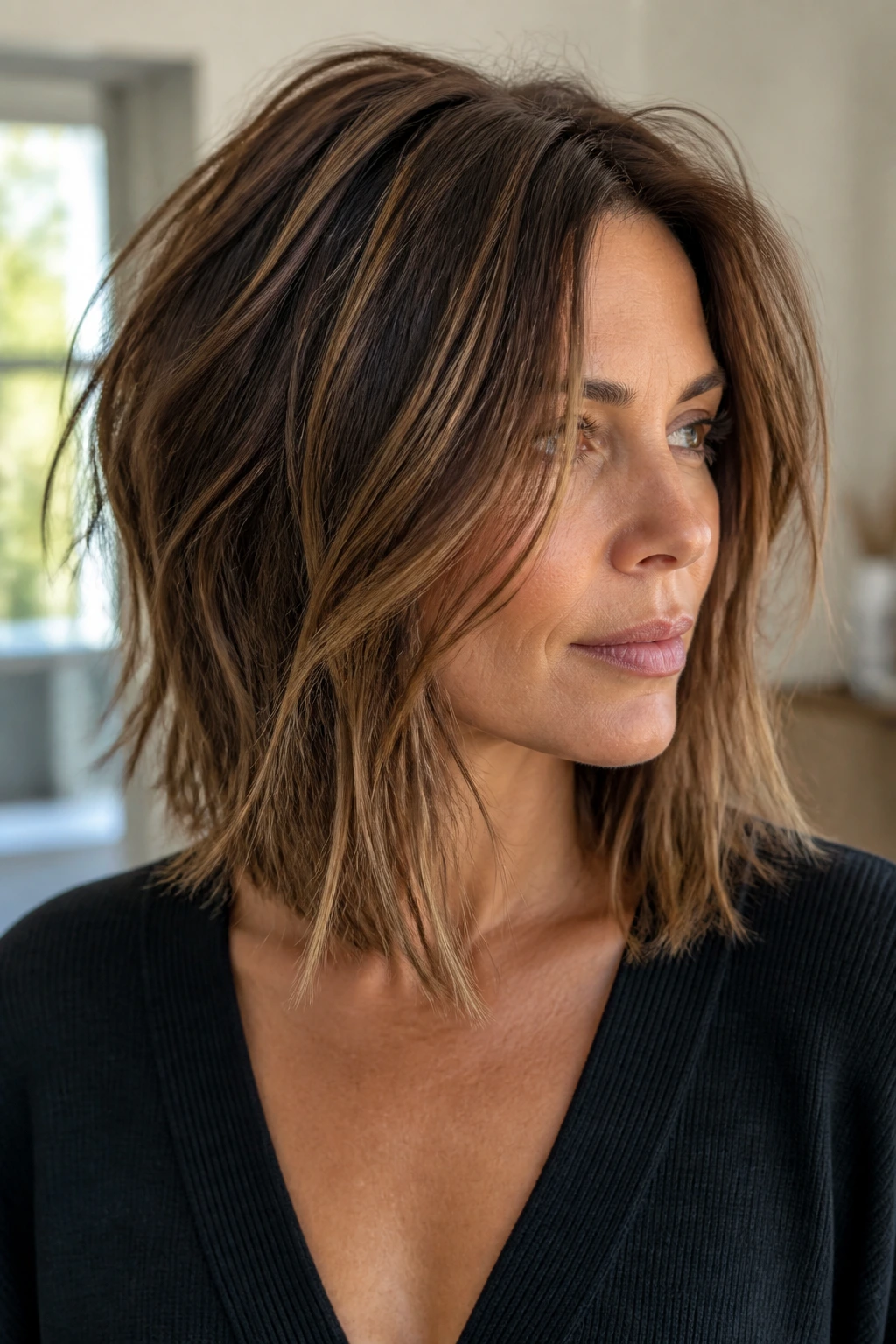
Sometimes the length around your face is fine, but the back of your head feels flat. By adding shattered, choppy layers specifically at the crown, you lift the hair off the scalp, giving you a more rounded silhouette.
Lifting the Crown
This isn’t about creating an 80s-style pouf. It’s about shortening the internal layers at the top of the head so they can stand up on their own, supported by the longer hair underneath. It’s a structural fix for people whose hair sits “limp” against their skull.
The Resulting Shape
Your hair will appear thicker and healthier. The movement becomes more dynamic because the layers at the top move independently from the length, creating a visual “layered” effect that is very popular for those with fine or thinning hair.
10. The Asymmetrical Choppy Lob
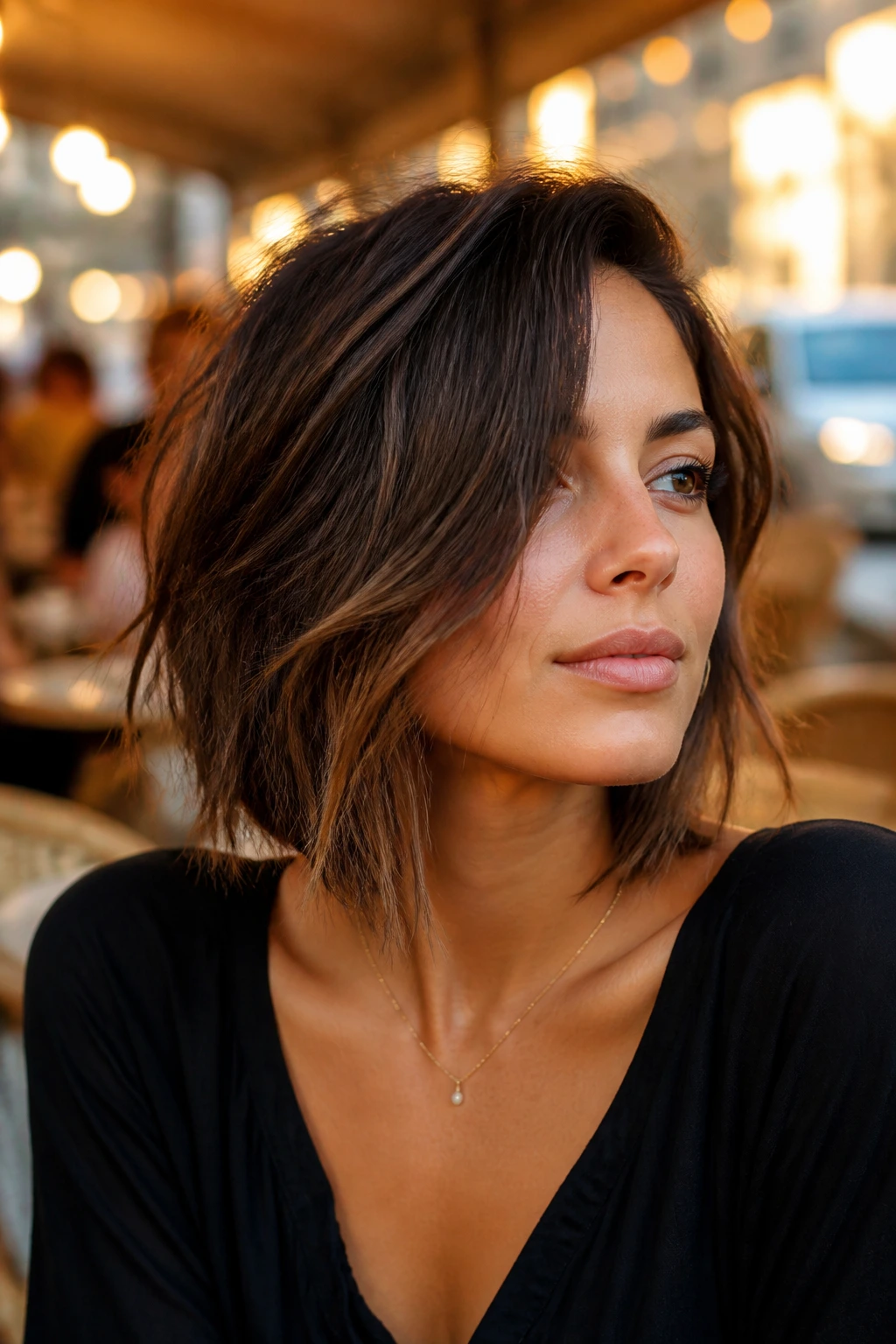
Asymmetry can be a bold move, but in a long bob, it can be quite subtle and sophisticated. One side is cut slightly shorter than the other, and both sides are heavily texturized.
Finding the Right Angle
Keep the difference to about an inch. Anything more might feel like you’re trying too hard to make a statement. The goal is a visual “tilt” that keeps the eye moving across your face.
Styling Considerations
This cut works well for people who naturally tuck one side of their hair behind their ear. The asymmetry complements that natural habit and keeps your hair looking intentionally styled even if you do it without a mirror.
11. Long, Layered Lob with Blunt Perimeter
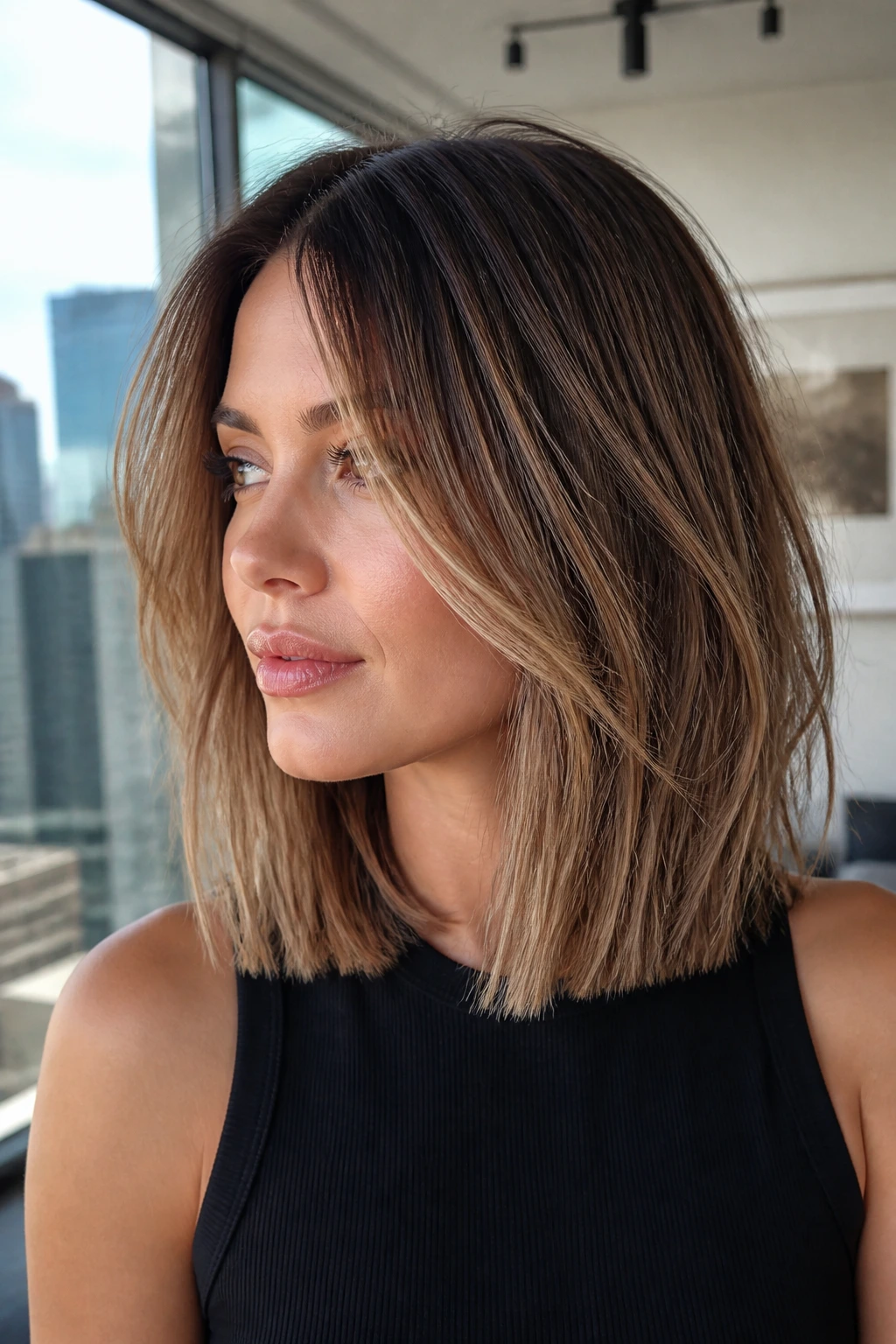
This is a hybrid style. The bulk of the hair is chopped into layers to create movement, but the very bottom inch is cut straight across. It’s the “best of both worlds” approach that gives you a crisp, clean finish while still having the texture you want.
Why This Style Succeeds
It looks expensive. A perfectly blunt, thick perimeter usually signifies healthy, thick hair. By layering the interior, you get the bounce and lightness of a shorter cut without sacrificing the appearance of healthy, blunt ends.
Maintaining the Line
You must trim this more often than a fully razored or layered cut. If the perimeter starts to grow out unevenly, the effect is lost. A simple “dusting” of the ends every six weeks will keep the line sharp.
12. Soft-Layered Lob for Fine Hair
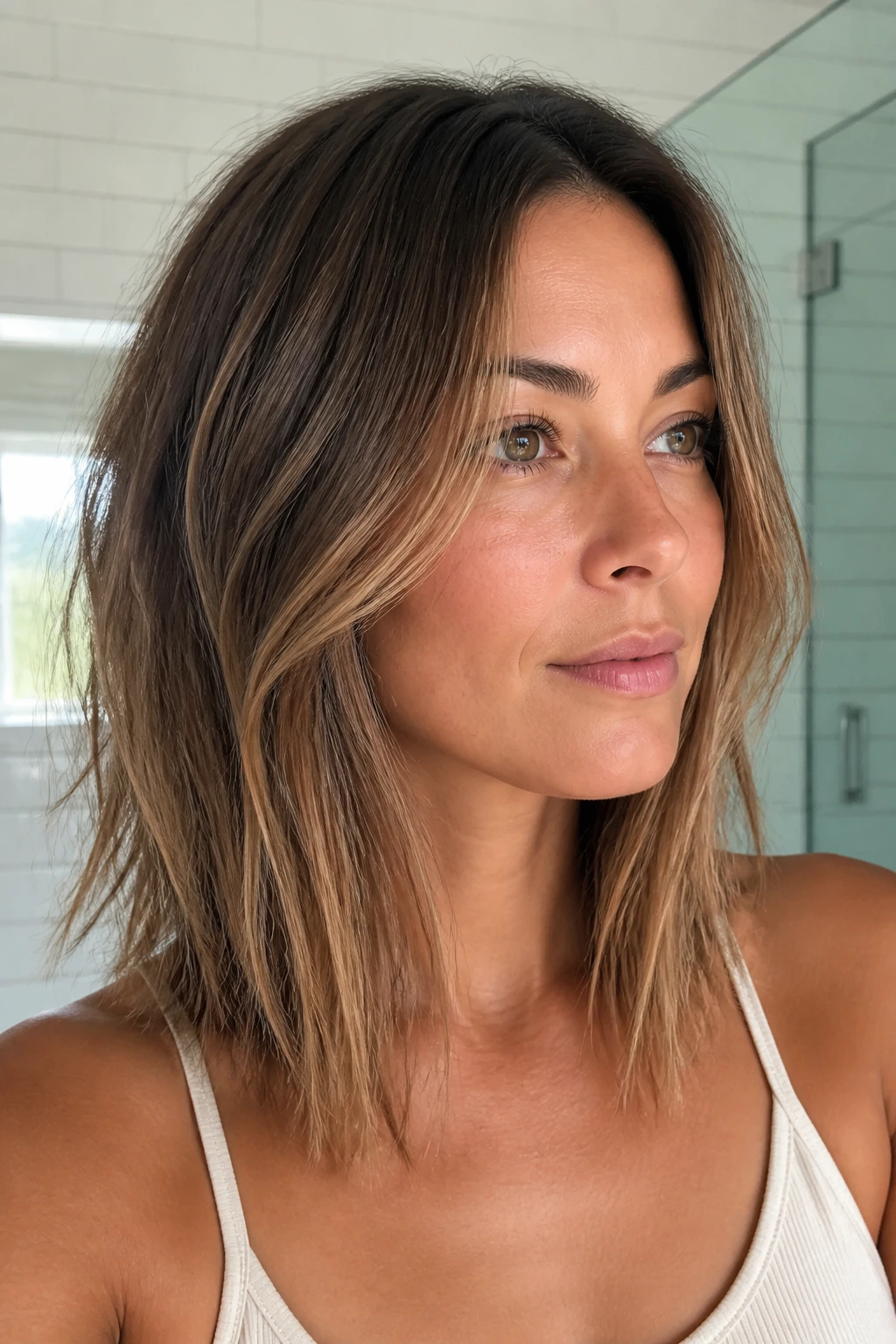
If your hair is thin, you might be scared of layers—after all, layers take away hair. This style uses very long, minimal layers, combined with point-cutting at the ends, to create texture without thinning your hair out too much.
Point-Cutting Technique
Instead of slicing through the hair, the stylist uses scissors to snip into the ends vertically. This creates a “soft” edge that doesn’t feel blunt, but also doesn’t remove too much density. It’s a precise way to add a bit of “choppiness” to thin hair.
The Volume Secret
Use a thickening spray on the roots before blow-drying. Because you don’t have a lot of hair to work with, the volume needs to come from the roots to prevent the hair from looking stringy.
13. The “90s Grunge” Lob

The 90s are back, and that means messy, center-parted, slightly overgrown hair. This lob sits right at the collarbone and features face-framing layers that start at the chin.
Defining the Look
The texture here should feel a bit “thicker” or “grungier.” It’s less about refined waves and more about a straight-but-messy texture. Think of it as the antithesis of a blowout.
Product Selection
- Use a dry shampoo even on clean hair to add grit.
- Keep the hair a little flatter at the crown.
- Let it dry naturally, then add a few bends with a flat iron in random directions.
14. The Wispy-End Lob
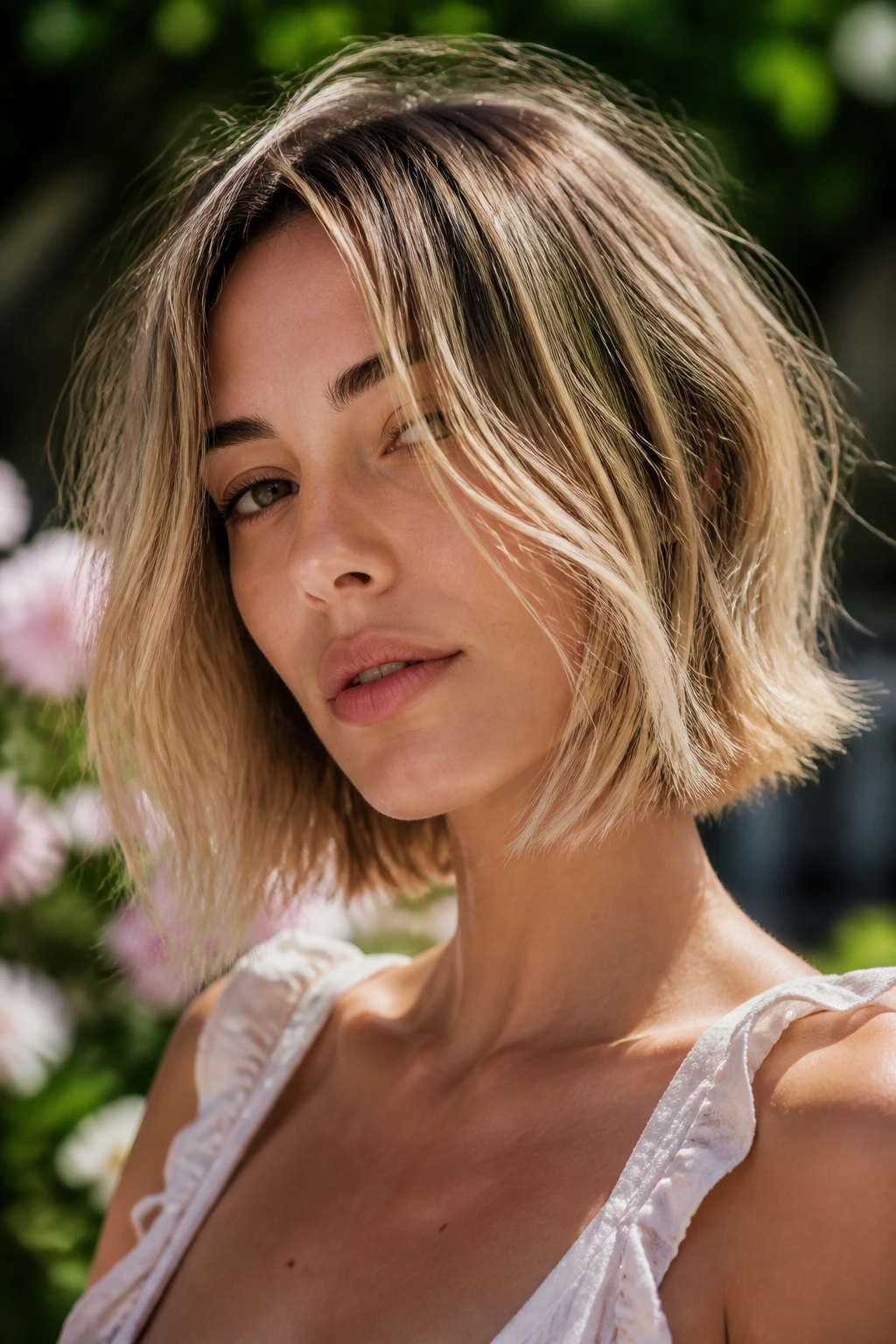
This cut is all about extreme thinning at the ends. It’s a very lightweight, airy look that feels like it’s barely there. It’s perfect for summer months or for anyone who hates the feeling of heavy hair against their neck.
How to Style
Because the ends are so light, they can sometimes flip out in weird directions. You can work with this by using a flat iron to encourage the flip, or work against it by using a large round brush to pull them under.
The “Flick” Technique
Don’t be afraid to let the hair flip. In a wispy-end lob, the ends are meant to be active. Letting them move freely adds to the breezy, carefree energy of the cut.
15. The Deep-Parted Side-Swoop Lob
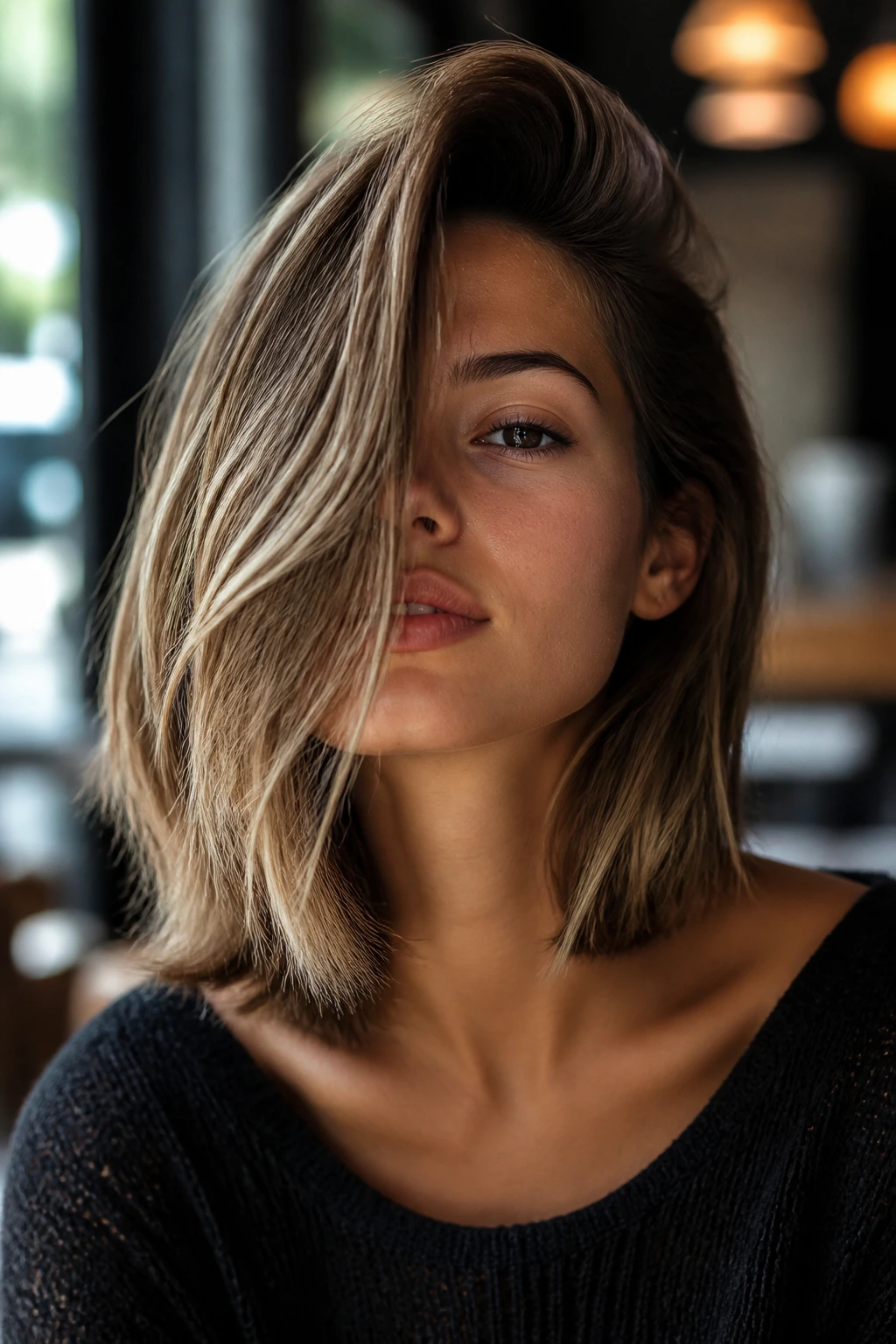
Similar to the side-swept lob, this version focuses more on the transition from the roots to the lengths. The hair is cut to fall effortlessly over one eye, creating a slightly mysterious, cool aesthetic.
Precision Styling
You will need to train your hair to sit this way. If your hair is used to a middle part, it will fight you at first. Blow-dry the hair while it is very damp, pushing it in the direction you want it to fall.
The Finishing Touch
Use a light-hold hairspray to ensure the swooped side stays put. You don’t want it falling into your eyes all day, but you also don’t want it frozen in place like a helmet. A light mist is all you need.
16. The Curly-Textured Long Bob
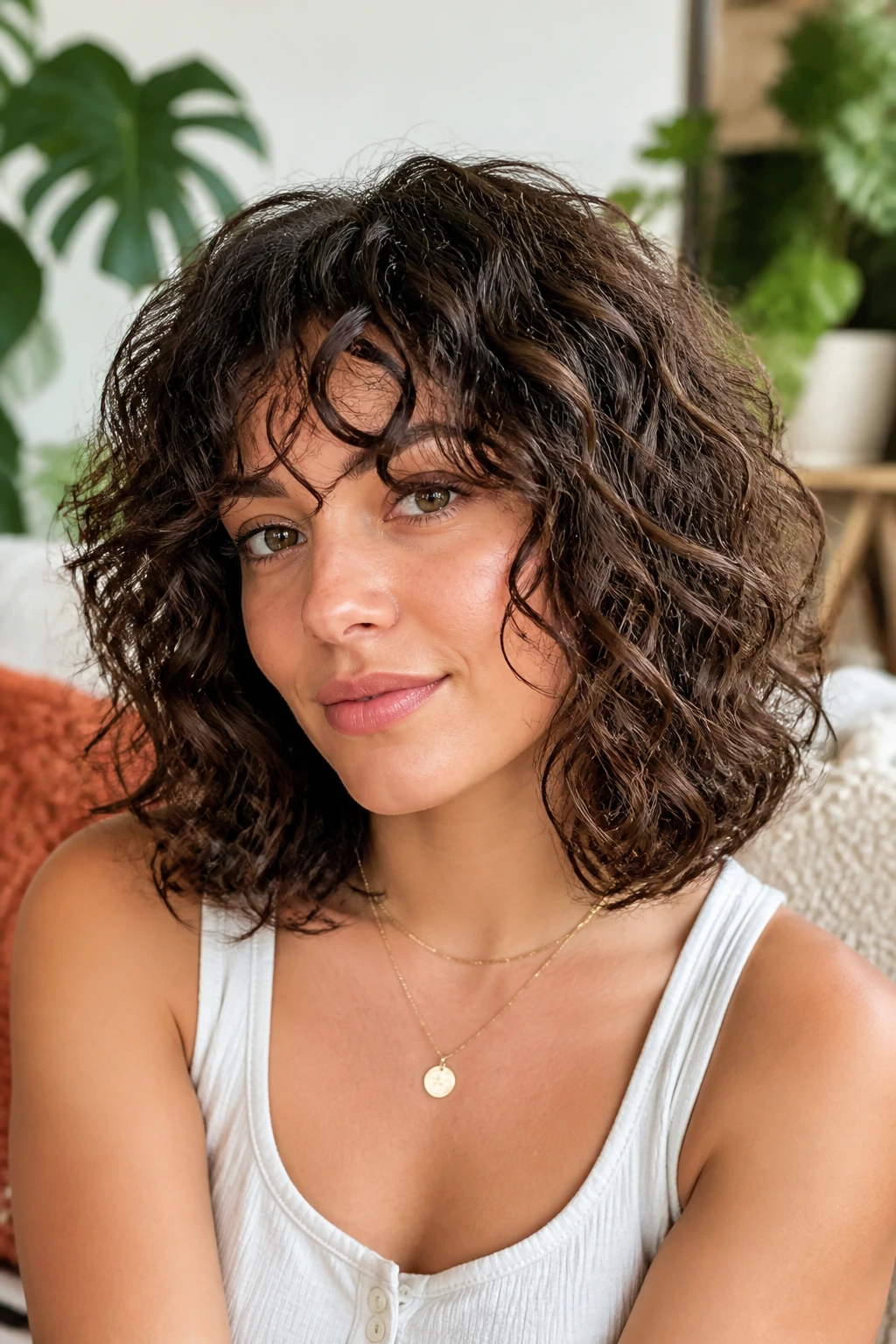
Curly hair needs layers to avoid becoming a pyramid. A long, choppy bob is actually one of the best cuts for curly hair because it allows the curls to stack properly and maintain their shape without being weighed down.
The Drying Process
Never brush curly hair when it is dry. Use a wide-tooth comb in the shower while you have conditioner in it. When you get out, apply a curl cream and use a diffuser, keeping your hands away from the hair as it dries to prevent frizz.
Dealing with “Shrinkage”
Remember that your hair will appear significantly shorter once it curls. Make sure your stylist accounts for this during the cut. If you want it to hit your collarbone, cut it at the shoulder level when wet.
17. The Sleek-Yet-Choppy Lob
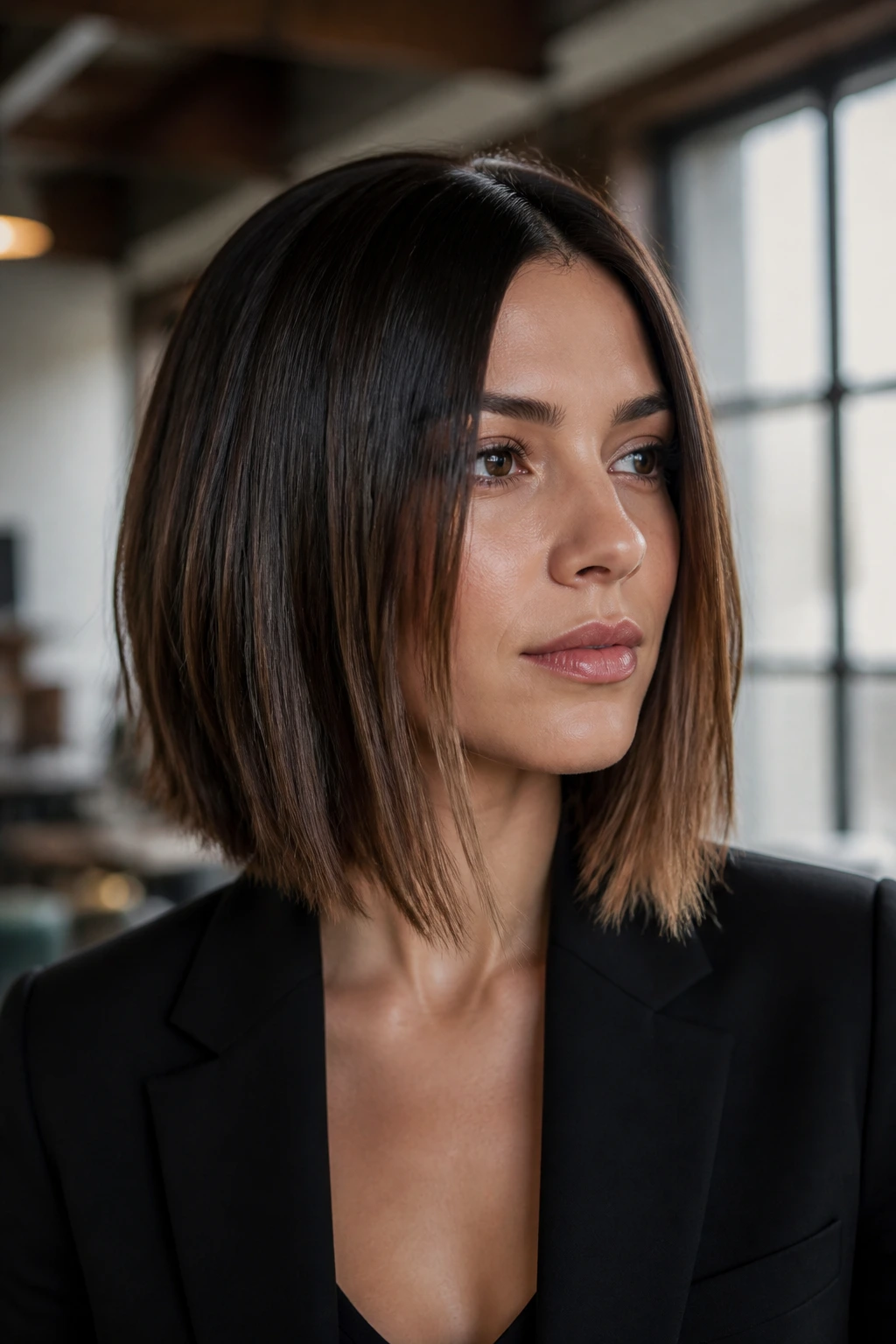
This is for the person who loves the look of a straight, flat-ironed bob but is bored with the uniformity. The ends are texturized to add interest, but the overall style is kept sleek and smooth.
The Secret to the Style
It’s all about the flat iron. Once the hair is straight, use a light wax to define the individual choppy ends. This separates the hair without making it look messy, maintaining that glossy, polished finish.
When to Use This
This is the perfect professional look. It says you put effort into your appearance, but you have a bit of edge. It’s a great way to transition from office-wear to a night out.
18. The Modern Shag Lob
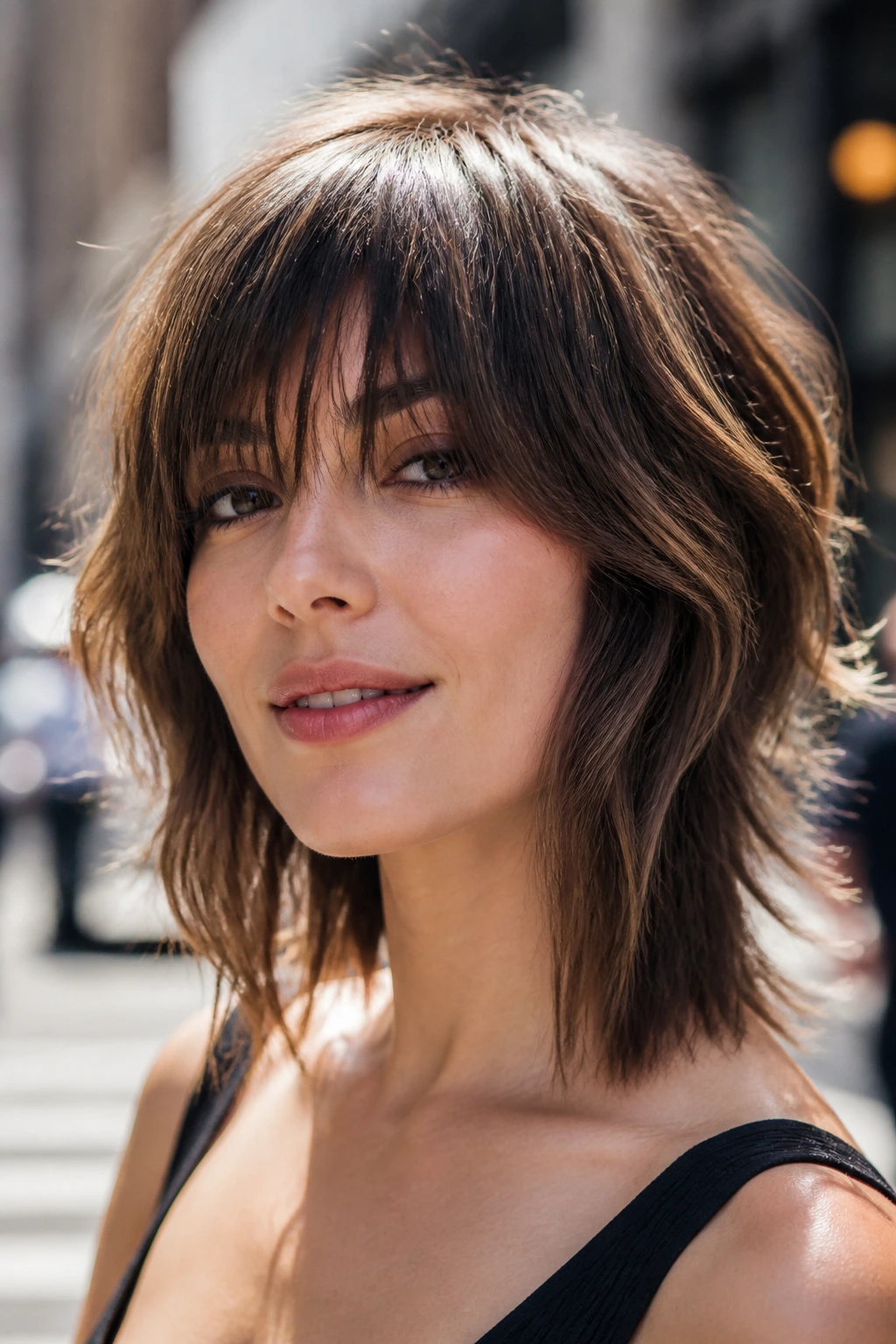
The shag is a mix of short, choppy layers on top and long, thin layers on the bottom. Bringing the shag to a long bob length makes it much more manageable and less “costumey” than the traditional version.
Why It’s Trendy
It brings volume where you need it most. By building up the top of the head, you create a shape that feels alive. The long, choppy ends provide a nice counterbalance, ensuring you don’t look like you’re wearing a wig.
Styling Tip
The key to a shaggy lob is the bangs. You need those short layers around the face to tie the short top into the long bottom. If you aren’t ready for full bangs, start with long, curtain-style layers.
19. The “Blunt Shag” Hybrid
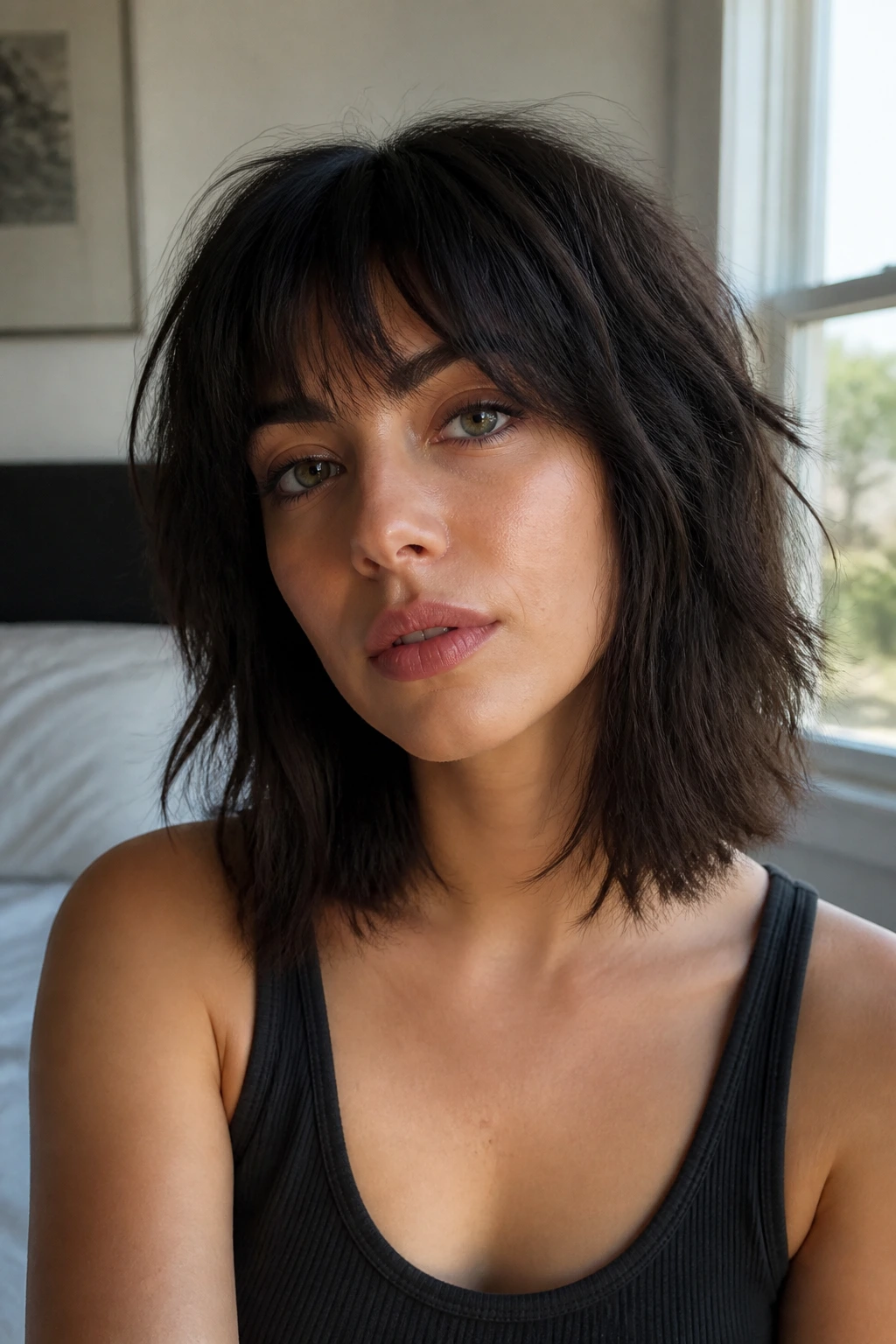
This cut has the overall silhouette of a bob but the internal structure of a shag. It’s a bit of a contradiction, but it works exceptionally well for people with dense, thick hair.
The Benefit of Hybrid Cuts
You get the weight-removal of a shag with the structure of a bob. It’s the perfect compromise for those who want the hair out of their face but don’t want the “big hair” look of a full shag.
Maintenance Schedule
Because the layers are so distinct, you’ll need to get a trim every two months. If the layers grow out, the “shag” aspect disappears, and you’re left with a bob that just feels like it needs a haircut.
20. The Long Bob with Undercut Texture
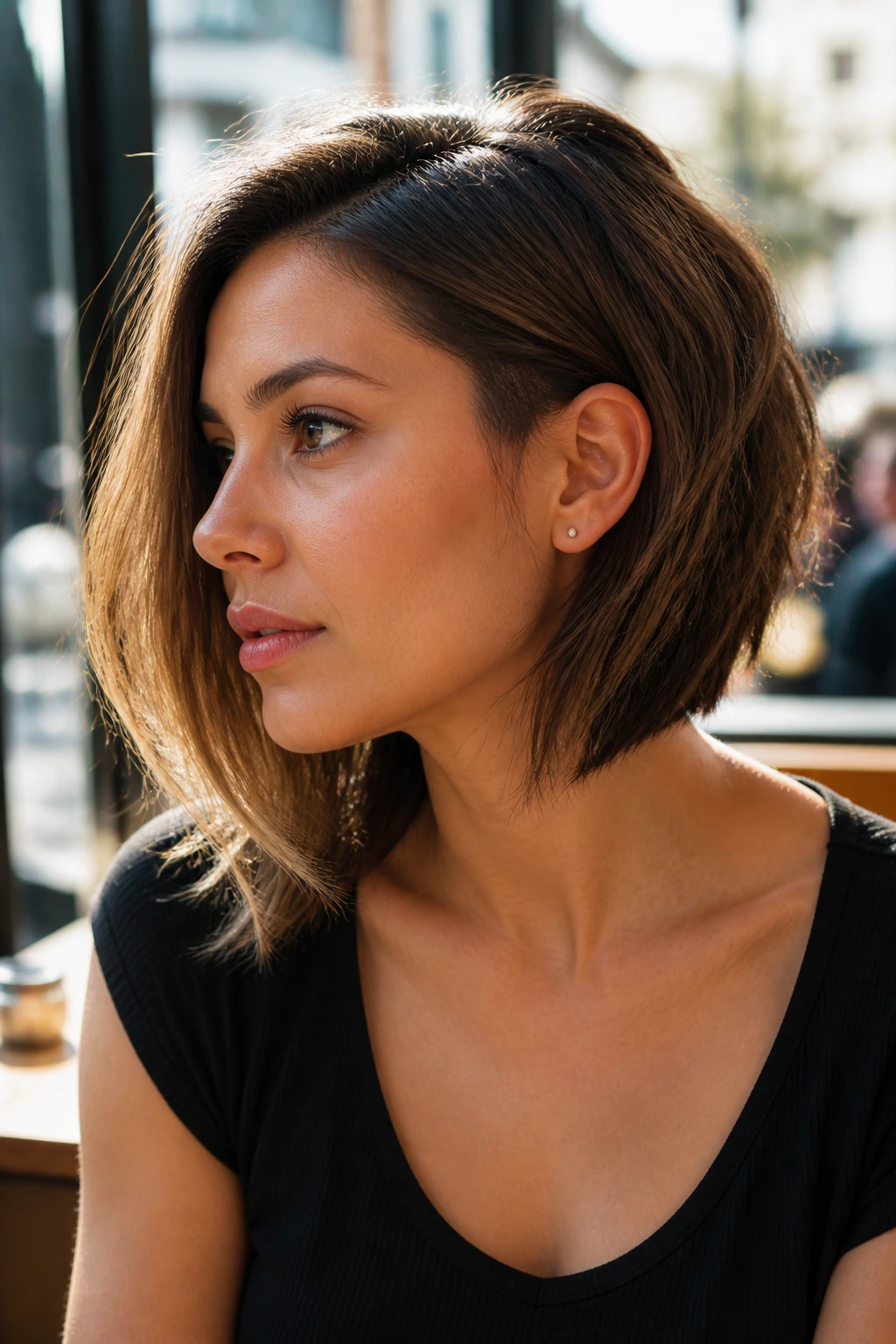
This isn’t an undercut in the traditional, shaved sense. It’s a technique where the stylist cuts the hair underneath shorter than the top layer. This forces the top layer to sit in a specific, rounded shape.
The Invisible Lift
You will never see the shorter hair—it’s hidden. It acts as a permanent support system for the longer, choppy layers. It’s a clever way to add volume that requires zero daily styling.
Professional Advice
Ask your stylist if your hair texture is suitable for this. If your hair is too fine, the shorter pieces might poke out. This technique works best on medium to thick hair that has some natural weight.
21. The Mid-Length Choppy Pixie-Lob
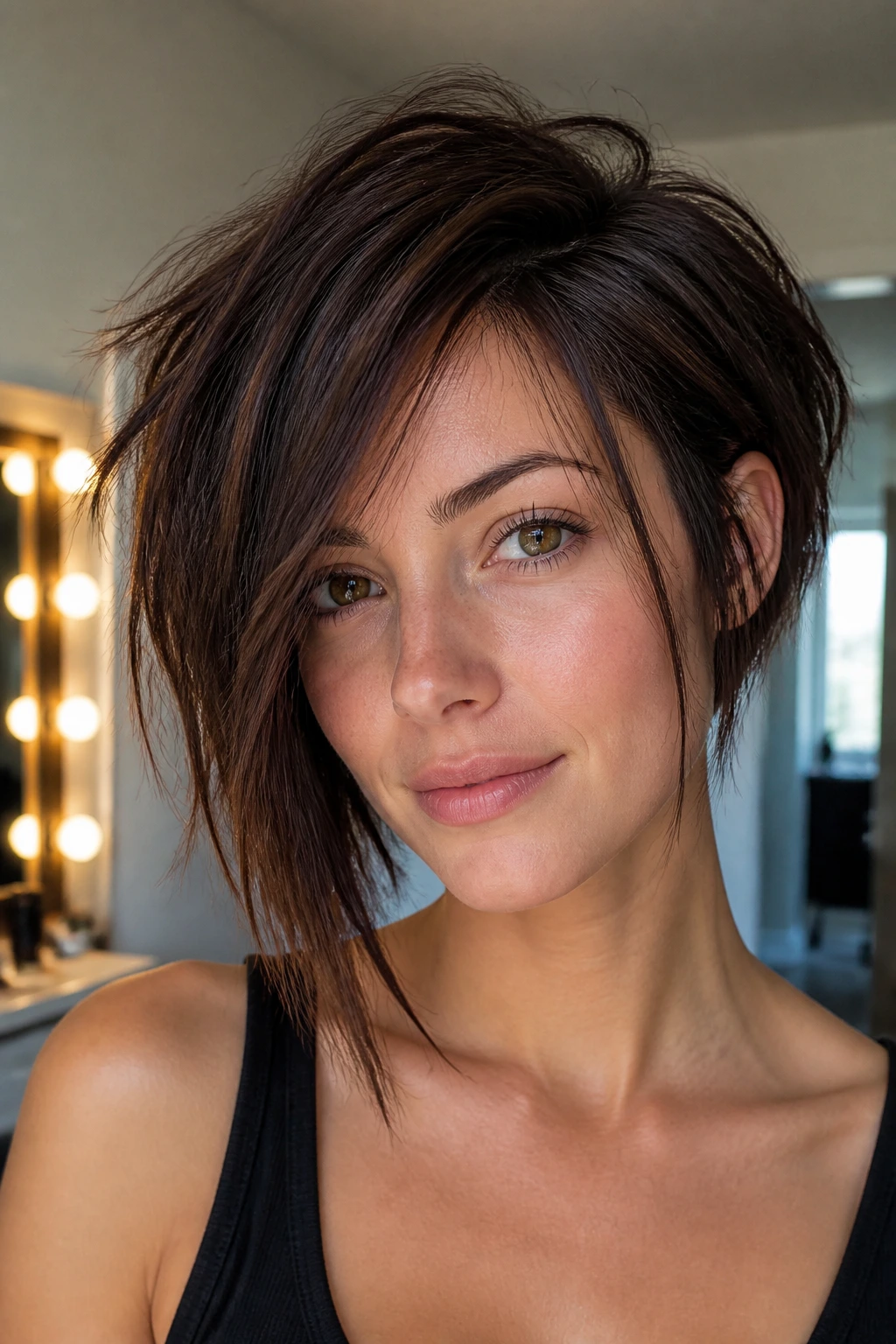
This is a very specific, high-fashion cut. It’s basically a short, choppy bob at the back that transitions rapidly into a longer, shoulder-skimming style at the front.
Who Should Wear This
This is a bold, artistic choice. It’s fantastic for someone with a strong jawline who wants to emphasize their facial features. It requires a high level of confidence to wear, as it looks different from every angle.
Everyday Style
You’ll need a strong styling pomade to make the transition between the short back and the long front look seamless. Use a bit of product at the back to keep it tight and sleek.
22. The “Sun-Kissed” Choppy Bob
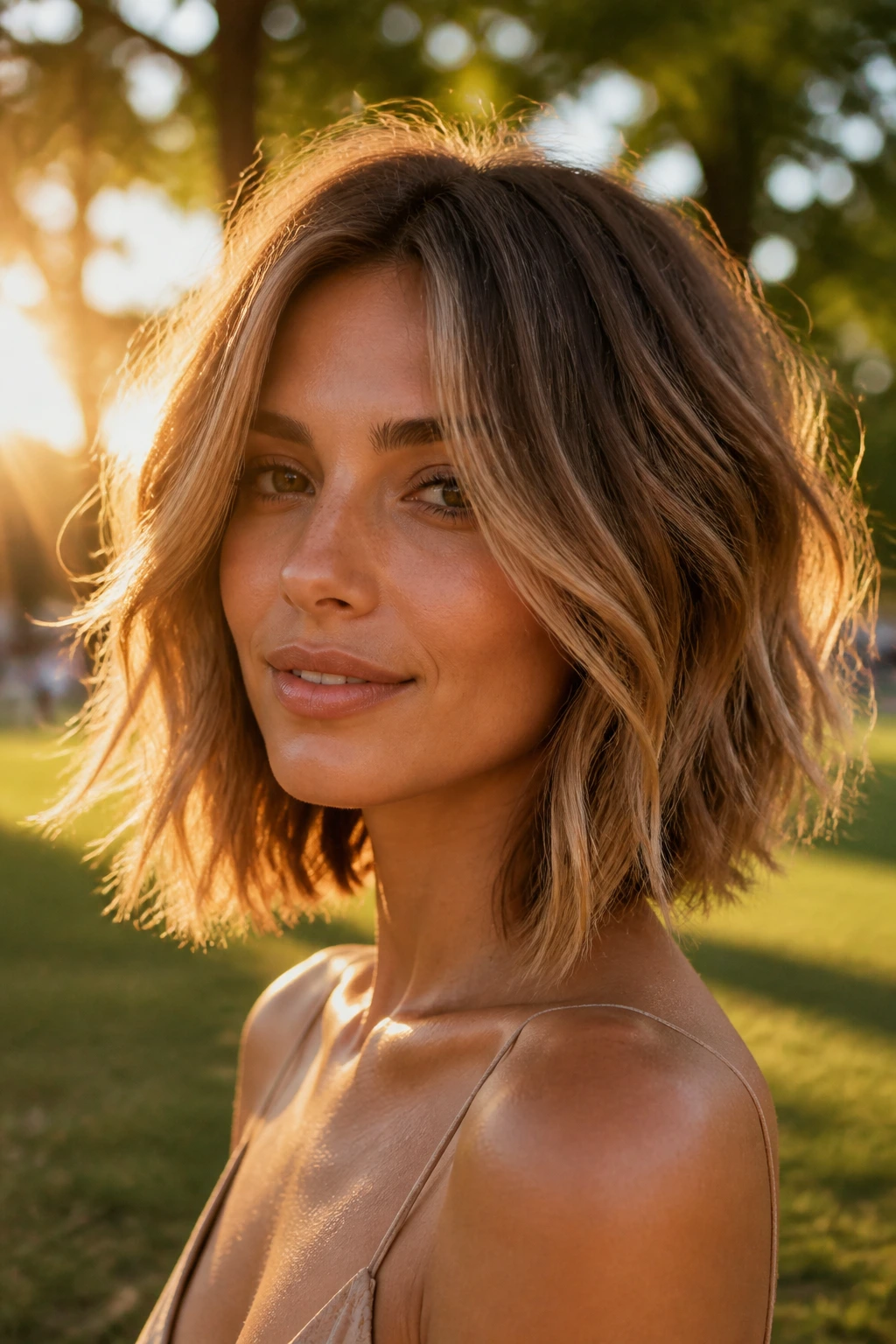
This style is as much about the color as the cut. By adding highlights or “balayage” to a choppy bob, you emphasize the movement of the layers. The light reflects off the jagged edges, making the texture stand out even more.
Why Color Matters
A solid color can sometimes hide layers. If your hair is dark and all one shade, a choppy cut might just look like a “bad” haircut. By adding light and dark tones, you create visual depth that highlights the architecture of the layers.
Seasonal Adaptation
You can shift the tone of your highlights throughout the year. Warmer gold tones in the warmer months make the choppy layers look like they’ve been lightened by the sun, while cooler, ashy tones in colder months keep the style feeling sharp and sophisticated.
23. The Long Bob with Internal “Slicing”
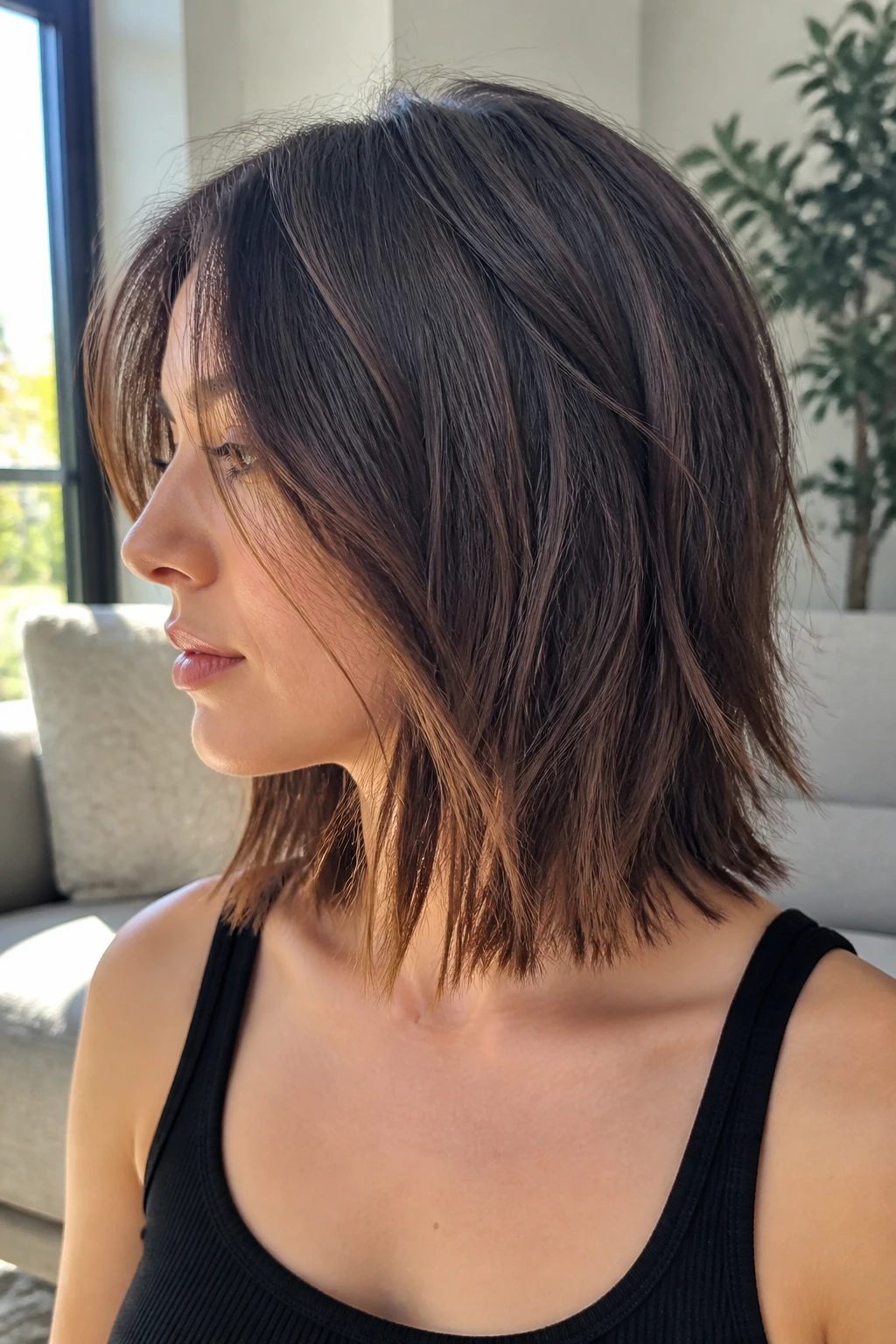
Internal slicing is a professional technique where the stylist uses a straight razor to slide down sections of the hair. It doesn’t shorten the hair, but it removes weight from the middle of the strand.
The Feeling of the Hair
Your hair will feel significantly lighter and thinner, but it won’t look “choppy” until you shake it out. It’s a great way to manage hair that feels like a heavy, immovable weight on your shoulders.
The Warning
Only go to a professional for this. If you try to do it yourself with thinning shears or a razor, you can create holes in your hair that take years to grow out. It requires a precise hand.
24. The Side-Parted “Shattered” Lob
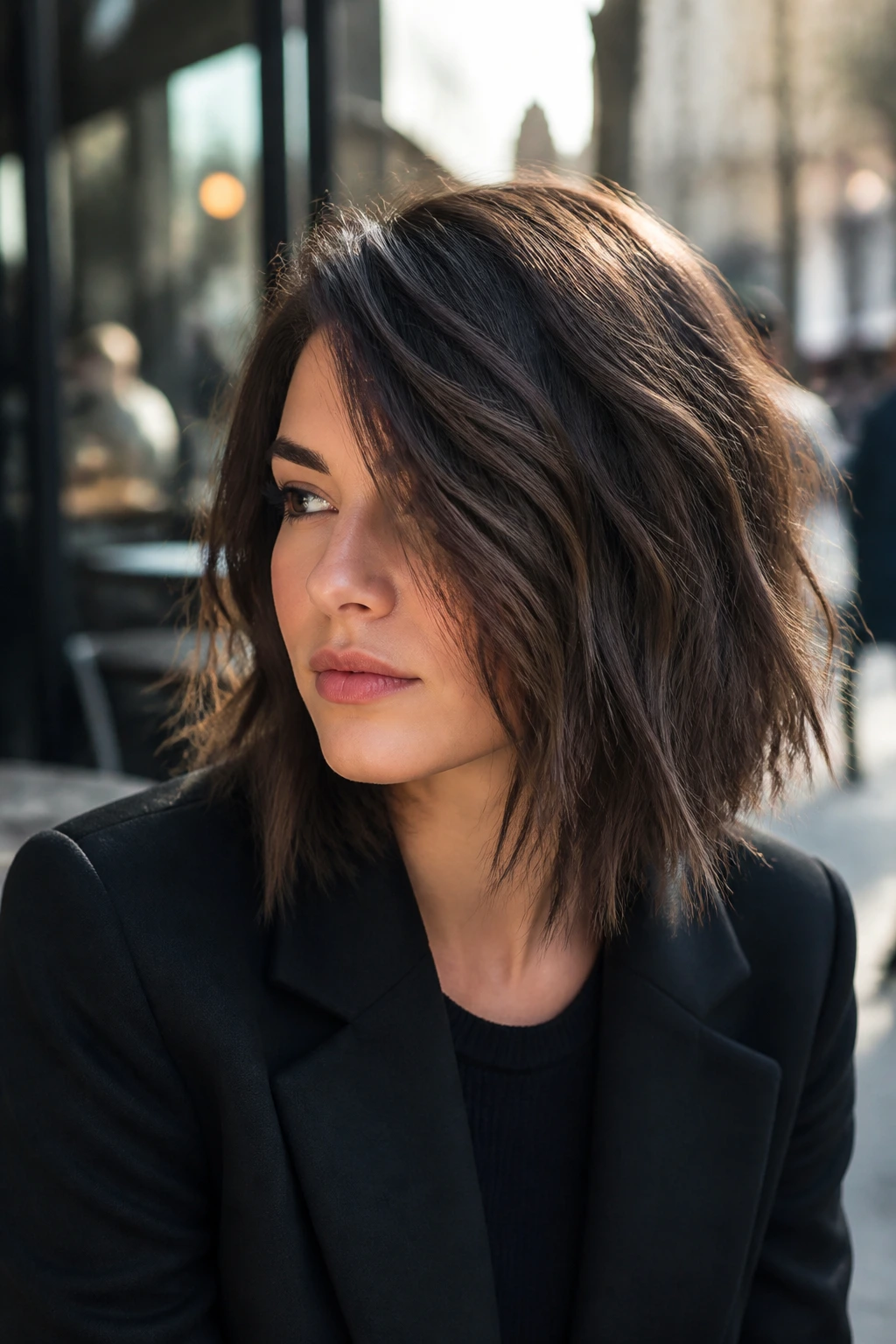
A classic, side-parted lob is a staple. By shattering the ends, you modernize it. The deep side part adds volume, while the jagged, uneven tips add a sense of movement that keeps the look from being too rigid.
The Best Face Shapes
This works on almost everyone. The side part breaks up the symmetry of a round face, and the shoulder-length cut elongates the neck. It is one of the most universally flattering cuts you can choose.
Styling the “Shattered” Look
Use a matte texturizing cream. Avoid anything shiny or oily, which will collapse the “shattered” effect and make your ends look thin instead of textured.
25. The Natural-Wave “Collarbone” Bob
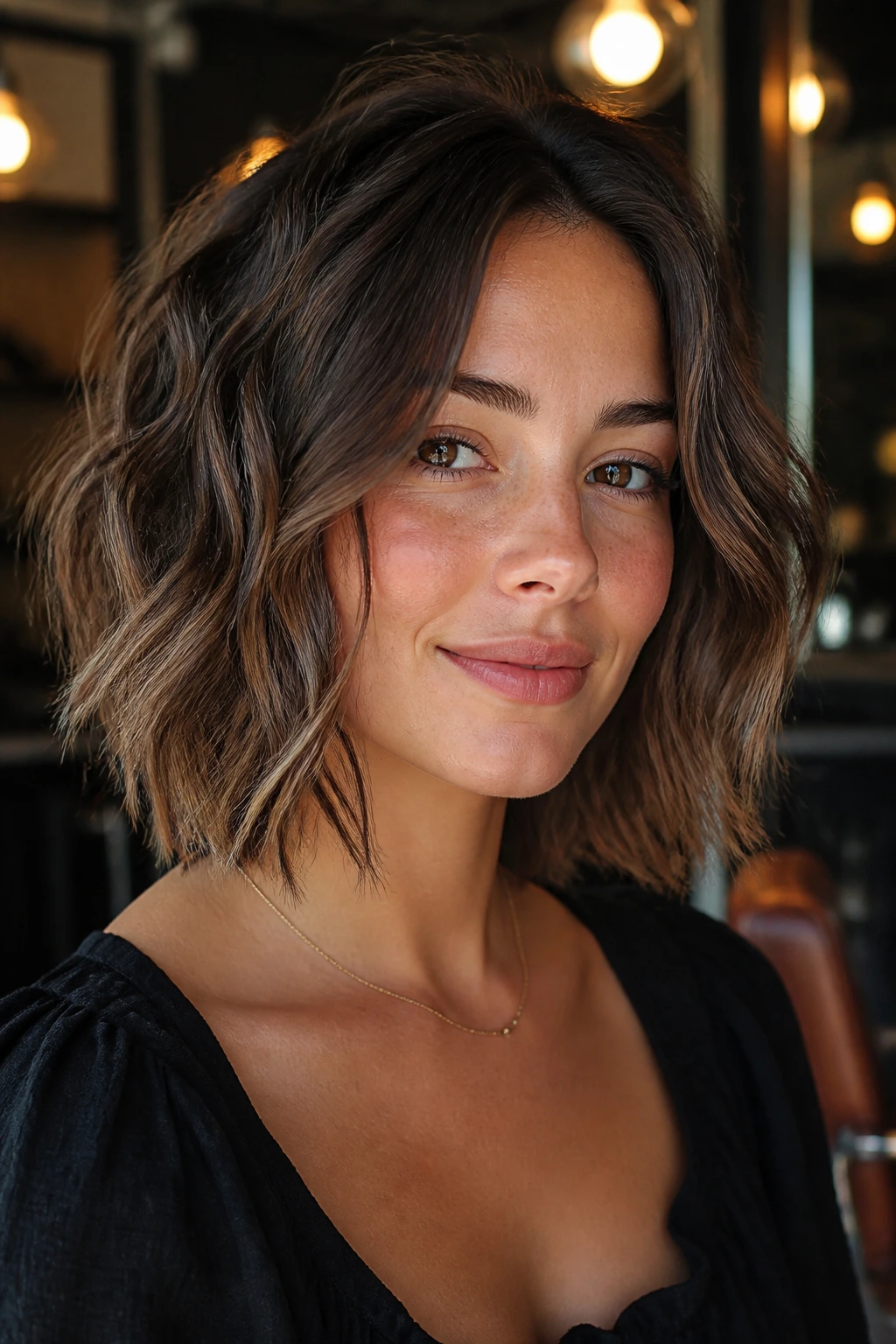
Sometimes, the best thing to do is let your hair do its thing. This cut is designed to work with your natural texture. The stylist cuts the hair to follow your hair’s natural wave, adding choppy layers only where your hair tends to bunch up.
Finding Your Pattern
Observe how your hair dries naturally. Where does it curve? Where does it stick? Bring this information to your stylist. Instead of trying to force your hair into a shape, they can build the shape around your hair’s natural tendencies.
The Final Result
Your hair will look like the best version of itself. Because it’s not fighting its own nature, it’s much healthier and easier to manage. You’ll save time every single day because you’re working with, not against, your hair.
Final Thoughts
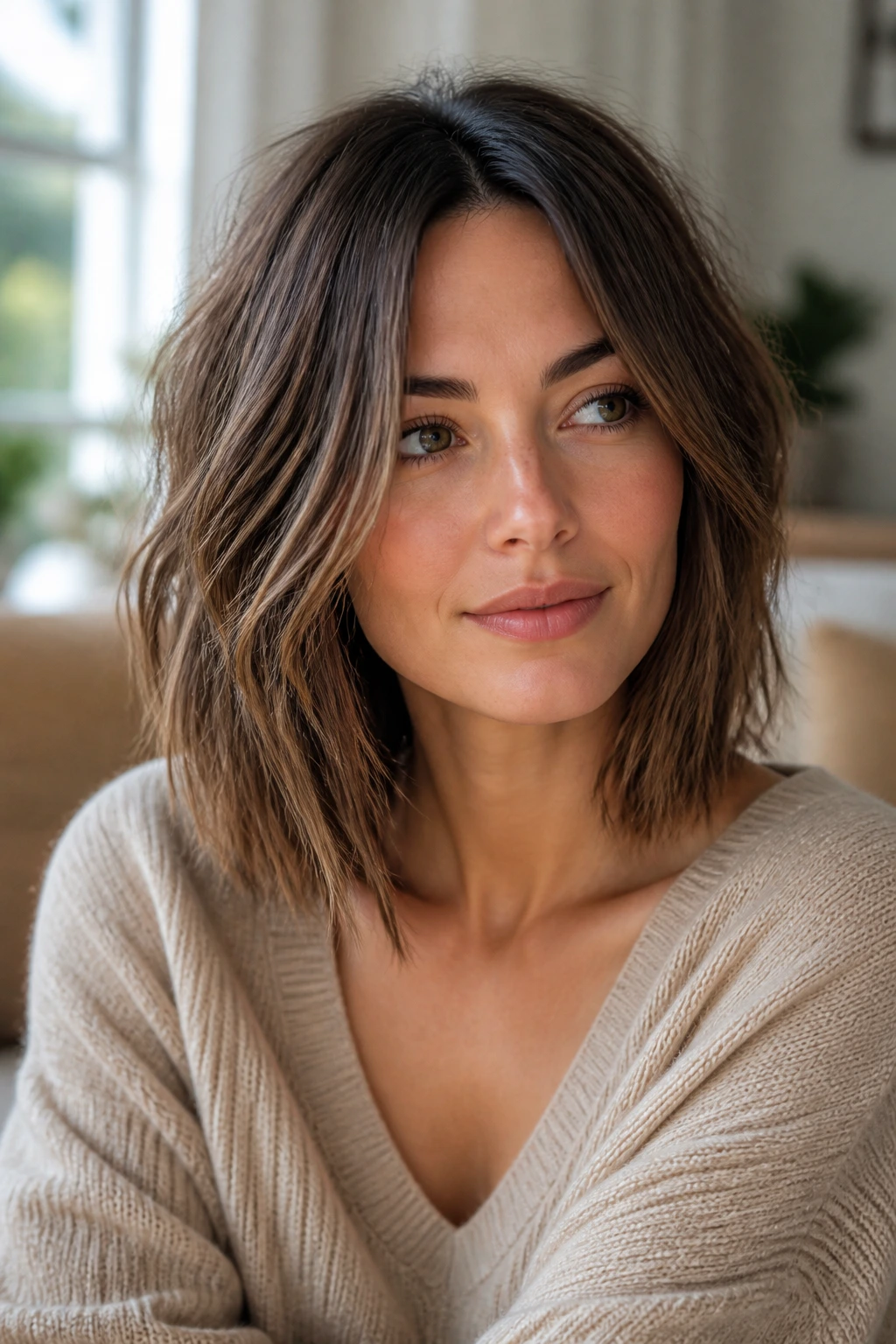
A long, choppy bob is more than just a haircut; it’s a commitment to texture. Moving away from the precision of a blunt, heavy edge requires a shift in how you think about your hair’s movement. You aren’t aiming for a static, perfect shape. Instead, you are looking for life, volume, and an ease of style that makes your mornings significantly shorter.
If you find yourself stuck between a short, cropped style and keeping your long hair, the shoulder-grazing bob is your best middle ground. It gives you enough length to pull your hair back when necessary, yet enough structure to feel like you’ve actually had your hair cut, not just trimmed. The key is finding a stylist who understands that “choppy” is a deliberate technique—it should never look like a mistake.
Remember that the product you use will change the cut completely. A sea-salt spray will turn a sleek, professional bob into a weekend-ready shag, while a bit of pomade can turn a messy, air-dried look into something suitable for the boardroom. Do not be afraid to experiment with your styling routine. Your cut is designed to move, so give it the tools to do exactly that.