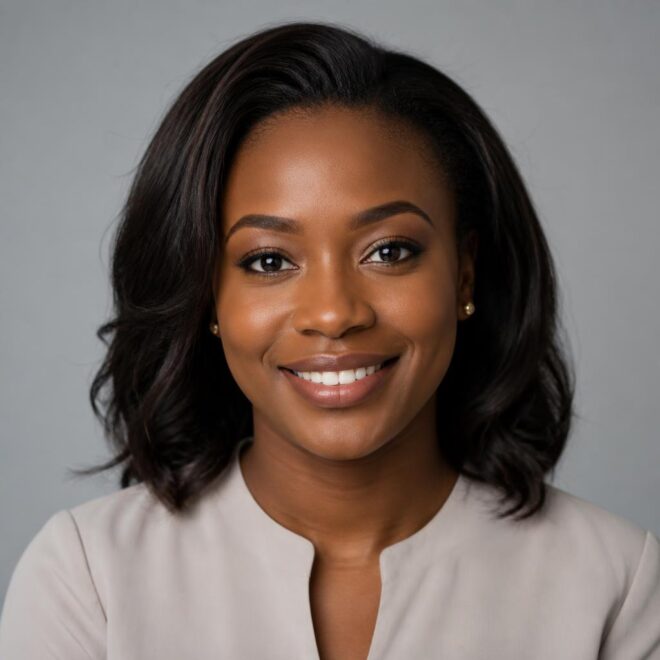


The space between your chin and your shoulders is perhaps the most versatile length in hair styling. It is long enough to pull back into a tiny, utilitarian knot on a hectic morning, yet short enough to frame the face with intentionality. When hair hits this “neck-length” sweet spot, the weight distribution shifts, naturally encouraging bounce and movement that longer, heavier styles often lack. Many people find that hair at this length feels lighter, faster to dry, and far more manageable, especially for those navigating busy professional or personal lives.
This isn’t about just chopping length off; it is about finding the right graduation, layer placement, and perimeter to suit your unique hair texture. Whether you have dense, coiled curls or fine, straight strands that tend to cling, neck-length cuts offer a structural advantage. By removing the dead weight that accumulates near the ends, you can breathe new life into your hair’s natural pattern. Let us walk through the most practical, everyday-ready styles that make this specific length a staple of low-maintenance style.
1. The Blunt Chin-Length Bob
This is the baseline for all neck-length styles—a solid, sharp perimeter that makes fine hair look exponentially thicker. By cutting the ends at a perfectly horizontal line, you create a dense “edge” that removes any wispy, see-through weight. This style relies on precision; a single millimeter of unevenness can change the entire silhouette.
Why This Style Works
Because the hair is all one length, it falls into a smooth, structured shape that requires very little intervention. It creates a bold, architectural frame for the face, emphasizing your jawline and cheekbones. It is a workhorse cut that transitions from a morning meeting to an evening out without needing a restyle.
Maintenance Tips for the Blunt Cut
- Use a flat iron sparingly; the bluntness of the cut is the aesthetic, so avoid over-styling.
- Dust your ends every six to eight weeks to prevent the blunt edge from becoming jagged.
- Apply a lightweight shine spray to emphasize the clean lines of the cut.
2. The Textured Lob

A “long bob” that kisses the neck, the textured lob is the ultimate “I woke up like this” haircut. Unlike the blunt bob, this version incorporates soft, internal layers that prevent the hair from becoming a blocky, heavy curtain. It is designed to be worn with a bit of grit, making it perfect for those who enjoy using sea salt sprays or texturizing powders.
Achieving the Messy Aesthetic
The key here is avoiding a perfect, rounded blowout. You want the ends to flick out slightly, giving the style a modern, undone quality. This is an ideal cut for someone with a natural wave who wants to wash their hair and let it air-dry while still looking polished.
Styling for Everyday Wear
If your hair is straight, use a large-barrel curling iron to add just two or three bends in the mid-lengths. Leave the ends out—the “straight-end” look is what keeps this style feeling current rather than dated.
3. The Graduated Stacked Bob
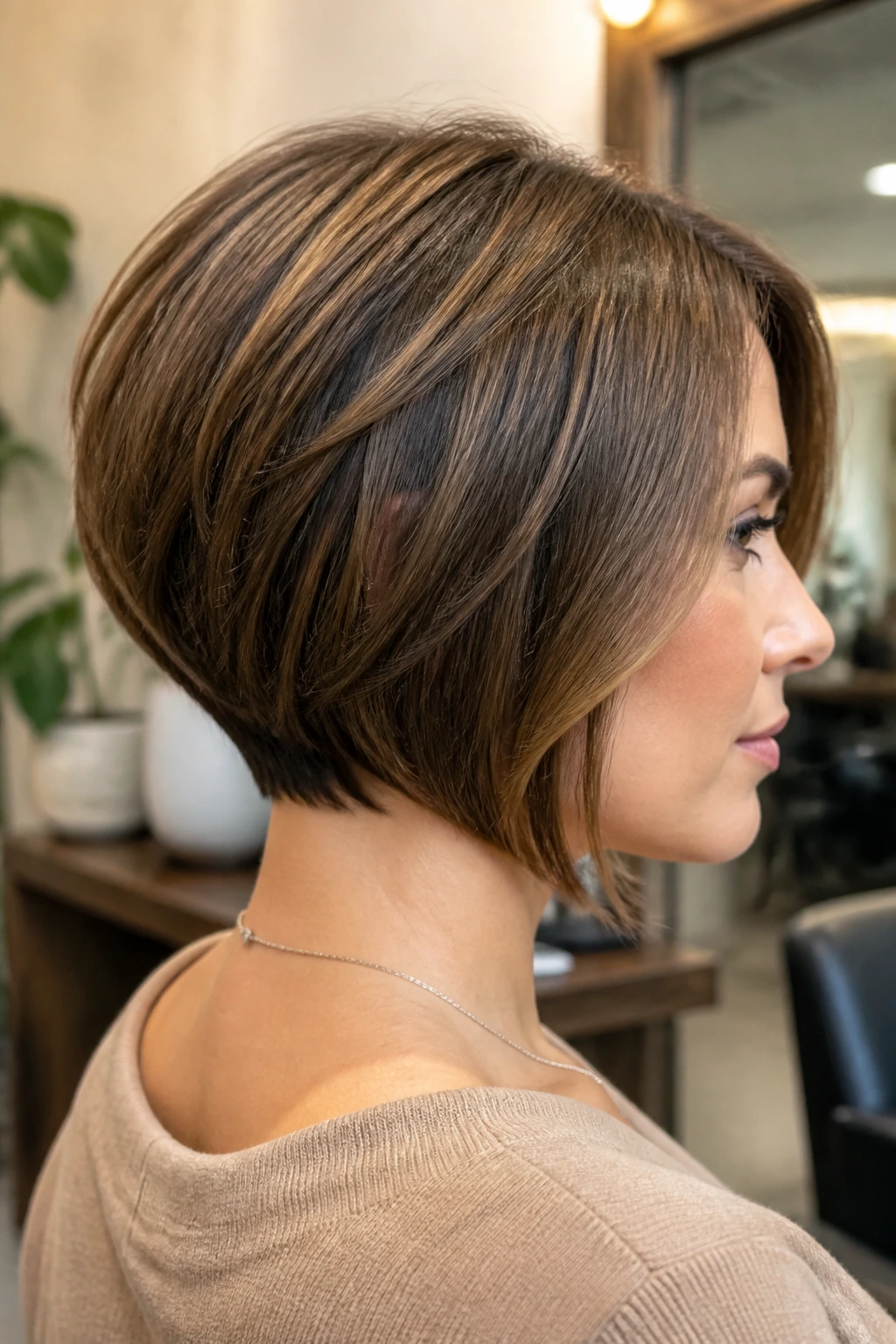
If your hair is dense or prone to ballooning, a stacked bob provides the structural support needed to keep it from looking triangular. By cutting the hair at the nape of the neck significantly shorter than the hair framing the face, you force the hair to follow a graceful, rounded path. It builds natural volume in the back without requiring a round brush and hours of heat styling.
Identifying the Best Angles
- Subtle stack: A gentle slope from back to front, ideal for a softer look.
- Steep stack: A dramatic difference in length, creating a bold, edgy profile.
Who Should Choose This
If you have a cowlick at the nape of your neck, the stacked bob is your best friend. The shorter, layered pieces at the back provide enough weight and control to keep that stubborn cowlick laying flat.
4. The Shaggy Neck-Length Shag
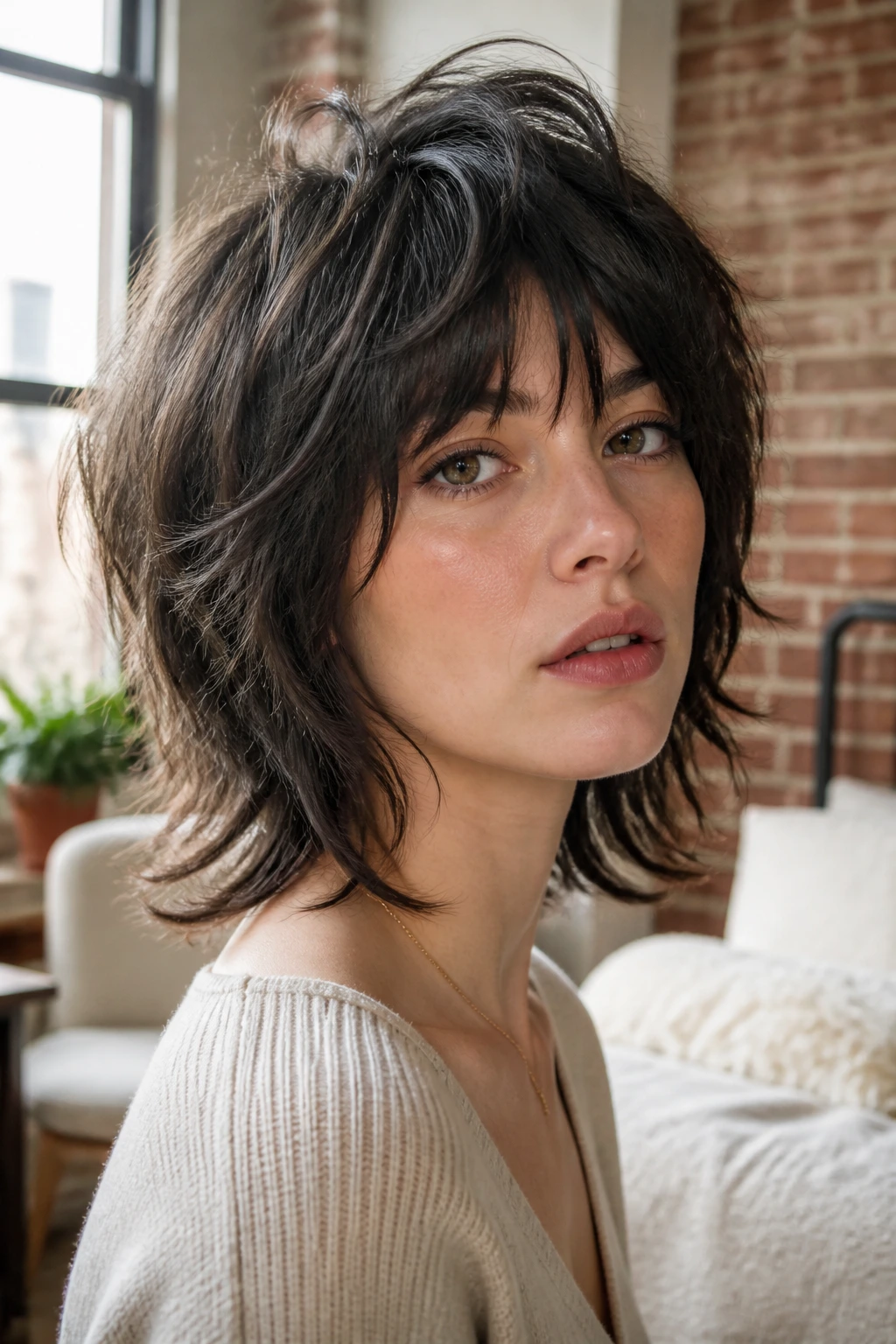
The shag is back, and it is shorter, punchier, and easier than ever. This cut is all about maximum volume at the crown and wispy, tapered ends. It utilizes heavy layering to break up the weight of thick hair, making it feel airy and light against the back of your neck.
Understanding the Shag Layers
Shag layers are usually cut using a razor or point-cutting technique, which creates a soft, feathered finish. This technique removes bulk from the middle of the hair shaft, allowing your natural texture to spring upward. It is a fantastic choice if you find your hair feels “heavy” or “dragged down” by its own weight by the end of the day.
Practical Styling
A touch of mousse applied to damp hair is all you need. Once it dries, you will have naturally defined waves that look intentional and cool. Avoid heavy creams, as they will pull the layers flat and defeat the purpose of the shag.
5. The Curly Rounded Crop
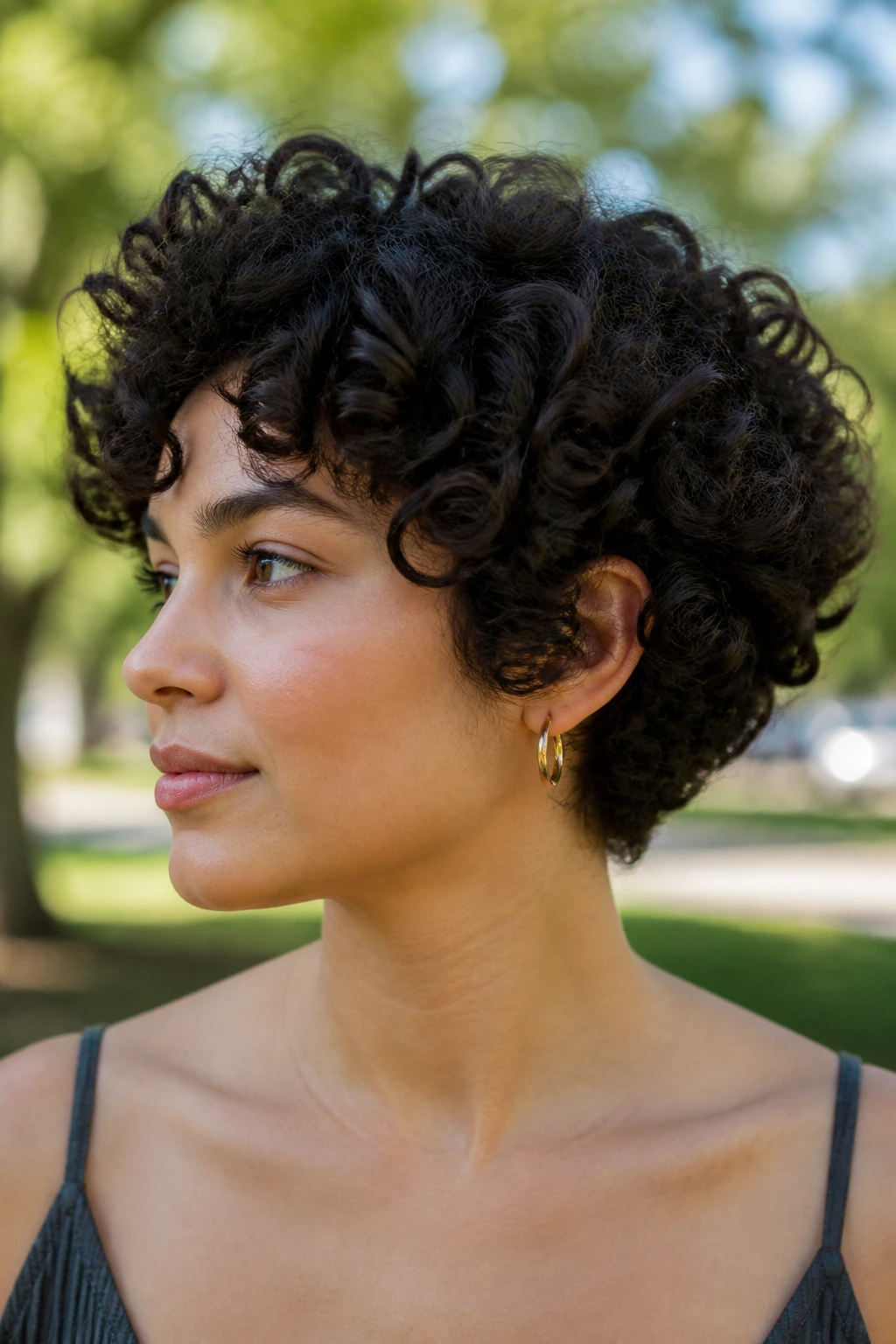
Curly hair behaves differently at the neck; it tends to bloom outward, creating a beautiful, halo-like effect. A rounded crop keeps the hair closer to the head at the nape while letting the curls sit high and proud around the ears and crown. This prevents the “triangle” shape that often plagues curly hair cut at this length.
Managing Curl Spring
Always remember that hair shrinks when it dries. When your stylist is cutting your hair, they should be working with your curls in their natural, dry state. If they cut it while wet, you might end up with a length that sits much higher than you intended once the bounce returns.
The Benefit of Controlled Volume
By keeping the interior layers shorter, you gain more control over the shape. This cut allows you to wake up, spritz with a bit of water or leave-in conditioner, and head out the door with a defined, sculpted look that doesn’t require heat.
6. The Side-Parted Sleek Bob
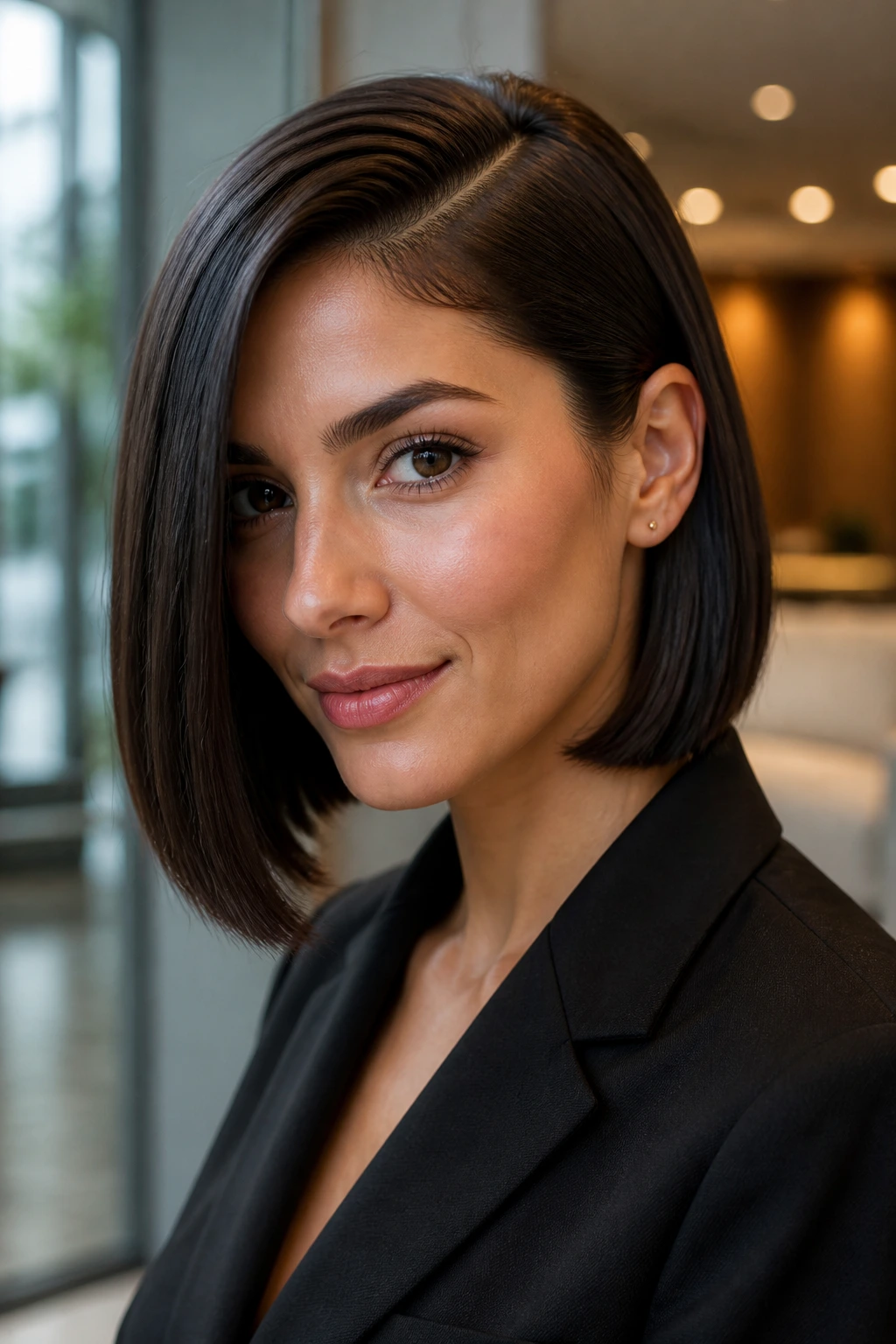
Sometimes, the simplest change is the most effective. A deep side part creates a sweeping curtain of hair that naturally adds volume to the root on one side. This is a timeless, sophisticated look that pairs perfectly with professional attire, making it a reliable staple for everyday office wear.
Styling for Maximum Sleekness
To achieve the glass-hair look, you need a high-quality boar bristle brush and a smoothing serum. Start by blow-drying your hair with the nozzle pointing downward to keep the cuticle flat. Once dry, run a flat iron over the ends just once to seal the style.
Why It Stays Fresh
The side part is essentially a “facelift” in a bottle. By shifting the focus away from the center of the face, you create an asymmetrical line that draws the eye upward, giving you a slightly more alert, refreshed appearance.
7. The Layered Shag-Bob Hybrid
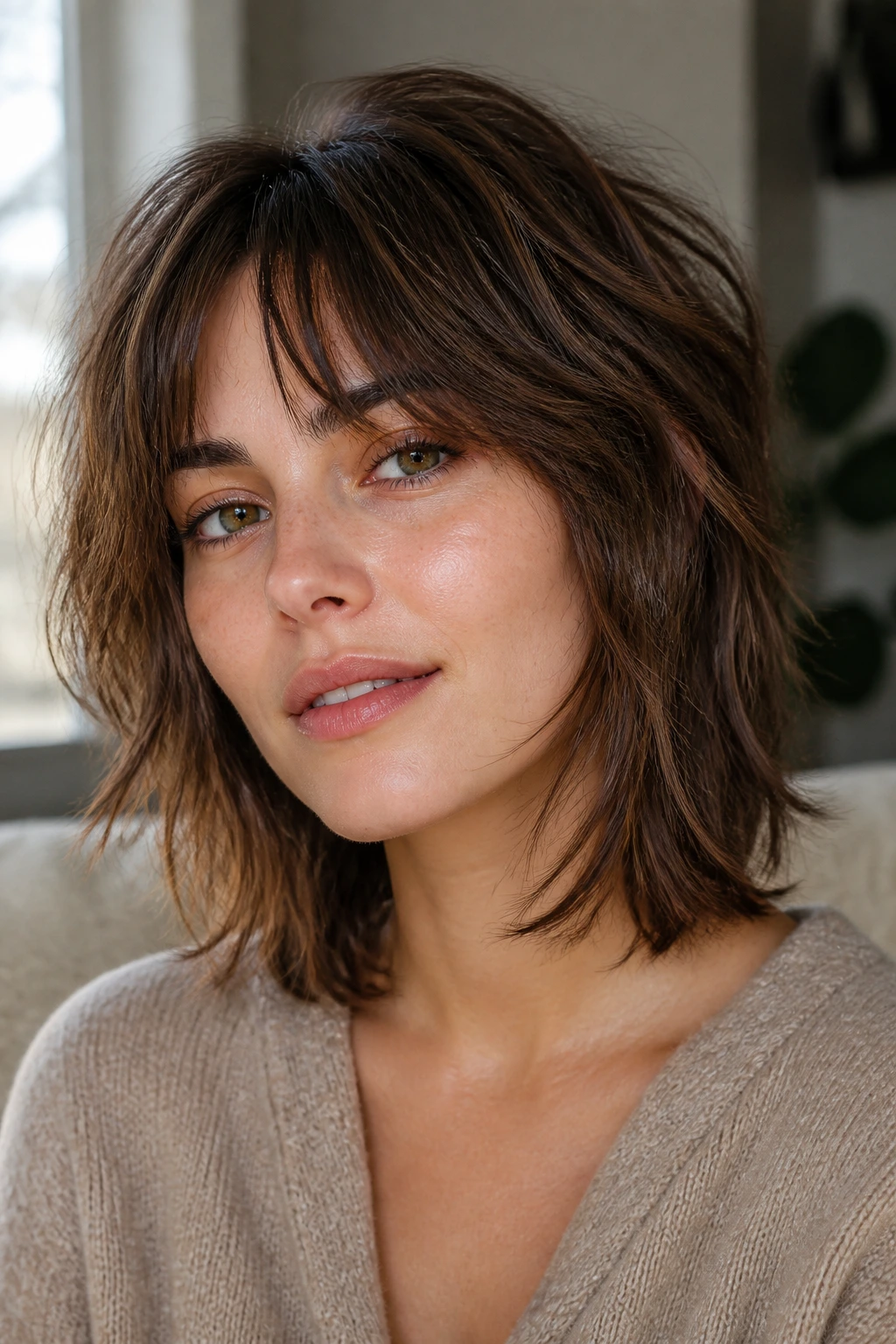
This cut sits right between a classic bob and a full-blown shag. It features the perimeter of a bob but the internal, piecey layers of a shag. It is arguably the most versatile of all the neck-length cuts, as it can be smoothed out for a professional look or tousled for a weekend-ready, bedhead vibe.
Building Texture
- Point cutting: Your stylist should use the tip of their shears to cut into the ends, not across them.
- Invisible layers: These are layers cut on the underside of the hair to remove volume without creating visible shelf-like steps.
Versatility in Styling
This cut is perfect for those who want a “wash and wear” option. If you have any natural bend to your hair, this cut will find it and enhance it, allowing you to skip the curling iron entirely.
8. The Neck-Length French Bob

The French bob is usually characterized by its shorter length, but a neck-length version offers a more wearable, comfortable adaptation of the classic style. It is defined by soft, face-framing pieces and a lack of harsh, geometric lines. It feels effortless and carries a certain “je ne sais quoi” that makes any outfit look more curated.
Why It Feels So Special
It is all about the bangs. A pair of soft, wispy fringe pieces (either full across the forehead or curtain-style) creates a seamless transition from the hair to your face. It is a very flattering cut for those with heart-shaped or oval faces.
Maintenance and Growth
Because the perimeter is soft rather than blunt, this cut grows out beautifully. You won’t face that awkward “in-between” stage where the hair looks unkempt, as the layers are already designed to blend and move.
9. The Blunt Cut with Hidden Undercut
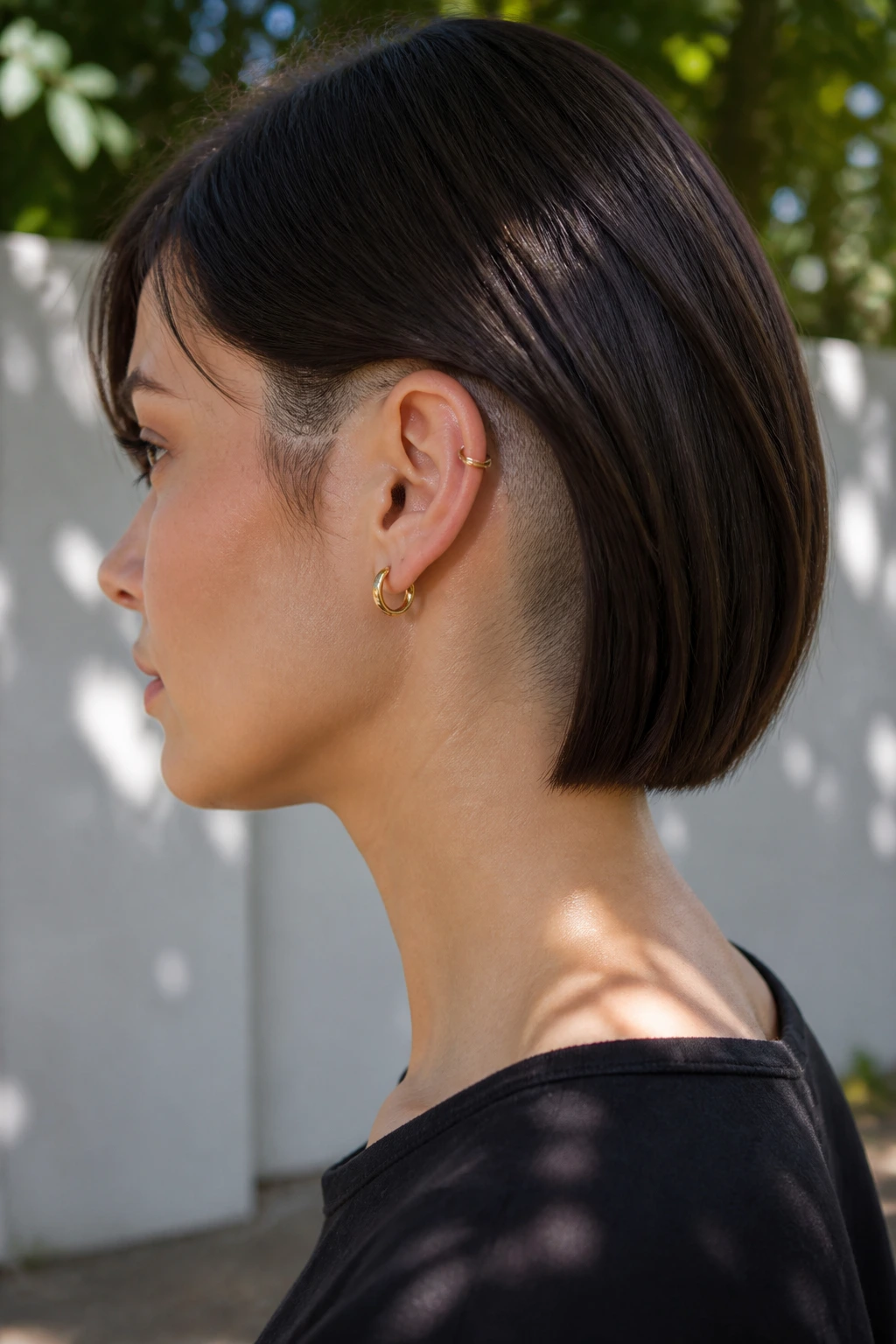
For those with extremely thick, stubborn hair, the hidden undercut is a life-changing secret. You keep the length at the neck, but your stylist uses clippers to shave or tightly trim the hair at the very nape. This removes all the “bottleneck” volume that makes it difficult to tuck your hair behind your ears or tie it up.
The Practical Benefit
You get the look of a full, healthy bob without the overheating or the massive density that makes thick hair so difficult to manage. From the front and sides, nobody knows the secret—it looks like a thick, luxurious, blunt-cut bob.
Who This Isn’t For
If your hair is very fine or thinning, skip this one. You need that hair at the nape to maintain the density of the overall perimeter.
10. The Asymmetric Angled Lob
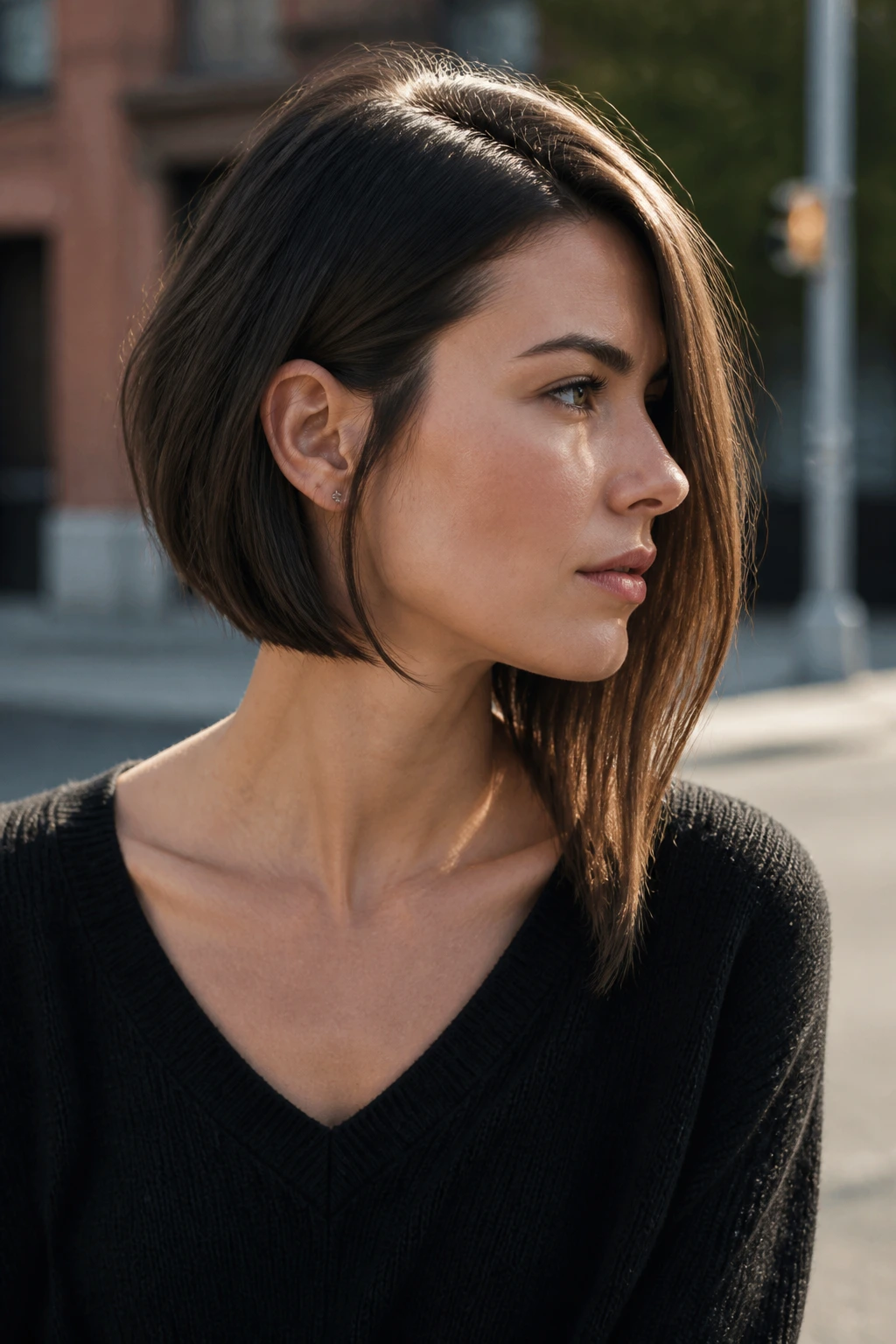
If you want something slightly more modern without being “loud,” the asymmetric lob is a great middle ground. One side is cut slightly shorter—usually hitting the chin—while the other side grazes the collarbone. It is a subtle nod to avant-garde style that remains entirely appropriate for daily life.
Visual Impact
This cut draws attention to the neckline and shoulders. It is a great choice if you wear a lot of high-necked tops or statement earrings, as the asymmetrical frame prevents the hair from competing with your accessories.
Styling Tip
Because the lengths differ, you need to be careful with heat styling. Make sure you are using a heat-protectant spray evenly across both sides to ensure the texture remains consistent even though the lengths vary.
11. The Soft, Face-Framing Lob
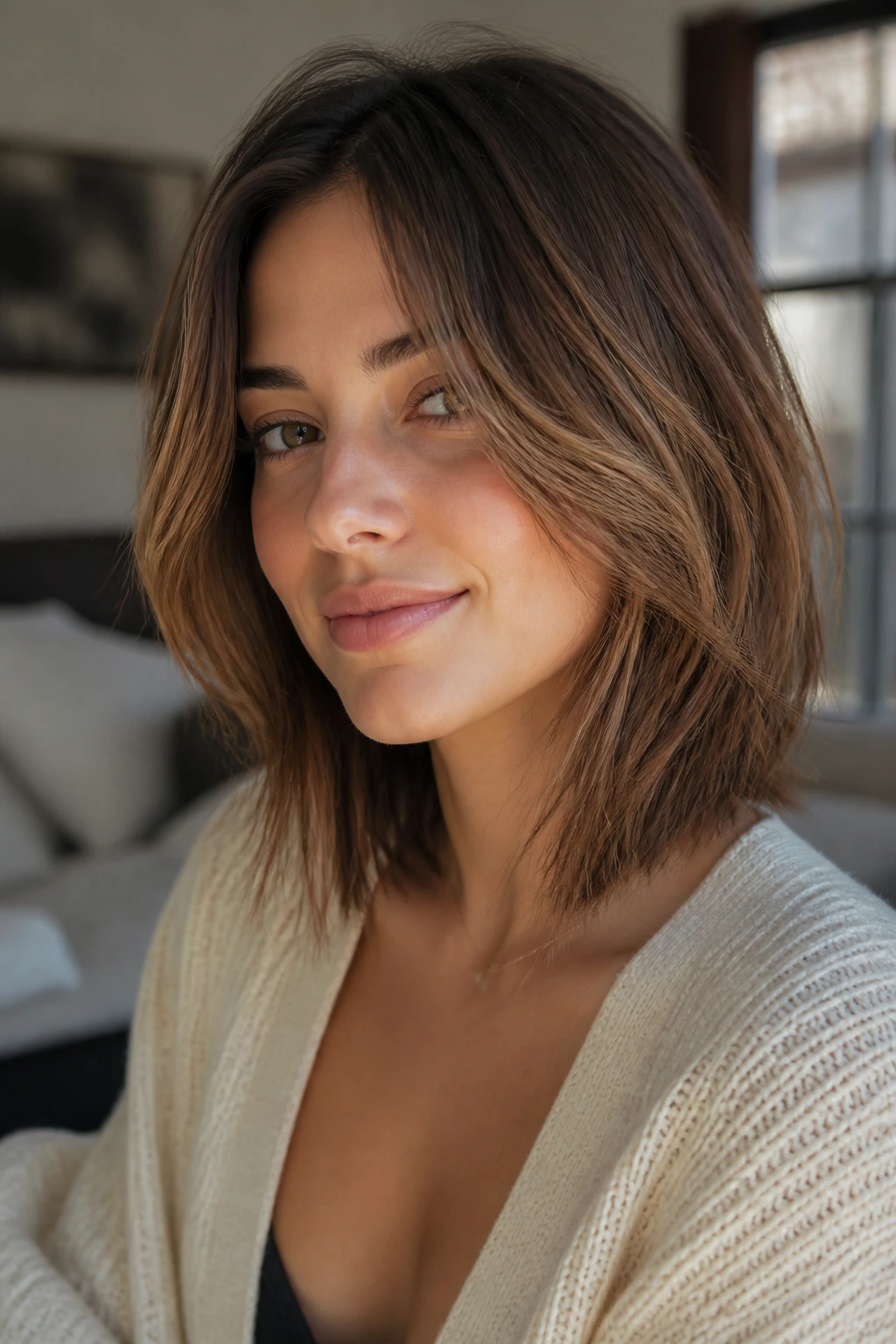
This version focuses entirely on the pieces around the face. The back is cut to graze the top of the neck, while the front pieces are slightly longer and heavily layered to soften the jawline. It is essentially a “curtain” of hair that moves with you.
Why Faces Love This
The graduated layering ensures that your hair doesn’t just hang flat. By bringing the shorter layers forward, you create a sense of movement that follows the natural contours of your features. It is exceptionally good at hiding wider cheekbones or softening a prominent chin.
Best Hair Types for This Style
This works well on almost everyone, but it is truly at its best on straight or slightly wavy hair. If your hair is very curly, the layers might require a bit of styling with a diffuser to ensure they don’t stick out at odd angles.
12. The Wispy-End Graduated Cut
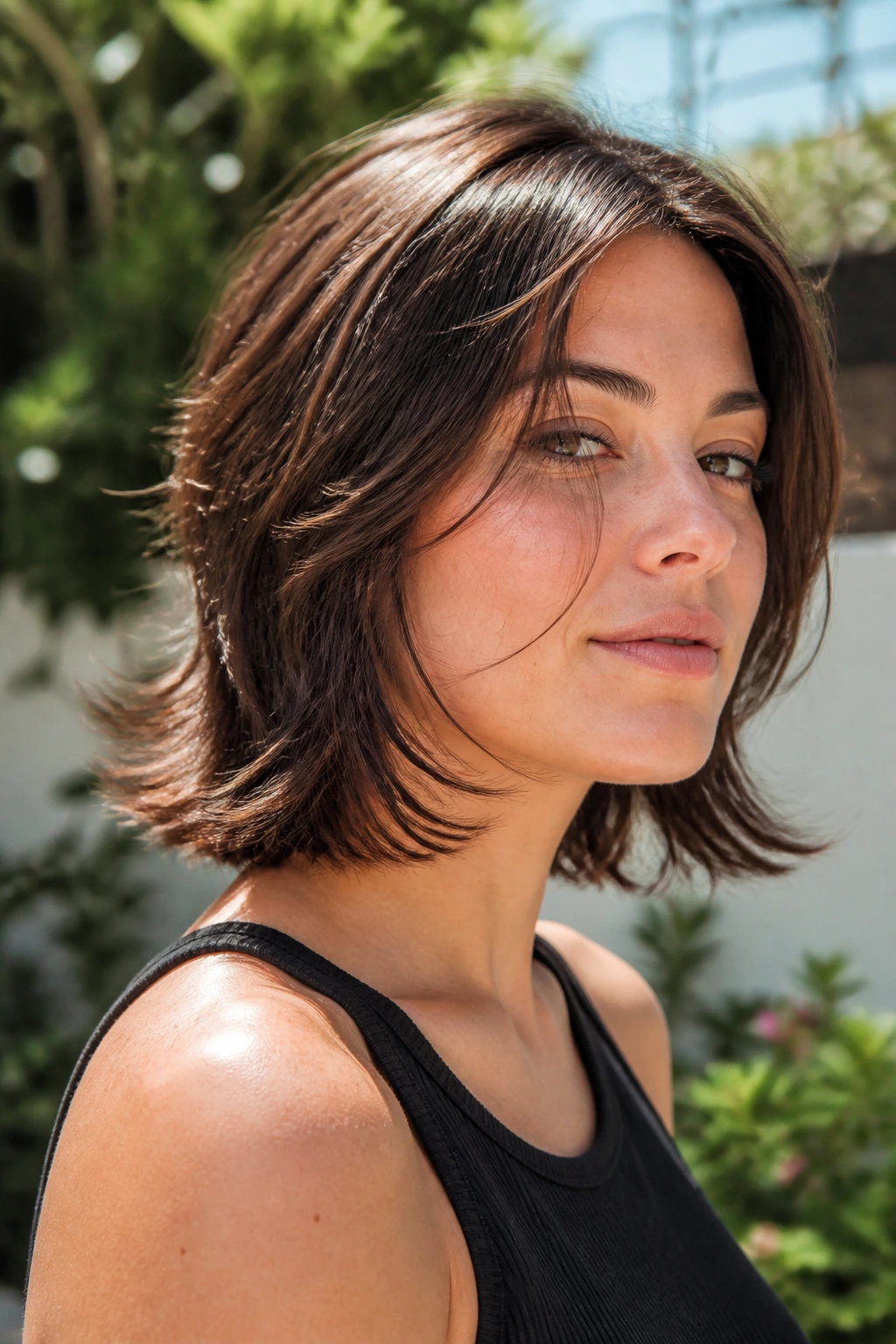
This cut is designed specifically to remove the “bulk” that happens at the ends of hair. By using a thinning shear or a razor, the stylist creates a tapered finish that makes the hair look like it was naturally worn away by the sun and wind. It feels incredibly light and is a fantastic choice for the warmer months.
How to Request This
Ask your stylist for a “tapered perimeter.” Avoid the word “thinning” if you are nervous, as some stylists equate that with removing too much weight. Focus on the word “softness” and “movement.”
Daily Routine
A little bit of texturizing cream worked through the mid-lengths and ends is all you need. This style thrives on being slightly imperfect, so don’t feel the need to use a brush or iron.
13. The One-Length Wavy Bob
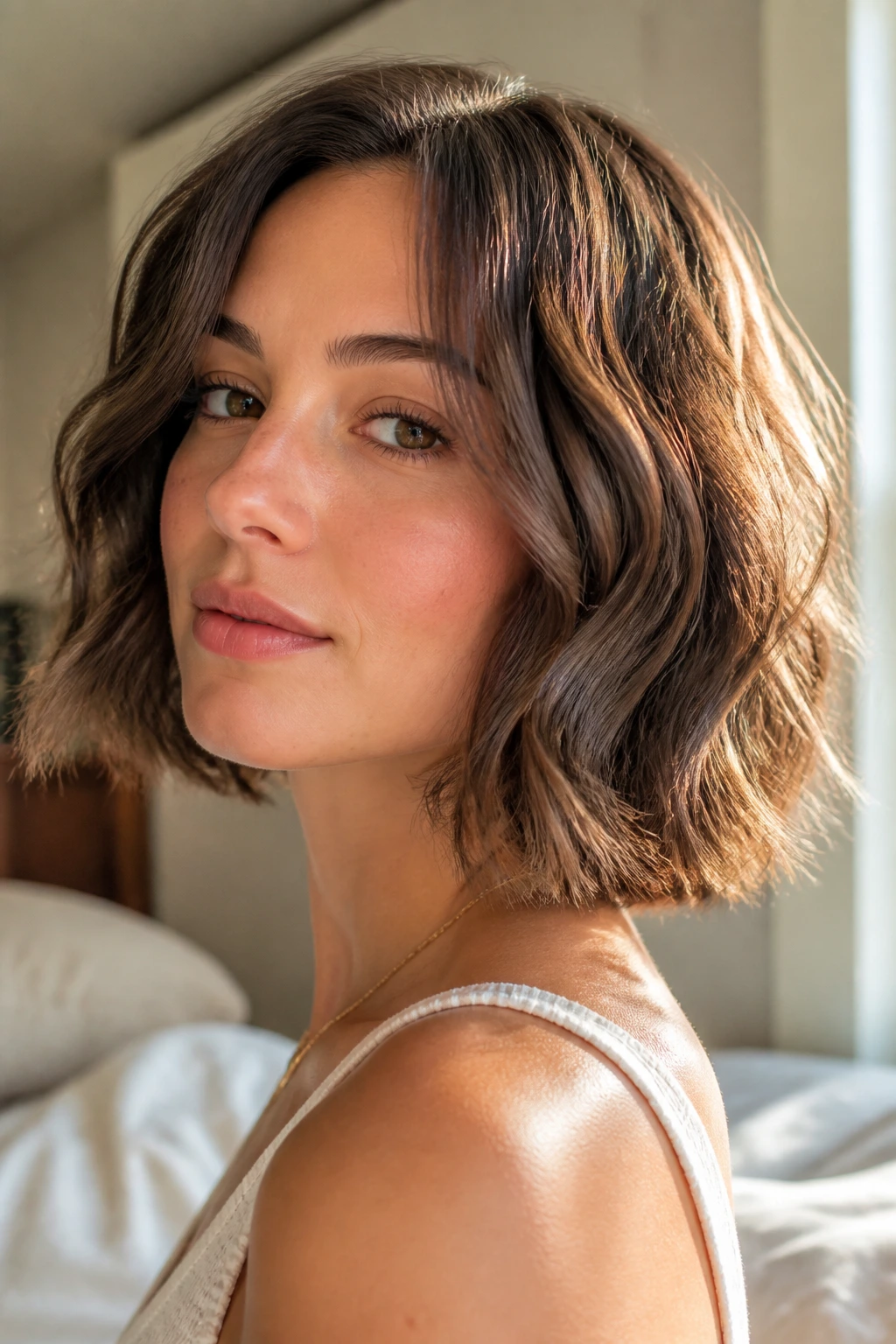
When you have consistent waves throughout your hair, cutting it to one length at the neck creates a beautiful, bohemian shape. The waves nestle into each other, forming a dense, cohesive block of texture. It is a romantic, low-maintenance look that requires nothing more than a bit of curl cream while damp.
Managing the Waves
The secret is keeping the hair well-hydrated. Since waves can be prone to frizz, use a leave-in conditioner before you apply any styling product. This keeps the shape of the wave intact as it dries, preventing that dreaded “frizzy halo.”
The “Day Two” Advantage
This is one of the few cuts that actually looks better on the second day. As your natural oils distribute down the hair shaft, the waves soften and lose that “just washed” fluff, resulting in a more polished, lived-in texture.
14. The Blunt Cut with Subtle Layers
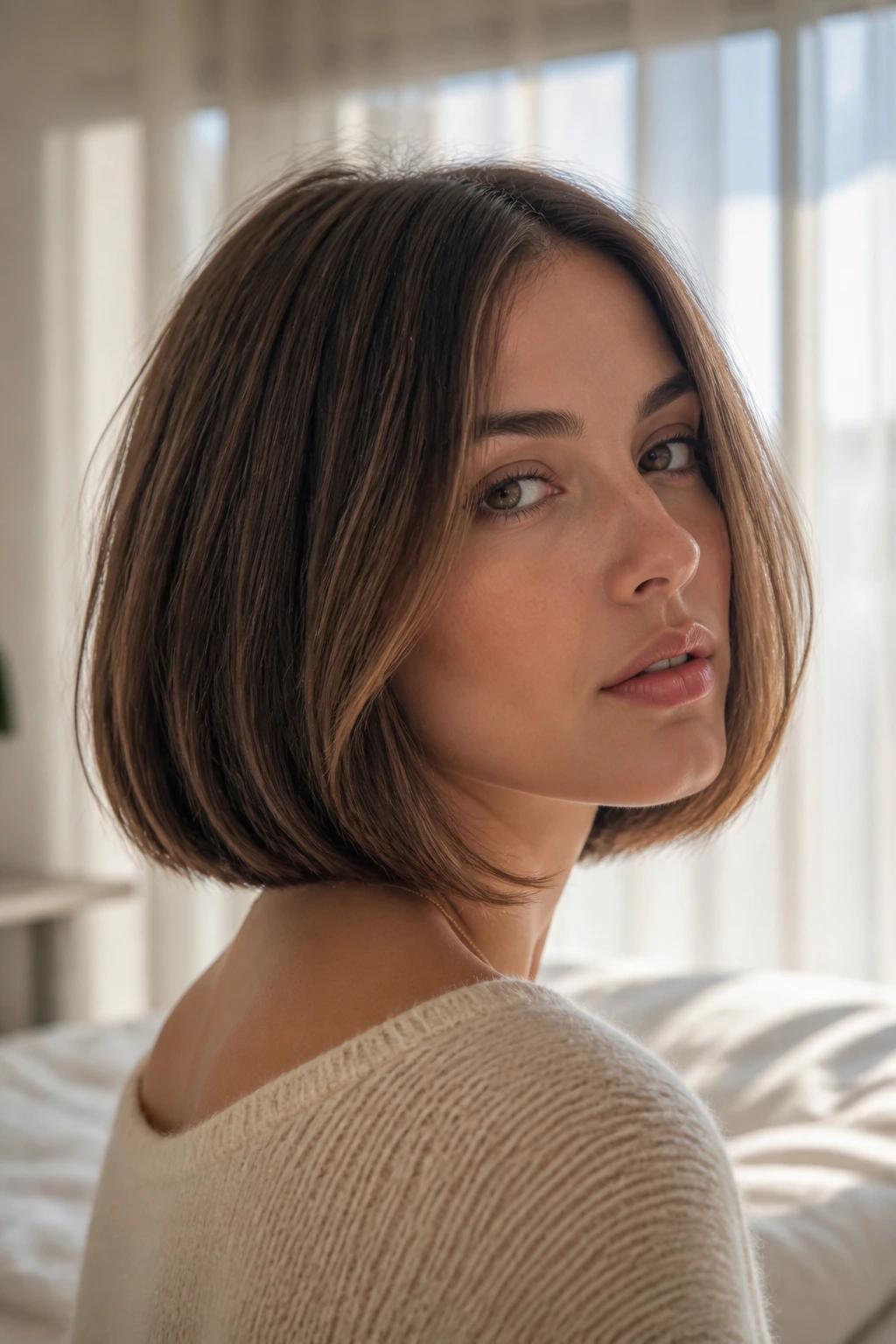
If you like the structural integrity of a blunt bob but need a little more bounce, this is the solution. You keep 90% of your hair at the blunt perimeter, but you add a few “invisible” layers at the back. These layers act like a spring, pushing the hair out just enough to prevent it from laying flat against the scalp.
Balancing Weight and Volume
You get the thickness of a blunt cut with the manageability of a layered cut. It is the best of both worlds for those who feel their hair is “limp” but don’t want the “choppy” look of a full shag.
Styling Recommendation
Use a bit of root-lift spray before blow-drying. Because you have the blunt weight, your hair will have a great base, but the invisible layers will allow that lift to actually hold throughout the day.
15. The Deep Side-Parted Shag

Combining the volume of a shag with the sophistication of a deep side part creates a very glamorous, rock-and-roll vibe. This is a great cut for someone who wants to look like they put a lot of effort into their hair when, in reality, they just flipped their part and added a bit of texture.
Why This Style Rocks
The deep side part creates a massive volume boost at the crown, while the shag layers keep the rest of the hair looking piecey and light. It is a very balanced look that works with all face shapes.
Styling Strategy
To get the most out of the side part, dry your hair in the opposite direction of where you intend to wear it. Once it is 80% dry, flip it back to your desired side. This “sets” the volume at the root, ensuring the hair stays up and off your scalp all day.
16. The Sleek Center-Parted Bob
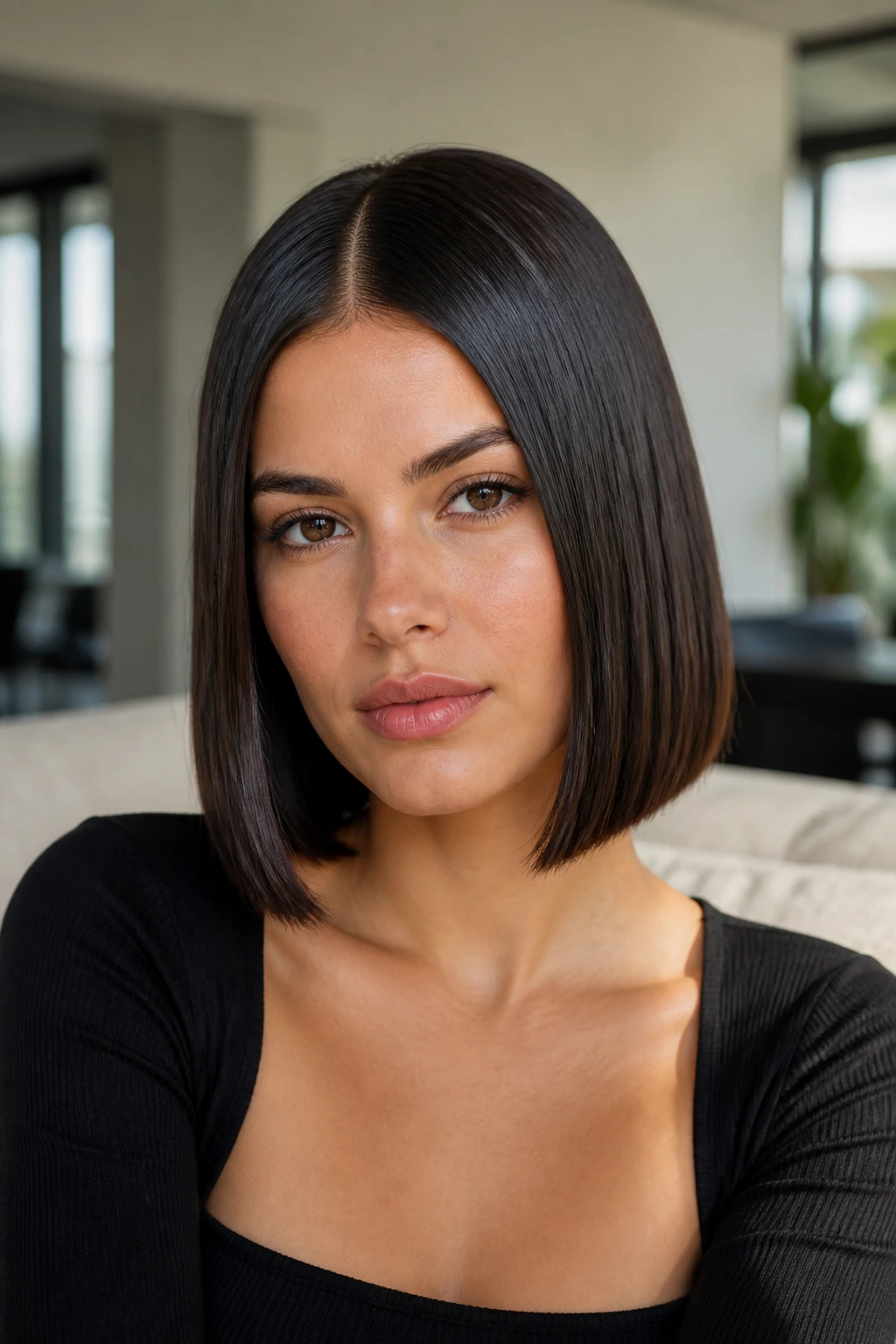
There is nothing quite as timeless as a crisp, center-parted bob. It feels clean, intentional, and remarkably professional. This cut is all about the quality of the ends; they must be healthy and blunt to make the style feel sharp rather than thin.
The Focus on Symmetry
This style forces you to be precise. Make sure your part is perfectly straight, running from your hairline to your crown. If you have an asymmetrical face, this style will highlight that, so be prepared to embrace the uniqueness of your features.
Daily Maintenance
A light oil, such as argan or jojoba, is your best friend here. Run a drop between your palms and smooth it over the mid-lengths and ends to catch any flyaways. This gives the hair a glossy, high-end appearance that looks fantastic even on the busiest days.
17. The Textured Neck-Length Pixie-Bob
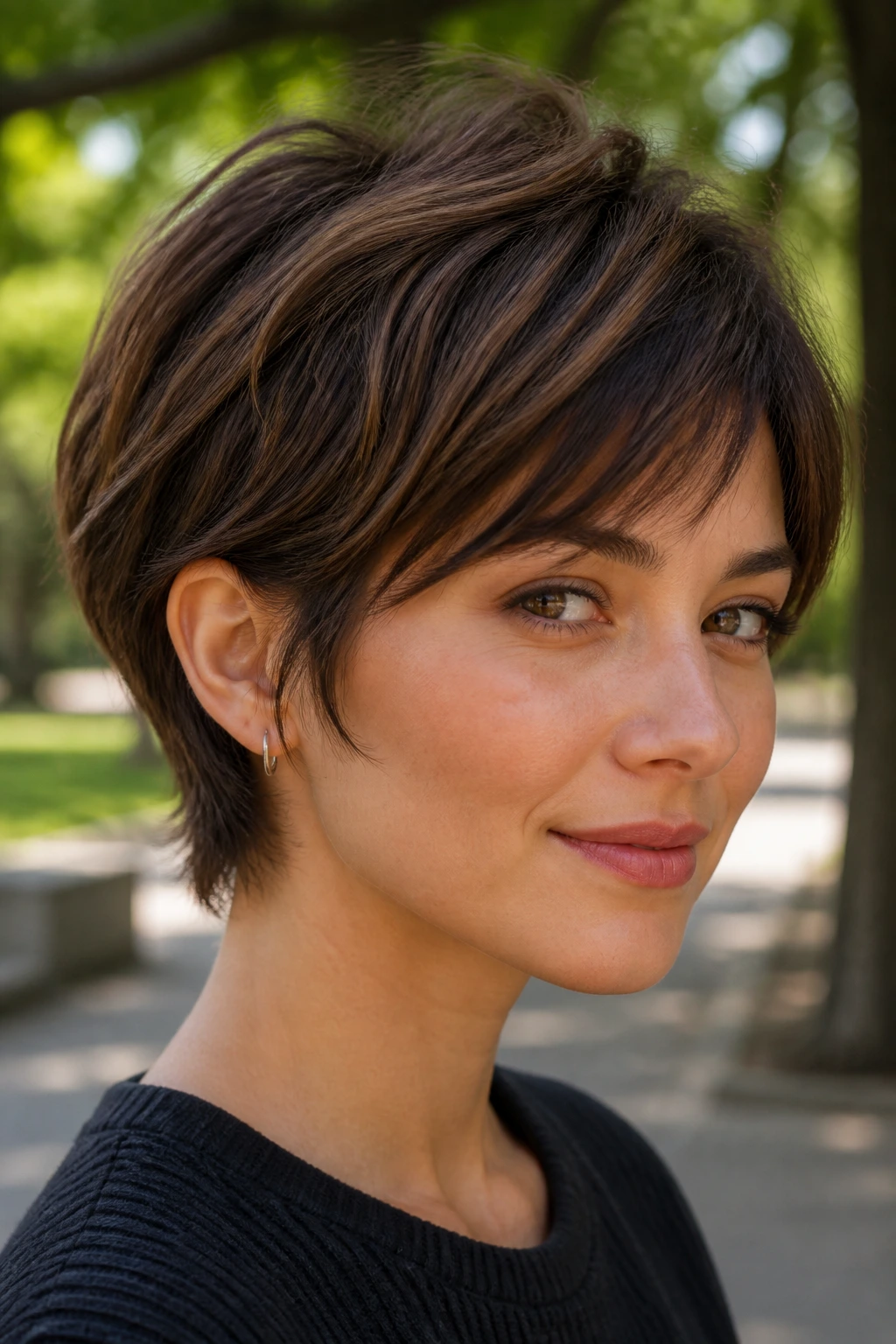
Sometimes called a “bixie,” this cut is essentially a longer, grown-out pixie that hits the neck. It is incredibly chic and has a youthful, spirited quality. It’s perfect for someone ready to commit to a shorter style but who isn’t quite ready to go full-on short-crop pixie.
Building the Shape
This cut relies on soft layering at the neck and around the ears. It is designed to grow out well, so you don’t need to visit the salon every three weeks. It’s a very practical choice for someone who is busy and needs their hair to look good with minimal effort.
Styling the Bixie
Use a matte styling paste or pomade to define the layers. Because the hair is shorter, it has more natural lift, so you don’t need to worry about volume—you just need to focus on texture and definition.
18. The Graduated Lob with Hidden Bangs

By cutting the front pieces slightly shorter and styling them as soft, brow-grazing bangs, you change the entire character of your bob. The rest of the hair stays at the neck, while the bangs add a frame to the face that is both playful and practical.
Why Bangs Change Everything
Bangs are the quickest way to change your look without sacrificing length. They frame the eyes and draw attention to your best features. If you are bored with your current neck-length cut, adding a fringe is the most effective way to “reset” the style.
Managing the Fringe
You will need to trim your bangs more often than the rest of your hair. Learn how to do a simple “dusting” trim at home—just hold the bangs between your fingers and snip the very tips—to keep them looking fresh between salon visits.
Final Thoughts
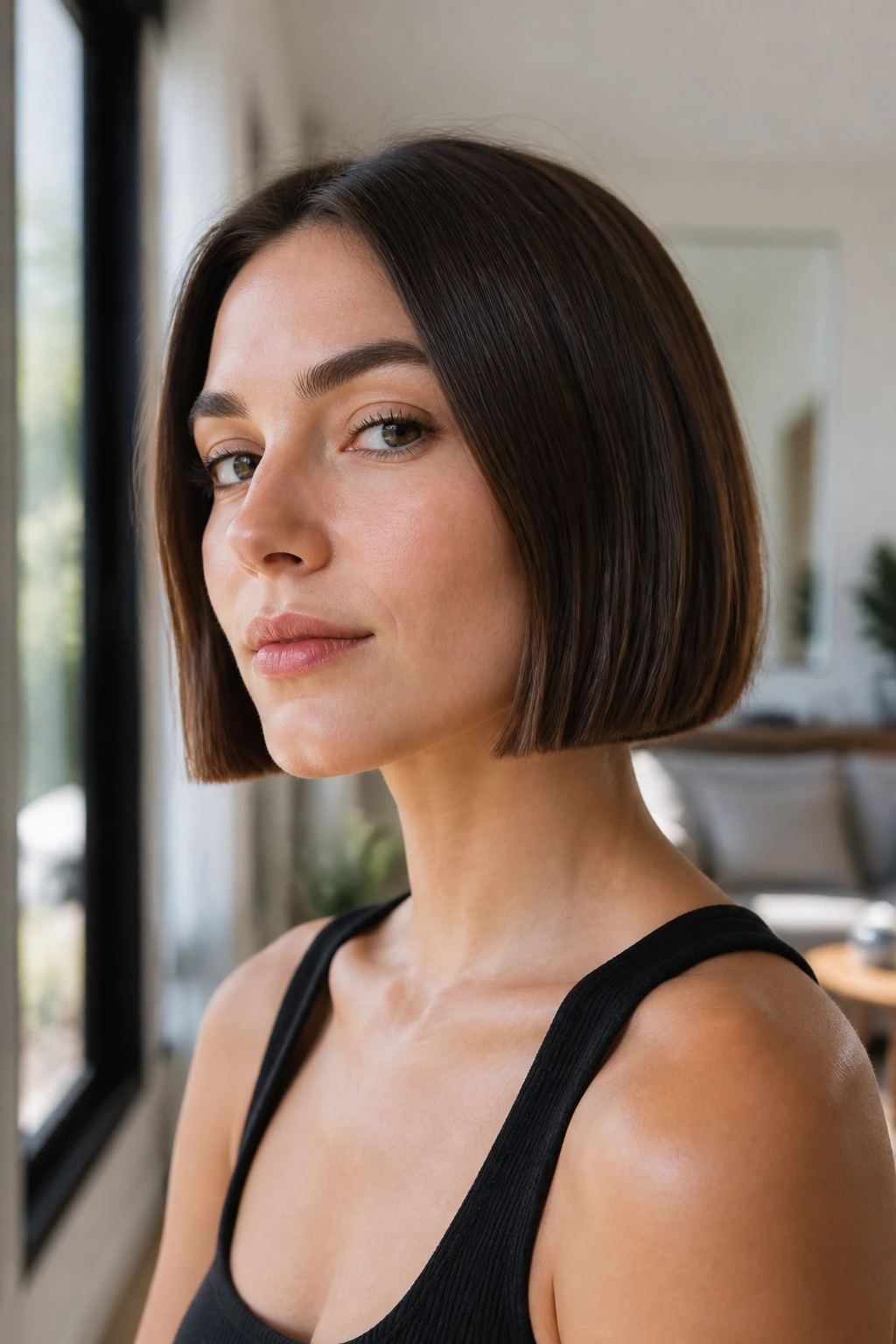
Finding the perfect neck-length haircut is less about choosing the trendiest image you see and more about understanding how your specific hair texture wants to behave. The neck area is a pivot point for weight and volume; when you respect that, the haircut becomes a tool that works for you every single morning.
Consistency is key when you maintain these lengths. Because these styles are often structured, even a half-inch of growth can shift the shape of the cut. Don’t be afraid to stick with the style that makes you feel the most “like yourself”—once you find the right perimeter, you have unlocked a lifetime of easy mornings.