


Getting a haircut as a teenager is rarely just about shortening the length. It is a fundamental part of establishing identity, testing boundaries, and finding a style that actually cooperates with the specific texture of your hair rather than fighting against it. I spent plenty of time in the chair during my own teenage years, often regretting the “let’s just go shorter” approach without understanding how my own growth patterns or cowlicks would dictate the final look. The truth is, the best style is the one that accounts for the reality of your mornings—whether you are the type who rolls out of bed and heads to school or someone who enjoys spending ten minutes with a tub of styling clay.
1. The Classic Textured Crop
This is perhaps the most reliable cut for anyone who wants a low-maintenance morning routine that still looks deliberate. The secret here lies in the top, which is kept short and chopped into layers using thinning shears or a razor to create a jagged, uneven finish. By keeping the sides faded or tapered, you create a clean frame for your face. You do not need to worry about precise parting; in fact, the messier it looks, the better. A small amount of matte paste worked through damp hair is enough to add definition without making it look greasy. It works exceptionally well for guys with straight or slightly wavy hair who want a style that survives a gym class or a windy walk between buildings.
2. The Mid-Skin Fade with a Textured Quiff
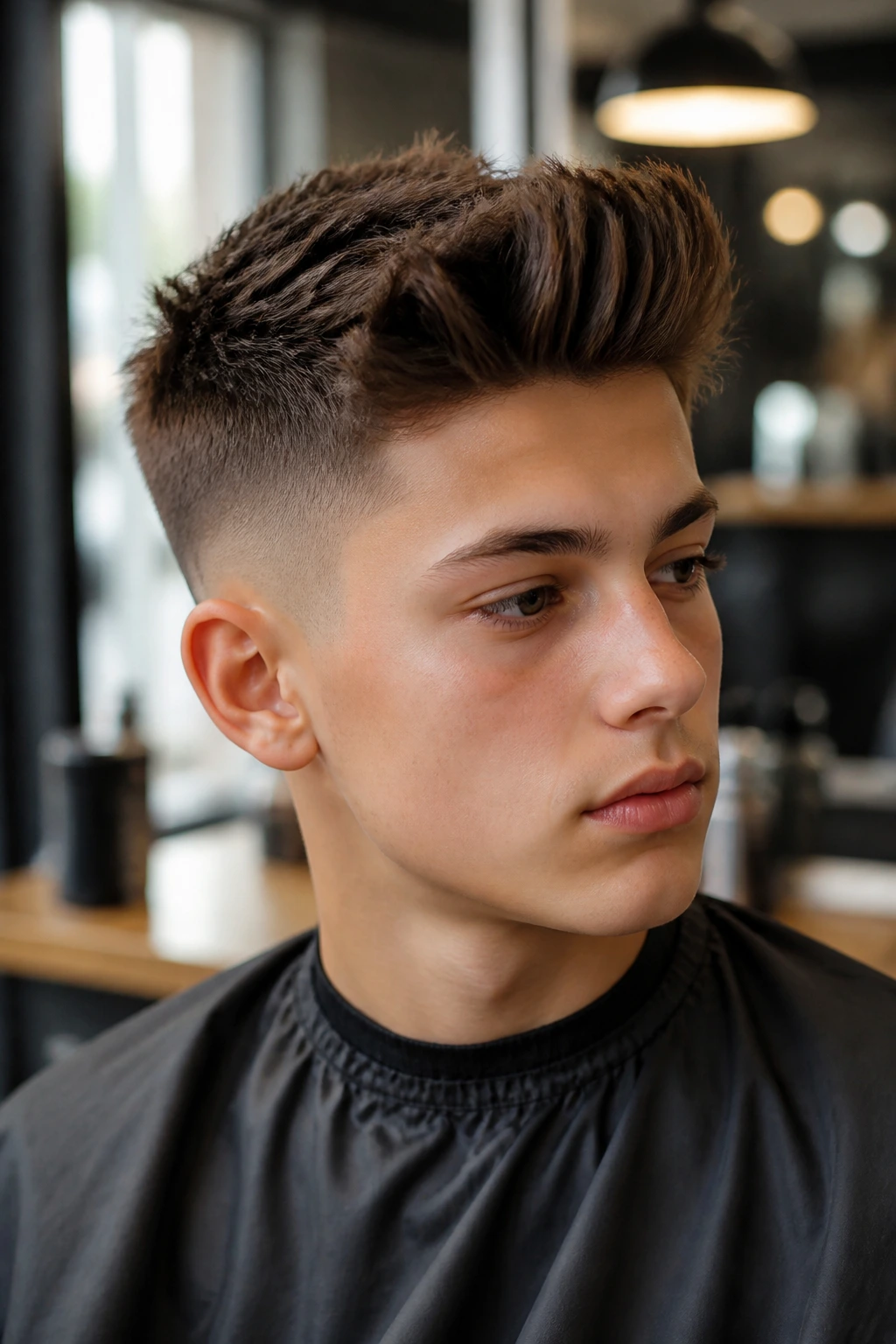
If you want something that bridges the gap between polished and casual, a mid-skin fade is your best friend. This cut features hair that transitions from skin-level at the lower neck and temples up to a longer, textured length on top. The quiff, or the upward sweep of hair at the front, adds height and character. You achieve this look by blow-drying the front section upward and slightly backward while using a volumizing mousse. It is a fantastic option for guys with rounder face shapes, as that added volume on top helps elongate the silhouette. Just remember that this style requires regular visits to the barber to keep that fade tight; once it starts growing out, the crispness vanishes quickly.
3. The Natural Flowing Mullet
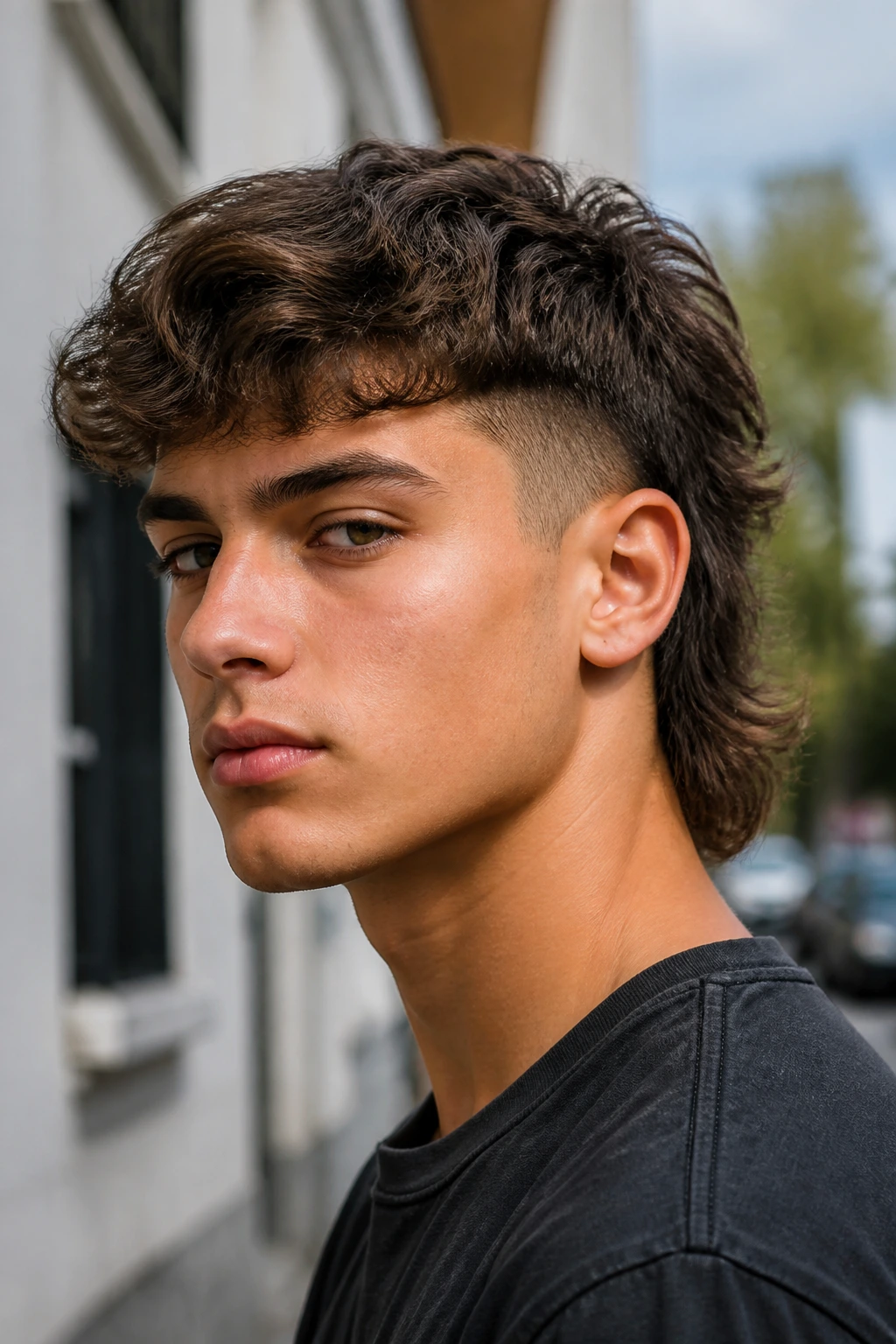
Forget the old stereotypes; the modern mullet is entirely different from the dated versions of the past. It is all about the contrast—very short on the sides, decent length on top, and significantly longer in the back. The current iteration is often softer and more blended, leaning into the natural wave or curl of the hair. If you have thick, slightly unruly hair, this cut works to your advantage because it lets the hair do what it wants rather than trying to force it into a rigid shape. It is a bold look, certainly, but one that feels incredibly relevant for a creative or artistic aesthetic. You will want to use a light sea salt spray to encourage that natural texture while the hair is drying.
4. The Soft Textured Fringe
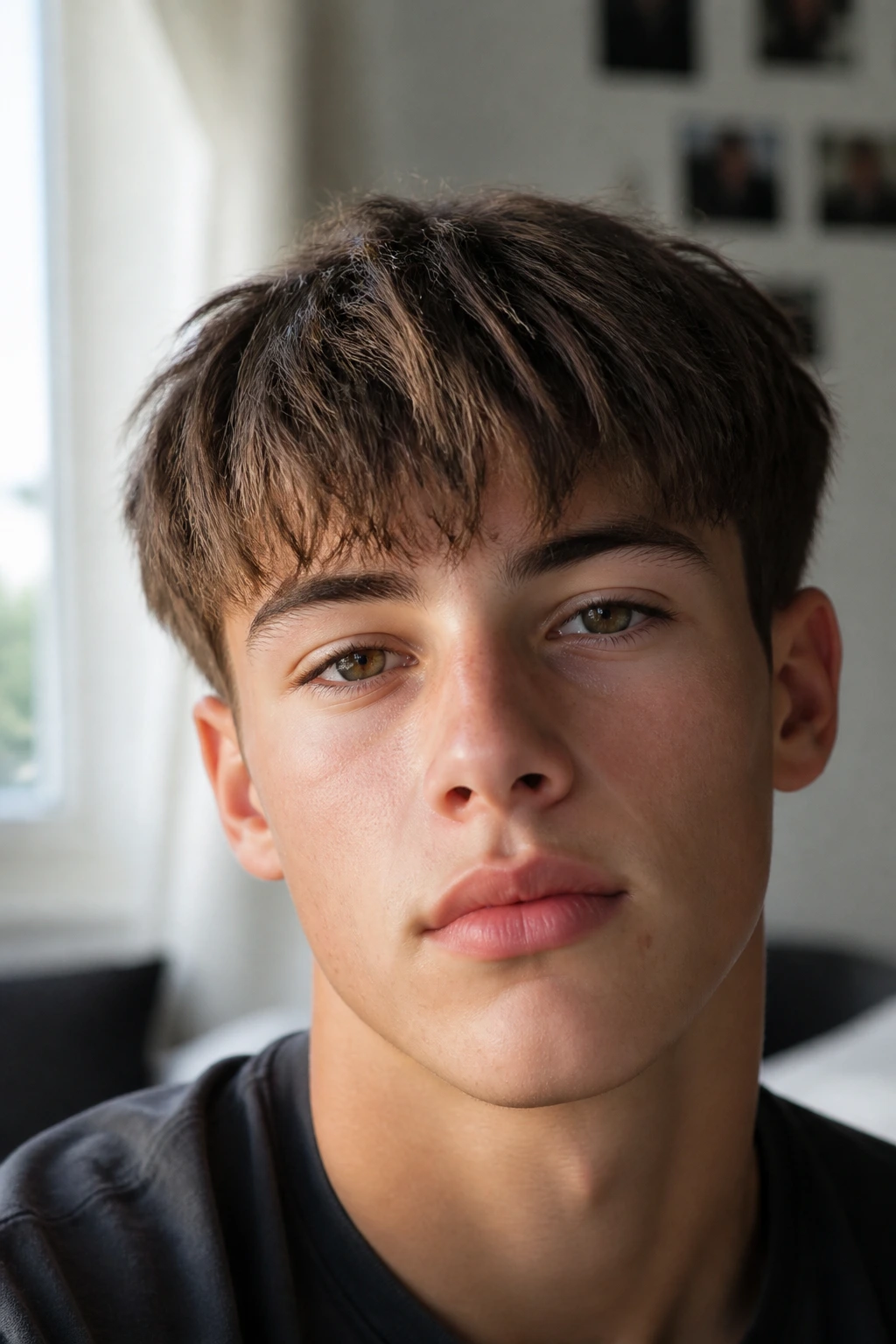
Not everyone wants their forehead fully exposed. A soft fringe is an excellent way to balance out a long forehead or strong features. You are essentially looking for a blunt cut that stops just above the eyebrows, but with the ends “point-cut” to remove the hard, heavy line. This creates a softer, more approachable vibe. It is incredibly easy to style—literally just brush it forward while it is wet, add a tiny bit of texture cream, and you are done. The sides should be kept simple, perhaps a scissor taper rather than a harsh clipper fade, to keep the entire look feeling relaxed and cohesive.
5. The Tapered Side Part
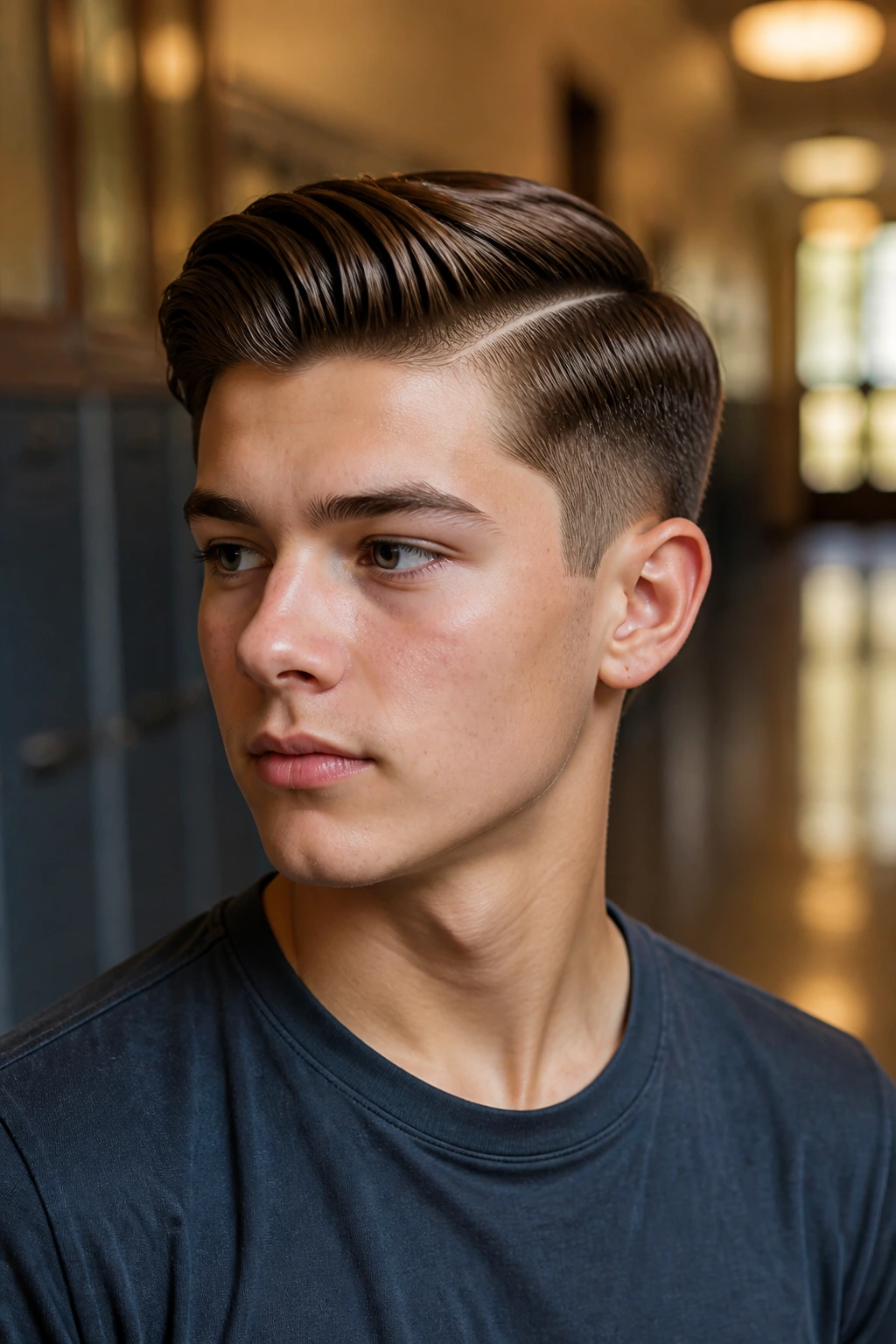
This is the quintessential “clean” look. It relies on a very precise, structured approach where the hair is cut with scissors to follow the natural shape of your head. The side part is clearly defined, and the hair is kept long enough on top to be combed neatly to one side. It is a timeless choice for anyone who needs to look sharp for a formal event or just wants to move away from the wilder, textured styles. You will need a water-based pomade for this one; it provides that slight shine and firm hold that keeps every strand exactly where it belongs throughout the day. It is a bit higher maintenance, but the trade-off is a very sophisticated, well-kept appearance.
6. The Textured Bro Flow
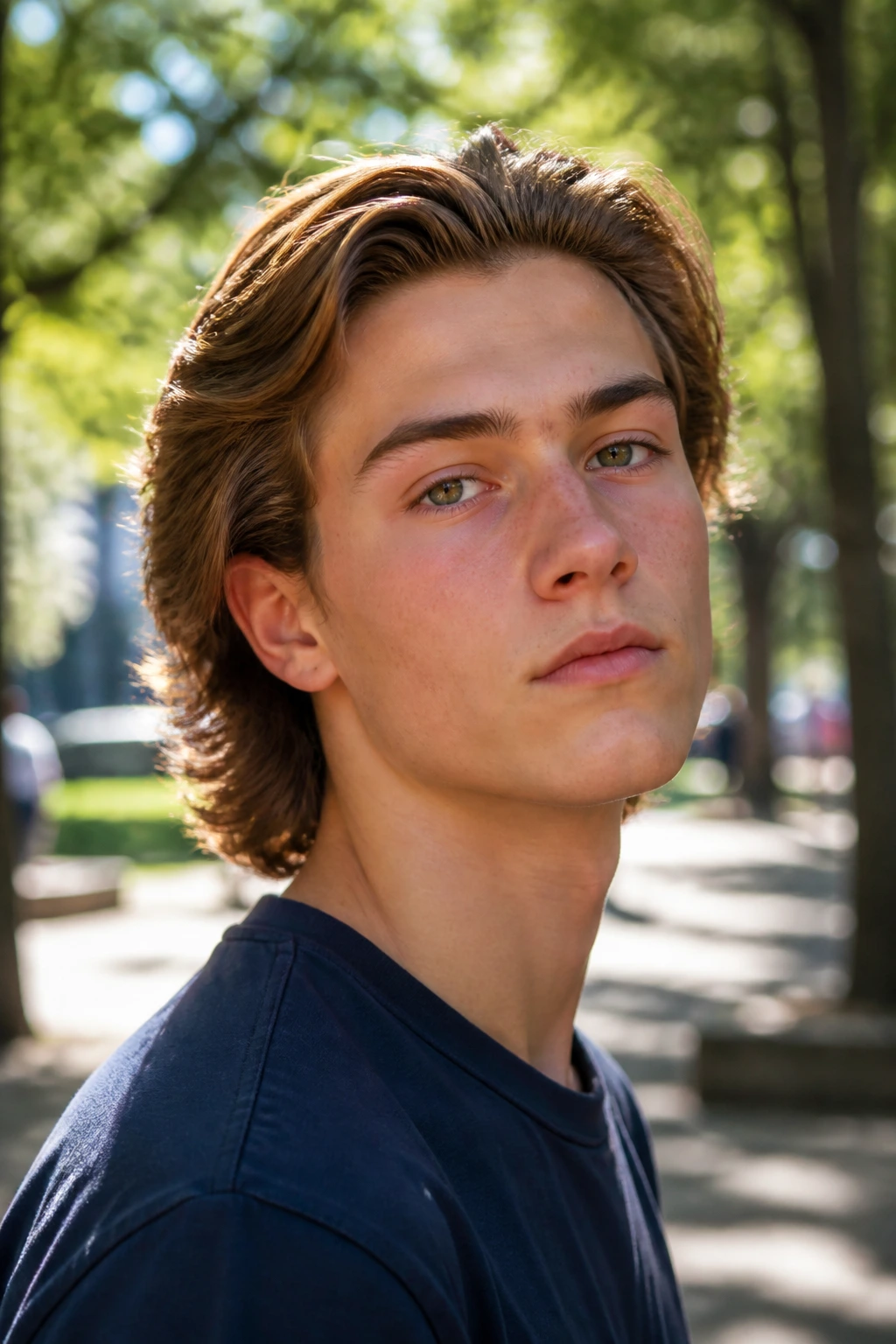
Sometimes the best hair is simply long hair that has been managed well. The bro flow is characterized by medium-to-long hair that is brushed back away from the face. The key here is regular trims—yes, even if you are growing it out—to prevent split ends from making the hair look brittle. You want a bit of weight at the nape of the neck so the hair sits flat rather than puffing out at the sides. If your hair is straight, you might need a bit of product to give it that piecey, lived-in look. If your hair is wavy, you have hit the jackpot; it will naturally fall into place with minimal effort. It is a relaxed style that feels classic and never goes out of fashion.
7. The High-Volume Pompadour
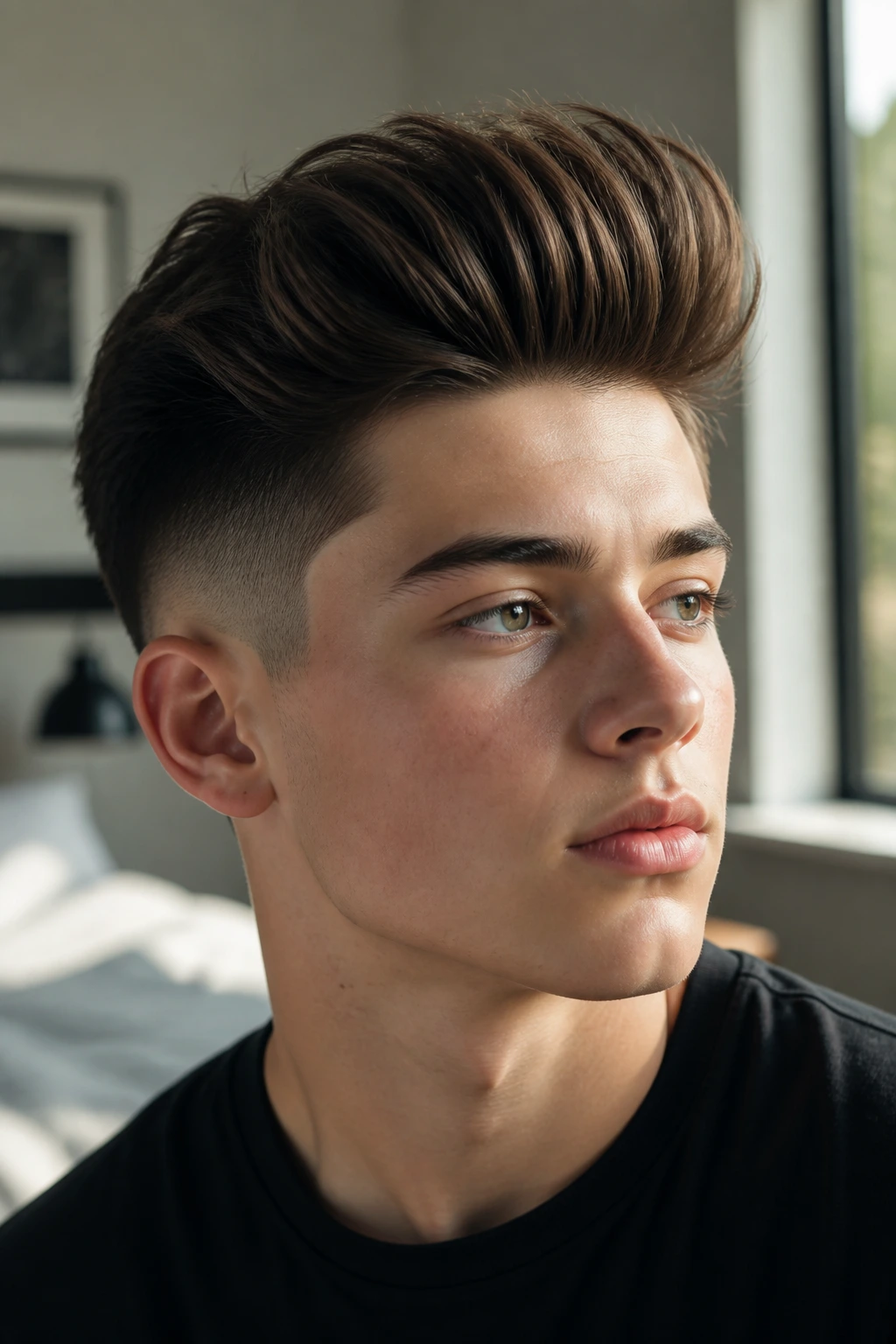
If you have thick, dense hair, this is a style that truly shows it off. The sides are kept short—either a fade or a classic taper—while the top is left long enough to be sculpted upward and back. The goal is to create a rounded, voluminous shape that sits high above your forehead. You will definitely need a high-hold pomade or a firm wax for this. A hairdryer is essential here as well; you need to lift the hair from the root while you blow it dry. It is a bold statement style that definitely requires more time in front of the mirror each morning, but the visual impact is significant and sharp.
8. The Curly Crop with Fade
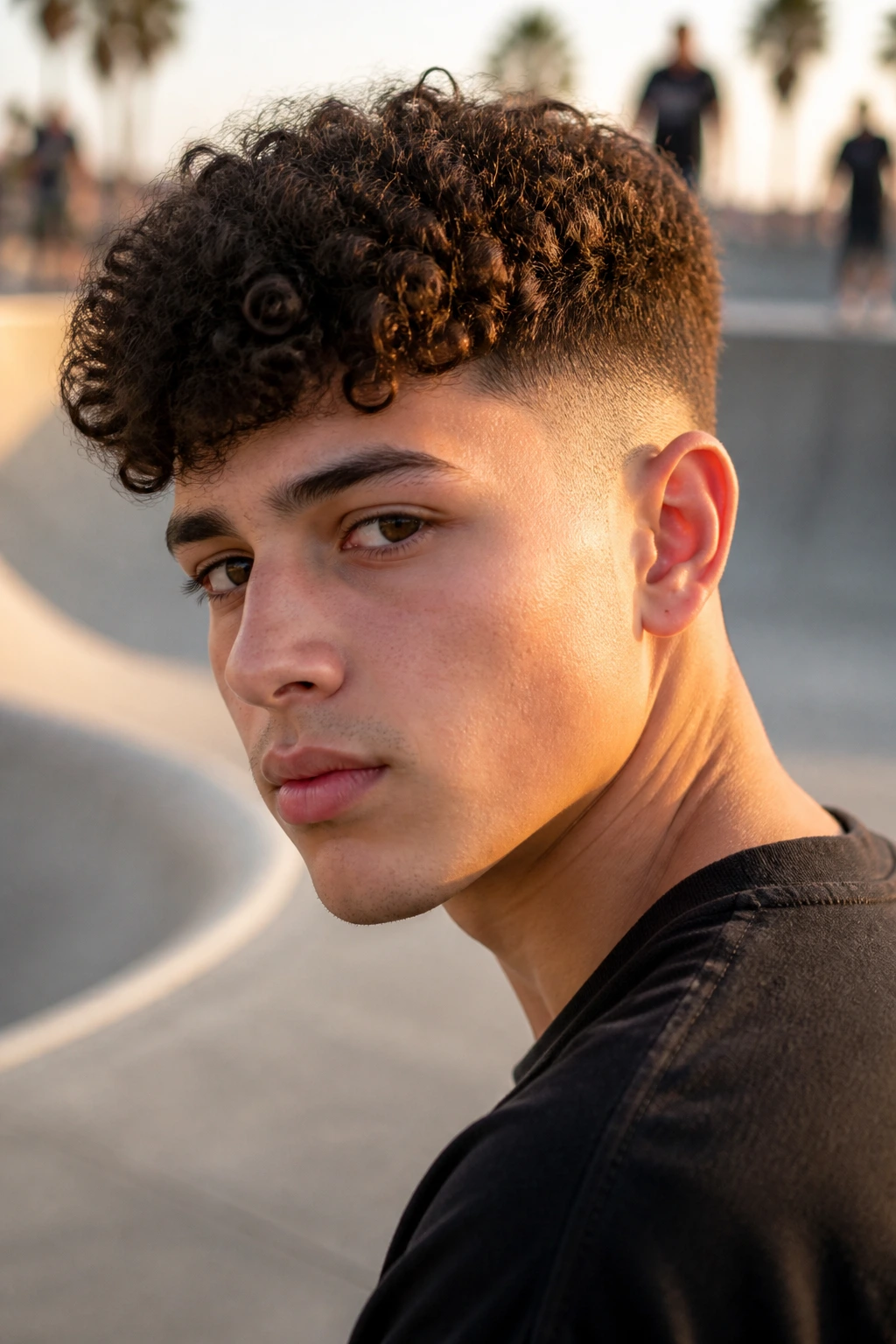
For guys with naturally tight coils or curls, trying to force the hair to lay flat is usually a losing battle. Instead, embrace the volume. A curly crop keeps the sides tight with a skin fade, while the top is left at a length that allows your natural curl pattern to pop. It is one of the most functional haircuts for active guys because it looks great regardless of whether you just woke up or just finished a sports game. You will want to use a curl-enhancing cream or leave-in conditioner to prevent frizz and define the ringlets. Keep the shape consistent by visiting your barber every three to four weeks.
9. The Messy Spiky Top
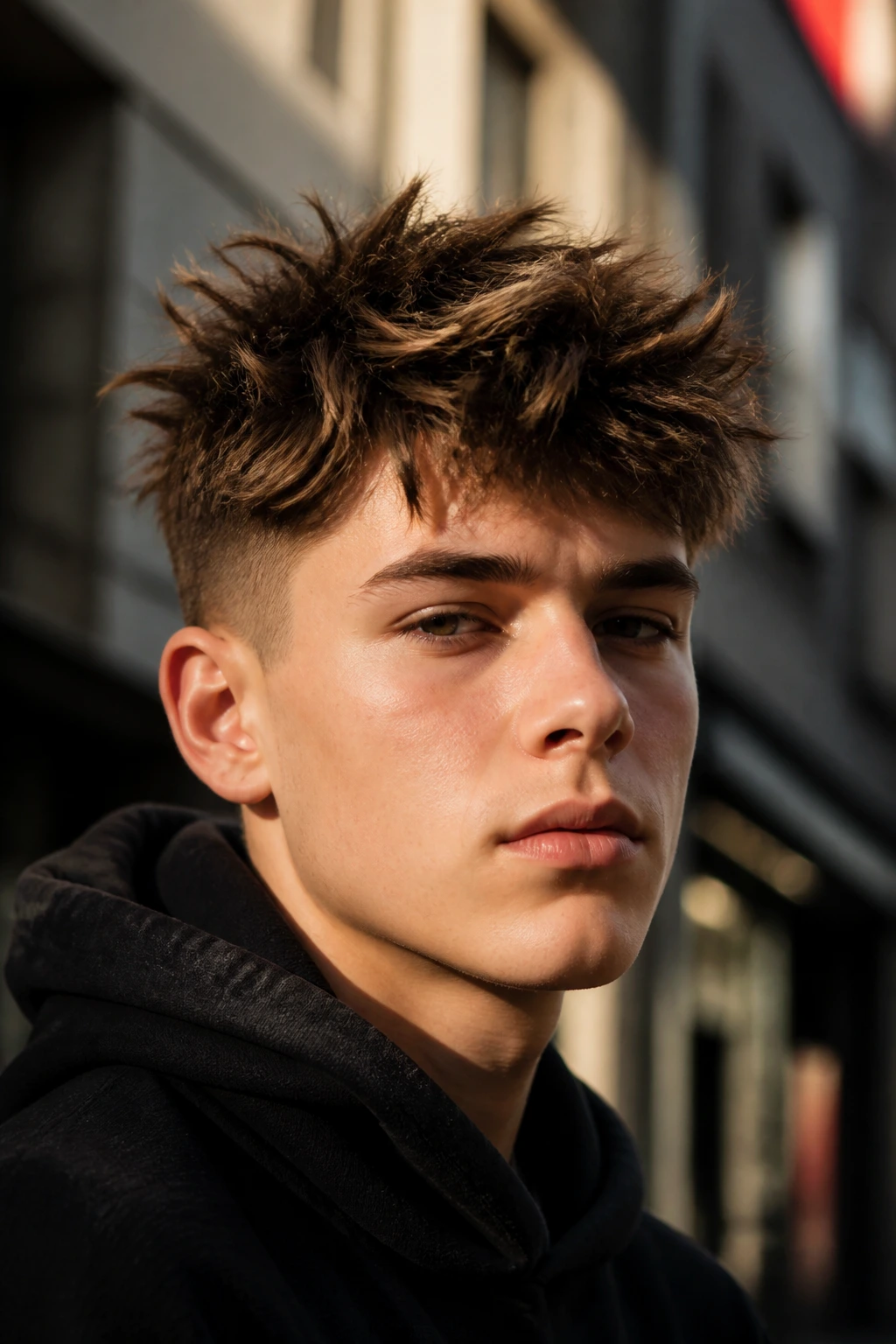
This style is all about chaotic energy. You want the sides short and tidy, but the top is cut into varied lengths, allowing you to spike it up in every direction. It is a great look if you have finer hair because the spikes create an illusion of greater density. To pull this off, you need a high-hold product—a matte clay is better than a shiny gel, as it looks more natural. Just take a small amount, rub it between your palms, and pull your hands through the top sections of your hair, twisting the ends as you go to get those sharp, distinct spikes. It is a fun, youthful look that works especially well for younger teenagers.
10. The Buzz Cut with a Line-Up
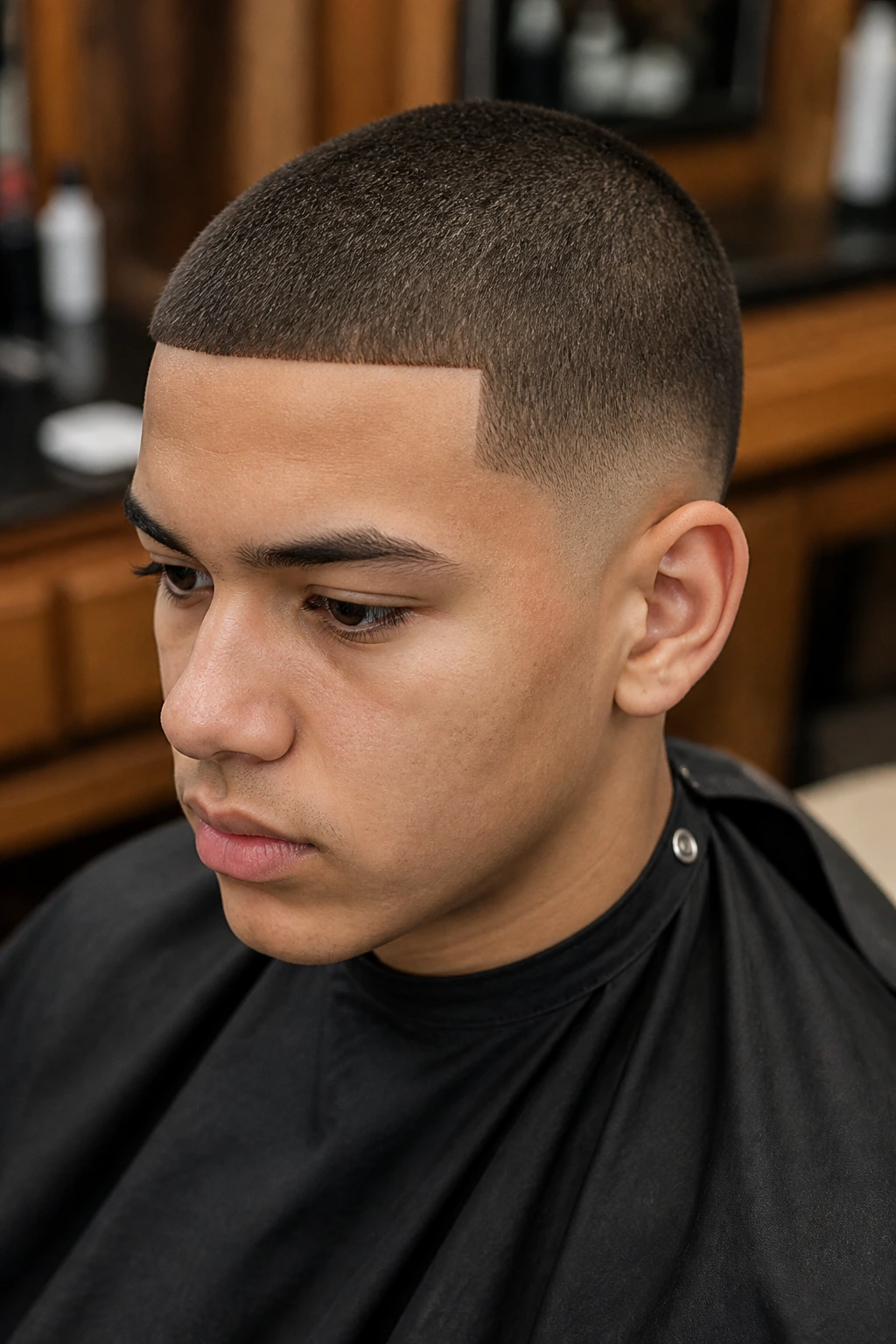
If you want to spend zero time on your hair, the buzz cut is the obvious answer. However, adding a sharp line-up—where the barber uses clippers to create perfectly straight lines at your forehead and temples—turns a standard buzz into something much more intentional. It frames your face and makes the entire cut look precise. The beauty of this style is how clean it feels during warmer months. The only downside is that it leaves nowhere to hide, so if you have any bumps or an uneven skull shape, it might not be the most flattering choice. Still, for a no-fuss, masculine look, it remains unbeatable.
11. The Side-Swept Undercut
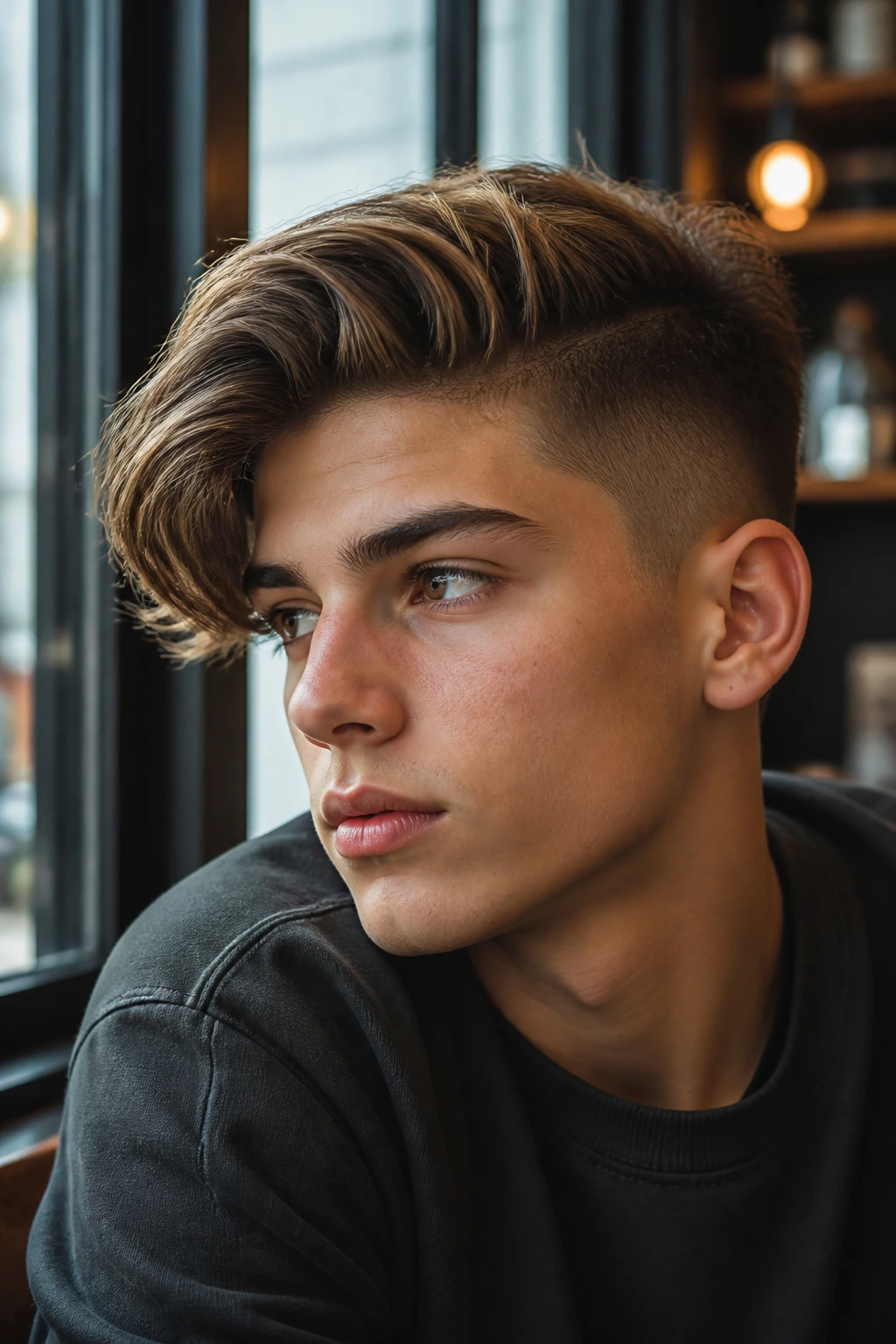
The undercut is defined by a drastic difference in length between the sides and the top. You shave or buzz the sides completely short—often keeping them at one length—while the top remains quite long. The side-sweep variation involves parting the hair on one side and combing it over, letting it drape across the forehead. It’s an edgy look that works well if you want a bit of length to play with but still want the convenience of clean, short sides. This style looks particularly good when the hair on top has a bit of natural wave to break up the severity of the undercut. Use a light cream to keep the top section from looking too stiff.
12. The Modern Bowl Cut
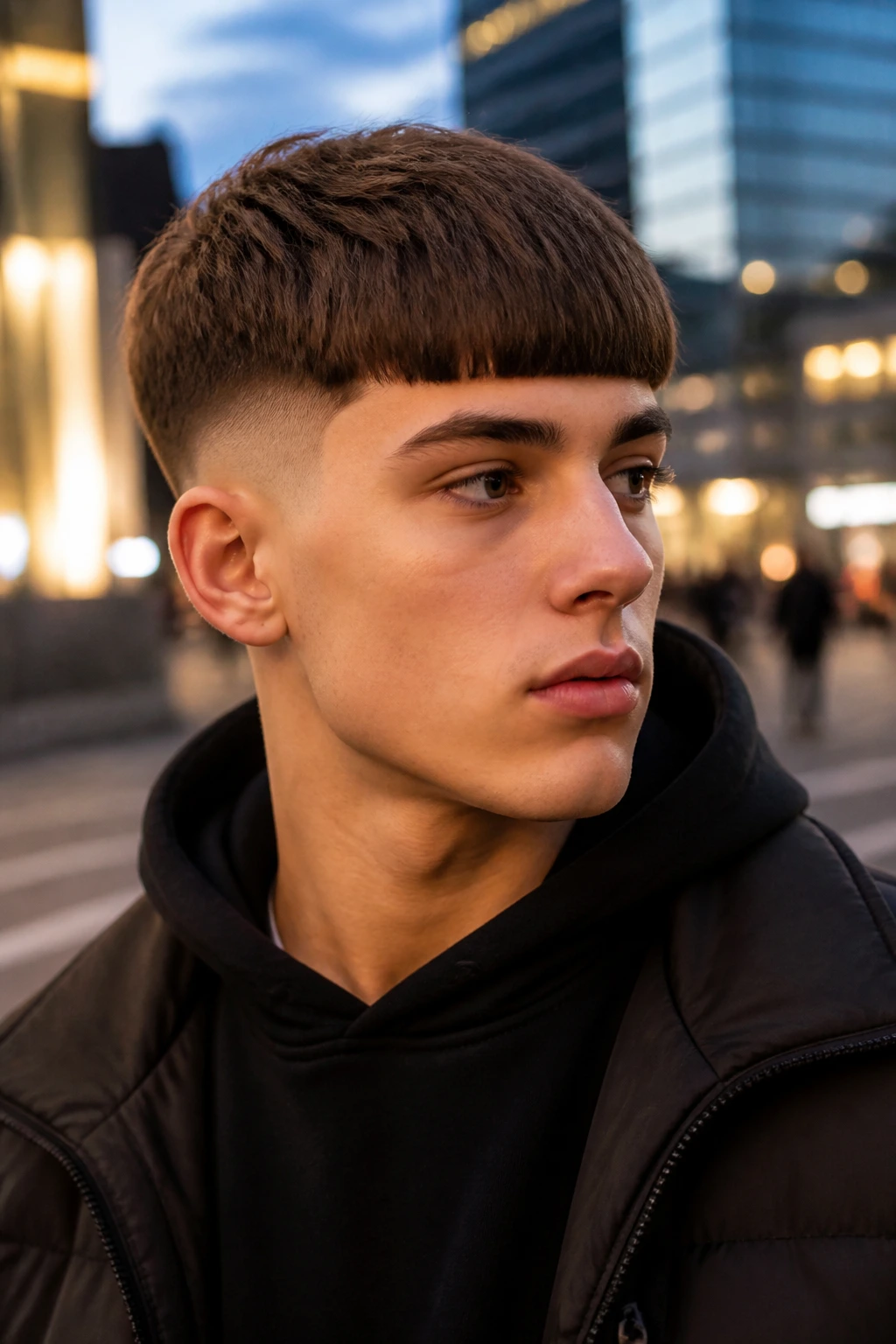
Hear me out: the bowl cut has made a comeback, but it is not the version your mom gave you with a literal kitchen bowl as a guide. The modern version features a fringe that is cut with blunt, textured scissors, often combined with a fade on the sides. It creates a bold, geometric shape that feels very forward-thinking and high-fashion. It works best on guys with straight, thick hair. You need the density to get that smooth, continuous line across the forehead. It is a specific look that requires a confident personality to carry, but it is certainly one of the most unique options available right now.
13. The Surfer-Inspired Shag
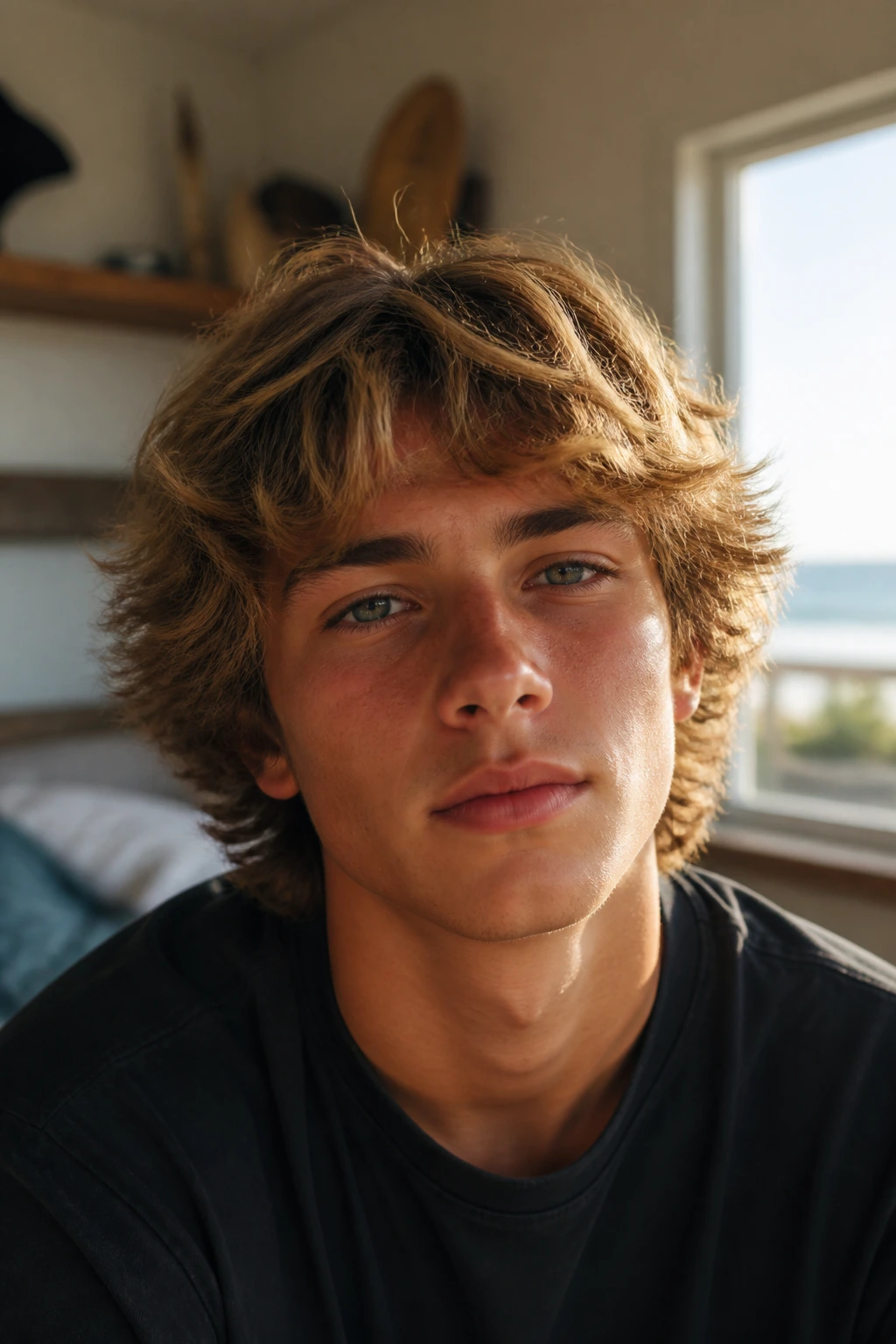
The shag is all about layers and movement. It is medium-length hair that is heavily layered throughout, creating a slightly messy, feathered appearance. It’s supposed to look like you just spent the day at the beach. You don’t want it too short, and you don’t want it too long; aim for a length that hits right around the mid-ear or upper neck. A texturizing sea salt spray is the only product you should ever need for this style. Let it air dry, and avoid running a comb through it—your fingers are the only tool you need to get the right amount of volume and chaos.
14. The Hard-Part Fade
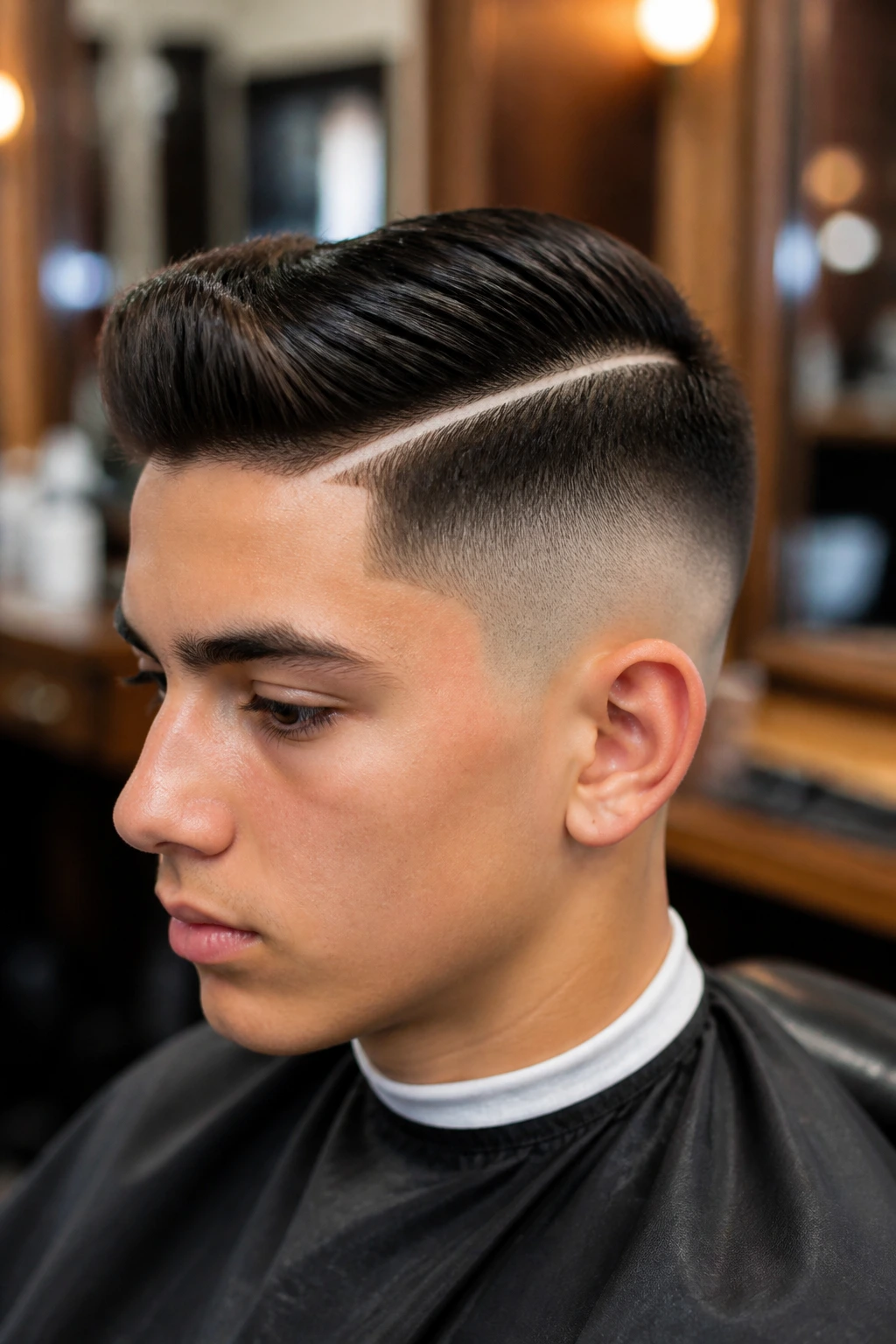
A hard part is when the barber uses a razor to shave a thin, precise line into the hair where your natural part would be. It creates a permanent, very visible distinction between the top and the sides. When combined with a fade, the look is incredibly polished and sharp. This is a high-maintenance cut because as your hair grows, that razor line will become blurred, so you are looking at a barber visit every two weeks to maintain the edge. It is a great choice if you have a job or a school setting that values a very neat, groomed appearance.
15. The Curly Faux Hawk
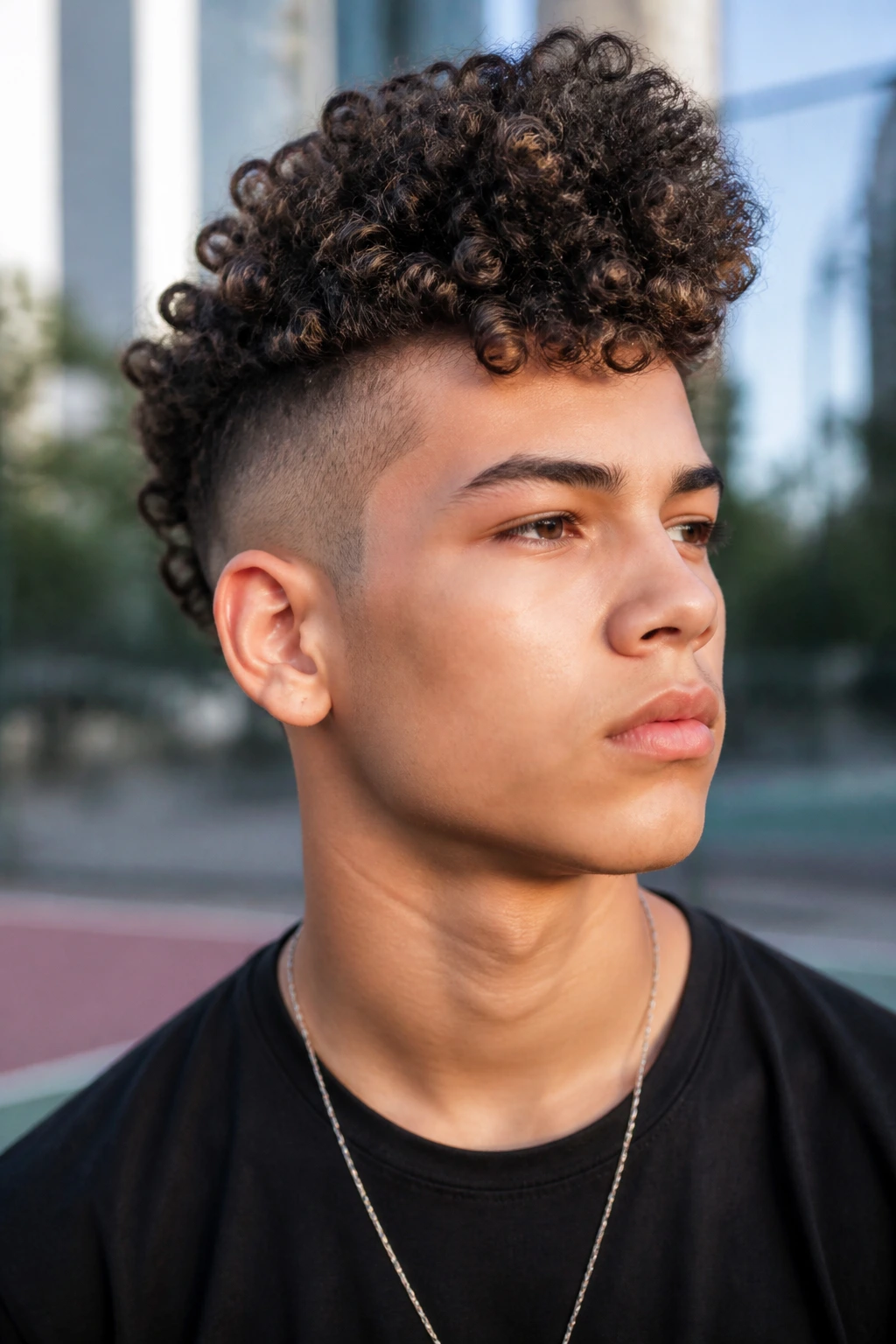
A faux hawk captures the aesthetic of a mohawk without the requirement of shaving the sides completely to the skin. You keep the sides short and tapered, but you leave enough length that they are still visible, creating a smooth transition to the longer, spikier center strip. If you have curly hair, this looks fantastic because the texture adds height and personality to the hawk. It is a very athletic, high-energy look. Use a bit of firm-hold styling gel while the hair is damp to push the center section toward the middle, creating that vertical silhouette.
16. The Disconnected Pompadour
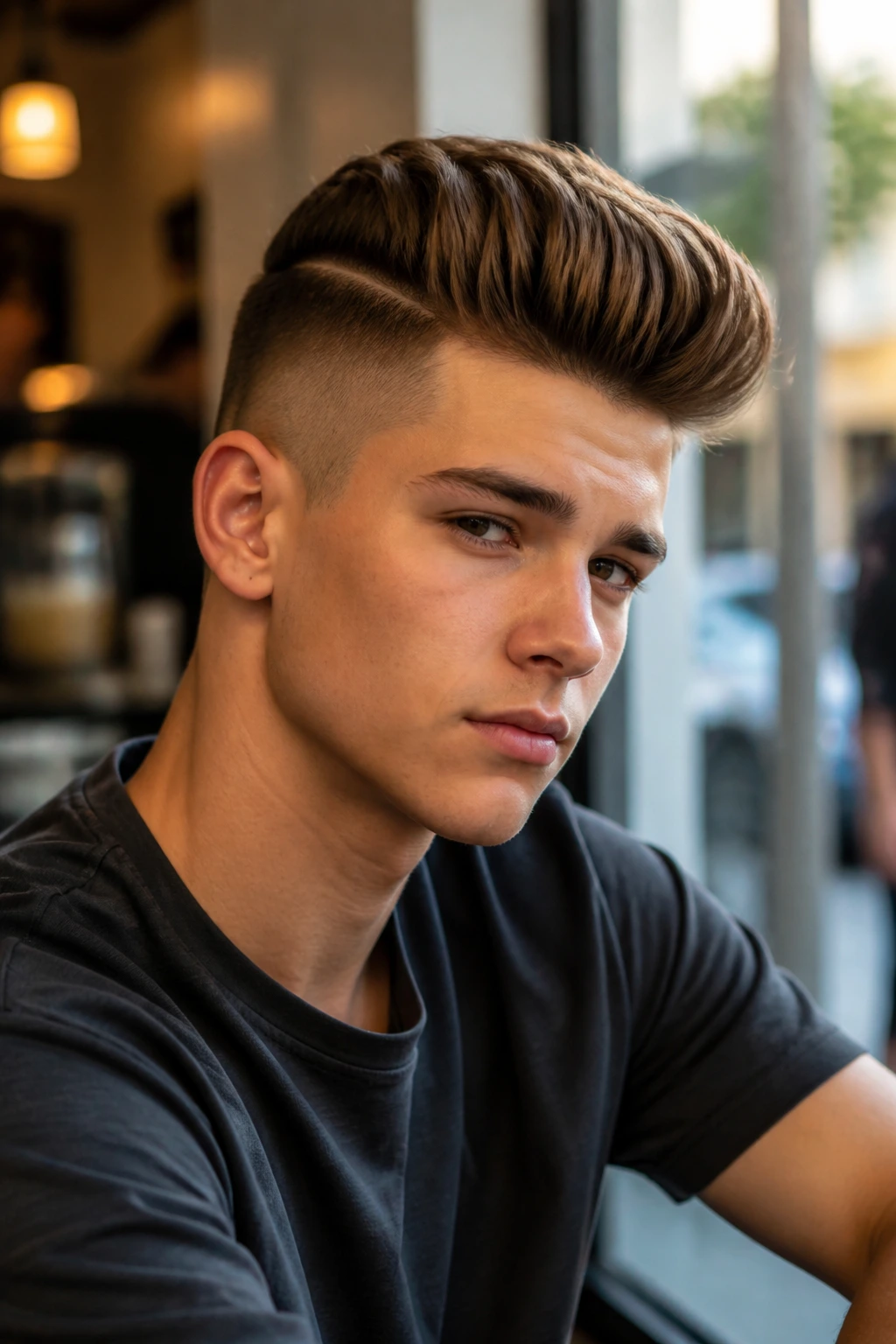
In a disconnected cut, there is no smooth transition between the sides and the top. The sides are shaved short, and the top is left long, creating a visible “ledge” where the two lengths meet. The pompadour version of this style is striking and bold. It feels very intentional and sharp. You will need to be diligent about keeping the sides very short, as the disconnection becomes less effective once the sides start growing out and blending into the top. It is a style that works best for guys with strong jawlines, as the sharp angles of the cut emphasize those facial features.
17. The Textured Crop with Fade
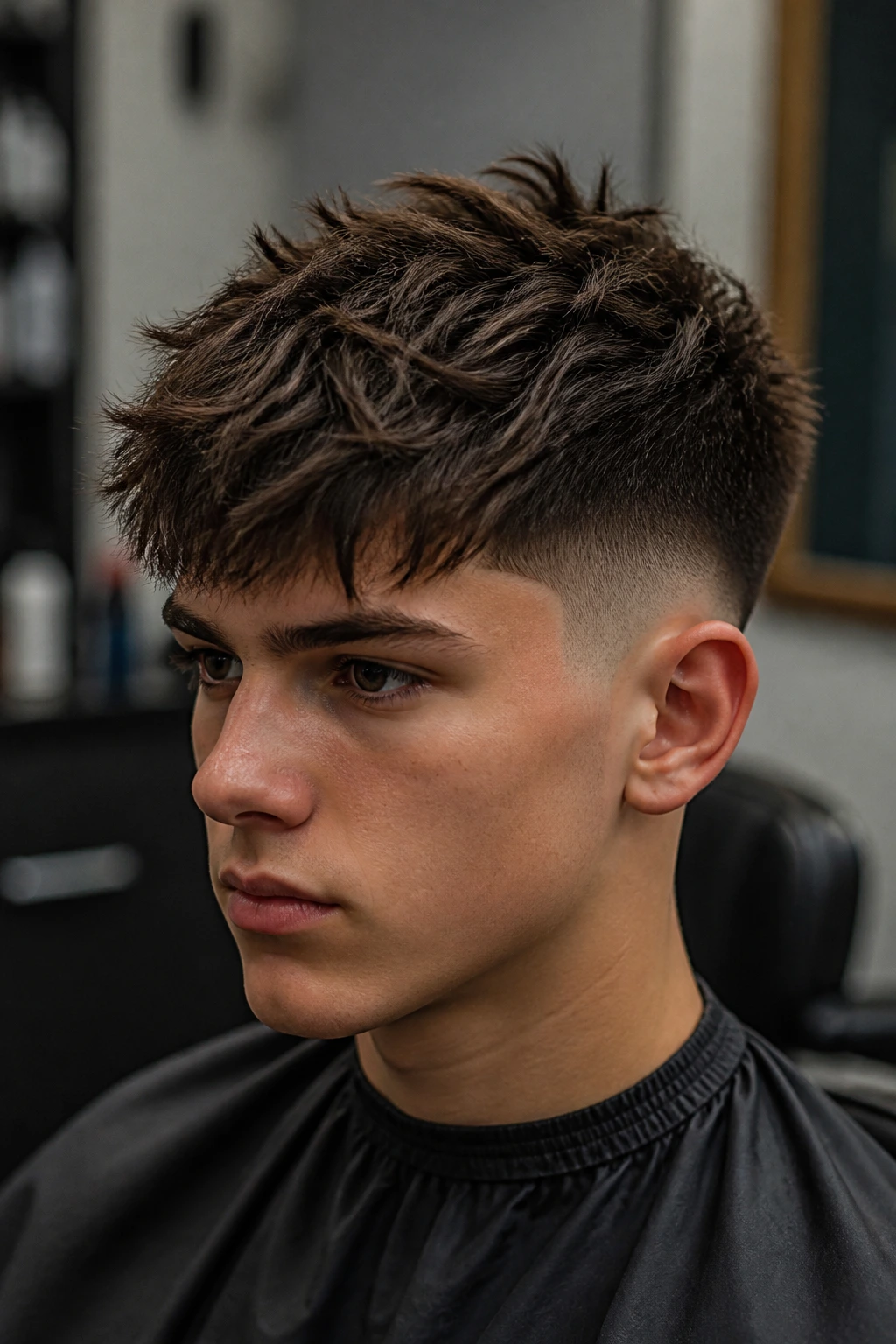
Think of this as the more rugged cousin of the classic crop. Instead of a smooth, uniform top, the barber uses a razor to carve out deep texture and varied lengths throughout the crown. This adds significant volume and makes the hair appear thicker. The sides are kept as a mid-fade, keeping the focus entirely on that complex texture up top. This is one of the most forgiving cuts if your hair grows in slightly unevenly, as the jagged texture masks any imperfections in growth patterns or cowlicks. It is an ideal “wash and go” style that still looks like you put effort into your appearance.
18. The Slicked-Back Taper
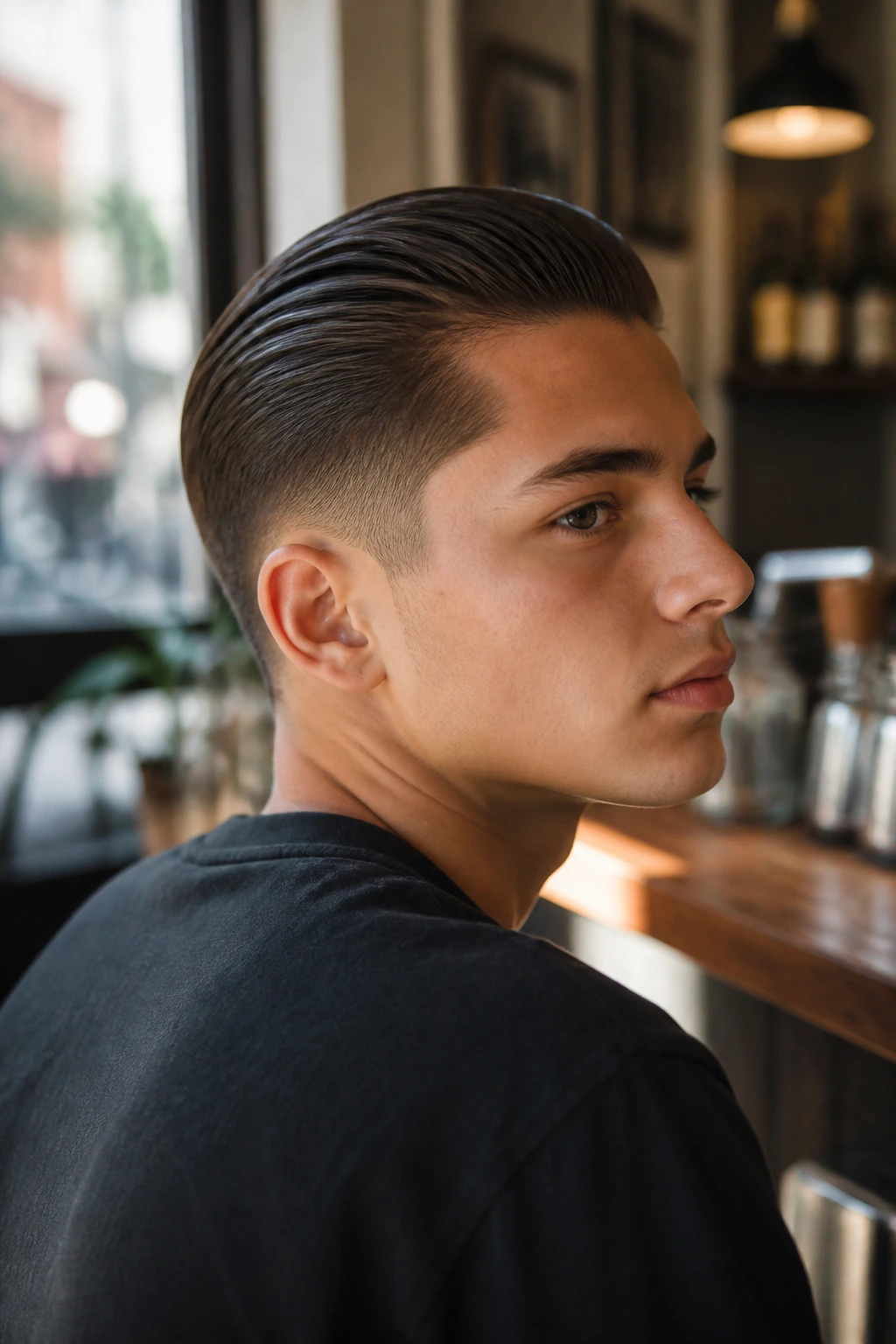
This is the look for when you want to appear a bit more mature or formal. You grow the top of your hair out until it reaches at least three or four inches, then use a high-shine pomade to slick it straight back. The sides should be kept neatly tapered with scissors. This style is surprisingly easy to manage, but you have to be consistent with the product. If you try to slick back hair that is too short, it will just pop back up. You need that extra length to provide the weight necessary for the hair to lay flat against your skull.
19. The Short Side-Swept Fringe
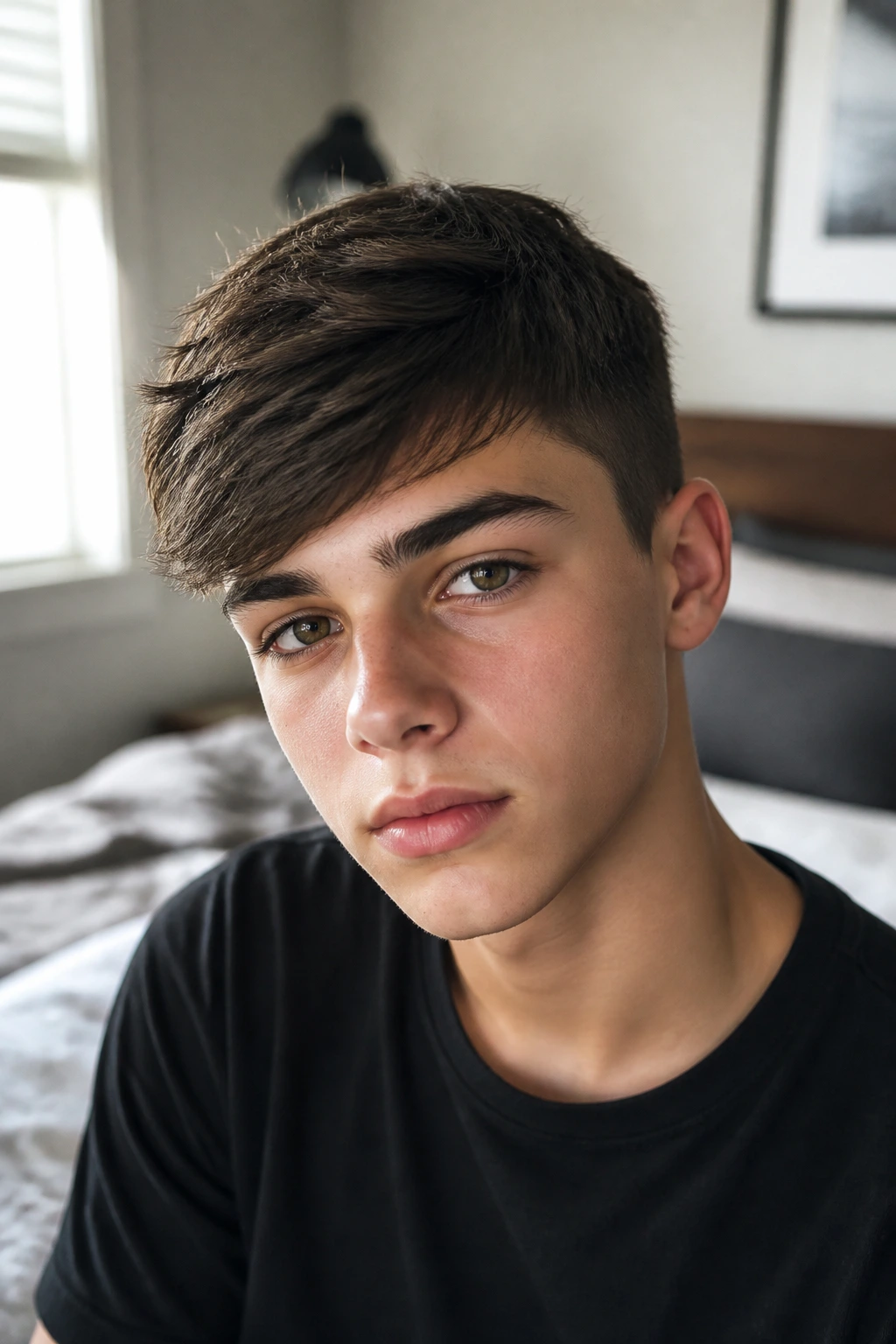
This is a more understated version of the longer fringes. You keep the hair relatively short all around, but leave enough length in the front to sweep it over to one side. It is a very safe, approachable cut that works for almost any hair texture. If you have a round face, sweeping the hair to one side creates an asymmetrical line that helps break up the symmetry of your face, making it appear slightly more angular. Use just a tiny dab of matte paste; you want the hair to move, not stay locked in place.
20. The Caesar Cut
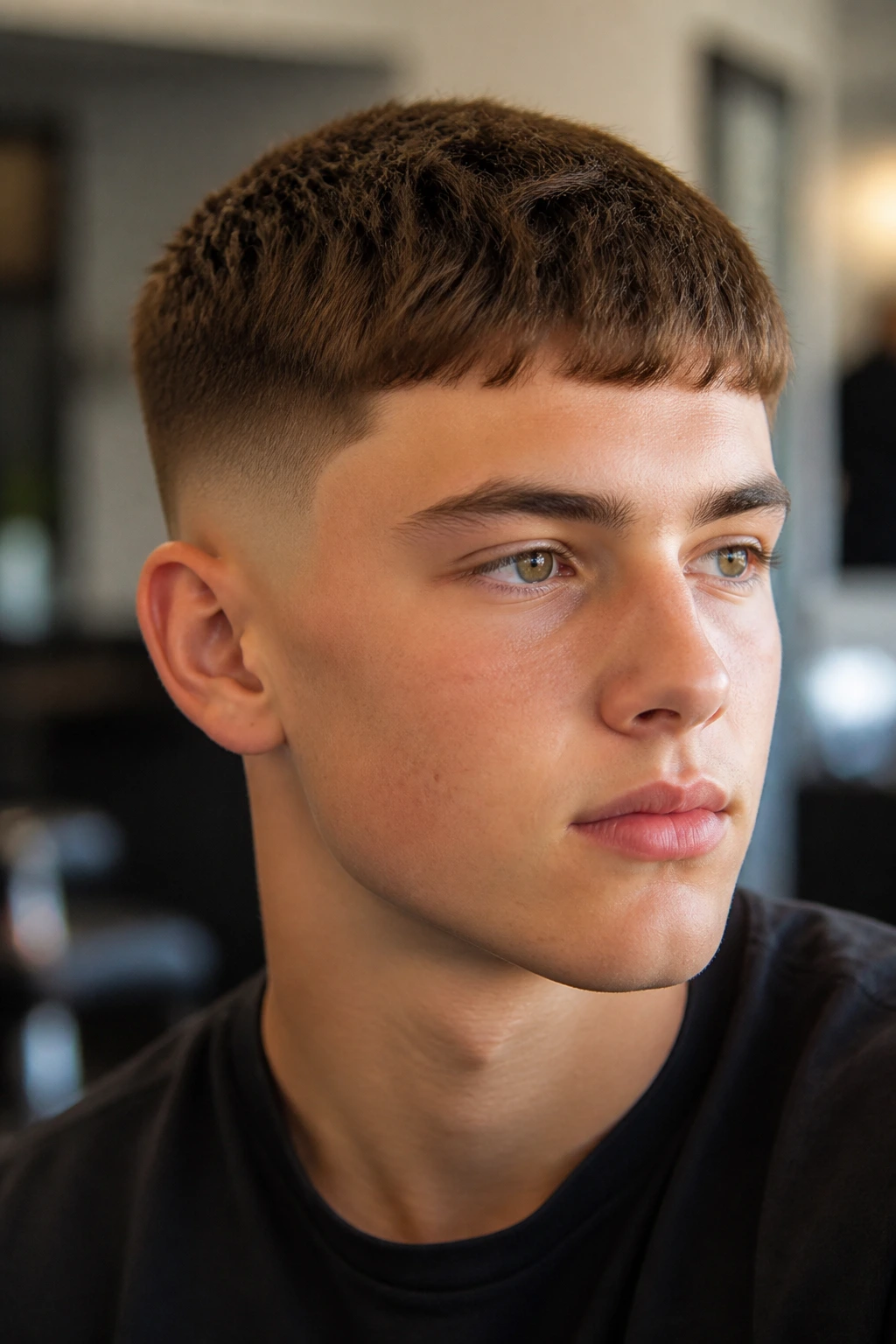
Named after the legendary Roman leader, this style remains a favorite for its simplicity and structure. The hair is cut short all over, with a very short fringe at the front that is brushed forward. It is a uniform look that is incredibly easy to style. While it used to be a very plain cut, modern versions often pair it with a slight fade on the sides to give it a more current feel. It is the perfect choice if you want a military-inspired look that is functional, masculine, and requires almost no maintenance in the morning beyond a quick brush.
Choosing the Right Style for Your Face Shape
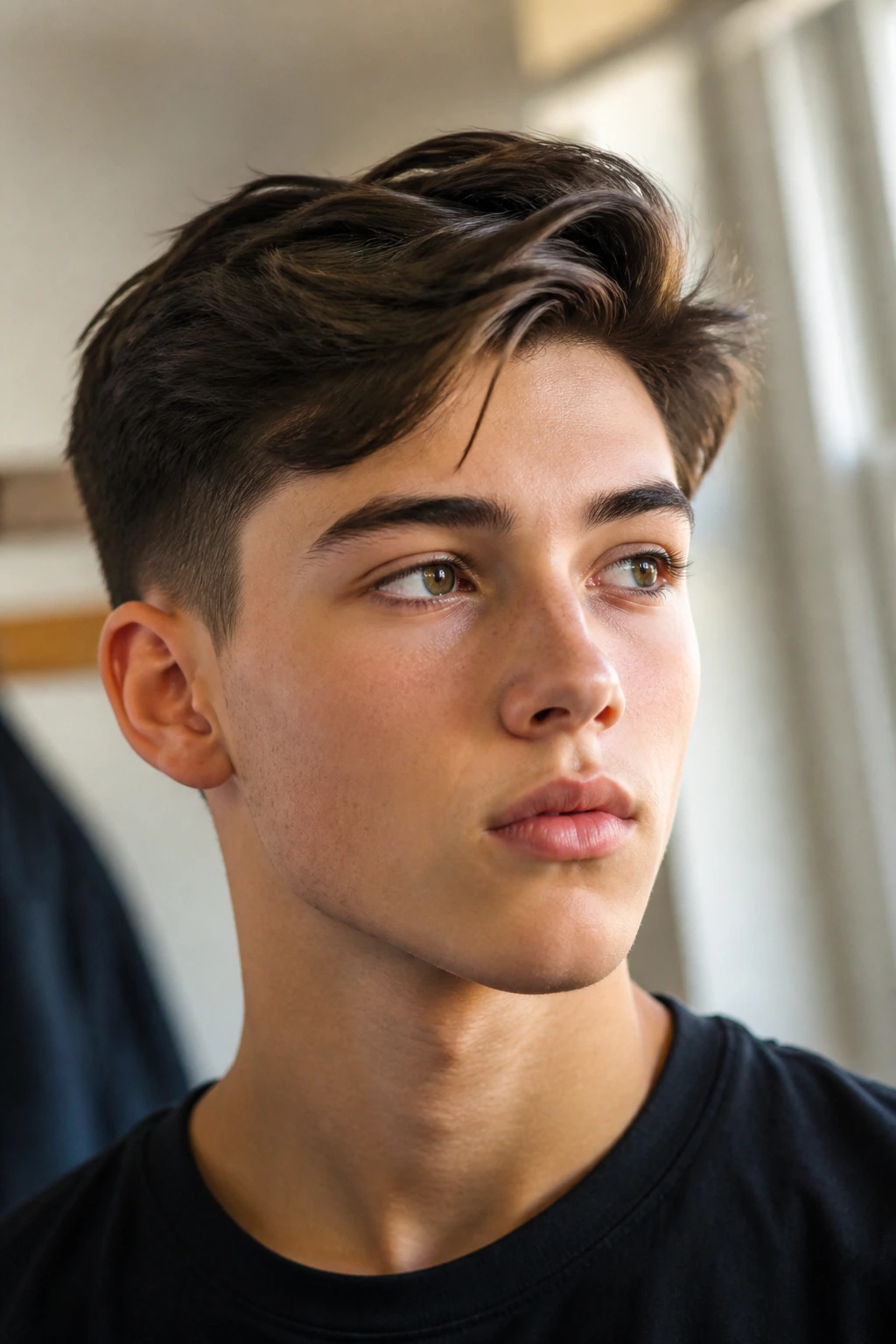
The most common mistake teenagers make is choosing a haircut based on a picture they saw without considering their own face shape. If you have a very round face, you generally want to avoid styles that add too much width to the sides, like a bowl cut or a very flat crop. Instead, opt for cuts that add height on top, like a quiff or a faux hawk, to help elongate your face. Conversely, if you have a very long, narrow face, you might want to avoid styles that add too much height, as that will only make your face look longer. In that case, a textured fringe or a side-parted style that keeps the hair a bit flatter to the head might be a better fit.
Understanding Your Hair Texture and Growth
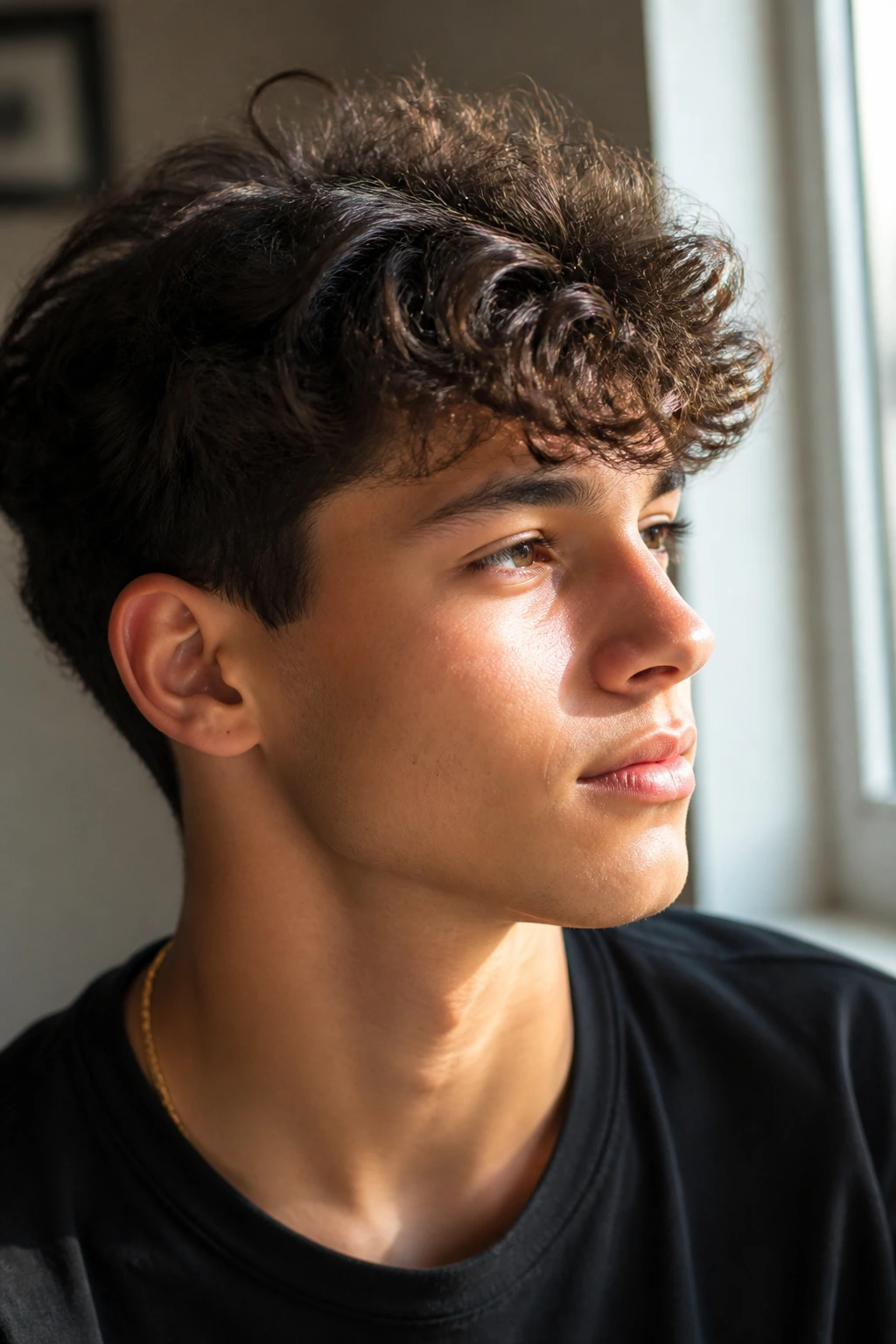
Your hair texture—whether it is pin-straight, wavy, or tightly coiled—dictates how a cut will behave after you leave the barber. If you have very fine, straight hair, trying to get a voluminous quiff is going to require a significant amount of product and heat styling every single day. If you are not willing to do that, you should look for a cut that works with your hair’s natural tendency to lay flat, like a crop or a buzz cut. Also, pay attention to your cowlicks. Everyone has them, usually at the front hairline or the crown. A good barber will cut around these, but you need to be realistic about where your hair wants to go. Do not fight your natural hair growth; it will always win in the end.
The Role of Styling Products
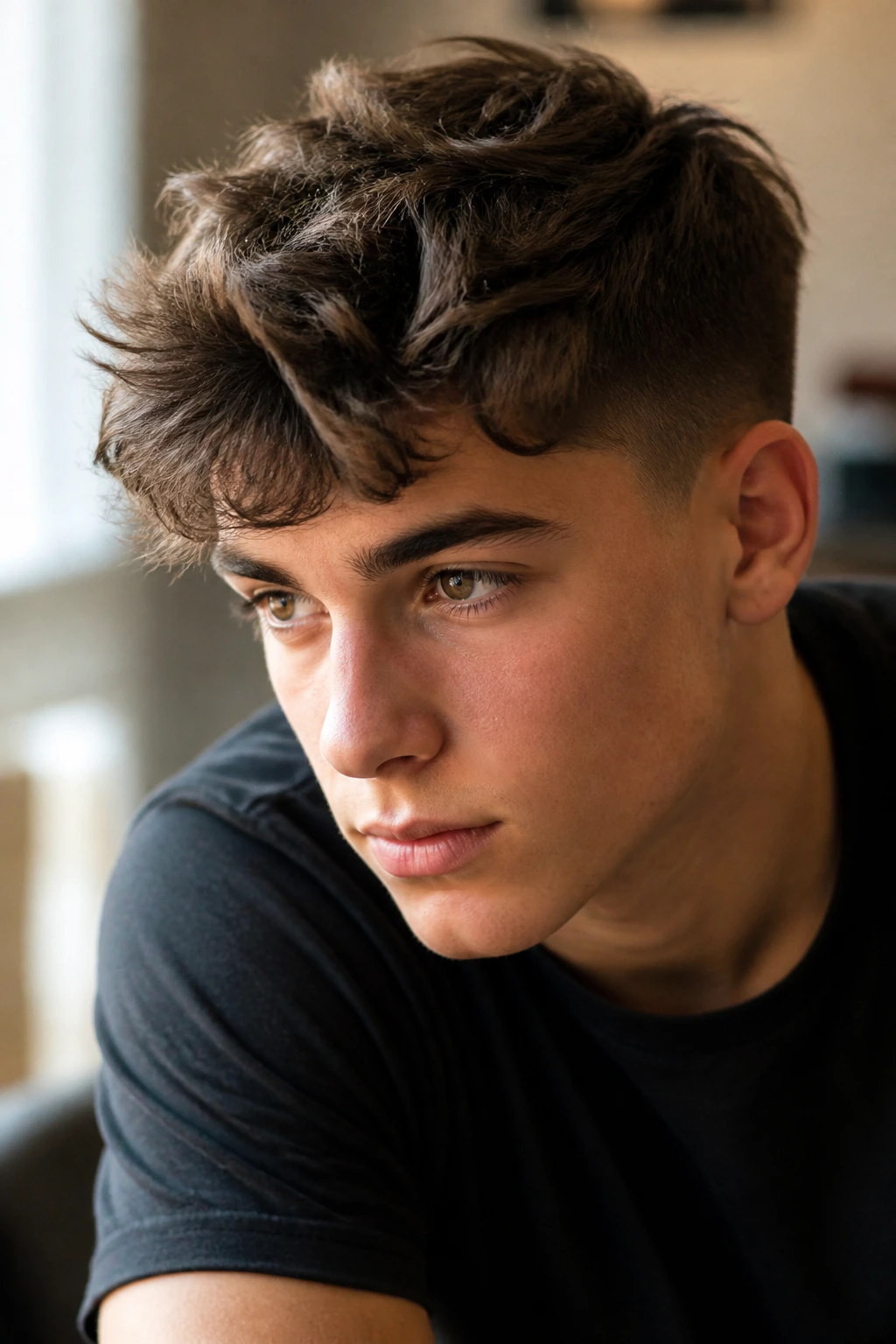
Once you have the cut, the right product is the difference between a style that looks great and one that looks like a disaster. Matte clays and pastes are the gold standard for most teenage styles because they provide hold without that stiff, crunchy, wet look that old-school gels leave behind. If you have thicker hair, go for a clay with a stronger hold. If your hair is finer, look for a lightweight paste or even a sea salt spray. You should never need more than a dime-sized amount of product to style your hair. If you find yourself using a palmful of gel, you are likely using the wrong product for your specific hair type.
Maintaining the Look Between Cuts
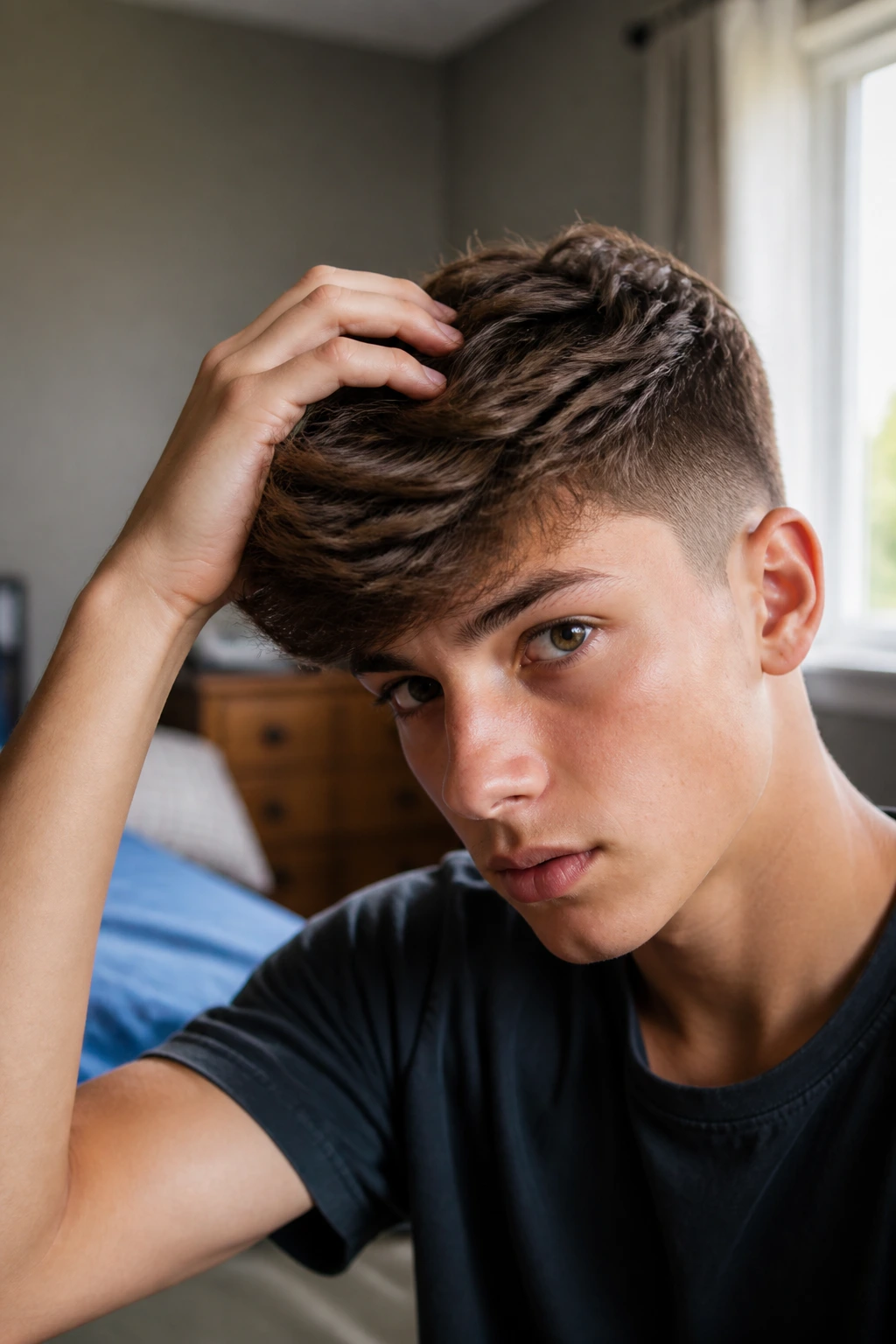
The biggest mistake you can make is waiting too long for a trim. Most of the styles mentioned here rely on a certain ratio between the sides and the top. Once that ratio gets thrown off—usually by the sides growing out too fast—the entire shape of the haircut collapses. For most short to medium styles, a trim every three to four weeks is the standard. If you are going for a skin fade, you might even need to head back to the shop every two weeks. When you go, do not be afraid to show your barber a picture, but also be open to their suggestions. They understand how hair sits on a head better than most people, and they can tell you if a specific cut you like will actually work with your specific hair density and growth patterns.
Final Thoughts
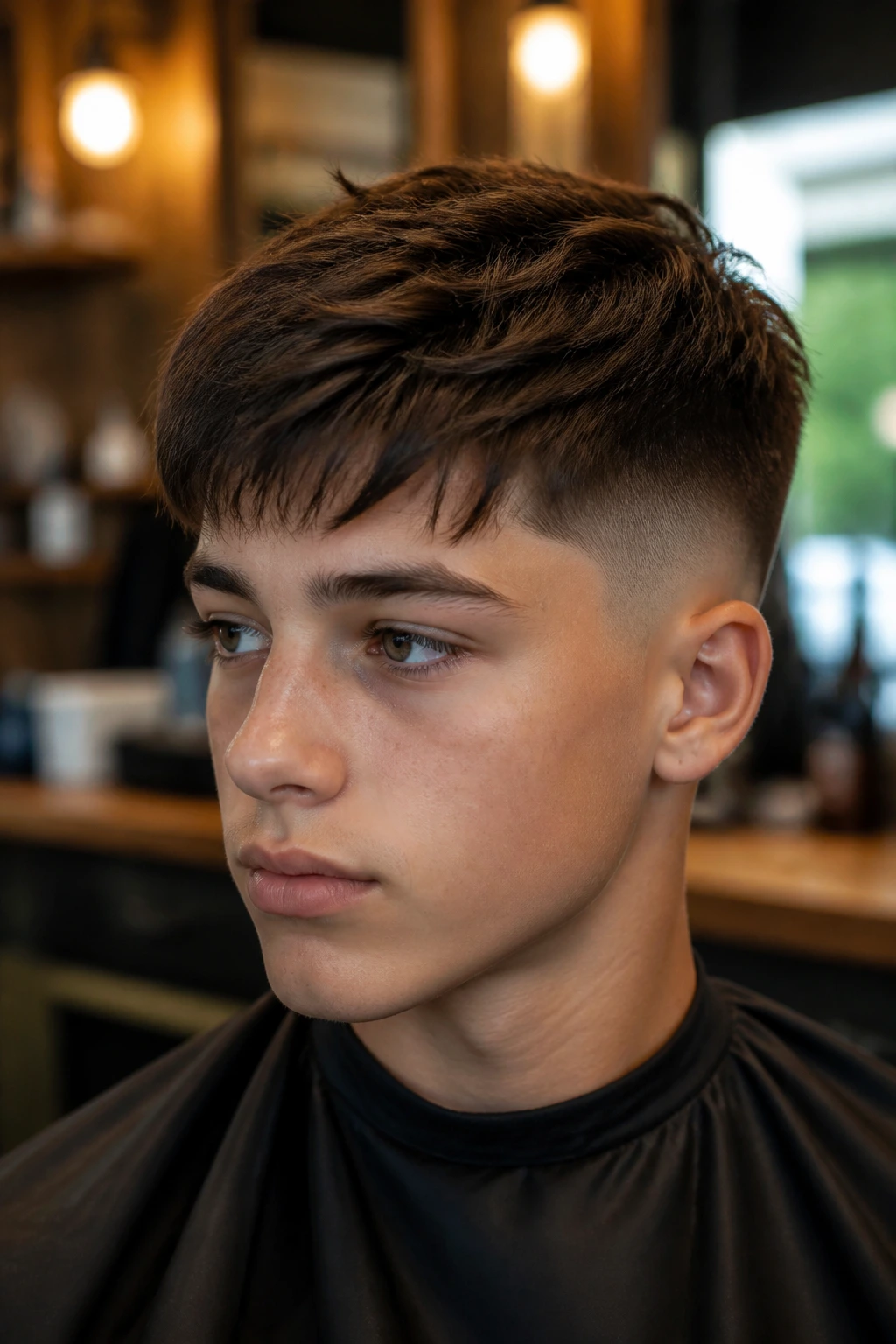
At the end of the day, a haircut is just hair. It will grow back if you don’t like it, and the teenage years are the absolute best time to experiment with different lengths, textures, and styles. You do not have to settle for the same look you’ve had since you were a child. The most important thing is finding a style that makes you feel confident and comfortable when you look in the mirror. Whether that means keeping it short and easy with a buzz cut or taking the time to style a voluminous pompadour, the right choice is the one that fits your personal vibe and your daily routine. Don’t be afraid to ask for something different next time you’re in the chair—it might just lead you to your new favorite look.