


Thick hair on a toddler is a double-edged sword. On one hand, you have a luscious, full mane that looks incredible in photographs and feels like silk to the touch. On the other, managing that much volume during the morning rush—or trying to keep it out of their eyes while they are busy tearing through the living room—can feel like a full-time job. Most parents quickly realize that a standard trim just won’t cut it. You need a style that works with the density of their hair, not against it.
When dealing with high-density follicles, weight is your greatest enemy. If the hair is too long without proper shaping, it hangs heavy, creates tangles at the nape of the neck, and turns a simple brush-out into a battle of wills. The best approach involves strategically removing bulk through texturizing or choosing styles that lift the hair away from the scalp. You want something that holds its shape even after an afternoon of nap-time friction and playground chaos.
1. The Classic Crew Cut
This is the ultimate low-maintenance look. By using clippers on the sides and leaving just a bit of length on top, you reduce the overall volume significantly while keeping the face clean. It’s perfect for the toddler who refuses to sit still for a comb.
Why It Works for Thick Hair
The shorter sides mean there is less hair to mat when your child is sleeping or playing with sensory bins. It effectively removes the “poof” factor that thick hair often develops around the ears.
Styling Notes
You don’t need product for this. Just a quick towel dry after a bath and they are ready to go. If you want to dress it up for a family event, a tiny dab of water-based pomade can add a touch of texture to the crown, but it’s entirely optional.
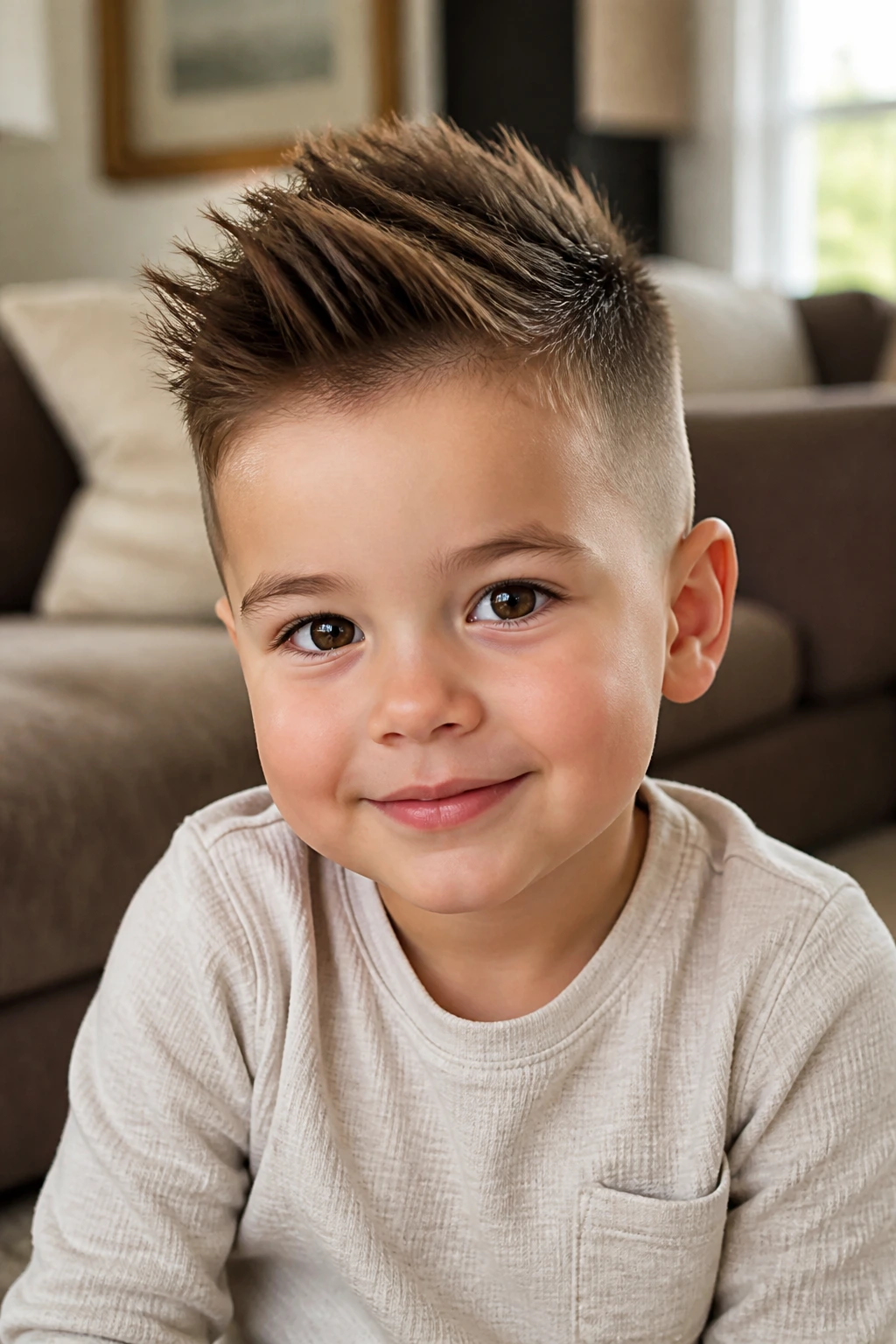
2. Textured Faux Hawk
A faux hawk is essentially a crew cut with a bit of a creative edge. You keep the sides faded or clipped short, but leave a longer, tapered section running from the front hairline to the crown.
How to Manage the Volume
Because the center strip is textured rather than left as a blunt block, the hair appears more manageable and less heavy. Thinning shears are essential here to prevent the center from looking like a solid, unmoving helmet.
Practical Benefits
This style stays out of their eyes naturally, meaning fewer headbands or clips that inevitably get pulled out. It is a fantastic bridge between a traditional toddler cut and something with a bit more personality.
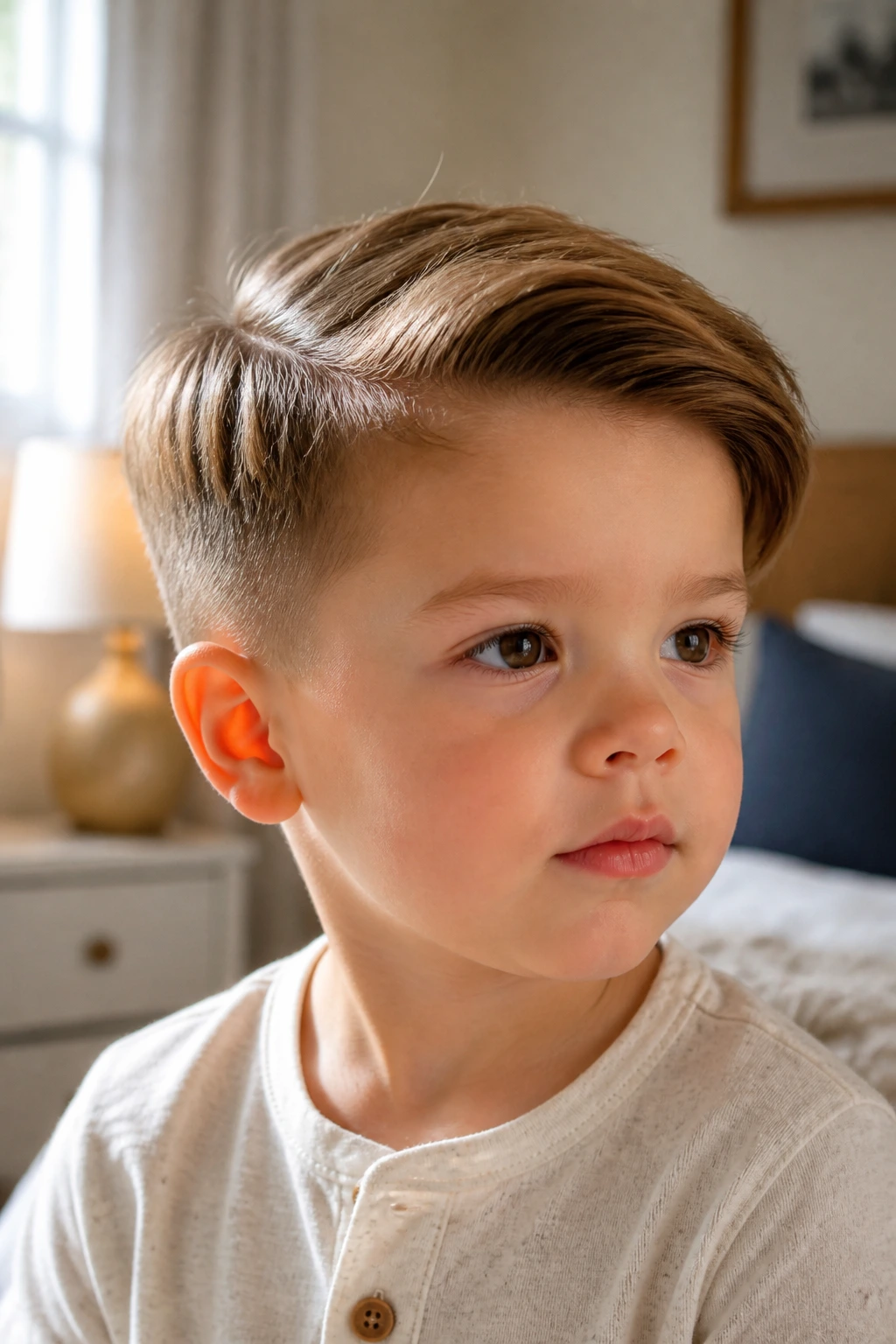
3. The Tapered Side Part
If you love a more traditional, “grown-up” look, the side part is a timeless choice. By tapering the sides and back while keeping the top long enough to sweep to one side, you create a sophisticated silhouette that highlights their features.
Tips for Success
The key is to ask your stylist for a “soft taper” rather than a hard fade. Hard lines can sometimes emphasize the thickness too much, making the top look like it’s sitting on top of a shelf. A soft taper allows the layers to blend seamlessly.
Maintenance
This cut grows out beautifully. Even if you miss a trim by a week or two, it won’t look like a disaster. A side part naturally helps heavy hair fall in a direction that is easier to control throughout the day.
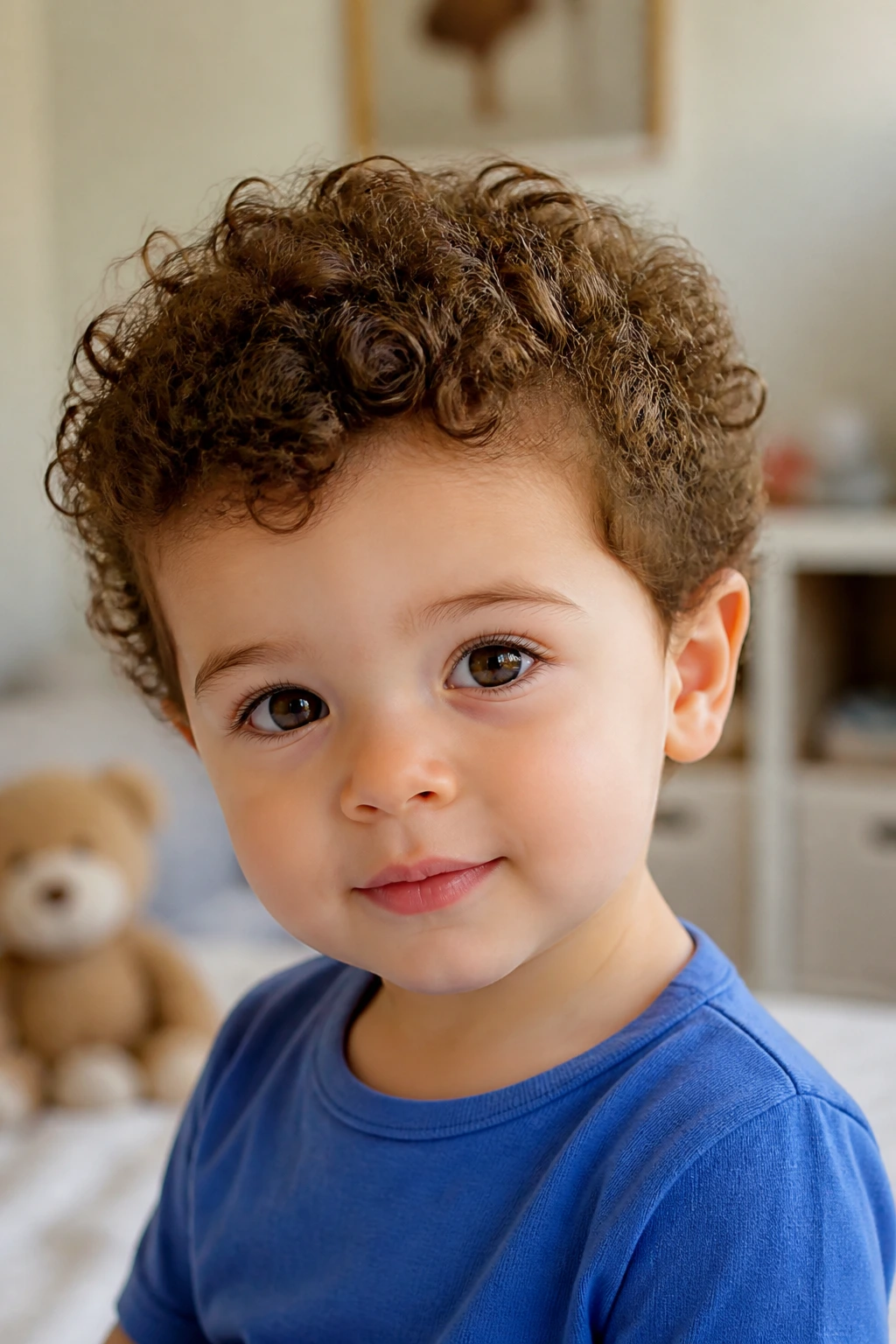
4. The Short Curly Crop
For toddlers with thick, wavy, or curly hair, trying to straighten or pull it back is usually a mistake. A short crop allows their natural texture to do the work, meaning you don’t have to fight the hair’s natural inclination to coil.
Why This Style Succeeds
By keeping it short, the weight is distributed evenly across the head, preventing the hair from dragging down and losing its shape. It creates a soft, halo-like effect that is adorable and incredibly practical.
Sensory Sensitivity
If your child hates the sensation of hair touching their ears or neck, this is the fix. It clears the hairline entirely, making it one of the most comfortable options for toddlers who are prone to sensory overwhelm during grooming sessions.
5. Layered Bob with Bangs
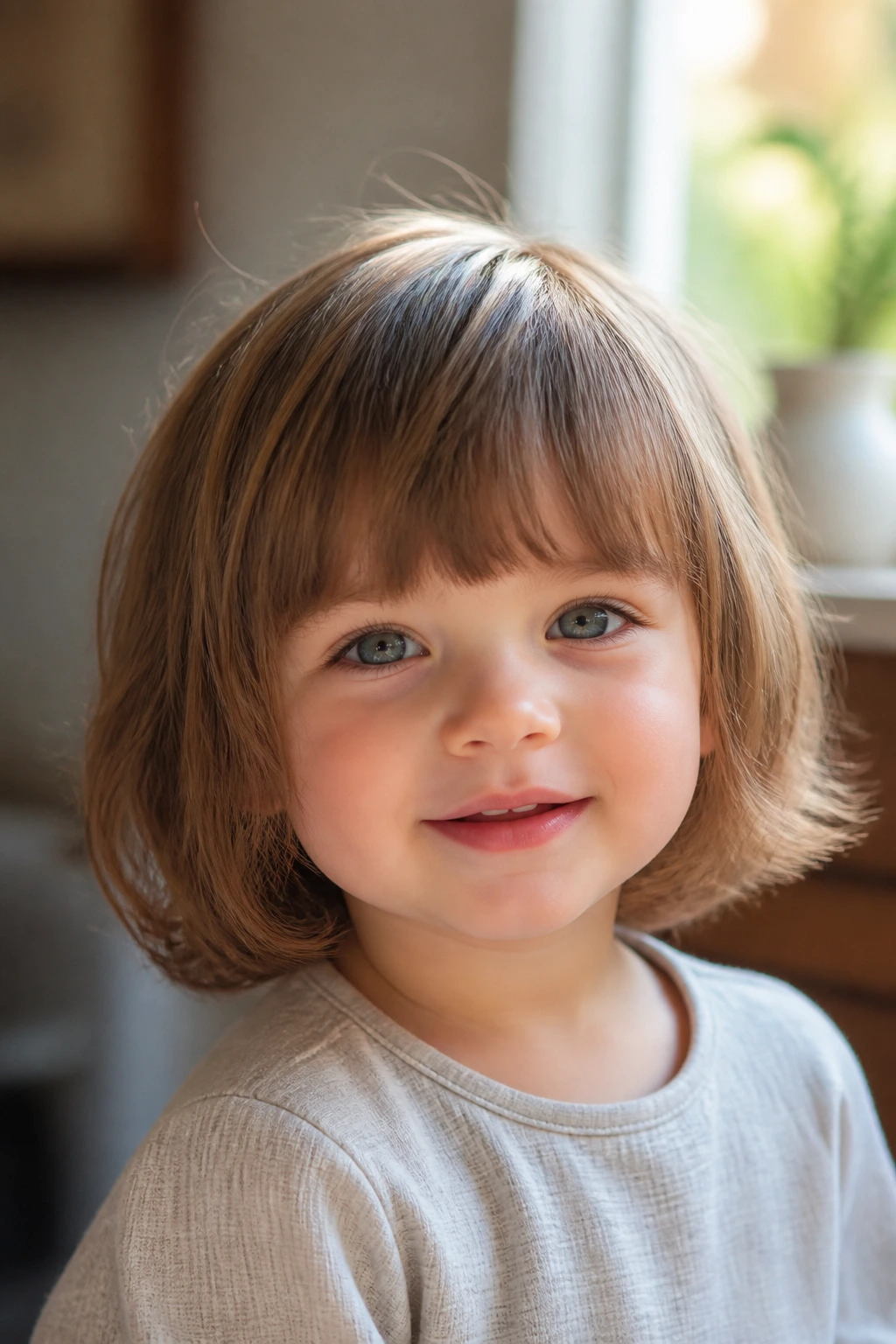
A classic bob can be risky with thick hair—it often turns into a triangle shape. However, by adding internal layers, you can take out the bulk underneath while keeping the length you love.
Managing the Bulk
Internal layering is a professional technique where the stylist cuts shorter pieces inside the hair, hidden beneath the top layer. This allows the hair to lay flat and smooth without losing the overall length of the bob.
Styling for Toddlers
Keep the bangs slightly longer, just above the eyebrows, so they don’t grow into the eyes too quickly. A light smoothing serum can keep flyaways at bay if you are going to a formal event, but for daily wear, natural is best.
6. The Undercut Buzz
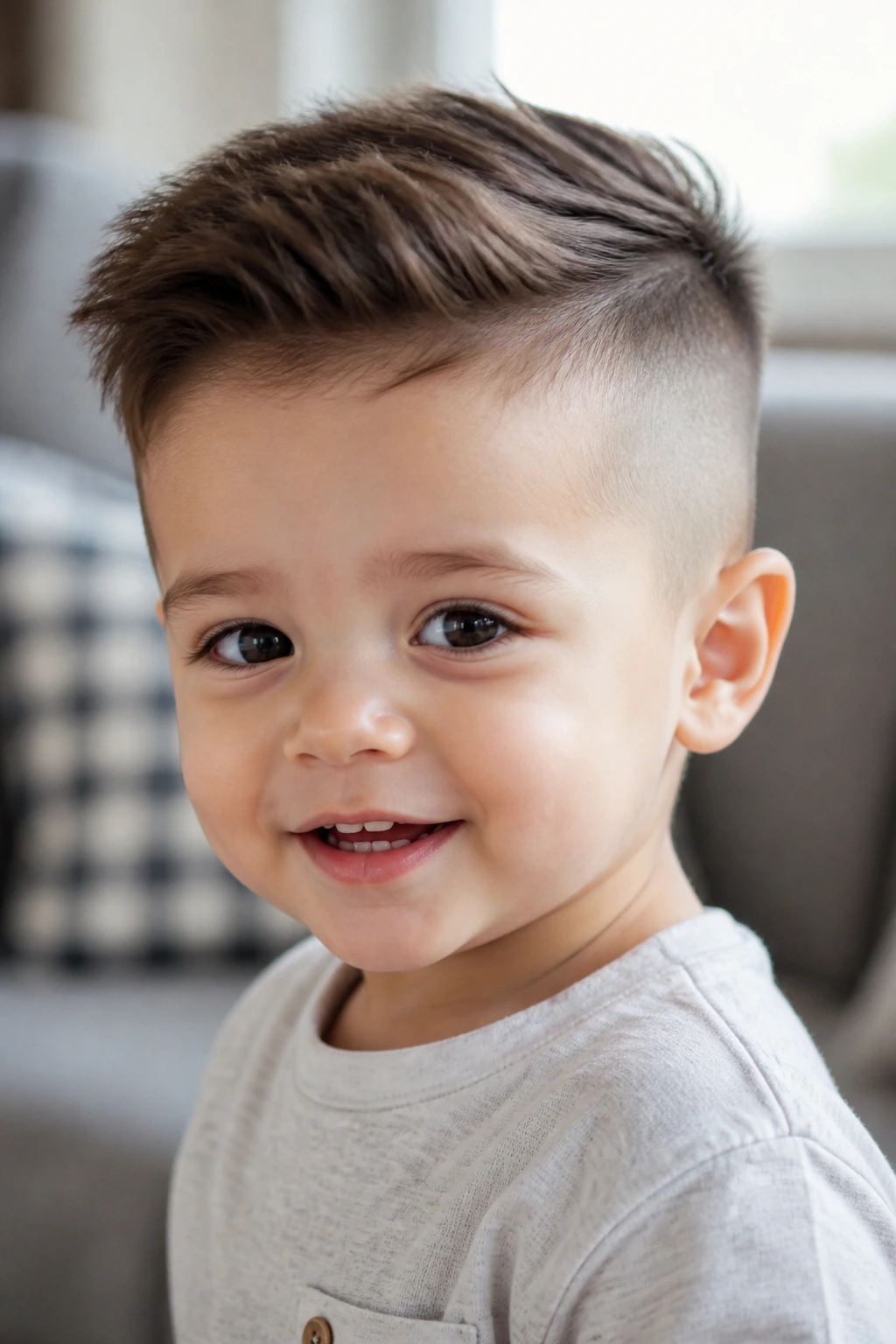
This is a bold move, but it is a life-saver for parents of toddlers with extremely dense hair. By buzzing the hair at the nape of the neck or on the sides, you instantly remove a massive amount of weight.
The Hidden Benefit
The best part is that you can have a “hidden” undercut. Leave the top layer long enough to cover the buzzed area, and no one will know the volume has been reduced until the child flips their hair up.
Cooling Down
If your toddler runs hot or has a habit of getting sweaty during naps, this cut is a game-changer. It allows the scalp to breathe and prevents that damp, tangled mess that happens at the back of the neck after a long nap.
7. The Messy Pixie
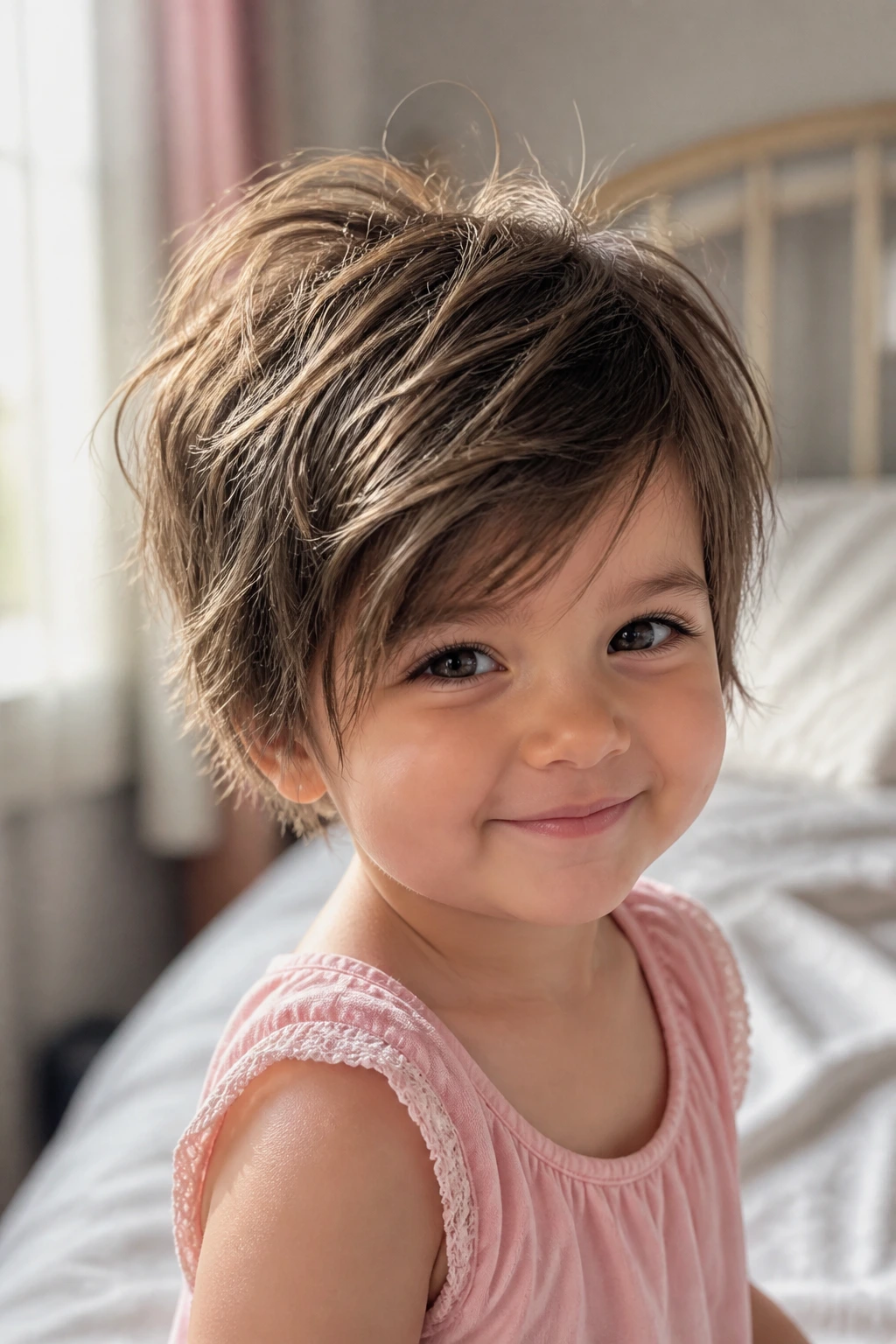
Think of this as a shaggier, shorter version of a bob. It involves uneven, piecey layers that are designed to look “done” even when they aren’t. It thrives on thick hair because thick hair provides the foundation for that piecey texture.
Why It’s Unique
Most styles for thick hair struggle to hold texture, but this one relies on it. You aren’t aiming for perfection; you’re aiming for a deliberate, windblown look that handles messy play days with ease.
Morning Routine
Run a small amount of leave-in conditioner through the hair while it’s damp and let it air dry. It will set into a soft, tousled style that requires zero effort from you once they’re out the door.
8. The Modern Bowl Cut
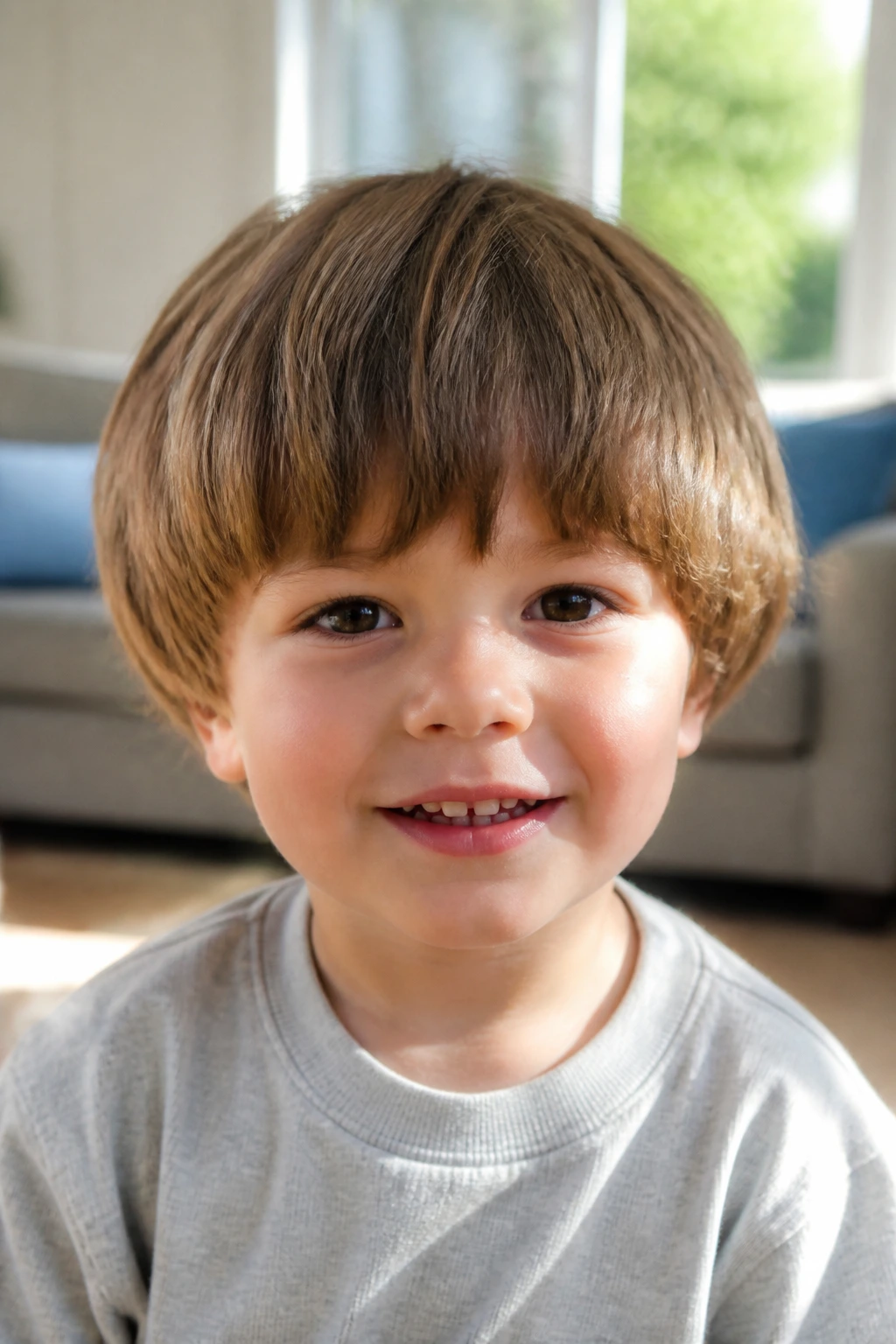
Forget the dated version you’re picturing. Modern bowl cuts are texturized and tapered at the bottom, creating a smooth, round shape that sits perfectly on thick hair.
Structure Matters
The thickness of the hair is actually a benefit here. It provides the necessary structure so the hair doesn’t flop around or look limp. Ask for a “shattered” or “point-cut” edge to avoid that blunt, heavy line that makes it look like a mushroom.
Face Framing
This style does an excellent job of framing the face and highlighting big, curious toddler eyes. It’s a very sweet, soft look that is quite popular for younger children.
9. The Long Layered Shag
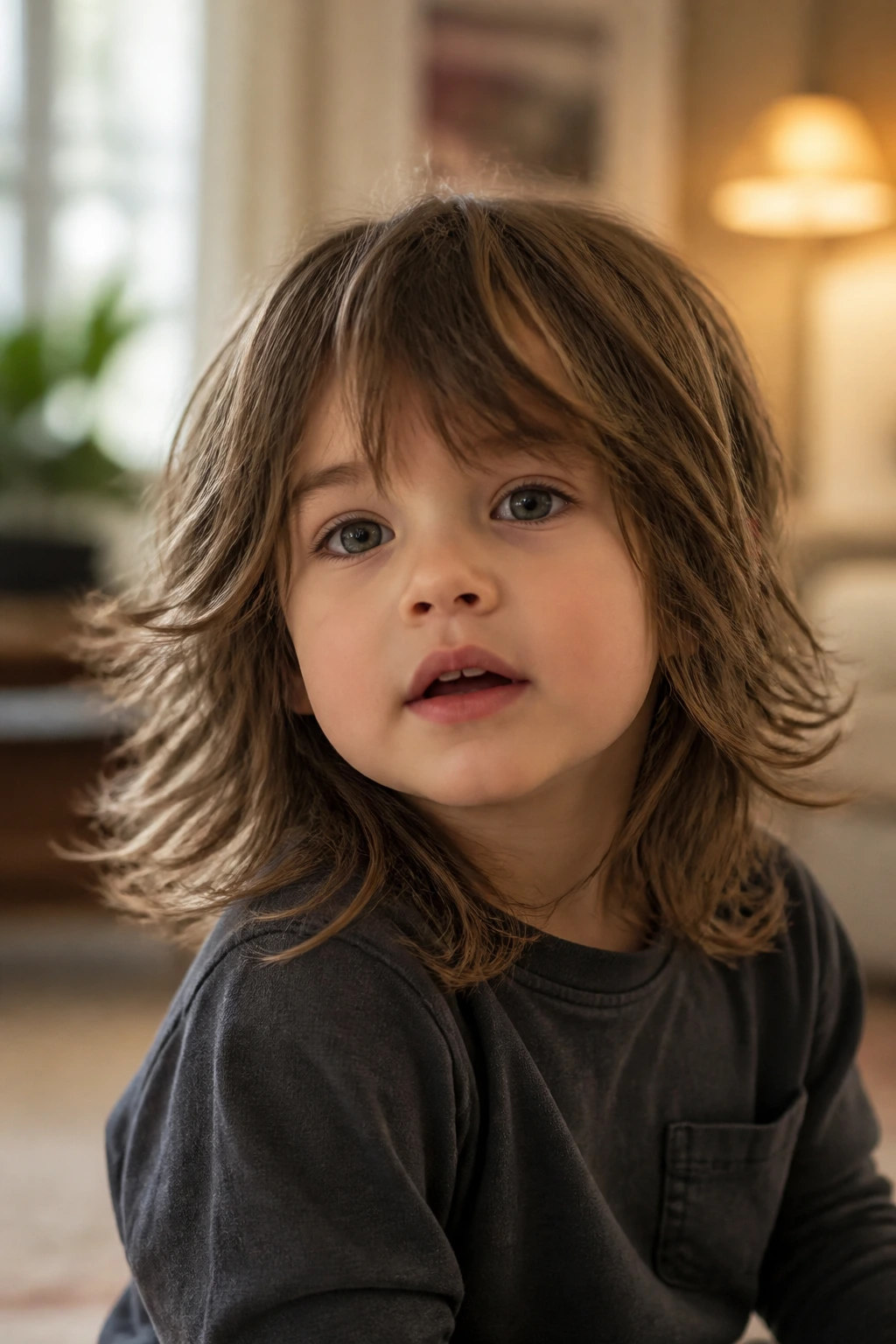
If you really don’t want to go short, layers are the only way to survive. A shag cut removes weight through the middle of the hair, allowing for movement and preventing the bottom from feeling like a heavy curtain.
Dealing with Tangles
Because thick hair loves to knot, long layers are essential. They break up the uniformity of the hair strands, which drastically reduces the number of tangles you’ll have to comb through in the morning.
Variations
You can leave the face-framing pieces a bit shorter to keep the hair out of their face, or go for a full fringe. Just ensure the layers are done by a professional to avoid the “mismatched length” look.
10. The Slicked-Back Pompadour
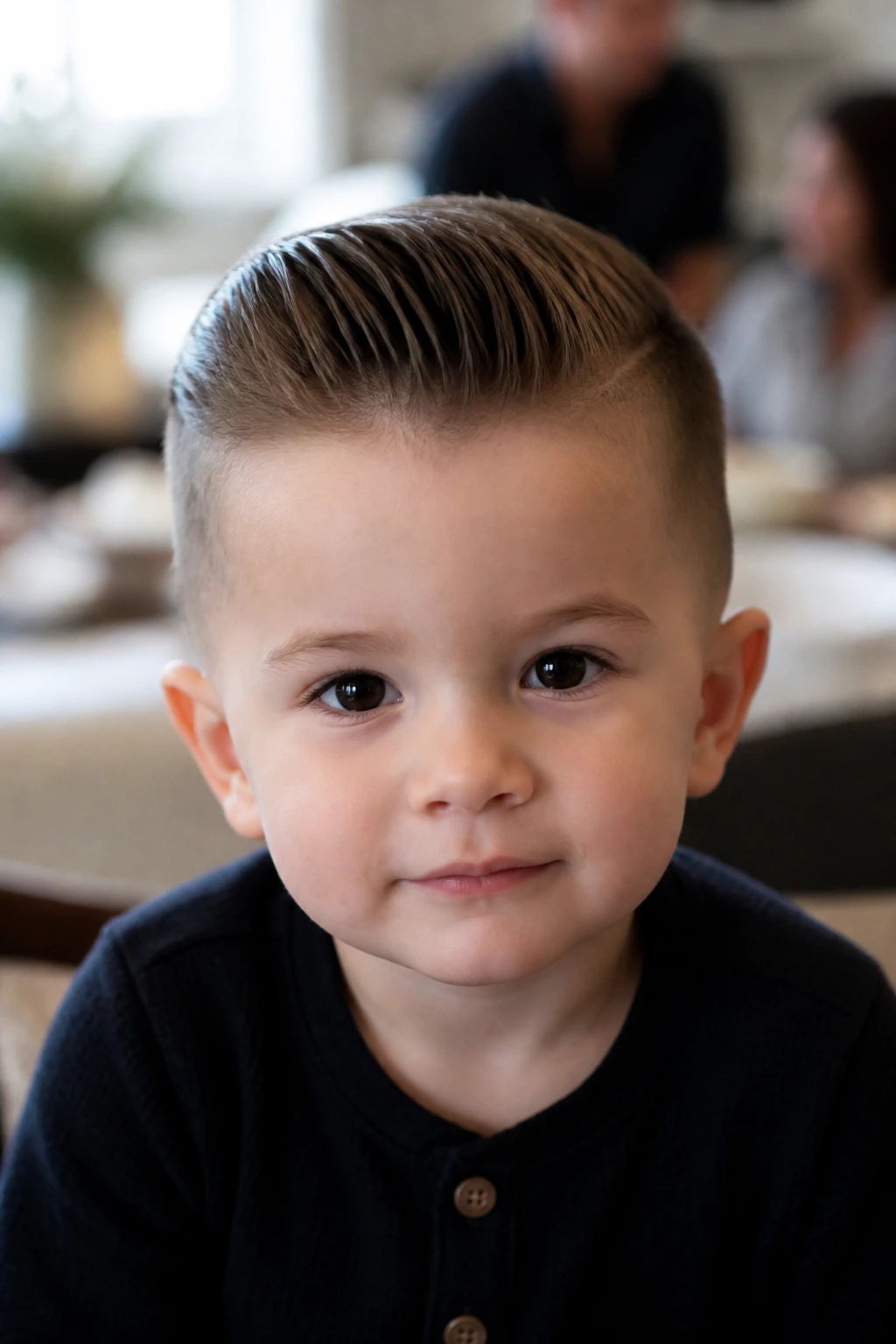
This is a fun, stylish look that works perfectly if you have an event or just want your toddler to look exceptionally sharp. It involves keeping the sides tight and using a safe, gentle styling product to sweep the top hair back.
The Product Choice
Look for natural, water-based pomades or even a tiny amount of aloe vera gel. These wash out instantly and won’t leave a greasy residue that attracts dust or lint during play.
When to Use This
This isn’t necessarily a “nap-time” cut, as the hair won’t stay slicked back after an hour in the crib. It is a fantastic option for parties, weddings, or family photoshoots where you want a cleaner, more controlled aesthetic.
11. The Surfer Wave
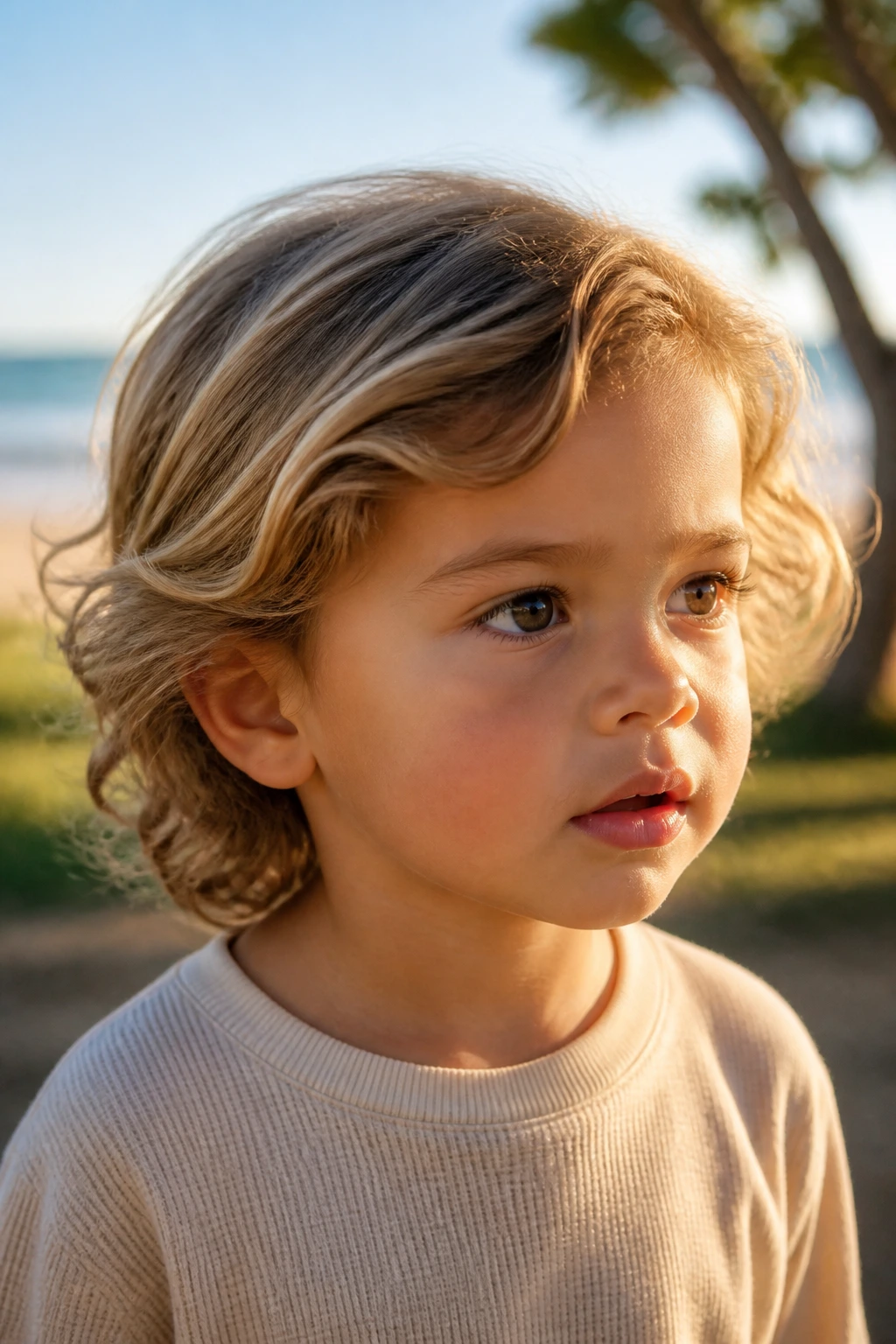
If your toddler has thick hair that has a slight natural bend to it, embrace the surfer look. This cut keeps the hair at a medium length, just long enough to tuck behind the ears, with significant texturizing.
Why It’s Effective
By removing the weight throughout the length, you prevent the hair from becoming a flat, heavy mass. Instead, the hair gains a bit of bounce and airiness that looks deliberate.
Beachy Vibes
If their hair is prone to getting frizzy, a touch of sea salt spray (or a DIY water and salt mix) can help define those waves and keep the volume from expanding into a giant fuzz-ball.
12. The Clean-Cut Taper Fade
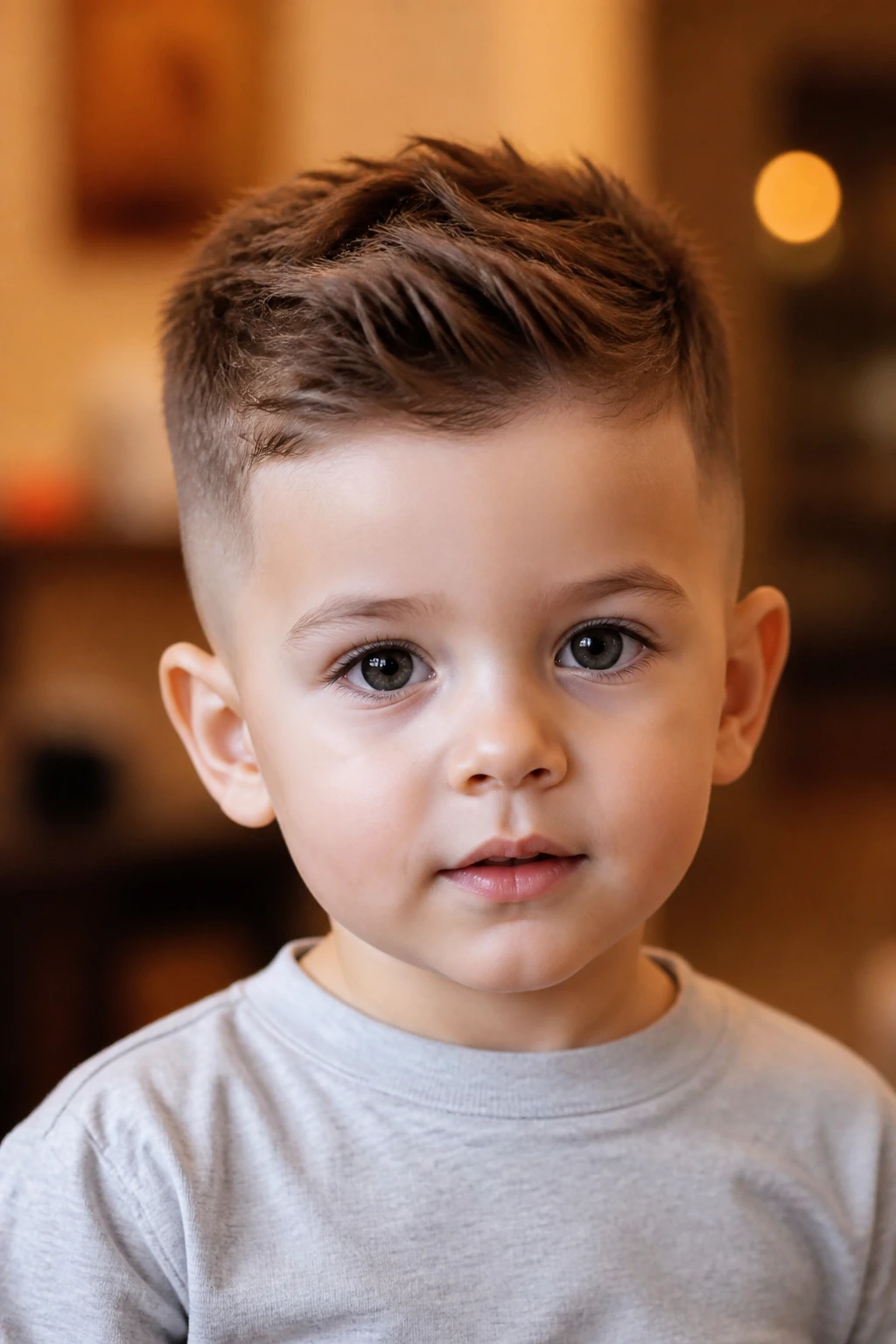
This is the standard for a reason. It is sharp, manageable, and very easy to maintain. The transition from the short sides to the slightly longer top provides enough length to look cute without the hassle of long hair care.
The Fade Detail
You can choose how high you want the fade to go. A low fade is more subtle and grown-out friendly, while a mid-fade is more dramatic and keeps the hair away from the ears for a longer period of time.
Maintenance
Because the sides are so short, they will stay neat for weeks. You might only need to touch up the top every few months, making this a very cost-effective and time-saving choice for busy parents.
13. The Asymmetrical Side Sweep
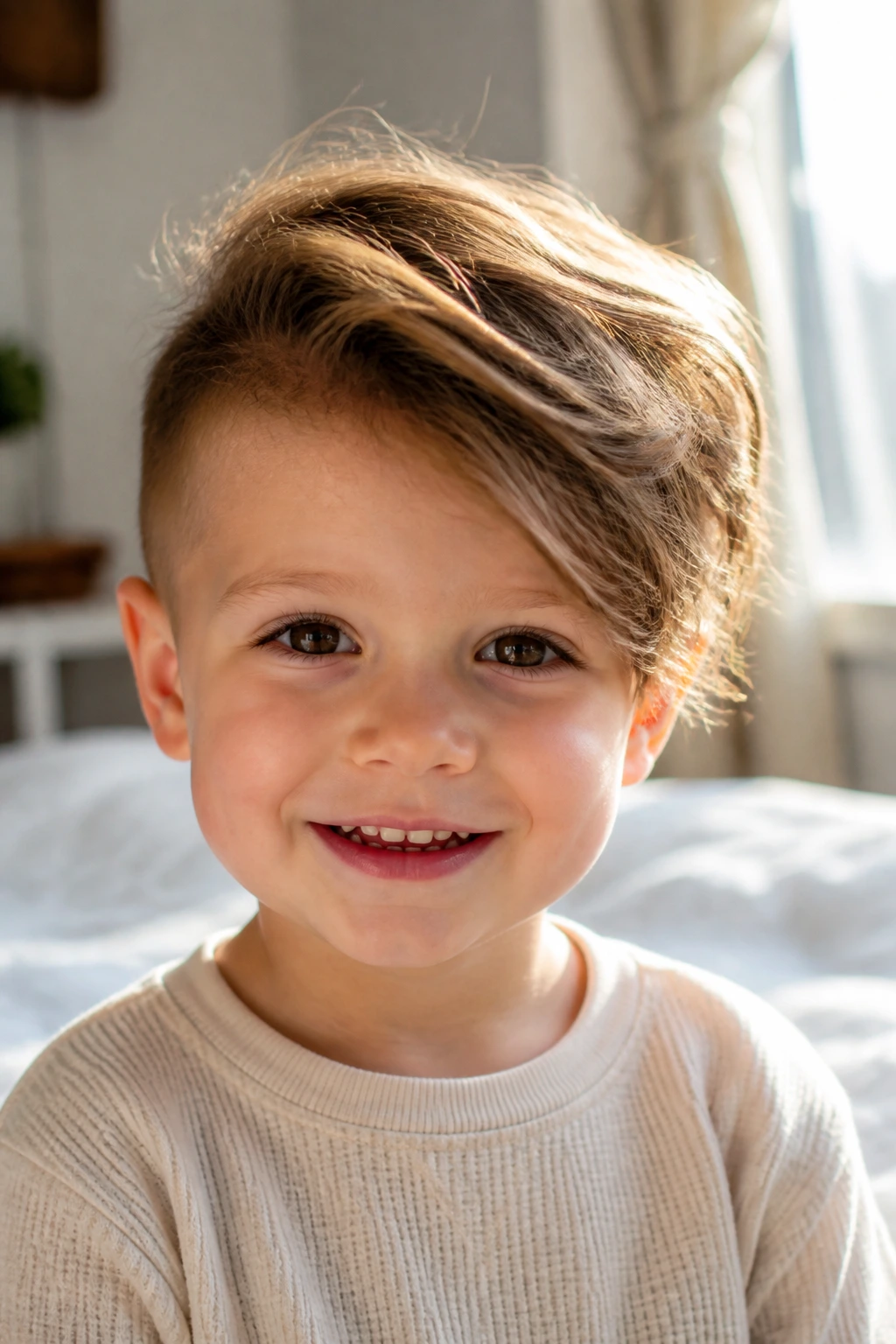
For a toddler who likes a bit of edge, an asymmetrical cut is a fun way to express personality. You keep one side shorter or tighter and allow the other side to be slightly longer and swept across.
Balancing the Thick Hair
The shorter side removes weight from one half of the head, making the thick hair much easier to part and manage. It’s an unconventional cut that looks great on toddlers with energetic, expressive faces.
Styling Tip
Let the hair fall naturally. If you try to force it into a perfect sweep, it will eventually fight back. A natural, slightly messy side-sweep is much more age-appropriate and easier to maintain throughout the day.
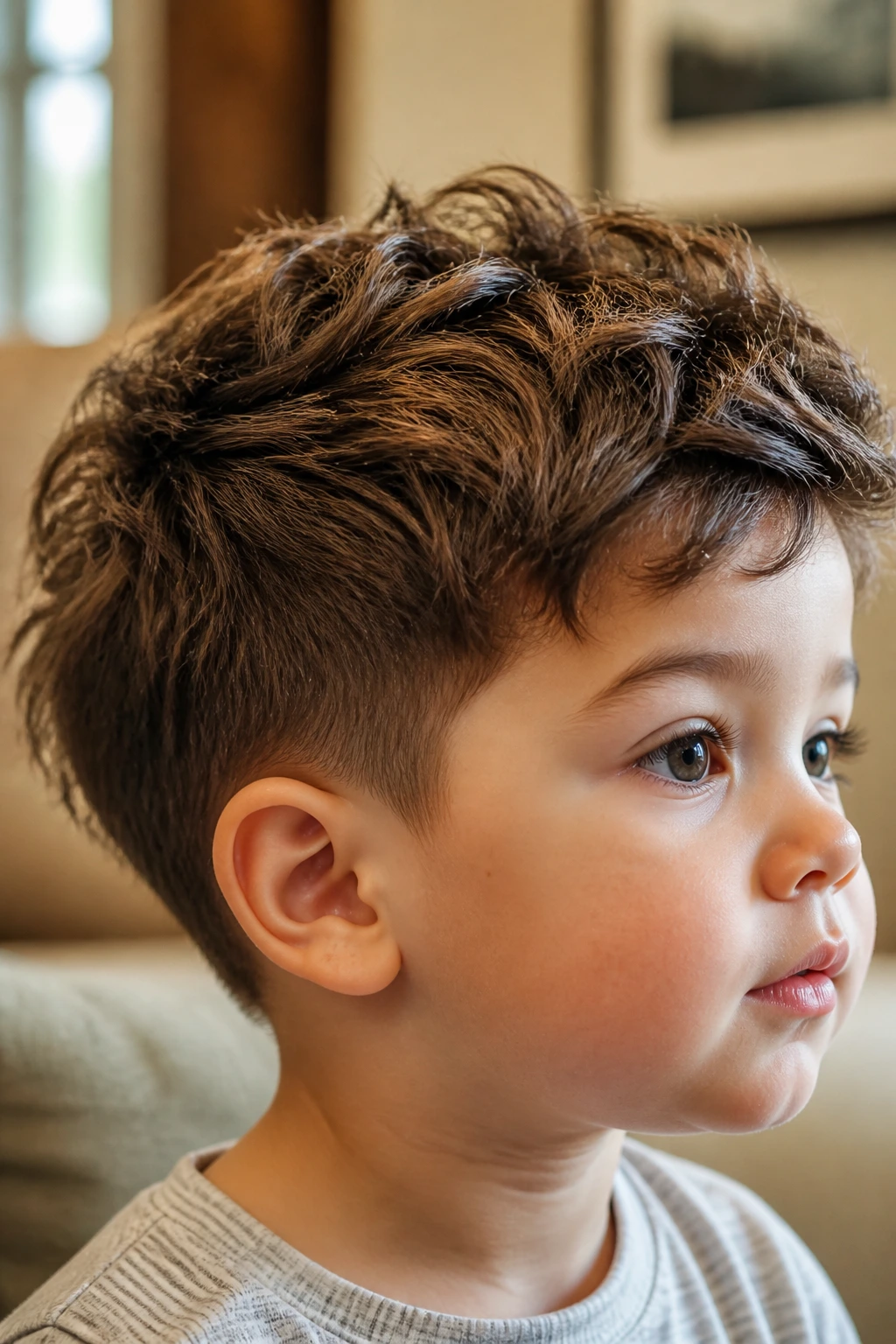
14. The Spiky Crown
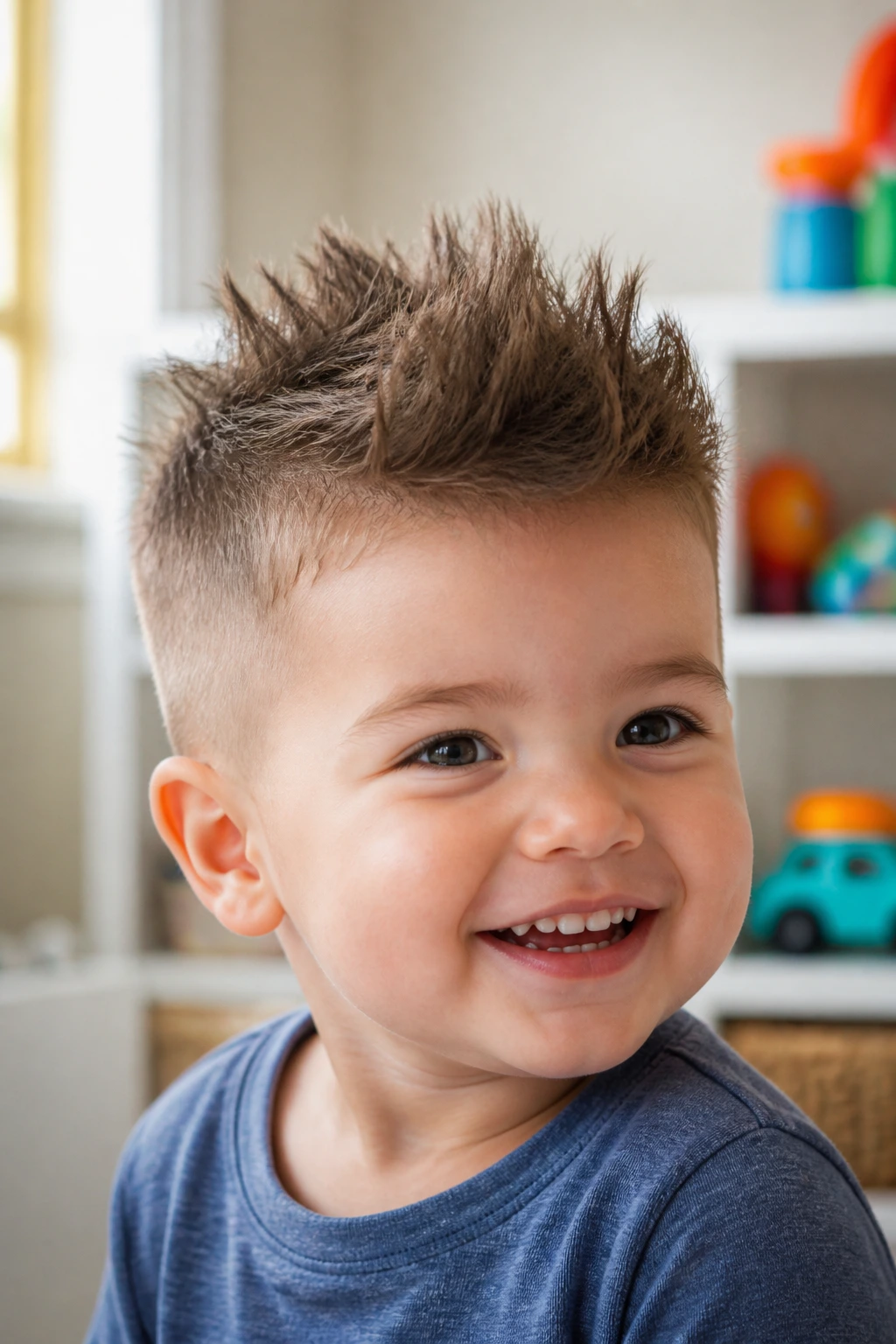
If your toddler has short, thick hair that tends to stand straight up on its own, work with it. A spiky crown cut keeps the sides very tight and leaves the top just long enough to create texture.
Natural Spikes
Most toddlers with thick hair have the perfect natural density for this. You don’t need heavy wax; just a bit of water or a light styling cream will keep the hair upright and looking cool.
The “I Woke Up Like This” Look
This is a great, low-stress cut. It doesn’t matter if it gets messed up during the day, as the entire point is for it to have a bit of a rebellious, textured vibe.
15. The Layered Undercut Bob
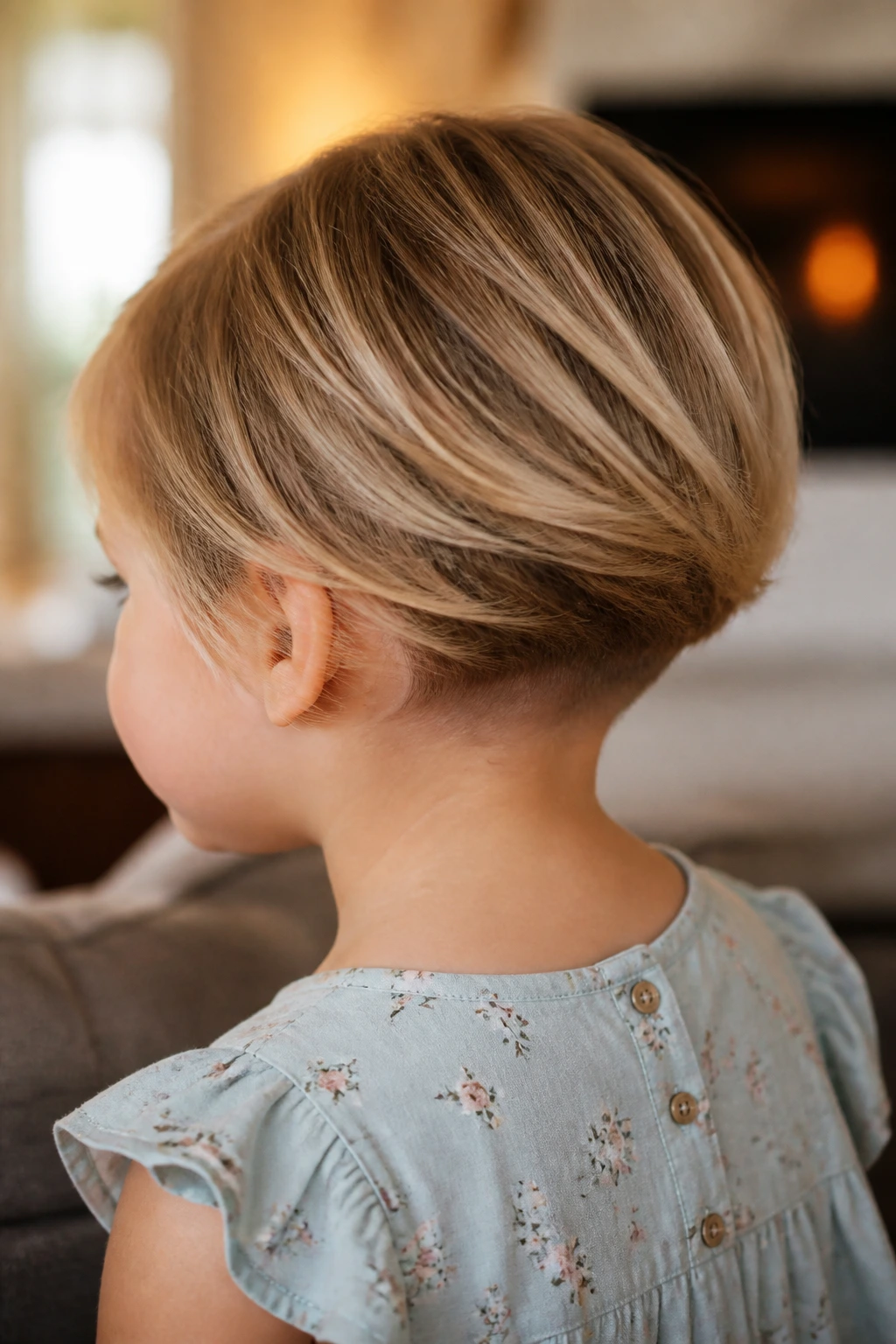
We mentioned the bob and the undercut, but combining them is the ultimate hack for thick-haired toddlers. You get the cute, rounded shape of a bob on top, but the hidden bulk of the lower layers is completely removed.
Precision is Key
This does require a bit more frequent maintenance than a buzz cut. You’ll need to check on the growth of the undercut every 4 to 6 weeks to ensure the top layer still covers it properly.
The “Cool Factor”
It is arguably the most stylish option on the list. It looks like a standard, chic haircut from the front, but feels incredibly light and airy for the child.
Practical Tips and Common Mistakes to Avoid
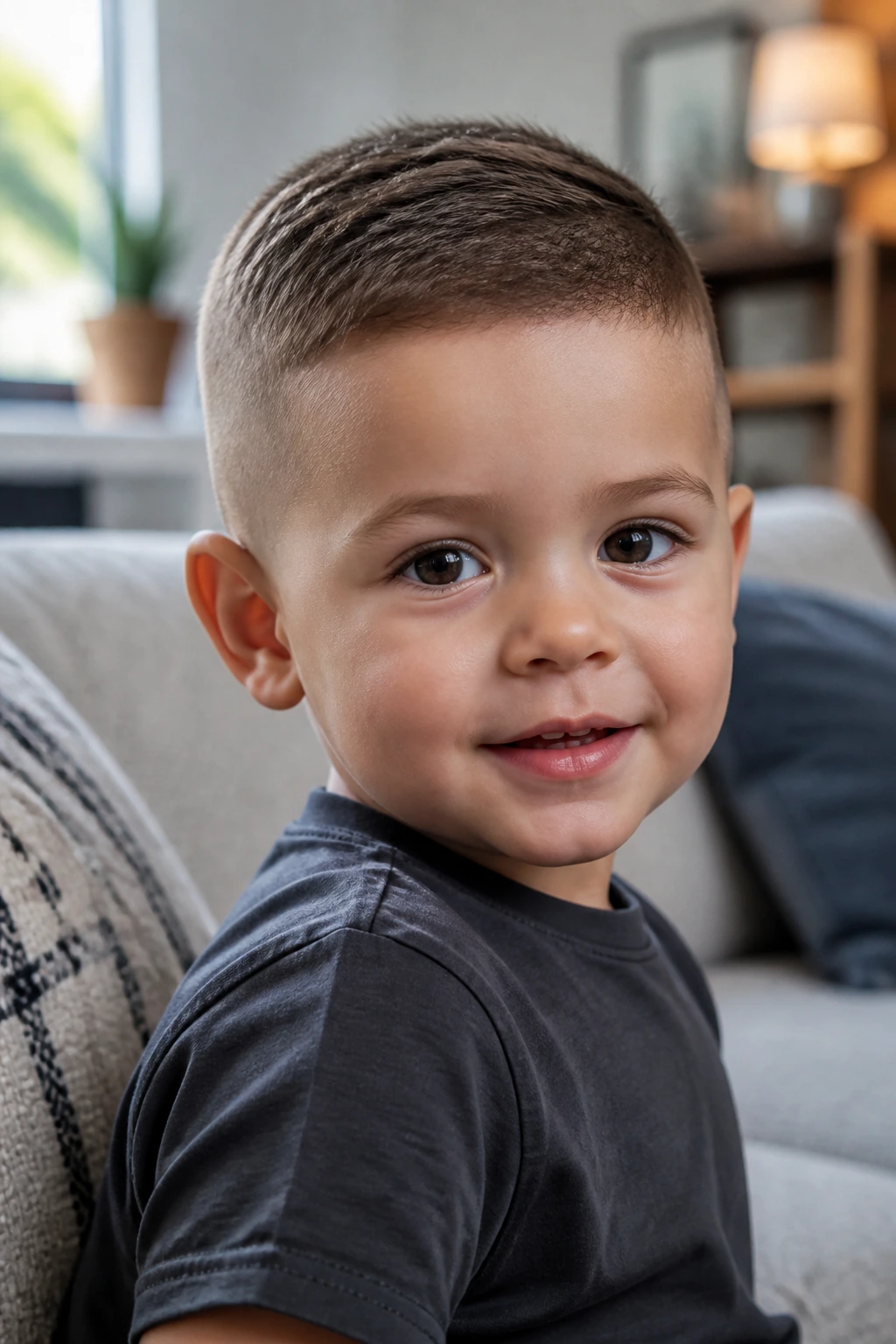
When you’re staring at a pair of scissors and a squirming toddler, it’s easy to panic. The biggest mistake parents make with thick hair is trying to cut it straight across in one big chop. This almost always results in a “shelf” effect, where the weight of the hair forces the ends to kick out in all directions. Instead, always ask for point-cutting, where the stylist uses the tips of the scissors to create soft, textured edges.
Another common error is failing to consider the hair’s natural growth pattern. Thick hair has a mind of its own. Before your first snip, spend a few days watching how their hair dries after a bath. Does it cowlick at the front? Does it poof at the nape? Work with those quirks rather than trying to force the hair into a shape that contradicts its natural growth. Finally, invest in a decent set of thinning shears. Even if you don’t use them to cut the length, simply using them to thin out the ends can save you hours of detangling time over the course of a month.
Variations and Adaptations
The beauty of these styles is that they are all adaptable based on your child’s specific texture. If your toddler has thick and curly hair, you can swap any of the “straight” recommendations for their curly counterparts by simply opting for a longer length. You can also mix and match elements—like adding a fade to a shag cut or putting an undercut beneath a pixie. If you’re ever unsure, start long. You can always take more off, but you cannot put it back on. For seasonal adjustments, go for the tighter fades during the warmer months and allow for a bit more length as the temperature drops.
Storage, Reheating, and Make-Ahead Guidance
Wait—while this isn’t a kitchen guide, the “storage” of a haircut is actually quite real. How you “store” or protect the hair after a cut depends on your toddler’s sleep habits. If they wake up with a bird’s nest in the back, consider a silk or satin pillowcase. It sounds fancy, but it genuinely reduces friction and keeps the hair from matting overnight. For make-ahead maintenance, keep a wide-tooth detangling comb and a leave-in conditioner spray in your diaper bag. Dealing with a tangle when it’s fresh is a two-second fix; dealing with it once it has set for four hours is a potential meltdown in the grocery store checkout line.
Serving Suggestions and Pairings
When we talk about “serving” a haircut, we’re really talking about how you present it to your toddler. If they are nervous about the salon or the home haircut, turn the environment into something they enjoy. Use a “special” cape made of a favorite blanket, offer a snack they don’t usually get, or let them watch a short, favorite cartoon while you work. Pairing the haircut with a positive activity removes the anxiety that often leads to squirming. A good cut shouldn’t feel like a chore for either of you; it should feel like a moment where they get to look in the mirror and see a slightly sharper, happier version of themselves.
Final Thoughts
The secret to managing thick toddler hair is accepting that you cannot force it into submission—you have to design around it. Whether you opt for a dramatic undercut, a soft, layered bob, or a classic, low-maintenance taper, the goal is always to reduce the weight while maintaining a look that matches their personality. Don’t be afraid to experiment with lengths or textures; toddlerhood is the perfect time for trial and error. Stick to the styles that keep them comfortable, keep the tangles at bay, and let you get out the door on time. Your patience during those long morning brush-outs will be replaced by the simplicity of a well-planned cut.