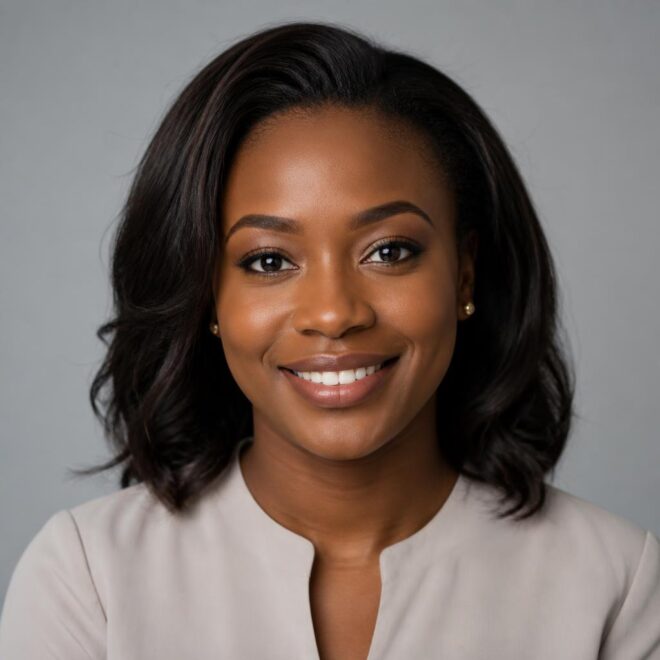


Achieving the perfect, high-gloss pageant curl when your hair is naturally prone to frizz is less about luck and more about mastering the architecture of your hair strands. You are fighting against moisture absorption, where the hair cuticle lifts in search of water from the air, causing that telltale halo of flyaways that can ruin a polished look. To get that mirror-like shine and the structural integrity required for a stage-ready style, you have to treat your hair like a fabric that needs to be sealed before it is shaped.
The secret to frizz-free styling lies in the prep work. If you try to force frizz into a structured curl without addressing the dryness and the cuticle health first, you are simply curling the frizz, which eventually leads to a chaotic, fuzzy mess by the end of the day. You want to create a smooth, weighted foundation that resists environmental humidity. By layering specific smoothing products and utilizing the right thermal tools, you can transform stubborn, coarse, or dry texture into the kind of bouncy, defined ringlets that dominate the stage.
1. The Deep Conditioning Foundation
Before any heat touches your hair, you must ensure that your strands are fully hydrated. Frizz is essentially the hair’s desperate search for moisture. If your hair is thirsty, it will pull humidity from the air, causing the cuticle to swell and disrupt your smooth styling. A deep conditioning treatment, performed at least forty-eight hours before your event, creates a reservoir of moisture inside the cortex.
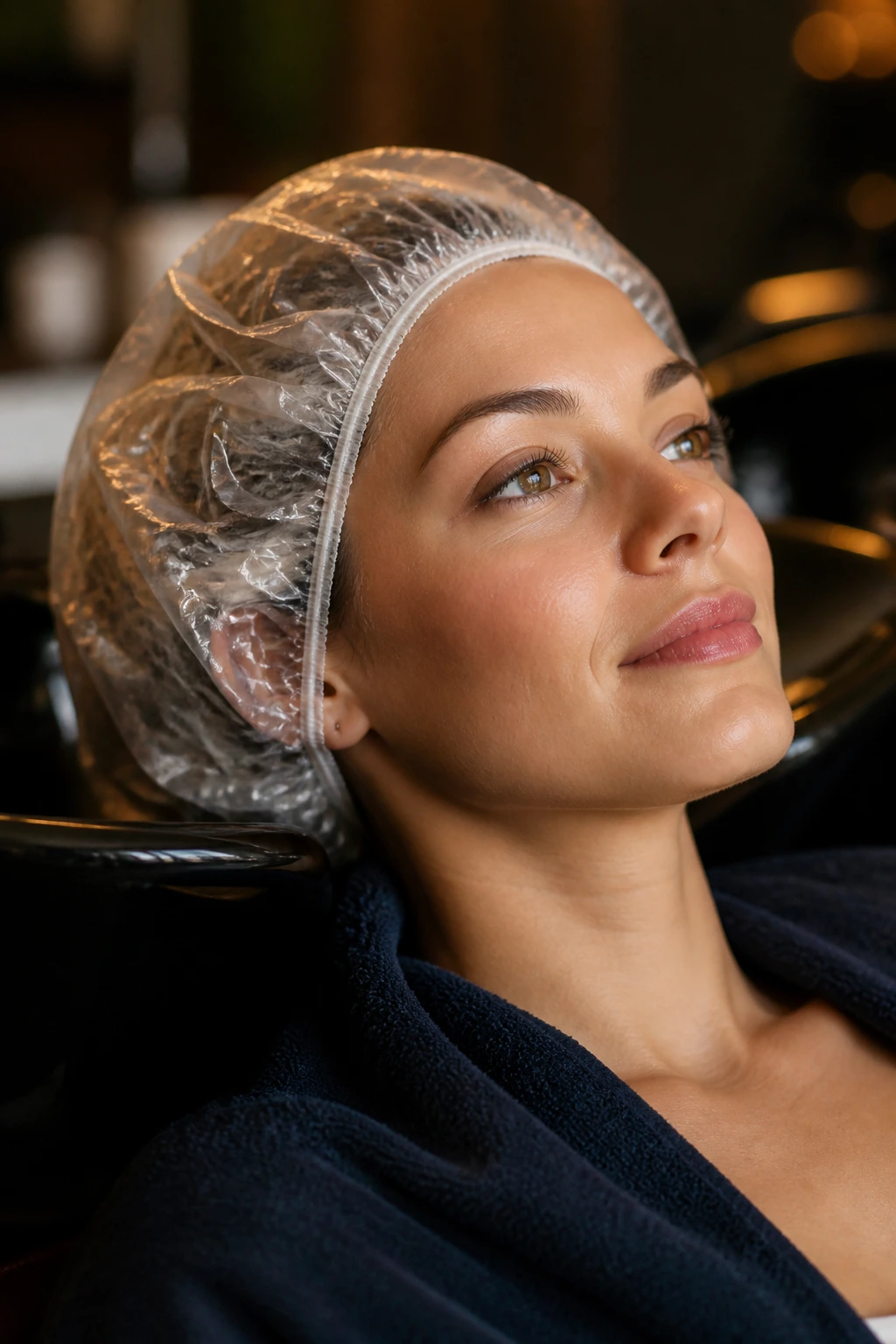
Look for masks containing ingredients like argan oil, keratin, or marshmallow root. These ingredients don’t just coat the hair; they penetrate the shaft to provide weight. When your hair has enough internal hydration, it stops reaching for the moisture in the air. Apply your mask generously, focusing on the mid-lengths and ends, and let it sit under a plastic cap for twenty minutes. The heat from your scalp will help the ingredients settle into the hair structure, leaving you with a base that is soft, pliable, and ready to be molded into those iconic pageant curls.
2. Smoothing Cream and Heat Protection Layers
Styling starts the moment you step out of the shower. You cannot rely on a single product to tame frizz; you need a strategic layering system that builds a barrier against the world. Start with a leave-in conditioner that is lightweight, followed by a concentrated smoothing cream. This cream acts as your “glue” to keep the cuticle lying flat during the drying process.
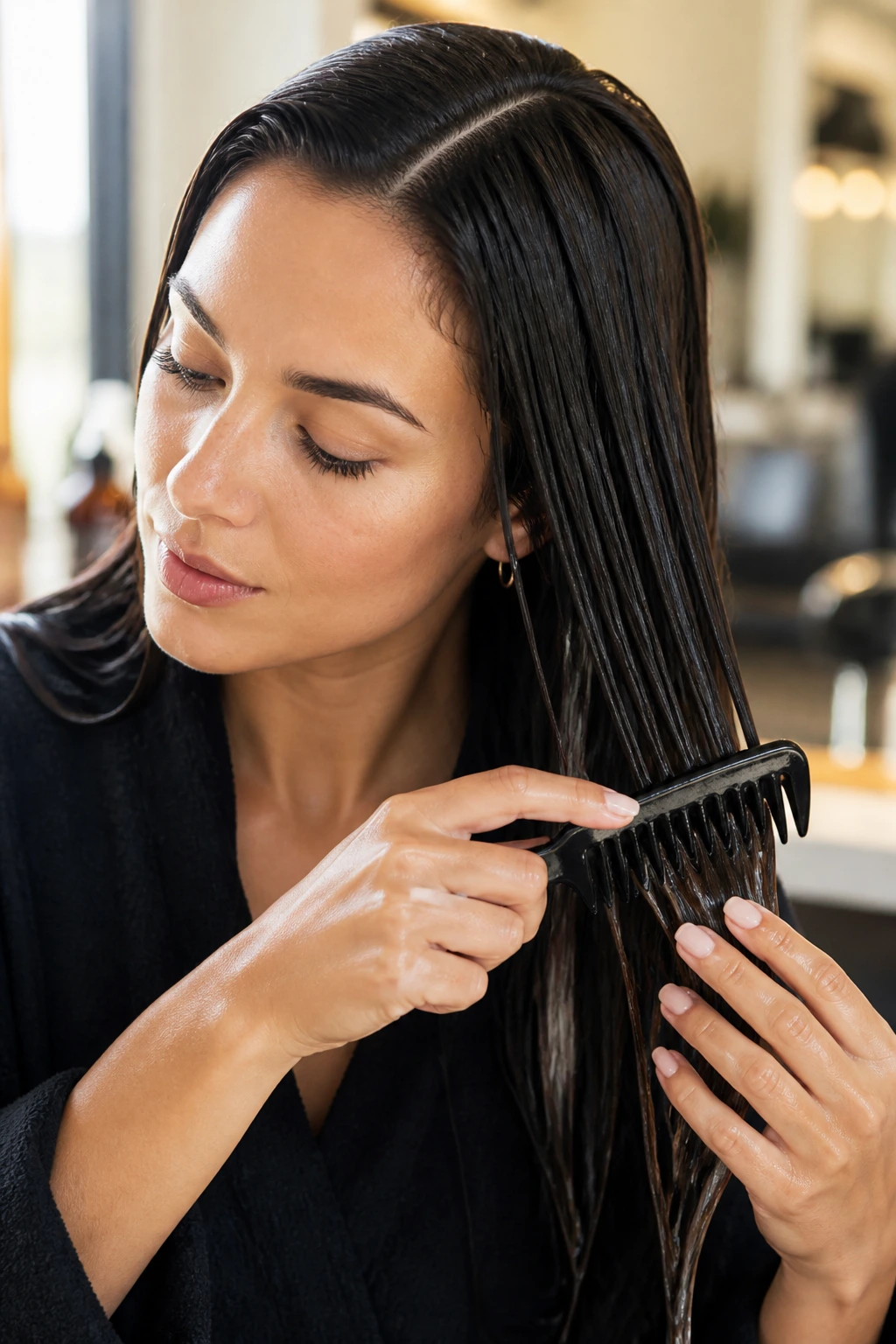
Apply these products to damp hair—not soaking wet, as water will dilute the efficacy of your smoothing agents. Work the product through in sections using a wide-tooth comb to ensure even distribution from root to tip. Following the cream, apply a thermal protectant spray. You need a formula that offers a high heat threshold, preventing the hair from snapping or singeing under the intense heat of a curling wand. Think of this as the sealant that keeps your smoothing work locked inside the hair shaft.
3. The Precision Blow-Dry Technique
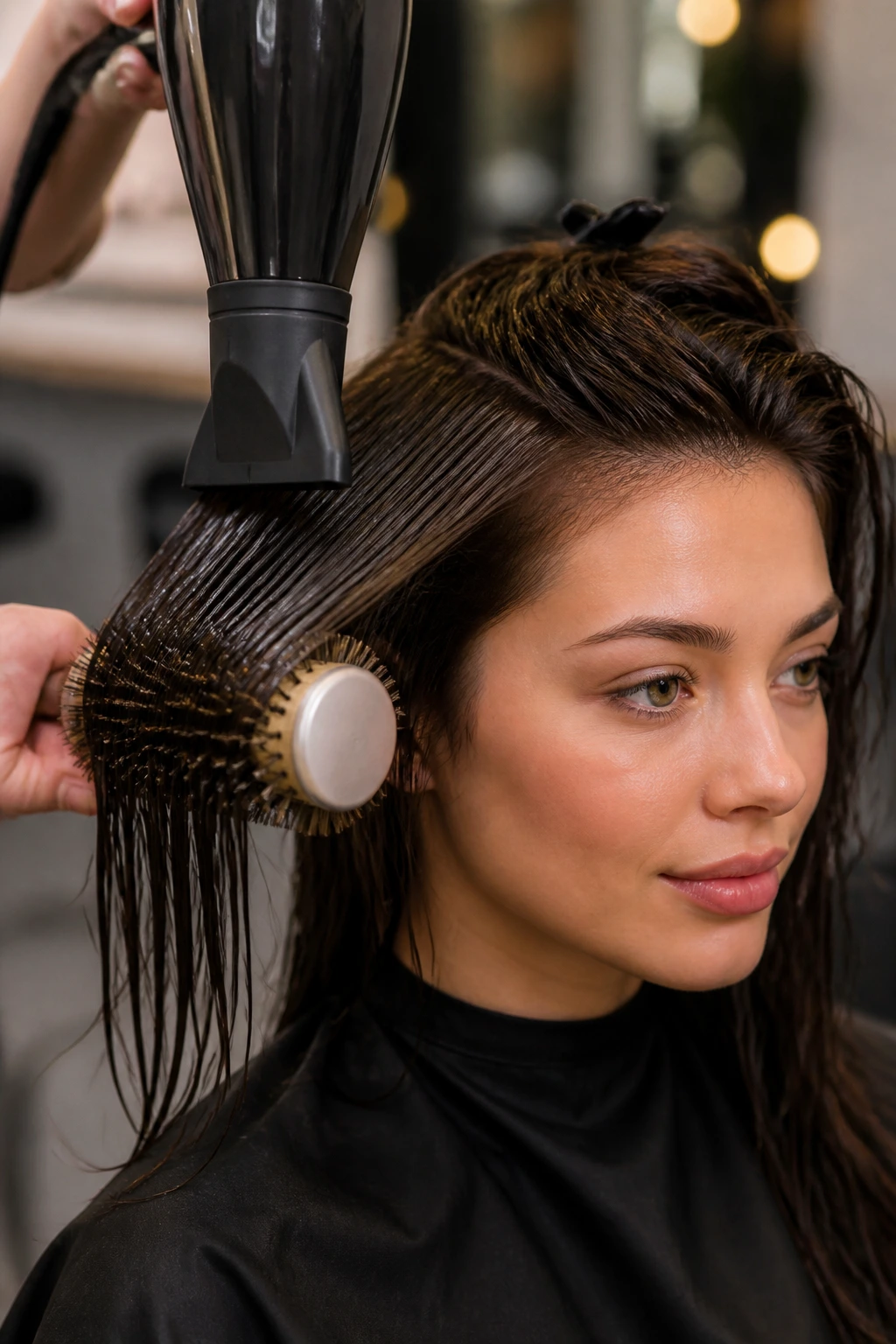
The way you dry your hair dictates its final texture. If you let your hair air-dry until it’s ninety percent dry and then try to smooth it, you’ve already lost the battle against frizz. You need to use a nozzle attachment on your blow dryer to direct the airflow downward along the hair shaft. This simple action forces the hair cuticle to lie flat, which is the physical manifestation of a smooth, frizz-free surface.
Use a round brush with a mix of boar bristles and nylon. The boar bristles grab the hair gently and create tension, while the nylon bristles help polish the cuticle to a high sheen. Work in one-inch sections, keeping the dryer moving constantly to avoid hot spots. Once a section is dry, hit it with the “cool shot” button on your dryer for ten seconds. That burst of cold air locks the shape of the hair and helps close the cuticle tight, leaving you with a glassy finish that is the perfect canvas for your curls.
4. Why the One-Inch Barrel is Your Best Friend
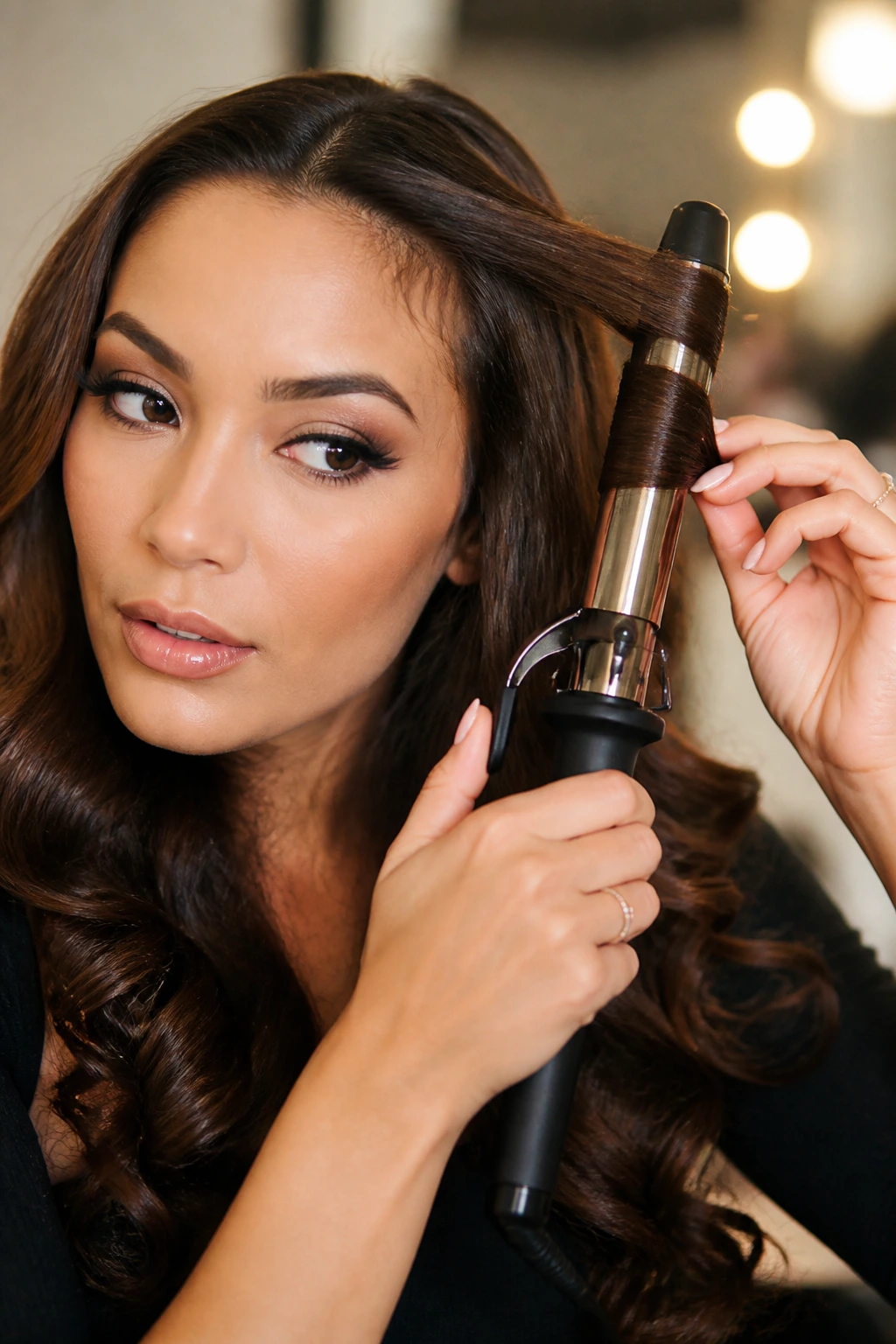
When you look at a classic pageant curl, you are looking at a uniform, defined ringlet that holds its shape. To achieve this, the size of your curling iron barrel matters more than almost any other tool choice. A one-inch barrel is the sweet spot because it creates a coil that is tight enough to hold throughout an entire day of movement but loose enough to look soft and natural on stage.
If your barrel is too large, you will end up with a beachy wave, which often lacks the formal, “set” look required for competition. If it is too small, you will look like you have tight ringlets that haven’t been brushed out properly. A one-inch ceramic or tourmaline barrel provides even heat distribution, which prevents the hair from snagging. Always wrap your hair away from your face. This technique opens up your features and creates a more flattering, symmetrical look that highlights your face shape under bright stage lights.
5. The Importance of Hair Sectioning
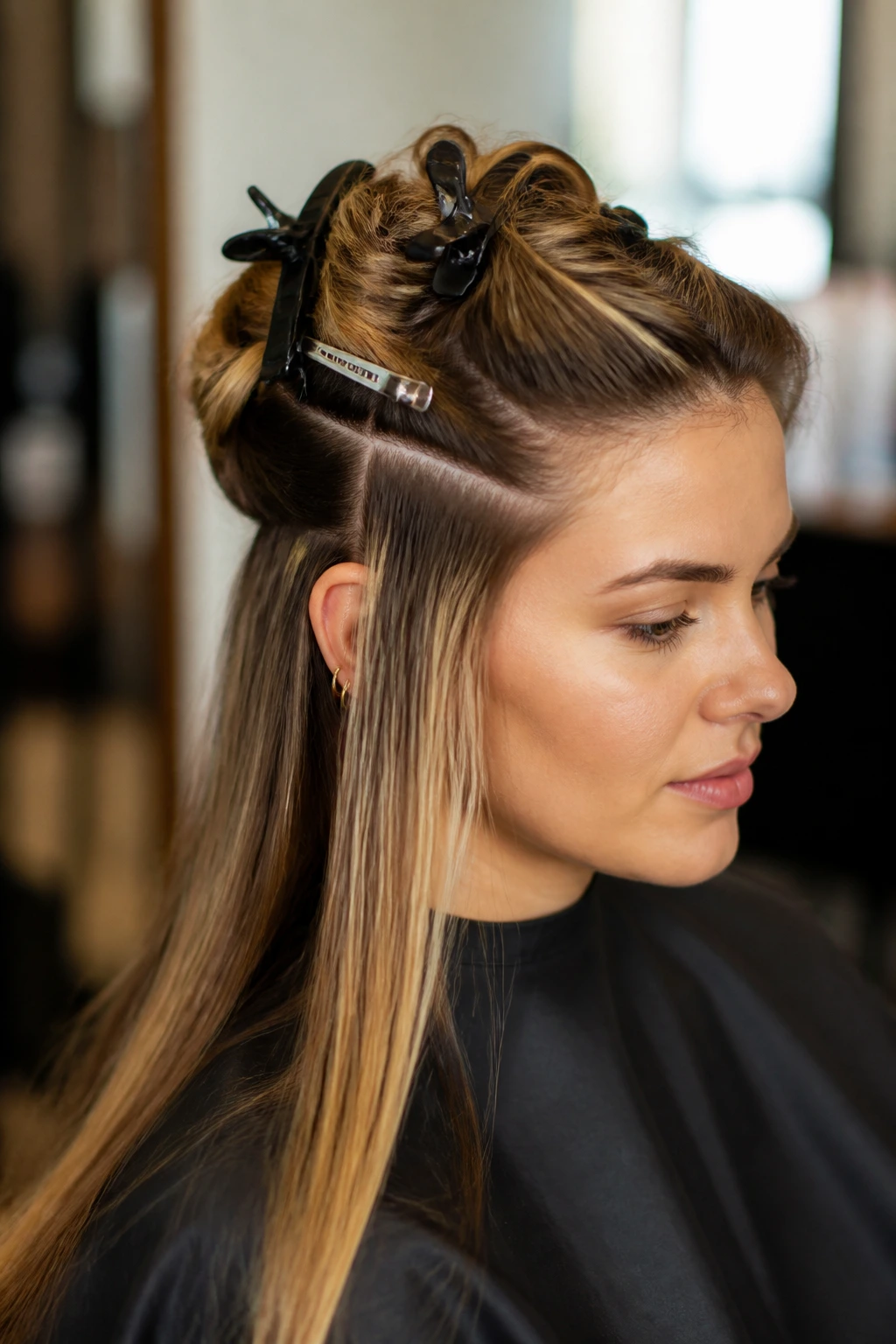
If you try to grab handfuls of hair and curl them, you will end up with uneven, frizzy curls that fall flat within an hour. Professional pageant hair relies on clean, precise sectioning. Start at the nape of your neck and clip the rest of your hair up, working in rows that are no more than one inch wide and one inch thick.
Why does this matter? When a section is too thick, the heat cannot penetrate all the way through to the center of the hair bundle. This leaves the inner layers under-curled, which will pull down the rest of your style, making the whole head look limp and unpolished. Working in small, controlled sections ensures that every strand of hair receives the exact same amount of heat. This consistency is what creates the “uniform” look of professional pageant styling, where every curl flows into the next without any stray, frizzy ends interrupting the silhouette.
6. Setting the Curls with Clips
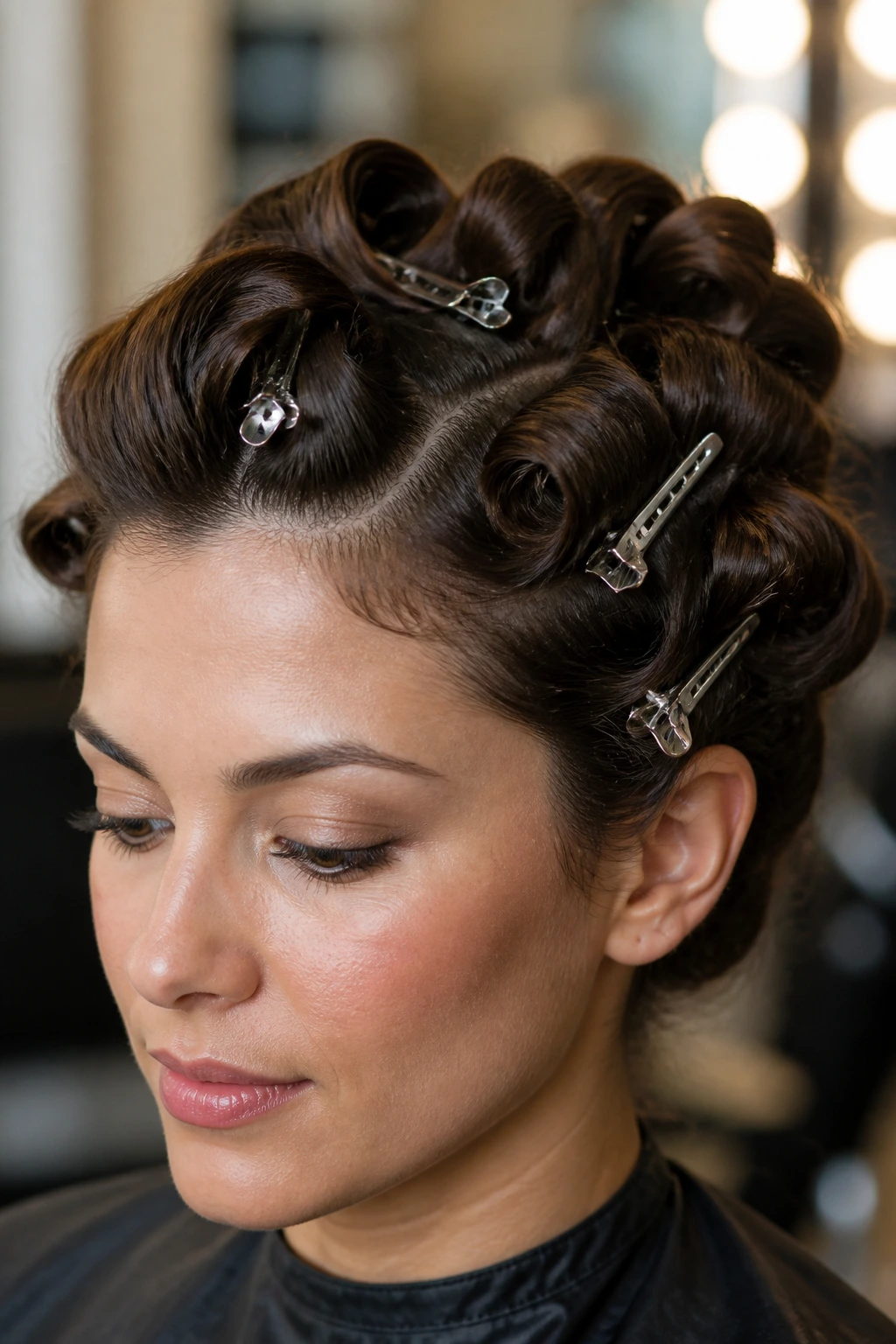
After you pull the hair off the iron, the curl is at its most vulnerable. As it cools, it sets. If you let it drop immediately while it is still warm, gravity will stretch it out, and the friction against your shoulders or back will cause the cuticle to ruffle and frizz. To prevent this, catch the curl while it is still in its coiled shape and pin it to your head with a duckbill clip.
Leaving the curl pinned until your entire head is done allows the hair to cool into a tight, secure shape. This is a trick used by editorial stylists to ensure longevity. Once you have finished your entire head, wait at least ten minutes before you remove the clips. By the time you take them down, your hair will have a structural integrity that is nearly impossible to achieve by letting the curls hang free from the start.
7. The Art of Brushing Out
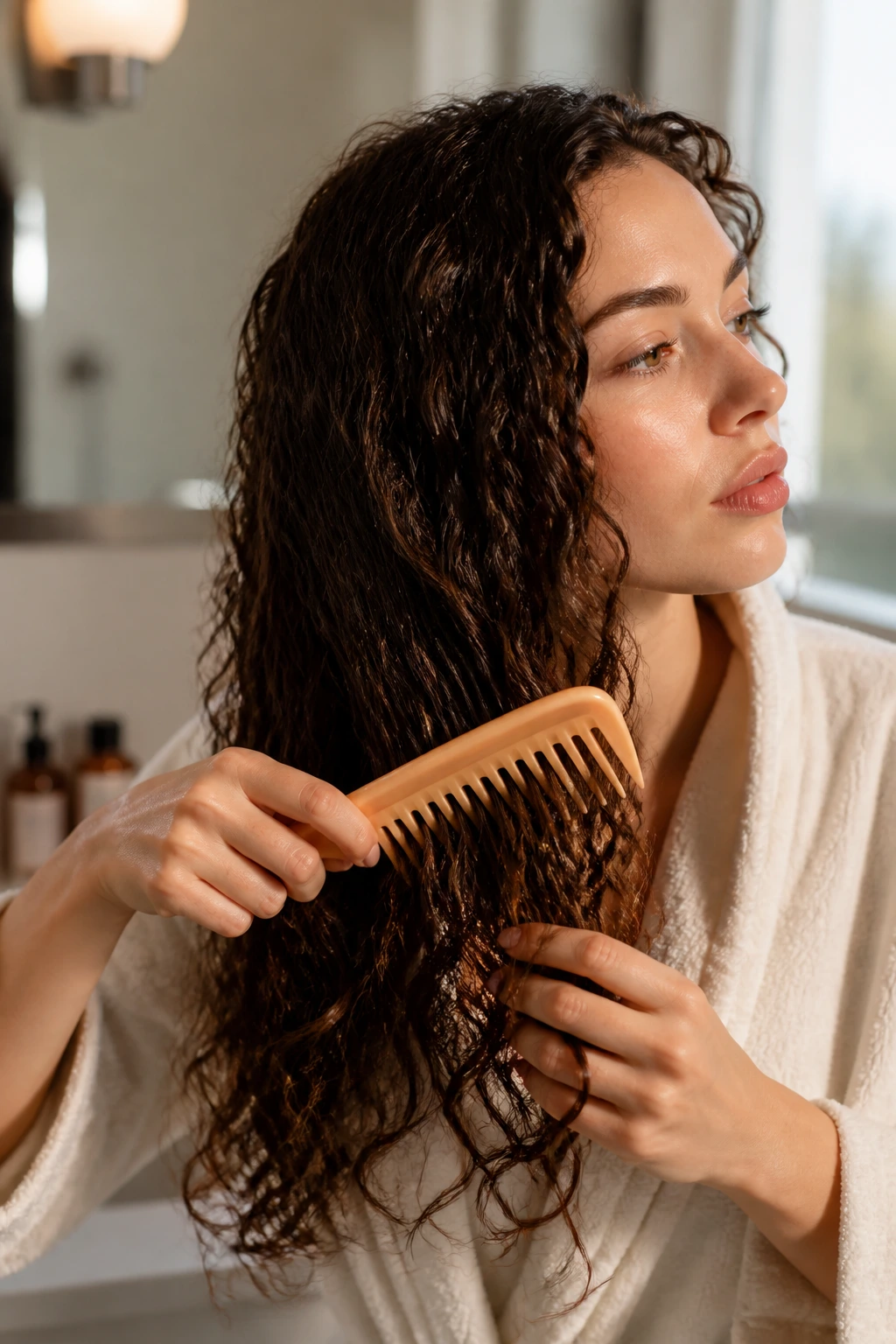
Most people make the mistake of running a brush through their hair too aggressively, which is the fastest way to turn a sleek set of curls into a frizzy, tangled mess. Once you remove your clips, your hair will look like tight, stiff ringlets—this is exactly what you want. Take a wide-tooth comb or a soft boar-bristle brush, start at the ends, and very gently rake through the hair.
You are not trying to straighten the hair; you are trying to meld the individual curls together into a cohesive, flowing wave. If you feel any resistance, stop and use your fingers to gently separate the strands. The goal is to create a seamless cascade of hair that moves as one unit. The friction from a hard plastic brush will cause static and lift the hair fibers, so stick to soft materials that minimize disruption to the smooth finish you worked so hard to build.
8. Finishing with Shine Spray
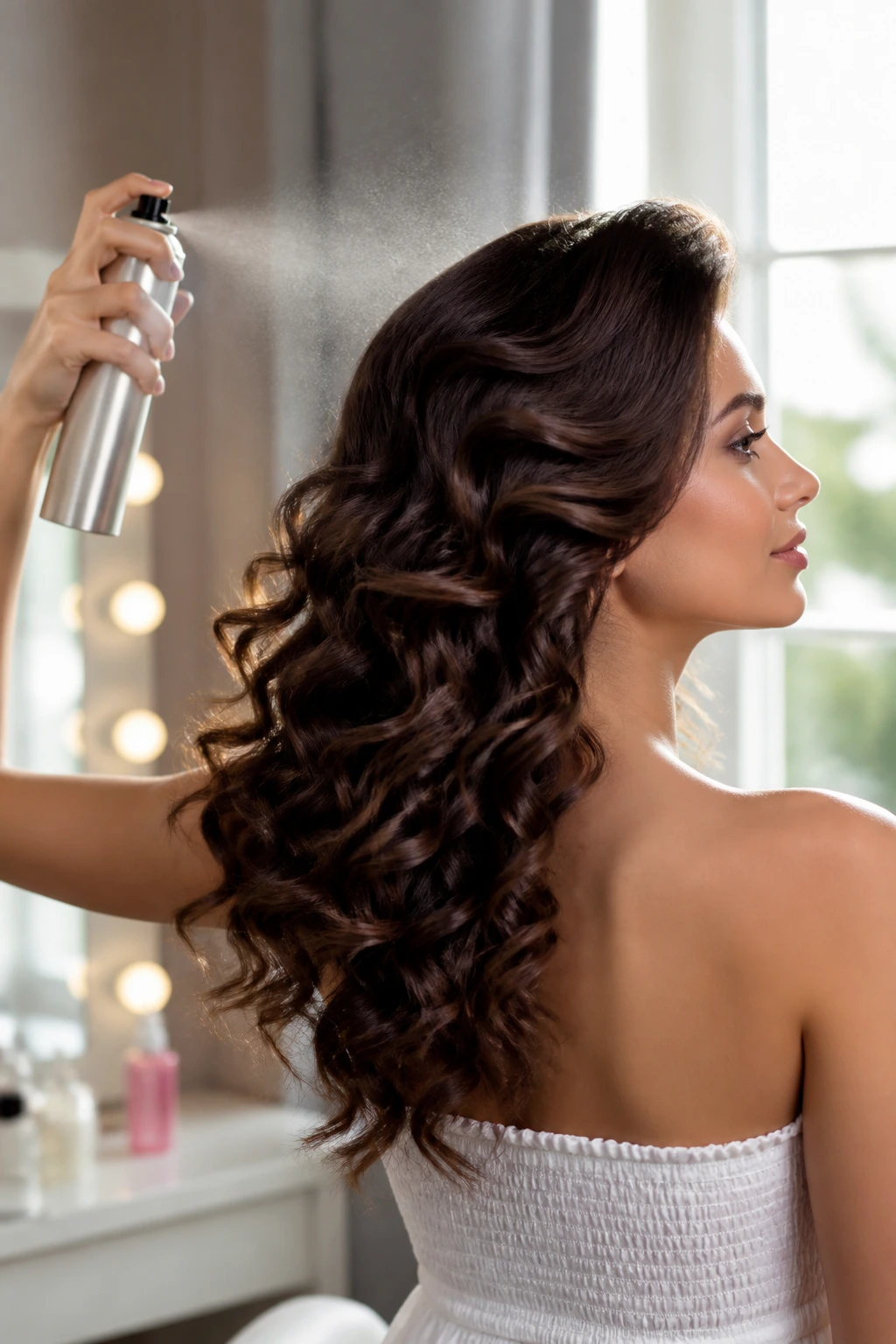
Once your curls are styled to perfection, you need a final layer of protection that adds gloss and seals the deal against humidity. A lightweight shine spray is essential, but you must use it correctly. Never spray it directly onto your roots, as this will make your hair look heavy or greasy.
Hold the bottle at least twelve inches away from your head and mist it over the finished style in a sweeping motion. This allows the product to settle as a fine, even veil over the hair. Look for sprays that contain silicone or lightweight oils like camellia or sunflower seed oil. These ingredients act as a hydrophobic shield, meaning they repel moisture from the atmosphere. If you walk into a humid environment, that shine spray will prevent the water vapor from entering your hair, keeping your pageant curls smooth and intact until you leave the stage.
9. Handling Humidity-Prone Strands
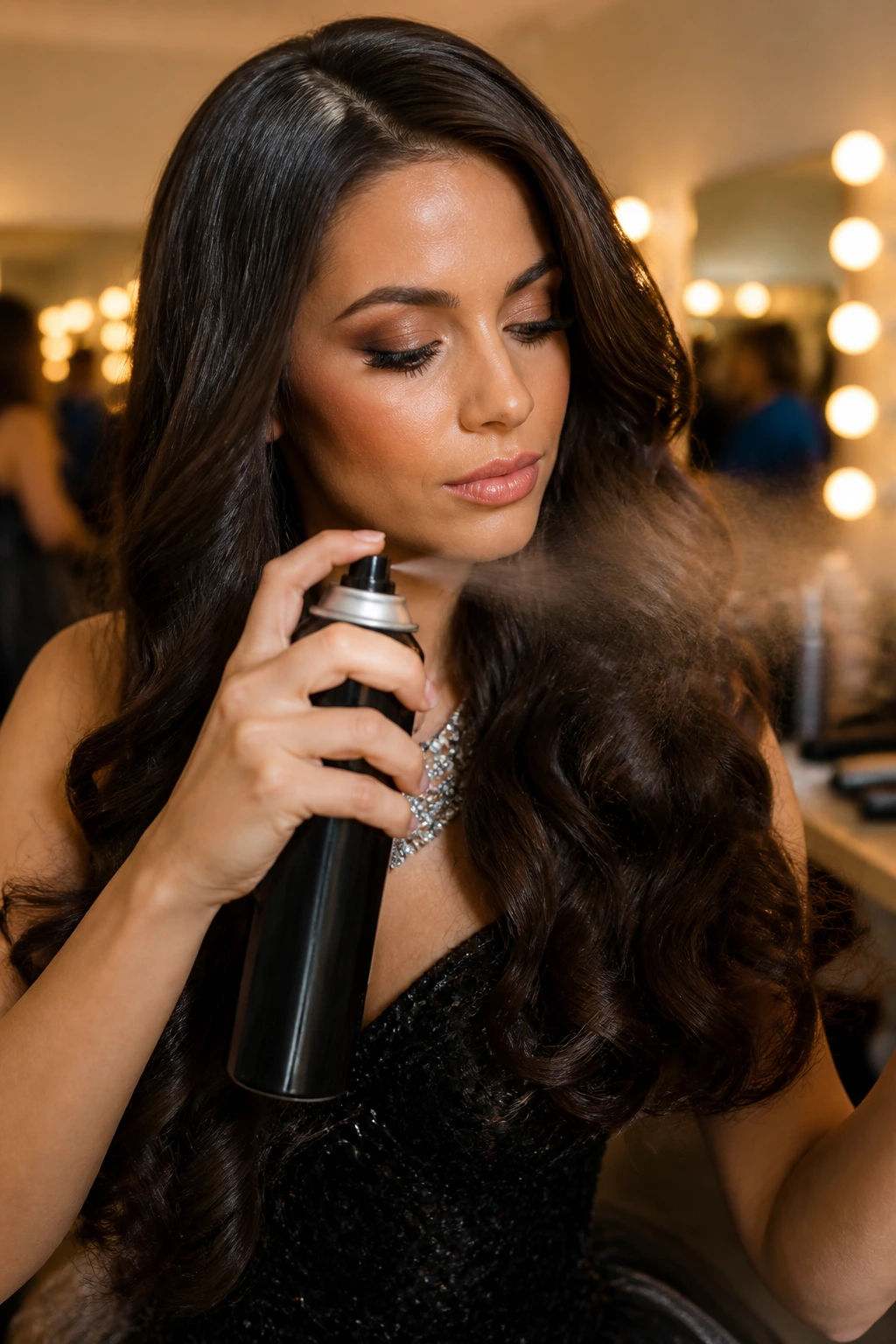
Some hair textures are naturally more porous, meaning they have gaps in the cuticle that absorb water instantly. If you know your hair is highly porous, you need a specialized “anti-humidity” sealant spray before you begin your curling process. These products are often polymer-based and heat-activated, meaning they need a blow dryer to fully lock into place.
Once activated, these sealants create a “waterproof” cloak around every strand. This is the ultimate defense for anyone struggling with constant frizz. You might feel like you are layering too many products, but in the world of pageant hair, it is all about building a sturdy, impenetrable foundation. When you are under hot stage lights or dealing with changing room humidity, this extra step is the difference between a pristine look and a frizzy disaster.
10. The Hairspray Hierarchy
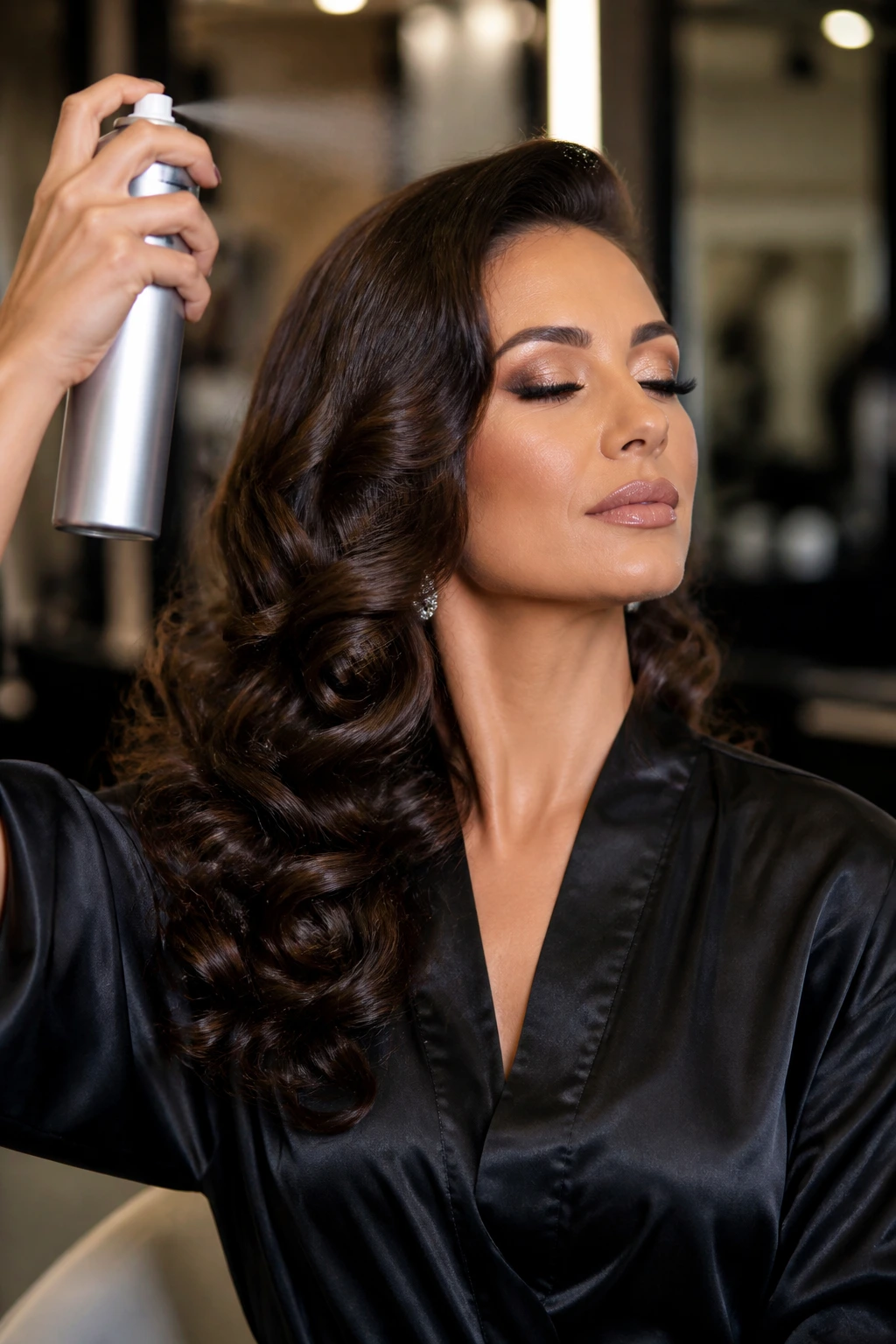
Not all hairsprays are created equal. You need a hairspray that offers strong hold but remains flexible enough that it doesn’t flake or turn into a sticky mess. For pageant curls, start with a light-hold spray while you are working on the individual sections. This helps the hair hold its shape without becoming crunchy.
Once the entire look is finished and you’ve brushed it into place, finish with a firm-hold, humidity-resistant finishing spray. The “finish” is the key term here. You want a mist that dries instantly and provides a locked-in look. Avoid sprays that are water-based, as they can cause the hair to swell and frizz as soon as the mist hits it. Look for alcohol-based formulas that evaporate quickly, leaving only the holding polymers behind.
11. Maintaining Curls Between Rounds
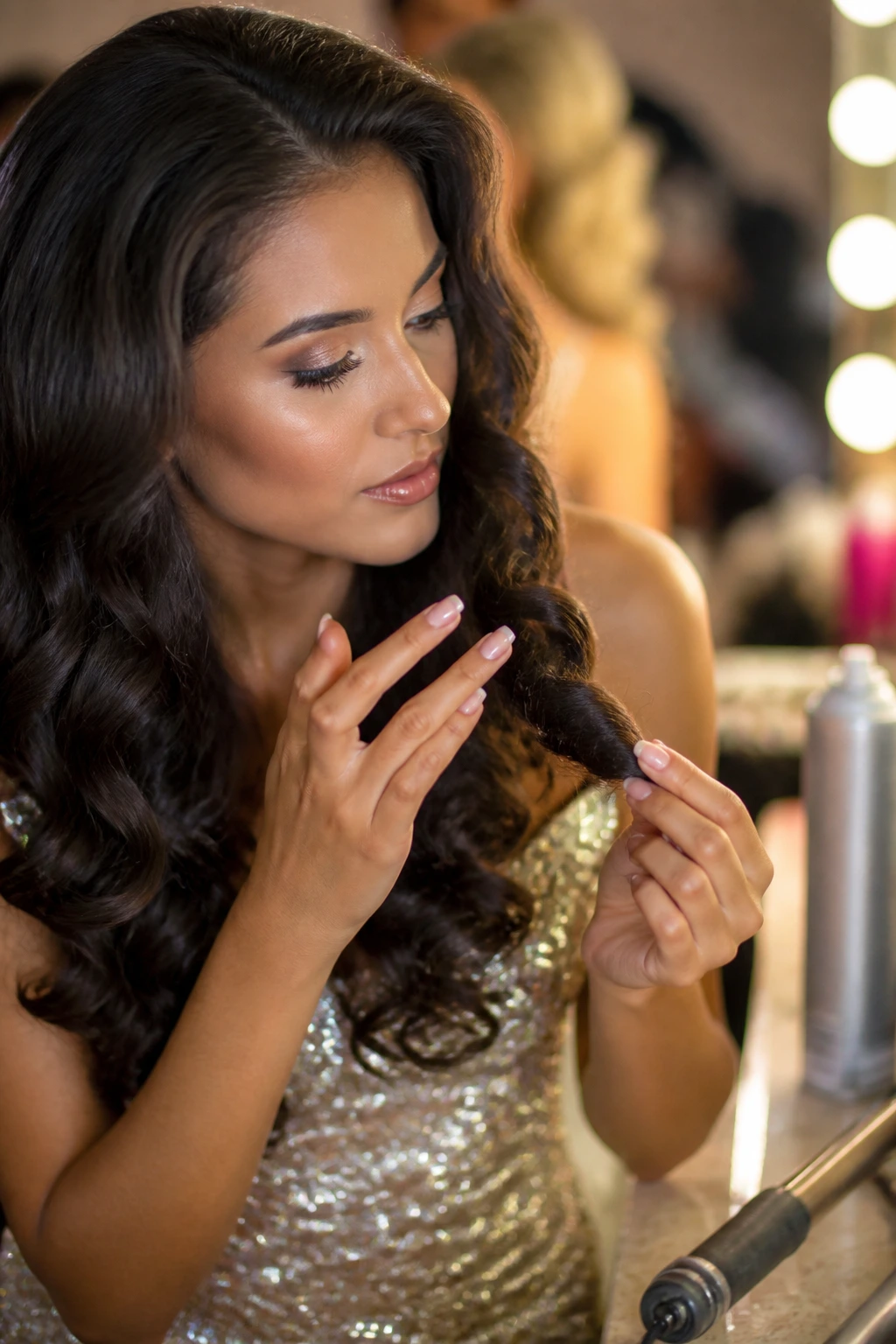
Pageants are long events, and your hair needs to withstand hours of waiting. If you notice a stray hair popping out or a curl starting to lose its definition, do not brush it. Instead, take a tiny drop of smoothing oil on your fingertips, warm it between your palms, and smooth it over the affected area.
This tames flyaways instantly without the need for more product or heat. If a curl has gone flat, you can touch it up with a small curling wand, but only if you use a thermal spray first. Never use a hot tool on hair that has already been sprayed, as you will cook the product into the hair and cause permanent damage. Keep a small kit in your bag with clips, a travel-sized shine spray, and a boar-bristle brush for these quick, mid-event touch-ups.
12. Overnight Protection Tips
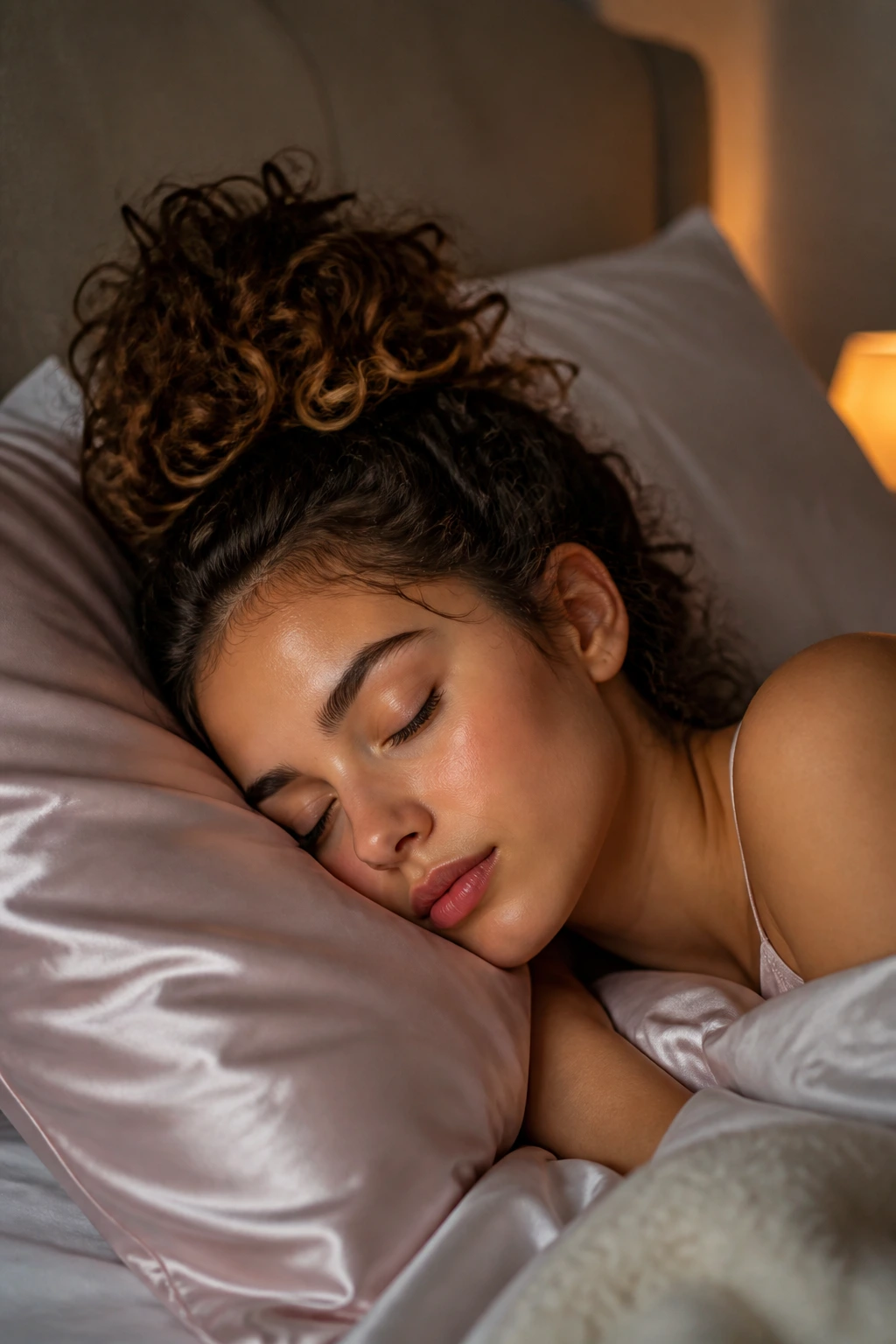
If you are prepping your hair the night before or if you have a multi-day event, how you sleep determines how your hair looks the next morning. Never sleep on a cotton pillowcase. Cotton is absorbent and creates friction, which drags against your hair strands, roughens the cuticle, and leads to waking up with a head full of frizz.
Switch to a silk or satin pillowcase. These fabrics are smooth and allow your hair to glide over the surface without getting caught or abraded. If your hair is long, pile it loosely on top of your head in a “pineapple” bun, secured with a silk scrunchie. This prevents your curls from being flattened while you sleep. When you wake up, a quick shake of your head and a light mist of shine spray should be all you need to revive your look.
13. The Role of Professional Equipment
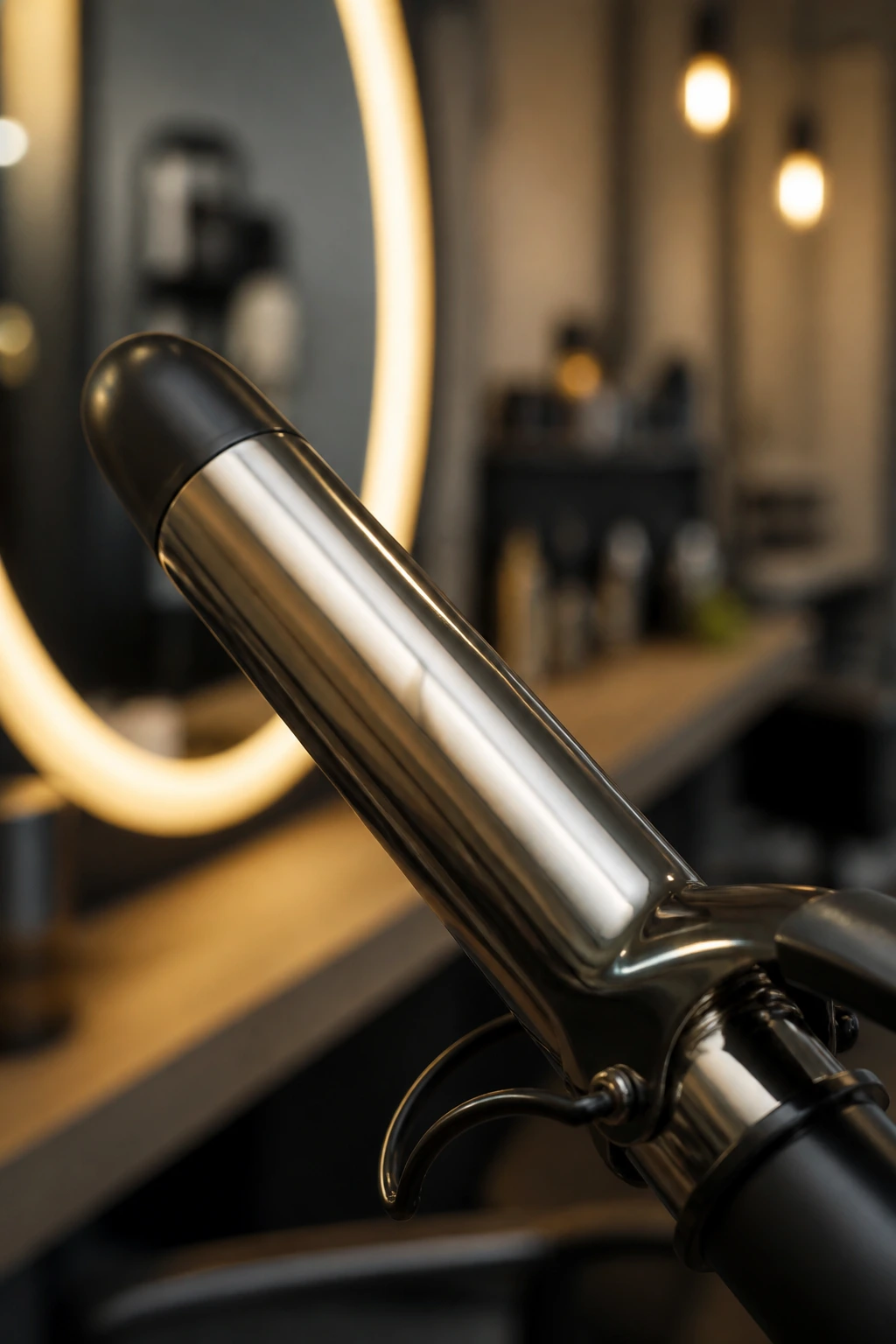
While you can achieve a decent look with drugstore tools, professional-grade styling tools often feature better heating elements that provide a more consistent temperature. A high-quality iron will maintain a steady heat, which is vital for frizz control. If an iron fluctuates in temperature, some parts of your hair will get too hot (causing damage and frizz) while others won’t get hot enough (leading to curls that fall out).
Look for tools with digital temperature controls so you can keep the iron below 375°F. Anything higher is unnecessary for most hair types and will eventually cause the protein structure of your hair to break down, leading to permanent frizziness. Investing in a tool with a ceramic or titanium plate also helps to distribute heat more evenly, ensuring that you don’t have to pass the iron over the same section of hair multiple times—every pass is an opportunity for frizz.
14. Managing Frizzy Ends and Split Ends
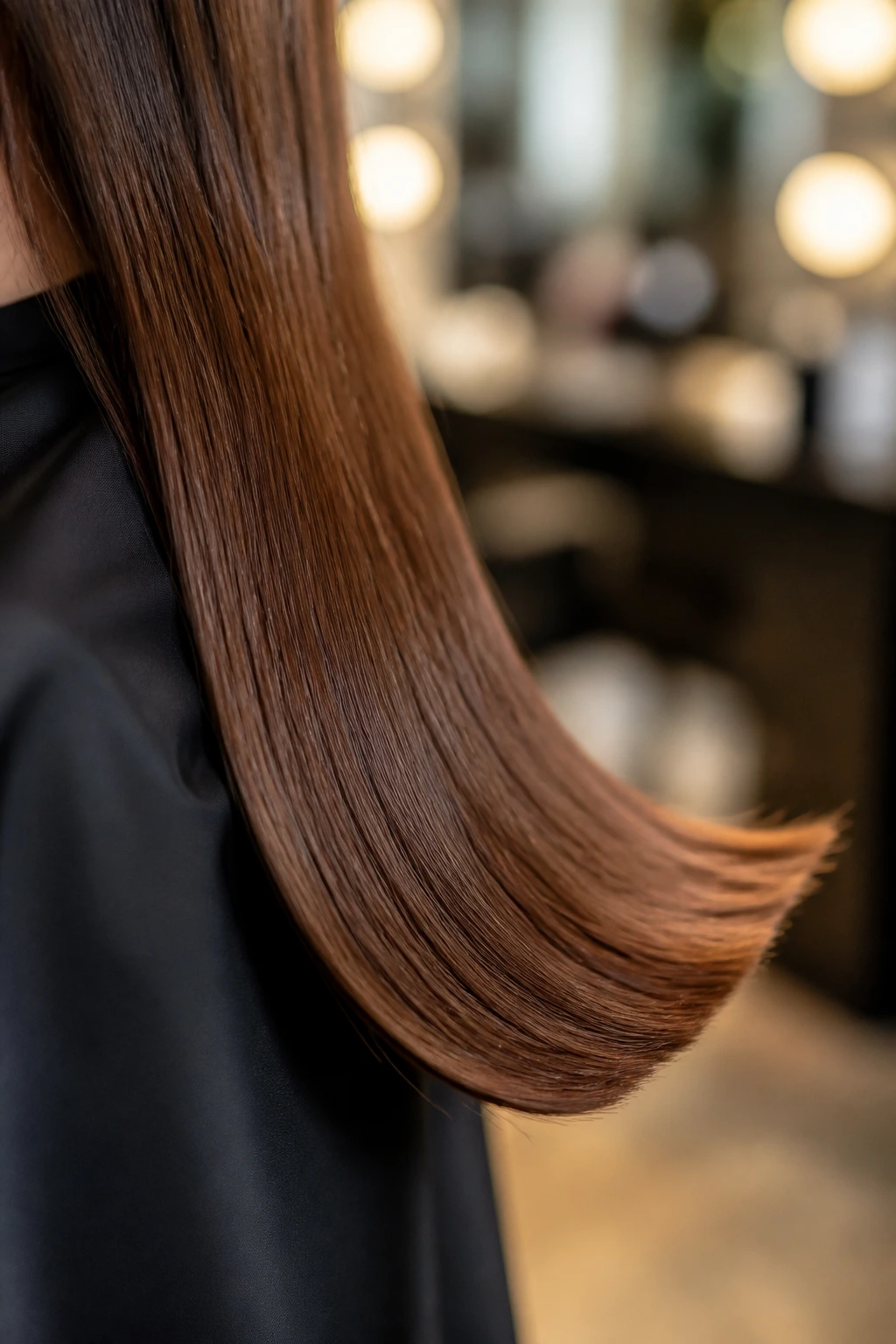
Sometimes, the frizz you see isn’t environmental—it’s damage. If your ends are frayed, no amount of styling product will make them look completely smooth. If you have significant split ends, the curl will look fuzzy regardless of your technique. A light trim before a major pageant is the only way to truly “cure” this kind of frizz.
If you can’t get a cut, use a tiny amount of specialized split-end bonding product. These formulas temporarily “glue” the frayed ends together, giving you a smooth appearance for the duration of your event. Apply this only to the very tips of your hair. When your ends are sealed and smooth, the entire curl will look healthier and more professional, allowing you to focus on the overall shape rather than hiding messy ends.
15. The Impact of Your Diet and Hydration
Hair is the last part of your body to receive nutrients. If you are dehydrated or lacking in essential fatty acids, your hair will show it through dryness and frizz. For long-term hair health, ensure you are consuming enough omega-3 fatty acids, which you can find in walnuts, chia seeds, and salmon.
Drinking enough water is also a non-negotiable step for hair that behaves. When your body is hydrated, your scalp produces the natural oils necessary to coat the hair shaft from the inside out. While this won’t change your hair texture overnight, it provides a better foundation for styling. Think of it as the ultimate “prep” that happens weeks before the pageant even starts.
16. Avoiding Static in Cold Environments
If your pageant occurs in a cold or dry climate, static becomes your biggest enemy. Static electricity causes hair to repel itself, creating that infamous “flyaway” look that is nearly impossible to fix once you are on stage. The way to combat this is by increasing the humidity in your hair—not the air.
Avoid lightweight, volumizing products that can dry out the hair, and instead opt for products with a bit more weight, like creams or leave-in oils. When you are styling, keep a dryer sheet handy. You can gently swipe it over the surface of your hair—the anti-static agents will neutralize the charge instantly. This is a backstage secret that saves countless looks from being ruined by static buildup.
17. The Choice Between Mousse and Gel
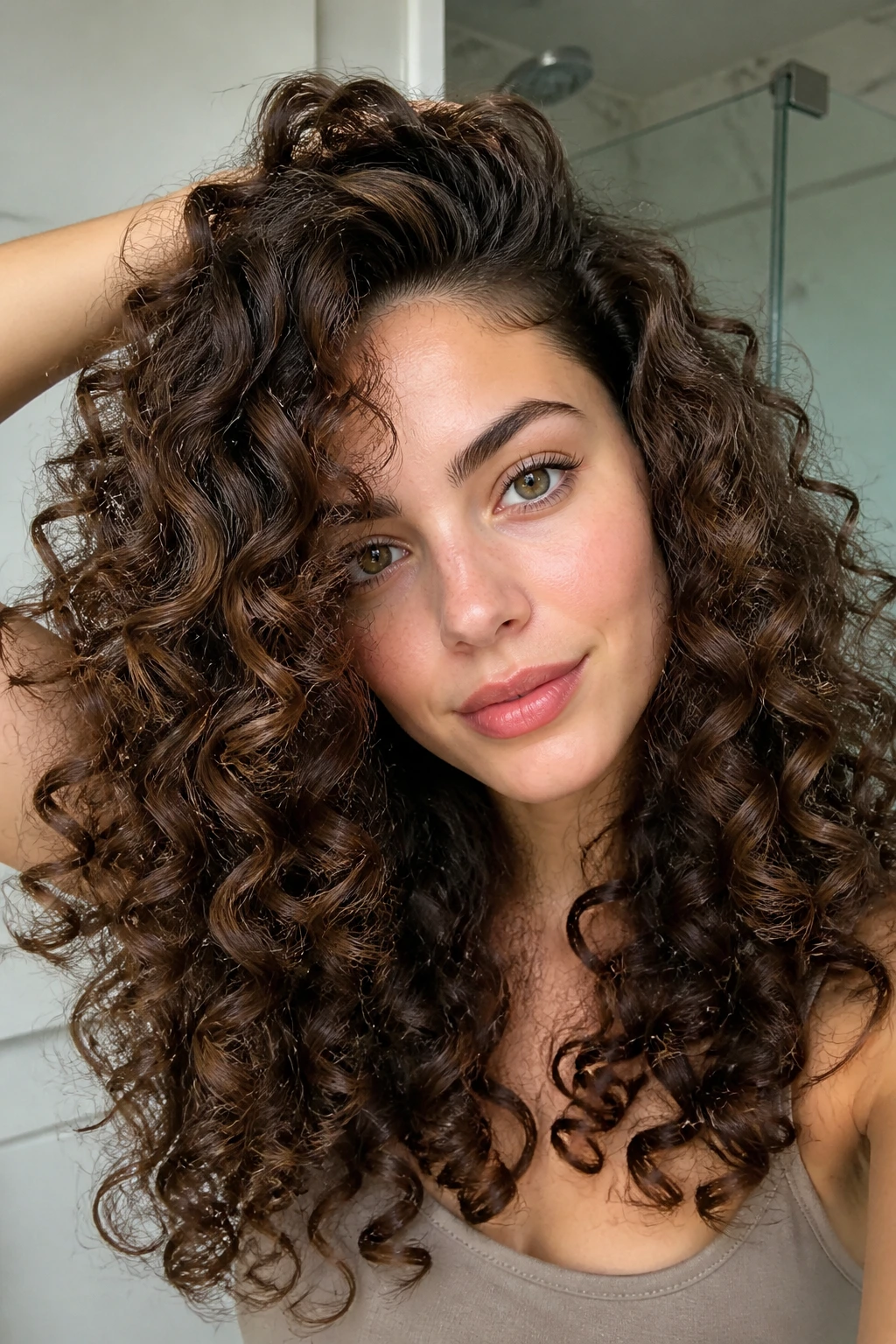
For many people, the impulse is to use a heavy gel to keep curls in place. However, heavy gels can often turn frizzy hair into a crunchy, brittle mess that breaks apart as the day goes on. Mousse is generally a better choice for pageant curls.
Look for a styling mousse that offers a “medium to firm” hold. Mousse adds volume and creates a structural foundation without the weight of a gel. It gives you that airy, bouncy look that catches the light during your walk. If you must use a gel, mix a small amount with your leave-in cream in your palms before applying it. This dilutes the strength and ensures that you get the hold you need without the stiffness that creates frizz-inducing friction.
18. Confidence and Natural Movement
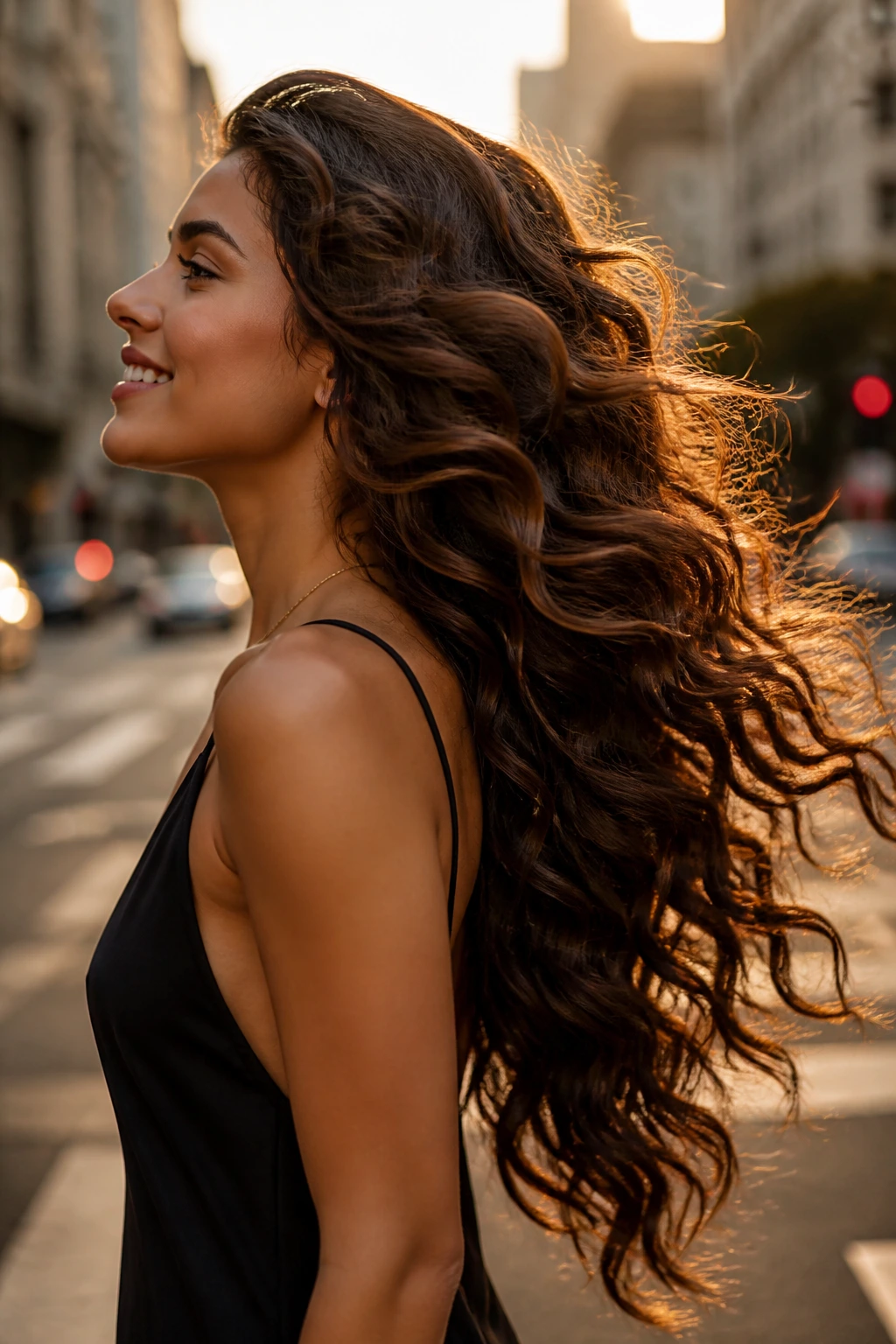
At the end of the day, your hair needs to look like it belongs to you. If you over-style it to the point where it doesn’t move, it can look synthetic and stiff. The goal of these pageant curls is to look polished but alive. When you walk, your hair should sway.
If you have followed the steps of properly hydrating, sealing, and setting your curls, you have earned the freedom to let your hair move naturally. Trust in the foundation you built. By focusing on the structural health of the hair cuticle rather than just piling on more hairspray, you will find that your hair maintains its style, its shine, and its bounce, leaving you free to focus entirely on your performance.
Final Thoughts
Creating pageant curls for frizzy hair is really just a matter of managing the cuticle and controlling environmental moisture. You start with deep conditioning to fill the internal gaps, layer your products from lightest to heaviest to build a barrier, and use precise heat techniques to lock the surface flat. By the time you are brushing out those cooled curls, you are essentially polishing a finished product rather than fighting against your hair’s natural texture.
Always remember that the best style is one that survives the conditions you put it in. If you feel like your hair is going to be tested by heat or humidity, do not skimp on that final sealing shine spray. That tiny step is the difference between a look that wilts under pressure and one that stays sharp until the final curtain. Treat your hair as your most important accessory, and it will rise to the occasion every time.