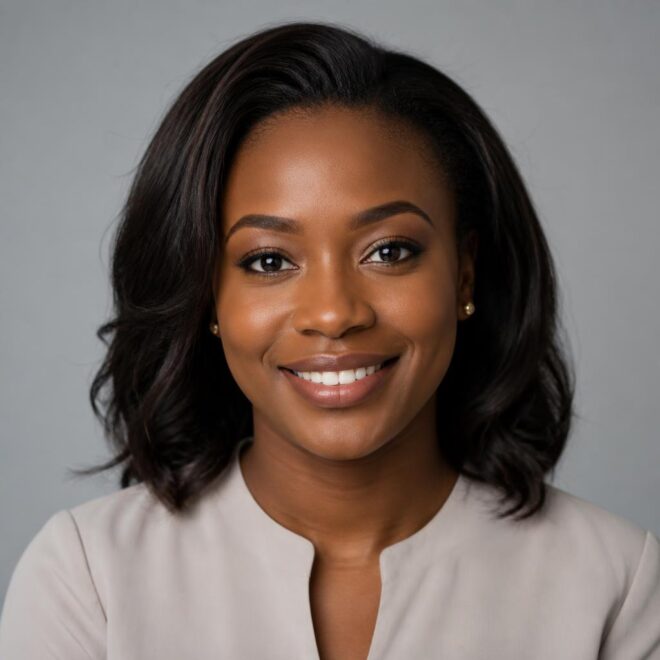


The pursuit of the perfect cut when dealing with naturally textured, frizz-prone hair often feels like a gamble. We have all been there—sitting in the salon chair, scrolling through photos of sleek, straight styles while knowing deep down that our own hair has a different agenda. When humidity strikes or your hair decides to expand rather than lay flat, a long style can feel like a heavy, unmanageable veil. Choosing a short haircut isn’t just about convenience; it’s about embracing the natural volume and movement that your specific texture offers.
Working with frizz requires a shift in perspective. Instead of trying to force your hair to conform to a structure it wasn’t designed for, look for cuts that highlight your natural pattern while maintaining control. Short styles can be incredibly flattering because they reduce the weight that often pulls curls and waves into a messy, shapeless mass. With the right shape, your hair can become a defining feature rather than a daily frustration.
1. The Sculpted Tapered Pixie
This style is all about precision and celebrating the natural silhouette of your head. By keeping the sides and back tight—often tapered with clippers or shears—you remove the bulk that usually causes that dreaded “triangle shape” common in shorter, frizzy cuts. The length is concentrated at the crown, allowing your natural texture to coil or wave upward without being weighed down by surrounding layers.
Why It Works for Frizz
Focusing the volume on top prevents the hair from spreading outward, which is the primary driver of frizz perception. Because the sides are short, the humidity-induced swelling is minimized, giving you a sharp, clean look that requires very little daily styling.
How to Maintain the Shape
- Visit the salon every 4 to 6 weeks to keep the taper tight and clean.
- Use a light-hold pomade or a moisturizing curl cream on the crown to define your texture.
- Pro Tip: Apply your styling product while your hair is soaking wet to lock in moisture before the frizz can even start to form.
2. The Textured Rounded Bob
A rounded bob is a classic for a reason, but when executed on frizzy hair, the trick is to avoid a blunt, straight-across cut. A soft, layered bob that follows the natural curve of your head creates a cohesive shape. You want the ends to be soft and piecey rather than thick and blunt, as blunt ends often make frizz appear more erratic.
Key Cutting Techniques
Your stylist should use point-cutting or interior layering to remove weight from the middle of the hair shaft. This allows the ends to tuck under naturally rather than fraying outward.
Styling for Softness
- Use a diffuser attachment on your blow dryer if you are in a rush.
- A leave-in conditioner is non-negotiable here to keep the ends hydrated and clumped together.
- Aim for a length that hits just at the jawline or slightly below to balance your facial features.
3. The Asymmetrical Undercut
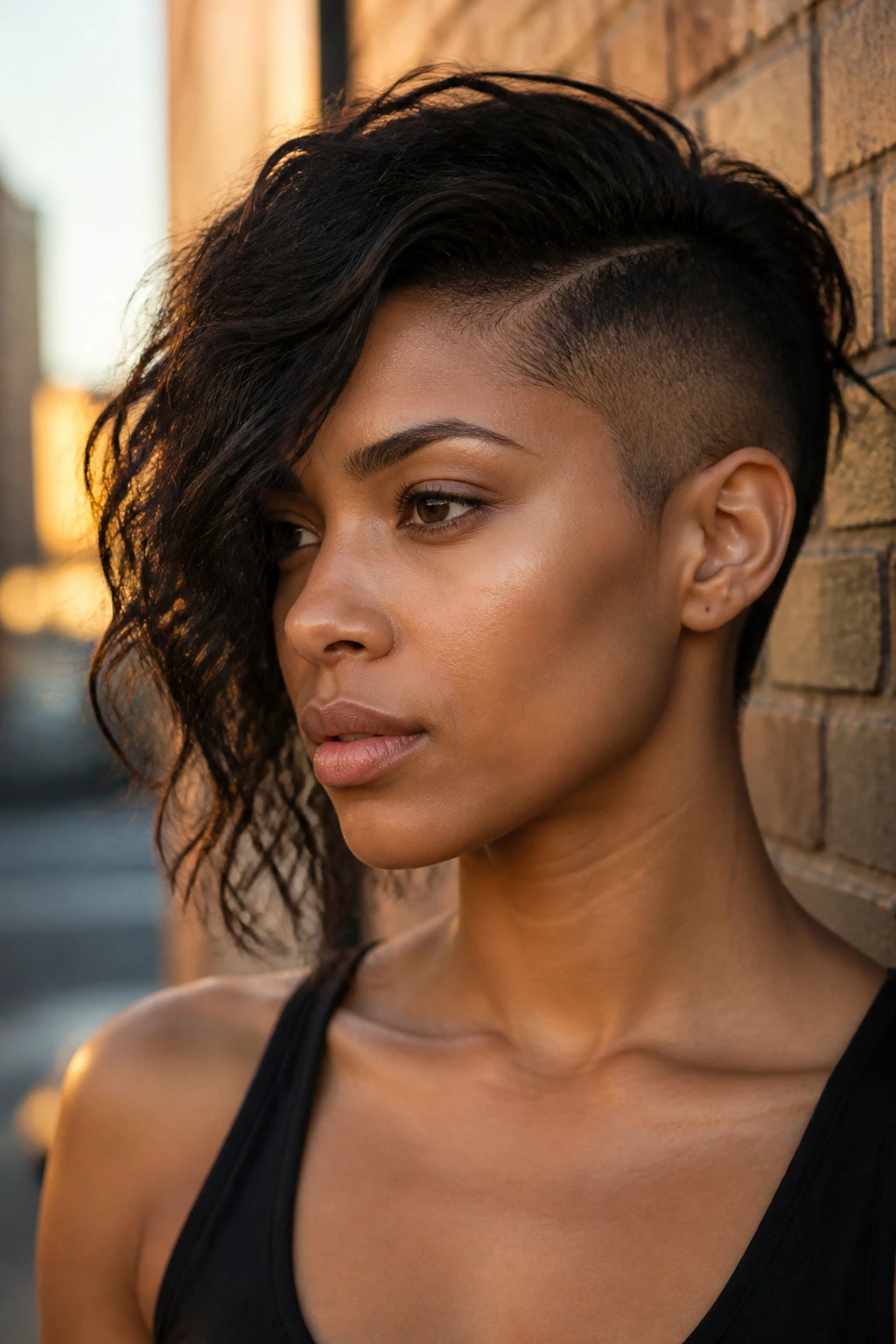
If you want something bold that manages frizz through sheer contrast, the asymmetrical undercut is a fantastic choice. By shaving or cropping one side very short and leaving the other side longer with softer, flowing layers, you shift the focus away from total hair volume. It’s an edgy look that feels purposeful and chic.
Managing the Frizzy Side
The longer side can be styled to cascade over your face or tucked behind the ear. Since you are removing a significant amount of hair density, the remaining hair is easier to manage, hydrate, and define.
The Benefits of Minimalism
- Fewer square inches of hair mean faster drying times.
- Styling products go further because you have less surface area to cover.
- You can play with different partings to change your look entirely from one day to the next.
4. The Curly Shag with Soft Layers
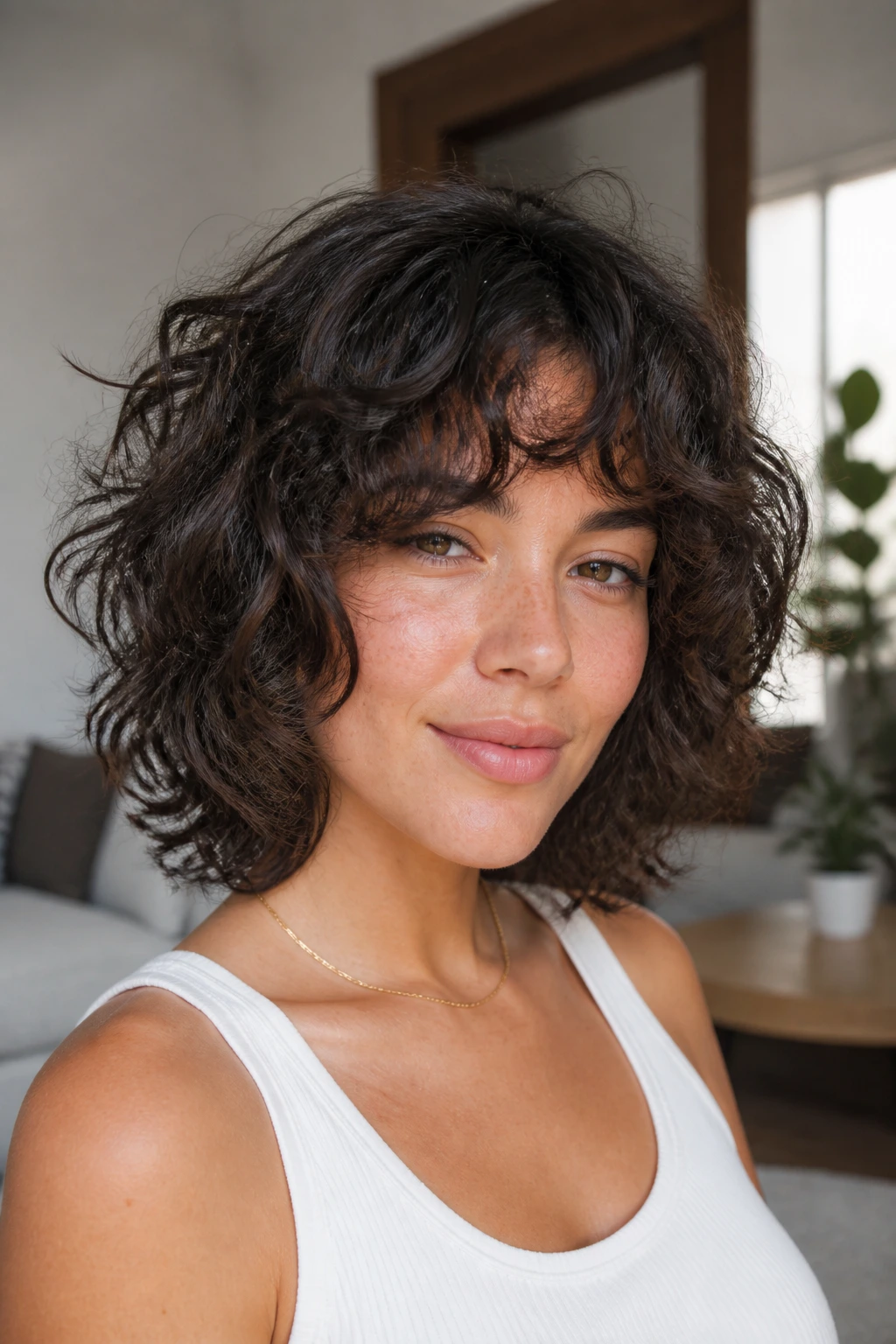
The shag has made a massive comeback, and it is arguably the best friend of anyone with frizzy, textured hair. It relies on internal layering to create movement and volume without the “poof” factor. The layers should be cut to enhance your natural curl pattern, meaning shorter pieces at the top that transition into longer, wispy ends.
Why This Cut Defeats Frizz
By cutting layers into the hair, you break up the uniform volume that leads to a bushy silhouette. The pieces fall into each other, creating a structured messiness that looks intentional. If your hair is frizzy, the shag embraces that texture rather than fighting it.
Product Selection
- Look for a lightweight mousse to build structure without making your hair feel crunchy.
- Avoid heavy silicones if you want your hair to retain its natural, bouncy movement.
- Warning: Do not over-brush your hair after washing; use a wide-tooth comb only while the conditioner is still in.
5. The Curly Fro-Hawk
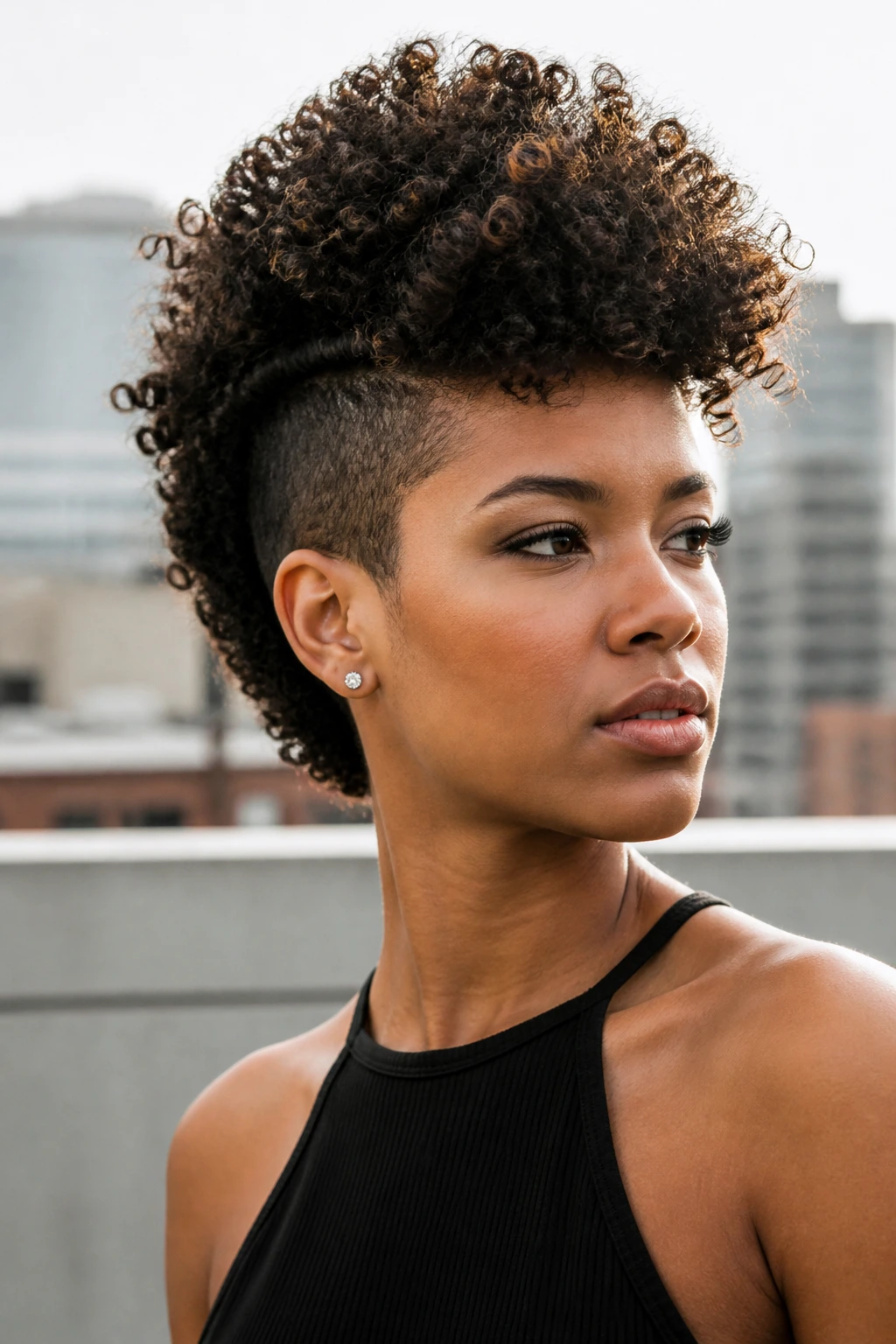
This look is powerful, fun, and incredibly practical. By pulling the sides of your hair upward toward the center—either with pins, braids, or by cutting the sides very short—you create a central strip of texture that stands tall. It is the ultimate solution for hair that has a mind of its own.
Getting the Look
You can achieve this through a dramatic haircut where the sides are faded down to the scalp, or you can fake it by using styling gel and hairpins to gather the sides tight. The center is where your curls or waves get to shine, free from the constraint of lying flat.
Styling Needs
- Use a high-hold gel for the sides to keep them slick and frizz-free.
- Refresh the center portion with a spray bottle of water and a touch of leave-in conditioner.
- This style allows you to experiment with hair color on the top section to make it pop even more.
6. The Choppy Pixie with Longer Fringe
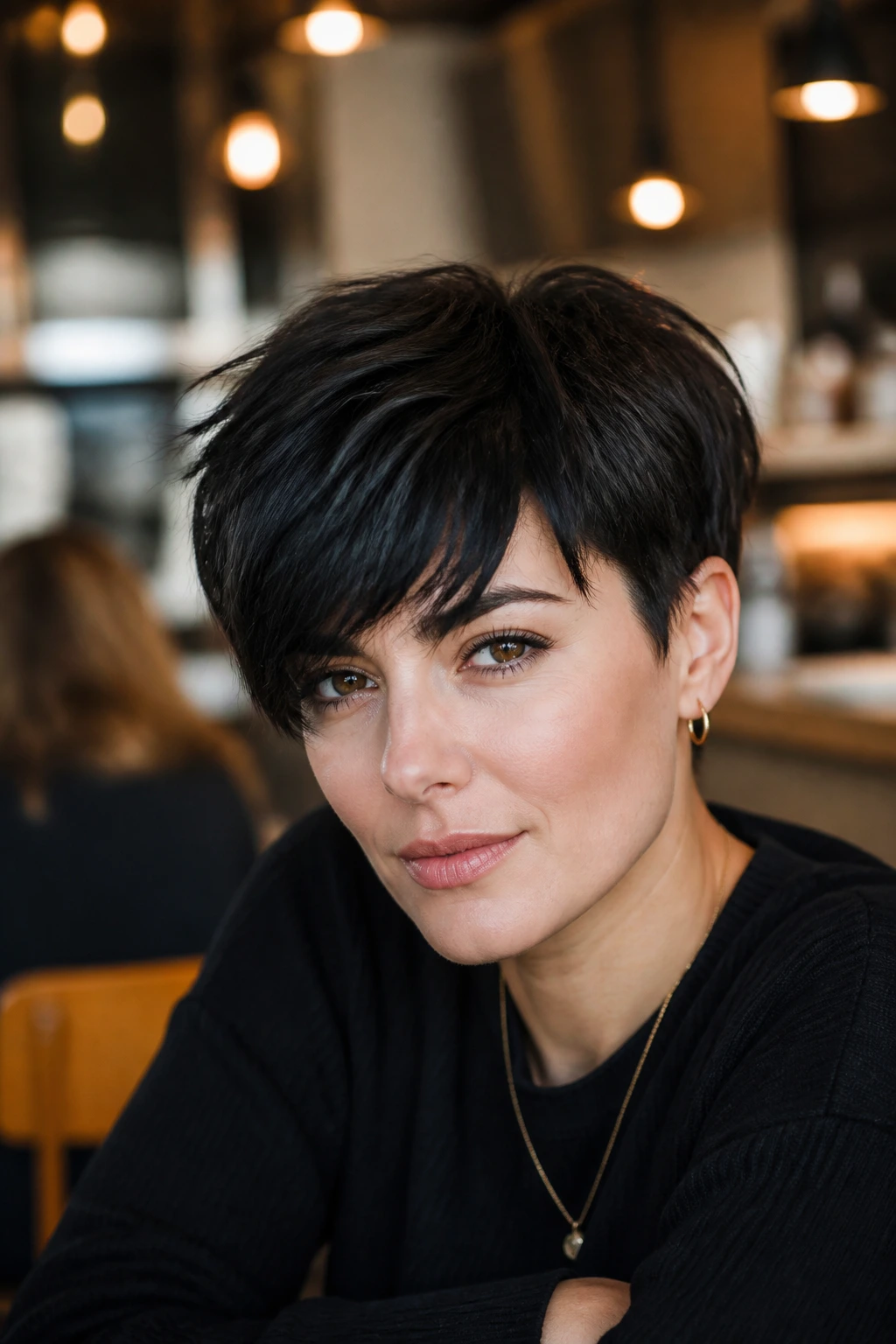
A pixie cut doesn’t always have to be uniform. By opting for a shorter back and sides but leaving the fringe slightly longer and choppy, you gain versatility. You can wear the bangs forward for a soft, face-framing effect or sweep them to the side for a more polished look.
How to Keep Bangs Smooth
Frizzy bangs can be the most annoying part of any haircut. To keep them under control, blow-dry them immediately after washing using a small round brush. This forces the cuticle to lie flat while the hair is still warm.
Daily Care Checklist
- Keep a small bottle of hydrating serum in your bag for touch-ups.
- Use a boar-bristle brush to gently distribute natural oils from your scalp down to the ends.
- Avoid using high-heat flat irons too frequently, as this can exacerbate frizz in the long run.
7. The Deeply Layered Graduated Bob
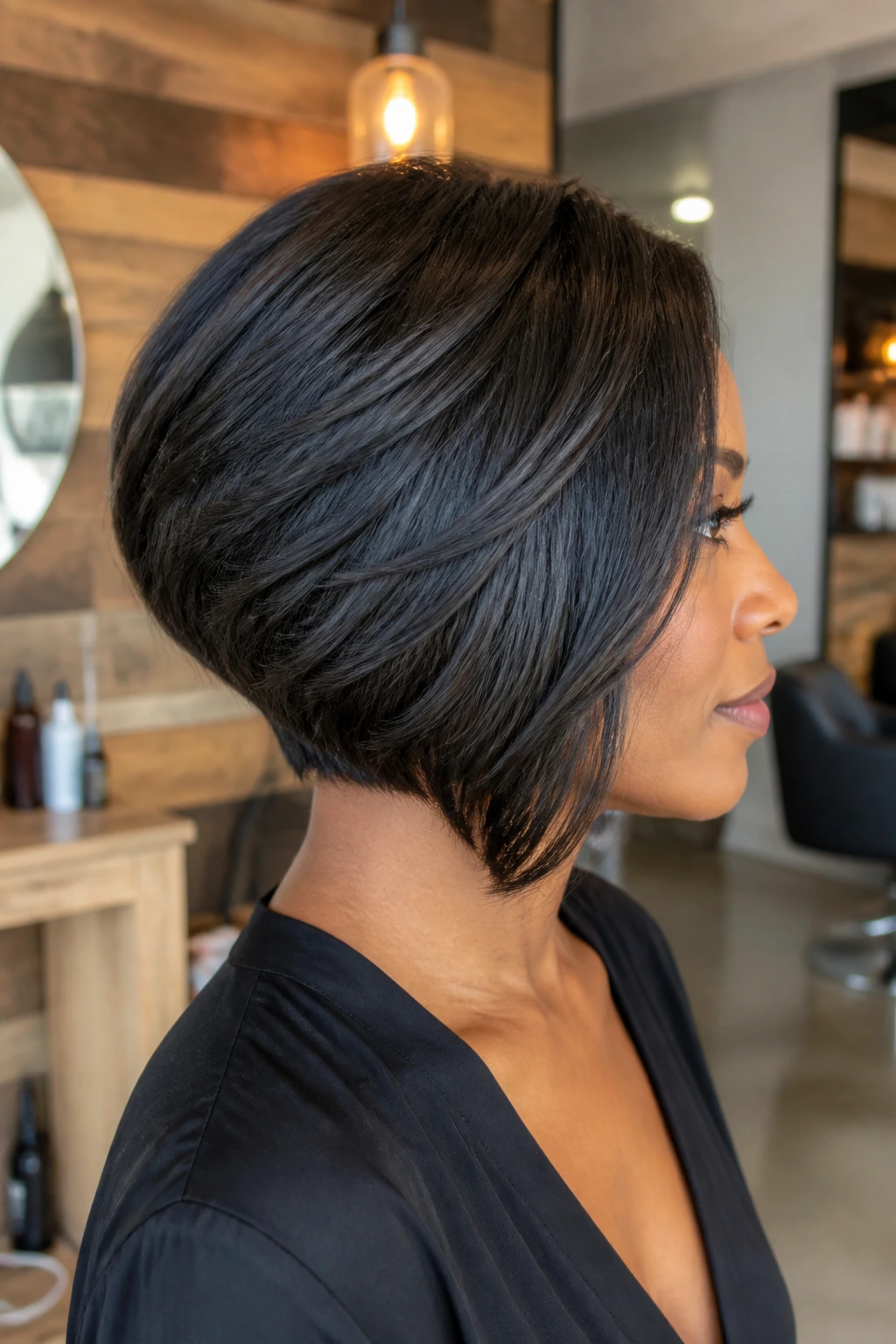
A graduated bob, or a “stacked” bob, features shorter hair at the back of the neck that gets progressively longer toward the front. This build-up of weight at the nape of the neck forces the hair to curve inward, which is inherently better for frizzy textures that want to grow “out” rather than “down.”
Why it Controls Volume
The stacking effect creates a natural curve that acts as a weight, holding your hair closer to your neck and jawline. This prevents the hair from expanding into a wild, unmanaged shape as the day progresses.
Styling Tips
- Use a volumizing root spray at the back to enhance the stack.
- A light oil applied to the ends will ensure that the graduation stays sleek rather than frizzy.
- If you have an oval face shape, this cut is particularly striking and professional.
8. The Ear-Length Blunt Crop
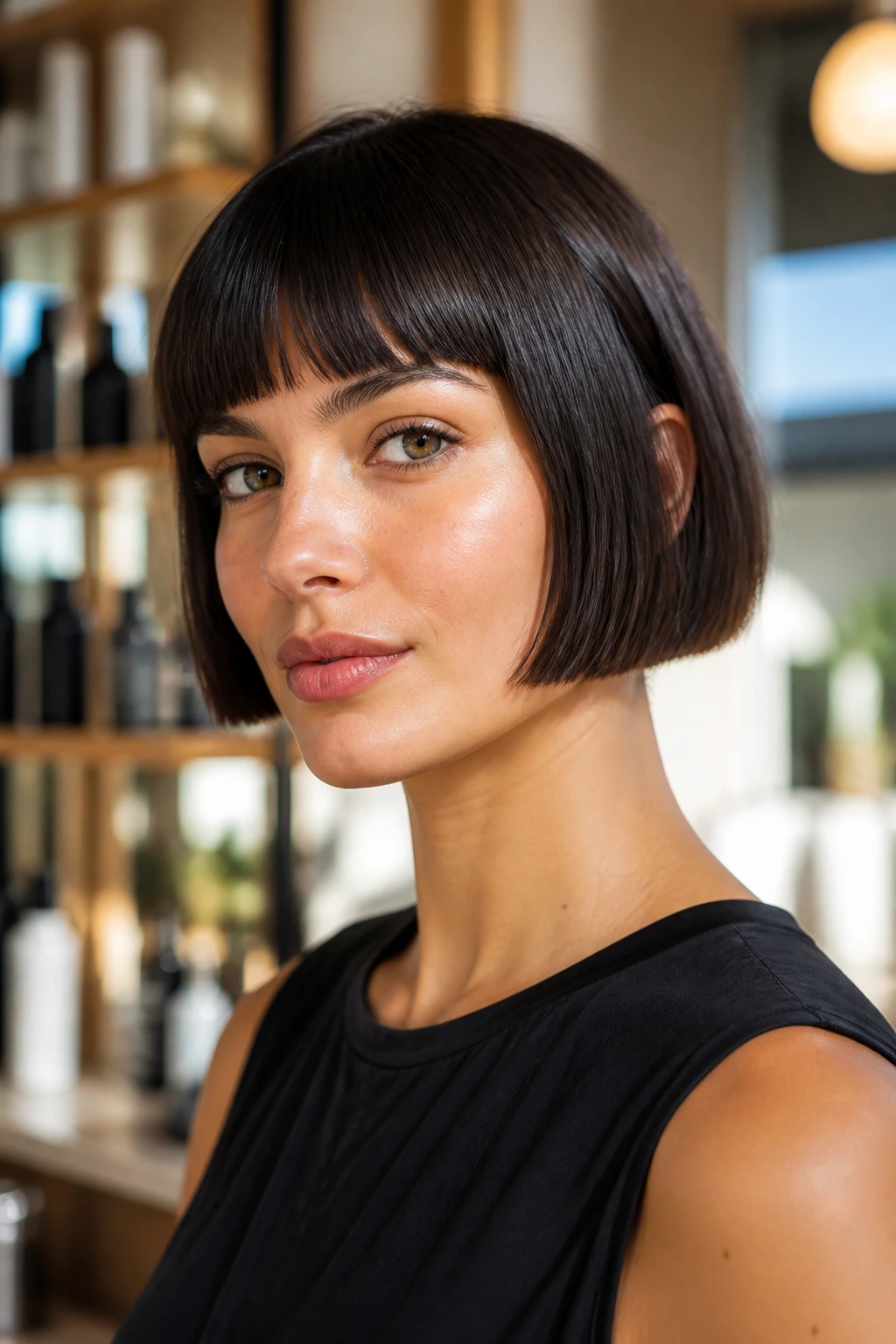
If your hair is thick and frizzy, a blunt cut at ear-length can be incredibly chic. By cutting it completely blunt, you stop the hair from thinning out and looking ragged. It provides a solid, heavy edge that looks intentional and sophisticated, effectively “weighting down” your hair to prevent excessive expansion.
The Case for Bluntness
Frizz often looks worse when the ends are damaged or split. A blunt cut removes all those split ends, creating a crisp line that reflects light better. Healthy, blunt ends are much less likely to frizz than layered, dry ends.
Managing the Daily Look
- Use a smoothing cream while the hair is damp.
- Avoid playing with your hair throughout the day, as friction creates static and frizz.
- Consider a silk pillowcase to prevent friction while you sleep, which will keep your blunt ends looking sharp for longer.
9. The Natural Texture Afro-Bob
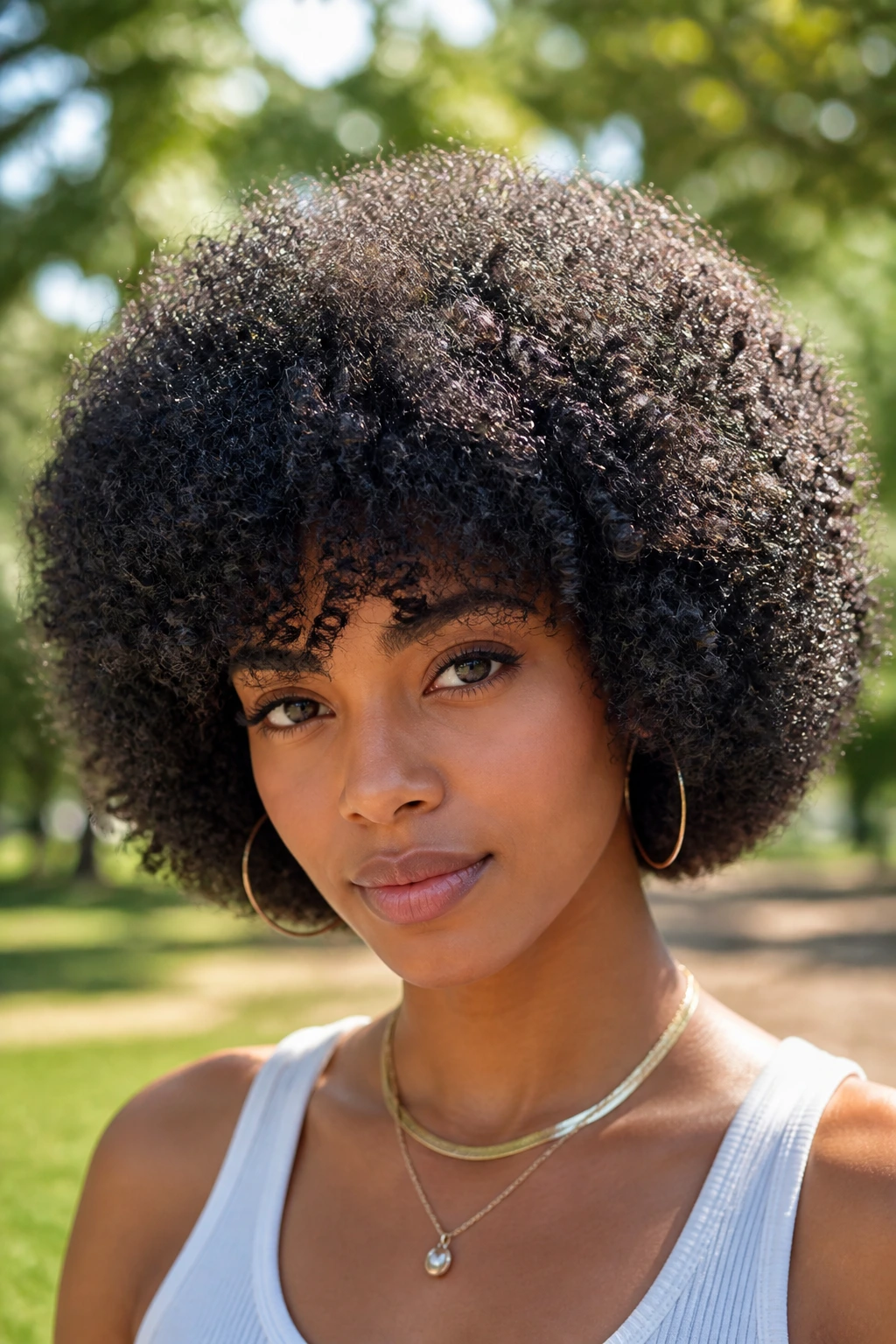
An Afro-bob combines the rounded, voluminous shape of a classic bob with the tight, coiled texture of natural hair. It’s a celebratory cut that focuses on the shape of your hair rather than its length. It’s meant to be big, bold, and beautiful.
Embracing the Volume
Instead of trying to shrink your hair, this cut encourages it to expand into a beautiful, rounded halo. The key is in the shape; your stylist should round off the corners so the hair frames your face perfectly.
Product Tips
- Use a thick, buttery cream that provides deep moisture.
- A pick or a wide-toothed afro comb is your best tool for shaping the hair.
- This style looks great with accessories like a velvet headband or a decorative scarf during colder months.
10. The Side-Swept Pixie
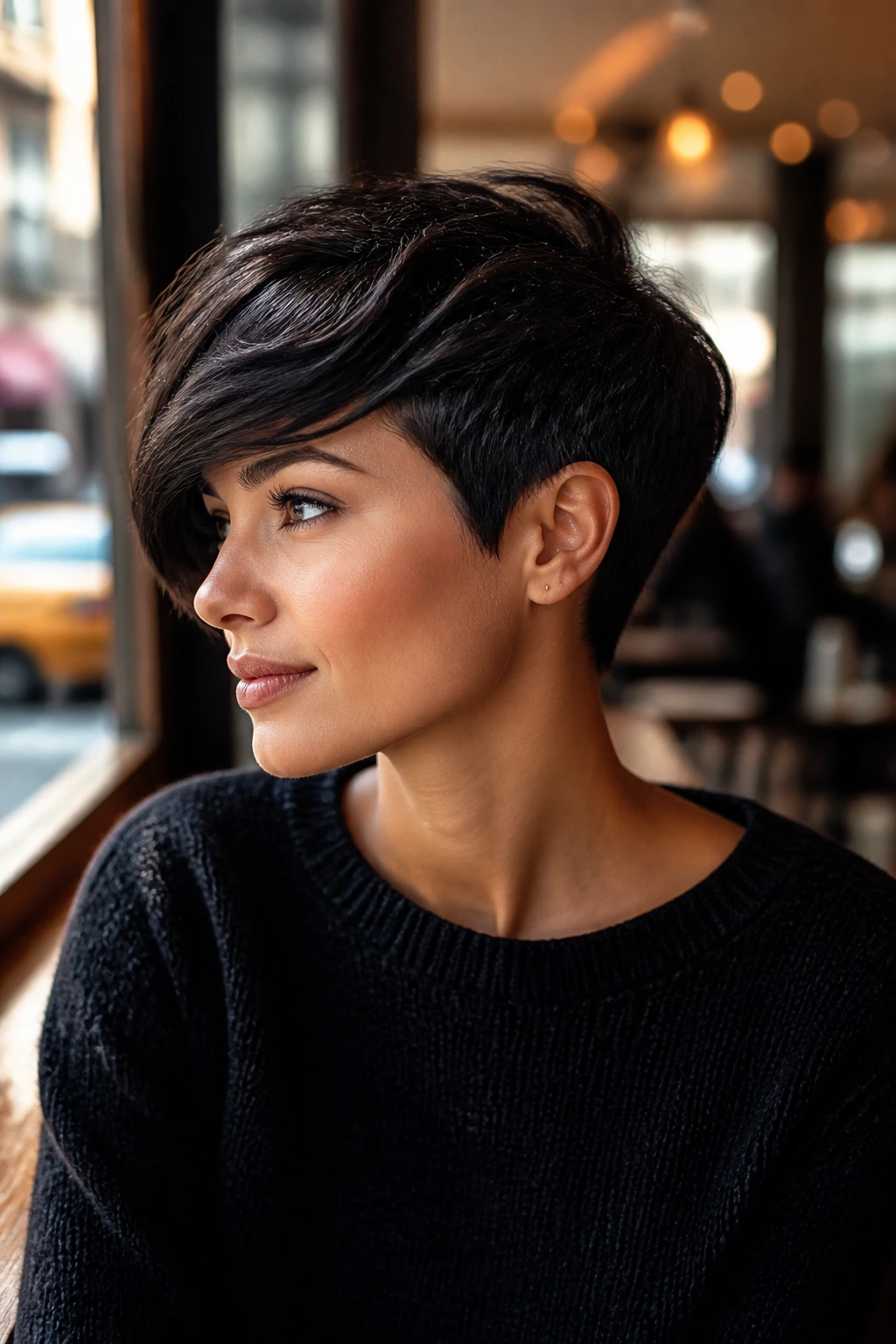
This is a sophisticated take on a classic pixie. By directing most of the hair to one side, you create a soft sweep that covers part of the forehead and draws attention to your eyes. It breaks up the symmetry of a traditional pixie, which can often look too “done” or severe on frizzy hair.
Managing the Direction
You will need a bit of product to keep the hair swept to the side. A medium-hold pomade works best here. You can even use a flat clip to secure the hair while it dries, which helps train it to stay in that side-swept position.
Why It’s Unique
- It’s incredibly flattering for most face shapes.
- It hides any unevenness in your hairline.
- It allows you to wear larger earrings, making it a great look for formal events.
11. The Soft, Wispy Layered Pixie
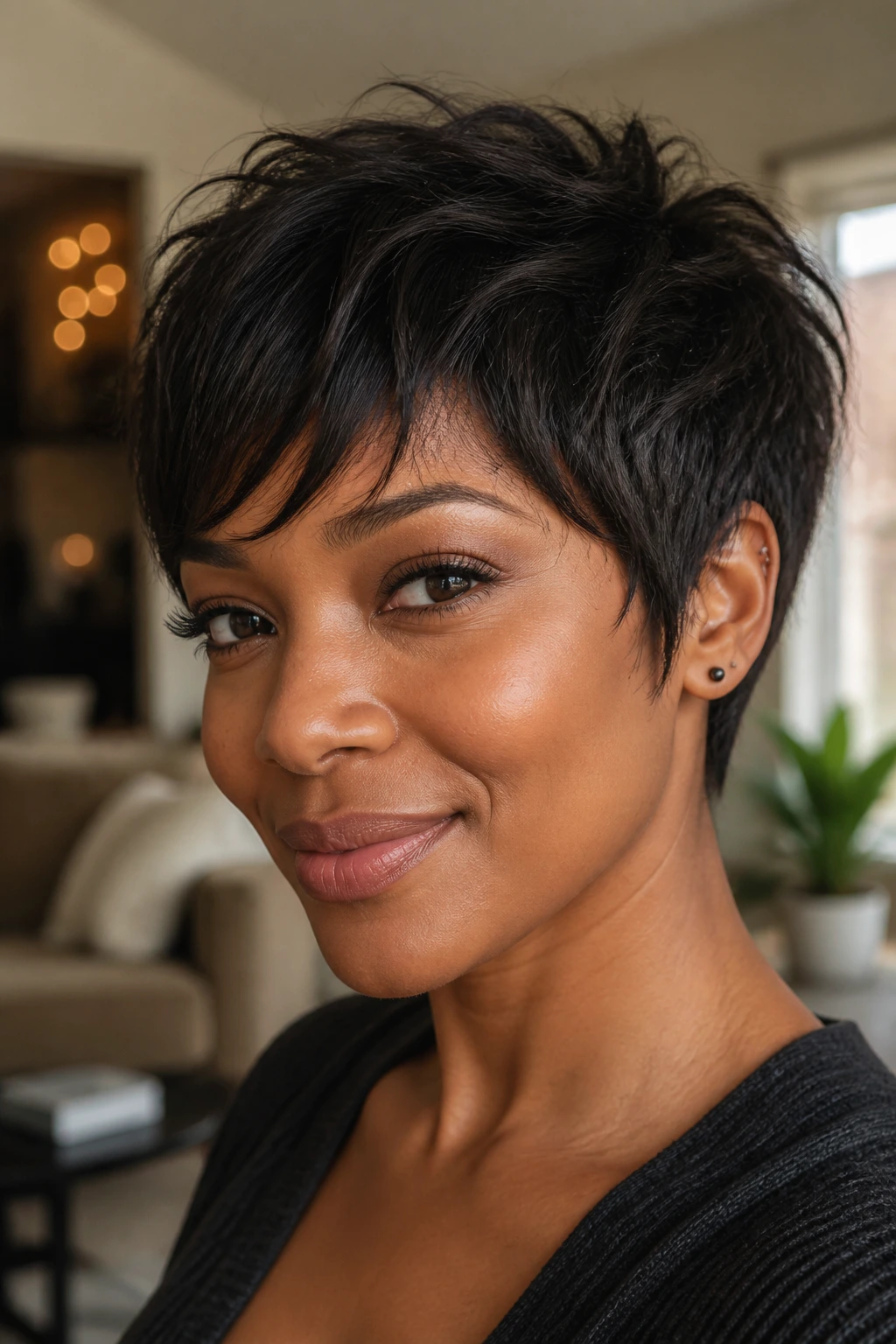
If you want the ease of a short cut but love the look of soft, feminine layers, this is the one. Instead of harsh, sharp cuts, the stylist uses thinning shears or a razor to create soft, wispy edges. It takes away the “helmet” effect that some short cuts have on frizzy hair.
The Benefit of Razor Cutting
Razor cutting is excellent for frizzy hair because it creates uneven lengths that allow the hair to nestle into itself. It avoids the blunt, shelf-like appearance that can happen when layers are cut too cleanly.
Maintaining the Wispy Look
- Keep a light texture spray on hand.
- Avoid heavy gels that clump the hair too much; you want the wispy pieces to have freedom.
- Schedule trims frequently to keep the wispy layers from becoming overgrown.
12. The Modern Mullet-Inspired Cut
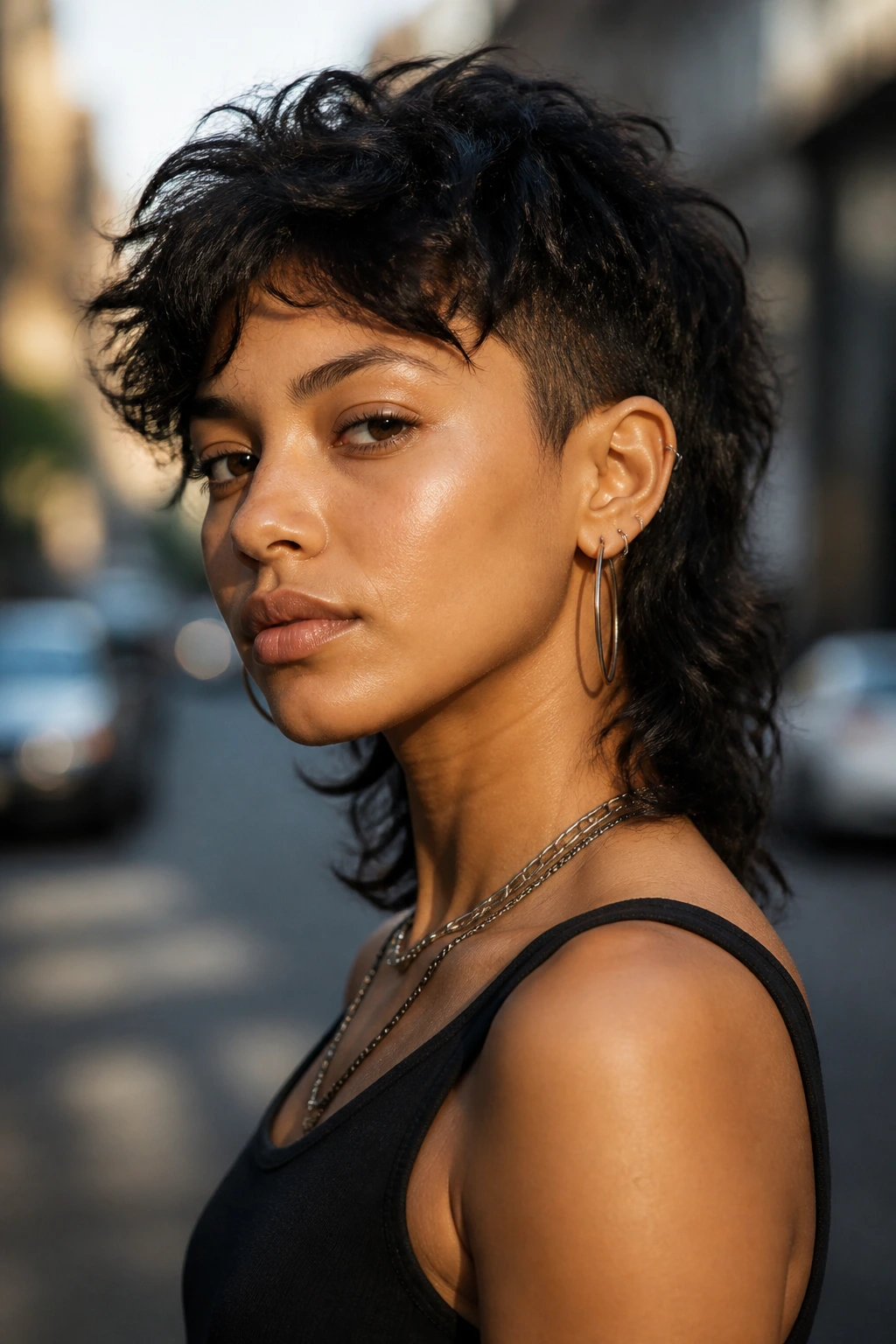
Don’t be afraid of the name. The modern take on the mullet is actually very stylish and works exceptionally well for curly, frizzy hair. It keeps the hair shorter on the sides and top but leaves length at the back. This provides that great volume on top while ensuring the back has plenty of room to coil or wave.
Styling for the Modern Edge
- Use a pomade to define the shorter top section.
- Allow the back section to go wild and natural.
- This is a fantastic “wash-and-go” style that looks best when you embrace the texture.
Why This Style Persists
- It’s very comfortable for summer weather.
- It looks great with casual or formal outfits.
- It’s a bold fashion statement that tells the world you aren’t afraid of your natural texture.
13. The Textured Taper with Bangs
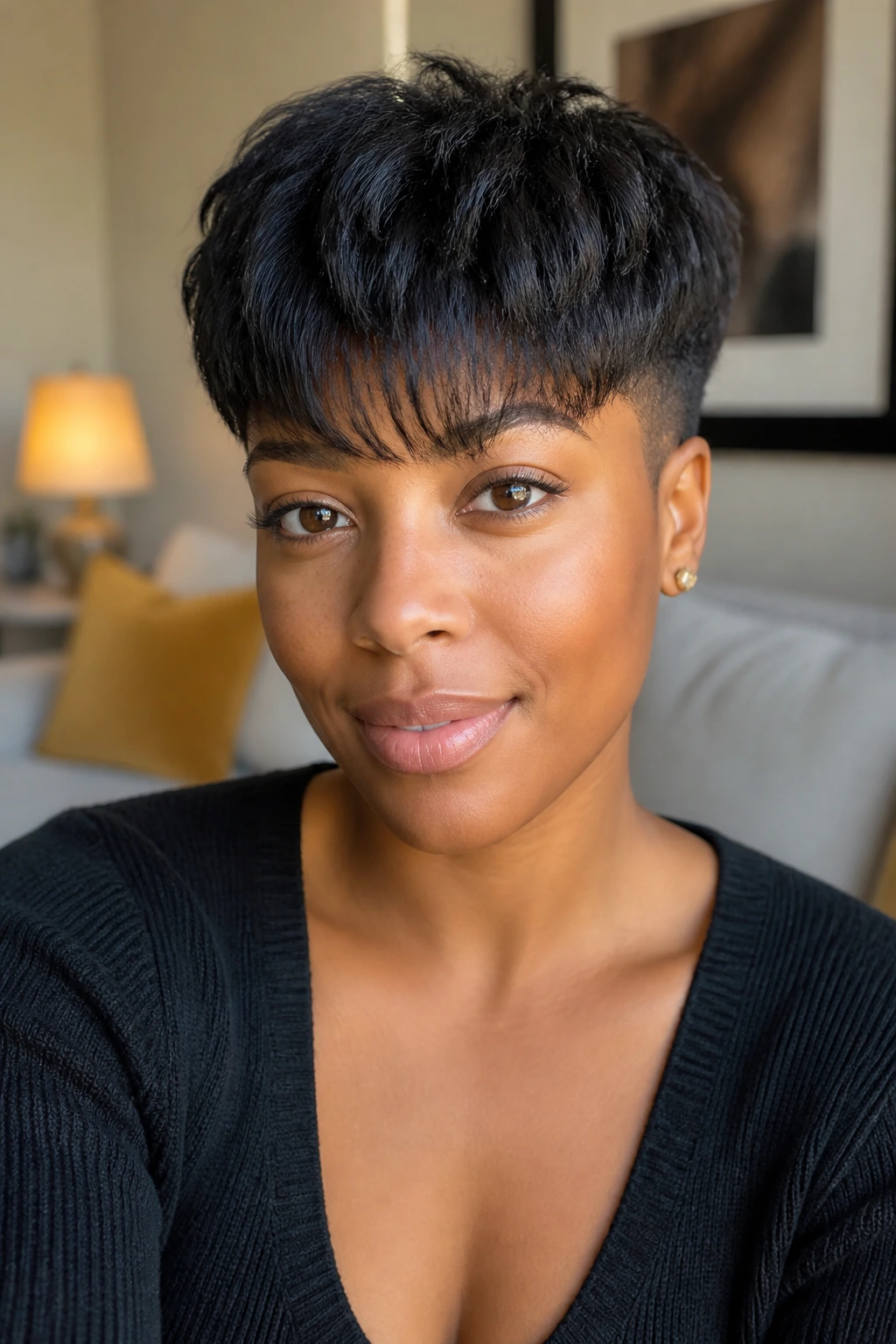
This style incorporates short, tapered sides with a full set of bangs. Bangs are often avoided by those with frizzy hair, but if you treat them correctly—keeping them moisturized and well-shaped—they add a youthful, chic element to a short cut.
The Secret to Frizz-Free Bangs
Treat your bangs like their own separate entity. Apply your styling product specifically to the bangs before doing the rest of your hair. This ensures they get the care they need to stay smooth and distinct from the rest of your texture.
What to Avoid
- Do not let your bangs grow too long; you will end up fighting with them every morning.
- Keep them well-trimmed so they hit just at or above the eyebrow.
- Use a microfiber towel to gently squeeze moisture out of the bangs rather than rubbing them.
14. The Curly Bob with Undercut Nape
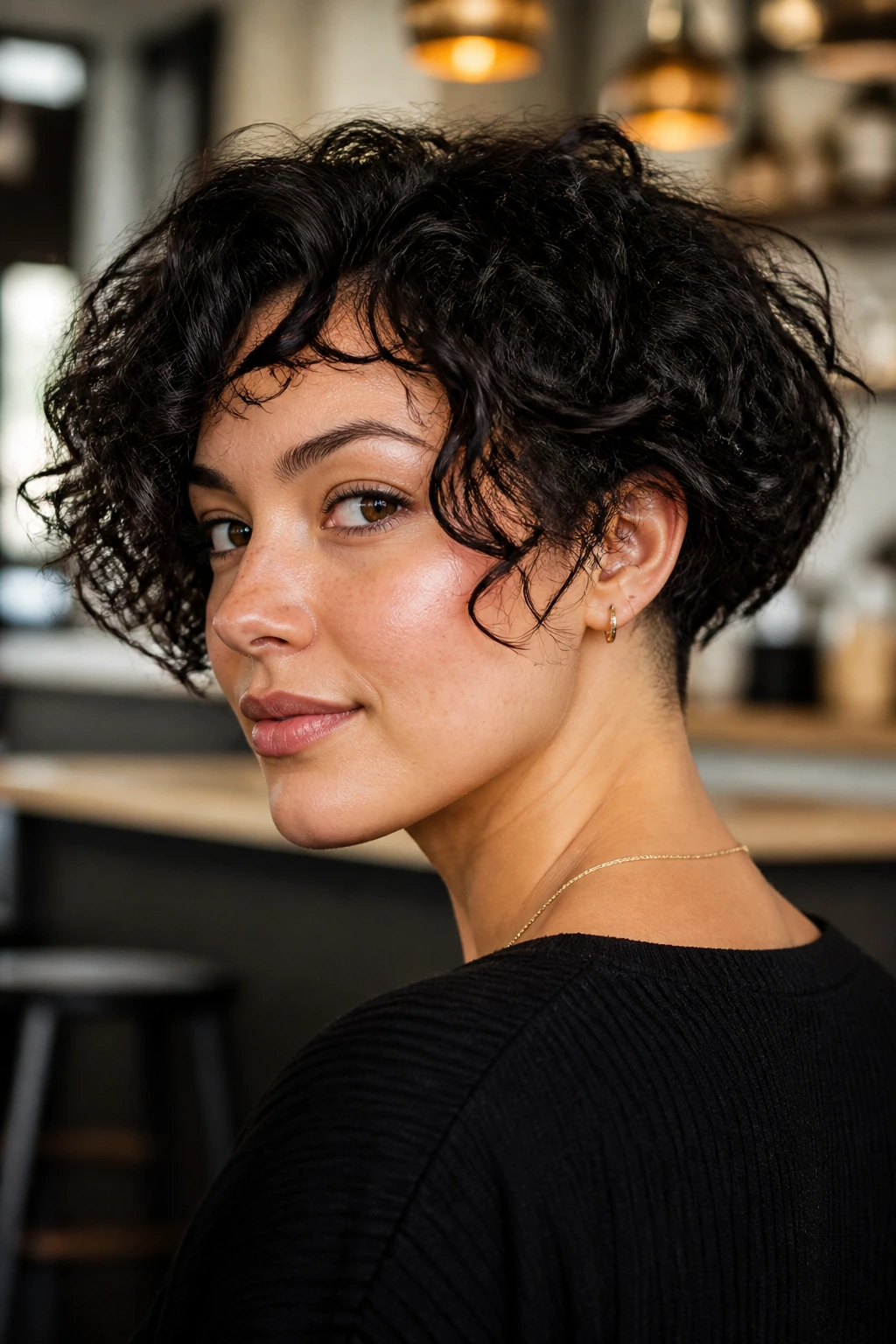
This is a hidden feature cut. The hair is kept in a classic, chin-length curly bob, but the nape of the neck is undercut. This removes the mass of hair that often gets matted or frizzy against your collar or scarf.
Why It Works for Comfort
The nape is the first place that gets frizzy due to friction with clothing. By removing that hair, you eliminate the biggest point of friction in your daily hair life. It’s a secret hack that makes managing your bob so much easier.
Styling Strategy
- Style the top layers to fall over the undercut, so the change in length is invisible unless you pull your hair up.
- Use this as an opportunity to experiment with temporary hair color on the undercut section.
15. The Layered Pixie with Tapered Back
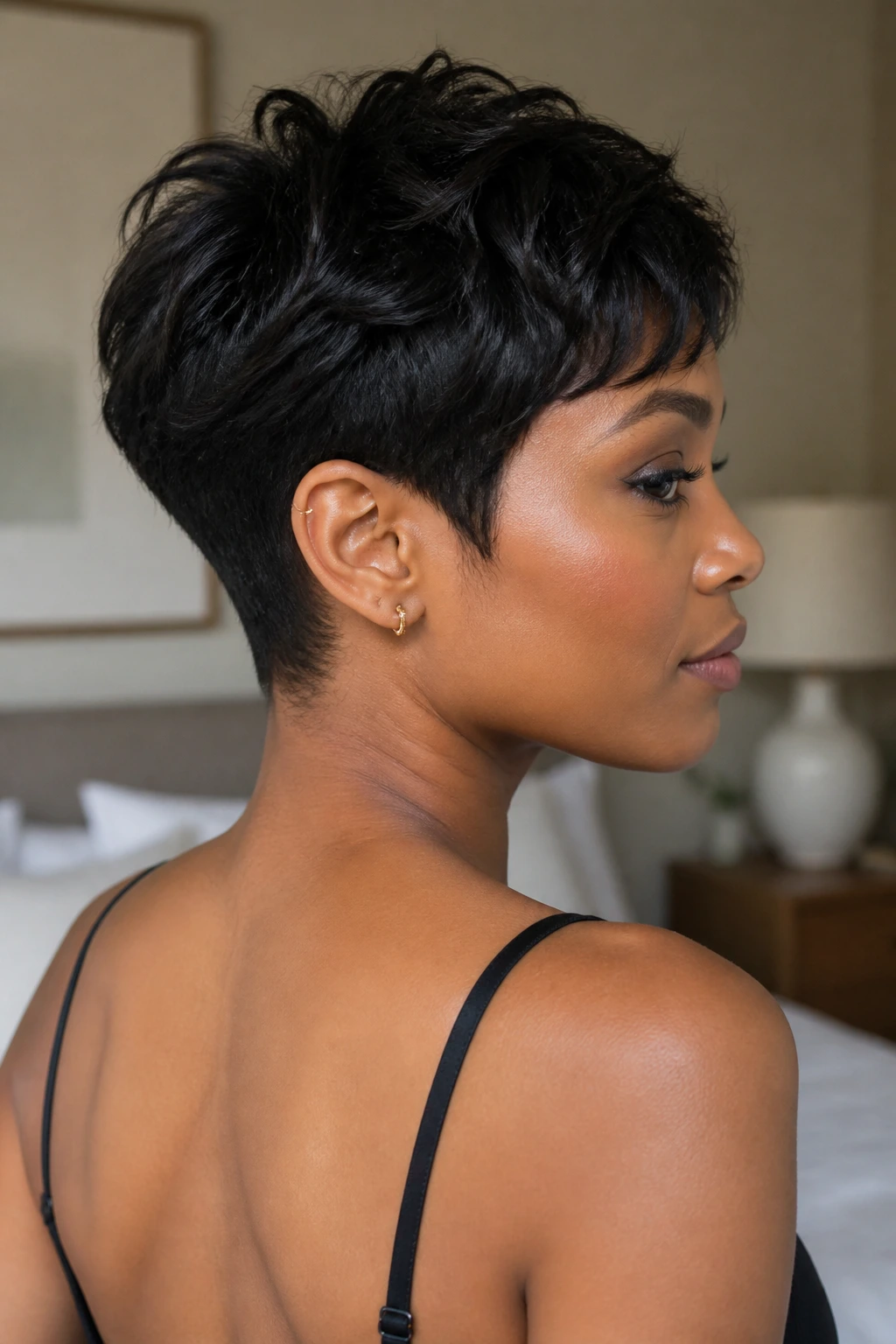
This cut is all about balance. The layers throughout the top provide softness, while the tapered back ensures the style doesn’t get bulky or lose its shape as it grows out. It’s a very low-maintenance look that grows out beautifully.
The “Grow-Out” Advantage
Most short cuts look terrible after three weeks, but a properly tapered back keeps your style looking fresh for much longer. It maintains a clean silhouette even when the top starts to get a bit unruly.
Maintenance Tips
- Use a moisturizing mousse to define the layers.
- Consider a quick touch-up trim every 6 weeks.
- This is the perfect cut for those who lead an active lifestyle and want hair that stays out of their face.
16. The Curly Bowl Cut
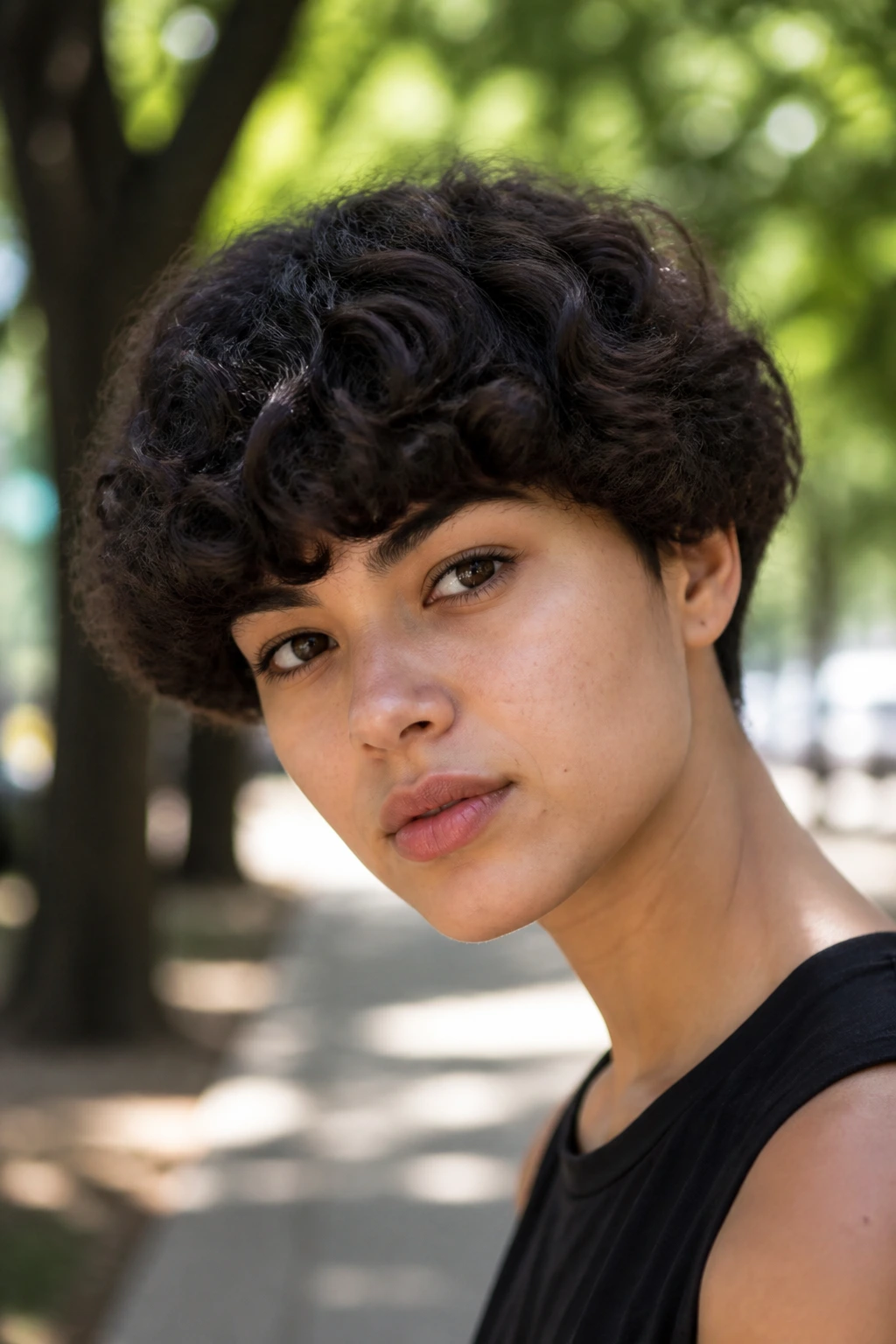
The bowl cut has shed its childhood reputation and is now a fashion-forward choice for curly, frizzy hair. By keeping the length uniform all the way around the head and following a slight curve, you create a bold, graphic shape that highlights your texture in a new way.
Shaping Your Texture
This cut works best if your hair is thick and dense. It forces the hair to work as one cohesive unit, which minimizes individual frizz strands. It’s a very intentional, high-fashion look.
Why It’s a Bold Choice
- It requires confidence to pull off, which is the best accessory.
- It’s incredibly easy to style; you just need to keep the hair hydrated and shaped.
- It looks striking with dramatic makeup or bold glasses.
17. The Asymmetrical Curly Bob
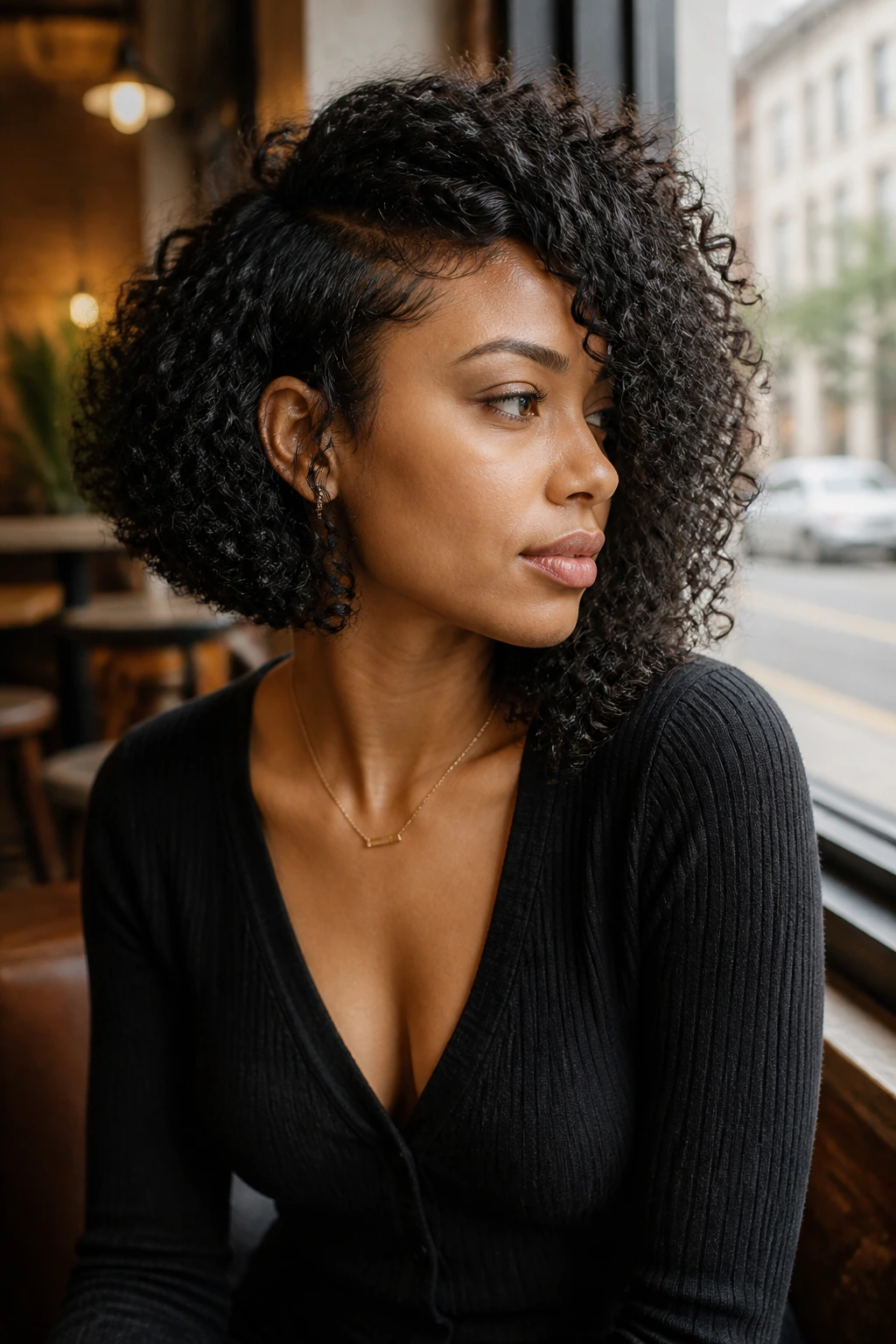
If you aren’t ready for a pixie but want something more interesting than a standard bob, try an asymmetrical cut. One side is kept slightly shorter than the other, creating a dynamic look that feels fresh and modern.
Creating the Angle
The angle should be subtle; you don’t need a drastic difference. Even a half-inch difference can change the entire feel of the haircut. It draws the eye and makes the frizz look more like deliberate movement.
How to Style
- Part your hair in a deep side part to emphasize the asymmetry.
- Use a smoothing cream on the longer side to ensure it falls gracefully.
- This is a great transition cut if you are slowly moving toward shorter styles.
18. The Sculpted Afro-Fade
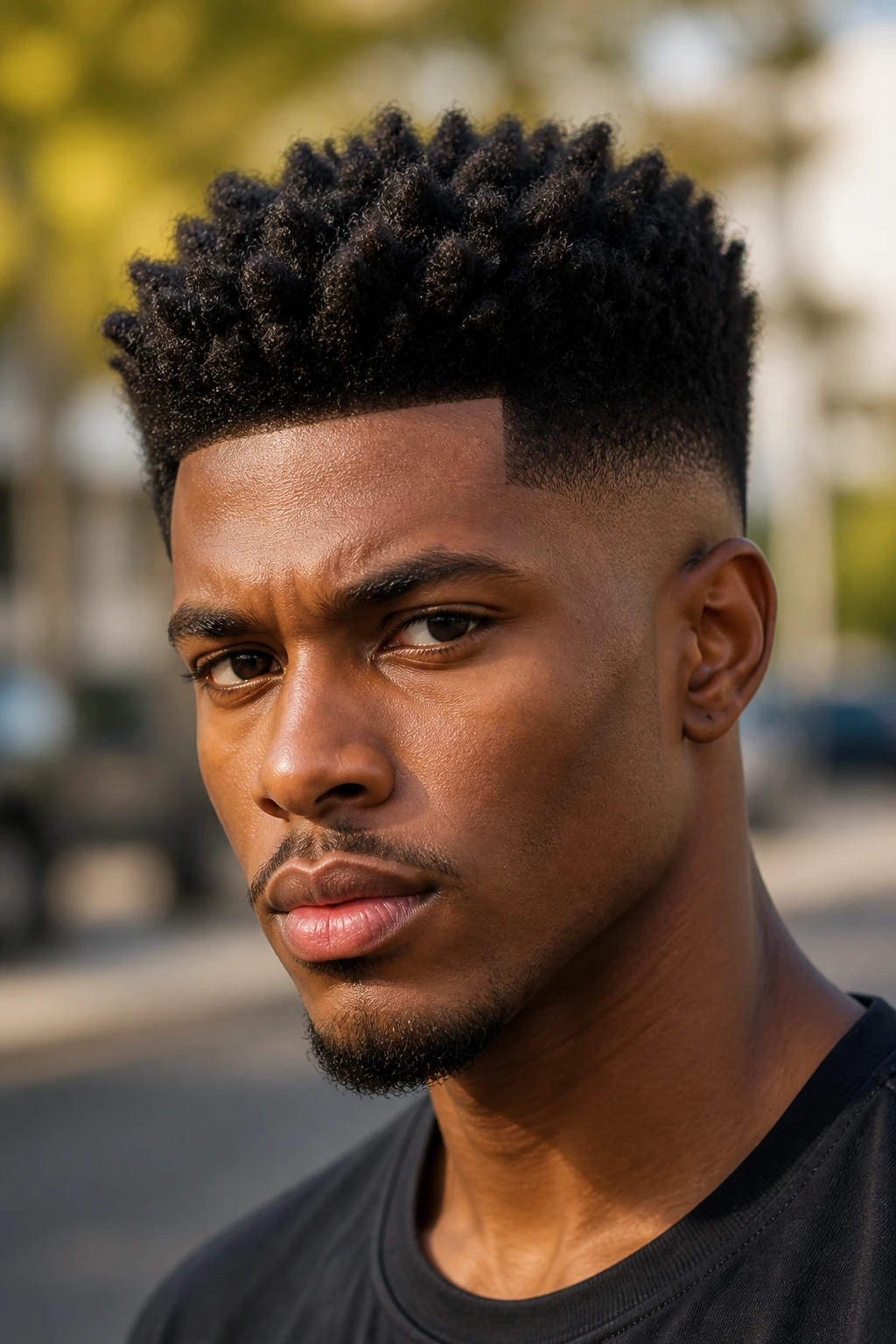
The ultimate expression of freedom, the sculpted afro-fade keeps the sides clean and tight, focusing all the attention on the beautiful, natural texture of the top. It is the height of precision and ease.
The Precision Factor
Because the sides are faded with clippers, this style requires the most frequent salon visits to stay sharp. However, the styling time at home is virtually zero. A quick wash, some leave-in product, and you are ready to go.
Daily Maintenance
- Use a high-quality oil to keep the top texture soft and shiny.
- Protect your scalp with an SPF or light moisturizer if you have a high fade.
- This cut is empowering and incredibly liberating for those who have spent years fighting their hair.
Practical Tips and Common Mistakes to Avoid
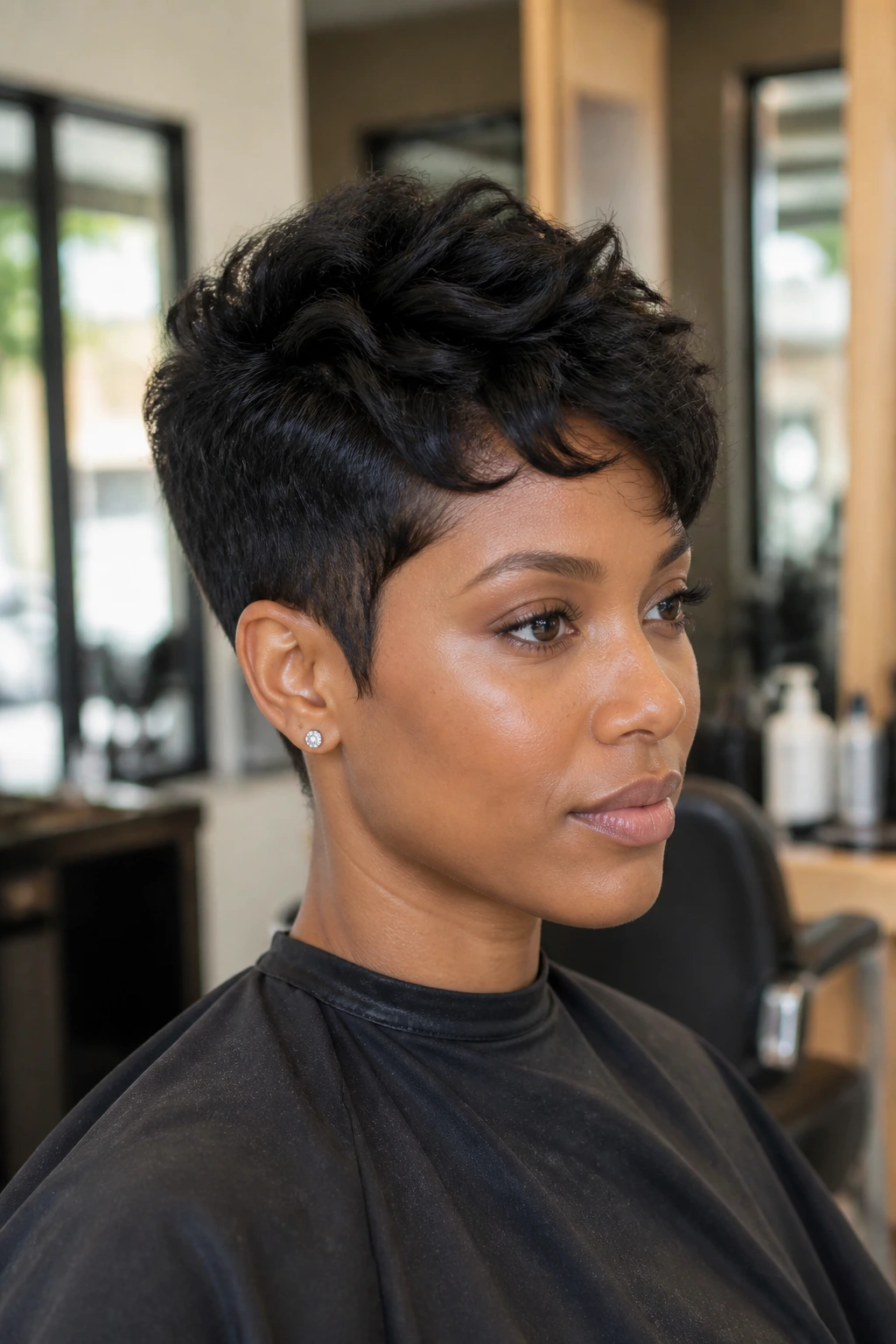
Dealing with frizzy hair is often about what you don’t do as much as what you do. One of the biggest mistakes people make is using a standard terry cloth towel. The rough fibers act like a million little hooks that pull at your hair cuticle, creating instant frizz. Switch to a microfiber towel or an old cotton t-shirt to gently blot your hair dry instead.
Another common trap is the “product overload” cycle. When our hair feels frizzy, we tend to add more product, thinking it will weigh the hair down. But if the product is too heavy or has the wrong ingredients, it just sits on top of the hair, making it look dull and greasy. Find a lightweight, moisture-based leave-in conditioner that works for your specific texture and stick with it.
Equipment also makes a difference. If you use a brush on dry, frizzy hair, you are essentially breaking up your natural curl clumps and inviting frizz to expand. Only brush your hair when it is wet and saturated with conditioner. Once you step out of the shower, put the brush away until your next wash day.
Variations and Adaptations
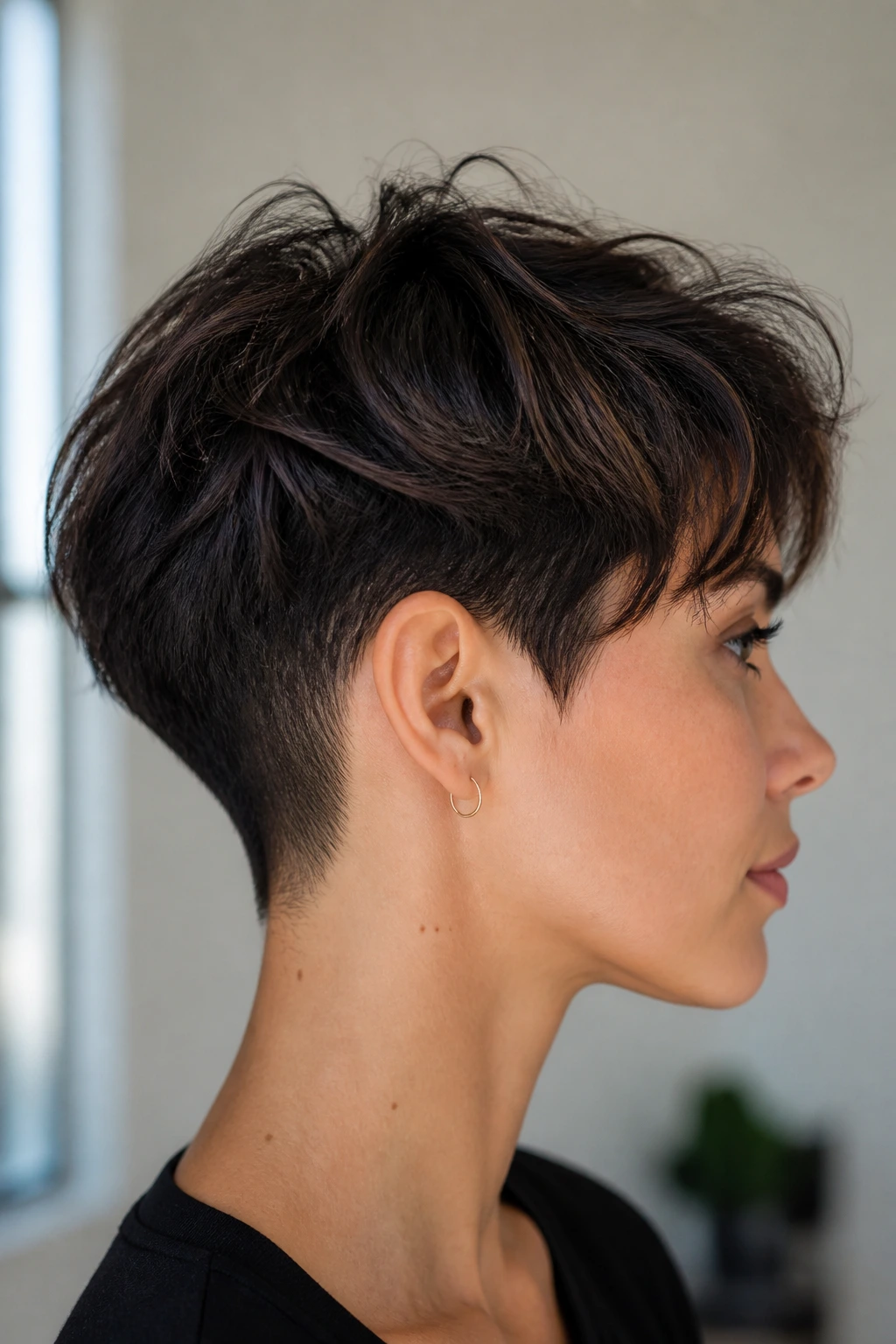
You can always adapt these cuts to fit your personal comfort level. If you love a pixie but feel exposed, ask for a slightly longer version that keeps a bit more hair around the ears. If you want a bob but are worried about volume, ask for more internal layers to take the “poof” out.
Don’t be afraid to mix and match. You can combine a tapered back from one style with the longer, wispy layers of another. Your stylist is a partner in this process, so bring pictures and explain not just the cut you like, but the problems you are trying to solve. If you tell them, “I hate how my hair grows out at the nape,” they will know exactly which taper to use.
Storage, Reheating, and Make-Ahead Guidance
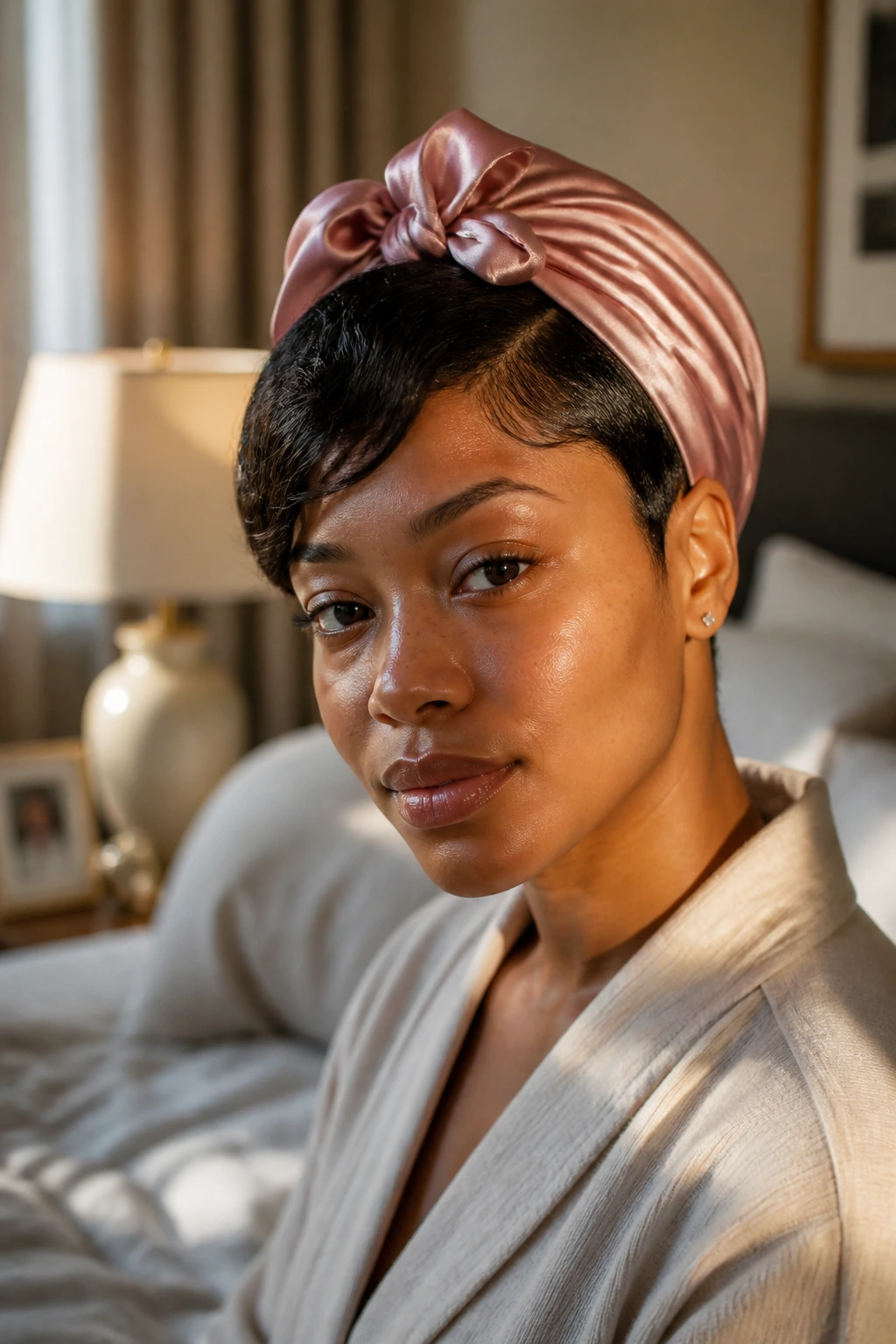
Wait, hair doesn’t need to be stored—but your style definitely does. The key to “making ahead” is learning how to refresh your hair on the second and third days. Never re-wet your hair completely in the morning, as that can lead to more frizz. Instead, use a spray bottle with a mix of water and a tiny bit of leave-in conditioner to lightly dampen the areas that need a refresh.
If you are a frequent traveler, invest in a small silk headwrap or bonnet. It is the best way to “store” your style overnight. It prevents the friction that leads to bedhead and frizz, meaning you wake up with your style nearly as fresh as it was the day before. If you find your hair flattened, simply turn your head upside down and use your fingers to gently lift the roots.
Serving Suggestions and Pairings
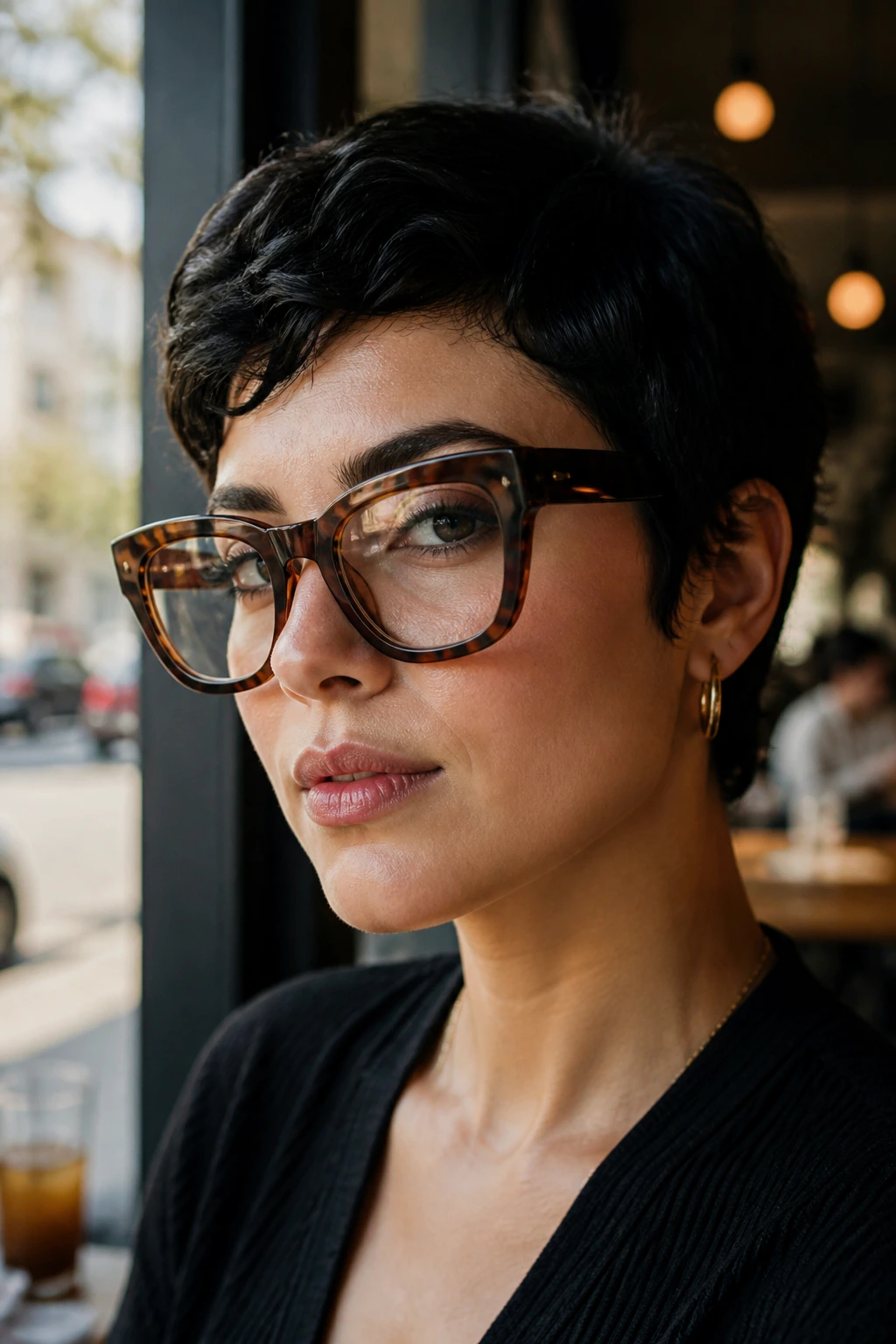
When we talk about the “serving” of a haircut, we mean how you accessorize and present it to the world. A short, sculpted cut pairs beautifully with bold eyewear, statement earrings, or a high-neck sweater. Since your hair is pulled away from your face, you have a blank canvas to show off your features.
Confidence is the ultimate pairing. Any of these 18 cuts will look different on you than they do in a photo because your specific frizz pattern is unique. Own that. Whether you choose the sharp, clean lines of a tapered pixie or the wild, untamed beauty of a shag, the best way to wear it is with the knowledge that you have finally found a shape that respects the way your hair naturally wants to grow.
Final Thoughts
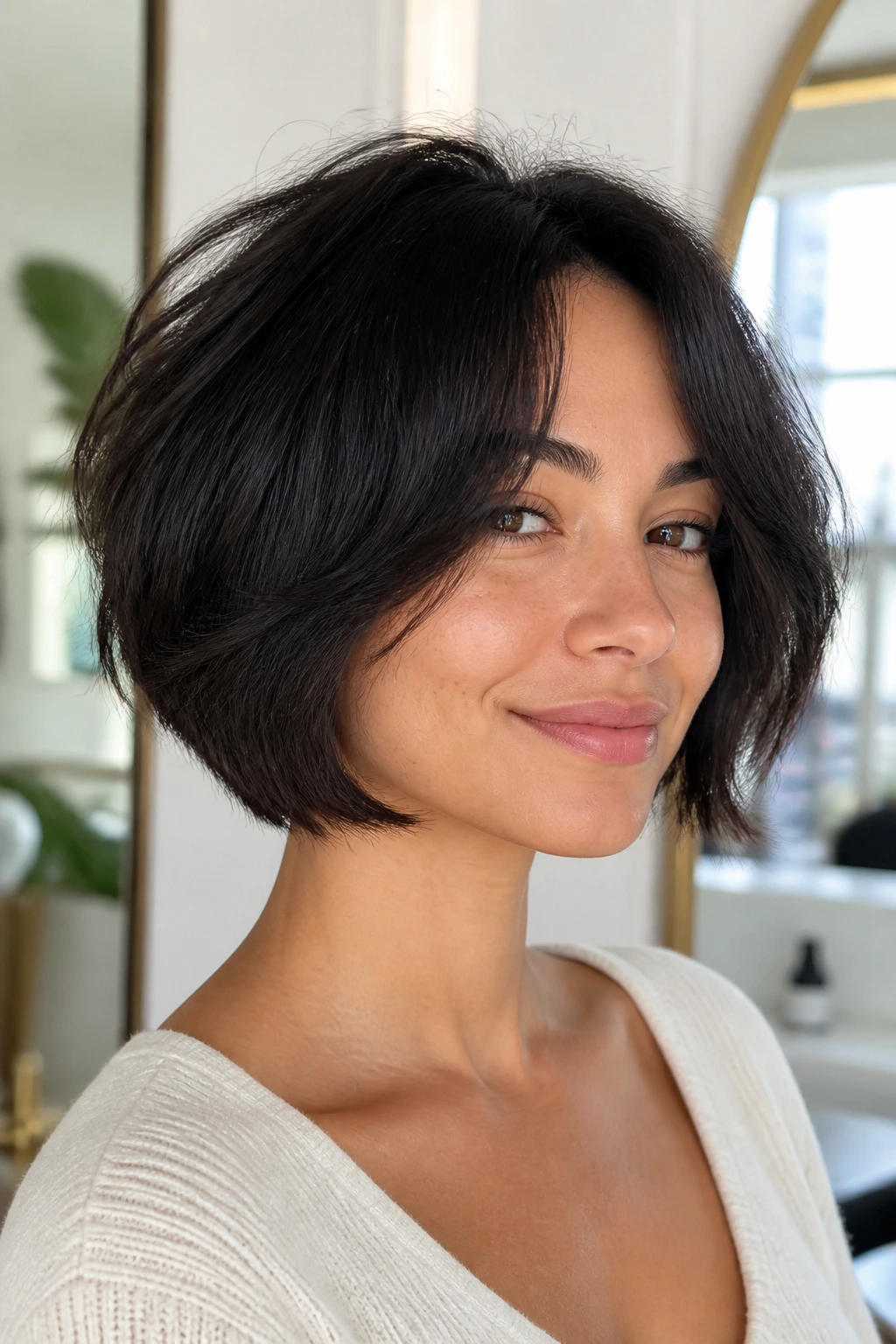
Finding the right cut for frizzy hair is less about elimination and more about selection. It is about choosing a shape that turns your natural texture into a deliberate element of your style rather than a byproduct of a bad hair day. When you stop fighting your hair’s inherent desire to expand and start giving it a structure that supports that movement, everything changes.
The goal is to move through your day without constantly checking the humidity levels. Once you find that balance between length, layering, and moisture, you will find that the haircut you once feared—the short one—becomes the most empowering decision you could make. Take your time in the consultation, be honest about what you are willing to style daily, and enjoy the freedom of hair that finally works with you, not against you.