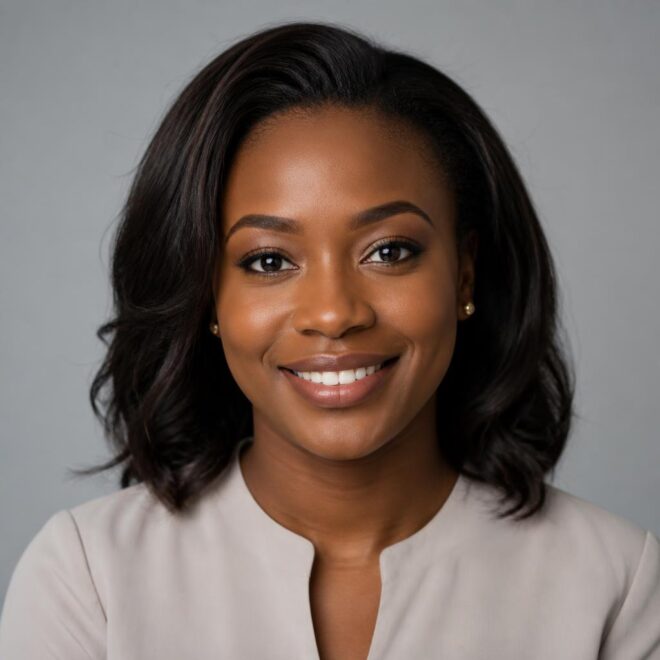


Thick hair is a blessing, but it often carries a weight—both literal and figurative—that makes styling a chore rather than a form of self-expression. When you have a high density of strands, you are constantly battling volume that wants to turn into a poof or a tangle the moment you step outside. A fresh start isn’t just about cutting your hair; it is about finding a silhouette that works with your texture instead of against it. Whether you are dealing with coarse curls, sleek waves, or stick-straight locks, the right cut can change how you feel about your morning routine.
Many people with thick hair fall into the trap of trying to tame it with heavy products or excessive heat, which only leaves the hair looking fried or lifeless. The secret isn’t more control; it is movement. By removing internal bulk and choosing shapes that encourage flow, you can actually spend less time fighting your hair and more time enjoying it. We are moving away from the blunt, heavy looks that drag your face down and shifting toward styles that celebrate the inherent body of your hair while keeping it manageable. Let’s look at twenty-two specific ways to rethink your heavy mane.
1. The Textured Long Shag
The modern shag is a godsend for thick-haired individuals because it relies on layers to do the heavy lifting. Instead of one long, bottom-heavy block of hair, a shag creates a series of shorter, internal layers that break up the density. This gives the hair a soft, lived-in appearance that looks better the messier it gets.
Why It Works for Thick Hair
The primary goal here is weight reduction. By using a razor or point-cutting technique, a stylist can remove bulk from the mid-lengths without sacrificing the overall length of the hair. This prevents the “triangle” shape that many people with dense hair suffer from when they get a standard blunt cut.
Styling the Look
- Apply a light sea salt spray to damp hair to encourage natural wave patterns.
- Rough-dry the hair with your fingers, tilting your head upside down for maximum volume at the roots.
- Finish with a lightweight texturizing paste to define the ends and add a bit of grit to the layers.
Pro tip: Ask your stylist for “invisible layers” if you are nervous about losing too much thickness, as these are hidden beneath the top layer of your hair to provide movement without being visible.
2. The Face-Framing Butterfly Cut
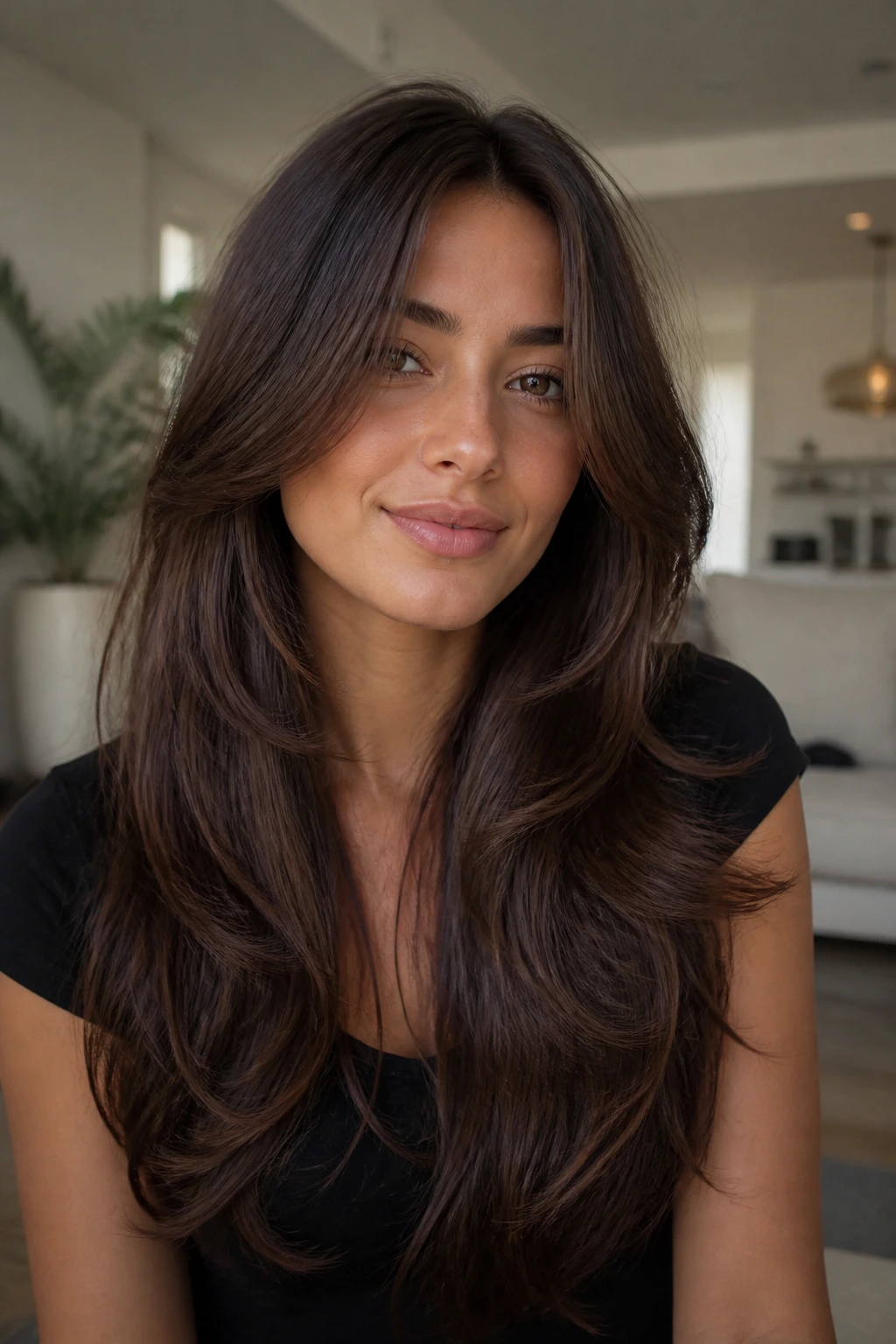
If you want to keep your length but need a dramatic update, the butterfly cut is your best bet. It is essentially a combination of long layers and shorter, face-framing pieces that mimic the look of a shorter bob from the front while maintaining your long hair in the back.
This style is particularly effective at softening a strong jawline or rounding out an angular face shape. Because it focuses on the front, it gives you the illusion of a total transformation without requiring you to chop off your hard-earned length. The bounce you get from these layers makes heavy, thick hair feel airy and light.
3. The Blunt Collarbone Bob
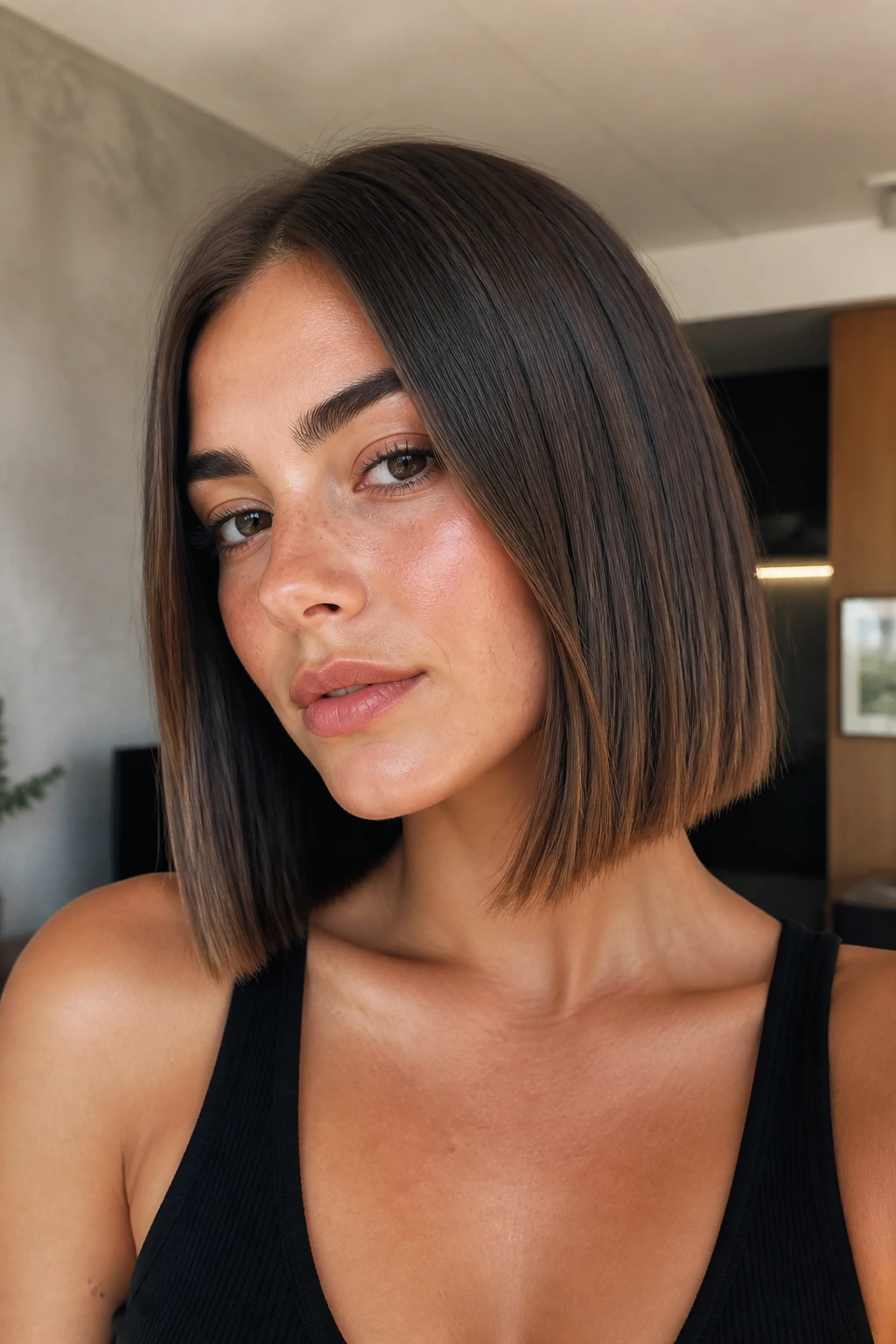
There is something undeniably chic about a bob that hits exactly at the collarbone. For thick hair, the blunt edge is a bold choice that commands attention. By cutting a straight, sharp line, you force the hair to sit in a refined, polished shape rather than blooming outward.
The Importance of Weight Removal
Even though the cut is blunt, the back needs to be thinned out. Ask for internal thinning or undercutting to prevent the back of the bob from pushing out like a mushroom. This keeps the hair sitting flush against your neck, which is the key to maintaining that sleek, professional silhouette.
Maintenance Requirements
- This look requires a trim every 6 to 8 weeks to keep the line sharp.
- Invest in a high-quality smoothing oil to keep the ends looking crisp.
- Use a flat iron sparingly; the natural weight of thick hair often makes it sit perfectly straight if the cut is balanced correctly.
4. The Classic Deep Side-Parted Pixie
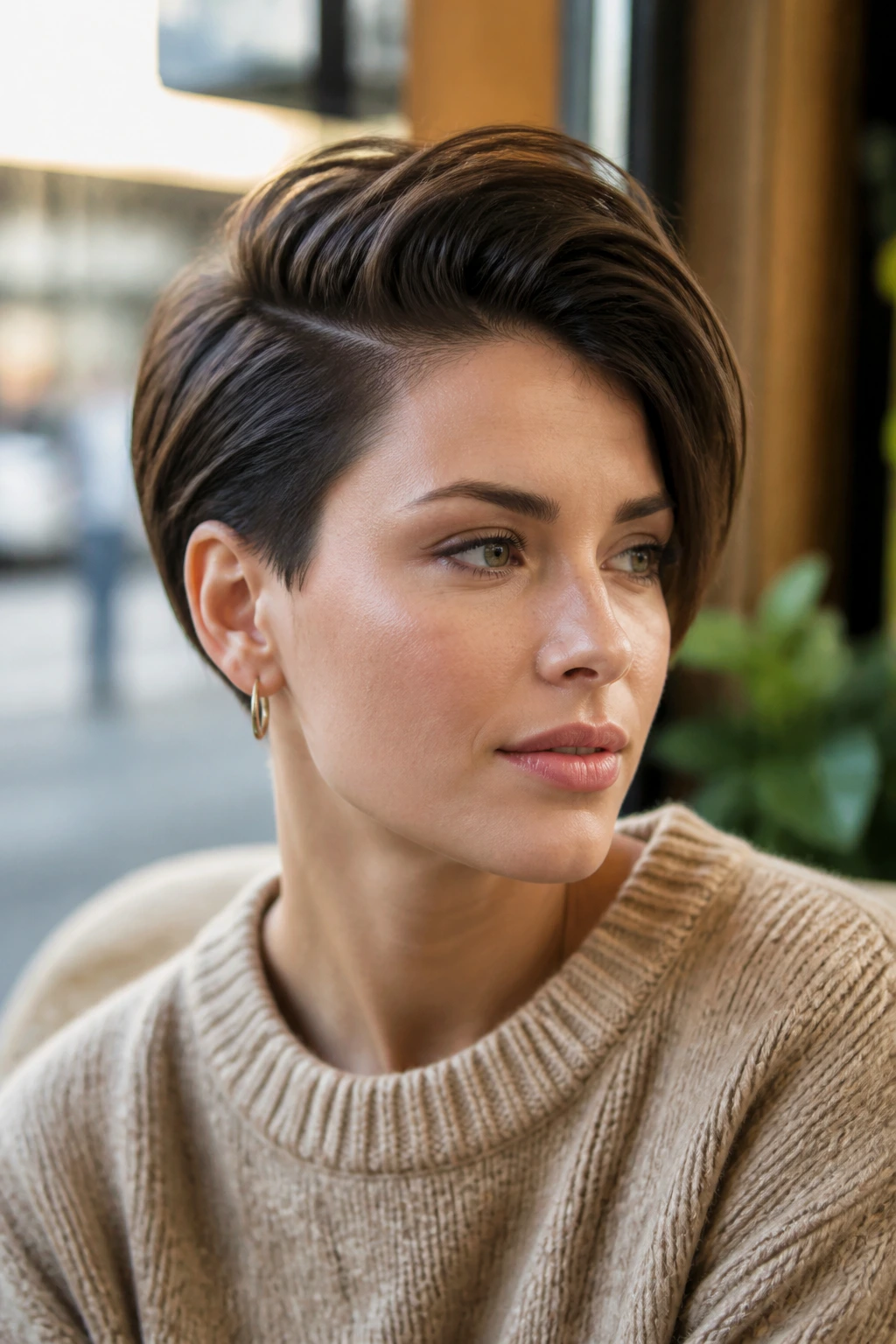
Going short is the ultimate “fresh start” moment. A pixie cut for thick hair isn’t about shearing it off; it is about working with the density to create a dramatic, sculptural shape. A deep side part allows one side to sweep across the forehead, giving you a bit of softness to contrast with the shorter, tapered back.
The beauty of a pixie on thick hair is that it defies gravity. You won’t need nearly as much product to get the height you want because your individual strands are strong enough to hold their own. It is a liberating experience that highlights your facial features and keeps your neck cool in the warmer months.
5. The Layered Lob with Curtain Bangs
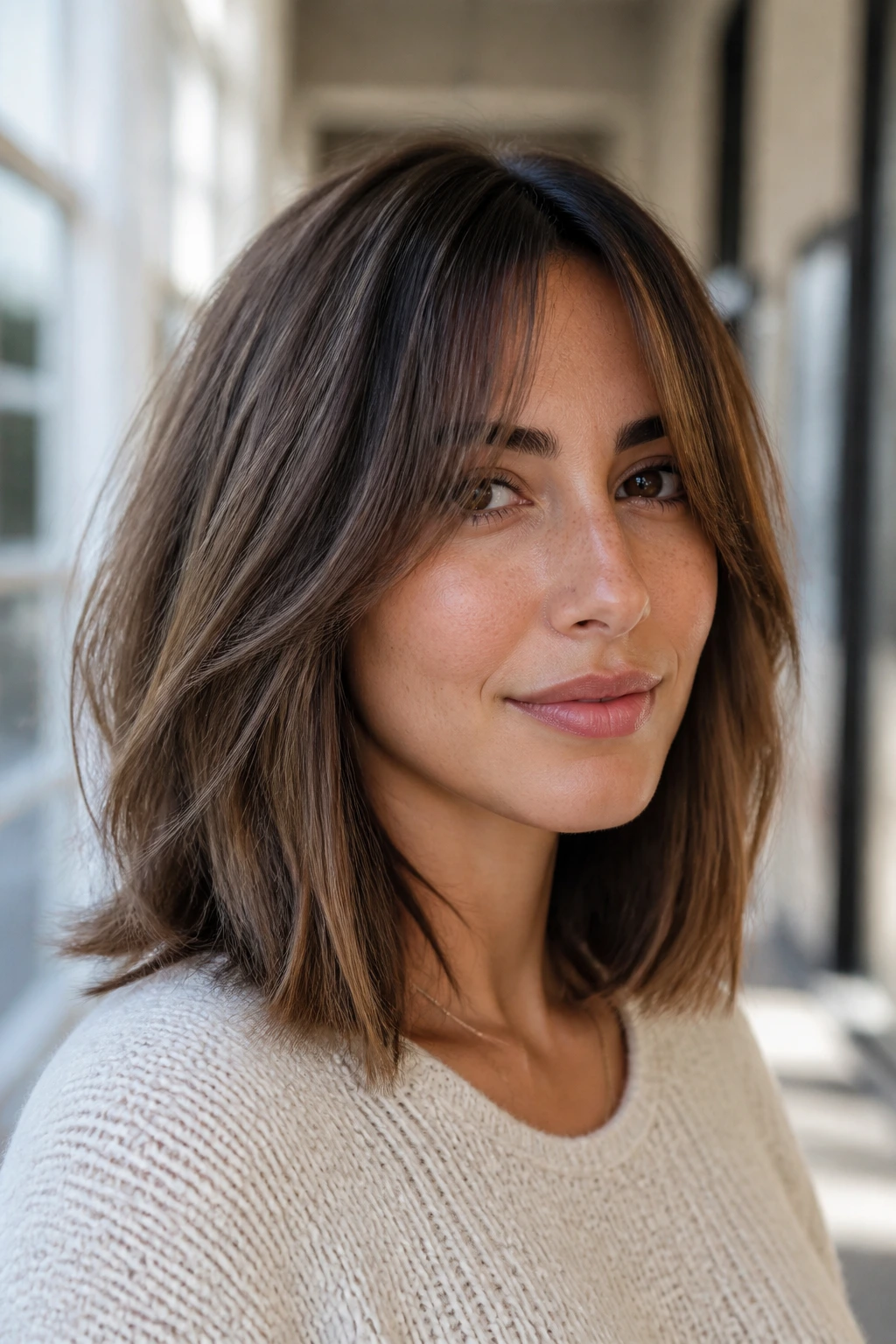
The long bob, or “lob,” is the bridge between short and long hair that works for almost everyone. By adding curtain bangs, you create a soft frame for your eyes that blends seamlessly into the rest of the style. Curtain bangs are much easier to manage than blunt-cut fringe because they are designed to grow out gracefully.
When you have thick hair, bangs can sometimes become too voluminous. Make sure your stylist keeps the section for the bangs relatively narrow. If you take too much hair from the crown to create the bangs, you will end up with a heavy forehead that feels hot and greasy by midday.
6. The Undercut Bob
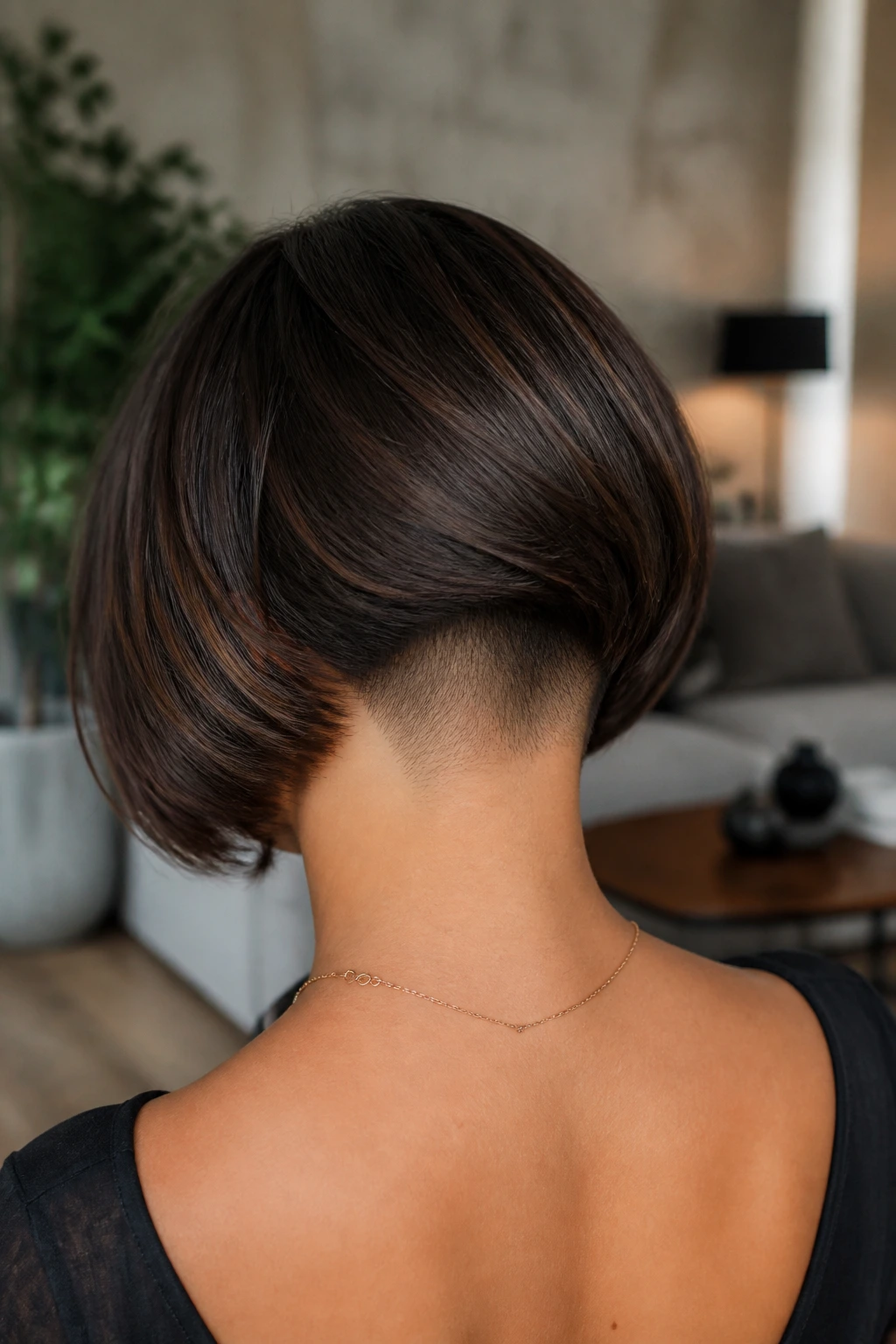
If you feel like your hair is too dense to ever be truly comfortable, an undercut at the nape of the neck is the secret weapon you didn’t know you needed. You keep the length of a bob, but the bottom inch or two of hair is buzzed or trimmed extremely short.
This removes an incredible amount of weight and allows your hair to lay flat against your neck. No one will know it is there unless you pull your hair up into a ponytail, but you will feel the difference the second you touch your hair. It makes a heavy, thick bob feel as light as a feather.
7. The Mid-Length Shag with Soft Layers

While the long shag is bohemian and wild, the mid-length version is slightly more controlled and office-appropriate. It falls around the shoulders and focuses the layering at the mid-lengths rather than at the crown. This prevents the hair from looking too 1970s and keeps it firmly in the present day.
Key Characteristics
- The layers are connected, meaning the shortest layer is still long enough to be tucked behind the ear.
- The ends are point-cut to remove any bluntness, which encourages the hair to flip slightly inward or outward depending on your natural texture.
- This cut is highly versatile, looking just as good air-dried as it does blow-dried.
How to Style
- Apply a leave-in conditioner to wet hair to keep the ends hydrated.
- Use a round brush only at the very ends to give a slight bevel.
- Let the rest of the hair air dry to preserve your natural wave.
8. The Textured Wavy Crop
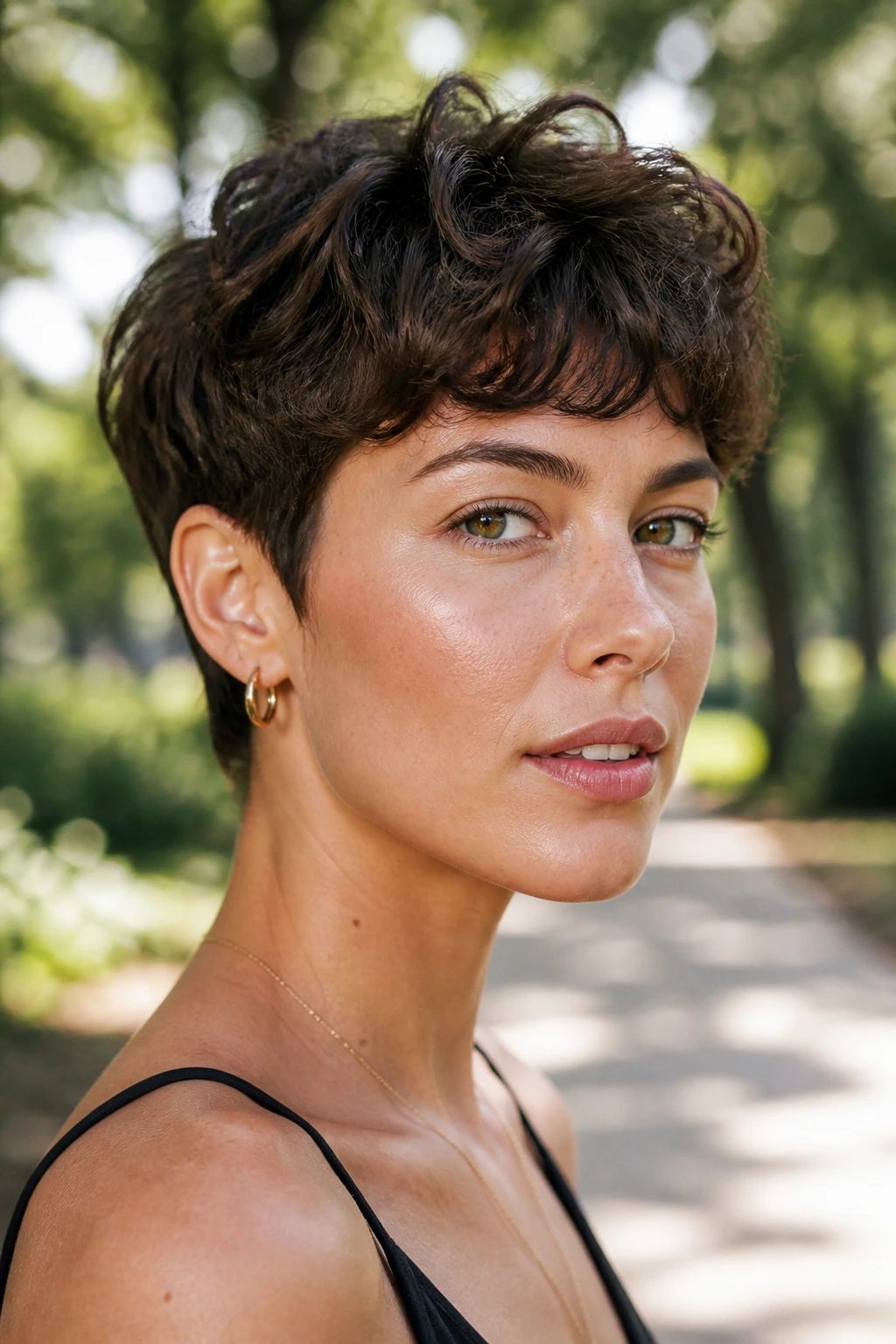
This is for the person who wants a short look but doesn’t want to spend time flat ironing. By cutting the hair short but leaving enough length on top for natural movement, you allow your texture to shine. This style works exceptionally well if your hair has a slight natural curl or wave that usually gets weighed down by length.
You can style this with a bit of sea salt spray or a curl-enhancing cream, then just walk out the door. The shorter length prevents the hair from becoming tangled, and the layers ensure that you don’t get a “helmet” effect. It is a wash-and-go style that actually looks better as the day progresses.
9. The Rounded Layered Cut
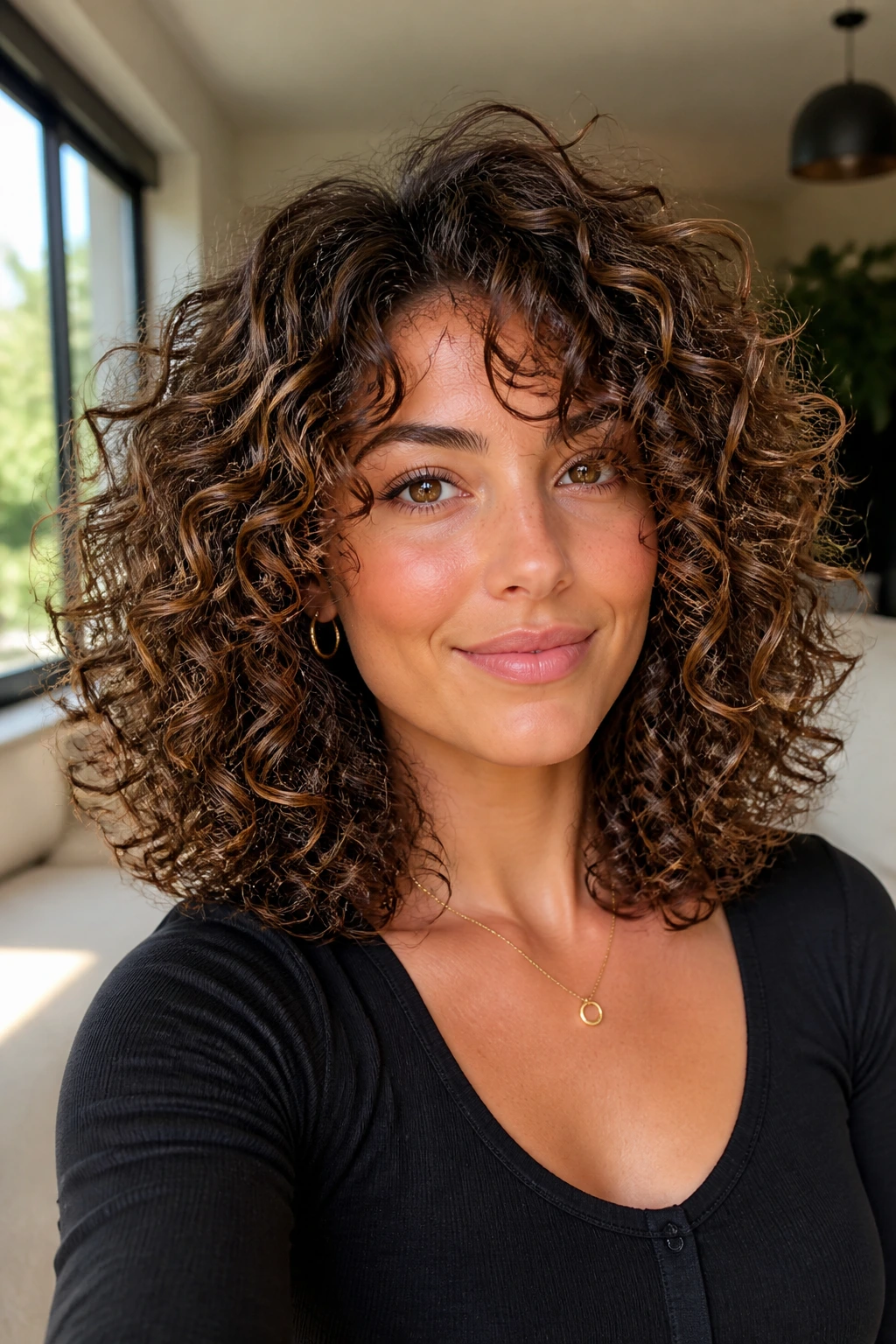
If you have extremely thick, coarse hair, you might be familiar with the “poof.” A rounded cut intentionally shapes the hair into an oval or spherical silhouette. Instead of trying to force your hair to be sleek, you lean into the volume and give it a deliberate, intentional shape.
This works best for people with natural curls or coils. The goal is to ensure the layers follow the shape of your head, creating a halo of hair that is balanced and proportional. It is a bold, confident look that rejects the pressure to thin out your hair and instead celebrates its natural state.
10. The Graduated Bob
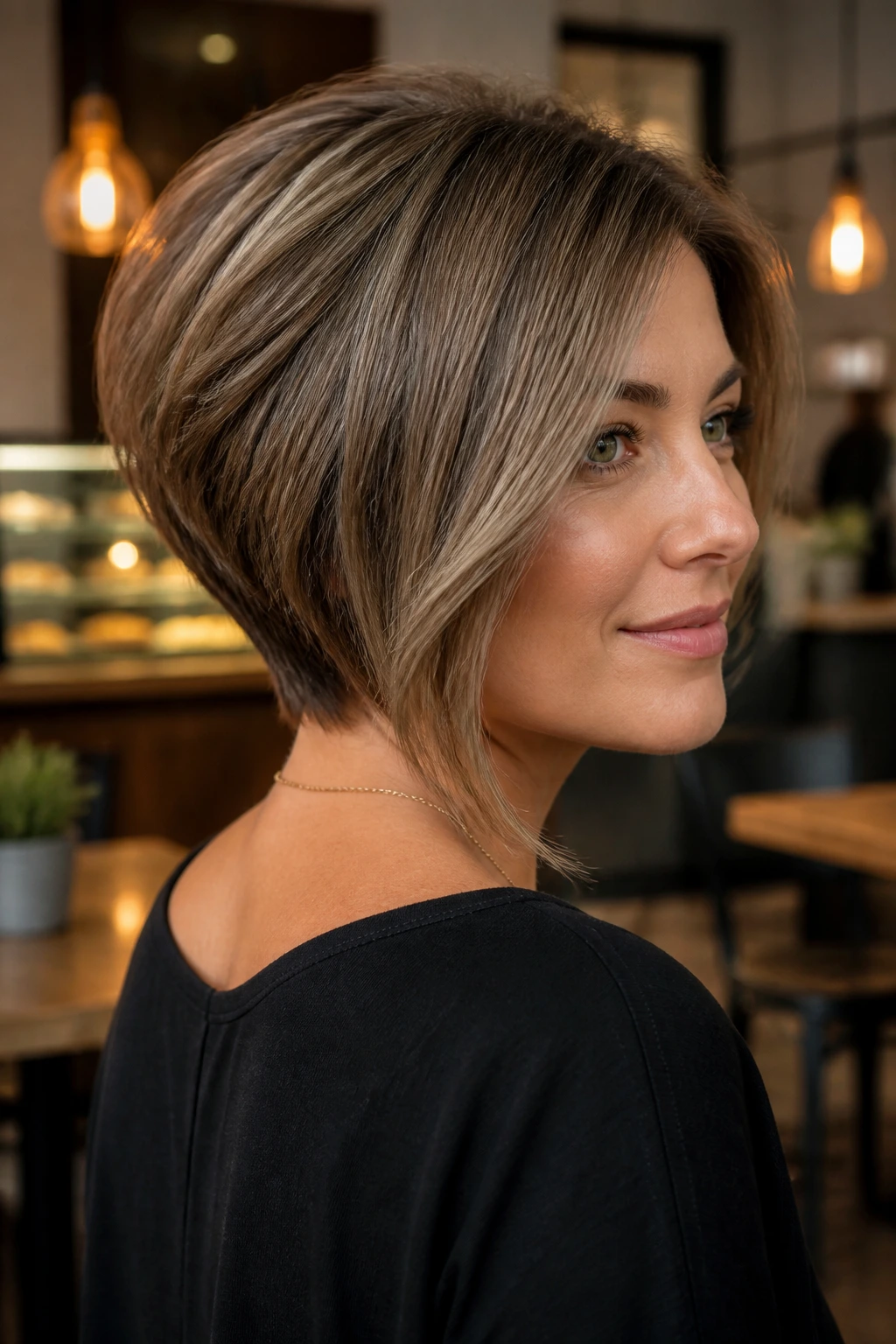
The graduated bob is shorter in the back and longer toward the front, creating a steep angle that looks incredibly sophisticated. Because thick hair has so much body, this cut will give you a dramatic, dramatic “swoop” that stays in place all day.
The weight removal happens in the back, where the hair is stacked, while the longer pieces in the front provide the sleekness you crave. It is a low-maintenance style because it is built to hold its own structure. You essentially wake up, brush it, and the cut does the rest of the work.
11. The Soft Wolf Cut
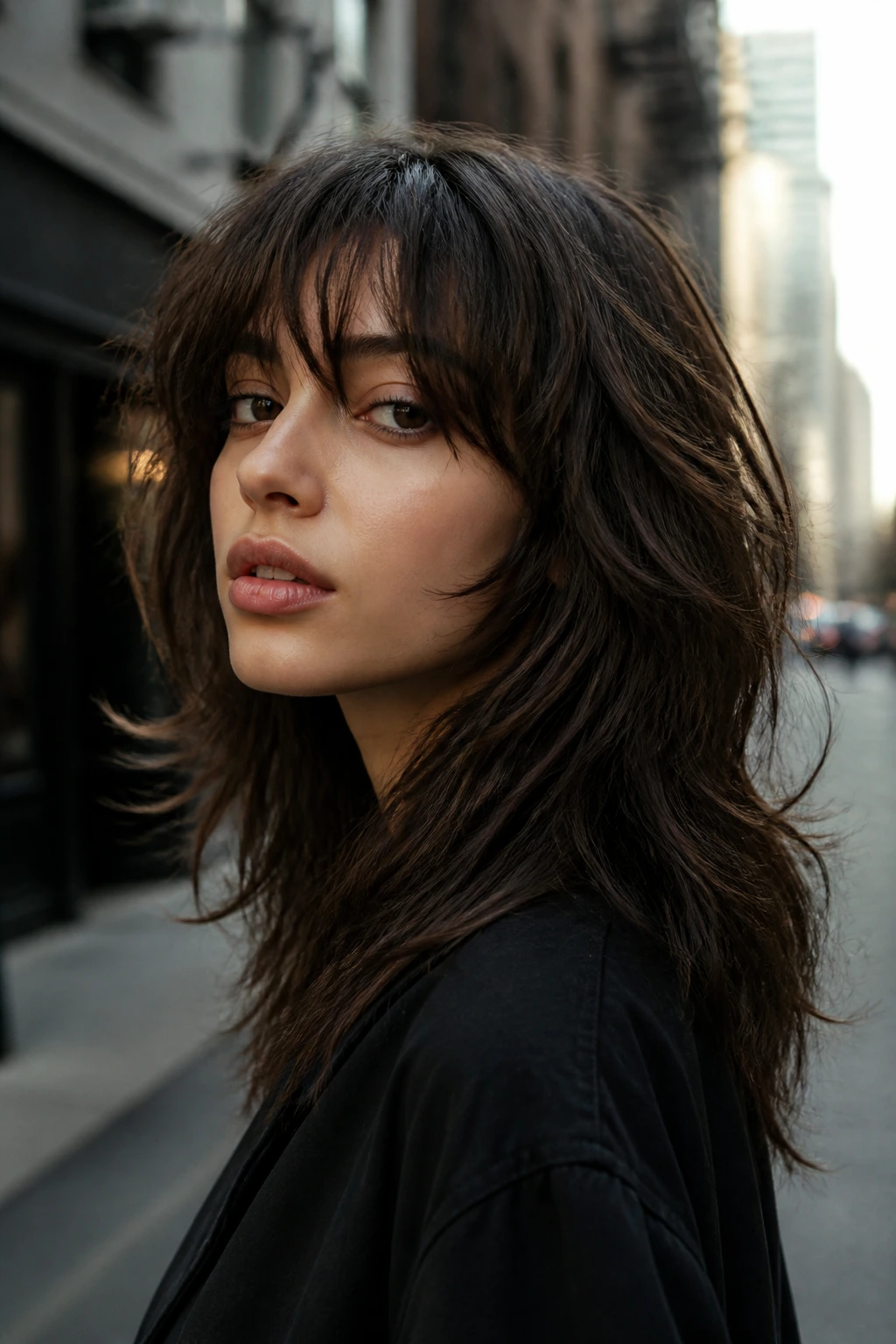
The wolf cut has taken over as a popular hybrid of the shag and the mullet. For thick hair, it is a dream because it involves shorter layers at the top and longer layers at the bottom. This creates an immense amount of movement without the hair feeling heavy.
Because of your hair’s density, you likely won’t need to over-style this look. The weight of your own hair will help the layers lay down, preventing the style from becoming too fluffy. It is an edgy, modern look that signals a fresh start by embracing a slightly rebellious, undone aesthetic.
12. The Tapered Nape Bob
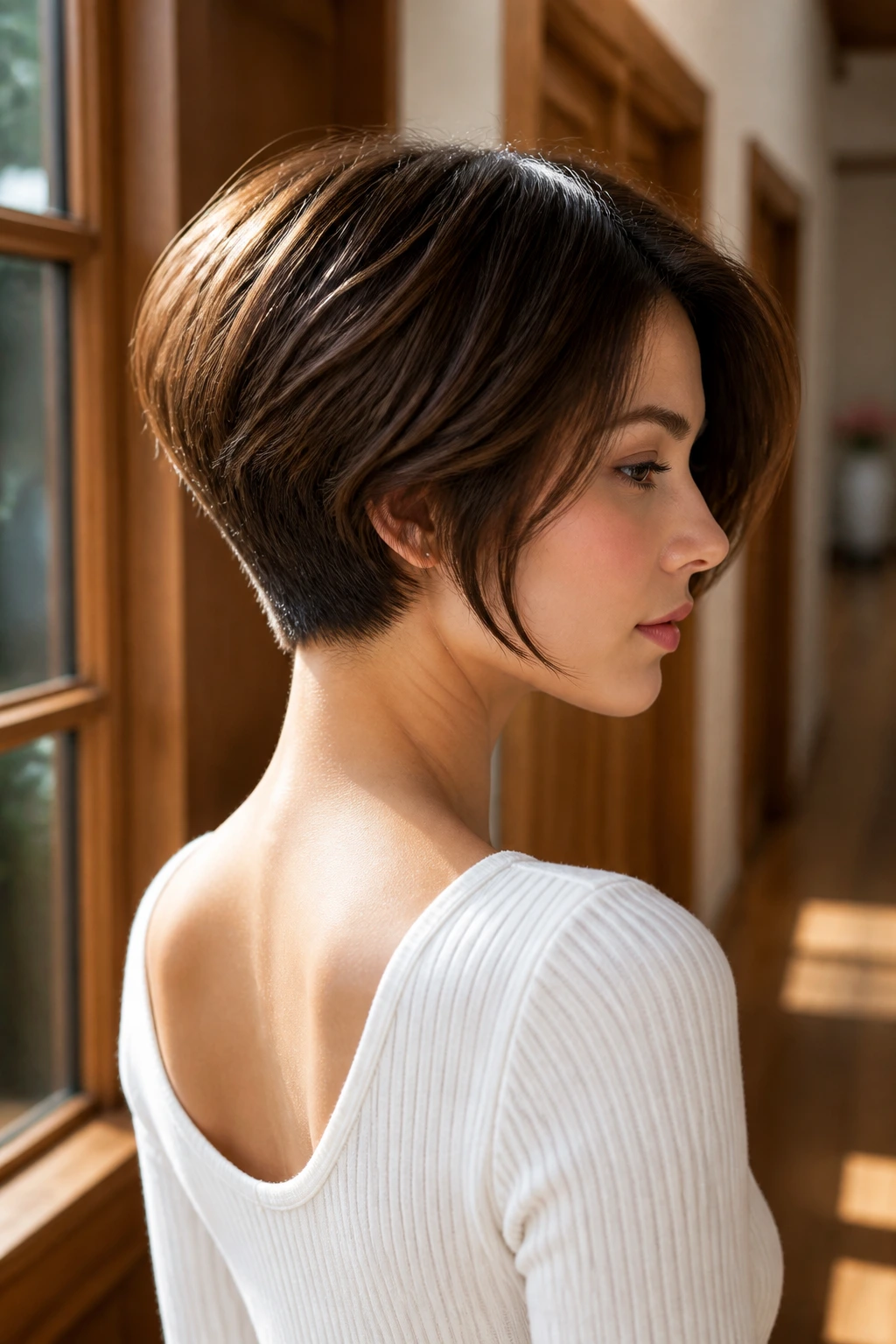
Similar to the undercut bob, this style focuses on tapering the back so that the hair follows the contour of your neck. It creates a seamless transition from the short back to the longer sides. This is perfect if you find that the back of your neck is where you feel the most heat and heaviness.
It also adds a touch of elegance to the profile of the cut. When your hair is styled, the back looks neat and tidy, while the front keeps the drama of longer, thicker pieces. It is a functional and beautiful way to handle high-density hair without having to commit to a pixie.
13. The Long Layered “V” Cut
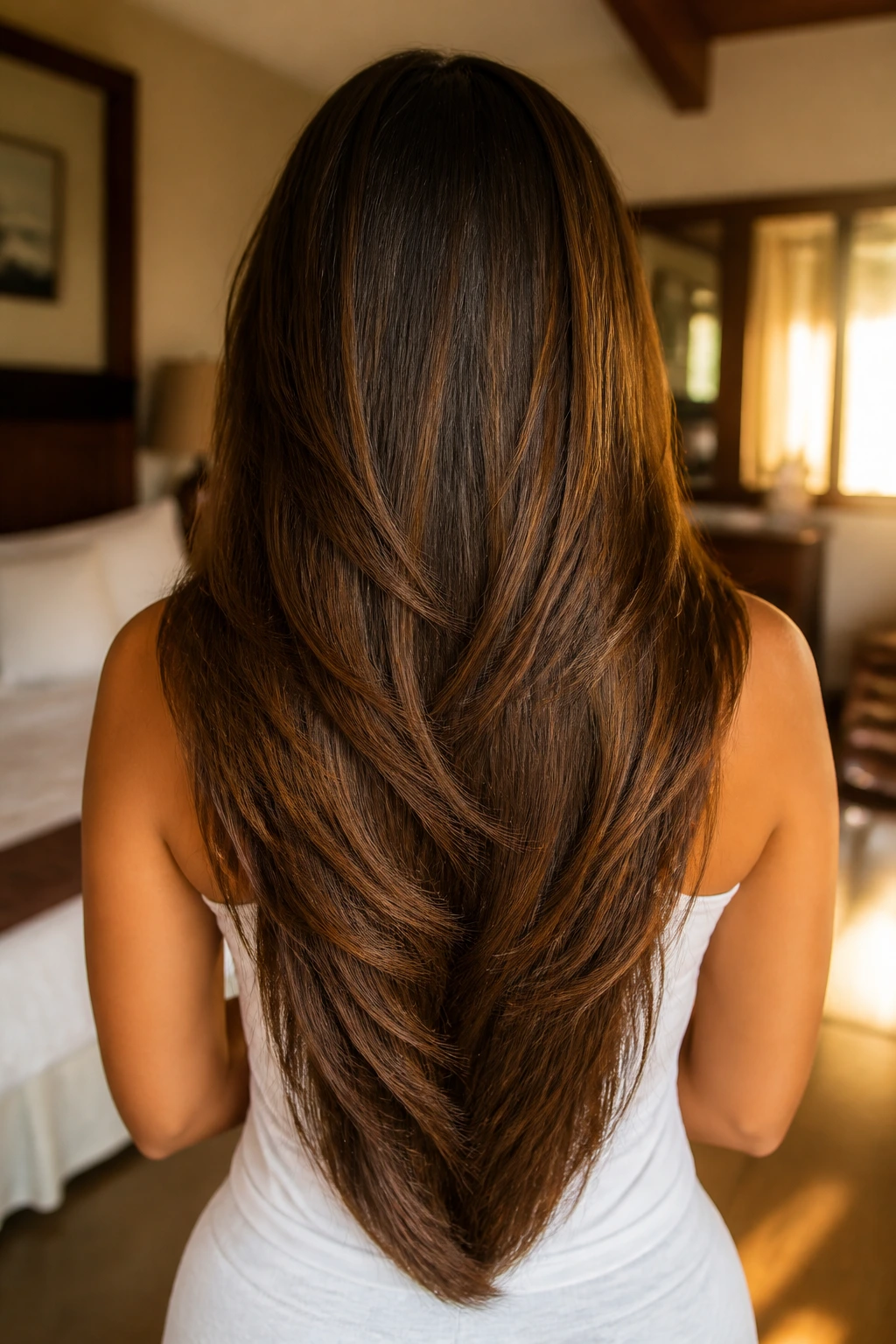
If you are deeply attached to your long hair but find it impossible to deal with, the “V” cut is a classic. Instead of a blunt bottom, the hair is cut into a deep “V” shape in the back. This removes a significant amount of weight from the perimeter, which is where most of your thickness sits.
Why This Reduces Tangling
When hair is cut straight across, the bottom layer hits the shoulders and tangles constantly. A “V” shape tapers the ends, meaning there is less hair hitting your clothing, which drastically reduces the amount of friction and knotting.
Best For
- People with hair reaching mid-back or longer.
- Those who want to maintain maximum length while still making the hair feel lighter.
- People who prefer wearing their hair down and want it to move when they walk.
14. The Pixie-Bob Hybrid
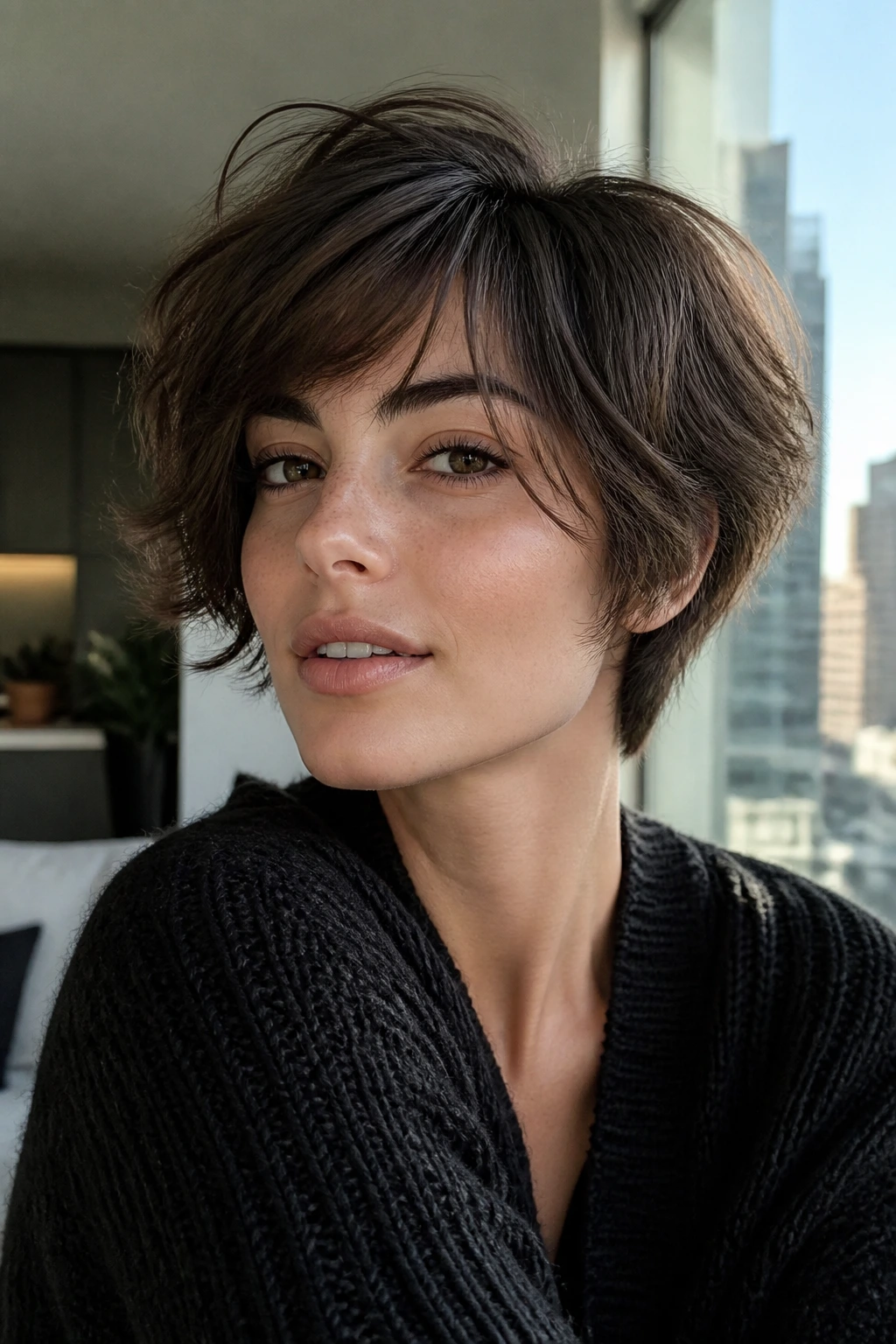
Can’t decide between a bob and a pixie? This hybrid style, often called a “bixie,” is the answer. It is a bit longer than a classic pixie but shorter than a traditional bob. You get the benefit of a short cut—lightness and ease—with the feminine softness of a longer silhouette.
This cut is fantastic for thick hair because it relies on texture rather than length to define the look. Your thick strands will give the style a lot of hold and bounce, meaning you won’t have to worry about it looking limp or flat. It is a playful, stylish option for someone looking for a major change.
15. The Choppy Collarbone Shag
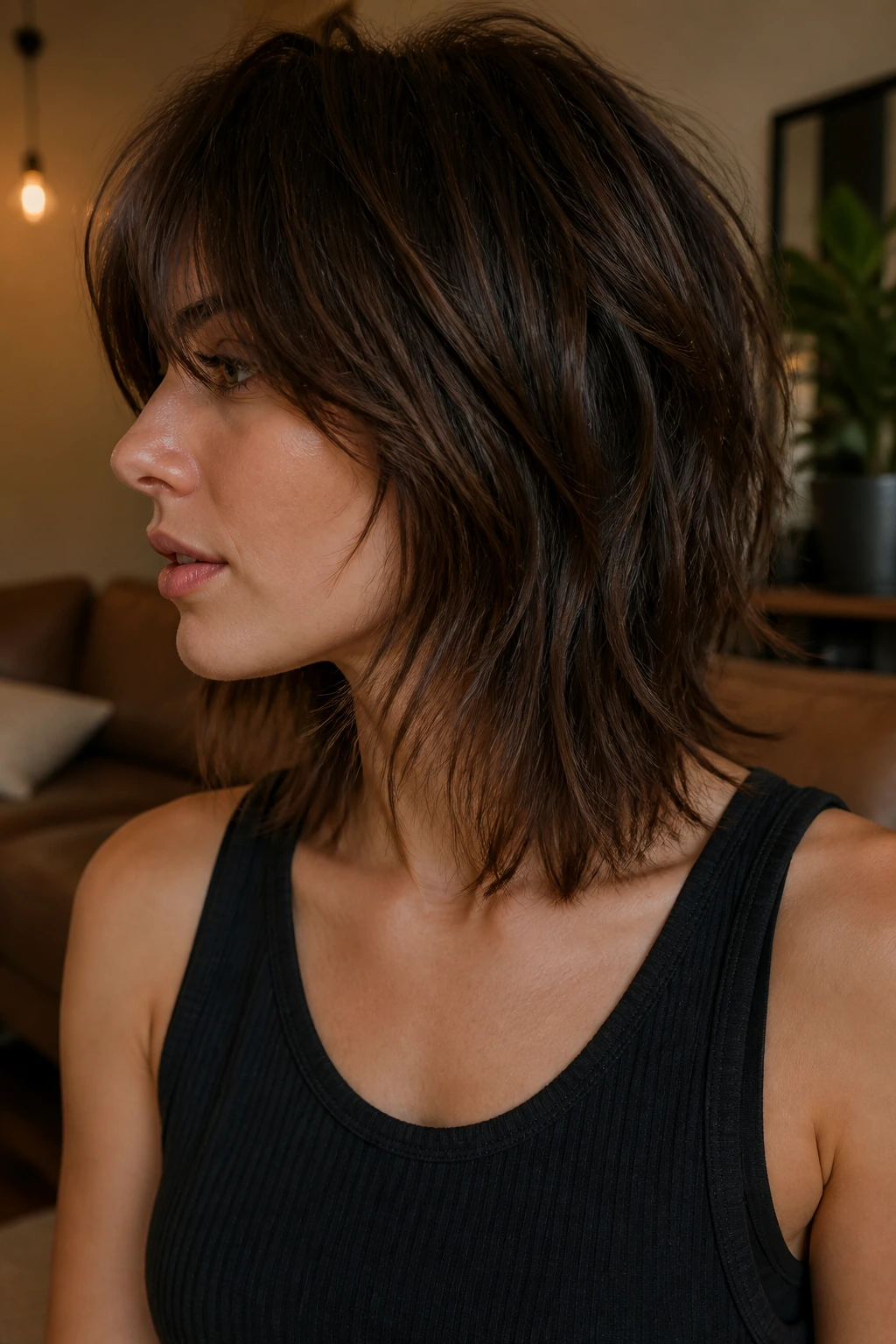
Taking the shag cut and shortening it to the collarbone creates a style that is full of energy. The choppy ends are designed to move and react to your environment. If you want a fresh start that feels youthful and unbothered, this is the one.
The internal layers here are quite aggressive, meaning you will feel a dramatic decrease in the overall weight of your hair. You will find that you spend half the time blow-drying your hair because there is simply less of it to dry. It is a practical, stylish, and highly effective way to manage thick hair.
16. The Sleek Glass Bob
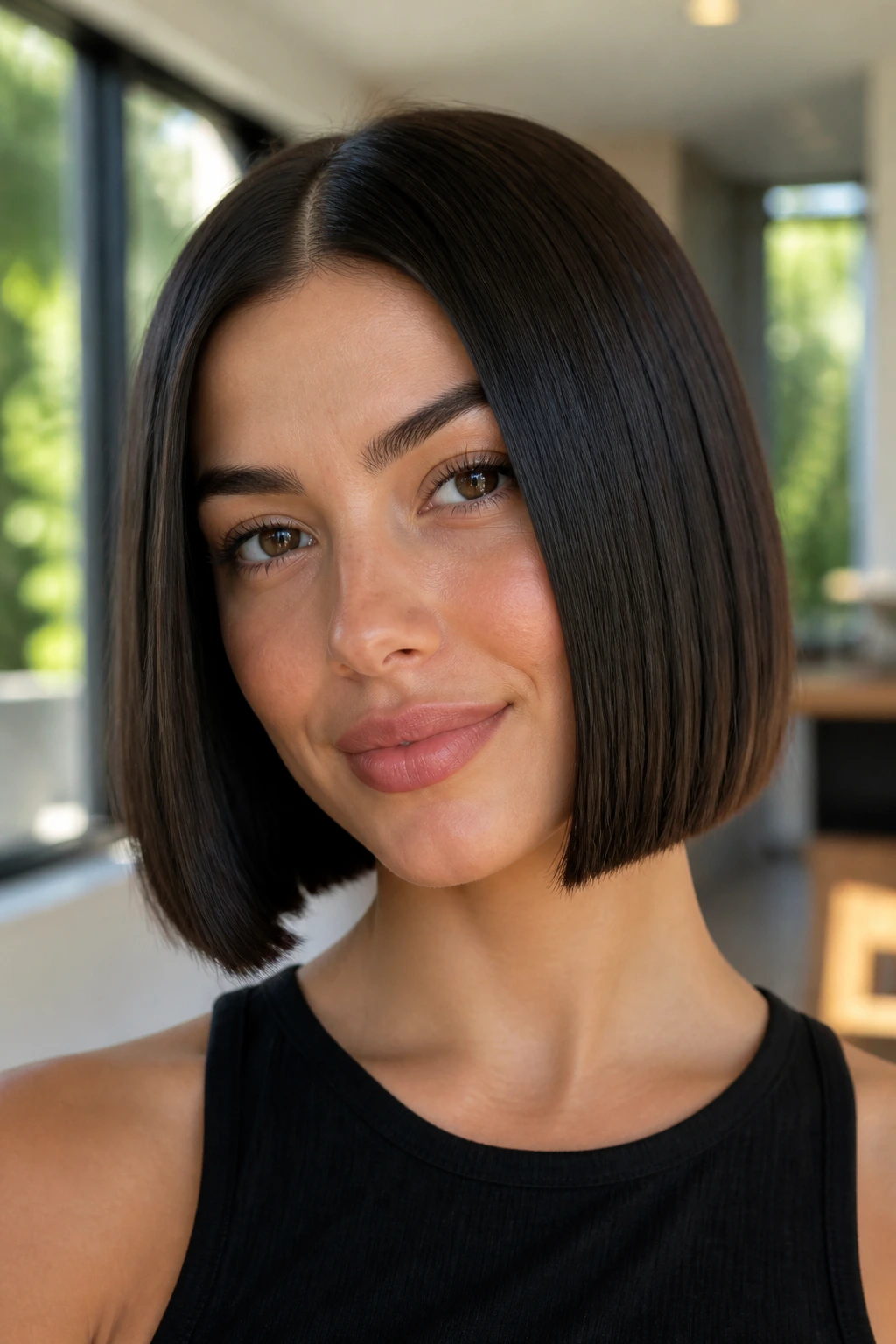
This look requires a high level of precision. A glass bob is cut to a blunt, sharp edge that sits perfectly still. To pull this off with thick hair, your stylist must be a master of internal layering. The hair has to be thinned out enough that it doesn’t puff out at the ends, yet kept thick enough to maintain that “glass” appearance.
This look is best for people with stick-straight or slightly wavy hair that responds well to a flat iron. While it does require more styling time than a shag or a crop, the result is an incredibly polished look that screams intentionality.
17. The High-Volume Layered Pixie
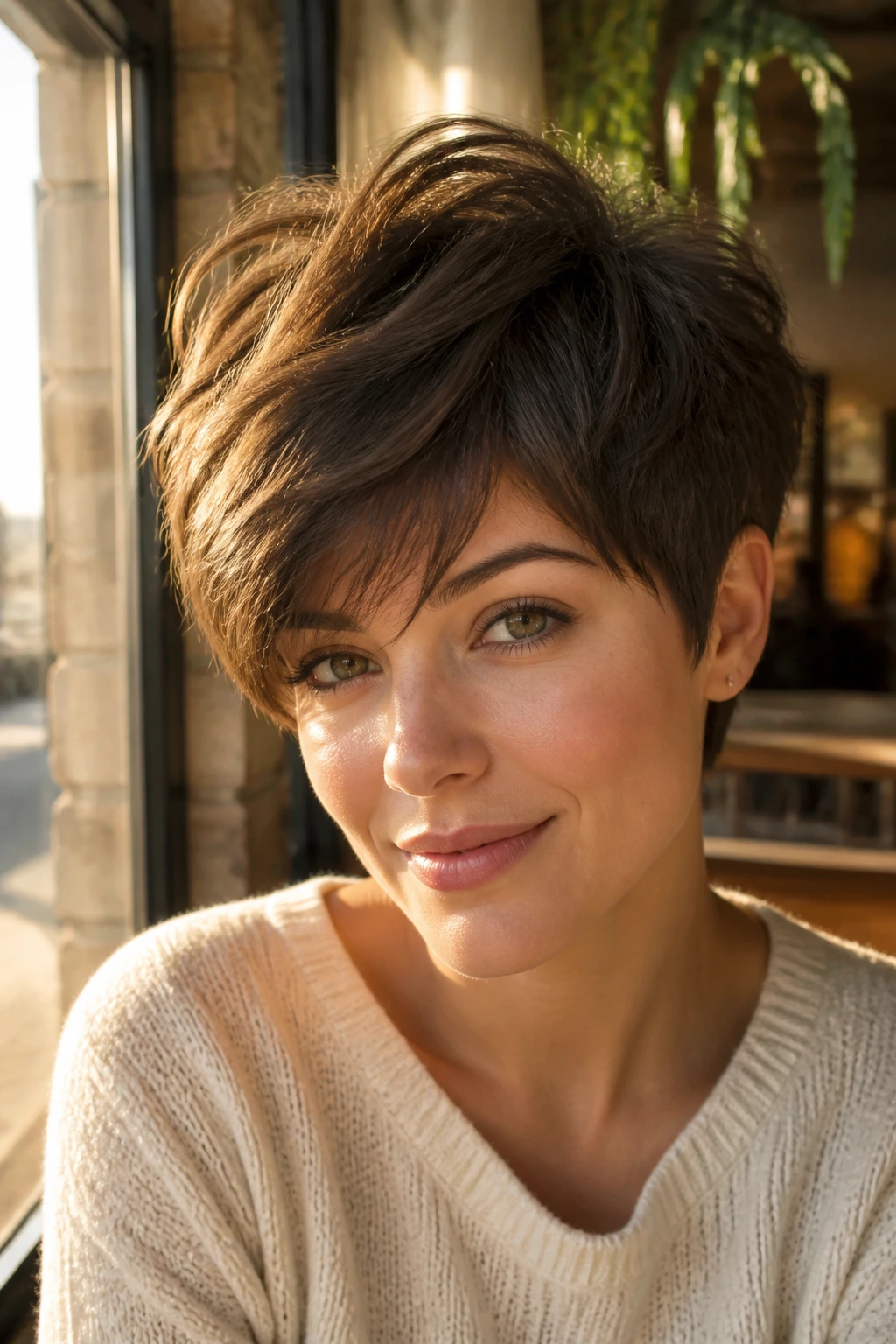
This is a more glam version of the classic pixie. By leaving the top layers significantly longer than the sides, you create a look that allows for sweeping bangs and lots of height. It is a powerful style that highlights your eyes and cheekbones while letting you play with volume.
Because your hair is thick, it will naturally support the height you create on top. You won’t need to tease your hair or use half a can of hairspray to keep it up. A small amount of styling cream worked through the top is usually enough to maintain the shape for the entire day.
18. The Graduated Curly Crop
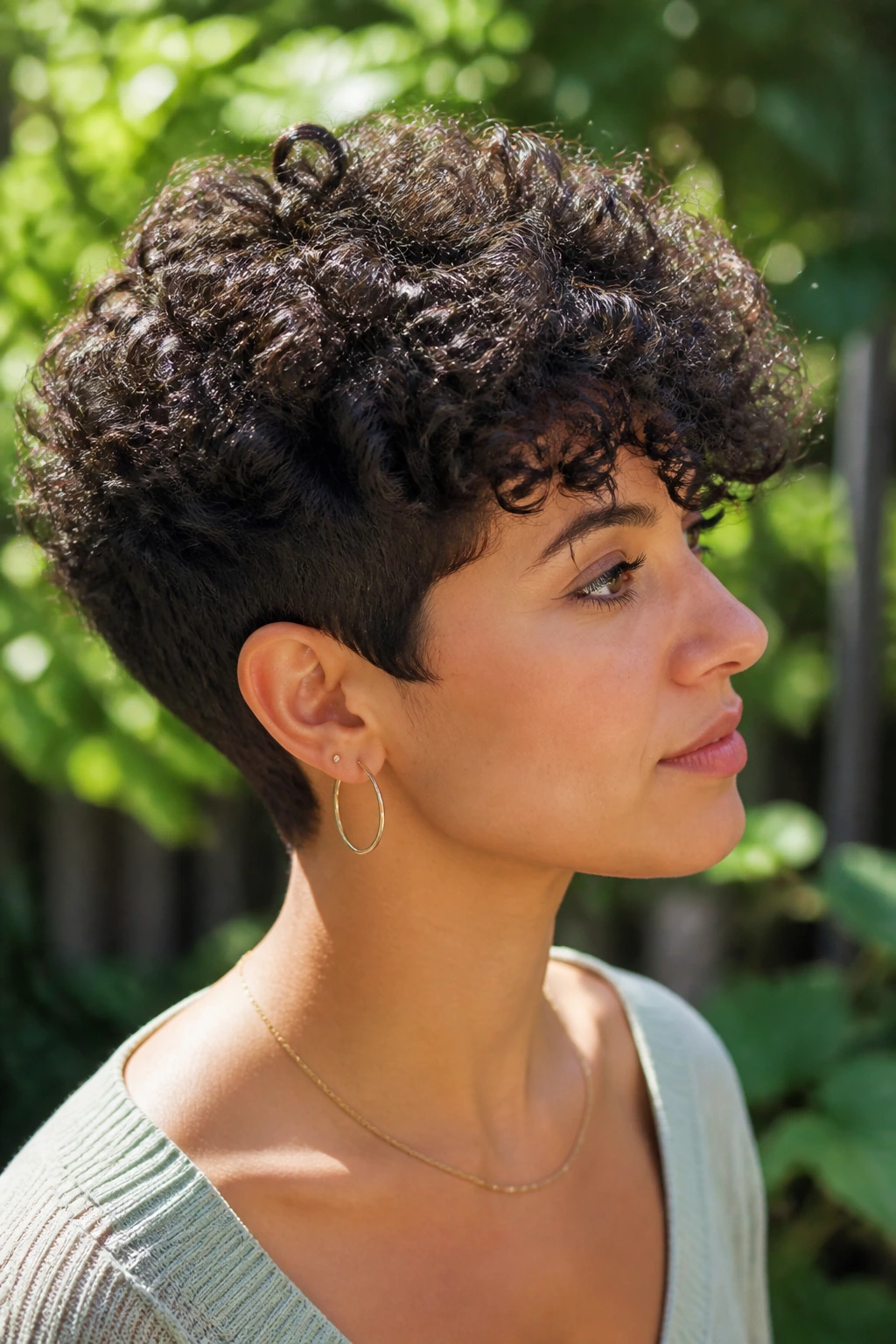
If you have tight, thick curls, a graduated crop can manage the shape without sacrificing your curl pattern. The back is cut shorter, and the front is left slightly longer, giving the curls room to spring up and frame your face. This prevents the “triangle” shape and ensures that your curls look defined and intentional.
The key here is a dry cut. Curly hair should almost always be cut while dry so the stylist can see how each curl reacts to the loss of weight. It is the best way to ensure your fresh start is exactly what you envisioned.
19. The Modern “Rachel”
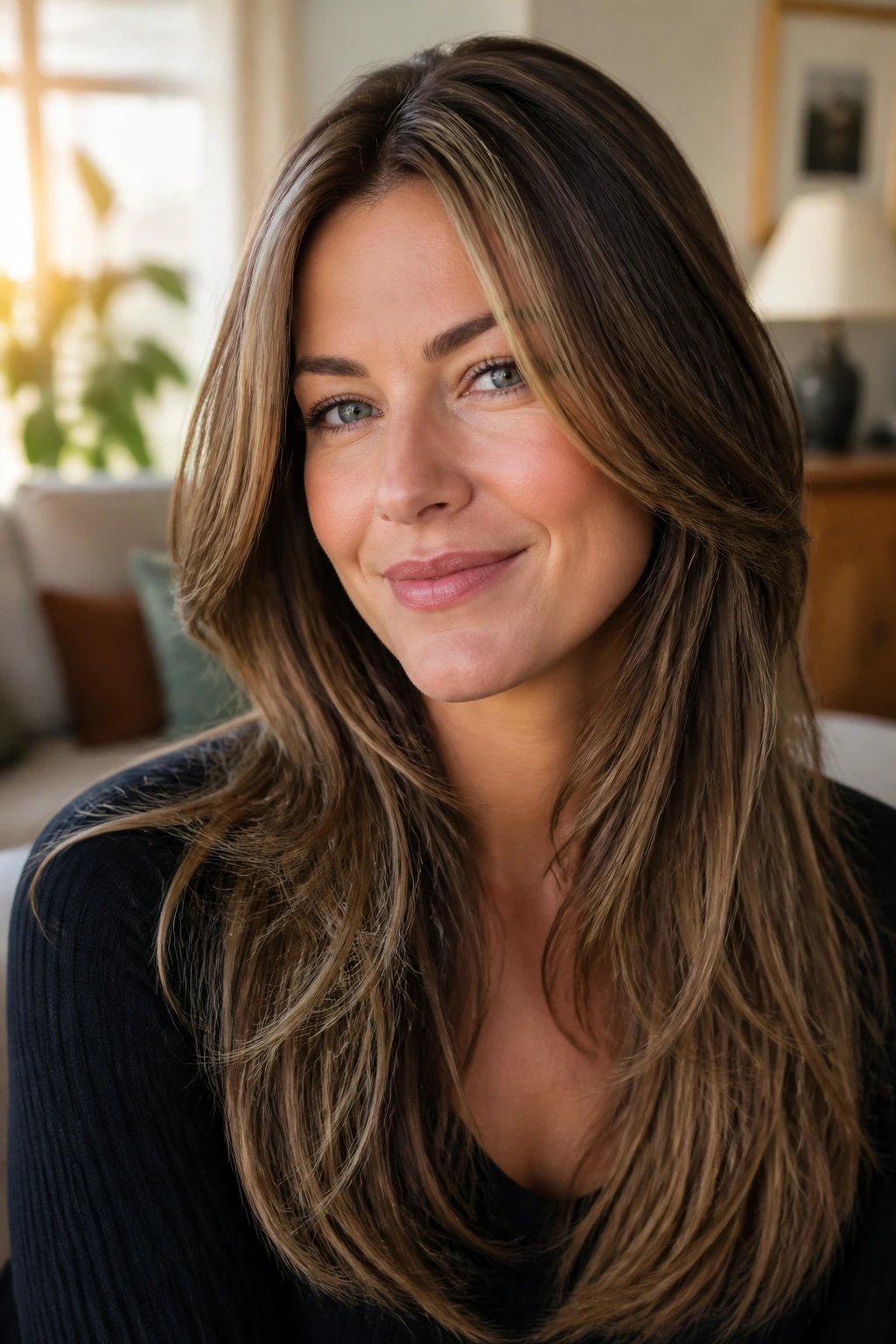
The iconic layered cut from the 90s has evolved. Instead of massive, heavy layers, the modern version uses soft, blended layers that frame the face and continue through the lengths. It is a great way to break up the mass of thick hair while keeping the length you love.
The modern twist is in the way the layers are cut—using a point-cutting technique rather than blunt scissors. This creates a softer, more natural look that doesn’t feel dated. It is a great option for someone who wants to keep their long hair but needs a change of pace.
20. The Undercut Pixie
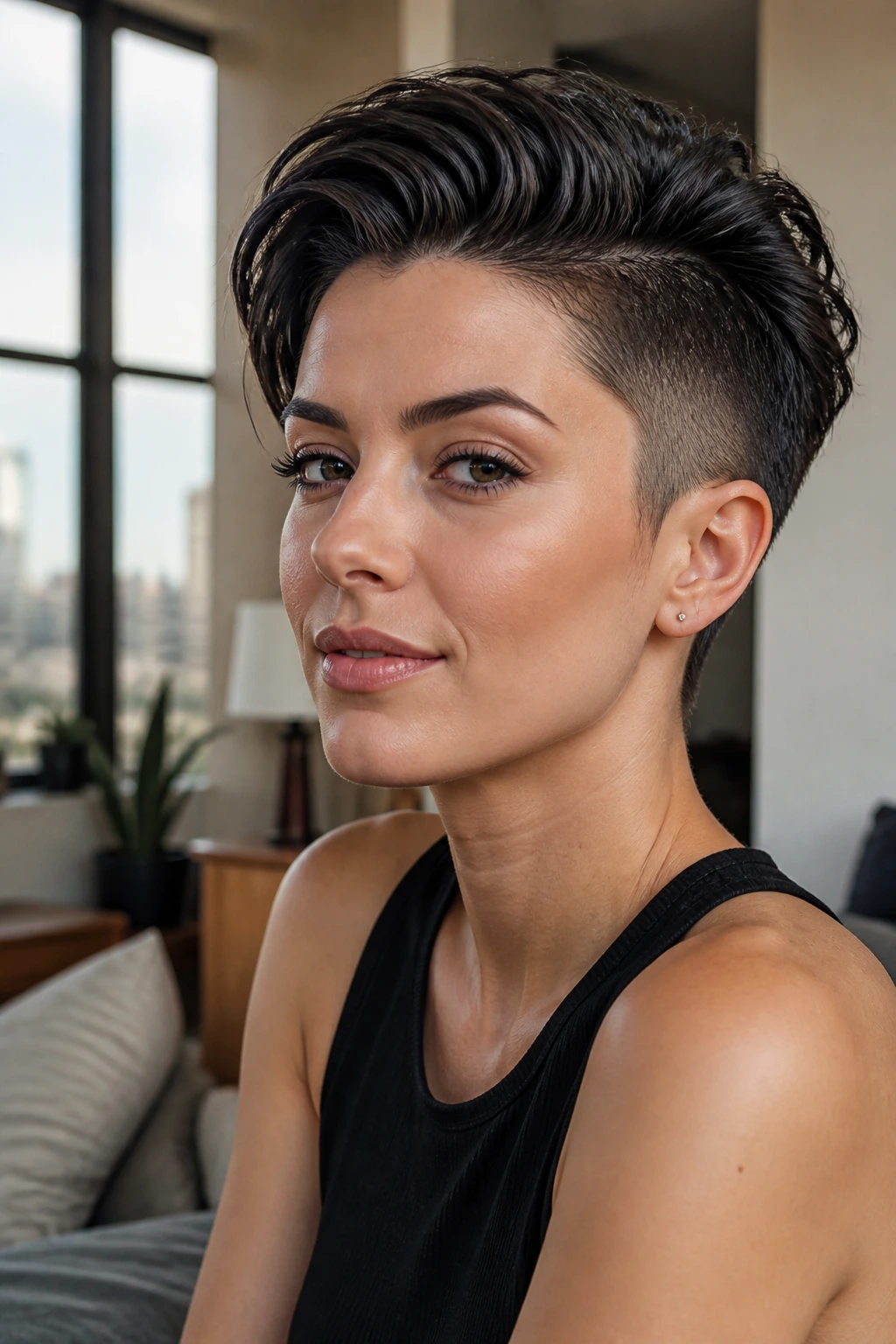
For a true fresh start, go bold. An undercut pixie involves cutting the sides and back very short—or even shaving them—while leaving the hair on top long enough to style. This is the ultimate weight-removal technique.
It is a low-maintenance, high-impact look that works beautifully for thick hair. Because the sides are short, you never have to worry about your hair puffing out at the sides. You get a sleek, sharp, and modern look that is incredibly easy to manage on a daily basis.
21. The Wavy Lob with Razored Ends
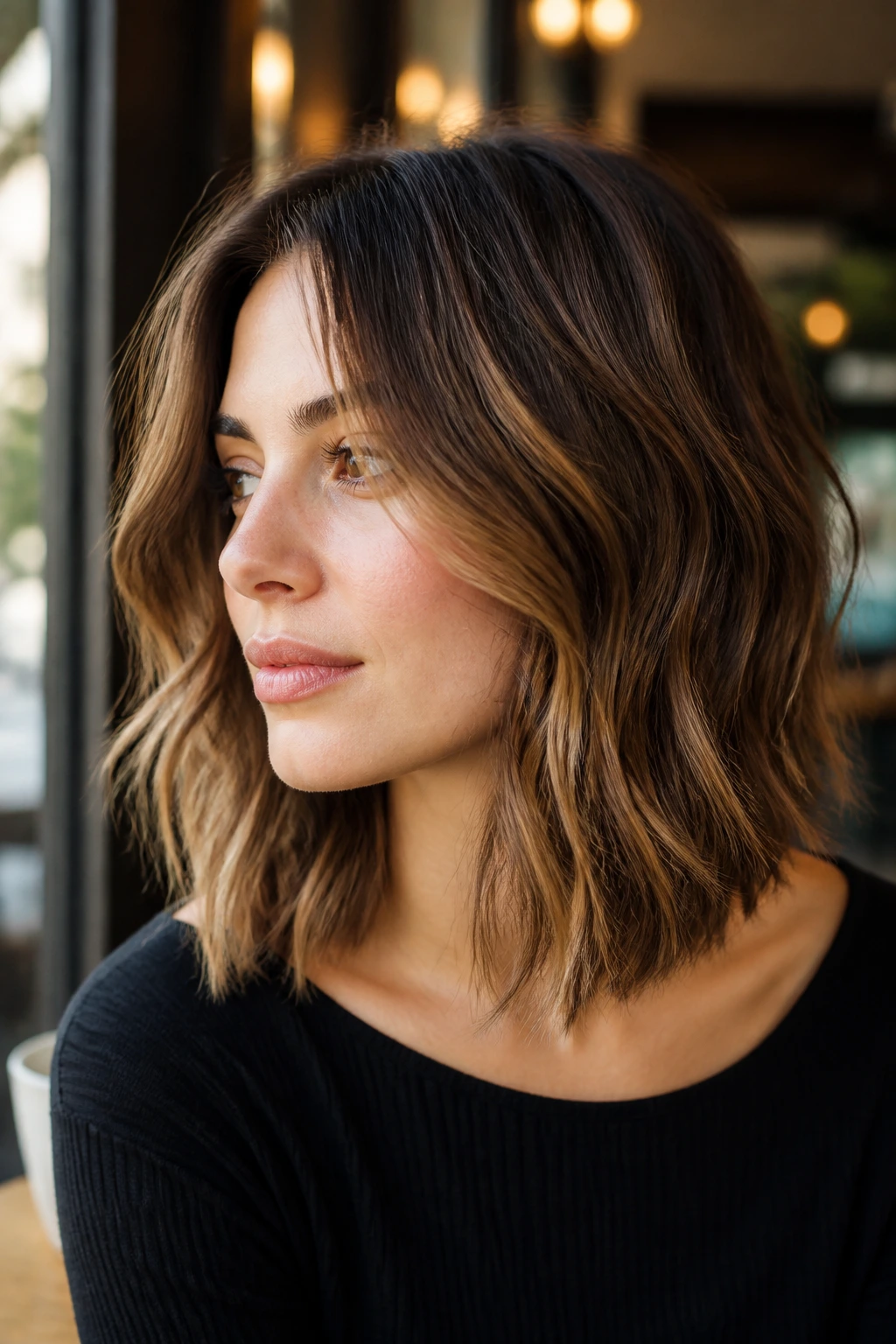
Razoring the ends of a lob gives it a wispy, light feeling that is perfect for thick hair. It removes the blunt edge that usually causes thick hair to look boxy. Instead, you get ends that look soft and airy, swaying every time you move.
This cut looks best with some natural wave. If your hair is straight, a few minutes with a curling wand will add the movement needed to make the razored ends pop. It is a low-pressure style that looks great whether it’s messy or polished.
22. The Asymmetrical Bob
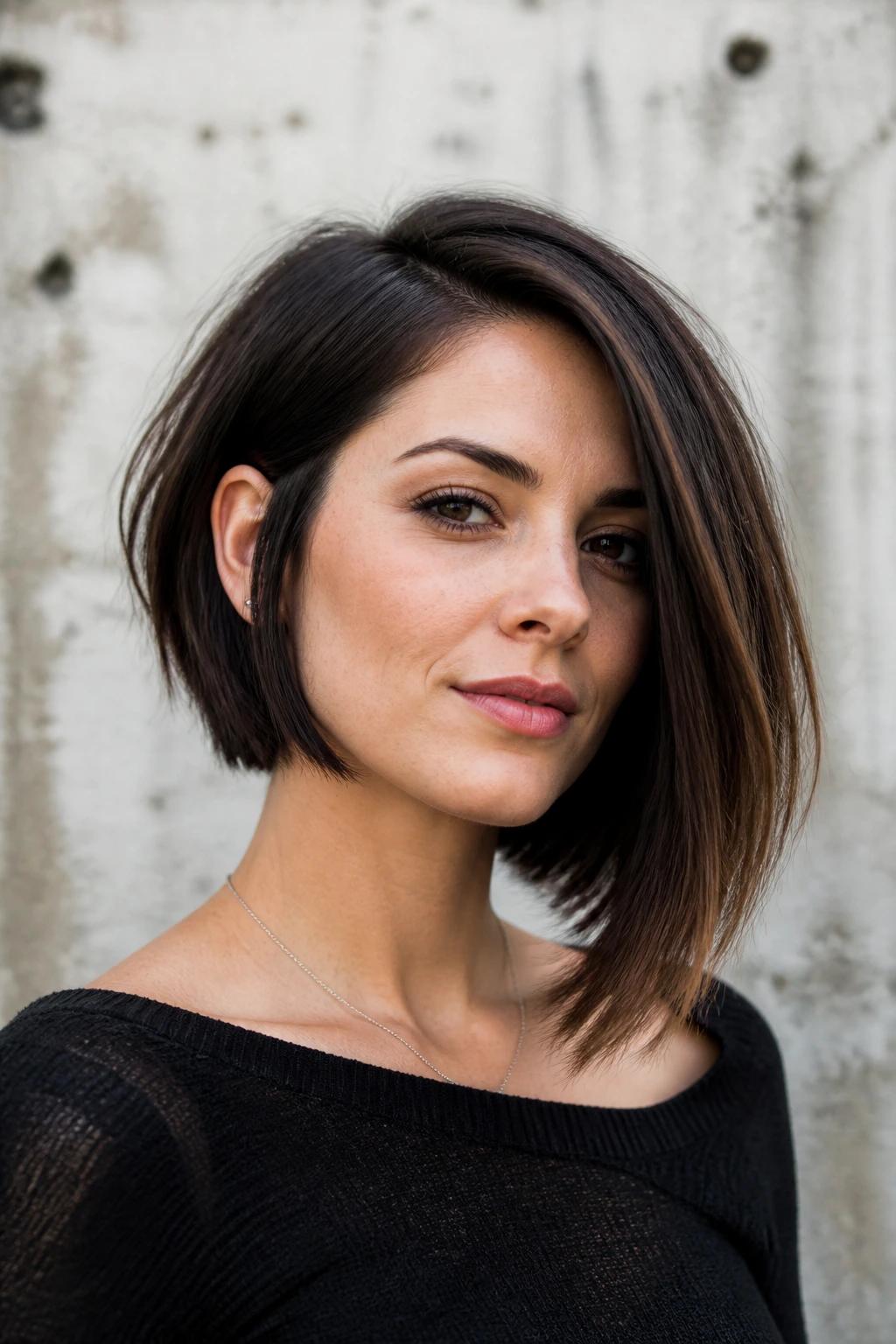
If you want to make a statement, go asymmetrical. One side is cut shorter—perhaps grazing the jaw—while the other side is left slightly longer, grazing the collarbone. The imbalance creates an interesting visual that distracts from the density of the hair.
It is a sophisticated cut that shows you put thought into your look. Because thick hair provides so much volume, the asymmetrical lines will stand out even more, making the cut look dramatic and edgy. It is a fantastic choice for a fresh start that feels completely personal.
Final Thoughts
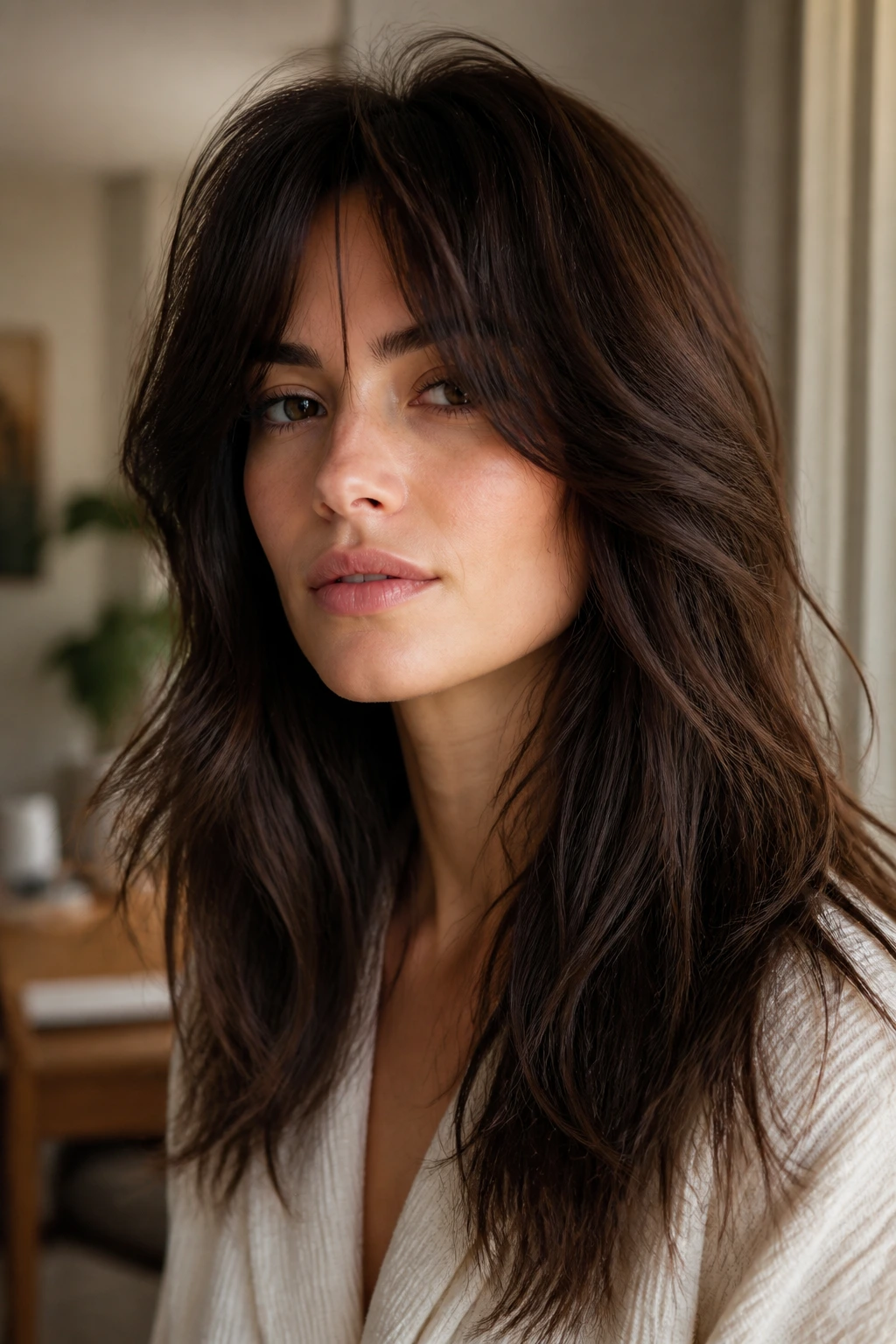
Choosing a fresh start for thick hair is fundamentally about honesty. You have to be honest about how much time you are willing to spend styling, how much weight you are willing to carry, and what your natural texture wants to do when it is left alone. Thick hair can be an asset or a burden, and the difference usually comes down to the quality of the cut.
Do not be afraid to advocate for yourself in the chair. If a stylist suggests a blunt cut that you know will turn into a triangle within two weeks, speak up. Ask for internal thinning, point cutting, or layers that will actually break up that density. A good cut shouldn’t just look good when you leave the salon; it should be a style that you can live in, sleep in, and feel confident in for months. Remember that your hair is meant to move, to breathe, and to frame your face, not to sit on your shoulders like a heavy cloak. Find the shape that feels like you, and don’t look back.