


Staring at your reflection in the bathroom mirror while holding a comb can feel like a daily battle against gravity. When you have fine or thin hair, the standard beauty advice often feels like a polite prison sentence. You are told to keep it blunt, keep it simple, and whatever you do, do not cut layers. This “safe” advice is precisely what makes your hair look flat, lifeless, and painfully predictable.
It is time to throw out the rulebook. Soft, delicate haircuts often emphasize thinness by trying to hide it under a blanket of uniform length. Bold, deliberate lines, unexpected angles, and textured lengths do the exact opposite. By choosing edgy haircuts for thin hair, you stop trying to make your hair look like someone else’s and instead make your hair work for you. Edginess creates contrast, and contrast is the fastest way to build the illusion of density and movement.
Fine hair has a unique advantage when it comes to sharp, unconventional cuts. It lies flat against the scalp without bulky resistance, making clean lines look sharper and asymmetrical details look more intentional. The secret lies in weight distribution. By strategically removing hair from some areas, we make the remaining sections look thicker and full of life.
Let’s explore some of the most striking, texture-building haircuts designed specifically to turn fine strands into a style statement. These are not styles that merely tolerate thin hair; these are styles that require it to work.
Why Edgy Haircuts for Thin Hair Solve the Flat-Hair Problem
The main issue with thin hair is not actually a lack of strands, but a lack of weight support. Fine hair lacks the structural protein core to stand up on its own. When it grows past a certain point, the sheer weight of the hair pulls it down, exposing the scalp and leaving the ends looking wispy and weak.
Choosing a cut with edge solves this problem by using physics. When you cut sharp angles or remove bulk from the nape of your neck, you allow the top sections of your hair to bounce. Disconnected layers mean your hair has room to move without clumping together into flat sheets.
Think of it as architectural design for your head. Instead of a flat wall of hair, you are building arches, shadows, and clean lines. This structural variety tricks the eye into seeing depth where there is none, making your hair look much thicker than its actual diameter suggests.
1. Choppy Pixie with Undercut
This style is a masterclass in weight manipulation. By shaving or closely cropping the hair around the back and sides, you remove the wispy parts that tend to cling to the neck. The longer, choppy pieces on top are left with plenty of texture to create height and separation.
The Mechanical Secret Behind the Undercut
When the bottom two inches of hair are removed, the remaining top layers have nothing to lie flat against. This creates a natural ledge. The top hair rests on this shaved section, pushing it upward and outward to create instant volume.
What to Ask Your Stylist For
- A clipper cut on the sides and back, using a number 3 or 4 guard.
- Deep point-cutting on the top layers to keep the ends piecey, not blunt.
- Slide cutting through the crown to build interior texture.
Pro tip: Use a dime-sized amount of matte styling clay on dry hair, warming it between your palms first, then pinch only the very ends of the top layers to maintain separation.
2. Asymmetrical Razor Cut Bob
Standard bobs can sometimes feel too heavy on fine hair, pulling the roots down and creating a pyramid shape. An asymmetrical bob cut with a straight razor changes the entire game. One side is kept deliberately longer than the other, drawing the eye along a dramatic diagonal line.
The beauty of a razor cut is the way it tapers the ends of the hair. Unlike shears, which cut hair in a straight line, a razor slices the hair shaft at an angle. This makes the ends incredibly light, allowing them to flip and curve easily rather than hanging straight down.
To style this cut, blow dry your hair using your fingers instead of a round brush. This preserves the raw, piecey texture of the razor cut. Finish with a light mist of dry texture spray to hold the asymmetry in place without weighing down your roots.
3. Shag with Micro Bangs
Many people believe a shag requires thick hair, but the opposite is true. A shag is all about texture, and thin hair has plenty of natural movement once you remove the excess weight. Adding micro bangs to the mix creates a strong focal point at the forehead, making the rest of the hair look fuller by comparison.
Why Micro Bangs Work for Thin Hair
- They use less hair than traditional full bangs, saving the rest of your density for the sides.
- The short length keeps them from falling flat or splitting down the middle.
- They draw attention directly to your eyes and brow line.
How to Style this Cut
- Apply a lightweight volumizing mousse to damp roots.
- Rough dry your hair with your head upside down until it is seventy percent dry.
- Use a flat brush to blow dry the micro bangs flat against your forehead, moving the dryer side to side.
- Let the rest of your hair air dry, then scrunch in a few drops of lightweight hair oil.
4. Blunt Lob with Wispy Face-Framing
This cut plays with a contrast of textures to create volume. The perimeter of the haircut is kept completely blunt and horizontal at the collarbone, which creates a thick, solid base line. However, the pieces around your face are heavily sliced to create soft, wispy layers that frame your cheekbones.
The solid line at the bottom makes the overall hair density look much thicker than it is. Meanwhile, the delicate framing layers around the face add movement. This ensures the cut does not look like a heavy curtain falling around your head.
Keep the length right at the collarbone. Any longer, and the ends will start to look thin and separate. Any shorter, and you lose the dramatic contrast between the blunt bottom and the soft face-framing pieces.
5. Textured Wolf Cut

The wolf cut is a modern variation of the classic shag, characterized by its heavily layered crown and wispy, tapered ends. It is an exceptional option for fine hair because it leans directly into the natural airy quality of thin strands rather than trying to force them to look thick and heavy.
This cut works because the layers around the crown are cut short, almost like a grown-out pixie. This short length allows the top of your hair to stand up with minimal styling effort. The longer pieces at the back trail down the neck, giving you the feeling of length without the associated weight.
To keep a wolf cut looking cool and edgy instead of messy, you need to use the right products. Avoid heavy waxes or pomades. Instead, reach for sea salt sprays or liquid texture mists. Spray them onto damp hair, scrunch, and let air dry for a perfectly undone finish.
6. Pixie Mullet (The Mixie)
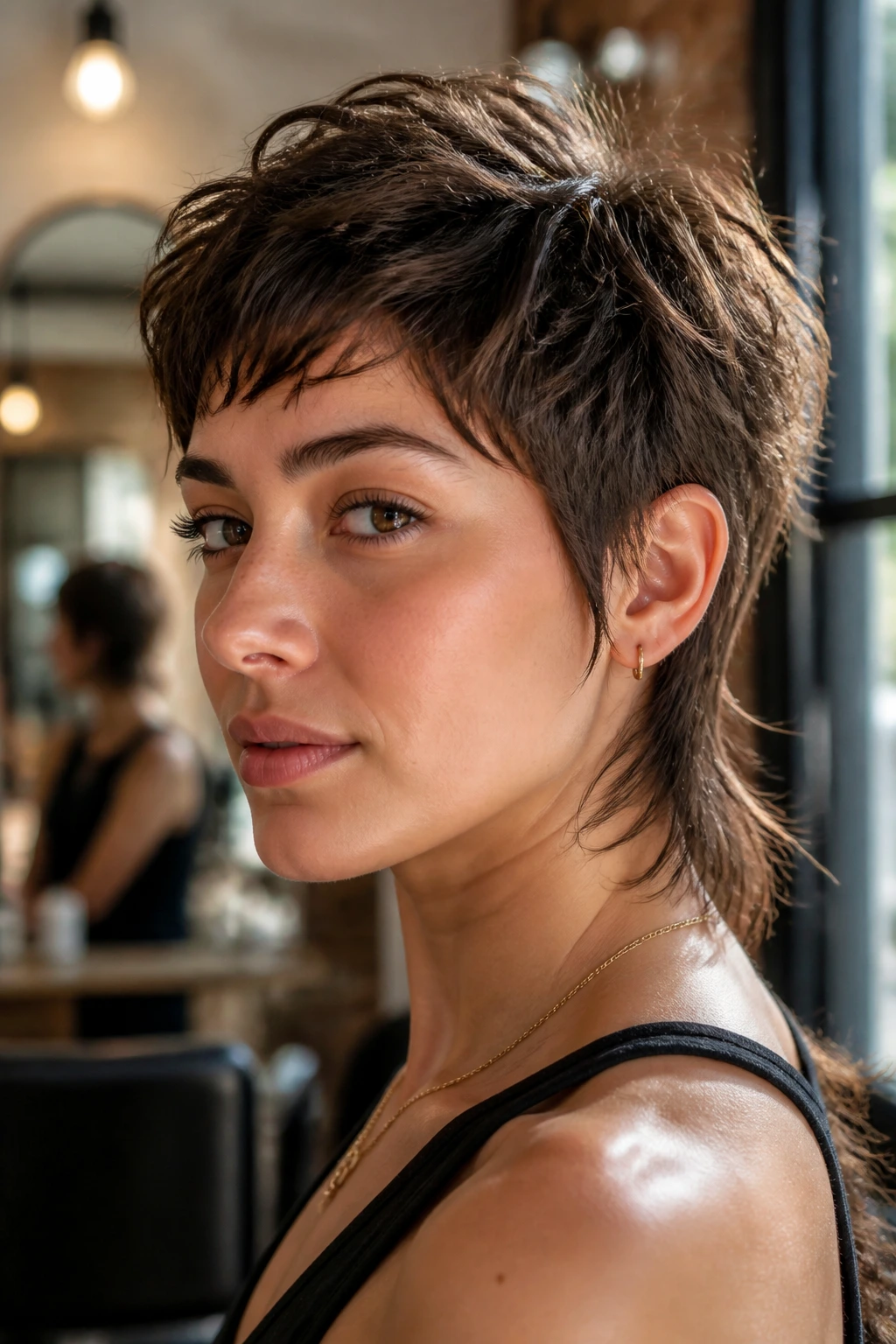
This hybrid cut combines the shortness of a pixie with the longer, rebellious length of a mullet at the nape of the neck. It is a fantastic option for thin hair because it plays with disjointed lengths, making it impossible to see where the hair actually starts and stops.
Unlike a traditional mullet, which can sometimes look too sparse on fine hair, the mixie keeps the back section short and textured. The ears are usually exposed, which creates a clean frame for your jawline.
This cut looks best when it has a slightly lived-in texture. Wash your hair with a clarifying shampoo to remove any heavy buildup, then style with a tiny dab of texturizing paste. Focus on styling the crown and the wispy ends at the neck, leaving the sides clean and flat.
7. Wispy Bowl Cut

A classic bowl cut can look incredibly heavy, but a wispy, textured version is surprisingly flattering on thin hair. By keeping the perimeter soft and feathered instead of blunt, you get all the style impact of a graphic shape without the bulk.
The Power of the Soft Perimeter
A soft, feathered edge allows light to pass through the hair. This prevents the cut from looking like a solid helmet. The movement of the wispy ends creates a halo of volume around the crown, making the head shape look beautifully rounded.
Maintenance and Care
- Visit your stylist every five to six weeks to keep the fringe at the right length.
- Use a soft boar bristle brush to blow dry the hair forward from the crown.
- Avoid heavy conditioners on the top of your head; focus only on the very ends.
Pro tip: If your bangs start to look greasy during the day, puff a small amount of root-lifting powder or dry shampoo onto your roots and massage it in with your fingertips.
8. Blunt Micro Bob
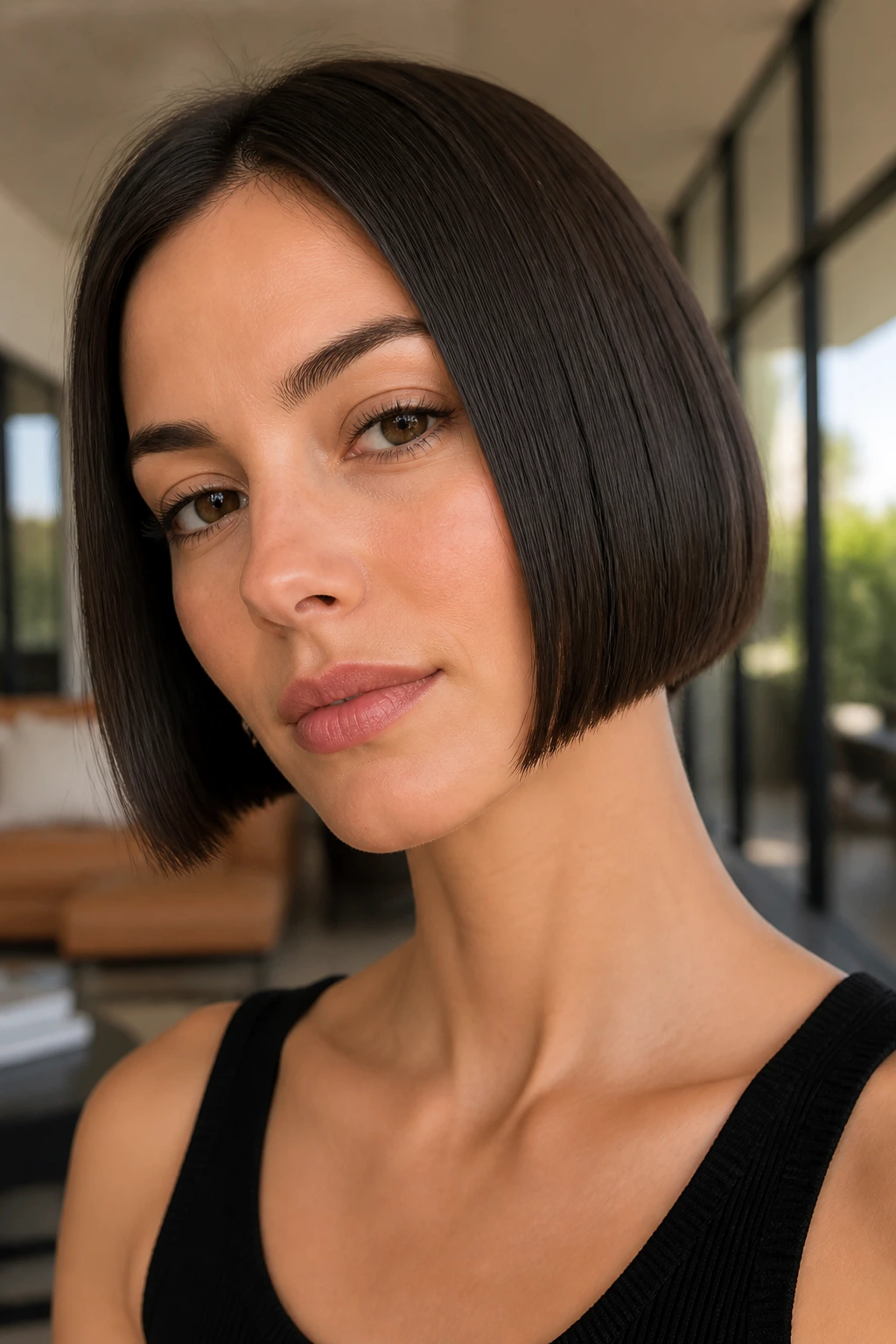
If you prefer clean lines over messy texture, the blunt micro bob is the ultimate power move. This cut is sliced straight across, right at the earlobes or just below the cheekbones. By cutting the hair this short, you maximize the density of your ends.
This cut works because it removes all the weight that pulls hair down. The resulting shape is incredibly sharp and graphic. On thin hair, this blunt edge looks like a solid sheet of glass, reflecting light beautifully and creating an undeniable sense of thickness.
To style, apply a heat protectant spray to dry hair, then use a flat iron to smooth the hair straight down. Curve the iron slightly inward at the very ends to hug your jawline. Finish with a high-shine glossing mist for a sleek, metallic finish.
9. Severely Parted French Bob
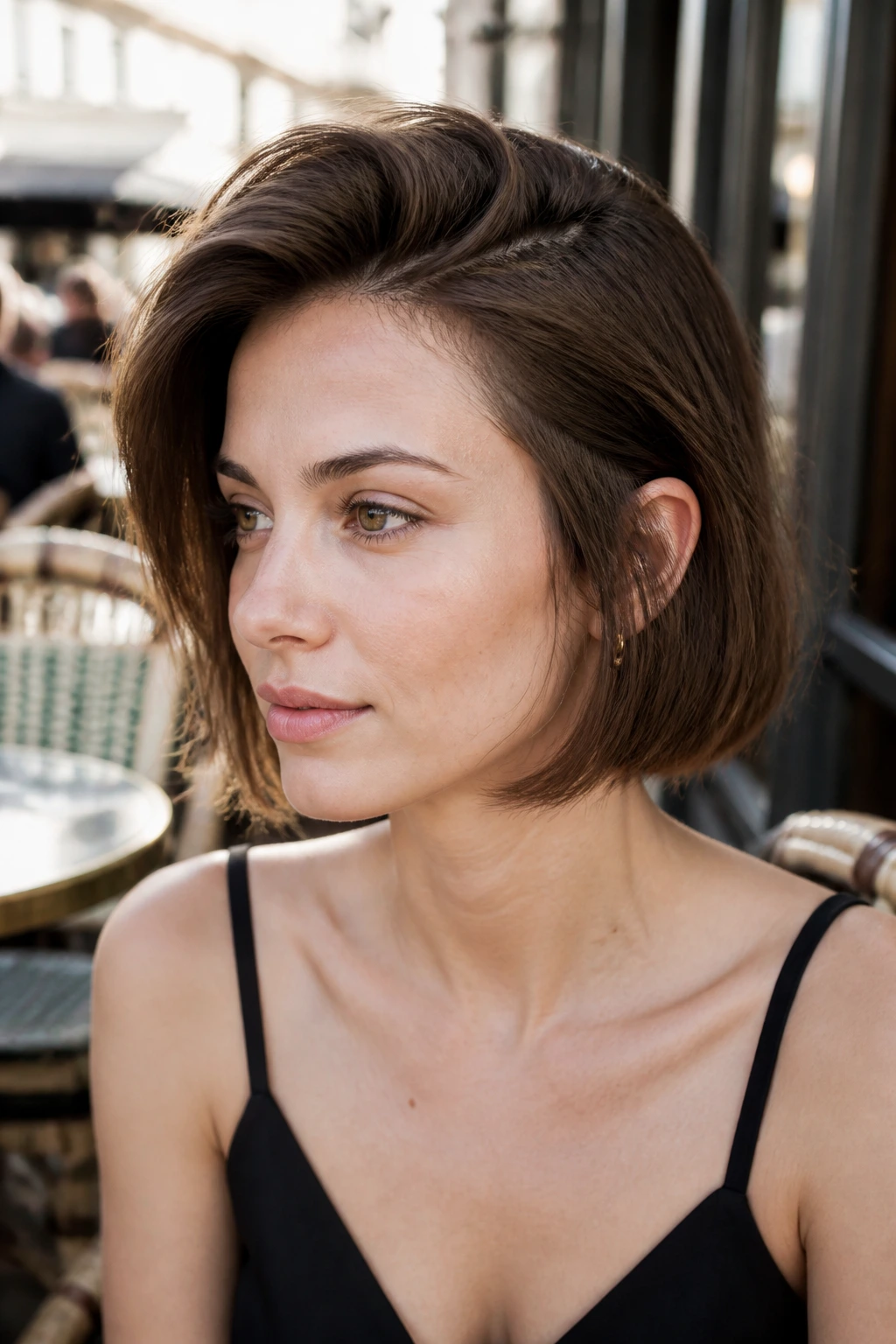
The French bob is typically worn with a full set of bangs, but parting it deeply to one side adds a sharp, modern edge. This style is particularly effective for thin hair because the deep side part pushes almost all your hair to one side, creating instant height and volume at the front.
This cut should hit right at the corner of your jaw. The ends are point-cut slightly to allow them to curve naturally toward your face. The deep part creates a dramatic sweep of hair across the forehead, hiding any thinning areas around the temples.
To keep this style in place, blow dry your hair in the opposite direction of your part first, then flip it over once dry. This simple trick creates a massive amount of root lift without requiring any heavy styling products.
10. Jagged A-Line Cut
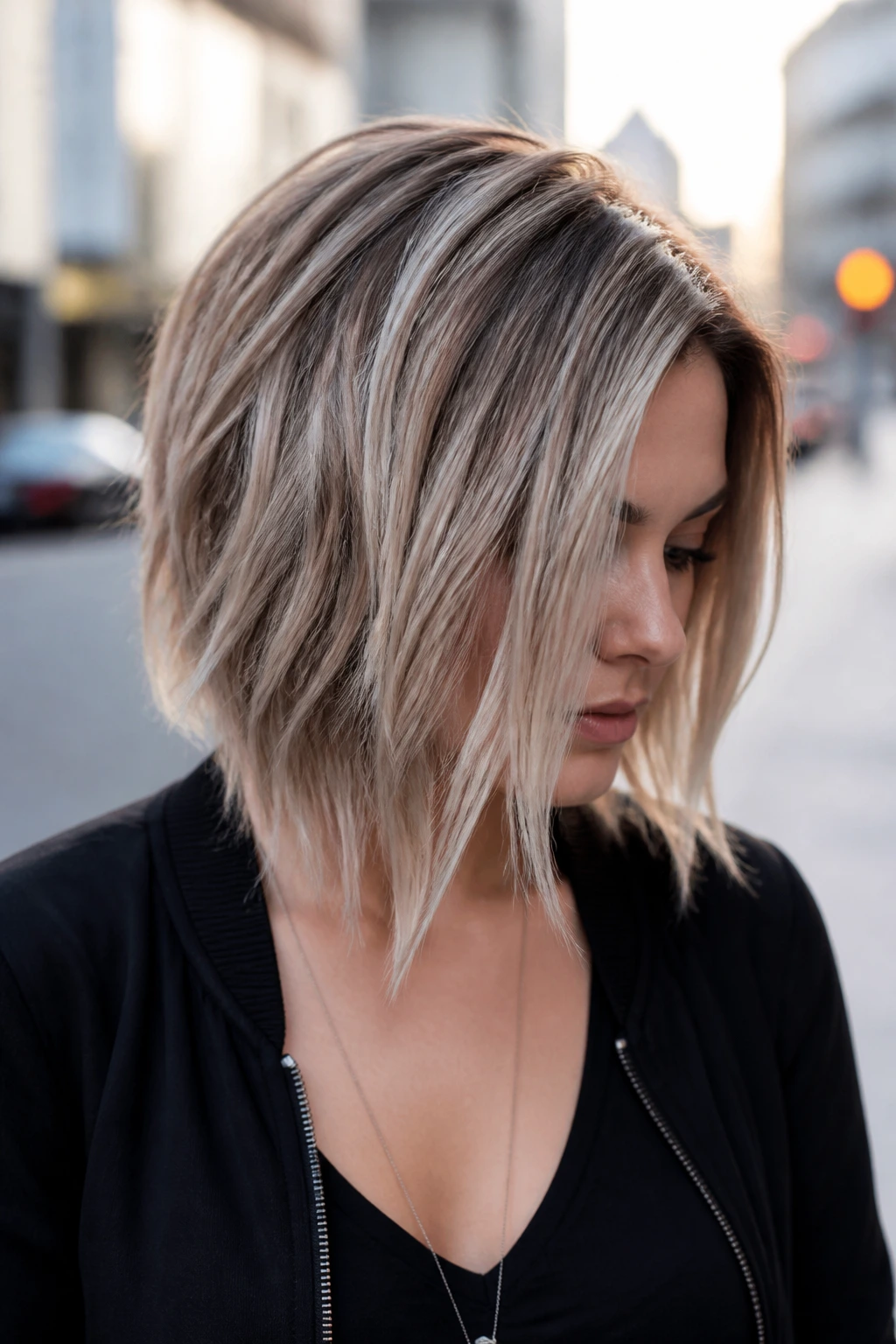
An A-line cut is shorter in the back and gradually gets longer toward the front. While a traditional A-line bob can feel a bit corporate, keeping the ends jagged and uneven turns it into an edgy masterpiece that works wonders for fine hair.
The shorter layers at the back support the longer front sections, pushing them forward and preventing them from falling flat against your cheeks. The jagged ends keep the style looking casual, effortless, and full of motion.
Use a flat iron to create loose, alternating bends throughout the longer front sections. Leave the ends straight to emphasize the jagged, modern look of the haircut.
11. Disconnected Undercut Pixie
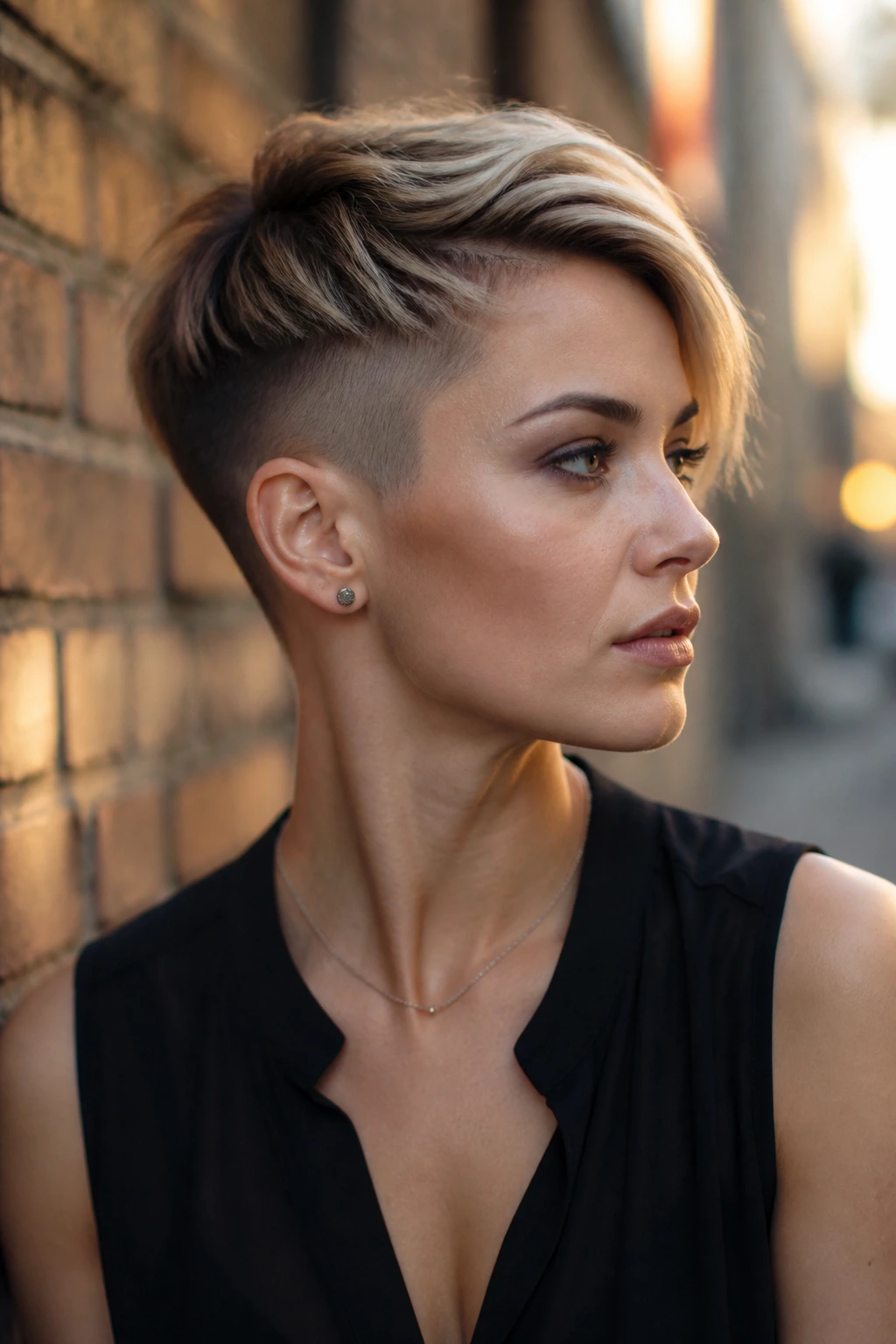
In a disconnected haircut, there is a sharp contrast between short areas and long areas, with no blending between them. For this cut, one or both sides of the head are buzzed close, while the top hair is left long enough to fall over the shaved section.
This style is a lifesaver for anyone dealing with significant thinning at the temples. By shaving the sides, you eliminate the areas where thinness is most visible. The longer top section can be swept forward or to the side, creating a thick, dramatic canopy of hair.
Styling is incredibly quick. Simply blow dry the top section forward using your hands, then sweep it to your preferred side. The shaved sides require no styling at all, making this one of the most low-maintenance edgy cuts you can choose.
12. Faux Hawk with Tapered Sides
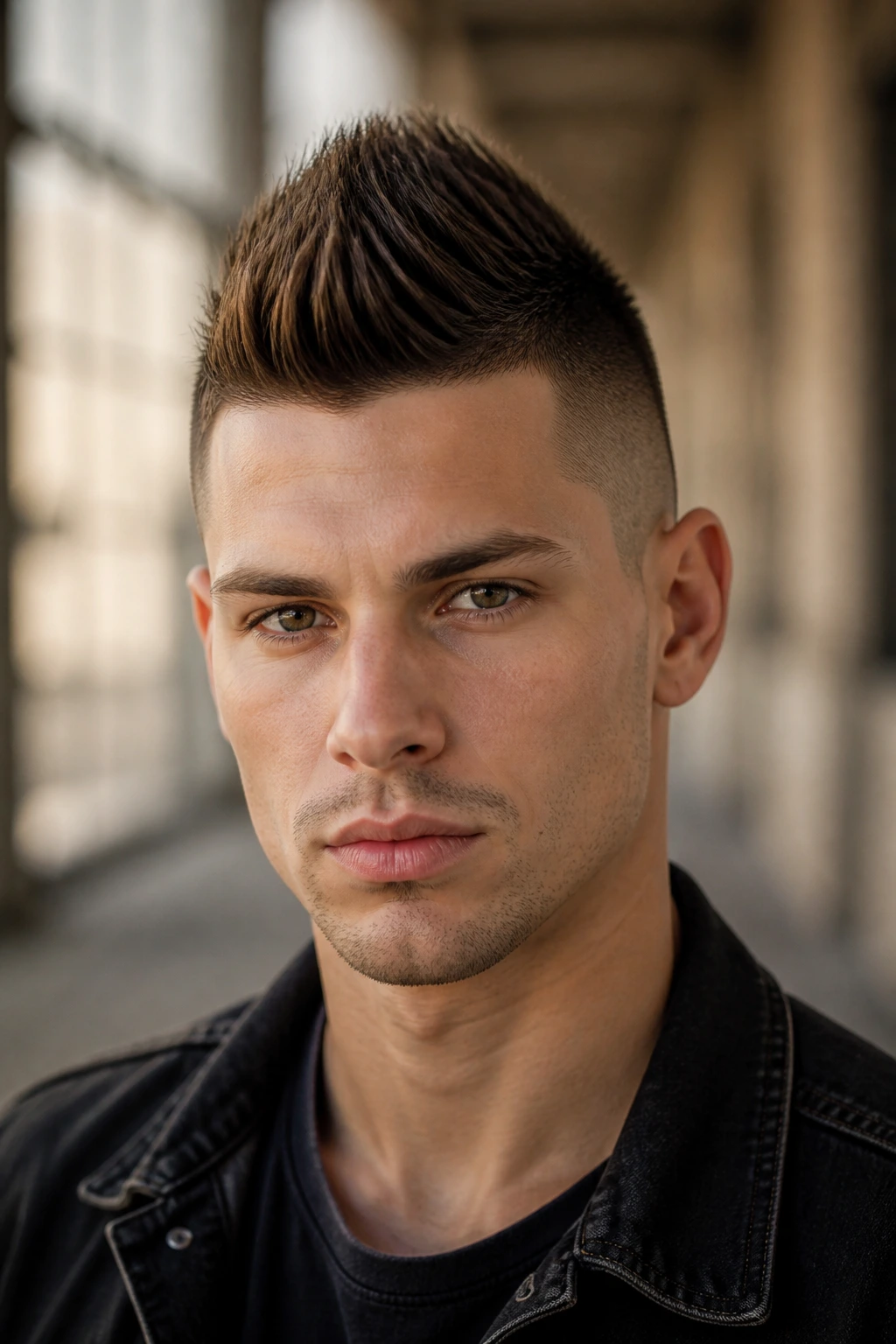
For a look that refuses to blend into the background, the faux hawk is unbeatable. By tapering the sides short and keeping a strip of textured, medium-length hair running down the center of the head, you create a vertical line that draws the eye upward.
This cut works because it concentrates all your hair’s density in one central strip. This makes the hair look incredibly thick and full of volume, while the clean sides create a sharp, striking contrast.
How to Style the Faux Hawk
- Start with damp, clean hair.
- Apply a firm-hold styling gel or volumizing mousse to the center section.
- Blow dry the hair upward, using your fingers to pull the strands toward the center of your head.
- Once dry, rub a small amount of strong-hold paste between your fingers and pull it through the ends to create spikes.
13. Razor-Cut Shaggy Lob
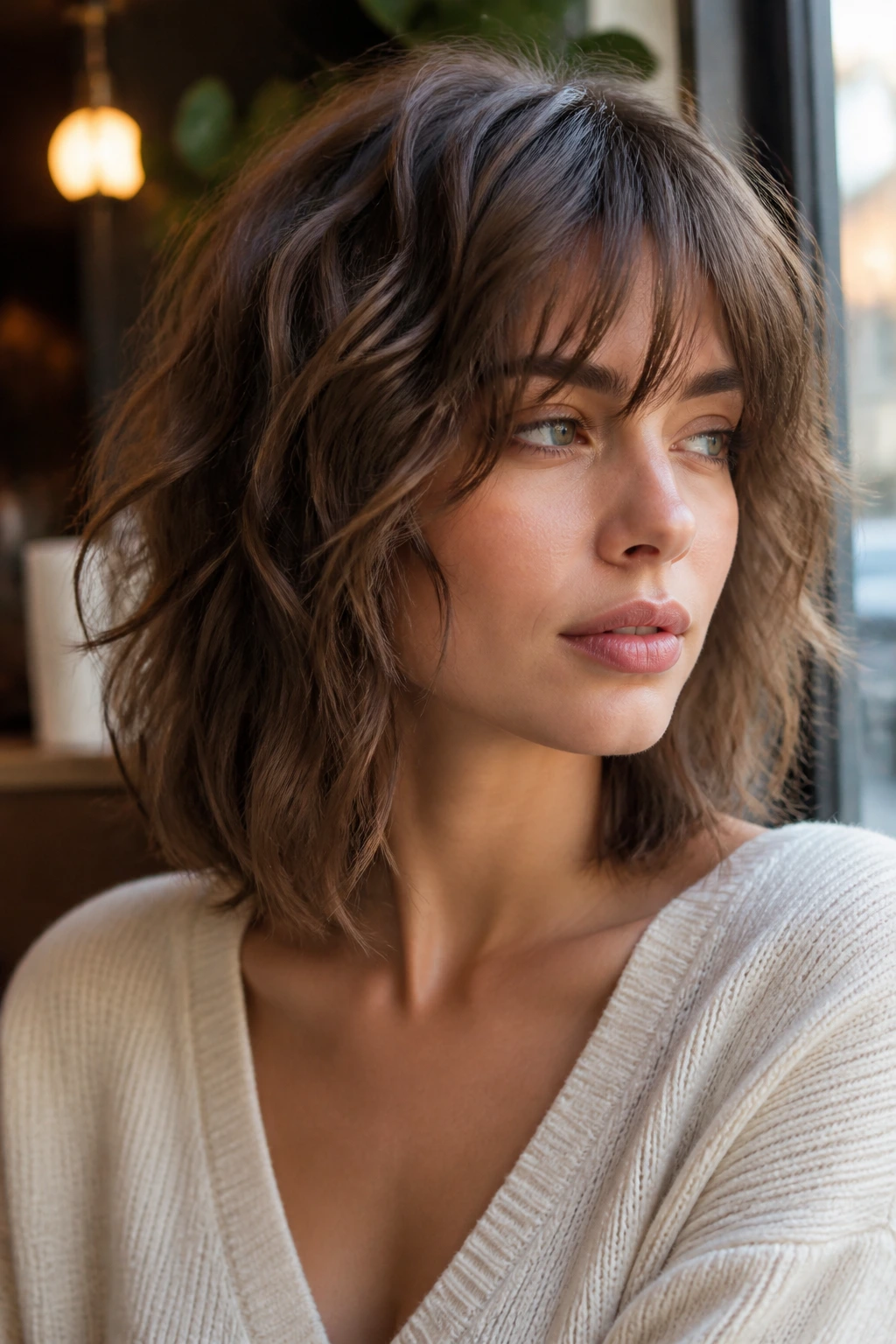
If you want to keep some length but still need movement, the razor-cut shaggy lob is your best bet. Falling just above the shoulders, this cut uses a razor to carve out internal weight, allowing the hair to lift and bounce.
This cut is perfect for fine hair that has a slight natural wave. The razor layers encourage the wave to form, creating texture and body without the need for hot tools.
To style, simply scrunch a small amount of curl-defining cream or sea salt spray into damp hair. Let it air dry, or use a diffuser attachment on your blow dryer, moving it upward toward your scalp to boost your natural waves.
14. Piecey Mohawk-Lite
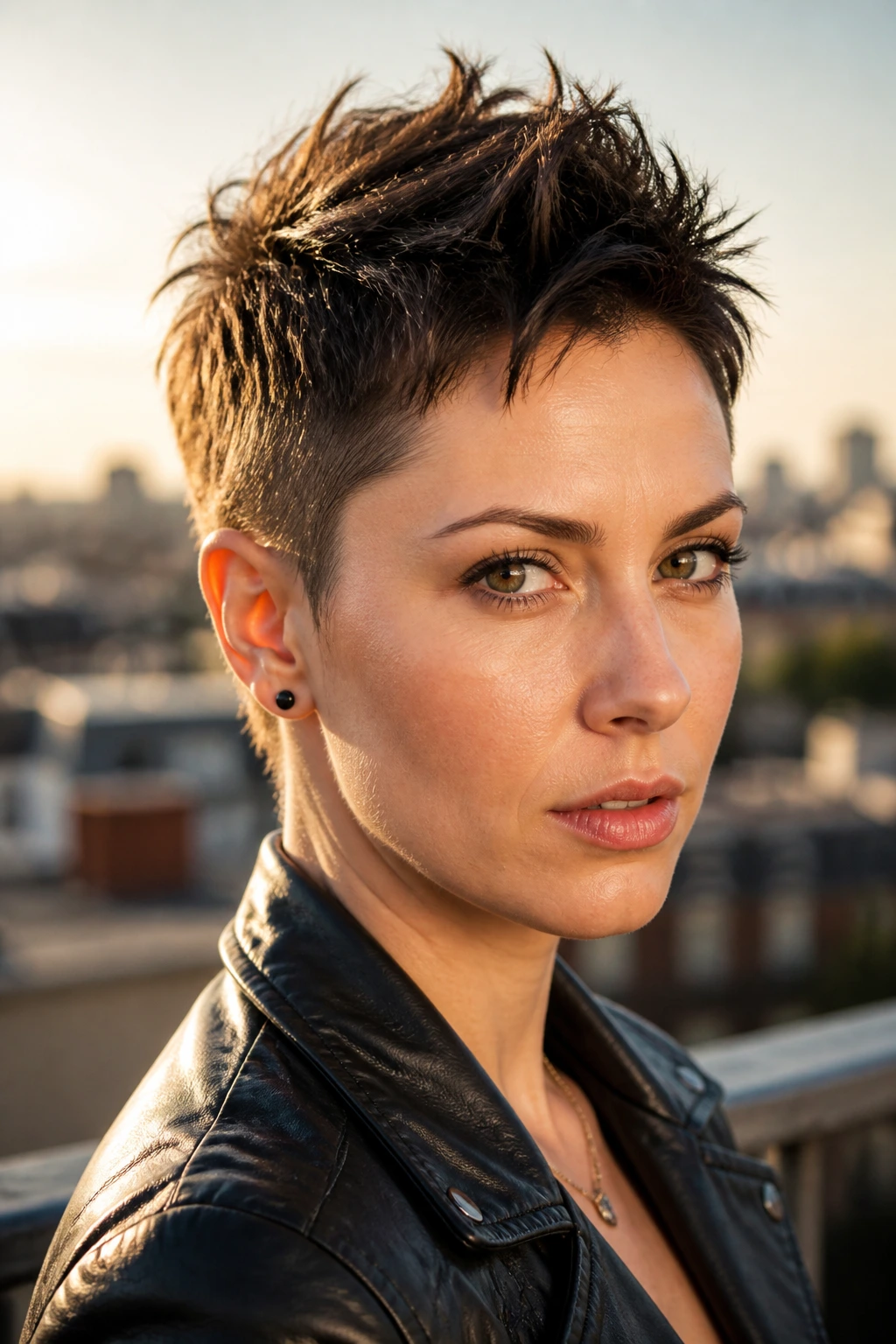
This is a softer, more wearable version of a classic mohawk. Instead of shaving the sides completely to the skin, they are cut into a short, textured crop. The center section is left longer and cut with lots of choppy layers.
This style allows you to play with texture and height without committing to a full shave. The piecey layers can be styled messy and forward, or slicked up and back for a more dramatic evening look.
Use a lightweight volumizing powder at the roots of the center section. This product adds incredible grip and hold, keeping your mohawk-lite standing tall throughout the day without making it feel sticky or heavy.
15. Blunt-Cut Collarbone Grazing Lob
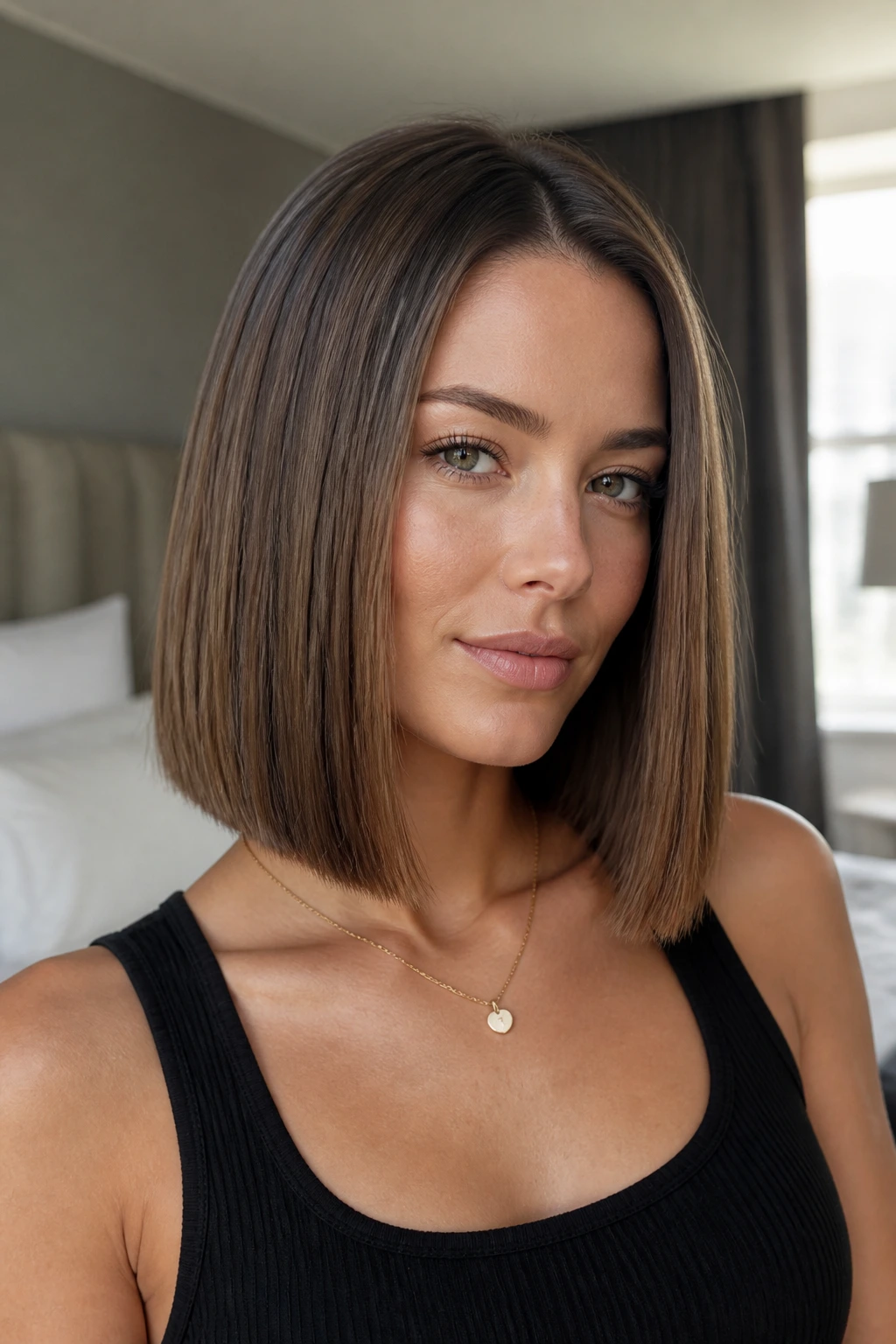
This style is all about making a statement through simplicity and precision. The hair is cut in a perfectly straight, horizontal line right at the collarbone. There are no layers, no face-framing, and no texturizing.
On thin hair, this lack of layers is actually a benefit. It ensures that every single strand of hair contributes to the density of the bottom edge. This creates a thick, heavy-looking perimeter that makes your entire head of hair appear fuller.
To keep this cut looking its best, use a smoothing serum before blow drying. The goal is a sleek, polished finish that highlights the clean, blunt edge of the cut.
16. Choppy Crop with Baby Bangs
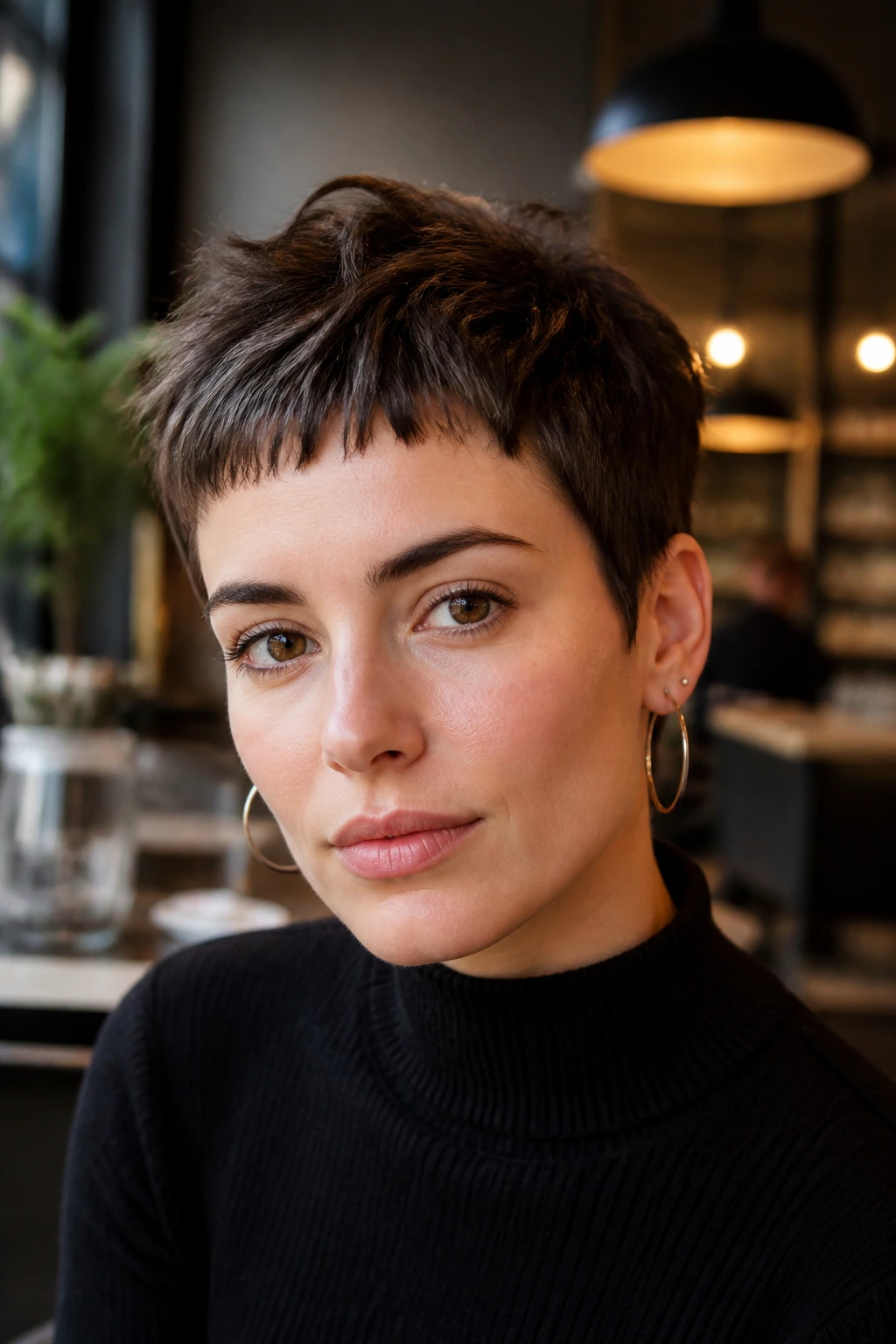
This ultra-short cut is full of attitude and style. The hair is cut into a short crop all over, with deep texture point-cut into the ends. It is finished with a set of short, choppy baby bangs that sit high on the forehead.
The Benefits of Going Short
When hair is kept this short, it has virtually no weight to pull it down. This means your roots can stand up naturally, creating effortless volume. The choppy baby bangs add a fun, alternative vibe that makes the style look deliberate and fashionable.
How to Keep It Fresh
- Get a trim every four weeks to keep the baby bangs at the perfect short length.
- Use a dry clay or paste to style, focusing on creating separation on the top layers.
- Avoid heavy silicones that can weigh down the short strands.
Pro tip: When blow drying baby bangs, hold the dryer directly above your forehead and point the airflow straight down. Use your fingers to sweep the bangs back and forth until they dry flat against your skin.
17. Angled Asymmetric Pixie
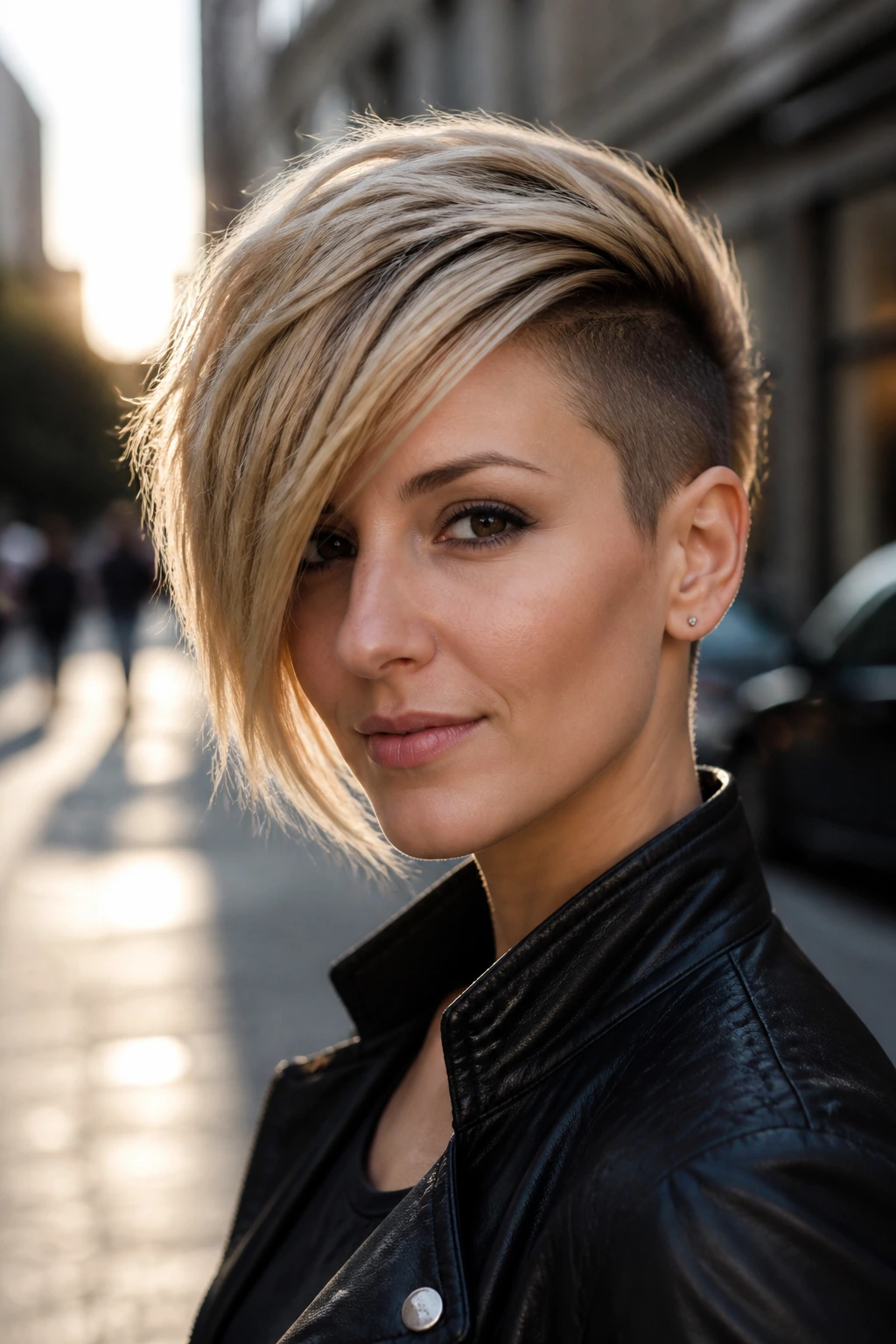
This cut features a short, cropped back and one side, while the other side is left long and swept across the face in a dramatic, angled fringe. This asymmetry creates a gorgeous diagonal line that flatters almost every face shape.
The contrast between the short side and the long side makes the longer section look incredibly thick and full. It also allows you to hide any thinning areas along the front hairline or temples.
Style the long section with a round brush to create a smooth, voluminous swoop. Keep the short side tucked behind your ear or slicked down with a small amount of pomade to emphasize the asymmetric shape.
18. Layered Shag with Curtain Bangs
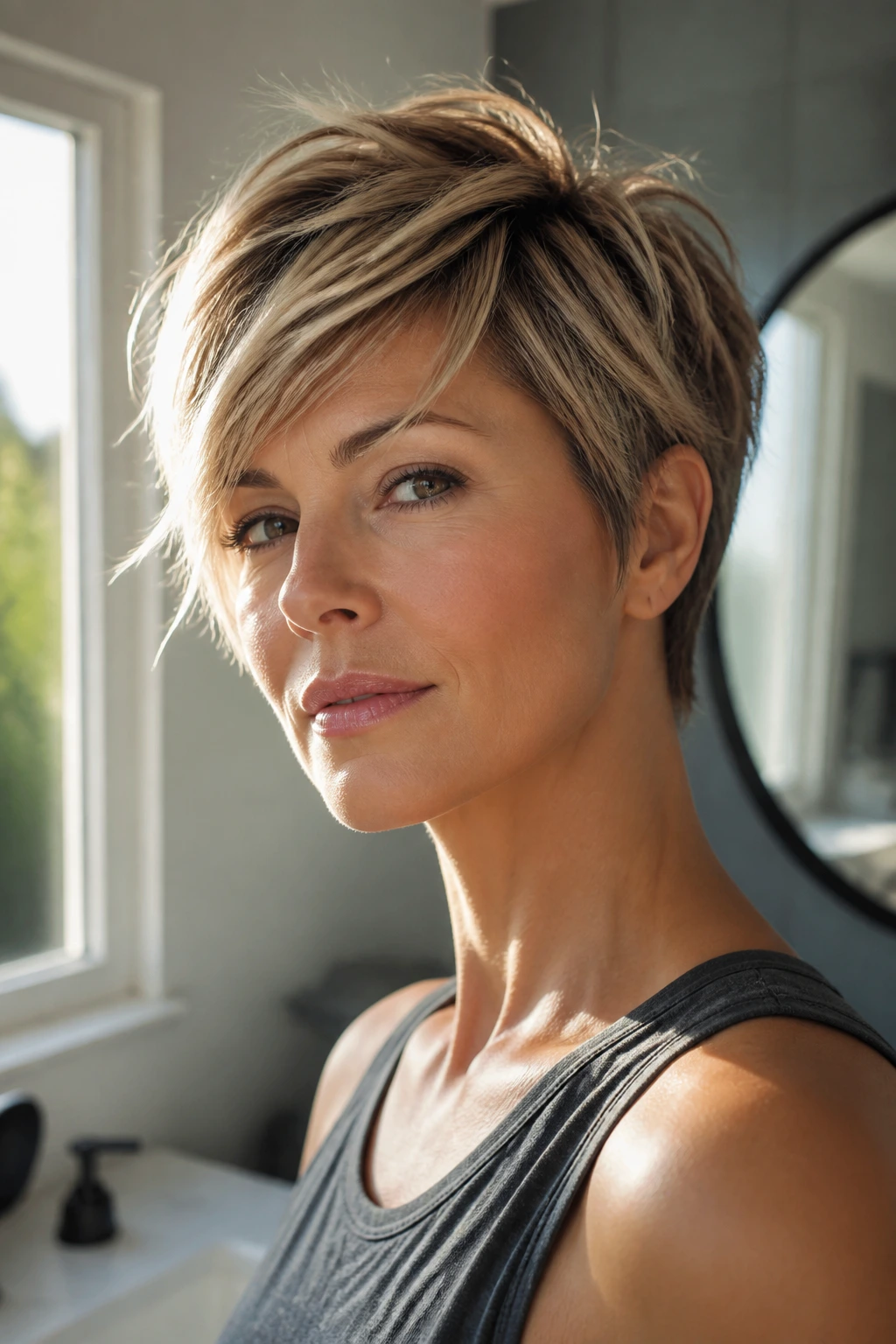
Curtain bangs are a fantastic framing option for thin hair. They sweep open in the middle, framing your eyes and cheekbones while adding volume to the sides of your face. When paired with a layered shag, they create a soft, retro-inspired look that is full of movement.
The layers in this cut are kept long and blended, which prevents the ends from looking too thin. The curtain bangs add a soft fullness around the face, making your hair look thick and voluminous even when tied back.
Apply a root-boosting spray to damp hair, then use a large round brush to blow dry the curtain bangs away from your face. This creates a beautiful, wind-swept look that lasts all day.
19. Slicked-Back Undercut
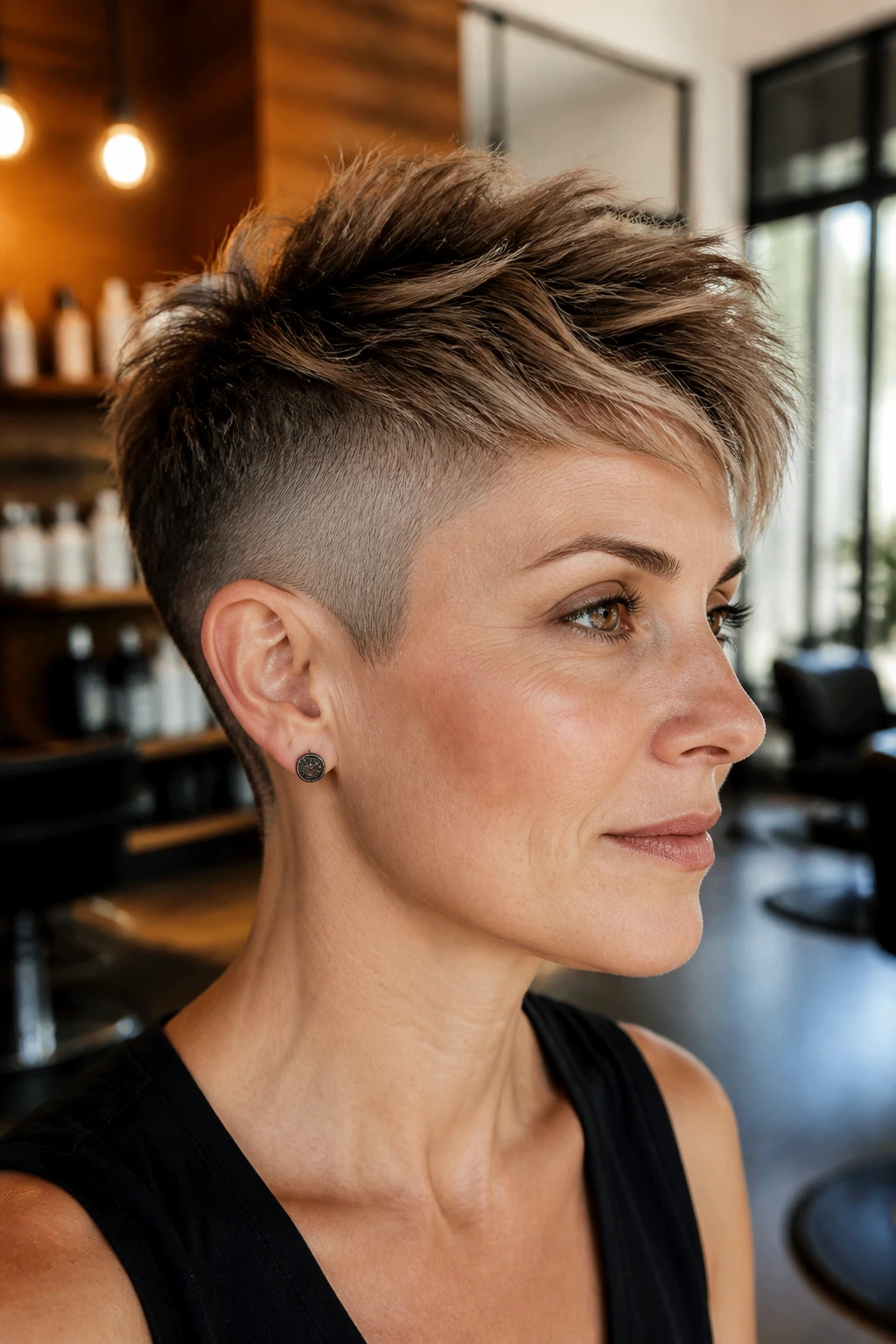
For an sleek, high-fashion look, the slicked-back undercut is unmatched. The sides and back of the head are buzzed short, while the top section is left long and styled straight back away from the face.
This cut works because it removes all the hair that would normally fall around your face, drawing all the attention to your facial features. Slicking the top section back creates a clean, powerful silhouette that looks incredibly sharp and intentional.
To style, apply a medium-hold gel or styling cream to damp hair, then comb it straight back from your forehead. Let it air dry for a wet-look finish, or blow dry it back with a brush for a softer, more voluminous look.
20. Feathered Mullet
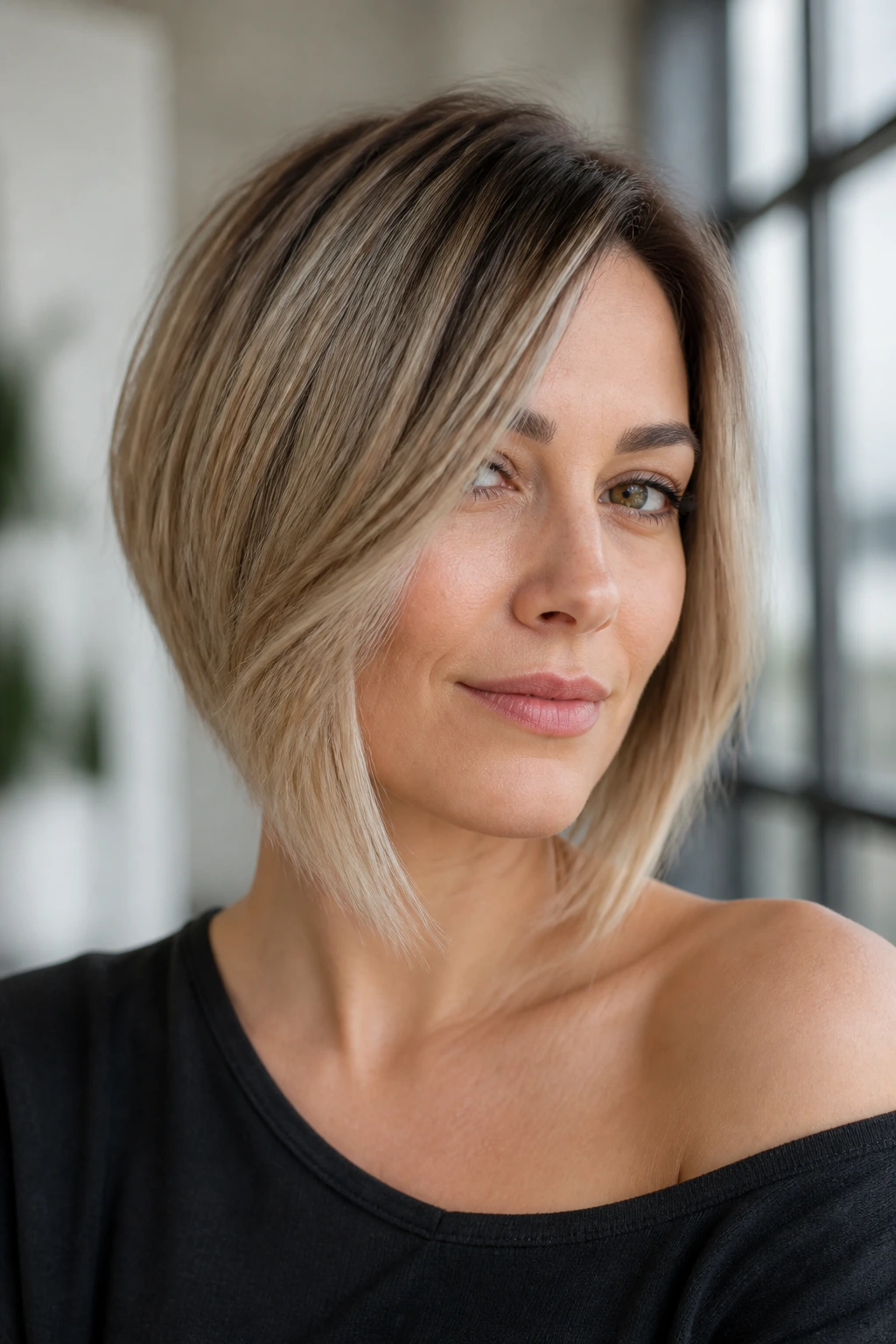
This modern take on the classic mullet uses soft, feathered layers to create movement and texture. The front and sides are kept short and piecey, while the back section is left longer, trailing down the neck in soft waves.
The feathered layers keep the cut looking light and airy, which is perfect for thin hair. It avoids the heavy, blocky look of traditional mullets, replacing it with a soft, wearable texture that is full of retro charm.
To style, apply a sea salt spray to damp hair and blow dry with a diffuser. Use your fingers to piece out the feathered layers around your face, creating a soft, lived-in look.
How to Style and Maintain Edgy Cuts for Fine Strands
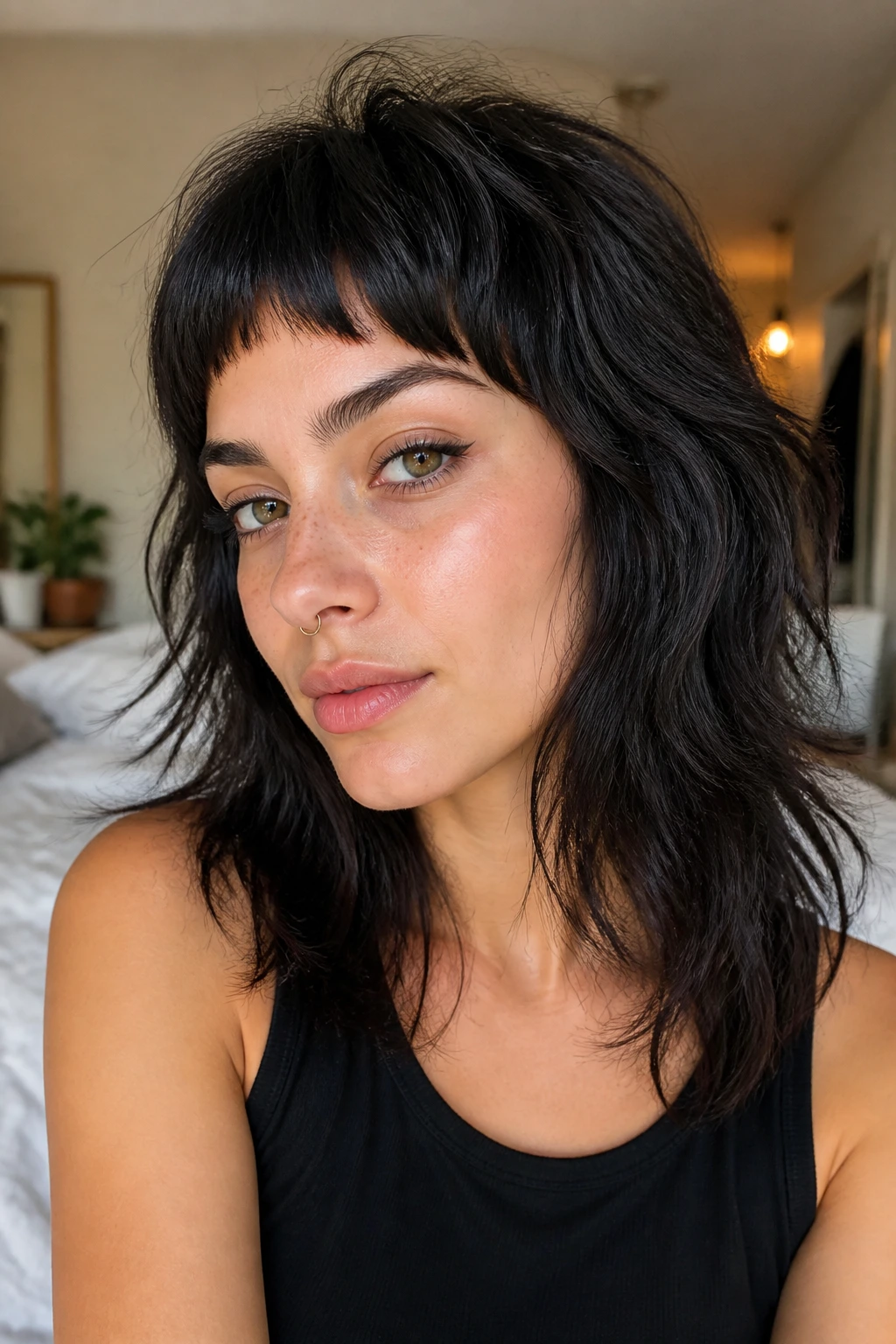
Choosing the right cut is only half the battle. To keep your edgy style looking its best, you need to adjust your styling routine and product selection. Fine hair is easily weighed down, so the golden rule of styling is always less is more.
Avoid Heavy Silicones and Oils
Many hair products contain heavy silicones and synthetic oils that coat the hair shaft to add shine. On thick hair, this works beautifully. On thin hair, it is a disaster. These ingredients add weight, causing your carefully styled layers to clump together and fall flat within hours. Instead, look for products labeled “volumizing,” “lightweight,” or “weightless.”
Master the Art of Blow Drying
How you dry your hair has a massive impact on its final volume. Always start by rough drying your hair with your head upside down. This uses gravity to pull the roots away from your scalp, drying them in an upright position. Once your hair is about eighty percent dry, flip your head back up and use a brush to shape the ends.
Invest in Dry Texture Sprays
If there is one product every person with thin hair should own, it is a dry texture spray. Unlike hairspray, which can feel sticky and stiff, texture sprays use lightweight minerals to add grip and separation to your strands. Spray it through the mid-lengths and ends of your dry hair, then shake it out with your fingers for instant, lived-in volume.
The Bottom Line

Having thin hair does not mean you are destined for a lifetime of boring, blunt cuts. By embracing edgy haircuts for thin hair, you turn what is often seen as a styling challenge into your greatest strength. Whether you choose a sharp micro bob, a choppy pixie, or a textured shag, these bold styles use the natural qualities of fine hair to create striking, modern shapes.
Stop trying to force your hair to look like someone else’s. Work with its natural lightweight texture, experiment with asymmetry and sharp angles, and don’t be afraid to take off some length. The results will surprise you, giving you a style that is full of volume, movement, and undeniable personality.