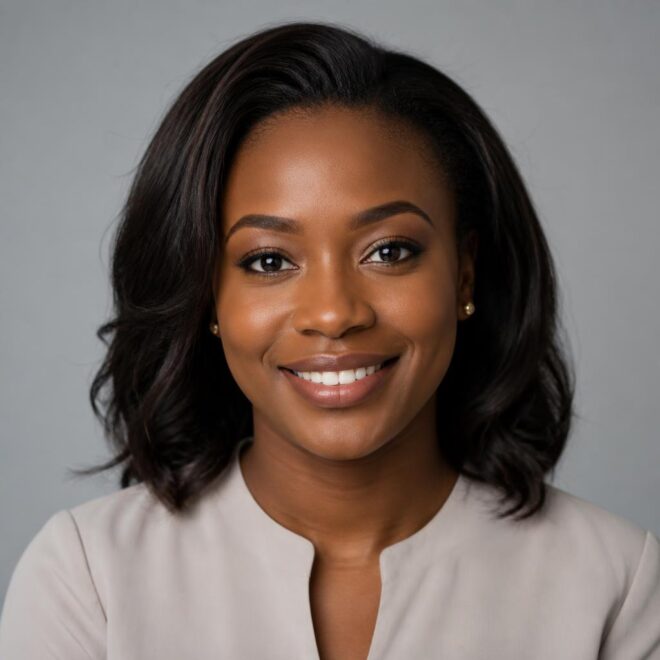


The texture of Latina hair is a magnificent, often misunderstood spectrum. It spans from pin-straight, glossy dark strands to tight, voluminous curls, and everything in between. When we talk about face-framing, we aren’t just talking about a few loose tendrils; we are talking about the architecture of a cut designed to highlight cheekbones, soften jawlines, and bring movement to hair that is frequently thick, dense, and prone to hidden weight. If your hair feels like a heavy curtain that hides your features, a well-placed frame is the antidote.
Many people settle for a “one length” cut because they fear layers will lead to the dreaded “triangle shape” or uncontrollable frizz. That is a myth born from poor technique. With the right razor or scissor work, framing creates a cascade of shape that follows your natural bone structure. Whether you have bouncy waves that need space to breathe or sleek, dark locks that need an injection of softness, the goal remains the same: drawing the eye to your eyes and smile. Let’s look at twenty ways to carve out that perfect shape.
1. The Classic Long-Layered Curtain Bang
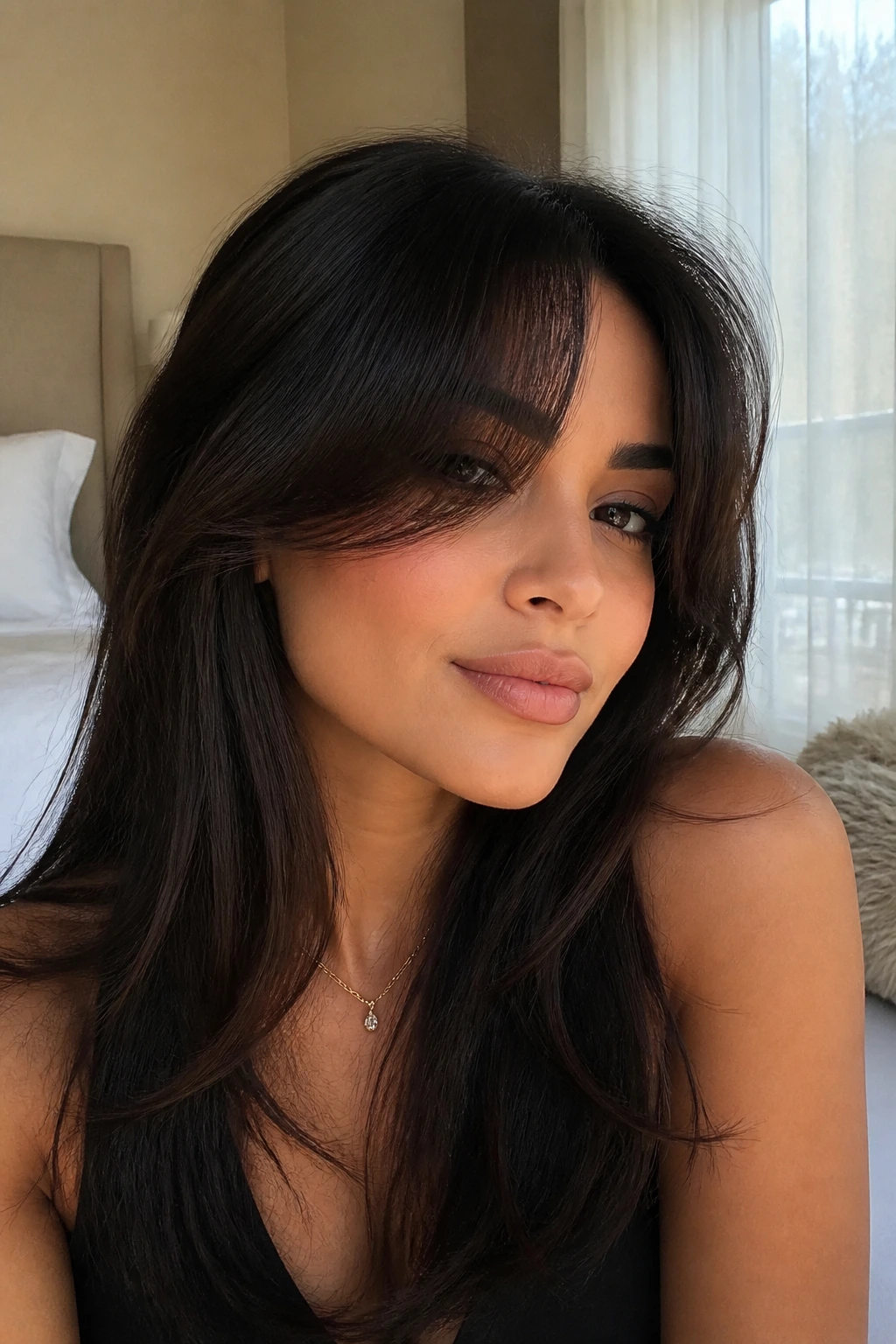
This is the gold standard for a reason. It bridges the gap between a full fringe and long layers, creating a soft, sweeping shape that starts around the cheekbone and melts into the rest of the hair. On thick, dark hair, this provides an instant lightening effect, removing the bulk from the front without sacrificing the length you’ve worked years to grow. It is essentially the “French girl” look adapted for the density of typical Mediterranean or Latin American textures.
Why This Style Works
It acts as a curtain that you can part down the middle or sweep to the side depending on your mood. Because the layers start relatively low, you avoid the “puffy” root look. It is a low-maintenance commitment; if you decide you want to grow them out, they simply become face-framing layers after a few weeks.
Stylist Tip for Longevity
Ask your stylist for a “slide cut” on the ends of these pieces. Instead of blunt, heavy lines, slide cutting creates a feather-like edge that blends seamlessly into the rest of your hair, preventing that rigid “shelf” look that can happen when layers are too deliberate.
2. The Bottleneck Bob
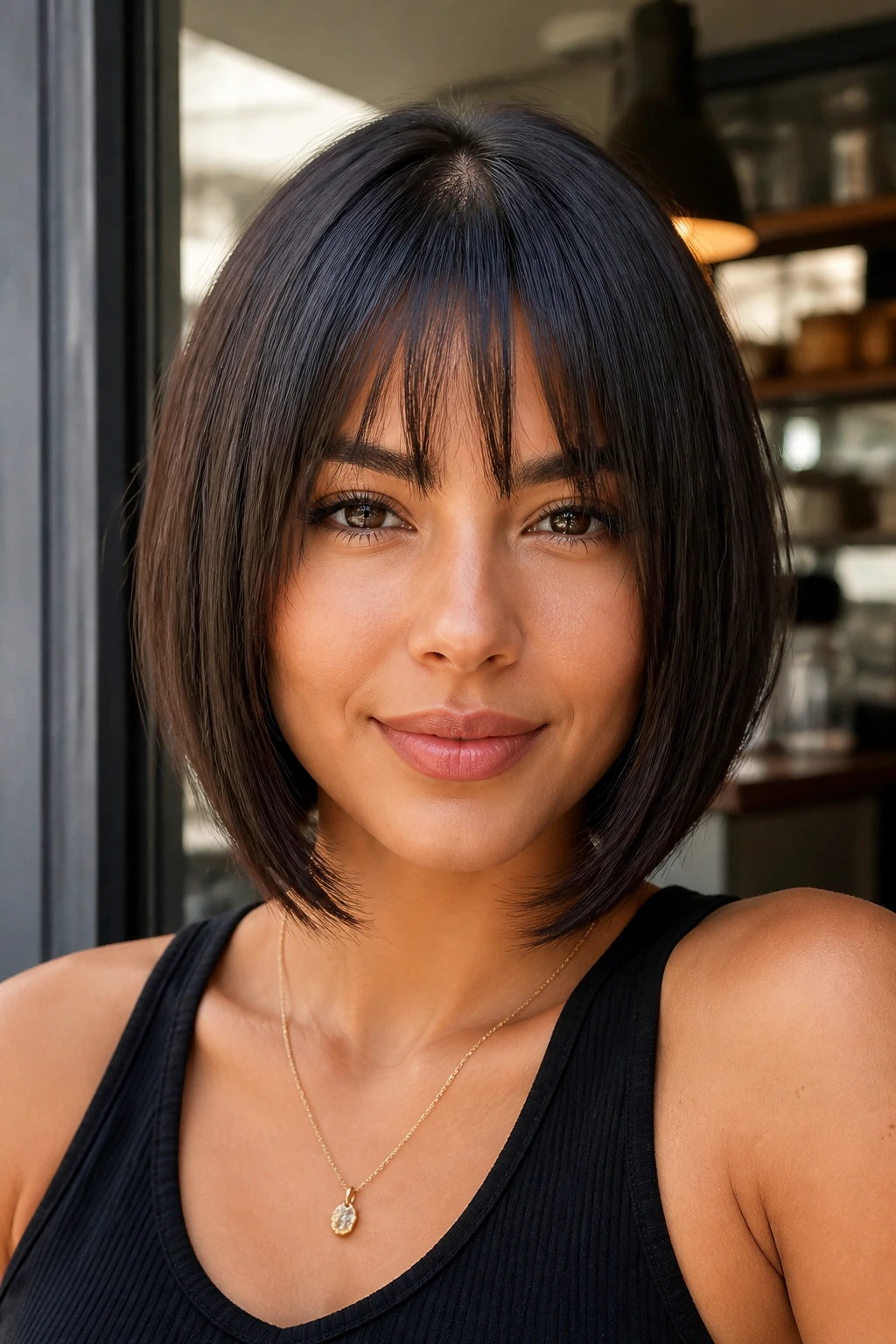
The bottleneck bob is a shorter, punchier version of the curtain bang trend. It is characterized by bangs that are shorter in the middle and get progressively longer toward the eyes, mimicking the shape of a glass bottle. This style is perfect if you have a round face shape and want to create the illusion of elongation. It brings all the focus to the center of the face, making it one of the most effective ways to highlight your features if you have a shorter neck or a softer jawline.
Why It’s a Game-Changer
It brings a lot of personality to a standard chin-length cut. It feels intentional, chic, and very easy to manage with a round brush and a quick blow-dry. If you have natural waves, you can let it air dry with a little sea salt spray for that effortless, “I just woke up like this” texture.
Keeping the Shape Fresh
This cut requires more frequent maintenance than a long-layered style. You will likely need a “bang trim” every four to six weeks to keep those shortest pieces from poking you in the eye. It is a small price to pay for a look that consistently frames your face with such precision.
3. The 90s Supermodel Face Frame
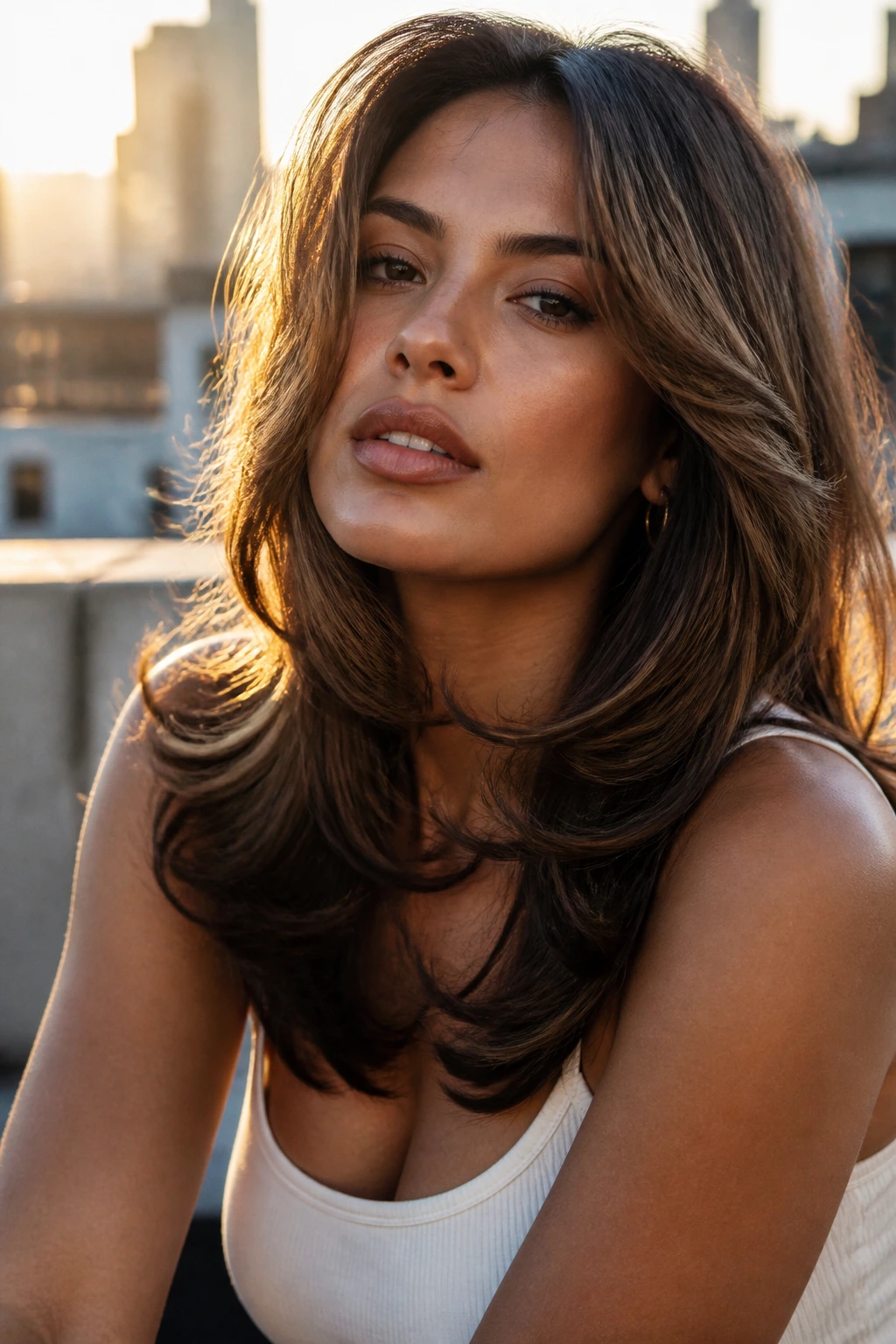
Think of the voluminous, blown-out looks of the late twentieth century. This involves heavy, rounded layers that start right at the chin and curve backward, away from the face. It is all about bounce and body. For those with thick, heavy hair, this technique is a godsend; it removes significant weight from the front, allowing your hair to defy gravity and hold a style much longer than it would if left as one length.
Achieving the Volume
The secret here is the blowout. You cannot get this look by air drying alone. You need to use a large, ceramic round brush and a high-heat setting to set the “flip” in those front pieces while they are still warm. Once they cool in that position, they hold their shape all day.
Best Hair Types
This works best on hair that has a bit of natural bend but is fairly smooth. If your hair is extremely tight and curly, you will want to focus on elongating those front pieces rather than trying to get the “bounce,” or you risk ending up with very short, tight coils right by your temples.
4. The Softly Shagged Layers
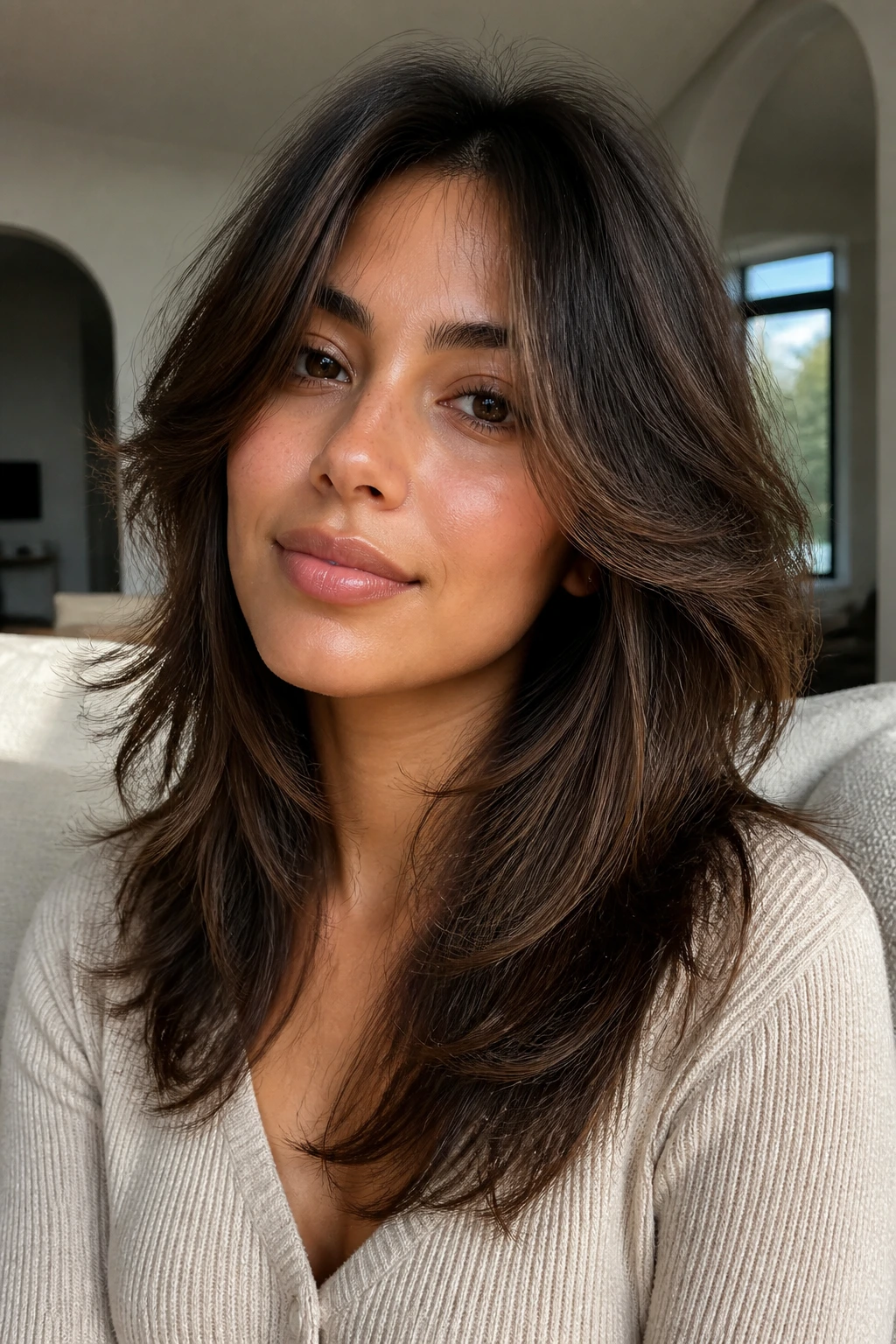
The shag is back, but it has evolved into something much more wearable. Instead of the extreme, mullet-adjacent versions of the past, modern shaggy frames are all about light, wispy layers that start near the nose and taper down. This is ideal if you have fine to medium texture but want the appearance of thickness. The layers create a “staircase” effect that adds internal movement.
How to Style
Apply a lightweight mousse to damp hair and scrunch the front pieces as they dry. You want these layers to have a bit of a “piece-y” quality, so avoid heavy oils or creams that will weigh them down. A light texture spray is your best friend here.
A Note on Maintenance
Shagged layers are actually very forgiving as they grow out. Since the cut is meant to look a bit “undone,” you don’t need to worry about the lines being perfectly crisp all the time. It is a great choice if you are someone who only makes it to the salon every three to four months.
5. The Face-Framing Lob
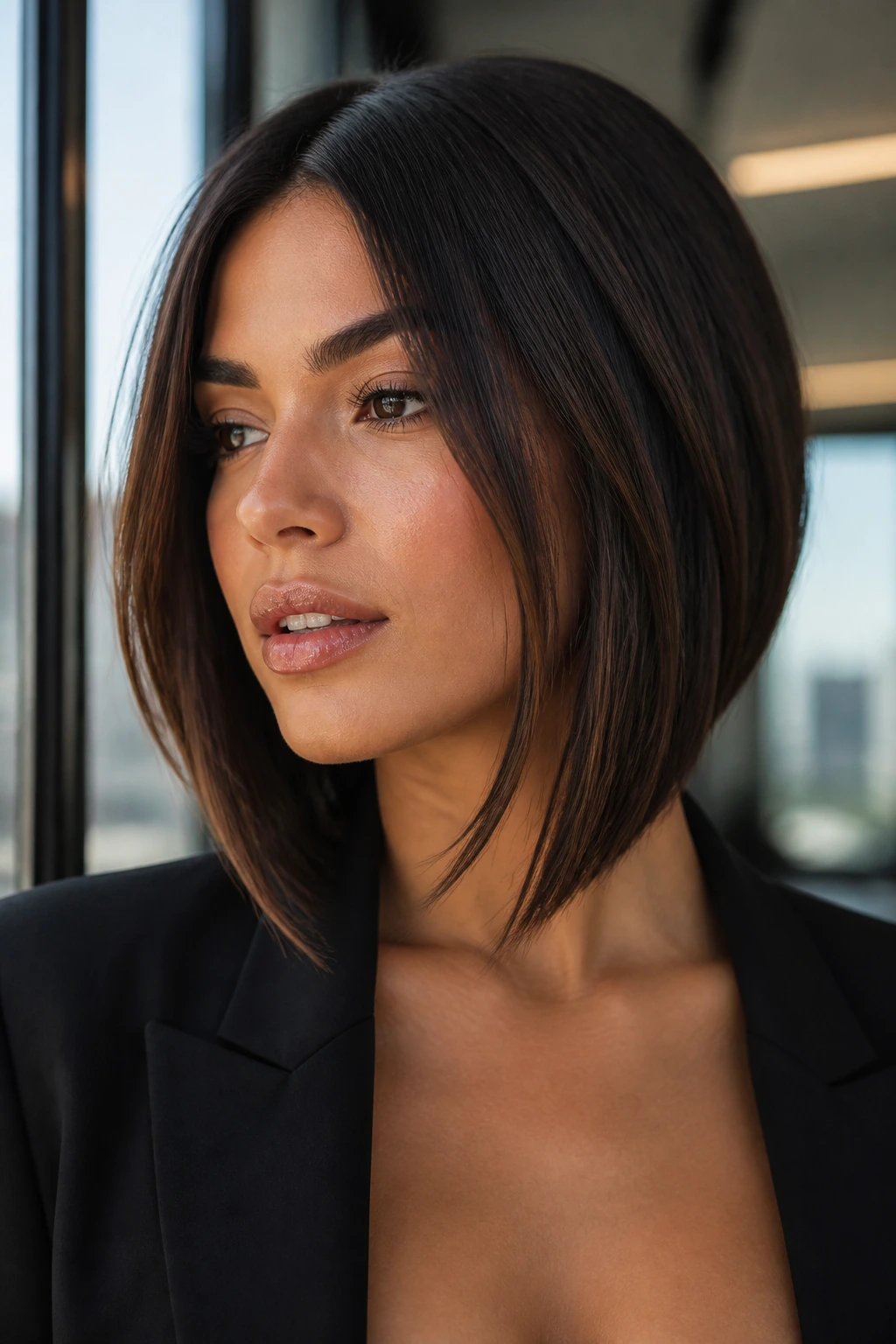
A long bob—or “lob”—is a classic for a reason, but adding face-framing pieces takes it from “basic” to “styled.” By cutting the front sections slightly shorter than the back, you create a dramatic line that draws the eye toward your collarbone and neck. This is incredibly flattering for those with oval or heart-shaped faces.
The Power of the Angle
The sharper the angle, the more dramatic the look. A subtle, soft angle is more elegant and professional, while a steep, blunt angle is edgier and more modern. Discuss the steepness with your stylist based on how much “drama” you want to project on a daily basis.
Avoiding the “Triangle”
If your hair is very thick, ask for “invisible layers” or thinning shears near the ends of those front pieces. This ensures that the hair doesn’t puff out at the jawline, keeping the shape sleek and tucked in rather than voluminous and wide.
6. The Bardot Bangs
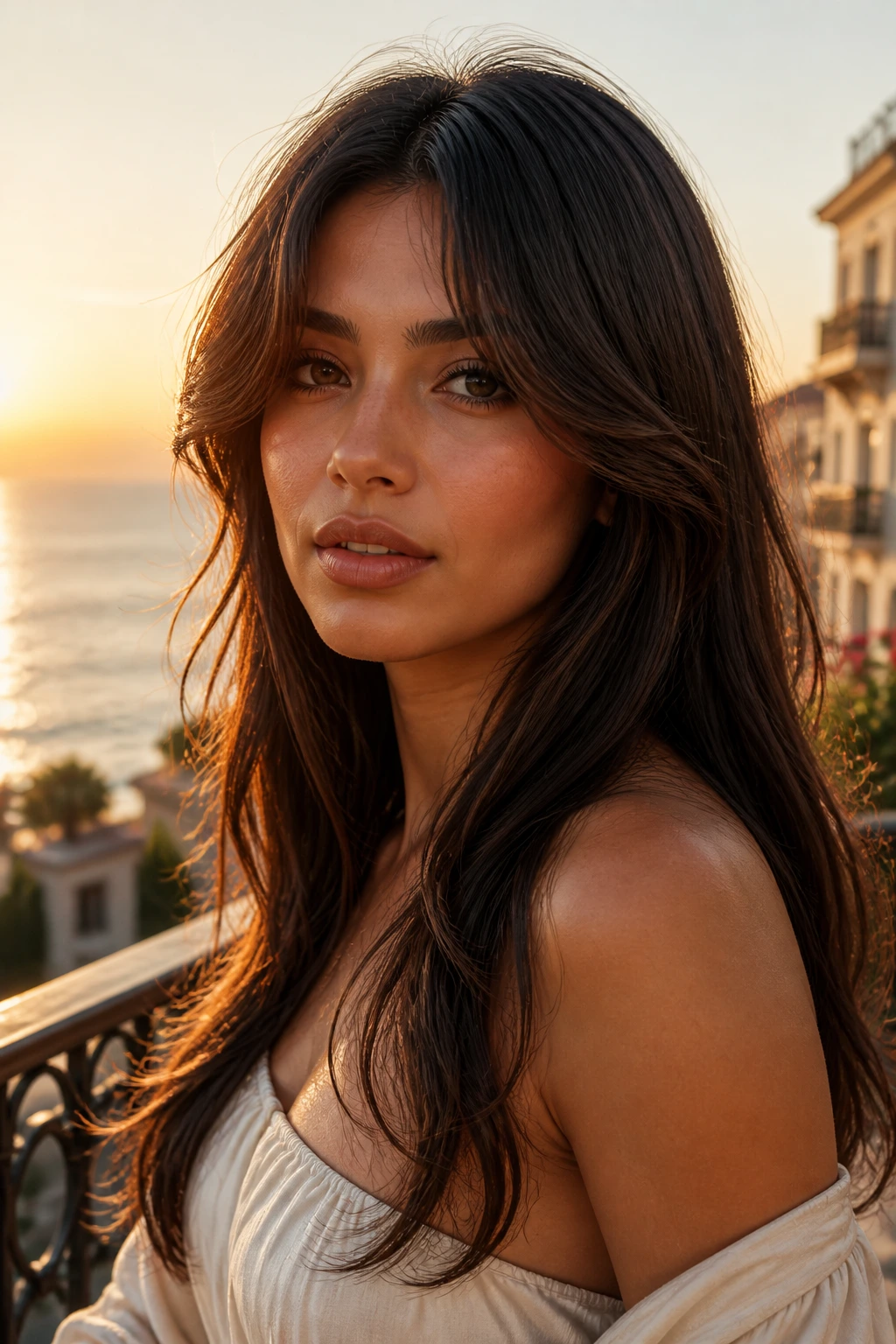
Inspired by Brigitte Bardot, these are essentially long, center-parted fringe pieces that are feathered out. They are longer than traditional bangs—usually hitting around the cheekbones—and they are cut to sweep outward. They are arguably the most romantic and “soft” way to frame a face. They don’t block your forehead, so they feel much lighter than a full, blunt bang.
Texture Compatibility
These look best on hair that has a little bit of natural movement. If your hair is stick-straight, you might need to use a curling wand to add a slight “C” curve to the ends of these pieces to make them sit correctly. If you have natural waves, you’re already halfway there.
Styling Tip
When styling, use a round brush to blow them upward and away from your face. This creates a “flick” that opens up your eyes and makes the style look expensive and intentionally done.
7. The Hidden Face Frame
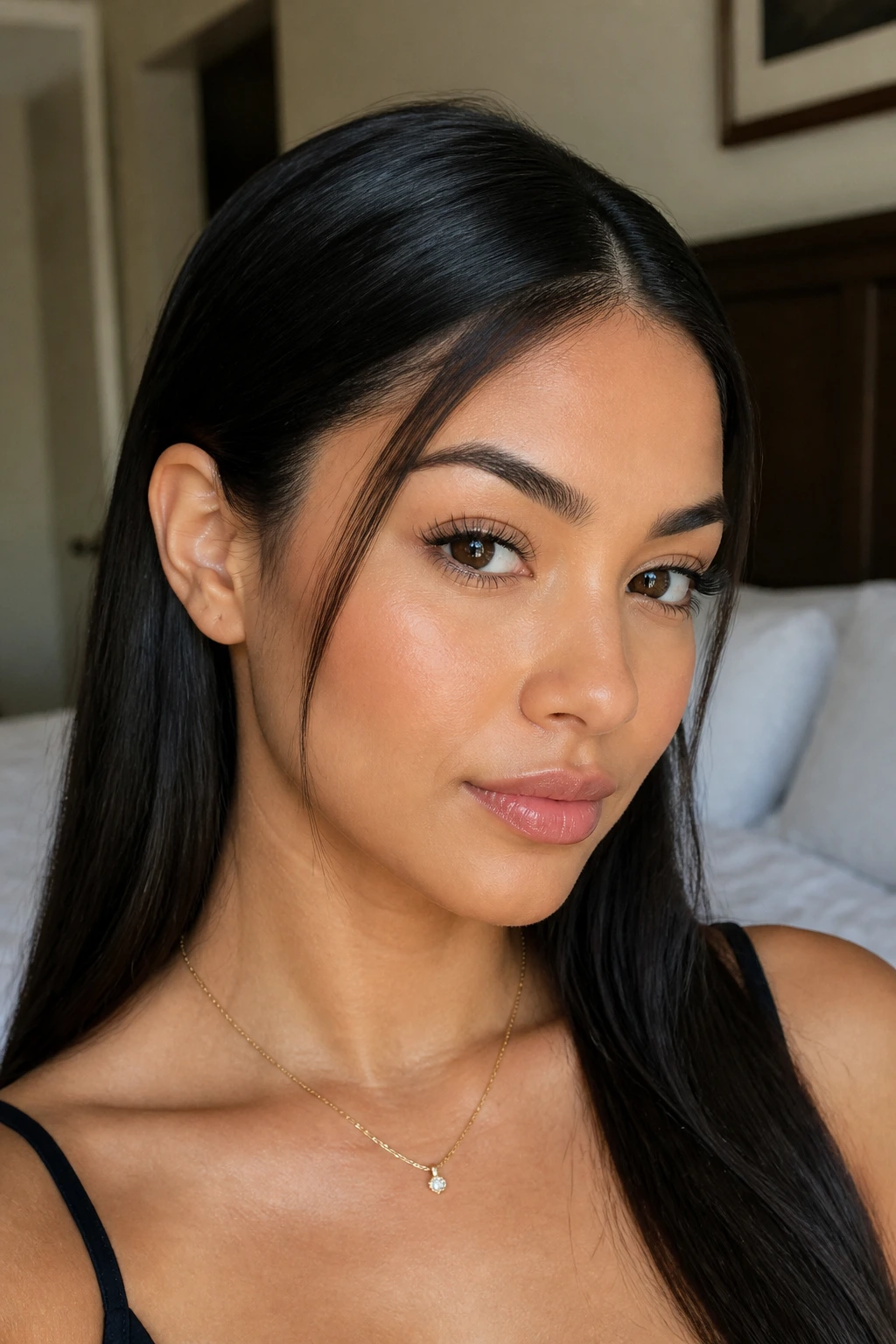
If you are nervous about committing to a full haircut, the hidden frame is your best entry point. This involves keeping the vast majority of your hair one length, but taking a very thin section right at the hairline—around the temples and ears—and cutting it to frame the face. It is like an accessory that you can tuck behind your ears if you want it to disappear.
Why It’s Perfect for Beginners
You aren’t cutting into the “meat” of your hair. If you have thick hair that you like to wear in a ponytail, this style is fantastic because it keeps the pony looking soft and feminine rather than pulled-back and severe.
The “Undercut” Danger
Be very careful not to cut this section too thick. If you take too much hair, it will look like a mistake rather than a deliberate style. Tell your stylist, “I want a very thin, delicate face-framing piece,” and let them guide the depth.
8. The Curly “Halo” Frame
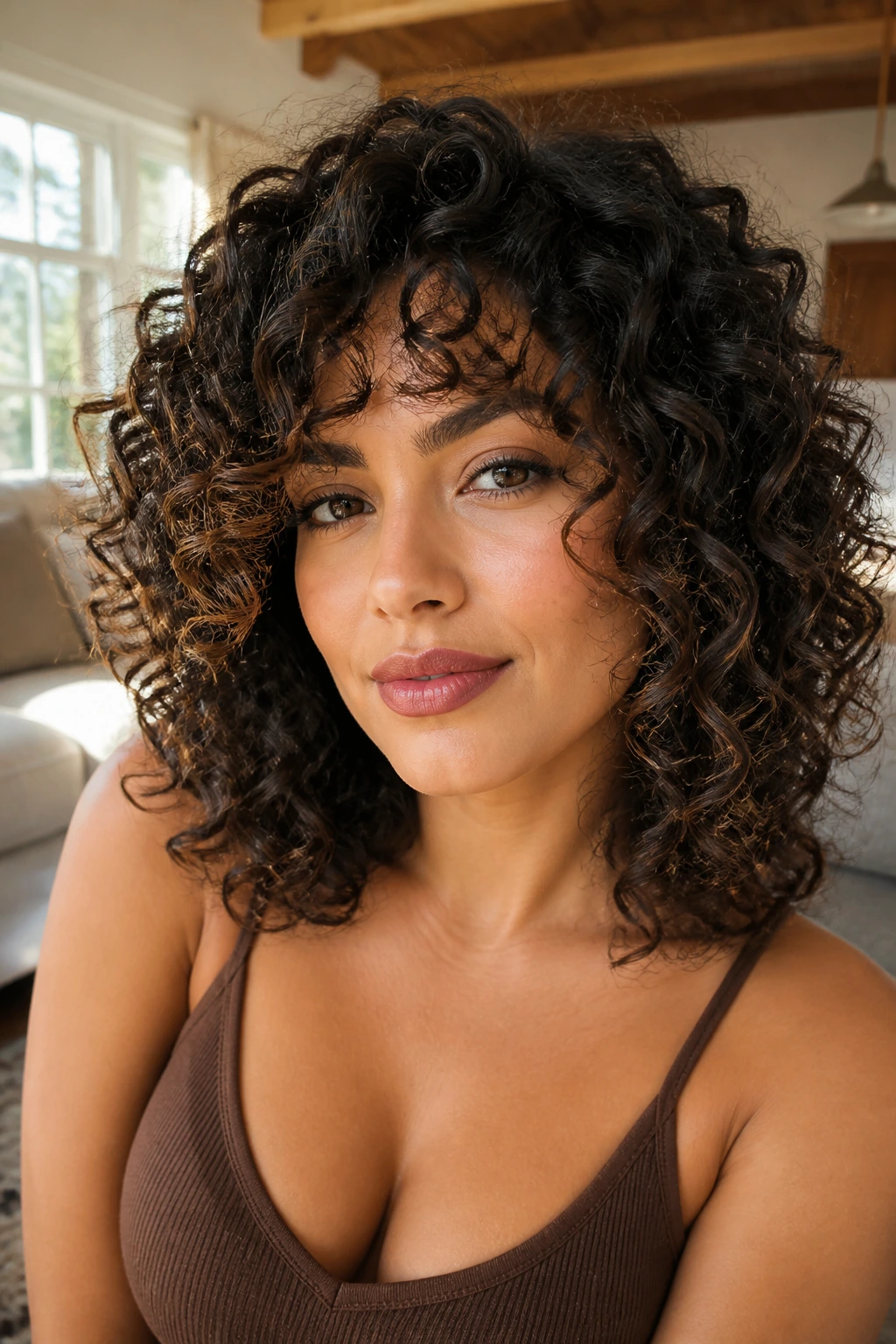
For those with tight curls, framing isn’t about layering the ends; it’s about shaping the curls so they form a halo around the face. This usually involves cutting the front curls slightly shorter than the rest, so they sit higher on the cheekbones. It creates a beautiful, frame-like effect that doesn’t interfere with your length.
The Importance of the “Dry Cut”
Always, always get your hair cut dry if you have curly hair. A stylist cannot predict how a tight coil will spring back once it is dry. By cutting it in its natural state, they can see exactly where the “halo” falls and adjust the frame accordingly.
Maintaining the Shape
Curls need moisture, especially in the frame section where you might be manipulating them with your hands more often. Use a leave-in conditioner specifically on these front pieces to keep them clumped and defined, preventing them from turning into “frizz balls” throughout the day.
9. The Rounded Layers for Density
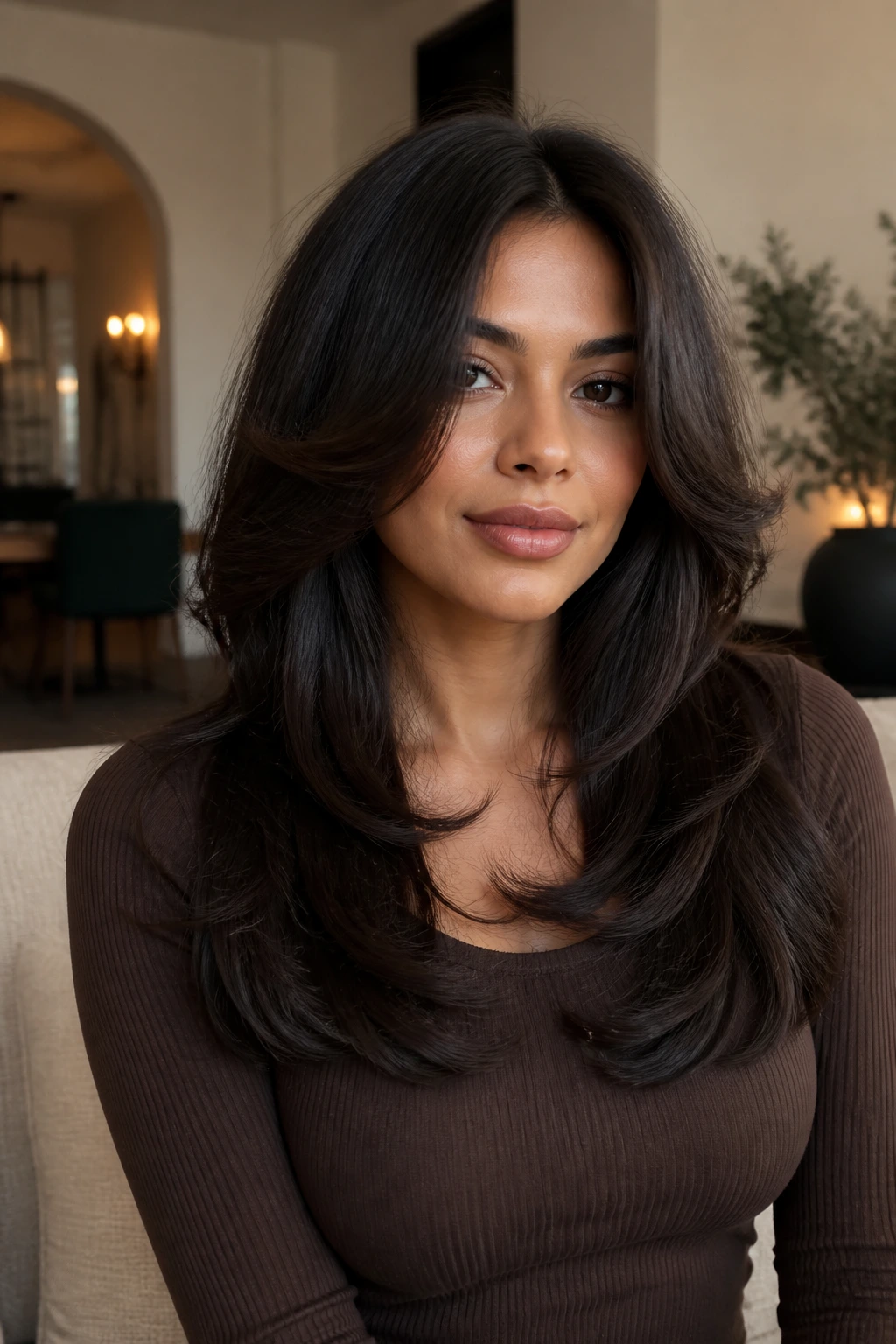
If your hair is extremely thick and heavy, you likely suffer from what feels like a lack of style. Rounded layers that frame the face start at the chin and round out toward the back. This style mimics the natural shape of the head, which prevents the hair from hanging like a heavy, flat curtain.
How it Changes the Silhouette
This style creates a “U” or “V” shape at the back, which is very elegant for long hair. The frame at the front balances the back, creating a cohesive, intentional look that makes your hair feel lighter without losing the “wow” factor of your length.
Why This is “Anti-Triangle”
Many people with thick hair fear layers because they think they will just get wide at the bottom. By cutting them rounded and connecting them into the face-frame, you force the hair to fall inward toward the face rather than outward toward the shoulders.
10. The Asymmetric “Peek-a-Boo”
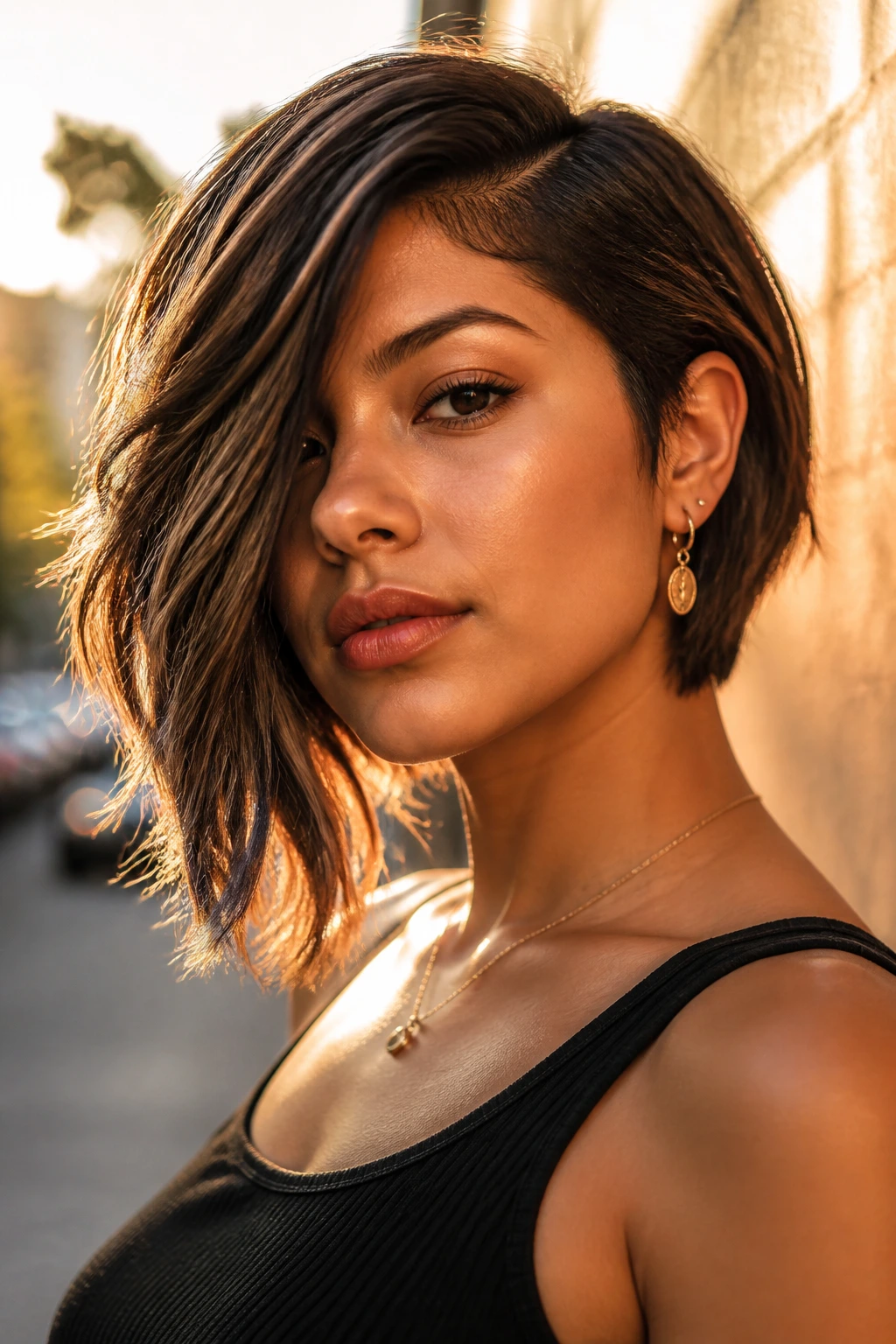
For the bold, an asymmetric frame—where one side is shorter and sharper than the other—can be incredibly flattering. It draws attention to the jawline and can even help balance out faces that are slightly asymmetrical. It is a very “street style” look that demands confidence.
Who Should Try It?
If you have a strong jawline, an asymmetrical cut is a great way to highlight it. It is also a fantastic way to disguise a cowlick; if one side of your hair always parts weirdly, cutting that side shorter and giving it a bit of weight often solves the problem.
Styling for Symmetry
Because it is asymmetric, you will need to spend a little more time ensuring your styling is balanced. Use a bit of texturizing paste to keep the longer side looking intentional rather than just “grown out.”
11. The Soft Face-Framing Fringe
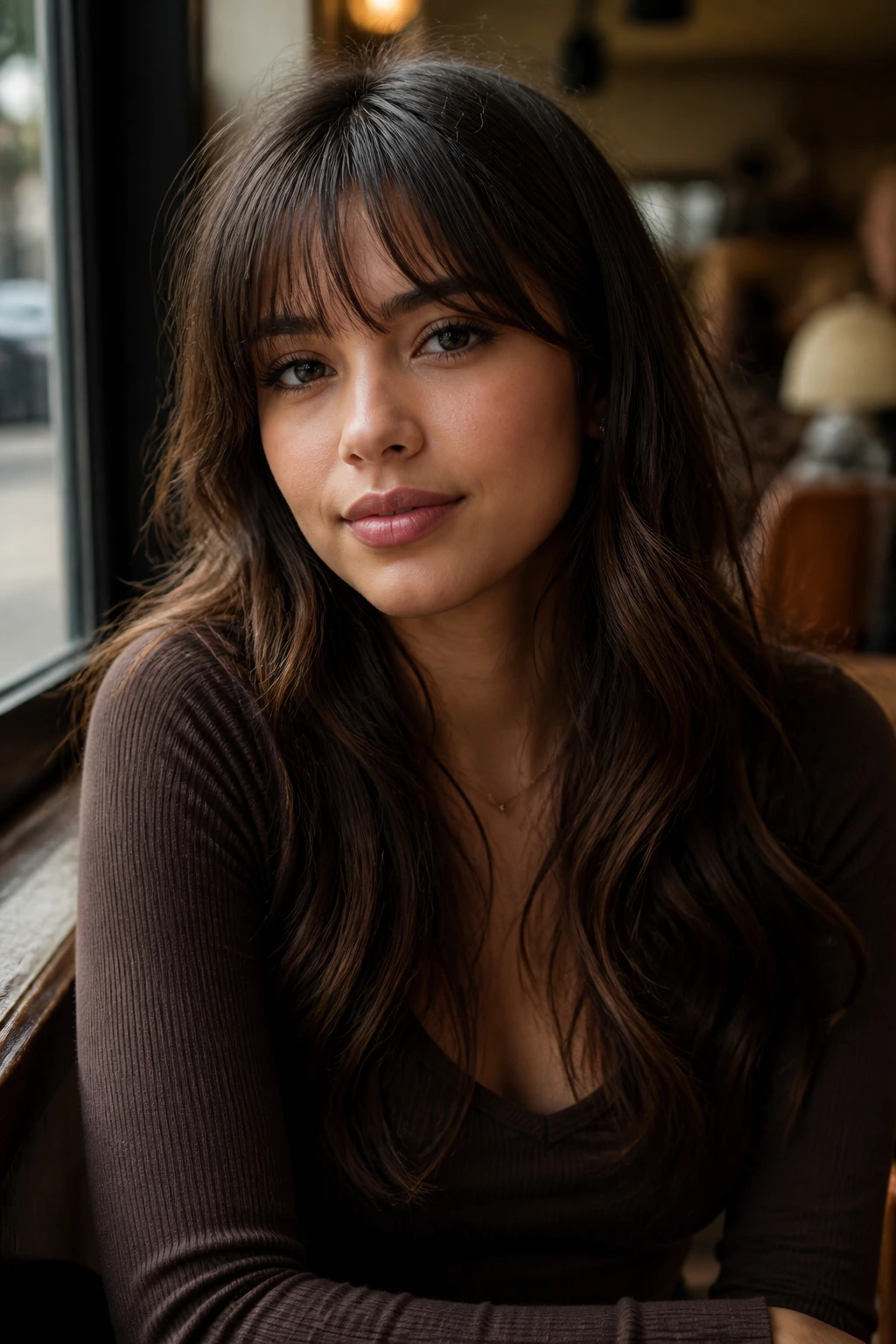
These are not blunt, straight-across bangs. They are soft, wispy, and textured. They hit right at the eyebrow or just below, and they are designed to be broken up by the fingers. This style is excellent for hiding a large forehead while still allowing light to hit your eyes.
Maintenance and Growth
This is a high-maintenance look. You will be visiting the salon every four weeks like clockwork. However, the payoff is a “fresher” face. If you are starting to notice fine lines on your forehead, a soft, wispy fringe is one of the best anti-aging tools in the stylist’s kit.
The “Two-Finger” Rule
When styling, never brush these bangs flat. Use your fingers to shake them out. You want them to look lived-in and natural, not like a stiff helmet.
12. The Wispy Layers for Waves
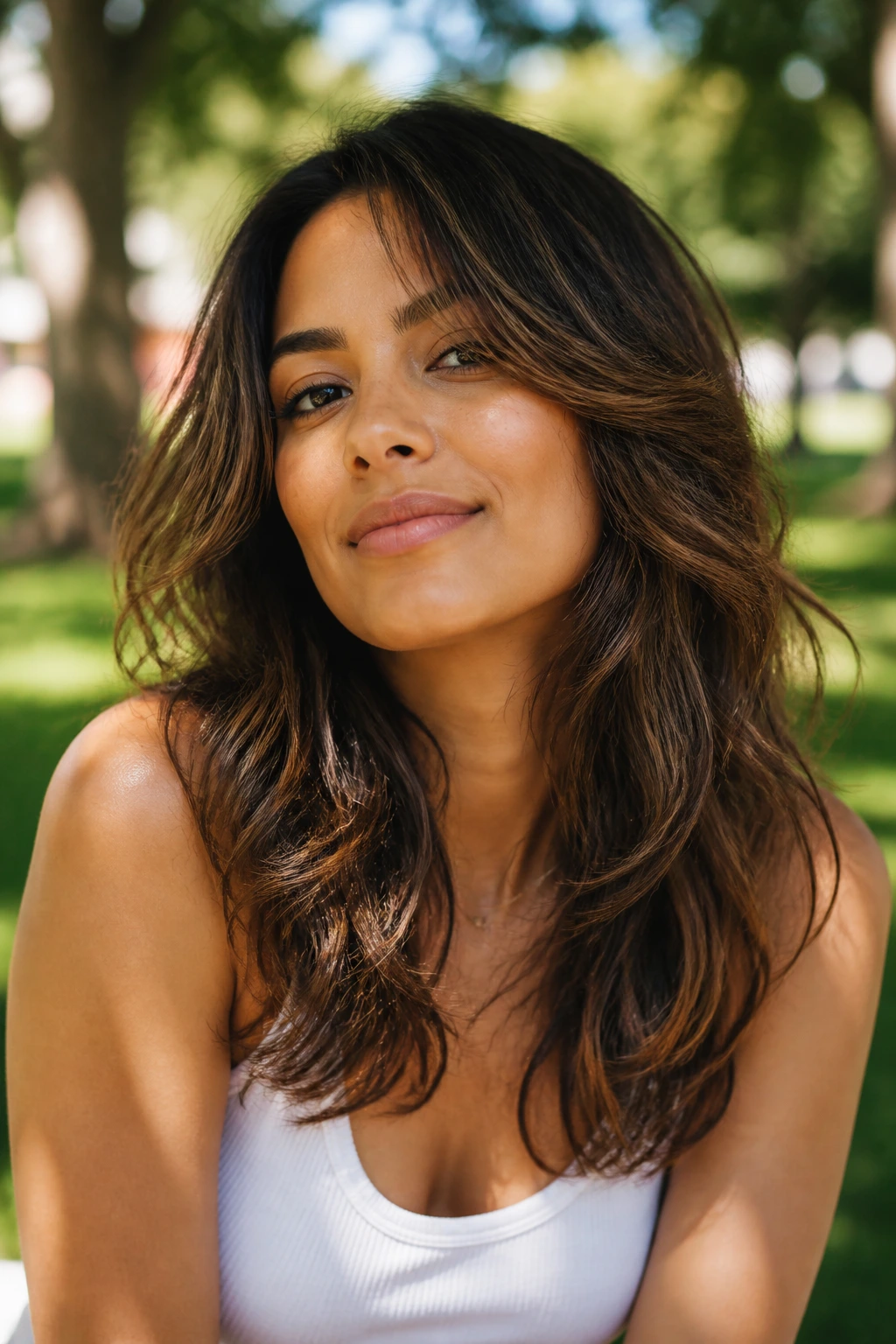
If you have a gentle, natural wave, you don’t want a heavy cut. You want wispy, internal layers that provide “peaks” and “valleys” for the hair to move through. This frame starts around the collarbone and works up, keeping the front looking light and airy.
Embracing the Air-Dry
This is perhaps the ultimate “wash-and-go” hairstyle. Apply a light curl cream, scrunch the front pieces, and let it dry. The layers will help the waves cluster together naturally.
The Best Length
This looks best on medium-to-long hair. If it is too short, the waves won’t have enough room to form, and you might end up with “poufy” hair instead of defined waves.
13. The Deep Side-Part Sweep
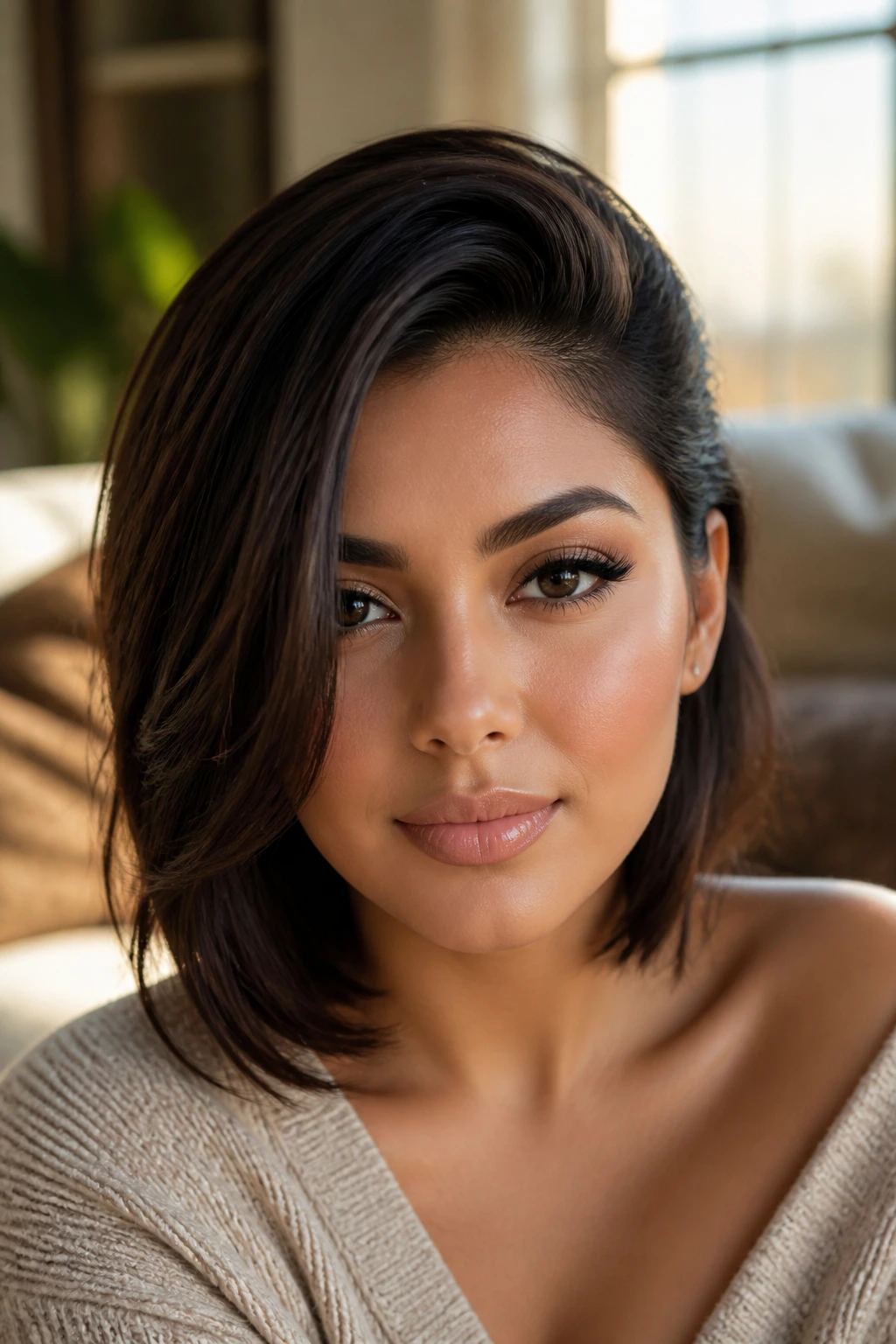
This isn’t just about the cut; it’s about the architecture of the frame created by a deep side part. When you cut the hair on one side to be shorter and sweep across the forehead, you create a dramatic frame that covers one side of the face in a very “Old Hollywood” way.
Correcting the Balance
If you have a wider face, a deep side part is the single most effective way to create vertical interest and balance the width. It is classic, sophisticated, and incredibly easy to achieve with any length of hair.
The “Flip”
To get the sweep to stay, use a volumizing spray at the roots while your hair is damp. Blow-dry it over to the opposite side of your part first, then flip it back over. This builds a “memory” of volume at the root that keeps it from falling flat.
14. The Face-Framing Bob with Blunt Ends
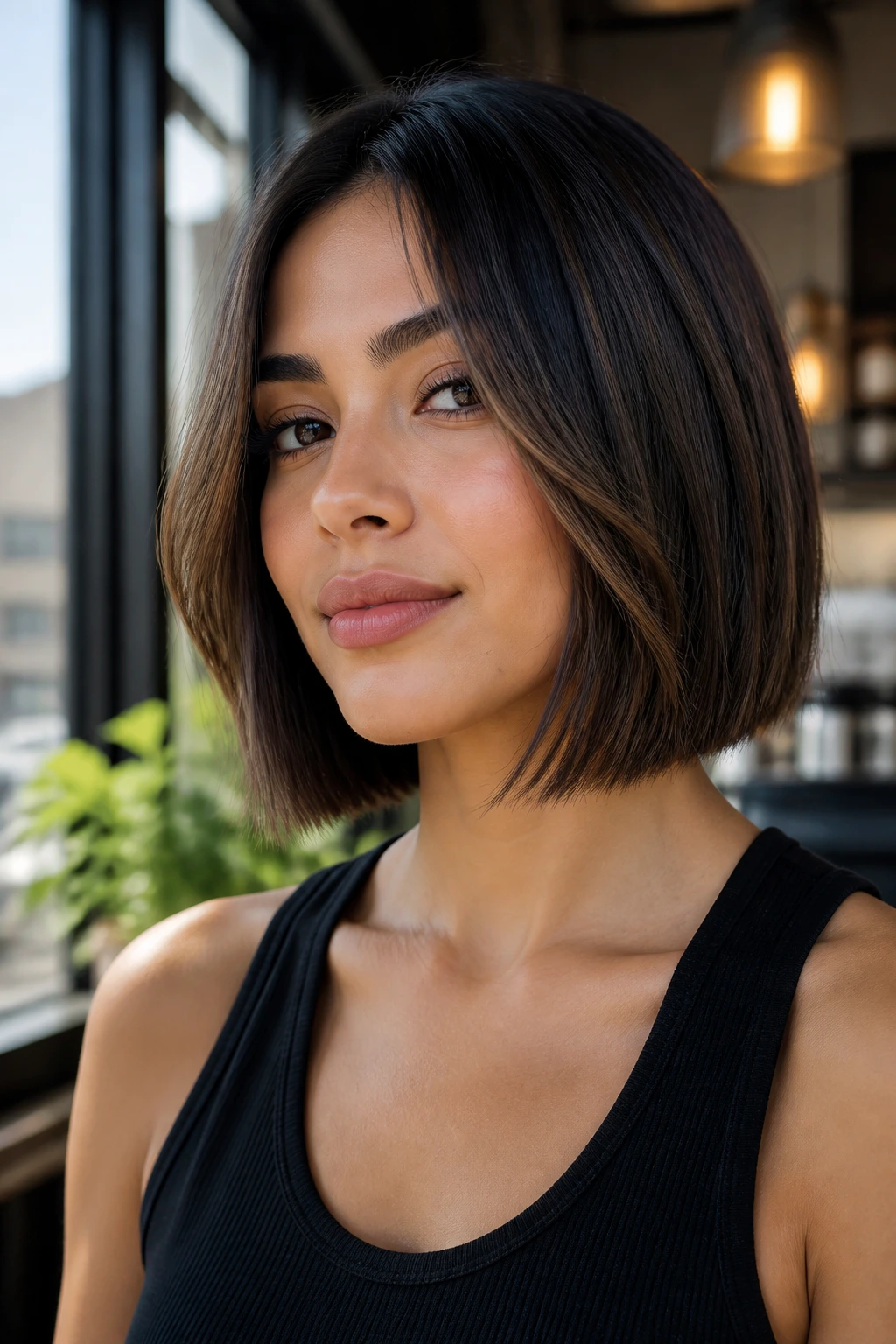
This is a modern, sharp look. The bob itself is cut very blunt at the bottom, but the face-framing pieces are cut with a slight razored edge. The contrast between the severe, blunt bottom and the soft, textured frame creates a high-fashion aesthetic.
Why This is Trending
It feels very “now.” It is the opposite of the messy, layered look, making it perfect for someone who wants to look polished and put-together at all times.
Styling Tip
This style demands a flat iron. You want the ends to be sharp and clean. Use a heat protectant with a bit of shine, and run the iron through the ends once to create a pin-straight finish.
15. The “Butterfly” Cut Frame
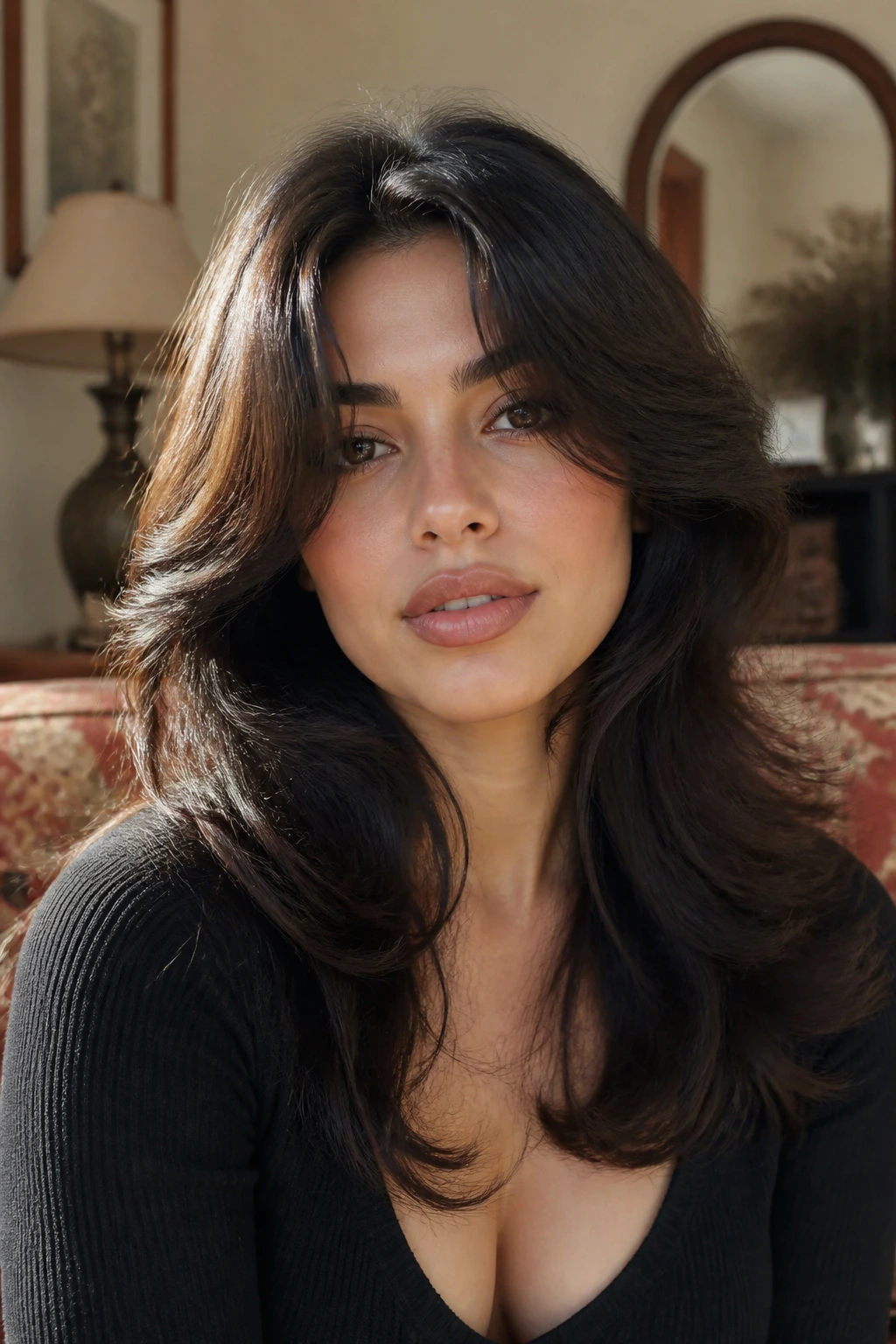
This is a highly layered look where the layers are disconnected at the front, creating a “wings” effect. It is meant to be styled with a blowout that curls the layers away from the face. It is voluminous, retro-inspired, and incredibly fun to wear.
The Volume Factor
This cut is volume. If you have thin hair and want to look like you have ten times the amount you actually possess, this is the cut. The front layers are cut to blend into the shorter layers, creating a tiered effect that is incredibly flattering for heart-shaped faces.
Potential Downsides
If you are someone who likes to wear your hair in a tight, sleek bun, this might not be for you. Those short front layers are going to fall out and frame your face regardless of how much hairspray you use. You have to embrace the messy-bun aesthetic with this one.
16. The Face-Framing Piece for Braids
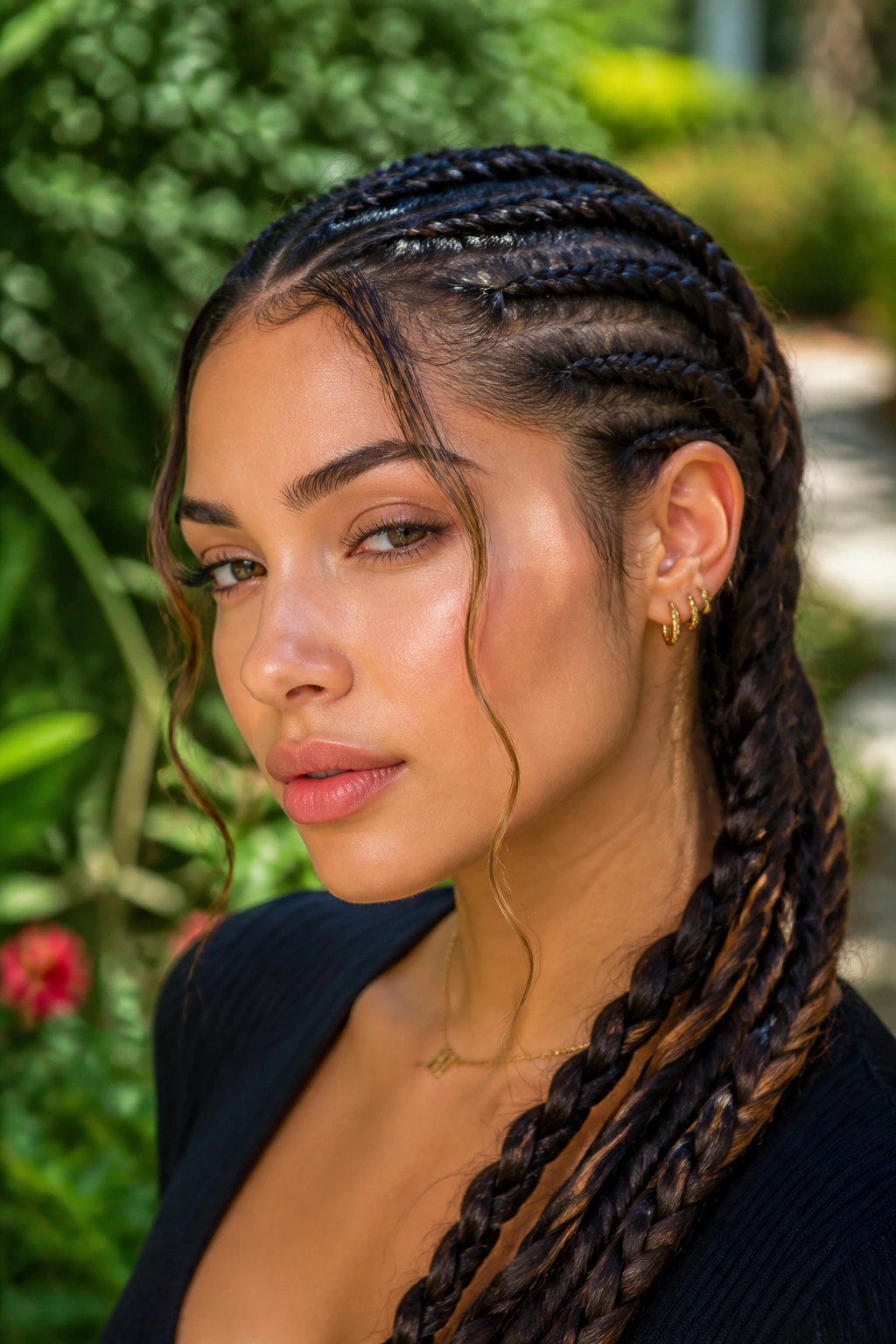
If you wear braids, you aren’t stuck with one look. You can leave out a small section of hair at the front and cut it into a frame. This allows you to have the convenience of braids while still having a soft “hairline” that flatters your face.
Protection is Key
Because these pieces are often manipulated with styling tools or hair ties, they are prone to breakage. Always apply a little bit of hair oil to these pieces before you start styling, and avoid pulling them too tightly when you’re putting your braids up.
Variation
You can braid the face-framing pieces themselves, or use a curling iron to put a soft wave in them. It is an easy way to switch up your look without having to redo your entire head of braids.
17. The Textured Pixie Frame
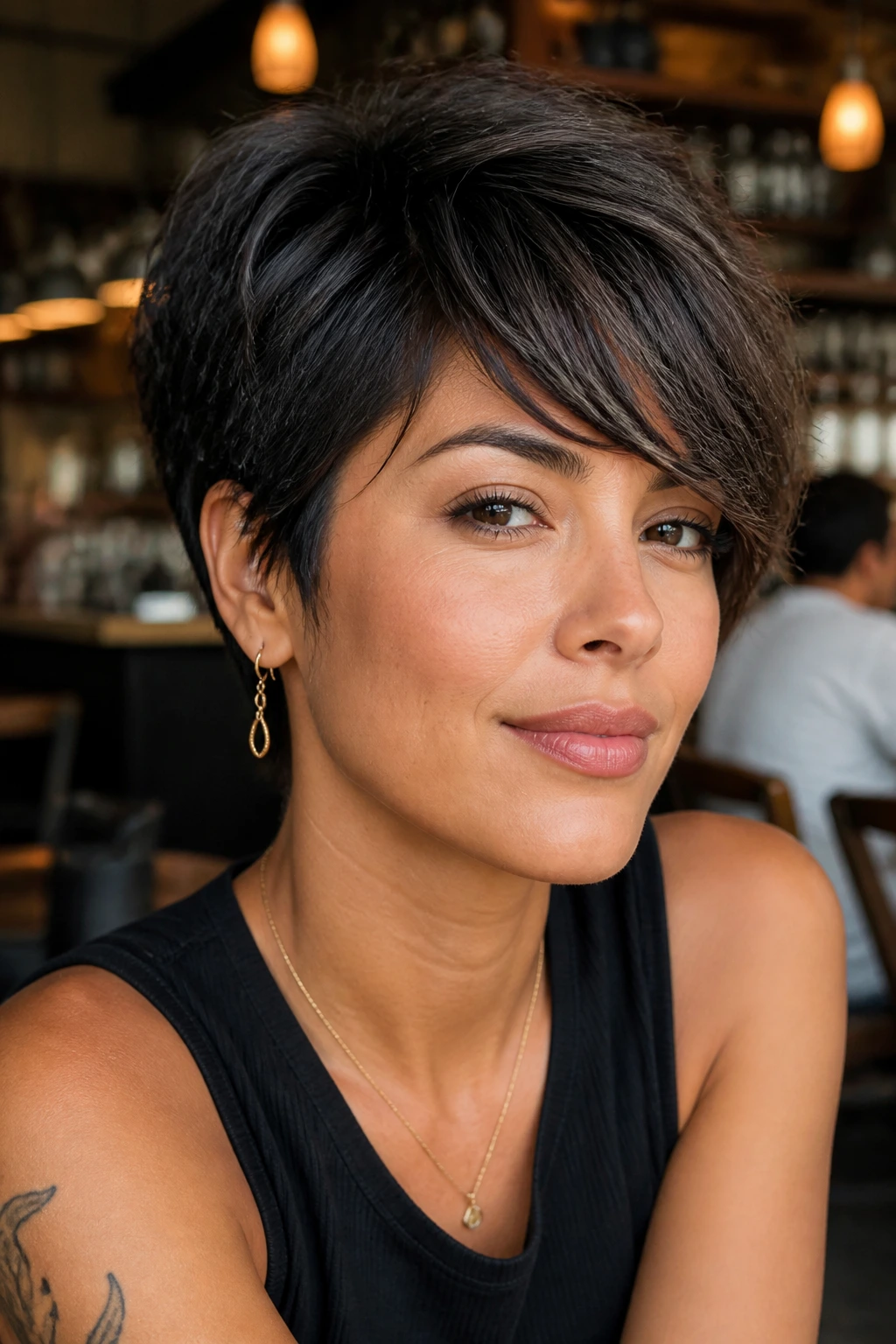
Think of a pixie cut with slightly longer, texturized pieces at the front. This is a very chic way to frame a face if you have a short haircut. It keeps the femininity of a longer style while enjoying the ease of short hair.
Personalizing the Length
You can have these pieces cut as short or as long as you want. Leaving them slightly longer—past the eyebrow—allows you to sweep them across the forehead, which is very flattering for those with oval or oblong faces.
The Styling Product
You need a good texturizing pomade. A little bit goes a long way. Warm a pea-sized amount between your fingers and use it to “piece out” those front sections for a look that is modern and edgy.
18. The “Shag-Lob” Hybrid
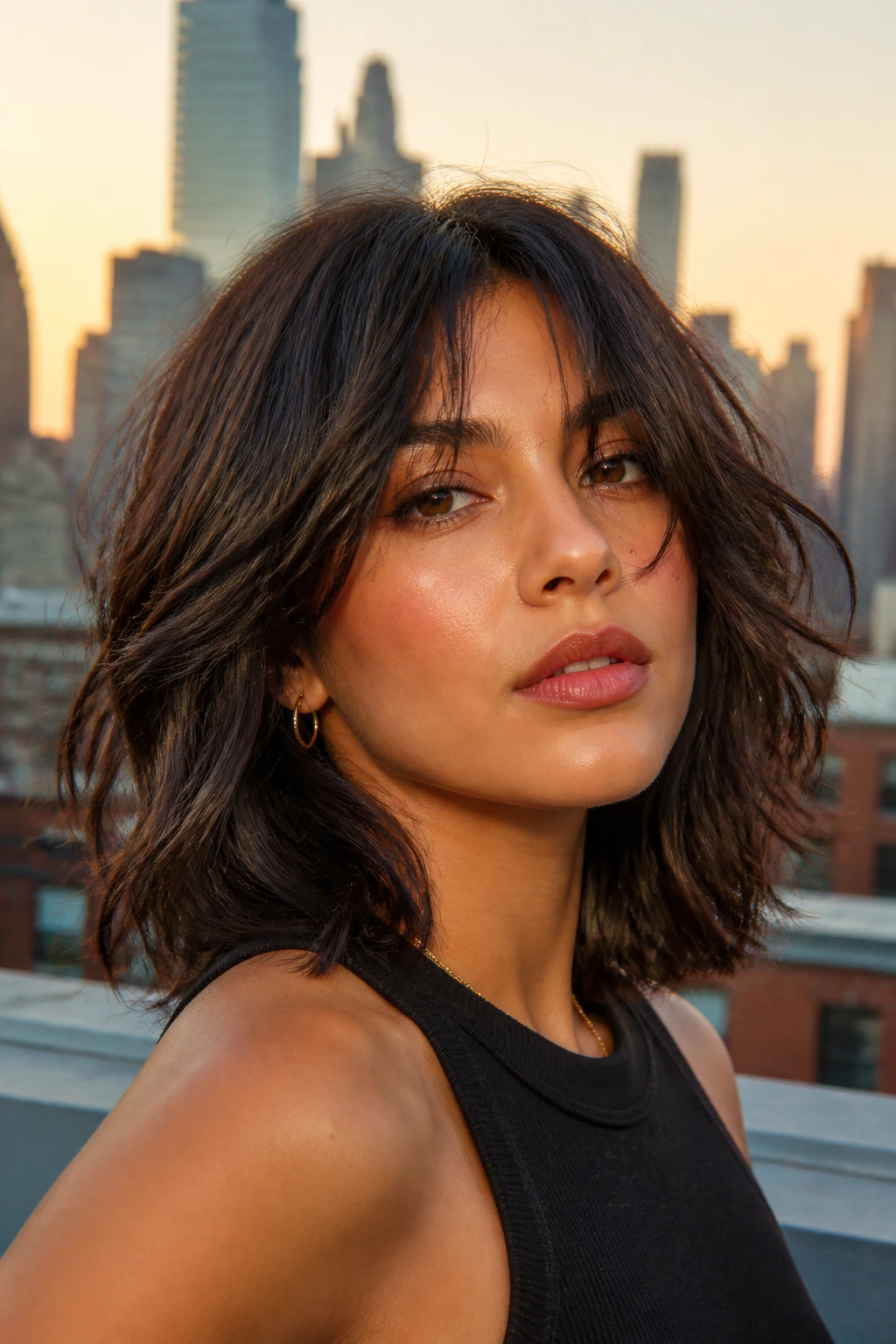
This takes the best of the shag and the best of the lob. You get the length of the lob, but with the internal, wispy layers of the shag. The face frame is usually quite aggressive here, with layers starting near the eyes and cascading down.
Who it Fits
This is a great transitional cut. If you are growing out a short bob and are currently in that awkward “in-between” stage, this style makes the growth look intentional and cool.
Maintenance
Like the shag, this cut is meant to look lived-in. You don’t need to stress about it being perfect. It is the ideal cut for someone who wants to look stylish but doesn’t have the time for a daily blowout.
19. The Layered Face-Frame for Ringlets
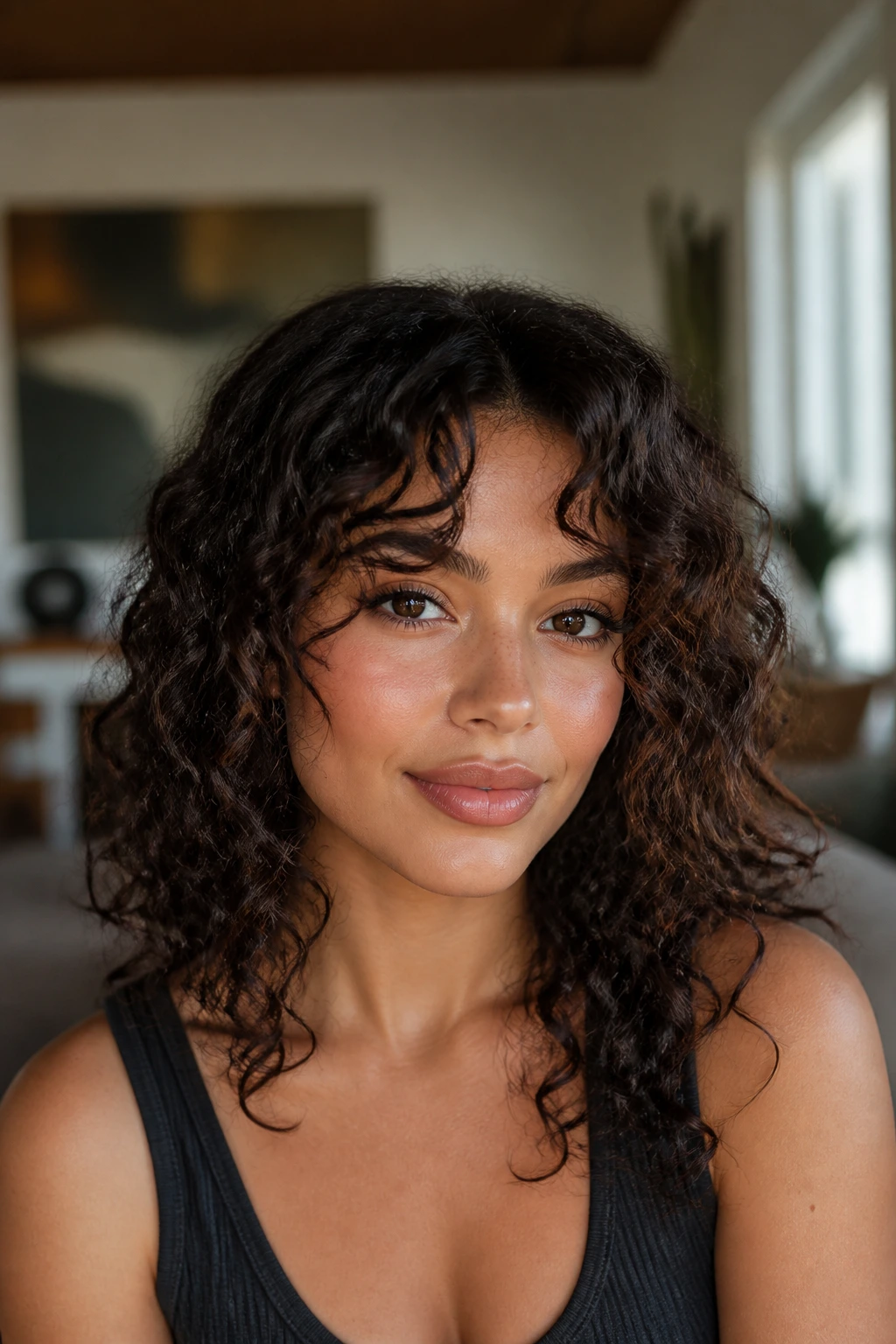
Similar to the halo, this is about creating layers within the frame specifically to support the curl pattern. Instead of a uniform layer, your stylist will cut “on the curve” of your curls to make sure they pop right at the cheekbones.
The “Bounce” Effect
When you frame curly hair, you’re essentially removing weight so the curls can bounce. This creates a really youthful, fresh look that emphasizes your smile.
The “Drip” Technique
Ask your stylist if they use the “drip” cutting technique, where they cut the hair in a way that allows the curls to fall into one another. It ensures that your frame doesn’t look like a separate haircut from the rest of your hair.
20. The Sleek and Straight “Point” Frame
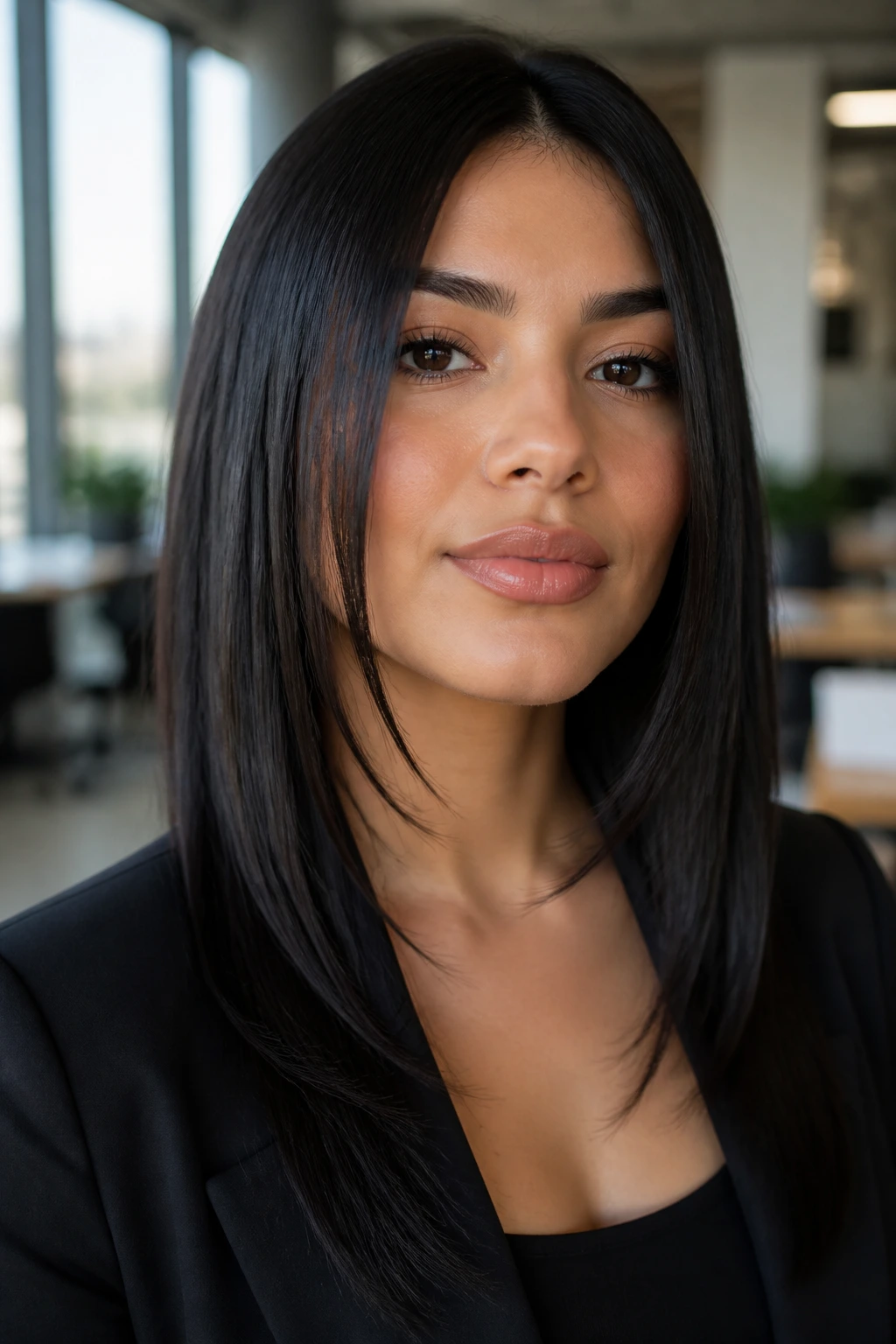
This is for those who love a sharp, clean look. The face-framing pieces are cut with a point-cutting technique so that they sit perfectly straight, highlighting the jaw and chin. It is a very structured, professional style that is perfect for office environments.
The Razor Cut
To get those really sharp points, use a razor rather than shears. A razor creates a feather-like, tapered end that looks almost like a paintbrush stroke. It is very precise and looks incredible on dark, shiny hair.
The Shine Factor
This look is all about shine. Use a serum or a glossing spray after you’ve styled it to really emphasize the straight, clean lines of the cut. The better your hair condition, the better this style will look.
Final Thoughts
The beauty of a face frame lies in how it softens the transition between your hair and your features. It is the most customizable part of any haircut. You can be as subtle as a few wispy strands or as bold as a full-on, feathered shag. The key, regardless of which of these twenty styles you choose, is communication. Bring photos, but more importantly, talk to your stylist about how you actually live your life. If you hate blow-drying, tell them. If you love a sleek, polished look, mention that.
A great frame shouldn’t feel like a chore; it should feel like an extension of your natural beauty. Take your time with your stylist, ask about the “spring” of your hair, and remember that hair is always growing. If you start with a subtle frame and decide you want more, you can always go back and take a little more length off. Start slow, aim for movement, and find the shape that makes you feel the most like yourself.