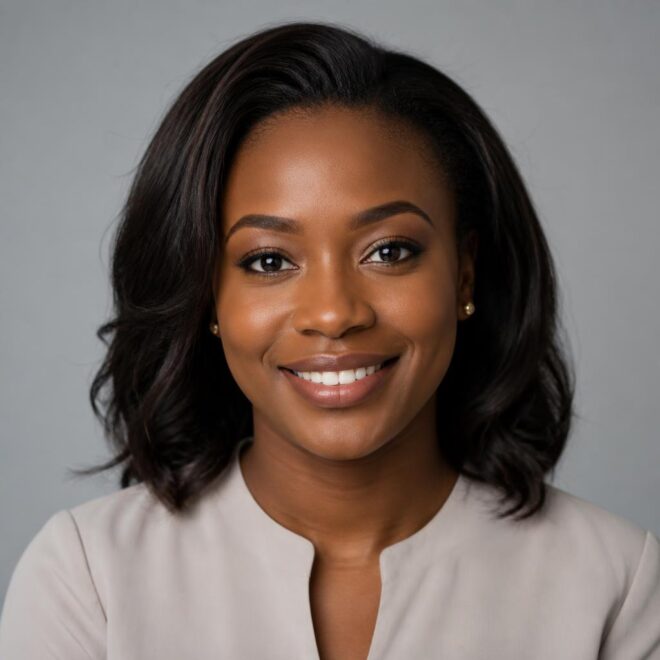


The decision to chop your hair into a short, curly style is rarely just about aesthetics. It is a declaration of independence from the endless hours of detangling, diffusing, and managing the weight of longer tresses. When you finally release that tension, you discover a version of your curl pattern that often hides under the strain of length. Shorter coils, waves, and ringlets behave differently, springing up with an enthusiasm that can be both exhilarating and, if you are not prepared for the volume, slightly overwhelming.
Working with shorter lengths forces you to stop hiding behind your hair and start engaging with your face shape, your neck line, and your personal style. It requires a different set of tools, different products, and a willingness to embrace the fact that you will likely wake up with a new, unpredictable shape every single morning. This guide is for the person standing in the bathroom with the scissors in hand, or sitting in the stylist’s chair, wondering if they are ready to make the leap into a shorter, more intentional look.
1. The Classic Rounded Afro
There is an undeniable power in a perfectly rounded afro that sits just above the ears or at the jawline. This style relies on the structural integrity of your natural curl density to maintain that spherical shape without needing a mountain of styling product. You will need a stylist who understands “dry cutting”—a method where the hair is shaped in its natural, shrunk state rather than pulled taut. This is the only way to ensure the cut is perfectly symmetrical when your curls are in their tightest, most comfortable position.
Why This Style Succeeds
- It creates a frame for the face, emphasizing cheekbones and jawlines.
- The weight distribution is even, preventing the “triangle head” effect.
- Maintenance is minimal; a light misting of water and a touch of leave-in conditioner in the morning is often enough to reshape it.
Pro tip: To keep the shape defined, sleep on a silk or satin pillowcase. Friction from cotton is the enemy of this silhouette; it will cause the curls at the back of your head to matt and flatten overnight.
2. The Textured Pixie Cut
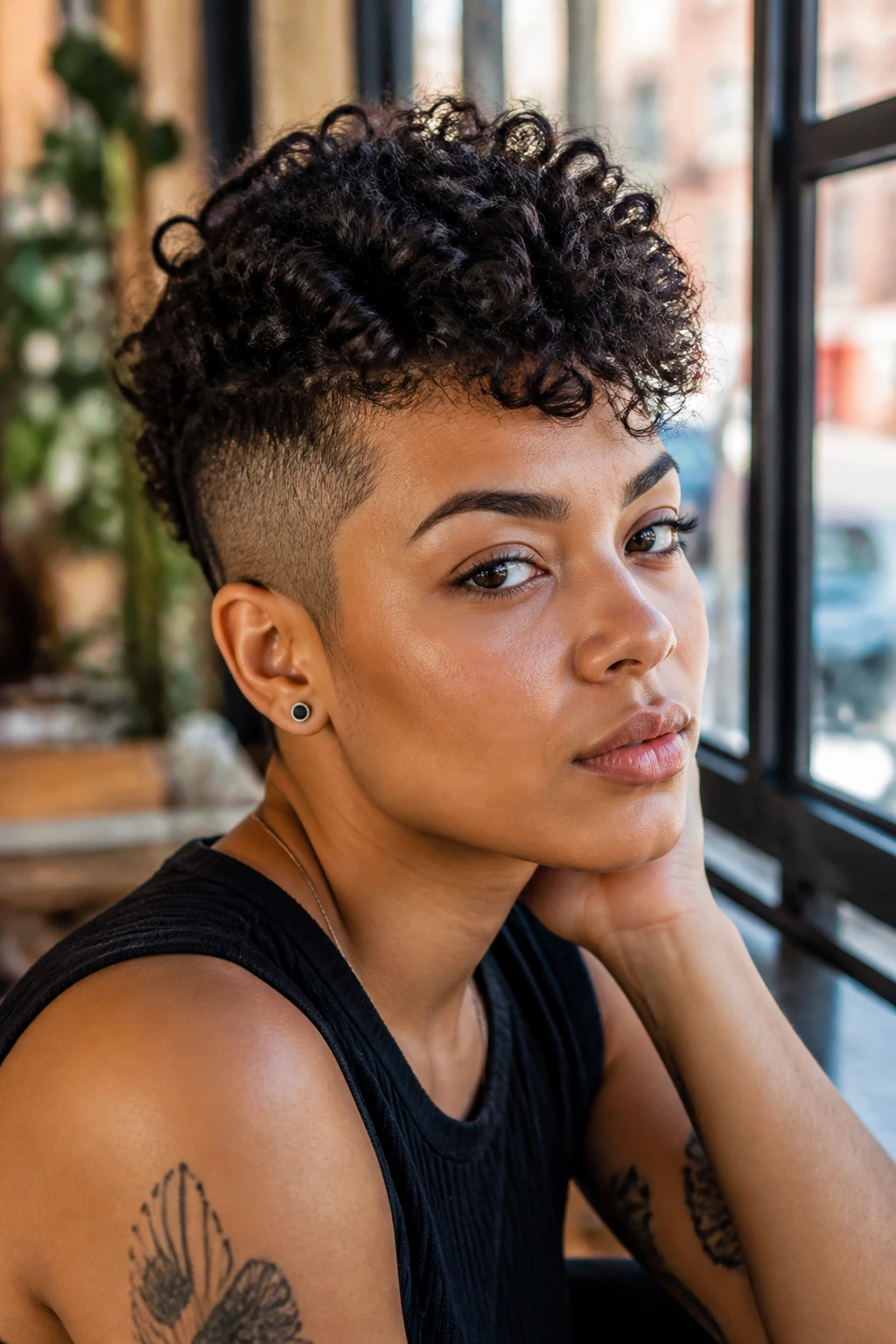
Taking the sides close to the skin while leaving the top long enough to show off your texture is a daring move that pays off in ease. This look is inherently edgy and requires frequent trims—usually every four to six weeks—to keep the sides crisp. Because there is so little hair to manage, you can afford to invest in higher-quality styling creams that hold your curls in place without making them feel crunchy or stiff.
Keeping the Edges Tight
You do not need to rely on harsh chemical texturizers. Instead, use a firm-hold styling gel or pomade specifically formulated for curly hair. Apply it while the hair is slightly damp, using your fingers to twist the top curls into place. If you find the sides growing out too quickly, a simple handheld electric clipper with a guard can keep the faded look going at home between salon visits.
3. The Deconstructed Shag
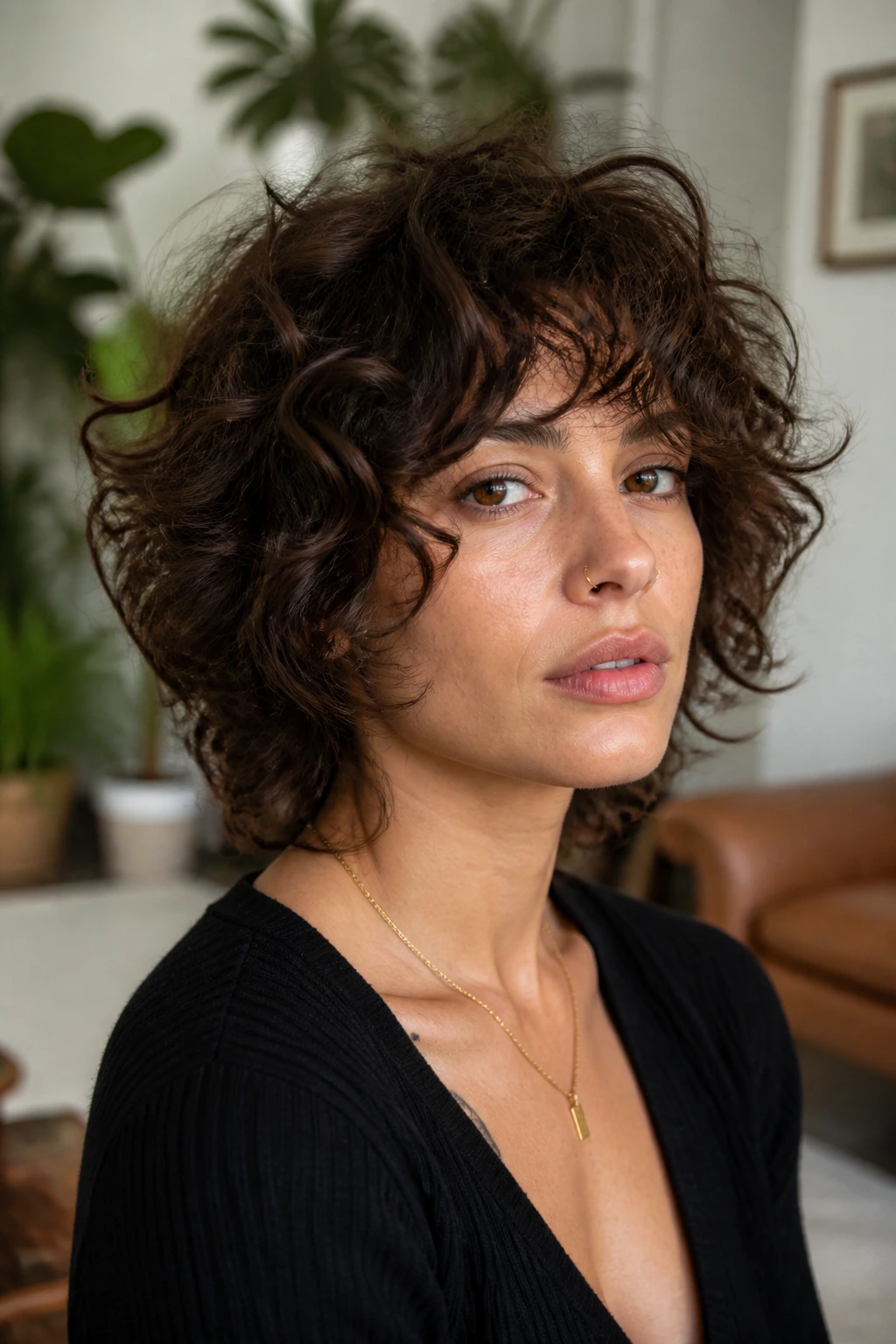
A modern shag for curly hair is all about layers—shorter layers at the crown and longer, wispier layers framing the face. Unlike the rigid perms of the past, this cut leans into the chaos. It is supposed to look a little bit lived-in, a little bit messy, and entirely effortless. It works exceptionally well for those with looser curl patterns or wavy hair that struggles to maintain volume at the roots.
Styling the Layers
The key to a great shag is a diffuser attachment. By lifting the hair away from the scalp while drying, you encourage those shorter layers at the top to stand up rather than lay flat. Focus your product application on the mid-lengths and ends, keeping the roots light to ensure the hair maintains that airy, voluminous lift that defines the shag aesthetic.
4. The Tapered Frohawk
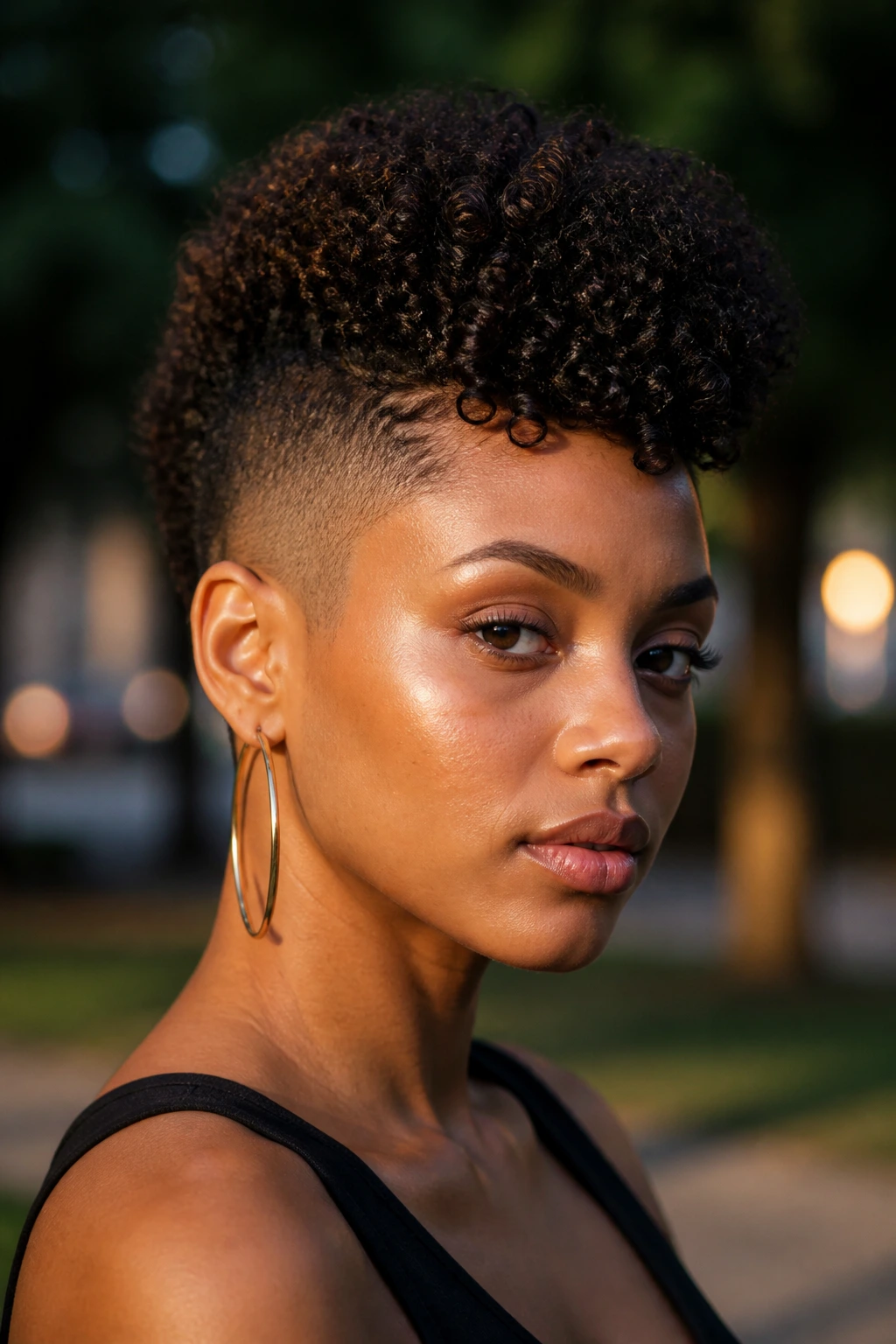
If you want to pull your hair off your face while keeping the integrity of your texture, the tapered frohawk is your best friend. This cut is dramatic and visually arresting, featuring shorter, faded sides that graduate into a concentrated strip of volume running from the front hairline to the nape of the neck. It is essentially a mohawk, but one that respects the natural bounce of curly hair.
The Anatomy of the Fade
You have two main paths here: a high taper or a low taper. A high taper creates a sharper, more masculine edge, whereas a low taper keeps a bit more hair around the ears, which can feel more feminine or soft. Use a light oil—like jojoba or argan—to ensure the curls in the center strip remain shiny and separated. This prevents the mohawk from turning into one large, undefined mass of hair.
5. The Curly Bob with Blunt Ends
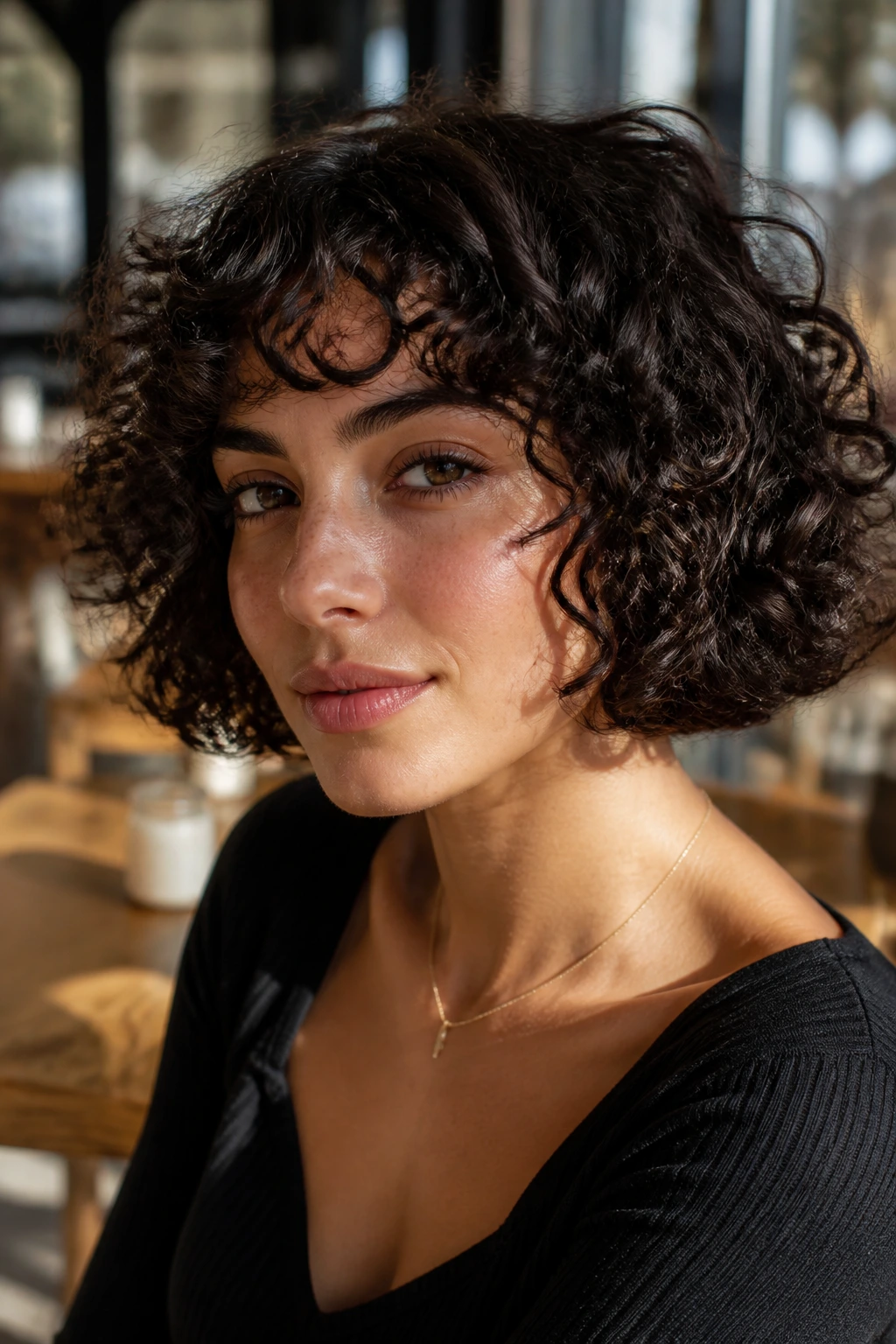
There is something undeniably chic about a blunt-cut bob that hits right at the chin. While many people with curly hair are told to avoid blunt cuts for fear of the “poof,” the trick is in the length. By keeping the bob slightly longer in the front and shorter in the back, you create a natural slant that directs the volume downward, making the shape appear more controlled and deliberate.
Why Blunt Cuts Work
- They make your ends look thicker and healthier by removing wispy or damaged sections.
- The geometric shape provides a stark, clean contrast to the organic, messy nature of curly hair.
- It is incredibly easy to dress up for events; a single decorative hair clip on one side can transform the entire look.
6. The Side-Swept Pixie
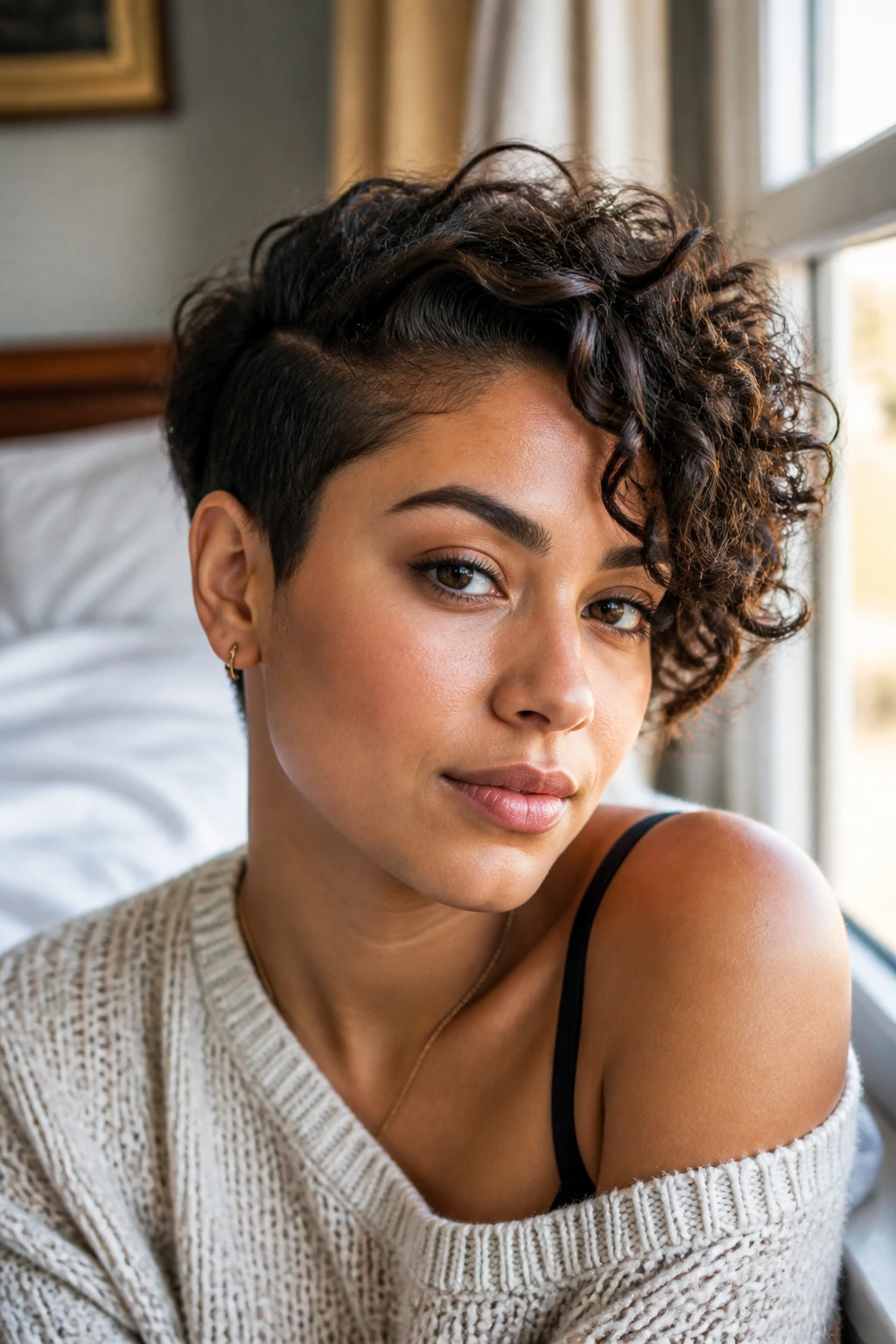
This style is all about asymmetry. By cutting the hair short on one side and allowing a cascade of curls to hang over the forehead on the other, you create a soft, romantic look that draws attention to the eyes. This is perfect if you have a face shape that benefits from length on the sides or if you are self-conscious about your forehead size.
Managing the Sweep
Use a wide-tooth comb to part your hair while it is still soaking wet. By setting the part early, you train the curls to fall in that direction as they dry. If the hair tends to fall back into its natural place, use a small bobby pin tucked discreetly under a few curls to hold the sweep in place for the first few days of the wash cycle.
7. The Asymmetrical Undercut
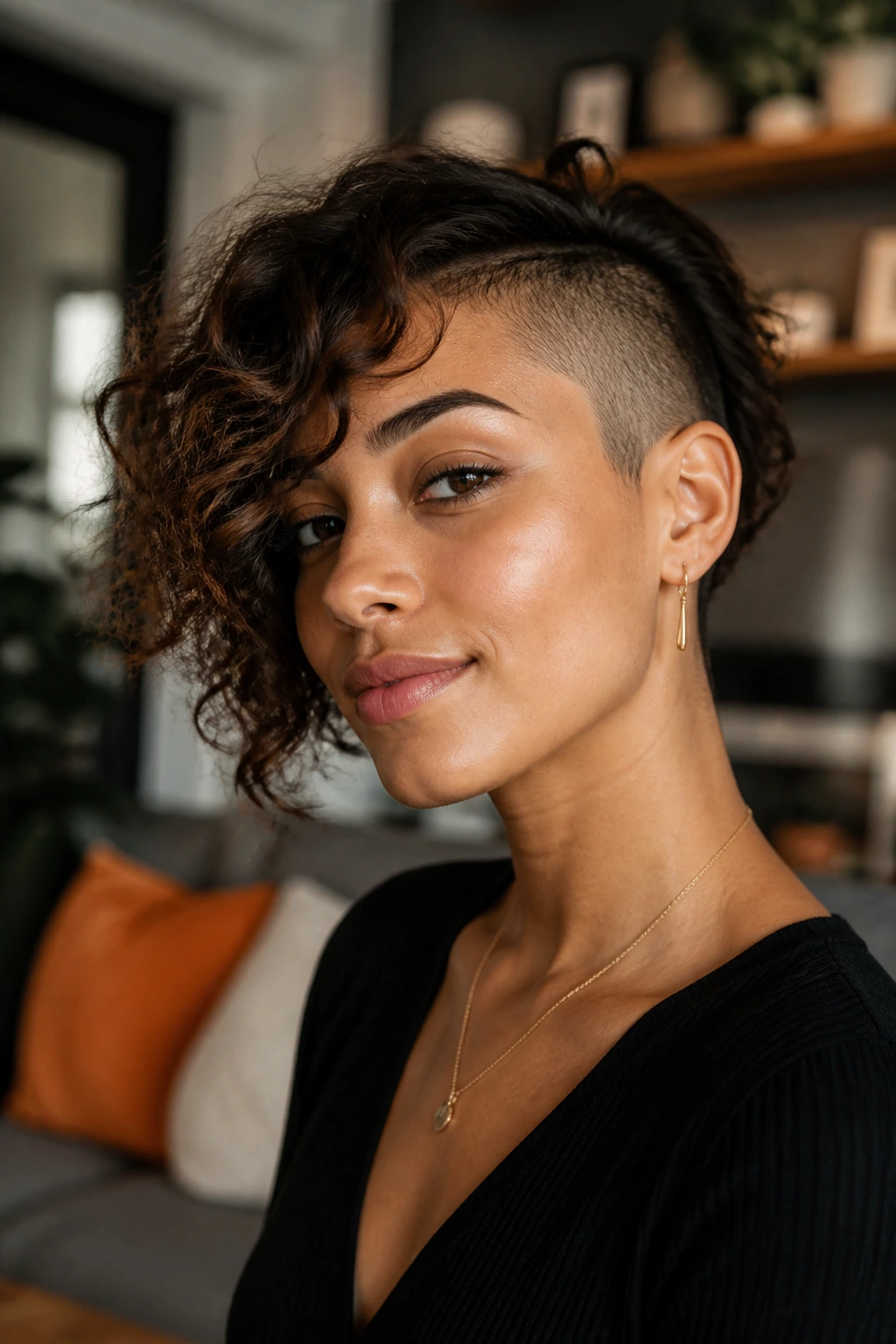
If you aren’t ready to go for a full pixie but want something edgy, an asymmetrical bob with an undercut on one side is the perfect bridge. You get the length and comfort of a longer bob on one side, but the shaved or cropped section on the other adds a modern twist that prevents the style from looking generic.
Maintenance Considerations
The undercut needs to be maintained to keep that clean, sharp look. If you have a naturally fast hair growth rate, you might find yourself needing to trim the undercut every two weeks. This is a small price to pay for the versatility, as you can style the hair to cover the shaved portion whenever you want a more conventional, subtle look.
8. The Tight Coil Buzz
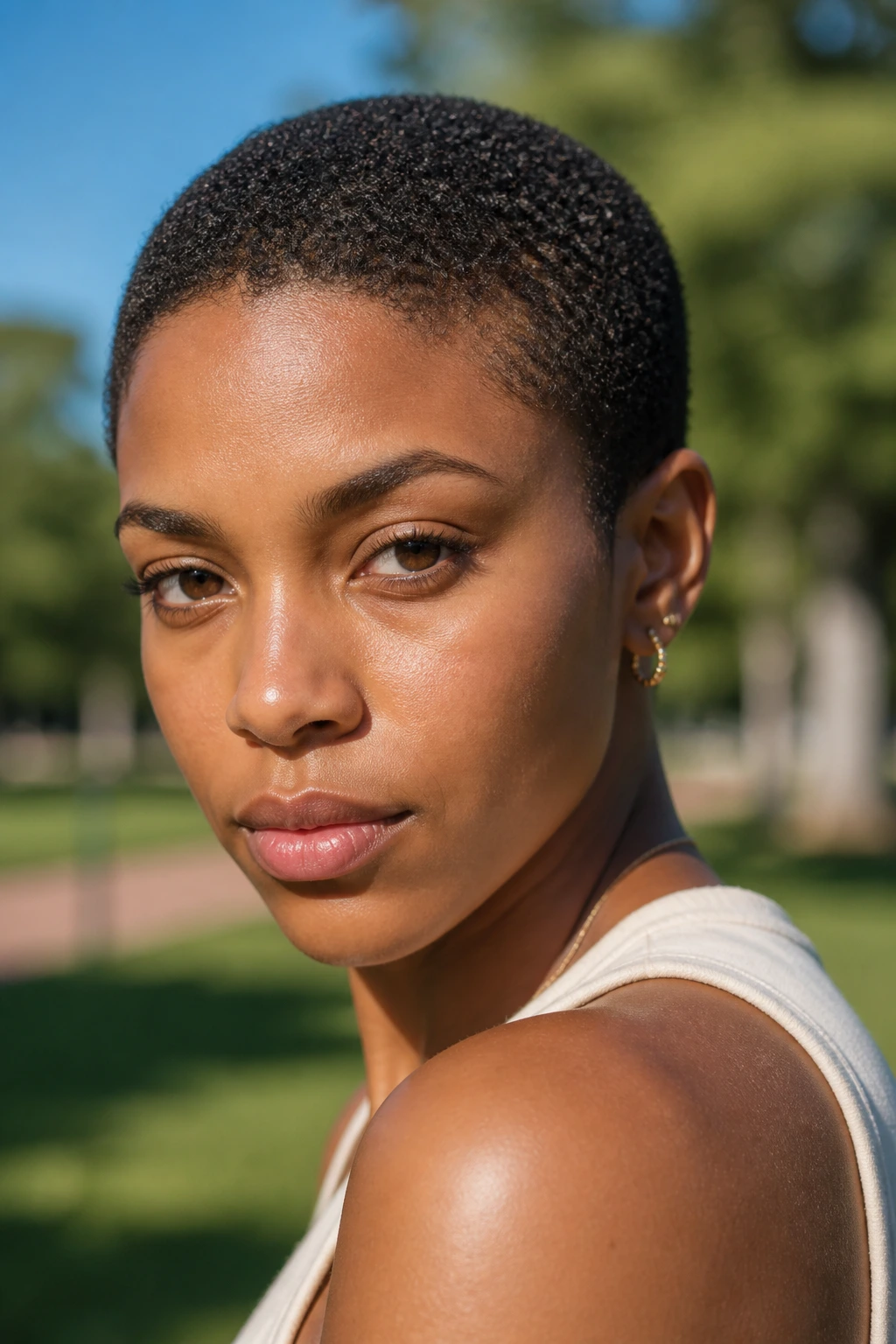
For those with extremely tight textures, a buzz cut—or a “big chop”—is the ultimate liberating experience. It is not just a hairstyle; it is an act of maintenance-free living. You wake up, you hydrate, and you are done. There is nowhere for the hair to hide, which means your skin, your bone structure, and your accessories take center stage.
Beyond the Buzz
You might think there is nothing to style, but the buzz cut is all about texture maintenance and scalp health. Since the scalp is more exposed to the sun and environmental pollutants, ensure you are using a scalp-friendly sunscreen or wearing a hat when outdoors for extended periods. A little bit of pomade can also add a subtle sheen to the hair, making the texture pop in a way that feels intentional and well-groomed.
9. The Curly Bowl Cut
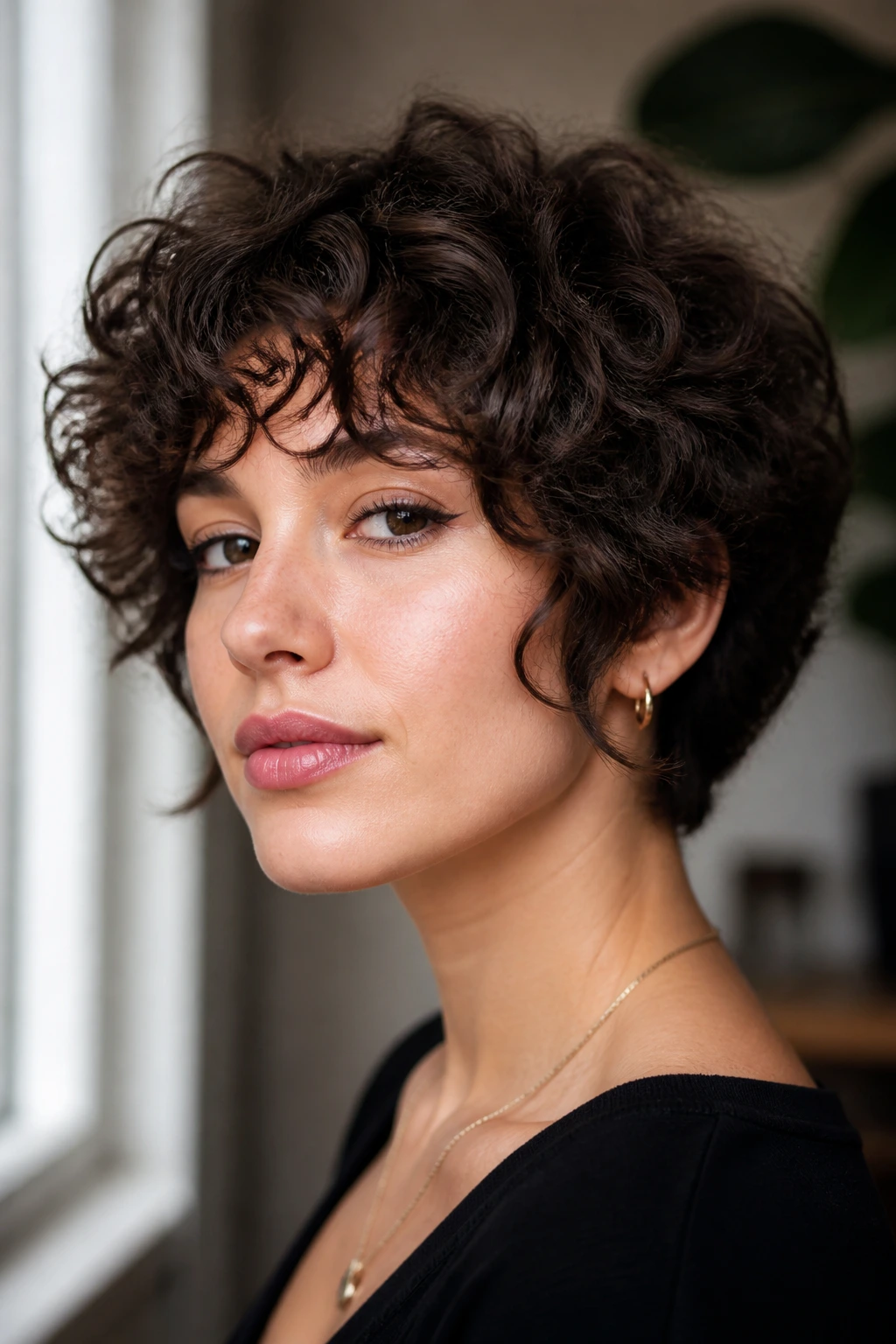
It might sound like a relic from the past, but the modern curly bowl cut is actually quite stylish when done with long, face-framing layers and internal thinning. The key here is to keep the hair around the perimeter soft and wispy rather than perfectly straight, which allows the curls to break up the shape and provide a more organic feel.
Who Should Try This
This look is best for those with an oval or heart-shaped face. Because it brings volume to the sides, it can make round faces look wider. When you style this, focus on air-drying rather than using a diffuser, as you want to avoid the “mushroom” effect that can happen when curly hair is too voluminous at the sides.
10. The Deep-Parted Curly Crop
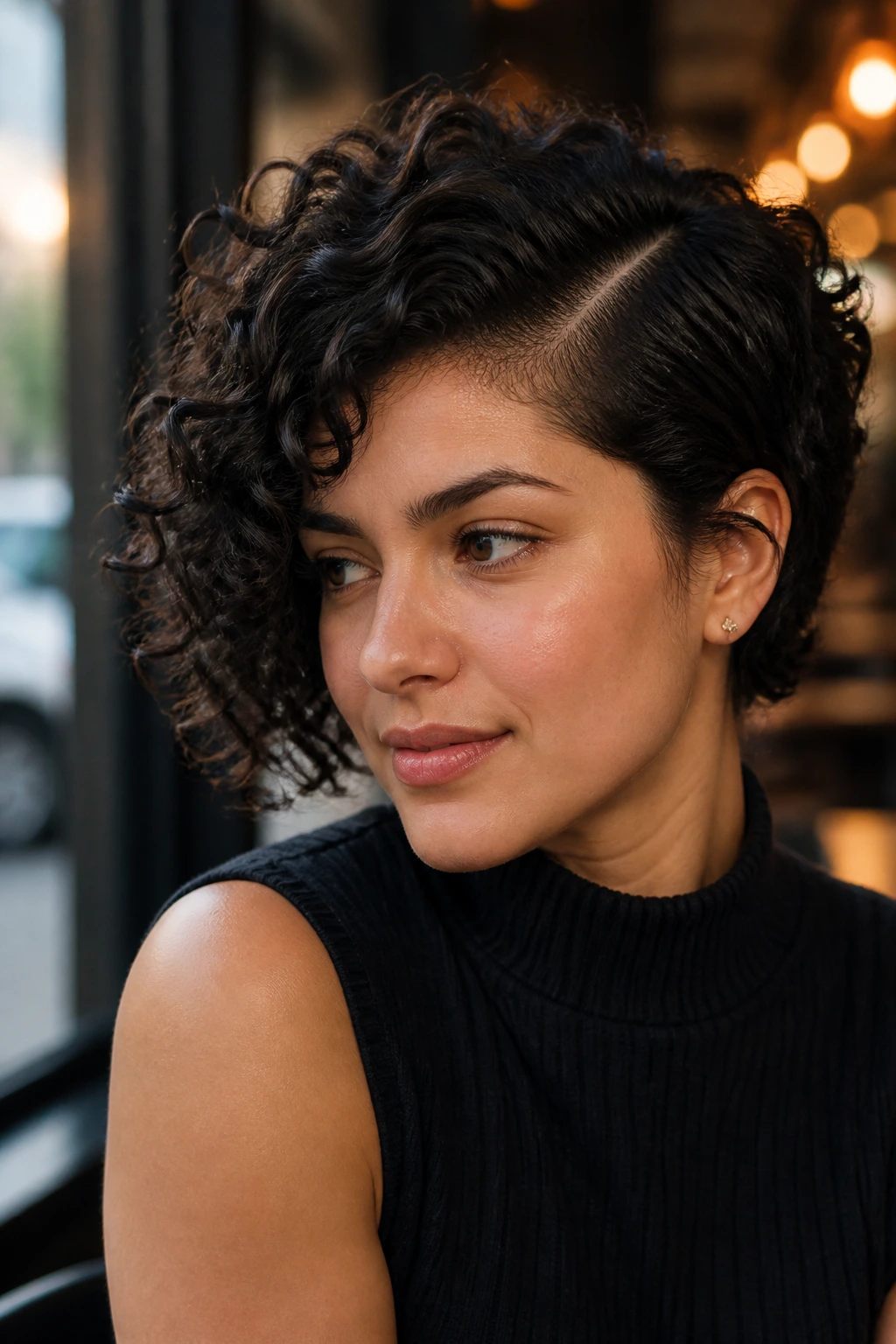
A deep side part can completely change the silhouette of a short, curly cut. By parting your hair significantly to one side, you force the hair to build volume on the side with more weight, which creates a sophisticated, almost vintage-inspired vibe. This works wonders for fine, curly hair that usually looks flat.
Why It Works
- It provides instant height and volume.
- It allows you to experiment with different “faces” by shifting the part.
- It is a low-effort way to make a basic short cut look styled and formal without using heat tools.
11. The Layered Micro-Bob
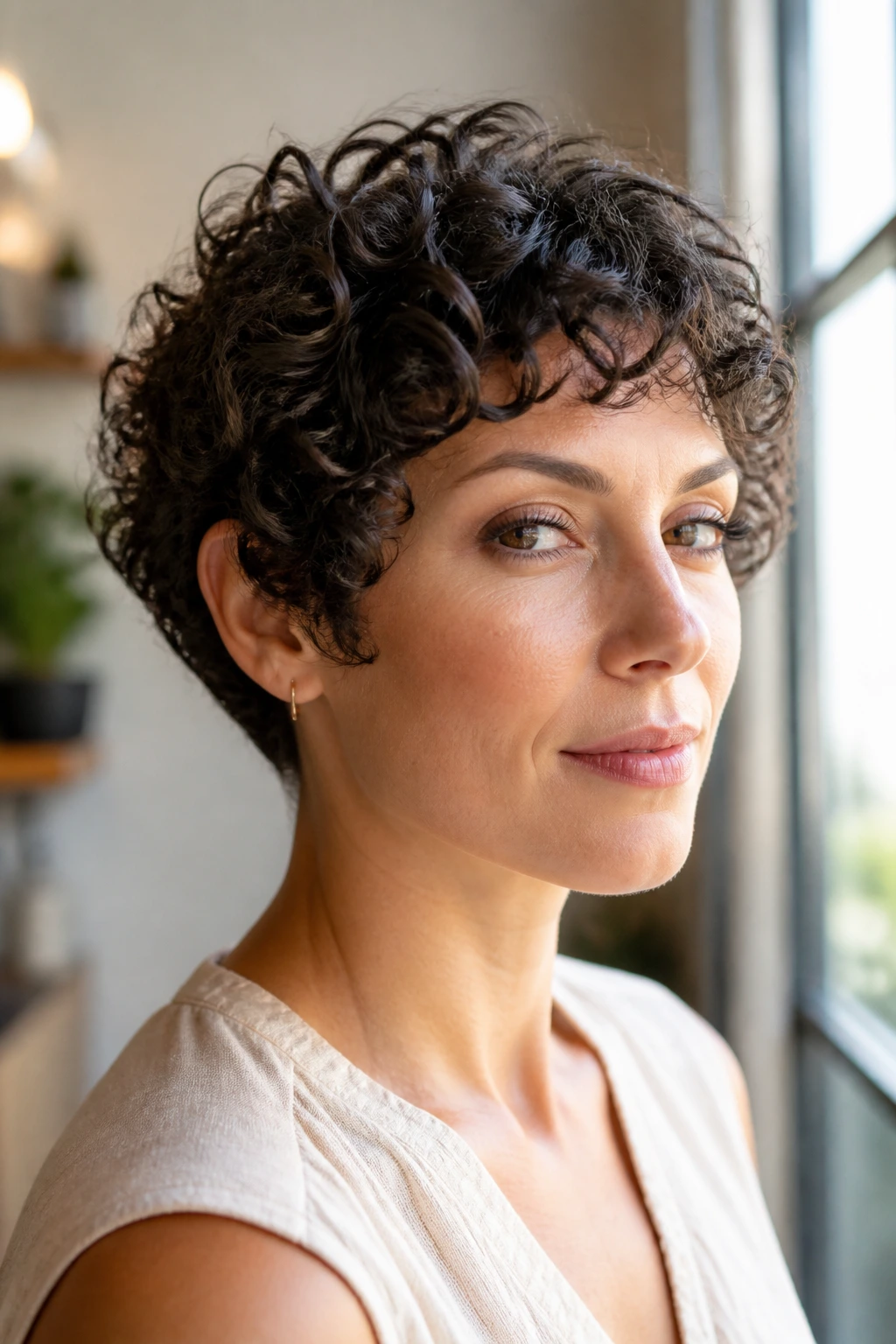
If you have tight, kinky-curly textures, a micro-bob—a bob that sits above the ears—can be a stunning way to manage volume. The layers are essential here; without them, the hair will simply grow outward. By cutting the bottom layers slightly shorter than the top ones, you create an internal structure that pulls the hair inward rather than outward.
The Role of Moisture
On shorter, tighter textures, dryness is the primary cause of frizz. Since your ends are not getting the natural oils from your scalp, you must supplement. A leave-in cream or a lightweight hair butter applied daily will keep the curls clumped together and prevent that frizzy “cloud” look that can sometimes develop by the end of the day.
12. The Wispy-Fringed Pixie
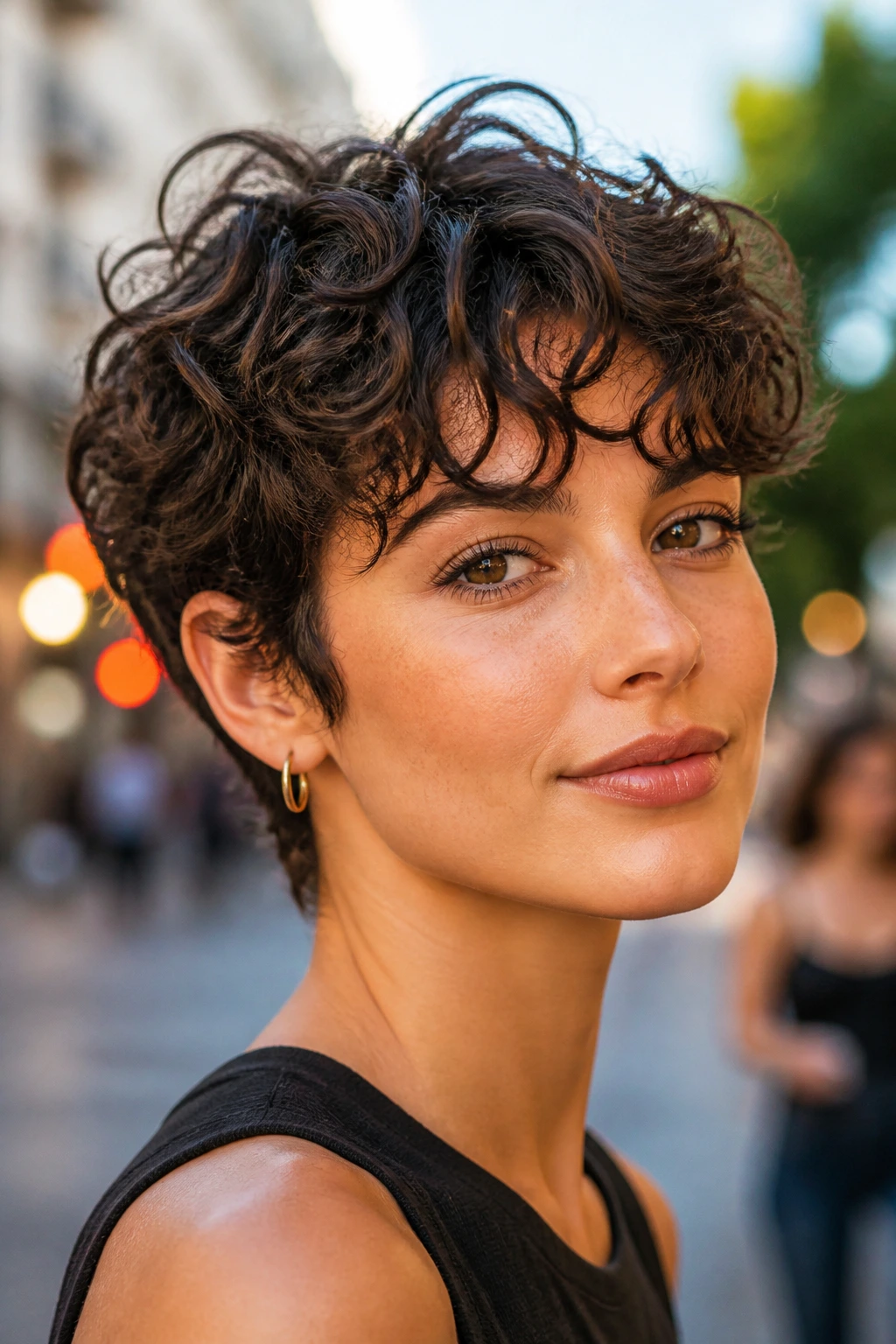
Adding a fringe (bangs) to a short, curly cut is often met with fear, but for curly women, it is a game-changer. A wispy, curly bang draws attention to the eyes and creates a soft, feminine silhouette, even if the sides of your hair are cut very short. The key is to cut the bangs when the hair is dry so you can see exactly how much the curl will “spring” back once the weight is removed.
Styling the Bangs
Do not use heavy products on your bangs. Because they sit on your forehead, any grease or heavy butter will inevitably end up on your skin, which can lead to breakouts. Instead, use a very light holding spray or a water-based curl cream and scrunch them lightly to define the curl without the weight.
13. The Nape-Length Graduated Cut
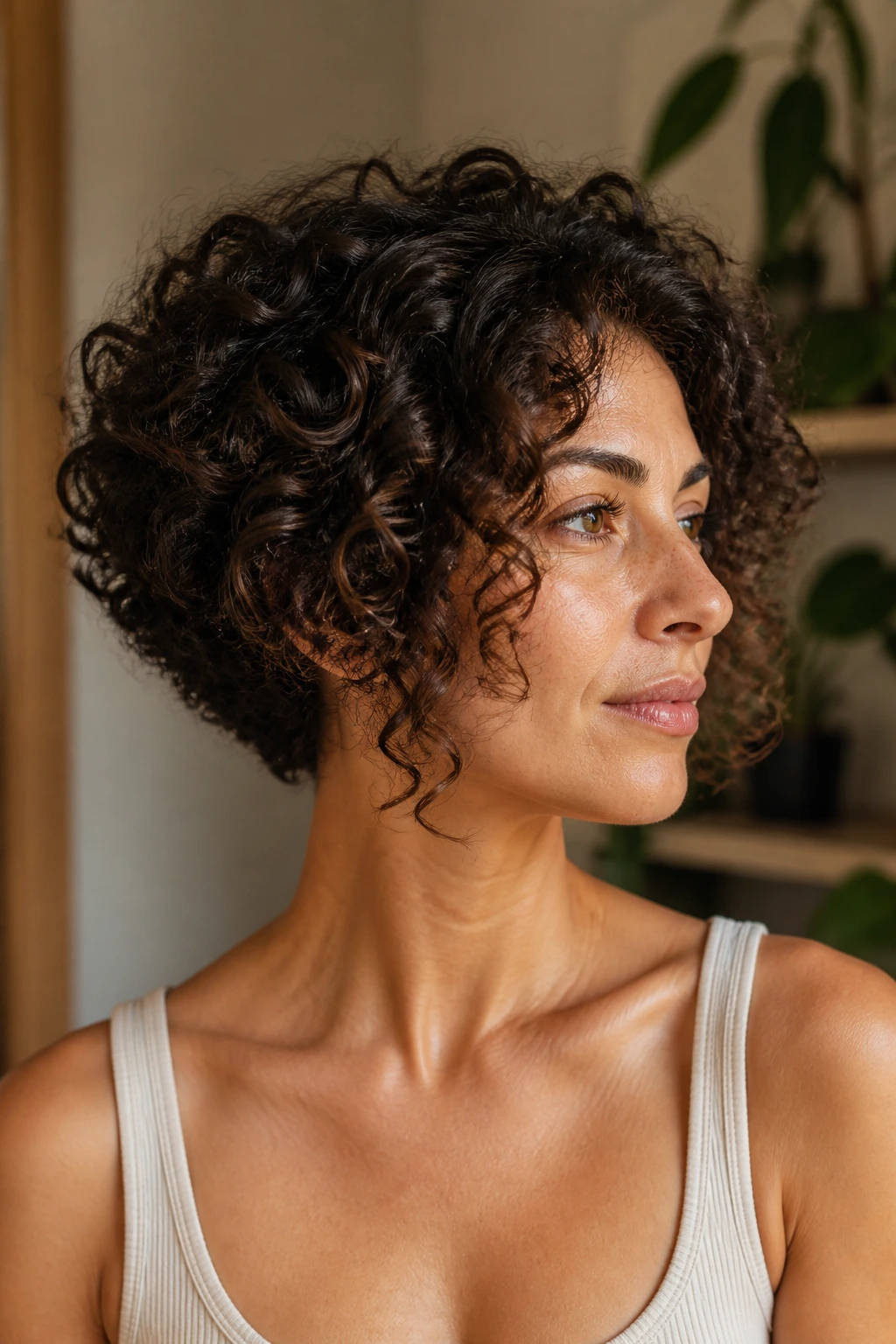
This cut is shorter at the neck and gradually gets longer toward the front. It is a fantastic option for someone who wants to highlight their neck and shoulders. It behaves like a bob but with much more movement, as the varying lengths allow the curls to bounce independently of one another rather than clumping into a singular weight.
Handling the Back
The back of this cut is prone to matting. Because it is short, it is easily disrupted by shirts, jackets, or headrests. If you find your hair flattening at the back, keep a small spray bottle of water and a tiny bit of leave-in conditioner in your bag. A quick spritz and a ruffle with your fingers can revive those curls in seconds.
14. The Natural-Parted Twists
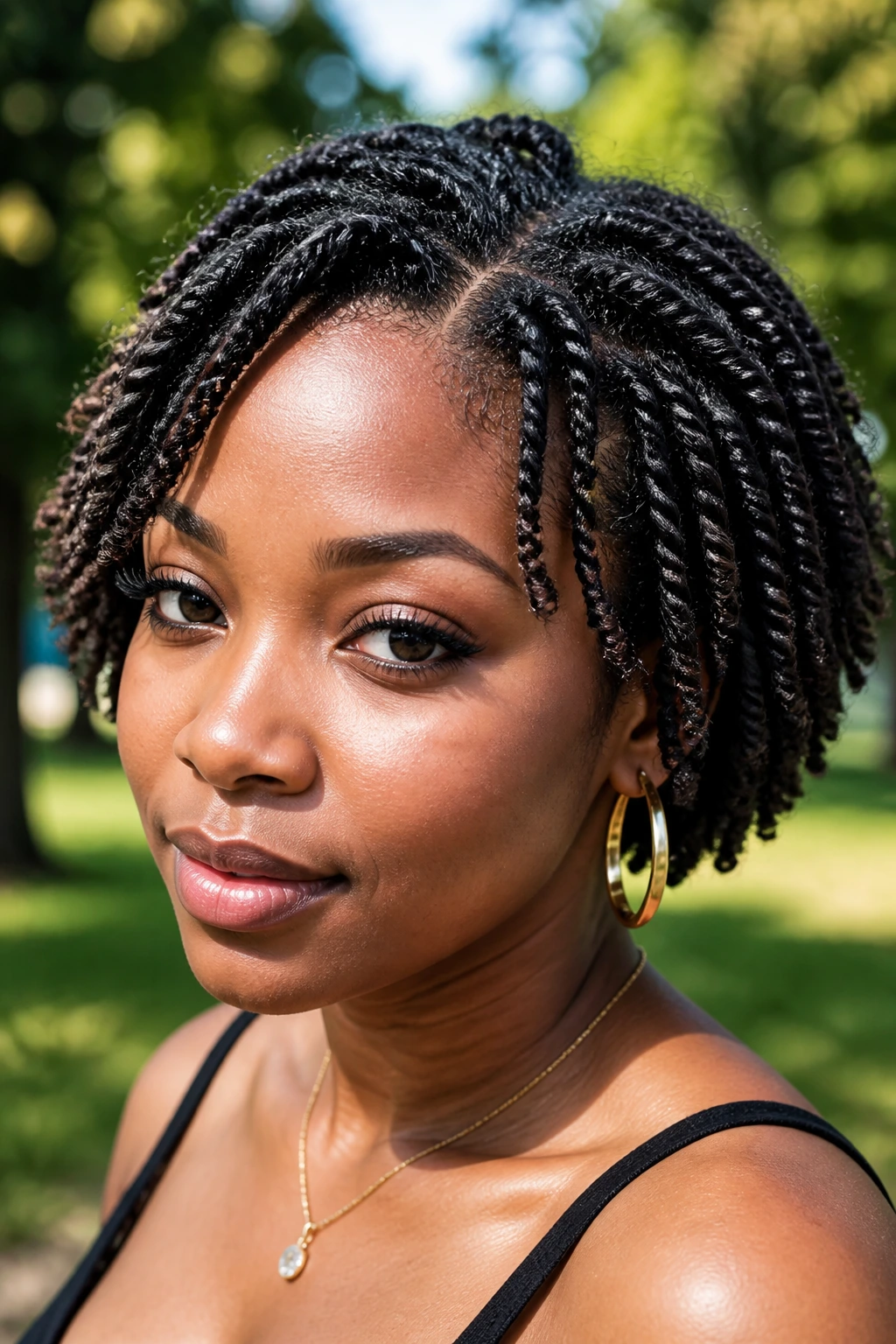
While often thought of as a protective style, you can shape your twists into a short, intentional cut. By twisting the hair and then cutting the ends to create a uniform, rounded shape, you get the benefit of a short style without the stress of managing loose curls every morning.
Transitioning to Loose
When you are ready to take the twists out, you will have a beautiful, elongated curl pattern that mimics a short, layered cut. This is a great way to “test drive” a short style before committing to the scissors. If you love the look of the twist-out, you can then move toward a more permanent cut that mimics that shape.
15. The Voluminous Curls with Faded Sides
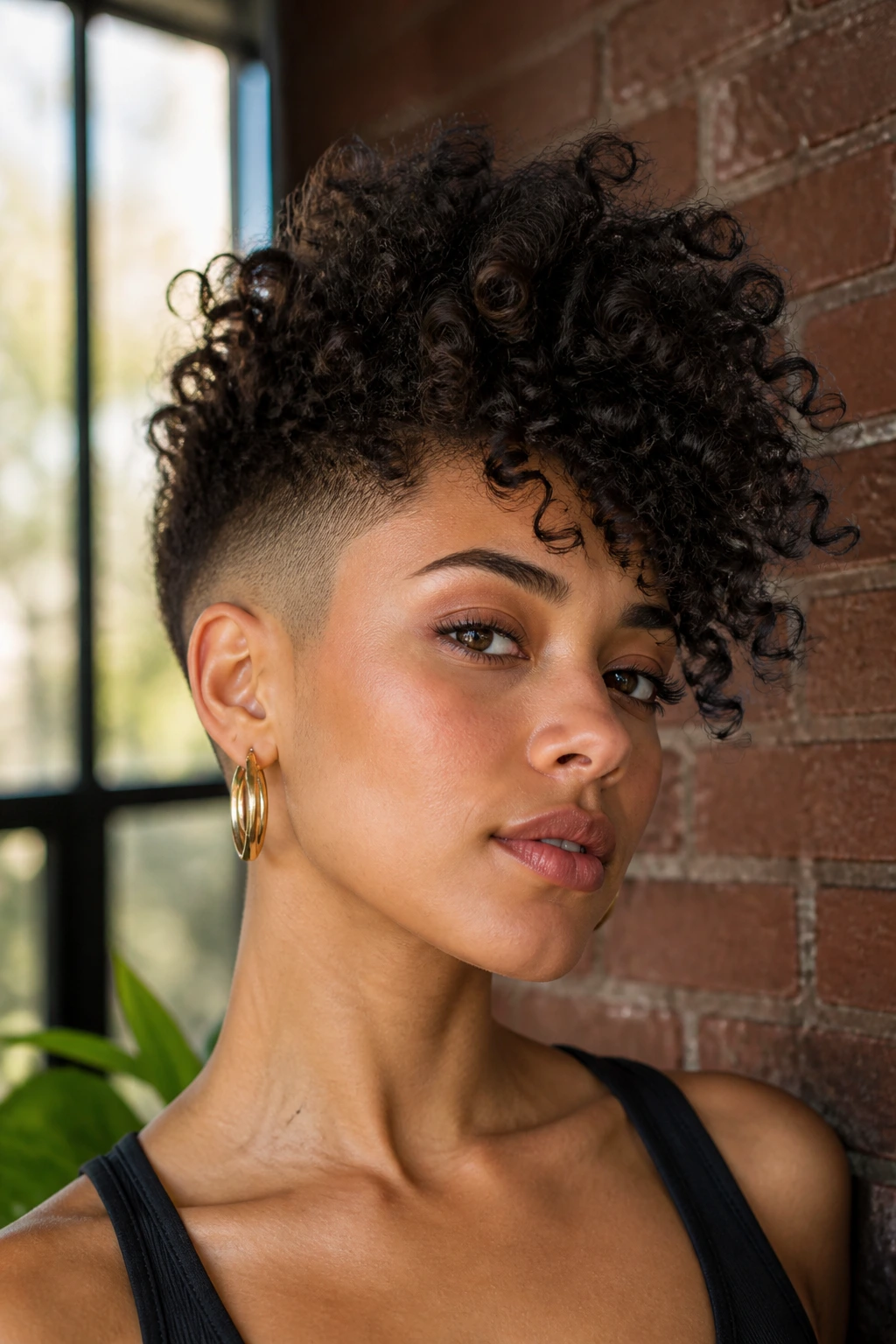
This is a more aggressive take on the pixie. By fading the sides to near-bald and leaving the top in a massive, textured cloud of curls, you create a high-contrast style that is very modern. This is ideal for someone who wants the maintenance of a short cut but the ability to style a “big” look when they have the time.
Shaping the Crown
The crown is the most visible part of this style. When washing, ensure you are conditioning this section deeply. Because it is the most voluminous part, it is also the most prone to tangling. Use your fingers to gently detangle from the ends to the roots before you ever attempt to style it.
16. The Sleek-Sides, Curly-Top Ponytail
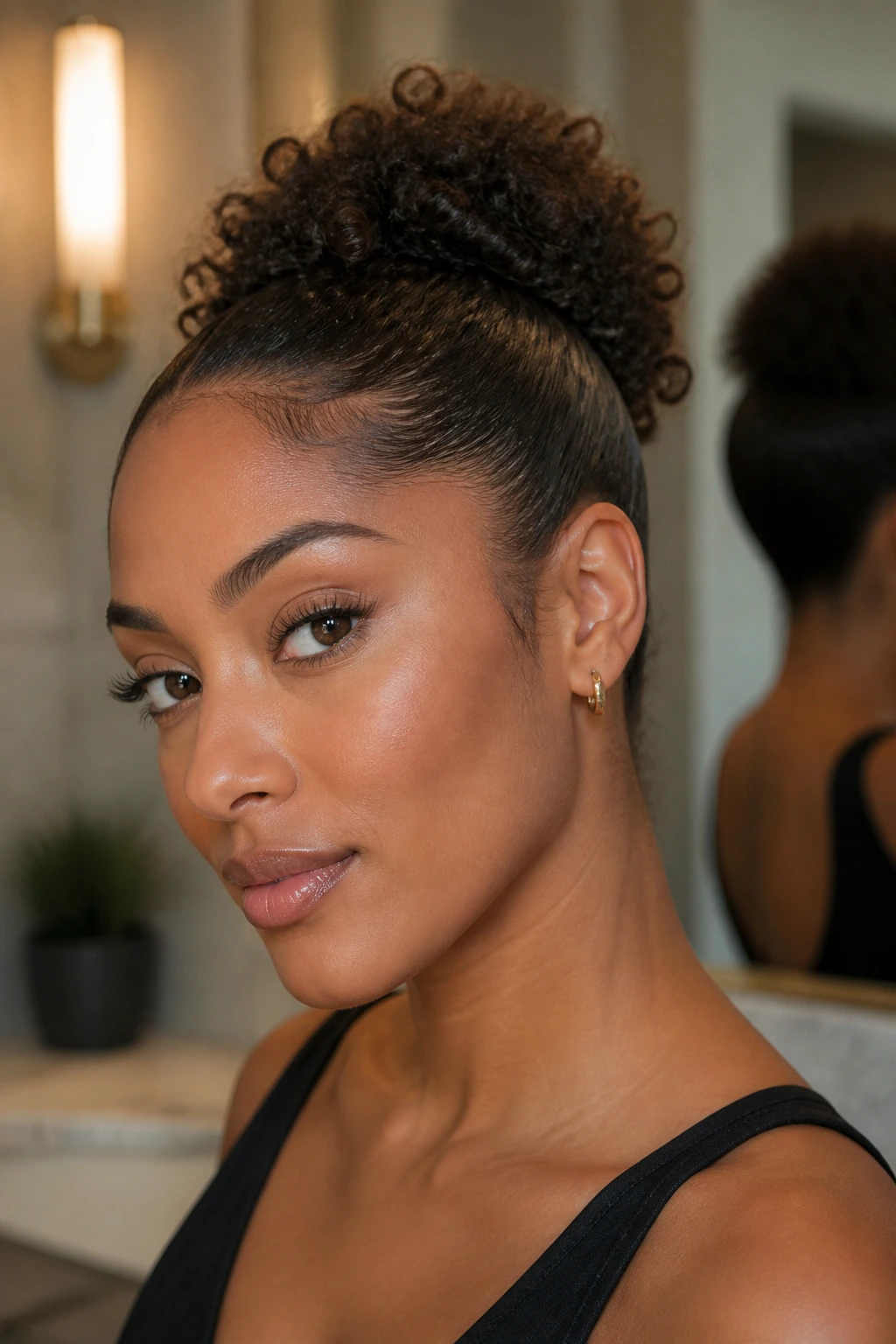
Even if your hair is short, you can often pull the sides back and secure them into a mini ponytail or puff. This keeps the hair off your neck while still letting you show off your texture on the top. It is the ultimate compromise for the person who loves the look of an afro but needs the practicality of hair that is out of their face.
Securing the Puff
Use a silk or satin-lined headband or a soft scrunchie. Traditional elastic hair ties can snap curly hair, especially if you are pulling it tight to create the puff effect. A soft, fabric-covered band will hold the style in place without leaving a permanent crimp in your curls or breaking the delicate strands at the hairline.
17. The Textured Crop with Shaved Design
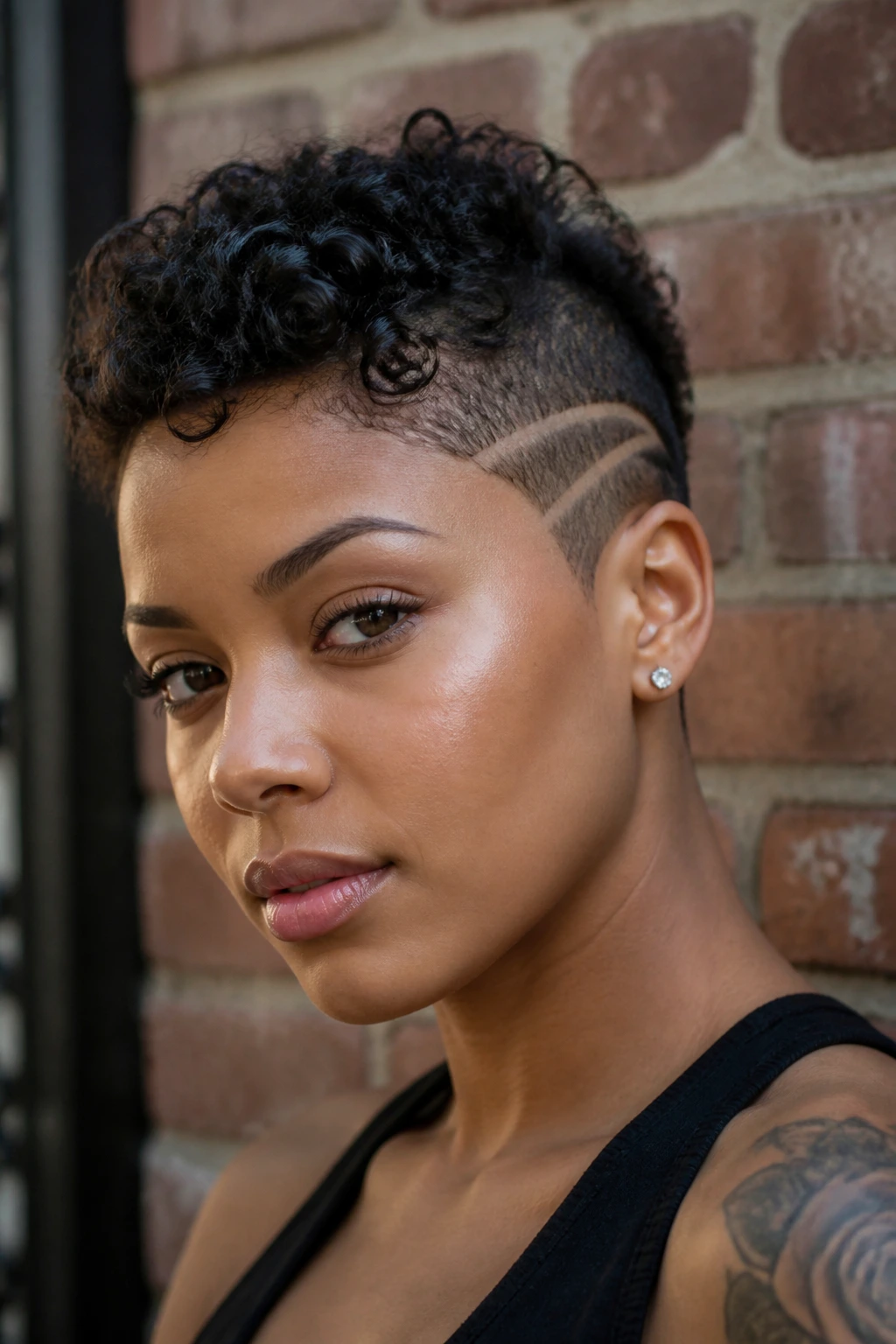
If you are already leaning into the pixie or the undercut, why not add a bit of artistry? A shaved line, a star, or a geometric pattern on one side can turn a simple short cut into a piece of art. This requires a steady hand and usually a professional barber or stylist to execute, but it is a fun way to express your personality.
Keeping the Design Sharp
Designs grow out quickly. If you want to keep the line or pattern crisp, you will need to revisit your stylist every three weeks. Alternatively, once you know the pattern, you might find a partner or friend who can help you clean it up at home with a pair of professional-grade clippers.
18. The Ear-Length Layered Cut
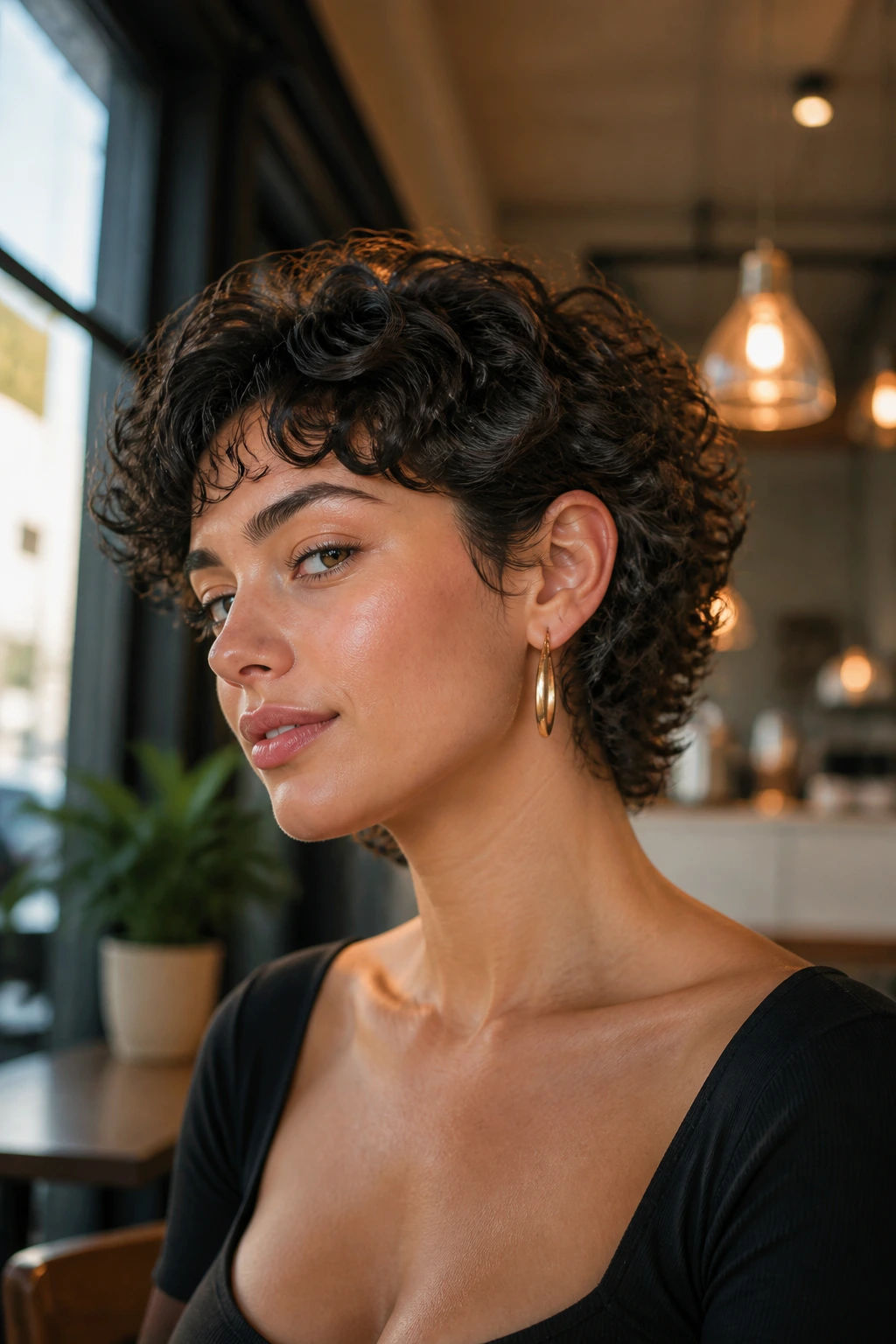
This style is for the person who wants to keep their hair long enough to tuck behind the ears. It is incredibly functional, especially if you work in a role where you need to keep your hair back. It is sophisticated, easy to manage, and looks particularly good when paired with statement earrings.
Maximizing the Tucked Look
When you tuck your hair behind your ears, you naturally push the volume toward the back of the head. This gives you a sleek look from the front and a wild, curly look from the back. It is a dual-personality style that works for both office environments and weekend social gatherings.
19. The Modern “Mullet”
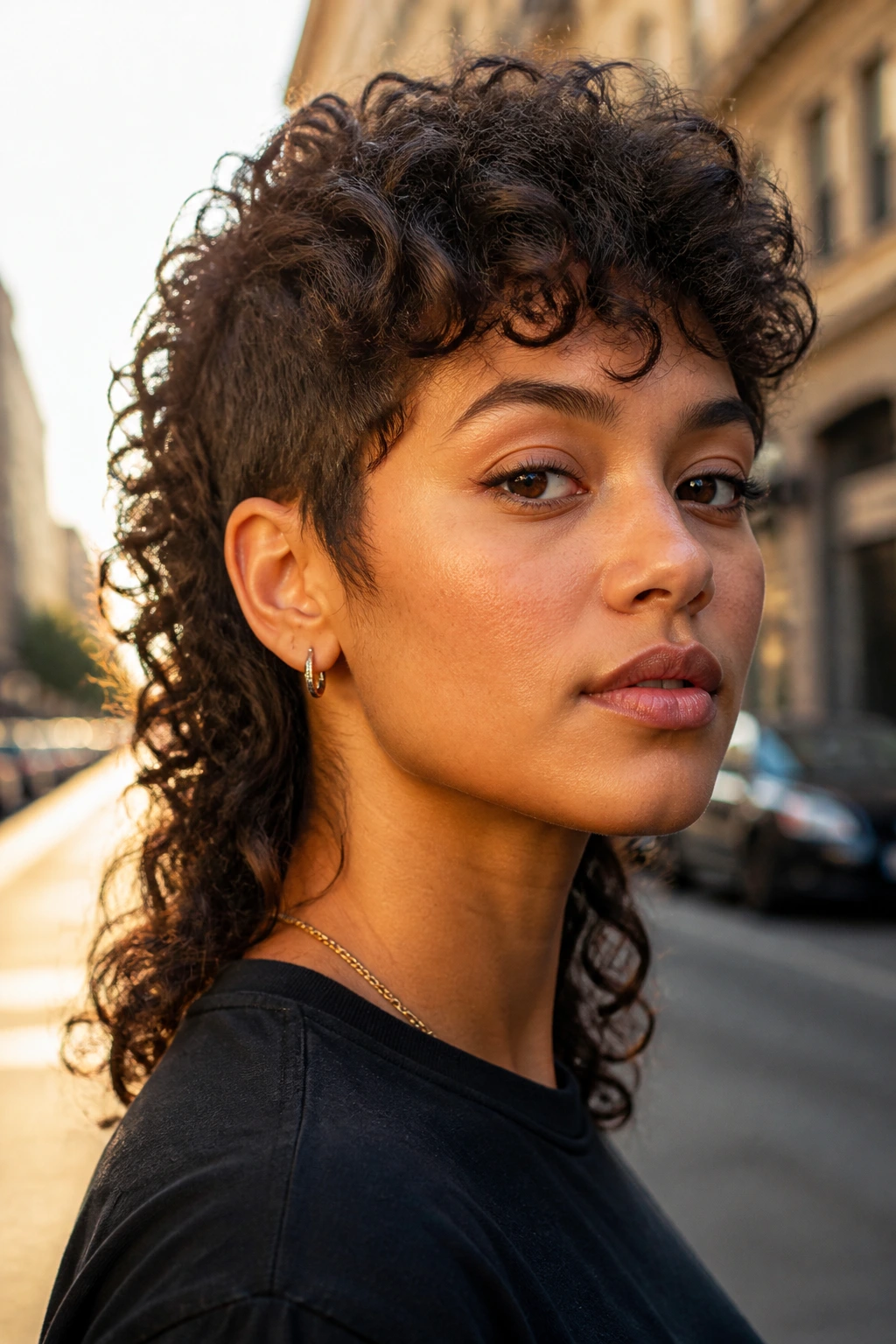
The curly mullet is making a massive comeback, and for good reason—it works perfectly with the natural movement of curly hair. By keeping the top and sides short and the back slightly longer, you create a style that is full of character and very easy to maintain, as the length is concentrated in the back where it is less likely to interfere with your face.
Why It Works for Curls
The “shag-mullet” creates a natural frame that looks good even when it is messy. It is a low-maintenance, high-impact style that doesn’t require heat tools. Just let it air dry with a little bit of product, and you have that effortless, cool-girl aesthetic that many are looking for these days.
20. The Curly Pompadour
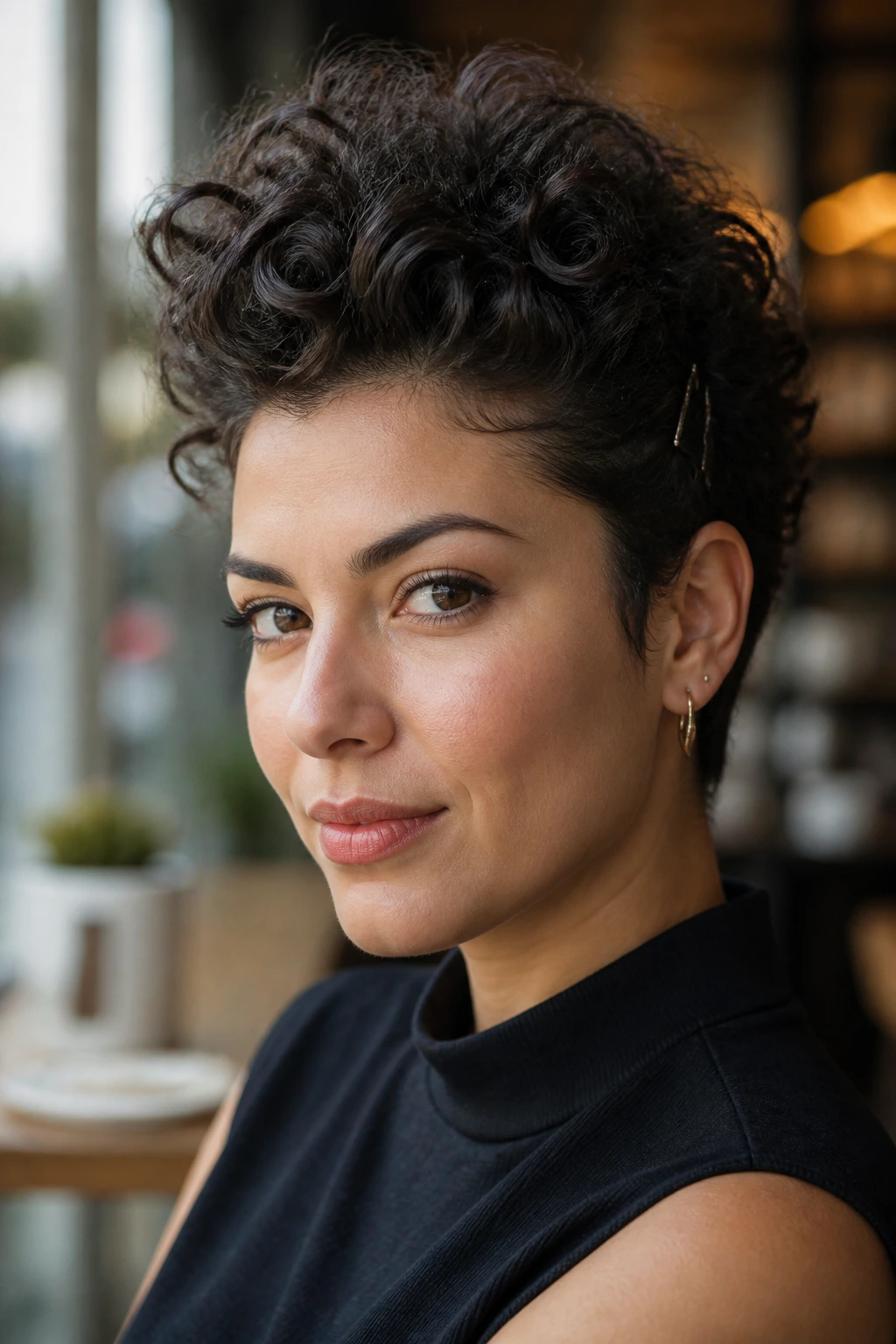
If you have a lot of volume at the front, push it up and back into a curly pompadour. This looks like a high-fashion editorial style, but it is actually quite easy to achieve with a few bobby pins and a strong-hold gel. It lifts the hair completely off the forehead, opening up your face and highlighting your features.
Creating the Height
Use a small amount of gel at the hairline to sweep the hair upward. If you find your hair is too short for the pins to stay, use a hairband to pull the rest of the hair back, then use your fingers to fluff the front into the pompadour shape. It is a bold, confident look that commands attention.
Final Thoughts
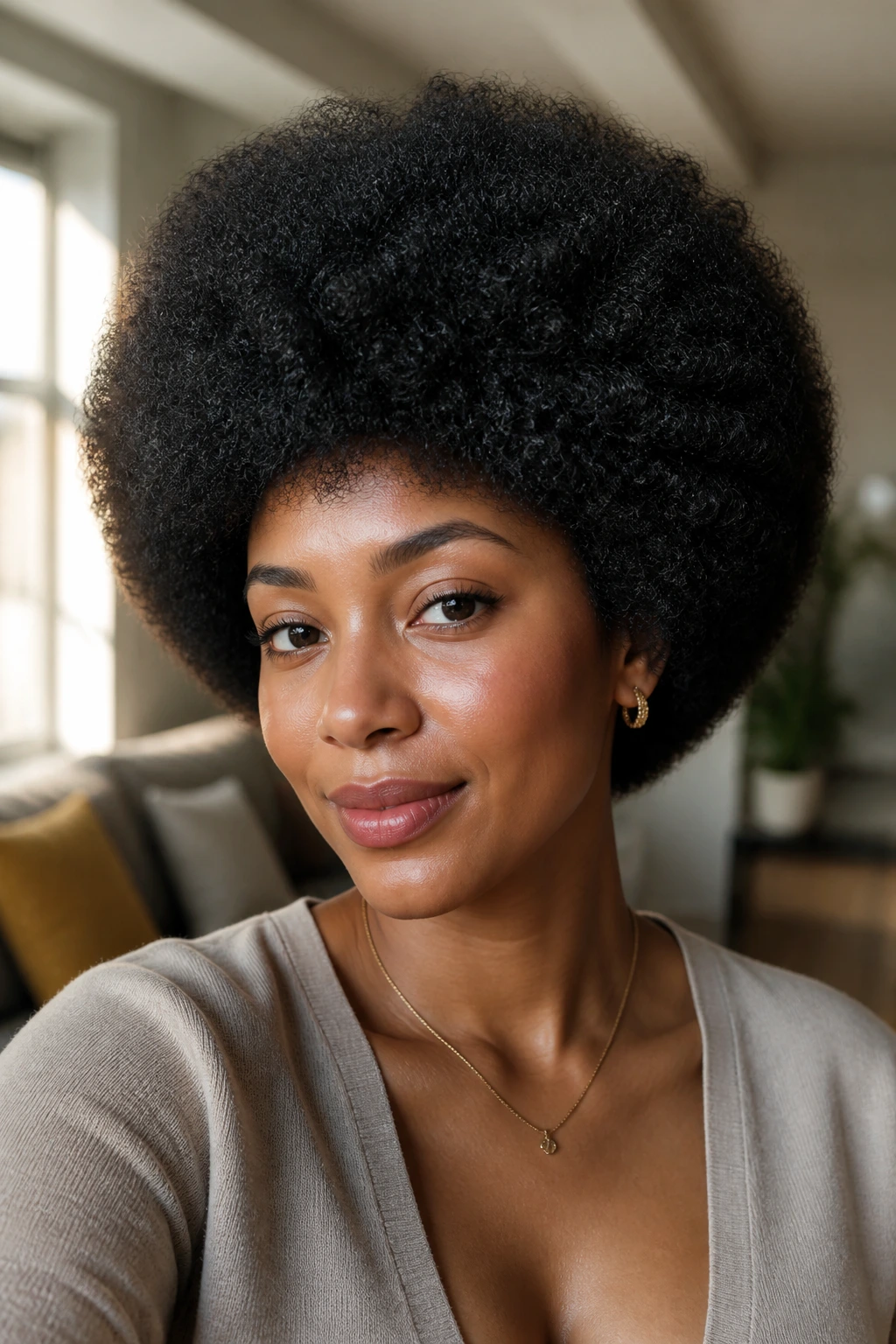
Transitioning to a short, curly style is a journey that often reveals more about your personality than your hair itself. You learn how much product you actually need—usually much less than you think—and how to communicate with your hair rather than fighting against its natural gravity. Short hair celebrates your texture in a way that length simply cannot, bringing your curls, coils, or waves into sharp, immediate focus.
The most important takeaway is that your hair is a renewable resource. If you try a cut that feels too short or a shape that isn’t quite “you,” it will grow back. The confidence that comes with trying something bold is far more valuable than the length of your hair. Find a stylist who respects the way your specific pattern grows, invest in a silk pillowcase, and do not be afraid to let your natural shape dictate the rules of your style.