

Fine, thin curls are notoriously tricky to handle. They crave hydration and structure, yet they wilt under the weight of even the lightest styling products. If your hair is on the finer side of the spectrum, you know the specific heartbreak of a product that promises volume but leaves your hair looking like a limp, oily curtain by noon. Achieving the perfect balance between definition and volume is less about finding a miracle potion and more about understanding the architecture of your hair.
Most people with fine curls think the solution is to layer on more hold, but that is usually the first mistake. Fine hair has a smaller diameter, meaning it lacks the internal protein structure to hold onto heavy gels and waxes without collapsing. You are not just fighting gravity; you are fighting the physics of hair that simply isn’t built to be weighed down.
When you get the cut right, the styling becomes secondary. A strategic haircut can change the way your curls behave, creating an illusion of density where there is actually very little. We are going to break down how to work with your hair, not against it, to pull off looks that actually last.
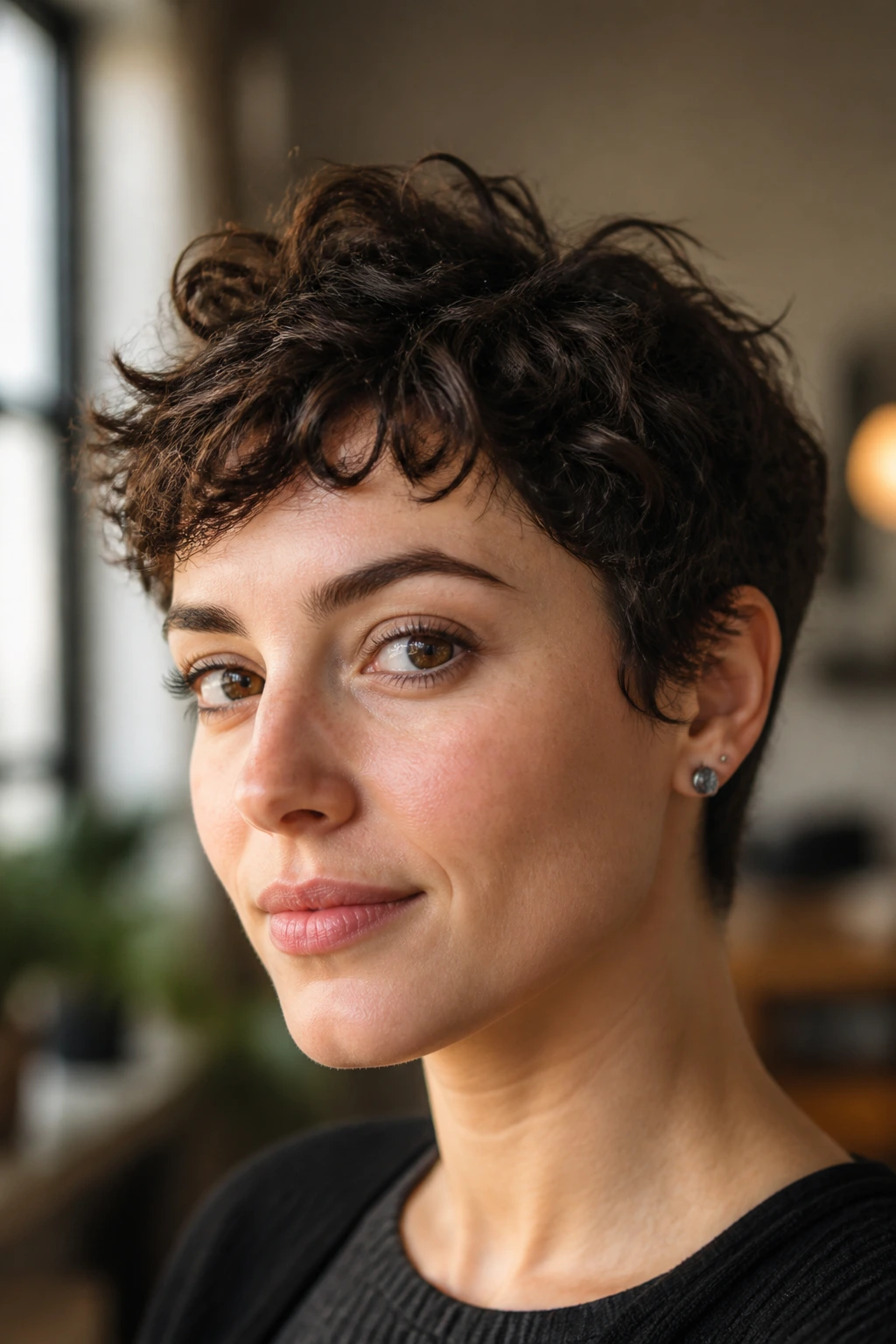
1. The Short, Texturized Pixie Cut
A short, texturized pixie is often the most transformative move you can make when dealing with fine, curly hair. By removing the length, you instantly eliminate the gravity that pulls your natural wave pattern flat at the roots. This look works best when the sides are kept tight, allowing the curls on top to spring up and create a natural, multidimensional height that feels intentional rather than sparse.
How to Style for Maximum Lift
The key here is avoiding heavy creams. Use a lightweight sea salt spray or a mousse applied to damp hair, then diffuse your hair using a focused, low-heat setting. Keep your head upside down during the drying process to encourage the roots to lift away from the scalp.
Why This Style Works
- Removes weight that kills curl patterns.
- Creates an illusion of fullness through texturizing.
- Reduces daily styling time to almost zero.
- Highlights your face shape rather than hiding it behind flat strands.
2. The Rounded Bob with Soft Layers

Moving into bob territory, a rounded shape is your best friend. Fine hair needs structure to look intentional, and a blunt-cut bob with just a few internal layers provides that structure. The rounded shape forces the curls to stack upon one another, creating a tiered effect that naturally pads out the appearance of your hair density.
Keeping the Ends Crisp
Ask your stylist for a “point-cut” finish rather than a blunt razor cut. A blunt cut can make fine hair look stringy if the curls don’t line up perfectly. Point-cutting ensures the ends are soft and feathered, allowing curls to nestle into each other rather than bunching up in thick, uneven clumps.
3. The Modern Shag with Wispy Bangs
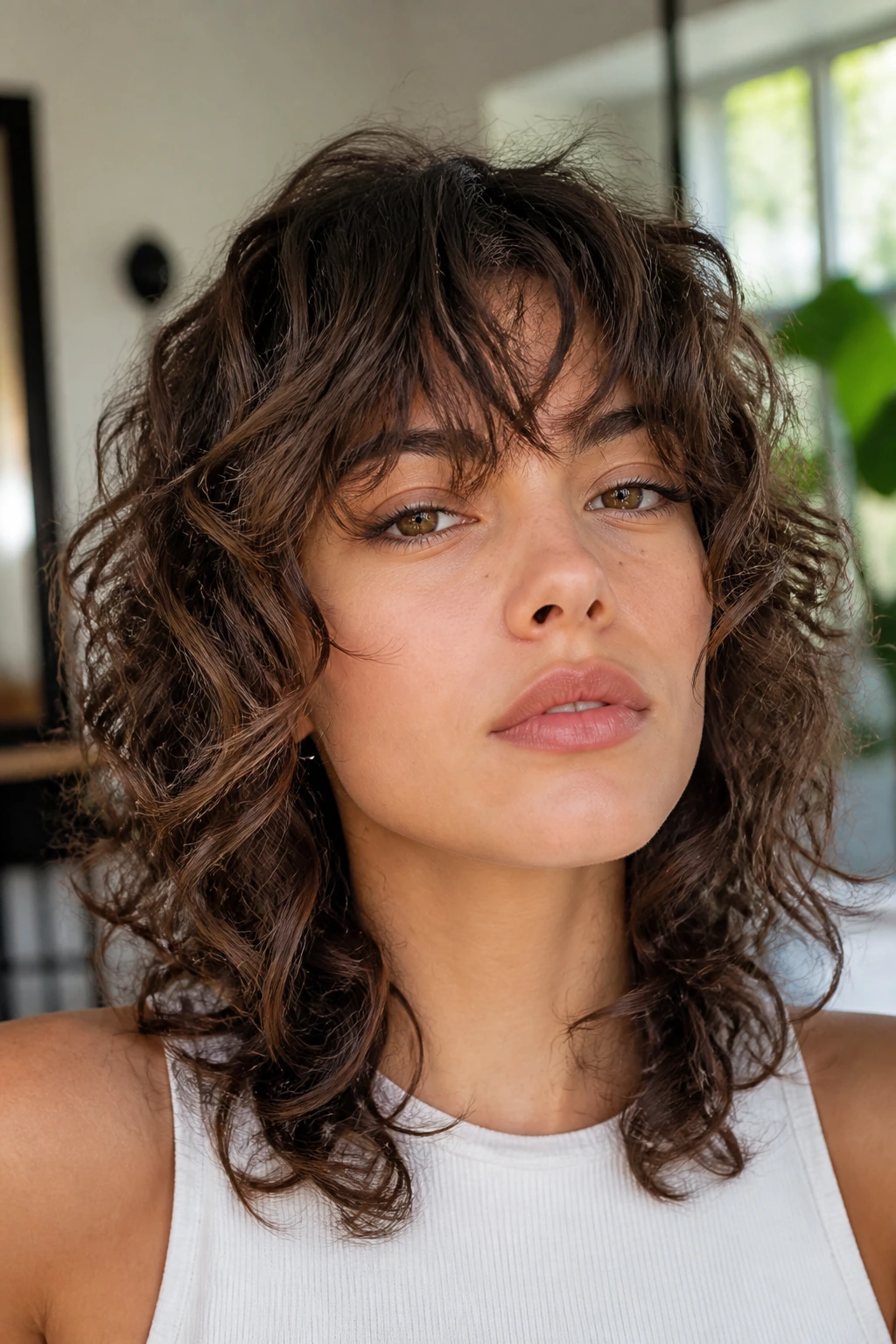
The shag is a gift for fine-haired curlies who crave length but lack density. Because the cut is inherently messy and layered, it hides the fact that you might not have a massive volume of hair. The layers take weight out of the middle, while the bangs frame the face and draw the eye away from thinner patches near the temples.
Managing the Layers
Don’t be afraid to use a root-lifting powder. Sprinkle a tiny amount onto your palms, rub them together, and massage the powder into your roots. It adds a grit that fine hair rarely has on its own, ensuring the layers don’t just hang flat against your head.
4. The High “Pineapple” Bun
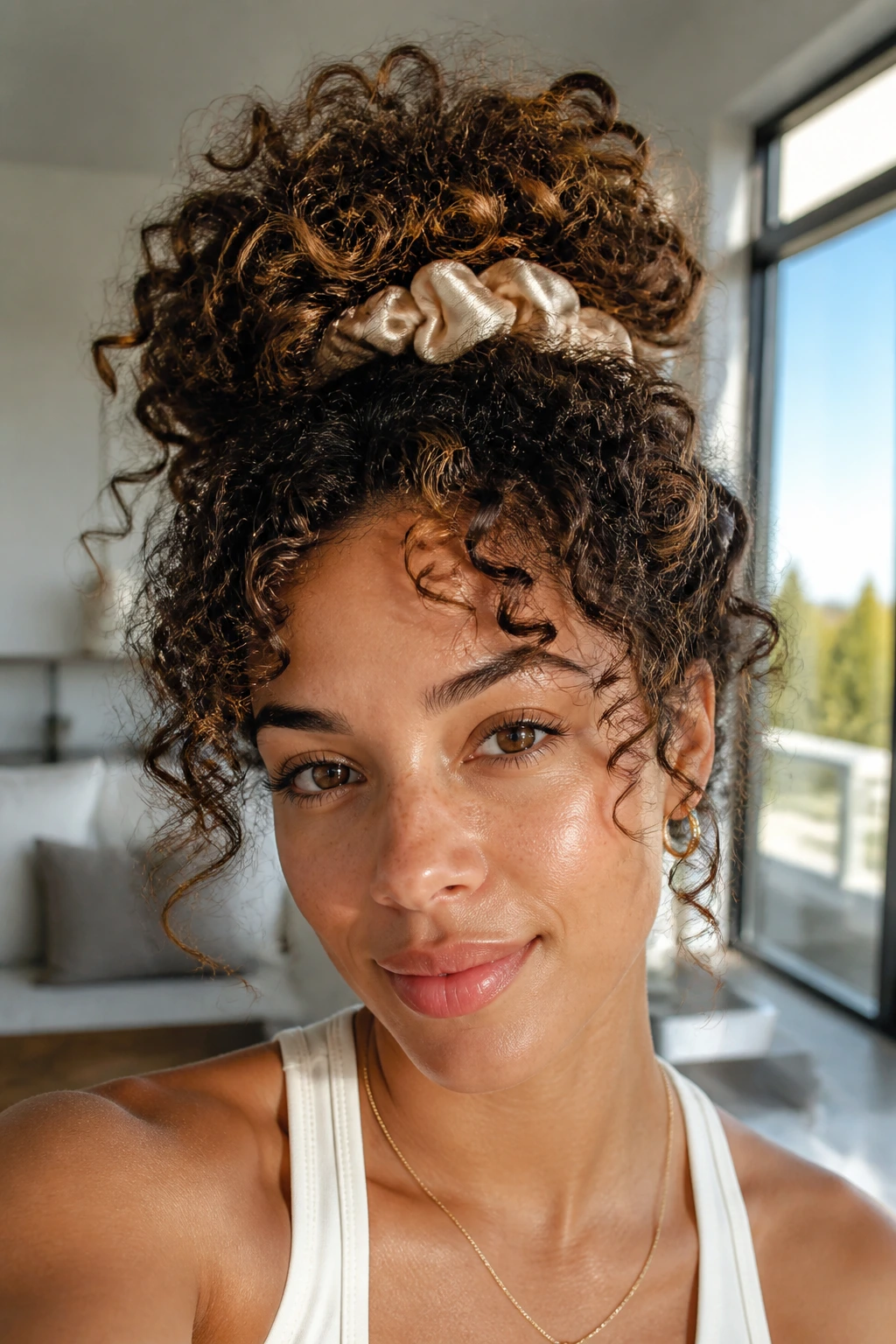
Sometimes, the best hairstyle for fine curls is one that keeps them contained while highlighting their natural shape. The high pineapple bun isn’t just for sleeping; it is a chic, everyday look that gathers your curls at the crown of your head. By pushing all the volume to the top, you gain instant height and make your fine hair appear much more abundant.
The Secret to the Perfect Pineapple
Use a silk or satin scrunchie to minimize breakage. Fine hair is incredibly fragile, and traditional elastic bands can snap your strands or create thinning spots over time. Gently gather your hair, pull it through once, and let your curls spill over the front of the band for that effortless, “undone” look.
5. The Deep Side-Parted Swoop
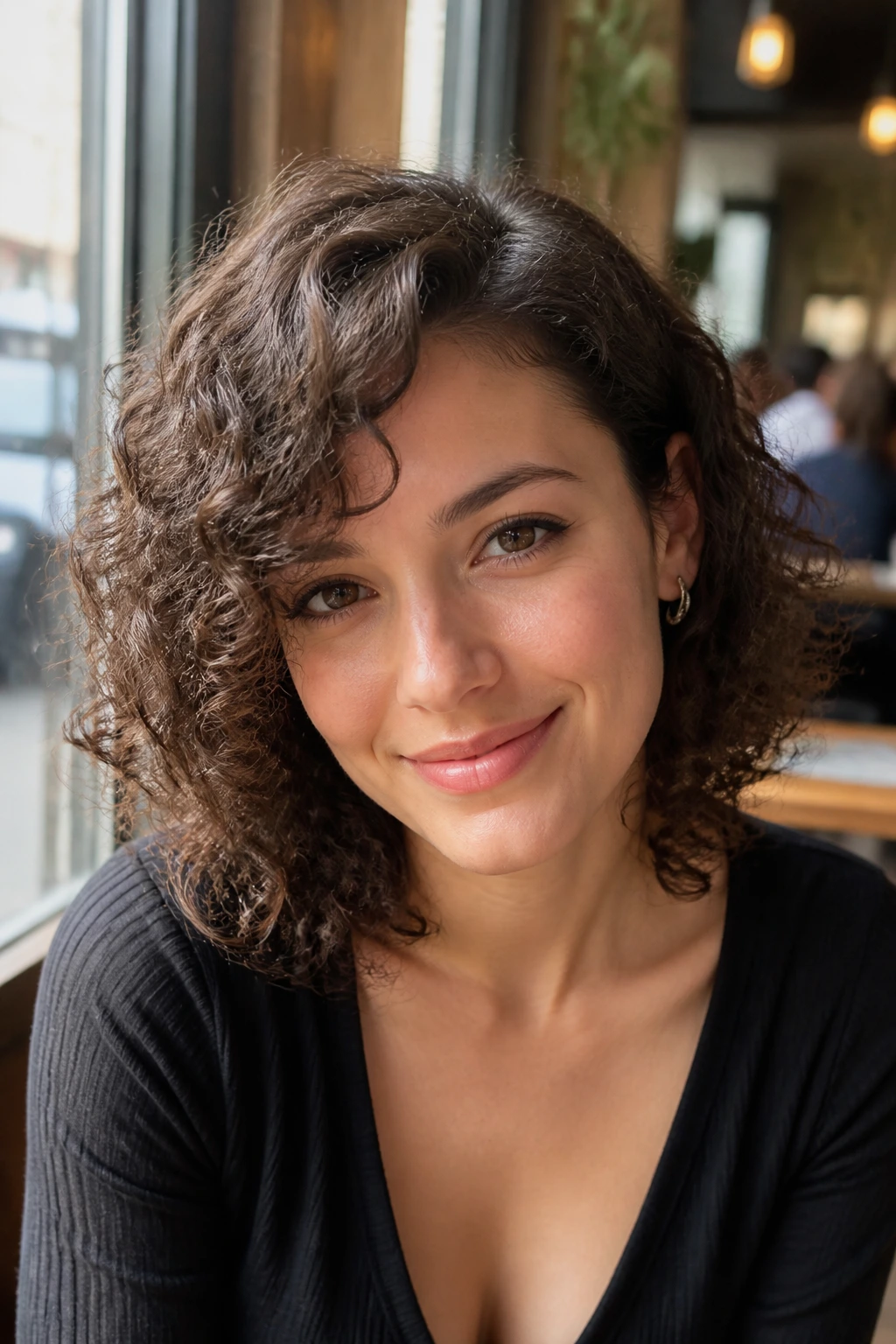
When your hair is fine, the part line is often the first place where scalp visibility becomes an issue. A deep, dramatic side part shifts the bulk of your hair to one side, which immediately makes that side look thicker and more voluminous. It is a simple optical illusion that provides a significant boost in visual weight.
Using Hairclips for Hold
If your curls are too soft to hold the swoop, place a decorative hair clip near the temple on the side with less hair. This keeps the hair tucked back and ensures the larger side stays full and lifted throughout the day. It also adds a nice, polished aesthetic that works for everything from office wear to evening events.
6. The Half-Up Top Knot
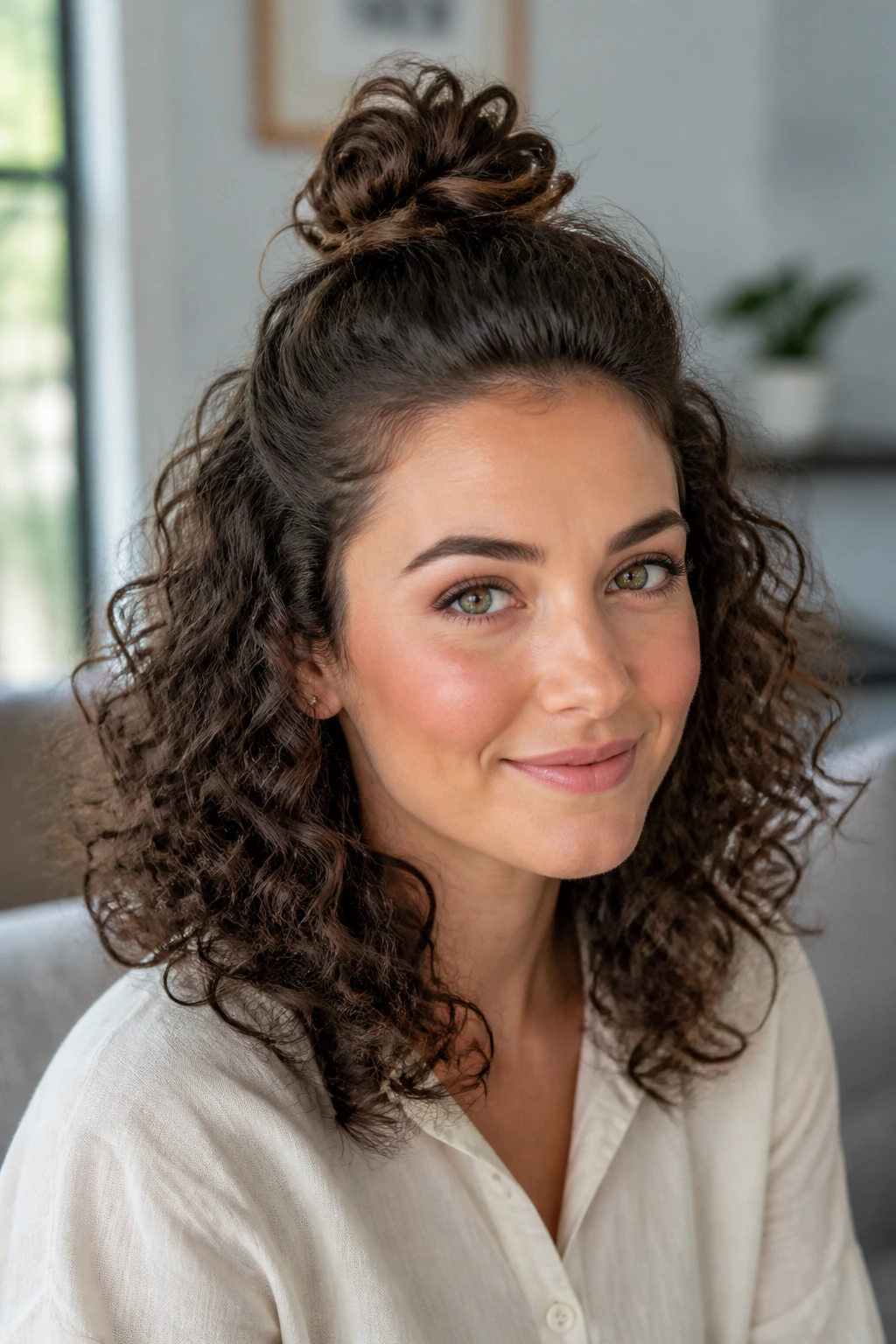
The half-up top knot is the ultimate bridge between “I have a lot of hair” and “I can’t be bothered.” By sectioning off the top third of your hair and tying it into a small, messy bun, you create a point of focus that directs attention away from the thinner, looser curls at the back. It creates a vertical line of volume that makes the rest of your hair look intentional.
Getting the Ratio Right
Don’t grab too much hair for the top knot. If you take more than half of your hair, the bottom section will look noticeably sparse. Stick to a smaller section—just enough to create a cute, bouncy bun—and leave the rest of your curls to hang loose and provide frame-filling volume.
7. The Faux-Hawk with Braided Sides
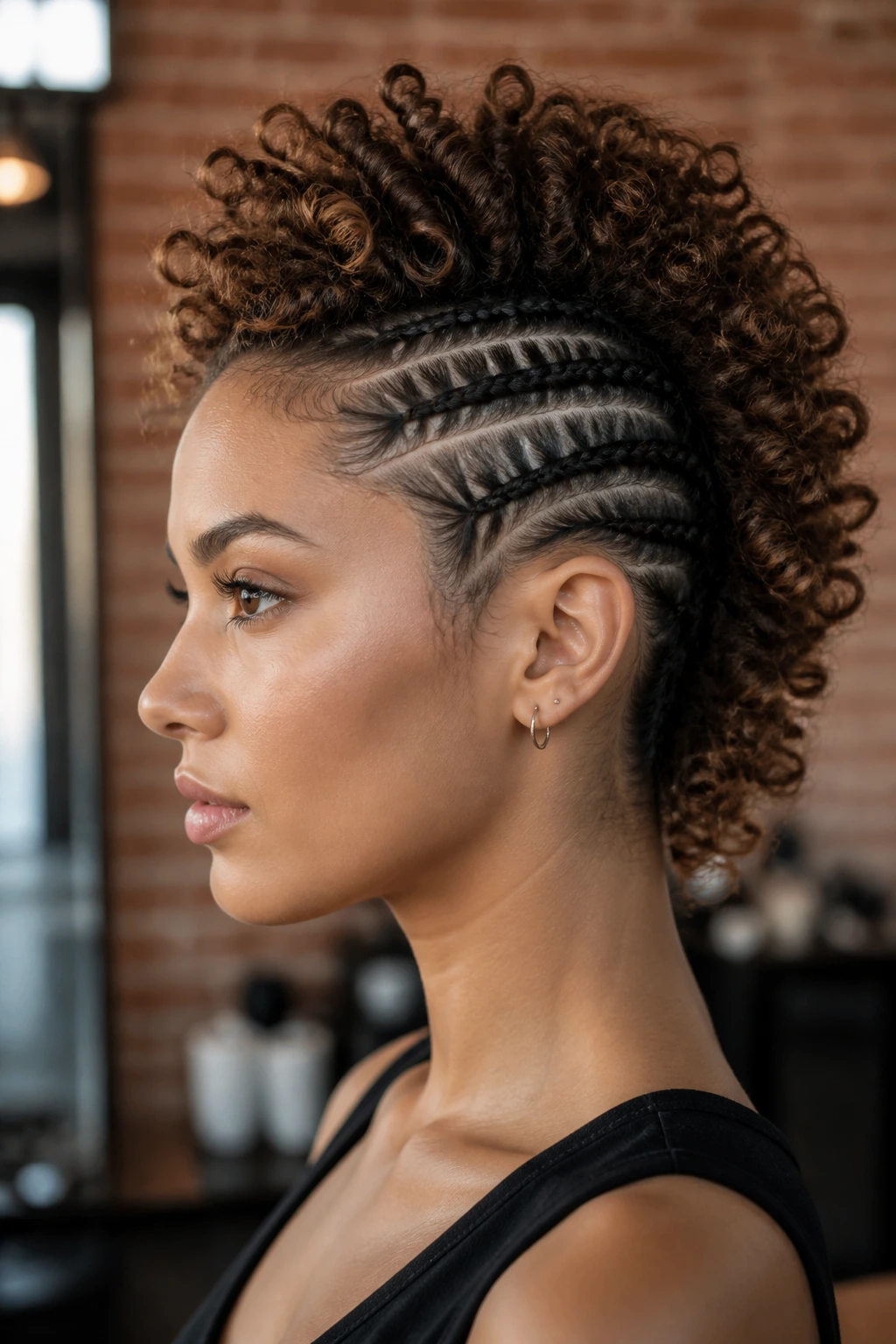
If you are looking for an edgy, high-volume look, the faux-hawk is a total game-changer. By Dutch-braiding or twisting the sides of your hair tight against the scalp, you force all the remaining loose curls into the center. This creates a mountain of texture down the middle of your head, which looks dense and well-defined.
Why This is Great for Fine Curls
The tension from the braids provides a base that doesn’t rely on your hair’s natural thickness. Even if your curls are thin, the sheer concentration of them in the center creates an impressive, dramatic silhouette. It is perfect for days when your hair isn’t behaving well, as the braids keep everything secure.
8. The Shoulder-Length Lob with Face-Framing Layers
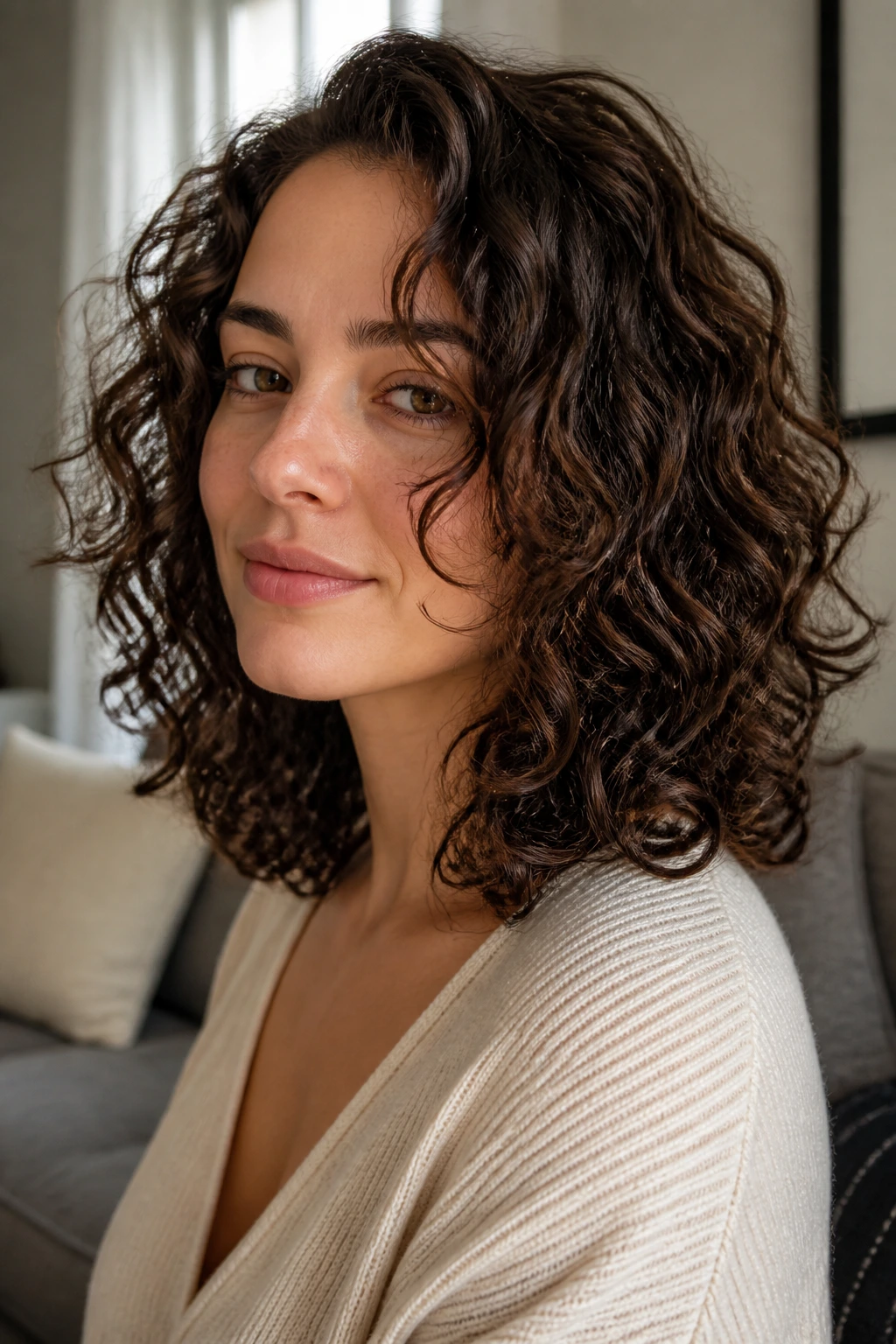
The “lob” is a classic for a reason. For fine, curly hair, keeping the length at or above the shoulders is critical to maintaining bounce. Any longer, and the weight of the water in your hair will pull the curls straight. By adding face-framing layers, you create interest and movement that prevents the style from feeling static.
Styling for “Second-Day” Volume
Fine curls often look better on the second day after the initial frizz has settled. If your hair goes flat overnight, use a dry shampoo specifically designed for curly hair. It absorbs excess oil—which is the enemy of fine hair—without drying your curls out to the point of breakage.
9. The Low, Loose Chignon
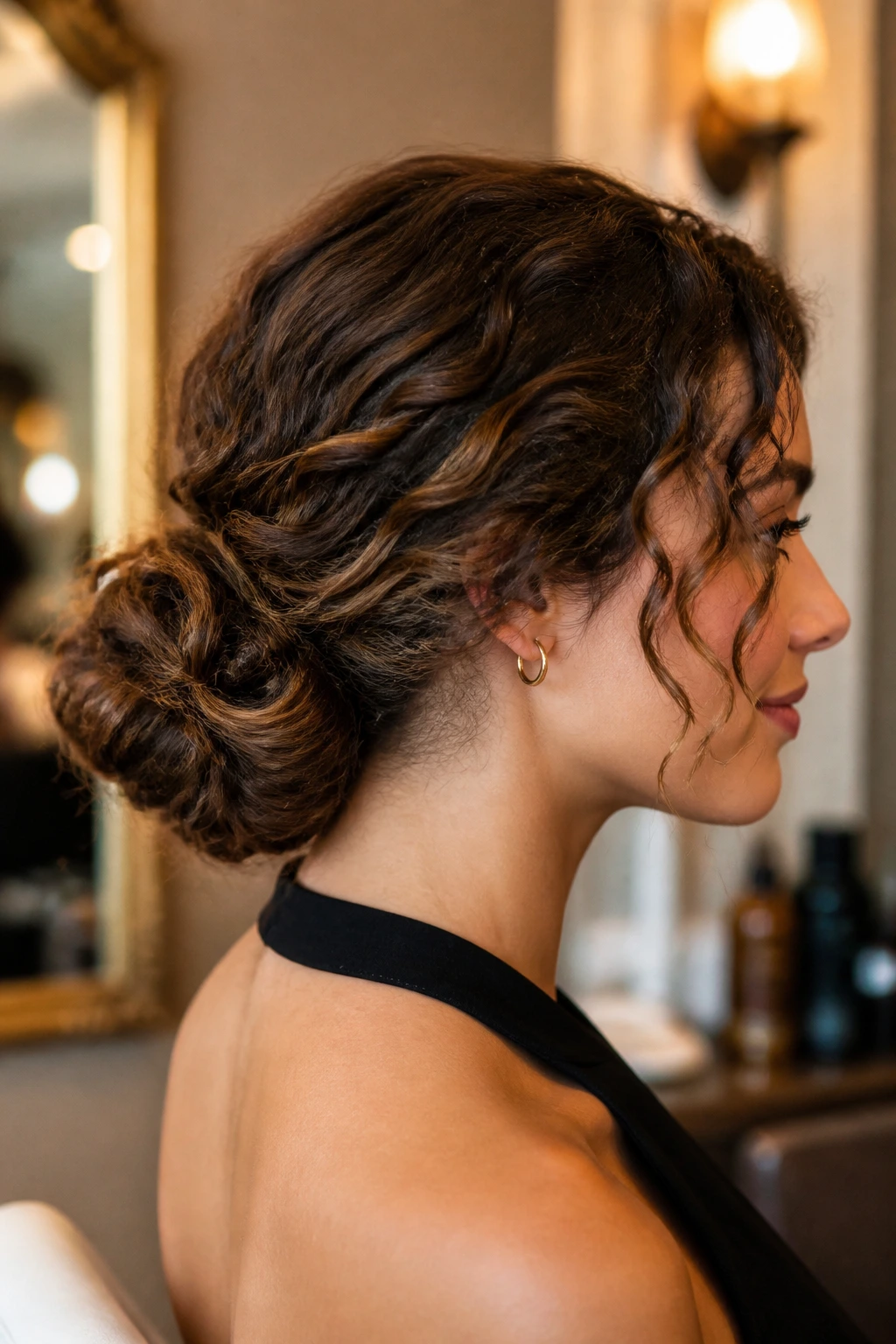
There is a misconception that fine hair can’t handle updos, but that is rarely true if you use the right technique. A low, loose chignon at the nape of the neck is sophisticated and easy to create. Because it sits low, you don’t need a massive amount of hair to make it look full; you just need to gently pull on the hair around the base to “pancake” it and create a softer, more voluminous shape.
Adding Accessories
Small gold pins or a decorative barrette can hide the fact that the bun is small. Accessories draw the eye, making the small size of the bun a deliberate style choice rather than a limitation of your hair volume. It is a classy move for anyone who needs to look professional but doesn’t have the density for a massive, structural updo.
10. The Asymmetrical Cut
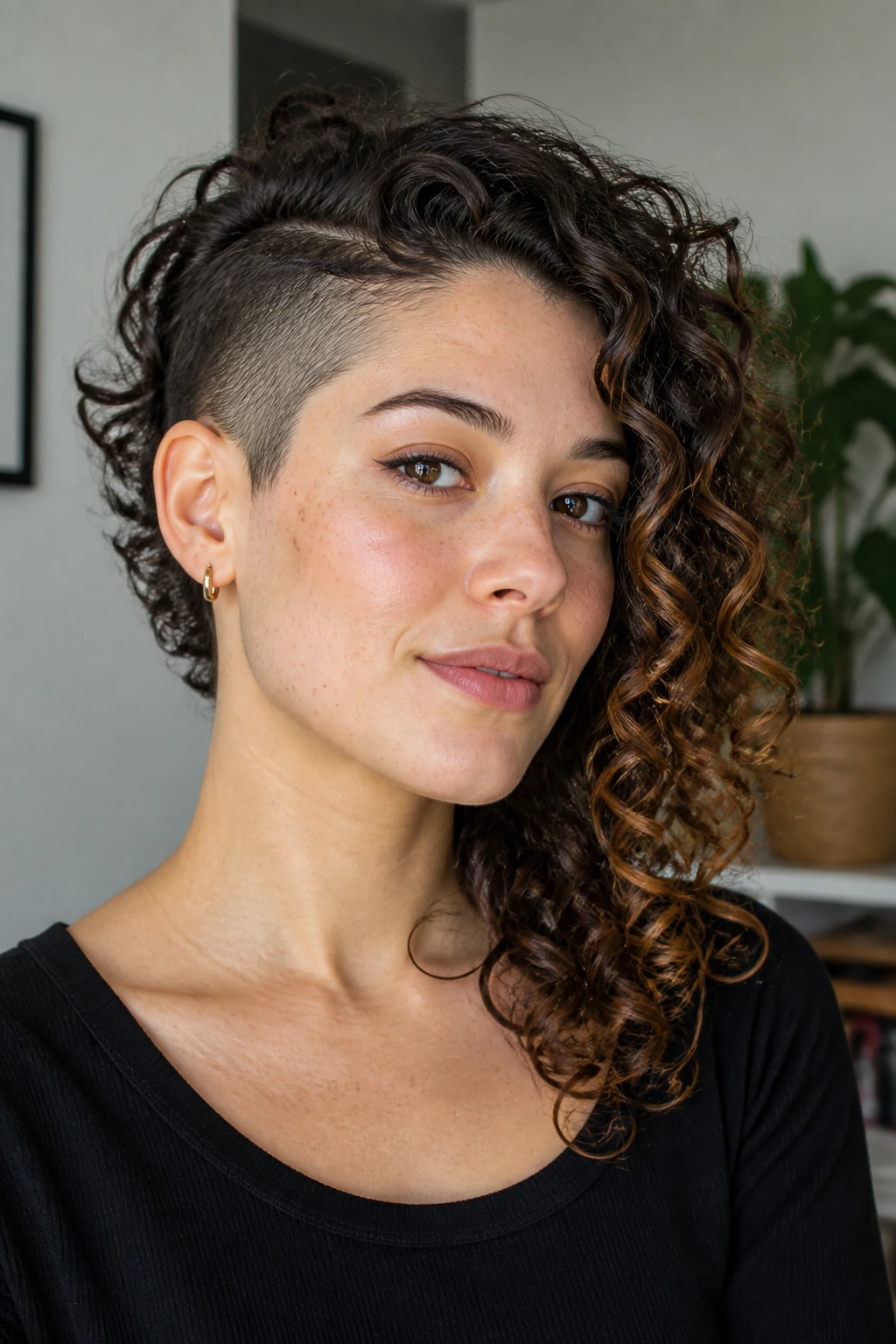
Asymmetry is a fantastic way to combat the thinness often seen in fine, curly textures. By keeping one side significantly shorter than the other, you change the way the hair flows and sits against the head. The shorter side will naturally have more “spring” and height, balancing out the longer, heavier side.
How to Style Asymmetry
Apply a lightweight curl cream while the hair is soaking wet—not damp. Wet-styling is crucial for fine hair because it encourages the curls to clump into larger, more defined spirals. Once they are defined, let them air dry without touching them. The less you manipulate the hair while it dries, the more volume you will retain.
11. The Dutch-Braided Crown
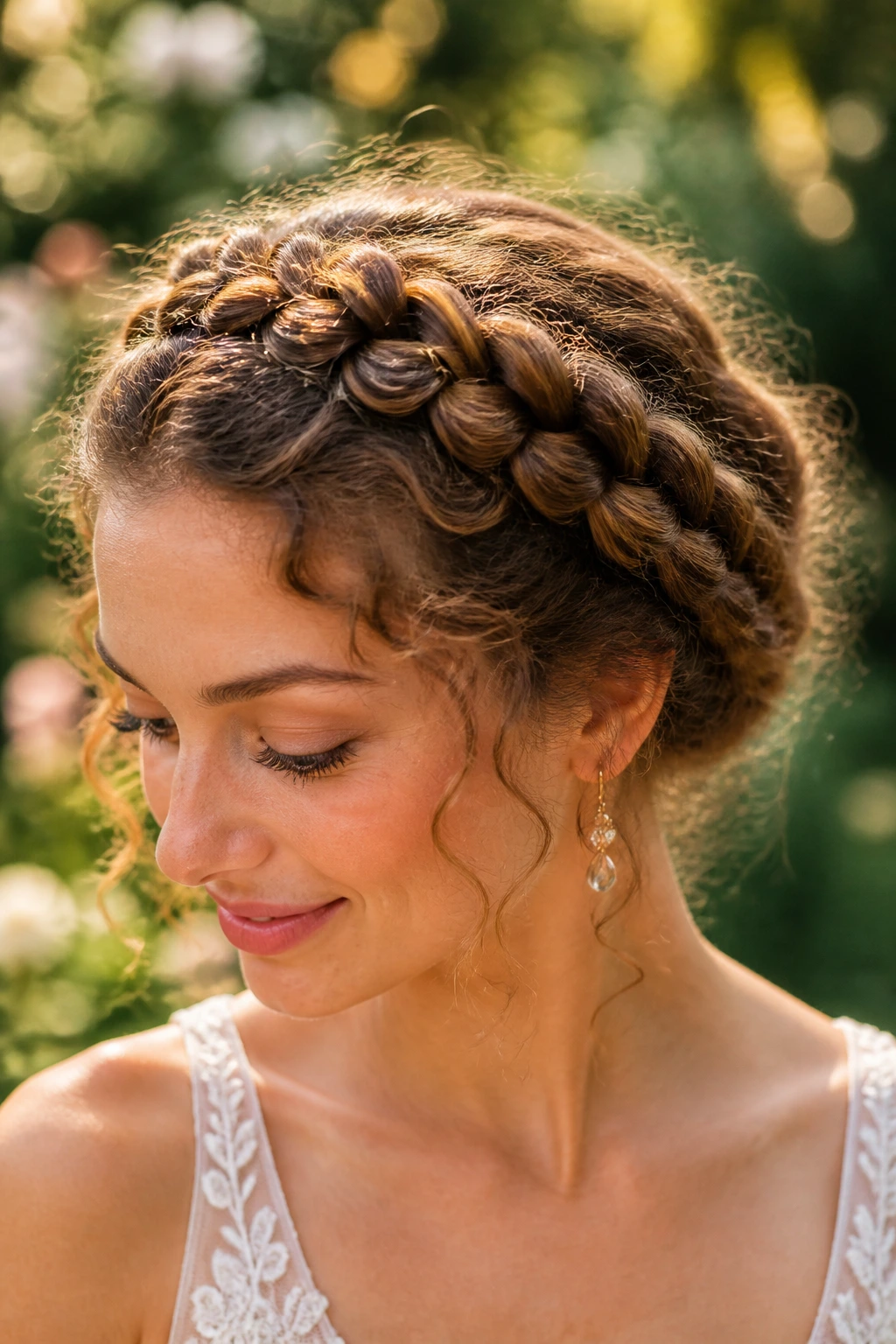
If you are skilled with a braid, a crown braid is one of the most effective ways to manage thin curls. By weaving your hair into a braid that encircles your head, you create a solid foundation that looks thick and deliberate. The braid itself adds a layer of visual thickness that loose, thin strands simply cannot achieve.
Loosening the Braid
After you have secured the braid, go back and gently tug at the loops to loosen them. This is called “pancaking,” and it makes the braid appear twice as wide. It is a simple step, but it completely changes the look of the style from a tight, thin braid to a soft, romantic, and voluminous crown.
12. The Wispy, Curly Bangs
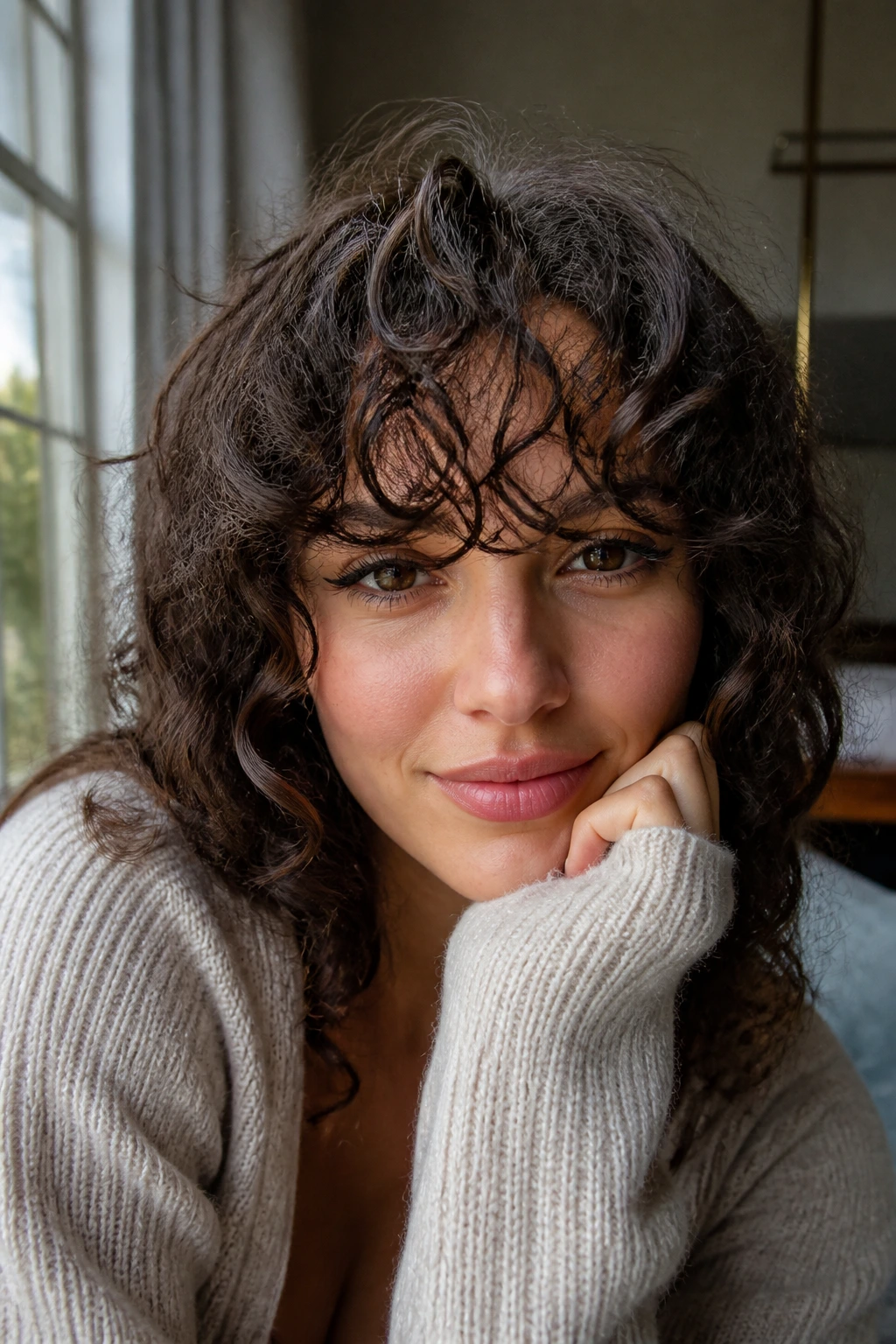
Adding bangs to curly hair is a bold move, but for fine hair, it can be the key to frame-filling success. The bangs create a density at the front of your face that makes the rest of your hair look more intentional. Keep the bangs wispy and long enough that they graze your eyelashes—this allows the curls to have enough room to twist and coil.
Preventing Greasy Bangs
Your forehead naturally produces oil, which will transfer to your curls and make them limp. Keep your bangs away from your skin while you sleep, or use a silk headband. If they get oily throughout the day, a tiny bit of translucent powder can keep them light and bouncy without the weight of dry shampoo.
13. The Headband-Style Twist
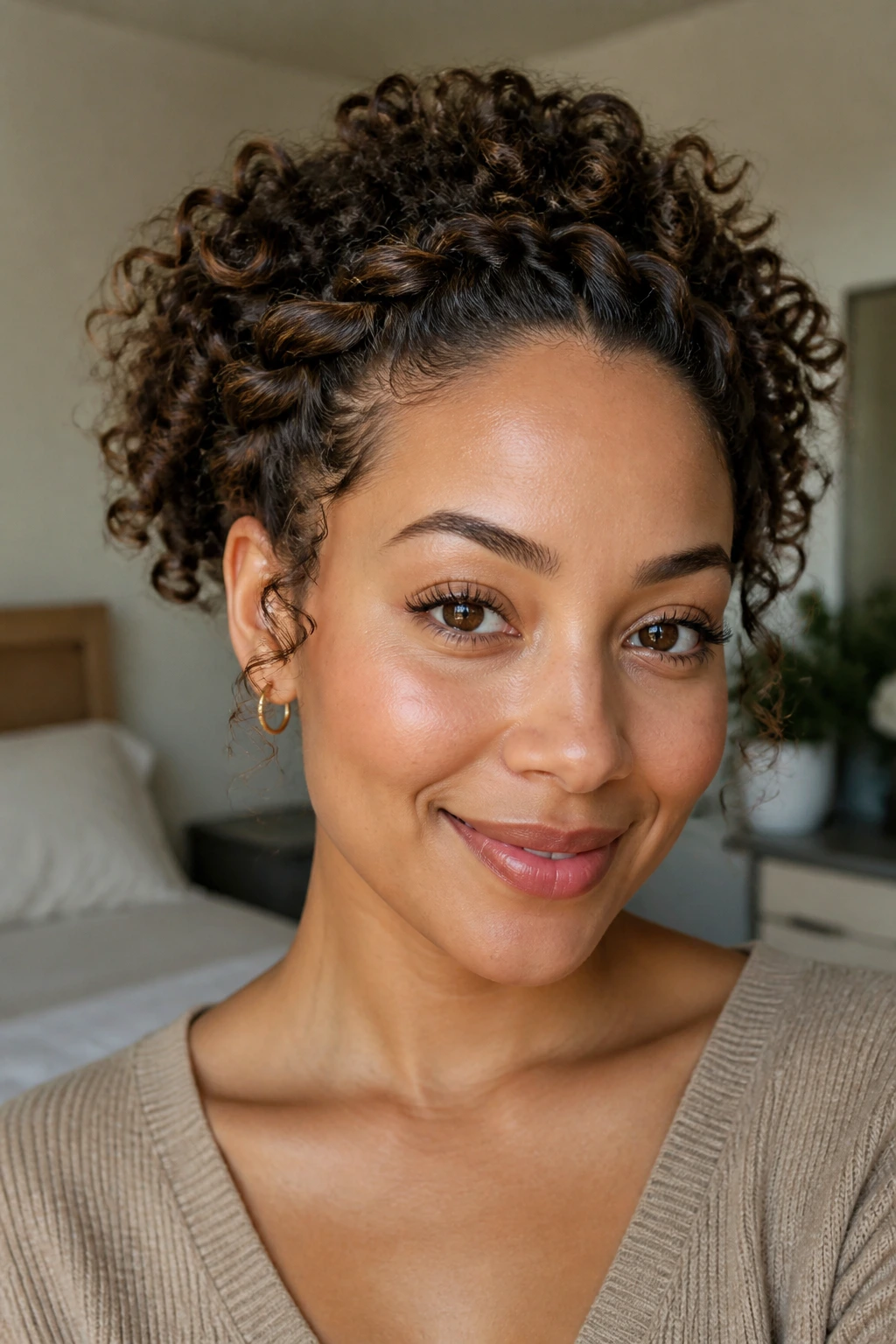
Sometimes, you just need to get the hair out of your face without losing your curl pattern. A headband-style twist involves taking small sections of hair from your hairline, twisting them, and pinning them back toward the crown. This opens up your face and creates a halo of volume that frames your head.
The “No-Slip” Trick
Fine hair often slips out of clips and pins. Before you pin, spray the hair with a light-hold salt spray. The added texture creates just enough “grip” to keep your pins in place for the entire day. It’s a small, practical detail that saves you from having to redo your hair every hour.
14. The Perm-Style “Fro” with Pick
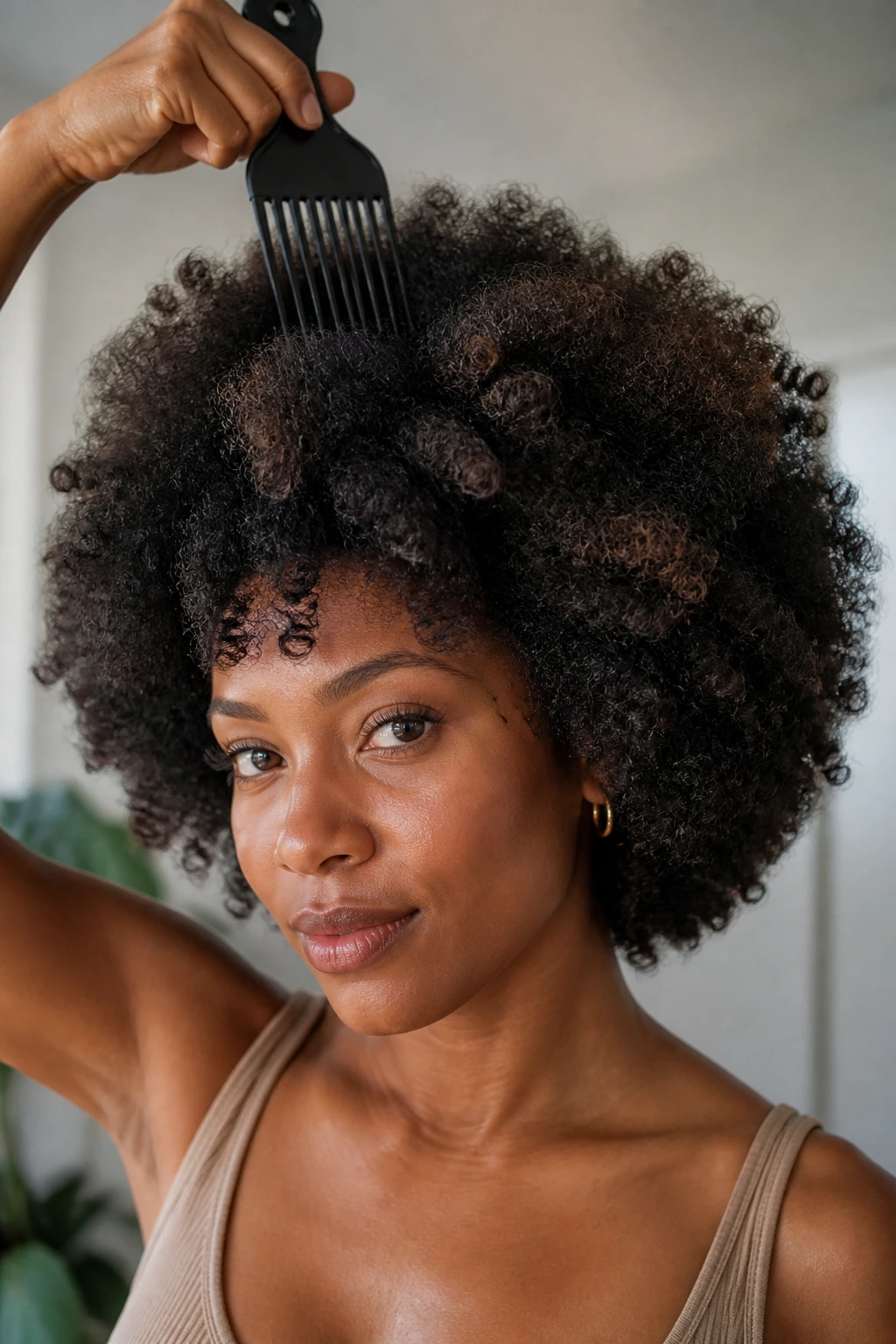
If you really want to embrace your curls and maximize volume, a small hair pick is your most essential tool. While you should never brush through fine, curly hair, using a pick to lift the roots gently after your hair has dried can create massive volume. You aren’t combing through the curls; you are just nudging the roots up.
Careful Picking
Lift the hair only at the roots. Do not pull the pick down through the length of your hair, as this will break up your curl clumps and lead to the dreaded “frizz halo.” Just a few quick, light lifts at the scalp will make your hair look twice as thick as it did before.
15. The Half-Down “Waterfall”
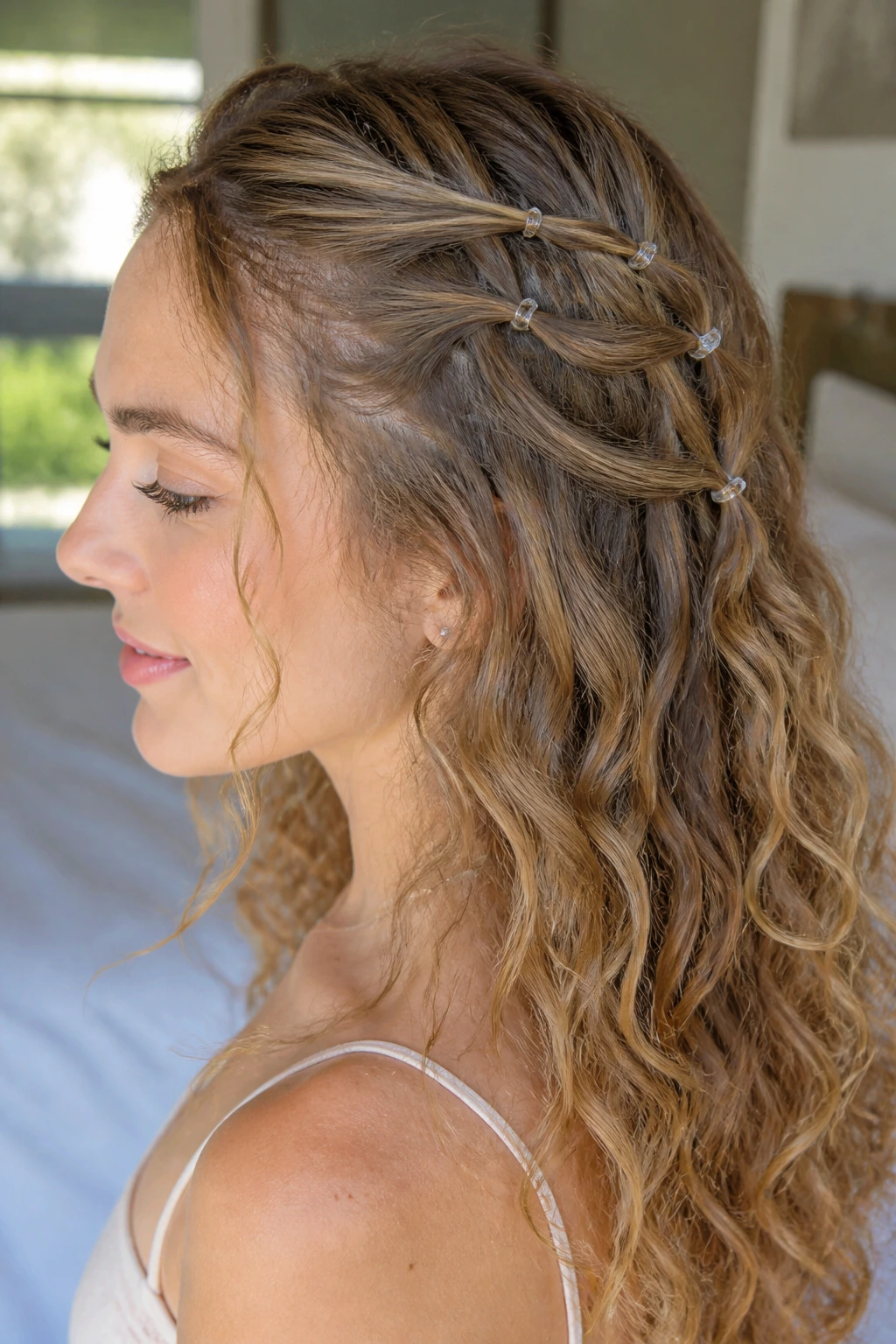
The waterfall style works by taking small, thin pieces from the top and pinning them back in a loose, cascading way. It is a very soft, romantic style that doesn’t require a lot of hair density. Because the sections are thin, they naturally look delicate rather than sparse.
Using Clear Elastics
Avoid bulky hair ties for this look. Small, clear silicone elastics are nearly invisible and won’t stand out against your curls. Use them to create multiple small sections, then pull those sections together to create a loose, flowing, waterfall effect at the back.
16. The Sleek-Back High Pony with Curly Ends
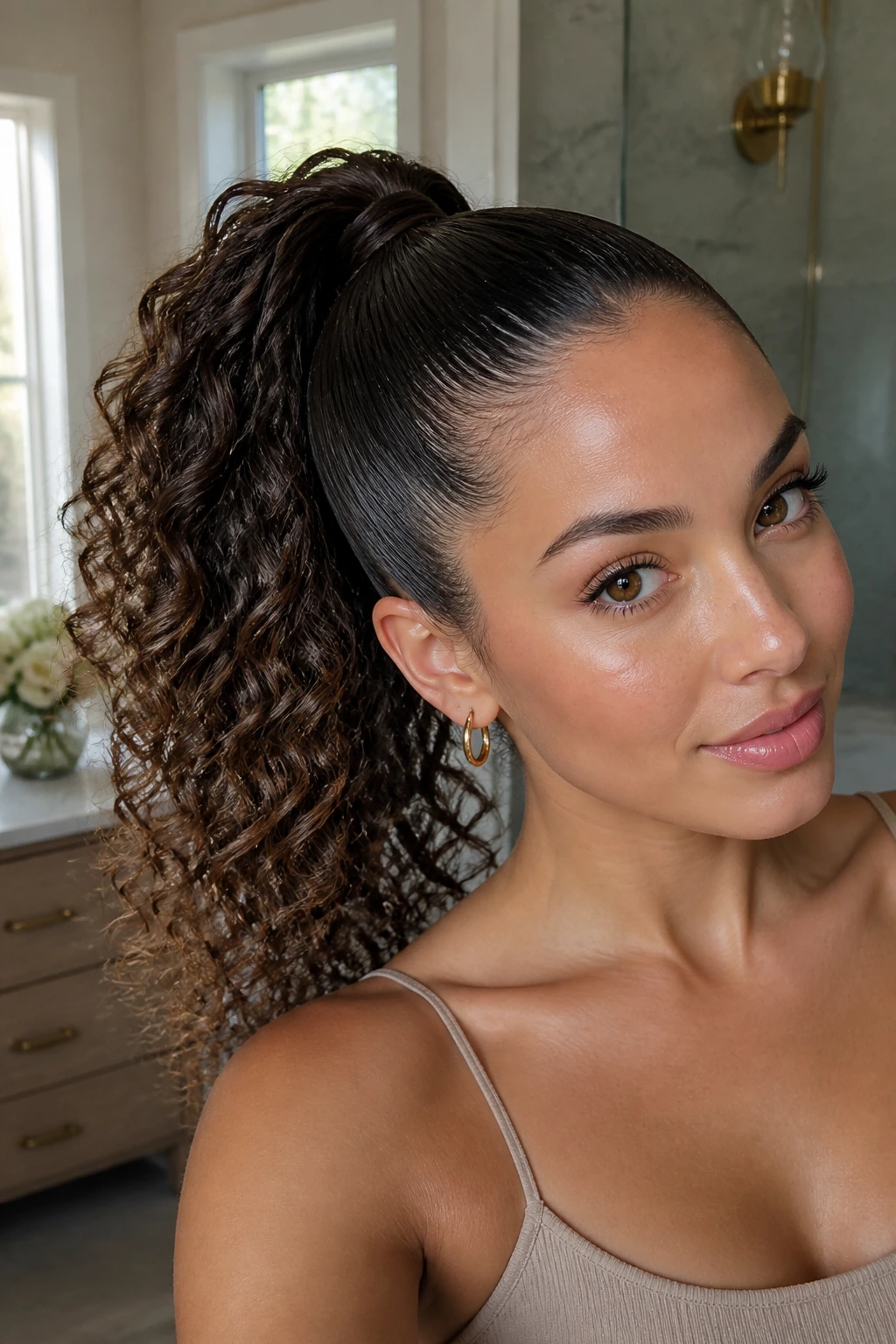
There is a sharp contrast between a sleek, tight root and a voluminous, curly ponytail. By using a little bit of pomade to pull your hair back into a tight, high ponytail, you create a polished, “done” look at the roots. Leave the ponytail itself full of loose, bouncy curls.
Balancing the Pony
If your ponytail looks too thin, wrap a small section of hair around the base of the elastic. This is a classic stylist trick that covers the band and makes the ponytail look slightly thicker by narrowing the base and highlighting the volume of the curls themselves.
17. The Messy “Bedhead” Bob
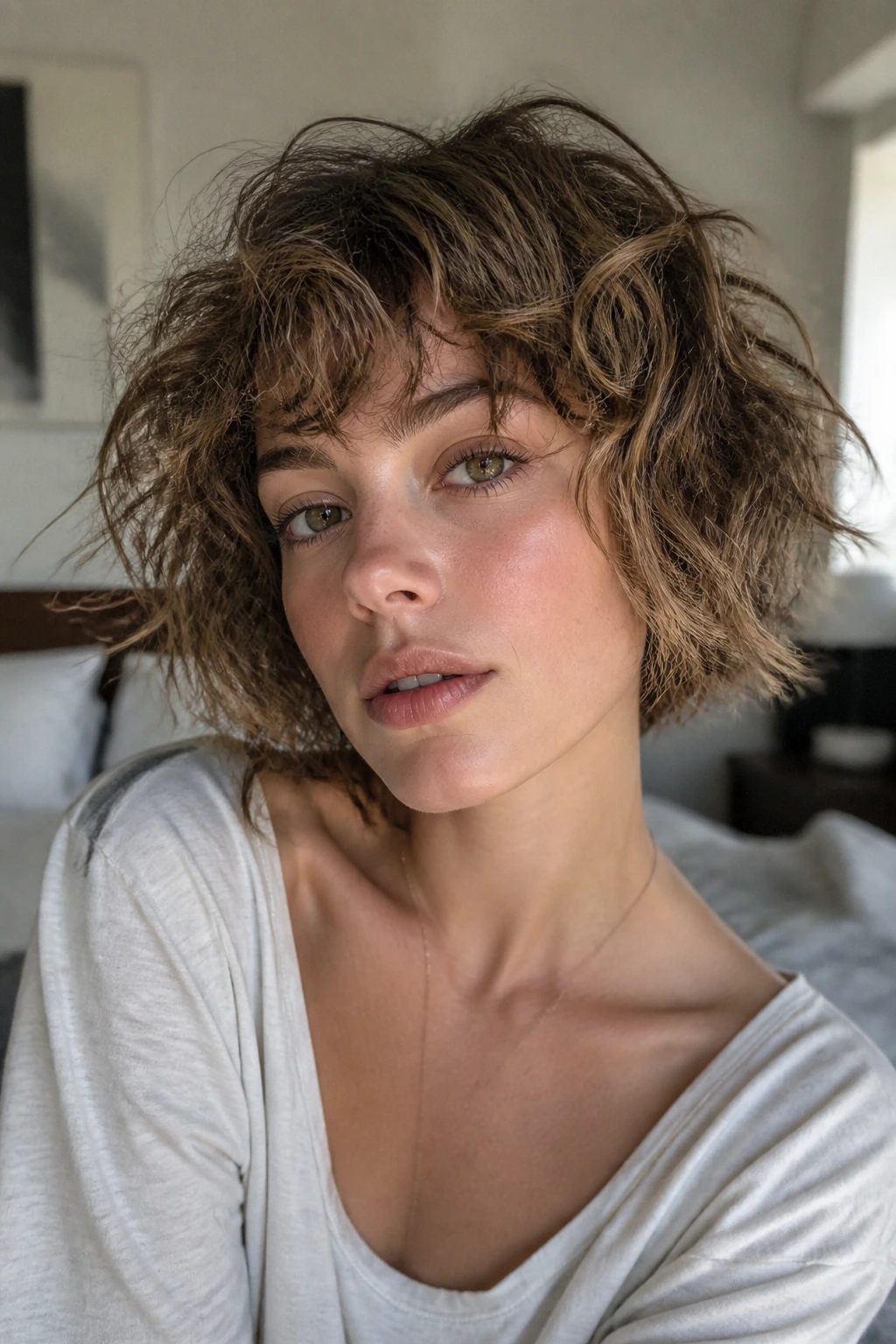
If your hair has a very loose, wavy-curl pattern, a messy, shaggy bob is often the best choice. This style is built on the premise of being purposefully unkempt. The more you embrace the messy texture, the less obvious it is that your hair is fine.
Texturizing Sprays
Use a texturizing spray rather than a mousse. Texturizing sprays add a “tackiness” to the hair that allows it to hold a shape without the weight of a traditional curl product. It’s the closest you can get to that “beach day” hair texture, which is naturally more voluminous than smooth, hydrated curls.
18. The Pinned-Up Sides
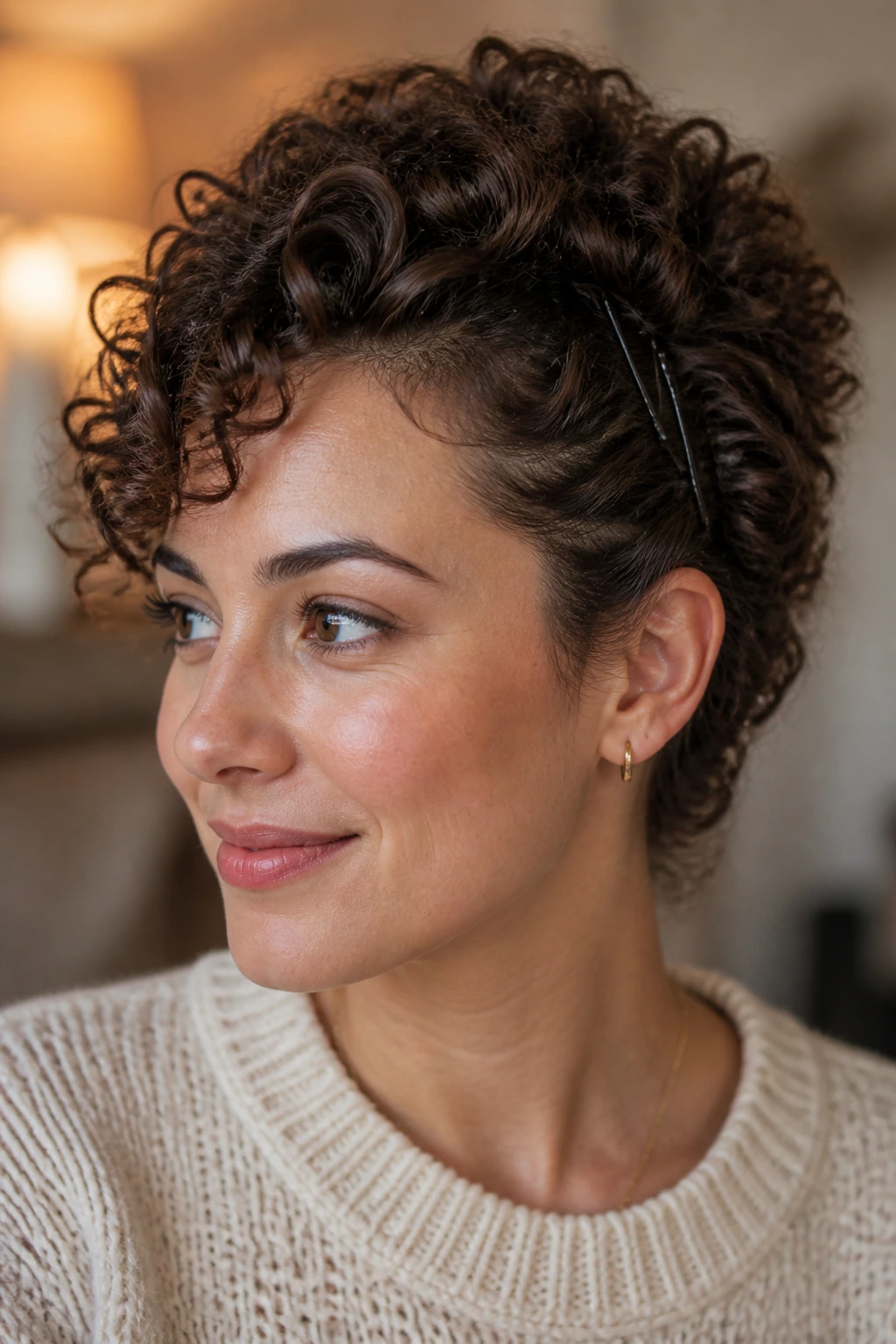
For days when you want to show off your curls but don’t want the hair in your face, simply pinning the sides back with decorative bobby pins works wonders. By securing the sides, you force the curls on top to fall forward, creating a high-volume peak that looks very full.
Picking the Right Pins
Use matte, textured pins. Shiny, metal pins often slide right out of fine hair. Pins with a matte coating or a bit of ribbing stay much tighter, ensuring your style stays exactly where you put it without the need for a ton of hairspray.
19. The Deep-Conditioned “Wet” Look
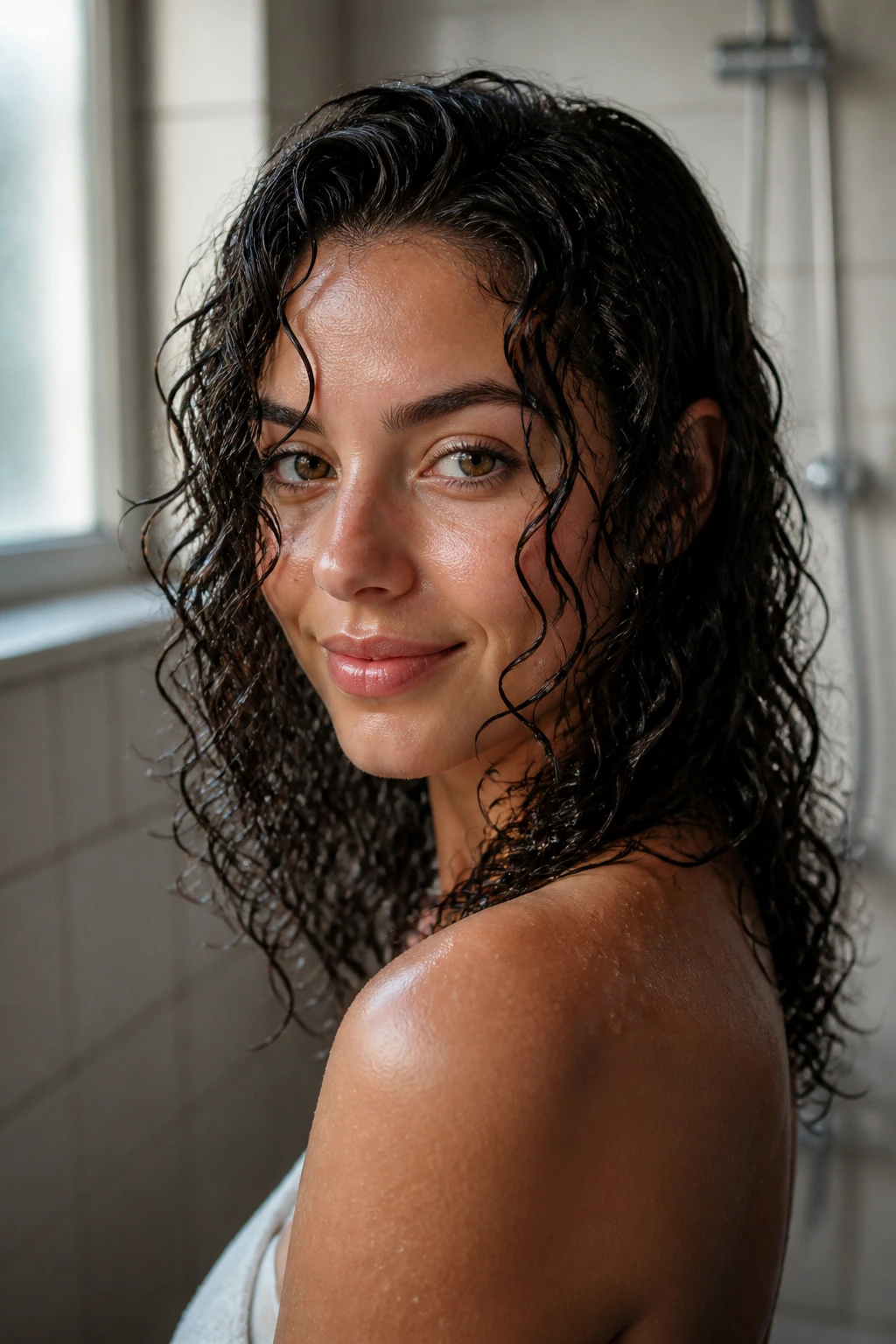
The “wet” look is very popular for curly hair, and it is actually quite effective for fine hair because it keeps the curls clumped together. When curls clump together, they appear thicker and more defined than they do when they are separated into fine, individual strands.
The Right Product
Use a light gel. Heavy pomades will weigh your fine hair down, but a medium-hold, water-based gel will provide that slick, glossy finish while keeping the curls tight and defined. Apply it to soaking wet hair and do not touch it until it is 100% dry.
20. The Bohemian Side-Braid
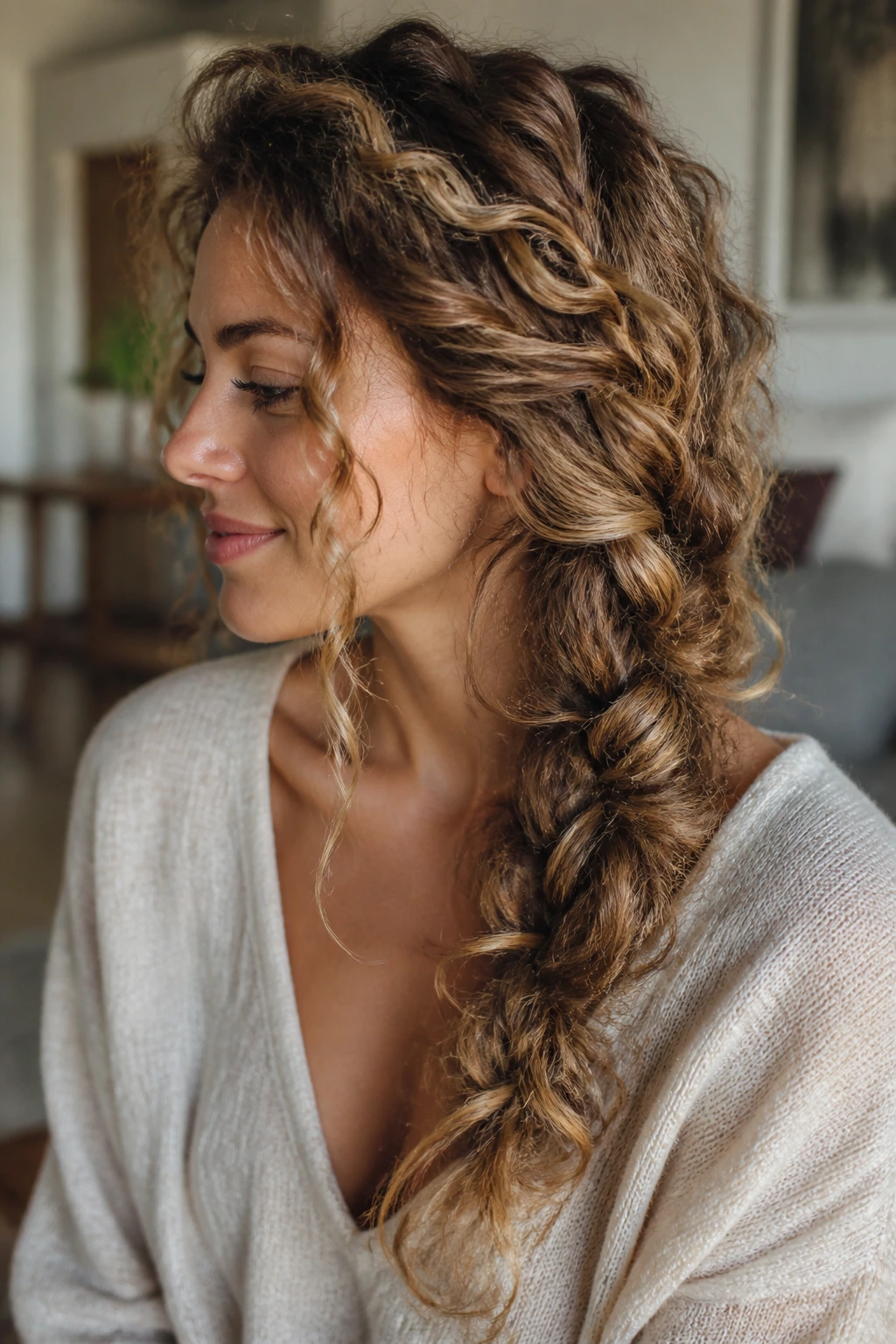
A loose side-braid is a great way to consolidate your curls into one thick-looking plait. The key here is not to braid it tightly. A tight braid will reveal how little hair you have. A loose, messy braid, on the other hand, creates a wide, soft silhouette that looks full and deliberate.
Finishing the Braid
After you finish the braid, pull on the edges of the loops to make it look as wide as possible. This is the “boho” effect. It works perfectly with curly hair because the natural texture of your curls gives the braid extra grip and fullness that straight hair simply doesn’t have.
21. The Low-Maintenance “Wash and Go”
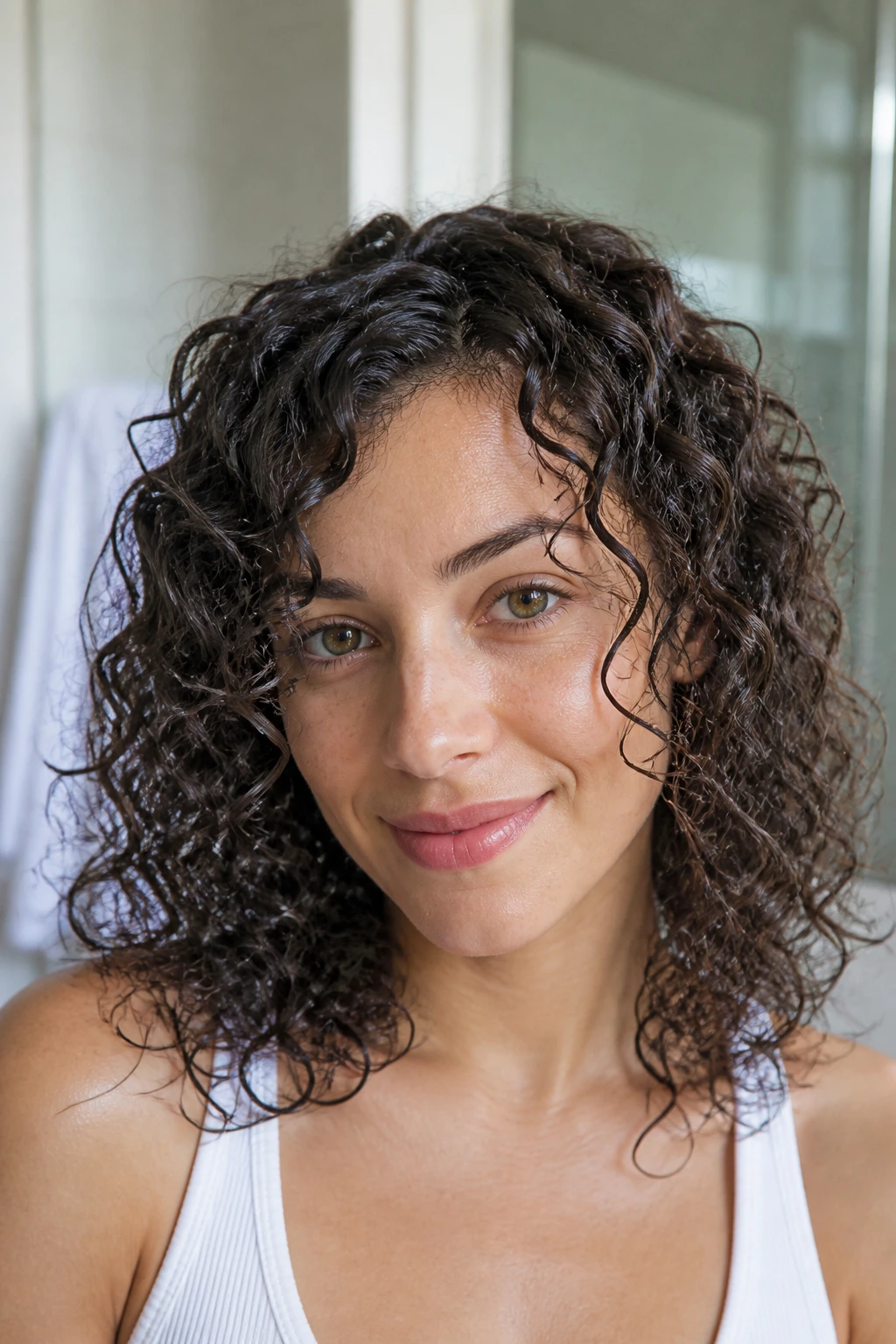
Sometimes, the best style is the one that uses your natural curl pattern to its advantage. For fine hair, the “wash and go” requires a very specific routine: use a leave-in conditioner on dripping wet hair, then add a light, alcohol-free mousse. Let it air dry, and do not touch it.
The Rule of Non-Interference
The moment you start touching or fluffing your curls while they are drying, you create friction and frizz. Fine hair is incredibly susceptible to frizz, and once that frizz starts, your volume evaporates. Trust your hair, apply your products while it is wet, and then walk away.
Final Thoughts
Working with fine, curly hair is an exercise in patience and precision. You are looking for that elusive middle ground where your hair has enough product to hold a shape, but not so much that it loses its buoyancy. Remember that your hair is likely at its best when you treat it with a “less is more” mindset.
Over-styling is almost always the culprit behind flat, limp curls. By switching to lighter products, embracing shorter cuts, and using the right tools to build volume at the root, you can create looks that feel full and vibrant every day. Keep your trims consistent, use satin accessories to protect your delicate strands, and always, always let your hair dry completely before you try to style it. Your curls have a natural structure of their own; sometimes, they just need the right framework to show it off.