

When your alarm clock serves as your first major hurdle of the day, styling your hair often slides to the bottom of the priority list. You have exactly fifteen minutes to get out the door, and the last thing you want is a complex routine involving three different tools and a prayer. The secret to looking polished isn’t spending more time; it’s about having a repertoire of high-impact, low-effort strategies that work with your hair’s natural texture rather than against it. These aren’t just quick fixes; they are intentional, structural choices that allow you to roll out of bed and into a put-together look in mere minutes.
1. The Overnight Braided Texture
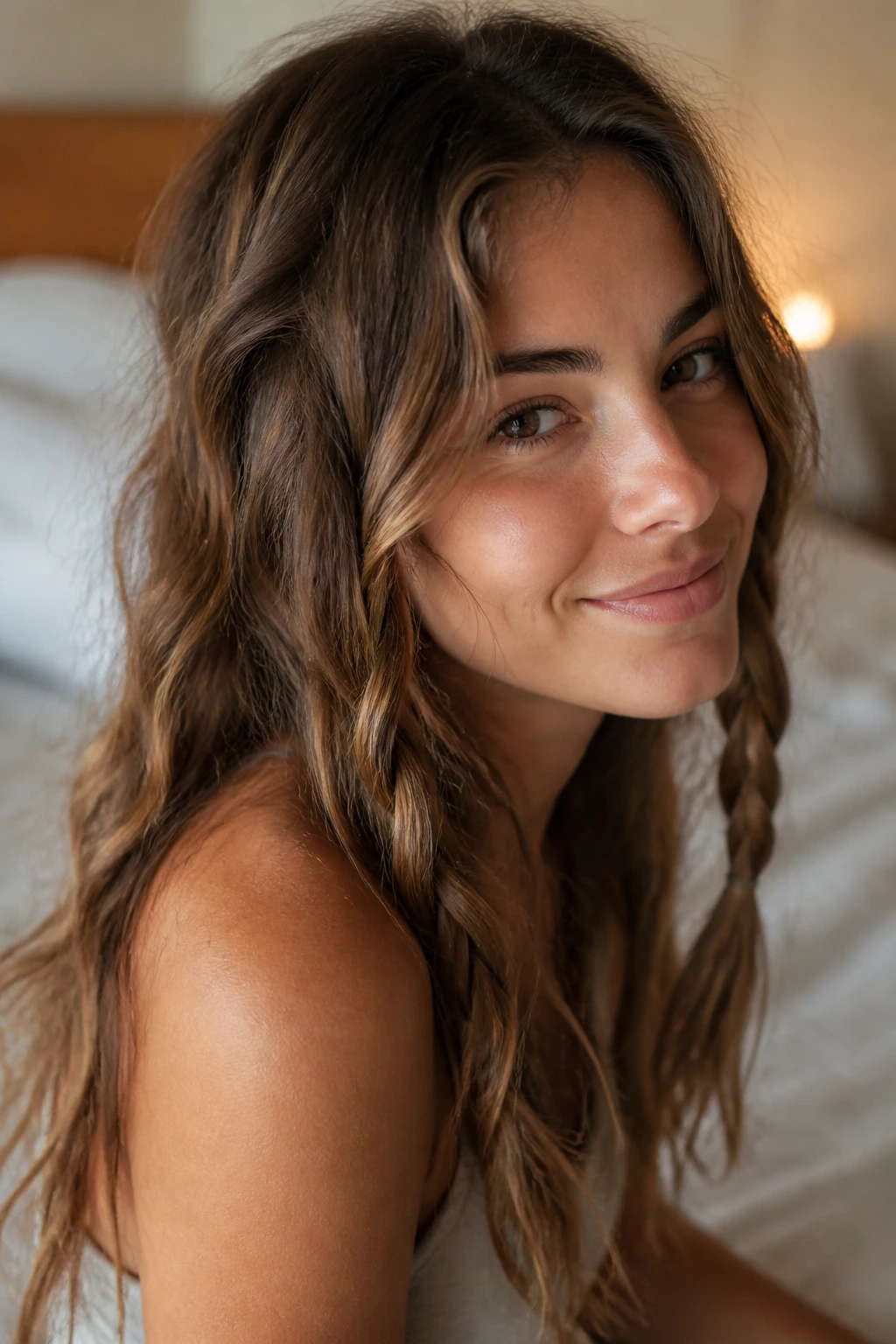
The most efficient way to style your hair is to outsource the labor to your sleep cycle. Before hitting the pillow, work a lightweight styling cream or a small amount of leave-in conditioner through slightly damp hair. Divide your hair into two sections and create simple, loose three-strand braids.
Why This Works for Morning Speed
By morning, you bypass the need for a curling iron or wand entirely. As you undo the braids, you’ll find soft, lived-in waves that look intentional rather than haphazard. A quick shake of the roots and a spritz of dry shampoo will add volume, effectively finishing your styling process before you’ve even had your coffee.
Pro Tips for Better Results
- Avoid tight tension: Braiding too tightly near the scalp can lead to unwanted kinks.
- Silk matters: Using a silk or satin pillowcase prevents the frizz that often accompanies morning waves.
- Finish with oil: Apply a pea-sized amount of hair oil to the ends only to tame any stray flyaways without weighing down the waves.
2. The Sleek Low Bun
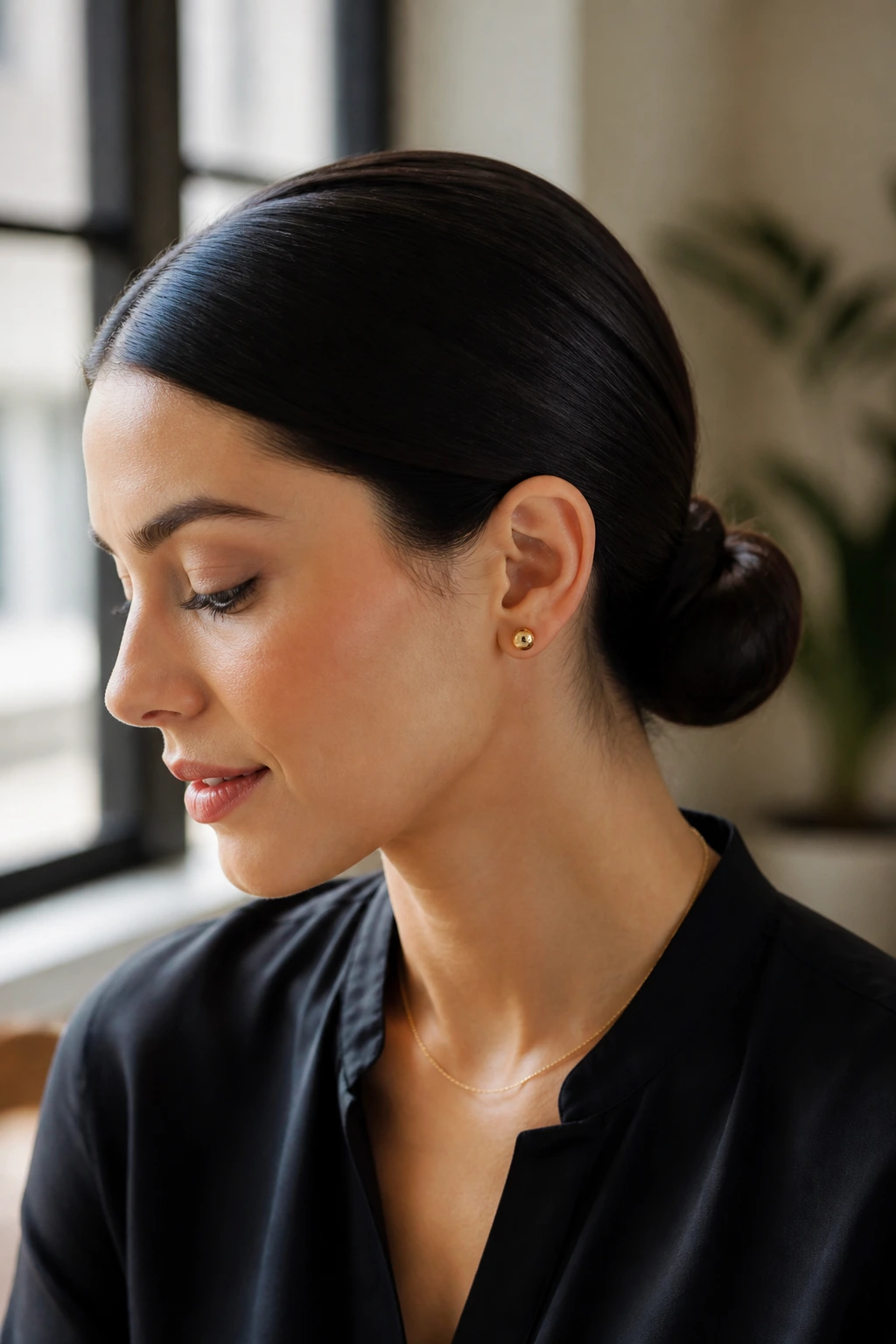
There is a profound difference between a messy bun born of desperation and a sleek, deliberate low bun. This style functions as a uniform—it’s professional, sharp, and hides second-day greasiness better than almost any other option.
Achieving the Polished Look
Start by brushing your hair thoroughly to remove all tangles. Apply a small amount of smoothing pomade or a light-hold hair gel to your palms, then smooth the hair back toward the nape of your neck. Secure it with a snag-free elastic. Twist the remaining ponytail into a tight rope and coil it around the base, securing it with a second elastic or a few hidden bobby pins.
Why This Style Succeeds
This look relies on clean lines. Because it centers on control, you don’t need to worry about heat styling or volume management. It is a foolproof approach for anyone who needs to feel put-together in under three minutes, making it a reliable staple for high-stakes mornings.
3. High-Impact Claw Clip Twists
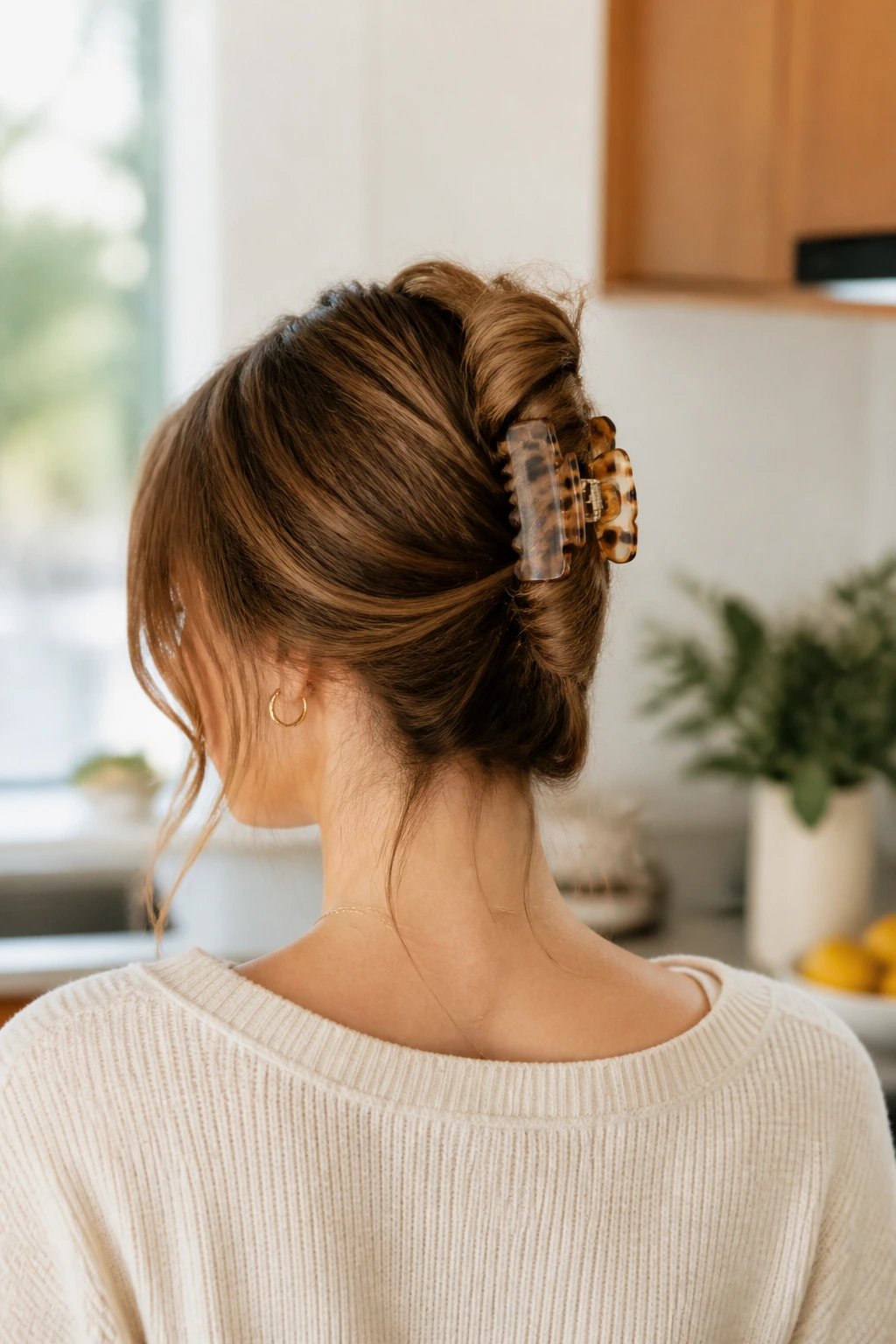
The revival of the claw clip has been a blessing for busy mornings because it offers a secure hold without the hair damage associated with tight elastic bands. The key here is not to try for perfection; the aesthetic thrives on a slightly undone, effortless structure.
How to Execute the Perfect Twist
Gather all your hair as if you are making a low ponytail. Twist the entire length upward against the back of your head. Once you have a vertical coil, fold the ends downward slightly and clamp the claw clip over the twist, capturing both the base and the folded section.
Versatility in Seconds
If you have fine hair, use a smaller clip and leave a few wisps around the face for softness. Those with thicker hair should look for larger, reinforced metal clips that can handle the weight without sliding down. It takes roughly ten seconds to complete, leaving you plenty of time for more pressing morning tasks.
4. The Half-Up Top Knot
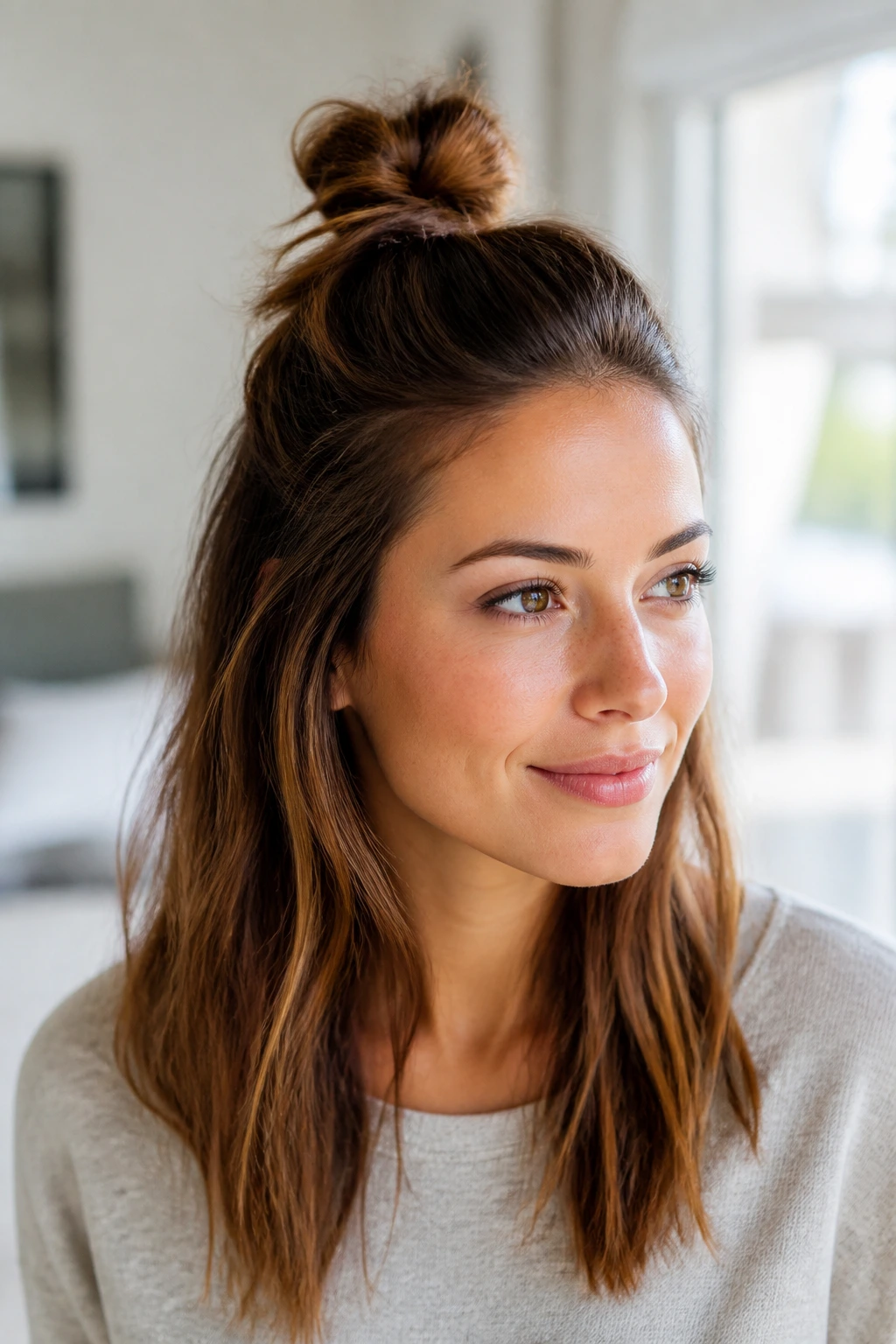
Sometimes you want the hair out of your face but don’t want to commit to a full ponytail or bun. The half-up top knot bridges the gap between casual and curated. It highlights your facial features while leaving the rest of your hair to provide frame and movement.
Step-by-Step Execution
Section off the top third of your hair—the part that starts at the temples and meets at the crown. Gather it into a small ponytail and secure it. Instead of pulling the hair all the way through on the final loop of your elastic, leave the hair folded to create a small, tight bun.
Adding Texture
If your hair feels too limp, tease the ponytail slightly before folding it into the bun. This gives the knot more structural integrity and a fuller appearance. It’s an ideal way to mask an oily scalp while showing off the length of your hair elsewhere.
5. Strategic Headband Placement
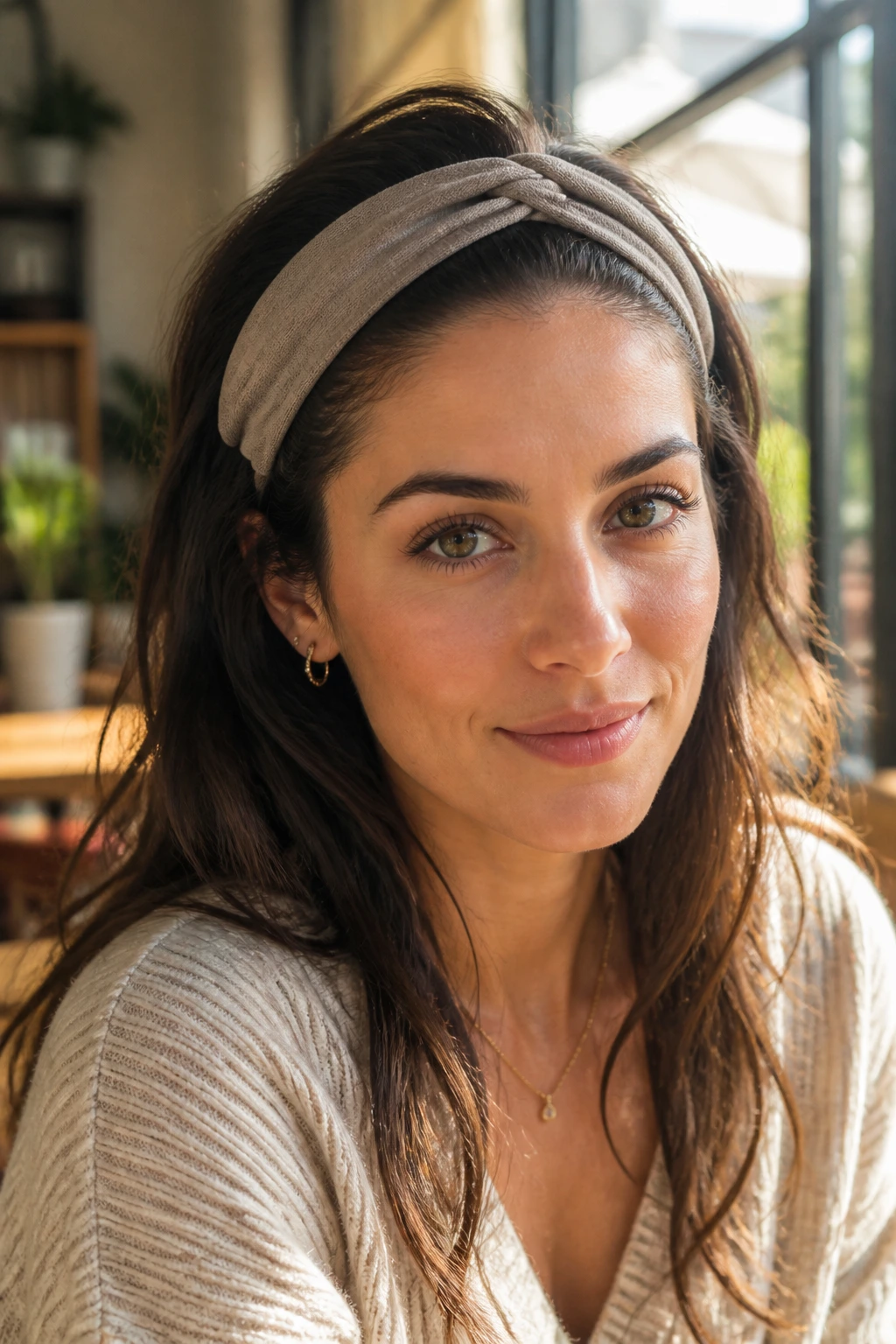
Headbands are not just for keeping hair back; they are architectural tools that create the illusion of a styled hairdo. In the world of rapid grooming, a wide, fabric headband is your best friend when you have absolutely no time to deal with roots or unruly textures.
Why They Save Time
A headband immediately pulls the focus away from the rest of your hair. If you have five seconds, put on a headband and let the back of your hair sit in its natural state. It is an immediate signal that you intended to style your hair, even if you did nothing more than brush it.
Selecting the Right Material
- Velvet: Adds a touch of luxury and stays in place better than slippery synthetic fabrics.
- Knotted styles: These add height at the crown, which can make your hair look thicker.
- Neutral colors: Black, navy, or cream headbands match almost every outfit, saving you decision fatigue.
6. The “Hidden” Bobby Pin Technique
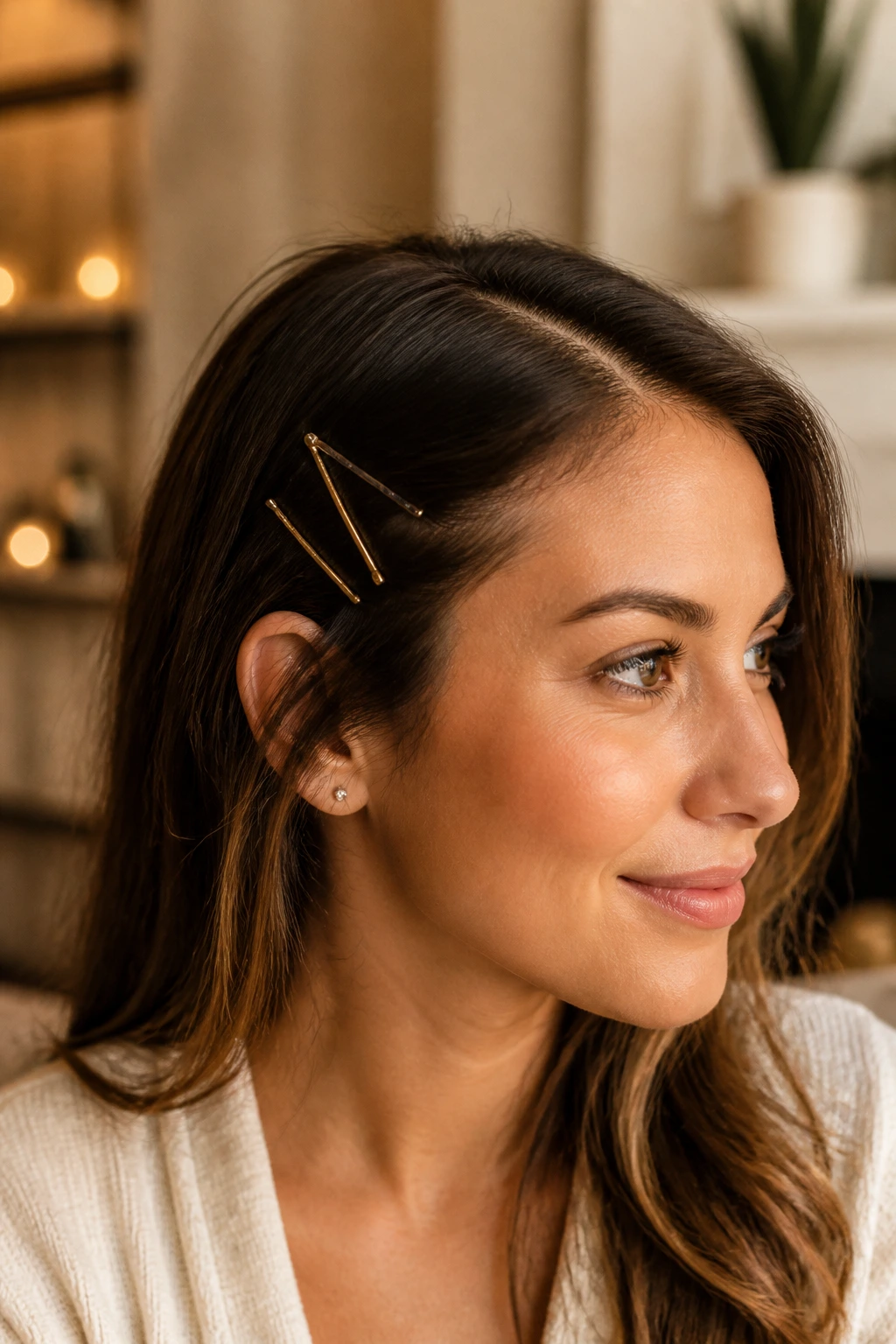
Sometimes your hair is perfect everywhere except for a few rogue strands that refuse to stay behind your ear. Instead of trying to smooth your entire head, use decorative or metallic bobby pins to pin back only the front sections near your temples.
Creating Interest
Place two or three pins in a geometric pattern—like a small stack or a crisscross—on one side of your head. This looks like a deliberate accessory choice rather than a functional fix. It takes seconds to snap them into place and adds a refined edge to even a messy bedhead.
The Benefit of Geometry
By pinning back only one side, you create an asymmetrical look that feels more balanced and visually interesting. It’s a trick used by stylists to cheat the look of a haircut without actually taking the scissors to your hair.
7. Dry Shampoo as a Foundation
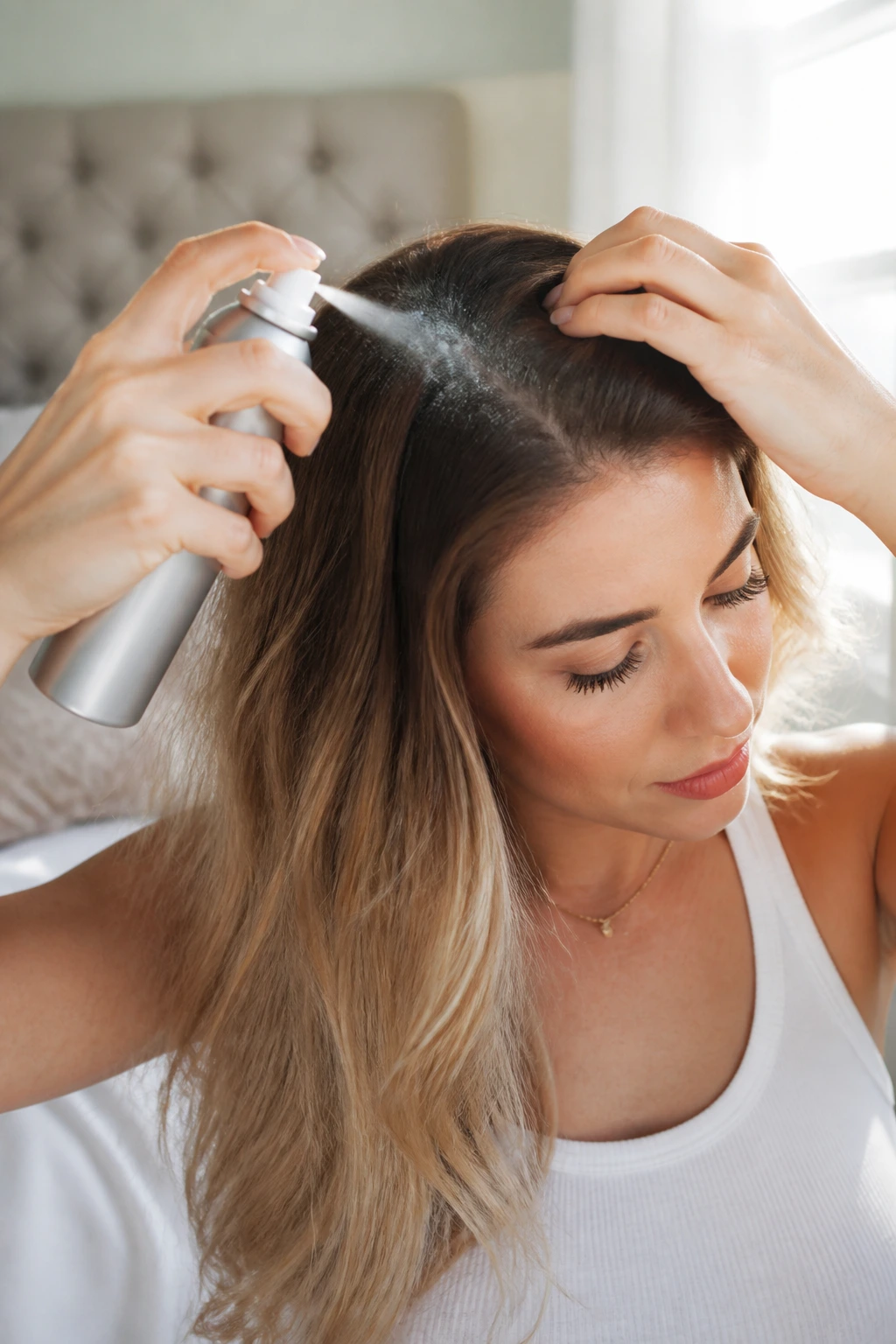
If you treat dry shampoo as a reactive tool, you are missing out on its potential. Do not wait until your hair is visibly oily to apply it. Instead, spray your roots before you go to bed or immediately upon waking as part of your base routine.
How to Maximize Volume
The powder needs time to absorb the sebum. By applying it early, you allow the starch to coat the hair fibers. When you finally brush it through in the morning, your hair will have a grit and structure that makes it much easier to style into buns, ponytails, or braids.
Avoiding the Gray Cast
If you have dark hair, look for tinted formulas or clear spray options. Regardless of the product, always let it sit for at least two minutes before massaging it into the scalp. This simple waiting period is the difference between a chalky residue and invisible volume.
8. Silk Scrunchies for Gentle Volume
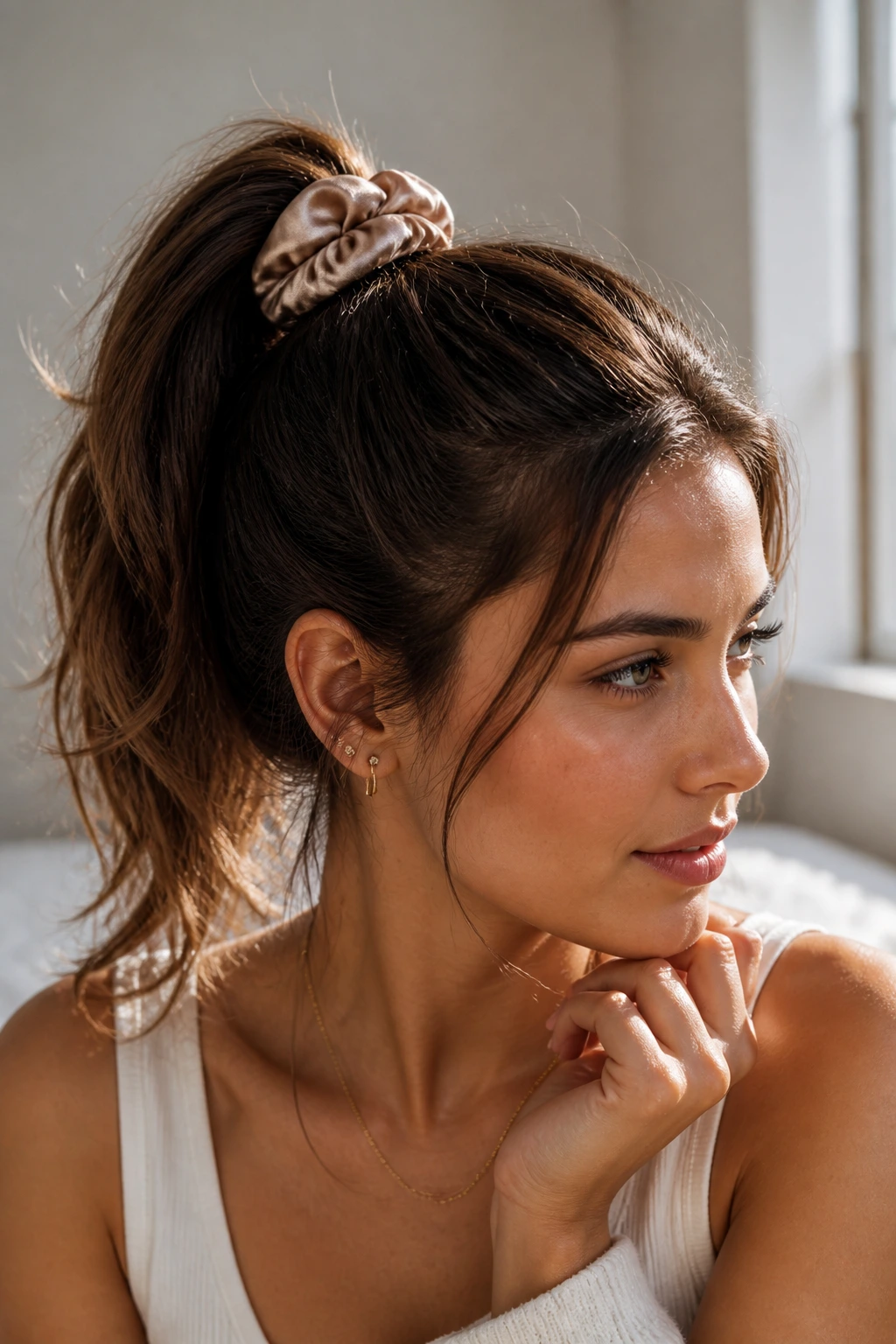
Traditional elastic bands are the enemy of morning hair health. They often cause breakage and leave a deep, annoying crease that is impossible to smooth out without re-wetting your hair. Switching to silk or velvet scrunchies changes the game entirely.
Protecting Your Hair
Silk glides over the hair cuticle, reducing friction. This means when you take your hair out of a ponytail after a morning workout or a rushed breakfast, it remains smooth and crease-free. It’s a small hardware upgrade that pays dividends in how your hair behaves throughout the day.
Style Without the Dent
Using a larger scrunchie also makes your ponytail appear thicker. The fabric covers more surface area, which helps push the hair upward and outward, creating a lifted, voluminous look rather than a flat, pulled-back ponytail.
9. The Low Side-Part Shift
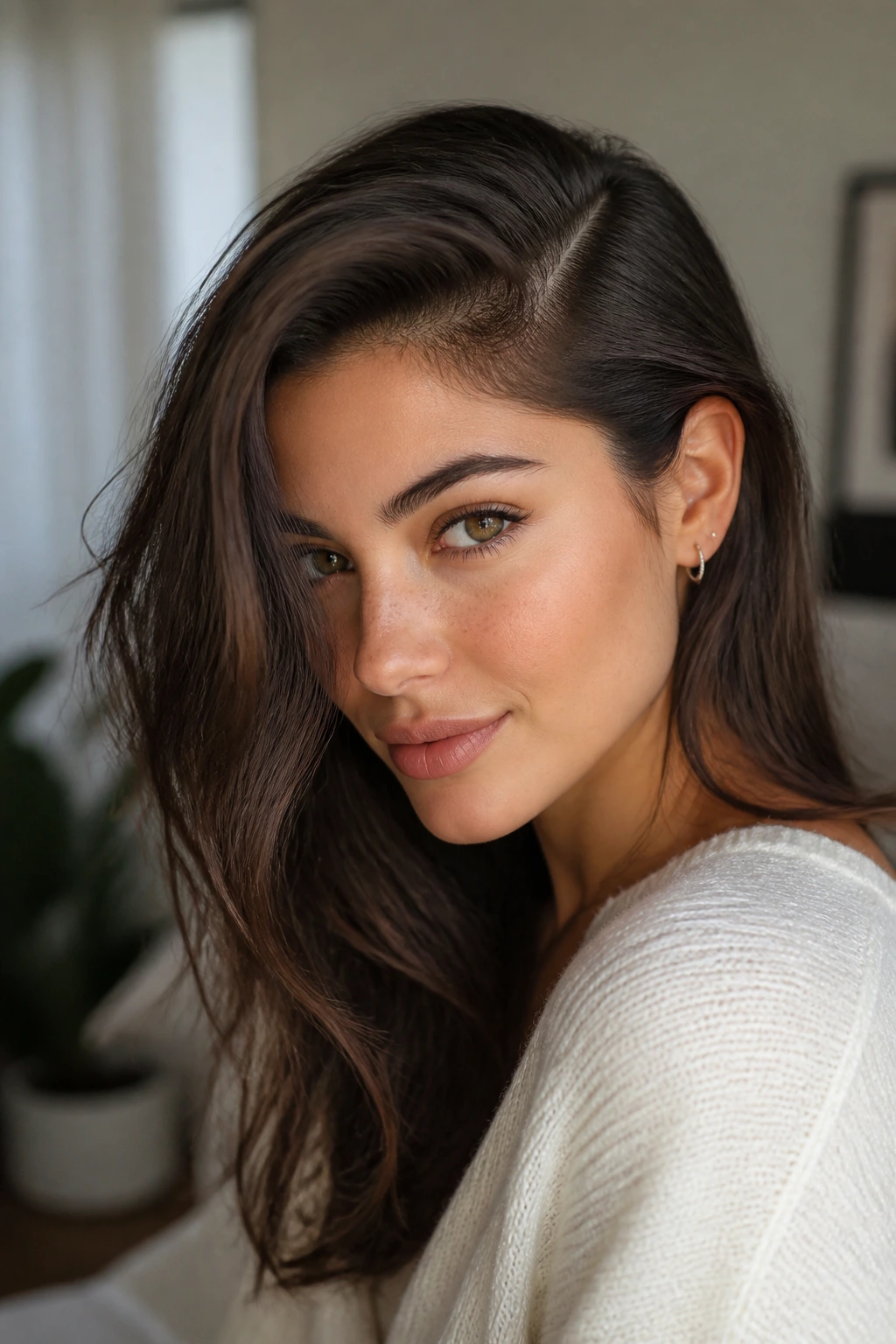
Never underestimate the power of a hard side-part to change your entire aesthetic. If you are used to a middle part, shifting your hair to one side provides an instant boost in volume at the roots, as the hair is pushed over in a way it isn’t accustomed to.
Instant Root Lift
When hair is trained to sit in the middle, it tends to lie flat. Flipping it to the side forces the hair to stand up slightly at the base. This can hide thinning areas and add a more dramatic, glamorous feel to your look without requiring a single drop of product.
Quick Adjustments
You don’t need a fine-tooth comb to do this perfectly. Using your fingers to create a deep, slightly messy part can make the style feel more modern and less “done.” It’s an effortless change that requires zero tools and fits perfectly into a thirty-second morning routine.
10. The Ponytail Tuck Technique
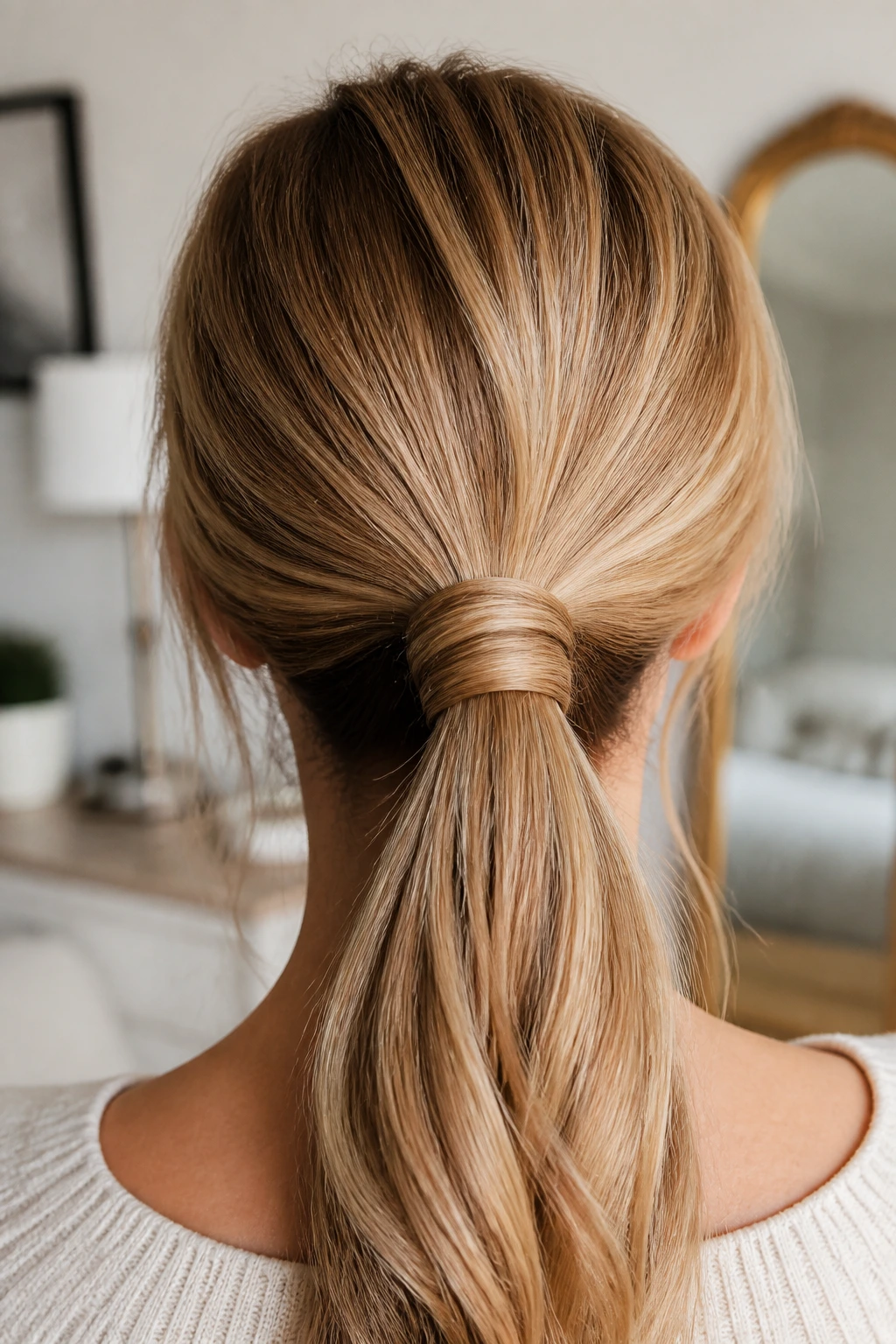
If you have enough length for a ponytail, you have enough length for a “tucked” look. This is a clean, minimal style that takes the standard ponytail and hides the elastic, which immediately makes the style appear more expensive and professional.
Executing the Tuck
Secure your hair in a standard ponytail. Take a small, thin section of hair from the underside of the tail—about a half-inch wide. Wrap this piece tightly around the elastic band until it is completely hidden. Secure the end of that small strand with a single bobby pin hidden underneath.
Why This Works
The visual focus shifts from the rubber band to the hair itself. It looks like you spent time intricately styling your hair when you actually performed a simple wrapping maneuver. It is a classic move that works for everything from corporate meetings to casual brunches.
11. Volumizing Root Sprays
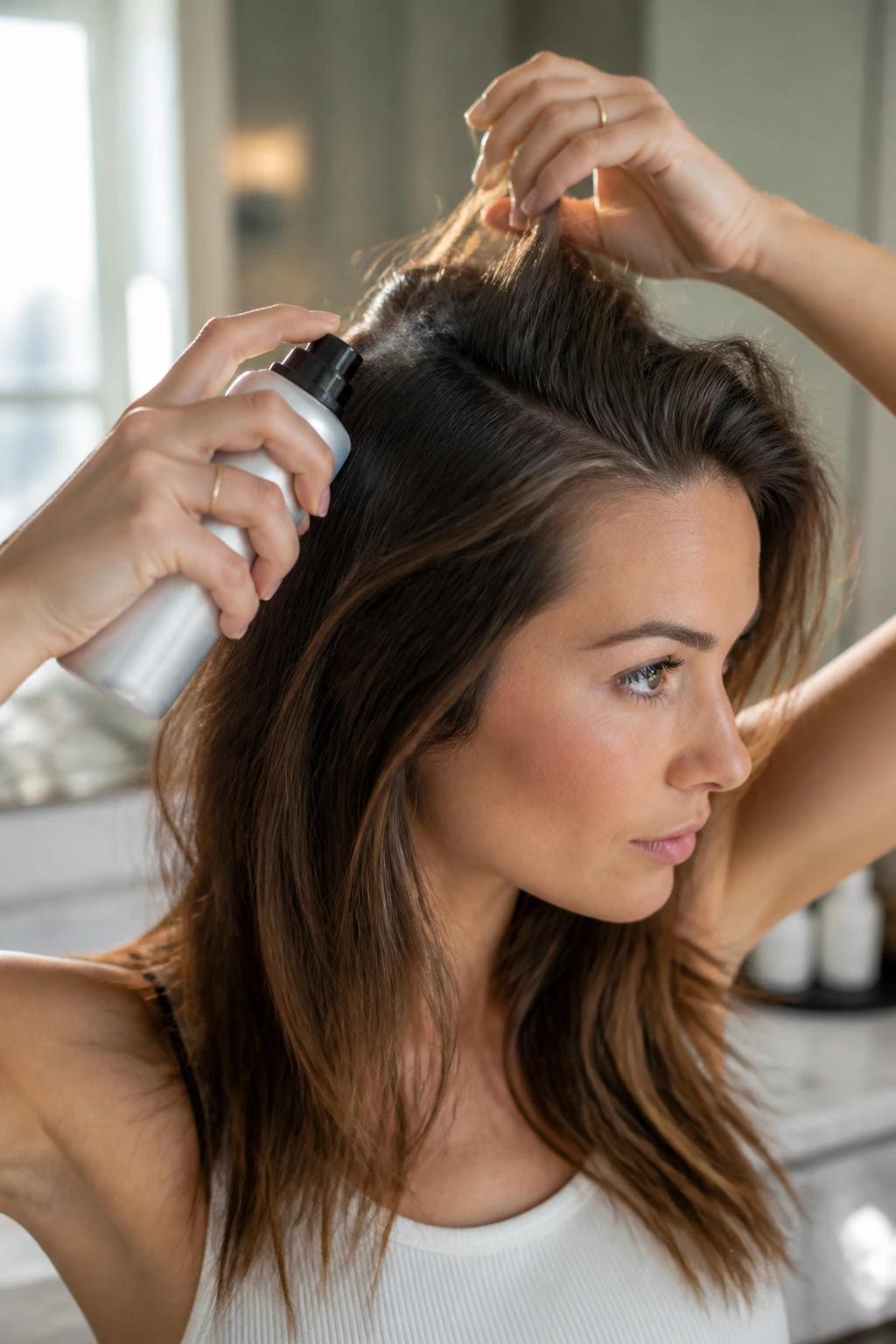
When you have fine hair, volume is the primary challenge on a rushed morning. A targeted volumizing root spray provides the lift that gravity otherwise strips away. The key is in the application: focus the spray specifically on the roots, not the lengths.
The Application Routine
Lift sections of your hair and spray the product directly onto the scalp area. Flip your head upside down and use a blow dryer on a cool setting for just thirty seconds. The combination of the product and the air pressure creates an instant, structural foundation that lasts all day.
Choosing the Right Formula
Look for ingredients like sea salt or polymers that swell the hair shaft. Avoid products that contain heavy silicones, as these will eventually weigh the hair down, leading to the exact flatness you are trying to avoid.
12. Wet-Look Styling for Texture
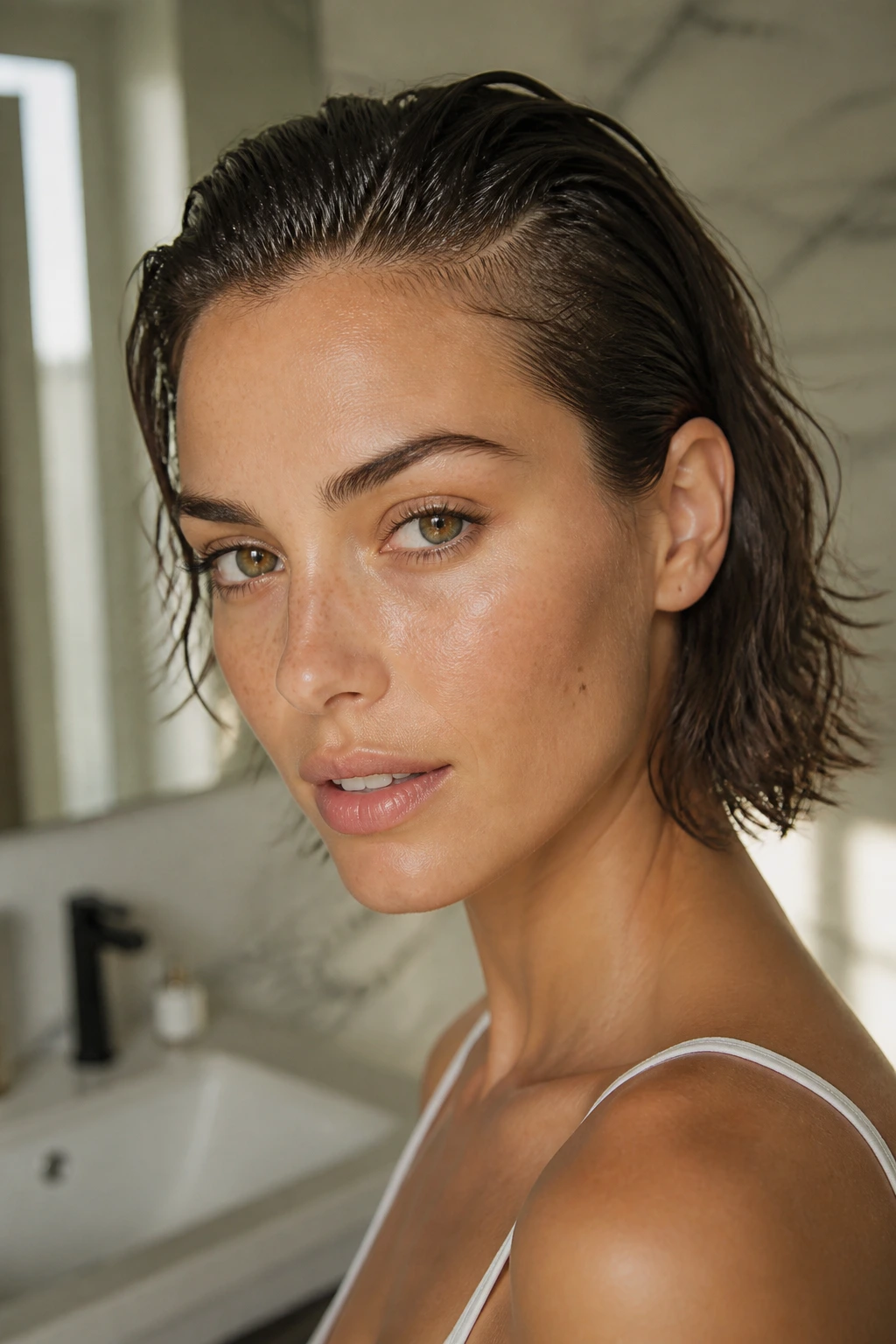
When you don’t have time to wash your hair, own the fact that it is a bit textured. The “wet look” is a deliberate style that works best on second-day hair. By using a light-hold gel or a styling cream, you can slick back the front while letting the back remain natural.
The Aesthetic Logic
This style is all about contrast. By tightening the front and leaving the rest of the hair with its natural wave or curl, you look like you are following a high-fashion trend rather than masking an unwashed head. It is a bold, confident approach to morning maintenance.
Managing the Hold
Use a product that stays flexible. You want your hair to look damp, not stiff or crunchy. Apply the product to your hands, run it through the front sections, and use a wide-tooth comb to create lines for a more structured, editorial appearance.
13. The Ribbon or Scarf Accents
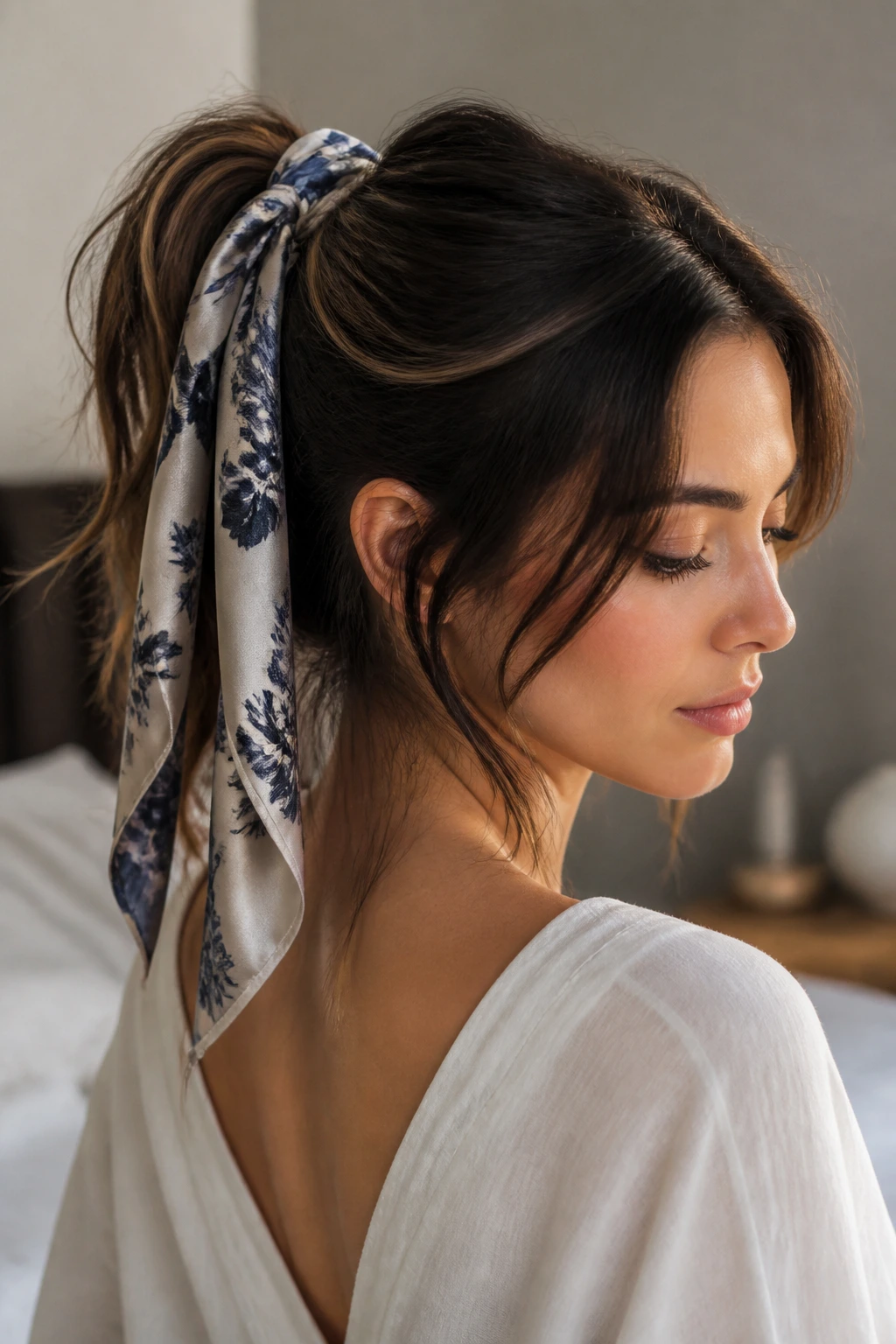
If your hair is behaving poorly, don’t try to force it into submission. Instead, drape a silk ribbon or a thin scarf over your ponytail or bun. This acts as a beautiful distraction and an immediate style upgrade.
Incorporating Accessories
A ribbon creates a focal point. People will notice the accessory, not the fact that your hair is slightly frizzy or unwashed. It’s an effective way to hide an elastic band while simultaneously pulling in colors from your outfit to create a cohesive, planned look.
Keeping It Secure
To prevent the ribbon from sliding, tie it around the elastic rather than just pinning it into the hair. If you have a longer scarf, you can weave it into a loose braid, which makes the braid look thicker and adds a touch of bohemian elegance to your day.
14. Pre-Segmented Ponytails
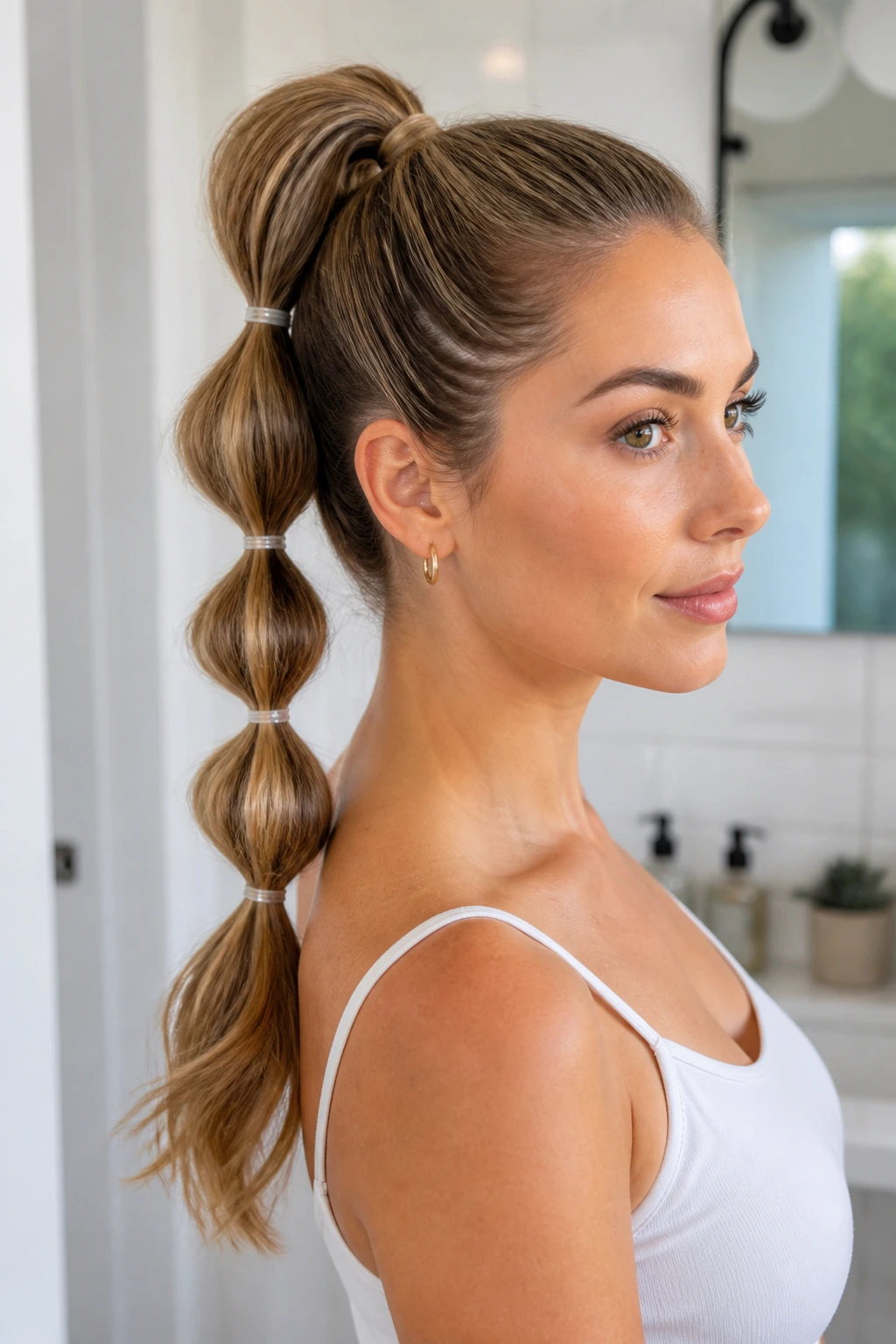
A bubble ponytail is a fantastic way to make your hair look much longer and thicker than it actually is, and it only requires a few extra clear elastic bands. It breaks the monotony of a long, singular ponytail into interesting, rounded sections.
The Bubble Technique
Tie your hair into a high ponytail. Every two inches down the length of the ponytail, secure it with another small, clear elastic. Gently tug at the hair between each elastic to “puff” it out into a bubble shape.
Efficiency and Longevity
This style is incredibly sturdy. Because the hair is segmented, it stays in place throughout the day, even if you are moving around. It is a fun, youthful, and highly effective way to manage length when you want your hair kept back but don’t want a boring, flat ponytail.
15. The “Fake” Bob Illusion
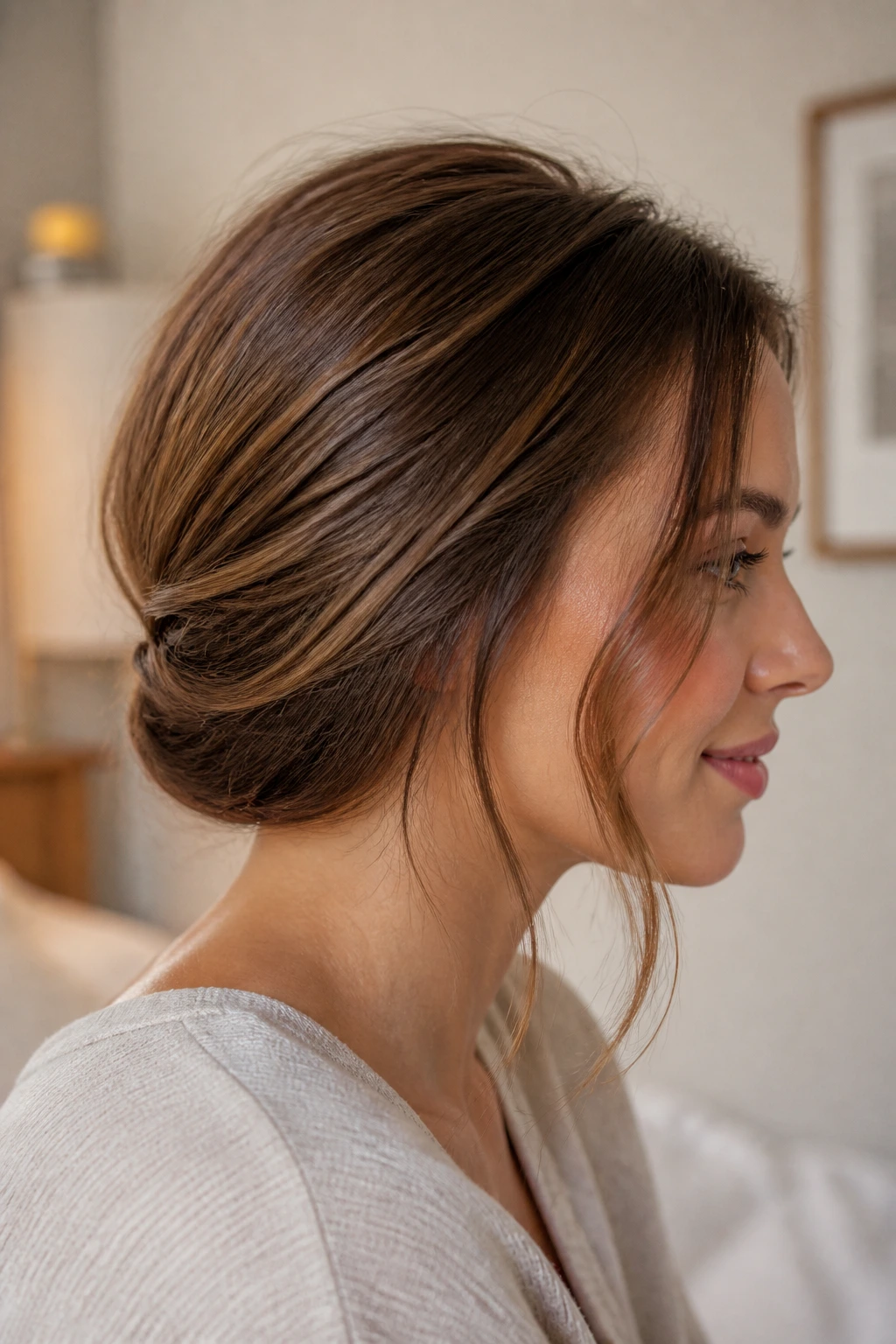
If you have shoulder-length hair or longer and want to change your look entirely without committing to a cut, the tuck-under method creates the appearance of a short bob. This is a brilliant trick for mornings when your ends look particularly dry or damaged.
Creating the Illusion
Gather your hair into a very loose, low ponytail at the nape of your neck. Take the ponytail and tuck it underneath the hair at the base of your skull, using bobby pins to secure the ends against the back of your head. The hair essentially doubles over, creating a soft, faux-bob silhouette.
Refining the Shape
Pull a few strands loose around your face to make the bob look natural and slightly lived-in. This is a transformative style that changes your profile completely and takes less time than a proper blow-dry.
16. Texturizing Sprays Over Hairspray
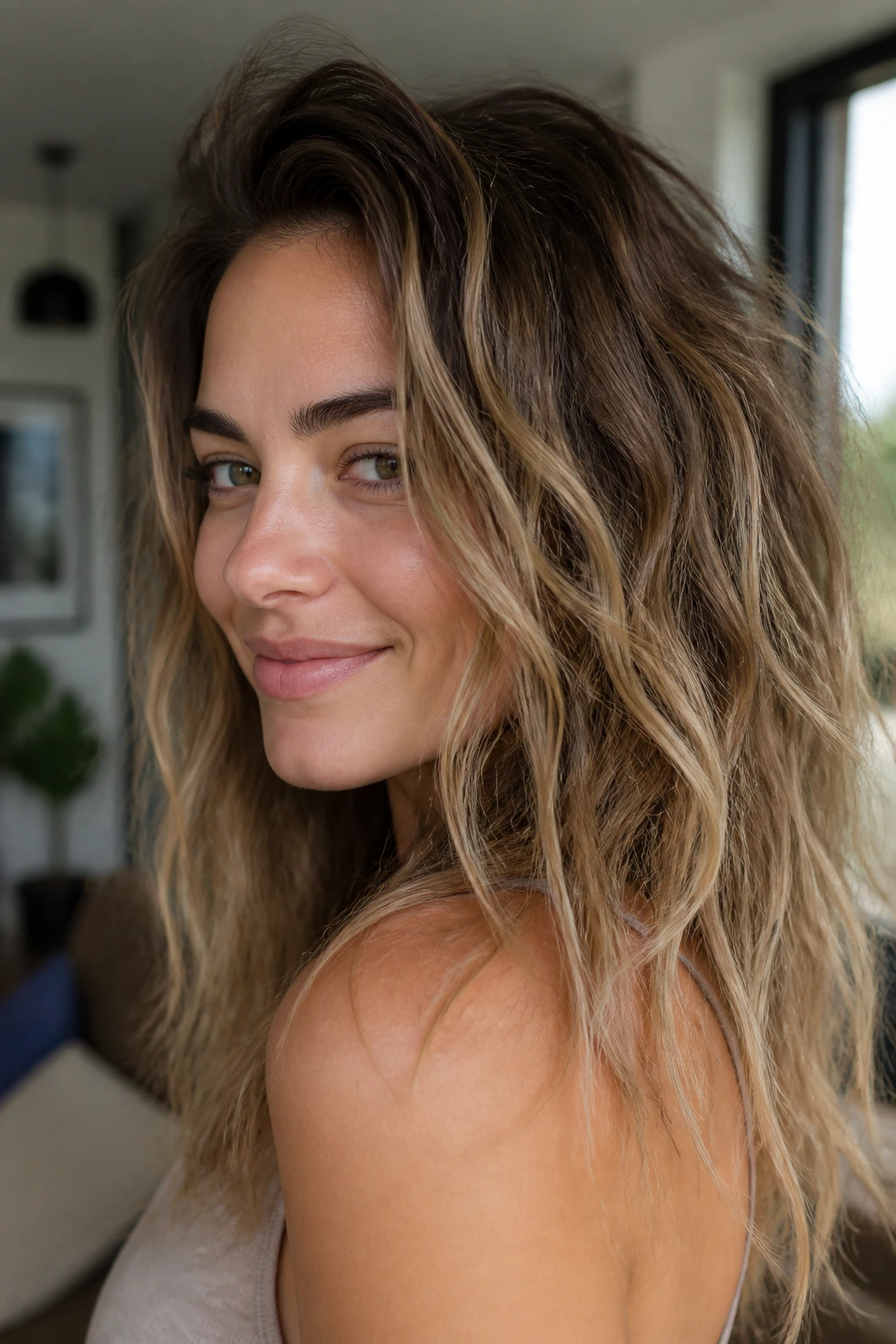
Hairspray has a tendency to make hair feel sticky and brittle, which is the last thing you want on a busy morning when you might need to adjust your style later. Texturizing sprays, conversely, offer a dry, airy hold that allows for movement.
Why It’s Superior
These sprays are designed to mimic the feeling of hair that has spent the day at the beach. They add grit and separation, which makes it much easier to pile hair into buns or create loose, messy waves. You can run your fingers through your hair without it feeling like it’s glued together.
The “Messy” Advantage
If your hair is too clean or too soft, it won’t hold a style. A few bursts of texturizing spray provide the necessary friction to help hair stay in place. It’s the closest thing to having “styled” hair without actually doing anything beyond a quick spritz.
17. The Importance of Proper Brushing
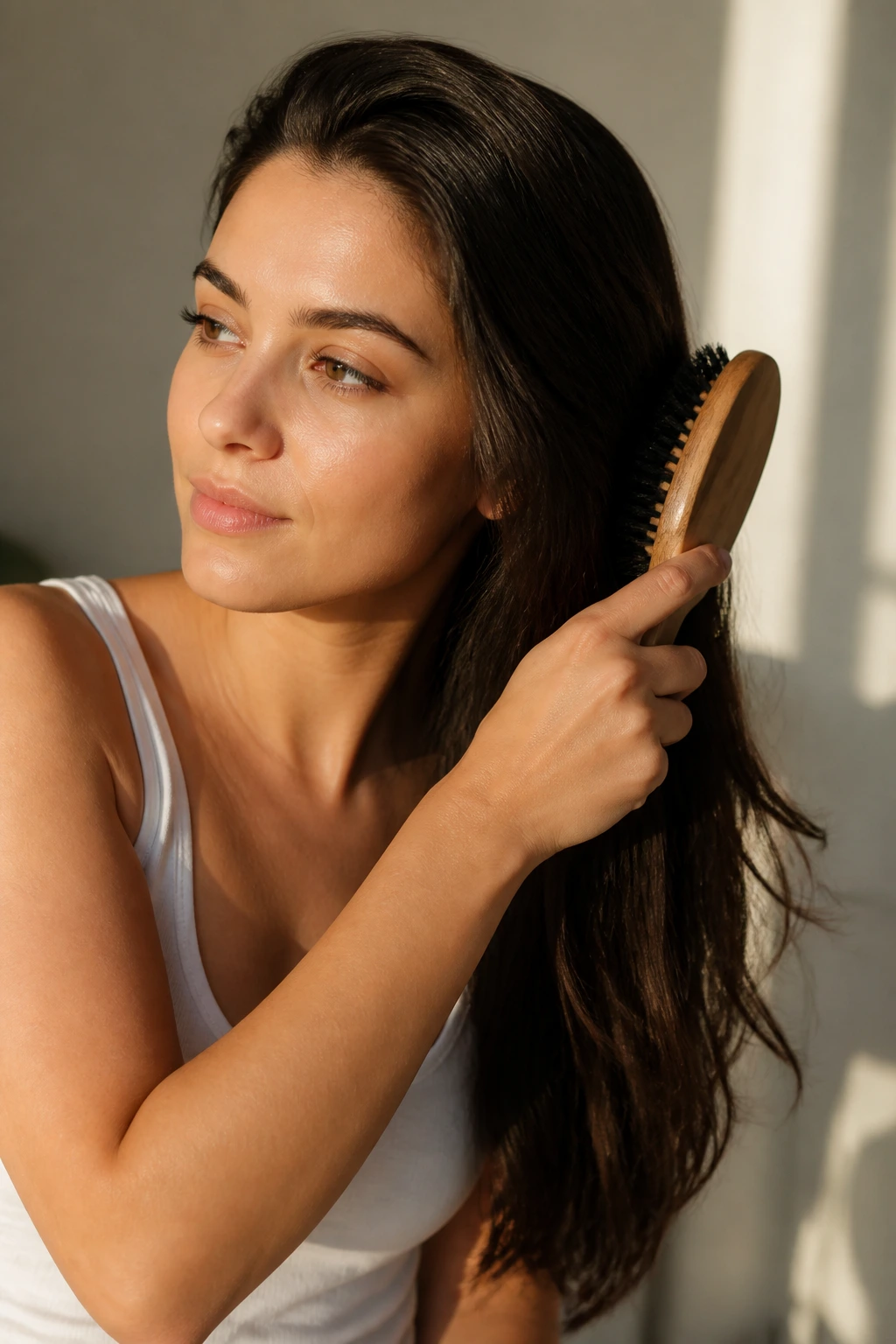
Never underestimate the benefit of a high-quality brush, especially a boar bristle brush. It is specifically designed to distribute natural oils from your scalp down through the ends of your hair, which is the most effective way to add shine and smoothness without a single product.
Natural Conditioning
If you make it a habit to brush your hair thoroughly for one minute every morning, you are essentially conditioning your hair for free. This helps settle the hair, making it lay flatter and look healthier before you even start styling.
Choosing Your Tool
- Boar Bristles: Best for shine and smoothing.
- Detangling Brushes: Best for wet hair to prevent snapping.
- Round Brushes: Only necessary if you have time for a blowout; otherwise, avoid them on rushed mornings to prevent tangles.
18. Using Heatless Rollers
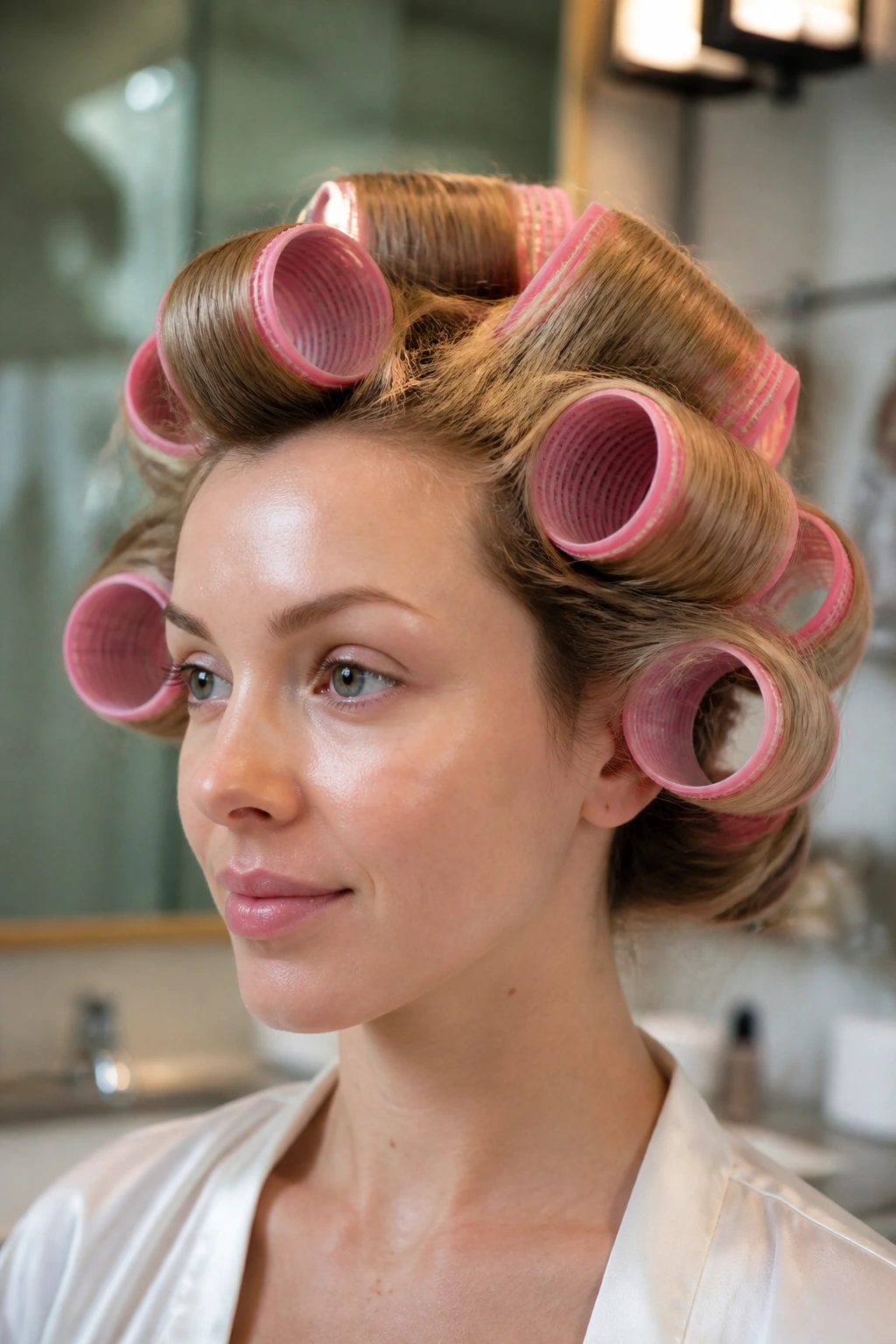
If you have five minutes before you hop in the shower, put in a few large, foam, or velcro rollers while you finish your morning routine. The heat from your body or the ambient steam in the bathroom will help set the curl pattern without you having to touch a hot tool.
The Convenience Factor
Once you are done with your makeup or dressing, take the rollers out. You’ll have a significant amount of volume and a soft, bouncy wave that looks like it took much longer than it did. It’s a passive way to get salon-quality results while you are busy doing other things.
Proper Sizing Matters
The larger the roller, the softer the wave. If you want tighter curls, use smaller rollers, but be aware that they can be more prone to tangling if you are in a rush. Stick to large, velcro-style rollers for the most efficient, polished look.
19. The Front-Section Braid
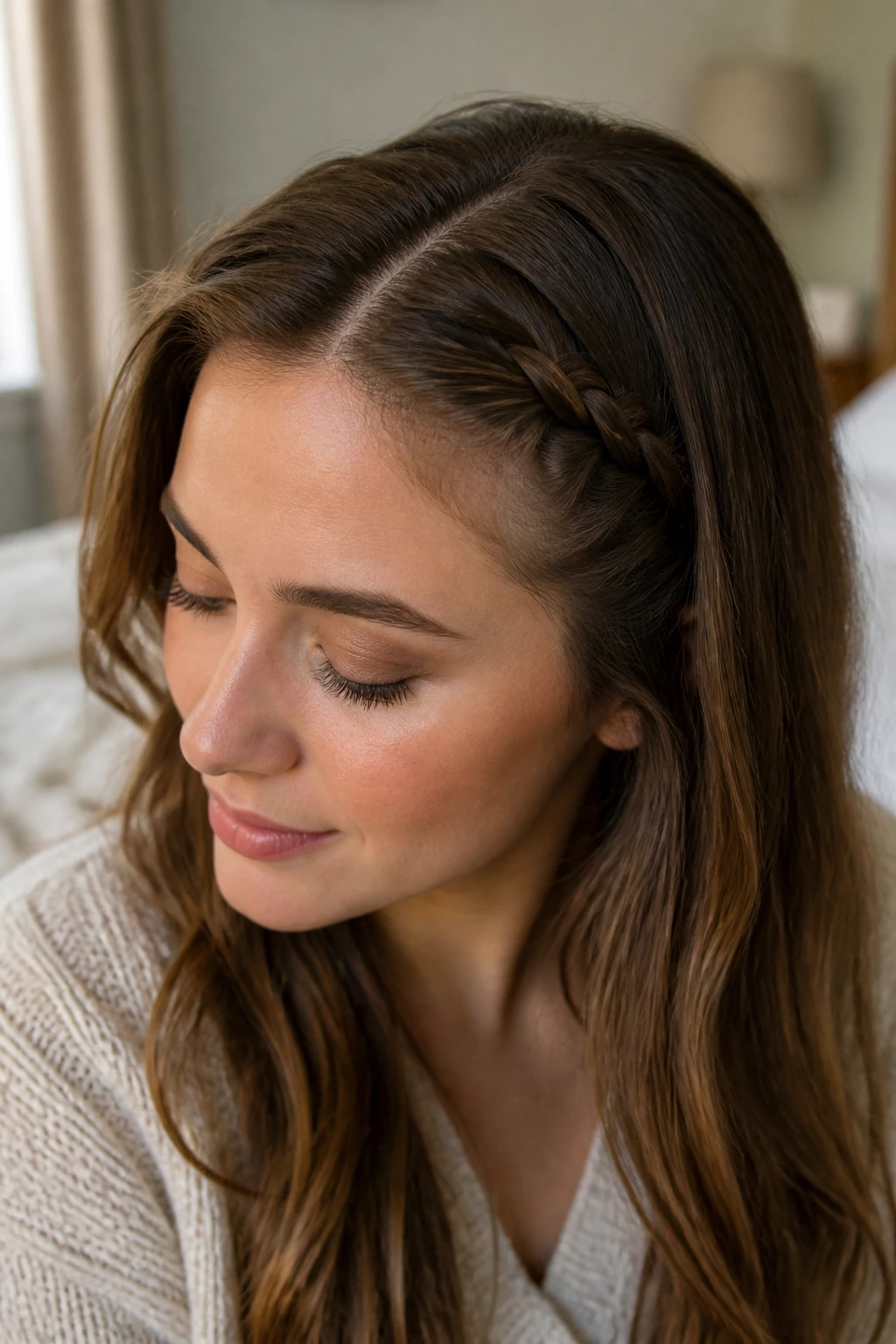
When your hair looks uninspiring but you don’t want to tie it all back, braid just the front sections. This keeps the hair off your face while leaving the rest of your hair loose and flowing. It’s a simple framing technique that adds detail to your overall appearance.
Step-by-Step Styling
Take a small section of hair starting near your part. Create a simple three-strand braid that runs back toward your ear. Secure it with a small elastic and pin it underneath your hair, letting the rest of your hair drape over it to hide the pin.
Quick Customization
You can do one braid on the side of your part, or one on each side for a balanced look. It takes seconds to weave and immediately elevates the hair from a standard “down” style to something that feels intentional and styled.
20. The Tassel Effect
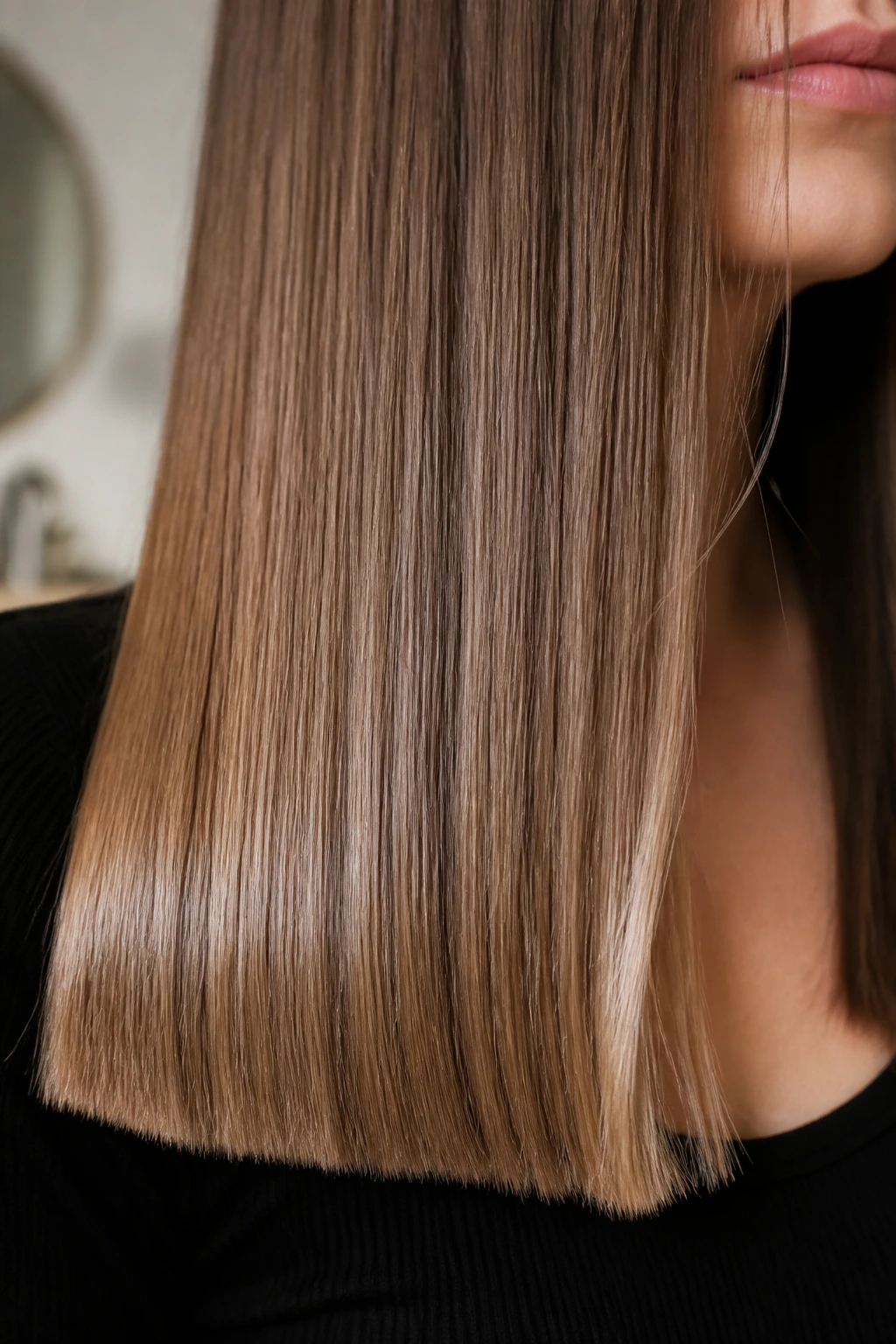
Sometimes, simplicity is the ultimate sophistication. If you have long, straight hair, the “tassel” look is very chic—it involves ensuring the ends are perfectly blunt and shiny. Use a small amount of smoothing serum on just the last two inches of your hair.
Polishing the Ends
The ends are the first thing people notice. If they look frayed, the whole style looks messy. A dab of serum or a very light oil makes the ends look cohesive and healthy, which is the hallmark of a polished, well-kept hairstyle.
The Focus of Light
By concentrating your shine product only on the ends, you keep the scalp area clean and light. This prevents the hair from appearing greasy while ensuring that your style looks crisp and deliberate, even if you spent the rest of your morning rushing.
21. Embracing the Natural Pattern
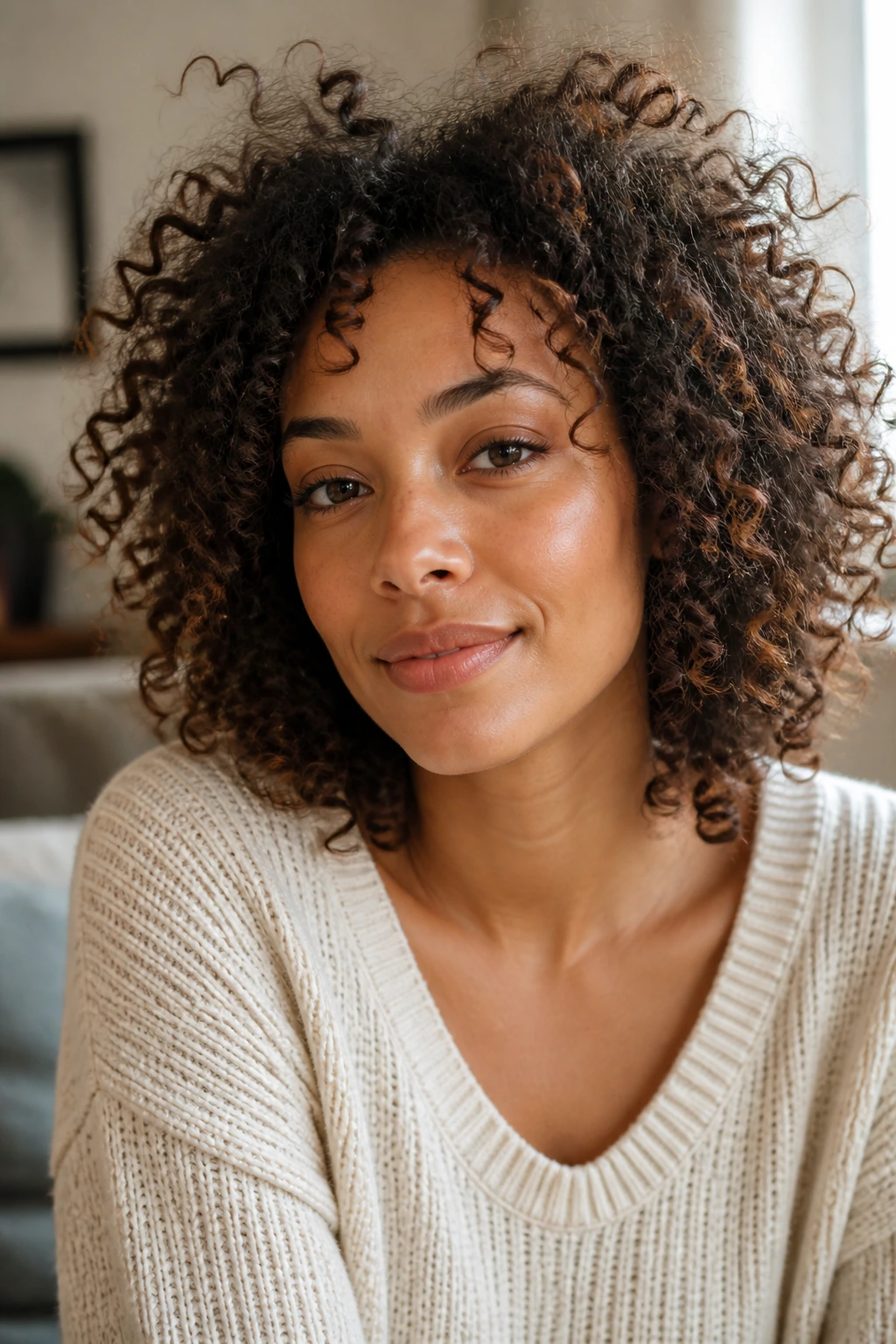
The final and most effective tip for busy mornings is to stop fighting your hair. If you have curls, don’t try to straighten them. If you have stick-straight hair, don’t try to force a messy beach wave that will fall out in an hour.
Finding Your Strengths
Work with your natural texture. Use a curl-enhancing cream on damp, curly hair and let it air dry. If your hair is straight, use a light texturizing spray to give it more body and let it sit. The most polished looks are always those that align with your hair’s inherent tendencies.
The Confidence Factor
Accepting your hair type saves you time and mental energy. When you work with your natural texture, you don’t have to deal with the frustration of styles that “break” throughout the day. You’ll look more authentic, feel more comfortable, and get out the door significantly faster.
Final Thoughts
Efficiency in your morning hair routine isn’t about cutting corners; it’s about choosing techniques that deliver the highest visual return for the least amount of effort. By rotating through these strategies, you can ensure that your hair looks intentional every single day, even when your schedule is packed.
Remember that the goal is consistency. Once you have a handful of these styles mastered, they become second nature. You will no longer spend your mornings staring at the mirror, wondering what to do; instead, you’ll have a pre-planned set of options that get you from bed to your front door looking exactly how you want to be seen.