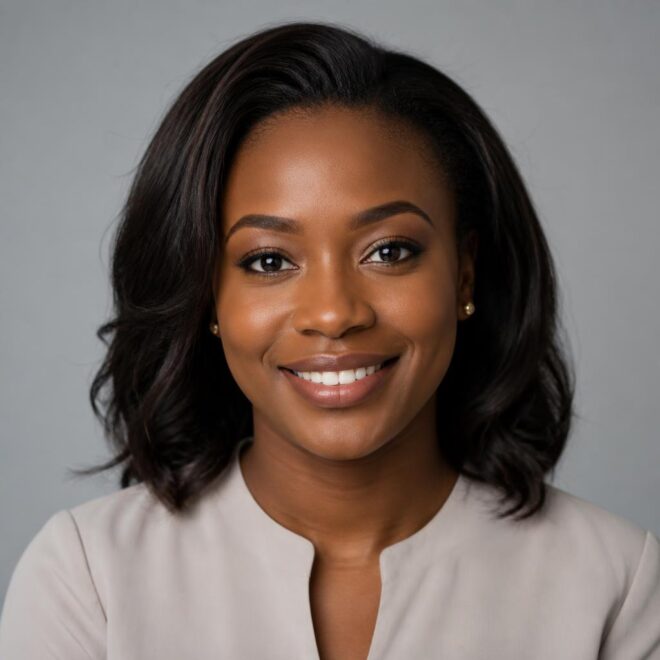


Choosing to chop your locks into a bob is a serious commitment, yet it remains one of the most liberating transitions you can make in your personal style. There is something undeniably magnetic about a precise, neck-framing cut that highlights the jawline and commands a room without screaming for attention. Many people mistakenly believe that “short” means a lack of options, but the reality of the bob is far more expansive. It is a silhouette that defies the limitations of length.
We often talk about the “perfect” bob as if it’s a universal standard, but that’s a fallacy. The beauty of the bob lies in its geometry—the way it frames your face, moves with your stride, and responds to the texture of your hair. Whether your strands are naturally coarse and unruly or fine and prone to laying flat, there is a variation of this classic style that feels like an intentional design choice rather than just a quick trim. If you are hovering on the edge of the shears, you need to understand not just the look, but the maintenance and the technical structure behind these styles.
1. The Classic Blunt Chin-Length Bob
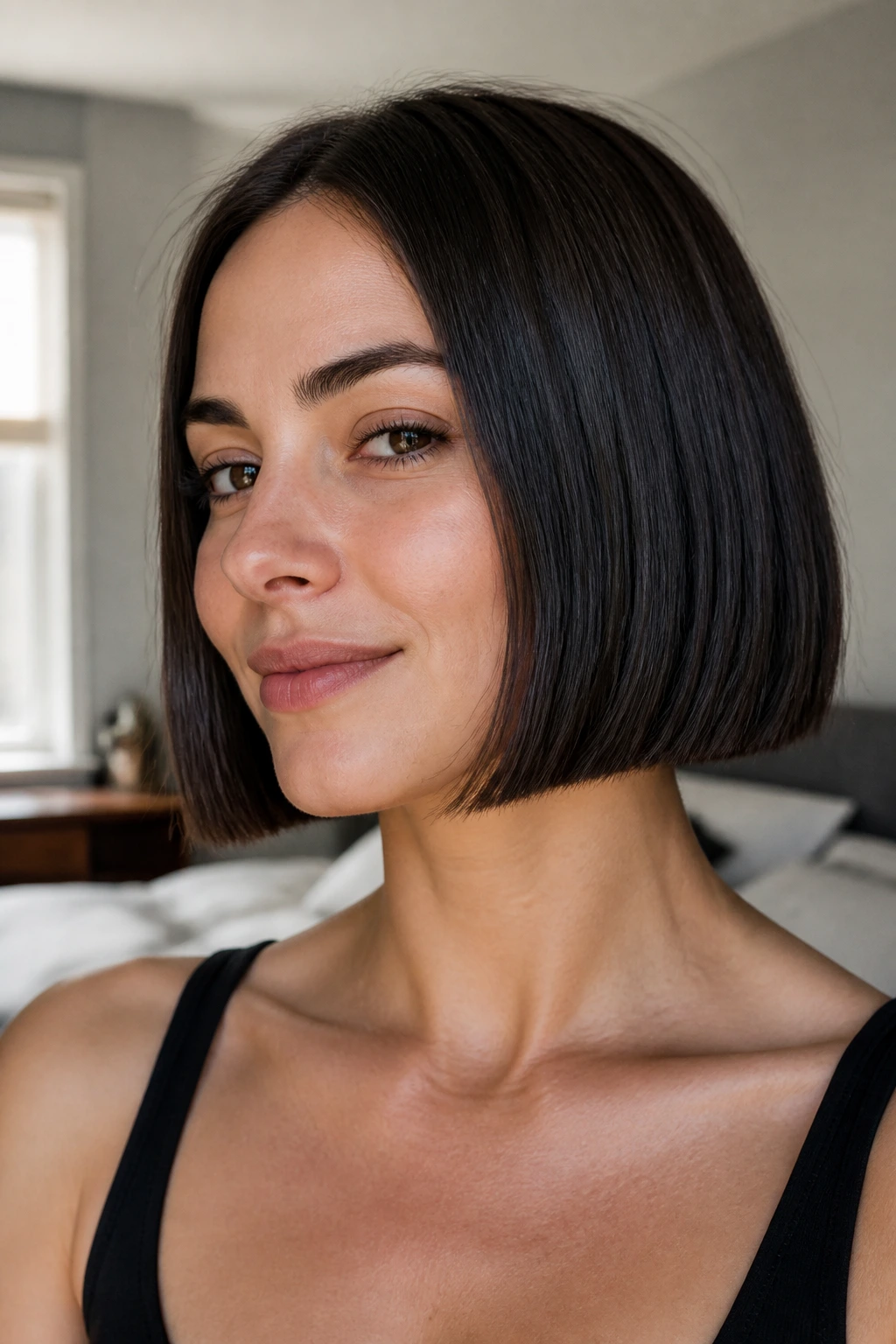
This is the foundational shape that started it all. It is defined by a clean, horizontal line that hits exactly at the chin, creating a sharp, architectural frame around the face. The appeal here is the lack of layers; when you remove the interior texture, you gain weight and density at the perimeter. This makes it an ideal choice for those with fine or straight hair who want to create the illusion of thickness.
Why This Style Endures
The bluntness of the cut means your ends will always look intentional. It doesn’t rely on clever texturizing or messy waves to look “finished.” When you walk out of the salon with a fresh blunt bob, that line is crisp enough to read from across the street.
Care and Maintenance
- Visit the salon every six weeks to maintain the integrity of that sharp line.
- Use a high-quality boar bristle brush while blow-drying to keep the ends tucked under slightly.
- Avoid heavy, oily styling products that can cause the hair to separate and lose its solid, uniform look.
Pro tip: Use a flat iron to smooth the very ends downward, but leave a slight C-curve to keep it from looking stiff or dated.
2. The Textured Wavy Shag Bob
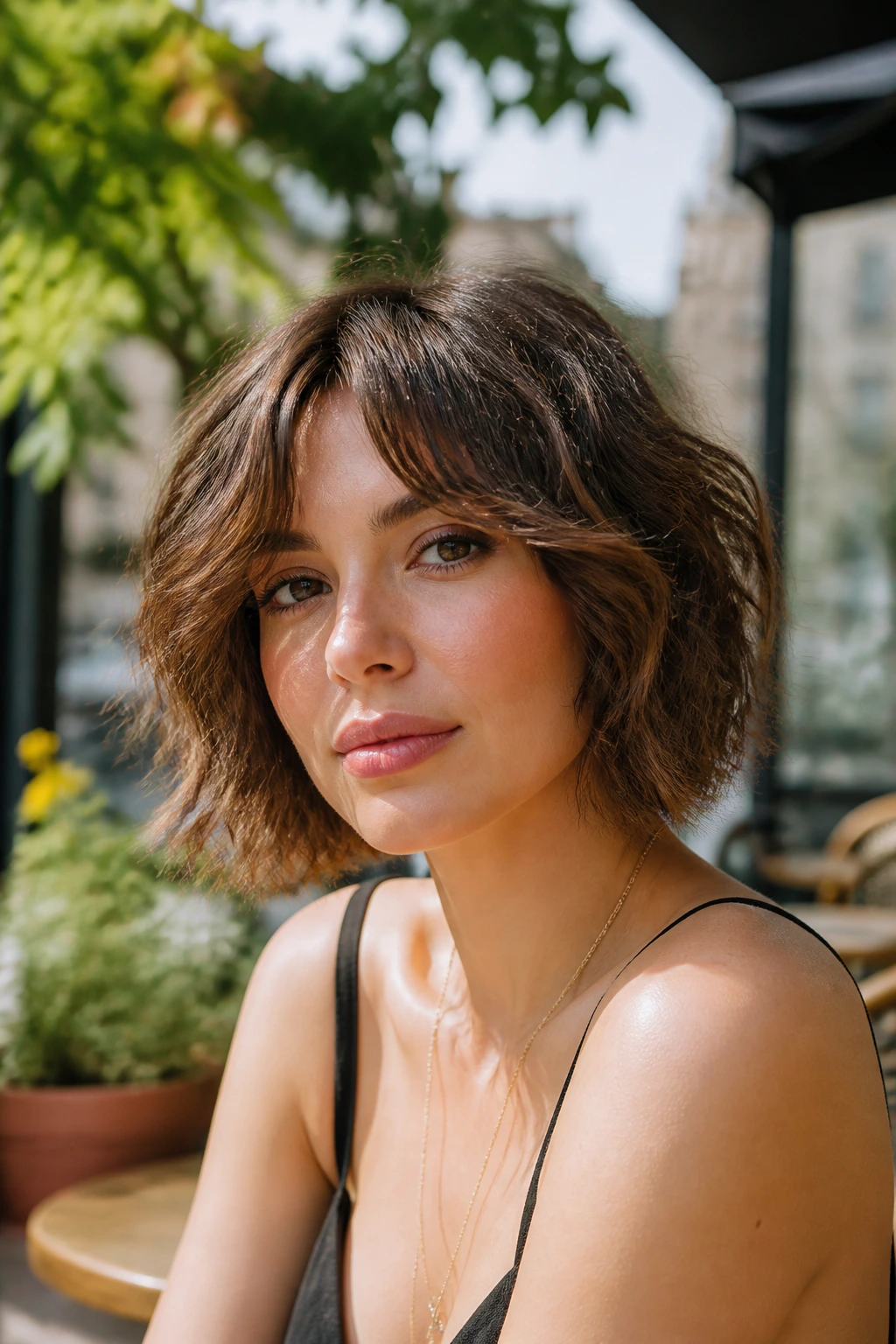
If the blunt bob is a sculpture, the shag bob is a conversation. This style relies on internal layers—specifically, shorter pieces around the crown—to build volume and create that undone, lived-in feel. It is the antithesis of the “neat” bob, favoring movement and airiness over perfection.
How to Style for Maximum Movement
You want to encourage your hair’s natural bend here. Avoid the temptation to over-style; instead, apply a sea salt spray to damp hair and let it air-dry. The goal is to keep the roots lifted and the ends looking slightly frayed in a way that suggests you’ve just stepped off a beach.
The Best Hair Types for This Cut
- Naturally wavy or curly hair thrives in this environment.
- Those with fine hair can benefit from the volume, provided the layers aren’t cut too aggressively.
- It’s surprisingly forgiving if you’re trying to grow out a shorter pixie, as the length builds up gradually.
Pro tip: A wide-tooth comb is your best friend. Use it only when the hair is wet to avoid turning your waves into a frizzy mess.
3. The Angled A-Line Bob
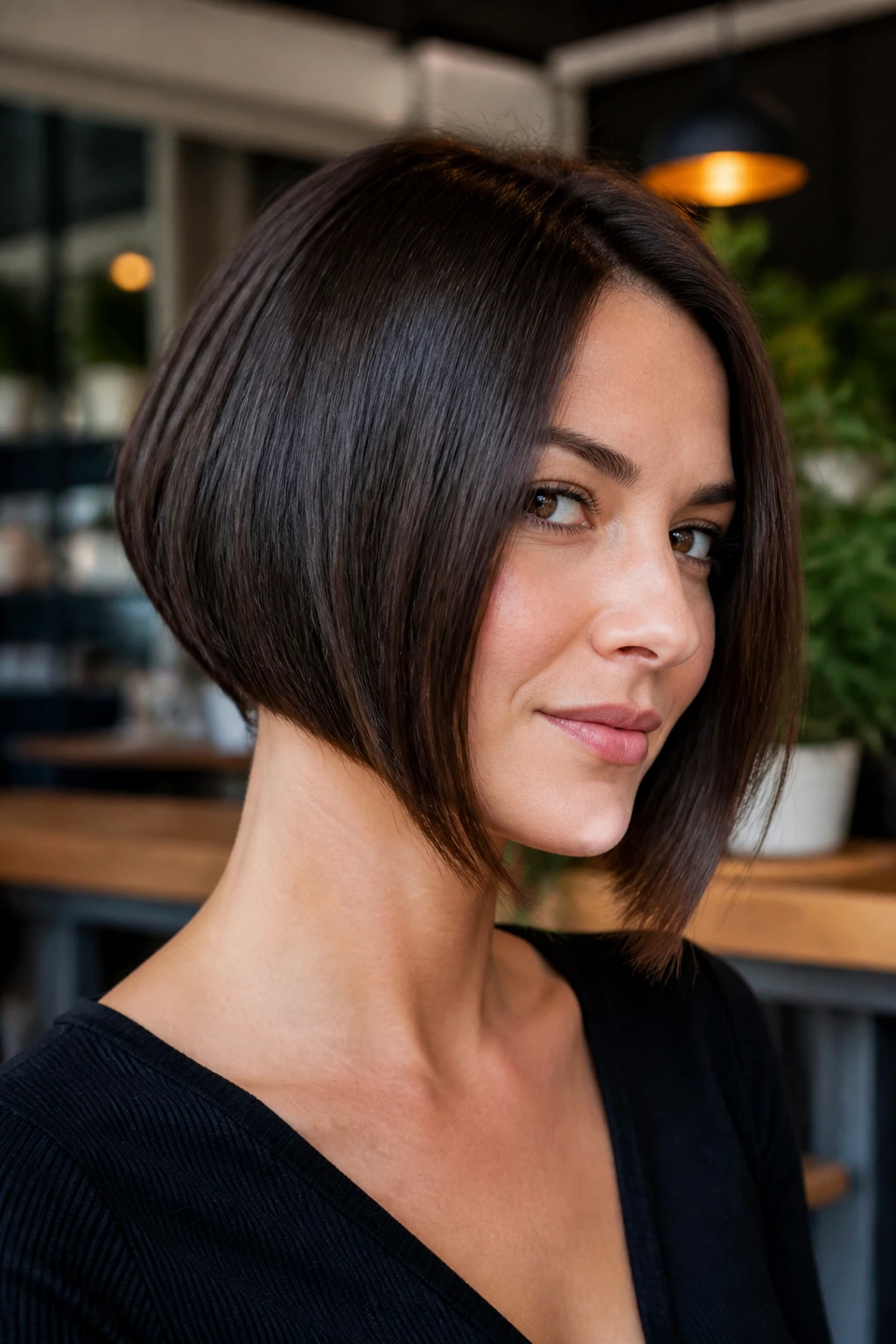
This look is iconic for its dramatic shift in length from back to front. The hair is cut significantly shorter at the nape of the neck—often with a slight undercut—and tapers down into longer, face-framing pieces at the chin or collarbone. It is a bold move that adds length to the face, making it a fantastic option for those who want the ease of a short bob without losing the ability to tuck hair behind their ears.
The Geometry of the Cut
The angle creates a sense of direction and speed. Because the back is shorter, you eliminate the bulk that often develops at the hairline, making it much easier to manage in humid weather. The longer front pieces act like an accessory, framing your cheekbones and drawing attention to the eyes.
Styling Considerations
- Use a round brush to give the longer front sections a gentle, inward-facing bend.
- Keep the back sleek using a lightweight smoothing cream to ensure the taper remains the star of the show.
- The A-line is incredibly versatile, working just as well with a sharp side part as it does with a messy middle part.
4. The Softly Layered Rounded Bob
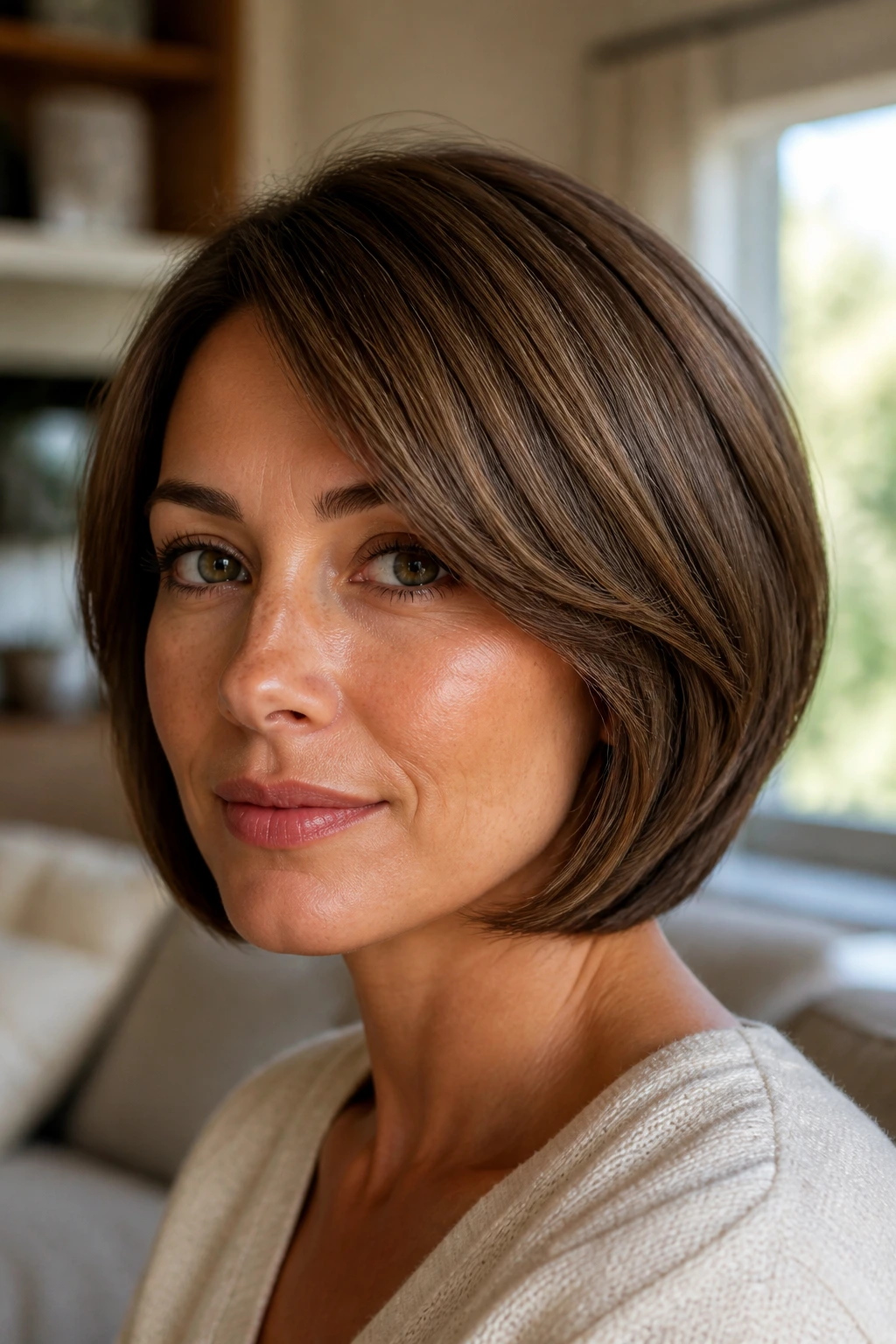
Sometimes you don’t want a sharp line; you want a silhouette that feels gentle and organic. The rounded bob uses subtle, internal layers that are invisible to the eye but essential to the shape. They encourage the hair to curve inward toward the neck rather than hanging straight down. It feels almost like a modern take on the classic 1920s silhouettes, but with much more flexibility.
Why It Works for Mature Features
The rounded shape provides a “softening” effect. If you have sharp features or a more angular jaw, this cut works to balance those lines by adding volume through the sides of the head. It’s a very elegant, professional look that requires minimal effort to style in the morning.
Essential Styling Tools
- A medium-sized round brush is critical for getting that inward tuck.
- Use a lightweight volumizing mousse at the roots before blow-drying to ensure the roundness doesn’t collapse by midday.
- Avoid heavy serums, which will weigh down the crown and ruin the rounded effect.
5. The French Girl Messy Bob

This is less about the cut and more about the attitude. It’s typically jaw-length, often paired with a wispy, slightly irregular fringe. The hallmark of the French bob is that it isn’t “done.” It sits right at the mouth or chin, and it welcomes frizz, natural texture, and a bit of chaos. It is the ultimate low-maintenance style for those who find perfection boring.
The Secret to the Fringe
The bangs shouldn’t look like they were cut with a ruler. They should be piecey, allowing the forehead to peek through in an uneven, effortless way. When the hair grows out, it blends seamlessly into the side layers, meaning you don’t need a touch-up every two weeks.
Managing the Volume
- Let it air-dry. Always.
- Use a bit of dry shampoo at the roots for a gritty, lived-in feel.
- If it starts to look too uniform, rub a tiny amount of pomade between your palms and mess up the ends.
6. The Sleek Center-Part Bob
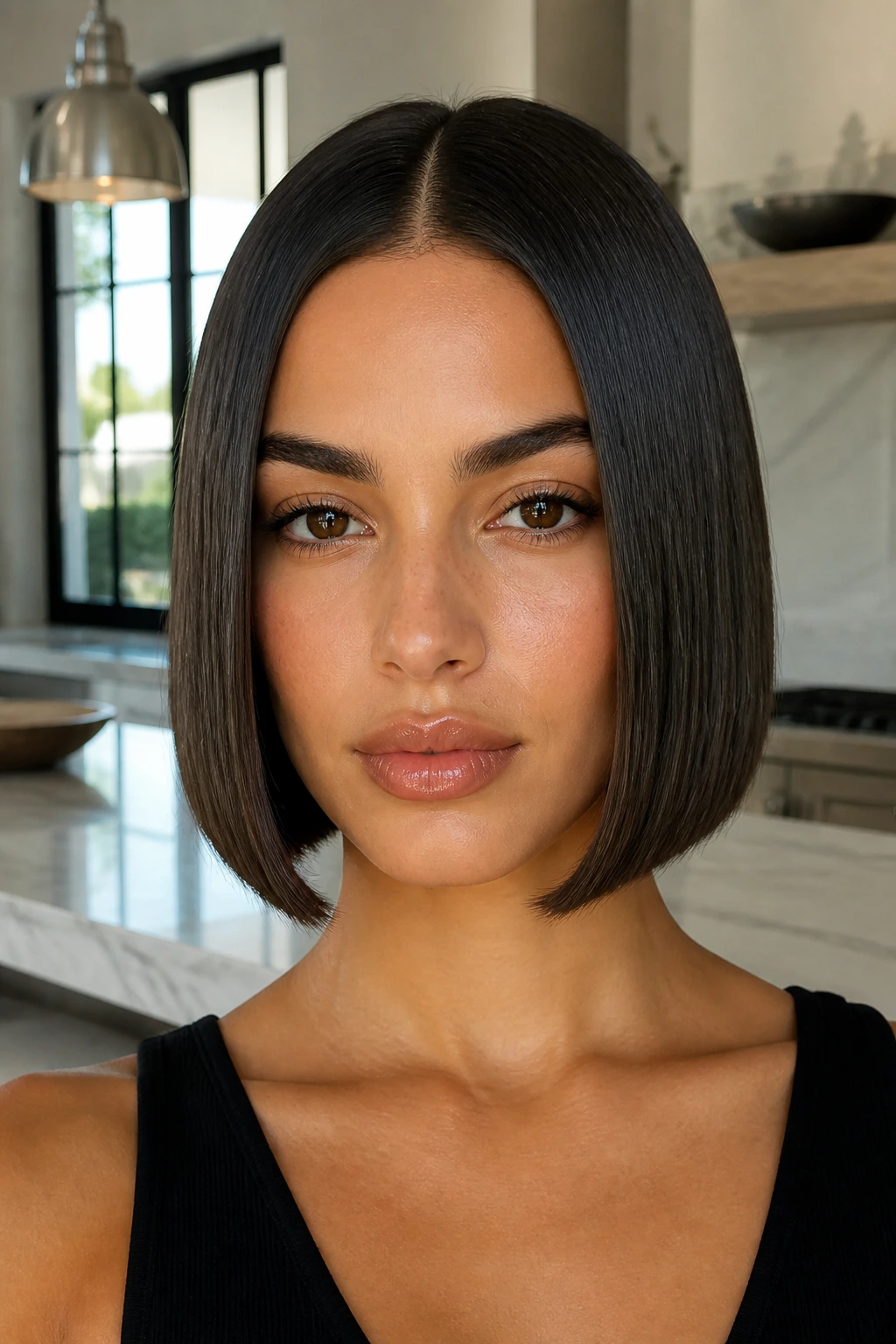
When you see a bob on a runway, it is almost always this one. The middle part is non-negotiable here; it creates a symmetric, frame-like effect that feels incredibly modern and expensive. The ends are trimmed with military precision, and there isn’t a hair out of place. It’s a bold look that demands confidence.
Who Should Avoid This Cut
If you have a very narrow face, a center part might elongate it too much. However, for those with oval or round faces, this style provides an incredible amount of structure. It’s also the ultimate test of your hair’s health—if your ends are split or fried, this cut will highlight it instantly.
The Maintenance Routine
- Invest in a high-quality ceramic flat iron to achieve that liquid-like shine.
- Apply a heat protectant spray every single time you style.
- Use a shine mist at the end to catch the light on the surface of the hair.
7. The Curly Graduated Bob
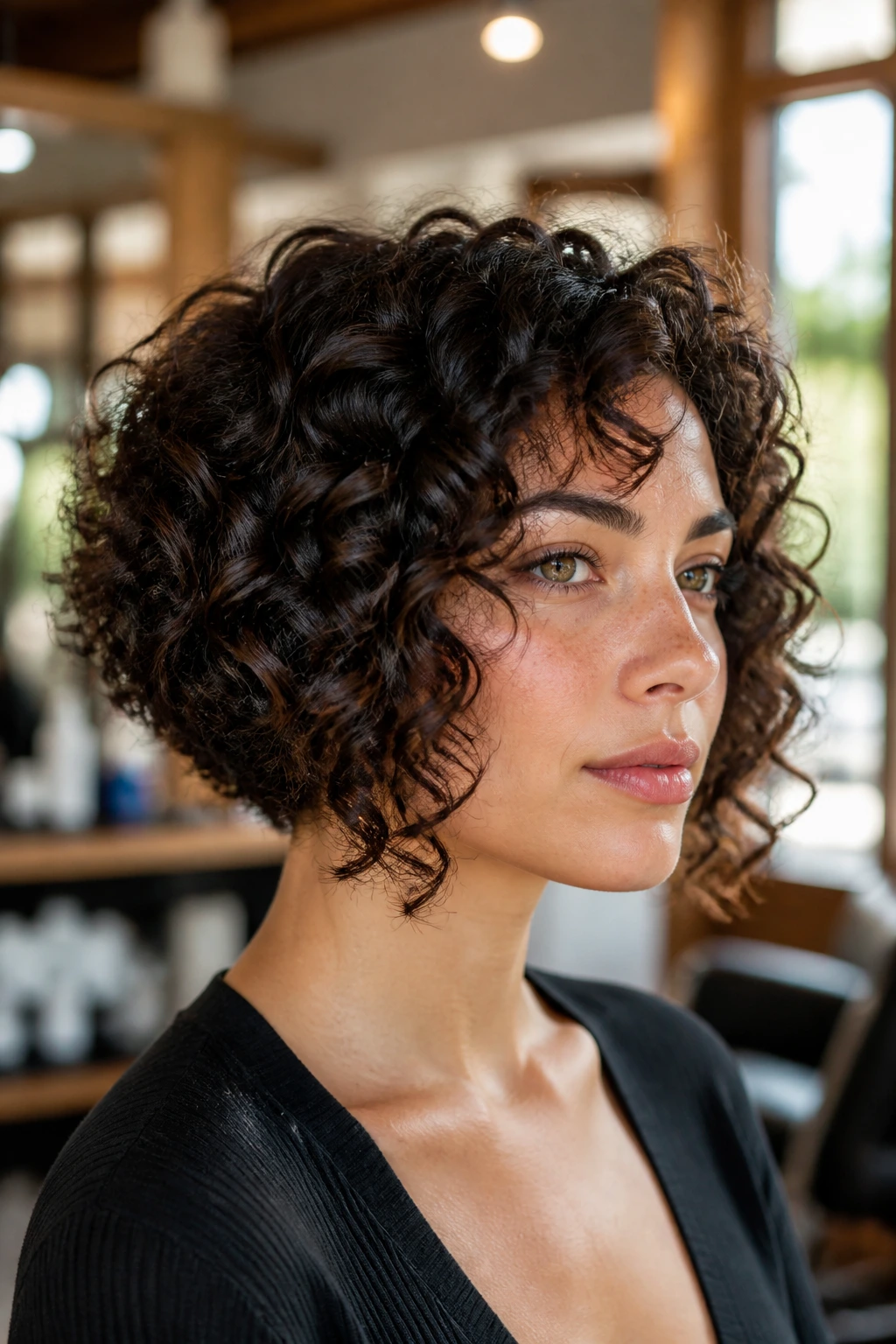
Curls have a mind of their own, and this cut respects that by focusing on shape rather than length. The hair is cut at an angle—shorter in the back, longer in the front—to manage the weight of curls and prevent the dreaded “triangle head” effect. By thinning out the bottom layers and keeping the crown voluminous, you create a gorgeous, rounded cascade of texture.
Styling the Bounce
Don’t reach for a flat iron. Your tools are a diffuser attachment for your hairdryer and a high-quality curl cream. Apply the product while the hair is soaking wet, scrunch it upwards, and dry it without touching it until it’s completely set.
Why It’s a Game Changer
- It prevents the weight of long hair from pulling the curl pattern flat at the roots.
- It is much easier to maintain than a long, curly shag.
- You can experiment with different parts without ruining the overall shape.
8. The Ear-Tuck Inverted Bob

This is a specific variation where the front layers are cut just long enough to tuck comfortably behind the ear, while the back remains short and elevated. It’s a practical, everyday style that looks polished at the office but can be pulled back into a tiny, messy knot if you’re heading to the gym.
The Technical Edge
The key is the “invisible layer” at the nape. Your stylist should point-cut the back hairline so it doesn’t grow out with a hard line, allowing it to soften naturally as the weeks pass. This is a great transition cut if you are nervous about going too short, as the front length provides a sense of security.
How to Style
- Focus on the texture of the front pieces. They should have a slight wave or bend to look intentional when tucked.
- Keep the back flat and close to the neck. If it poofs out, it loses the “tucked” aesthetic.
9. The Blunt Bob with Micro-Fringe
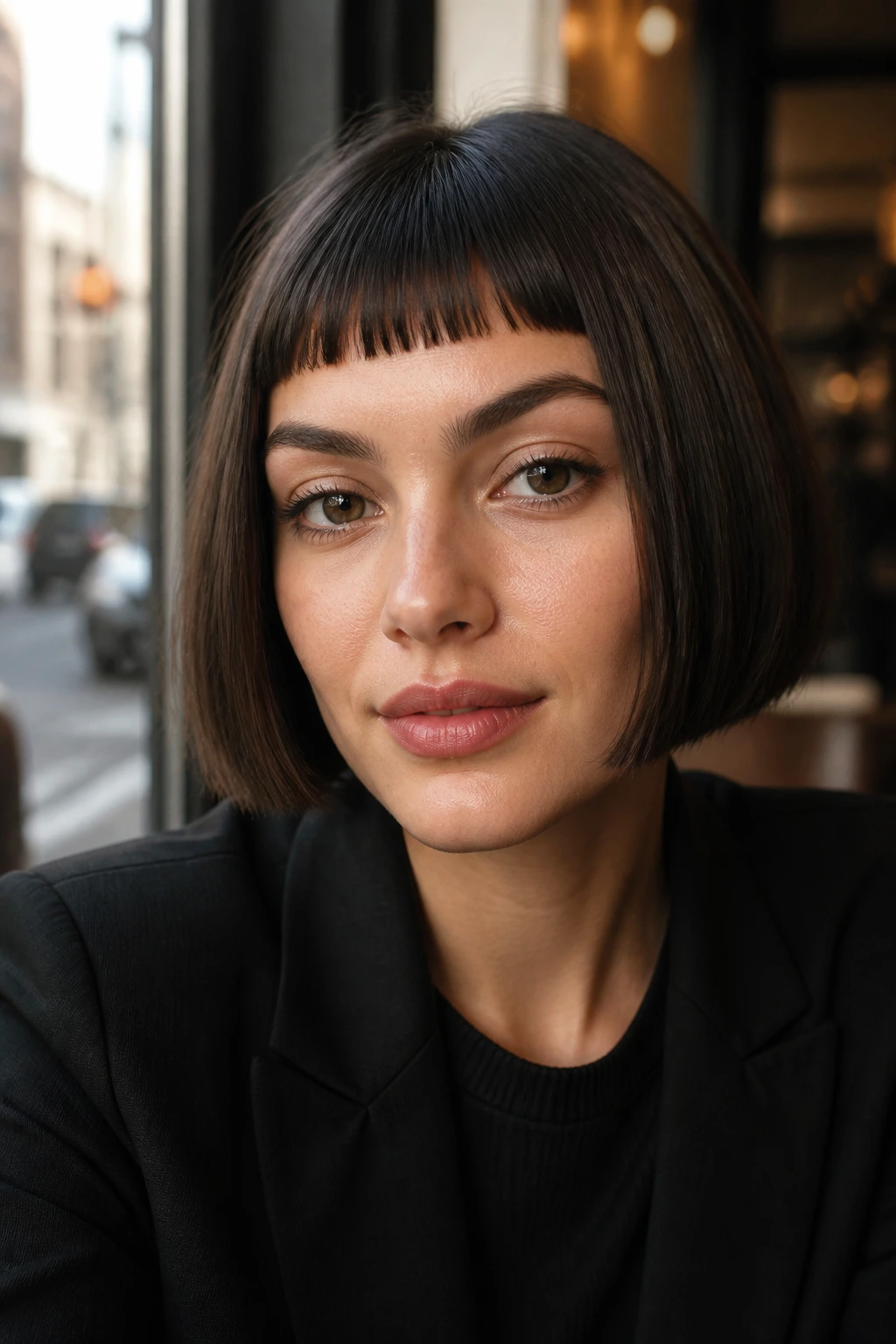
If you want to make a statement, this is the way to do it. The micro-fringe (bangs that stop an inch or two above the eyebrows) combined with a solid, blunt-cut bob is a high-fashion look that draws immediate attention to the eyes and brows. It is dramatic, edgy, and requires a level of boldness to pull off.
Facial Feature Balancing
This cut is brilliant for people with strong, defined eyebrows. Because the bangs are so short, they force the viewer to look at the center of the face. It is a very clean, deliberate look that requires regular trims—if the bangs grow past a certain point, the whole aesthetic shifts from “edgy” to “accident.”
Daily Maintenance
- You will need to style your bangs every single morning with a small round brush.
- Do not let them air-dry unless you want them to look frizzy and inconsistent.
- A tiny dab of hair wax helps keep the individual pieces of the fringe separated and defined.
10. The Asymmetrical Side-Part Bob
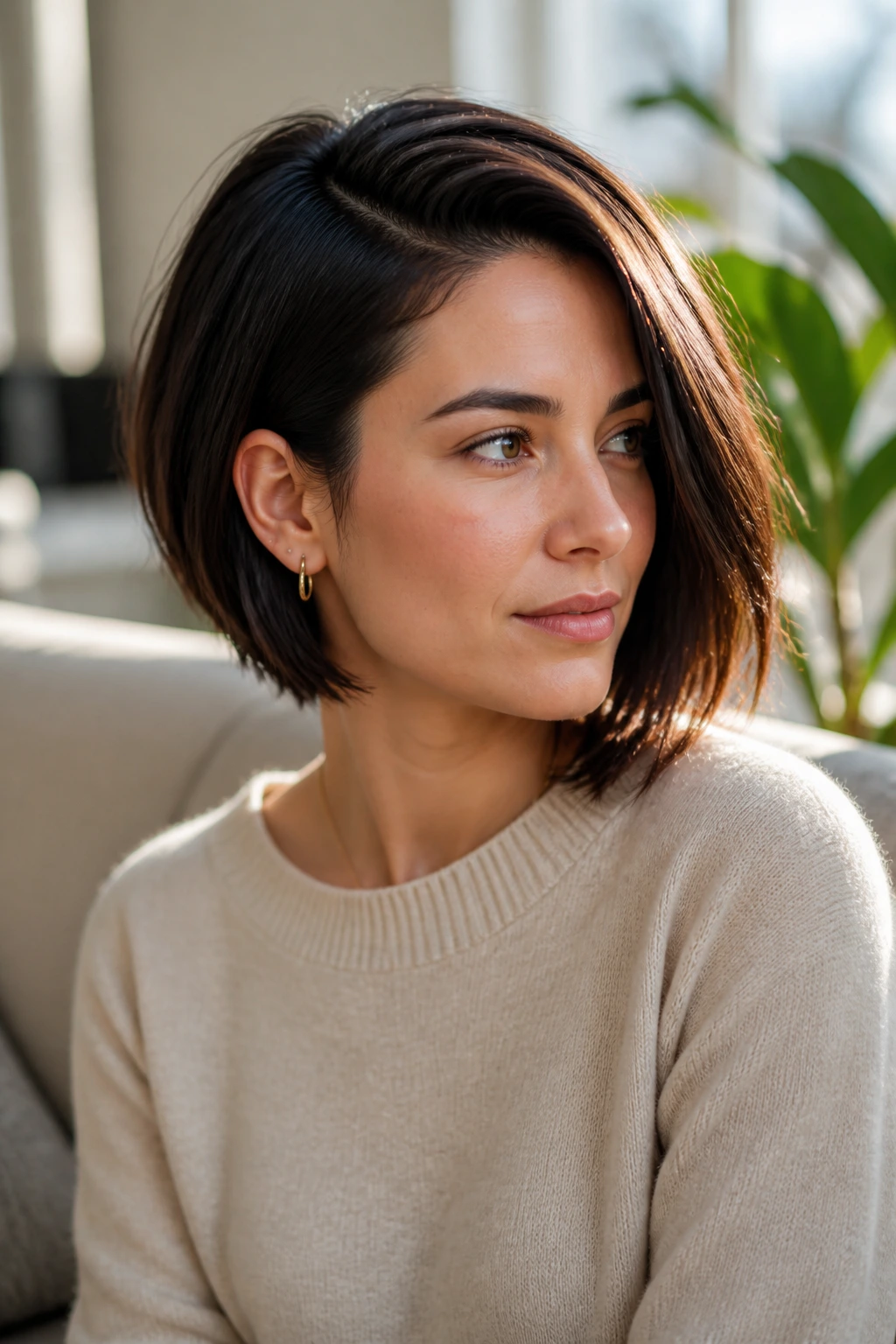
This is a subtle way to play with geometry. By cutting one side slightly longer than the other and forcing a deep side part, you create a look that feels asymmetrical and dynamic. It frames one side of the face while leaving the other more open, which is a great way to highlight a preferred profile.
The Benefits of Asymmetry
It’s a perfect “fix” for hair that grows unevenly or for faces that aren’t perfectly symmetrical. The long side draws the eye down, creating a slimming effect, while the shorter side adds volume near the temple. It’s a very clever, structural cut.
Why You’ll Love It
- It’s easy to switch back to a middle part if you get bored.
- It makes even fine hair look thicker on the “long” side.
- It’s a great way to incorporate a slightly dramatic change without cutting all your hair to the same length.
11. The Shaggy “Wolf” Bob
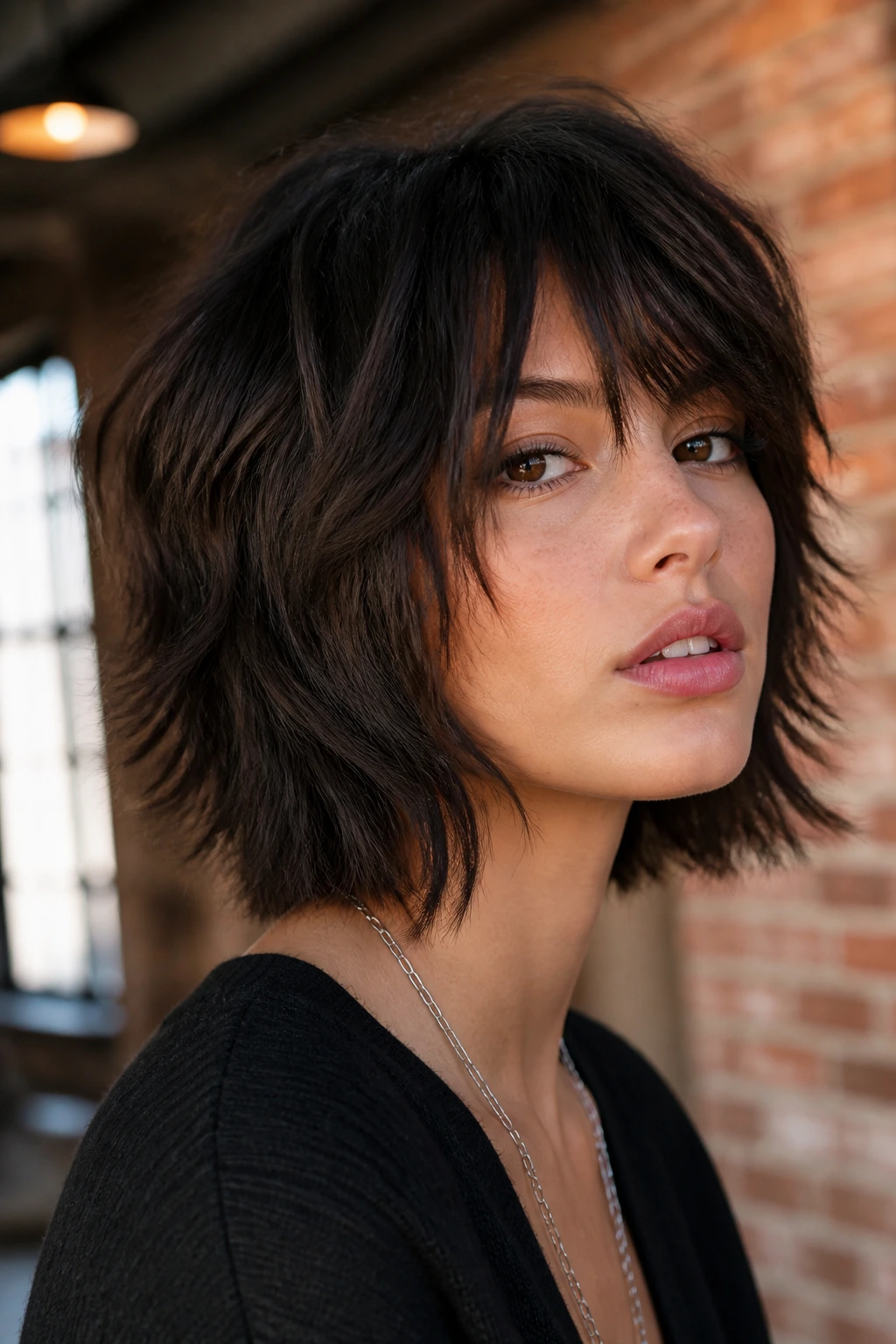
Taking the spirit of the 70s shag and condensing it into a bob-length cut creates the “wolf” bob. It’s all about layers, layers, and more layers. The top is full and messy, while the ends are wispy and light. It’s a very cool, rock-and-roll aesthetic that looks best when it’s slightly messy.
Handling the Layers
This cut requires a stylist who is comfortable with a razor. Scissors can sometimes make layers look too blocky, but a razor provides that soft, feathered finish that makes a shag bob move so well.
Styling Tip
- Apply a texturizing paste to the mid-lengths.
- Don’t worry about symmetry. In fact, lean into the unevenness. The more disjointed it looks, the better it works.
12. The Blunt Bob with Long Face-Framing Pieces
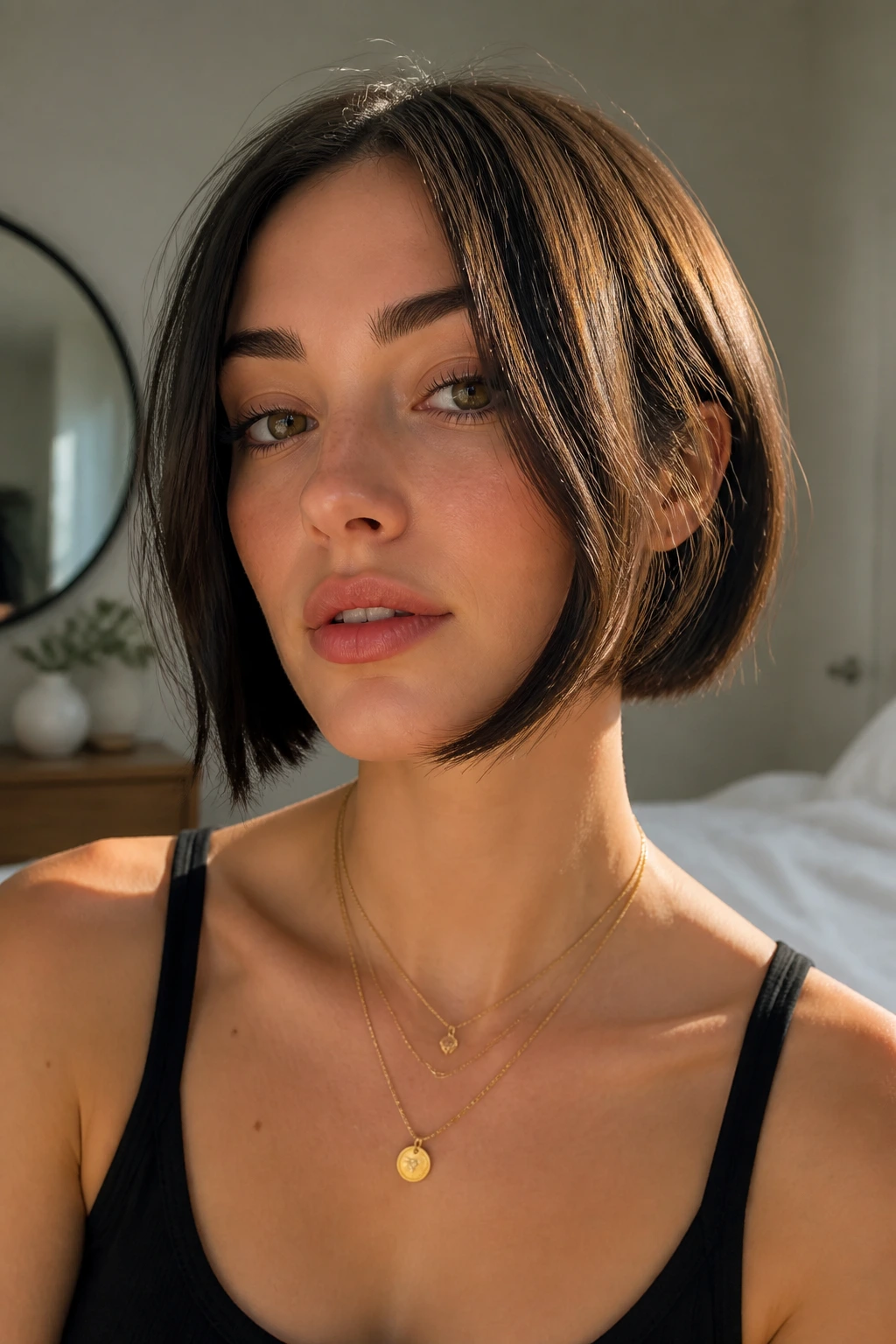
Sometimes you want the back to be short, but you aren’t quite ready to lose the “length” sensation around your face. This cut keeps a blunt, bob-length back and sides, but leaves two distinct, longer sections near the jawline. It’s a modern twist that feels very Y2K-inspired and allows for a bit more styling versatility.
Why This Style Works
It offers the best of both worlds: the clean, structural back of a bob and the framing effect of longer hair. It’s particularly flattering for those who feel that a standard bob makes their face look too “round” or “boxed in.”
Practical Styling
- You can curl these long front pieces outward to add volume.
- You can pull them back into a ponytail while leaving the shorter layers around the face for a soft, face-framing look.
13. The Sleek “Glass” Bob
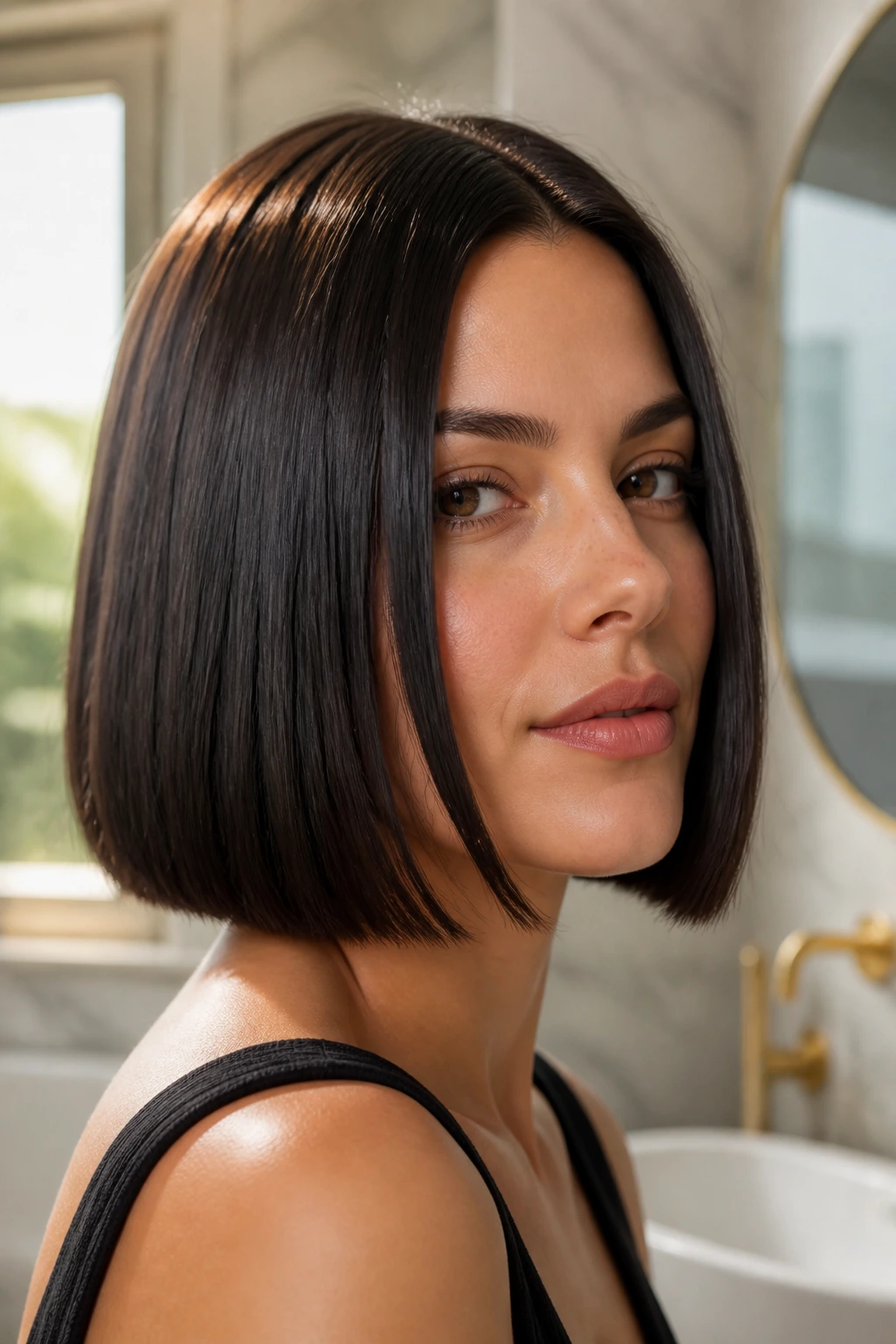
The glass bob isn’t necessarily a unique cut, but it is a unique finish. It is essentially a blunt bob that has been styled to look so smooth it reflects light like a pane of glass. This requires a specific set of products: a smoothing primer, a high-heat flat iron, and a final coat of serum.
Essential Product Strategy
- Start with a smoothing shampoo to remove any frizz before you even begin to dry.
- Use a blow-dry cream that contains heat-activated silicones or natural oils to seal the cuticle.
- The flat iron step should be slow and steady, pulling the iron through small, thin sections of hair to ensure total alignment.
Why It’s a Commitment
This look is not for the “wake up and go” person. It requires a dedicated 15-20 minutes of styling every morning, and it only works on hair that is relatively healthy.
14. The Undercut Nape Bob
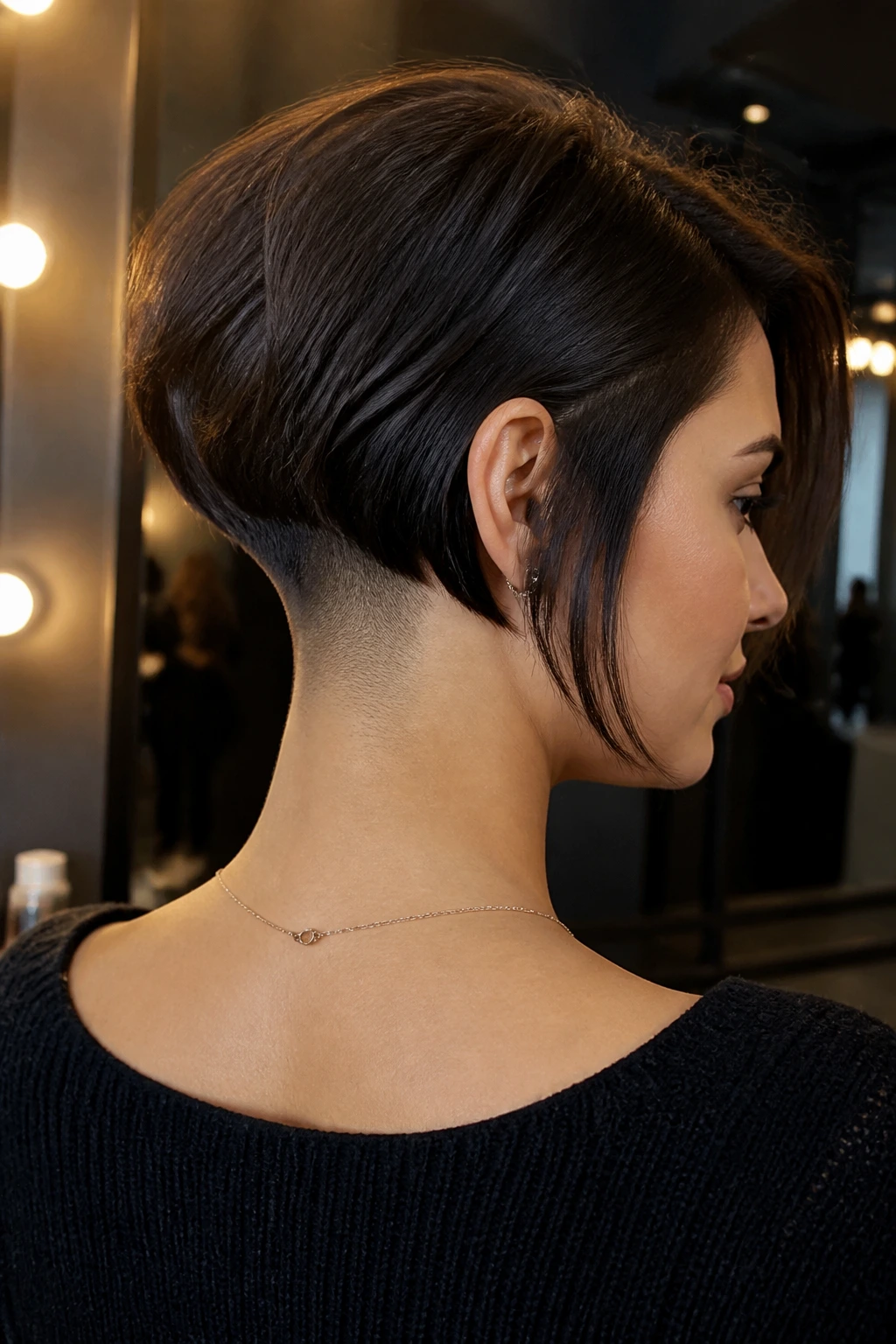
This is a hidden secret for those with thick, heavy hair who want to go short but fear the “poof.” By shaving or clipper-cutting the hair at the very nape of the neck, you remove a massive amount of weight. This allows the hair above it to lay flatter and smoother against the neck.
The Surprise Factor
Most of the time, nobody will know it’s there unless you put your hair up. It’s a very practical, functional way to make a bob manageable for someone with a high volume of hair. It also feels quite cool against the neck, which is a blessing in warmer months.
Choosing the Look
- Keep the undercut short—a number two or three guard is usually plenty.
- You can even get designs etched into the undercut if you want to get creative, but a simple, clean shave is classic and professional.
15. The “Lob” Transition Bob
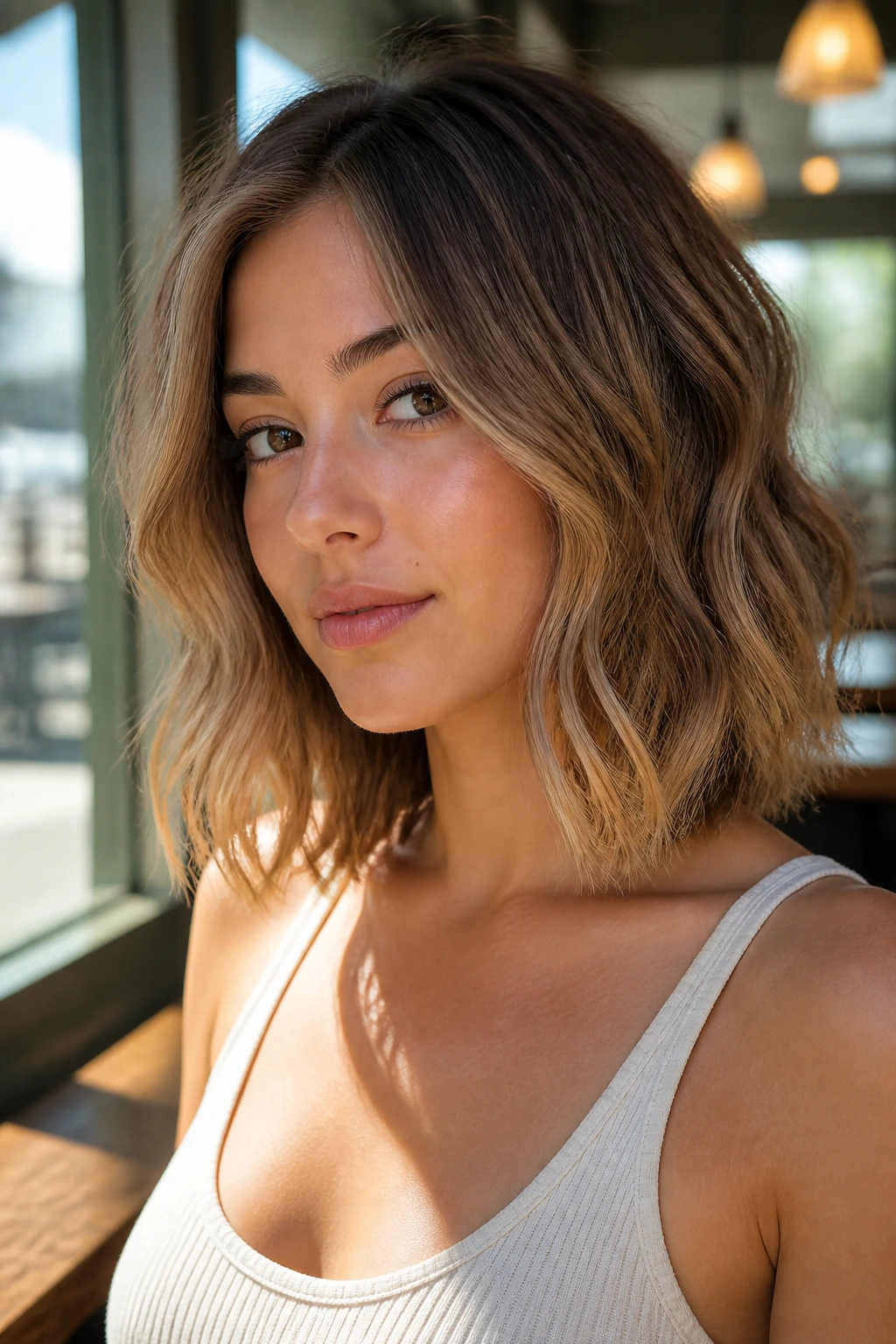
While technically a long bob (or “lob”), this style is the gateway for many people. It hits at the collarbone, meaning it’s long enough to be tied back but short enough to feel like a bob. It is the safest choice for those who are scared of the scissors.
Why It’s Popular
It requires the least amount of maintenance. Because it isn’t hitting your shoulders in an awkward way, it doesn’t flip out as much as a true mid-length cut. It is universally flattering on all face shapes and textures.
Styling for the Lob
- Use a large-barrel curling iron to create loose, beachy waves.
- Focus on the “S” shape: curl one section away from your face, and the next one toward it.
- This creates a soft, effortless texture that looks great on everyone.
16. The Rounded Bob with Side-Swept Bangs
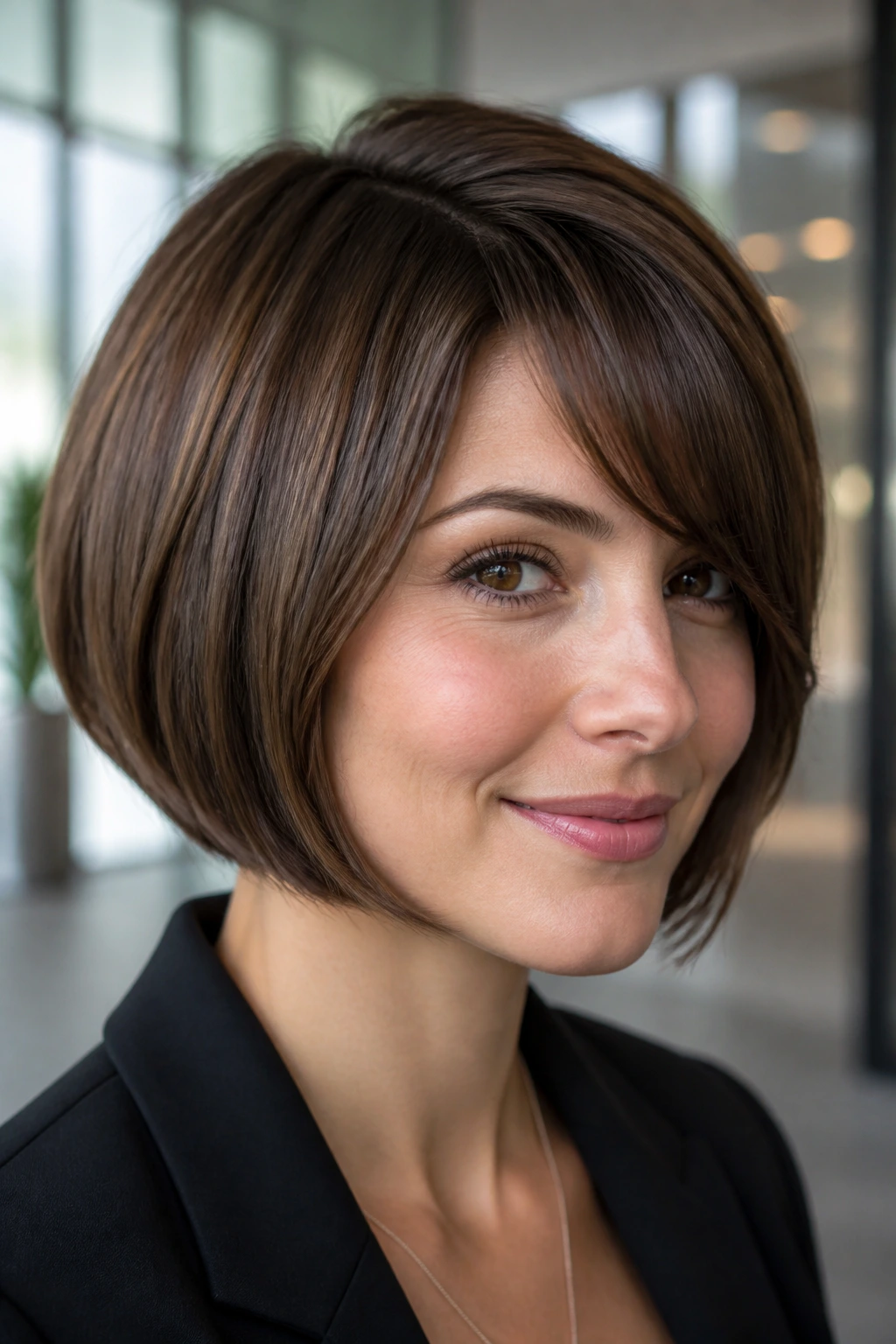
This style is all about creating a focal point. The bangs sweep across the forehead, connecting with the side layers and creating a very feminine, soft frame. It’s a classic silhouette that works well in professional settings and is easy to style with just a simple blow-dry.
The Bang Maintenance
Side-swept bangs need to be trimmed every 3-4 weeks. Because they have to lie flat against the forehead, any extra length will cause them to poke you in the eye or lose their shape. Ask your stylist for a “blended” edge, where the bangs melt into the rest of the bob rather than stopping abruptly.
How to Style
- Blow-dry your bangs toward the opposite side first to build volume at the root, then sweep them back to their natural side.
- This trick prevents them from looking “glued” to your forehead.
17. The Textured Crop Bob
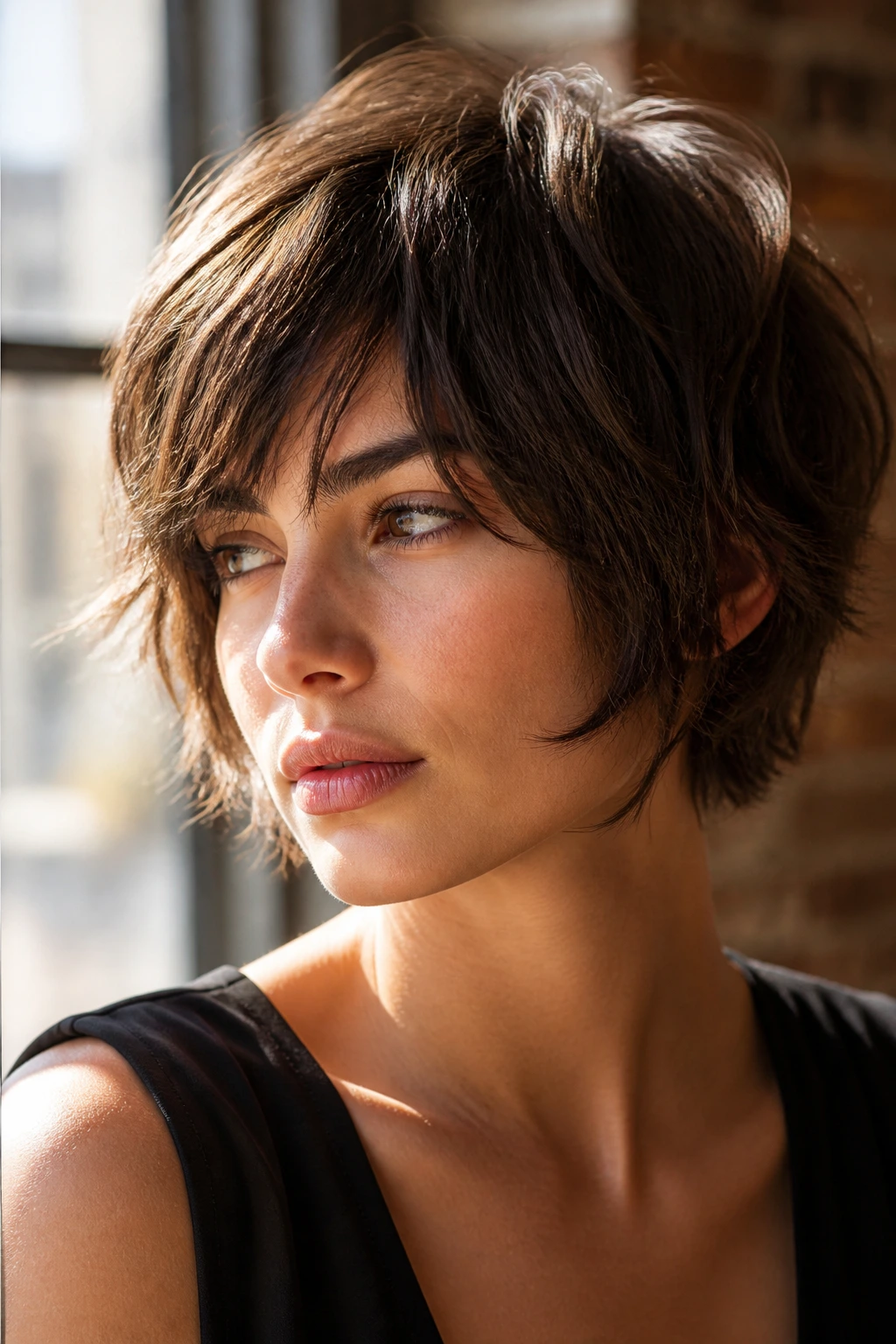
This is a fusion of a pixie and a bob. It’s shorter than a standard chin-length cut—more like mid-ear or upper-jaw length—and it’s heavily layered for texture. It’s a very playful, youthful look that highlights the neck and ears.
Who Should Try It
If you have a beautiful jawline and neck, this is the best way to show them off. It’s also very easy to grow out because it’s already so heavily textured; you don’t have to deal with an awkward “stuck in between” length phase because the layers are already integrated.
Product Needs
- A matte clay is better than a cream for this cut. It provides hold and texture without making the hair look shiny or greasy.
- Use your fingers to piece out the ends rather than a brush.
18. The Blunt Bob with Curtain Bangs
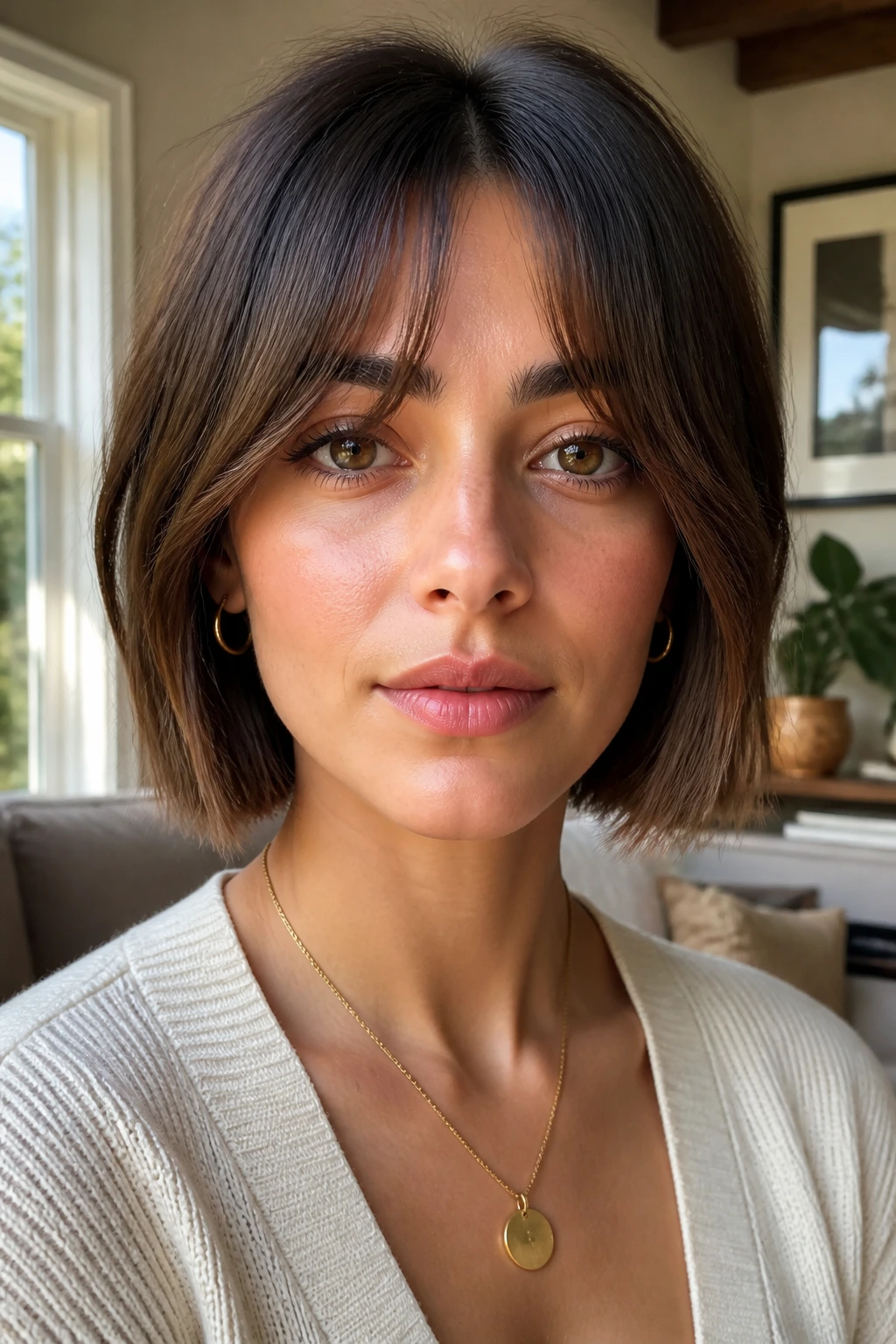
Curtain bangs—the long, wispy, split bangs that open up in the middle—are the perfect companion for a blunt bob. They offer the frame of bangs without the commitment of the micro-fringe. They grow out gracefully and look good even when they aren’t perfectly styled.
Balancing the Face
If you have a square or round face, curtain bangs are your best friend. They break up the width of the forehead and draw the eye inward, creating a more oval-shaped silhouette. They are also incredibly easy to style with just a quick blow-dry using a round brush.
Tips for Success
- Tell your stylist you want them “cheekbone length.”
- This allows them to blend into the bob seamlessly if you ever decide to grow them out.
19. The Deep-Parted Volume Bob
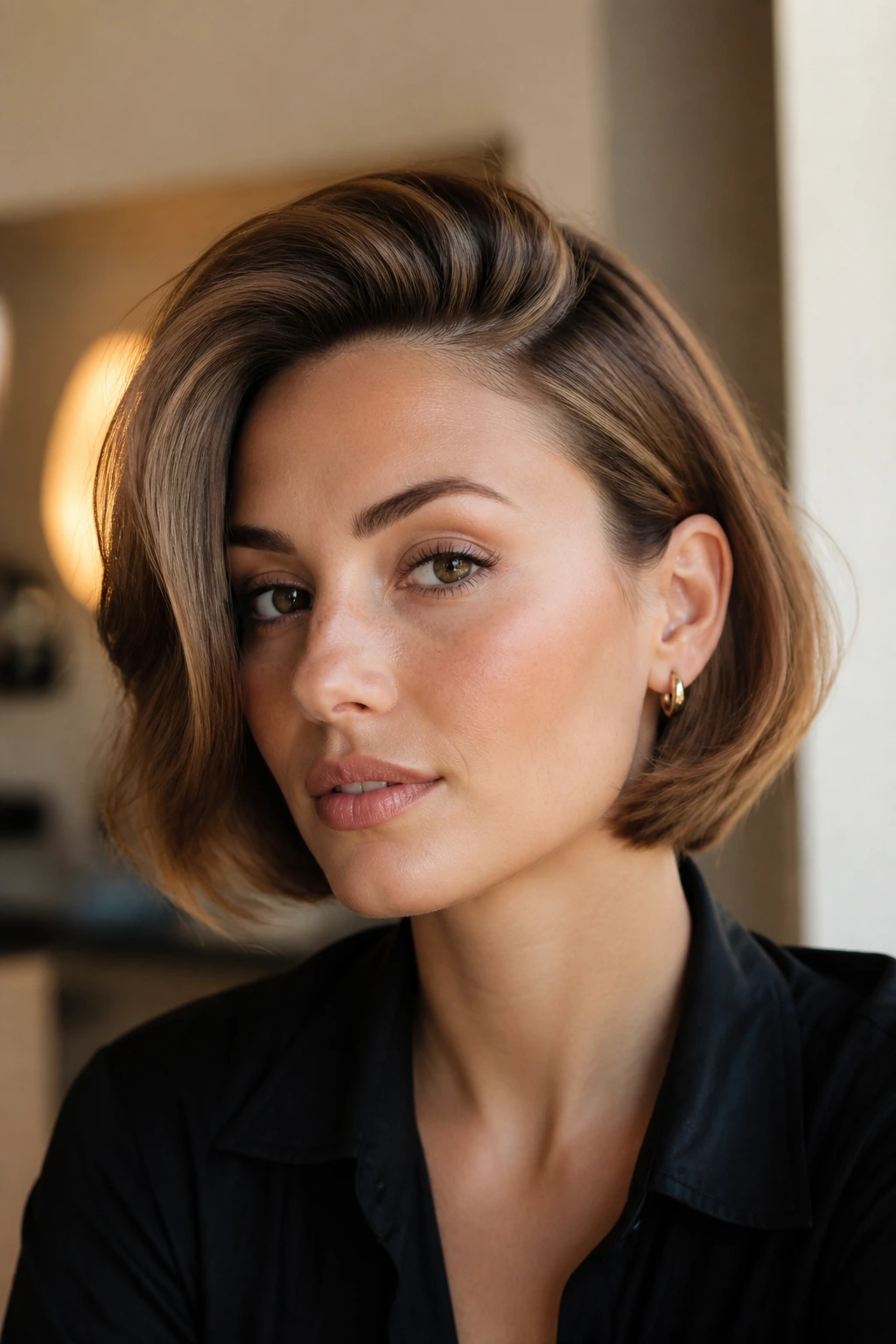
This is all about the height. By creating a very deep side part and blow-drying the hair in the opposite direction, you create a massive, glamorous sweep of volume across the top of the head. It’s a very sophisticated look, often seen in 1940s-inspired styles, that feels very elegant for an evening out.
The Volume Secret
- Use a volumizing spray at the roots on damp hair.
- Blow-dry with your head flipped upside down for the first two minutes.
- Once you flip your head back over, create that deep part and blow-dry the hair over to the side, lifting the root with a brush.
Maintaining the Height
A light-hold hairspray is necessary to keep that volume in place, but avoid the “crunchy” formulas of the past. A fine-mist spray will hold the hair up without making it feel like cardboard.
20. The Choppy “Wet Look” Bob
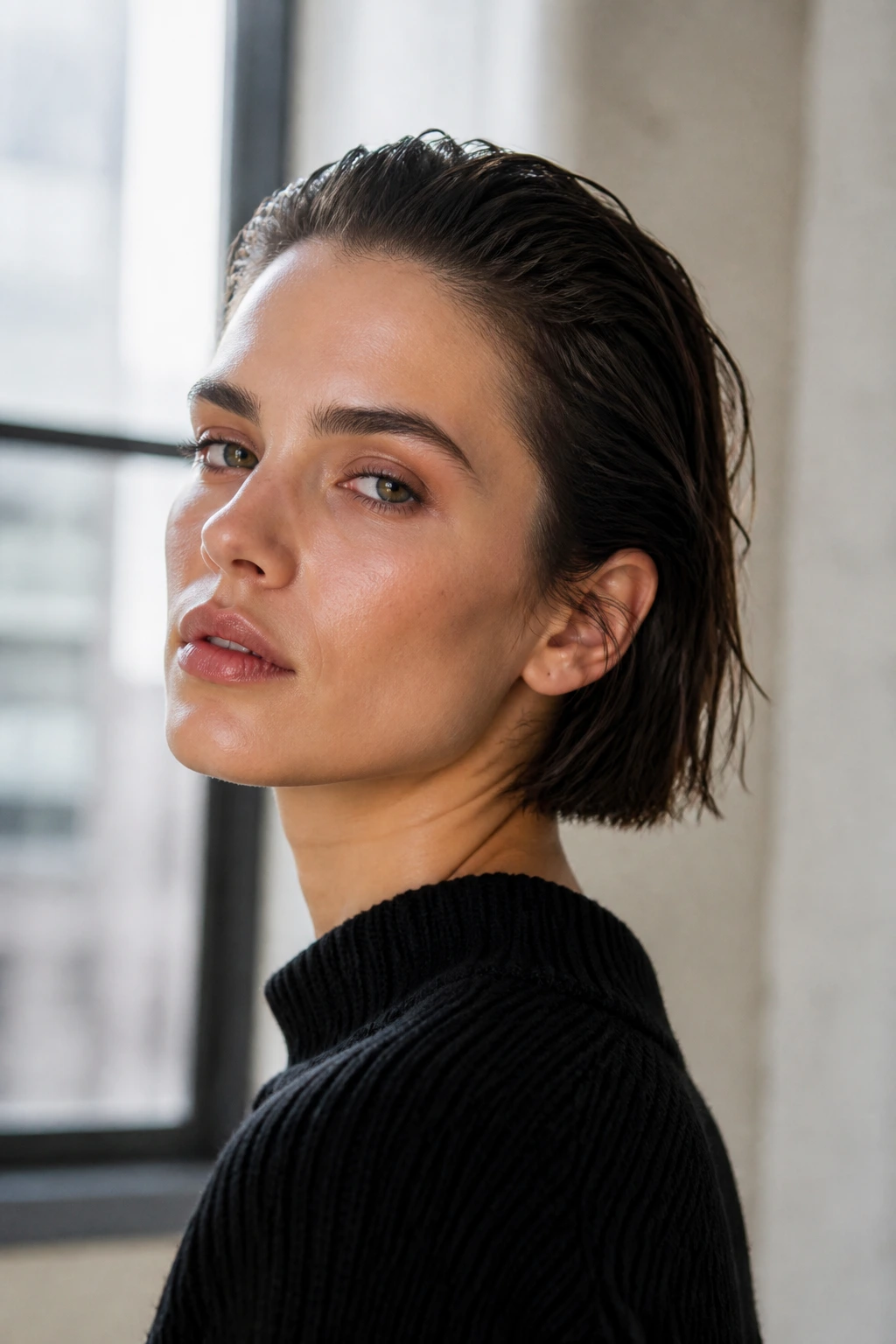
The wet look is a high-fashion trend that is surprisingly easy to achieve with a bob. Using a combination of a strong-hold gel and a bit of hair oil, you style the hair so it looks sleek, slicked back, and damp, even when it’s completely dry. It’s a very modern, minimalist look.
How to Achieve It
- Start with damp hair. Apply a generous amount of gel from roots to ends.
- Use a fine-tooth comb to pull the hair back or to the side.
- Let it dry completely without touching it.
- Once it’s dry, you can add a tiny bit of oil over the top for that extra “wet” shine.
When to Wear It
This is a perfect “second-day hair” fix. If your hair is looking a little messy or doesn’t want to cooperate, the wet look hides it perfectly.
21. The Softened Blunt Bob
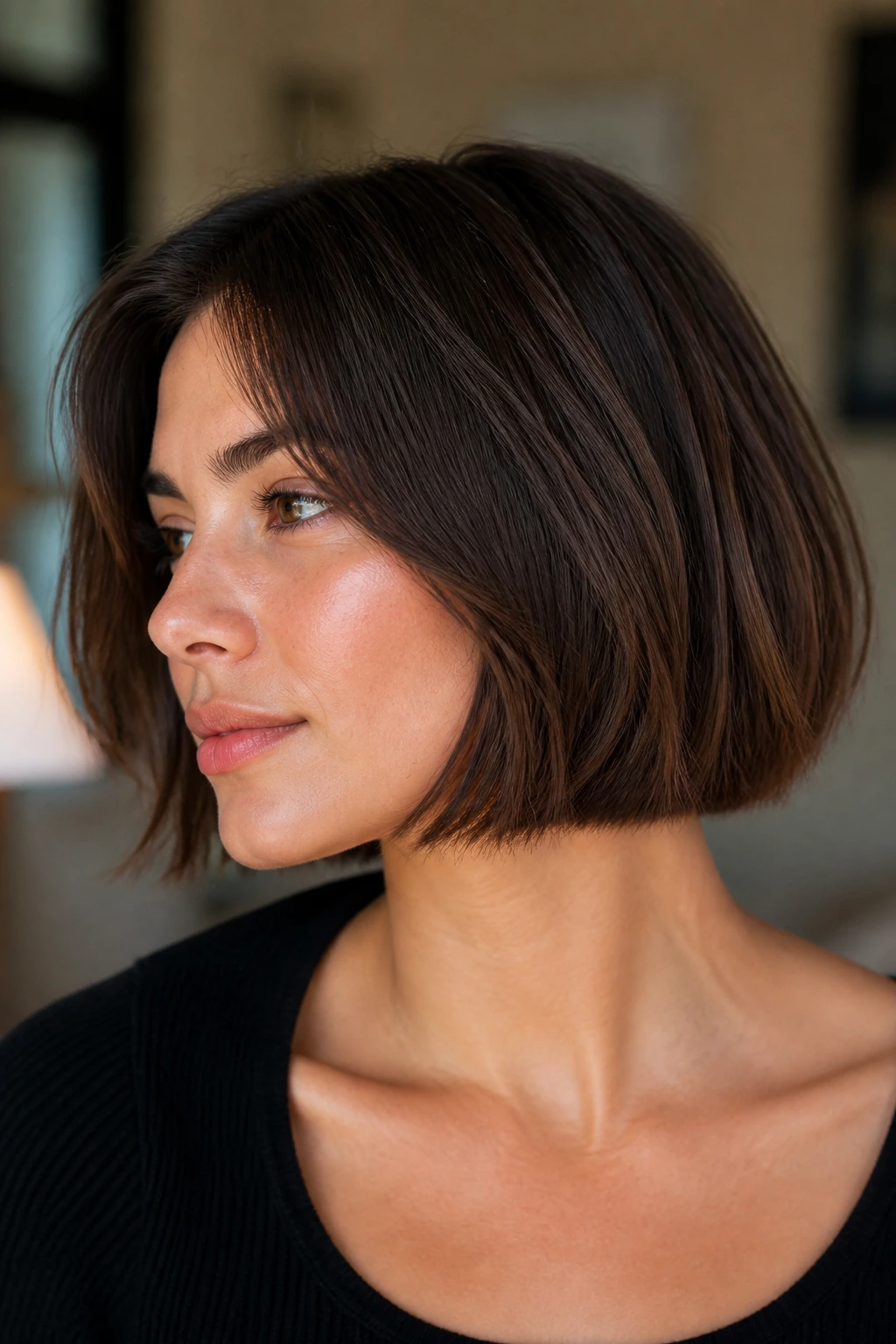
If you want the blunt look but feel it’s too harsh, ask for “invisible layering.” Your stylist keeps the perimeter blunt and solid, but they thin out the ends from the inside using a point-cutting technique. This keeps the look sharp from the outside, but makes the ends feel light and airy.
Why It’s the Best of Both Worlds
You get the thickness of a blunt cut with the movement of a layered cut. It’s a sophisticated, “I just woke up like this” look that is much more forgiving than a totally solid line. It’s also much easier to tuck behind your ears because the ends aren’t so thick and heavy.
Final Thoughts
Choosing the right bob is really about being honest with your lifestyle. If you hate heat styling, opt for a shaggy or wavy version that welcomes air-drying. If you love a polished, professional look, the blunt or sleek bob is your best bet. Remember that a cut is only as good as the maintenance you give it; a great bob will always require a bit of attention at the roots and the ends to keep that silhouette from losing its punch. When in doubt, start a little longer and go shorter as you get comfortable—it is the one haircut that is always, eventually, going to grow back.