


The bob is not just a haircut; it is a declaration of independence. For those of us navigating the intricate, gorgeous, and sometimes demanding world of natural hair, the decision to go for a bob often feels like a rite of passage. It is the moment you decide to prioritize your own ease without sacrificing an ounce of style. Whether you are dealing with tight, coiled 4C textures or loose, flowing 3A curls, the right bob can frame your face in a way that feels intentional, sharp, and entirely your own.
There is a misconception that natural hair requires massive length to be versatile. I have spent years watching stylists and enthusiasts alike prove this wrong. A well-cut bob on natural hair celebrates the volume and the architectural beauty of the coils themselves. You are not fighting the shrinkage; you are leaning into it. When you make the jump, the transition does not just change your silhouette—it changes your entire routine, freeing up hours of detangling and styling while leaving you with a look that commands attention from across the room.
If you are currently staring at your reflection, wondering if the scissors are the answer, you are in the right place. We are going to break down the technical, aesthetic, and practical sides of the bob. We will look at how to cut, maintain, and style this look so that you never feel like your hair is “trapped” in a short style. It is about precision, shape, and understanding the unique way your specific curl pattern behaves when freed from the weight of long, heavy locks. Let us get into the nuances of the bob.
Understanding Your Curl Pattern and Shrinkage
Before you ever let a stylist near your ends, you must know how your hair reacts to being cut. The biggest mistake most people make is underestimating the “bounce back.” If you have tight, coiled hair, your hair might shrink by 70% or more once it dries or is released from a protective style. You cannot cut your hair while it is blown out and straight if you intend to wear it natural every day. The math will never work in your favor.
The Dry-Cut Technique
The golden rule for textured bobs is the dry-cut method. You want your stylist to shape the hair while it is in its natural, dry state. This allows them to see exactly where each curl sits, how the volume distributes, and where the weight needs to be removed to prevent that dreaded “pyramid” shape. When hair is wet, it is elongated and heavy. Cutting it then is a guessing game that almost always results in a bob that is far shorter than you anticipated.
Accounting for Spring
Your curl spring factor is the percentage of length your hair loses when it transitions from damp to dry. A loose wave has a low spring factor, while a tight zig-zag or coil has a high one. Discuss this with your stylist. If you want a chin-length bob, they need to account for your hair’s springiness so that it settles exactly where you want it. Never fear the “awkward” length—sometimes, a slightly longer cut, like a collarbone-length bob, is the perfect entry point if you are nervous about committing to a shorter shape.
The Blunt Cut Bob for Maximum Impact
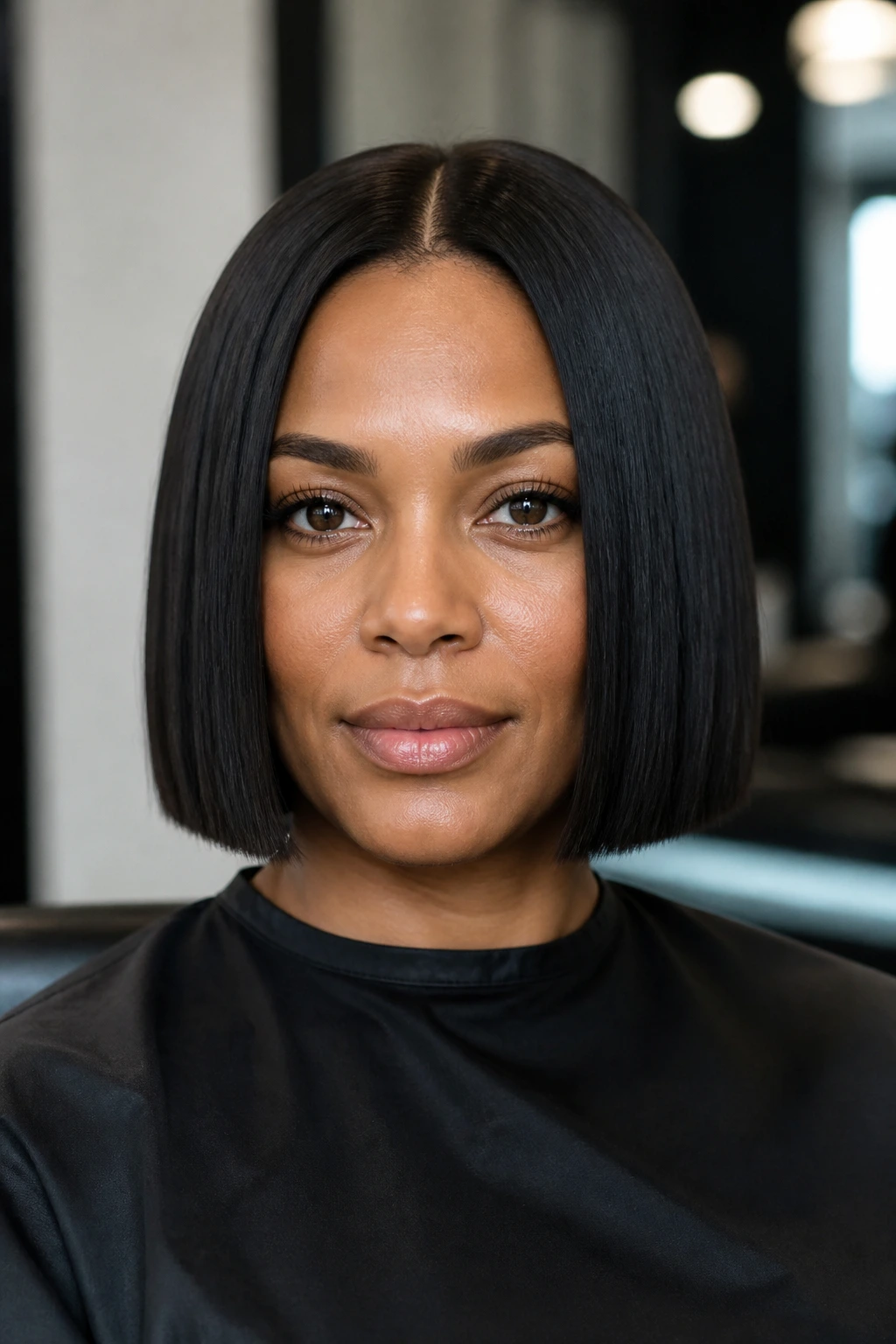
There is something undeniably chic about a blunt, sharp-edged bob. It is the architectural peak of the style. By cutting the ends in a perfectly straight line, you create a heavy, healthy-looking weight at the bottom that anchors your volume. For hair that is naturally dense, this cut provides a sophisticated frame that feels incredibly modern. It forces the hair to sit neatly, reducing the fluffiness that can sometimes occur at the ends of neglected natural styles.
Maintenance of the Sharp Edge
The blunt bob is high-maintenance in the best way possible. Because natural hair grows in various directions, a blunt bob needs consistent trimming to keep that crisp line. You will likely find yourself back in the chair every eight to ten weeks. Use this to your advantage. Regular trims are the best way to keep your hair healthy, as they remove weathered, splitting ends before they can migrate up the hair shaft.
Stylistic Versatility
When you have a blunt, uniform length, you have the freedom to style your bob in multiple ways. You can wear it with a deep side part for a dramatic, vintage-inspired look, or a middle part for something more symmetrical and editorial. If you want to elevate the look, a silk press can transform your blunt bob into a sleek, glass-like masterpiece for a few days, giving you two completely different personas from the same base cut.
The Layered Bob for Shape and Movement
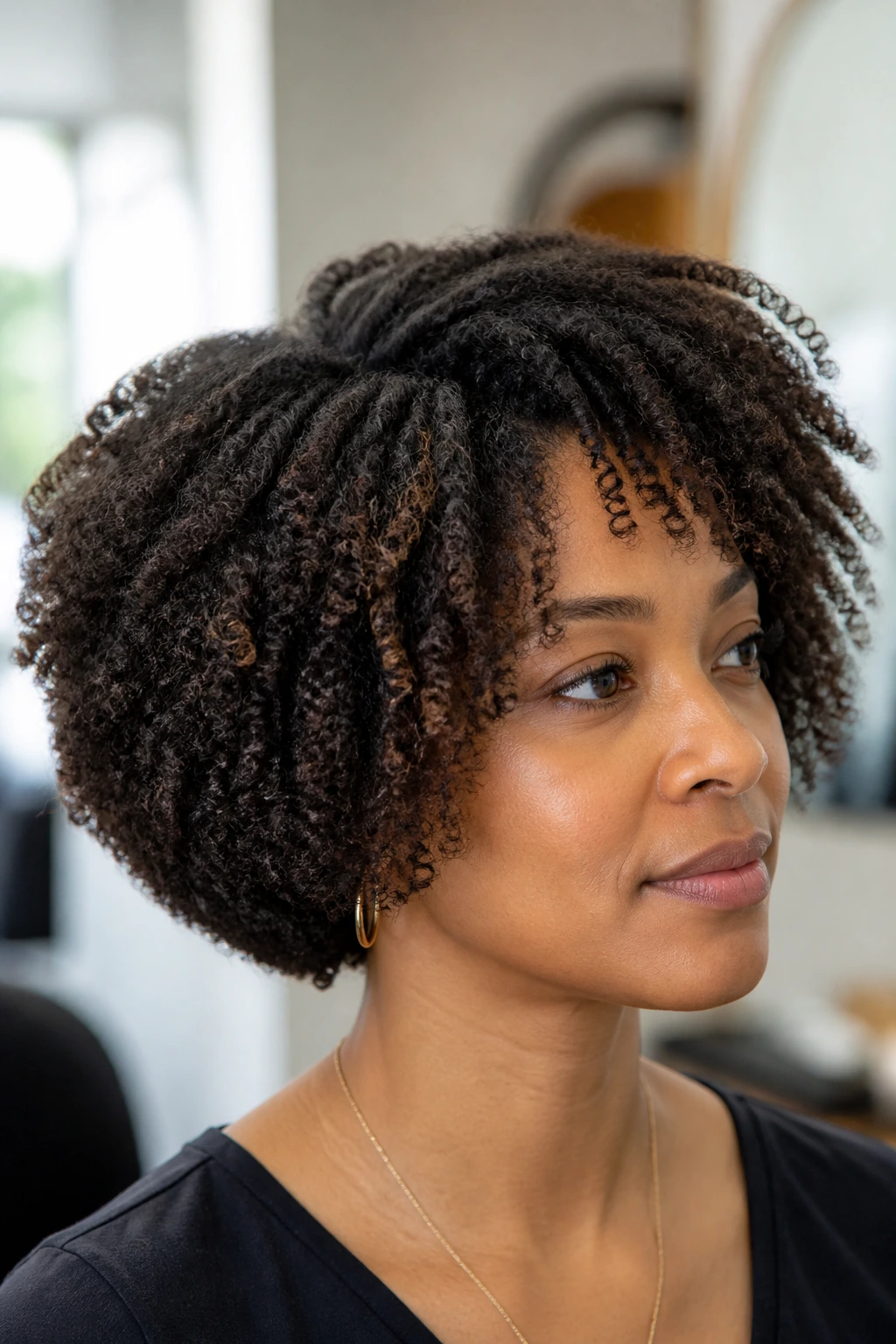
If you prefer a softer, more rounded look, layers are your best friend. A layered bob removes the “bulk” from the lower section of your hair and distributes the volume more evenly toward the crown. This is the ideal choice for anyone who feels their natural hair tends to fall flat at the roots or gets too bottom-heavy. By incorporating internal layers—cutting from the inside rather than just the surface—you can create an airy, floating effect that feels much lighter than a blunt cut.
Why Internal Layers Matter
Many people fear layers because they equate them with the choppy, uneven cuts of the early 2000s. Today, internal layering is much more refined. It is about creating space within the hair mass. Imagine a sculptor taking away small chunks of stone to let the shape breathe. Your stylist should be using thinning shears or point-cutting techniques to make sure your curls don’t clump together in a way that looks like a heavy block.
Managing Frizz with Layers
Ironically, adding layers can actually help manage frizz. When hair is all one length and very heavy, it can sometimes pull on itself, leading to stretched-out coils that lose their definition. By introducing layers, you allow the coils to spring up and retain their structure. This helps your overall style look more defined and less like a singular, unmanageable mass.
The Graduated or Angled Bob
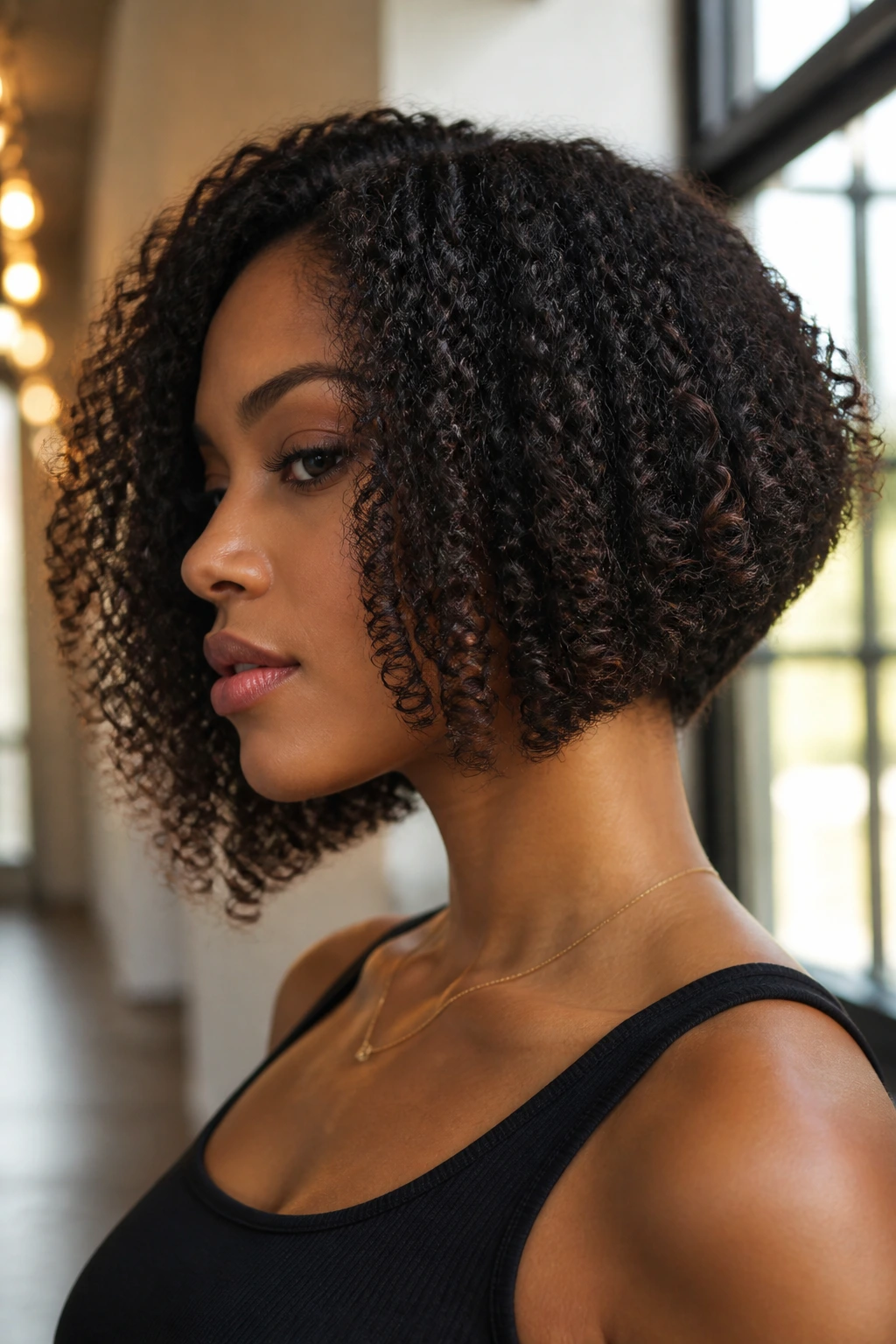
For those who want a bit of edge, the graduated bob—where the hair is shorter at the back and longer toward the face—is a fantastic option. This shape is incredibly flattering because it draws the eye downward and elongates the neck. It is the perfect marriage of a short, low-maintenance back and a longer, framing front. It works beautifully on natural hair because the shorter back section prevents your hair from rubbing against collars, which is a major cause of breakage and tangles.
Transitioning from the Back
The key to a successful graduated bob is the transition line. You want a smooth, seamless slope from the nape of your neck to your jawline. If the transition is too abrupt, it can look like an outdated mullet or a DIY mistake. Look for a stylist who has experience with geometric shapes. They will ensure that the angle complements your jawline and cheekbones, acting like a permanent contour for your face.
Styling the Longer Front
The longer front pieces of a graduated bob give you enough length to pull back into a small ponytail or to accessorize with pins or braids. When you are styling your curls, make sure the front pieces get a little extra hydration. Because these strands frame your face, they are often exposed to more touch and environmental stress, so a little extra leave-in conditioner here goes a long way in keeping the transition look clean.
The Curly Fringe and Bob Combination
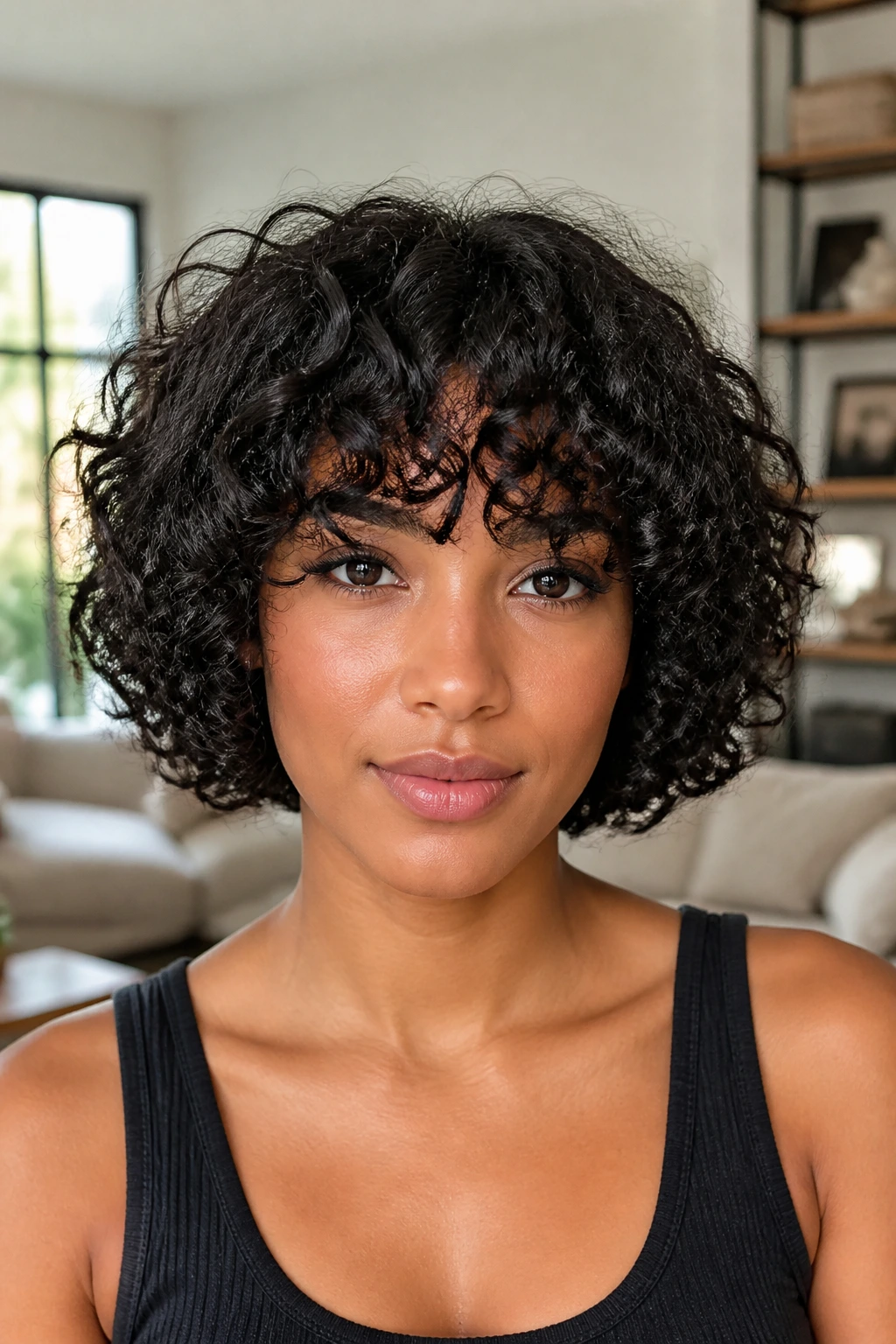
Adding bangs to a bob is the ultimate power move. A curly fringe adds a level of intentionality and softness that can make your bob feel completely unique. Whether you go for blunt, eyebrow-skimming bangs or longer, wispy pieces that can be swept to the side, the fringe integrates your facial features directly into the hairstyle. It is a bold choice, but it is one that pays off in style points.
Cutting Curls for Bangs
Just like the main body of the bob, your fringe must be cut while dry. We cannot emphasize this enough. If your bangs are cut too short while wet, they will shrink up into your forehead, and you will be stuck waiting months for them to grow back. Ask your stylist to cut the bangs slightly longer than you think you want, then style them and see how they settle before taking any more length off.
Styling the Fringe
Your bangs will likely have a different curl pattern than the rest of your hair. This is common. The hair around your hairline is often more fragile and sometimes has a slightly different texture than the hair at the crown. Use a small amount of lightweight gel or a curl refresher spray on your bangs every morning to encourage them to clump into the desired shape. If they start to misbehave, don’t try to force them—a simple headband or a cute decorative clip can hold them back until your next wash day.
The Shaggy Bob for Texture Enthusiasts
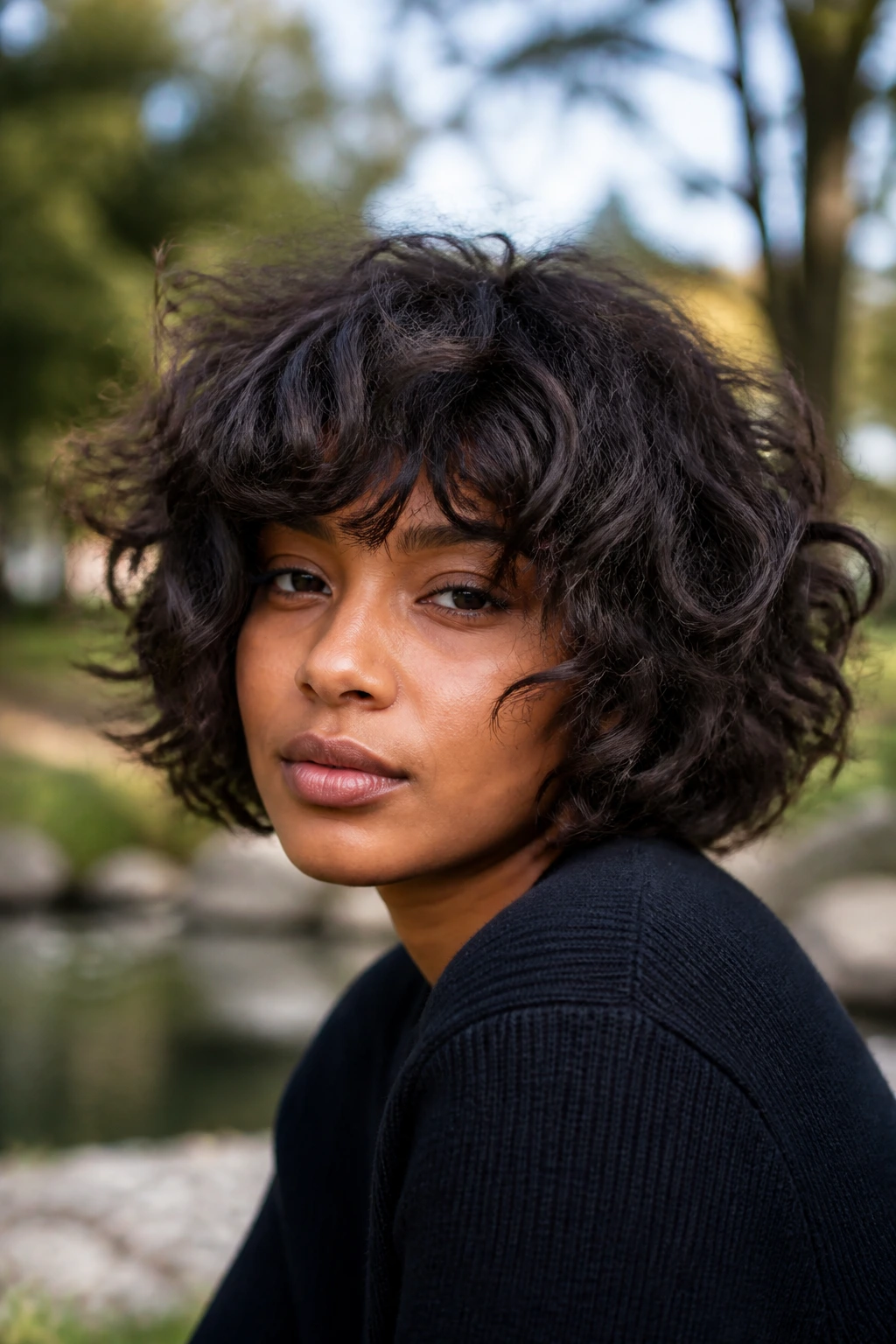
The shaggy bob is all about embracing the mess. It is an intentional, lived-in style that celebrates volume, frizz, and personality. This cut is characterized by a lot of choppy layers and a lighter overall feel. It is perfect if your hair is naturally voluminous and you want to lean into a bohemian, effortless aesthetic rather than trying to tame your curls into perfect ringlets.
Achieving the Shag Shape
To get the shag, your stylist will use a razor or heavy point-cutting to create uneven, textured ends. It looks best when it feels a bit wild. The beauty of this style is that it is supposed to look better as the day goes on. Unlike a sleek, blunt bob that might look messy after a windy day, the shag actually gains character when it is pushed around by the elements.
The Best Products for the Shag
For a shaggy bob, skip the heavy creams and gels. You want products that offer hold without weighing the hair down. Mousse or texturizing salt sprays are your best friends here. They add a bit of “grit” to the hair, which helps the layers stand out and creates that piecey, textured finish that defines the shag look.
Handling the Back-of-Head Breakage
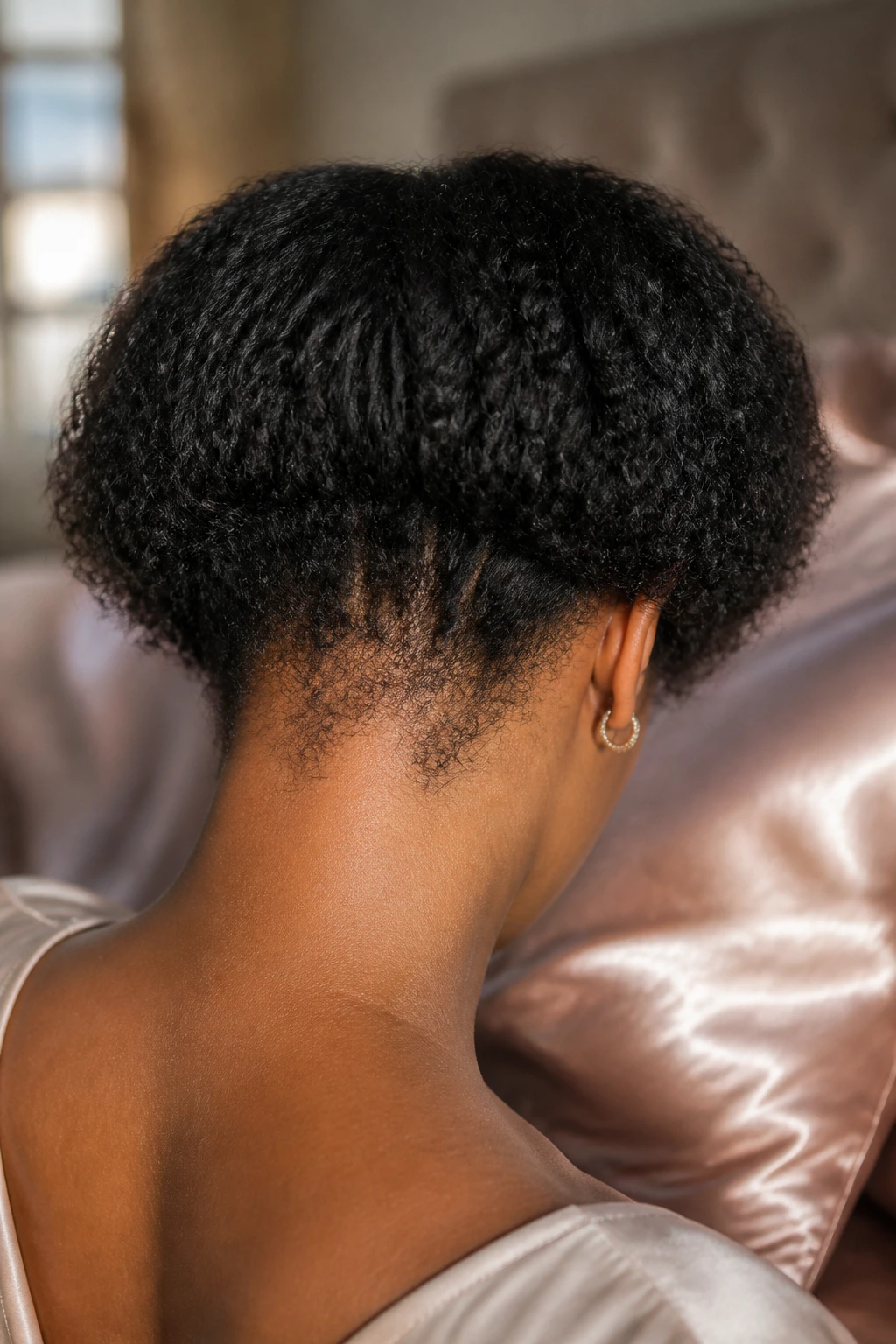
A major concern with bobs is the friction at the back of the head. Natural hair is notoriously delicate, and rubbing against cotton pillowcases, hoodie collars, or high-backed chairs can cause your hair to break or mat. If you notice the hair at the nape of your neck seems thinner or shorter than the rest of your bob, you need to adjust your protective habits.
Switching to Silk or Satin
If you aren’t sleeping on a silk or satin pillowcase, start today. Cotton absorbs moisture from your hair and creates friction, which is the death of a good, healthy bob. A satin pillowcase allows your hair to glide across the surface without snagging. It is a simple switch, but it makes a world of difference for the longevity of your style.
The Bonnet Technique
If you are worried about your bob getting flattened overnight, invest in a high-quality, oversized satin bonnet. The key is finding one with enough room so that your curls aren’t squished against your scalp. If you have a particularly voluminous bob, try a “puff” bonnet designed specifically to accommodate big hair without ruining the shape of your cut.
Managing the “Triangle” Effect
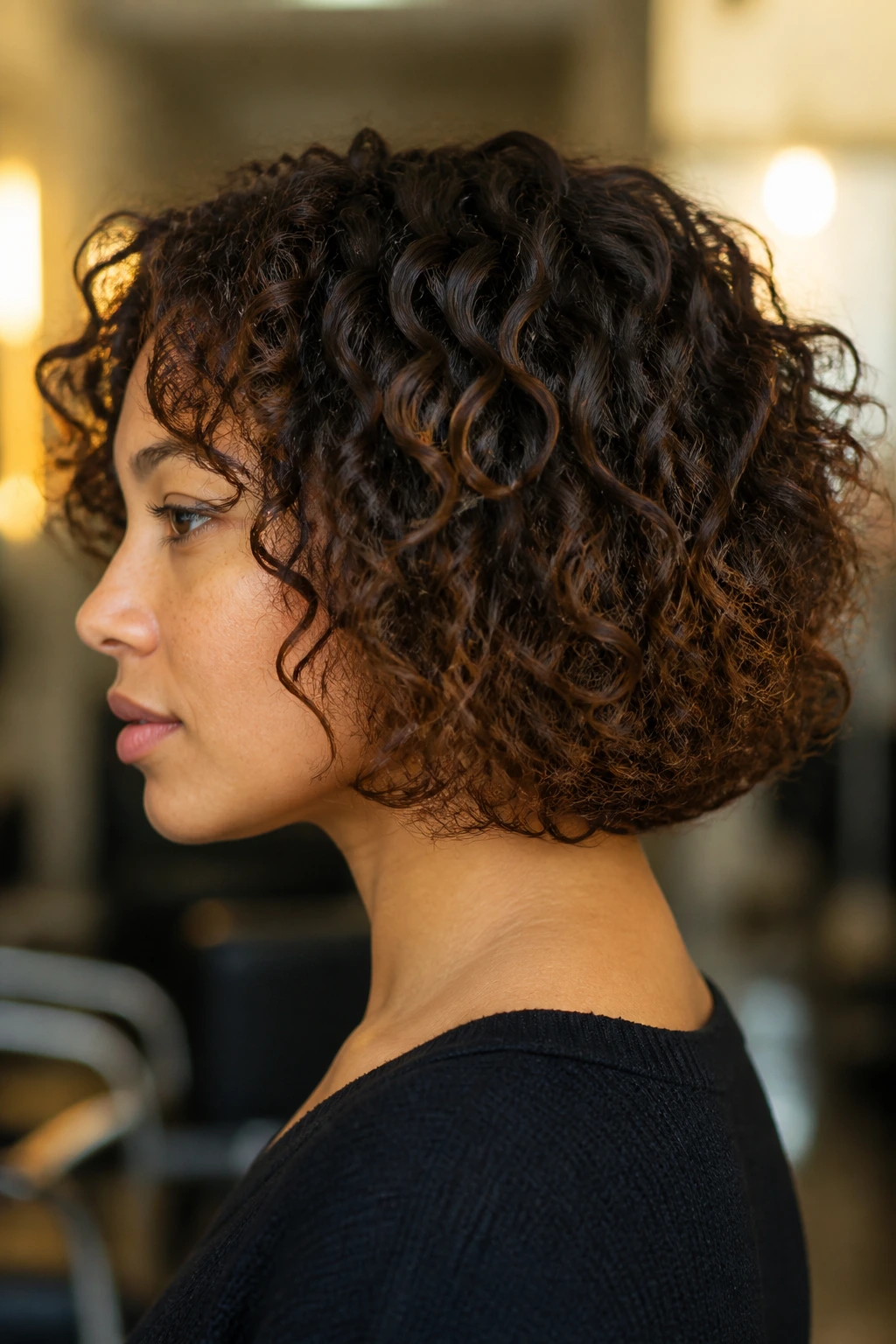
The triangle is the arch-nemesis of the curly bob. This happens when the hair has too much weight at the bottom, causing it to fan out like a bell or a pyramid. While some people love this look for its vintage volume, others find it frustrating. The key to avoiding the triangle is layering and weight distribution. If your stylist keeps the hair all one length, they are almost guaranteeing a triangular shape.
Weight Removal Techniques
There are specific techniques for thinning out the bottom section without losing the integrity of your curls. Your stylist can use a “c-cut” or specific internal layers to ensure the hair tapers slightly at the bottom. This keeps the volume balanced from the roots to the ends. If you find your bob is already starting to look like a triangle, book a consultation and specifically ask for “weight removal” rather than just a “trim.”
Styling Away the Bulk
If you are already dealing with a bit of a triangular shape, try changing your part. A dramatic side part can redistribute the volume and break up the symmetry that highlights the triangle. Additionally, using a small amount of pomade or edge control around the roots can keep the top section looking full and intentional, which balances out the volume at the ends.
Daily Styling Routines for Bob Health
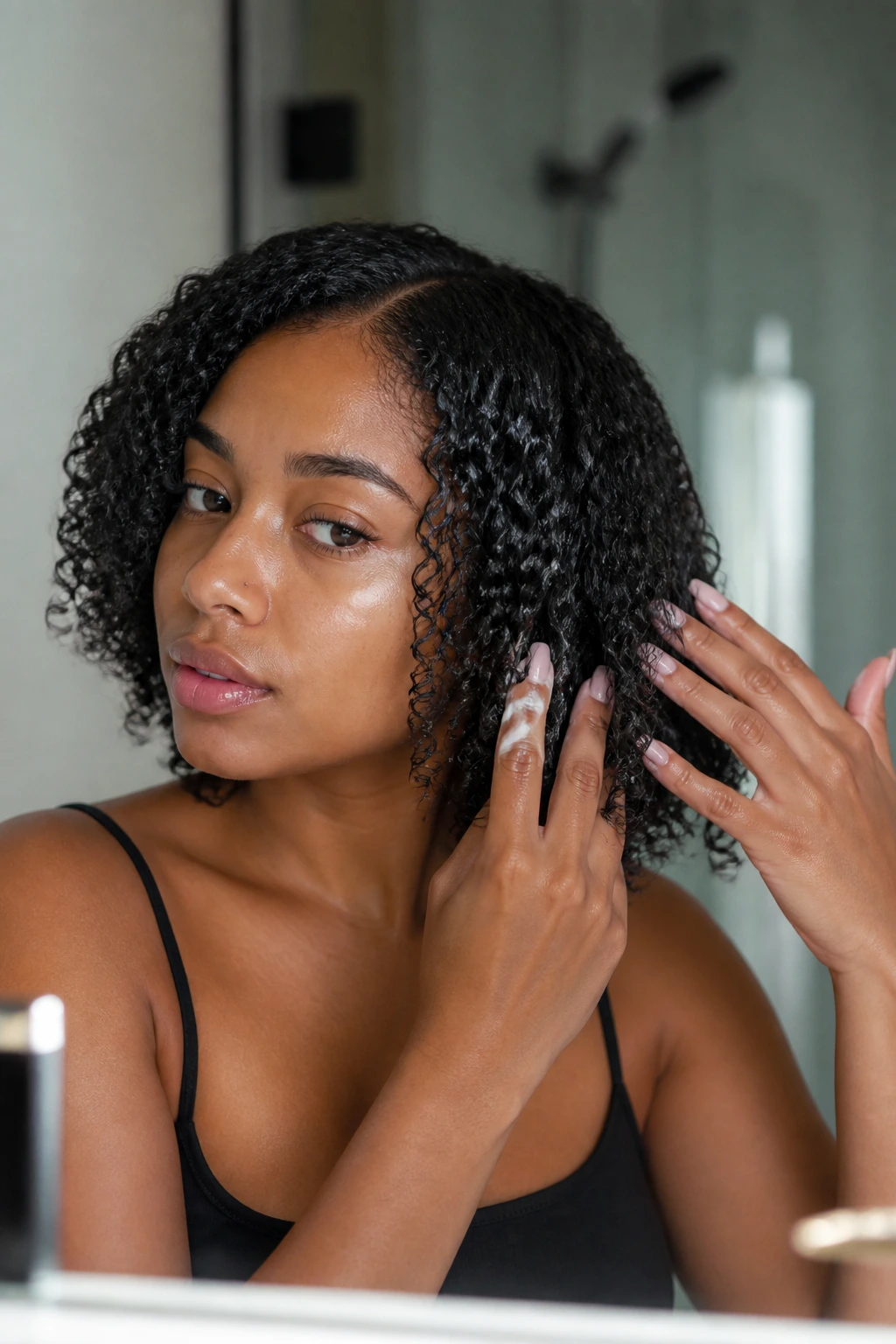
Once you have the cut, the maintenance routine becomes a game of moisture and definition. Because a bob is shorter, you will find that you use less product overall, which is great for your wallet and your hair’s health. However, because you are seeing your ends every day, it is easier to spot when they are getting dry or thirsty. Focus on products that are lightweight but moisturizing.
The Wash-and-Go Method
The wash-and-go is the standard for most bob wearers. After washing, apply your leave-in conditioner to soaking wet hair. Follow up with a curl-defining gel or custard. Instead of trying to smooth the product into every single strand, try a “shaking” or “scrunching” motion. This helps the curls form their natural patterns and creates that springy, defined look that is essential for a good bob.
Avoiding Over-Handling
The biggest mistake people make with short natural hair is touching it too much. When you constantly manipulate your curls to “perfect” them, you are actually introducing frizz and breaking up the curl clumps. Once your hair is styled and drying, leave it alone. Hands off. The less you touch it, the longer your style will last and the more defined your curls will look throughout the week.
Accessorizing Your Short Style
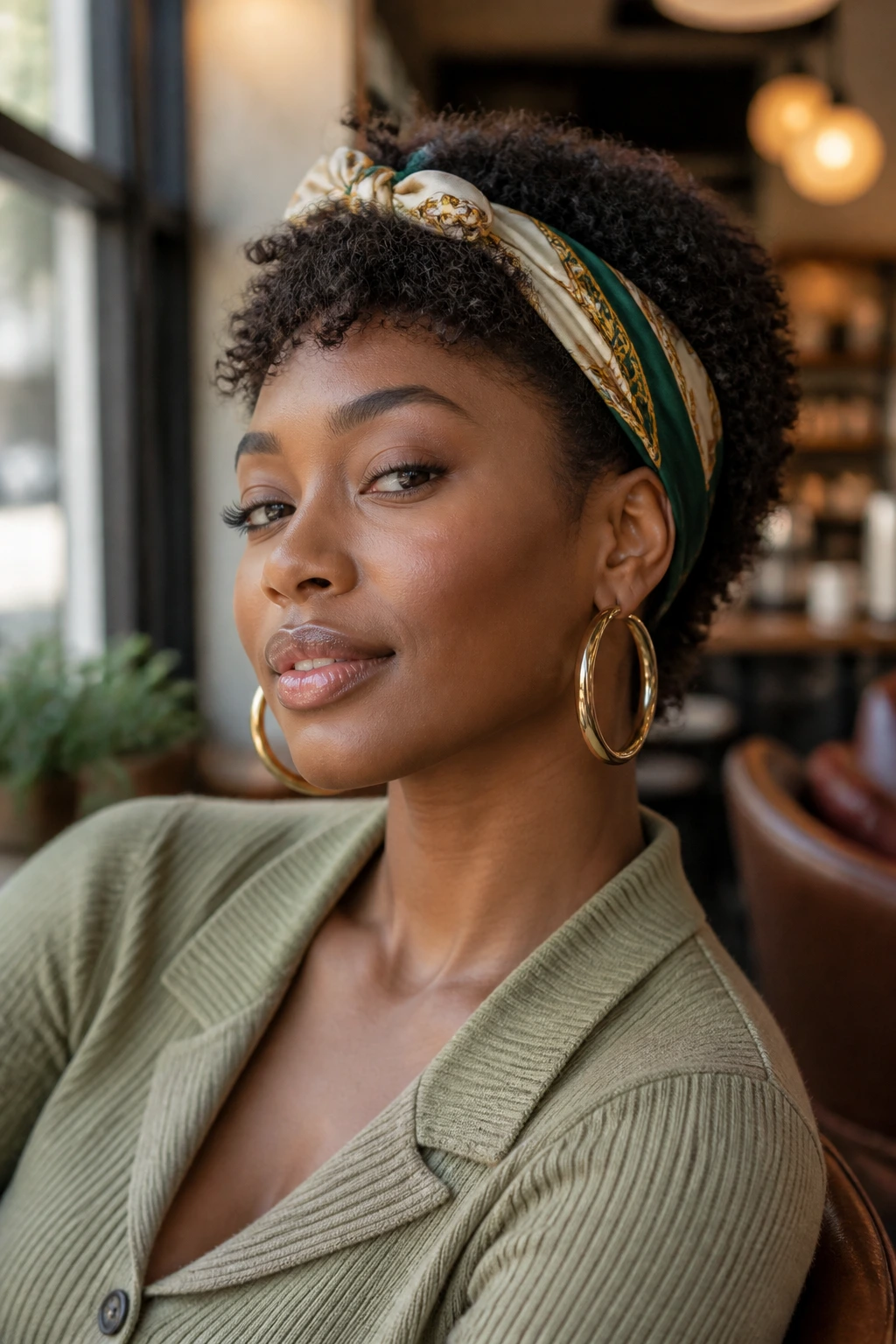
Short hair is the perfect canvas for accessories. Because your face is more visible, headbands, statement earrings, and scarves become integral parts of your look. Don’t be afraid to experiment with these. A sleek bob looks incredible with a pair of oversized gold hoops, while a shaggy bob pairs beautifully with a silk headscarf tied in a knot at the crown.
Headbands as Tools
A headband is not just for style; it is a functional tool for a bob. If your hair is starting to lose its definition on day three or four, a headband can hide the frizzy roots and pull the whole look together. Look for velvet or silk-lined headbands to prevent the material from pulling on your edges.
Hair Jewelry and Pins
Small gold or silver cuffs that clip onto individual curls are a fantastic way to elevate your bob for a special occasion. They add a touch of sparkle and weight that makes the hair look intentional and styled. Just make sure to remove them carefully at the end of the day—don’t just rip them out, or you’ll risk breaking the very hair you’ve worked so hard to grow and shape.
Color and Highlights
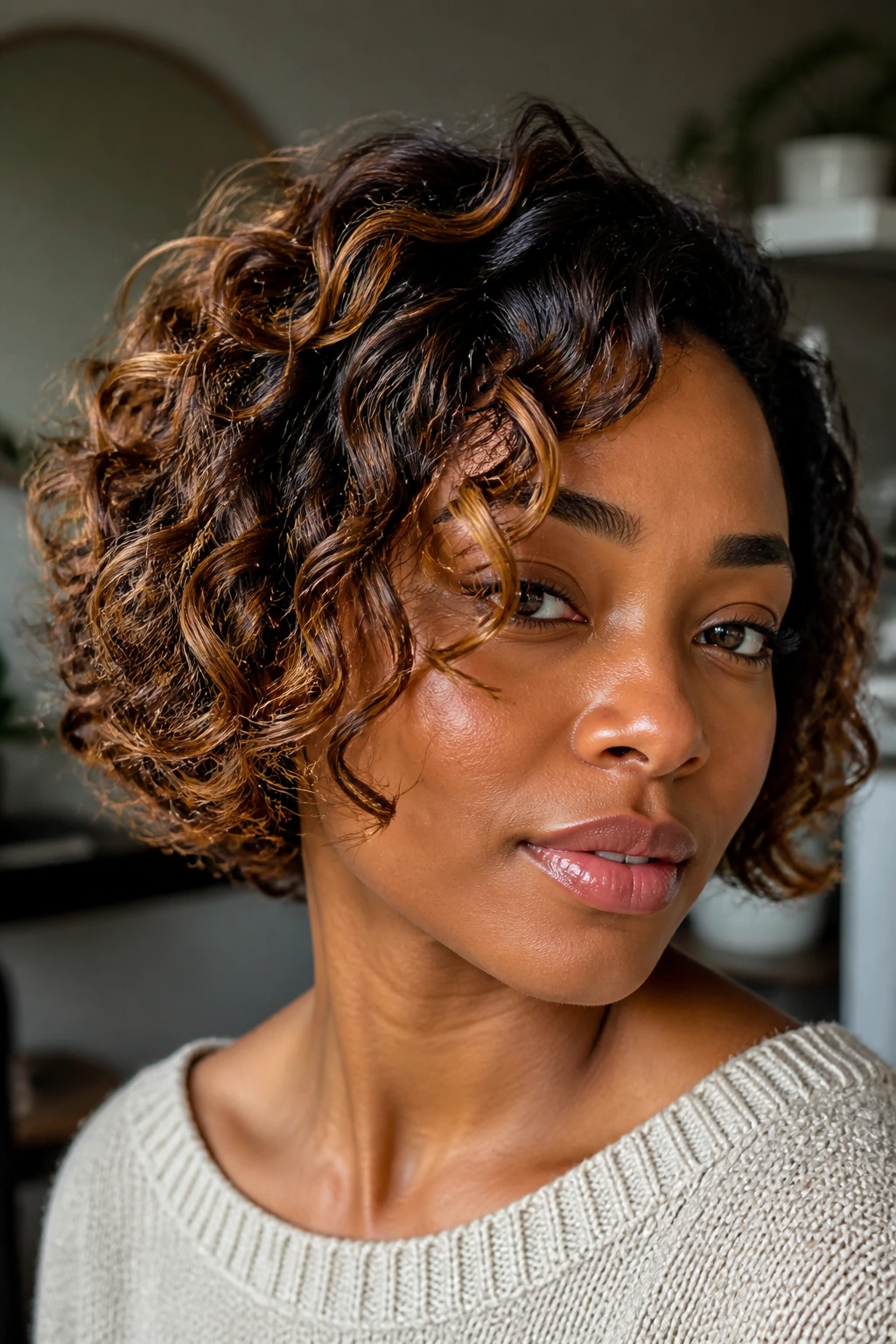
Coloring your bob can completely transform the shape. A dark base with lighter “painted” highlights throughout can make the layers of your bob pop, showing off the cut’s architecture. Because your hair is shorter, it is also easier to manage the health of your hair if you decide to go with a color treatment. You are only dealing with a few inches of hair, after all.
The Power of Dimensional Color
When choosing color, talk to a professional about “dimensional” placement. This means placing lighter and darker tones throughout the curls so that the hair looks like it has movement and depth, even when it is still. A single-process flat color can sometimes hide the cut of a bob, making it look like a solid block. Dimensional color, on the other hand, highlights the curls and makes the bob feel lighter and more layered.
Post-Color Care
Color-treated hair, especially natural hair that has been lifted, needs extra protein and moisture. Invest in a weekly deep-conditioning mask specifically designed for color-treated curls. This will ensure your bob stays vibrant and that your hair’s curl pattern doesn’t get damaged by the chemical process. A healthy, shiny bob is the ultimate goal.
Transitioning to a Longer Bob
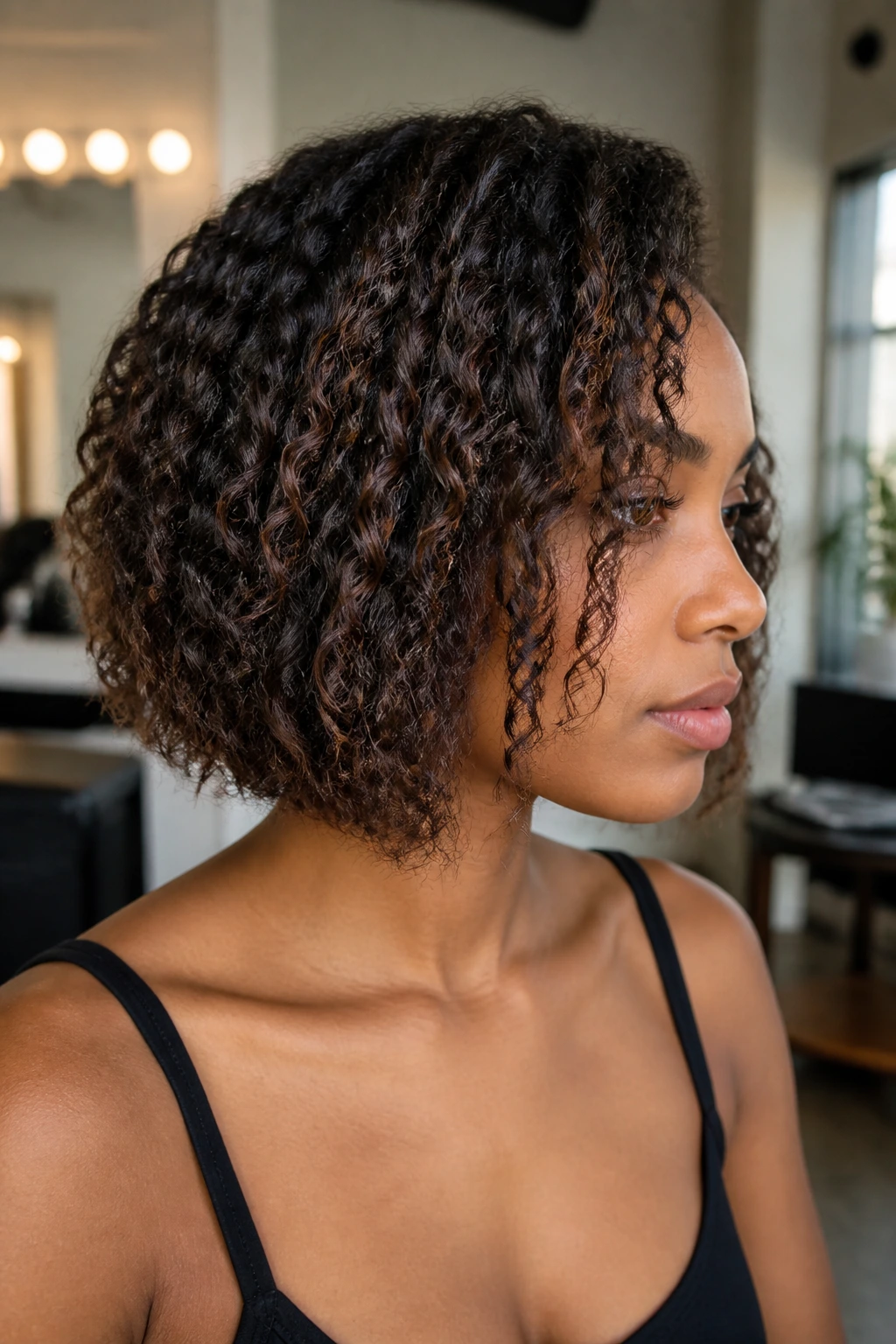
If you eventually miss having more length, you don’t have to grow it out in an awkward, messy way. You can transition from a short chin-length bob to a “lob” (long bob) by simply letting the layers grow out and keeping the shape clean as you go. It is a slow process, but it is much more manageable than trying to grow out a very short cut from scratch.
Planning the Growth Phase
Tell your stylist that your goal is to grow out the shape. They can help you by trimming only the ends that are starting to look scraggly, keeping the shape consistent while you gain length. This takes patience, but it keeps you looking intentional every step of the way. You don’t have to look like you’re “growing it out”—you can just have a series of evolving bobs.
Embracing the In-Between
The “in-between” stage can be the most fun. As your bob grows past your chin, you’ll start to see your hair gain a different kind of volume. Use this as an opportunity to change your styling methods. You might find that you need less gel and more cream, or that you can finally start doing two-strand twists again. Every stage of the growth process is a new opportunity to learn what your hair loves.
Final Thoughts
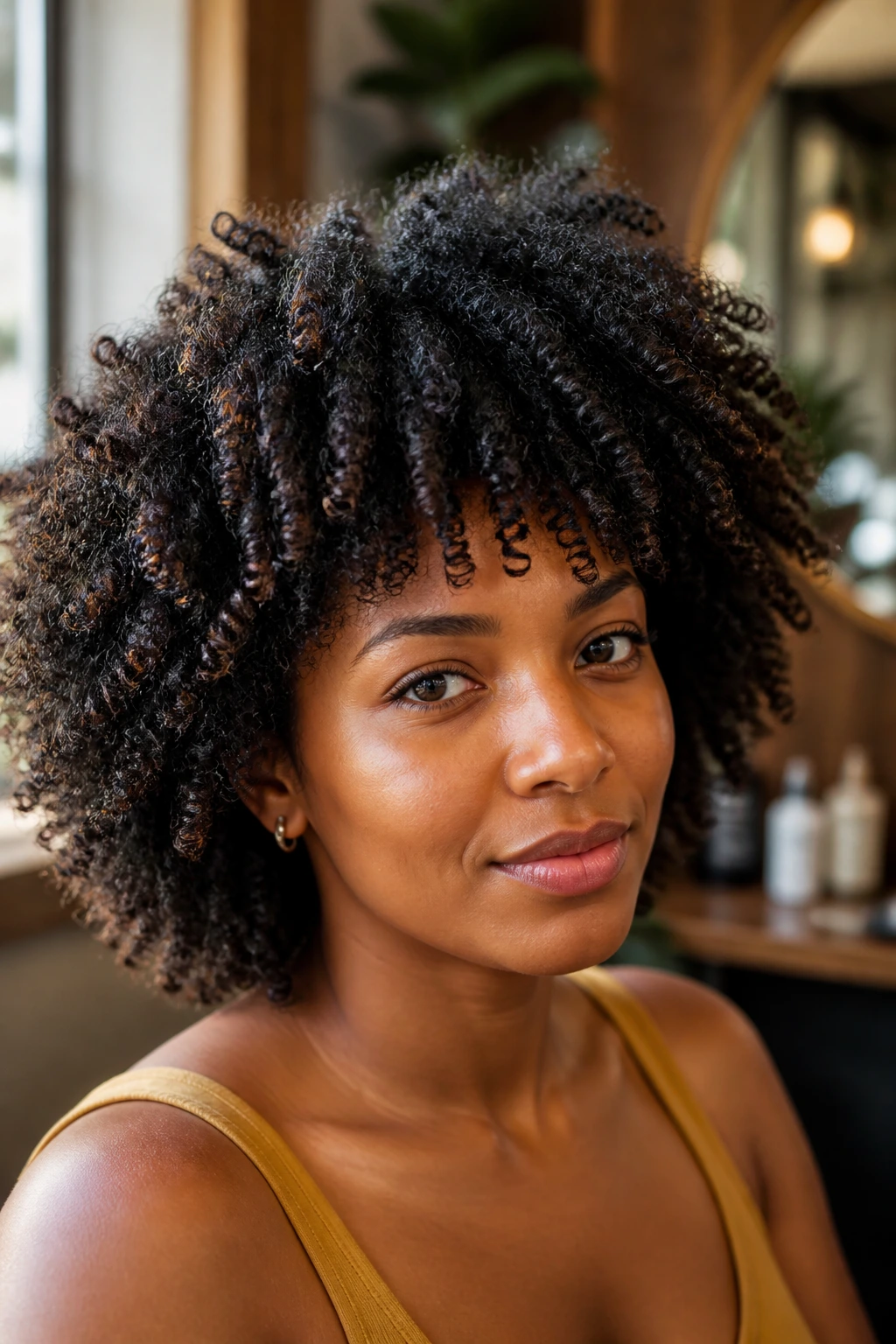
Choosing a bob for your natural hair is a commitment to yourself. It is a decision to embrace the beauty of your texture, the precision of a good cut, and the freedom of low-maintenance style. You are moving away from the idea that your hair is something to be managed and moving toward the idea that your hair is a reflection of your personality—sharp, bold, and unapologetically you.
When you sit in that salon chair, do not be afraid to advocate for what you want. Show pictures, talk about your lifestyle, and insist on a dry cut if you feel the texture requires it. This is your crown, and you deserve a style that makes you feel confident every single time you look in the mirror. Whether it is a blunt, sharp edge or a wild, shaggy shag, wear your bob with pride. It is a look that has been cultivated, curated, and earned.