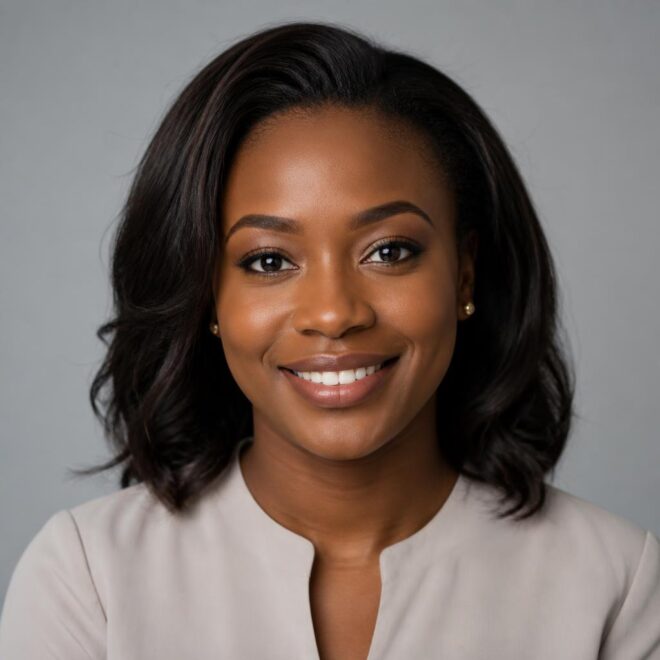


When you first decide to embrace your natural curl pattern, you quickly learn that a standard haircut—the kind designed for straight hair pulled taut against the scalp—is the enemy. If your stylist doesn’t account for the way your hair springs back, shortens, and expands as it dries, you are likely to end up with a shape that defies gravity in all the wrong ways. The beauty of curly hair lies in its three-dimensional nature; it is architecture, not just texture.
Choosing the right cut requires moving away from the idea that hair must be “tamed” or “controlled.” Instead, the goal is to work with the individual spiral, coil, or wave. You want a cut that encourages the hair to clump naturally, reduces unnecessary bulk, and frames your face without requiring an hour of heavy product application. Whether your hair is fine and loose or thick and tightly packed, there is a silhouette that allows your curls to exist at their absolute peak potential.
1. The Rounded Layered Shag
This cut is the champion of volume. By keeping the layers shorter toward the crown and longer through the back and sides, you create a soft, halo-like silhouette that emphasizes the bounce of every curl. It works exceptionally well for those who feel their hair goes flat at the roots after just a few hours.
Why This Shape Works
The key here is the distribution of weight. By removing internal bulk throughout the mid-lengths, the curls at the top of your head are freed from the heavy dragging force of the bottom layers. This allows the hair to sit higher and create that desired roundness. It is a cut that embraces a slightly messy, lived-in aesthetic, making it perfect for someone who prefers a low-maintenance morning routine.
Styling Tips for Maximum Volume
- Use a lightweight mousse while the hair is soaking wet to encourage clumping without weighing the roots down.
- Diffuse the hair upside down, focusing heat at the scalp to lock in that lift.
- Once dry, use a hair pick to gently fluff the roots at the crown for an extra boost.
Pro tip: Ask your stylist for “internal cutting” or “debulking” rather than thinning shears, which can sometimes create frizz by snapping the hair mid-shaft.
2. The Classic Curly Bob
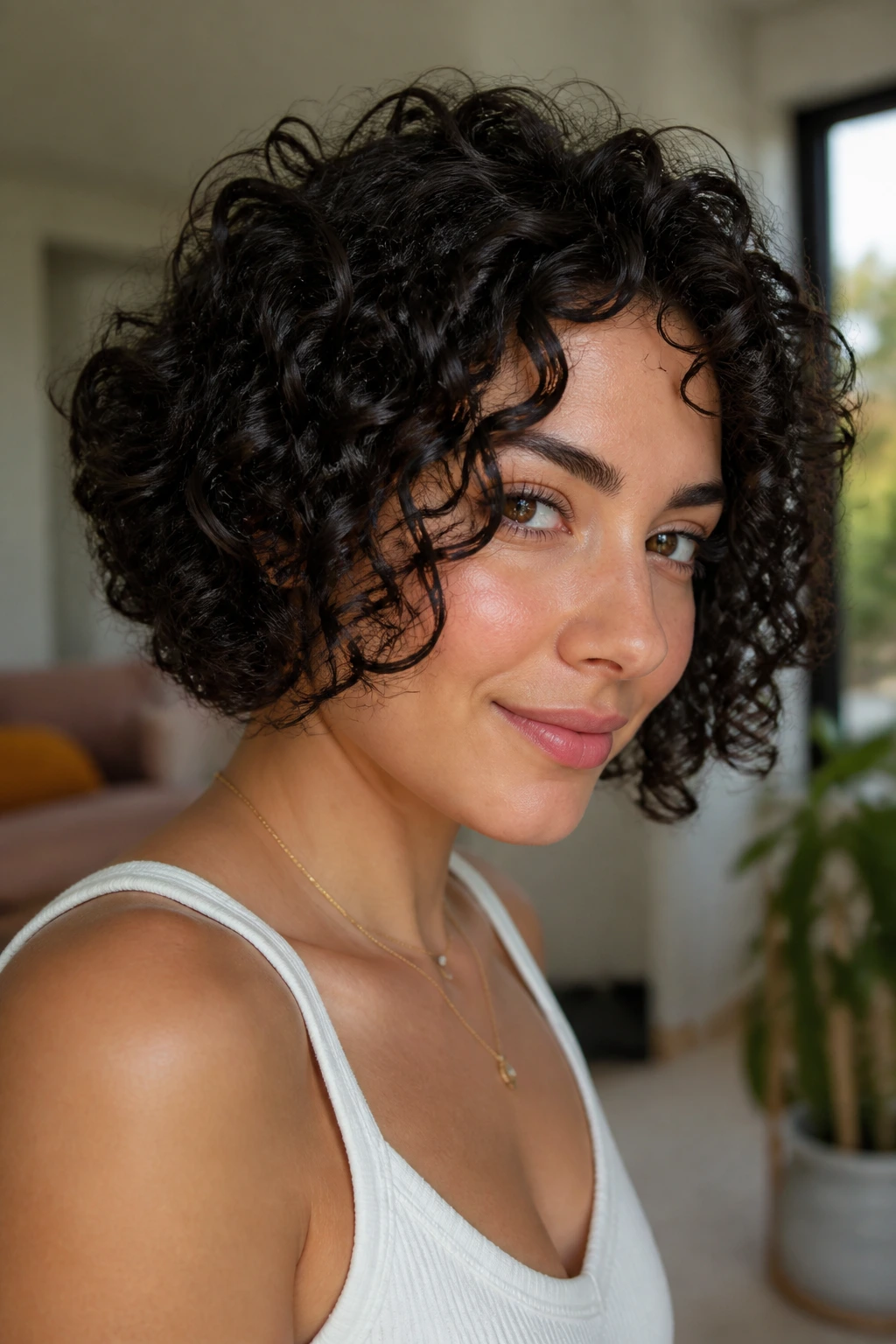
A bob on curly hair is often met with fear—the dreaded “triangle head” is a real concern—but when cut with the right graduation, it is effortlessly chic. The secret is to cut the layers slightly shorter in the back and longer toward the face, creating a curved shape that hugs the nape of the neck.
The Anatomy of a Great Curly Bob
Length is everything. If the hair is cut too short, it will expand outward too aggressively; if it is too long, the weight will pull your curls into a limp, wavy mess. The sweet spot usually sits just at or slightly below the jawline. This length provides enough weight to keep the curls elongated while still allowing for that iconic, bouncy bob aesthetic.
Keeping the Triangle Shape at Bay
- Avoid blunt, straight-across edges which create a shelf-like effect.
- Request “point-cutting,” where the stylist cuts into the ends of the hair to soften the perimeter.
- Use a cream-based leave-in conditioner to ensure the ends stay hydrated and don’t turn into a fuzzy halo.
3. The Modern Long Shag

If you love your length but are tired of the hair feeling like a heavy curtain, the modern long shag is your solution. It maintains the overall length but incorporates heavy layering starting from the mid-shaft down to the ends. This allows the curls to stack on top of each other, creating a dynamic, flowing look.
Why This Style Is So Versatile
You get the best of both worlds: the length that lets you pull your hair up into a high bun, and the layers that give it life and movement. It prevents the “triangle” by ensuring the hair isn’t just widest at the bottom. The shorter face-framing pieces add a touch of retro cool that feels fresh rather than outdated.
How to Maintain the Layers
- Focus on regular trims—every three to four months—to keep the ends from getting stringy.
- Apply a deep conditioning mask once a week, concentrating on the longest layers which are the oldest and most prone to dryness.
- When detangling, always start at the very bottom and work your way up to ensure those delicate layers aren’t being snapped by a brush.
4. The Defined Curly Pixie
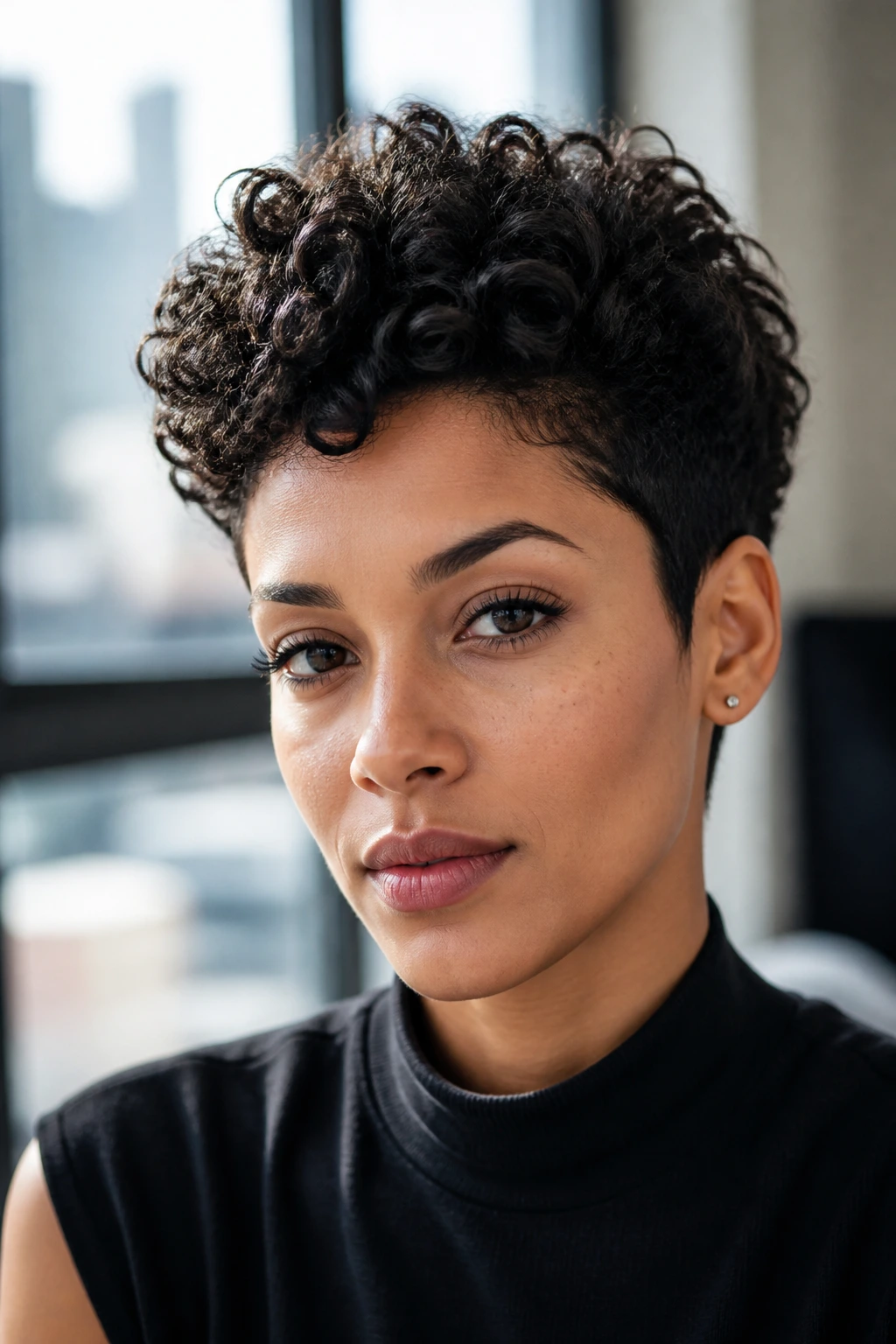
Cutting your curls into a pixie is a bold, liberating move that shifts the focus entirely to your facial features. With this cut, the sides are typically kept short, while the top has enough length to allow the curls to form and pile upward. It is a structured, sophisticated style that highlights the unique pattern of your hair.
Considerations Before Going Short
- Your curl pattern will look different when it has no weight to pull it down; expect your coils to appear tighter.
- Maintenance is higher in terms of salon visits; you will likely need a trim every six to eight weeks to keep the shape tight.
- You must be prepared for a different daily routine—this cut is all about styling the top section while keeping the edges clean.
Best Products for a Pixie
- A styling wax or pomade is essential for defining the edges and keeping flyaways at bay.
- Use a curl-defining gel on the top curls while wet to maintain their shape throughout the day.
- Refreshing the hair in the morning often requires only a light mist of water and a touch of product.
5. The Curly Lob (Long Bob)
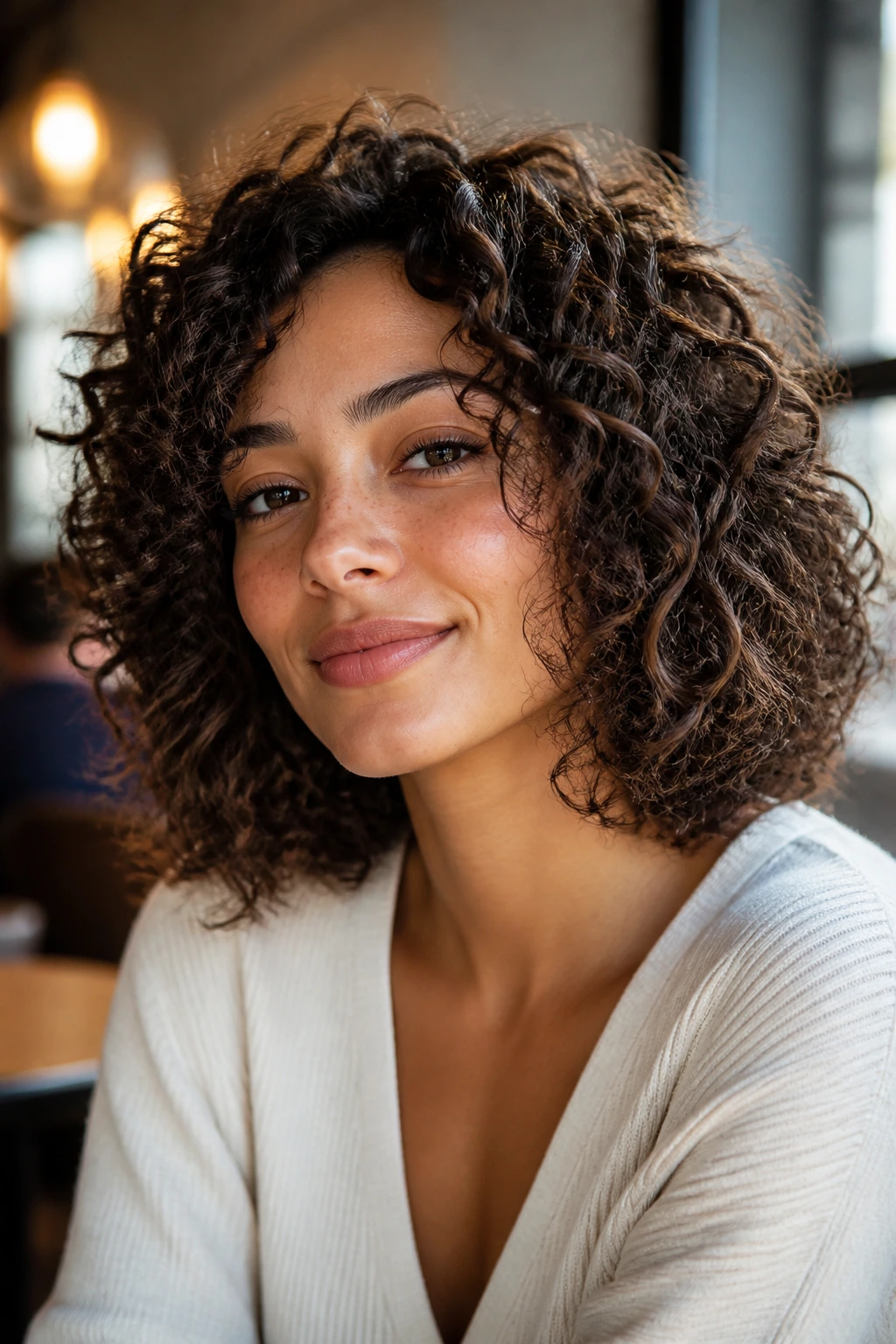
Falling right around the collarbone, the lob is the most popular transitional cut for those afraid of going too short. It offers enough length to tie back, but the removal of the bottom 3-4 inches of length immediately restores bounce and vitality to the curls. It is the definition of “polished but relaxed.”
Why This Cut Stays Popular
It is an incredibly forgiving length. If your hair is prone to unpredictable shrinkage, the lob provides a safety net. You can wear it with a deep side part for a dramatic evening look or let it fall naturally for a casual, breezy vibe. It also works beautifully with bangs, which can be cut long enough to be swept to the side.
Managing the Weight
- Ensure the layers are long enough that they don’t look choppy.
- If your hair is very fine, a blunt-ish cut at the ends can actually help it look fuller.
- For thicker hair, ask for invisible layers to take the weight off without sacrificing the sleek look of the lob.
6. The Heart-Shaped Cut
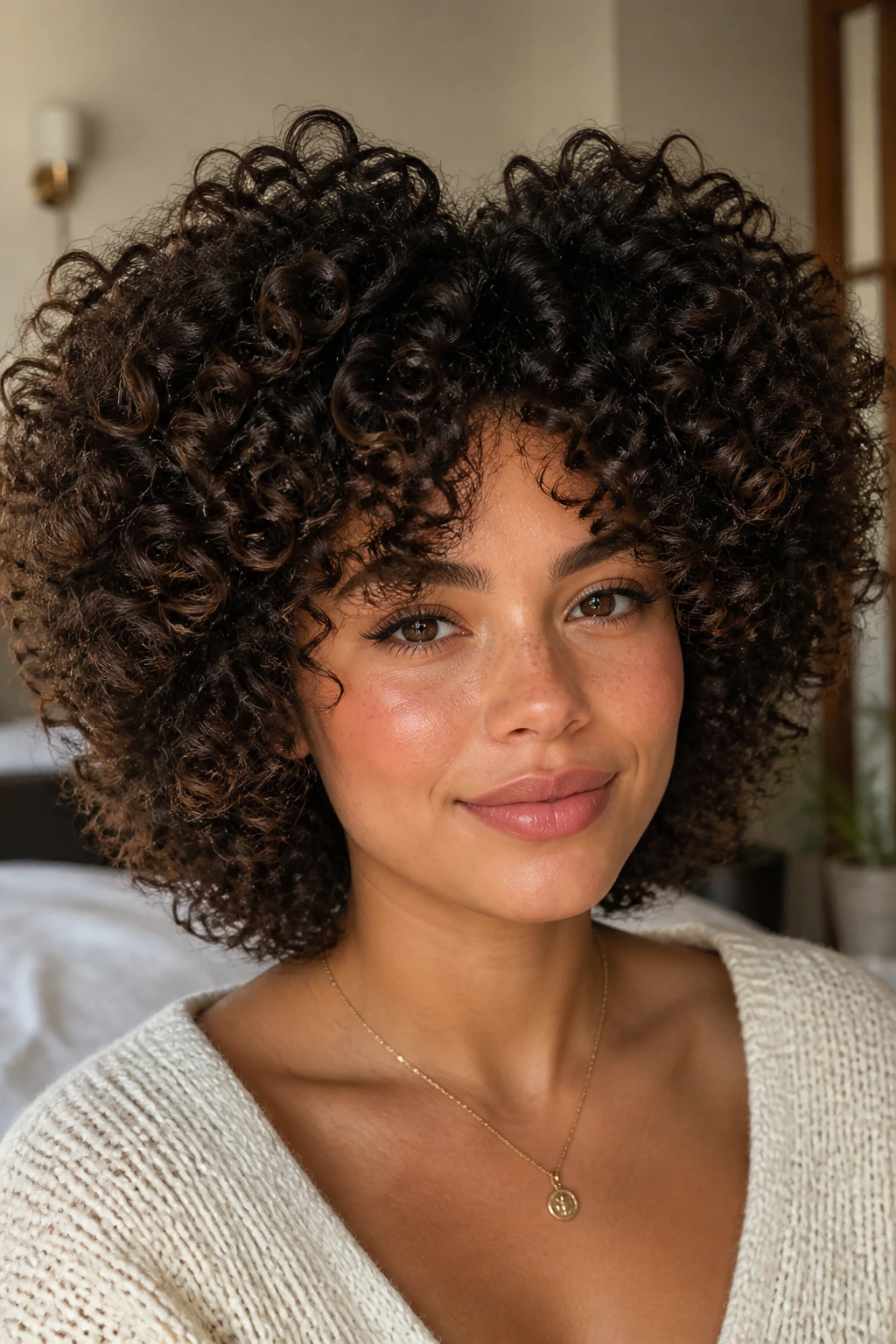
This cut is specifically designed to maximize volume at the roots and through the crown, creating a shape that mimics a heart. The hair is shortest at the top and tapers down toward the chin, allowing the curls to frame your face in a soft, flattering way. It is a playful, intentional look that requires a skilled hand.
Crafting the Perfect Shape
Your stylist will essentially be removing the weight from the sides, focusing the volume in the upper half of your head. This pulls the eye upward and makes the face look lifted and bright. It is particularly effective for those with round or square face shapes who want to add some vertical interest.
Styling for the Heart Effect
- Use a diffuser with a bowl attachment to push the hair upward at the roots.
- Avoid heavy butters or oils at the crown, as they will collapse the volume you’ve worked so hard to achieve.
- Flip your head upside down periodically while drying to encourage the curls to hang away from the scalp.
7. The Uneven or Asymmetrical Cut
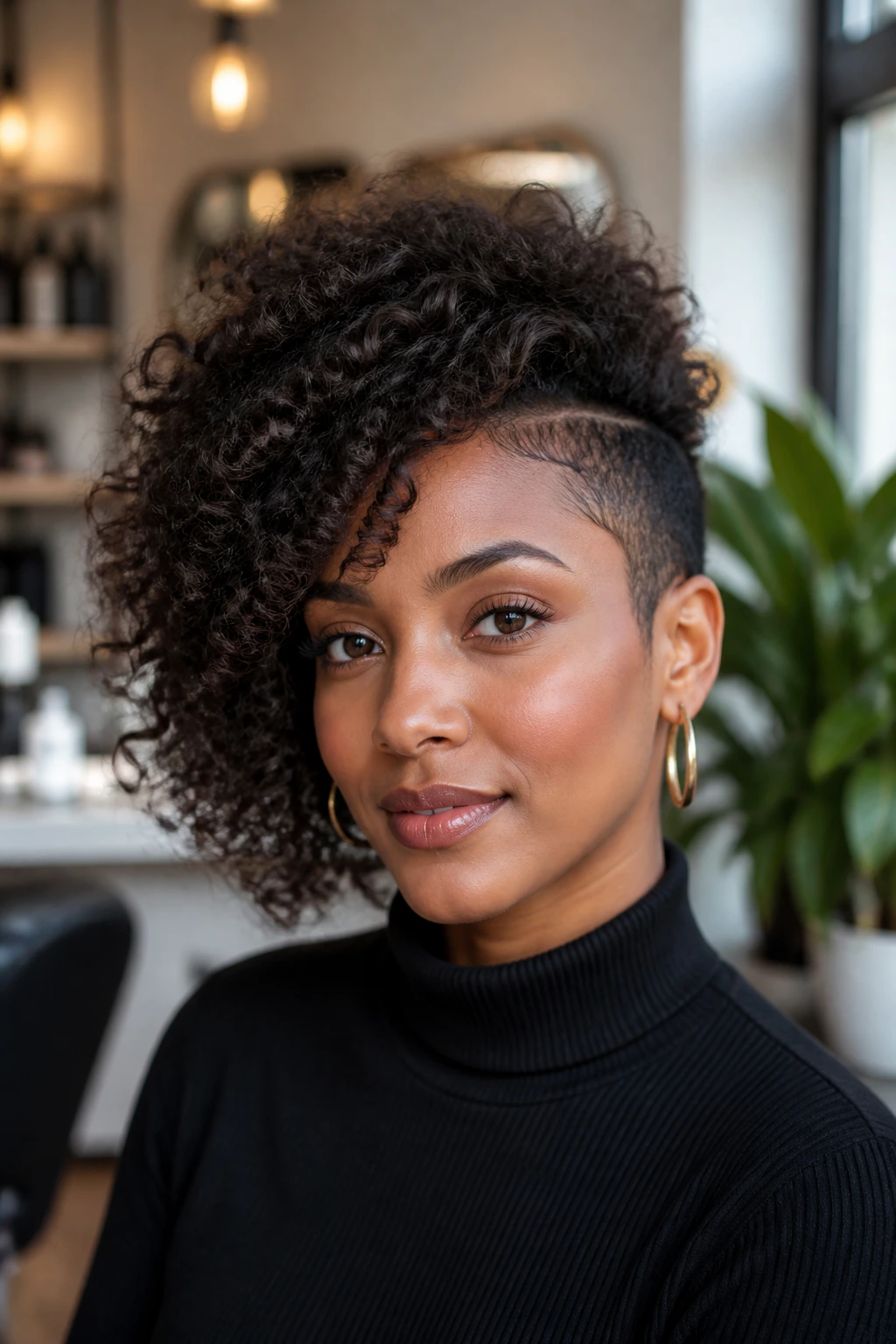
If you want to make a statement, asymmetry is the way to go. By keeping one side longer than the other, you create instant visual interest. This cut looks especially sharp on those with tight coils or thick hair, as it prevents the hair from looking like a uniform mass and turns it into a piece of wearable art.
How to Style Asymmetrical Curls
- Because the lengths are different, you may find that the shorter side behaves differently than the longer side. Don’t fight it; embrace the variation.
- Use the longer side to frame your face and the shorter side to showcase your jawline or cheekbones.
- A light hold foam is often better than a heavy gel for this style, as it keeps the hair touchable and allows the shape to move naturally.
Maintenance Notes
- Keep the edges sharp. A messy, grown-out asymmetrical cut can quickly look like an accident rather than a style choice.
- Visit your stylist consistently to keep the transition between the short and long sides crisp.
8. The Curly Shag with Curtain Bangs
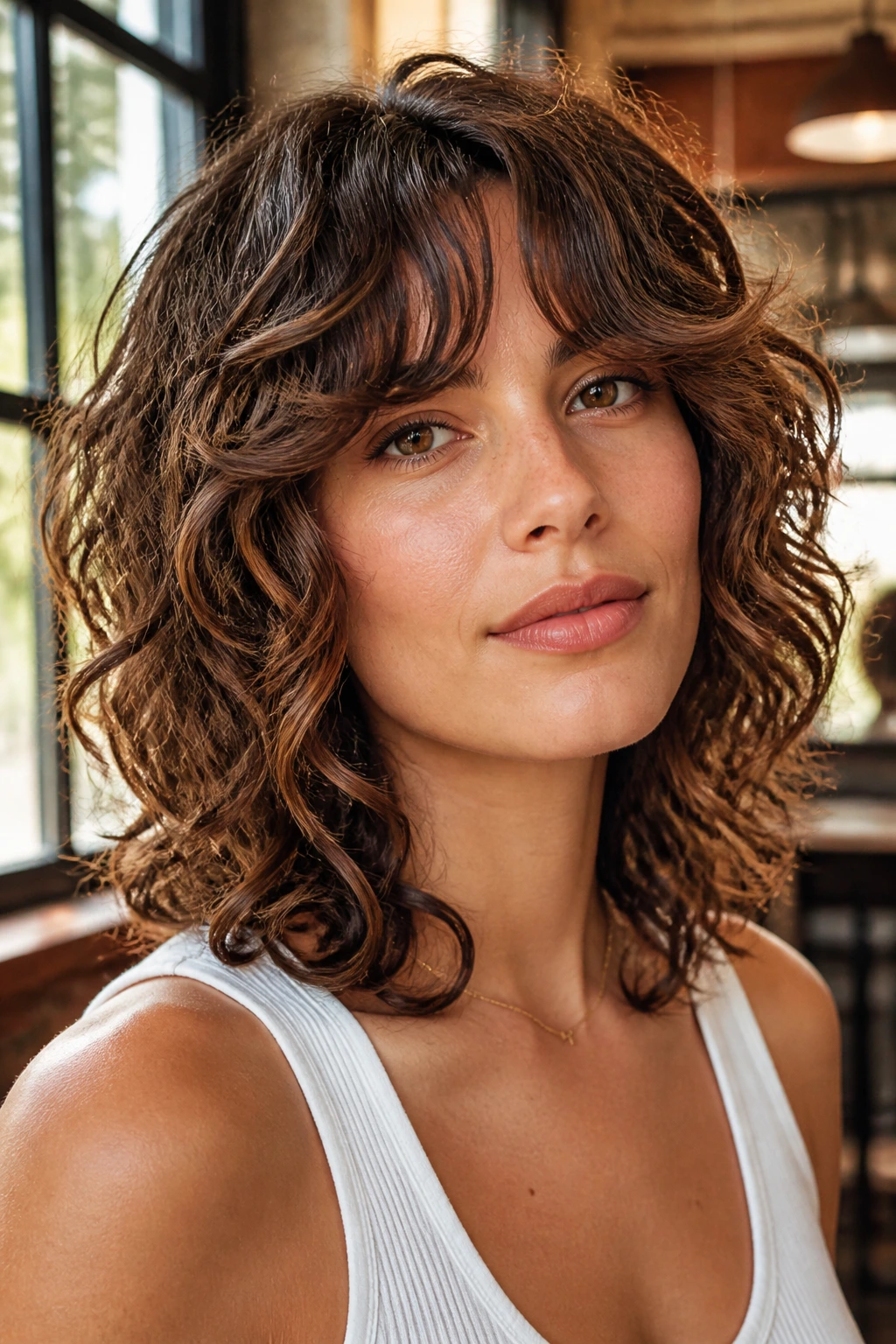
Curtain bangs are a fantastic way to incorporate face-framing without the commitment of a full, blunt bang. When paired with a shaggy, layered cut, the bangs blend seamlessly into the rest of the hair, creating a soft, retro-inspired look that feels like a classic style updated for the modern era.
Why It Works for Curls
The biggest struggle with bangs is usually the maintenance—keeping them straight when the rest of the hair is curly. By letting the bangs be curly, you eliminate the need for daily styling with a hot tool. You simply let them dry in their natural state, and they soften the transition between your face and your hair.
The Secret to Curly Bangs
- Always, always cut them dry. If your stylist cuts your bangs while your hair is wet, they will shrink to your eyebrows or shorter once dry.
- Keep them on the longer side initially. You can always take them shorter, but you can’t add length back once the curl has shrunk.
9. The DevaCut or “Dry Cut”
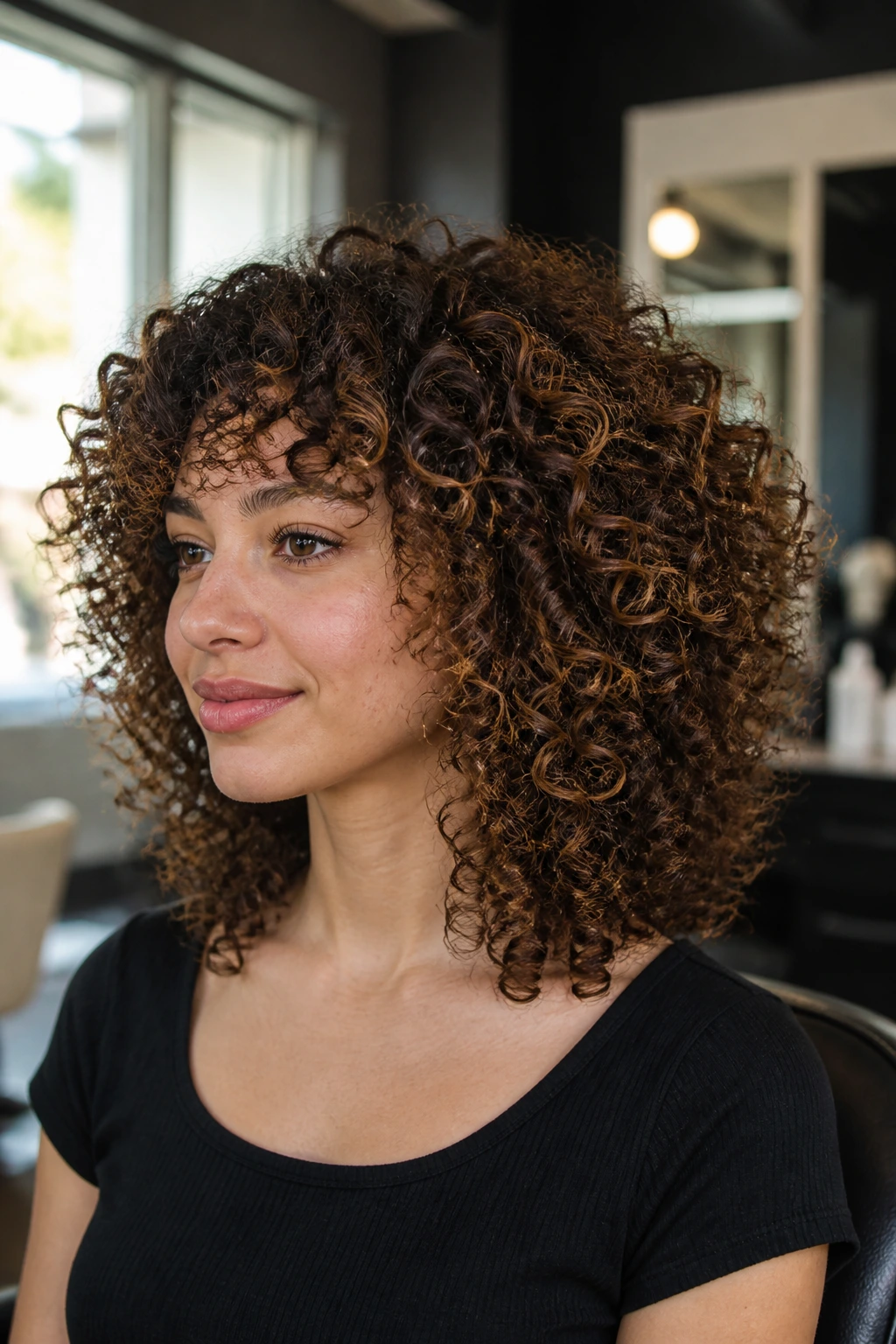
This is not a specific style but a specific technique that is arguably the most vital tool in a curly-haired person’s arsenal. The stylist cuts the hair while it is dry and in its natural, curly state, rather than washing it first. This allows them to see exactly how each curl reacts and how much it springs back.
Why You Should Insist on a Dry Cut
When hair is wet, it is elongated and heavy. A stylist cutting wet hair cannot accurately gauge where your curls will sit once they dry and shrink. By cutting them dry, the stylist can account for your unique curl pattern, density, and growth direction. It turns a haircut into a sculptural process where every individual ringlet is honored.
Finding a Stylist Who Does This
- Look for stylists who explicitly advertise “curly hair specialists” or “dry cutting” on their websites.
- Check their portfolio specifically for clients with your hair type—not just straight hair or loose waves.
- Be prepared to pay a premium; this is a specialized skill that takes significantly more training than standard cutting methods.
10. The Graduated Curly Wedge
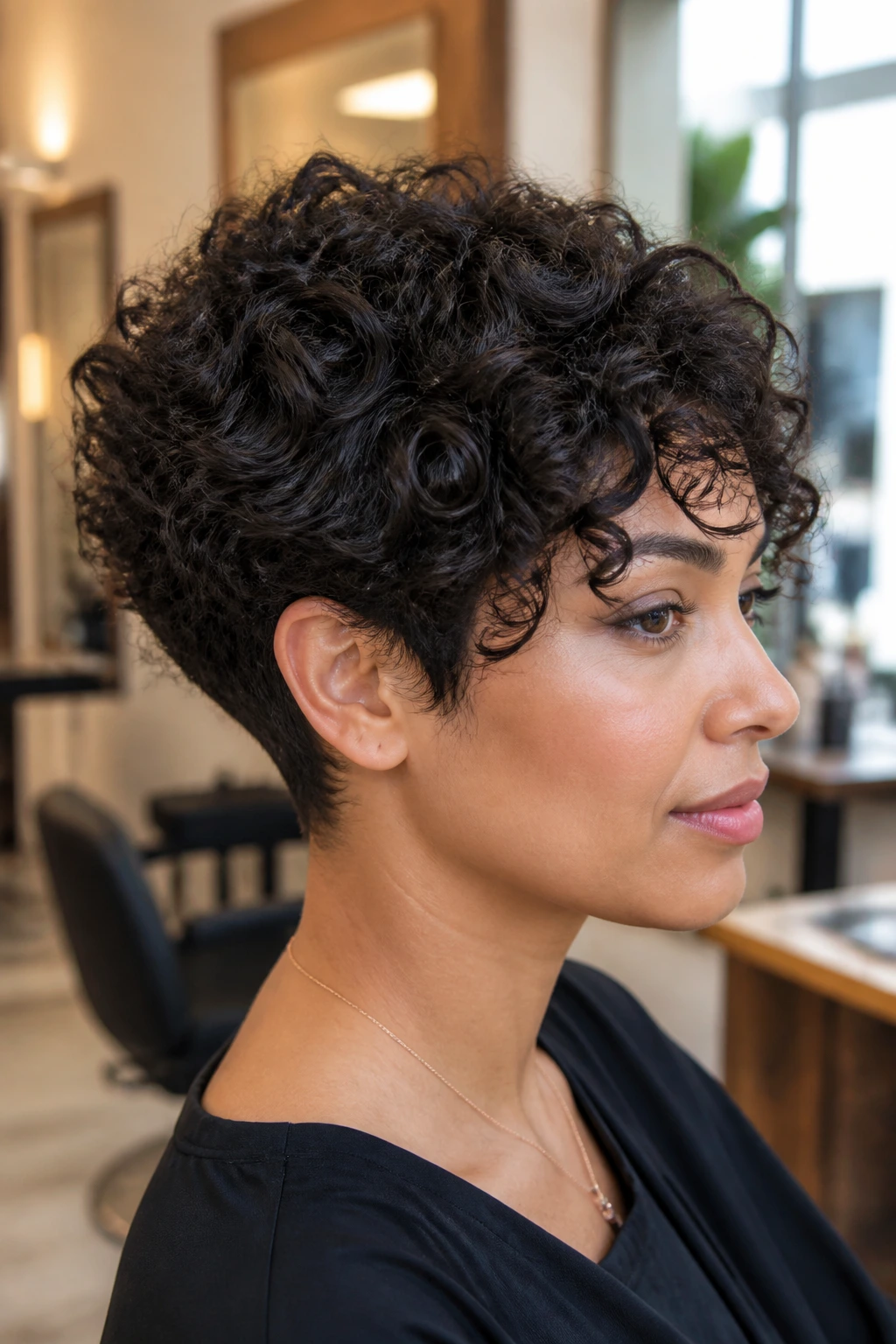
Think of this as a cross between a bob and a pixie. The back is cut very short and stacked to create volume at the nape, while the top and front are left significantly longer. This is a powerful, architectural cut that provides incredible volume and a very polished, professional finish.
Who Should Choose This Look
This is ideal for those with tight coils or very thick hair that becomes difficult to manage when it reaches the shoulders. It is a high-impact style that requires very little daily effort—the structure is already built into the cut itself. It’s perfect for someone who wants to spend five minutes or less on their hair in the morning.
Styling the Stacked Back
- Use a lightweight hairspray or pomade to ensure the back stays smooth and structured.
- The front curls should be treated with a defining cream to keep them bouncy and soft.
- If you have trouble with the back losing its shape, a quick blast with a cool-shot dryer can set the style in place.
11. The Layered Afro
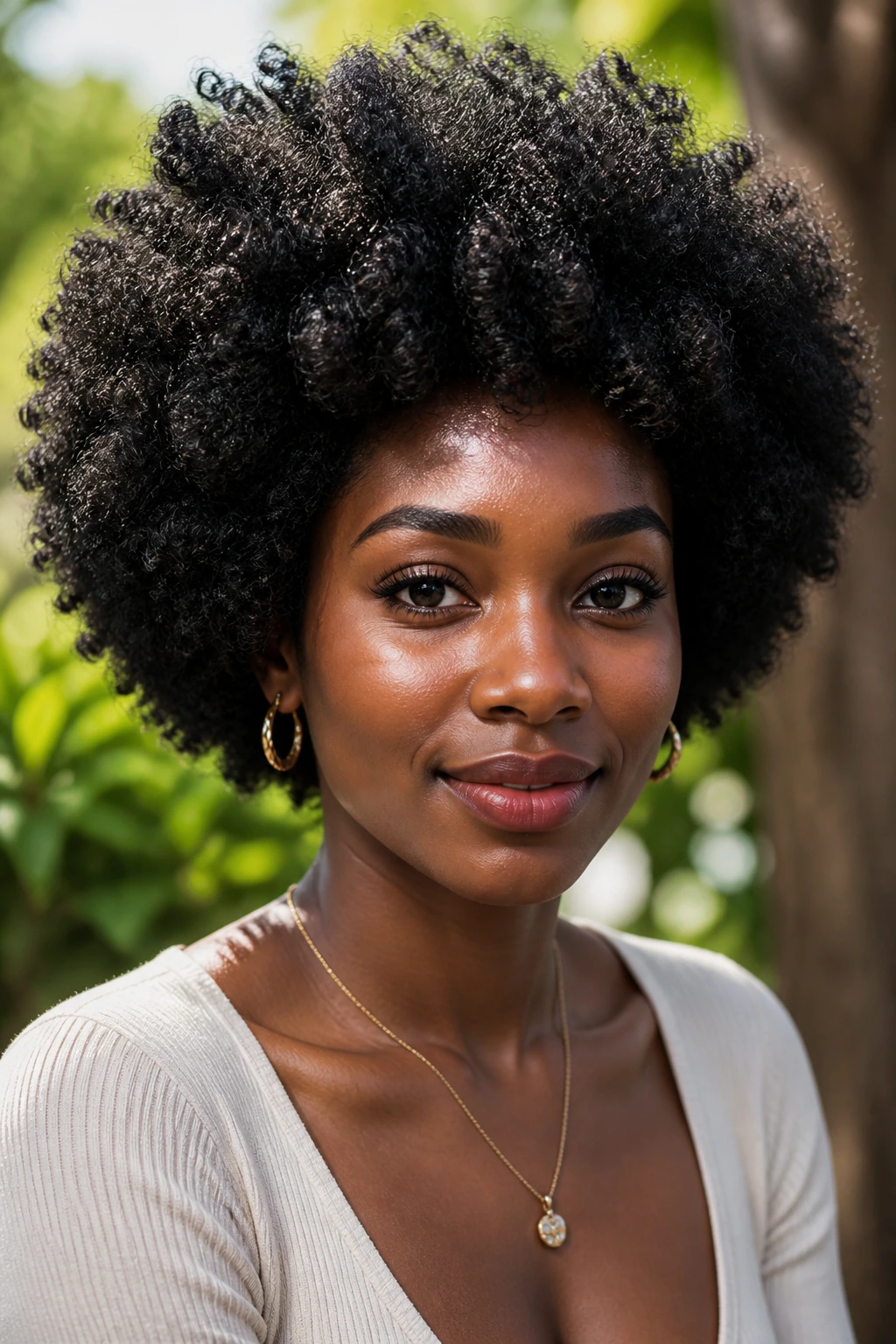
For those with tight coils or 4C hair, a layered afro is all about shape, health, and dimension. By layering the hair, you can manipulate the silhouette of the afro, making it perfectly round, more elongated, or even slightly flattened at the sides. It is a celebration of texture that requires a lot of hydration to maintain.
Importance of Shape
The key to a great afro is consistent shaping. As the hair grows, it can become heavy and lose its form. By keeping the layers balanced, you ensure that the afro maintains its integrity and doesn’t just grow out to become an unmanageable box.
Daily Moisture Routine
- Use the LCO method (Leave-in, Cream, Oil) to lock in moisture.
- Protective styles are your friend between cuts to keep the ends tucked away and healthy.
- Use a wide-tooth comb or a hair pick to lift the roots; do not brush through your coils, as this will lead to breakage and frizz.
12. The Curly Mullet
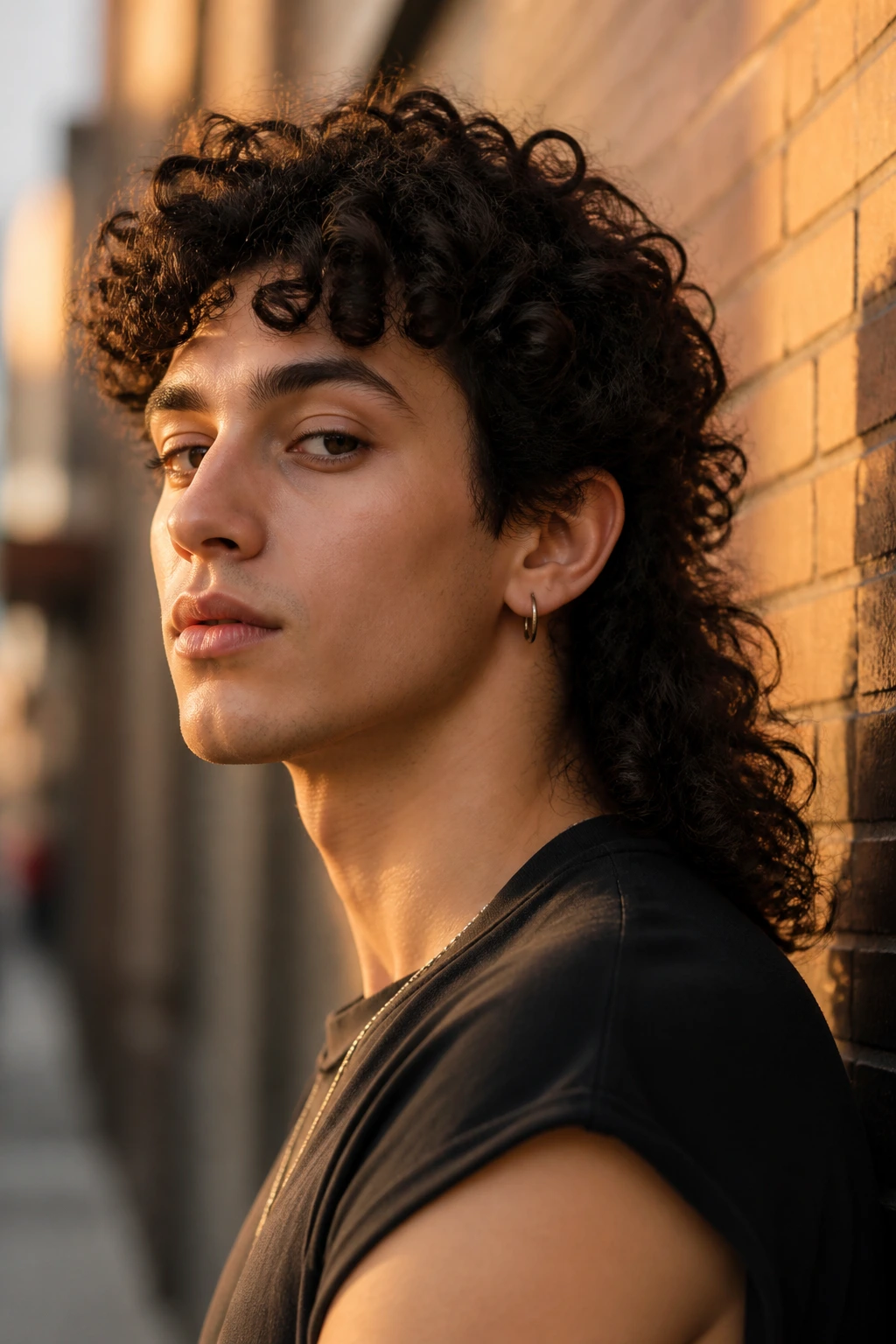
Before you recoil at the name, know that the modern curly mullet is nothing like the 80s version. It is essentially a short-on-top, long-in-the-back style that creates a cool, rock-and-roll vibe. It works beautifully with curls because the texture softens the transition between the short and long sections.
Why This Style Is Having a Moment
It’s fun, edgy, and very low maintenance. The hair around the face is shorter, which keeps it out of your eyes, while the length in the back provides that satisfying feeling of having long hair. It is a fantastic option for someone who wants to change their look entirely.
How to Keep It Modern
- Keep the sides faded or tapered rather than just chopped off.
- Let the curls be the focal point; don’t try to straighten any part of it.
- Use a sea salt spray or a texturizing foam to give the curls a slightly gritty, cool-girl texture.
13. The Mid-Length Tapered Cut
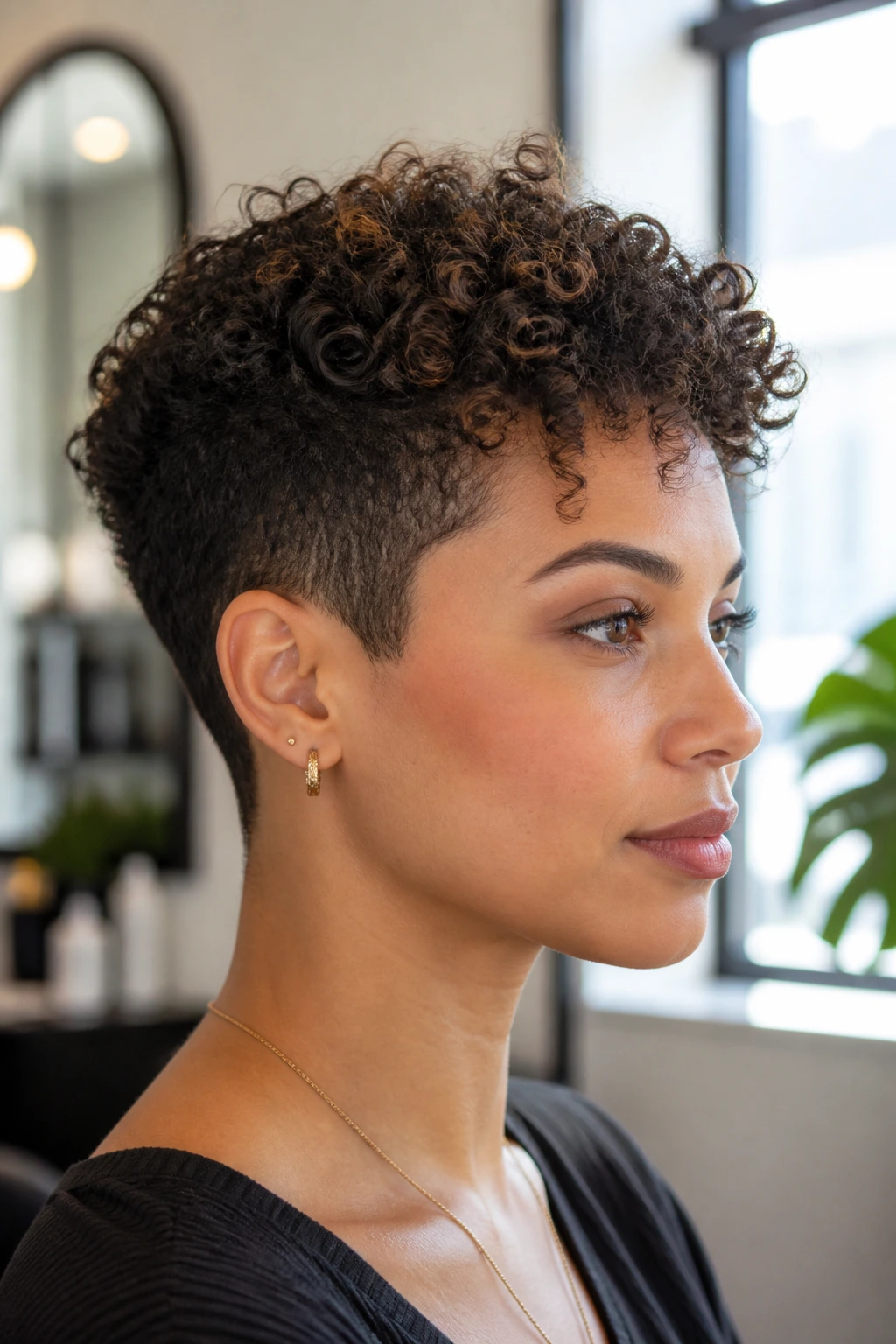
If you want something longer than a pixie but shorter than a bob, a tapered cut—where the sides and back are kept shorter and the top is long—is a great middle ground. It provides a sharp, clean appearance while still giving you enough length on top to play with curls.
Balancing the Length
This cut requires a good amount of blending. You want a seamless transition from the short sides to the longer top section. This creates a balanced look that doesn’t feel like two different hairstyles stuck together. It works well for all face shapes because you can adjust the amount of length on top to flatter your features.
Tips for Maintenance
- Keep the sides groomed. A tapered cut is only as good as its edges.
- Since the top has more length, use a stronger hold gel to ensure those curls don’t get frizzy as they grow.
- Refreshing this style is easy—just re-dampen the top and add a touch of product.
14. The One-Length Curly Cut (with Invisible Layers)
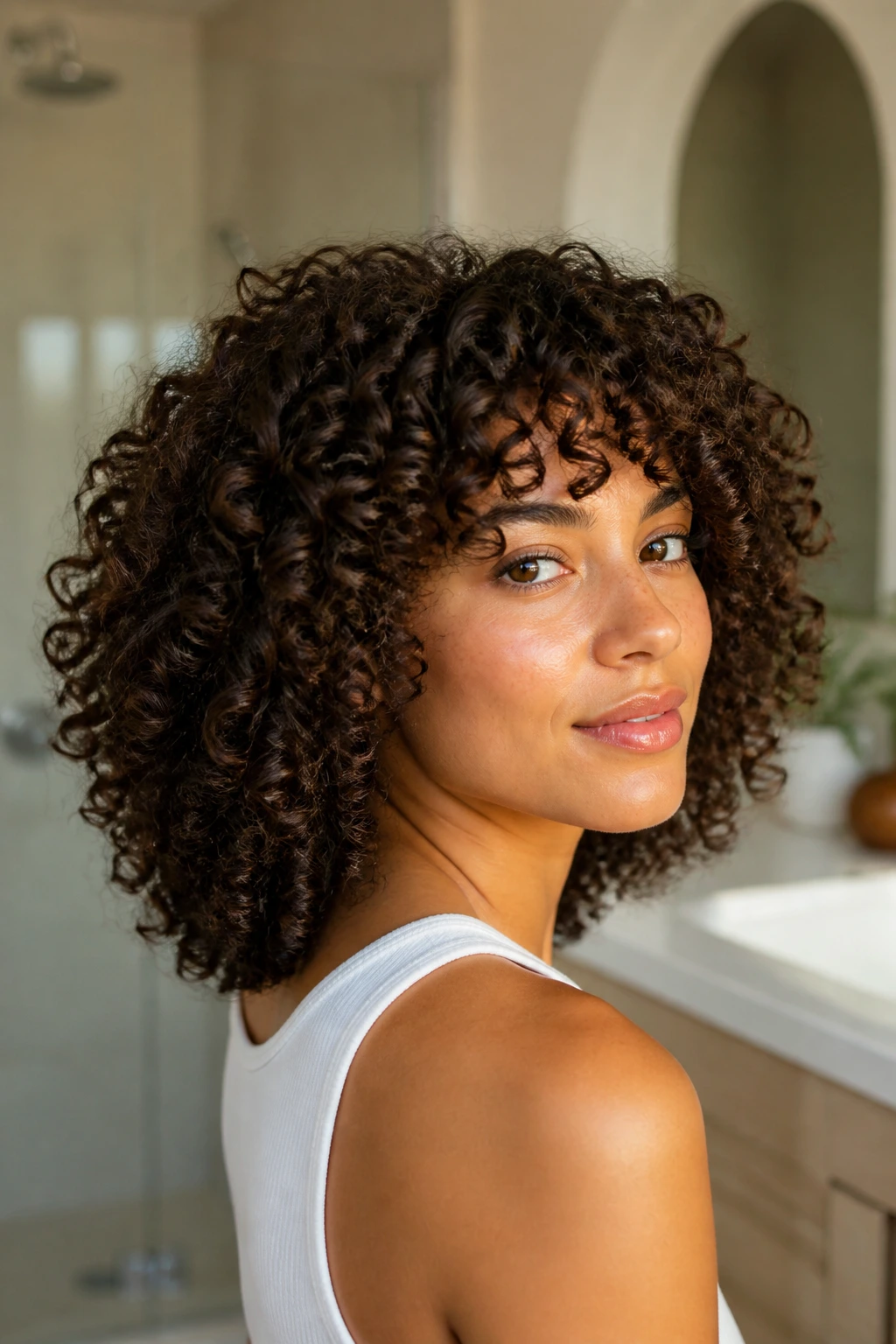
If you are dead-set on having hair that is all the same length, ask for “invisible layers.” These are layers cut on the inside of the hair section, hidden by the top layer. They remove weight and bulk so the hair doesn’t puff out into a pyramid shape, while keeping the external appearance perfectly uniform.
Why It’s Great for Fine Hair
Fine, curly hair often looks sparse when it is heavily layered. By doing invisible layers, you keep the perimeter thick and full while allowing the hair to move and breathe. It is the best way to maintain the look of long, thick hair while actually dealing with a lighter, more manageable weight.
The Risk of Not Layering
Without any form of layers, one-length hair can get very heavy at the bottom. This can stretch your curls and turn them into wavy, limp strands. If you find your curls are losing their definition at the bottom, it is a sign that you need internal layers, regardless of how much you love that one-length look.
15. The “Lob” with Internal Shaping
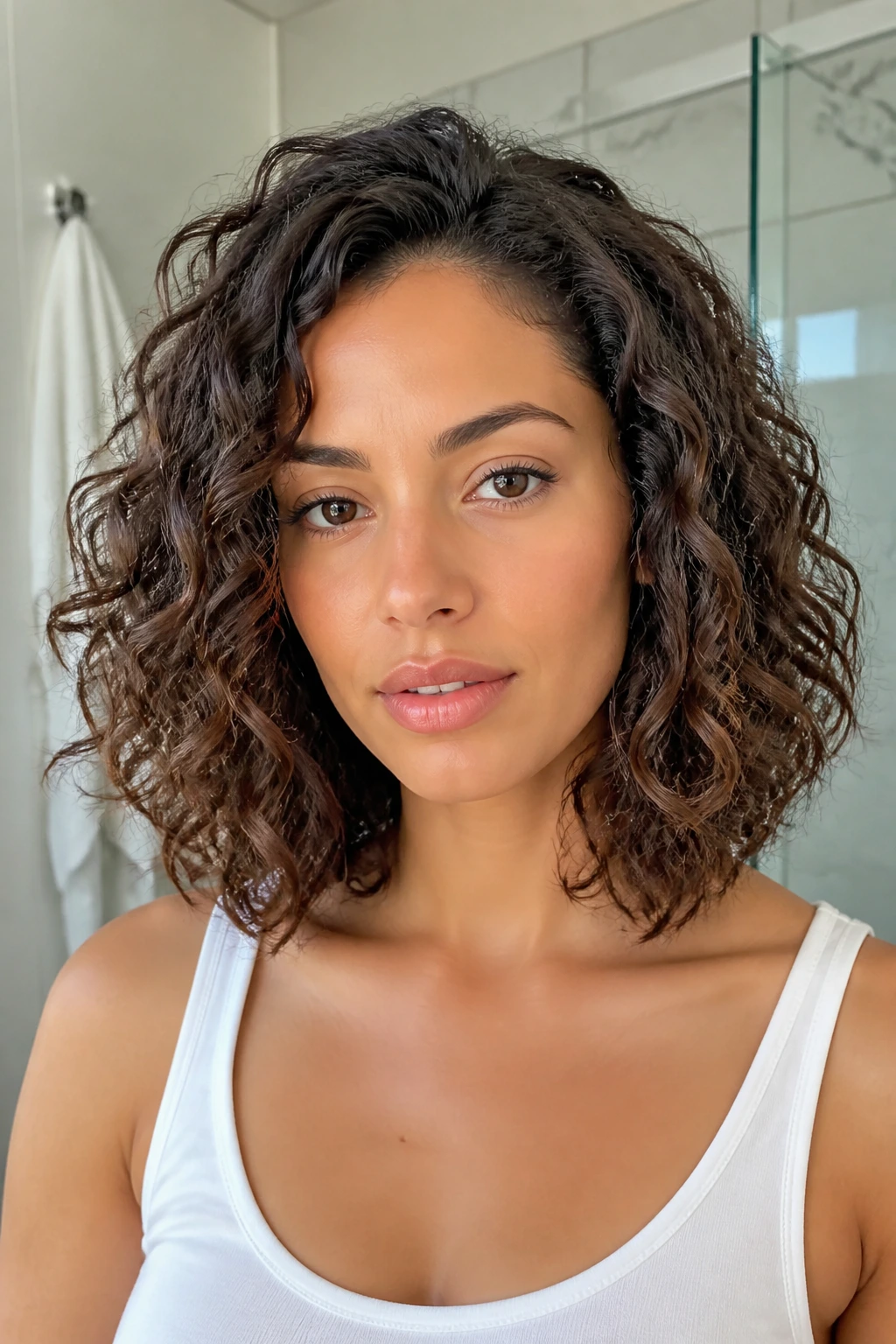
This is a variation on the classic lob, but with extra attention paid to the internal density. Your stylist will thin out the hair underneath, particularly near the nape of the neck, to ensure the hair lies flat rather than flaring out. It is the ultimate “low-effort” cut that looks good right out of the shower.
The Goal of Internal Shaping
The goal is to stop the hair from being “too much.” If you find that you constantly have to wear your hair in a clip because it feels like there is just too much hair to handle, this is the cut for you. It retains the style you want on the outside while fixing the practical frustrations on the inside.
Final Advice on Internal Shaping
- Trust your stylist’s intuition. They know where the weight needs to come out.
- If you have particularly tight coils, be careful not to take out too much internal volume, or you might end up with thin-looking sections.
- Always communicate your frustrations: “I love the length, but it’s too poofy at the back.” That is the key phrase your stylist needs.
Final Thoughts
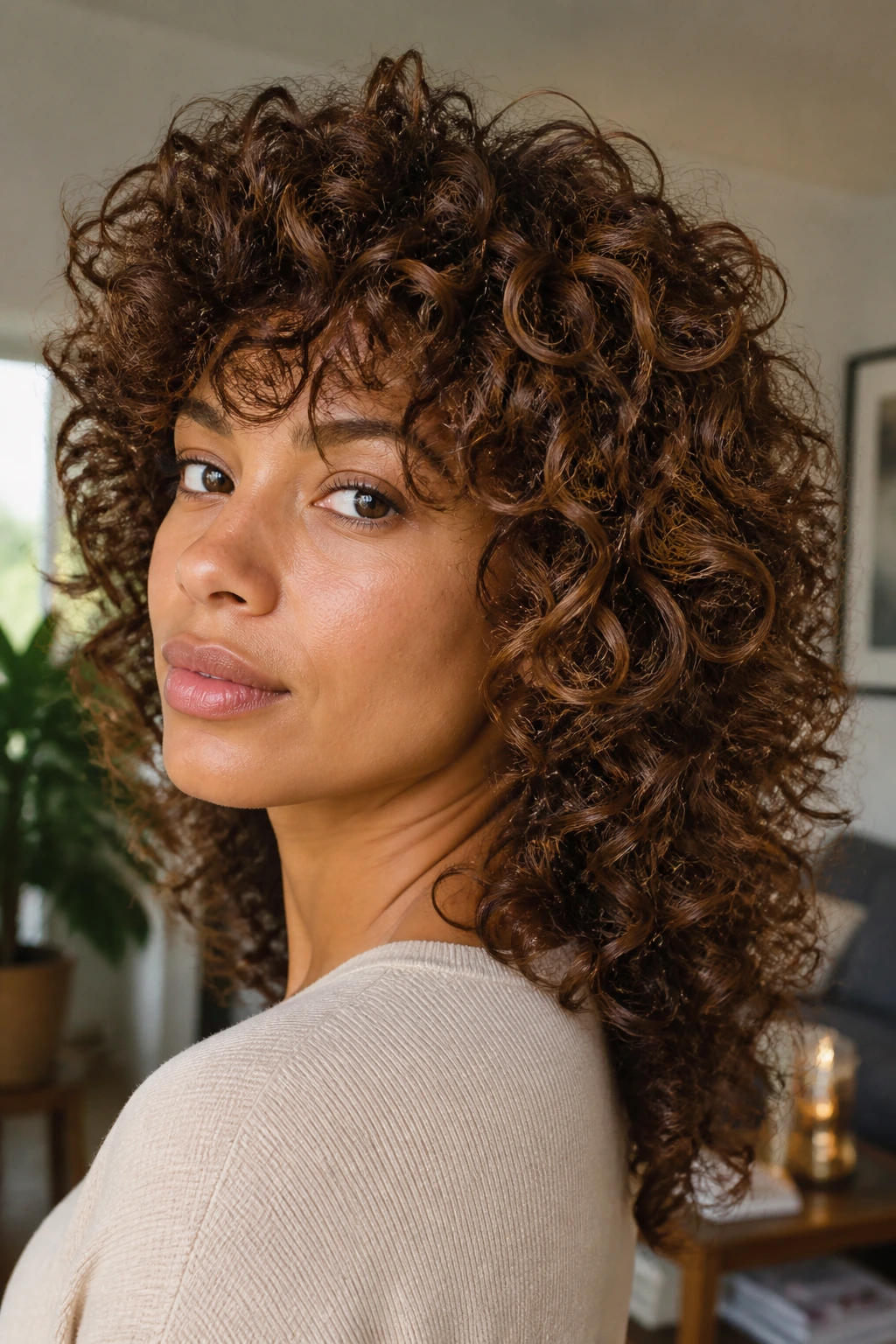
The journey to finding the right cut for your natural hair is personal and sometimes a bit experimental. You will likely go through a few different shapes before you find the one that feels like “you.” Don’t be afraid to try something short; hair always grows back, and sometimes the best way to understand your texture is to remove the excess weight that has been hiding your true pattern for years.
Focus on finding a stylist who respects your hair’s natural state. If you find someone who insists on blow-drying your hair straight before they even pick up the scissors, consider it a sign to find a new professional. The best cuts for curly hair are those that work with gravity, not against it, allowing you to walk out the door with minimal effort and maximum confidence in your texture.