

Choosing the right haircut is often a game of trade-offs. You want length for versatility, but you crave the ease and edge of a shorter style. The shag bob exists in that sweet spot where deliberate imperfection meets intentional structure. By blending the classic precision of a bob with the carefree, layered texture of a 1970s shag, you get a look that feels lived-in the moment you step out of the salon chair.
Medium length is particularly forgiving. It provides enough hair to tuck behind your ears or throw into a messy knot, yet it removes the heavy, dragging weight that comes with longer, one-length cuts. Whether your hair is naturally wavy, pin-straight, or blessed with tight curls, the shag bob relies on strategic cutting rather than hours of heat styling to achieve its signature movement.
1. The Classic Textured Shag Bob
This cut is the quintessential gateway into the style. It focuses on face-framing layers that start near the cheekbones and cascade down to the chin, creating a soft, rounded shape that avoids the “triangle” effect common in blunt bobs.
Why This Style Works
It relies on internal point-cutting to remove weight. By thinning out the middle sections of your hair, the ends naturally curve inward without requiring a round brush. This makes your morning routine significantly faster—just a quick rough-dry is often enough to get the desired shape.
Perfecting the Texture
- Use a sea salt spray on damp hair to encourage natural waves.
- Let it air dry to maintain the softness of the layers.
- Avoid heavy creams that might weigh down the ends and kill the volume.
2. The Bottleneck Bang Shag
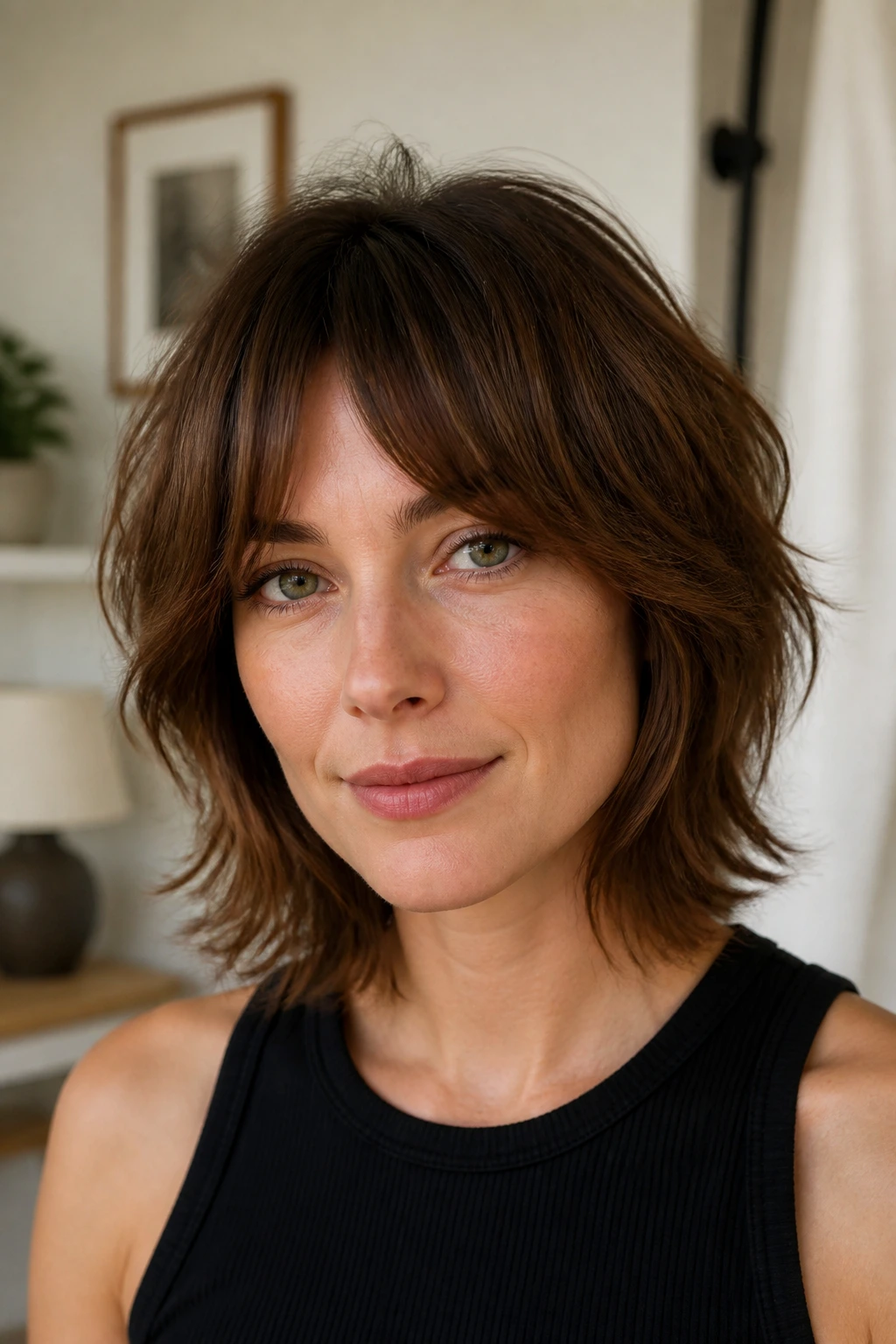
Pairing a shag bob with bottleneck bangs—those that are shorter in the middle and longer toward the temples—creates an incredibly flattering frame for the eyes. This variation is all about blending the fringe into the rest of your layers so the transition feels seamless.
Styling the Fringe
The secret here is the blow-dry technique. Use a small round brush to pull the bangs forward while drying, then sweep them to the sides while they are still warm. This gives them that effortless, curtain-like movement that stays put throughout the day.
3. The Soft Shaggy Lob
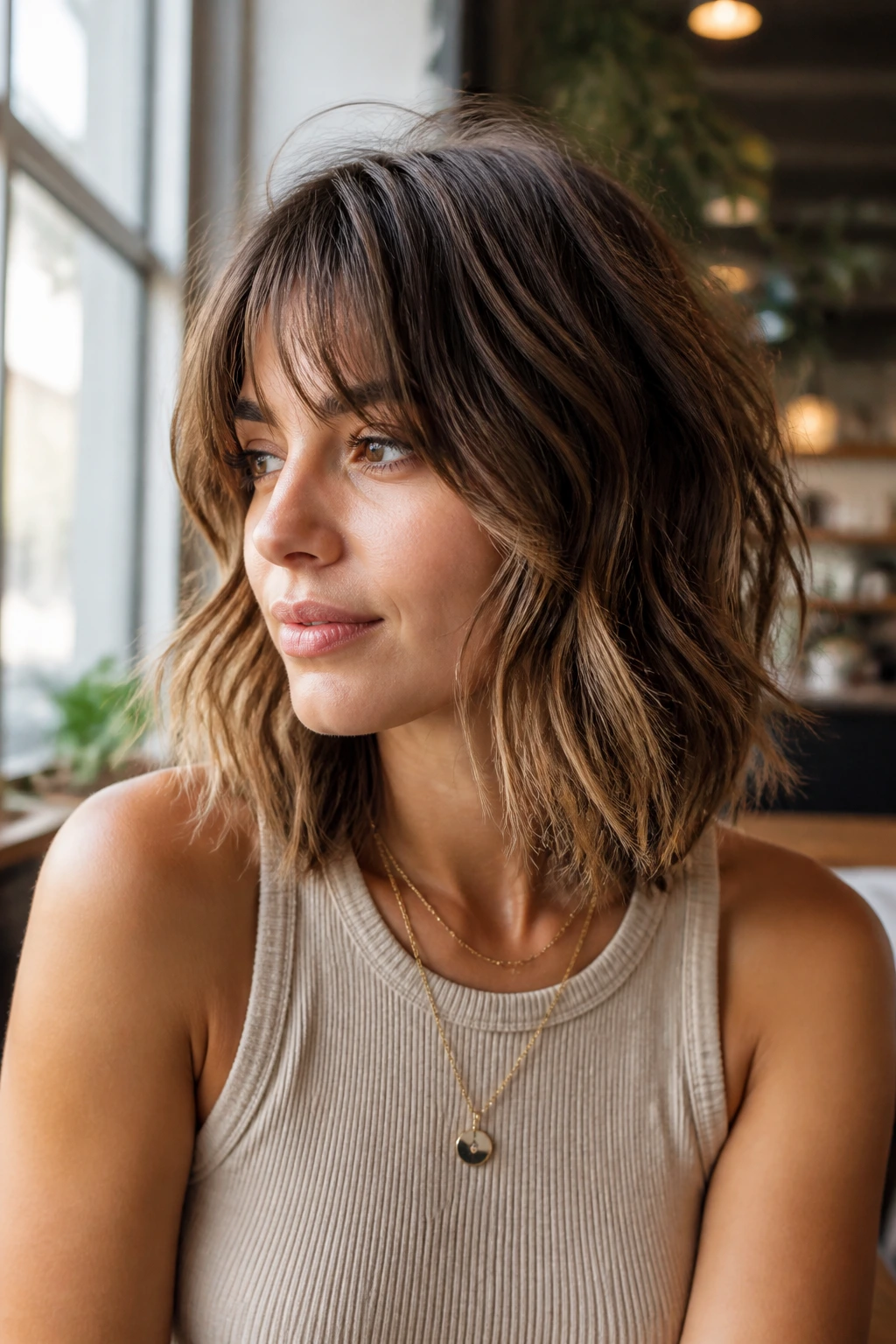
If you are hesitant to go too short, the shag lob (or long bob) is your best friend. It typically hits right at the collarbone, offering the benefits of a bob with a bit more length to play with.
Who Should Choose This
If you have fine hair that lacks volume, this length is ideal. Because the hair isn’t weighed down by extreme length, the layers can lift much easier. You’ll find that a few strategic spritzes of texture spray create the illusion of twice as much hair.
4. The Curly Shag Bob

Curly hair and shag cuts were practically made for each other. Instead of fighting the volume, this cut encourages it. The layers are cut at varying lengths to allow the curls to spring up and sit in a rounded, bouncy halo.
Maintaining the Shape
- Focus on hydration; curly shags need moisture to prevent the ends from getting frizzy.
- Use a diffuser attachment to dry your hair, which helps define the curls without disturbing their pattern.
- Avoid cutting the layers too short at the crown, or you risk the dreaded “poodle” effect.
5. The Razor-Cut Shag
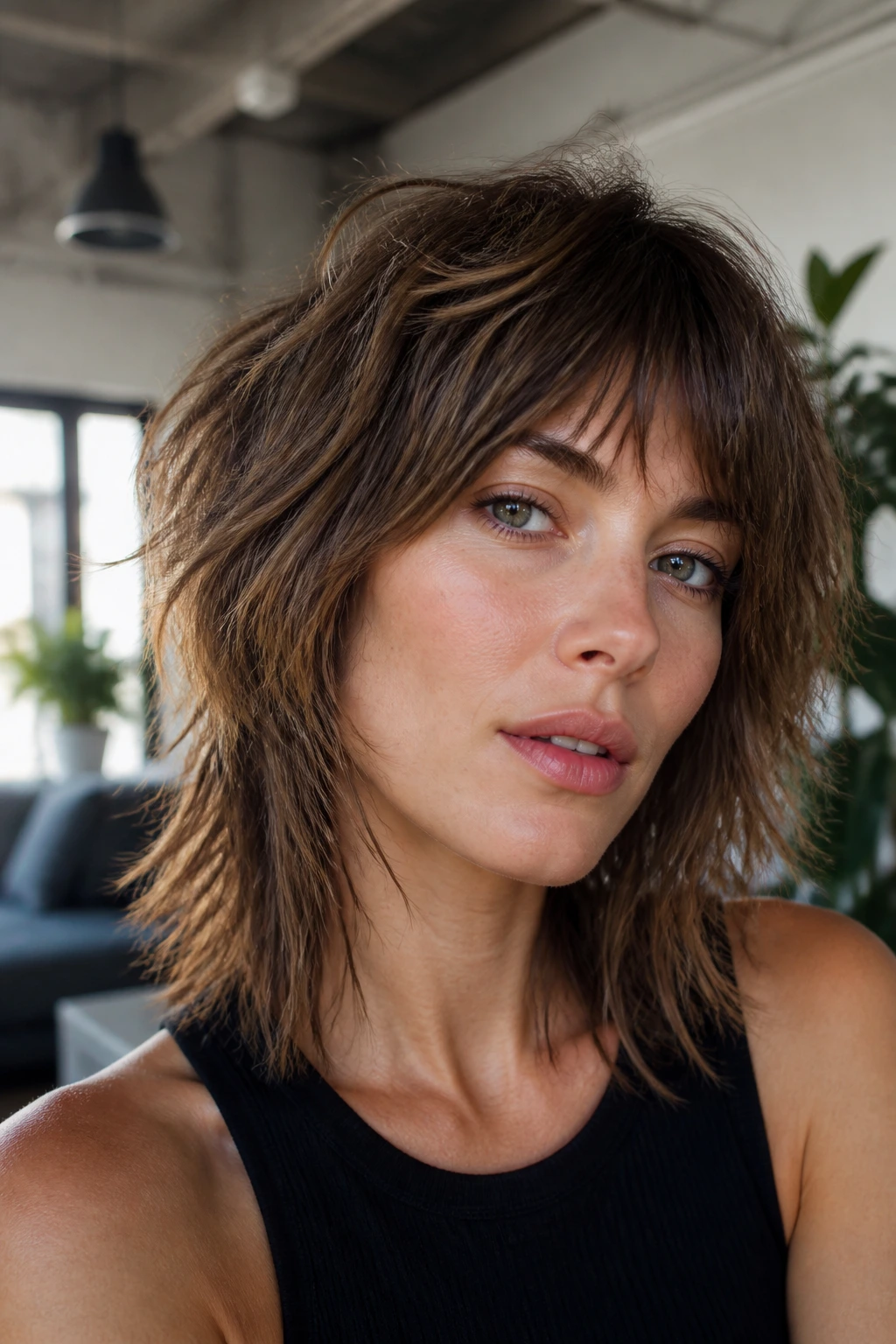
Unlike scissor cuts, a razor cut creates a tapered, wispy finish that feels much softer. It is a fantastic choice if your hair is thick and tends to look blocky or “heavy” when cut straight across.
The Feel of the Cut
A razor provides a frayed, lived-in edge that grows out beautifully. You won’t see harsh lines as your hair gains length over the weeks. It’s an ideal low-maintenance look for those who don’t want to be back in the salon chair every four weeks for a trim.
6. The 90s Grunge Shag
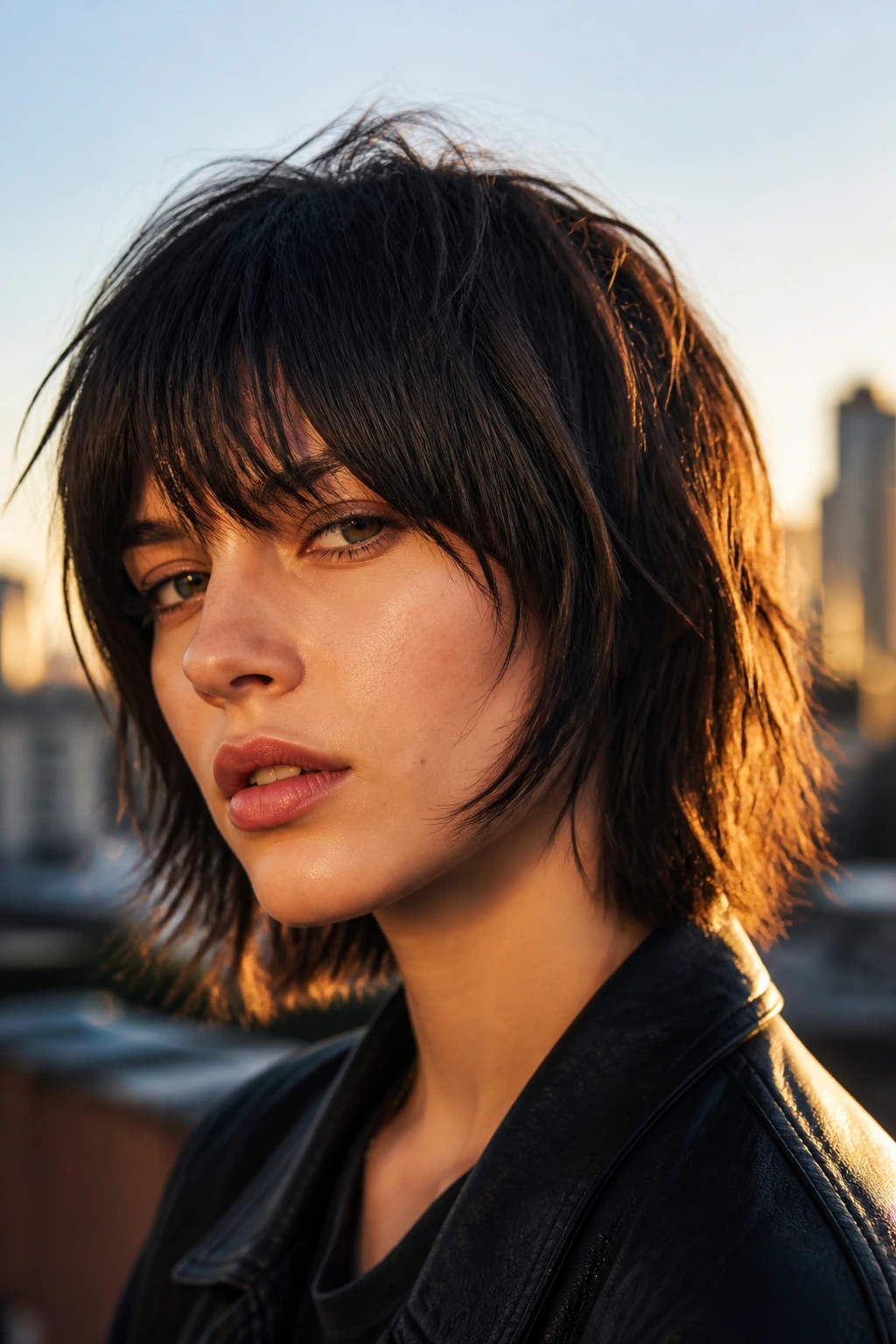
Channeling a bit of the nineties, this version features slightly more aggressive, choppy layers around the crown. It’s meant to look a bit undone, almost as if you haven’t brushed your hair in a few hours.
Achieving the Aesthetic
- Reach for a matte styling paste instead of shiny pomades.
- Work a pea-sized amount through your palms and rub it into the ends, twisting small sections to create definition.
- The goal is separation and grit, not smoothness.
7. The Sleek-Yet-Shaggy Bob

You don’t need wild waves to pull off a shag. When worn straight, a shaggy bob looks high-fashion and intentional. It highlights the precision of the layers while maintaining a sharp, clean perimeter.
Styling for Polish
Use a flat iron to gently bend the ends of the layers away from your face. It creates a slight “flick” that gives the hair a bit of life. A light-hold shine spray is the perfect finish to keep it looking healthy and reflective.
8. The Deep Side-Part Shag
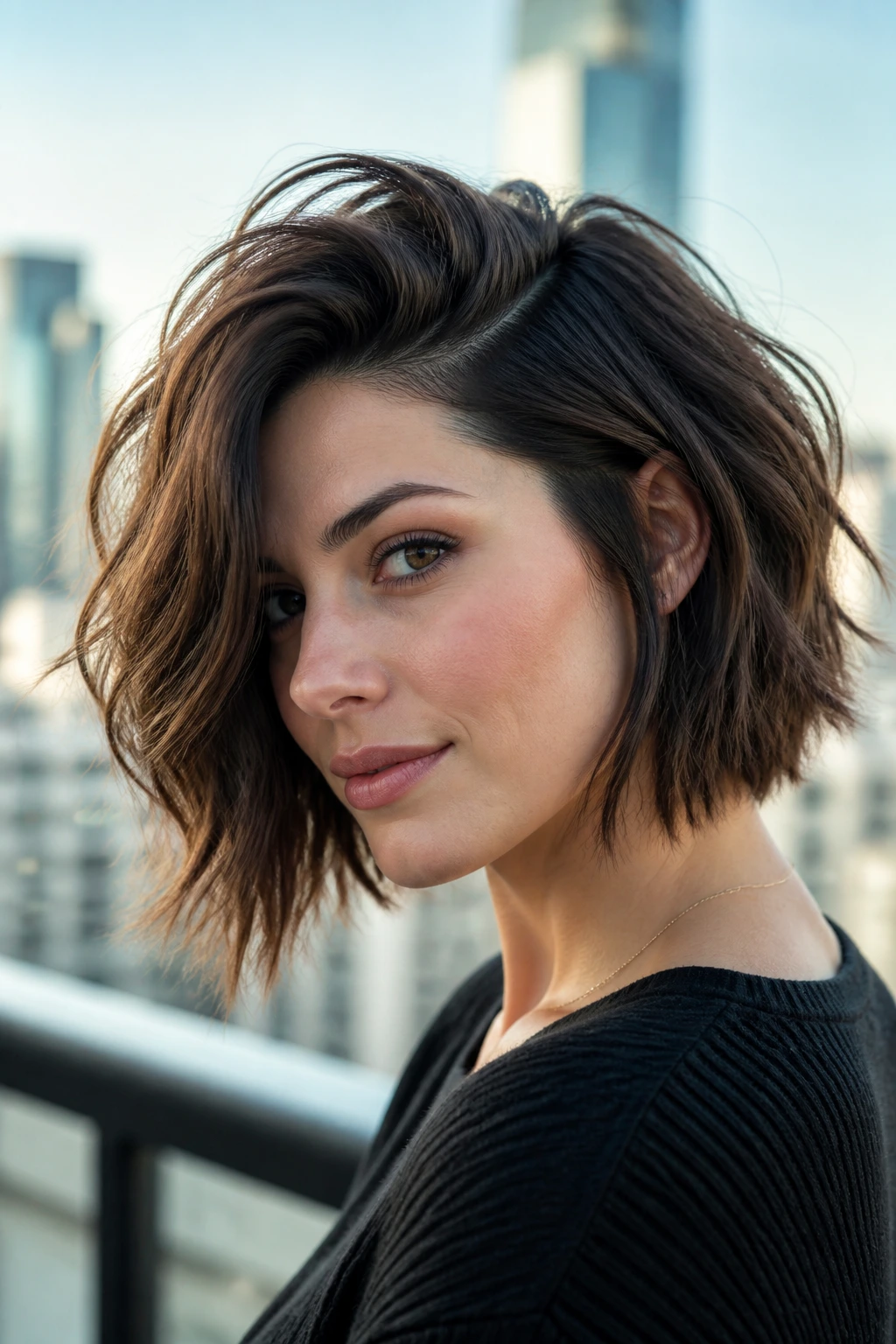
Changing your part can fundamentally alter the vibe of your haircut. A deep side part added to a shag bob creates instant drama and volume on one side, which is incredibly effective for balancing out round or heart-shaped faces.
The Volume Trick
If your hair is thin, flip your part to the side opposite of your natural growth pattern. This forces the hair to stand up at the root, providing a natural lift that lasts all day without needing backcombing.
9. The Modern Mullet-Bob Hybrid
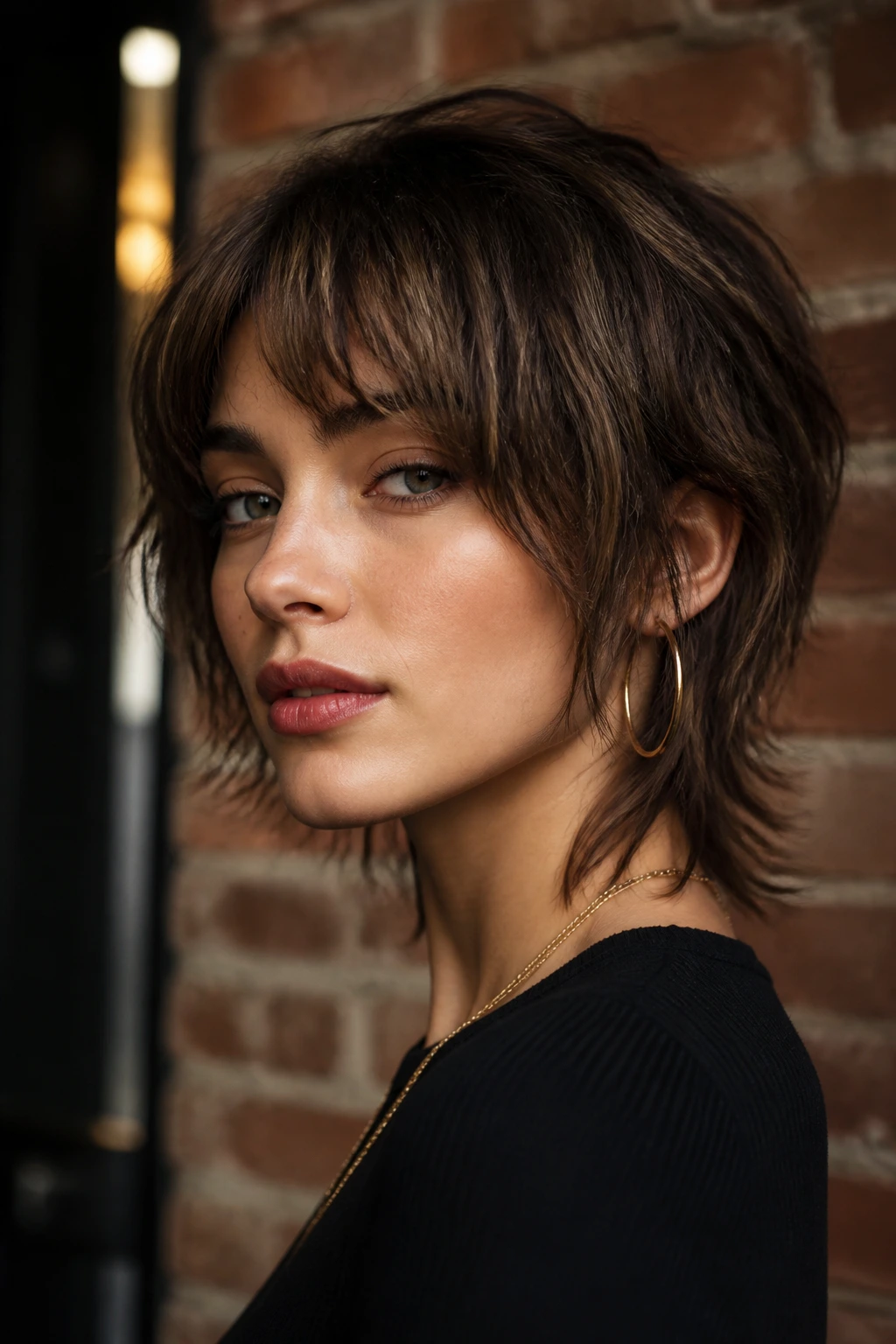
Don’t let the word “mullet” scare you. This modern take is subtle—it’s essentially a shaggy bob with slightly longer, texturized pieces at the nape of the neck. It is undeniably cool and has a bit of an edge.
Styling Advice
This look thrives on a bit of messiness. If your hair is too polished, the cut loses its intentional “rock and roll” feel. Embrace your natural texture and let the longer nape pieces do their own thing.
10. The Wispy Bangs Shag
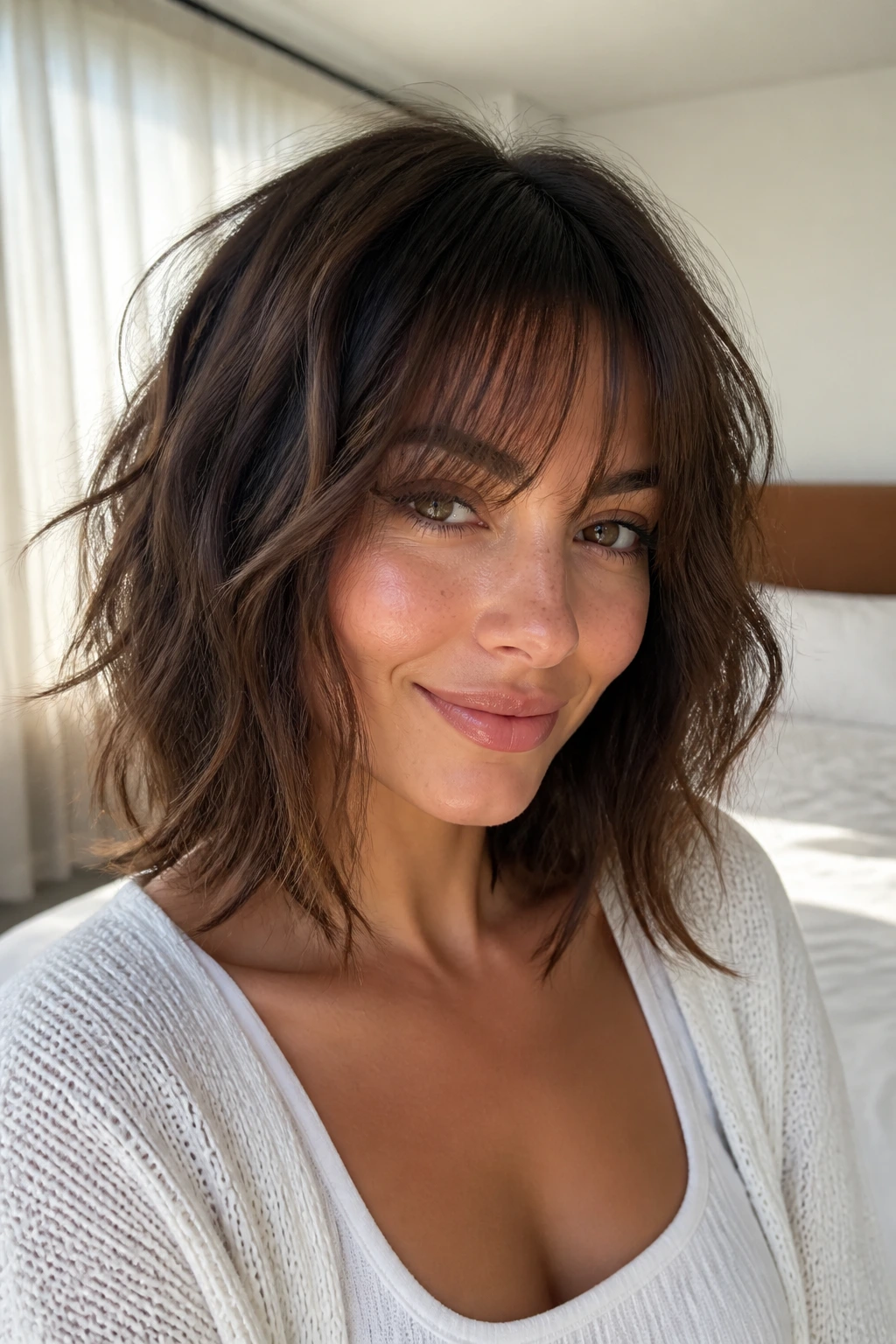
If you have a larger forehead and want to minimize it, wispy, see-through bangs are a brilliant addition to the shag. They don’t provide the heavy coverage of blunt bangs, which keeps the overall look airy and light.
Why This Works
The wisps draw attention to the eyes and cheekbones rather than the hairline. It’s a softer, more romantic version of the classic shag that works wonderfully for professional environments.
11. The French Girl Shag
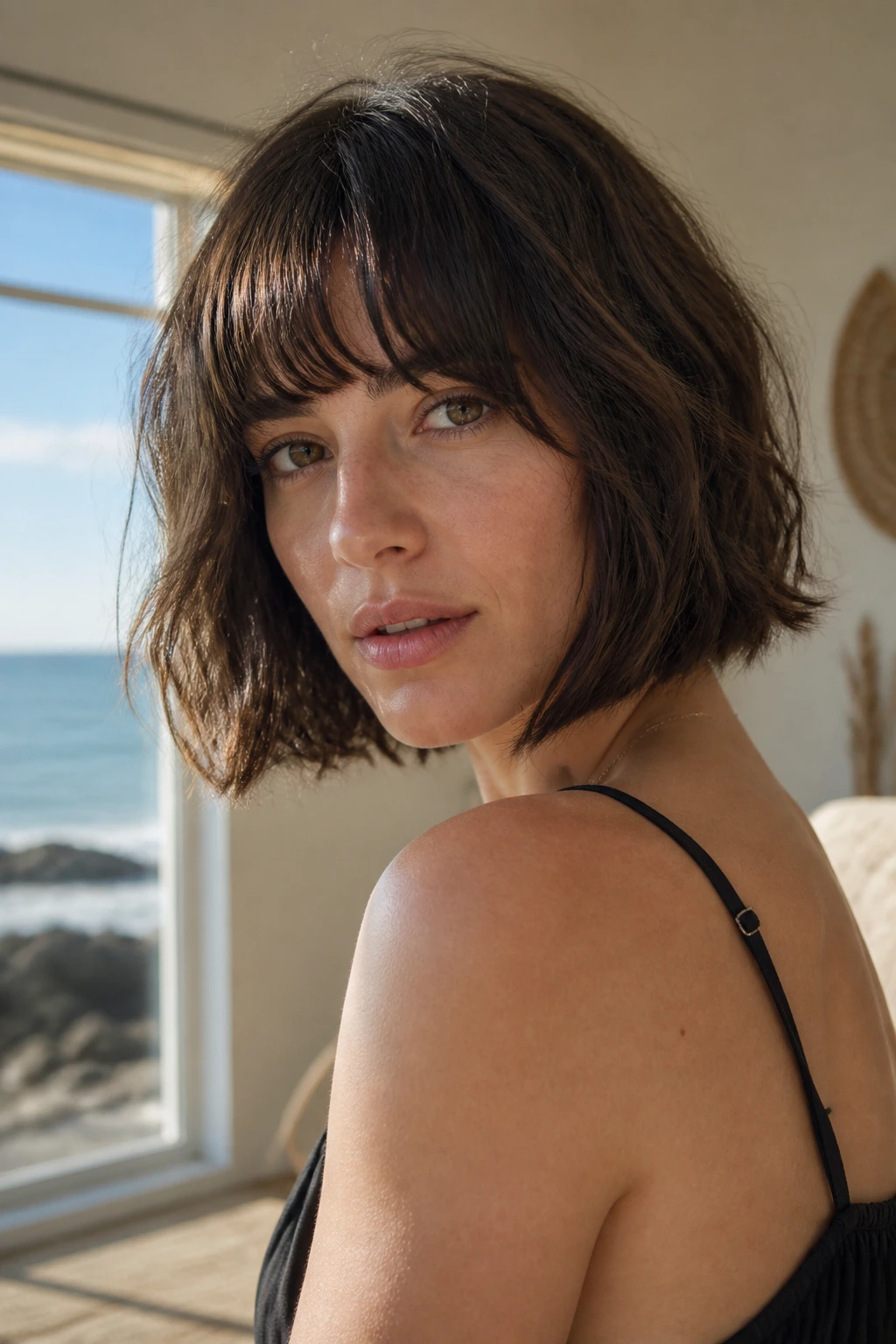
Think of this as the “I woke up like this” version of a bob. It is slightly shorter, often hitting right at the lip line or chin, with minimal layering around the face. The key is the texture—it should look soft, airy, and slightly tousled.
The Signature Look
Avoid styling tools. Wash your hair, use a light mousse, and let it air dry in a braid or a loose bun to encourage a natural, S-shaped bend in the strands. This is the definition of effortlessness.
12. The Graduated Shag Bob
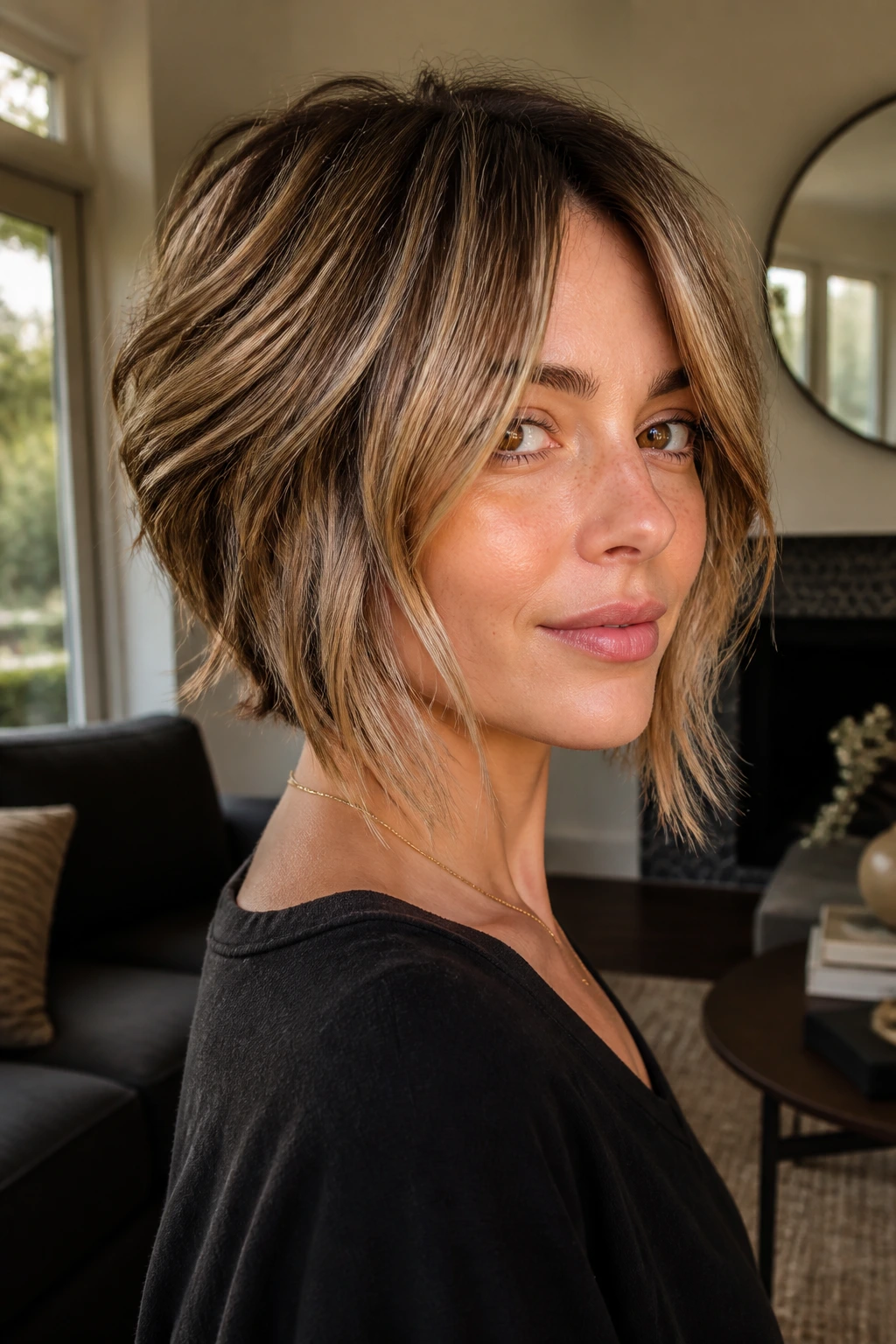
This cut is shorter in the back and longer in the front. By adding shaggy layers to this shape, you get the structure of a wedge cut with the softness of a modern shag.
Versatility
It’s a fantastic choice for those with thicker hair who want to keep the back tight and manageable while keeping enough length around the face to frame their features. You can tuck the front pieces behind your ears to switch up your look in seconds.
13. The Two-Tone Shag
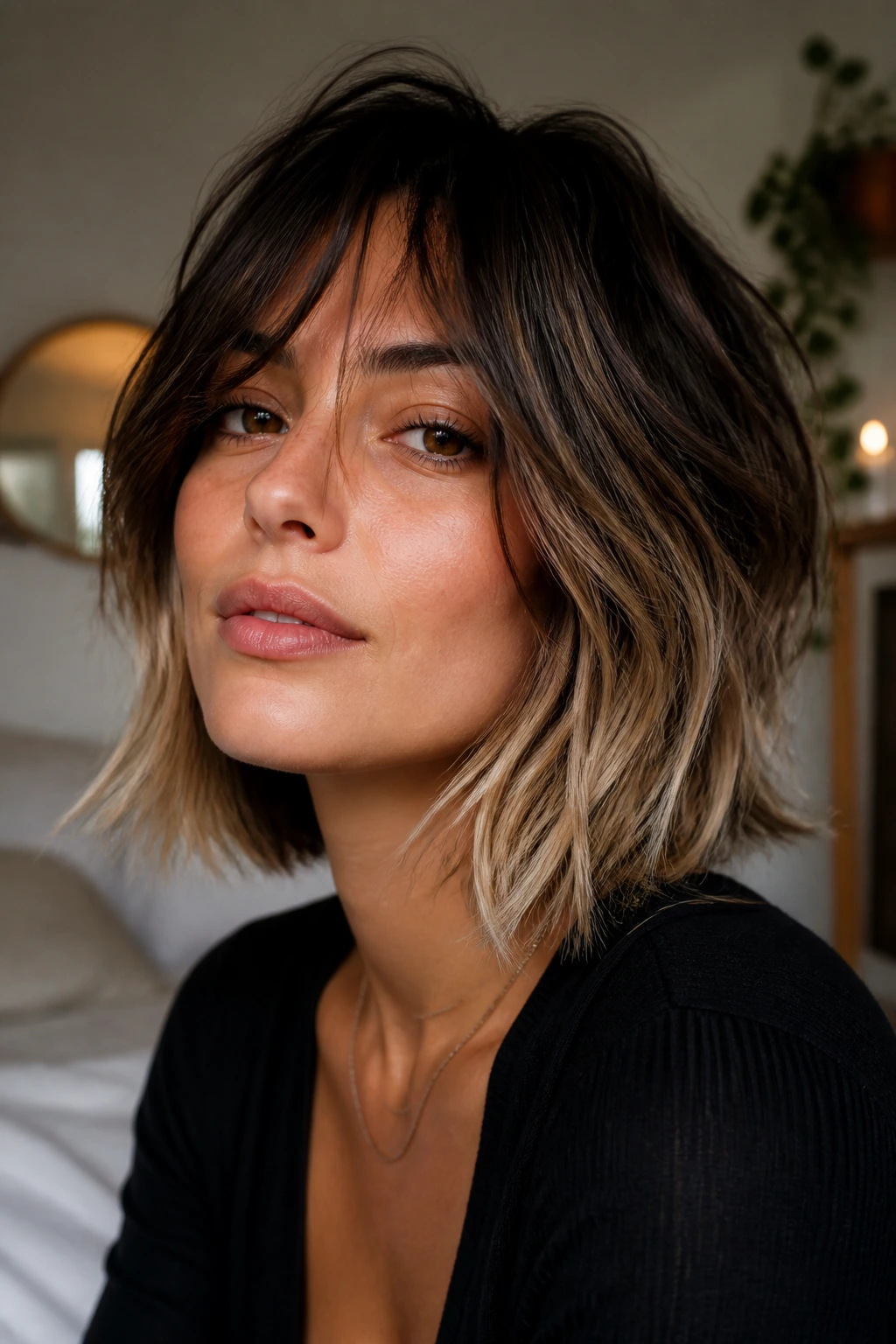
Because the shag relies on layers, it’s the perfect canvas for subtle color highlights. By coloring the ends of the layers a shade lighter, you emphasize the movement and choppy nature of the cut.
Choosing Your Colors
If you want something subtle, opt for a “babylights” approach. If you are feeling adventurous, a “money piece” fringe combined with lighter ends in the back creates a dimensional look that makes the cut look even more complex than it actually is.
14. The Super-Choppy Crown Shag
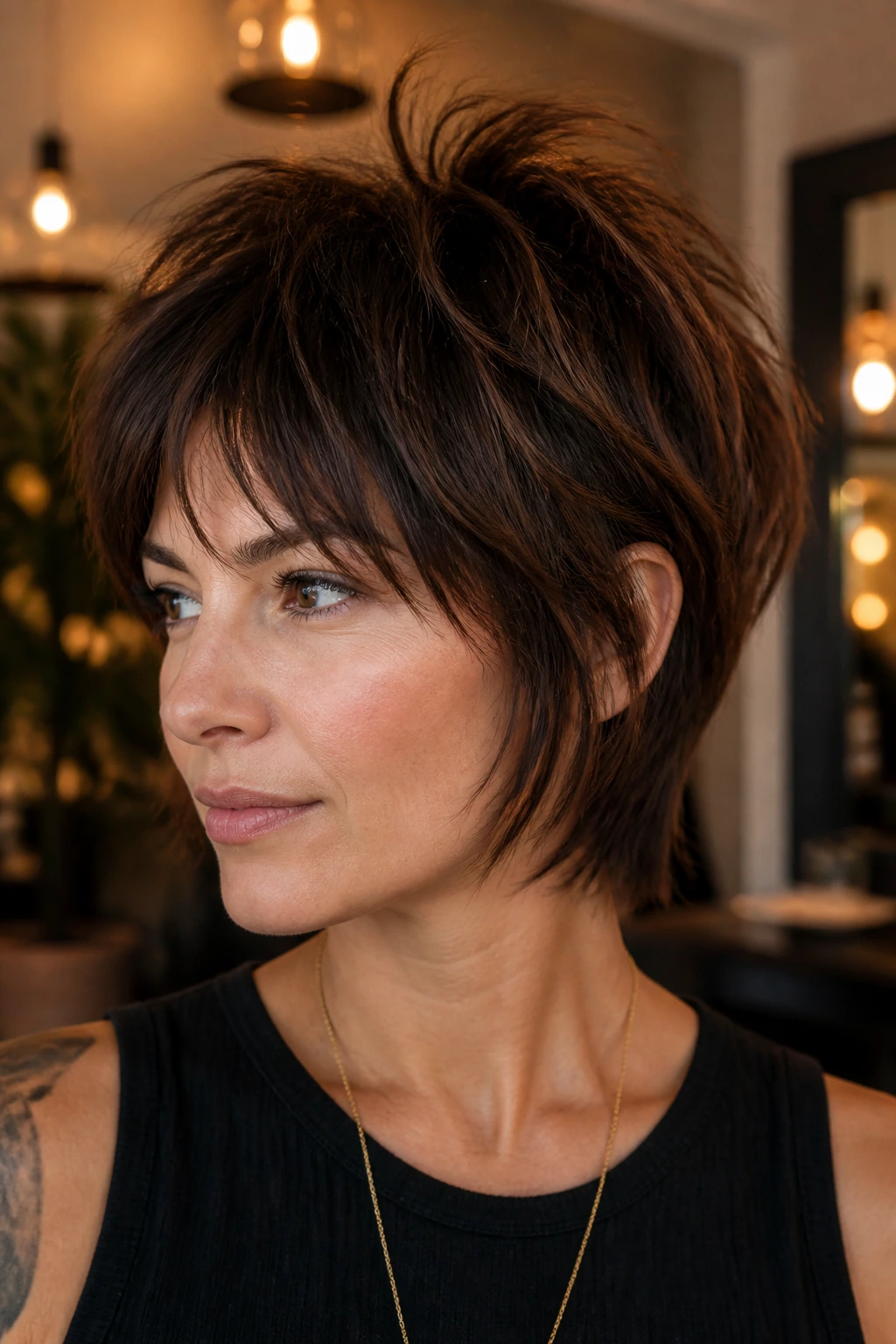
If your hair is very flat on top, this is the solution. The stylist cuts the layers at the crown much shorter to force the hair upward. It creates an almost faux-hawk-like volume without ever needing to touch a teasing comb.
Warning on Length
Be careful not to go too short with the crown layers. You want the transition between the short crown and the rest of the hair to be gradual. Ask your stylist for “soft-blended” layers to ensure you don’t end up with a visible shelf of hair.
15. The Asymmetrical Shag Bob
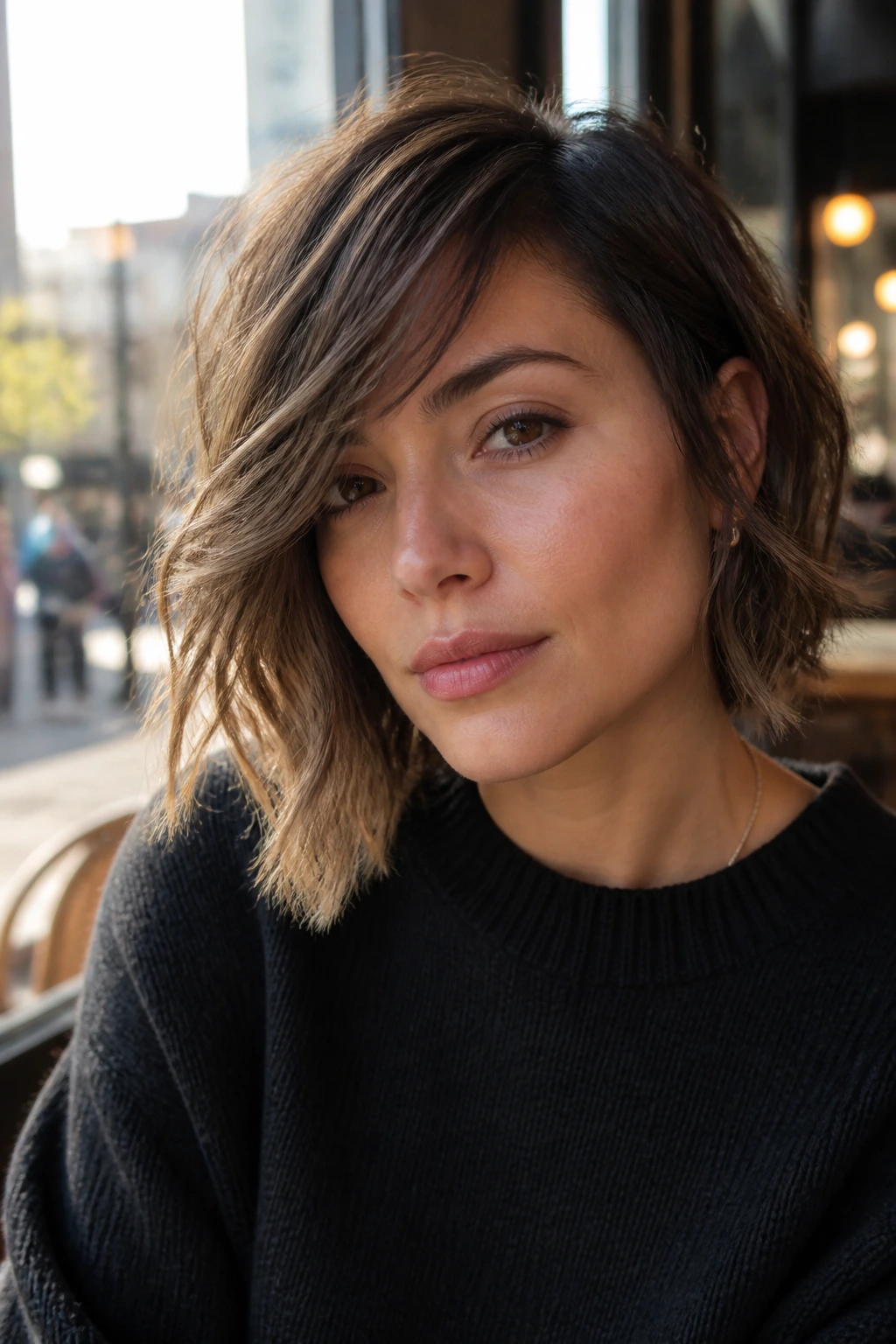
For those who want to stand out, an asymmetrical cut—where one side is longer than the other—adds an artistic flair to the standard shag. It is edgy, modern, and surprisingly easy to style.
Styling Tip
Because the length is uneven, keep the styling consistent on both sides. A light wave applied with a curling wand works best to blur the line between the two sides, making the asymmetry look like a stylistic choice rather than a mistake.
16. The Blunt-Perimeter Shag
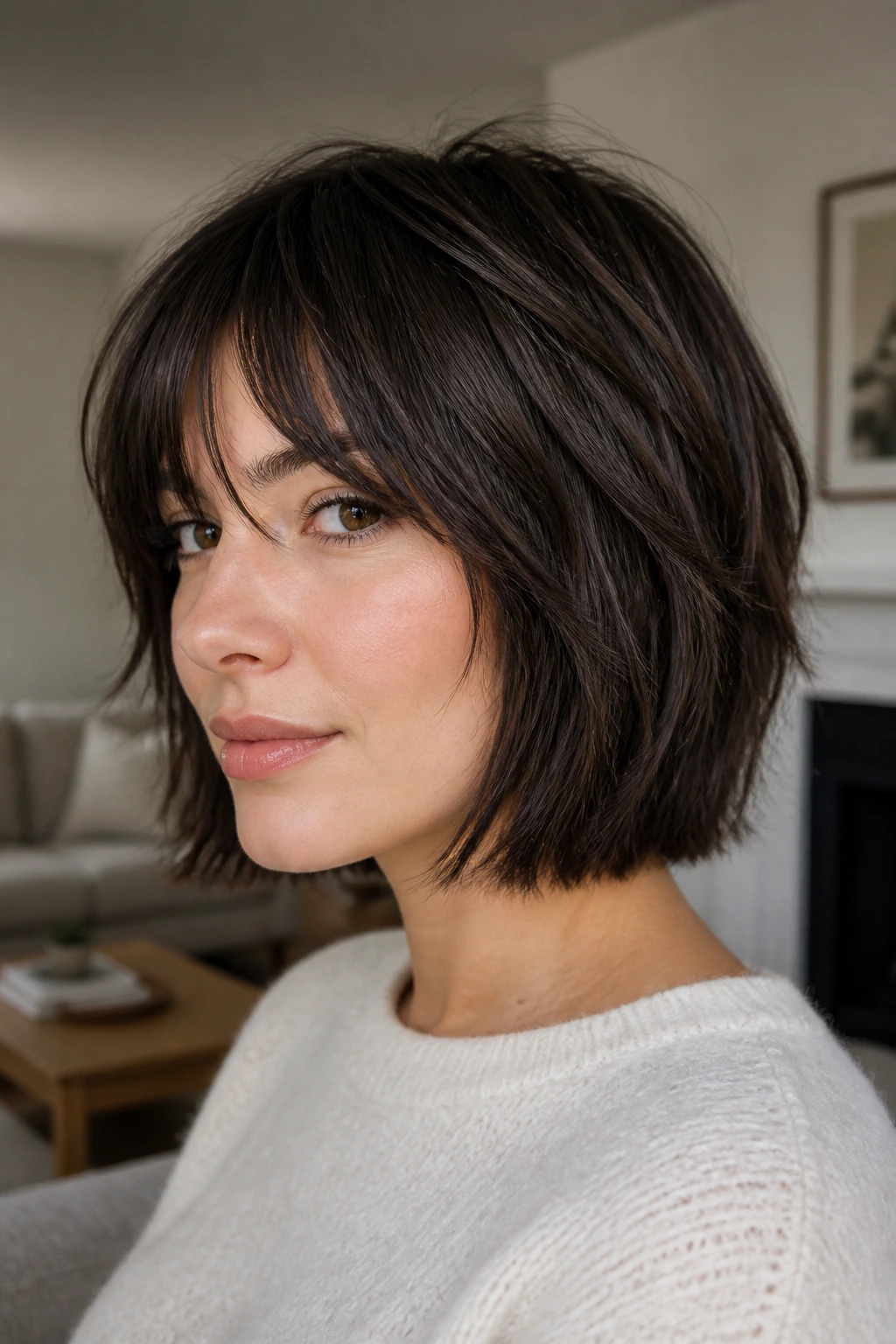
This is a hybrid cut. The base of the bob is cut with a straight, blunt edge, but the top and internal layers are chopped for maximum texture. It’s the perfect marriage of a modern, clean bob and a messy, bohemian shag.
When to Choose This
It works best for those with straight or slightly wavy hair. If your hair is very curly, the blunt edge might become lost in the texture, so you’ll want to ensure the perimeter is dense enough to hold its own.
17. The Pastel-Toned Shag
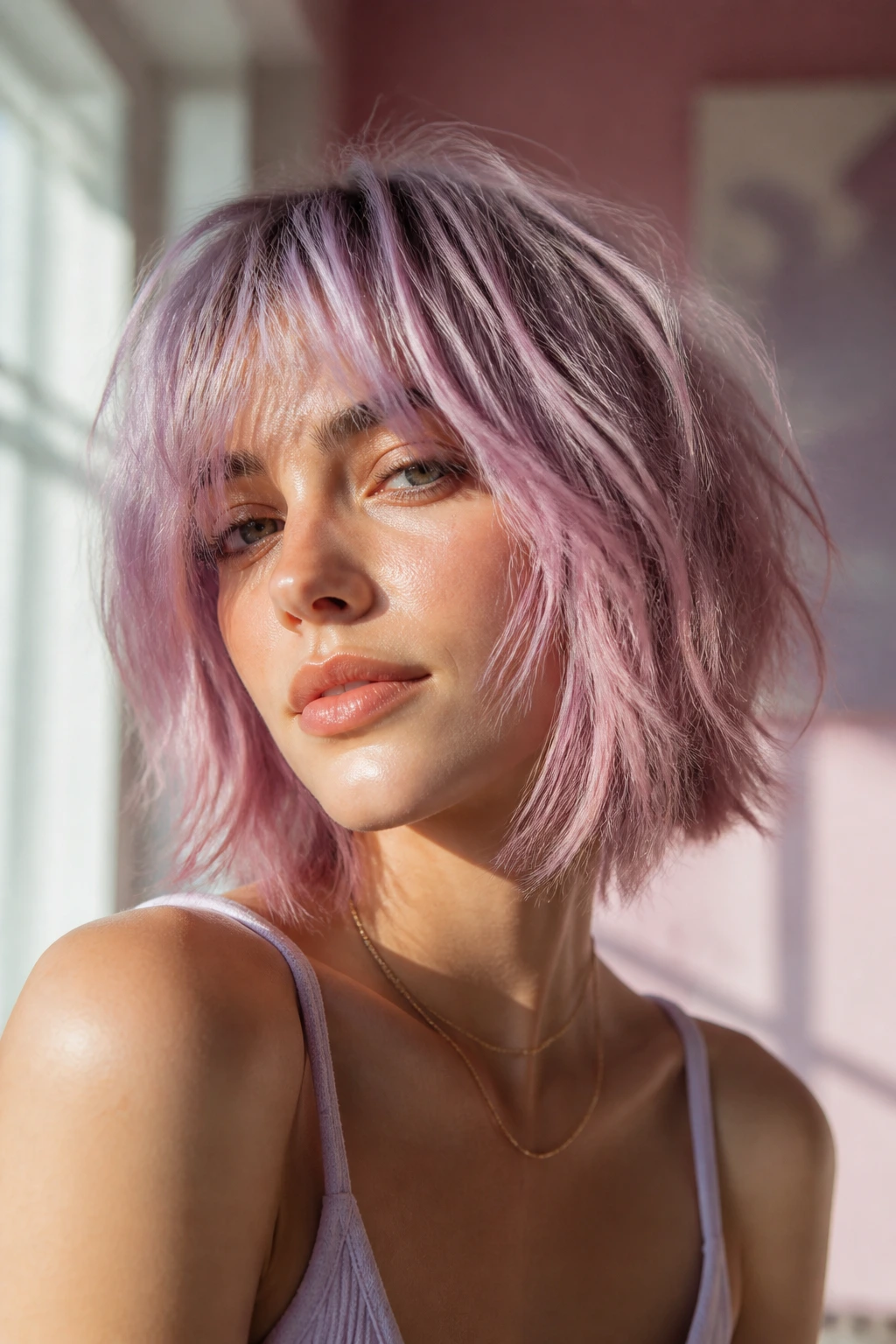
Color is a powerful accessory, and a shaggy cut displays it beautifully. Since the layers have different depths, light catches them differently, making colors—especially pastels like lavender or soft pink—look multidimensional.
Hair Health
If you are planning to color your hair, remember that lightener can be drying. Ensure you are using a sulfate-free shampoo to protect the vibrancy and keep your hair feeling soft, as texture is the star of this look.
18. The “Undone” Beach Shag
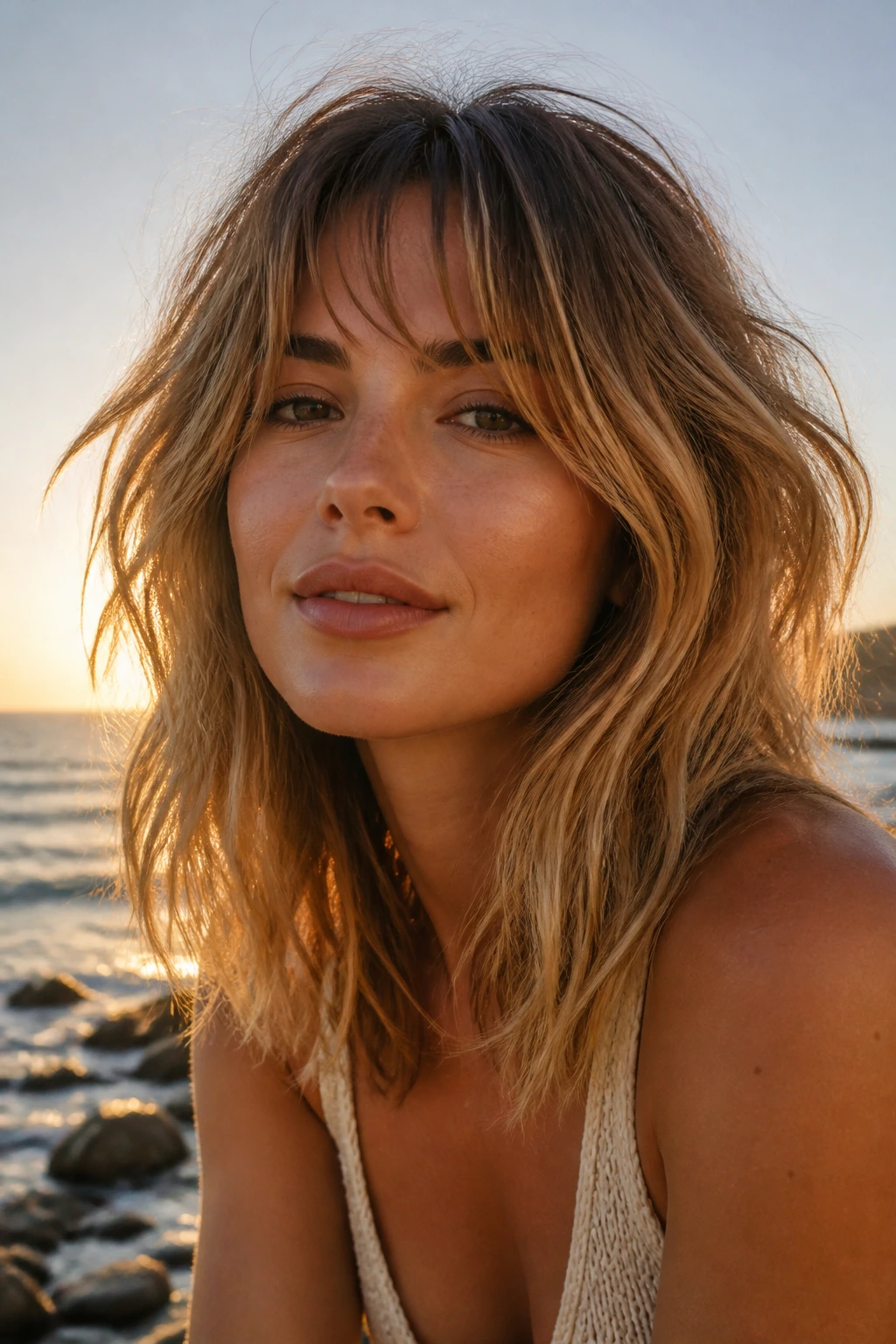
This style mimics the look of a day spent by the ocean. It features long, loose layers and is often paired with middle-parted curtain bangs. It’s the ultimate low-maintenance hairstyle for summer or warmer months.
Maintenance
You won’t need to visit the salon for this cut more than every three months. As the layers grow out, they just become softer and blend more naturally into a longer length, effectively giving you a new style as time passes.
19. The Thinning-Shear Shag
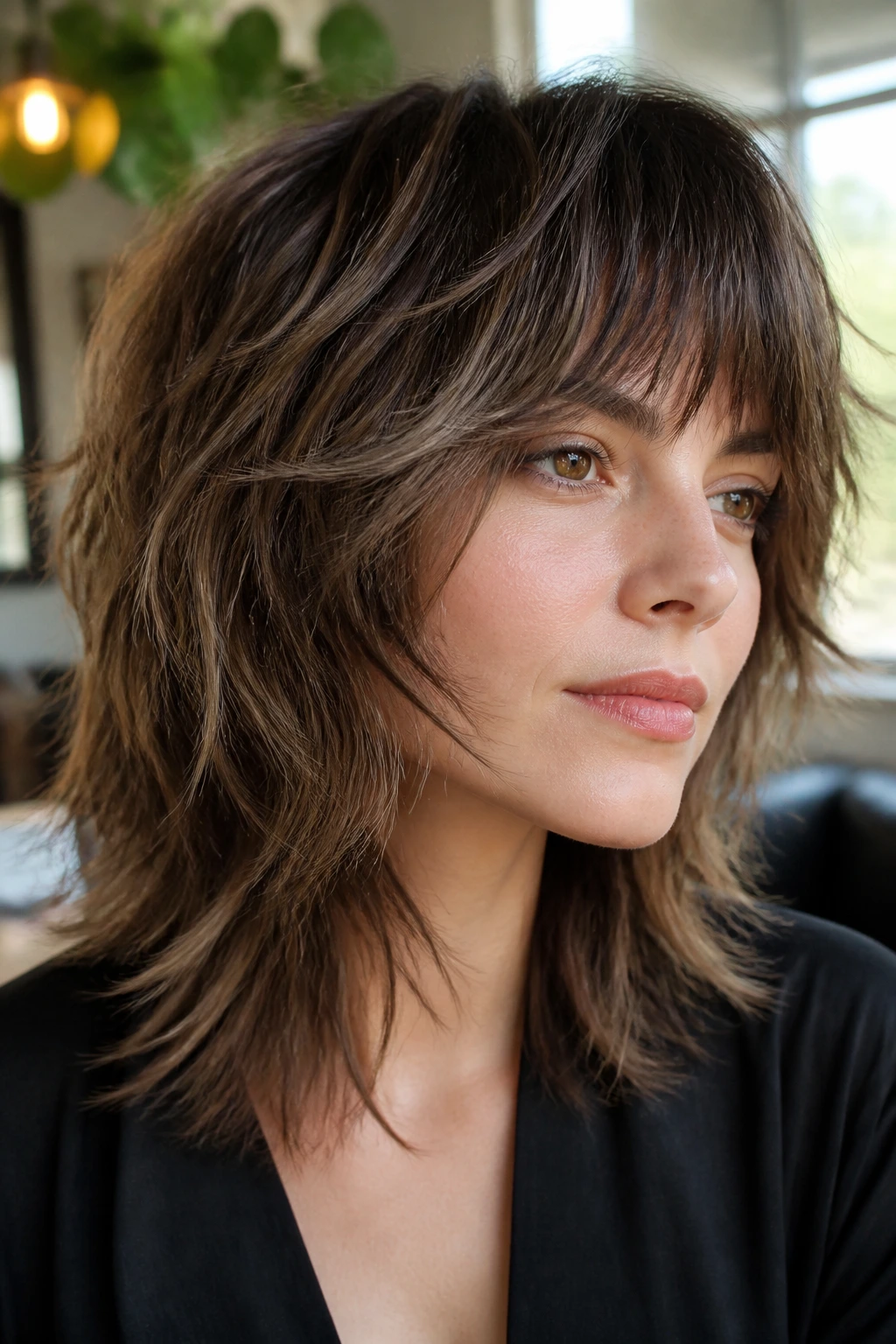
If your hair is extremely thick and unruly, ask your stylist to use thinning shears on the ends of your layers. This removes bulk without creating blunt, heavy lines that can make thick hair look like a helmet.
The Benefit
You will notice your hair dries in half the time. By removing the weight from the middle to the ends, you also improve the longevity of your style; it won’t fall flat by the end of the workday.
20. The Short-Nape Shag
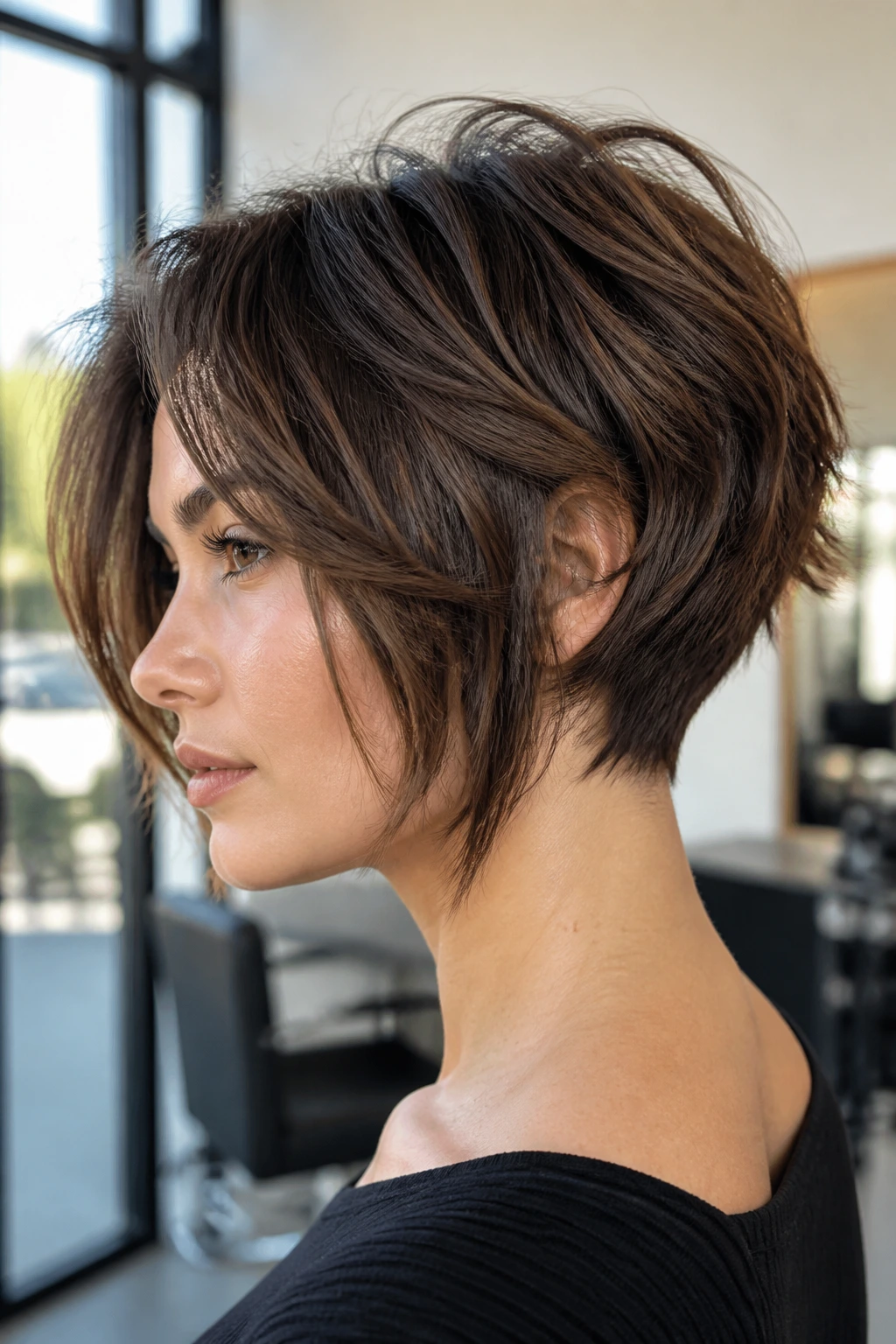
This version is perfect for those who get warm easily. The back is cut very close to the hairline, while the front remains long and layered. It’s a sharp, clean look that still provides plenty of style around the face.
Styling the Back
A little bit of pomade or wax at the nape is all you need to keep those short hairs in place. It adds a bit of polish to what is otherwise a very wild and textured look.
21. The Volume-Focused Shag
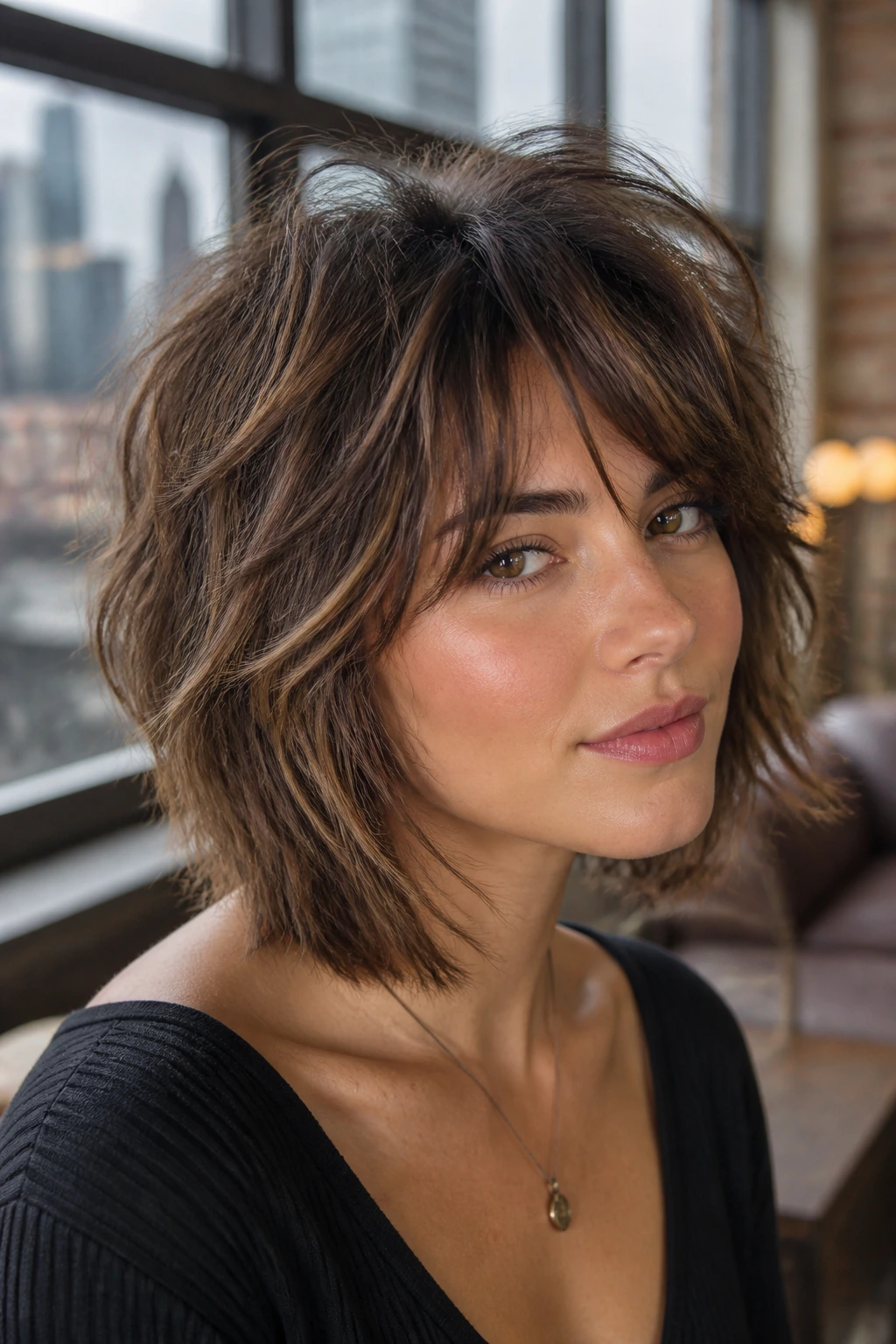
Some people want the shag only for the volume. In this version, the layers are concentrated entirely around the middle and upper parts of the head, leaving the bottom of the hair relatively simple.
Why It’s Unique
It provides a great deal of height. If you have a round face, this style is fantastic because it pulls the eye upward and elongates your profile.
22. The 70s-Inspired Feathered Shag
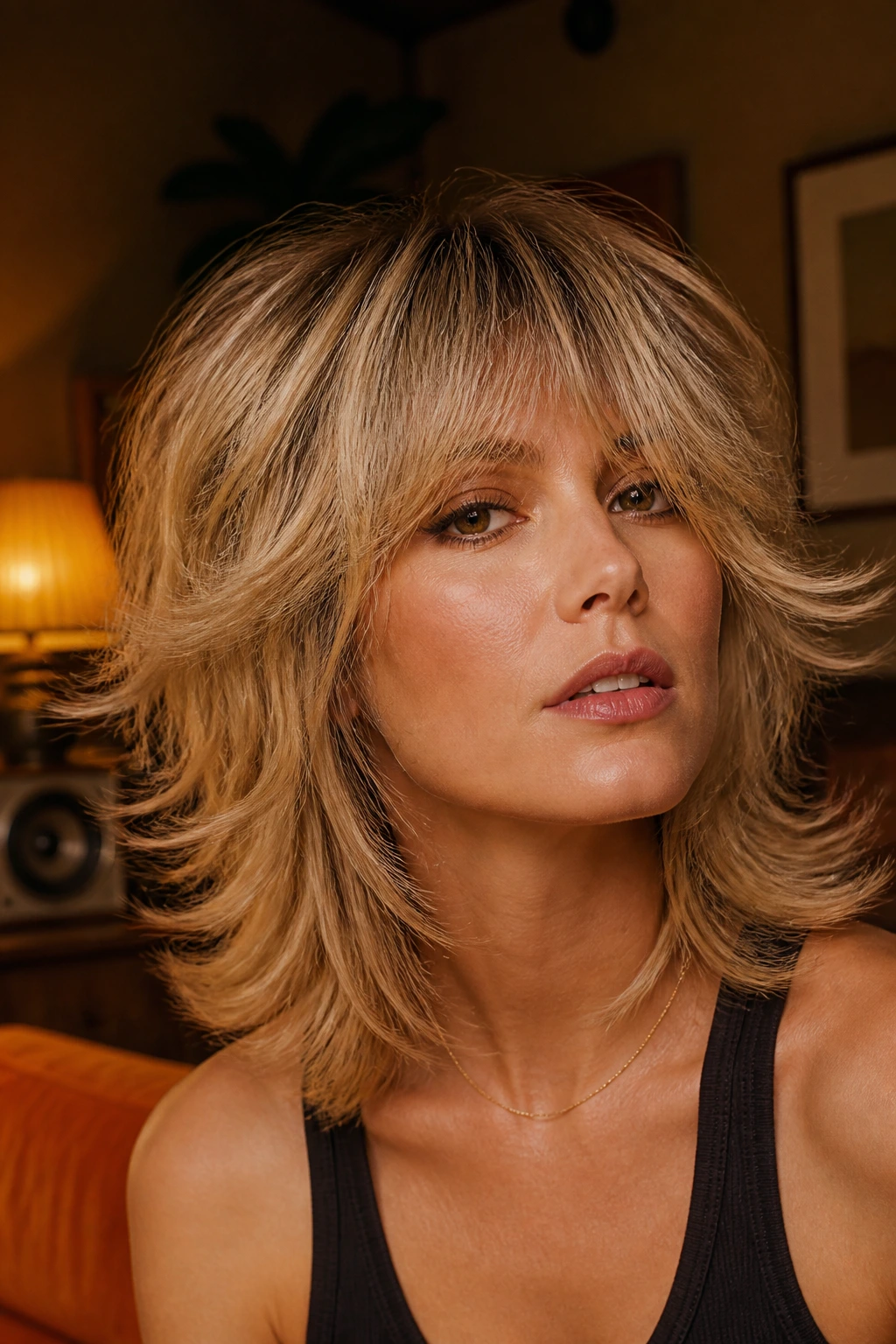
Think Farrah Fawcett, but brought into the current era. This style is all about flicking the ends away from the face. It’s a very feminine, high-glamour version of the shag.
Styling Necessities
You will need a round brush and a blow dryer to achieve the “flick.” Hold the brush at the ends of your hair and pull them outward while applying heat. It’s a bit more effort than the “undone” styles, but the results are undeniably classic.
23. The Hidden-Undercut Shag
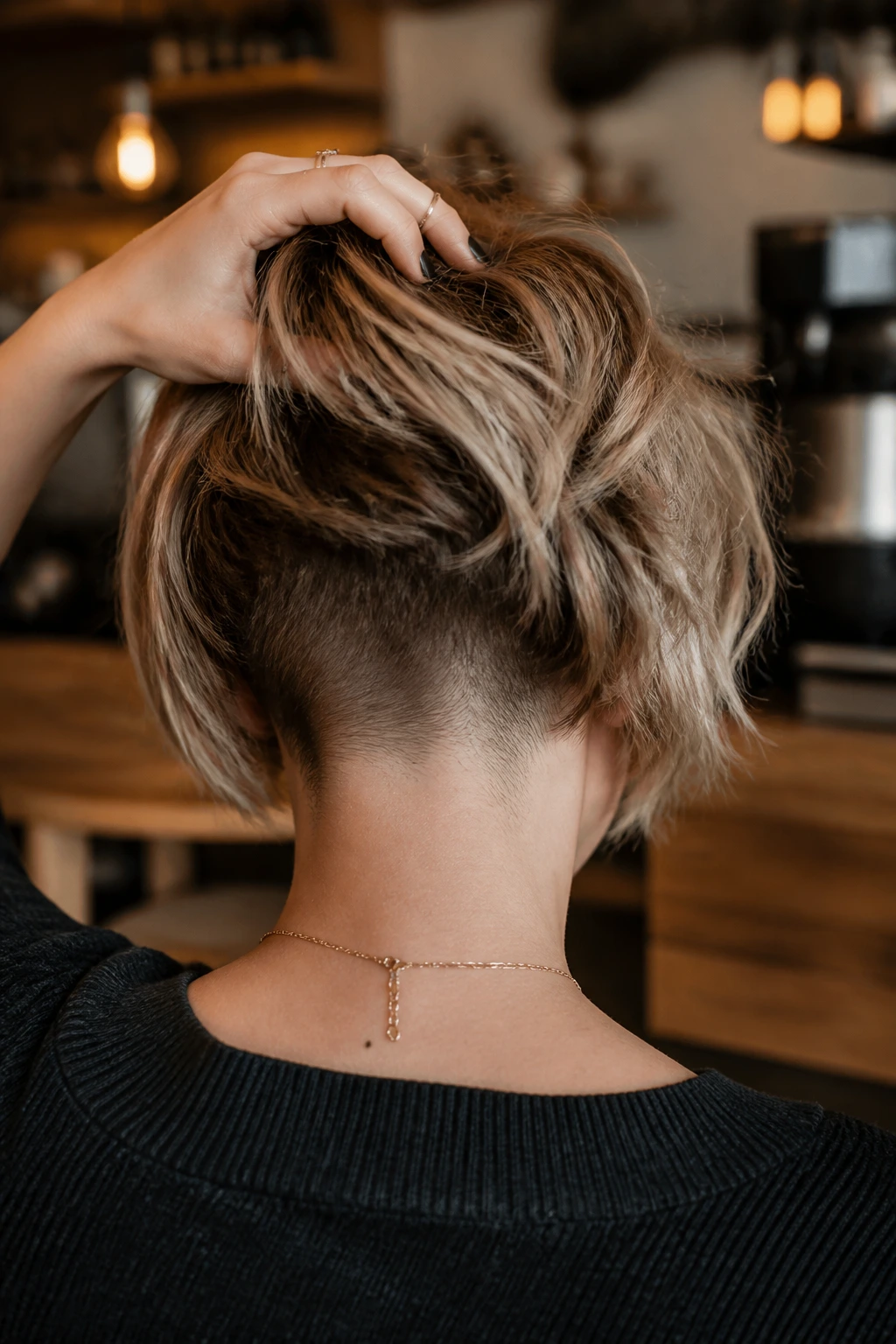
For a fun surprise, add a subtle undercut at the back of the neck. When your hair is down, no one will know it’s there, but when you pull the top layer up into a messy knot, you reveal a clean, edgy shaved section.
Who is this for?
This is perfect for people who work in professional environments where extreme styles might be frowned upon, but who still want a way to express their personal style on the weekends.
24. The Soft-Layered Shag
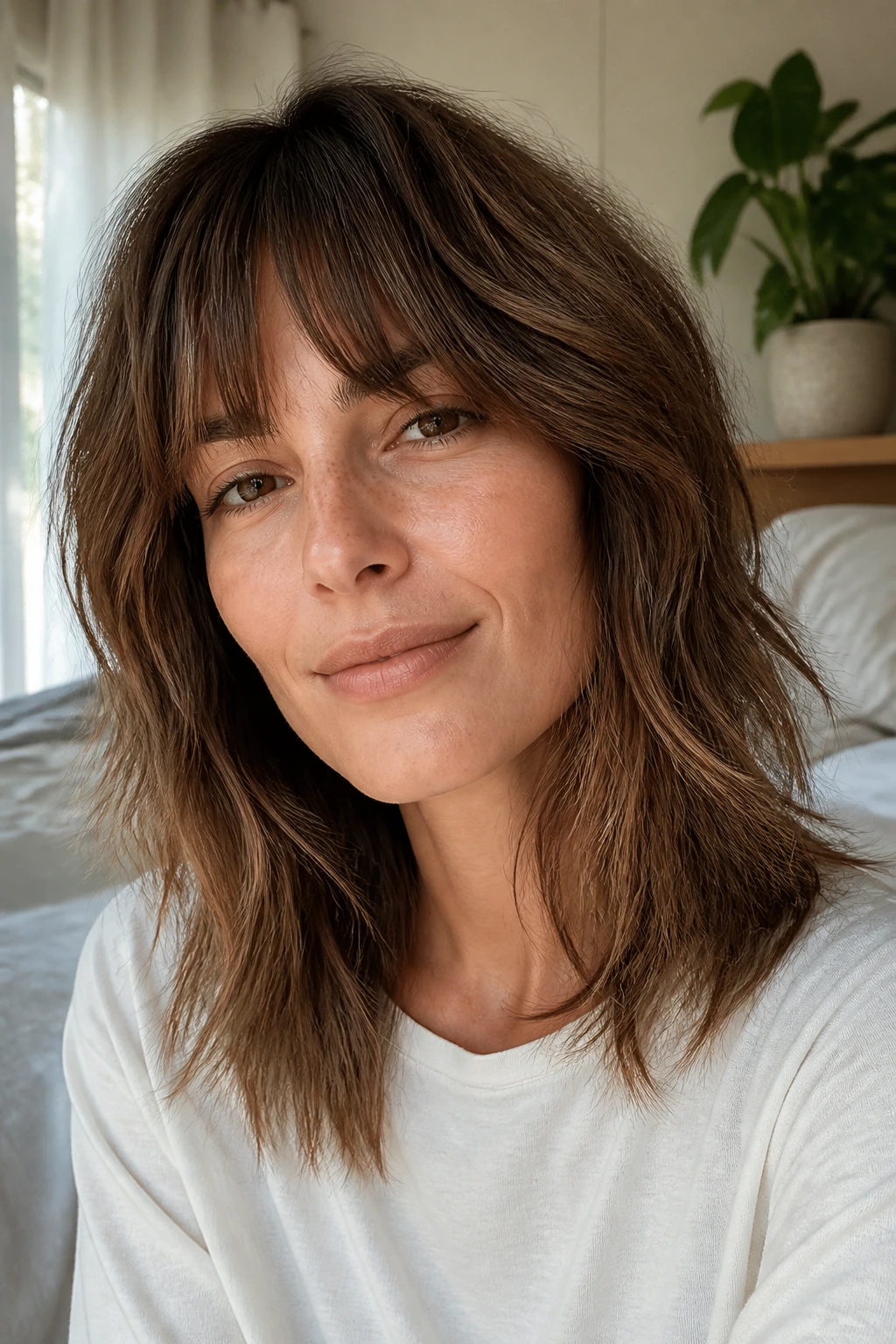
If you don’t like the “choppy” look of most shags, ask for “invisible layers.” These are subtle, long layers that add movement without the obvious tiered appearance. It’s the best way to get the shag vibe without the high-contrast layering.
Managing Expectations
Make sure your stylist knows you want soft transitions. If you show them a picture of a very choppy shag, they might over-layer. Use keywords like “soft edges” and “blended movement.”
25. The Face-Frame Shag
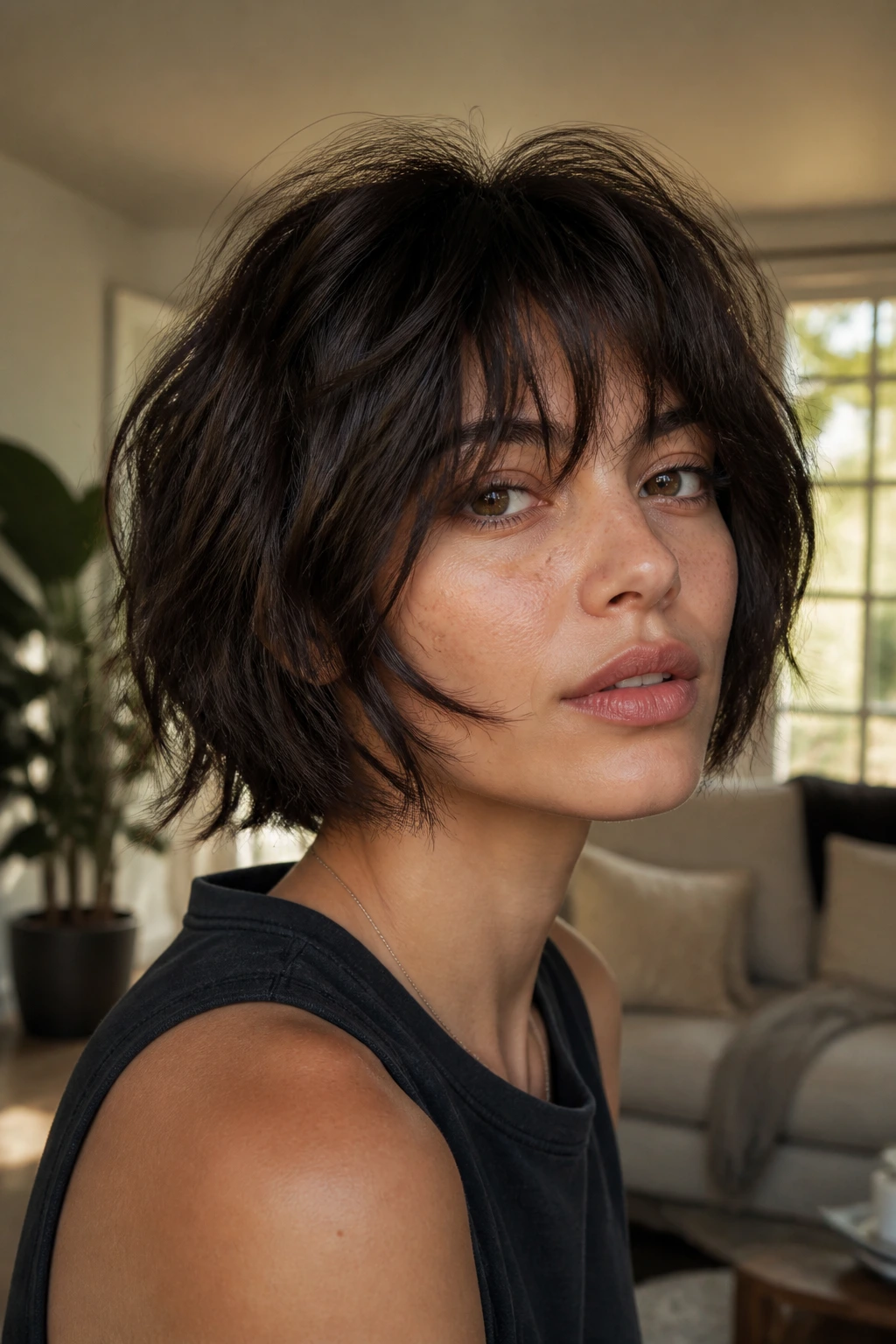
The final variation focuses entirely on the pieces around the face. The back can be simple, but the front features heavy, textured bangs and chin-length layers that do all the heavy lifting for your look.
Why This Wins
It’s the most “customizable” shag. By shifting the focus to the face, you can highlight your jawline, emphasize your cheekbones, or hide a hairline you aren’t fond of. It’s highly effective and tailored to your specific face shape.
Final Thoughts
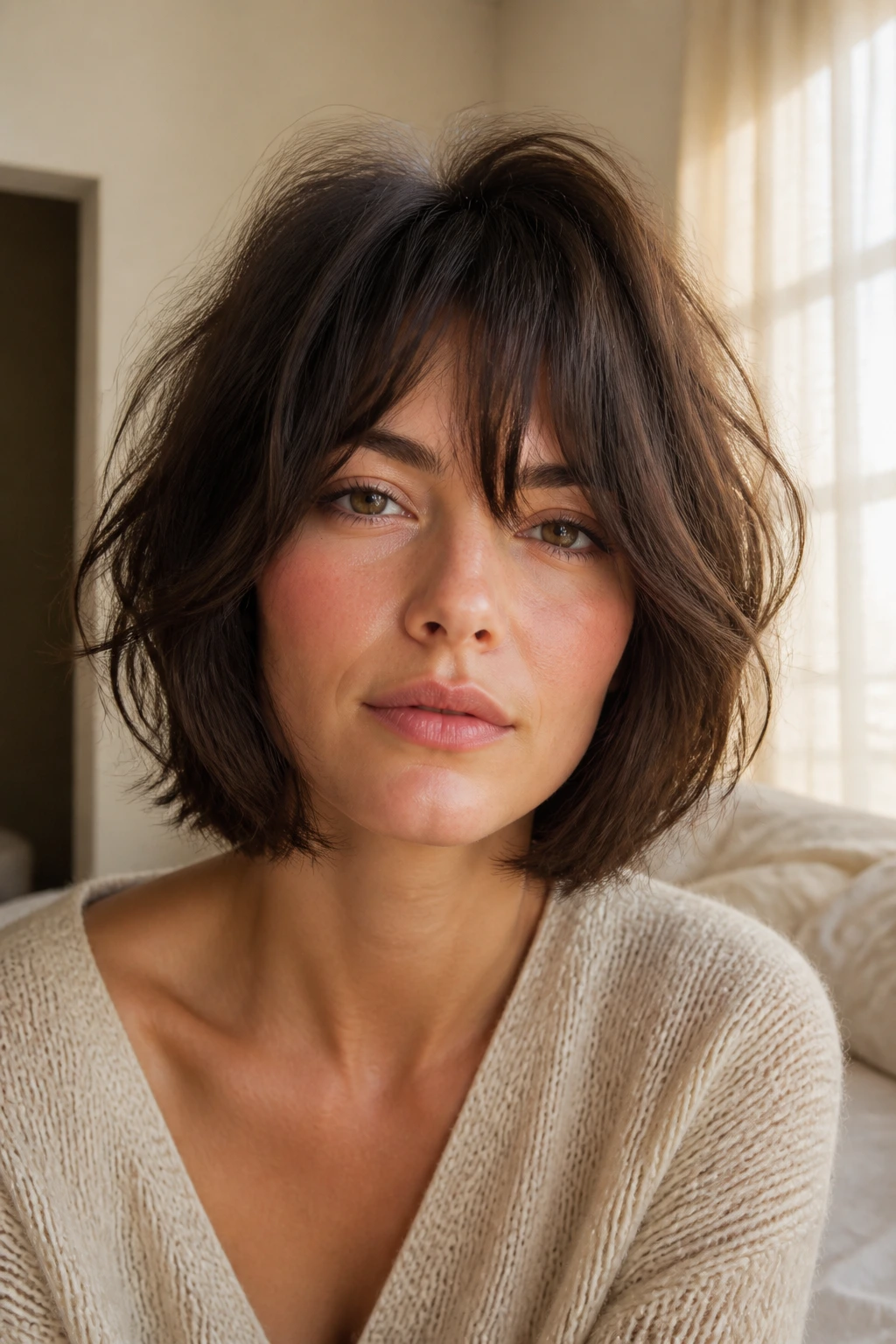
The beauty of the shag bob lies in its refusal to be perfect. Whether you lean toward the polished straight versions or the wild, curly interpretations, the goal is always the same: movement, texture, and a sense of ease. Once you find the right layering pattern for your hair type, you will likely find that your daily styling routine becomes a joy rather than a chore. Don’t be afraid to experiment with your part or your texture; the shag is meant to be played with, messed up, and made entirely your own.